A fabric backdrop can turn an ordinary meeting room, conference stage, media area, or exhibit space into a deliberate branded setting without requiring a permanent build. For Washington, DC organizations managing conferences, association meetings, briefings, stakeholder programs, recruiting events, presentations, interviews, and trade shows, that flexibility matters. The display can create one large visual background, travel between venues, and be packed away when the program ends.
Heritage Signs & Displays is a veteran-owned, family-led company founded in 1977. Since 2009, custom signs, interior graphics, workplace branding, and event environment solutions have become a defining part of Heritage's work. Fabric backdrops fit within that specialization because they can function as a focused portable display or become one coordinated element in a broader event environment.
The most useful backdrop starts with the scene the audience will actually experience. Behind a keynote speaker or panel, the graphic should reinforce the organization without overpowering the people on stage. At a media interview, sponsor reception, or photo area, the background may need repeated marks or controlled logo placement that stays visible in camera framing. At a trade show or registration area, the backdrop can establish a stronger visual anchor than a narrow banner while leaving other displays free to carry schedules, directions, sponsor messages, or supporting information.
That broad surface is especially useful when the same program must read clearly in a ballroom, briefing room, exhibit hall, or temporary media area. A well-composed backdrop helps establish the visual center of the space while allowing smaller signs to handle detailed information elsewhere.
Portability is also part of the decision. Standardized fabric backdrop systems use lightweight frames that break down or collapse for transportation and storage. Their graphic attachment methods differ, so setup, packing, and future graphic replacement should be evaluated for the specific system rather than assumed to work the same way across every product. Use the Heritage Online Store to compare current configurations, sizes, artwork templates, options, attachment details, and pricing before selecting the system.
For organizations that move between Washington, DC venues, Arlington, Northern Virginia, Maryland, or other Mid-Atlantic locations, a repeat-use backdrop can help preserve a consistent visual standard without forcing each event to begin from zero. The backdrop can also work alongside retractable banners, event towers, step and repeat graphics, modular structures, trade show displays, and other event signs when the program needs multiple communication layers.
If the product decision is already made, use the Heritage Online Store. That route is for a buyer who knows the standardized backdrop and configuration, has complete print-ready artwork, and is ready to order independently. The standalone transaction does not include Heritage design or layout development, direct product selection or coordination, a Physical Production Color Proof, a Heritage site survey, or Heritage professional installation. When the backdrop is part of a broader qualifying event or workplace project that still needs Heritage development and/or coordination, use Get Started Now.
Talk with Heritage about a coordinated event environment involving multiple signs, graphics, displays, and professional installation.
Get Started Now
Choose the frame around the way the display will be handled from one event to the next. One available system uses connected tube sections with a tension fabric graphic that pulls over the assembled frame and closes around it. Another uses a collapsible pop-up structure with a fabric graphic secured by hook-and-loop attachment. These systems reach a similar visual result through different mechanics.
That difference affects more than setup time. Consider who will assemble the display, how often it will travel, how much storage space is available, whether the graphic will stay mounted between uses, and whether future message changes are likely. Some backdrop systems support interchangeable graphics, but replacement capability is system-specific and should be confirmed before purchase.
A team that understands those practical differences can choose hardware that fits the event routine instead of selecting only by image size. Review the current Online Store product information, artwork requirements, dimensions, and instructions before ordering so the chosen system supports the way your team expects to transport, assemble, use, and store it.

For Washington, DC organizations, a managed Heritage project provides continuity across event coordination, not simply production of one backdrop. Conferences and stakeholder programs can involve venue access, several reviewers, schedule changes, delivery coordination, multiple graphics, and installation requirements. When the accepted scope calls for that broader support, Heritage can connect environmental graphic design, project management, production, fabrication, site coordination, delivery planning, and professional installation through one accountable process.
One dedicated Project Manager keeps the project record together as approvals move among stakeholders and locations. That continuity helps preserve decisions about artwork, quantities, timing, placement, and related displays instead of restarting those details at each handoff. A standardized backdrop with complete artwork can still remain a self-directed Online Store purchase when none of that broader coordination is needed.
Color-critical managed projects are handled through Heritage's professional color-management process, with supplied Pantone Matching System colors used as production targets. Electronic proofs do not establish finished physical color. When the accepted scope and schedule support it, Heritage can provide a Physical Production Color Proof at additional cost. Standalone Online Store orders do not include that service.

Explore the broader event-backdrop category when the program needs a different structure, scale, staging treatment, or visual solution than a standardized portable fabric system.
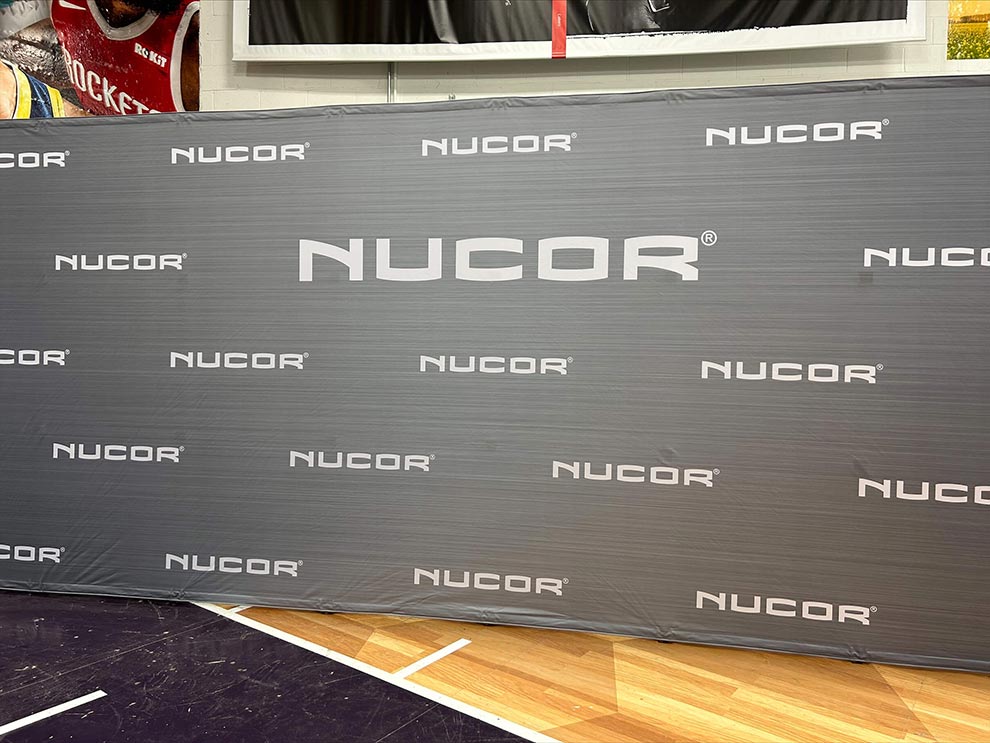
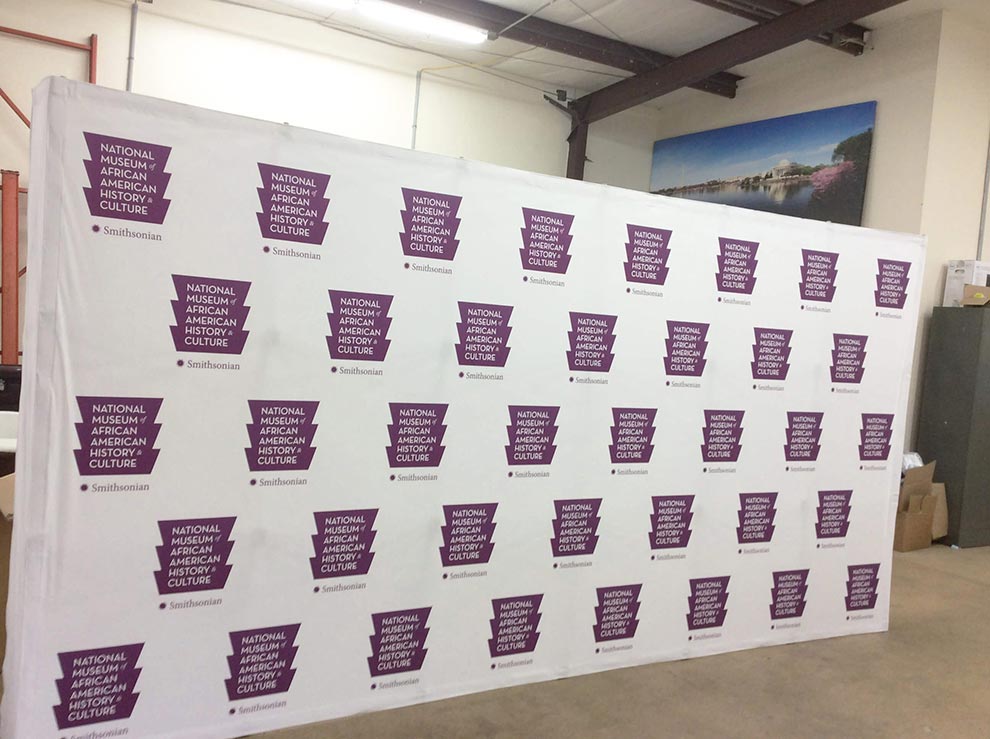
Build a repeated-logo or sponsor background for arrivals, interviews, guest photography, media coverage, award programs, and other camera-focused settings.
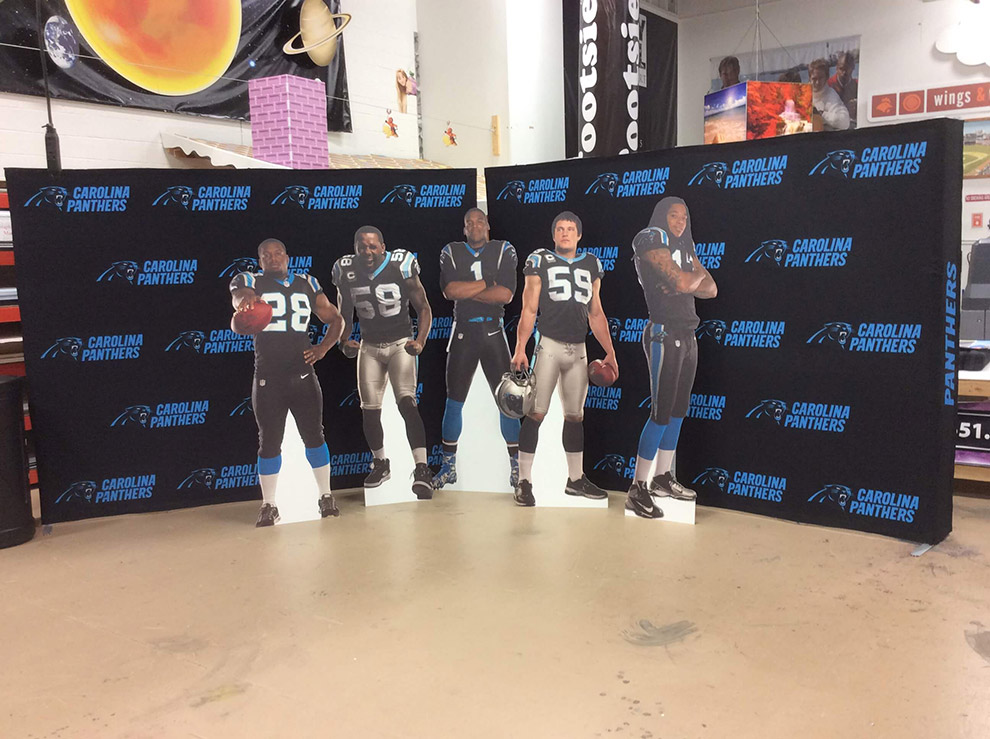
Move beyond one background when the exhibit requires several coordinated display surfaces, additional structure, or a broader portable booth presentation.
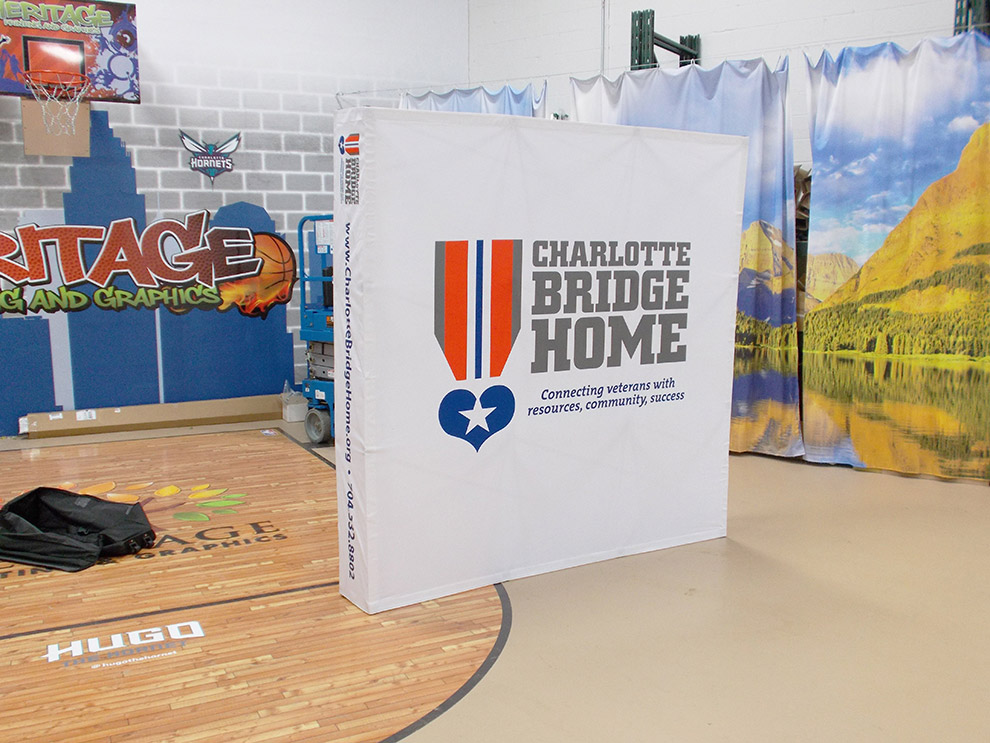
Place focused vertical messages around registration, entrances, breakout rooms, recruiting areas, or other locations where displays need to move independently.

Choose silicone-edge graphics when fabric needs to fit into the channel of a compatible frame or lightbox for a different finished display system.
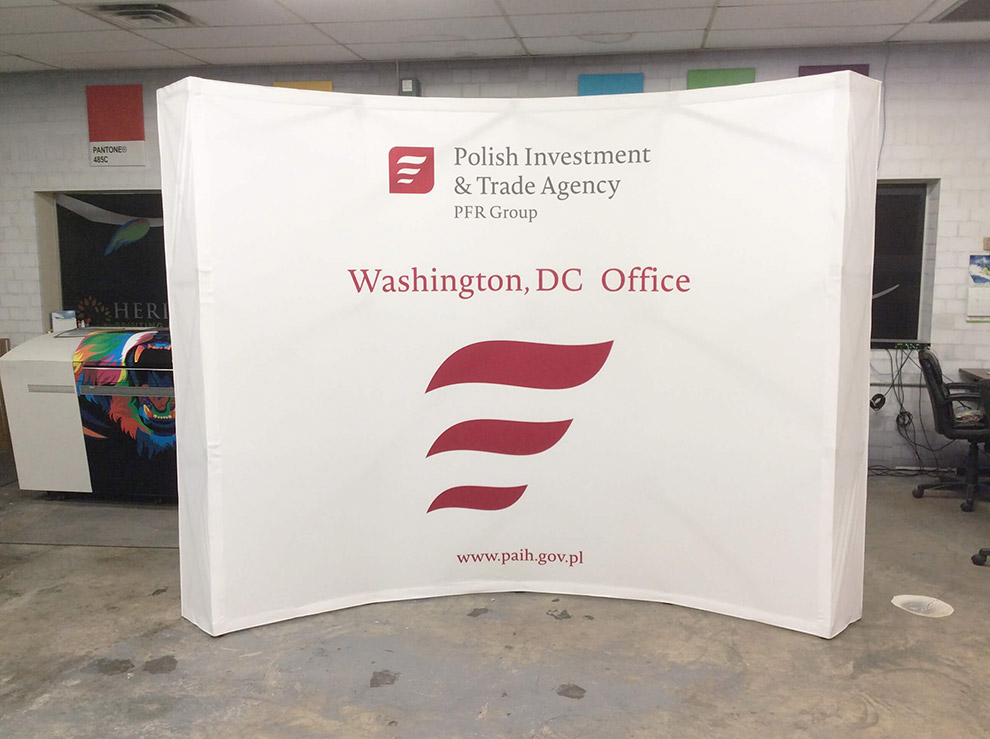
Use modular framing when the event requires configurable structural elements and a more extensive physical exhibit or branded environment.
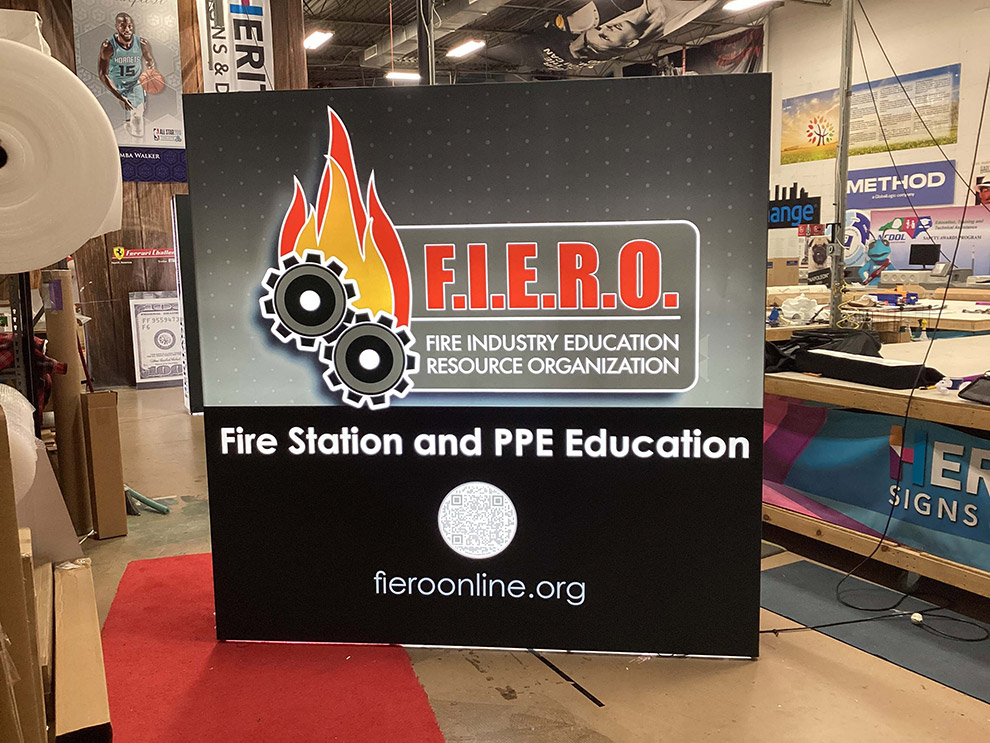
Create elevated visual markers for sponsor recognition, identification, direction, or messages that must remain visible above surrounding activity.
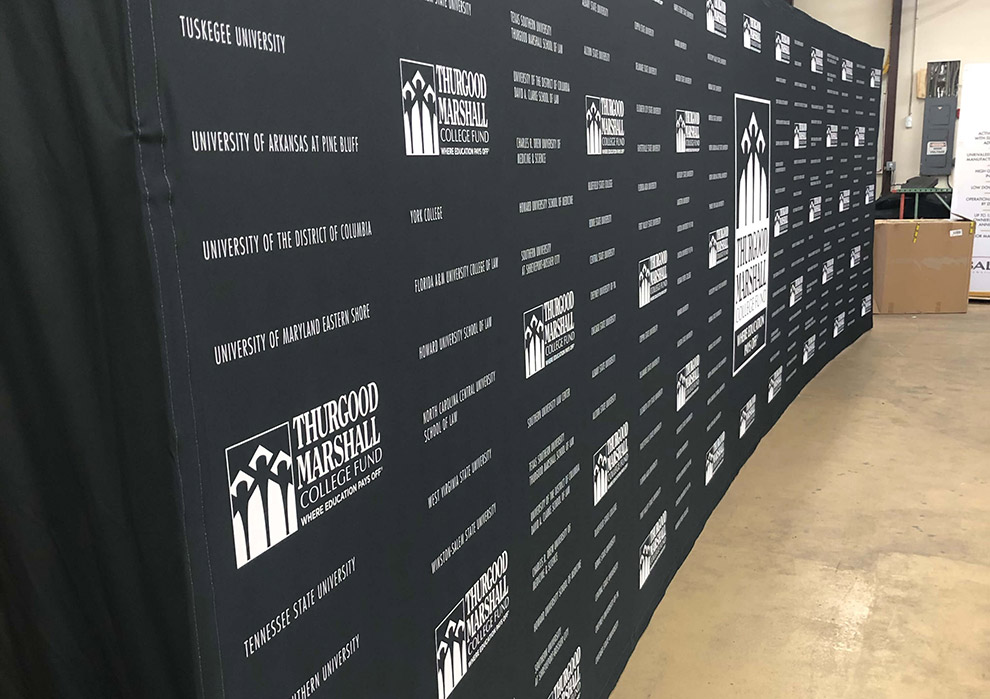
Coordinate the broader event communication system when wayfinding, registration, sponsor visibility, venue graphics, displays, and other physical elements need to work together.
Have the standardized system, configuration, and complete print-ready artwork settled? Use View Pricing & Order Online to check the current choices and complete the purchase directly through the Heritage Online Store.
Need Heritage to coordinate more than the backdrop itself? Use Planning a Larger Event Branding Project? Get Started Now when the accepted scope may involve multiple displays, venues, stakeholders, delivery, design support, or professional installation. Provide the event location, date, objectives, scope, and available files so Heritage can determine whether the broader project fits the managed-project path.
Planning a Larger Event Branding Project? Get Started Now
Heritage has a client-facing Washington, DC location with local field support for the DC metro, while Arlington provides close-in support for Northern Virginia and the Washington, DC area. For qualifying managed projects, those local resources support discovery, site surveys, field coordination, installation planning, and professional installation near the venue or workplace.
Heritage's Waldorf, Maryland facility is the nearby Mid-Atlantic production resource supporting Washington, DC, Northern Virginia, Maryland and Baltimore, and wider regional work. Waldorf is a production facility, not a sales office or showroom. Keeping those roles distinct gives clients local project and field support while connecting work to the appropriate production resources.
For organizations managing recurring programs or several venues, Heritage can extend coordination through the Mid-Atlantic and broader company network. One dedicated Project Manager can preserve approved artwork, production expectations, schedule decisions, and project history while local conditions are addressed at each site, supporting continuity without requiring every venue to use an identical physical solution.
That structure gives clients nearby field support while connecting larger programs to regional production and broader Heritage resources.
A Washington, DC backdrop often has to work for both the people in the room and the cameras documenting the event. Plan the composition around the foreground first. Speakers, panel tables, lecterns, interview subjects, products, and guests can cover large portions of the graphic, so important logos, sponsor marks, headlines, and visual identifiers should sit where they remain visible when the space is active.
The message should also match viewing distance and use. A conference stage may need restrained branding that supports the presentation. A media wall may call for repeated marks that remain recognizable in close photographs. A trade show backwall may need stronger imagery and a short headline that reads from the aisle. These are different design jobs even when a portable fabric frame could support each one.
Online Store buyers provide complete print-ready artwork built to the requirements of the selected system. Design and layout development are outside the standalone store transaction. In a qualifying managed project, Heritage can provide environmental graphic design when included in the accepted scope and coordinate the backdrop with related signs, graphics, displays, and stakeholder-approved brand standards.

A portable backdrop is easiest to reuse when the team treats setup, breakdown, and storage as part of the product choice. Tube-frame systems require the frame sections to be connected before the tension graphic is pulled over and closed around the structure. Pop-up systems expand from a collapsed frame and use their specified attachment method. Follow the instructions for the exact system rather than relying on one general setup routine.
During transport, keep frame components from pressing into, snagging, or abrading the printed fabric. Use the supplied carrying solution when applicable, and pack the graphic so it is protected from unnecessary friction or sharp hardware. At the venue, allow enough time to assemble the system, align the graphic, and inspect the finished background from the audience and camera positions that matter.
Standalone Online Store backdrops are client-deployed and do not include a Heritage site survey or professional installation. If a broader Heritage-managed project ultimately includes Heritage professional installation, the required site survey applies to that installed scope. Heritage can then coordinate placement, access, delivery, and installation with the other accepted event elements.
Choose the path according to how much of the purchase and event plan is already resolved. Use the Heritage Online Store when you have selected the standardized fabric backdrop and configuration, have complete print-ready artwork, and are comfortable making the order decisions yourself. The store provides the current product choices, artwork requirements, production information, shipping details, and pricing for the eligible standardized systems.
Use Get Started Now when the backdrop is one part of a broader qualifying event or workplace project that still needs Heritage development and/or coordination. The need may involve several display types, multiple venues or locations, delivery logistics, stakeholder approvals, site conditions, professional installation, or design support included in the accepted scope. Finished artwork does not by itself determine the buying path; a client can have approved files and still need substantial coordination around the larger program.
When an accepted managed project includes Heritage professional installation, Heritage conducts the required site survey for that installed scope. For multi-location work, one dedicated Project Manager can carry approved standards and project knowledge across the program while site-specific requirements are handled locally.
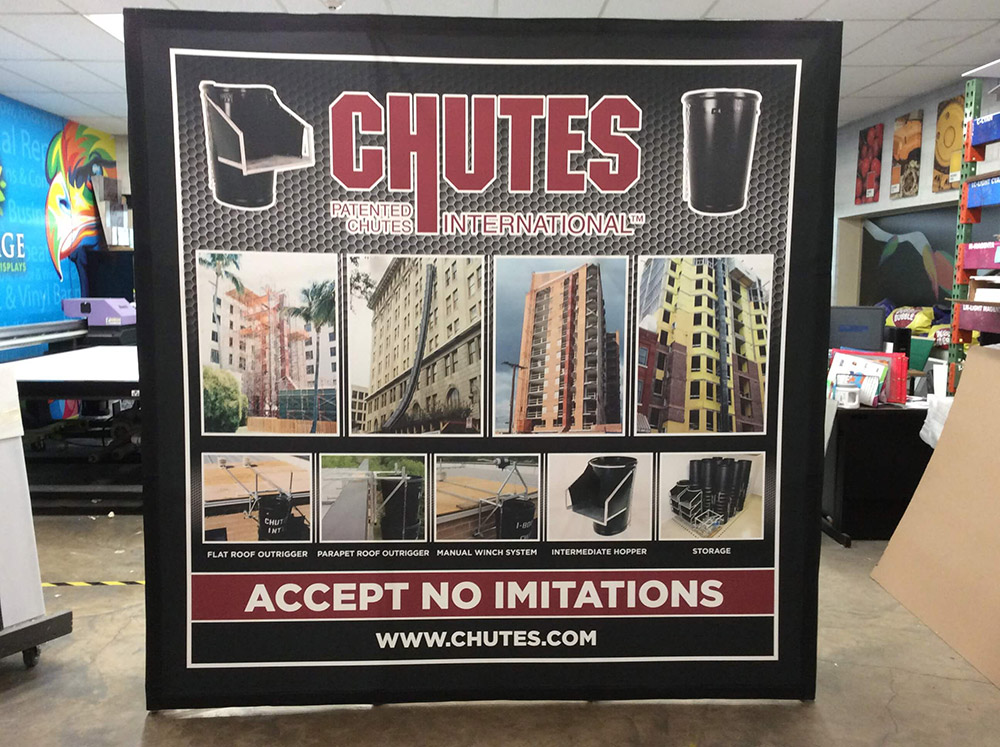
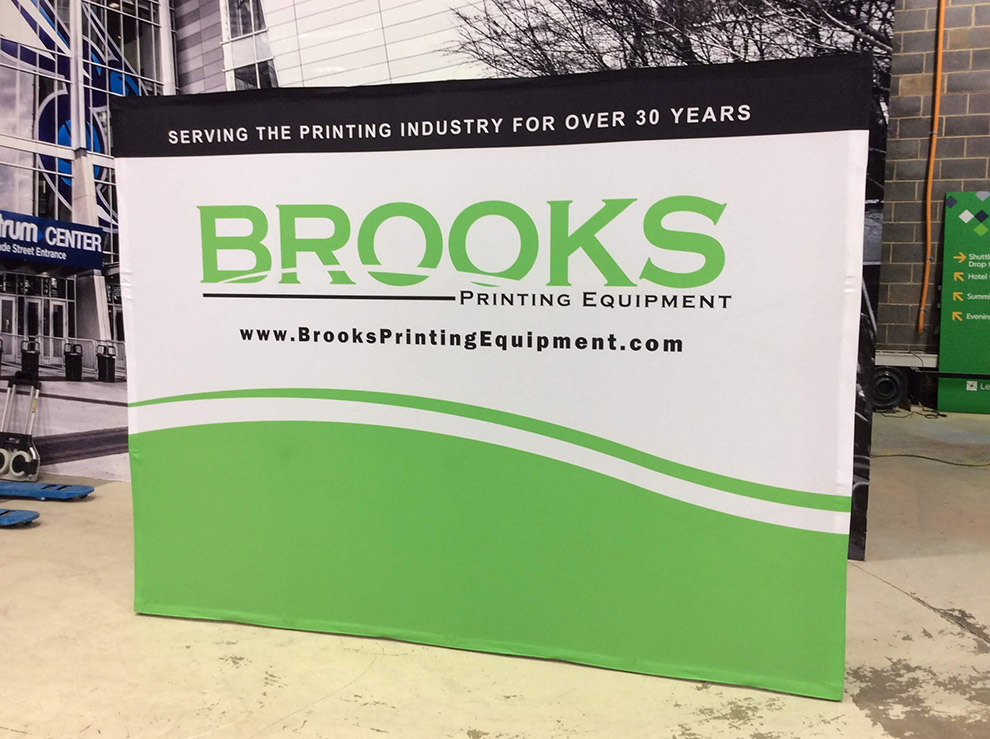
A portable fabric backdrop combines a printed fabric graphic with a freestanding frame to create a broad visual background for an event or presentation. It can frame a stage, booth, interview, photo setting, sponsor area, registration space, or other focal point, then be broken down or collapsed for transportation and storage according to the selected system.
Choose a fabric backdrop when the space needs a broad background or backwall rather than one narrow vertical message. Retractable banners are useful for independent messages positioned around entrances, registration areas, hallways, presentations, or breakout rooms. A fabric backdrop is better suited to creating the larger visual field behind people, products, or an exhibit.
Compare the frame construction, dimensions, graphic attachment method, assembly process, packed size, storage requirements, artwork template, and whether the system explicitly supports replacement graphics. The best choice depends on how your team will transport and use the display, not simply which graphic size appears largest. Review the current Online Store information for the exact configuration before ordering.
Once the standardized system and configuration are decided, open View Pricing & Order Online. Use the template and ordering details for that product, upload complete print-ready artwork, select the available options, and review the production and shipping information before checkout.
Choose Get Started Now when the backdrop is part of a broader qualifying event or workplace project that still requires Heritage development and/or coordination. Several displays, multiple venues, stakeholder approvals, delivery logistics, site conditions, design support, or professional installation may all make the managed-project path more appropriate even when the client already has approved artwork.
No. The standalone Online Store path requires complete print-ready artwork and does not include Heritage design or layout development.
When the backdrop participates in a larger qualifying Heritage-managed project, environmental graphic design can be included in the accepted scope. Heritage can also work from client-approved artwork while coordinating how that direction carries across the other event displays.
Direct Heritage product selection and coordination are not included in the self-directed Online Store transaction. Use the product descriptions, dimensions, artwork templates, configuration choices, and instructions in the store to make the selection.
If choosing the backdrop is one decision within a larger event solution that still needs Heritage coordination, use Get Started Now for the managed-project path.
No survey is part of a standalone Online Store backdrop purchase; the client sets up the portable display. A survey becomes required only when a broader Heritage-managed project includes Heritage professional installation, because that installed scope must be field-verified before installation planning is finalized.
No. Heritage professional installation is not included with a standalone Online Store backdrop purchase, so the client is responsible for setup using the instructions for the selected system.
For a qualifying Heritage-managed project, backdrop placement or setup may be coordinated with the broader event delivery and installation plan when included in the accepted scope. Installed managed projects also receive the required Heritage site survey.
Assembly depends on the frame. A tube-frame system uses connected sections that form the structure before the tension fabric graphic is pulled over and closed around the frame. A pop-up system expands from its collapsed form and uses the attachment method specified for that product.
Follow the instructions for the exact system because the hardware, graphic attachment, and breakdown process are not universal.
Possibly. Graphic replacement is system-specific rather than a feature to assume across every fabric backdrop.
Some systems are designed to accept interchangeable graphics. If your organization expects messages, sponsors, dates, or campaigns to change while retaining the hardware, confirm that capability in the current product information before choosing the backdrop.
Break down or collapse the frame according to its instructions and protect the printed fabric from sharp hardware, abrasion, snagging, and unnecessary pressure. Use the supplied carrying solution where applicable.
When the system is needed again, allow time to assemble it correctly, position the graphic, and inspect the display from the audience or camera viewpoint before the program begins.
Plan around what will occupy the foreground. Keep important logos, sponsor marks, and headlines away from areas likely to be hidden by speakers, panel tables, lecterns, chairs, or equipment.
The backdrop should reinforce the presentation rather than compete with it. Large, clear visual elements usually perform better at room distance than dense copy or small details.
Yes. A fabric backdrop can give interviews, media areas, executive conversations, announcements, and photography a controlled visual background that keeps the organization or event identifiable in the frame.
Artwork should be planned for camera composition as well as room visibility. Consider where subjects will stand or sit and where important logos need to remain visible around them.
Yes. When the primary requirement is a large portable branded surface, a fabric backdrop can form an effective booth backwall.
If the exhibit requires several connected structures, shelving, lighting, additional graphics, or a more extensive booth system, start with Trade Show Displays or the appropriate modular-display page instead. The physical requirement should determine which page owns the solution.
Fabric Backdrops describes the portable frame-and-fabric display system. Step and Repeat Backdrops focuses on a particular graphic treatment and use: repeated logos or sponsor marks arranged for photography, arrivals, interviews, and other media-oriented settings.
A fabric system may carry a step and repeat design, but that does not make the two page roles identical.
SEG Fabric Graphics use fabric finished with a sewn silicone edge that fits into the channel of a compatible frame or lightbox. That attachment method creates a different display system.
The portable backdrops described on this page use other frame and graphic-attachment approaches. Select between them based on the structure and finished presentation the event actually requires.
beMatrix is appropriate when the project needs modular structural framing rather than one focused portable background. It can support larger exhibits and event environments built from configurable components and compatible graphic elements.
A standard fabric backdrop remains the simpler choice when the job is primarily to create one broad freestanding branded surface that can travel and be reused.
Prioritize what the audience needs to recognize quickly. A strong logo, concise headline, controlled sponsor treatment, or prominent image usually works better than dense copy on a large background.
Detailed schedules, directions, session information, or long explanations can be assigned to supporting signs and displays. That keeps the backdrop visually useful from the distance where most people will encounter it.
Heritage uses supplied Pantone Matching System colors as production targets within its professional color-management process. Final output can vary with the printer, ink, fabric, and finishing combination because each production setup has its own reproducible gamut. Flag any color-critical requirement before production on a qualifying managed project so the team can determine whether physical proofing belongs in the accepted scope.
No. Electronic proofs and screens can be useful for confirming artwork, layout, content, and other visual details, but they do not establish the finished physical color. Displays themselves vary, and the final printed result depends on the production system and material.
When physical color evaluation matters, address that requirement before production through the qualifying managed-project process.
A Physical Production Color Proof is a managed-project option, not an Online Store feature. When a qualifying Heritage-managed project includes color-critical proofing in the accepted scope, Heritage can produce the proof on the intended equipment and substrate, with the relevant finish when applicable, for an additional charge and only when the schedule permits.
After approval, it becomes the controlling physical color reference unless otherwise agreed. Standalone Online Store orders do not include this option.
The backdrop can establish the primary background while other physical elements perform different jobs. A conference may also need registration graphics, directional signs, retractable banners, sponsor displays, event towers, photo-oriented backdrops, or additional venue graphics.
In a qualifying managed project, Heritage can coordinate those elements around the audience, schedule, venue conditions, approvals, delivery requirements, and professional installation needs rather than treating each display as an unrelated purchase.
Heritage has a client-facing Washington, DC location with local field support, and Arlington provides close-in support for Northern Virginia and the DC metro. Waldorf, Maryland is Heritage's nearby Mid-Atlantic production resource and is not a sales office or showroom.
For qualifying multi-location work, one dedicated Project Manager can maintain the project record and approved standards while Heritage coordinates the practical needs of individual venues across the region.
Start with the delivery date. For an Online Store order, confirm the product's current production and shipping timeline before checkout and submit the required print-ready artwork with the order.
For a managed project, give Heritage the event date, venue, approved scope, access constraints, and pending approvals as soon as possible. Heritage will assess what can responsibly be completed and, when needed, propose staging or other practical alternatives rather than overpromise the schedule.
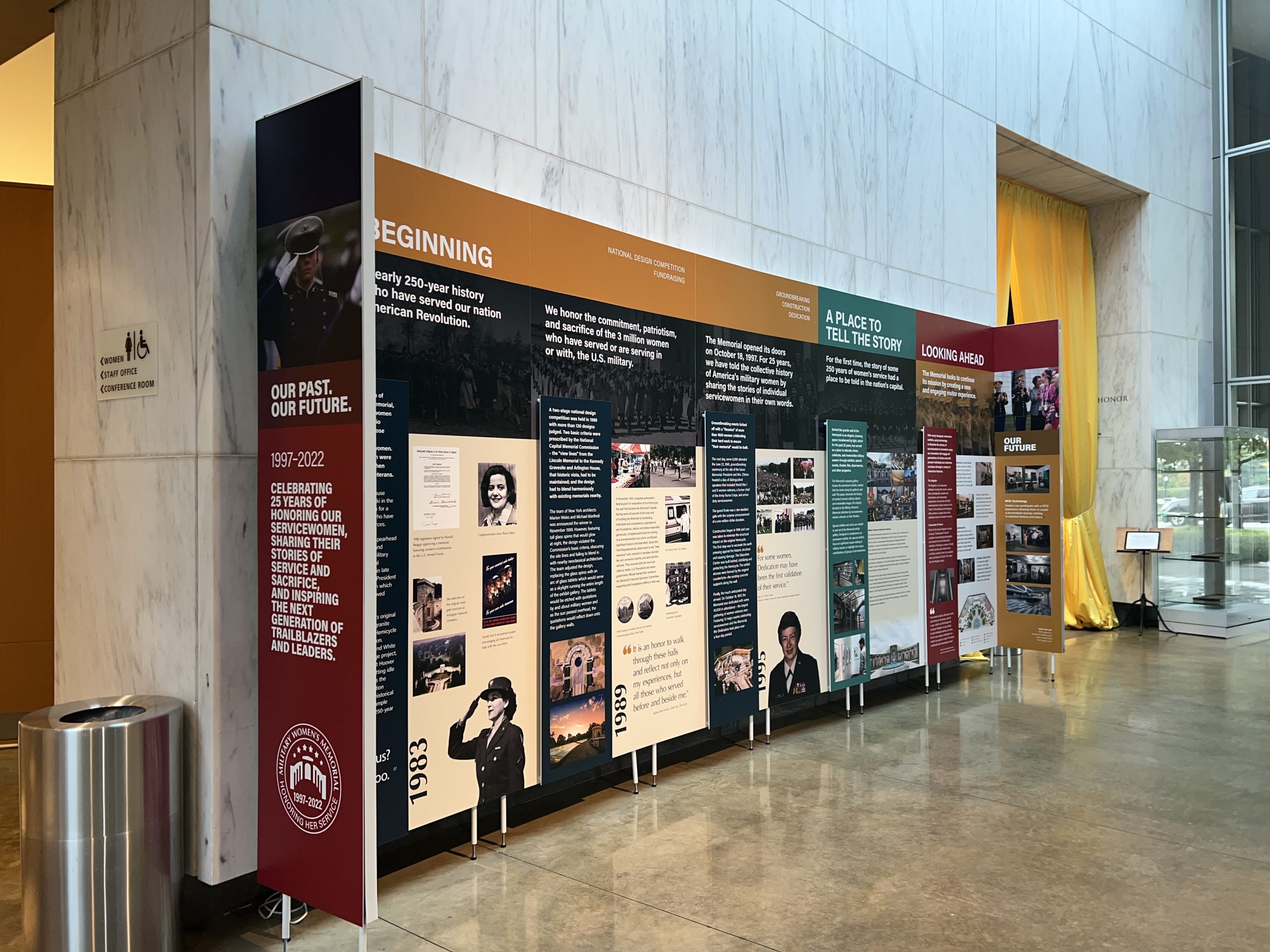
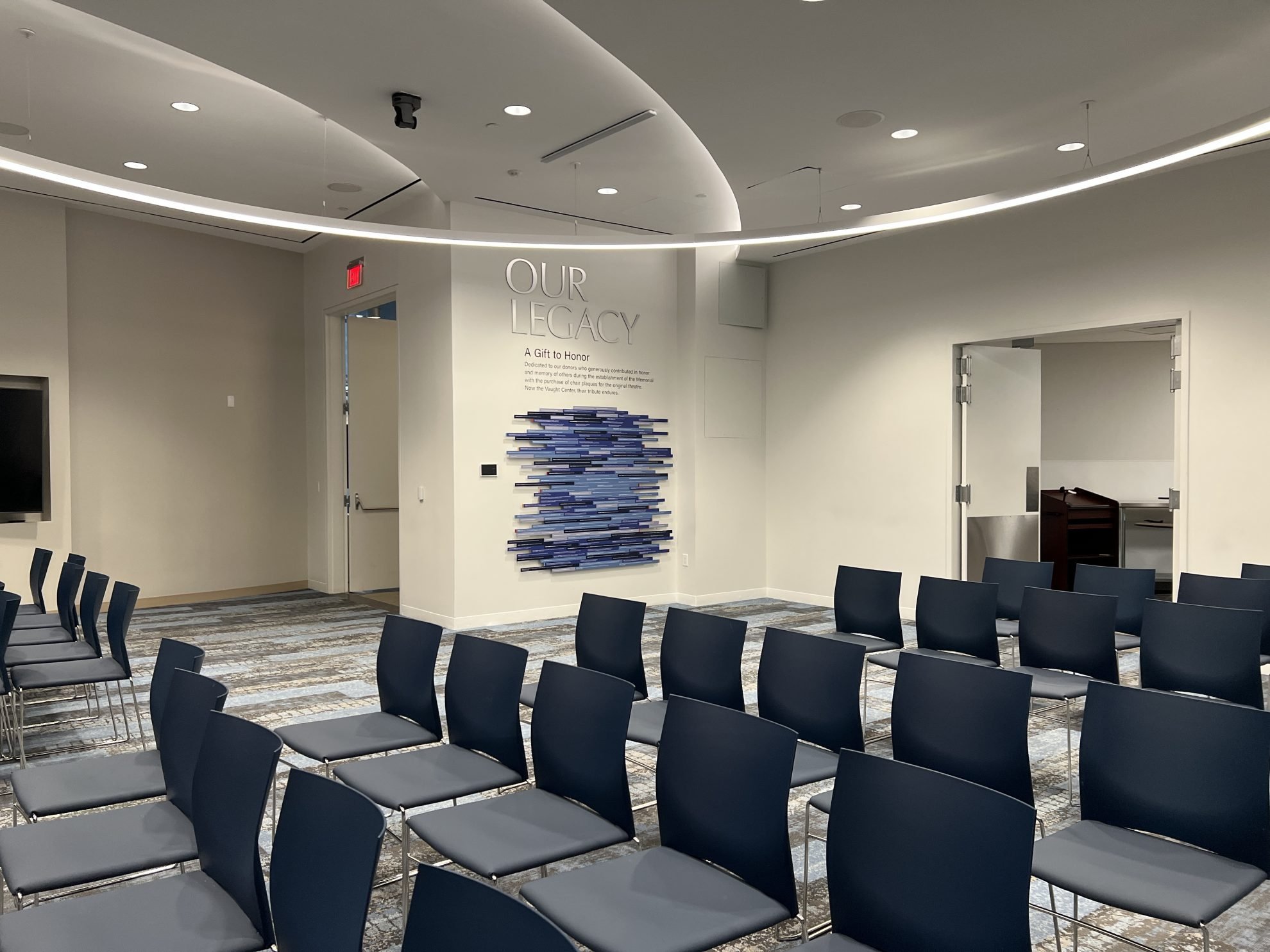
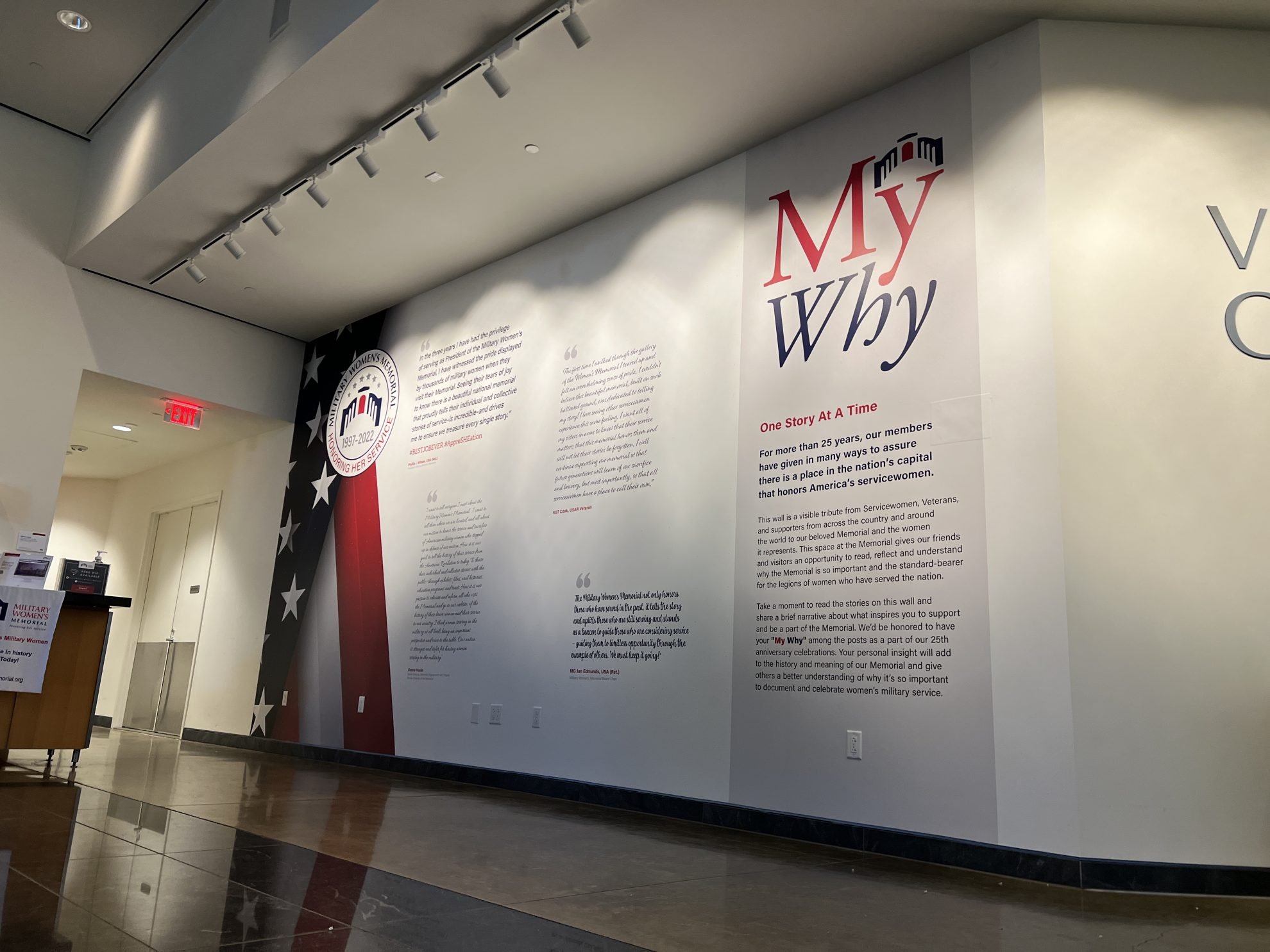
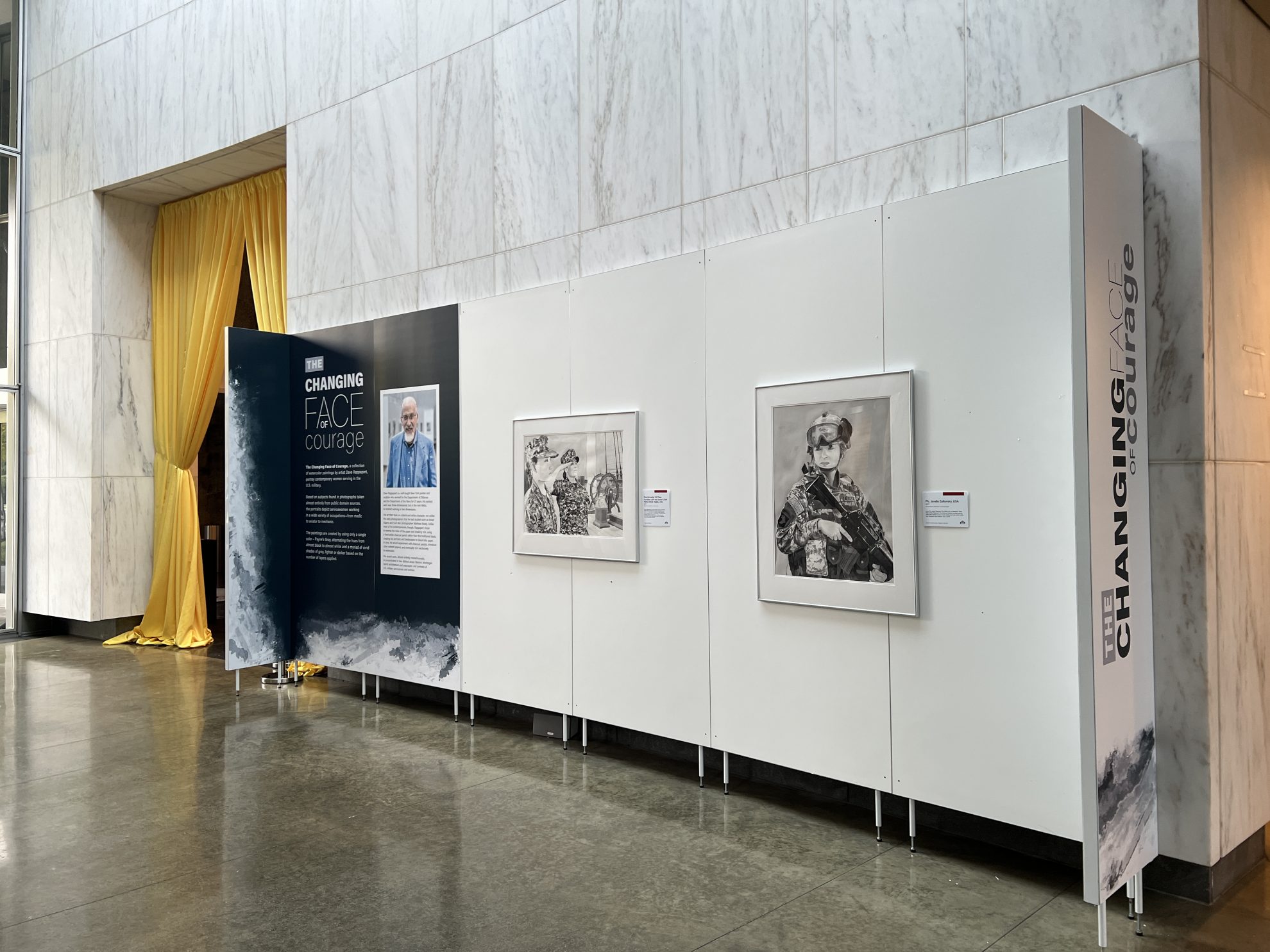
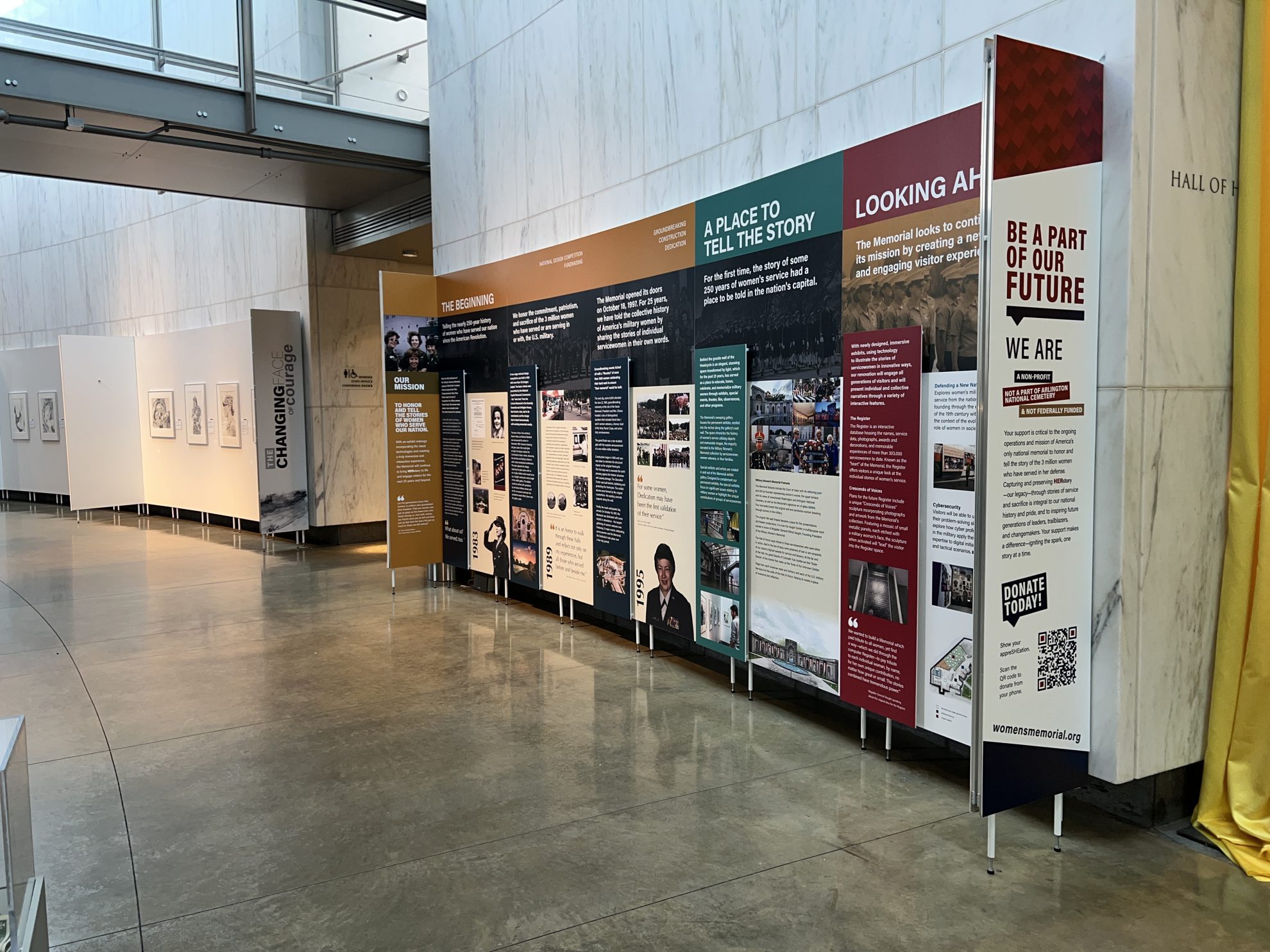
Heritage Signs & Displays created new museum signage for the Military Women’s Memorial in Arlington, VA. The project included custom signs, wall wraps, dimensional letters, and standoff-mounted displays to honor the legacy of U.S. servicewomen and the donors who supported the memorial. The updated interior features impactful designs, including a "Our Legacy" wall display and panels showcasing historical contributions and artwork, creating a transformative tribute to women in the U.S. Armed Forces.
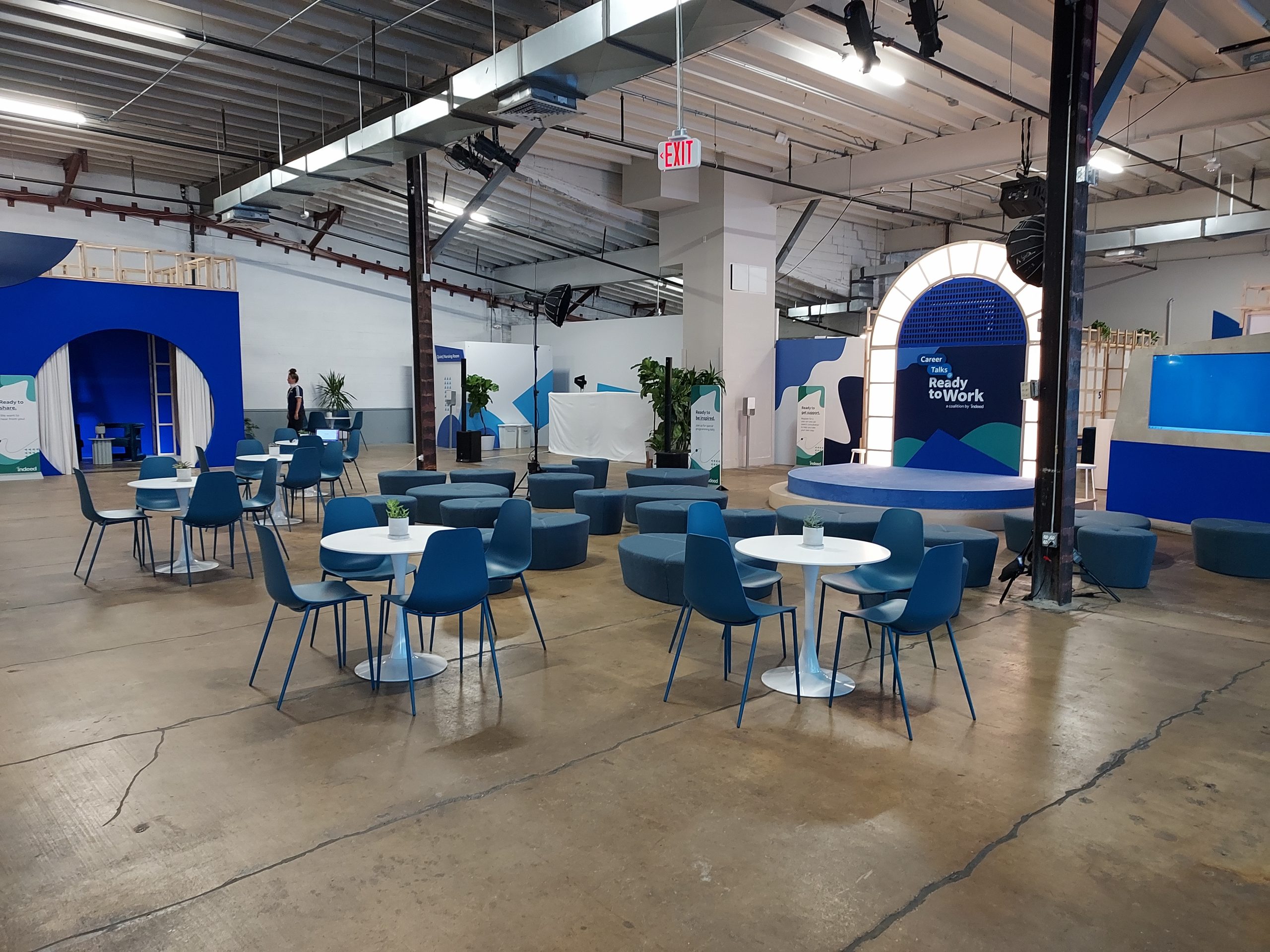
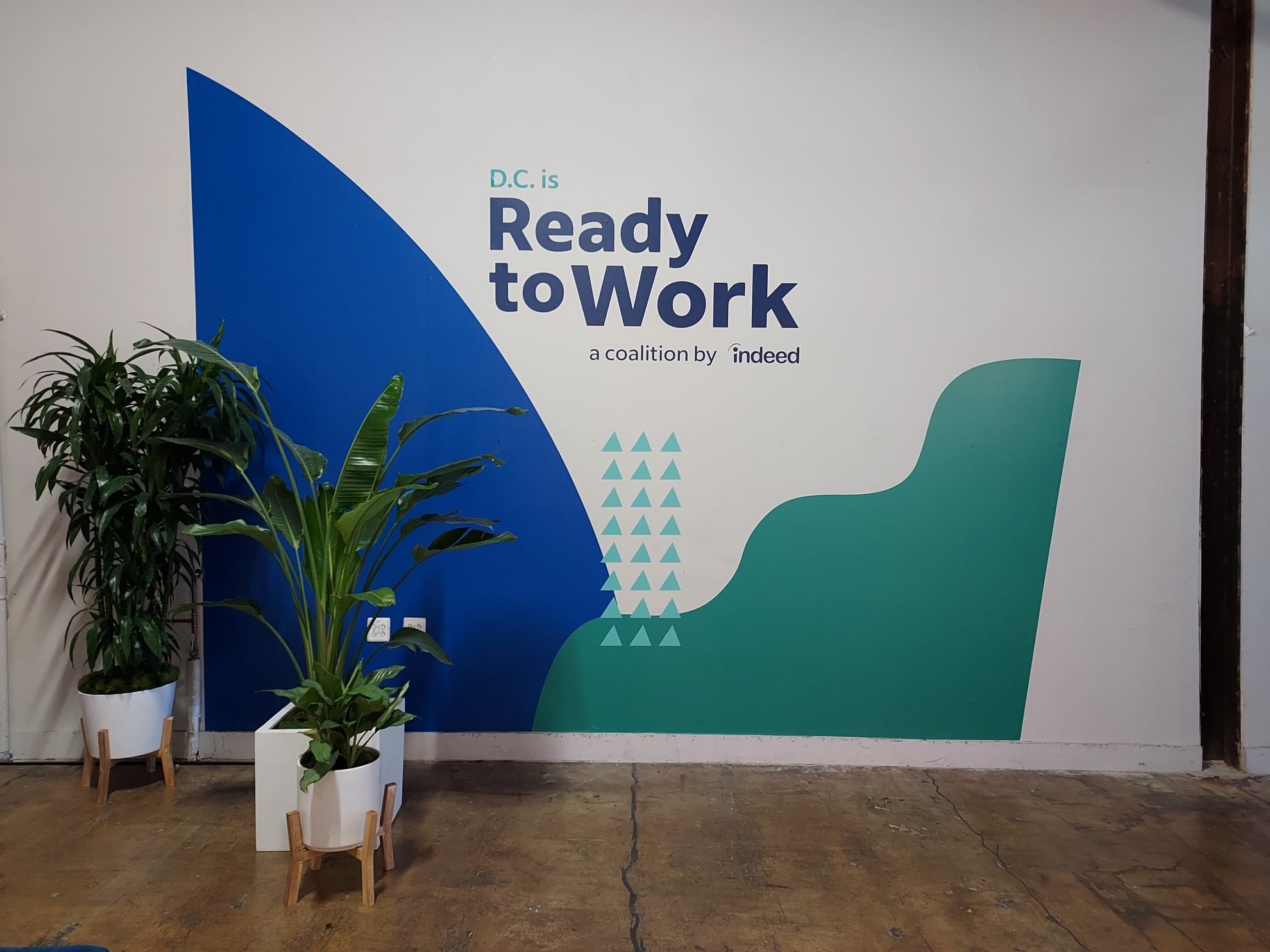
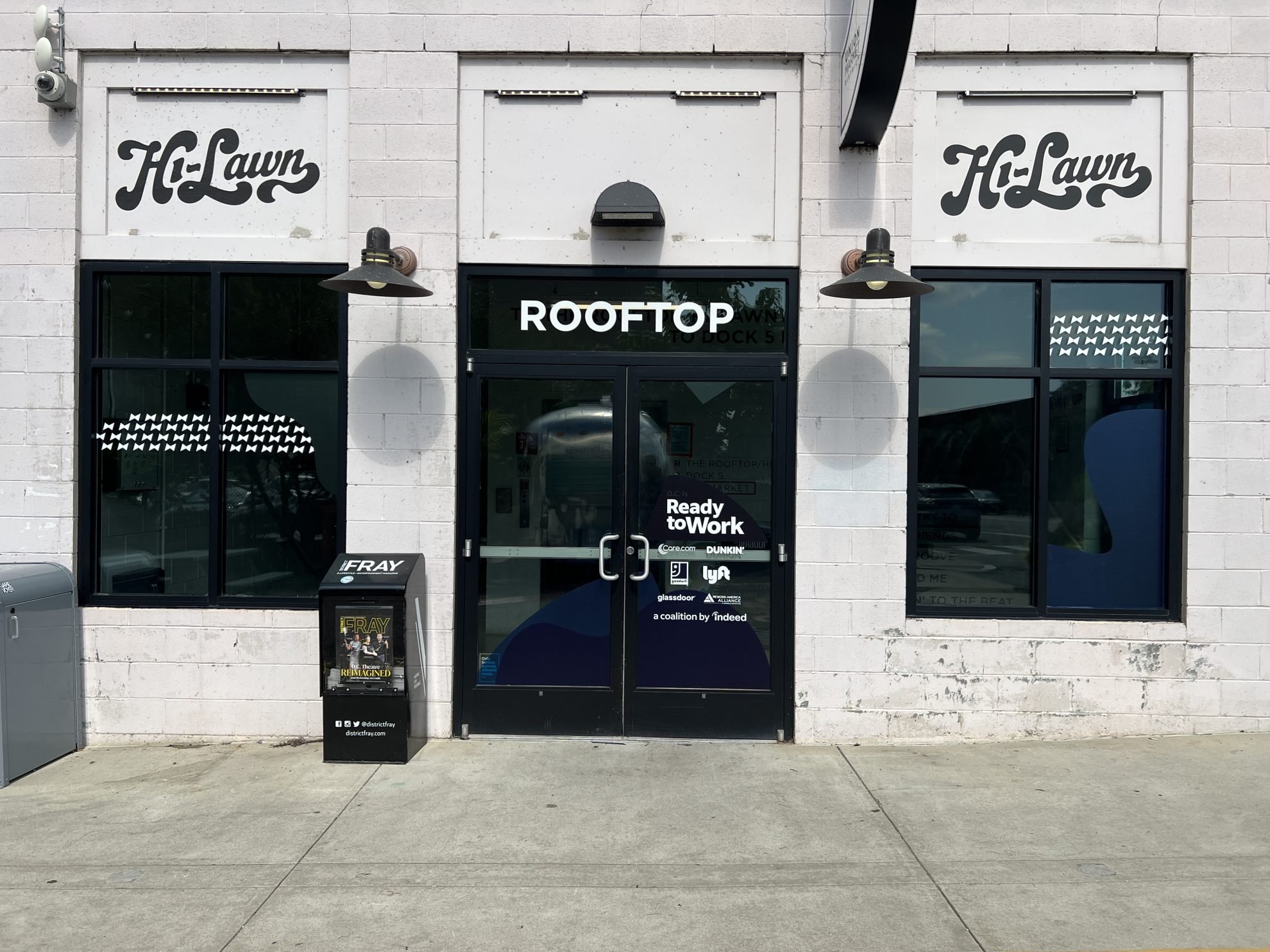
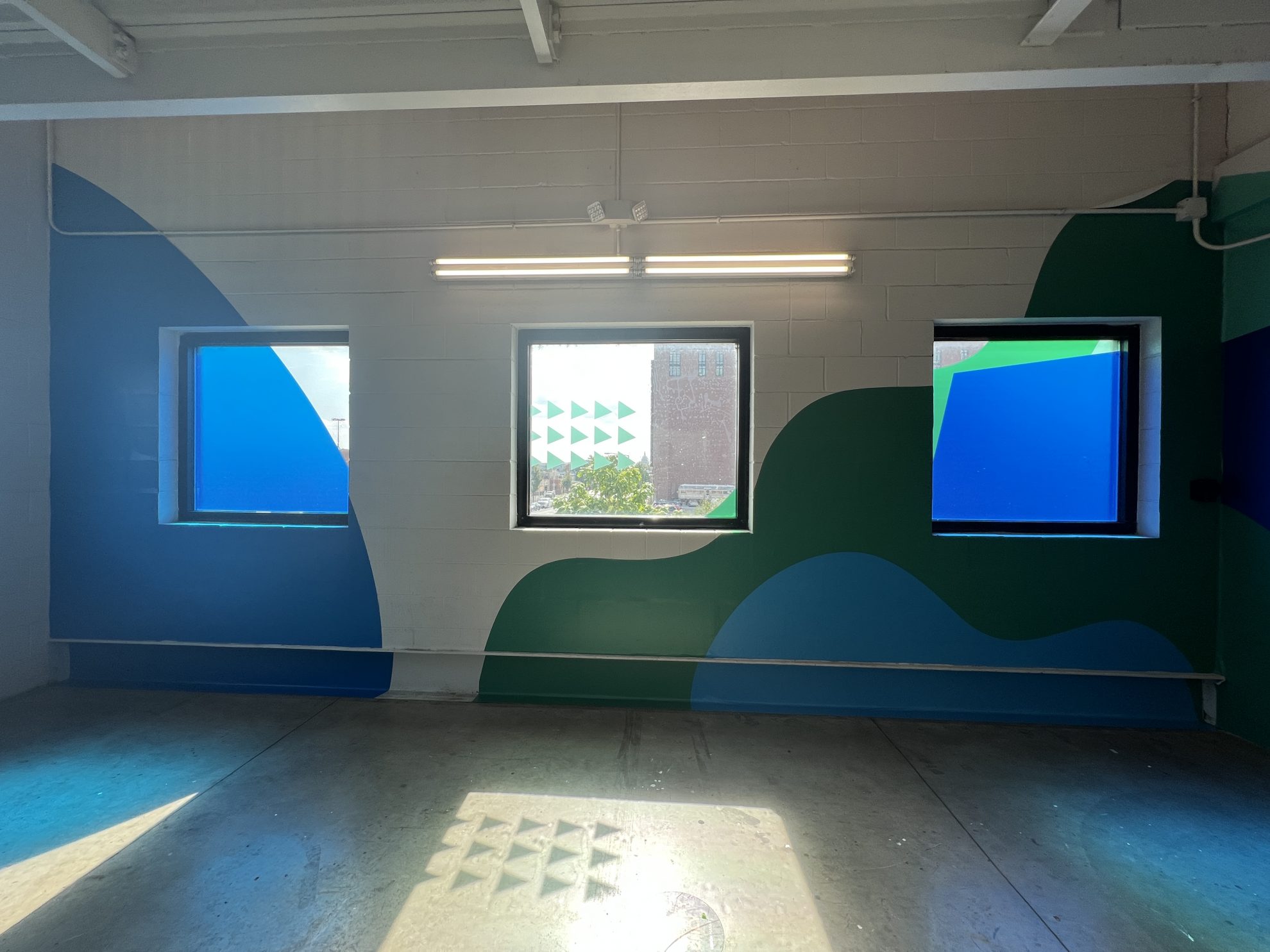
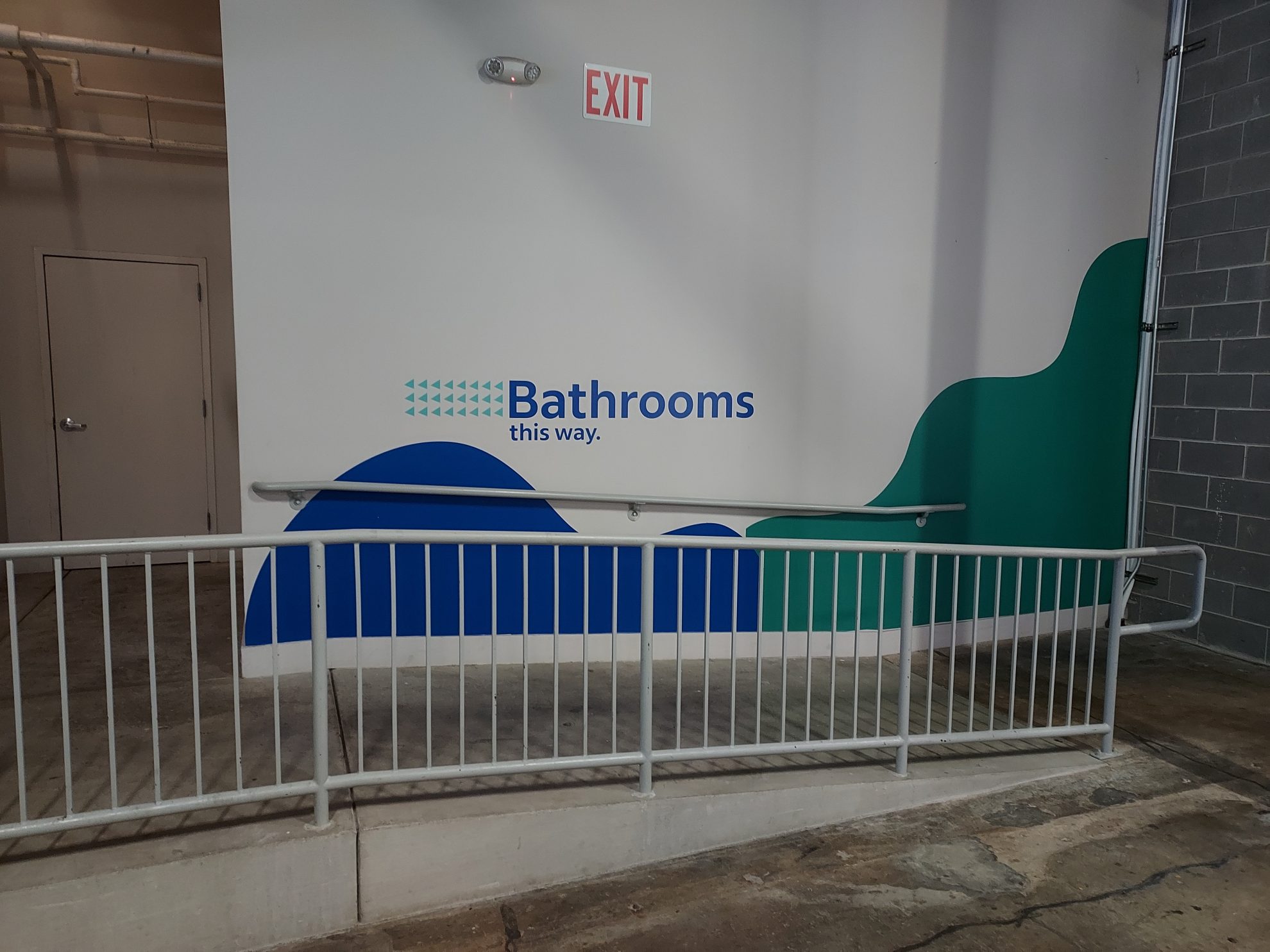
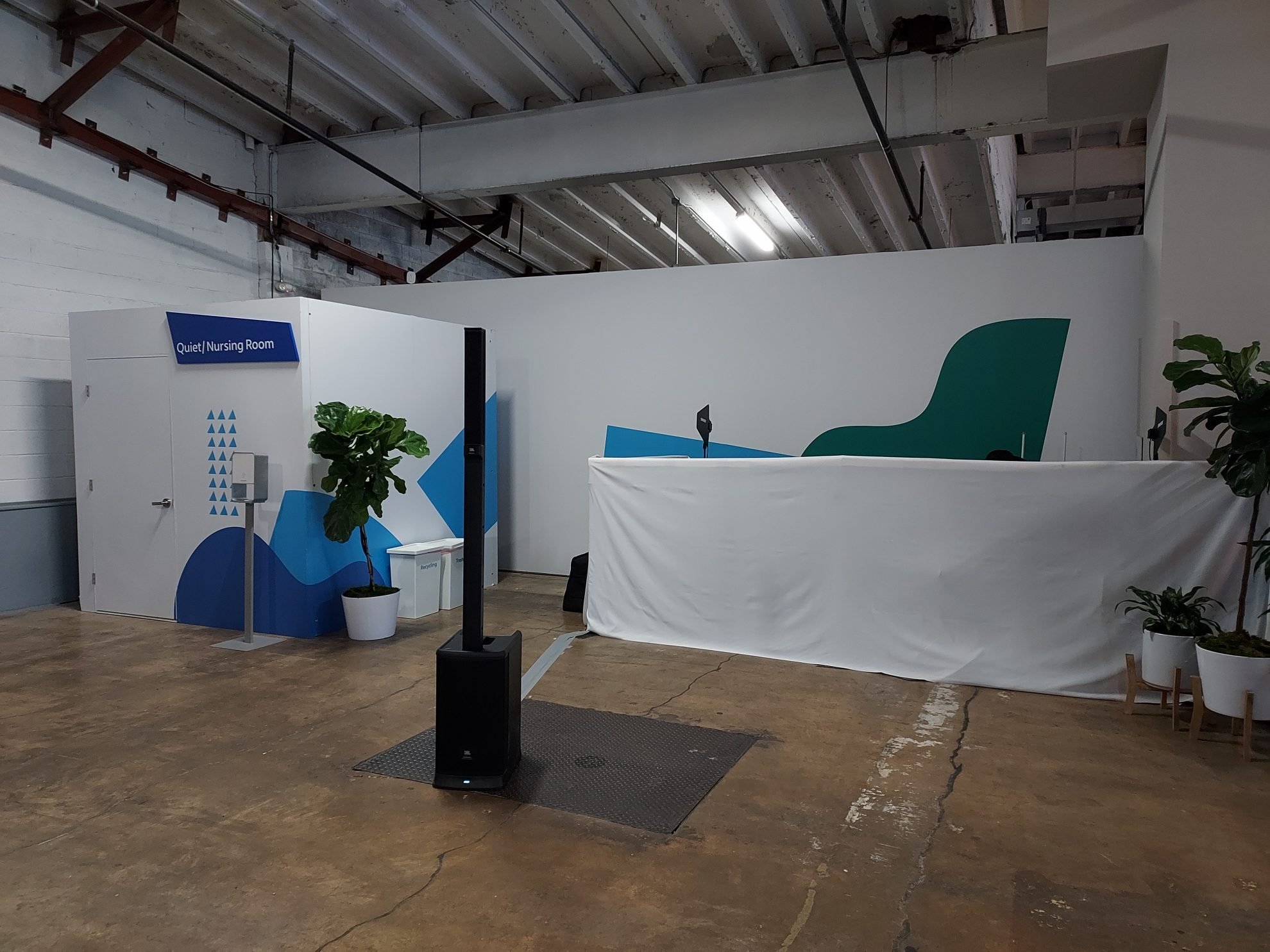
Heritage Signs & Displays' collaboration with The Gathery to brand Union Market in Arlington, VA, for Indeed's "Ready to Work" job fair. The project included custom event displays, wall graphics, window graphics, and wayfinding signs, creating an immersive and visually appealing environment. The branding enhanced the venue, reflected the event's mission, and provided a seamless experience for attendees.