A successful workplace branding program depends on keeping design, fabrication, approvals, building conditions, and installation logistics aligned from the outset. In Baltimore, a company may be improving an occupied office, moving into a leased suite, refreshing its headquarters, or opening a new facility while content, construction schedules, and stakeholder decisions are still changing. Leadership, marketing, human resources, facilities, and property management may approve ideas independently, yet those ideas can conflict once actual measurements, wall conditions, access rules, production limitations, and installation timing are considered. Commercial Interior Graphics Baltimore MD projects bring these interconnected decisions into one coordinated process before they create delays or complications in the field.
Heritage Signs & Displays is a veteran-owned, family-led sign company established in 1977. Since 2009, custom signs and workplace branding have been a central focus of the company’s work. Heritage brings together environmental graphic design, one dedicated Project Manager, production, fabrication, and professional installation for workplace interiors and practical event environments. The goal is not to fill every available surface. It is to decide how brand identity, privacy, recognition, navigation, company history, and changeable messaging should be communicated through a unified collection of physical elements.
This coordinated approach supports Baltimore organizations during relocations, renovations, expansions, rebrands, consolidations, and headquarters improvements. Permanent identity features often need to progress while furniture, technology, construction, property approvals, and occupancy plans continue to evolve. Managing the visual environment as one program gives stakeholders a stronger framework for setting priorities before individual signs or graphics enter production.
Responsibilities remain clearly defined throughout the project. Marketing may oversee brand standards, leadership may approve prominent messaging, facilities may coordinate site readiness, and building representatives may control loading access, elevators, security procedures, and approved work hours. Architects and interior designers may direct the larger workplace plan. Heritage’s dedicated Project Manager maintains the project record, including approved artwork, current site information, scheduling details, and production decisions, without taking over responsibilities assigned to the client or other professionals.
The realities of fabrication and installation also shape the final design. Dimensional lettering requires a suitable wall and mounting method. An illuminated sign may depend on electrical service provided by the client and its qualified trades. Privacy films must account for seated and standing sightlines. Recognition displays may need a permanent framework that allows names, photographs, or achievements to be updated. Reviewing these needs early helps Heritage convert an approved concept into components that can be manufactured, delivered, and installed in the proper order.
Baltimore organizations are supported within Heritage’s Mid-Atlantic service area. Regional resources assist with discovery, site surveys, installation planning, and professional installation throughout Baltimore and the surrounding Maryland market. Heritage’s Waldorf, Maryland facility provides production support and is staffed exclusively by production personnel. It is not a client-facing office or showroom. This structure gives Baltimore clients a coordinated interior branding program grounded in verified site information, clear responsibilities, and accountable execution.
A reliable project record connects visual decisions with building procedures and physical site requirements before fabrication reduces the available options. Baltimore workplaces may be located in active offices, secured facilities, downtown high-rises, medical or educational campuses, historic properties, mixed-use developments, or multi-tenant buildings. Each setting may have requirements involving loading docks, freight elevators, security check-in, staging space, parking, insurance documentation, and permitted installation hours.
Heritage plans its branded visual work around the conditions confirmed by the responsible parties. The client approves content and internal decisions. Property representatives establish access requirements and building procedures. Architects, interior designers, engineers, and other consultants remain responsible for decisions within their professional disciplines. Heritage does not act as the authority for architecture, engineering, general commercial interior design, accessibility, or code compliance.
The dedicated Project Manager documents confirmed requirements and connects them to artwork, sizing, materials, fabrication, delivery, and installation. If a narrow elevator, limited loading window, restricted staging area, or other property condition affects component size or installation strategy, the issue can be addressed before production. This process does not remove every challenge from a complex project. It creates an orderly way to resolve connected decisions while practical alternatives are still available.
Heritage’s project model is built to maintain continuity when interior branding involves multiple products, stakeholders, approvals, and building conditions. Through the One Dedicated Project Manager System, each client has a consistent coordinator who retains the approved design direction, decision history, survey information, production requirements, schedule, and installation plan while Heritage specialists complete their portions of the work.
This continuity does not shift outside responsibilities to Heritage. Clients remain accountable for content, organizational approvals, property arrangements, and professional requirements outside the contracted scope. Heritage manages the signs, graphics, displays, fabricated features, and installation included in its engagement. Keeping those responsibilities connected helps prevent outdated artwork, incomplete instructions, or unresolved assumptions from reaching production.
Heritage is veteran-owned and family-led. The company began as a printing business in 1977, and custom signs and workplace branding became a defining focus in 2009. Environmental graphic design, Heritage production and fabrication, regional field support, and full-time professional installers operate within one connected delivery system. The value comes not only from having multiple capabilities, but from having the appropriate specialists work from the same current project information. Heritage seeks to honor God by serving clients and communities with excellence.
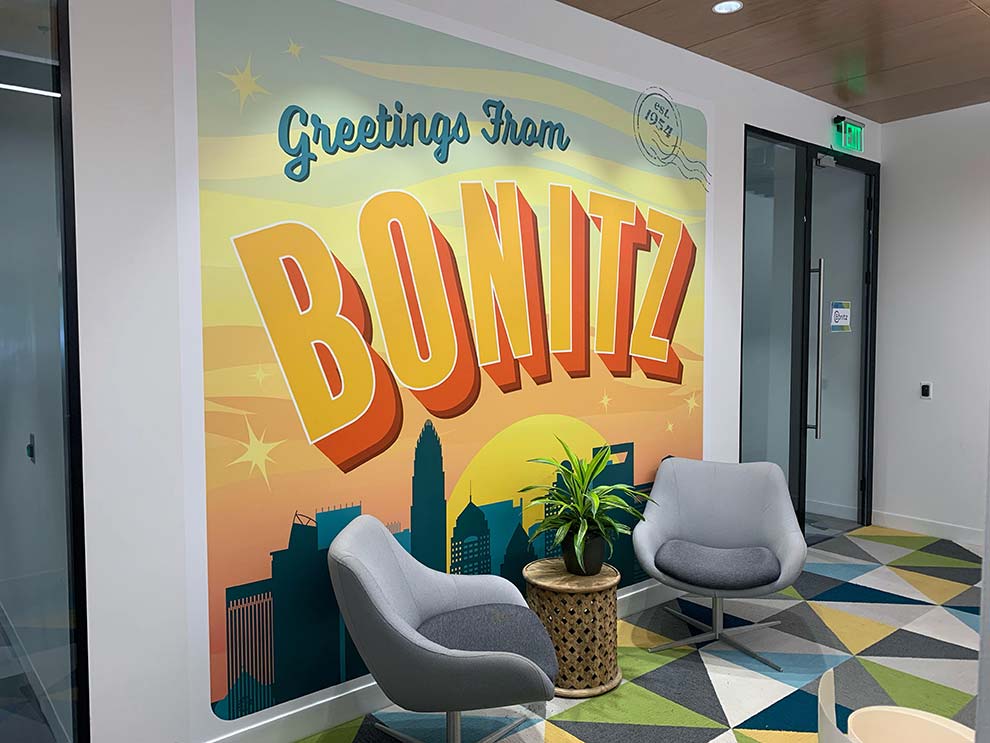
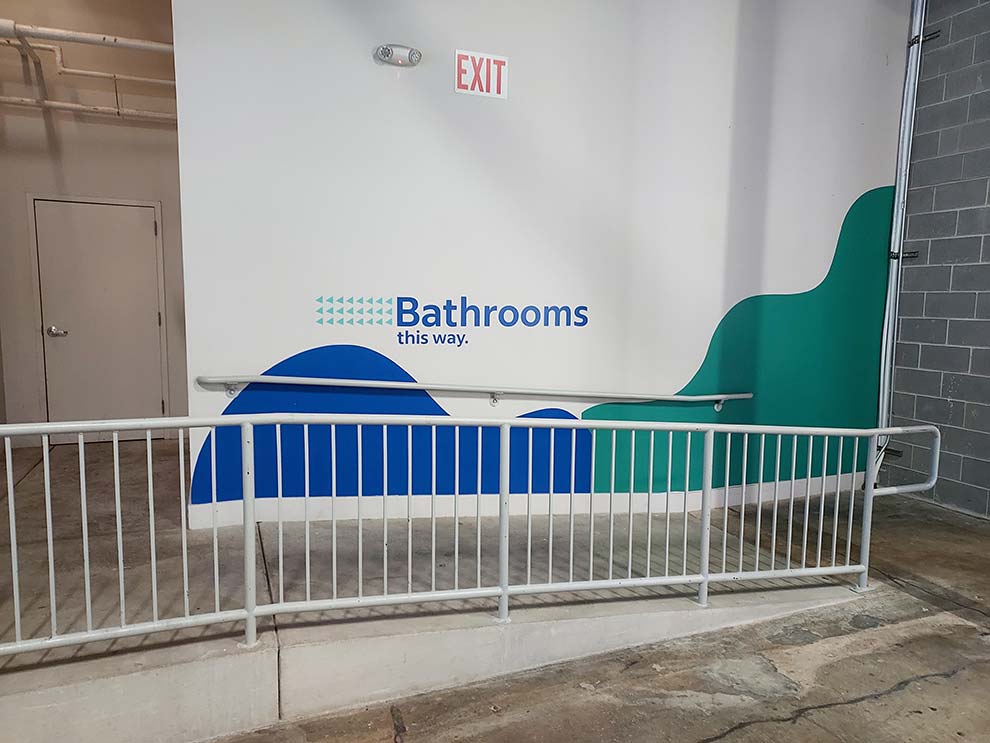
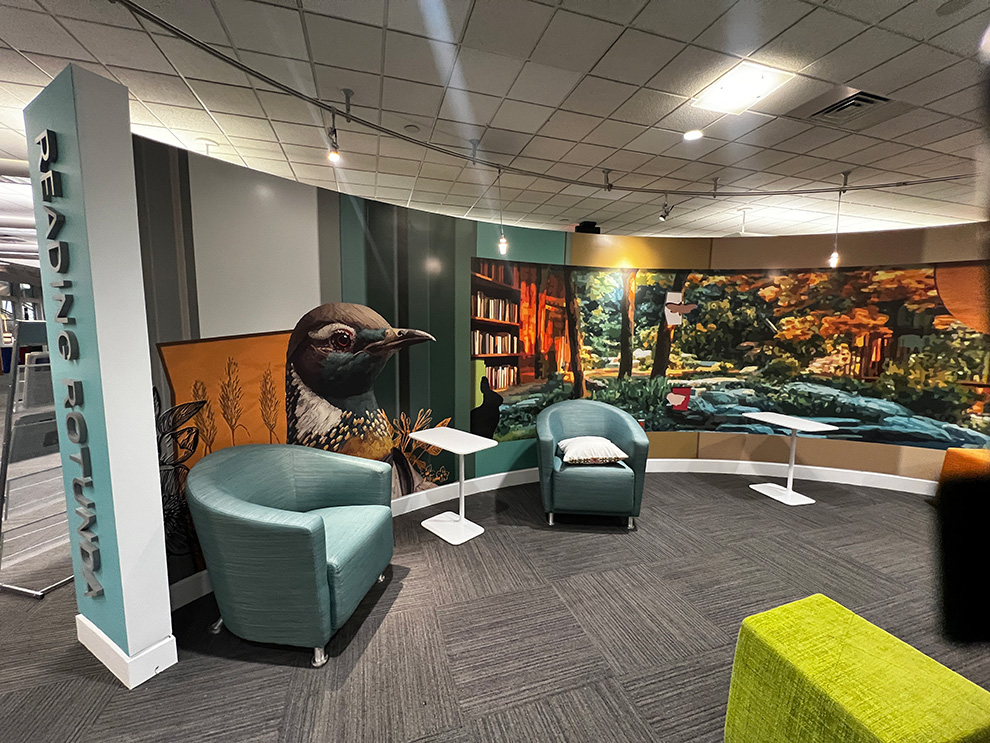
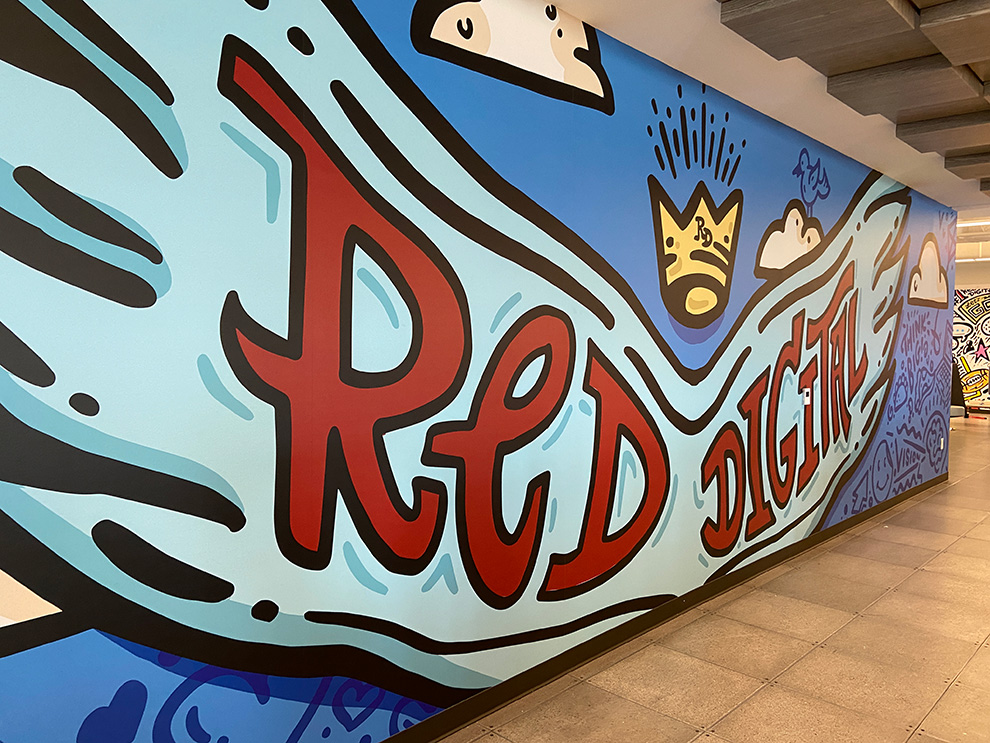
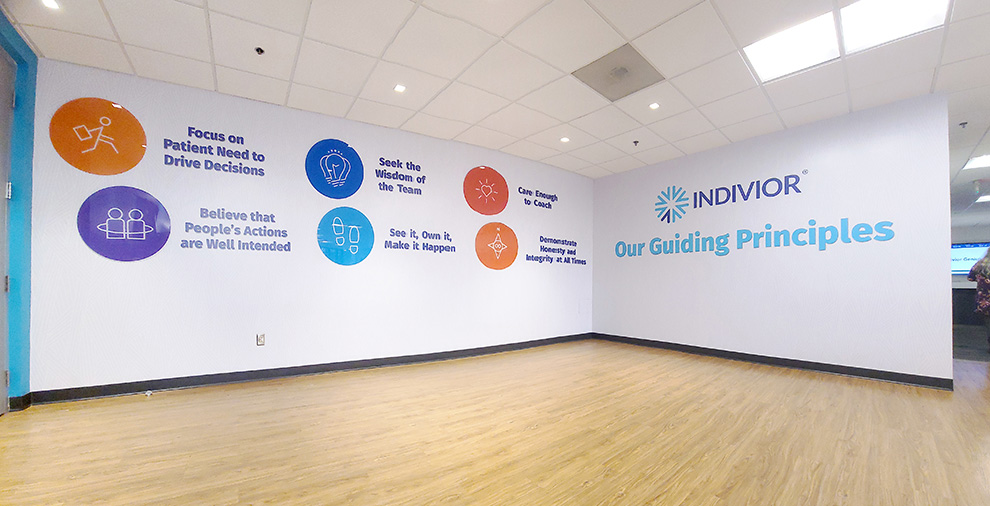
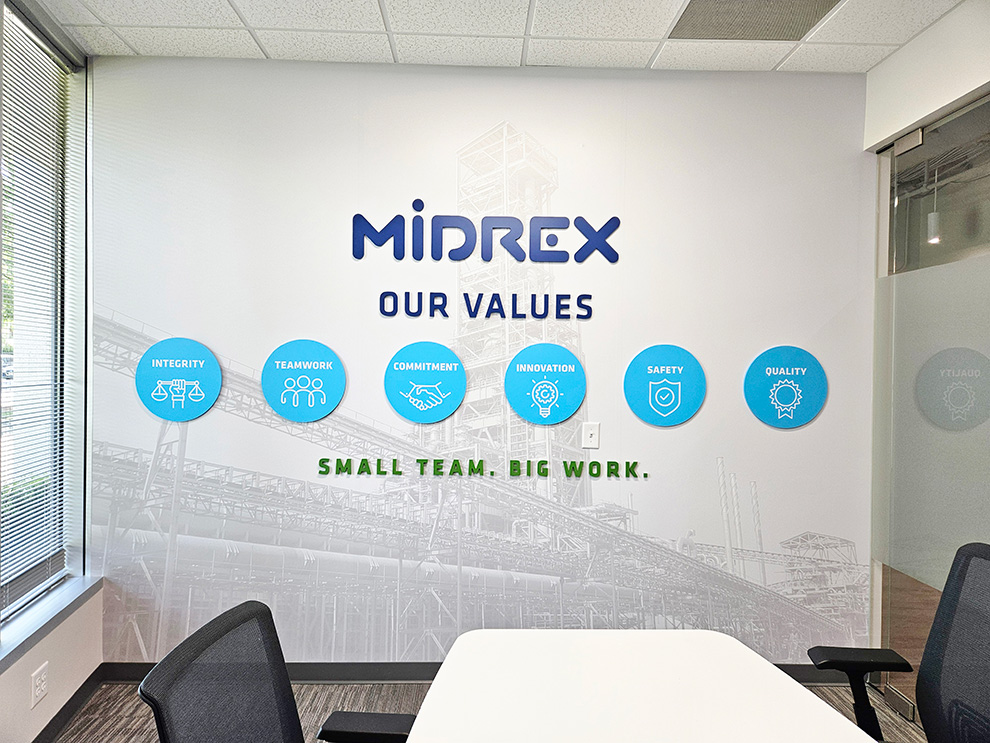
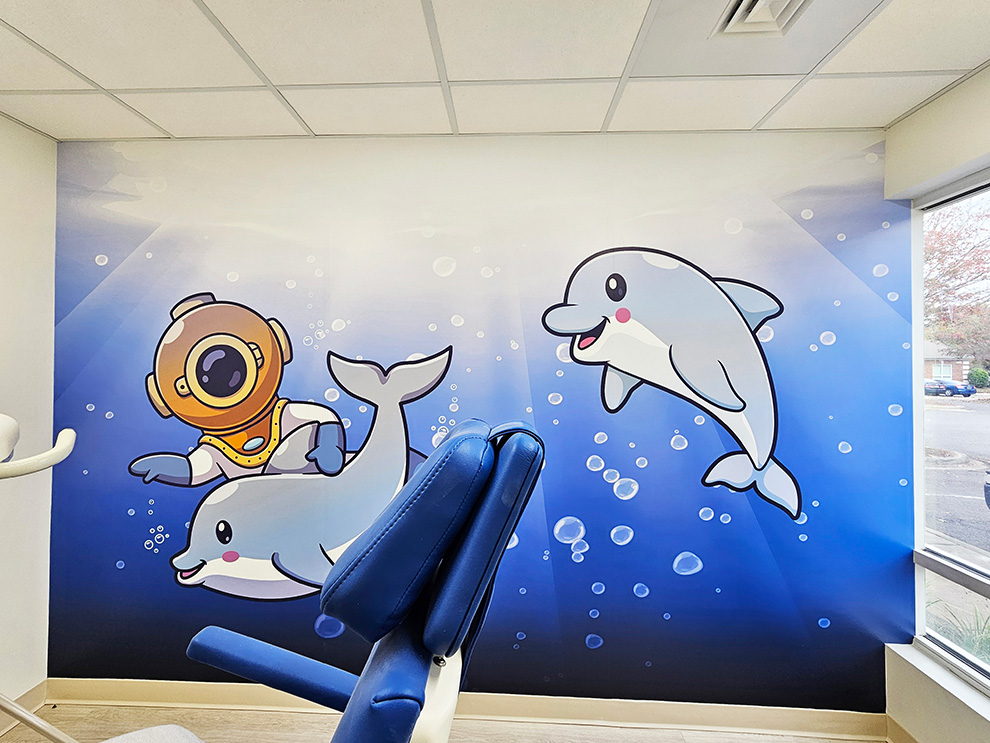
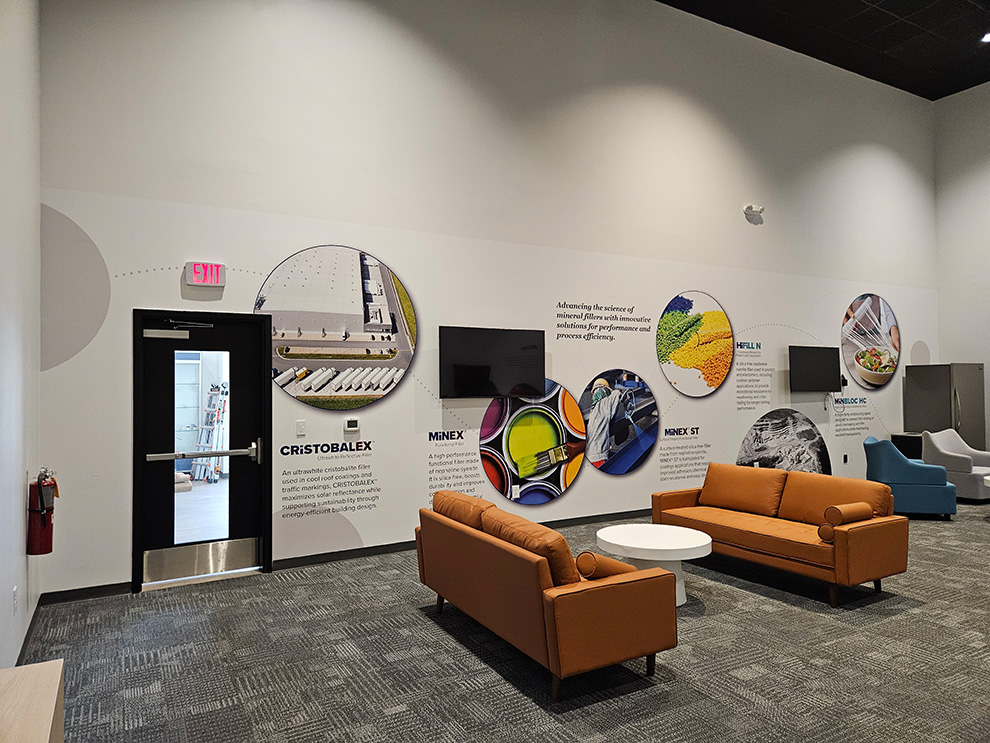
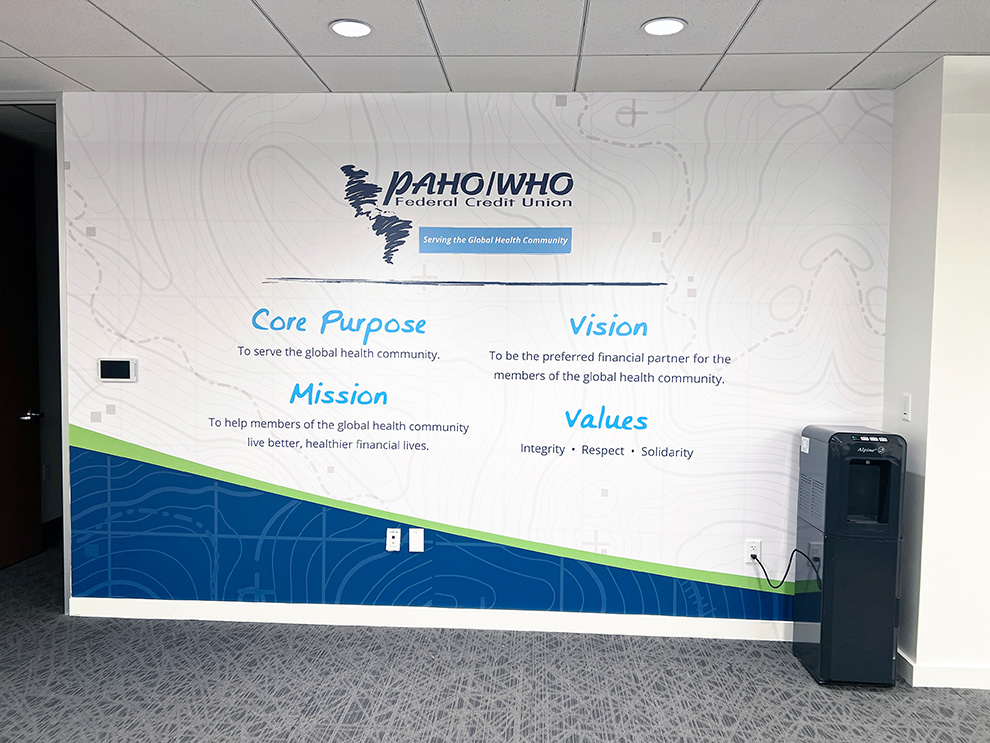
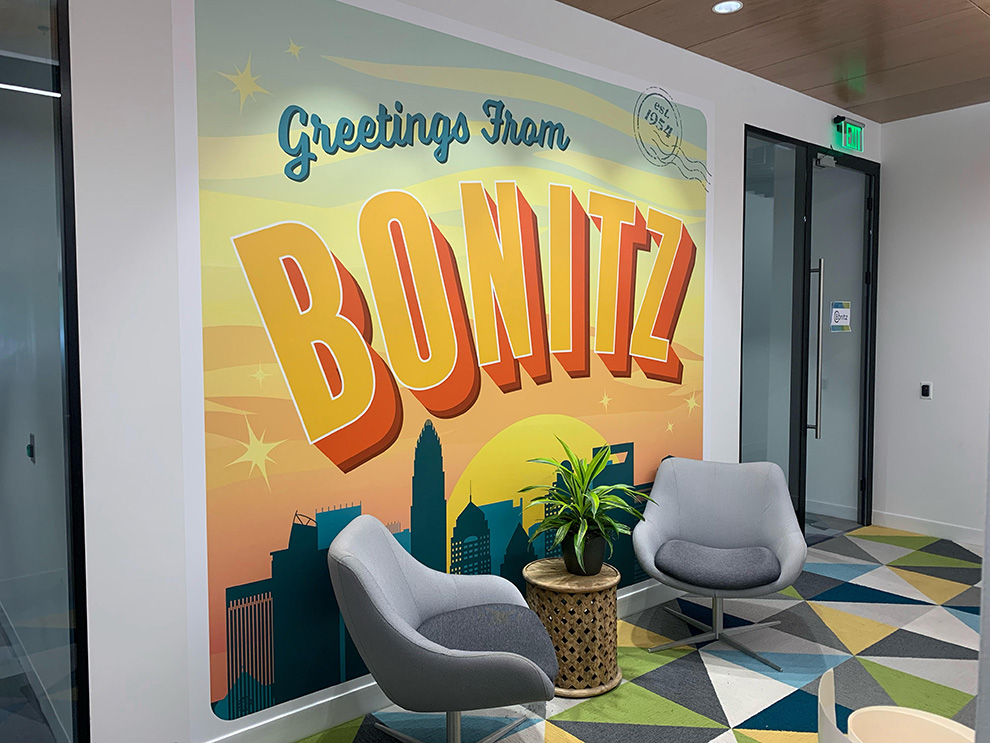
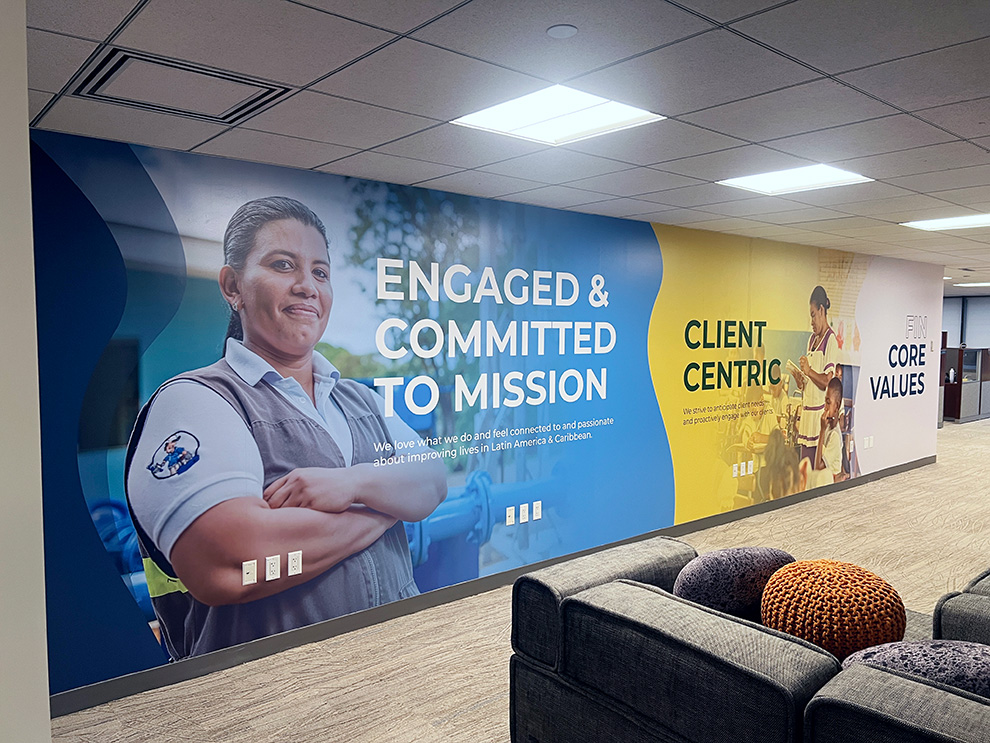
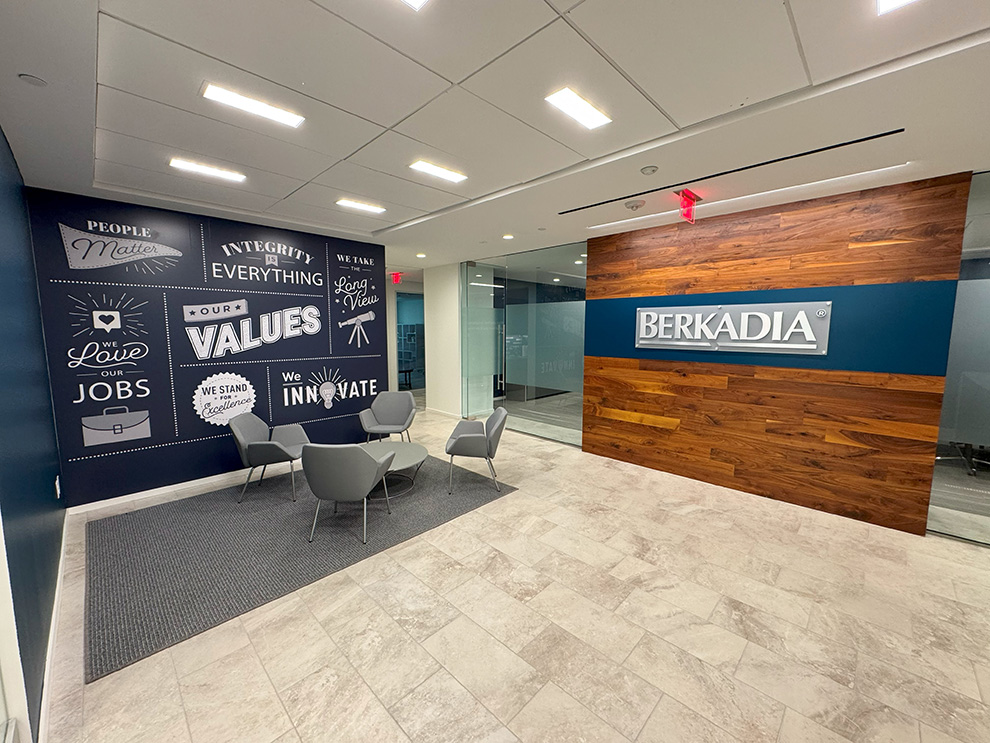
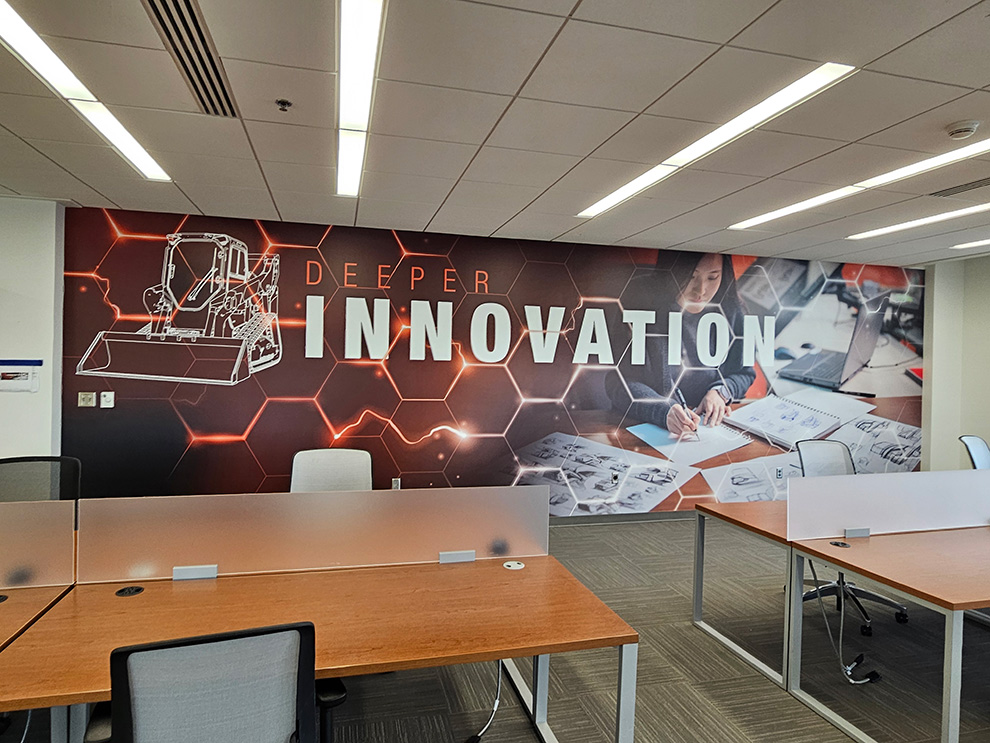
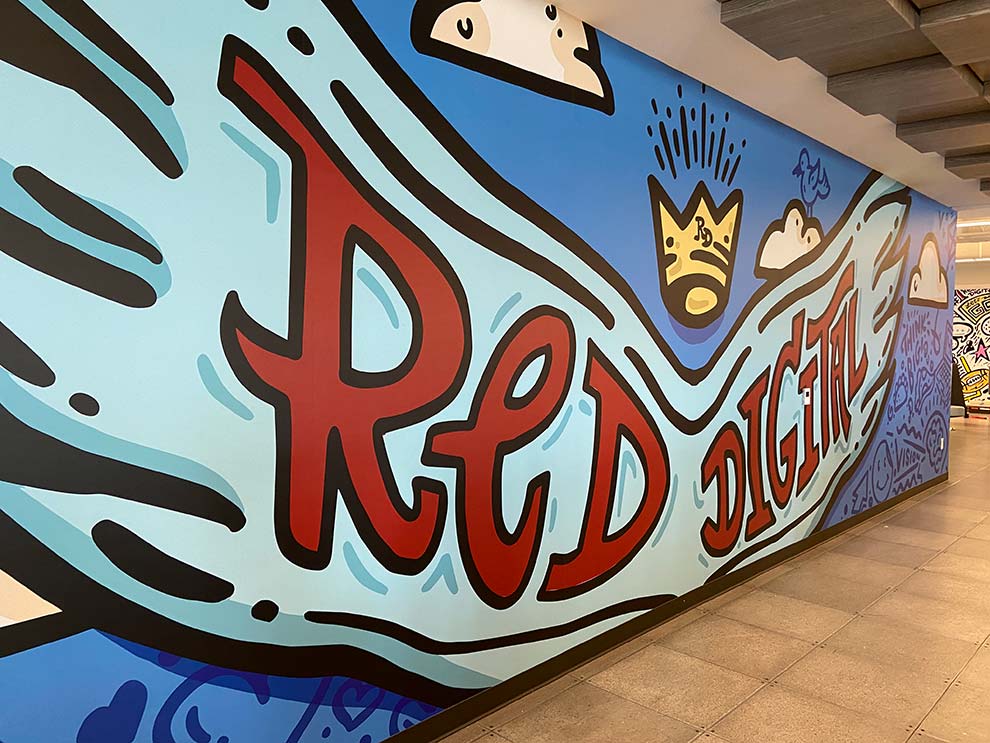
Transform large wall surfaces into branded environments featuring company history, workplace culture, campaign imagery, organizational values, or employee recognition. Wall Wraps can serve as the primary storytelling feature while dimensional signs, illuminated elements, privacy films, and changeable displays communicate supporting messages.
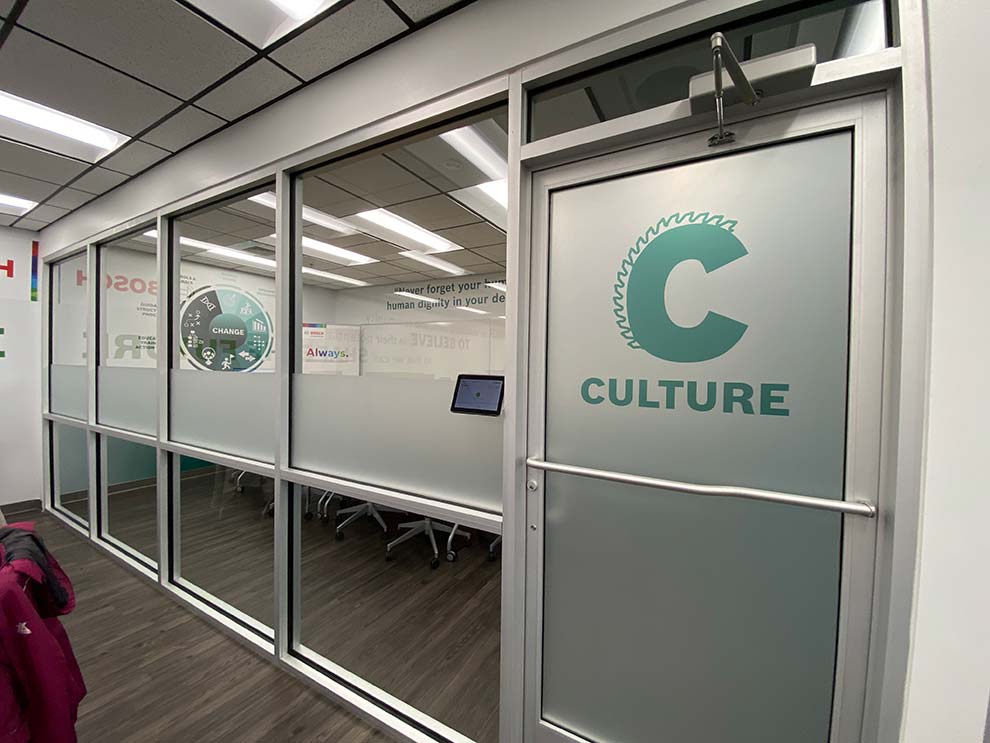
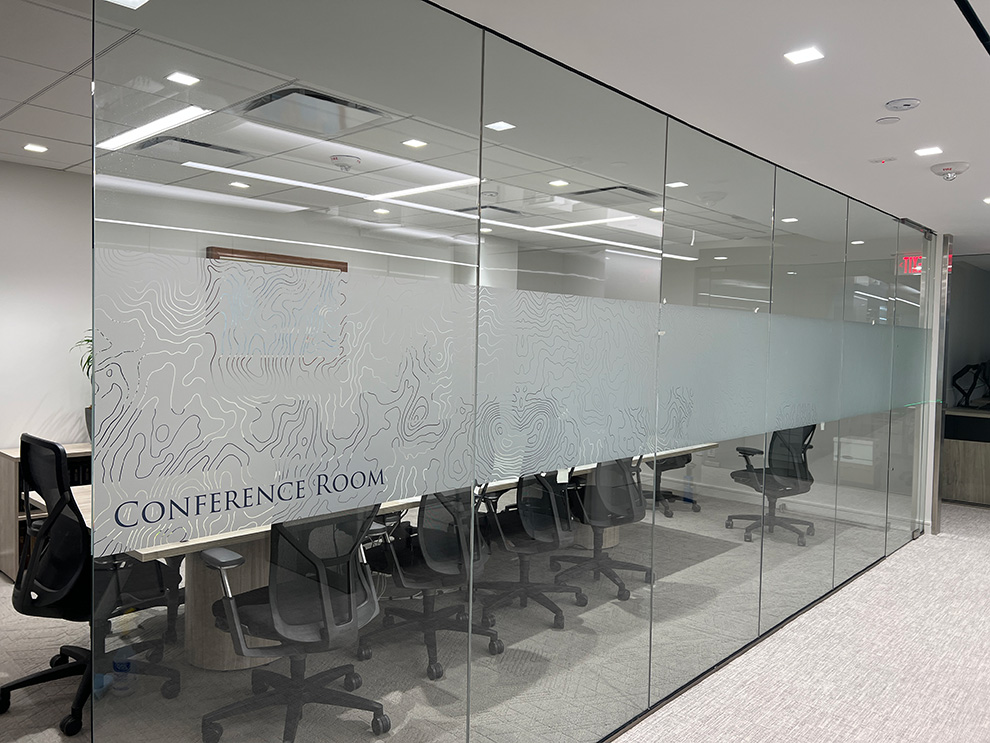
Use interior glass for branding, decorative patterns, workplace communication, and controlled visibility. Window Graphics can create visual continuity across conference rooms, private offices, entrances, and common areas instead of treating each glass panel as a separate design opportunity.
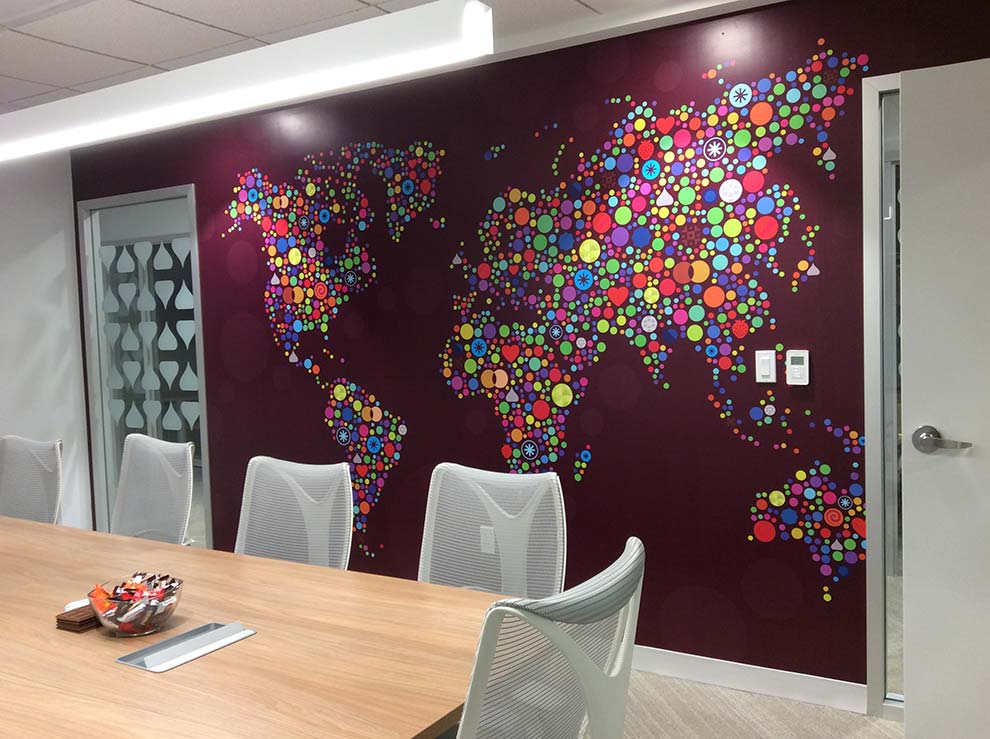
Improve privacy without unnecessarily blocking natural light. Frosted Vinyl and Privacy Film can include bands, gradients, patterns, logos, or custom graphics that coordinate with nearby signage, wall graphics, displays, and architectural finishes.
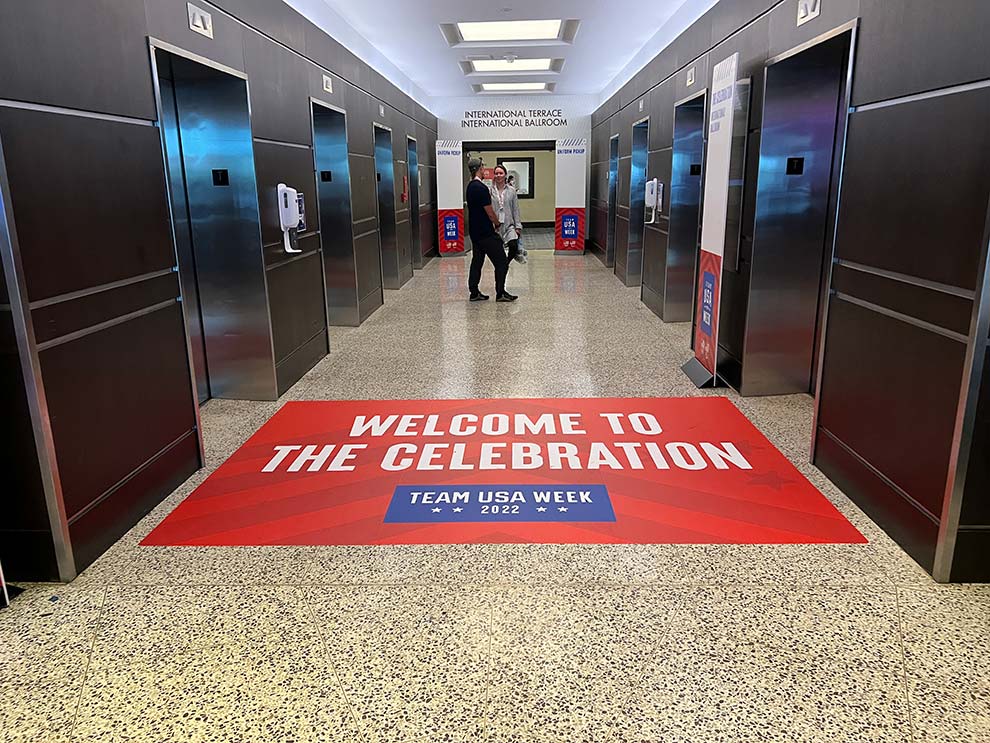
Present timelines, photographs, milestones, donor information, employee recognition, and other structured content with greater depth and organization. Wall Displays are useful when information requires a more permanent framework, stronger hierarchy, or easier updates than a single printed graphic can provide.
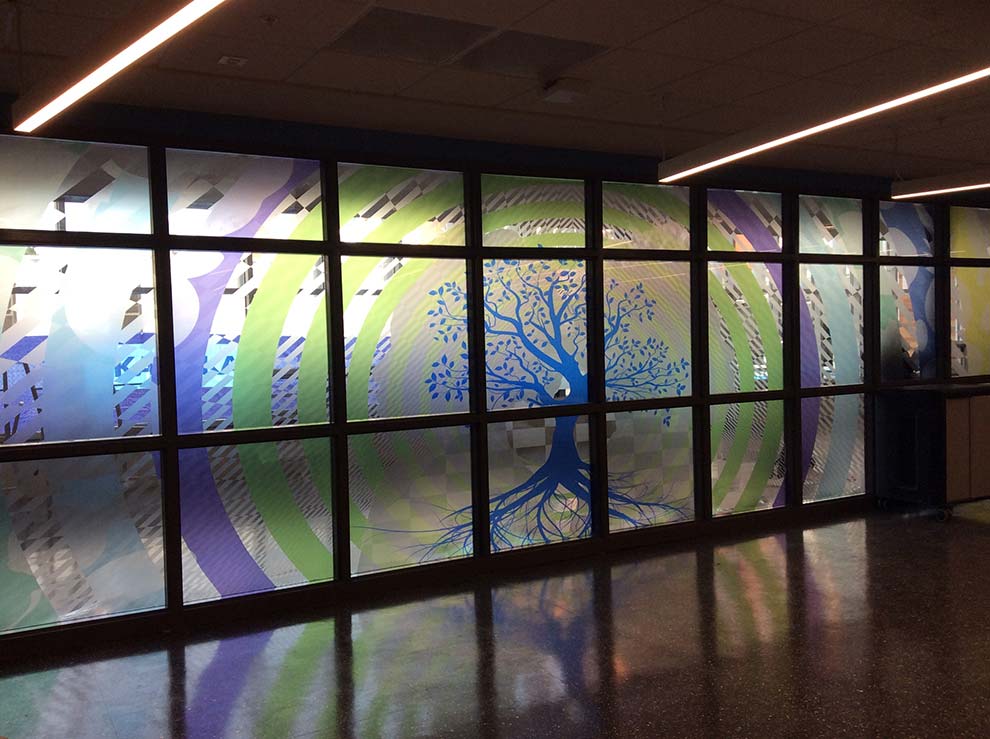
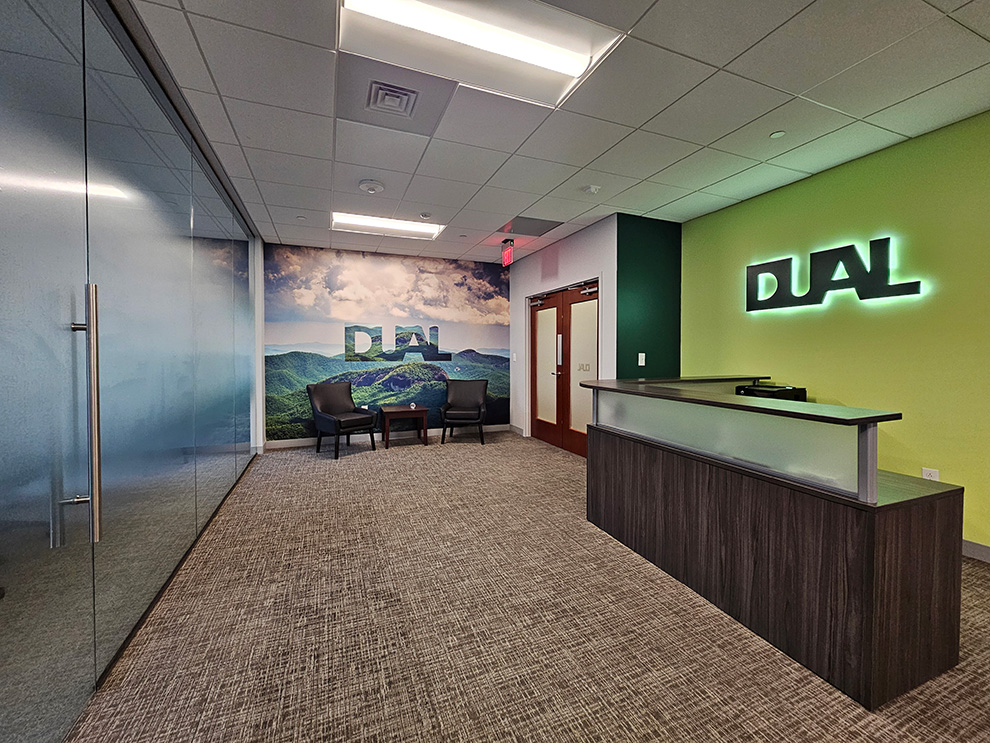
Give a logo, organization name, mission statement, core value, or other important message a strong physical presence. Dimensional Letters can establish the primary identity feature in a reception area while wall graphics, privacy treatments, displays, and directional signs communicate secondary information.
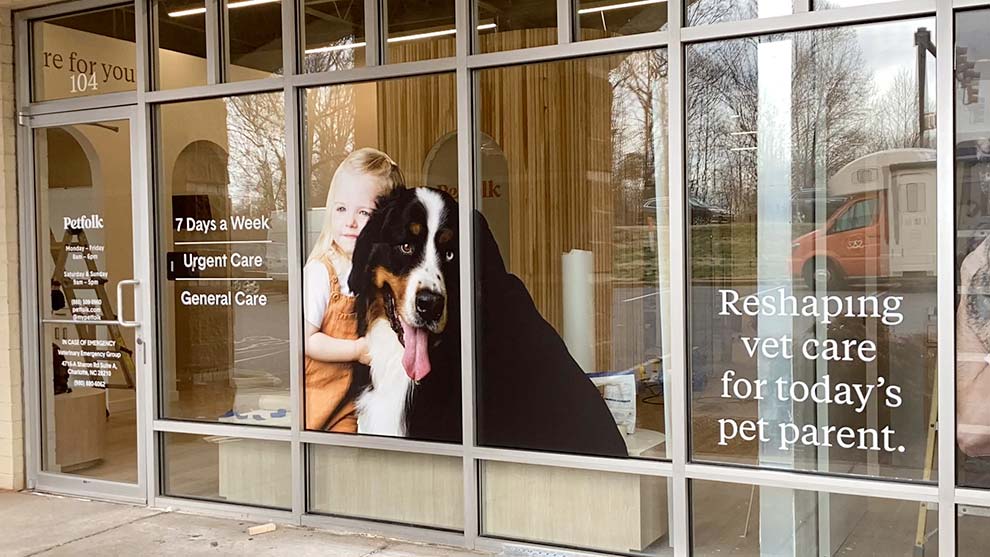
Add controlled illumination to a logo or high-priority message that needs greater emphasis. Backlit Signs can define a reception area, lobby, or branded zone while surrounding graphics and displays reinforce the space without competing with the focal point.
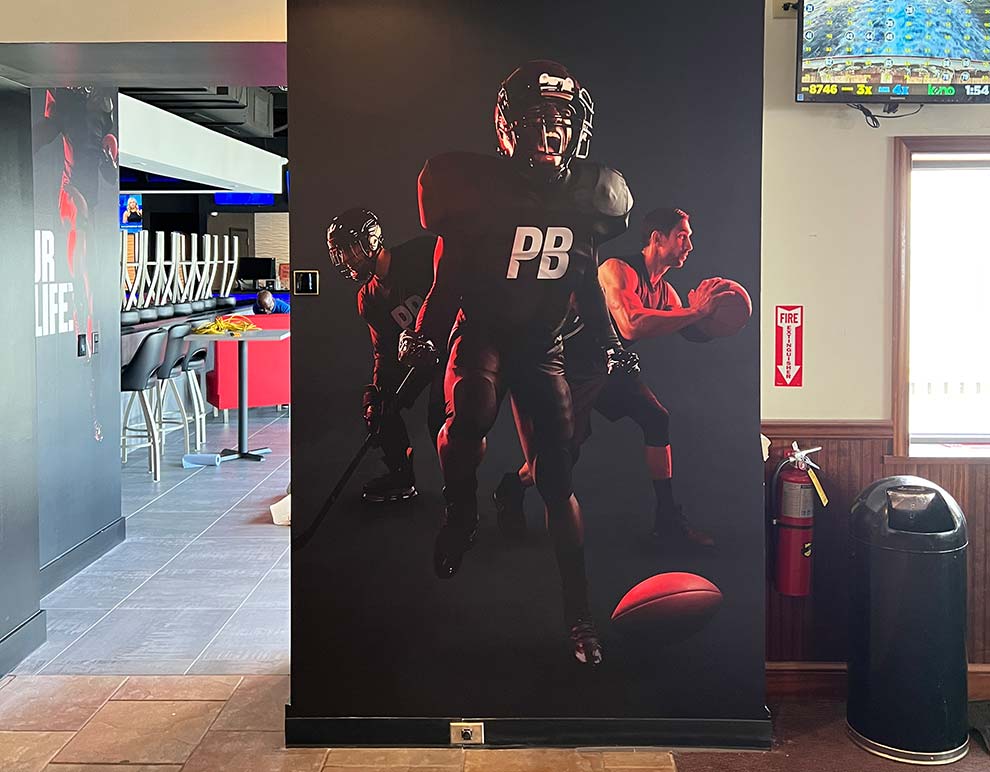
Position panels away from the wall to create depth, shadow, and visual separation. Standoff Mounted Signs can organize lettering, photographs, graphics, directories, or recognition content into deliberate information groups that relate to nearby branding elements.
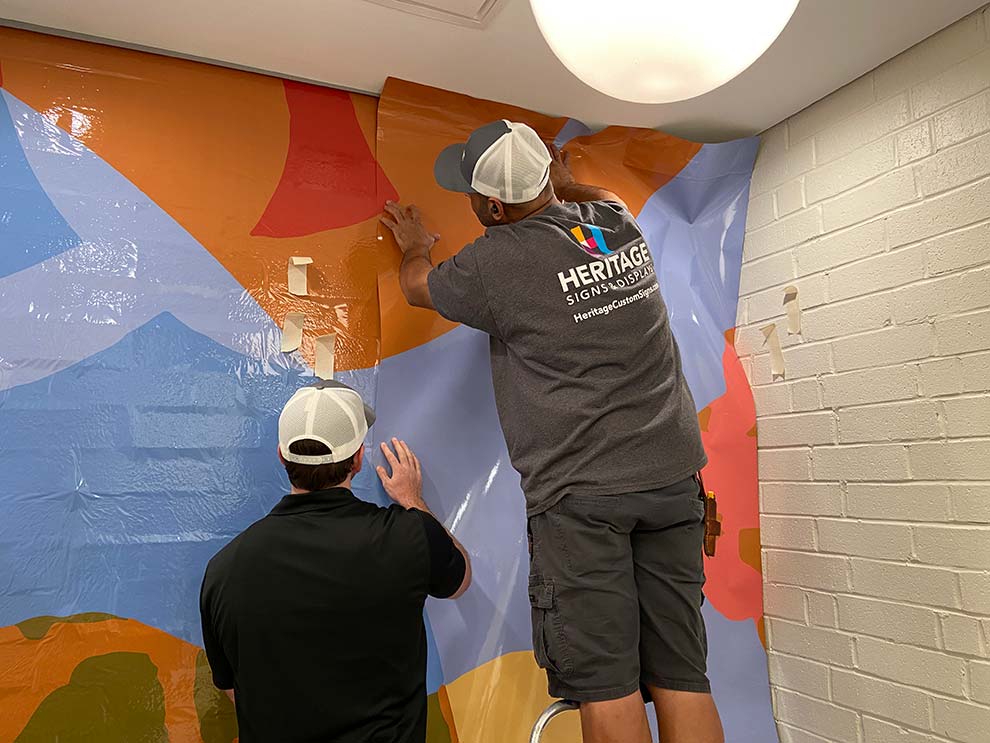
Use clear, colored, or frosted acrylic for refined logo signs, directories, identification panels, recognition features, and layered displays. Acrylic Signs can coordinate with printed graphics, dimensional lettering, lighting, and metal hardware used elsewhere in the workplace.
A Baltimore workplace branding program can begin before every sign, graphic, display, material, or mounting method has been selected. Through Get Started Now, provide the project location, desired result, target completion date, anticipated investment, available plans or photographs, brand materials, participating stakeholders, and known building or access requirements.
Heritage will review the available information, identify unresolved approvals or field conditions, and organize the next planning step through one dedicated Project Manager. Clients do not need to choose every product before environmental graphic design, site verification, production, fabrication, and professional installation planning can begin.
Commercial Interior Graphics creates a common framework for deciding which messages should receive the greatest prominence and which should play supporting roles. Leadership may prioritize brand identity and organizational credibility. Human resources may focus on workplace culture, values, and employee recognition. Marketing may protect brand consistency, while facilities may prioritize privacy, navigation, durability, maintenance, and compatible mounting conditions.
A coordinated program defines this hierarchy before individual products are chosen. A dimensional logo may create the main arrival point. A large Wall Wrap may communicate the organization’s history or culture. Frosted graphics can provide privacy across conference-room glass. A recognition display can create an organized location for names, photographs, awards, or accomplishments that change over time. Directional signs can help employees and visitors move through the building without overpowering the primary branding.
The elements do not need to look identical. They need to share a clear purpose, appropriate proportions, and recognizable brand character while performing distinct functions. Permanent identity, short-term campaigns, replaceable recognition content, privacy, and wayfinding often require different materials and construction methods. What defines a Commercial Interior Graphics program is thoughtful coordination, not the total number of products selected.
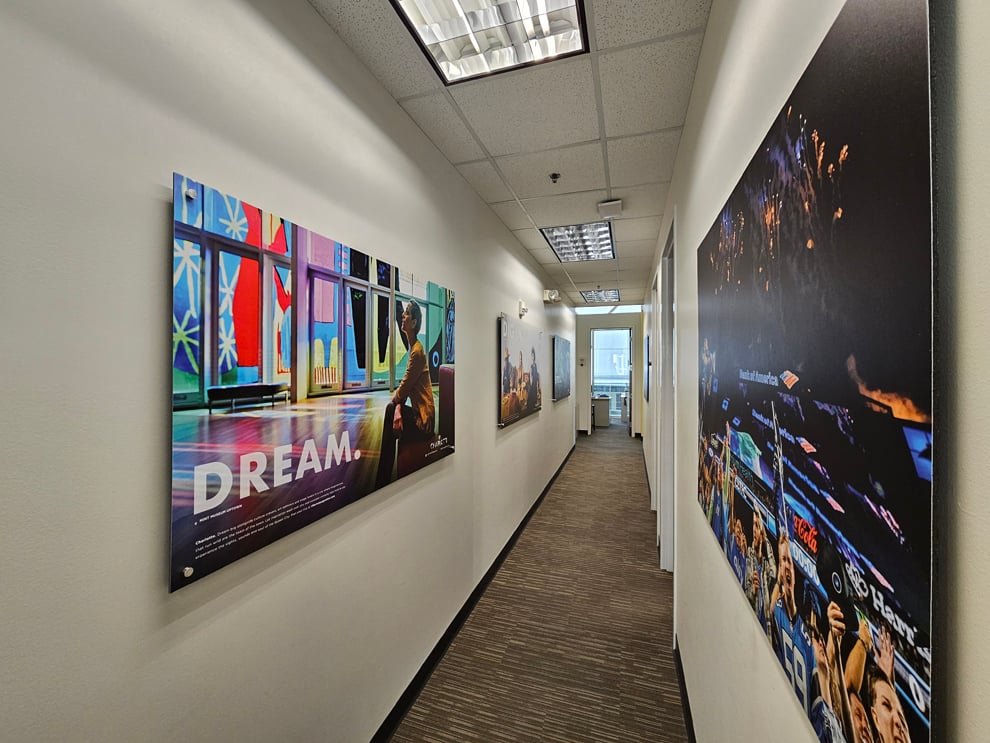
Baltimore clients can receive support for discovery, site surveys, installation planning, and professional installation through Heritage’s Mid-Atlantic service network. Local field information is especially important when a project involves an occupied office, secured building, historic property, medical facility, campus, or multi-tenant workplace with strict delivery and staging procedures.
Heritage’s regional field and installation teams support projects throughout Baltimore and surrounding Maryland communities. One dedicated Project Manager carries verified site information into environmental graphic design, production, fabrication, scheduling, delivery, and installation. This keeps client-facing support, field operations, and production responsibilities connected while maintaining clear distinctions between them.
The Heritage facility in Waldorf, Maryland is dedicated to production and staffed only by production team members. It is not a showroom or sales office. Heritage’s wider operational network can provide additional capacity when a program extends to multiple properties. Organizations with locations across the Mid-Atlantic and Carolinas can preserve common brand standards while adapting the physical solution to each site.
Consistency does not require every office to use identical signs or graphics. Architecture, dimensions, surface conditions, sightlines, security procedures, access restrictions, and schedules can vary significantly. Heritage helps maintain the approved identity, hierarchy, and communication principles while adjusting fabrication and installation to suit each Baltimore-area property.
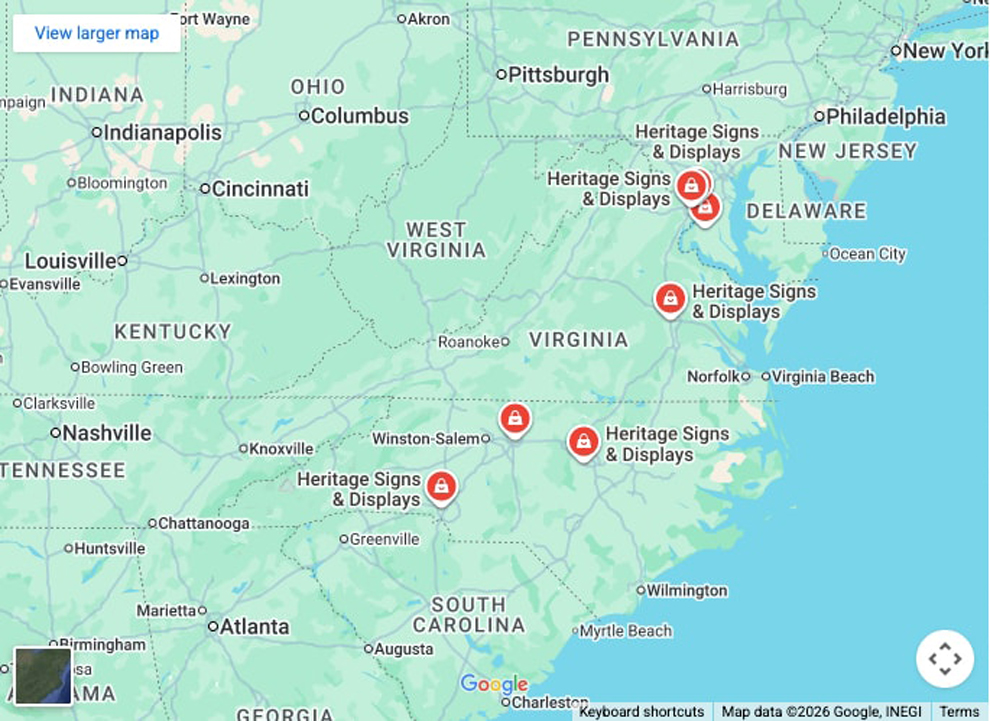
Environmental graphic design helps Baltimore organizations determine what employees, clients, visitors, and community members should notice, understand, or experience within a space. A program may improve the arrival experience, communicate a mission, reinforce core values, present company history, recognize employees or donors, add privacy, or make a complex workplace easier to navigate.
Heritage evaluates those goals in relation to scale, visual hierarchy, viewing distance, sightlines, wall and glass conditions, existing lighting, mounting methods, fabrication, access, and installation sequencing. These practical considerations do not replace the creative idea. They help convert that idea into a physical solution the property can support. A permanent identity message may benefit from dimensional depth or illumination, while frequently changing information may require a durable display structure with replaceable content.
Heritage can create environmental graphic design in collaboration with organizational stakeholders or execute an established direction supplied by an architect, interior designer, branding firm, environmental graphic designer, workplace consultant, or client team. In collaborative engagements, Heritage works to preserve the approved visual intent while focusing on the signs, graphics, displays, and fabricated features it will produce, procure, manage, and install.
Heritage does not provide architecture, general commercial interior design, engineering, lighting design, accessibility consulting, or code consulting. Those responsibilities remain with the appropriate client representatives and qualified professionals.
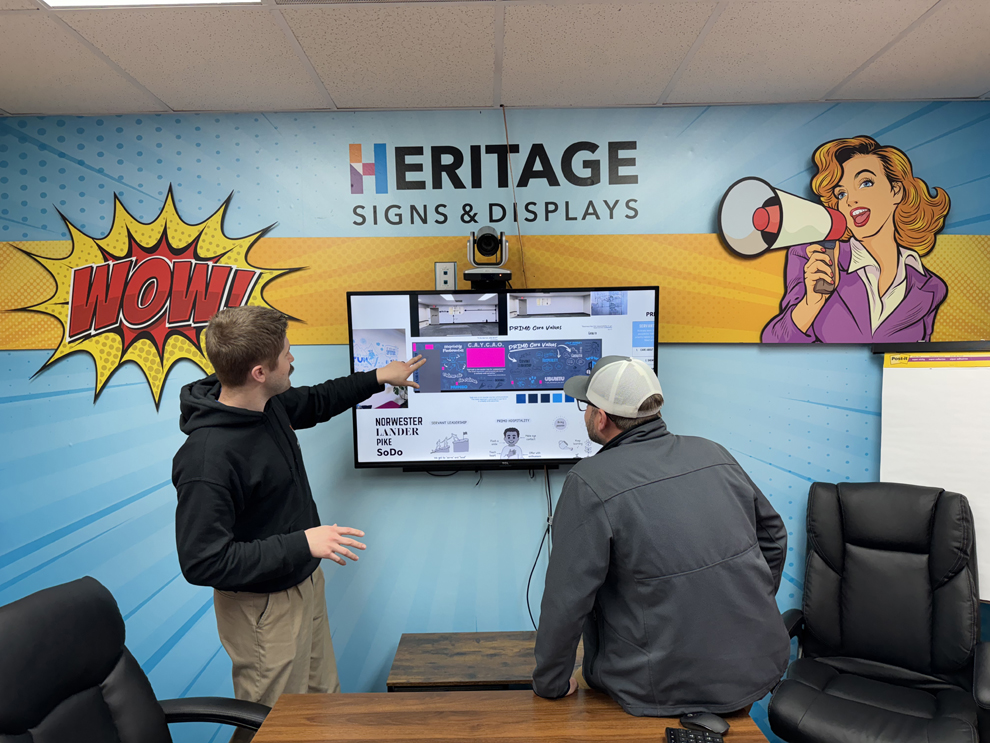
Professional installation depends on an accurate record of the property, approved design, fabricated components, access requirements, and intended sequence of work. When Heritage professional installation is included, a Heritage site survey is required. The survey combines client discovery with field and technical verification rather than serving only as a measurement appointment.
Heritage’s full-time professional installers receive applicable measurements, surface information, mounting details, placement instructions, delivery plans, access procedures, and work-hour restrictions before arriving at the property. This preparation supports proper alignment, secure mounting, accurate fit, clean finishing, protection of surrounding surfaces, and efficient work in occupied or access-sensitive Baltimore spaces.
Even with careful preparation, site conditions can change. If installers discover a material difference between the property and the documented project record, Heritage stops the affected work, reports the condition, and determines an appropriate path forward. Components are not forced into place when doing so could compromise the finished result or surrounding property.
Heritage installs signs, graphics, displays, and branded features that it produces, fabricates, procures, or manages as part of a Heritage engagement. It does not offer installation-only service for customer-supplied signs or graphics. Unknown measurements, materials, fabrication methods, packaging, mounting systems, and replacement responsibilities would break the chain of accountability established through the managed project.
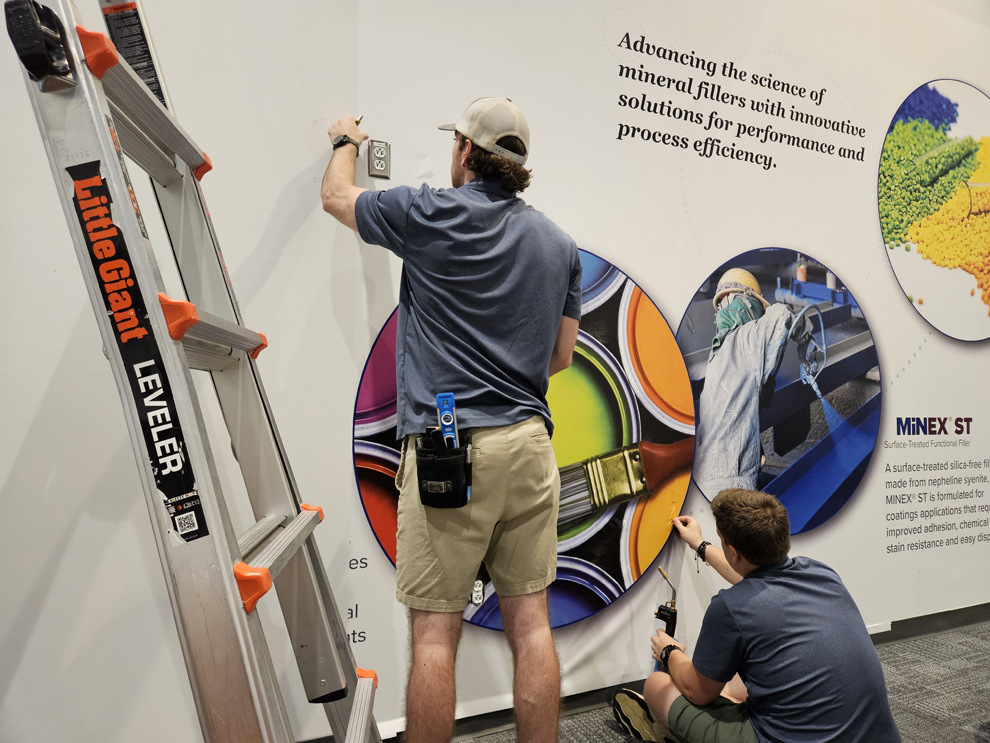
Productive planning connects the desired outcome, audience, project scope, phases, schedule, site readiness, stakeholders, approvals, anticipated investment, and outstanding information. Floor plans, artwork, photographs, and architectural drawings can support this process, but they do not replace discovery or the required Heritage site survey when professional installation is part of the engagement.
Wall graphics require suitable painted surfaces. Drywall should be stable, smooth, clean, dry, correctly repaired, properly primed and painted, and fully cured. Approximately four weeks is a useful planning guideline for many paints, although the paint manufacturer’s requirements and actual site conditions determine readiness. Paint can continue releasing gases while it cures, which may contribute to bubbles, blisters, lifting, or early adhesion failure when vinyl is applied too soon.
Adhesion testing can indicate how a graphic performs on the visible painted surface, but it cannot confirm the concealed bond among the drywall, primer, and paint. If normal positioning or repositioning causes paint or primer to separate from the wall, Heritage stops the work and the Project Manager communicates the condition. The client or property owner is responsible for arranging and paying for repairs, correct priming, repainting, restoration, and adequate curing. Heritage does not perform or fund that corrective work.
Removing existing graphics is a separate service, and damage-free removal cannot be guaranteed. Existing vinyl should be removed early enough to reveal any wall repair or repainting needs before replacement graphics are scheduled for installation.
Many Heritage projects that include production and professional installation fall between $10,000 and more than $200,000. New opportunities generated through the website should anticipate an overall project investment of at least $6,000.
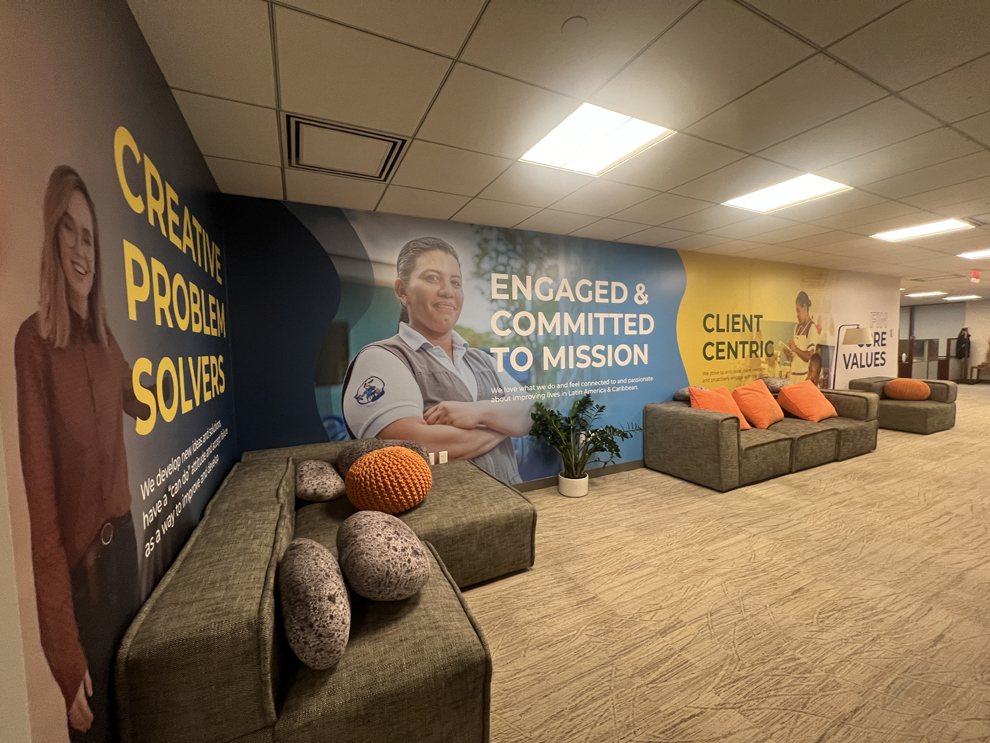
They bring identity, privacy, recognition, storytelling, navigation, and changeable communication into one organized program instead of treating each need as an unrelated purchase. Every feature is assigned a specific role within a shared visual hierarchy.
A completed environment may include printed graphics, dimensional letters, illumination, acrylic panels, photography, standoff displays, recognition systems, and privacy films. The primary benefit is coordinated purpose and execution, not simply the quantity of products installed.
Heritage coordinates its contracted scope through consultative discovery, environmental graphic design, site verification, production, fabrication, scheduling, delivery, and professional installation. One dedicated Project Manager maintains current approvals and project information while designers, production specialists, fabricators, and installers complete their work.
The client and outside professionals remain responsible for content approval, property access, architecture, engineering, general commercial interior design, accessibility, code requirements, and other matters beyond Heritage’s engagement.
Actual dimensions, wall and glass conditions, mounting areas, loading procedures, elevator sizes, security protocols, staging limitations, and permitted work hours can influence how a design must be manufactured, delivered, or installed. Discovering these conditions after fabrication may result in redesign, component changes, additional costs, or schedule delays.
Early field verification helps connect the approved creative direction with the realities of the property while viable options remain available.
The Project Manager maintains the approved visual direction, decision history, survey record, stakeholder details, schedule, production requirements, access information, and installation sequence. This centralized record reduces the chance that outdated artwork, conflicting instructions, or unconfirmed assumptions will move into production.
The Project Manager coordinates Heritage’s work without replacing client decision-makers, property managers, architects, interior designers, engineers, or other responsible professionals.
A Heritage site survey is required when Heritage professional installation will be included. It combines project discovery with technical and field verification rather than functioning solely as a measurement visit.
The survey may document dimensions, surfaces, existing conditions, sightlines, mounting locations, access procedures, staging restrictions, delivery routes, and installation requirements. This information creates a shared factual record for design, project management, production, fabrication, scheduling, and installation.
Outside professionals can provide the approved design direction, spatial plan, brand standards, or professional requirements. Heritage can then translate that direction into the signs, graphics, displays, and fabricated features included in its engagement. Heritage may also develop environmental graphic design directly with organizational stakeholders when requested.
Heritage does not take responsibility for architecture, general commercial interior design, engineering, accessibility, lighting design, code consulting, or property management. Clearly assigned roles help the approved concept move forward without transferring professional obligations.
Maintain consistent brand principles, approved messages, visual hierarchy, color standards, and program information while adapting the physical execution to each site. Differences in dimensions, architecture, walls, glass, sightlines, access, schedules, and building procedures may require different solutions.
Heritage can support properties throughout the Mid-Atlantic and Carolinas within one coordinated program. Brand consistency means preserving the approved identity and communication standards, not requiring every office to use the same components in the same sizes.
New sign and display opportunities generated through Heritage’s Mid-Atlantic website should anticipate a total project investment of at least $6,000. This threshold applies to the complete managed opportunity and is not a quoted price for an individual product.
Many Heritage engagements involving production and professional installation range from $10,000 to more than $200,000. Final investment depends on scope, design development, quantities, fabrication, materials, phasing, property conditions, access, schedule, number of locations, and installation requirements.
Adhesive Vinyl Graphics refers to the broad category of pressure-sensitive graphics applied to compatible walls, windows, glass doors, selected floors, elevators, displays, and other suitable surfaces. Commercial Interior Graphics describes a more comprehensive program that coordinates several visual layers and feature types.
Vinyl may be part of that program alongside dimensional lettering, acrylic signs, illuminated displays, photography, recognition structures, standoff mounted panels, and other fabricated features. The larger program determines how those components work together and which communication role each one performs.
A Wall Wrap becomes part of a larger Commercial Interior Graphics program when large-scale wall imagery or storytelling must coordinate with identity signs, privacy treatments, recognition features, displays, or directional elements elsewhere in the space.
The wrap remains responsible for transforming a substantial wall surface. The broader program establishes how it relates to dimensional signs, glass graphics, photography, changeable content, and other supporting features.
Painted drywall must be stable, smooth, clean, dry, properly repaired, correctly primed and painted, and fully cured. Approximately four weeks can be used as general planning guidance for many paints, but manufacturer instructions and actual property conditions control readiness. Applying vinyl before paint has fully cured can contribute to bubbles, blisters, lifting, and premature adhesion failure.
Testing can measure performance on the painted face, but it cannot verify the concealed bond between the drywall, primer, and paint. Heritage stops work if ordinary positioning or repositioning causes paint or primer to peel away. The client or property owner must arrange and pay for repairs, priming, repainting, restoration, and complete curing before installation continues.
Installation results depend on decisions made throughout measurement, design, material selection, printing, fabrication, packaging, mounting preparation, and quality control. Customer-provided signs or graphics introduce conditions and production methods that Heritage did not oversee.
Heritage installs branded elements that it produces, fabricates, procures, or manages within a Heritage engagement. Keeping production and installation under the same managed process preserves accountability through completion.
Heritage compares the requested completion date with the time needed for approvals, design development, material sourcing, production, fabrication, site preparation, property access, permitted work periods, and installation. A deadline is feasible only when the entire sequence can support it.
If the original scope cannot be completed responsibly within the available time, the Project Manager communicates the constraint rather than committing to an unrealistic schedule. Phasing, resequencing, prioritizing key spaces, or modifying the scope may protect the most important objectives.
Confirm loading procedures, parking and delivery restrictions, elevator reservations, security check-in, approved work hours, occupied areas, staging limits, and required property permissions. The necessary details depend on the Baltimore building and the dimensions, weight, and construction of the components being installed.
The client or property representative remains responsible for access arrangements and approvals under their control. Heritage uses the confirmed information to plan personnel, delivery, equipment, staging, sequence, and installation timing.
Begin with the property address, desired outcome, target date, anticipated investment, participating stakeholders, and known access or approval requirements. Floor plans, photographs, architectural drawings, brand standards, logos, content, and reference images are also helpful when available.
Every product and material does not need to be selected in advance. Discovery and the required site survey for Heritage-installed work can identify the remaining decisions and field information needed before production begins.
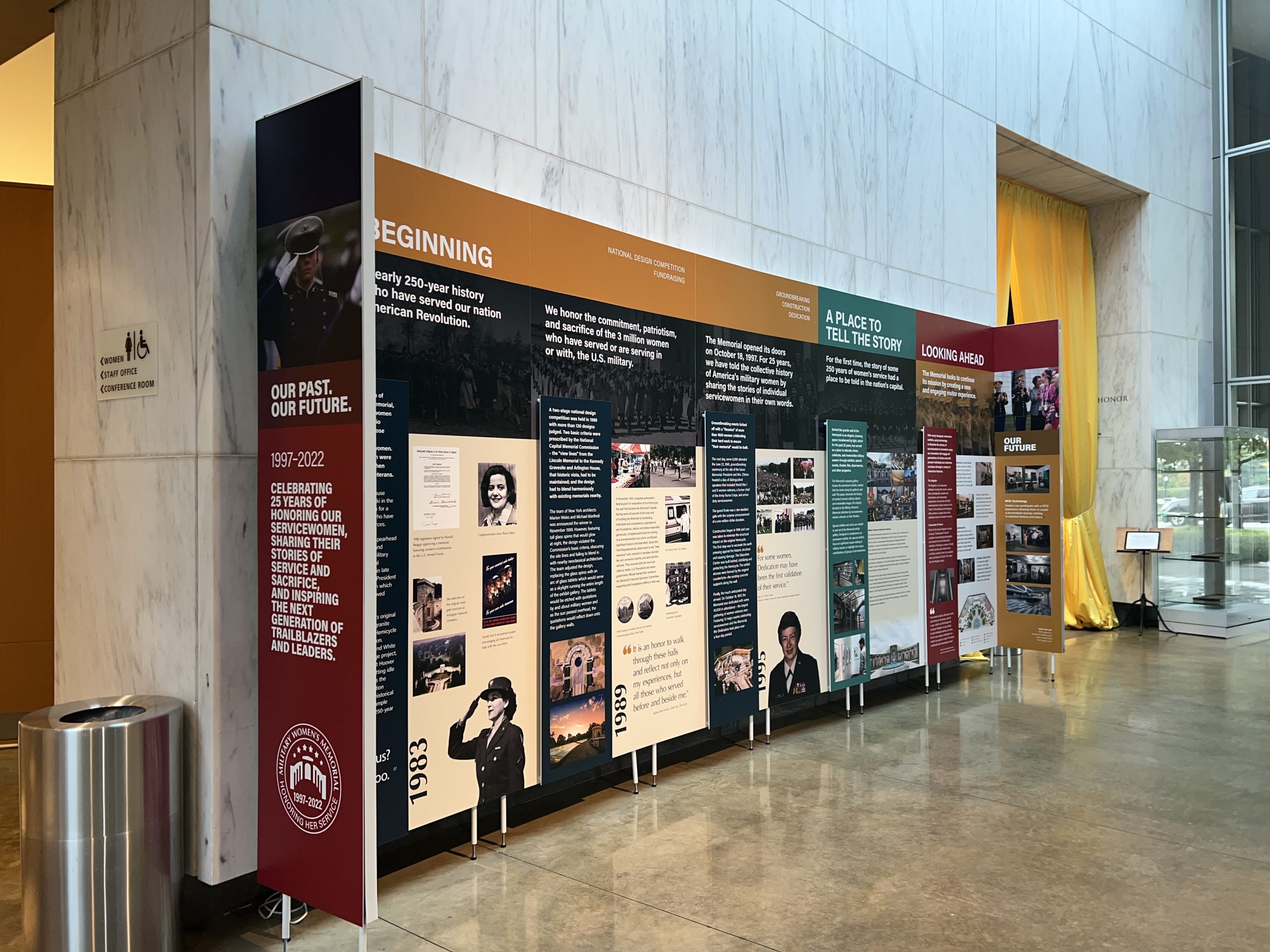
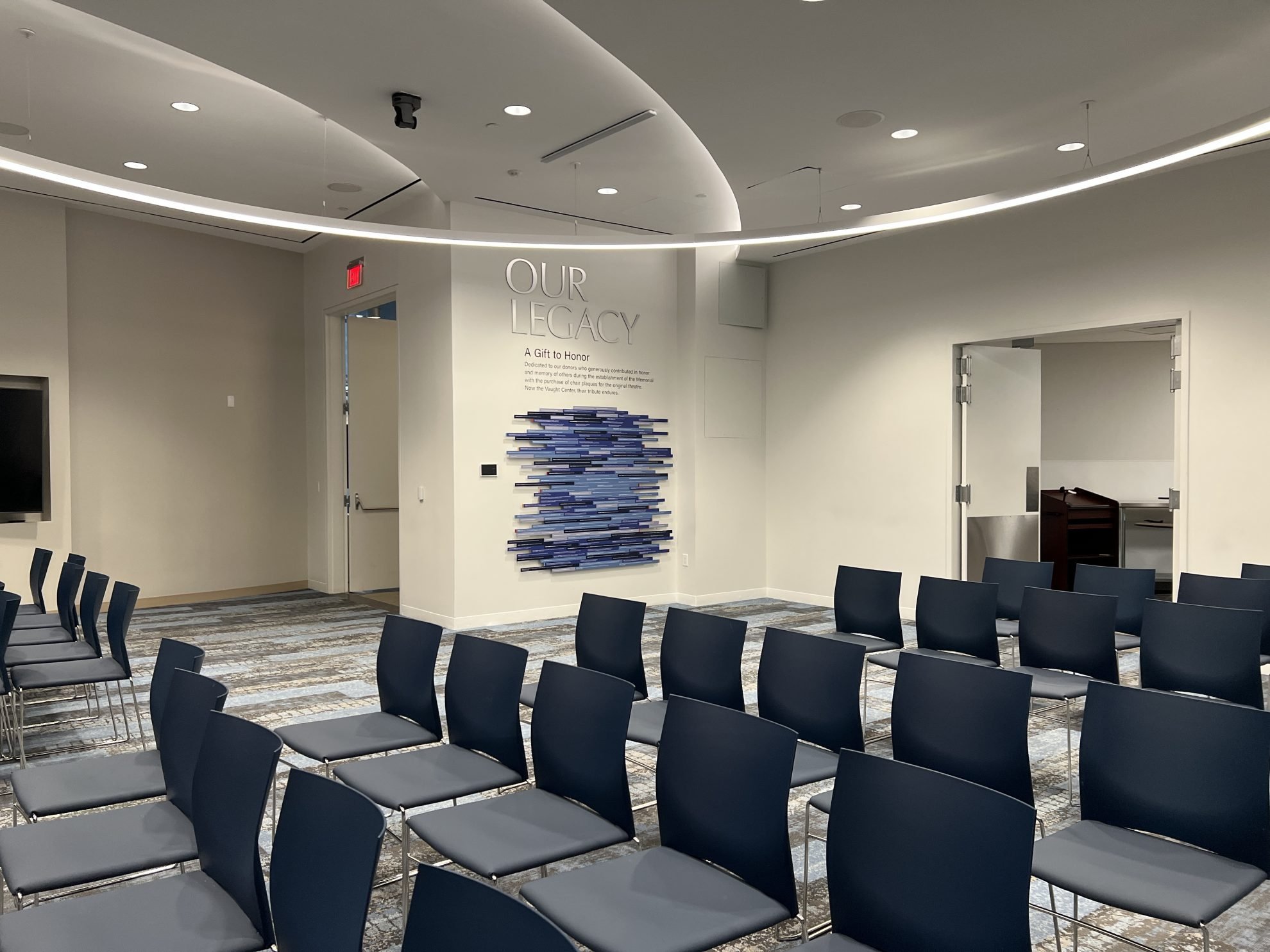
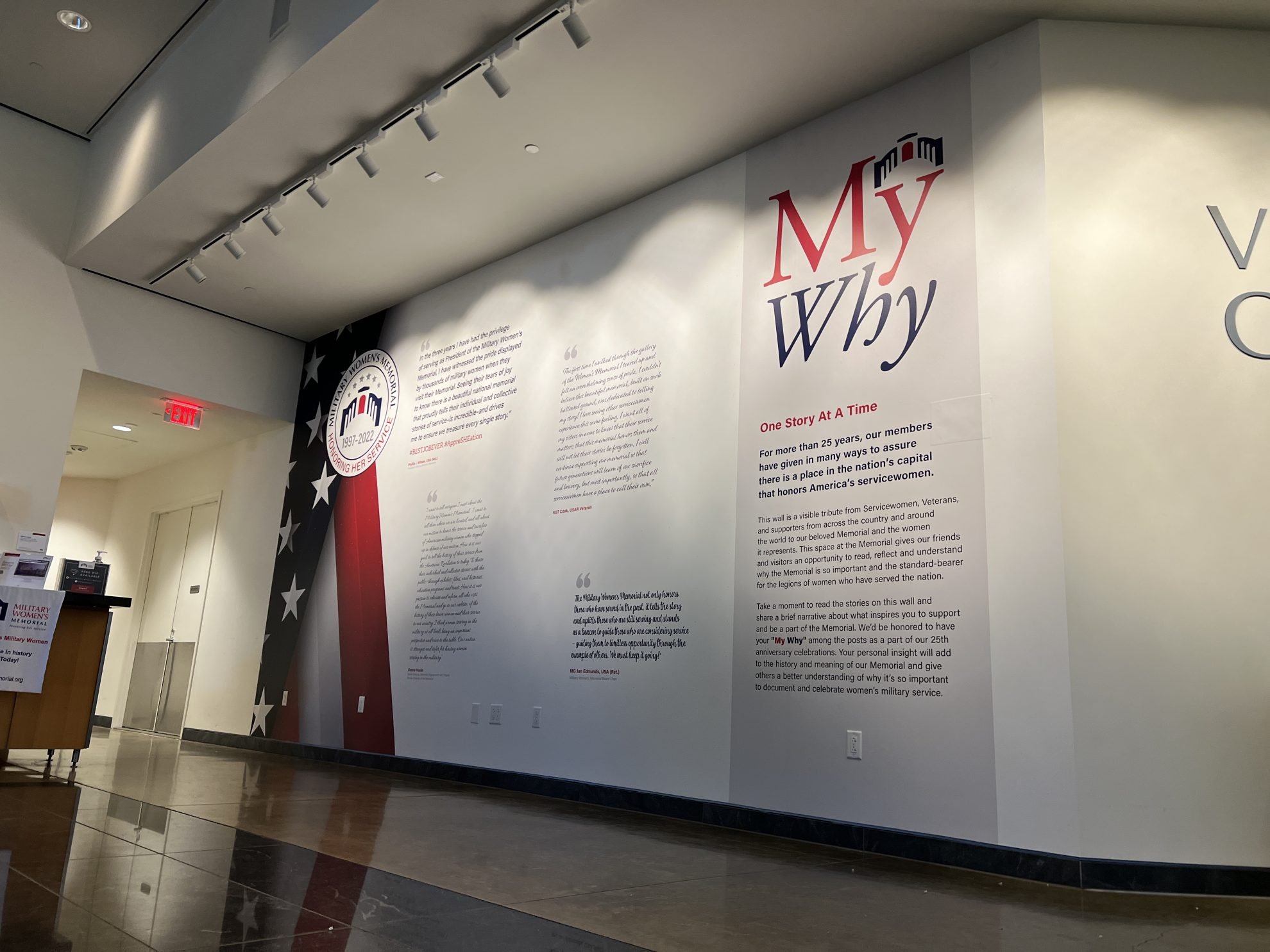
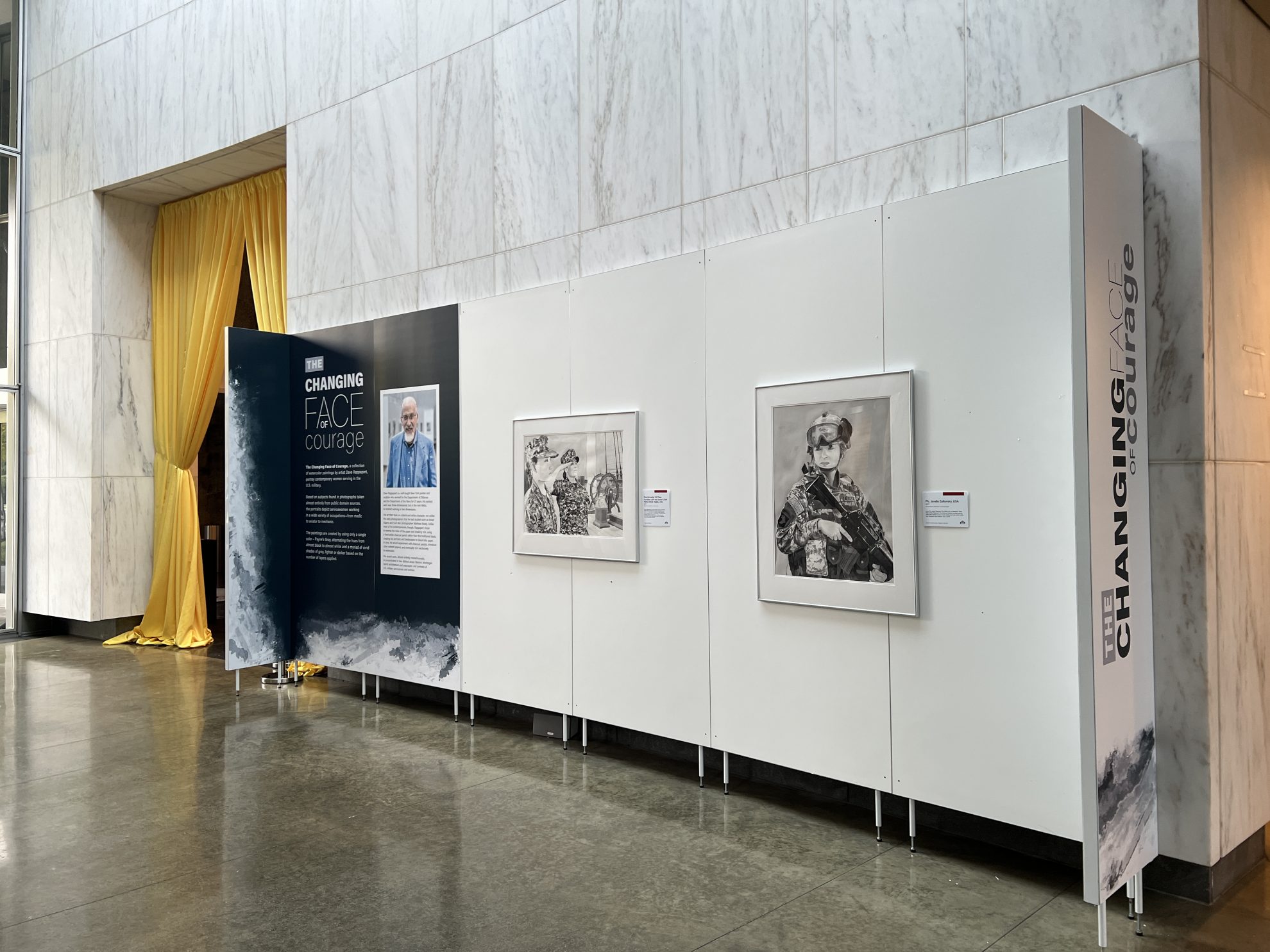
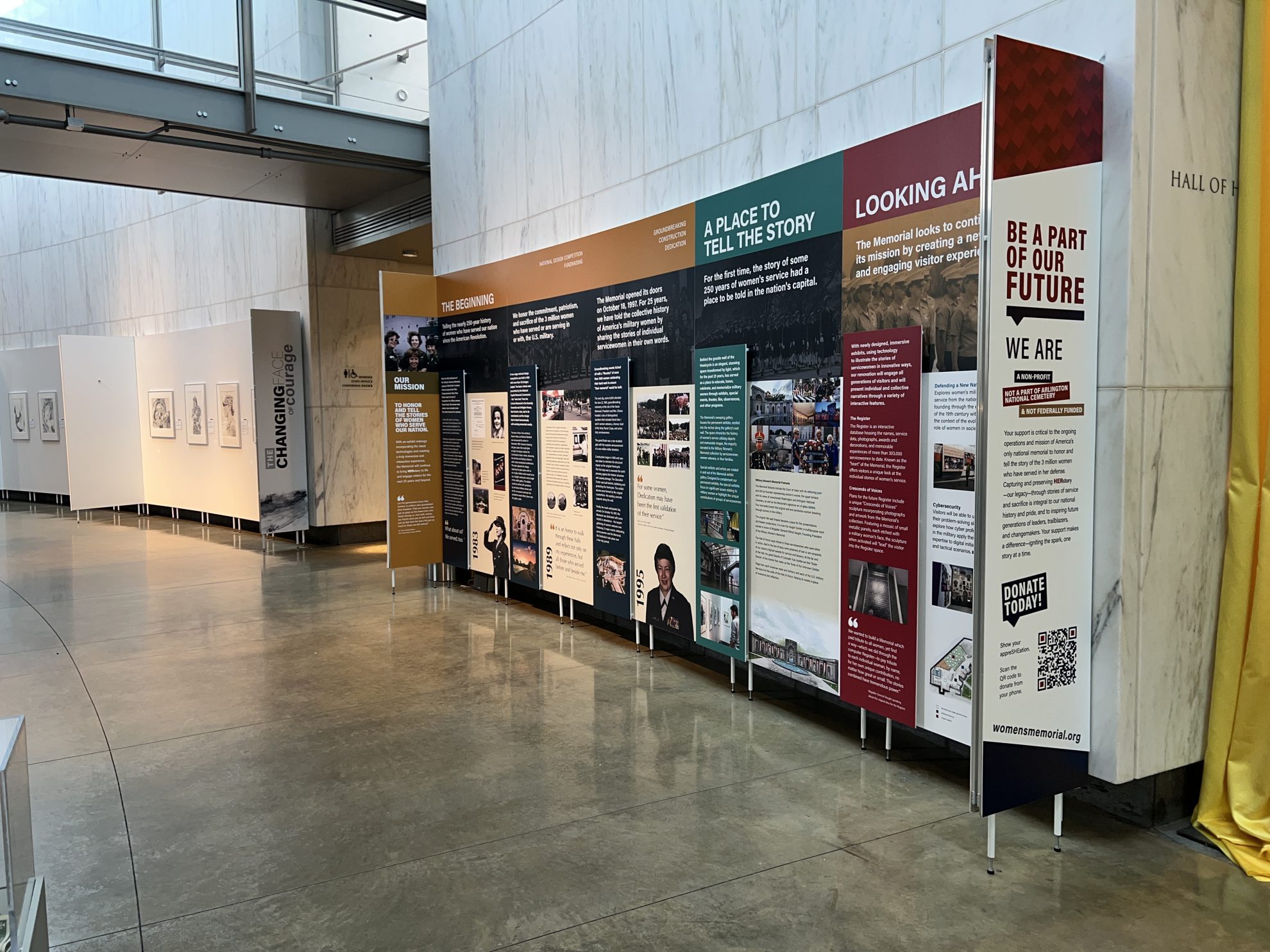
Heritage Signs & Displays created new museum signage for the Military Women’s Memorial in Arlington, VA. The project included custom signs, wall wraps, dimensional letters, and standoff-mounted displays to honor the legacy of U.S. servicewomen and the donors who supported the memorial. The updated interior features impactful designs, including a "Our Legacy" wall display and panels showcasing historical contributions and artwork, creating a transformative tribute to women in the U.S. Armed Forces.
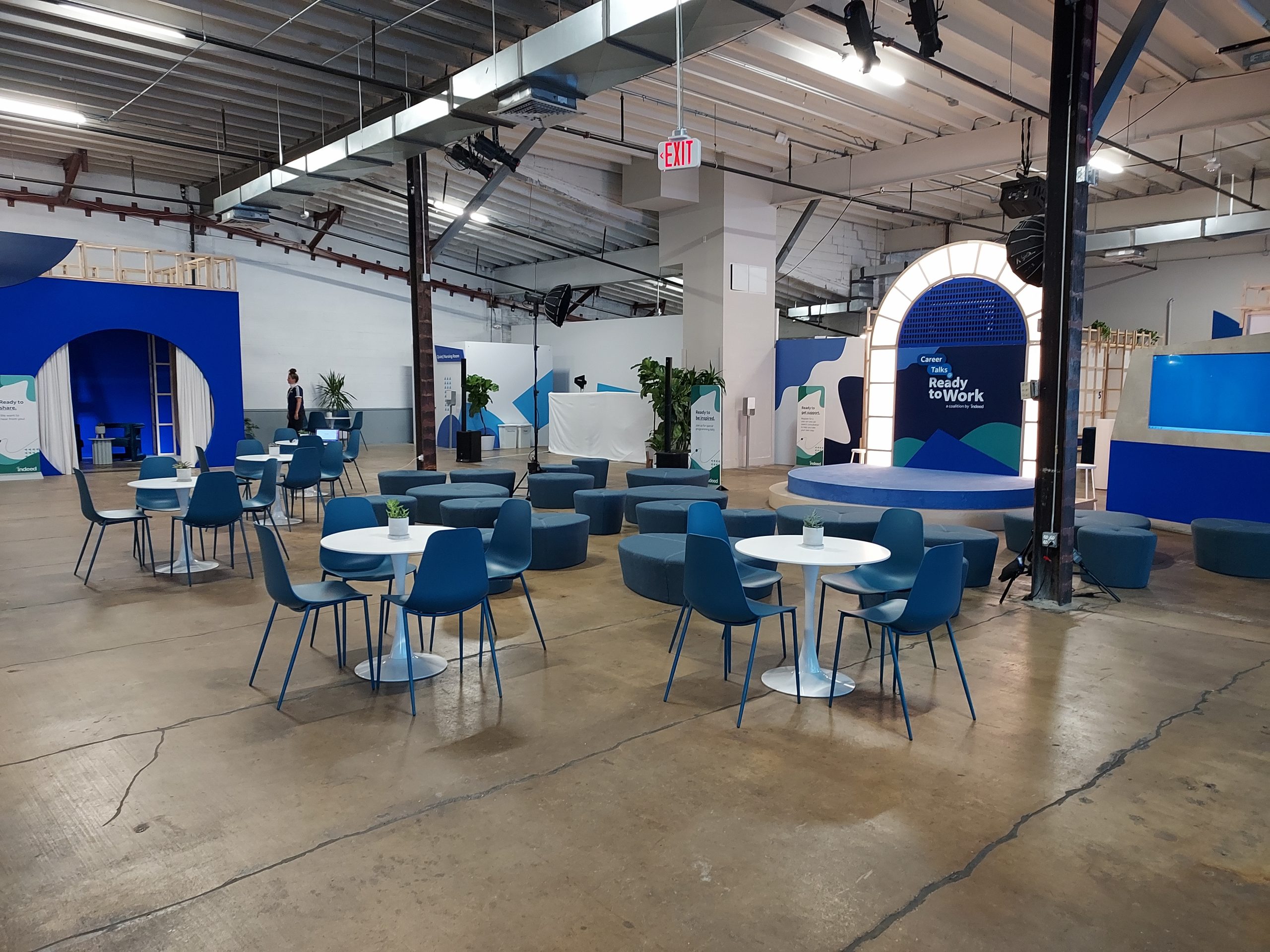
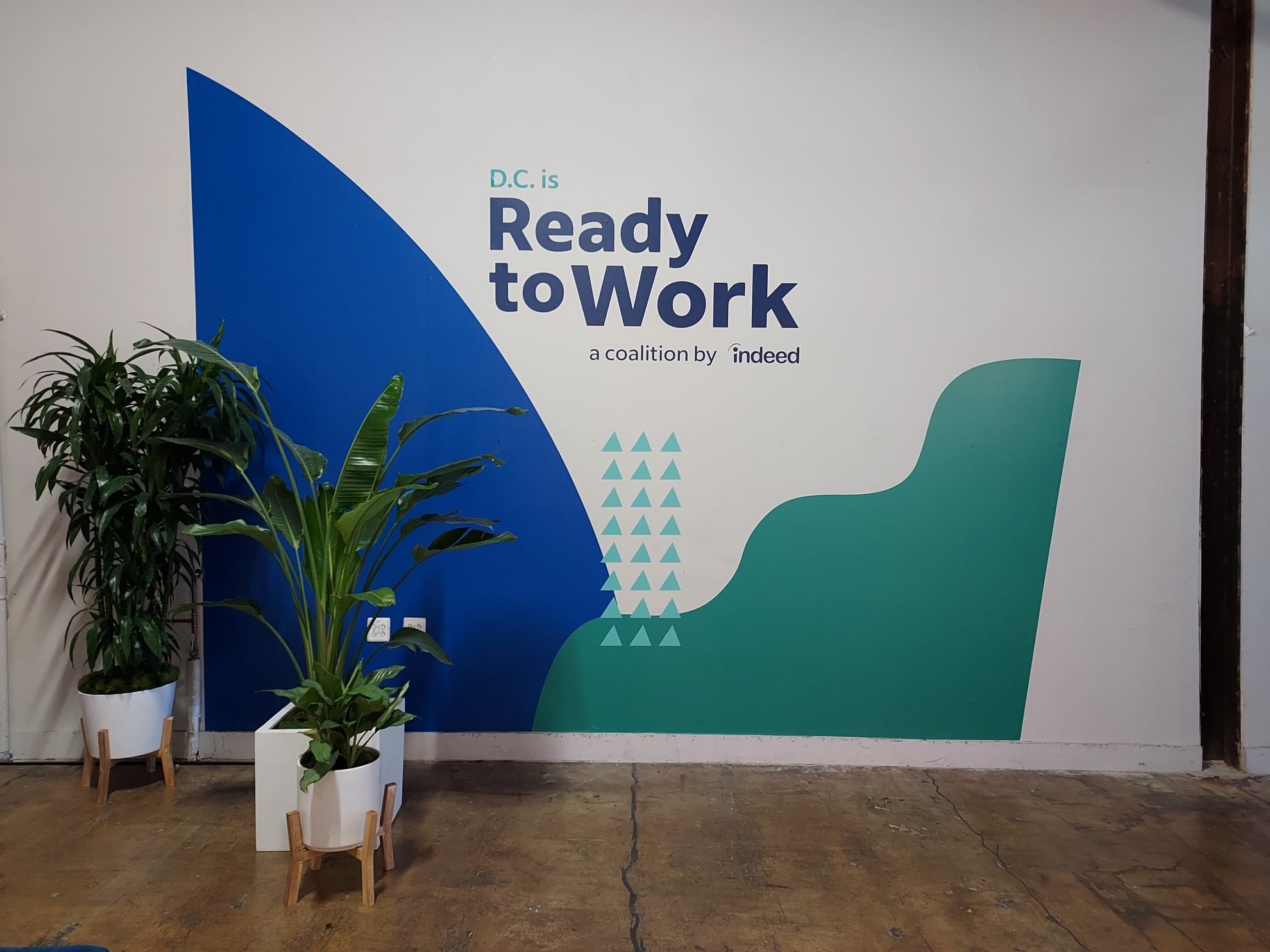
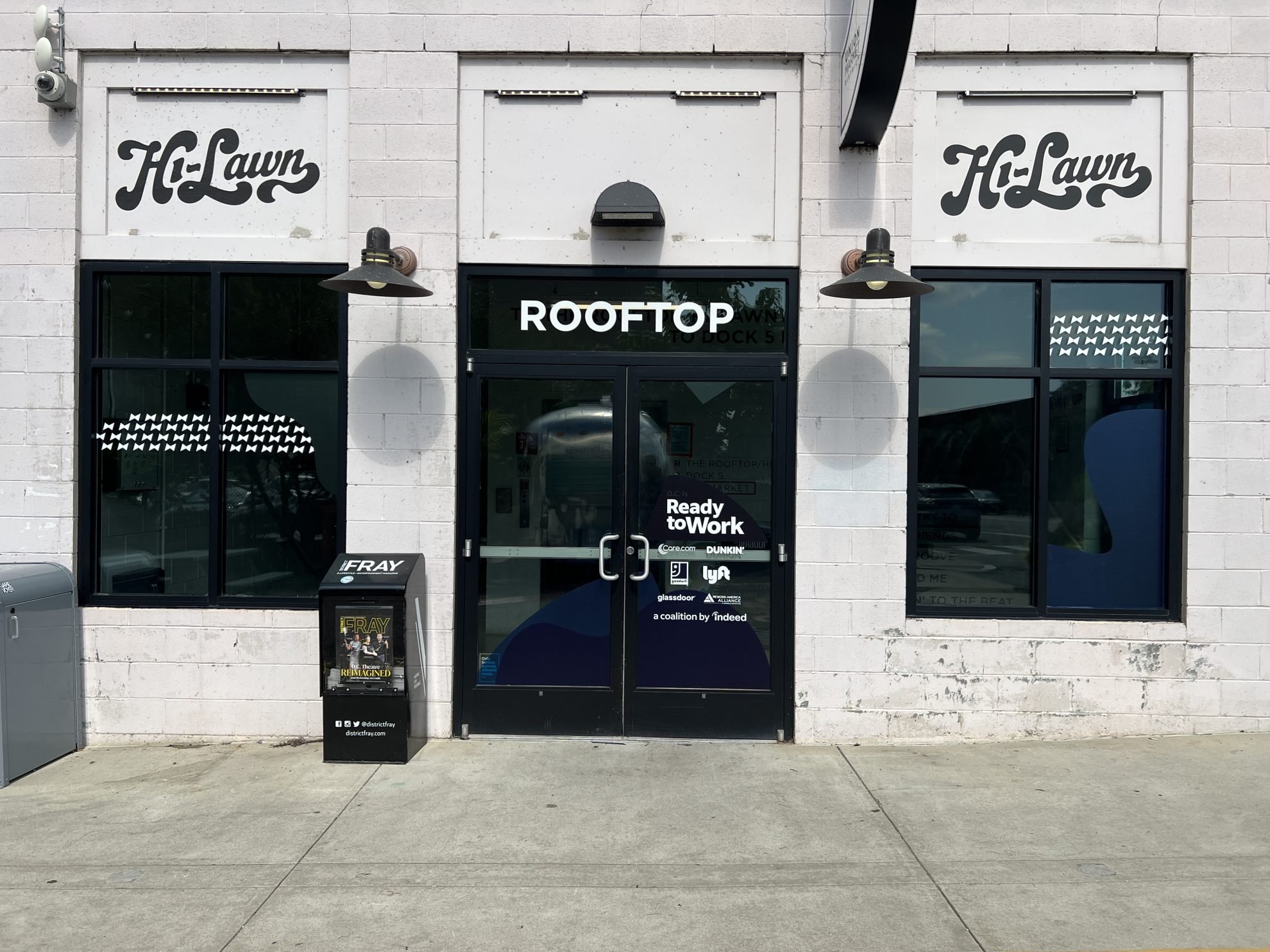
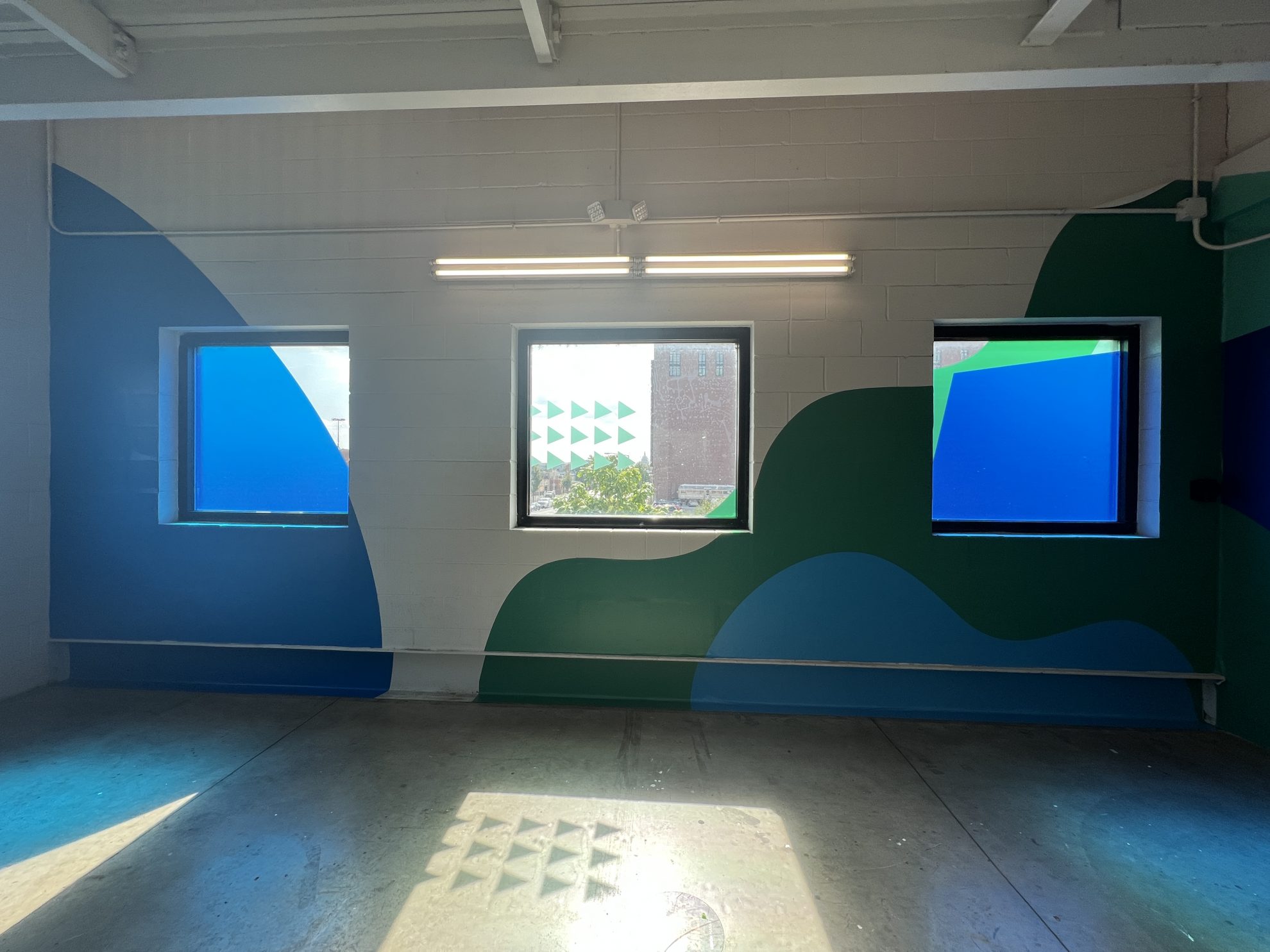
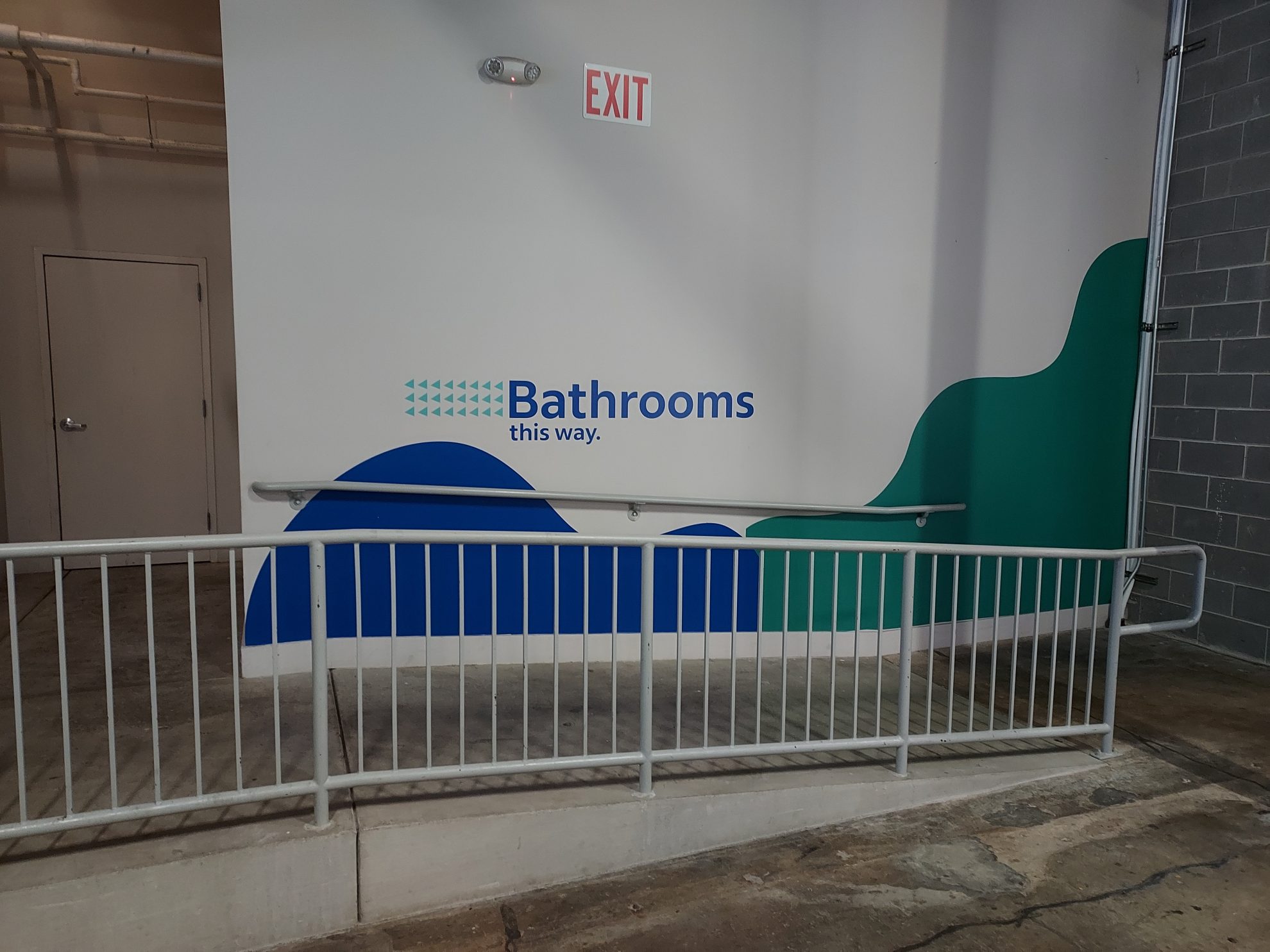
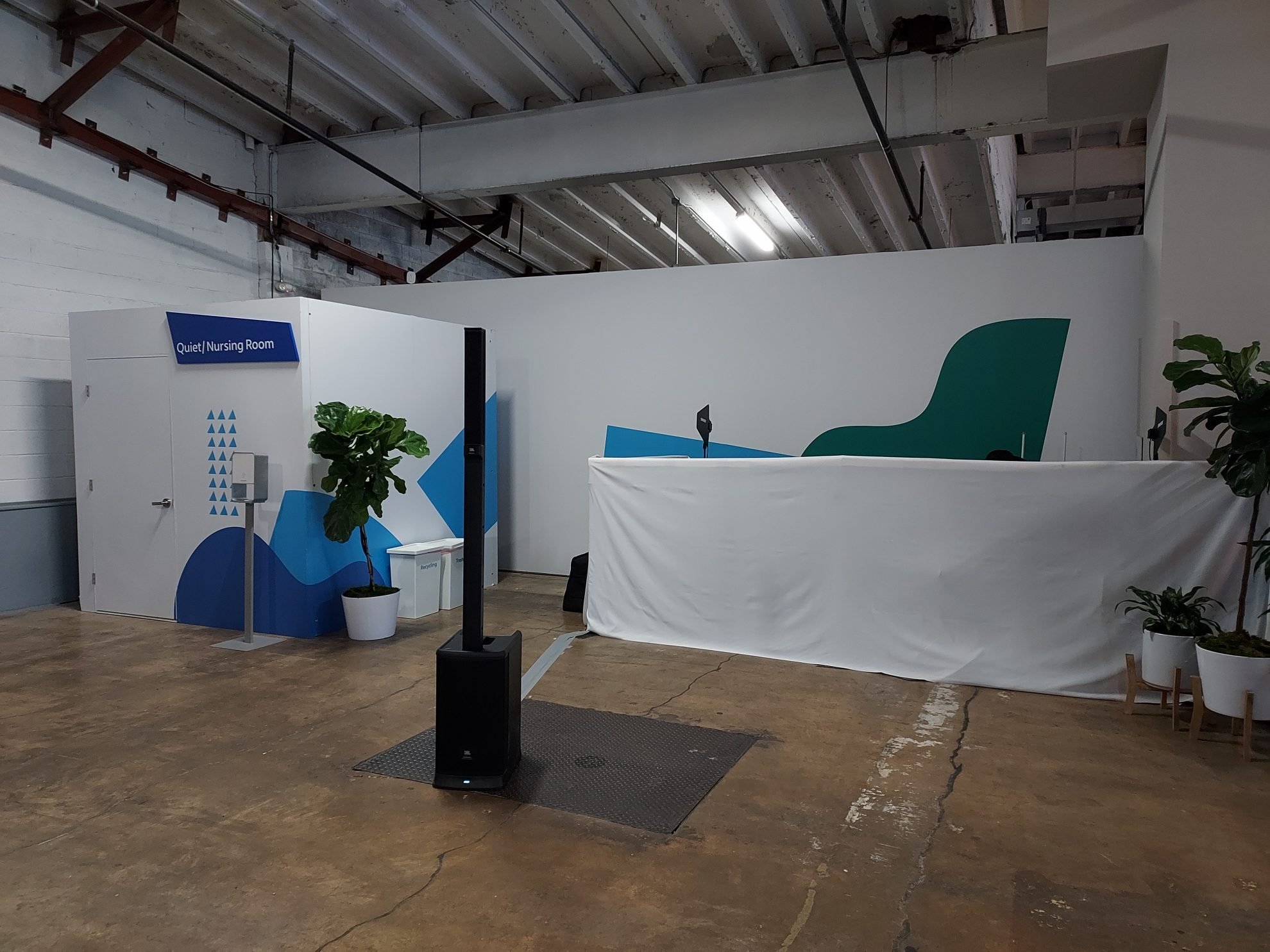
Heritage Signs & Displays' collaboration with The Gathery to brand Union Market in Arlington, VA, for Indeed's "Ready to Work" job fair. The project included custom event displays, wall graphics, window graphics, and wayfinding signs, creating an immersive and visually appealing environment. The branding enhanced the venue, reflected the event's mission, and provided a seamless experience for attendees.