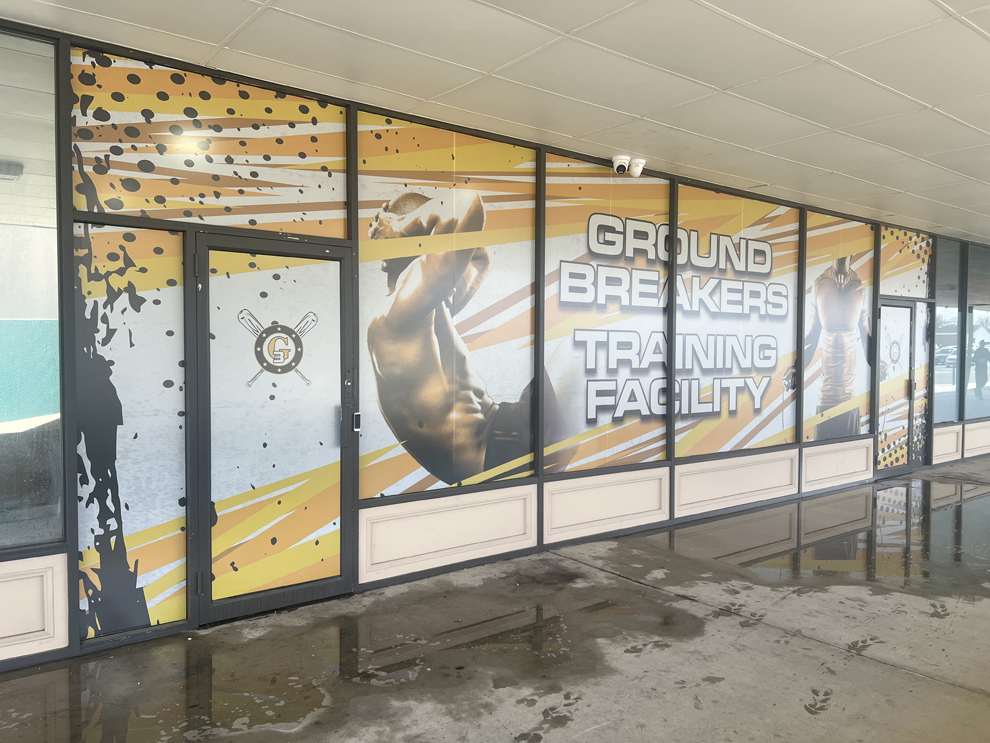
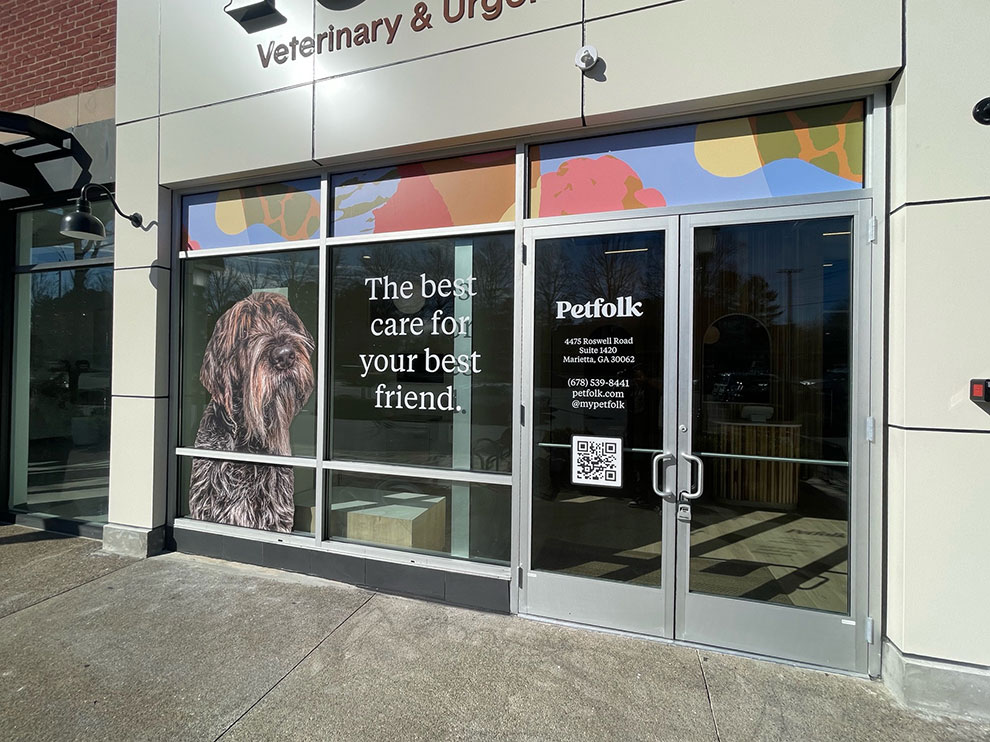
An entrance has one job before anything else: help people know they are in the right place and walk in without hesitating. Graphics on the glass can name the organization, mark the door, soften a sightline, and keep a clear panel from disappearing. The best projects assign one clear job to each surface instead of loading the door and windows with every message leadership wants to share.
Storefront Graphics is where Heritage Signs & Displays links the outside of a building to the branded space behind it. Printed and cut window graphics, glass door lettering, privacy film, and select non-illuminated storefront pieces carry the first layer of identity. After the door closes, a lobby sign, a wall feature, a dimensional installation, or a display can take over as the stronger visual anchor. Sequencing those moments produces a far more composed result than ordering unrelated signs for unrelated rooms.
Work starts with a simple question: what should staff, clients, patients, or visitors recognize, understand, or feel on approach? Environmental graphic design turns those answers into decisions about coverage, scale, sightlines, privacy, materials, and placement. From there, one dedicated Project Manager stays with the job through discovery, design, production, fabrication, and professional installation. Knowledge stays in one place, handoffs stay minimal, and approved design intent survives the trip from concept to jobsite.
That Project Manager is also the client's single accountable contact at Heritage. Field notes, stakeholder decisions, artwork status, production specs, building access rules, and schedule constraints all live in one connected record instead of being passed between vendors. When a question surfaces, it gets answered by someone who already knows the project, which is usually the difference between a quick clarification and a delayed install.
Heritage opened in 1977 as a commercial printing company. Beginning in 2009, signs, interior graphics, workplace branding, and event environments became the core of the business. Today Heritage is an award-winning, veteran-owned, family-led company nearing its 50th year. That longevity shows up as a disciplined process built on straight communication, honest recommendations, real craftsmanship, and follow-through. The company's purpose is to honor God by serving clients and communities with excellence, expressed through careful stewardship and accountable work.
Around Columbia, storefronts rarely look alike. One project may involve a village center retail bay, the next an office suite off Snowden River Parkway, a Columbia Gateway building, a medical office near Little Patuxent Parkway, or a shared vestibule in a multi-tenant property. Heritage supplies client-facing and field support in Columbia so entrances get evaluated on site, in real light, at real viewing distances, while production and project resources stay coordinated through the same Project Manager.
A doorway introduces the organization. It should not try to explain the culture, the history, and the value proposition all at once. Recognition comes first. Only then do doors and windows get balanced for privacy, daylight, visibility, and the views worth keeping.
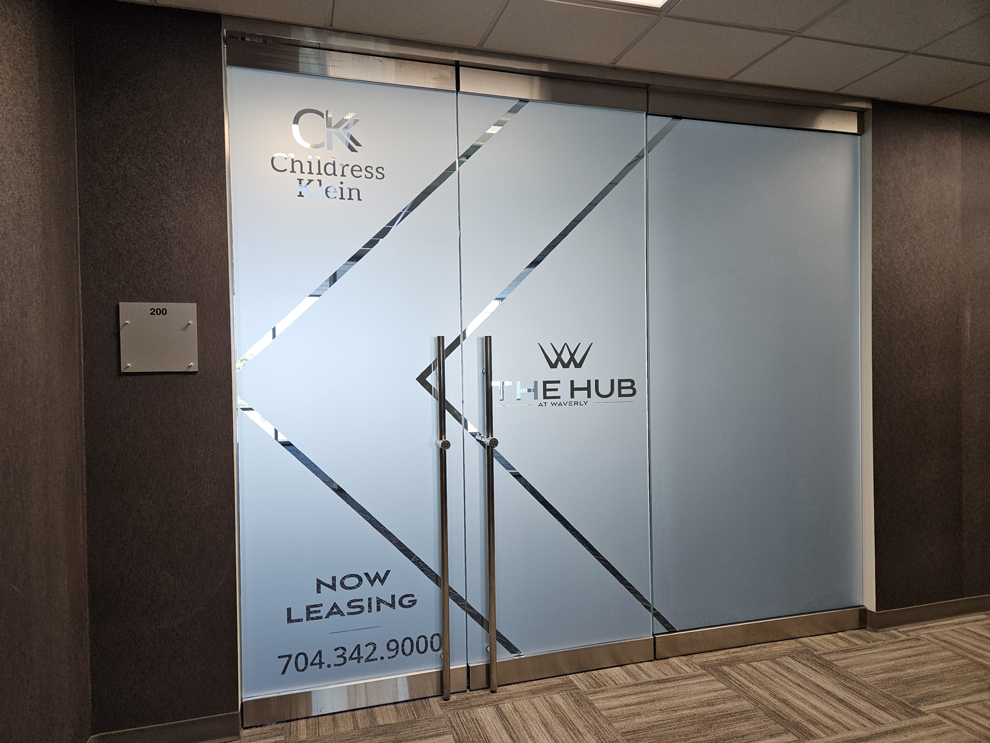
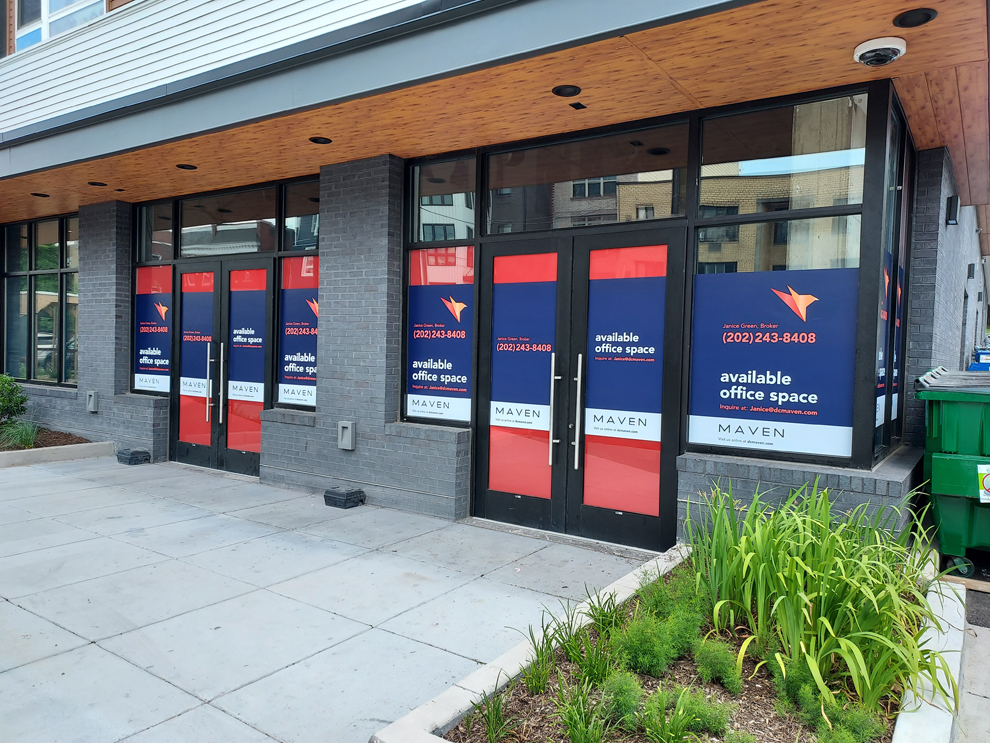
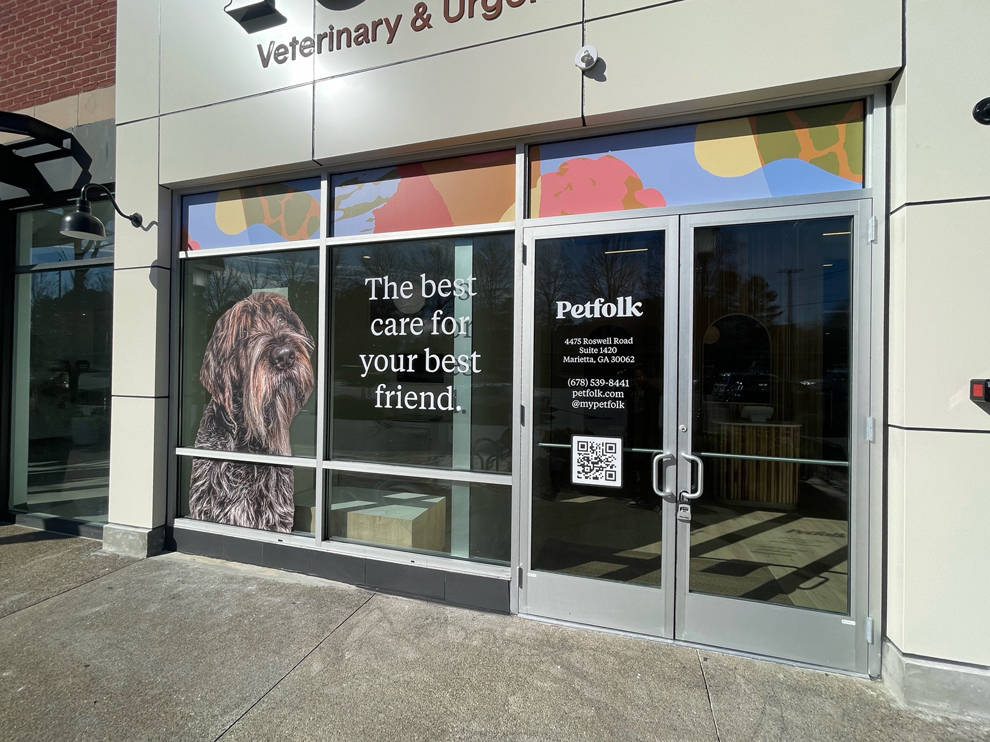
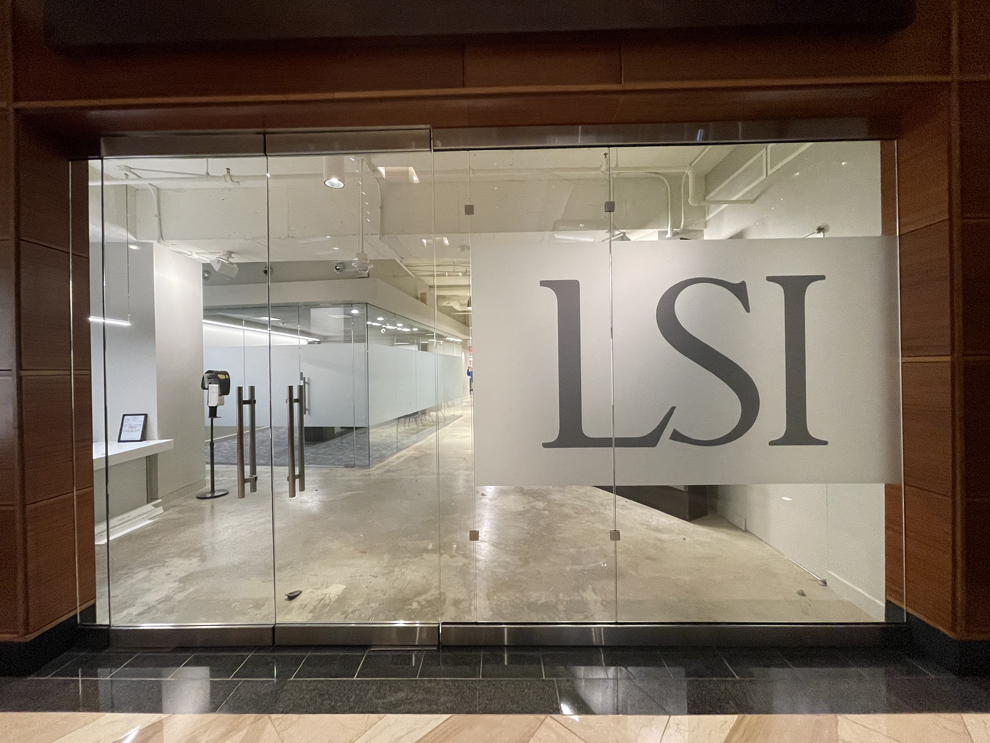
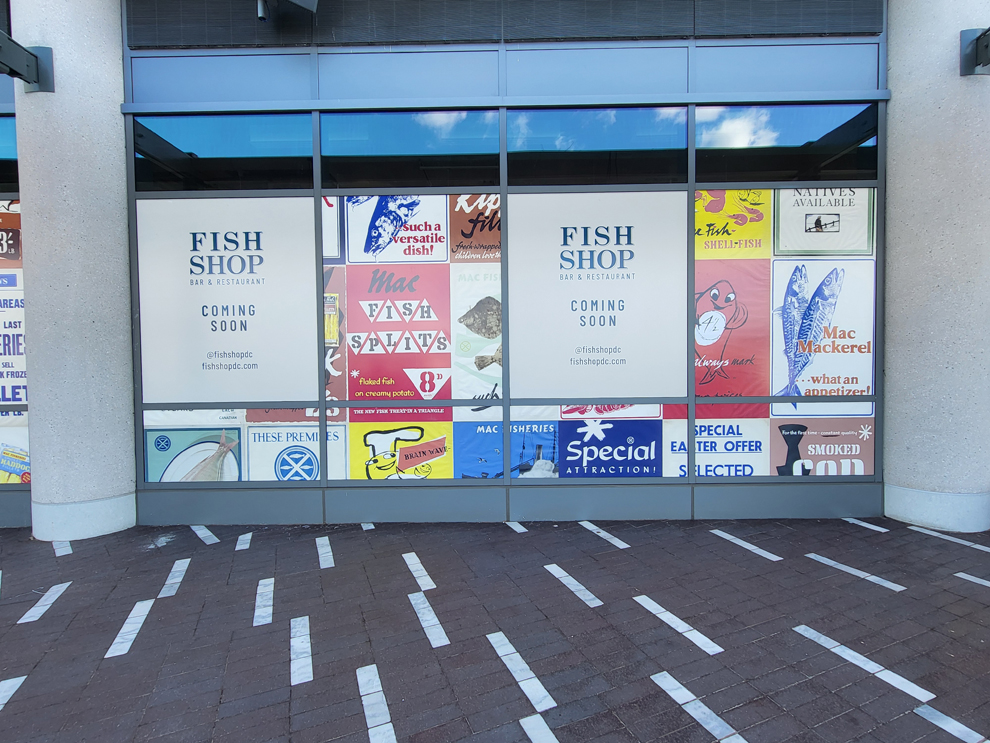
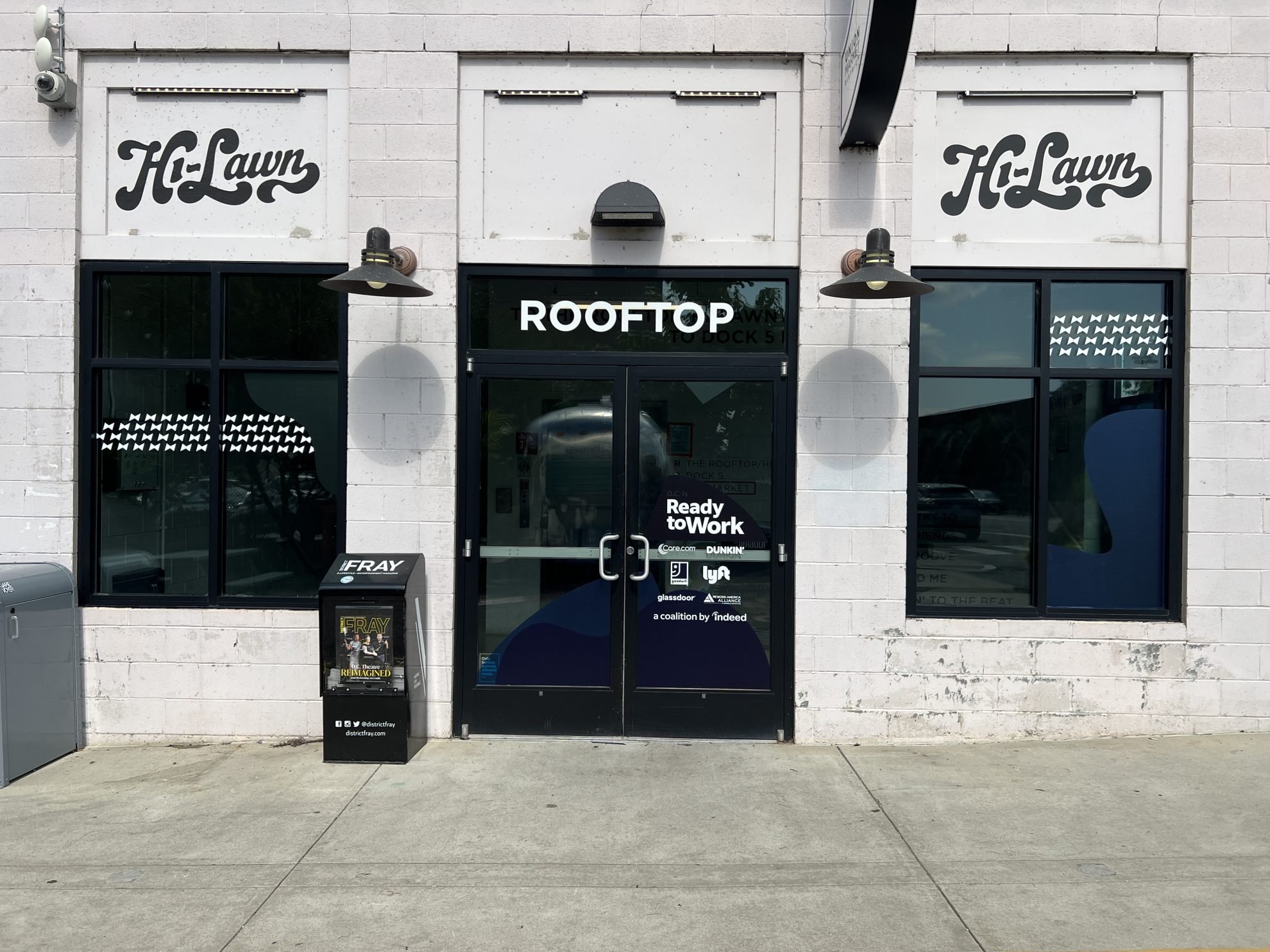
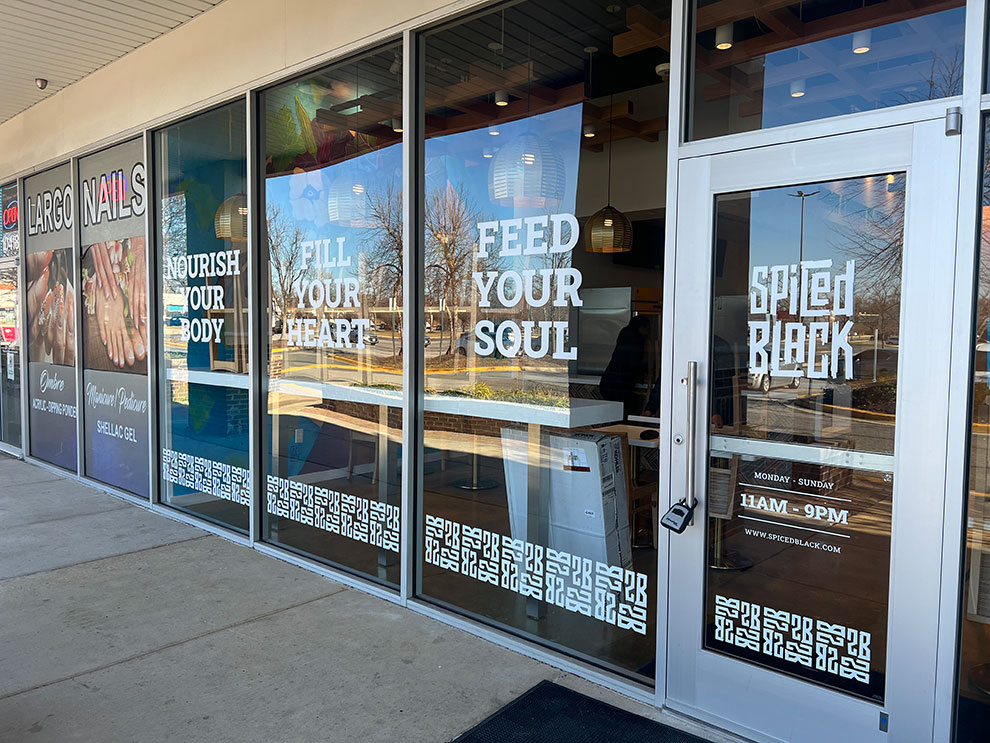
Clear glass often needs logos, lettering, patterns, or distraction markers, meaning decorative or branded vinyl graphics applied to clear glass so the surface reads as solid rather than open air. Frosted film can screen a conference room or a client-facing desk. Other openings may stay largely untouched so daylight and outward views remain intact for the people working there.
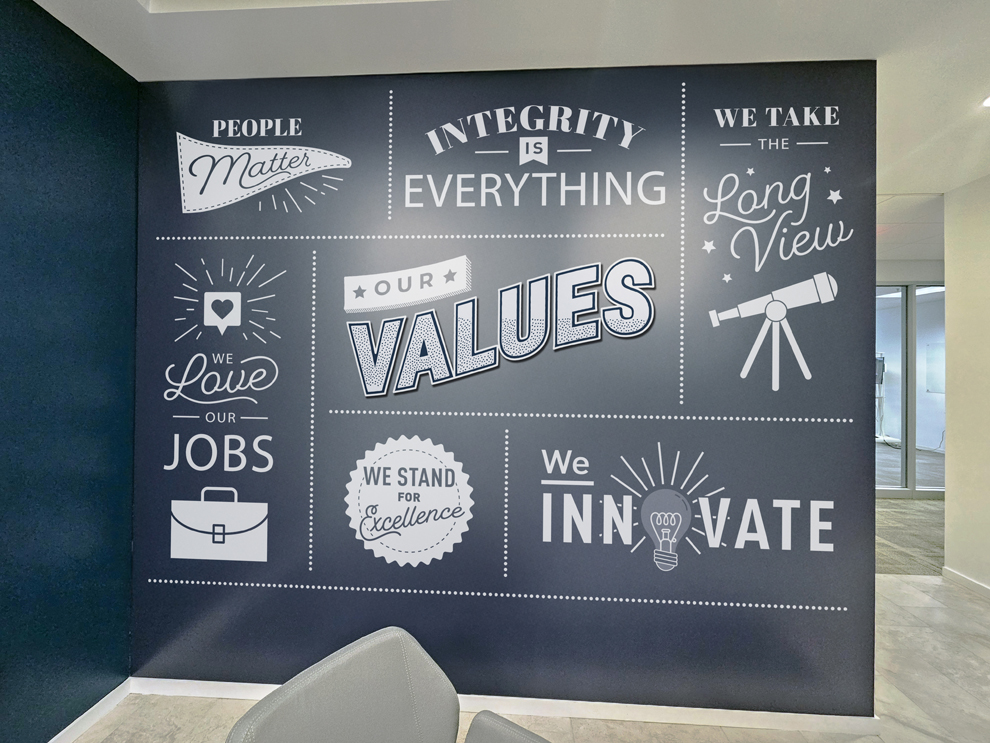
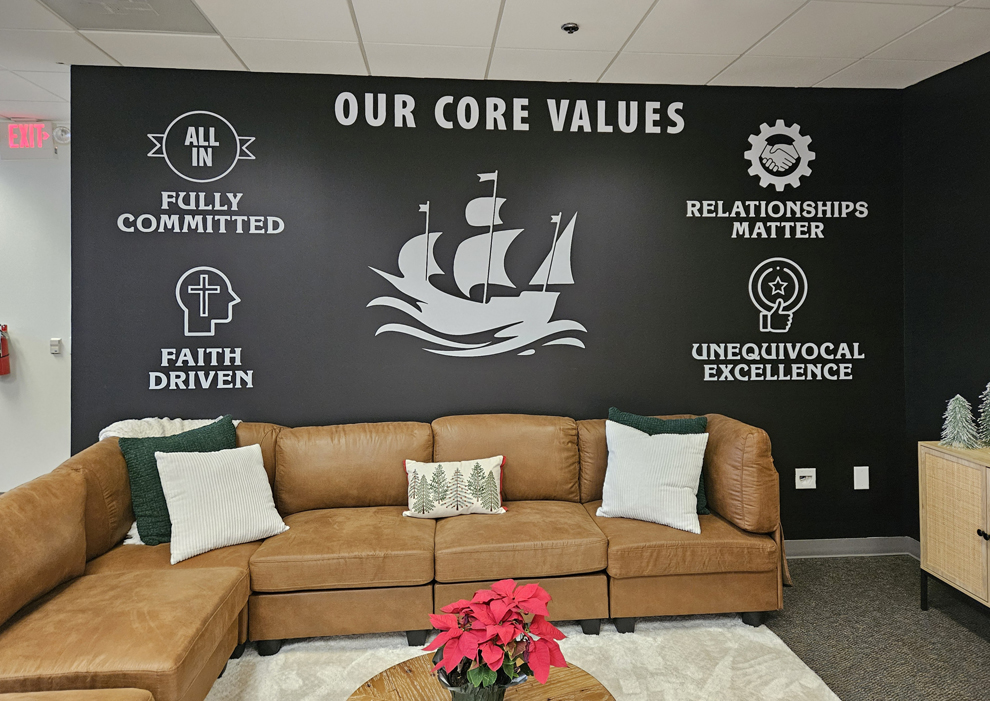
Inside, emphasis can shift to a lobby sign, a dimensional feature, a recognition display, a history timeline, or a large wall graphic. Those surfaces have the room a mission statement, founding story, or set of core values actually needs.
Planning the door, the glass, the lobby, and the interior walls together keeps scale, color, coverage, and messaging from fighting each other. The storefront handles arrival. The interior develops the brand with depth and intent.
Clients in Columbia come to Heritage when a project needs real coordination instead of a stack of separate orders. The One Dedicated Project Manager System gives every client one point of responsibility from the first conversation through final installation. That person holds the decisions, site details, stakeholder input, and approved direction that determine how the finished work looks.
Heritage's environmental graphic designers can build from finished brand standards and approved files, or develop a workable concept when the client is starting with an idea and a few photos. They regularly collaborate with client stakeholders, architects, interior designers, branding agencies, and property management teams. Production, fabrication, and full-time in-house installation all trace back to that same approved direction.
The result is fewer avoidable handoffs, consistent information, and brand standards that hold up across a single large project, a phased rollout, or a multi-site program. Columbia field support draws on Heritage resources throughout Maryland, the greater Baltimore-Washington corridor, and the wider Mid-Atlantic. Heritage is veteran-owned and family-led, with accountability and dependable execution built into how the work gets planned and delivered.
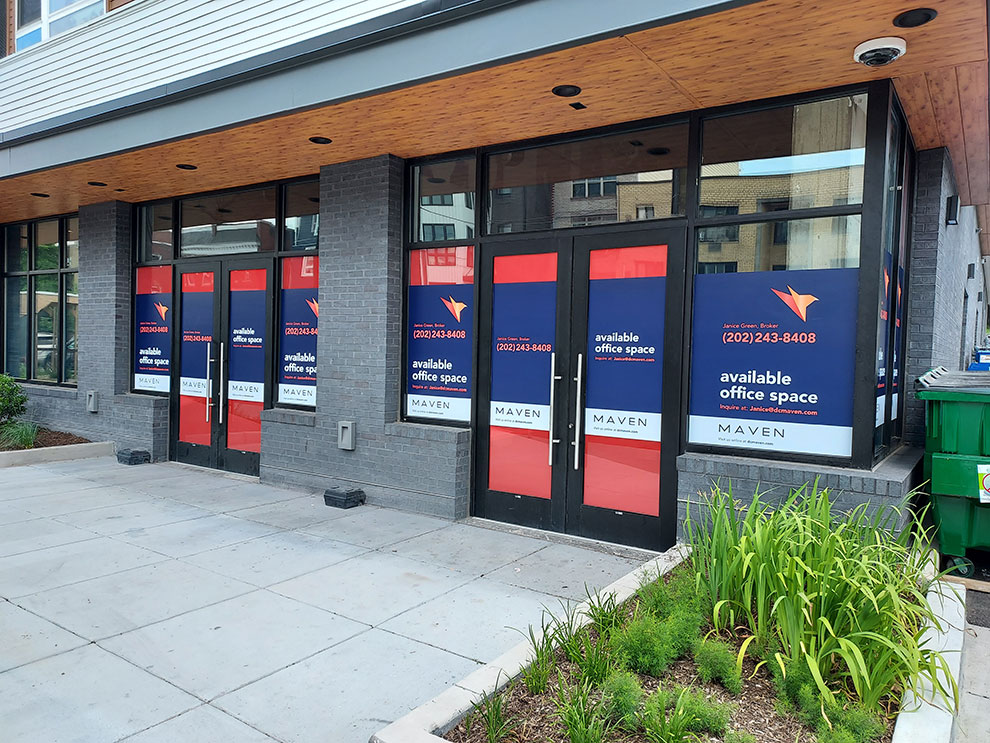
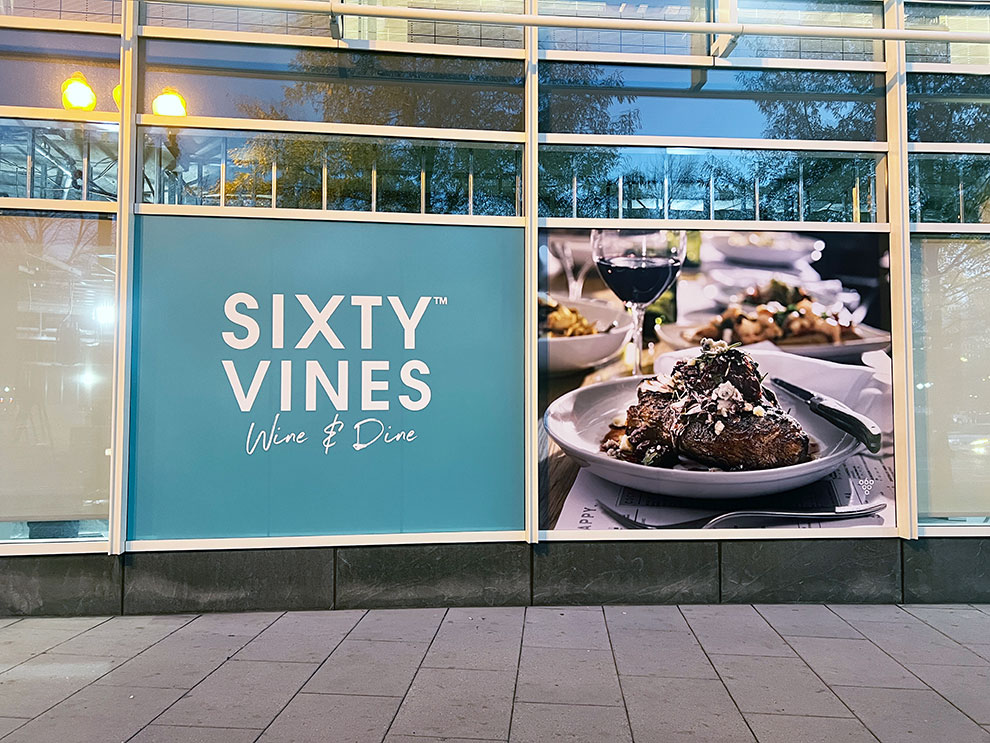
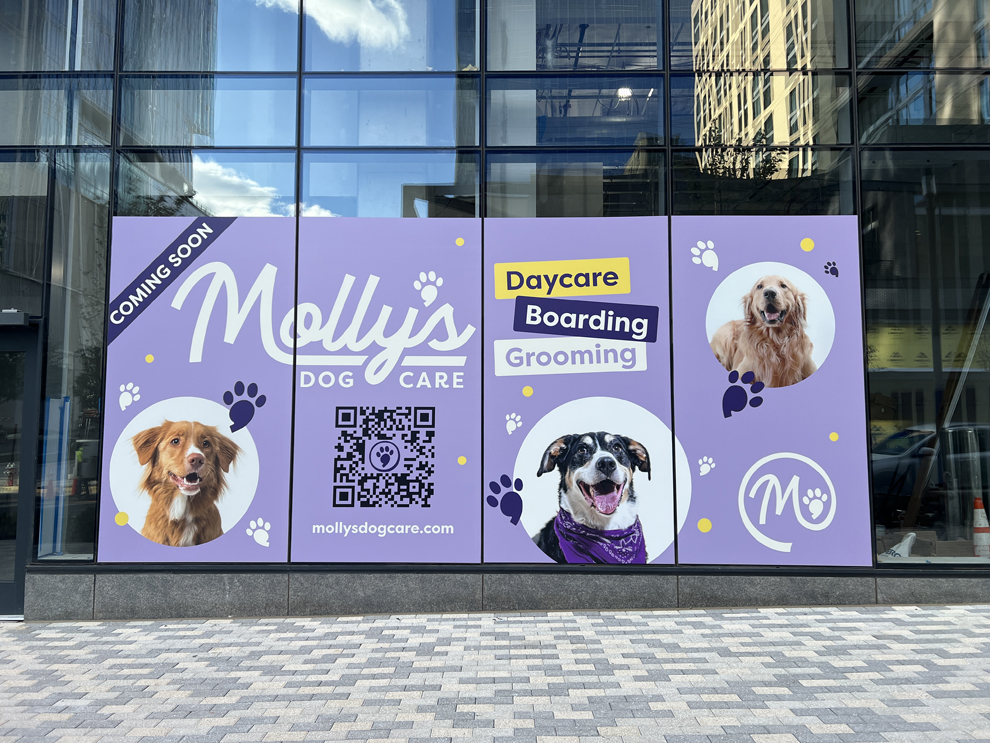
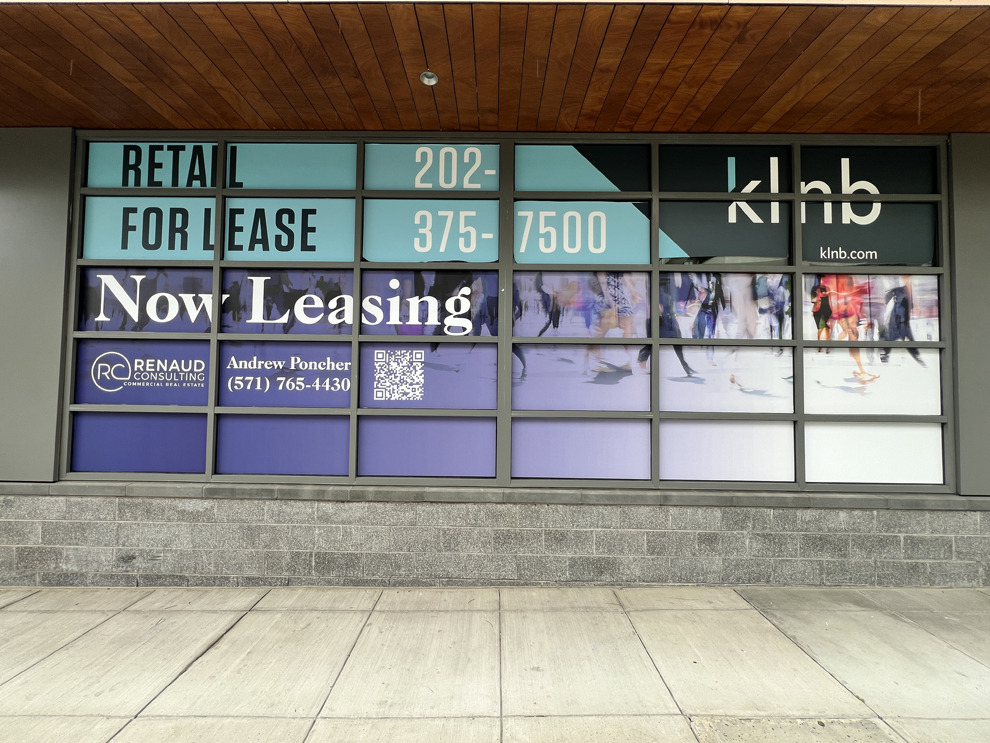
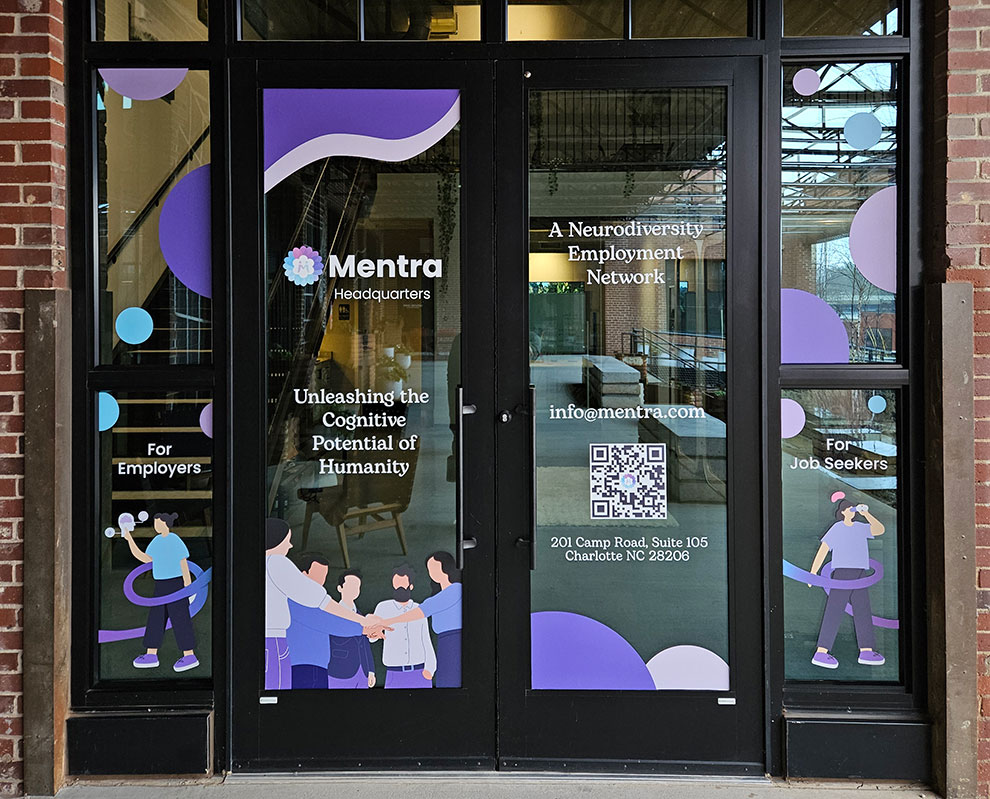
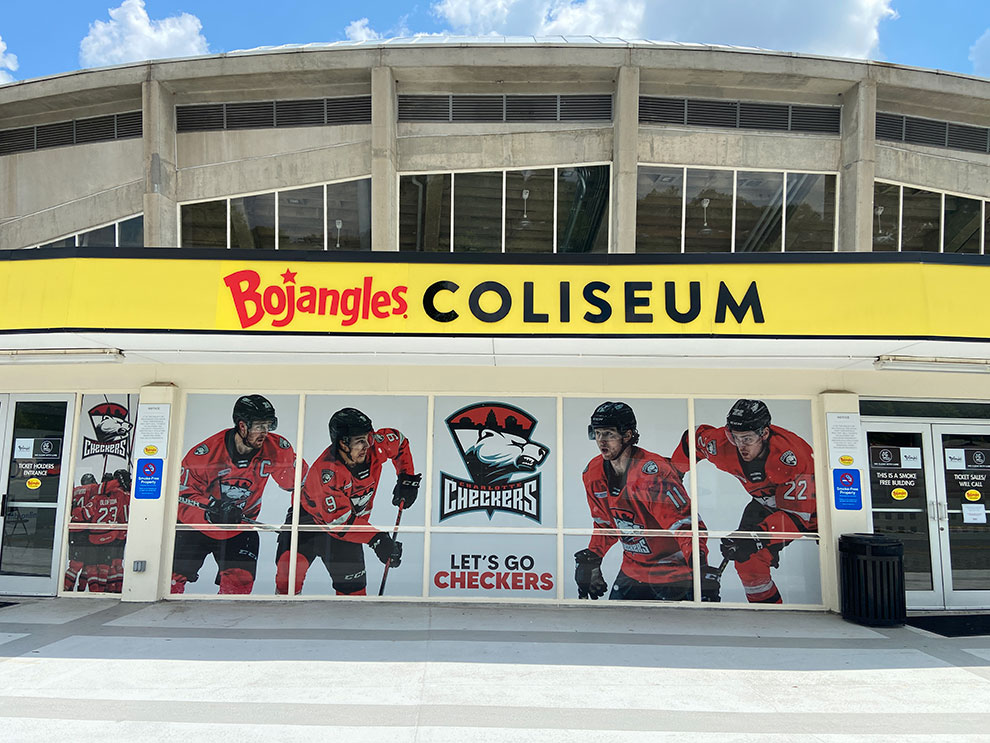
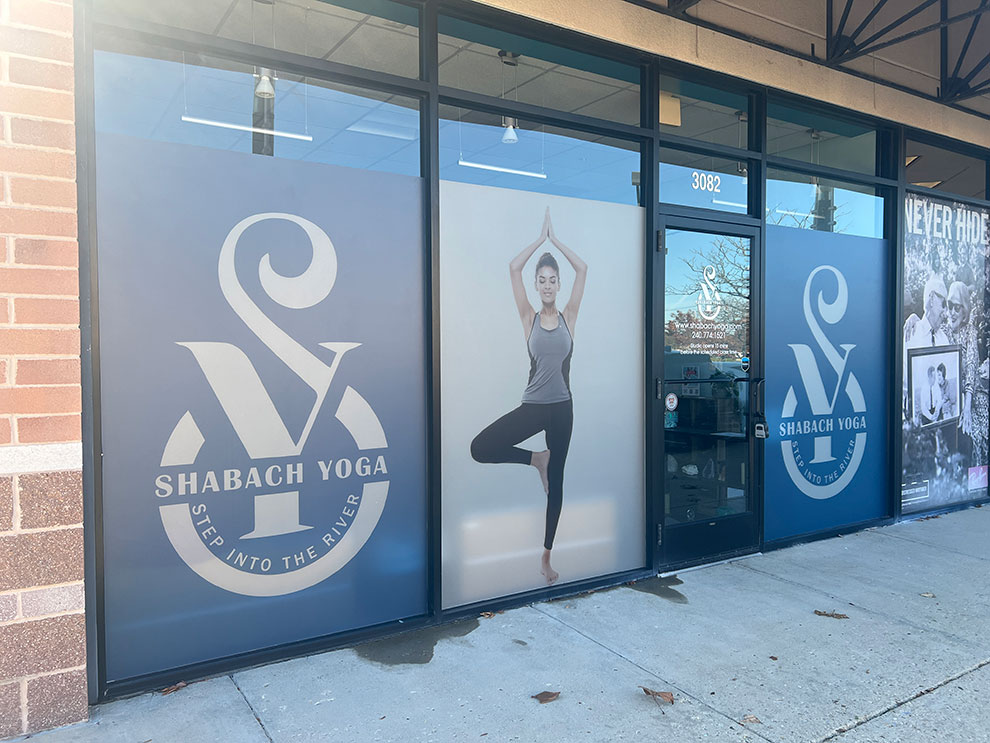
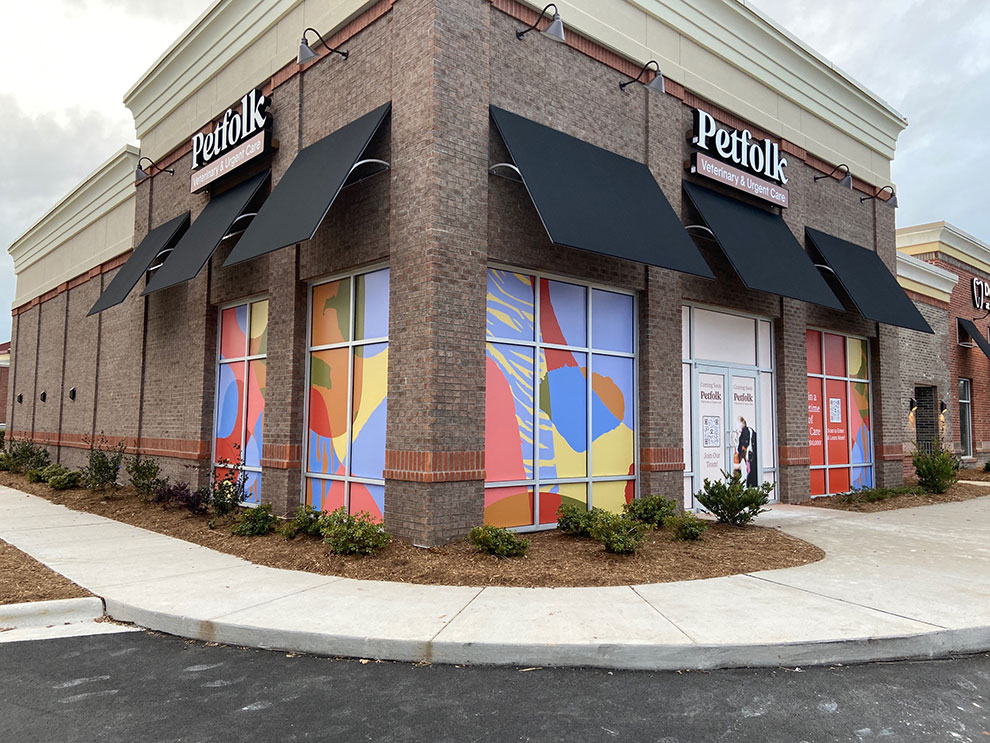
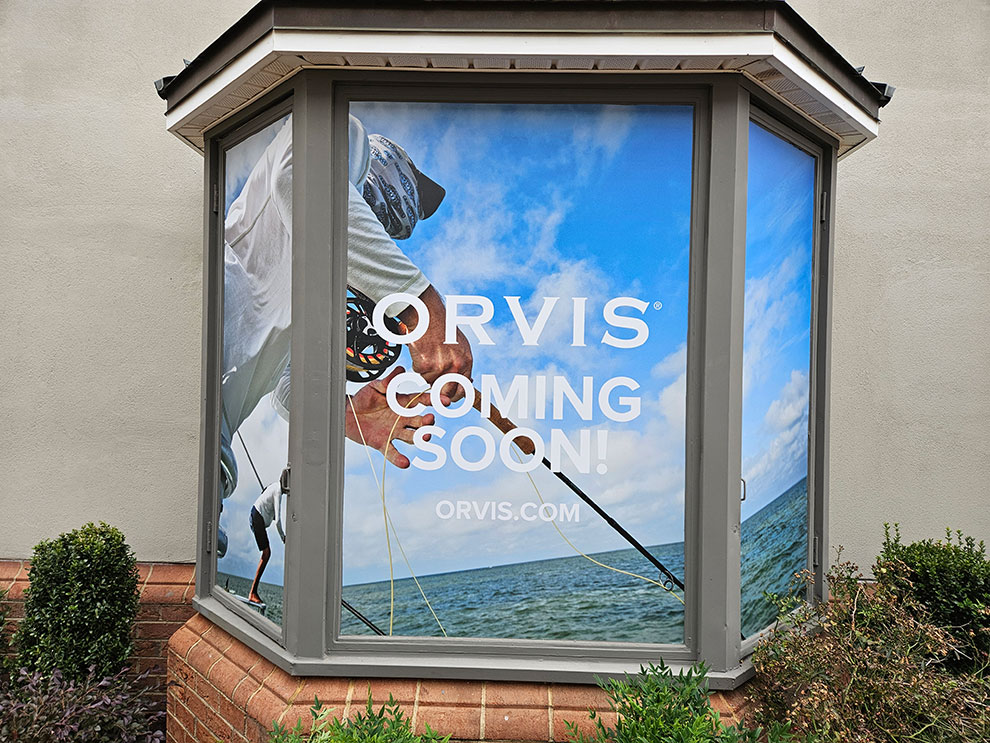
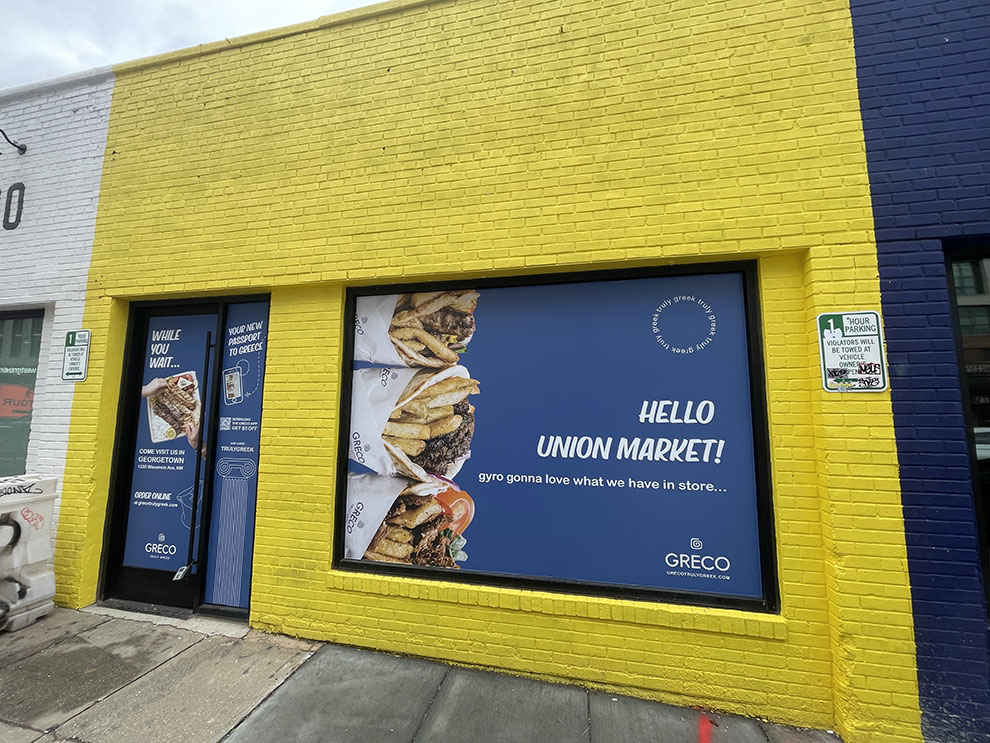
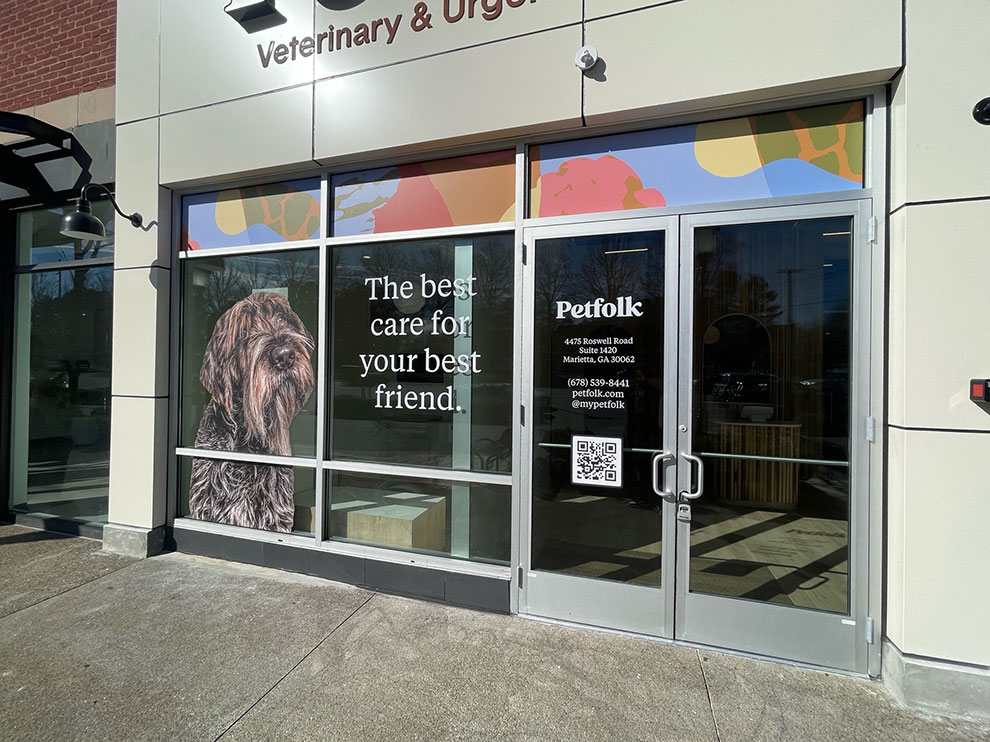
Window and glass graphics deliver identification, branding, privacy, or visual awareness at entries and throughout interiors. Coverage gets tuned around daylight, sightlines, and the views worth preserving so arrival reads clearly without boxing in the space.
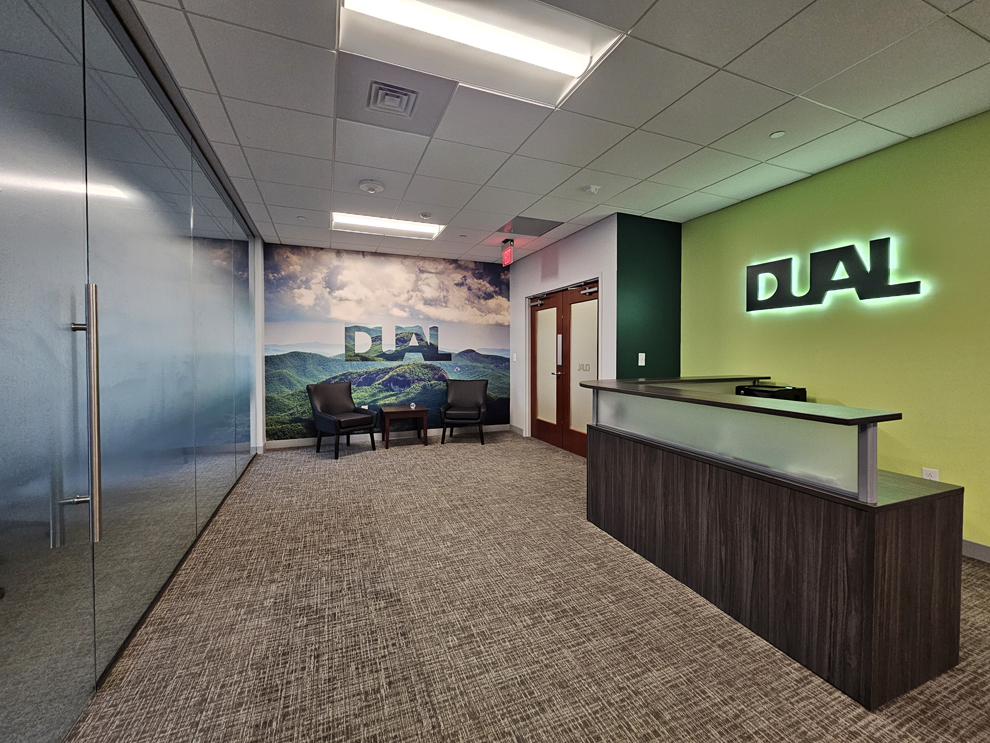
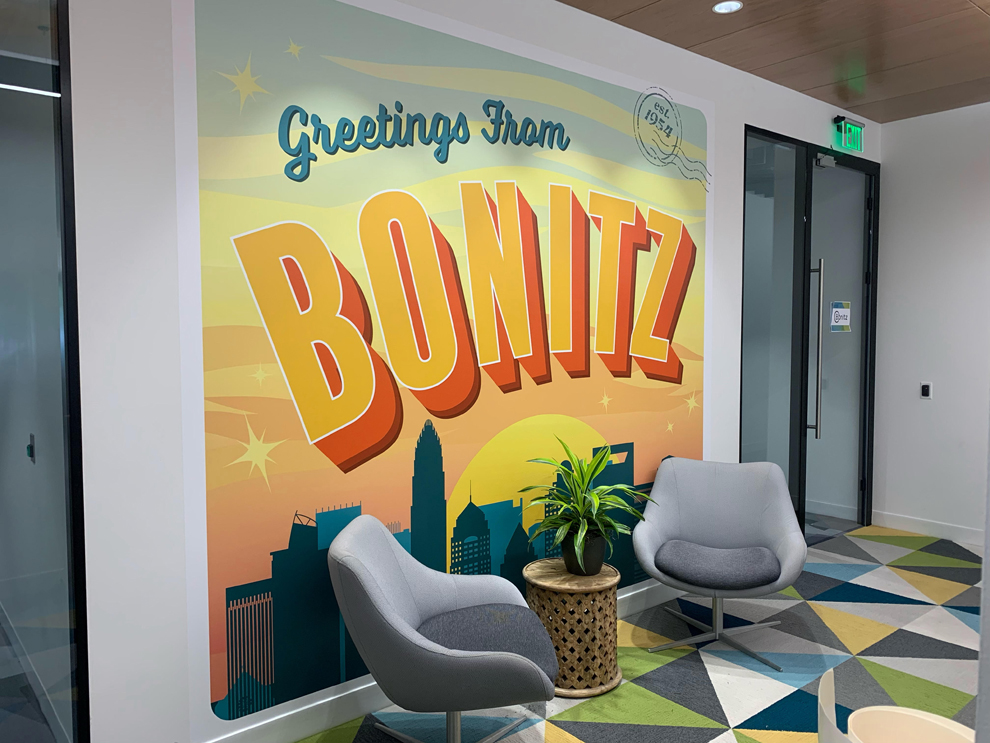
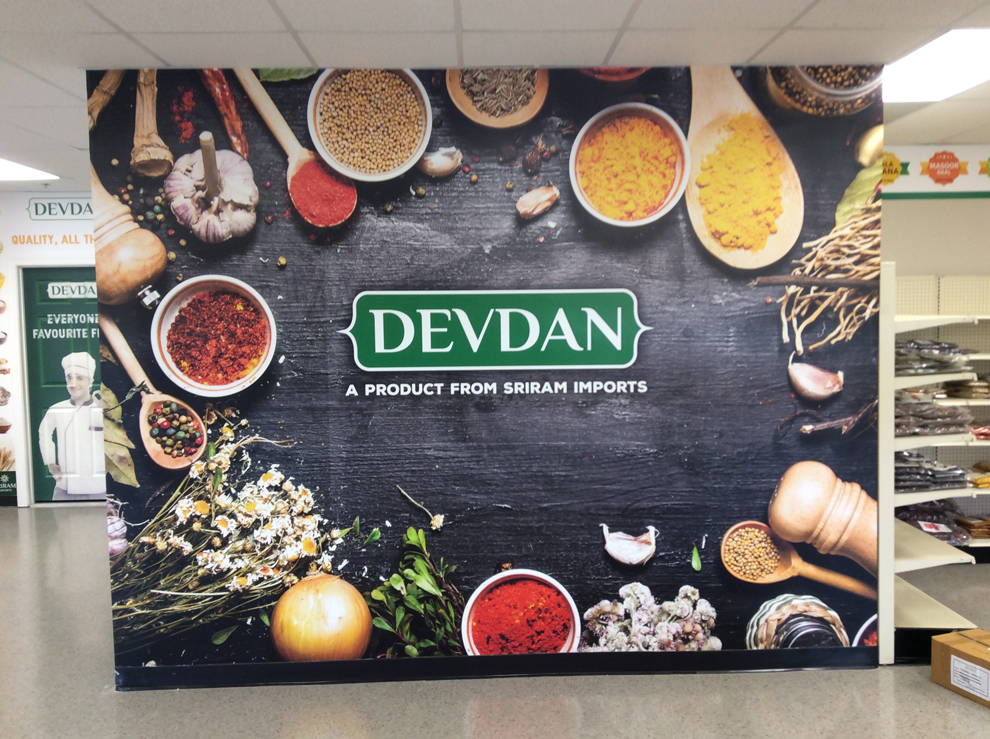
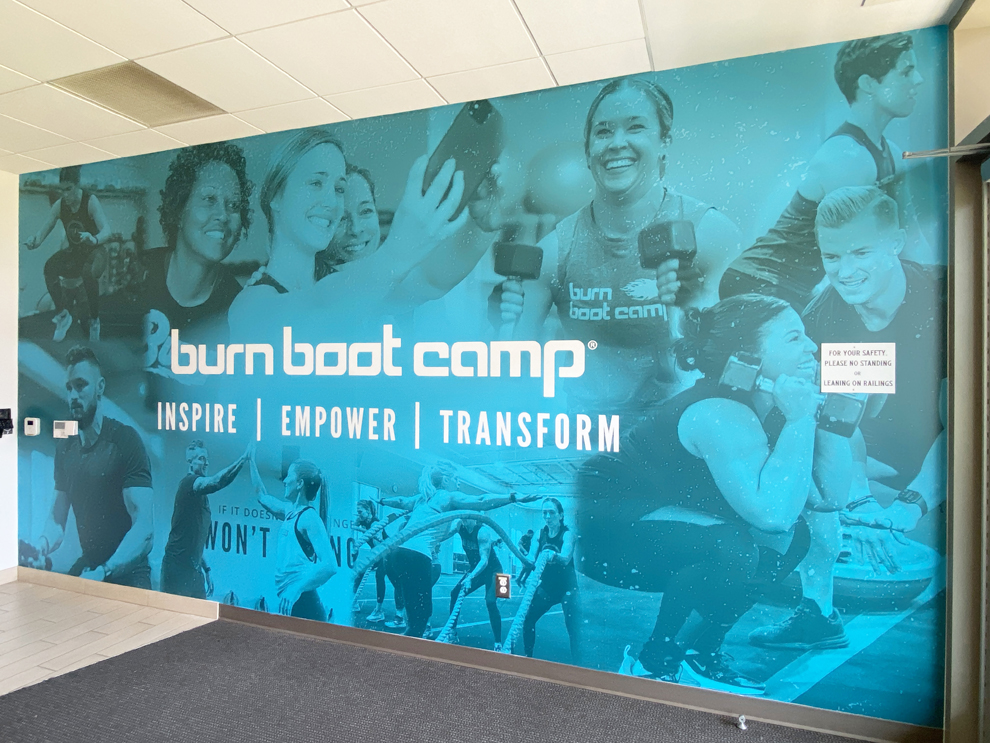
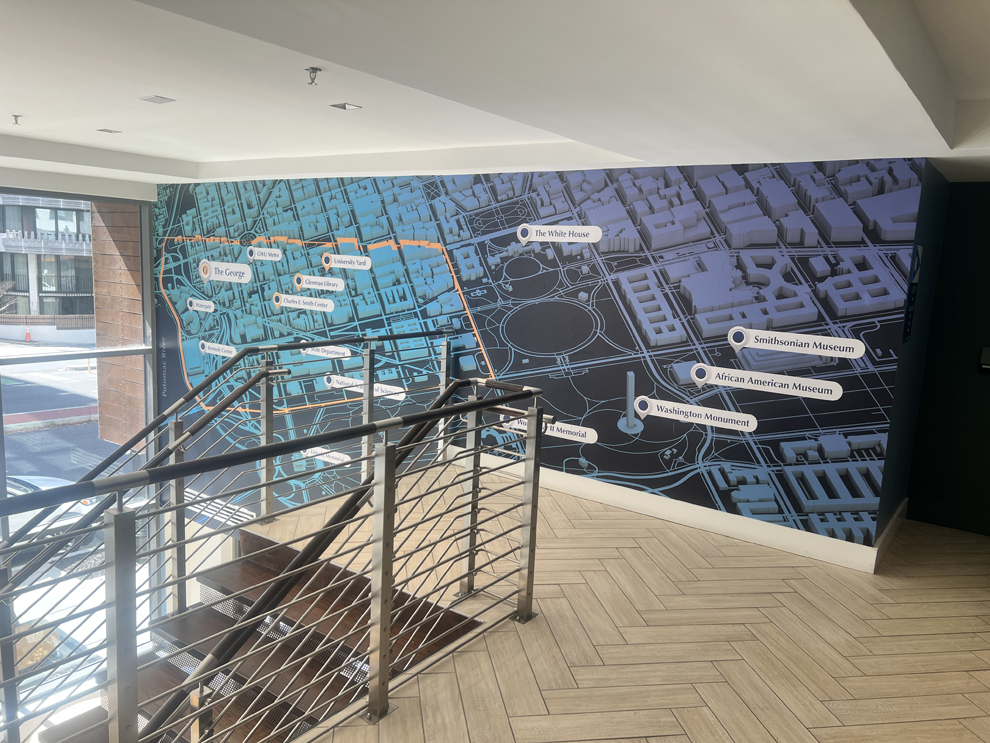
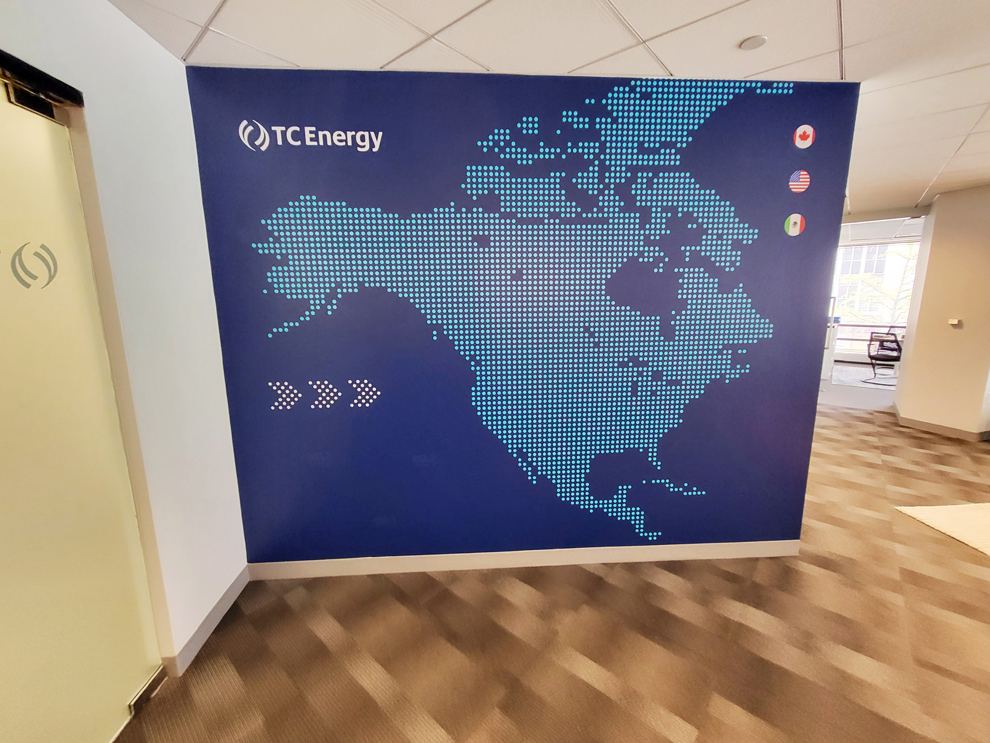
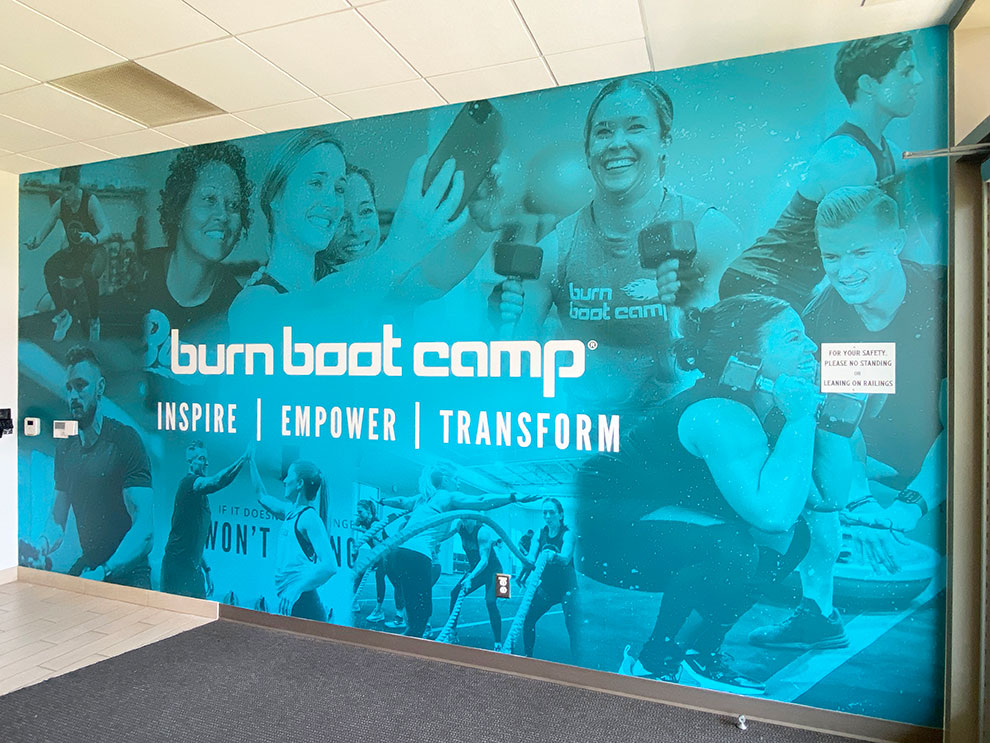
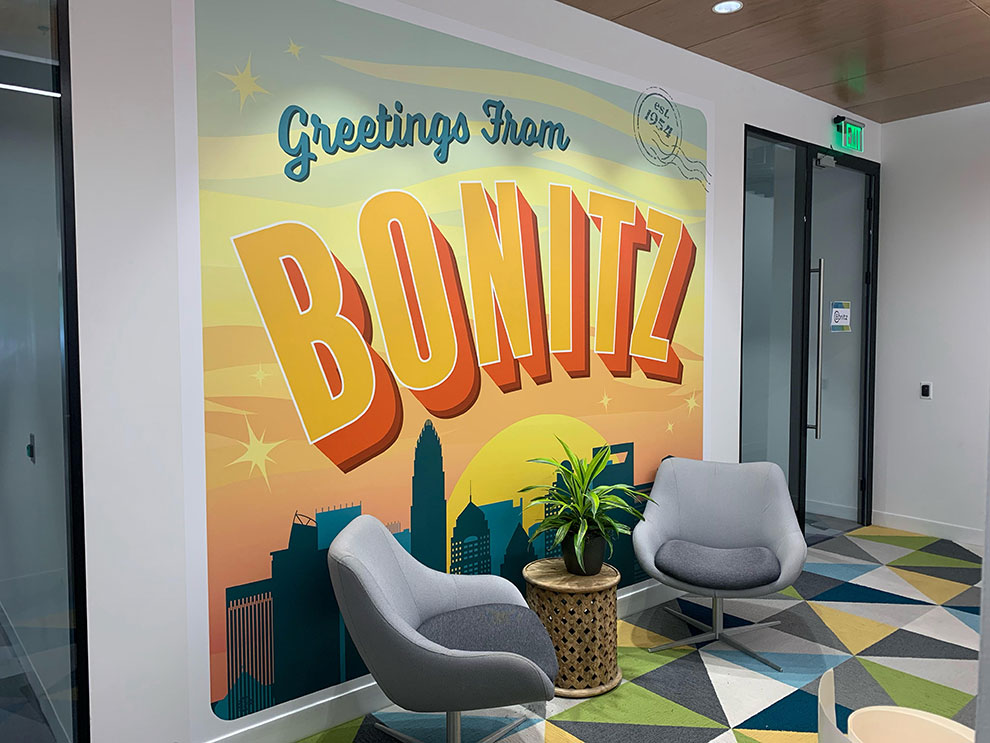
Wall wraps carry the visual language from the storefront onto large interior surfaces. Well-scaled imagery, color, and copy can transform reception areas, corridors, conference rooms, and client-facing spaces while giving the story more room to breathe than glass ever could.
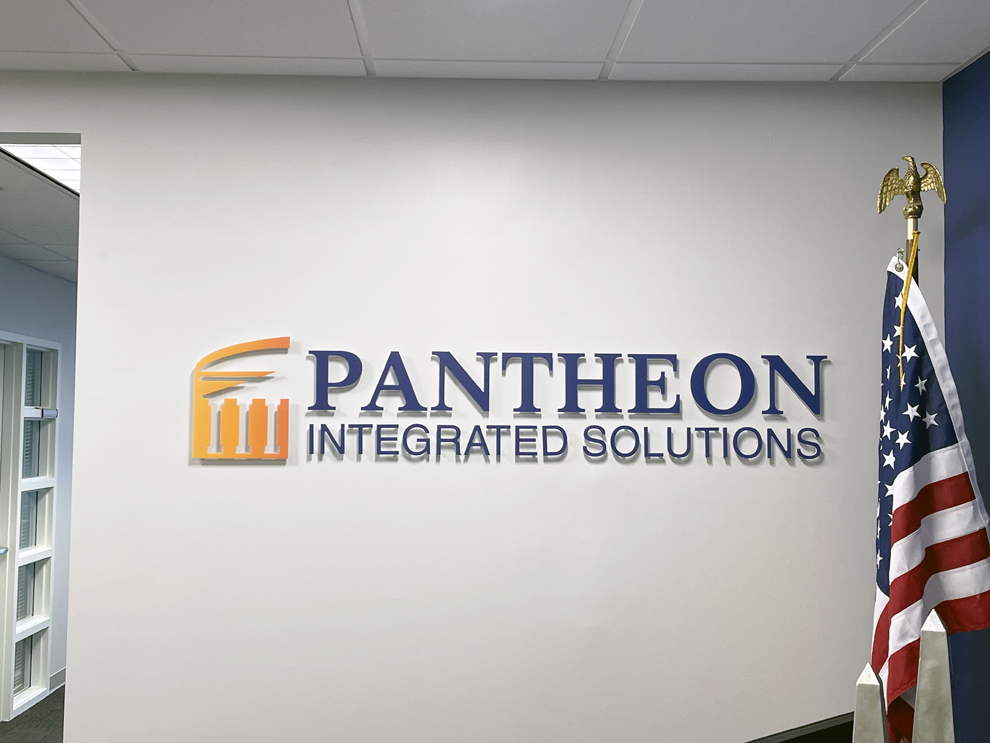
Once the storefront handles identification, a lobby sign becomes the primary interior focal point. Heritage coordinates its size, position, depth, and materials with the surrounding architecture so reception continues the arrival sequence instead of repeating the window treatment.
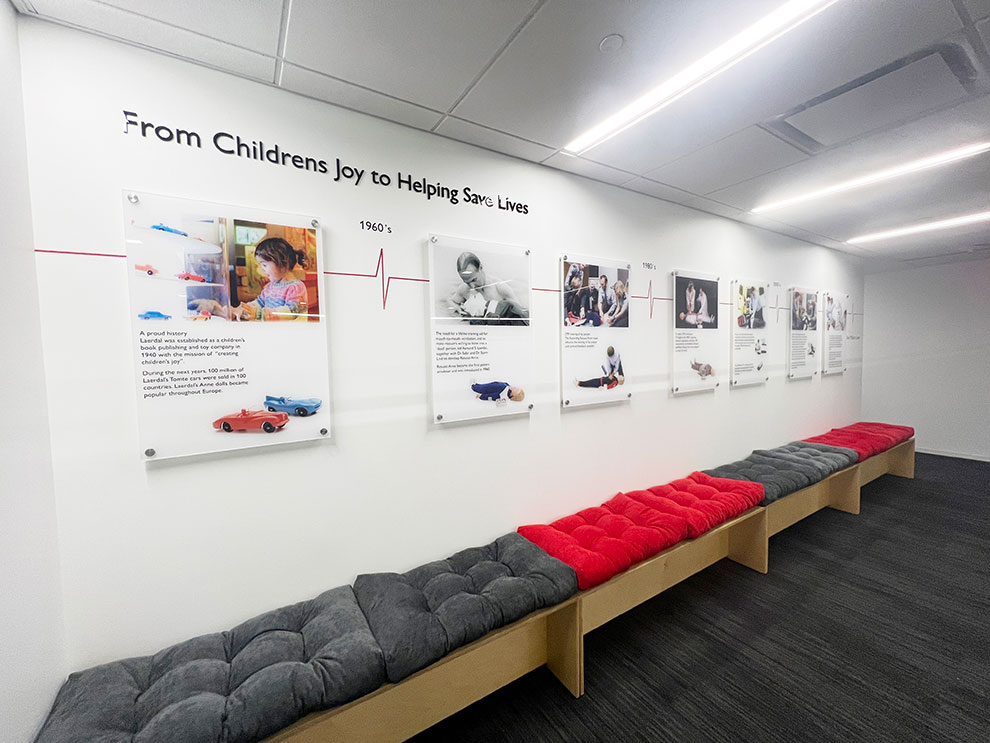
Wall displays organize history, recognition, milestones, or institutional information into a structured feature. Printed, dimensional, and mounted components combine to say more while staying visually tied to the identity visitors met at the door.
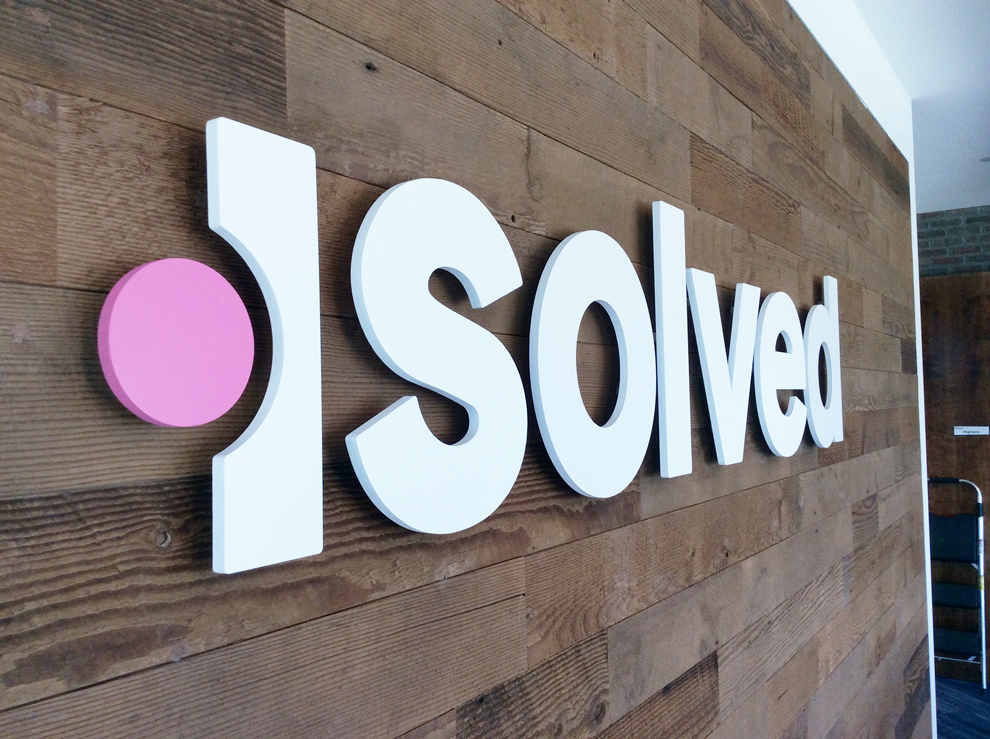
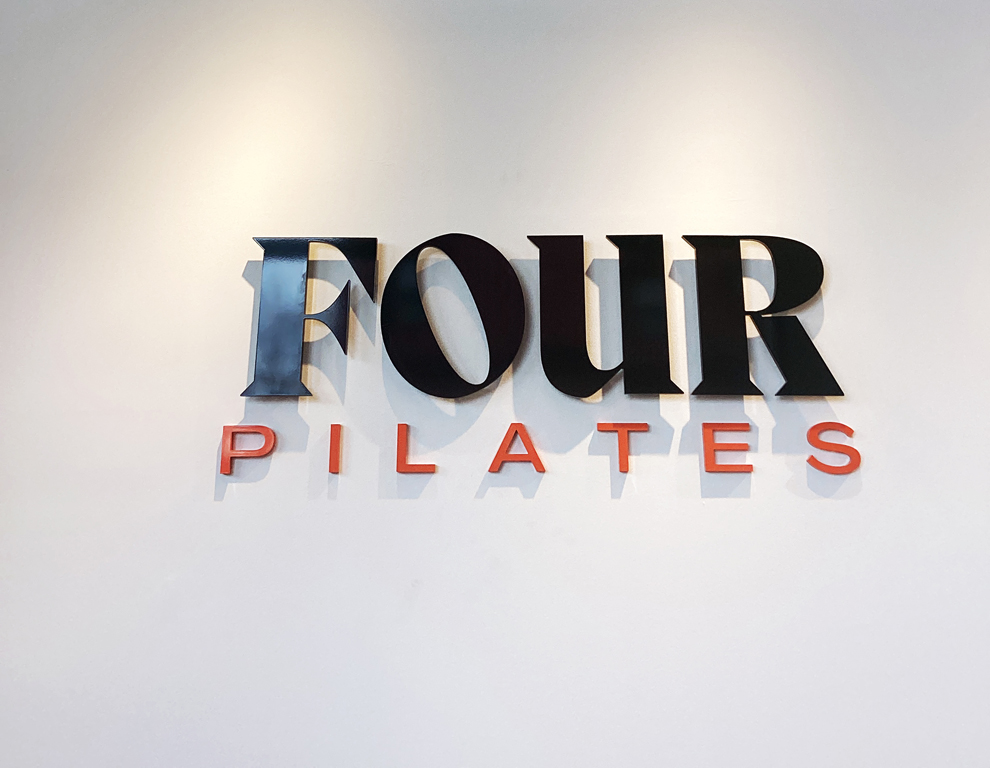
Dimensional letters give names, logos, and key phrases physical presence in lobbies and other high-visibility areas. Heritage plans proportion and placement against nearby graphics and architectural finishes so the identity stands out without shouting over everything else in the room.
Frosted vinyl and etched-look privacy film cut direct sightlines through conference rooms, private offices, and glass partitions while letting light pass through. Custom bands, patterns, or brand shapes turn a functional requirement into part of the visual system.
SEG fabric graphics use tensioned fabric set into a slim frame for a clean, seamless interior presentation. They suit prominent imagery or messaging that may change later, since the graphic can be swapped without rebuilding the surrounding feature.
Backlit signs create a stronger interior destination in a reception area or customer-facing space. Heritage weighs depth, placement, existing room lighting, and adjacent graphics so an illuminated feature complements the restrained branding on the entry glass.
Planning Storefront Graphics as part of a professionally managed commercial interior branding project in Columbia or elsewhere in Howard County? Use Get Started Now to send over the project address, the result you are after, your target completion date, expected investment, photographs, any measurements you have, brand standards, plans, artwork, and anything else already on hand. One dedicated Project Manager reviews it all, flags the next planning decisions, and pulls in the right Heritage resources for environmental graphic design, production, fabrication, site verification, and professional installation.
Columbia clients get local client-facing and field support for discovery, site surveys, field coordination, installation planning, professional installation, and follow-through. Being on site means conditions get observed directly instead of guessed at from a phone photo and a rough measurement.
Entrances across Columbia and Howard County come with their own variables: multi-tenant buildings, village center foot traffic, business hours that cannot be interrupted, glass partitions with awkward sightlines, and loading or access rules set by property management. A dedicated Project Manager connects those field findings to the teams handling design, production, fabrication, and installation, so the client keeps one project history rather than several disconnected conversations.
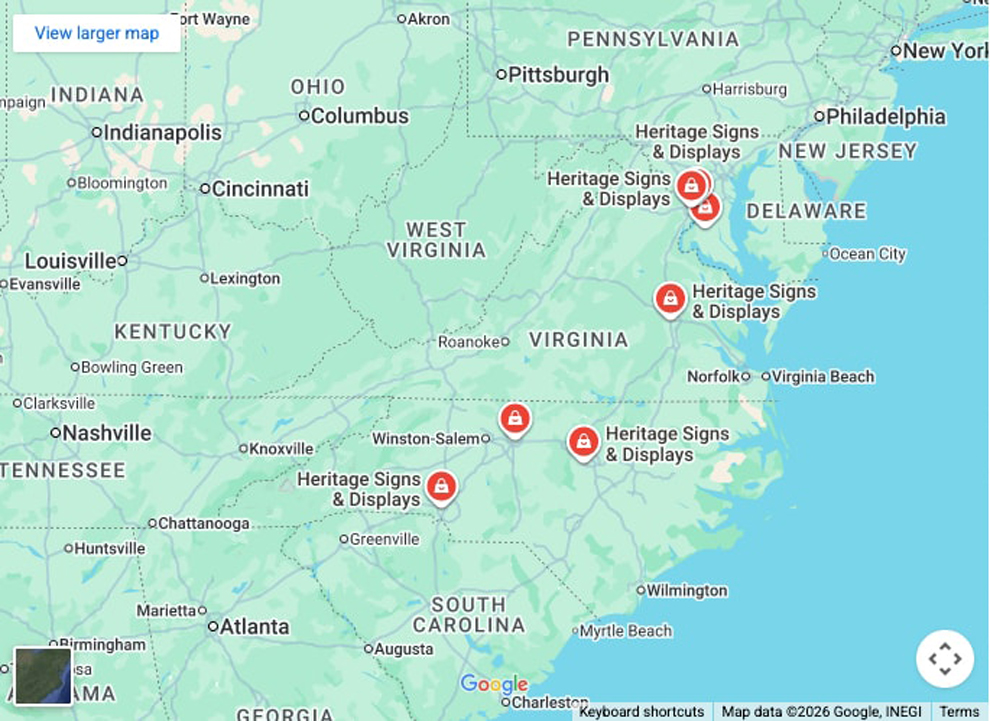
When a program reaches past a single property, broader Heritage resources support work throughout Maryland, Virginia, Washington DC, and the surrounding Mid-Atlantic. A multi-site organization keeps one Project Manager and one set of brand standards while each location gets a solution matched to its dimensions, architecture, surfaces, access, and schedule. Added capacity, without pretending every building should receive an identical treatment.
Environmental graphic design sorts out what people should see first and how the rest should reveal itself as they move inside. The goal might be sharper recognition, more privacy, a defined interior focal point, a branded lobby, better wayfinding, or a workplace that communicates culture without a word from the front desk.
Some clients arrive with complete brand standards, print-ready artwork, and defined application requirements. Others start with photographs, a business objective, and a rough idea that needs shaping. Heritage weighs architecture, visibility, scale, daylight, artificial lighting, sightlines, materials, and site conditions while developing graphics within its scope.
Heritage collaborates comfortably with architects, interior designers, branding agencies, outside environmental graphic designers, property teams, and internal stakeholders. The approved direction then moves through production, fabrication, and professional installation under one Project Manager. Heritage does not provide licensed architecture, engineering, general commercial interior design, lighting design, or code consulting. The role is to develop and execute the graphic elements that shape arrival and the interior experience.
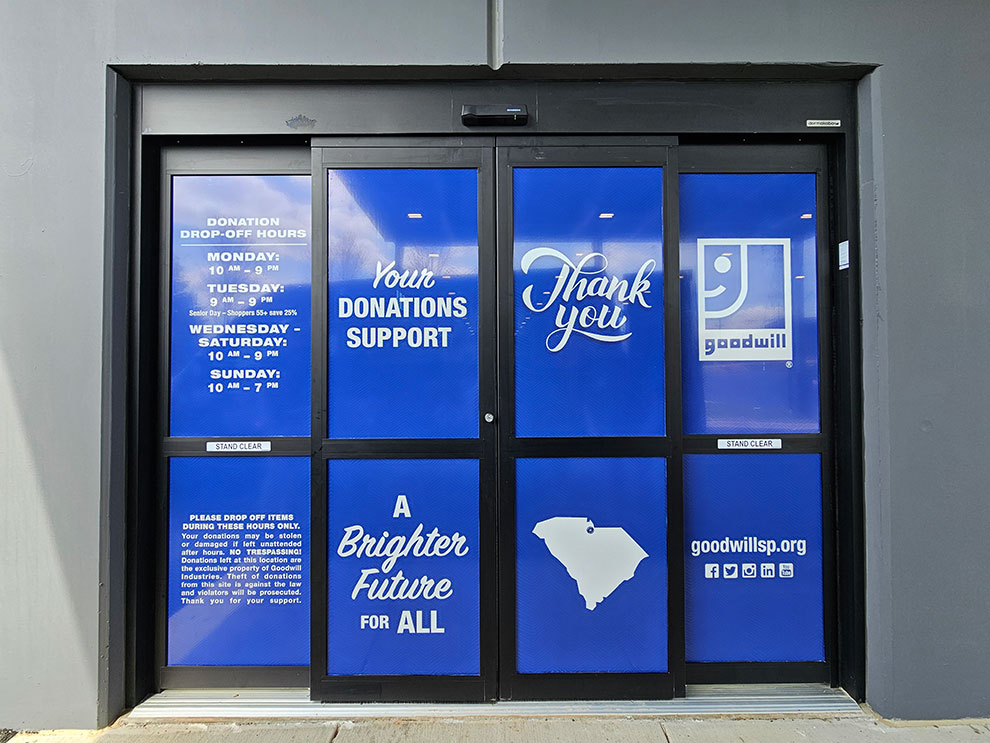
Heritage produces and installs non-illuminated exterior elements as part of coordinated Storefront Graphics and workplace branding projects. Typical scope covers exterior window graphics, exterior wall graphics and wraps, dimensional lettering, dimensional signs, custom sign panels, and related non-illuminated storefront pieces. These establish identity before anyone reaches the door and connect visually to entry glass, lobby signs, interior graphics, and displays.
Printed exterior wall graphics receive protective film laminate as standard practice for added UV and weather resistance. Heritage also reviews substrate, exposure, attachment requirements, access, and installation conditions for every exterior component in an accepted project.
Heritage does not produce or install channel letters, monument signs, pylon signs, or illuminated exterior signs. Heritage does not determine whether a sign permit is required, prepare permit documents, submit applications, contact permitting authorities, pay fees, or chase approvals. In Columbia that matters, since many properties answer to Howard County requirements plus village architectural committee or covenant review. The client, property owner or property manager, or general contractor is responsible for confirming and securing all required permits and property approvals.
No Heritage Storefront Graphics project moves into production without a site survey first. That visit ties your stated goals to hard numbers: dimensions, surface conditions, access points, and the practical realities of installation day. The field data gives the project team what it needs to verify that the approved design will actually work on your Columbia entrance and to plan for accurate execution.
Your project stays with one dedicated Project Manager who links environmental graphic design, production, fabrication, and Heritage's full-time installation crew. Approved artwork, measurements, material selections, access notes, installation specifications, and schedule details all live inside a single project record. Because there are fewer handoffs, most questions get answered long before they turn into problems on site.
Installation planning also accounts for protecting your property, notifying the right stakeholders, permitted work hours, building access procedures, and keeping disruption to a minimum. Heritage installers show up already briefed on the discovery and site survey findings instead of seeing the space for the first time on installation day. That continuity is what supports careful workmanship, clear accountability, and a Storefront Graphics project that gets executed as approved.
Wall-applied graphics hold up best when the drywall is solid and smooth, patches are finished, primer and paint were applied correctly, and the topcoat has fully cured. Keep in mind that paint being dry to the touch is not the same as paint being cured. Roughly four weeks works as a planning estimate for many paints, though the manufacturer's stated requirements and the conditions at your site are what actually determine readiness.
Washable, scrubbable, stain-resistant, low-VOC, zero-VOC, and other difficult coatings may call for surface cleaning, adhesion testing, and a vinyl and adhesive pairing chosen for compatibility. Adhesion testing reveals how vinyl behaves on the painted surface. What it cannot reveal is how firmly that paint and primer are anchored to the drywall underneath.
When paint lifts or pulls during testing or during routine repositioning at install, Heritage stops work rather than compounding the damage. Repair, correct priming, repainting, full cure time, restoration, and any related surface expenses are arranged and paid for by the client or property owner. Heritage neither performs nor funds that work.
Removal down the road is a separate matter. Methodical removal reduces avoidable damage, but no one can guarantee damage-free removal. Paint loss, primer failure, or torn drywall facing are all possible outcomes. The word removable refers to the adhesive system and its intended use, not to a promise about the wall afterward. Plan to strip existing wall graphics early enough that any repair needs surface before replacement installation gets scheduled.
Good planning brings together the outcome you want, the audience you are speaking to, scope, phasing, schedule, site conditions, site readiness, stakeholders, approval paths, expected investment, and whatever information is still missing. Photos, measurements, floor plans, artwork, brand standards, and property details all inform those decisions, but gathering files is a means to an end, not the point of planning.
Heritage works best on professionally managed projects that call for environmental graphic design, production, fabrication, and professional installation together. Many Heritage projects that include production and installation land somewhere between $10,000 and upward of $200,000. Where yours falls depends on total scope, materials, design development, location count, production requirements, access conditions, and the installation plan.
That might mean a single high-impact entrance and lobby, workplace improvements rolled out in phases, or coordinated work across a portfolio of properties. Throughout, one dedicated Project Manager keeps ownership, approvals, schedule requirements, and open decisions in plain view. Qualified clients end up planning one connected commercial branding project instead of pricing individual signs as separate commodities.
They plant your identity at the entrance and build a visual bridge into a branded interior. Done well, they sharpen recognition, add privacy where it is needed, make clear glass easier to see, and tie the threshold to lobby signs, wall graphics, dimensional elements, and other interior features.
Always. A site survey is required on every Heritage Storefront Graphics project, and it connects your objectives to measurements, surface conditions, access, and installation realities. Those findings stay with one dedicated Project Manager and shape environmental graphic design, production, fabrication, installation planning, and the install itself.
Yes. Exterior window graphics, exterior wall graphics and wraps, dimensional lettering, dimensional signs, custom sign panels, and other non-illuminated storefront elements are all produced and installed as part of coordinated storefront and interior branding projects. Printed exterior wall graphics get protective film laminate as standard practice for extra UV and weather resistance.
Heritage does not produce or install channel letters, monument signs, pylon signs, or any illuminated exterior signage. Heritage also does not research permit requirements, prepare or file applications, contact jurisdictions, pay fees, or chase approvals. Confirming and securing required sign permits and property approvals falls to the client, the property owner or manager, or the general contractor.
The right starting point is solid drywall, finished repairs, correctly applied primer and paint, and a fully cured topcoat. Dry does not mean cured. About four weeks is a reasonable planning figure for many paints, though manufacturer requirements and on-site conditions govern actual readiness.
Washable, scrubbable, stain-resistant, low-VOC, zero-VOC, and other challenging paints may require cleaning, adhesion testing, or a specific vinyl and adhesive pairing. Not every low-VOC or zero-VOC paint calls for high-tack vinyl.
Adhesion testing shows how vinyl performs on the coating, but it cannot verify how well paint and primer are bonded to the drywall. If paint lifts during testing or during normal repositioning at install, Heritage stops. Repairs, priming, repainting, curing, and restoration are arranged and paid for by the client or property owner.
They are decorative or branded vinyl graphics applied to clear glass so people notice the surface. Bands, dots, patterns, logos, and other visual elements all work, and they can serve privacy or branding goals at the same time. Applied vinyl does not create building-code compliance, safety-glazing compliance, certification, or approval of any kind.
Yes, when removal is part of a new Heritage production and installation project. Strip existing wall graphics early enough that paint loss, primer failure, damaged drywall facing, or other restoration needs come to light before replacement installation is scheduled.
Removal is done slowly and carefully to limit avoidable damage, though damage-free removal cannot be guaranteed. Wall repair, priming, repainting, full cure time, and restoration are arranged and paid for by the client or property owner. Heritage does not offer graphics removal as a standalone service.
Material selection follows the intended result, the surface, exposure conditions, size, desired appearance, and installation circumstances. Options include adhesive vinyl, acrylic, dimensional materials, and aluminum composite material (ACM), which delivers a metal look at a fraction of the weight of solid metal. Heritage does not print on or cut solid aluminum or solid steel as sign substrates.
They can. Frosted vinyl, etched-look privacy film, patterns, bands, and carefully placed vinyl graphics interrupt direct sightlines while keeping useful daylight or specific views intact. Coverage gets decided based on how the glass functions, not on an assumption that every entrance or partition needs full coverage.
It could. Even meticulous professional removal can result in paint loss, primer loss, or damage to the drywall facing. Removable describes the adhesive system and its intended use; it is not a guarantee about the wall.
Heritage uses controlled removal techniques to limit avoidable damage. Arranging and paying for repairs, correct priming, repainting, full cure time, restoration, and related surface costs remains the responsibility of the client or property owner. When replacement graphics are planned, remove the old ones early.
Yes. One dedicated Project Manager can manage brand standards, approvals, project information, production, fabrication, and professional installation across multiple sites throughout Maryland, Washington DC, Virginia, and the wider Mid-Atlantic. Each property gets a solution suited to its architecture, dimensions, surfaces, access, and schedule rather than a copy-and-paste treatment.
Heritage's full-time professional installers handle Storefront Graphics installations that Heritage produced and managed. They work from the measurements, documented site conditions, approved design intent, material decisions, access requirements, and schedule held in the shared project record. Heritage does not offer installation-only service for signs or graphics supplied by others.
It decides what visitors should notice first, how privacy and visibility get balanced, and how the entrance should relate to interior focal points. Heritage can develop those graphics within its scope and carry the approved direction straight through production, fabrication, and installation.
Heritage regularly collaborates with architects, interior designers, branding agencies, environmental graphic designers, property teams, and client stakeholders. Heritage does not provide licensed architecture, engineering, general commercial interior design, lighting design, or code consulting.
The right window graphic starts with the outcome you want, whether that is identity, privacy, visibility, daylight, or a preserved view. Printed vinyl graphics, cut vinyl lettering, frosted vinyl, branded patterns, and perforated window graphics made with perforated vinyl are all on the table. The site survey helps determine which approach suits your glass and viewing conditions.
Timing hinges on design development, stakeholder approvals, site readiness, material requirements, production, fabrication, access, and installation scheduling. Heritage builds a project schedule once there is enough information to understand the work. Rather than quoting a universal turnaround, one dedicated Project Manager communicates dependencies and coordinates the appropriate teams rather than promising a universal turnaround.
Start with the project location, desired result, target completion date, anticipated investment, photographs, available measurements, brand standards, plans, artwork, and relevant property information. Heritage can review what is available and identify what still requires verification. One dedicated Project Manager then coordinates the appropriate discovery, design, production, fabrication, and installation resources.
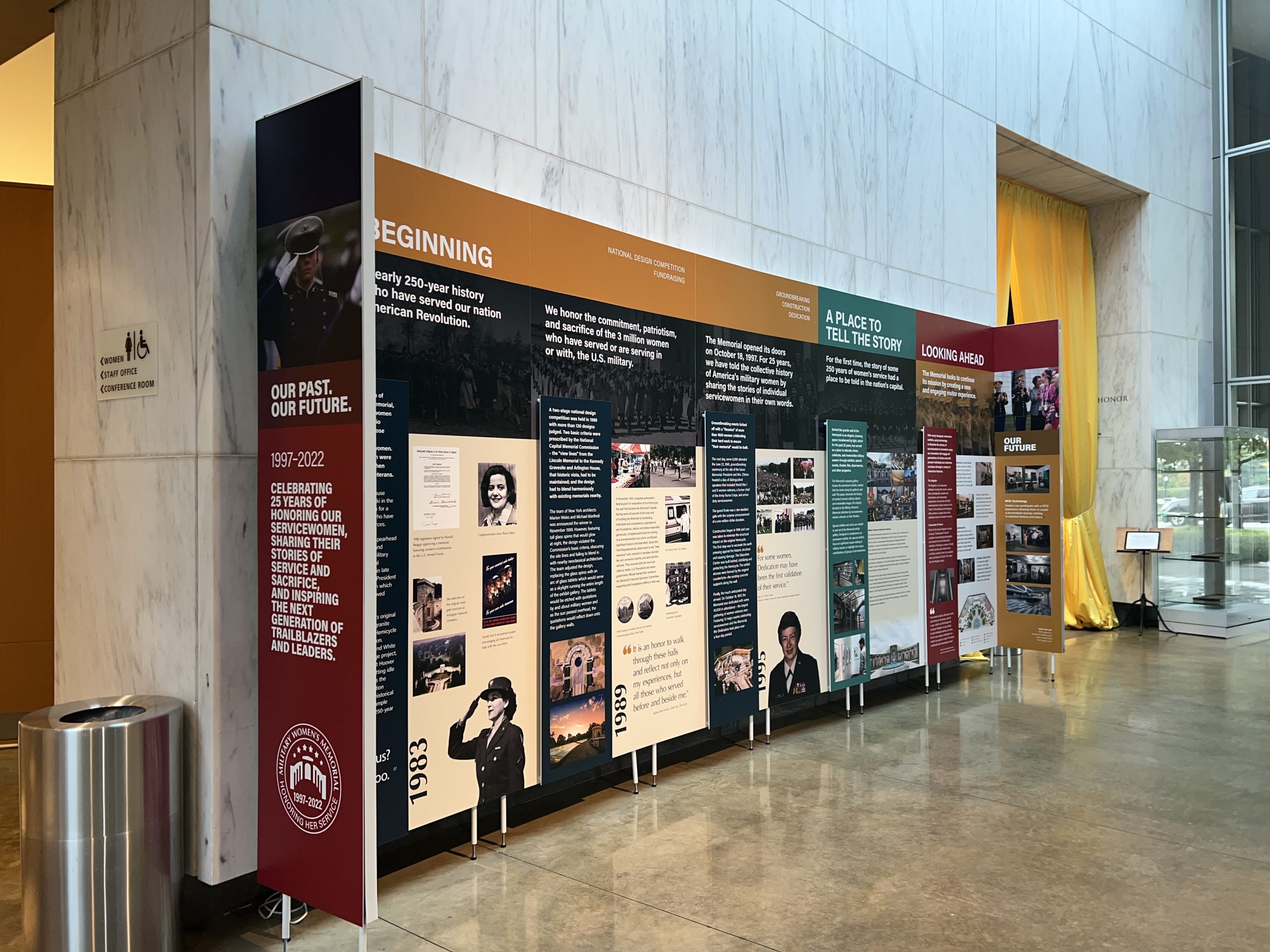
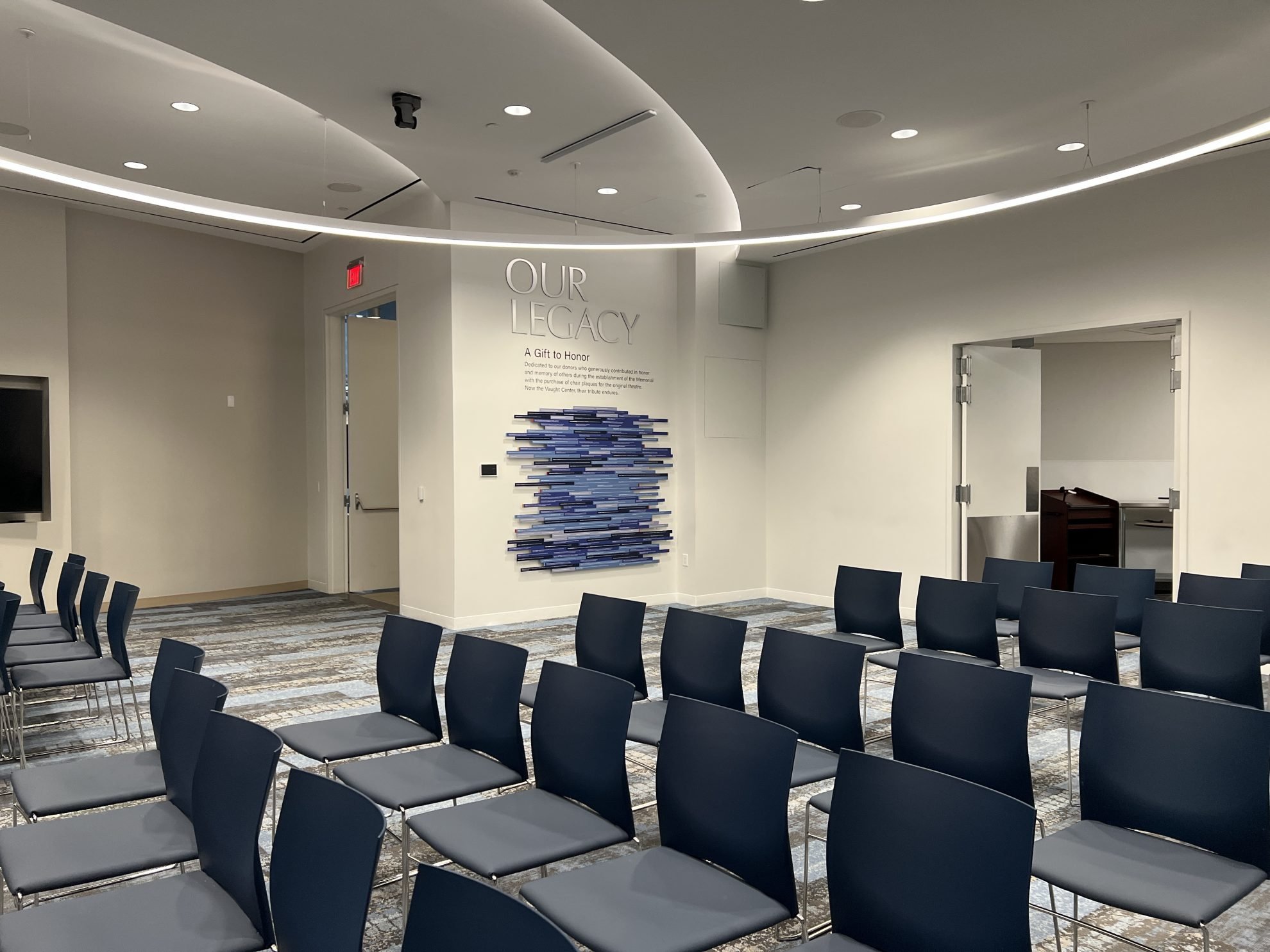
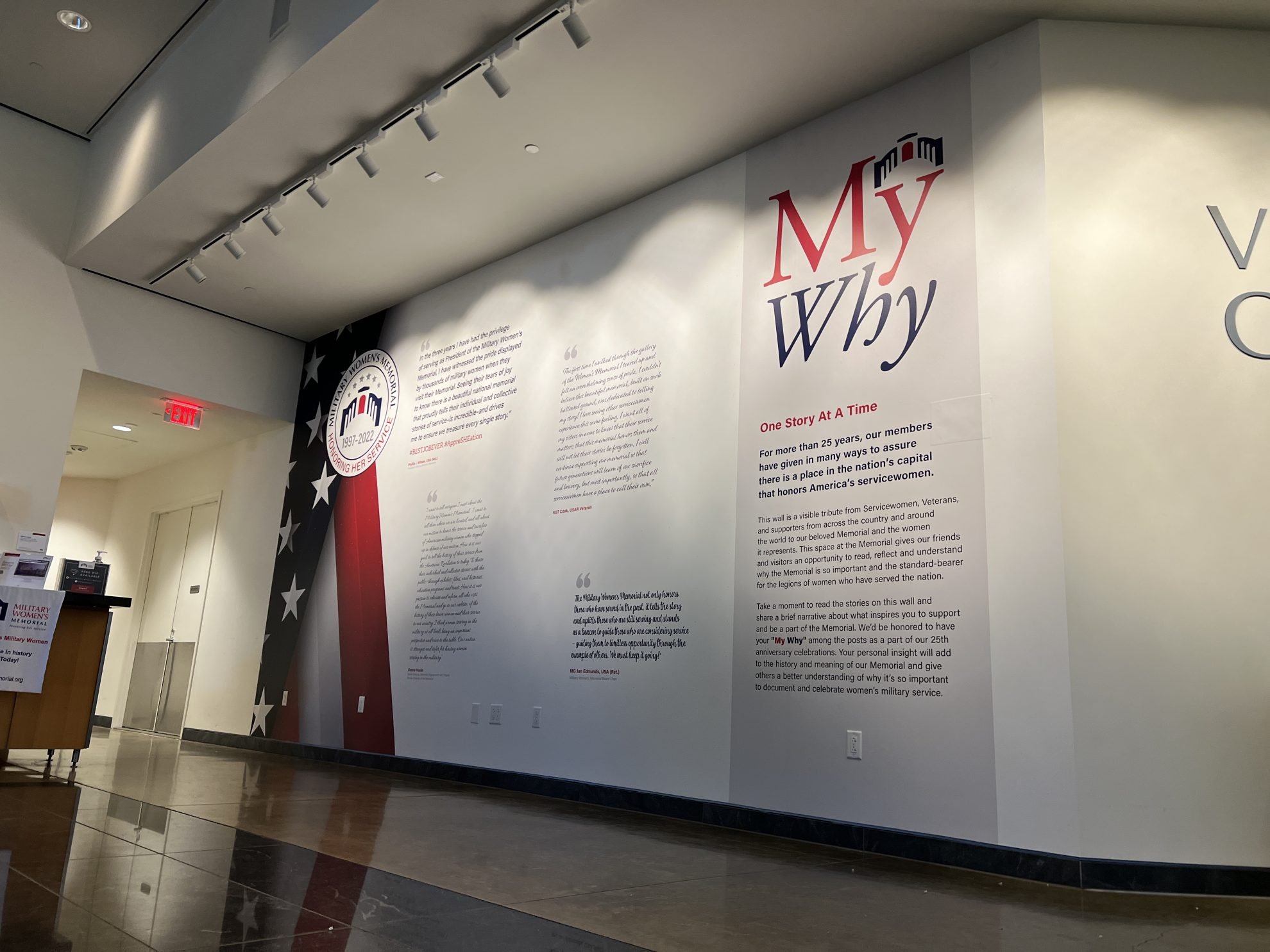
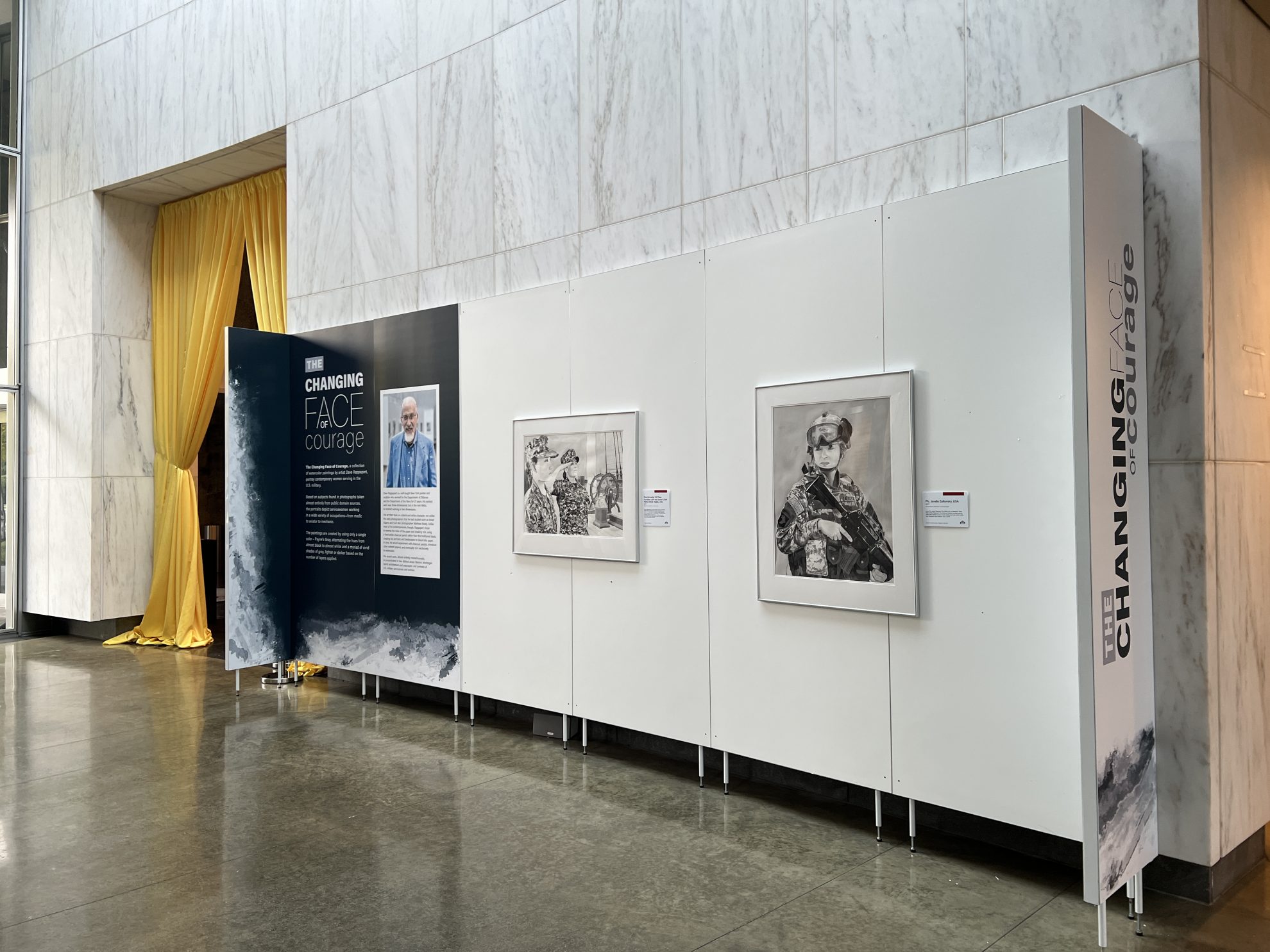
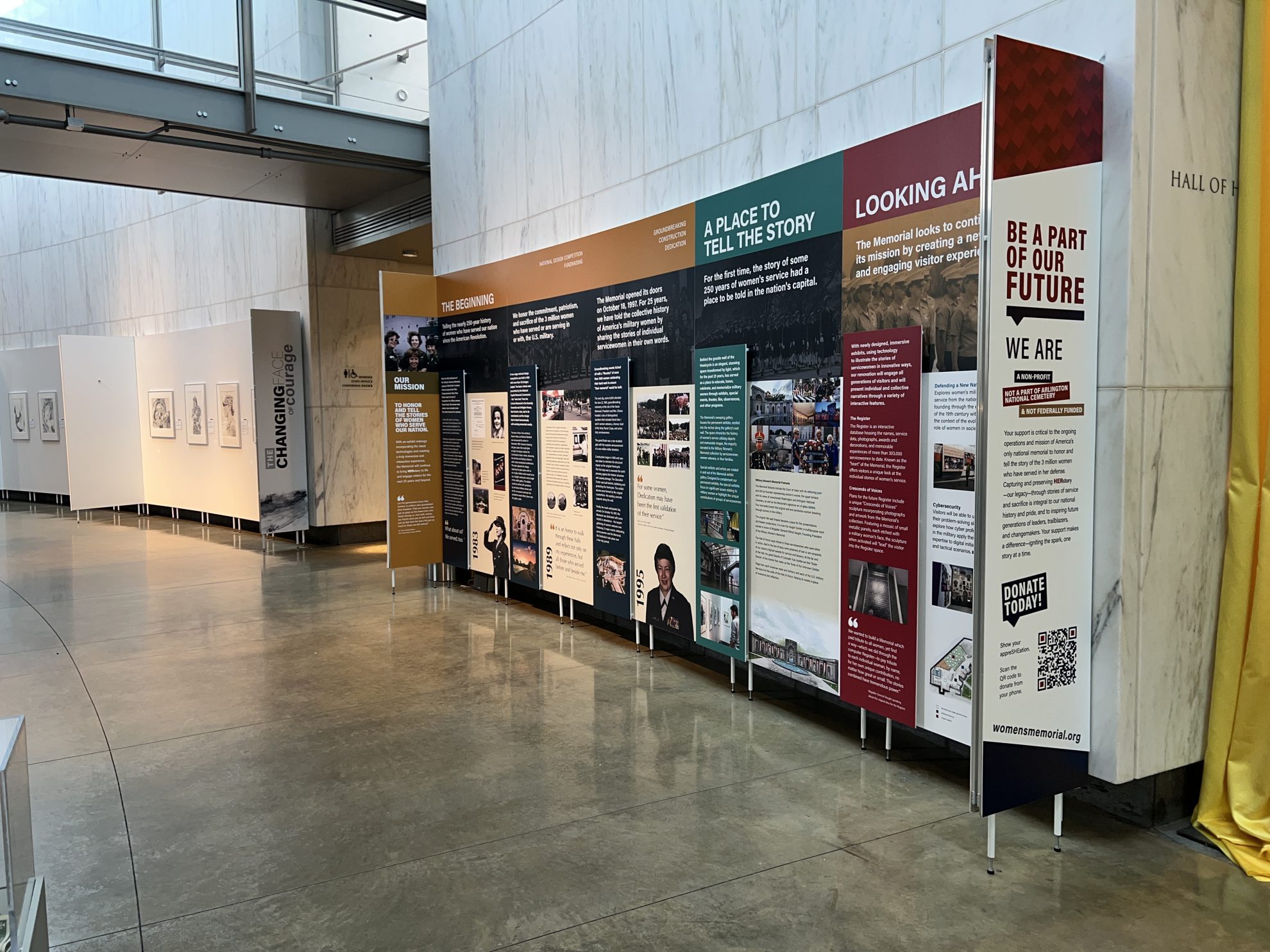
Heritage Signs & Displays created new museum signage for the Military Women’s Memorial in Arlington, VA. The project included custom signs, wall wraps, dimensional letters, and standoff-mounted displays to honor the legacy of U.S. servicewomen and the donors who supported the memorial. The updated interior features impactful designs, including a "Our Legacy" wall display and panels showcasing historical contributions and artwork, creating a transformative tribute to women in the U.S. Armed Forces.
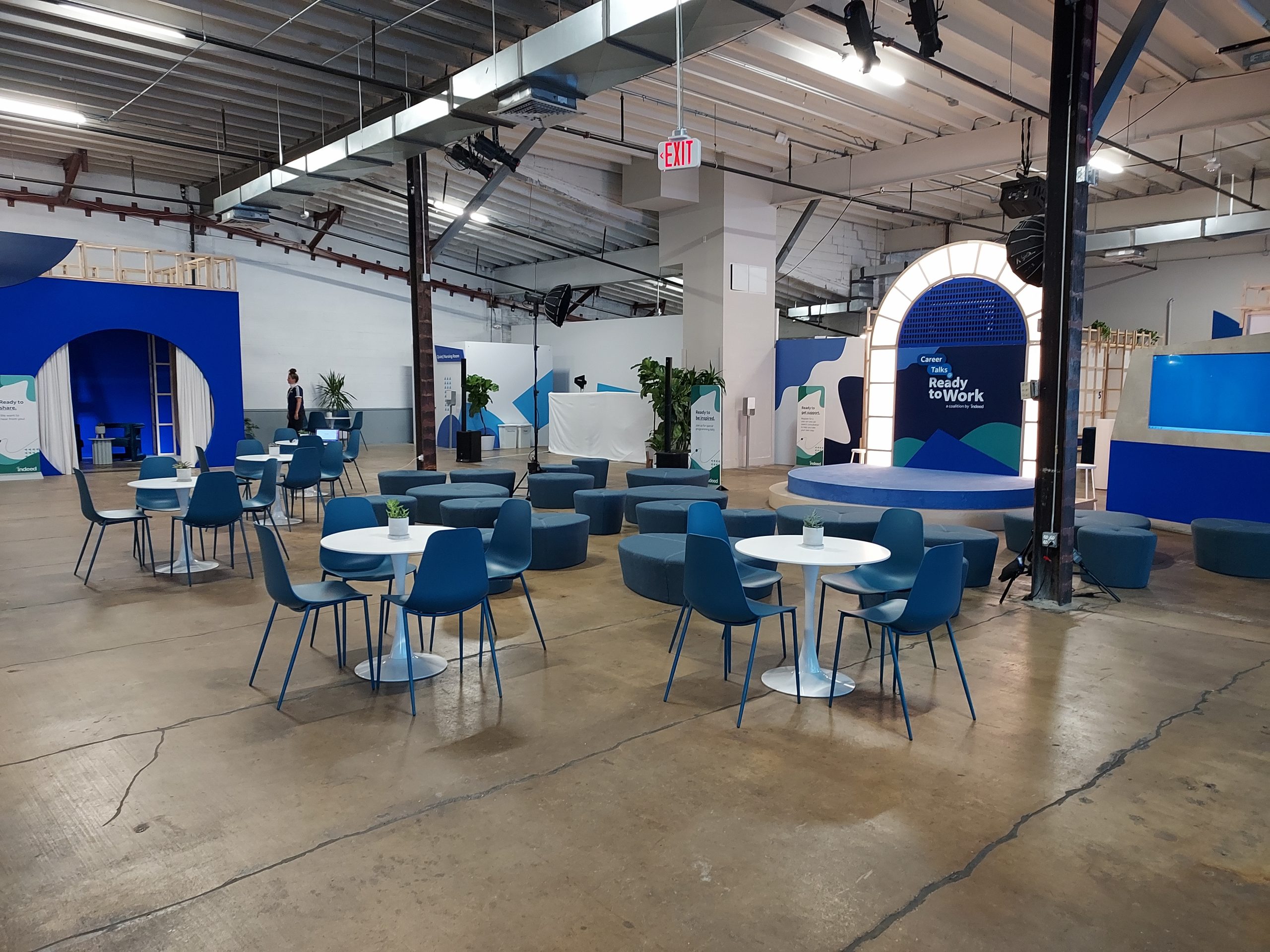
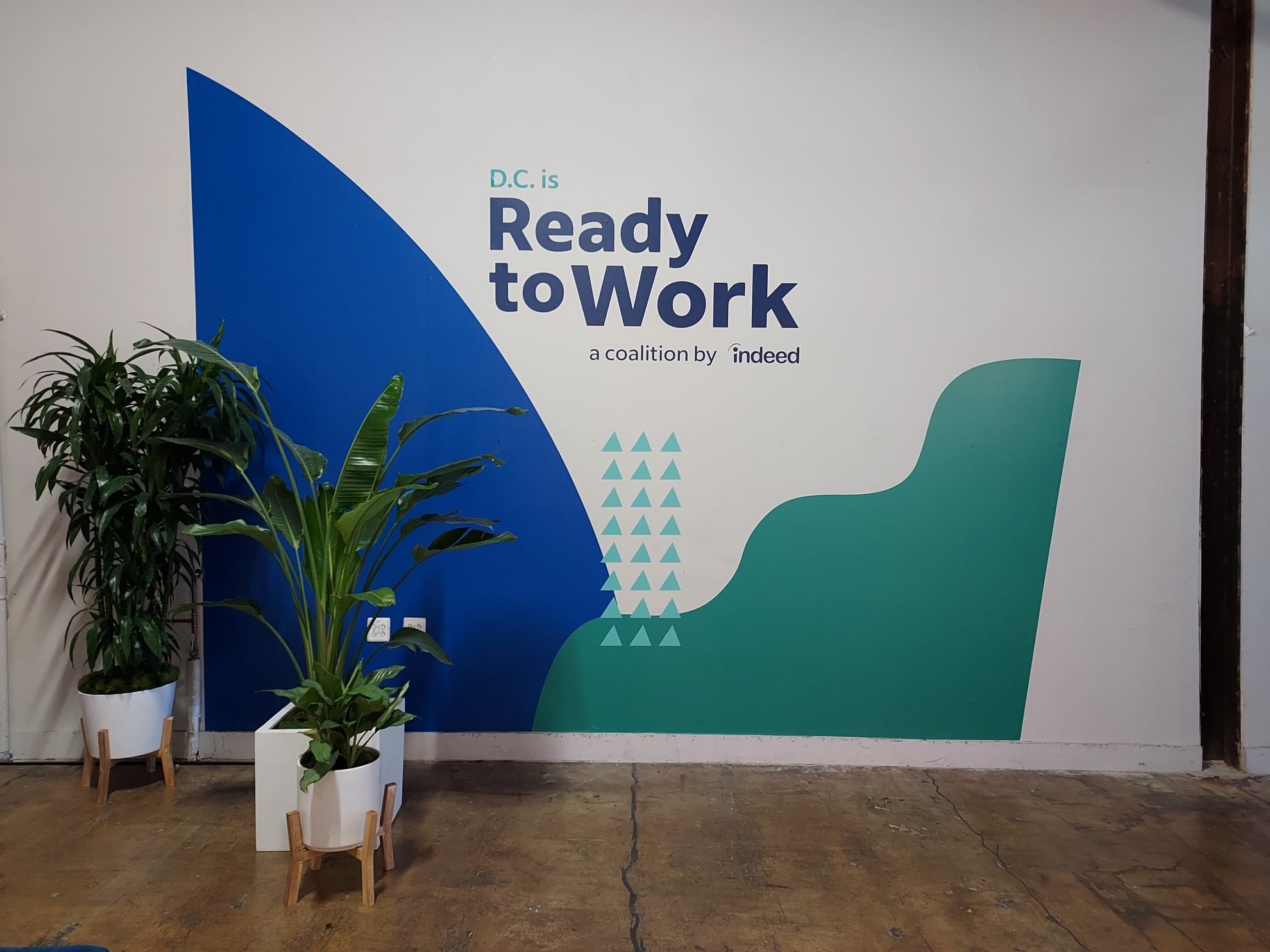
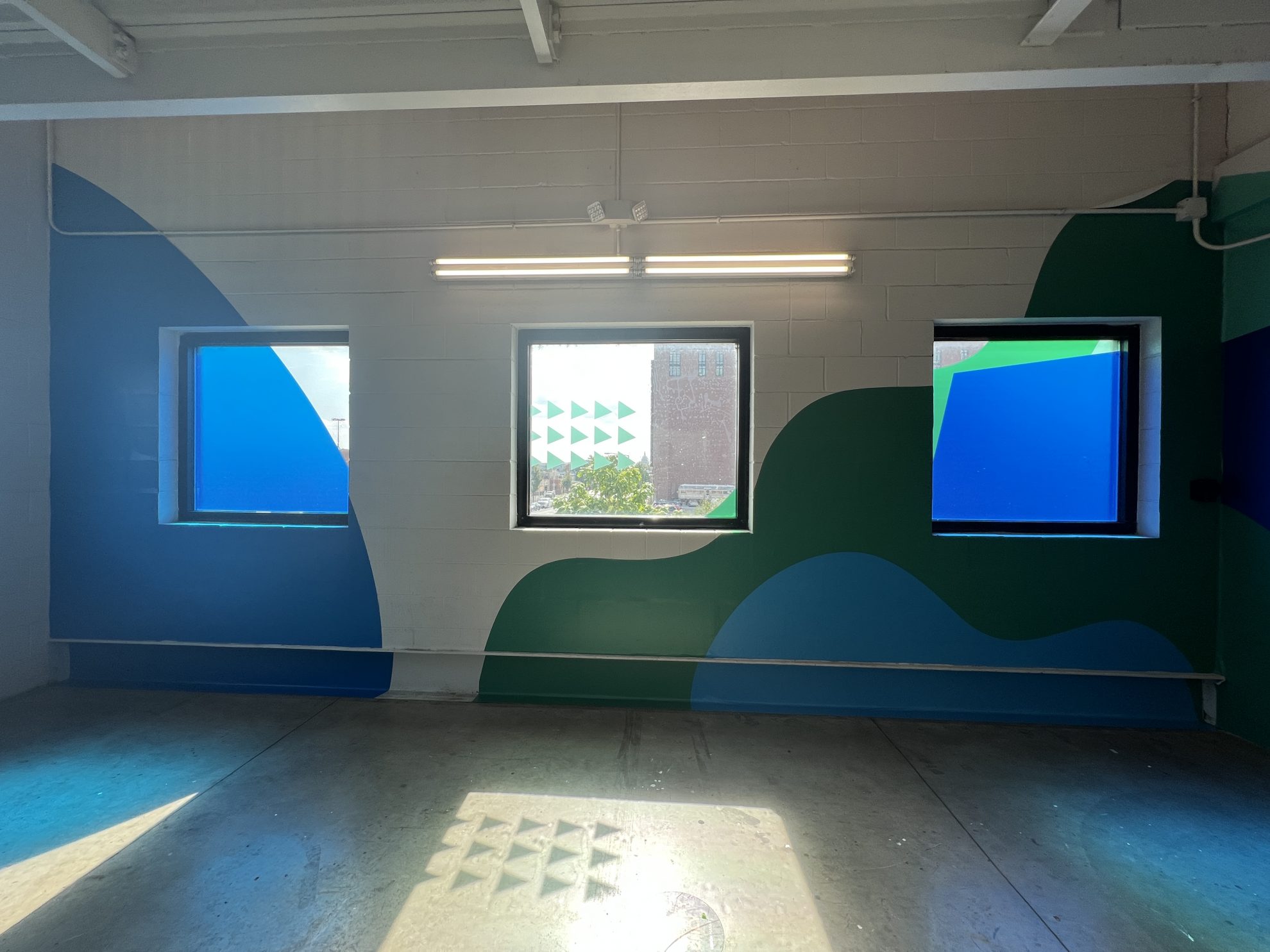
Heritage Signs & Displays' collaboration with The Gathery to brand Union Market in Arlington, VA, for Indeed's "Ready to Work" job fair. The project included custom event displays, wall graphics, window graphics, and wayfinding signs, creating an immersive and visually appealing environment. The branding enhanced the venue, reflected the event's mission, and provided a seamless experience for attendees.