


How Can One Organization’s Story Connect Different Audiences Across Multiple Locations?
How Can One Organization’s Story Connect Different Audiences Across Multiple Locations?
How Washington, DC organizations share their history, values, and purpose with people across different facilities.
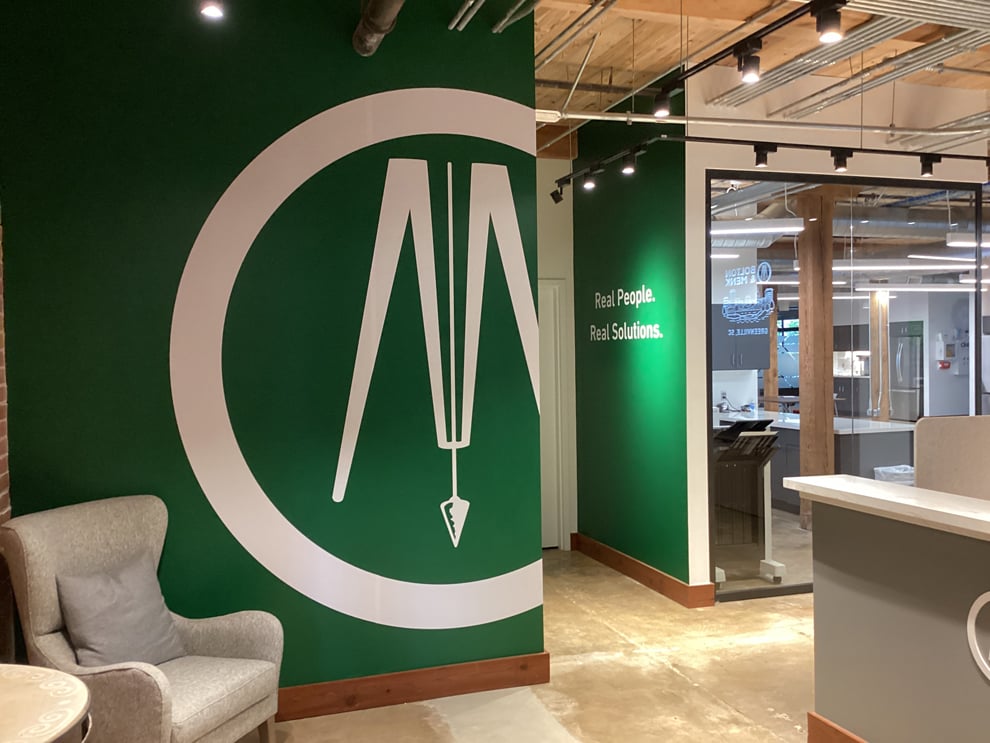
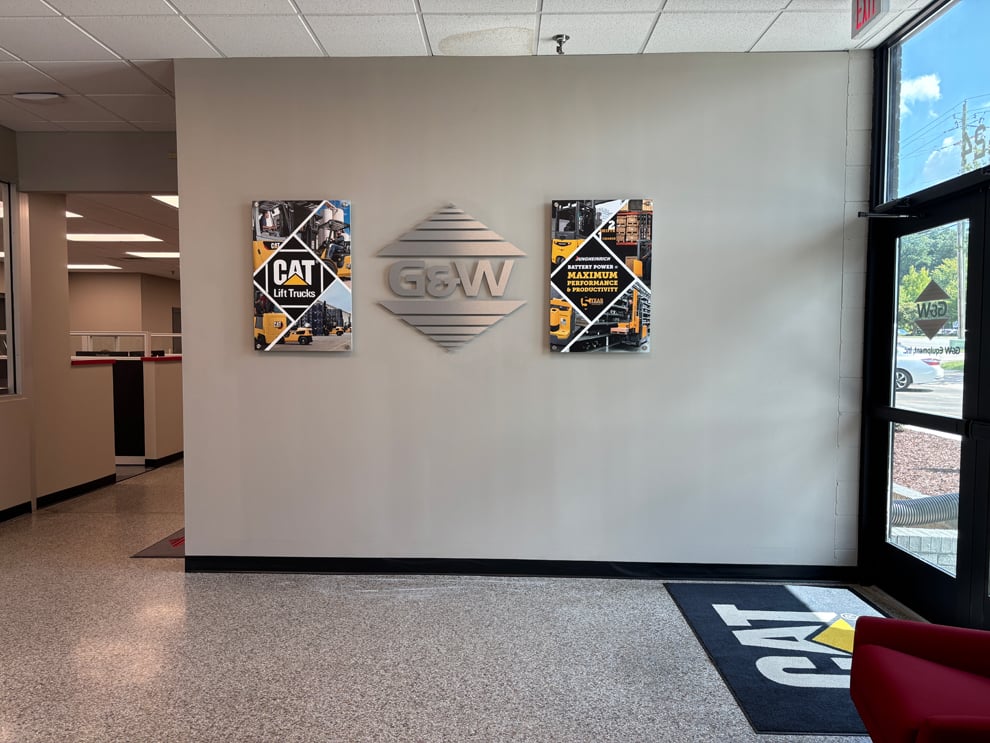
An association member visiting a Washington, DC headquarters and an employee arriving at a Northern Virginia office may be encountering the same organization for very different reasons. One needs to understand the organization’s leadership and purpose. The other may want to see its history, values, culture, and the contributions of its people. Matching logos identify the institution; they do not tell either person why it matters.
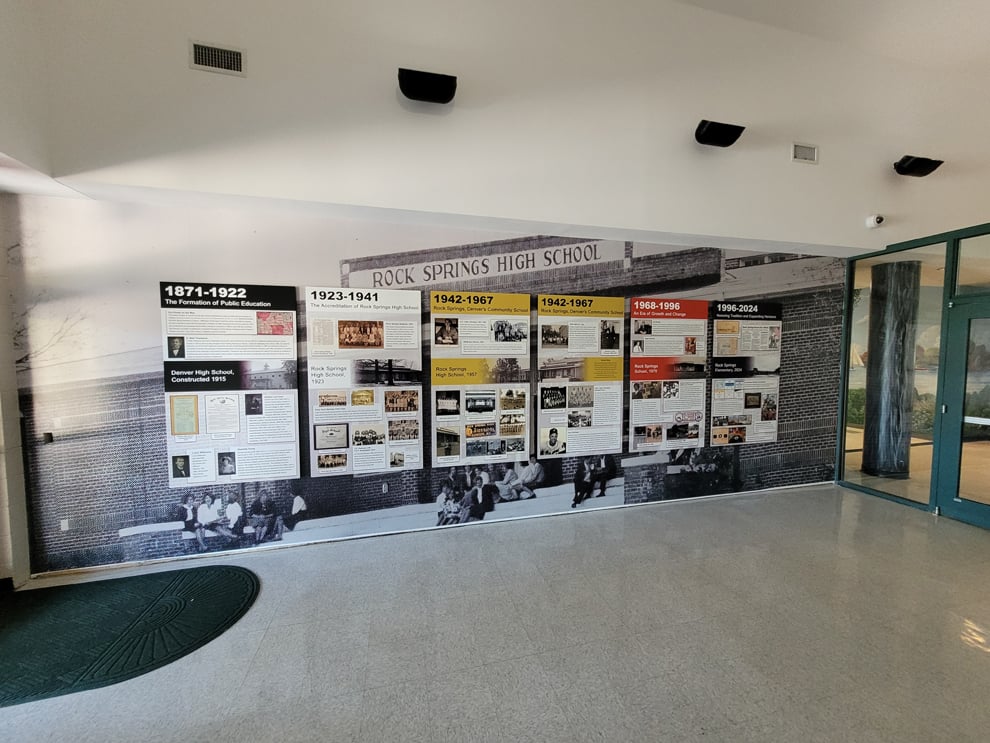
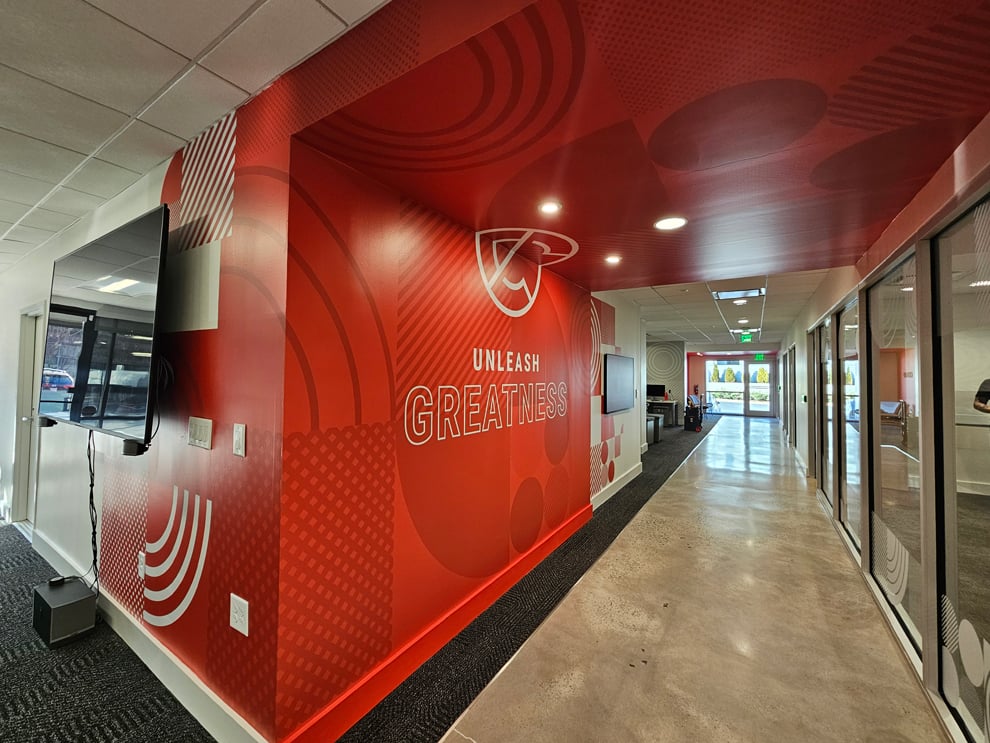
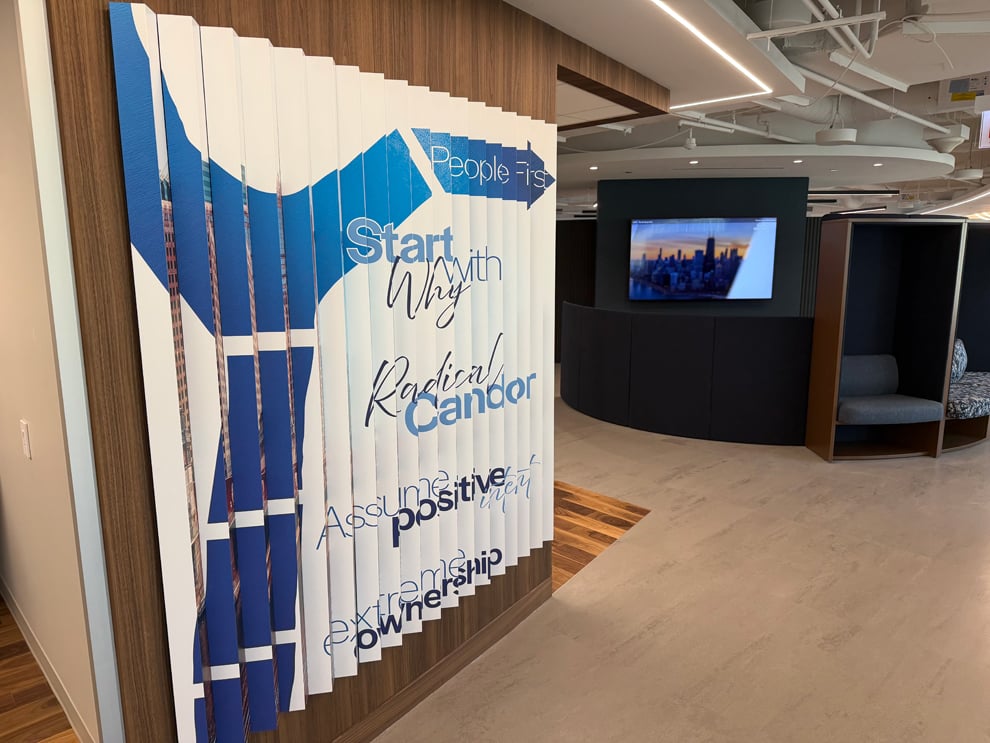
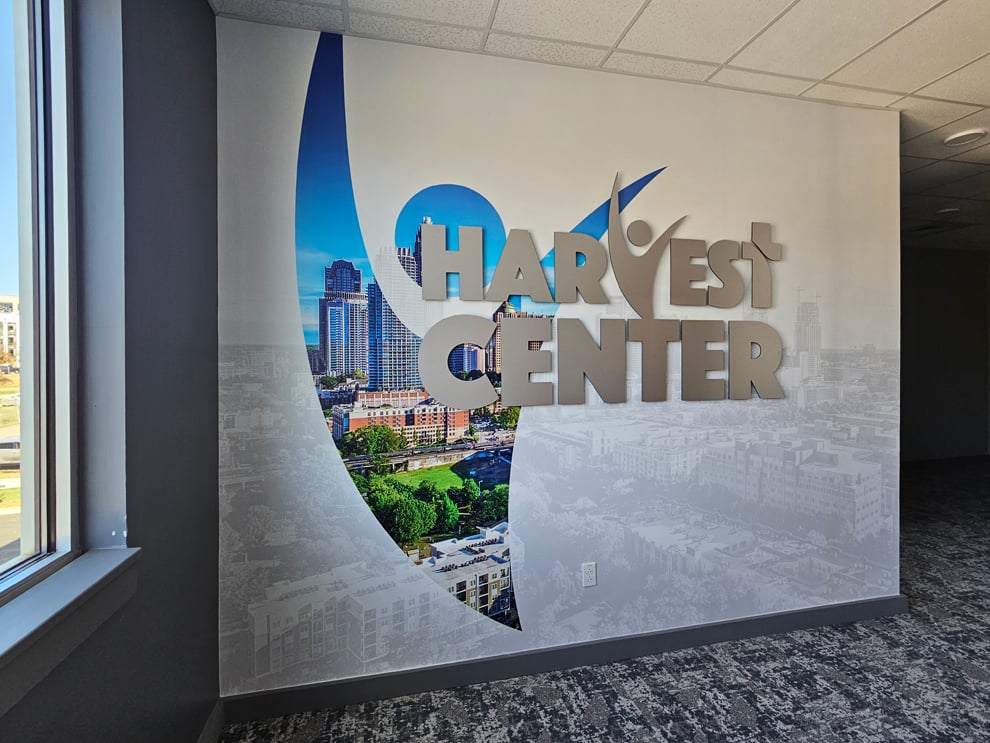
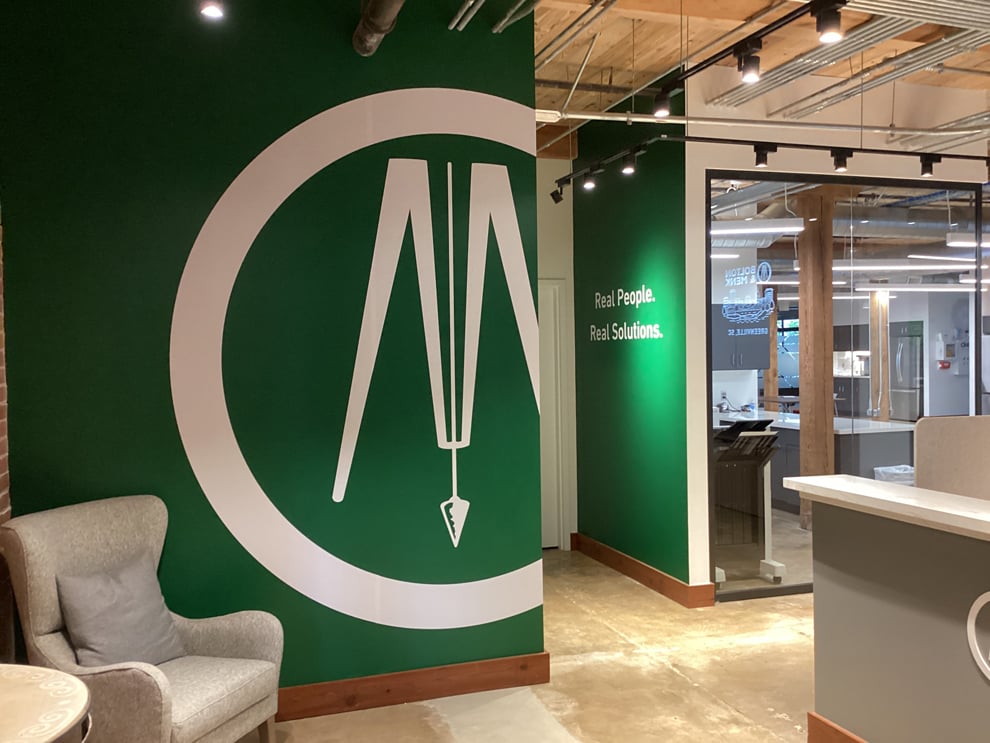
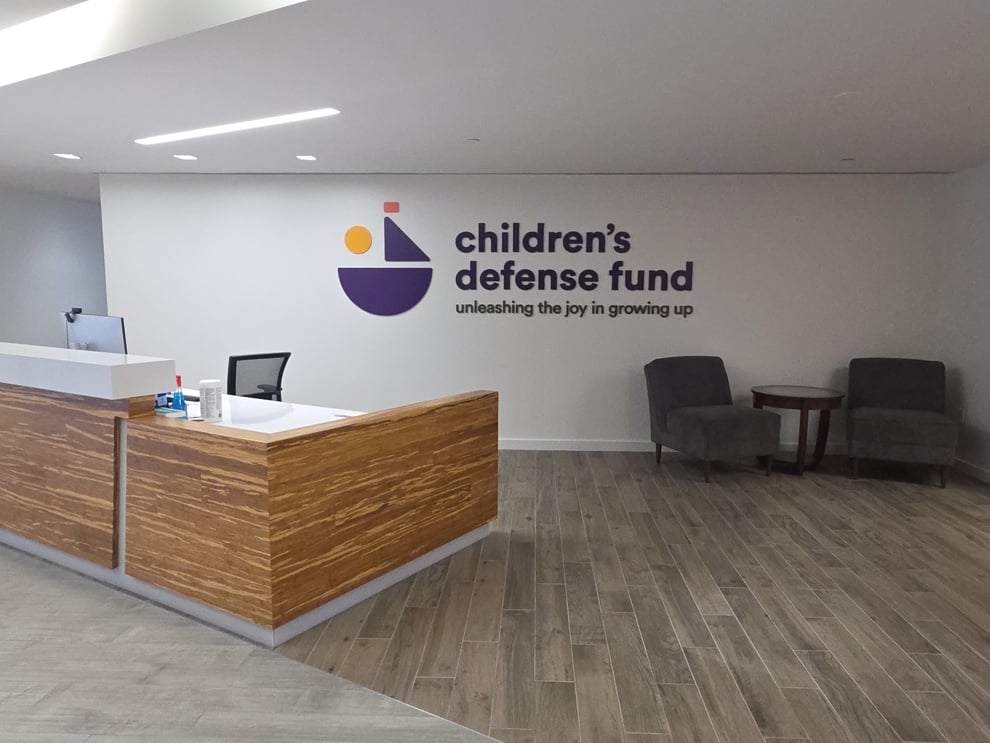
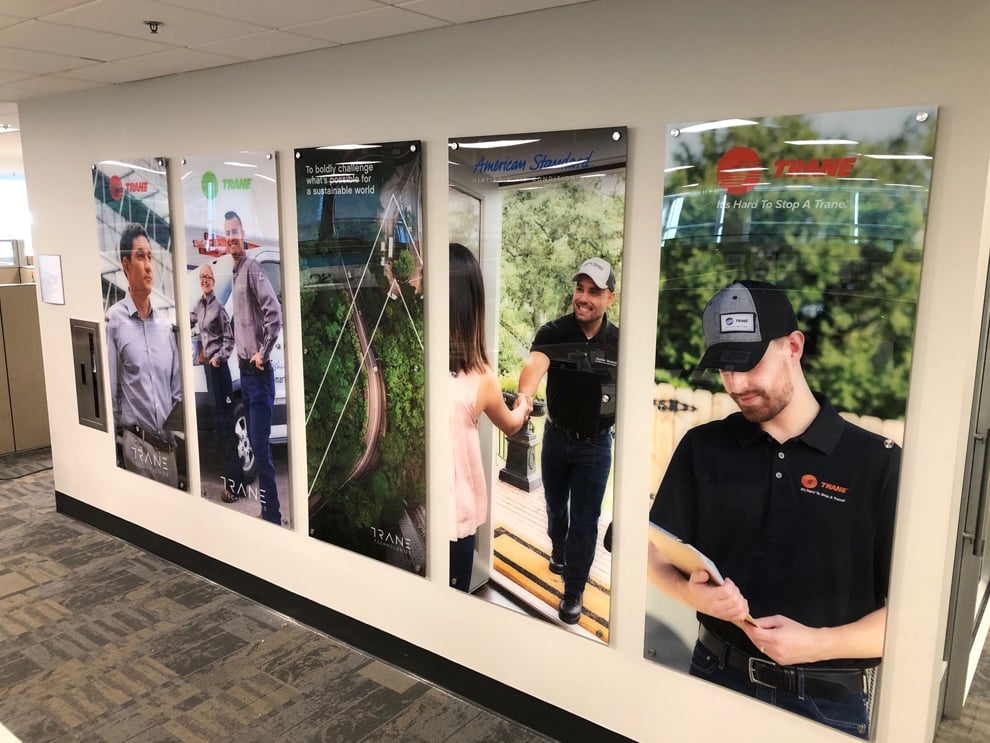
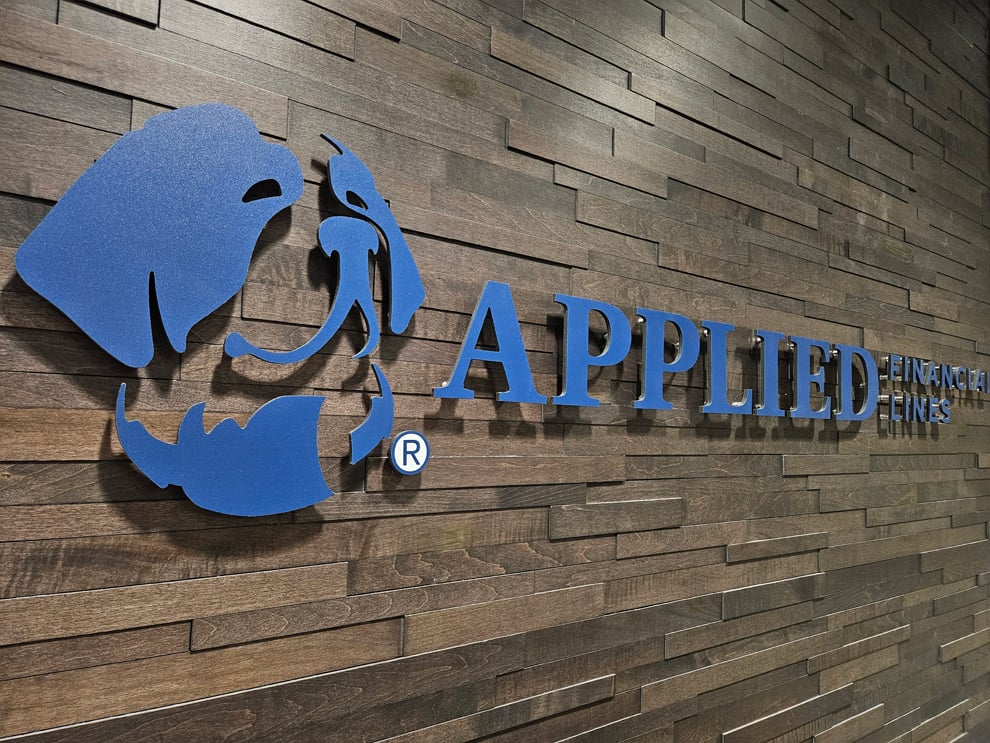
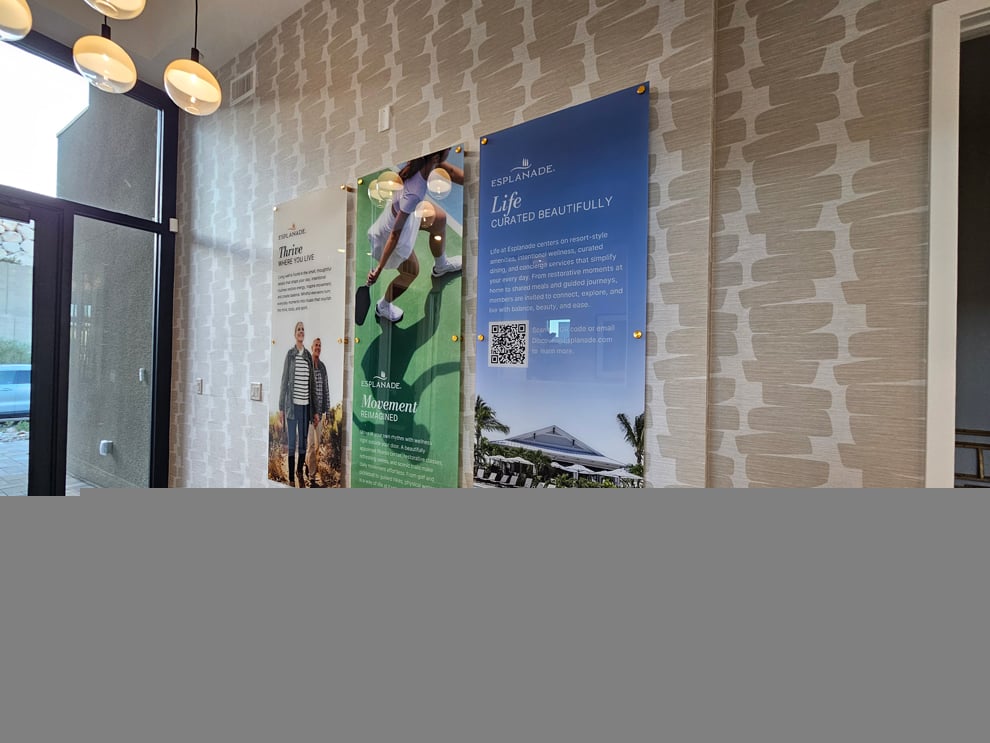
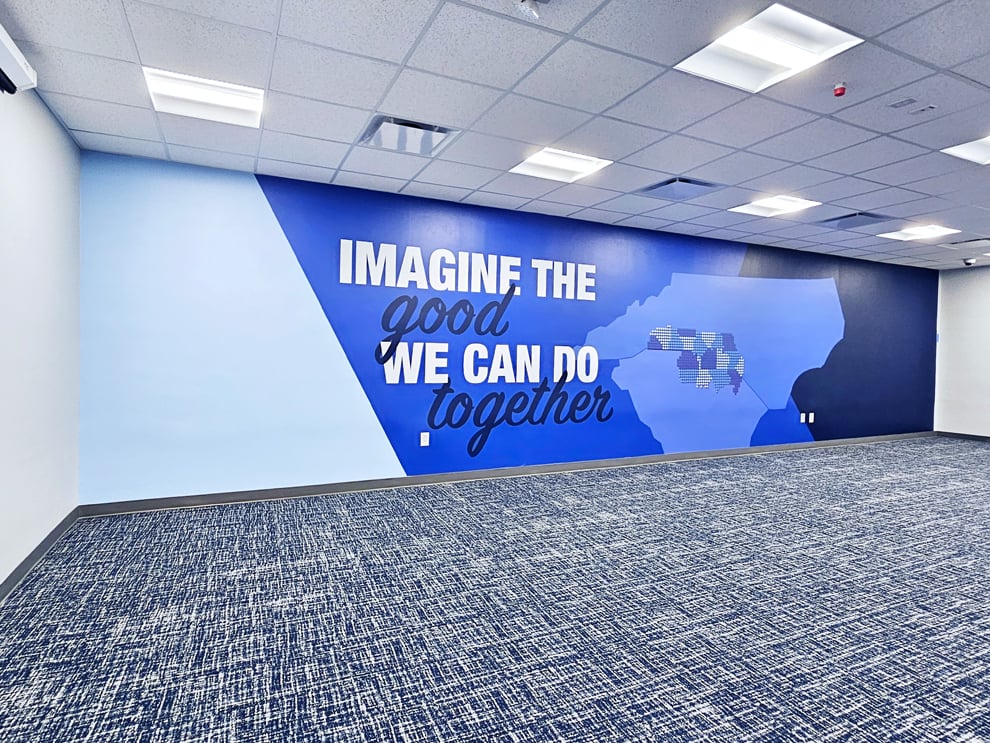
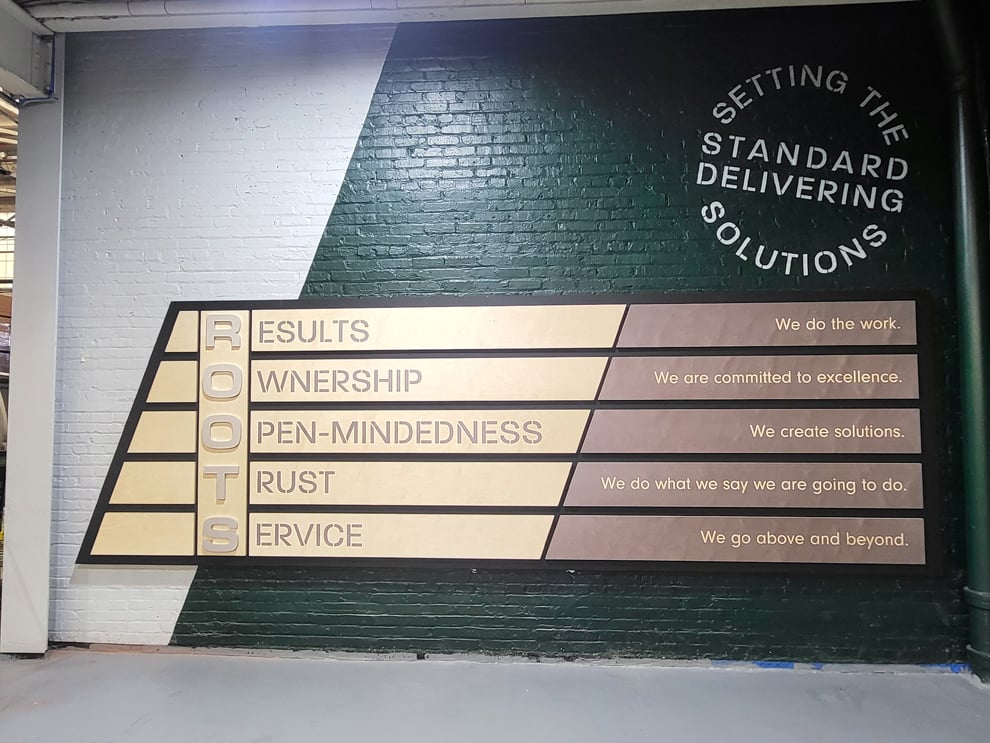
That is the opportunity in multi-location environmental branding. A history wall can connect visitors to the events that shaped an organization. A values display can remind colleagues what its leaders ask them to practice. Recognition graphics can celebrate people and local achievements. The content should be accurate and authentic, while its physical expression changes with the audience and setting.
Heritage helps clients collaborate on that expression through environmental graphic design, production, fabrication, and professional installation. Before selecting a sign package, leaders can ask which parts of the shared story each audience needs to encounter. Decisions about approvals, buildings, and scheduling then support that larger purpose instead of becoming the whole project.
What Should Different Audiences Understand About Your Organization?
Think about the people arriving at each facility. Association members may want a clear picture of the organization’s purpose and achievements. A donor visiting a nonprofit service center may care about the communities it serves. New employees may want to understand the founding story, the core values they are joining, and how previous generations of colleagues contributed. Different audiences deserve different points of entry into the same story.
Heritage can work with leadership and local teams to identify which approved messages belong in a lobby, meeting space, staff corridor, or gathering area. A well-placed history display may create context; recognition of staff and community impact may bring the story closer to the local audience. Wayfinding still matters, but it supports rather than substitutes for that larger experience.
Instead of beginning with a list of signs to reproduce, ask what each group should understand after spending time in the building. That question helps leadership distinguish organizational storytelling from ordinary directions and encourages local colleagues to share experiences worth representing. Heritage helps translate those choices into physical signs, graphics, and displays once content and direction are approved.
One Shared Story Can Speak Differently to Each Audience
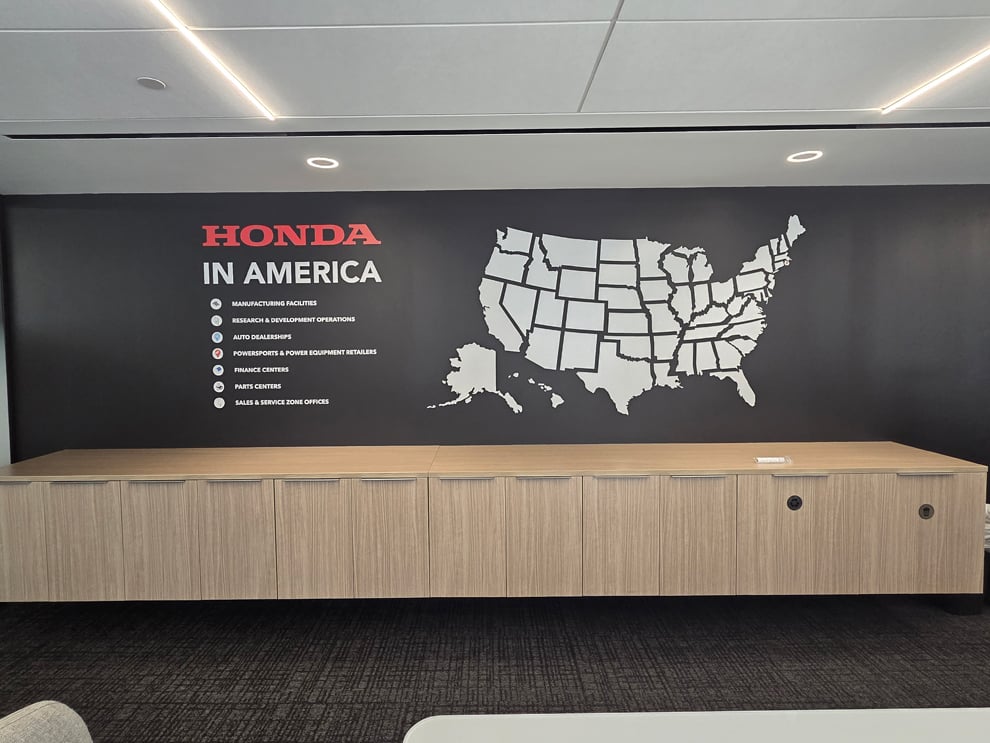
The organization’s founding purpose, history, and values should remain recognizable as people move among locations. That does not require each wall to repeat one formal statement. A headquarters might communicate defining milestones; a Northern Virginia team space could highlight colleagues whose work reflects those values; a public-facing facility might connect the same purpose to services delivered in its community.
Imagine a professional organization welcoming decision-makers to its Washington, DC headquarters while an Arlington location supports everyday collaboration. At headquarters, a concise timeline and selected achievements may establish institutional credibility. In Arlington, recognition and meaningful examples of the organization’s commitments might resonate more directly with employees. Each location gives a different audience an authentic way to understand the institution rather than receiving a smaller copy of the first office.
Heritage can help develop these environmental graphic design options using the client’s verified story and approved identity. The client’s leaders decide which content is accurate and appropriate. The design team focuses on what should be visible, how it should be arranged, and how the physical environment can communicate effectively to people actually using each space.
Keep Enduring History Distinct from Changing Information
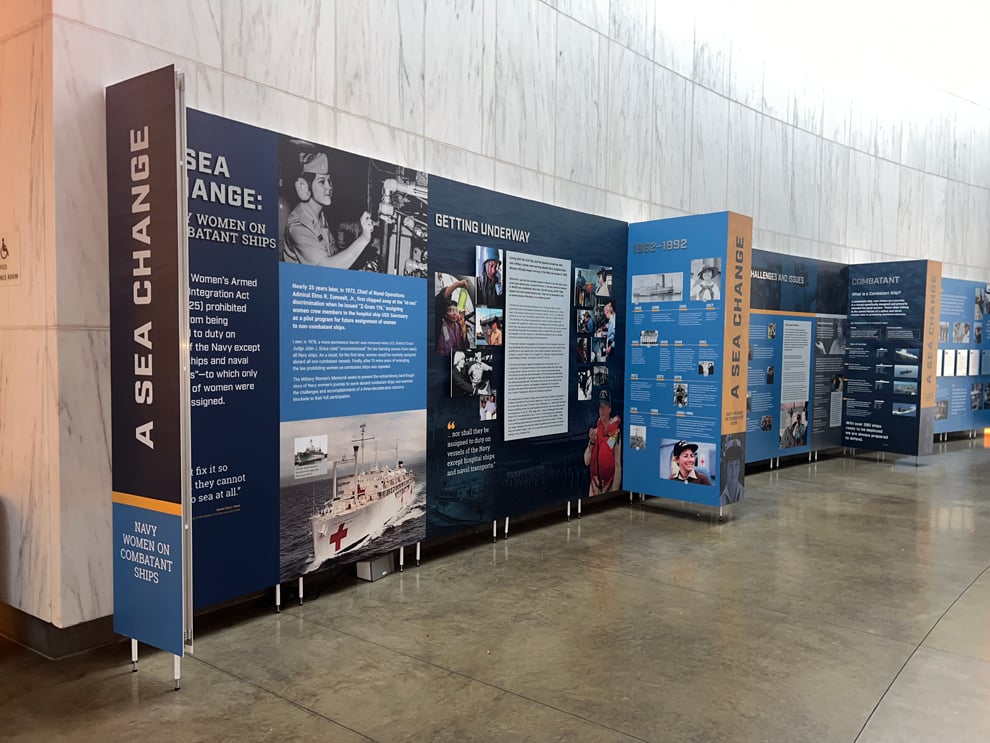
A founding timeline, carefully documented history, and approved core values may remain meaningful for years. Staff names, program information, meeting assignments, or current campaigns may change frequently. Mixing long-term storytelling with short-lived information in one fixed display can make updates difficult and expensive across several locations. The difference matters before artwork or fabrication decisions are made.
Heritage can help select appropriate physical formats for those different needs: a durable milestone wall, a recognition feature with replaceable components, or separate room-identification elements. Client stakeholders approve the stories and provide reliable future updates. The design should protect important historical context while allowing current information to change without rebuilding the entire installation.
A multi-location program also needs one clear content owner. Heritage’s Project Manager can preserve the approved project record, but the organization must identify who verifies dates, names, achievements, and formal statements. That division makes it possible to tell the same story accurately over time, with local additions that are reviewed rather than copied forward without consideration.
Who Approves the Stories Each Location Will Tell?
Organizational storytelling often crosses departments. Leadership may approve history and purpose; communications may safeguard brand standards and public language; HR may verify recognition content; and local teams may contribute achievements. Property representatives decide which changes can be made to the facility. Confusing those responsibilities can delay a meaningful project even when everyone supports its goal.
Heritage can help the client organize a decision record showing which approved messages belong at each site, who verifies historical details, who approves the environmental graphics, and who arranges property access. Local stakeholders should contribute their knowledge, but input does not replace authorization. A single agreed direction is particularly valuable when the program spans offices, service centers, and different property management arrangements.
The client remains responsible for its content, final approvals, and any required property permissions. Heritage helps carry approved creative direction and field requirements through the accepted physical branding project. Clear accountability protects the accuracy of the story and the practical installation schedule without turning the article into an administrative checklist.
Match Storytelling Displays to Each Building’s Conditions
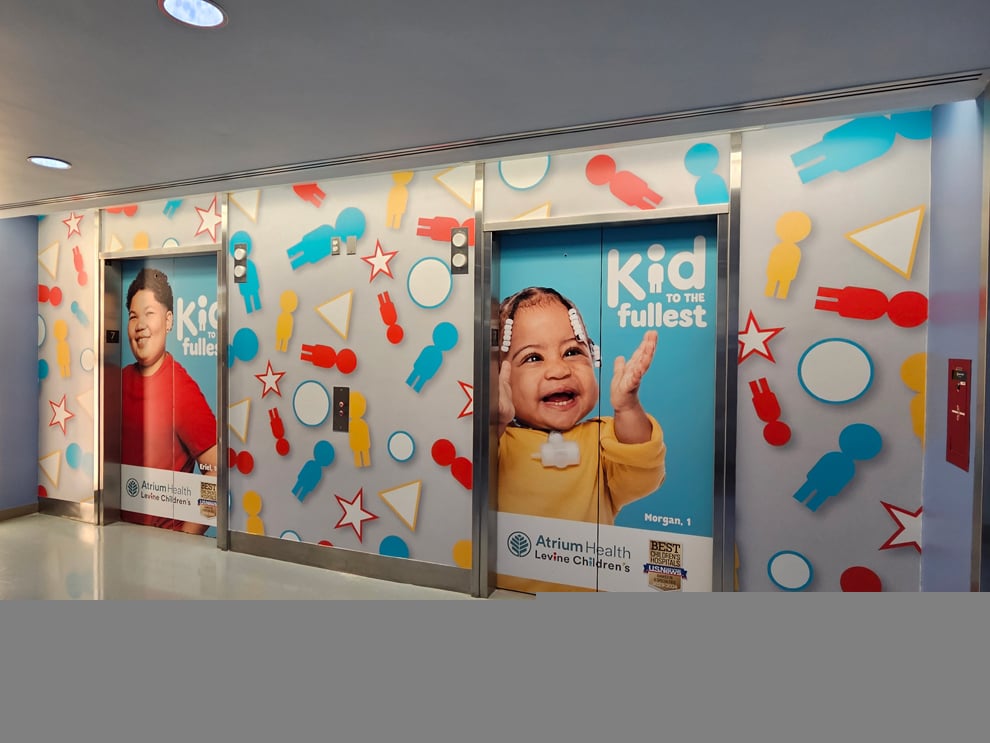
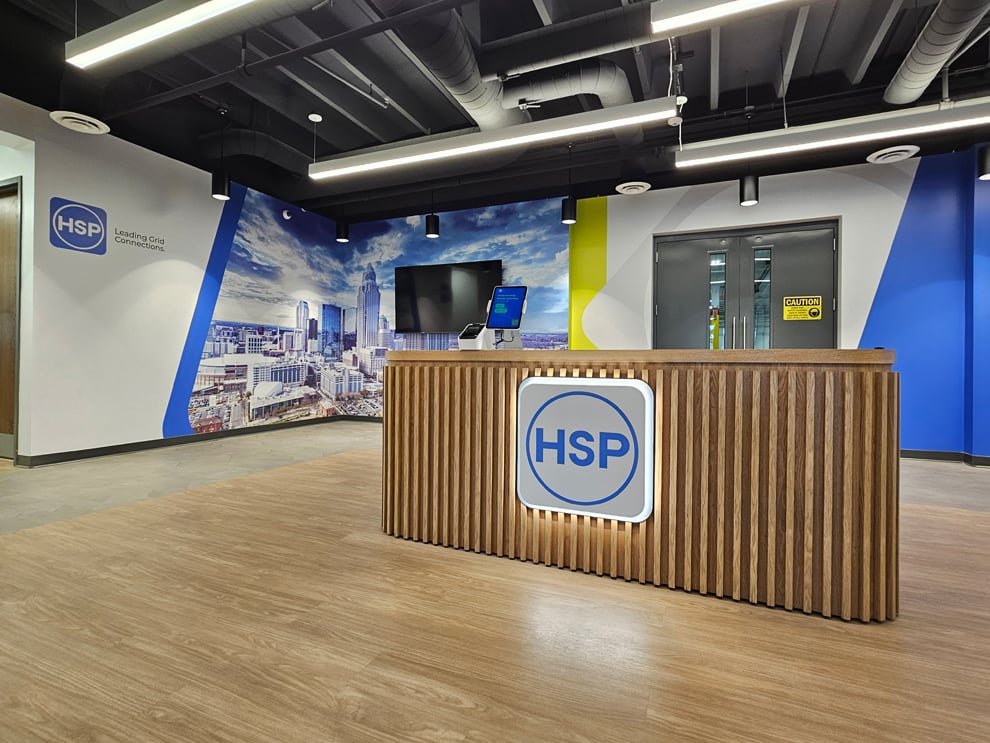
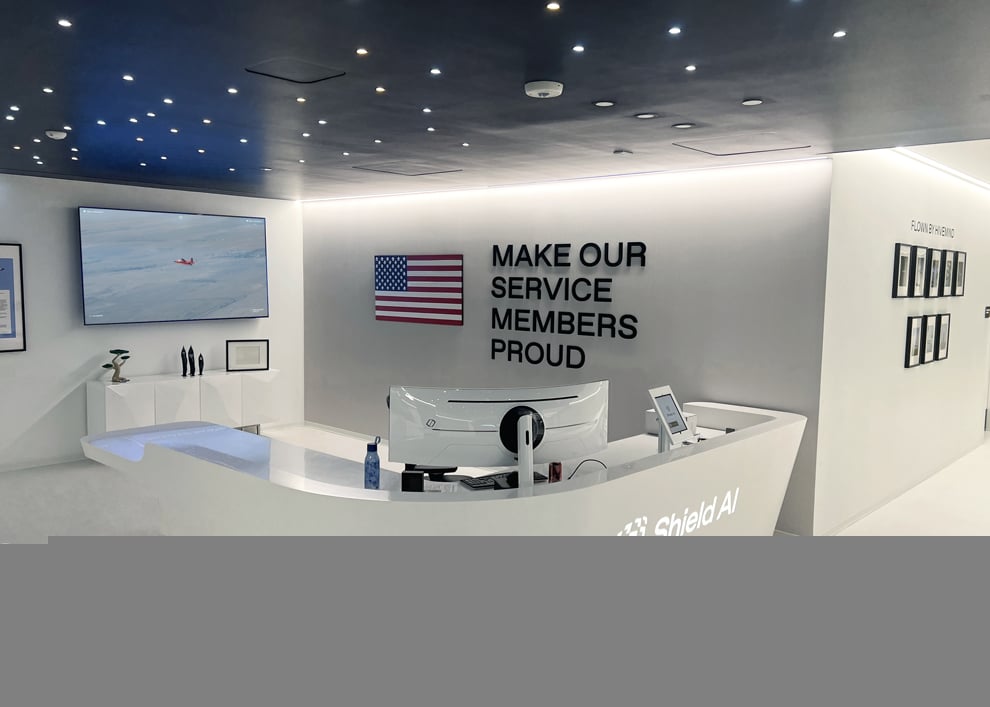
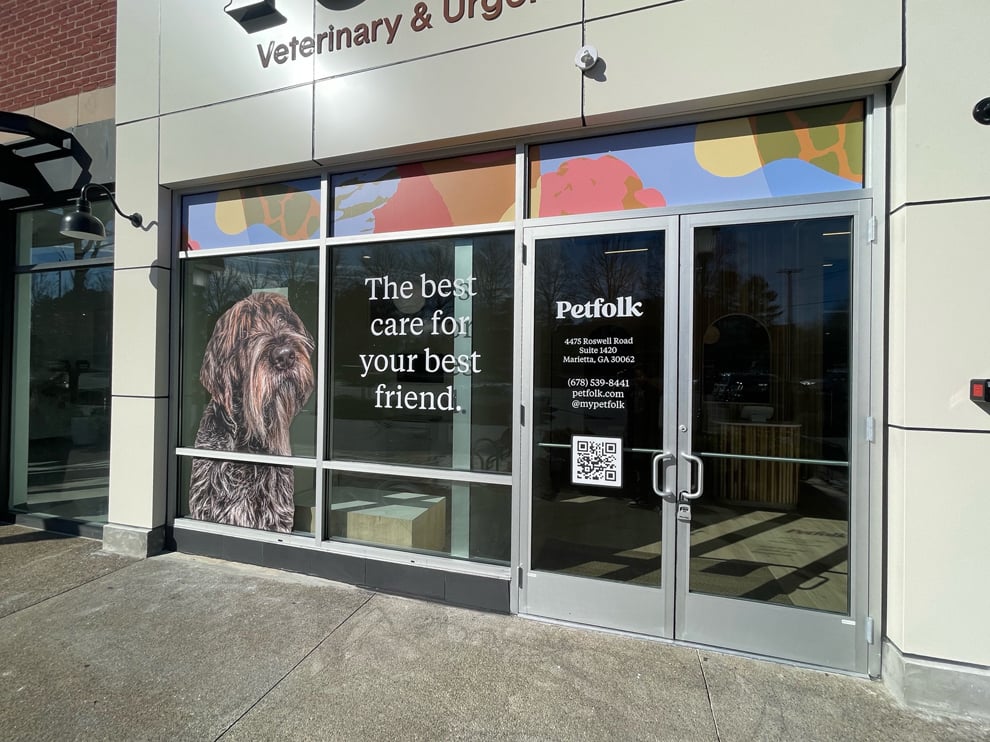
The same organizational milestone may appear on a large wall in headquarters and a smaller feature in another facility. Scale, viewing distance, wall dimensions, lighting, existing finishes, glass, and circulation all affect whether the message can be understood. A shared story therefore needs site-specific environmental graphic design, not identical drawings mailed to different addresses.
For Heritage-managed work involving professional installation, a site survey is required. The visit combines the client’s desired result with verification of dimensions, surfaces, access, and relevant field conditions. In Washington, DC and Northern Virginia, that planning may also need to account for the building’s own procedures for scheduling work and receiving crews or materials. These are individual property requirements, not a single rule for the region.
A site survey can help establish where a history display, recognition feature, or values graphic will work in the actual space. Heritage can then coordinate appropriate material, production, fabrication, and installation decisions for the accepted scope. The organization supplies approved messages and arranges required property permissions; the physical design reflects verified conditions rather than assumptions made at another site.
How Heritage Keeps Multi-Location Storytelling Coordinated
A connected multi-location storytelling program depends on carrying the right decisions forward: approved historical facts, the client’s visual standards, audience priorities, local additions, design files, field measurements, and installation requirements. A new facility should benefit from the work already completed without inheriting its mistakes or receiving graphics that ignore the people using that building.
Heritage supports Washington, DC through its client-facing location and nearby Arlington field resources, with production support available from Waldorf, Maryland. Richmond provides additional field presence for Central Virginia. Heritage’s One Dedicated Project Manager System connects those local and regional resources with environmental graphic design, production, fabrication, and professional installation for accepted projects, preserving the thread of project knowledge as the work moves forward.
That continuity lets a Washington, DC headquarters and a regional facility express the same organizational purpose in different ways. The client retains control over what its story says. Heritage coordinates accepted design and physical execution so approved decisions remain available to local teams and every location can contribute a meaningful chapter rather than an isolated sign order.
The Real Test Is What People Experience
The real test is not whether different offices display the same logo or the same wall copy. Can employees describe what their organization stands for? Do visitors understand the purpose behind its work? Are its history and contributors represented with care? A display can make those things visible, but credibility comes from how the organization treats people and acts on the values it communicates.
My faith in Jesus Christ shapes the responsibility I feel to serve people and honor commitments. That belief is not something a company can establish with a slogan on a wall. It has to be reflected in listening carefully, communicating clearly, and following through. The same practical test can help any leadership team evaluate what its workplaces communicate.
If your organization serves different audiences across Washington, DC, Northern Virginia, Maryland, or the wider Mid-Atlantic, start with the history, purpose, and stories you want people to understand. Share your goals with Heritage through Get Started Now. We can explore how coordinated environmental graphic design and physical displays could communicate that approved story meaningfully at each location.

Author

Frequently Asked Questions About Branding Multiple Locations
Begin with a verified shared history, core values, and purpose. Then consider what members, employees, donors, clients, or visitors need to understand at each location. Heritage can help turn the approved content into appropriately scaled history, recognition, and other interior displays rather than repeating one message everywhere.
Assign leadership or communications authority for approved purpose and brand messaging, relevant staff to verify milestones and recognition, and site representatives to confirm local facts. Property access and permissions remain with the client or responsible property party. Heritage can organize those decisions for its accepted signs-and-displays project without taking over corporate approval authority.
Raise working-hour, delivery, building-access, and property coordination requirements before finalizing the installation schedule. For Heritage-installed work, the required site survey helps identify relevant field conditions. The team can then evaluate feasible production and installation sequencing. A proposed date should be confirmed against the accepted scope and actual site requirements rather than assumed from another location.
Yes, with thoughtful planning. Preserve long-term founding stories or milestone timelines while using suitable replaceable components for recognition or information likely to change. Heritage can help develop physical display options; the client remains responsible for accurate names, dates, achievements, and approved updates. Not every site needs the same length or format of history display.
Yes, for accepted projects within Heritage’s service capabilities and operating geography. Washington, DC and Arlington provide client and field support in the DC metro area; Waldorf, Maryland is a production resource, not a client-facing office; and Richmond provides field support for Central Virginia. One dedicated Project Manager helps connect approved design direction, field information, production, fabrication, and professional installation.
Yes, when the elements fit Heritage’s accepted interior signs-and-displays scope. A headquarters might highlight institutional history; a community service center may emphasize local impact; a staff office might feature shared values and employee achievements. Heritage collaborates on environmental graphic design for the specific audience and site using content approved by the organization.
For an accepted managed project, Heritage can connect environmental graphic design, required installed-project site surveys, production, fabrication, and professional installation through one dedicated Project Manager. The goal is to preserve approved decisions while adapting to each facility’s conditions and schedule. This coordination concerns Heritage’s accepted signs, graphics, and displays, not corporate brand strategy or property approvals.
Useful starting material includes approved brand standards, verified historical milestones, purpose and core values, stories or recognition the organization wants to share, target locations, and authorized decision-makers. Heritage can help evaluate physical opportunities, develop environmental graphic design, and coordinate accepted project execution. The client verifies content and arranges property permissions and access.
Often, yes. A coordinated program can establish shared design decisions and then sequence production and installation around each facility’s readiness, approvals, and access. One dedicated Project Manager helps keep the accepted project record connected across phases. The practical schedule still depends on the work, required site surveys, materials, available capacity, and approved installation windows at each address.