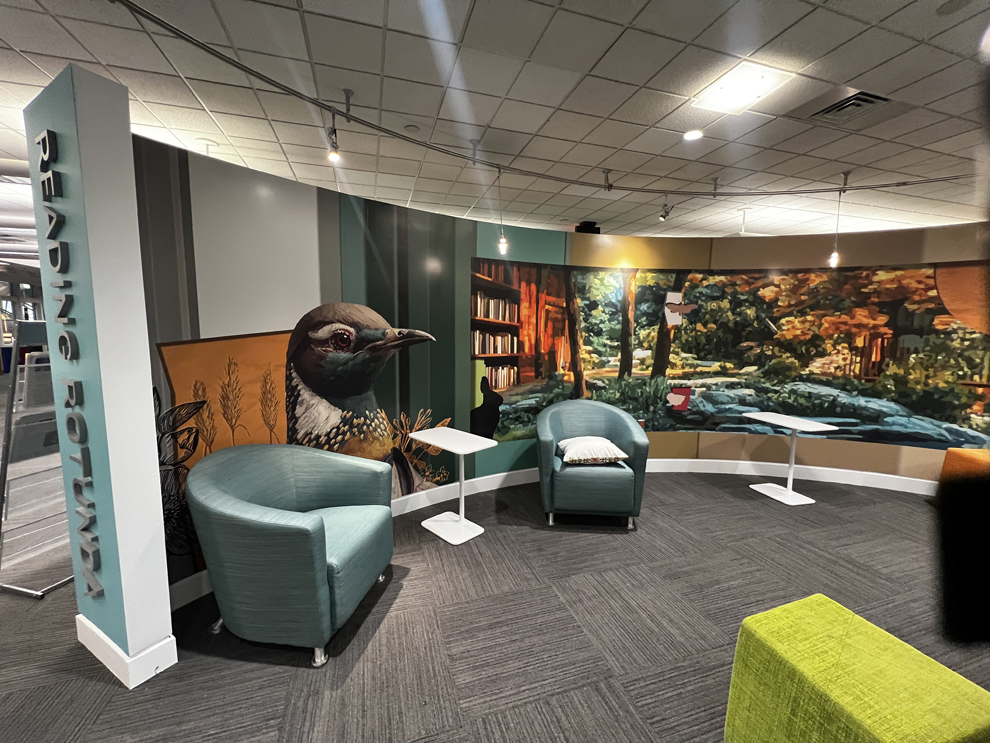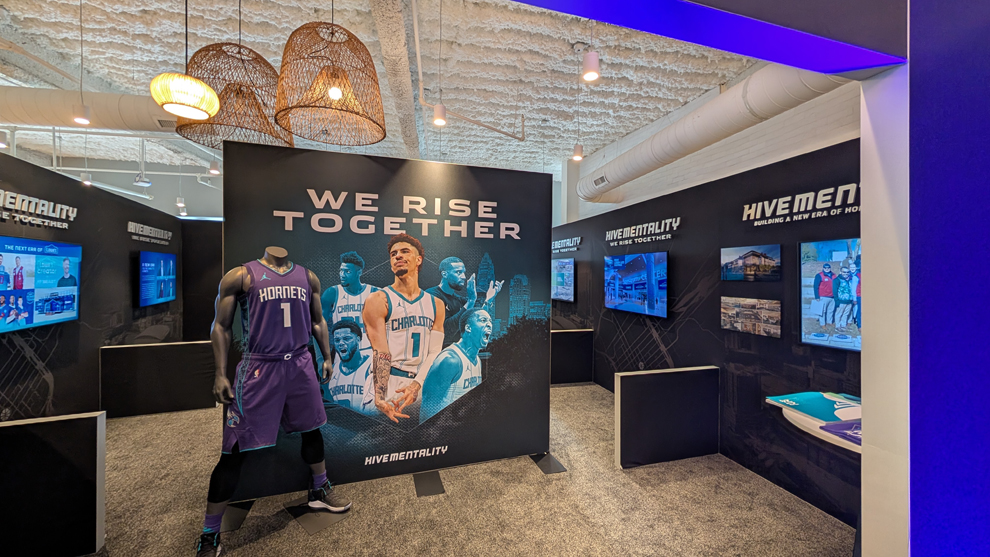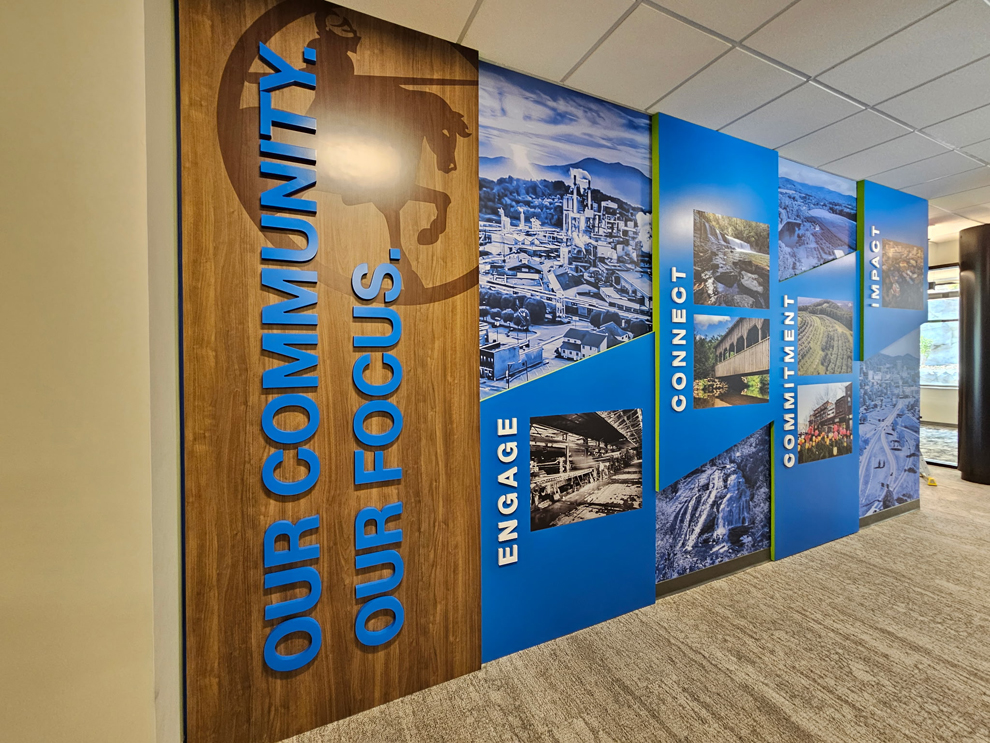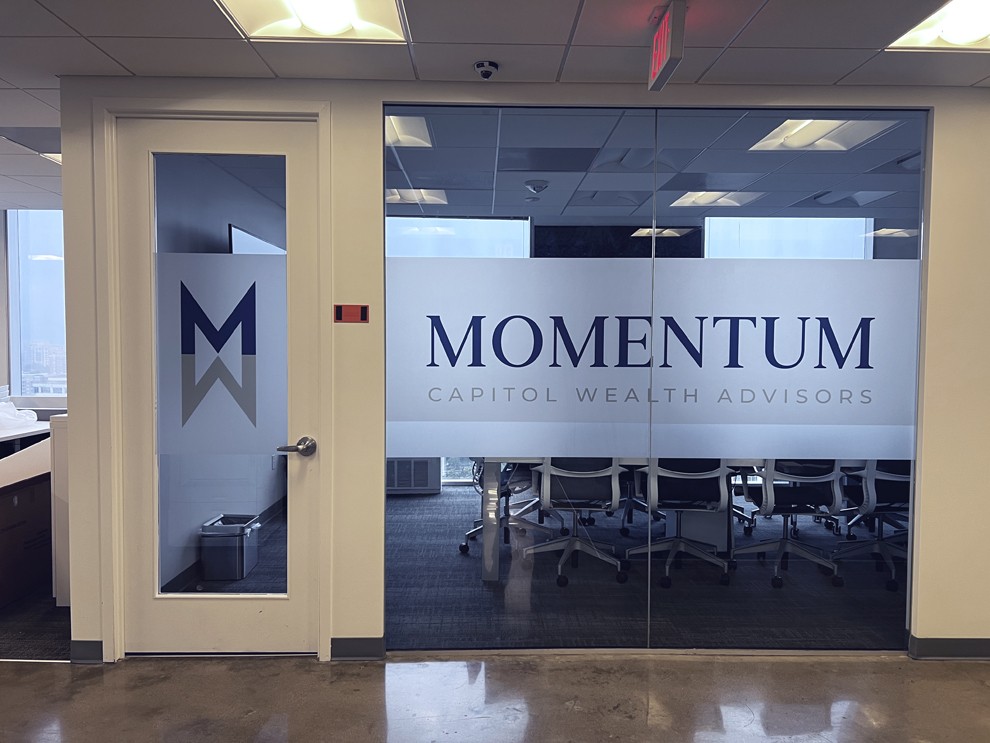
Environmental graphic design gives interior spaces a voice. It turns walls, glass, corridors, lobbies, conference rooms, and event environments into places where identity, culture, history, values, and purpose can be seen, felt, and remembered. For Washington, DC organizations, EGD is where brand strategy meets the built environment and begins to shape how employees, members, visitors, donors, attendees, and stakeholders experience the space.
A strong environmental graphic design project does more than make a room look better. It helps people understand who you are. A lobby can build trust before a conversation begins. A corridor can tell the story of impact. A conference room can reinforce mission and values. A brand activation can create a moment guests want to remember and share.
Heritage Signs & Displays creates environmental graphic design solutions for workplace interiors, office interiors, association headquarters, donor recognition areas, branded walls, event environments, brand activations, and commercial interior spaces throughout Washington, DC and nearby Maryland communities. We help clients move from vision to finished signs, graphics, displays, dimensional elements, architectural graphics, and branded environments through one coordinated Heritage-managed process.
Washington, DC organizations choose Heritage because environmental graphic design is not just creative thinking. It is creative thinking carried all the way into the finished environment. That requires talented designers, experienced project managers, skilled craftspeople, careful production, thoughtful installation planning, and a team that understands how people move through and respond to physical spaces.
Heritage brings nearly 50 years of experience to that process as an award-winning, veteran-led commercial interior sign company. We help DC-area organizations create workplace interiors and event environments that reflect identity, culture, mission, values, history, recognition, and direction with confidence and care. We are grateful for every opportunity to honor God by serving our clients and communities with excellence, and that purpose shapes how we communicate, collaborate, produce, install, and follow through.
Each client works with one dedicated project manager who coordinates communication, site surveys, design collaboration, production details, installation planning, and completion. Our environmental graphic design team, production specialists, installers, and project managers work together to protect brand consistency, craftsmanship, placement accuracy, and the visual impact of the finished environment.
Environmental graphic design begins by asking what the space needs to say. Heritage evaluates how employees, visitors, members, clients, donors, guests, attendees, sponsors, and stakeholders enter, navigate, gather, and interact with a Washington, DC workplace, association office, nonprofit environment, professional interior, or event venue. From there, we identify where branded visuals can create clarity, confidence, emotional connection, and a stronger sense of purpose.
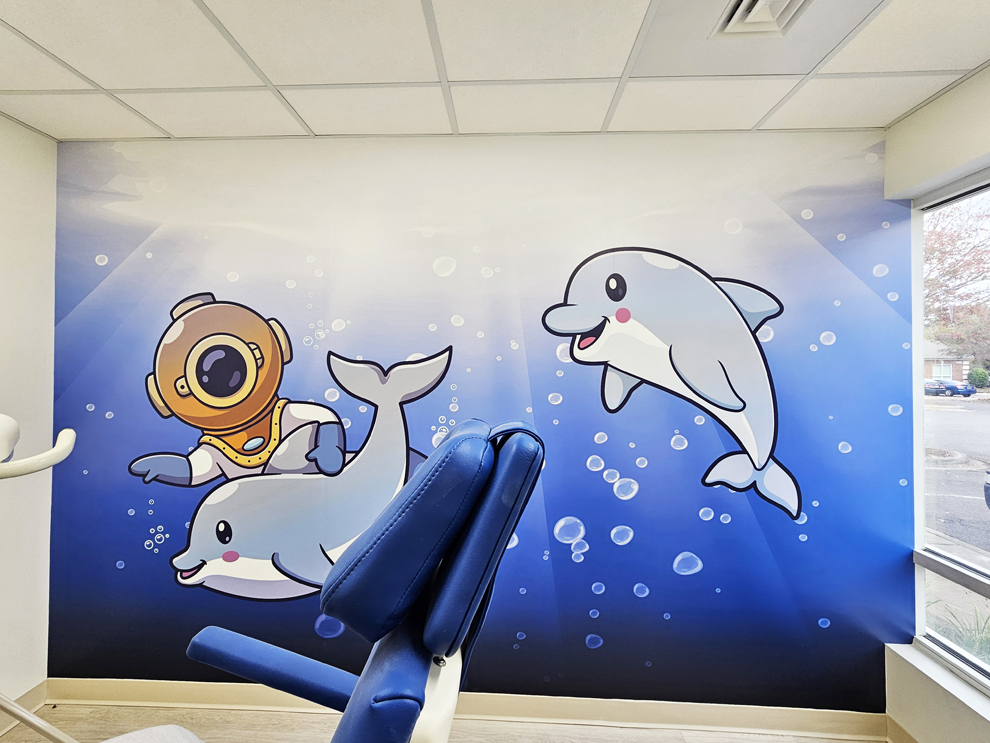
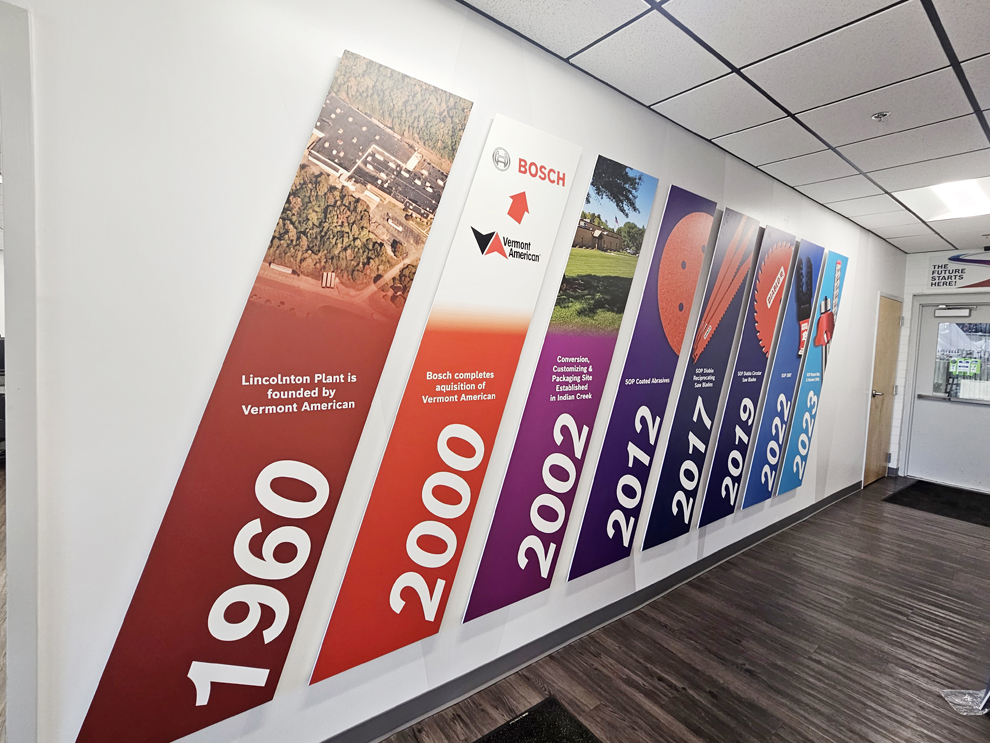
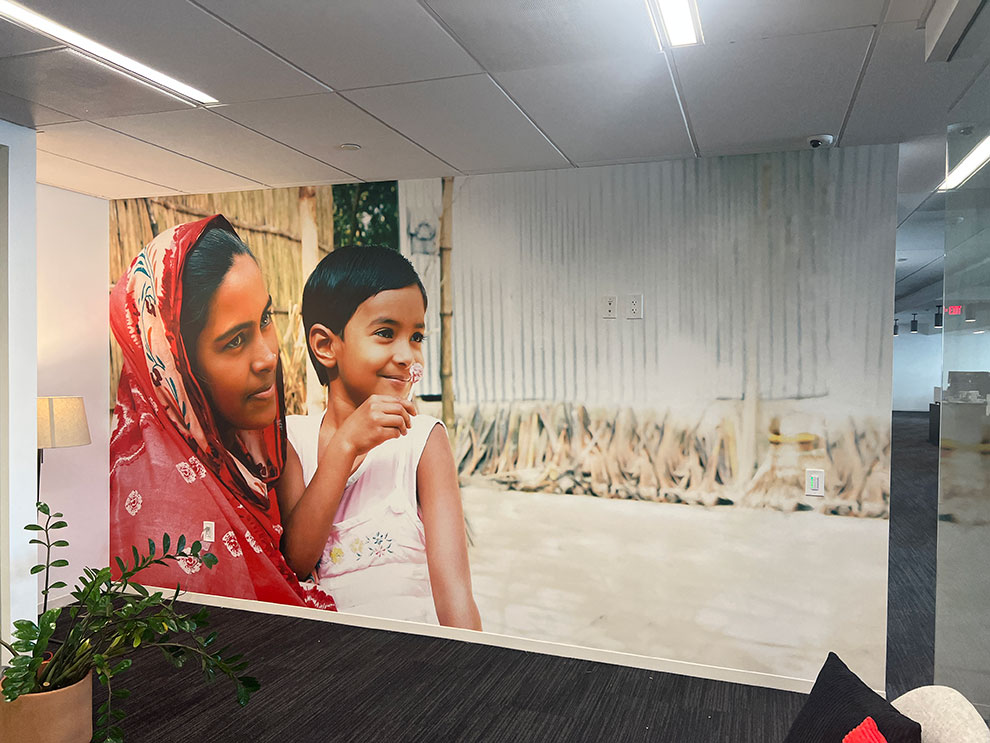
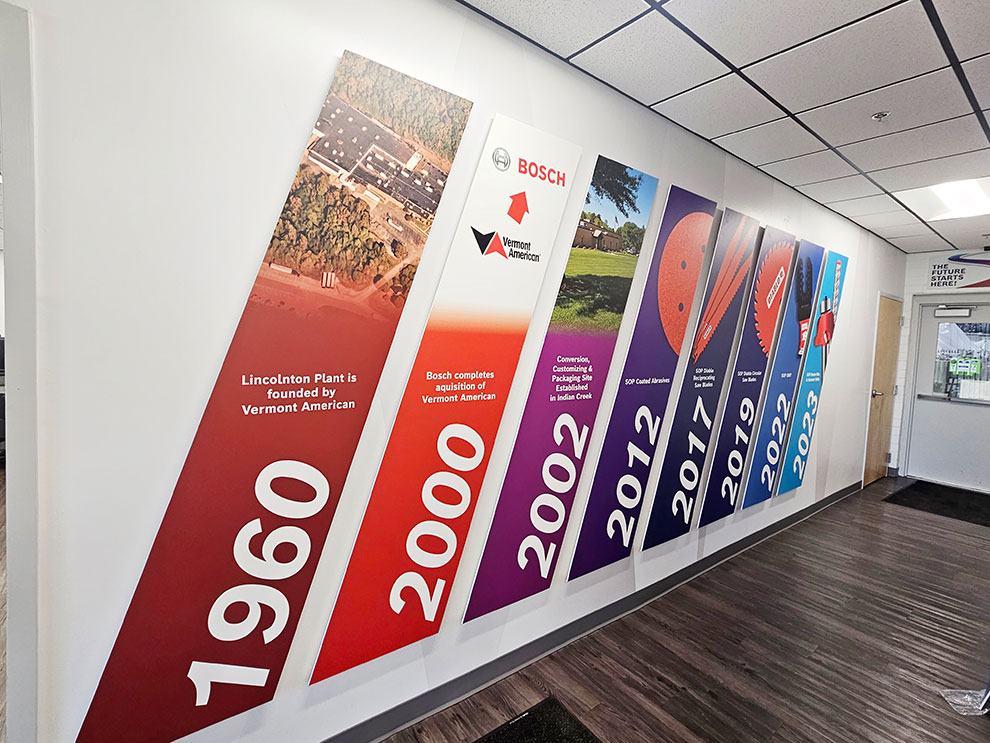
The goal is not to fill every surface. The goal is to make the right surfaces meaningful. A blank wall may become a story of advocacy. A reception area may become a statement of credibility. A corridor may become a timeline of service. A shared workspace may become a daily reminder of culture. An event entrance may become a branded moment that sets the tone for everything that follows.
That is where Heritage’s turnkey branding approach comes alive. Our environmental graphic designers, project managers, installers, and skilled production team bring imagination to life through signs, graphics, dimensional elements, displays, branded surfaces, experiential graphics, and commercial interior branding solutions that feel integrated with the space instead of added after the fact.
Environmental graphic design works best when strategy, creativity, production, and installation are connected from the beginning. Heritage helps Washington, DC organizations bring commercial interior branding to life through environmental graphic design concepts and principles, turning brand vision into finished interior experiences that engage people, strengthen culture, and make the space feel worthy of the organization’s purpose.
Our in-house team connects strategy, design, project management, production, and installation to create custom signs, graphics, displays, dimensional elements, and branded surfaces that make workplace interiors and event environments more meaningful, memorable, and connected to the organization’s identity. That coordination is one of the reasons our work feels cohesive, intentional, and aligned.
This is where Heritage’s role is distinct. We are not a branding agency, architecture firm, interior design firm, or brokered project management company. We are a specialized commercial interior sign company that collaborates with those partners, as well as marketing teams, facility leaders, executives, HR teams, event planners, and stakeholders, to transform ideas into installed visual solutions.
Environmental graphics are most powerful when they help people feel more connected to the space around them. Heritage helps Washington, DC organizations use signs, graphics, displays, dimensional elements, and branded surfaces to turn ordinary interiors and event settings into environments that communicate with clarity, energy, and purpose.
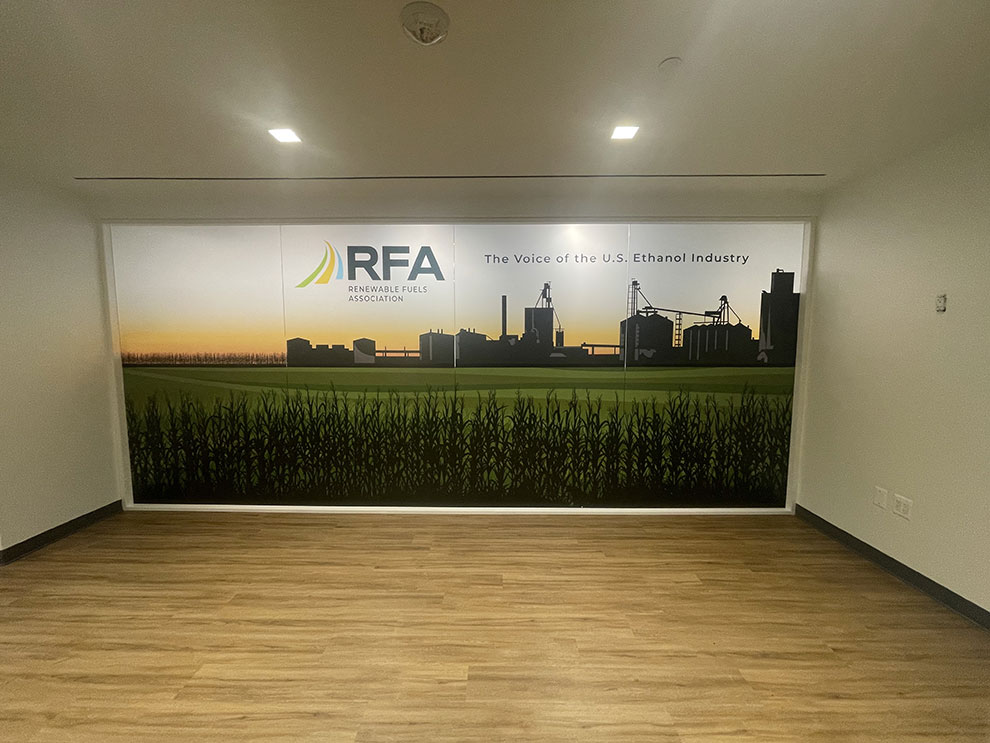
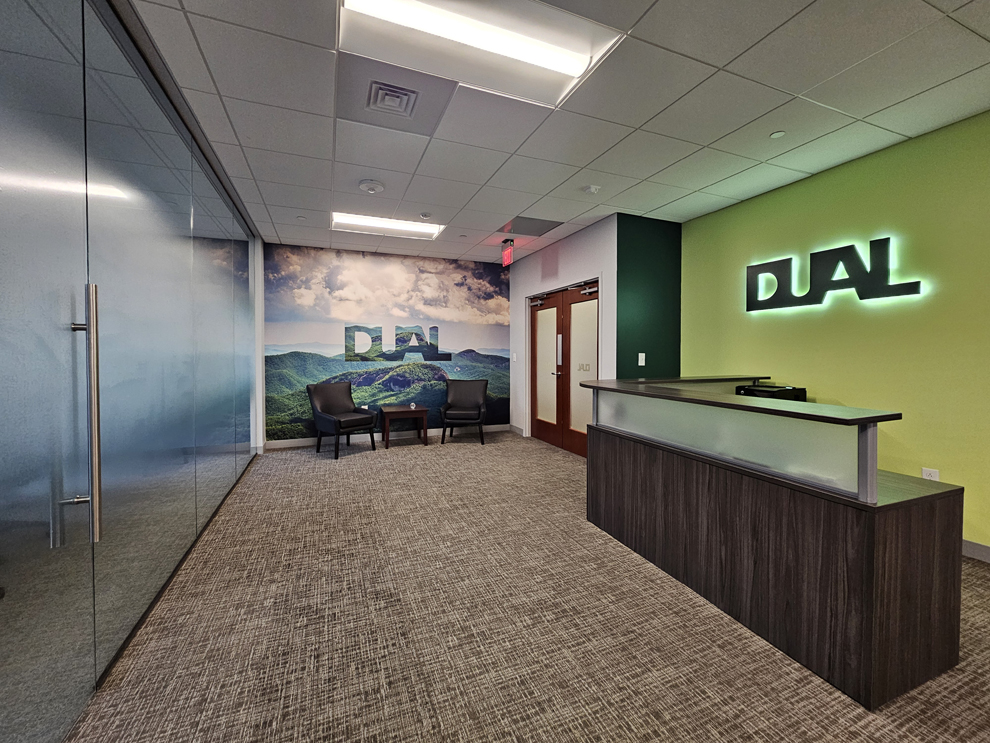
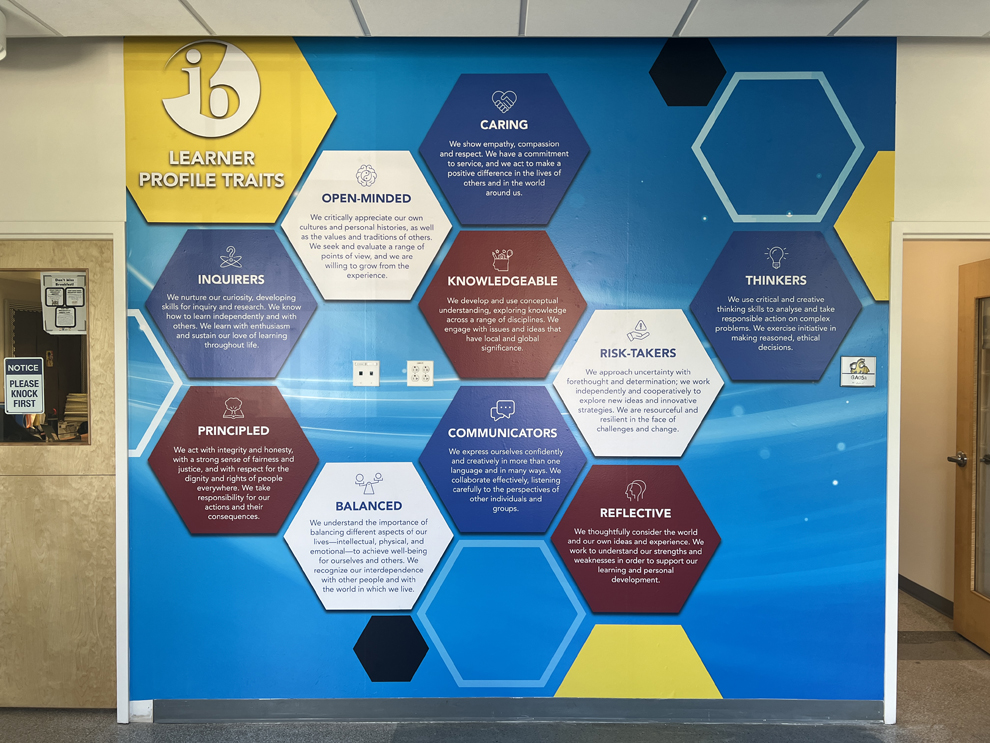
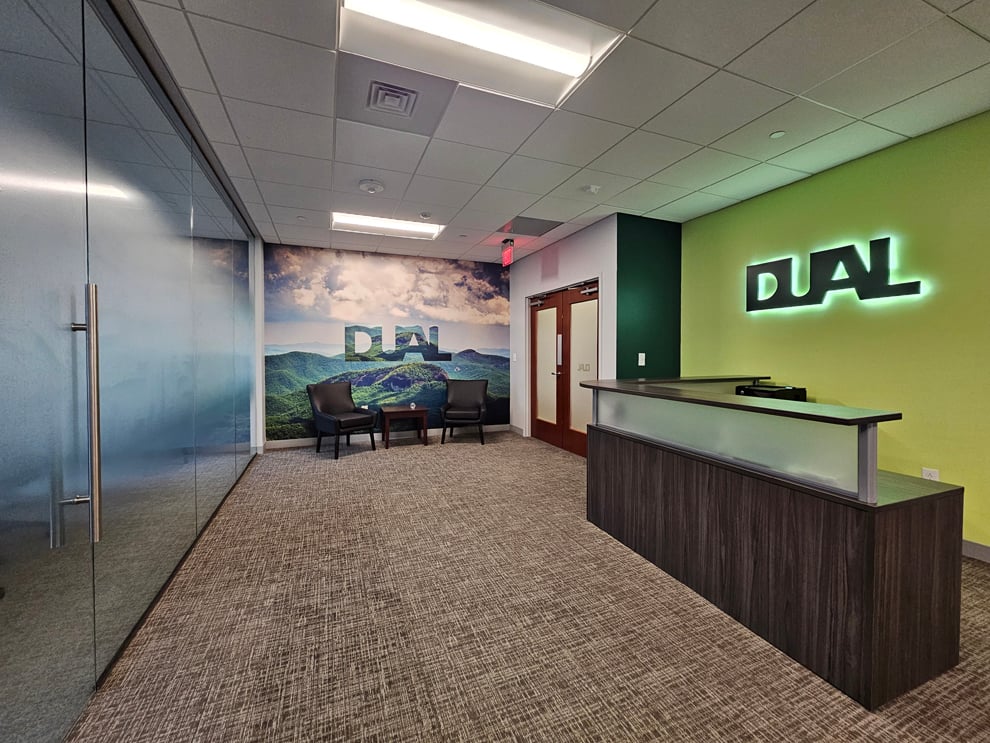
Environmental graphics help offices, association headquarters, nonprofit headquarters, corporate interiors, lobbies, corridors, and shared workplace interiors communicate mission, credibility, culture, values, and identity.
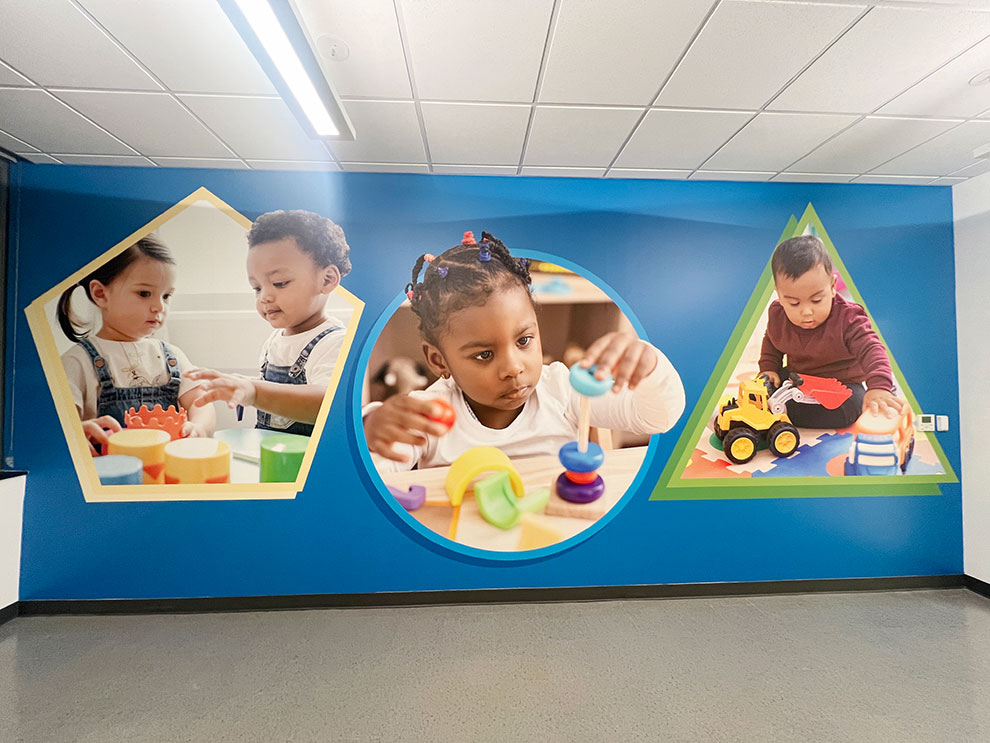
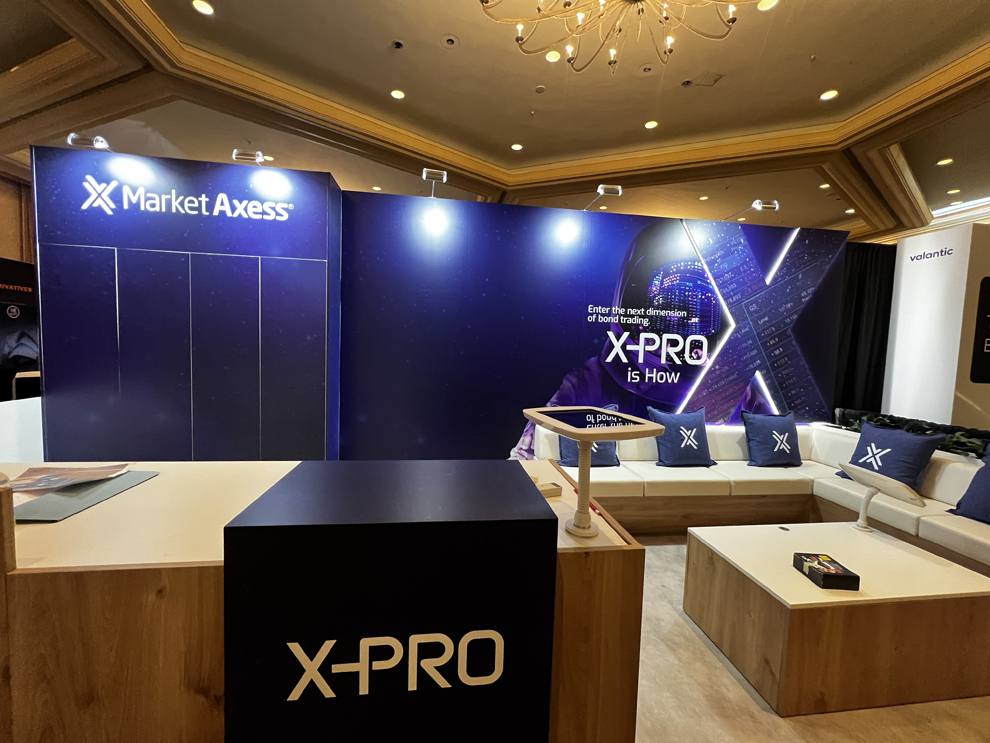
Environmental graphics help trade shows, conferences, conventions, business meetings, association events, fundraisers, and branded event environments feel organized, professional, and memorable.
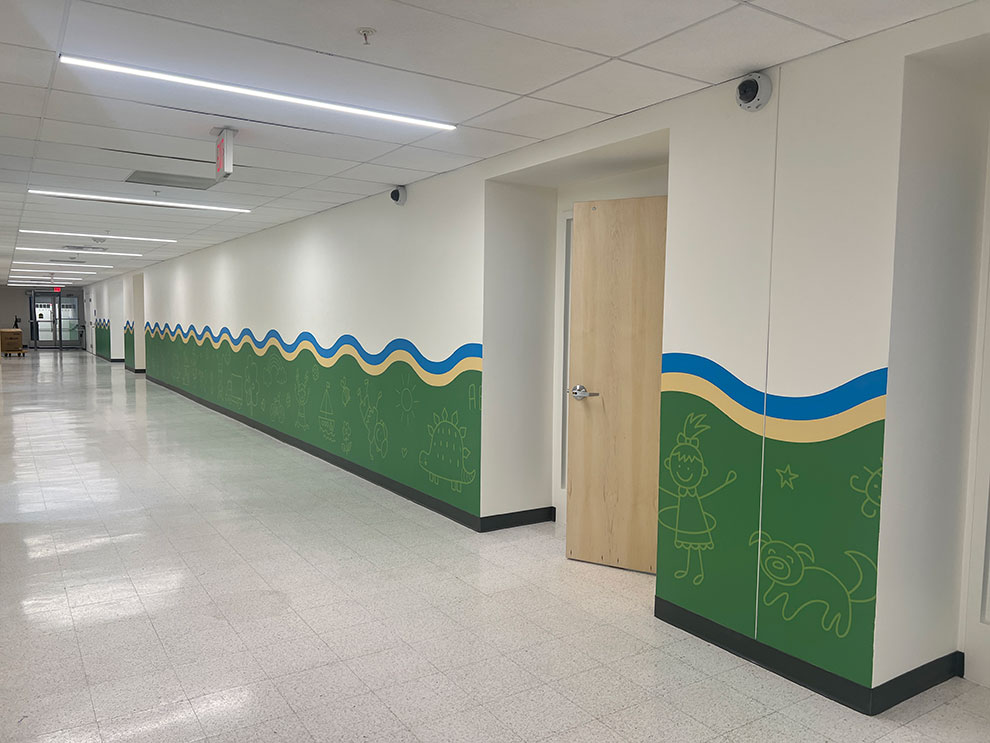
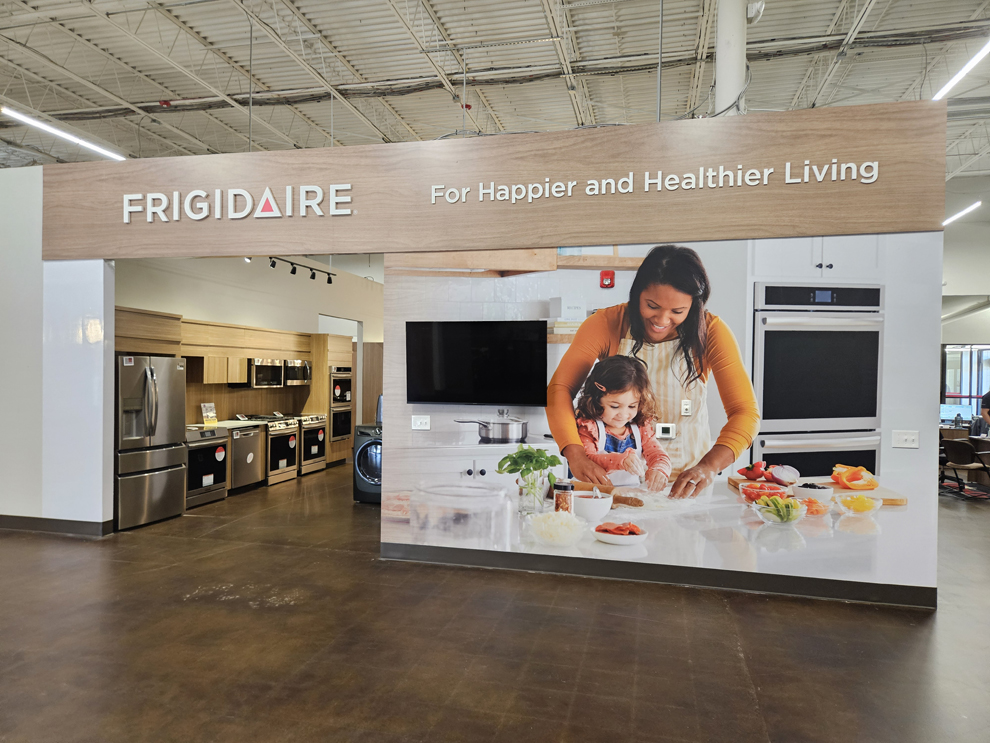
Brand activations use signs, graphics, dimensional elements, backdrops, displays, photo moments, and branded focal points to create memorable experiences.
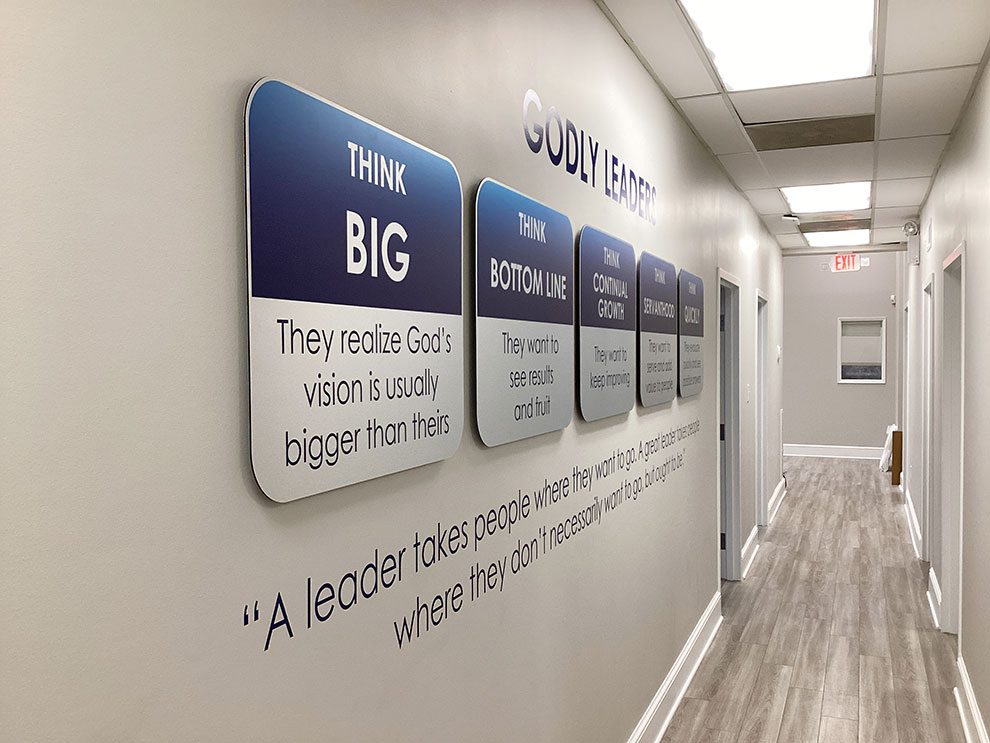
Environmental graphics help government contractors, law firms, consultants, financial organizations, and professional service environments communicate trust, precision, stability, mission, and client confidence.
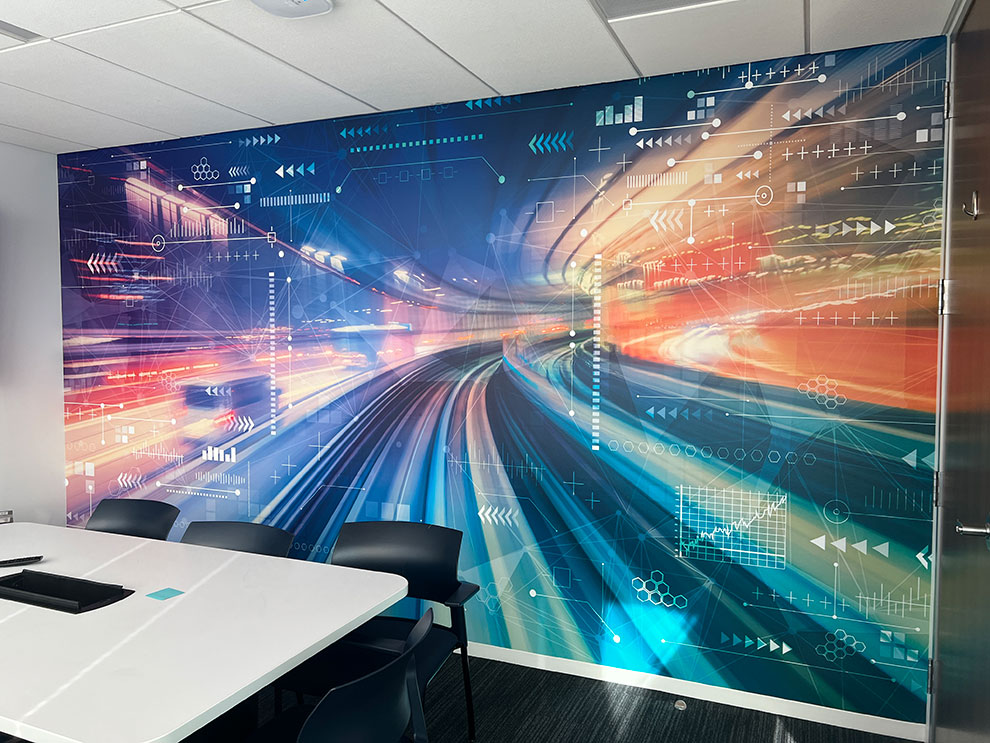
Environmental graphics support healthcare offices, clinics, specialty practices, and wellness environments with navigation, privacy, donor recognition, staff communication, and patient confidence.
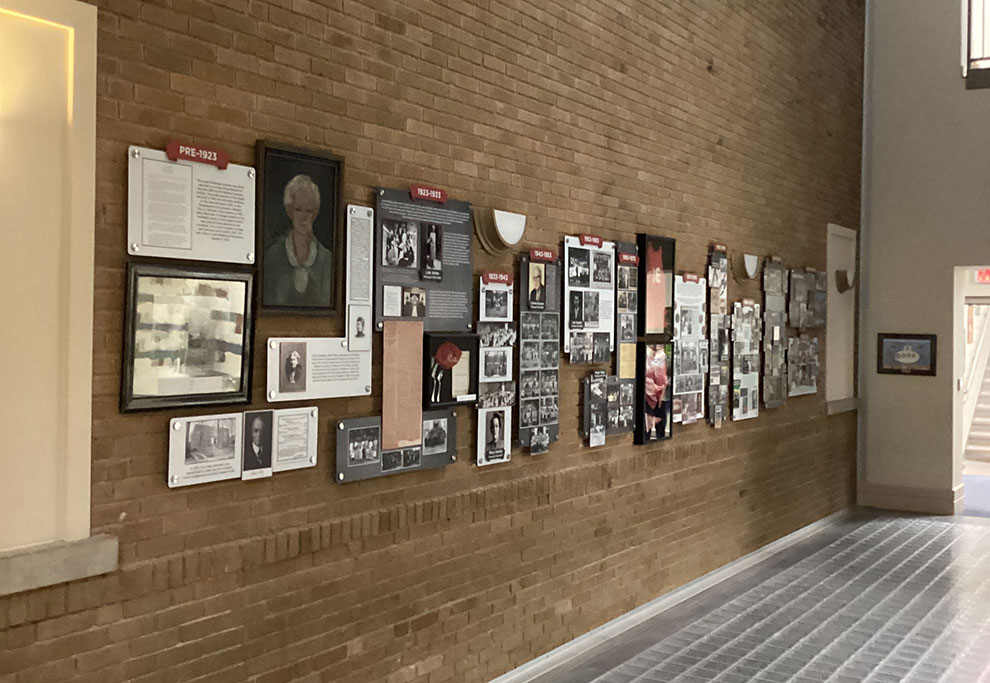
Environmental graphics help universities, schools, training centers, academic buildings, and campus interiors support wayfinding, donor recognition, institutional pride, student engagement, and branded learning environments.
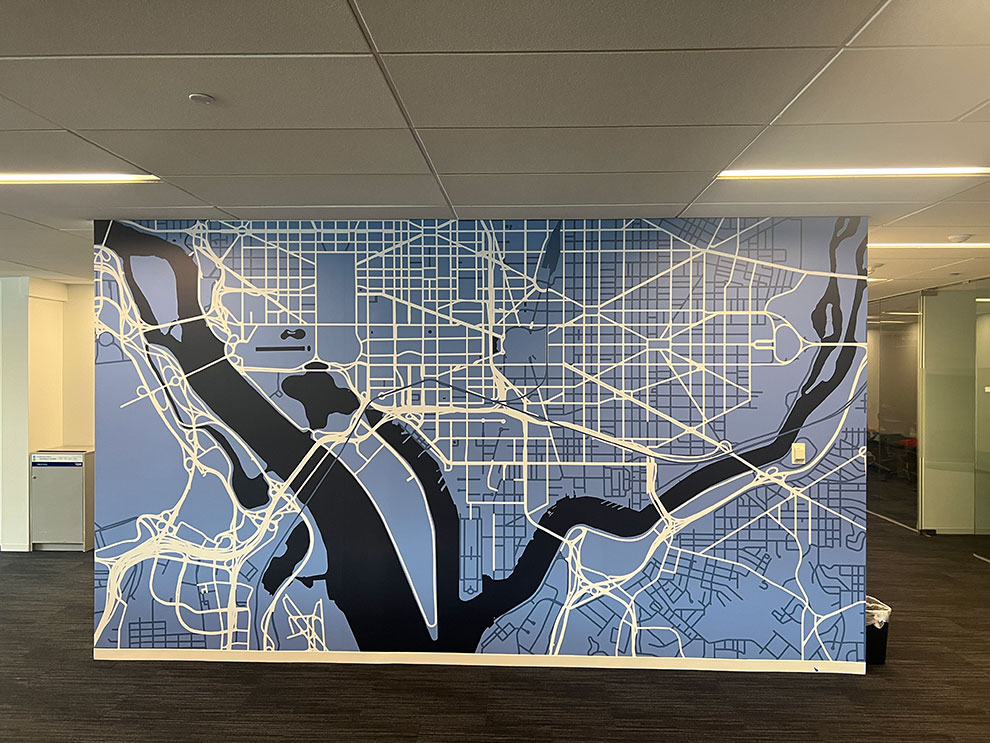
Environmental graphics help museums, galleries, cultural institutions, exhibits, and visitor centers communicate stories, timelines, donor recognition, wayfinding, historical context, and guest experiences.
Environmental graphics help ministries, nonprofits, foundations, advocacy organizations, and community organizations create welcoming, mission-centered spaces with recognition, messaging, storytelling, and wayfinding.
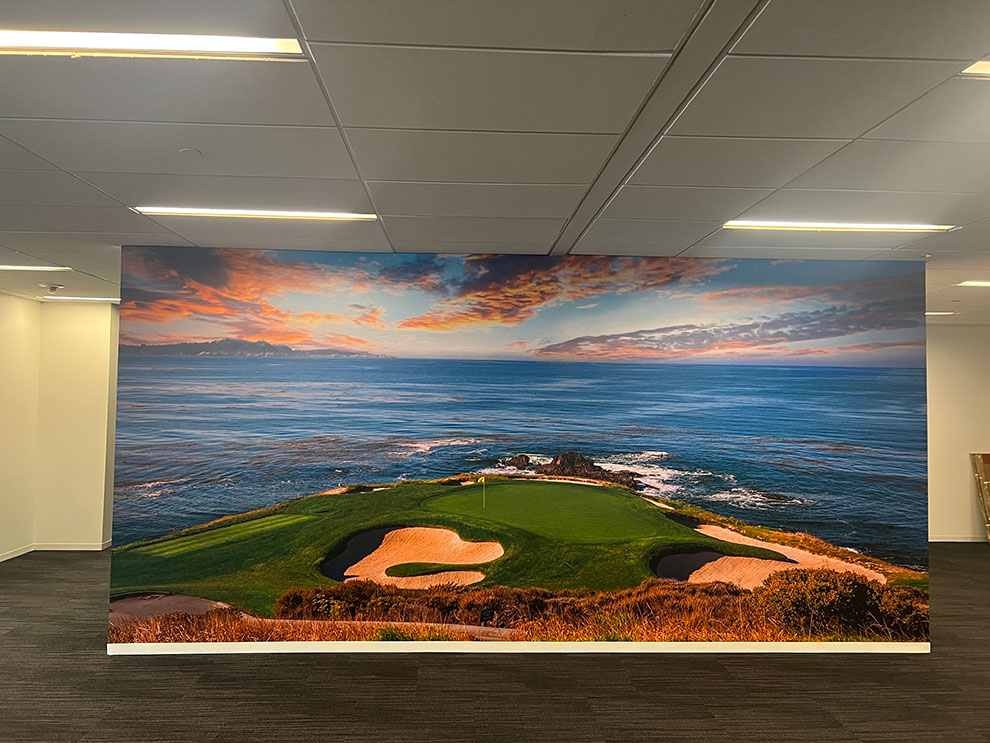
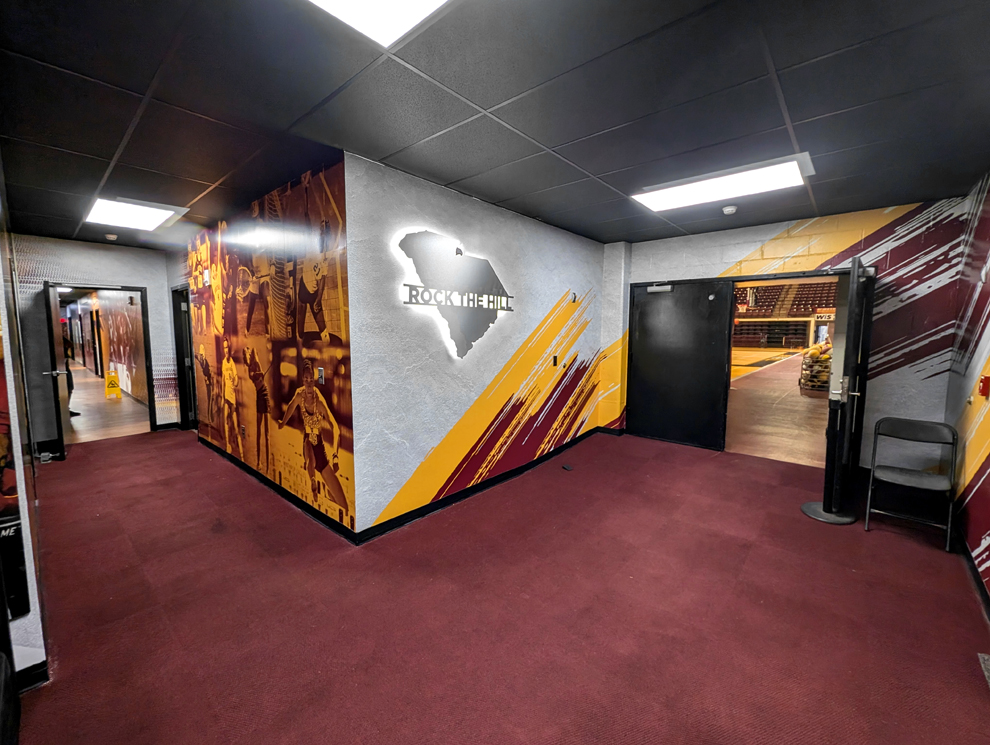
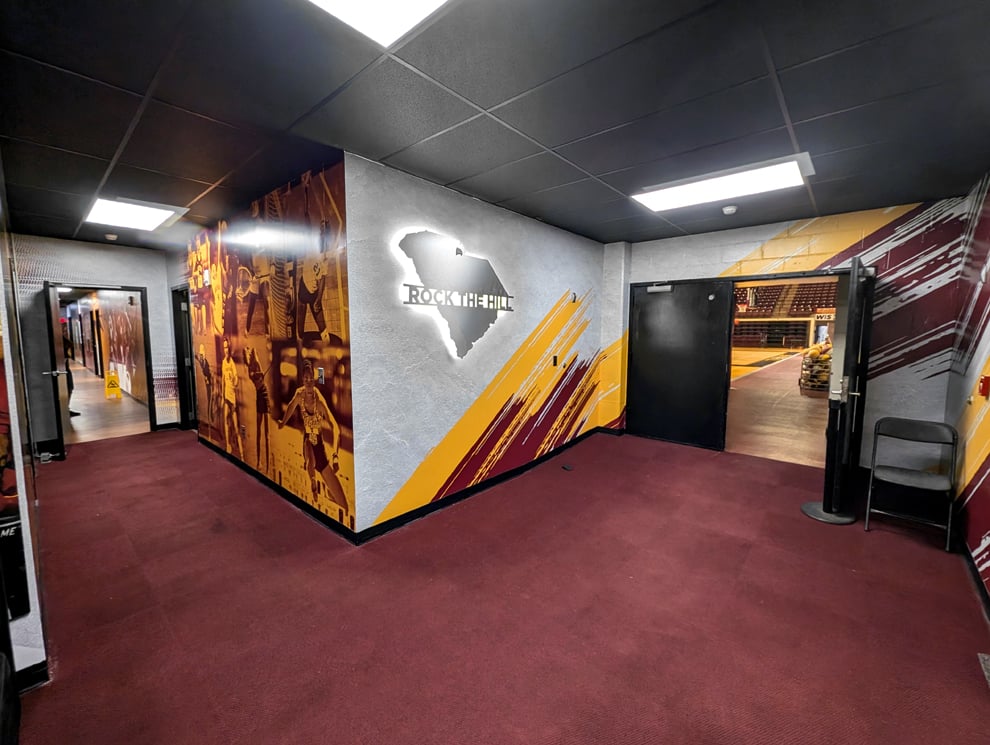
Environmental graphics support event venues, arenas, athletic facilities, and public-facing interiors with sponsor recognition, wayfinding, branded entrances, attendee engagement, and venue storytelling.
Heritage Signs & Displays helps Washington, DC organizations create environmental graphic design solutions for workplace interiors, office interiors, headquarters, lobbies, corridors, glass surfaces, conference rooms, donor recognition areas, event environments, brand activations, and branded interior spaces. Complete the Get Started Now form to share your goals, location, timeline, brand standards, space details, and project needs. A Heritage team member will follow up to learn more about your environment, understand what you want to communicate, discuss practical next steps, and begin a conversation about how we can help.
Professional installation is essential because environmental graphics only succeed when the final result matches the design intent. Scale, alignment, material choice, surface condition, lighting, placement, building access, and site coordination all affect how the finished environment looks and performs. Even an inspired design can lose its impact if it is poorly produced, placed on the wrong surface, or installed without precision.
Heritage begins installation planning before production is complete. Site surveys and surface reviews help confirm wall conditions, glass areas, dimensions, lighting, access, traffic flow, security procedures, installation timing, building requirements, and coordination needs before the project moves forward. This preparation helps reduce surprises and supports cleaner installation in Washington, DC offices, association headquarters, nonprofit spaces, event venues, healthcare environments, campuses, and commercial interiors.
Heritage installs the signs, graphics, and displays we produce, fabricate, or procure as part of a Heritage-managed project. We do not provide installation-only services for environmental graphics produced by outside companies because installation quality depends on design intent, material standards, surface conditions, production quality, and final placement. Keeping those responsibilities connected gives clients clearer accountability and stronger finished results.
Heritage supports Washington, DC organizations that need environmental graphic design, workplace signs, interior graphics, and branded displays for one location or consistent visual branding across multiple offices, departments, facilities, event venues, or regional sites. A single branded wall, lobby installation, event feature, or brand activation deserves careful planning, while multi-location projects require coordination around materials, colors, messaging, scale, installation standards, and brand consistency.
Whether an environmental graphic design project starts in Washington, DC, Georgetown, Capitol Riverfront, Dupont Circle, K Street, Bethesda, Silver Spring, or another nearby Maryland business community, Heritage works to keep the process organized, accountable, and aligned. Each project begins with local responsiveness, careful site understanding, and one dedicated project manager coordinating the details.
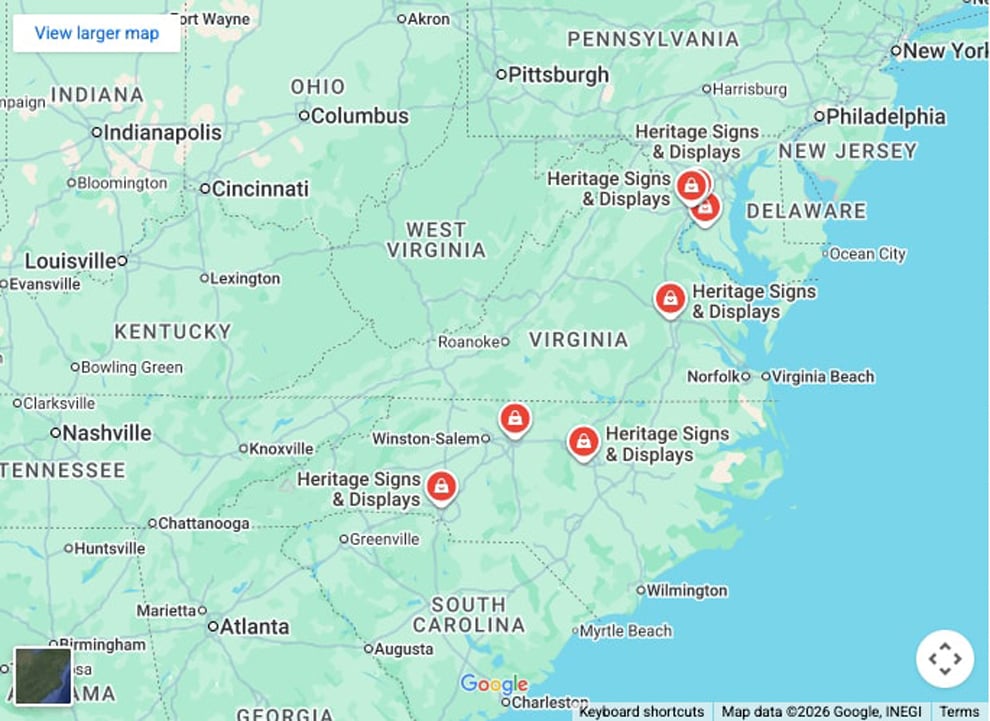
When a project expands across the Mid-Atlantic and Carolinas, our seven-location regional network and Heritage installation teams across our core service area help keep site surveys, materials, communication, production standards, installation planning, and final results consistent. Heritage has offices in Washington, DC; Waldorf, Maryland; Arlington and Richmond, Virginia; and Charlotte, Greensboro, and Raleigh, North Carolina.
Environmental graphic design uses signs, graphics, displays, typography, imagery, materials, color, dimensional elements, and placement to help built environments communicate. In Washington, DC workplace interiors, association offices, nonprofit spaces, and event environments, environmental graphics can transform lobbies, corridors, conference rooms, glass walls, reception areas, and shared spaces into branded environments that communicate identity, culture, recognition, wayfinding, and purpose.
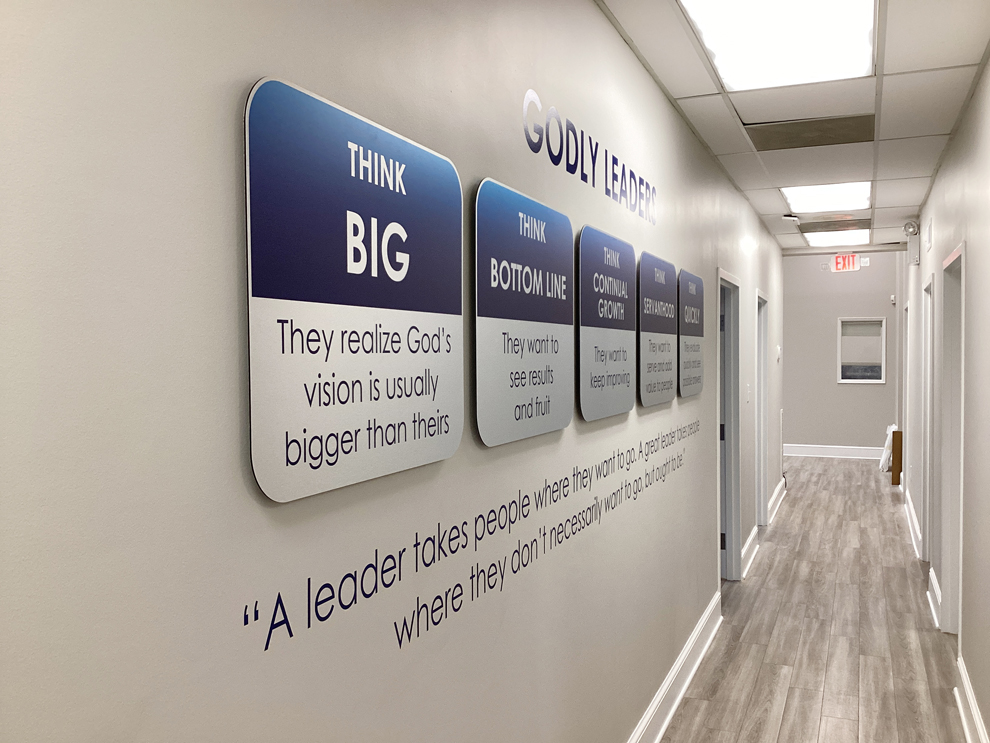
Environmental graphic design helps Washington, DC workplace interiors feel more intentional, organized, branded, and connected to the organization’s identity. Wall graphics, window graphics, lobby signs, dimensional lettering, donor recognition displays, mission statement walls, core values displays, and wayfinding signs help employees, members, clients, visitors, donors, and guests experience the brand throughout the space.
Environmental graphic design brings signs, wall graphics, dimensional elements, displays, materials, surfaces, wayfinding, typography, color, and visual storytelling together so an interior environment feels cohesive rather than pieced together. For Washington, DC organizations, EGD helps individual brand touchpoints work together to communicate identity, culture, recognition, direction, and purpose throughout the space.
Experiential graphics are visual elements that help people engage with, remember, and feel connected to a physical space. They may include wall graphics, dimensional elements, branded displays, storytelling features, wayfinding, sponsor moments, or event graphics. Heritage uses experiential graphics to help Washington, DC workplace interiors and event environments become more engaging, memorable, and connected to the organization’s identity.
Commercial interior branding uses visual communication, environmental graphic design, custom signs, graphics, displays, and branded surfaces to help interior spaces express identity, culture, history, values, and purpose. Heritage helps Washington, DC organizations bring commercial interior branding to life through one coordinated process that connects strategy, design, project management, production, and installation.
Architectural graphics are visual elements designed to work with the architecture, scale, surfaces, sightlines, and movement of a space. They may include dimensional lettering, wall graphics, wayfinding, branded glass graphics, donor displays, recognition features, or interior sign systems. Heritage creates architectural graphics that support the built environment without claiming to provide architectural services.
Brand activations are branded experiences that help people interact with an organization’s identity in a more memorable way. In Washington, DC event environments, workplaces, and branded interior spaces, a brand activation may include photo moments, sponsor displays, dimensional features, backdrops, registration areas, product launch graphics, or branded focal points designed to engage guests, employees, attendees, or customers.
Yes. Heritage connects environmental graphic design, project management, production, and installation through one coordinated in-house process. Instead of handing the work off to disconnected outside providers, our team manages the details from concept to completion so custom signs, graphics, displays, dimensional elements, and branded surfaces feel cohesive, professionally finished, and aligned with the client’s workplace interior or event environment.
Washington, DC organizations that use environmental graphic design include corporate offices, association headquarters, nonprofits, ministries, advocacy organizations, government contractors, universities, healthcare providers, museums, cultural institutions, event venues, professional service firms, trade shows, conferences, fundraisers, and regional headquarters. Any organization that wants its interior environment to communicate more clearly can benefit from branded signs, graphics, displays, and surfaces.
That is a common starting point. Heritage helps Washington, DC organizations evaluate the space, audience, goals, surfaces, visibility, traffic flow, brand standards, and priority areas before recommending environmental graphics, signs, displays, dimensional elements, wayfinding, privacy graphics, brand activations, or branded focal points. You do not need to know every product, material, or placement detail before beginning the conversation.
Yes. Environmental graphic design is especially valuable during a Washington, DC office relocation, workplace renovation, headquarters refresh, association office update, nonprofit expansion, or multi-floor buildout. These projects create an opportunity to rethink how lobbies, corridors, conference rooms, glass areas, shared spaces, and reception areas communicate identity, guide visitors, support culture, and make the working environment feel complete.
Yes. Environmental graphic design can help Washington, DC event environments feel more organized, branded, and memorable. Event graphics may support trade shows, conferences, conventions, business meetings, fundraisers, registration areas, sponsor recognition, directional signage, stage backdrops, photo moments, branded entrances, exhibit areas, and attendee navigation. Heritage helps clients create event spaces that communicate clearly and reinforce the organization’s identity throughout the experience.
Environmental graphics can be installed in Washington, DC lobbies, reception areas, conference rooms, corridors, stairwells, elevator banks, glass partitions, office windows, meeting rooms, training rooms, classrooms, showrooms, healthcare interiors, event venues, and shared employee spaces. The right locations depend on audience, visibility, surfaces, traffic flow, installation conditions, and project goals.
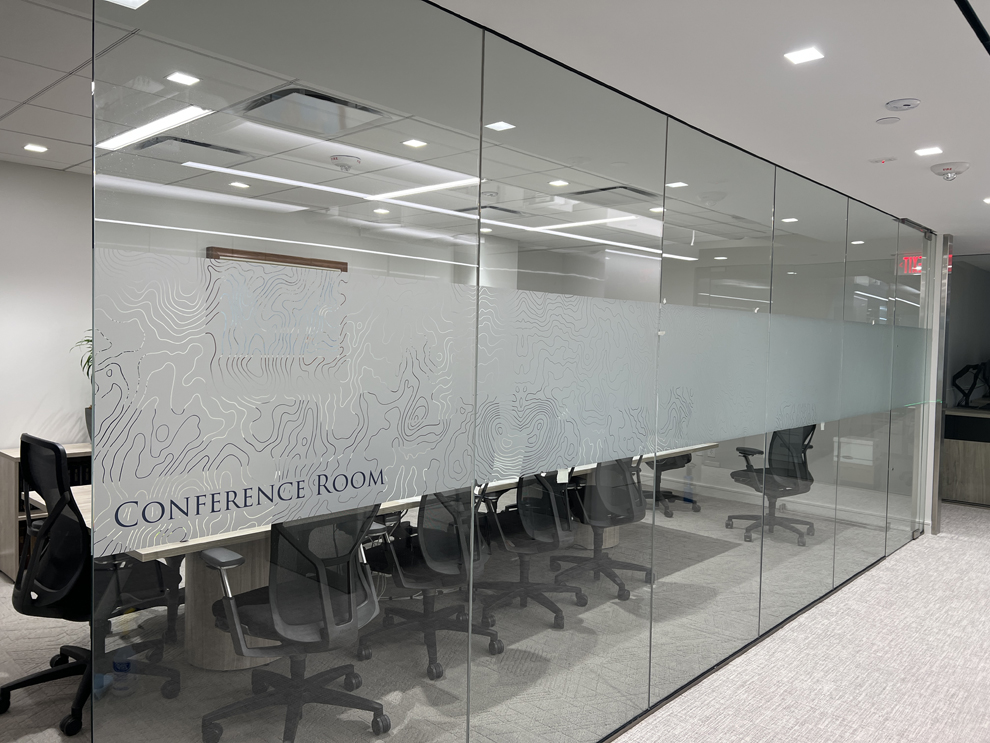
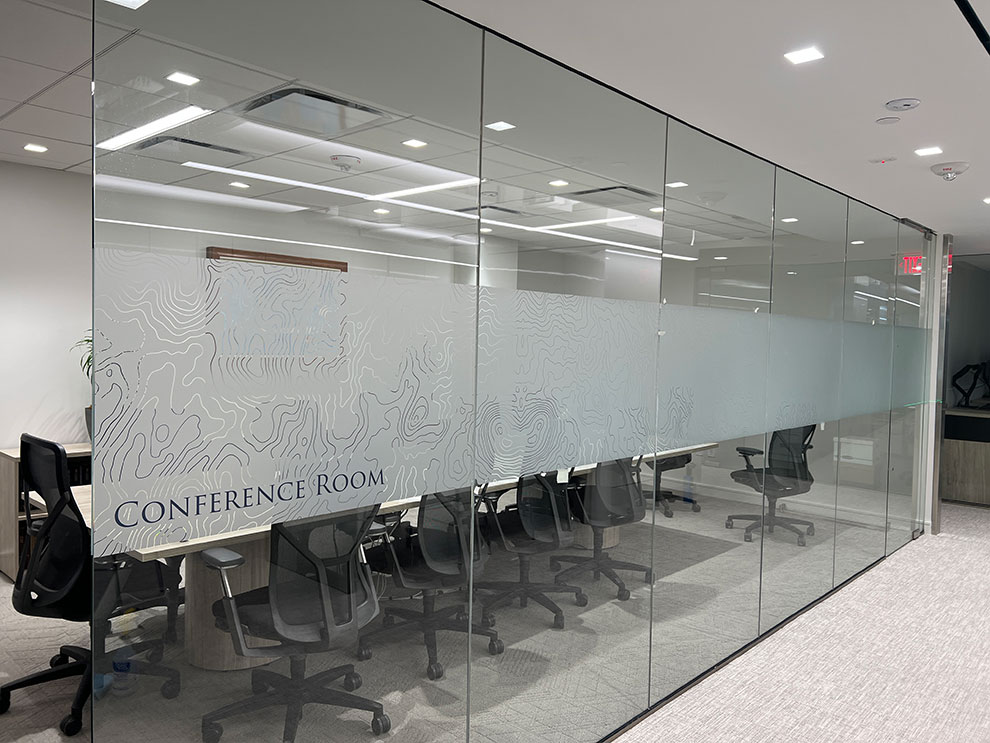
Yes. Environmental graphics can be used on glass surfaces through privacy film, frosted vinyl, window perf, adhesive vinyl, decorative patterns, and branded window graphics. In Washington, DC offices and association environments, glass partitions and open conference rooms often need custom graphics to preserve openness while reducing the “fish bowl” effect and supporting brand expression.
Environmental graphic design can make company culture visible by highlighting mission, values, history, leadership, team achievements, employee recognition, innovation, community involvement, and organizational purpose. In Washington, DC workplaces, these graphics help employees feel connected to the brand and help visitors, members, clients, and stakeholders understand what the organization values.
Yes. Environmental graphic design can improve wayfinding through directional signs, room identification, directories, wall graphics, floor graphics, elevator graphics, color zones, landmarks, and visual cues. This is especially helpful in Washington, DC offices, association headquarters, healthcare environments, campuses, event spaces, and facilities where visitors need to navigate clearly and confidently.
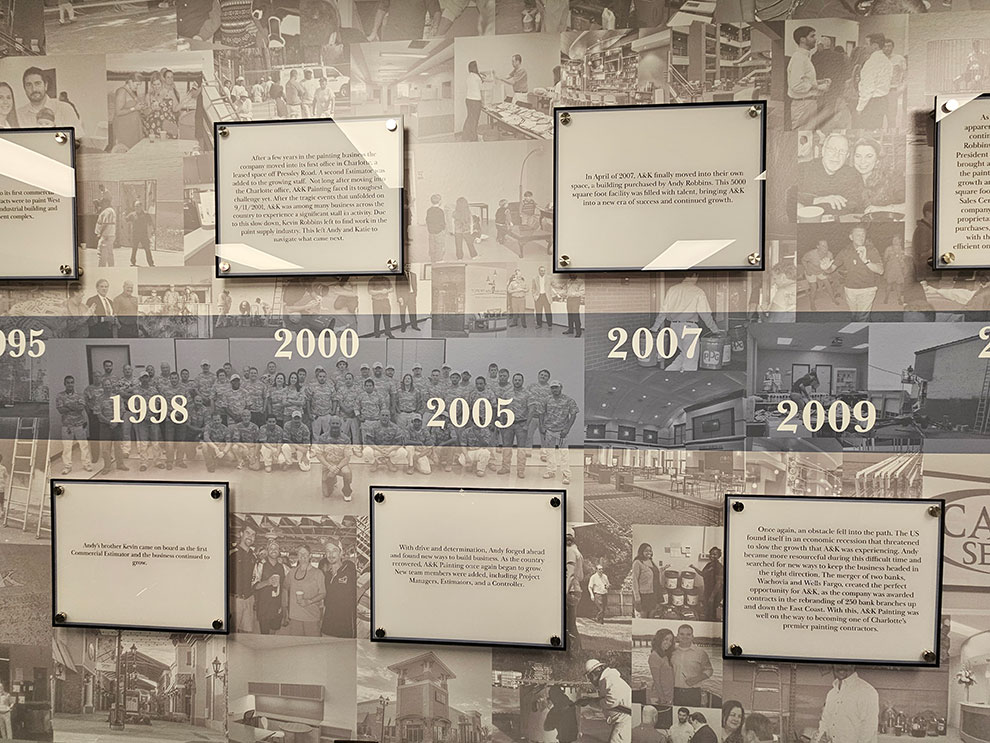
Yes. Environmental graphics can tell an organization’s story through timelines, milestone walls, founder stories, mission displays, core value walls, donor recognition displays, project imagery, advocacy impact graphics, community impact graphics, and branded storytelling. Heritage helps Washington, DC organizations translate history and identity into visual features that work inside real workplace interiors and event environments.
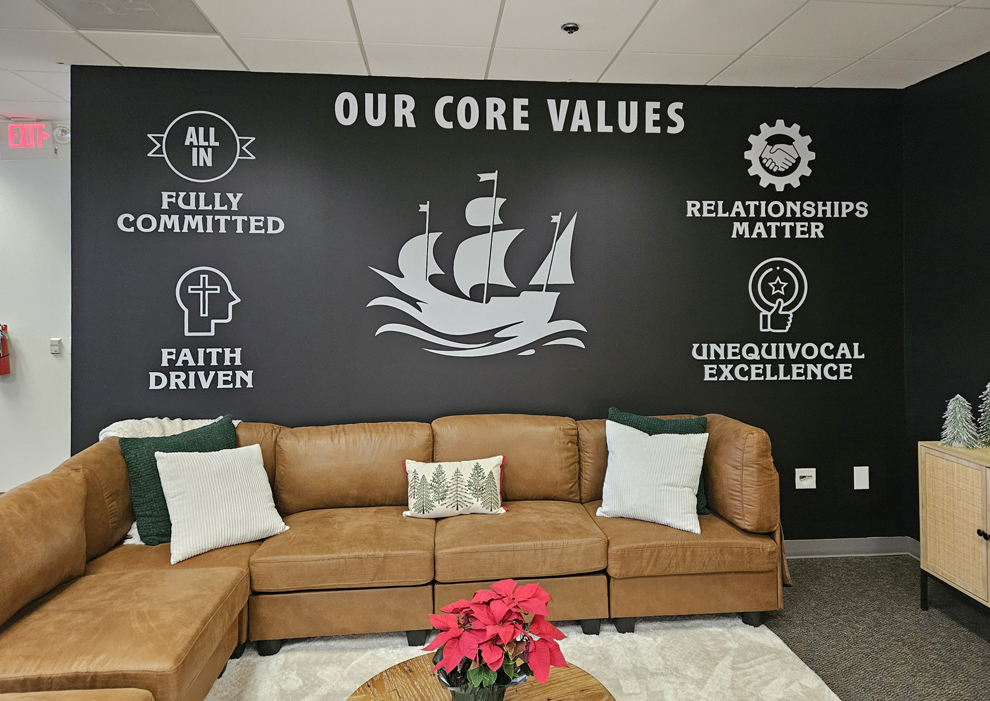
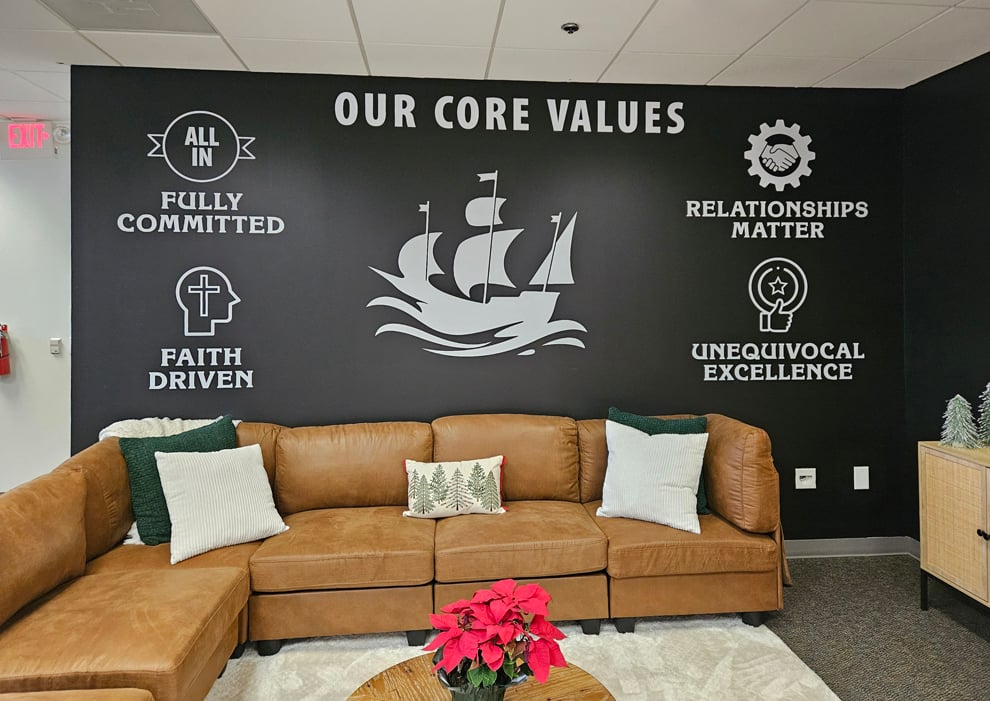
Yes. Environmental graphic design can include donor recognition displays, mission statement walls, core values displays, purpose walls, culture walls, and branded storytelling features. These solutions help Washington, DC nonprofits, associations, schools, healthcare organizations, ministries, corporate offices, and institutions make gratitude, identity, values, and organizational purpose visible inside the built environment.
Environmental graphic design projects may use vinyl, acrylic, dimensional letters, PVC, aluminum composite panels, brushed metal, printed panels, standoffs, privacy film, window graphics, wall wrap materials, fabric graphics, LED lighting, and specialty finishes. Heritage recommends materials based on the Washington, DC client’s space, surfaces, durability needs, brand standards, visual goals, and installation conditions.
The process typically begins with a conversation about goals, audience, space, and brand standards. Heritage then evaluates the site, confirms dimensions and surfaces, develops design concepts, prepares proofs, produces approved graphics and displays, coordinates installation, and completes a final review. This helps Washington, DC environmental graphics projects move from idea to finished environment with clear communication.
A site survey helps confirm measurements, wall conditions, glass areas, lighting, traffic flow, viewing angles, mounting needs, surface limitations, installation access, building requirements, and potential challenges. For Washington, DC environmental graphic design projects, this information helps protect scale, material selection, design intent, placement accuracy, and final installation quality before production and installation move forward.
No. Heritage installs the signs, graphics, and displays we produce, fabricate, or procure as part of a Heritage-managed project. We do not provide installation-only services for environmental graphics produced by outside companies because installation quality depends on design intent, material selection, production standards, surface conditions, and final placement.
Yes. Environmental graphics can help multi-location organizations maintain consistent colors, messaging, materials, wayfinding, recognition displays, and workplace branding across offices, campuses, facilities, and departments. Heritage supports Washington, DC organizations with one dedicated project manager, regional production resources, and installation coordination across the Mid-Atlantic and Carolinas.
Yes. Environmental graphics can be permanent, semi-permanent, or temporary depending on the project goals. Washington, DC workplace interiors may use long-term wall wraps, donor displays, and lobby signs, while events, campaigns, exhibits, or temporary workplace initiatives may use removable graphics, short-term displays, or semi-permanent branded features.
The timeline depends on project size, number of spaces, design complexity, material selection, approval speed, production requirements, site conditions, building access, and installation needs. A smaller Washington, DC office graphics project may move quickly, while a multi-room, multi-floor, or multi-location environmental graphics project requires more planning and coordination.
Washington, DC organizations invest in environmental graphic design because it helps interior spaces communicate more clearly and feel more intentional. A well-planned EGD project can improve visitor confidence, support navigation, strengthen culture, showcase mission and values, recognize donors or milestones, support brand activations, and turn underused walls, glass, corridors, lobbies, and shared spaces into meaningful brand touchpoints.
Complete the “Get Started Now” form to share your goals, location, timeline, brand standards, space details, and environmental graphic design needs. A Heritage team member will follow up to learn more about your Washington, DC workplace interior, office environment, event space, brand activation, or branded environment and begin a conversation about how we can help.
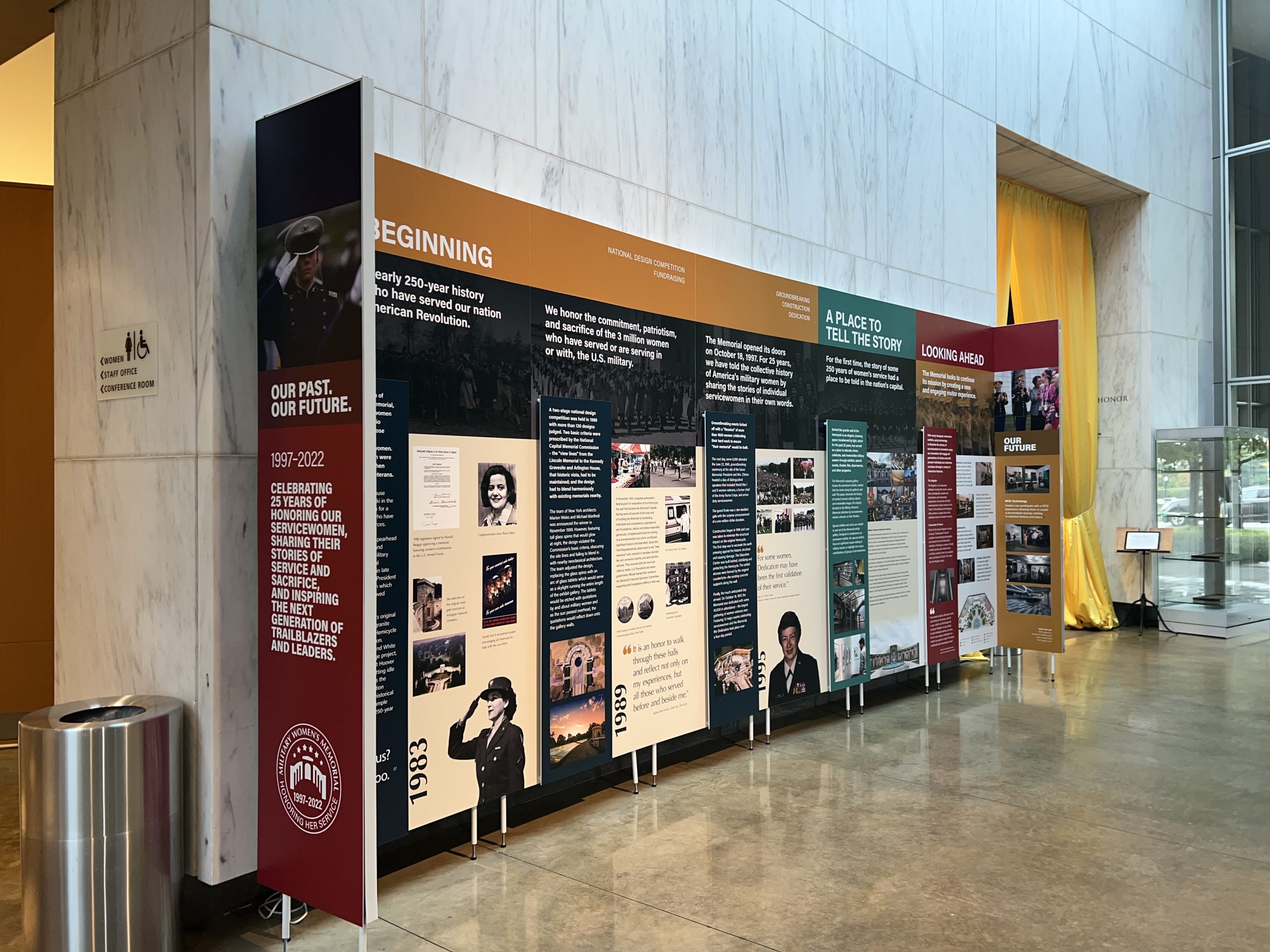
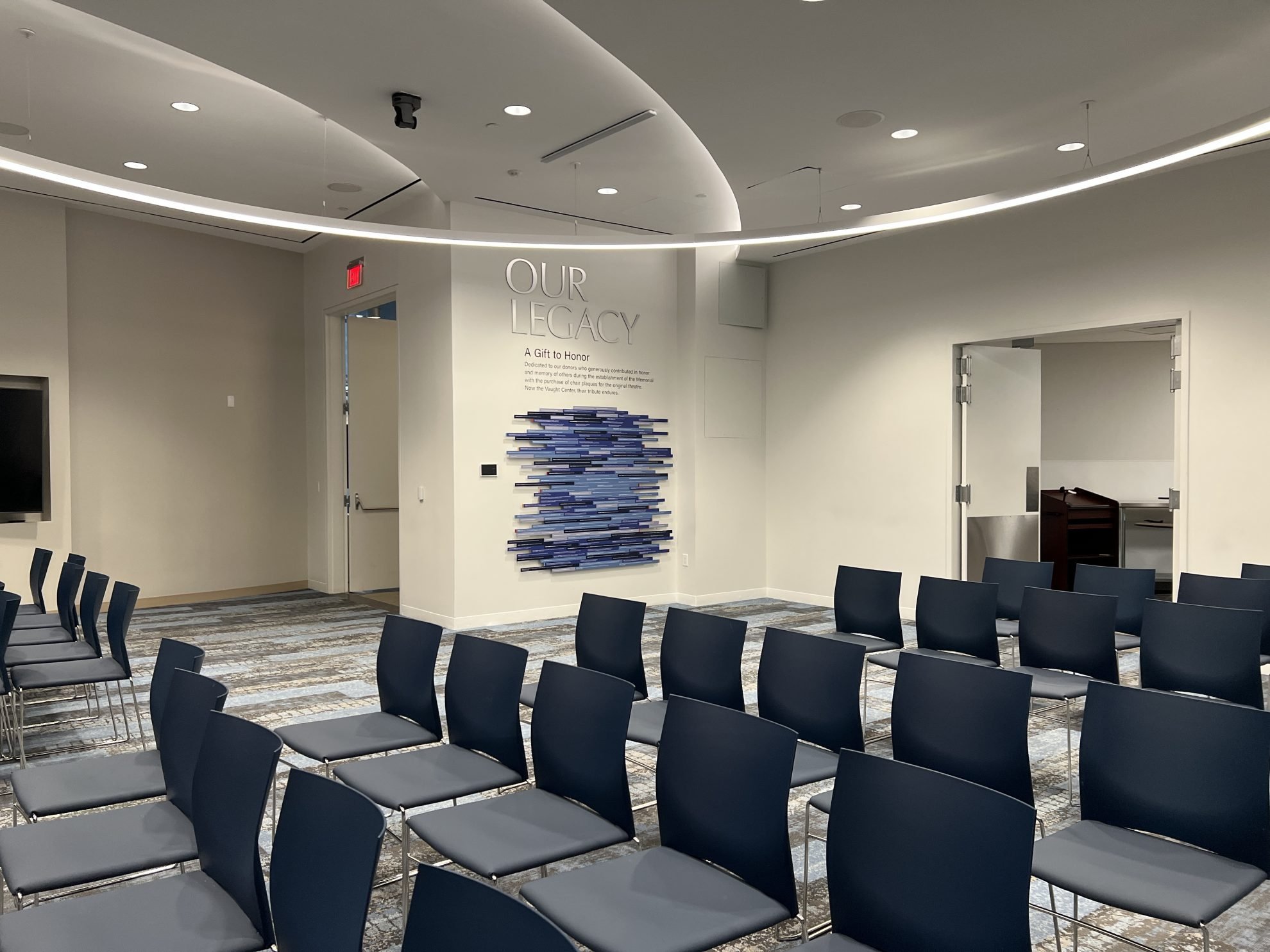
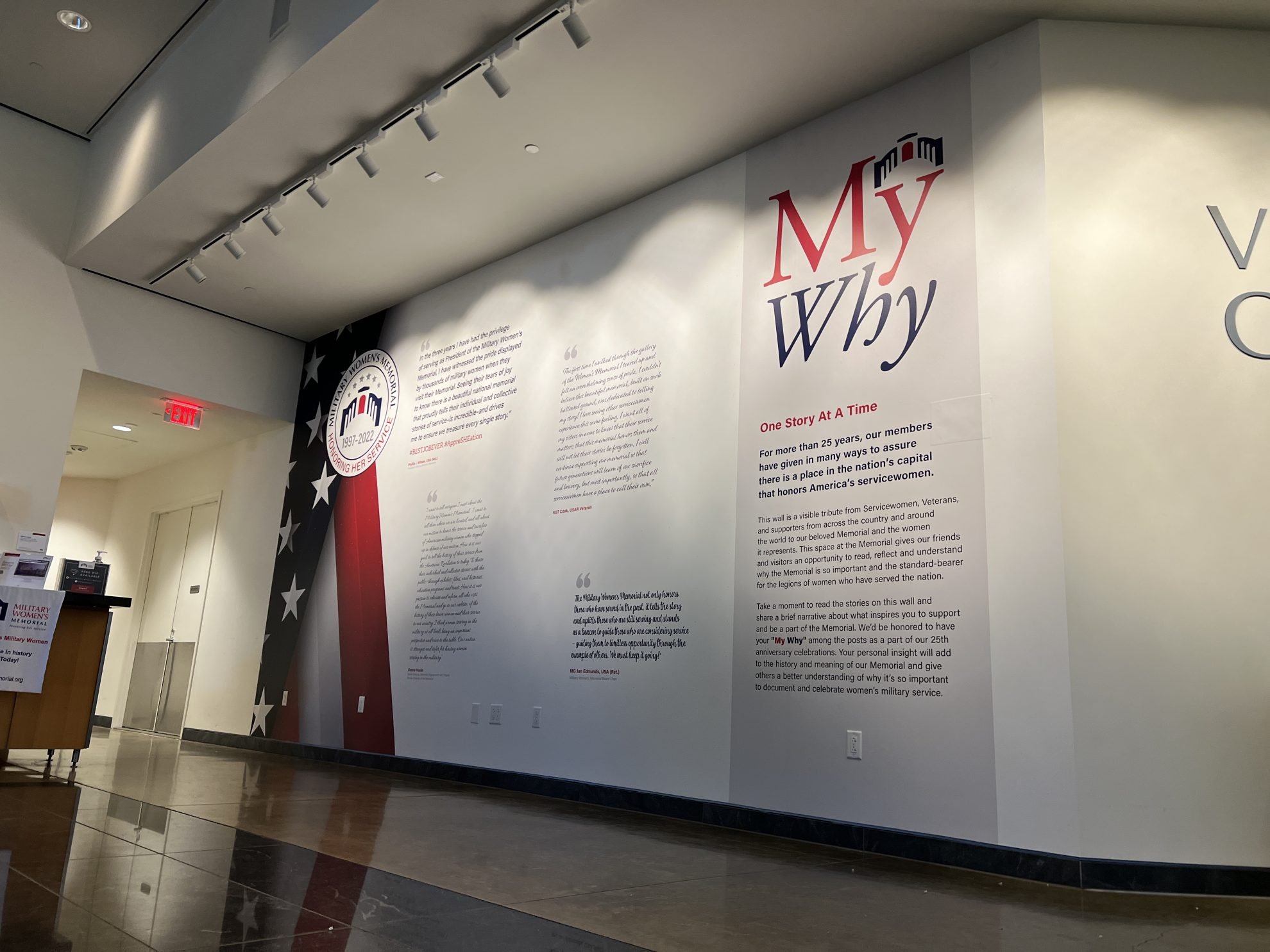
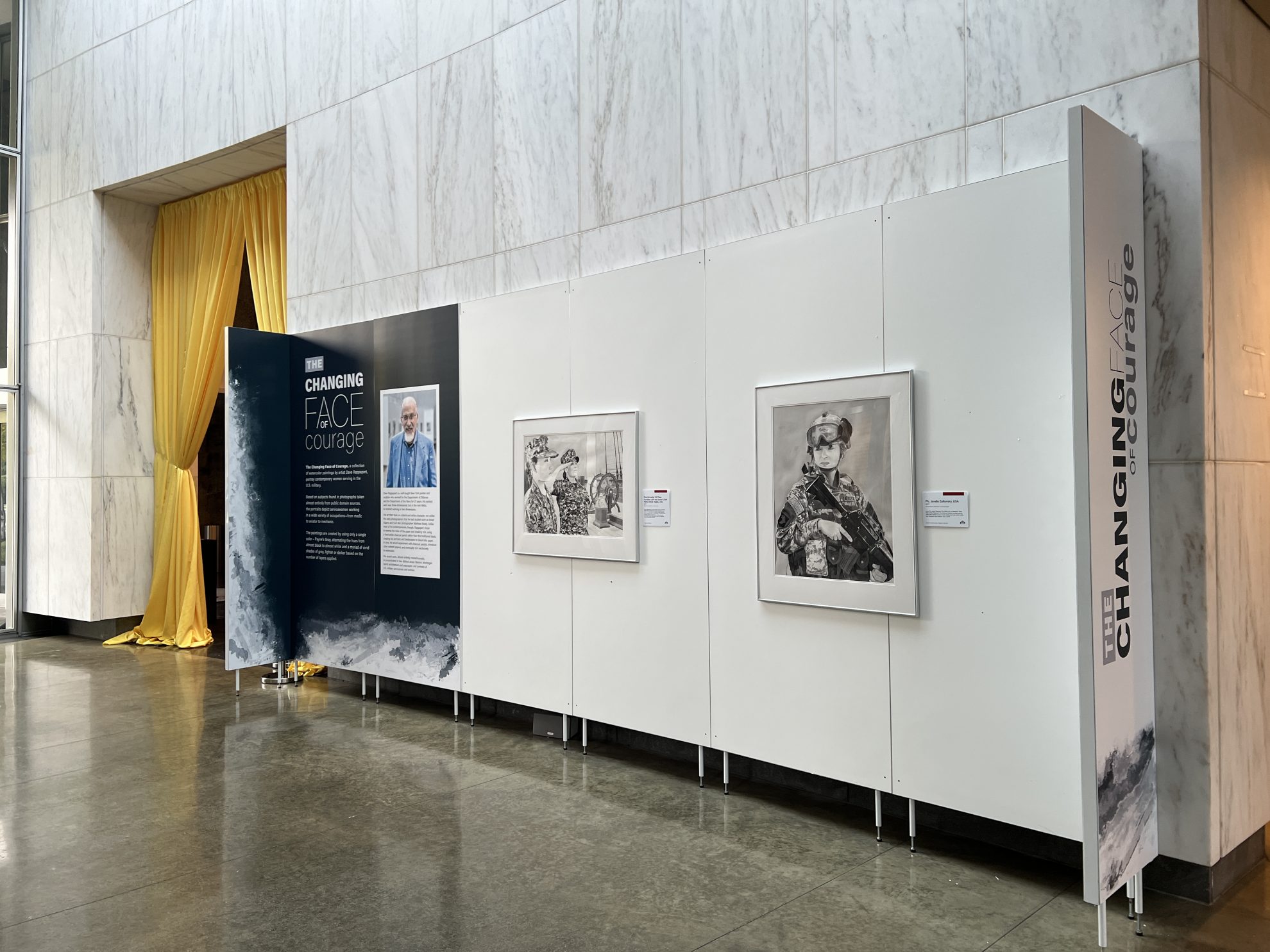
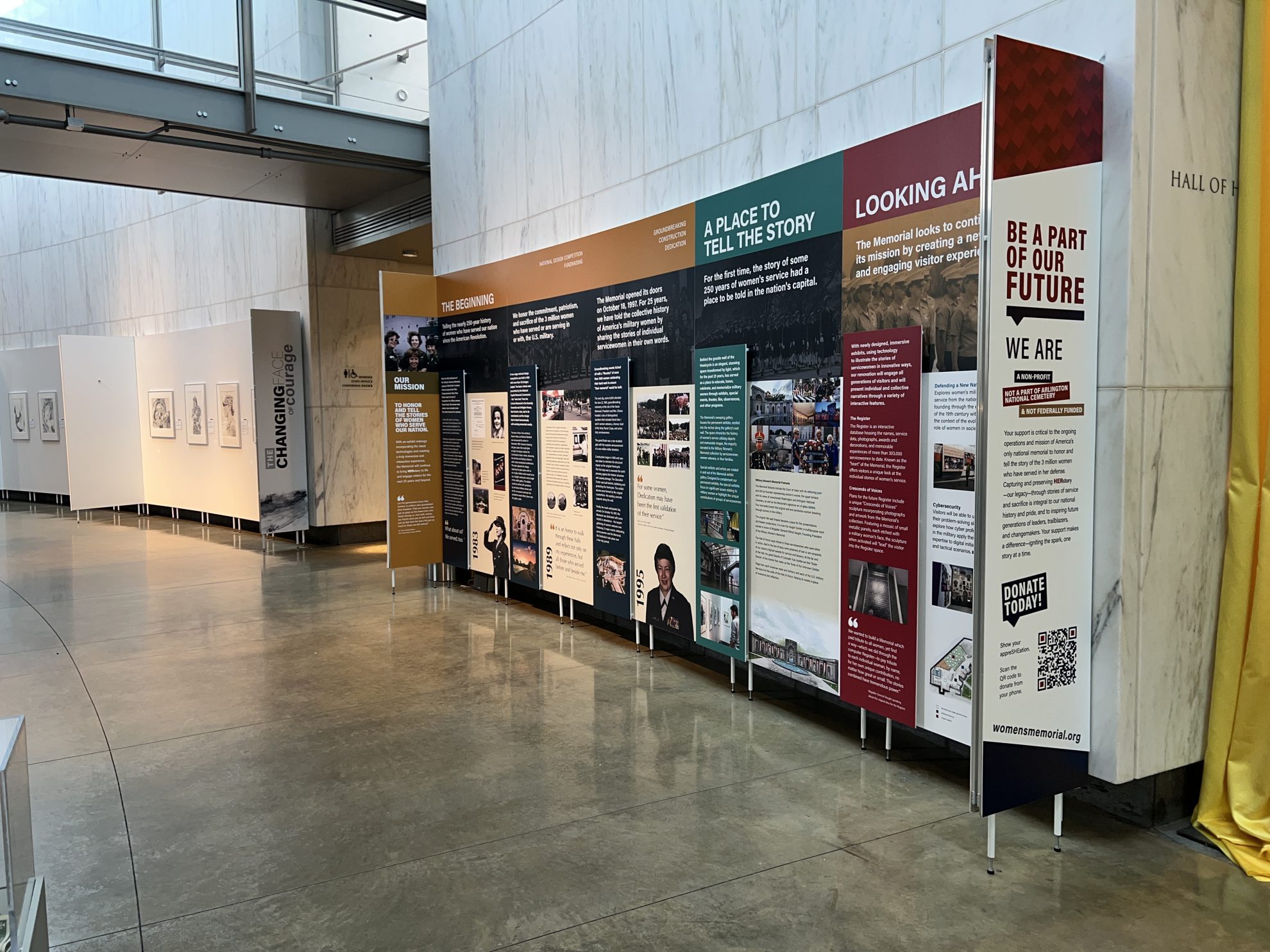
Heritage Signs & Displays created new museum signage for the Military Women’s Memorial in Arlington, VA. The project included custom signs, wall wraps, dimensional letters, and standoff-mounted displays to honor the legacy of U.S. servicewomen and the donors who supported the memorial. The updated interior features impactful designs, including a "Our Legacy" wall display and panels showcasing historical contributions and artwork, creating a transformative tribute to women in the U.S. Armed Forces.
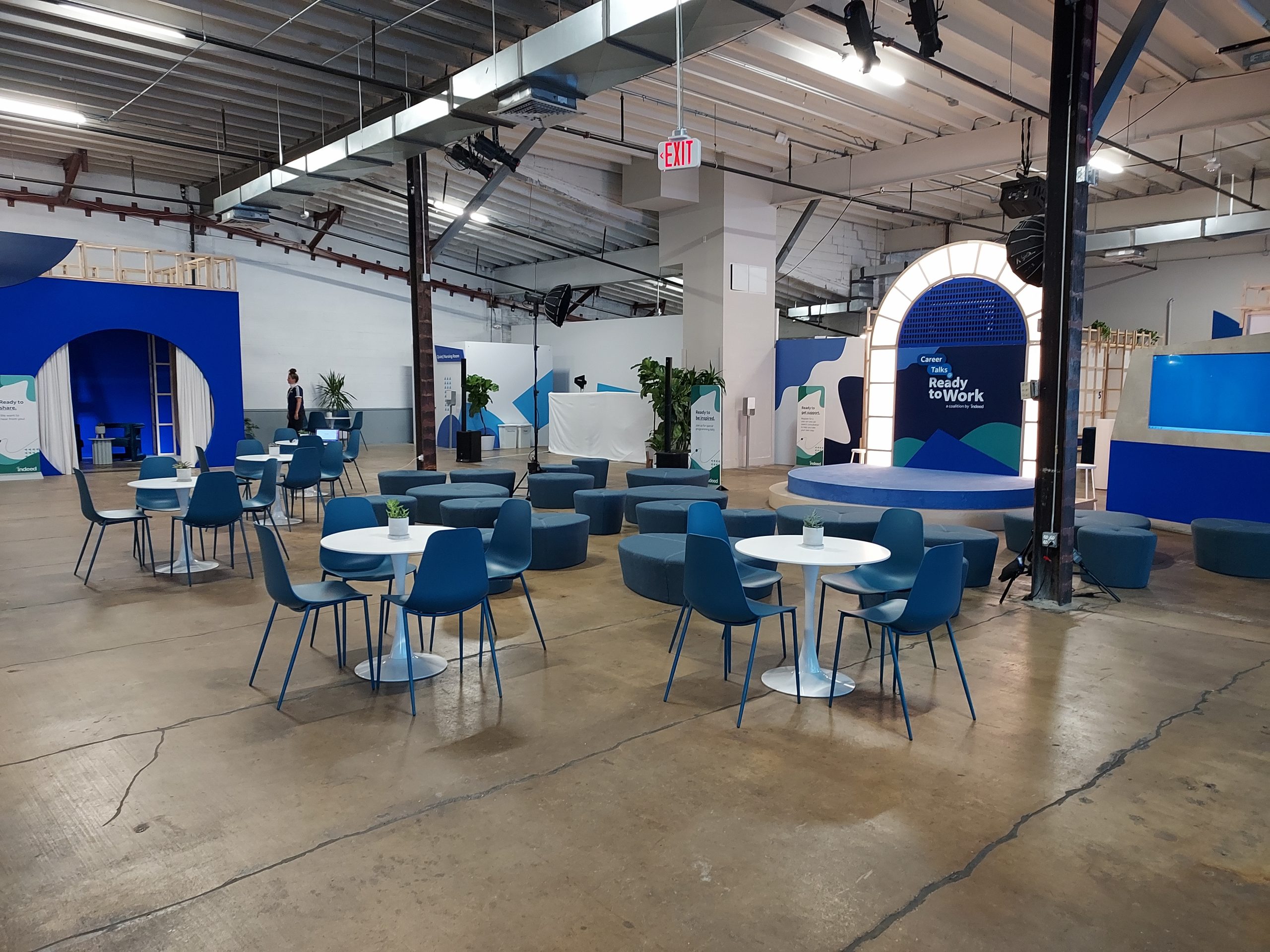
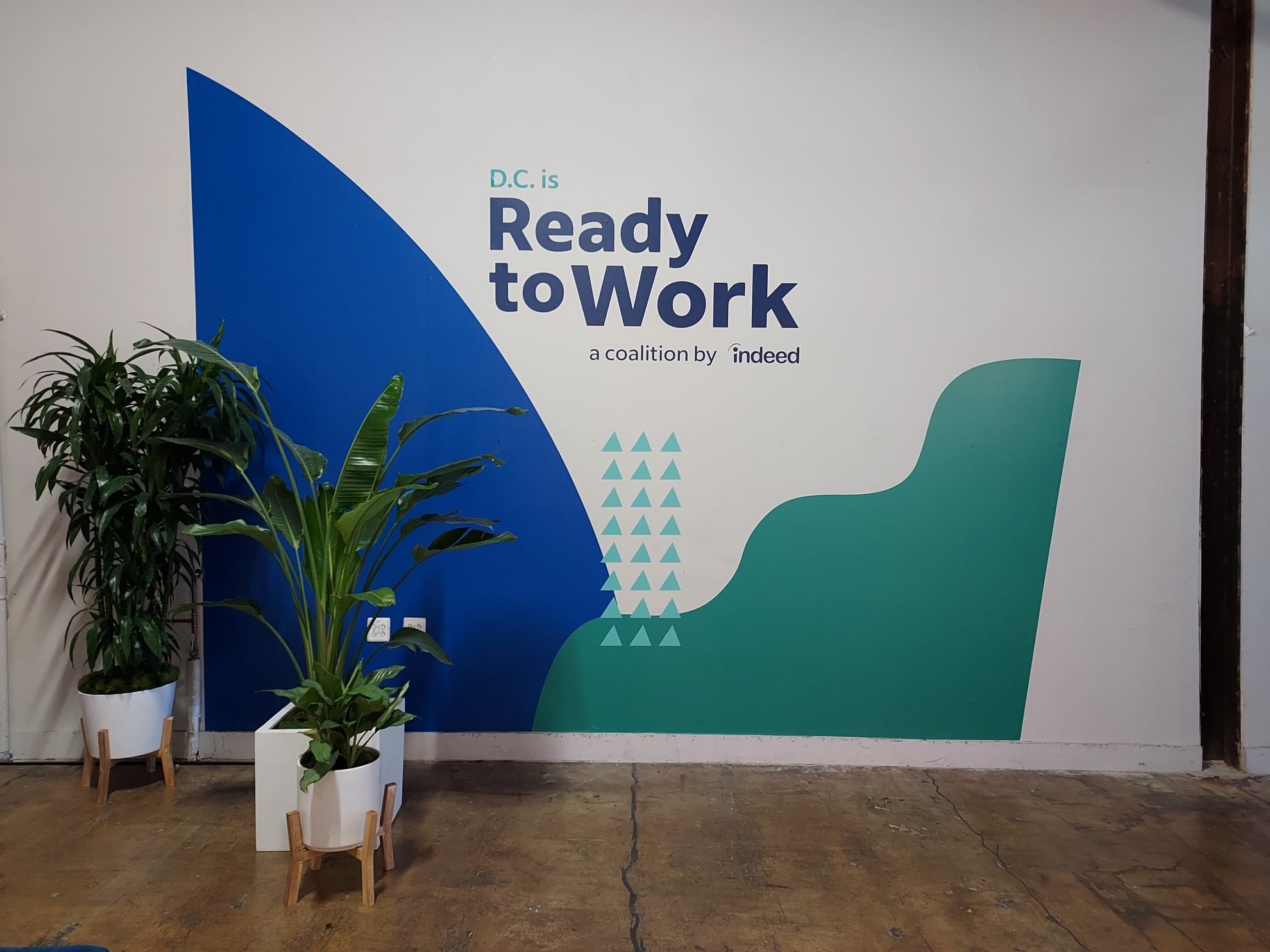
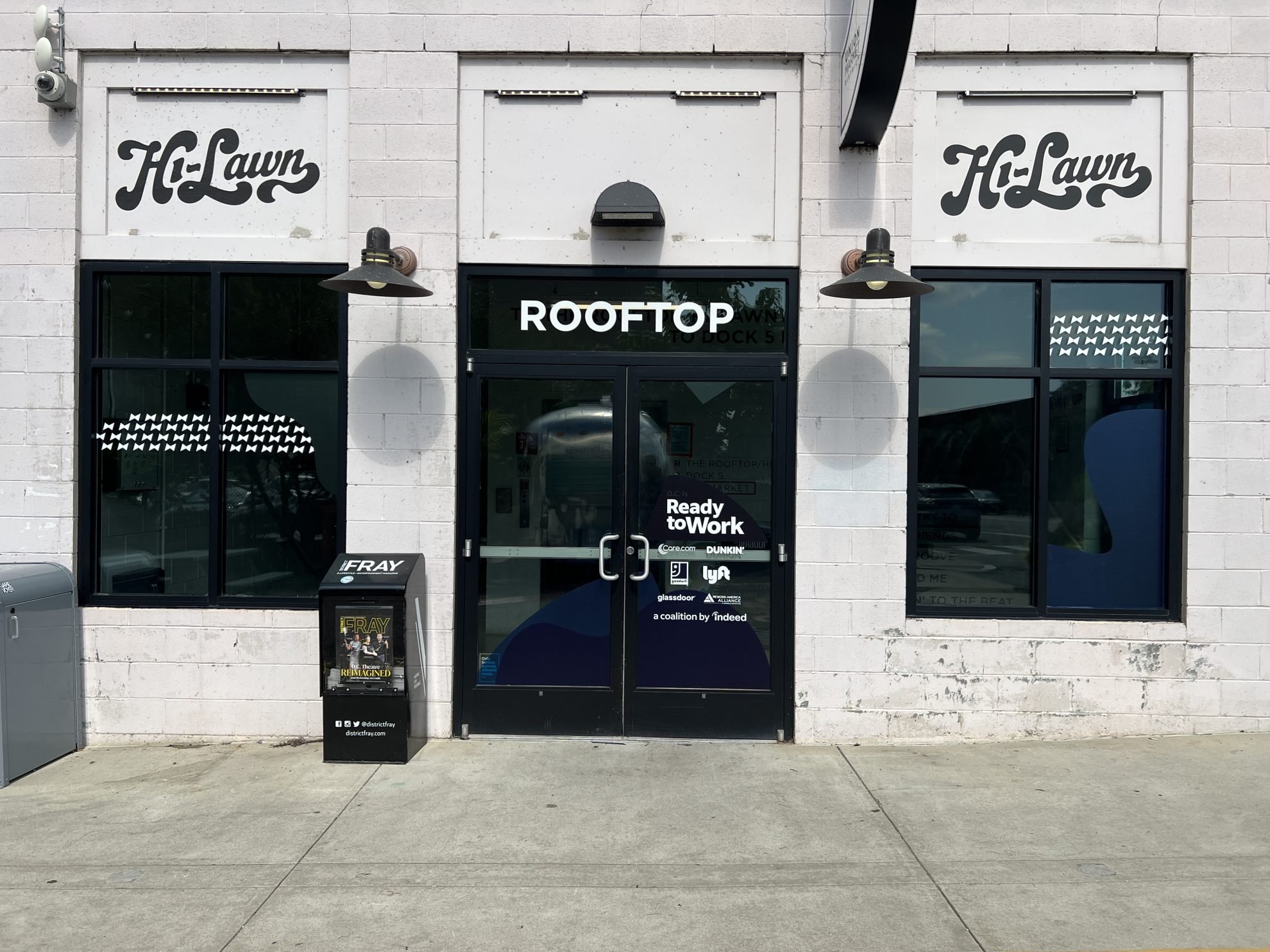
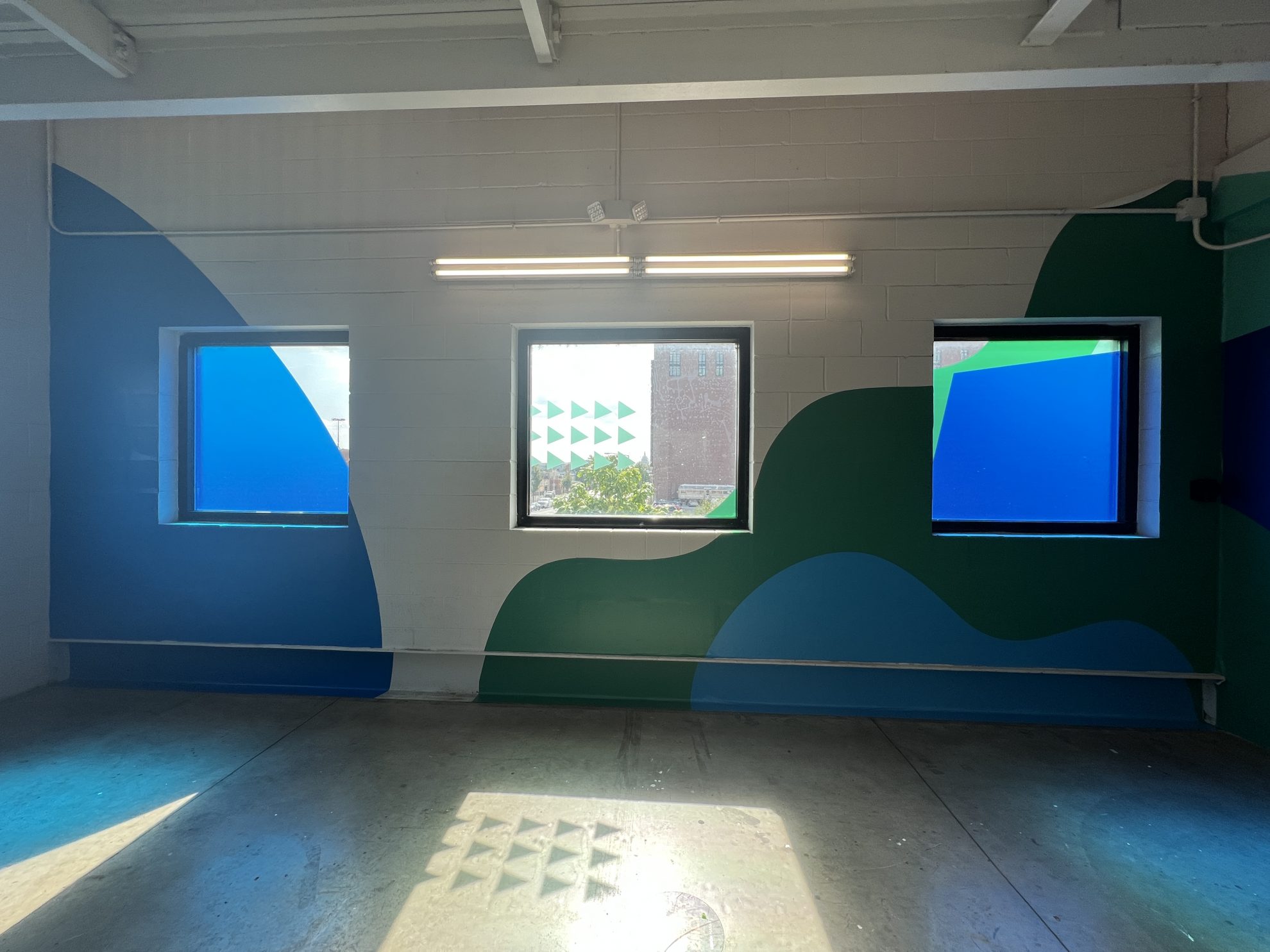
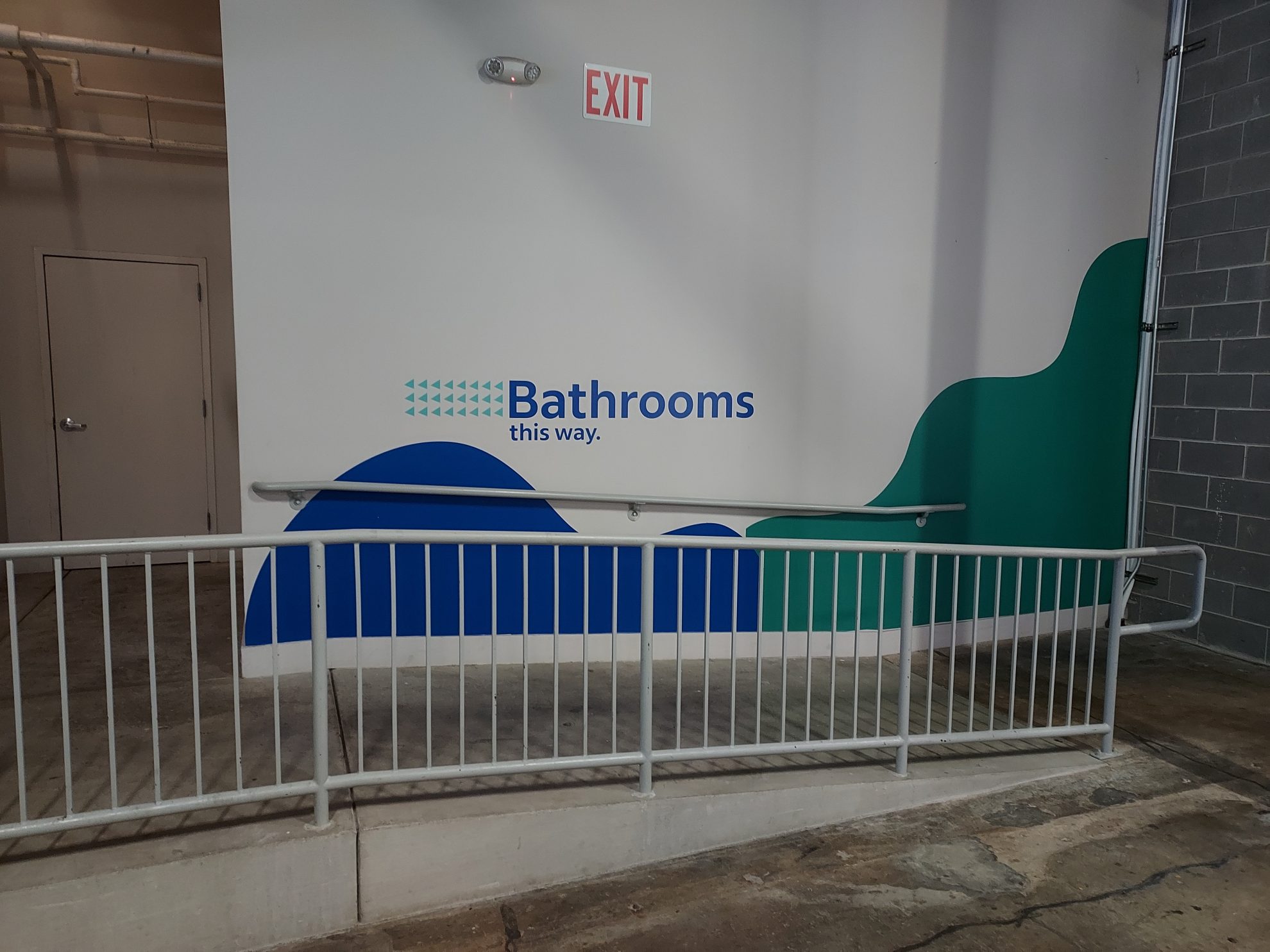
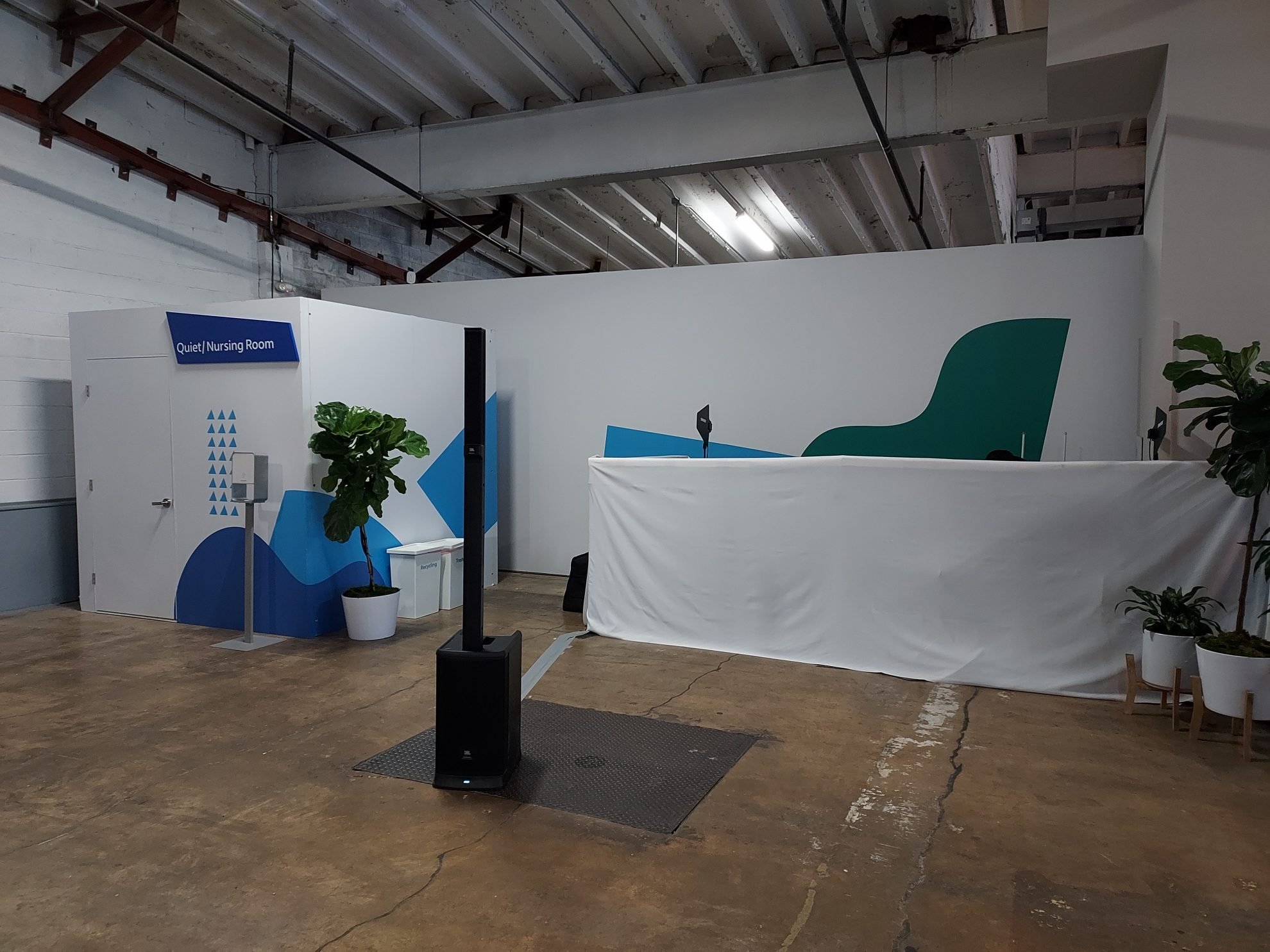
Heritage Signs & Displays' collaboration with The Gathery to brand Union Market in Arlington, VA, for Indeed's "Ready to Work" job fair. The project included custom event displays, wall graphics, window graphics, and wayfinding signs, creating an immersive and visually appealing environment. The branding enhanced the venue, reflected the event's mission, and provided a seamless experience for attendees.