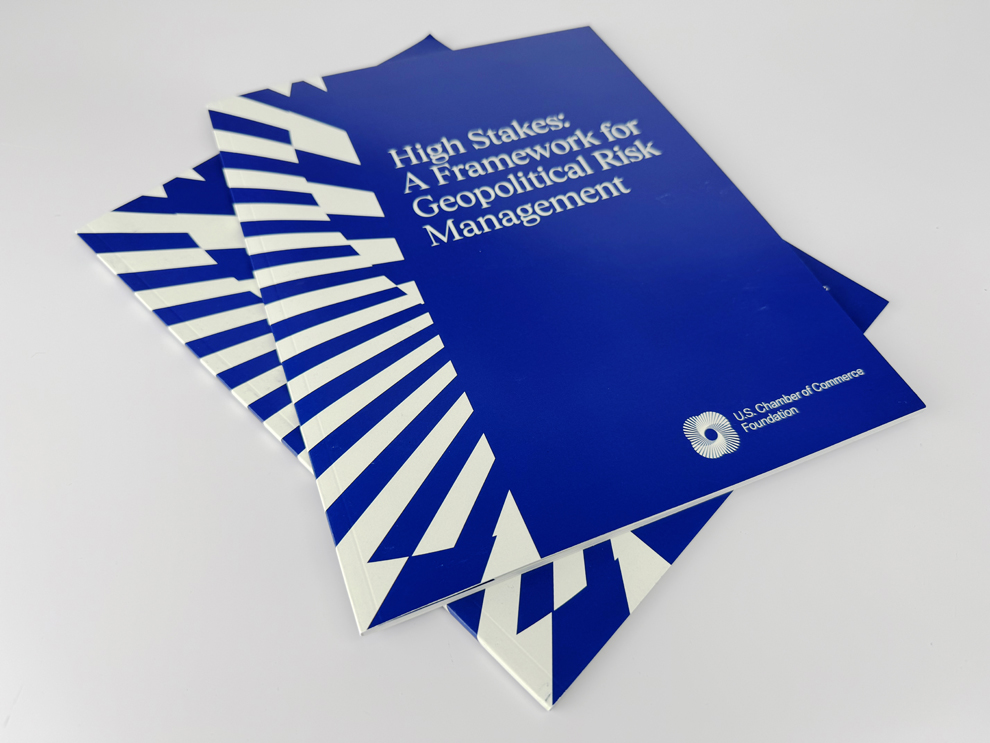
A research summary for an advisory board, a training manual for new clinical staff, or a program for an annual gala in Bethesda often has a distribution date set months ahead, while the final text clears review days before. Production decisions made early determine whether that late approval still leaves room for a clean print run.
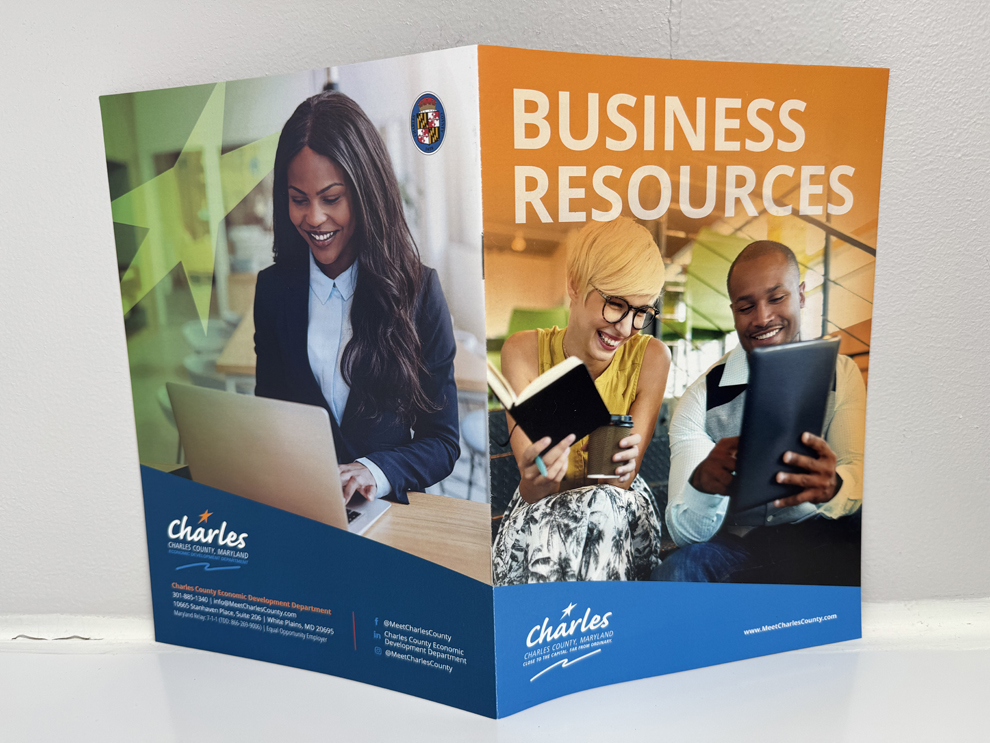
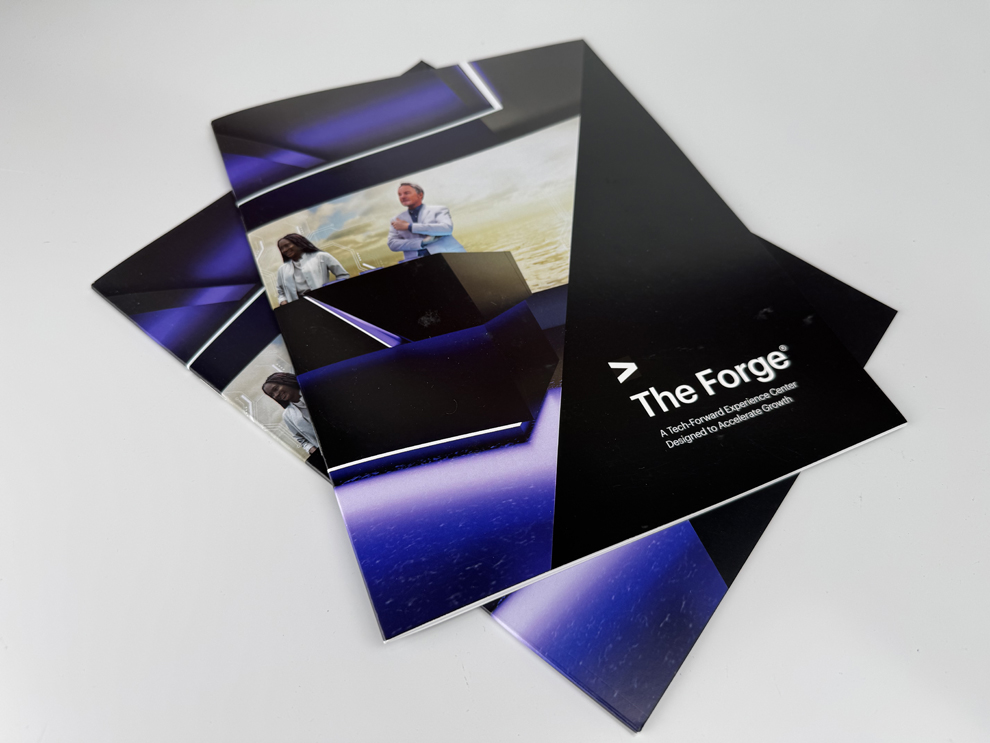
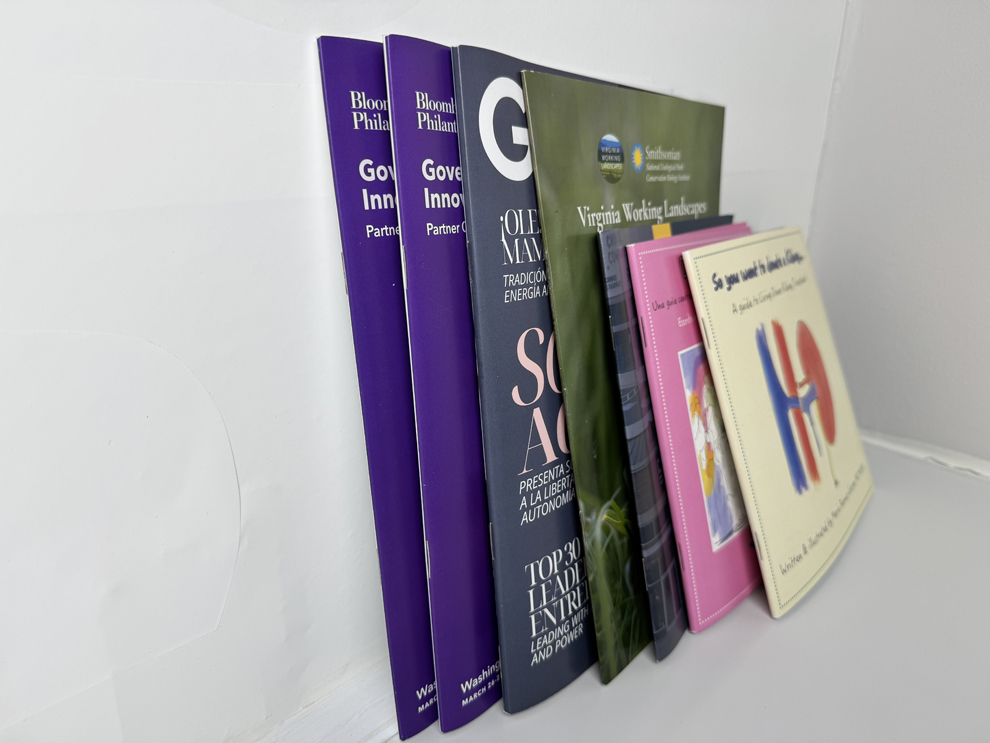
Bethesda organizations print booklets as annual reports for foundation boards, capabilities guides for federal contractors, and compliance handbooks for healthcare staff. Each raises the same questions about page count, trim size, paper weight, cover stock, binding, color, and distribution. A sixteen-page program handed out at the door is prepared differently from a thick manual opened on a desk every week.
Heritage has printed for organizations across the region since 1977. Our Bethesda clients are served through Heritage's Washington, DC and Maryland commercial printing coverage, with production supported by Mid-Atlantic resources rather than a separate plant in every suburb. We review files carefully, manage color with discipline, and raise questions before they become delays, so the booklet arrives ready for the people waiting on it.

Research institutions, healthcare organizations, and professional firms rarely let a publication leave the building on one signature. Legal reviews the disclosures, communications checks the brand, and someone is left to find a printer who can still hit the date. Production discipline means tracking the agreed specification, flagging file problems early, and building a schedule around real binding and delivery time.
Heritage is a veteran-owned, family-led company with commercial printing work dating to 1977, guided by a purpose to honor God by serving clients and communities with excellence. Bethesda clients receive local, client-facing support backed by Mid-Atlantic production resources, including our Waldorf, Maryland production facility. Color is managed with calibrated equipment and production-specific profiles, and pages are checked for pagination and trim before production begins.
For qualifying directly managed work, an accepted and assigned Custom Quote order has a Project Coordinator who becomes the direct phone-and-email contact. That person knows the specification, the approval chain, and the delivery plan, so a revised page or a changed quantity goes to someone already familiar with the job. Established clients may keep that relationship for appropriate repeat editions.

A booklet is often one piece of a larger package, and these related products are frequently produced alongside it.

Schedules, speakers, and sponsor pages for galas, symposia, and ceremonies.

Recurring issues with consistent trim, paper, and color from edition to edition.

Longer bound publications that need a squared, printed spine.

Procedural guides built for repeated handling and open reference.

Folded or flat pieces that summarize a program in fewer pages.

Addressed distribution of printed publications within an accepted project scope.

Coordinated collateral that accompanies reports, programs, and outreach.

Pocketed covers that hold booklets, inserts, and briefing sheets together.
Confirm your binding, check the live Bethesda booklet configurations, and order online once your print-ready PDF is approved internally.
Binding decides whether a booklet lies flat, survives repeated handling, or looks right on a boardroom table. Three constructions cover most Bethesda publications.
Saddle-Stitched Booklets
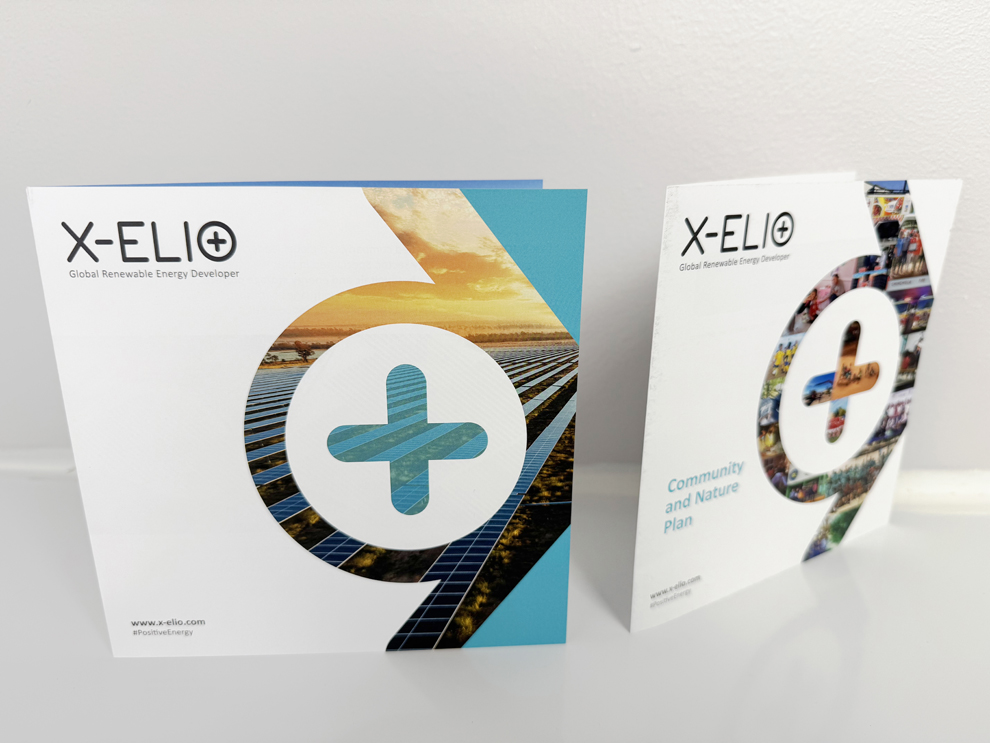
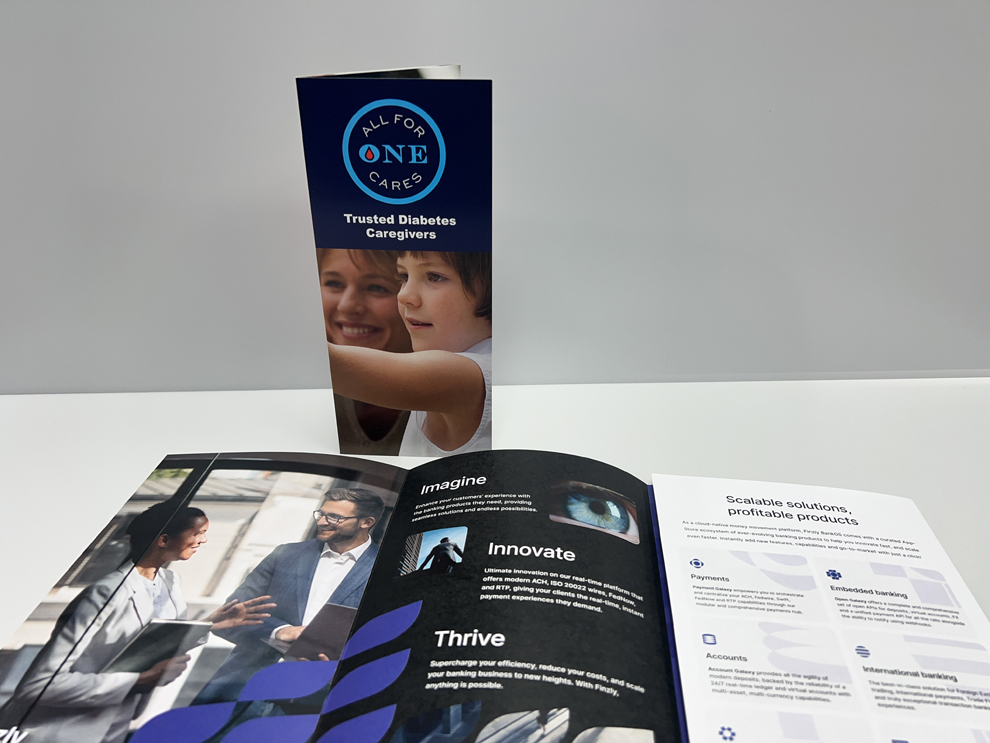
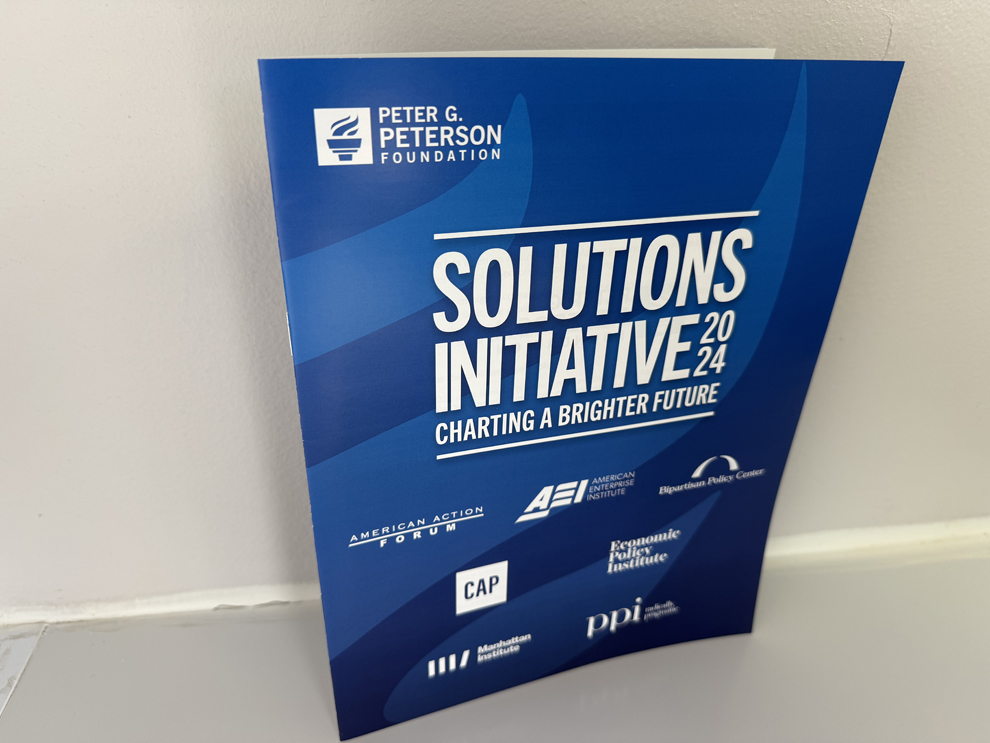
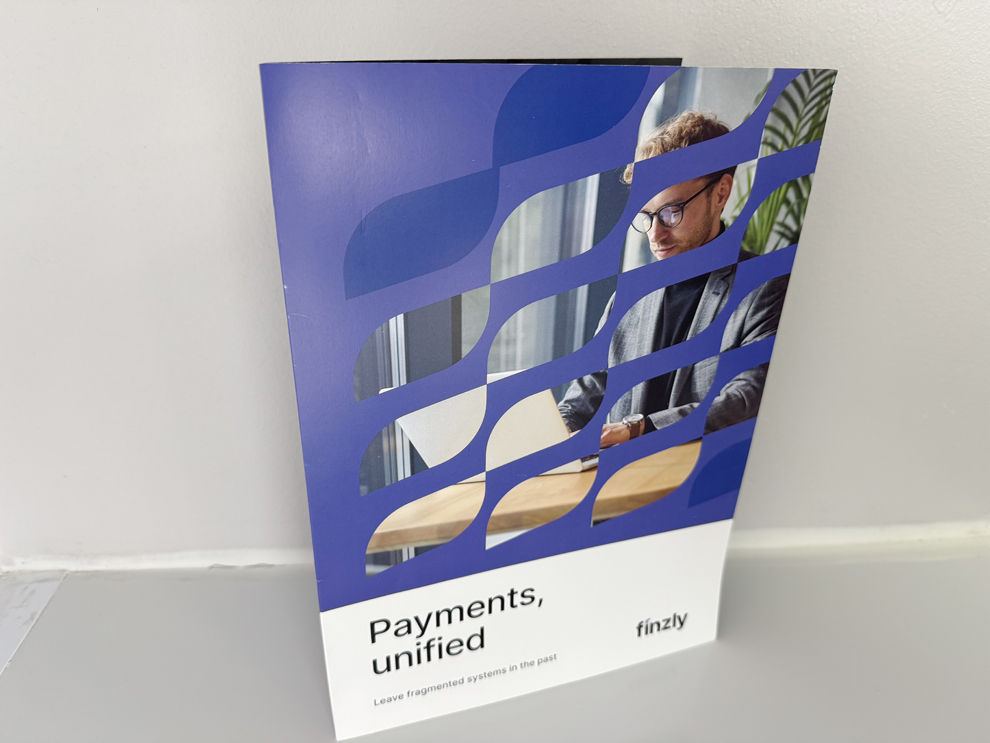
Folded sheets are nested and stapled through the spine fold, keeping the piece thin and easy to mail. Page counts normally run in multiples of four, and heavier paper reduces how many pages will close properly, so slim programs and short reports fit best.
Perfect Bound Booklets
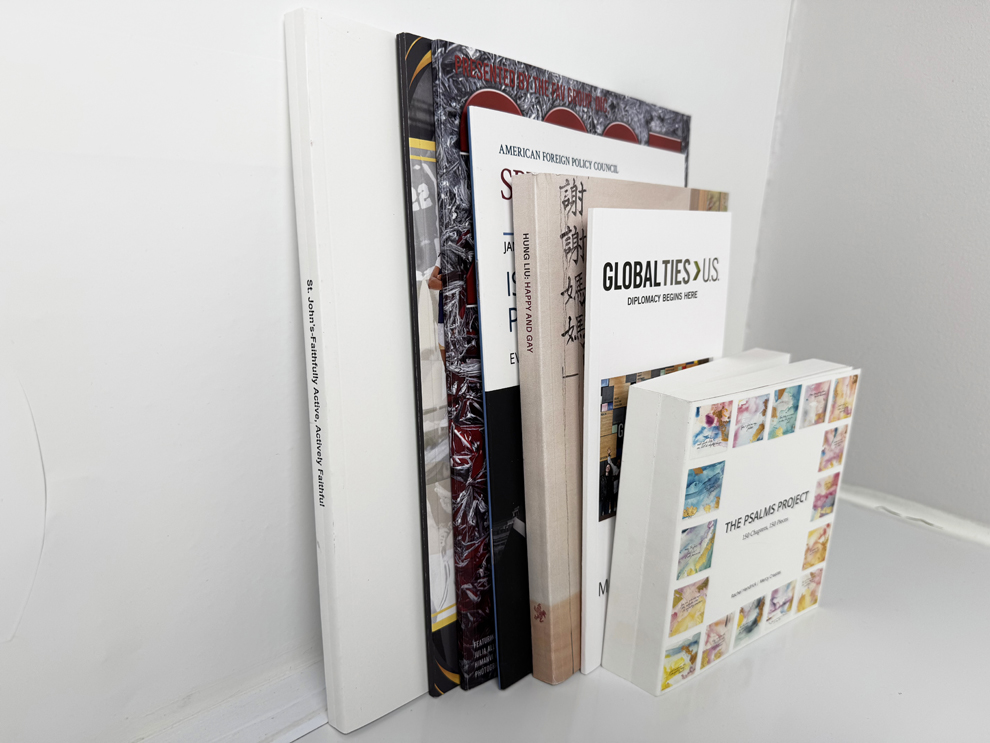
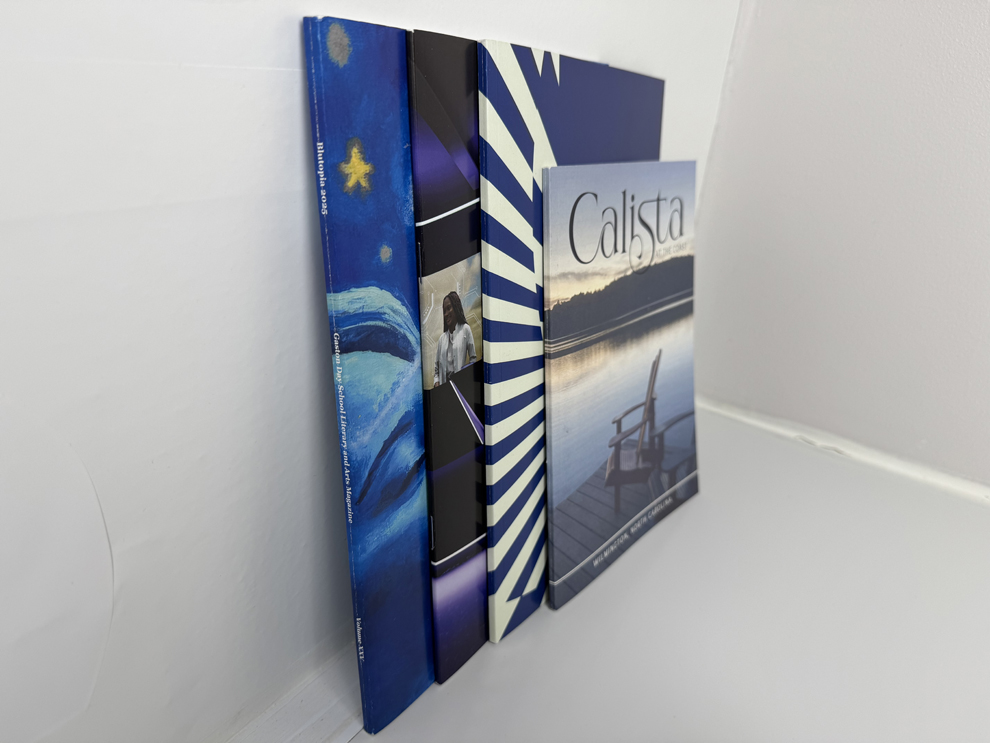
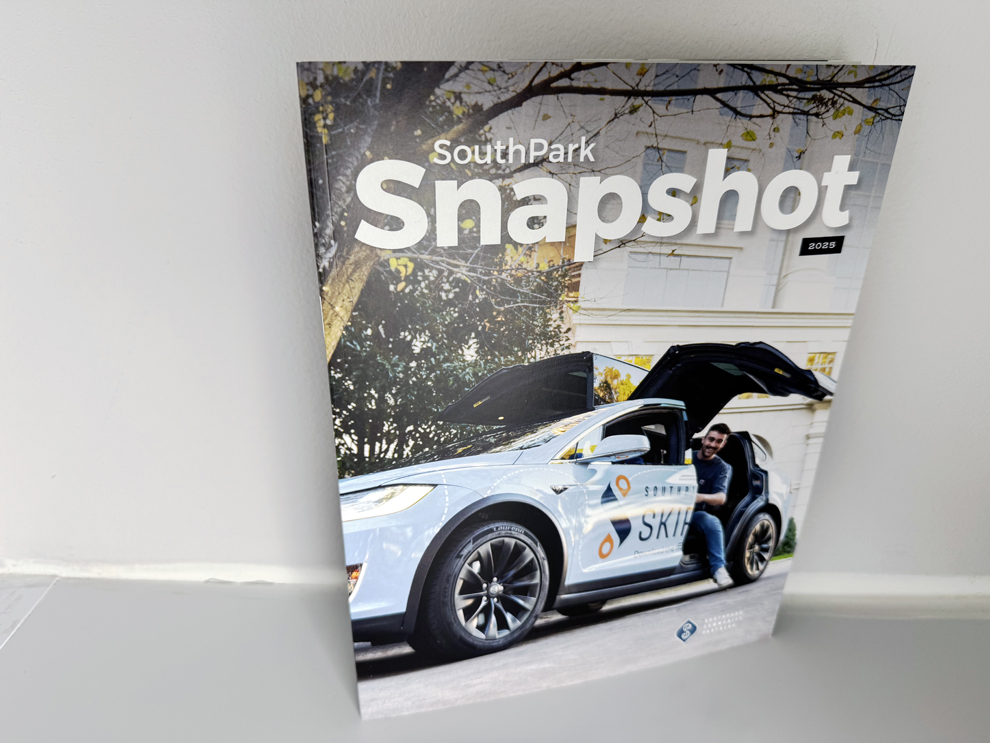
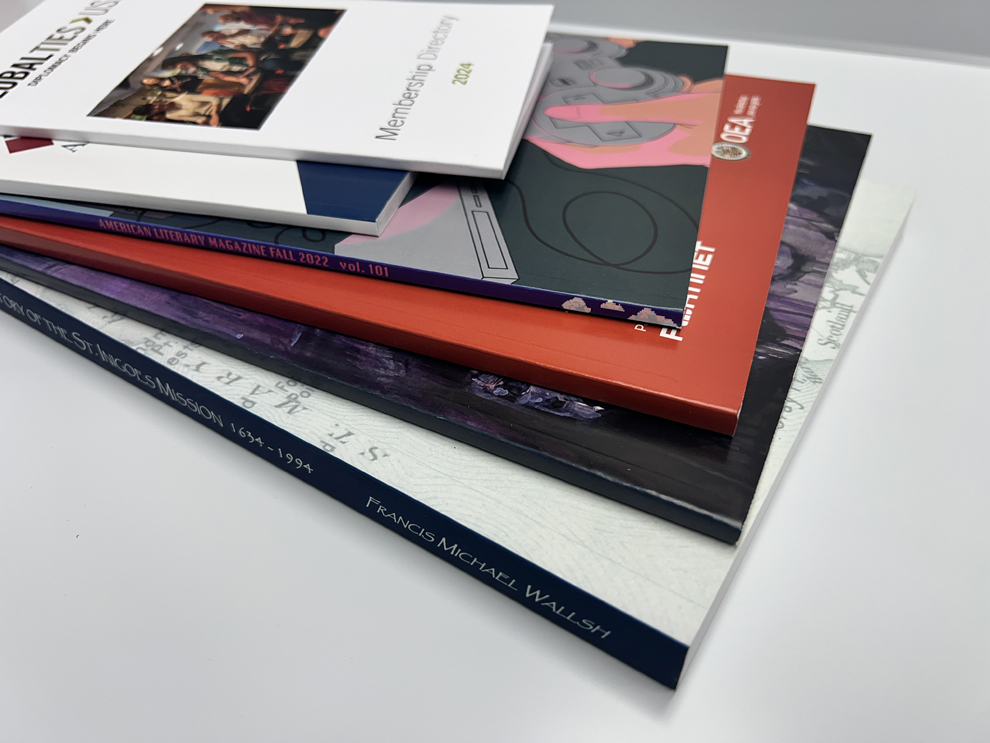
Collated pages are glued at the spine edge inside a wraparound cover, producing a squared spine that can carry a title. Annual reports and longer handbooks present well this way when page count and paper build enough thickness for a sound spine.
Plastic Coil or Spiral-Bound Booklets
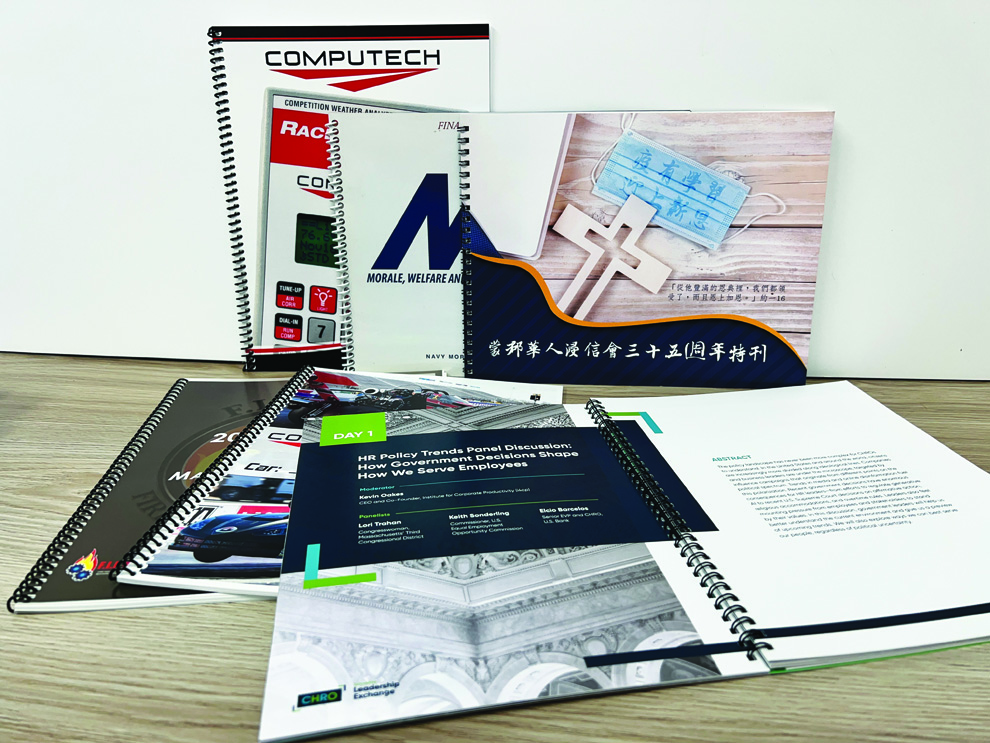
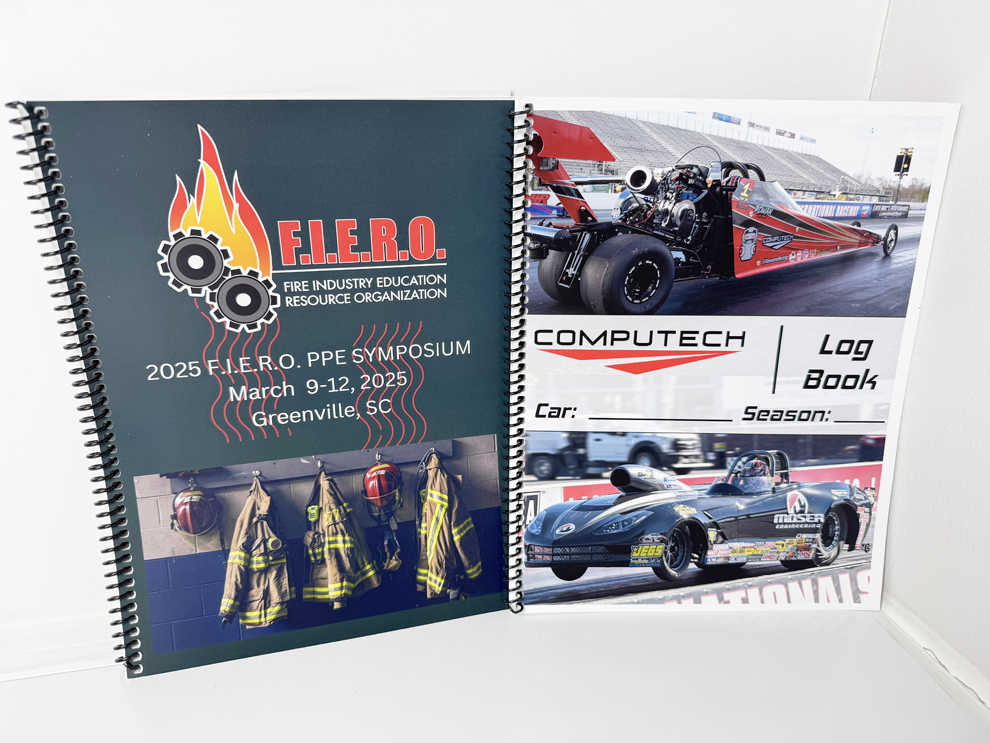
Pages are punched along one edge and threaded with a plastic coil, so the document opens flat or folds back on itself. That suits lab procedures, training workbooks, and documents used while taking notes, though it seldom flatters a formal report.
Finished size, cover weight, mailing envelopes, and delivery dates all interact with the binding choice. For qualifying accepted Custom Quote work, Heritage can review those variables together before the specification is finalized.

Bethesda clients can buy a print-ready booklet through the Self-Directed Online Store or request qualifying directly managed support through Storefront Custom Quote. Both routes include an electronic proof you approve before printing, though that proof is not a physical color standard. The difference is who makes the specification decisions.
Self-Directed Online Store: When your PDF is complete and the live product matches your needs, select the binding, paper, and quantity, upload the file, and order at posted prices. Store products carry Heritage's lowest available pricing, and eligible items can be combined to reach the $750 minimum. Orders receive the same production review and electronic proof, but not an assigned Project Coordinator, layout help, or physical color proof.
Storefront Custom Quote: Approved new Commercial Printing work of $2,000 or more may use this form-based route when the project needs file adjustments, paper and binding recommendations, color-critical decisions, mailing, or multi-version coordination. Qualifying value alone does not require it, and submitting the form does not assign anyone. Once the quote is accepted and the order assigned, a Project Coordinator becomes your direct phone-and-email contact, and appropriate repeat work may keep that contact.

Plastic coil binding is usually the practical choice. The pages fold back fully, so the manual stays open beside a keyboard or on a lab bench without being held down. Choose a durable cover stock if the manual will be handled daily. If the manual is thin and read once at orientation, a saddle-stitched booklet may be adequate and easier to mail.
Yes. Every true Commercial Printing order, including a Self-Directed Online Store purchase, receives an electronic proof for your review and approval before production starts. Check text, images, pagination, trim, and cover placement at that stage, because corrections after approval affect schedule and cost. The electronic proof confirms content and layout; it is not a physical color standard and does not guarantee finished color.
It depends on paper thickness as much as page count. Stapling through a folded spine works well for slim publications, and the total must normally be a multiple of four. Heavier text stock or a thick cover reduces the practical limit because the booklet will not close flat and inner pages creep outward at the trim. Review the live Store product for the page ranges offered in each configuration.
A perfect-bound report has a squared, glued spine that can be printed with a title and stands upright on a shelf, which suits a document meant to be kept. It also accommodates higher page counts than stapling. The publication needs enough paper bulk to form a sound spine, so a very short report may not qualify; confirm the minimum page count for the live configuration.
Export one complete, print-ready PDF in single-page reading order unless the specific Store product requests imposed spreads. Include bleed on any element that runs to the edge, keep live text inside the safe margin, embed all fonts, and use images at adequate resolution for the trim size. Separate-cover booklets may require the cover as its own file; follow the product instructions.
Yes, within an accepted Commercial Printing project scope. Heritage can print, finish, address, and prepare the booklets for USPS handoff so your team coordinates with one provider. Provide a clean, authorized address list and the intended in-home window early, since mailing requirements can influence trim size, paper weight, and tabbing or envelope choices. USPS controls acceptance standards and delivery timing after the handoff.
Quantity, page count, trim size, text and cover stocks, binding, color coverage, finishing, and delivery or mailing determine the price. Changing one variable can shift others; thicker paper may push a project from saddle stitching to perfect binding, for example. The Self-Directed Online Store shows current pricing for eligible configurations, and qualifying work of $2,000 or more that needs production support may use Storefront Custom Quote.
For qualifying Commercial Printing Custom Quote work valued at $2,000 or more, a Physical Production Color Proof, also called a Digital Hard Copy Proof, may be requested at additional cost. It is produced on the intended printer and paper, adds production time, and becomes the controlling physical color reference once approved unless otherwise agreed. This option is not offered through the Self-Directed Online Store.
Use the Online Store when your PDF is finished, a live configuration fits, and you want posted pricing without an assigned coordinator; the $750 minimum applies and eligible products can be combined. Consider Storefront Custom Quote for approved work of $2,000 or more that needs file adjustments, color-critical decisions, mailing, or multi-version coordination. For general product or file questions, Contact Our Team provides Storefront support.
Online Store purchases require complete, print-ready files, so adjustments must be made before upload. For a qualifying Commercial Printing opportunity of $2,000 or more, an accepted Storefront Custom Quote may include production-oriented work such as adding bleed, correcting trim, preparing a cover, or fixing pagination. That support is limited to file readiness and is not a substitute for creative design.
Heritage confirms a date only after evaluating the files, specification, quantity, finishing, and delivery or mailing requirements against current capacity. Share the date, artwork status, and approval timeline as early as possible, including who still needs to sign off. If the schedule cannot responsibly be met as requested, Heritage will explain what adjustments to binding, quantity, or delivery could make it workable.
Open the PDF in single-page view and read it in order, confirming page numbers, section starts, blank pages, and that the cover and interior page counts agree. For saddle stitching, verify the total divides by four. For perfect binding, check that the spine width in the cover file matches the page count and paper specified. Do not upload printer spreads unless the product explicitly requests them.
Heritage manages color with spectrophotometric calibration, verification, and production-specific profiles, which keeps output consistent within the limits of the chosen paper and process. PMS values are targets rather than guarantees, and uncoated stock will render colors differently than coated stock. Supply images at full resolution in a suitable color space. Screens and electronic proofs approve layout; a Physical Production Color Proof is the only physical color reference.
Yes. Recurring publications such as newsletters, member directories, and annual handbooks can be produced against the previously approved trim, paper, binding, and color specification while the new files and quantity are reviewed. Each edition still receives an electronic proof. For appropriate directly managed repeat work, established clients may continue with the Project Coordinator who already understands the publication.
Available quantities depend on the live product, binding, page count, and materials, so review the Store configuration rather than assuming a range. Every new Commercial Printing opportunity carries Heritage's $750 minimum order, and eligible Store products can be combined to meet it. Larger or split-delivery orders that need coordination may be handled through Storefront Custom Quote when the opportunity qualifies.
Heritage Signs & Displays created new museum signage for the Military Women’s Memorial in Arlington, VA. The project included custom signs, wall wraps, dimensional letters, and standoff-mounted displays to honor the legacy of U.S. servicewomen and the donors who supported the memorial. The updated interior features impactful designs, including a "Our Legacy" wall display and panels showcasing historical contributions and artwork, creating a transformative tribute to women in the U.S. Armed Forces.
Heritage Signs & Displays' collaboration with The Gathery to brand Union Market in Arlington, VA, for Indeed's "Ready to Work" job fair. The project included custom event displays, wall graphics, window graphics, and wayfinding signs, creating an immersive and visually appealing environment. The branding enhanced the venue, reflected the event's mission, and provided a seamless experience for attendees.