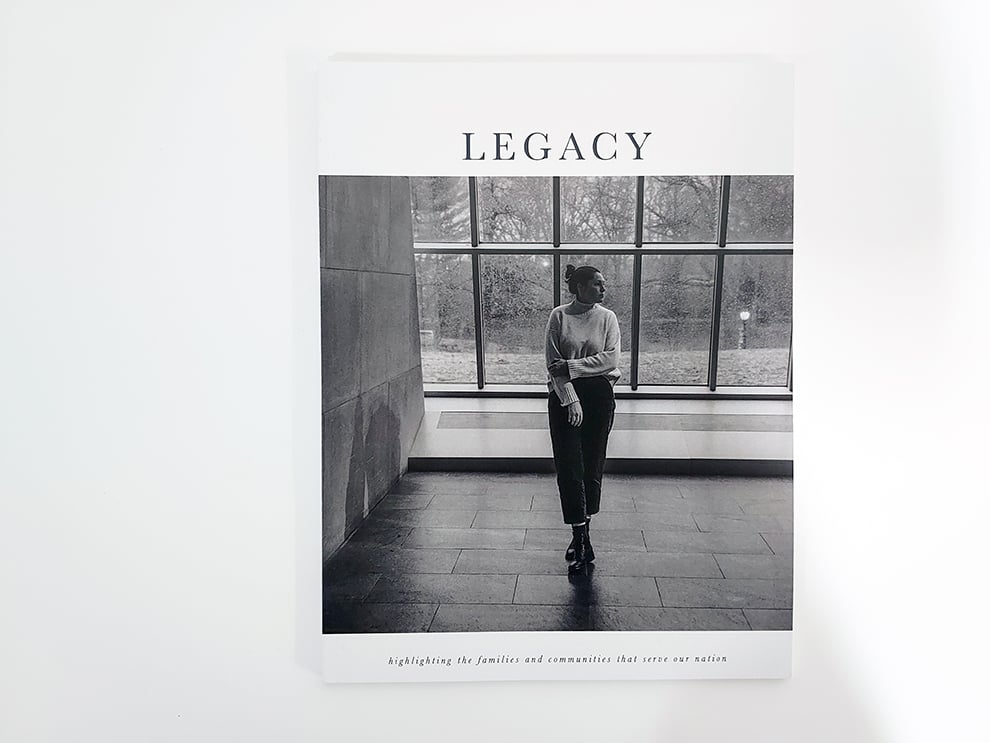
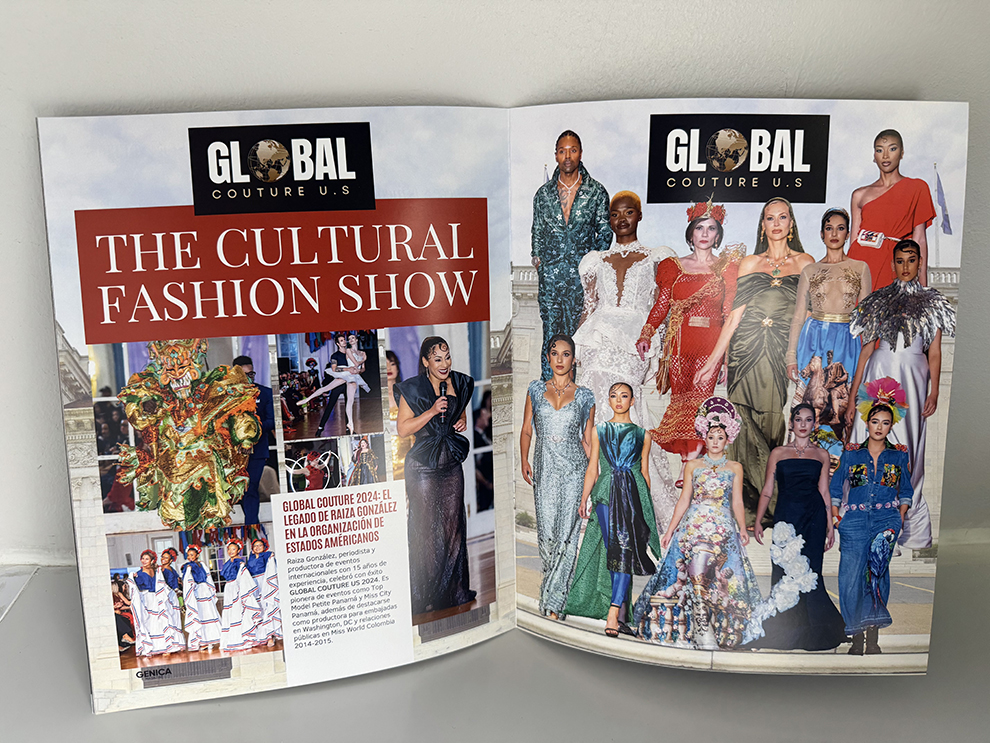
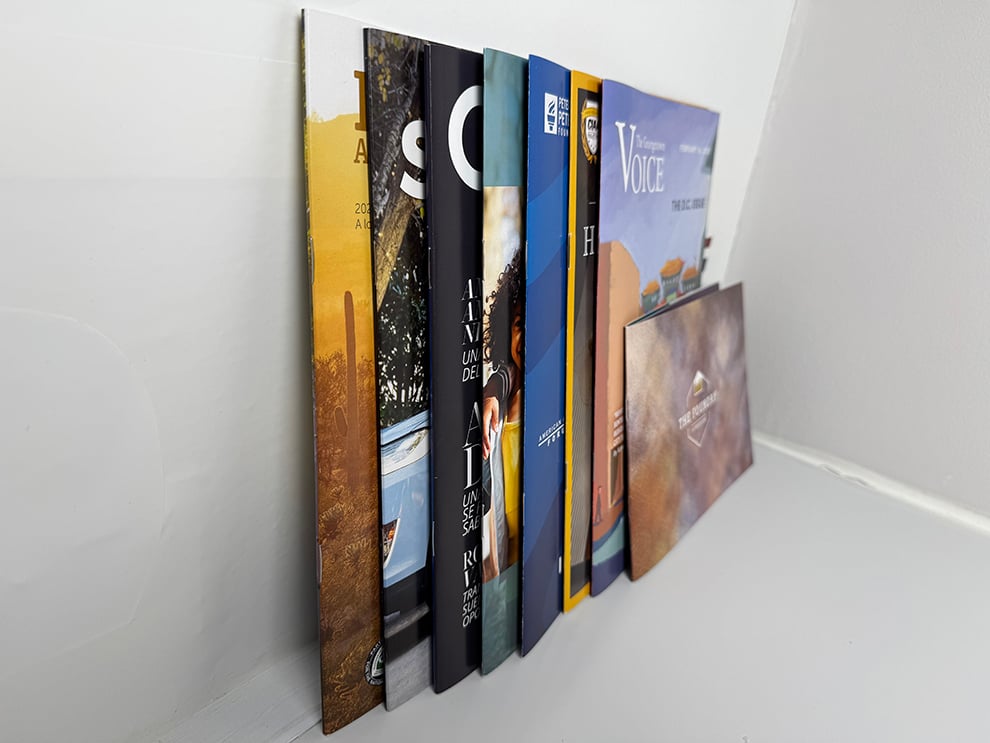
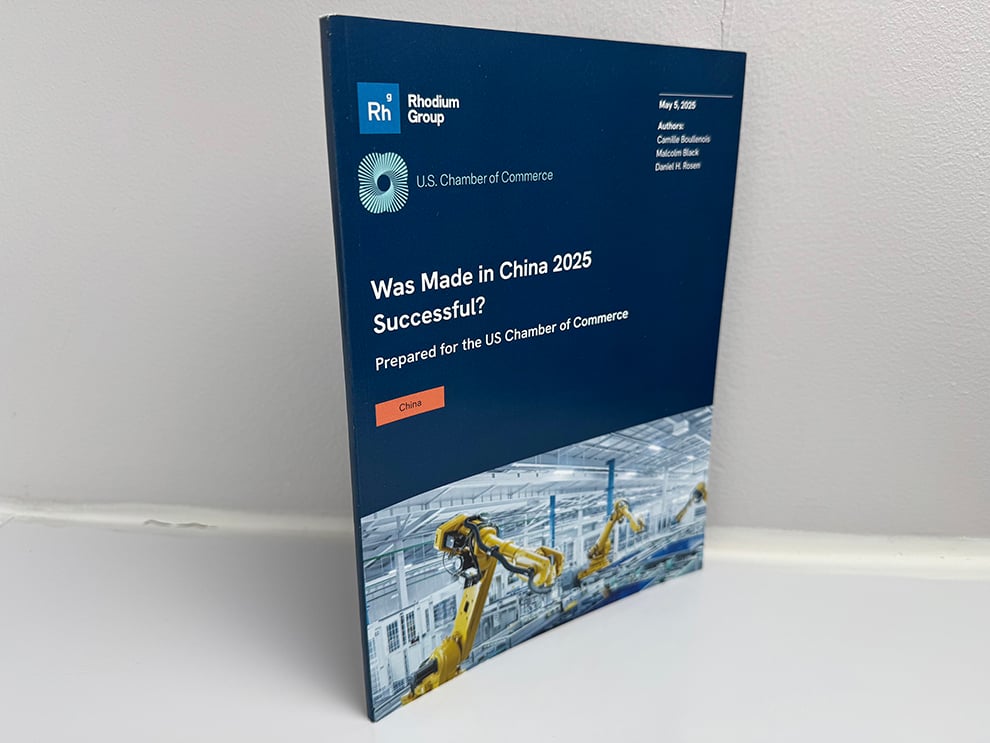
Magazine projects often become most demanding once the client has completed the editorial work and the publication is ready for production. Final client-side revisions and approvals may have compressed the remaining schedule, leaving less time for printing, binding, finishing, mailing, or delivery before the required publication date. At that point, the printing company you choose can make a meaningful difference in keeping the production work organized and moving.
Heritage helps Washington, DC organizations bring clarity and momentum to important magazine projects when client-side changes have compressed the remaining production window. Once the completed print-ready file and production requirements reach us, we quickly evaluate the production path, communicate what is realistically achievable, and identify any production decisions that need immediate attention.
Our role is to keep the accepted work moving responsibly as circumstances change. We adapt when new information affects the plan, work proactively toward the required completion date, and protect the quality, consistency, and professional presentation of the finished magazine. The result is a clearer production path, fewer avoidable surprises, and a client who understands where the project stands and what needs to happen next.
Heritage began as a printing company in 1977, and that experience matters when an important magazine reaches the production stage with less time remaining than originally planned. A strong printing partner should not add uncertainty when the publication date still matters. Heritage brings practical production judgment, clear communication, responsiveness, and dependable follow-through to the work we accept.
Our Washington, DC Commercial Printing approach focuses on the production factors Heritage can control. We evaluate paper availability, binding and finishing requirements, proof approval, production sequencing, mailing or shipping needs, delivery expectations, available capacity, and the time realistically required to complete the work. When the remaining window is demanding, we communicate clearly, identify practical alternatives when needed, and keep accepted production moving responsibly.
The goal is not simply to print the magazine correctly. It is to help the client move through a demanding production window with confidence, protect the professional presentation of the publication, and know that accepted work is being actively managed from proof approval through printing, finishing, and final delivery.


For board packets, program guides, briefing pieces, and other multi-page information that does not rely on recurring magazine identity.

For reports and substantial publications where a square spine and polished presentation carry more weight.

For shorter or more frequent member, employee, donor, association, or constituency communications with their own recurring cadence.

For yearly results, financial information, organizational impact, and leadership reporting prepared for stakeholders and decision-makers.

For conferences, ceremonies, forums, and meetings where the event date creates a firm production endpoint.

For instructional material that must be ready for scheduled training, consultation, note taking, and continued reference.

For concise outreach pieces that summarize programs, services, initiatives, or meeting takeaways in a portable format.

For coordinated campaign and outreach printing supporting stakeholder communications, events, launches, recruiting, and business development.
Share your magazine files, production requirements, and required date through Custom Quote so Heritage can evaluate the project and help determine the strongest production path. If your magazine is fully specified, print-ready, and matches a live Store configuration, direct online ordering may also be available.
Magazine specifications should reflect how the issue will be read, handled, distributed, and repeated. A member magazine mailed before an annual meeting may require different weight and finishing decisions from a conference issue placed in attendee bags or an internal magazine distributed across an organization. Page count, interior paper, cover stock, image density, binding, quantity, and delivery method all influence the production plan.
Saddle stitching creates a clean, lightweight publication when folded construction suits the page count and paper. Perfect binding creates a square spine and a more substantial profile when the finished thickness supports it. Neither choice should be made independently of paper and cover construction.
For recurring work, retained specifications can provide a practical starting point for later editions while new content, quantities, versions, and dates are reviewed separately. Heritage provides an electronic proof for client review and approval before printing. For color-sensitive magazine work, an optional paid Physical Production Color Proof may be available to provide a physical color reference before the full production run.

Your team may spend days or weeks finalizing articles, ads, images, approvals, versions, and other editorial details before the magazine is ready to print. Those client-side revisions can leave a shorter production window once the finished files are ready. Heritage's role begins with the completed, print-ready digital file and confirmed production specifications. From there, we respond quickly, confirm requirements, provide the electronic proof for your review and approval, and move accepted work through production as efficiently as the job allows.
For directly managed magazine projects, the Project Coordinator becomes your primary point of contact after Heritage accepts and assigns the work. That person coordinates accepted printing, binding, finishing, mailing, shipping, or delivery requirements and keeps you informed about production status and timing. Once your finished file reaches Heritage, you have an experienced team prepared to move decisively, communicate clearly, and help protect the remaining production window.
Custom Quote is the simplest path when your magazine benefits from this level of customer support and coordination. If the magazine is completely specified, print-ready, and matches an available Online Store configuration, self-directed ordering may also be available.

A recurring magazine is built around an issue identity that continues across editions. The editorial content may change, but readers often expect consistent trim size, paper feel, cover treatment, binding, color, and overall presentation. A booklet can serve a one-time report, guide, program, or other multi-page purpose without that same issue-to-issue continuity.
Start with the date the finished magazines must be in readers' hands, then work backward through file completion, stakeholder approvals, client proof approval, printing, binding, finishing, mailing or shipping, and final delivery. Share fixed meetings, conferences, or distribution commitments early so Heritage can evaluate the complete production path before confirming timing.
The decision depends on the finished publication, not on one universal page-count rule. Saddle stitching works well when folded construction suits the page count and paper and the issue should remain relatively light and easy to open. Perfect binding is better when the publication has enough thickness for a sound square spine and benefits from a more substantial presentation.
Paper influences opacity, image reproduction, feel, weight, finished thickness, mailing, and how the issue handles over time. The cover also affects structure and presentation. Those choices should be considered with page count, binding, quantity, and distribution so the finished publication works as one system rather than a collection of separate specifications.
Yes. Useful accepted production information such as trim size, paper selections, cover construction, binding method, color targets, and other specifications can provide a baseline for repeat work. Each new issue is still reviewed because page count, content, quantities, versions, dates, and delivery requirements may change.
Yes, when versioning is part of the accepted scope. Organizations may need different covers, regional content, sponsor pages, member segments, quantities, or distribution lists. Clear file naming, approval ownership, version counts, and delivery instructions help prevent similar editions from becoming confused during production.
Yes. Heritage provides an electronic proof for the client's review and approval before printing. The client should carefully review artwork, text, pagination, images, layout, cover setup, and other visible content and confirm that the file is approved for production. An electronic proof is not a physical color standard, and screen appearance may differ from the final printed piece.
A paid Physical Production Color Proof may be available for color-sensitive magazine work handled through Custom Quote. Heritage produces it on the same production printer and same paper or production material intended for the final run. It provides a physical color reference for client review and approval, adds production time, and is not available through the Self-Directed Online Store.
Yes, when mailing, shipping, or delivery is included in the accepted scope. Quantity, finished weight, packaging, addresses, production timing, and the required distribution date can affect the plan. Clients remain responsible for accurate and authorized mailing data. Heritage can perform the mailing services it accepts but cannot guarantee USPS performance after postal acceptance.
Use Custom Quote when your magazine would benefit from proactive support and closer coordination as it moves through production. That may include paper or binding guidance, color-sensitive work, multiple versions, finishing, mailing, shipping, delivery planning, or a demanding schedule. After Heritage accepts and assigns the project, the Project Coordinator becomes the direct contact for the accepted work.
Use the Self-Directed Online Store when a verified live saddle-stitched or perfect-bound configuration matches the issue, the artwork is complete and print-ready, and your team can choose the available specifications without consultative product selection. The Store is designed for settled work that can be ordered independently, while Heritage still provides an electronic proof for client review and approval before printing.
Yes, when the specifications, file readiness, client approvals, materials, finishing, production capacity, and delivery requirements make the requested date achievable. Heritage responds quickly, evaluates the complete production path, and works proactively toward demanding schedules without compromising responsible production. We do not promise an accelerated timeline before confirming what the job actually requires.
Late artwork, revised page counts, delayed client approvals, paper availability, requests for a Physical Production Color Proof, quantity changes, multiple versions, binding, finishing, mailing, shipping, and delivery requirements can all affect timing. A repeat production history can provide a stronger starting point, but each issue still needs its current files and requirements reviewed before Heritage commits to the final schedule.
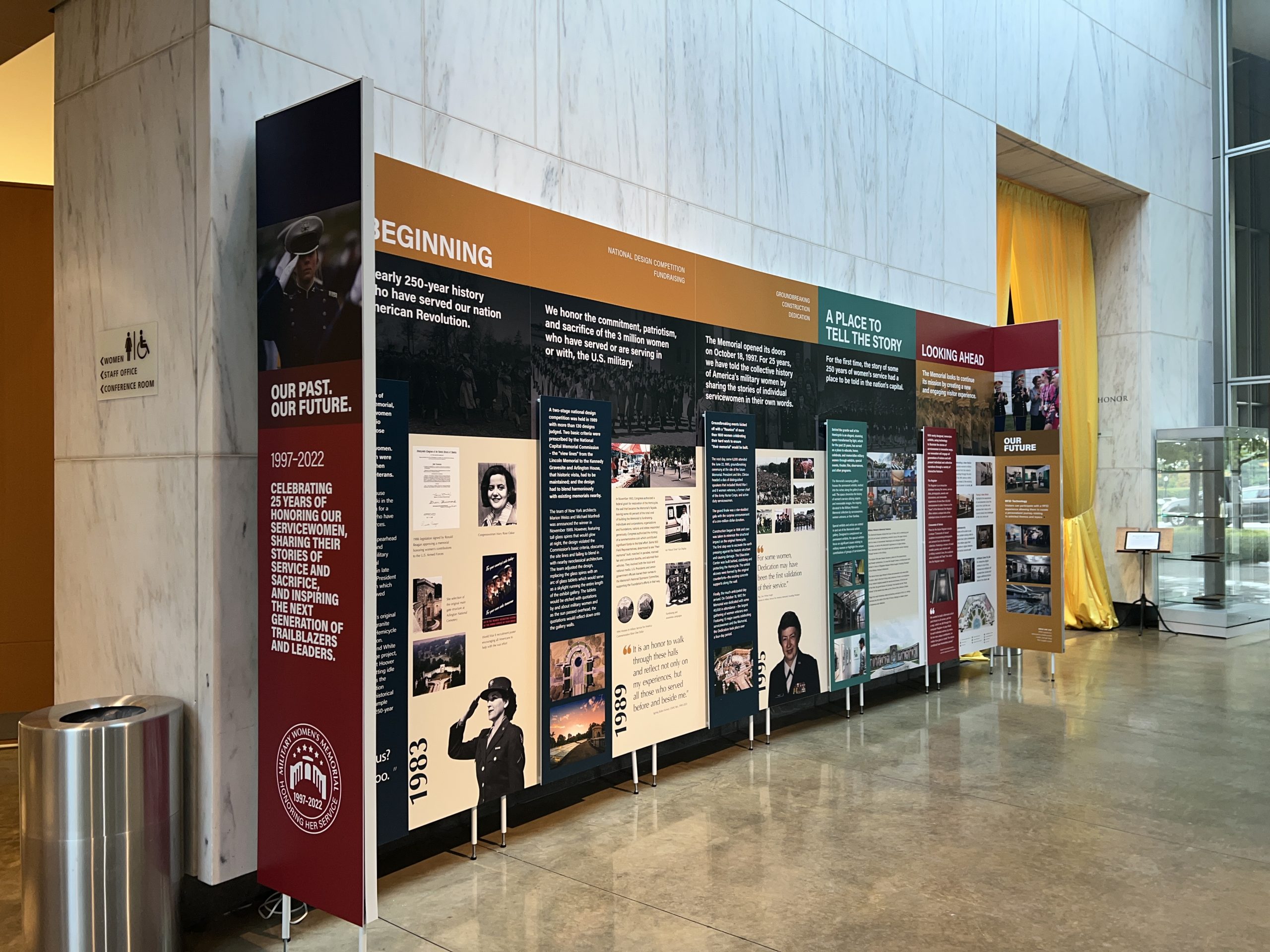
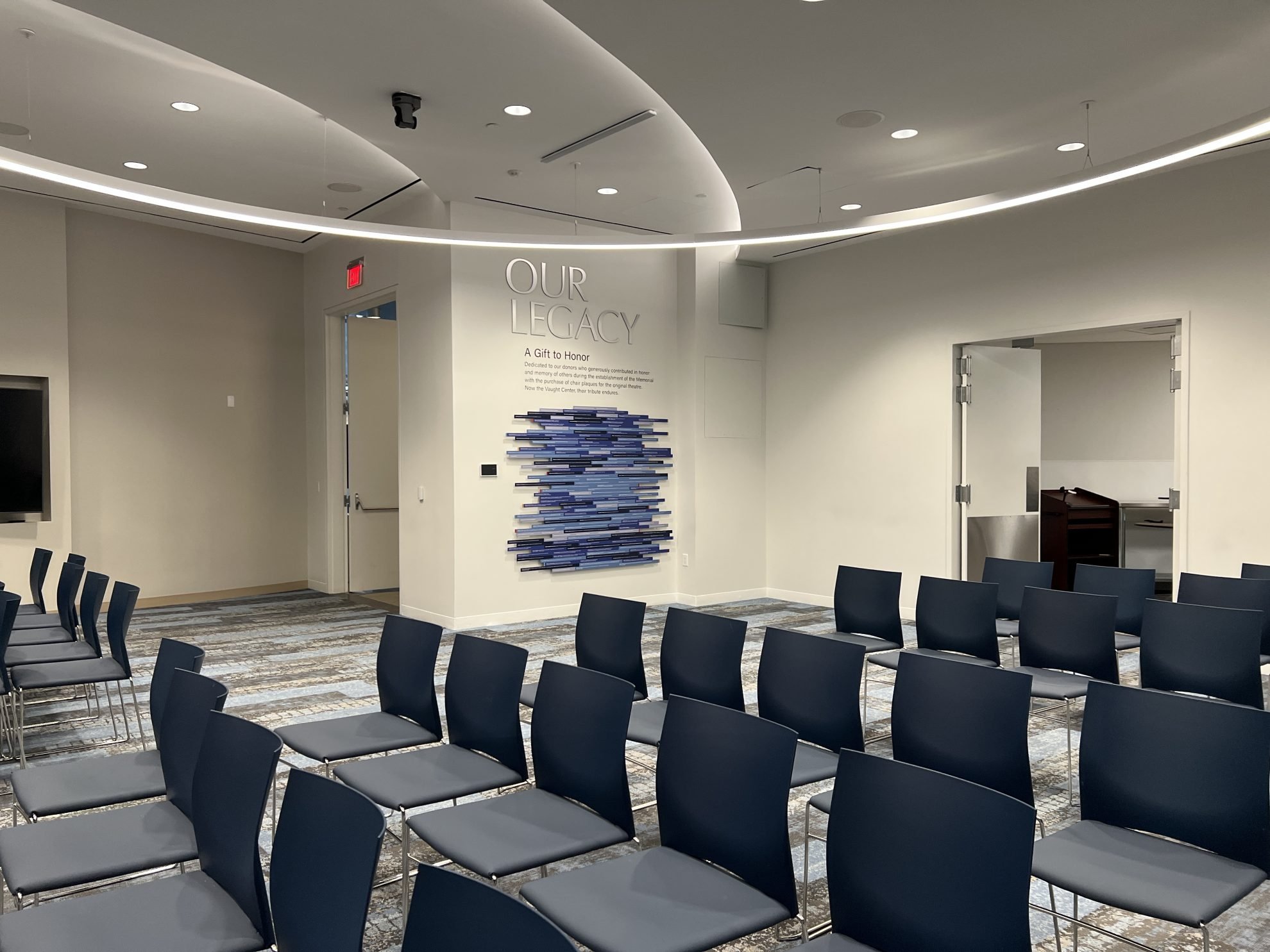
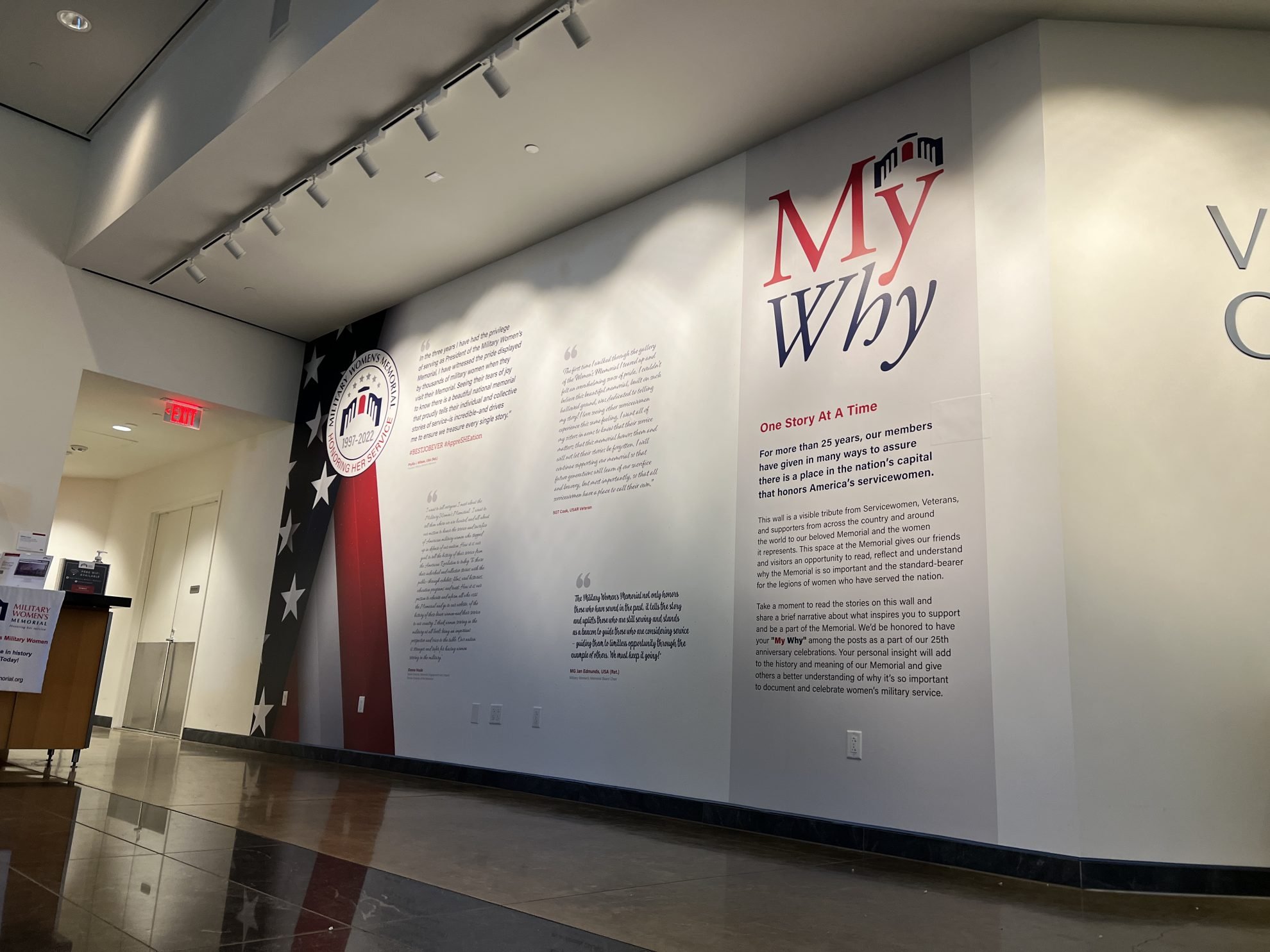
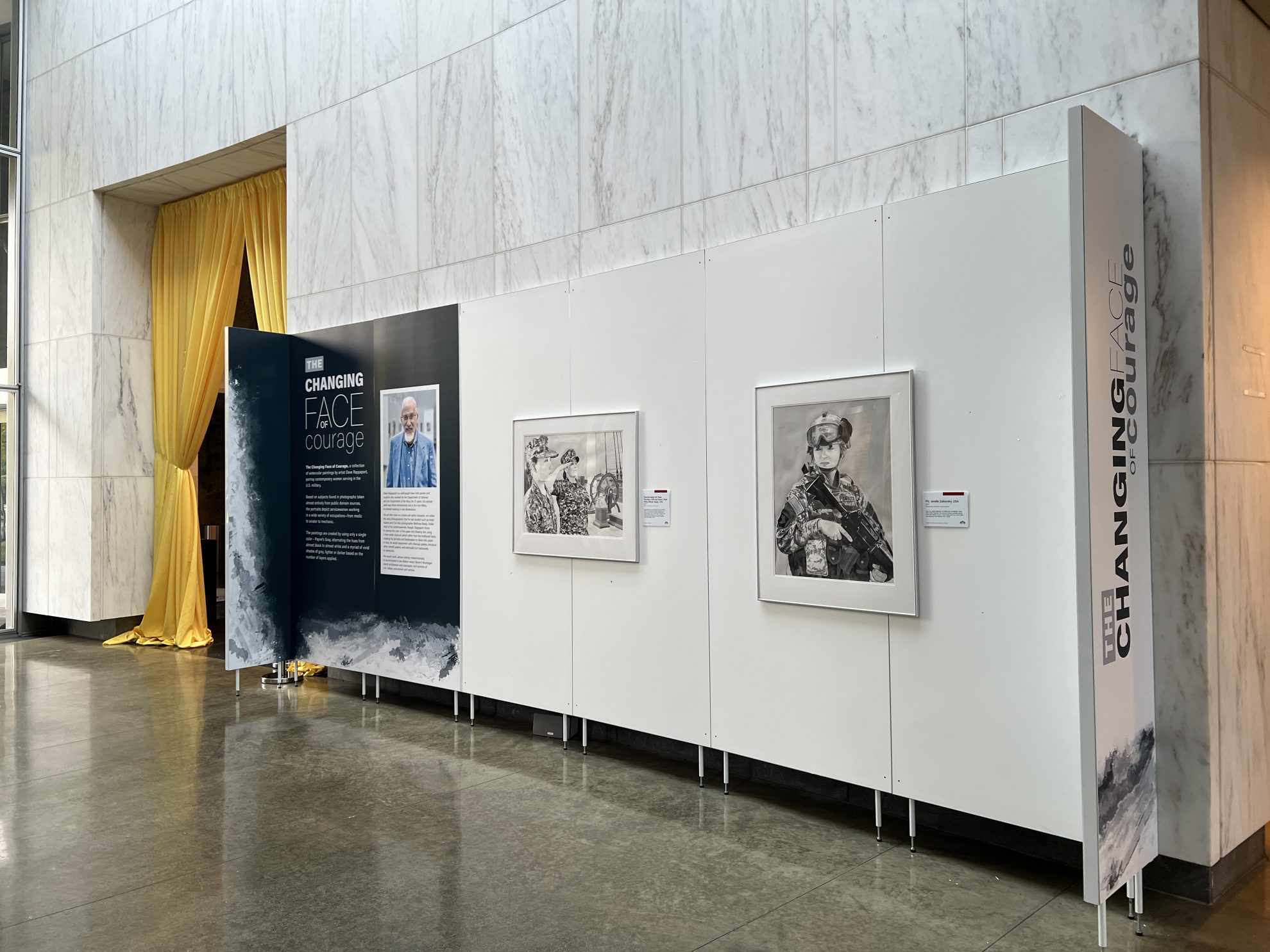
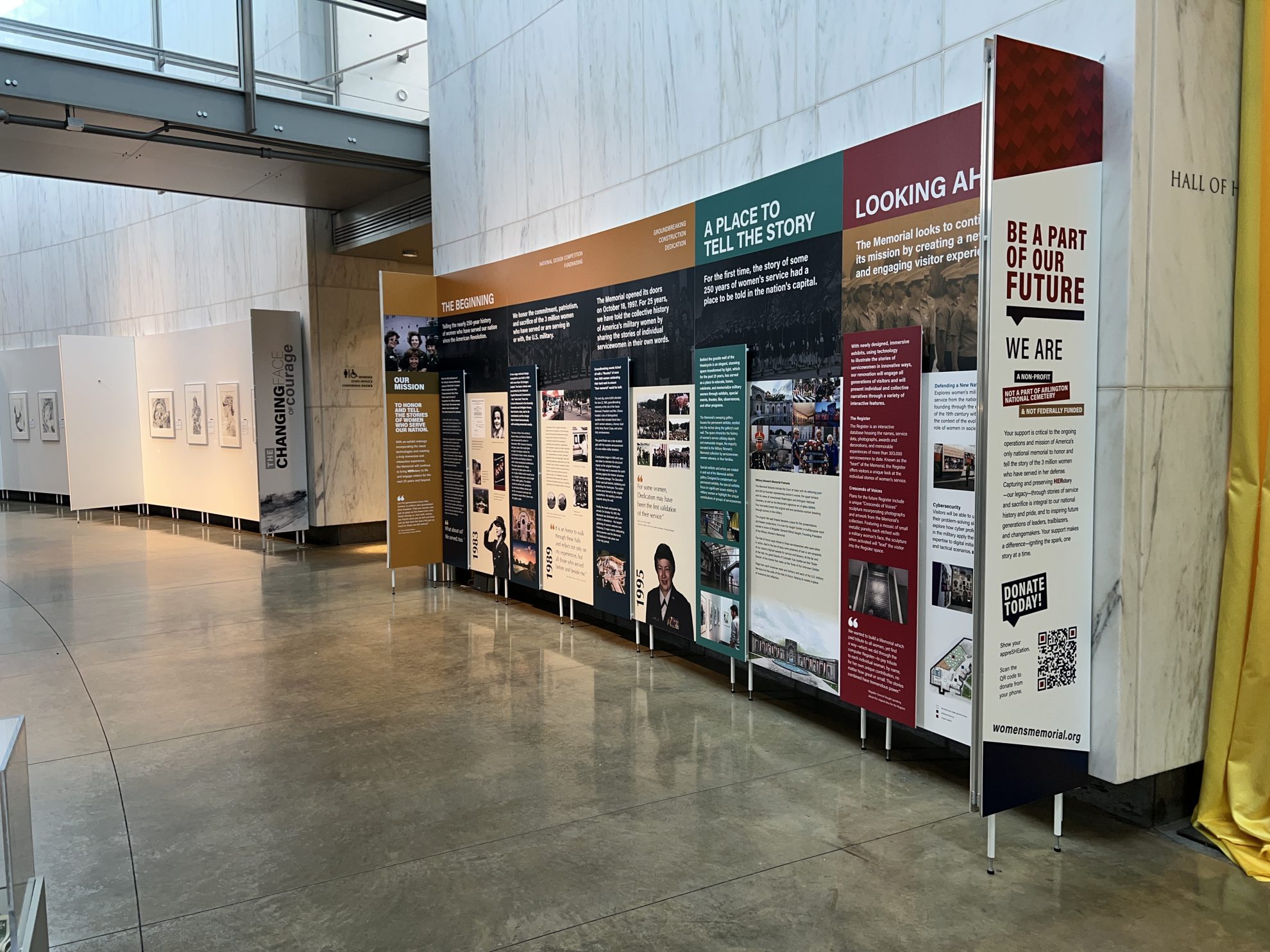
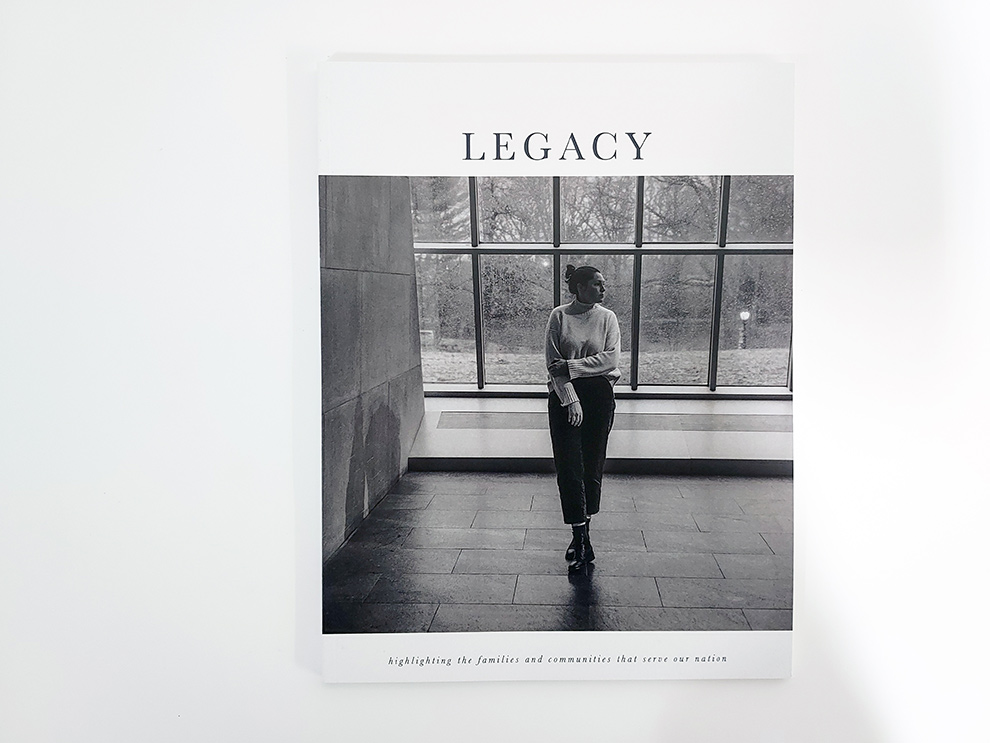
Heritage Signs & Displays created new museum signage for the Military Women’s Memorial in Arlington, VA. The project included custom signs, wall wraps, dimensional letters, and standoff-mounted displays to honor the legacy of U.S. servicewomen and the donors who supported the memorial. The updated interior features impactful designs, including a "Our Legacy" wall display and panels showcasing historical contributions and artwork, creating a transformative tribute to women in the U.S. Armed Forces.
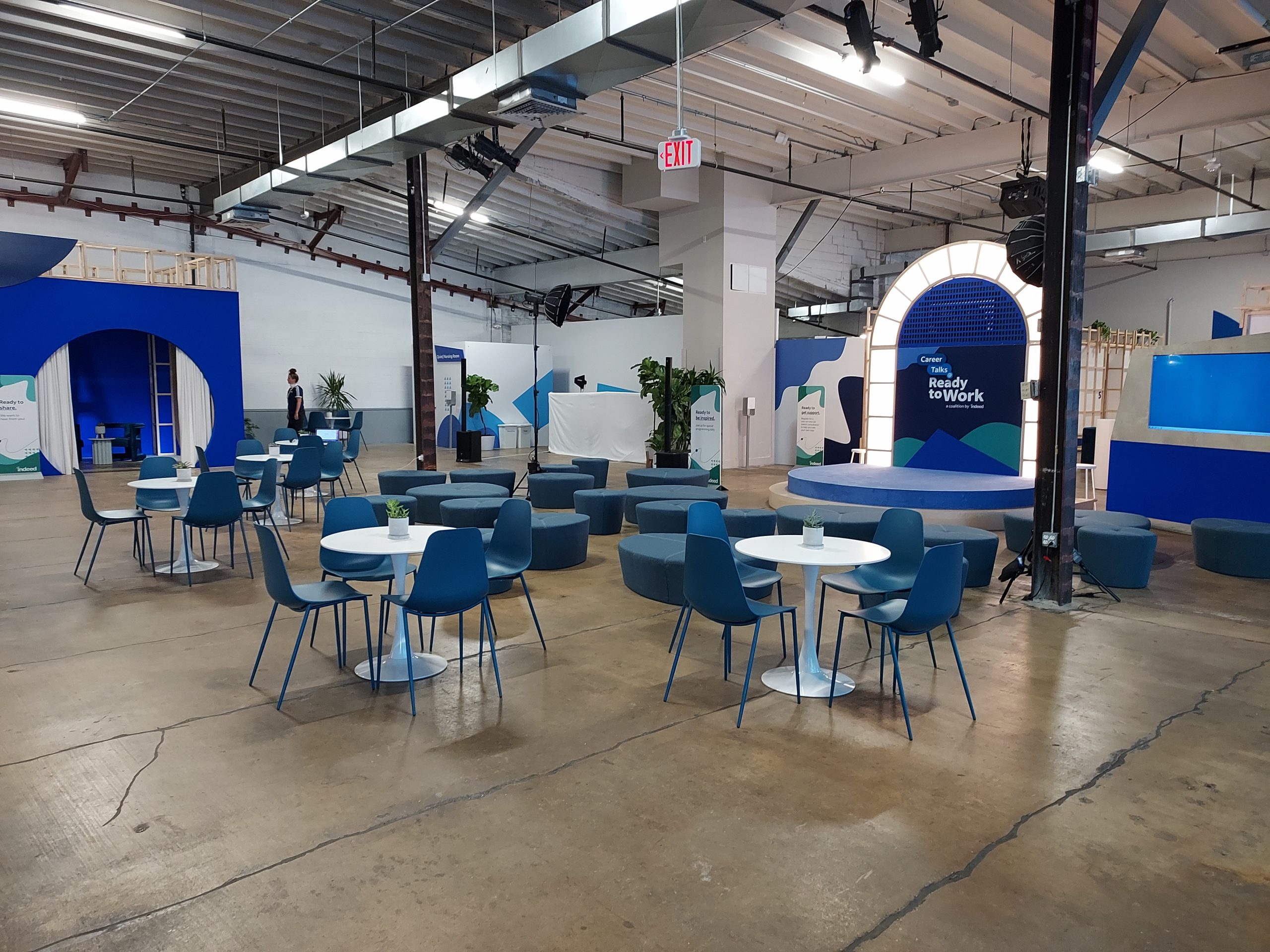
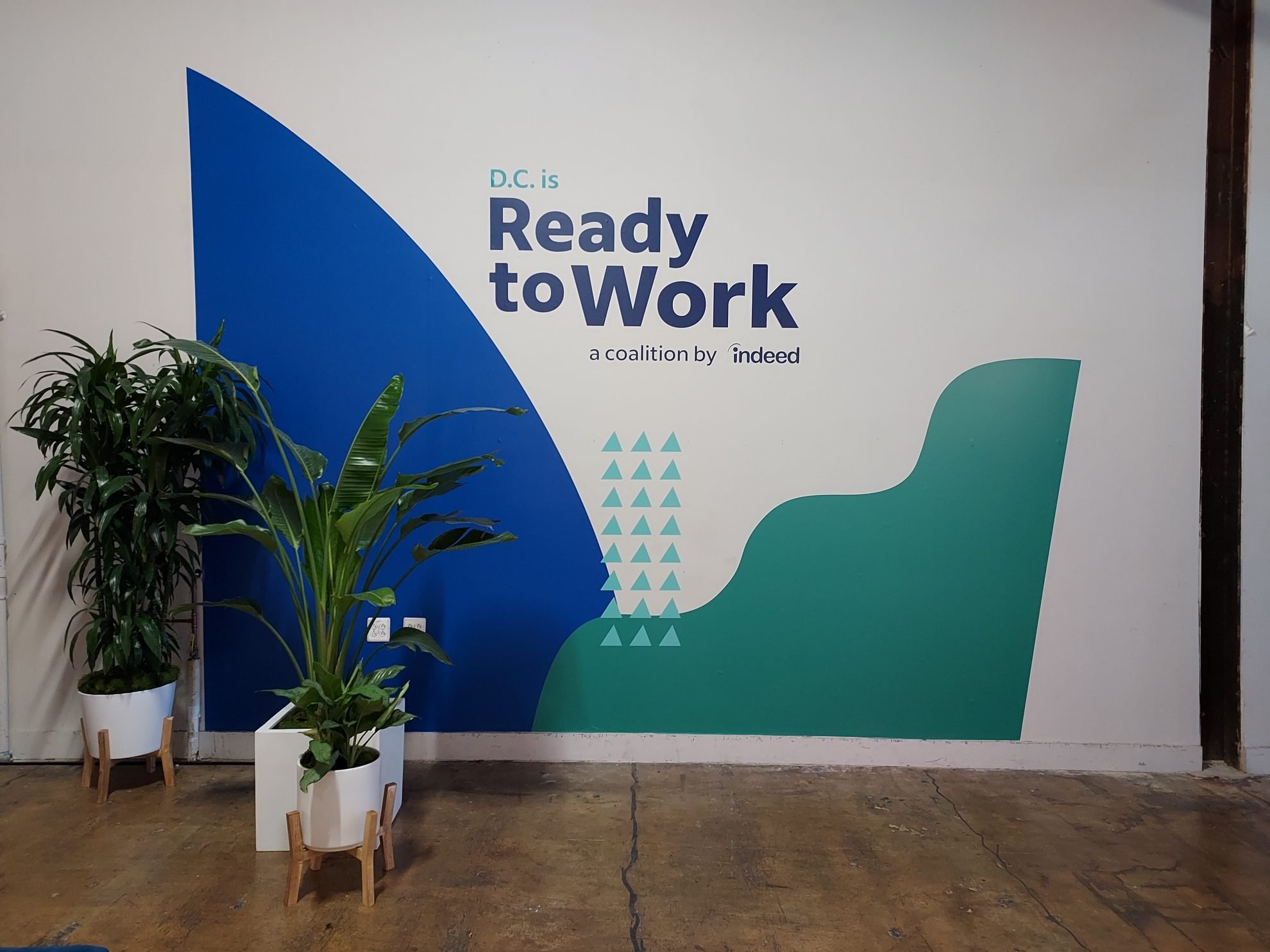
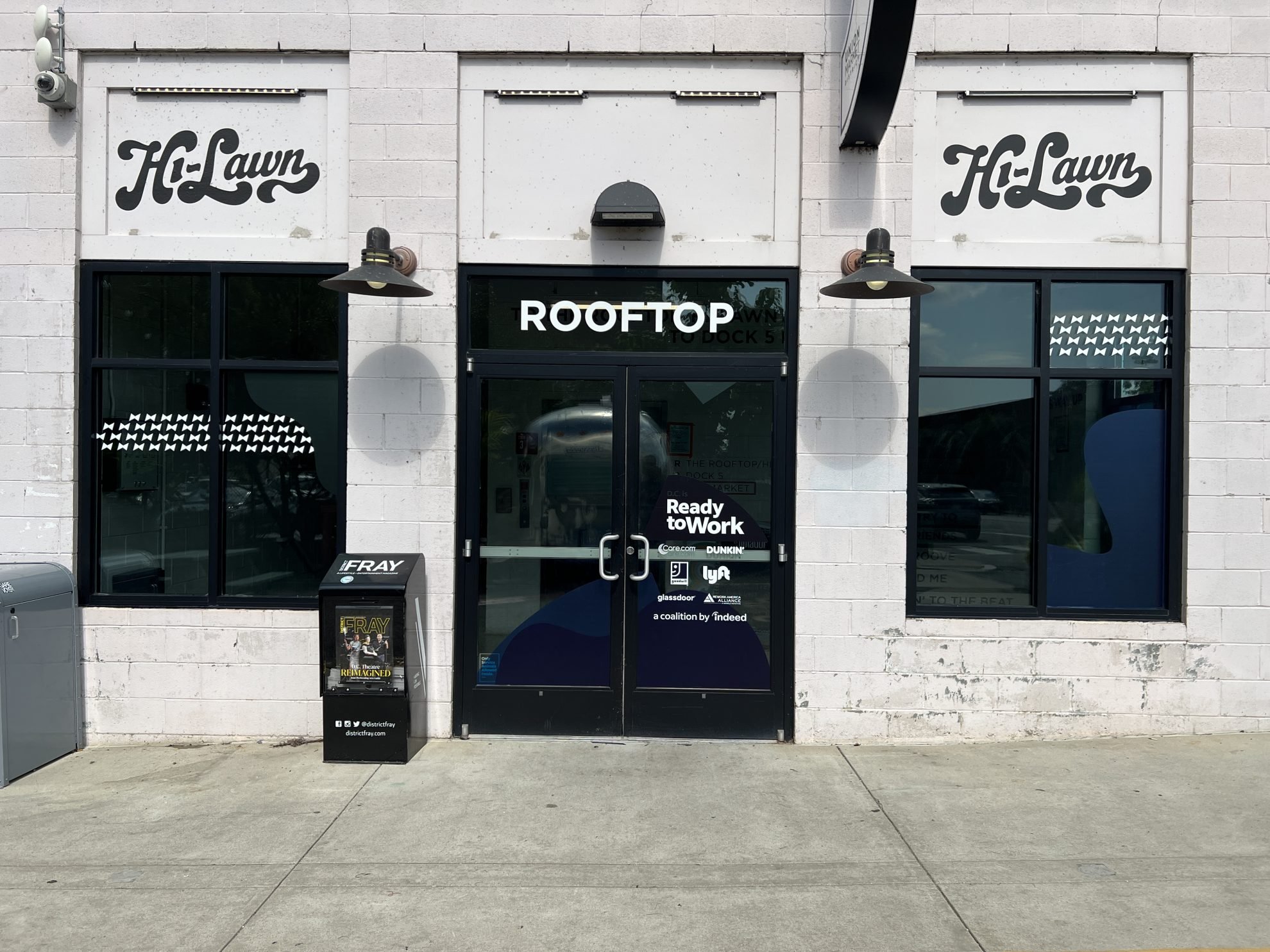
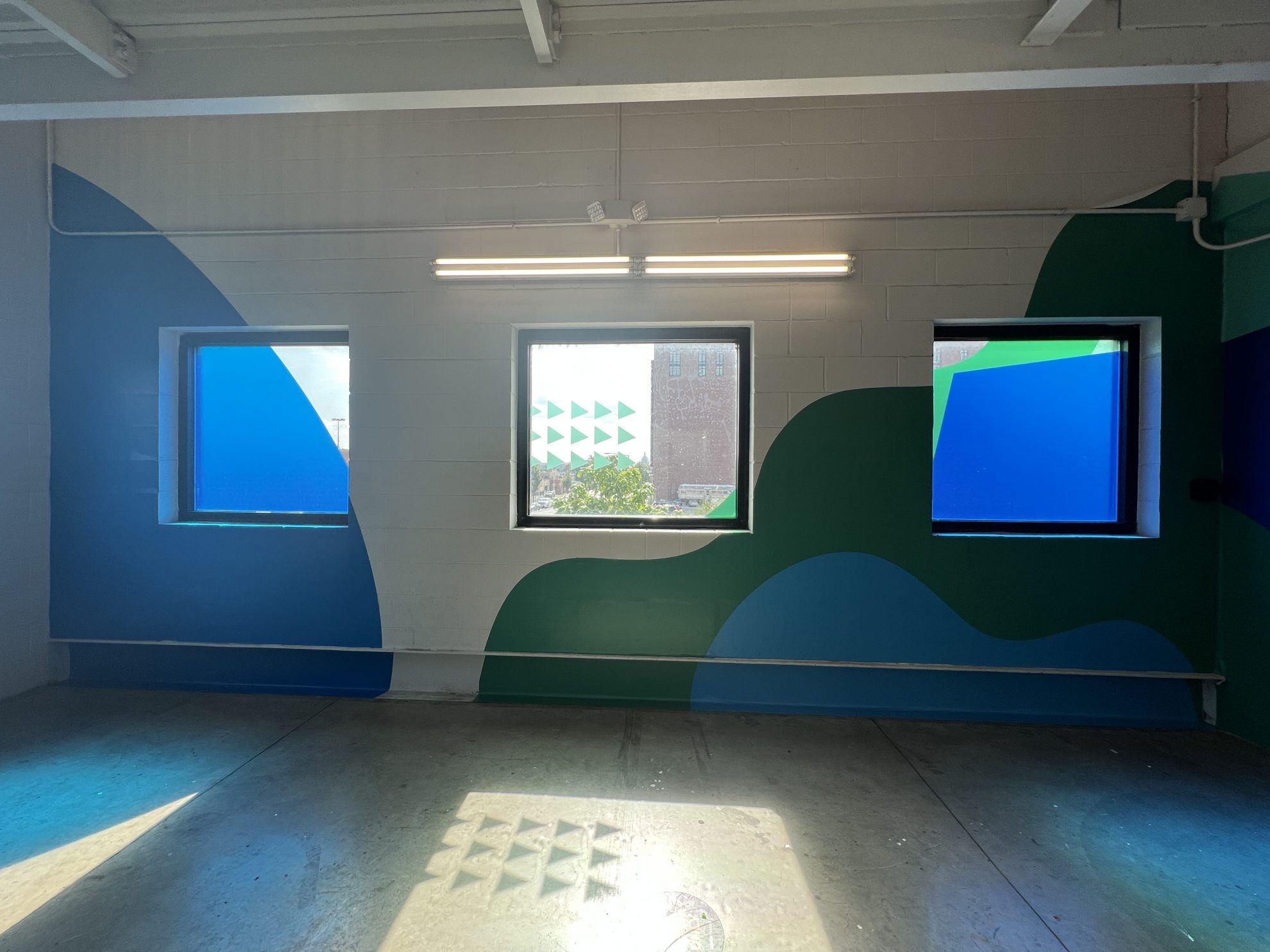
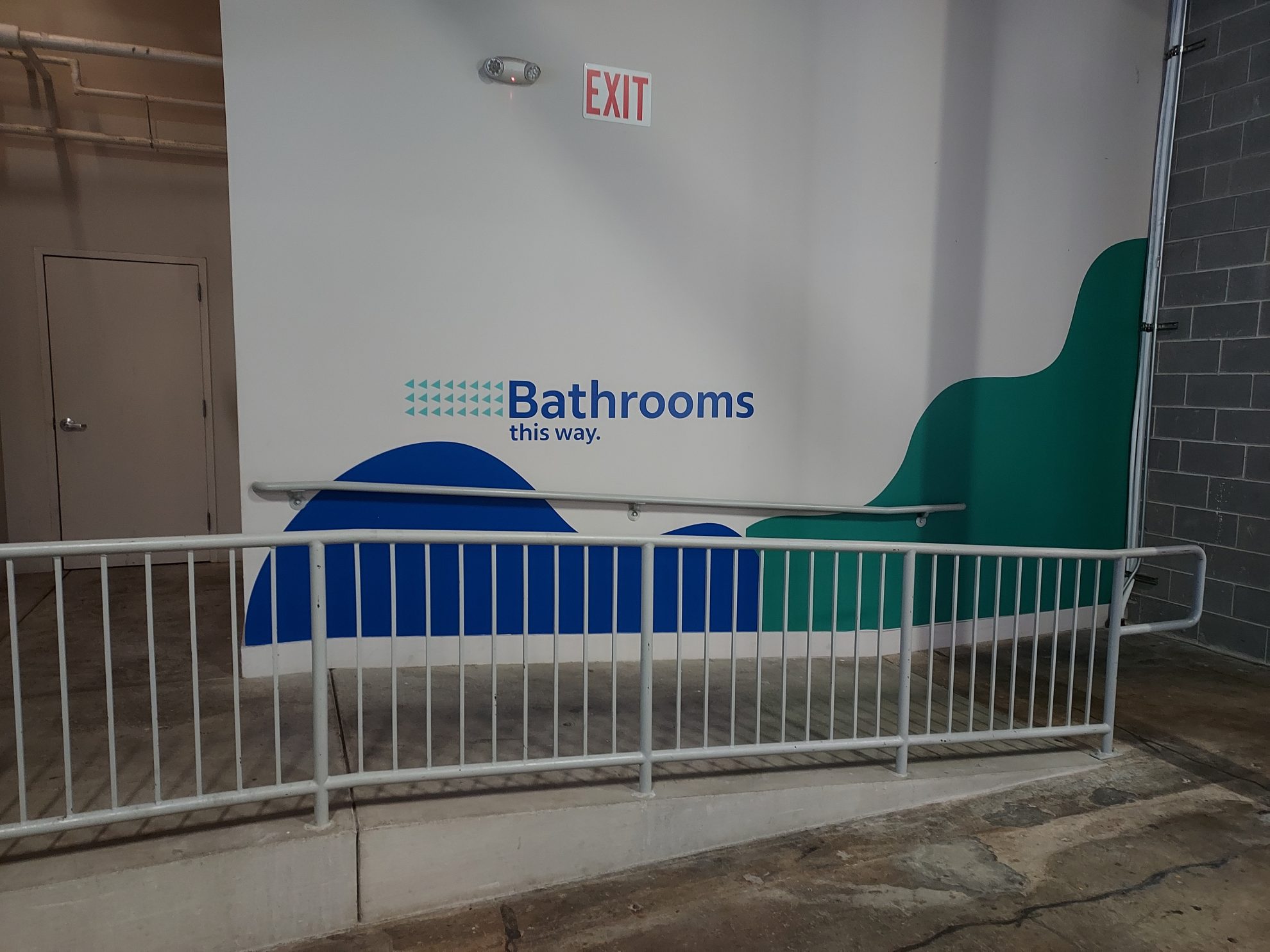
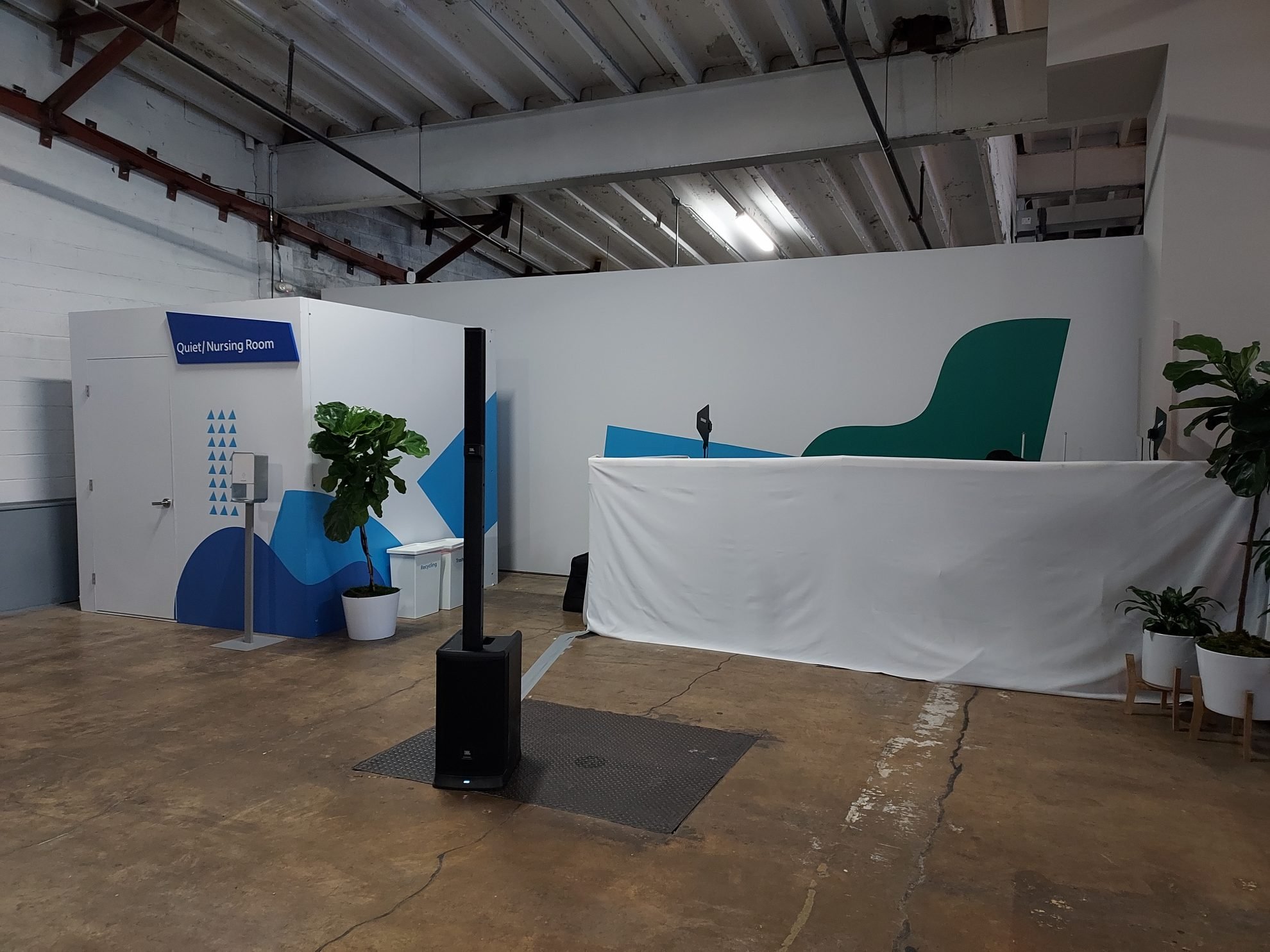
Heritage Signs & Displays' collaboration with The Gathery to brand Union Market in Arlington, VA, for Indeed's "Ready to Work" job fair. The project included custom event displays, wall graphics, window graphics, and wayfinding signs, creating an immersive and visually appealing environment. The branding enhanced the venue, reflected the event's mission, and provided a seamless experience for attendees.