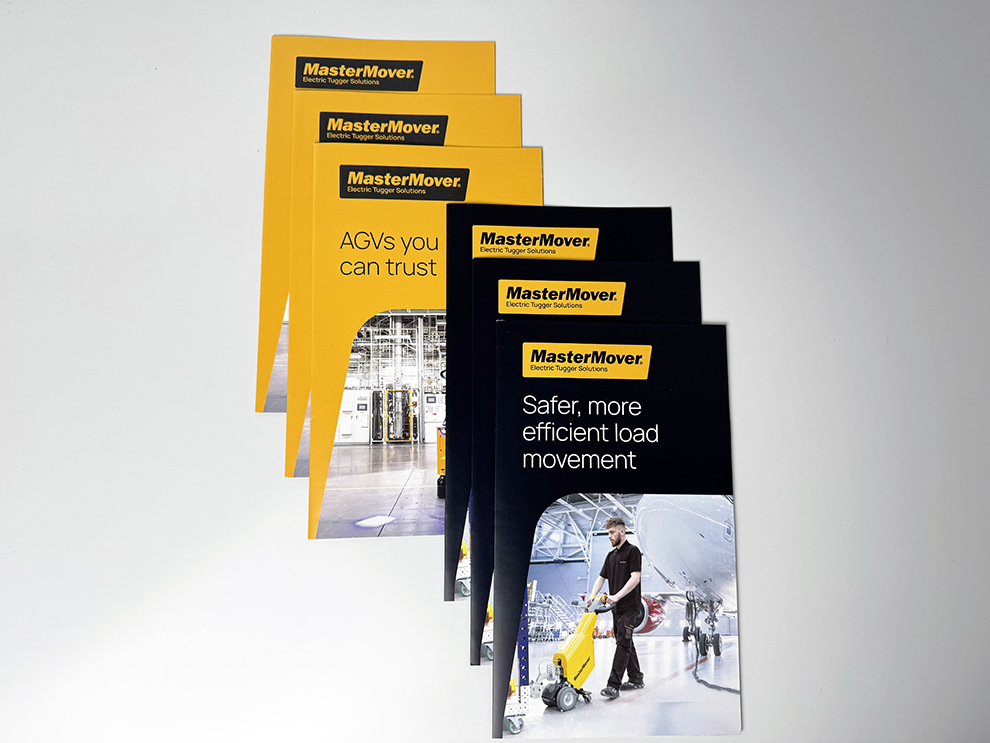
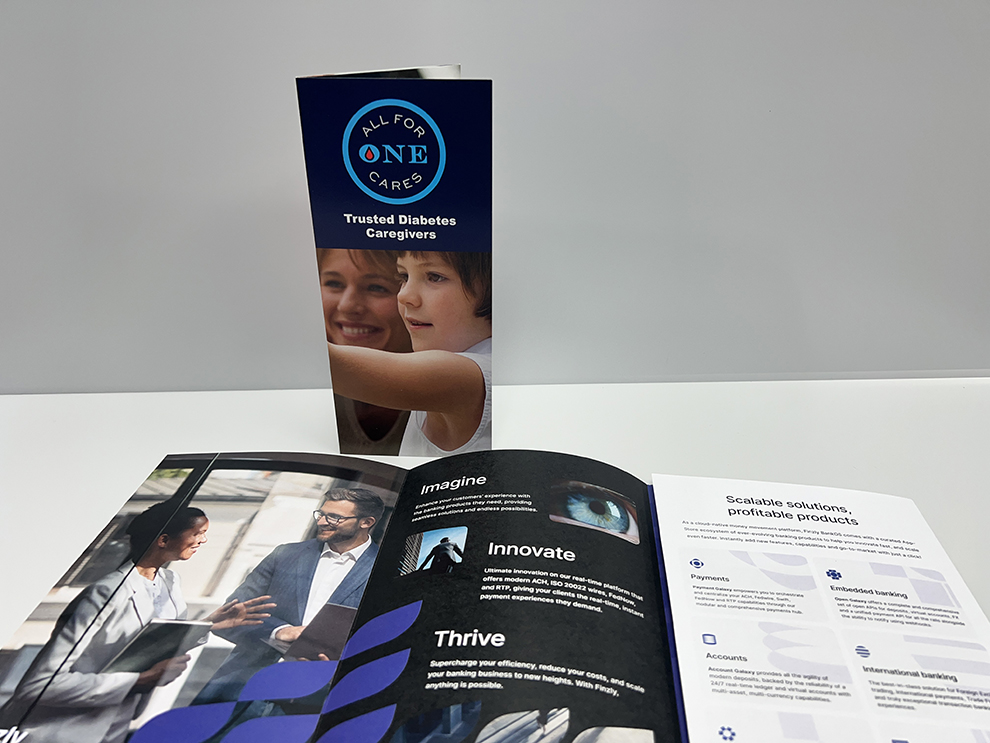
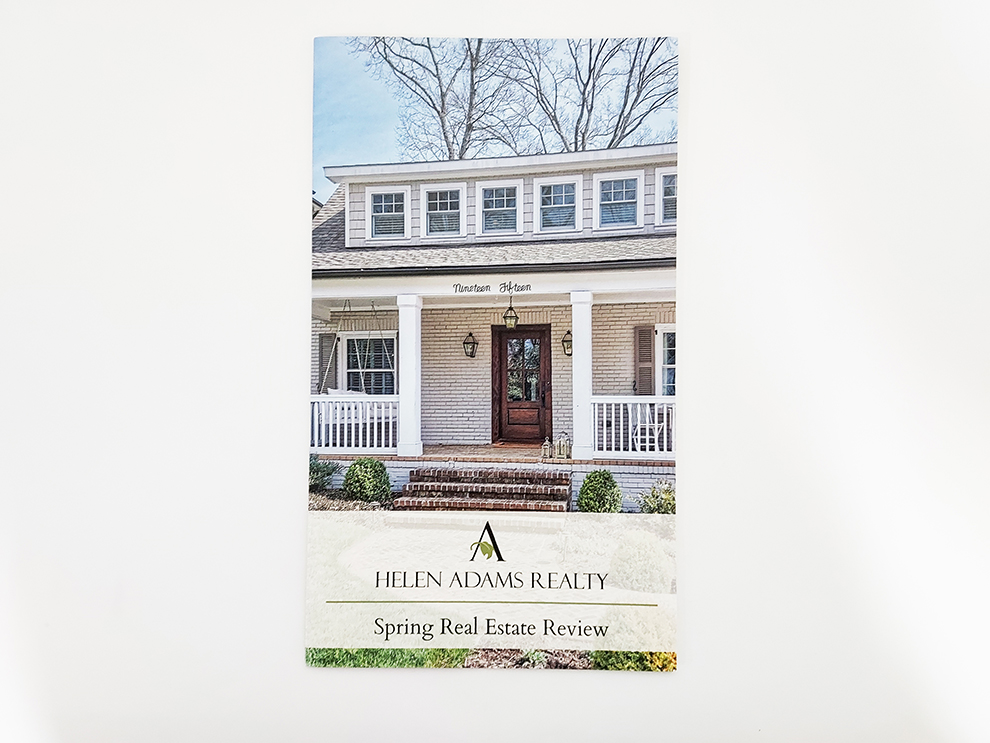
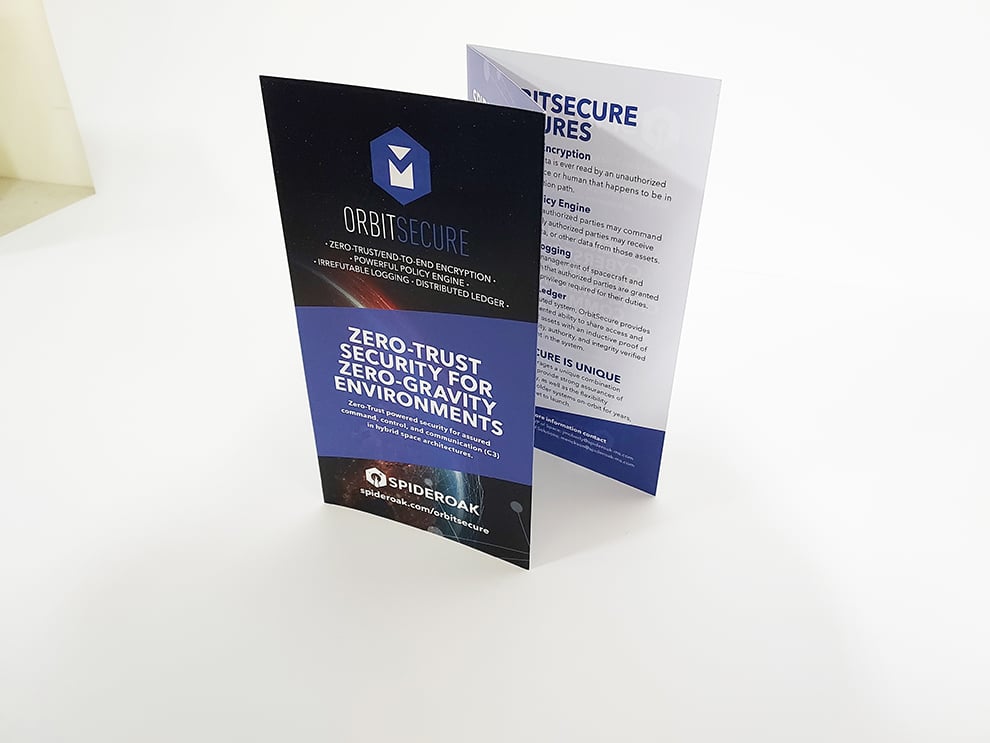
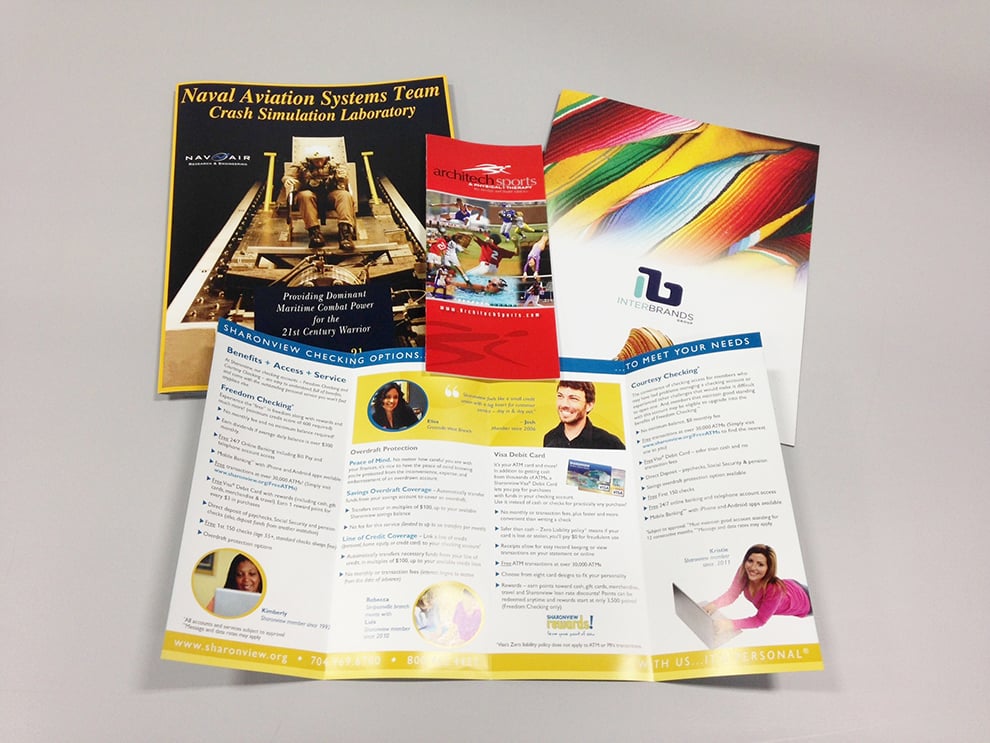
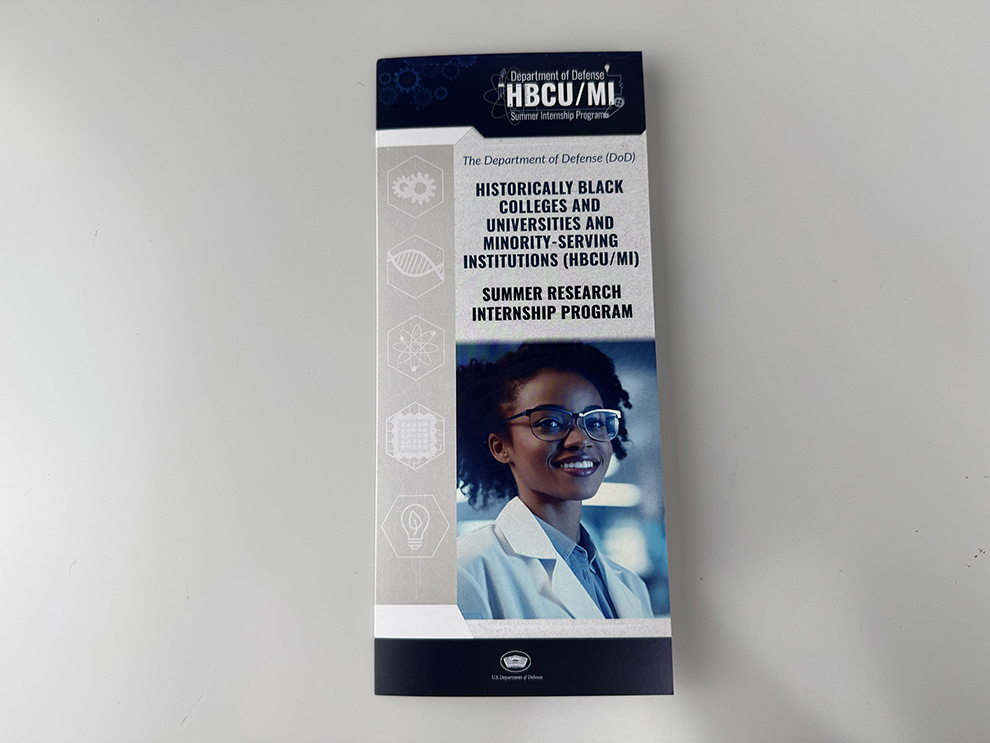
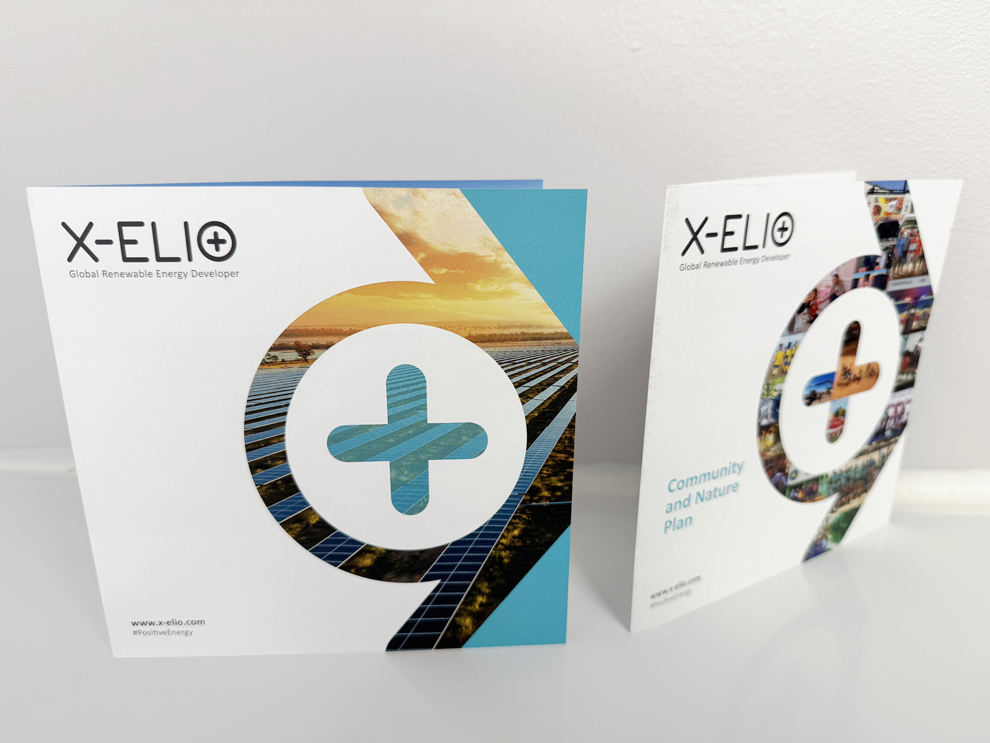
Healthcare and life-sciences brochures carry information people act on. A patient decides whether to call, a referring physician decides whether to recommend a program, and a prospective participant decides whether to learn more. In Bethesda's medical and research community, those brochures usually pass through clinical, legal, or regulatory review before anyone sends a file to print.
Heritage respects that work by printing exactly what was approved. The file your reviewers released is the file we prepare for production, checked against the selected fold and printed with consistent color, and the responsible reviewer sees it once more on an electronic proof before anything is printed.
Version discipline is the quiet requirement. Approved materials often carry a revision code, date, or approval number, and the printed piece must match the reviewed file precisely. Heritage keeps the approved file distinct from earlier drafts and treats any late change as a new proof. That protects your review process and gives your team confidence that what reaches patients matches what your reviewers signed off on.

Accuracy-sensitive printing depends on process, not good intentions. Heritage, with printing roots dating to 1977, uses production review and a required electronic proof on every order, so there is a defined checkpoint between the approved file and the printed brochure. Nothing goes to press until that proof is approved, and that checkpoint protects your review work as much as ours.
Our responsibility is reproduction, not medical content. Heritage does not review clinical claims, dosing, eligibility language, or regulatory statements; your reviewers own that work. What we provide is careful handling of the file you approve, consistent color managed with spectrophotometric measurement and production-specific profiles where relevant, and a printed piece that reflects your organization professionally.
Our veteran-owned, family-led team is consistently responsive when timing matters, such as a program launch, a conference, or a patient-education update. When a qualifying Custom Quote is accepted and the order assigned, a Project Coordinator becomes your team's direct phone and email contact, giving reviewers one accountable person to ask.


Combine patient brochures with forms, instructions, and appointment details for new patients or partners.

Coordinate referral flyers, postcards, and handouts with the same approved brand look.

Mail program brochures to referring practices or community audiences when addressing is in scope.

Turn patient guides, program manuals, or detailed education materials into a bound booklet.

Print agendas for continuing-education sessions, symposiums, and community health events.

Produce research summaries, resource guides, and directories that need more space.

Keep patients, members, or partners informed through a recurring printed newsletter.

Share research progress, outcomes, and support with boards, donors, and partners.
Once your brochure clears internal review, choose the path that matches it. Self-directed Online Store ordering suits an approved, print-ready file in a listed configuration, carries Heritage's lowest available pricing, and still includes an electronic proof. Custom Quote suits orders valued at $2,000 or more that need multiple approved versions, file adjustments, color-critical review, or closer coordination, with a Project Coordinator assigned after acceptance.
Reviewed materials need a clean handoff. Before sending files, confirm that the version going to Heritage is the one your reviewers approved, and include any revision code or approval reference that appears on the printed piece. Sending only the final file, rather than a folder of drafts, removes one common source of error.
When the electronic proof arrives, compare it against the approved version, not just against memory. Check every panel, footnote, phone number, web address, and revision code, and confirm the panel order on the folded layout. If a change is needed, send a corrected file through the same internal approval path; Heritage will issue a new proof for the change.
Late edits are where accuracy breaks down. A change made outside your review process can put a regulated statement or approval code out of sync with the version on file. Keeping one owner responsible for the final file and proof approval avoids that. Heritage will flag anything we notice in production review, but your organization remains the authority on what the brochure must say.

No. Heritage reproduces the file your organization approves and does not evaluate clinical claims, regulatory language, or medical accuracy. Our production review focuses on print readiness: size, fold, panel placement, image quality, and color. Your reviewers remain responsible for what the brochure says.
Yes. Place it where your internal standards require, often on the back panel in small but legible type. Check it carefully on the electronic proof, because it is the detail most likely to fall out of sync when files are revised late in the process.
Compare the proof against the approved version line by line: copy, footnotes, phone numbers, web addresses, revision codes, and images. Confirm panel order and that nothing critical sits too close to a fold. The proof confirms content Heritage will print, not physical color or the physical fold.
Send a corrected file that has gone through your internal approval path, and Heritage will issue a new electronic proof. Depending on where the job is in production, a late change can affect the schedule. Changes made outside your review process are the most common source of compliance problems.
Yes. A patient version and a clinician version can share the same design while presenting different levels of detail. Supply separate approved files and quantities, and assign one approver per version. Each version receives its own electronic proof, so neither audience receives the other's content.
A brochure fits a focused topic patients can absorb quickly, such as what to expect before a visit. A booklet fits multistep instructions, care plans, or education that patients refer to over time. Clinical teams often choose based on whether the material is read once or kept and revisited.
Err on the side of larger type and strong contrast, since patients may be older, anxious, or reading without their glasses. Avoid thin fonts and long passages of light text on colored backgrounds. Your designers and reviewers control those choices; the proof is a good moment to read the brochure as a patient would.
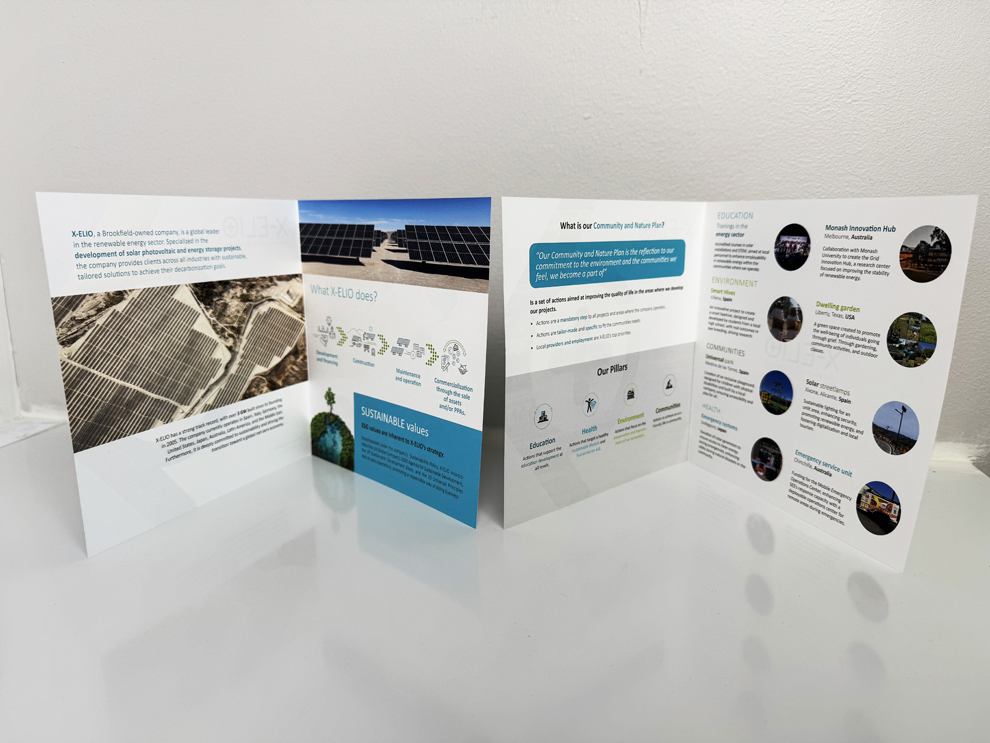
A tri-fold handles most patient topics well and fits standard racks in waiting areas. A bi-fold offers larger panels for diagrams or step-by-step instructions. Whatever the fold, place the most important instruction and the contact number where patients can find them without unfolding the entire piece.
On qualifying Custom Quote orders of $2,000 or more, Heritage can make production-oriented layout adjustments for the fold. Because your materials are reviewed, any adjustment that changes layout should go back through your internal approval, and Heritage will issue a new electronic proof so the reviewer can confirm nothing in the approved content moved or changed.
Yes, when the approved file is print-ready and the Store lists the configuration you need. The order receives production review and an electronic proof before printing at Heritage's lowest available pricing. Materials with several approved versions or tight coordination needs fit Custom Quote better.
Yes, if split delivery is part of the plan Heritage accepts. Provide each clinic's address, its quantity, a receiving contact, and the date stock is needed. When different clinics receive different approved versions, label quantities by version so the right brochure reaches each waiting room.
A mailing to referring practices can be added to the order when it is part of the accepted scope. Your organization provides a practice list that is current and cleared for this outreach, and Heritage takes care of addressing and postal preparation. After the Postal Service accepts the mailing, its schedule determines arrival.
Yes. Heritage works with healthcare providers, life-sciences companies, and research-related organizations throughout Maryland, Washington, DC, and Northern Virginia. Each order's delivery is planned around where the brochures will be used, from a single practice to a network of clinics. Note any reception or loading restrictions at each site when you order.
Readability and handling matter most. An uncoated or matte surface reduces glare under clinic lighting and accepts handwriting if staff add notes. A moderately stiff stock holds up in racks and bags. Choose a paper that supports the brochure's real use rather than the flashiest finish.
It is available for qualifying Custom Quote orders of $2,000 or more, not through the Online Store. The paid proof is produced on the intended production printer and paper, adds time, and becomes the controlling physical color reference once approved, unless otherwise agreed.
Choose Custom Quote for qualifying orders of $2,000 or more that need several approved versions, production-oriented file adjustments, physical color proofing, or closer coordination around a launch or conference. After Heritage accepts the quote and assigns the order, a Project Coordinator becomes your direct contact.
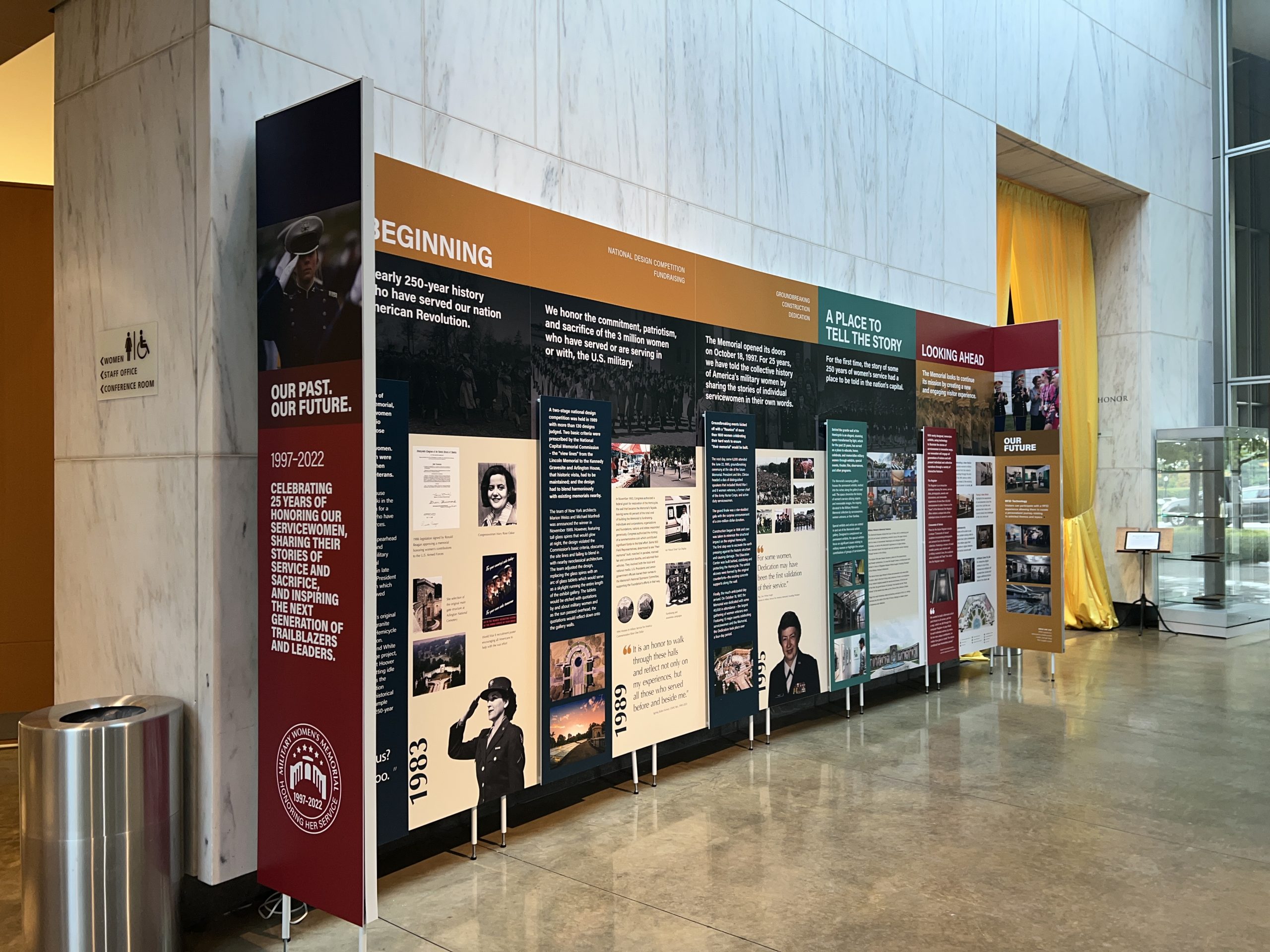
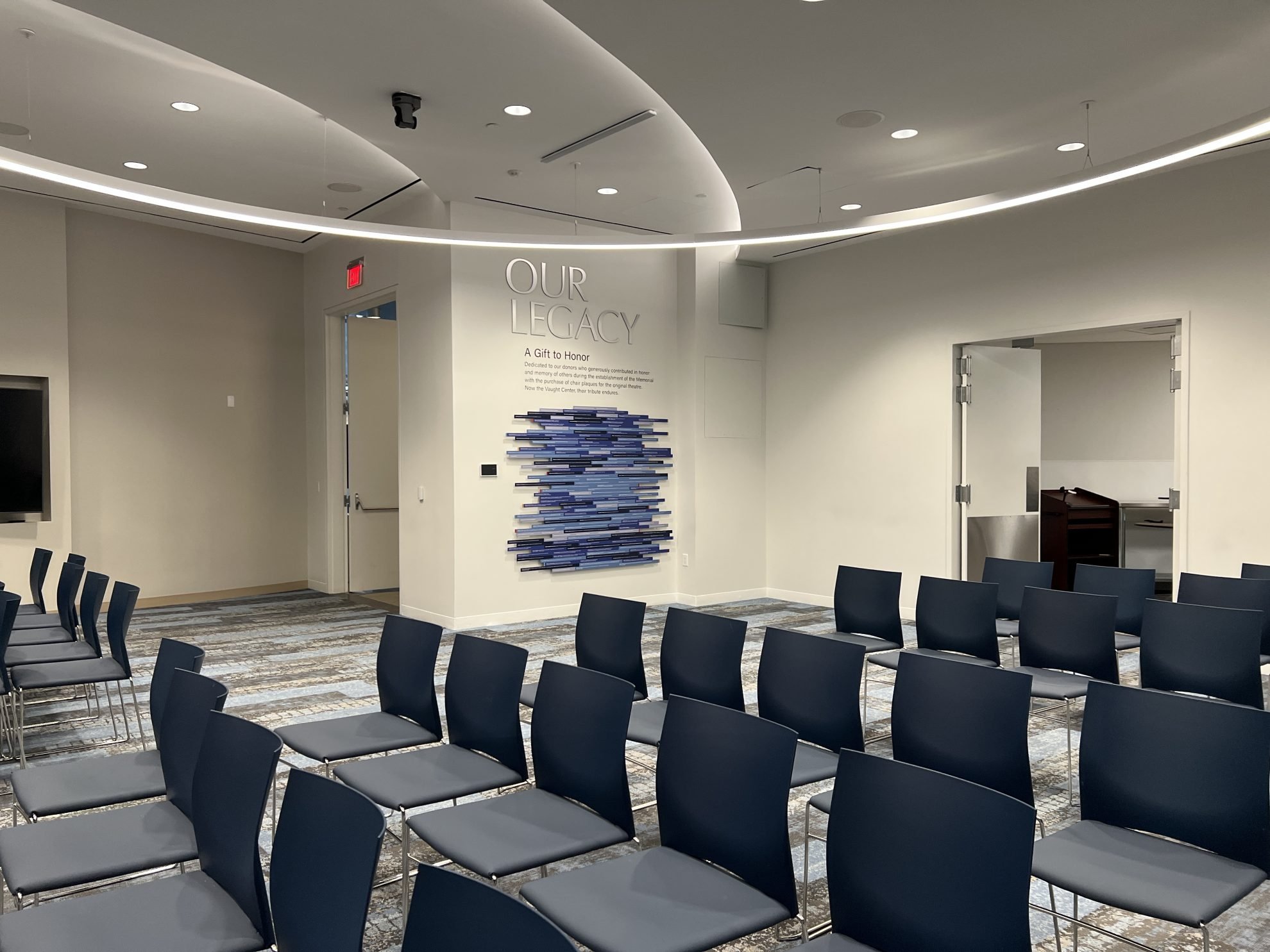
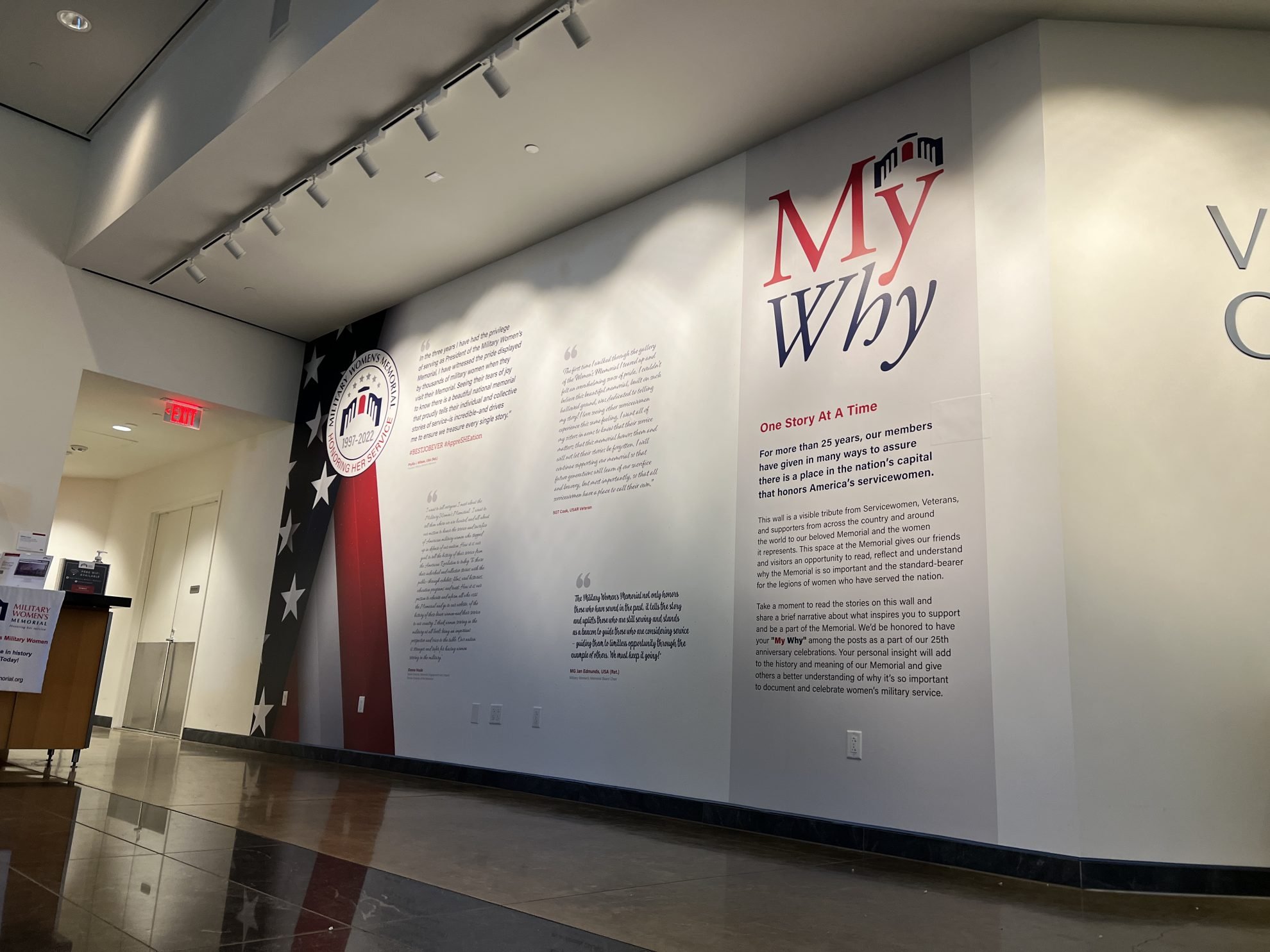
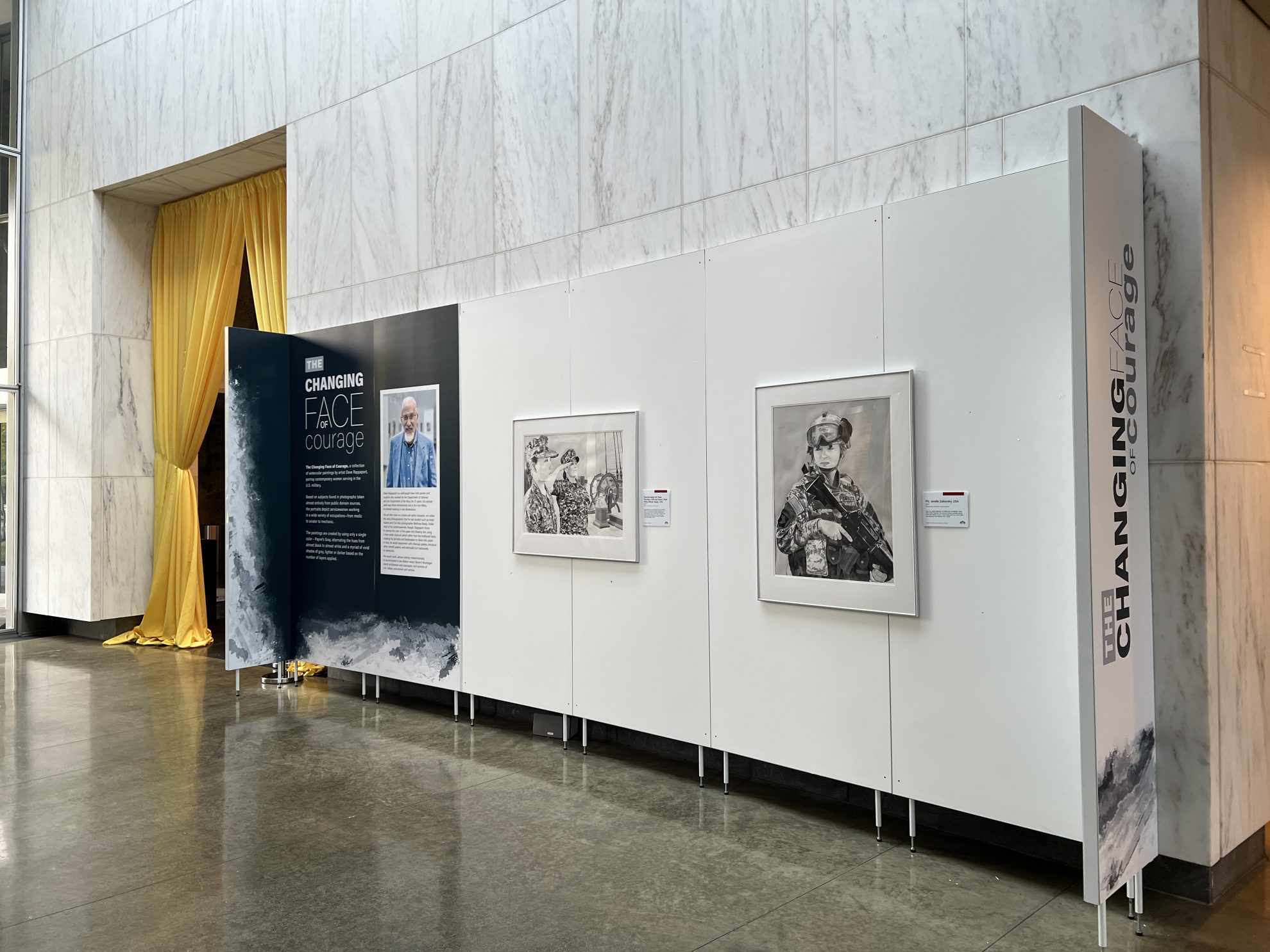
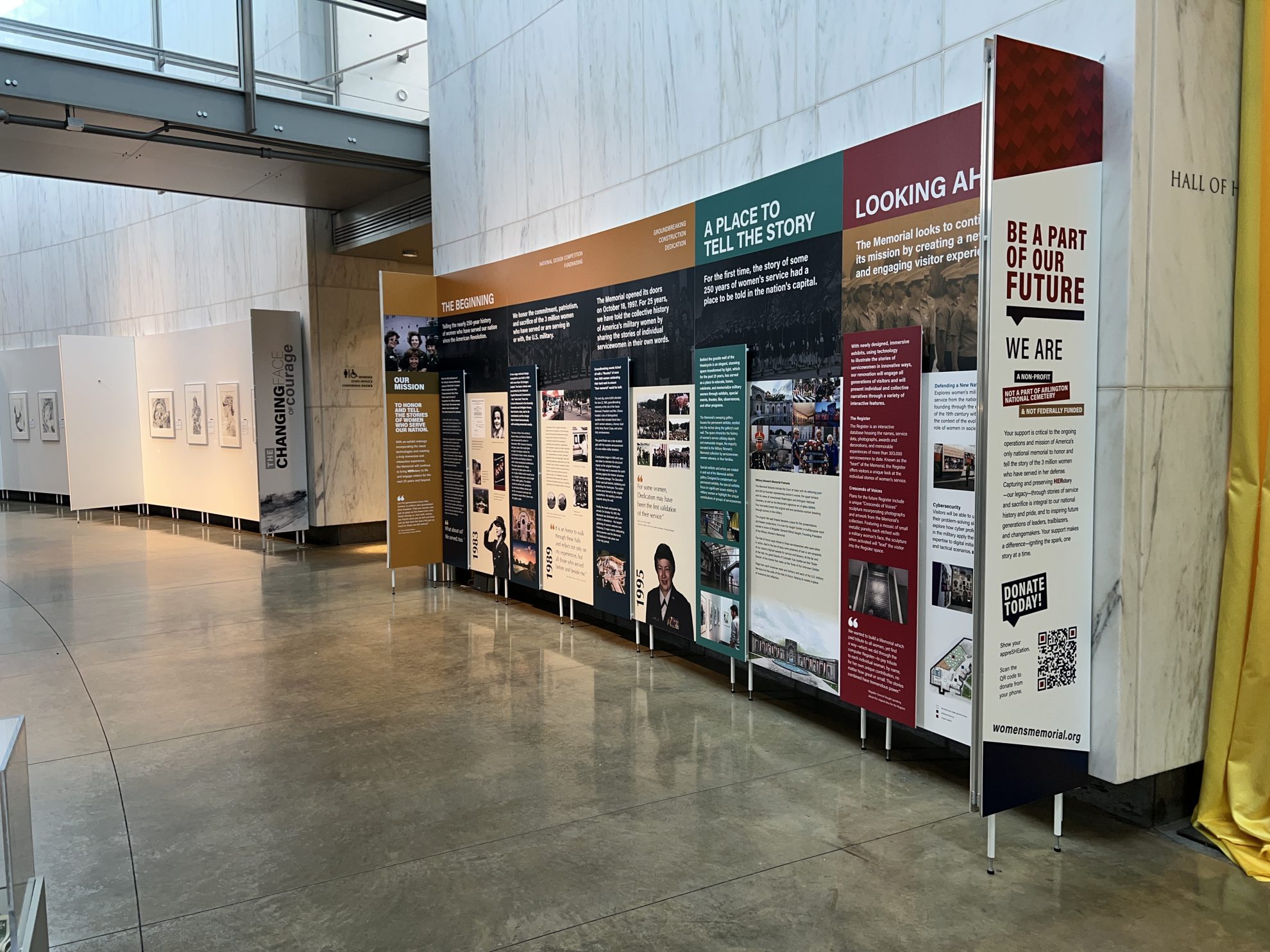
Heritage Signs & Displays created new museum signage for the Military Women’s Memorial in Bethesda, MD. The project included custom signs, wall wraps, dimensional letters, and standoff-mounted displays to honor the legacy of U.S. servicewomen and the donors who supported the memorial. The updated interior features impactful designs, including a "Our Legacy" wall display and panels showcasing historical contributions and artwork, creating a transformative tribute to women in the U.S. Armed Forces.
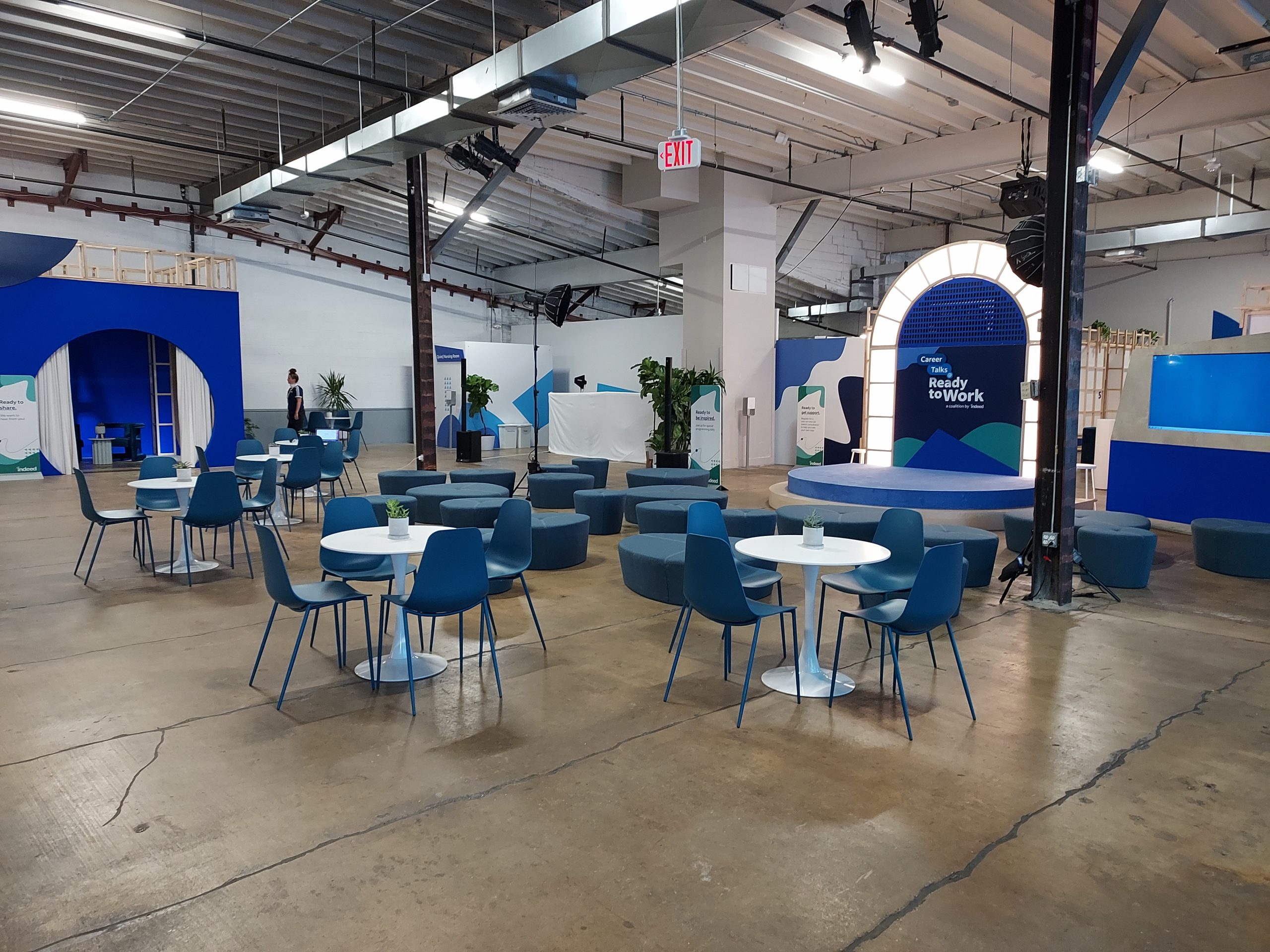
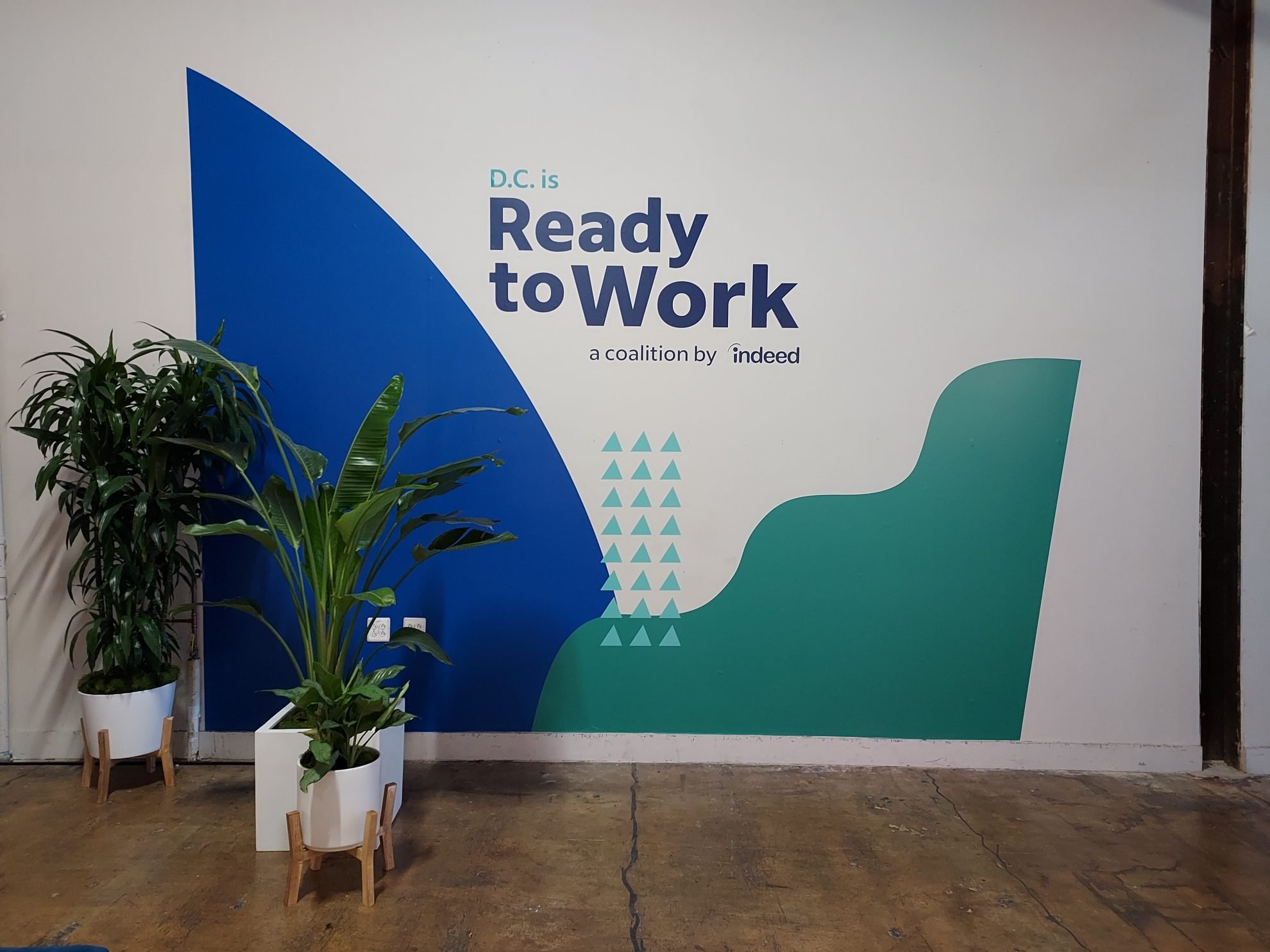
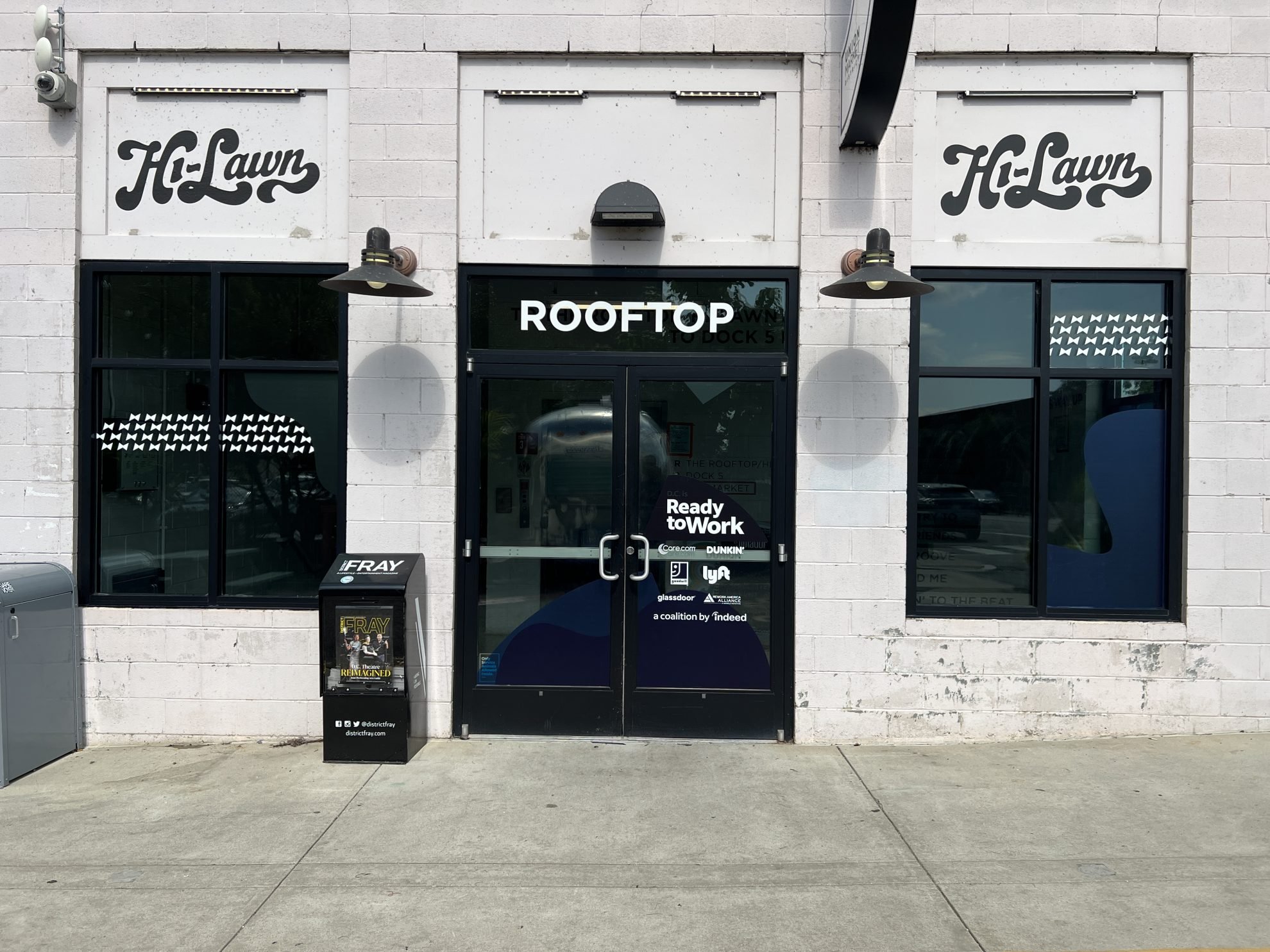
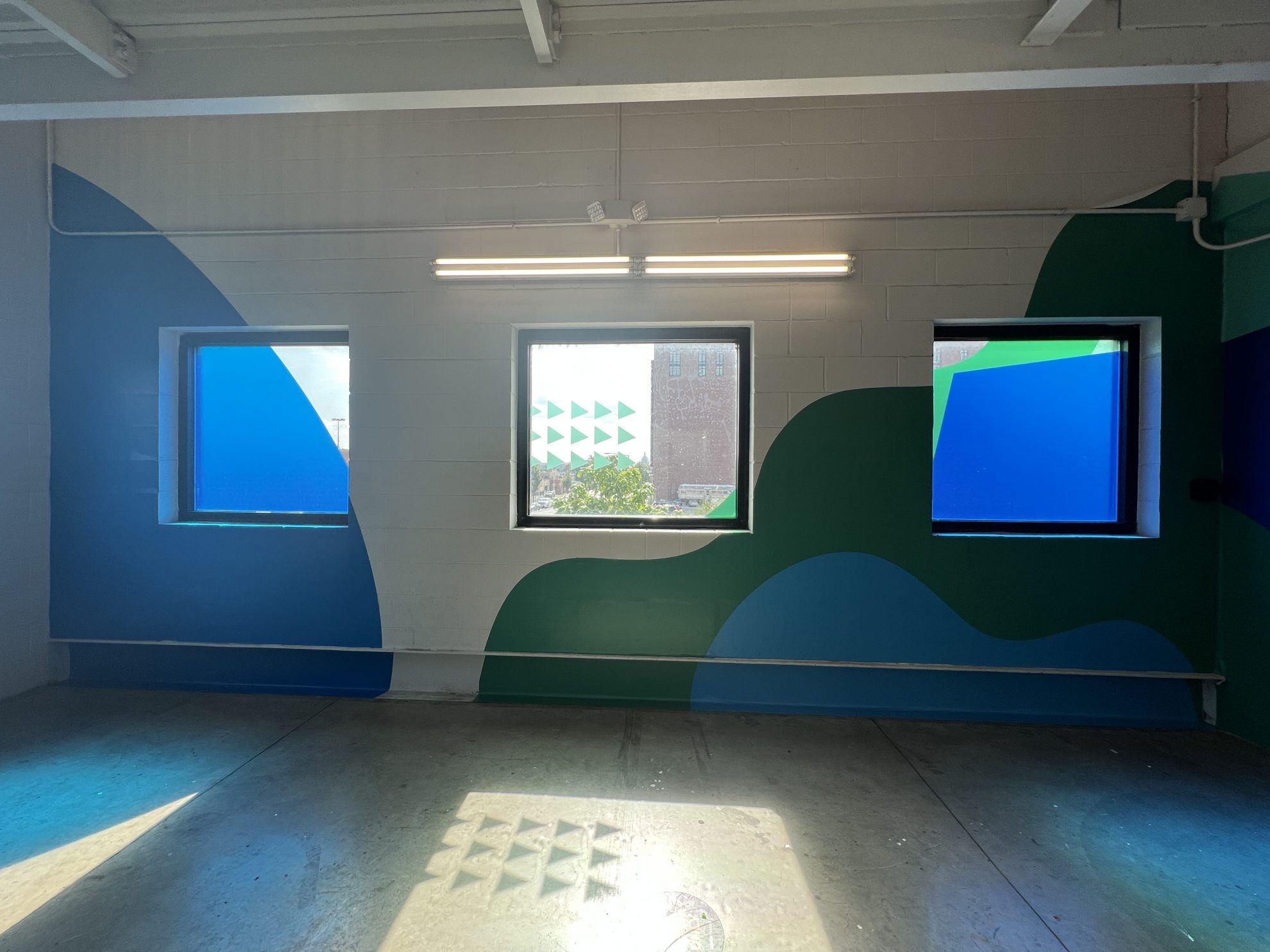
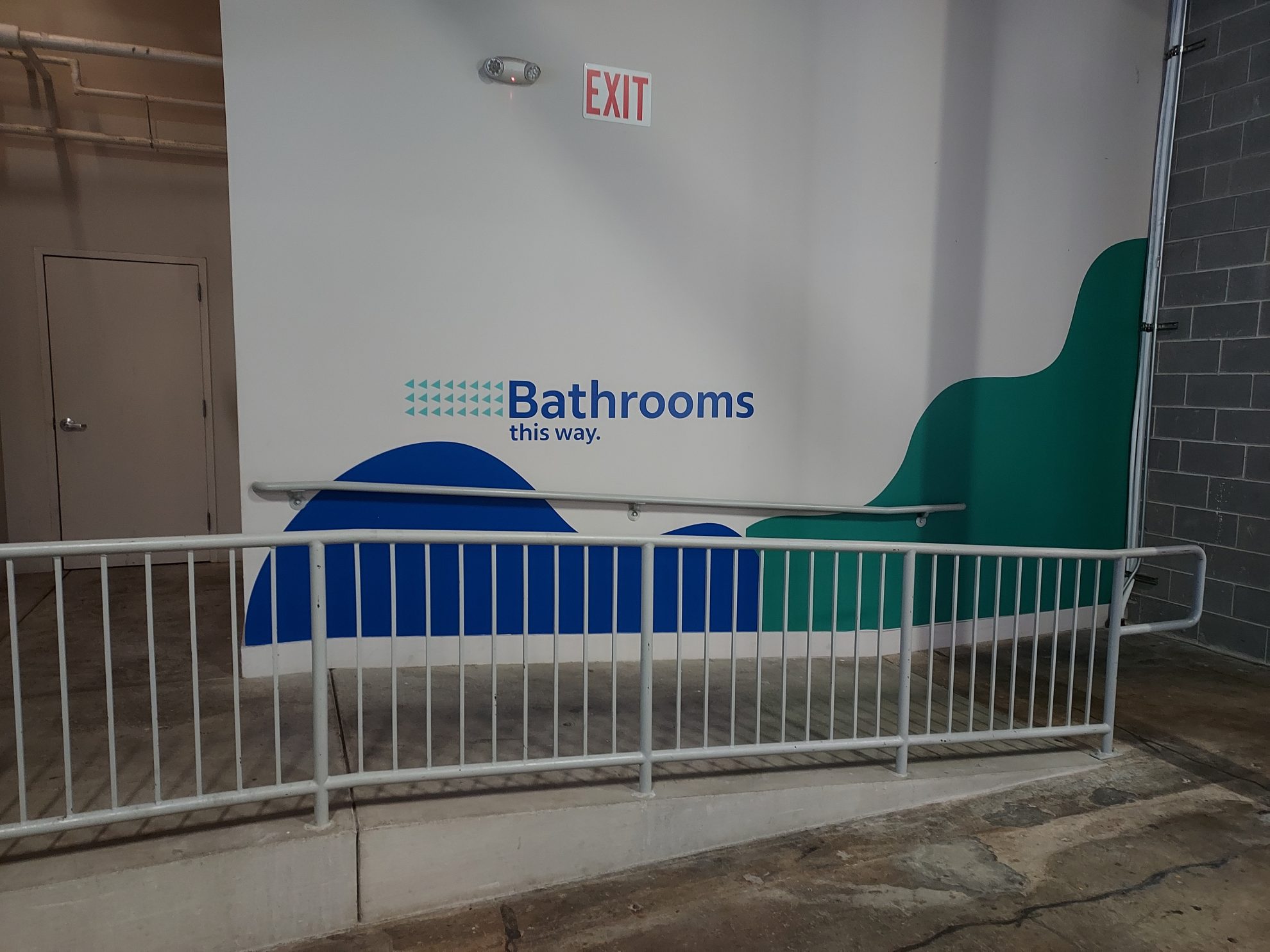
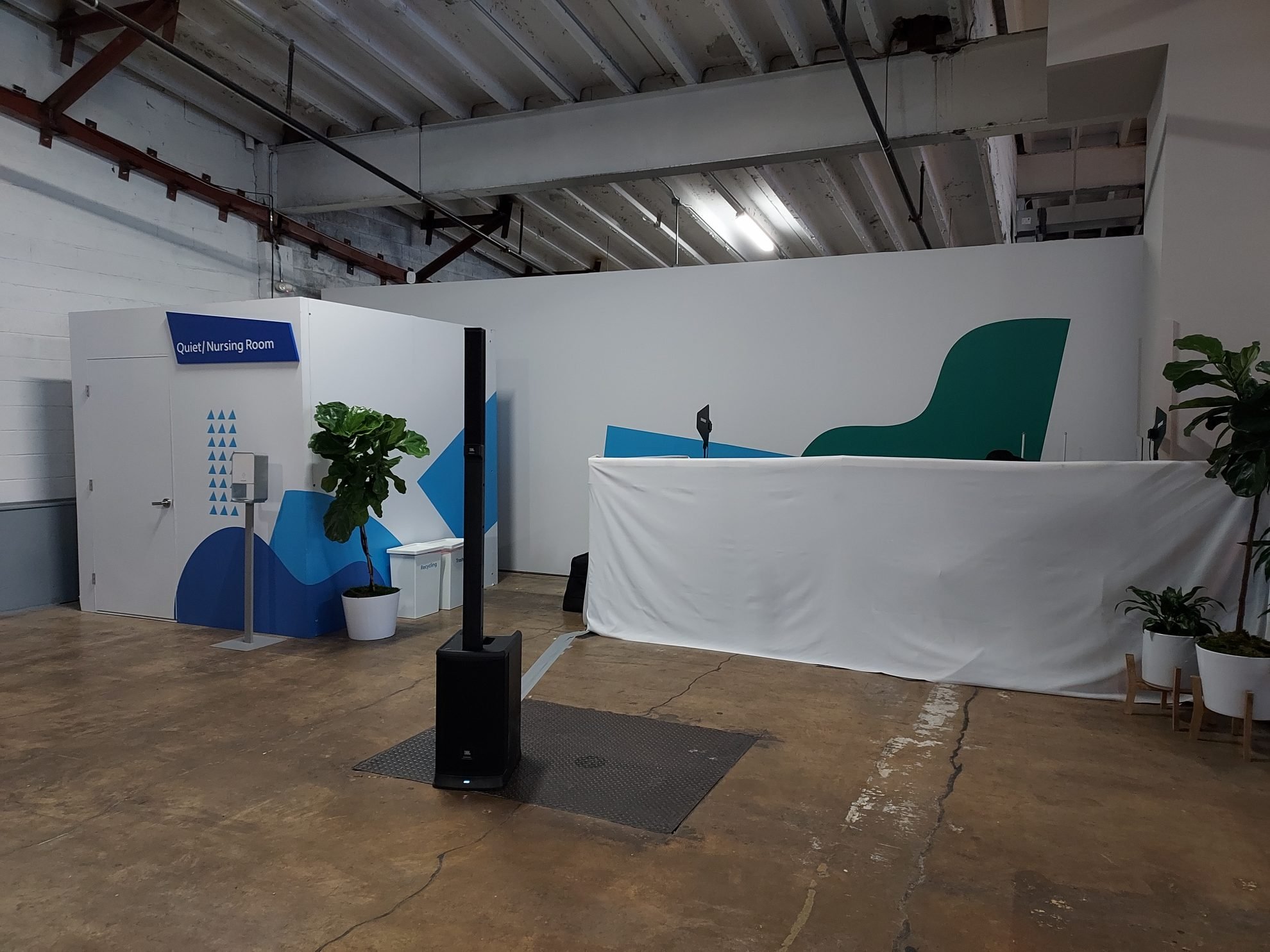
Heritage Signs & Displays' collaboration with The Gathery to brand Union Market in Bethesda, MD, for Indeed's "Ready to Work" job fair. The project included custom event displays, wall graphics, window graphics, and wayfinding signs, creating an immersive and visually appealing environment. The branding enhanced the venue, reflected the event's mission, and provided a seamless experience for attendees.