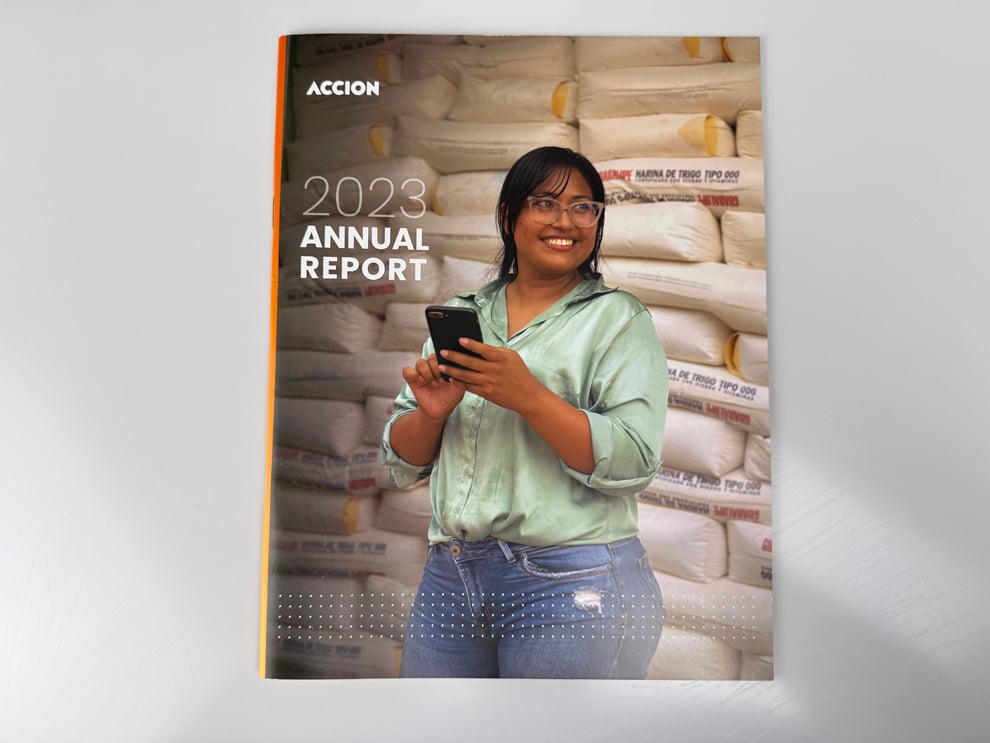
Annual reports often reach the printing stage after weeks of writing, financial review, leadership approval, and last-minute revisions. By then, the date for a board meeting, annual meeting, stakeholder distribution, donor communication, or other reporting commitment may already be fixed. Heritage helps Washington, DC organizations protect the remaining production window once the completed, print-ready annual report is ready to move.
We quickly review the production requirements, identify decisions that could affect timing or presentation, and communicate what can realistically be accomplished. Paper availability, page count, cover construction, binding, proof approval, quantity, mailing, shipping, and delivery can all influence the path forward. When the schedule is compressed, Heritage does not become passive. We respond, prioritize what needs attention, and keep decisions moving.
The objective is a professional annual report that represents the organization well and reaches the intended audience when it is needed. Heritage brings experienced publication printing, clear accountability, and calm urgency to that final production stage without making promises before we understand the work.
Heritage's roots in professional printing date to 1977, and that production foundation matters when an annual report carries financial information, organizational results, leadership messages, photography, charts, brand colors, and other content that must reproduce professionally. Decades of print experience support a service culture centered on responsiveness, sound production judgment, and dependable follow-through.
Annual reports also tend to be color-sensitive. Heritage uses professional color-management practices, including spectrophotometric calibration and verification and production-specific profiles where relevant, to help protect important brand colors and visual consistency. Every order receives an electronic proof before printing, while qualifying Custom Quote projects may also use a paid Physical Production Color Proof when a physical color reference is important.
For Washington, DC organizations working toward annual meetings, board reviews, donor communications, public reporting, or other fixed dates, the value is practical: experienced people who understand publication production, communicate quickly when something changes, and keep the approved work moving toward the required distribution date without losing sight of finished quality or presentation, especially when the reporting date cannot move.


For recurring editorial publications with coordinated cover, interior paper, binding, color, and issue-to-issue consistency.

For shorter reports, guides, programs, and multi-page communications that may use saddle stitching, perfect binding, or plastic coil.

For substantial reports and publications that benefit from a clean square spine and a more book-like finished presentation.

For shorter, more frequent organizational communications with recurring schedules, mailing needs, and repeat production requirements.

For annual reports that need addressing, postal preparation, and coordinated entry into the mailing process.

For board packets, stakeholder meetings, proposals, and other situations where an annual report travels with supporting documents.

For coordinated printed pieces supporting campaigns, donor communication, recruiting, outreach, and business development.

For broader professional printing needs that extend beyond a single annual report or include several printed components.
For a Washington, DC annual report tied to a board meeting, annual meeting, stakeholder release, or other fixed date, use Custom Quote and share the completed files, quantity, specifications, and deadline. An assigned Project Coordinator will quickly establish the production path with you. If every production choice is already settled and the report matches a current Online Store option, self-directed ordering may also fit.
A Custom Quote begins a direct working relationship with an assigned Project Coordinator. They contact you to understand the finished report, the date it must be ready, and any remaining production questions, then stay with the order as the approved specifications move through proofing, production, and distribution. That continuity matters when approvals arrive late or stakeholder distribution cannot move.
Heritage reviews the finished size, page count, paper, cover construction, binding, quantity, color expectations, and mailing or delivery needs as one connected production system. Saddle stitching can work well for many thinner reports, while perfect binding is often appropriate when the finished report has enough thickness for a polished square spine. Other binding may be considered when the way the report will be used supports it.
Every annual report receives an electronic proof before printing. Once the file and production plan are approved, Heritage moves the work through printing, binding, finishing, and the agreed mailing, shipping, or delivery path with attention to professional presentation, color consistency, and the date that matters.

Heritage prints professional multi-page annual reports for companies, associations, nonprofits, institutions, agencies, and other organizations. Reports may include financial information, organizational results, leadership messages, impact reporting, photography, charts, and other stakeholder content. The production plan is built around the finished file, page count, paper, cover, binding, quantity, color expectations, and distribution needs.
Saddle stitching and perfect binding are common choices. Saddle stitching works well when the report is thin enough to fold and fasten cleanly through the center. Perfect binding is appropriate when the report has enough page count and paper thickness to support a square spine and a more substantial presentation. Plastic coil may also fit reports intended for active reference or note taking.
Choose saddle stitching when the report should remain relatively light, open easily, and the selected page count and paper can fold and close cleanly. Perfect binding becomes more useful when the publication is thicker and benefits from a square spine and book-like presentation. The right choice depends on page count, paper thickness, finished size, handling, and desired appearance.
Not always. Some annual reports work well as self-cover publications using the same paper throughout, while others benefit from a separate heavier cover for added structure, durability, or visual distinction. The cover decision should be considered with page count, binding, paper, mailing weight, and the presentation expected for the finished report.
Heritage uses professional color-management practices that include spectrophotometric calibration and verification, production-specific profiles, and client-supplied PMS colors as production targets. Different printers, inks, papers, coatings, and finishes have different color gamuts, so color is managed within the capabilities of the selected production combination rather than assumed from a computer screen.
Yes. Heritage can retain useful production information such as paper selections, binding, cover construction, color targets, and other established specifications as a baseline for future reports. Professional color management and measured production controls help reduce unnecessary variation, while each new report is still reviewed because artwork, paper, quantity, and production conditions can change.
Yes. Before the press run begins, Heritage sends an electronic proof showing the production file. Use that approval step to verify visible copy, photographs, charts, pagination, cover content, and other on-page information. Approval authorizes the displayed file for production; screen appearance alone does not establish a physical color reference.
When critical color needs to be judged physically, qualifying Custom Quote work may include a paid Physical Production Color Proof. Heritage makes that reference on the production device and intended paper or production material. It adds another approval stage, so the extra time should be accounted for before the final schedule is confirmed.
No. The client owns the annual report's writing, financial information, editorial review, and overall creative design. Heritage receives completed, print-ready artwork and handles the printing-production side. For Custom Quote work, limited file preparation may be possible when supplied artwork needs a practical production adjustment before it can print correctly.
Yes. Separate editions can be planned for different stakeholder groups, covers, languages, inserts, or quantities. The key is disciplined version control: distinct file names, clear counts, named approvers, and precise fulfillment directions so similar reports do not become confused during production.
Yes. When the project includes direct mail, Heritage can connect printing with addressing and postal preparation. The organization provides the authorized recipient data, while Heritage manages the mailing work included in the order. Build the postal step into the schedule early, especially when the report supports a fixed event or release date; USPS performance begins after postal acceptance and is not controlled by Heritage.
An assigned Project Coordinator reaches out after the request is submitted and becomes the person carrying the report through the production conversation. They confirm the deadline and specifications, resolve open production questions, coordinate the proof, and stay connected to printing, binding, shipping, delivery, or mailing requirements through completion.
Choose Custom Quote when the report still has decisions to resolve or benefits from direct coordination around color, versions, paper, binding, mailing, file preparation, or a demanding date. The Online Store is intended for settled, print-ready work that matches a current configuration and can be ordered without consultative production support.
Yes. A shortened reporting window is a reason to communicate sooner, not to wait. Send the final print-ready file and the nonnegotiable date, and Heritage will assess the remaining steps, available capacity, materials, proofing, and distribution requirements. If the schedule can be responsibly compressed, the team will prioritize the decisions and production actions needed to make that happen.
The biggest factor is when Heritage receives the completed, print-ready file and final approvals. Share the required date and basic specifications as early as possible so we can plan production and materials in advance. Once the final file is approved, Heritage moves quickly through printing, binding, and the agreed mailing, shipping, or delivery process. A Physical Production Color Proof or substantial late revisions can add time and should be planned early.
Yes. Heritage works with annual report clients across Washington, DC and the broader DC metro area, including associations, nonprofits, companies, agencies, institutions, and other organizations. Completed reports may move into direct mail, bulk shipment, local delivery, or client-managed distribution according to the production plan.
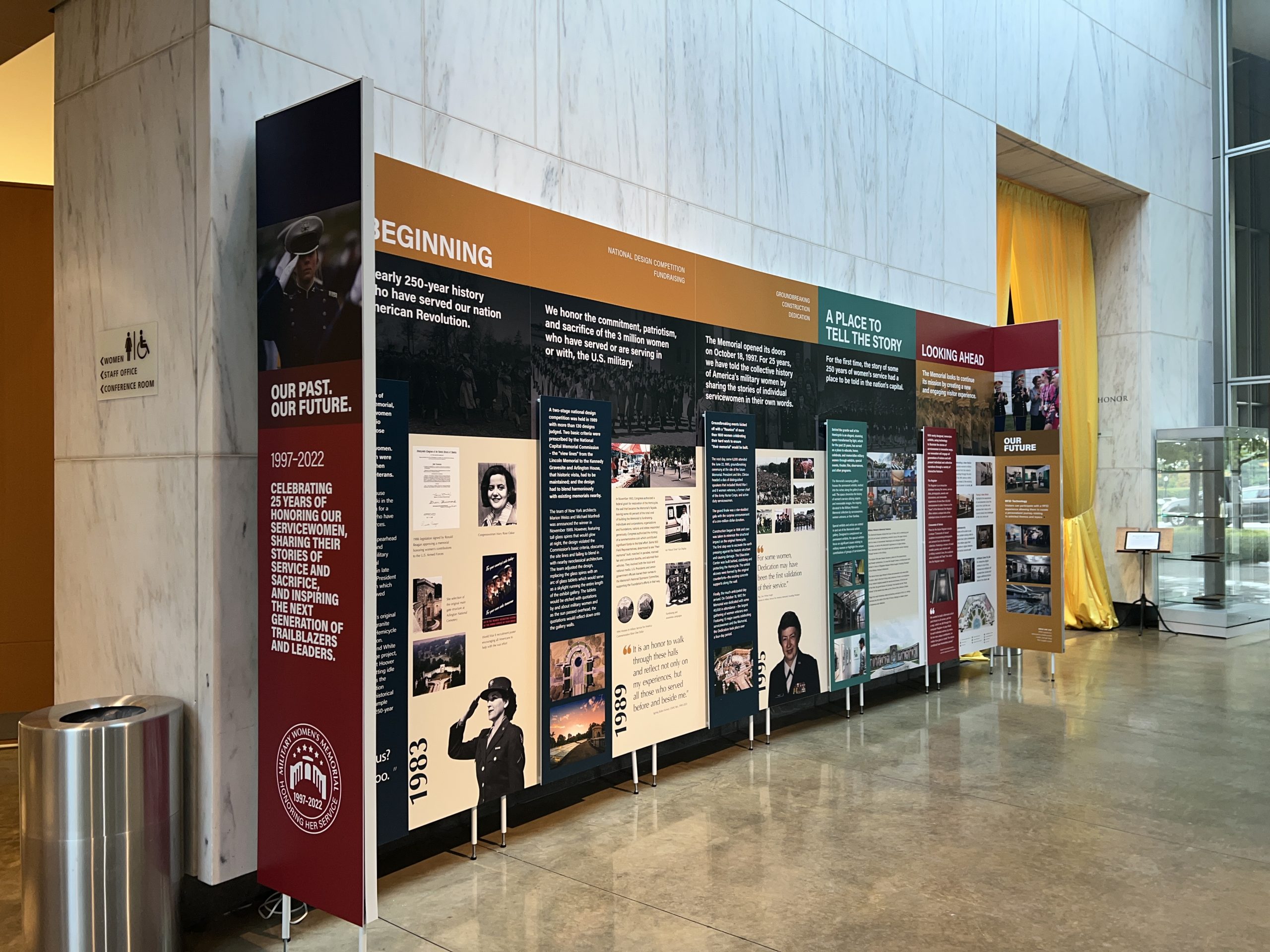
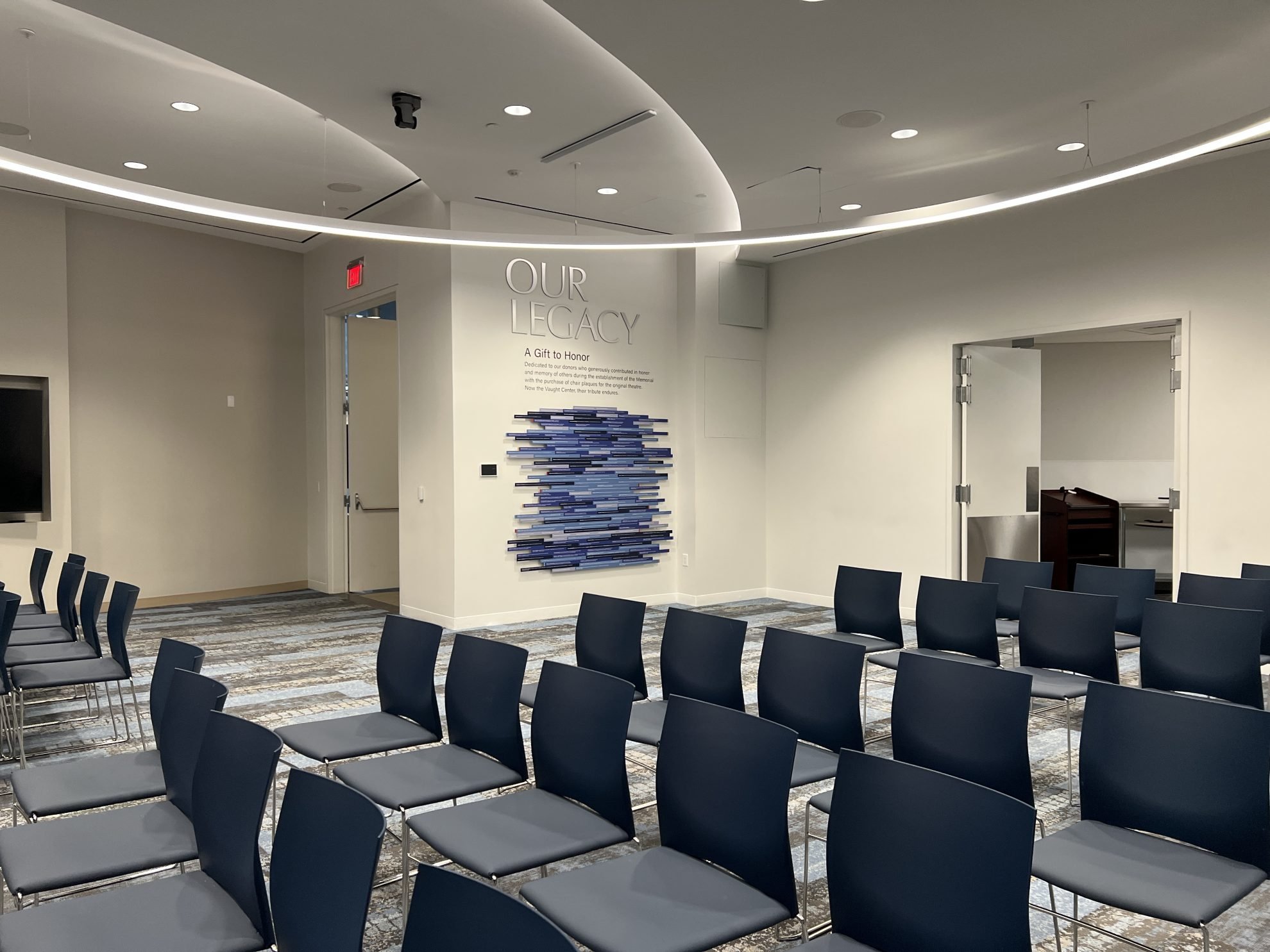
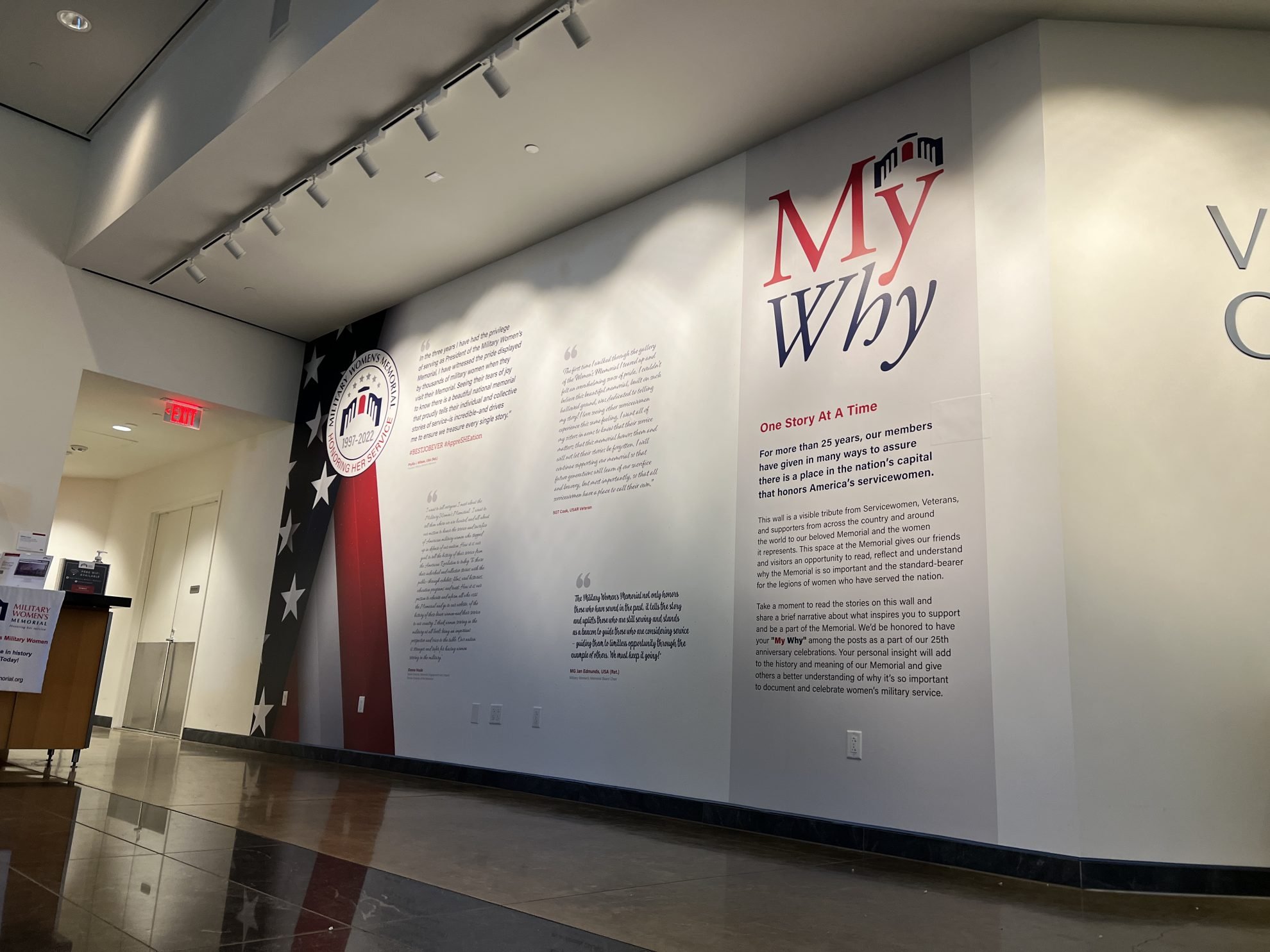
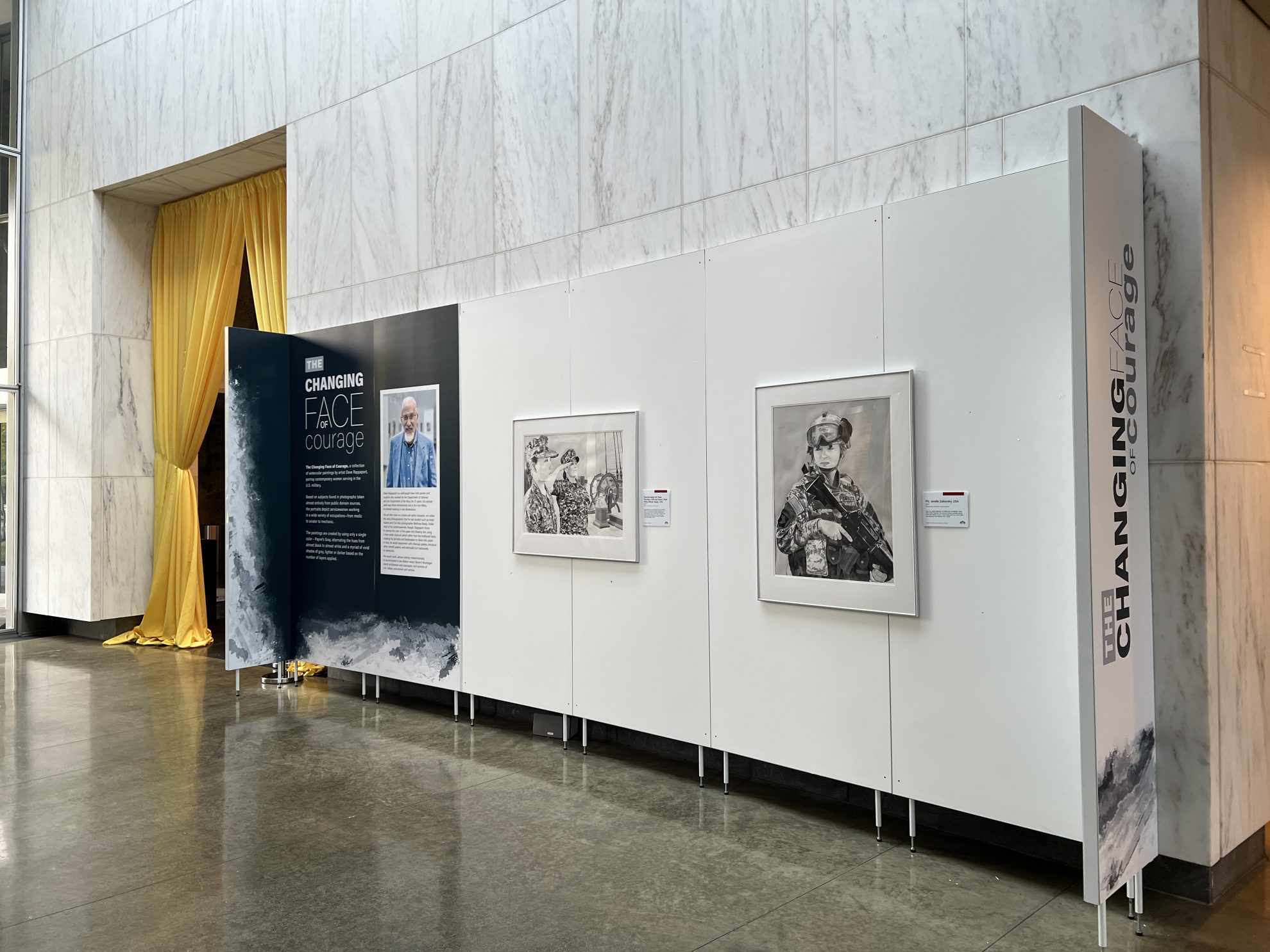
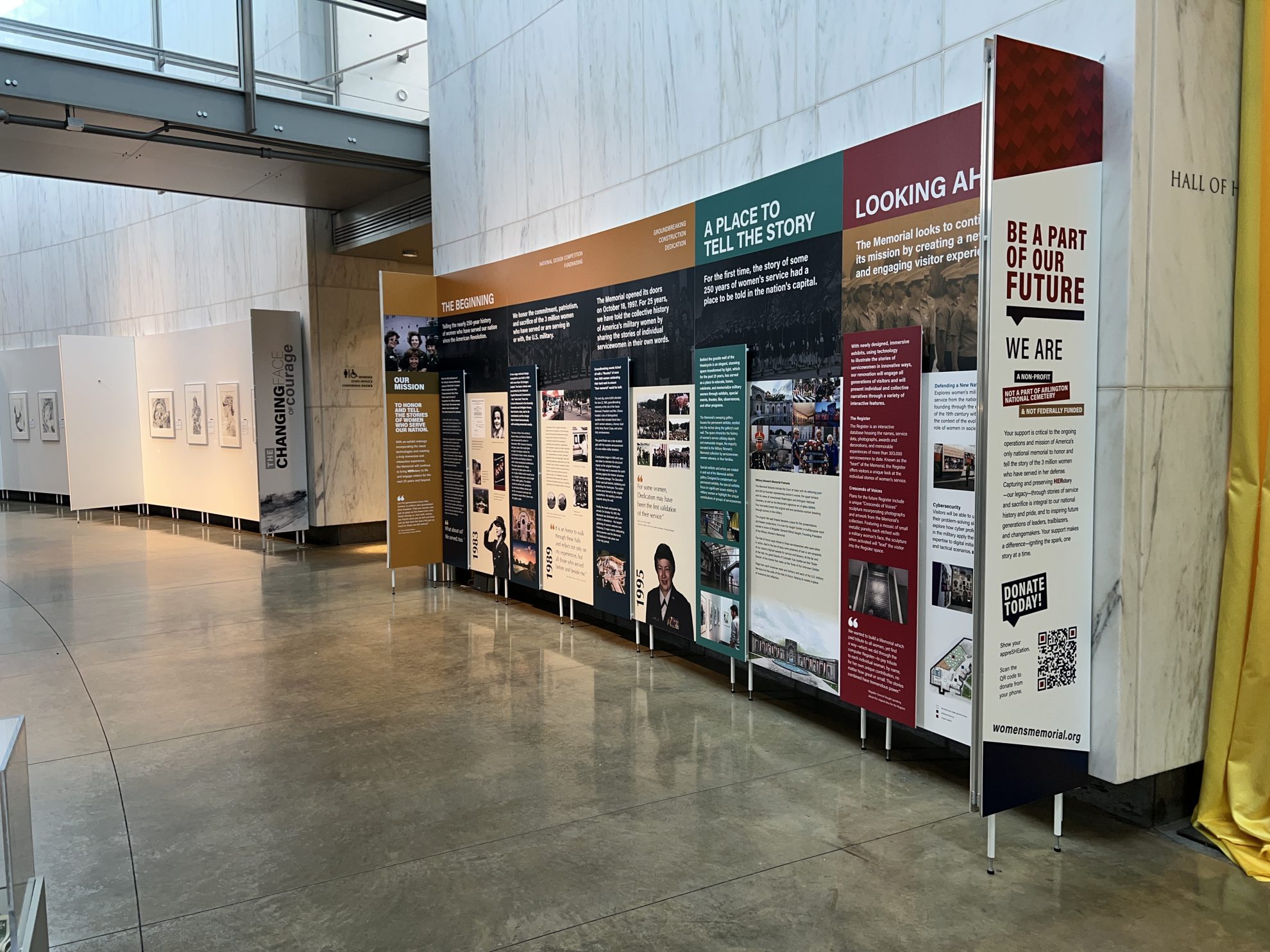
Heritage Signs & Displays created new museum signage for the Military Women’s Memorial in Arlington, VA. The project included custom signs, wall wraps, dimensional letters, and standoff-mounted displays to honor the legacy of U.S. servicewomen and the donors who supported the memorial. The updated interior features impactful designs, including a "Our Legacy" wall display and panels showcasing historical contributions and artwork, creating a transformative tribute to women in the U.S. Armed Forces.
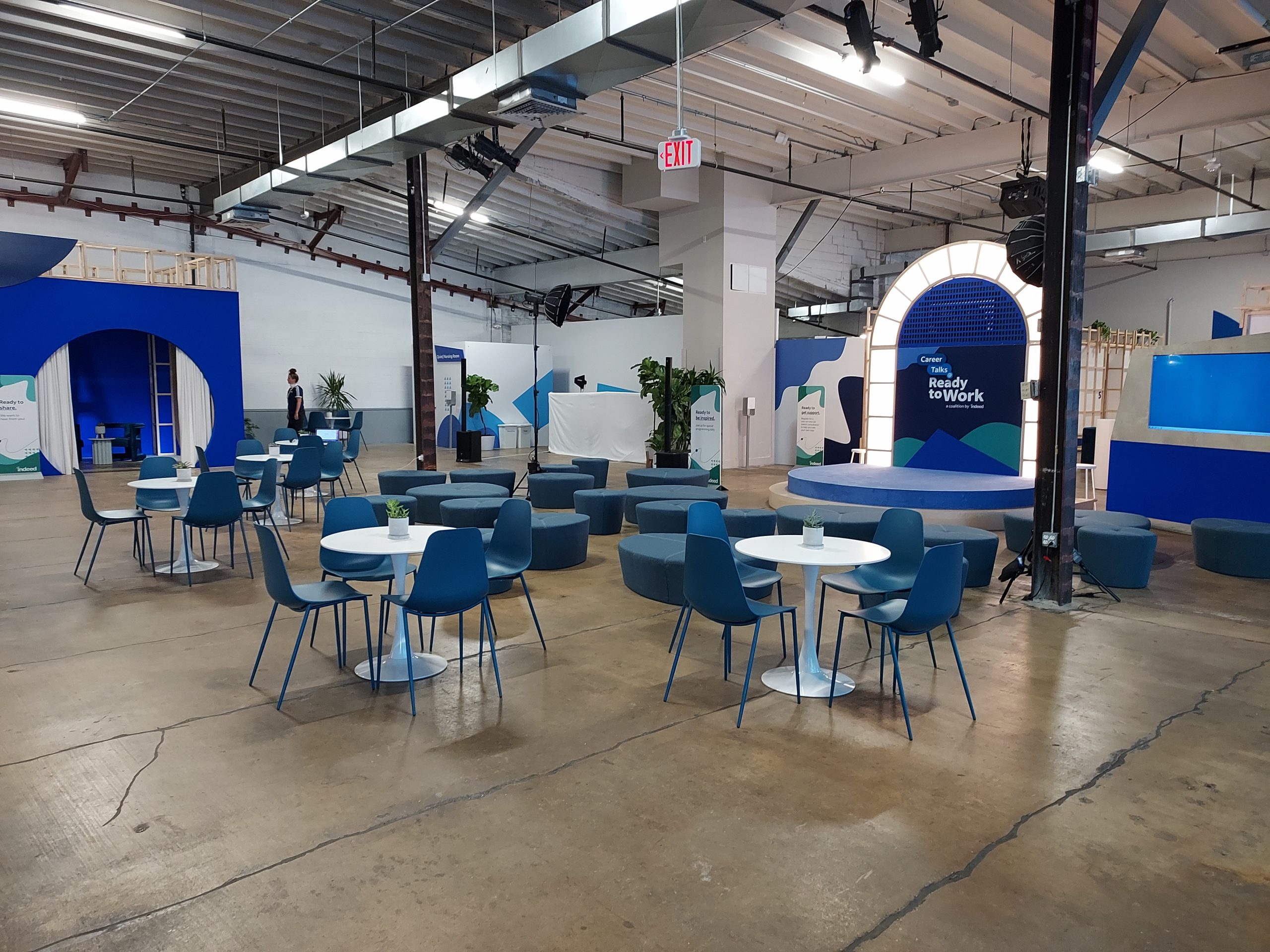
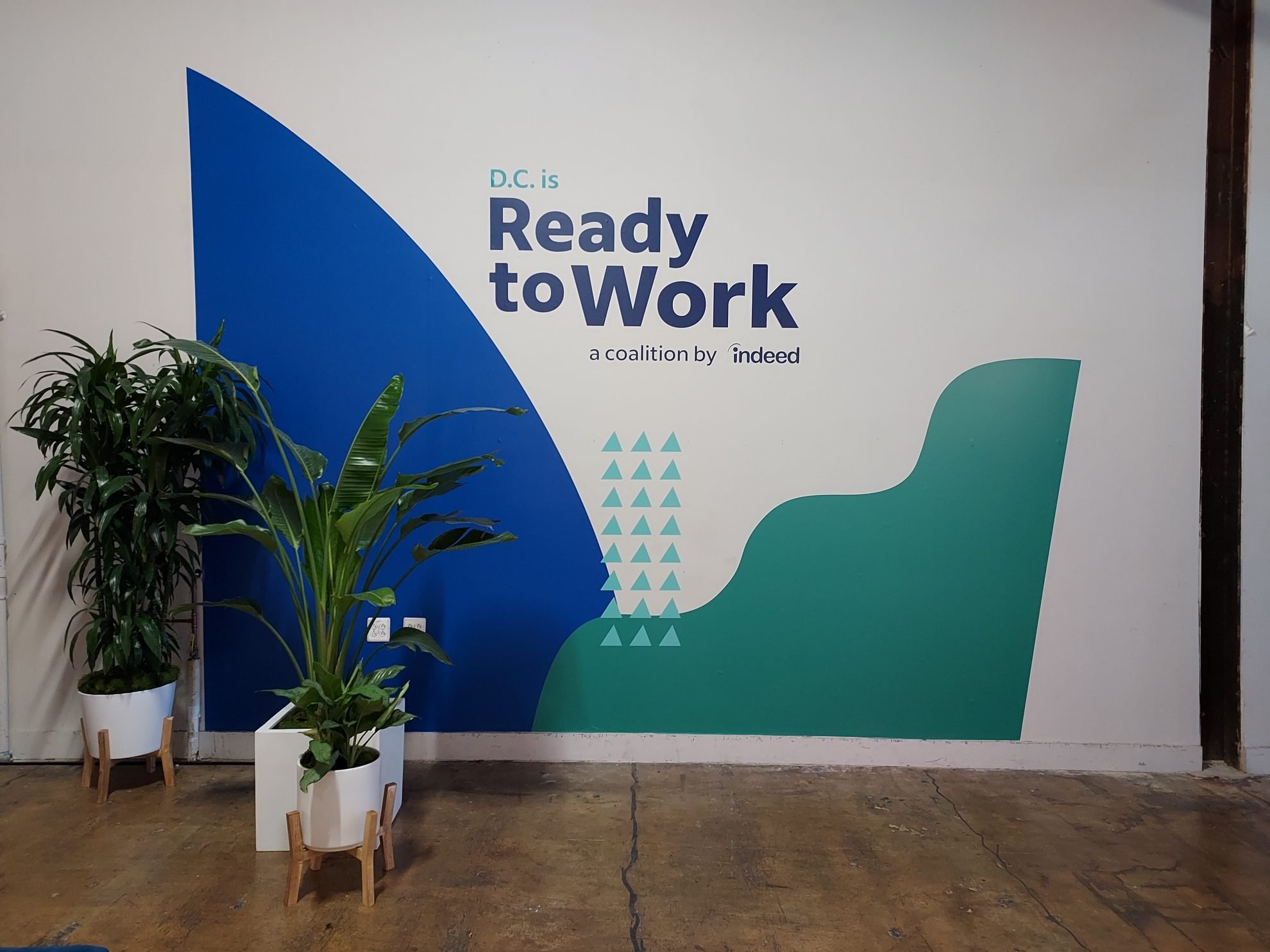
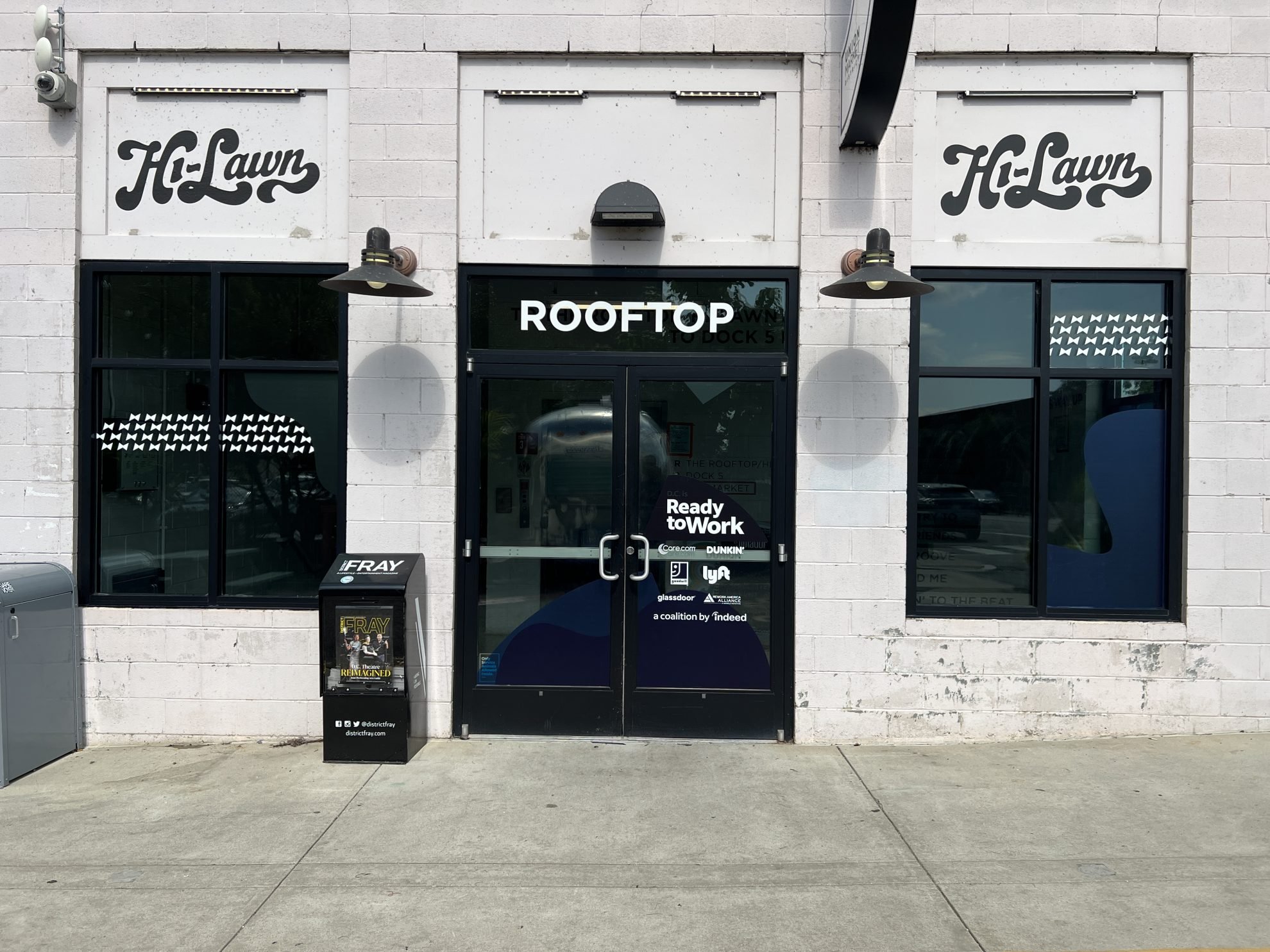
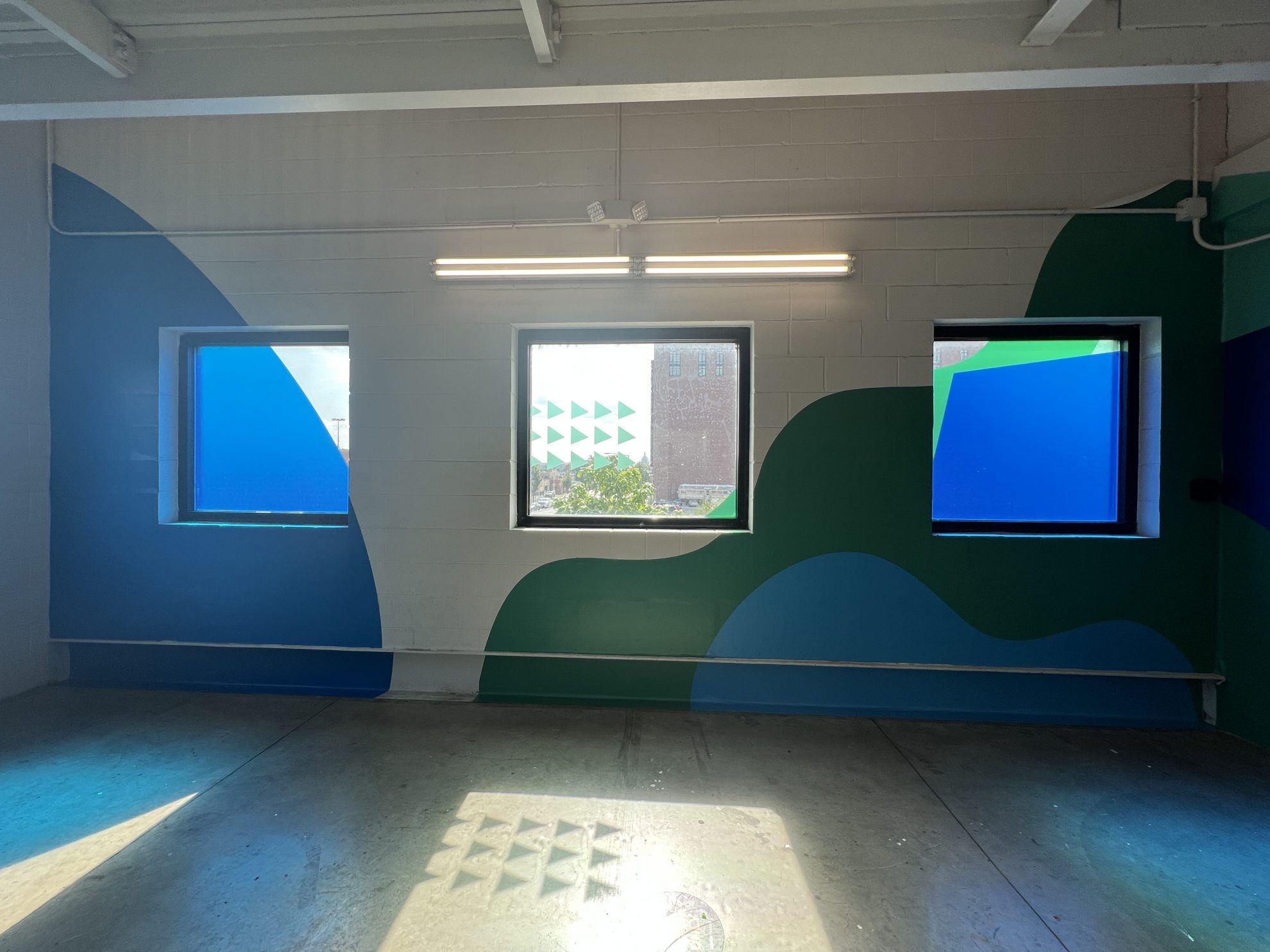
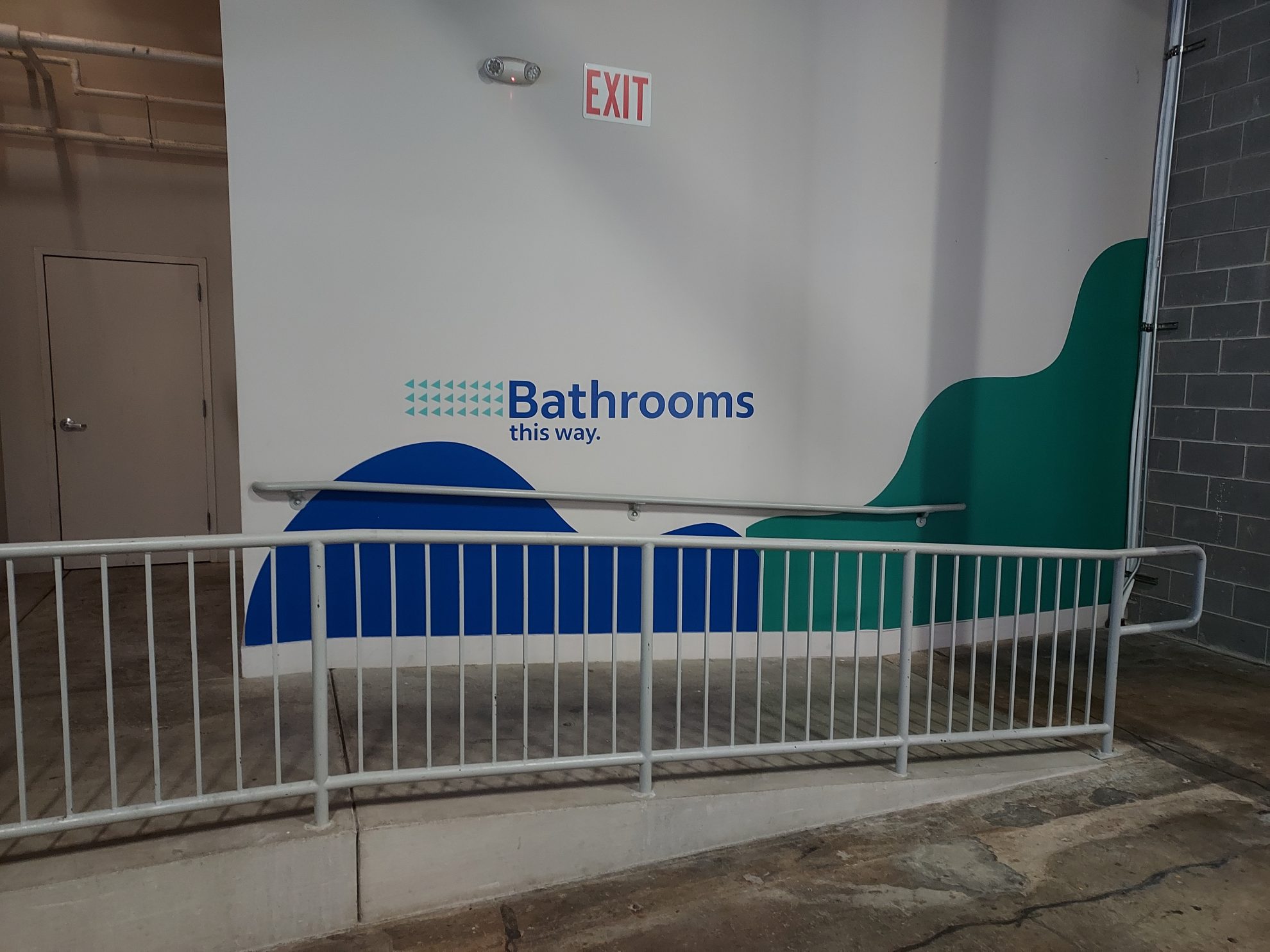
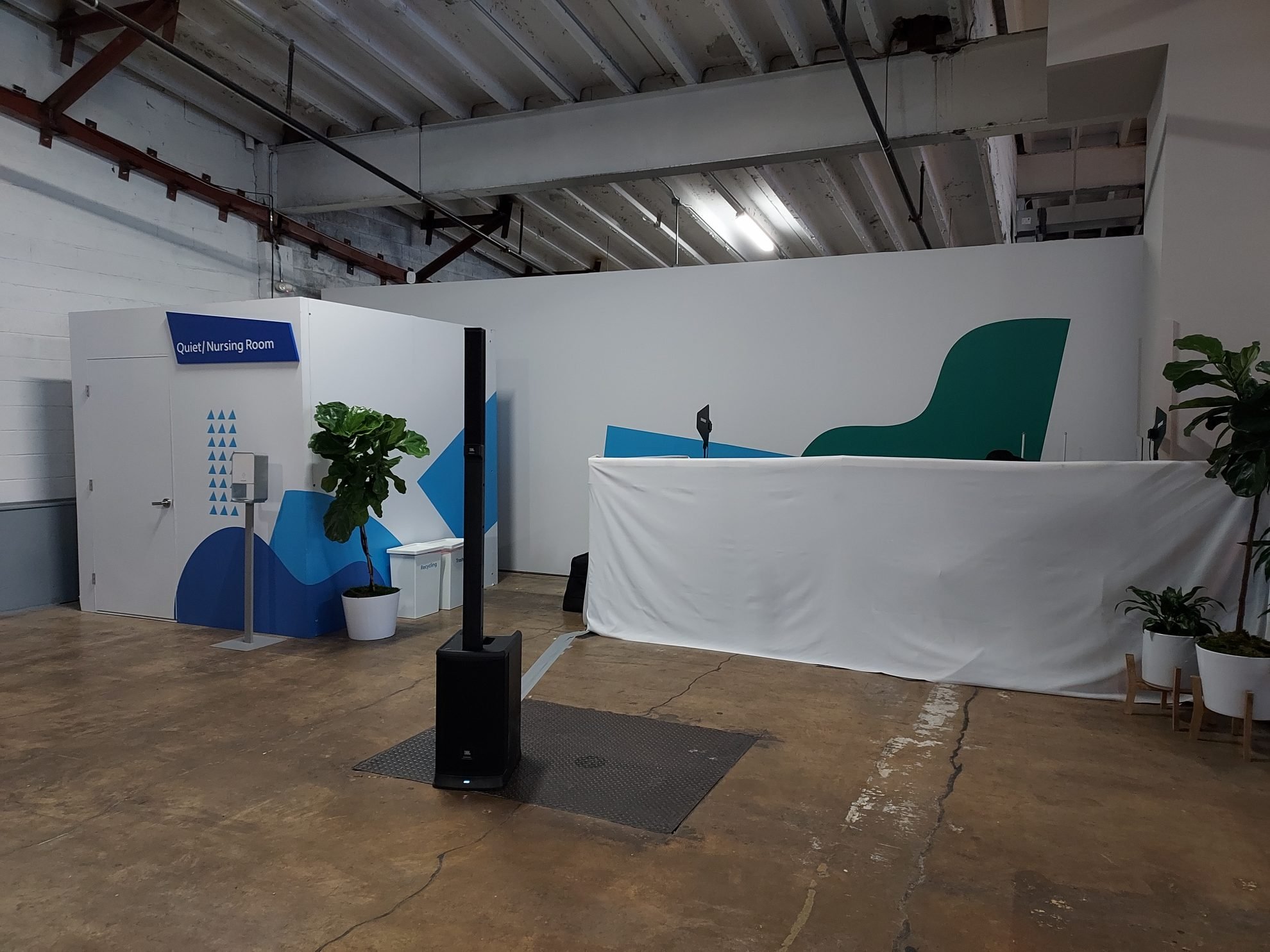
Heritage Signs & Displays' collaboration with The Gathery to brand Union Market in Arlington, VA, for Indeed's "Ready to Work" job fair. The project included custom event displays, wall graphics, window graphics, and wayfinding signs, creating an immersive and visually appealing environment. The branding enhanced the venue, reflected the event's mission, and provided a seamless experience for attendees.