An entrance has two jobs: confirm that visitors found the right place, and set expectations for the space behind the glass. Storefront graphics handle both through entrance lettering, window graphics, privacy film, distraction markers, and supporting exterior elements. Every application should earn its spot. The goal is never to load the door and windows with every brand message you own. The goal is a calm, legible arrival that names your organization and prepares employees, clients, patients, or tenants for the interior ahead.
Storefront glass rarely has one assignment. The same panes may need to identify your organization, hold onto natural light, protect a specific view, screen a workstation, and make clear glass easier to see. Those goals collide when graphics get treated as decoration instead of part of the environment. We start by defining what people should notice, understand, and feel as they walk up to your Bethesda entrance. Coverage, placement, scale, and materials follow from there, shaped by the storefront itself, the architecture, the audience, and how the space actually runs day to day.
Your brand story belongs inside, not crammed onto the threshold. A lobby sign can anchor the interior, while wall graphics, dimensional letters, wall displays, and glass treatments carry culture, history, recognition, and mission content. Storefront graphics stay the gateway between the two. When the approach, entrance, and interior are planned as one sequence, the finished environment reads as a single idea instead of a collection of surfaces all shouting at the same volume.
We run this work through discovery, environmental graphic design, production, fabrication, and professional installation. One dedicated Project Manager stays with you the entire time, holding the project knowledge and keeping approved artwork, field notes, production requirements, installation access, and scheduling aligned. You get one accountable relationship, far fewer handoffs, and answers before small questions turn into field problems.
We opened in 1977 as a commercial printing company. Signs, interior graphics, workplace branding, and event environments became our defining focus in 2009. Today we are an award-winning, veteran-owned, family-led company approaching our 50th anniversary. That history shows up as a disciplined process built on clear communication, technical review, craftsmanship, and follow-through you can plan around.
Storefront graphics are our main bridge between appropriate exterior-facing branding and the workplace or commercial interior behind it. A coordinated Bethesda project might combine non-illuminated window graphics, exterior wall graphics, dimensional lettering, custom sign panels, entrance glass treatments, lobby signs, and selected interior features. Each element plays a distinct role while supporting one recognizable brand experience.
Bethesda clients receive field support for discovery, site surveys, field verification, installation planning, professional installation, and project follow-through. That support connects through your dedicated Project Manager to our resources across Maryland, Washington, DC, Northern Virginia, and the wider Mid-Atlantic. We seek to honor God by serving clients and communities with excellence, which we express through responsible recommendations, careful stewardship, straight answers, and dependable execution.
Recognition starts before anyone touches the door handle, but the entrance does not need to deliver your entire narrative. Identification and glass treatments should give people enough to feel confident while protecting the visibility, privacy, and daylight the property needs. A restrained entrance usually communicates better than glass packed with competing messages.
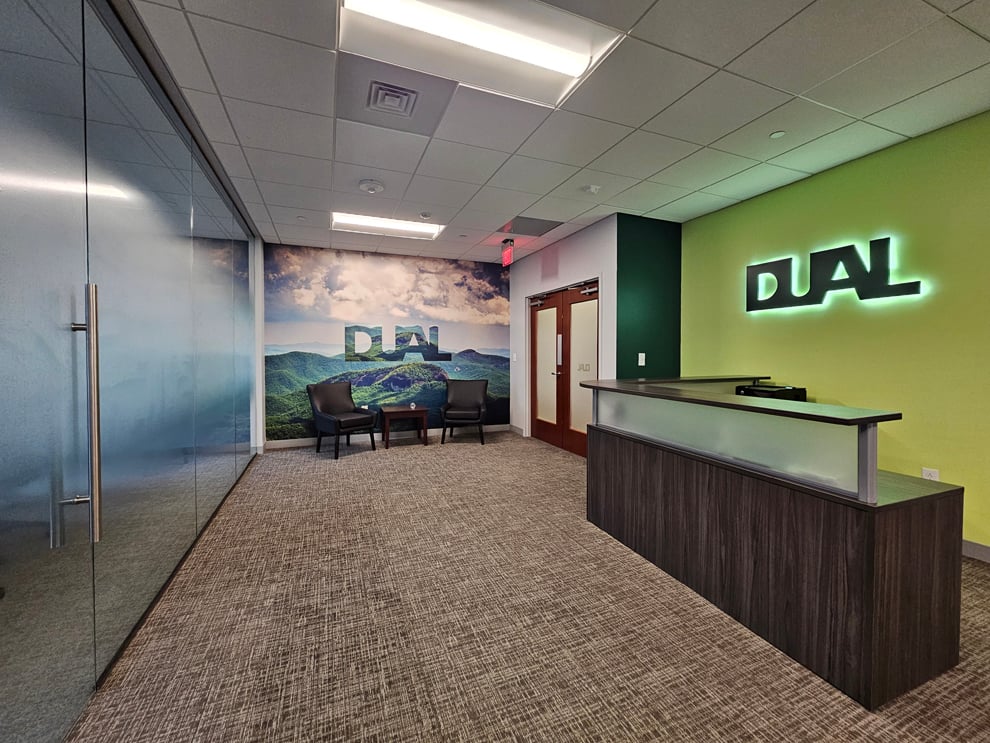
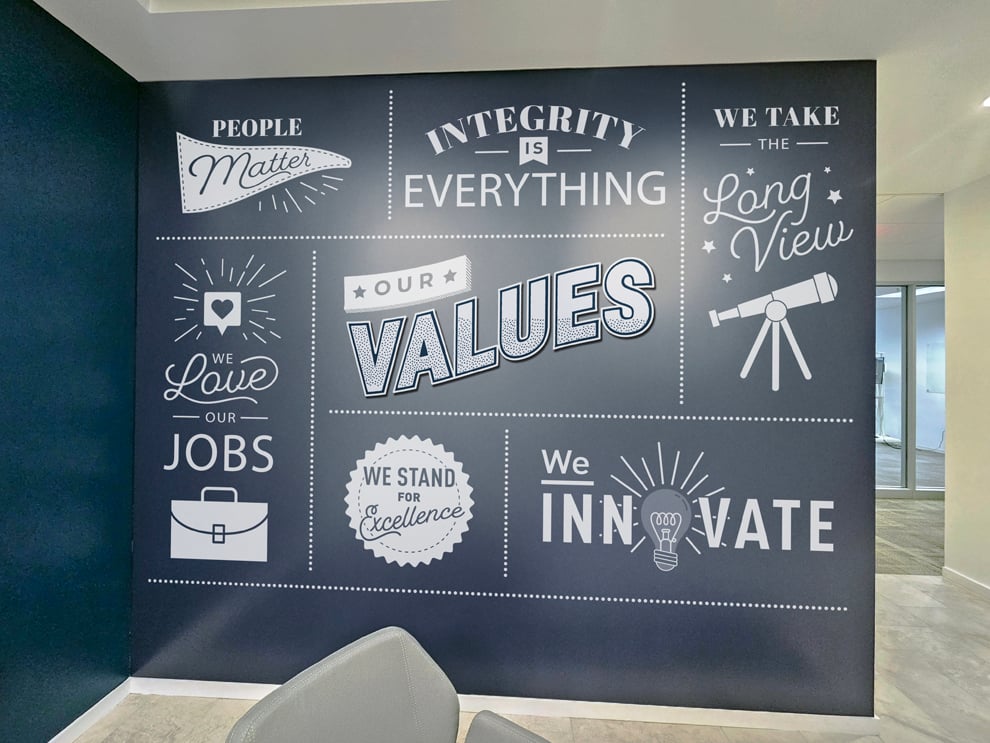
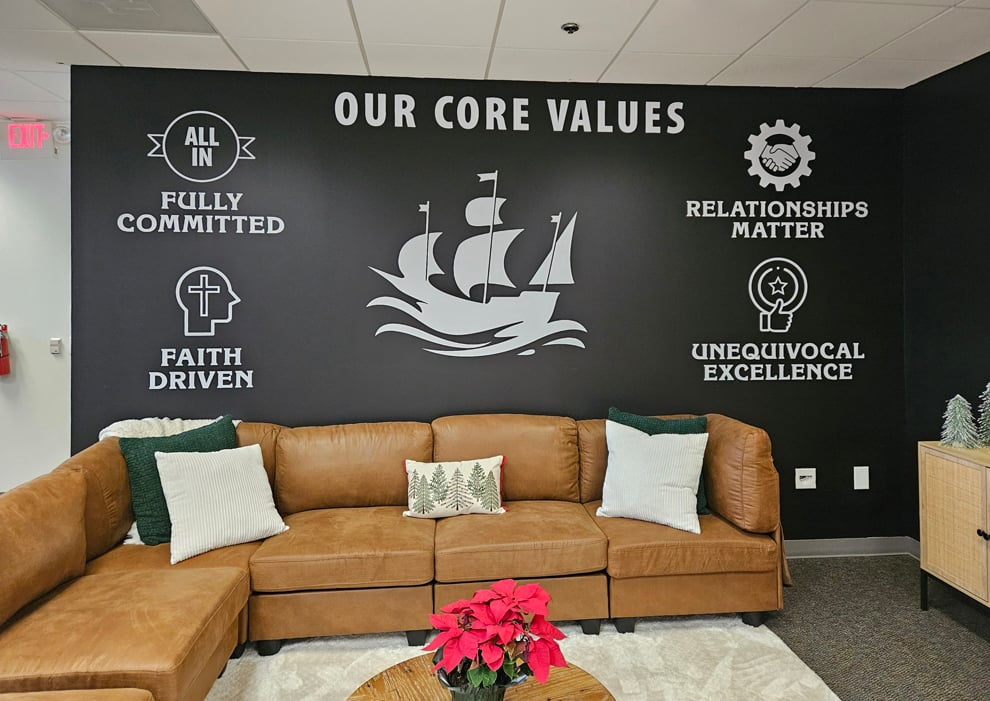
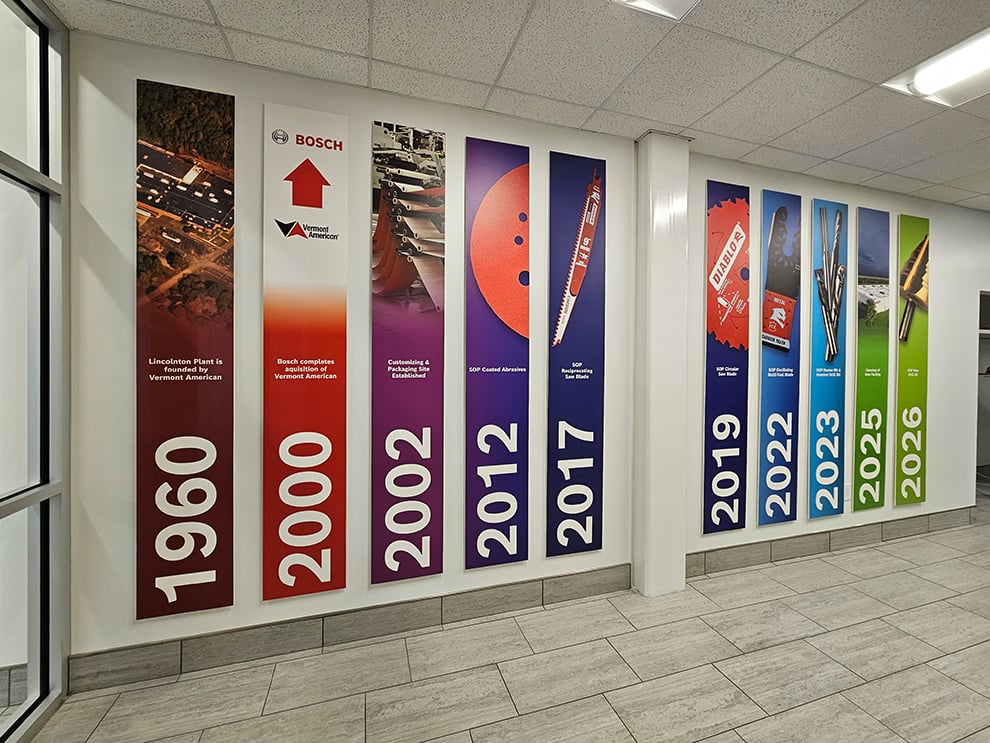
Inside, you can be more expressive. A lobby sign can serve as the primary visual destination while wall graphics or displays introduce your mission statement, core values, company timeline, or recognition program. Interior glass can echo a pattern or privacy treatment introduced at the storefront without repeating it pane for pane.
Planning these zones together prevents disconnected purchases and design decisions that fight each other. The door, windows, lobby, reception wall, corridors, and workplace features can build a clear progression from recognition to deeper engagement. Storefront graphics lead that progression by setting the first visual layer and pointing attention toward what follows.
We are built for clients who want coordinated decisions and accountable execution instead of a string of unrelated sign purchases. Our One Dedicated Project Manager System gives you a single point of contact from discovery through professional installation. That continuity protects project knowledge, keeps responsibilities visible, and keeps approved brand standards intact as work moves between teams.
Our environmental graphic designers can work from complete brand standards and approved artwork, or develop concepts within our scope when you are starting closer to zero. They collaborate comfortably with internal stakeholders, architects, interior designers, branding agencies, property management teams, and general contractors. The approved direction then moves into production, fabrication, and installation without separating design intent from the people executing it.
Our full-time professional installers work from the same project record used for design and production planning. Veteran ownership, family leadership, local Bethesda field support, and regional production capacity give you a practical structure for a single significant project, phased improvements, or a multi-location program. Each property can respond to its own architecture and operating conditions while your Project Manager holds the shared objectives, brand standards, communication, and accountability.
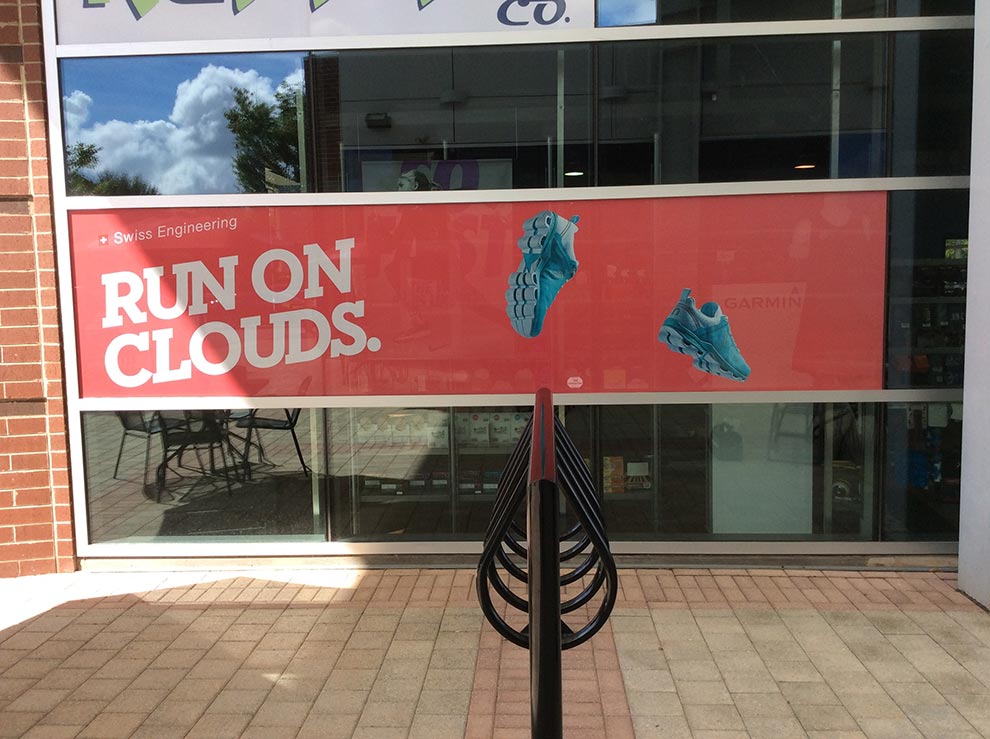
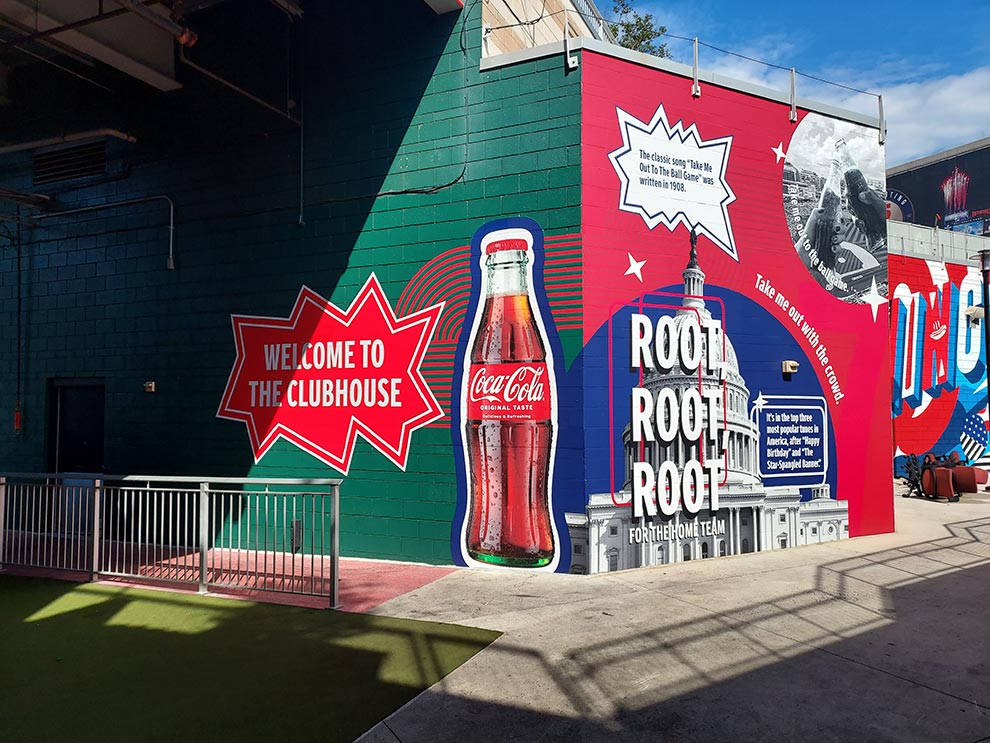
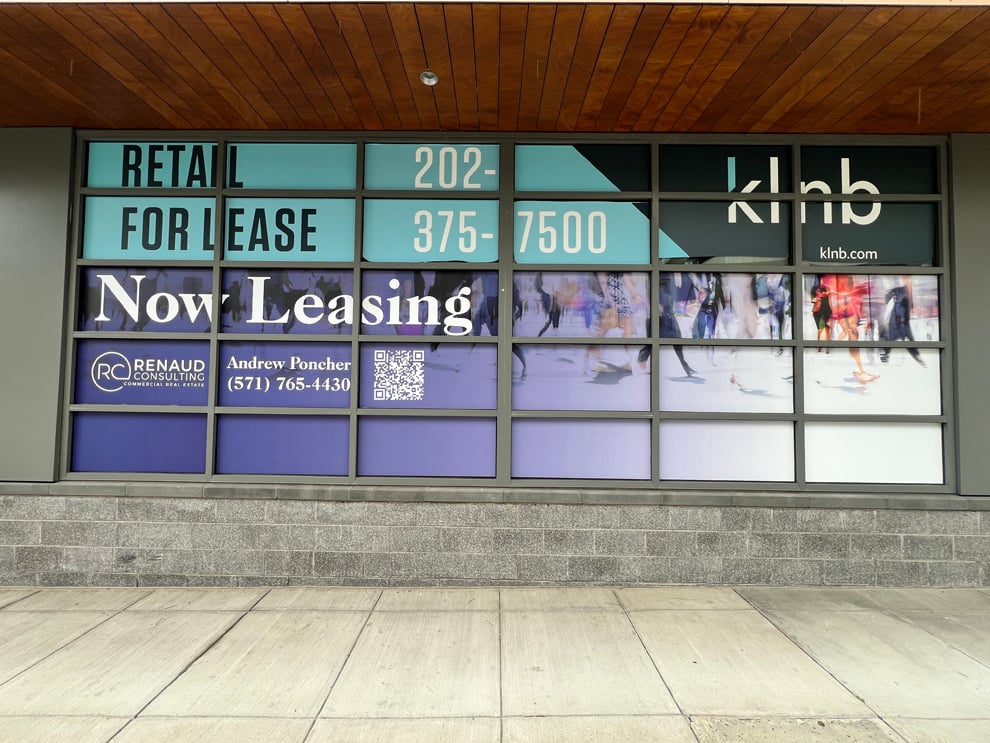
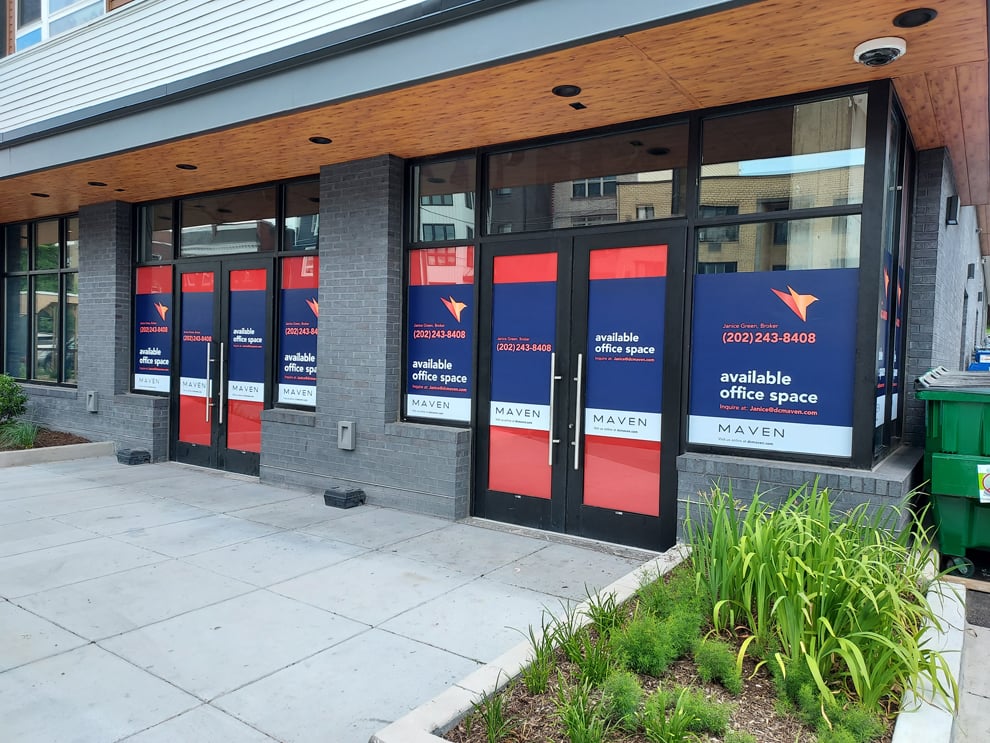
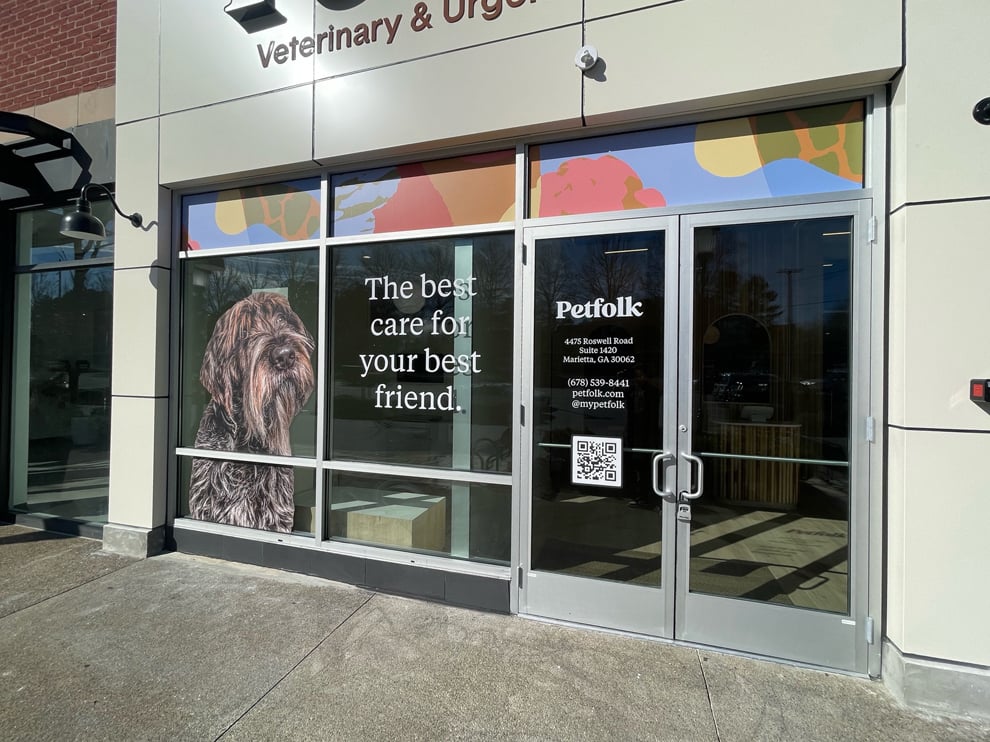
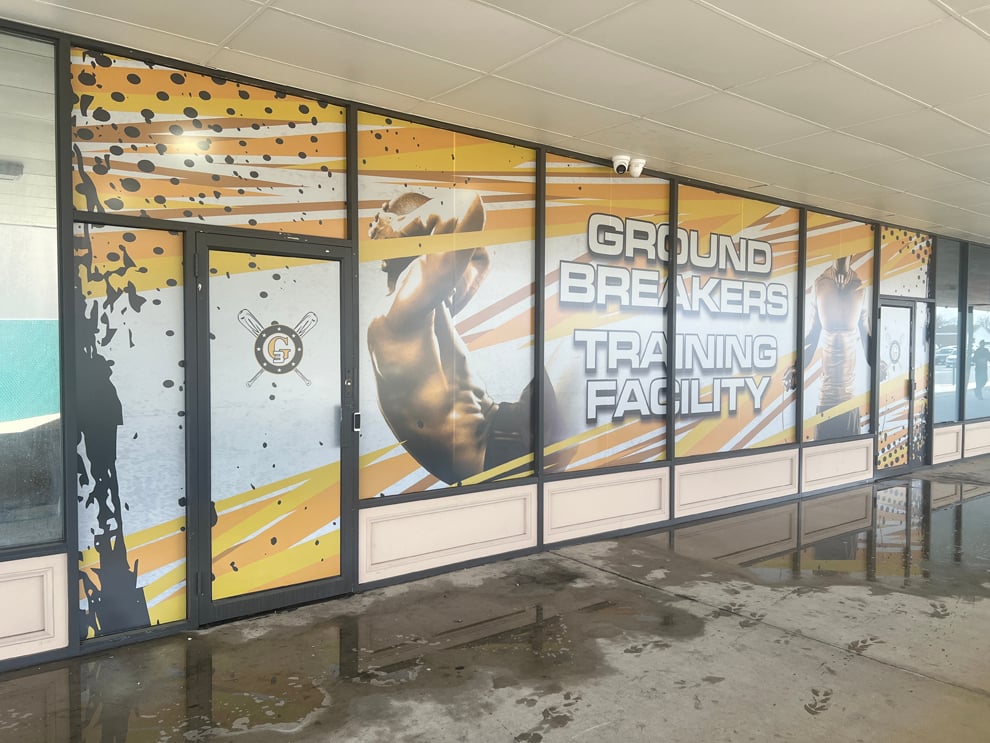
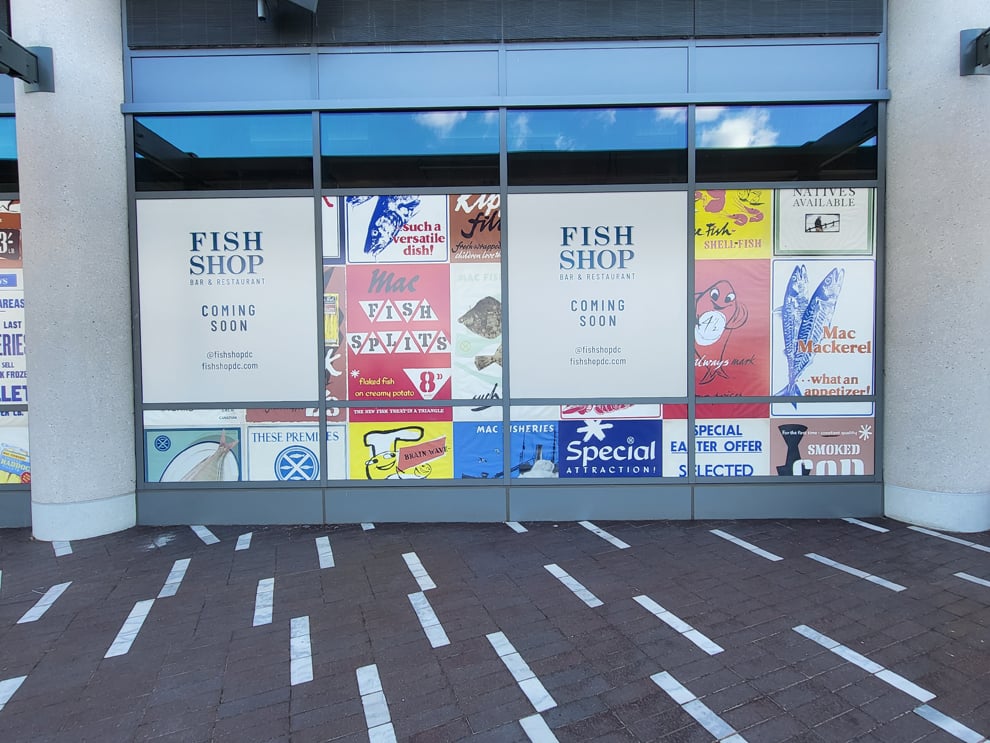
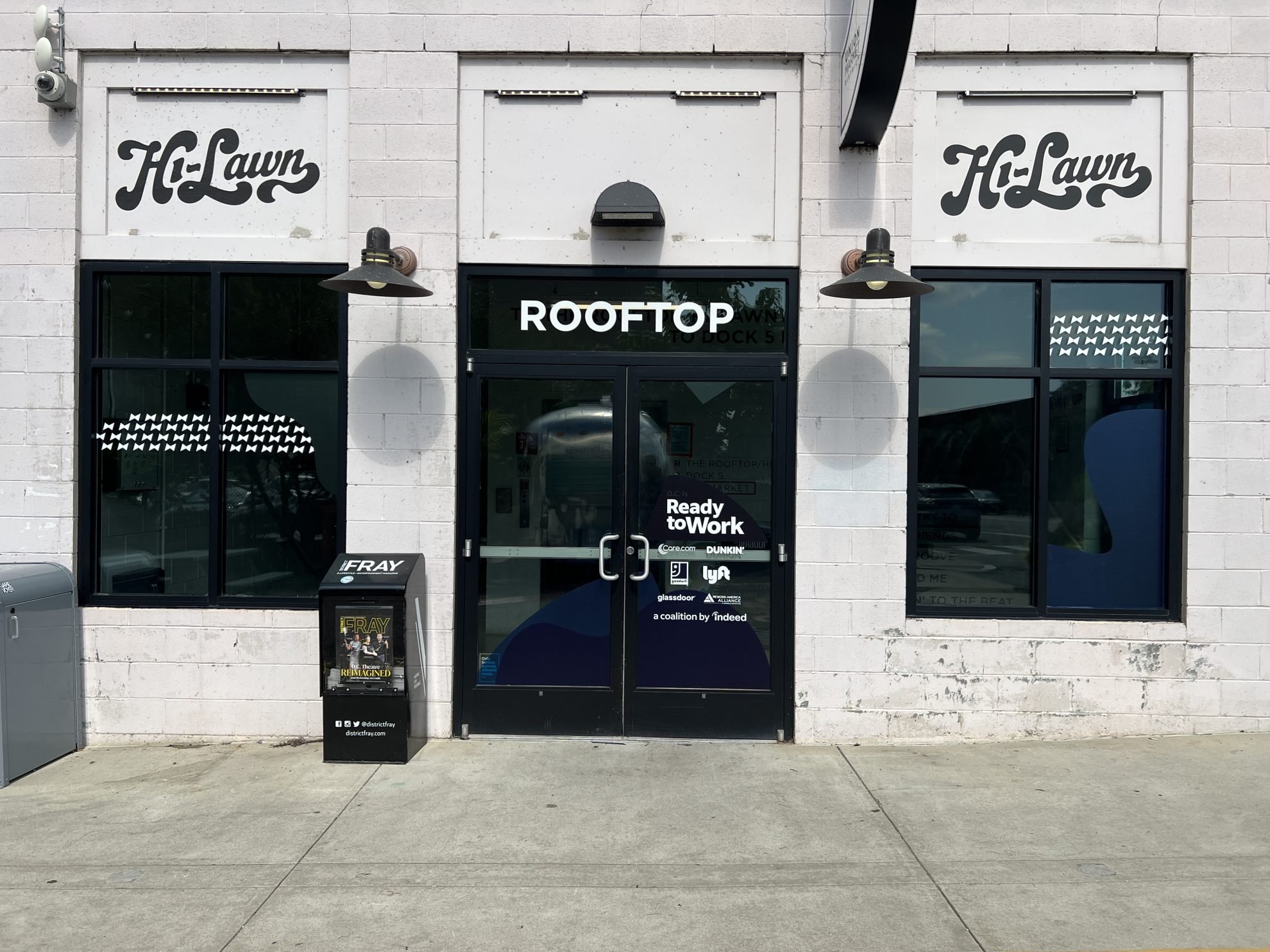
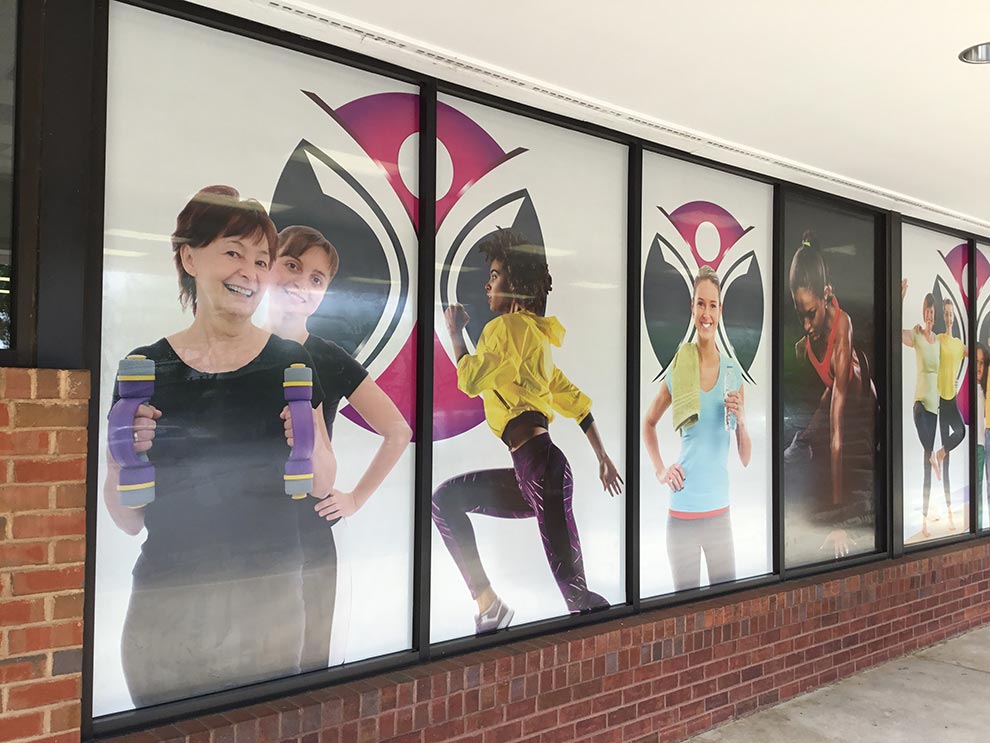
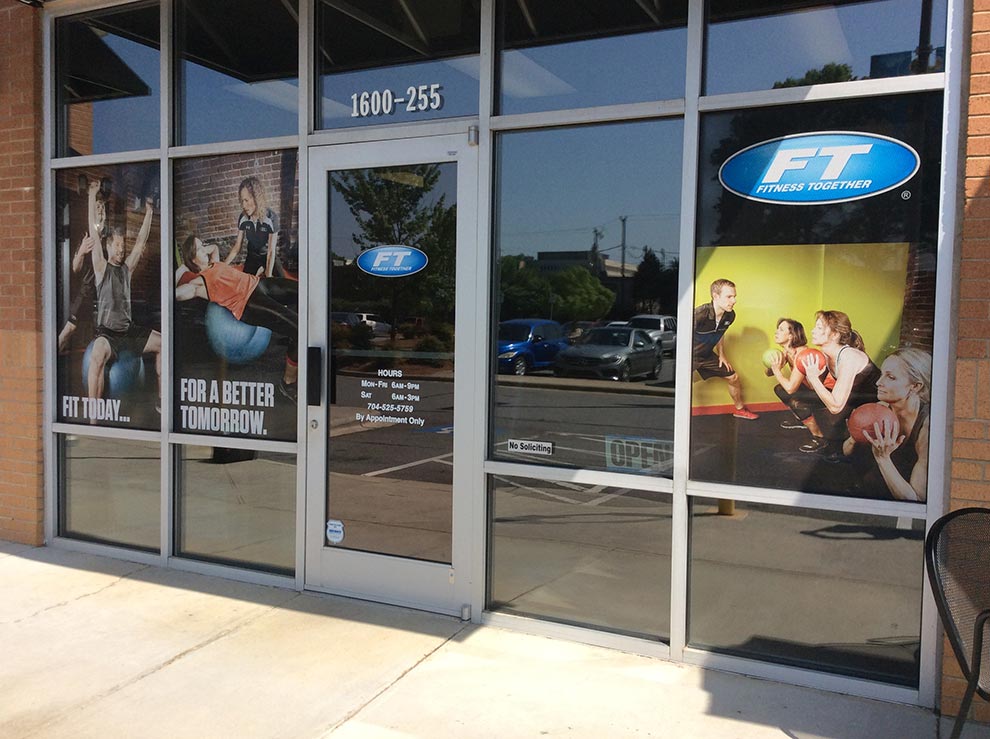
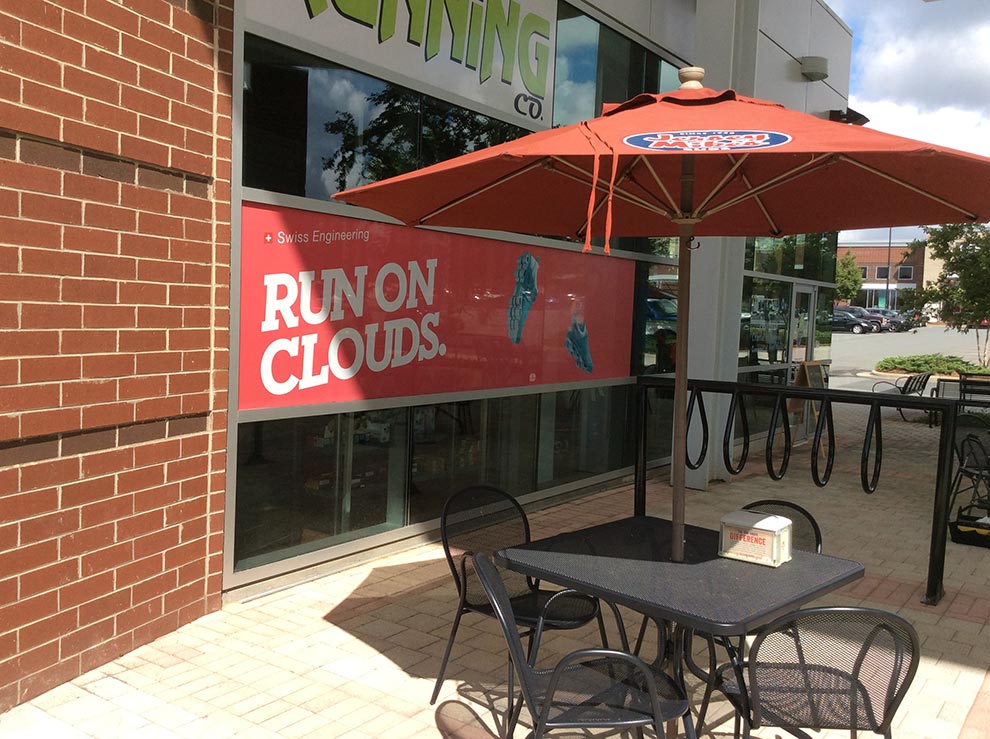
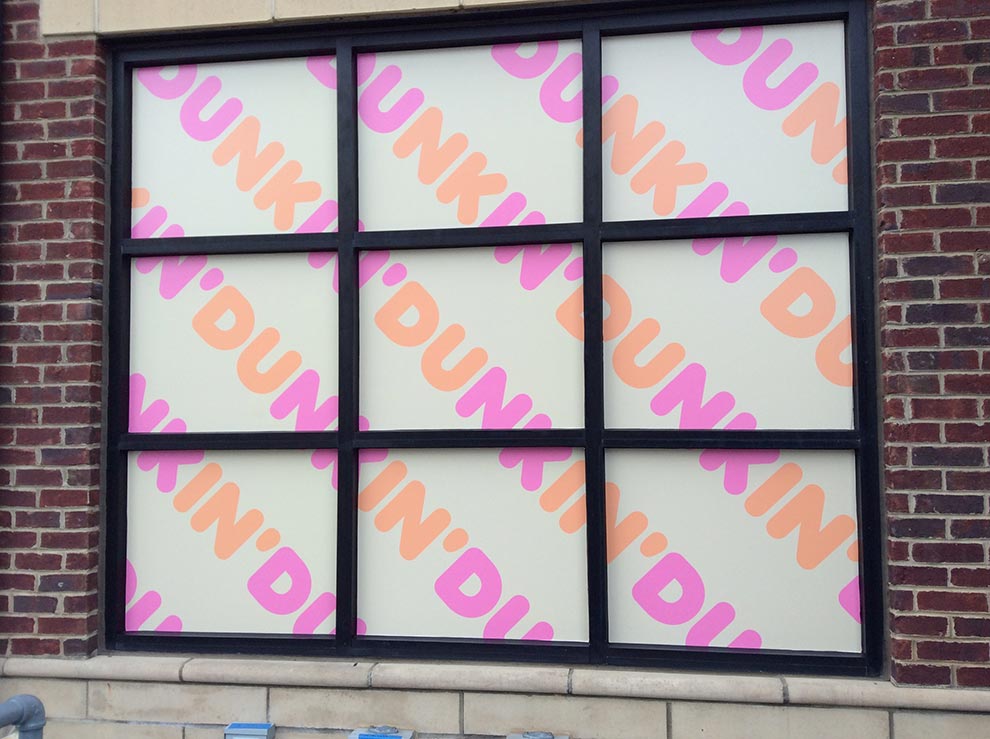
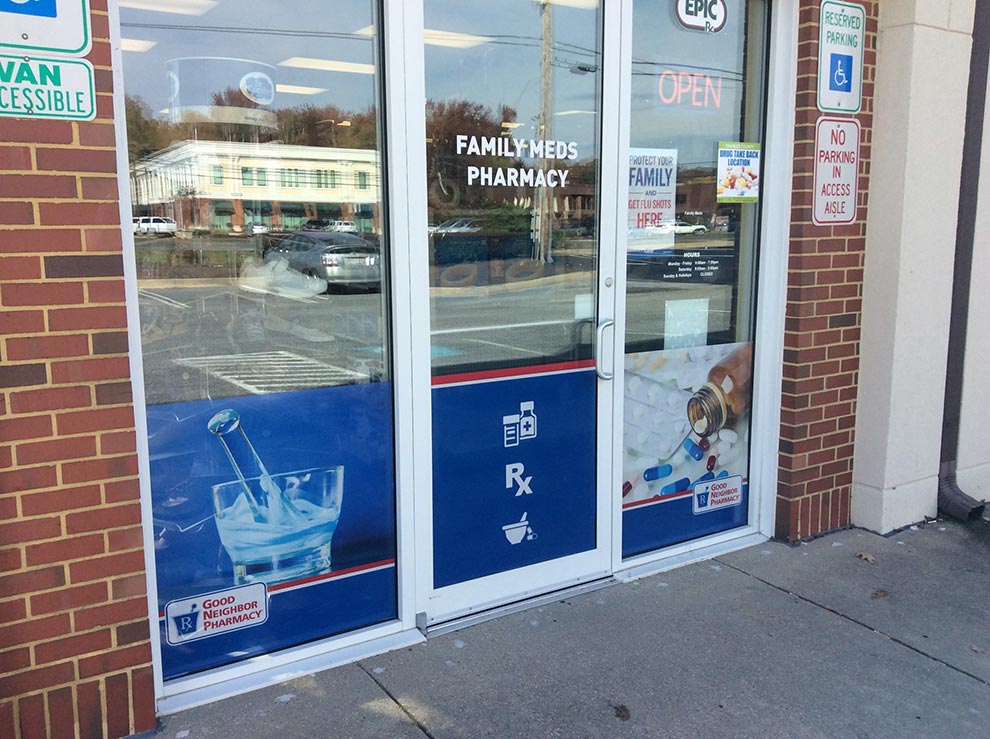
Window and glass graphics can establish identity, provide direction, add privacy, or make entrance glass easier to notice. We plan how much coverage to use and where to place it around useful daylight, protected views, sightlines, and the visual relationship between your storefront and interior.
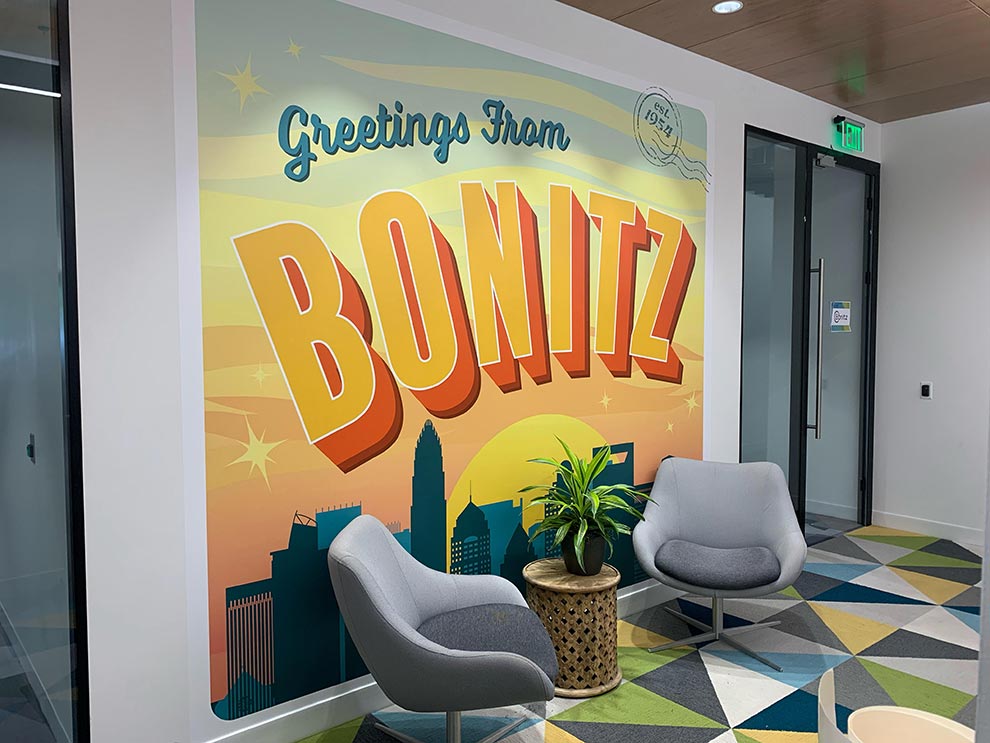
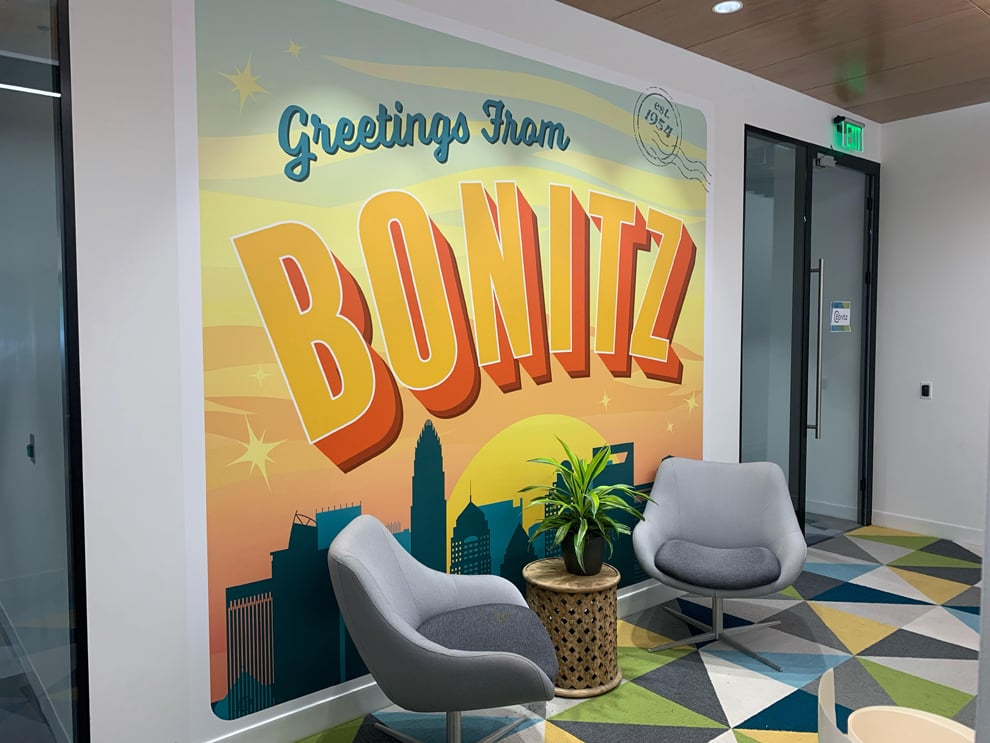
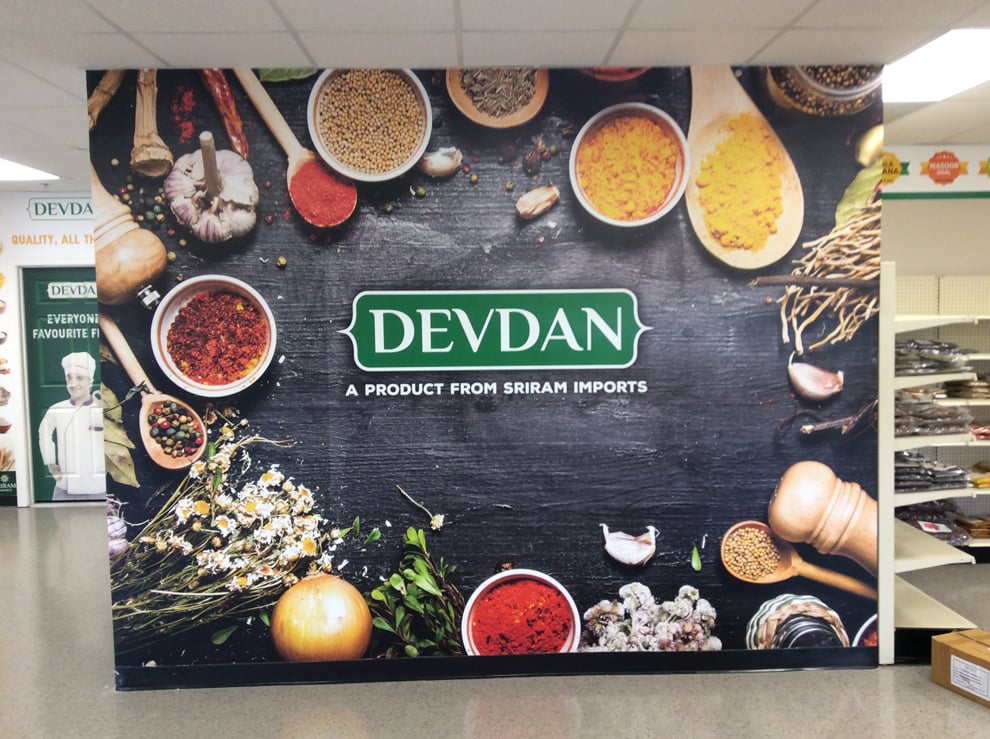
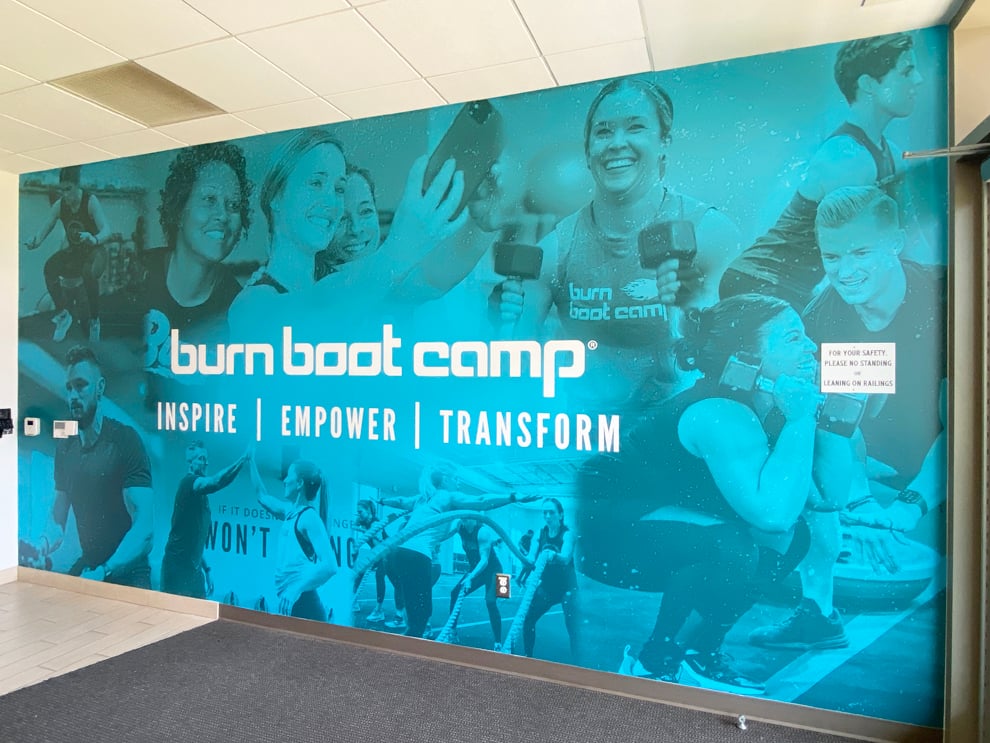
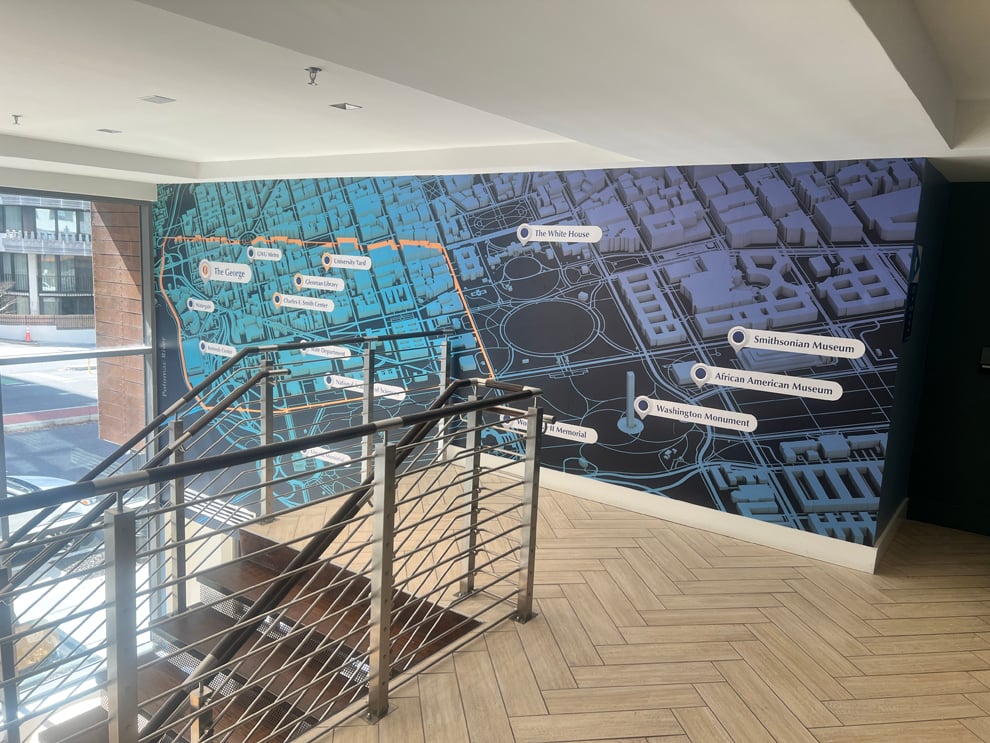
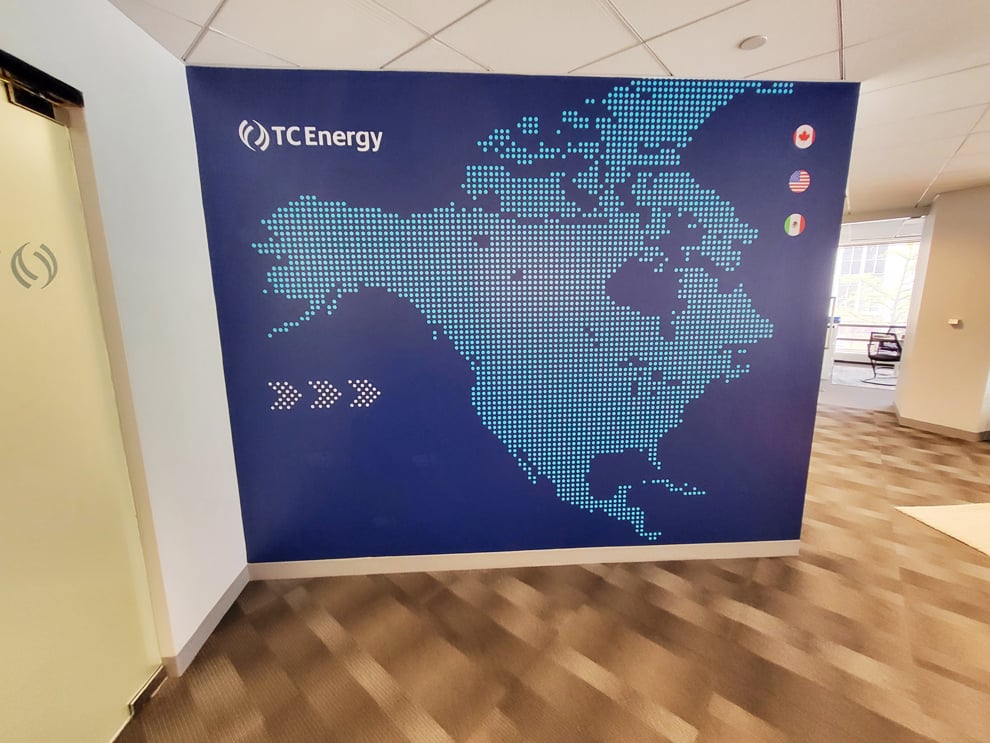
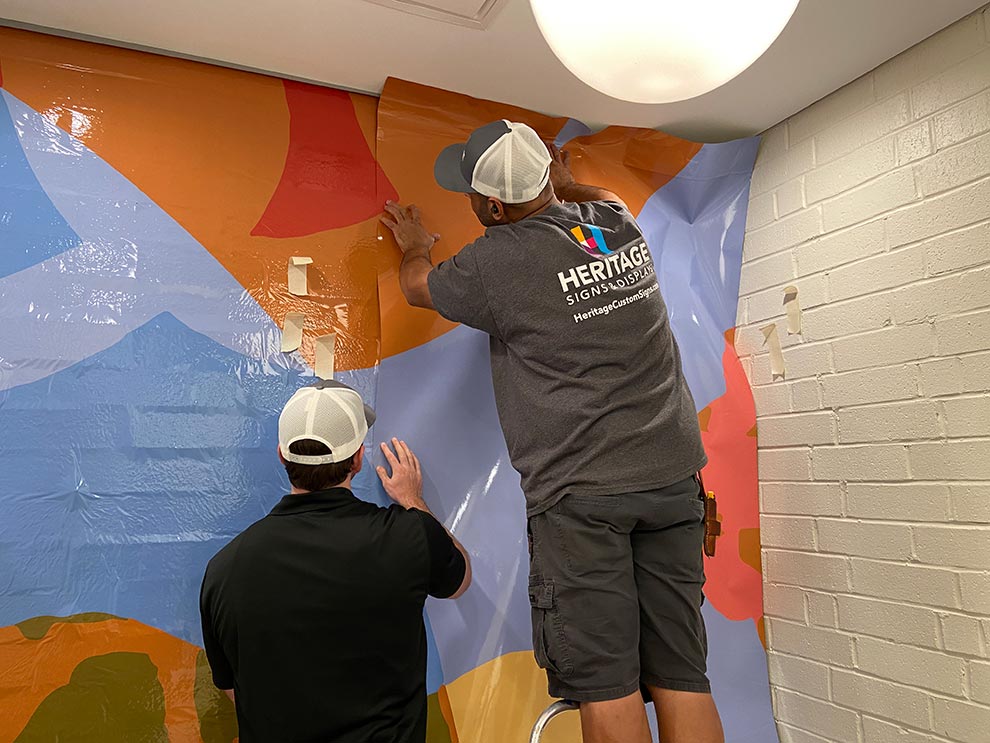
Wall wraps push the brand past the entrance by turning larger interior surfaces into imagery, color, or organizational messaging. They can link reception areas, corridors, meeting rooms, and workplace destinations so your storefront glass never has to tell the whole story.
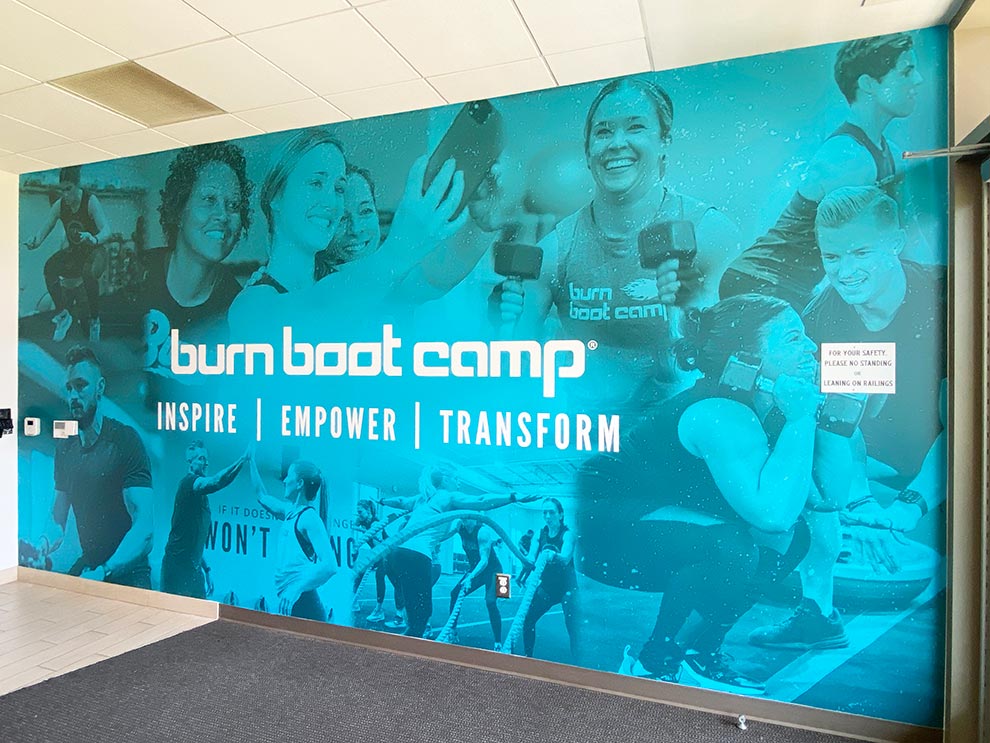
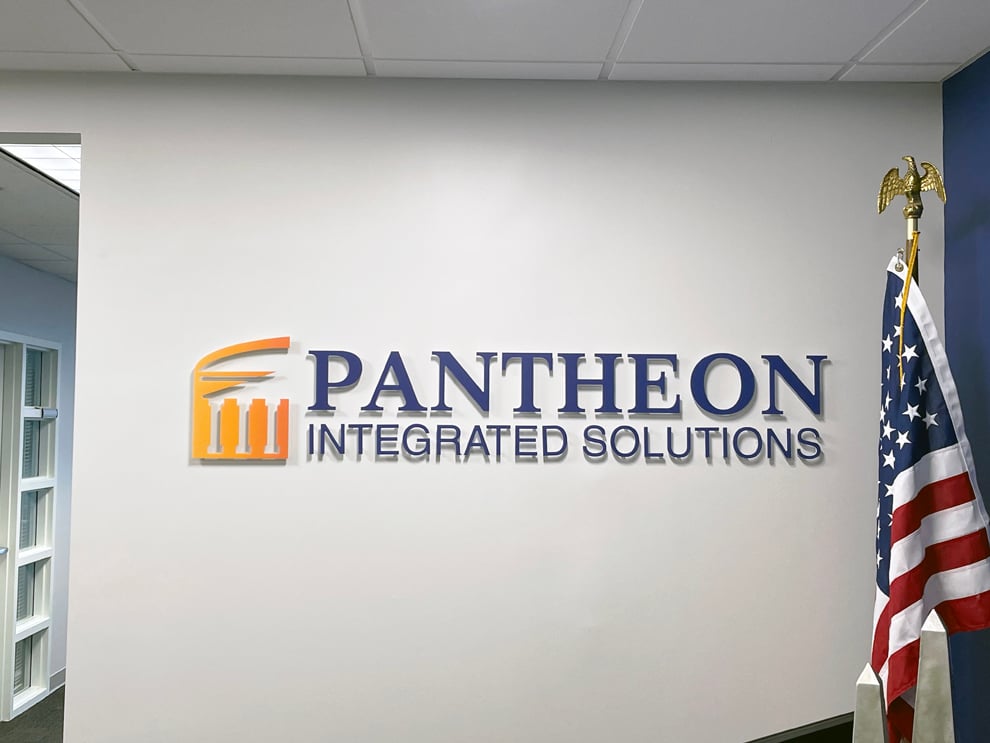
Once storefront graphics handle recognition outside, a lobby sign becomes the primary interior focal point. We coordinate placement, scale, materials, fabrication, and installation so the sign sits naturally within the architecture and continues the arrival sequence.
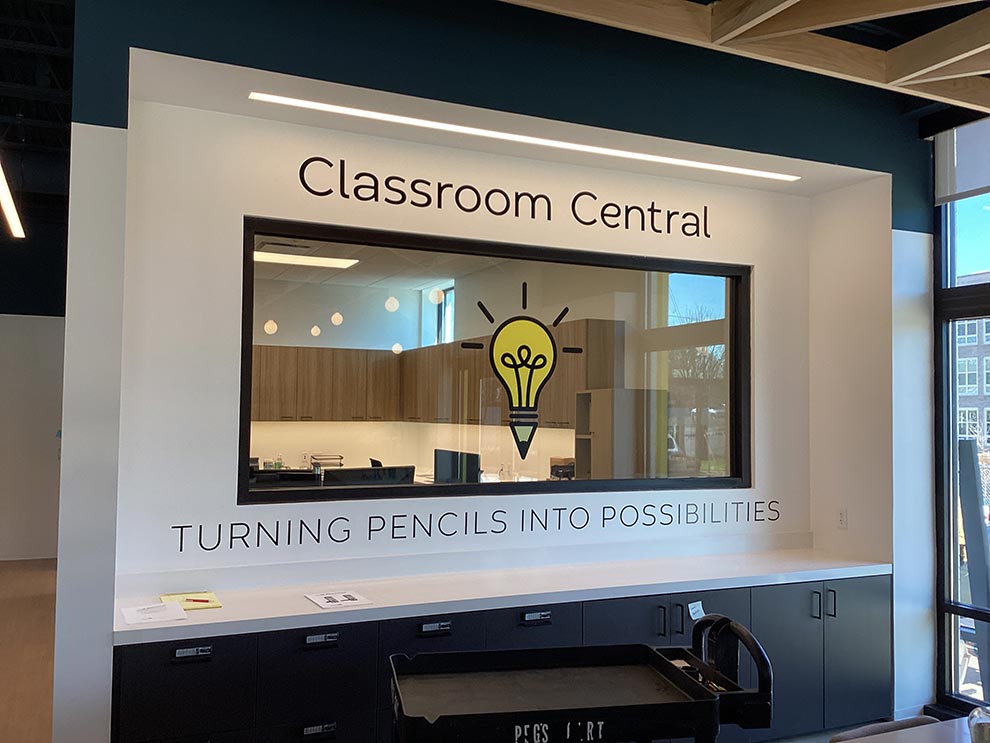
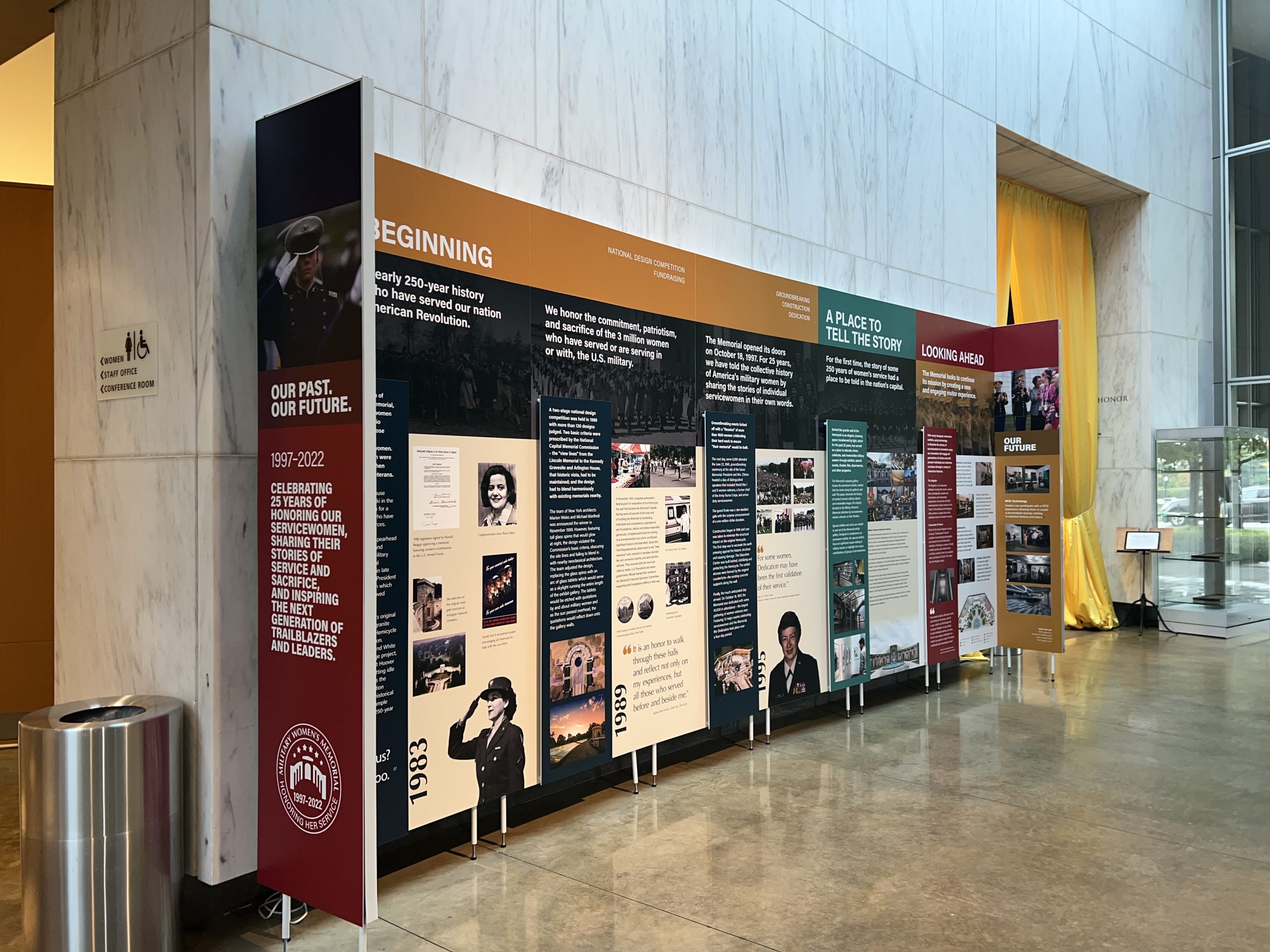
Wall displays organize history, recognition, culture, or educational content into a structured interior feature. Printed graphics can pair with mounted and dimensional components, letting the display develop information more fully than the storefront while staying visually consistent with it.
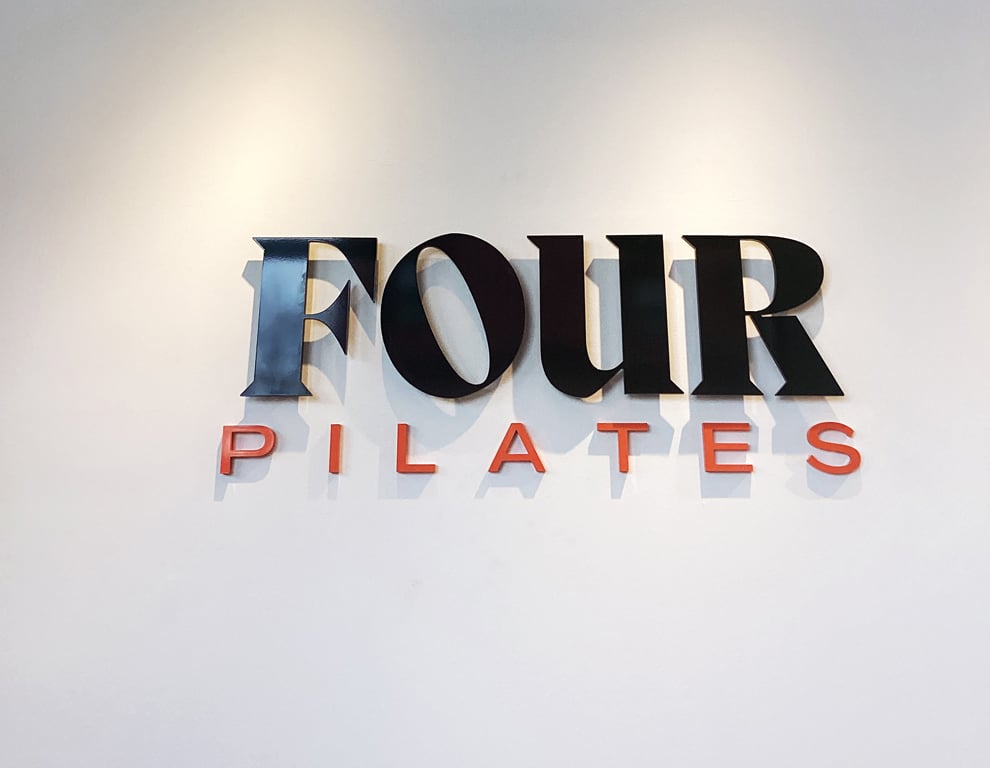
Dimensional letters add depth to names, logos, and selected messages inside a reception area or commercial interior. We account for viewing distance, mounting conditions, surrounding finishes, and nearby graphics so the feature gets appropriate emphasis without competing with the entrance treatment.
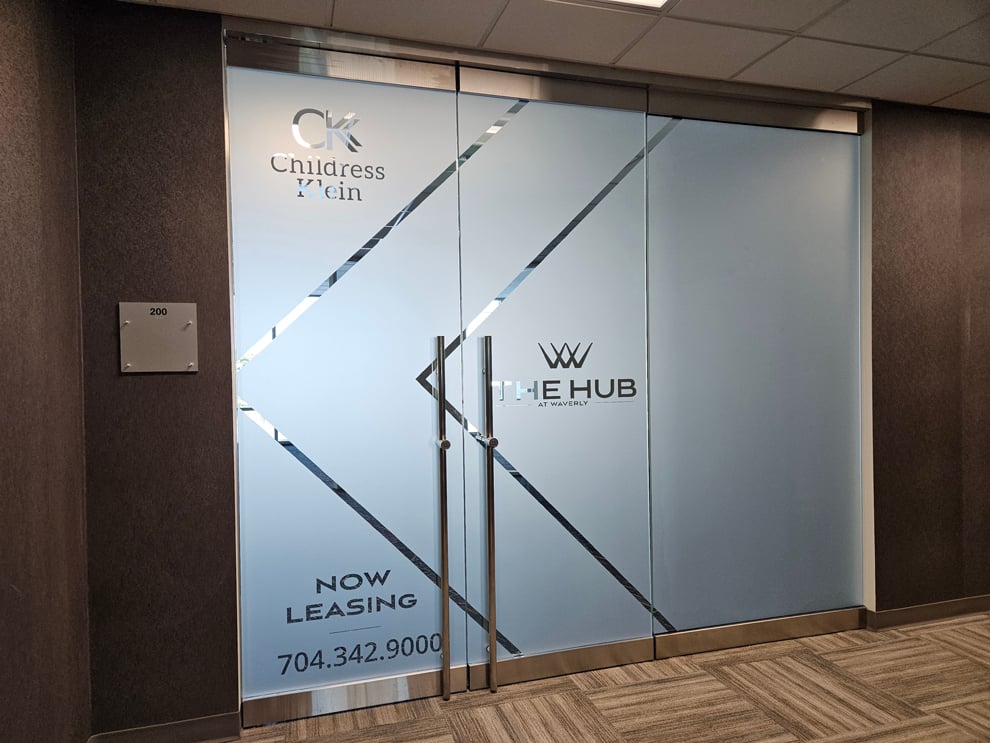
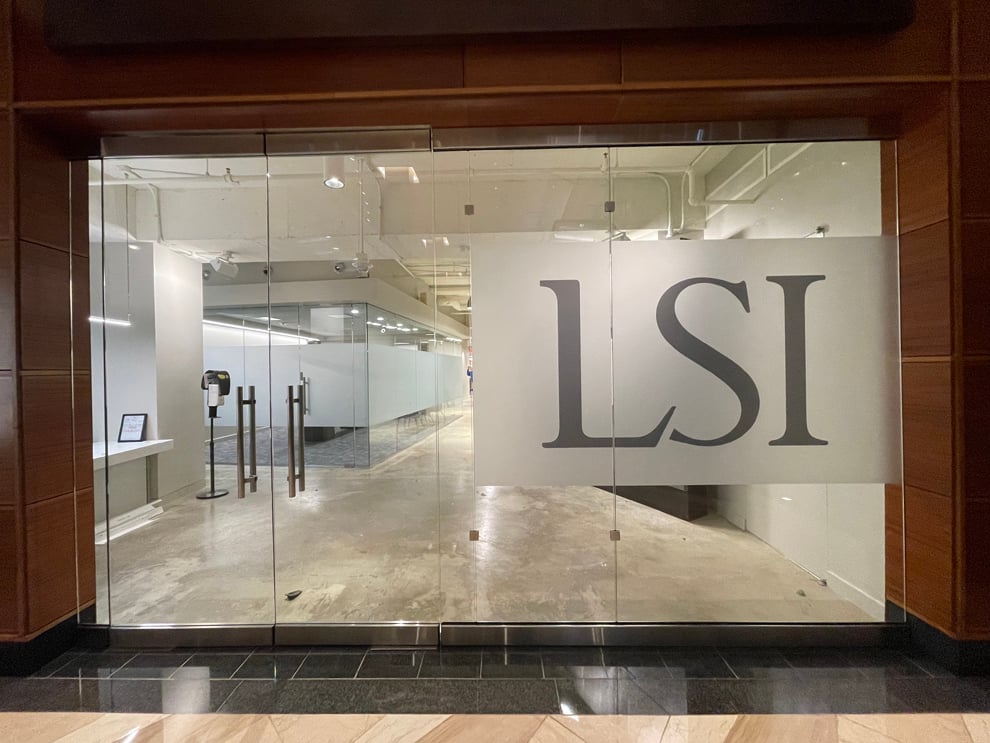
Frosted vinyl and etched-look privacy film reduce direct sightlines while letting daylight through. Custom bands, patterns, logos, and gradients can carry the storefront identity into conference rooms, offices, and glass partitions.
SEG fabric graphics stretch printed fabric into a slim frame for a clean, modern interior presentation. They handle large imagery or messaging well and allow planned graphic changes without replacing the frame or rebuilding the surrounding branded environment.
Backlit signs deliver controlled emphasis for an interior logo or message. We evaluate dimensional depth, available power, existing room lighting, placement, and nearby graphics so illumination reinforces the lobby destination instead of overpowering the entrance-to-interior experience.
Planning Storefront Graphics as part of a professionally managed commercial interior branding project in Bethesda? Use Get Started Now to send over the project address, the result you are after, your target completion date, anticipated investment, photographs, any measurements on hand, brand standards, plans, artwork, and anything else already assembled. A dedicated Project Manager reviews what you submit, flags the decisions or field details still outstanding, and pulls together the right Heritage resources for environmental graphic design, production, fabrication, and professional installation.
Bethesda organizations can access our field support for discovery, on-site meetings, site surveys, field verification, installation planning, professional installation, and follow-through. That proximity matters most when entrance conditions, shared-property rules, business hours, or installation access need to be understood before approved graphics go into production.
One dedicated Project Manager connects what we learn in Bethesda with our environmental graphic design, production, fabrication, and installation resources. Measurements, photographs, surface observations, access requirements, stakeholder decisions, and approved design intent all live in one project history, so you never have to restart an important conversation midstream.
We serve the Washington, DC metro area from our Waldorf, Maryland and Washington, DC locations, which puts Bethesda, Chevy Chase, Rockville, Silver Spring, and the rest of Montgomery County within convenient reach. Our Charlotte, North Carolina headquarters and primary specialty production facility add capacity when a project calls for it. We can also coordinate multi-location programs throughout the Mid-Atlantic and the Carolinas. Shared brand standards and one accountable relationship stay consistent while each property gets a solution matched to its dimensions, architecture, surfaces, access, schedule, and operating requirements.
Environmental graphic design decides how identity, privacy, direction, and organizational messaging function inside a physical space. On storefront projects, that process clarifies what people should see first, which areas of glass stay open, where screening genuinely helps, and how the entrance should hand attention off to the primary interior focal point.
Some clients arrive with complete brand standards, architectural plans, and print-ready artwork. Others bring an objective, an existing logo, a few phone photos, and early planning notes. Either starting point works. We can collaborate with architects, interior designers, branding agencies, property teams, and your internal stakeholders while developing environmental graphic design within our scope.
Scale, sightlines, lighting, glass coverage, materials, mounting conditions, and audience needs all shape the approved direction. We then carry that direction through production, fabrication, and professional installation. The outcome might be a stronger entrance, a branded lobby, a privacy treatment, a history wall, a core values display, a mission statement feature, a recognition display, or clearer wayfinding. We do not provide licensed architecture, engineering, general commercial interior design, lighting design, or code consulting.
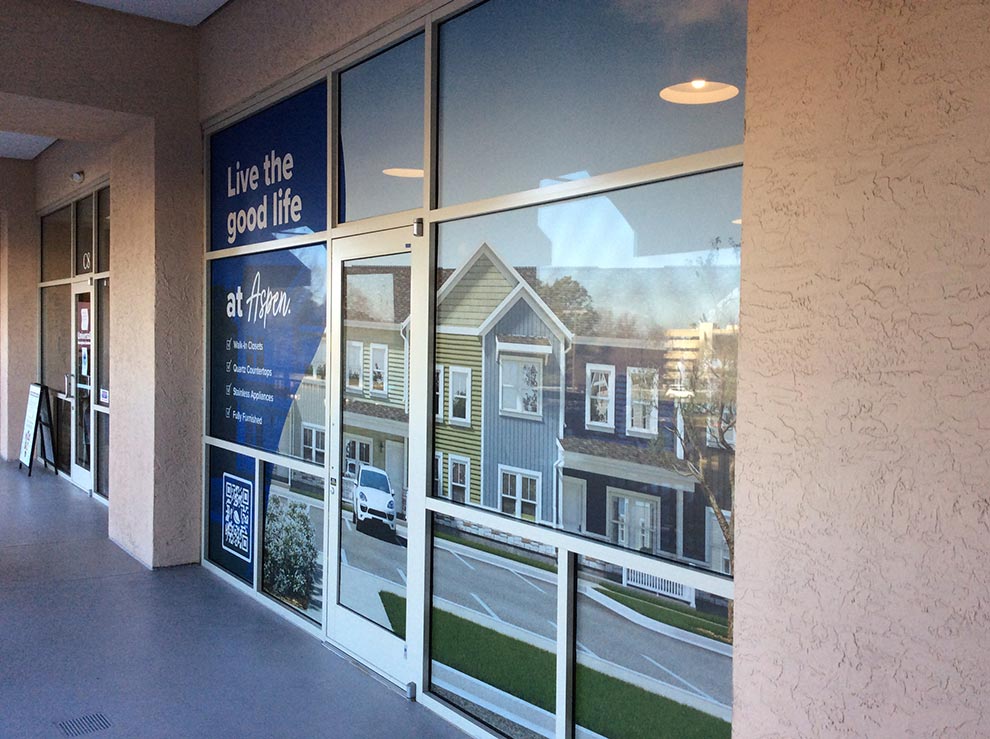
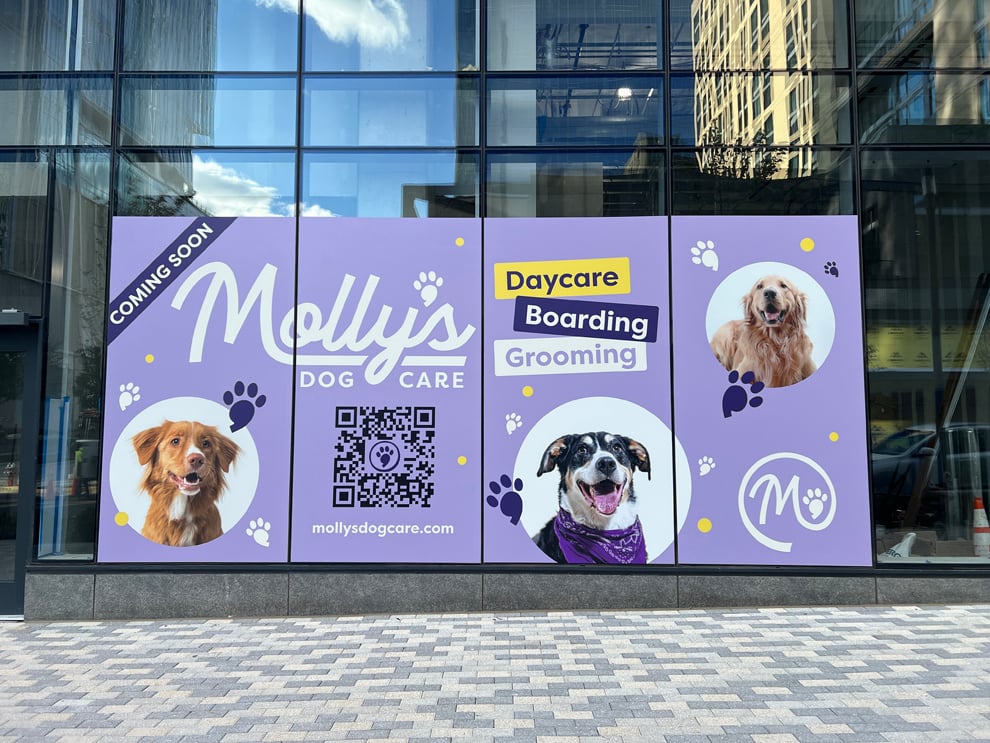
We produce and install non-illuminated exterior elements as part of coordinated storefront and workplace branding projects. Typical scope includes exterior window graphics, exterior wall graphics or wraps, dimensional lettering, dimensional signs, custom sign panels, and related non-illuminated storefront components. These applications introduce your organization before entry and connect entrance glass with lobby signs, wall graphics, displays, and other interior branding.
Printed exterior wall graphics receive protective film laminate as standard practice for added UV and weather protection. We review proposed materials, surfaces, exposure, attachment conditions, and installation access for every exterior component in an accepted project.
We do not produce or install channel letters, monument signs, pylon signs, or illuminated exterior signs. We also do not determine whether a sign permit is required, prepare permit documents, submit applications, communicate with permitting authorities, pay permit fees, or pursue approvals. The client, property owner or property manager, or general contractor is responsible for confirming and securing required sign permits and property approvals, which matters in Bethesda where property management and county requirements often apply. Our material and site review is not permitting or code consulting.
No Bethesda Storefront Graphics project moves into production at Heritage without a site survey first. During that visit, the team pairs what the client wants to accomplish with hard data: dimensions, surface types, entry access, and real-world installation conditions. Those findings shape the environmental graphic design, the production plan, fabrication details, the calendar, equipment selection, and the precautions needed to keep the property protected while crews work.
A single Project Manager holds the thread. That person links Heritage designers, production staff, fabricators, and full-time in-house installers to one shared record of the job. Approved design intent, notes from the field, material selections, access limitations, stakeholder updates, and schedule details stay visible as the project moves forward. With fewer handoffs, critical details are far less likely to disappear somewhere between the planning table and the wall.
Scheduling gets equal attention. Along Wisconsin Avenue, in Bethesda Row, and throughout Woodmont Triangle, many storefronts sit inside mixed-use buildings with shared lobbies, garage-level loading, badge-controlled access, and neighboring tenants who keep their own hours. Heritage works through those realities with the client and the appropriate building contacts so daily operations take the smallest possible hit. Installers show up already briefed on what the survey uncovered, which helps them safeguard the space, speak clearly with on-site staff, and execute the approved scope correctly.
Graphics applied to walls last longest when the substrate is genuinely ready: solid drywall, a smooth face, repairs finished, primer and paint correctly applied, and the topcoat fully cured. Paint that feels dry to the touch has not necessarily cured. Roughly four weeks is a reasonable planning window for many products, though the paint manufacturer's published requirements and the actual conditions inside the space decide when a wall is truly ready.
Paints marketed as washable, scrubbable, stain-resistant, low-VOC, or zero-VOC can complicate adhesion, and so can other specialty coatings. These situations may call for surface cleaning, adhesion testing, or a different vinyl and adhesive pairing. Keep in mind what a test can and cannot tell you. It reveals how vinyl behaves against the painted surface. It says nothing about how firmly that paint and primer are anchored to the drywall beneath. If coating lifts or tears away during testing or during ordinary repositioning, Heritage halts work instead of compounding the problem.
Wall repair, correct priming, repainting, full cure time, restoration, and any related surface expense fall to the client or the property owner. Heritage neither performs nor funds that work. Removal down the road is its own conversation. Crews use slow, deliberate techniques to minimize avoidable harm, yet nobody can promise damage-free takedown. Paint, primer, or the paper facing of the drywall may come away with the vinyl. The word removable describes an adhesive system and its intended use. It is not a guarantee that a painted wall survives untouched. Older graphics should come down early enough that any restoration needs surface before the replacement installation is booked.
Sound planning brings a handful of moving pieces into alignment: the outcome you want, the audience you are speaking to, scope, phasing, timeline, site conditions, site readiness, stakeholders, approval chains, expected investment, and whatever information is still missing. Photos, measurements, floor plans, artwork, and brand standards all feed those decisions, but gathering paperwork is never the point. The point is building a realistic, coordinated route from the front door to a finished installation.
Heritage fits professionally managed projects that gain real value from environmental graphic design, production, fabrication, and installation handled by trained employees. Many Heritage engagements involving production and professional installation land between $10,000 and upward of $200,000. Where a specific project falls depends on total scope, material choices, fabrication complexity, how many locations are involved, site conditions, access constraints, phasing, and installation demands.
A well-matched project might center on a single significant entrance and lobby, or it might extend deeper into workplace graphics, interior signs, and displays. It could roll out in phases or span several Montgomery County properties. Throughout it all, one dedicated Project Manager keeps decisions, responsibilities, sign-offs, and scheduling tied together while Heritage carries the accepted scope to completion.
Storefront graphics are visual elements applied to entry glass, windows, adjacent walls, and other façade surfaces to establish identity and guide arrival. Depending on the goal, they deliver recognition, privacy, wayfinding, or glass awareness, and they create a visual handoff to lobby signage, wall graphics, dimensional features, and the rest of your interior branding.
Always. A site survey is required on every Heritage Storefront Graphics project. The team maps the client's objectives against field measurements, surface types, access, sightlines, sun exposure, and installation conditions. Everything discovered stays tied to one dedicated Project Manager and drives environmental graphic design, production, fabrication, and professional installation.
Absolutely. Offices, medical and dental practices, schools, associations, nonprofits, showrooms, property-management suites, and other commercial spaces all use them. What matters is having an entrance or customer-facing glass area that needs to communicate identity and connect sensibly with the interior. Industry category and property type are beside the point.
Distraction markers are decorative or branded vinyl graphics placed on clear glass so people notice the surface is there. Designs range from horizontal bands and dot patterns to logos and custom motifs, and they often do double duty for privacy or branding. Applied vinyl by itself does not create building-code compliance, safety-glazing compliance, certification, or any form of approval.
Yes. Coverage can be planned around the specific sightlines that need screening while natural light and chosen views stay intact. Frosted vinyl, etched-look privacy film, gradient patterns, banding, and similar treatments all create separation. How much coverage makes sense depends on the glass itself, the lighting, how the space is used, and typical viewing angles.
The wall needs to be structurally sound, smooth, properly repaired, primed, painted, and fully cured. Four weeks or so is a workable allowance for many paints, though manufacturer instructions and on-site conditions have the final say. Washable, scrubbable, stain-resistant, low-VOC, zero-VOC, and other specialty coatings may require cleaning, testing, or a different adhesive strategy.
Adhesion testing indicates how vinyl behaves on the painted surface. It cannot verify how well paint and primer are bonded to the drywall underneath. If coating lifts or tears during testing or routine repositioning, Heritage stops. Repairs, priming, repainting, cure time, restoration, and associated costs are arranged and paid for by the client or property owner.
It can. Heritage takes adhesive graphics down slowly and methodically to limit avoidable harm, but damage-free removal is not something anyone can guarantee. Paint, primer, or drywall facing may release along with the vinyl. Removable refers to the adhesive system and its intended use. It carries no promise that the painted wall stays exactly as it was.
Wall repair, priming, repainting, full cure time, and restoration are the responsibility of the client or property owner. Heritage does not perform or pay for that work.
Yes. Within coordinated exterior-to-interior branding projects, Heritage produces and installs non-illuminated exterior window graphics, exterior wall graphics and wraps, dimensional lettering, dimensional signs, custom sign panels, and related storefront components. Printed exterior wall graphics get a protective film laminate as standard practice for extra UV and weather resistance.
Heritage does not produce or install channel letters, monument signs, pylon signs, or any illuminated exterior signage. Required sign permits and property approvals must be confirmed and secured by the client, the property owner or manager, or the general contractor, which matters in Montgomery County where local review can affect exterior work.
Selection follows the design, the surface, exposure levels, mounting approach, expected service life, and installation conditions. Depending on the situation, Heritage works with adhesive vinyl, acrylic, dimensional materials, and aluminum composite material, better known as ACM. ACM delivers a metal look at a fraction of the weight of solid metal. Heritage does not print on or cut solid aluminum or solid steel as a sign substrate.
Yes, when removal is part of a new Heritage production and installation project. Existing wall graphics should come down early enough to expose paint loss, primer failure, drywall-facing damage, or other restoration needs before the replacement installation is scheduled.
Required repair, priming, repainting, restoration, and full cure time are arranged and paid for by the client or property owner. Heritage does not offer graphics removal as a standalone service.
Yes. Heritage regularly works alongside architects, interior designers, branding agencies, environmental graphic designers, property teams, general contractors, and internal client stakeholders. The team can develop environmental graphic design within its own scope and carry an approved direction through production, fabrication, and installation. Heritage does not provide licensed architecture, engineering, general commercial interior design, lighting design, or code consulting.
Heritage's full-time professional installers handle Storefront Graphics produced or managed through a Heritage engagement. They work from the site data, measurements, approved design intent, material decisions, access requirements, and scheduling details assembled by the dedicated Project Manager. Heritage does not offer installation-only service for signs or graphics supplied by others.
Yes. Multi-location programs across the Washington, DC metro area, Maryland, Virginia, and the wider Mid-Atlantic are coordinated through one dedicated Project Manager working from shared brand standards. Each address still gets evaluated on its own. Dimensions, surfaces, architecture, access, building requirements, schedules, and installation conditions often call for different physical solutions from one site to the next.
Timing depends on design development, stakeholder approvals, site readiness, material availability, production, fabrication, access, and installation requirements. Heritage establishes a schedule after enough project information has been confirmed. This allows the dedicated Project Manager to communicate a realistic plan rather than offer a universal turnaround promise.
Start with the project location, desired result, target completion date, anticipated investment, photographs, available measurements, plans, artwork, brand standards, and property information. Use Get Started Now to submit what is currently available. One dedicated Project Manager will review the information and identify the next planning decisions.
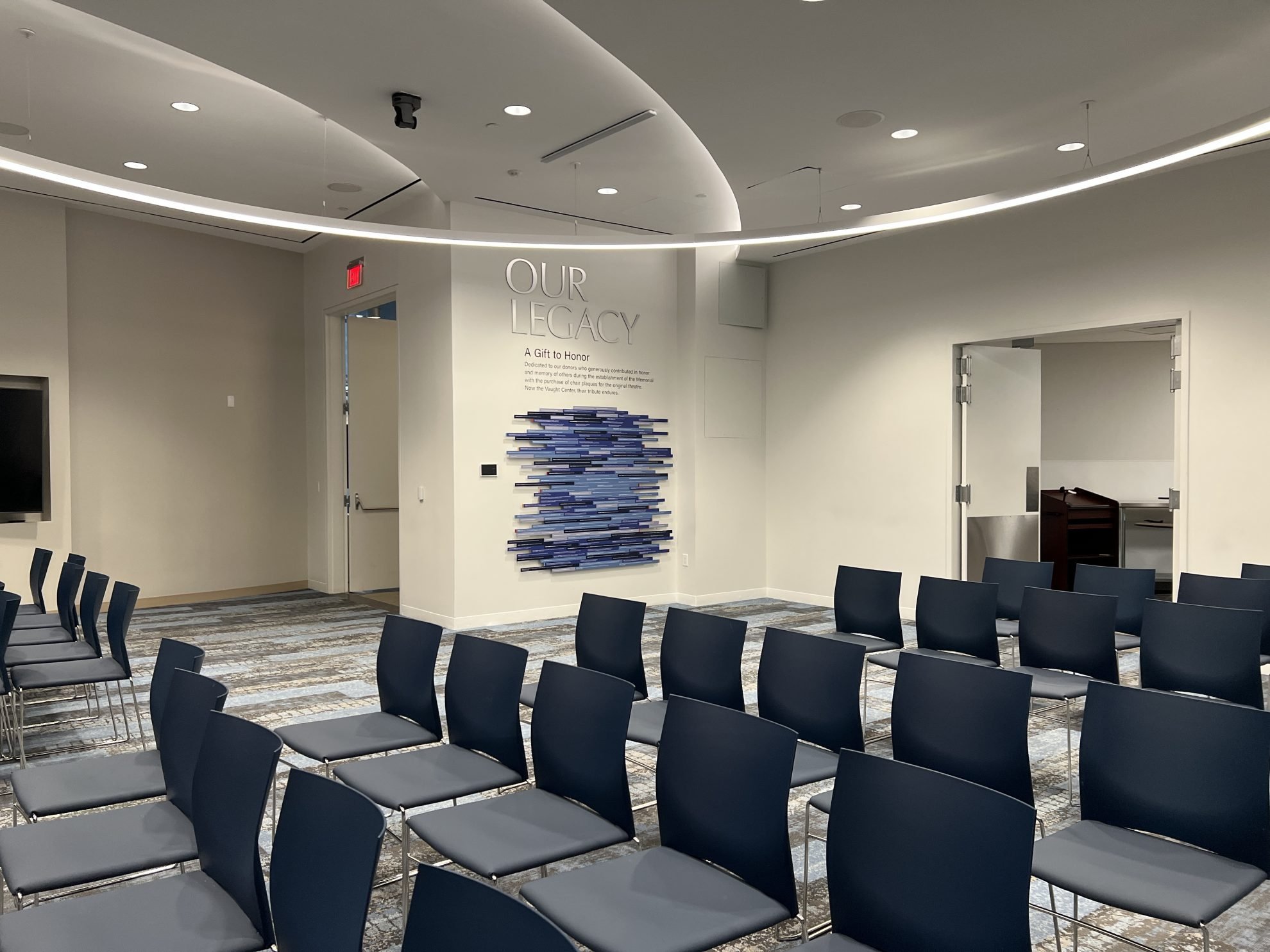
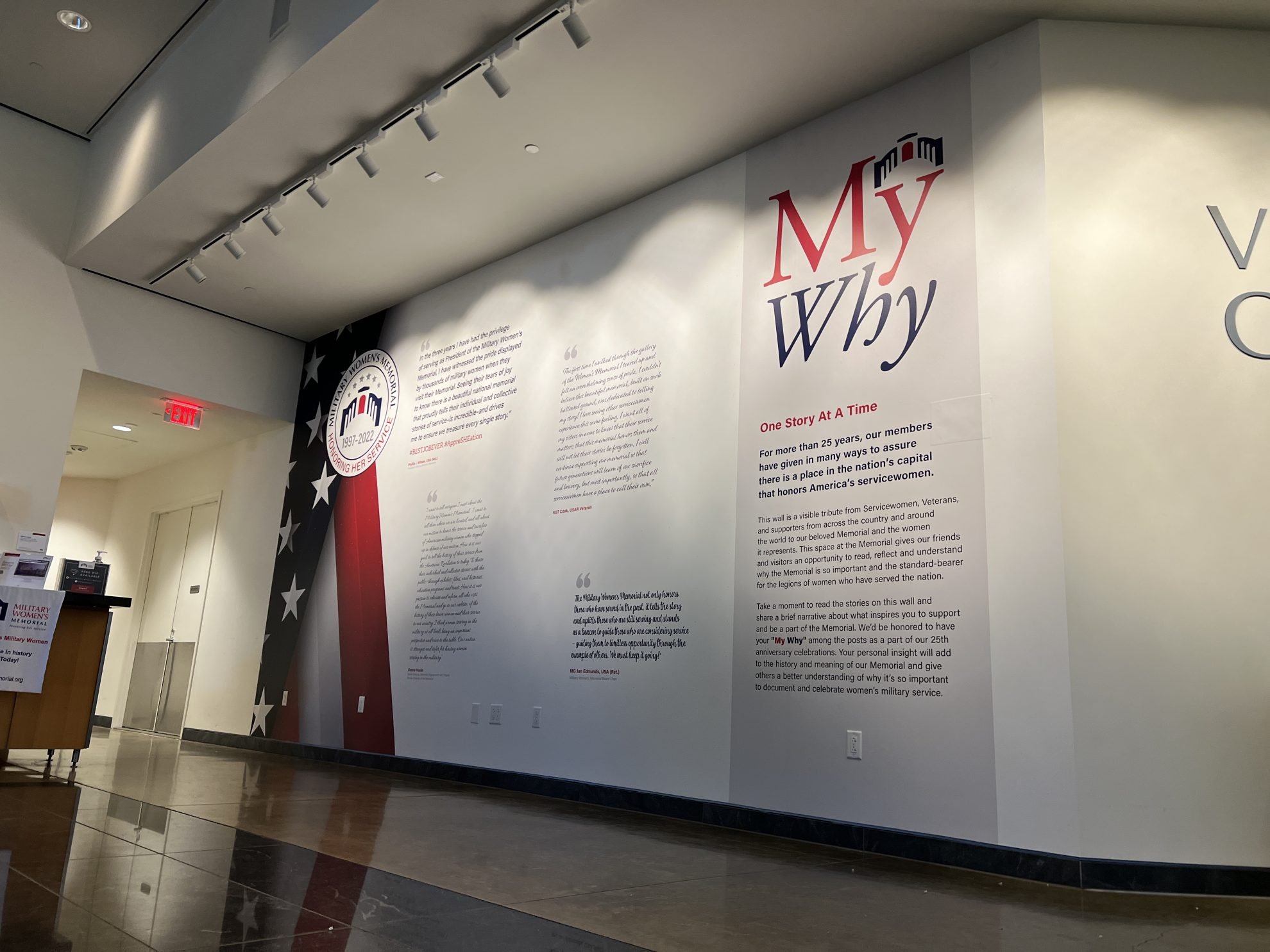
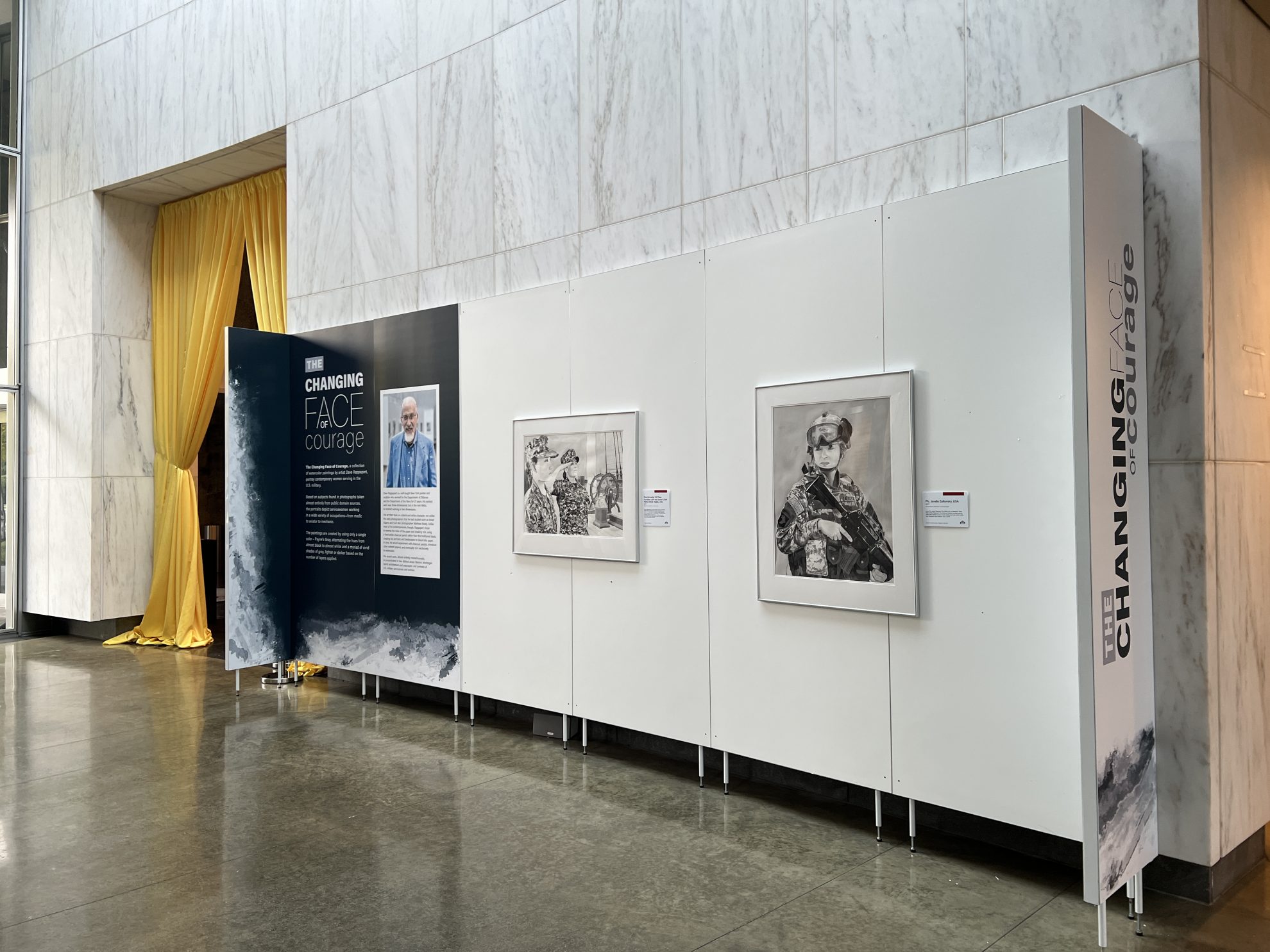
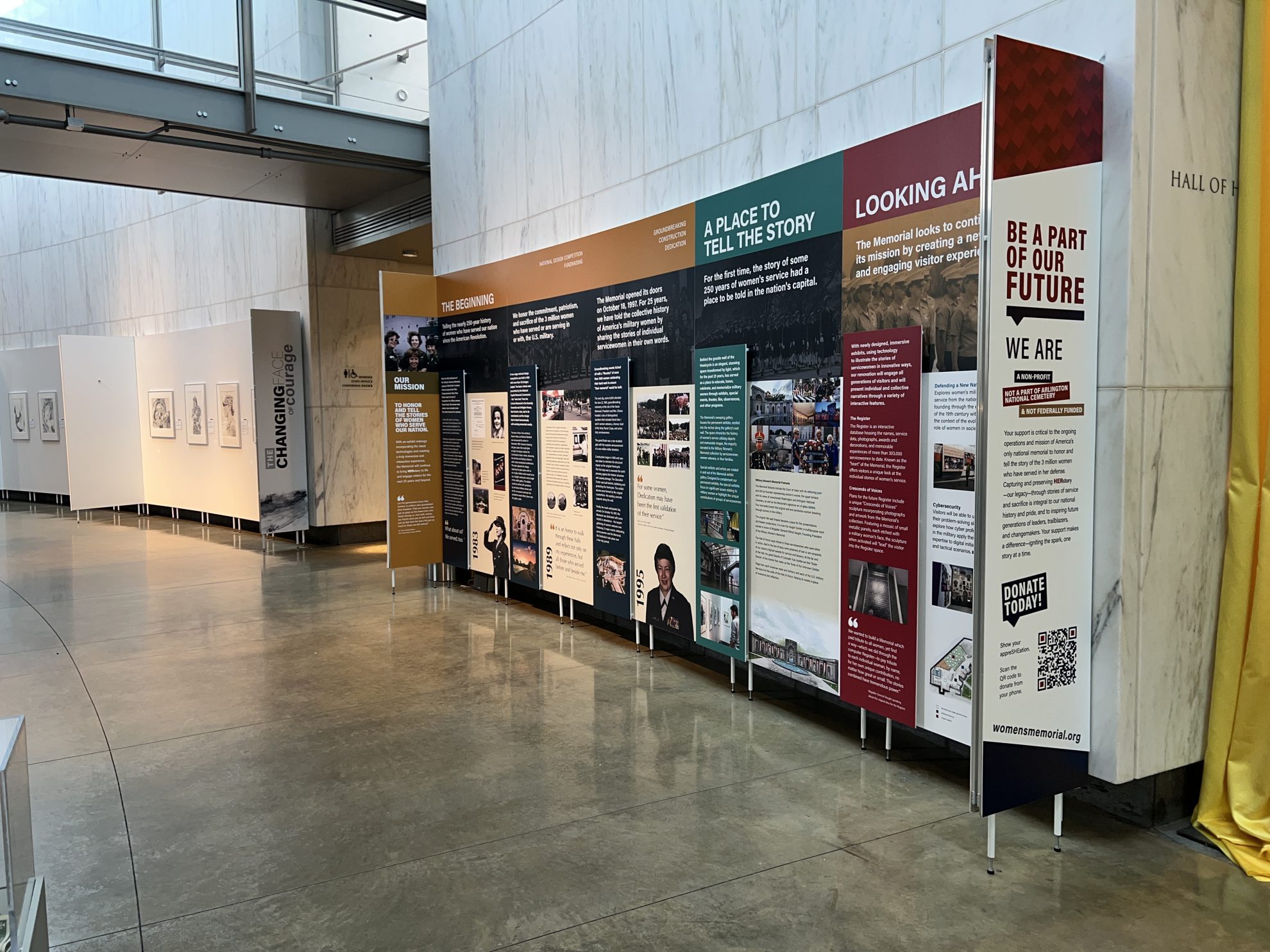
Heritage Signs & Displays created new museum signage for the Military Women’s Memorial in Arlington, VA. The project included custom signs, wall wraps, dimensional letters, and standoff-mounted displays to honor the legacy of U.S. servicewomen and the donors who supported the memorial. The updated interior features impactful designs, including a "Our Legacy" wall display and panels showcasing historical contributions and artwork, creating a transformative tribute to women in the U.S. Armed Forces.
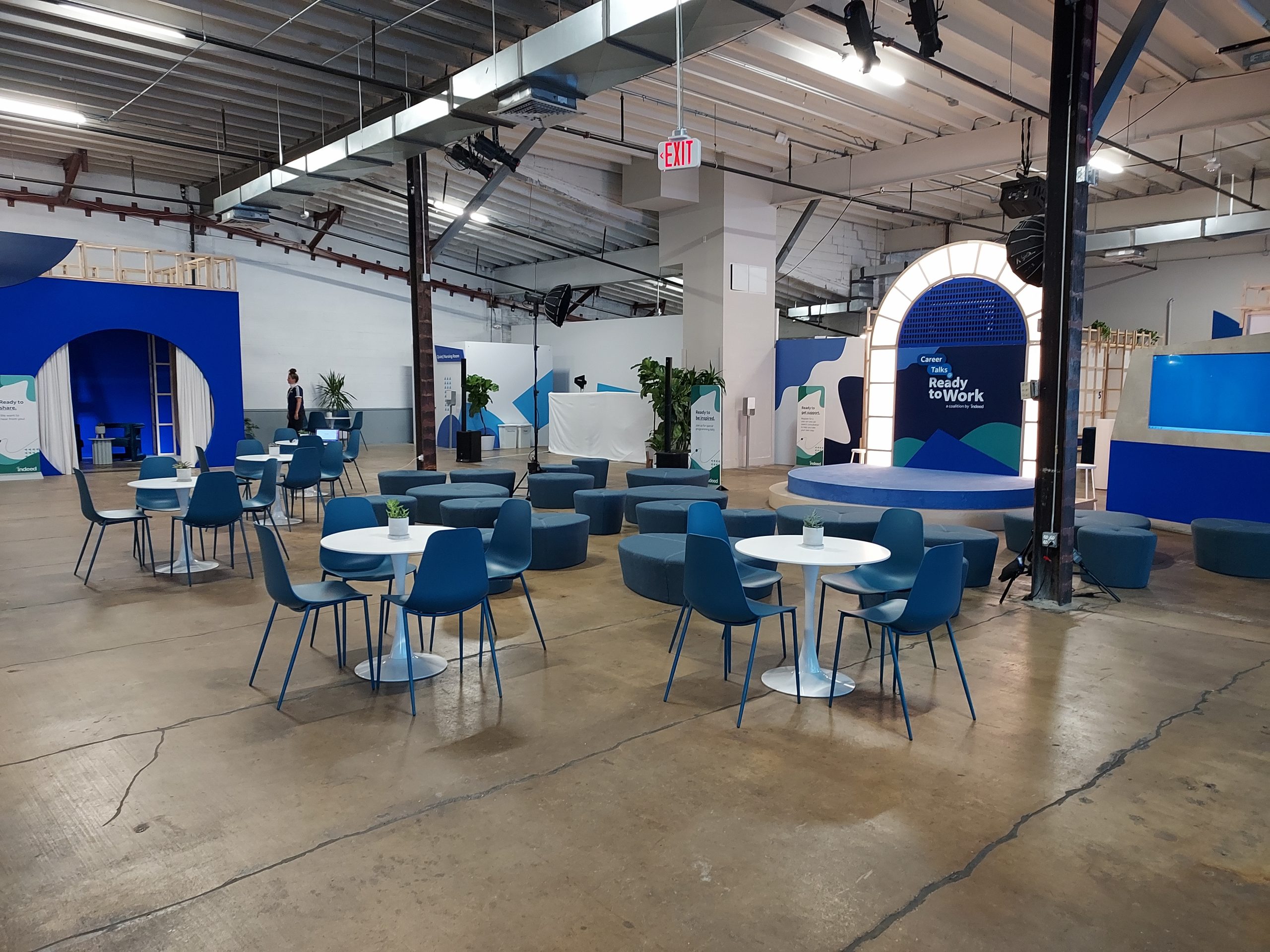
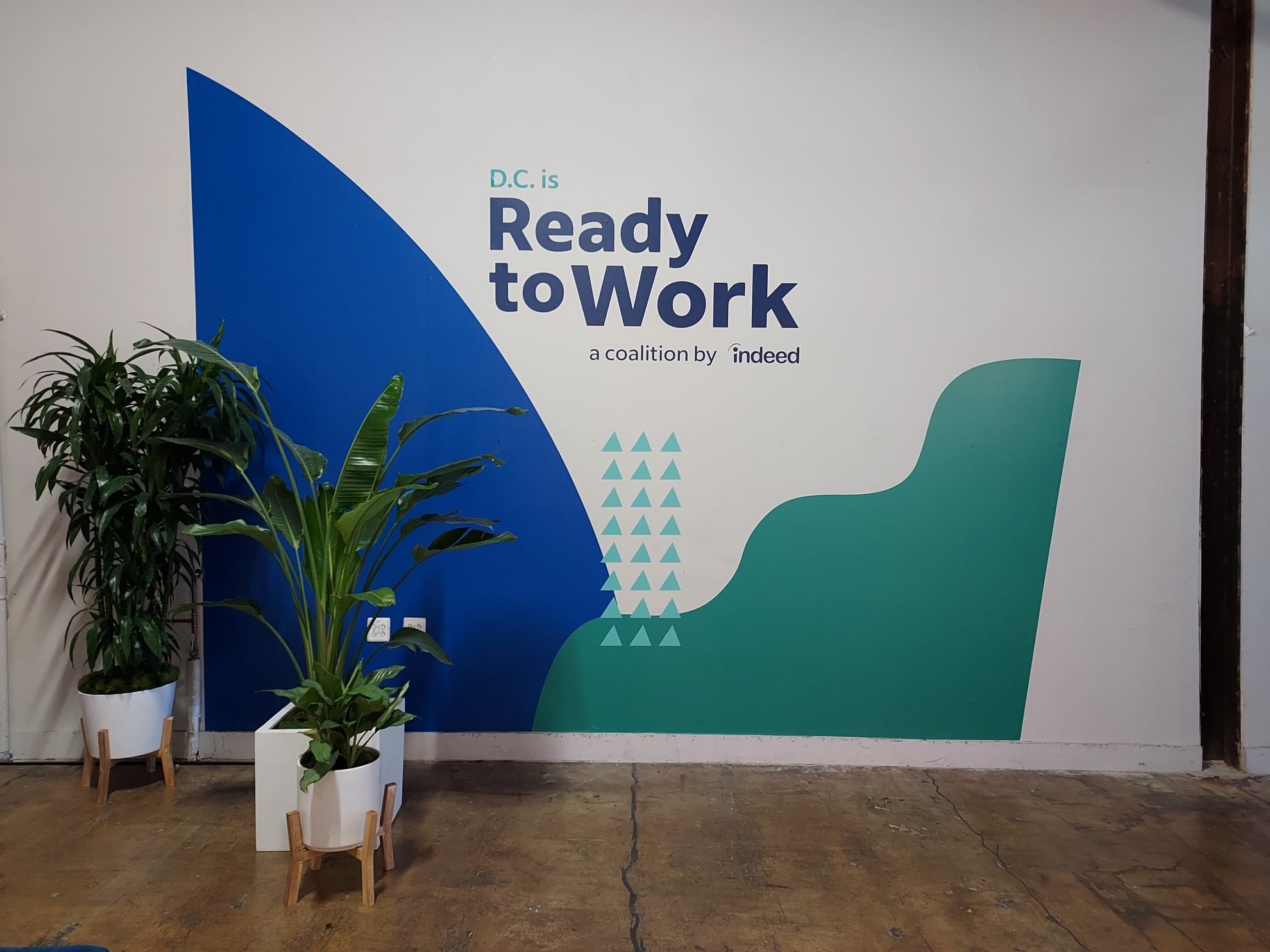
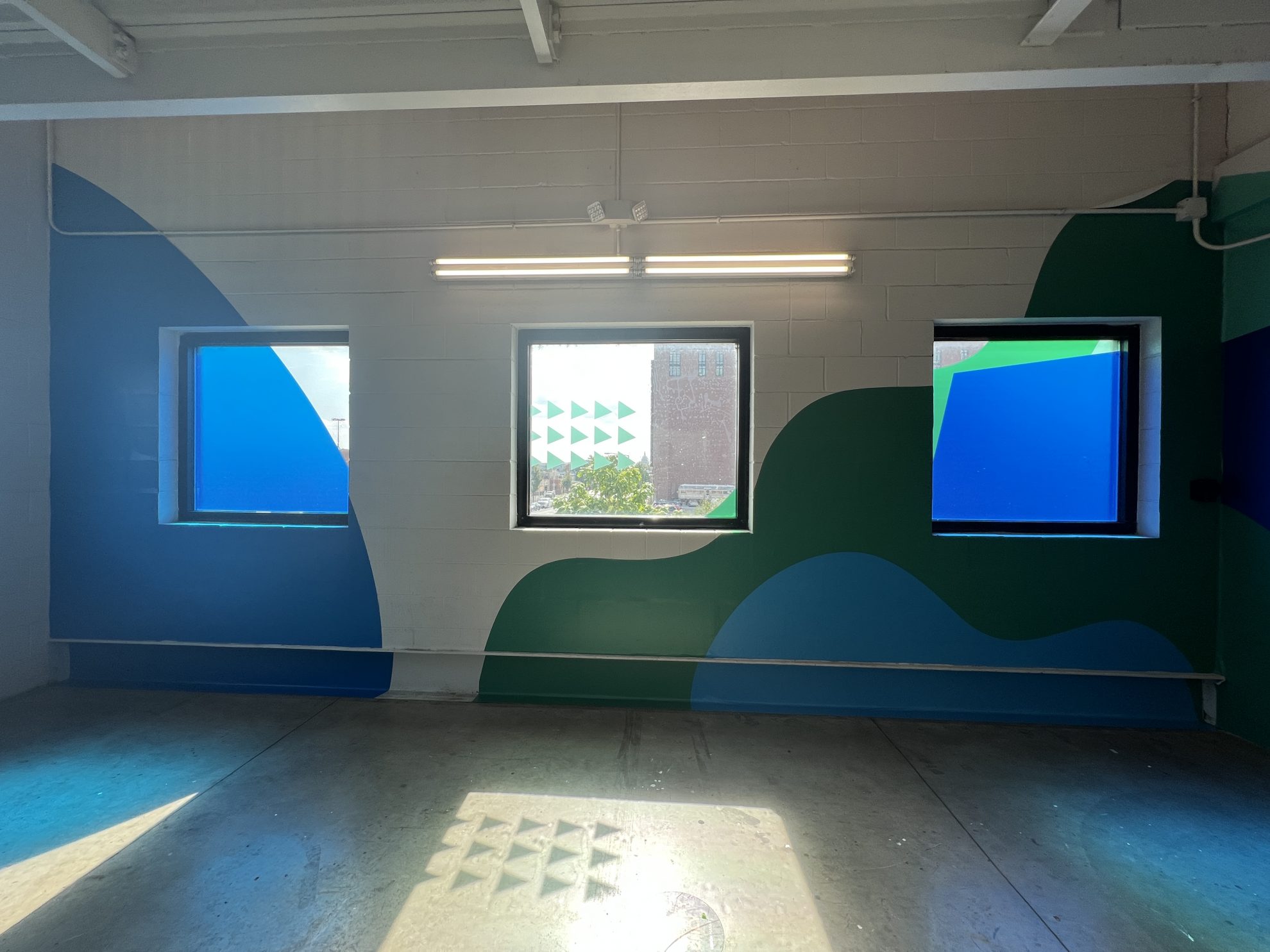
Heritage Signs & Displays' collaboration with The Gathery to brand Union Market in Arlington, VA, for Indeed's "Ready to Work" job fair. The project included custom event displays, wall graphics, window graphics, and wayfinding signs, creating an immersive and visually appealing environment. The branding enhanced the venue, reflected the event's mission, and provided a seamless experience for attendees.