A successful workplace branding project requires more than approving attractive designs. In many Falls Church organizations, executives choose a reception feature, marketing reviews brand applications, facilities addresses privacy, and human resources plans employee recognition. Each decision may make sense on its own, yet conflicts can emerge when teams account for wall dimensions, mounting surfaces, fabrication methods, building access, electrical needs, and installation schedules.
Heritage Signs & Displays brings these decisions together through a coordinated approach to Commercial Interior Graphics in Falls Church, VA. By evaluating visual goals alongside practical site conditions, organizations can resolve dependencies before individual purchases create production delays or installation problems.
Heritage is a veteran-owned, family-operated sign company founded in 1977. Custom signs and workplace branding became a central focus of the company in 2009. Today, Heritage coordinates environmental graphic design, project management, production, fabrication, site planning, and professional installation for comprehensive workplace interior programs.
A project may include dimensional logos, wall graphics, acrylic signs, illuminated displays, workplace photography, recognition walls, privacy film, and content designed for future replacement. The purpose is not to fill every wall or glass surface. It is to identify what employees, visitors, clients, and prospective hires should notice, then match each message with the right physical feature.
This coordinated process is especially valuable during a Falls Church office relocation, renovation, expansion, rebrand, or headquarters improvement. These projects often involve simultaneous changes to the organization and the property. Early planning helps distinguish permanent features from replaceable content and clarifies which approvals must be completed before fabrication begins. Stakeholders can review the interior as a connected environment rather than judging each sign or graphic in isolation.
Commercial interior projects in Falls Church may involve company leadership, marketing departments, facilities teams, property managers, architects, interior designers, and workplace consultants. Each party remains responsible for decisions within its professional role. Heritage aligns its signs, graphics, and displays with the approved requirements supplied by those stakeholders. One dedicated Project Manager maintains the approval record, site details, production information, access procedures, and schedule throughout the engagement.
Installation requirements must shape the project early. A dimensional logo needs a verified mounting surface. An illuminated sign may require electrical preparation coordinated by the client. Privacy film must account for seated and standing sightlines. A recognition display may need a durable base that allows names, photographs, or achievements to be changed later. Installation sequencing may also need to accommodate occupied offices, security restrictions, limited loading access, or designated work hours.
Heritage serves workplace interior and event environment clients throughout Falls Church, Northern Virginia, and the broader Mid-Atlantic region. Resources for design, production, fabrication, field planning, and installation are assigned according to the project’s scope. The result is a unified interior branding program with a practical path from stakeholder goals to professionally installed features.
An accurate project record connects approved visual decisions with the operating conditions of the Falls Church property. This is particularly important in leased offices, occupied buildings, and multi-tenant properties. Loading dock procedures, security registration, elevator reservations, staging limitations, restricted work periods, and room availability can affect how components are designed, packaged, delivered, and installed.
The client and property representative remain responsible for permissions, access, and building procedures under their control. Architects, engineers, interior designers, accessibility consultants, and other professionals continue to define requirements associated with their disciplines. Heritage plans its signs, graphics, displays, fabrication, and installation using the confirmed information those parties provide.
When a site condition changes, Heritage can review the potential effect on artwork, measurements, materials, production, scheduling, and installation sequencing. This process does not place every project responsibility with a single vendor. Instead, it gives Heritage a reliable and current basis for completing its defined scope.
Keeping these details connected helps prevent obsolete assumptions from reaching production. It also creates a clearer approval process and reduces avoidable revisions, delivery complications, and surprises at the job site.
Heritage’s One Dedicated Project Manager System provides a consistent point of contact for a workplace branding program involving multiple products, departments, and approvals. The Project Manager maintains stakeholder decisions, approved visual direction, site findings, production specifications, access requirements, and scheduling information while Heritage’s specialists complete design, fabrication, and installation tasks.
This continuity is especially useful when one change affects several parts of the project. A revised logo size may influence fabrication, wall placement, mounting hardware, lighting, or nearby graphics. A schedule change may affect property access, production priorities, delivery, and installation staffing. Maintaining one project record helps Heritage evaluate these relationships instead of treating each update as an isolated request.
The Project Manager does not replace the client’s internal approval process or assume responsibilities belonging to property teams and outside professionals. Heritage manages the branded visual elements included in its engagement and coordinates them with requirements established by the appropriate stakeholders.
Heritage is veteran-owned and family-led. The company began as a printing business in 1977, with custom signs and workplace branding becoming a primary focus in 2009. This background supports an operating model built around visual communication, production expertise, skilled fabrication, and professional installation. Heritage seeks to honor God by serving clients and communities with excellence.
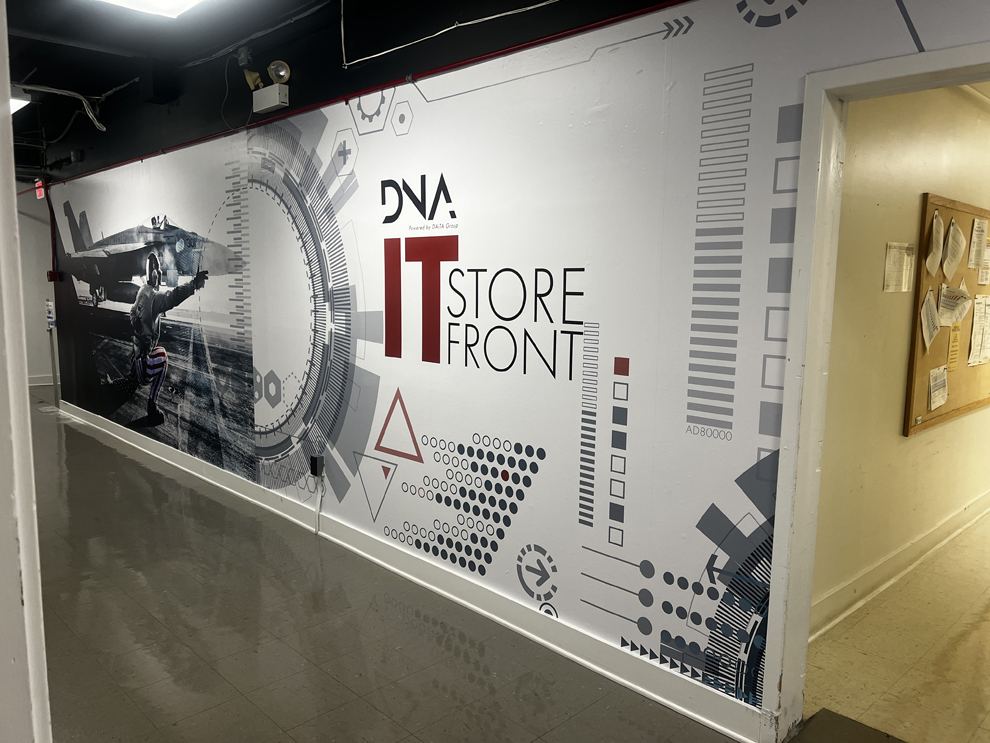
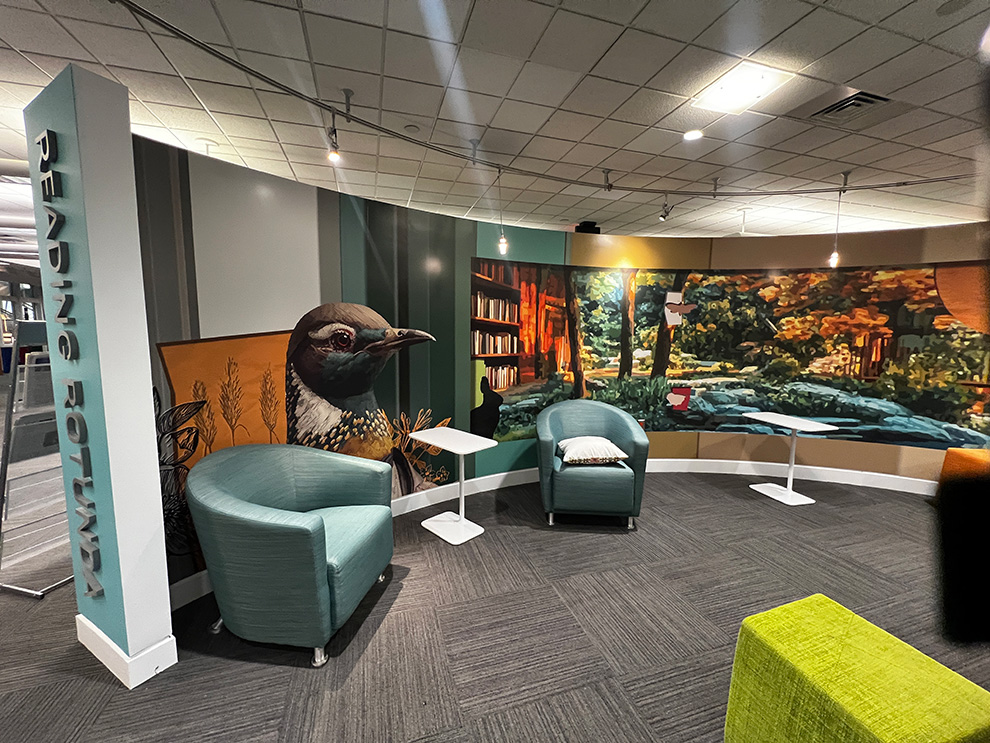
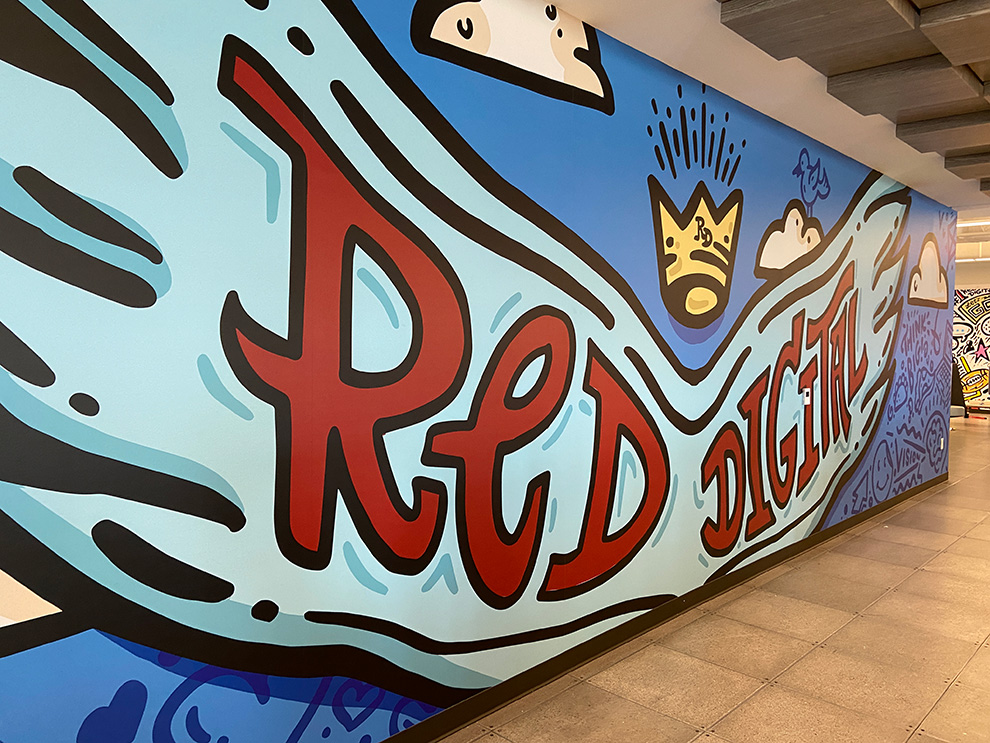
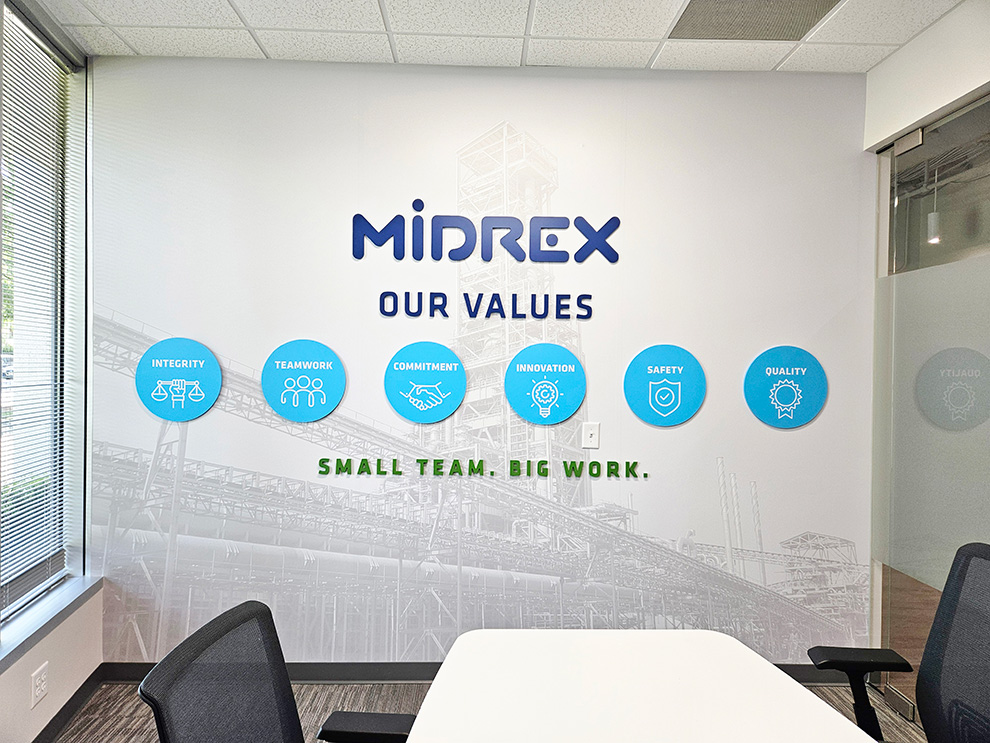
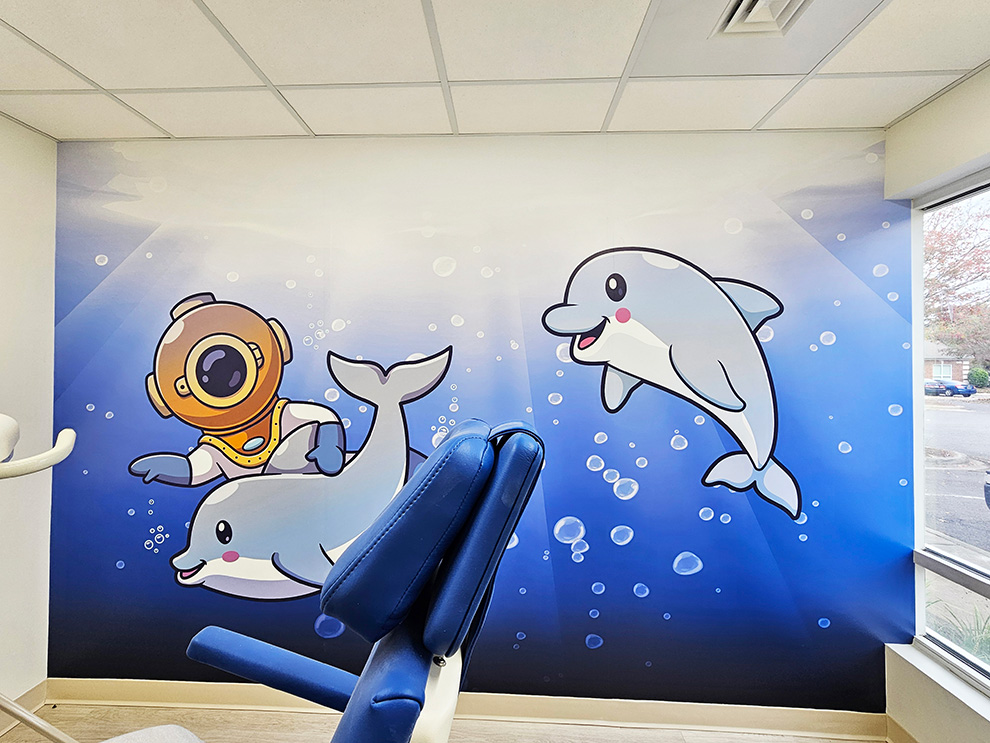
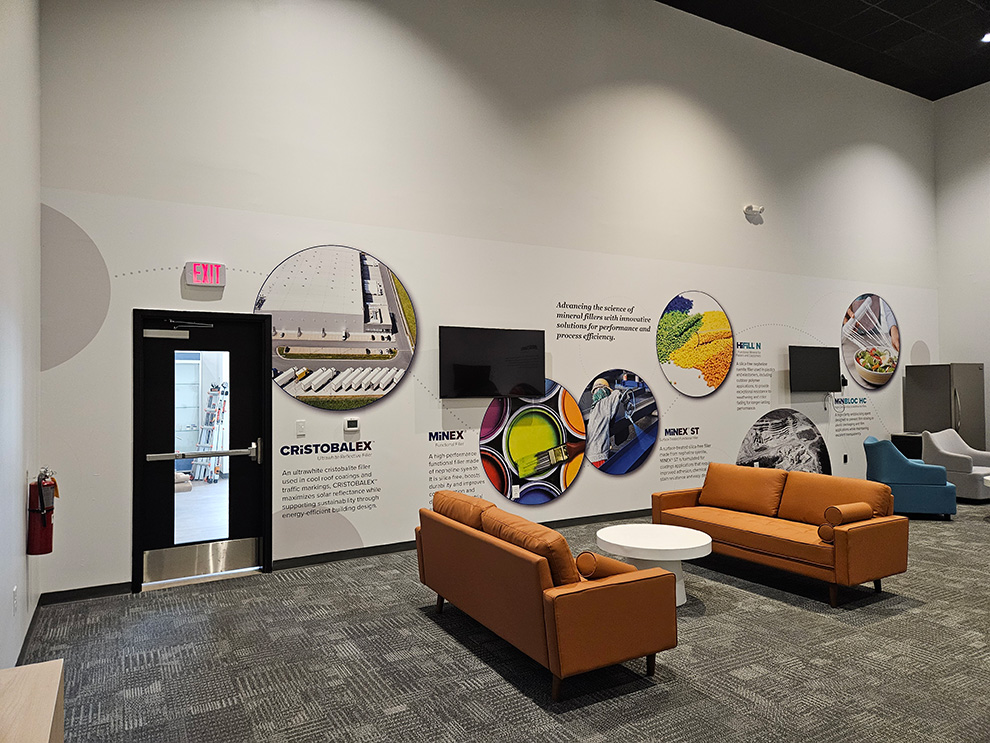
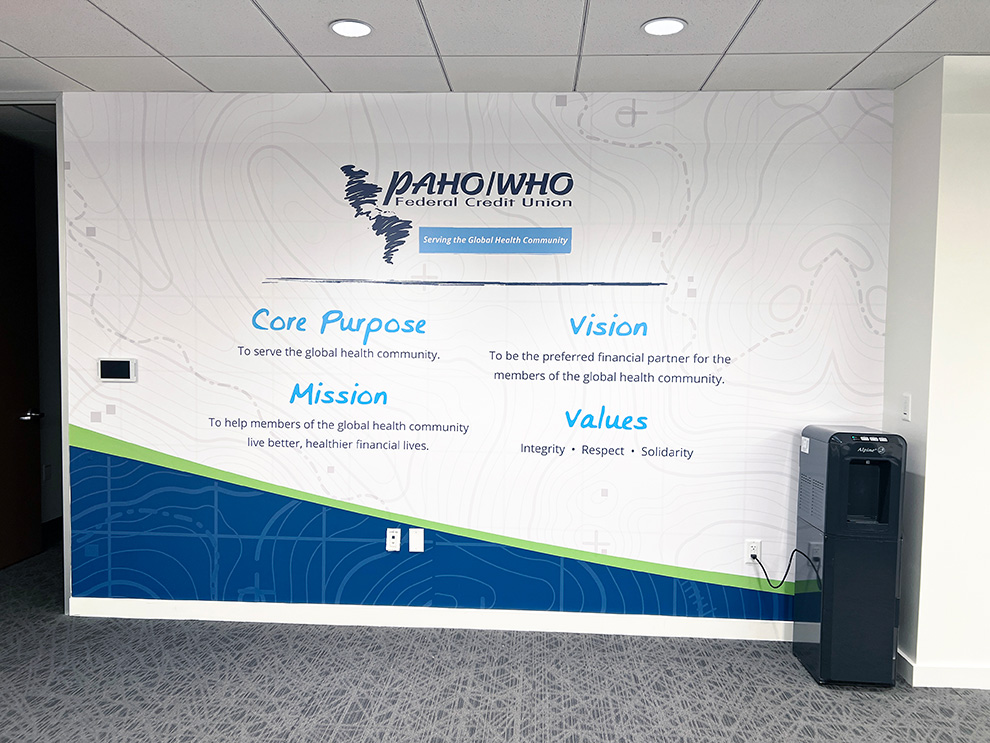
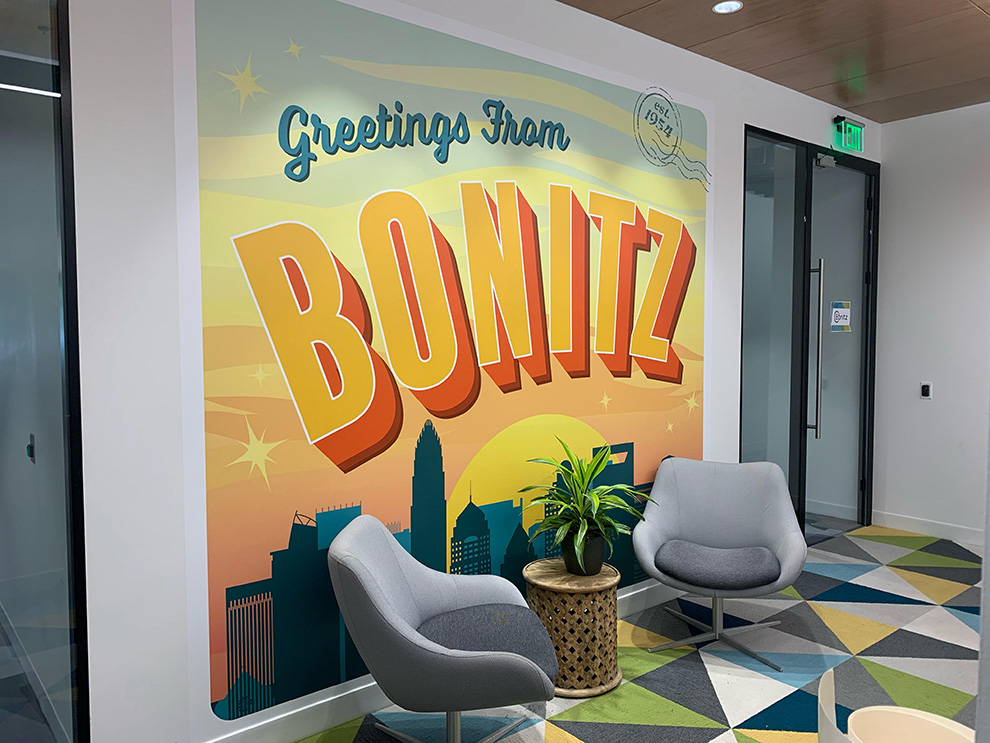
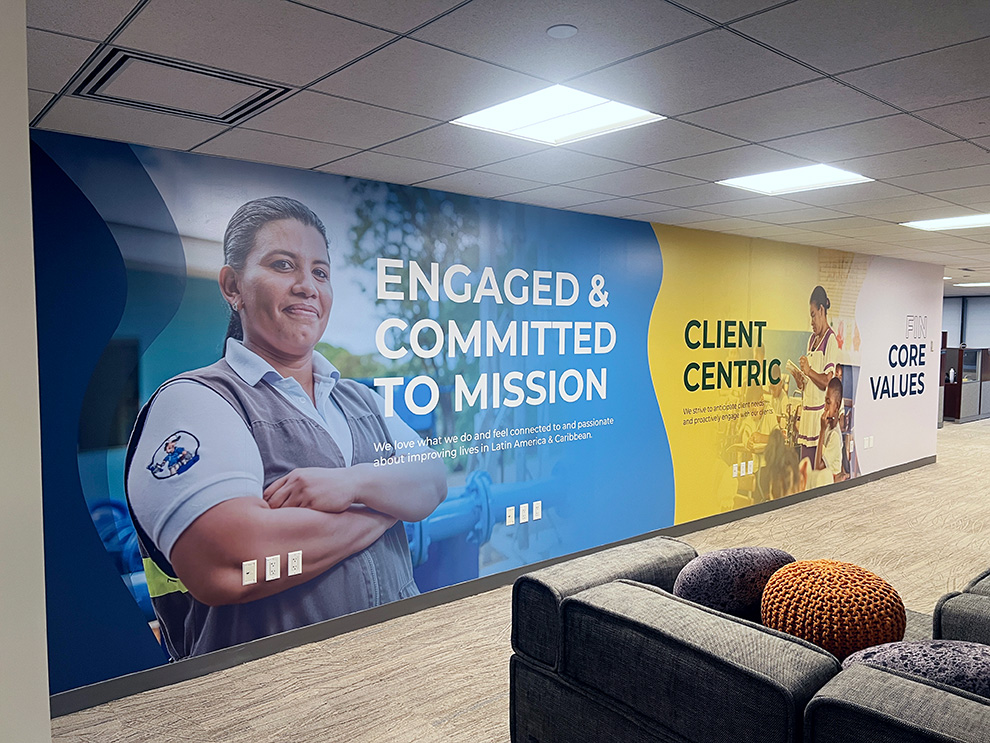
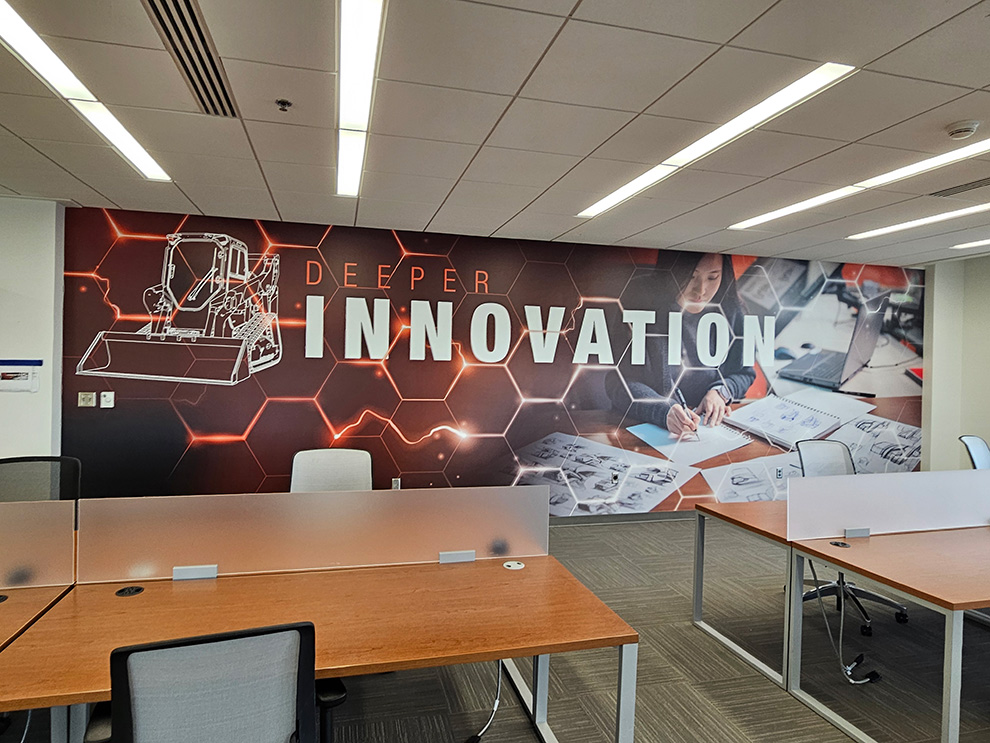
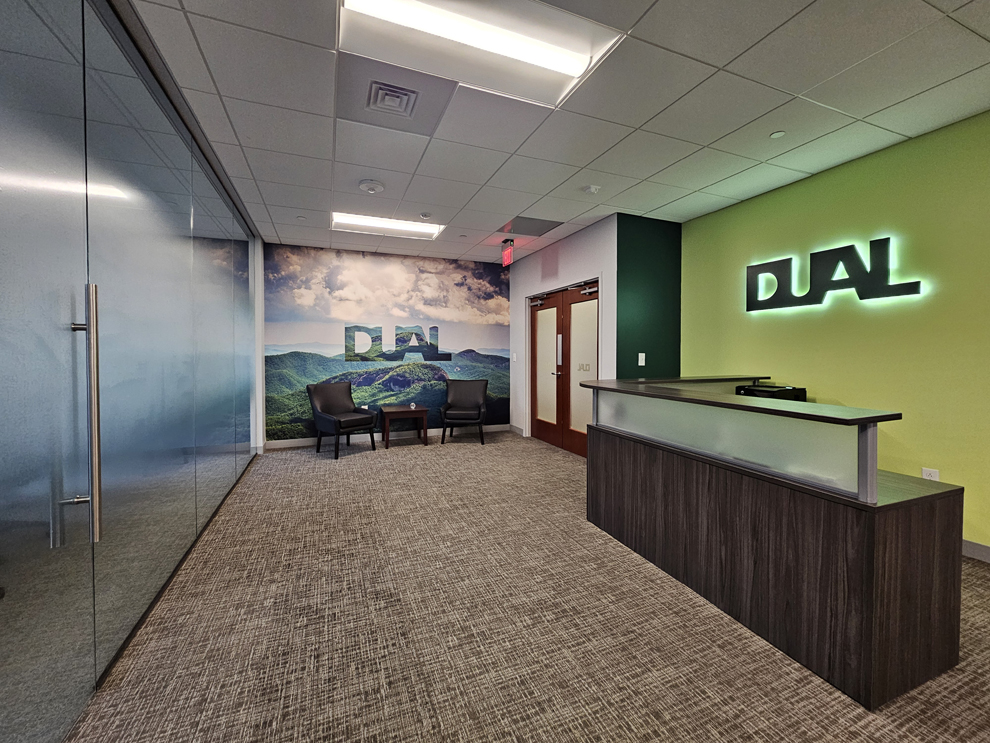
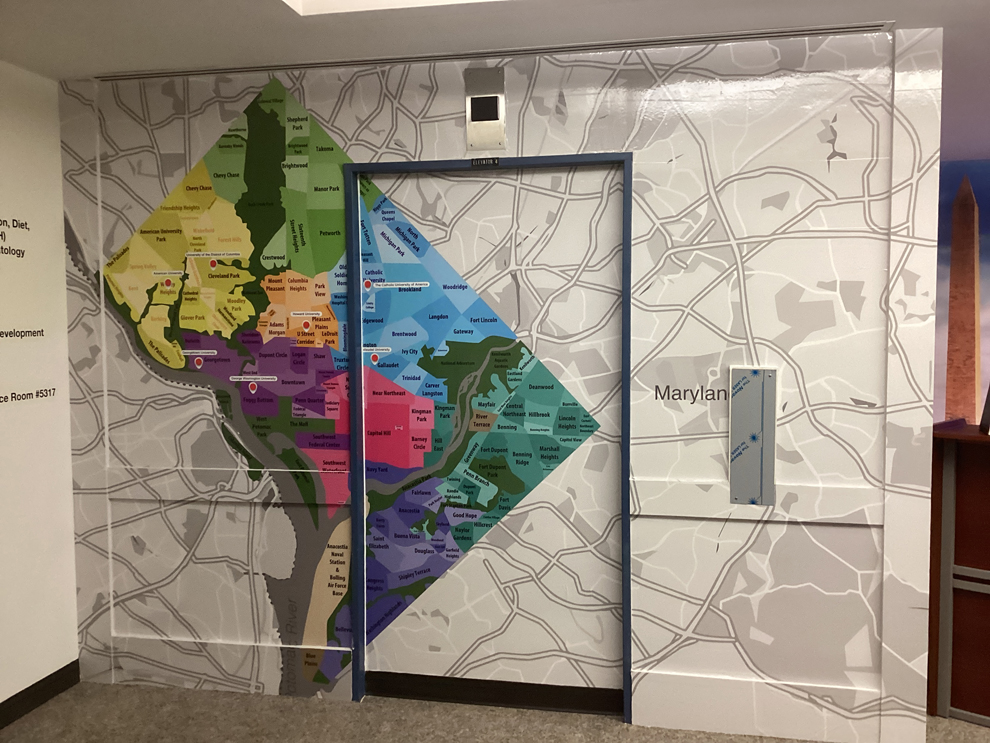
Transform large wall surfaces into branded environments featuring company history, workplace culture, campaigns, employee achievements, or visual storytelling. Wall Wraps can carry the primary narrative while dimensional signs, privacy graphics, and displays support other communication needs throughout the office.
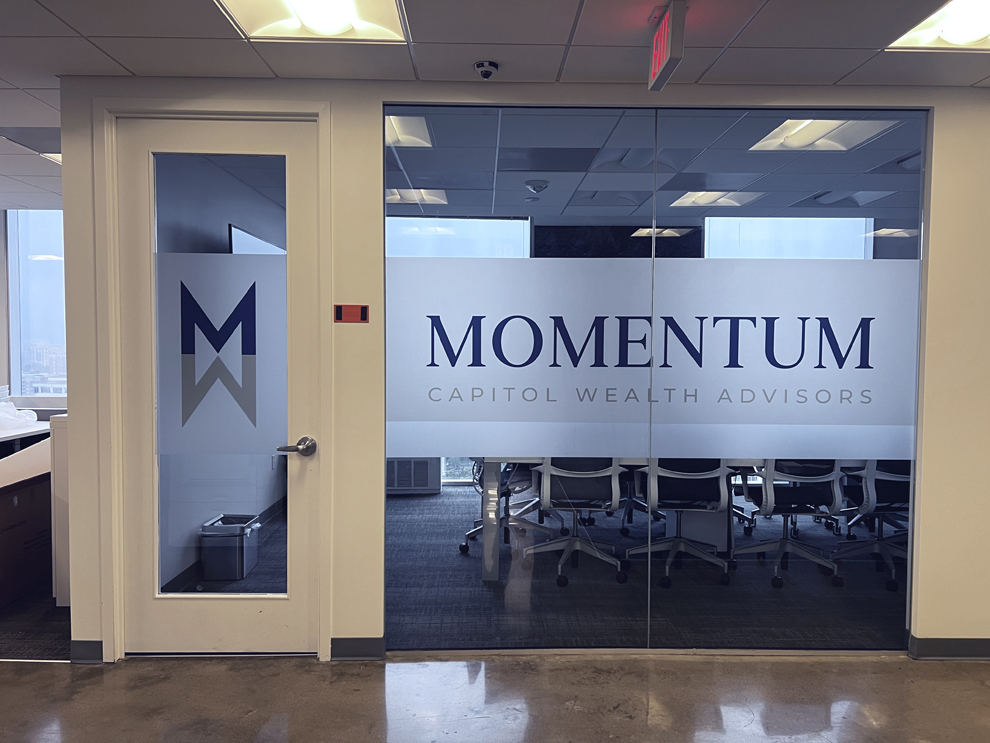
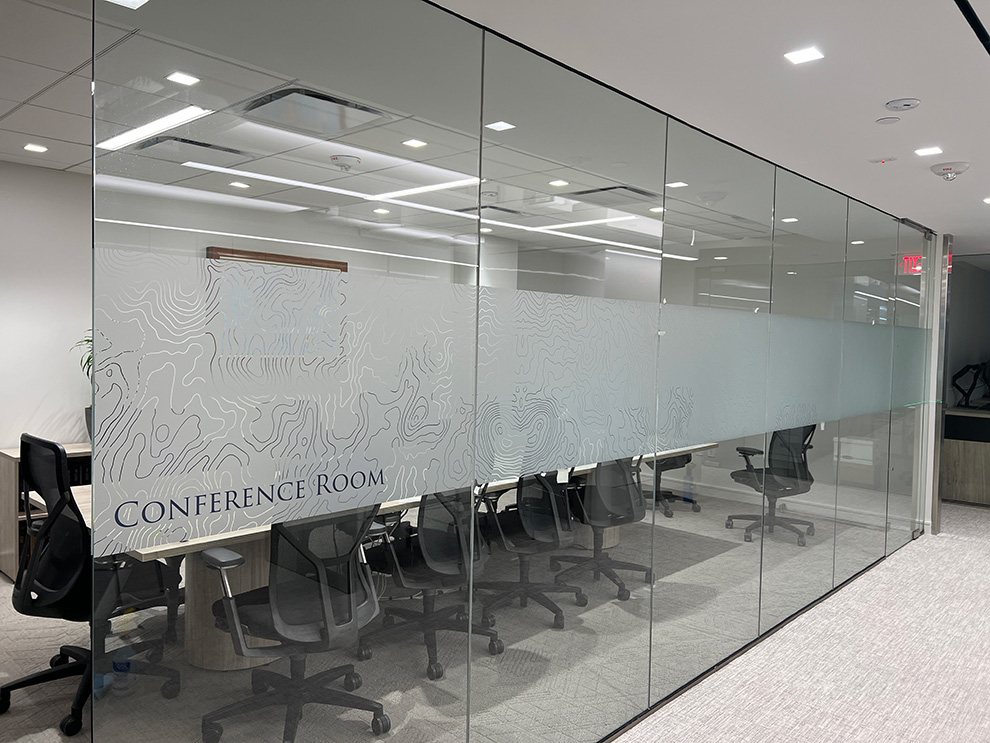
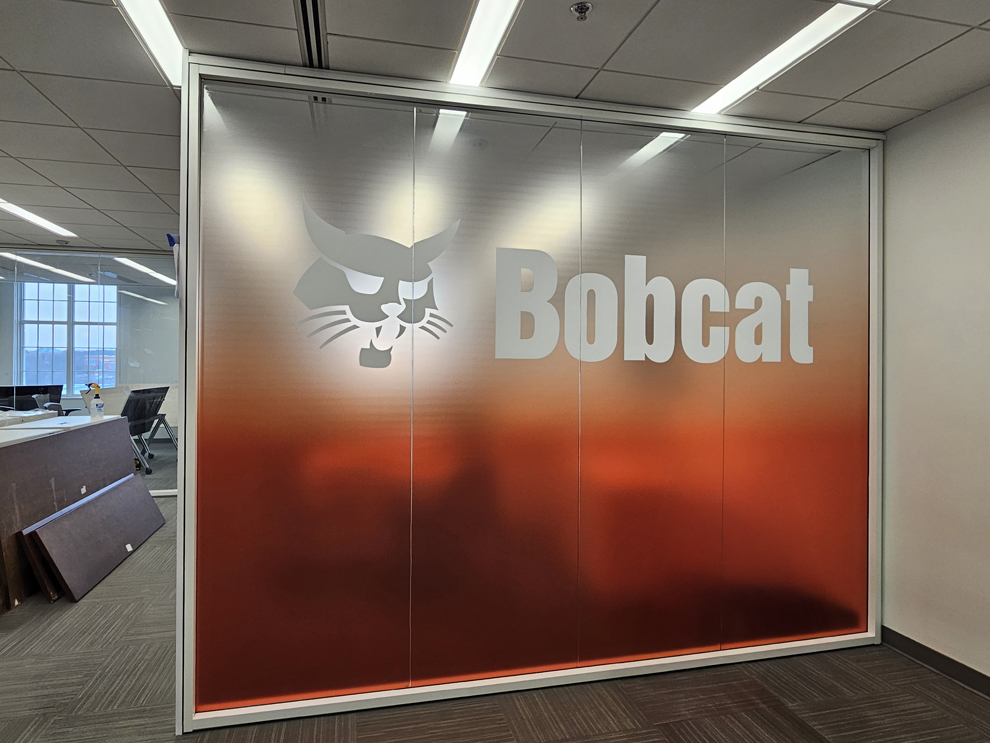
Use compatible glass surfaces for branding, decorative patterns, messaging, and visibility control. Window Graphics can create visual consistency across conference rooms, private offices, entrances, and shared spaces without treating every glass panel as a separate design project.
Improve visual privacy while maintaining natural light and a polished workplace appearance. Frosted vinyl and privacy film may incorporate custom patterns, stripes, logos, gradients, or branded motifs. Placement can be planned around both seated and standing sightlines.
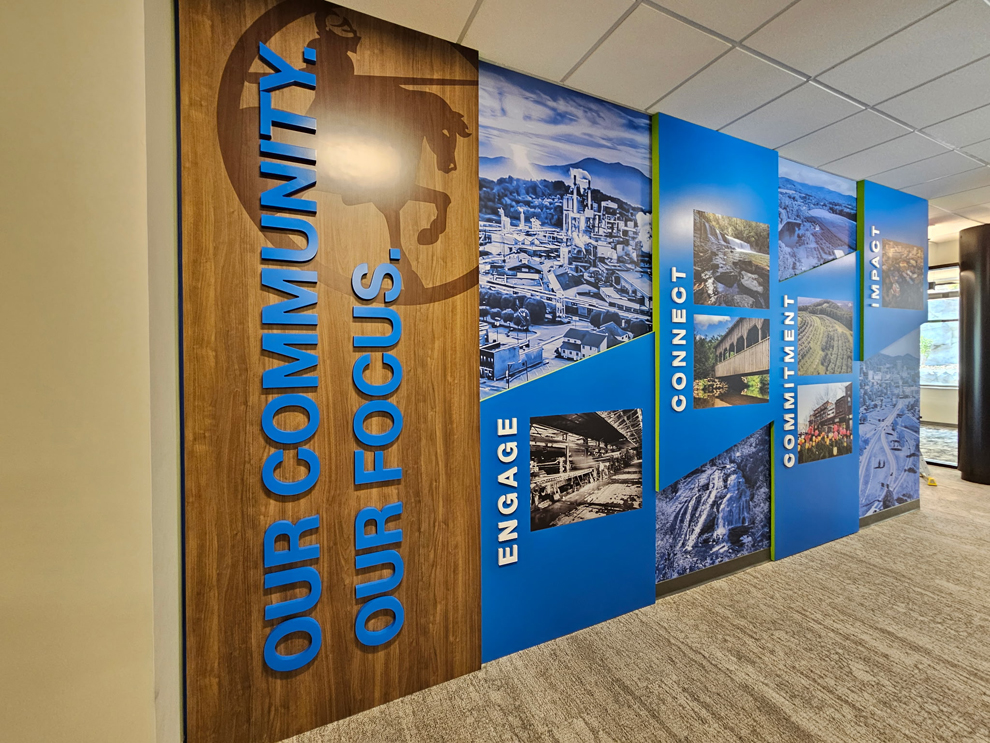
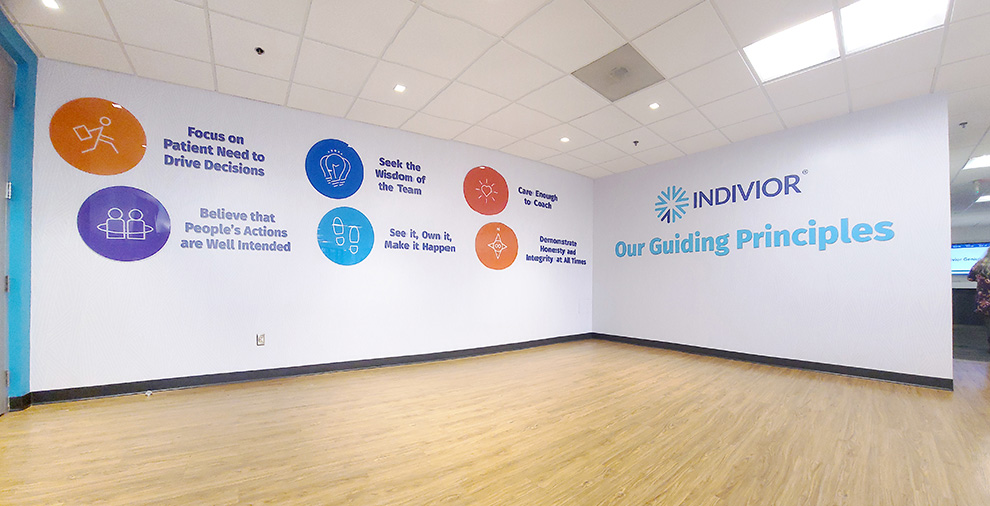
Present company milestones, organizational history, employee recognition, donor information, photography, or frequently updated content within a structured display. Wall Displays provide hierarchy and physical depth when information needs a more substantial framework than a flat printed graphic.
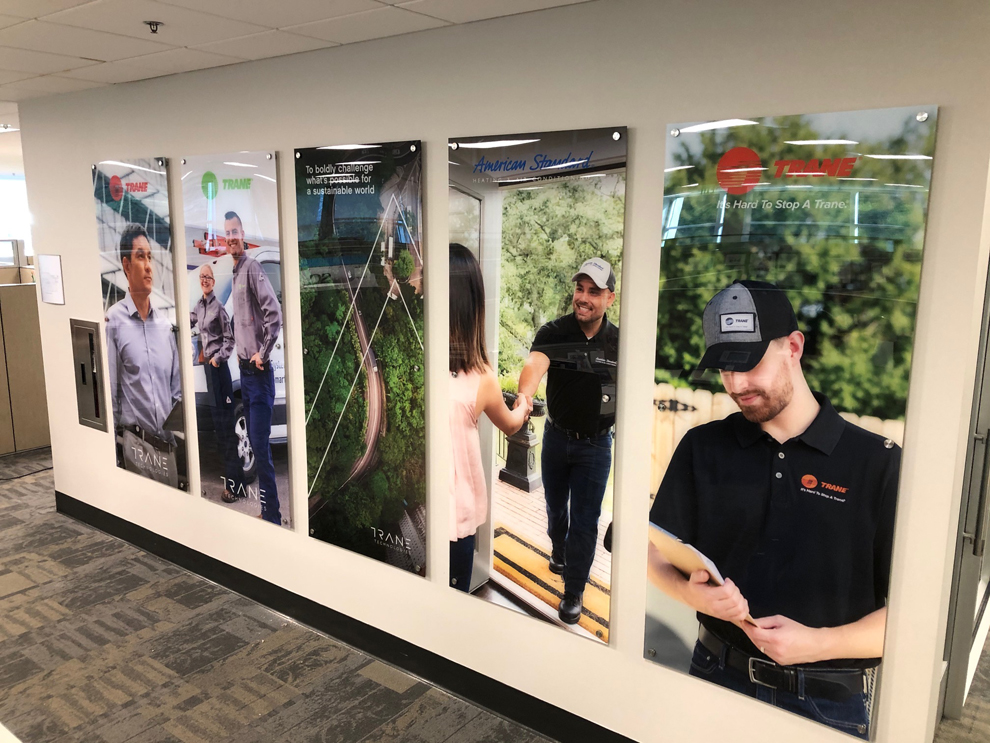
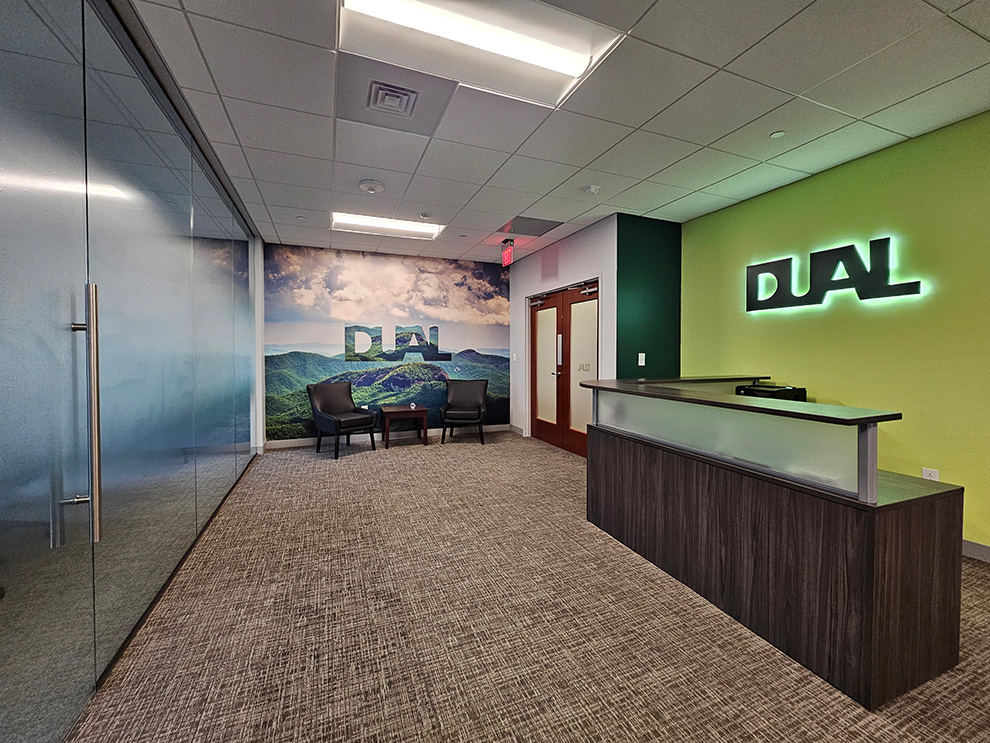
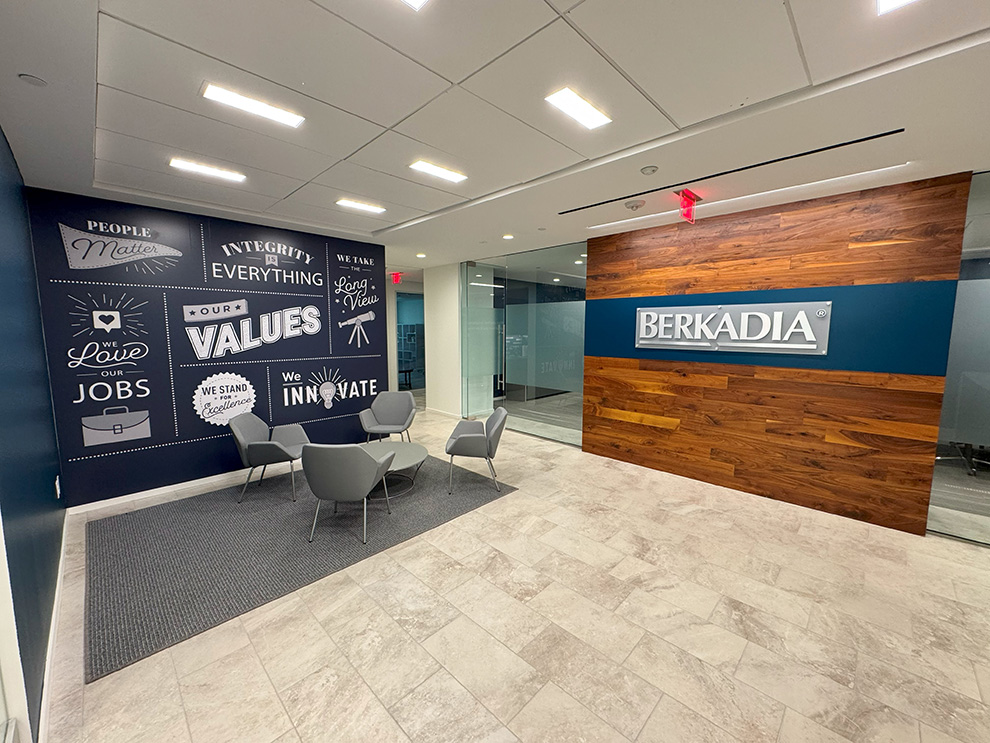
Give a company name, logo, mission statement, core value, or other high-priority message a strong physical presence. Dimensional Letters can establish identity at reception while surrounding graphics and displays provide context and supporting information.
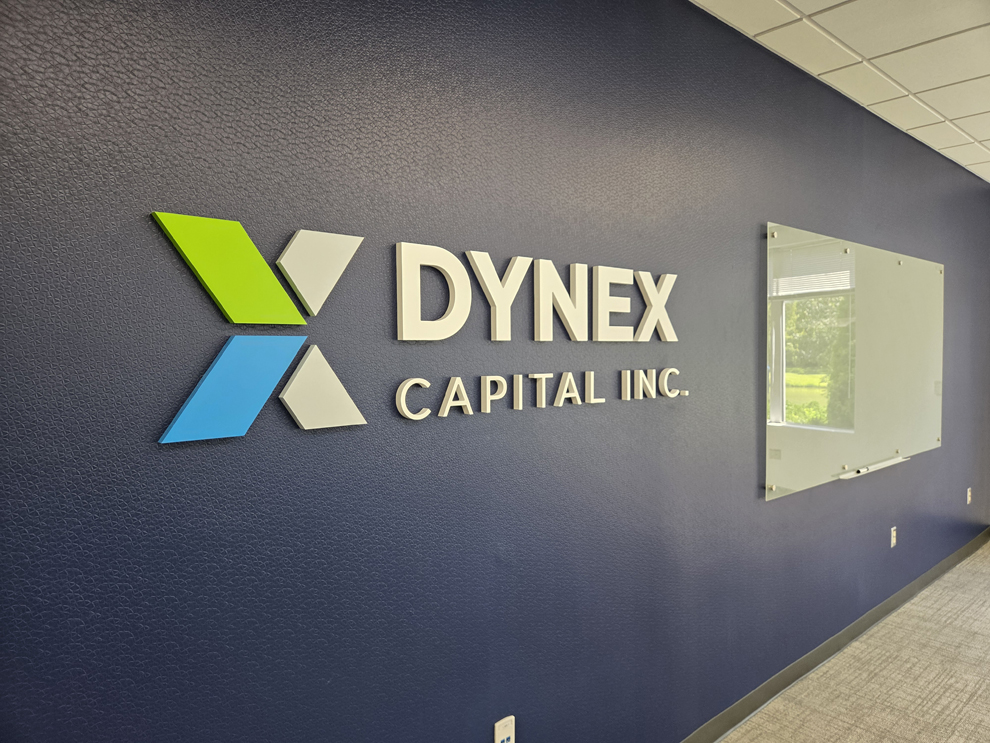
Use illumination to draw attention to a logo or another important visual feature. Backlit Signs can create a prominent reception-area focal point while secondary graphics remain understated and perform supporting communication roles.
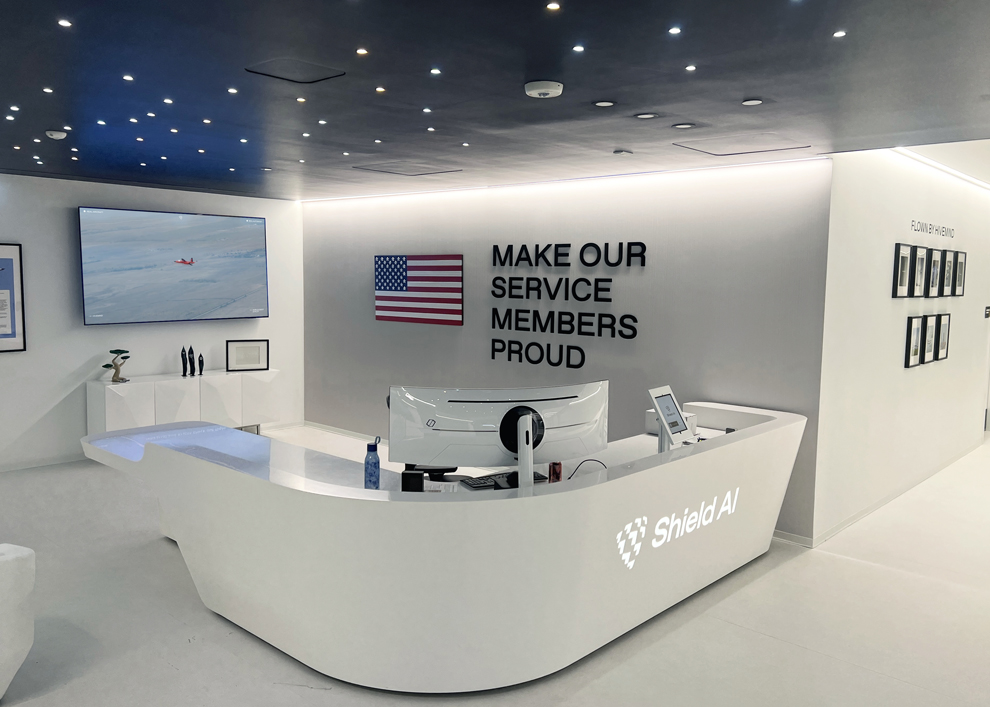
Create dimension by mounting acrylic, printed panels, photographs, letters, or recognition components away from the wall. Standoff Mounted Signs are particularly useful for layered presentations that combine permanent structures with content intended for future replacement.
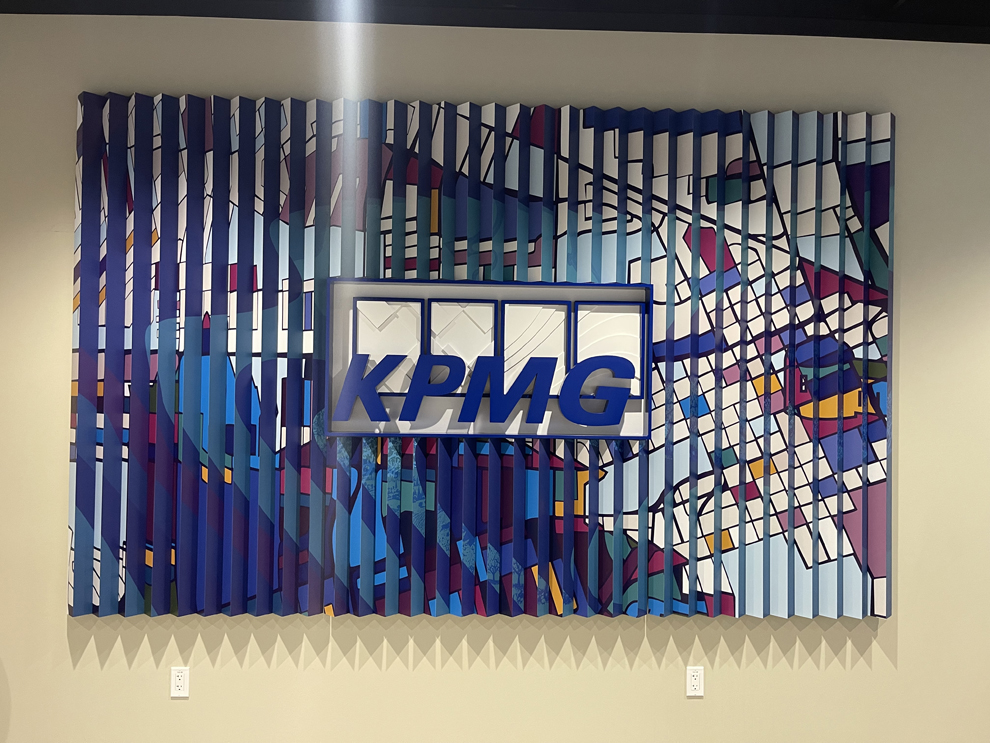
Use clear, colored, frosted, or printed acrylic for workplace identification, directories, recognition features, layered displays, and dimensional branding. Acrylic Signs can be combined with standoff hardware, graphics, lighting, and fabricated components for a refined appearance.
You do not need to select every sign, material, or graphic before beginning the planning process. Use Get Started Now to provide the Falls Church property address, desired result, target completion date, anticipated investment, participating stakeholders, available plans or photographs, brand assets, and known access requirements.
Heritage can review the information already available, identify outstanding approvals or field details, and recommend the next planning step. One dedicated Project Manager can then coordinate environmental graphic design, production, fabrication, site planning, and professional installation throughout the project.
Commercial Interior Graphics bring different workplace communication needs into one visual system. Leadership may want a memorable entrance, marketing may focus on brand standards, facilities may prioritize privacy and navigation, and human resources may need recognition content that can be updated. When these elements are approved separately, they can compete visually or create incompatible physical requirements.
A coordinated program establishes primary focal points and quieter supporting layers. Dimensional lettering might identify the organization at reception, while a nearby wall graphic communicates its story. Frosted graphics can provide conference-room privacy, and a standoff display can hold employee recognition content designed for periodic updates.
These components do not have to use identical materials or construction methods. Their placement, scale, color, depth, and visual prominence should still support the same workplace objective.
Permanent and frequently changing messages also require different solutions. A recognition wall may use a long-lasting framework with replaceable names or photographs. A company timeline may combine fixed milestones with areas reserved for future growth. Heritage helps stakeholders decide which elements should remain permanent and which should be replaceable without reconstructing the entire feature.
The value of a coordinated interior program is not measured by the number of products installed. It comes from allowing different elements to perform distinct functions without competing with or weakening one another.
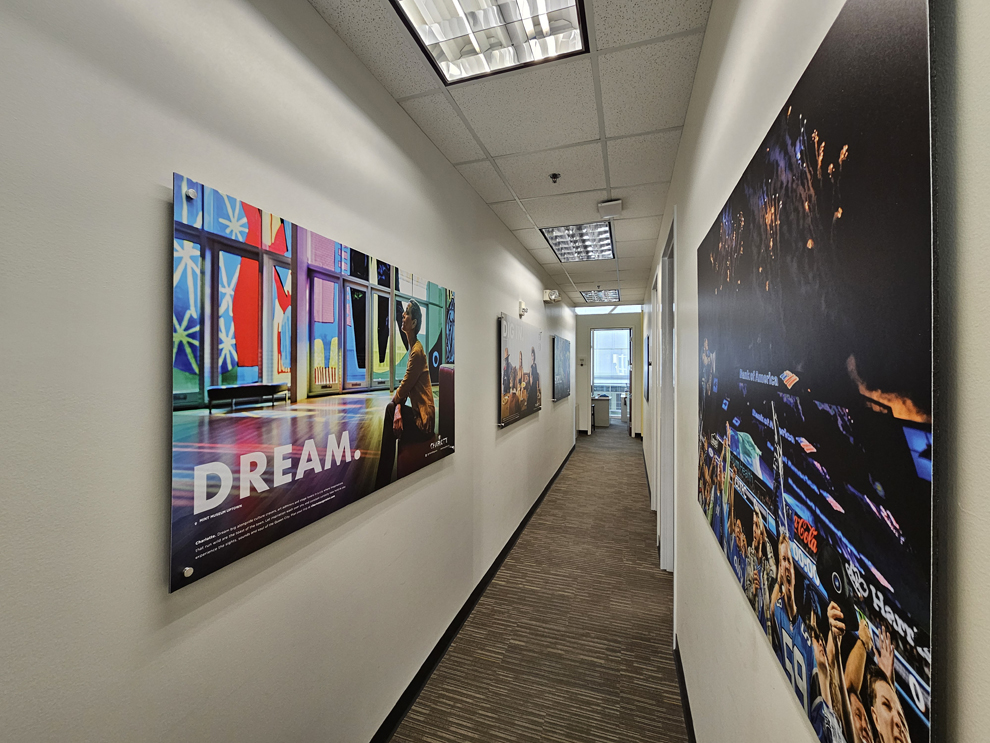
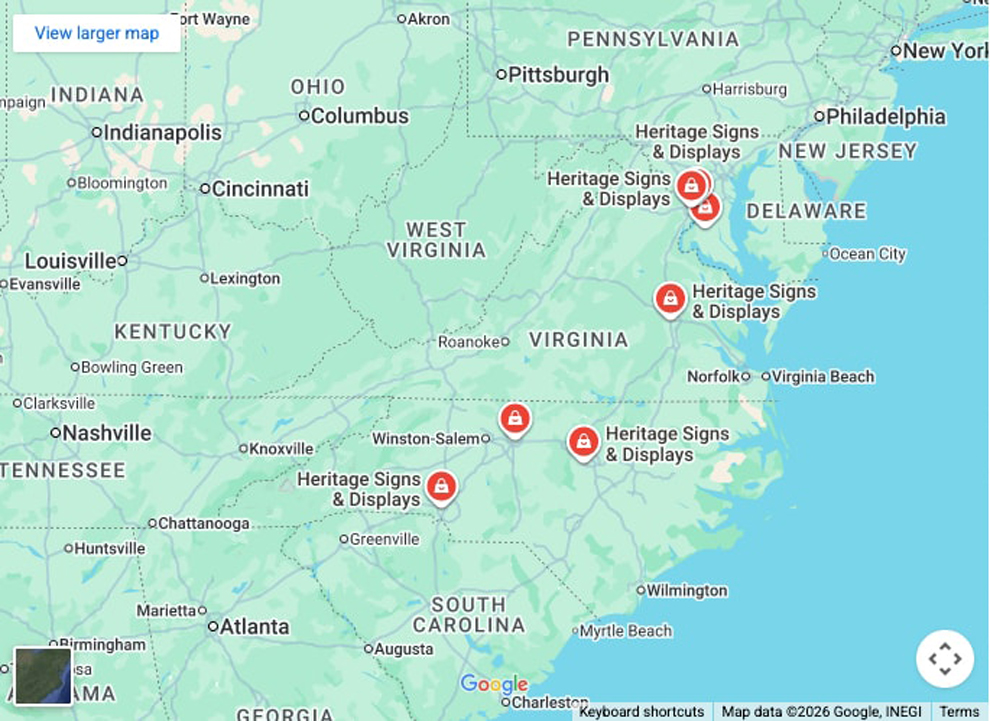
Falls Church clients have access to Heritage resources serving Northern Virginia and the greater Mid-Atlantic region. The design, client service, field, production, fabrication, and installation personnel assigned to a project depend on its scope, schedule, location, and technical needs. Not every project function takes place at the client’s property, and Heritage facilities may serve different operational purposes.
The Falls Church market is closely connected with commercial activity throughout Northern Virginia and the Washington, DC metropolitan area. Many projects occur in leased or occupied offices with security procedures, restricted staging areas, limited installation windows, and building-specific access requirements. One dedicated Project Manager connects stakeholder decisions and verified field information with the Heritage teams assigned to the work.
Regional capabilities can also support organizations with offices elsewhere in the Mid-Atlantic and across the Carolinas. Shared brand standards, color objectives, communication priorities, and approval procedures can provide consistency across locations. Each office can then receive a physical solution suited to its architecture, dimensions, surfaces, audience, access conditions, and schedule.
Brand consistency does not require every location to receive an identical installation. It requires each environment to preserve the same approved identity and communication strategy. A centralized project record helps prevent disconnected assumptions from developing at individual properties.
Environmental graphic design begins by identifying what employees and visitors should notice, understand, and experience. Product selection comes later. The desired result may include a stronger arrival experience, a branded reception area, a company history wall, a mission and values display, an employee recognition feature, improved privacy, clearer navigation, or a more unified workplace.
Heritage translates these objectives into decisions about visual hierarchy, dimensions, positioning, materials, and relationships among components. Viewing distance, sightlines, wall and glass conditions, mounting requirements, existing lighting, fabrication methods, property access, and installation sequencing all influence whether an approved concept can be produced and installed successfully.
Heritage may develop environmental graphic design directly with client stakeholders. The company can also implement a visual direction created by an architect, interior designer, branding agency, environmental graphic designer, workplace consultant, or internal client team. In either situation, Heritage focuses on the branded visual features included in its engagement.
Heritage does not provide architectural services, engineering, general commercial interior design, lighting design, accessibility consulting, or code consulting. Those responsibilities remain with the appropriate professionals. Heritage uses their confirmed requirements to turn approved visual concepts into producible, buildable, and installable features.
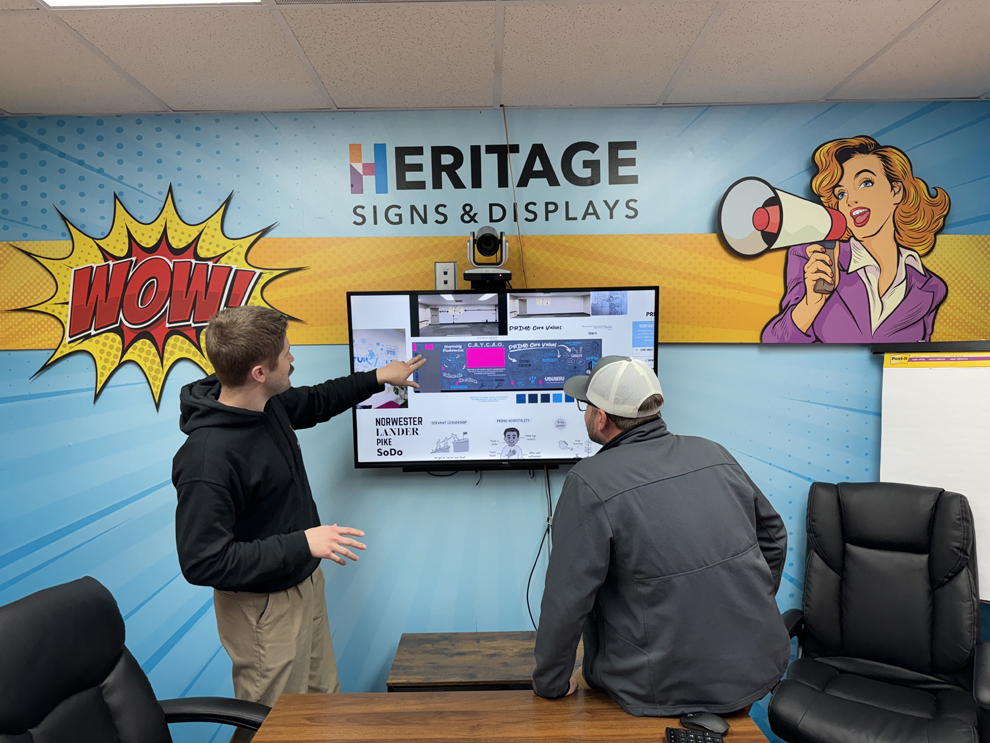
Professional installation depends on preparation completed before an installer arrives at the Falls Church workplace. When Heritage professional installation is part of the project, a Heritage site survey is required. This survey combines client discovery with technical field verification. It is more comprehensive than a simple measurement appointment.
The site survey may document dimensions, wall and glass conditions, mounting surfaces, sightlines, component locations, access procedures, equipment needs, staging limitations, and installation sequencing. These findings give project management, design, production, fabrication, and installation teams a shared factual record.
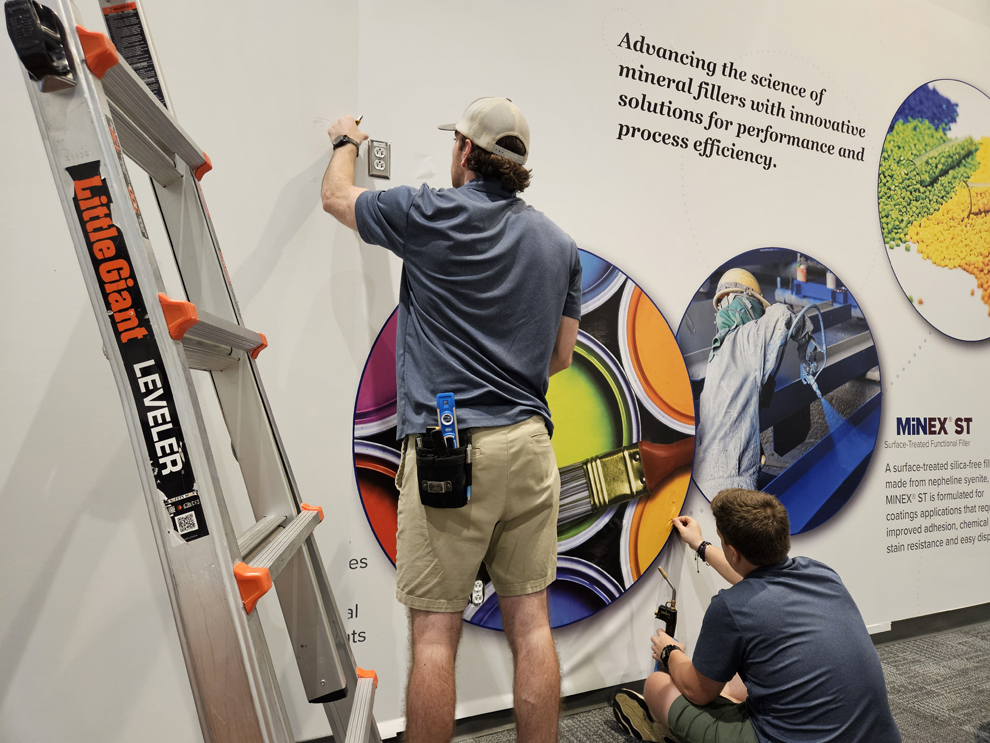
When assigned to the project, Heritage’s full-time installers receive the approved artwork, production specifications, fabrication information, site documentation, building access requirements, and planned sequence of work. This preparation supports accurate placement, secure mounting, proper alignment, clean finishing, protection of surrounding property, and organized communication in occupied commercial environments.
If installers discover conditions that differ materially from the project record, Heritage pauses the affected work and communicates the findings. The appropriate parties can then determine how to proceed. This is preferable to forcing a component onto an unsuitable surface or completing an installation under unverified conditions.
Heritage installs signs, graphics, displays, and branded features that it produces, fabricates, procures, or manages as part of a Heritage engagement. Heritage does not offer installation-only services for customer-provided products. Measurements, materials, production quality, packaging, fit, and replacement responsibility must remain connected to the managed project.
Effective planning brings together the desired outcome, intended audiences, project scope, phases, stakeholders, approvals, schedule, property readiness, anticipated investment, and unresolved information. Floor plans, elevations, photographs, brand files, and inspiration images are useful, but they do not replace discovery or the required Heritage site survey when professional installation is included.
Wall graphics require properly prepared surfaces. Drywall should be sound, smooth, clean, dry, correctly repaired, properly primed and painted, and fully cured before installation. Approximately four weeks may be useful planning guidance for many paint products, but the paint manufacturer’s instructions and actual site conditions determine readiness.
Paint can release gases while curing. This outgassing may contribute to bubbles, blisters, edge lifting, or early adhesive failure. Surface testing can indicate how vinyl adheres to the exposed paint finish, but it cannot confirm the hidden bond between drywall, primer, and paint.
If paint or primer peels, separates, or pulls away during testing, positioning, or installation, Heritage stops the affected work and explains the condition. The client or property owner is responsible for arranging and paying for repairs, surface restoration, priming, repainting, and adequate cure time. Heritage does not perform or fund those corrective services.
Graphic removal is a separate service, and damage-free removal cannot be guaranteed. When existing graphics will be replaced, early removal can reveal repair and repainting needs before the new installation date.
Many Heritage projects that include production and professional installation range from $10,000 to more than $200,000. New website-generated opportunities in the Falls Church market should anticipate an overall project investment of at least $6,000. Final pricing depends on design development, materials, fabrication, project scale, access, phasing, geography, schedule, and installation requirements.
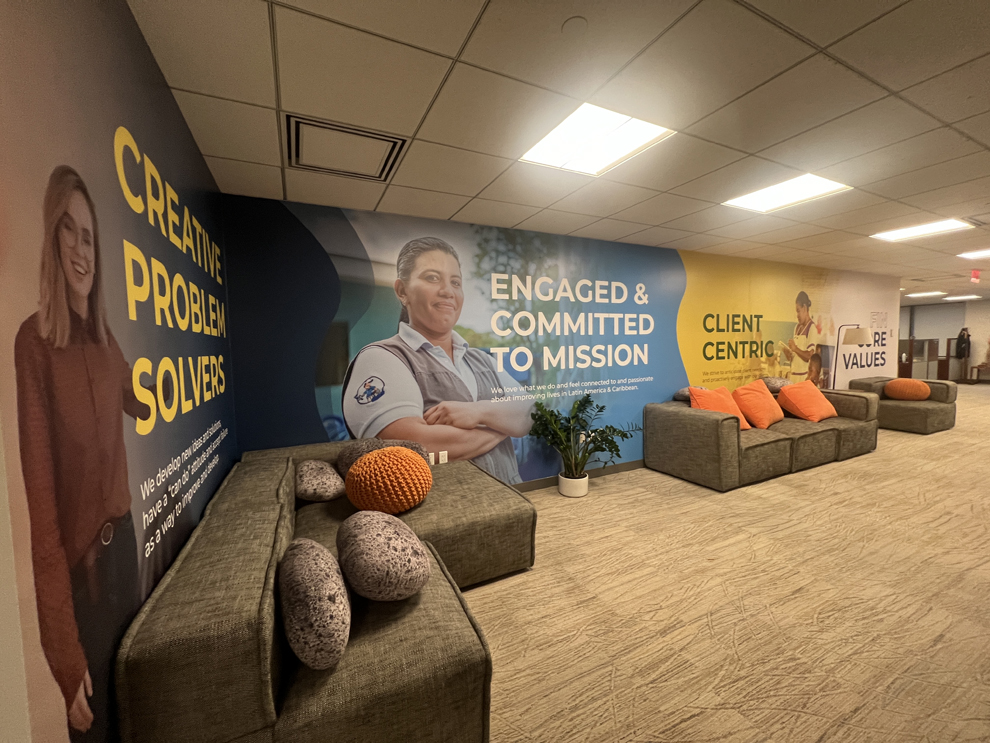
A coordinated program addresses the disconnect that occurs when branding, privacy, navigation, recognition, storytelling, and focal features are purchased separately. It assigns each communication objective to an appropriate physical element and considers how all components will function together.
The goal is not to add more signs or graphics. It is to create one visual and operational framework that connects stakeholder goals with site conditions, production, fabrication, and installation.
Each feature needs a defined purpose and level of visual importance. Dimensional letters may establish the company identity, wall graphics may communicate its story, privacy film may control views through glass, and a recognition display may organize content that changes over time.
Heritage evaluates scale, location, color, materials, depth, sightlines, mounting requirements, and future updates. Individual components may look distinct while still supporting the same approved workplace direction.
Heritage manages its connected scope through consultative discovery, environmental graphic design, project management, production, fabrication, installation planning, and professional installation. Approved decisions and verified site information are maintained within a shared project record.
Clients, property managers, architects, engineers, interior designers, accessibility professionals, and other responsible parties retain authority over decisions belonging to their roles. Heritage coordinates its work with the confirmed requirements they provide.
One dedicated Project Manager maintains continuity when a project involves multiple stakeholders, products, approvals, and site conditions. The Project Manager keeps track of approved artwork, decision history, survey findings, production specifications, access procedures, and scheduling information.
This structure limits unnecessary handoffs and makes it easier to evaluate how a change to one feature could affect other parts of the program.
A Heritage site survey is required whenever Heritage professional installation is included. The survey combines client discovery with detailed field verification and is not limited to taking measurements.
Depending on the project, it may document dimensions, substrates, mounting conditions, access, sightlines, proposed placement, staging needs, and installation logistics. The resulting information gives design, project management, production, fabrication, and installation teams a common reference.
Heritage can create environmental graphic design in collaboration with client stakeholders or implement an approved concept developed by an architect, interior designer, branding agency, environmental graphic designer, or workplace consultant. Heritage focuses on converting the approved visual direction into branded features that can be produced and installed.
Architecture, engineering, general interior design, lighting design, accessibility, code interpretation, and property management remain outside Heritage’s role. Maintaining clear responsibilities helps all parties coordinate effectively.
Organizations can preserve shared brand standards, communication priorities, approval procedures, and visual principles while adapting the physical execution to each building. Differences in architecture, measurements, surfaces, audiences, schedules, and property access may require location-specific solutions.
Heritage can coordinate projects across the Mid-Atlantic and Carolinas. Consistency means protecting approved brand intent and program standards, not forcing the same installation into buildings with different conditions.
New website-generated workplace interior and event environment opportunities in the Falls Church market should anticipate a total project investment of at least $6,000. This guideline applies to the overall Heritage-managed engagement rather than the price of one individual sign or graphic.
Many projects that include production and professional installation range from $10,000 to more than $200,000. Design development, fabrication, scope, phasing, site access, scheduling, geography, and installation conditions all affect the final investment.
Walls should be sound, smooth, clean, dry, properly repaired, correctly primed and painted, and completely cured. Approximately four weeks may be a useful planning estimate for many paints, although manufacturer instructions and actual property conditions determine when installation can proceed.
Paint that is still curing may outgas, which can contribute to bubbles, blisters, lifting, or premature adhesive failure. Testing can evaluate adhesion to the exposed painted surface, but it cannot confirm the concealed bond between drywall, primer, and paint.
If paint or primer separates during testing, placement, or installation, Heritage stops the affected work. The client or property owner must arrange and pay for repairs, priming, repainting, restoration, and full curing.
Adhesive Vinyl Graphics are a broad product category covering pressure-sensitive graphics applied to compatible walls, windows, doors, floors, displays, and other suitable surfaces. Commercial Interior Graphics describe a coordinated workplace program in which adhesive graphics may be only one component.
A comprehensive program can also include dimensional letters, acrylic signs, illuminated logos, workplace photography, recognition systems, standoff displays, privacy treatments, and replaceable information. Coordination among these different feature types defines the broader service.
A Wall Wrap becomes part of a broader program when large-scale wall coverage communicates company history, workplace culture, a campaign, employee recognition, or another major narrative while separate features address identity, privacy, navigation, and other needs.
The Wall Wrap transforms the wall itself. Commercial Interior Graphics coordinate that feature with dimensional branding, privacy film, illuminated signs, photographs, directional elements, and display systems throughout the workplace.
Installation quality depends on decisions made long before the installer arrives. Accurate measurements, compatible materials, production quality, fabrication, packaging, mounting methods, and replacement planning all affect the final result. Customer-supplied products separate those factors from Heritage’s quality control and accountability.
Heritage installs signs, graphics, displays, and branded elements that it produces, fabricates, procures, or manages within a Heritage engagement. This policy keeps production and installation responsibility connected.
Confirm loading procedures, security registration, elevator reservations, permitted work hours, staging areas, room availability, property approvals, and access to every installation location. Requirements vary among Falls Church commercial properties.
The client or property representative remains responsible for securing permissions and arranging access within that party’s control. Heritage uses the confirmed information to plan delivery, staffing, equipment, sequencing, and installation timing.
Heritage can coordinate directional signs, maps, room identification, and zone graphics with the surrounding workplace branding. It can produce and install approved physical elements included in its managed scope.
The client and appropriate professional advisers remain responsible for architectural, ADA, accessibility, building code, and regulatory requirements. Applied graphics, including distraction markers on transparent glass, should not be interpreted as certification or proof of compliance.
Begin with the Falls Church property location, desired result, target date, anticipated investment, participating stakeholders, and known approval or access requirements. Floor plans, photographs, brand guidelines, logos, written content, and reference images are also helpful when available.
Every sign, graphic, display, and material does not need to be selected in advance. Discovery and the required site survey for Heritage-installed projects can identify outstanding decisions, site conditions, and next steps.
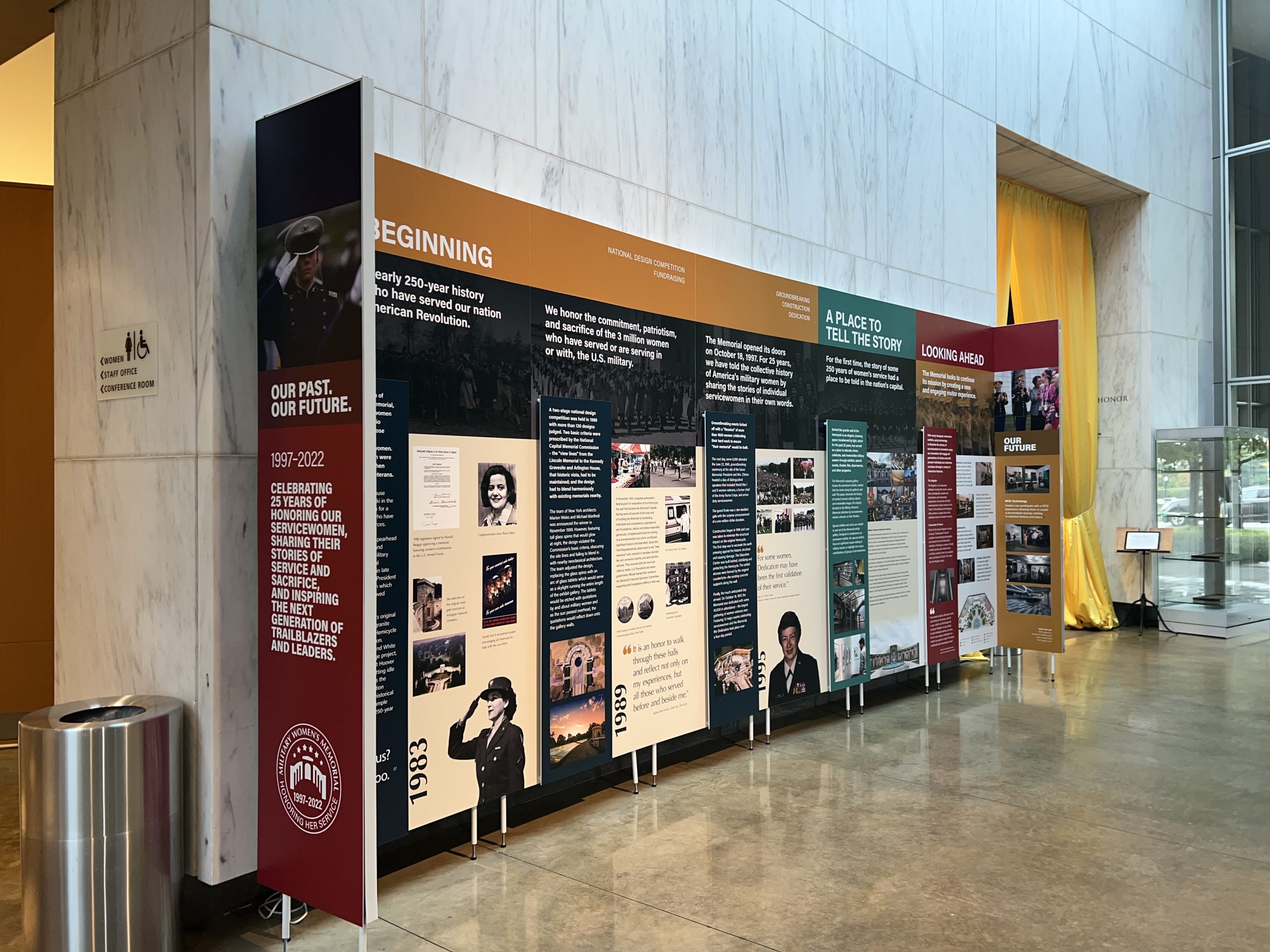
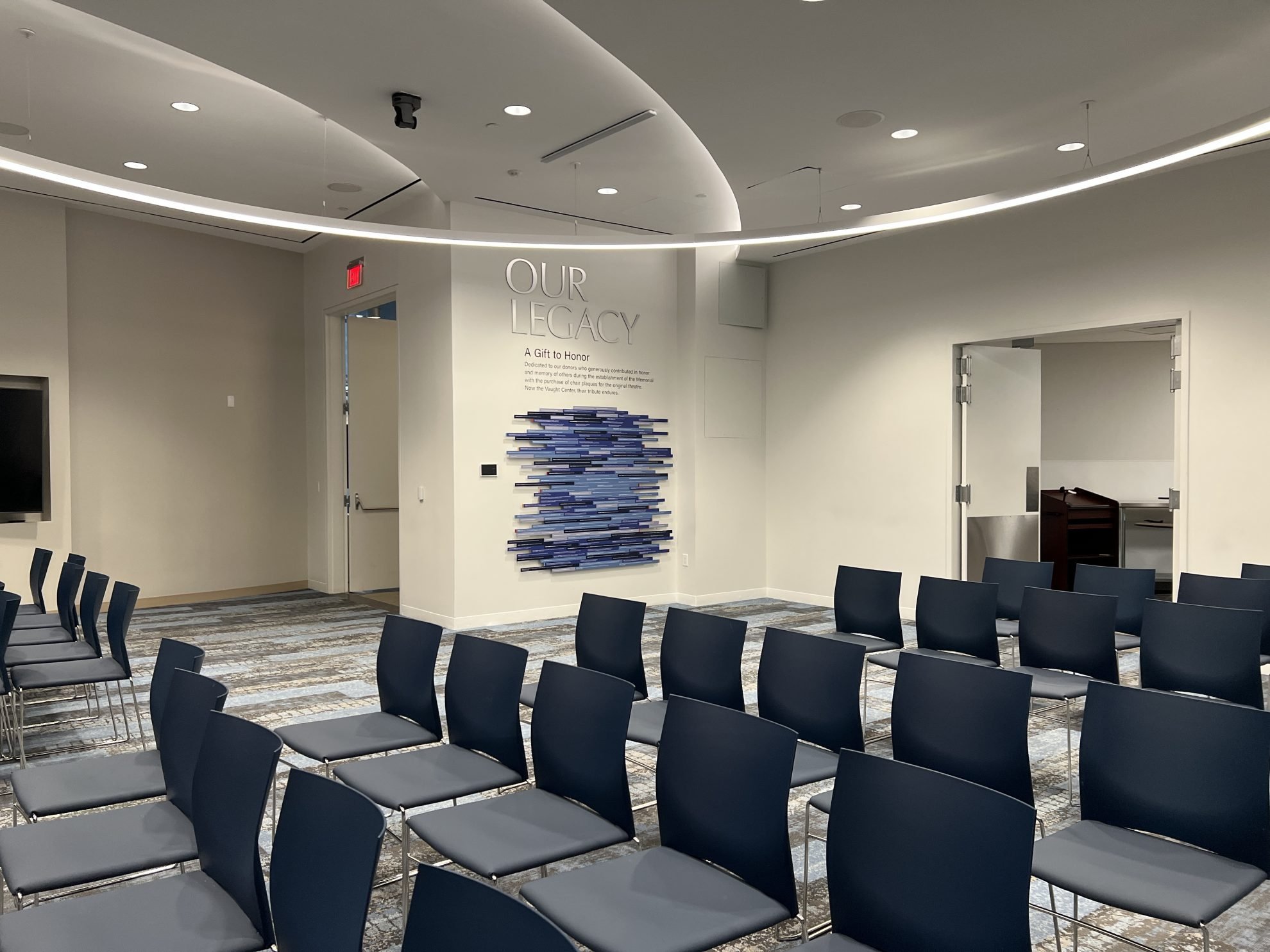
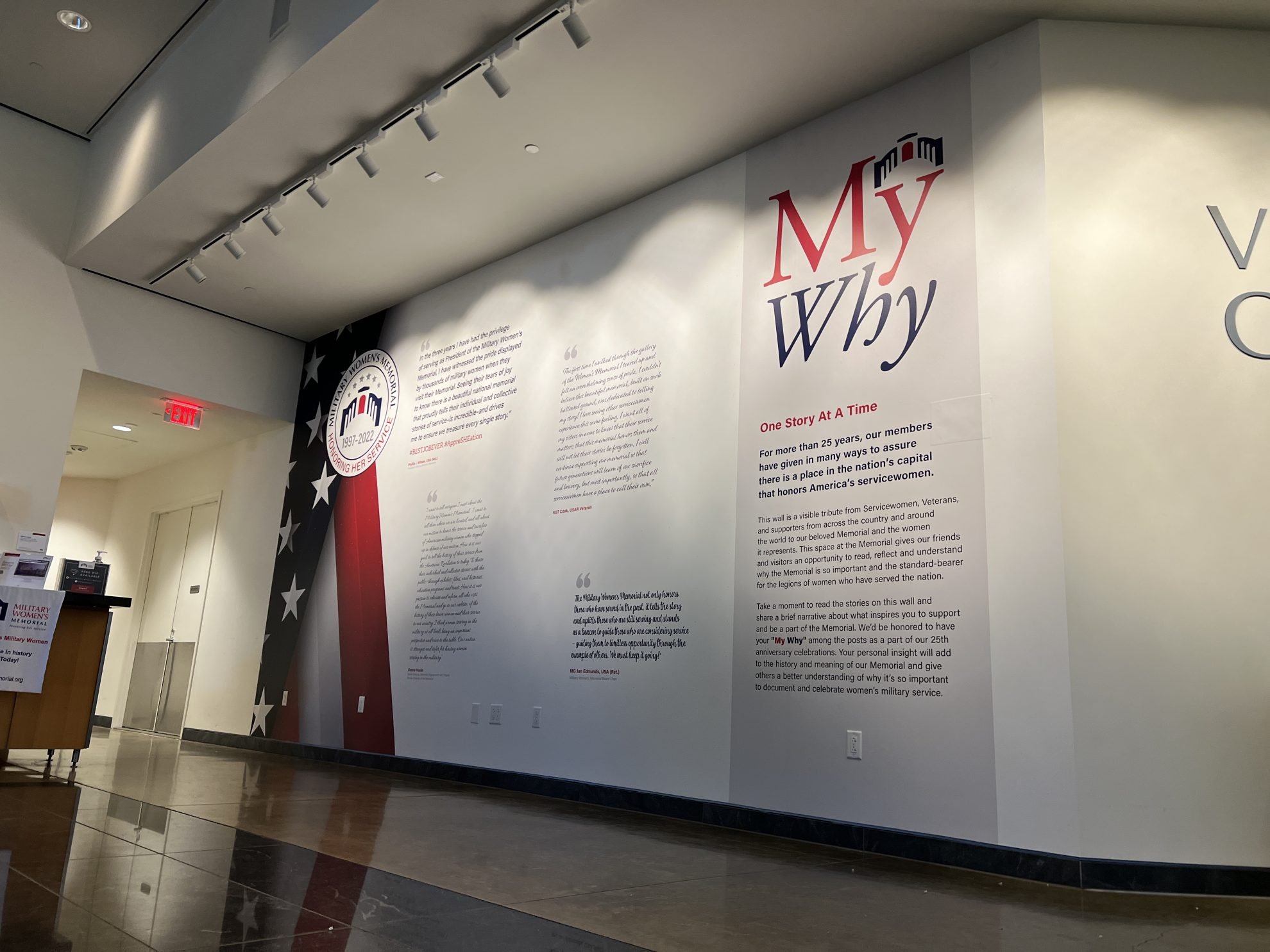
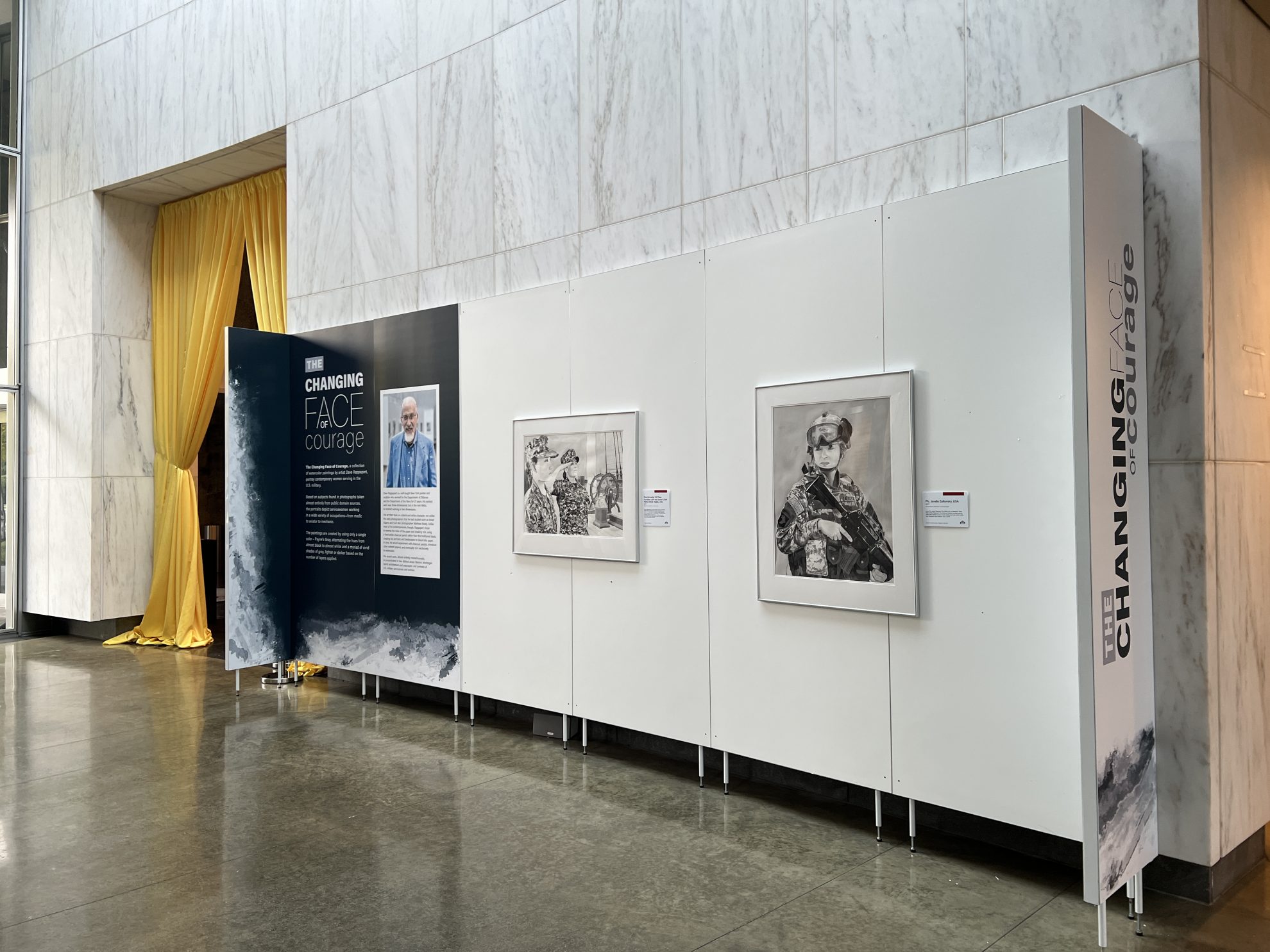
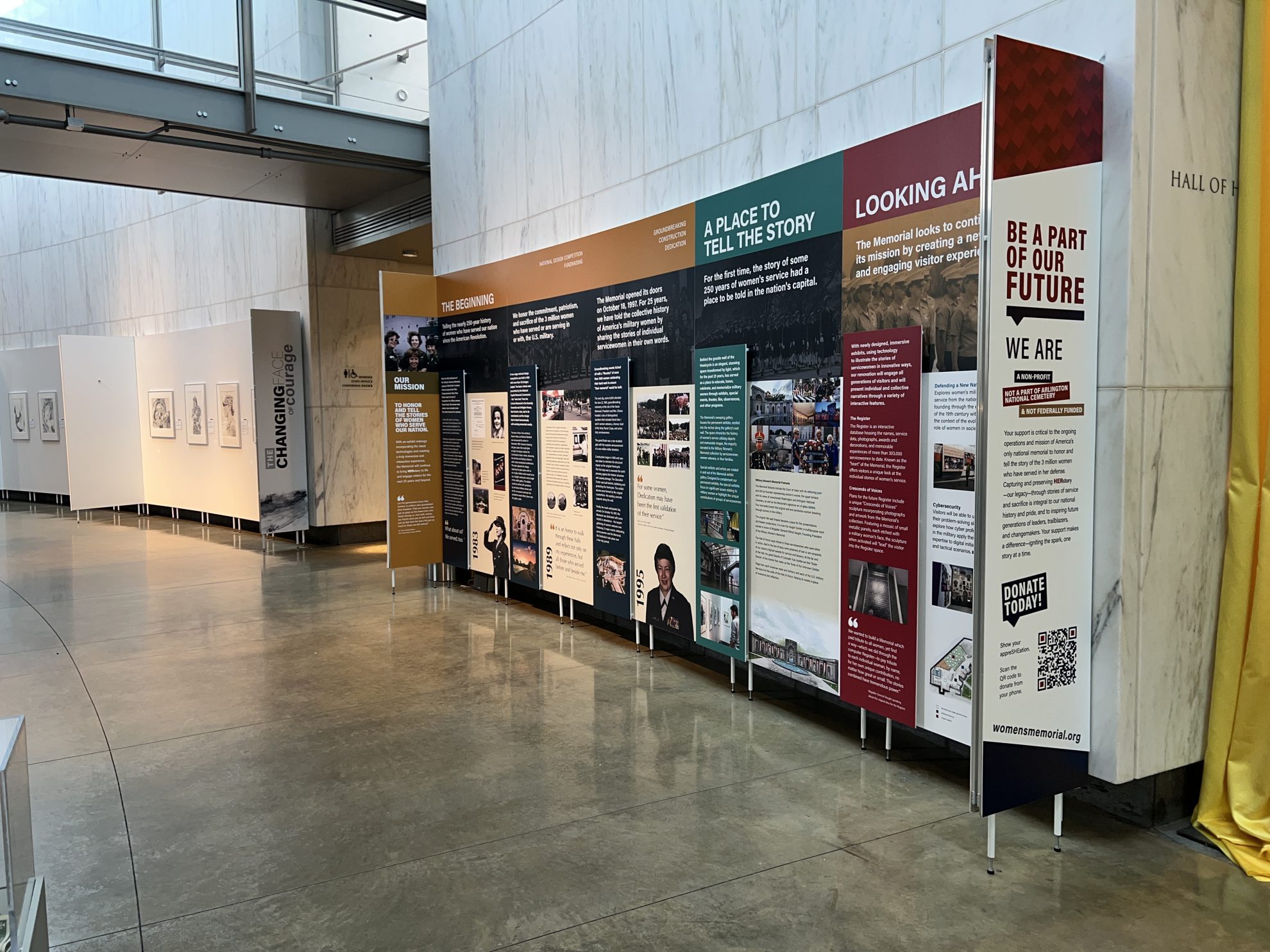
Heritage Signs & Displays created new museum signage for the Military Women’s Memorial in Arlington, VA. The project included custom signs, wall wraps, dimensional letters, and standoff-mounted displays to honor the legacy of U.S. servicewomen and the donors who supported the memorial. The updated interior features impactful designs, including a "Our Legacy" wall display and panels showcasing historical contributions and artwork, creating a transformative tribute to women in the U.S. Armed Forces.
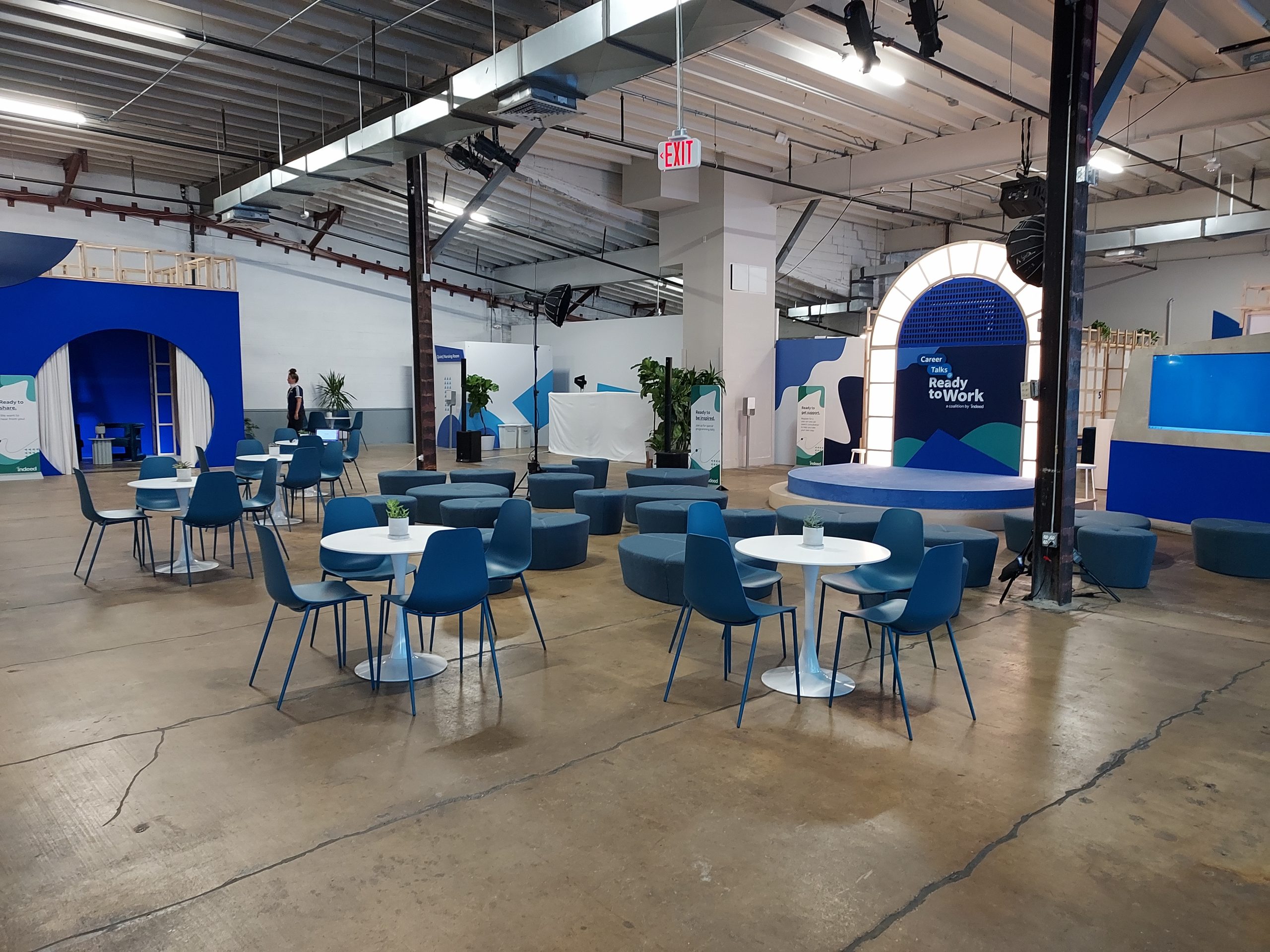
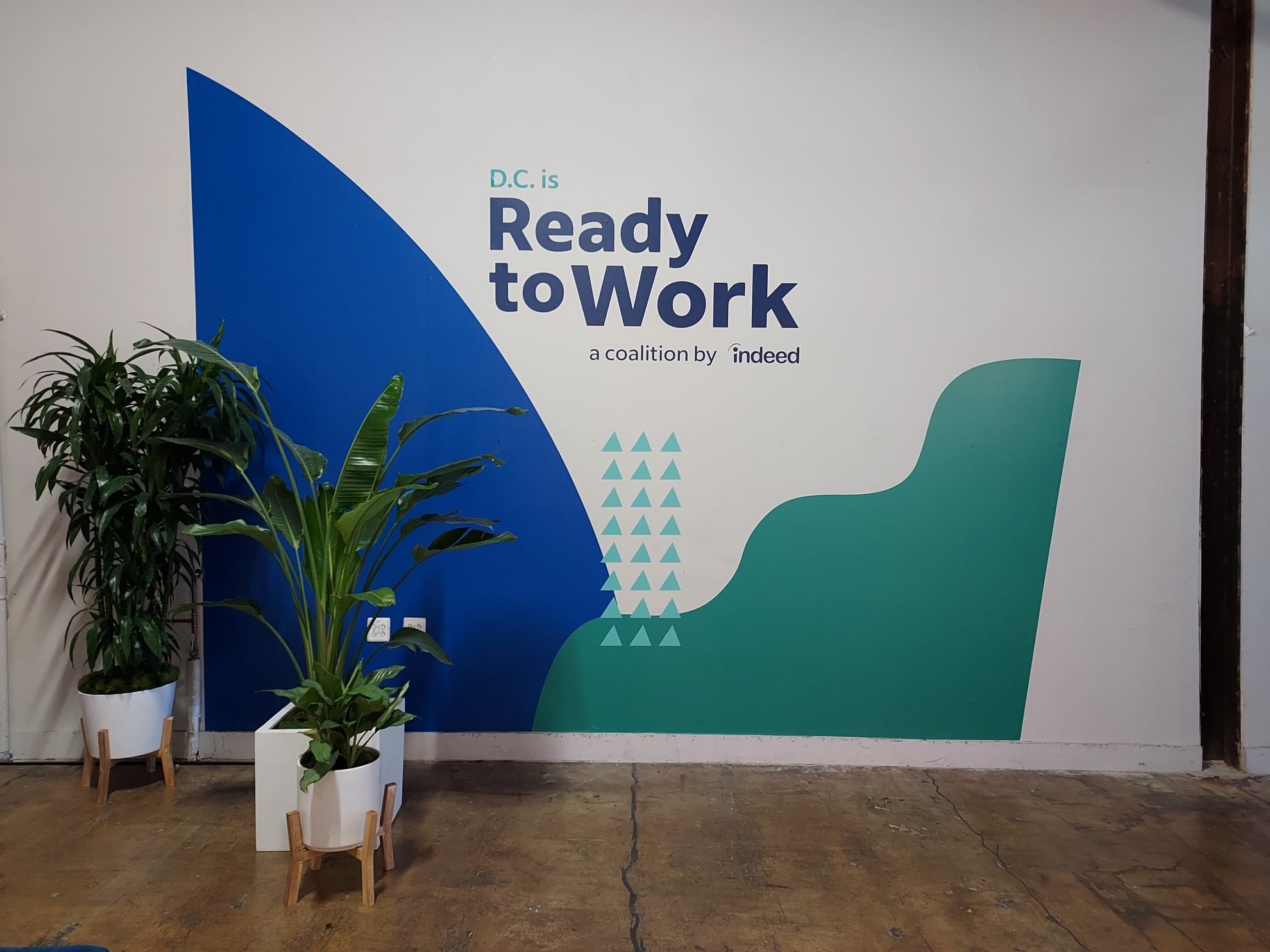
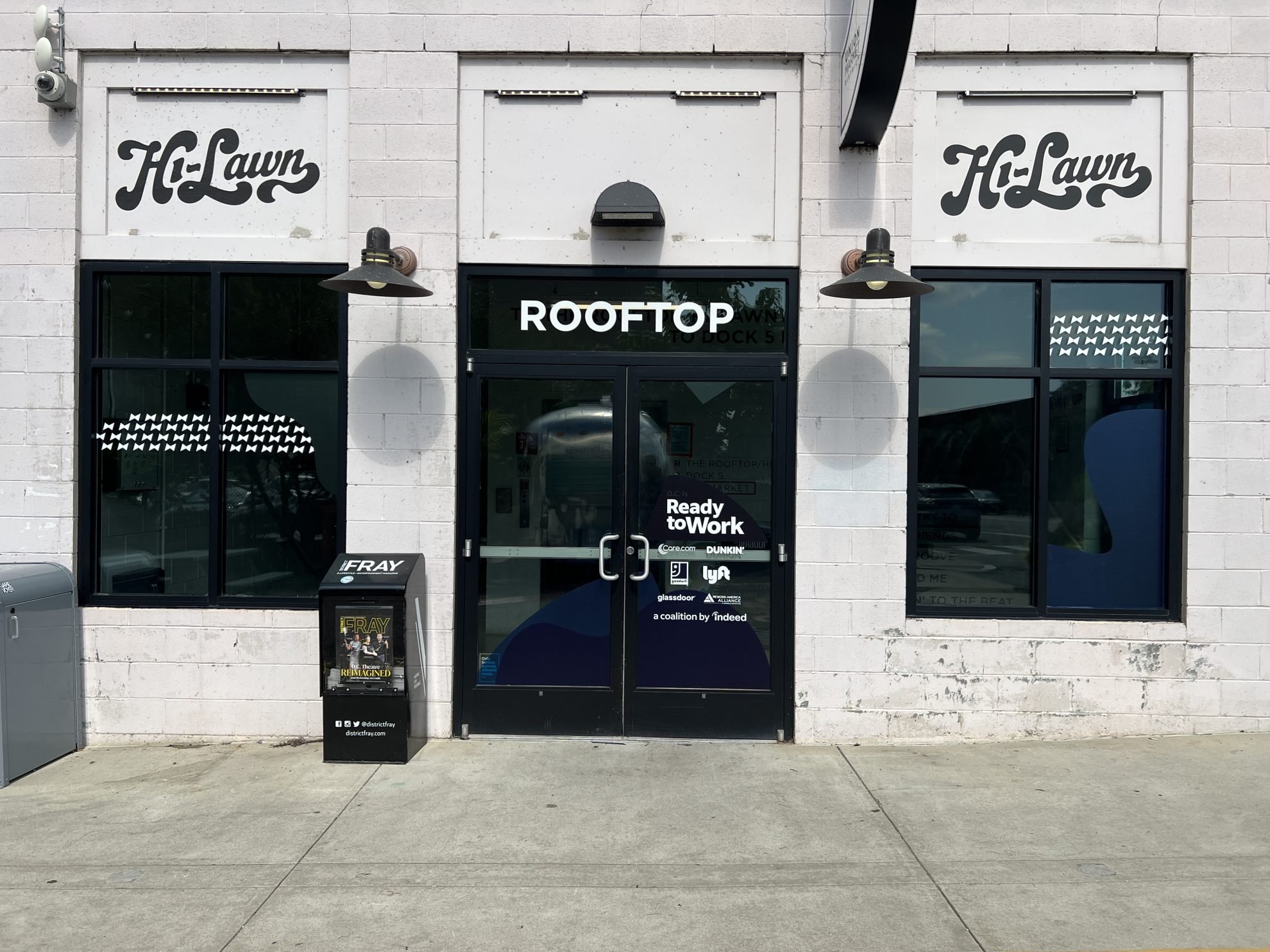
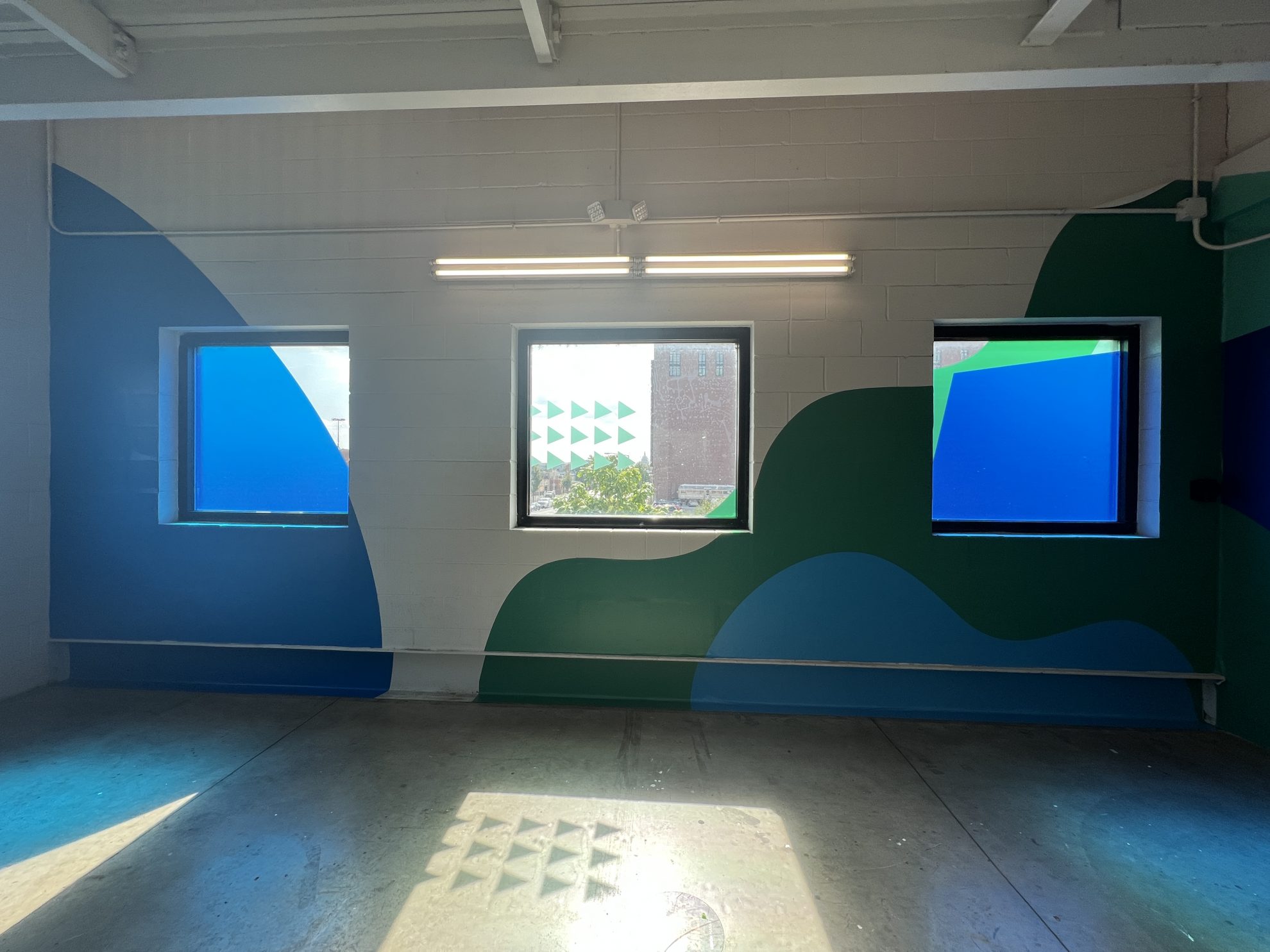
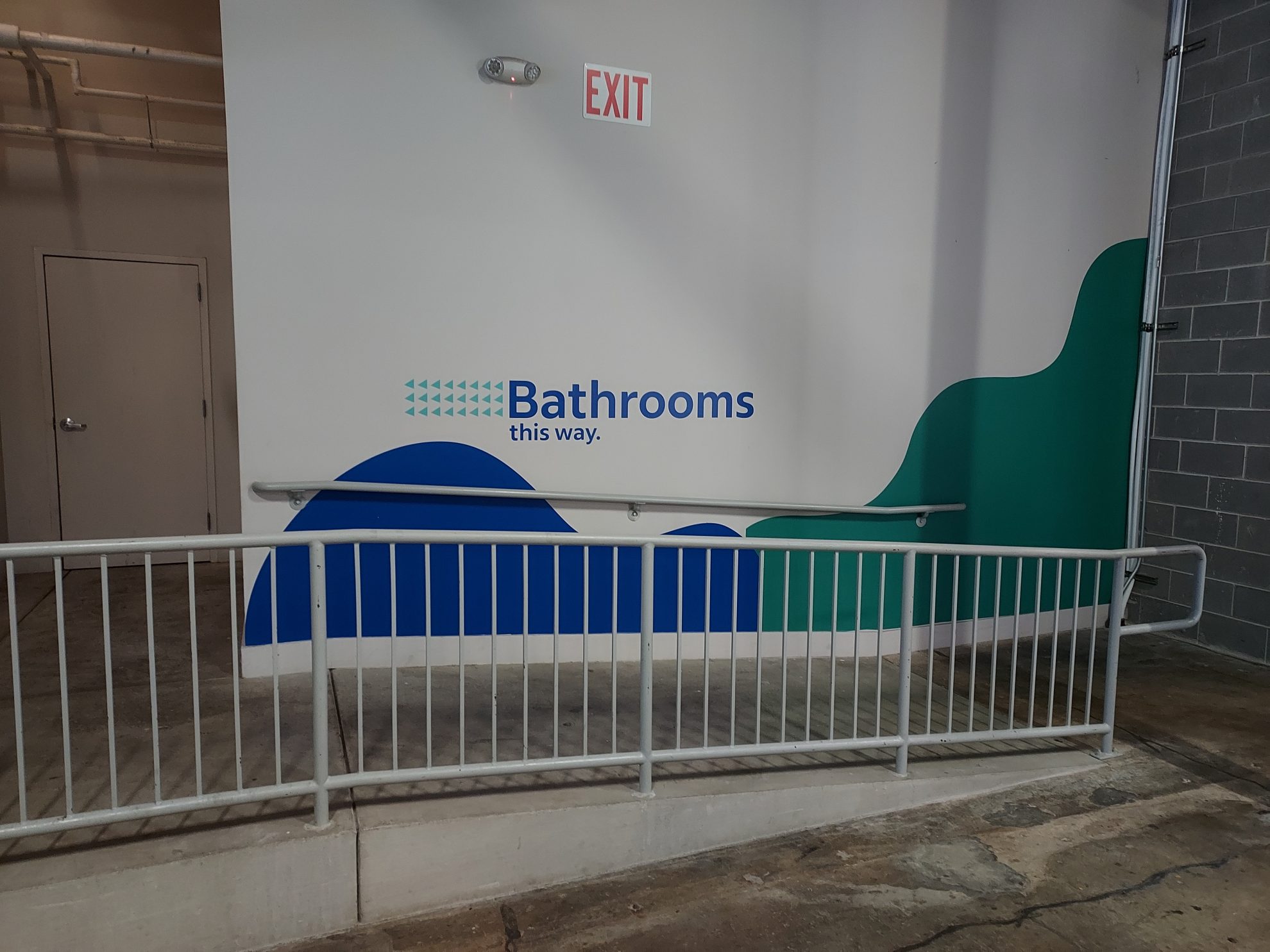
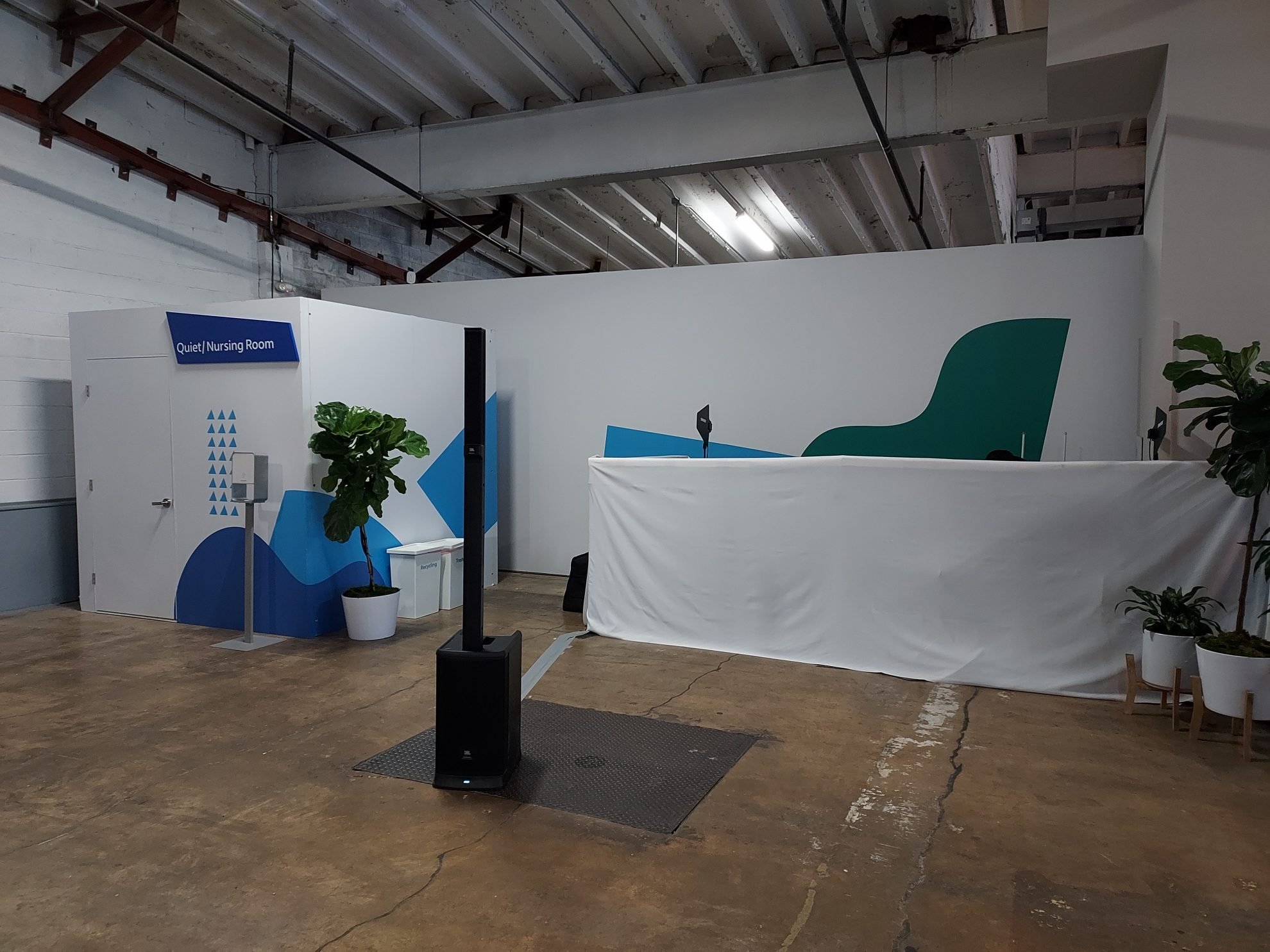
Heritage Signs & Displays' collaboration with The Gathery to brand Union Market in Arlington, VA, for Indeed's "Ready to Work" job fair. The project included custom event displays, wall graphics, window graphics, and wayfinding signs, creating an immersive and visually appealing environment. The branding enhanced the venue, reflected the event's mission, and provided a seamless experience for attendees.