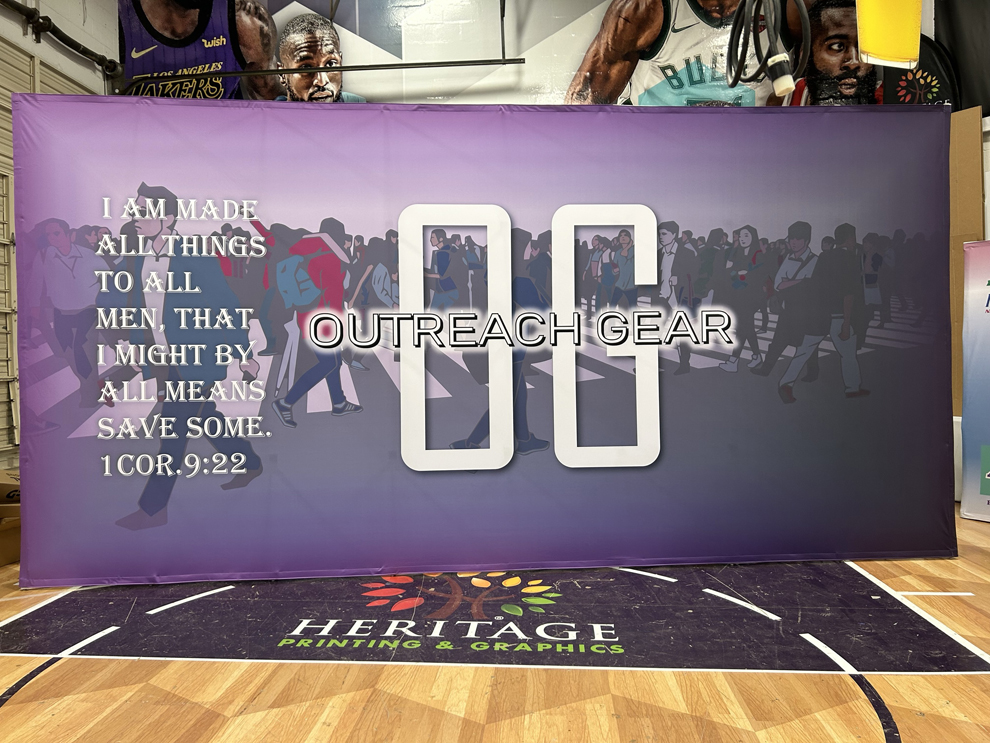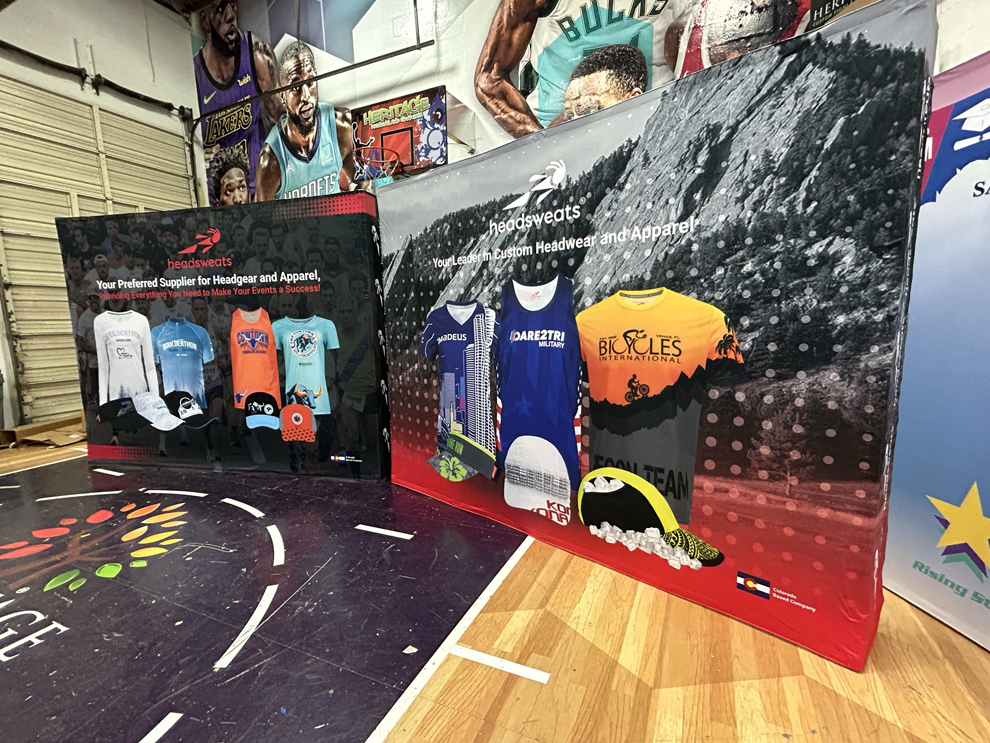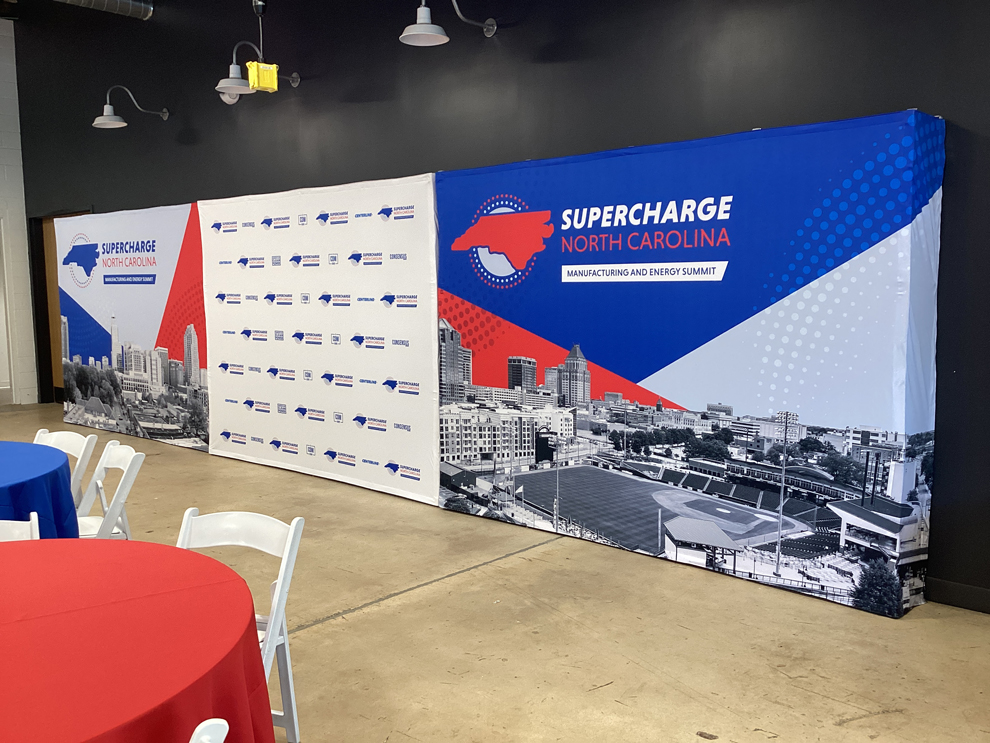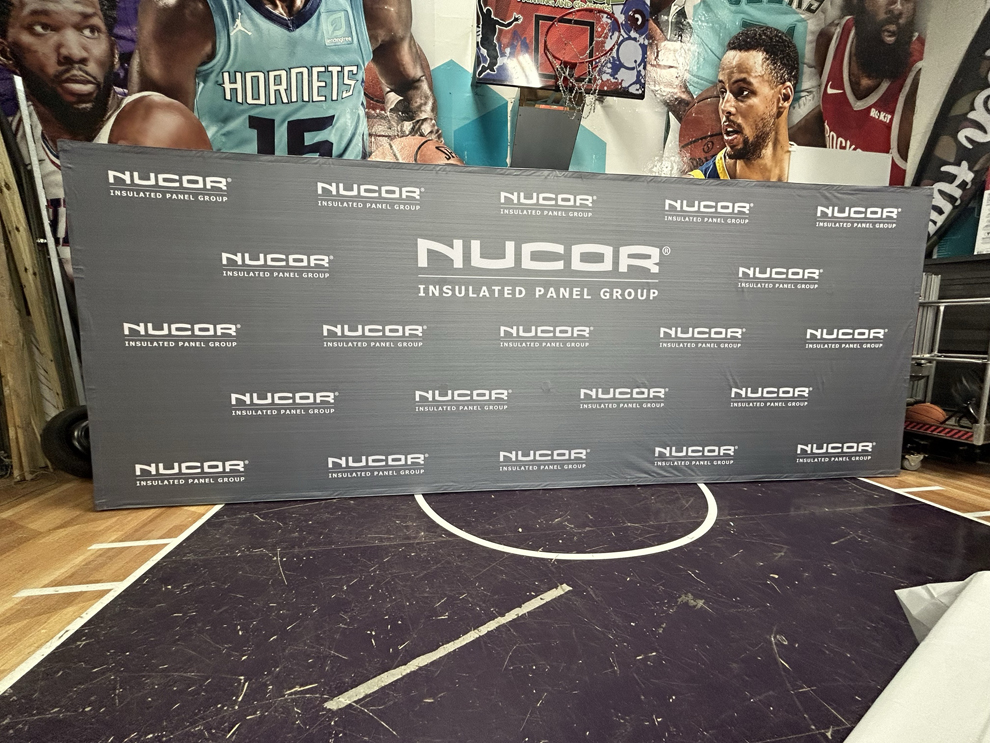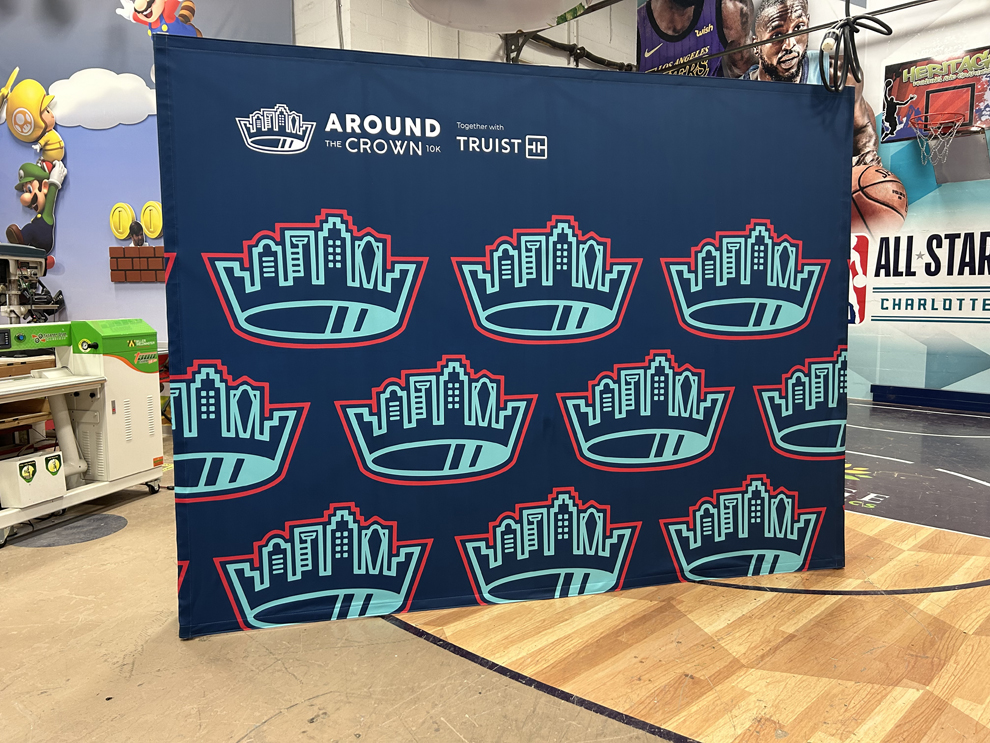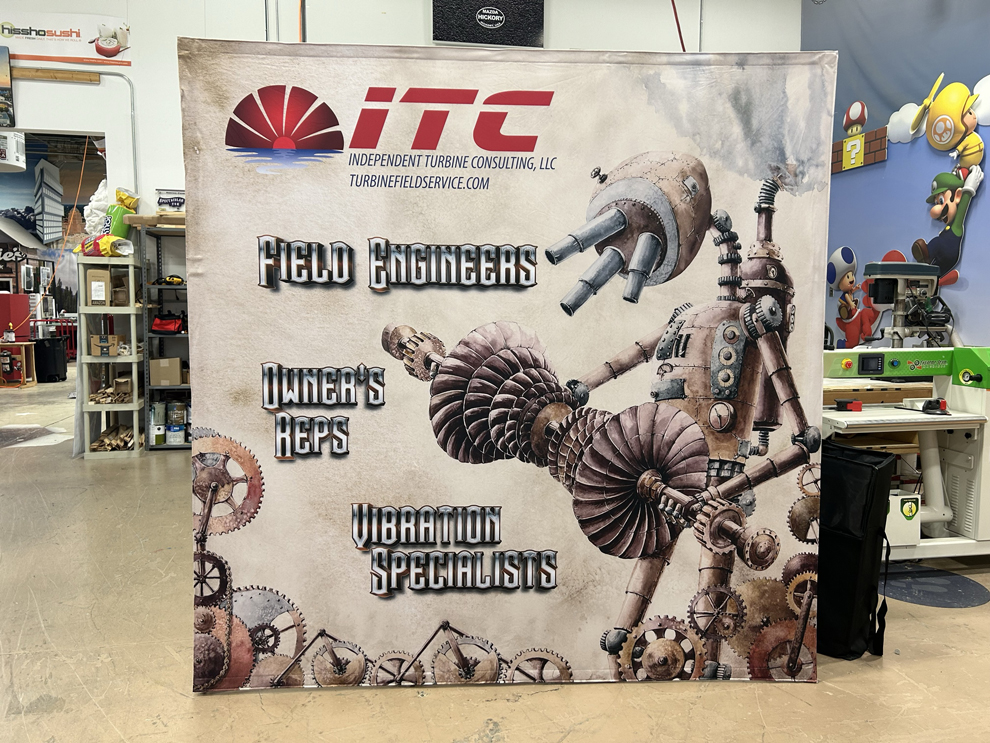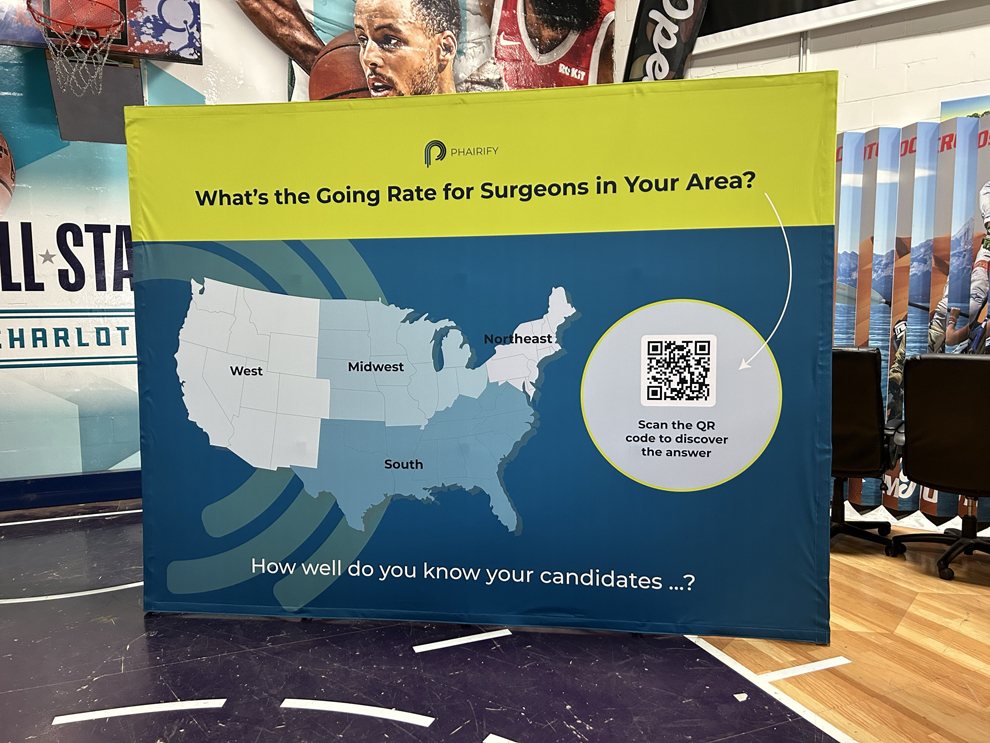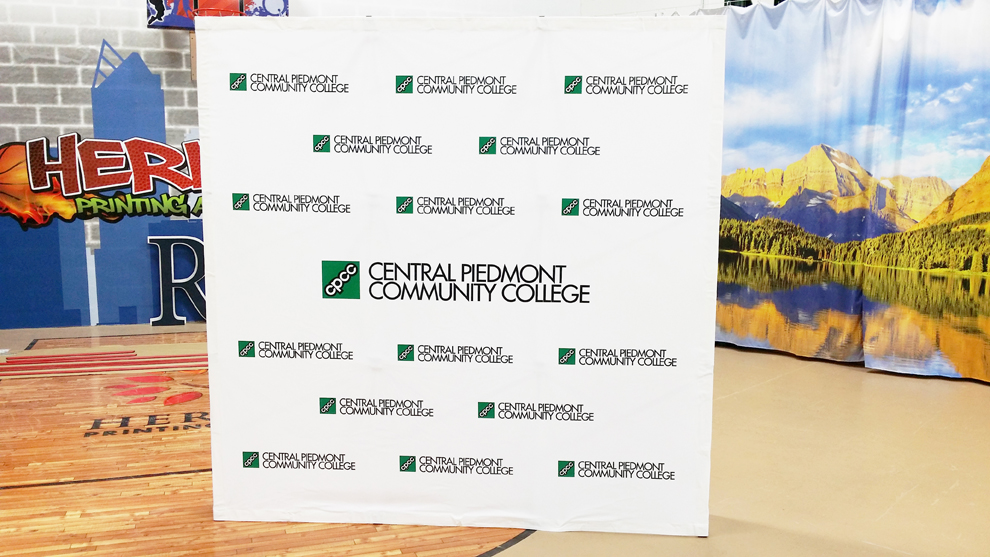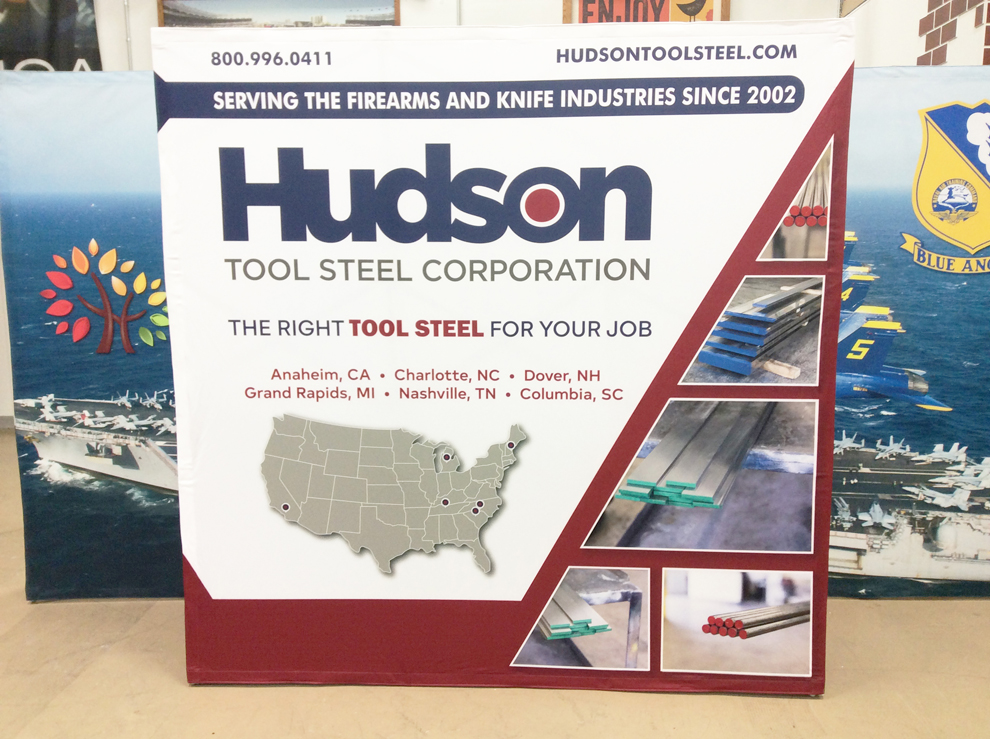
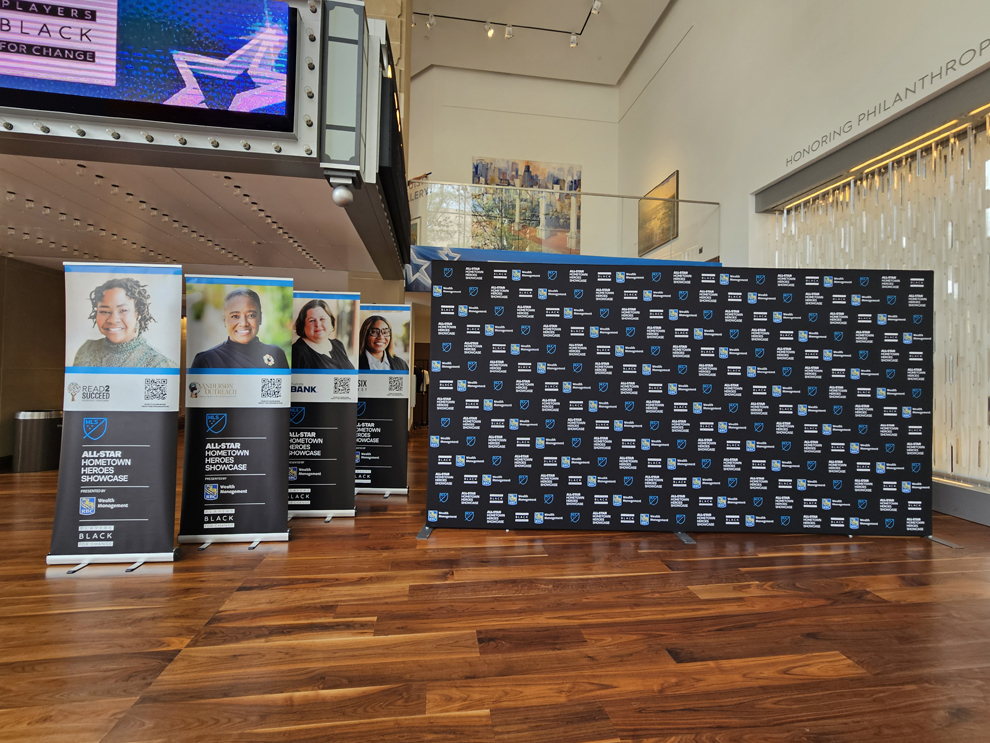
When an Annapolis, MD organization brings people together for a legislative reception, a conference session, an executive briefing, a recruiting event, a product launch, or a press interview near State Circle, the venue itself usually says nothing about who is hosting. A fabric backdrop fills that gap. One large printed graphic sits behind the speakers, guests, or exhibit, so everyone in the room and everyone reviewing the photos afterward sees the organization along with the people standing in front of it. The space reads as deliberate, and the display can go up before the program and come down as soon as the room returns to normal use.
Heritage Signs & Displays is a veteran-owned, family-led company with roots in a printing business founded in 1977. Since 2009, the company has concentrated on custom signs, interior graphics, workplace branding, and event environments. Fabric backdrops sit squarely inside that work. The same portable display can be a simple purchase for a buyer who knows exactly what they need, or one coordinated piece of a larger event environment built around a particular Annapolis venue, audience, and timeline.
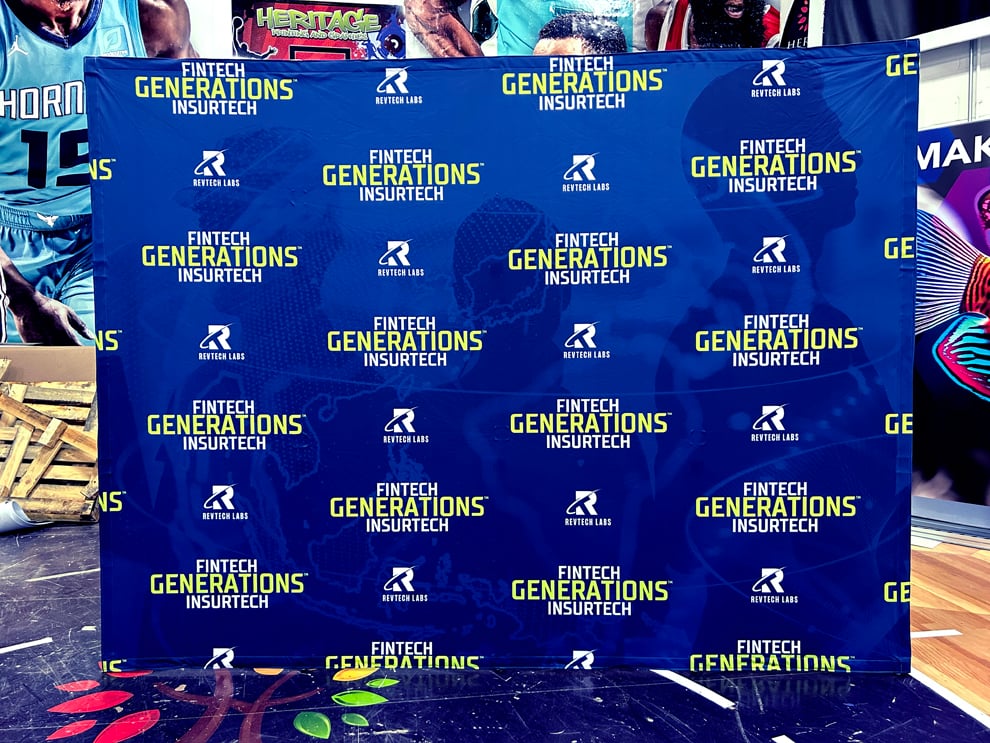
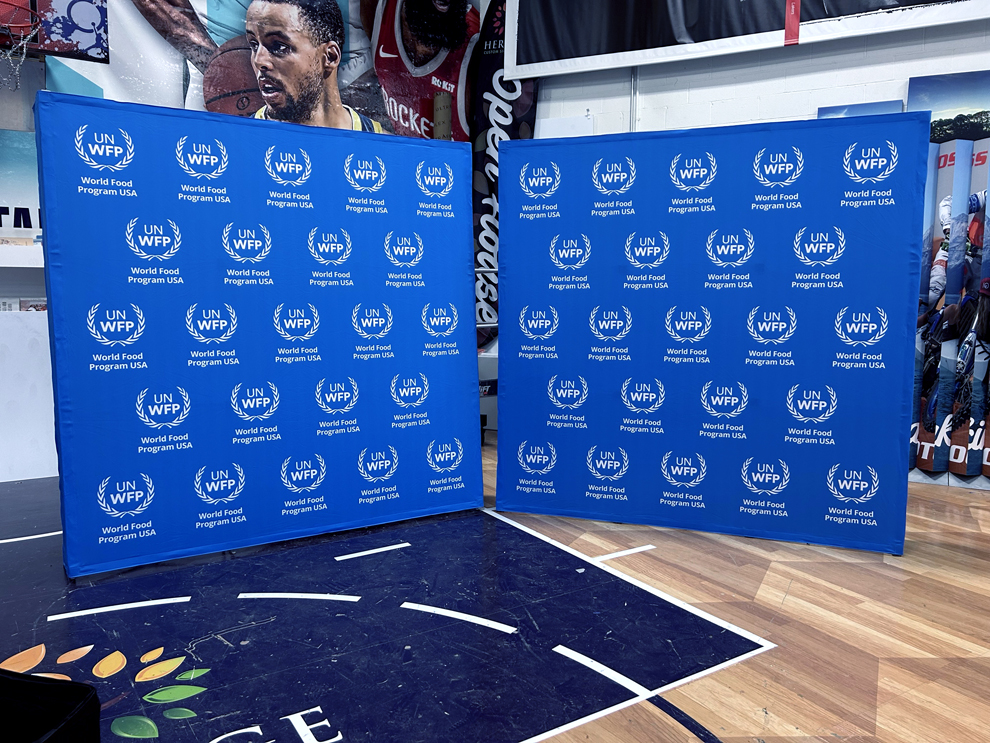
What the graphic needs to accomplish depends on where it stands. Behind a keynote speaker or a panel, it typically works as a quiet field that frames the presenter without pulling attention from the slides. At a sponsor reception or in a press position, disciplined logo placement or a repeated mark keeps the brand legible in photos and video even when guests crowd the shot. At a registration desk or exhibit, the wide surface anchors the area while smaller displays handle the agenda, directions, and finer details.
What sets a fabric backdrop apart from a fixed installation is that it moves. The standardized systems offered through Heritage use lightweight frames that either break down into sections or collapse for transport and storage. That matters when a single display has to appear at a Parole hotel ballroom one week, a corporate campus near Fort Meade the next, and a downtown Annapolis conference room after that. Since each frame holds its graphic differently, setup, packing, and any future graphic swap should be verified for the specific system rather than assumed. Current configurations, sizes, artwork templates, attachment details, and pricing are listed in the Heritage Online Store.
For teams that run programs across Anne Arundel County, the Baltimore-Washington corridor, the Eastern Shore, and other Mid-Atlantic locations throughout the year, a reusable backdrop maintains the same visual standard at every stop without reopening the design discussion each time. It also pairs naturally with retractable banners, event towers, step and repeat graphics, modular structures, and other event signs when a program calls for several layers of messaging working in concert.
Buyers who have already settled on a standardized system and have complete print-ready artwork can order directly through the Heritage Online Store. That standalone purchase does not include Heritage design or layout development, direct product selection or coordination, a Physical Production Color Proof, a Heritage site survey, or Heritage professional installation. When the backdrop is one part of a broader qualifying event or workplace project that Heritage must develop and/or coordinate, Get Started Now is the correct path.
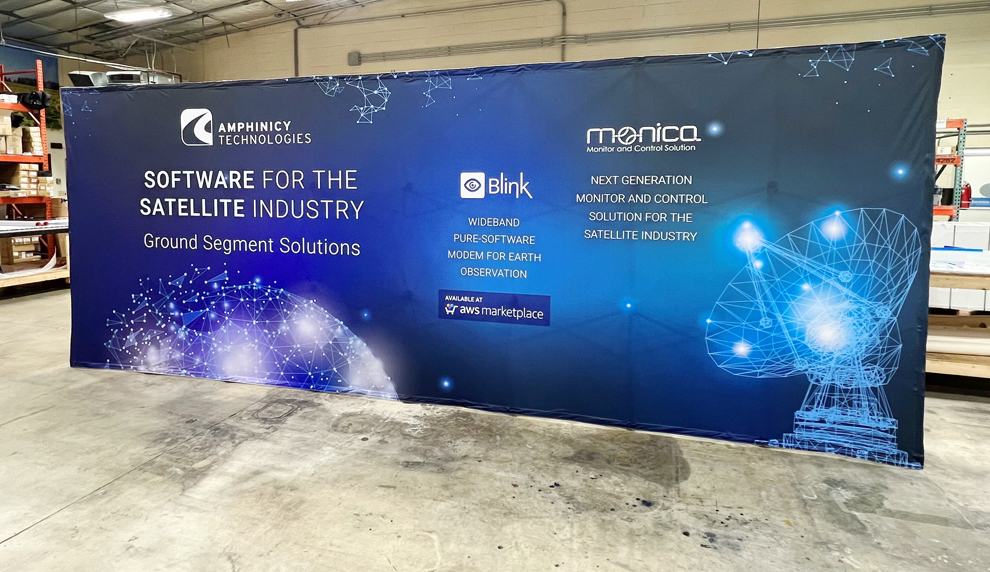
Pick the frame based on the routine the display will follow between events, not just the picture printed on it. One available system joins tube sections into a single structure, then stretches a tension fabric graphic over the assembled frame and closes it around the structure. Another opens from a collapsed pop-up frame and secures its fabric graphic with hook-and-loop attachment.
Those mechanical differences drive four practical questions: who will put the display together and how much experience that person has, how frequently the frame will ride in a car or ship between sites, how much storage room exists between programs and whether the graphic stays mounted in the meantime, and whether sponsors, dates, or campaign messages will change while the hardware stays in rotation.
That last question deserves extra attention. Some systems accept interchangeable graphics, but that is a system-specific feature that should be confirmed in the current product information before buying rather than inferred from the frame style. Teams that answer these questions candidly usually end up with hardware that matches their own capacity to handle it. Review the current Online Store listing, artwork requirements, dimensions, and instructions before placing an order.
Annapolis events rarely involve just a backdrop. There is a venue with its own loading rules, a group of reviewers who all need to sign off on the artwork, a sponsor roster that shifts at the last minute, and several other displays that have to arrive the same morning. In a qualifying managed project, Heritage combines environmental graphic design, project management, production, fabrication, delivery planning, site coordination, and professional installation into one accountable process.
The One Dedicated Project Manager System keeps that process on track. A single Project Manager maintains the record of approved files, quantities, deadlines, placement decisions, and related displays while approvals circulate among stakeholders. When a standardized backdrop with finished artwork is all that is needed, none of that coordination applies, and the Online Store remains the right self-directed option.
Supplied Pantone Matching System colors act as production targets within Heritage's professional color-management process, and electronic proofs do not establish finished physical color. A Physical Production Color Proof can be produced for a qualifying managed project when color-critical proofing is part of the accepted scope, at additional cost, and only when the schedule allows. Standalone Online Store orders do not include it.
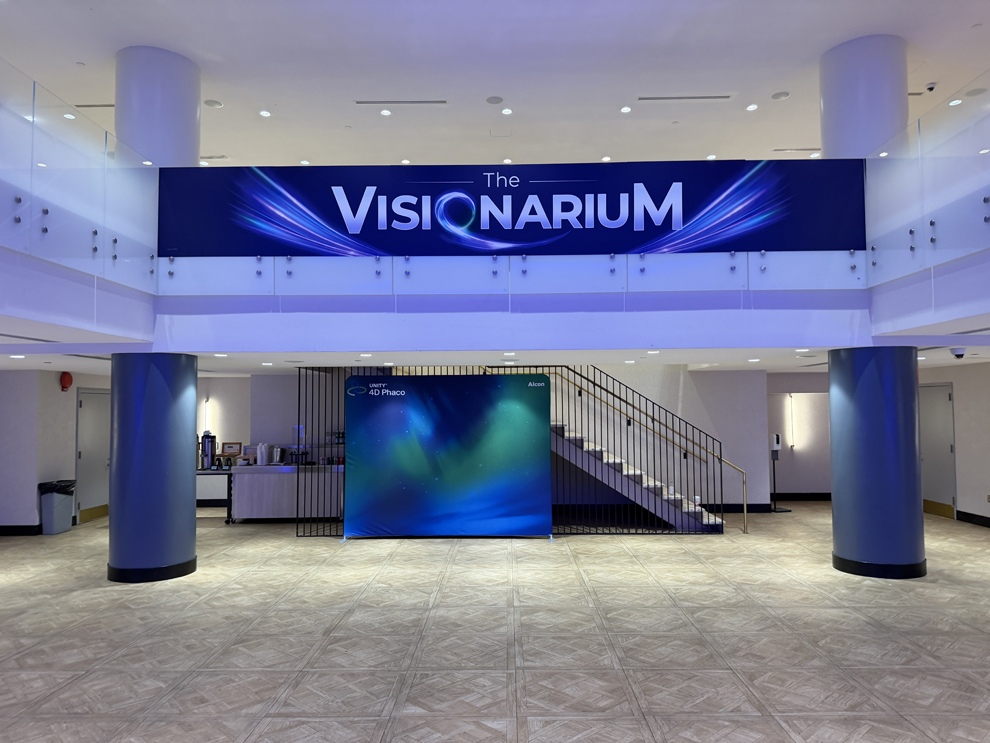
Begin here when the program requires a staged, oversized, or non-standard background that a portable fabric frame was never meant to deliver.
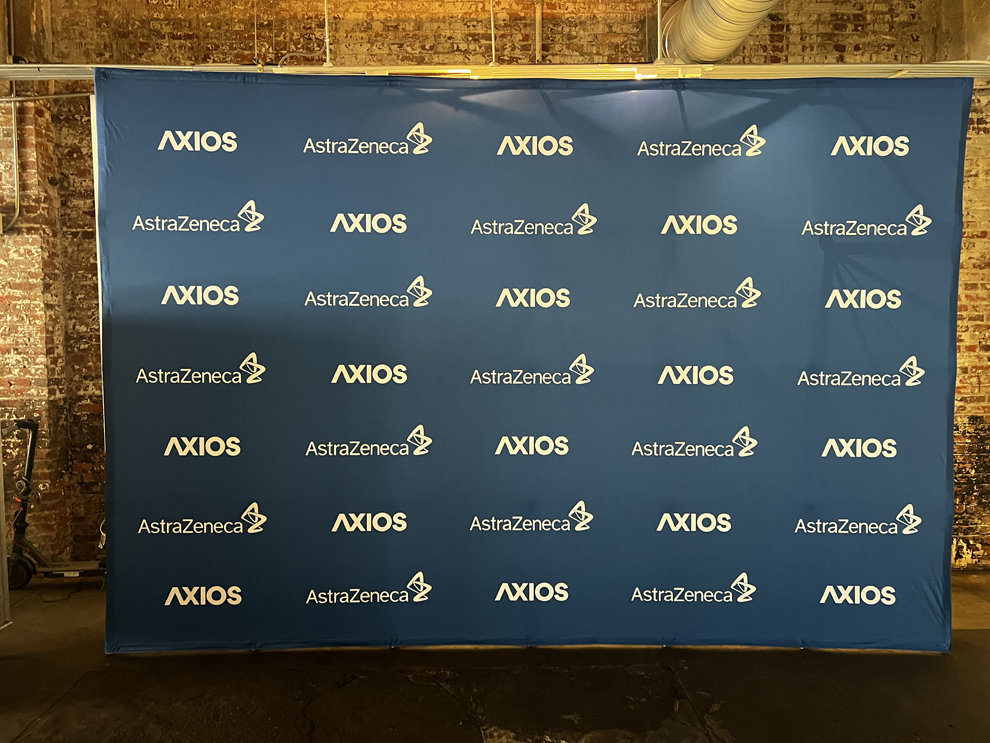
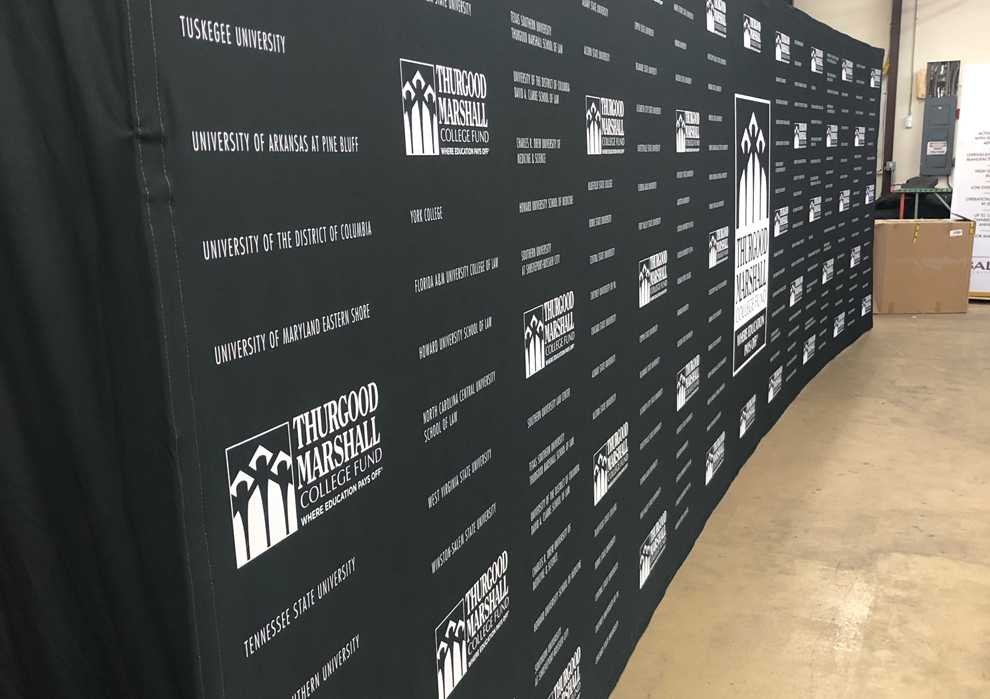
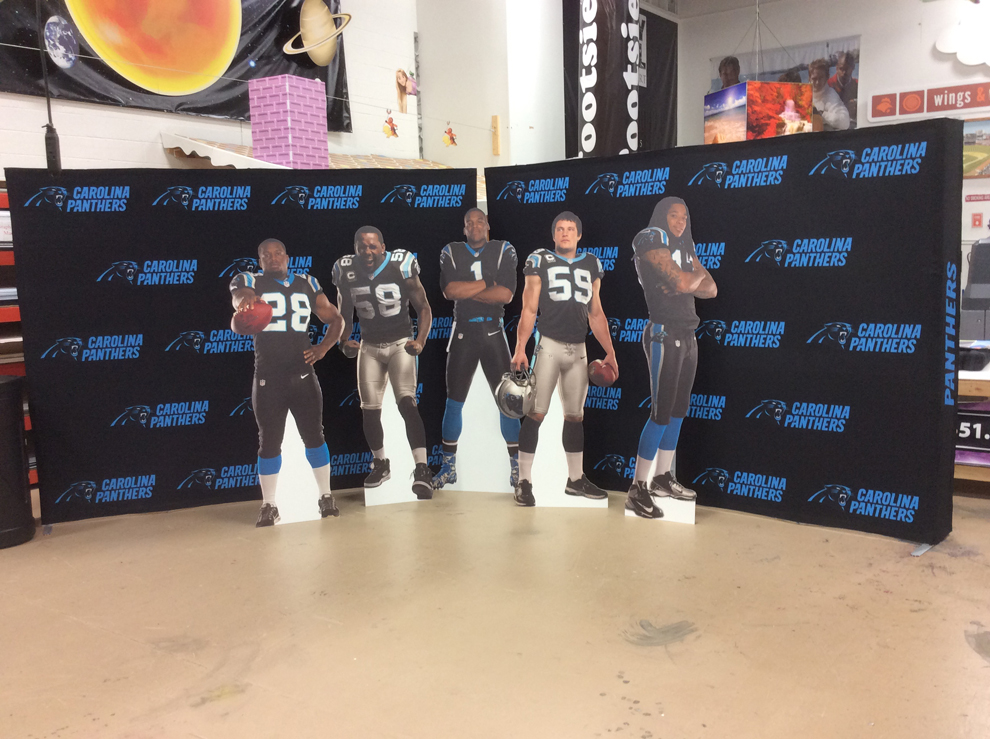
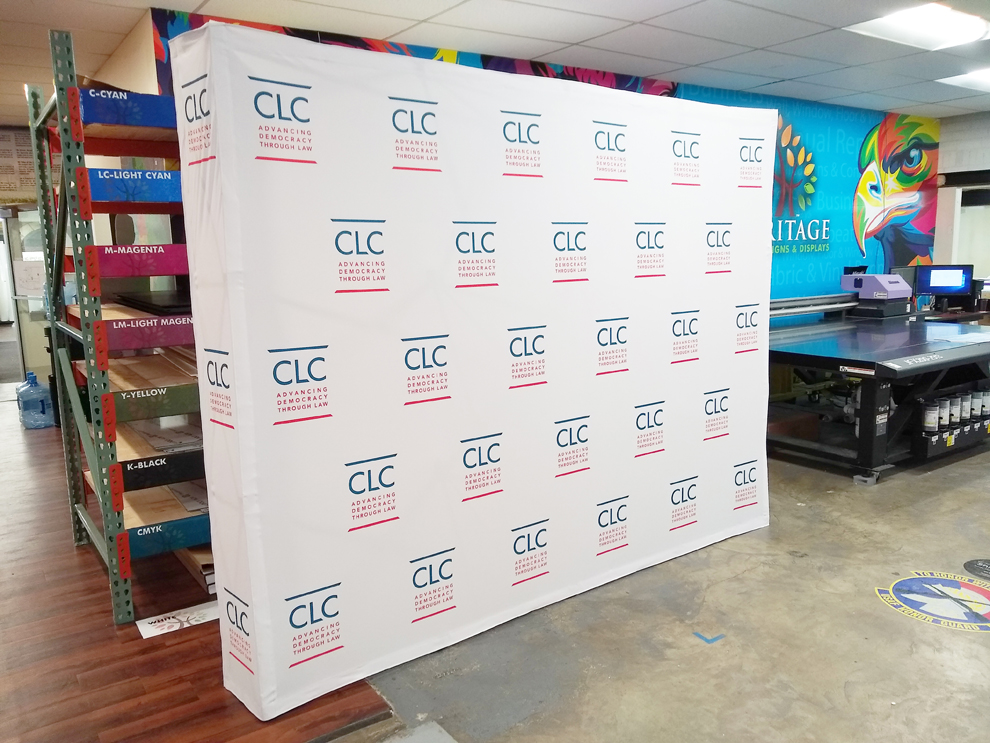
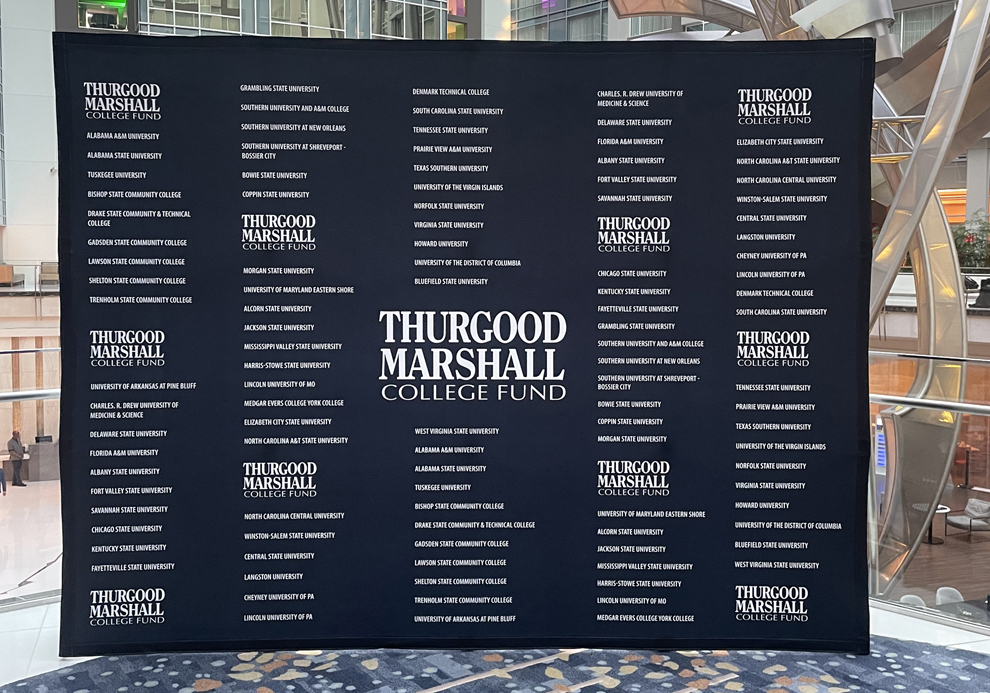
Build a repeated-logo wall for arrivals, sponsor photography, award presentations, and interview positions where the camera determines what the audience sees.
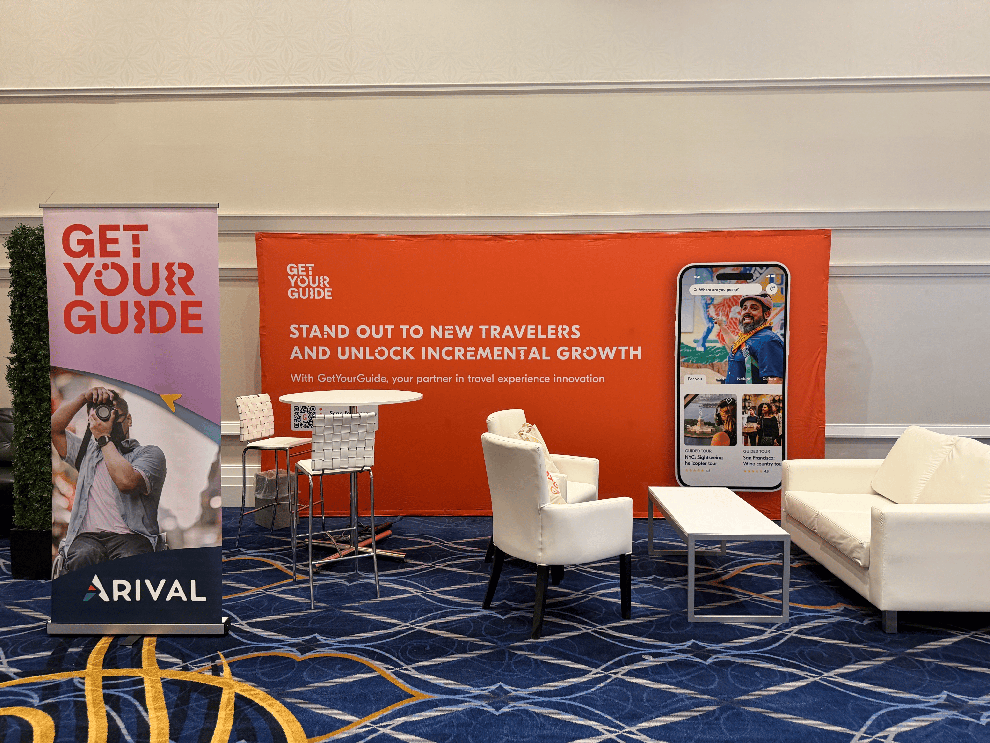
Scale up to a complete booth when the exhibit needs counters, lighting, multiple graphic surfaces, or more structure than a single backwall.
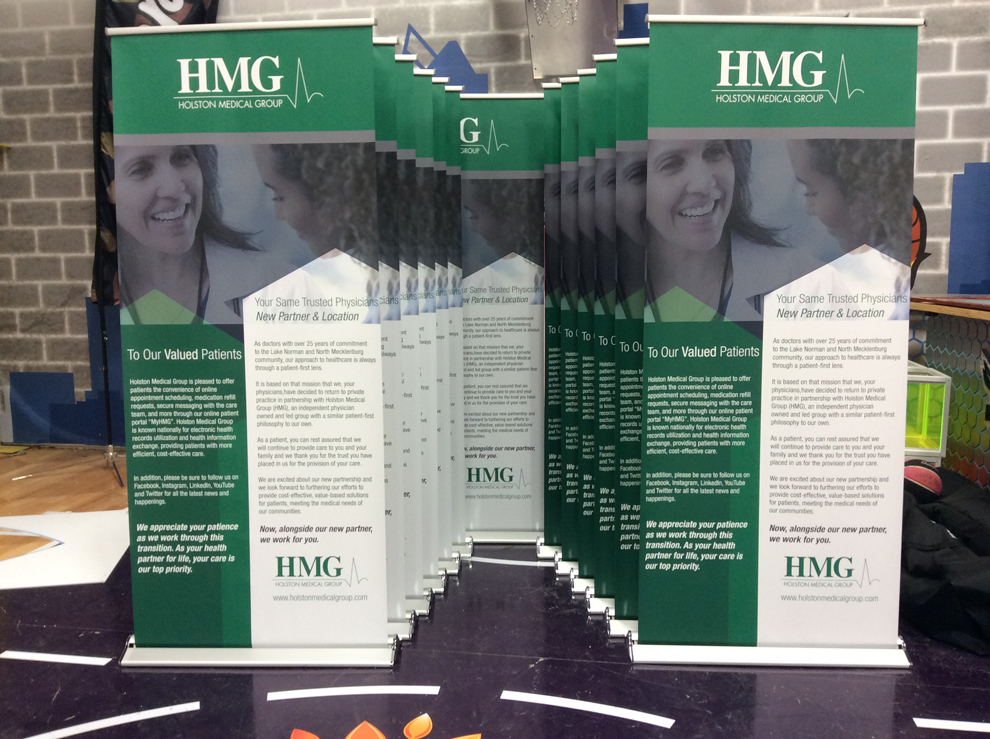
Place self-contained vertical messages at entrances, breakout rooms, and check-in stations that need to travel independently of the main background.
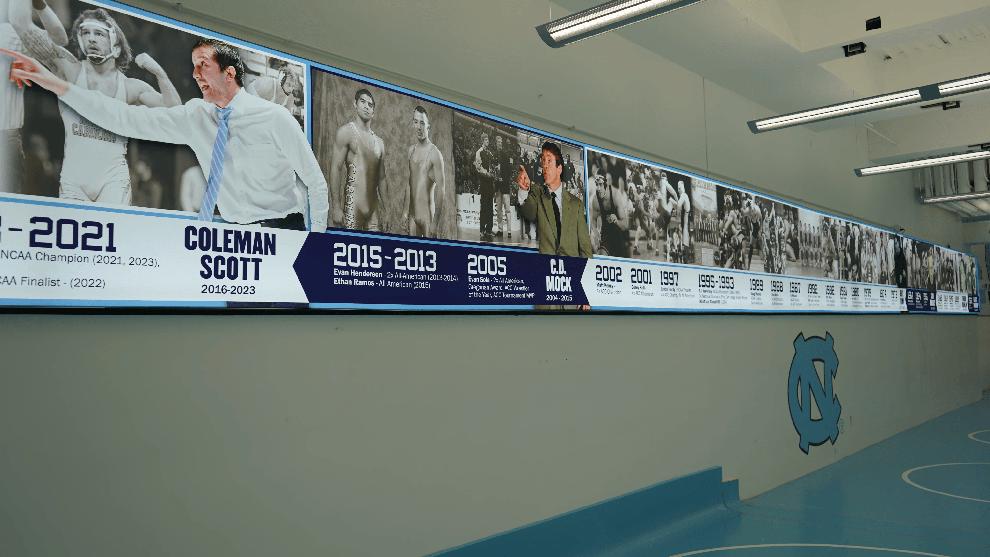
Choose silicone-edge fabric when the graphic has to seat into the channel of a compatible frame or lightbox instead of stretching over a portable tube frame.
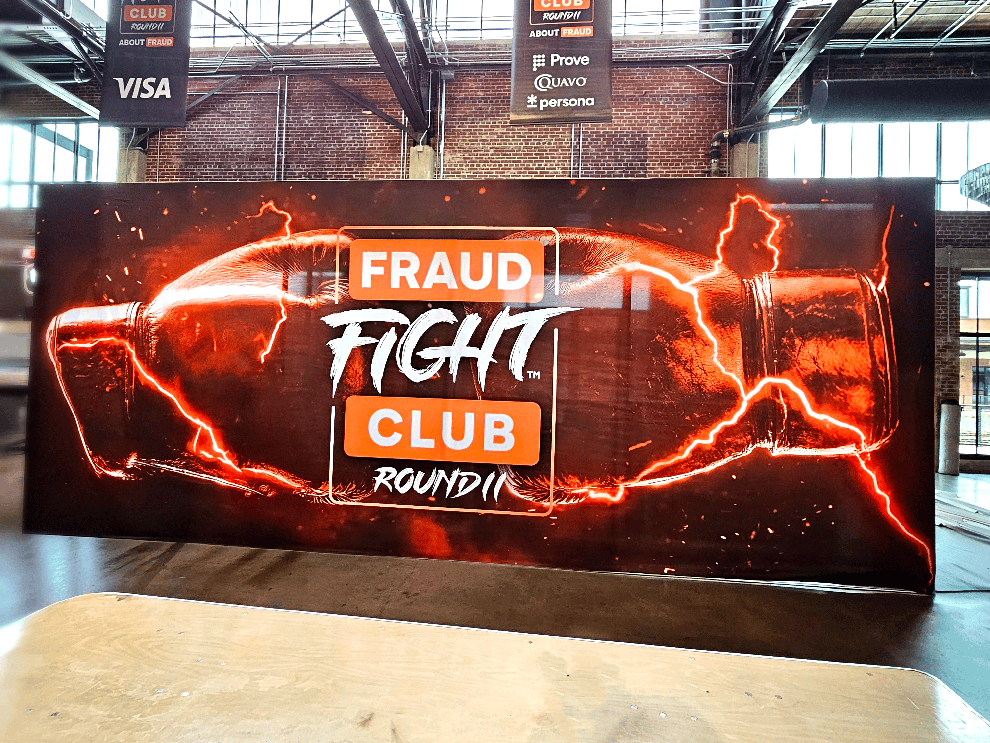
Assemble modular framing for larger exhibits and event environments that demand structural components beyond one freestanding surface.
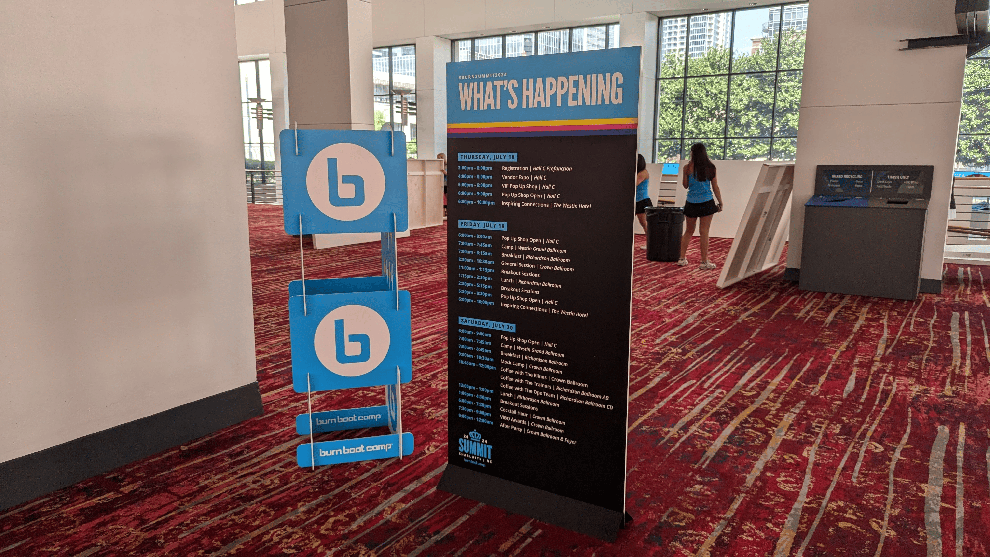
Lift sponsor recognition, identification, or directional messaging above the crowd where a floor-level backdrop would be hidden.
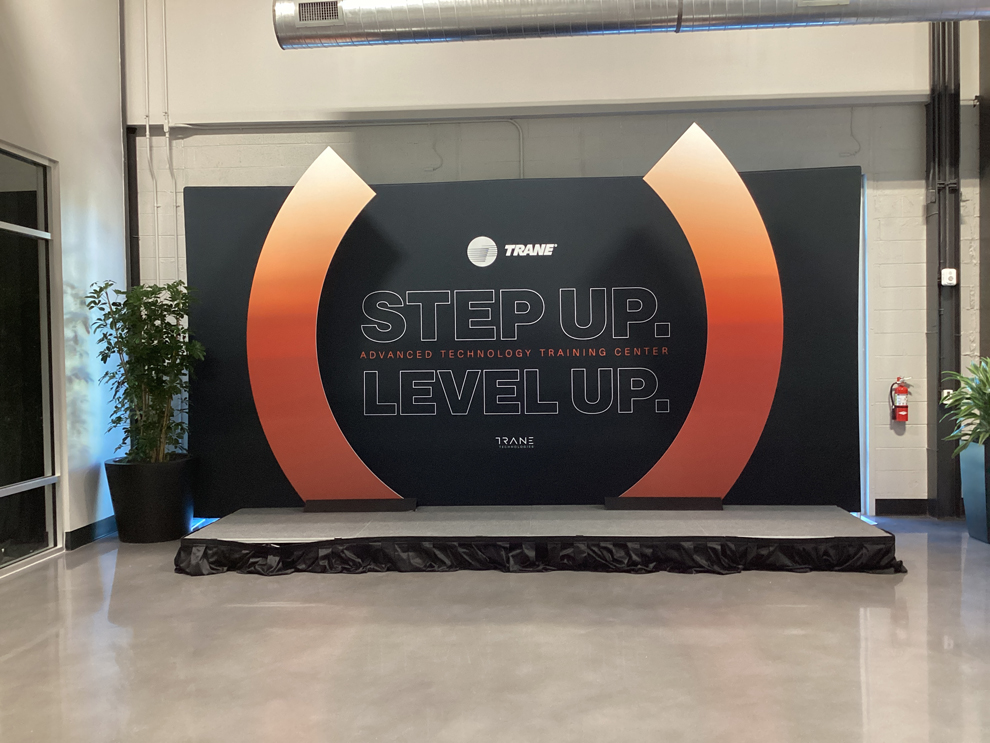
Combine registration, wayfinding, sponsor visibility, and venue graphics into one coordinated plan when the backdrop is only one part of the story.
Have you chosen a standardized system, confirmed the configuration, and prepared complete print-ready artwork? Select View Pricing & Order Online to review current options and complete your purchase directly through the Heritage Online Store.
Coordinating more than the backdrop for an Annapolis or Anne Arundel County program? Select Planning a Larger Event Branding Project? Get Started Now when the accepted scope may include several displays, more than one venue, stakeholder approvals, delivery, design support, or professional installation. Send us the event location, date, objectives, scope, and any files already approved so we can determine whether the program belongs on the managed-project path.
Planning a Larger Event Branding Project? Get Started Now
Annapolis and the surrounding Anne Arundel County communities are served by Heritage's client-facing Washington, DC location, which covers the wider DC metro area, while the Arlington location provides close-in field support for Northern Virginia. Heritage does not operate a separate Annapolis office. Washington, DC is the point of contact for discovery, field coordination, site surveys, installation planning, and professional installation when those services are part of an accepted managed-project scope.
Production for Annapolis, Baltimore, the rest of Maryland, and the broader Mid-Atlantic is handled primarily at Heritage's facility in Waldorf, Maryland, roughly an hour's drive from the Annapolis waterfront. Waldorf is staffed by production team members only; it is not a sales office or showroom. Work may also be routed to the Charlotte headquarters facility when its equipment or capacity is the better match for the project.
For organizations whose programs stretch beyond Annapolis to Baltimore, Washington, Richmond, or the Carolinas, Heritage supports work across the Mid-Atlantic and the Carolinas through that same structure. One dedicated Project Manager carries the approved artwork, production expectations, and schedule history from venue to venue while local field resources take care of each site, so continuity holds even when the physical solution changes from one location to the next.
Start the layout with whatever will stand in front of the backdrop, not with the logo. A panel table, three chairs, a lectern, a product pedestal, or a line of guests waiting for a photo can cover the lower third and much of the center of the graphic. Logos, sponsor marks, and headlines belong in the areas that stay visible once the room fills up.
Distance and framing come next. Someone at the back of a ballroom reads large shapes and generous type, while a phone camera at a sponsor wall crops tightly and needs marks repeated at a size that stays readable between shoulders and heads. A livestreamed briefing adds a third perspective: the broadcast frame may reveal only a narrow band directly behind the speaker.
Online Store buyers provide complete print-ready artwork built to the chosen system's template; layout development is not included in that purchase. In a qualifying managed project, Heritage can supply environmental graphic design when it is part of the accepted scope, or work from client-approved files while coordinating how the composition carries across the other displays.
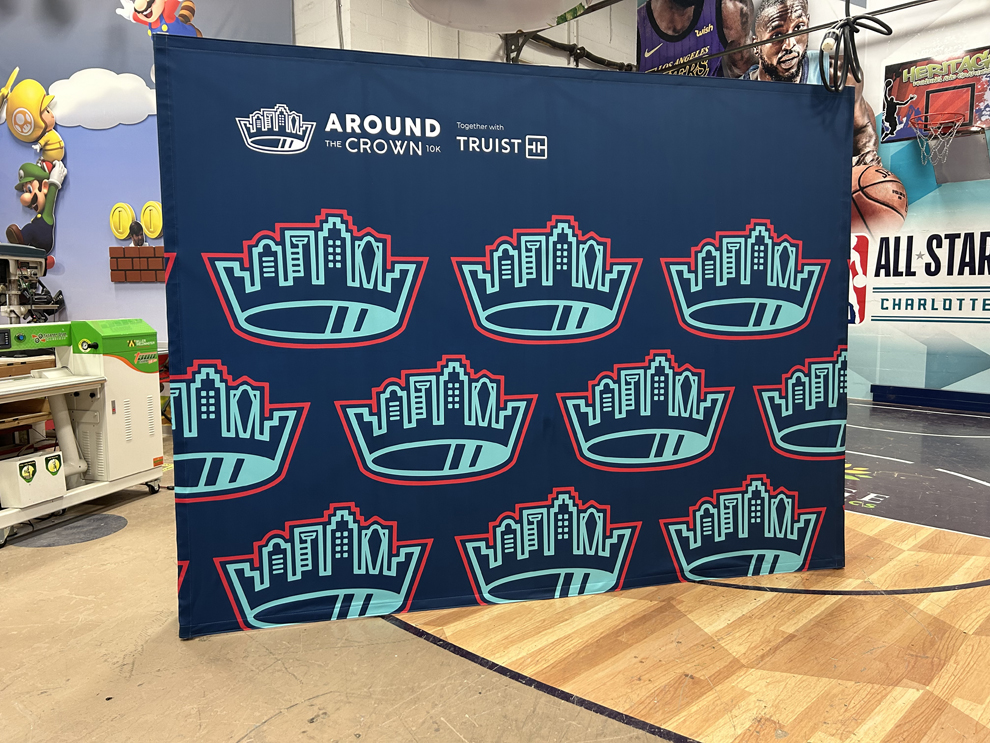
Every use after the first depends on how the system is handled. A tube-frame backdrop is assembled fully, with each section connected and seated, before the tension graphic is stretched over the structure and closed. A pop-up backdrop opens from its folded frame, and the graphic attaches using whatever method that product specifies. The two routines are not interchangeable, so store the instructions for your exact system alongside the hardware.
The printed fabric is the part most likely to be damaged in transit. Pack it so frame ends, connectors, and loose hardware cannot press against, catch, or abrade the printed surface, and use the carrying case supplied with the system whenever one is included. Once you reach the venue, leave enough time to build the frame, seat the graphic evenly, and walk out to the seating area and camera positions to confirm alignment before guests arrive.
Backdrops purchased on their own through the Online Store are set up by the client. That purchase does not come with a Heritage site survey or professional installation. When a larger Heritage-managed project includes Heritage professional installation, the required site survey covers that installed scope and does two things: it uncovers how the venue will actually be used, and it verifies access, floor conditions, and placement.
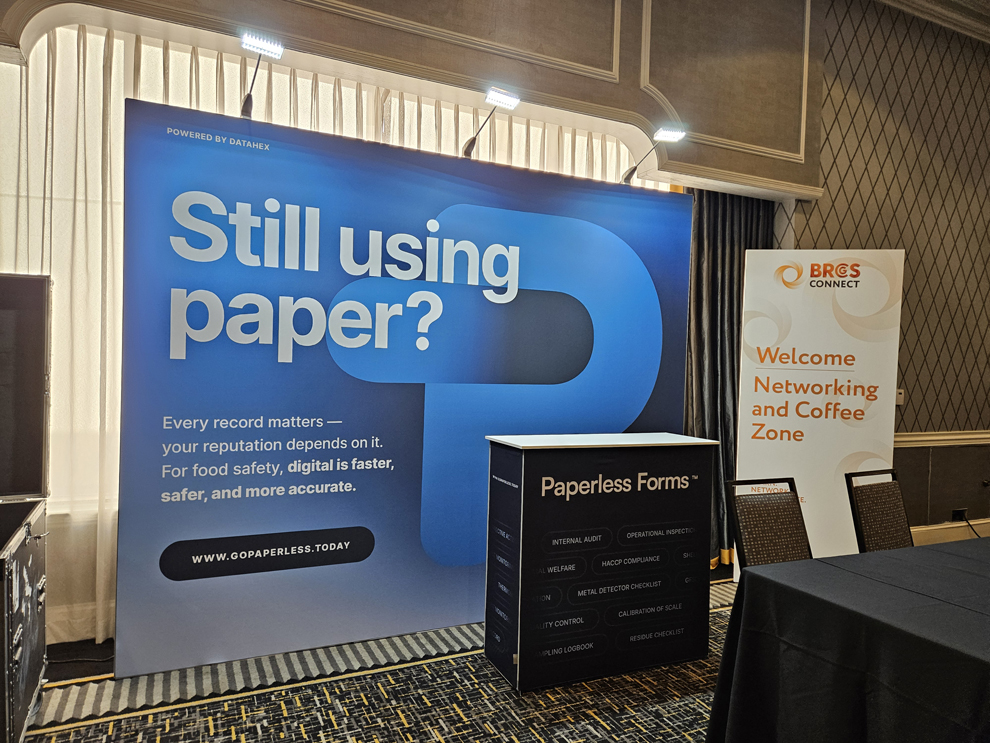
A backdrop purchase runs smoothly when the key decisions already line up: the outcome you want, the audience and how far away it sits, the complete list of displays involved, the event date and load-in window, who signs off on artwork and by when, venue conditions, who handles setup, the budget available, and what information is still missing. Once those points agree, the right buying path becomes obvious.
The Online Store suits a buyer who has already selected the system and configuration, has complete print-ready artwork, and is comfortable making the ordering decisions without assistance. The store lists current product options, artwork specifications, production and shipping details, pricing, and the applicable order minimum. Get Started Now suits a program that still needs Heritage development and/or coordination across multiple displays, locations, approvals, deliveries, or an installed scope, planned against the regional investment guidance we review during discovery.
Having finished artwork does not settle the question by itself. A client with approved files may still need significant coordination around the wider program. Floor plans, venue rules, brand standards, and existing files feed into the plan, but they are not the plan.
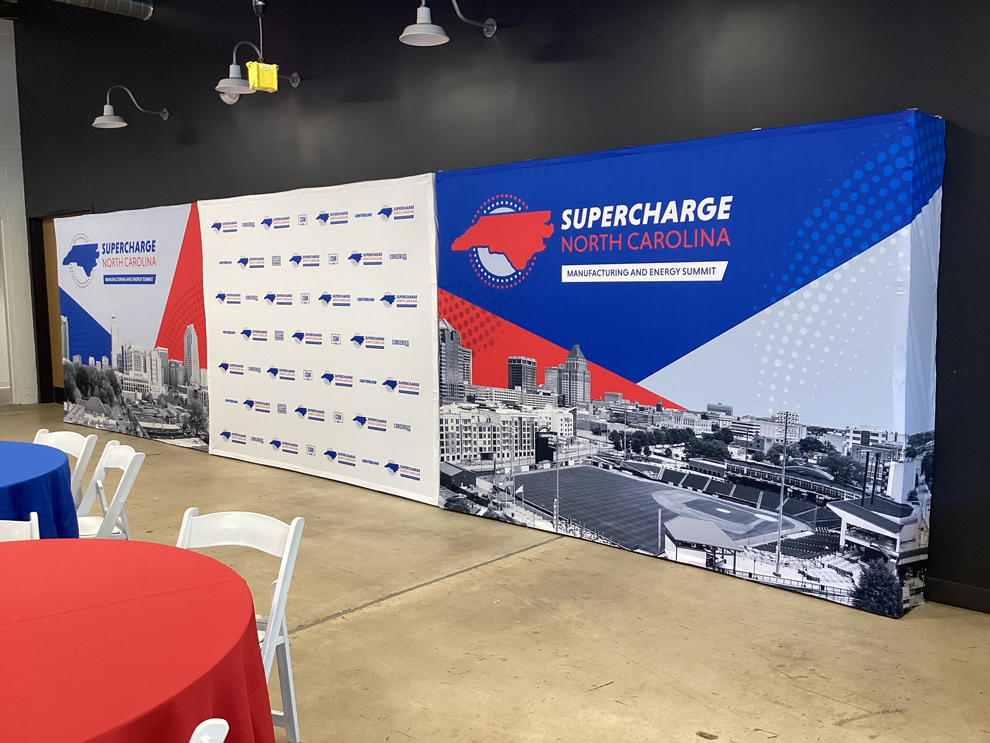
A tube-frame system is built before it is dressed. The sections join into the full structure, and the tension fabric graphic is then pulled over the frame and closed around it. A pop-up system opens from its collapsed form, and the fabric graphic is secured with hook-and-loop attachment.
Since the hardware, attachment, and breakdown steps differ, follow the instructions for the specific system rather than relying on a routine remembered from another display.
Heritage does not operate a separate Annapolis office. Production for the region is primarily handled at our Waldorf, Maryland facility, which is a production site rather than a sales office or showroom, and our client-facing Washington, DC location serves the broader DC metro area, including Anne Arundel County.
For qualifying multi-location work, a single dedicated Project Manager keeps the record and approved standards consistent while we coordinate the practical requirements of each venue.
No. An electronic proof verifies content, layout, spelling, and placement, but the color you see depends on your monitor, and the color on fabric depends on the printer, ink, and material combination used for the order.
For a qualifying managed project where color accuracy is critical, raise the requirement before production so we can determine whether a Physical Production Color Proof belongs in the accepted scope. That proof carries an additional charge, depends on the schedule, and is not available for standalone Online Store orders.
Sometimes. Graphic replacement depends on the system, and some fabric backdrop systems are built to accept interchangeable graphics while others are not.
If sponsors, dates, or campaign messaging are likely to change while the hardware stays in use, verify replacement capability in the current Online Store product information before committing to a system.
Use Get Started Now when the backdrop is one component of a larger qualifying event or workplace project that still needs Heritage development and/or coordination. Multiple displays, several venues, stakeholder approvals, delivery logistics, venue conditions, design support within the accepted scope, or professional installation all point toward the managed-project path.
Approved artwork alone does not route a buyer to the Online Store, since a client with finished files may still need that coordination. Likewise, needing help with a single standardized purchase does not by itself turn a project into a managed project.
Position the primary logo, sponsor marks, and any headline in the upper portion of the graphic, away from the center where seated panelists, a moderator table, and chair backs will block the view. The lower third of most backdrops disappears once the stage is dressed.
Keep the design simple at that height. Large, clear elements read from the back of the room, while dense copy and fine detail are lost to both the audience and the cameras.
No. A standalone Online Store purchase does not include Heritage professional installation, so the client assembles the display using the instructions for the selected system.
Within a qualifying Heritage-managed project, backdrop placement or setup may be coordinated with the rest of the event delivery and installation plan when the accepted scope includes it, and installed managed projects receive the required Heritage site survey.
SEG Fabric Graphics are finished with a sewn silicone edge that seats into the channel of a compatible frame or lightbox, which places them in a different display system entirely. The portable backdrops covered on this page use a tension graphic stretched over a tube frame or hook-and-loop attachment to a pop-up structure.
Choose between them based on the structure your event actually calls for, not the fabric alone.
Work backward from the date the display must be in the room. For an Online Store order, check the current production and shipping timeline shown for the product before checkout and upload the required print-ready artwork with your order.
For a managed project, send the event date, venue, approved scope, access limits, and outstanding approvals right away. We will evaluate what can responsibly be completed in the time available and, when needed, suggest staging or another practical alternative rather than commit to a schedule we cannot support.
No survey is included with a standalone Online Store backdrop purchase, because the client deploys the portable display. A site survey becomes required only when a larger Heritage-managed project includes Heritage professional installation. In that case it covers discovery of how the venue will be used and technical verification of access, floor conditions, and placement for that installed scope.
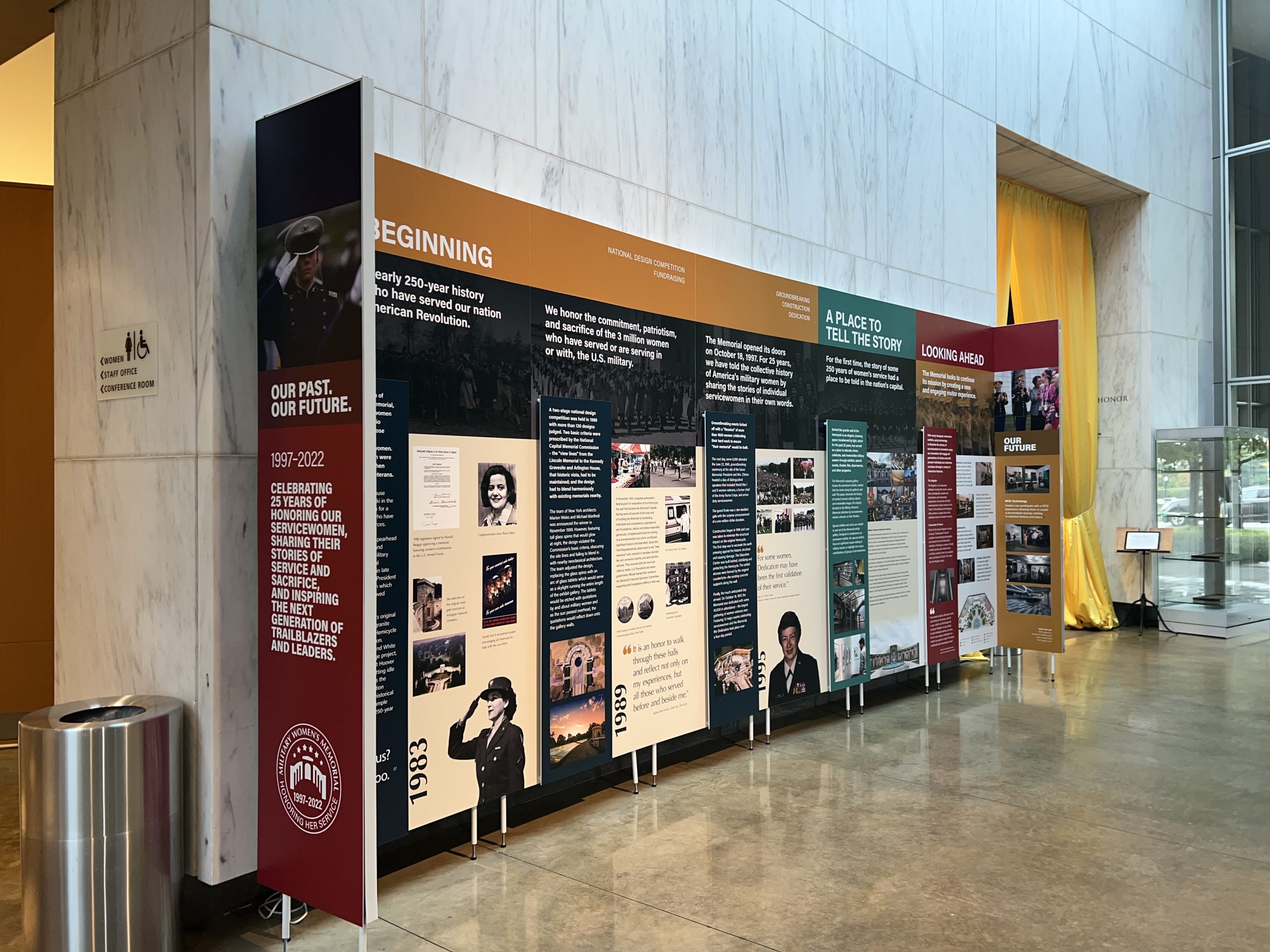
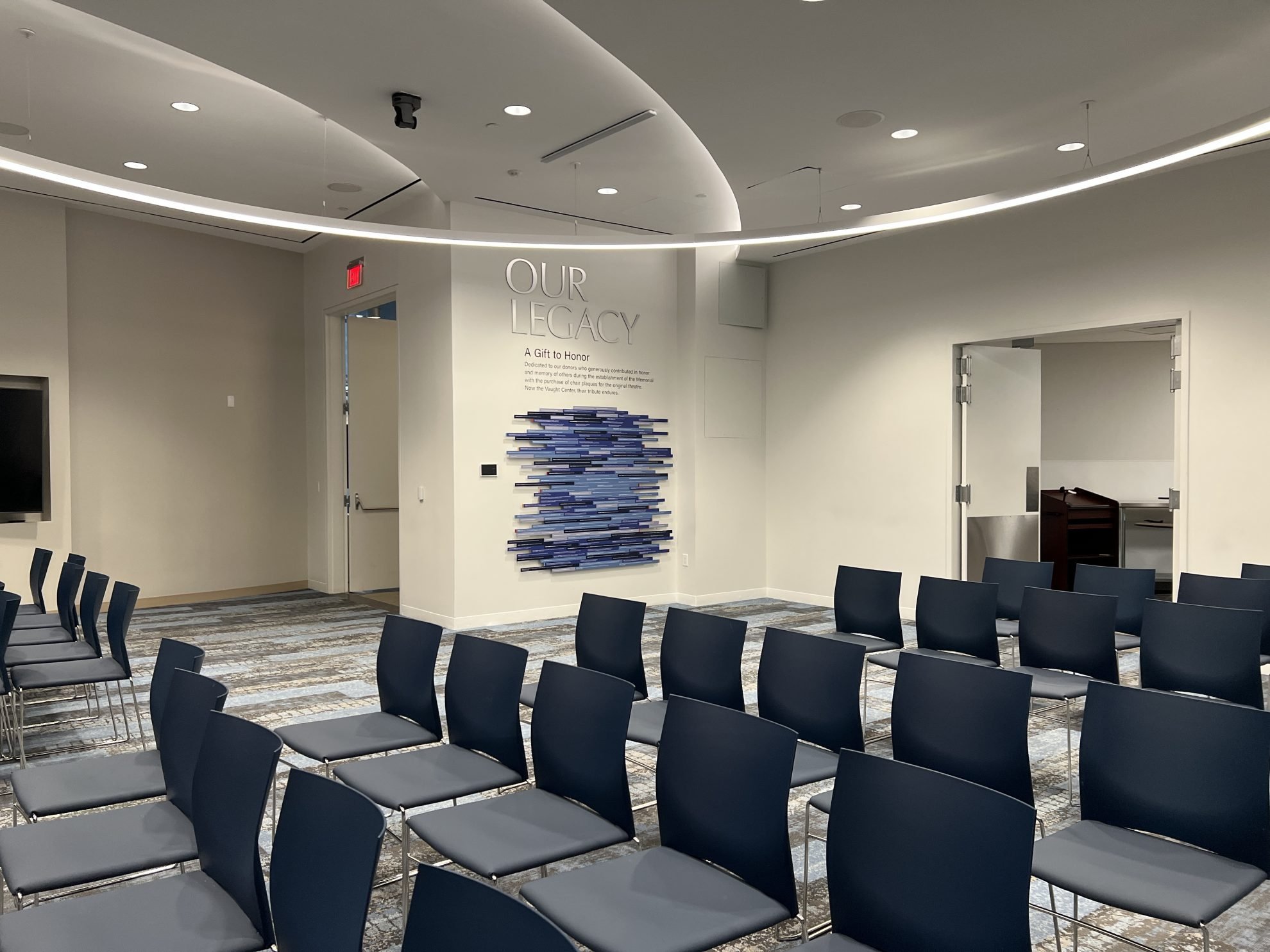
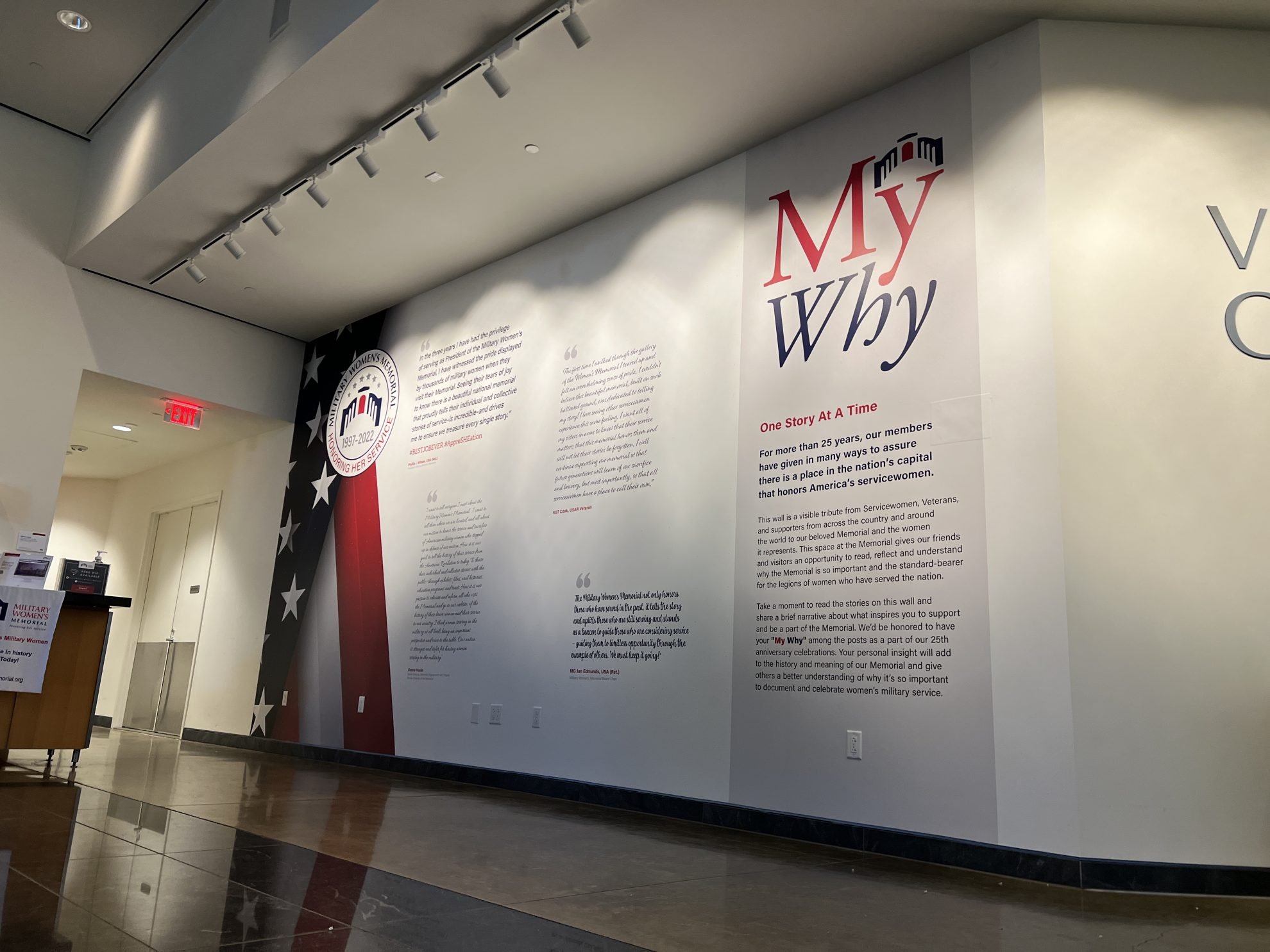
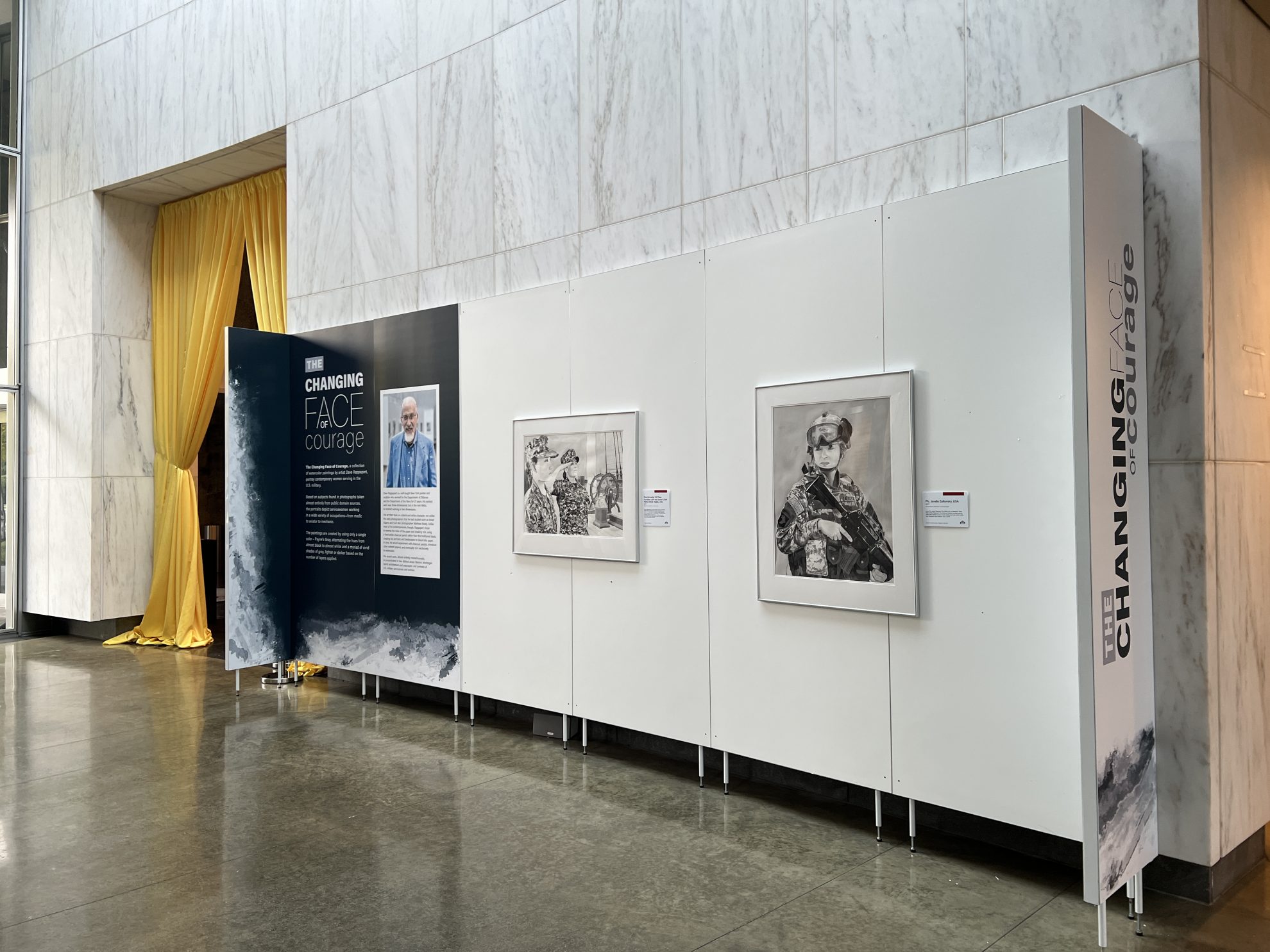
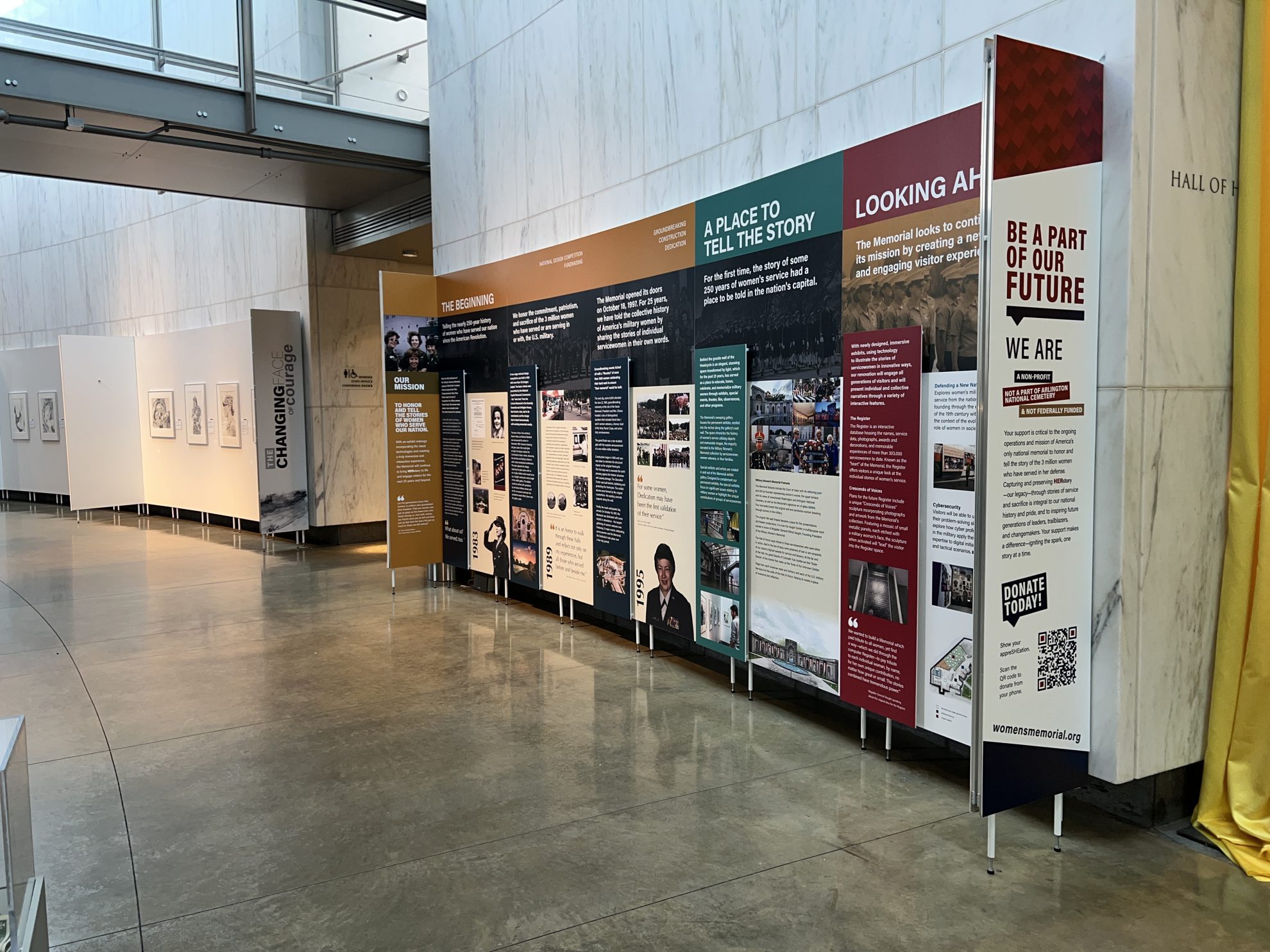
Heritage Signs & Displays created new museum signage for the Military Women’s Memorial in Arlington, VA. The project included custom signs, wall wraps, dimensional letters, and standoff-mounted displays to honor the legacy of U.S. servicewomen and the donors who supported the memorial. The updated interior features impactful designs, including a "Our Legacy" wall display and panels showcasing historical contributions and artwork, creating a transformative tribute to women in the U.S. Armed Forces.
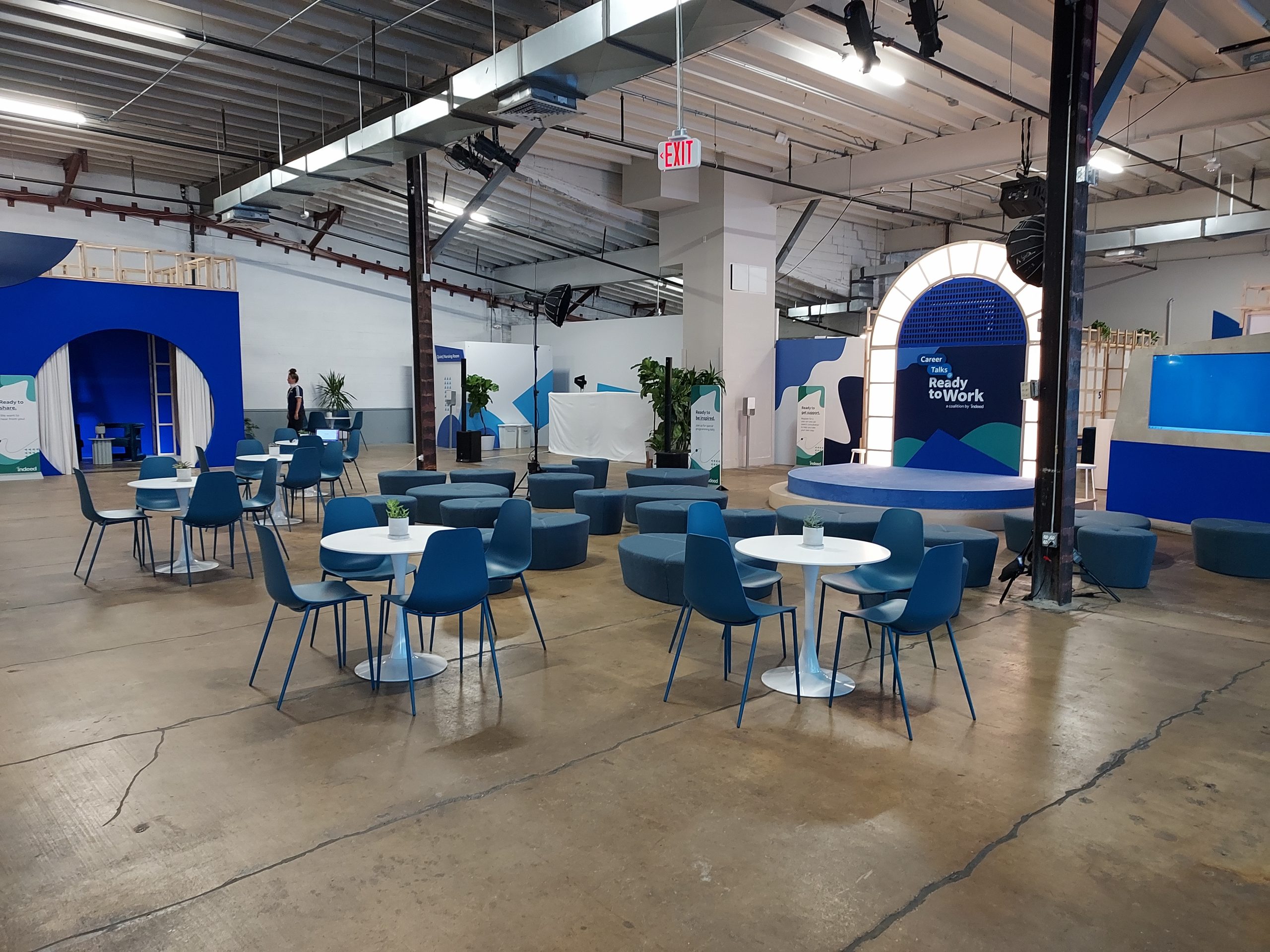
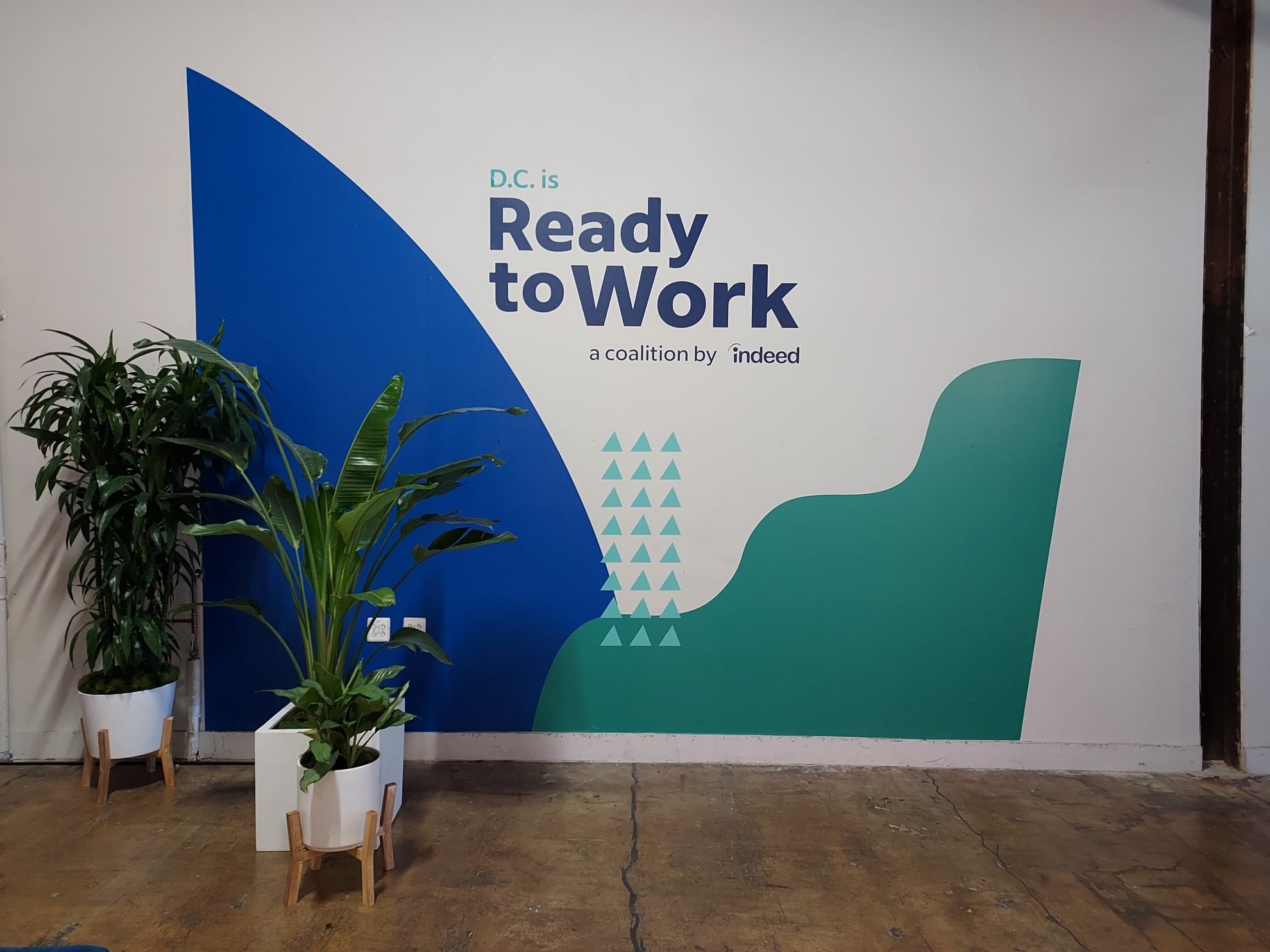
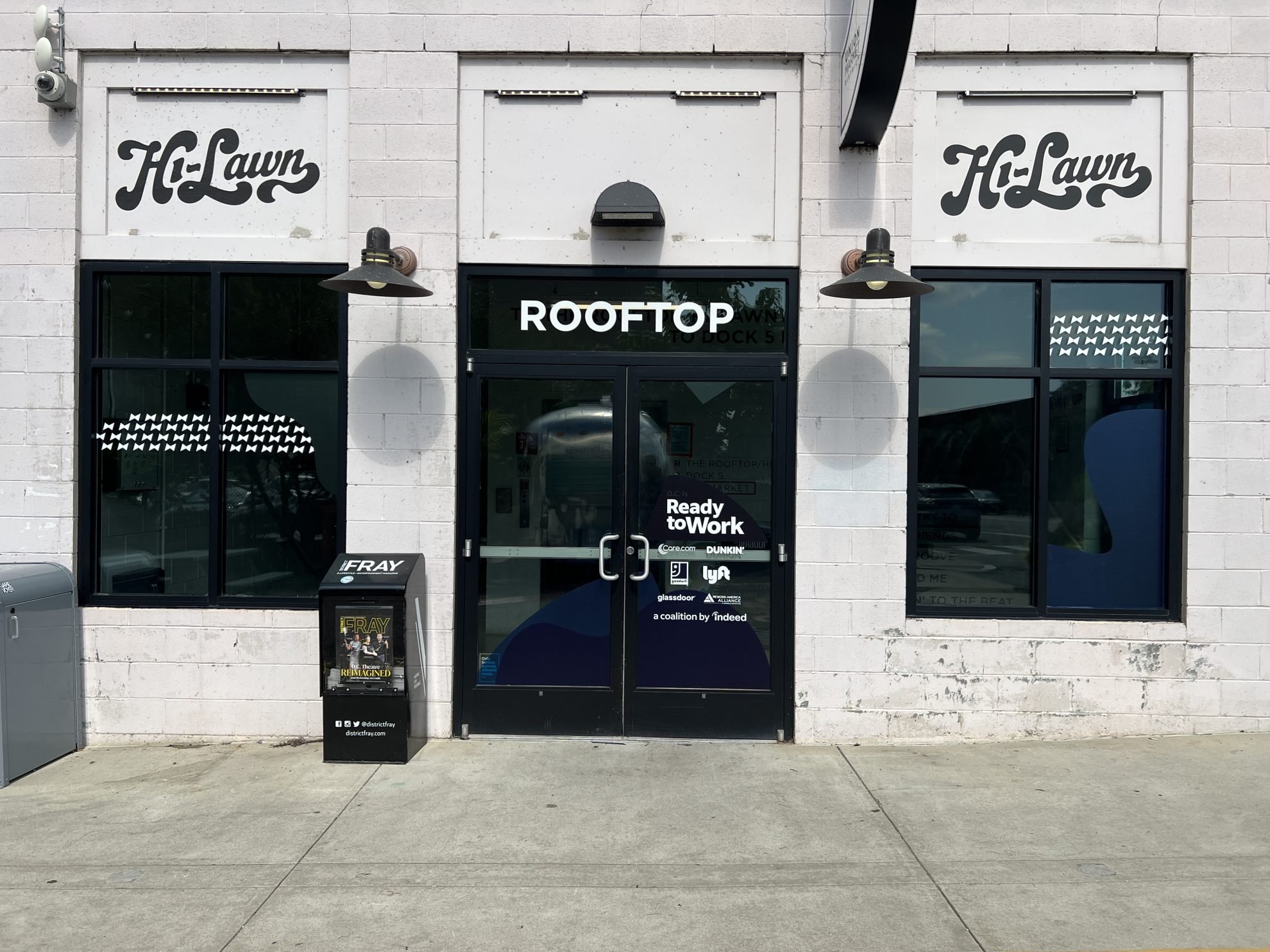
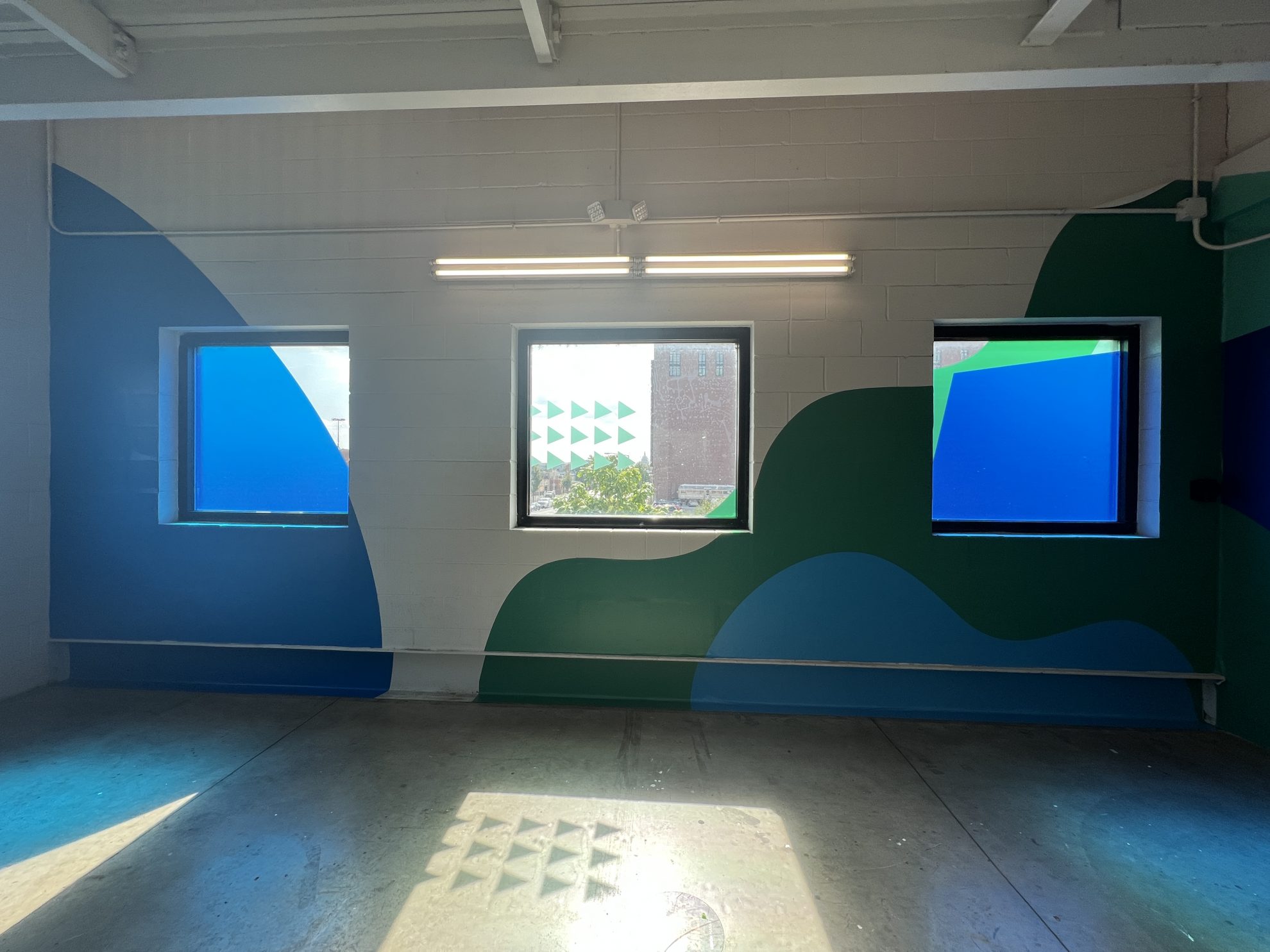
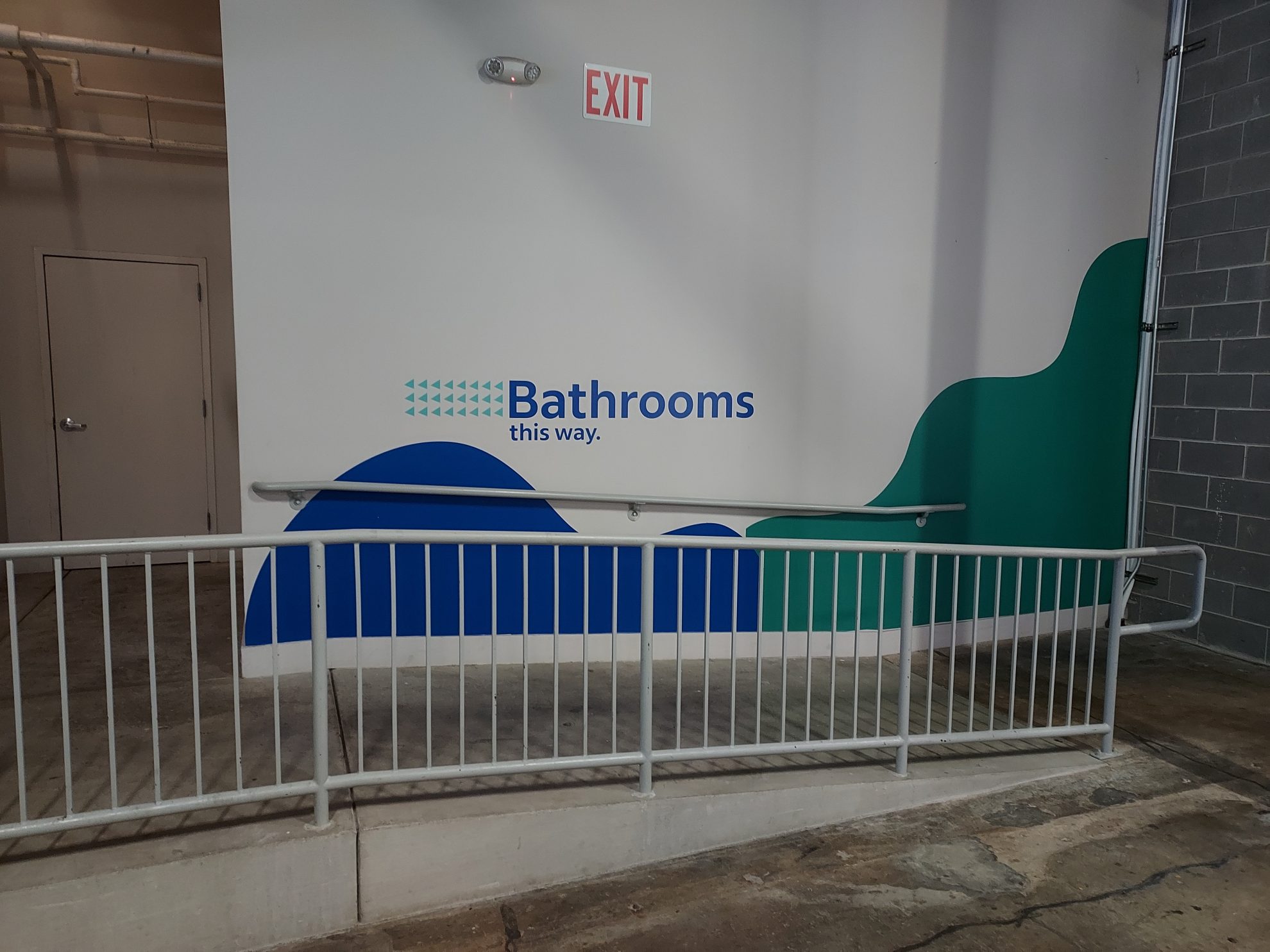
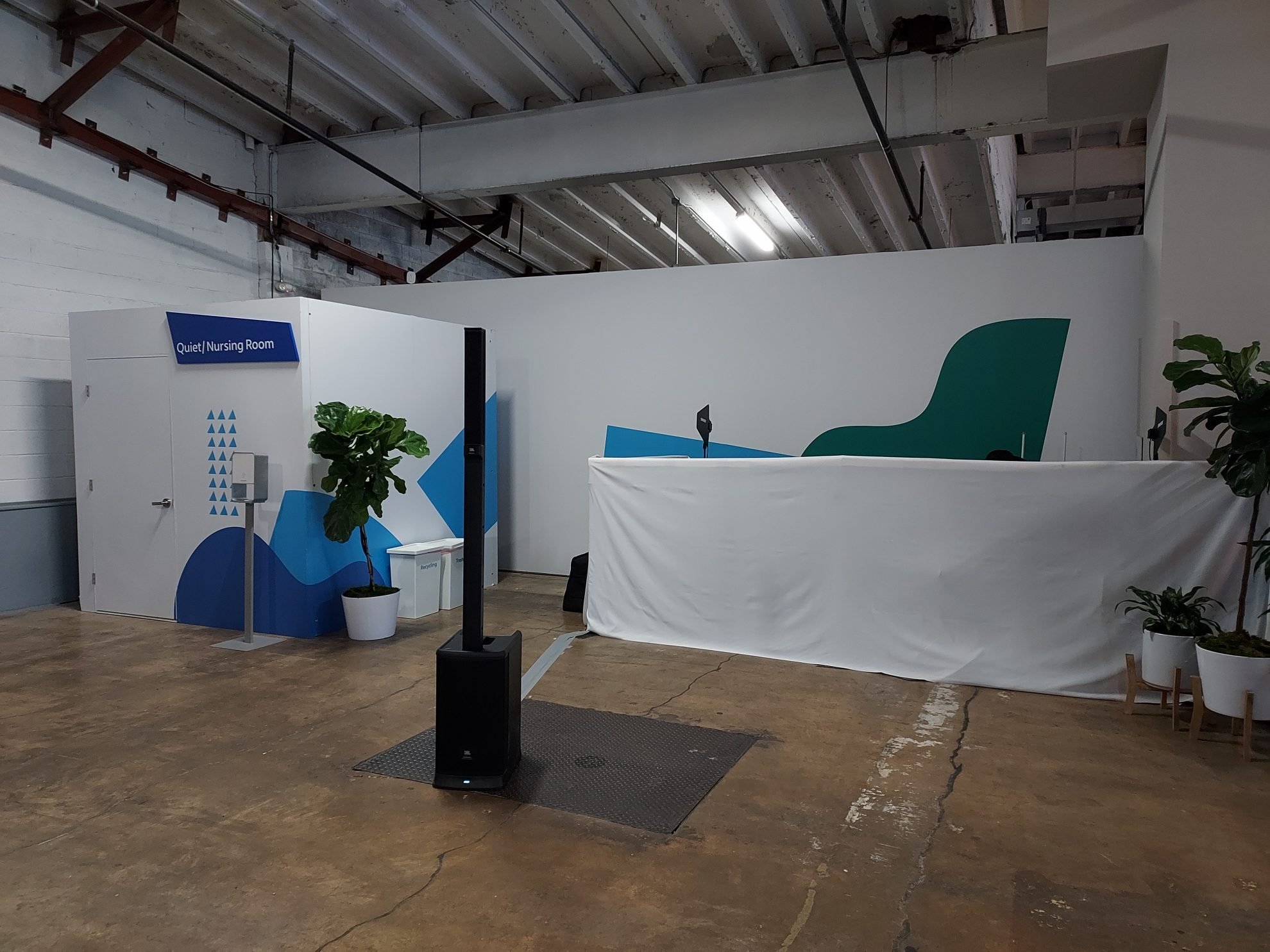
Heritage Signs & Displays' collaboration with The Gathery to brand Union Market in Arlington, VA, for Indeed's "Ready to Work" job fair. The project included custom event displays, wall graphics, window graphics, and wayfinding signs, creating an immersive and visually appealing environment. The branding enhanced the venue, reflected the event's mission, and provided a seamless experience for attendees.