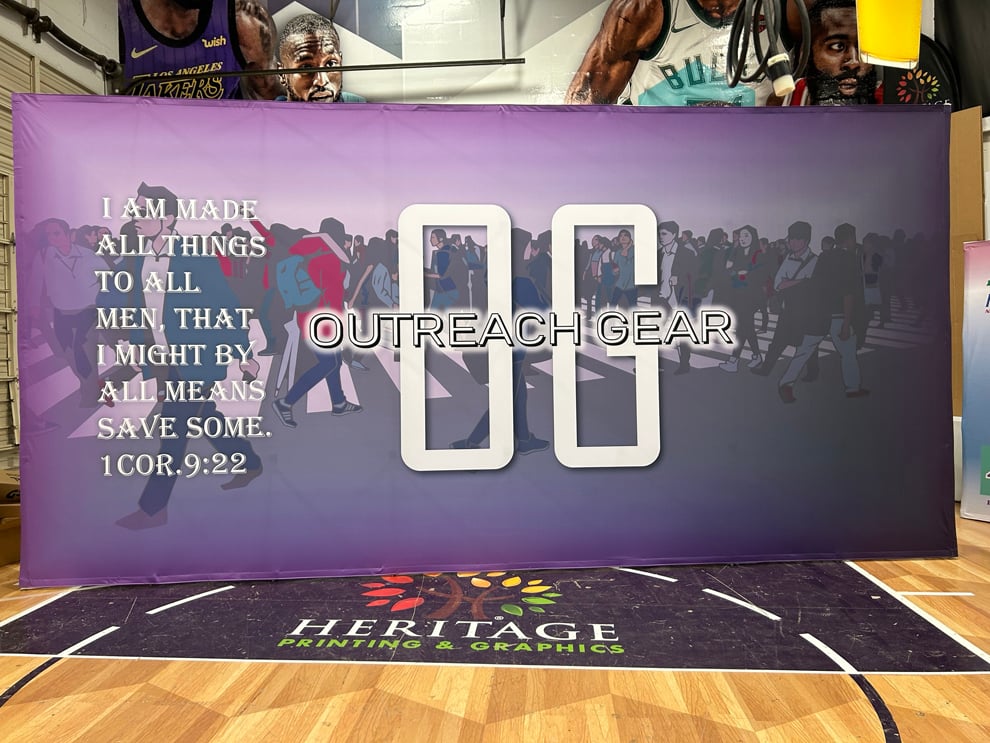
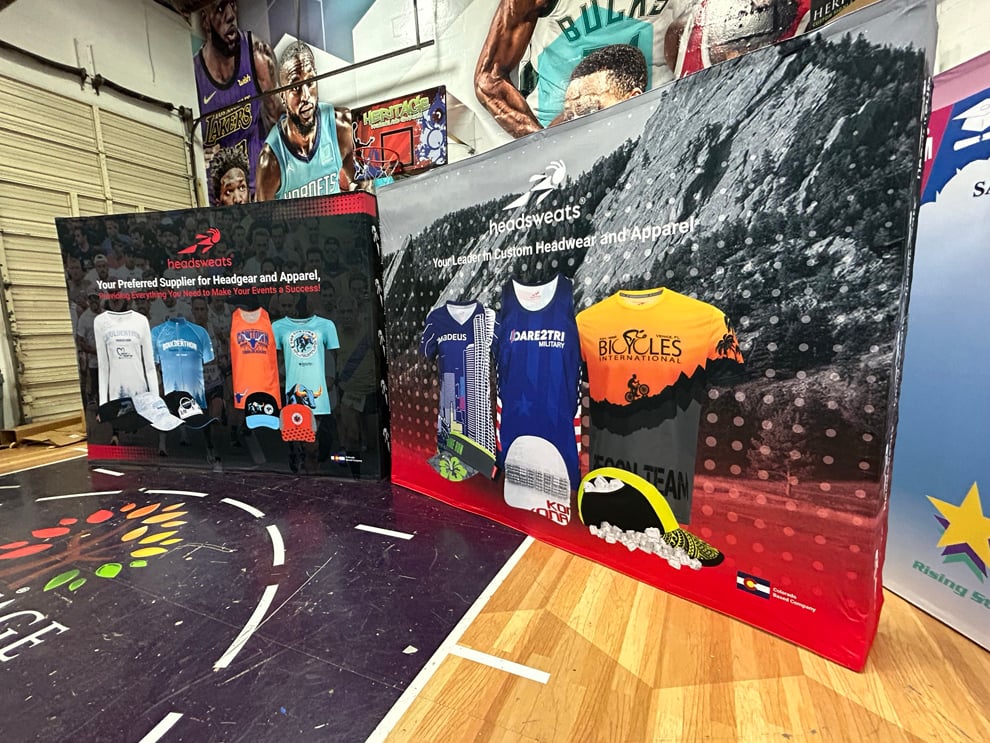
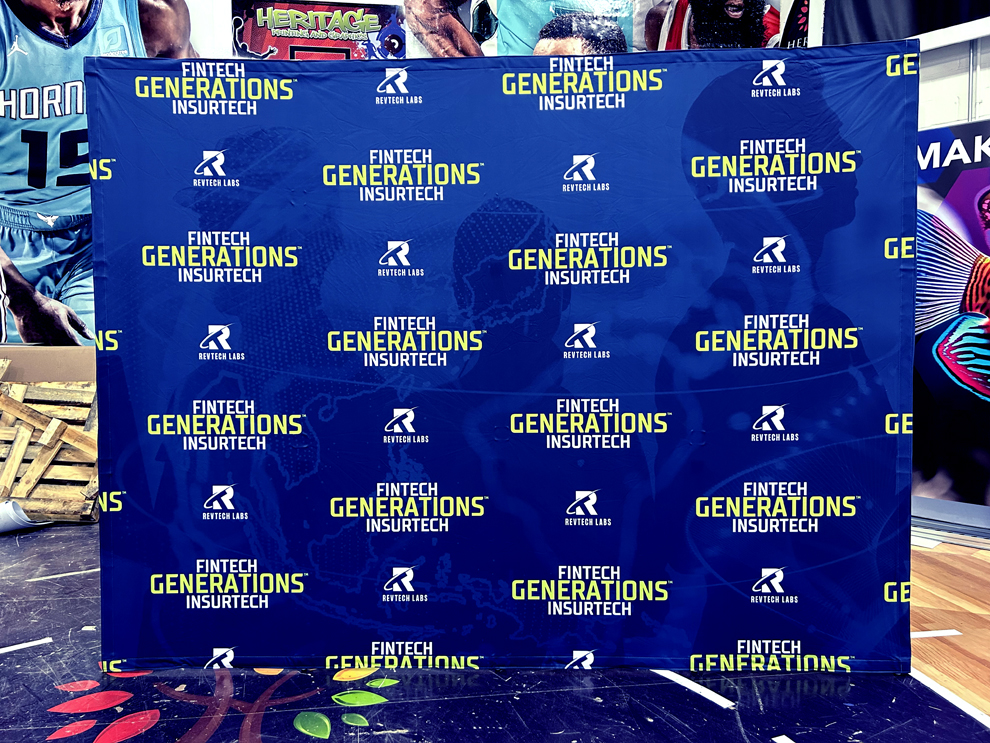
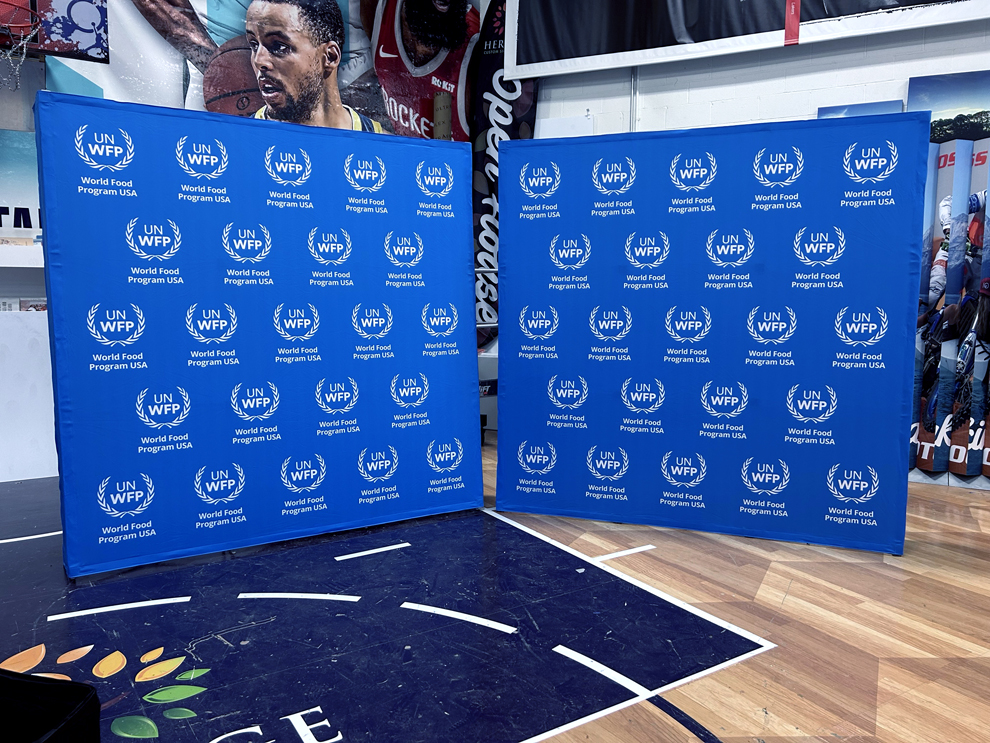
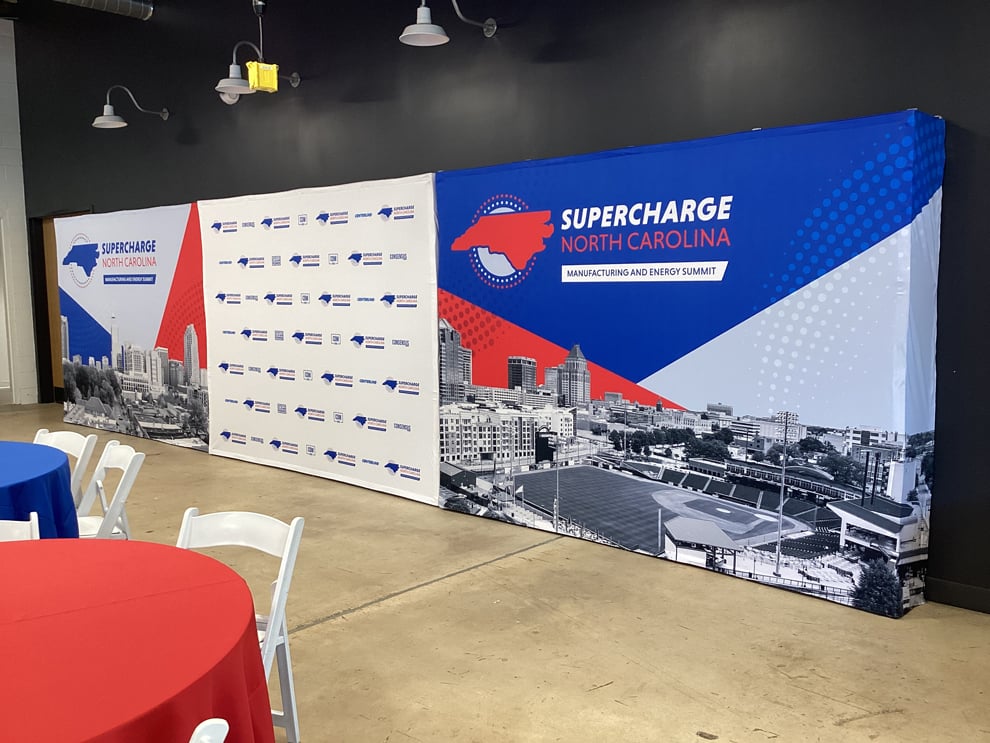
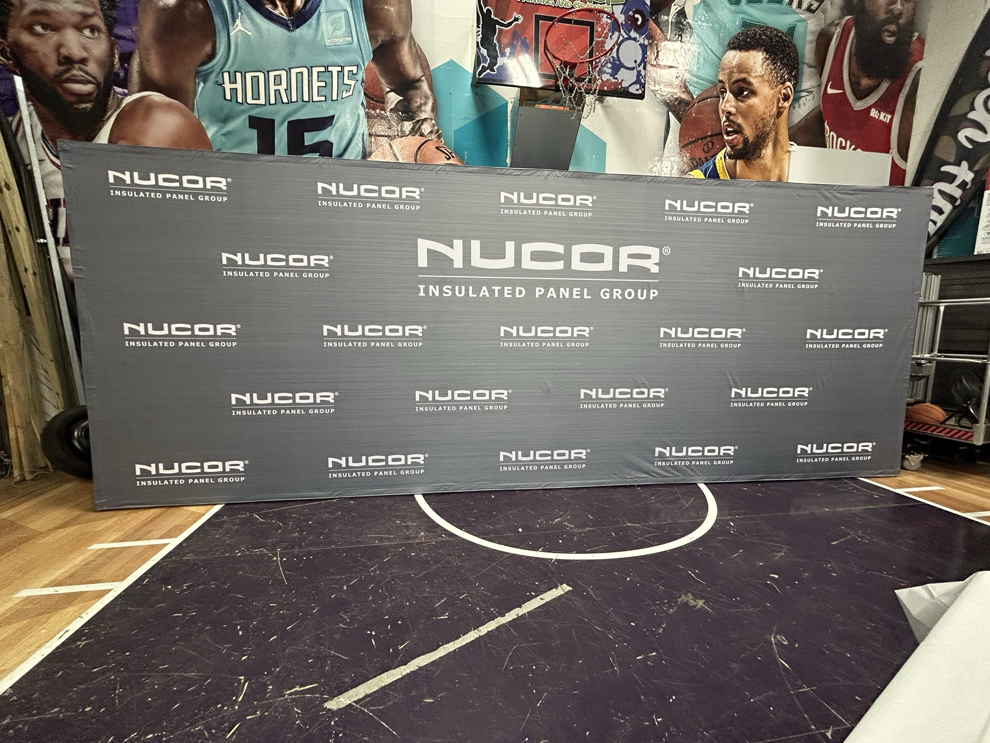
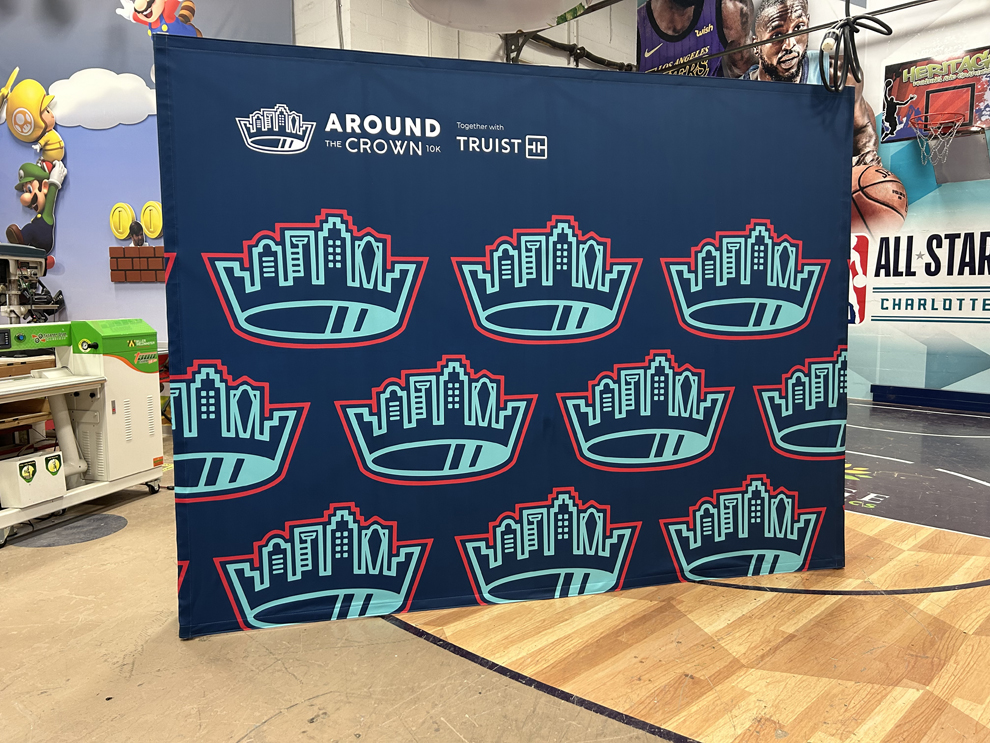
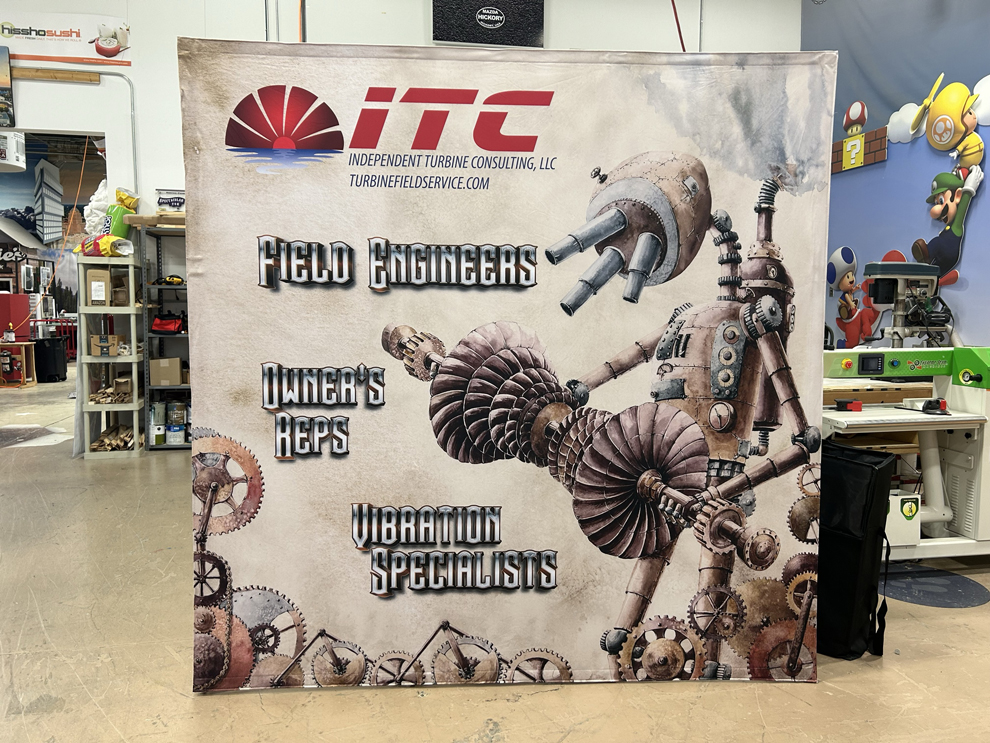
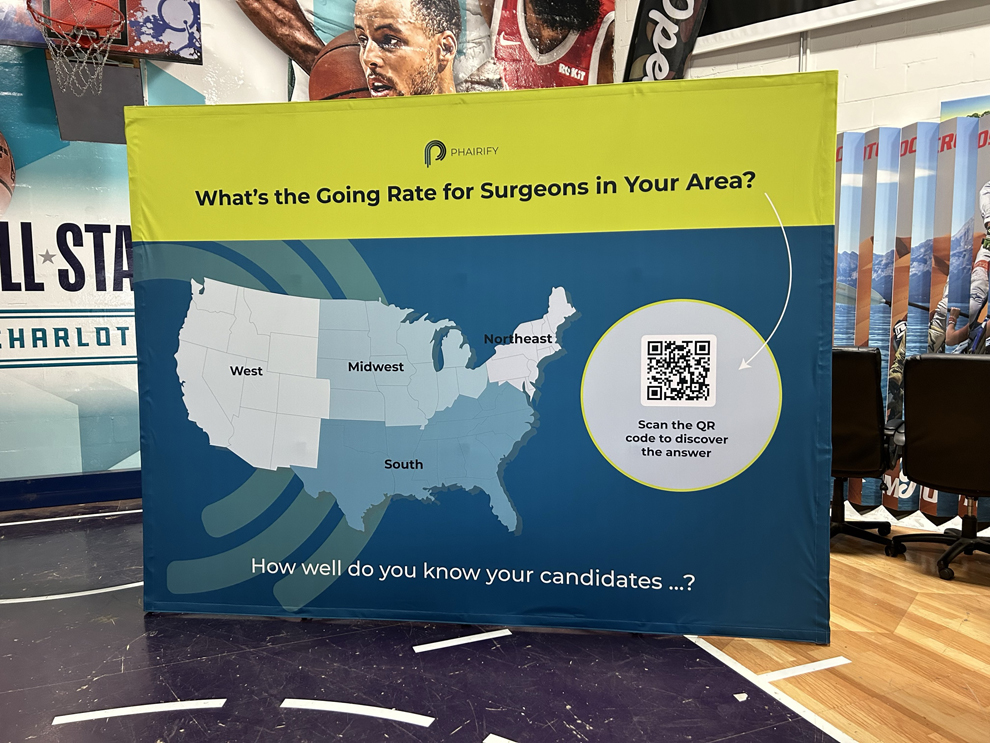
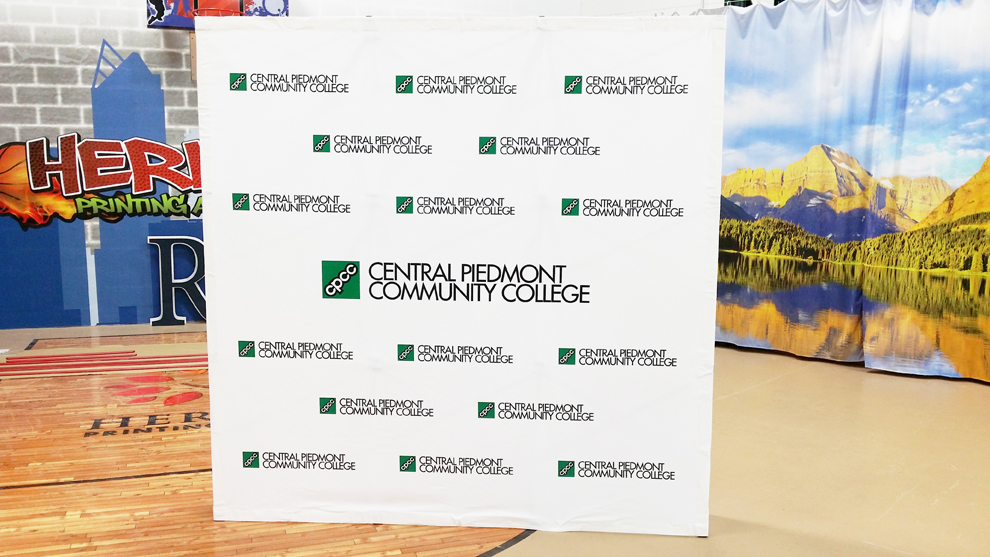
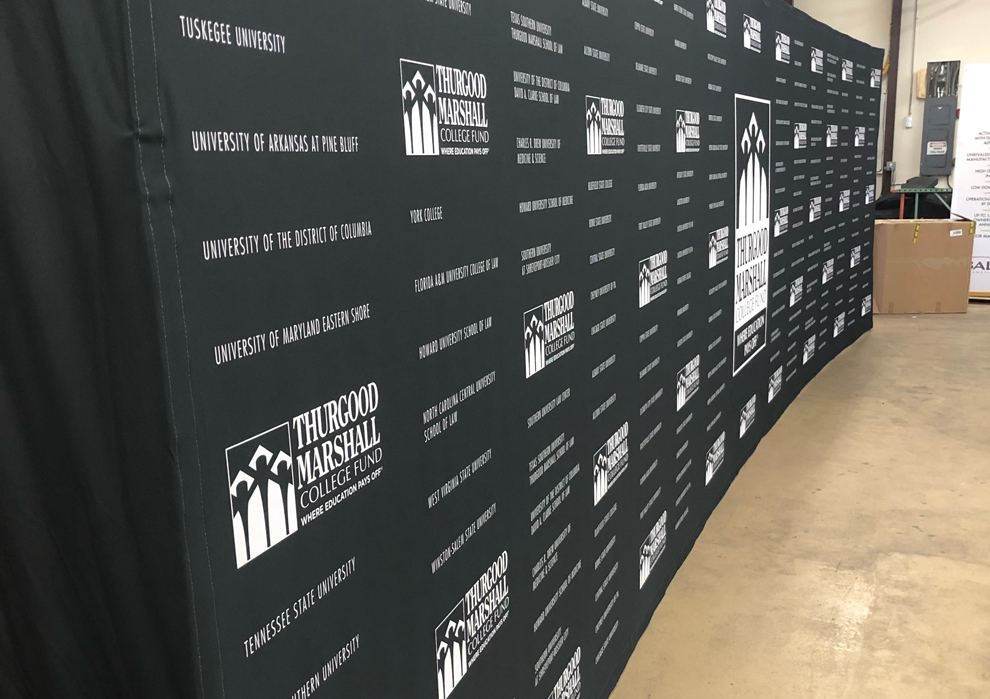
Most organizations planning events in Falls Church, VA are after the same thing at the front of the room: a background that names the host instantly, looks sharp in every photo, and breaks down cleanly so the team can use it again at the next program. A portable fabric backdrop delivers that outcome without construction or a rental crew. It puts one wide, uninterrupted graphic behind a stage, a panel, a check-in desk, an exhibit, or an interview seat, and it moves easily from a community hall on Broad Street to a hotel meeting room near Tysons, a corporate conference space along the Route 7 corridor, or a partner venue in the Mosaic District.
Heritage Signs & Displays is veteran-owned and family-led, with roots in a printing business founded in 1977. Since 2009 the company has concentrated on custom signs, interior graphics, workplace branding, and event environments. A fabric backdrop belongs squarely in that work, whether a Falls Church team orders it as a single standardized display or builds it into a coordinated set of event graphics.
What goes on the fabric depends on what happens in front of it. Behind a keynote speaker or a city policy forum, the graphic should establish the host and then step back so the presenter holds the attention. At an interview position or a sponsor recognition wall, logos have to remain visible in the shot after people sit or stand in place. On an exhibit floor, the backdrop supplies the broad canvas a single banner cannot, which leaves smaller displays free to handle agendas, directions, and sponsor lists.
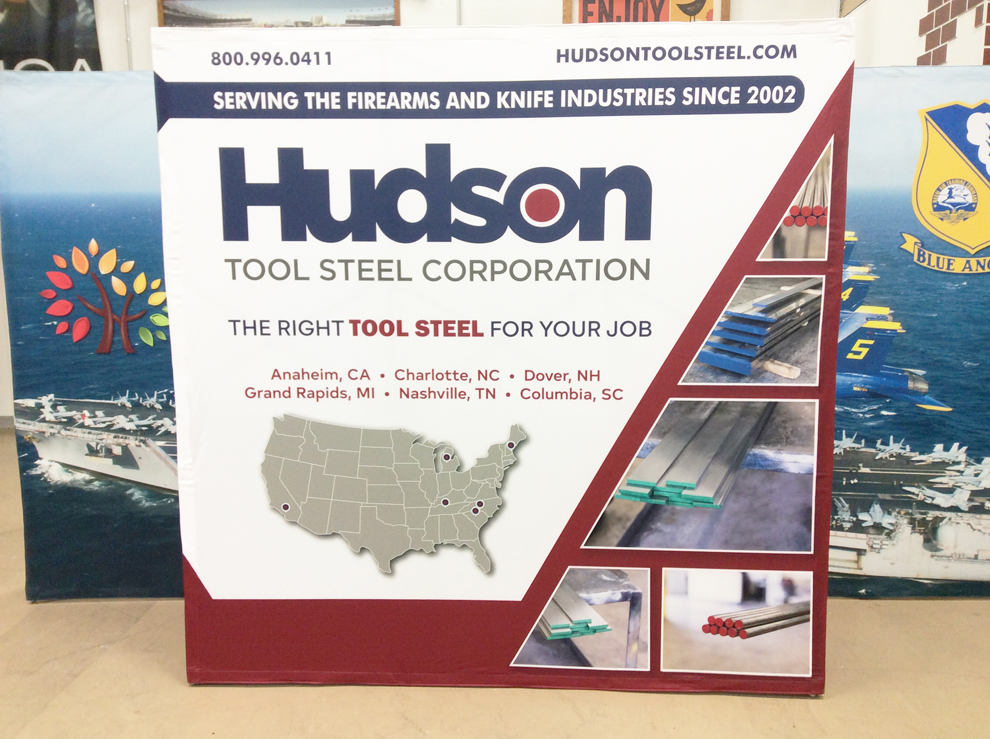
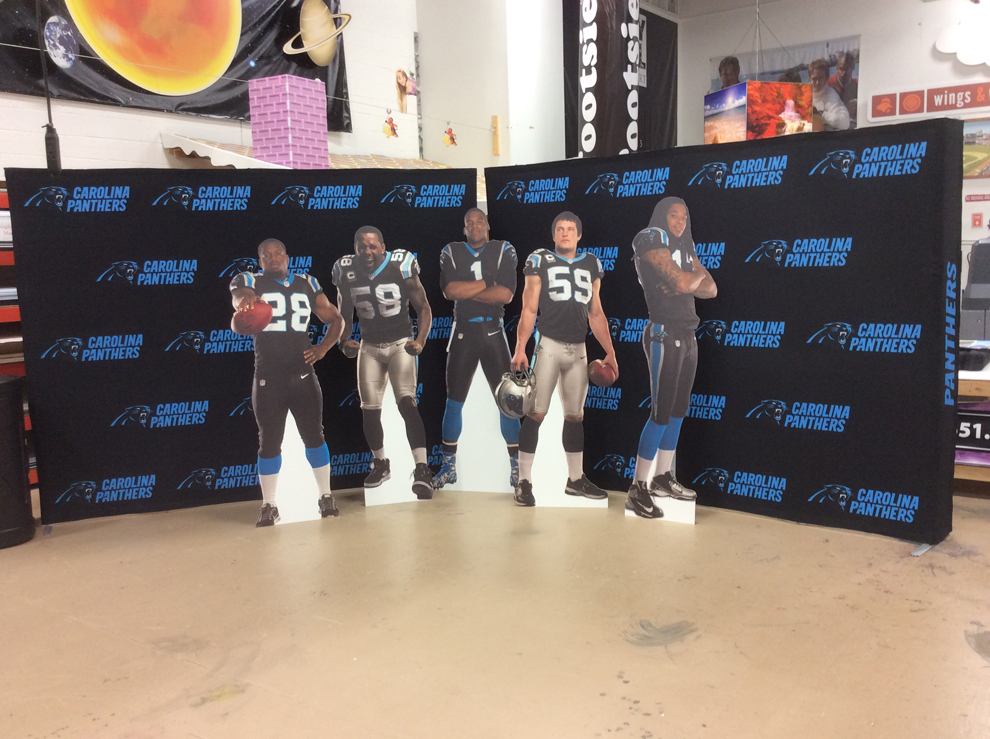
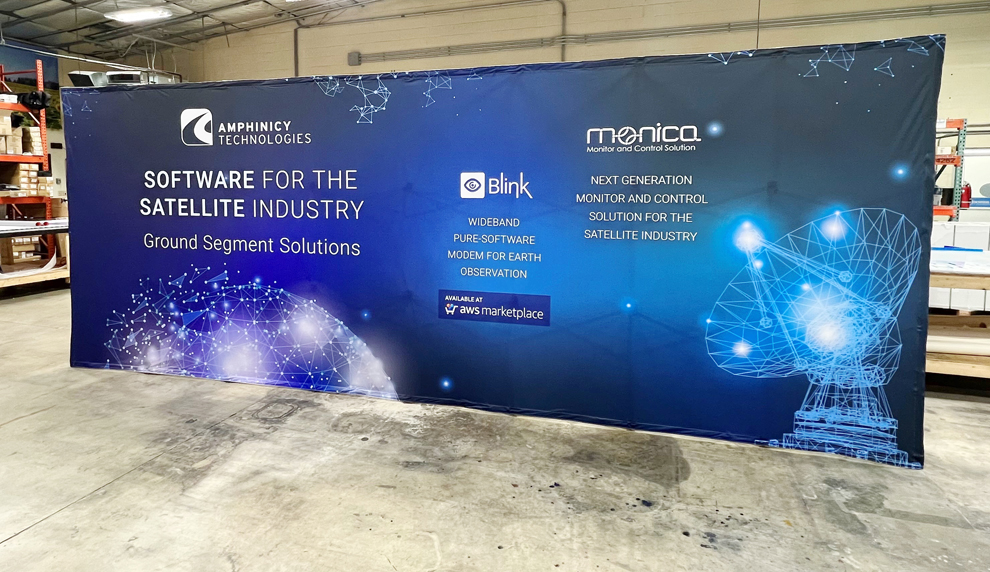
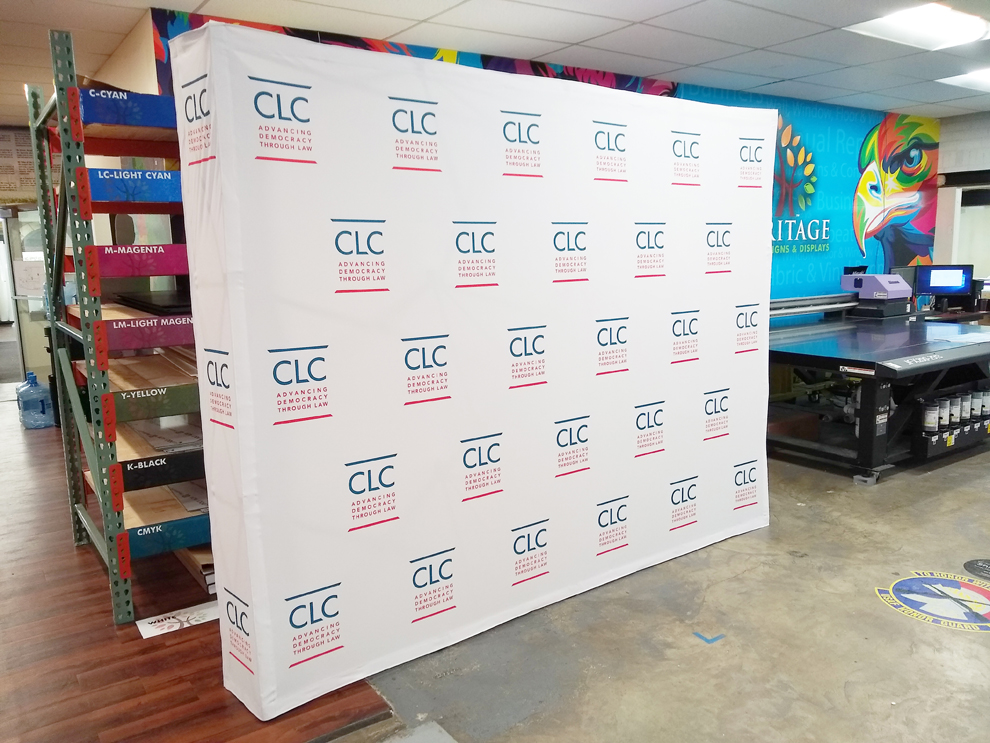
Every product in this category is portable, but portable means different things in different systems. The standardized backdrops in the Heritage Online Store use lightweight frames that either separate into sections or fold into a compact bundle, and each attaches its printed fabric in its own way. Those design choices determine how assembly goes, how well the graphic survives the drive, and whether a replacement graphic can be fitted to the same frame down the road. Get those answers for the specific product you are considering, not for fabric backdrops in general.
Falls Church organizations frequently take the same program on the road. A nonprofit might host a spring gathering in the city and a fall program in Arlington, then appear at conferences across the DC metro area, Maryland, and other Mid-Atlantic markets before the year ends. A reusable backdrop carries the visual standard along, so every stop opens with a recognized identity rather than a fresh design effort. When the event needs additional layers of communication, the backdrop pairs naturally with retractable banners, event towers, step and repeat graphics, and other event signs.
The Heritage Online Store is built for the buyer who has already selected the standardized backdrop and configuration, has complete print-ready artwork, and is comfortable completing the purchase without assistance. That standalone order does not include Heritage design or layout development, direct product selection or coordination, a Physical Production Color Proof, a Heritage site survey, or Heritage professional installation. If the backdrop is one piece of a larger qualifying event or workplace project that Heritage must develop and/or coordinate, use Get Started Now instead.
Talk with Heritage about a coordinated event environment involving multiple signs, graphics, displays, and professional installation.
Get Started Now
Start with the routine, not the artwork. The two standardized approaches arrive at a similar look through different hardware. One joins tube sections into a rigid frame and then stretches a tension fabric graphic over the structure and closes it around the frame. The other unfolds a collapsible pop-up structure and fastens the fabric graphic to it with hook-and-loop attachment.
Those mechanics decide who can realistically handle the display. Think about who will set it up, whether that person will be working solo, and how much open floor a Falls Church venue will actually give you for unpacking. Then consider how many trips the system will make in a vehicle each year, whether the graphic stays on the frame between programs or gets removed and packed on its own, how much storage space the office can give up, and how soon the message will likely change.
Interchangeable graphics are a feature of specific systems, not of the category, so verify compatibility before assuming the frame will outlive the message. Check the current Online Store product information, dimensions, artwork template, and instructions for the exact configuration so the system you pick fits the way your team will haul, assemble, and store it.
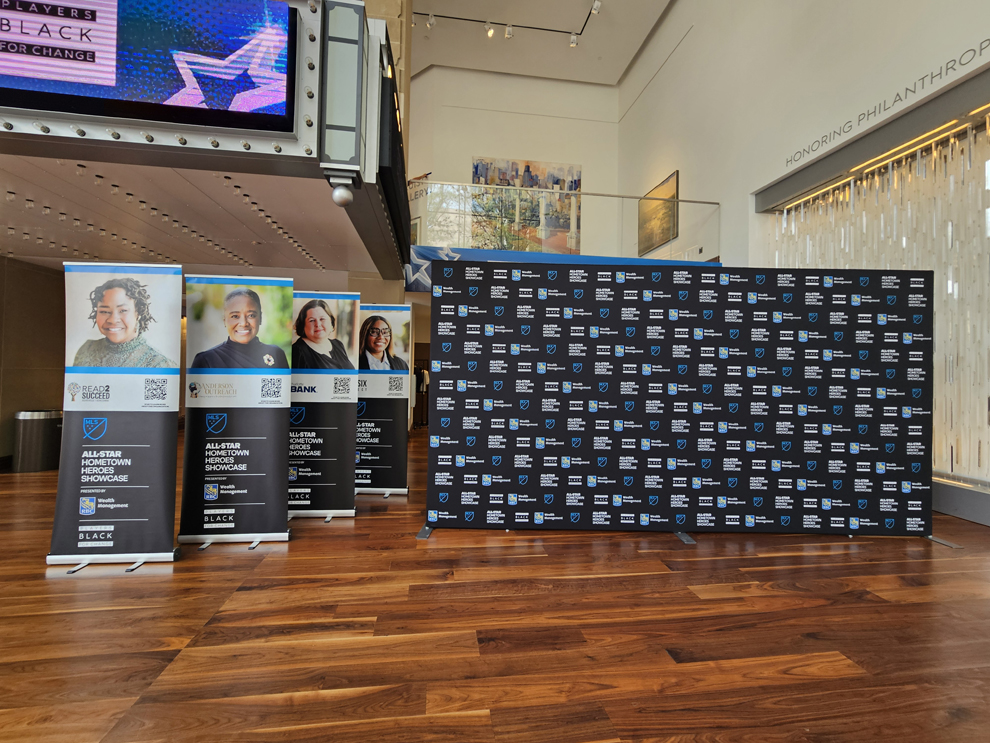
Making one backdrop and coordinating an entire event are two different services. Falls Church organizations running conferences, member meetings, and stakeholder briefings juggle tight venue access windows, multiple approvers, shifting agendas, several graphics, and delivery timing. When an accepted managed-project scope covers that larger effort, Heritage brings environmental graphic design, project management, production, fabrication, site coordination, delivery planning, and professional installation together under one accountable process.
The One Dedicated Project Manager System preserves the record as decisions travel between departments and venues. Artwork versions, quantities, dates, placement, and companion displays stay with a single person who carries them through production and delivery, so nobody has to reconstruct the history at each handoff. A standardized backdrop with finished artwork and no surrounding coordination stays a self-directed Online Store purchase.
Color-critical managed projects go through Heritage's professional color-management process, and supplied Pantone Matching System colors are treated as production targets. Electronic proofs do not define finished physical color. When color-critical proofing is part of the accepted scope, an additional charge applies, and the schedule allows, Heritage can produce a Physical Production Color Proof. Standalone Online Store orders do not include that proof.
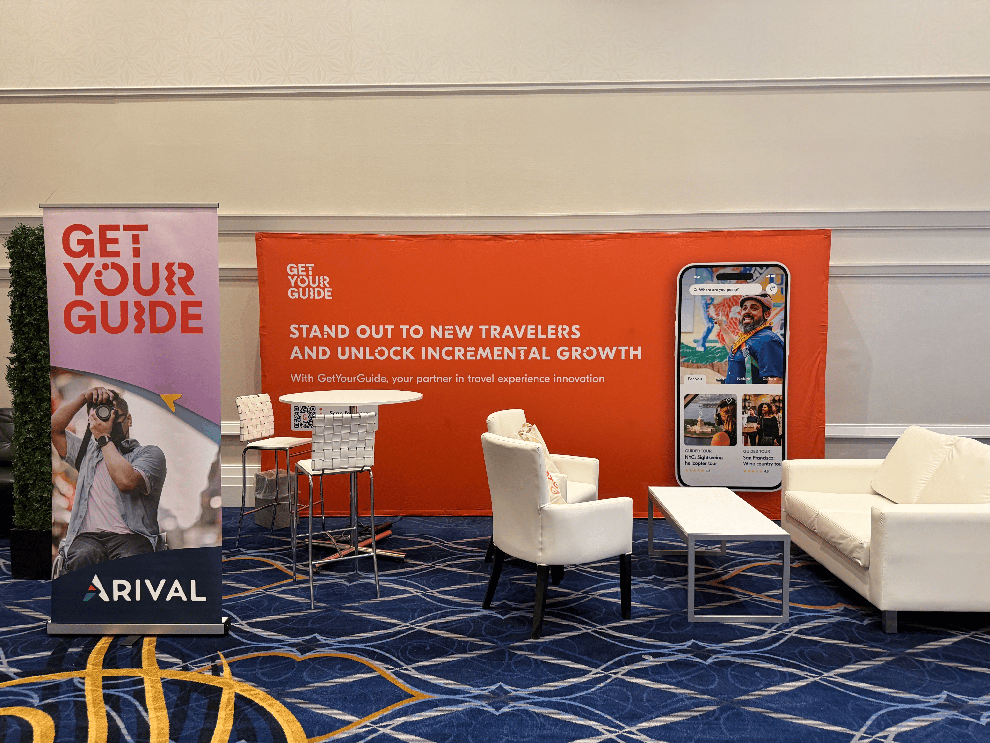
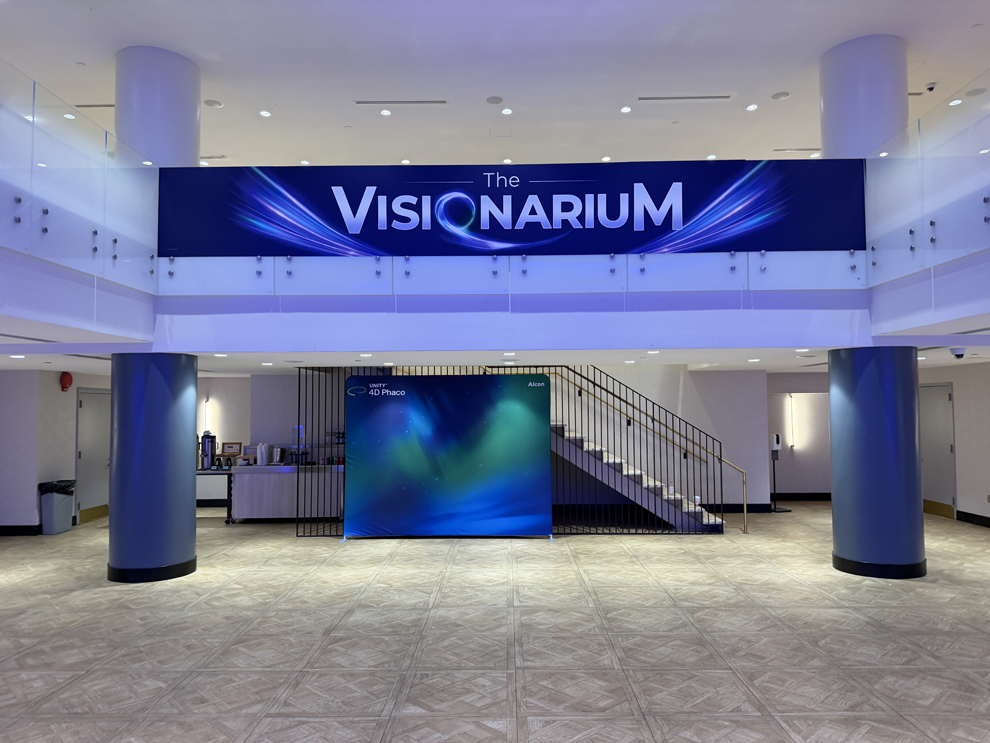
Look at the broader event-backdrop category when the staging demands a structure, scale, or finish beyond what a standardized portable fabric system offers.
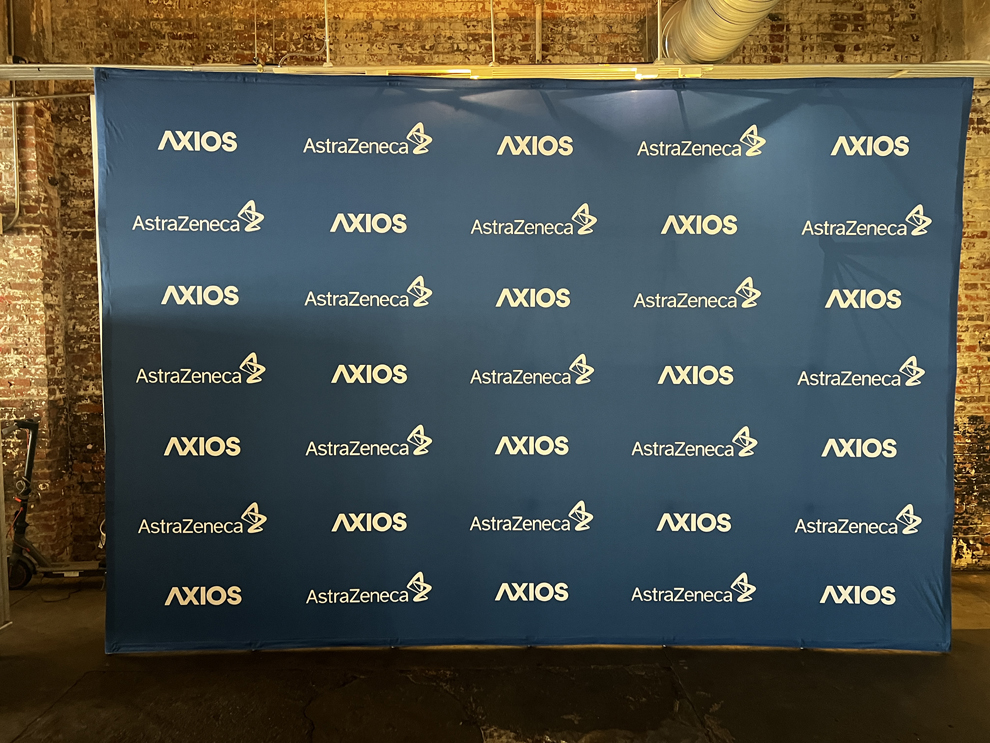
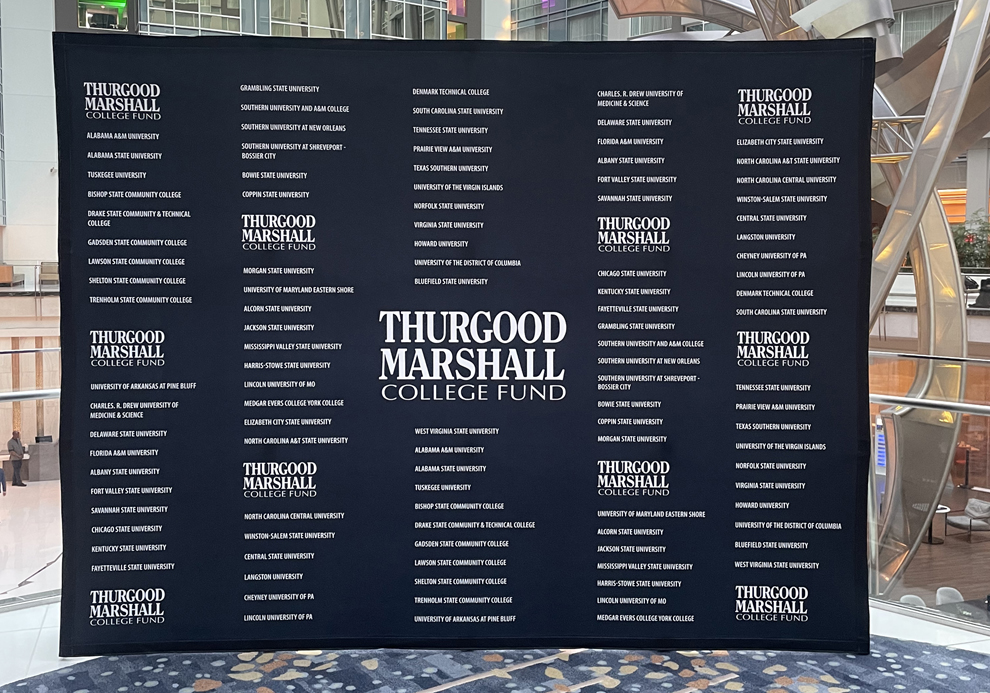
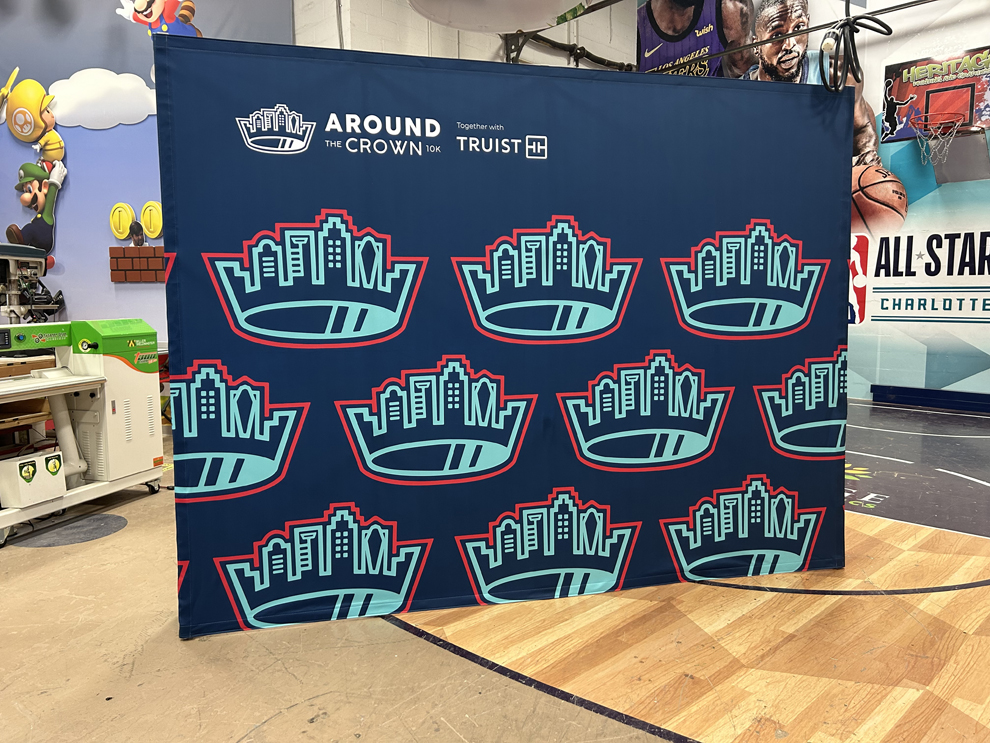
Create a repeated-logo wall for arrivals, sponsor photography, award moments, and interviews where the pattern itself delivers the message.
Step up to a full booth system when the exhibit calls for connected walls, counters, lighting, or several coordinated graphic surfaces.
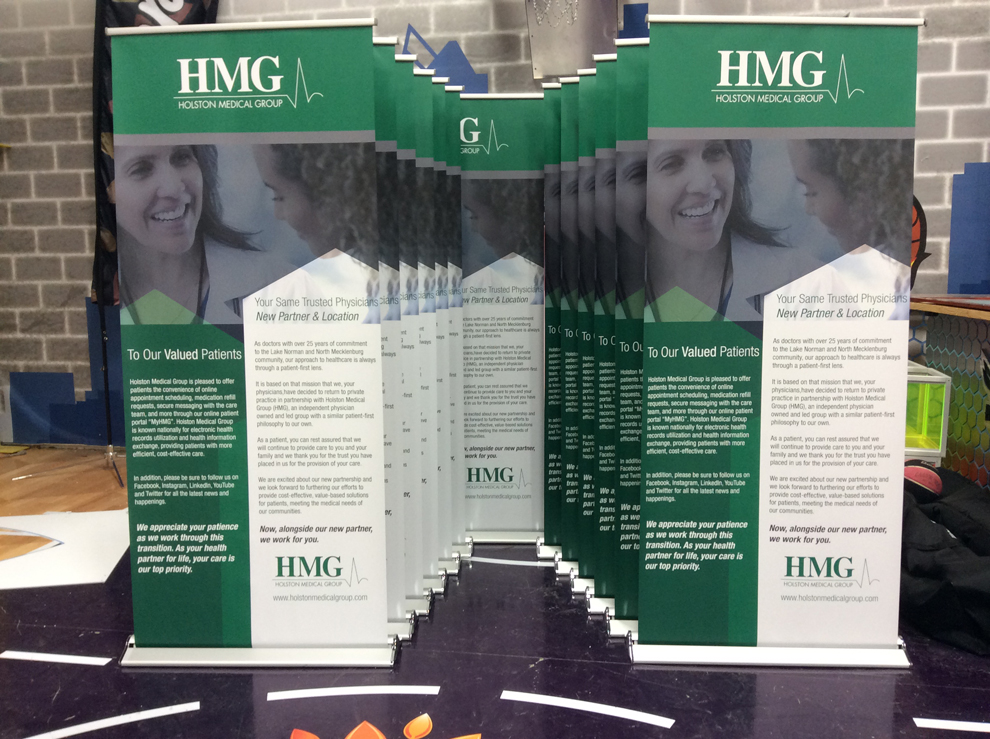
Position standalone vertical messages at entrances, registration desks, and breakout rooms where each display has to stand and move independently.
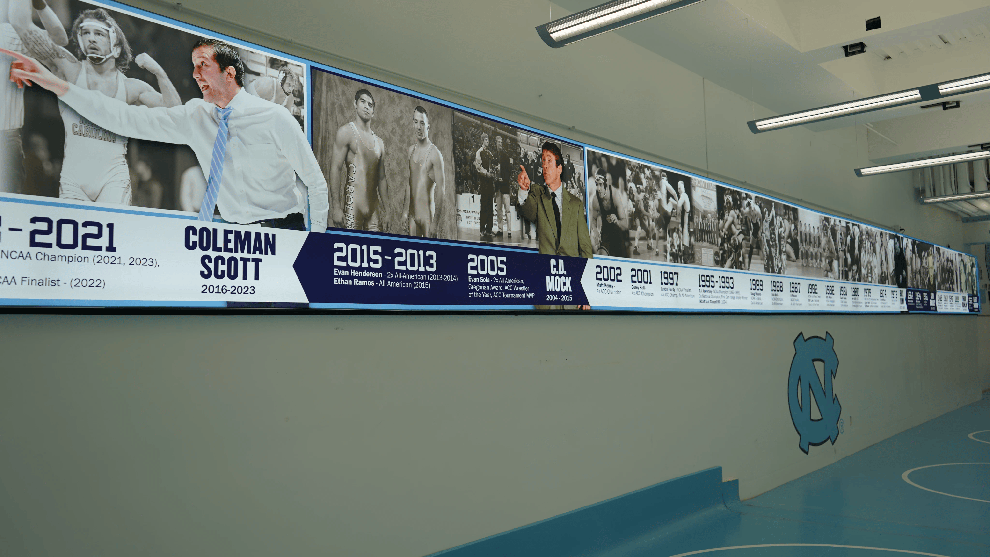
Select silicone-edge fabric when the graphic needs to seat into the channel of a compatible frame or lightbox instead of stretching over a portable frame.
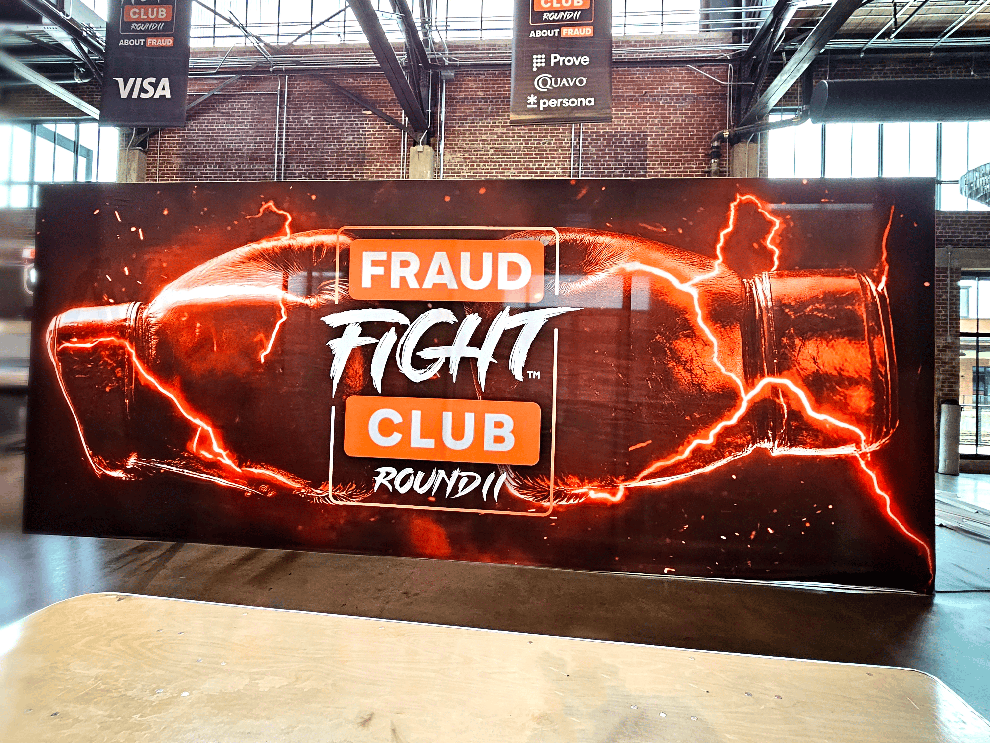
Turn to modular framing when the environment requires configurable structural components beyond a single freestanding background.
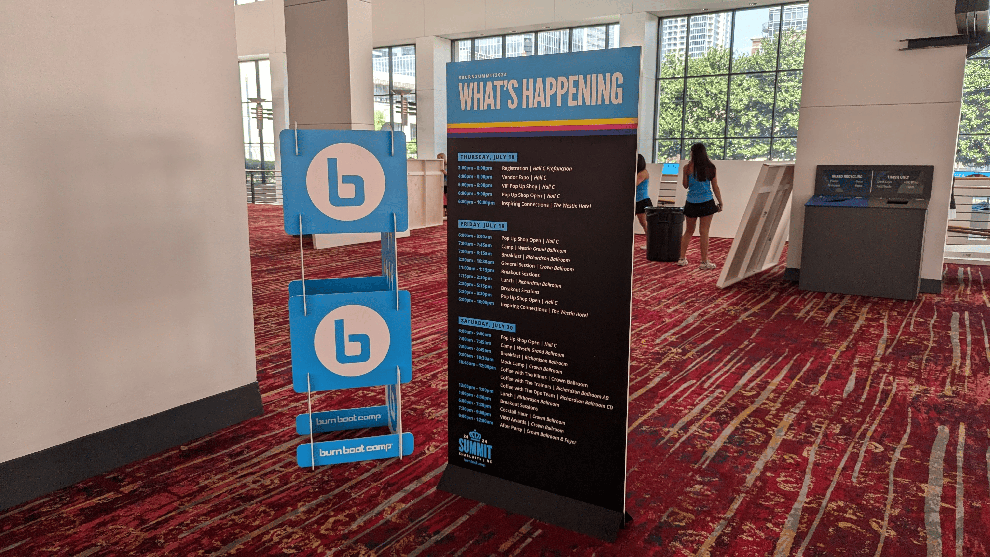
Build tall visual markers that identify sponsors, guide traffic, or lift a message above the crowd on the floor.
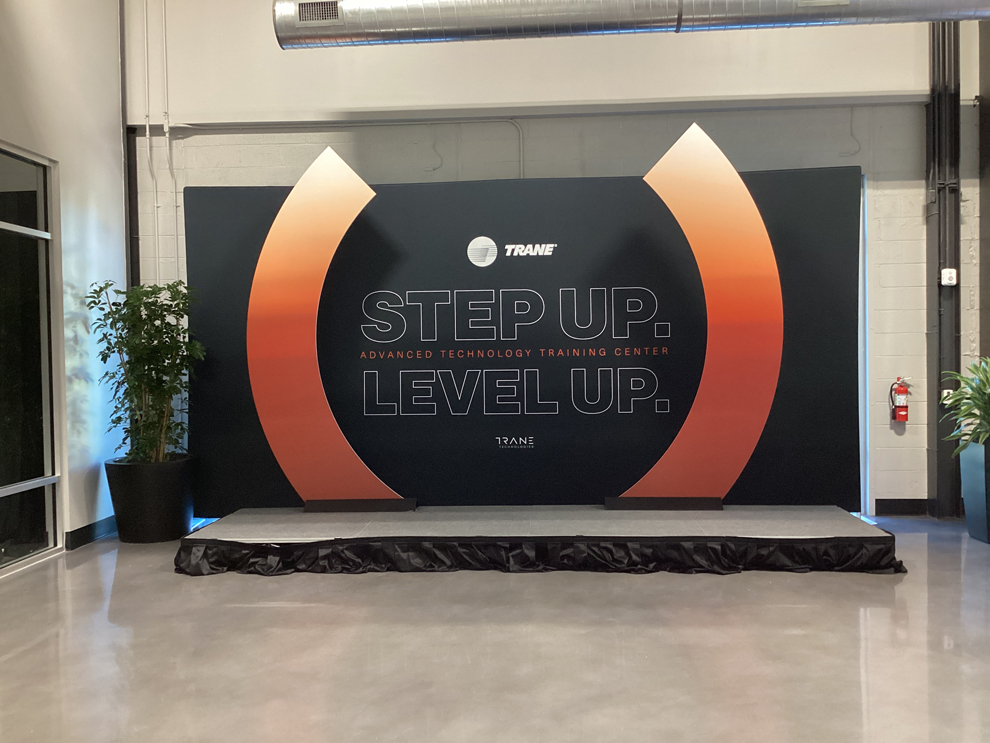
Tie wayfinding, registration, sponsor recognition, and venue graphics together as one communication system around the backdrop.
Have you selected the standardized system, settled the configuration, and prepared complete print-ready artwork? Click View Pricing & Order Online to review current options and place your order directly through the Heritage Online Store.
Does your event extend beyond the backdrop? Choose Planning a Larger Event Branding Project? Get Started Now if the scope could include multiple displays, more than one venue, stakeholder approvals, delivery coordination, design assistance, or professional installation. Send us the location, date, goals, scope, and any files you already have, and we will let you know whether the program qualifies for the managed-project path.
Planning a Larger Event Branding Project? Get Started Now
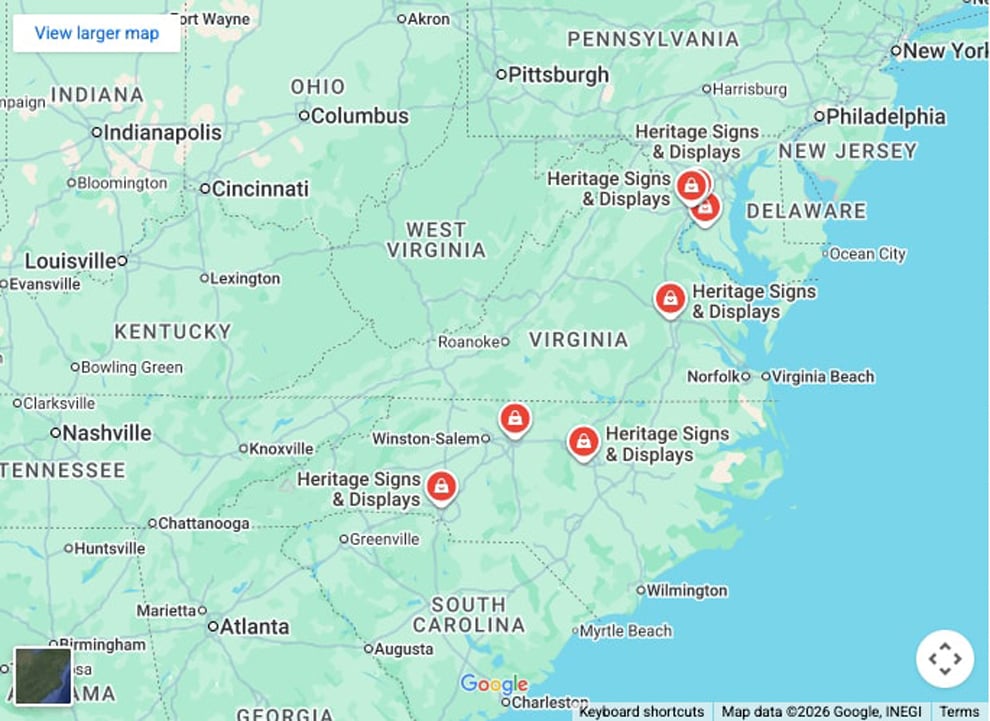
Heritage serves Falls Church and the surrounding Northern Virginia market from its Arlington location, just a short drive east along Route 50 or Route 29. That proximity gives qualifying managed projects close-in field support across the City of Falls Church, neighboring Fairfax County communities such as Seven Corners, Merrifield, and Tysons, and the wider DC metro area. The client-facing Washington, DC location adds local coordination for programs that extend into the District. Heritage does not maintain an office in Falls Church; field support reaches Falls Church venues and workplaces from these nearby locations.
Production is assigned to the Heritage facility best suited to the project, and for this region that is typically the facility in Waldorf, Maryland, which serves Northern Virginia, Washington, DC, Maryland and Baltimore, and aligned Mid-Atlantic markets. Waldorf is a production facility rather than a sales office or showroom, so client conversations, site surveys, and installation planning happen through the field and project resources, not at the plant.
For Falls Church organizations that repeat programs or hold events in several jurisdictions, one dedicated Project Manager keeps the approved artwork, production expectations, and schedule history in hand while site conditions are worked through venue by venue. That continuity extends across the Mid-Atlantic and into the broader Heritage network in the Carolinas, so a program that debuts in Falls Church can hold the same standards wherever it goes next.
A Falls Church backdrop generally has two audiences at the same time: the people in the seats and the cameras that will carry the event far beyond the room. Design the foreground first. Lecterns, panel tables, seated officials, product displays, and standing guests will cover portions of the graphic, so place logos, sponsor marks, and any headline where they stay visible once the room fills up.
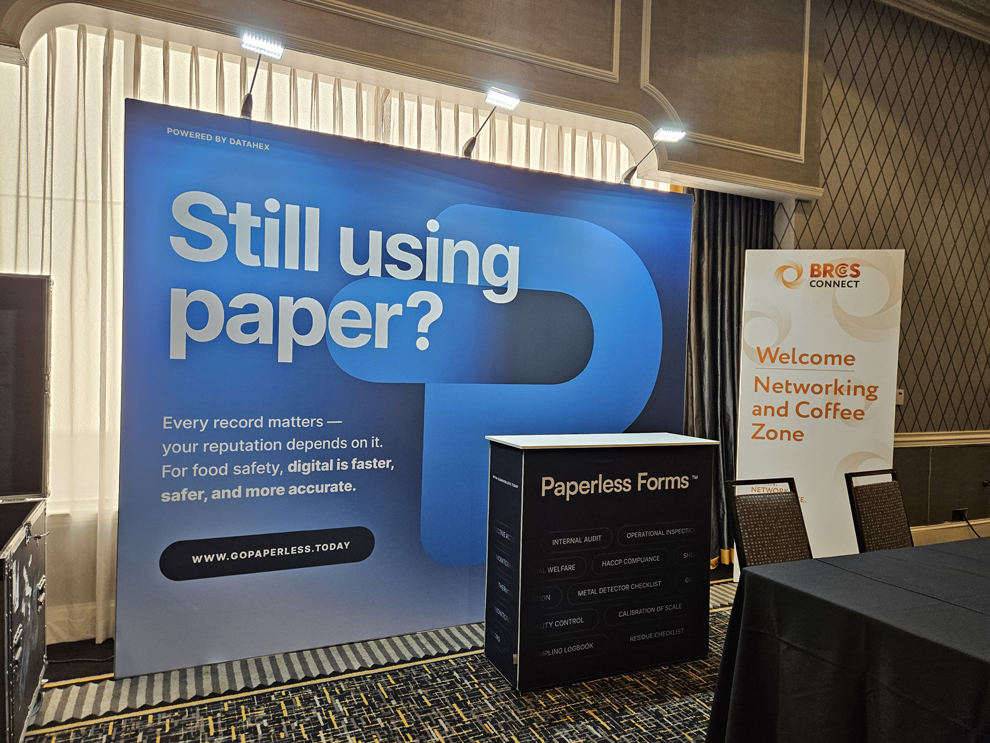
Viewing distance and purpose settle the rest. A briefing stage usually benefits from restrained identity that supports the presenter. An interview or photo spot needs marks scaled to stay legible in a tight frame and positioned around the subject rather than directly behind the head. A booth backwall has to read from the aisle, which favors one bold image and a short line over paragraphs of copy.
Online Store buyers provide complete print-ready artwork built to the template for the chosen system; design and layout development fall outside the standalone transaction. Within a qualifying managed project, Heritage can supply environmental graphic design when the accepted scope includes it, aligning the backdrop with companion displays and stakeholder-approved brand standards.
Reuse pays off when setup, teardown, and storage are treated as part of the display itself. Tube-frame systems need their sections connected before the tension graphic is pulled over the structure and closed. Pop-up systems open from a collapsed frame and take the graphic through the attachment method specified for that product. Follow the instructions for the exact system; a routine learned on one frame will not carry over to another.
During transport, keep frame parts from pressing into, catching on, or rubbing against the printed fabric, and use the carrying solution supplied with the system when one is included. On site, leave time to assemble the frame, seat the graphic, and walk the room to check the view from the seats and the camera positions before the program starts.
A backdrop bought through the Online Store is client-deployed. No Heritage site survey or professional installation comes with that standalone order. If a broader Heritage-managed project includes Heritage professional installation, the required site survey applies to that installed scope and pairs discovery with technical verification before Heritage coordinates delivery and installation alongside the other accepted elements.
Several decisions need to line up before either buying path makes sense: the result the event requires, who the audience is, the scope, the timing, who approves the artwork, what the venue permits, who owns setup, what the investment will be, and what information is still missing. Files, dimensions, and templates are inputs that follow the decisions, not the reason the planning happens.
The Heritage Online Store is the right path when your team has already settled on a standardized backdrop, locked in the configuration, and has finished print-ready files ready to upload. It is built for buyers who can make the ordering decisions without our involvement. Inside the store you will find the current product lineup, artwork specifications, production and shipping details, pricing, and the order minimum that applies to standalone purchases. Keep in mind that the planning threshold for managed projects is a separate matter and is not tied to that store minimum.
Get Started Now is the better fit when the backdrop is just one piece of a larger qualifying project that we need to develop and/or coordinate. That might mean several display types, more than one venue, delivery logistics, stakeholder sign-offs, site conditions, professional installation, or design work that falls within the accepted scope. Having finished artwork does not decide the matter on its own. A client in Falls Church can hold fully approved files and still need coordination across the wider program, and we confirm the planning threshold for that managed work once we review the request.
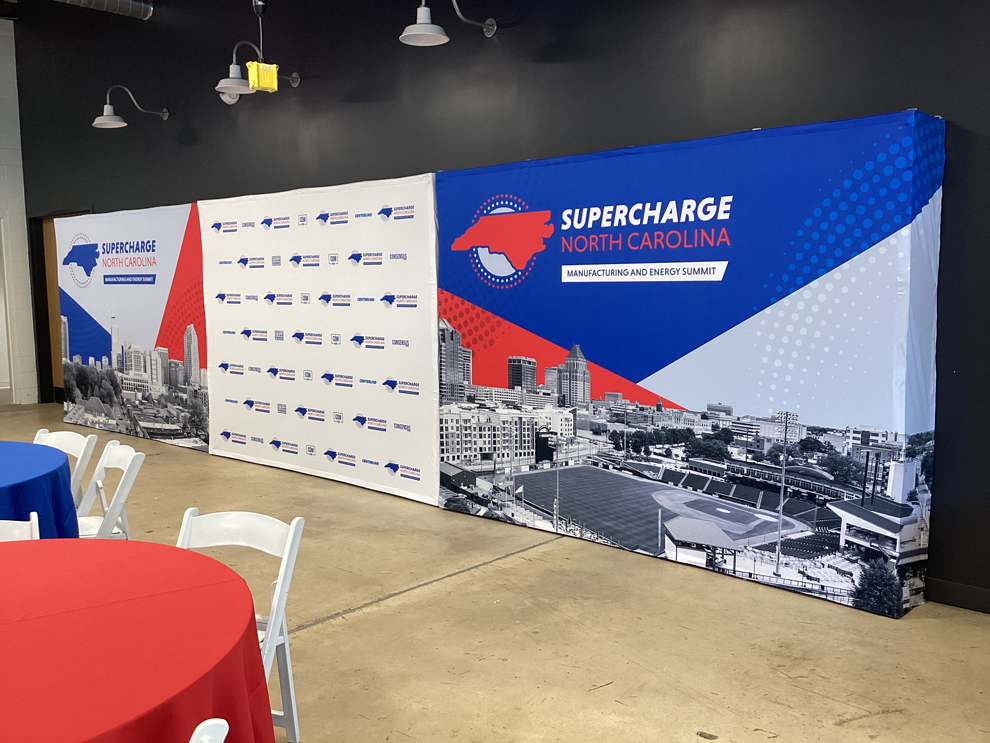
Start with the date the display has to be standing in the room and plan backward from there. If you are ordering through the Online Store, check the current production and shipping timeline listed for the specific product before you check out, and upload complete print-ready artwork with the order so nothing is held up waiting on files.
If the backdrop belongs to a managed project, get us the event date, venue, scope, access restrictions, and any approvals still in progress as soon as you can. We will evaluate what can realistically be delivered in the window available. When the timeline is tight, we would rather suggest staging or another workable option than promise a schedule we cannot keep.
They go together in different ways. With a tube-frame backdrop, you connect the individual frame sections to form the full structure, then stretch the tension fabric graphic over the frame and close it around the edges. A pop-up backdrop opens from its collapsed position, and the fabric graphic attaches using whatever method is specified for that particular product.
Since the hardware, graphic attachment, and takedown steps vary between the two, always follow the instructions written for the exact system you bought.
We serve Falls Church from our Arlington location, which sits just a few miles away and gives us close-in field support across Northern Virginia and the DC metro area. Our client-facing Washington, DC location also supports the area. We do not maintain an office in Falls Church itself. Our Waldorf, Maryland facility handles Mid-Atlantic production but is not a sales office or showroom.
For qualifying managed projects that span several venues or jurisdictions, a single dedicated Project Manager keeps the approved standards and project record intact while we coordinate the practical requirements at each site.
Less than most first drafts call for. Focus on what the audience needs to recognize from the back of the room or within a camera frame: a clean logo, a brief headline, a disciplined sponsor layout, or a single strong image.
Schedules, wayfinding, session lineups, and detailed copy belong on supporting signs and displays instead. That approach keeps the backdrop readable at the distance where most attendees will actually view it.
Not through the Online Store. A Physical Production Color Proof is offered only inside a qualifying Heritage-managed project when color-critical proofing is part of the accepted scope, an additional charge applies, and the schedule allows for it. We produce it on the intended equipment and substrate, with the applicable finish where relevant.
After approval, that proof becomes the governing physical color reference unless we agree otherwise. Electronic proofs do not fill that role.
Sometimes. Certain fabric backdrop systems are designed to take interchangeable graphics, and others are not. That capability is tied to the individual system, not to fabric backdrops in general.
If you expect sponsors, dates, or campaigns to shift while the hardware stays in rotation, verify replacement-graphic compatibility in the current product information before committing to a system.
Go with the fabric backdrop when the space calls for a wide background behind speakers, products, or an exhibit. Choose retractable banners when you need separate vertical messages that can stand on their own at entrances, registration tables, corridors, or breakout rooms.
Plenty of conferences use both, with the backdrop anchoring the stage or booth and the banners delivering supporting messages elsewhere on site.
Use Get Started Now when the backdrop is part of a broader qualifying event or workplace project that we need to develop and/or coordinate. Signs that you are in that territory include several display types, more than one venue, stakeholder approvals, delivery logistics, site conditions, professional installation, or design work that would fall within the accepted scope.
Approved artwork alone does not steer you toward the Online Store. A client can have finished files in hand and still need meaningful coordination around the larger program.
No. A standalone Online Store backdrop is deployed by the client, and professional installation from our team is not included in that purchase. The buyer assembles the display following the instructions for the selected system.
Within a qualifying Heritage-managed project, backdrop placement or setup can be folded into the broader event delivery and installation plan when it is part of the accepted scope, and the required site survey applies to that installed work.
No. Fabric Backdrops refers to the portable frame-and-fabric display system itself. Step and Repeat Backdrops refers to a particular graphic treatment and application: repeated logos or sponsor marks laid out for arrivals, photo opportunities, interviews, and other camera-driven moments.
A portable fabric system can certainly display a step and repeat design, but the frame is the product covered on this page, and the repeated-logo treatment is the focus of the other.
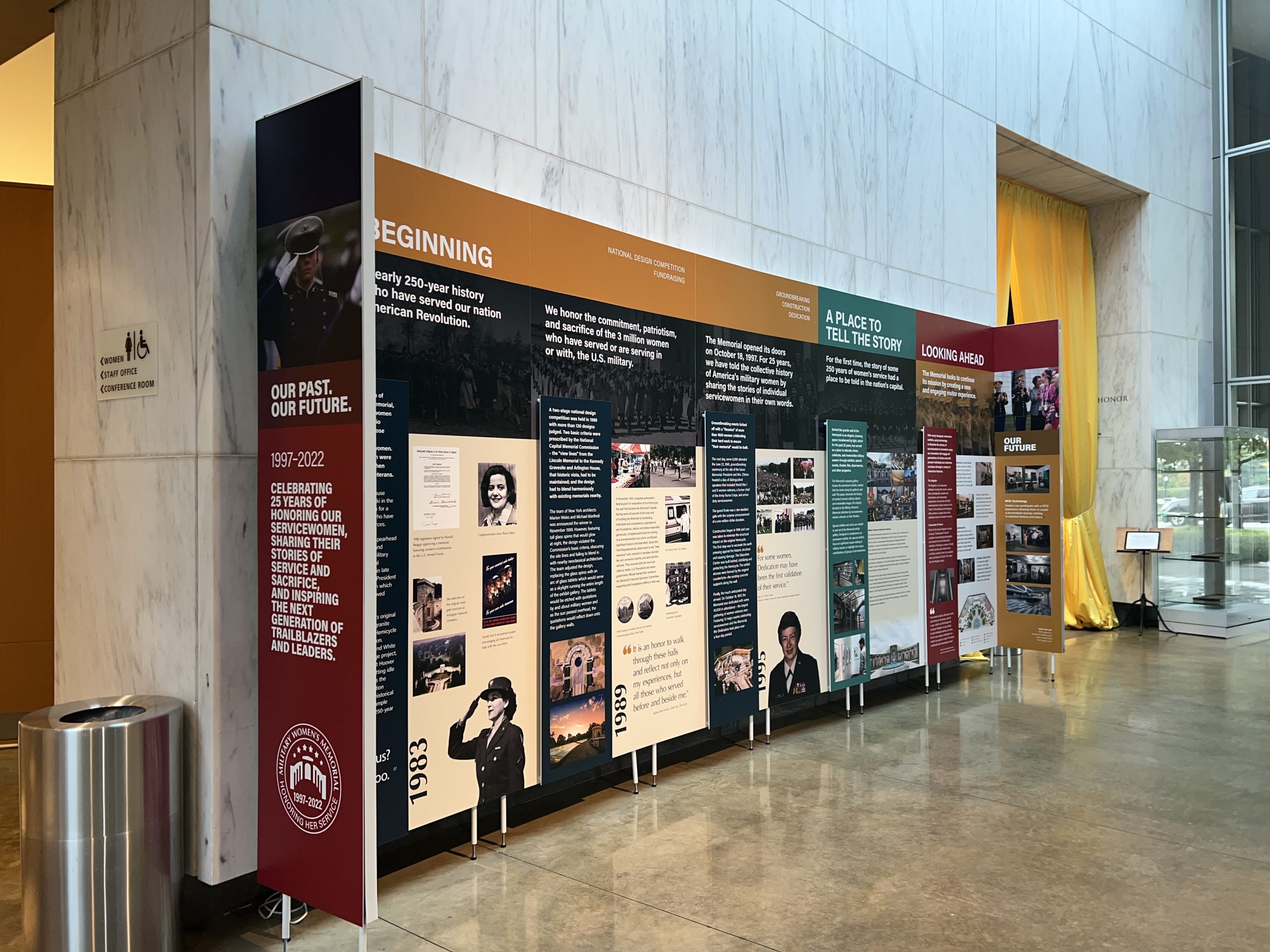
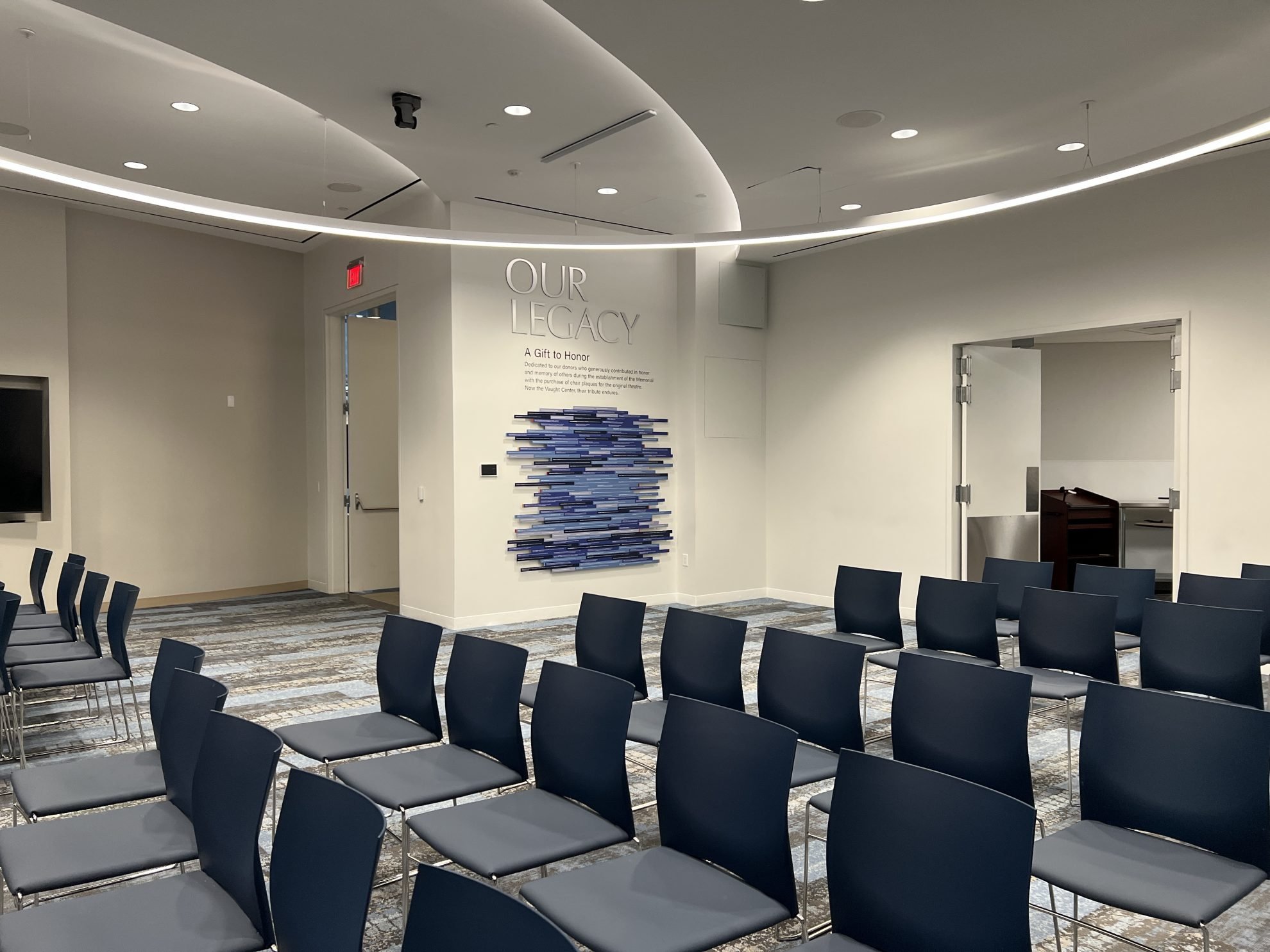
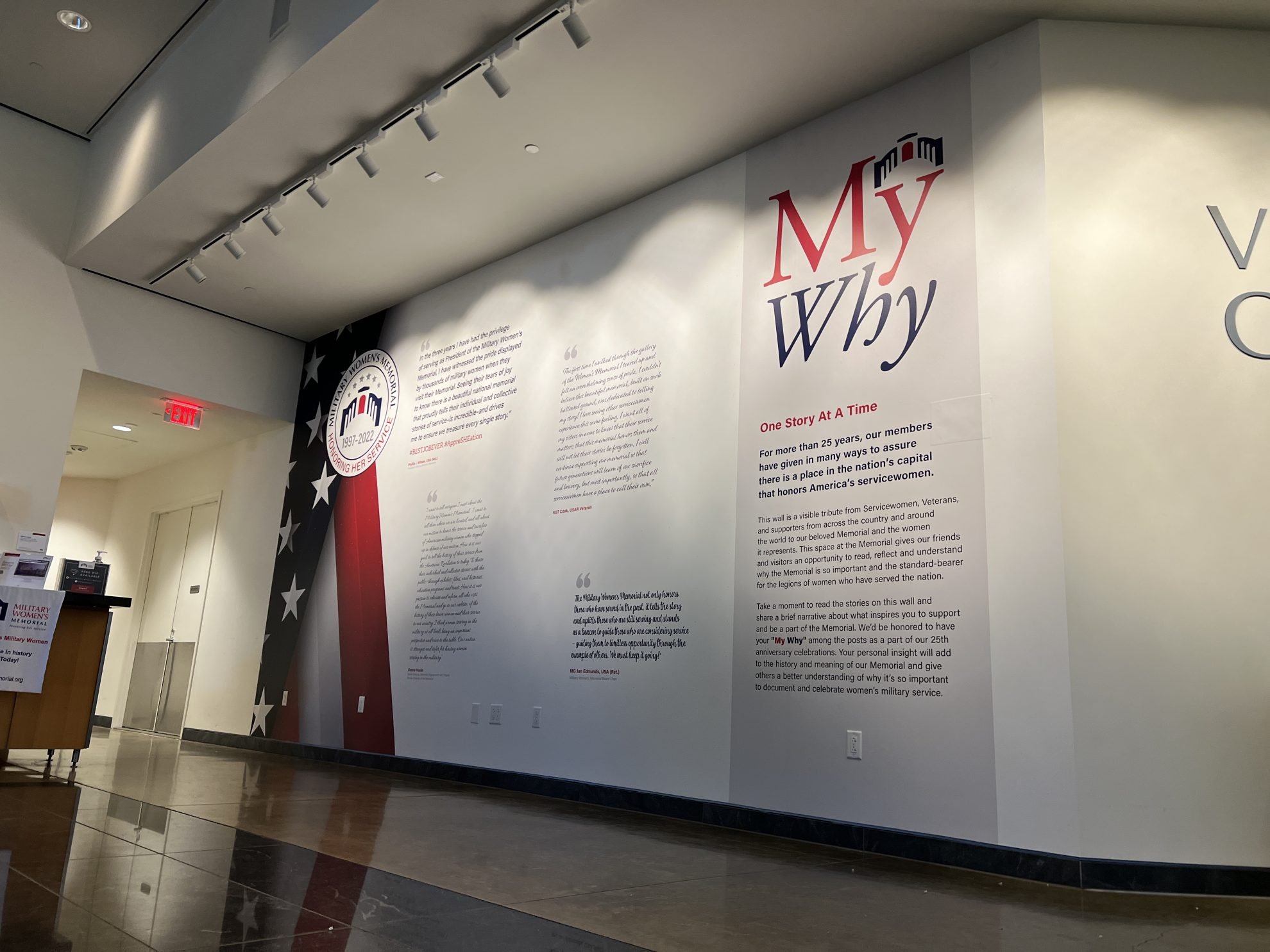
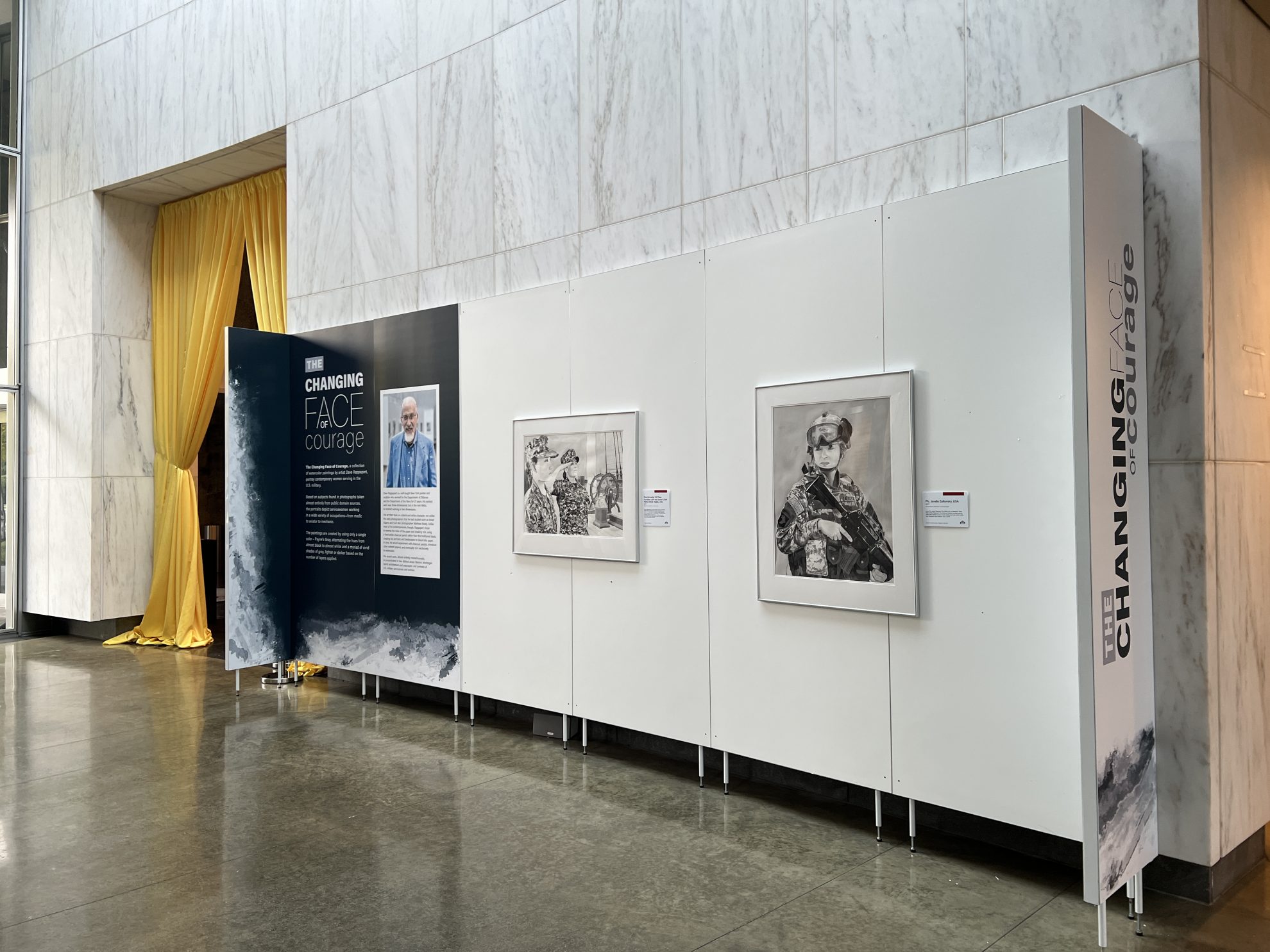
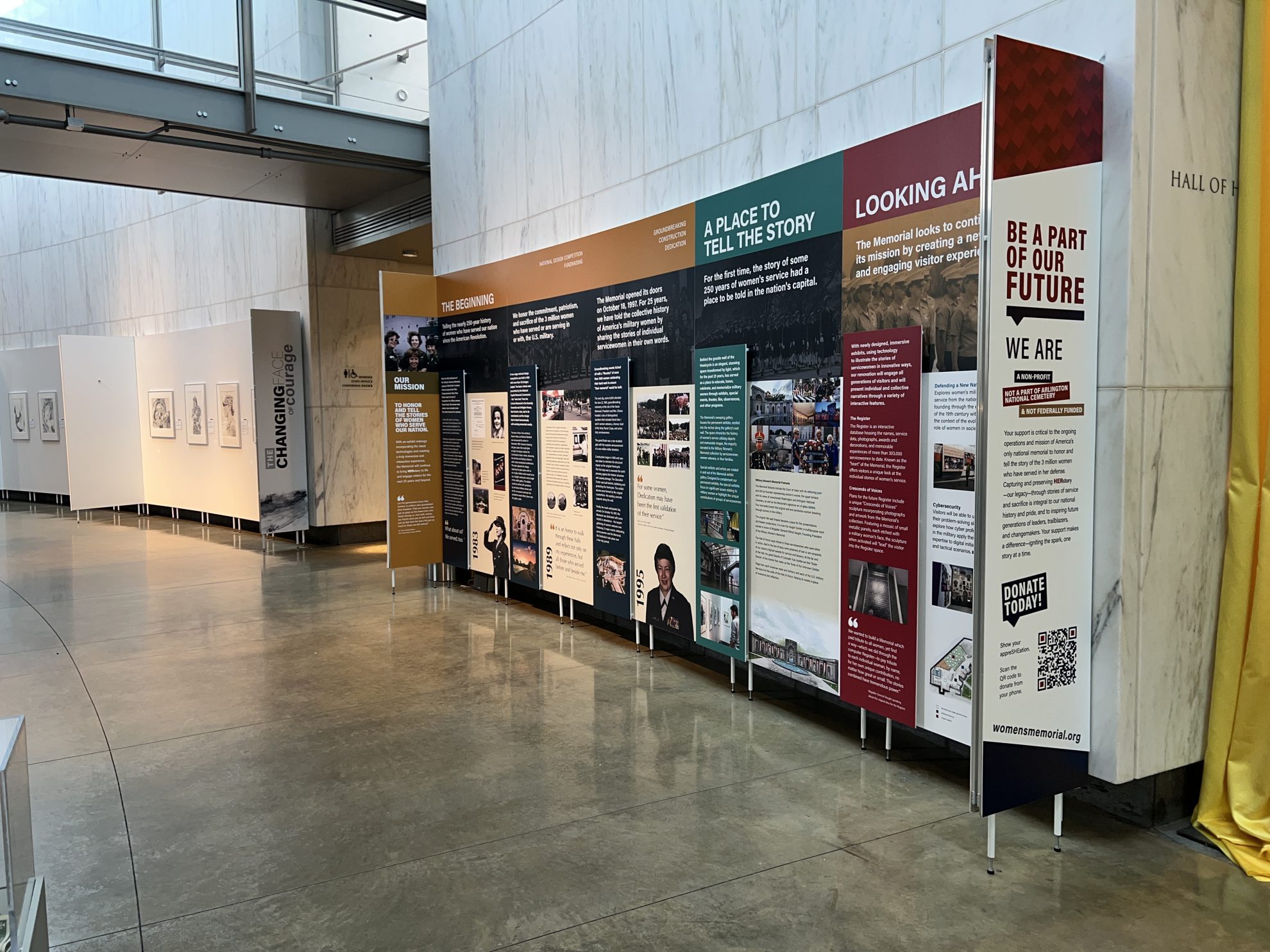
Heritage Signs & Displays created new museum signage for the Military Women’s Memorial in Arlington, VA. The project included custom signs, wall wraps, dimensional letters, and standoff-mounted displays to honor the legacy of U.S. servicewomen and the donors who supported the memorial. The updated interior features impactful designs, including a "Our Legacy" wall display and panels showcasing historical contributions and artwork, creating a transformative tribute to women in the U.S. Armed Forces.
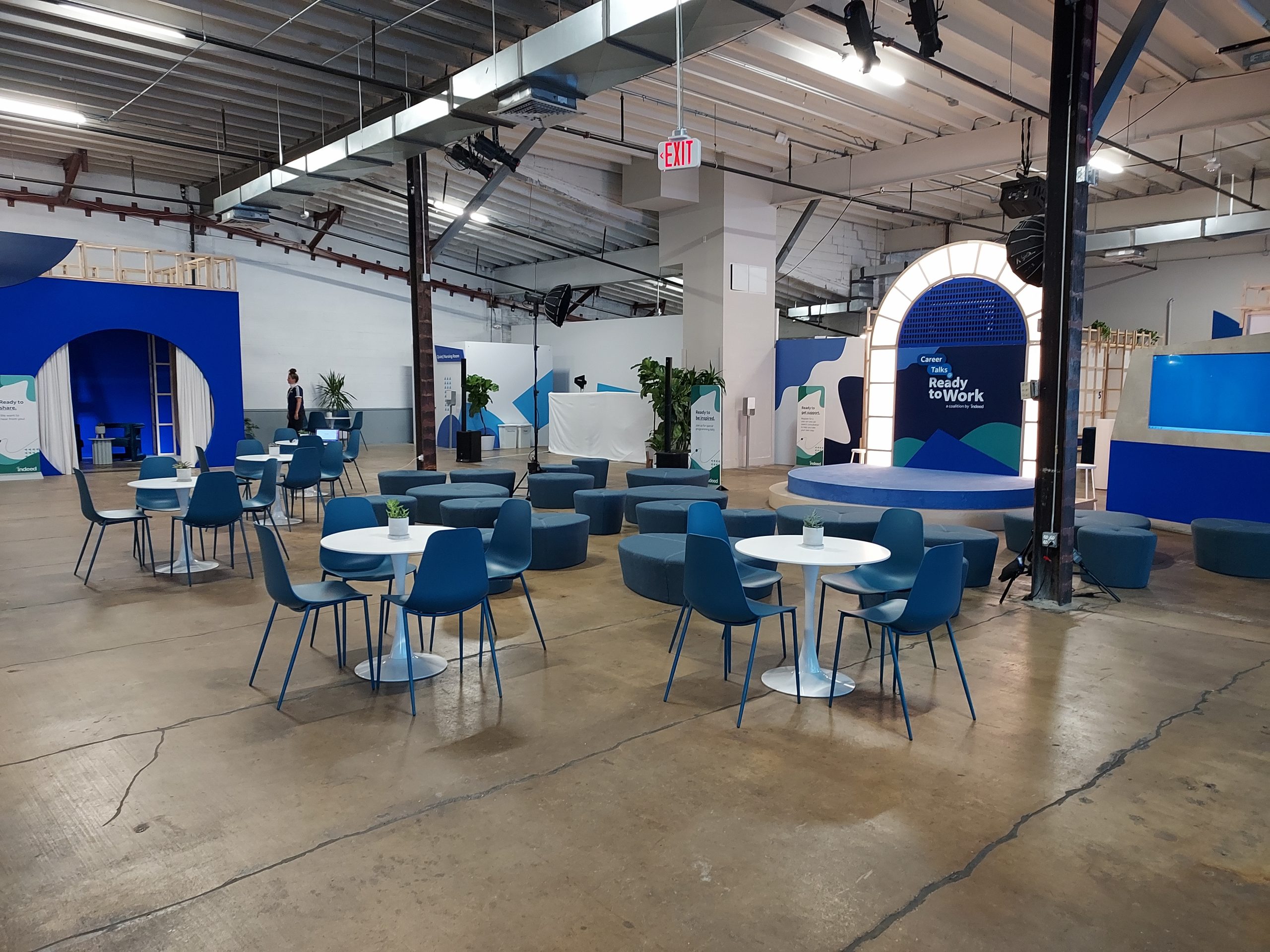
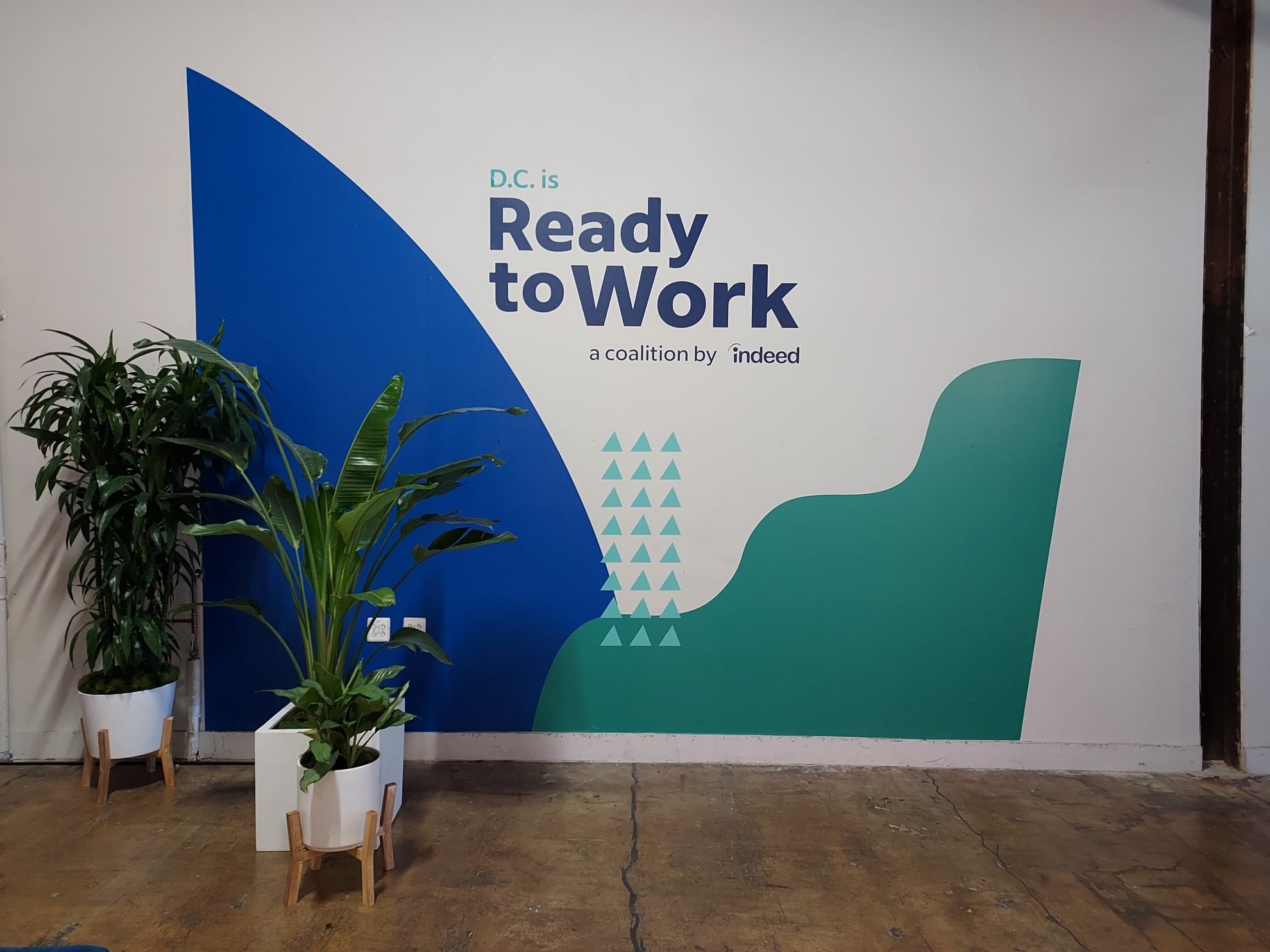
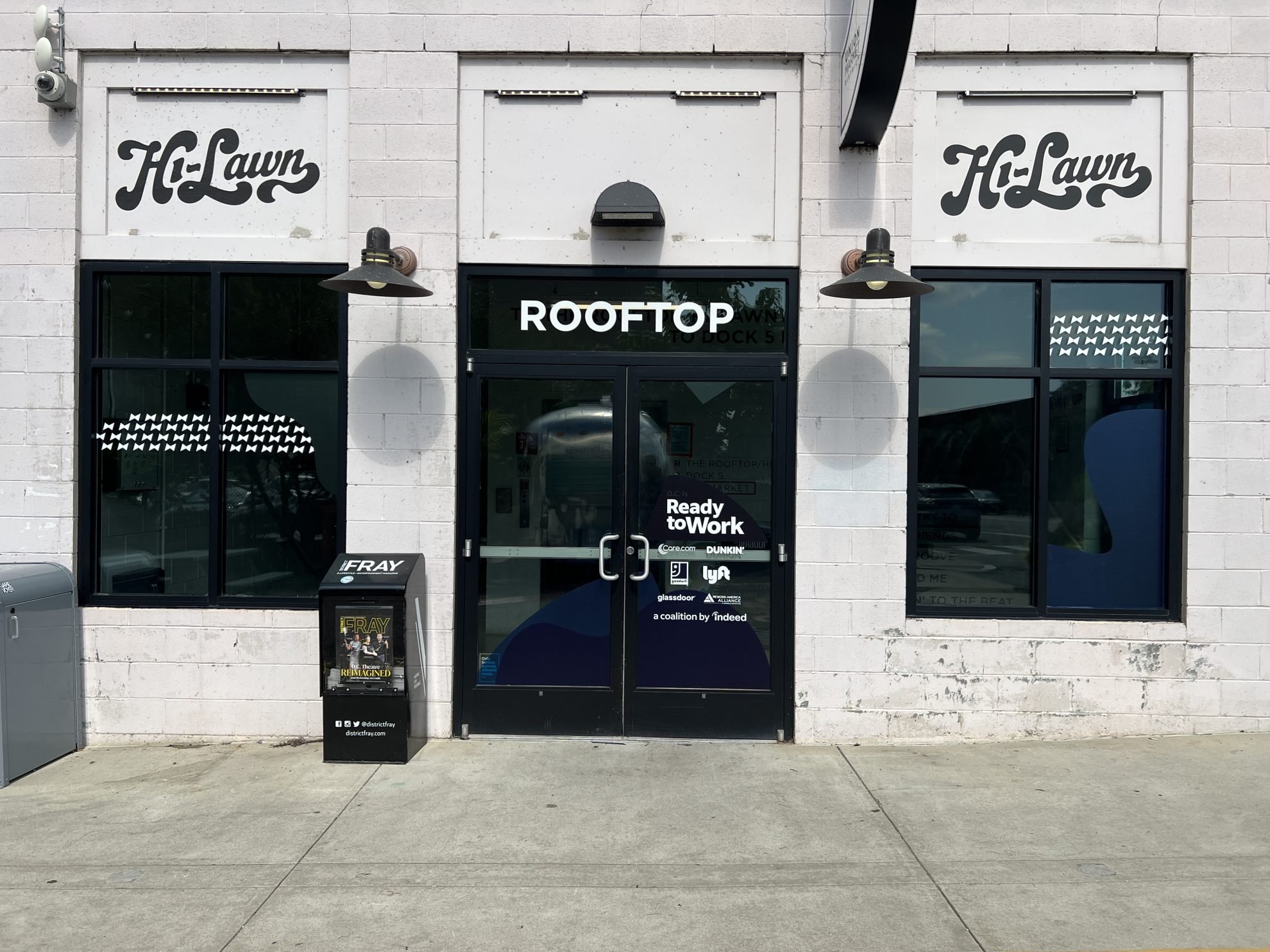
Heritage Signs & Displays' collaboration with The Gathery to brand Union Market in Arlington, VA, for Indeed's "Ready to Work" job fair. The project included custom event displays, wall graphics, window graphics, and wayfinding signs, creating an immersive and visually appealing environment. The branding enhanced the venue, reflected the event's mission, and provided a seamless experience for attendees.