Your entrance should tell people who you are before they ever reach the reception desk. Well planned storefront graphics do several jobs at once: they identify the business, guide arrival, screen sensitive areas, and keep clear glass from disappearing into the background. What they should not do is cram every message the company owns onto one pane of glass. The goal is a short, confident introduction to the branded interior waiting on the other side of the door.
That introduction starts with a simple question: what should someone see and understand while walking up to the building? A window facing the street may need bold identification while still offering a view in and out. Entry doors often call for restrained lettering paired with decorative or branded distraction markers, which are vinyl graphics applied to clear glass so the surface reads as solid rather than open. A conference room or office sitting just inside the entry may need screening that still lets daylight through. Every one of those choices should reinforce the arrival instead of fighting for attention.
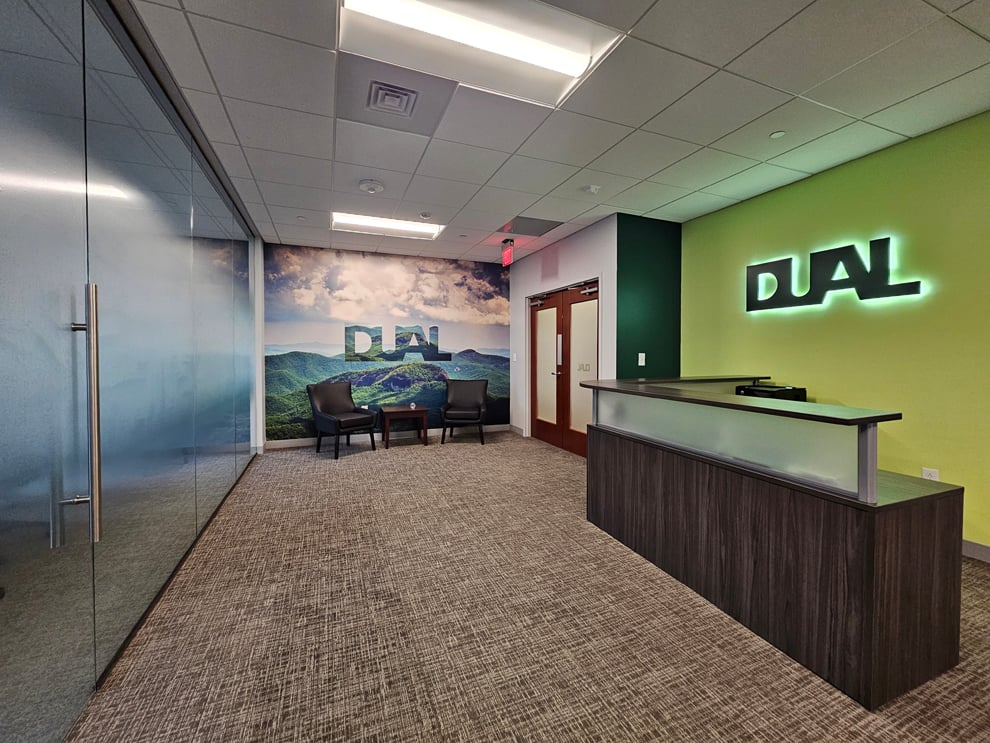
Heritage Signs & Displays treats Storefront Graphics as the hinge between the exterior identity and the interior brand environment. The glass sets expectations. A lobby sign, dimensional logo, wall graphic, recognition display, or similar interior element then carries the story forward once people are inside. Planning both sides at the same time keeps the entry and the interior in conversation without forcing every surface to repeat the same idea.
Work starts with discovery and environmental graphic design shaped by the outcome the client wants, the brand standards in place, the architecture, and the realities of the site. One dedicated Project Manager holds the project history while approved concepts advance through production, fabrication, and professional installation. Fewer handoffs, one reliable source of answers, and a single accountable Heritage relationship protecting the approved design intent.
Heritage opened in 1977 as a commercial printer. Signs, interior graphics, workplace branding, and event environments became the company's defining focus in 2009. Today Heritage is an award winning, veteran owned, family led company nearing its 50th year. That track record shows up as honest recommendations, careful production, realistic installation planning, and follow through that does not stall after the invoice.
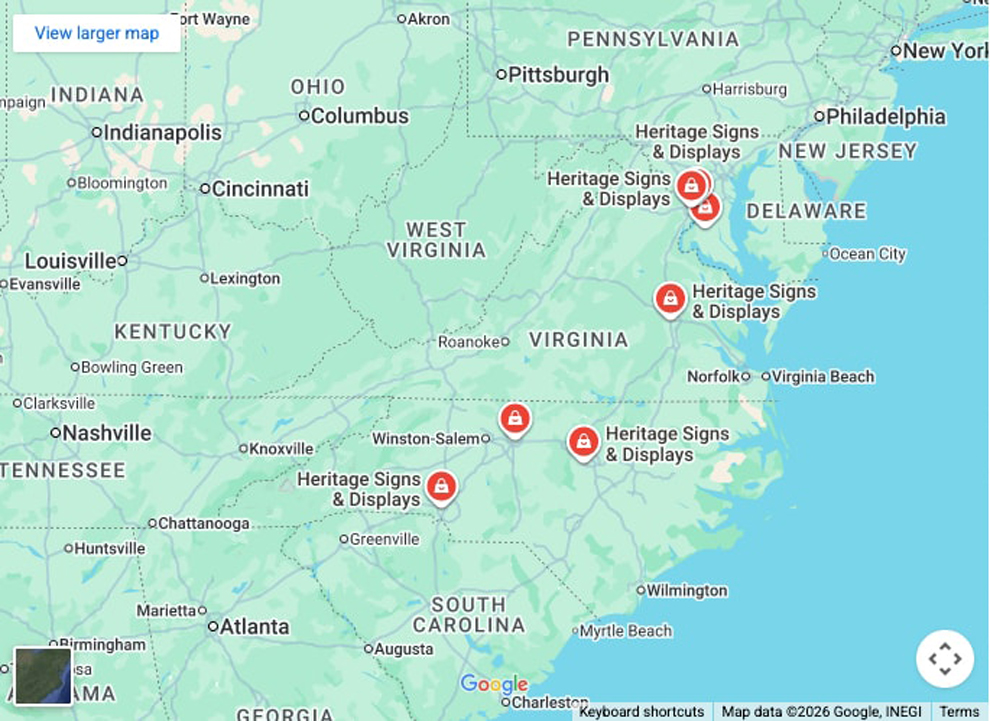
Norfolk clients work with local field and installation support backed by a verified client facing Heritage presence. That team anchors service across Norfolk, Virginia Beach, Chesapeake, Portsmouth, Suffolk, and the rest of Hampton Roads, covering discovery, site surveys, field verification, installation planning, professional installation, and follow up. One dedicated Project Manager links that nearby support to broader production and field resources throughout Virginia and the Mid-Atlantic.
Heritage aims to honor God by serving clients and communities with excellence. Day to day, that looks like careful stewardship of budgets, straight answers, and resolving open questions in planning instead of discovering them on a ladder.
Recognition starts at the curb, but the entry is an opening line, not the whole script. Identification, privacy, visibility, and glass awareness all need to be weighed against how people actually approach the property and move through the doors. A strong glass treatment tells visitors enough to walk in confidently while keeping the daylight and sightlines the space depends on.
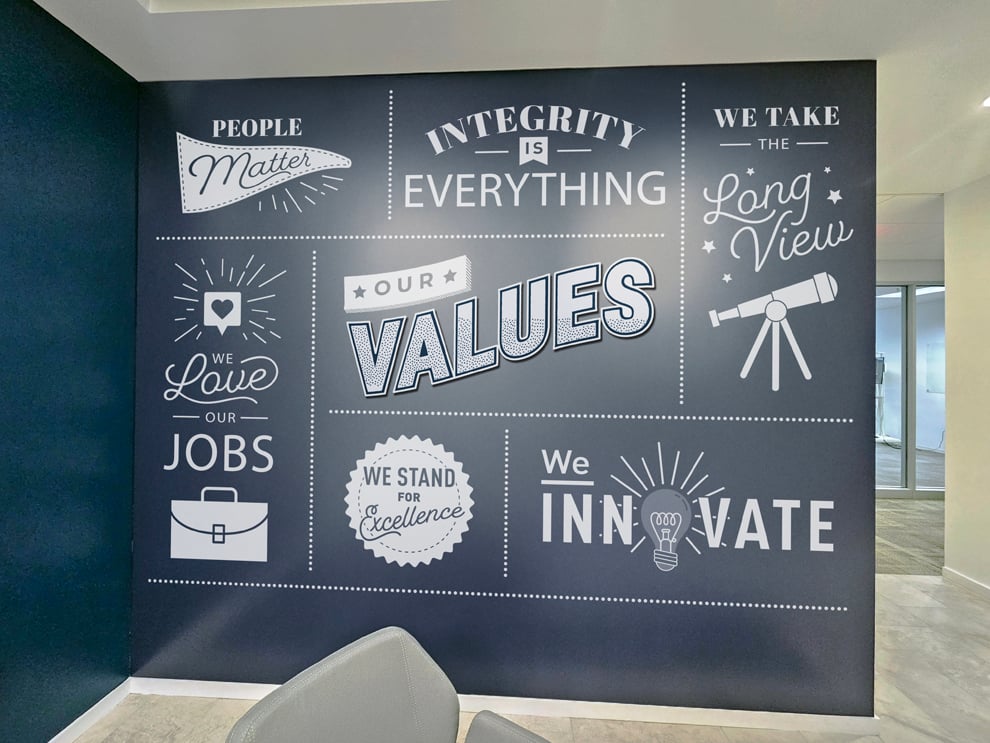
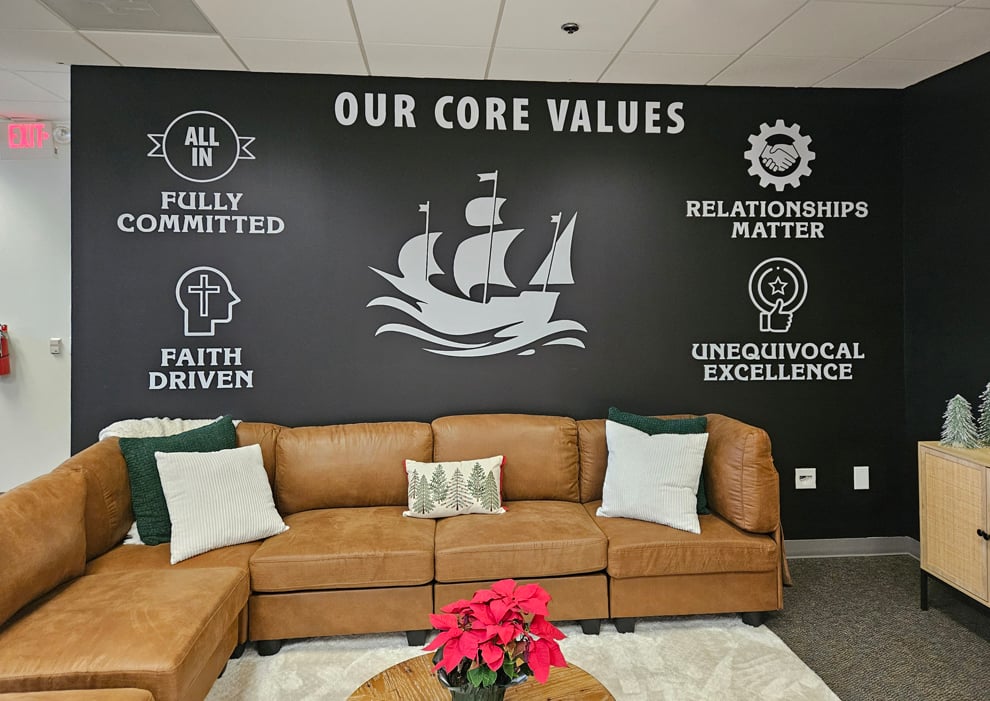
Inside, the hierarchy changes. The lobby sign often takes over as the focal point, while wall graphics, dimensional elements, and displays go deeper into company history, core values, mission, milestones, or culture. Those pieces should feel like a continuation of the entrance rather than a copy of it.
Heritage plans doors, windows, lobby, and interior spaces as one connected experience instead of a list of unrelated purchases. Storefront Graphics stay in the lead role because they define the threshold. Interior signs and graphics then extend the approved direction into rooms where people have the time and space to absorb more.
Coordinating an entrance and interior takes more than printing a few panels. Heritage's One Dedicated Project Manager System gives you one point of accountability from the first conversation through final walkthrough. Stakeholder decisions, site details, approved artwork, production specs, and installation logistics all live in one place rather than scattered across separate vendors.
The Heritage environmental graphic design team can develop concepts within its scope or build from brand standards and artwork you already have approved. That team also works alongside architects, interior designers, branding agencies, property managers, and internal stakeholders when a larger group is involved. Your Project Manager then carries the agreed direction into production, fabrication, and the hands of Heritage's full time professional installers.
Heritage is veteran owned and family led, with field support close to Norfolk and deeper resources across Virginia and the Mid-Atlantic. That structure works for a single significant project, a phased workplace rollout, or a multi site program. You keep one accountable relationship while each property gets a solution matched to its dimensions, architecture, surfaces, access, and hours of operation.
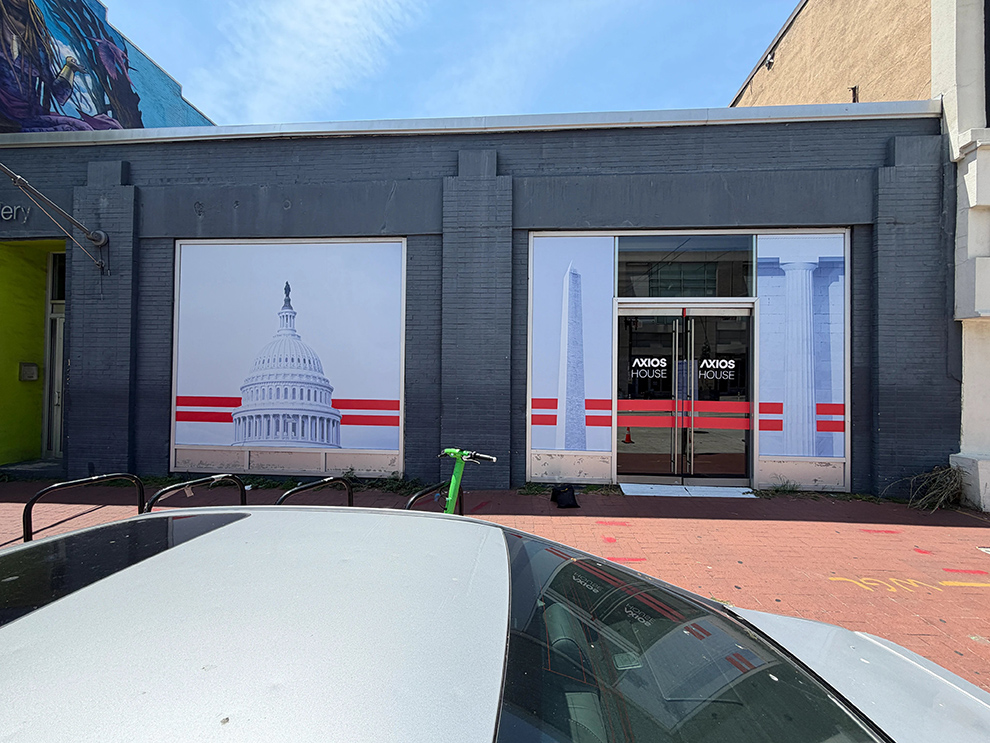
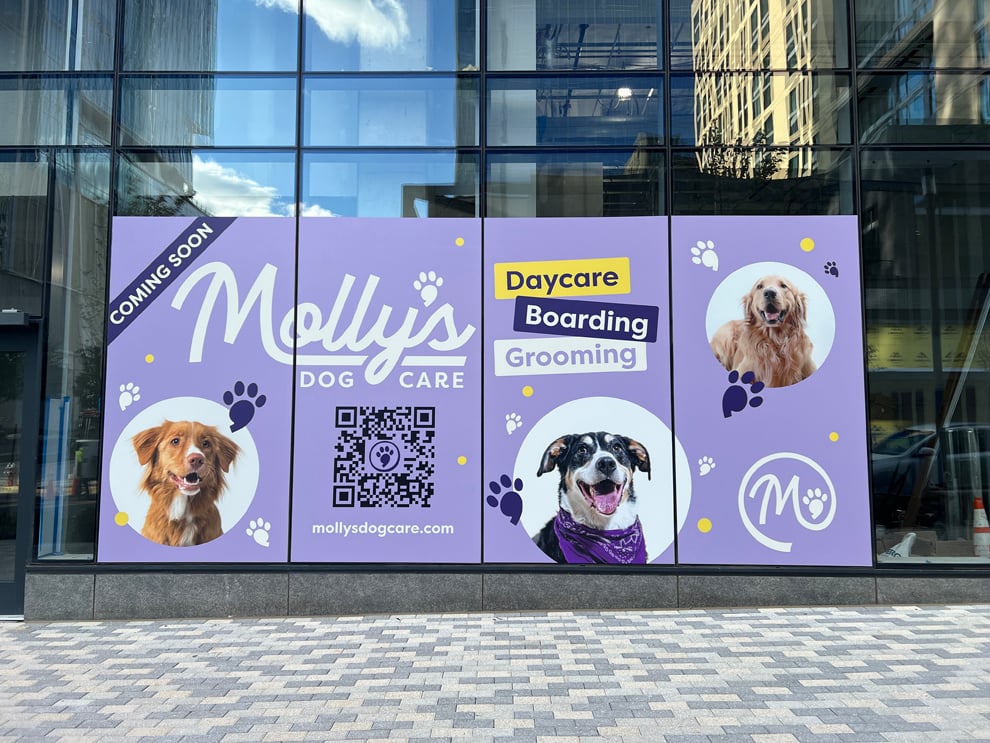
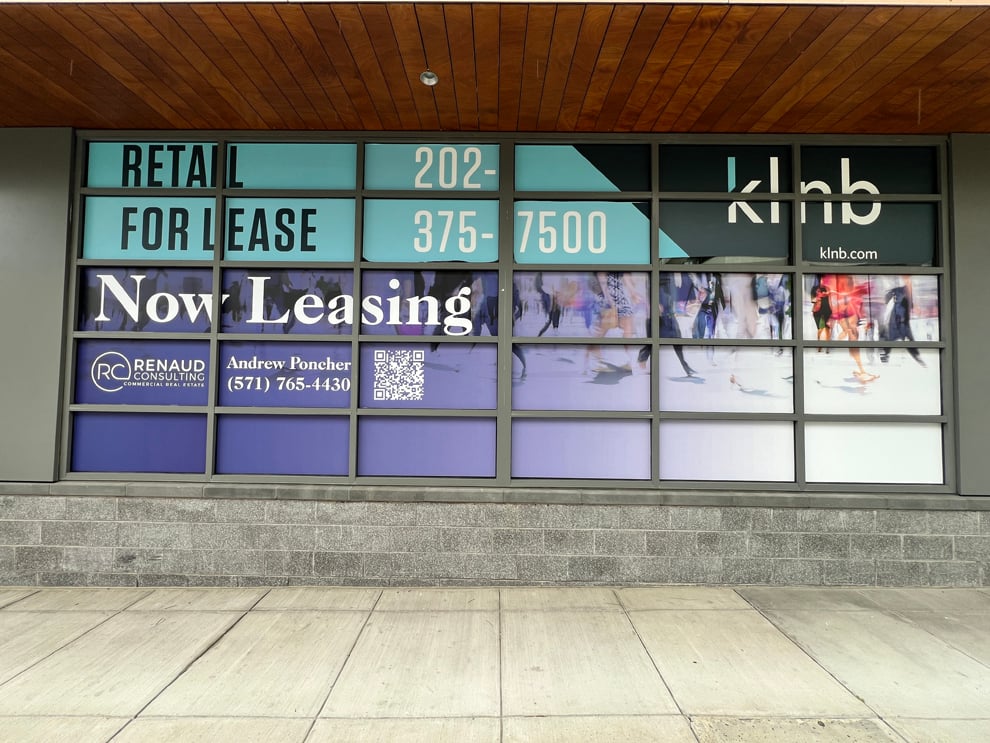
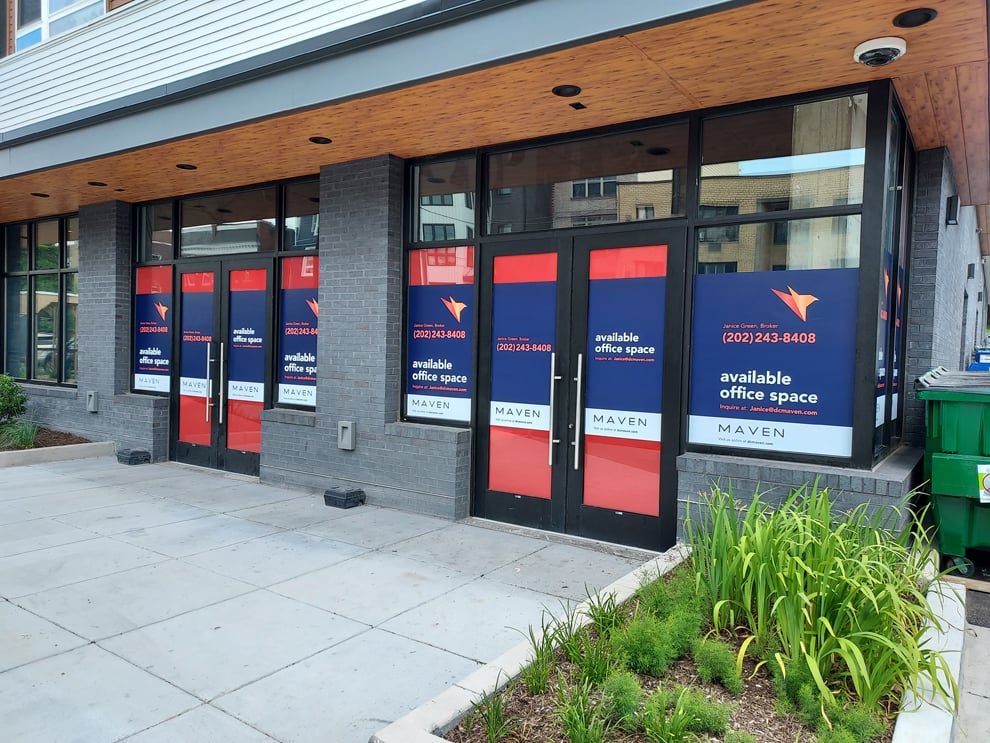
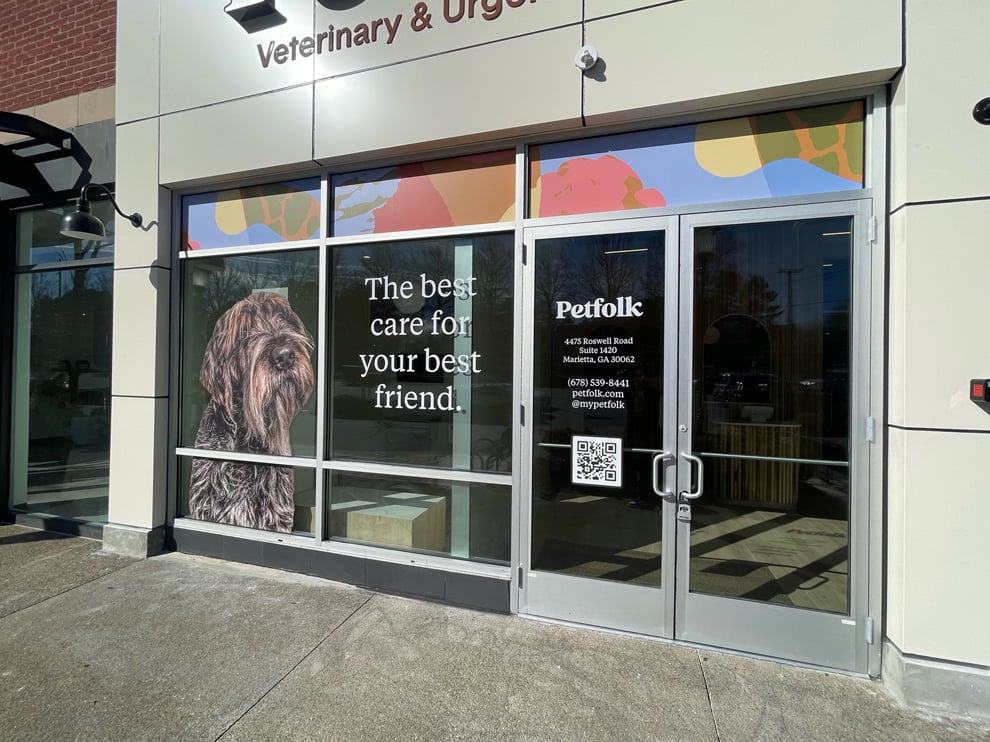
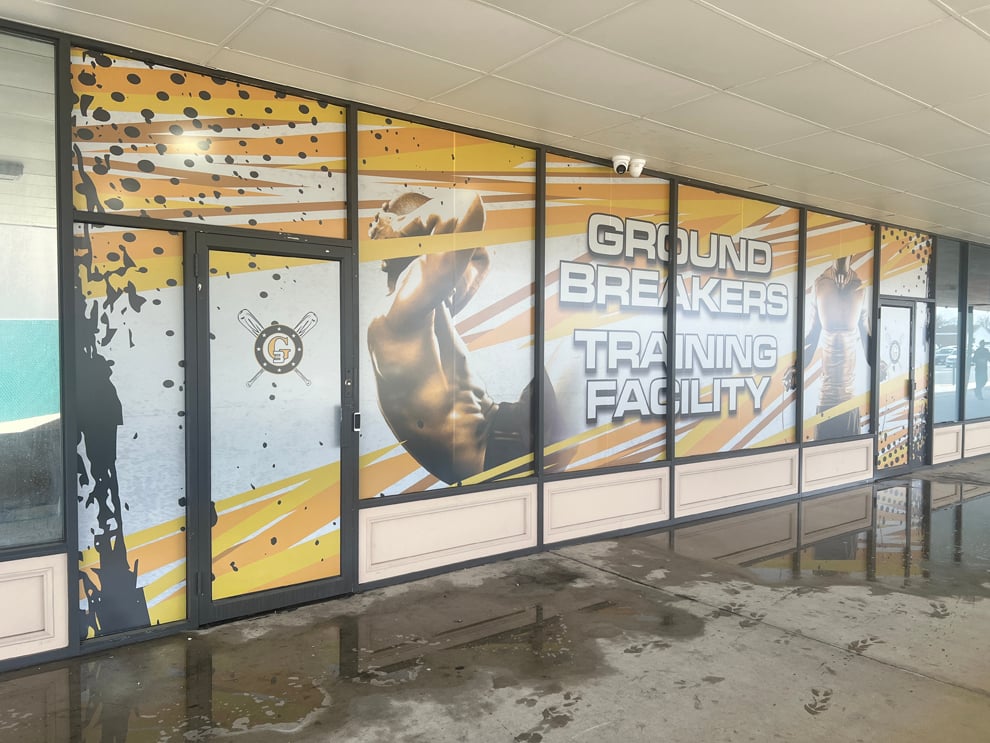
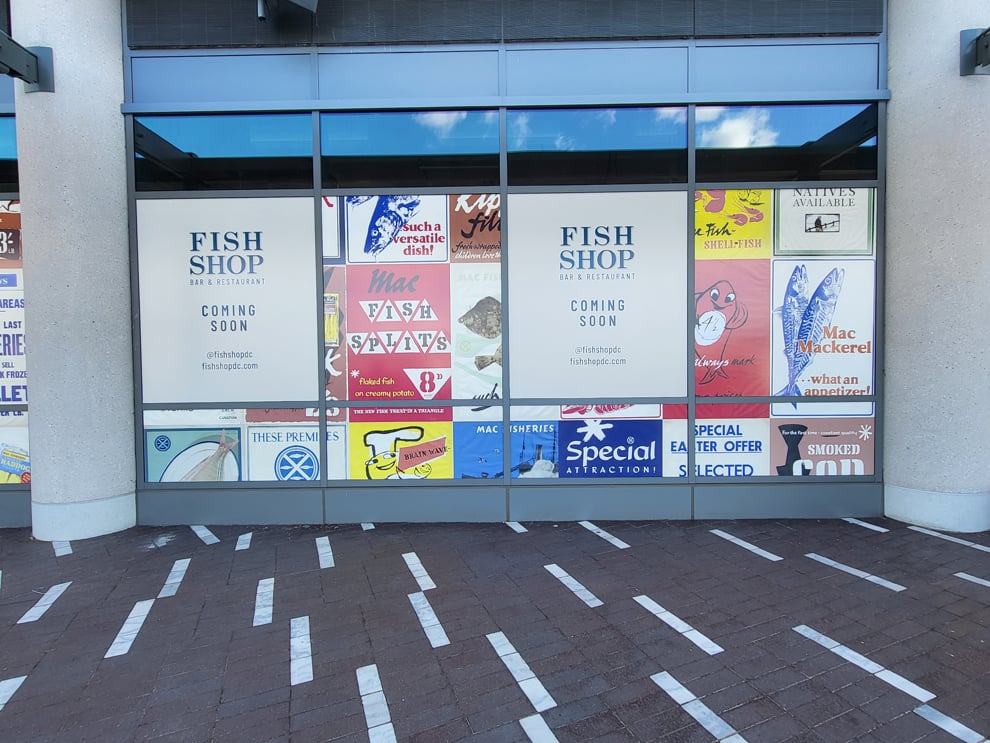
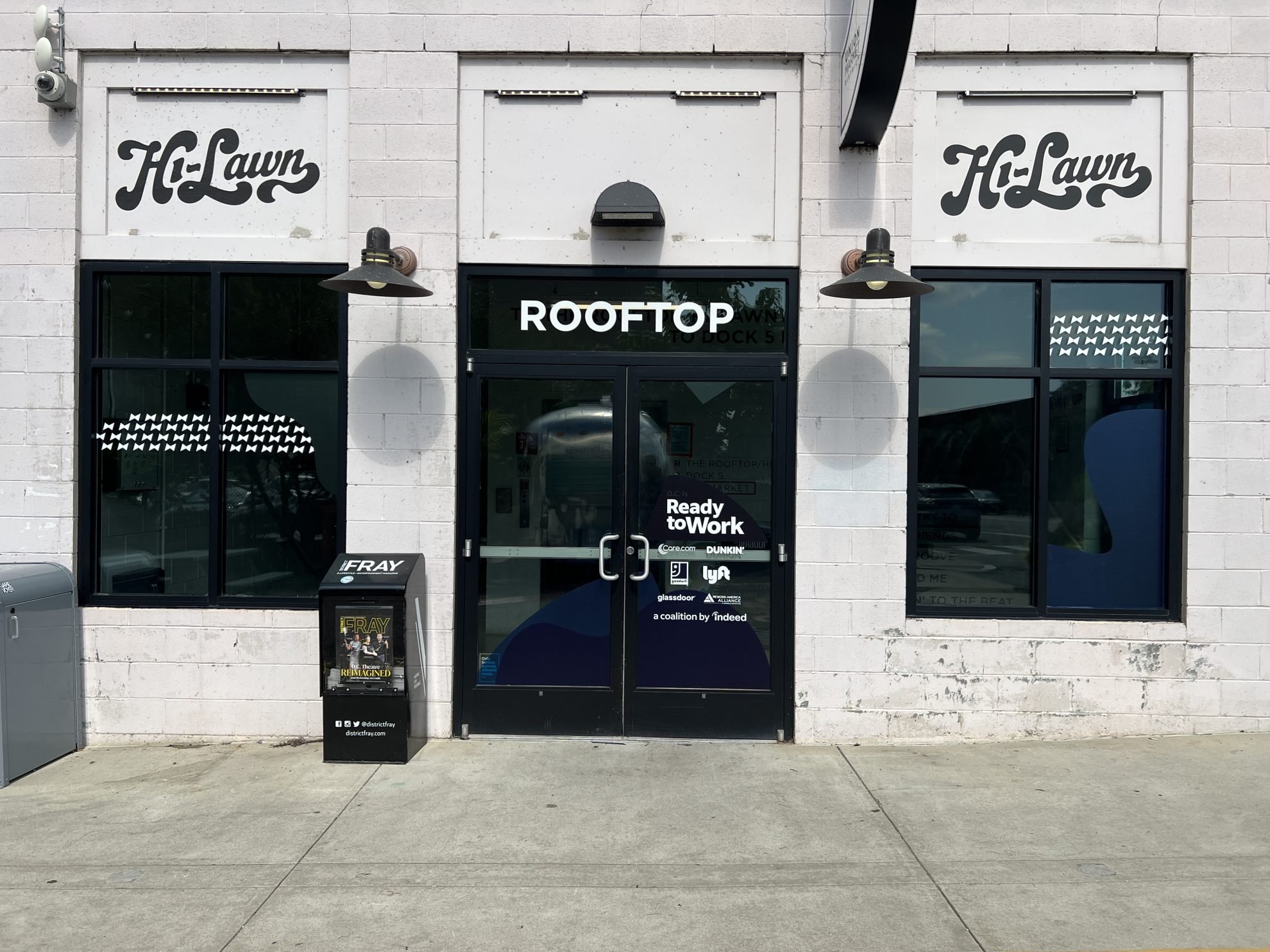
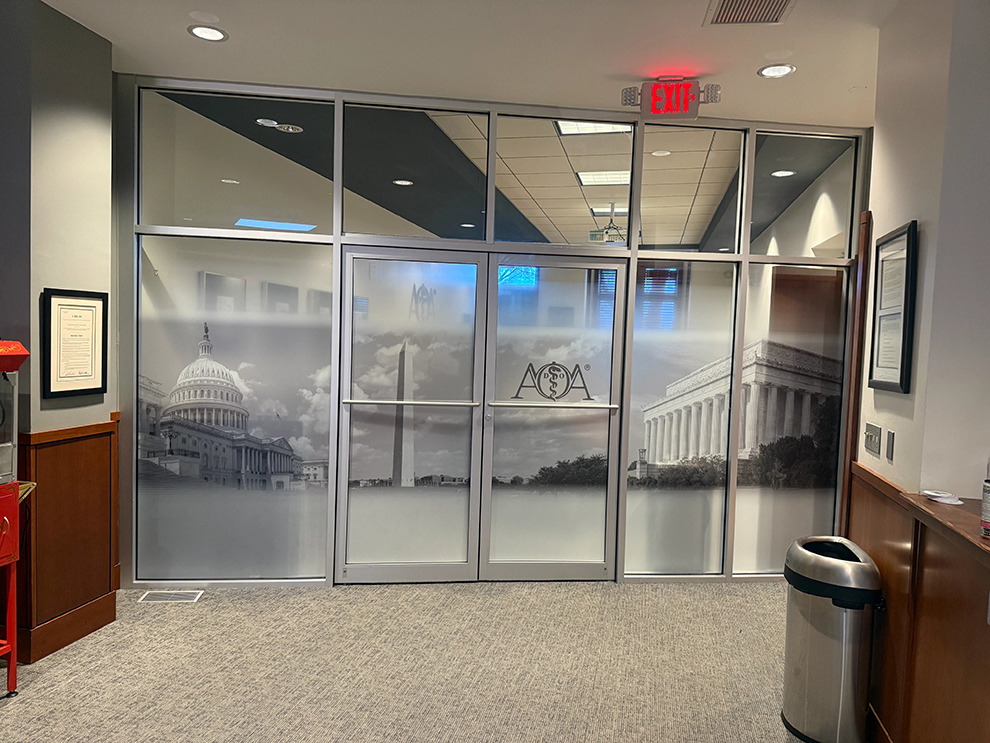
Window and glass graphics claim your identity at the exact spot where visitors first meet the business. Heritage weighs coverage, viewing distance, daylight, privacy, and see through visibility so the treatment earns attention without sealing off the entrance more than the project actually needs.
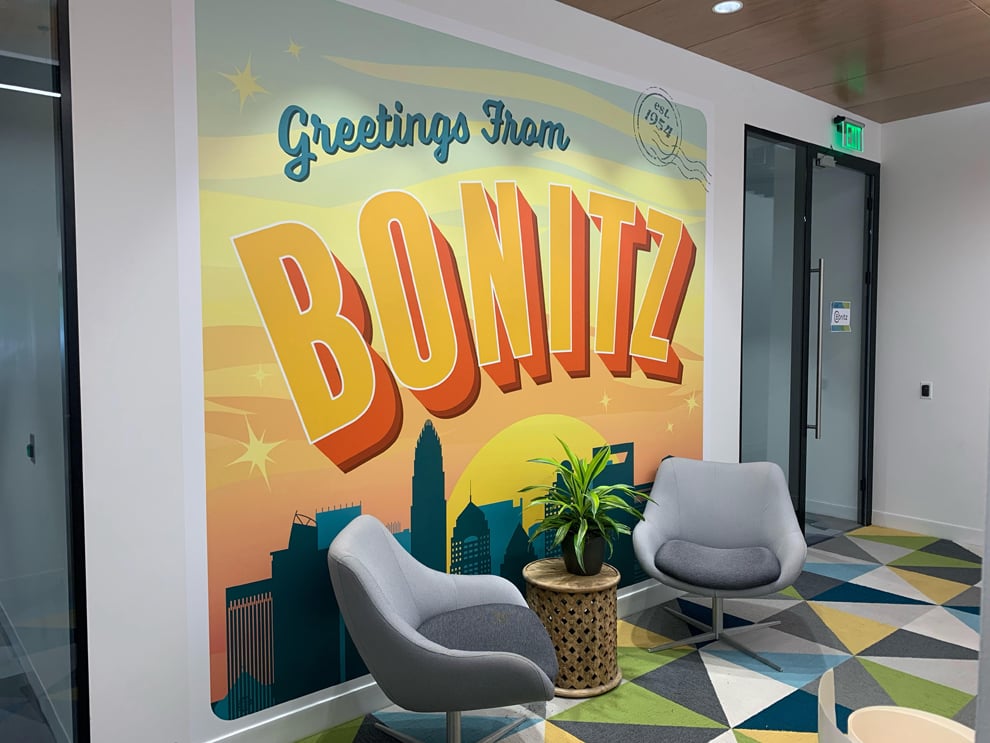
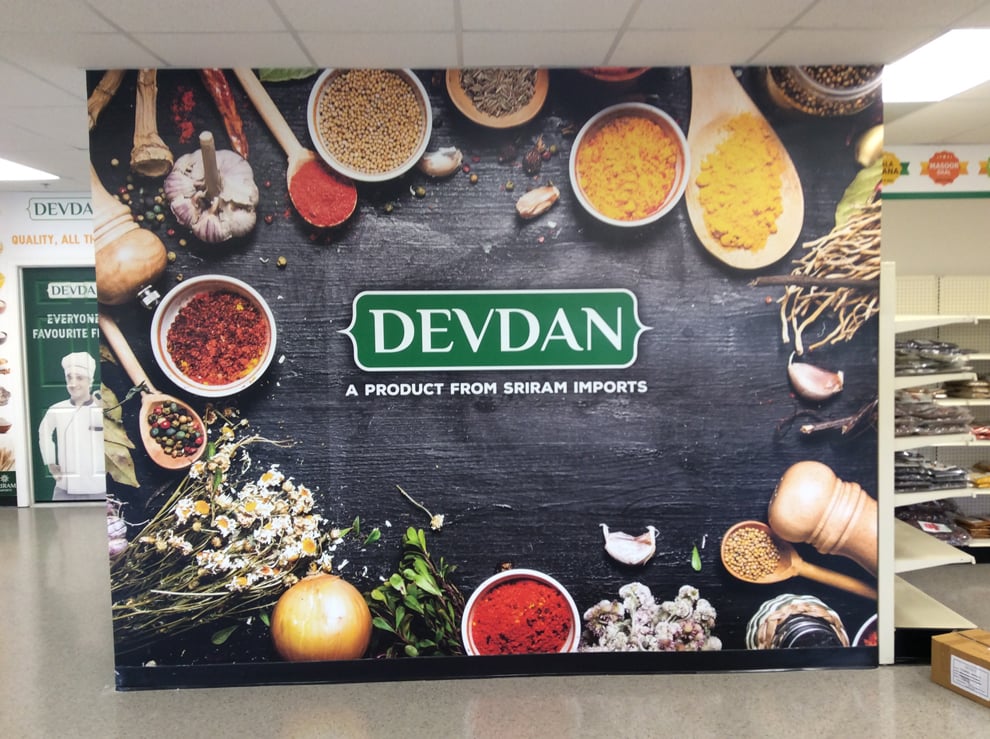
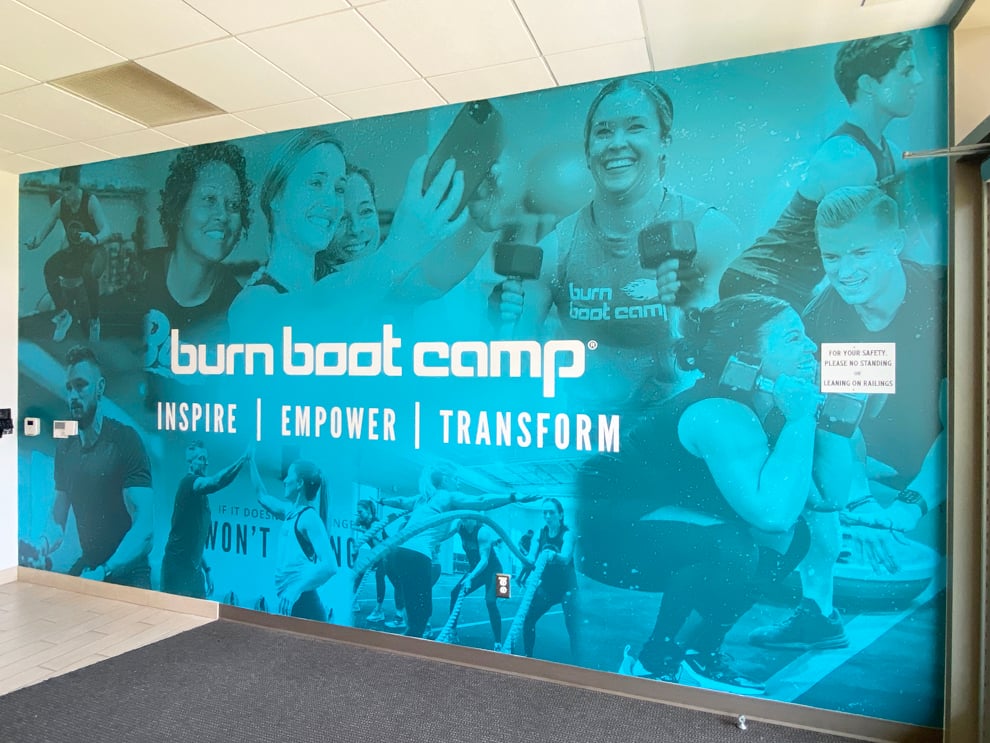
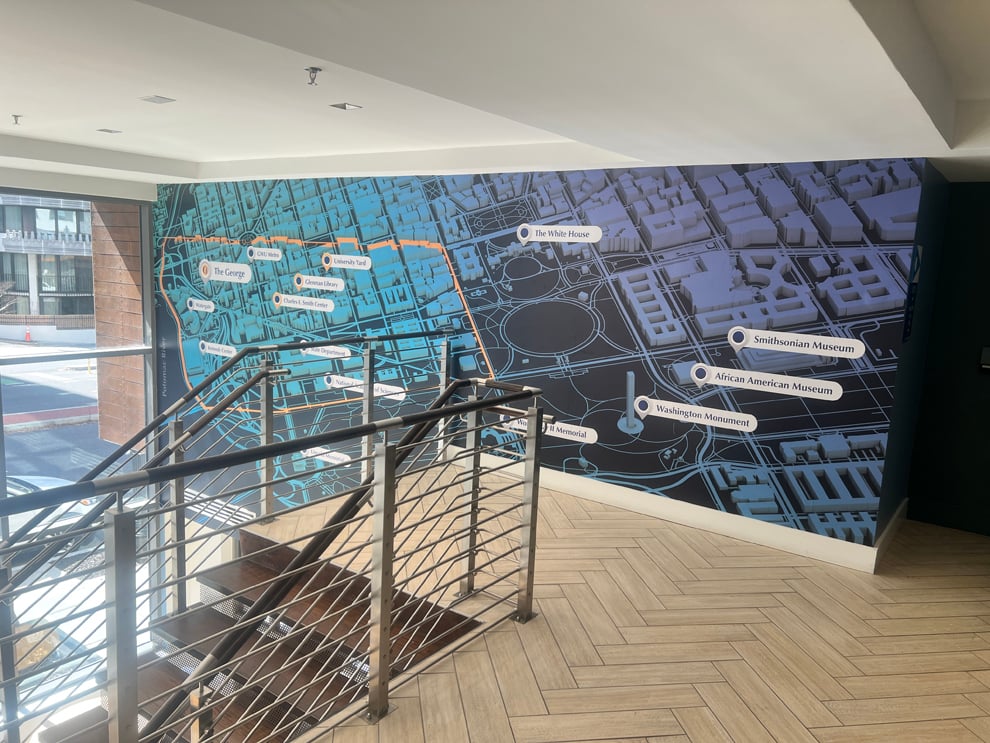
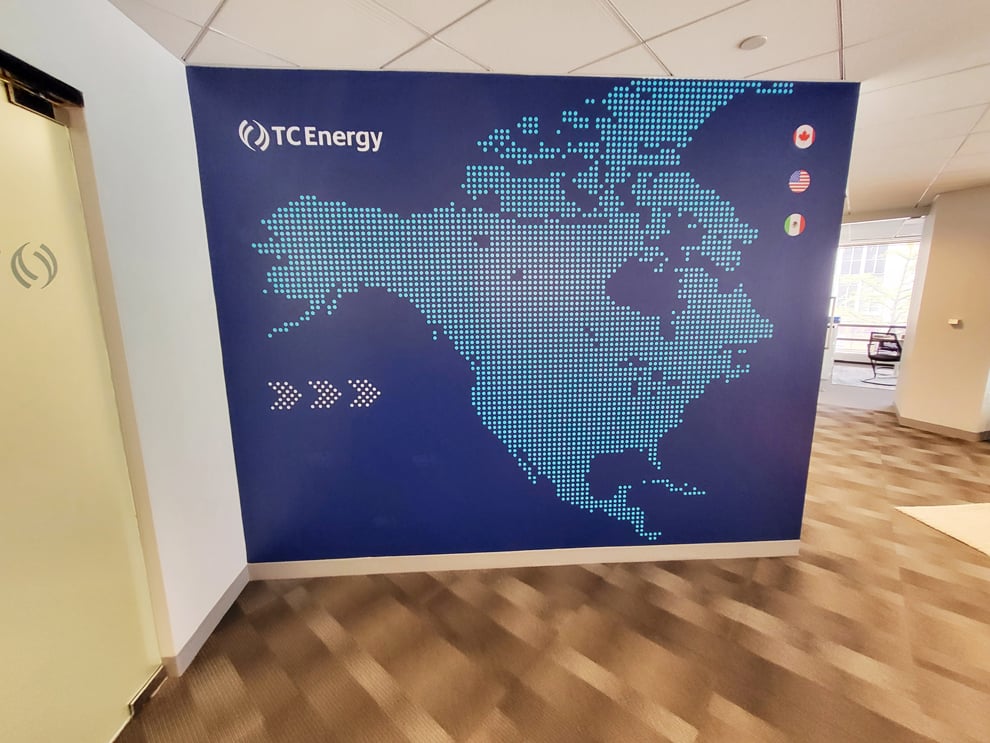
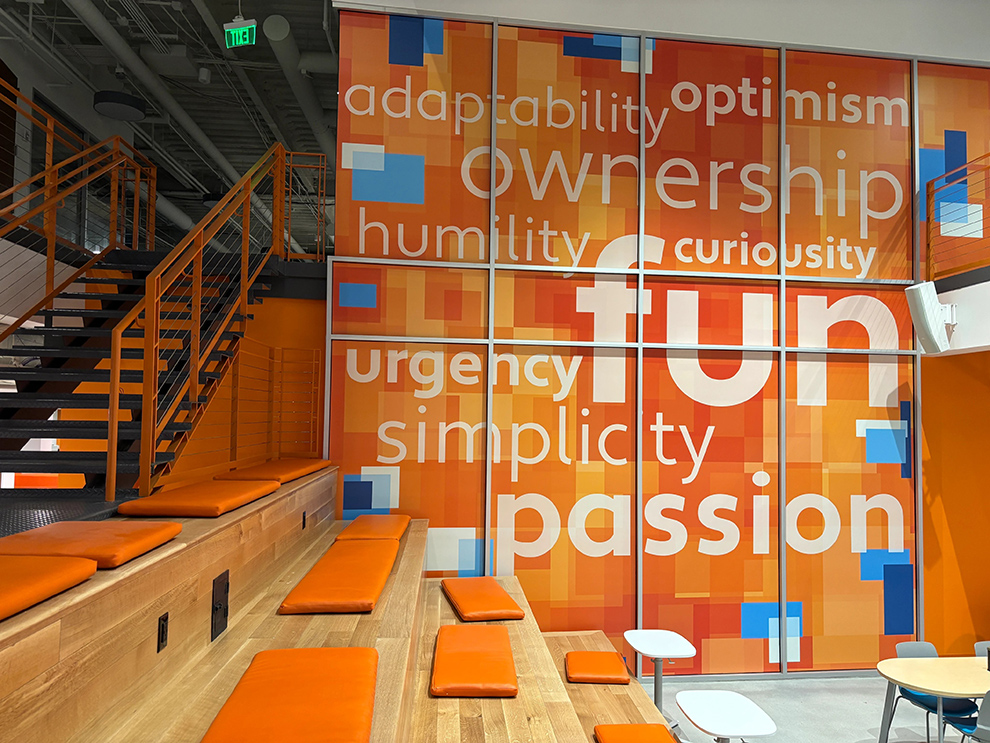
Wall wraps push the visual direction past the storefront and give large interior surfaces a purpose. Brand imagery, color, and approved messaging can tie reception areas, corridors, meeting rooms, and customer spaces back to the identity introduced at the door.
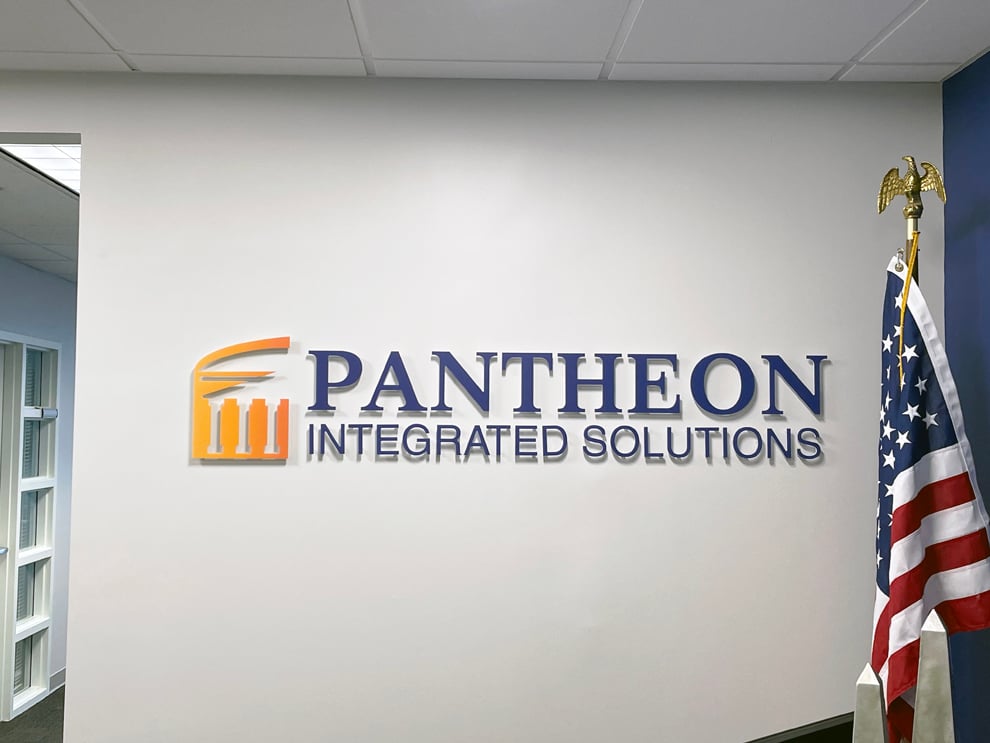
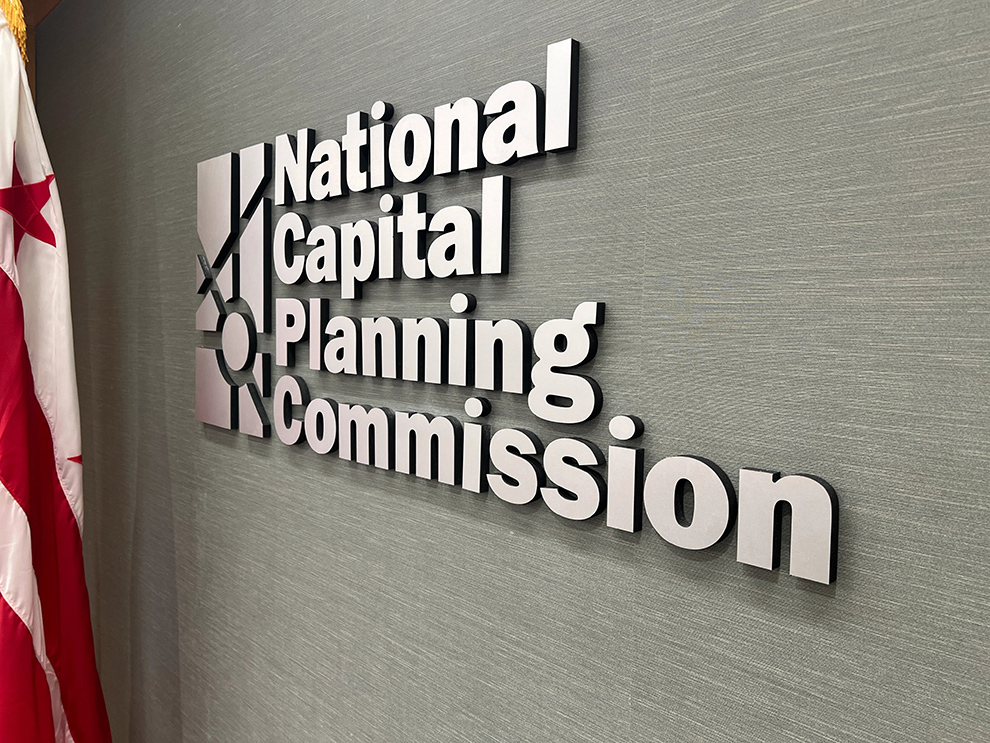
Once the storefront handles arrival, a lobby sign gives visitors a clear destination. Heritage coordinates scale, materials, depth, placement, and neighboring graphics so reception advances the brand experience instead of echoing the entry glass.
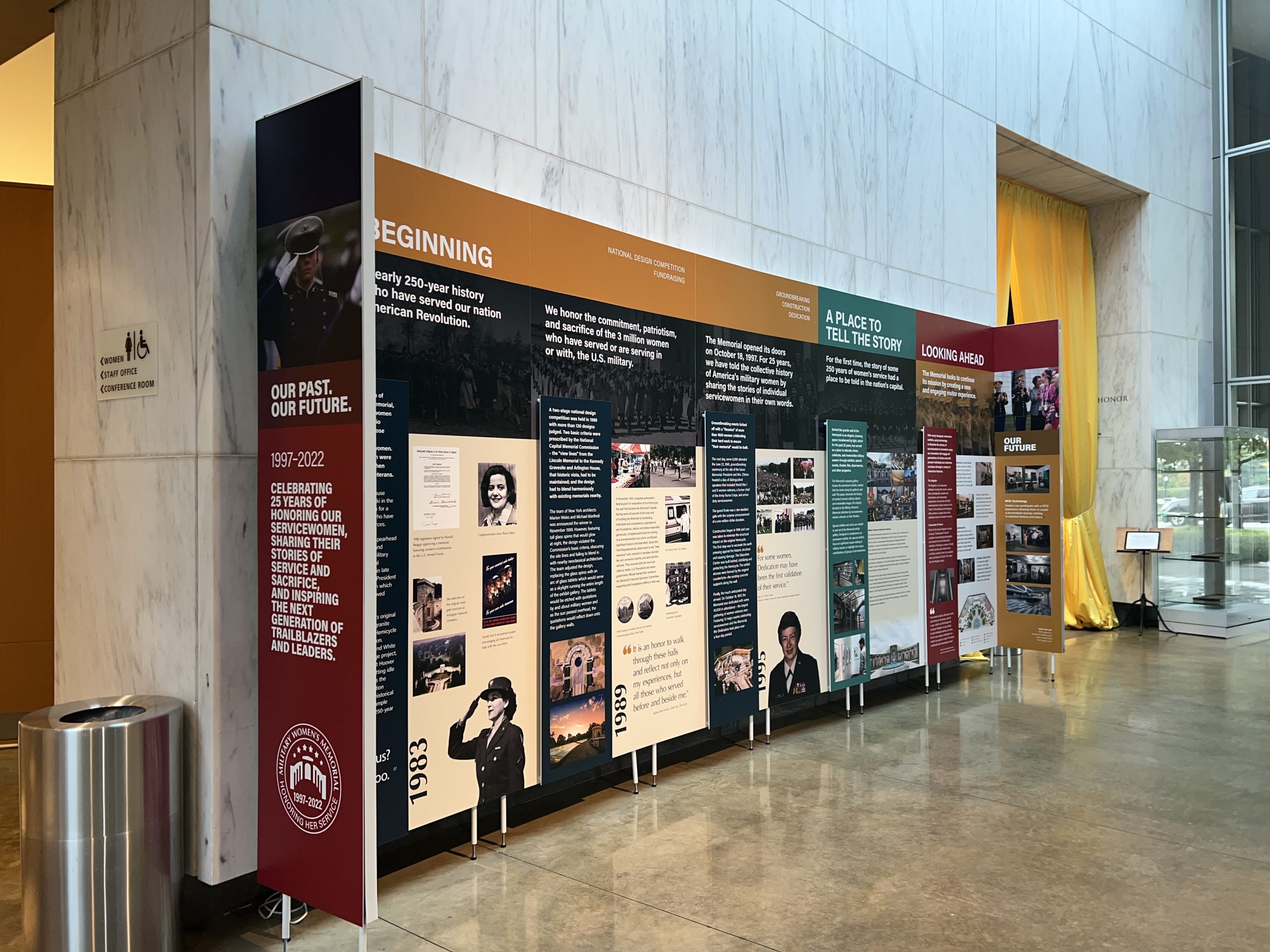
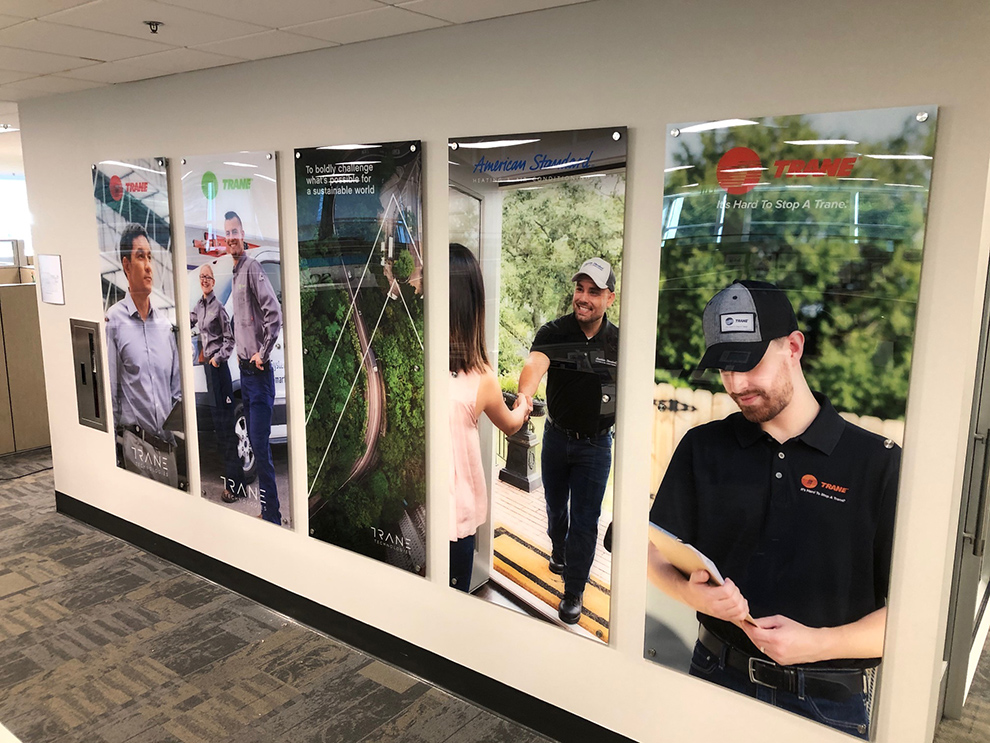
Some stories need more room than a door or window can offer. Wall displays organize company history, recognition, community involvement, milestones, and core values through printed graphics and mounted elements that reward people after they walk in.
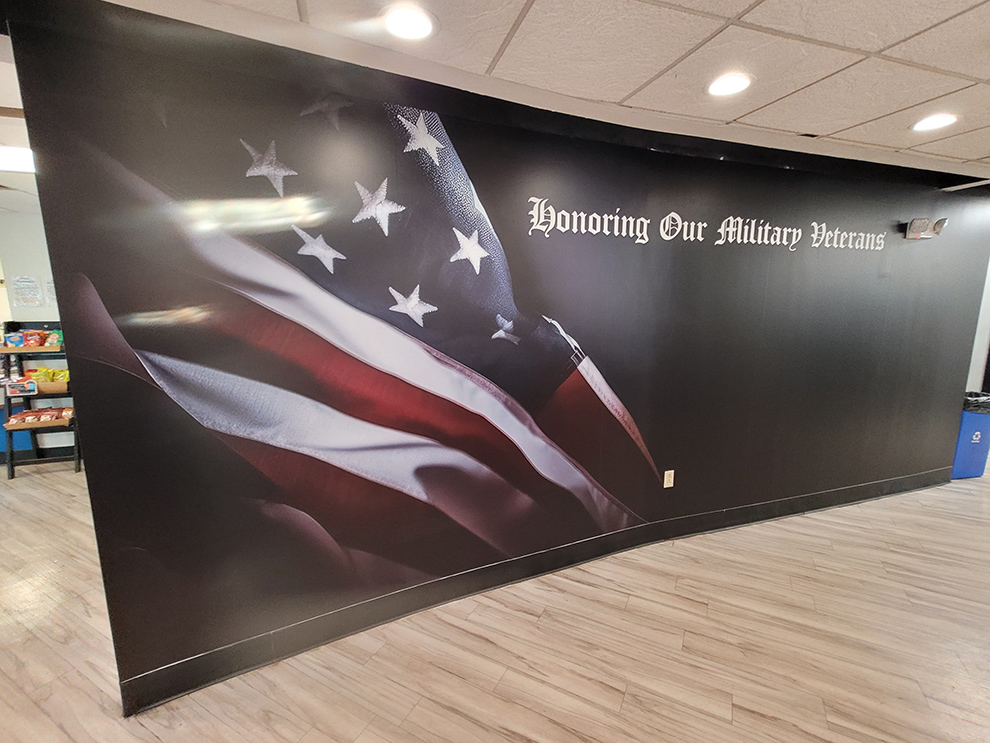
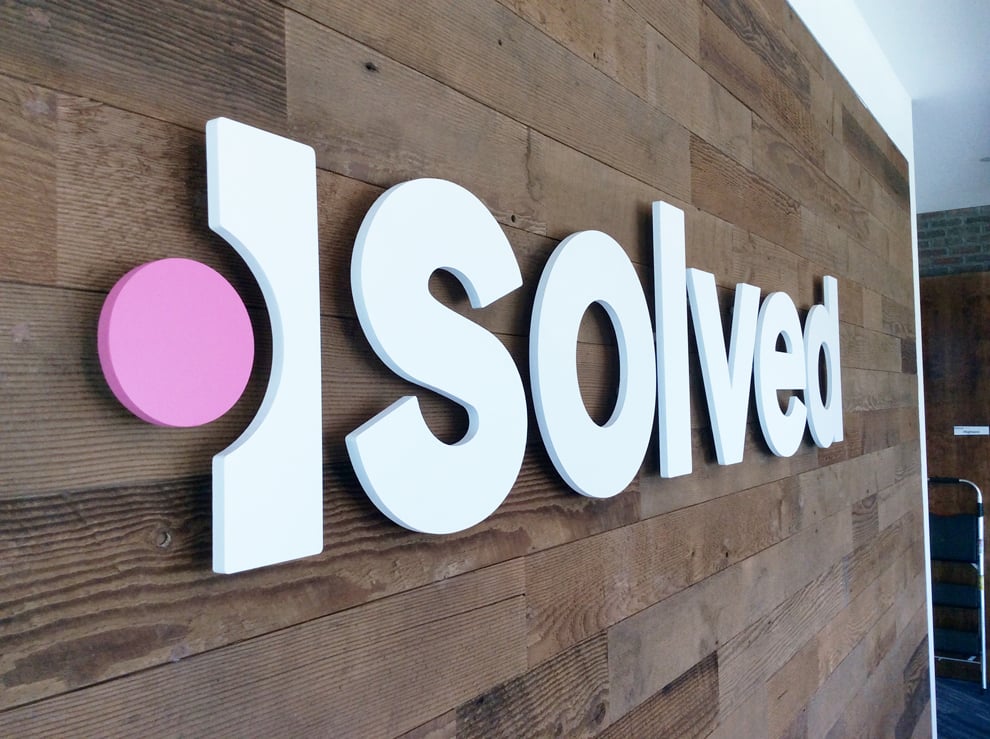
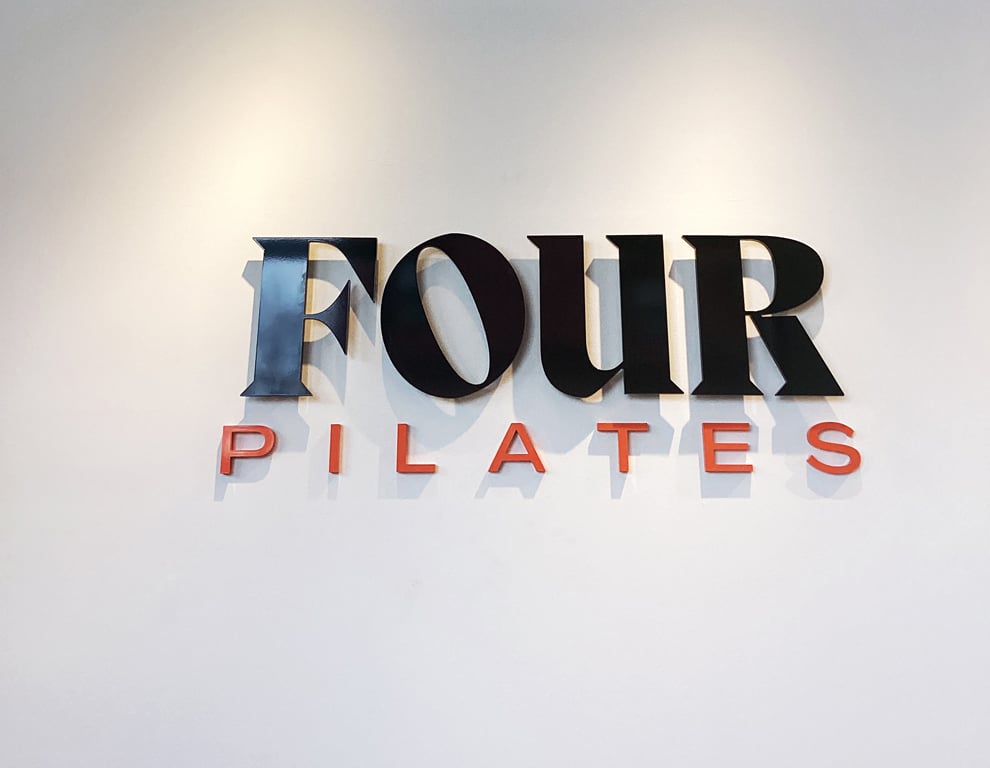
Dimensional letters bring depth and architectural weight to logos, names, and select messages. Used indoors or in a suitable non illuminated storefront application, they strengthen identity while staying coordinated with nearby glass graphics, finishes, and interior focal points.
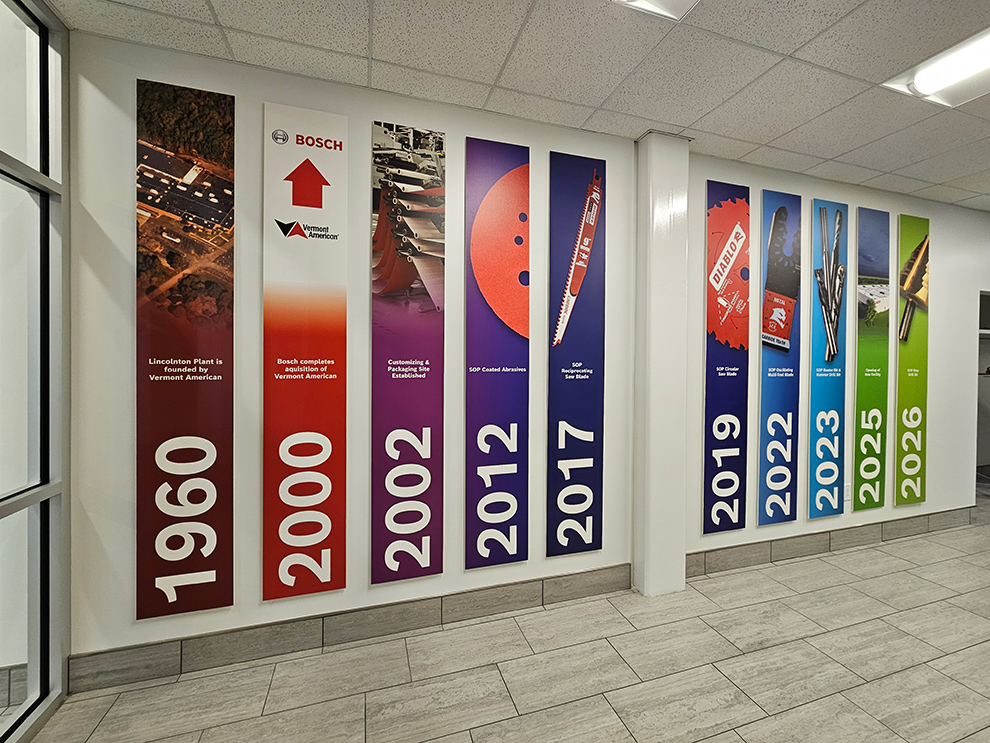
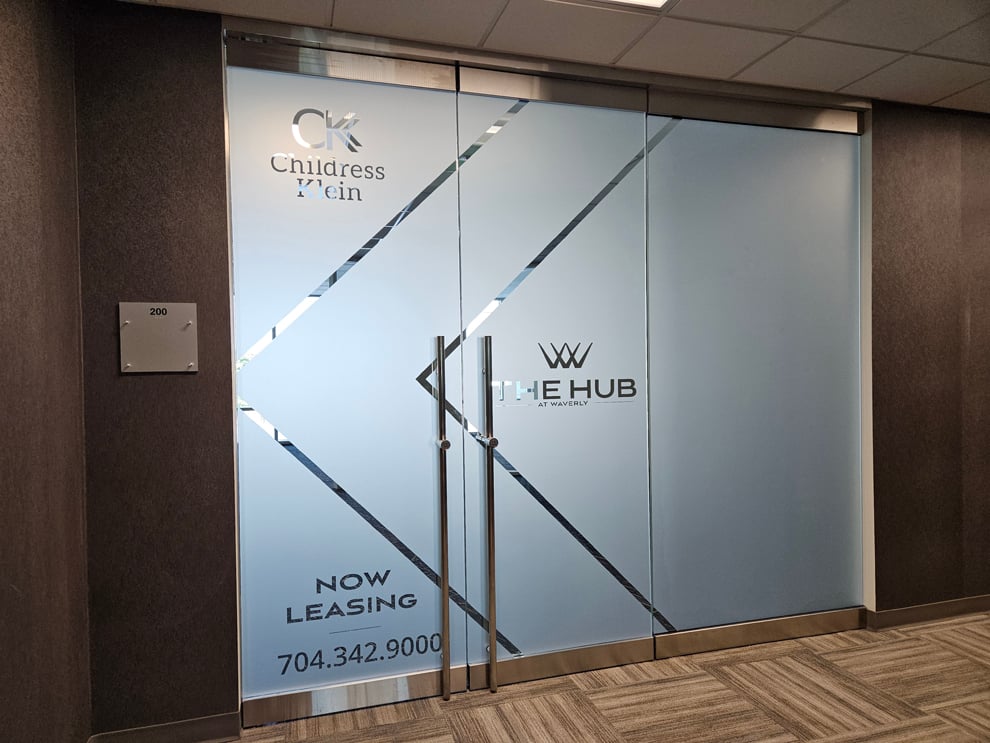
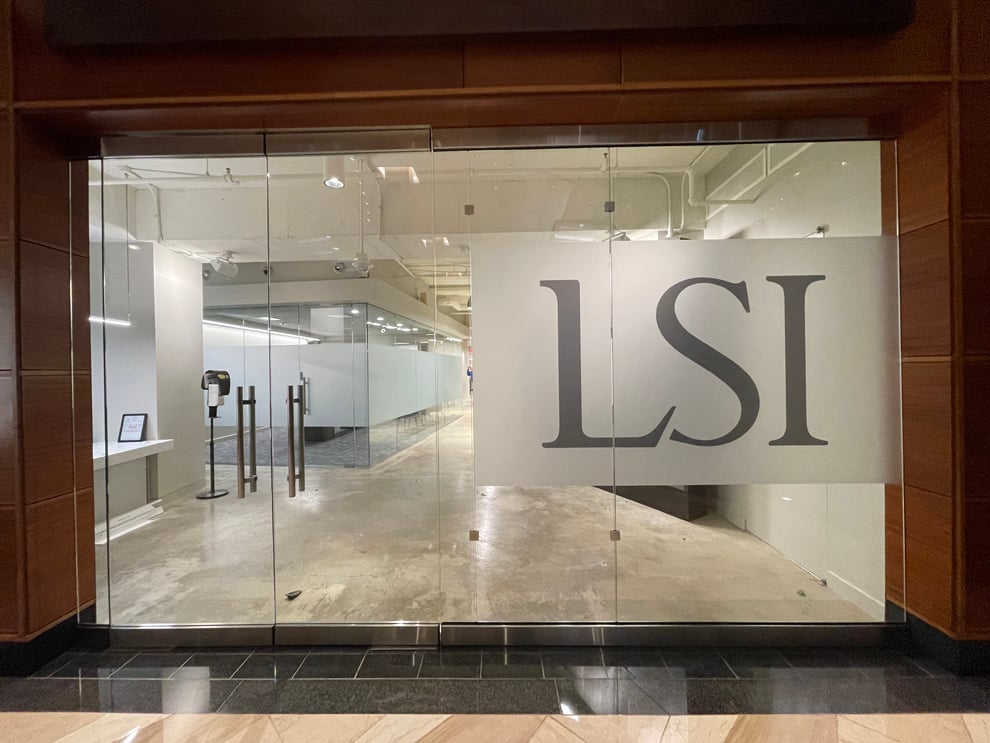
Frosted vinyl and etched look privacy film cut direct sightlines while letting daylight move through the glass. Custom patterns, bands, logos, or graduated coverage can deliver privacy and still look intentional next to the entrance and the surrounding workplace.
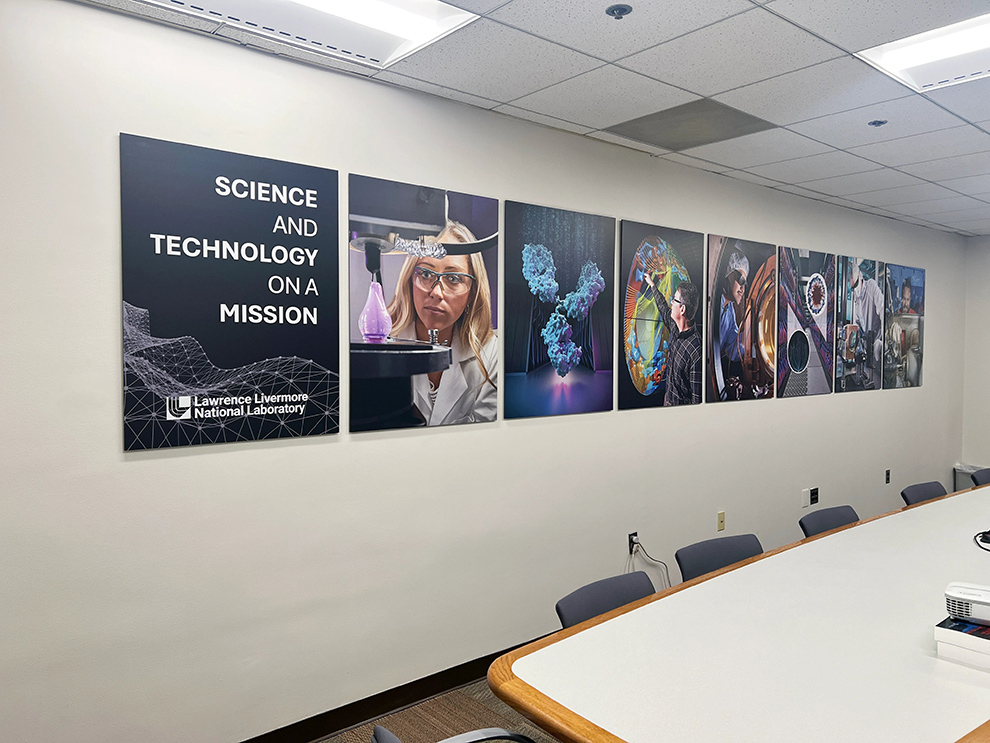
SEG fabric graphics stretch printed fabric inside a slim frame for a crisp, seamless interior presentation. They extend campaign imagery or brand messaging beyond the storefront, and the fabric can be swapped later without replacing the frame.
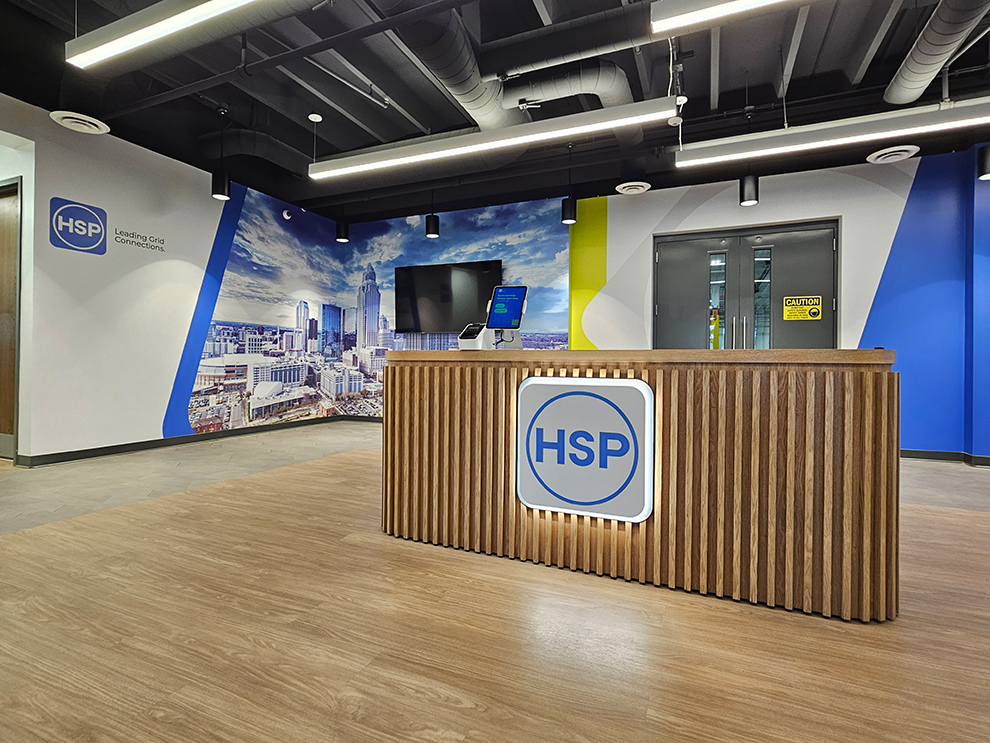
A backlit sign can create a stronger interior focal point once the storefront has handled recognition. Heritage plans these for interior use with attention to room scale, nearby graphics, existing lighting, electrical conditions, and the approved visual hierarchy.
Planning Storefront Graphics as part of a managed entrance or interior branding project in Norfolk? Use Get Started Now to send over the project address, the outcome you have in mind, your target completion date, budget expectations, photographs, any measurements you have, plans, artwork, brand standards, and anything else already on hand. One dedicated Project Manager reviews it all, flags the decisions and field information still outstanding, and lines up the right Heritage resources for environmental graphic design, production, fabrication, and professional installation.
Norfolk clients get local discovery, site surveys, field verification, installation planning, professional installation, and follow through from a verified client facing Heritage team. Seeing the property in person matters, especially for entry configuration, glass conditions, building access, wall surfaces, and the scheduling limits of an occupied commercial space.
That Norfolk presence anchors work in Virginia Beach, Chesapeake, Portsmouth, Suffolk, Newport News, Hampton, and the broader Hampton Roads market. One dedicated Project Manager connects what the field team observes with environmental graphic design, production, fabrication, and installation planning. You never have to re explain the project as it moves between Heritage teams.
If your Norfolk organization operates additional properties, Heritage can coordinate the work across Virginia and the Mid-Atlantic through its wider network. Brand standards and project knowledge stay intact while each site receives a solution suited to its architecture and operating conditions. That local to regional structure keeps management consistent without pretending every building should get an identical treatment.
Environmental graphic design decides what people notice first and how the branded experience unfolds after they step inside. The target might be stronger identification, an easier arrival, sensible privacy, clearer direction, a more memorable lobby, or an interior feature built around history, recognition, core values, or mission.
Some clients arrive with complete brand standards and approved artwork. Others bring an objective, a few photos, a floor plan, or a rough concept that needs development. Heritage can collaborate with architects, interior designers, branding agencies, environmental graphic designers, property teams, and internal stakeholders to develop environmental graphics within Heritage's scope.
Scale, visibility, preserved sightlines, privacy needs, lighting, materials, and real site conditions all shape the recommendation. Design does not get handed off and forgotten. Heritage carries it into production, fabrication, and professional installation so the concept reflects what can actually be built and installed the right way. Heritage does not provide licensed architecture, engineering, general commercial interior design, lighting design, or code consulting.
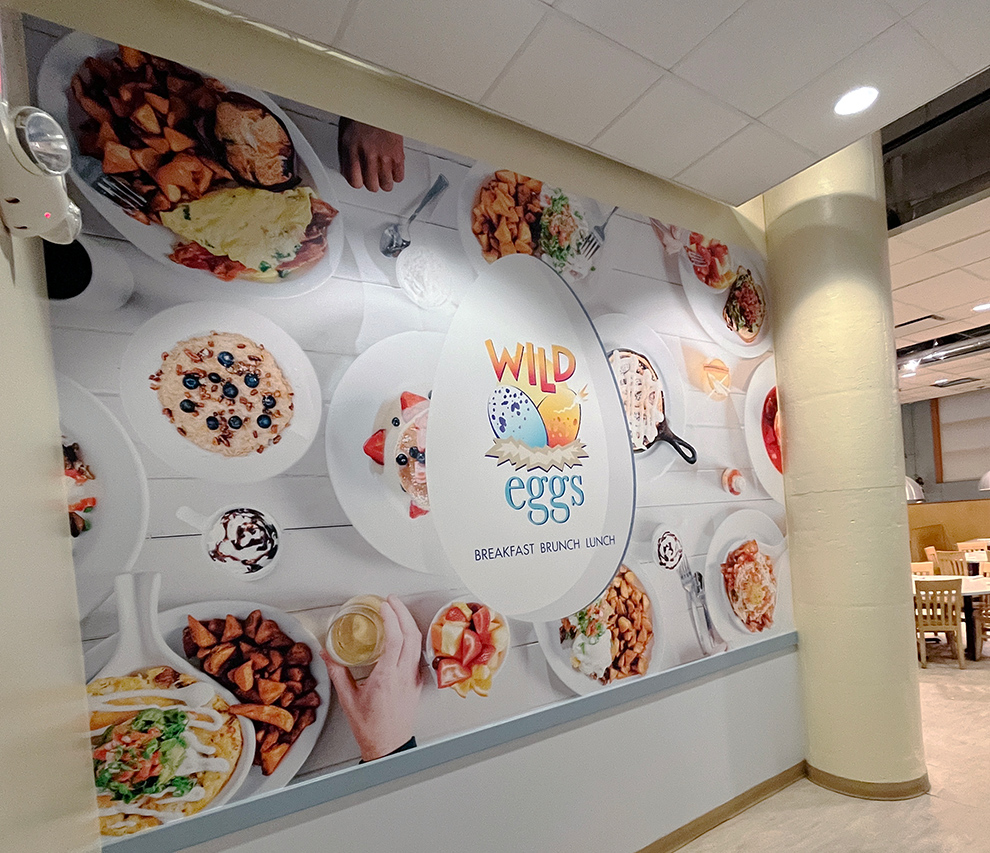
Heritage produces and installs suitable non illuminated exterior elements as part of coordinated Storefront Graphics and workplace branding projects. That includes exterior window graphics, exterior wall graphics and wraps, dimensional lettering, dimensional signs, custom sign panels, and related non illuminated storefront components. These pieces establish identity before entry and connect to the entrance glass, lobby signs, wall graphics, and displays inside.
Printed exterior wall graphics receive protective film laminate as standard practice for added UV and weather protection, which matters in a coastal market like Hampton Roads. Heritage also reviews surfaces, sun and wind exposure, access, and attachment methods before confirming that a proposed application fits the project.
Heritage does not produce or install channel letters, monument signs, pylon signs, or illuminated exterior signs. Heritage does not determine whether a sign permit is required, prepare permit documents, submit applications, communicate with permitting authorities, pay fees, or pursue approvals. The client, property owner or property manager, or general contractor is responsible for confirming and securing all required sign permits and property approvals.
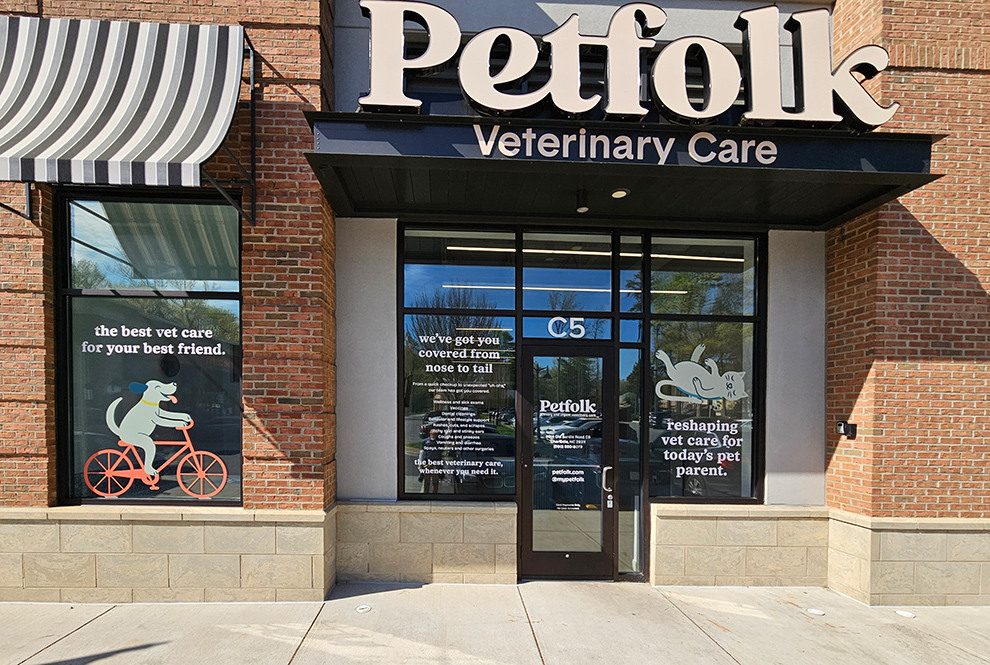
Every Heritage Storefront Graphics project includes a site survey that ties your objectives to measurements, surfaces, access, and installation conditions. Field information surfaces practical requirements before production wraps up, including glass dimensions, wall readiness, attachment conditions, equipment access, occupied space restrictions, and workable installation windows.
One dedicated Project Manager keeps everyone on the same page: our designers, production and fabrication team, and full-time installers all work from a single project record. Site measurements, approved design intent, material selections, property and landlord rules, access requirements, and schedule notes are documented in one place. Fewer handoffs mean fewer surprises, and most questions get answered before they ever reach you.
Every installation is built around three priorities: getting it right the first time, keeping the client's property protected, and staying out of the way of daily business. Heritage installers show up already briefed on what discovery and field verification uncovered, so no one is guessing on site. Dates and access windows are worked out ahead of time with the client and any property stakeholders, and conditions get a final review before the first graphic goes up. Start to finish, one accountable Heritage relationship carries the approved Storefront Graphics project through completion.
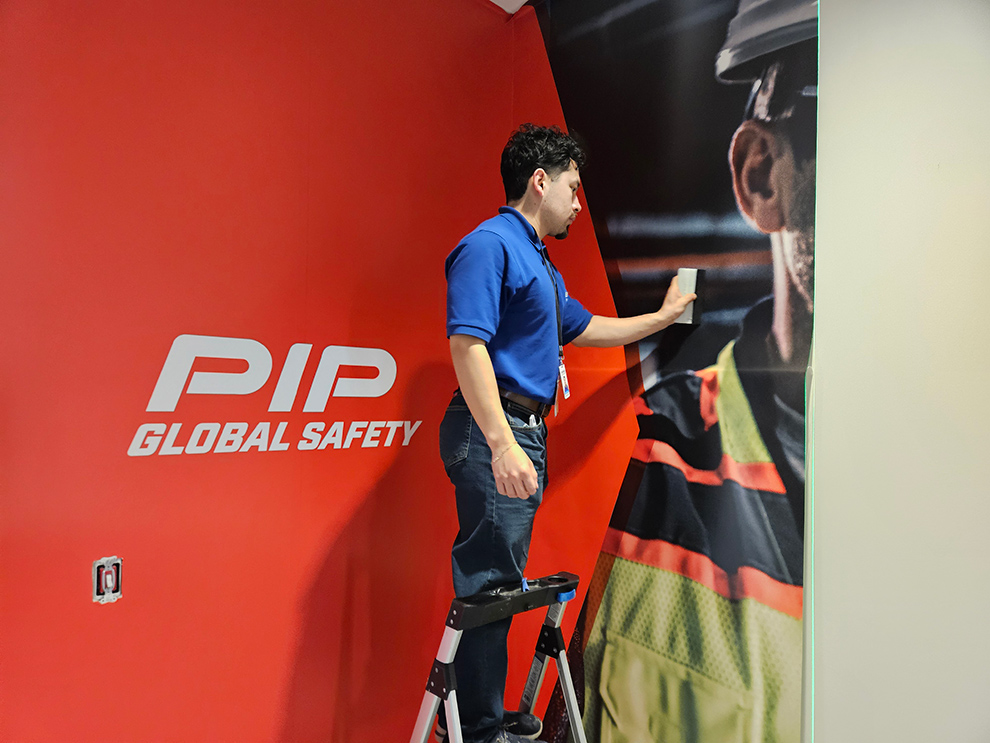
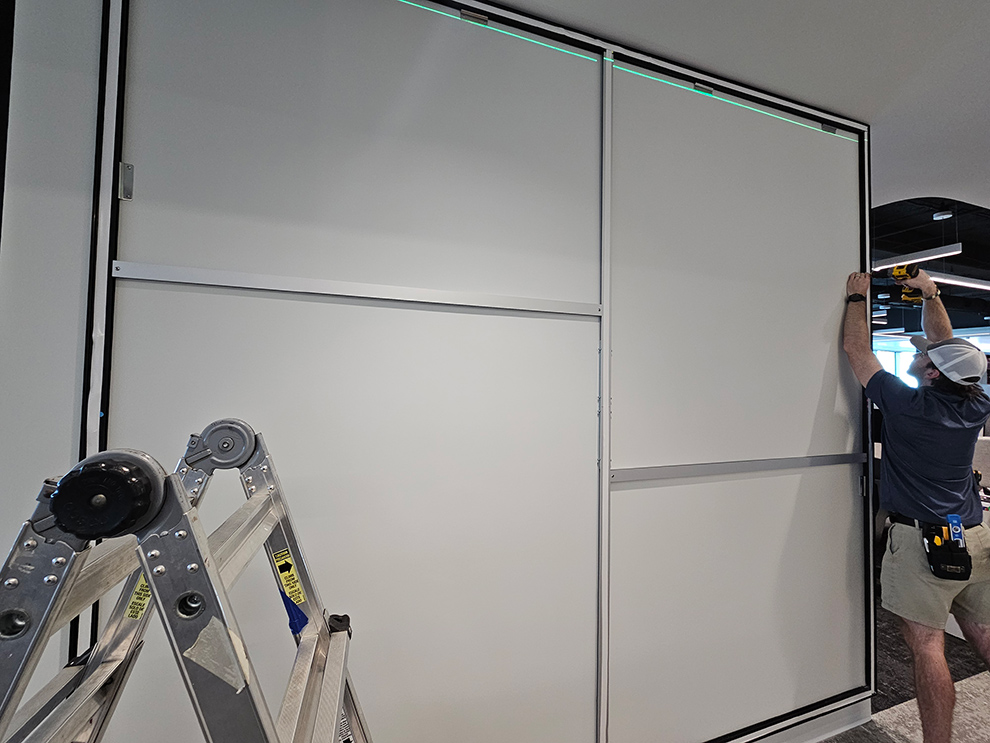
Wall graphics only perform when the wall behind them cooperates. That means solid, smooth drywall, repairs already finished, primer and paint applied correctly, and finish paint that has fully cured. Paint that feels dry is not the same as paint that has cured. Four weeks is a reasonable planning window for many products, though the paint manufacturer's specifications and real site conditions are what actually determine readiness.
Washable, scrubbable, stain-resistant, low-VOC, and zero-VOC coatings can complicate adhesion, and so can several other specialty paints. These surfaces may call for cleaning, adhesion testing, or a different vinyl and adhesive pairing. Keep in mind what a test can and cannot tell you. It shows how vinyl behaves against the paint film. It says nothing about how firmly that paint and primer are gripping the drywall underneath. If paint lifts or peels during testing or during routine repositioning, Heritage stops work rather than compounding the problem.
Wall repair, priming, repainting, full cure time, restoration, and any related surface expense fall to the client or property owner. Heritage neither performs nor funds that work. Removal down the road is a separate matter. Patient technique reduces avoidable damage, but nobody can promise damage-free removal. Paint may come off. Primer may come off. Drywall facing may tear. The word removable refers to the adhesive system and its intended use, not a guarantee about the wall afterward. Pulling existing graphics early is smart, since it exposes restoration needs well before the replacement install is on the calendar.
Good planning connects the outcome you want with the audience, scope, phasing, calendar, site conditions, site readiness, stakeholders, approval chain, budget expectations, and whatever information is still missing. Photos, dimensions, floor plans, artwork, brand standards, and property details all feed those decisions, but gathering paperwork is not the point of planning. The point is a scope that can actually be executed, with responsibilities spelled out.
Heritage fits professionally managed projects that gain something real from environmental graphic design, production, fabrication, and professional installation working together. Projects that include production and installation frequently land between $10,000 and upward of $200,000. Where a specific project falls depends on total scope, materials, location count, fabrication complexity, access challenges, scheduling, and installation requirements.
The work might center on a single high-visibility entrance and lobby. It might be a workplace program rolled out in phases. It might be brand consistency across a handful of properties. In each case, one dedicated Project Manager holds the thread between client stakeholders and Heritage teams while approvals move and field decisions get made. This model suits organizations that want managed, coordinated execution instead of a one-off commodity graphic.
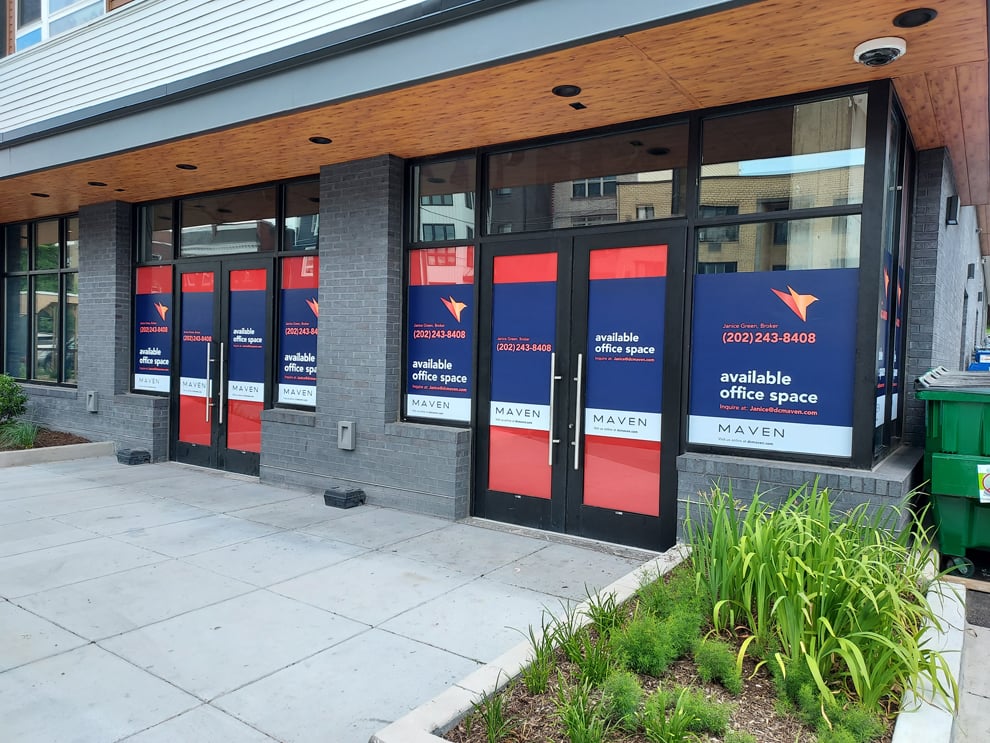
Storefront graphics are the signs and vinyl graphics that announce who you are at the entrance and carry that identity into the space beyond the glass. They handle recognition, privacy, glass awareness, and arrival, and they work best when coordinated with lobby signs, wall graphics, dimensional elements, and the rest of your workplace branding.
Yes. Frosted vinyl, etched-look privacy film, patterned graphics, and well-placed coverage can break up sightlines while letting daylight through and preserving the views worth keeping. What works depends on how much privacy you need, how the glass is configured, how the space is lit, and how people move through it.
Yes. Every Heritage Storefront Graphics project includes a site survey that ties your objectives to actual measurements, surfaces, access, and installation conditions. Those findings stay with one dedicated Project Manager and shape environmental graphic design, production, fabrication, scheduling, and installation.
Yes. Dimensional lettering works for the right non-illuminated storefront application and can also anchor the lobby as a focal point. Heritage coordinates depth, scale, placement, materials, and attachment method alongside nearby graphics so the lettering reads as part of one connected entrance and interior.
The wall needs sound, smooth drywall, finished repairs, correctly applied primer and paint, and finish paint that has fully cured. Four weeks is a workable allowance for many paints, though manufacturer specifications and site conditions govern actual readiness.
Washable, scrubbable, stain-resistant, low-VOC, zero-VOC, and other specialty coatings may require cleaning, testing, or a different vinyl and adhesive combination. Adhesion testing reveals how vinyl behaves against the paint film. It cannot confirm how securely paint and primer are bonded to the drywall behind it.
If paint peels or lifts during testing or routine repositioning, Heritage stops. Repair, priming, repainting, full cure time, restoration, and related surface costs are arranged and paid for by the client or property owner.
Yes. Heritage produces and installs non-illuminated exterior window graphics, exterior wall graphics and wraps, dimensional lettering, dimensional signs, custom sign panels, and related storefront elements as part of coordinated entrance and interior branding projects. Printed exterior wall graphics get protective film laminate as standard practice for added UV and weather resistance, which matters in Norfolk's coastal environment.
Heritage does not produce or install channel letters, monument signs, pylon signs, or illuminated exterior signage. Sign permits and property approvals are the responsibility of the client, property owner or manager, or general contractor. Heritage does not determine permit requirements or manage permitting.
Yes. Heritage works slowly and deliberately to limit avoidable damage, but damage-free removal cannot be guaranteed. Paint, primer, or drywall facing can lift away with the vinyl. Removable describes the adhesive system and its intended use. It is not a promise about the condition of the wall afterward.
Repair, priming, repainting, full cure time, restoration, and associated costs belong to the client or property owner. Heritage does not perform or pay for that work.
Yes. One dedicated Project Manager can carry approved brand standards, project documentation, production, fabrication, and installation across multiple sites throughout Hampton Roads, Virginia, and the wider Mid-Atlantic. Each property still gets evaluated on its own, because architecture, dimensions, surfaces, access, schedules, and installation conditions rarely match from building to building.
Material choice follows the design, placement, exposure, surface, attachment method, and how long the graphic needs to last. Depending on the application, Heritage may specify adhesive vinyl, acrylic, dimensional substrates, or aluminum composite material, known as ACM, which delivers a metal appearance at a fraction of the weight of solid metal. Heritage does not print on or cut solid aluminum or solid steel as sign substrates.
Distraction markers are decorative or branded vinyl graphics applied to clear glass so people notice the surface is there. They can take the form of bands, dots, patterns, logos, or other elements, and they often carry identity or privacy duty at the same time. Applied vinyl does not establish building-code compliance, safety-glazing compliance, certification, or approval.
Heritage's full-time professional installers handle Storefront Graphics projects that Heritage produced and manages. They work from the measurements, documented site conditions, approved design intent, material decisions, access requirements, and schedule maintained by your dedicated Project Manager. Heritage does not offer installation-only service for signs or graphics supplied by others.
Service life comes down to material, surface, placement, exposure, cleaning practices, physical contact, and intended use. No single durability number applies across applications. Heritage starts with how long you need the graphics to perform, then evaluates materials and site conditions before recommending an approach.
Yes, when removal is part of a new Heritage production and installation project. Heritage does not offer graphics removal as a standalone service. Existing wall graphics should come down early, because the true condition of the surface underneath cannot be confirmed until they do.
Removal methods are careful, but paint loss, primer loss, or drywall-facing damage remain possible. Repairs, priming, repainting, full cure time, and restoration are arranged and paid for by the client or property owner. Removing early leaves room to finish that work before the replacement install is scheduled.
Yes. Heritage collaborates with architects, interior designers, branding agencies, environmental graphic designers, property teams, and internal stakeholders. Heritage can develop environmental graphic design within its scope or execute from established standards and approved artwork, then carry that direction through production, fabrication, and installation. Heritage does not provide licensed architecture, engineering, general commercial interior design, lighting design, or code consulting.
Norfolk organizations come to Heritage when they are tired of juggling separate vendors for entrance graphics, interior branding, production, fabrication, and installation. Clients get local field and installation support across Hampton Roads, one dedicated Project Manager, and the deeper resources of a team working throughout Virginia and the Mid-Atlantic. What they end up with is one accountable relationship, straightforward
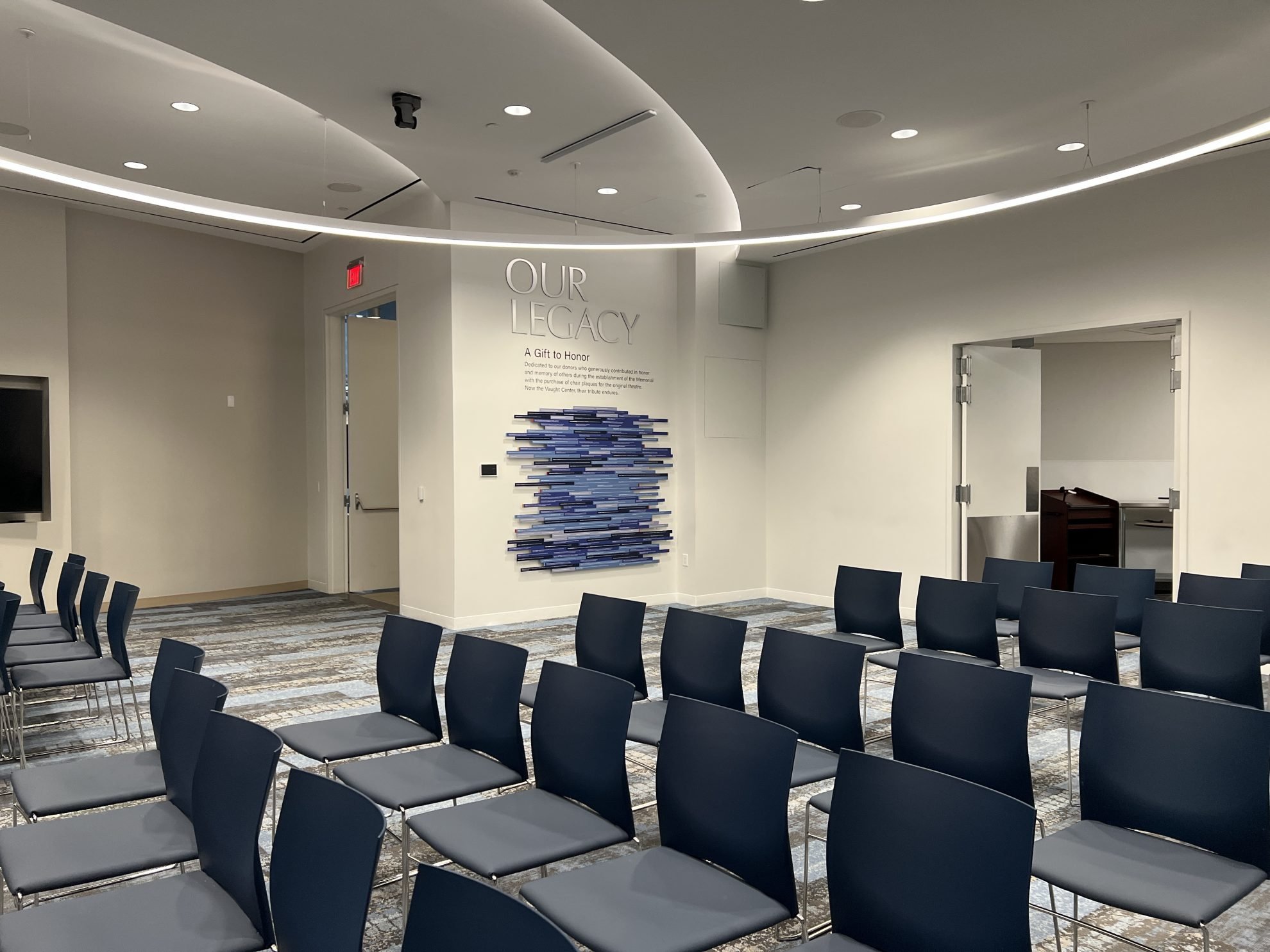
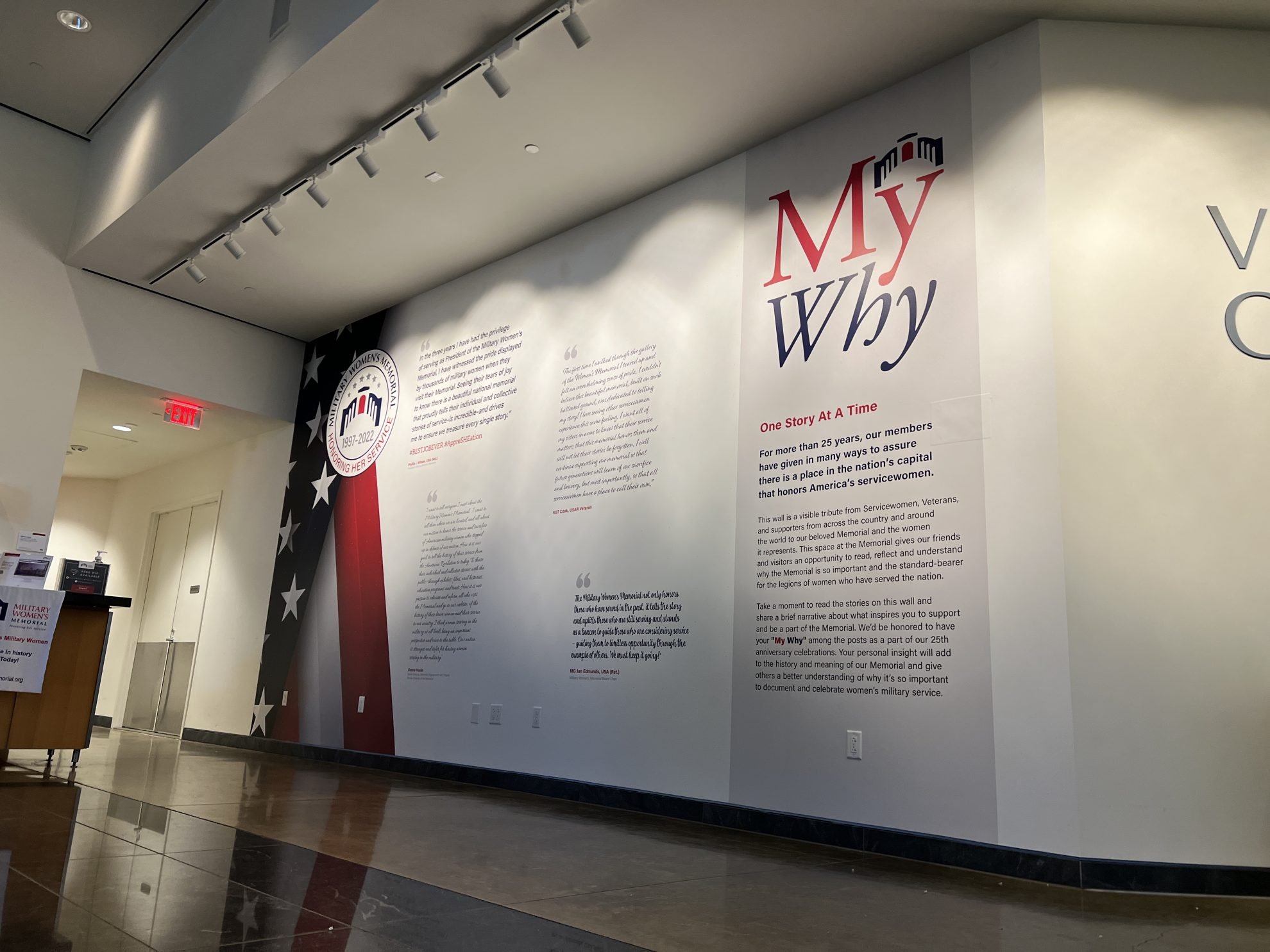
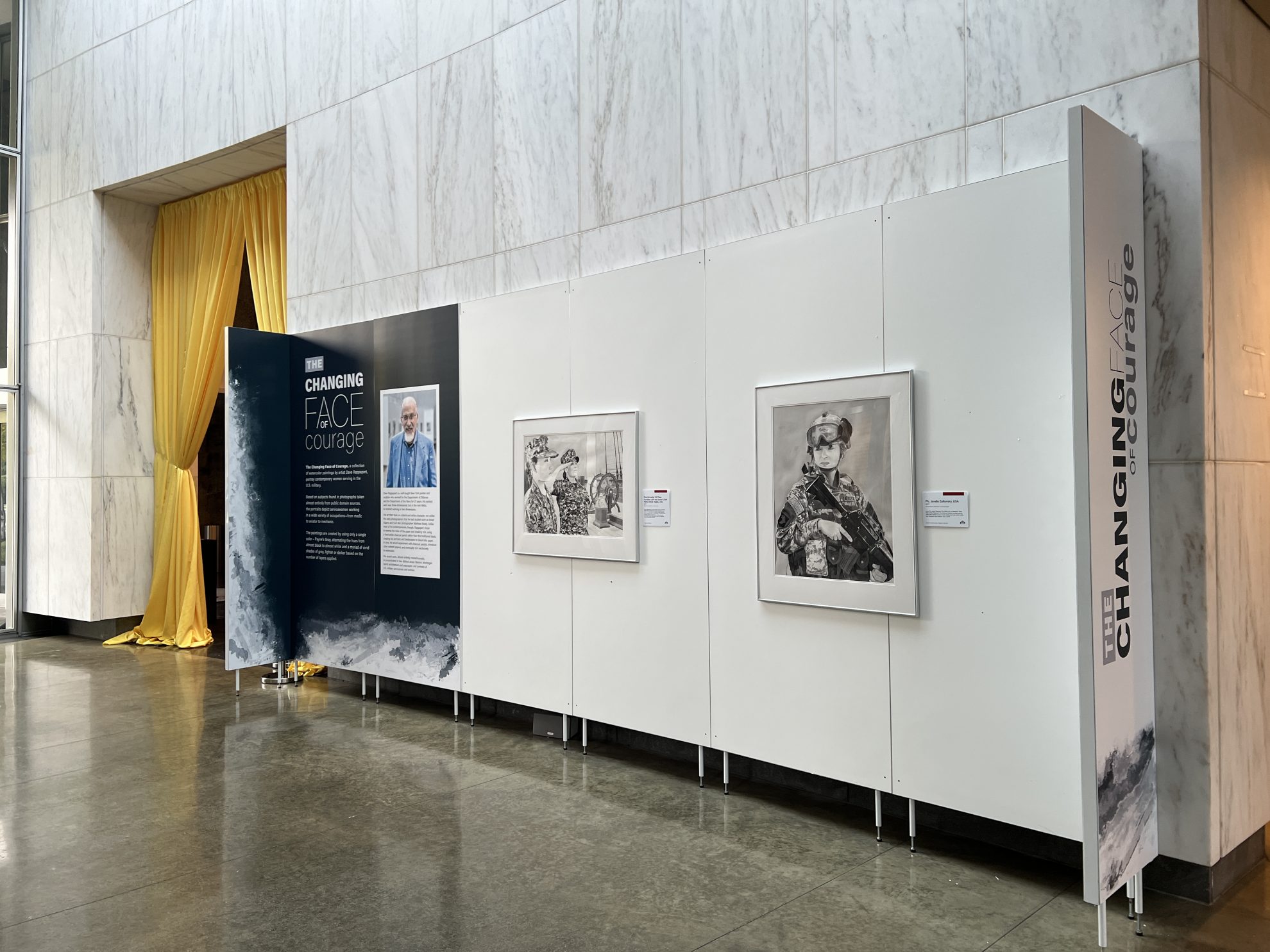
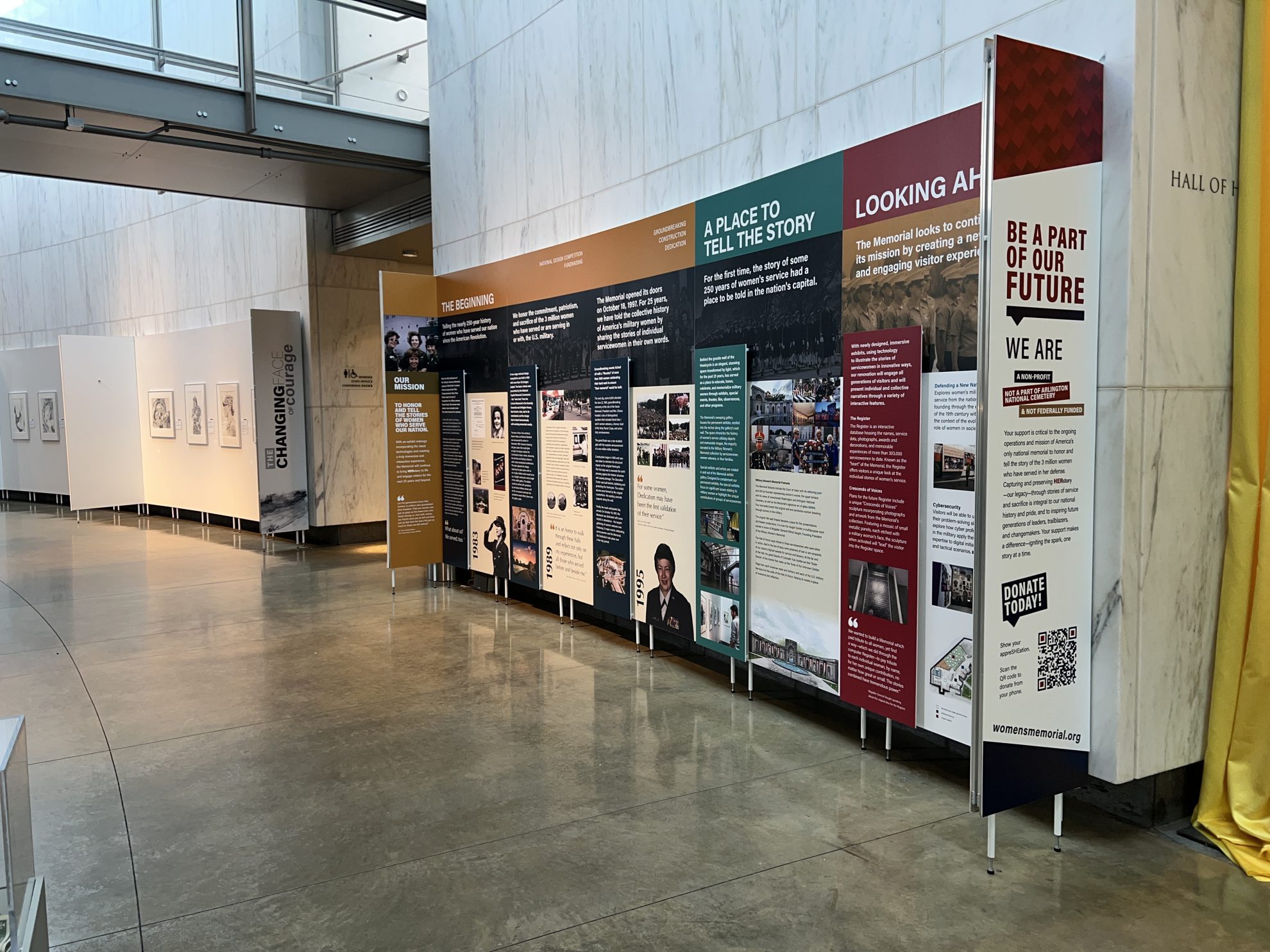
Heritage Signs & Displays created new museum signage for the Military Women’s Memorial in Arlington, VA. The project included custom signs, wall wraps, dimensional letters, and standoff-mounted displays to honor the legacy of U.S. servicewomen and the donors who supported the memorial. The updated interior features impactful designs, including a "Our Legacy" wall display and panels showcasing historical contributions and artwork, creating a transformative tribute to women in the U.S. Armed Forces.
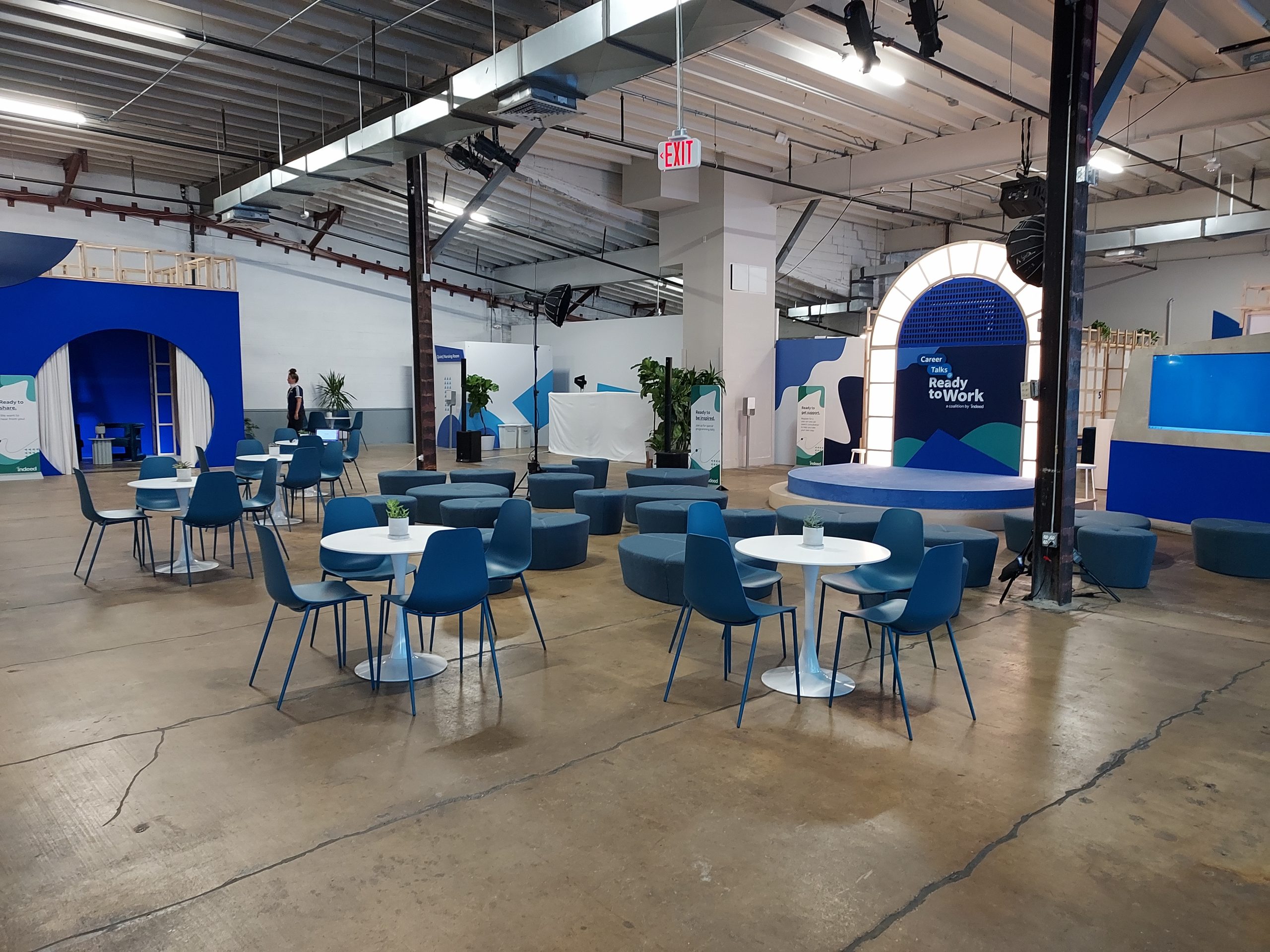
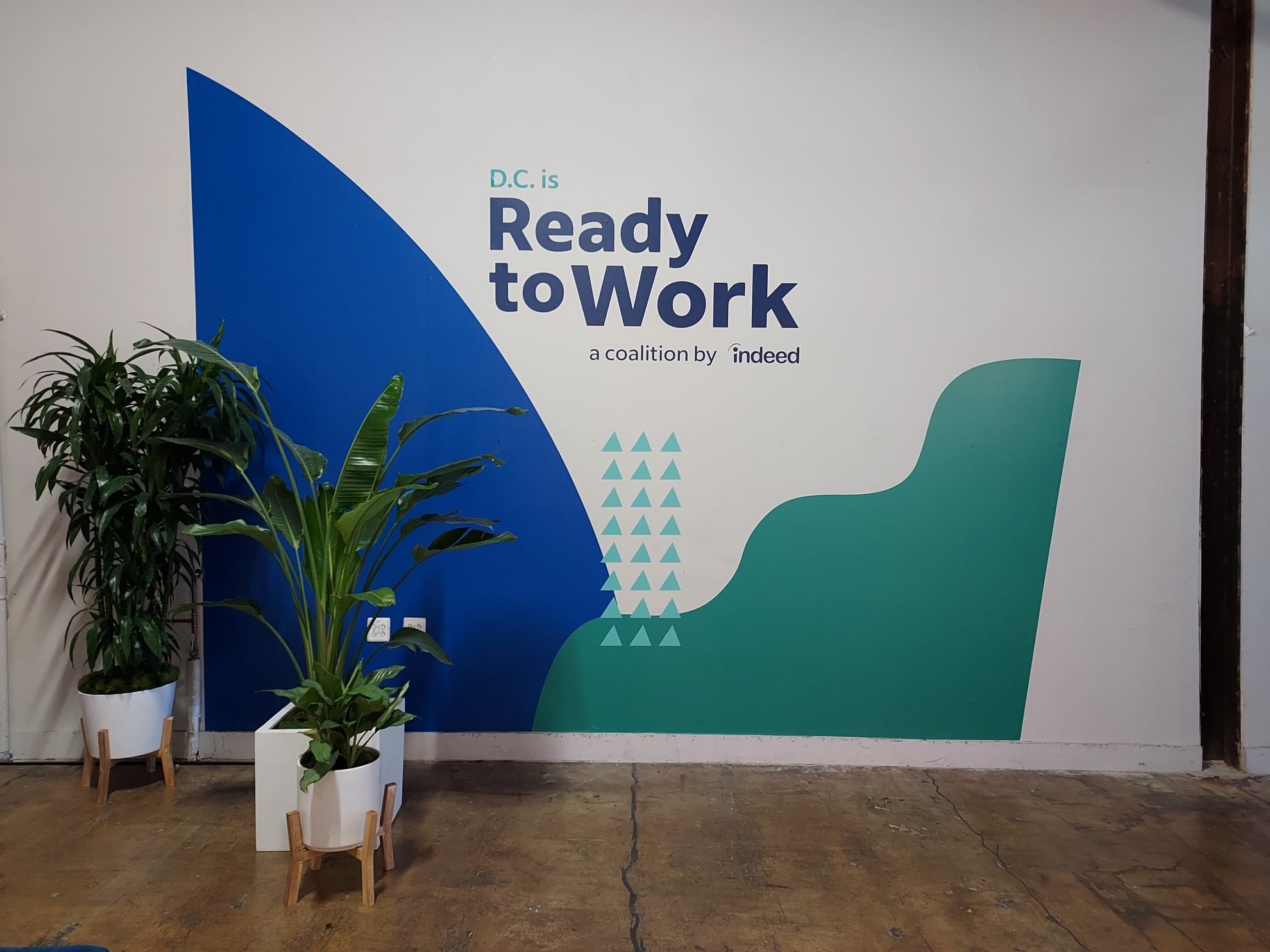
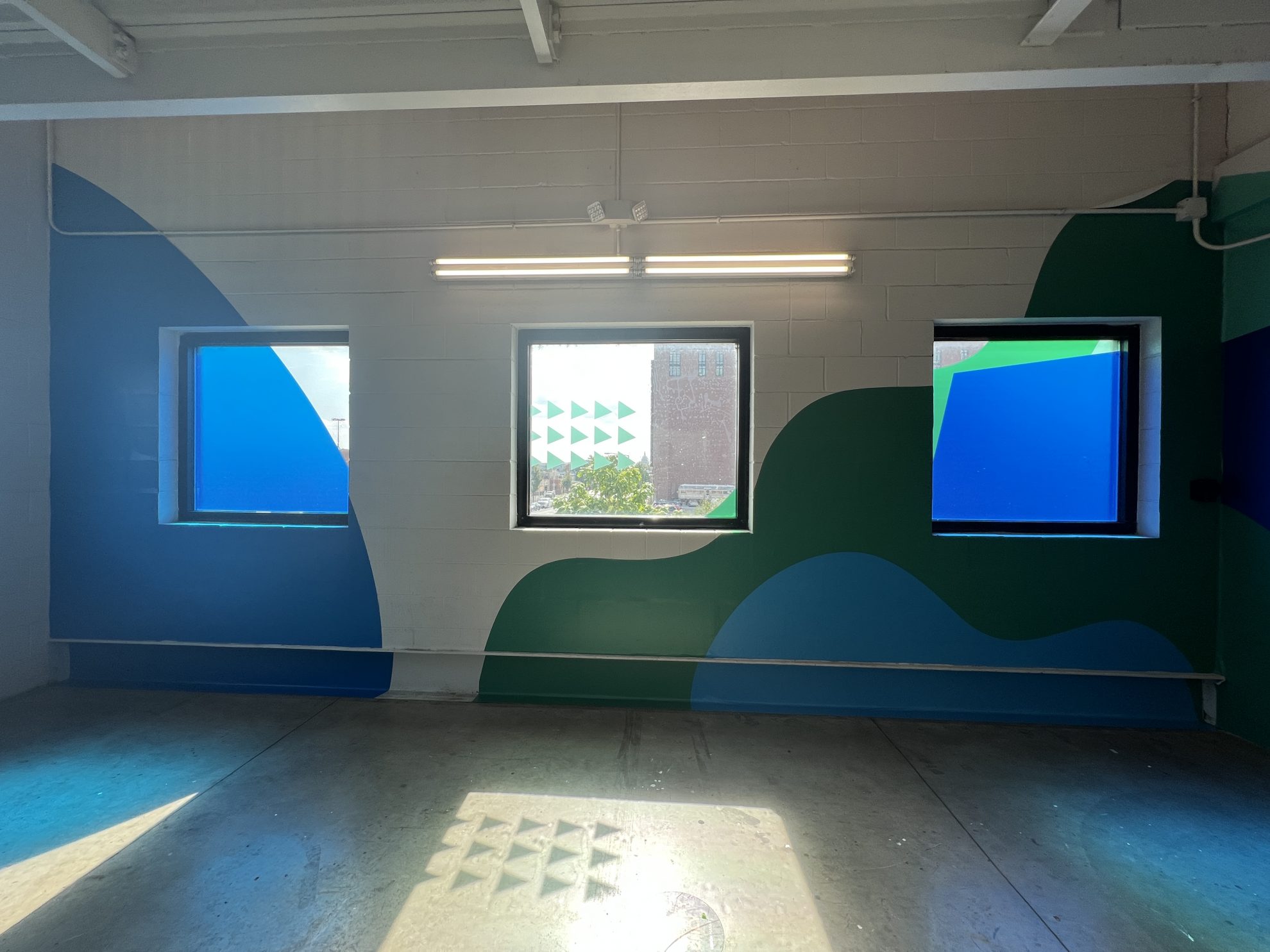
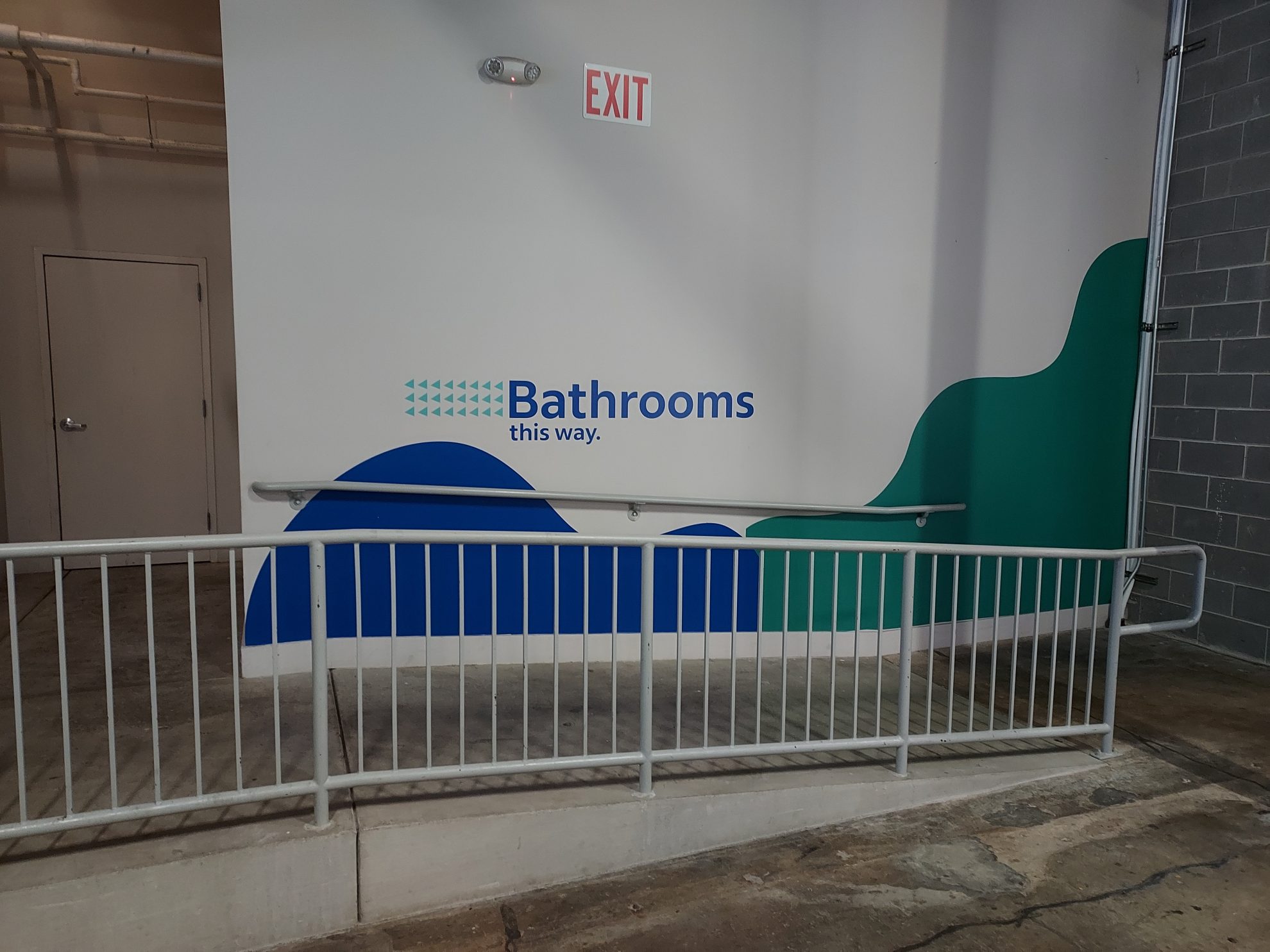
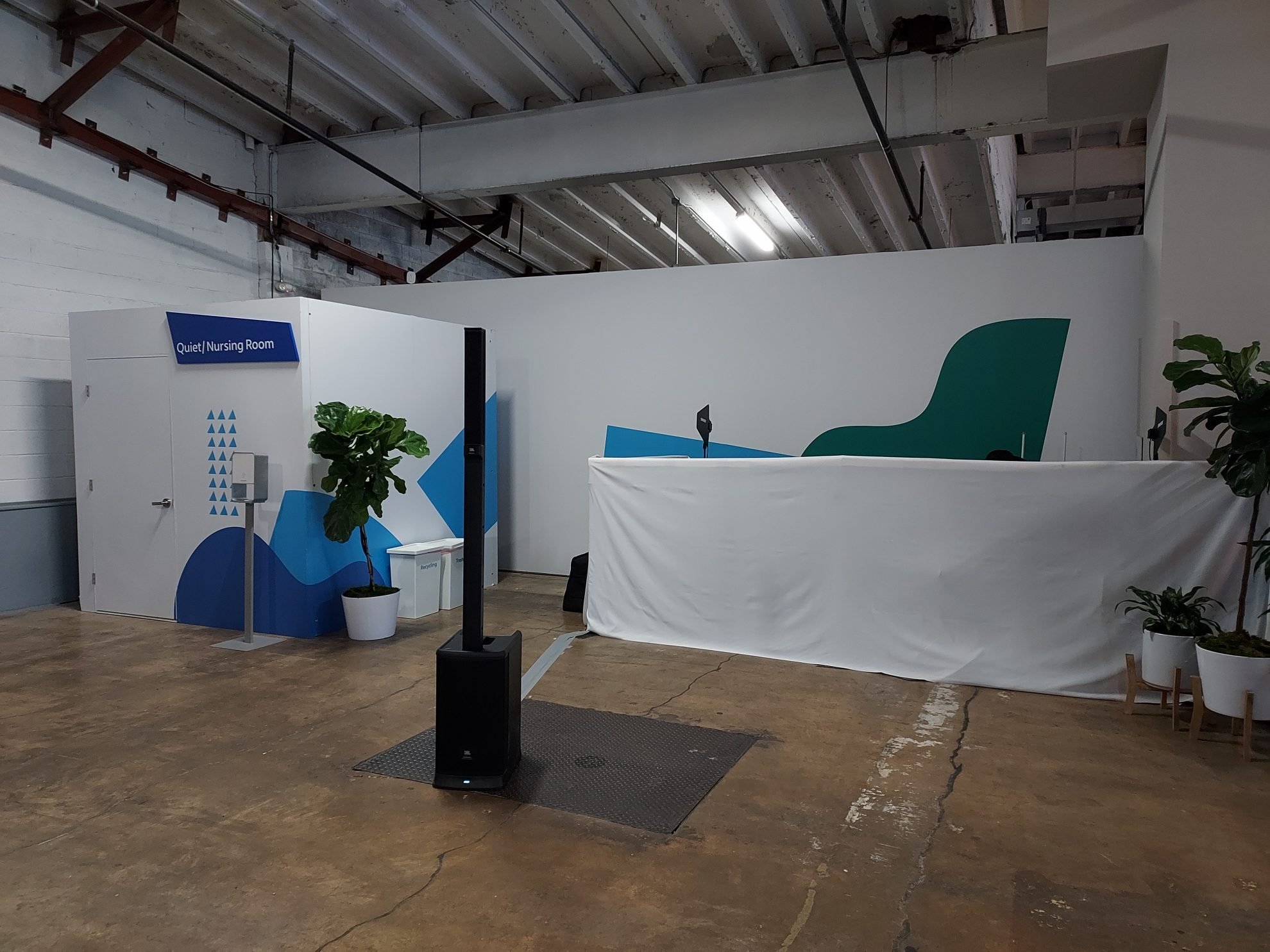
Heritage Signs & Displays' collaboration with The Gathery to brand Union Market in Arlington, VA, for Indeed's "Ready to Work" job fair. The project included custom event displays, wall graphics, window graphics, and wayfinding signs, creating an immersive and visually appealing environment. The branding enhanced the venue, reflected the event's mission, and provided a seamless experience for attendees.