Every part of a workplace shapes how people perceive an organization. The experience begins at the entrance, but it continues through reception areas, hallways, conference rooms, employee spaces, galleries, donor walls, and training environments. Each area has a different role. Lobby features establish a strong first impression, privacy graphics make glass-walled rooms more functional, and directional signs help people move through the building with confidence.
A successful interior branding program brings these elements together through a unified visual strategy. Information, organizational culture, architecture, visitor flow, and employee needs should all influence the plan. When signs, graphics, and displays follow the same creative direction, they can clarify the environment, strengthen workplace identity, and communicate what matters most to the organization.
Heritage Signs & Displays serves businesses and institutions in Norfolk, VA and throughout Hampton Roads with responsive project coordination and extensive production resources. Founded in 1977, Heritage is an award-winning, veteran-owned, family-led commercial sign company. Since 2009, the company has focused on custom interior signs, workplace graphics, environmental branding, and interpretive displays. Clients benefit from coordinated design, project management, production, fabrication, and professional installation.
Heritage is well suited for organizations seeking a complete visual communications partner rather than a vendor for a single sign. Our team evaluates the experience of everyone who enters the space, including employees, visitors, students, patients, donors, members, and community stakeholders. Depending on the facility, a coordinated program may include dimensional logos, wall wraps, frosted glass graphics, acrylic panels, donor recognition displays, historical exhibits, directional signs, or branded conference rooms. Each component is selected to fulfill a specific communication need and contribute to a cohesive interior.
Heritage works with corporate offices, professional service firms, healthcare providers, schools, universities, museums, nonprofit organizations, associations, government agencies, and other public-facing facilities. Projects can focus on one reception area, multiple departments, a complete workplace, or several locations that must follow common brand standards. Every engagement is led by a dedicated project manager who coordinates discovery, site information, estimating, creative development, approvals, production, scheduling, installation, and project completion.
Dependable results begin with accurate information. Wall measurements, surface conditions, colors, finishes, materials, mounting systems, viewing distances, access limitations, and installation sequencing must work together. Heritage uses site surveys, field verification, and collaborative reviews to identify potential issues before fabrication begins.
This managed approach also reduces the burden of coordinating separate designers, printers, fabricators, and installers. Heritage keeps each discipline connected through one accountable process. That coordination is especially valuable when a Norfolk workplace remains occupied during installation, an opening date cannot move, or several Hampton Roads locations need consistent branding adapted to their individual buildings.
The quality of the client experience is just as important as the finished installation. Heritage listens carefully, recommends solutions that fit the environment, manages production, and installs the completed signs and graphics with clear responsibility. Our purpose is to honor God by serving our clients and communities with excellence. That commitment guides how our team communicates, addresses challenges, manages resources, and supports clients from planning through completion.
A qualified Norfolk sign company should help your organization communicate effectively with everyone who enters or works within the facility. Employees benefit from spaces that reflect company culture and support their daily responsibilities. Visitors need a welcoming arrival and clear directions. Patients, students, donors, members, and public stakeholders may require accessible information presented at the right place, scale, and pace.
Heritage evaluates how audience needs interact with brand guidelines, architectural features, lighting, circulation patterns, viewing distances, wall and glass surfaces, accessibility considerations, future updates, and installation conditions. These details influence the size, placement, materials, fabrication methods, and message hierarchy of each element. Addressing them early allows the entire interior sign system to work together.
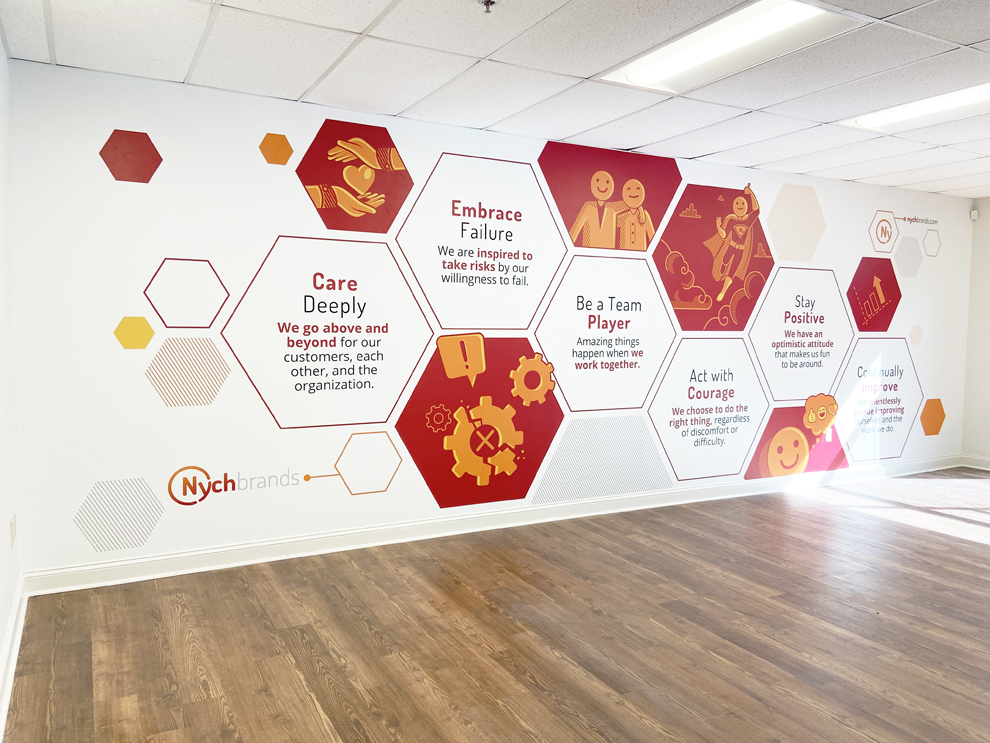
The result might be a redesigned reception area, a branded corporate office, an employee values wall, a donor recognition feature, an educational exhibit, or a comprehensive wayfinding program. Norfolk organizations may also need interpretive displays that share institutional history or explain their connection to the Hampton Roads community. Whatever the objective, the completed environment should be easier to navigate, more useful, and more representative of the organization.
Heritage provides a dedicated project manager who remains the primary point of contact from the initial conversation through final installation. This person gathers project objectives, site details, brand assets, content, scheduling requirements, investment expectations, and approval responsibilities. The project manager then coordinates design, estimating, material selection, production, fabrication, installation planning, and field communication.
Environmental graphic designers collaborate directly with project managers, production specialists, fabricators, and installers. Before complex projects enter fabrication, Heritage conducts a detailed pre-production review. The team examines field-verified measurements, substrate conditions, color specifications, material transitions, attachment methods, equipment access, and installation sequencing. Resolving conflicts during this stage is typically easier and less disruptive than addressing them at the project site.
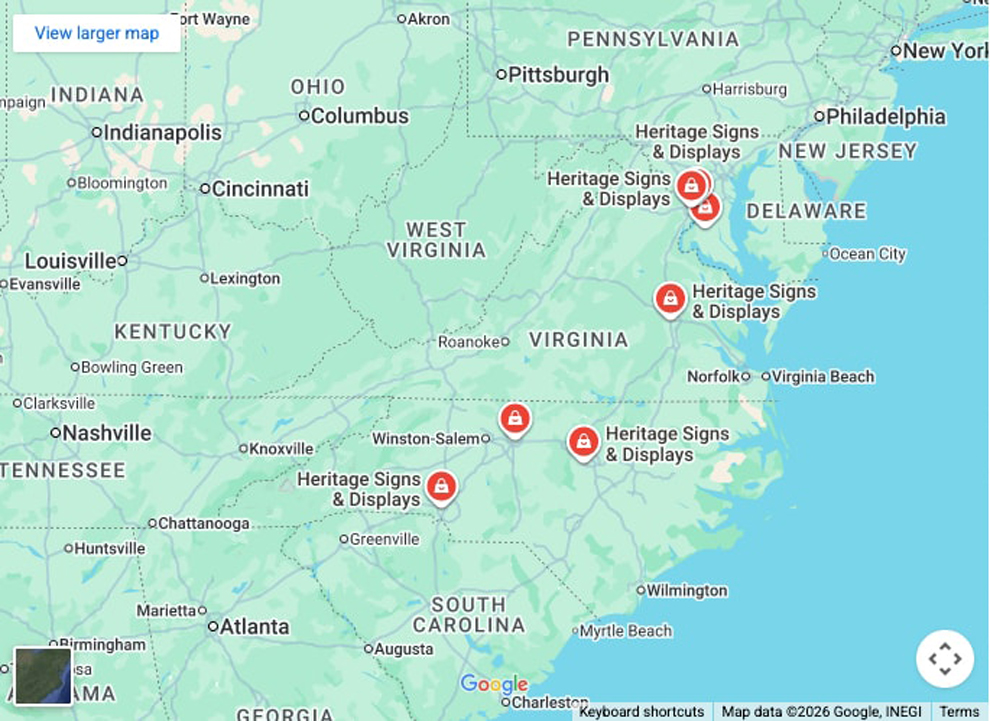
Heritage is veteran-owned, family-led, and has served clients since 1977. Nearly five decades of experience are supported by multiple operating locations, in-house production capabilities, attentive project service, and full-time Heritage installers. Norfolk clients receive local and regional attention along with the resources needed for large, phased, or multi-location interior branding programs.
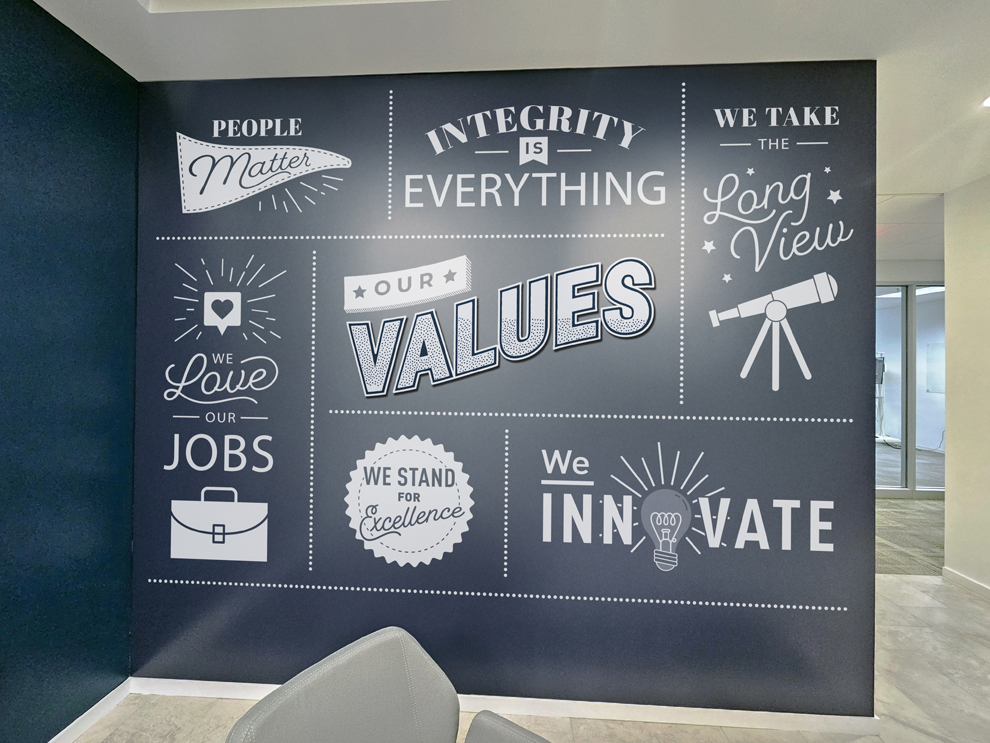
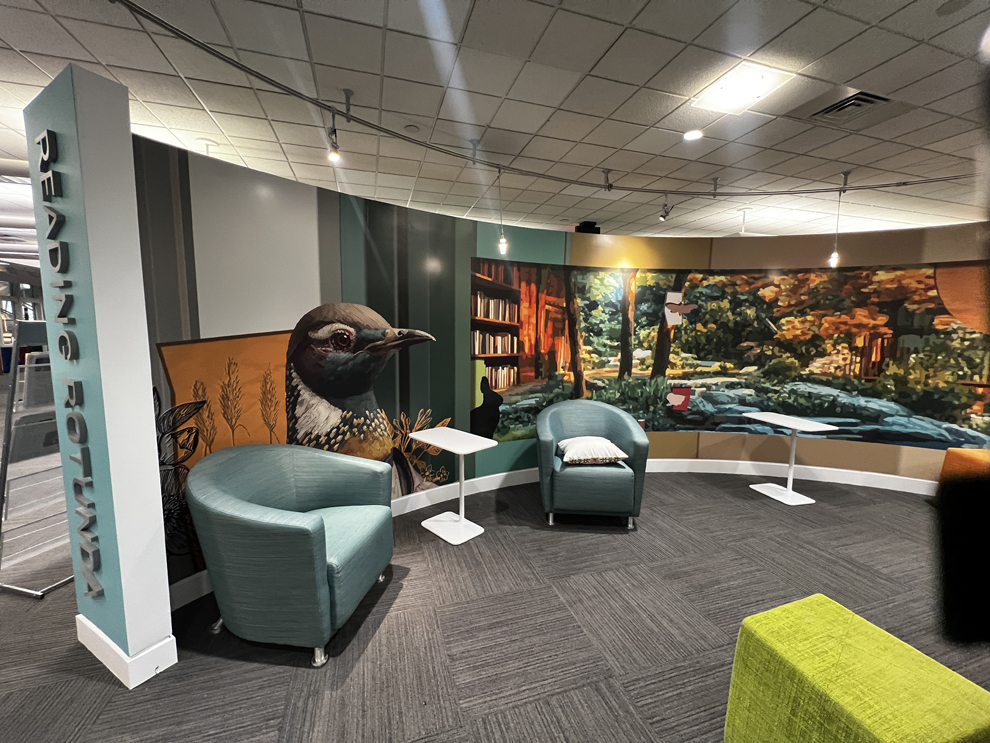
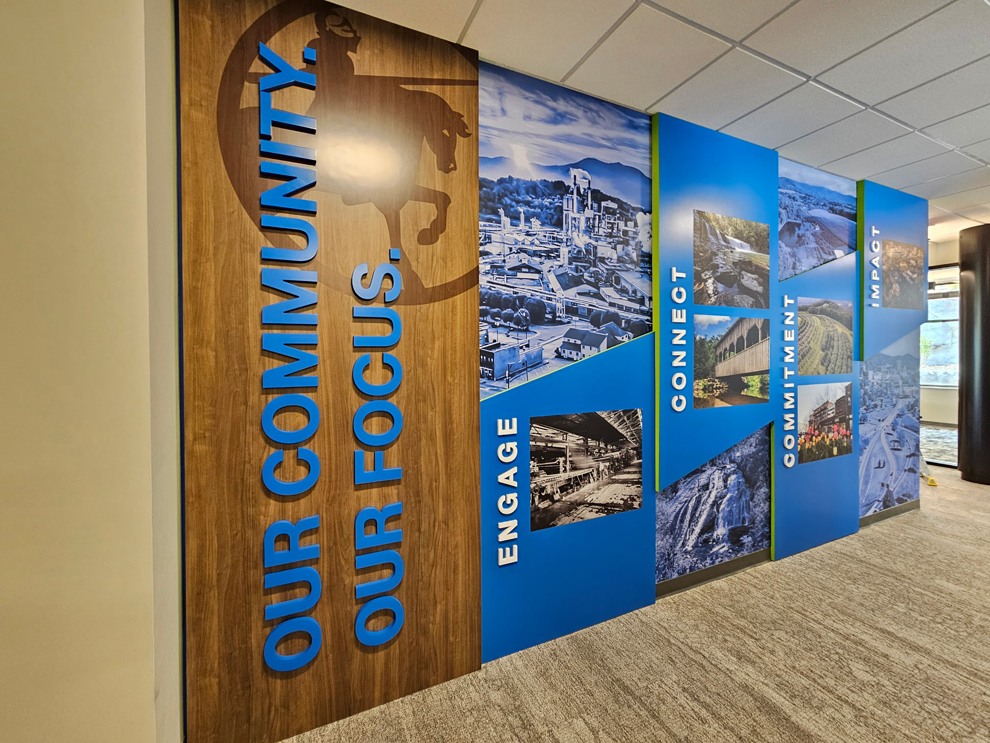
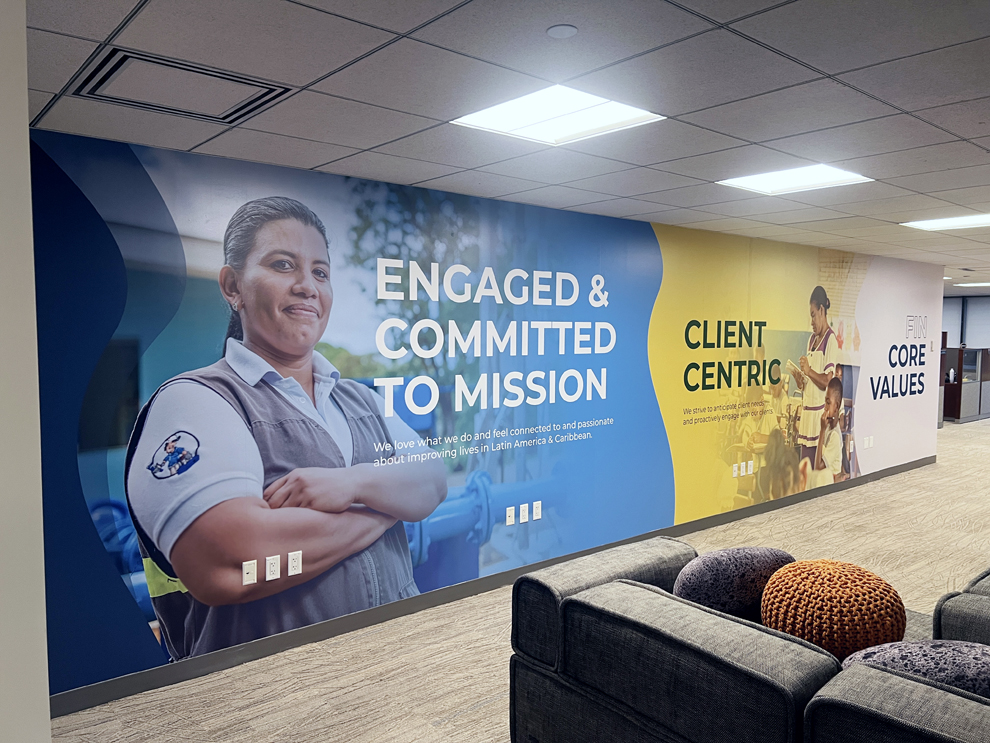
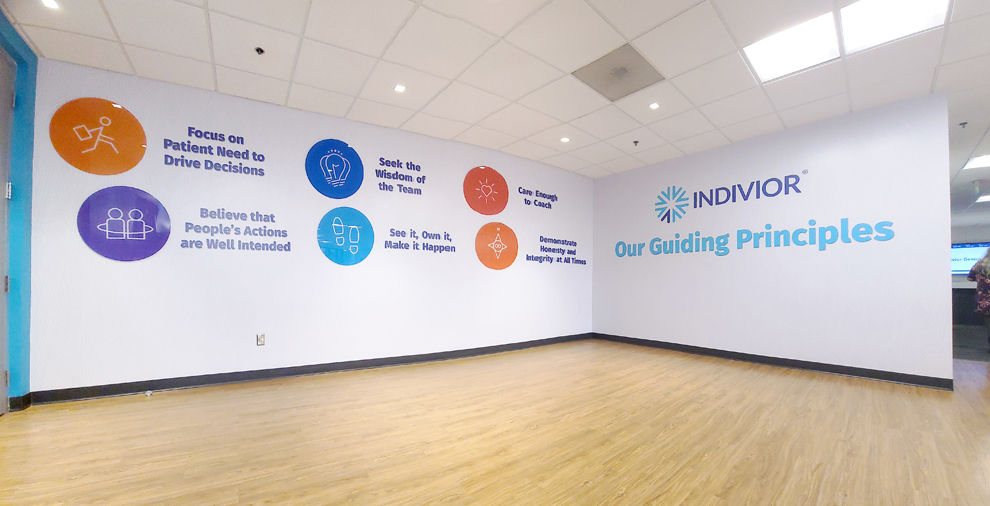
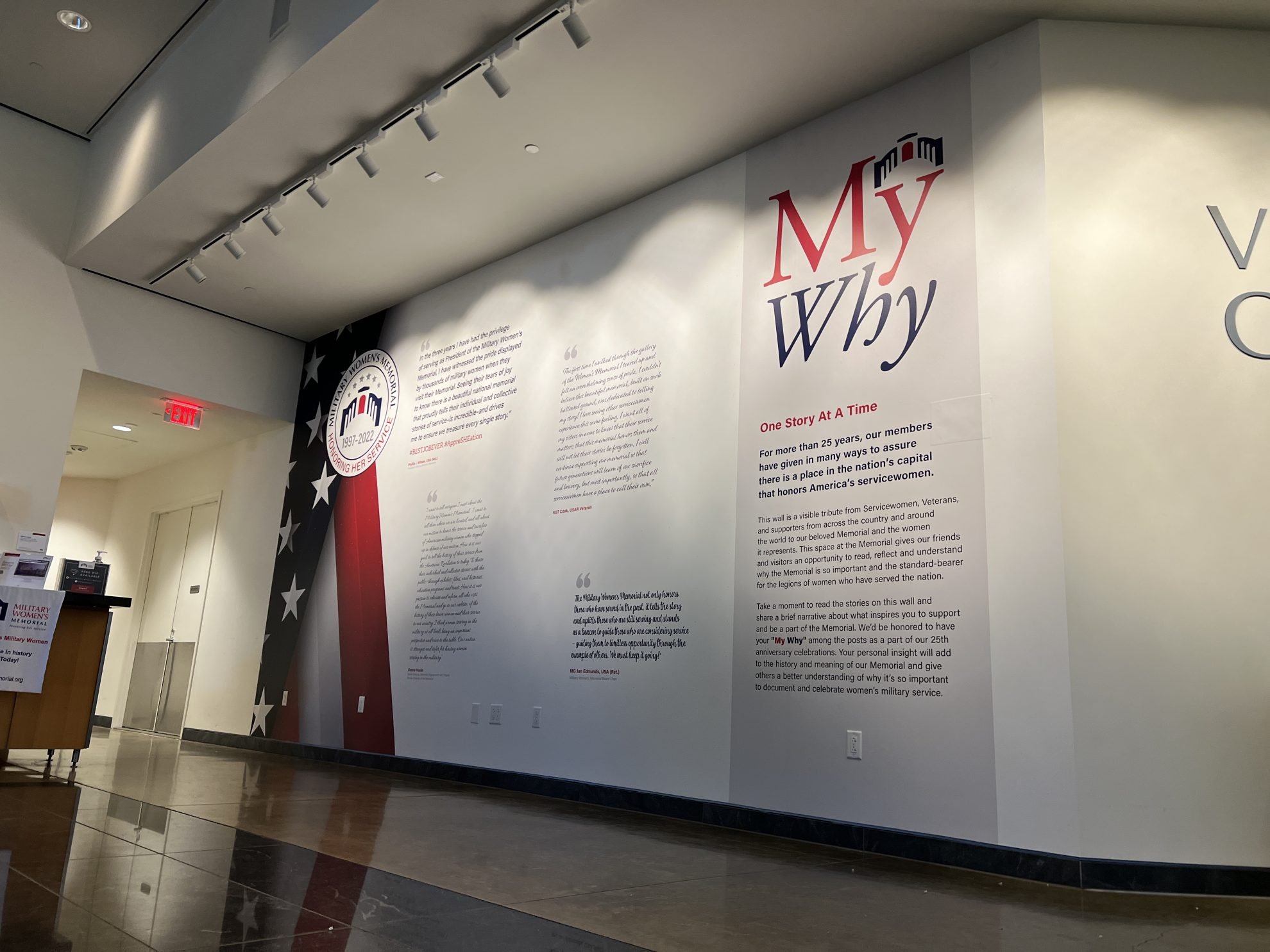
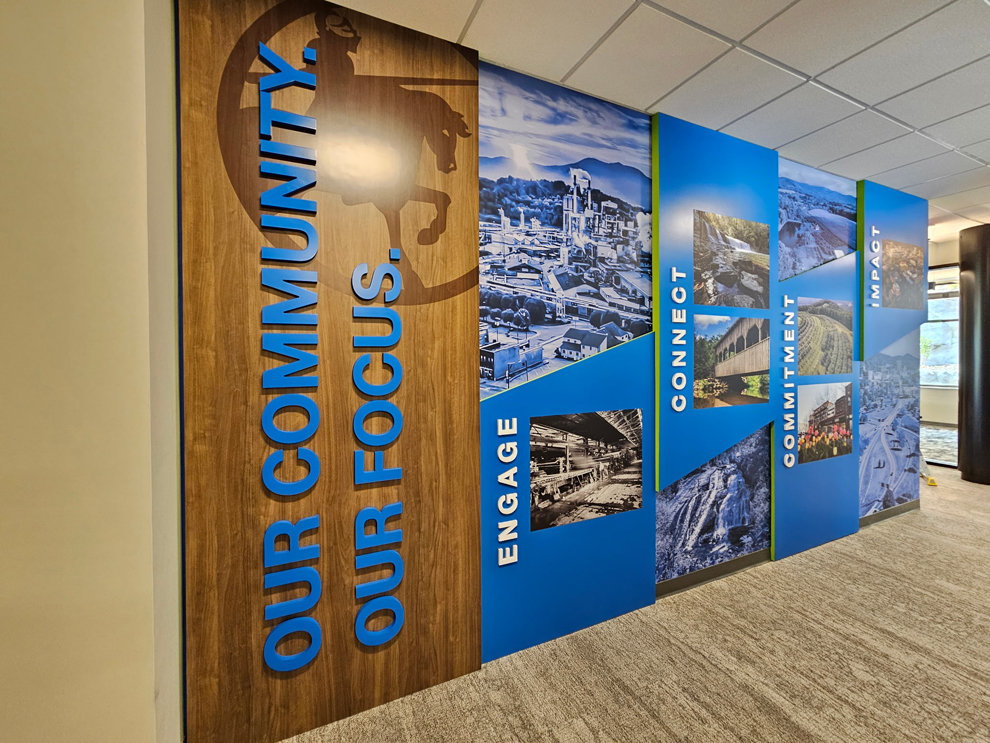
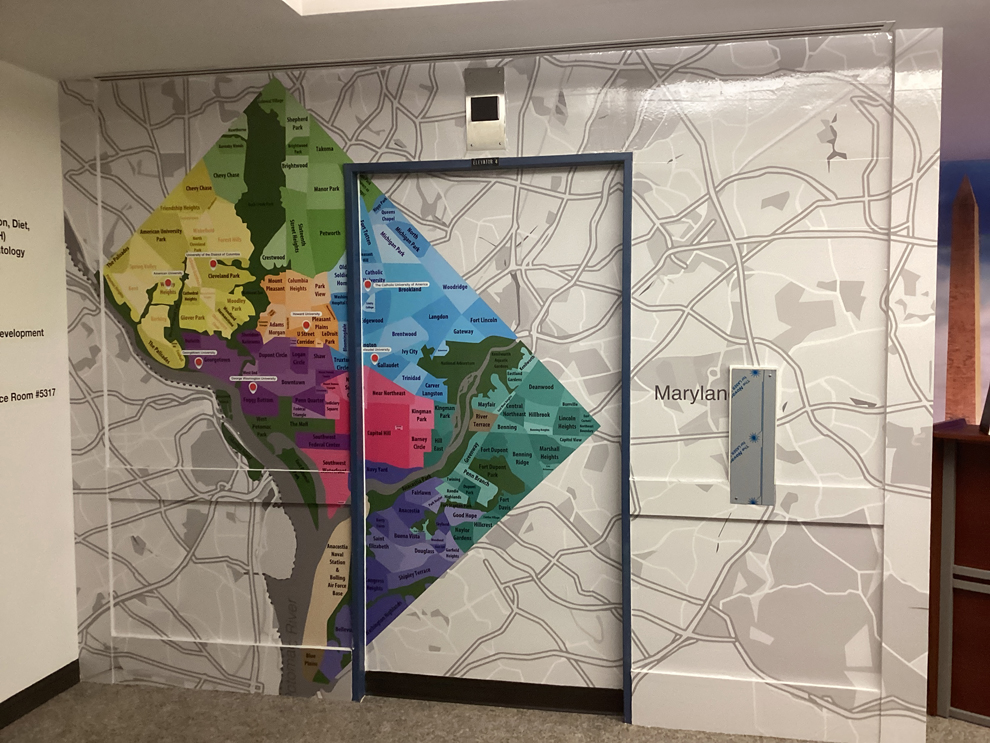
Turn blank or underused walls into engaging communication features. Wall wraps can present organizational history, workplace values, branded imagery, educational information, employee recognition, or community-focused messaging.
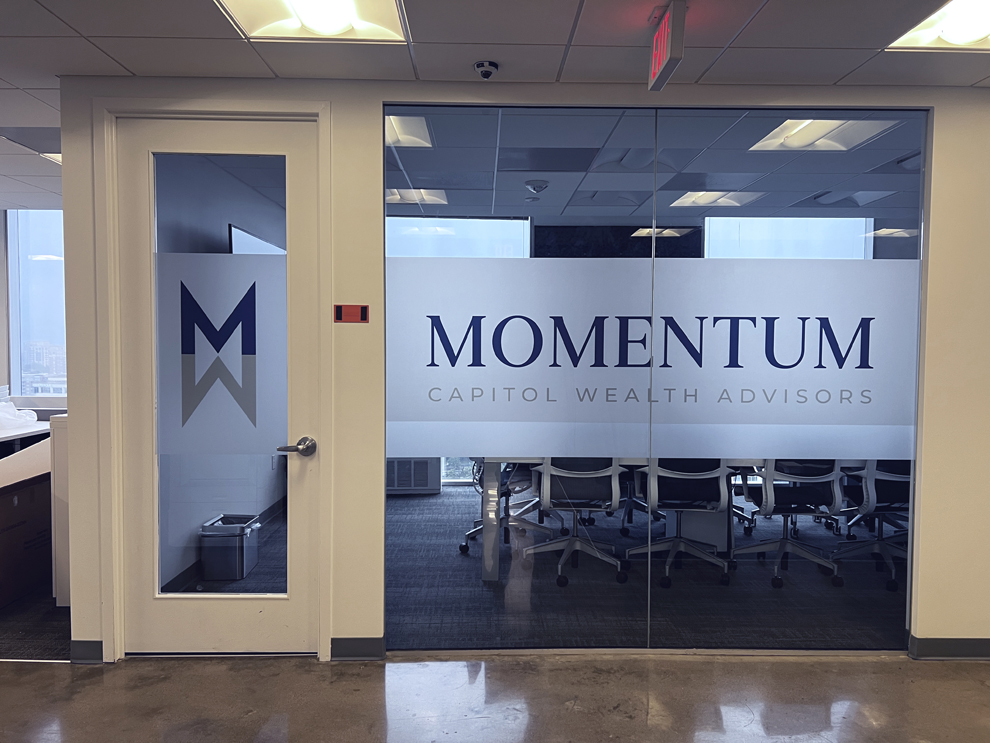
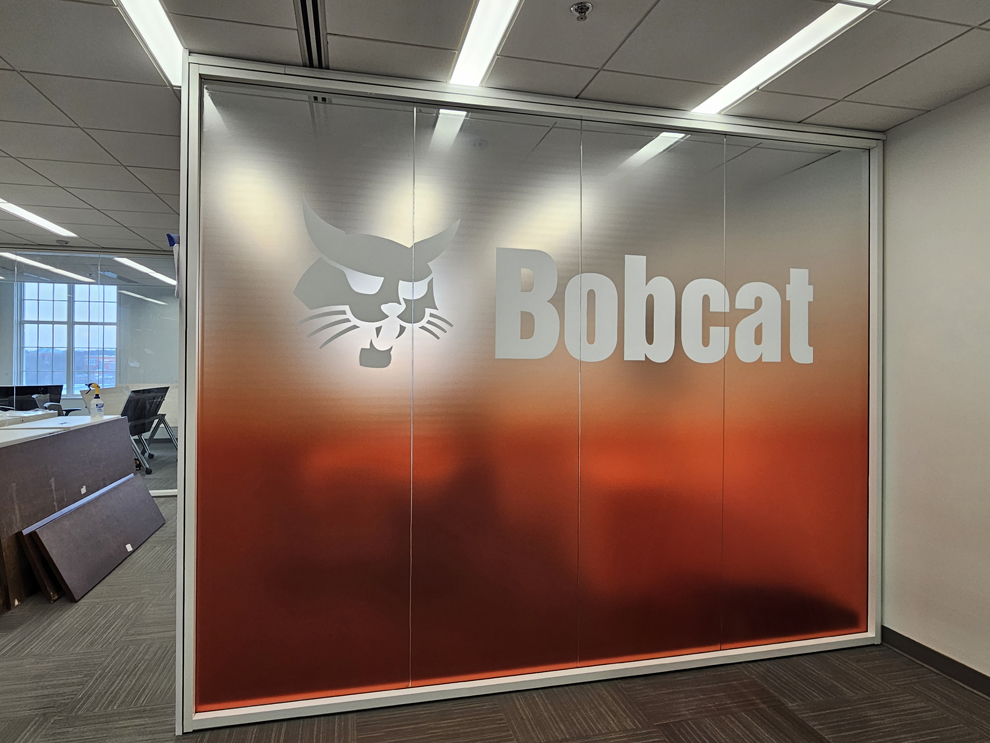
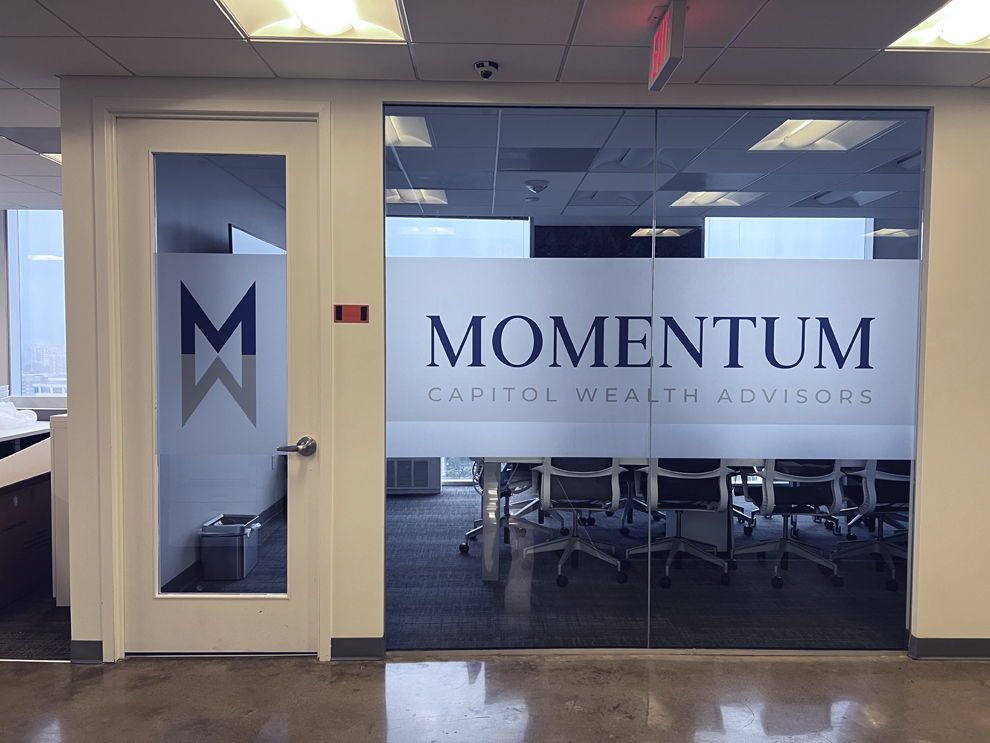
Improve privacy, identification, navigation, and visual consistency across interior glass. Custom window graphics can create separation while allowing the space to retain light and an appropriate sense of openness.
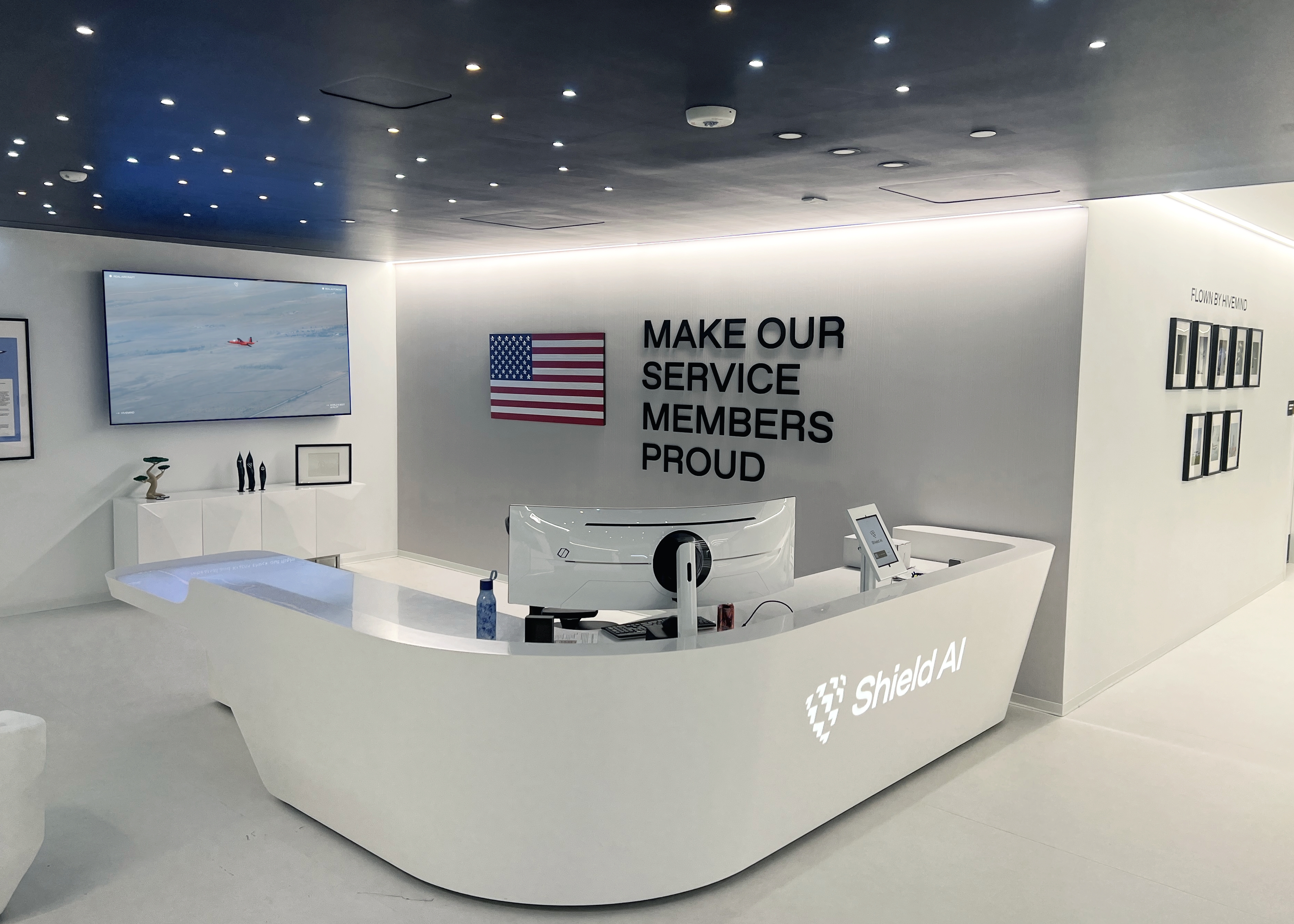
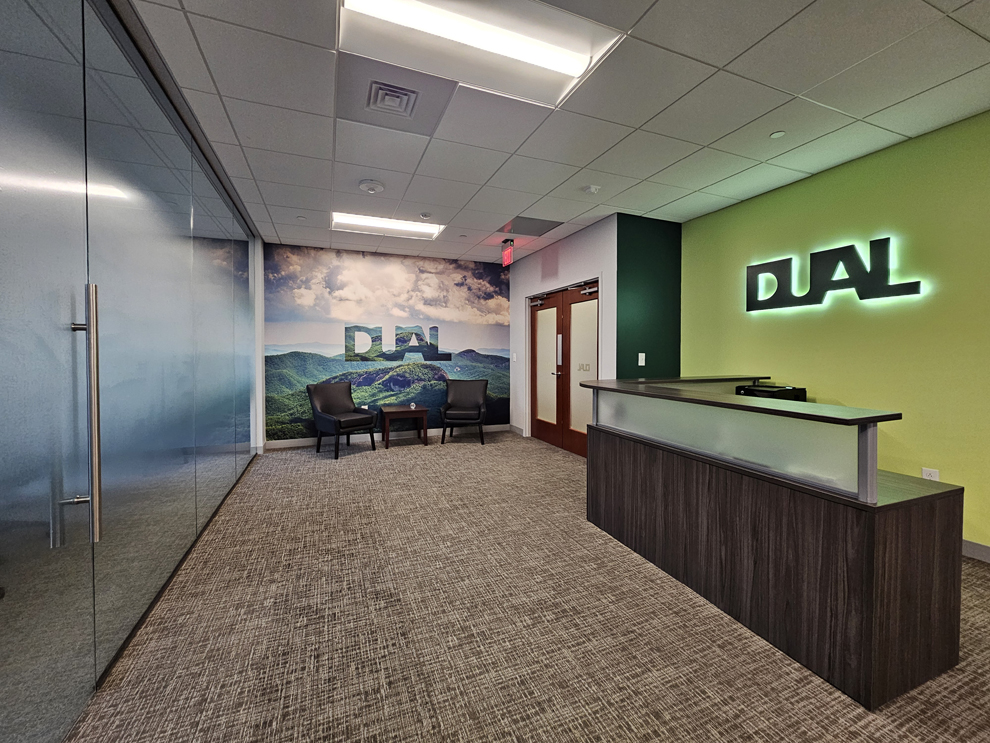
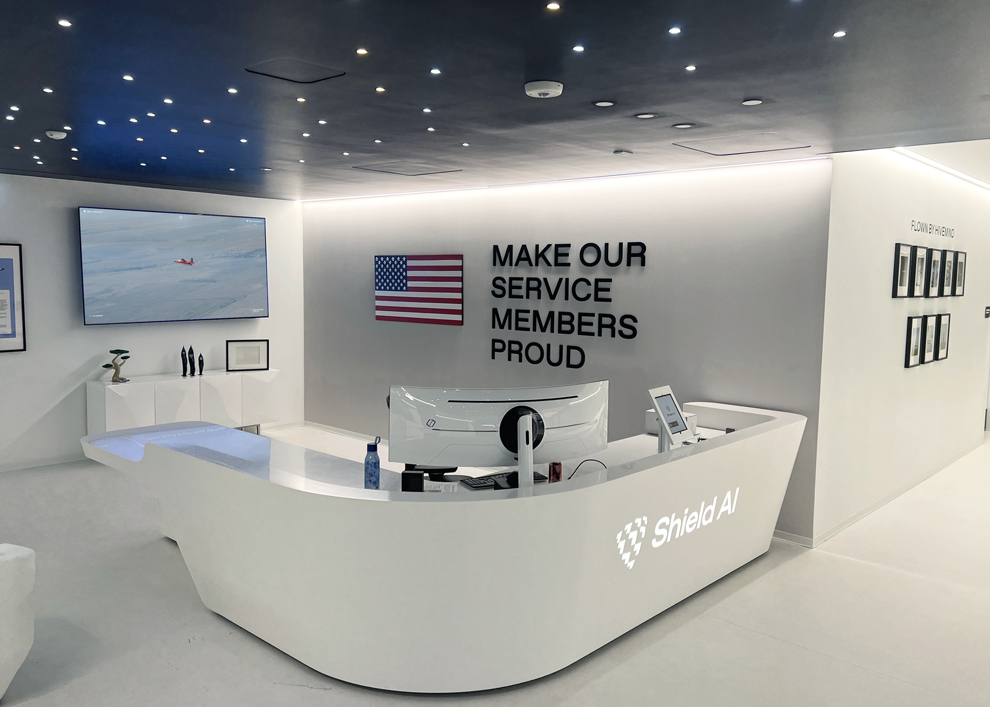
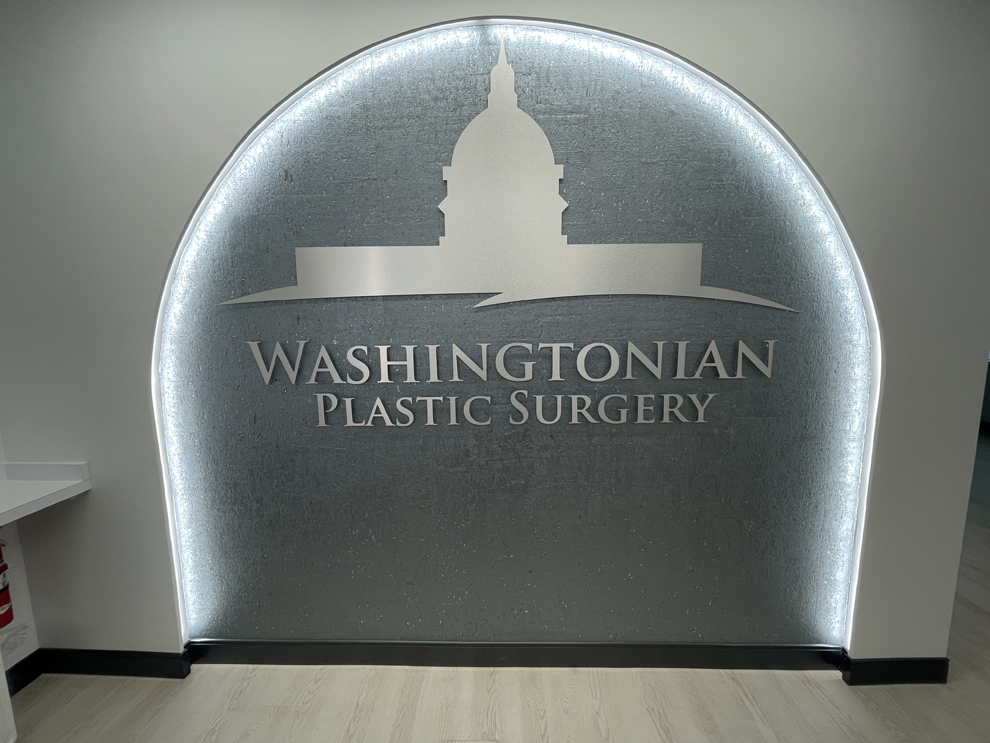
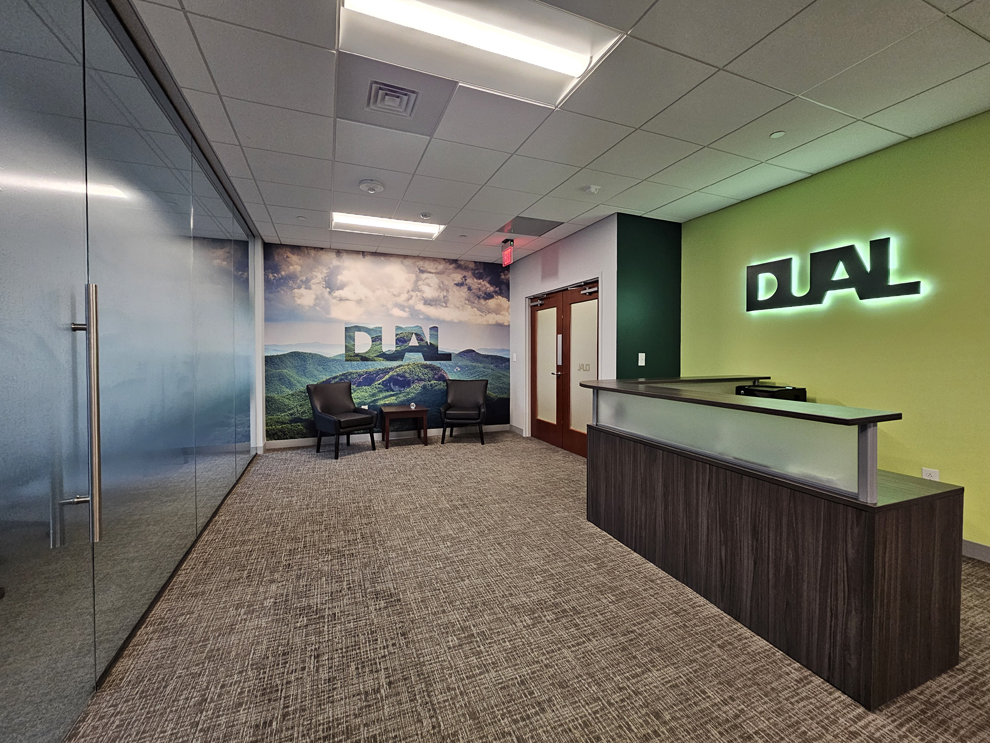
Establish a memorable presence at the point of arrival. Dimensional logos, custom lettering, and coordinated materials can be scaled and installed to complement the lobby’s architecture.
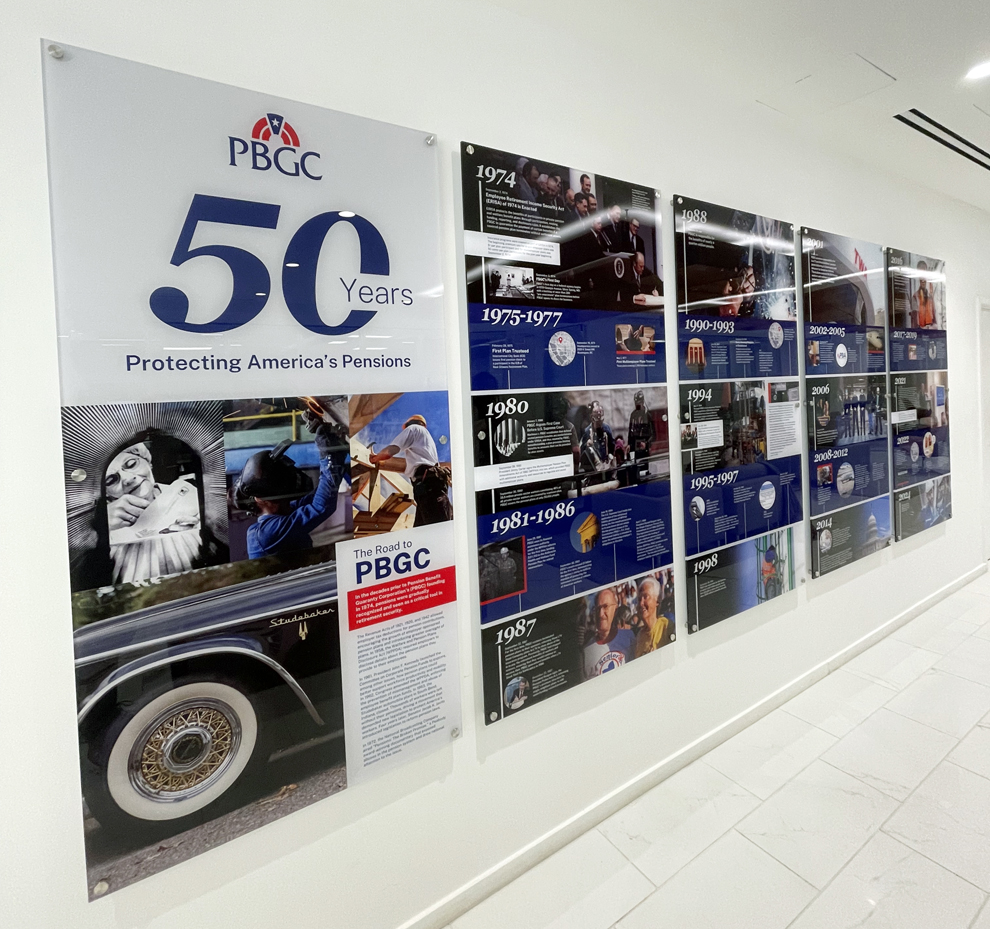
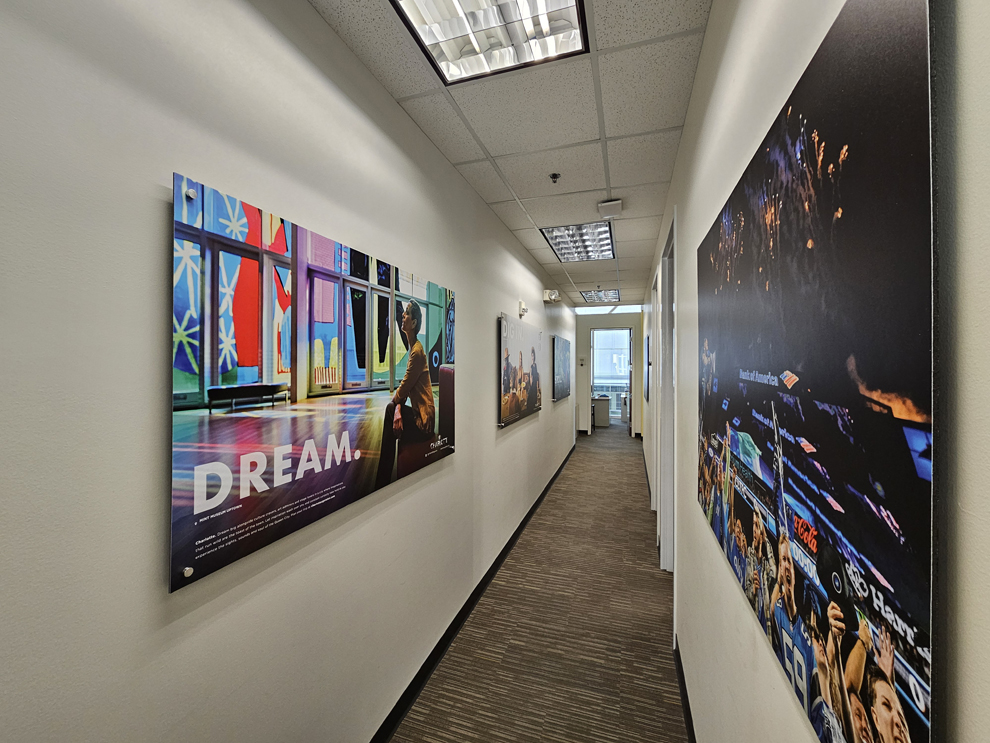
Create depth with panels mounted away from the wall using architectural hardware. These signs are effective for directories, room identification, donor recognition, company messaging, and informational displays.
Present stories and information through a planned combination of photographs, printed graphics, dimensional lettering, panels, and custom hardware. Each feature is designed as a unified presentation rather than a collection of unrelated pieces.
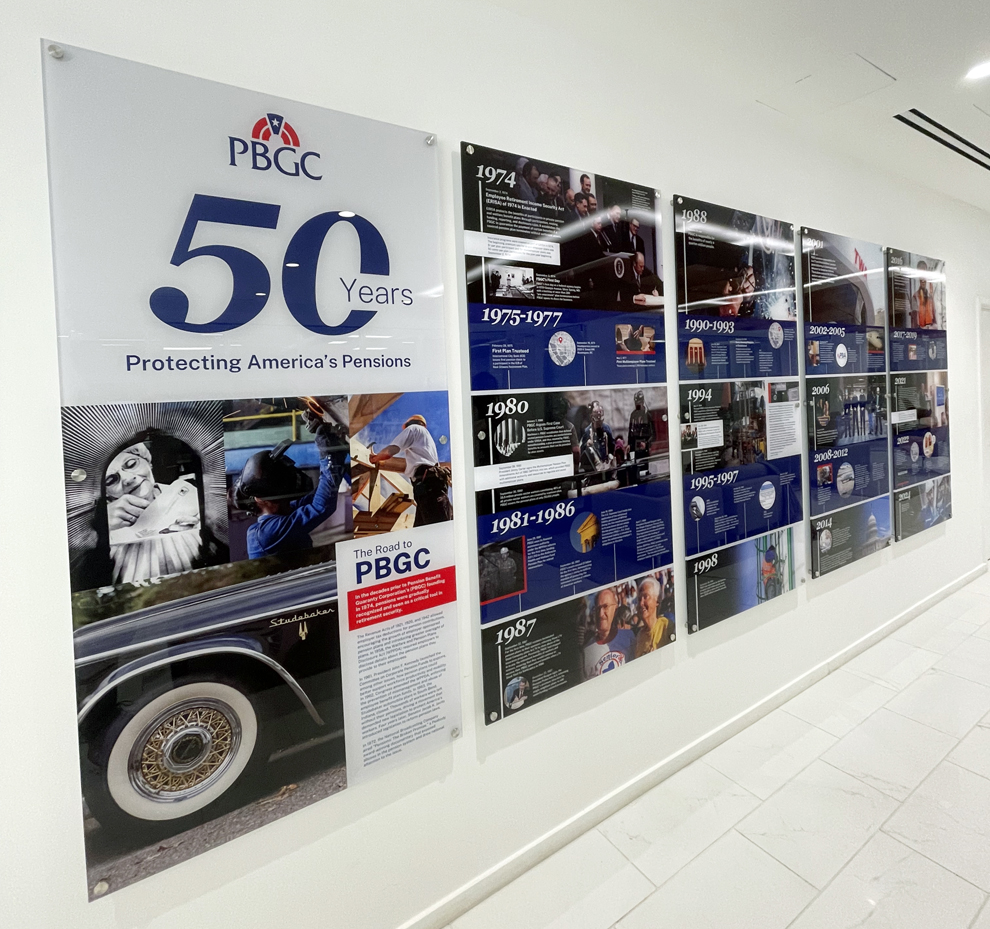
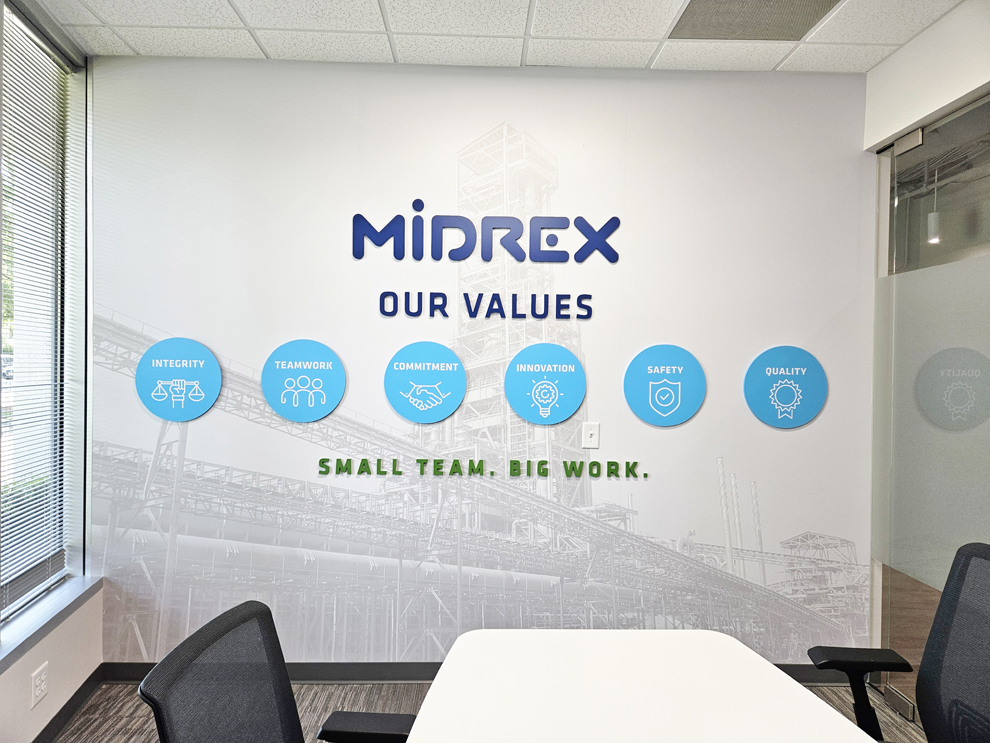
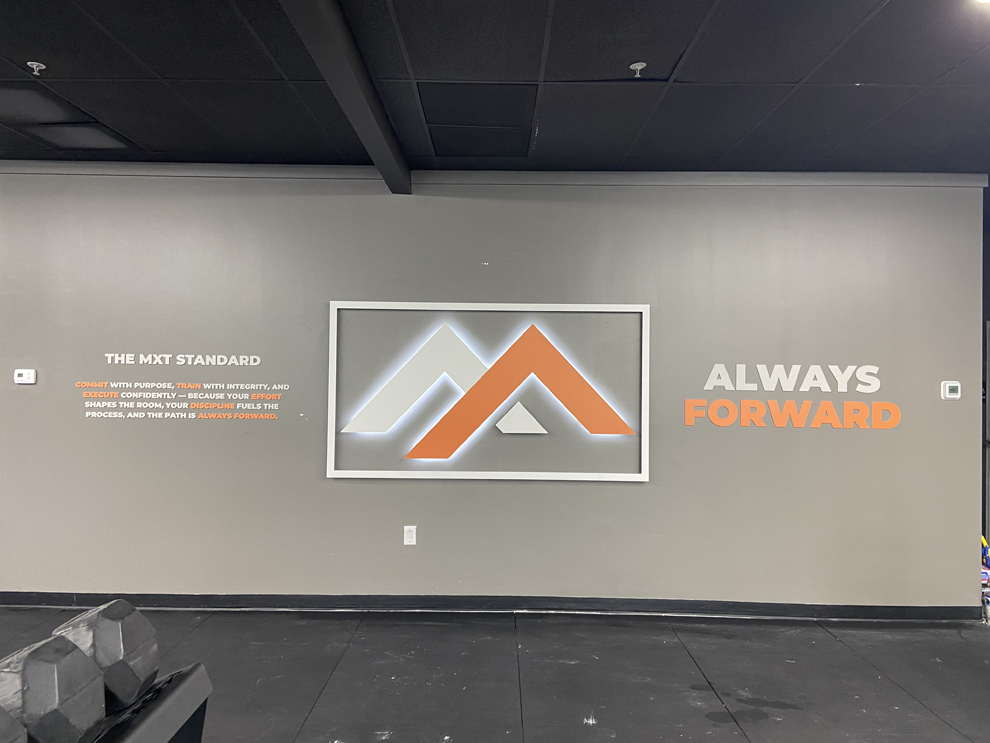
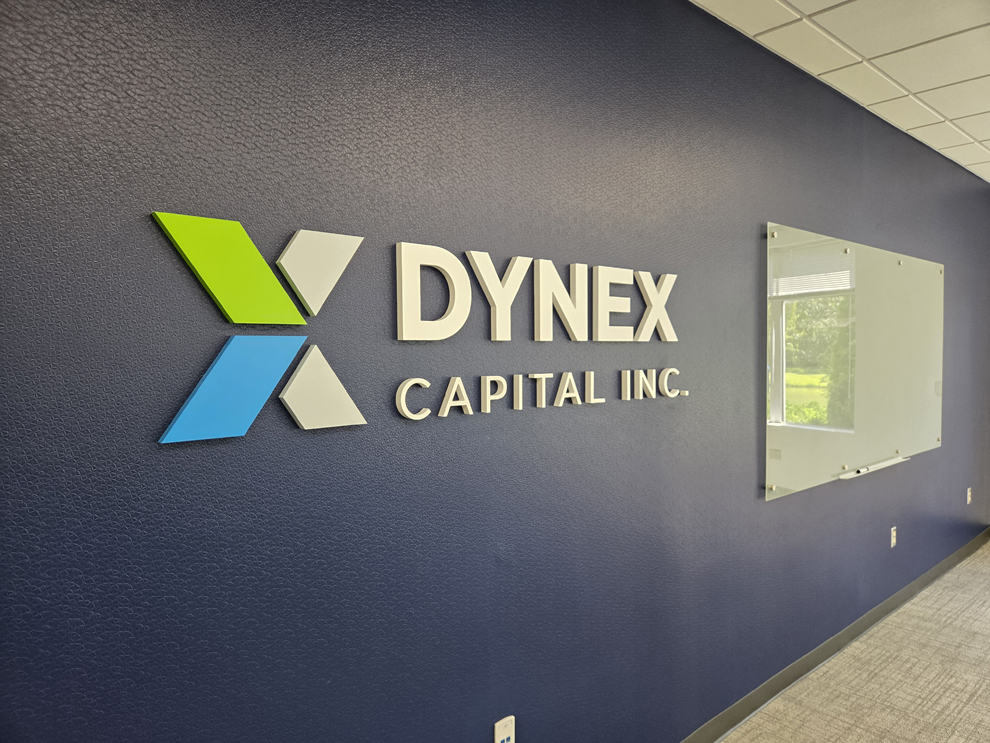
Give company names, logos, values, and key messages greater visibility and architectural impact. Dimensional lettering can enhance reception areas, corridors, conference rooms, and shared employee spaces.
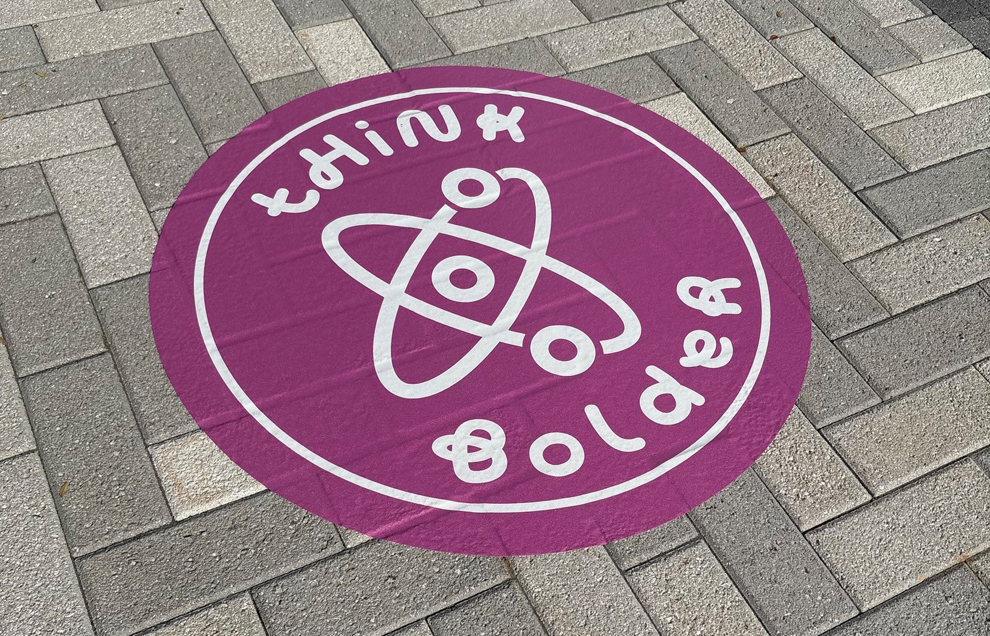
Unify brand identity, architecture, circulation, materials, messaging, and placement. Environmental graphic design ensures that individual visual elements contribute to a consistent experience throughout the facility.
Help visitors and employees navigate entrances, corridors, departments, and decision points. Effective wayfinding uses concise language, logical placement, accessible planning, and a clear hierarchy of information.
If your organization is planning a lobby renovation, workplace branding program, donor recognition display, interpretive installation, educational environment, or multi-location interior initiative, complete the Get Started Now form.
Include your project objectives, Norfolk location, preferred timeline, available photographs, drawings, brand files, and any fixed opening or installation dates. A Heritage team member will review the information, evaluate whether the project aligns with our services, and recommend an appropriate next step for your Norfolk or Hampton Roads organization.
Heritage supports Norfolk organizations through discovery, site surveys, field verification, project coordination, and installation planning. Direct knowledge of the property helps our team evaluate surfaces, traffic patterns, access routes, occupancy conditions, and building requirements. These observations lead to recommendations based on the actual facility rather than photographs or assumptions alone.
Norfolk and the greater Hampton Roads region include corporate workplaces, maritime businesses, universities, healthcare facilities, museums, government offices, military-related organizations, nonprofits, and expanding commercial enterprises. Each environment presents different operational and communication requirements. A secure government facility may require a different installation plan than a professional office. A hospital or educational environment may place greater emphasis on accessibility, durability, message clarity, and changing audiences.
Heritage adapts its process to the organization, property, operating schedule, and intended users. Regional project management, production, fabrication, and installation resources also allow us to support assignments that extend beyond a single Norfolk location.
A client may be planning a headquarters transformation, improvements across several departments, or a consistent branding program for facilities throughout Hampton Roads. Heritage coordinates shared standards while documenting the unique dimensions, wall conditions, access procedures, schedules, and installation requirements of every site. This approach combines direct accountability with the capacity needed for broader regional projects.
Environmental graphic design uses visual communication to improve how people understand and experience a physical space. For Norfolk organizations, this process connects branding, architecture, messaging, accessibility, circulation, visibility, scale, materials, and installation planning.
The goal is not simply to fill empty walls. The process identifies what employees and visitors should notice, understand, and remember as they move through the facility. That information is then translated into signs, graphics, displays, and dimensional features that suit the building.
Projects may begin with brand guidelines, floor plans, architectural drawings, photographs, preliminary measurements, approved messaging, or an early idea that still requires development. Heritage can create concepts, layouts, visual hierarchies, glass privacy patterns, dimensional features, wayfinding elements, and placement plans. Designers also consider color reproduction, material transitions, viewing distances, fabrication requirements, and mounting methods.
Thoughtful design development allows decision-makers to review the proposed direction before production resources are committed. Clear concepts improve estimating, approvals, internal communication, fabrication planning, and installation preparation. They also provide installers with precise guidance regarding alignment, positioning, transitions, and site conditions. Heritage uses this process to translate creative ideas into practical, professionally installed environments throughout Norfolk and Hampton Roads.
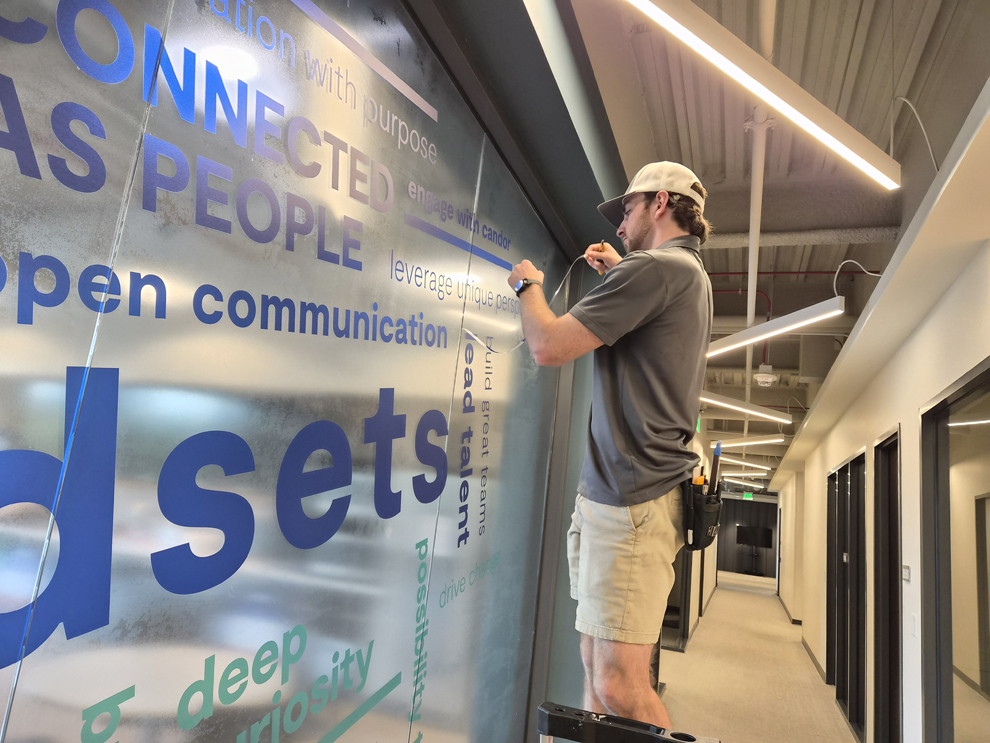
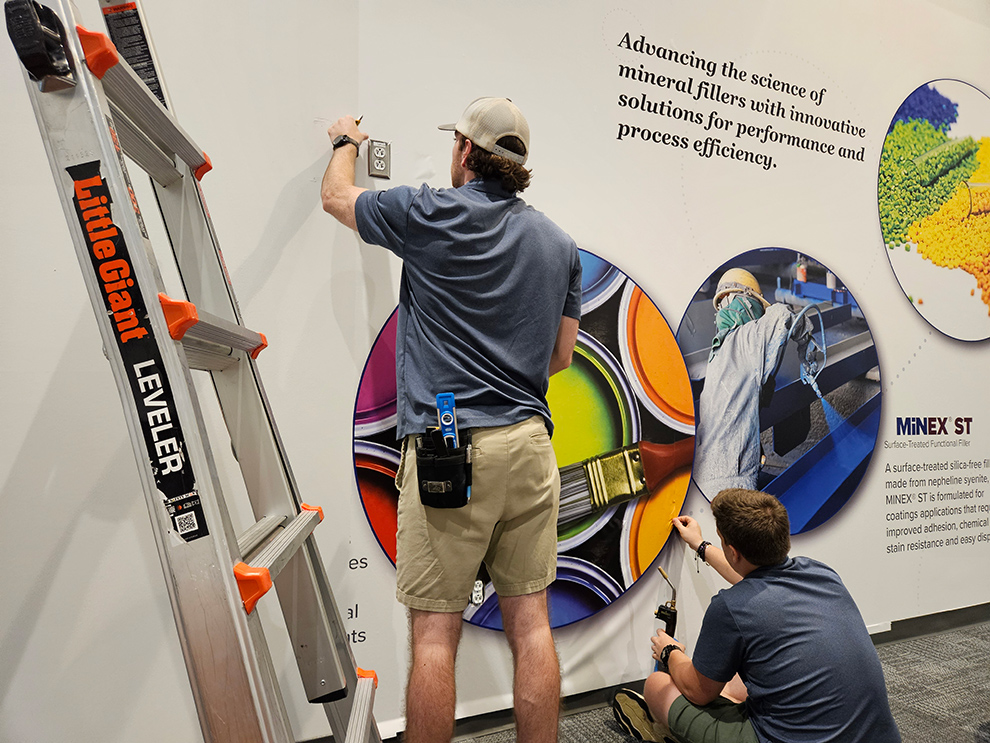
Installation should be considered during planning and design, not treated as a final isolated step. Heritage evaluates mounting methods, wall preparation, alignment, measurements, site access, and sequencing before fabrication is complete. This reduces the likelihood that a carefully designed feature will encounter preventable problems at the Norfolk project site.
Potential concerns may include unsuitable wall surfaces, concealed obstacles, limited equipment access, security procedures, occupied work areas, or conflicts with construction schedules. A site survey helps document measurements, materials, lighting, obstructions, traffic patterns, viewing positions, and access routes.
Depending on the property, the survey may also cover loading areas, elevators, building rules, security requirements, approved work hours, and the condition of newly painted walls. The findings are shared with project managers, designers, production personnel, and fabricators so that project decisions reflect verified field conditions.
Full-time Heritage installers work directly with the teams responsible for project planning and production. Heritage installs signs, graphics, displays, and other components produced, fabricated, procured, or managed within a complete Heritage engagement. We do not offer installation-only services for customer-provided products or signs manufactured by another vendor.
Keeping installation connected to the managed project protects accountability for material compatibility, dimensions, mounting preparation, scheduling, fit, and final appearance.
Effective project evaluation starts with the organization’s goals, audiences, property conditions, desired schedule, and anticipated investment. Heritage also reviews available photographs, floor plans, architectural drawings, measurements, brand standards, approved copy, and installation addresses.
Norfolk projects involving several departments, stakeholders, or properties benefit from identifying decision-makers and approval milestones early. This reduces uncertainty and helps the project manager define an appropriate scope, schedule, and field verification plan.
A complete Heritage engagement begins at $4,000. Many projects that include production and professional installation range from $10,000 to more than $200,000. The final investment depends on design requirements, quantities, materials, fabrication methods, number of locations, installation complexity, access, scheduling, and phasing.
These figures apply to the entire managed project, not the cost of one individual sign, graphic, or display. Discussing investment expectations early allows Heritage to determine whether the desired scope and available resources are appropriately aligned.
Heritage primarily serves commercial offices, educational institutions, museums, healthcare facilities, government properties, workplace environments, and other public-facing interiors. A larger interior project may also include compatible non-illuminated exterior lettering, window graphics, wall graphics, or exterior identification.
Standalone monument signs, pylon signs, channel letters, fleet graphics, and comprehensive exterior sign programs are outside our normal scope. Heritage also does not repair failed sign components or malfunctioning LED systems.
Every Heritage engagement is assigned a dedicated project manager who serves as the client’s primary contact. The project manager coordinates discovery, estimating, site information, creative development, materials, approvals, production, scheduling, installation planning, and completion.
This structure gives clients one clear communication channel while keeping designers, production personnel, fabricators, and installers aligned. For complex Norfolk projects, the project manager also organizes field coordination and pre-production reviews. Potential issues involving measurements, substrates, access, mounting, or sequencing can then be addressed before installation begins.
Heritage produces and installs lobby signs, dimensional letters, acrylic signs, standoff mounted panels, wall wraps, frosted glass graphics, window graphics, donor recognition features, storytelling displays, interpretive exhibits, and wayfinding systems.
The appropriate combination depends on the organization’s audience, brand guidelines, architecture, durability requirements, available surfaces, and viewing conditions. A project does not need to include every product category. Heritage recommends components that fulfill defined communication goals and can be fabricated, installed, and maintained appropriately.
Environmental graphic design coordinates visual communication within a physical setting. It brings together brand identity, architecture, messaging, colors, materials, circulation, visibility, scale, and placement.
Heritage applies environmental graphic design to corporate offices, campuses, healthcare facilities, museums, educational environments, and public-facing interiors. Services can include conceptual design, layouts, message hierarchy, privacy patterns, dimensional features, displays, wayfinding, and surface planning. The goal is to create a practical visual system rather than a series of unrelated decorations.
Yes. Heritage supports organizations in Norfolk and throughout Hampton Roads with project coordination, site surveys, field verification, production management, and professional installation. Site involvement allows our team to document building conditions and understand stakeholder concerns firsthand.
Regional resources also support organizations with several facilities. Shared visual standards can be maintained while accounting for the architecture, dimensions, surfaces, access rules, operating hours, and installation conditions of each location.
Helpful information includes the project address, communication objectives, intended audiences, desired completion date, investment expectations, photographs, measurements, floor plans, architectural drawings, logos, brand standards, and proposed content.
Organizations should also share known access rules, security requirements, construction schedules, or installation restrictions. Not every detail needs to be finalized before the first conversation. Heritage can identify missing information and recommend the next practical planning step.
No. Heritage does not provide installation-only services for products supplied by a customer or another sign provider. Full-time Heritage installers install components produced, fabricated, procured, or managed as part of a complete Heritage project.
This policy maintains accountability for materials, production tolerances, measurements, mounting preparation, compatibility, and fit. Keeping these responsibilities connected allows the project team to resolve questions efficiently and protect the quality of the completed installation.
A complete Heritage engagement begins at $4,000. Many produced-and-installed programs range from $10,000 to more than $200,000. These figures describe the complete project rather than the price of one sign or graphic.
The final investment is influenced by design development, quantities, materials, fabrication methods, site conditions, access, scheduling, phasing, and the number of locations. Sharing a realistic investment range early helps Heritage recommend a scope that supports the organization’s priorities.
Full-time Heritage installation professionals complete the fieldwork for Heritage-managed projects. They communicate directly with project managers, designers, production specialists, and fabricators.
This coordination gives installers access to approved drawings, field measurements, material specifications, mounting details, and sequencing plans. It also allows unexpected site conditions to be communicated quickly to the appropriate team members.
A project may require several days, several weeks, or multiple months. The timeline depends on the scope, design readiness, approval process, fabrication requirements, site conditions, installation complexity, and number of locations.
A single interior feature usually involves fewer decisions than a phased workplace transformation or regional rollout. Heritage establishes responsibilities, approval milestones, and target dates during planning. Timely stakeholder feedback, accurate content, site readiness, and reliable access all affect schedule performance.
Construction activity, newly painted walls, security procedures, restricted installation windows, and other field conditions may also influence when the work can be completed responsibly.
Heritage combines responsive regional service with nearly 50 years of company experience, in-house production capabilities, and installation by full-time team members. The company is award-winning, veteran-owned, family-led, and has served clients since 1977.
Norfolk organizations receive a dedicated project manager and access to environmental graphic design, production, fabrication, and professional installation through one accountable process. Heritage also defines project compatibility, documents site conditions, and communicates service boundaries before production begins.
This coordinated approach reduces fragmented communication and keeps brand objectives, technical requirements, scheduling, and final installation connected.
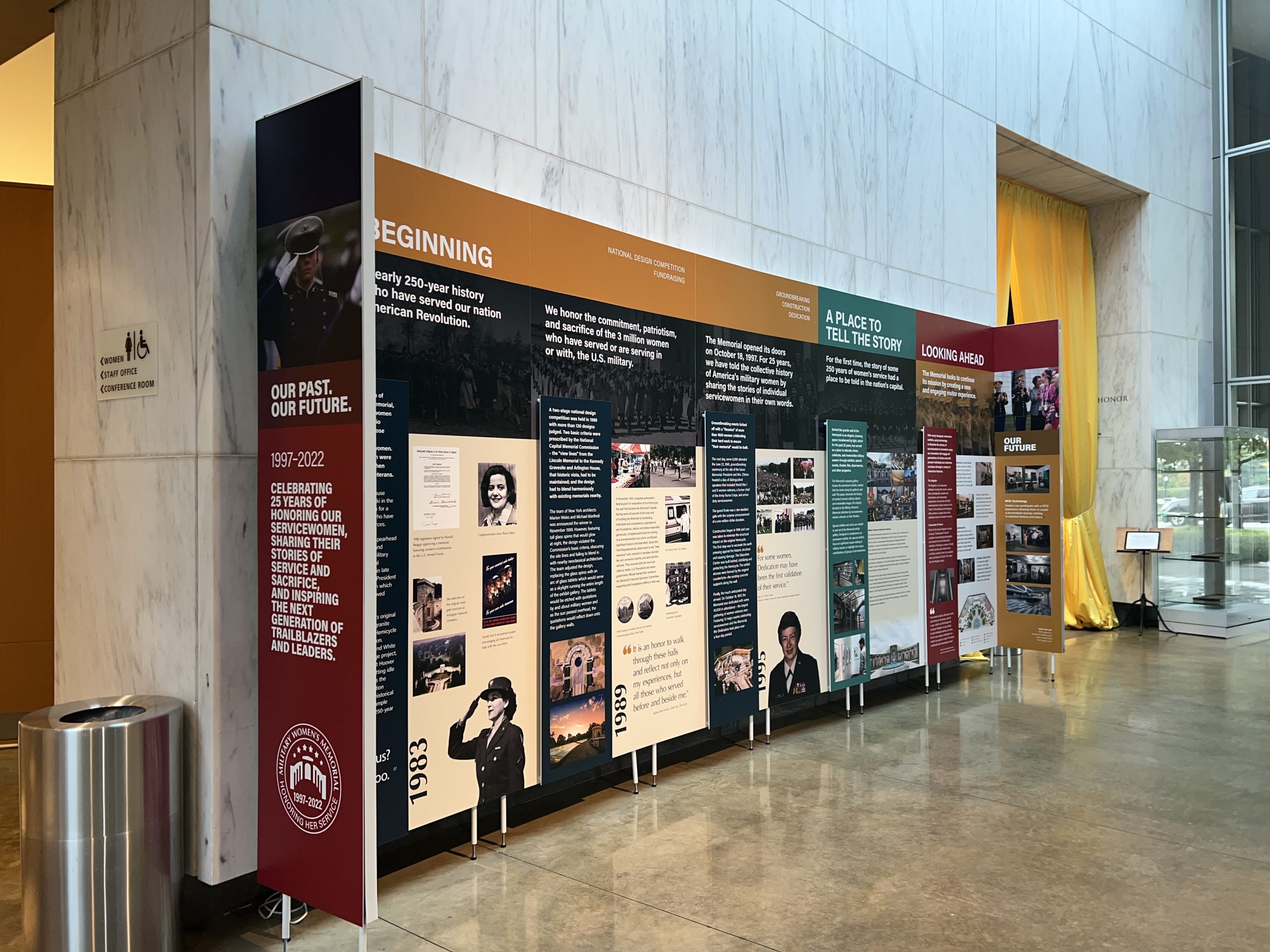
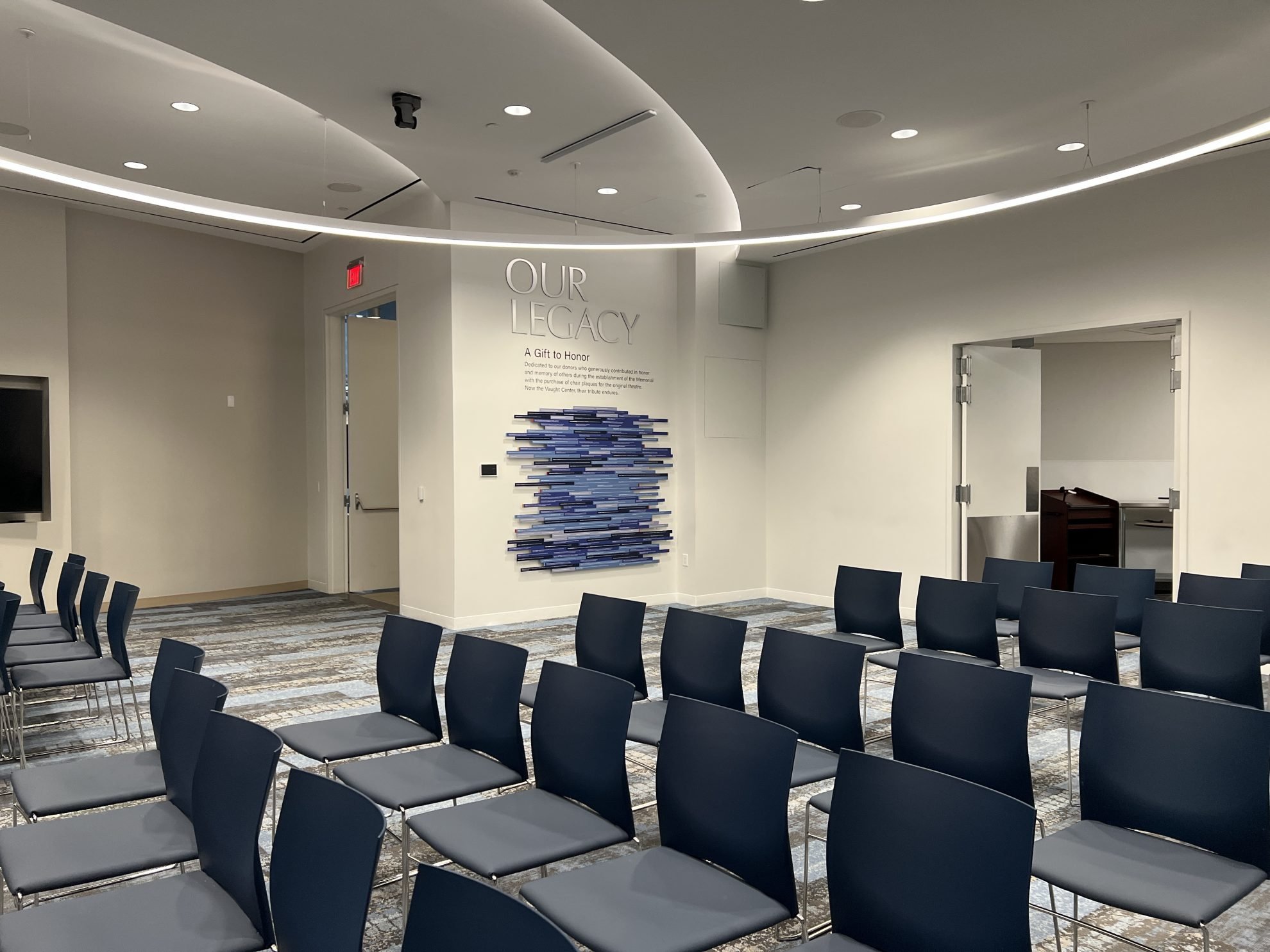
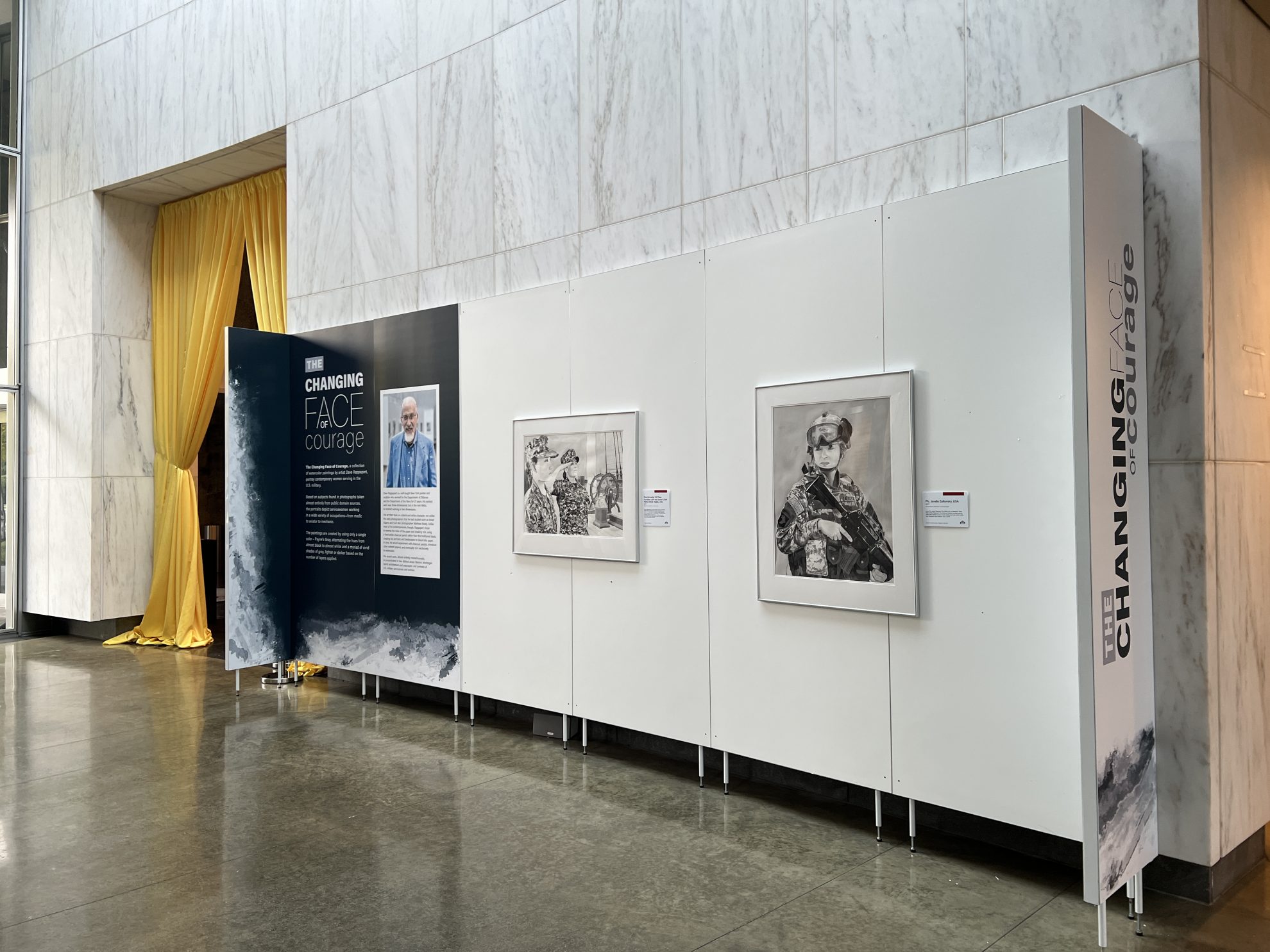
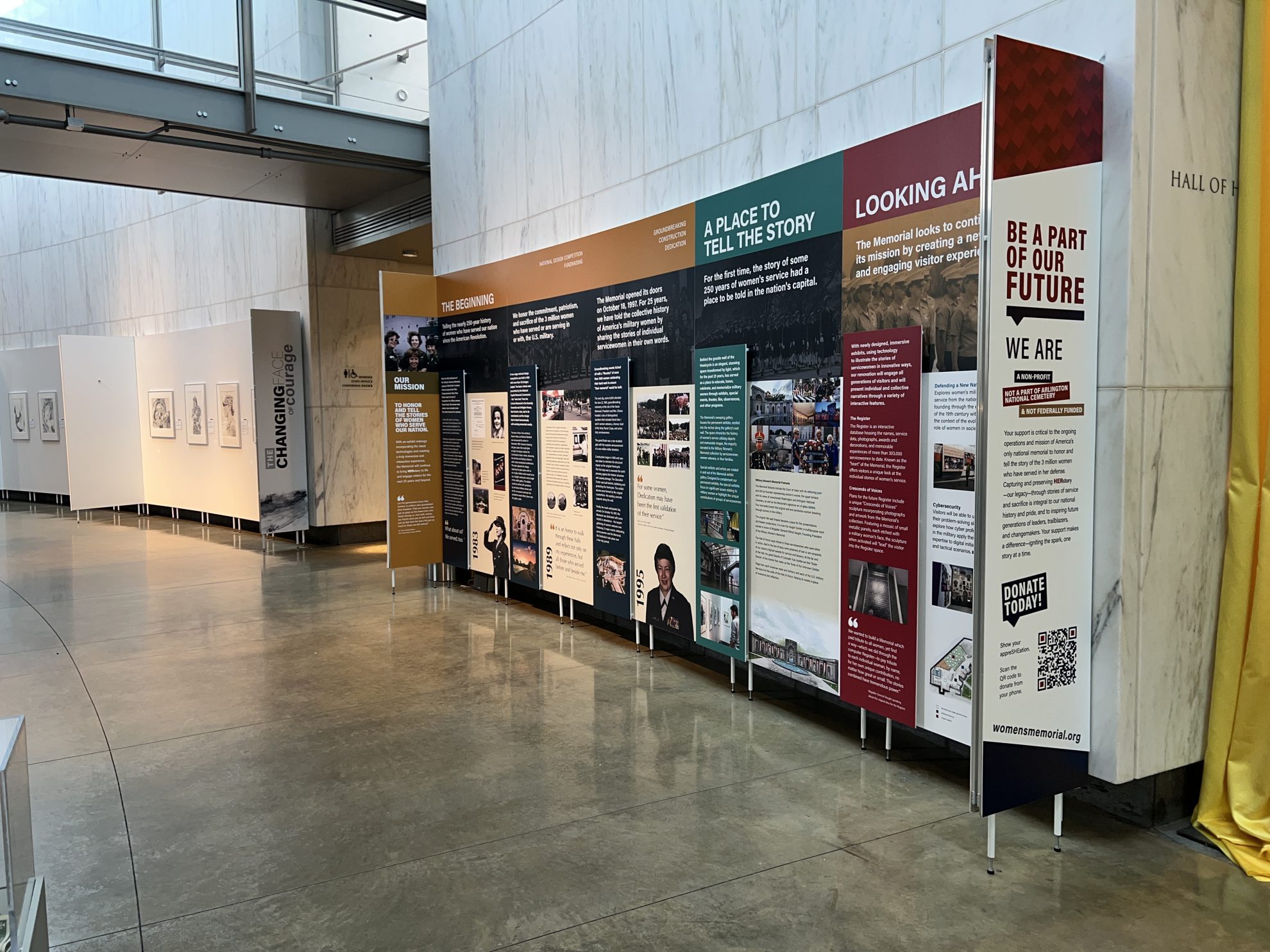
Heritage Signs & Displays created new museum signage for the Military Women’s Memorial in Arlington, VA. The project included custom signs, wall wraps, dimensional letters, and standoff-mounted displays to honor the legacy of U.S. servicewomen and the donors who supported the memorial. The updated interior features impactful designs, including a "Our Legacy" wall display and panels showcasing historical contributions and artwork, creating a transformative tribute to women in the U.S. Armed Forces.
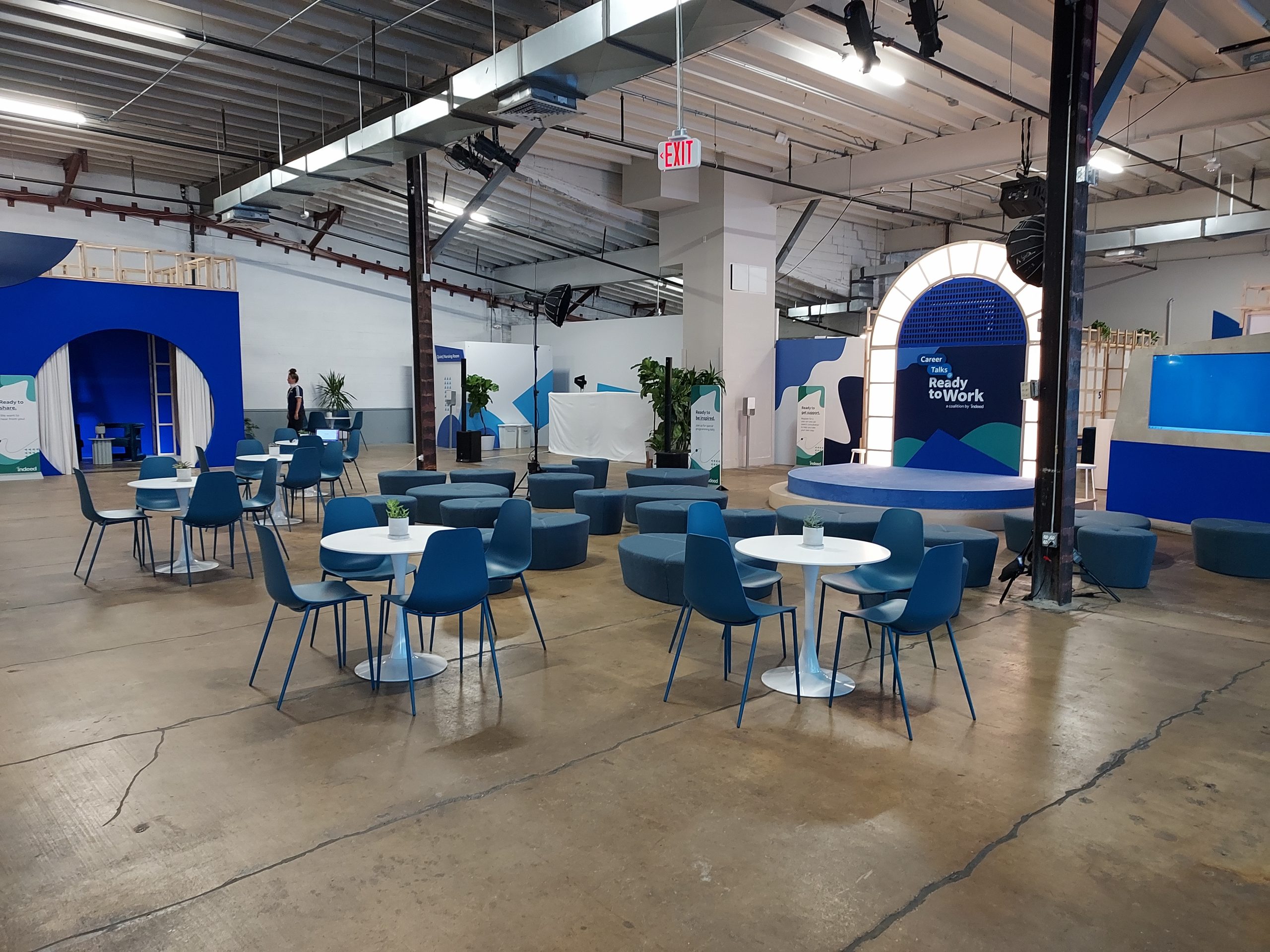
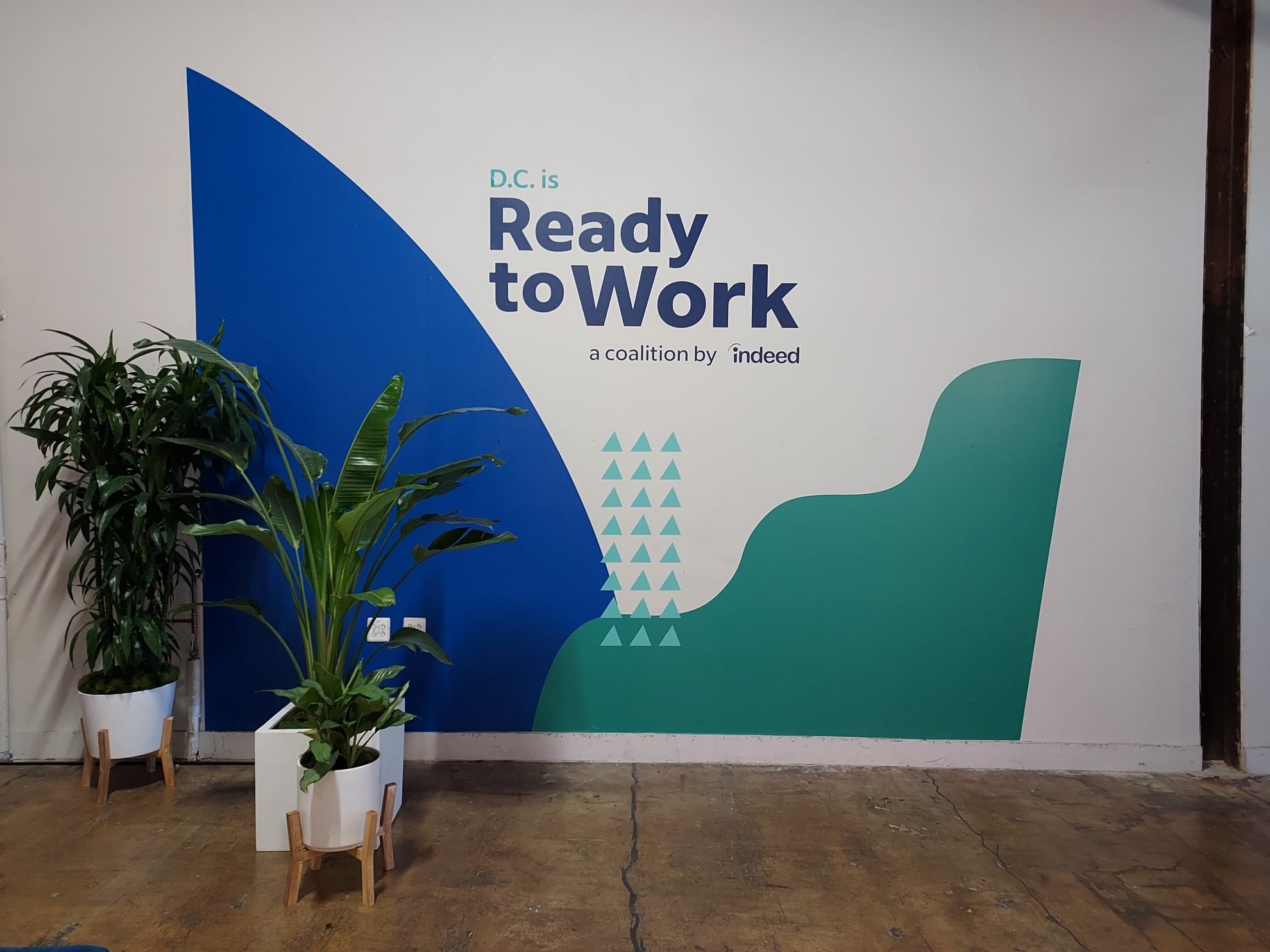
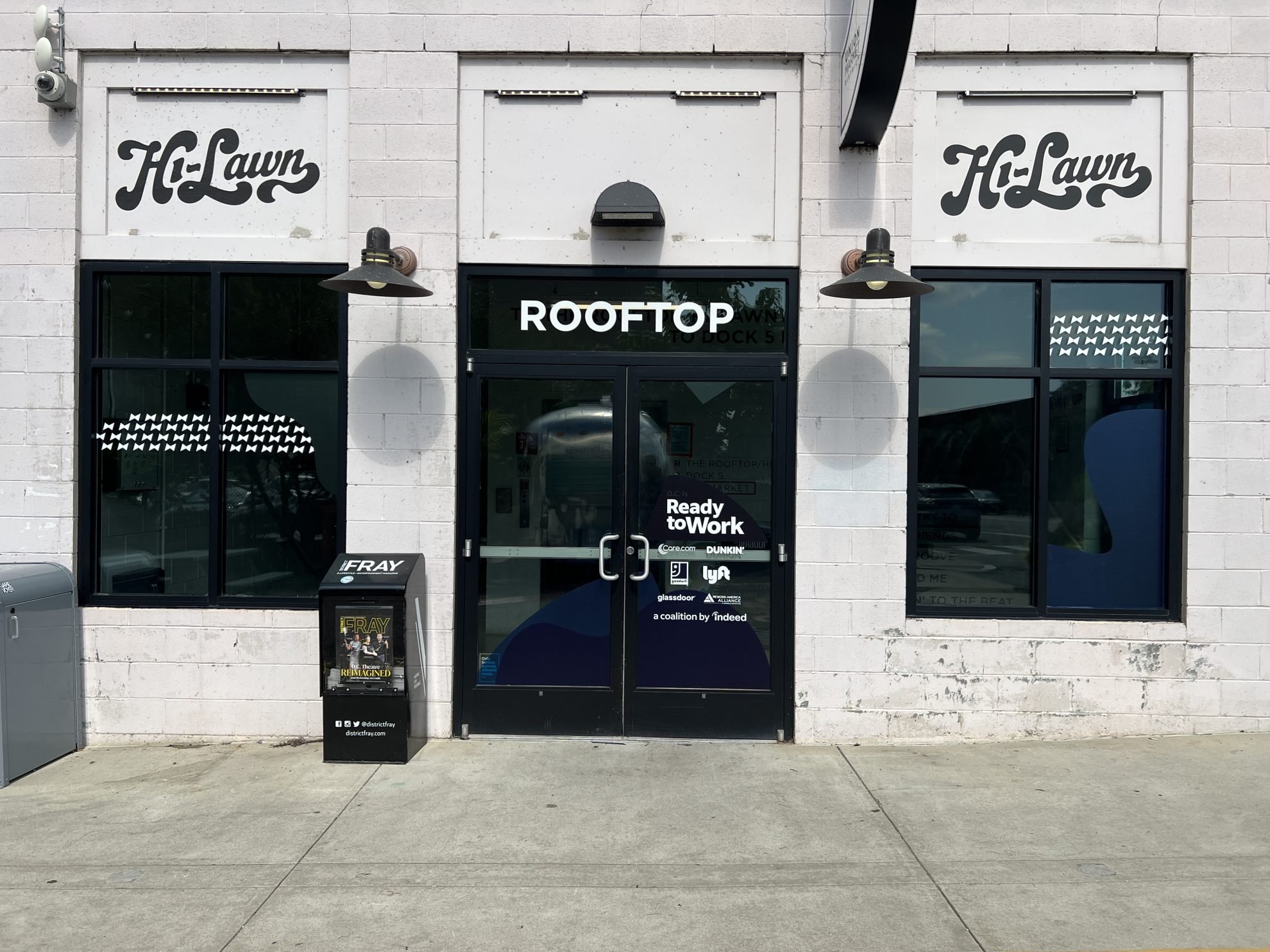
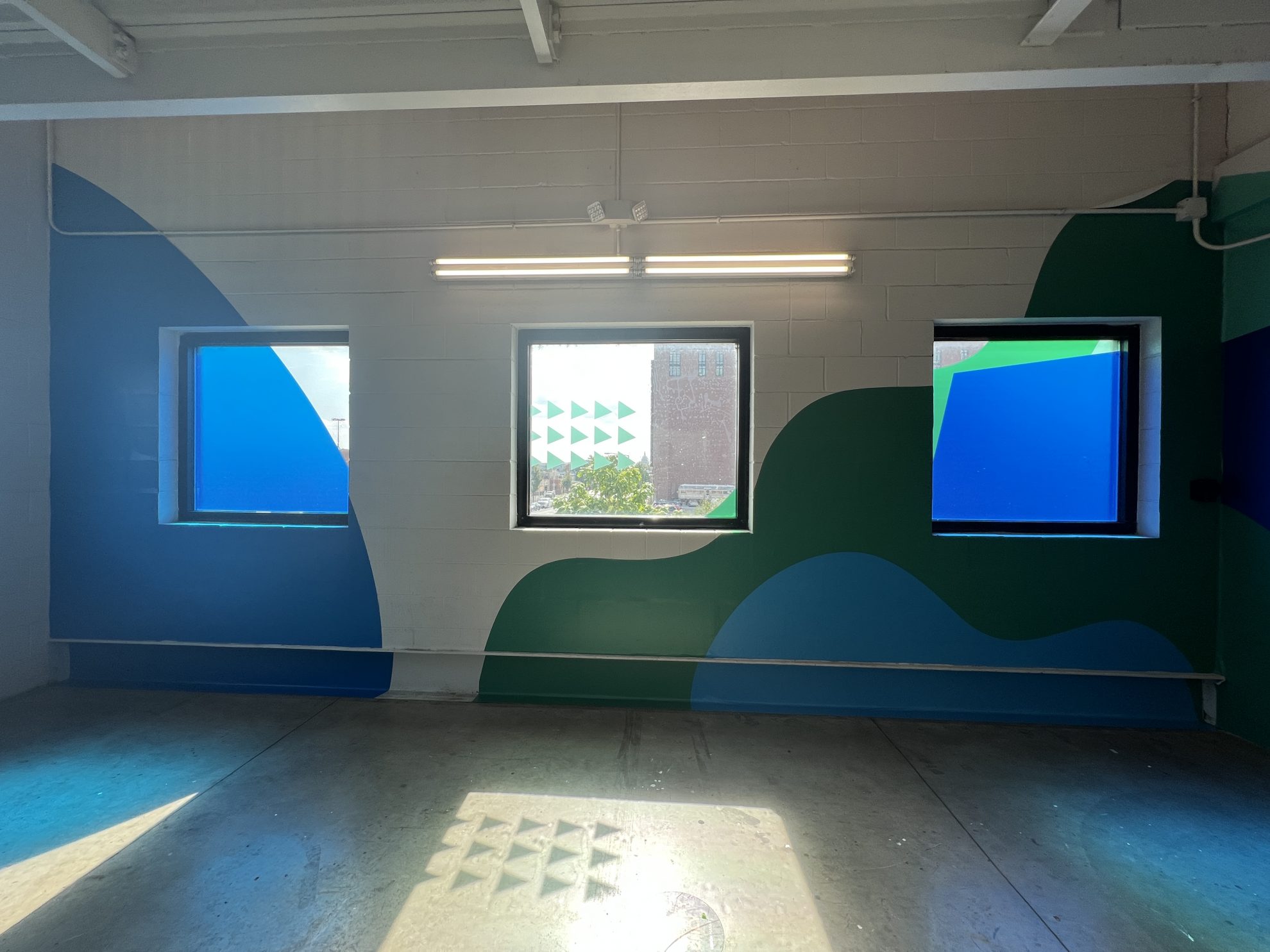
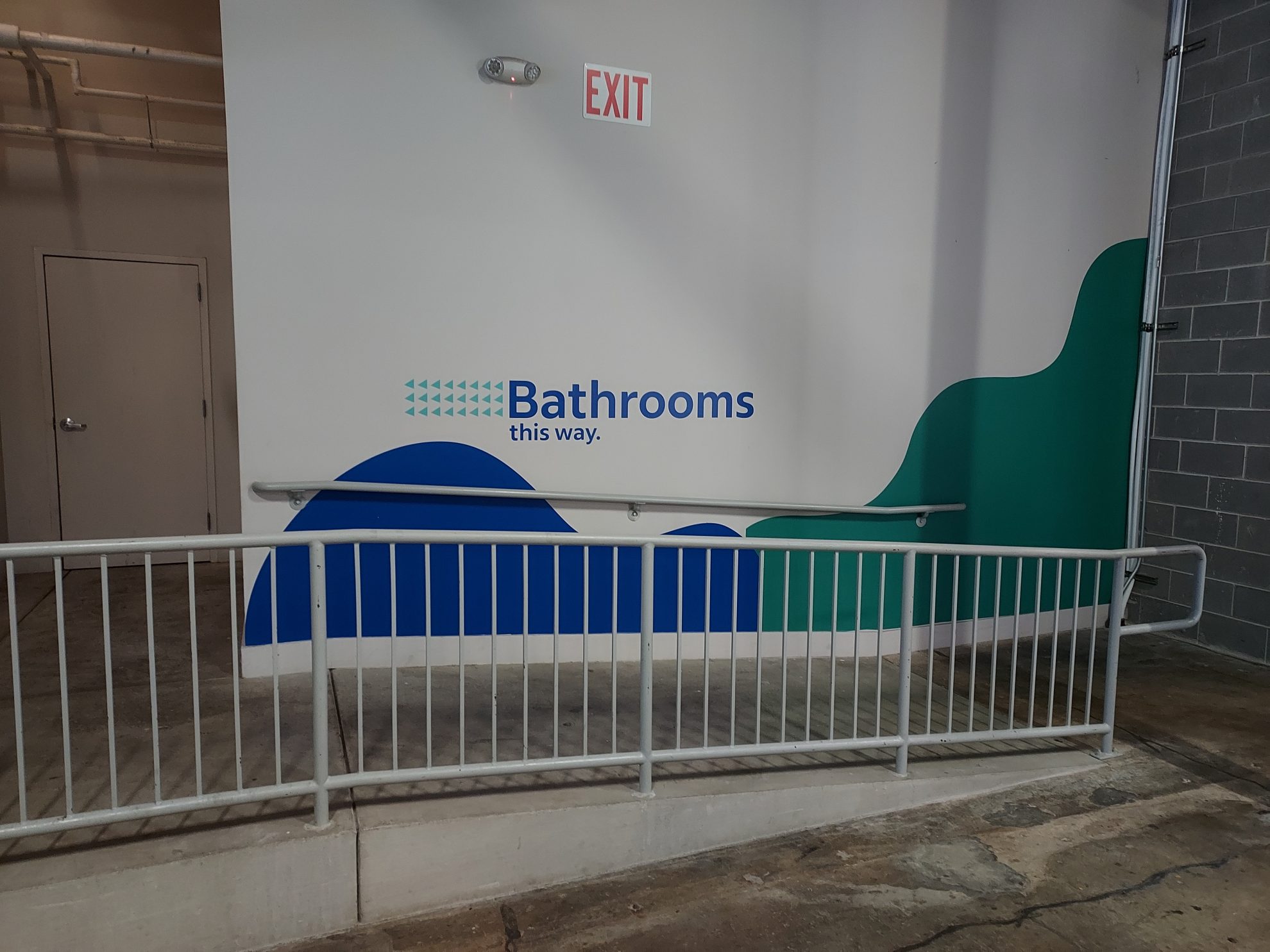
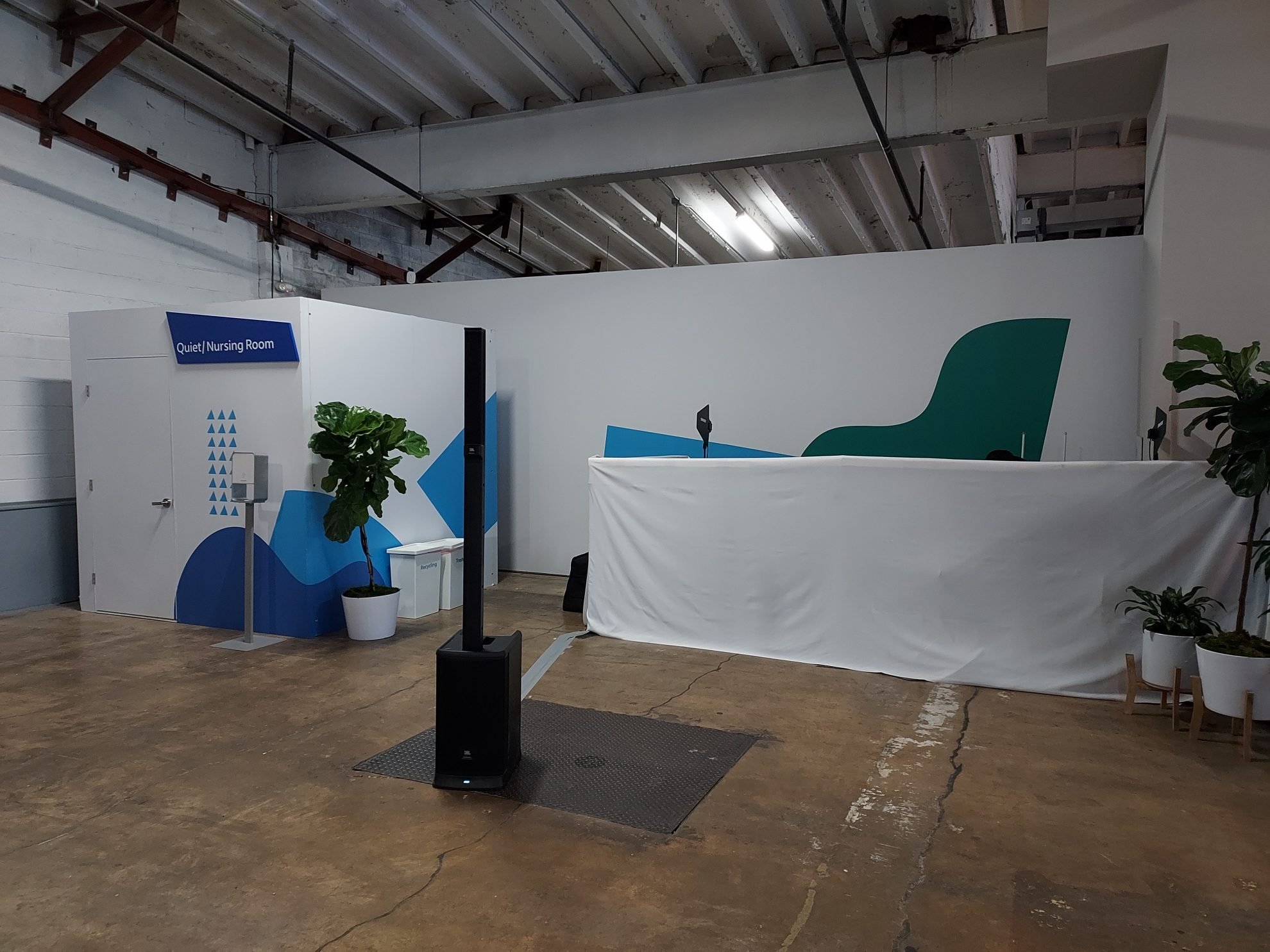
Heritage Signs & Displays' collaboration with The Gathery to brand Union Market in Arlington, VA, for Indeed's "Ready to Work" job fair. The project included custom event displays, wall graphics, window graphics, and wayfinding signs, creating an immersive and visually appealing environment. The branding enhanced the venue, reflected the event's mission, and provided a seamless experience for attendees.