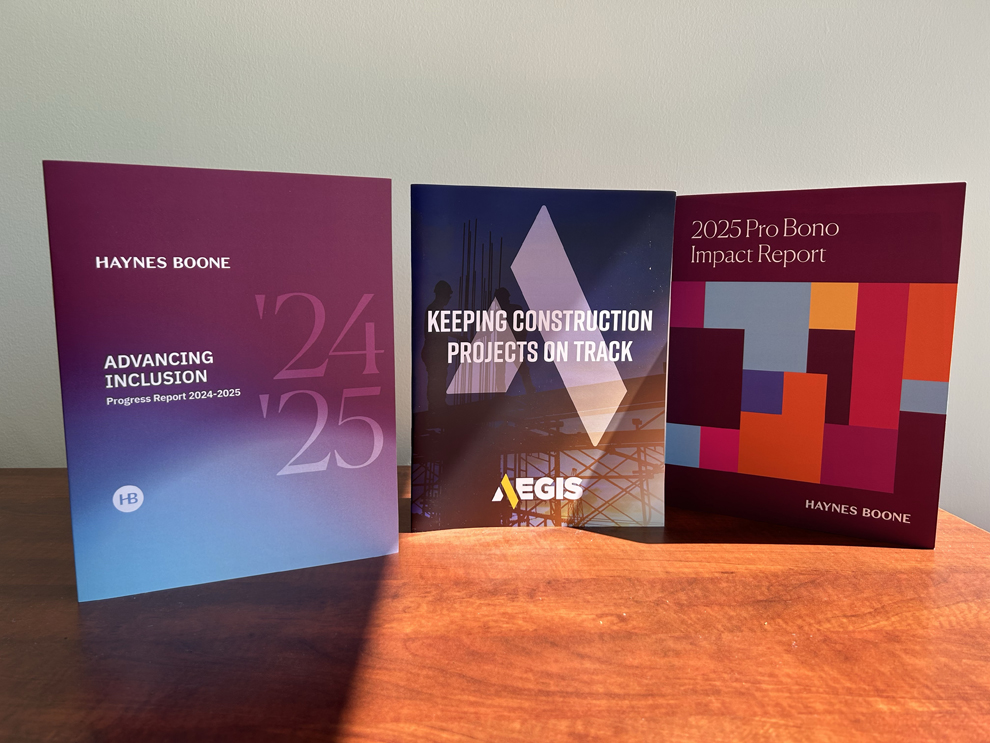
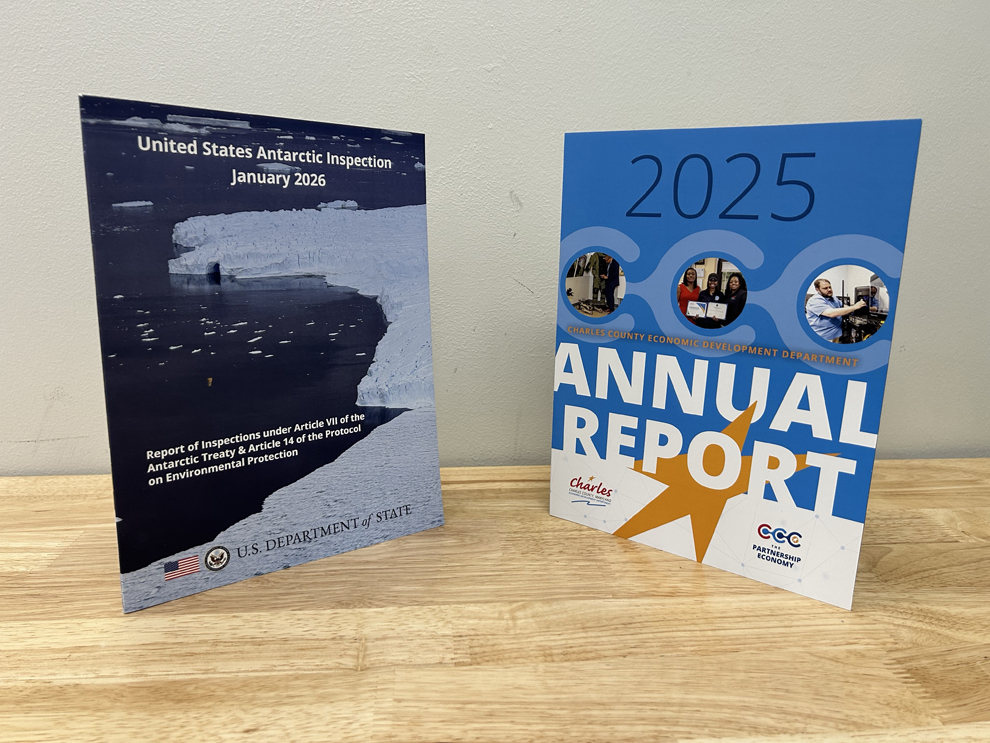
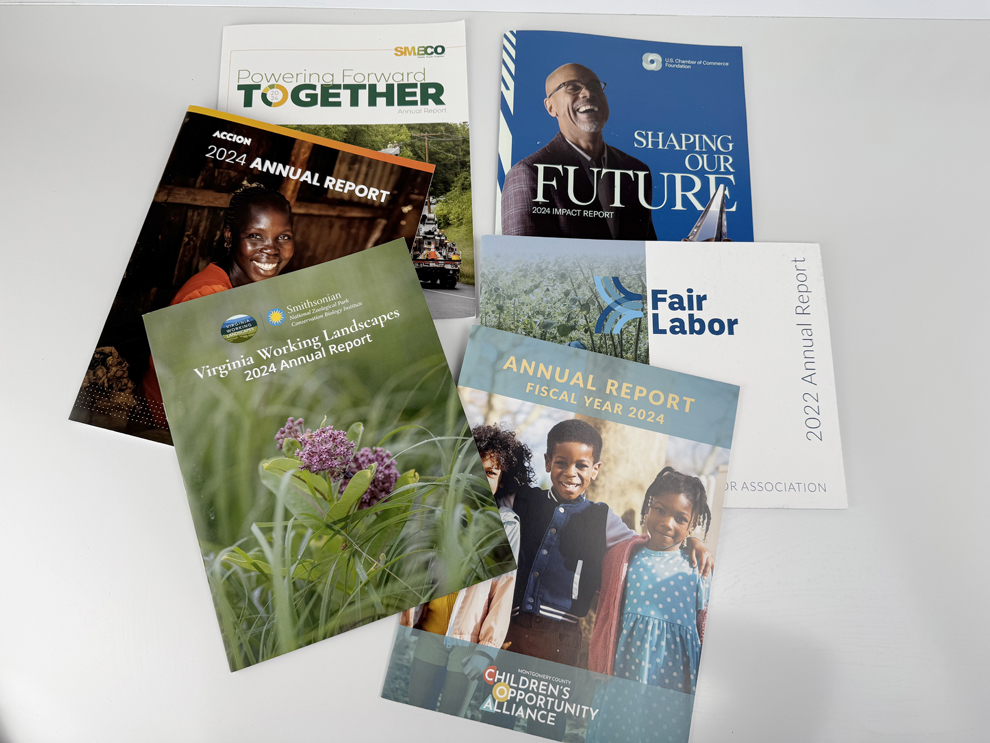
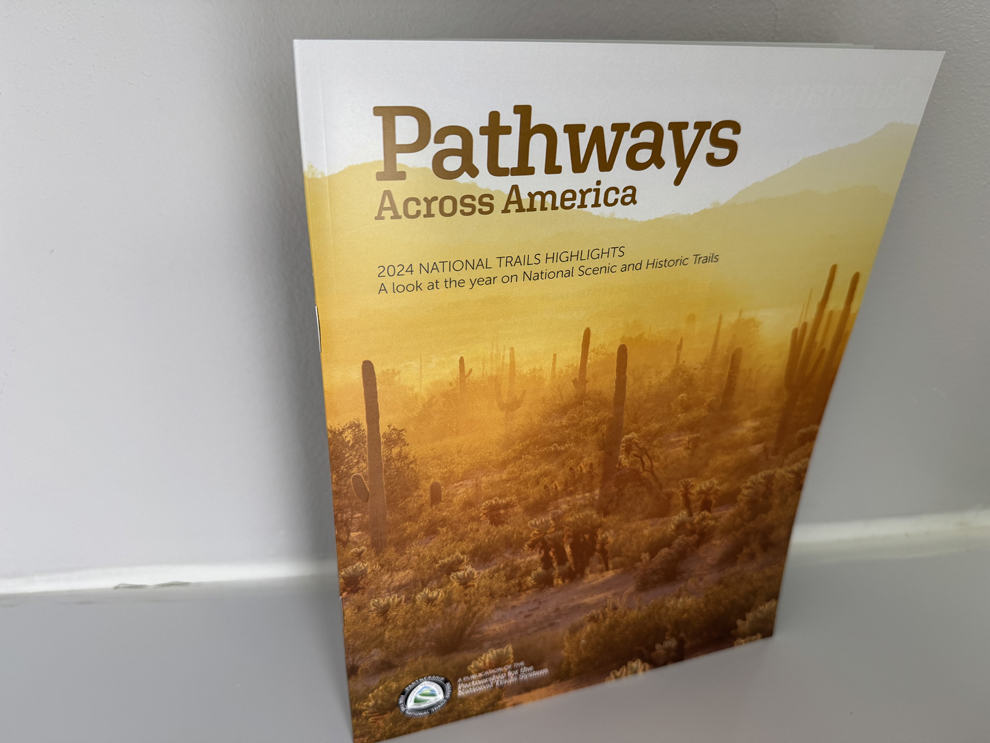
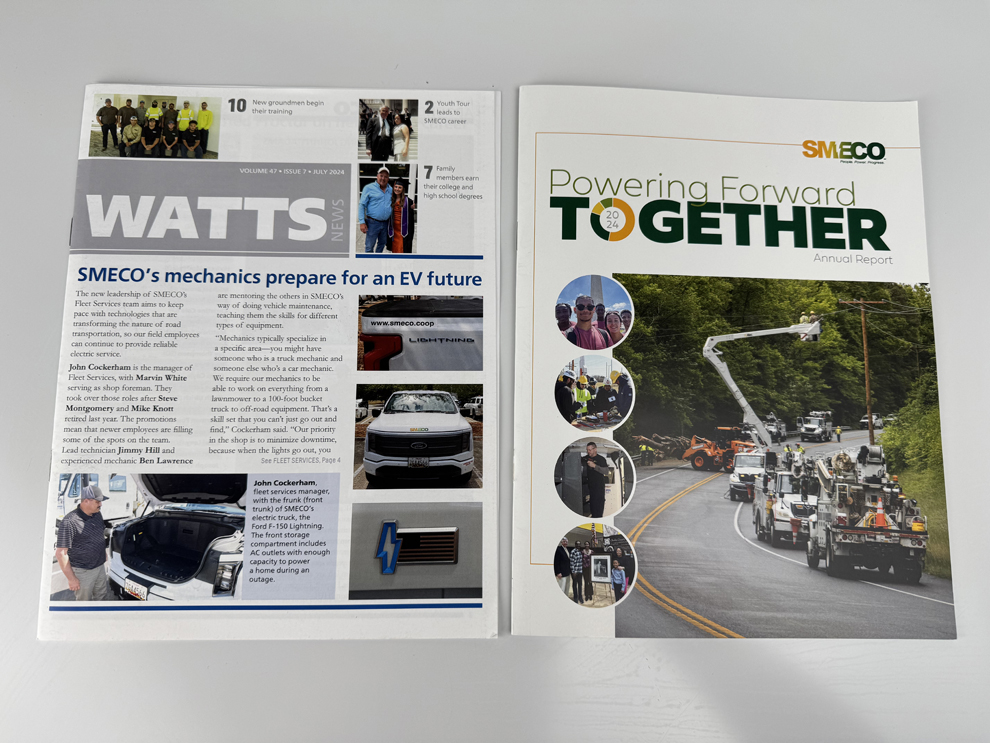
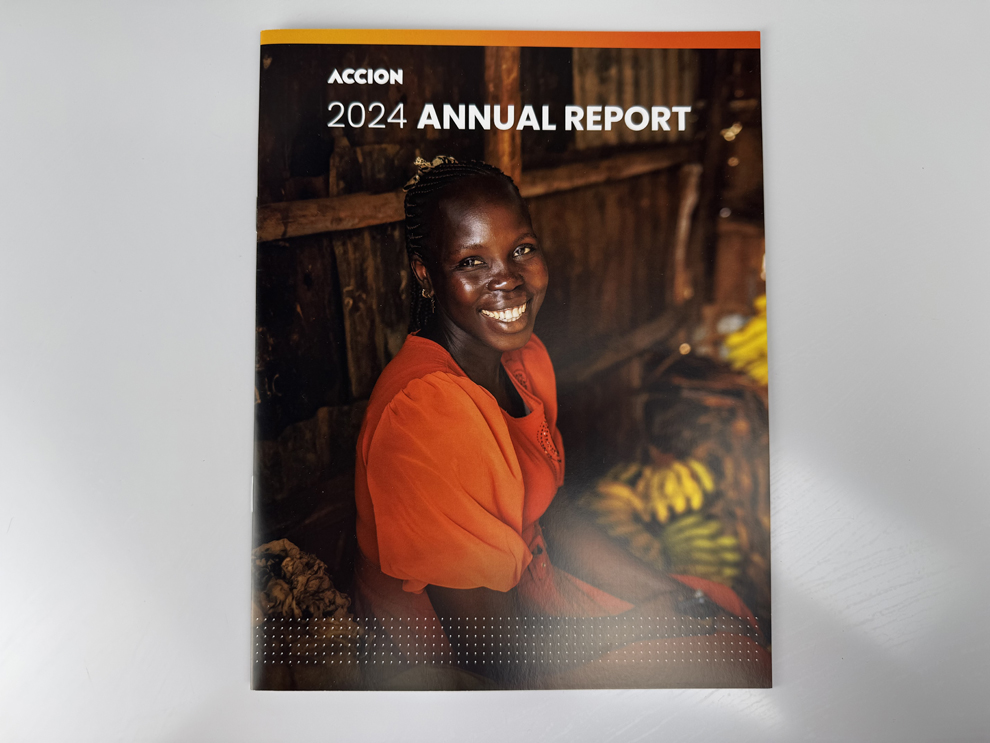
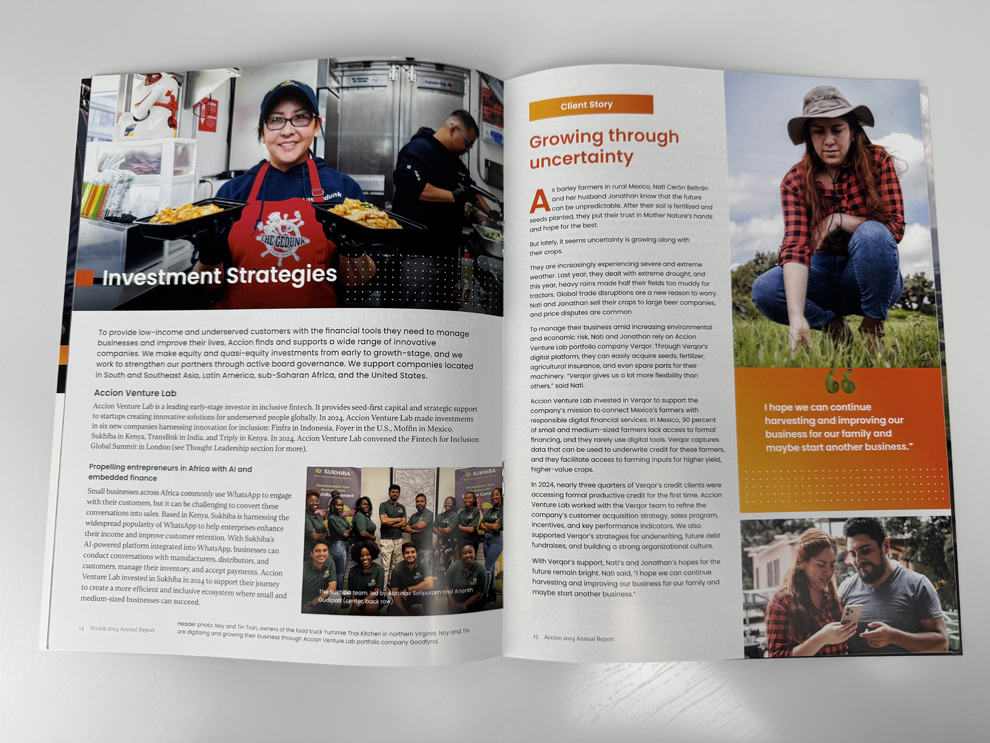
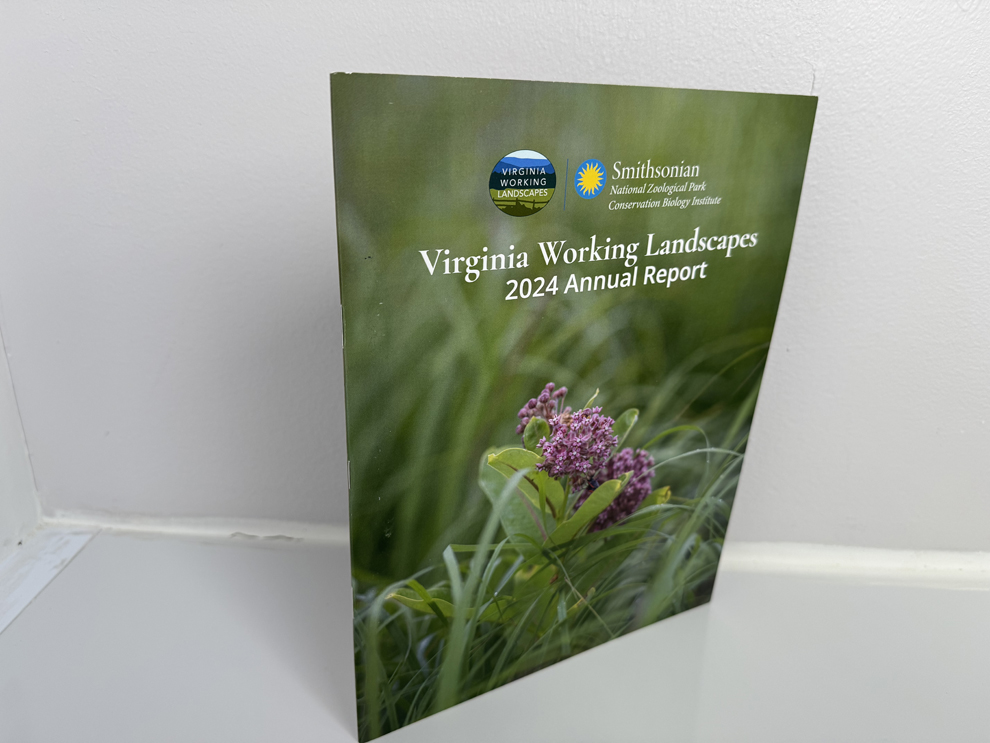
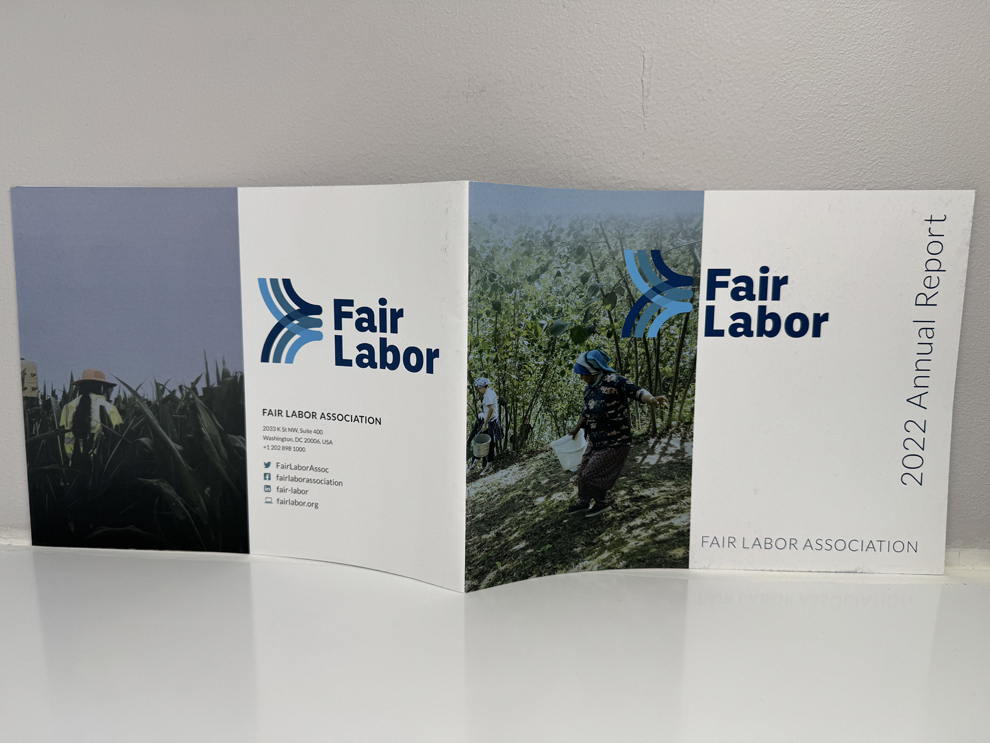
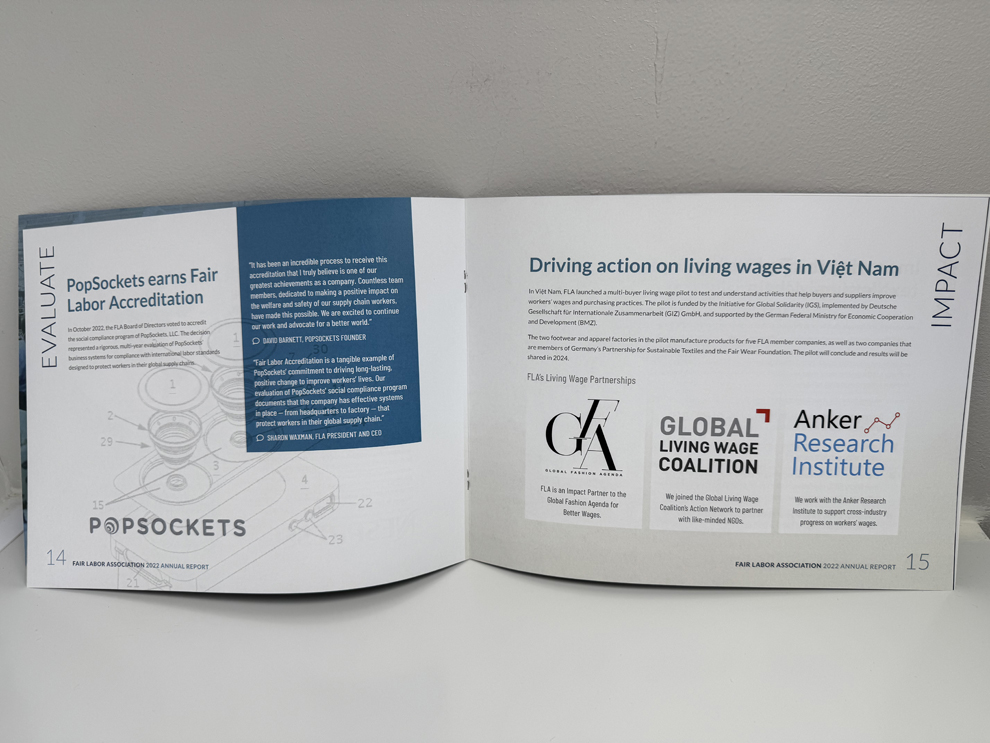
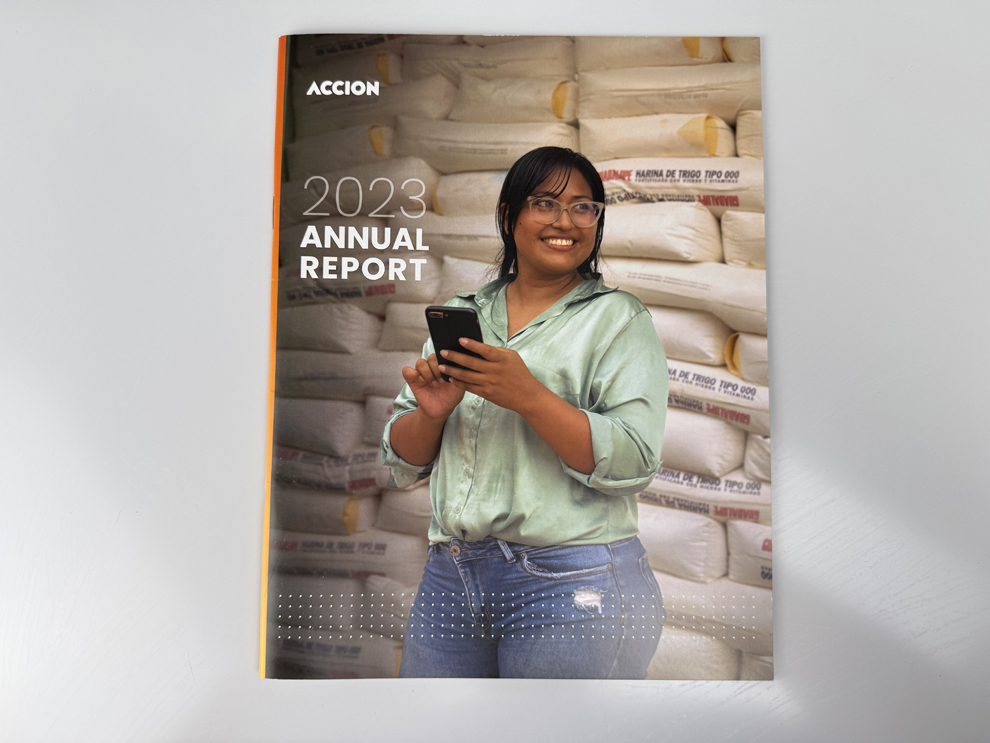
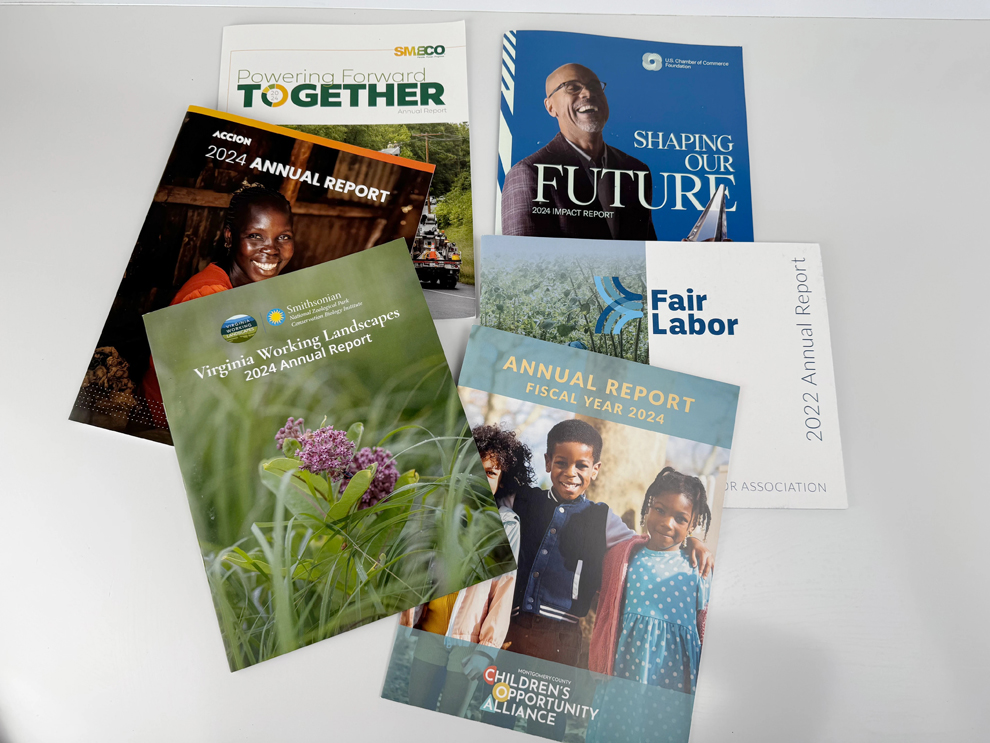
Most annual reports are the last item to leave the building. The narrative has been rewritten, the financials have been audited, leadership has signed off, and the designer has made one more round of edits. Somewhere in that process a trustee meeting, a fiscal-year close, a donor mailing, or a public release date was set, and it is not moving. Heritage steps in at that point for Chapel Hill, NC organizations and treats the remaining calendar as the asset it is.
Our first job is to understand the finished piece and the date it must be in hand. From there we flag the choices that change the timeline: whether the selected stock is on the shelf, whether the page count supports the binding you expect, whether a separate cover is needed, how many copies are mailing versus shipping, and how much proofing time the schedule can absorb. We do not wait for problems to surface. We name them early and offer a workable alternative when one is needed.
The result is a printed report that looks like the organization it represents and reaches trustees, members, donors, and partners on time. Heritage brings disciplined publication production and honest scheduling to that final stretch, and we do not commit to a date until we have reviewed the actual files.
Heritage has been printing professionally since 1977. That history matters when a report carries audited numbers, program outcomes, a message from the executive director or chancellor, donor recognition lists, data visualizations, and brand colors that someone on the communications team will inspect closely. Experience shows up in how the shop handles those details and in how quickly the team responds when something changes mid-project.
Color consistency is usually the hardest technical requirement in an annual report. Heritage manages it with spectrophotometric calibration and verification on production devices, profiles matched to the specific press and paper combination, and client-supplied PMS values treated as production targets. An electronic proof is standard on every order. When a physical color reference is important, qualifying Custom Quote projects can add a paid Physical Production Color Proof made on the actual production device and stock.
Chapel Hill is home to university units, research institutes, foundations, healthcare organizations, credit unions, town and county offices, and a dense community of nonprofits and member associations. Many of them produce a report every year for an audience that notices quality. Heritage gives those organizations a production partner in the Research Triangle who understands publication work, communicates in plain language, and keeps the approved job moving toward the distribution date.
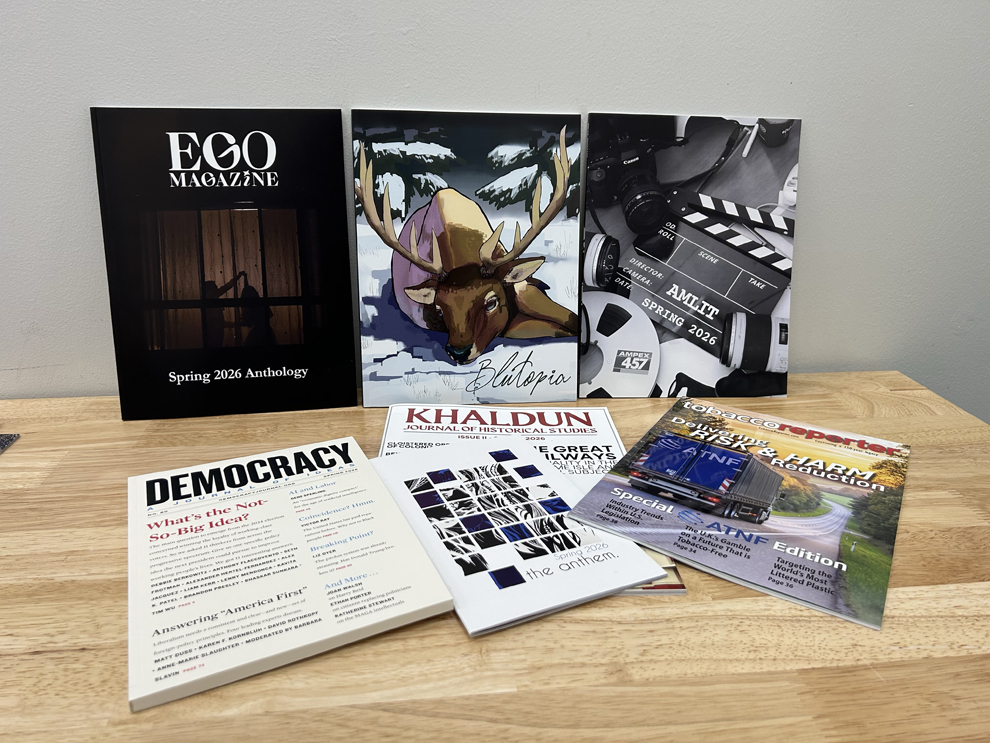
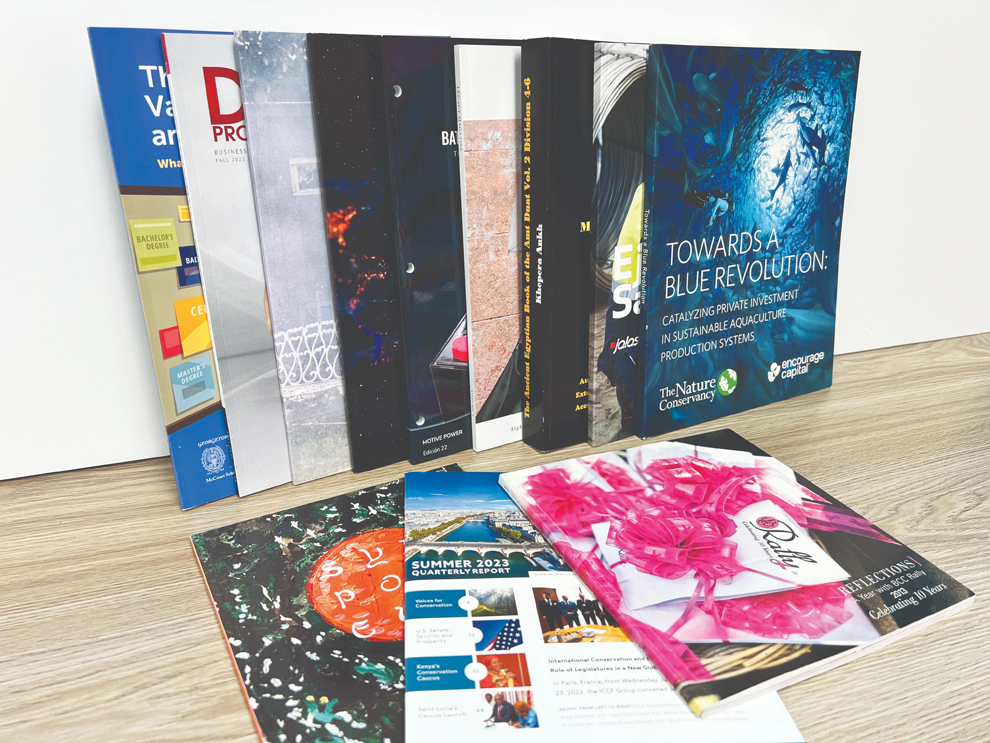
Recurring editorial publications where cover stock, text stock, binding, and color need to match from issue to issue.
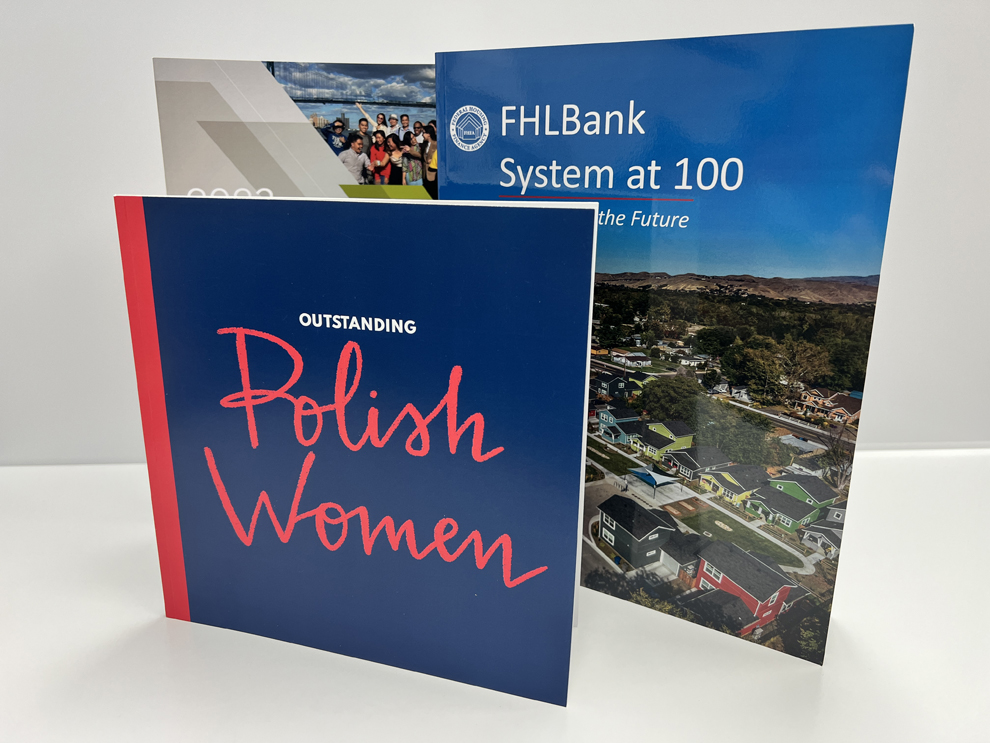
Shorter reports, program guides, and multi-page handouts that fit saddle stitching, perfect binding, or plastic coil.
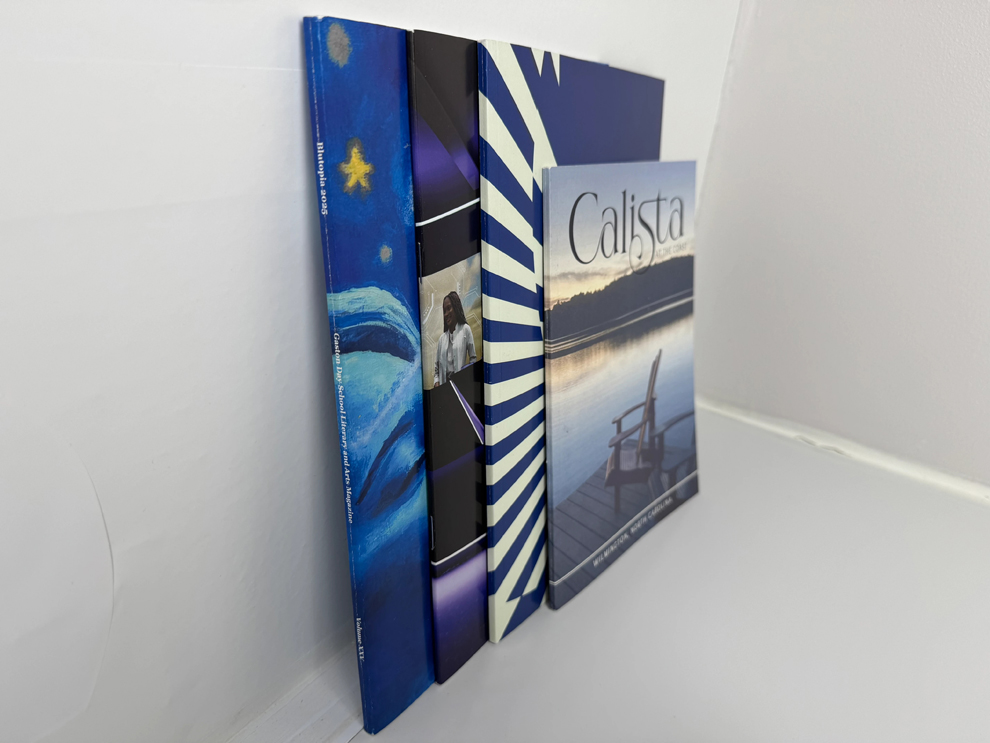
Thicker reports and publications that justify a square, printable spine and a more permanent presentation.
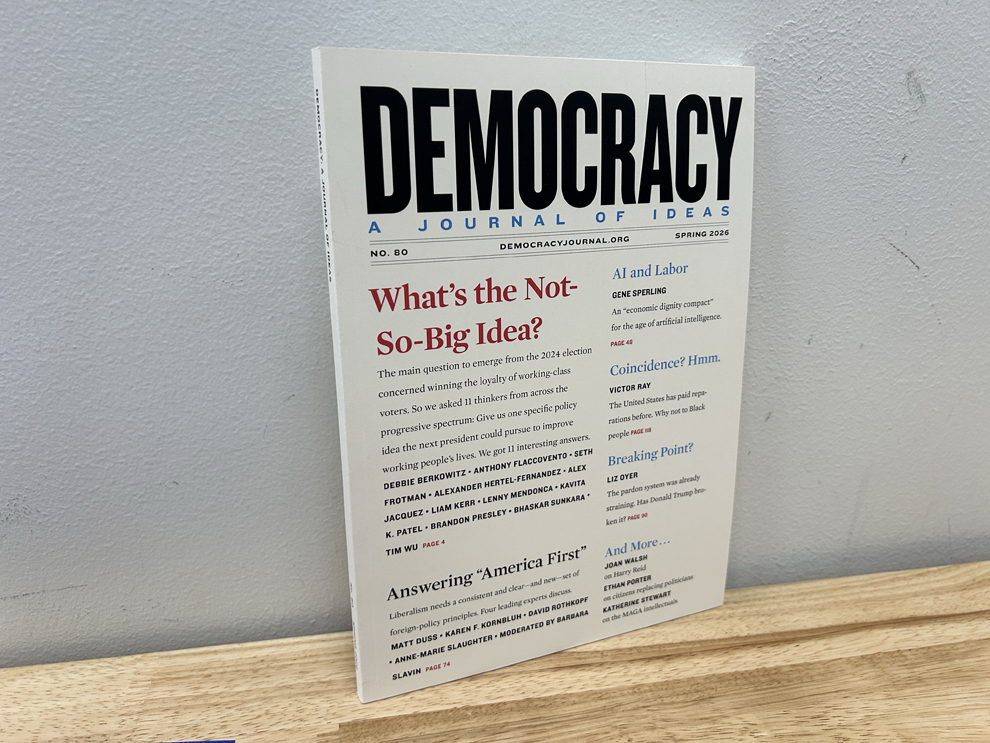
Brief, frequent updates to members or donors with a repeating schedule and often a repeating mailing list.
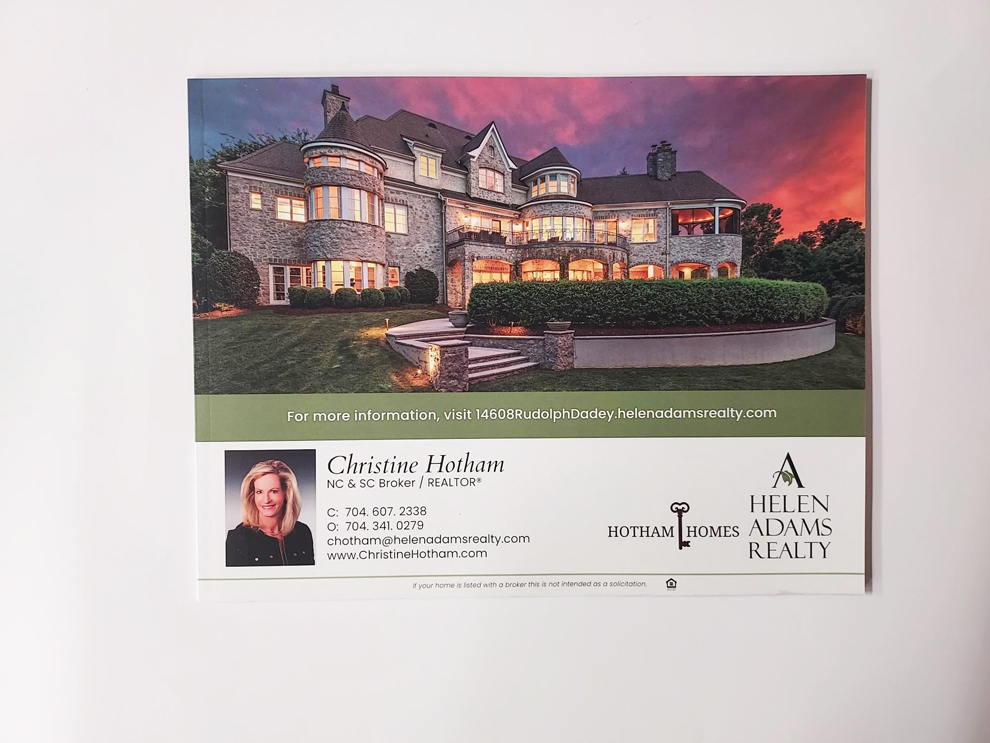
Addressing, postal preparation, and entry into the mail stream for reports going straight to stakeholders.
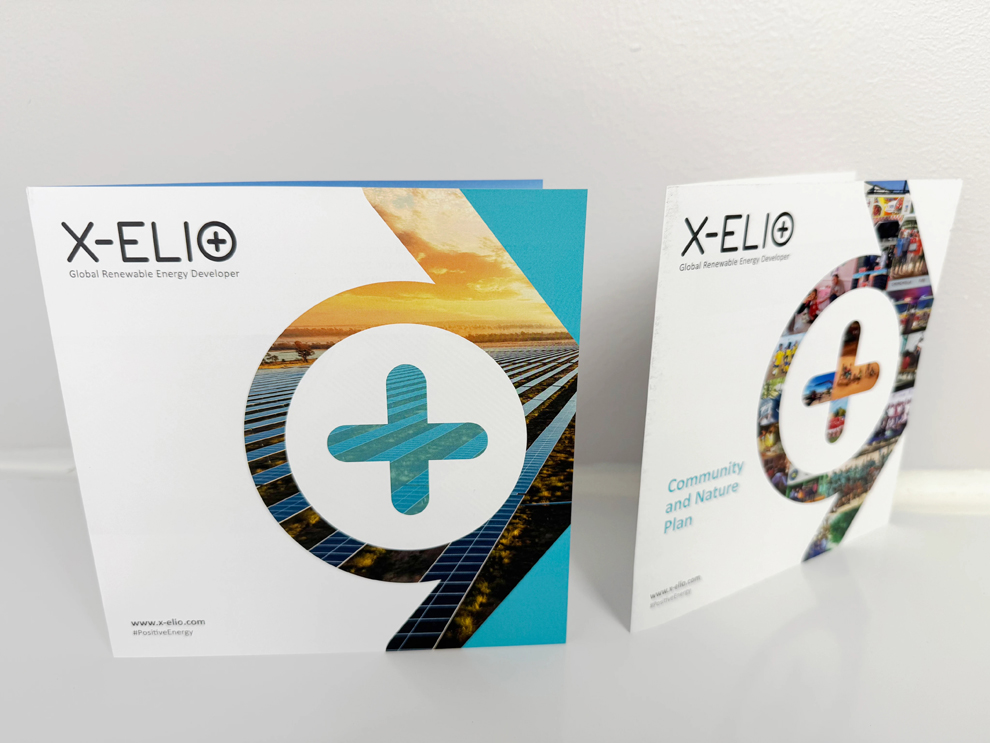
Board packets and meeting materials where the annual report travels alongside agendas, financial summaries, and inserts.
Coordinated collateral supporting fundraising campaigns, outreach, recruiting, and business development.
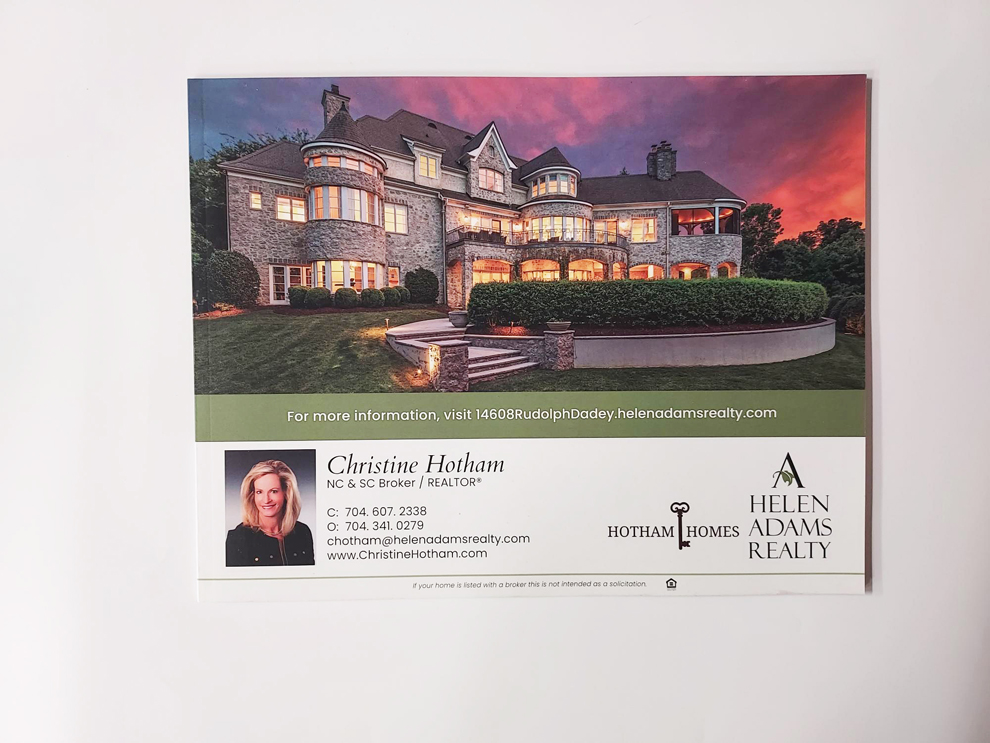
Broader professional printing programs that include the annual report as one component among several.
If your Chapel Hill, NC annual report is tied to a board session, member meeting, fiscal-year release, or donor mailing, open a Custom Quote and include the final files, quantity, specifications, and the date you need copies in hand. Your Project Coordinator will reply with a realistic production path. When every specification is already locked and the piece matches a current Online Store configuration, ordering directly online is also an option.
Submitting a Custom Quote connects you with an assigned Project Coordinator. That person contacts you, confirms the specifications and the required date, and asks about anything still unresolved. The same coordinator stays attached to the order through proofing, press, bindery, and distribution, which matters most when approvals land late or the mailing cannot be rescheduled.
Heritage evaluates trim size, page count, text and cover stock, binding method, quantity, color priorities, and the mailing or delivery plan together rather than in isolation, because each decision affects the others. Thinner reports usually stitch cleanly through the spine. Reports with more pages or heavier paper often call for perfect binding so the spine stays square and the cover lies flat. Coil or other bindings are considered when the way the report will be handled makes them the better choice.
An electronic proof precedes every press run. After you approve the proof and the production plan, Heritage carries the report through printing, binding, finishing, and the agreed mailing, shipping, or delivery step with the finished appearance and the calendar both in view.
As soon as the distribution date and approximate specifications are known, even if the files are weeks away. Early notice lets Heritage reserve capacity and confirm paper availability. The actual production clock starts when the final print-ready file and approvals arrive, so sharing the date in advance protects the window at the end.
Yes. Heritage supports annual report clients across Chapel Hill, Carrboro, Durham, Raleigh, and the wider Triangle. Finished reports can go into direct mail, ship in bulk to your office, be delivered locally, or be distributed by your own team according to the agreed plan.
Yes. Many organizations need a donor edition, a board edition, a version with a different cover, a second language, or a run with inserted financial supplements. Heritage manages this through strict version control: separate file names, confirmed quantities per version, a named approver for each, and clear fulfillment instructions.
The electronic proof shows the production file on screen and is used to check copy, images, charts, page order, and cover content. Approving it releases the file to press. A Physical Production Color Proof is a paid, printed reference made on the production device and the intended stock for qualifying Custom Quote jobs. It is the appropriate tool when color must be judged physically, and it adds an approval stage to the schedule.
Heritage treats client-supplied PMS values as production targets and manages color through calibrated, verified equipment and device-specific profiles. Each combination of press, ink, paper, and coating has its own achievable range, so Heritage manages color within the capabilities of the chosen production path rather than from a monitor preview.
Yes. When direct mail is part of the project, Heritage links printing with addressing and postal preparation using the recipient data your organization provides. Plan the postal step early, especially for a report tied to an event. Once the mail is accepted by USPS, delivery timing is in their hands rather than ours.
Not necessarily. A self-cover report printed on one stock throughout can be effective and economical. A separate heavier cover adds stiffness, durability, and a stronger first impression. Weigh page count, binding, mailing weight, and the audience when deciding.
Saddle stitching suits lighter reports that need to open flat and fold cleanly through the center. Perfect binding suits thicker reports and gives a square spine with a book-like feel. Plastic coil is useful when readers will reference the report repeatedly or write in it. Page count, paper weight, trim size, and intended use decide the answer.
No. Your organization owns the content, financial review, editing, and creative design. Heritage prints from completed, print-ready artwork. On Custom Quote work, limited file preparation is sometimes possible when supplied artwork needs a practical technical adjustment to print correctly.
Yes. Heritage can retain paper selections, binding, cover construction, color targets, and other settled specifications as a baseline for the following year. Measured production controls reduce drift, though each new report is still reviewed because artwork, stock, quantities, and production conditions vary.
After a Custom Quote is submitted, the assigned Project Coordinator becomes your single point of contact. They confirm the deadline and specifications, close open production questions, coordinate proofing, and stay connected to press, bindery, mailing, and delivery until the job is complete.
Often, yes. A compressed timeline is a reason to send the final file and the firm date immediately. Heritage will evaluate remaining steps, capacity, materials, proofing, and distribution. If the schedule can be shortened responsibly, the team prioritizes the decisions and production actions required to meet it.
Companies, associations, nonprofits, foundations, academic and research units, healthcare organizations, public agencies, and similar groups. The reports commonly include financial statements, program results, leadership letters, impact stories, photography, and charts, and the production plan is built around that finished content.
The Online Store fits print-ready work with every specification already decided that matches a current configuration. A Custom Quote is the better route when color, binding, paper, versions, mailing, file preparation, or a tight date still needs discussion with a coordinator.
Late arrival of the final approved file. Substantial revisions after proofing and a late request for a Physical Production Color Proof are the next most common causes. Share the date and specifications early, approve promptly, and build any physical proof into the plan before the schedule is finalized.
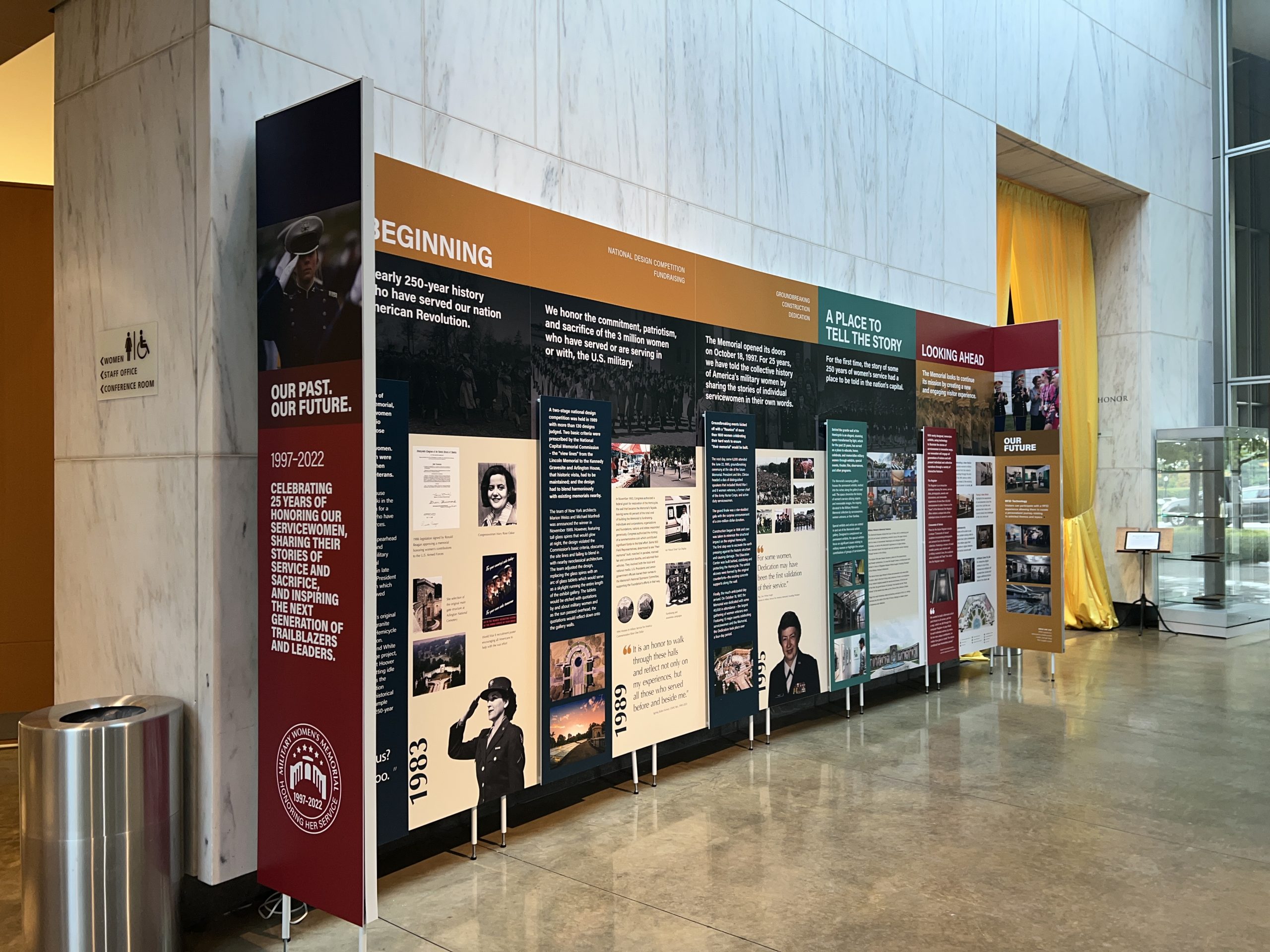
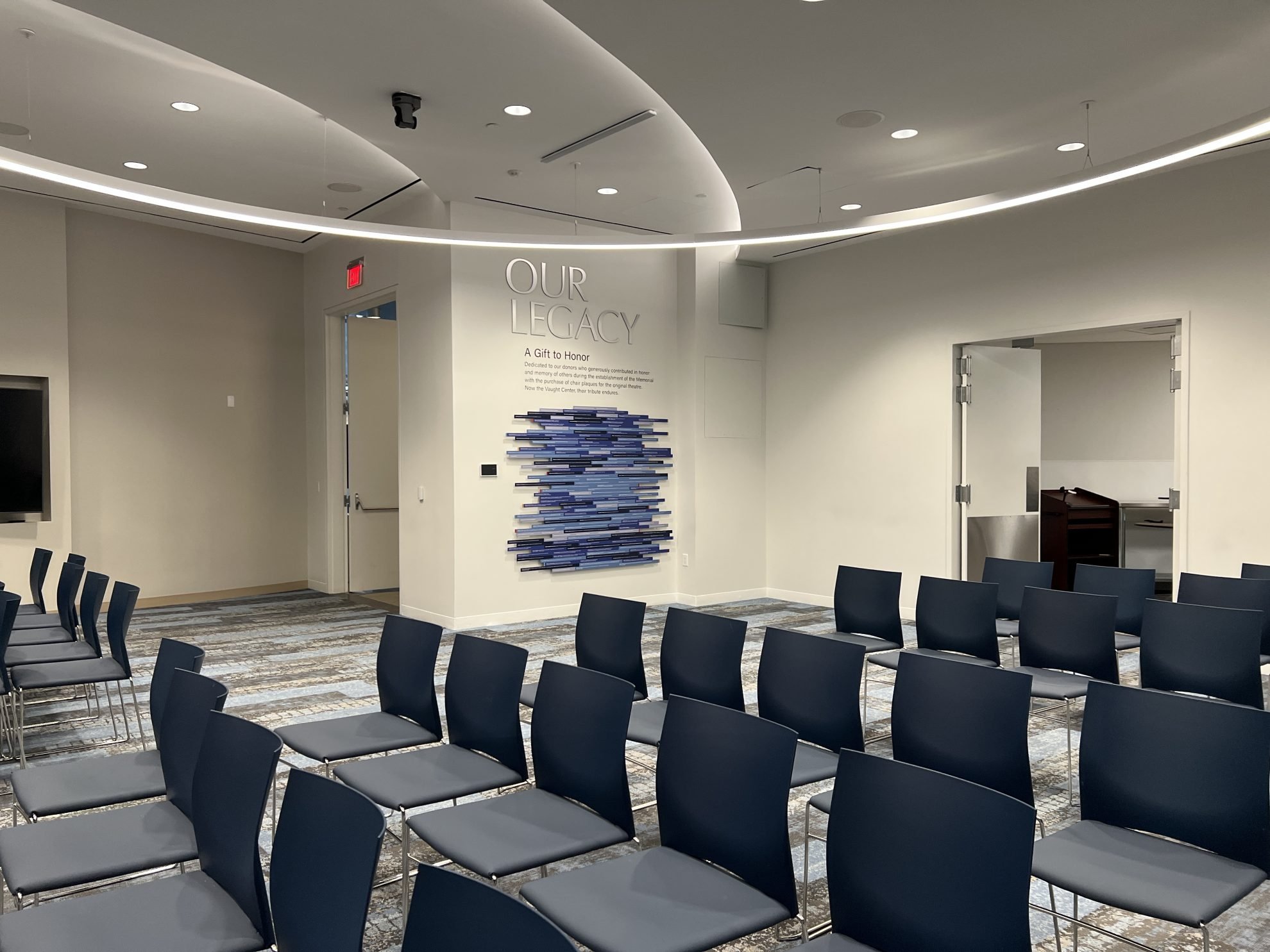
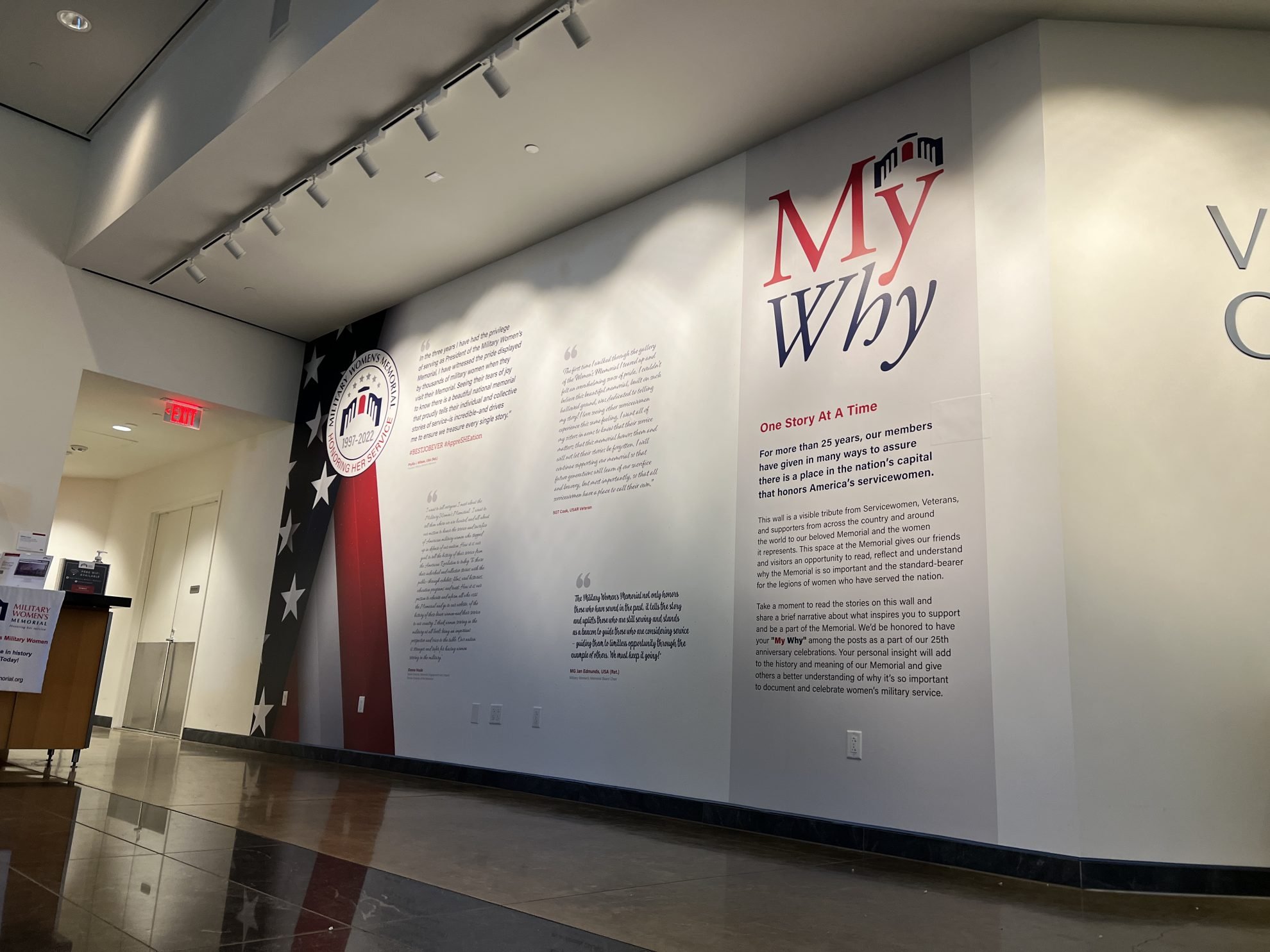
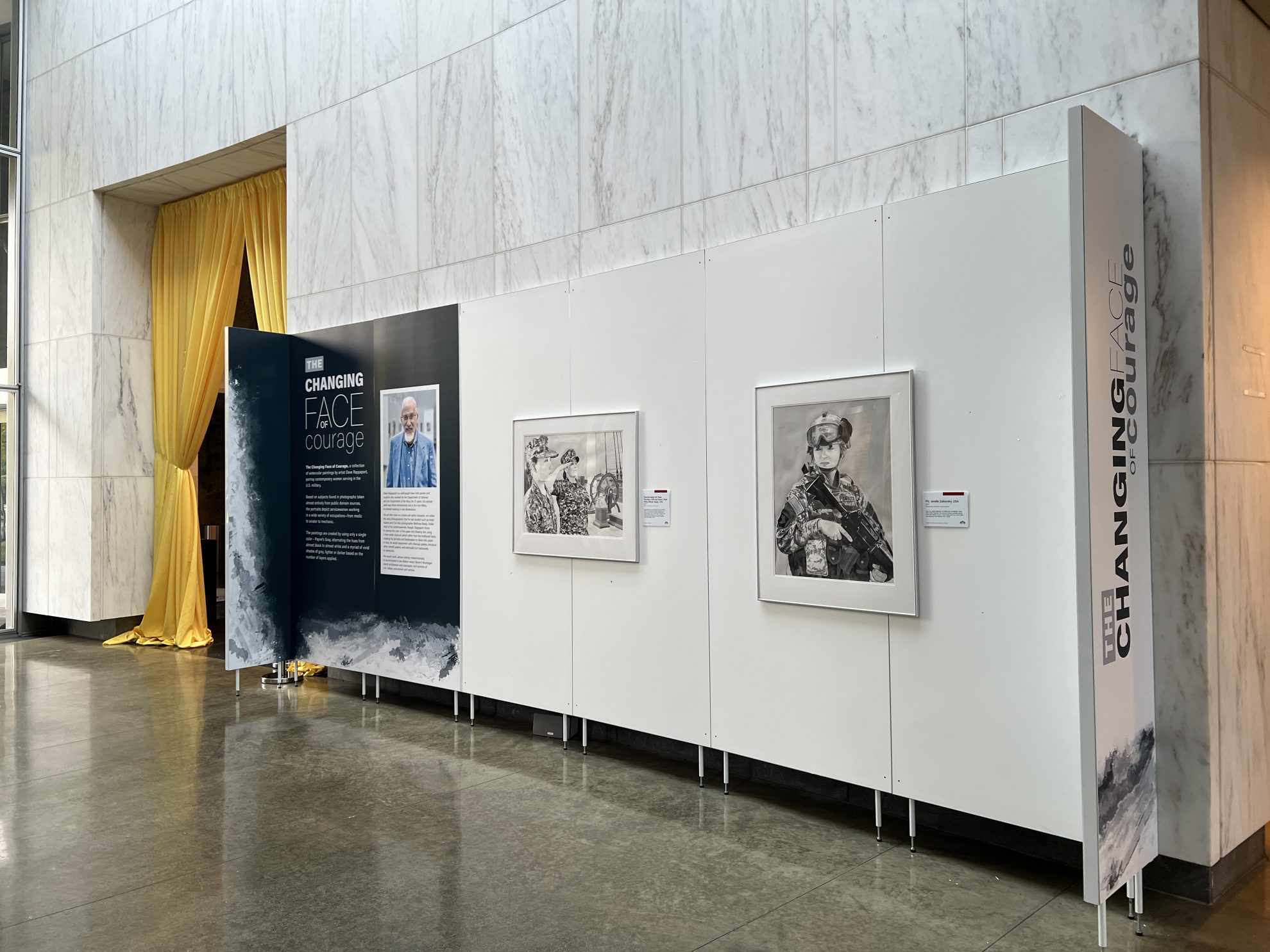
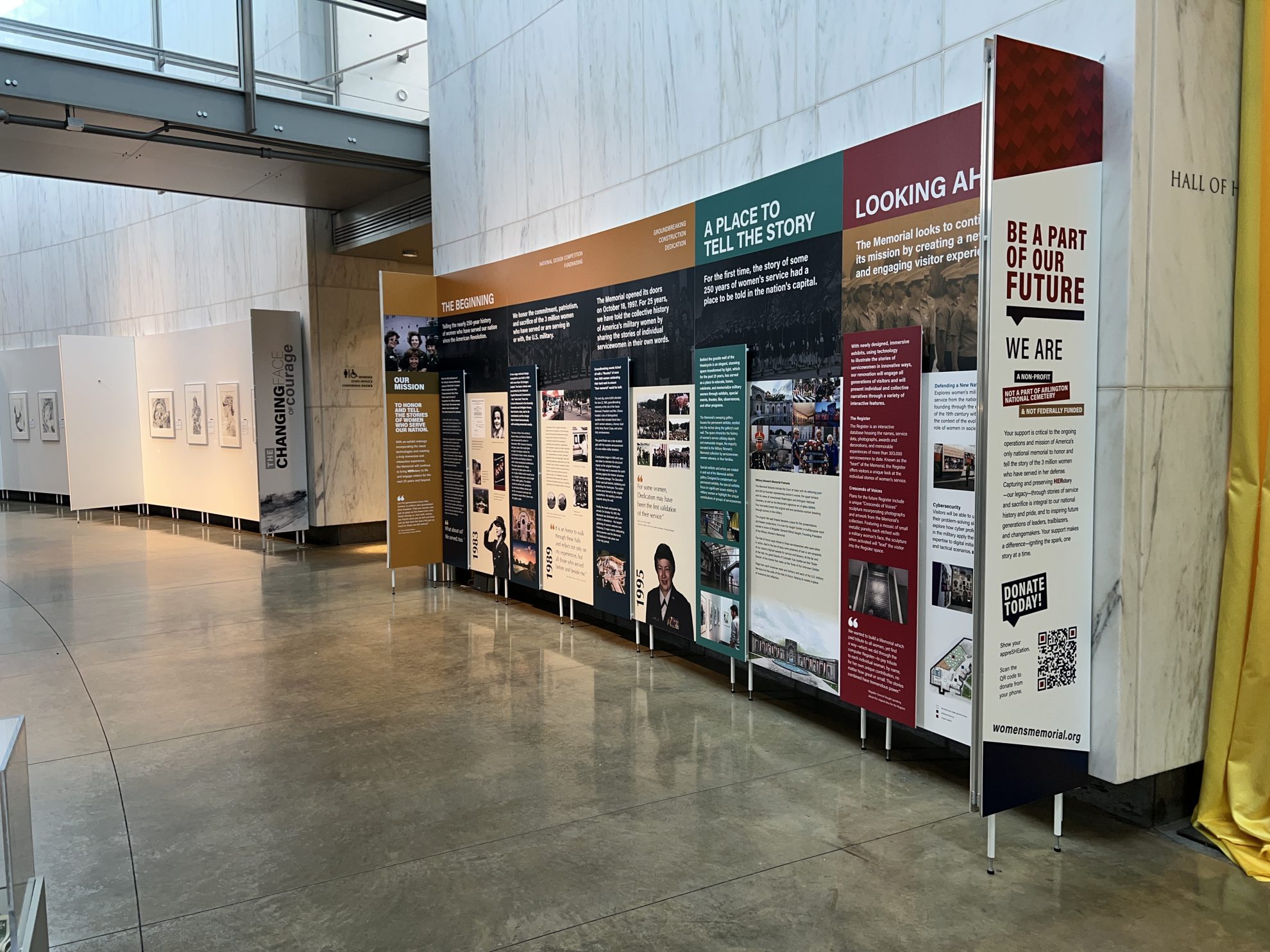
Heritage Signs & Displays created new museum signage for the Military Women’s Memorial in Chapel Hill, NC. The project included custom signs, wall wraps, dimensional letters, and standoff-mounted displays to honor the legacy of U.S. servicewomen and the donors who supported the memorial. The updated interior features impactful designs, including a "Our Legacy" wall display and panels showcasing historical contributions and artwork, creating a transformative tribute to women in the U.S. Armed Forces.
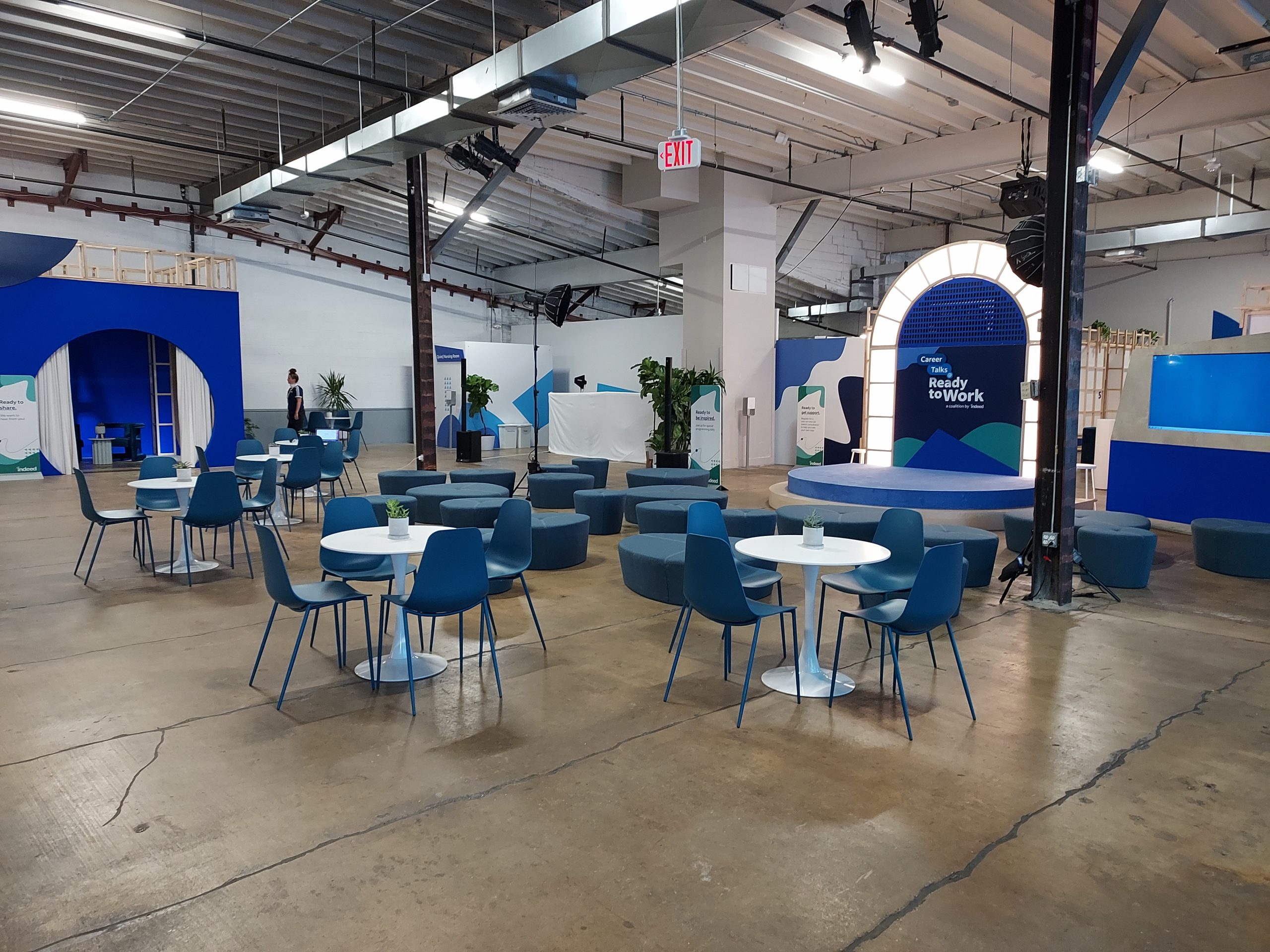
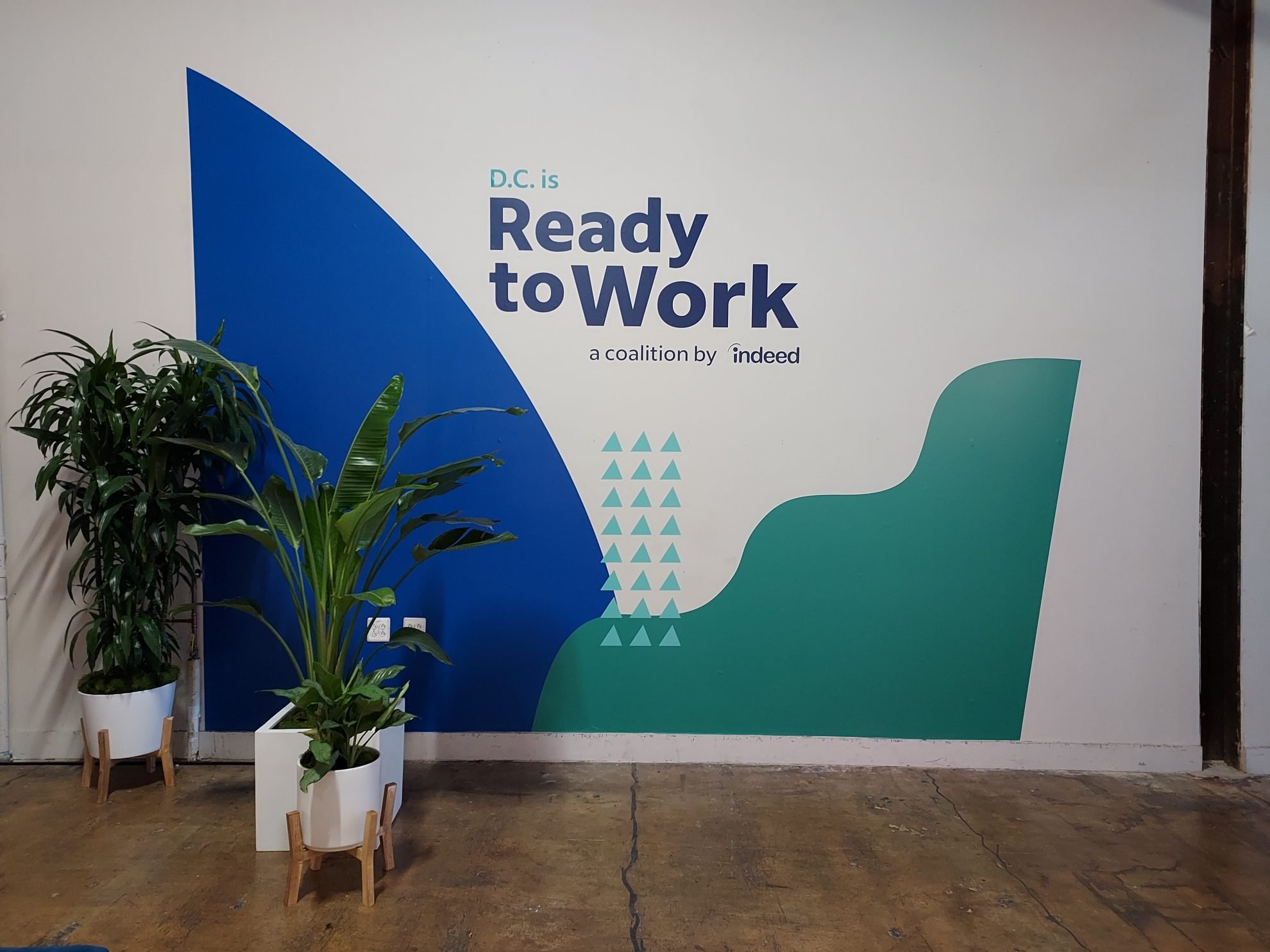
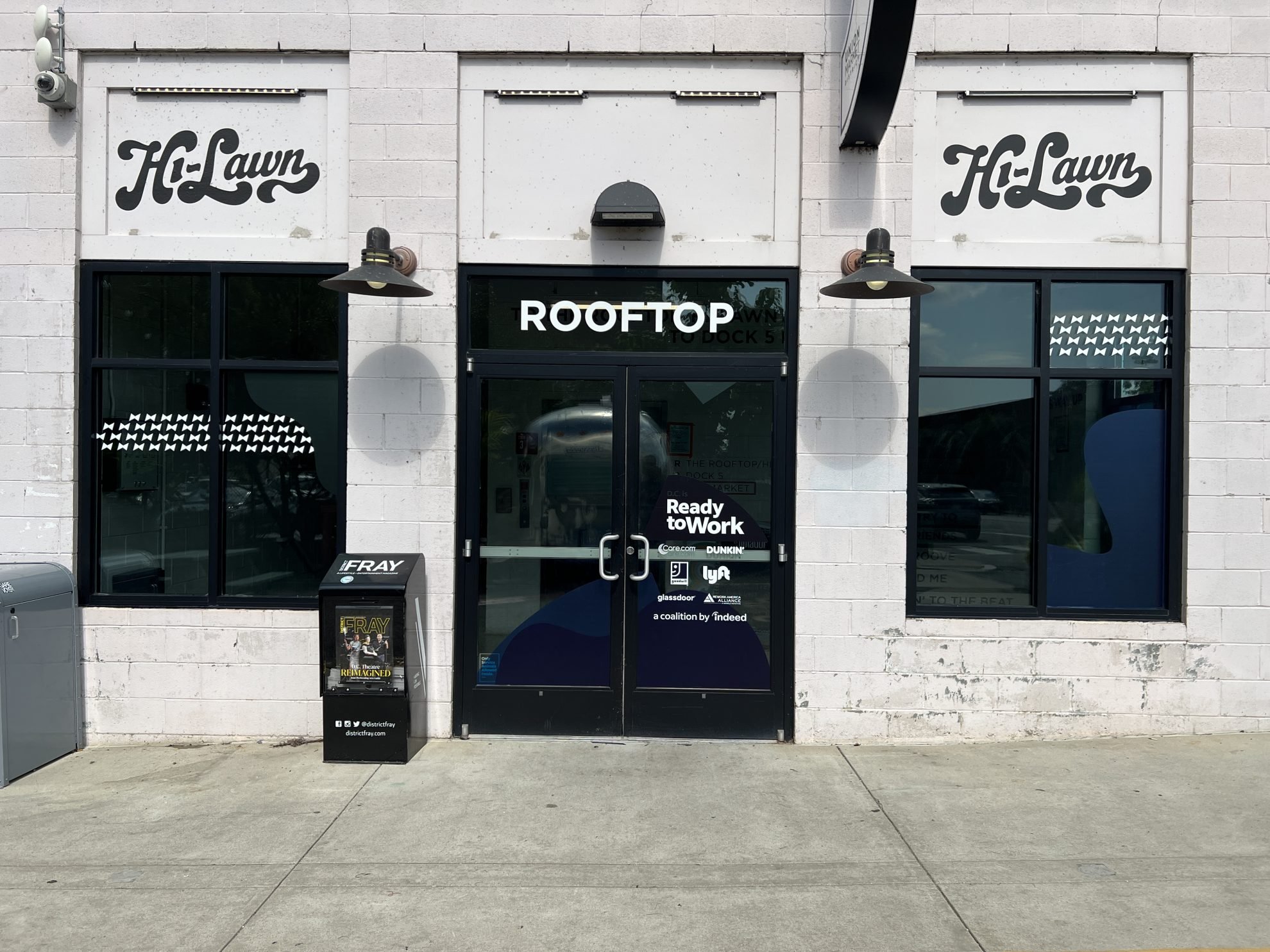
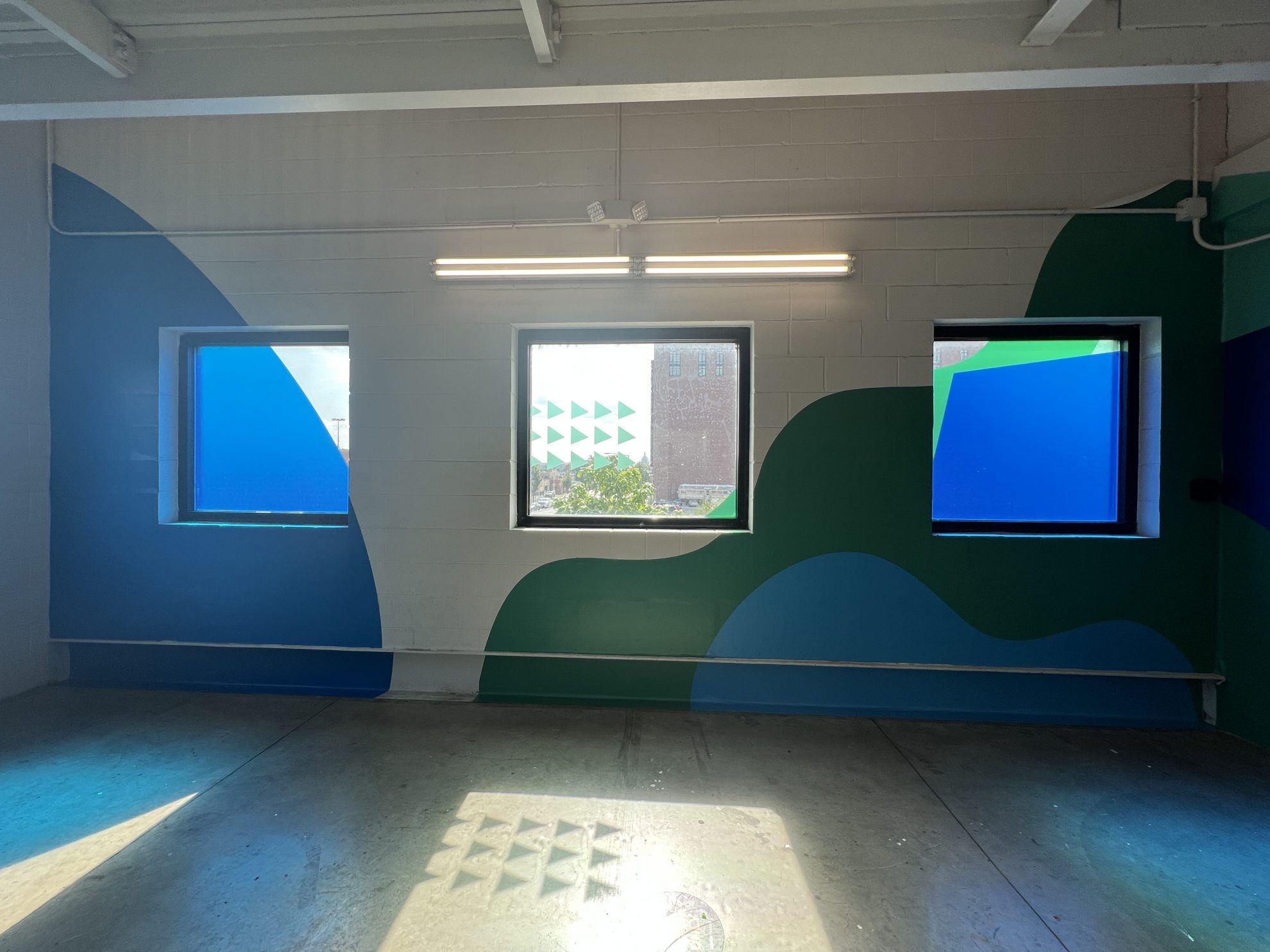
Heritage Signs & Displays' collaboration with The Gathery to brand Union Market in Chapel Hill, NC, for Indeed's "Ready to Work" job fair. The project included custom event displays, wall graphics, window graphics, and wayfinding signs, creating an immersive and visually appealing environment. The branding enhanced the venue, reflected the event's mission, and provided a seamless experience for attendees.