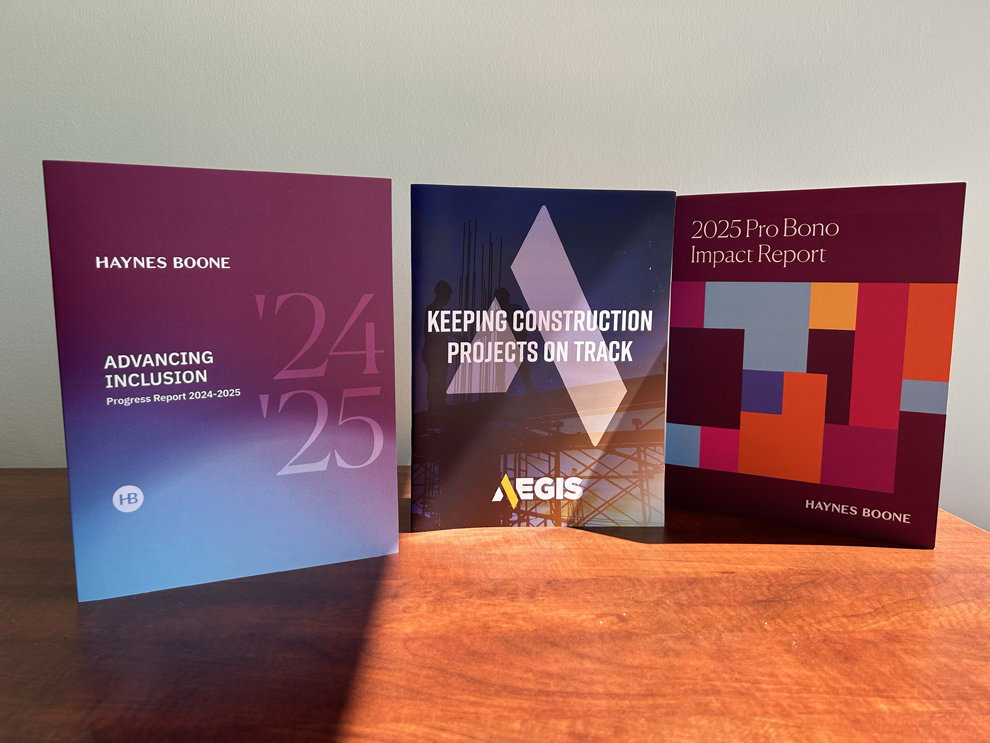
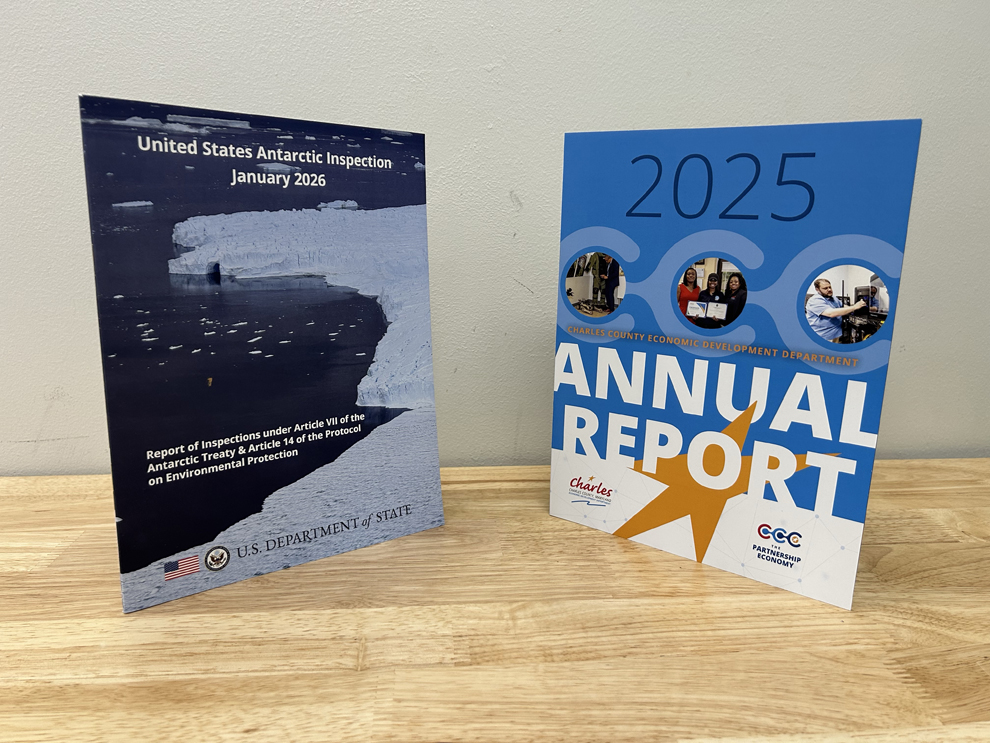
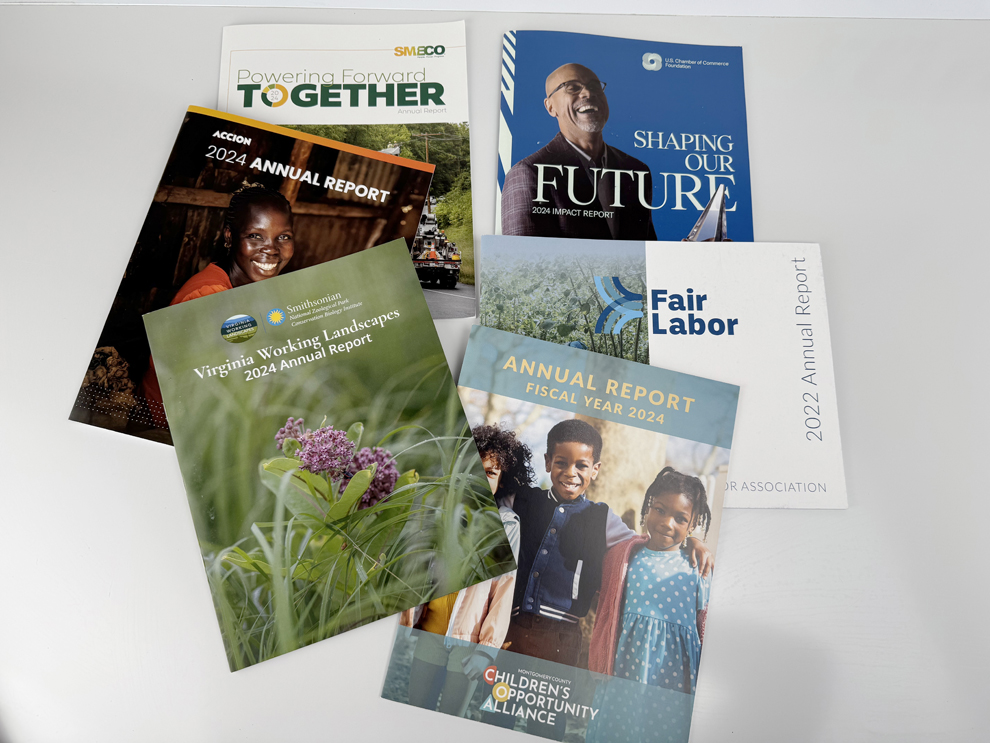
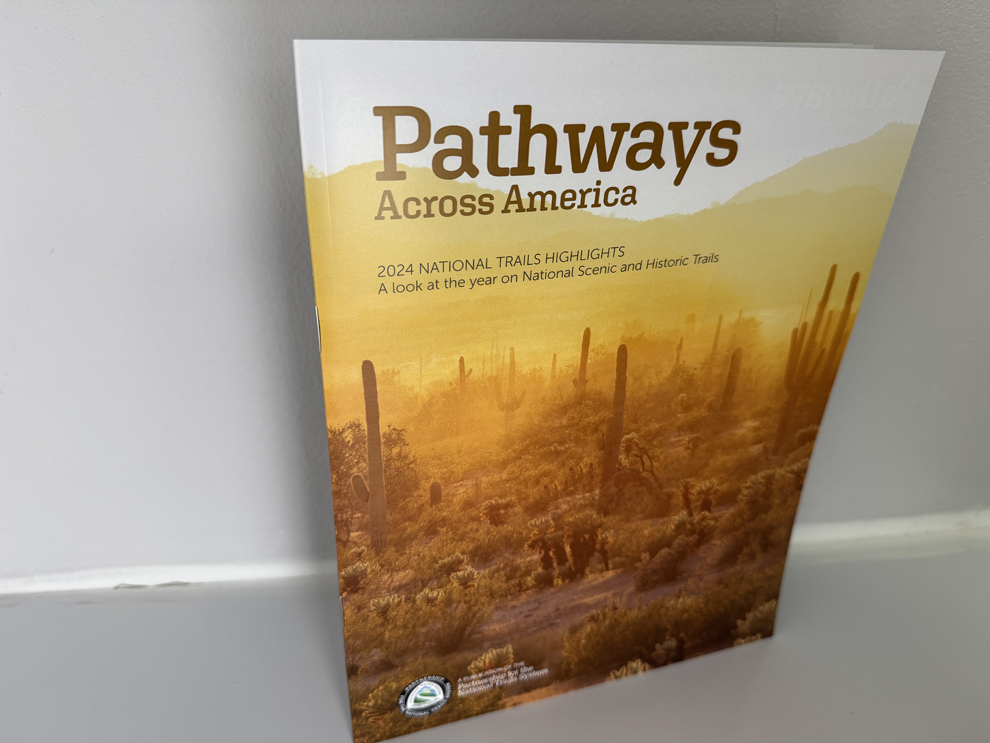
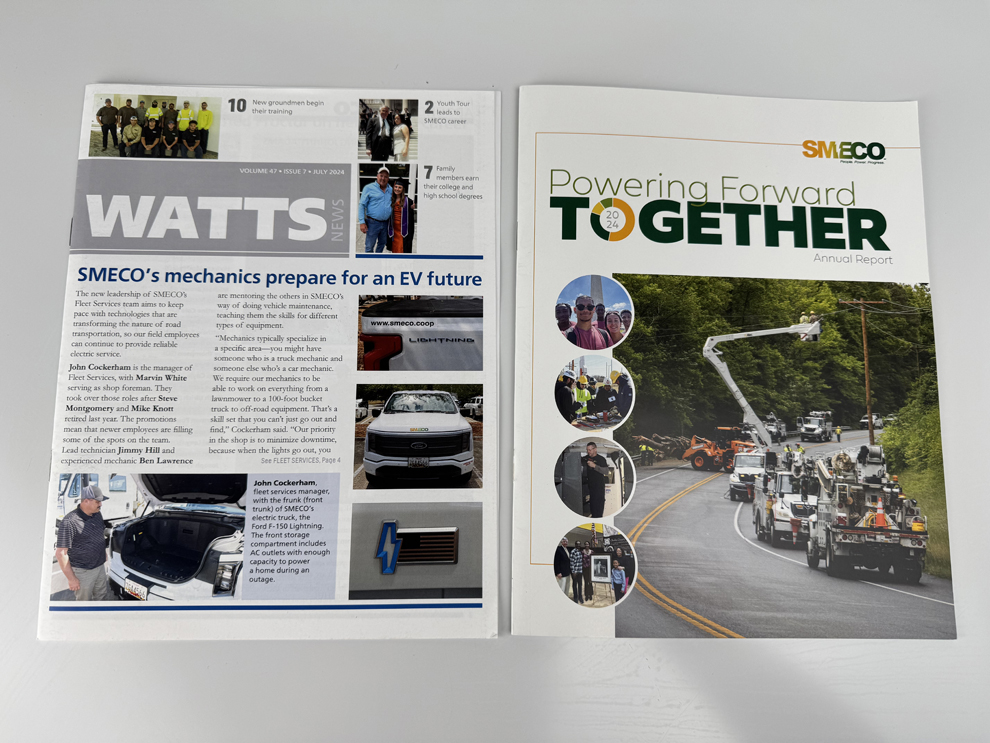
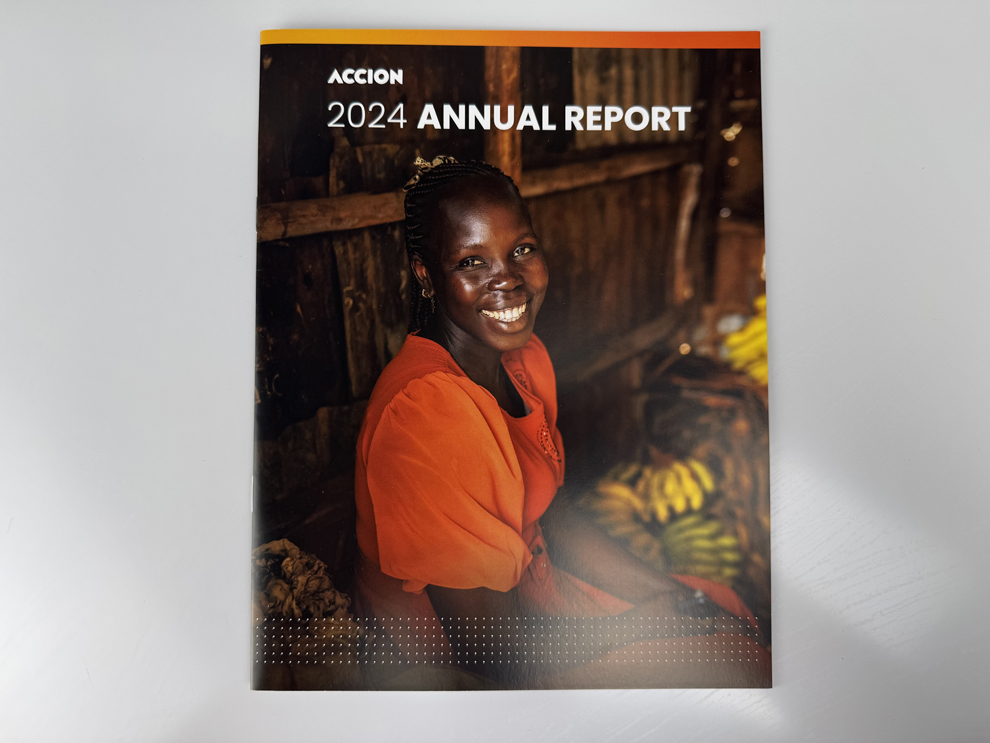
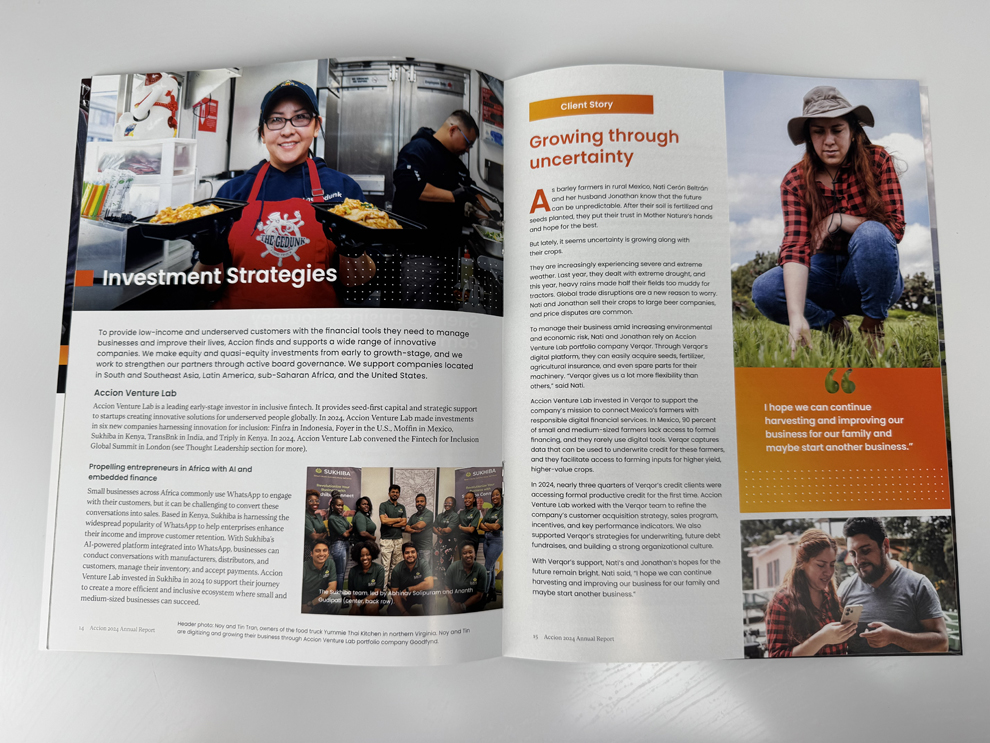
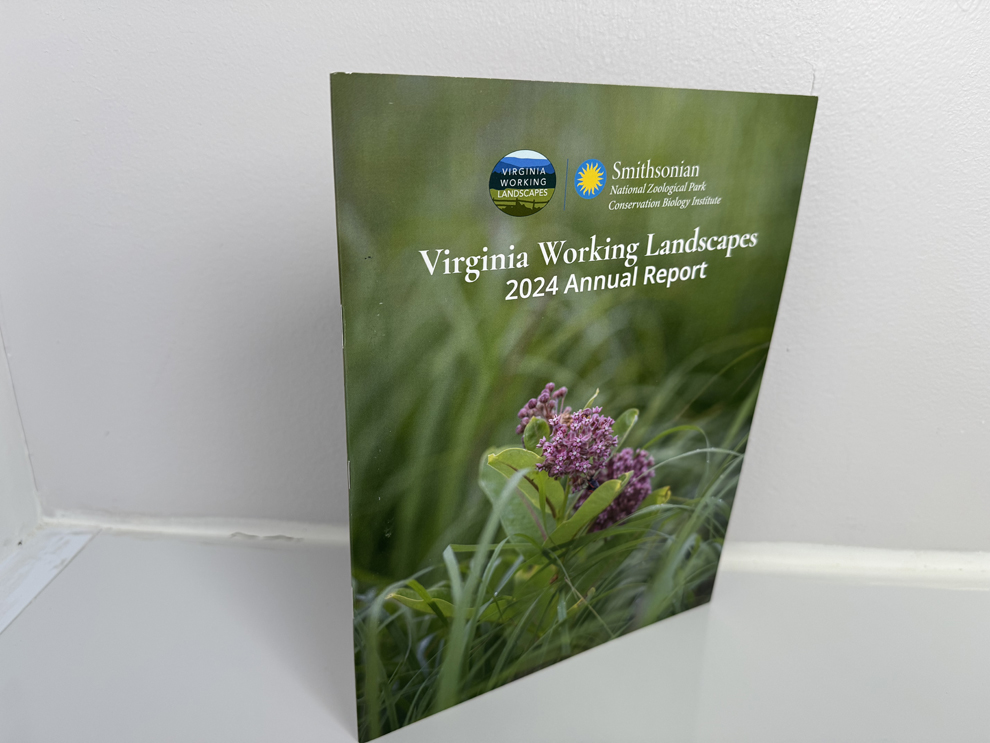
By the time an annual report leaves the finance team and the communications office, most of the calendar has already been spent. Audited numbers were finalized late, the executive letter went through three rounds of edits, and the layout team was still placing charts the night before files were released. What remains is a short, unforgiving production window and a stakeholder date that was set months ago. Heritage works with Fairfax, VA organizations to make the most of that window the moment the finished, print-ready file arrives.
Our first step is a fast technical and scheduling review. We confirm page count, finished size, cover stock, interior paper, binding, quantity, and how the finished reports will reach their audience. Then we flag anything that could stretch the timeline, such as a specialty stock that needs to be ordered, a page count that changes the recommended binding, or a mailing list that still needs to be finalized. You get a realistic production path, not a vague assurance, and you get it quickly.
Compressed schedules are where responsiveness shows. Heritage answers questions the same day, pushes proofs through without delay, and keeps the order moving through printing, binding, and distribution with a clear owner at every stage. The goal is an annual report that looks as polished as the work it describes and lands with board members, donors, members, or shareholders on the date the organization committed to.
Heritage has been producing professional printing since 1977, long before the Northern Virginia corridor became home to the concentration of associations, government contractors, technology firms, healthcare systems, and nonprofits that call Fairfax County home today. That history translates into practical judgment on the production floor: knowing which papers hold fine financial type cleanly, how heavy a self-cover can go before saddle stitching becomes a problem, and when a report has crossed into perfect-binding territory.
Color accuracy is a frequent concern for Fairfax annual reports because the document carries the organization's identity in front of its most important audiences. Heritage manages color with spectrophotometric calibration and verification, production-specific device profiles, and client-supplied PMS values treated as measurable targets. Every job is proofed electronically before it prints. For Custom Quote projects where a physical reference is warranted, a paid Physical Production Color Proof can be produced on the intended press and paper so stakeholders can evaluate the real thing before the run.
The result for organizations in Fairfax City, Tysons, Reston, Vienna, Merrifield, Chantilly, and the surrounding county is straightforward. You work with people who have produced thousands of multi-page publications, who tell you promptly when a decision needs to be made, and who treat the reporting date as fixed because you do. Quality, consistency, and timing are handled together rather than traded against each other.
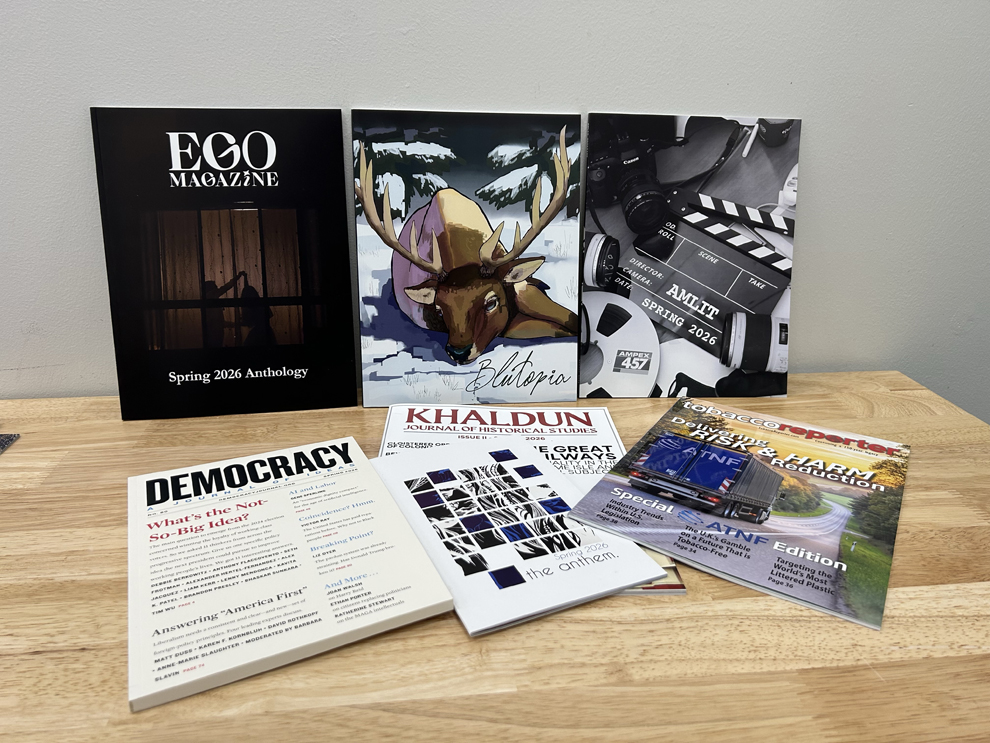
Member magazines and periodicals that need consistent paper, binding, and color from one issue to the next.
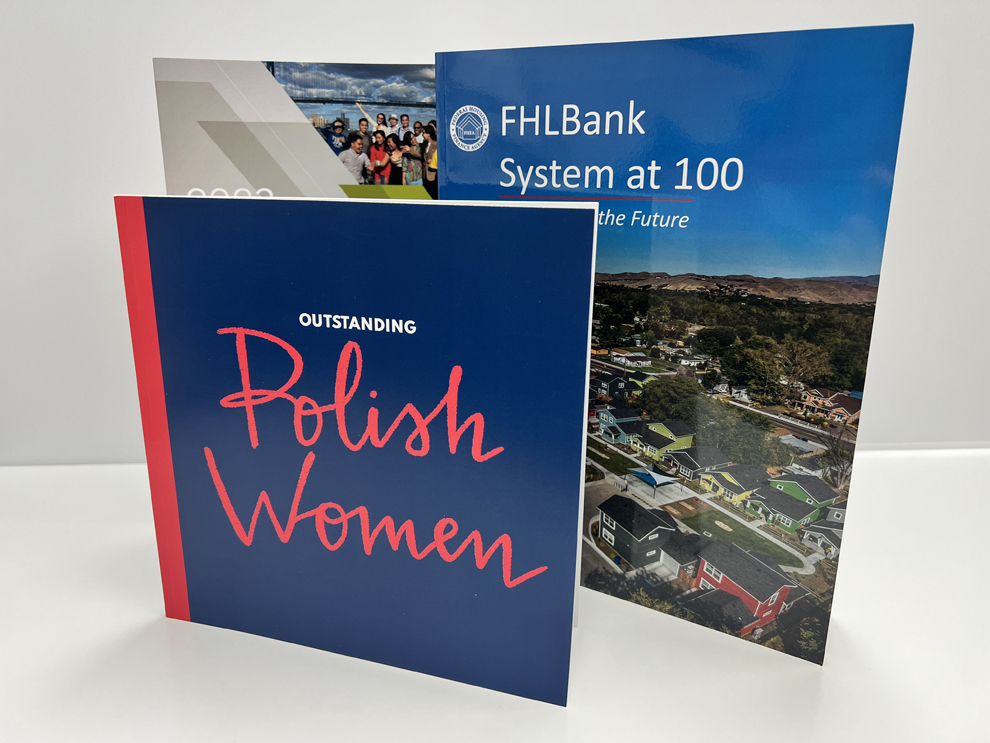
Compact reports, program guides, and multi-page handouts in saddle-stitched, perfect-bound, or coil formats.
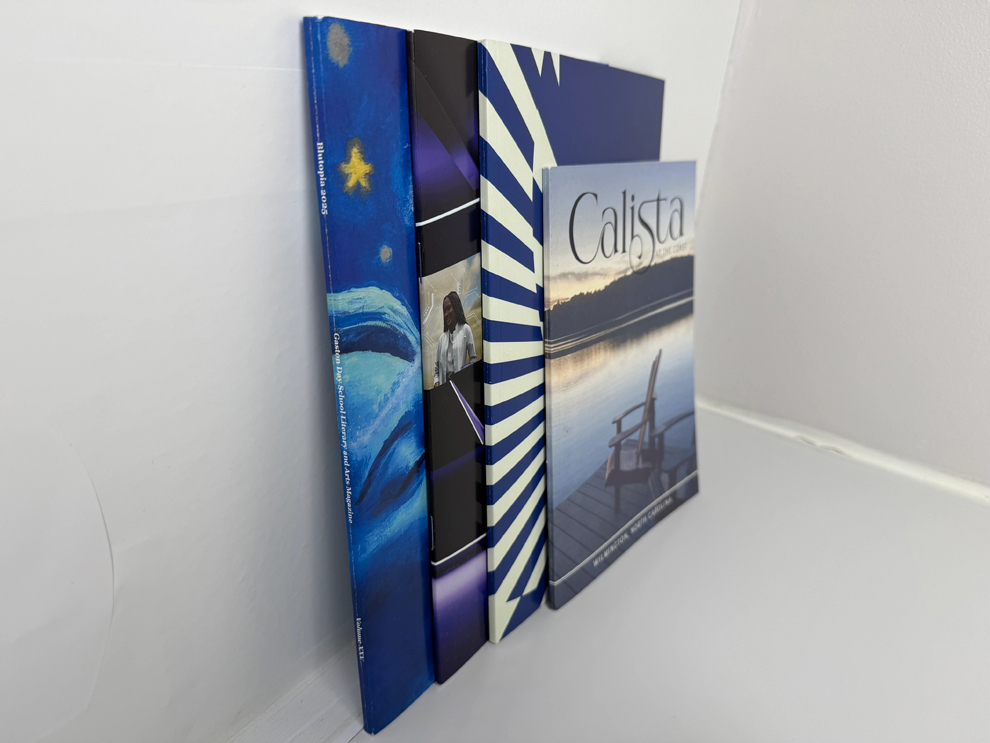
Thicker publications where a square, printable spine supports a finished, bookshelf-ready presentation.
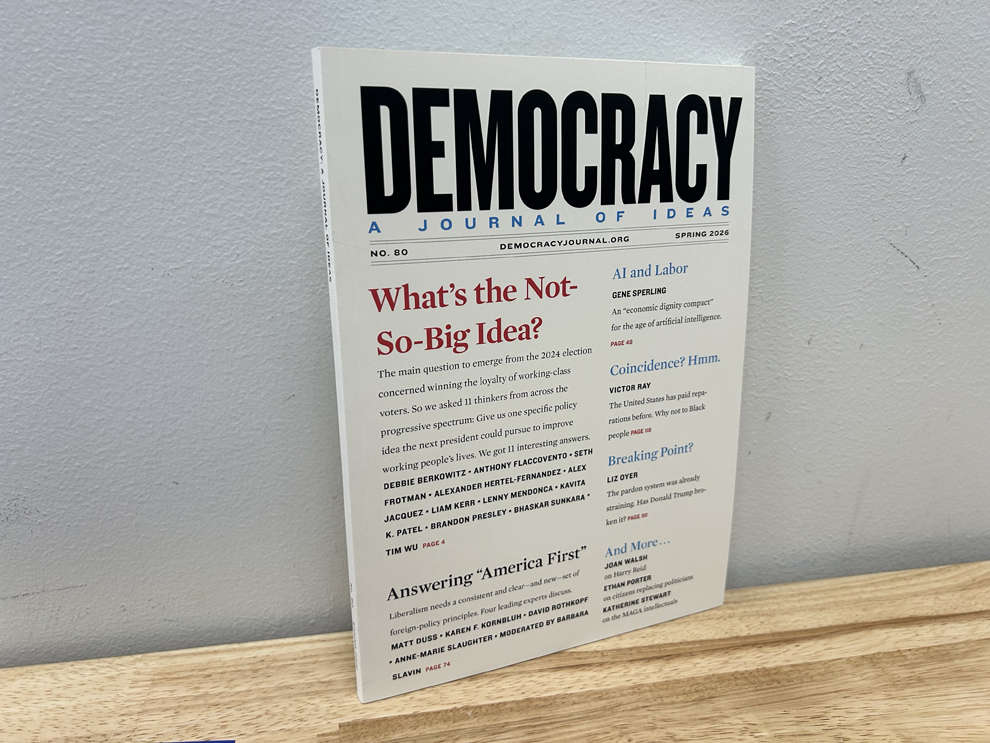
Frequent, lighter-weight communications on repeat schedules with optional mailing preparation.
Addressing, postal sorting, and USPS entry for annual reports going straight to a stakeholder list.
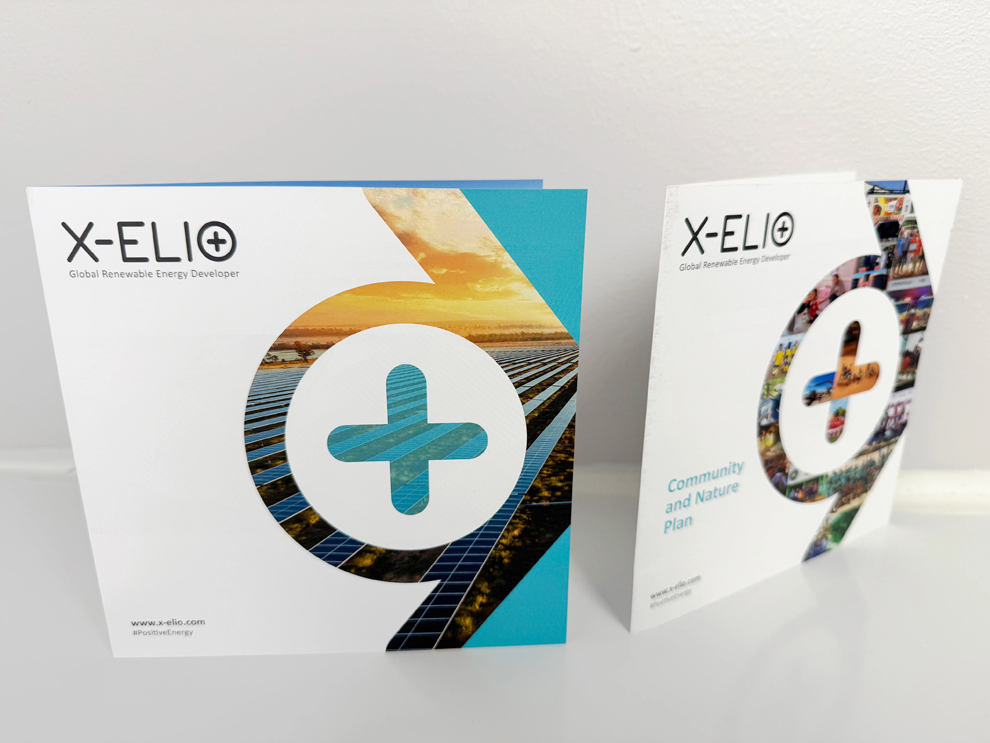
Branded folders that keep the annual report together with financial statements, agendas, and supporting documents.
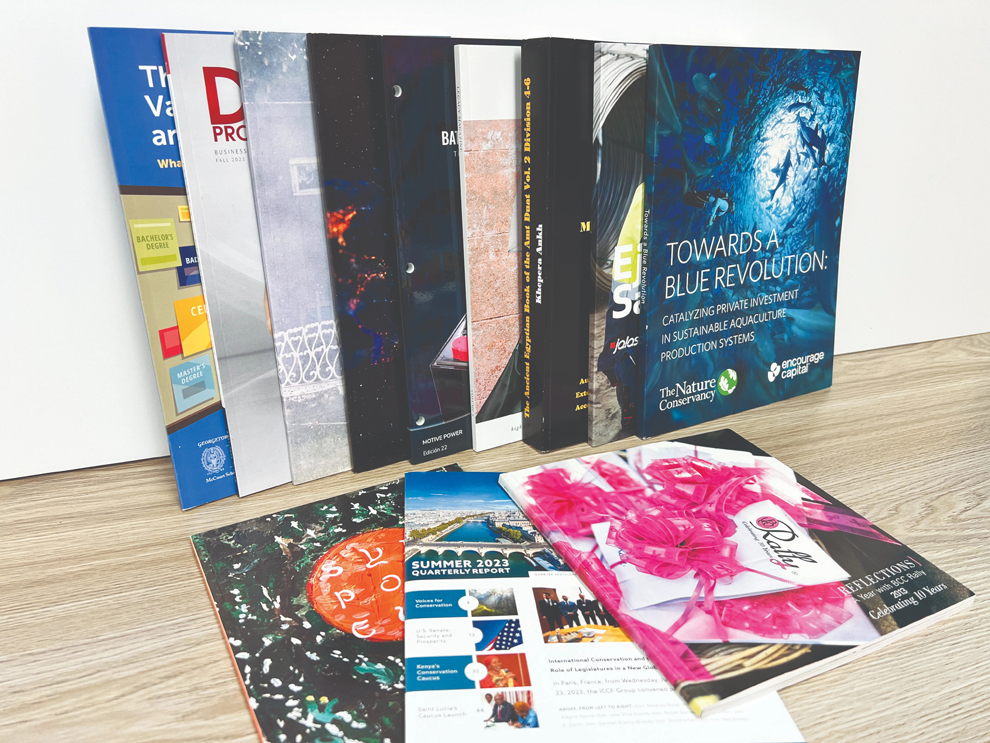
Supporting collateral for capital campaigns, membership drives, recruiting, and corporate development.
Broader print programs that include an annual report among several coordinated pieces.
Send your completed files, quantity, specifications, and firm deadline through Custom Quote and a Project Coordinator will respond promptly with a production path for your Fairfax, VA annual report. When every detail is already decided and the report fits a standard configuration, the Online Store provides a direct ordering option as well.
Submitting a Custom Quote connects you with a dedicated Project Coordinator who takes ownership of the order from first conversation through delivery. That person confirms your specifications, locks down the required date, resolves open questions about paper or binding, sends the electronic proof, and tracks the job through printing and distribution. Having one accountable contact matters most when a trustee approval arrives at the last minute or the annual meeting date cannot shift.
Specifications are evaluated as a system rather than as isolated choices. Interior paper weight affects whether a 48-page report will saddle stitch cleanly or should be perfect bound. Cover stock and coating affect mailing weight and postage. Quantity and the distribution mix of mailed, shipped, and hand-delivered copies affect finishing sequence and packaging. Heritage lays out those interactions early so the production plan holds once it is approved.
Approval of the electronic proof authorizes the file for production. From that point, Heritage carries the report through press, binding, trimming, finishing, and the agreed mailing or delivery route with attention to finished presentation and to the calendar. Progress is communicated proactively so no one in Fairfax is left wondering where the order stands.
Immediately, even if files are not final. Sharing the required date, approximate page count, quantity, and distribution plan ahead of time lets Heritage reserve materials and capacity before the finished file arrives. The clock that matters most starts when the print-ready file and final approval are in hand, so early communication protects the schedule.
Heritage serves annual report clients throughout Fairfax, VA and Fairfax County, including Tysons, Reston, Herndon, Vienna, Chantilly, Springfield, and Annandale, as part of the broader Northern Virginia and DC metro market. Finished reports can be shipped, delivered locally, or mailed directly to stakeholders depending on the production plan.
Production records for paper, cover construction, binding, and measured color targets are retained and used as the baseline for the next edition. Spectrophotometric verification and consistent press profiles reduce drift between runs. Each new report is still reviewed independently because artwork, paper availability, and quantity can change from one year to the next.
Yes, for qualifying Custom Quote projects. The proof is printed on the actual production device and the specified paper so decision makers can evaluate color physically rather than on screen. Because it introduces an additional approval cycle, it should be requested when the schedule is first discussed.
A 24-page report on typical text weight folds and saddle stitches cleanly and stays lightweight for mailing. A 96-page report is generally better suited to perfect binding, which creates a square spine and a more substantial presentation. Between those points, paper thickness and intended use determine the recommendation, and your Project Coordinator will advise on the specific file.
Yes. Variations for different audiences, such as a donor edition with a different cover, a board edition with an appendix, or a translated version, can be planned together. Heritage relies on distinct file names, confirmed counts for each version, named approvers, and precise fulfillment instructions so editions stay separated through production.
Yes. When direct mail is included in the order, Heritage coordinates addressing and postal preparation using the recipient data your organization provides. Build the postal stage into the timeline from the start. Heritage controls production through postal acceptance; delivery performance after that point belongs to USPS.
No. Writing, financial content, editorial review, and design remain with the client and its designers. Heritage receives finished print-ready artwork and manages production. For Custom Quote work, minor file adjustments such as bleed or page order corrections may be possible when needed to print the supplied artwork correctly.
Not necessarily. Some reports are produced self-cover on a single paper throughout, which keeps weight and cost down. A heavier cover adds durability, structure, and a more formal feel. The decision should account for binding, page count, mailing weight, and how the report will be presented.
The electronic proof shows the production file as it will be imposed and printed, including pagination, covers, charts, photographs, and all visible copy. It is the client's opportunity to confirm content before the press run. The proof confirms file content and layout; it is not a color reference for the printed piece.
A Project Coordinator contacts you to confirm the deadline and specifications, raise any production questions, and set the proofing and production sequence. That same person remains your contact through printing, binding, and shipping, delivery, or mailing until the order is complete.
Use the Online Store when the report is fully finalized, every specification is settled, and the job matches a current standard configuration. Choose Custom Quote when there are decisions still open, multiple versions, specific color requirements, mailing, or a tight date that benefits from direct coordination.
Yes, within what production can responsibly support. Provide the final file, quantity, and nonnegotiable date, and Heritage will evaluate material availability, capacity, proofing, and distribution steps. If the schedule can be compressed, the team prioritizes the approvals and production actions required to meet it and tells you clearly if any step cannot be shortened.
Trade and professional associations, nonprofits and foundations, government contractors, technology and professional services firms, healthcare organizations, educational institutions, and community organizations. Reports commonly include audited financials, leadership messages, program outcomes, donor recognition, and photography, all of which must reproduce cleanly and consistently.
Late final files and late approvals are the usual causes, followed by specialty paper that was not ordered in advance and last-minute content changes after proof approval. A Physical Production Color Proof can also add days if it is requested late. Early communication about the date and specifications prevents most of these problems.
Heritage Signs & Displays created new museum signage for the Military Women’s Memorial in Arlington, VA. The project included custom signs, wall wraps, dimensional letters, and standoff-mounted displays to honor the legacy of U.S. servicewomen and the donors who supported the memorial. The updated interior features impactful designs, including a "Our Legacy" wall display and panels showcasing historical contributions and artwork, creating a transformative tribute to women in the U.S. Armed Forces.
Heritage Signs & Displays' collaboration with The Gathery to brand Union Market in Arlington, VA, for Indeed's "Ready to Work" job fair. The project included custom event displays, wall graphics, window graphics, and wayfinding signs, creating an immersive and visually appealing environment. The branding enhanced the venue, reflected the event's mission, and provided a seamless experience for attendees.