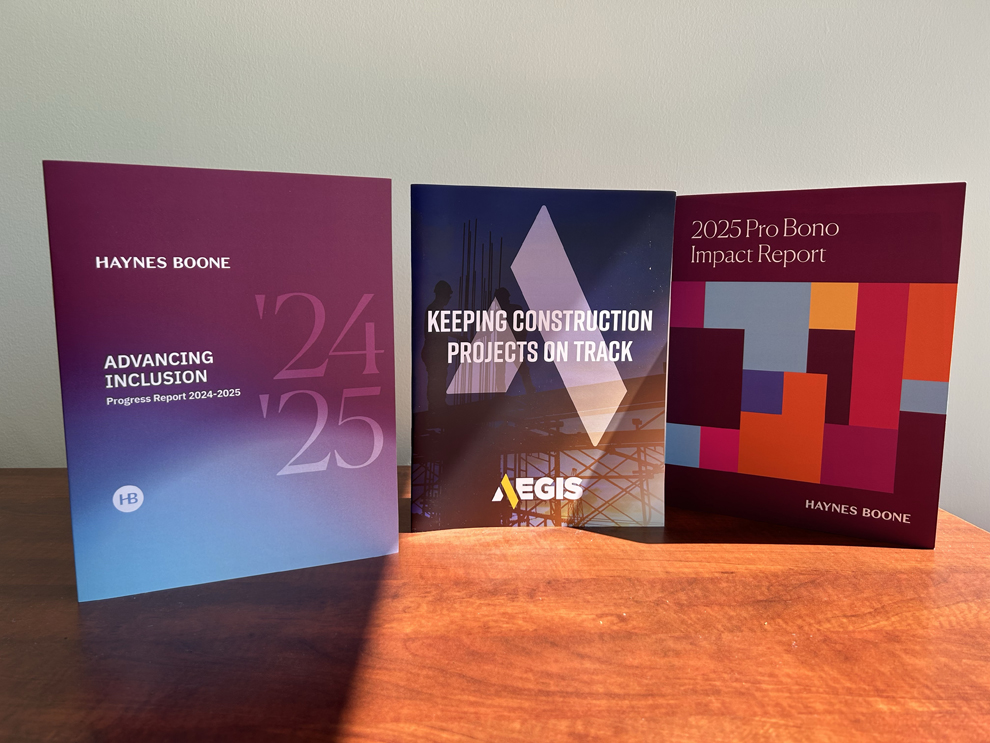
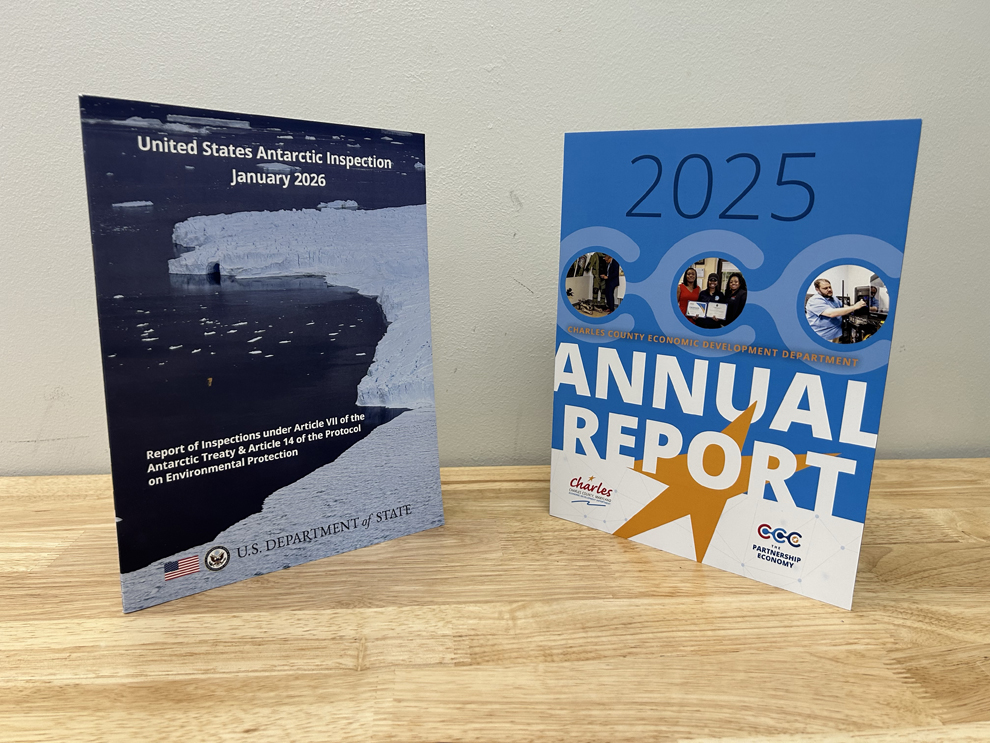
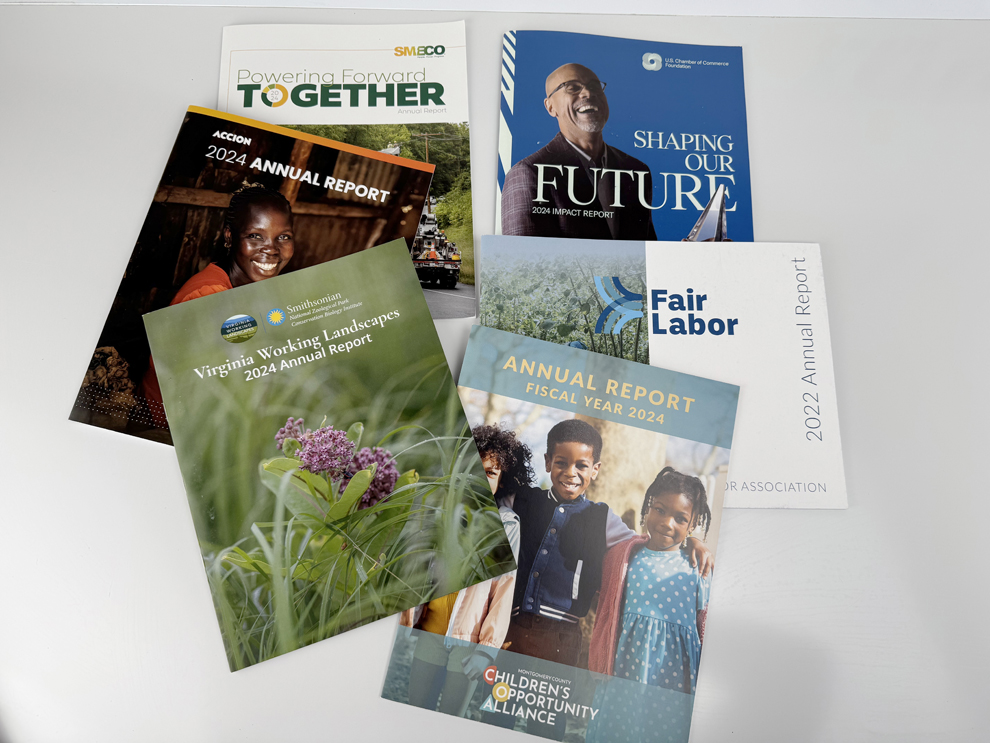
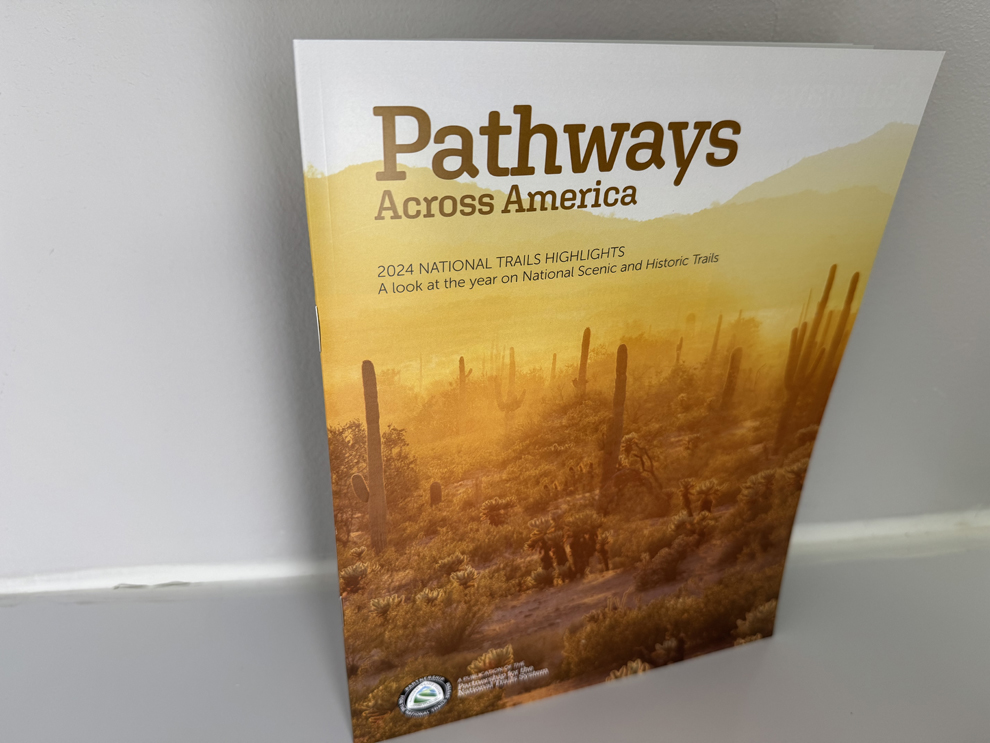
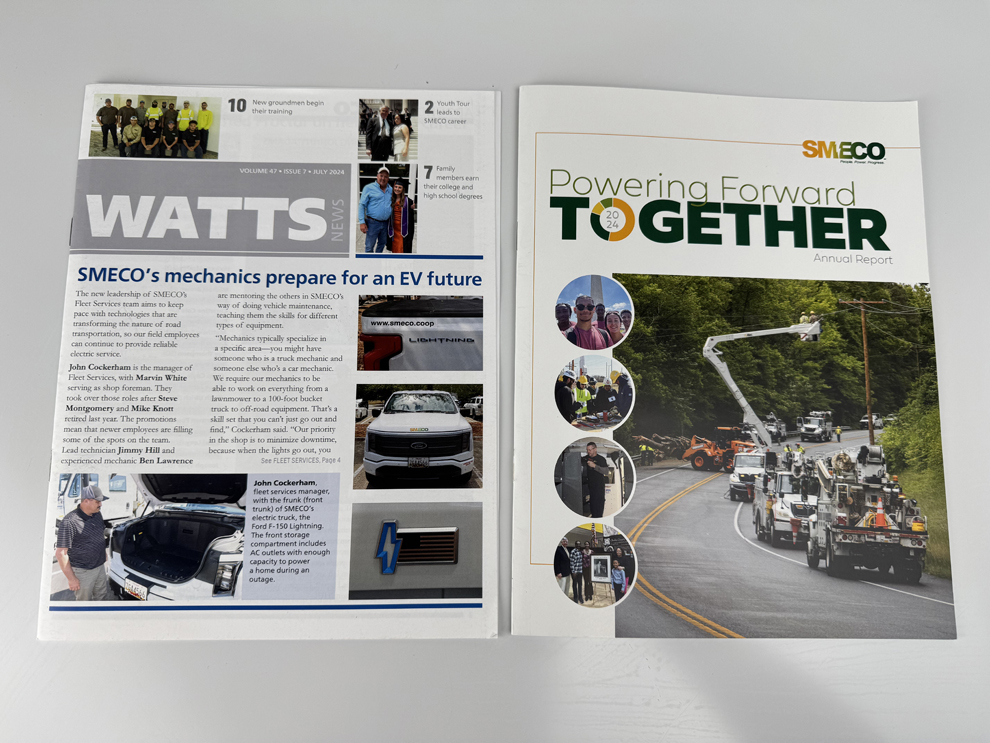
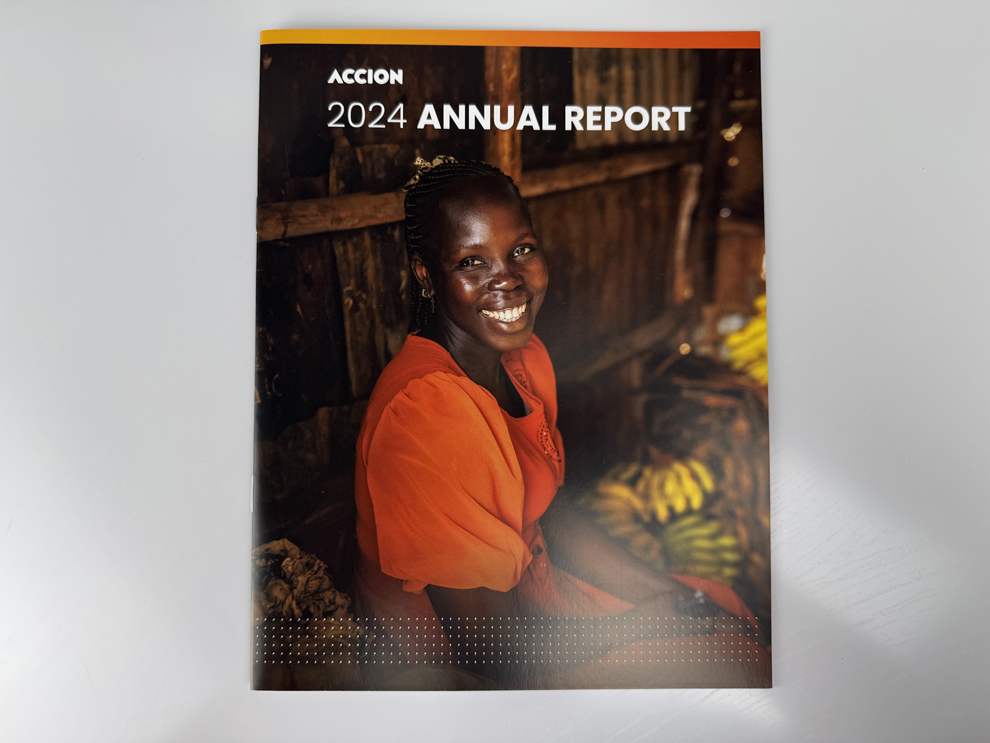
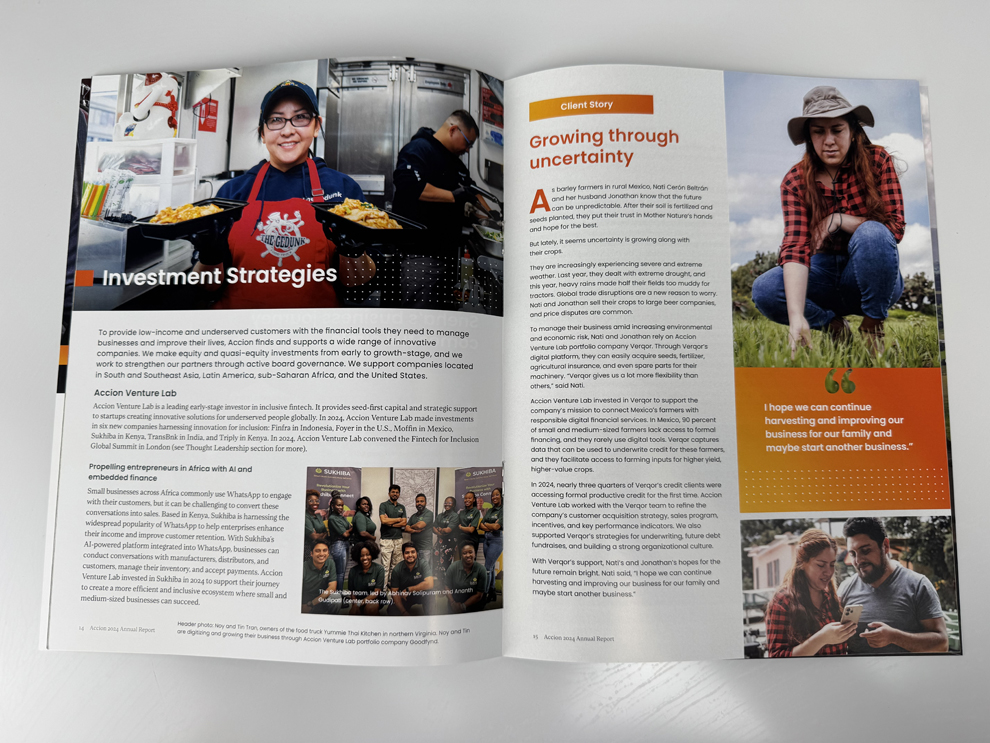
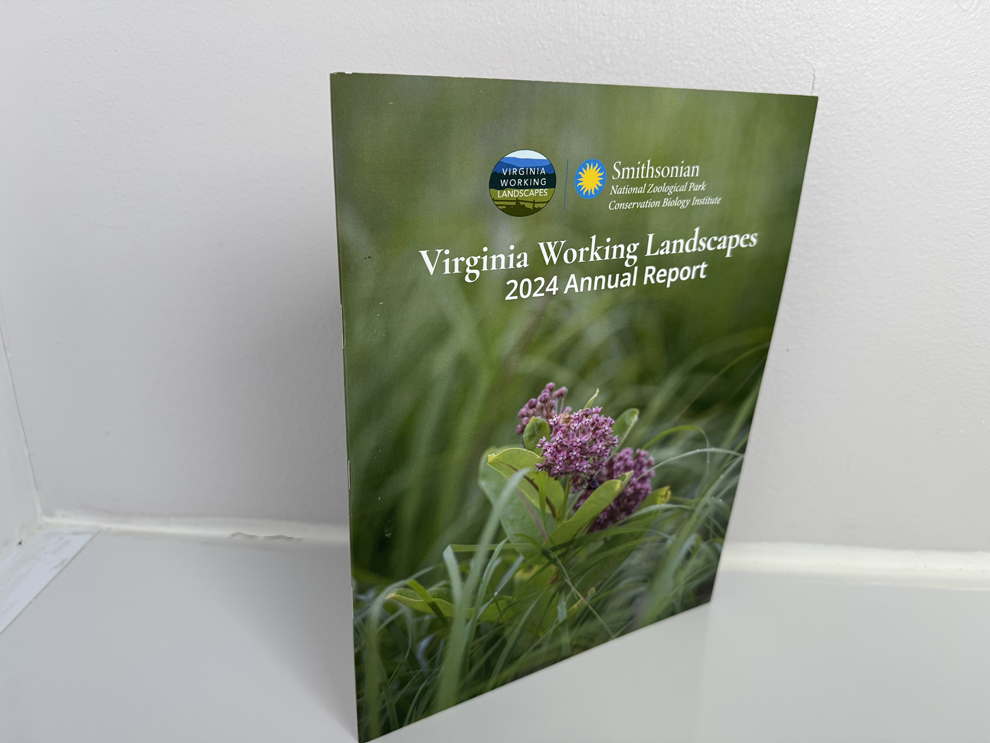
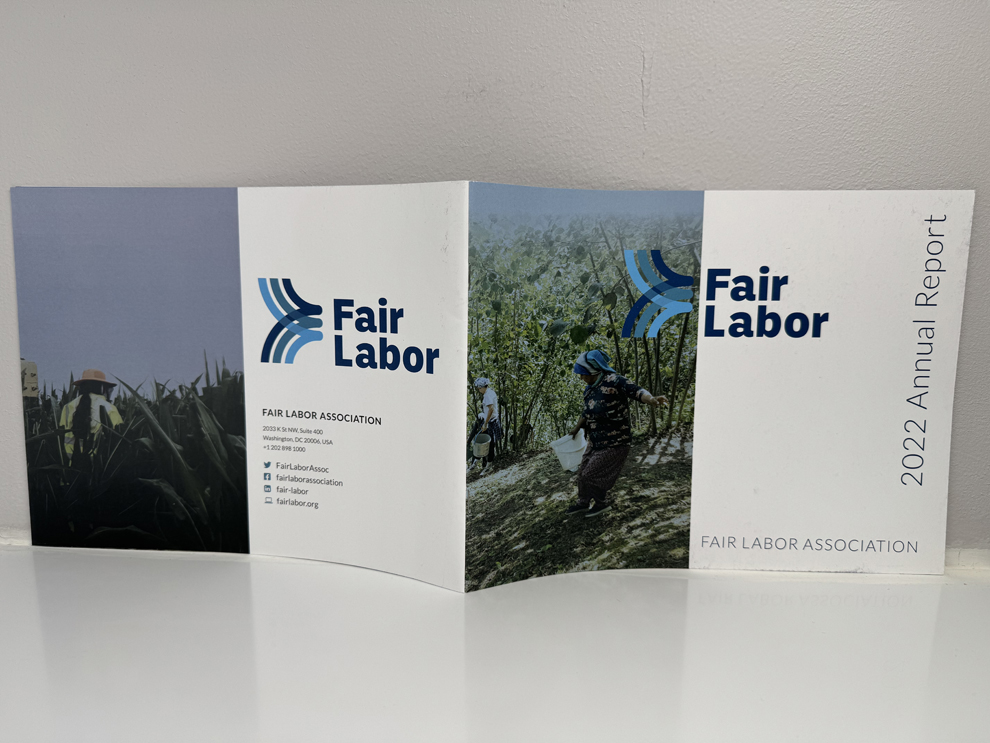
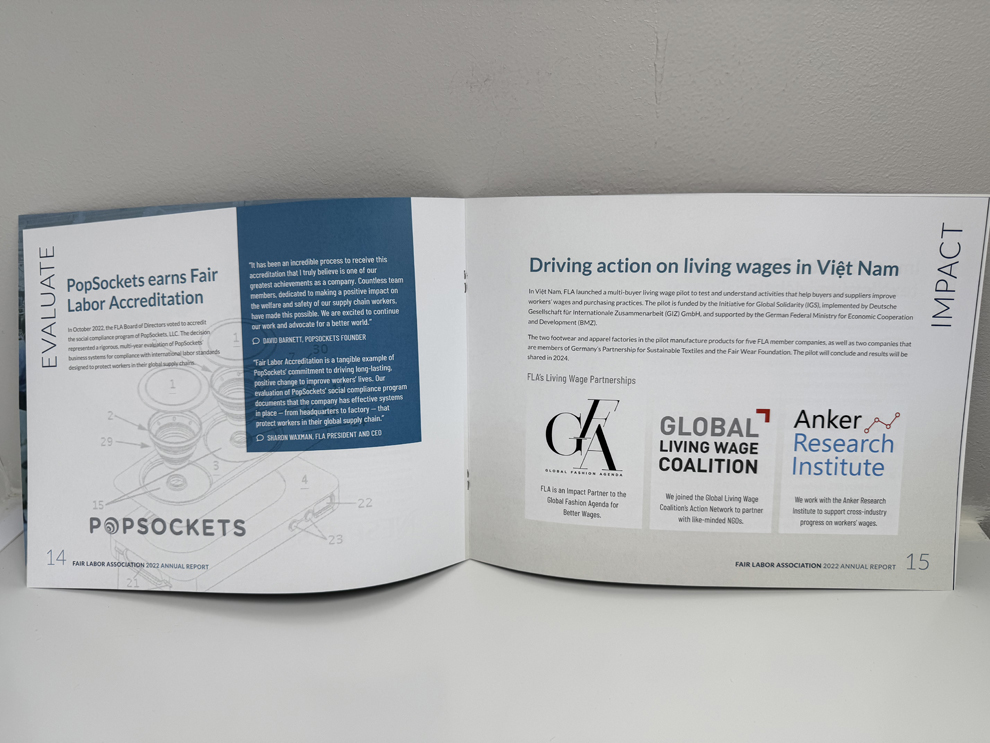
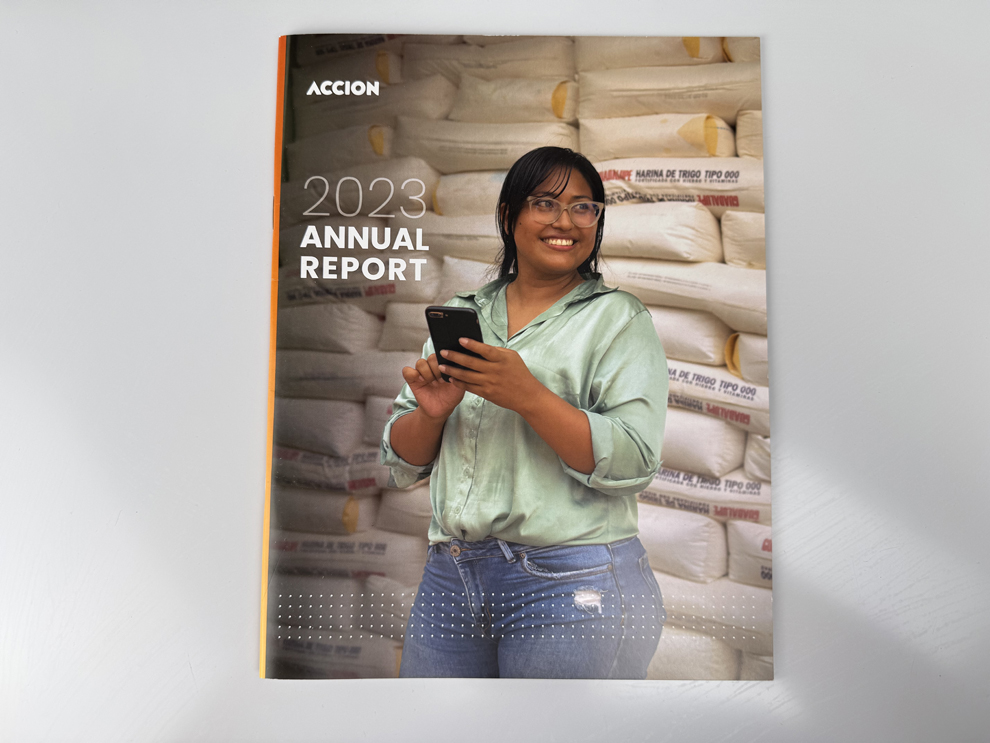
Most annual reports arrive at Heritage after the hard part is already done. Leadership has signed off on the message, finance has verified the numbers, the design team has finalized the layout, and the only thing left is turning an approved file into finished copies. By that point, the date is rarely negotiable. A Reston technology firm preparing for an investor update, an association closing out its fiscal year ahead of an annual meeting, a government contractor publishing results for stakeholders, or a nonprofit timing a report to a fall donor campaign all share the same reality: the production window is whatever remains on the calendar.
Heritage treats that window as something to protect. Once the print-ready file is in hand, we confirm page count, finished size, paper, cover approach, binding, quantity, and how the copies need to reach their audience. If any of those choices could add days to the schedule, we flag it immediately and offer the alternative that keeps the date intact. Stock availability, proof turnaround, bindery sequencing, and mailing preparation are reviewed together rather than discovered one at a time.
What Reston organizations get is a production partner that responds, prioritizes, and follows through. We do not commit to a schedule before we understand the job, and we do not go quiet once we have committed. The goal is a finished annual report that looks the way the organization intended and arrives when the stakeholders expect it.
Heritage has been producing professional printed publications since 1977. That history matters for annual reports because these documents concentrate an organization's most visible content into a single piece: audited figures, charts, executive letters, program photography, donor recognition, and the brand colors that tie it all together. Reproducing that content consistently across hundreds or thousands of copies requires disciplined production, not just a capable press.
Color is where annual reports are most often judged. Heritage manages color through spectrophotometric calibration and measured verification, with production-specific profiles applied where the paper and press combination calls for them. Client-supplied PMS values serve as production targets rather than suggestions. Every order is proofed electronically before printing, and qualifying Custom Quote projects can add a paid Physical Production Color Proof when a physical reference is the right way to confirm a critical brand color or photograph.
For organizations in Reston and the surrounding Northern Virginia market, the practical benefit is simple. The people handling the job understand publication printing, communicate quickly when something changes, and keep the approved work advancing toward a board review, annual meeting, investor communication, or public release without letting quality slide to make the date.
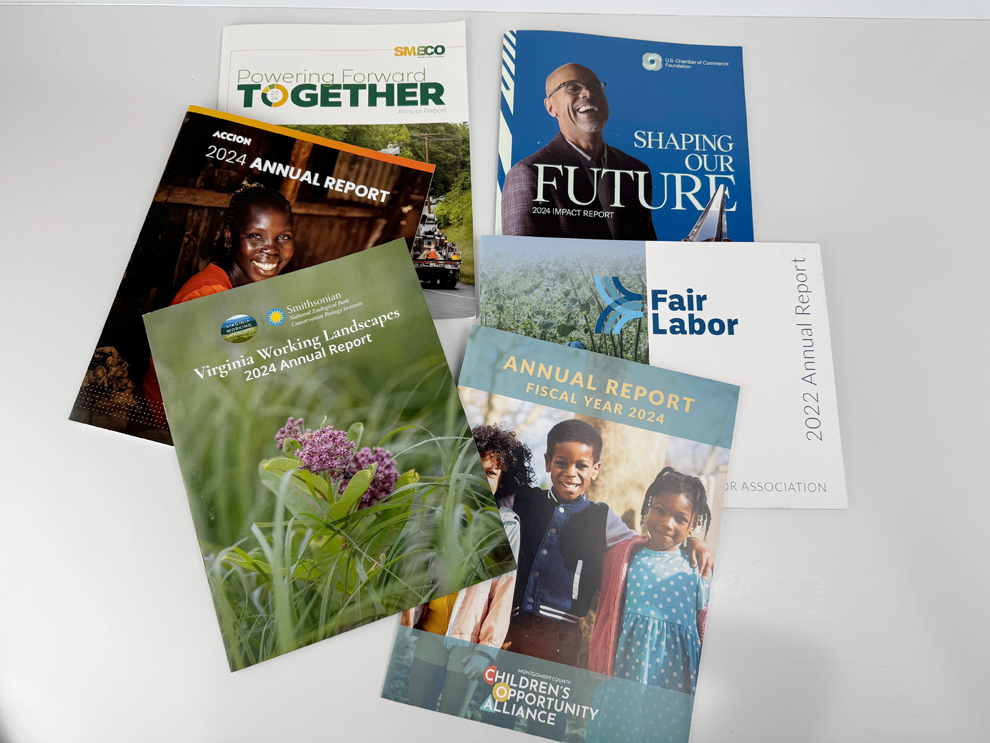
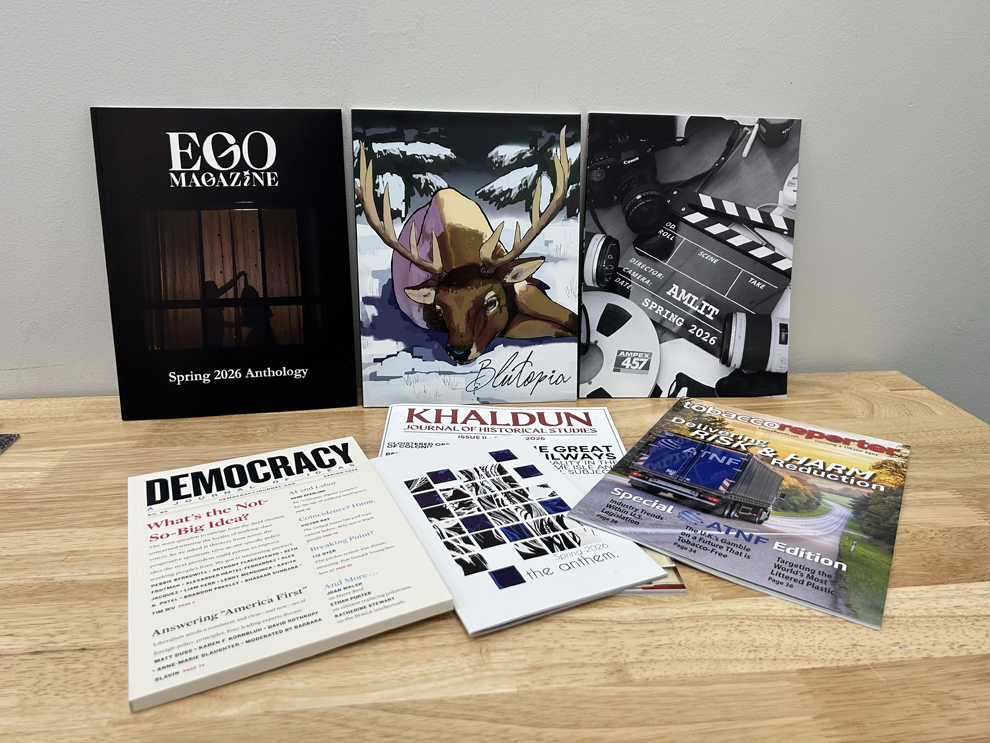
Recurring editorial publications where cover stock, interior paper, binding, and color need to match from issue to issue.
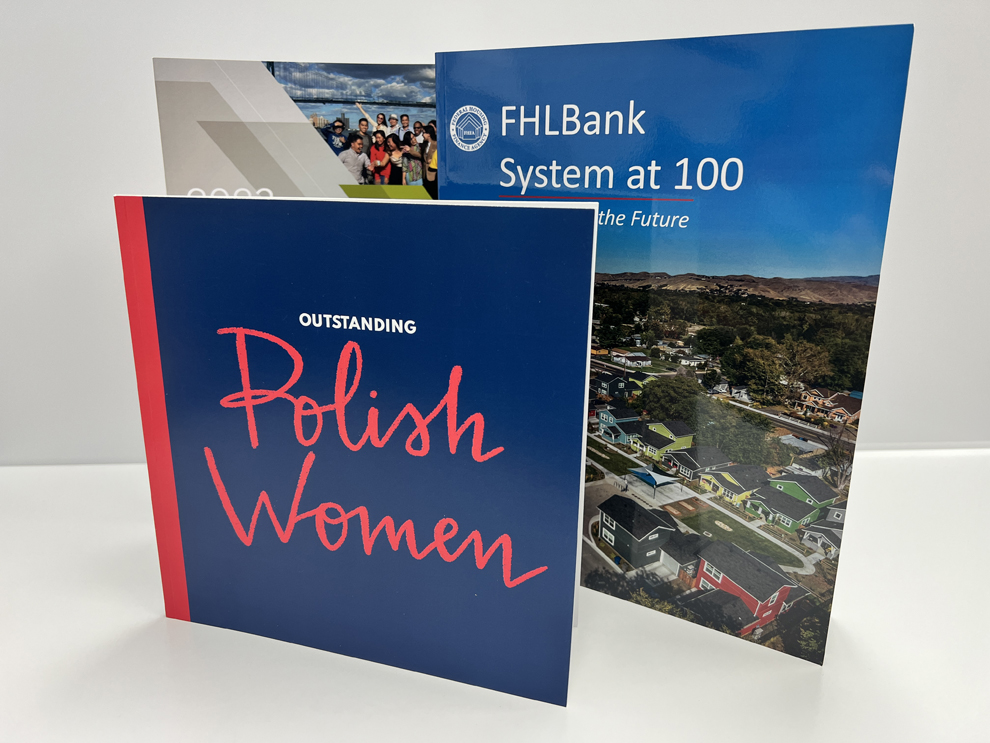
Compact reports, program guides, summaries, and other multi-page pieces produced with saddle stitching, perfect binding, or plastic coil.
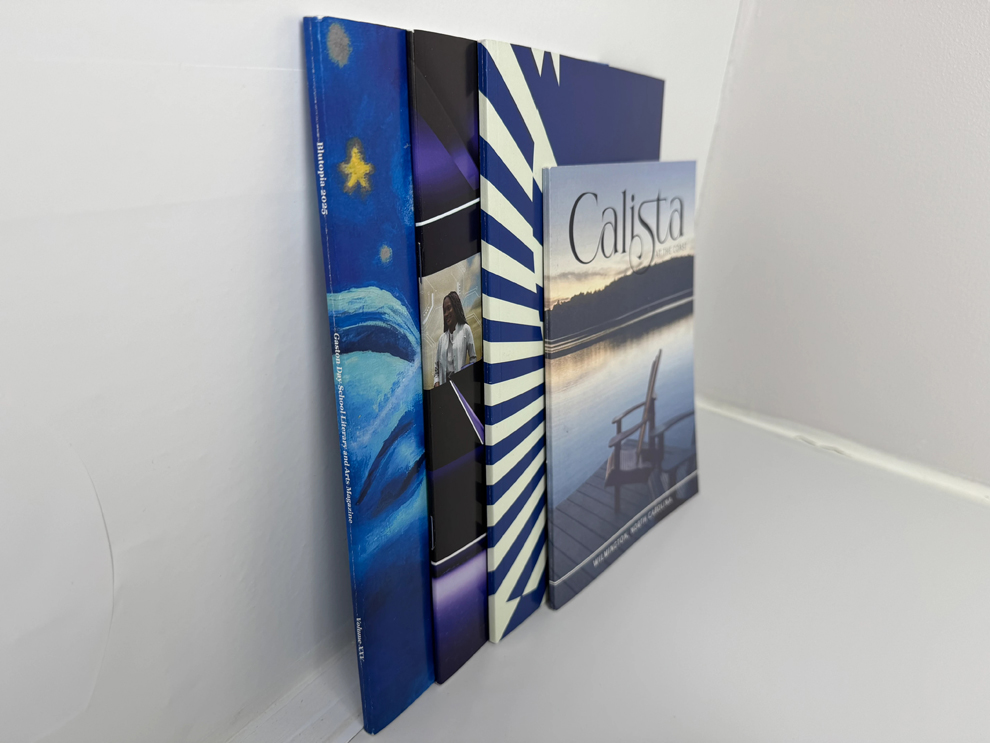
Longer publications that call for a square spine, printable spine text, and a more substantial finished feel.
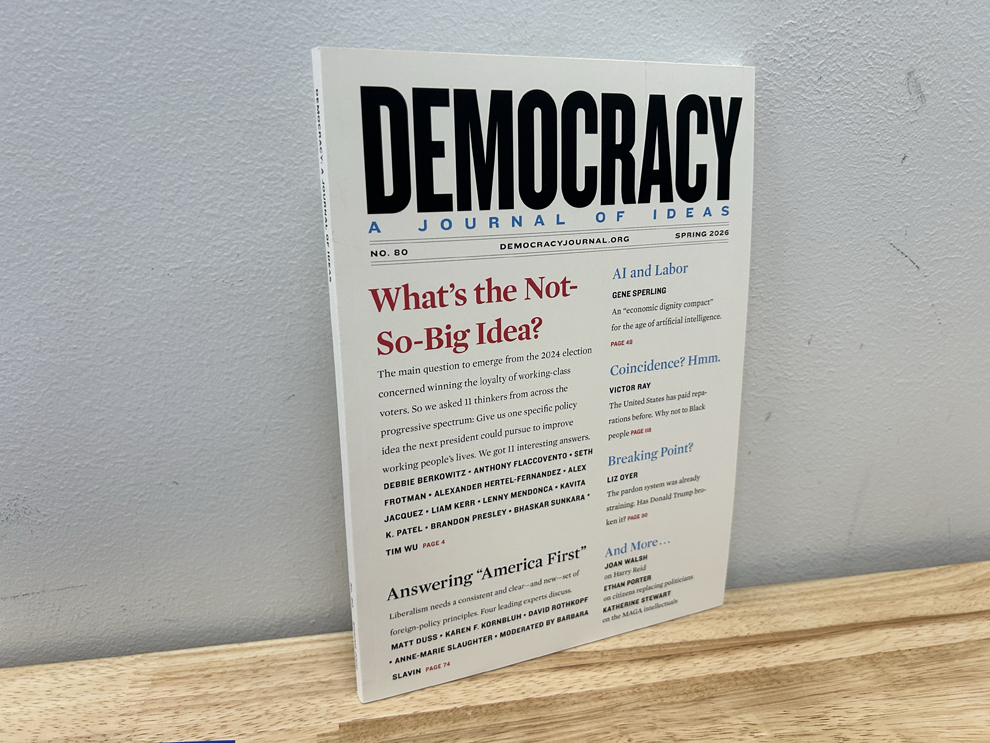
Shorter, more frequent stakeholder updates with repeat schedules and mailing requirements that benefit from a consistent production baseline.
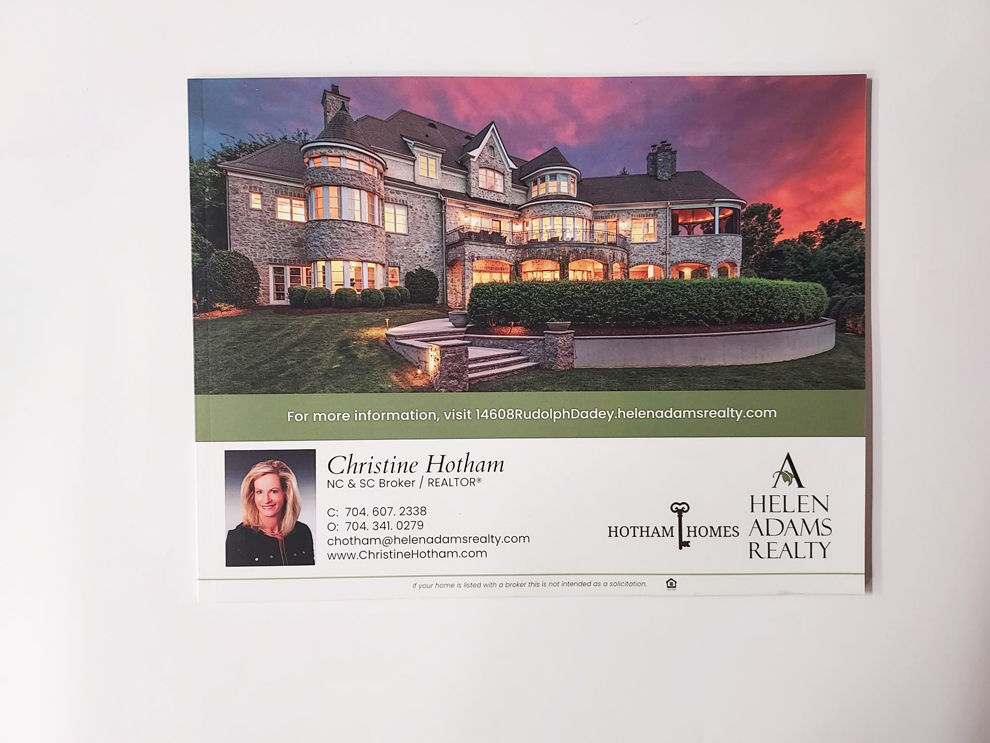
Addressing, postal preparation, and coordinated mail entry for annual reports distributed to members, donors, or shareholders.
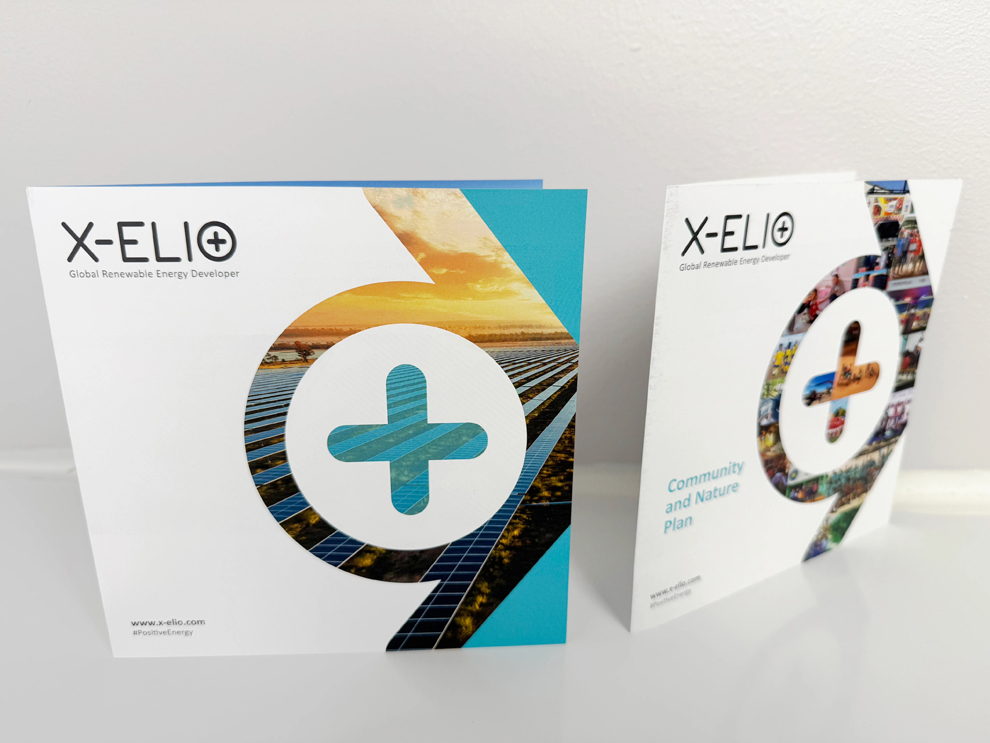
Branded folders that carry an annual report alongside agendas, financial supplements, and board packet materials.
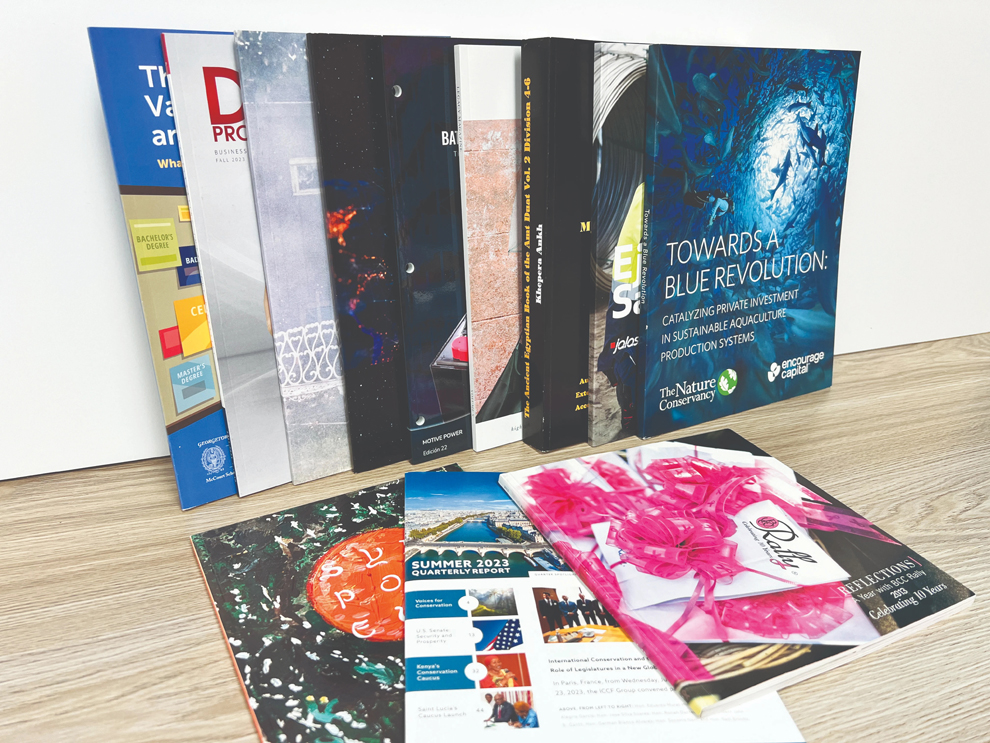
Coordinated printed collateral for fundraising, recruiting, outreach, and business development tied to the same reporting cycle.
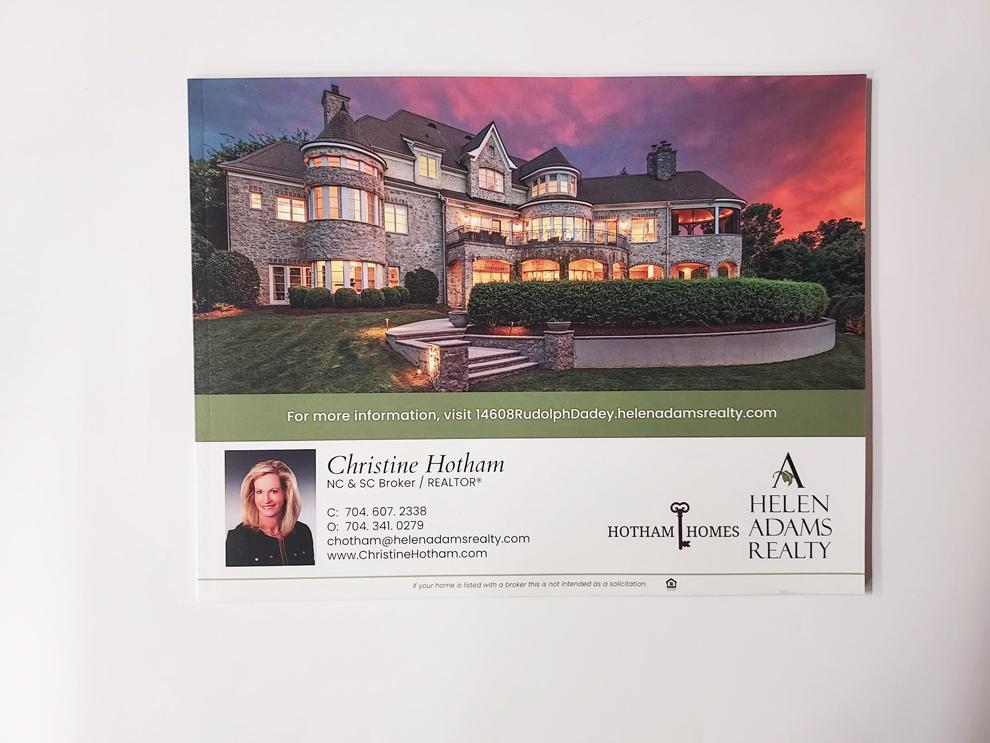
Broader professional printing for organizations whose annual report is one piece of a larger set of printed communications.
If your Reston, VA annual report is tied to a board meeting, annual meeting, investor communication, or public release, submit a Custom Quote with the final files, quantity, specifications, and the date copies must be in hand. A Project Coordinator will confirm the production plan with you promptly. When every specification is already settled and the report matches a current Online Store configuration, self-directed ordering is also available.
Submitting a Custom Quote connects you with an assigned Project Coordinator. That person reaches out to confirm the specifications, the required in-hand date, and any open questions, then stays on the job from proof approval through bindery and distribution. Having one point of contact matters most when leadership approvals land late or when the distribution date is tied to a meeting that has already been scheduled.
Heritage evaluates the report as a single production system rather than a list of separate choices. Finished size, page count, interior stock, cover stock, binding method, quantity, color expectations, and the delivery or mailing plan all influence each other. Thinner reports often suit saddle stitching, which folds and fastens cleanly and keeps the piece light for mailing. Reports with greater page counts typically move to perfect binding for a square spine and a more polished presentation. Plastic coil is available when the report will be used as a working reference.
After the electronic proof is approved, the file moves to press. Printing, folding, binding, trimming, and any coating or finishing follow the agreed plan, and the completed copies move into direct mail, bulk shipment, local delivery, or client pickup according to the distribution path confirmed at the start. Throughout, the Project Coordinator keeps you informed so there are no surprises as the date approaches.
As early as the reporting date and rough specifications are known, even if the file is weeks away. Sharing the required date, estimated page count, quantity, and distribution plan ahead of time lets Heritage reserve capacity and confirm paper availability. The final print-ready file and approvals remain the controlling factor, but early communication removes avoidable delays from the end of the schedule.
Yes. A short window is a reason to call sooner rather than later. Send the finished file and the nonnegotiable date, and Heritage will review proofing, materials, press and bindery capacity, and distribution requirements to determine what can responsibly be achieved. If the timeline works, the team prioritizes the decisions and production steps needed to hit it.
Technology companies, government contractors, professional associations, nonprofits, foundations, community organizations, and institutions across Reston and Northern Virginia. The content varies widely, from audited financials and shareholder messages to program impact and donor recognition, but the production discipline is the same for every report.
Saddle stitching, perfect binding, and plastic coil are the common choices. Saddle stitching suits lighter reports that fold and close cleanly. Perfect binding is appropriate once page count and paper thickness support a square spine. Plastic coil works for reports that will be opened flat and referenced repeatedly. Heritage recommends the method based on page count, stock, finished size, and how the report will be used.
No. Many reports print as self-cover pieces on a single paper throughout, which keeps the piece lighter and simpler. A heavier cover adds structure, durability, and visual distinction and is often the right call for reports that will be handled in meetings or mailed to high-value stakeholders. The decision is best made alongside binding, page count, and mailing weight.
Through measured color management: spectrophotometric calibration, production-specific profiles where the paper and press combination calls for them, and client-supplied PMS values treated as production targets. Because every ink, paper, and coating combination has its own color range, Heritage manages color within the real capabilities of the chosen production path rather than assuming a monitor matches the press.
The electronic proof shows the production file as it will print. Use it to confirm copy, pagination, photographs, charts, cover content, and other on-page details. Approving it authorizes that file for production. The proof does not serve as a physical color reference because screen display cannot represent ink on paper.
When a specific color or image must be judged in hand before the full run. For qualifying Custom Quote projects, Heritage produces the proof on the actual production device and intended paper. Because it adds a review and approval step, the extra time should be built into the schedule before the final date is locked.
Heritage can retain paper selections, binding, cover construction, color targets, and other established specifications as a baseline for the next cycle. Measured production controls help limit variation from year to year. Each new report is still reviewed on its own because artwork, quantity, stock availability, and production conditions can change between editions.
No. The organization retains ownership of the writing, financial content, editorial review, and creative design. Heritage receives completed, print-ready artwork and manages the production side. For Custom Quote work, limited file preparation may be available when supplied artwork needs a practical adjustment to print correctly.
Yes. Separate editions for different audiences, languages, covers, inserts, or quantities can be planned together. Clear version control is essential: distinct file names, confirmed counts for each edition, named approvers, and precise fulfillment instructions so similar reports stay separate through production and distribution.
Yes. When direct mail is part of the project, Heritage coordinates addressing and postal preparation with printing. The organization supplies the authorized recipient data, and Heritage manages the mailing work included in the order. Postal steps should be scheduled early, especially for reports tied to a meeting or release date, since USPS transit begins after acceptance and is outside Heritage's control.
A Project Coordinator contacts you to confirm the specifications, deadline, and any open production questions. That same person coordinates the proof, tracks the job through press and bindery, and stays connected to shipping, delivery, or mailing requirements until the report is in the hands of its audience.
Use Custom Quote when any decision is still open, when the date is demanding, or when the job benefits from direct coordination around color, versions, paper, binding, mailing, or file preparation. The Online Store is intended for settled, print-ready work that matches a current configuration and does not require consultative support.
Late final files and late approvals. Substantial revisions after proofing, an unplanned Physical Production Color Proof, or an unconfirmed mailing list can each push the schedule. Heritage limits those risks by confirming specifications early, flagging timing-sensitive choices immediately, and moving quickly once the approved file is released to production.
Yes. Heritage works with annual report clients throughout Reston, Herndon, Tysons, Fairfax County, and the broader Northern Virginia and Washington, DC region. Finished reports can move into direct mail, bulk shipment, local delivery, or client-managed distribution as defined in the production plan.
Heritage Signs & Displays created new museum signage for the Military Women’s Memorial in Arlington, VA. The project included custom signs, wall wraps, dimensional letters, and standoff-mounted displays to honor the legacy of U.S. servicewomen and the donors who supported the memorial. The updated interior features impactful designs, including a "Our Legacy" wall display and panels showcasing historical contributions and artwork, creating a transformative tribute to women in the U.S. Armed Forces.
Heritage Signs & Displays' collaboration with The Gathery to brand Union Market in Arlington, VA, for Indeed's "Ready to Work" job fair. The project included custom event displays, wall graphics, window graphics, and wayfinding signs, creating an immersive and visually appealing environment. The branding enhanced the venue, reflected the event's mission, and provided a seamless experience for attendees.