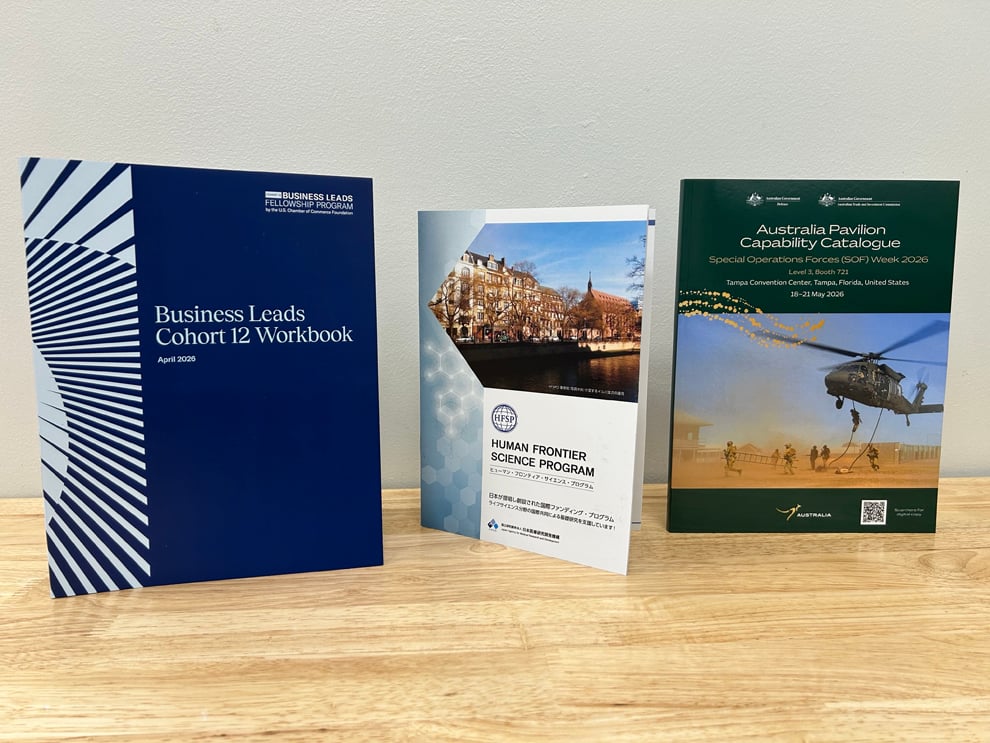
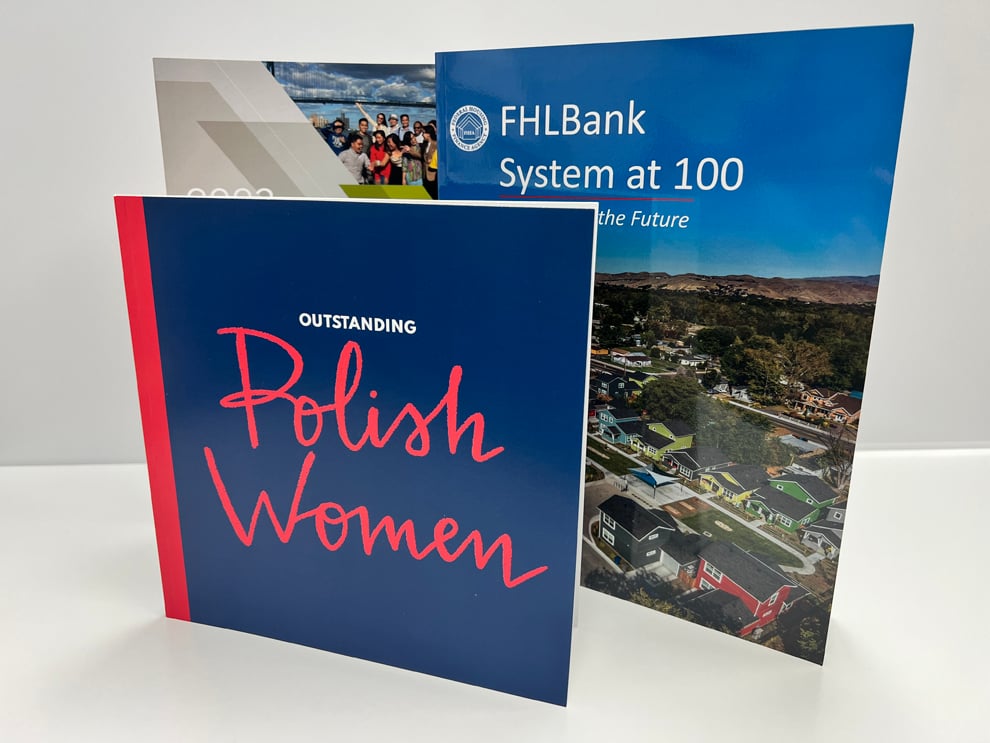
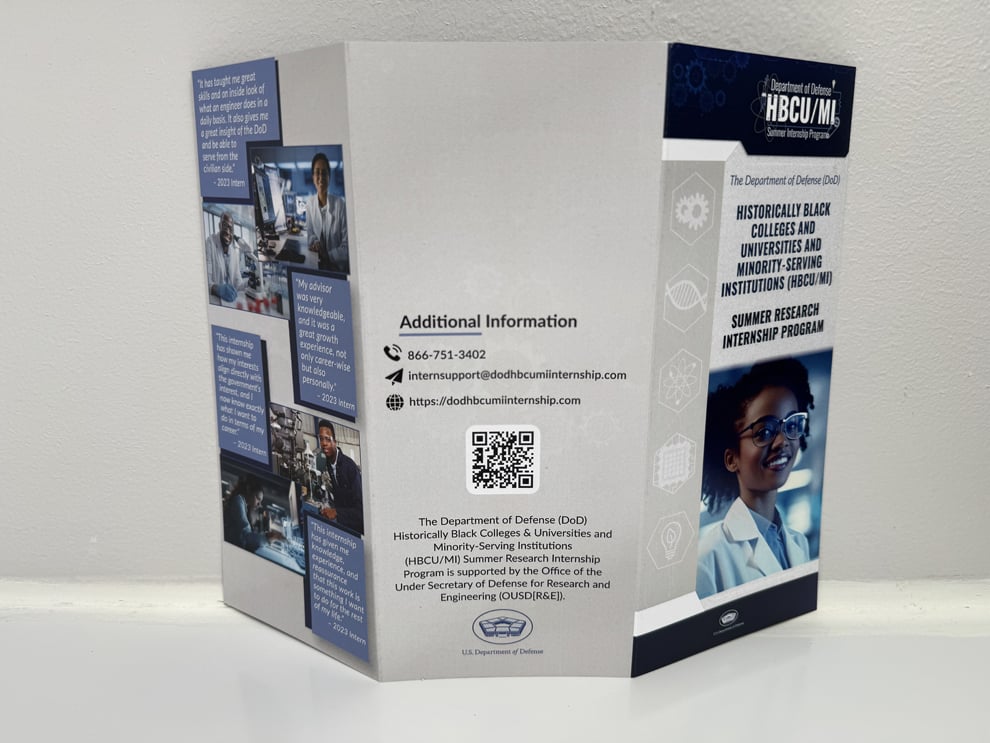
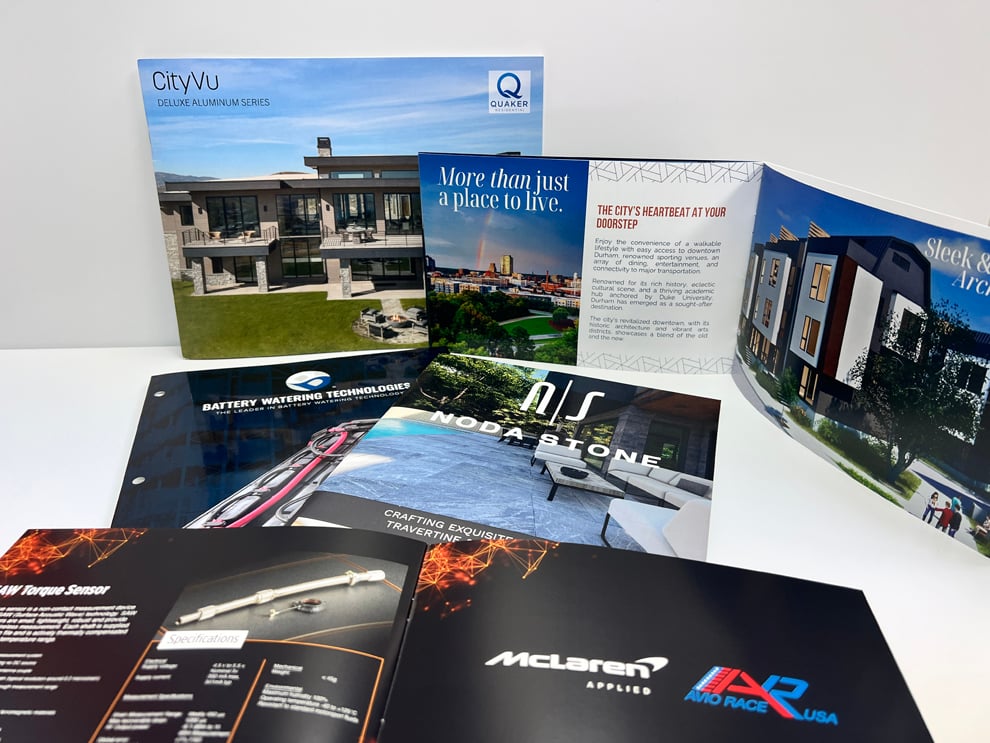
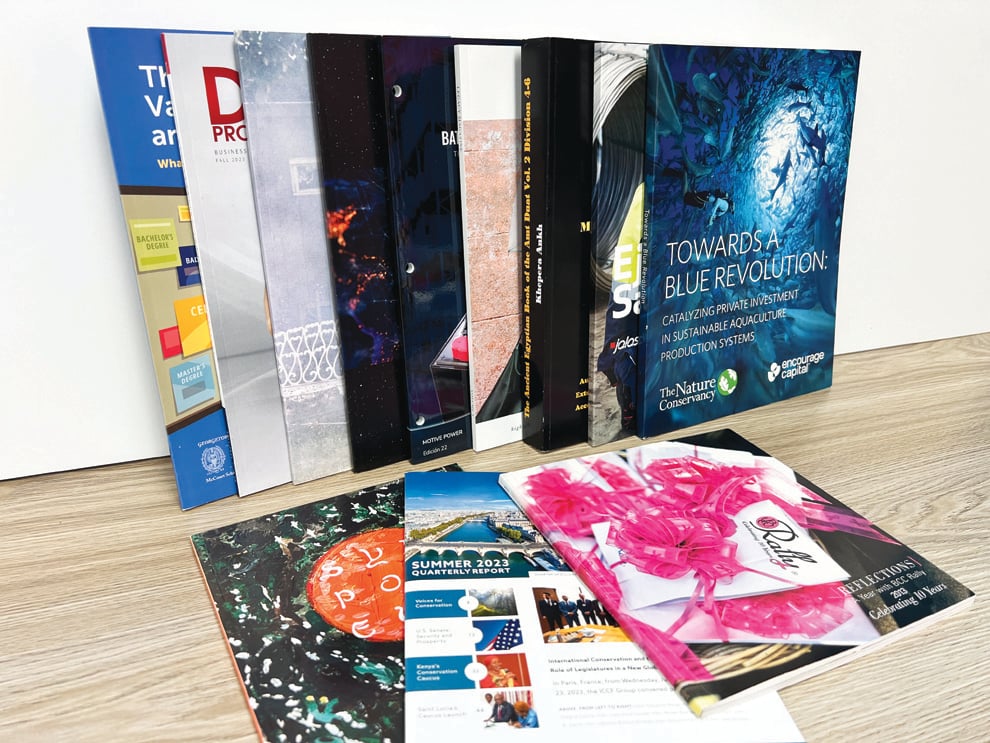
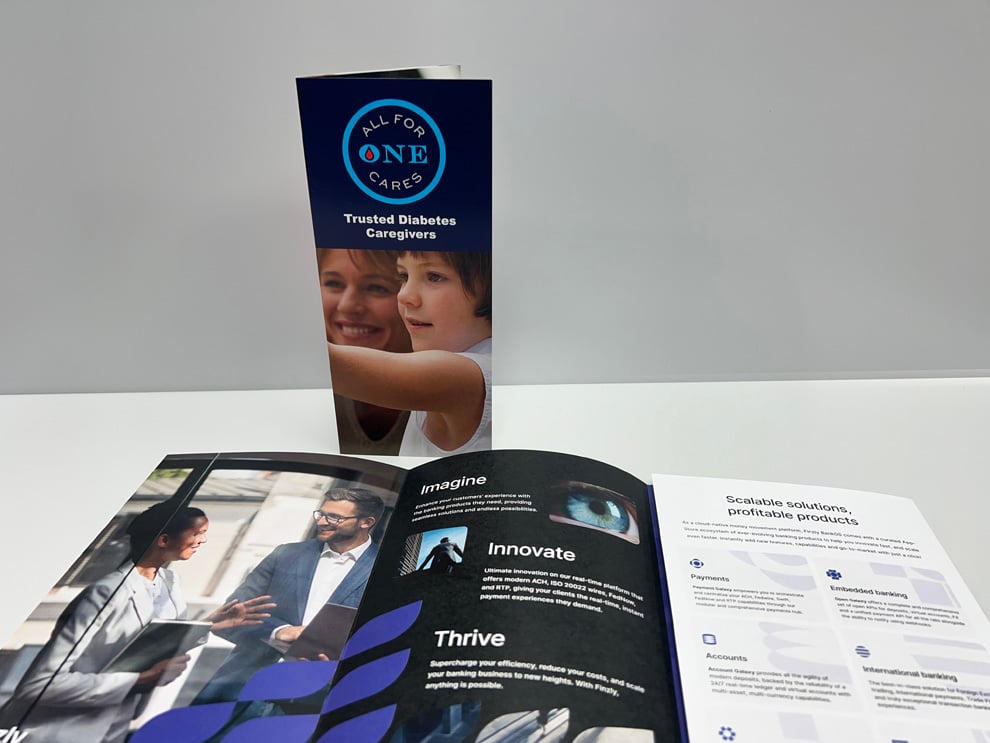
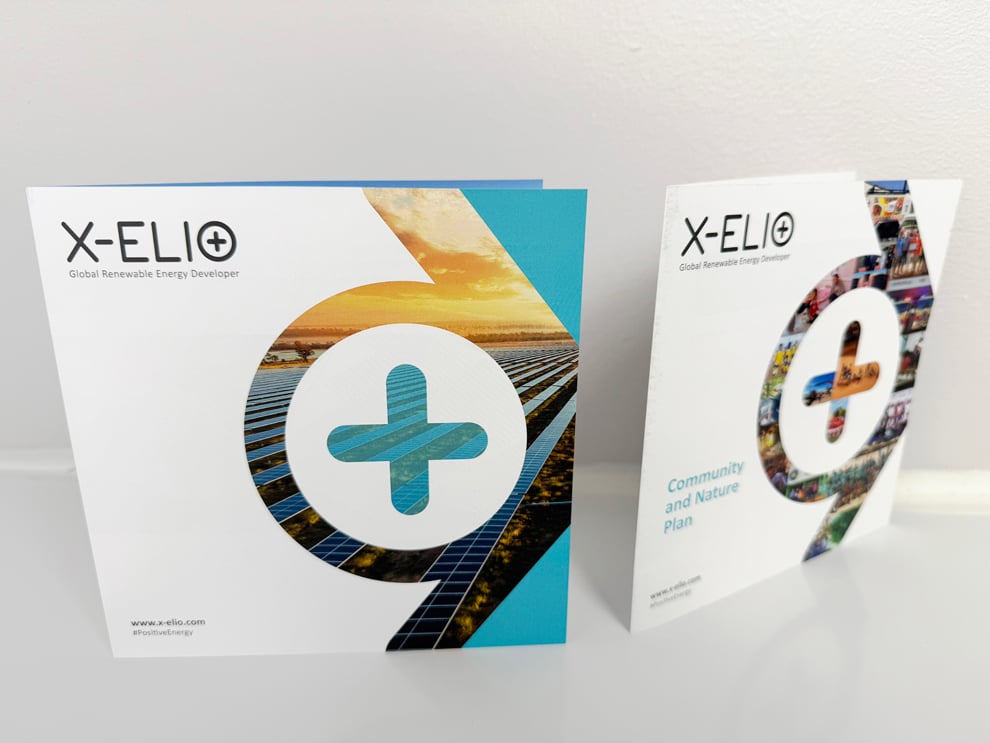
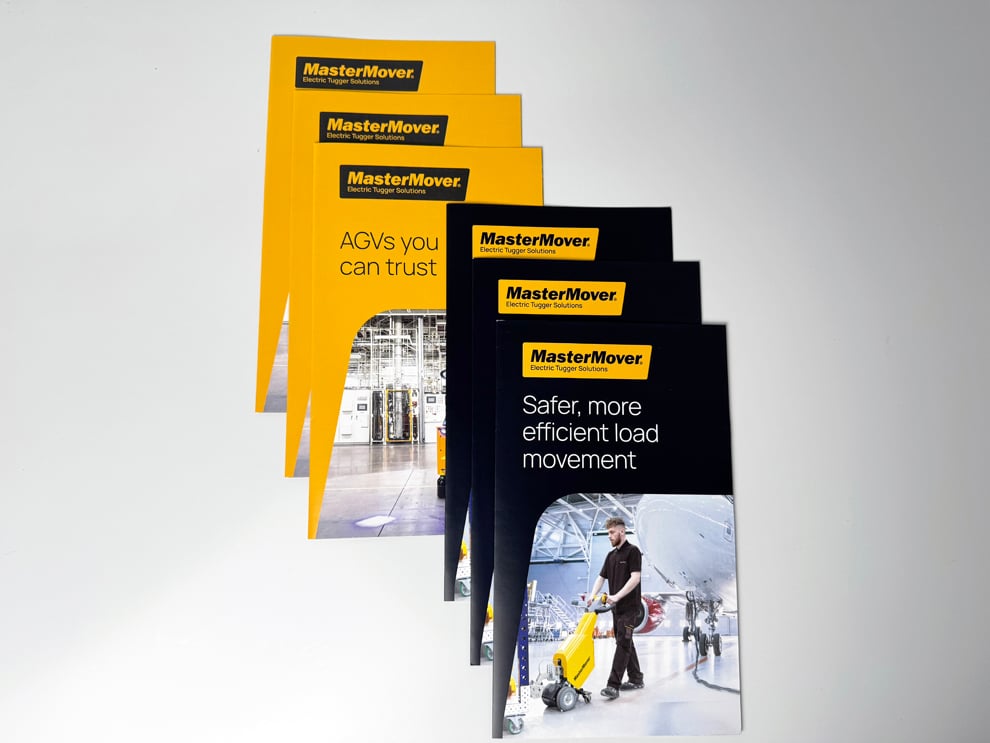
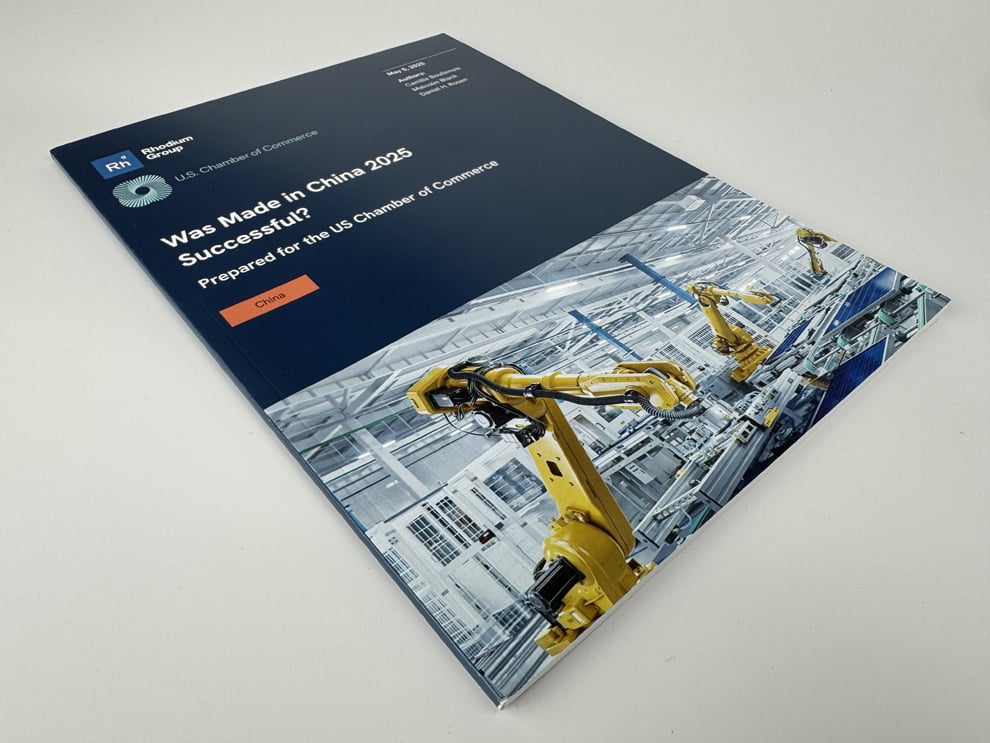
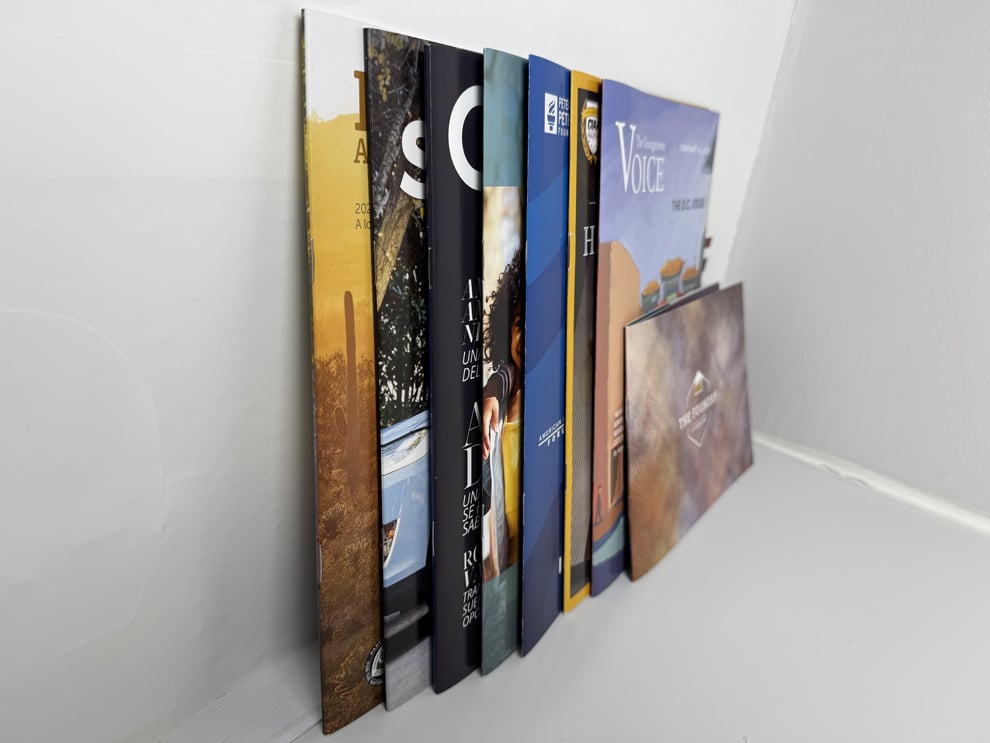
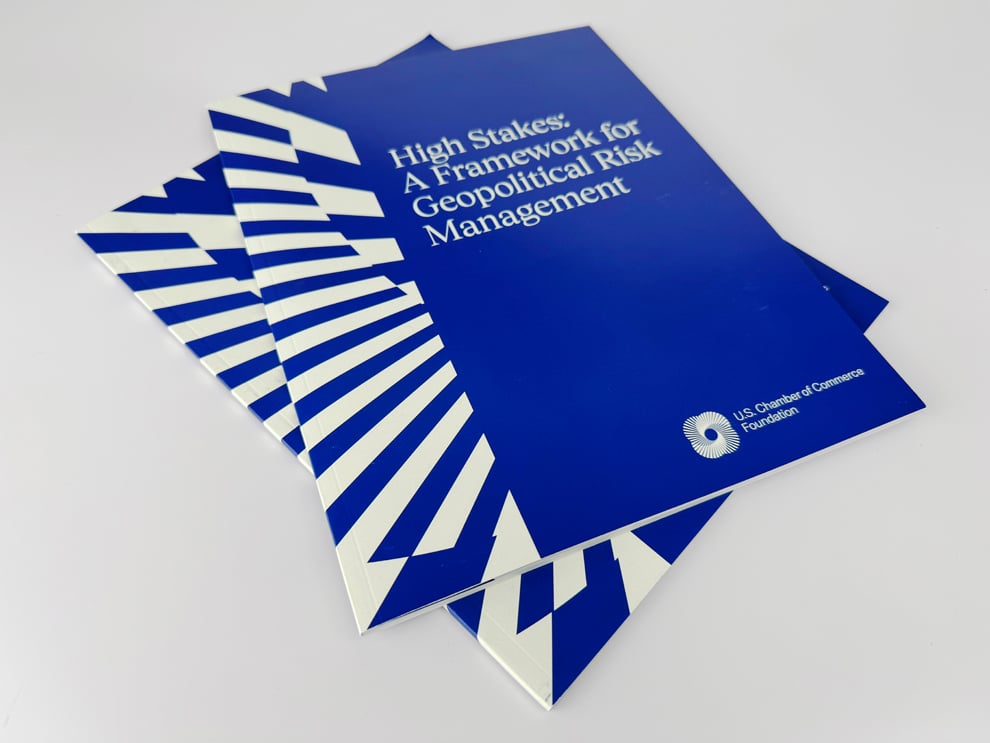
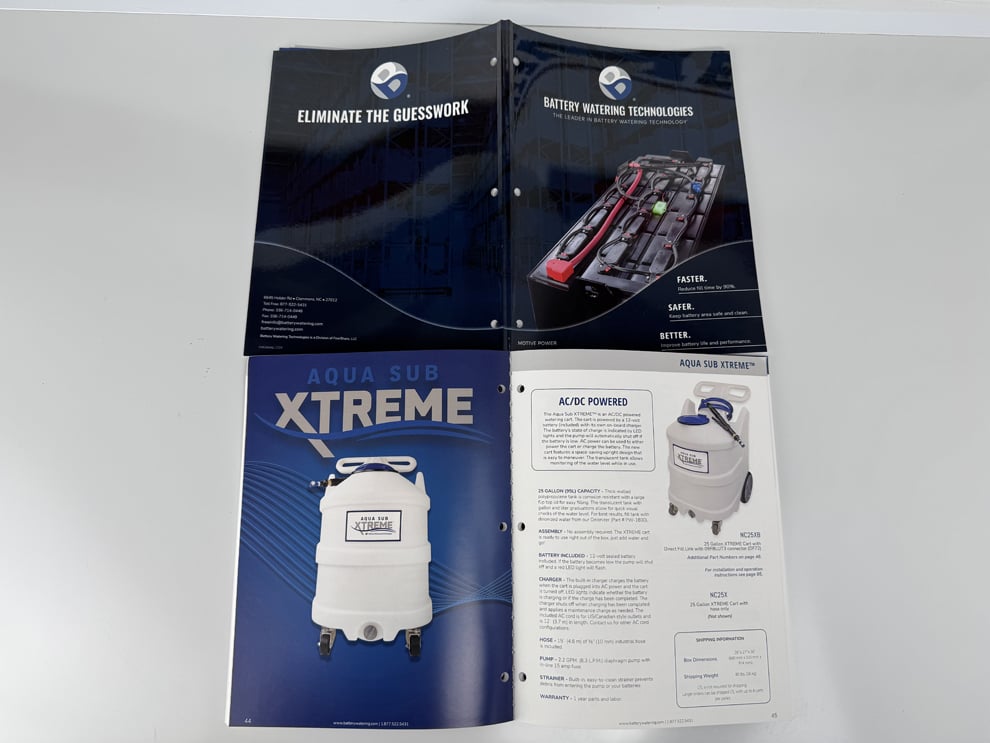
Ordering brochures involves a quiet tradeoff. Print too few and a sales team, clinic, or front desk runs out just when interest peaks. Print too many and boxes of outdated brochures end up recycled after a phone number, service, or address changes. Norfolk organizations in shipping, logistics, healthcare, and education face that balance every time they reorder.
Heritage helps you get both the piece and the run right. Your finished design is printed and folded to the specification you choose, with color kept consistent from one printing to the next, and nothing moves to press until your team has approved the electronic proof.
Quantity is easier to plan when it is tied to real use: how many locations distribute the brochure, how quickly it moves, and how long the content will stay accurate. When a port event, conference, or service launch sets a date, share it early. Heritage will plan production around it and respond promptly when files are ready, with a clear answer about timing rather than a hopeful estimate.
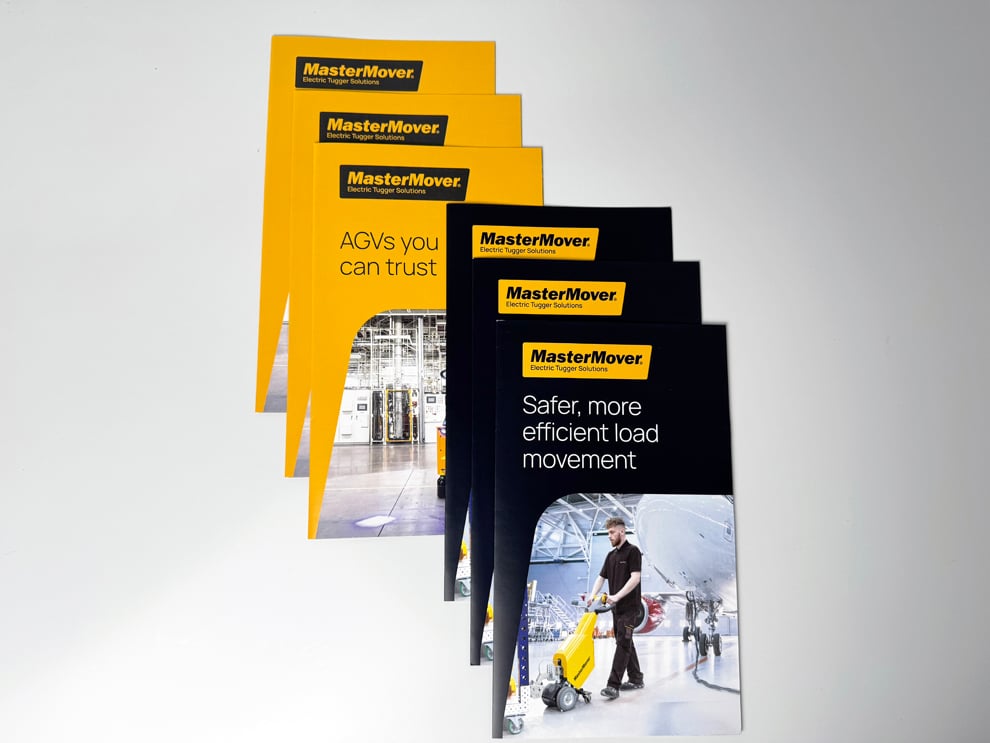
Organizations that reorder brochures need each run to look like the last. Consistency is built into how Heritage has worked since its printing business began in 1977: every file is reviewed before production, every run is preceded by an approved electronic proof, and color is measured with a spectrophotometer and controlled through profiles built for the specific printer and paper.
That approach helps brochures printed months apart sit side by side without obvious differences, within the normal range of the selected paper and finish. When content changes between runs, the new electronic proof gives your team a clear opportunity to confirm the update before production rather than discovering an old detail after delivery.
Follow-through matters as much as the press. As a veteran-owned, family-led company, Heritage communicates early when timing is tight and finishes what it accepts. Clients with recurring directly managed printing can keep the same assigned Project Coordinator from run to run, which means fewer handoffs and a contact who already knows your specification when the next reorder is due.

Present service brochures, rate information, and capability sheets together for client meetings.
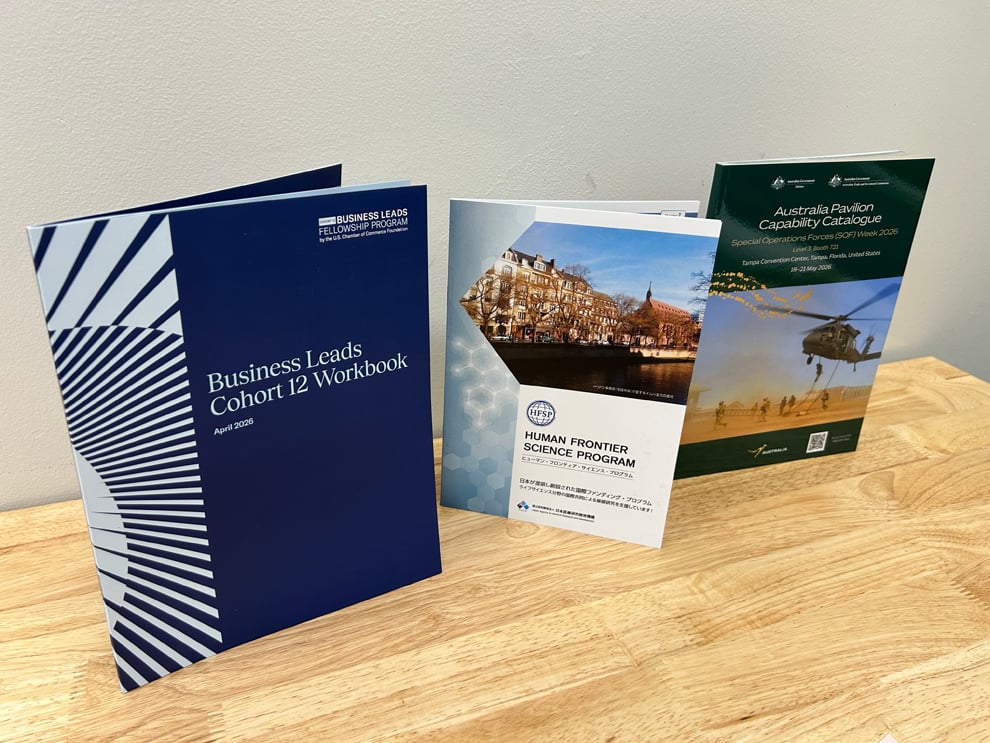
Keep flyers, postcards, and handouts consistent with the brochure across reorders.
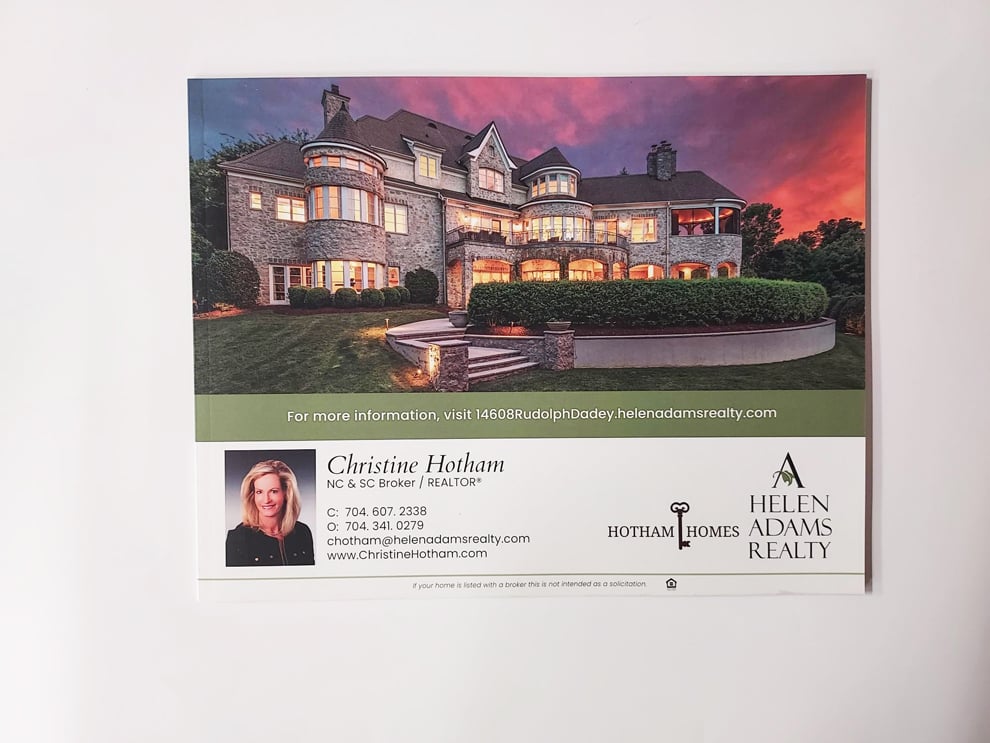
Mail brochures to customers, patients, or prospects when addressing is part of the accepted scope.
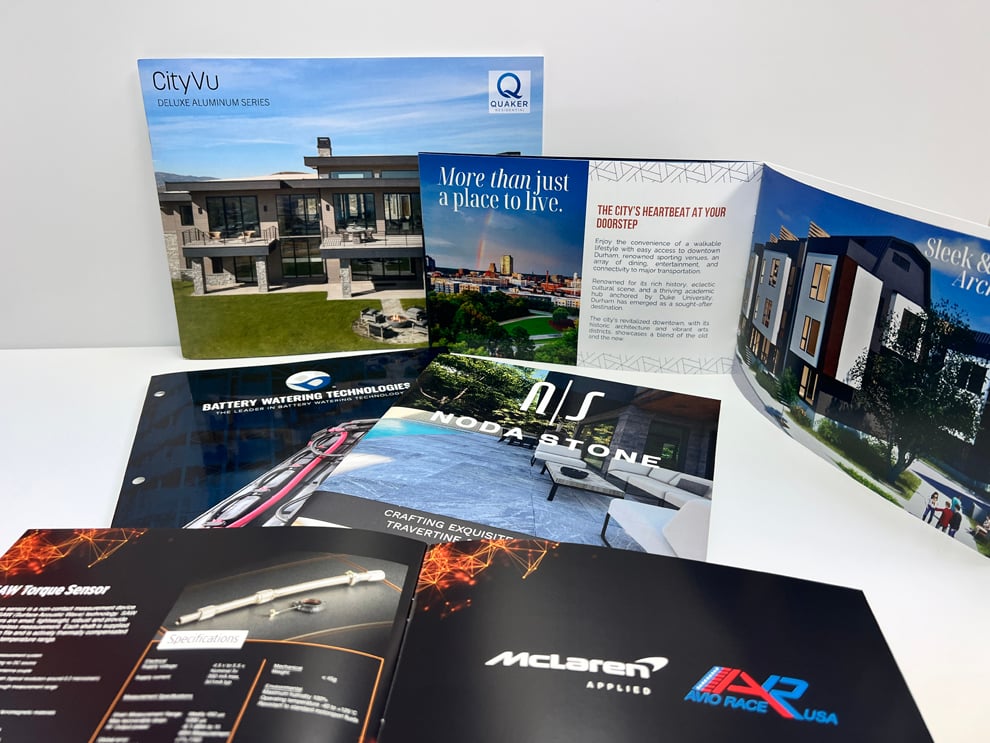
Bind service guides, patient handbooks, or safety and training references for repeated use.
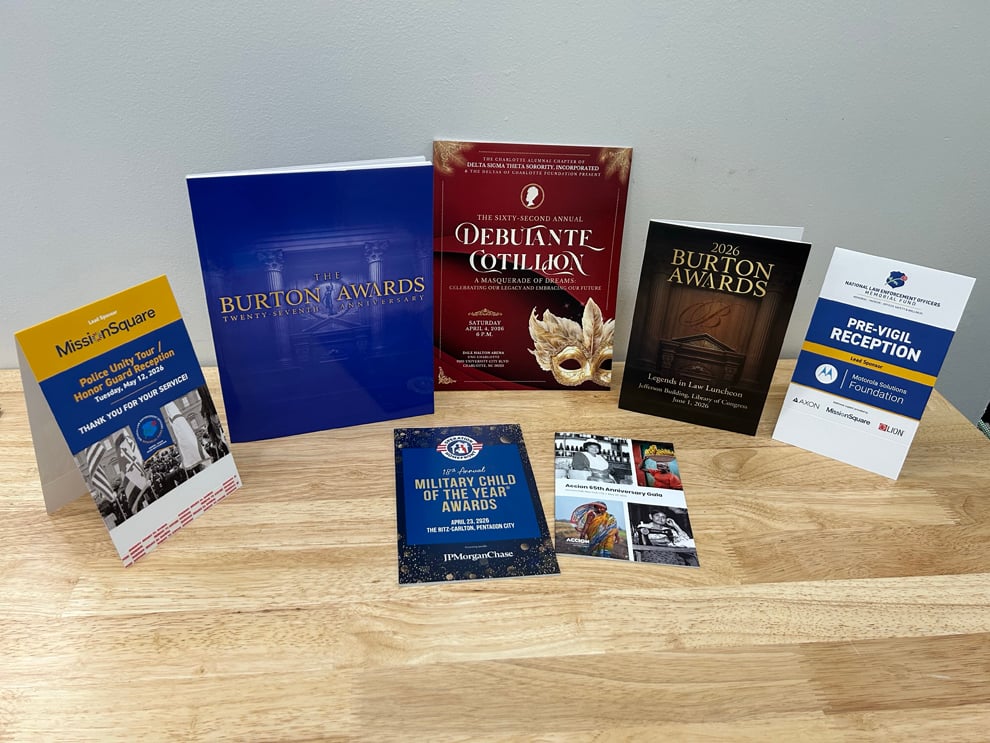
Print programs for conferences, ceremonies, and community events.
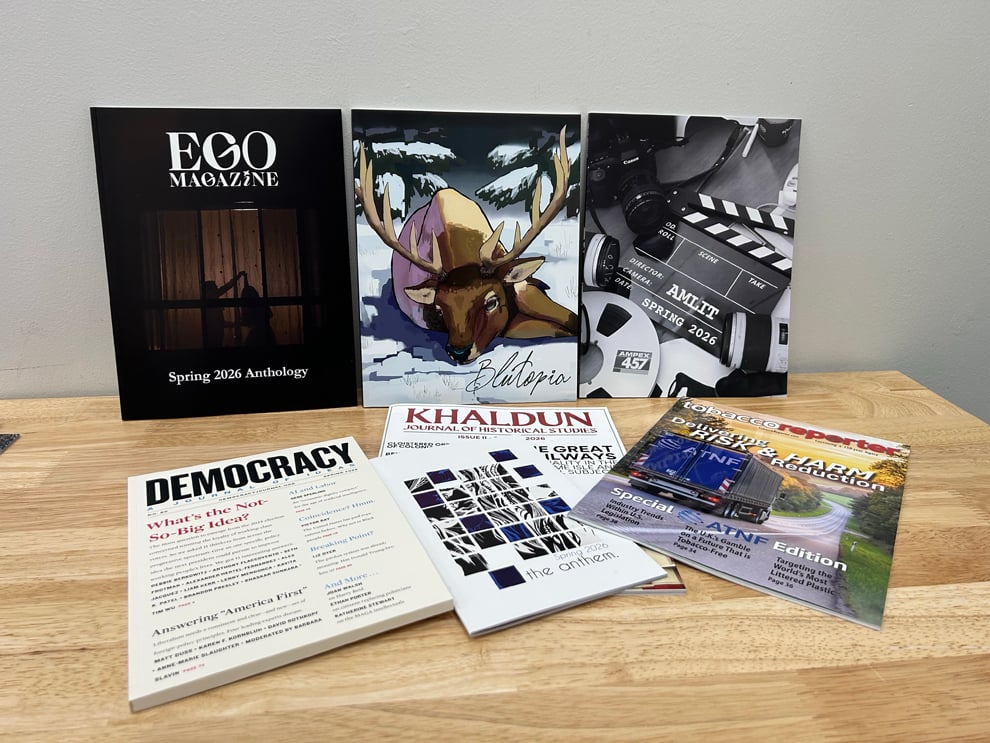
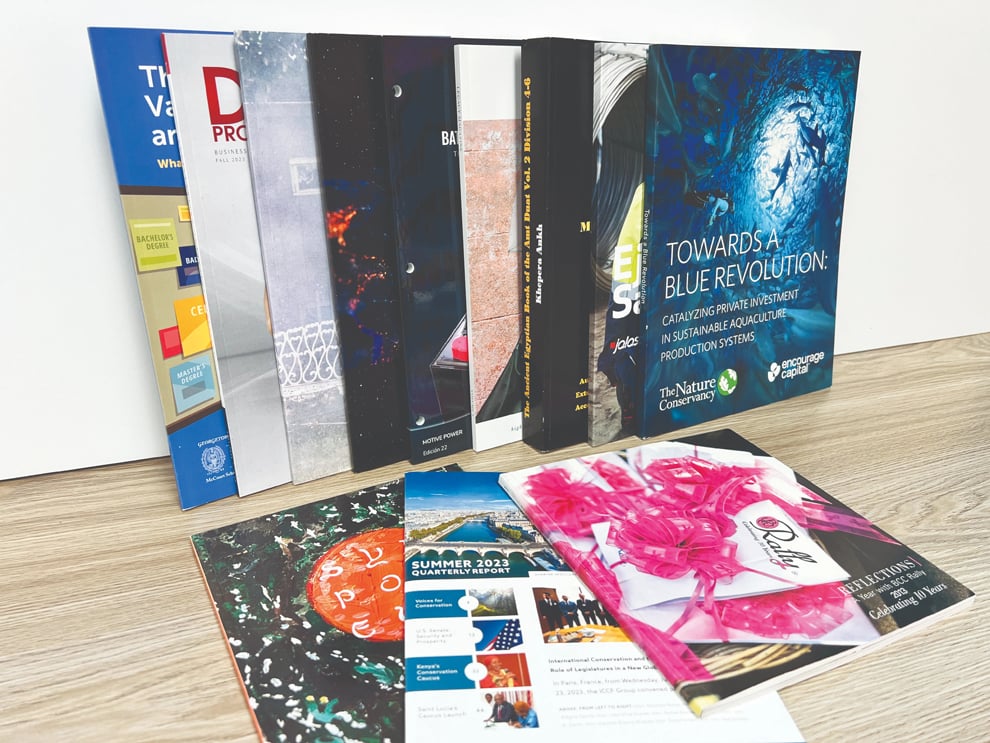
Produce directories, resource guides, and industry publications that need more pages.
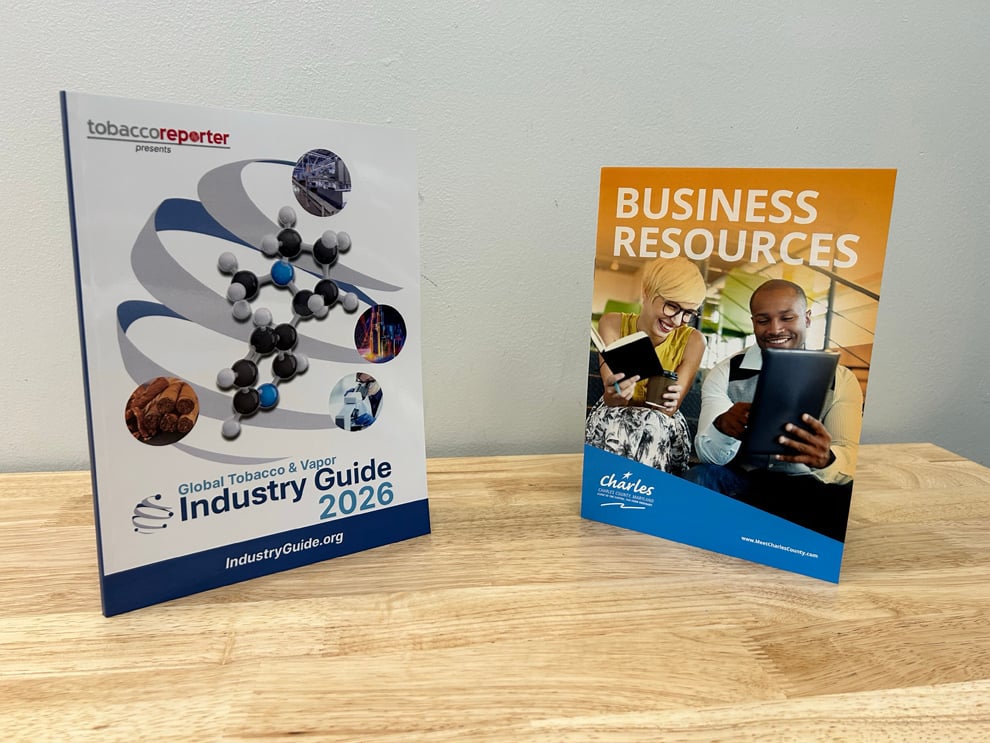
Keep customers, members, or employees informed with a recurring printed update.
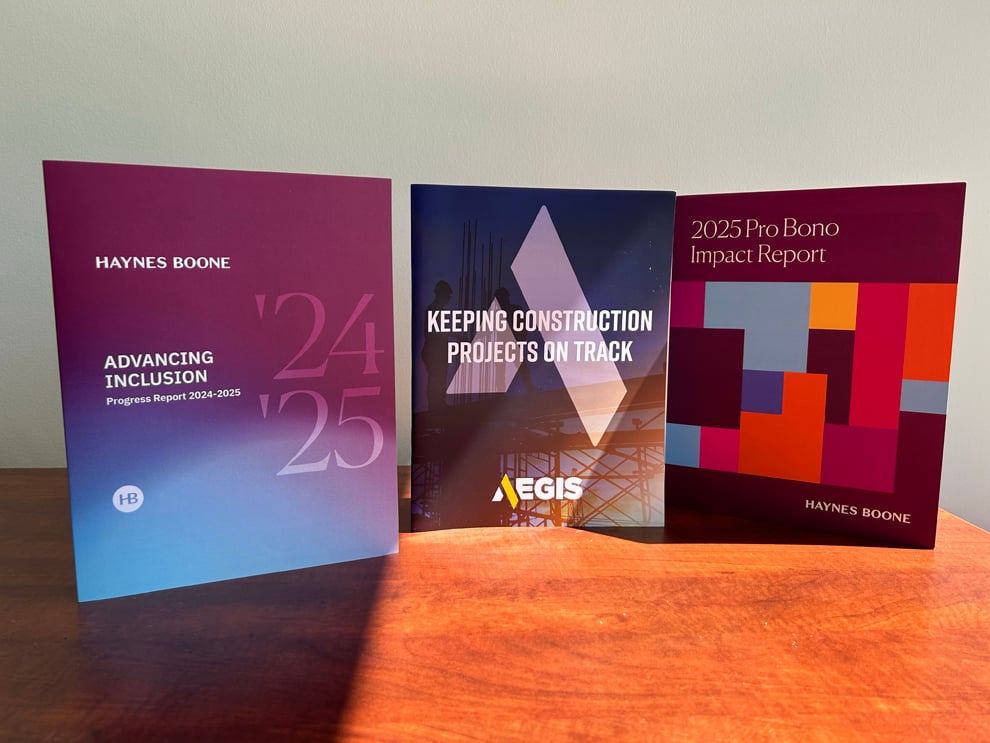
Report yearly performance and community impact to boards and stakeholders.
Routine reorders of an approved, print-ready brochure suit the Online Store when its configuration is listed, and Store orders receive Heritage's lowest available pricing. When a run needs specification guidance, several versions, file adjustments, or coordinated delivery to multiple sites and is valued at $2,000 or more, use Custom Quote; the Project Coordinator assigned after acceptance becomes your direct contact.
Start with a realistic estimate of use. Count the places the brochure will be distributed, such as offices, events, display racks, and sales calls, and estimate how many each will use over the period the content will stay current. That period matters as much as the distribution count, because a brochure with dated prices or staff names has a shorter useful life.
Larger runs usually lower the cost of each piece, but only if the brochures are actually used. Storage space, content changes, and rebranding plans can turn an apparent bargain into waste. Many organizations print a quantity that covers a defined period, then reorder from the approved specification when supplies run low.
Reordering works best when it is planned. Keep the approved file and specification on record, note how long the last run lasted, and place the next order before stock is nearly gone. Heritage can then produce the reprint to match the previous run, and a fresh electronic proof confirms the correct version before printing begins, even when nothing in the file has changed.
Base the number on actual use. Estimate how many each distribution point will hand out over the period the content will stay accurate, then add a modest cushion for events or unexpected demand. If you have reorder history, use it. Printing far beyond that period often ends in recycling outdated stock.
Generally, yes, because setup is spread across more pieces. That saving only matters if the brochures are used before the content changes. Compare the cost per piece against how many you realistically expect to distribute, and consider storage space and any planned updates.
Keep the approved file and specification unchanged, including size, fold, paper, and finish. Heritage applies the same production controls, and the electronic proof confirms the right file before printing. Changing paper between runs is the most common reason reprints look different.
Send an updated file that reflects the change, and Heritage will issue a new electronic proof for your approval. Review the whole proof, not just the edited area, because a single change can shift text on a panel. Note the version clearly so the outdated file is not reused later.
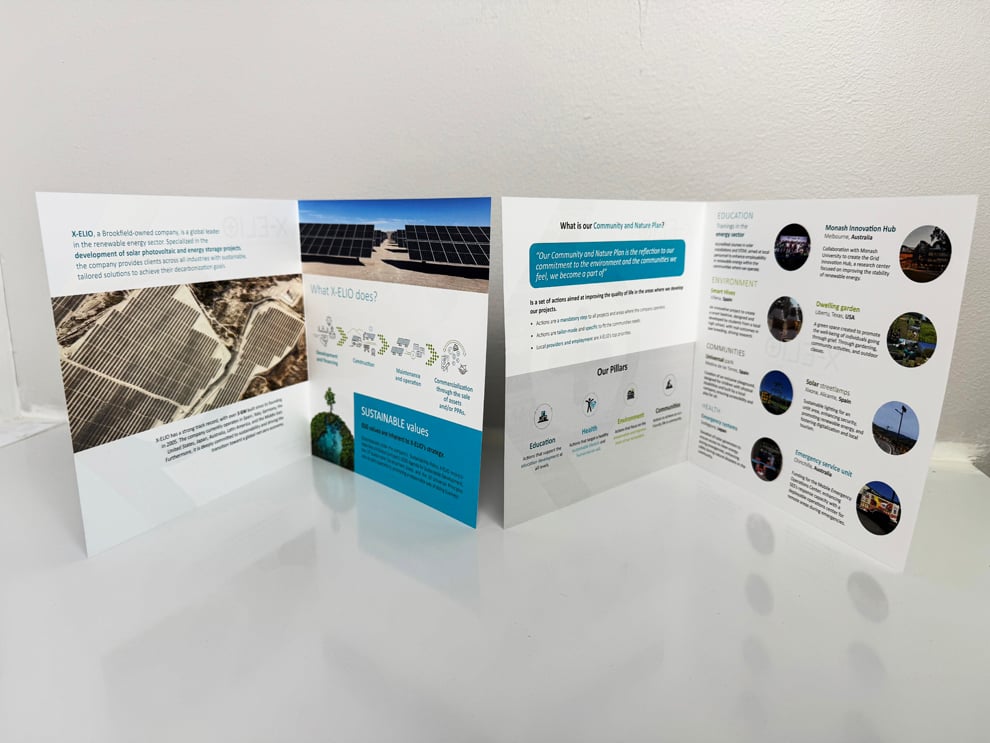
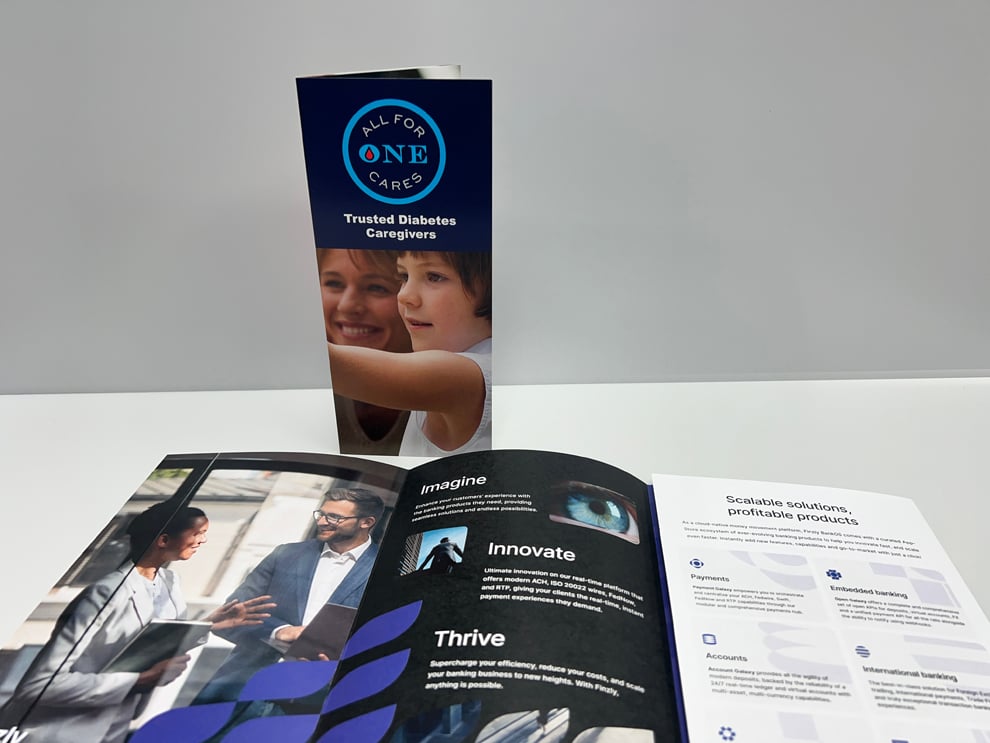
A tri-fold handles a clear sequence of who you are, what you offer, and how to reach you, and it fits standard racks. A bi-fold gives more room for service descriptions or photographs of vessels, facilities, or teams. Choose based on how much detail a prospective customer needs before calling.
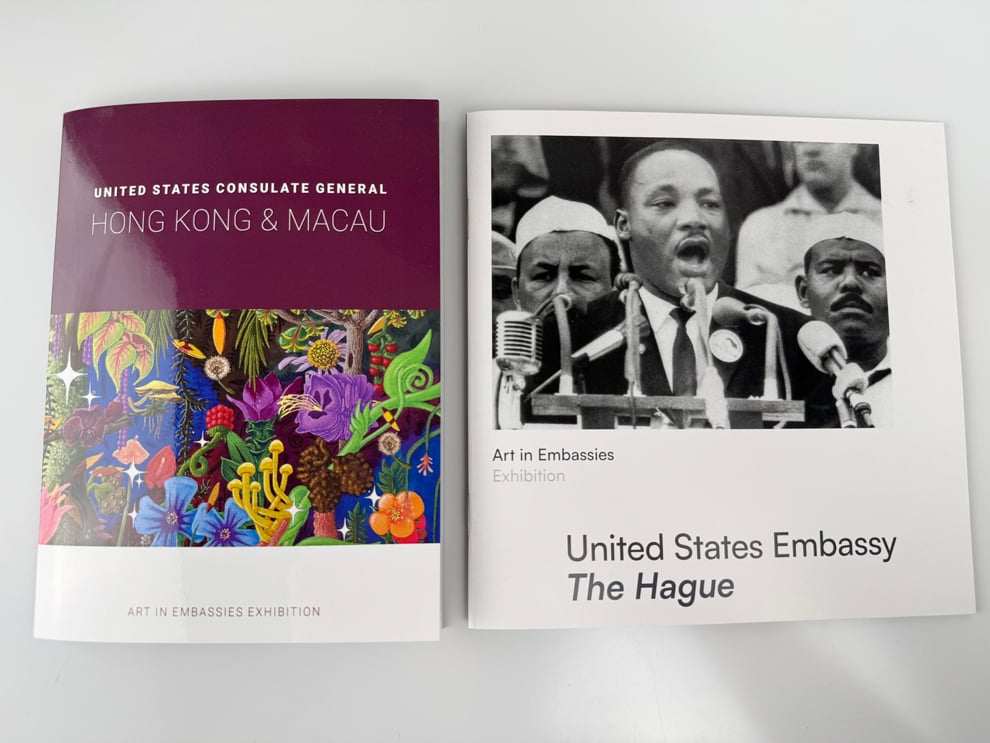
A brochure works when customers need a quick overview of services and how to reach you. A booklet suits a detailed guide to procedures, rates, safety information, or patient instructions. Organizations that reorder often may keep a brochure as the everyday piece and a booklet for new clients.
Choose a stock that holds up wherever the brochure travels, from waterfront offices to clinic waiting rooms. A moderately heavy coated paper resists scuffing and curling, while uncoated paper accepts notes. Using the same paper for every reorder keeps the brochure consistent from run to run.
Keep cartons flat, closed, and off the floor in a dry, temperature-stable room. Humidity and heat can cause curling, and stacking heavy items on cartons can crease folded pieces. Rotate stock so older brochures are used first, and recycle any that carry outdated details rather than handing them out.
Yes, as long as the main subject stays within one panel. A crease through a ship's name, a building sign, or a person's face is distracting, and normal folding tolerance means the fold line can shift slightly. Use wide backgrounds such as water or sky to bridge panels.
Mailing can be included when it is part of the scope Heritage accepts. Your organization supplies the address list, accurate and cleared for the purpose, in the agreed format, and Heritage prepares the pieces for postal entry. Once accepted by the Postal Service, the mailing moves on its delivery schedule.
It fits qualifying orders of $2,000 or more that involve several location versions, delivery to multiple sites, specification guidance, file adjustments, or physical color proofing. After acceptance and assignment, a Project Coordinator becomes your direct contact and can carry that knowledge into future reorders.
Your team typically updates the design file and sends the revised version, which receives a new electronic proof. For qualifying Custom Quote orders of $2,000 or more, Heritage may provide production-oriented adjustments when the update affects layout. The accuracy of new details remains your organization's responsibility.
Yes. Heritage works with maritime, logistics, healthcare, and service organizations across Hampton Roads and Virginia. Finished brochures can be routed to your main office or divided among several locations, according to the delivery plan approved for each order. Mention any gate or security procedures at a terminal or facility so the delivery is not refused.
Yes. A shared design can carry location-specific addresses, phone numbers, or service lists. Let Heritage know how many copies each location needs and who approves its content. Each version is proofed separately, which prevents one office's details from appearing in another's brochures.
Use it for print-ready brochures in a configuration the Store lists live, especially routine reorders where nothing about the specification needs discussion. You place the order yourself at Heritage's lowest available pricing, and production review and an electronic proof still apply.
Contact Heritage with your required date and the approved file. An unchanged reprint is often simpler to schedule than a new design, but timing still depends on proof approval, materials, production capacity, and delivery. We will give you a straight answer about what the window allows.
Heritage Signs & Displays created new museum signage for the Military Women’s Memorial in Arlington, VA. The project included custom signs, wall wraps, dimensional letters, and standoff-mounted displays to honor the legacy of U.S. servicewomen and the donors who supported the memorial. The updated interior features impactful designs, including a "Our Legacy" wall display and panels showcasing historical contributions and artwork, creating a transformative tribute to women in the U.S. Armed Forces.
Heritage Signs & Displays' collaboration with The Gathery to brand Union Market in Arlington, VA, for Indeed's "Ready to Work" job fair. The project included custom event displays, wall graphics, window graphics, and wayfinding signs, creating an immersive and visually appealing environment. The branding enhanced the venue, reflected the event's mission, and provided a seamless experience for attendees.