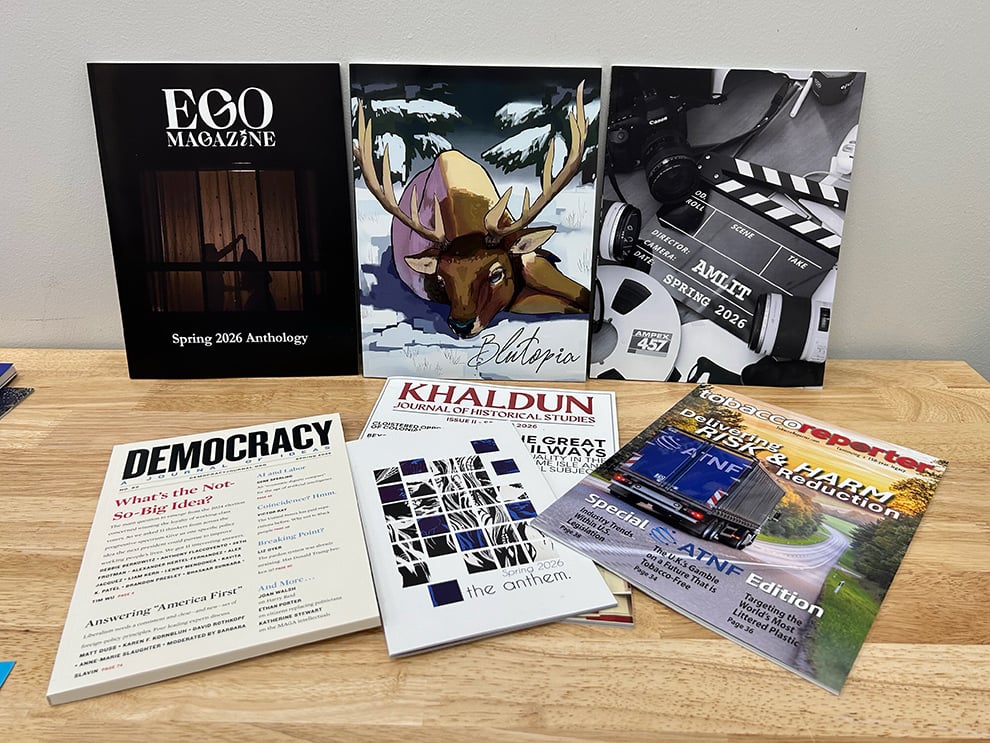
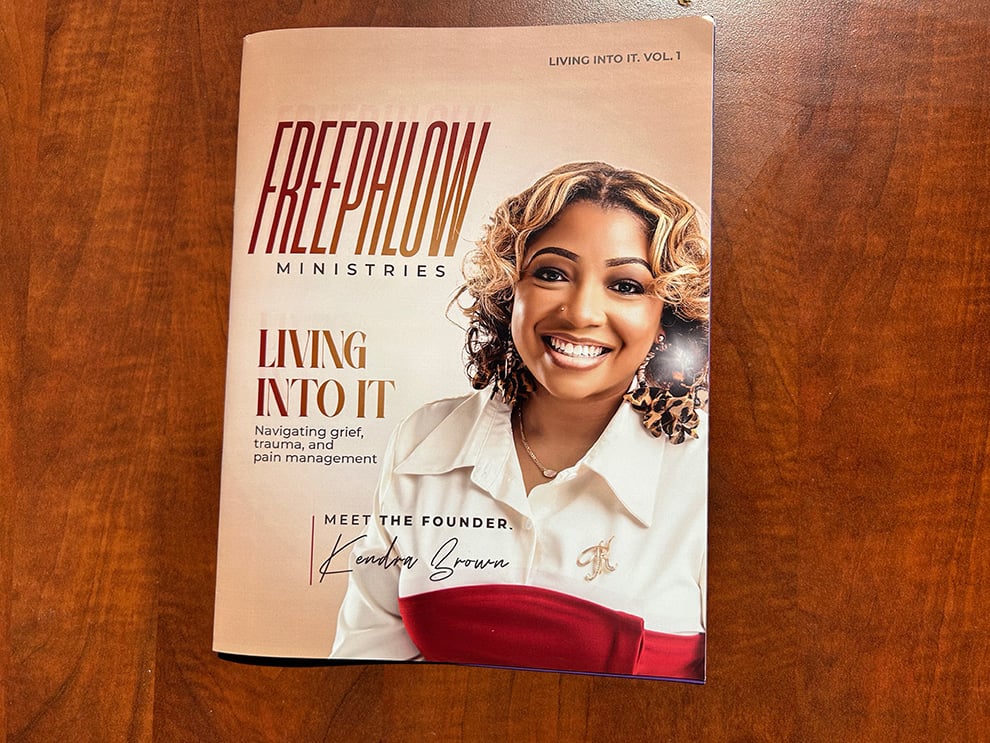
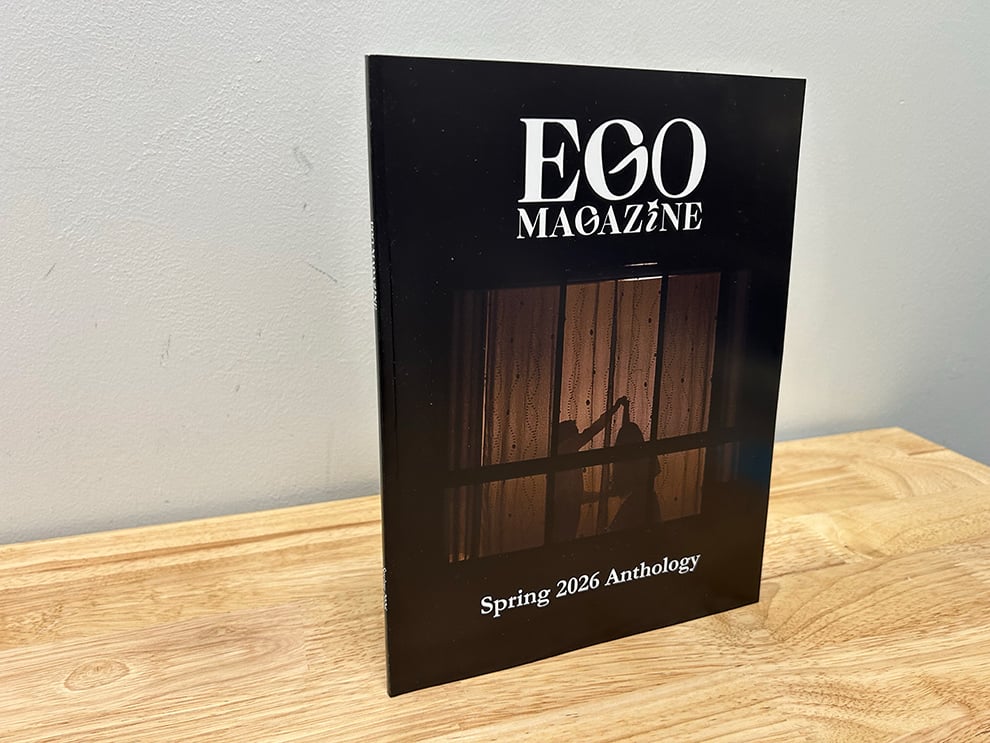
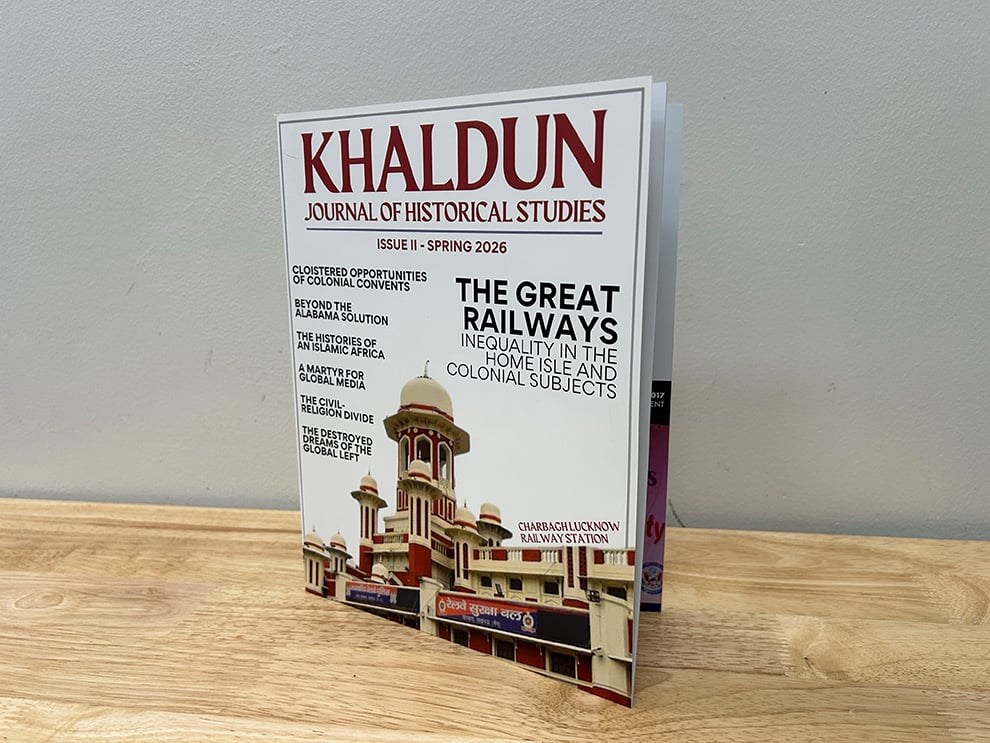
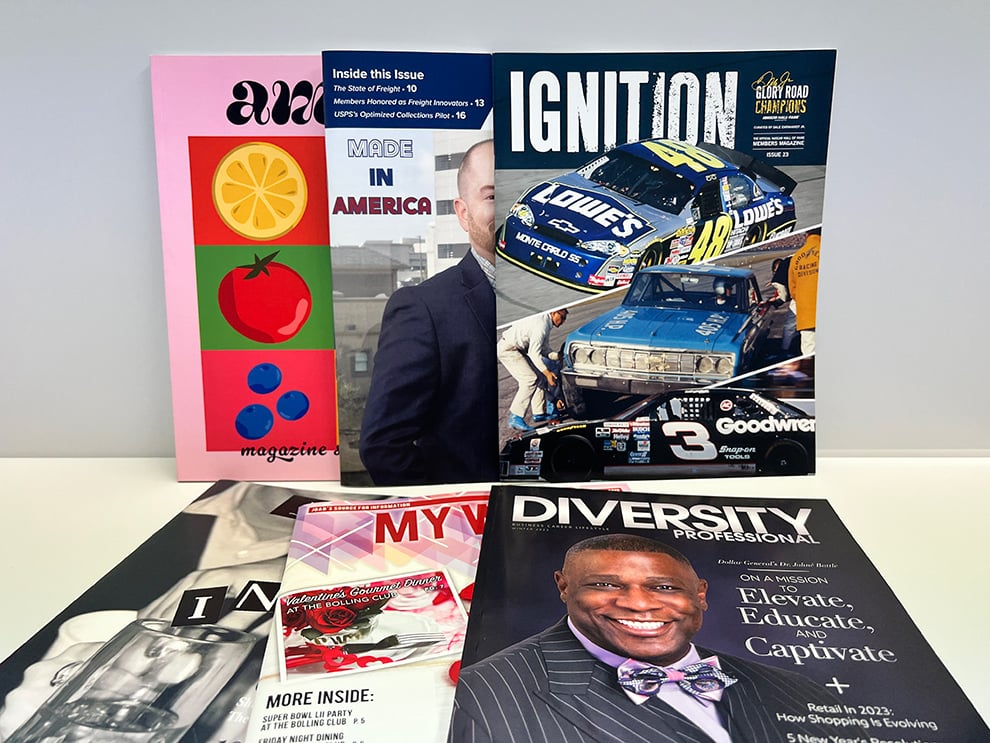
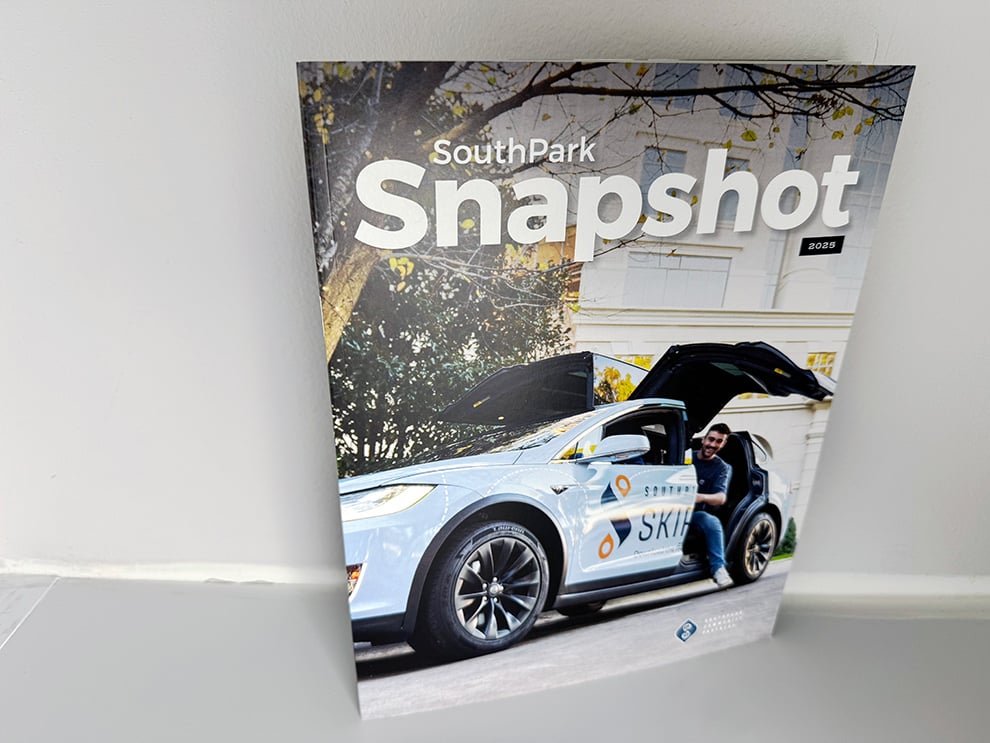
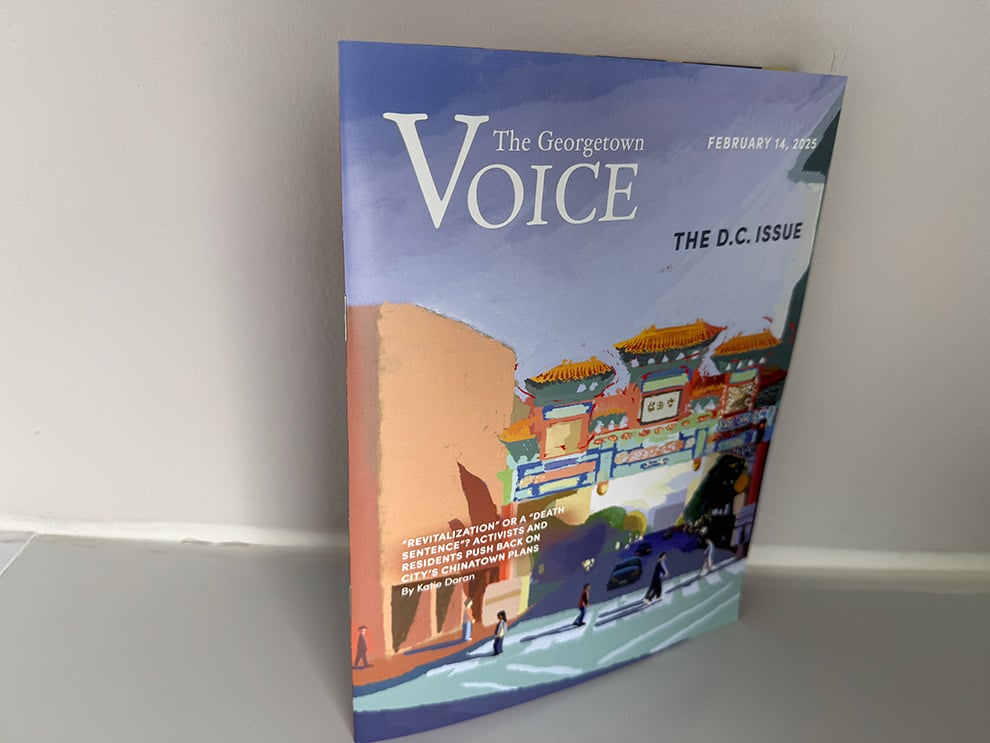
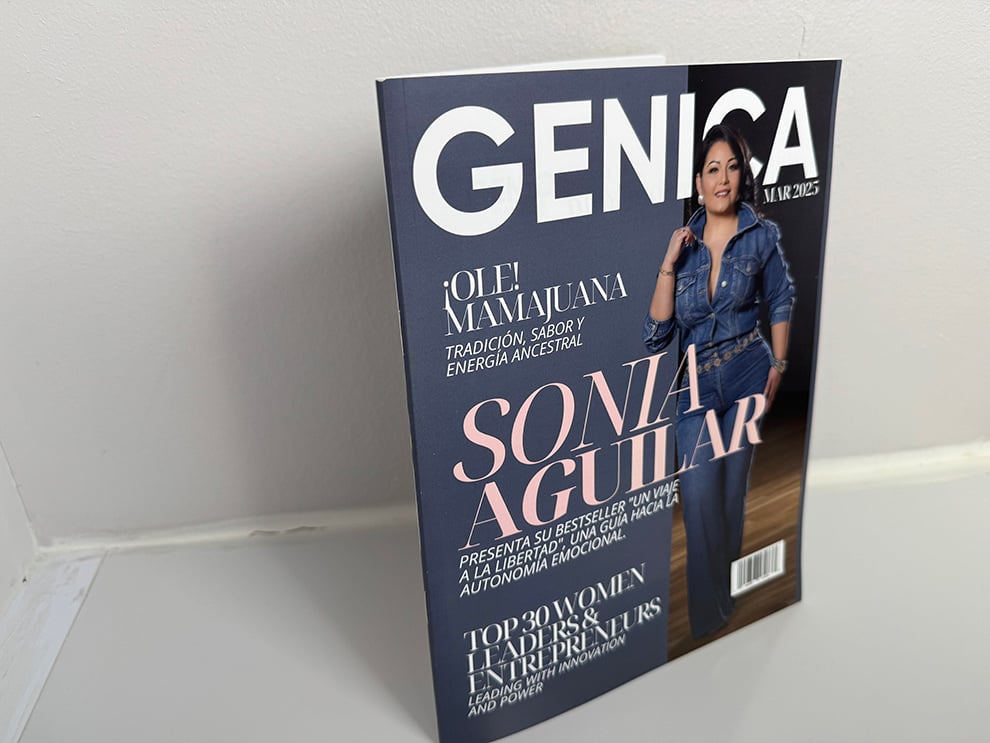
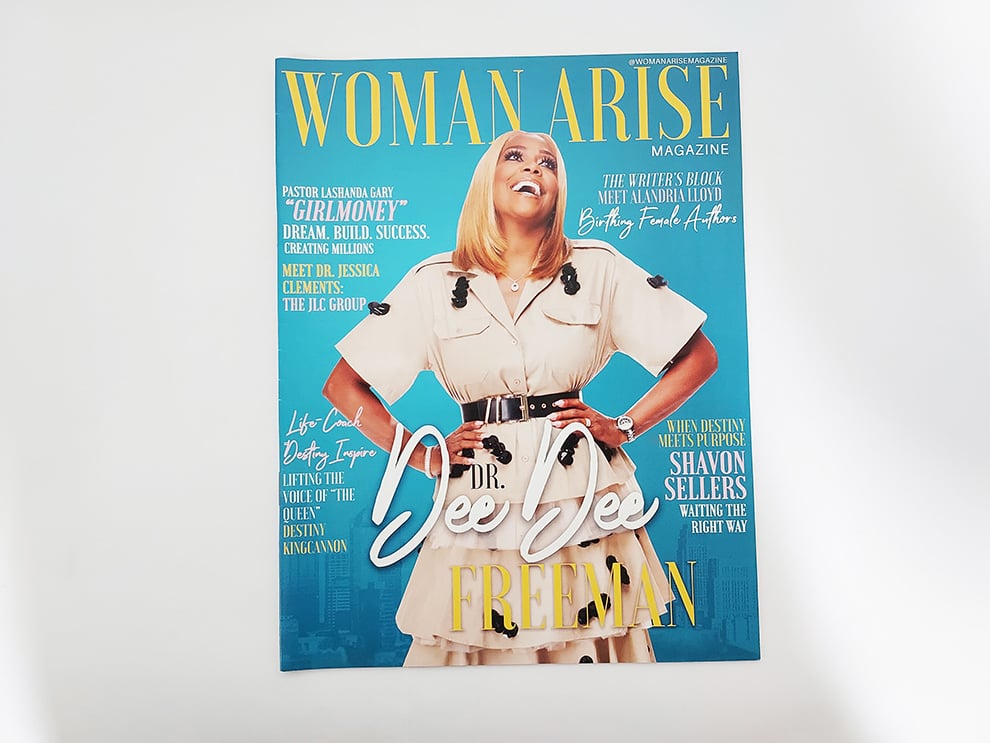
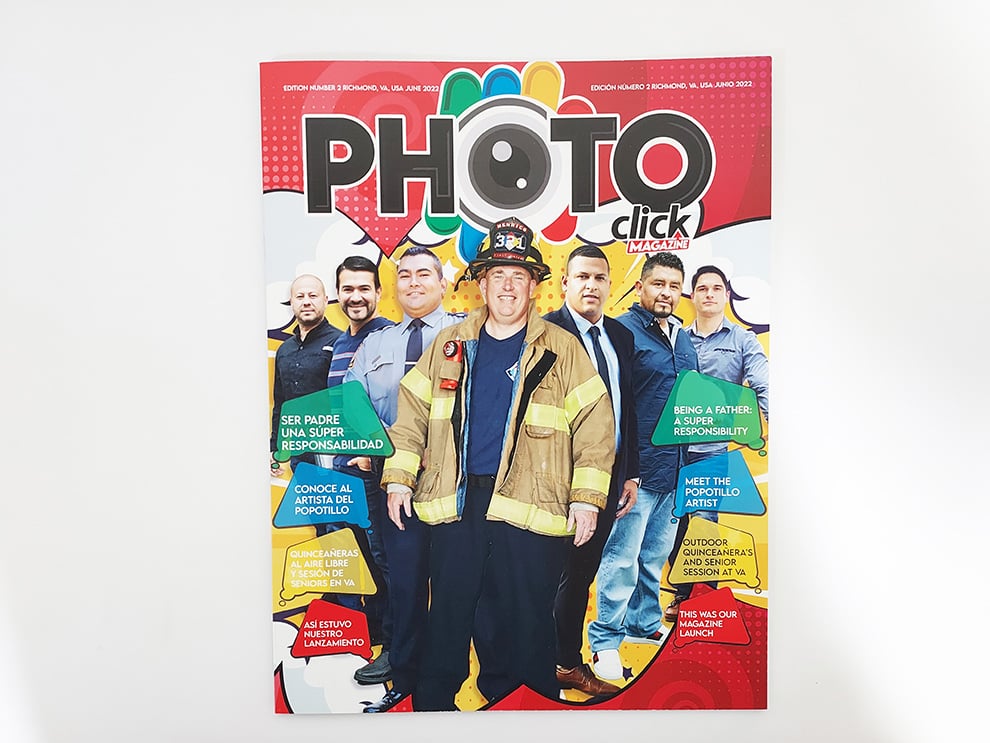
Readers of a recurring magazine notice when the trim size shifts, the cover stock feels different, or masthead color drifts between editions. For Annapolis, MD organizations that publish quarterly member magazines, seasonal visitor guides, or institutional publications, that consistency is part of the publication's identity. The magazine template your team works from, and the printer who produces each issue, together determine whether readers see one continuous publication or loosely related pieces.
Heritage helps Annapolis publishers hold that line. When your print-ready issue and specifications arrive, we compare them against the retained production baseline, confirm what has changed, and flag any paper, binding, quantity, version, or distribution decision that needs attention before production begins. Heritage has printed since 1977, and that experience shapes how we assess feasibility and communicate constraints honestly.
We manage accepted work responsibly as the issue moves toward its required date. We communicate clearly when something affects the plan, protect the finished quality readers expect, and keep you informed about where production stands. The result is a publication that arrives looking like itself, issue after issue, with fewer surprises.
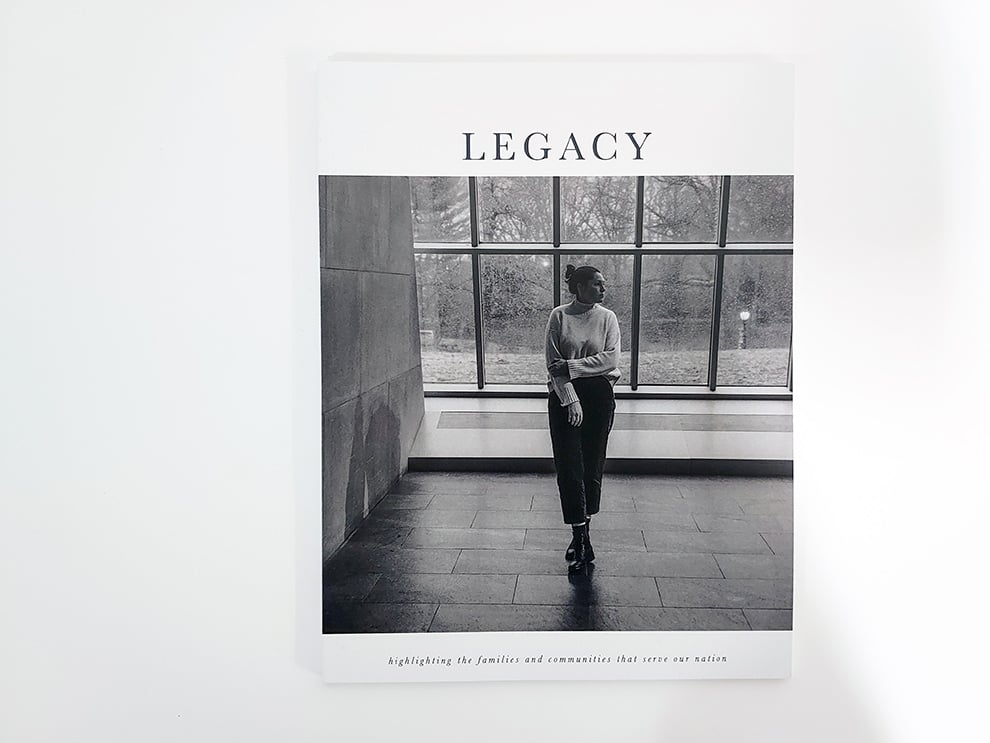
Consistency across issues is a production discipline, not an accident. Heritage's printing roots reach back to 1977, and the years since have taught us that a magazine stays recognizable only when paper, cover construction, binding, color targets, and finishing are reviewed every time. Our production team applies that judgment to each accepted issue rather than assuming the last run answered everything.
For Annapolis, MD organizations, that discipline takes practical form. We confirm paper availability before committing to a schedule, check that the file matches the retained baseline, review proof approvals carefully, and sequence printing, binding, finishing, and distribution so the issue moves without avoidable delays. When something in the current issue does not fit the plan, we say so early and explain the options.
Heritage is veteran-owned, and that background informs how we work. We take ownership of the production factors within our control, communicate plainly about the ones that are not, and follow through on accepted commitments. Your organization gains a printer that treats your magazine as an ongoing publication with standards to protect, not as a stack of unrelated print jobs.
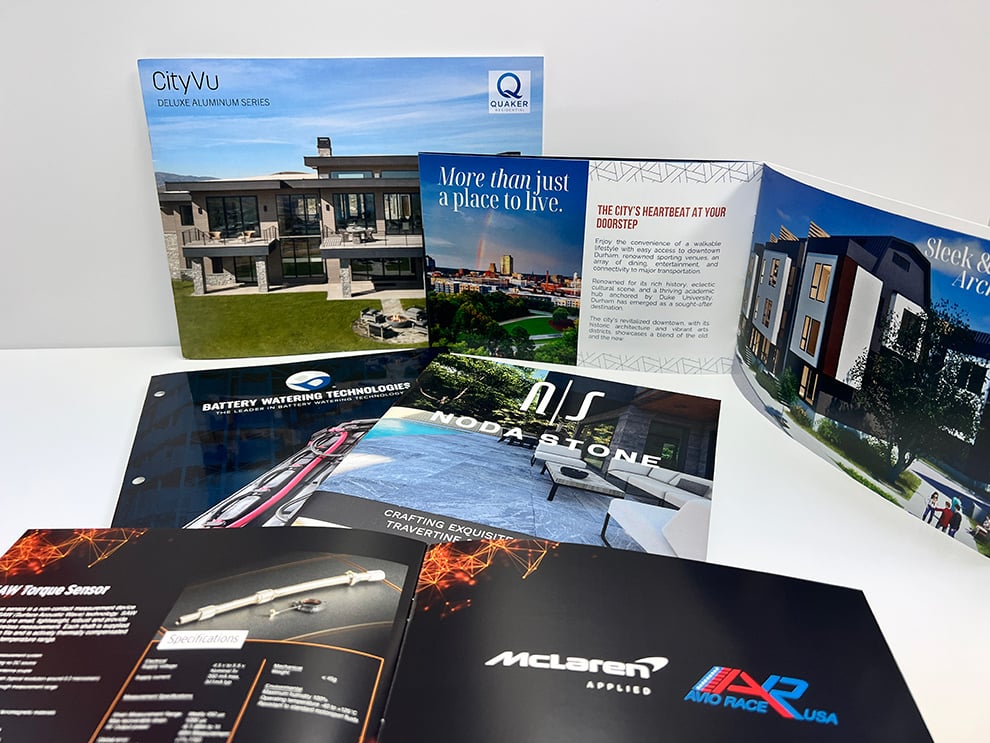
For one-time guides, reports, and programs that need multi-page structure without an ongoing issue identity.
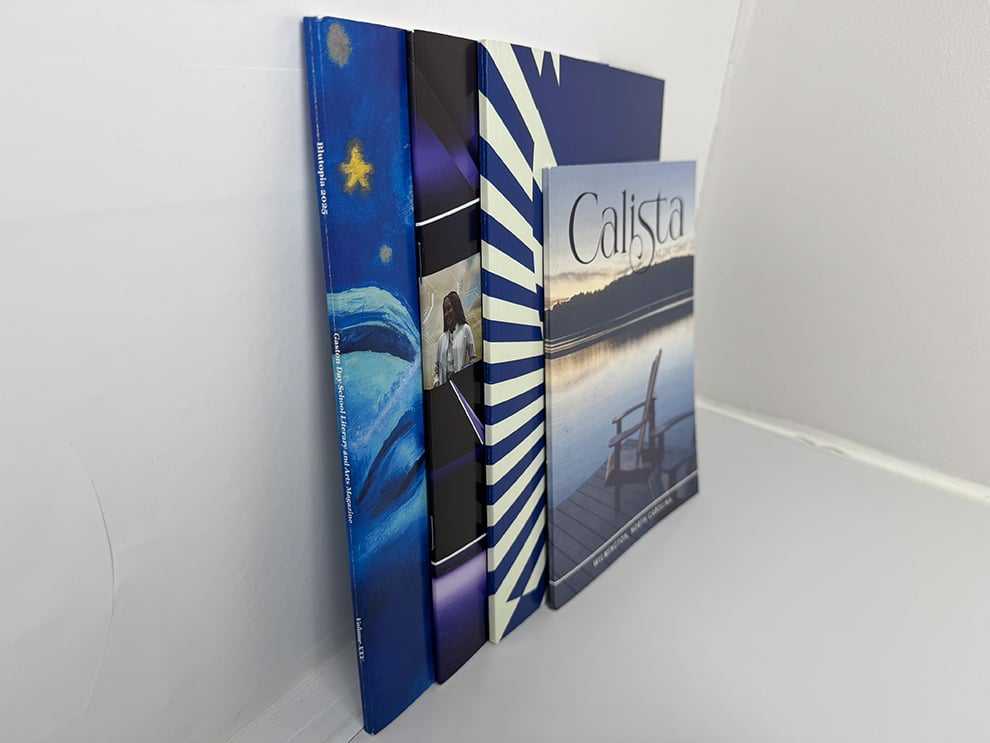
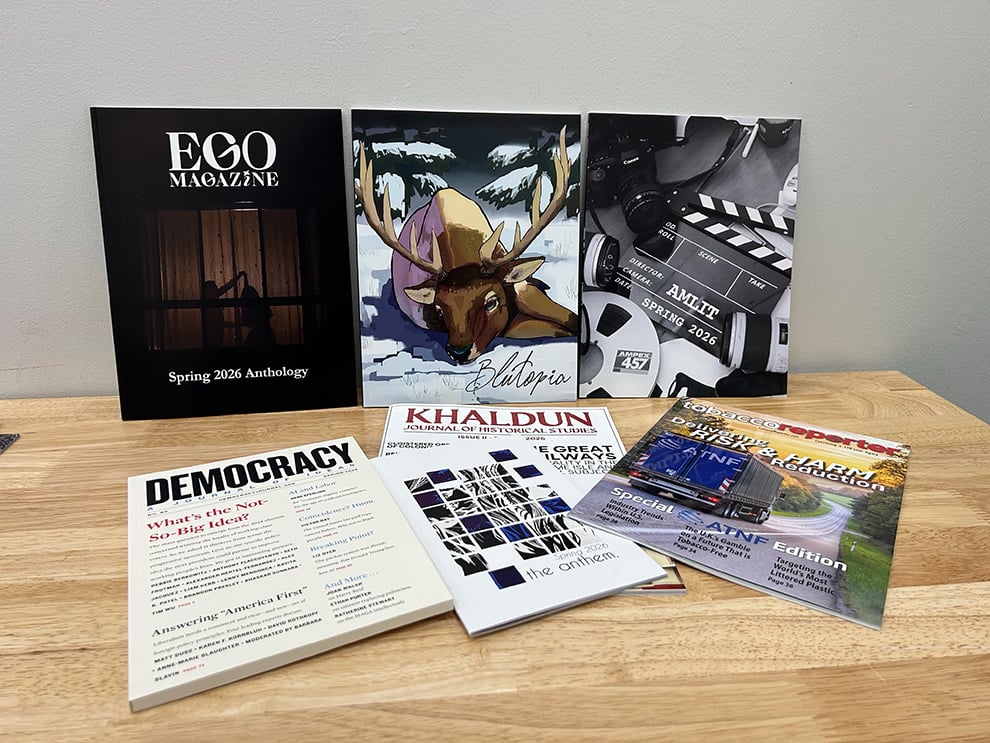
For substantial publications where a flat, square spine and a bookshelf-ready presentation carry the piece.
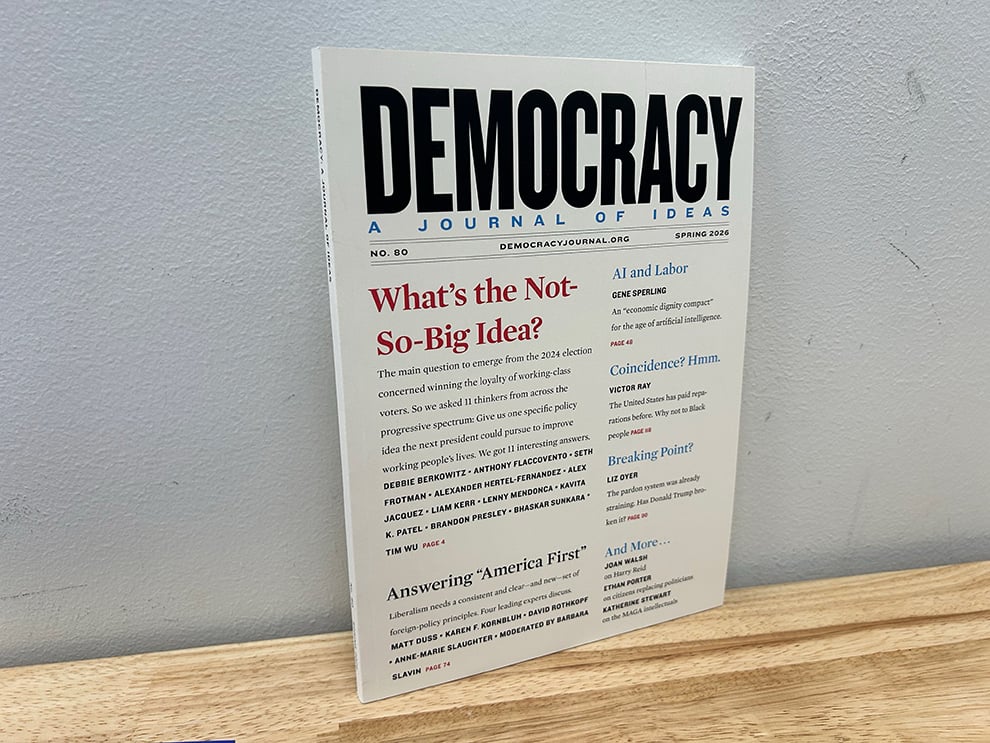
For brief, frequent updates to members, staff, or donors that follow their own schedule and do not need magazine depth.
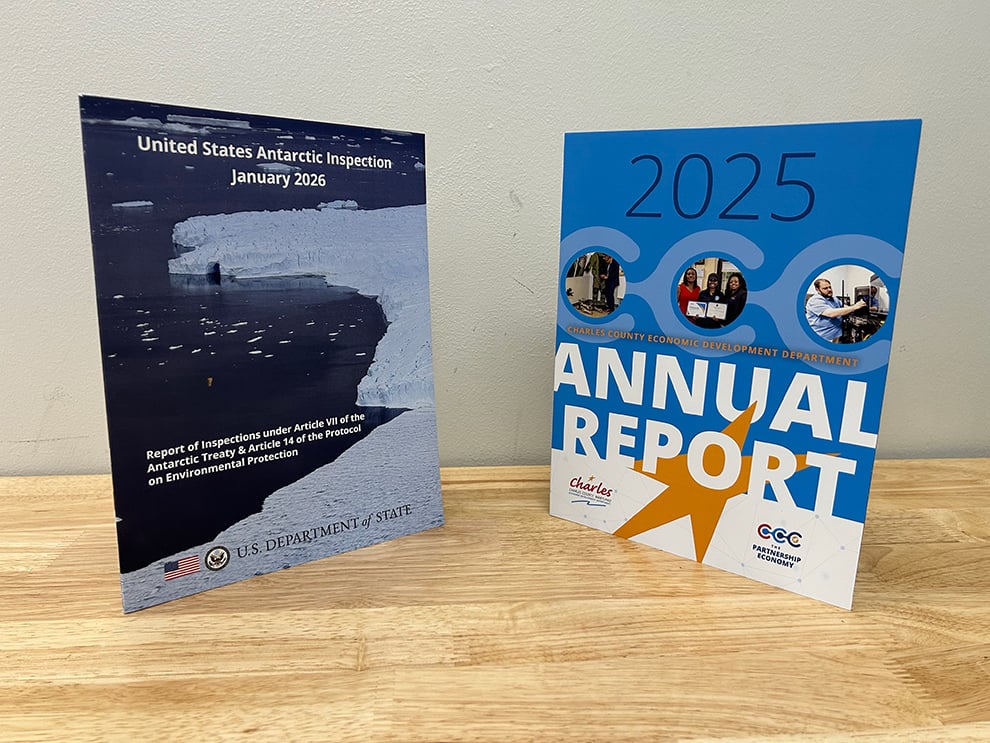
For once-a-year reporting on results, finances, and impact prepared for boards, funders, and stakeholders.
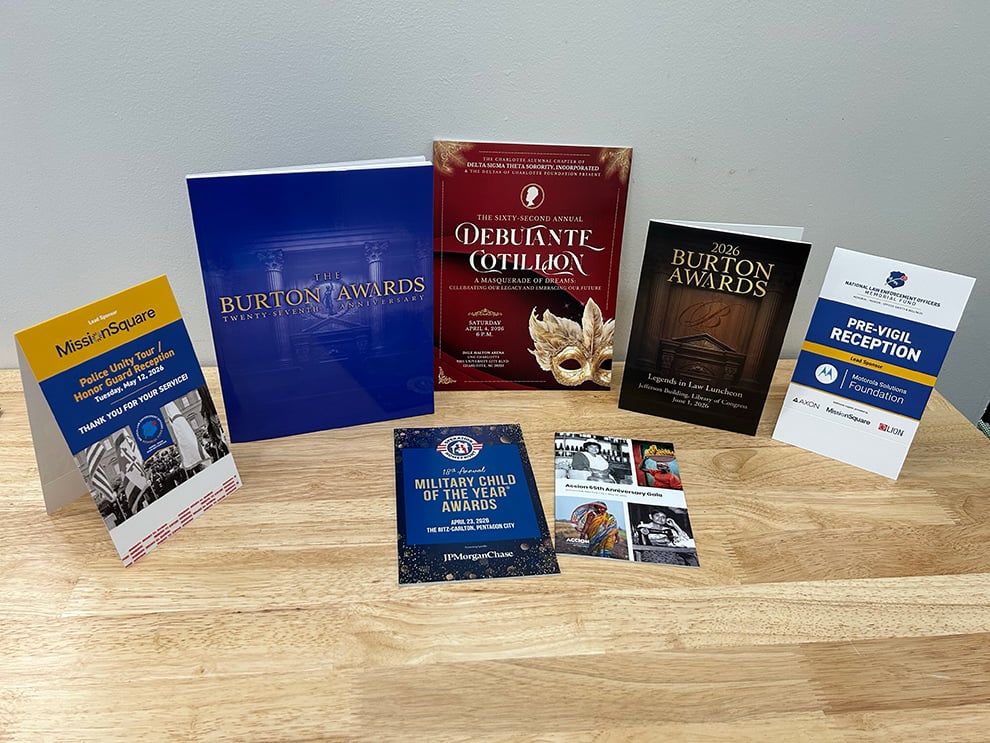
For conferences, regattas, ceremonies, and meetings where the event date sets a firm production endpoint.
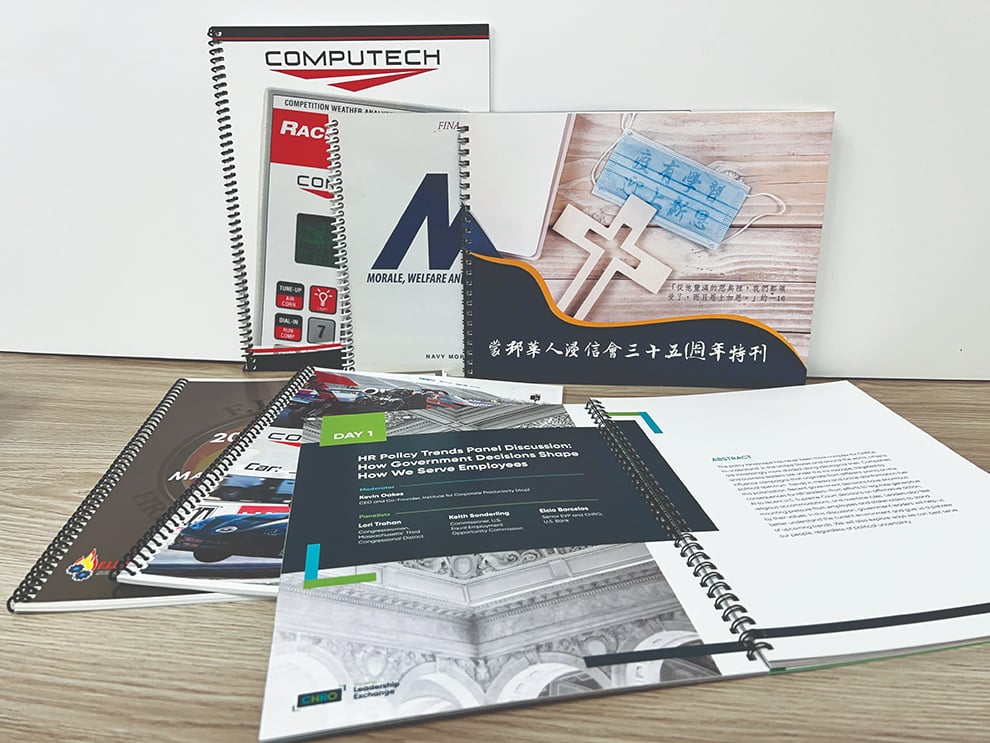
For instructional reference material that must be ready before scheduled sessions and hold up to repeated use.
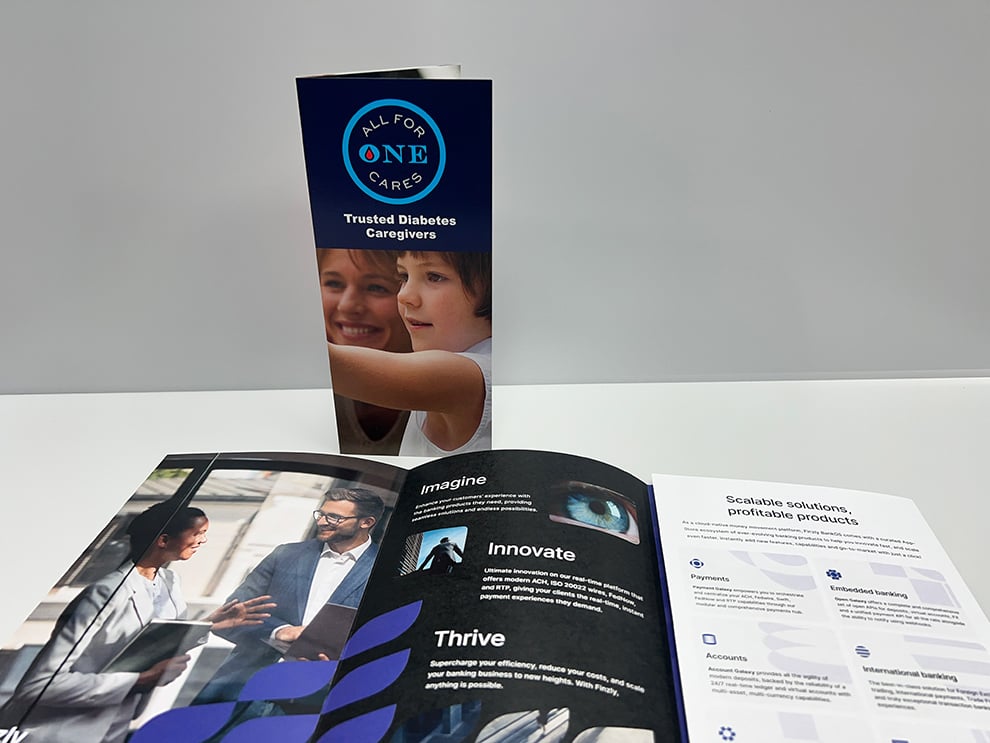
For compact outreach pieces that introduce a program, service, or initiative in a format readers can carry away.
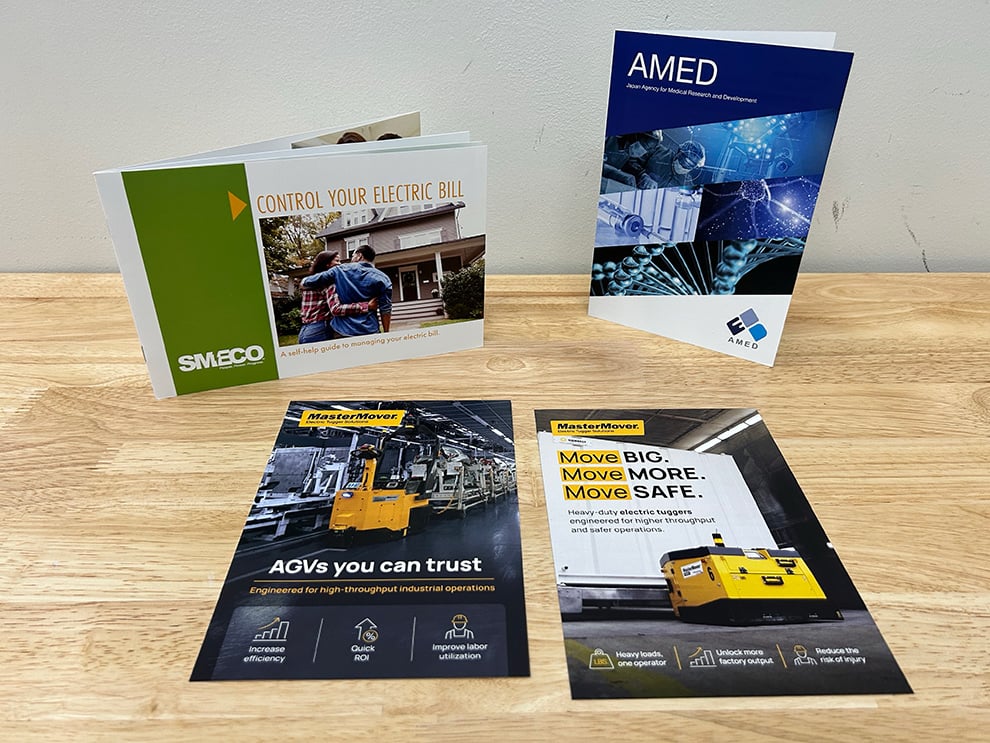
For coordinated campaign printing that supports launches, recruiting, fundraising, and outreach alongside the magazine.
Send your issue files, the magazine template your team works from, quantities, and the date readers need the magazine through Custom Quote. Heritage will evaluate the production path and respond with clear next steps. A fully specified, print-ready issue that matches a live Online Store configuration can also be ordered directly.
The right specifications follow from how the finished issue lives after printing. A membership magazine mailed to homes across Anne Arundel County needs weight and cover decisions that account for postage, while a visitor magazine placed in hotel lobbies may favor a different balance of durability and cost. Paper, cover, page count, image density, binding, quantity, and delivery belong in one decision.
Saddle stitching folds and staples sheets into a light, easily opened publication and suits issues whose page count and paper work in folded construction. Perfect binding glues pages into a square spine and gives a thicker issue a more substantial presence. Neither should be chosen apart from the paper and cover.
After an accepted issue, Heritage can retain the magazine template details, such as trim size, paper, cover, binding, and color targets, as a baseline for the next edition. Page count, quantities, versions, dates, and delivery still get a fresh review each time, because those elements change. Every order receives an electronic proof for your approval before printing, and color-critical Custom Quote work may add an optional paid Physical Production Color Proof.
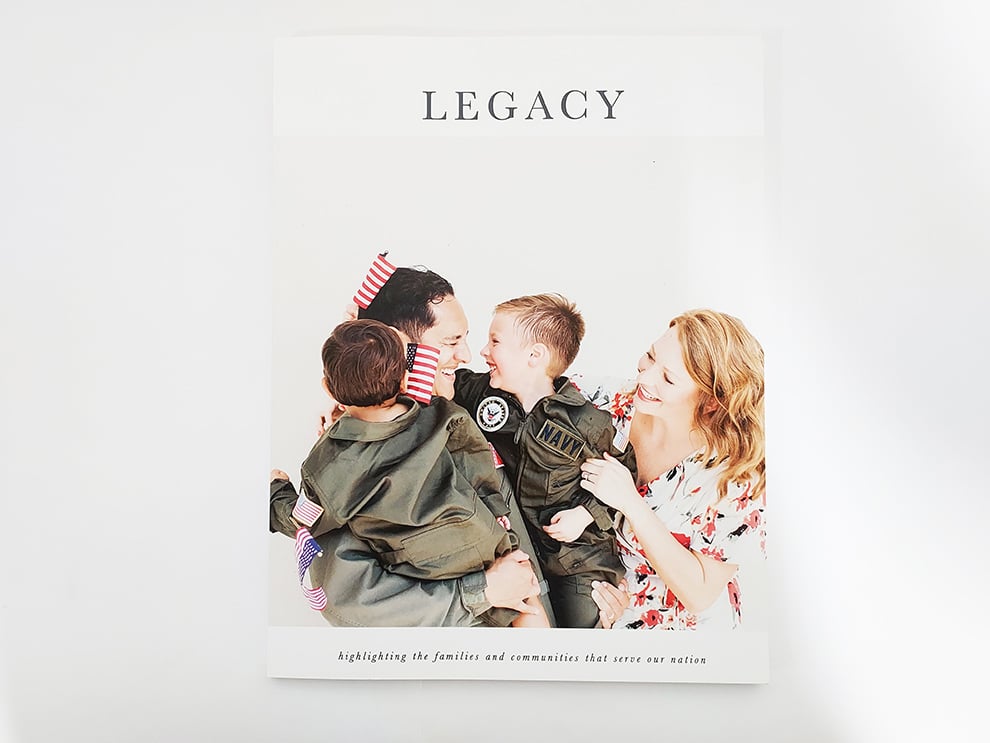
Your team owns the editorial side: articles, advertising, photography, approvals, and the decision that the issue is complete. Heritage's work starts when the finished print-ready file and the production specifications arrive. From there, we confirm the requirements against your magazine template or baseline, check the file for production readiness, and prepare the electronic proof you approve before printing begins.
For directly managed work, a Project Coordinator is assigned once the quote is accepted and Heritage assigns the order. That coordinator is your direct phone and email contact for the accepted issue, coordinating printing, binding, finishing, and any mailing, shipping, or delivery in scope. Qualifying Custom Quote projects of $2,000 or more can also include production-oriented layout help or file preparation.
Custom Quote suits many recurring magazines because versions, color expectations, finishing, and distribution usually benefit from coordinated support. If your issue is fully specified, print-ready, and matches a live Self-Directed Online Store configuration, you can order online instead, with the same production review and electronic proof. Either way, new orders begin at Heritage's $750 minimum, which eligible Store products can meet in combination.
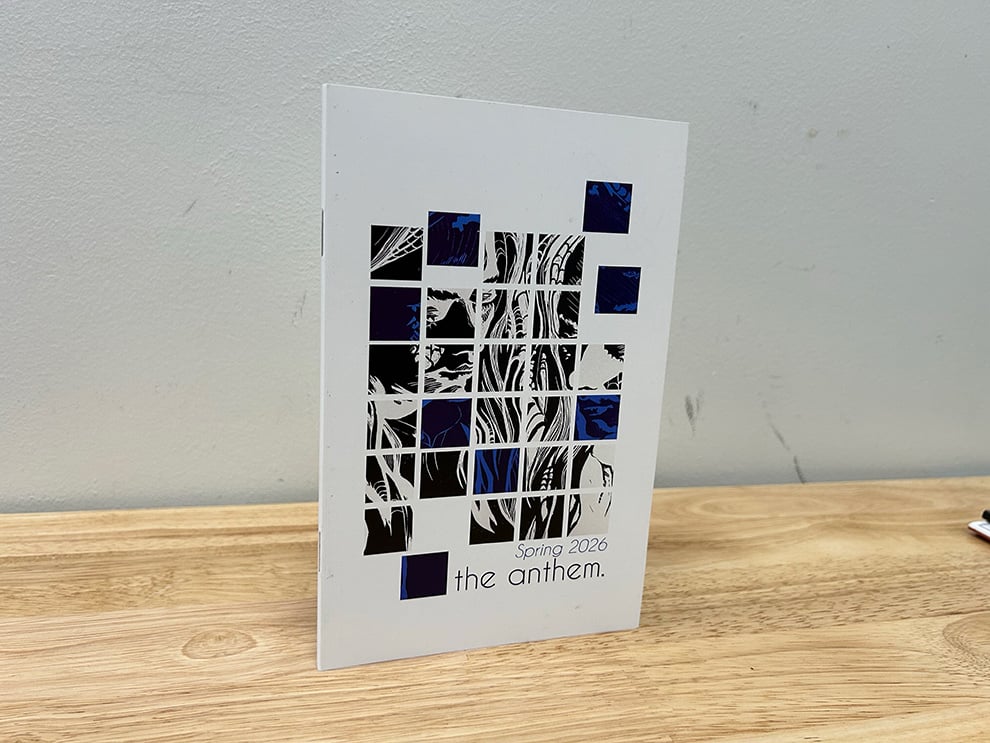
Yes. For production purposes, a magazine template is the retained layout and specification set your issue is built in, including trim size, page structure, margins and bleed, cover construction, paper, and binding. Heritage works from the print-ready files your team produces in that template, and we can keep the accepted production details on record so later issues start from the same baseline. Your team continues to own the editorial layout and content. Production-oriented layout adjustments or file preparation may be available through qualifying Custom Quote work.
Work backward from the date readers must have the issue: file completion, internal sign-off, electronic proof approval, printing, binding, finishing, and mailing or delivery each need room. For a membership magazine tied to a meeting or seasonal event, share that fixed date early so Heritage can assess every production step before committing to a schedule.
No universal page count decides this; the finished issue does. Saddle stitching suits lighter publications whose page count and paper fold cleanly and whose readers expect an issue that opens flat. Perfect binding suits publications thick enough to form a sound square spine and benefit from a more substantial presentation. Paper and cover choices should be settled alongside the binding method.
Yes, when versioning is included in the accepted scope. Common examples are alternate covers, regional inserts, sponsor pages, or member segments with different quantities. Clear file naming, confirmed version counts, and separate delivery instructions keep similar editions from being confused during printing, finishing, and distribution.
A magazine carries a recognizable issue identity that readers expect to continue across editions, with consistent size, paper, cover approach, and presentation. A booklet serves a single purpose, such as a program or report, without that expectation of continuity. If your publication will repeat on a schedule, plan it as a magazine from the start.
Keep the magazine template stable and let Heritage retain the accepted production baseline, such as trim size, paper, cover stock, binding method, and color targets. Each new issue is still reviewed, because page count, quantities, versions, dates, and distribution often change, and those changes can affect how the retained specifications perform.
Yes. Every Heritage magazine order, whether placed through Custom Quote or the Self-Directed Online Store, receives an electronic proof for your review and approval before printing. Check artwork, text, images, pagination, cover setup, and layout carefully. An electronic proof shows content and position, not a physical color standard, and it does not guarantee a finished color match.
Request a Physical Production Color Proof, which may be available for qualifying Custom Quote commercial-printing work of $2,000 or more. Heritage produces it on the same production printer and the same paper intended for the final run, so it serves as a physical color reference. It carries an added cost, extends the schedule, and once approved becomes the controlling color reference unless otherwise agreed. It is not offered through the Self-Directed Online Store.
Use the Online Store when a live configuration matches your issue, your artwork is complete and print-ready, and your team can select the available specifications independently. Store orders still receive production review and an electronic proof, but they do not include consultative selection, layout help, an assigned Project Coordinator, or a Physical Production Color Proof. Eligible Store products may be combined to meet the $750 order minimum.
Request a Custom Quote when your issue needs closer coordination, which is common when versions, color-sensitive imagery, finishing, mailing, or a tight schedule are involved. Qualifying projects of $2,000 or more may also include production-oriented layout help, file preparation, and eligible physical color proofing. After the quote is accepted and the order assigned, a Project Coordinator becomes your direct contact for the accepted work.
Yes, when mailing, shipping, or delivery is part of the accepted scope. Finished weight, packaging, quantity, addresses, and the required distribution date all influence the plan. Your organization remains responsible for accurate and authorized mailing data, and Heritage cannot guarantee USPS performance or in-home dates after postal acceptance.
Possibly, and we will tell you plainly once we have evaluated the job. Heritage reviews file readiness, approvals, paper availability, binding, finishing, proofing, quantities, versions, capacity, and delivery requirements before confirming a schedule. When the date is achievable we work proactively toward it, and when it is not we explain practical alternatives rather than promising an accelerated timeline that production cannot support.
Late or revised files, page-count changes after quoting, delayed proof approvals, paper availability, added versions, a late request for a Physical Production Color Proof, and changes to quantities or distribution are the most common. A retained baseline from an earlier issue helps, but the current issue's files and requirements still determine the final schedule.
Heritage Signs & Displays created new museum signage for the Military Women’s Memorial in Arlington, VA. The project included custom signs, wall wraps, dimensional letters, and standoff-mounted displays to honor the legacy of U.S. servicewomen and the donors who supported the memorial. The updated interior features impactful designs, including a "Our Legacy" wall display and panels showcasing historical contributions and artwork, creating a transformative tribute to women in the U.S. Armed Forces.
Heritage Signs & Displays' collaboration with The Gathery to brand Union Market in Arlington, VA, for Indeed's "Ready to Work" job fair. The project included custom event displays, wall graphics, window graphics, and wayfinding signs, creating an immersive and visually appealing environment. The branding enhanced the venue, reflected the event's mission, and provided a seamless experience for attendees.