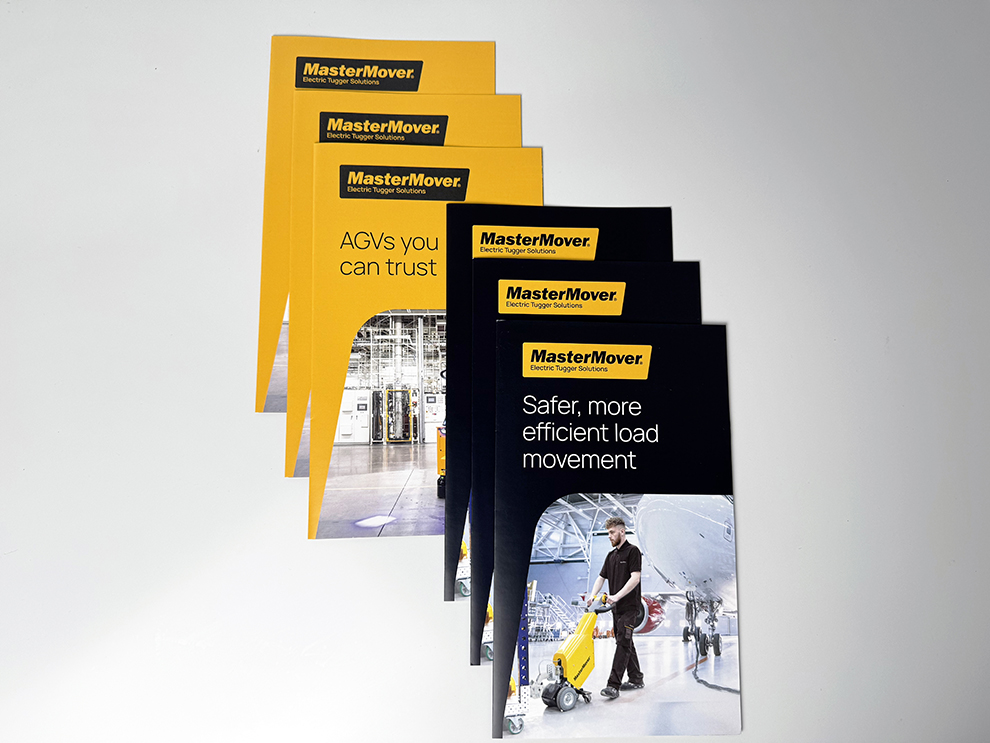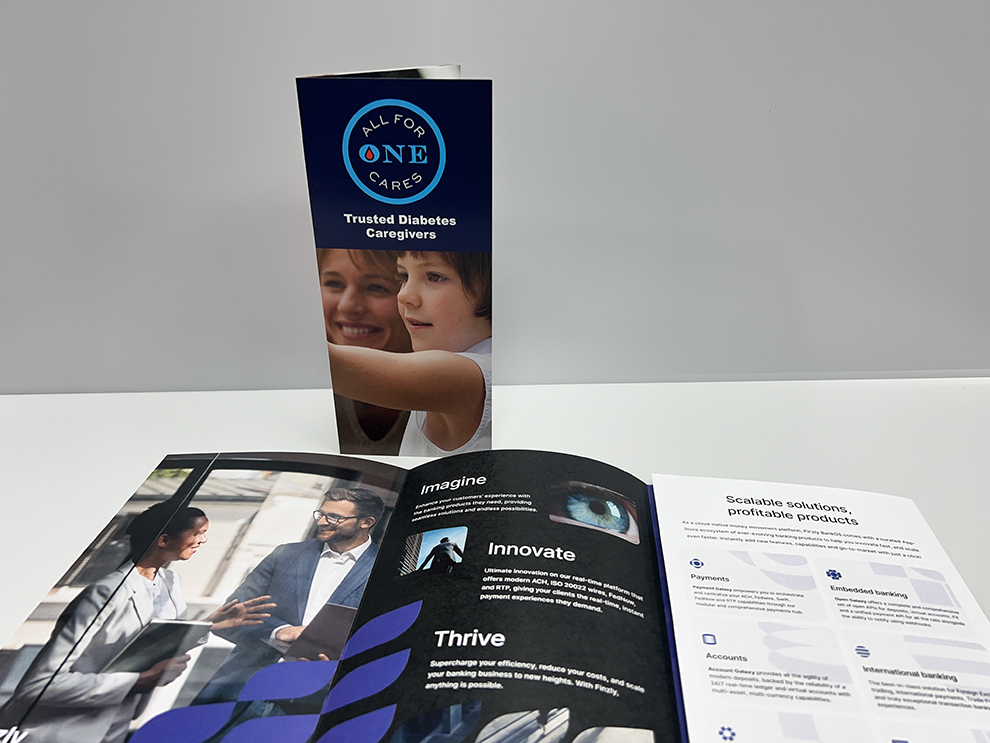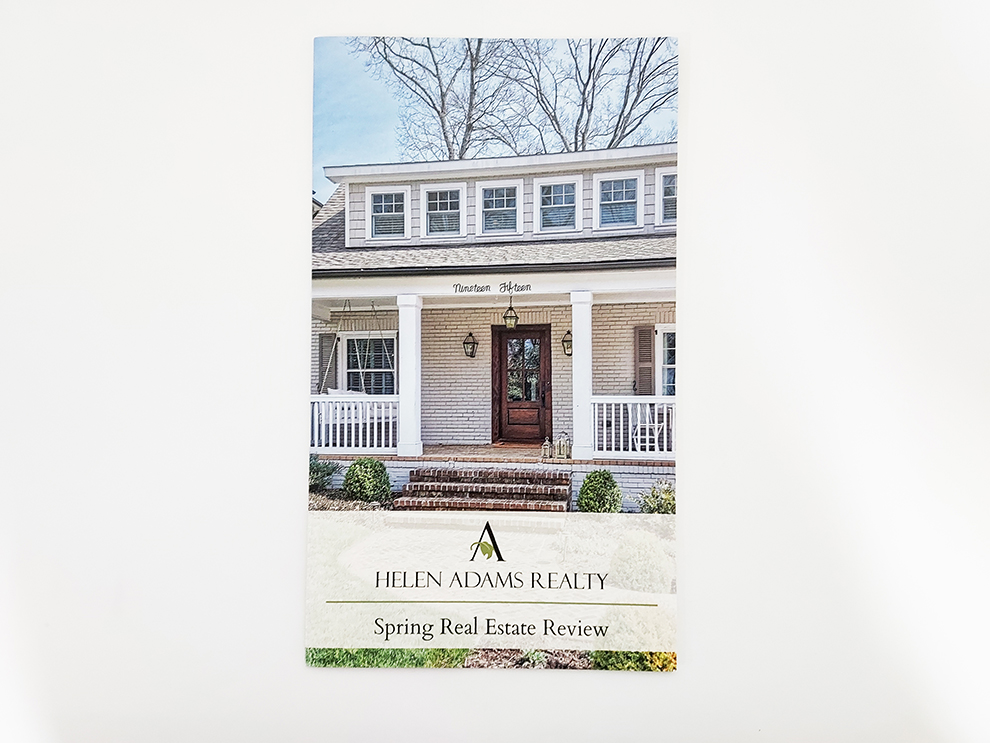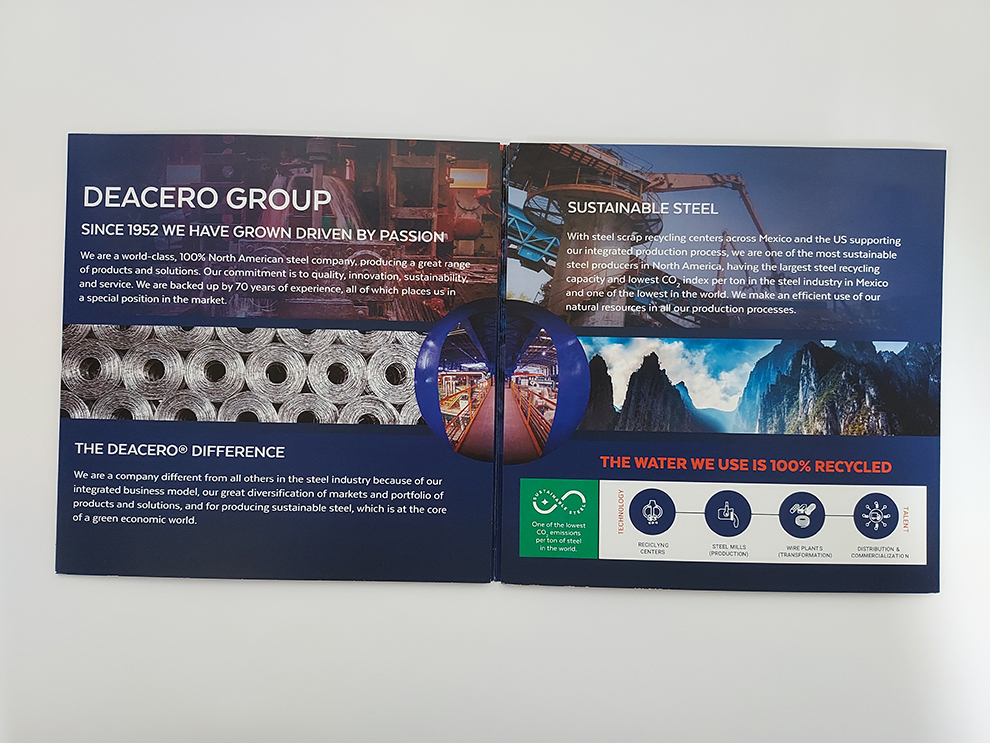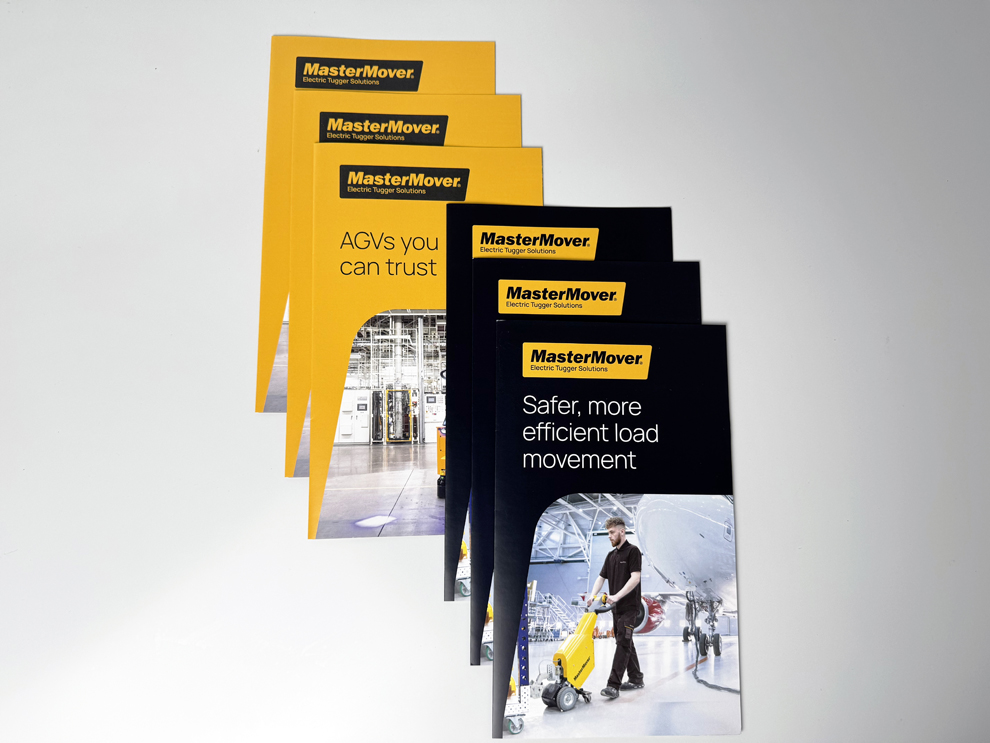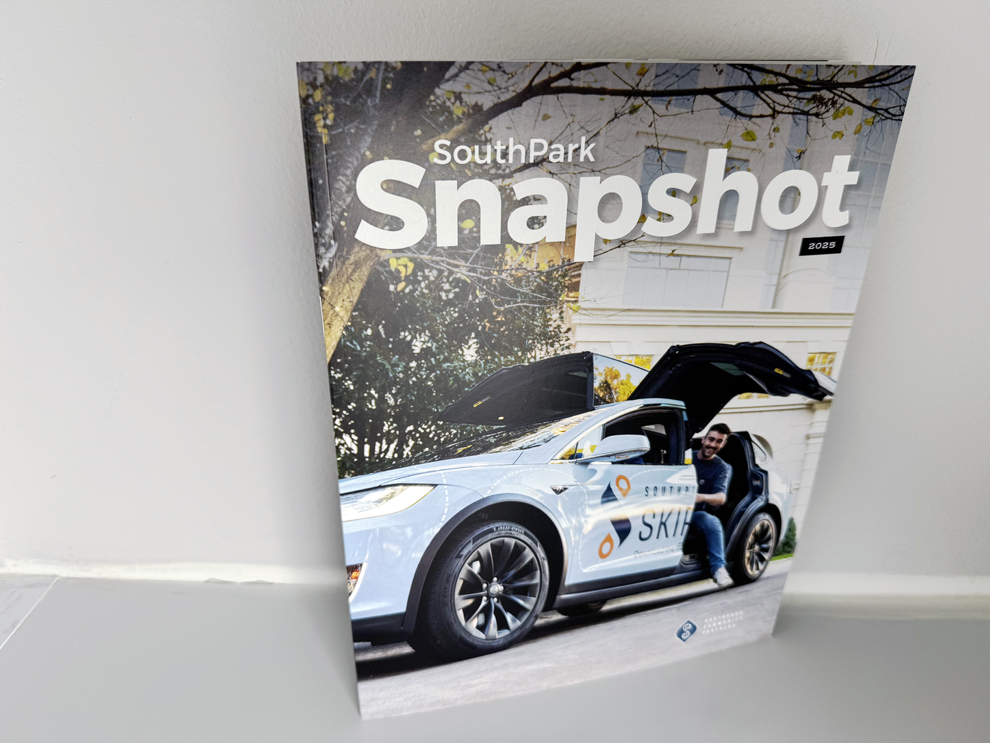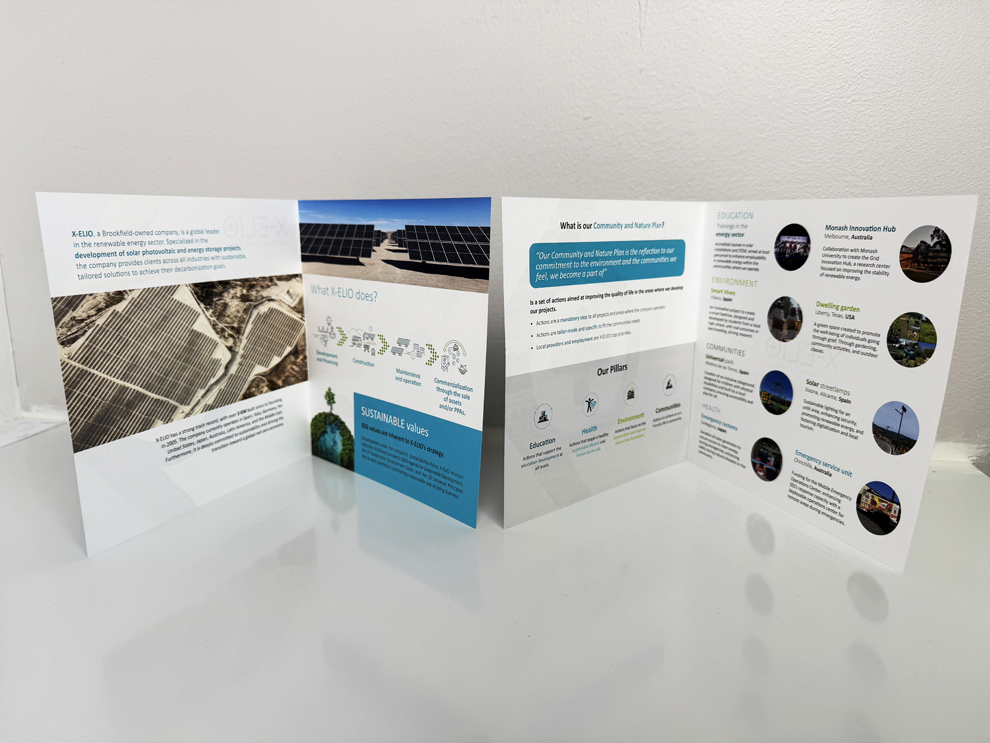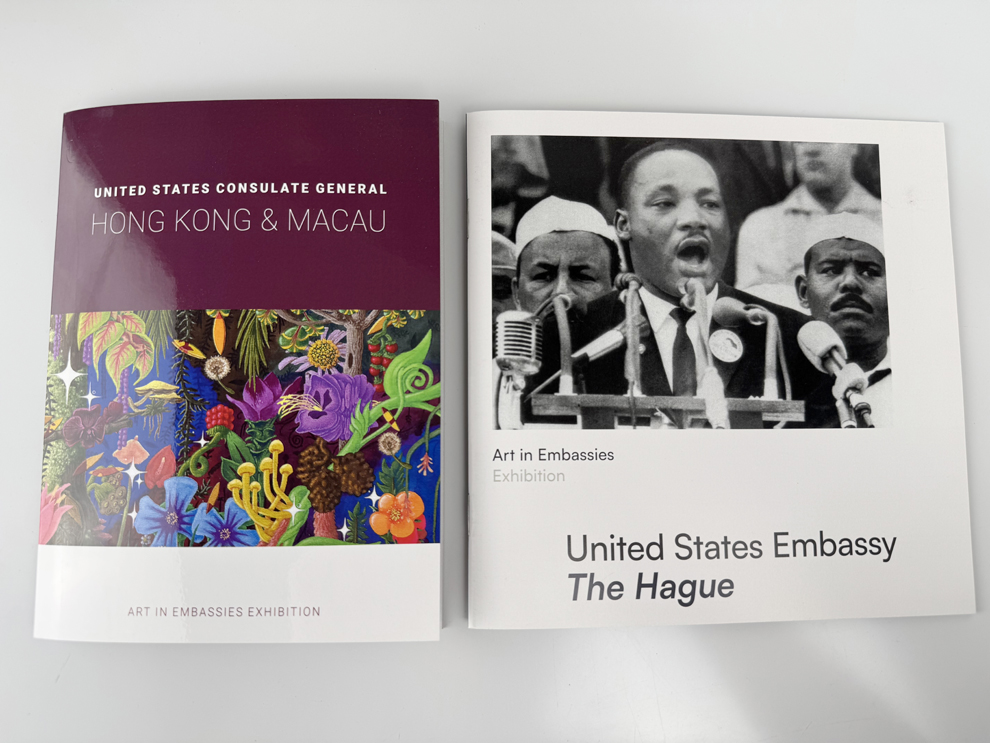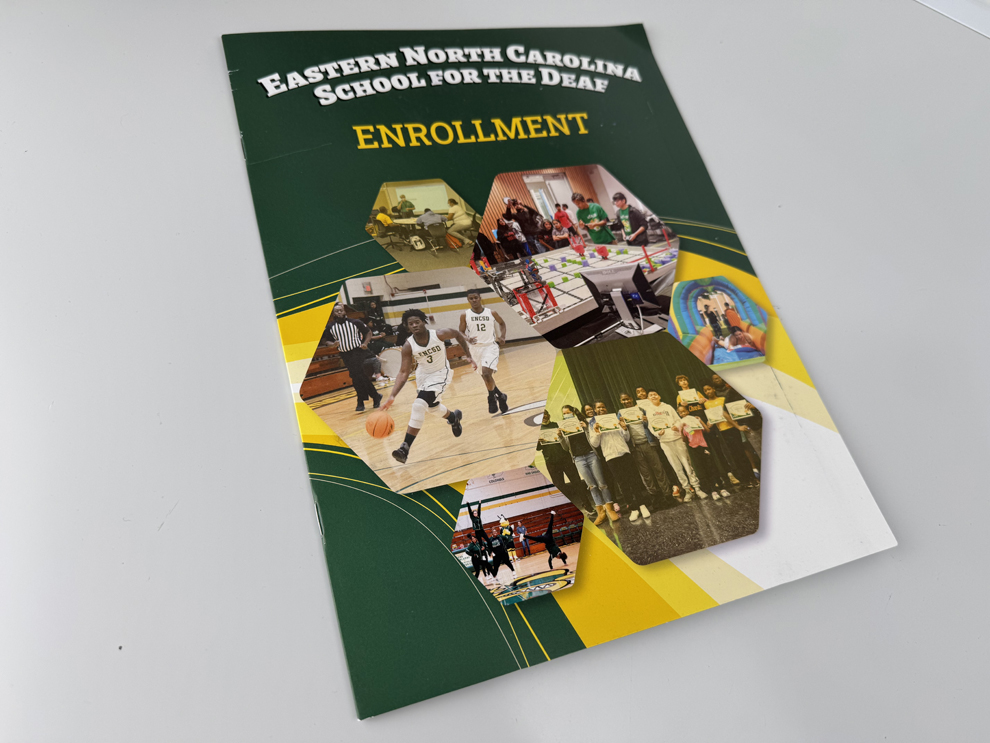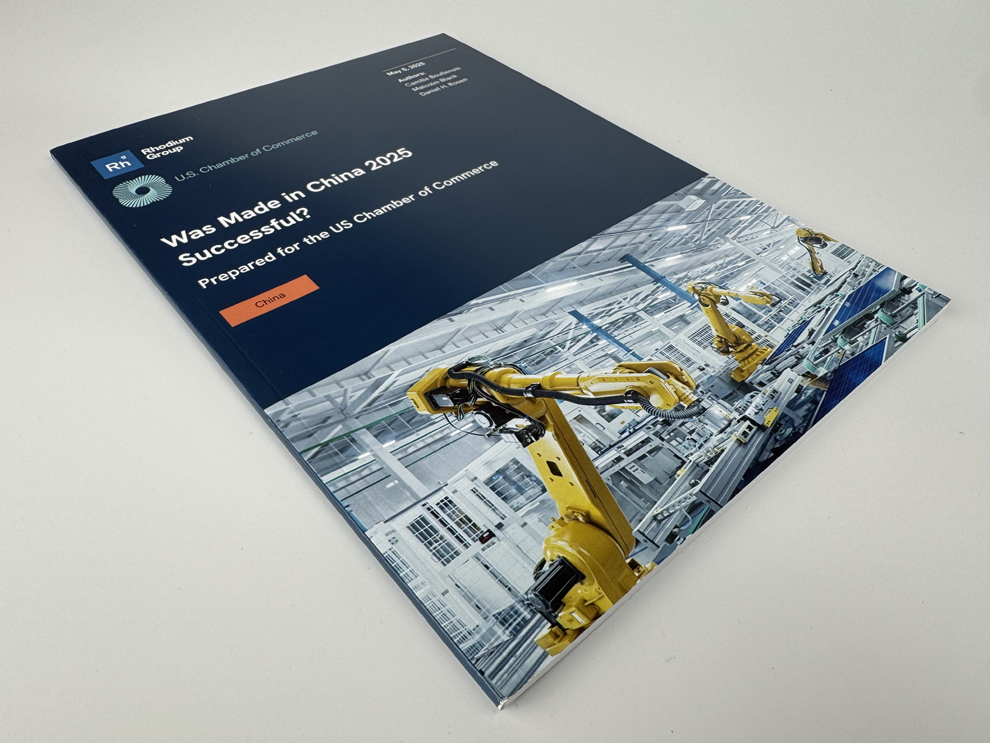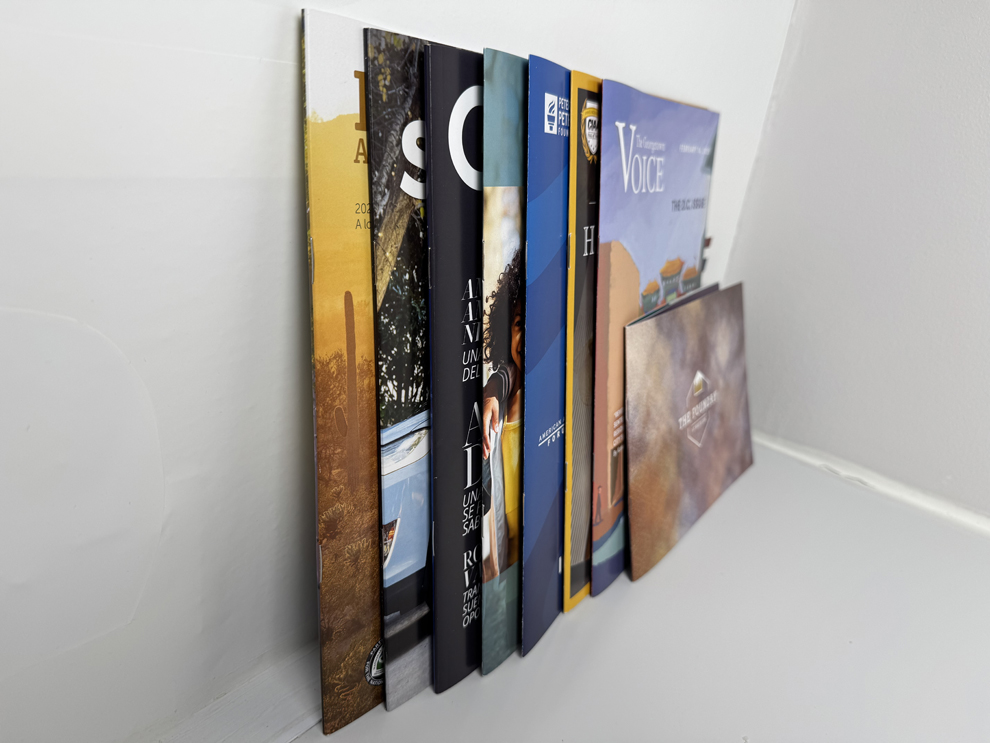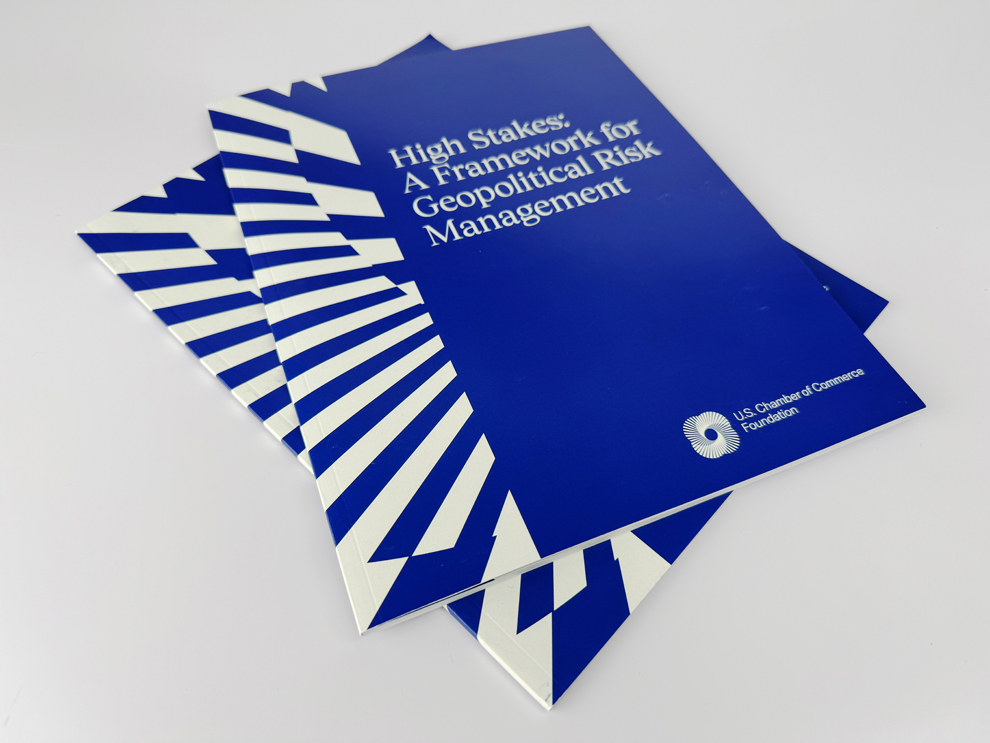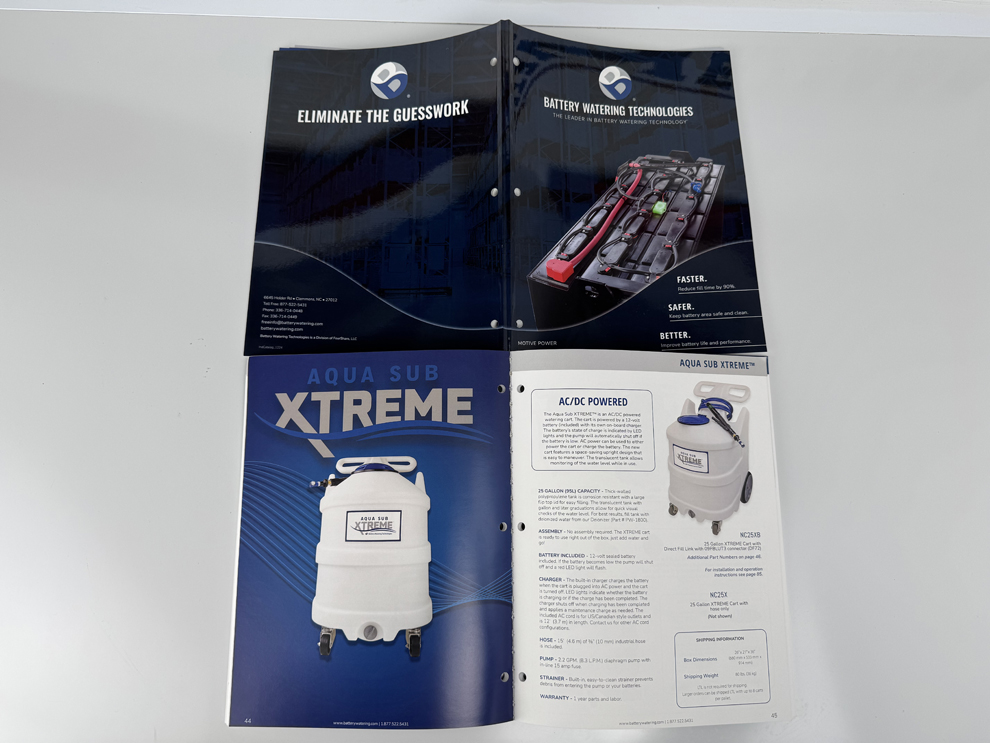
Brochures often carry an important part of a brand's marketing message. They can introduce the company, present products or services, support sales and recruiting, or give customers and prospects a tangible piece of the brand to keep. Once the design and content are complete, Heritage helps Washington, DC businesses and organizations make sure the printed brochure reflects the quality of the work behind it.
Heritage's role is production, working primarily from completed or substantially complete artwork. Heritage brings consistent color, careful production review, electronic proofing, appropriate paper and finishing, dependable quality, and clear communication to the printing process. The objective is to reproduce the approved brochure professionally so it represents the brand with confidence wherever it is used or distributed.
Timing matters just as much as appearance. If the brochure is tied to an important marketing, sales, recruiting, mailing, or communications deadline, tell us the date early and send the completed file as soon as possible. Heritage will evaluate the remaining window, explain what can responsibly be achieved, and move approved work through production with urgency.
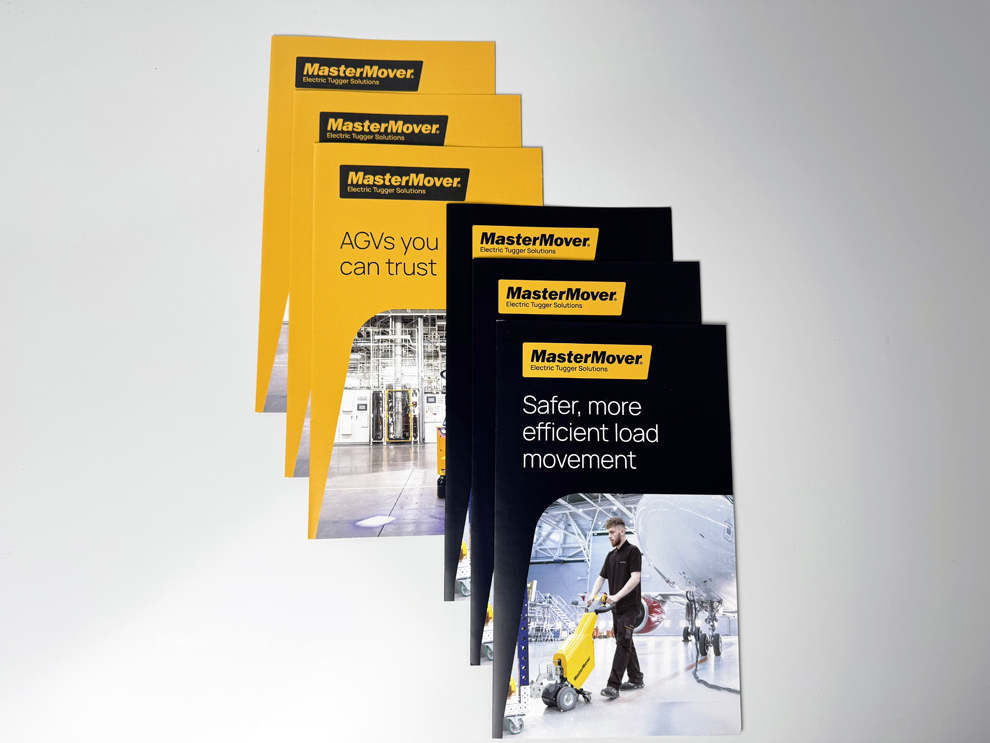
Heritage's printing history began in 1977, and brochures are one of those products where experience shows in small details. A fold that lands poorly can interrupt a headline. A panel that is planned at the wrong width can feel cramped. Paper that is too heavy for the intended fold can change how the piece closes and handles. Color that shifts can weaken an otherwise polished brand presentation.
Heritage brings professional color management, electronic proofing, production review, and accountable service to those decisions. Spectrophotometric calibration and verification and production-specific profiles are used where relevant to manage color within the capabilities of the selected printer, paper, ink, and finish. The electronic proof establishes the visible production file before printing begins.
For Washington, DC clients, the service standard is equally important. We respond when timing changes, explain what production can support, and avoid promising an accelerated date before the job is understood. For qualifying Custom Quote work, the Project Coordinator relationship begins after Heritage accepts the quote and assigns the order. At that point, the coordinator becomes the direct phone and email contact for the brochure.
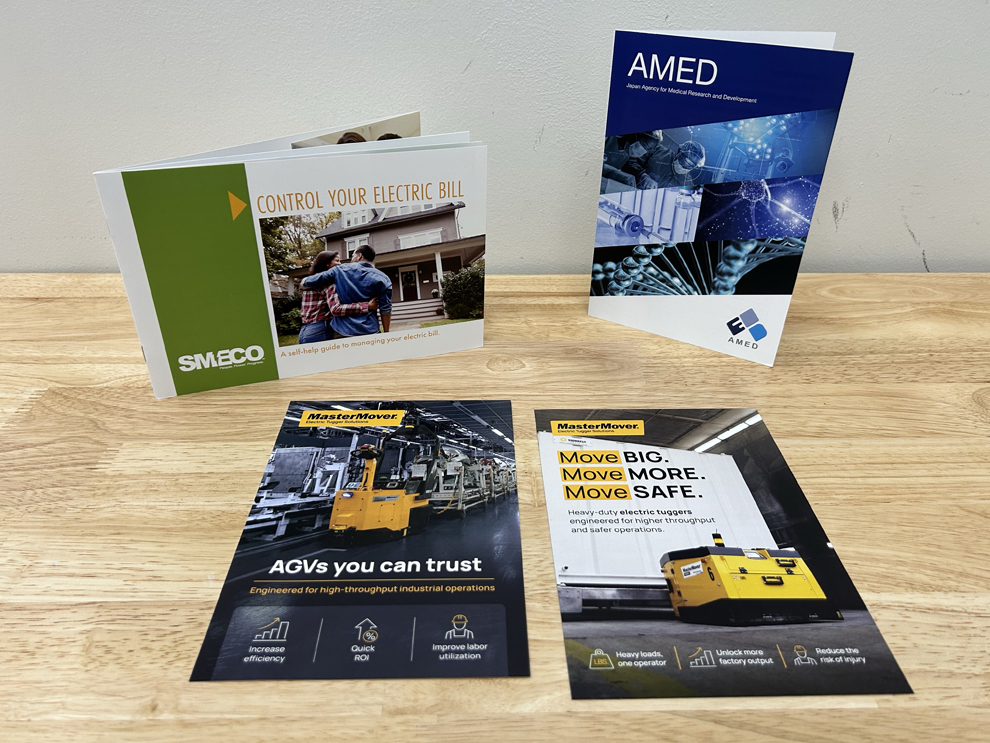
Combine brochures with proposals, inserts, briefing sheets, and supporting documents for polished meetings and presentations.
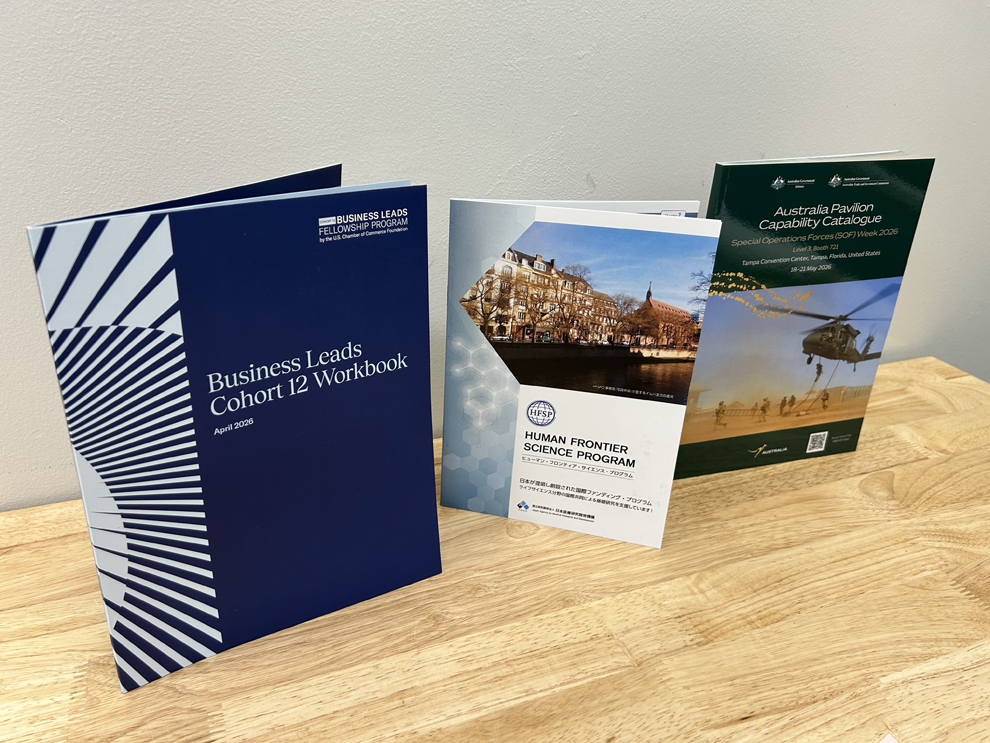
Coordinate brochures with other printed pieces for Washington, DC campaigns, recruiting efforts, sales initiatives, and business outreach.
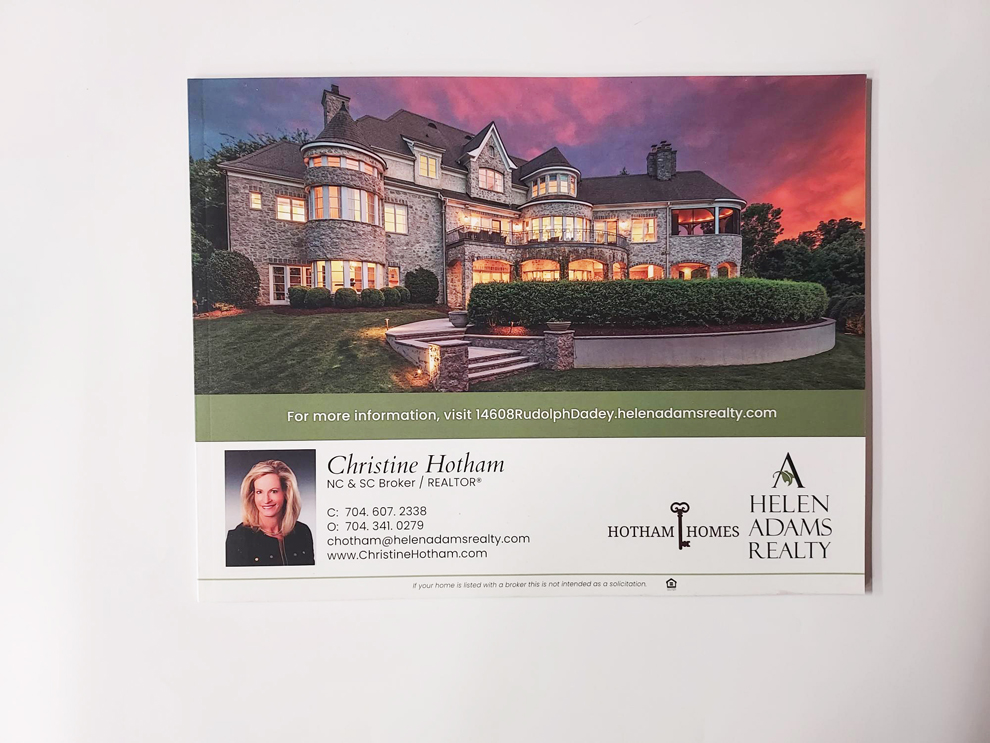
Add addressing and postal preparation when brochures are intended for targeted mailed distribution.
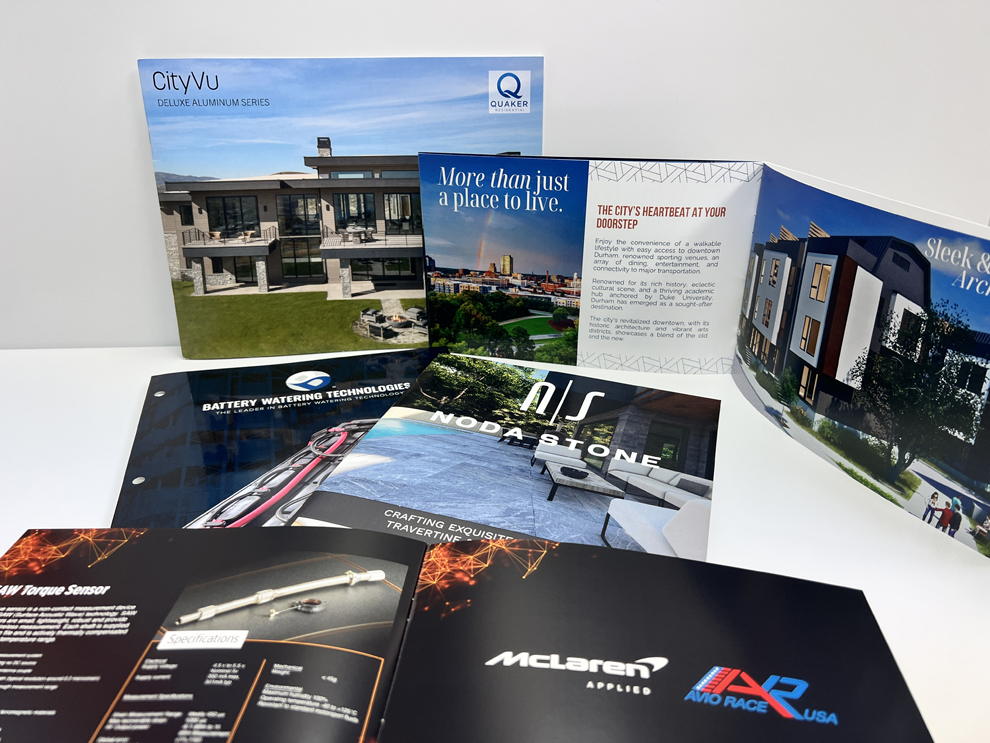
Move to a bound multi-page format when the content requires more room than a folded single sheet can provide.
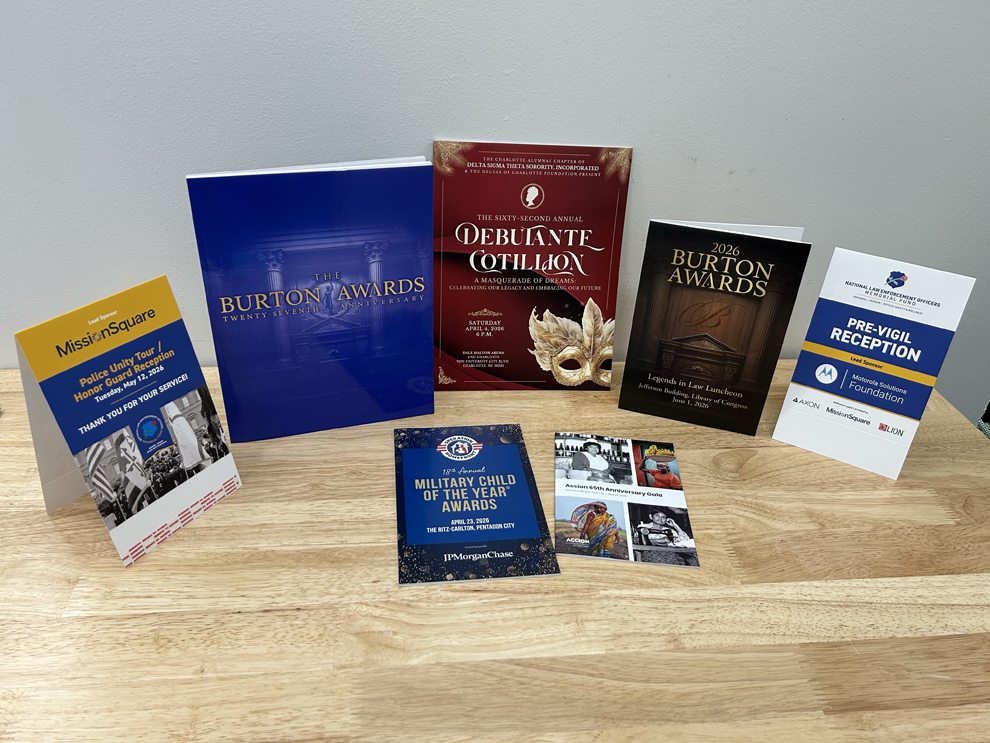
Use a dedicated program when schedules, speakers, sponsors, and attendee information are central to a conference or ceremony.
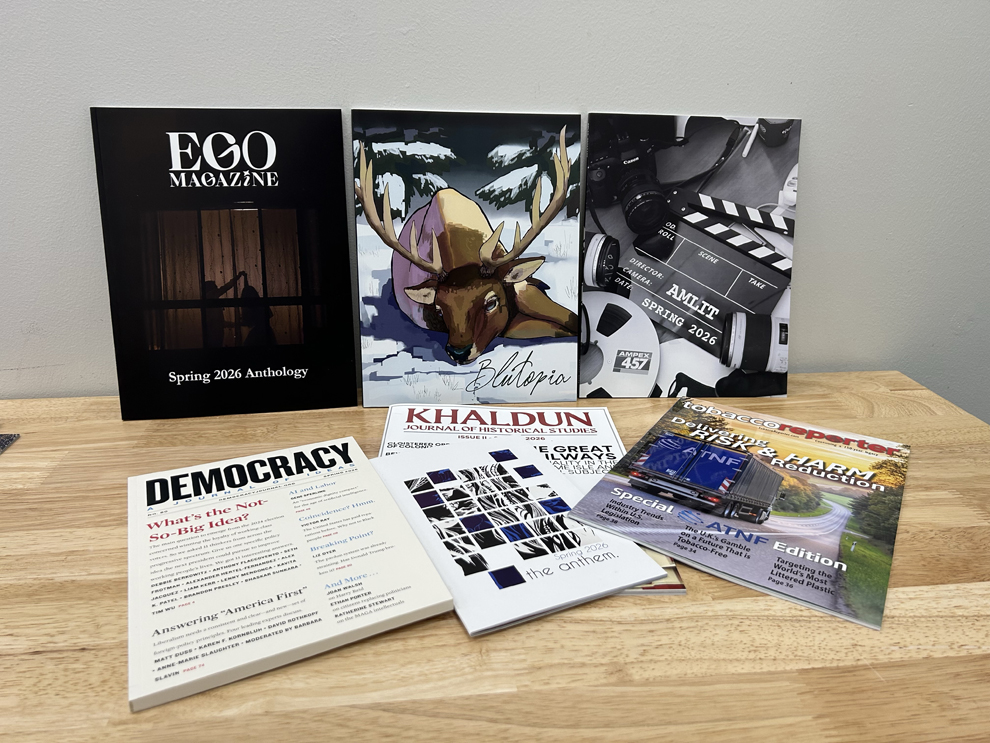
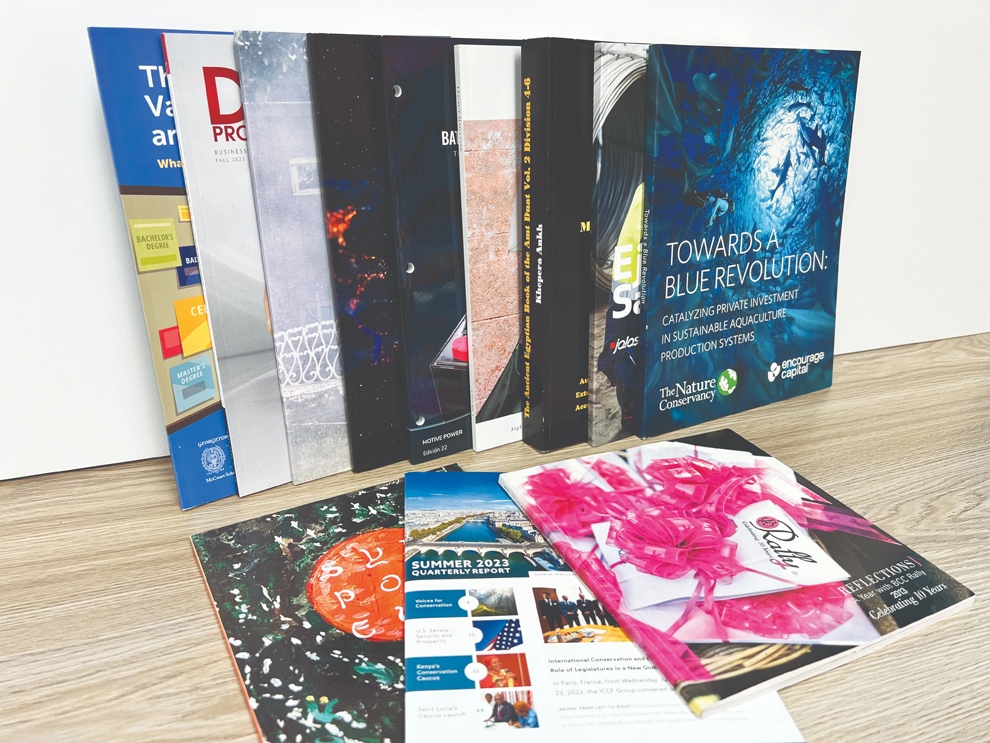
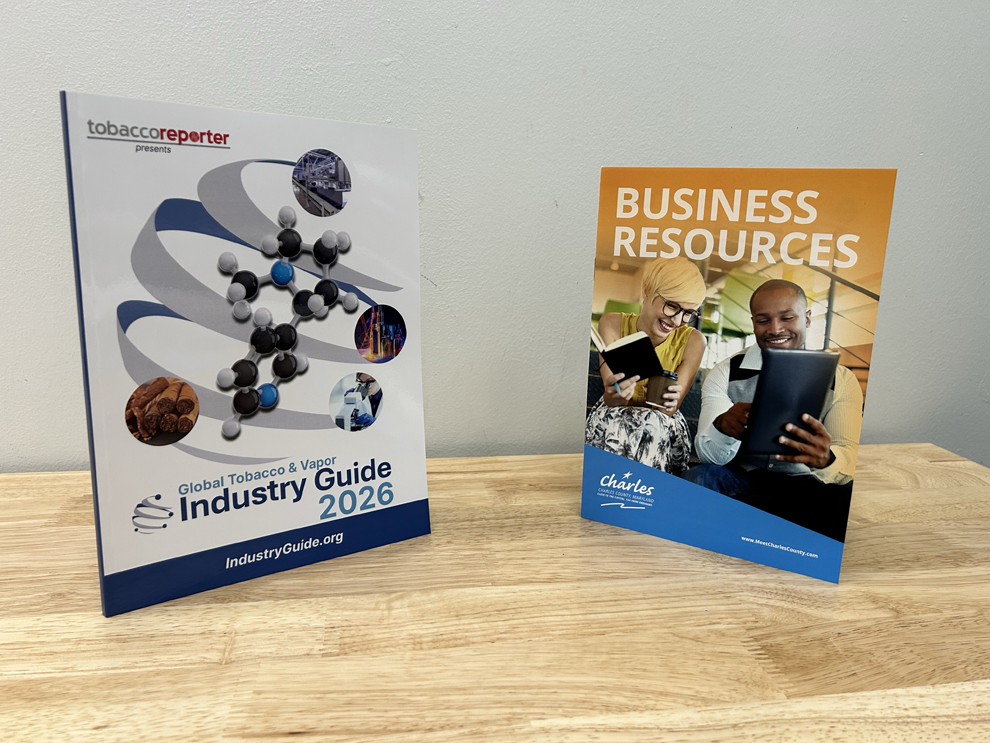
Use a broader publication format for reports, journals, directories, guides, and other business or institutional communications that need more room than a brochure.
Choose a recurring multi-page format for member updates, company news, and scheduled editions.
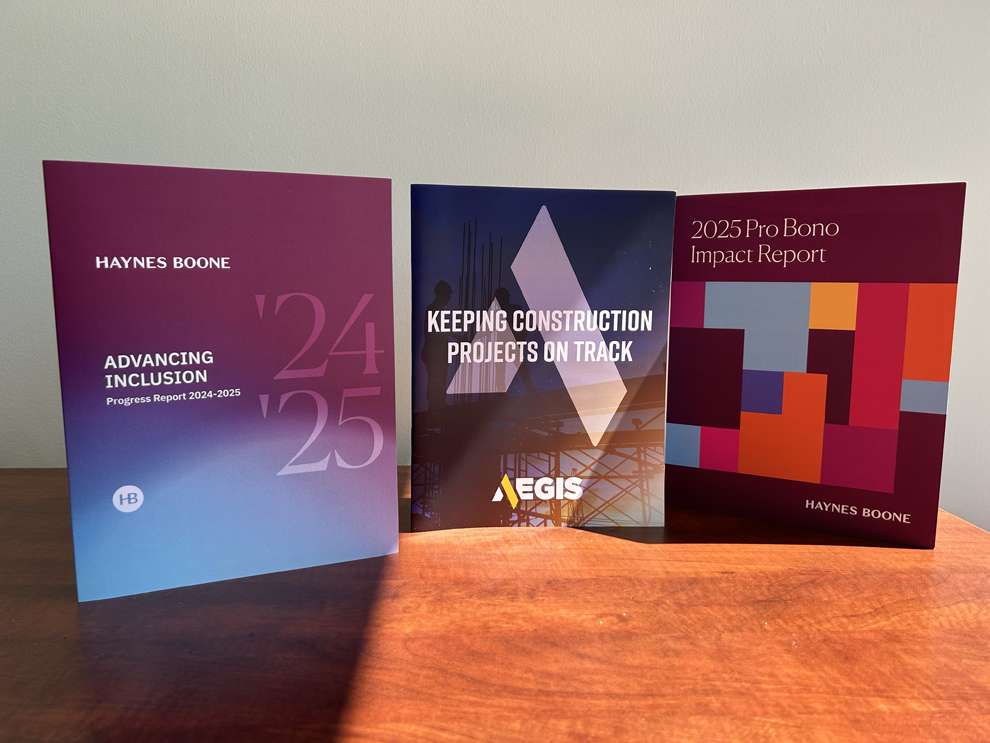
Use a formal annual publication for financial results, impact, governance, and yearly stakeholder communication.
Use Custom Quote when your brochure needs production-oriented file help, multiple versions, critical-color review, mailing coordination, a custom specification, or direct support around an important date. If Heritage accepts the quote and assigns the order, the Project Coordinator responsible for that order becomes your direct contact and helps keep the accepted work moving. For straightforward print-ready brochure orders, the Online Store is appropriate when the size, fold, paper, quantity, and other choices you need are offered there. You select the options and place the order yourself at Heritage's lowest available pricing.
For Washington, DC businesses and other clients, once the brochure artwork is complete, Heritage protects that work through production and keeps the schedule visible. When Heritage accepts a qualifying Custom Quote and assigns the order, the Project Coordinator who takes ownership becomes your direct phone and email contact and confirms the accepted specifications, quantity, required date, and any mailing, shipping, or delivery needs. That gives you one direct contact who understands the job and can keep decisions moving.
Before production begins, Heritage sends an electronic proof so the approved file is clear. From there, we coordinate the printing, color, paper, folding, finishing, and any included fulfillment for the Washington, DC job. The client should not have to chase each production step. If something could change the finished result or required date, we communicate it quickly and keep the next decision clear.
When a Washington, DC brochure deadline is tight, Heritage responds with urgency rather than defaulting to a routine timetable. Once the approved print-ready file is in hand, we move the work through production as quickly as the job responsibly allows so the finished brochures are ready to support the marketing, sales, recruiting, or communications need they were produced for.
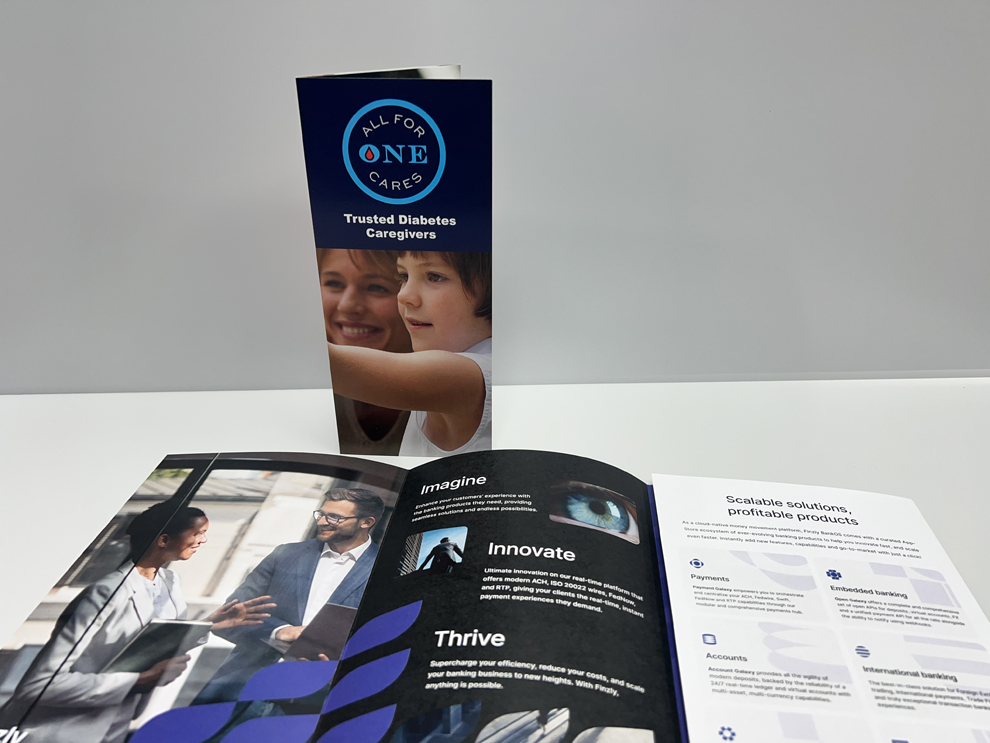
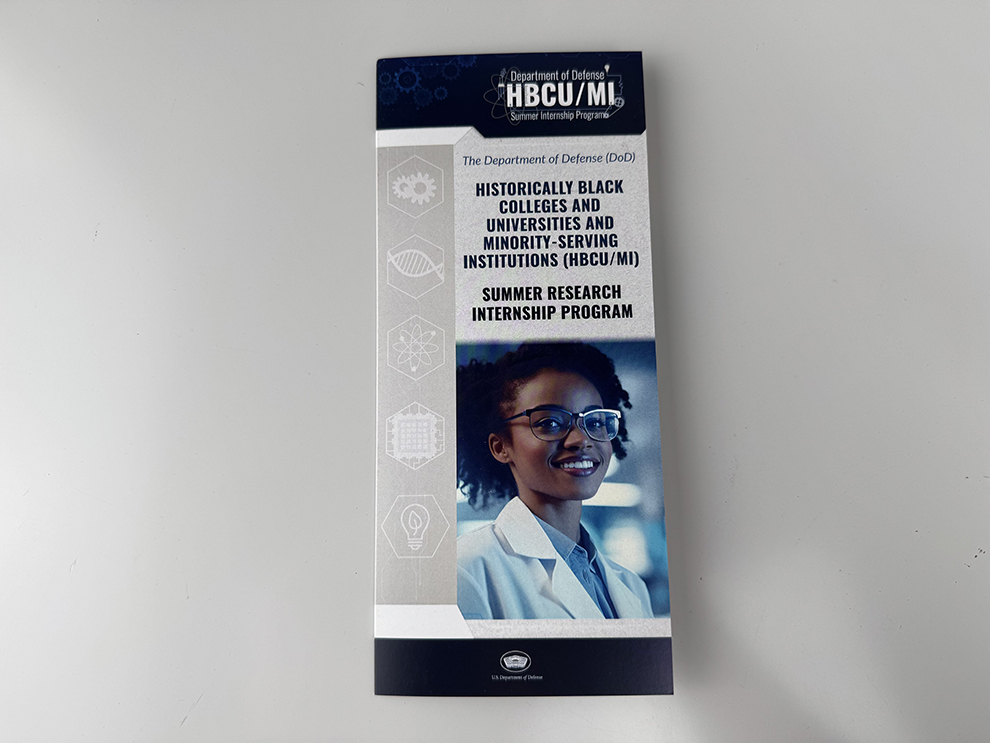
A brochure is generally produced from one printed sheet that is folded into panels. A booklet contains multiple pages that are assembled and bound. If the information can be organized effectively within a limited panel sequence, a brochure keeps the piece compact and easy to distribute. If the content needs true page-to-page reading, a booklet is usually the better format.
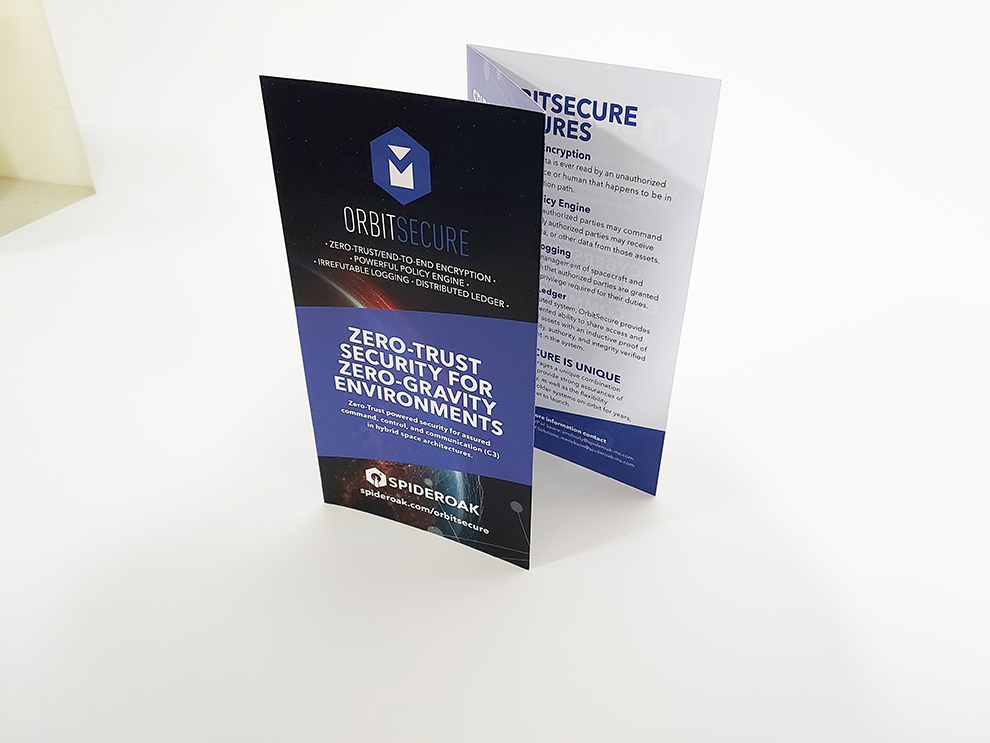
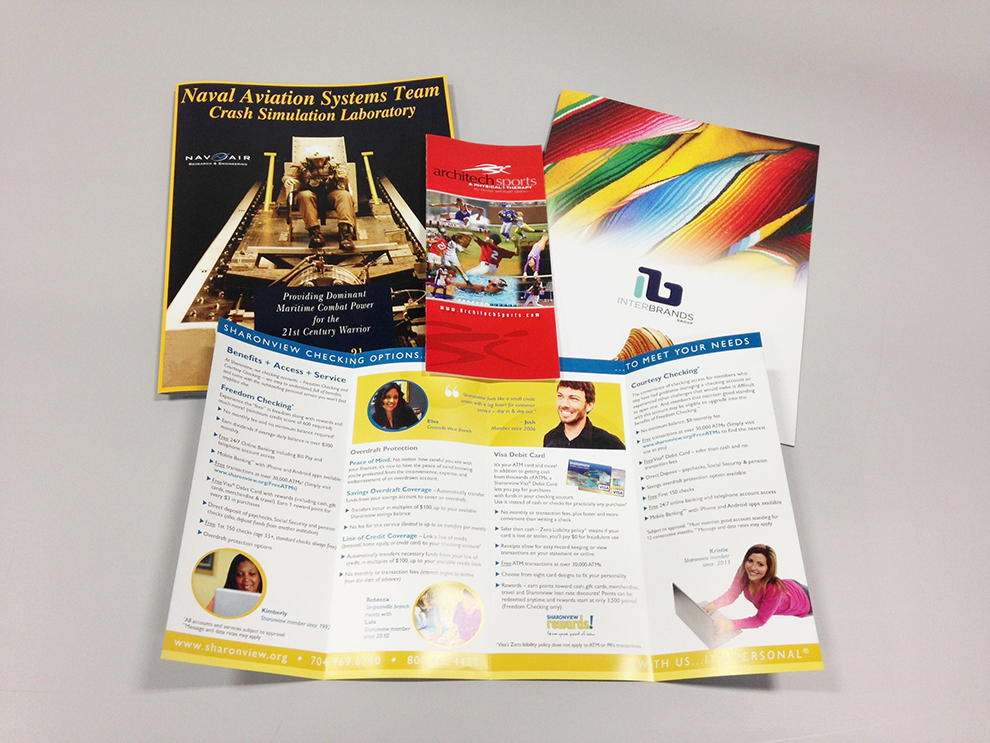
Bi-fold, tri-fold, and Z-fold brochures are common because they create clear sections without making the piece difficult to handle. Gate-fold and other custom configurations can create a more deliberate reveal. The best option depends on the amount of content, the desired reading order, the finished size, the paper, and whether the brochure will be handed out, inserted, displayed, or mailed.
A tri-fold divides the sheet into three panels, typically with one side panel folding inward and the opposite panel folding over it to create a compact piece with a defined cover and inside sequence. A Z-fold alternates the fold direction so the panels open in an accordion pattern. That can make separate topics easier to scan because the panels reveal independently. The artwork must be prepared for the specific fold selected.
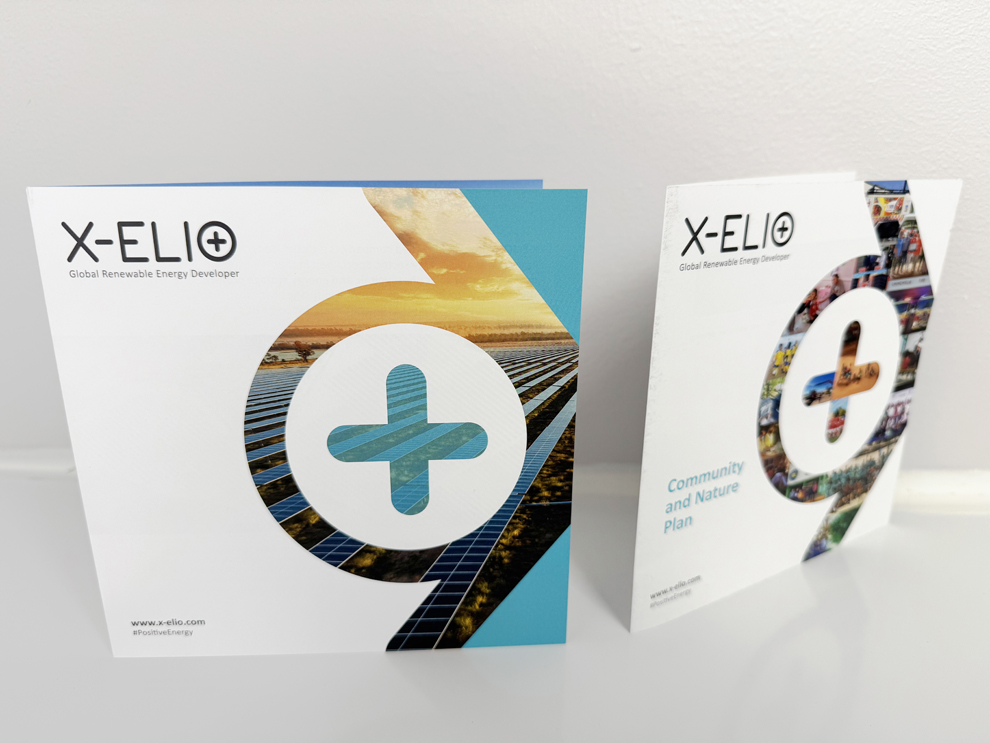
Some fold styles require panels that are not all exactly the same width. If the artwork assumes equal panels when the production fold does not, copy or images can sit too close to a fold or the brochure may not close as intended. The print-ready file should match the confirmed fold specification before the electronic proof is approved.
They can, but the artwork should account for normal production tolerance. Important faces, small type, thin rules, logos, or other critical details should not depend on a fold landing at one exact pixel. When a visual crosses panels, allow enough flexibility that the brochure still looks intentional after folding.
Consider stiffness, opacity, image reproduction, writing needs, finished thickness, and mailing weight. A paper that looks attractive flat may behave differently once folded. Heavier stock can create a more substantial feel, but the fold and finished use still need to work comfortably. The best choice balances presentation with handling and distribution.
Heritage uses professional color-management practices that can include spectrophotometric measurement, calibration verification, and production-specific profiles. PMS colors may be supplied as production targets. The selected paper, ink, finish, and printing process influence the achievable gamut, so physical color is managed through production controls rather than judged solely from a computer monitor.
Check the copy, images, panel order, orientation, contact details, fold-dependent content placement, and any version-specific information. The proof confirms the visible file Heritage will produce. It does not show the physical fold or establish a physical color standard, so those decisions should already be reflected in the approved production specification.
For qualifying Custom Quote work, a paid Physical Production Color Proof may be requested when physical color needs to be judged before the full run. It is produced on the intended production printer and paper or production material. Because this adds a physical approval step, it should be scheduled early rather than added at the last moment.
For qualifying Custom Quote work, Heritage may provide production-oriented file preparation or layout adjustments when supplied artwork needs practical changes for the confirmed size or fold. That support is focused on production readiness. The client remains responsible for the brochure's core messaging, editorial content, and broader creative strategy.
Yes. Version changes may involve language, contact information, program details, regional information, offers, covers, or audience-specific content. Use clear file names and quantities, and identify who approves each version. Good version control is especially important when multiple brochures are being folded, mailed, or delivered at the same time.
Yes. When mailing is part of the accepted scope, Heritage can connect printing with addressing and postal preparation. Share the mailing objective early so the folded format, quantity, weight, and schedule can be considered together. The client supplies accurate, authorized recipient data, and USPS controls delivery after postal acceptance.
Custom Quote is the better fit when the job needs a nonstandard fold, production-oriented file work, several versions, color-critical review, direct-mail coordination, or higher-touch schedule support. Qualifying Custom Quote opportunities begin at $2,000 or more. After acceptance and assignment, the Project Coordinator becomes the direct contact for the work.
Choose the Online Store when the size and fold you want, the paper and quantity you need, and the other listed options are available online. Your artwork should be finished and print-ready, and you should be comfortable placing the order without direct production guidance. Store orders still receive Heritage production review and an electronic proof before printing.
Tell Heritage the date before the final file arrives whenever possible. That lets the team consider materials and production capacity early. Once the completed, print-ready artwork is available, we can evaluate the remaining window, identify any immediate decision, and tell you what can responsibly be achieved rather than making an unsupported rush promise.
Yes. Heritage supports companies, associations, nonprofits, agencies, institutions, and other clients throughout Washington, DC and the DC metro area. Finished brochures can be delivered, shipped, mailed, or prepared for the client's own distribution depending on the accepted production plan.
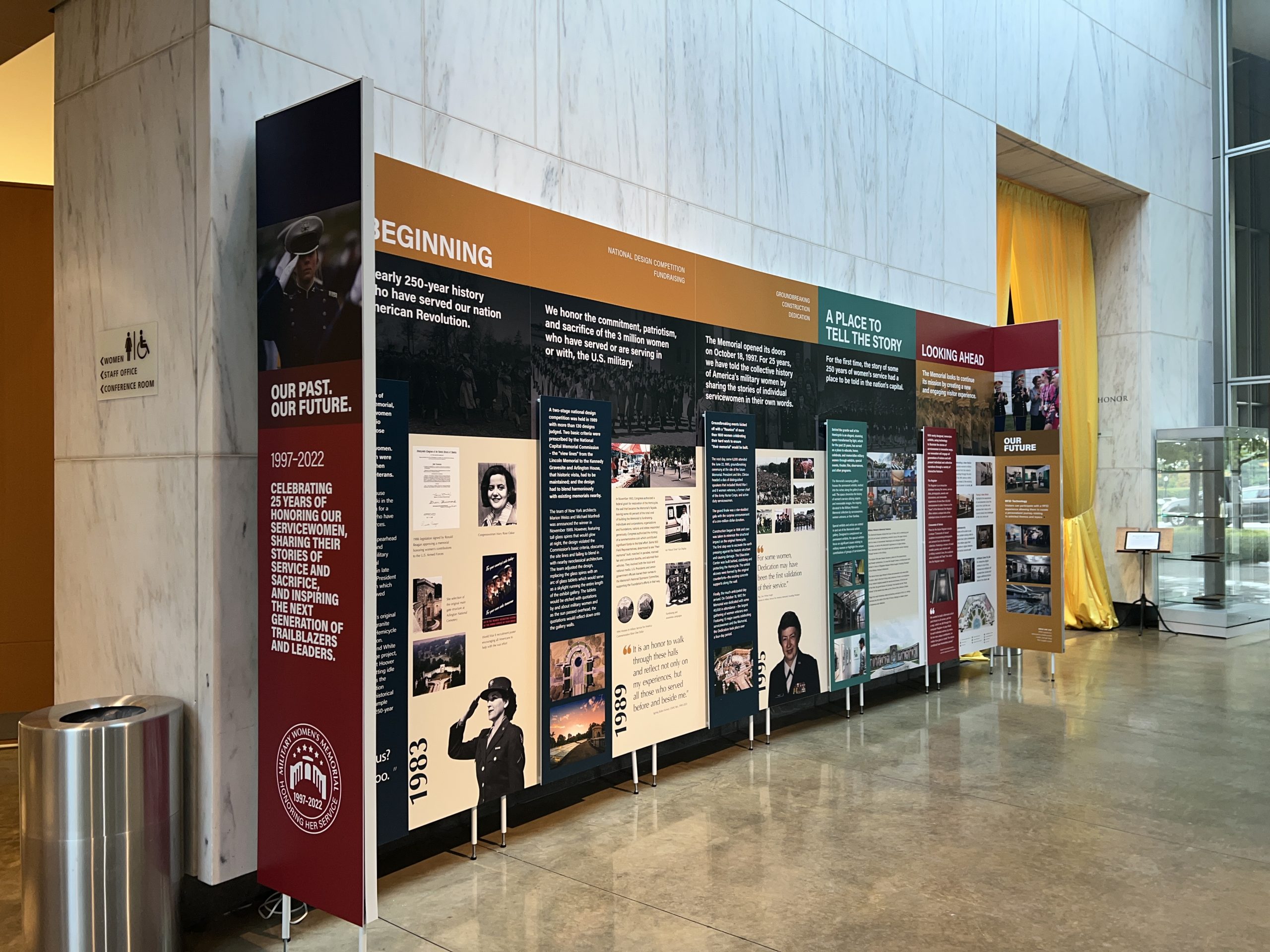
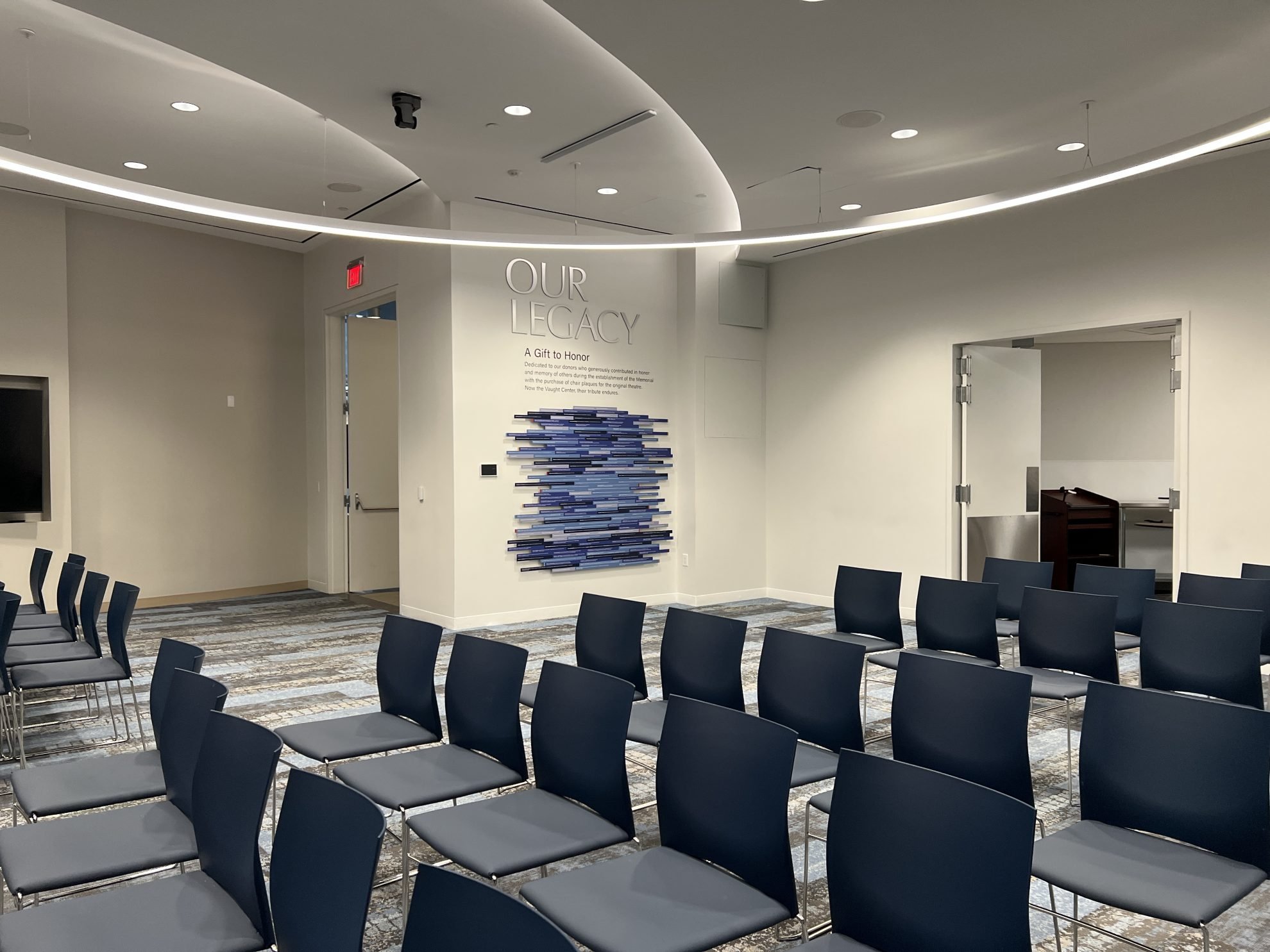
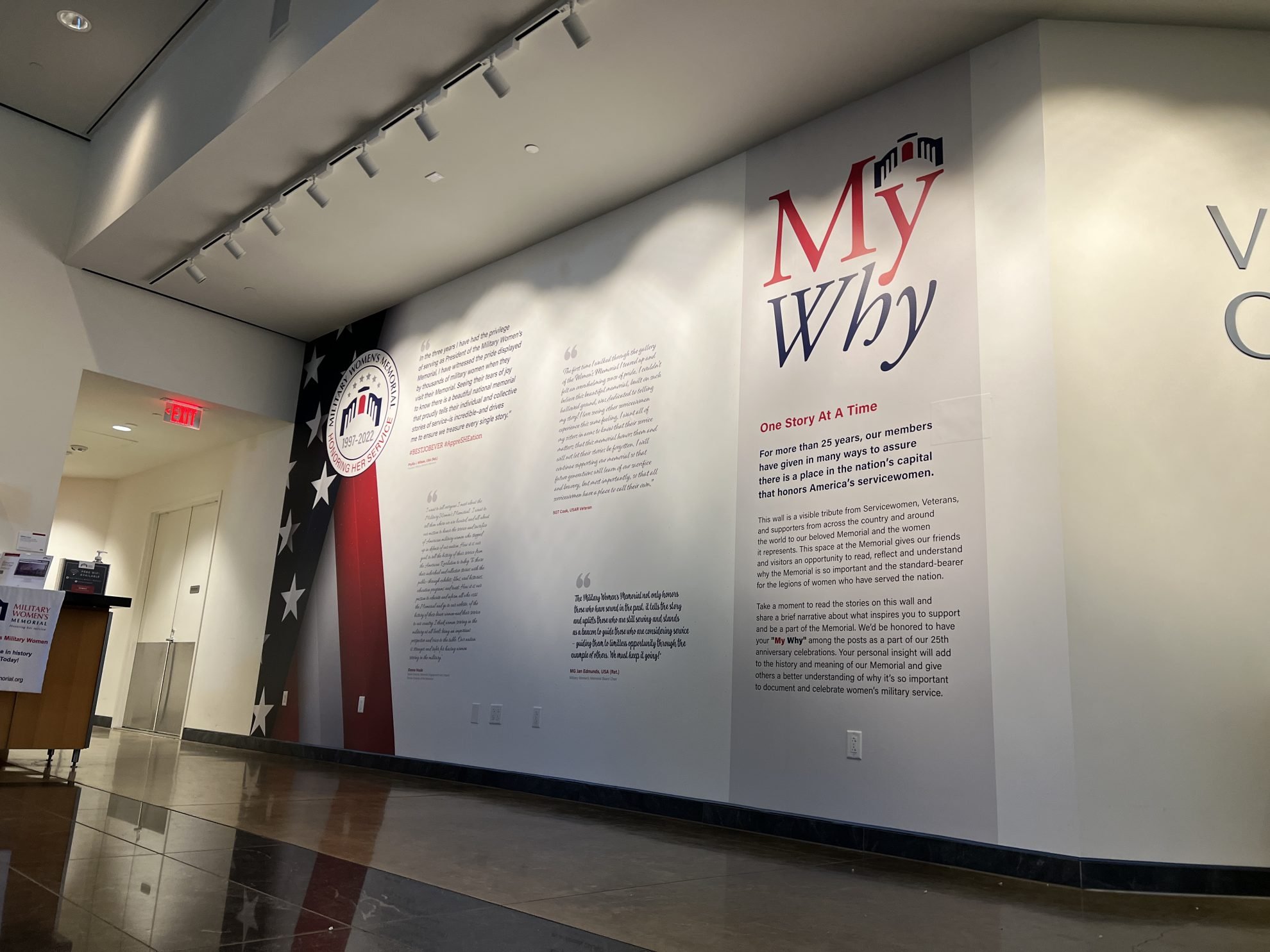
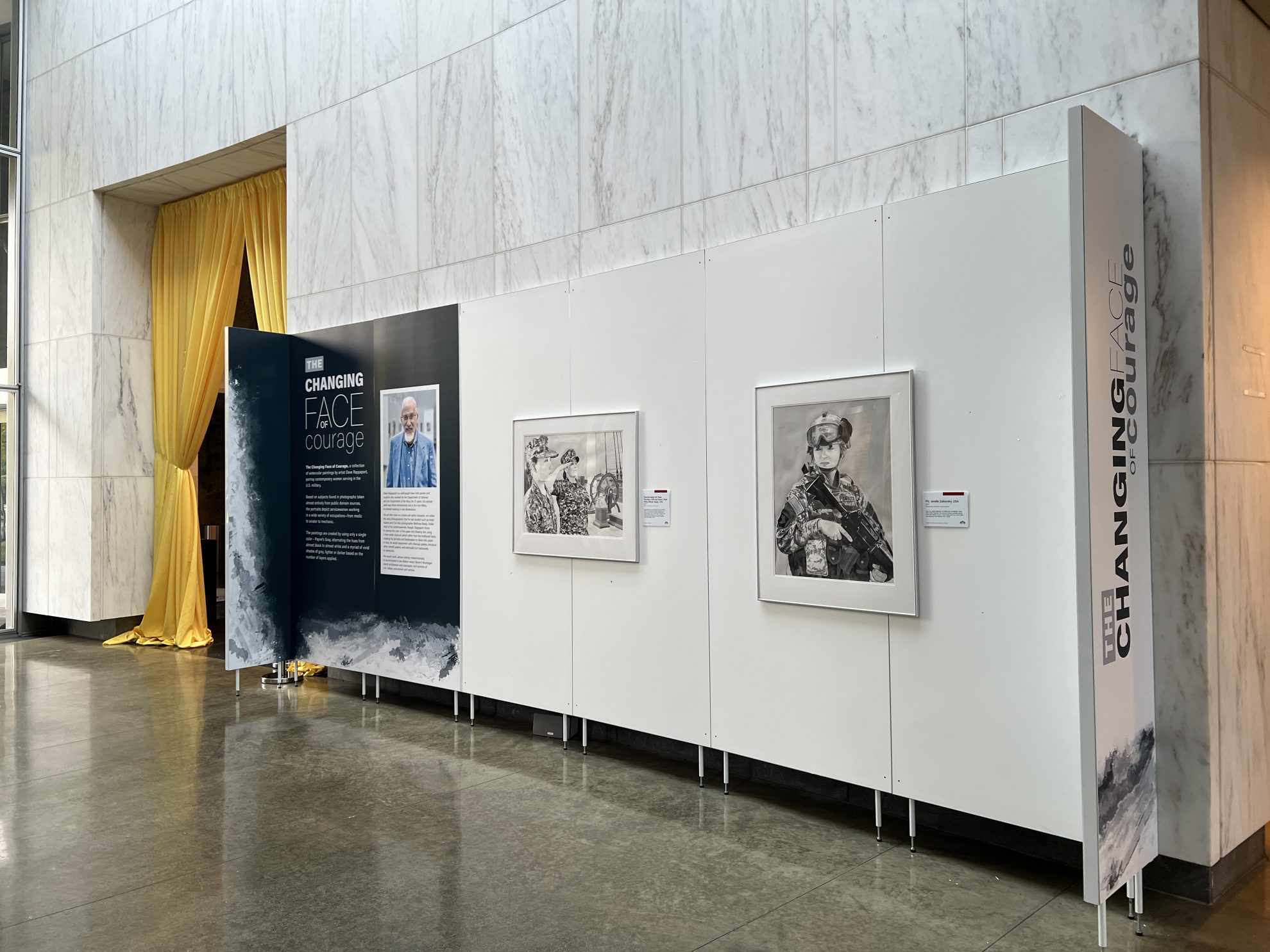
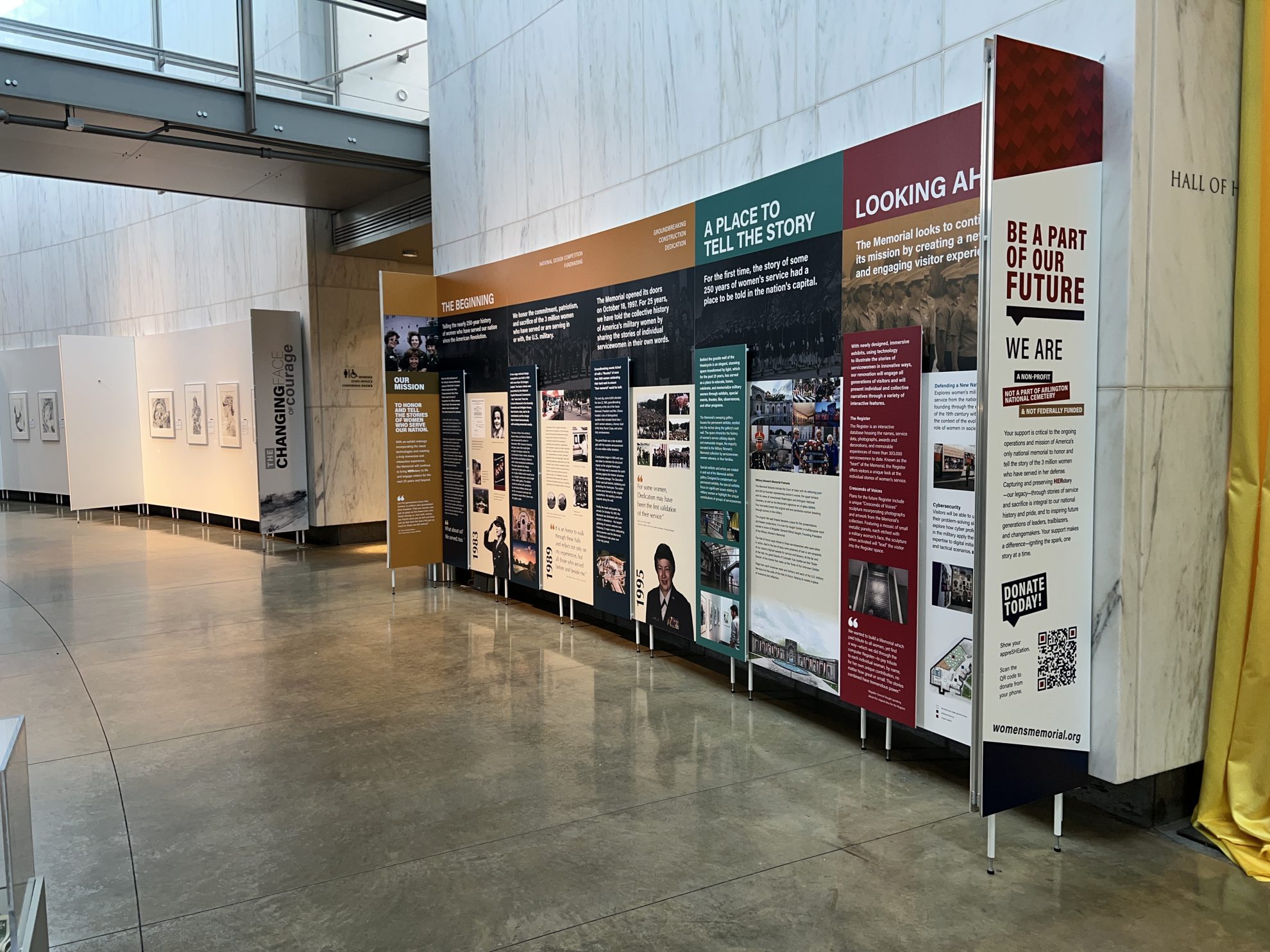
Heritage Signs & Displays created new museum signage for the Military Women’s Memorial in Arlington, VA. The project included custom signs, wall wraps, dimensional letters, and standoff-mounted displays to honor the legacy of U.S. servicewomen and the donors who supported the memorial. The updated interior features impactful designs, including a "Our Legacy" wall display and panels showcasing historical contributions and artwork, creating a transformative tribute to women in the U.S. Armed Forces.
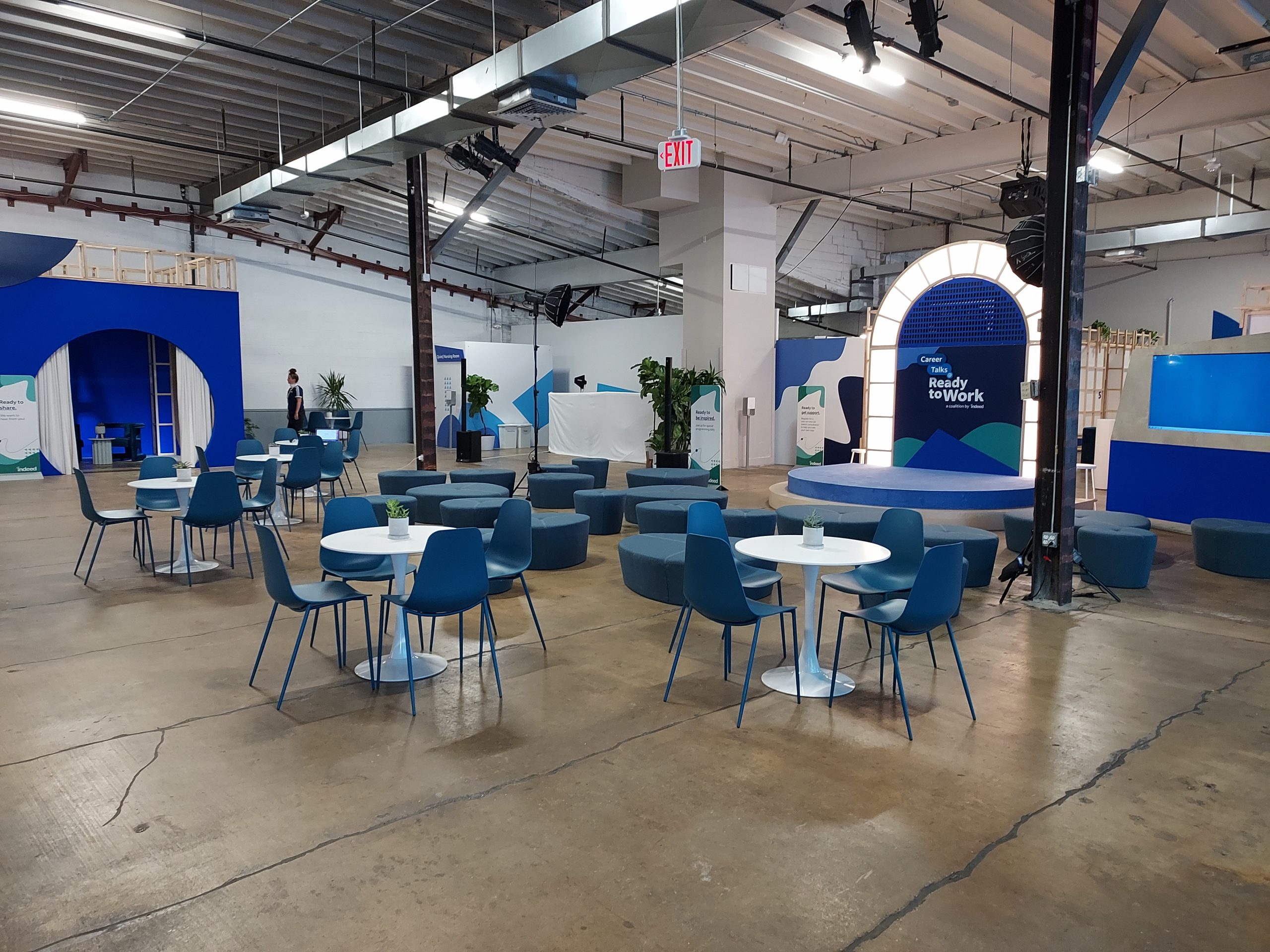
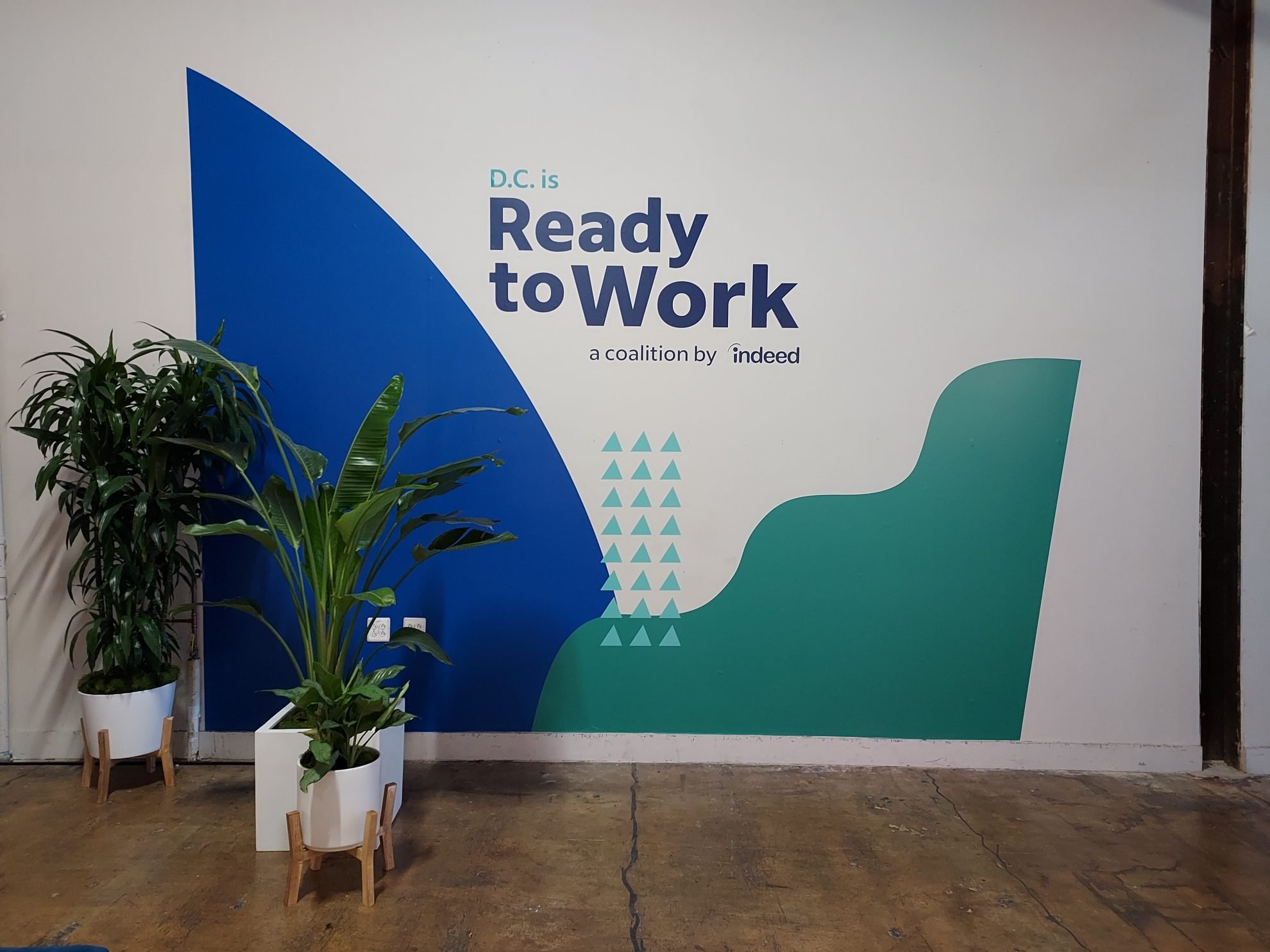
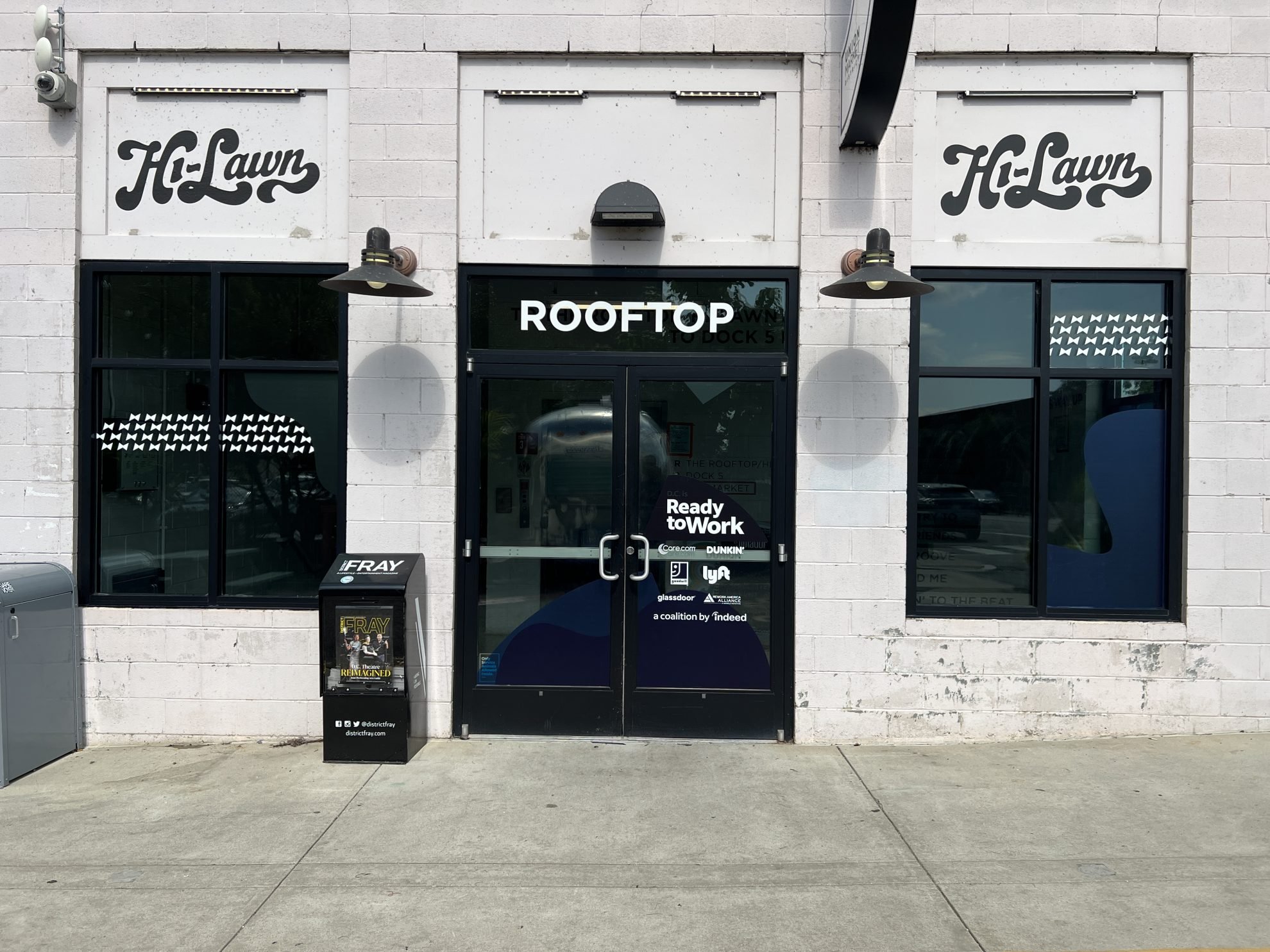
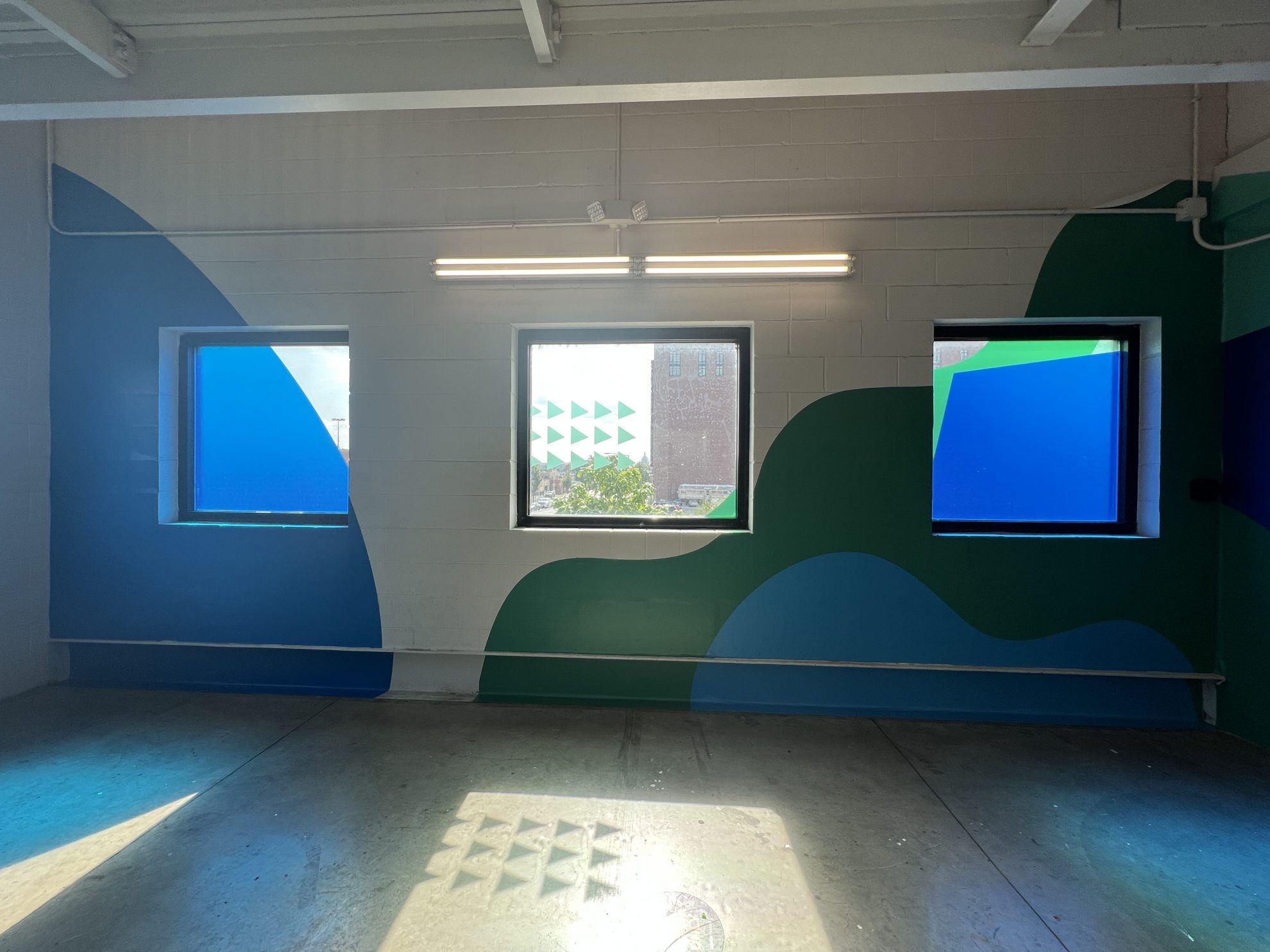
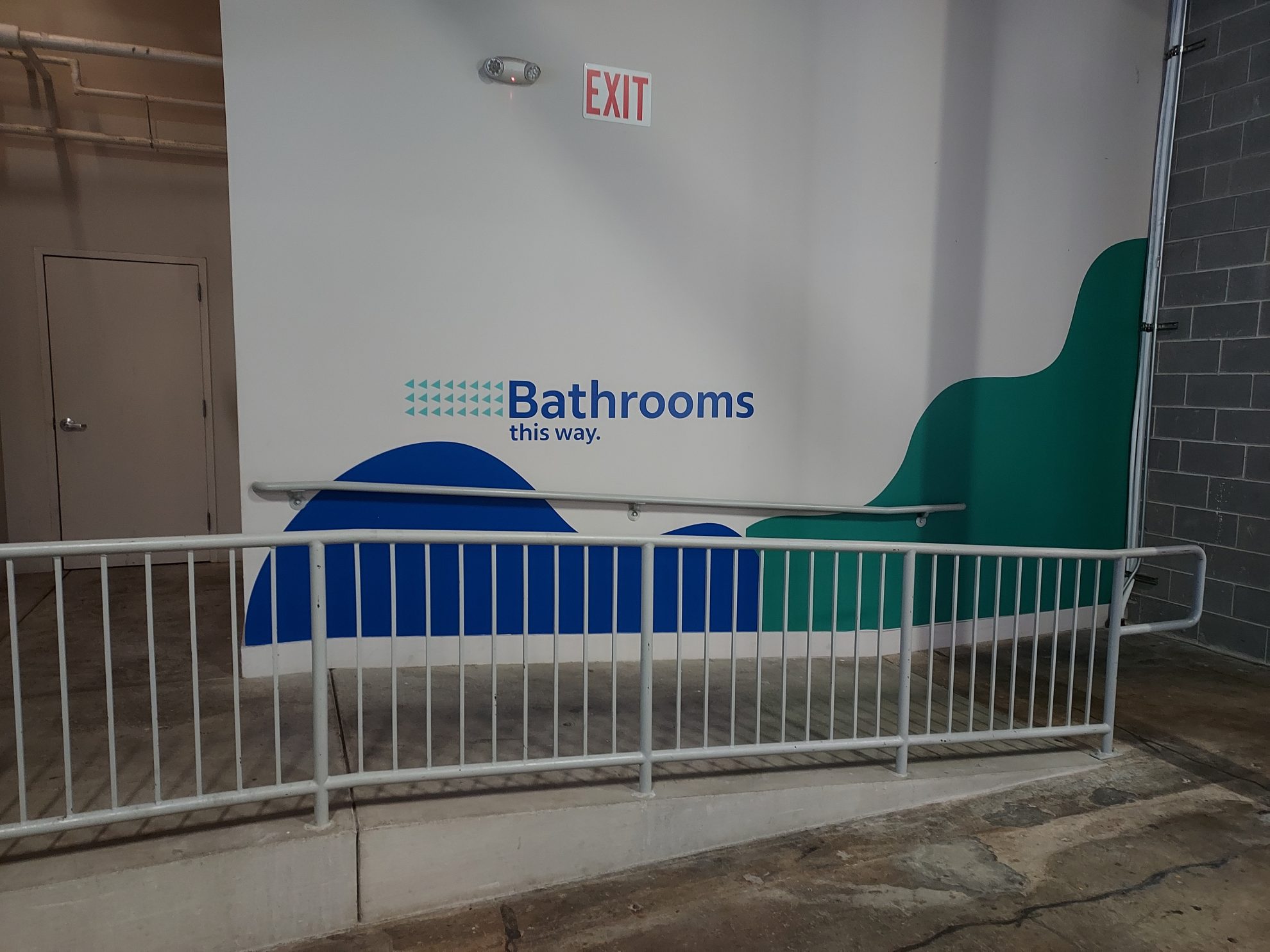
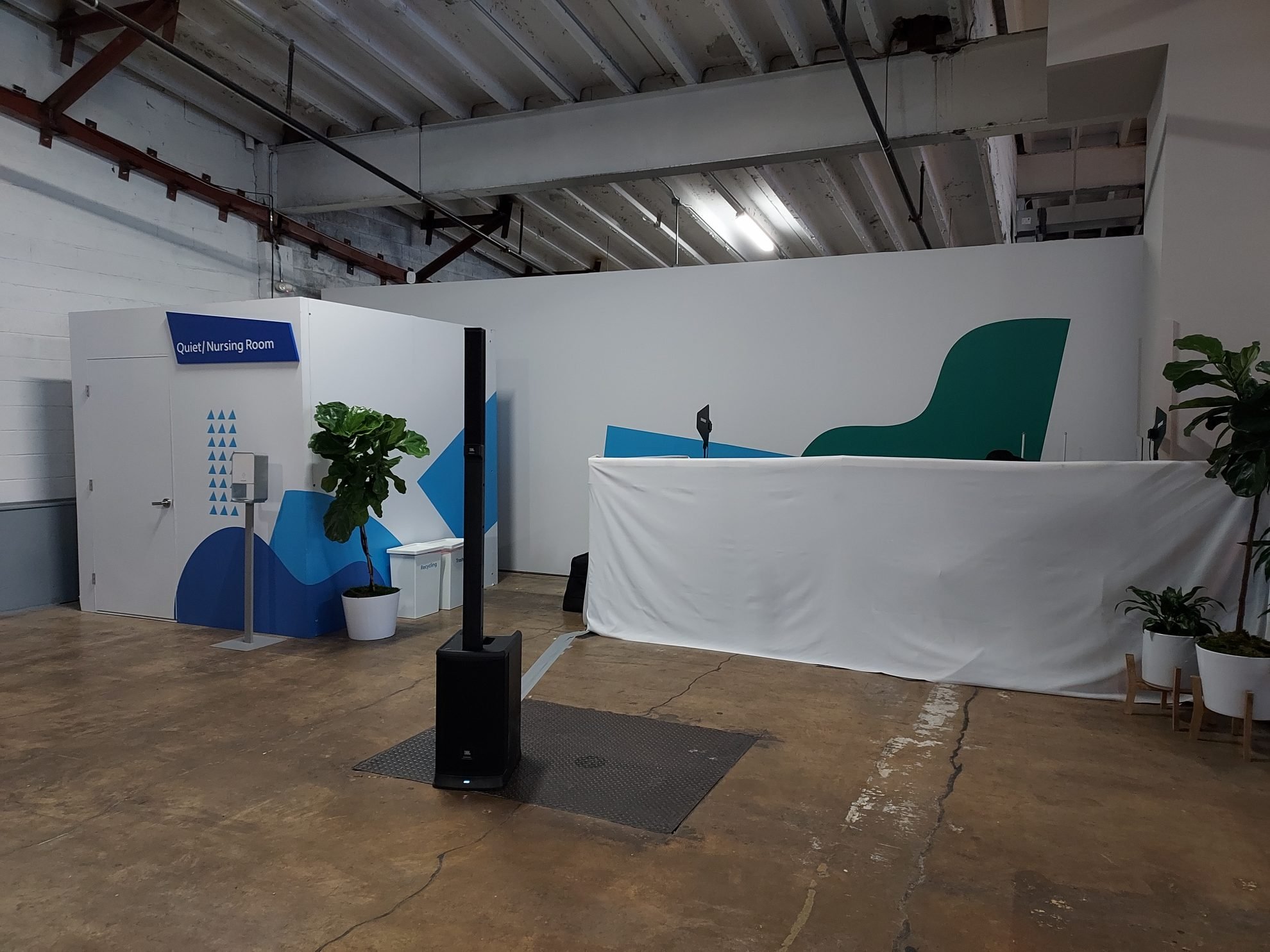
Heritage Signs & Displays' collaboration with The Gathery to brand Union Market in Arlington, VA, for Indeed's "Ready to Work" job fair. The project included custom event displays, wall graphics, window graphics, and wayfinding signs, creating an immersive and visually appealing environment. The branding enhanced the venue, reflected the event's mission, and provided a seamless experience for attendees.