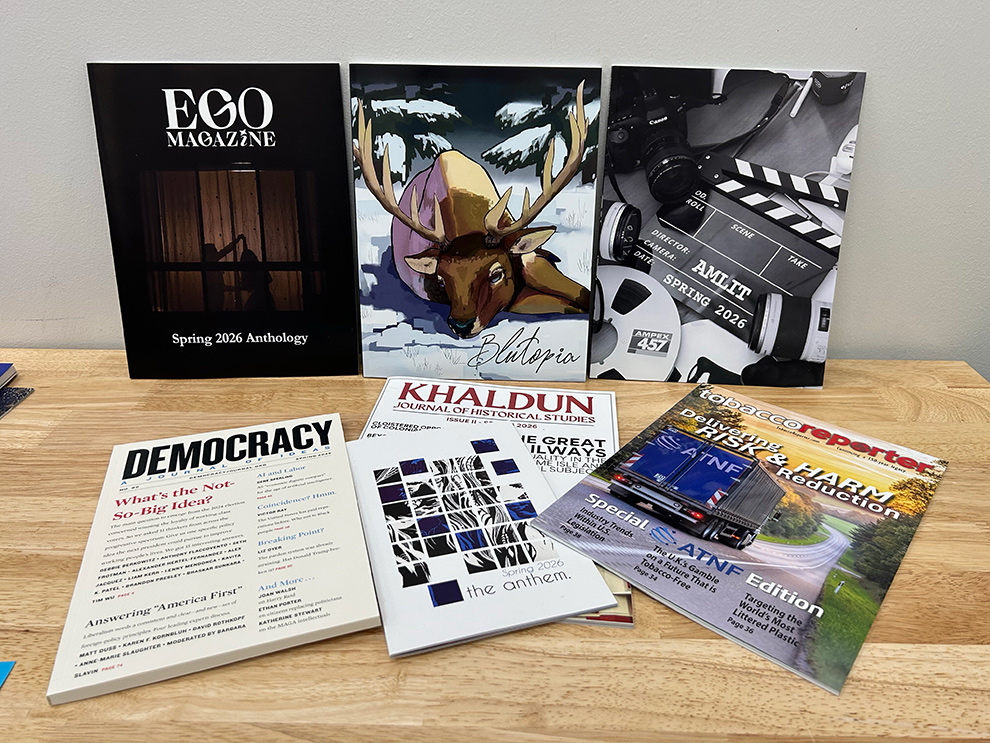
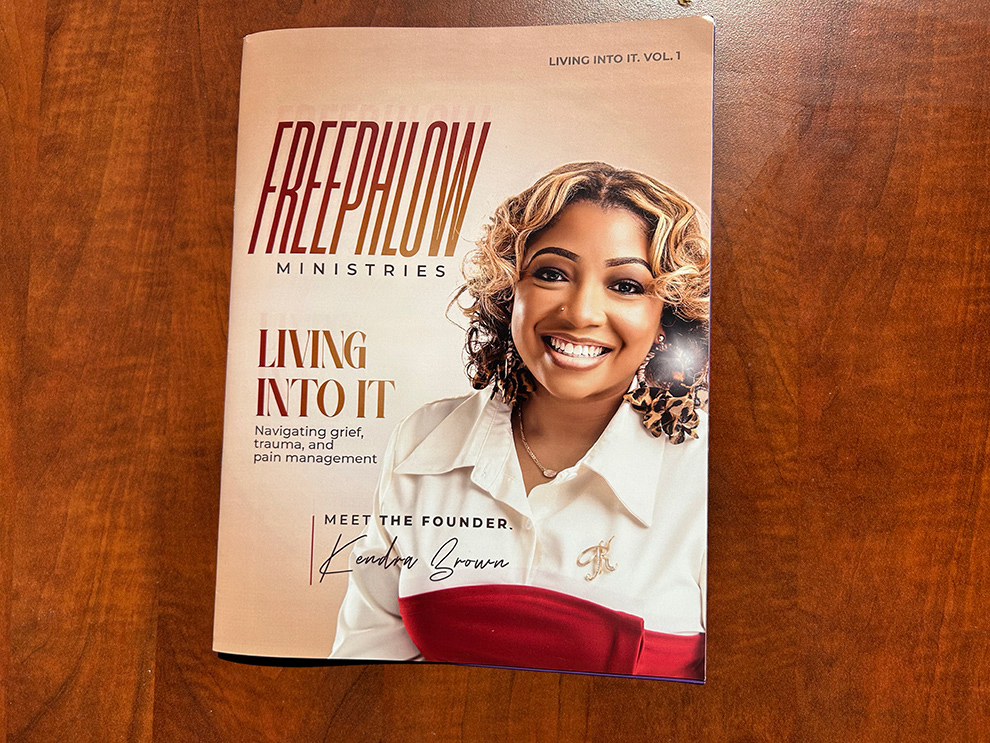
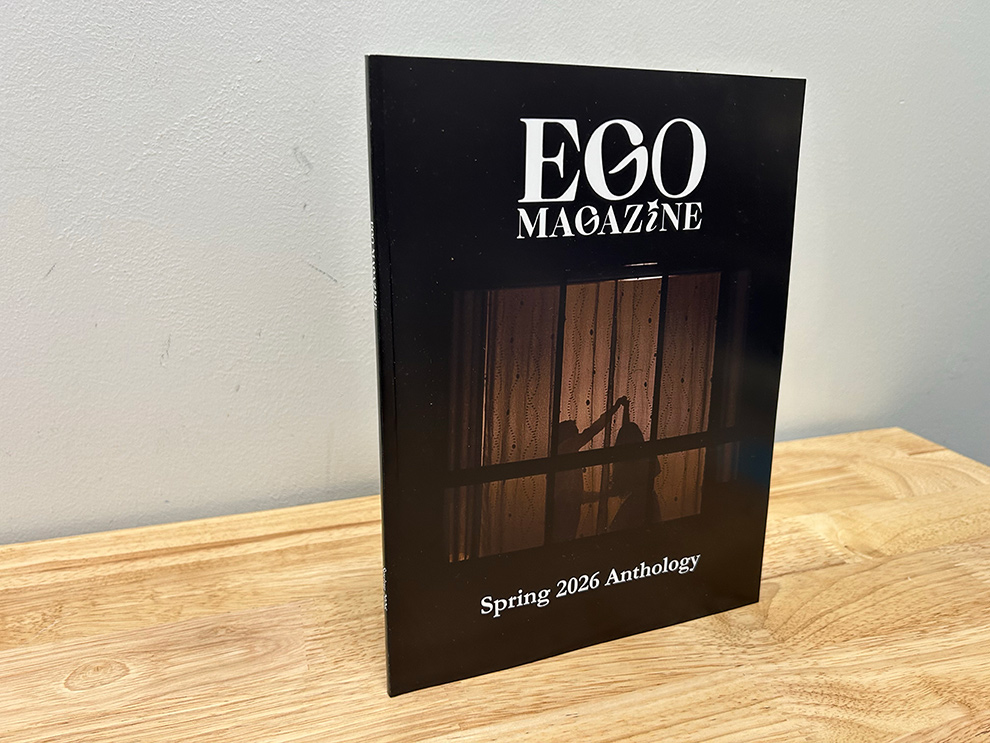
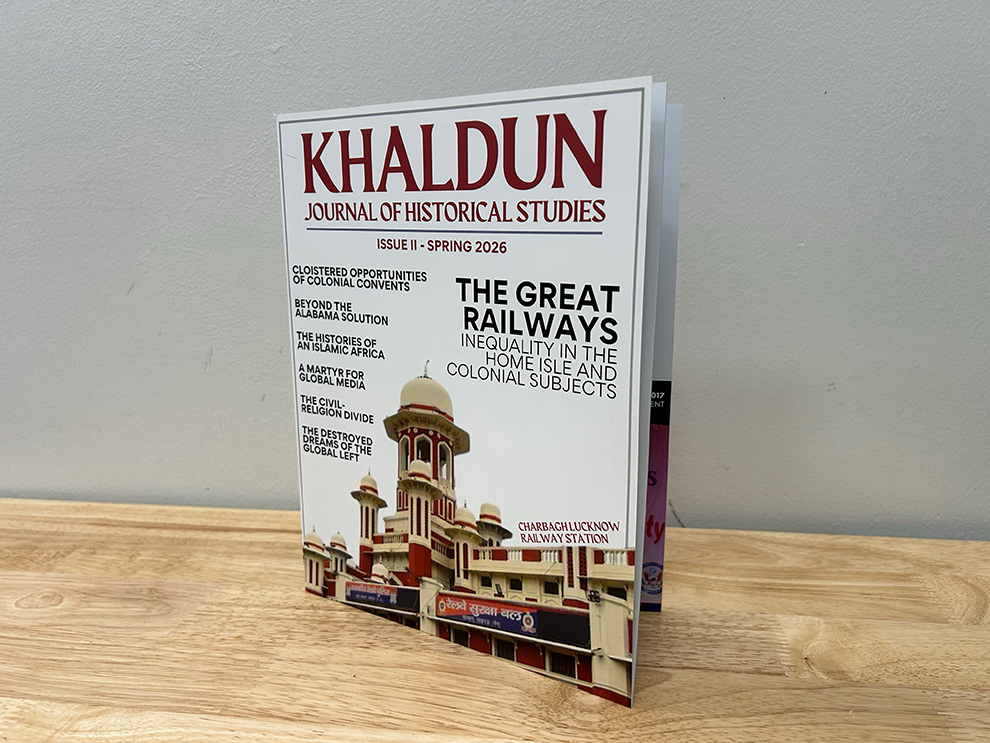
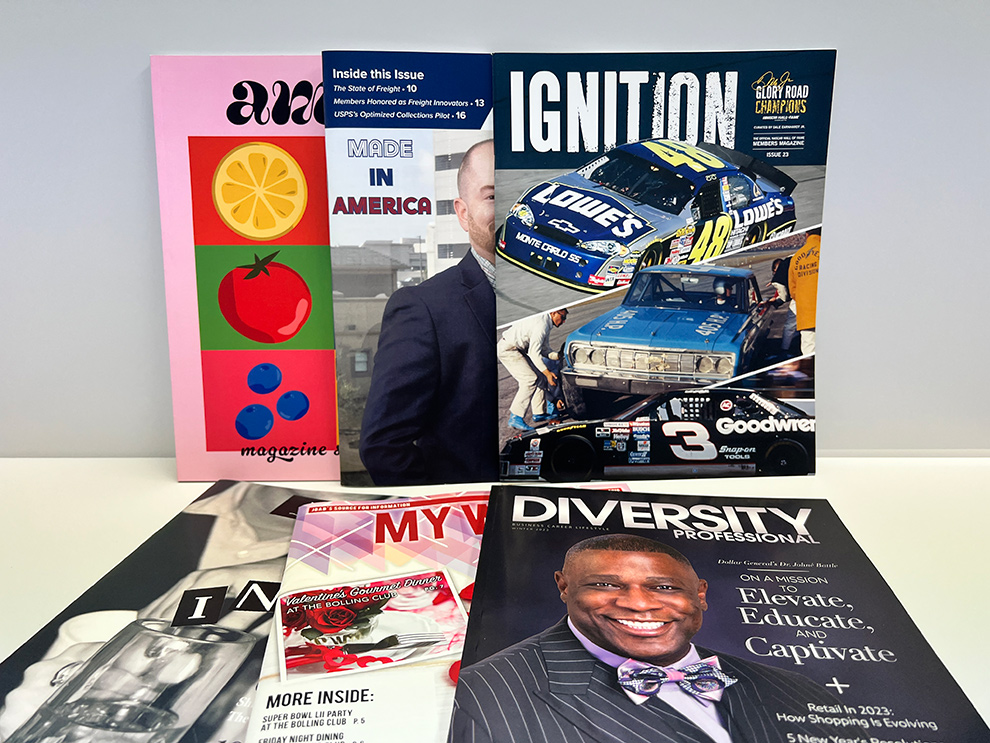
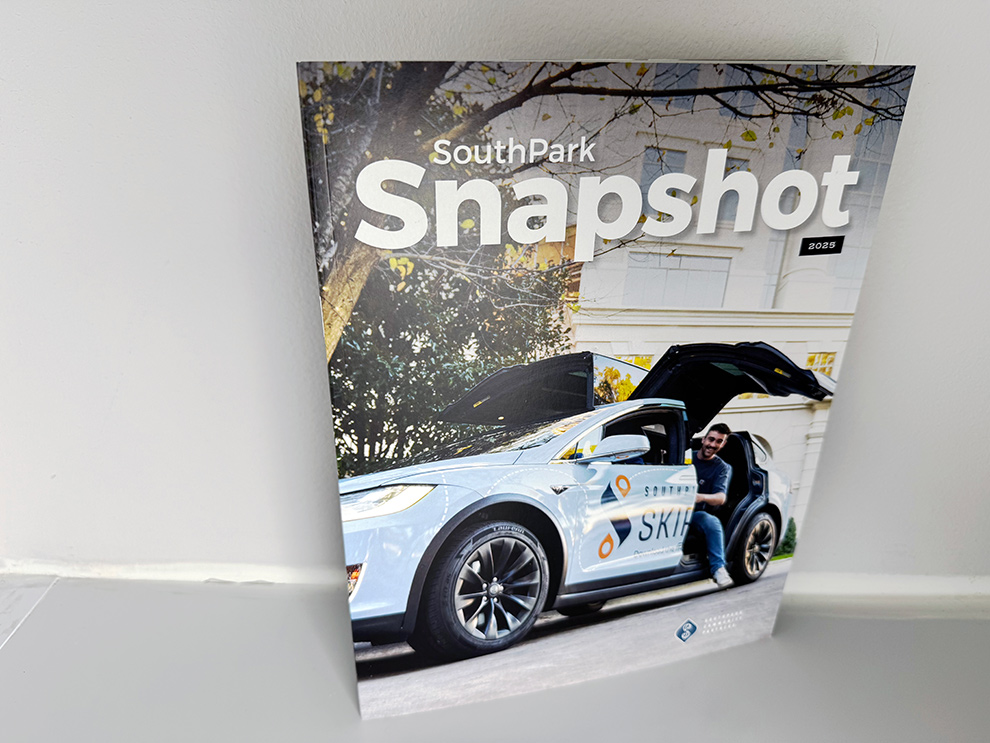
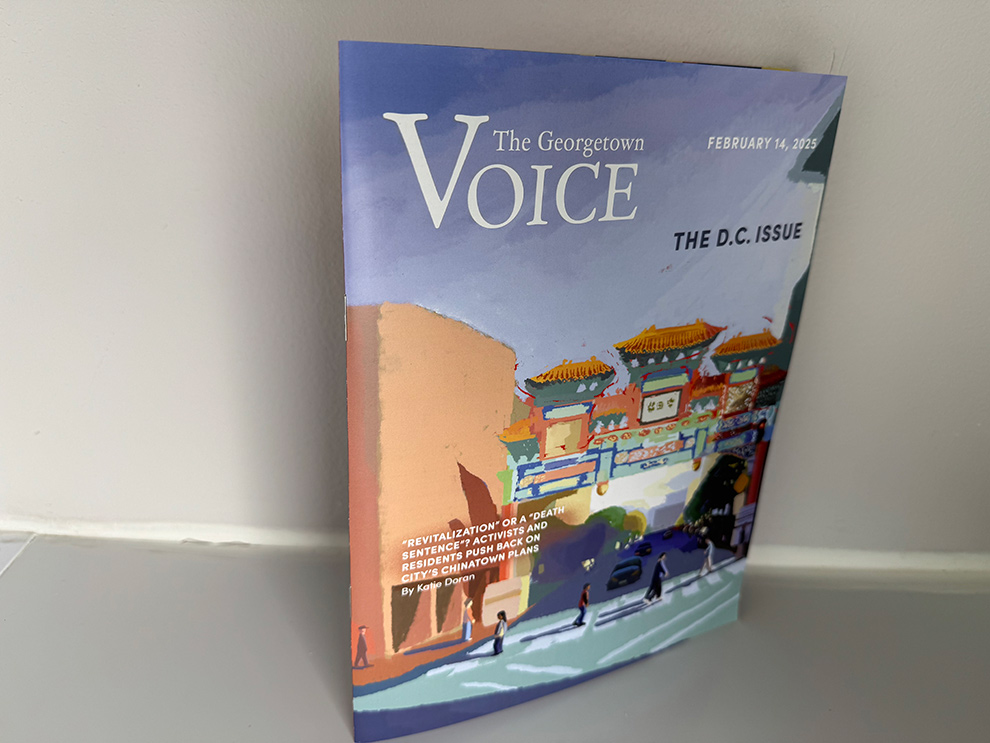
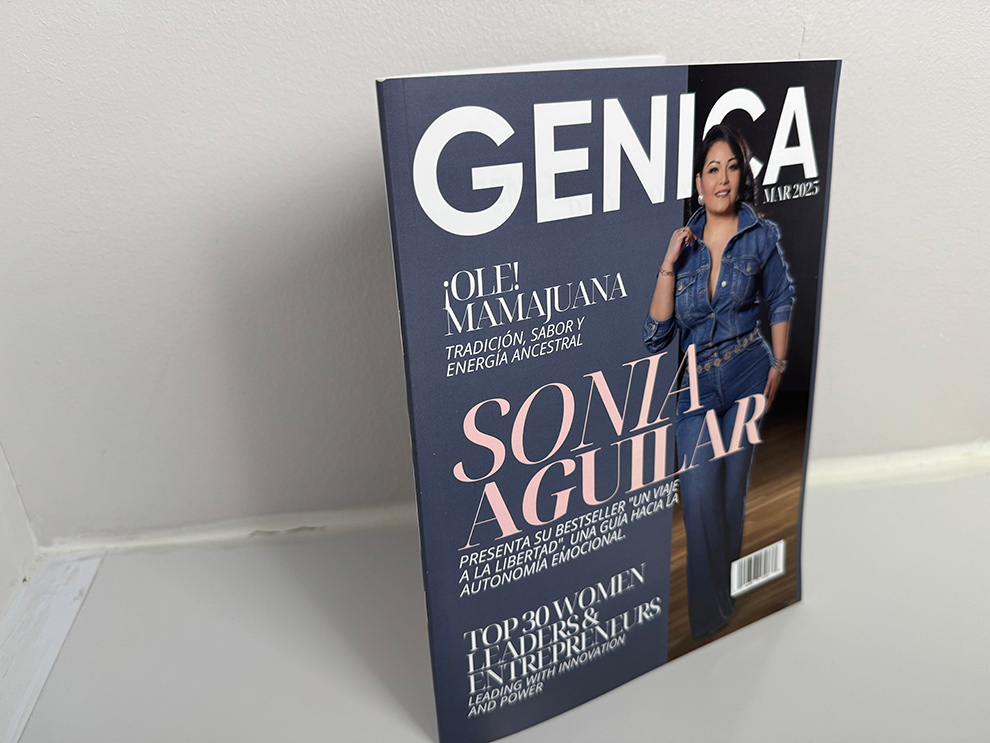
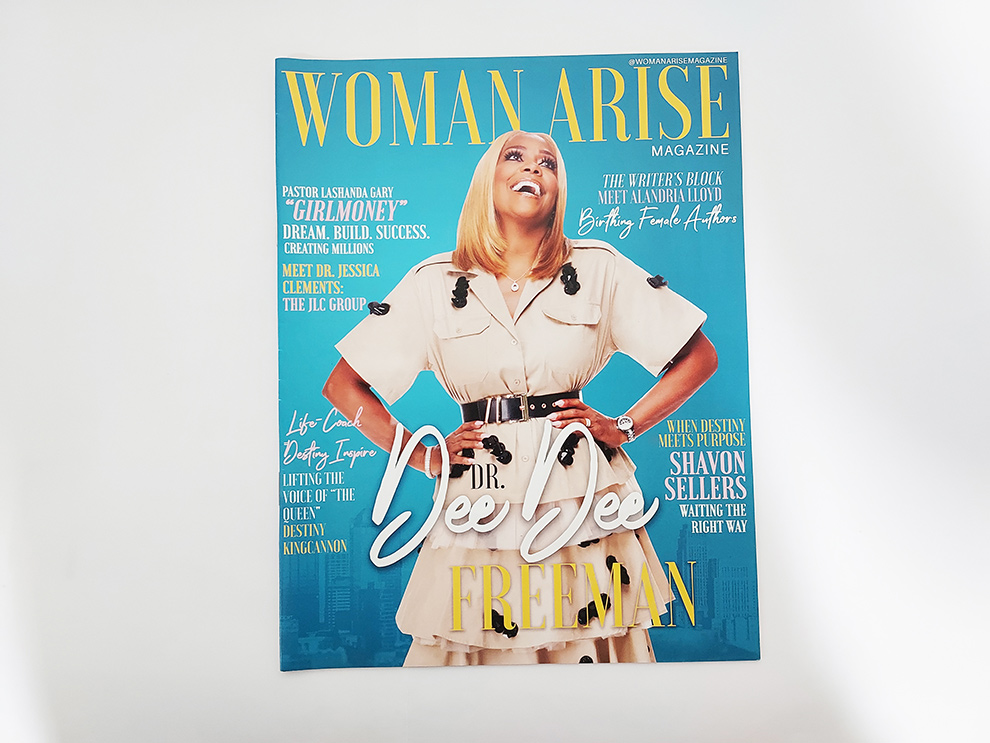
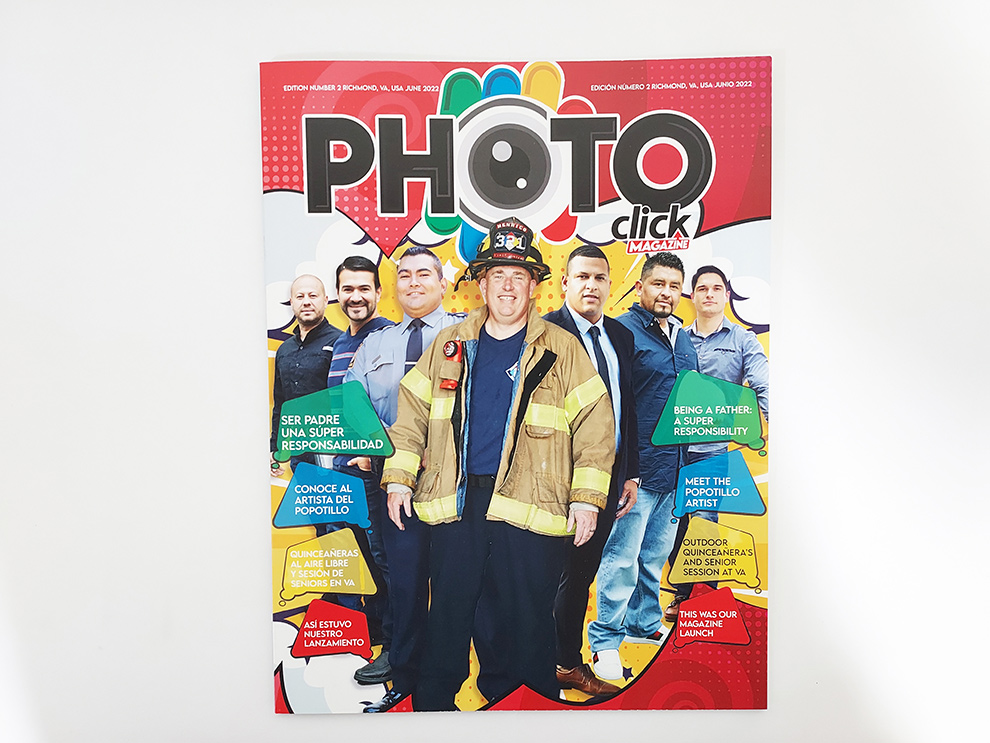
A magazine template gives your Reston, VA organization a dependable framework for every issue, but the template alone does not produce a finished publication. Each edition still reaches production with its own page count, image density, advertising positions, and approval history, and the time left before the required in-hand date is often shorter than the editorial calendar anticipated. The printing partner you choose determines whether that framework becomes a consistent printed magazine delivered when readers expect it.
Heritage supports Reston organizations by treating the template as the starting point for production decisions rather than as an afterthought. When your completed files and requirements arrive, we review how the layout translates to trim size, bleed, cover construction, binding, and finishing, then explain what the schedule can realistically support.
Our commitment covers the work we accept. We identify decisions that need immediate attention, confirm specifications against the template your team already relies on, and keep accepted printing, binding, and delivery moving responsibly. What your team gains is a clearly defined production sequence, fewer late-stage corrections, and a finished issue that matches the one your readers recognize.
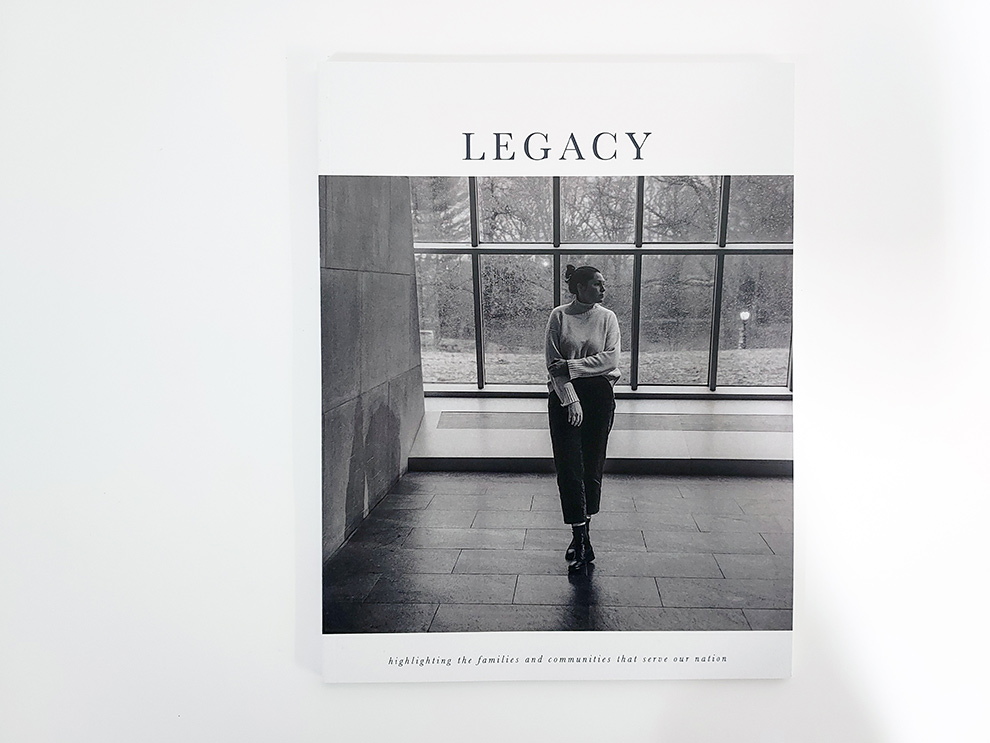
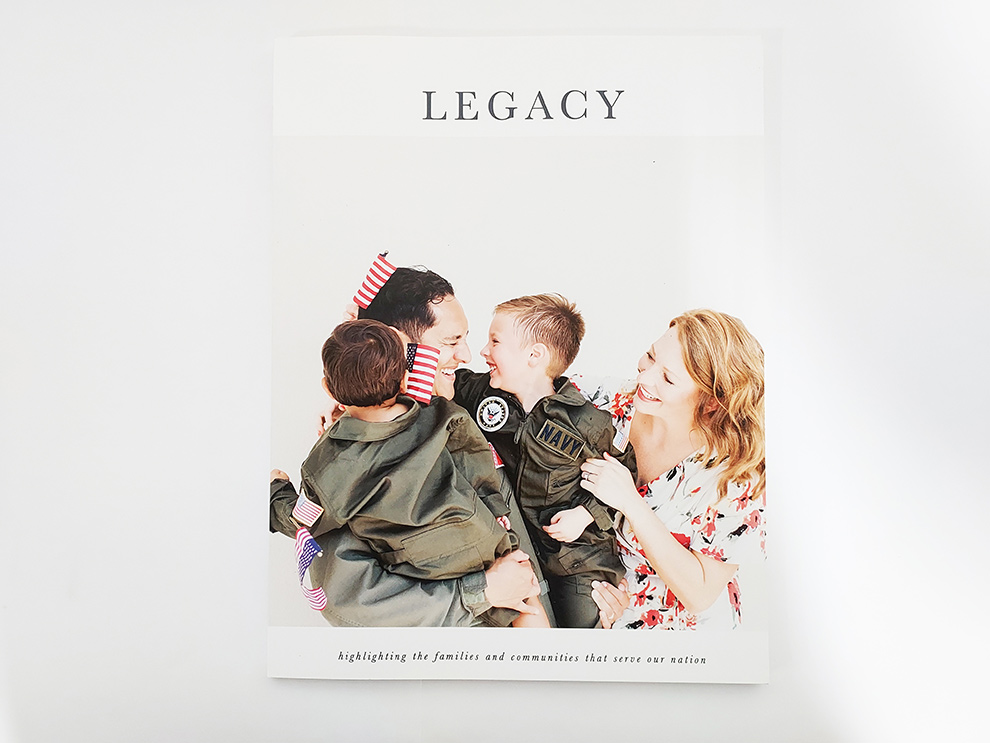
Heritage has been printing since 1977, and that history shapes how we approach a recurring magazine that must look the same from one issue to the next. Consistency is a production discipline, not a promise. It depends on retained specifications, preflight of every new file, awareness of paper availability, and quality control from proof approval through binding and delivery.
For publishers across Northern Virginia, including associations, membership groups, and corporate communications teams based in Reston, we concentrate on what Heritage can control. We confirm that your template-based layout is built for the intended trim, weigh cover and interior stock choices against the reproduction your images require, sequence the run around binding and finishing, and plan mailing or shipping within the accepted scope.
Equipment matters, but candid communication matters as much. When an issue reaches us with less time than planned, we explain the tradeoffs, offer practical alternatives where they exist, and decline to promise what has not been evaluated. Heritage is veteran owned, and that background shows in disciplined follow-through on every magazine we accept, whether it is a first issue or the fortieth.
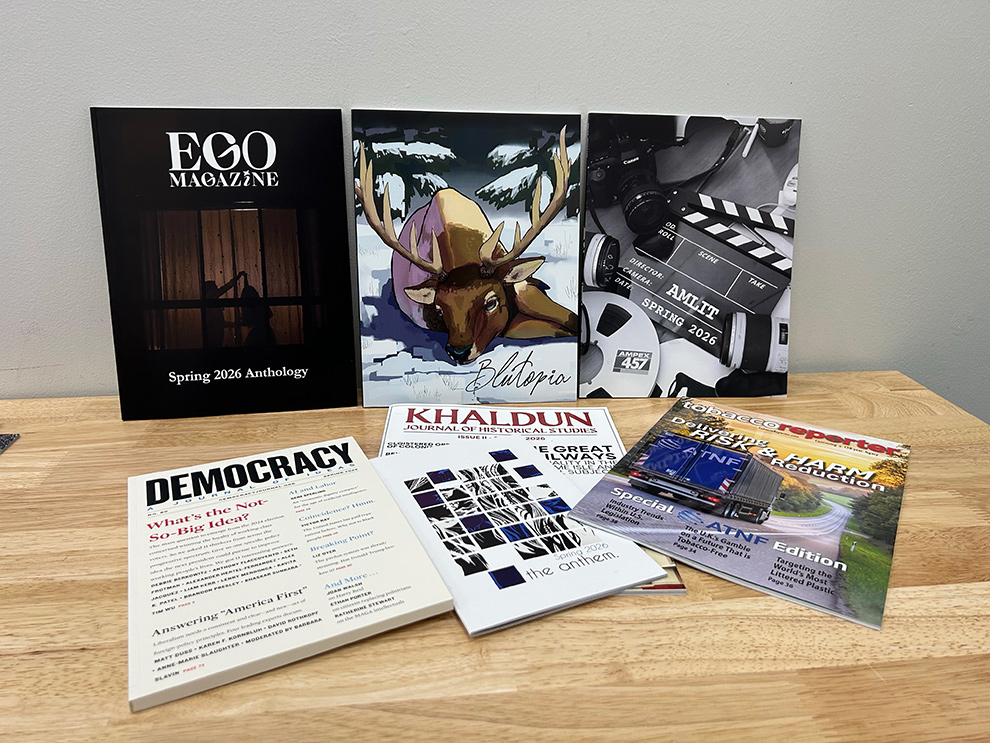
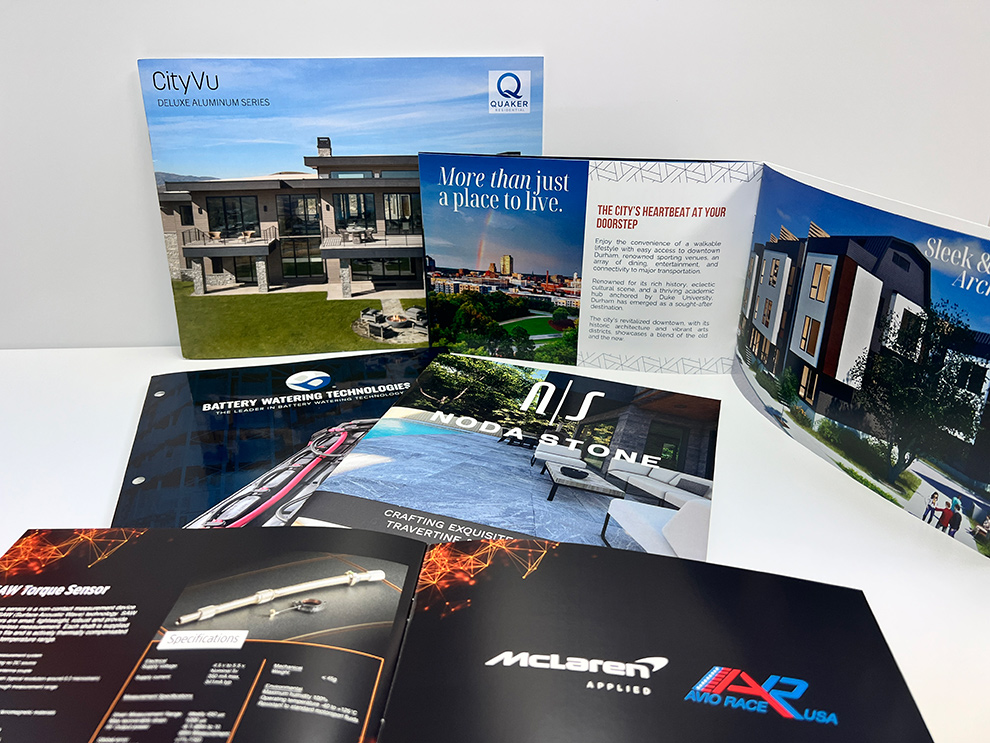
For a single guide, handbook, or report that needs multiple pages and a professional finish but will not return as a numbered issue.
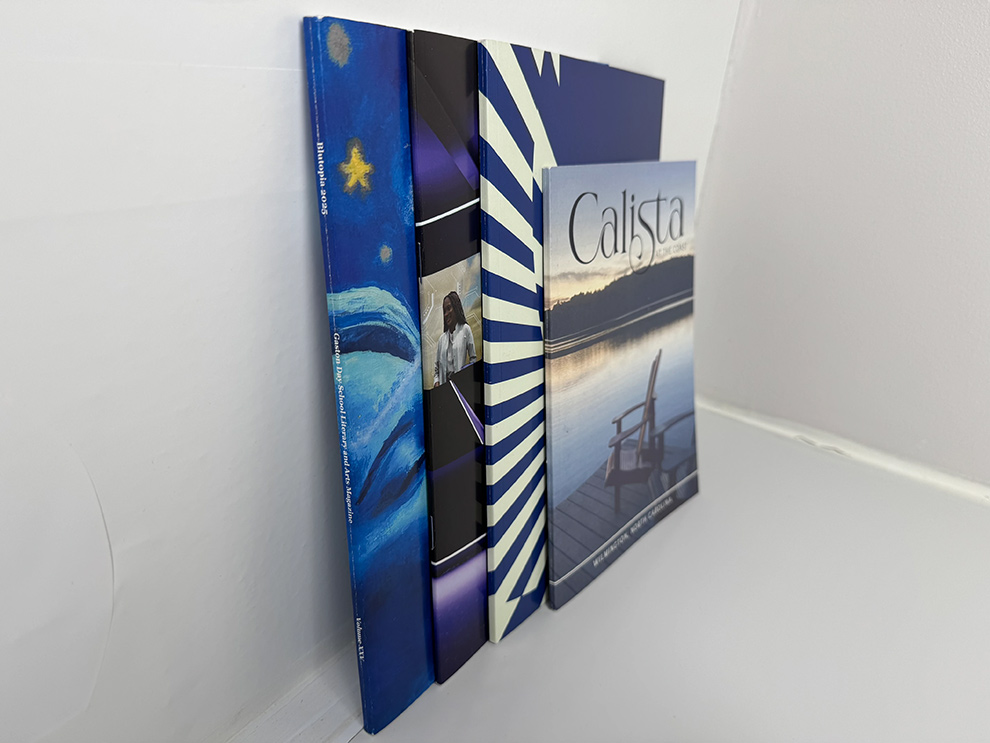
For thicker publications whose page count justifies a square spine, including anthologies, yearbooks, and reference volumes meant to be kept.
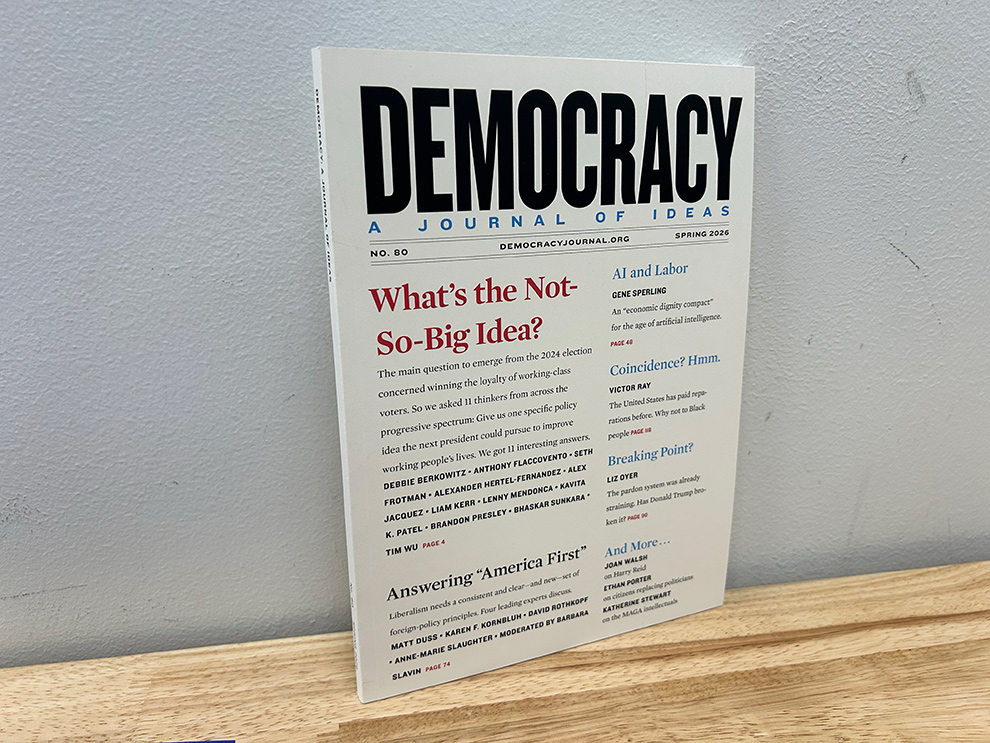
For brief, frequent updates to members, employees, or donors where speed of cadence matters more than magazine-style depth.
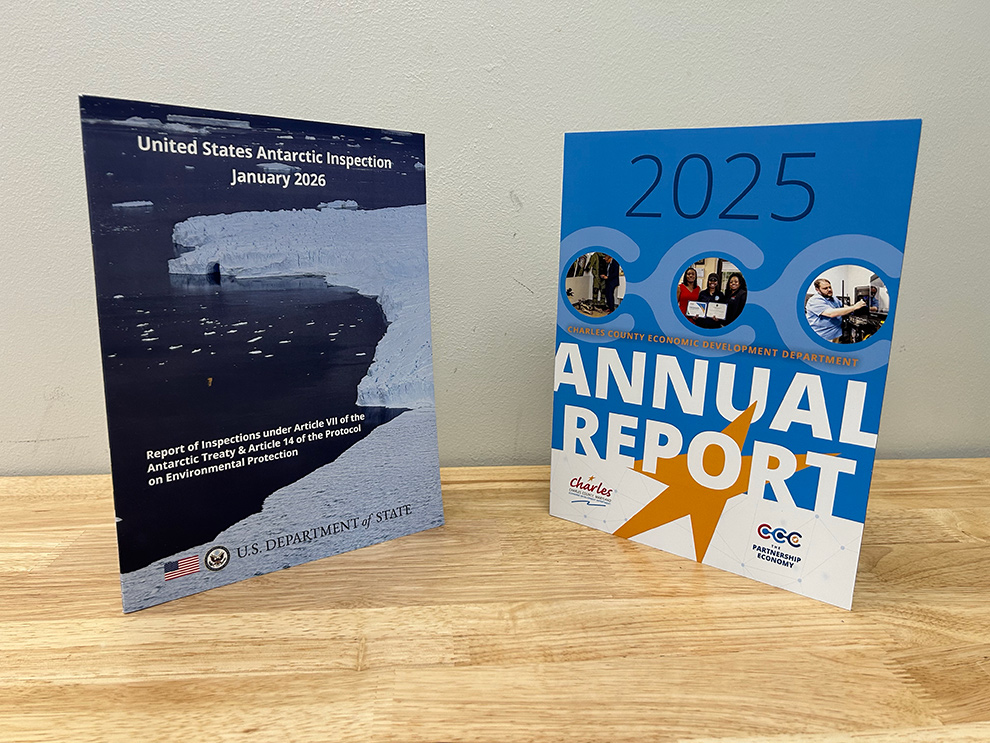
For the yearly accounting of results, finances, and impact that boards, funders, and stakeholders expect to receive on schedule.
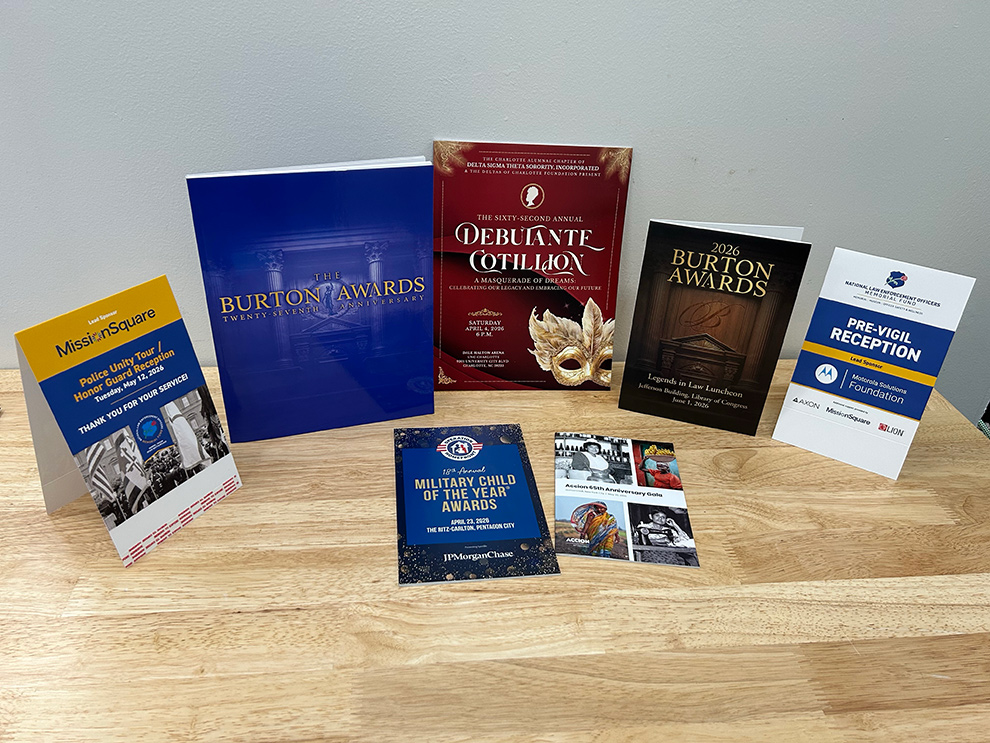
For agendas, speaker listings, and sponsor recognition that must be in hand on the day the conference or ceremony opens.
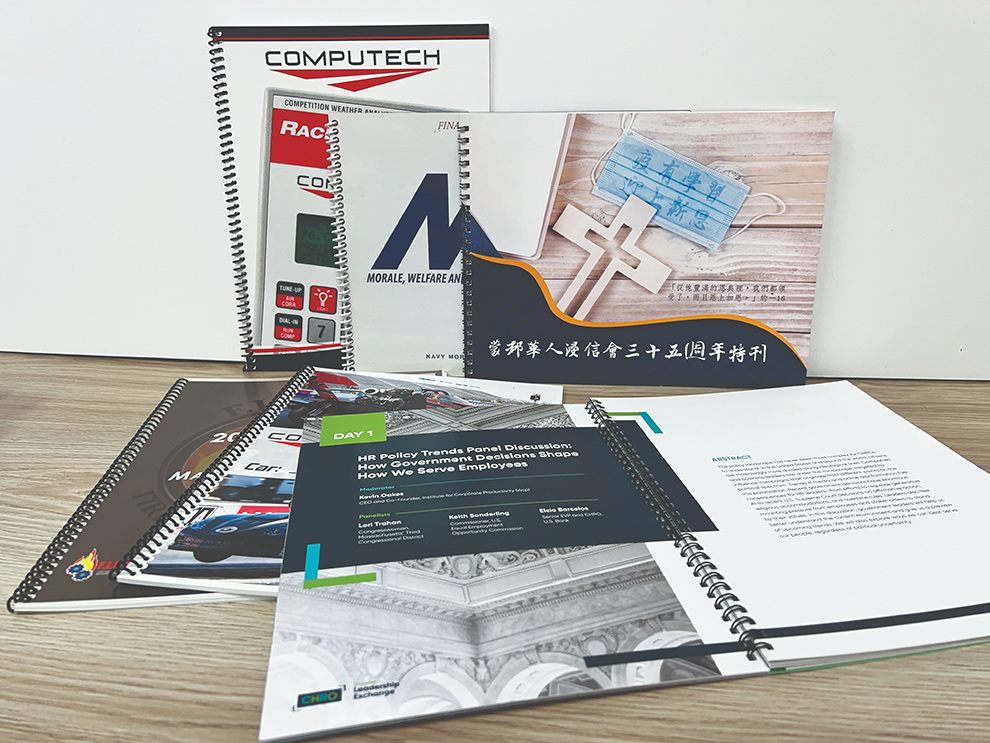
For step-by-step instructional content that participants will mark up, carry, and revisit long after the session ends.
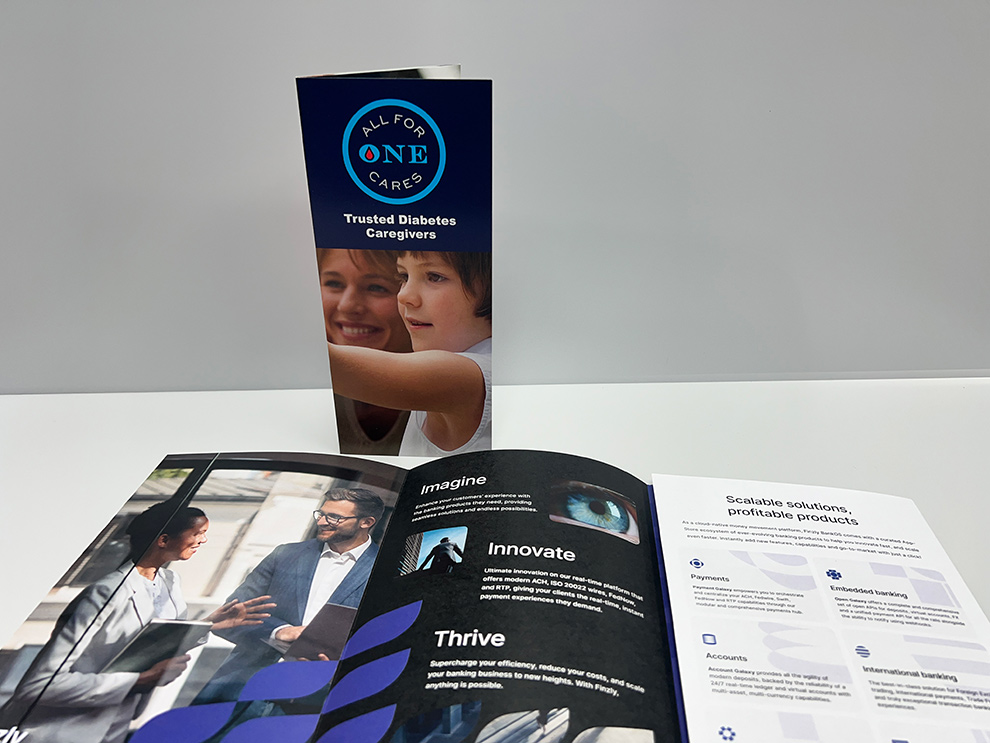
For a folded, portable summary of a service, campaign, or membership offer that travels easily and reads in minutes.
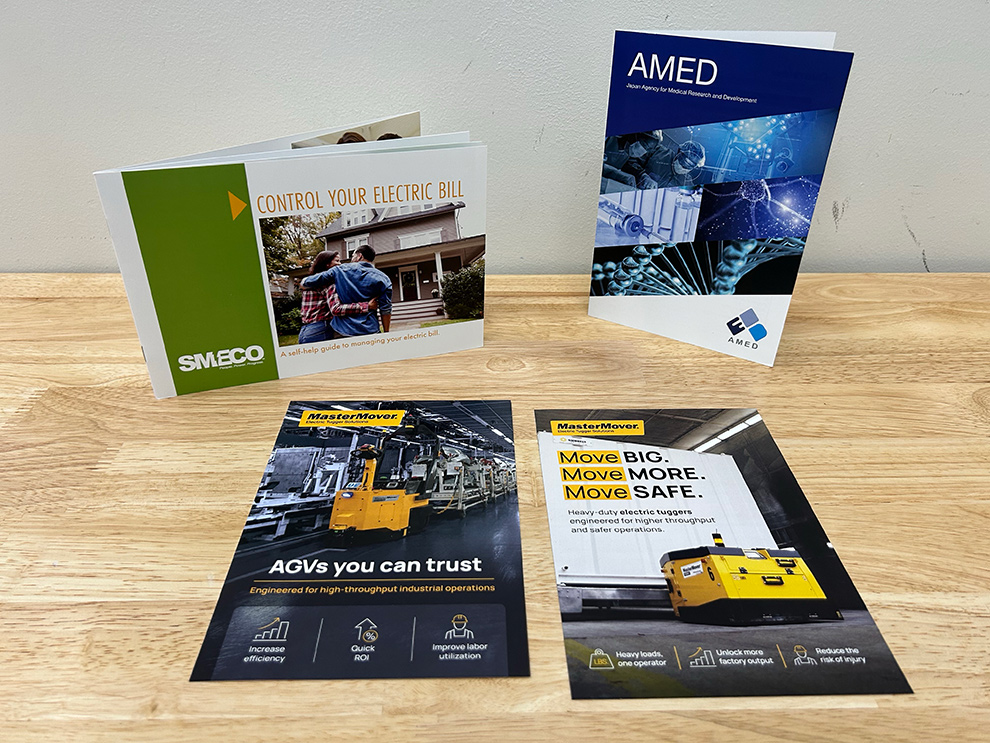
For the coordinated set of printed pieces supporting a launch, recruiting push, fundraising drive, or trade show appearance.
Send your magazine template, the current issue files, your quantity and version needs, and the date readers must have the magazine through Custom Quote. Heritage will evaluate the production path, flag anything that needs a decision, and tell you plainly what the schedule can support. When an issue is fully specified, print-ready, and matches a live Store configuration, self-directed ordering may also be available.
Begin with the reader in mind. A quarterly member magazine mailed across Fairfax County needs different stock and finishing than an issue distributed at a conference or routed through interoffice mail. Your template sets trim size and page structure, but paper, binding, quantity, and distribution should be decided together for each edition.
Interior stock affects opacity, image reproduction, and the weight of each mailed copy, while cover stock governs durability and presentation. Saddle stitching produces a folded, lightweight publication that opens easily and suits issues whose page count and paper allow that construction. Perfect binding gives the issue a square, bookshelf-ready spine and a heavier presence once the finished thickness can support it. Neither method should be chosen in isolation from the paper and page count.
When an issue repeats, the specifications Heritage retains from the previous run serve as a baseline, not a substitute for reviewing current page count, quantities, versions, dates, and delivery needs. Every order receives an electronic proof for your approval before printing, and qualifying Custom Quote projects may add a paid Physical Production Color Proof when color is critical.
Your team owns the editorial side: articles, advertising, photography, and the internal approvals that decide when an issue is final. Heritage owns the production side once the work is accepted. We preflight the files against the template specifications, raise any bleed, resolution, font, or pagination issues before they reach the press, and issue an electronic proof for your review and approval.
Complete, print-ready artwork is required for Self-Directed Online Store orders. For qualifying Custom Quote work valued at $2,000 or more, Heritage may provide production-oriented file preparation or layout adjustments so a template built for screen can be made press ready. That support addresses the mechanics of printing, not the writing or editorial management of the magazine.
After Heritage accepts a Custom Quote and assigns the order, a Project Coordinator becomes your direct phone and email contact for that issue. The coordinator confirms quantities and versions, tracks proof approval, sequences printing, binding, and finishing, and coordinates mailing, shipping, or delivery within the accepted scope. Every new Commercial Printing order carries a $750 minimum, which eligible Store products can be combined to meet.
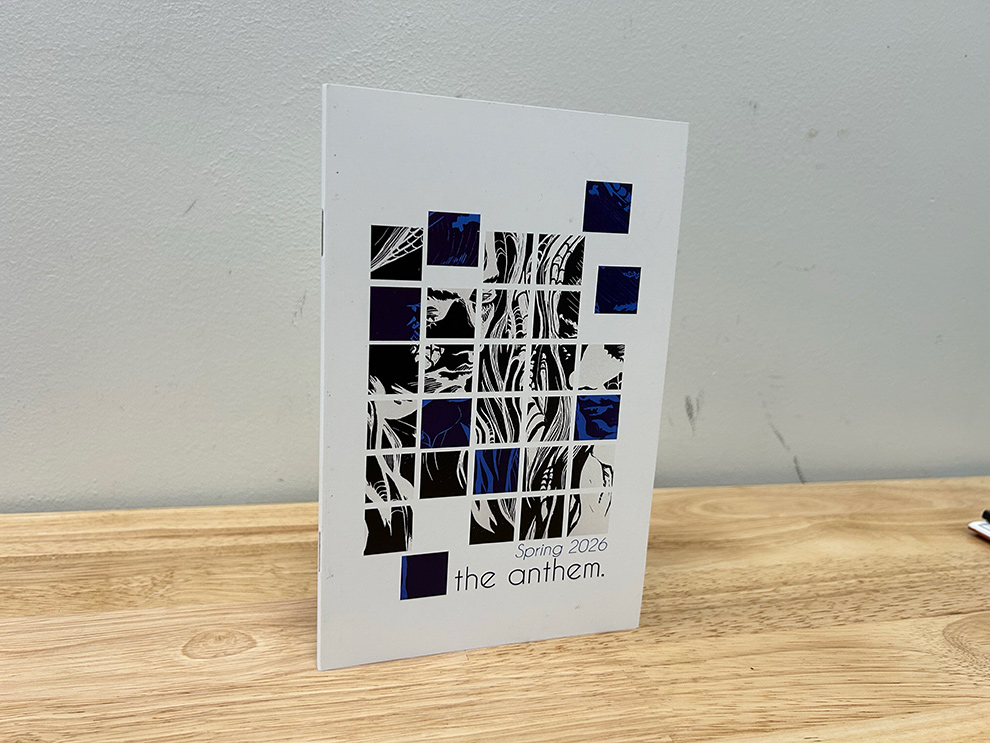
Yes, as long as the files exported from that template are print-ready, or the project qualifies for Custom Quote support. A template controls layout, but Heritage needs the finished file with correct trim, bleed, resolution, and embedded fonts. If the template was built for screen viewing and lacks those elements, qualifying $2,000 or more Custom Quote work may include production-oriented file preparation. Self-Directed Online Store orders require complete print-ready artwork from the start.
The decision depends on the finished thickness and how the issue will be handled. Saddle stitching folds and staples the sheets through the spine, producing a lightweight magazine that opens easily and suits page counts the paper can fold cleanly. Perfect binding glues the pages into a square spine, which reads as more substantial and holds up well to repeated handling once the issue is thick enough to support it. Heritage can advise once the actual page count and paper are known.
Start with the in-hand date, then subtract delivery or mail transit, mailing preparation, binding and finishing, printing, proof approval, and your own internal sign-off. The remaining time is what editorial really has. Share any fixed meeting, conference, or mail drop with Heritage early so the full sequence can be evaluated before timing is confirmed.
Yes. Every magazine order, whether placed through Custom Quote or the Self-Directed Online Store, receives an electronic proof that your team reviews and approves before printing begins. Check text, pagination, images, cover placement, and any version differences carefully. An electronic proof confirms content and layout; it is not a physical color standard, and screen color can differ from the printed result.
It may be, for qualifying Custom Quote magazine work valued at $2,000 or more. Heritage produces a Physical Production Color Proof on the same production printer and the same paper intended for the final run, so you see actual color on actual stock. It carries an additional charge, adds time to the schedule, and becomes the controlling color reference once approved. It is not offered through the Self-Directed Online Store.
Yes, when versioning is part of the accepted scope. Organizations sometimes need alternate covers, chapter-specific pages, sponsor inserts, or separate quantities for different distribution lists. Clear version names, a confirmed count for each version, a single approval owner, and distinct delivery instructions keep similar editions from being confused during production and fulfillment.
Each issue still receives a full review of its current files, page count, quantities, versions, dates, and delivery requirements. Retained details such as trim size, paper, cover construction, binding method, and color targets give the next issue a reliable baseline and reduce repeated decisions. They do not replace preflight or proof approval, because content and conditions change from edition to edition.
Yes, when mailing, shipping, or delivery is included in the accepted scope. Finished weight, quantity, packaging, and the required arrival date all shape the plan, and your organization remains responsible for supplying accurate and authorized mailing data. Heritage performs the mailing services it accepts but cannot guarantee USPS transit times or delivery dates after postal acceptance.
Use Custom Quote when your issue benefits from guidance or hands-on production support. That includes paper and binding recommendations, color-sensitive work, multiple versions, file preparation from a template, finishing, mailing or delivery planning, or a schedule that needs careful evaluation. Qualifying opportunities are those valued at $2,000 or more, and once Heritage accepts and assigns the order, a Project Coordinator becomes your direct contact.
Use the Self-Directed Online Store when a verified live saddle-stitched or perfect-bound configuration already matches your issue, your artwork is complete and print-ready, and your team can choose the available options without consultation. Store orders still receive production review and an electronic proof for approval, and eligible Store products can be combined to reach the $750 order minimum. Coordinator support and physical color proofing are not part of Store ordering.
Heritage evaluates the full path before answering. We look at file readiness, approvals still pending, paper availability, binding and finishing requirements, current capacity, quantities, versions, and how the issue will be delivered, then tell you whether the date is achievable or what alternative would protect it. We work proactively toward demanding dates on accepted work but do not promise an accelerated timeline before that evaluation is complete.
Late or revised files, a different page count than the template assumed, delayed approvals, paper that is not immediately available, a request for a physical color proof, quantity changes, added versions, and new mailing or delivery requirements are the usual causes. Flagging these as early as possible lets Heritage adjust the sequence rather than discover the change after production has started.
A magazine carries an issue identity that continues over time: the same trim size, paper feel, cover treatment, and binding that readers recognize from one edition to the next. A booklet serves a single purpose, such as a guide, program, or report, and does not need that continuity. If your publication will recur, Heritage treats it as a magazine and plans for repeatable specifications.
Heritage Signs & Displays created new museum signage for the Military Women’s Memorial in Arlington, VA. The project included custom signs, wall wraps, dimensional letters, and standoff-mounted displays to honor the legacy of U.S. servicewomen and the donors who supported the memorial. The updated interior features impactful designs, including a "Our Legacy" wall display and panels showcasing historical contributions and artwork, creating a transformative tribute to women in the U.S. Armed Forces.
Heritage Signs & Displays' collaboration with The Gathery to brand Union Market in Arlington, VA, for Indeed's "Ready to Work" job fair. The project included custom event displays, wall graphics, window graphics, and wayfinding signs, creating an immersive and visually appealing environment. The branding enhanced the venue, reflected the event's mission, and provided a seamless experience for attendees.