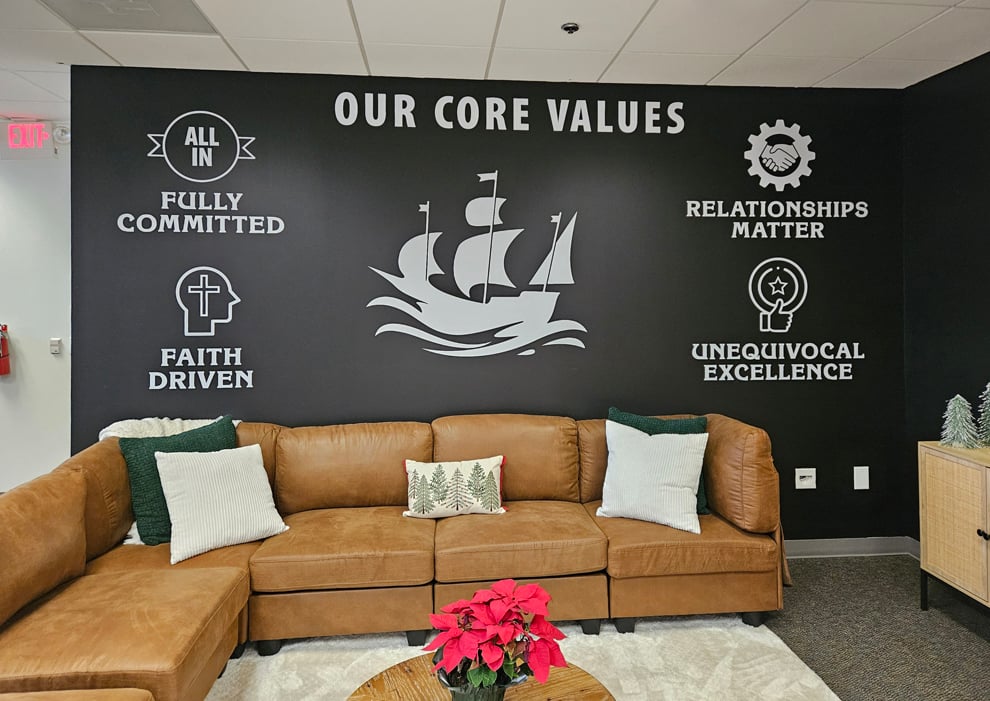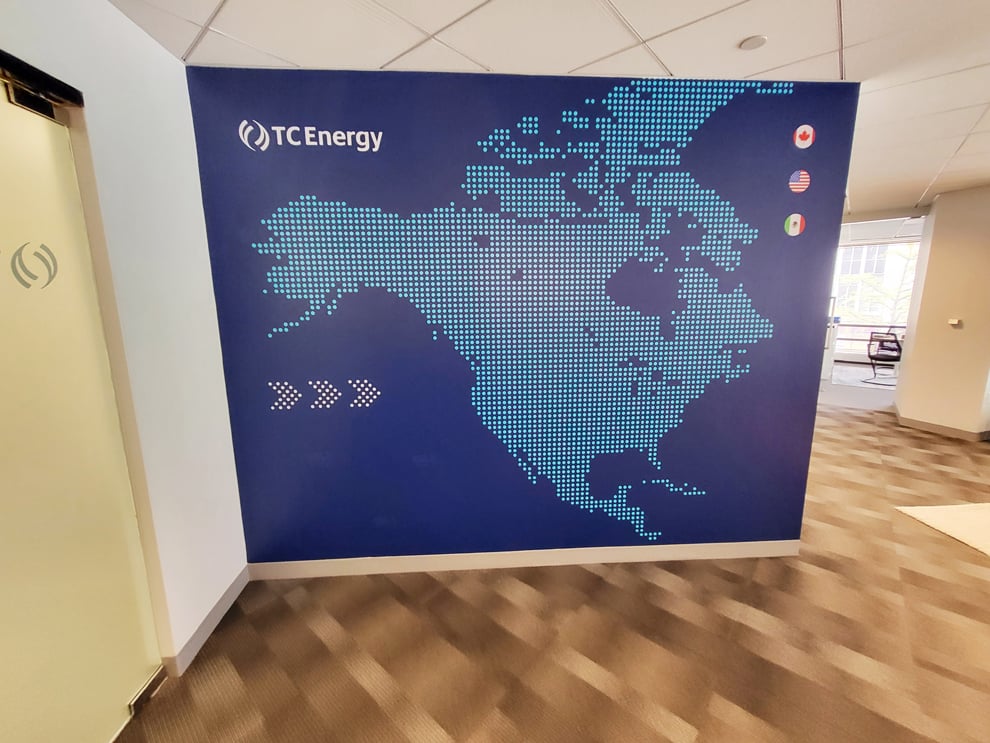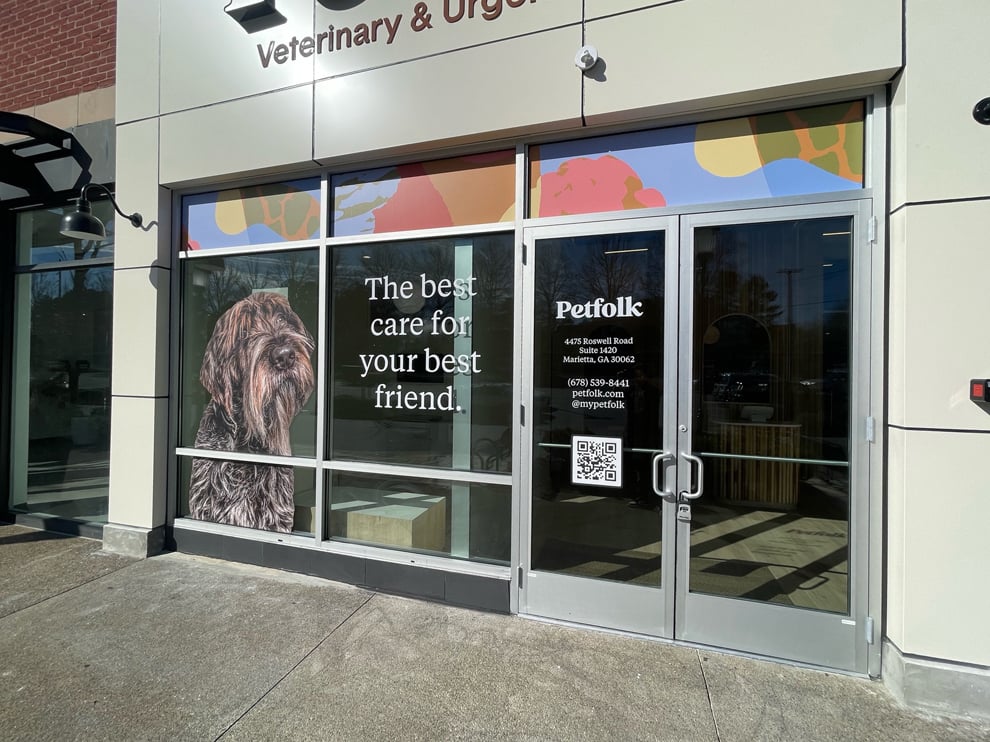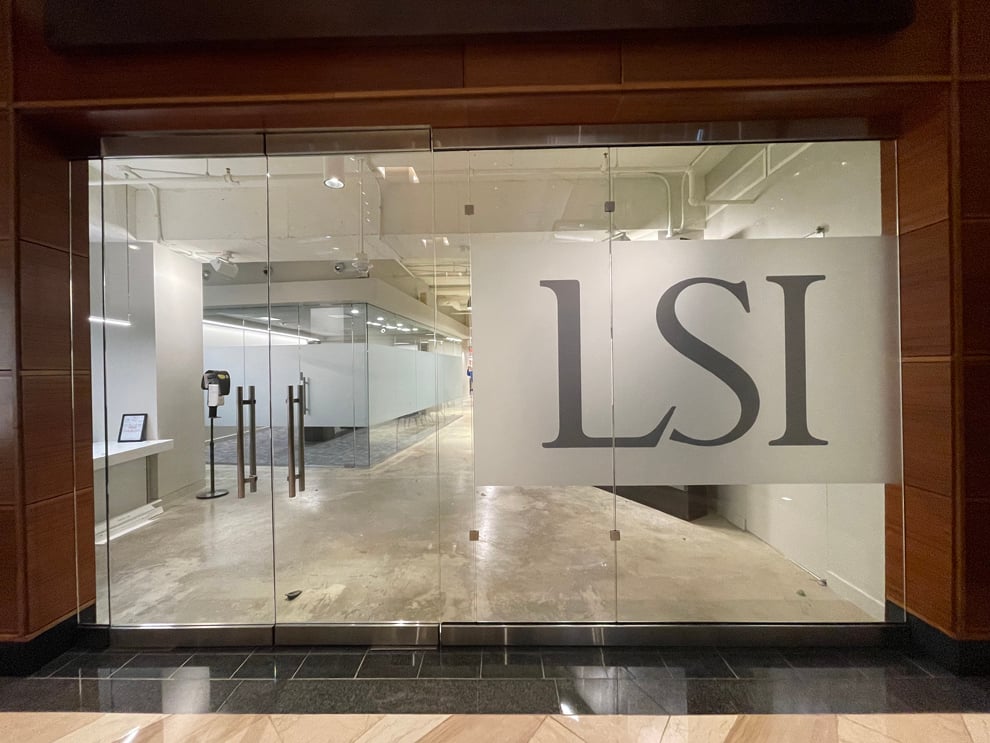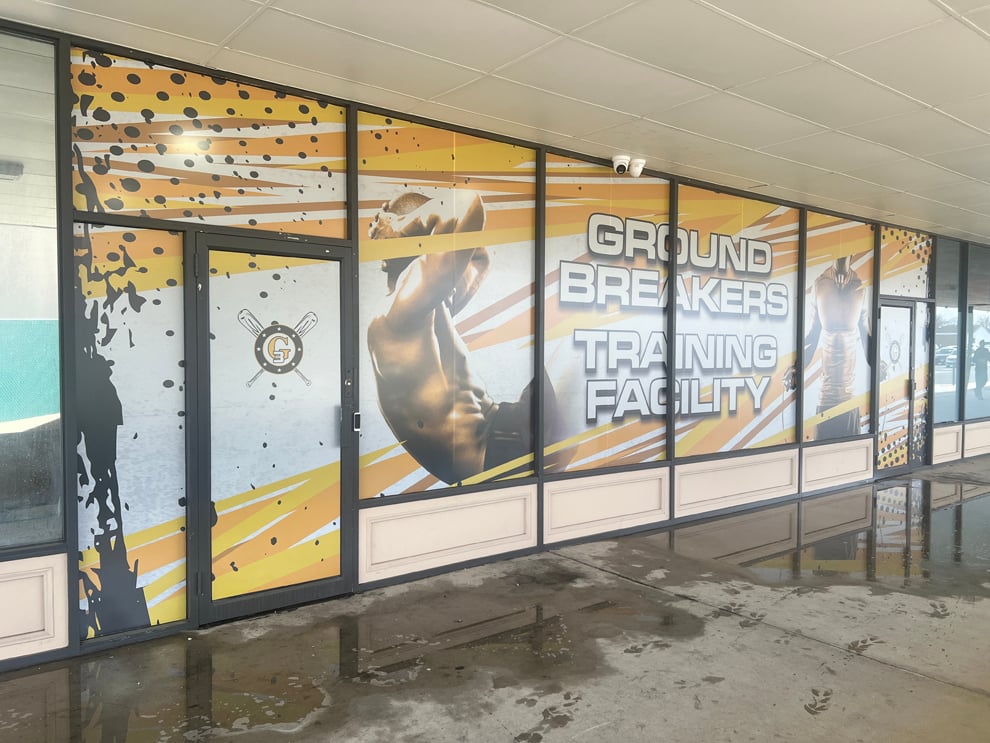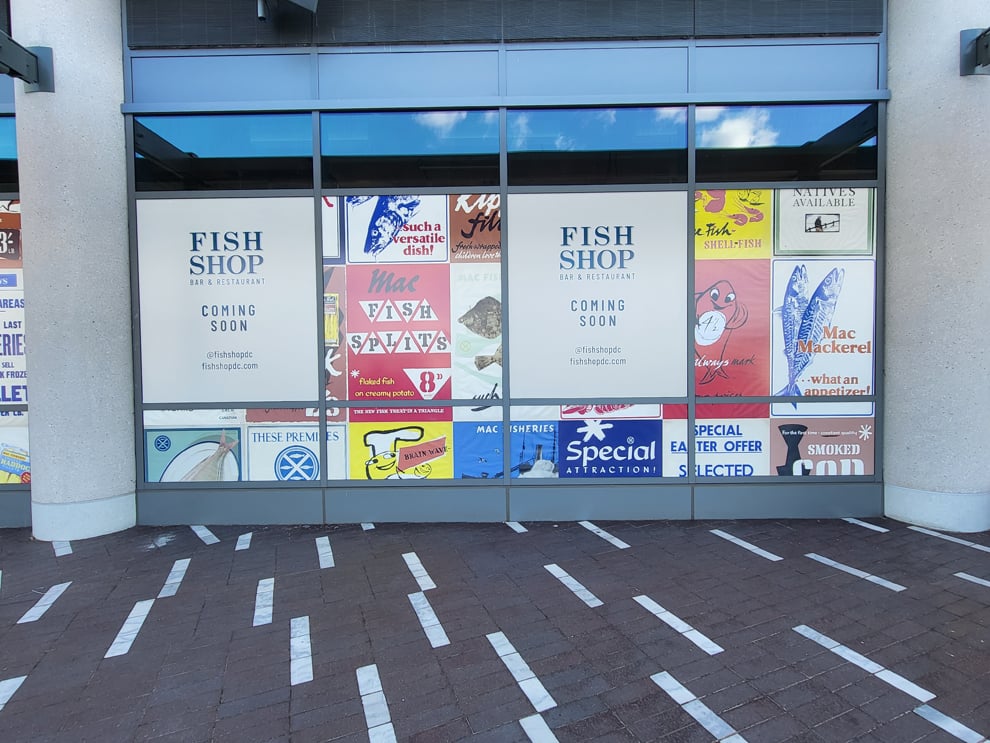
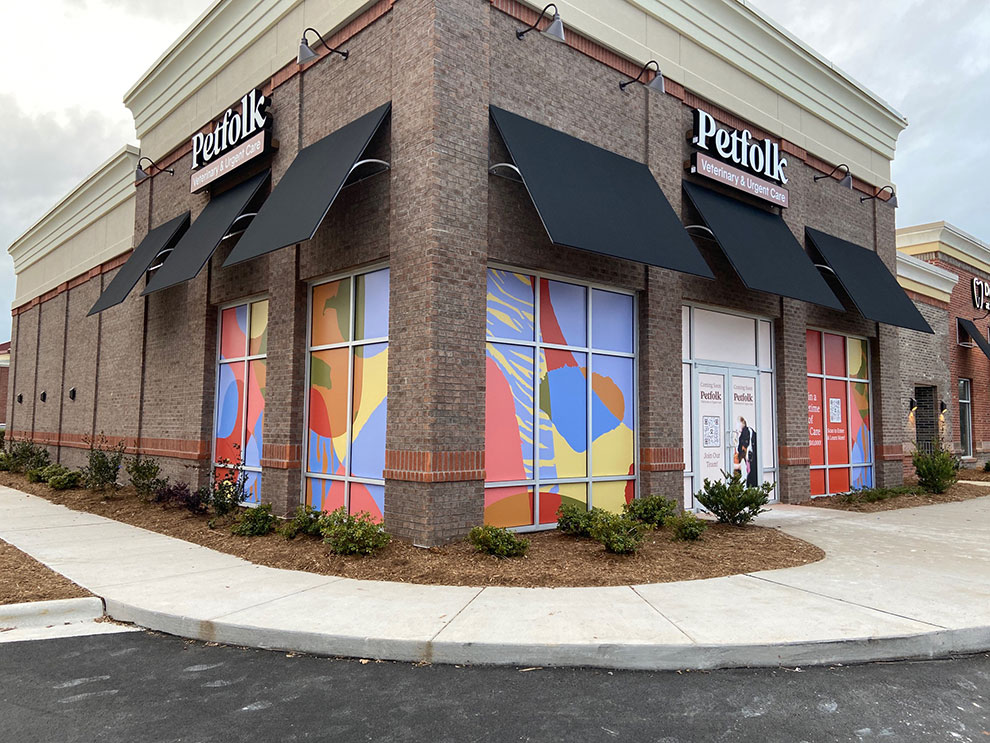
An entrance that has been thought through lets people identify your organization and walk in without hesitating. Storefront graphics carry that initial signal using window graphics, glass door lettering, privacy film, distraction markers, and select non-illuminated signage. The goal is never to load every brand message onto the front glass. The goal is to give staff, guests, and customers enough clarity at the door so the interior can tell the fuller story.
What belongs on the glass depends on the job the entrance has to do. Clear panels often need visual awareness without giving up daylight. A meeting room or client-facing office may call for privacy while keeping certain views open. Street-facing windows can be valuable identification real estate, though heavy coverage tends to make a suite read as closed. Heritage Signs & Displays weighs those tradeoffs as one set of decisions so the entrance holds a defined role inside the larger commercial space.
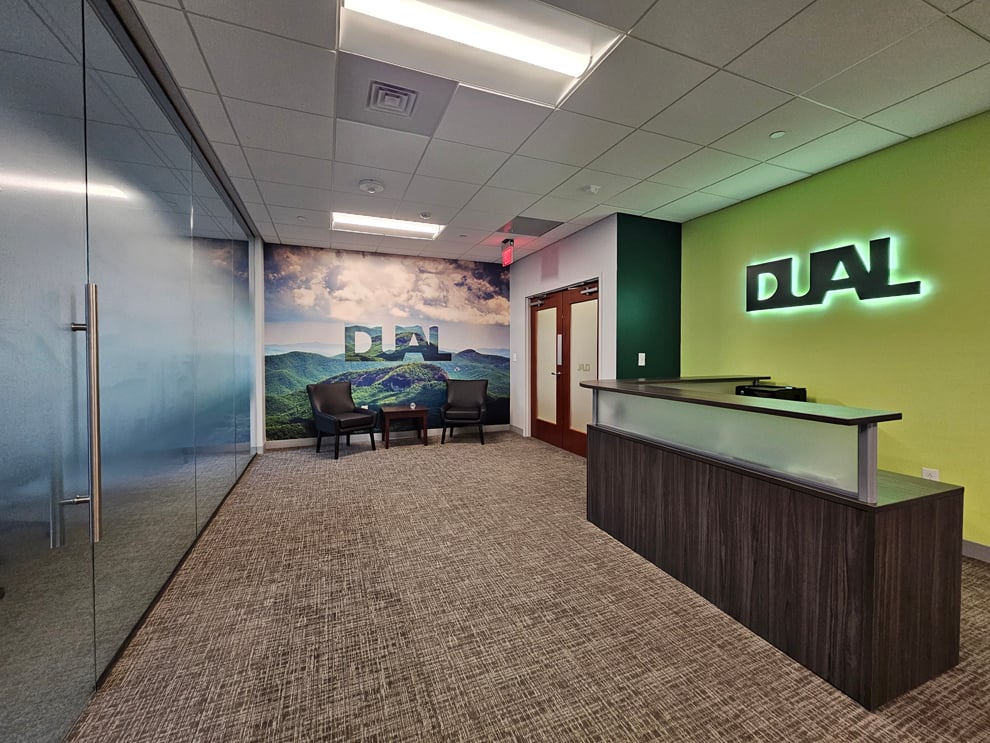
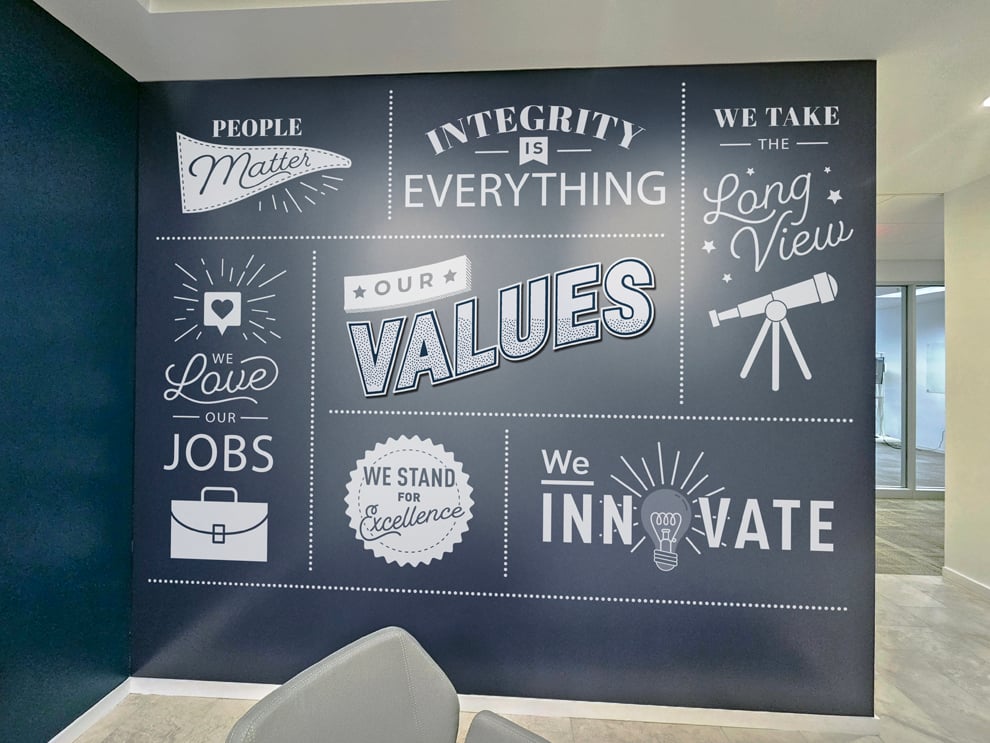
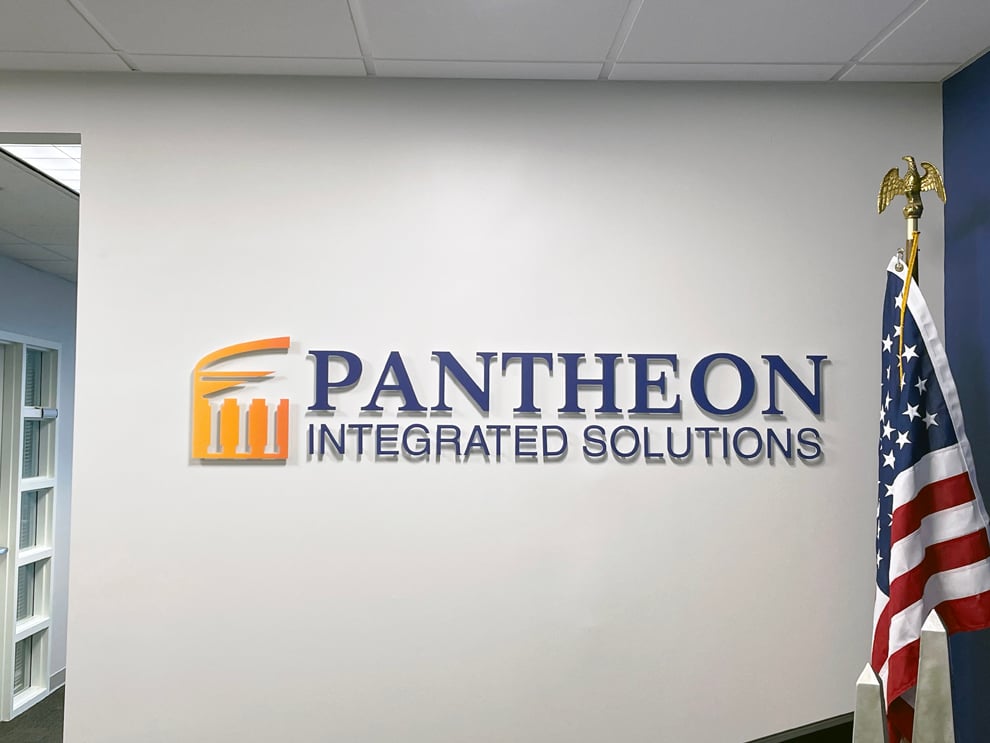
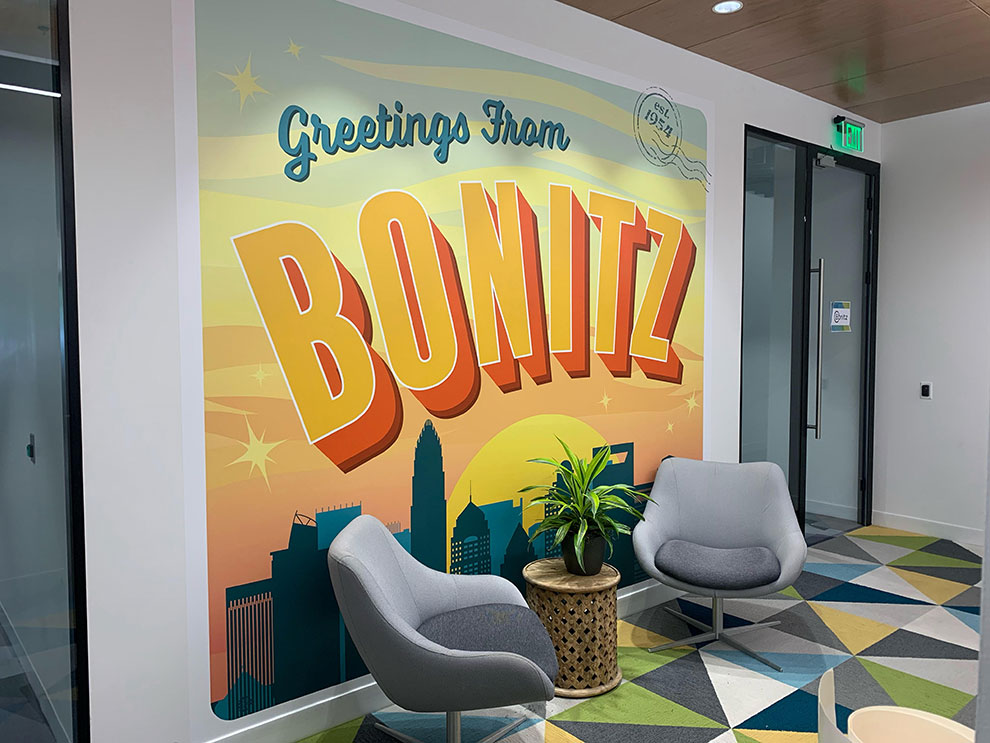
Past the door, the brand has room to expand through a lobby sign, dimensional lettering, wall graphics, recognition displays, or other selected features. Interior surfaces can carry culture, company history, mission statement content, core values, and workplace identity in ways entrance glass simply cannot. Storefront Graphics is Heritage's main link between the outward-facing threshold and that deeper interior experience. The entrance opens the conversation and the interior continues it.
Heritage runs this work as one connected process covering discovery, environmental graphic design, production, fabrication, and professional installation. A single dedicated Project Manager holds continuity while objectives, site data, artwork, materials, approvals, production specs, and installation plans take shape. Project knowledge stays intact, handoffs drop away, and the client keeps one accountable Heritage relationship. Questions tend to get answered before they turn into field problems.
The company started in 1977 as a commercial printer. Signs, interior graphics, workplace branding, and event-environment work became the central focus in 2009. Heritage is award-winning, veteran-owned, family-led, and nearing its 50th year. That track record supports a disciplined method where design choices stay tied to what fabrication and real installation conditions will allow.
Organizations in Reston can reach client-facing support, site surveys, field coordination, installation planning, and professional installation through Heritage's local office and field team. Those people connect to broader production and project capability across the Heritage network. The outcome is one coordinated process whether the work is a single significant project, a phased rollout, or a multi-property program.
Heritage aims to honor God by serving clients and communities with excellence. Day to day, that shows up as sound recommendations, straight communication, careful stewardship, and dependable follow-through from the opening planning call through final installation.
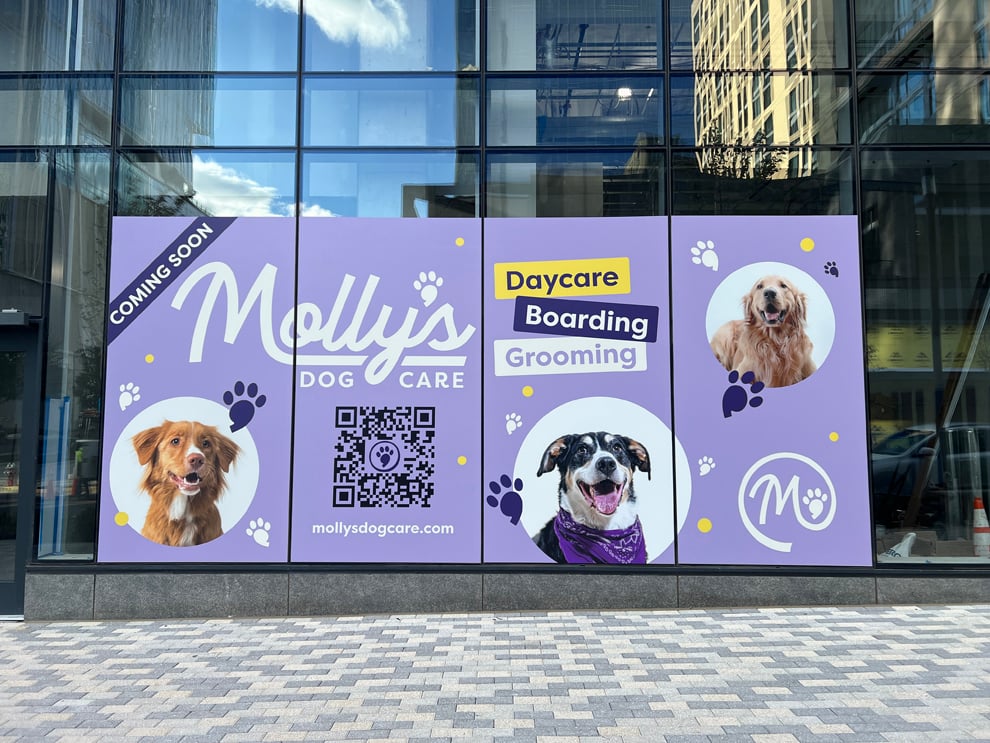
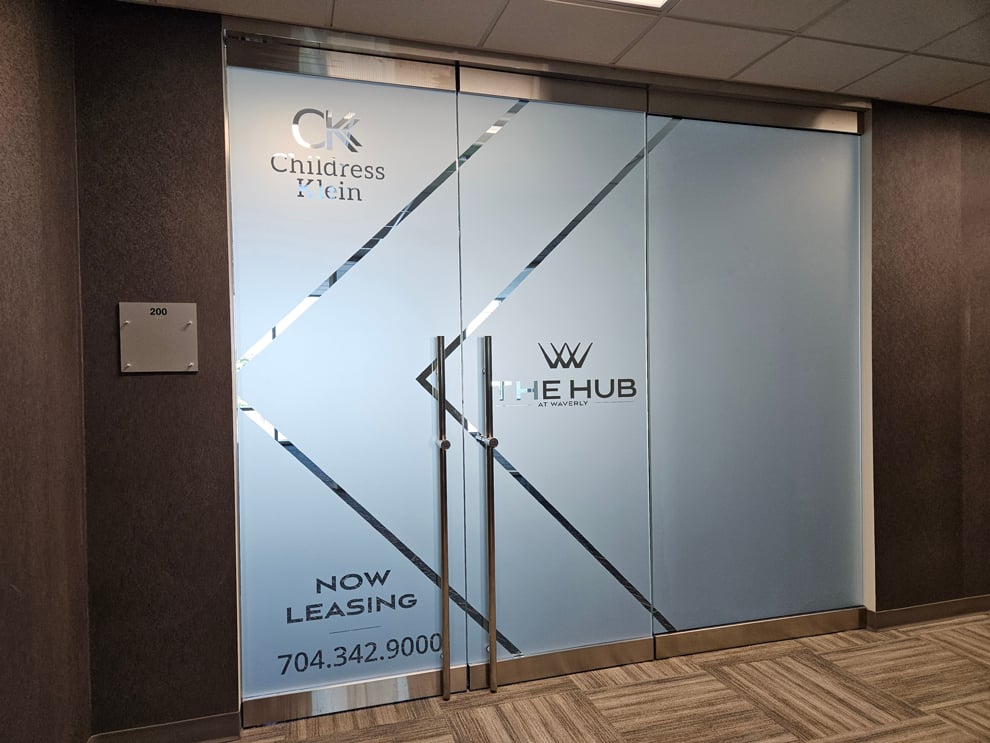
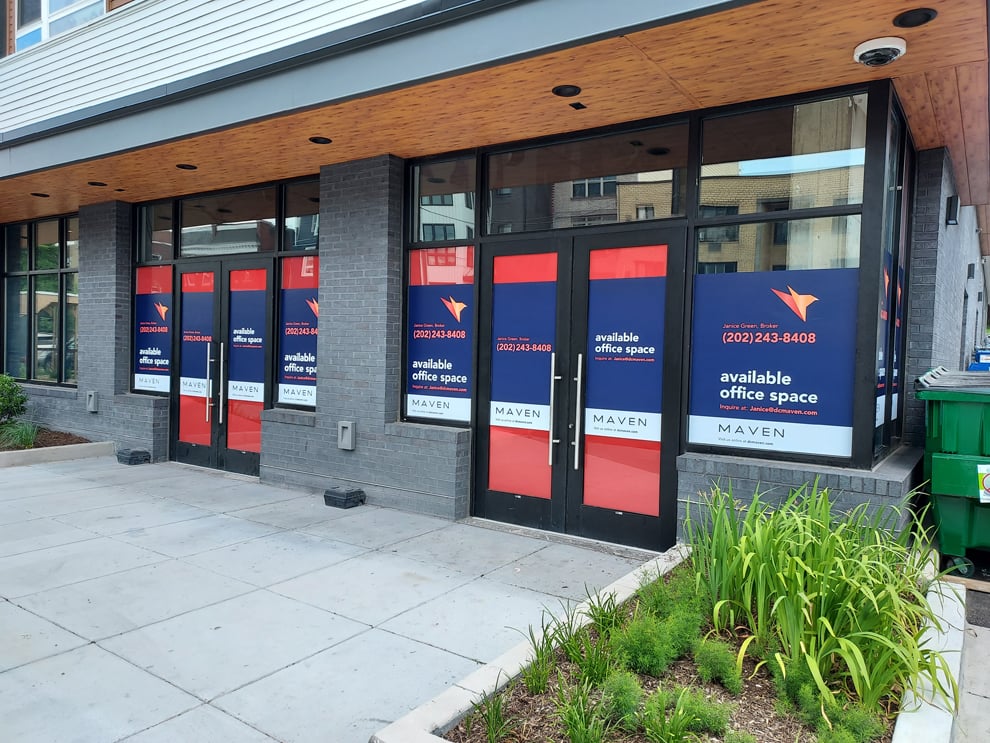
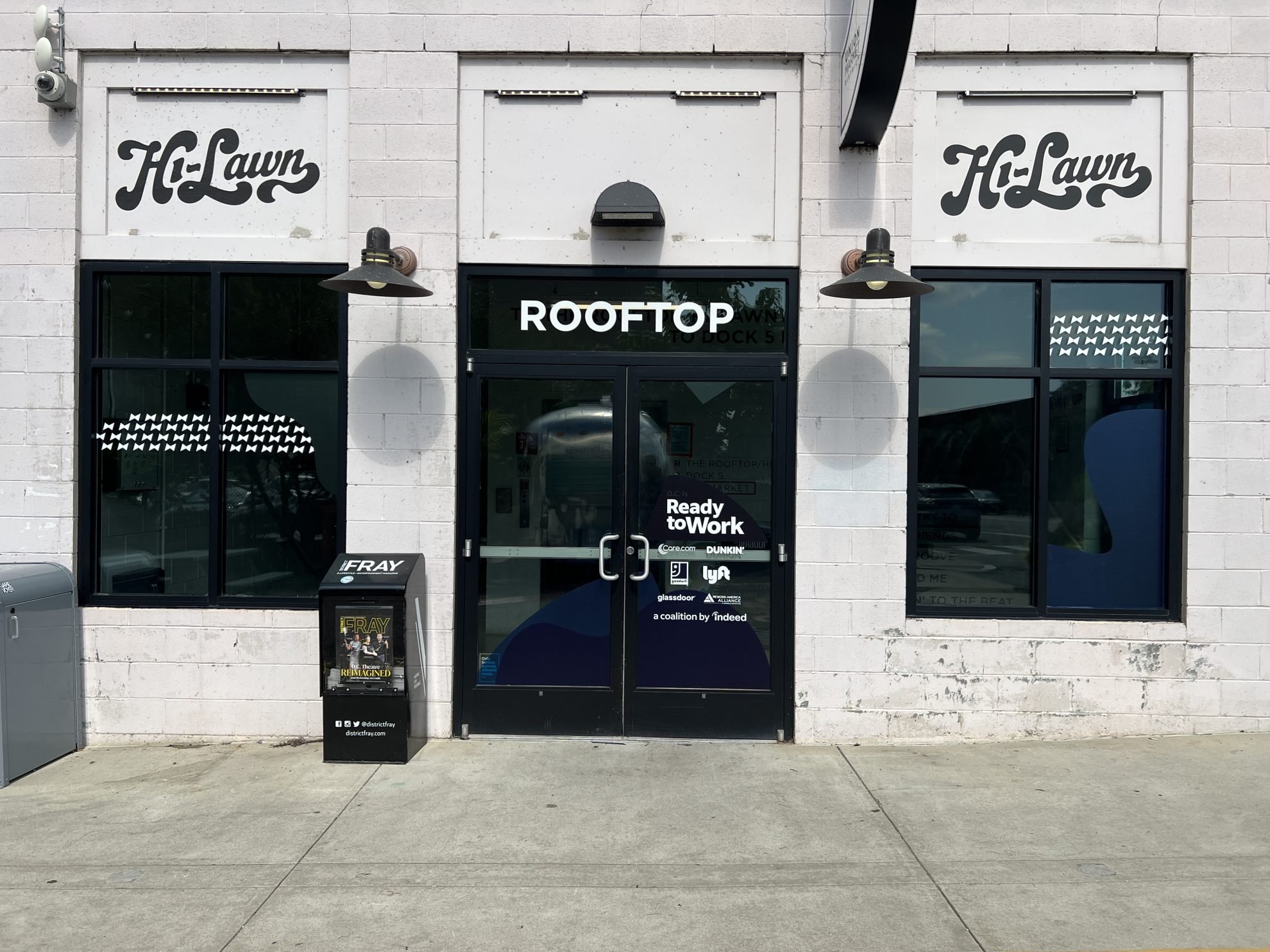
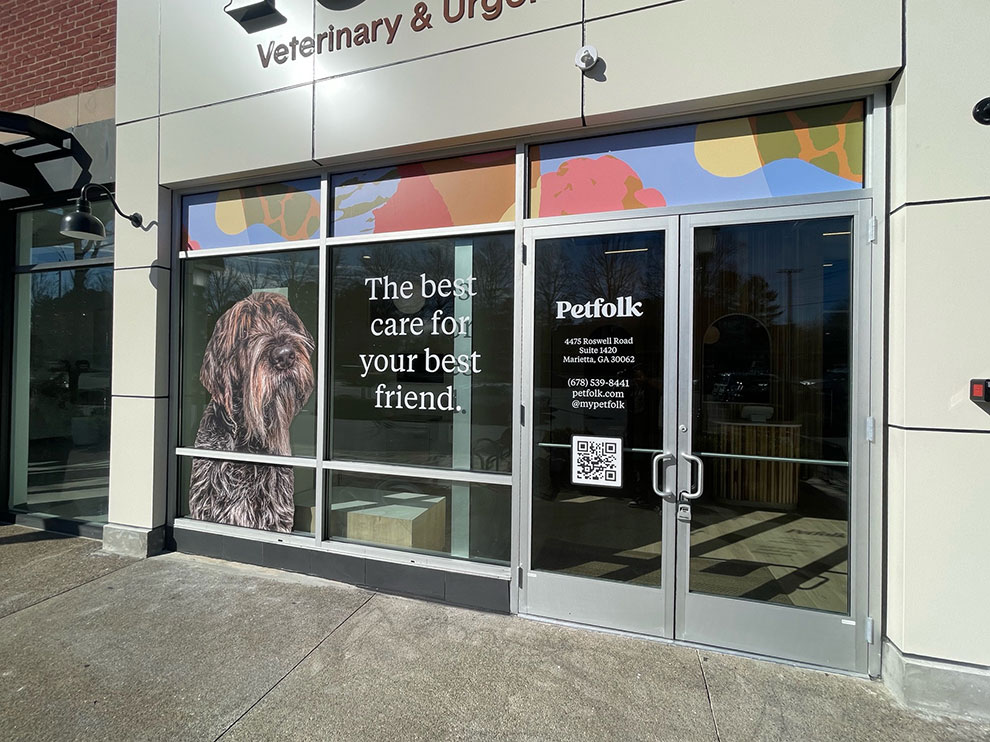
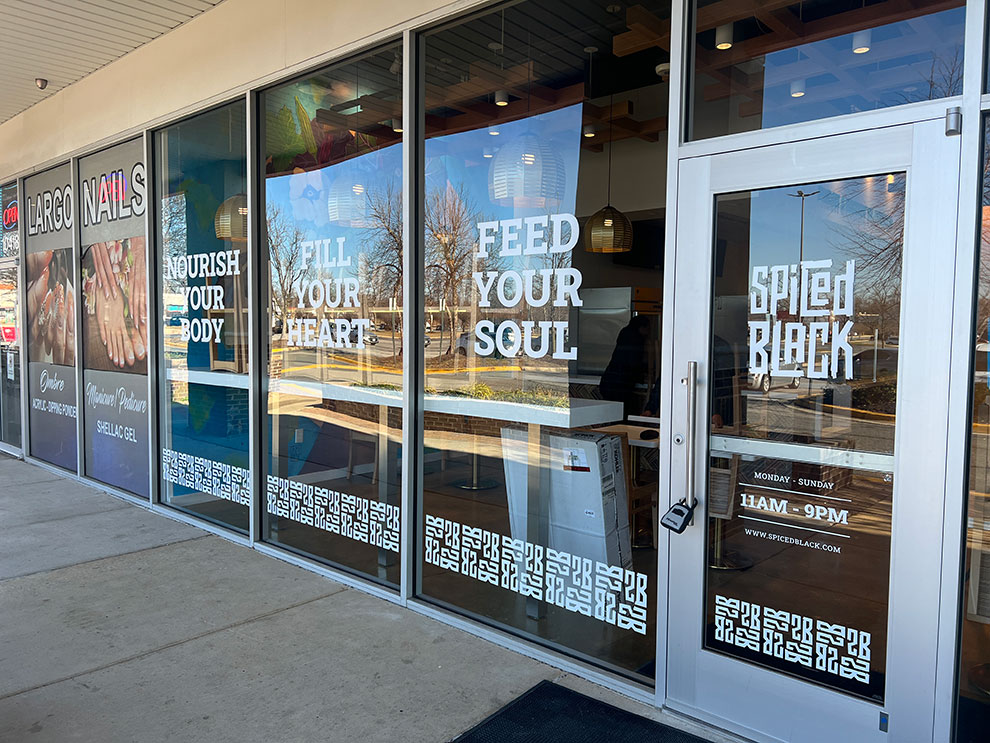
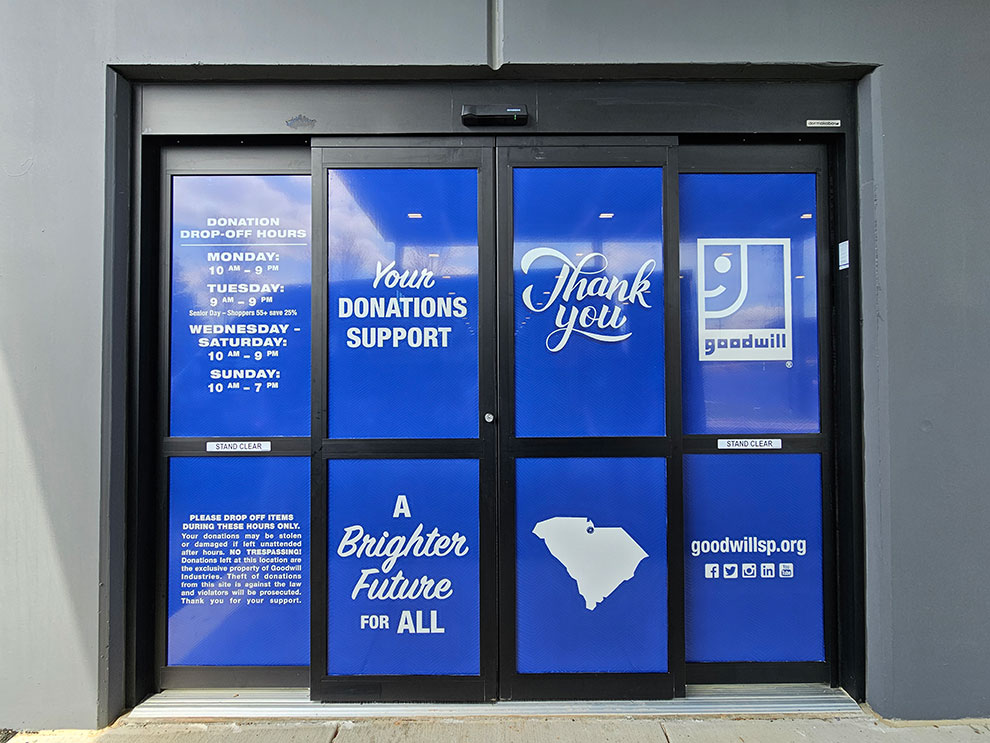
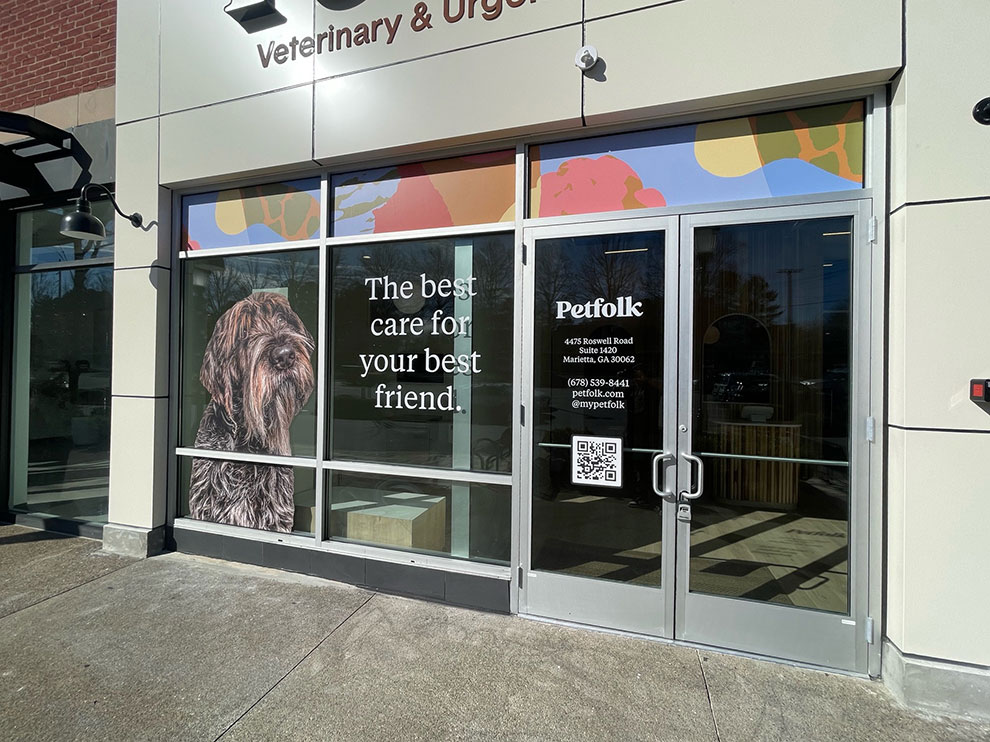
The entrance should create recognition without asking people to absorb more than they can while walking up to the door. Door lettering confirms who occupies the space. Window graphics add color or messaging, and decorative or branded distraction markers make clear glass easier to register. Privacy film cuts direct sightlines while letting daylight through.
Once someone steps inside, a lobby sign can take over as the primary focal point. Wall graphics, dimensional features, and structured displays then handle history, values, recognition, and other content that needs room to breathe. The result keeps the entrance uncluttered while the interior delivers a fuller version of the brand.
Treating the door, windows, lobby, and interior walls as one related sequence also cuts down on visual inconsistency. Instead of buying each surface separately, Heritage helps sort out what belongs at the threshold, what should stay readable through the glass, and which ideas earn a stronger interior treatment. Storefront Graphics stays the featured entrance solution, with interior pieces chosen to carry the same thread forward.
Heritage is built for clients who need tight coordination across design, production, fabrication, and installation. The One Dedicated Project Manager System gives every client one consistent point of accountability through discovery, site verification, environmental graphic design, approvals, production planning, fabrication, scheduling, and professional installation.
That continuity protects approved brand standards and prevents the information loss that shows up when several separate vendors each own a slice of the project. Heritage environmental graphic designers work alongside client stakeholders, architects, interior designers, branding agencies, and property teams. Full-time professional installers then execute from the same approved direction and documented field data.
Heritage is veteran-owned and family-led. Reston clients have access to a verified local office and field-support team, supported by wider resources across Northern Virginia, the Washington DC metro area, and the Mid-Atlantic. That structure handles significant one-time projects, carefully phased upgrades, and branding programs spanning multiple buildings. Each site can respond to its own architecture, surfaces, access, and operating hours while one dedicated Project Manager holds shared objectives and brand standards in place.
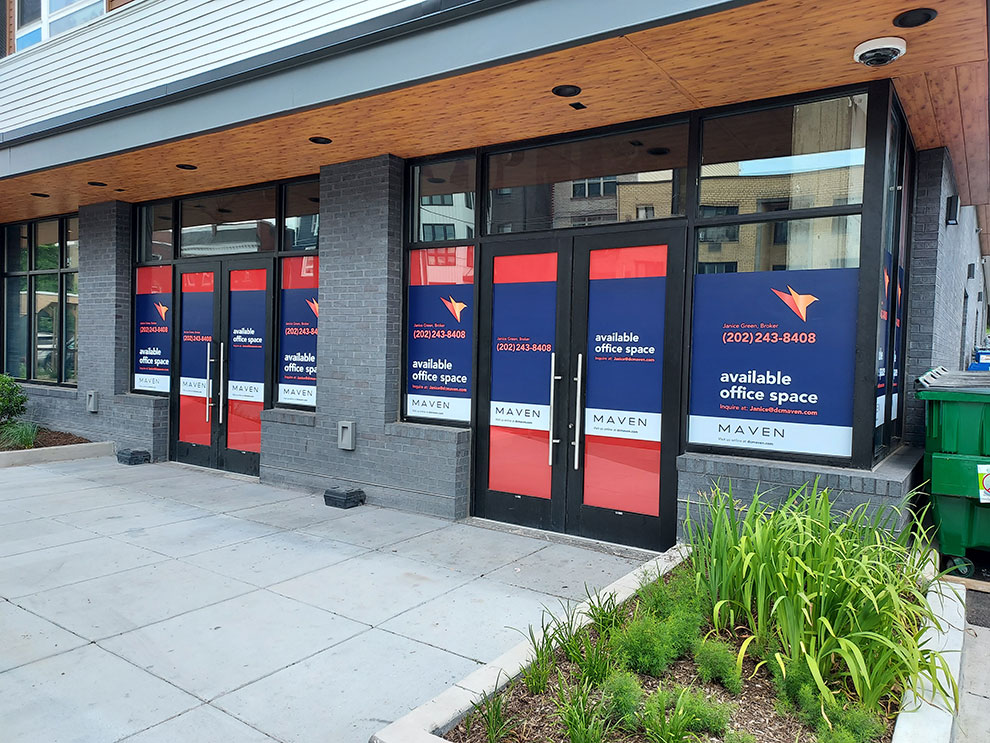
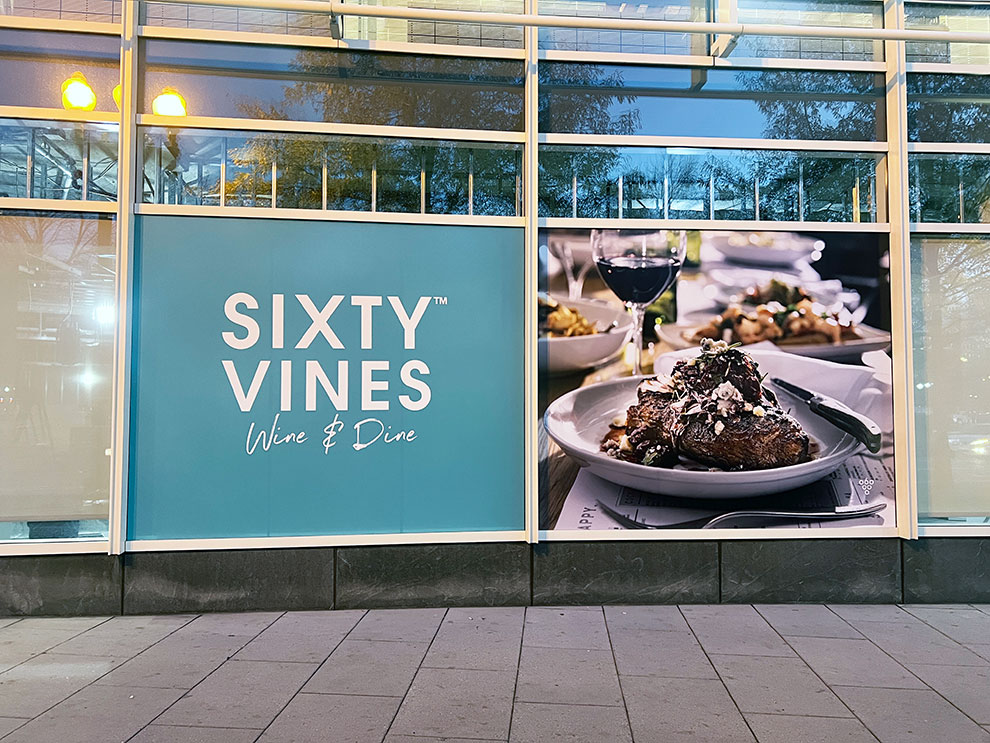
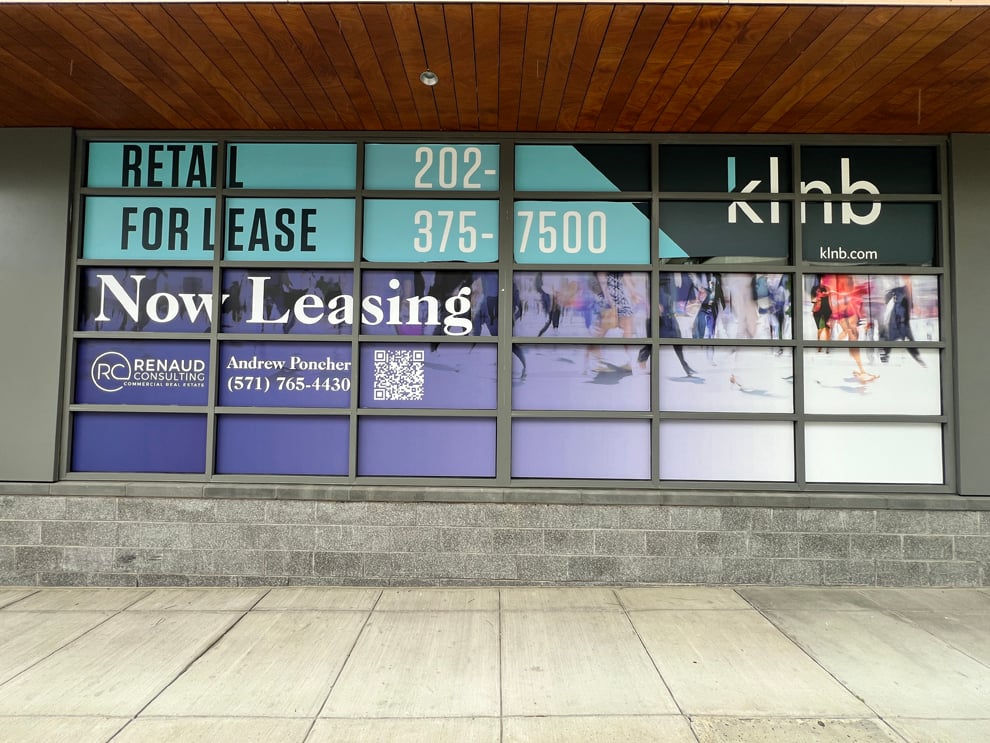
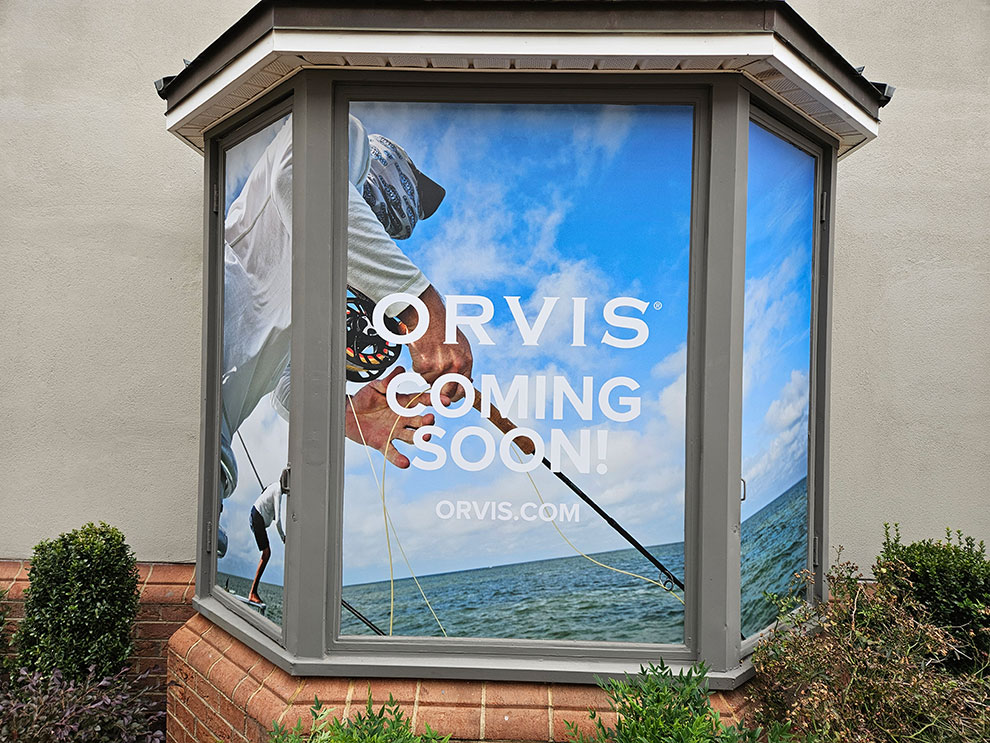
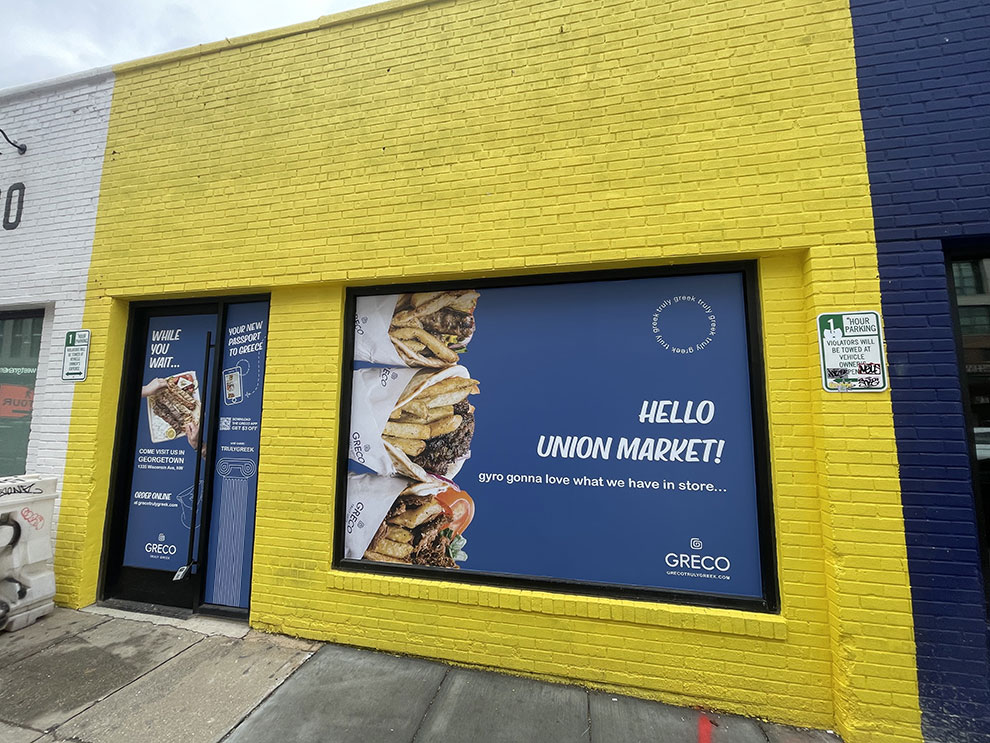
Window and glass graphics give entrance surfaces a clear visual assignment. Heritage balances identification, privacy, daylight, and selected views so the treatment supports arrival without covering more glass than the objectives or the building conditions actually call for.
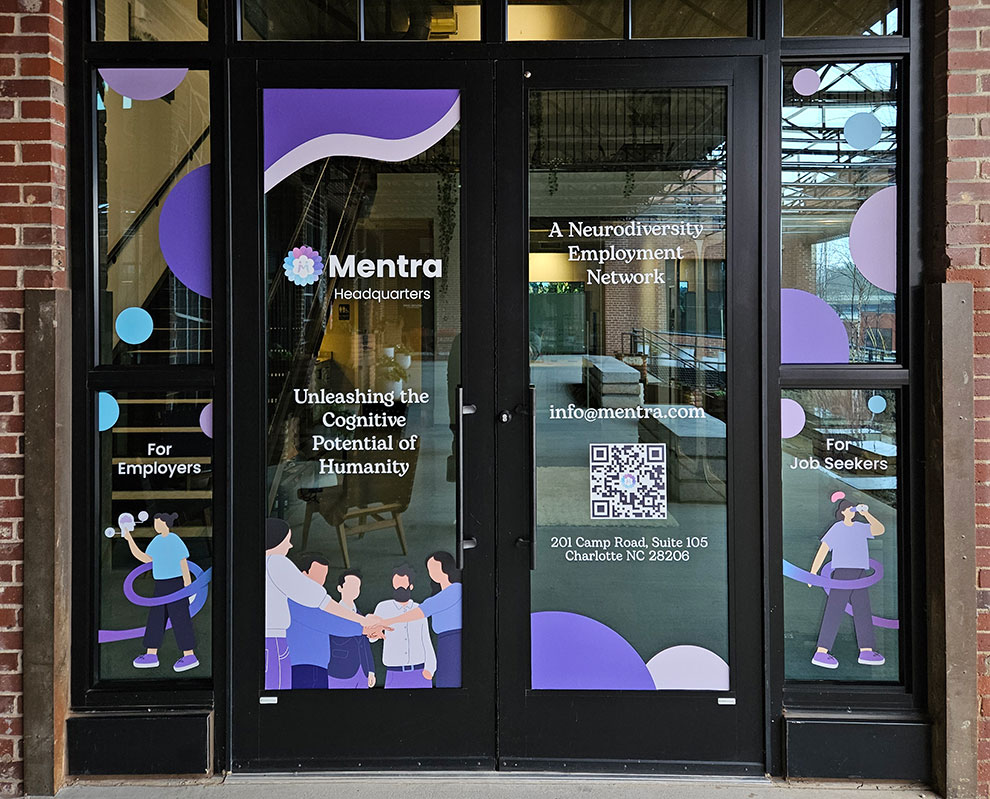
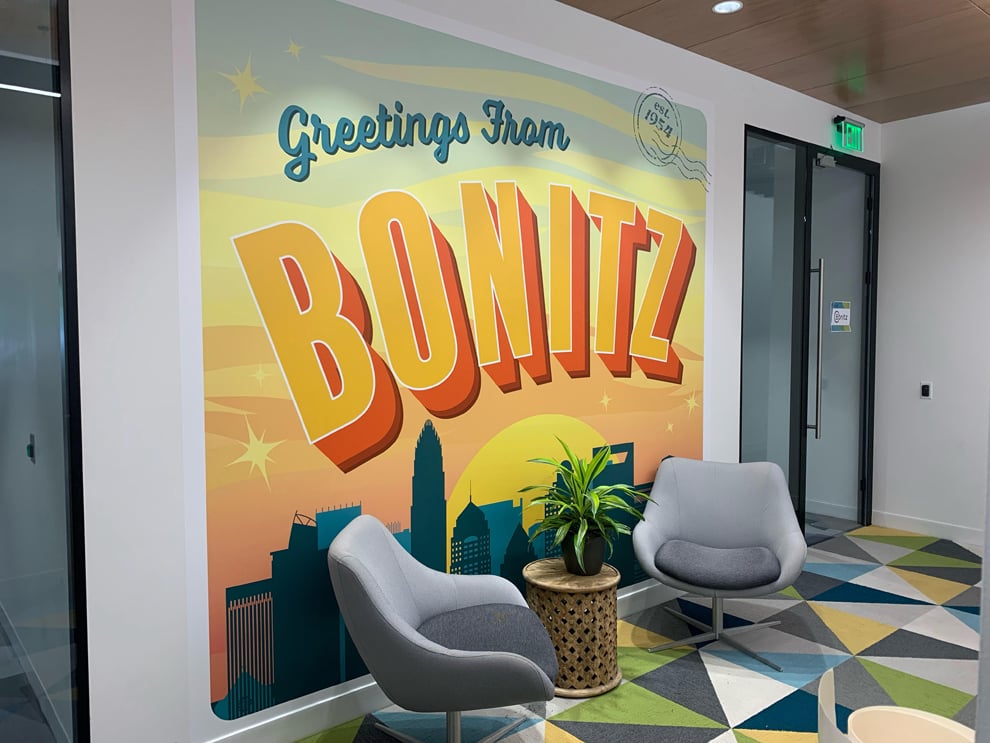
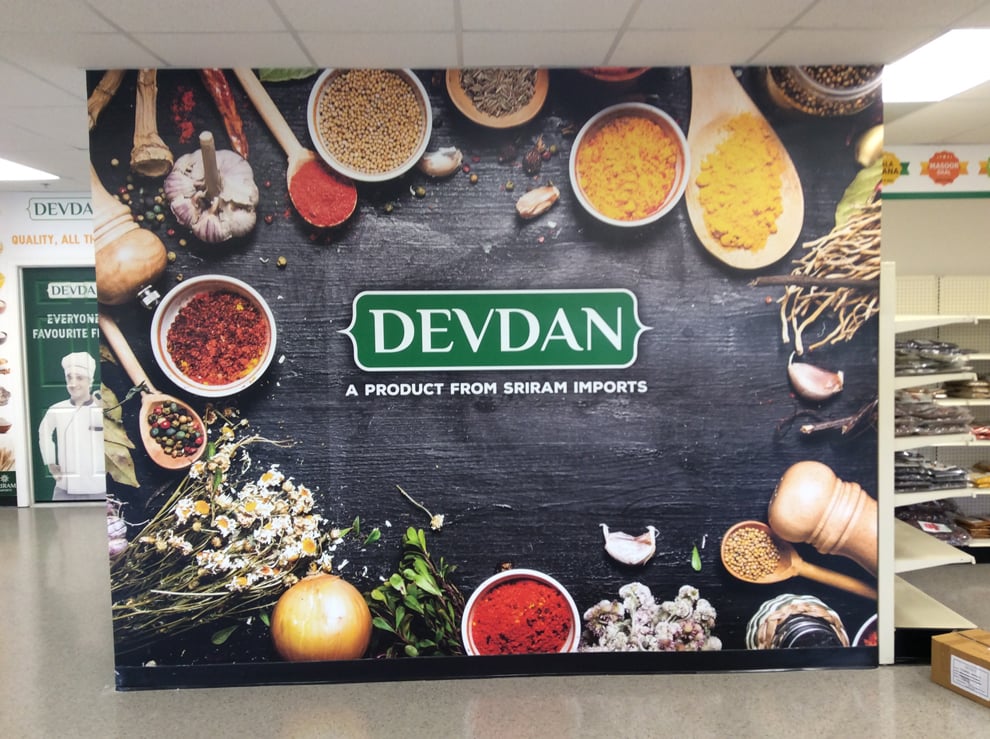
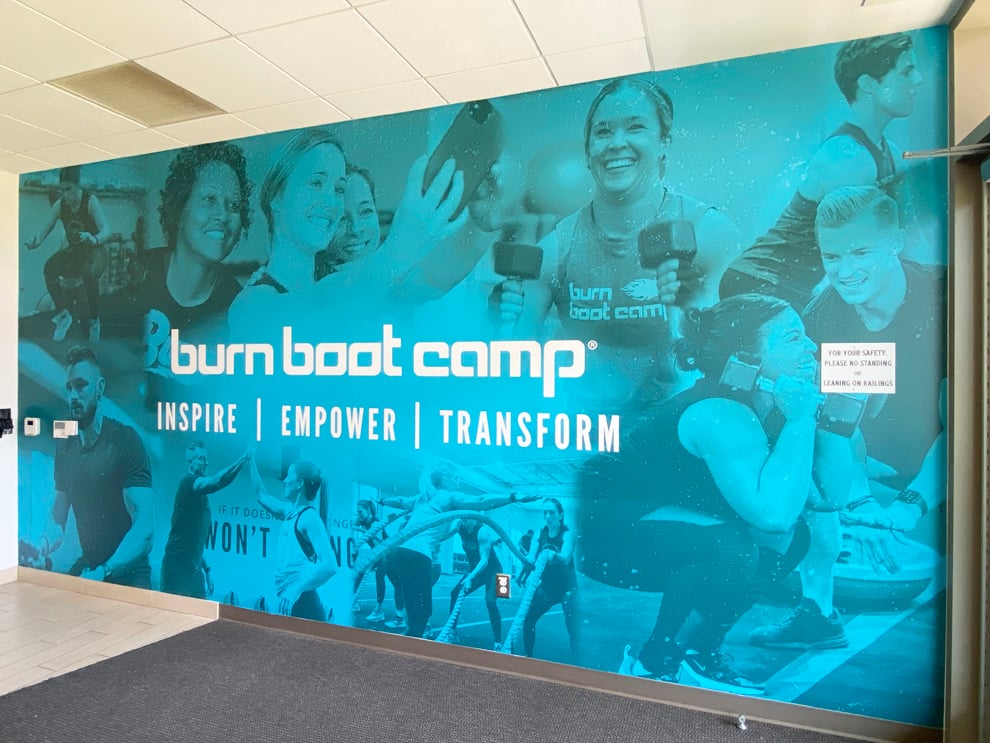
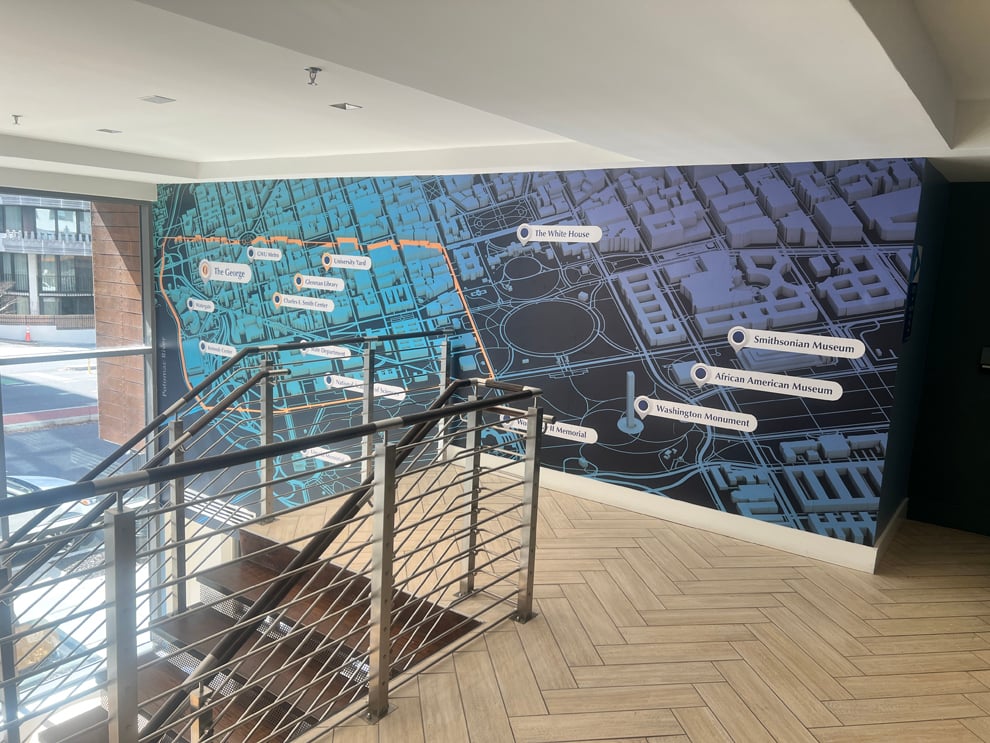
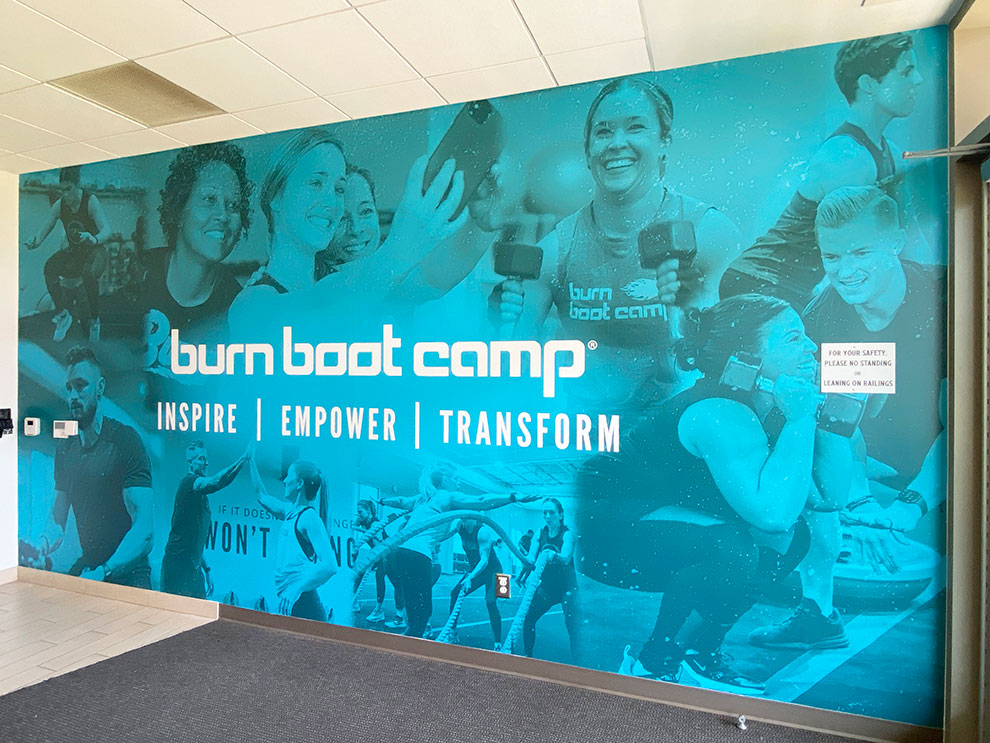
Wall wraps push color, imagery, and branded messaging past the entrance. Reception areas, corridors, meeting rooms, and shared spaces become one connected interior, and important content gets far more room than entrance glass can offer.
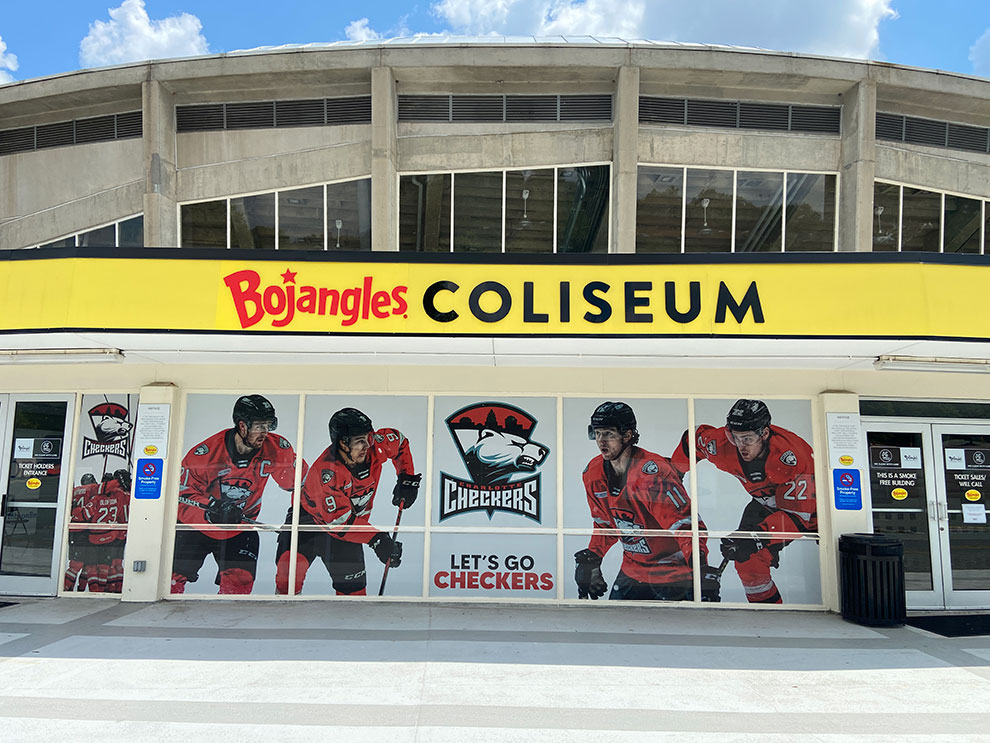
A lobby sign often becomes the main interior destination once storefront graphics have handled recognition outside or at the door. Heritage coordinates scale, materials, placement, and surrounding graphics so the move from entrance to reception feels intentional.
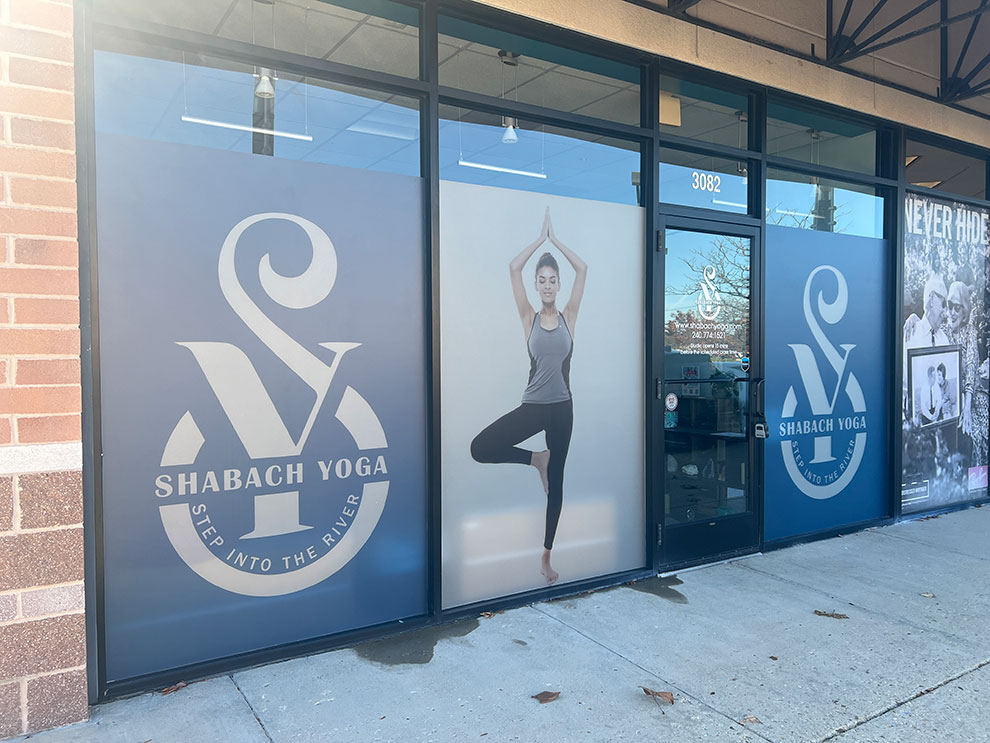
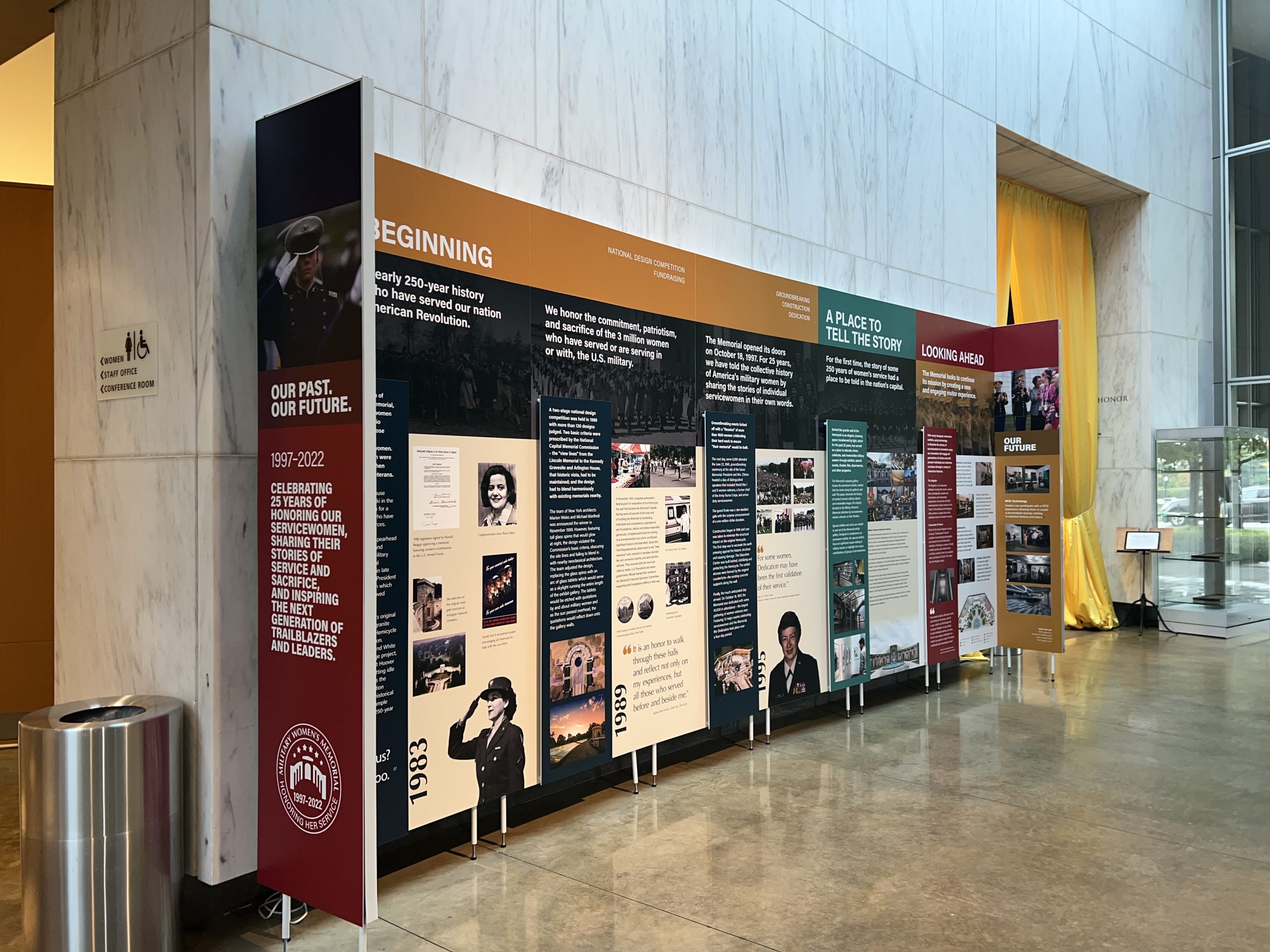
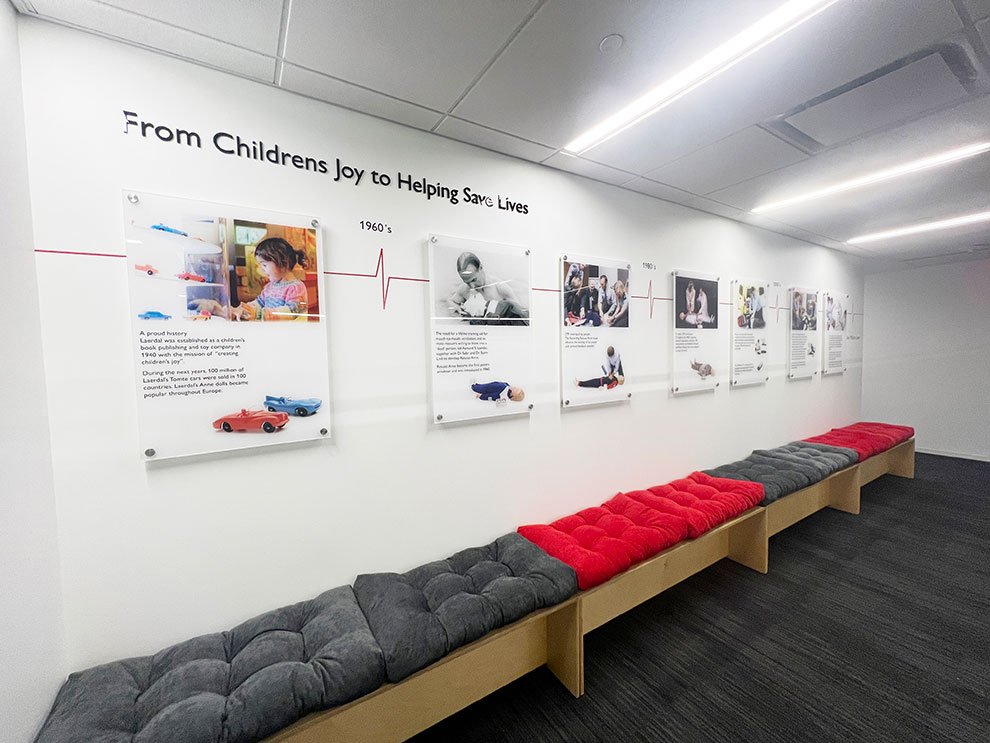
Wall displays organize detailed content such as company history, employee recognition, organizational milestones, or community impact. Printed and dimensional elements combine to extend the identity the storefront introduced without crowding the threshold with information.
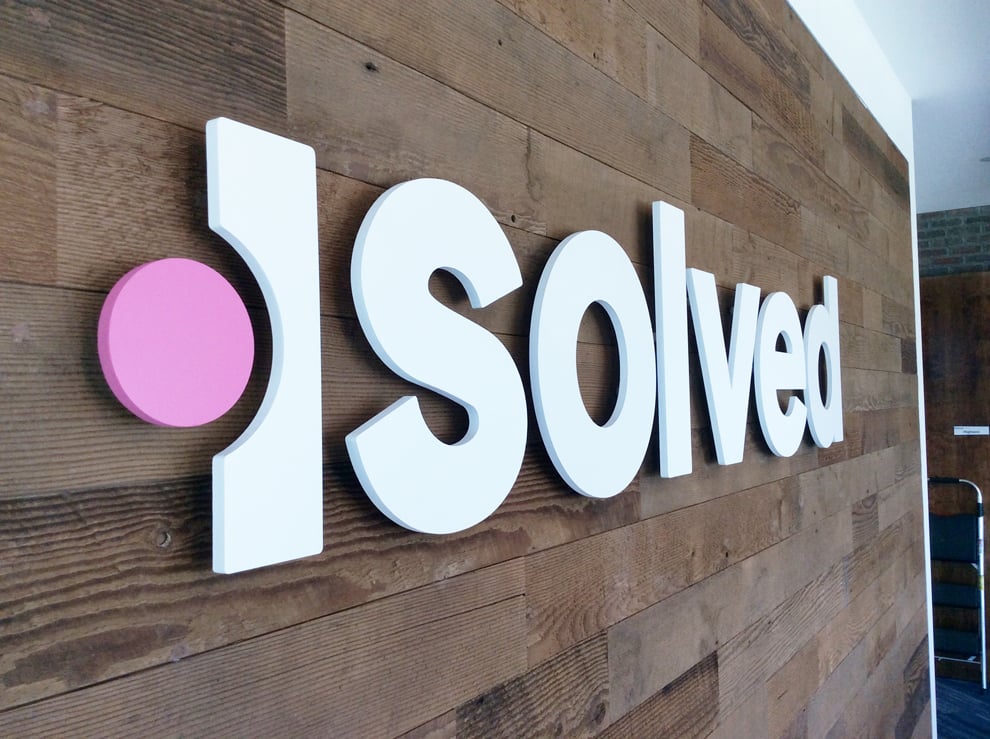
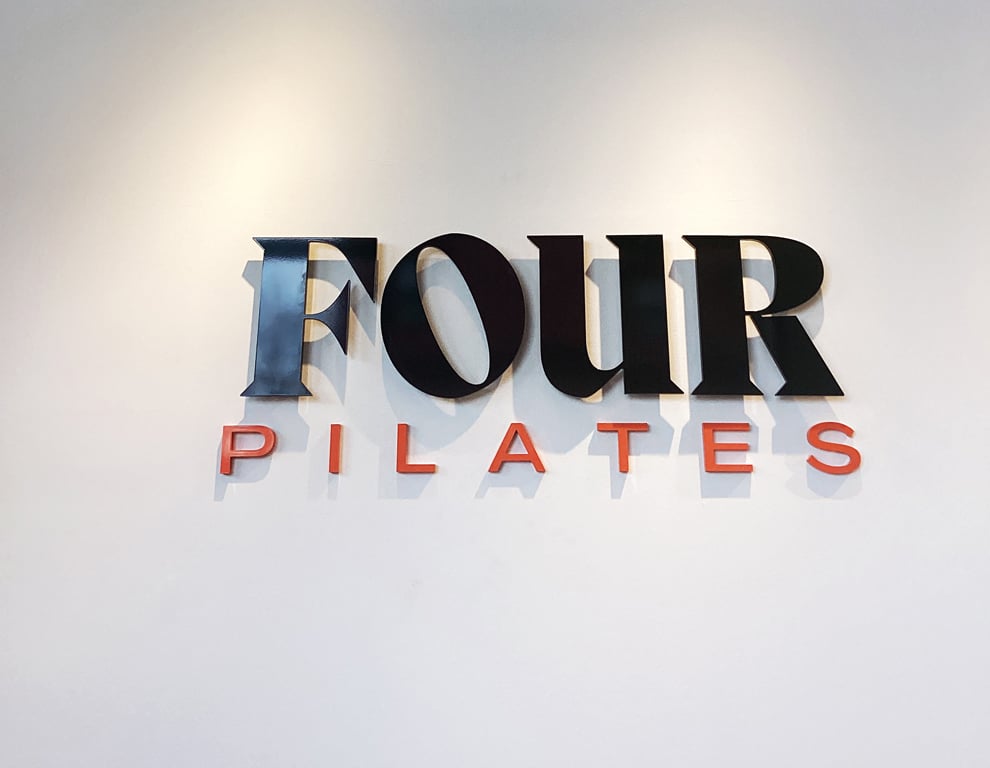
Dimensional letters bring depth and architectural weight to lobby walls, reception areas, and select storefront surfaces. Heritage plans scale, construction, placement, and the relationship to nearby graphics so the letters reinforce identification instead of competing with the space.
Frosted vinyl and etched-look privacy film reduce direct sightlines through offices, conference rooms, and glass partitions while keeping daylight usable. Custom patterns, logos, or bands tie the privacy treatment back to entrance graphics and interior branding.
SEG fabric graphics use tensioned fabric inside a slim frame for a clean interior presentation. They suit prominent imagery or messaging that may change over time while the frame and its relationship to the surrounding branded environment stay consistent.
Backlit signs give an interior logo or message added presence after the entrance has made the introduction. Heritage reviews dimensions, placement, illumination, adjacent finishes, and existing room lighting so the sign reads as an integrated focal point.
If your Reston organization is planning storefront graphics as part of a professionally managed commercial interior branding project, use Get Started Now to share the property address, the result you want, your target completion date, expected investment, photos, any measurements you have, brand standards, plans, and artwork. One dedicated Project Manager will review what you send, flag the next planning decisions, and pull in the right Heritage resources for environmental graphic design, production, fabrication, site verification, and professional installation.
Reston organizations work with Heritage through a verified client-facing office and local field-support team. Services include discovery at your facility, site surveys, field verification, installation planning, professional installation, and follow-through. Local access means Heritage understands the property itself rather than working from photos and rough measurements alone.
Reston also anchors Heritage support for Herndon, Tysons, Vienna, Sterling, Ashburn, and the wider Dulles Corridor. Commercial entrances across this market differ widely, from street-level storefronts in Reston Town Center to office park suites, shared building lobbies, healthcare environments, educational facilities, and properties entered mainly from a parking deck or garage. Every setting drives different calls on visibility, privacy, access, daylight, and arrival.
One dedicated Project Manager links what the field team finds to Heritage's broader environmental graphic design, production, fabrication, and installation resources. Projects reaching beyond Northern Virginia draw on the full Heritage network across the Mid-Atlantic. Multi-location clients keep one coordinated relationship and shared brand standards while each property gets a solution matched to its dimensions, architecture, surfaces, schedule, and installation conditions.
Environmental graphic design sorts out what people should notice first and how the experience unfolds after they step inside. The target might be stronger identification, a branded lobby, better privacy, clearer direction, a history wall, a recognition feature, or an interior expression of core values and mission statement content.
Some clients arrive with settled brand standards, approved artwork, and detailed architectural drawings. Others know the outcome they want but need concept development inside Heritage's scope. Heritage collaborates with architects, interior designers, branding agencies, environmental graphic designers, property teams, and client stakeholders to shape a workable direction for the graphics and signs.
Visibility, privacy, scale, lighting, material performance, architecture, and installation access all shape the recommendation. Heritage carries the approved direction through production, fabrication, and professional installation so design intent stays tied to execution. Heritage does not provide licensed architecture, engineering, general commercial interior design, lighting design, or code consulting. Its role is developing and implementing environmental graphics within the accepted Heritage project scope.
Heritage produces and installs non-illuminated exterior elements as part of coordinated storefront and workplace branding work. Typical scope covers exterior window graphics, exterior wall graphics or wraps, dimensional lettering, dimensional signs, custom sign panels, and related non-illuminated storefront pieces.
These elements identify the organization before anyone reaches the door and connect visually to glass graphics, lobby signs, wall graphics, displays, and other interior features. Printed exterior wall graphics receive protective film laminate as standard practice for added UV and weather resistance. Heritage also reviews the surface, exposure, attachment method, access, and installation conditions for any exterior work it takes on.
Heritage does not produce or install channel letters, monument signs, pylon signs, or illuminated exterior signs. Heritage does not determine whether a sign permit is required, prepare permit documents, submit applications, communicate with permitting authorities on the client's behalf, pay permit fees, or chase approvals. The client, property owner or property manager, or general contractor is responsible for confirming and securing all required sign permits and property approvals. Heritage's review of materials and site conditions is not permitting or code consulting.
Every Heritage Storefront Graphics engagement starts with a site survey that ties what the client wants to achieve to real measurements, real surfaces, real access points, and real installation conditions. Walking the property first lets the team verify how an approved concept behaves on the actual building before anything moves into production or fabrication.
Your dedicated Project Manager holds it all in one place: environmental graphic design, field notes, material selections, production specs, fabrication details, the calendar, and the installation plan. Heritage's full-time installers arrive already holding the approved design intent and the site information gathered weeks earlier. Fewer handoffs means fewer surprises, and most questions get answered long before anyone is standing on a ladder in a Reston lobby.
Installation planning also covers building access, protecting client property, permitted work hours, on-site communication, sequencing, and keeping disruption to a minimum for tenants and visitors. The goal is precise execution by installers who already understand how the exterior and interior pieces are supposed to work as one experience. Heritage does not offer installation-only service for signs or graphics supplied by someone else. Professional installation is tied to work Heritage produces, fabricates, procures, or manages under an accepted engagement.
Wall-applied vinyl performs best on drywall that is sound and smooth, with repairs finished and primer and paint correctly applied. The finish coat also has to be fully cured. Dry is not the same thing as cured, and roughly four weeks is a reasonable planning allowance for many paints. The paint manufacturer's specifications and the conditions inside the building decide when a wall is actually ready.
Washable, scrubbable, stain-resistant, low-VOC, zero-VOC, and other difficult coatings may call for cleaning, adhesion testing, or a different vinyl and adhesive pairing. Adhesion testing reveals how vinyl behaves on the painted surface, but it says nothing about how firmly the paint and primer are gripping the drywall beneath. If paint lifts or peels during testing or during ordinary repositioning, Heritage stops work rather than compounding the damage.
Repair, priming, repainting, full cure time, restoration, and any related surface costs are arranged and paid for by the client or property owner. Heritage neither performs nor funds that work. Removal down the road is its own topic. Heritage uses slow, deliberate removal techniques, though damage-free removal can never be guaranteed. Paint loss, primer loss, or torn drywall facing are all possible. The word removable describes an adhesive system or its intended use, not a guarantee about the wall. Pulling existing graphics early enough to expose restoration needs before the replacement install is scheduled saves real time.
Good planning lines up the desired outcome, the audience, the scope, phasing, schedule, site conditions, site readiness, stakeholders, approvals, expected investment, and whatever information is still missing. Photos, dimensions, floor plans, artwork, brand standards, and property details all feed those decisions, but gathering paperwork is not the point. The point is defining a project that can be approved and delivered responsibly.
Heritage fits professionally managed projects that benefit from environmental graphic design, production, fabrication, and professional installation under one roof. Many Heritage engagements involving production and installation land between $10,000 and upward of $200,000. Where a given project falls depends on total scope, materials, how many branded elements are involved, fabrication complexity, site access, scheduling, and installation demands.
That might mean a single high-impact entrance and lobby along Reston Parkway, a phased workplace refresh in Reston Town Center, or coordinated rollouts across several properties in the region. One dedicated Project Manager keeps ownership, design intent, approvals, timelines, and unresolved decisions in plain view as the work moves forward. This approach suits organizations that want an accountable commercial branding partner, not a one-off commodity graphic or a labor-only install.
Storefront graphics are visual elements applied to entrance glass, windows, doors, walls, and nearby surfaces to establish identity and shape the arrival experience. They deliver recognition, privacy, visibility, and an intentional handoff to lobby signs, wall graphics, displays, and the rest of the interior branding.
Yes. Frosted vinyl, etched-look privacy film, custom patterns, and carefully placed graphics can cut direct sightlines while letting natural light through. How much coverage you need depends on the level of privacy you want, the views worth keeping, glass configuration, lighting, and how the adjoining space is actually used.
Distraction markers are decorative or branded vinyl graphics applied to clear glass so the surface registers visually. They can take the form of bands, dots, patterns, or logos and often serve privacy or branding purposes at the same time. Applied vinyl does not create building-code compliance, safety-glazing compliance, certification, or approval of any kind.
Yes. Every Heritage Storefront Graphics project includes a site survey that connects client objectives to measurements, surfaces, access, and installation conditions. Those findings stay linked to the dedicated Project Manager, the environmental graphic designers, the production and fabrication teams, and the installers.
Painted walls need to be smooth, sound, properly repaired, primed, painted, and fully cured. Roughly four weeks is a workable planning allowance for many paints, but the manufacturer's requirements and on-site conditions govern actual readiness. Washable, scrubbable, stain-resistant, low-VOC, zero-VOC, and similarly difficult coatings may require cleaning, testing, or a different adhesive strategy.
Adhesion testing shows how vinyl performs on paint. It cannot confirm how well that paint and primer are bonded to the drywall. If paint lifts during testing or routine repositioning, Heritage stops. Repairs, priming, repainting, cure time, restoration, and related costs fall to the client or property owner.
Yes. Heritage produces and installs exterior window graphics, exterior wall graphics and wraps, dimensional lettering, dimensional signs, custom sign panels, and comparable non-illuminated storefront elements inside coordinated branding projects. Printed exterior wall graphics get protective film laminate as standard practice for added UV and weather resistance.
Heritage does not produce or install channel letters, monument signs, pylon signs, or illuminated exterior signage. The client, property owner or manager, or general contractor is responsible for confirming and securing sign permits and property approvals. In Fairfax County that process can carry its own review requirements, and Heritage does not determine permit requirements or handle permitting.
Yes. Heritage works slowly and carefully to limit avoidable damage, but damage-free removal cannot be guaranteed. Paint, primer, or drywall facing can come away with adhesive vinyl, especially when the wall system underneath is weak or incompatible.
The client or property owner arranges and pays for repair, priming, repainting, cure time, restoration, and related surface costs. Removable refers to the adhesive system or its intended use. It is not a promise about the condition of the wall afterward.
Material choice should match the design, the surface, the exposure, the attachment method, and how long the piece needs to last. Heritage works with adhesive vinyl, frosted vinyl, acrylic, dimensional materials, and aluminum composite material, shortened to ACM after first reference. ACM delivers a metal appearance at a fraction of the weight of solid metal. Heritage does not print on or cut solid aluminum or solid steel as a sign substrate.
Yes. Heritage coordinates multi-property programs across Northern Virginia, the greater Washington, DC region, and the wider Mid-Atlantic and Carolinas while keeping one dedicated Project Manager and consistent brand standards. Each property gets a solution suited to its architecture, dimensions, access, surfaces, schedule, and installation conditions rather than a copy-and-paste treatment.
Yes, when removal is part of a new Heritage production and installation project. Existing wall graphics should come down early enough to expose paint failure, drywall damage, or other restoration needs before the replacement install is scheduled.
Heritage removes graphics carefully, though damage-free removal cannot be guaranteed. The client or property owner arranges and pays for repairs, priming, repainting, restoration, and cure time. Heritage does not offer graphics removal as a standalone service.
Yes. Heritage collaborates with professional partners and internal stakeholders using existing brand standards, architectural documents, approved concepts, or other direction. Heritage develops environmental graphics within its scope and carries approved work through production, fabrication, and installation. Heritage does not provide licensed architecture, engineering, general commercial interior design, lighting design, or code consulting.
Heritage's full-time professional installers handle Storefront Graphics produced, fabricated, procured, or managed under an accepted Heritage engagement. They work from the measurements, site conditions, approved design intent, material decisions, access requirements, and installation plans held in the shared project history. Installation-only service for customer-supplied signage is not offered.
Timing hinges on design development, approvals, material availability, production, fabrication, site readiness, access, installation conditions, and overall scope. Heritage sets a realistic schedule once those variables are understood. A single entrance project and a phased multi-location program call for very different planning.
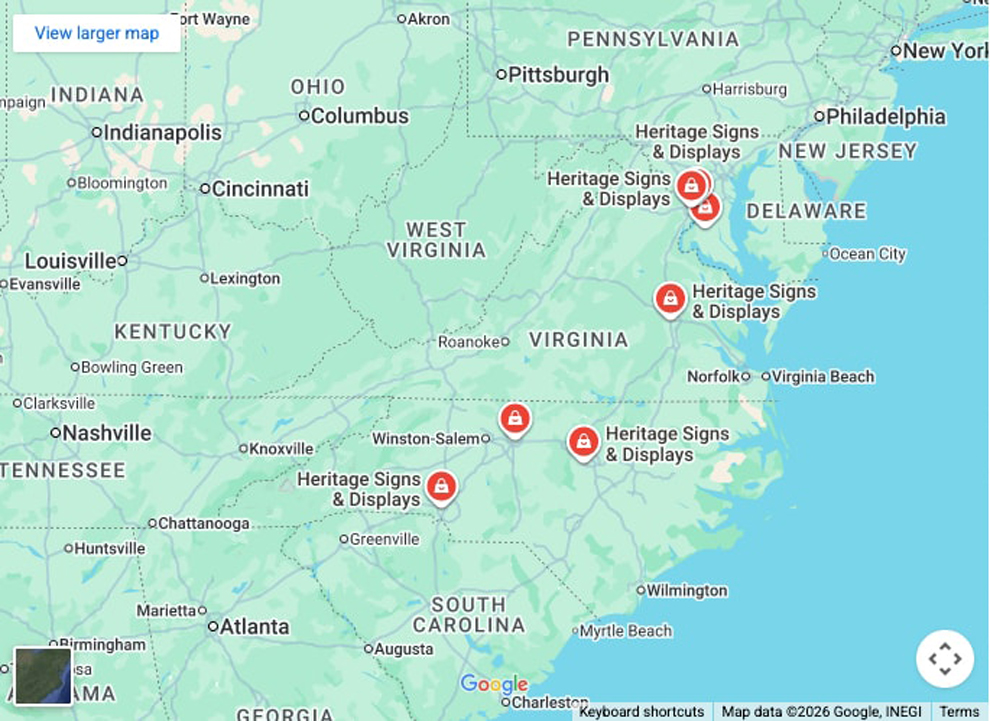
Storefront graphics form the first layer of a branded environment, handling recognition, privacy, visibility, and arrival. Environmental graphic design then determines how that entrance treatment should connect to lobby signs, wall graphics, dimensional features, displays, wayfinding, and the interior elements that carry the experience forward.
Heritage pairs verified Reston client and field support with full environmental graphic design, production, fabrication, and professional installation capability. One dedicated Project Manager holds client objectives, site information, approvals, brand standards, and execution details inside a single accountable relationship. Heritage is award-winning, veteran-owned, family-led, and experienced in substantial one-time, phased, and multi-location commercial branding projects.
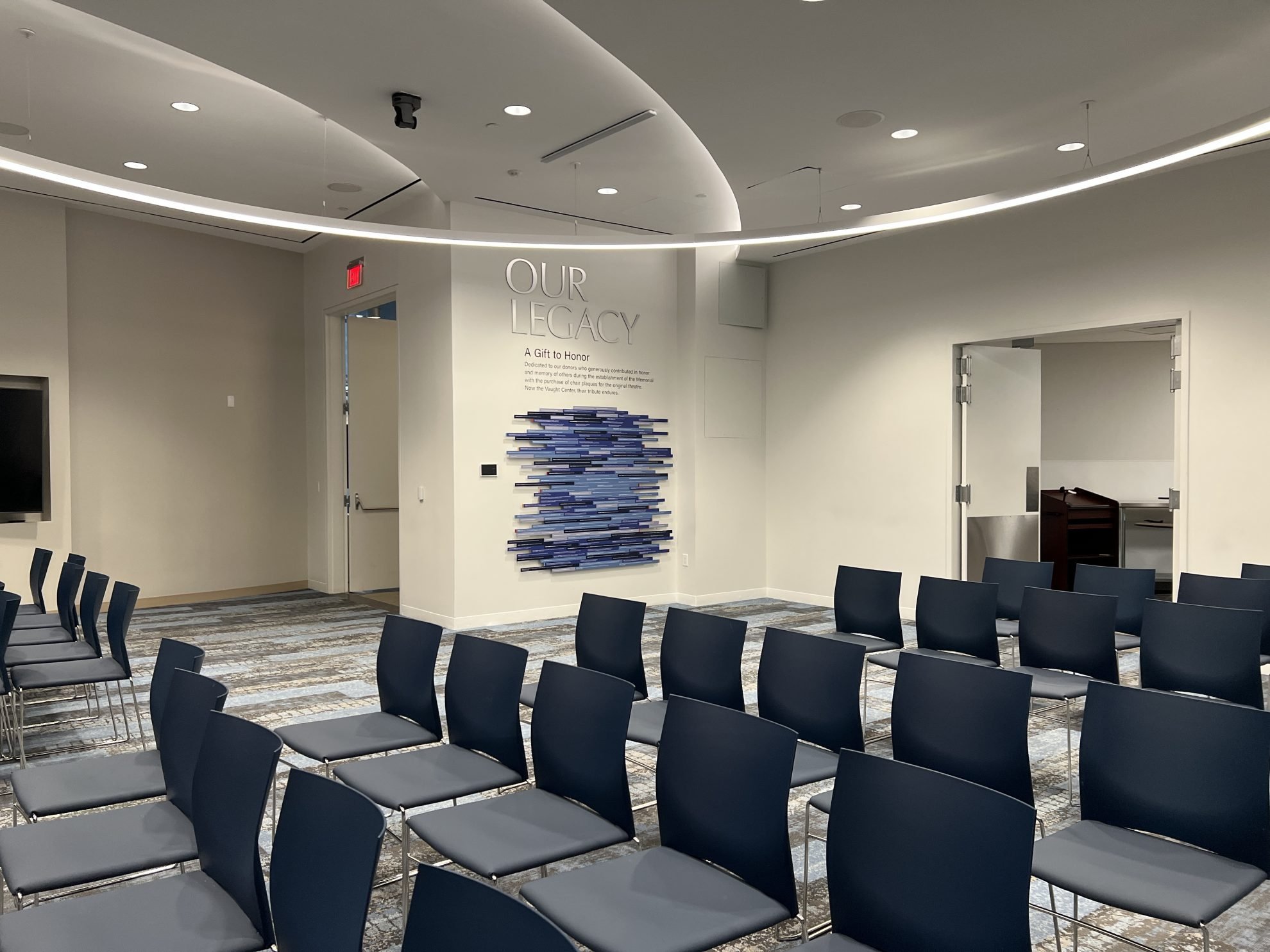
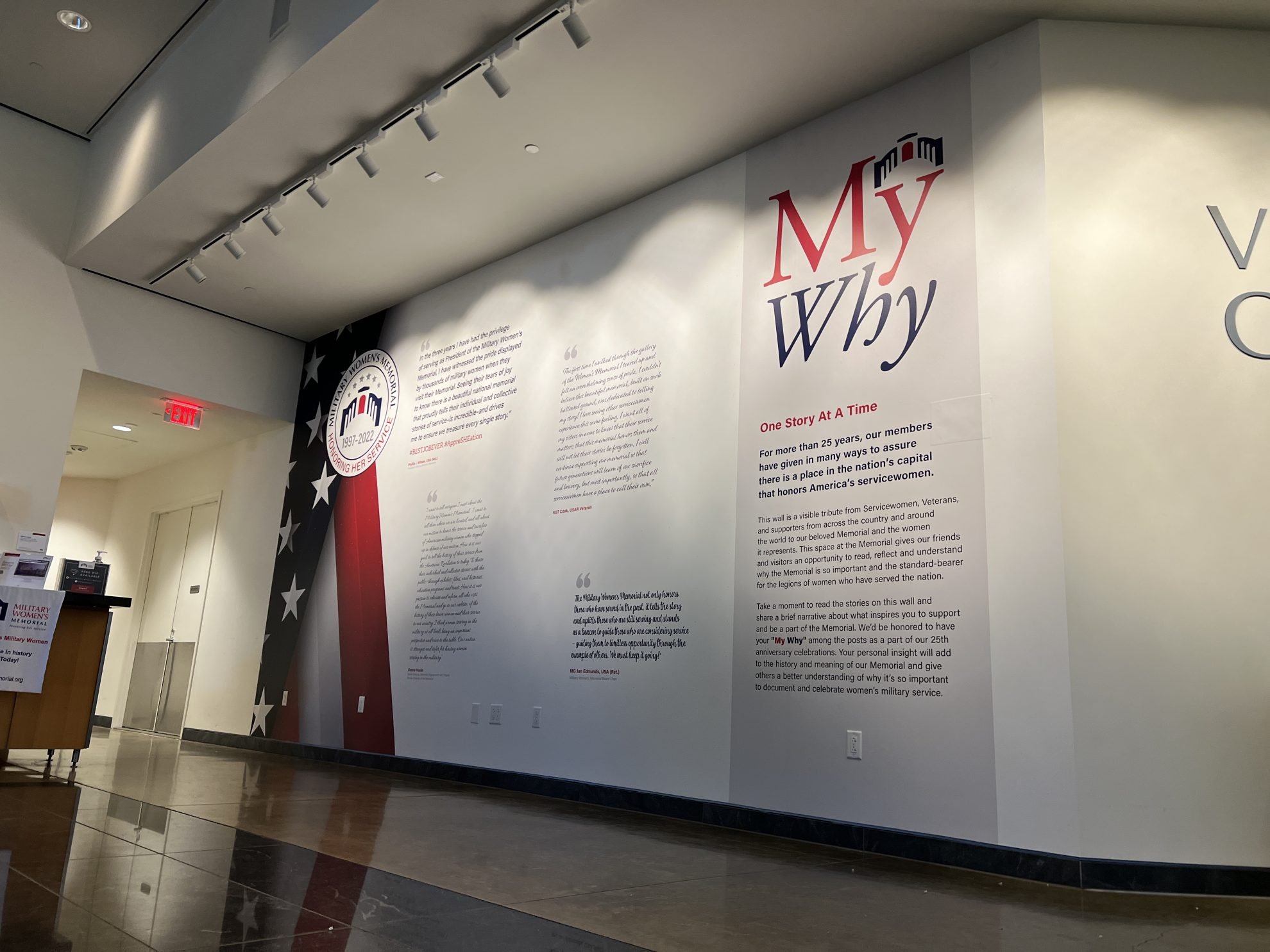
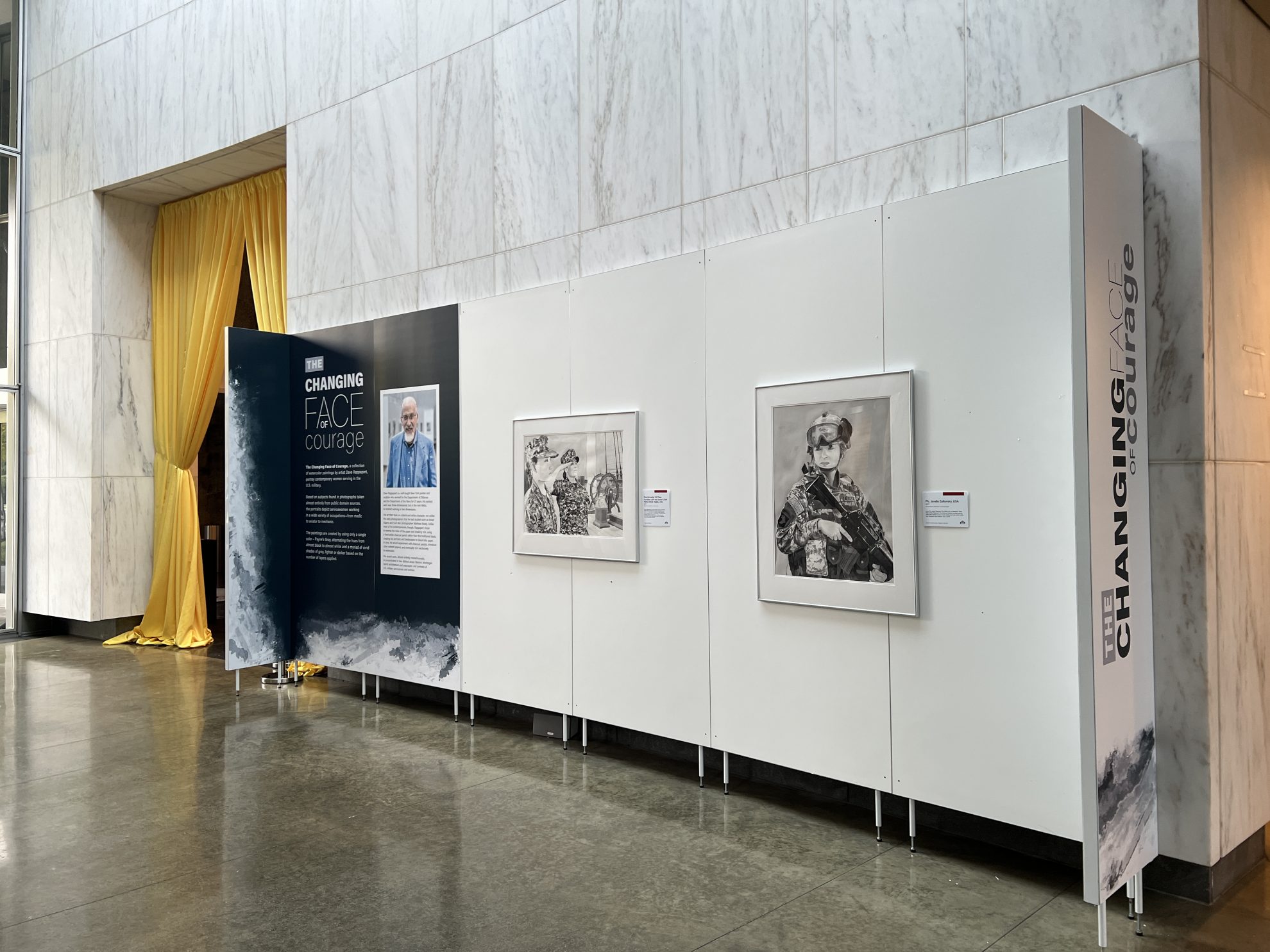
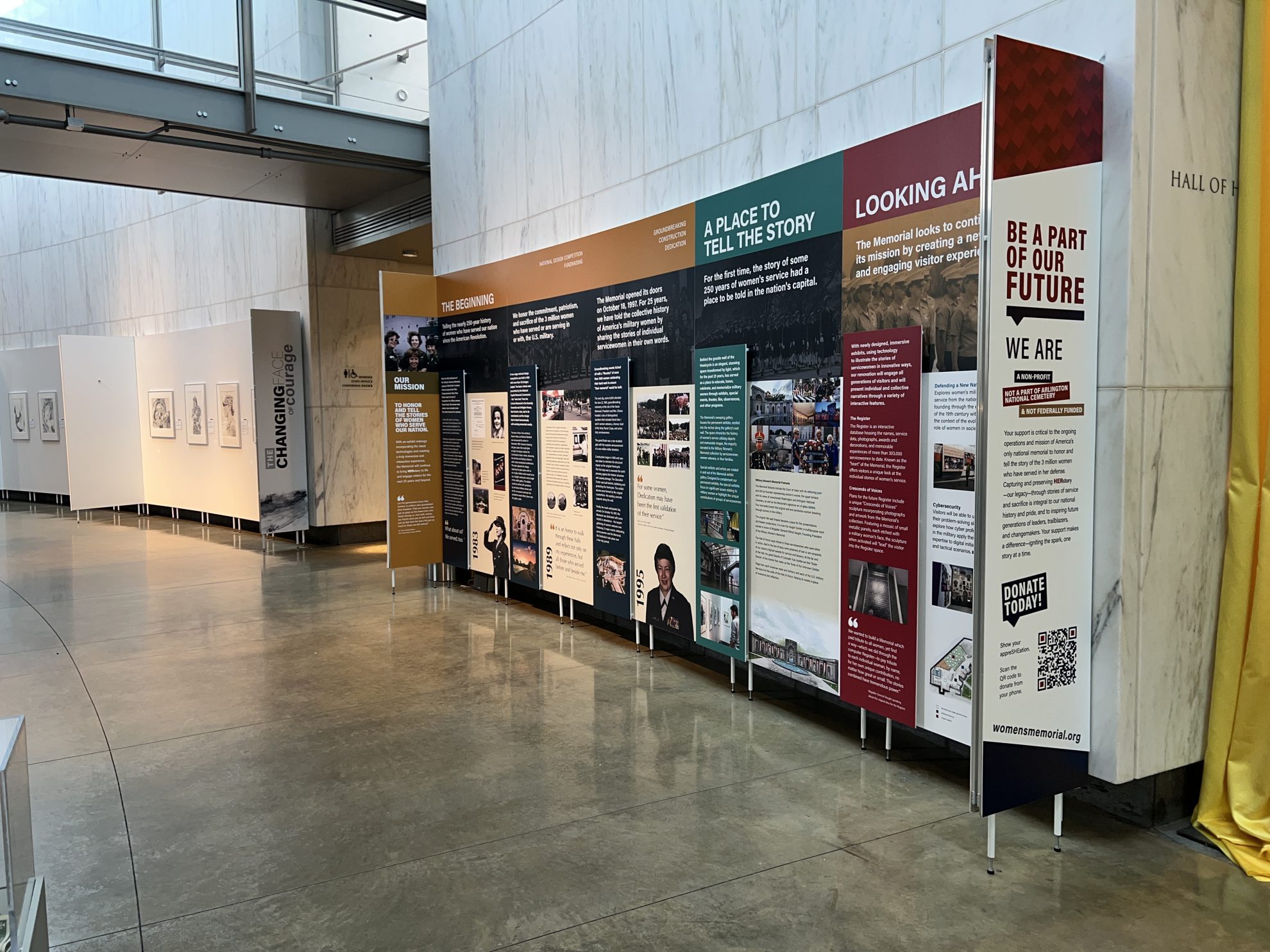
Heritage Signs & Displays created new museum signage for the Military Women’s Memorial in Arlington, VA. The project included custom signs, wall wraps, dimensional letters, and standoff-mounted displays to honor the legacy of U.S. servicewomen and the donors who supported the memorial. The updated interior features impactful designs, including a "Our Legacy" wall display and panels showcasing historical contributions and artwork, creating a transformative tribute to women in the U.S. Armed Forces.
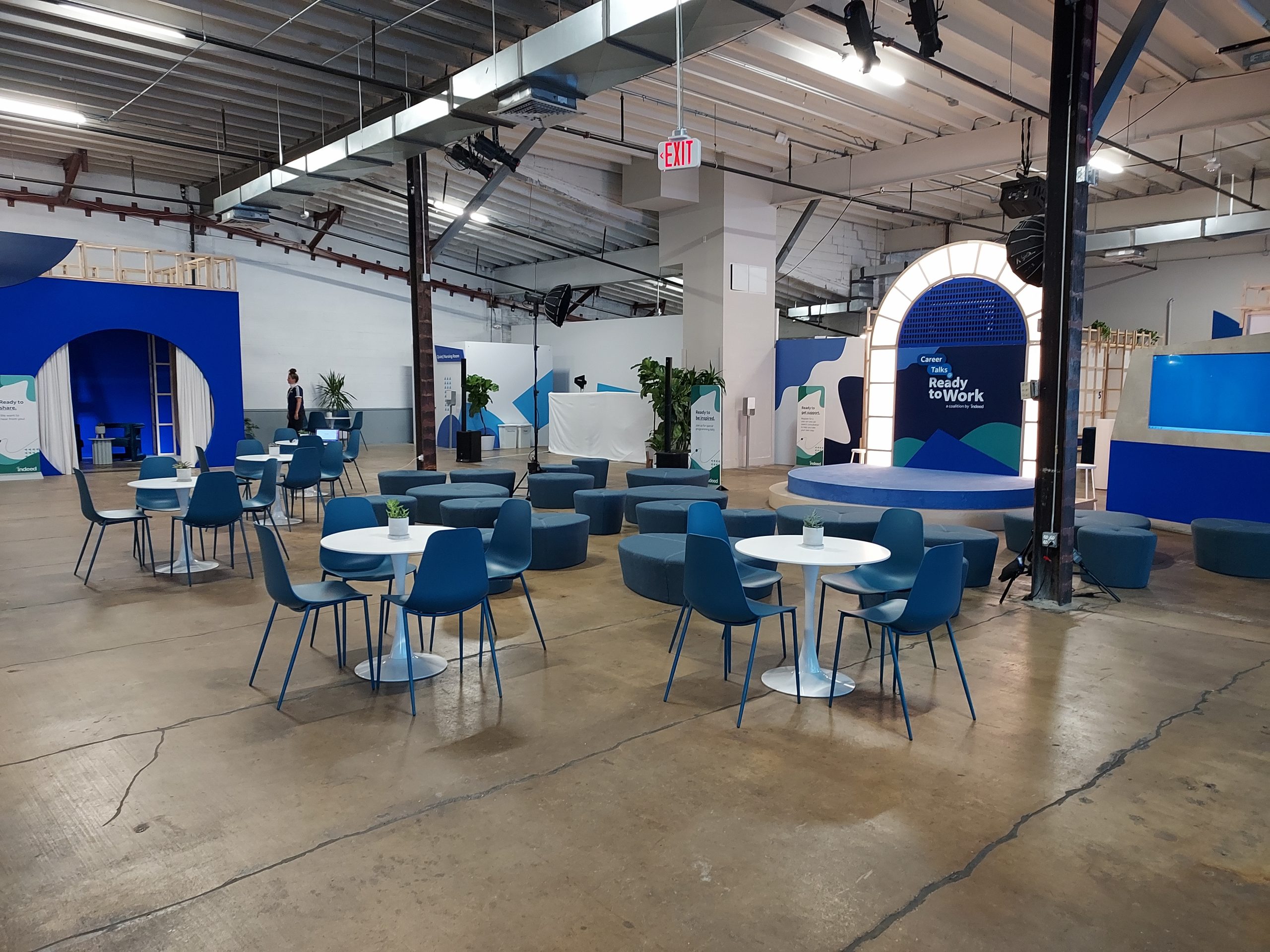
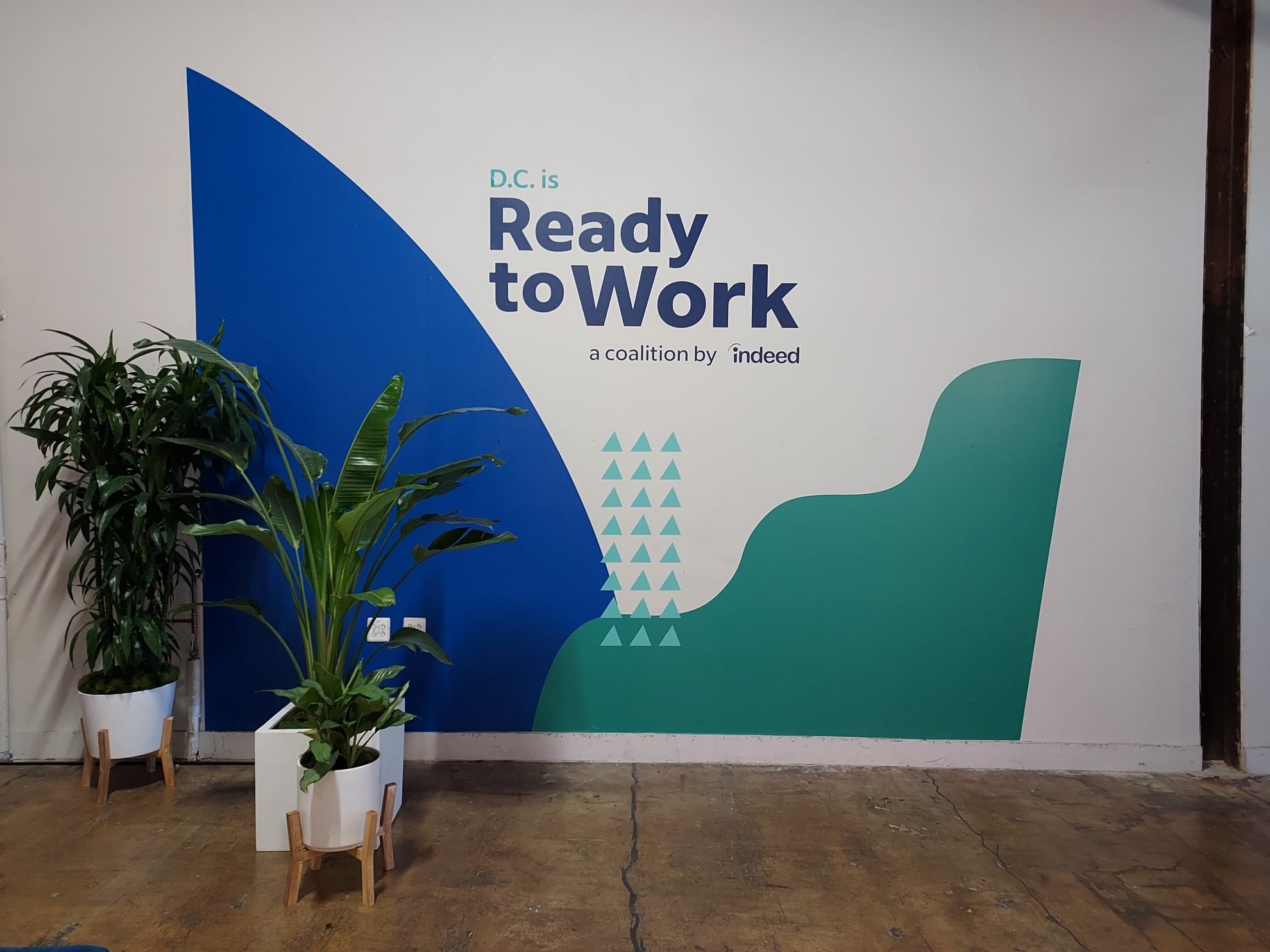
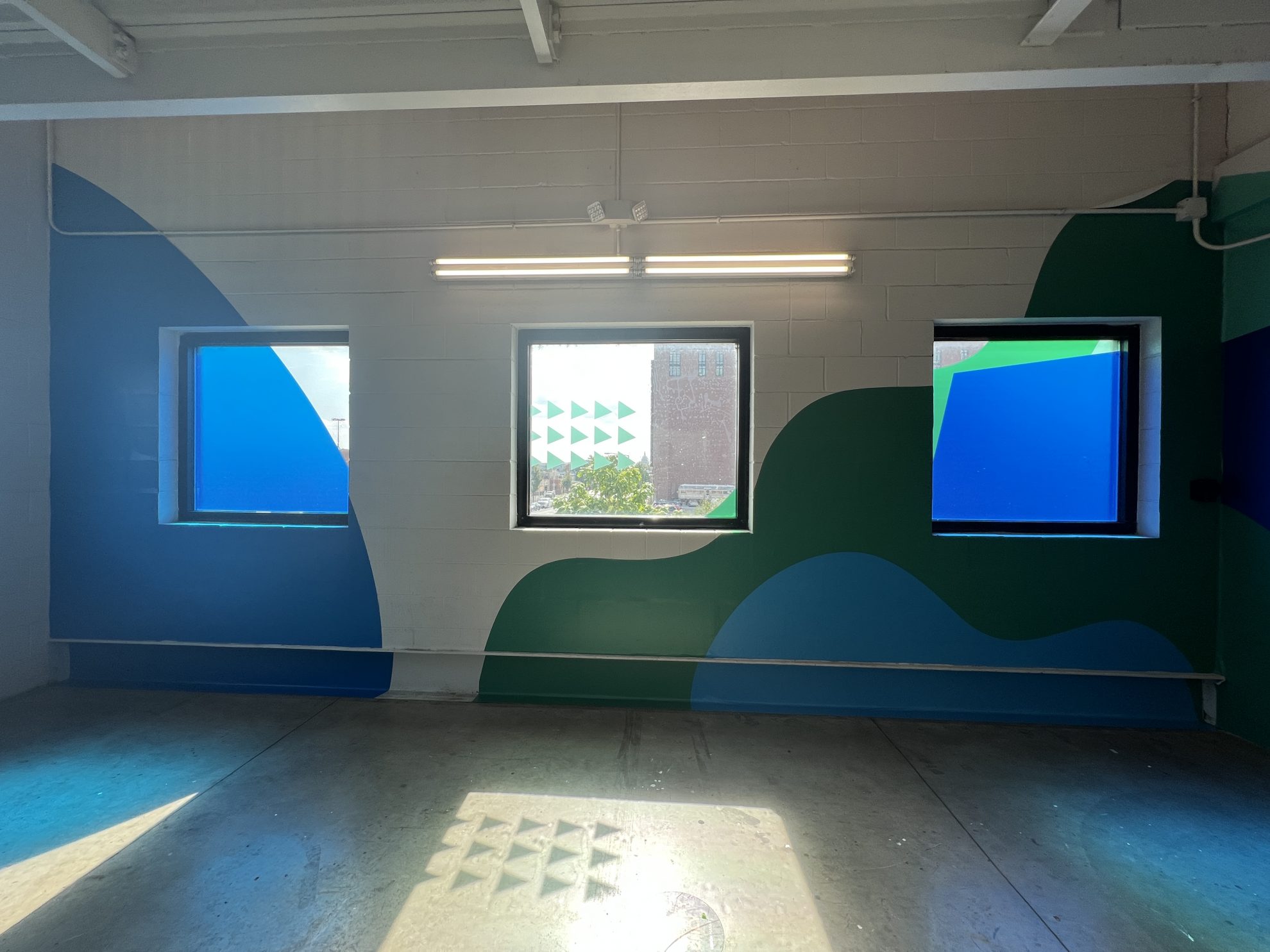
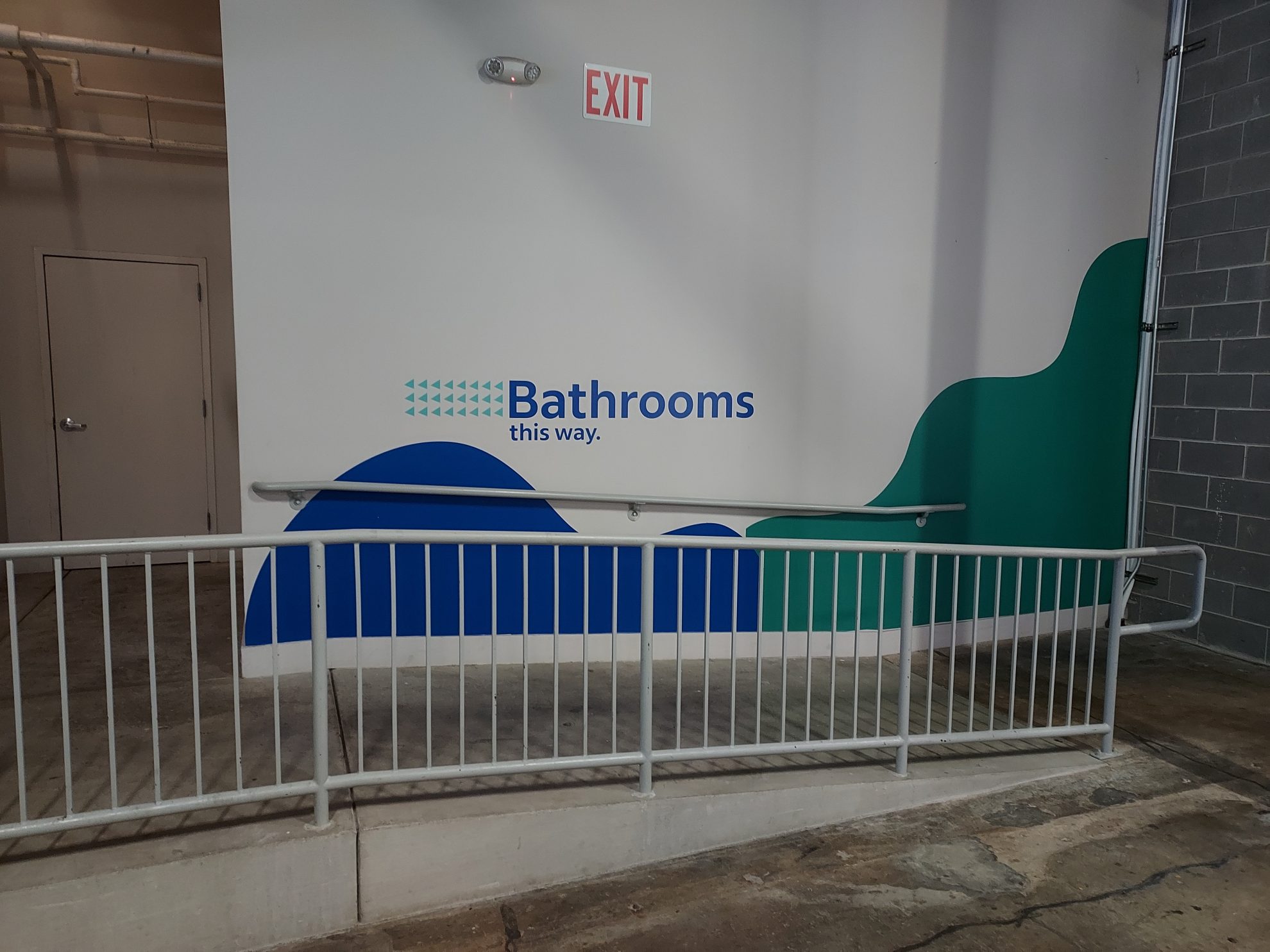
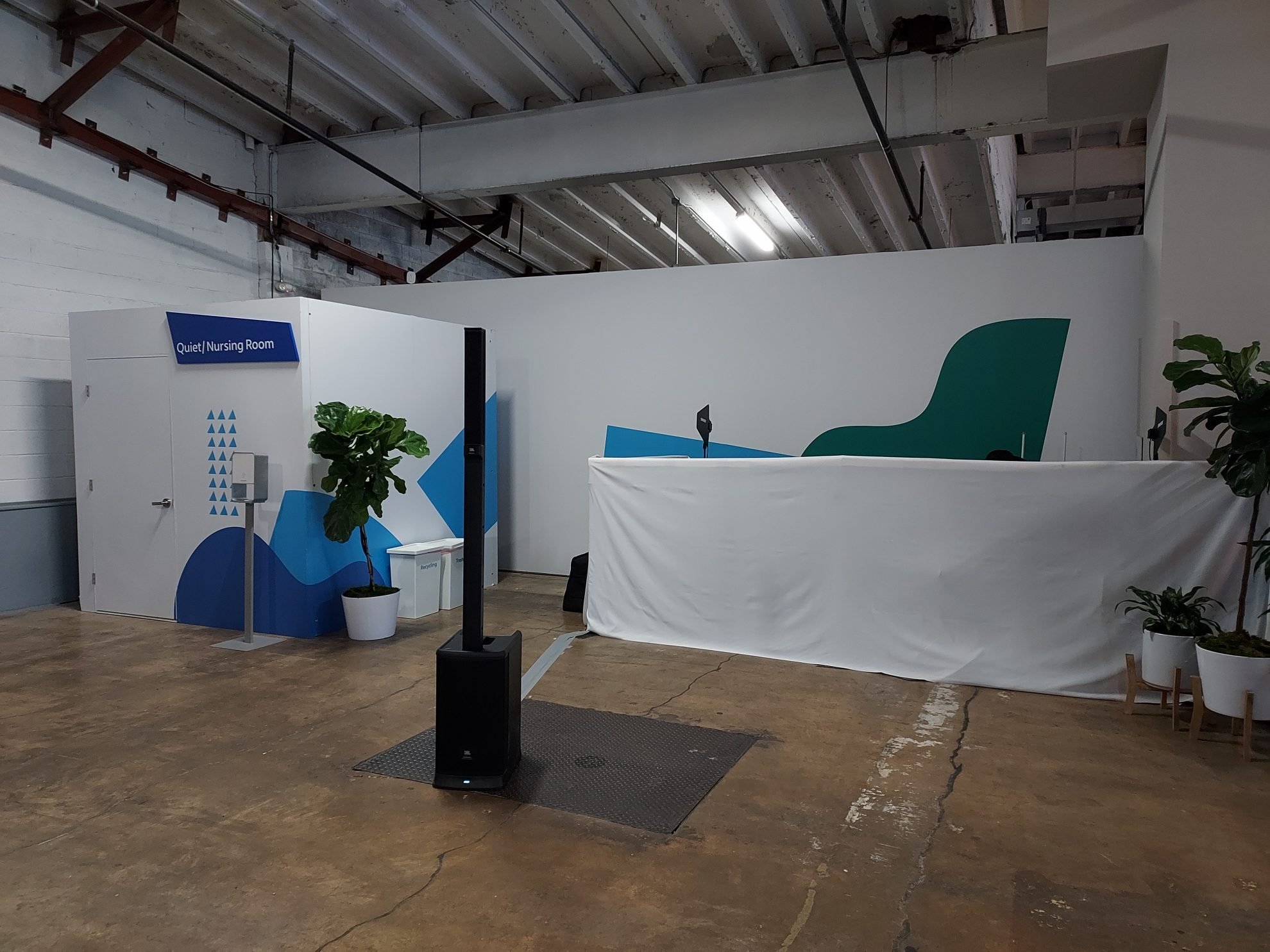
Heritage Signs & Displays' collaboration with The Gathery to brand Union Market in Arlington, VA, for Indeed's "Ready to Work" job fair. The project included custom event displays, wall graphics, window graphics, and wayfinding signs, creating an immersive and visually appealing environment. The branding enhanced the venue, reflected the event's mission, and provided a seamless experience for attendees.