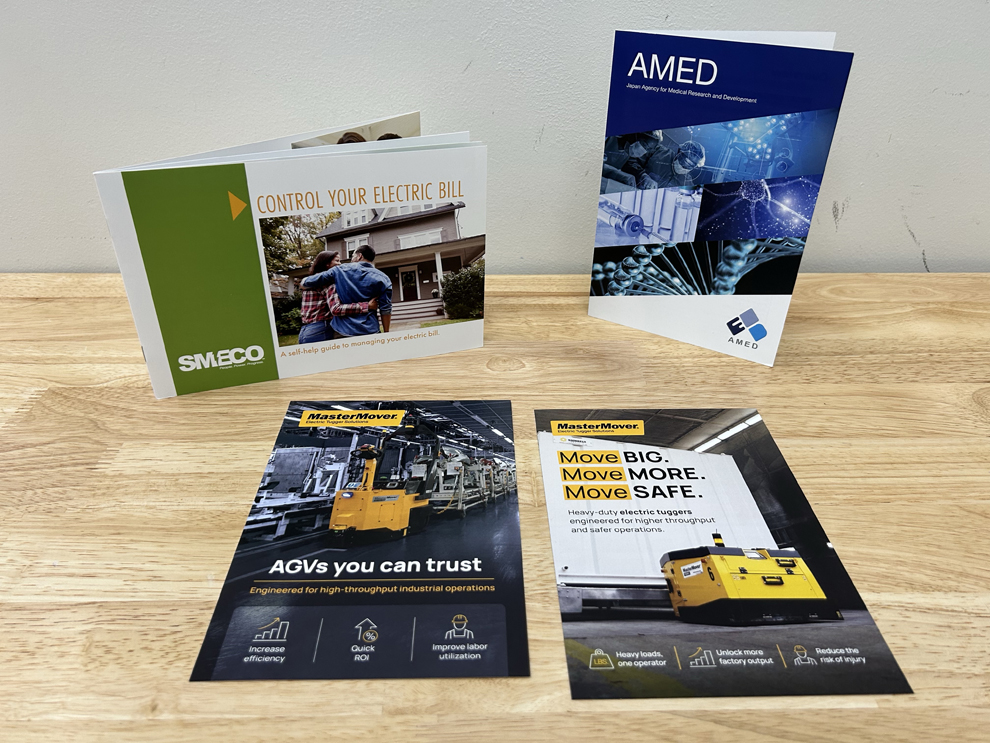
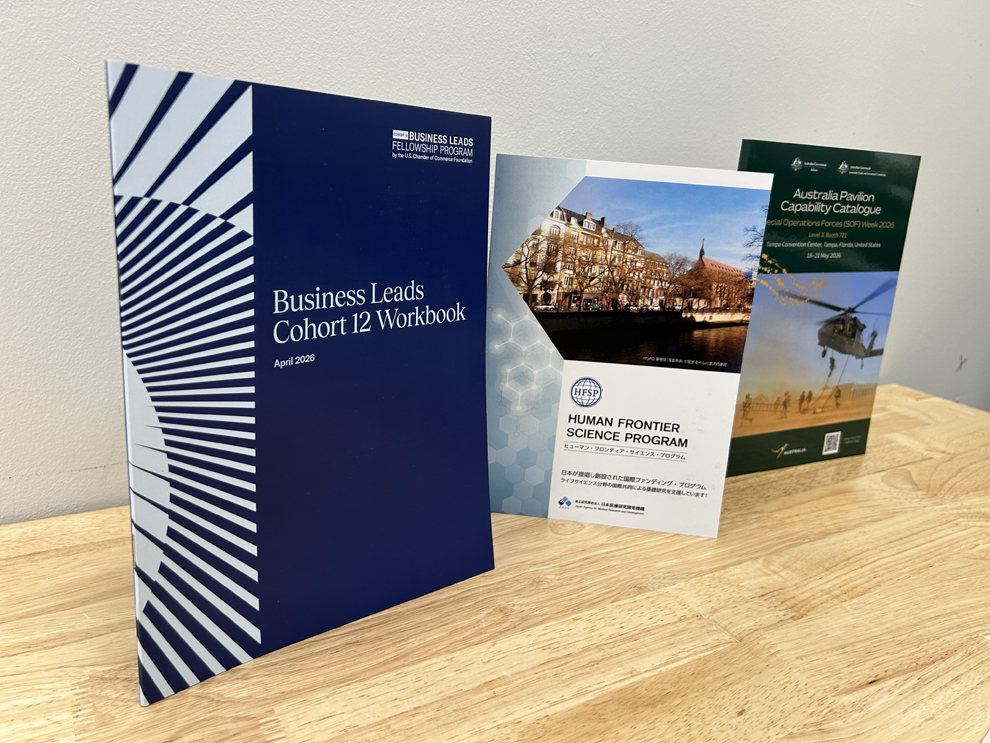
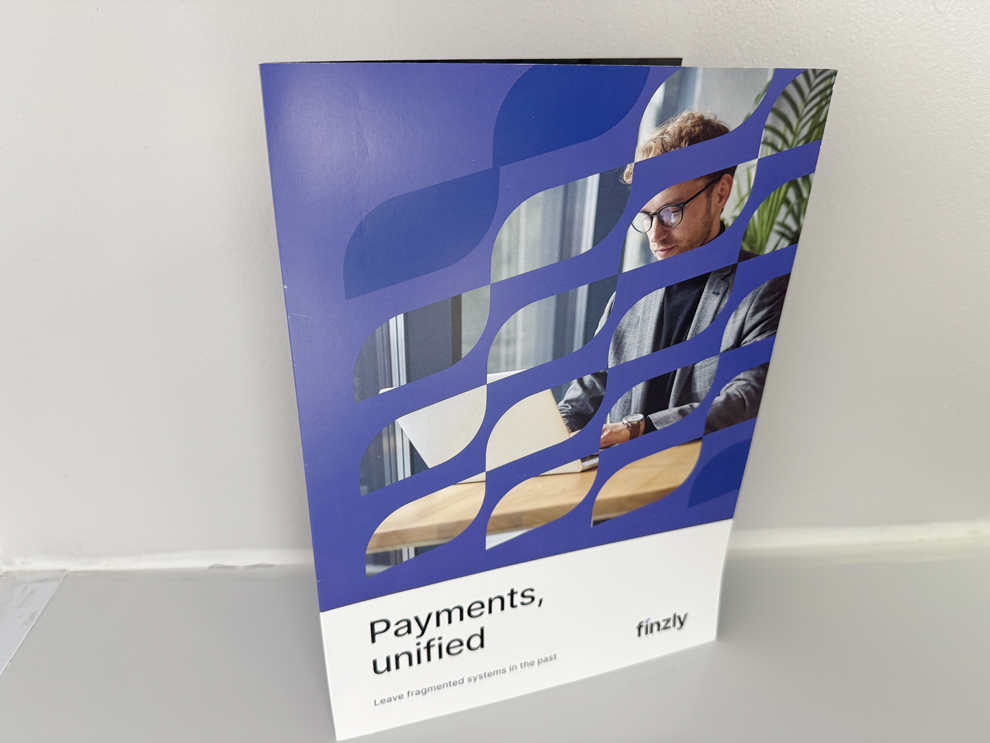
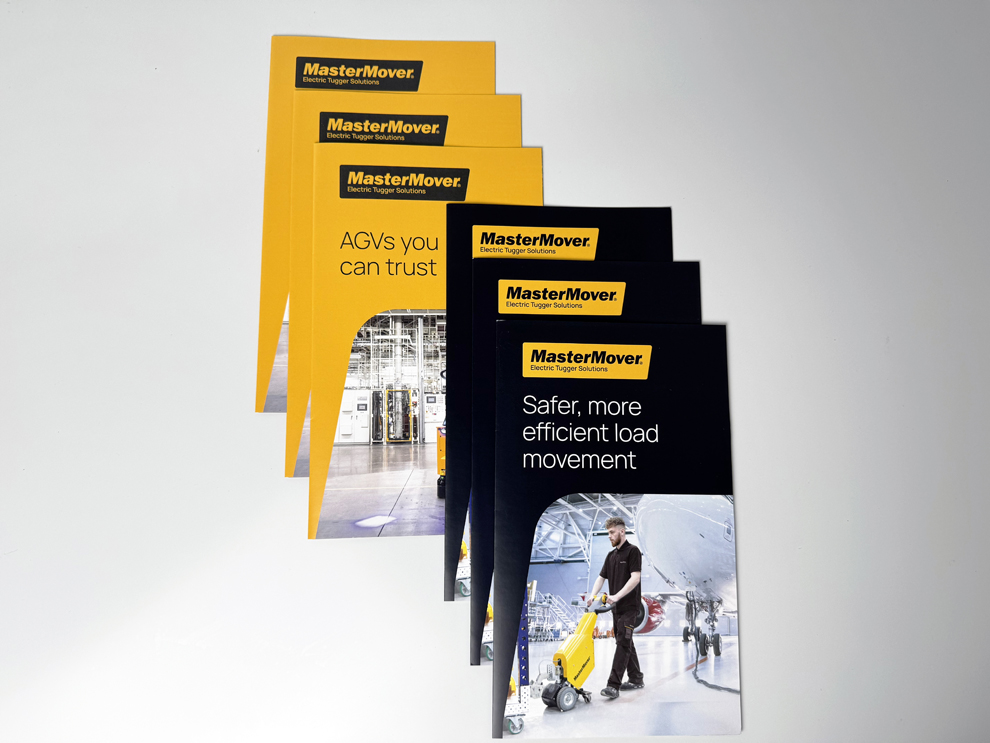
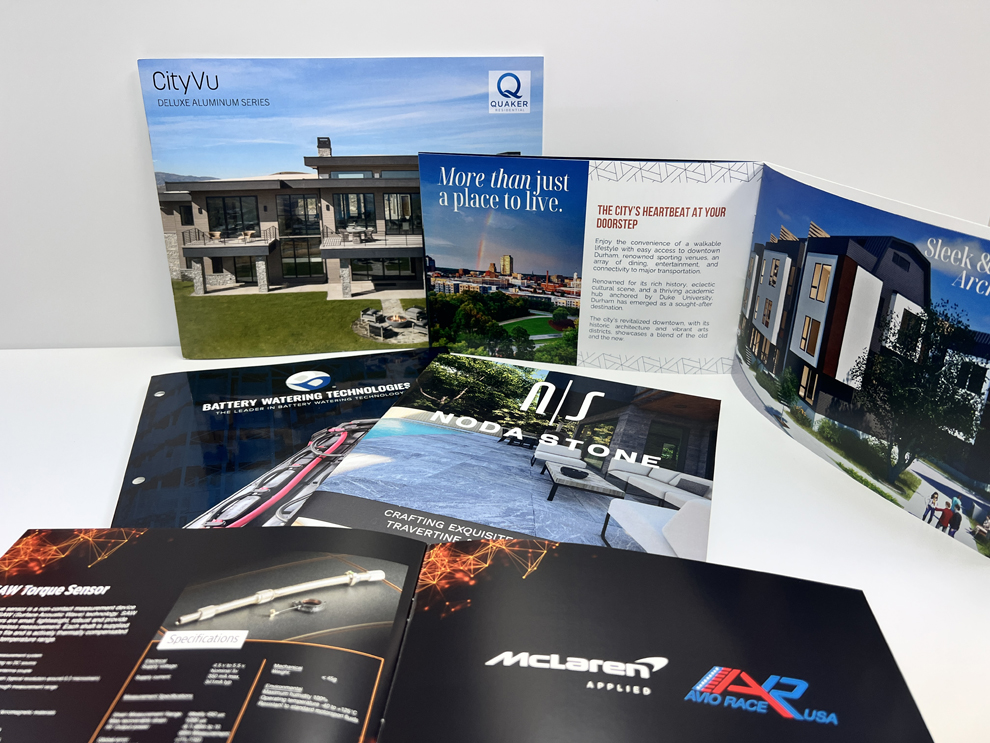
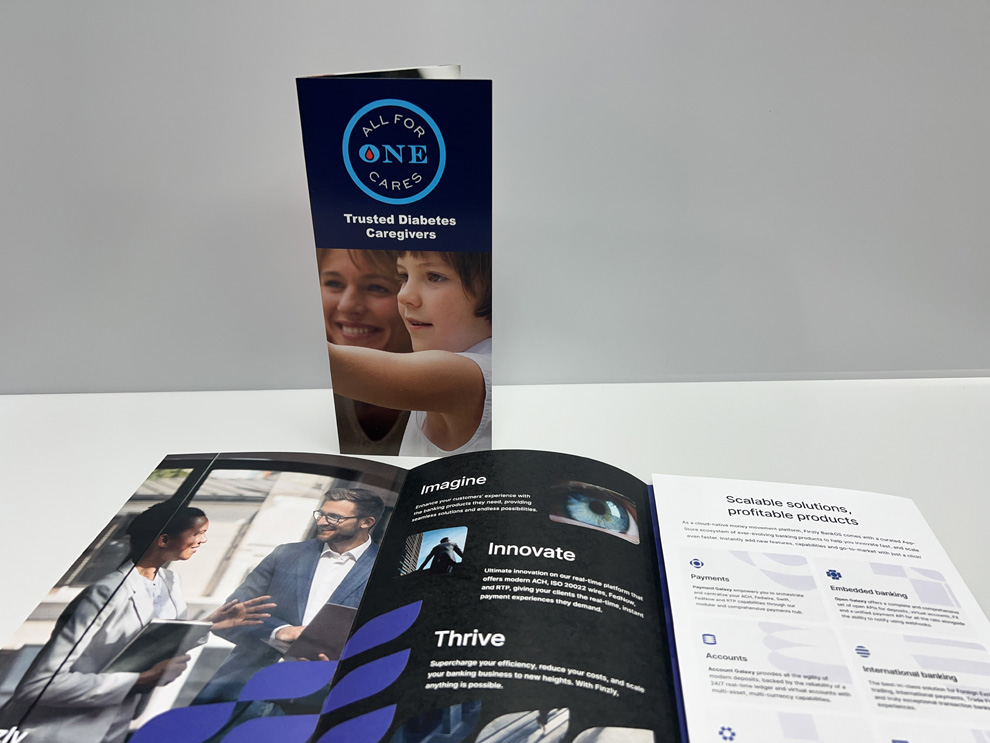
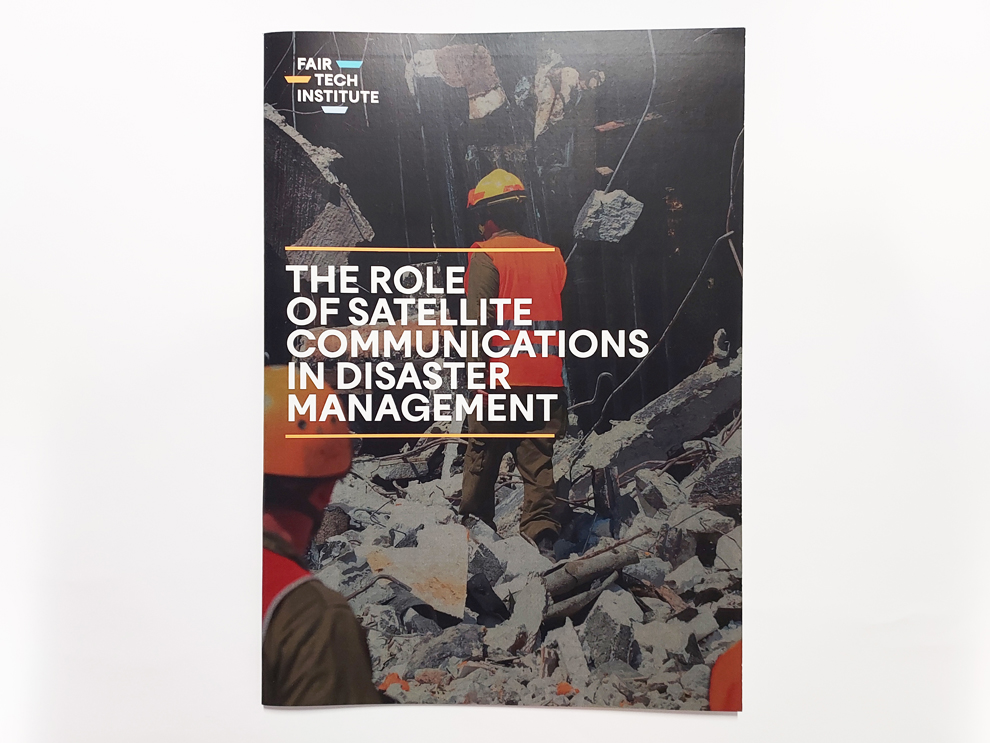
Printed collateral needs to remain useful after a conversation ends, giving recipients clear information in a format that represents your organization professionally. For Sterling, VA businesses and organizations, that could mean a sell sheet supporting a proposal, a recruiting handout explaining opportunities, or a postcard announcing an upcoming initiative. Heritage Signs & Displays produces marketing materials from client-supplied approved content and brand direction, whether the requirement involves one standalone item or a coordinated collection. Our responsibility is to translate those approved materials into practical printing specifications, not to develop the marketing strategy behind them. We focus on how paper, color reproduction, finished dimensions, and quantities affect the result and its intended use. Proofing, finishing, packaging, and any accepted distribution requirements also need to fit the production plan rather than become decisions made after printing. By establishing those requirements alongside artwork readiness and the required completion date, we help buyers understand approval responsibilities, identify schedule dependencies, and prepare materials for an orderly handoff to the people who will distribute them.
Confidence in a print order comes from knowing that specifications, approvals, and completion requirements are understood before production begins. Heritage began as a printing business in 1977, and nearly five decades of printing experience inform how we evaluate reproduction, finishing, and the practical details that affect usable collateral. As a veteran-owned, family-led company, we place value on disciplined execution and accountable communication rather than assurances that overlook production conditions. For Sterling buyers, that means a production relationship centered on the requirements of the accepted work, without assumptions about local facilities or automatic turnaround commitments. We consider how an item will be handled, what its supplied artwork requires, and which decisions must be resolved before printing can proceed. When dates are important, we communicate dependencies clearly so reviewers can make informed decisions without unnecessary uncertainty. This approach connects printing experience to a practical benefit: fewer unresolved specifications, a clearer approval sequence, and finished materials evaluated against the agreed production requirements rather than expectations that were never documented at the outset.
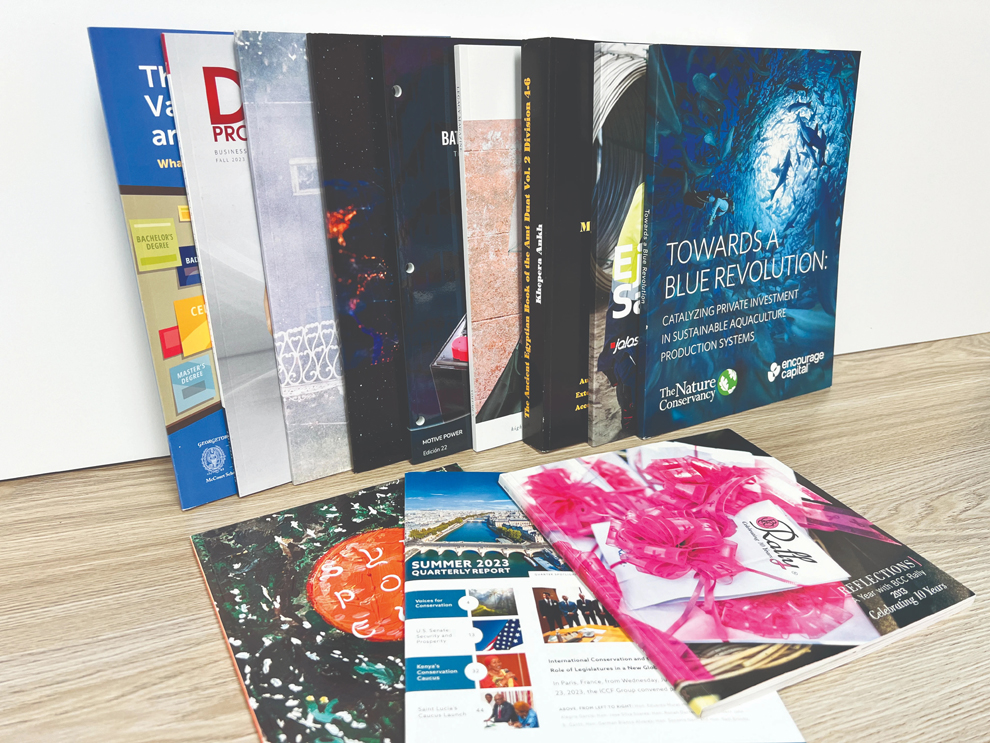
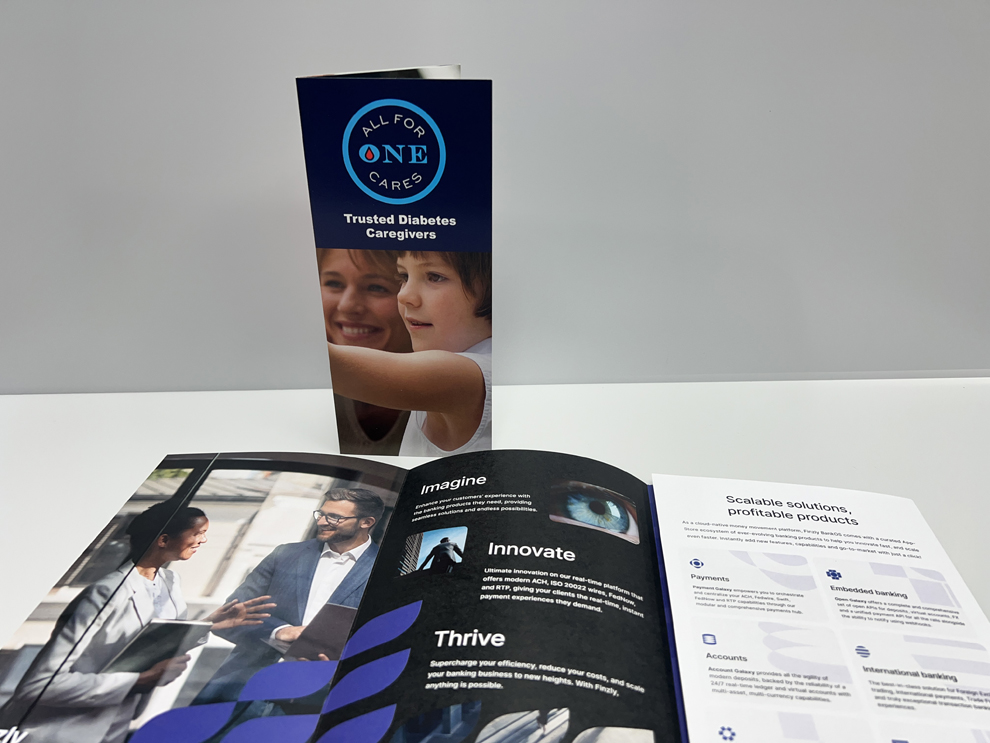
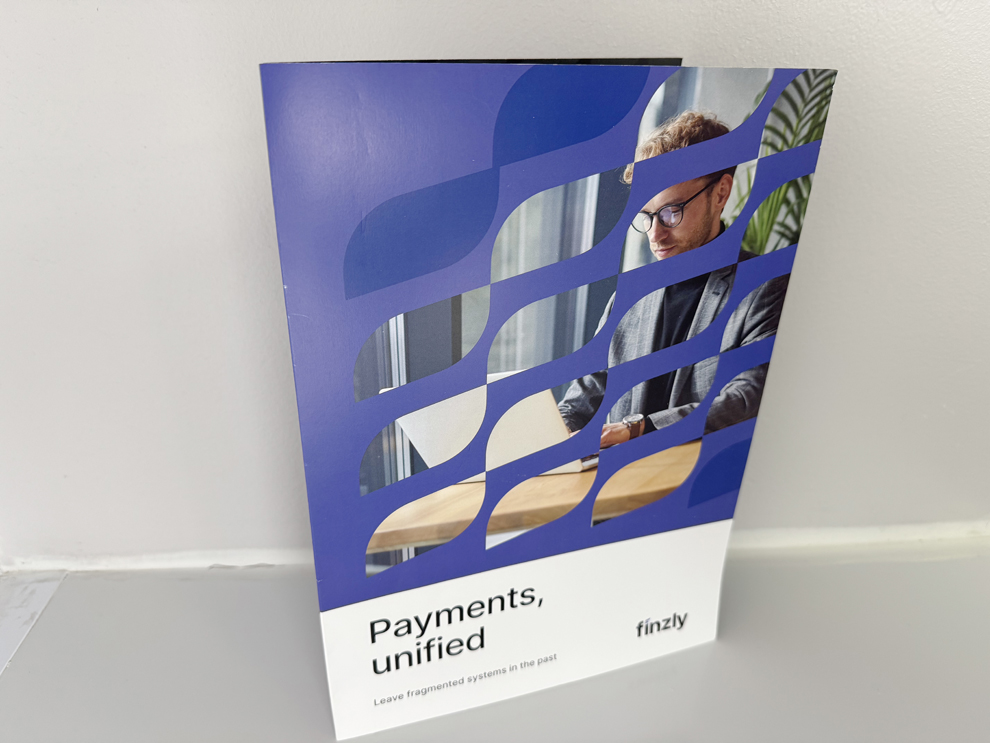
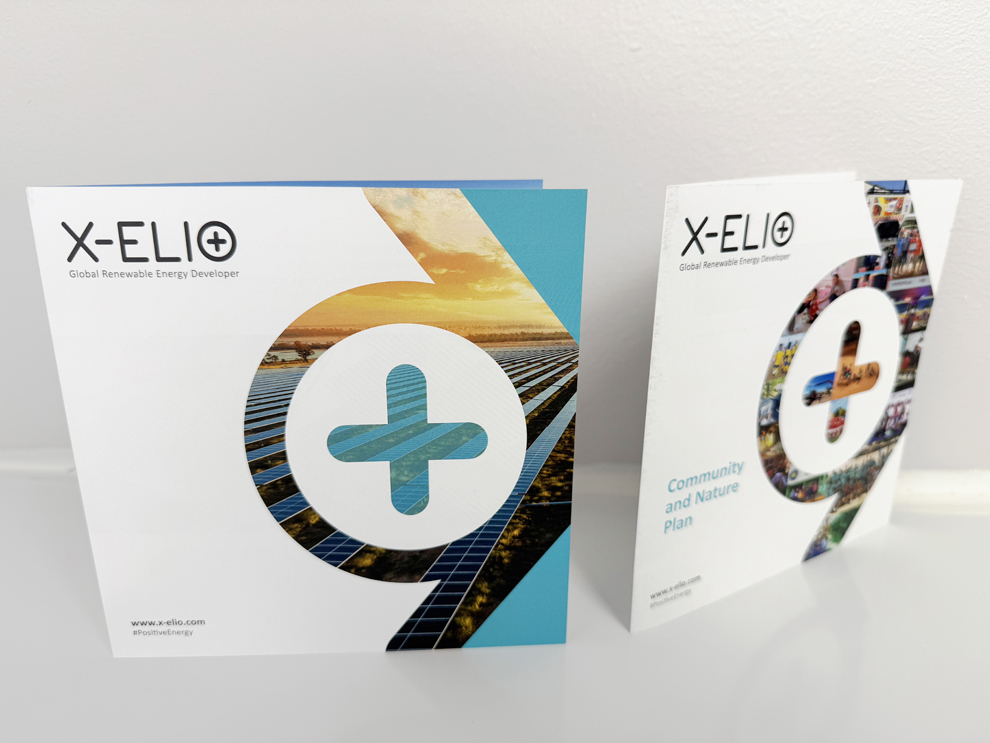
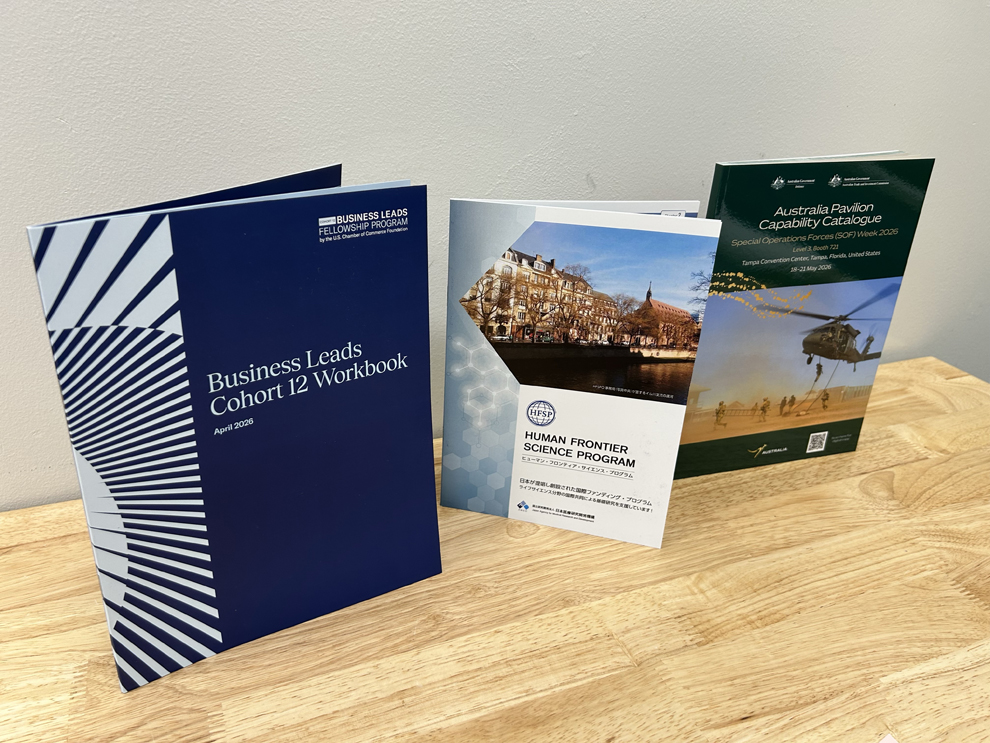
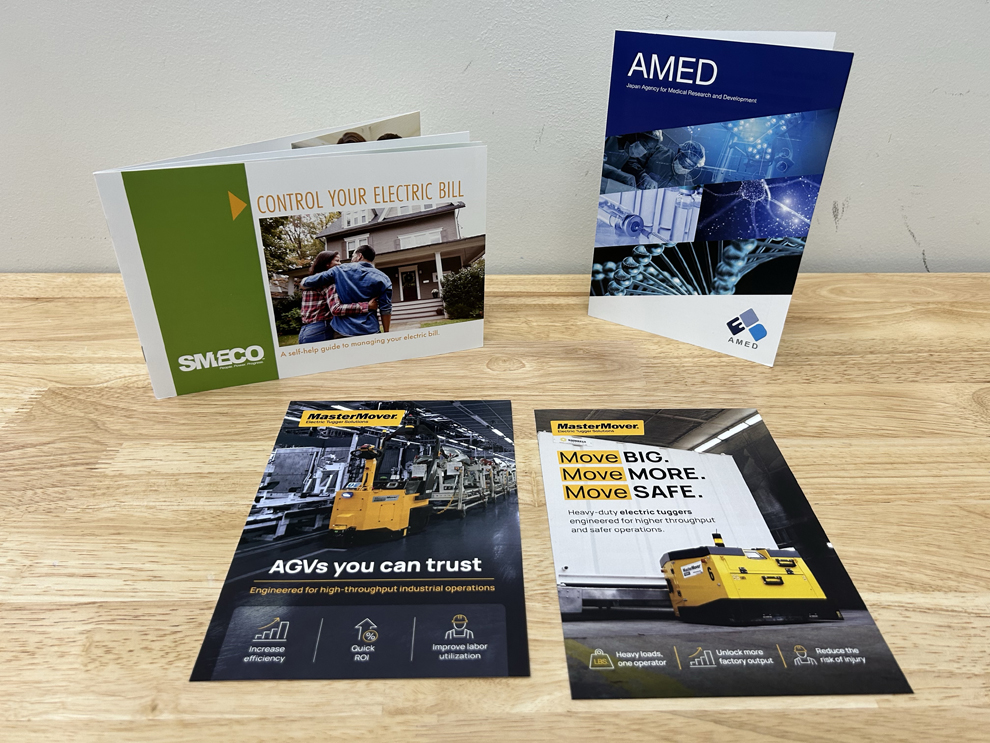
Folded pieces that organize service information, product details, or organizational introductions into panels suited to distribution and follow-up conversations.
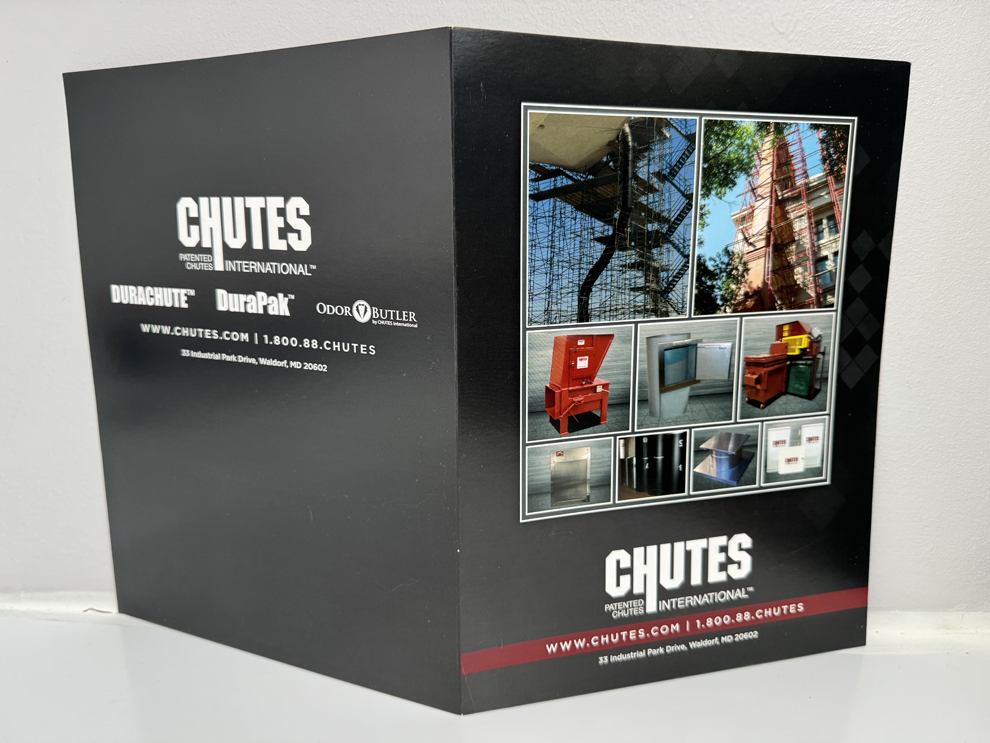
Printed folders that keep proposals, information sheets, and supporting inserts together when recipients need an organized package to review or retain.
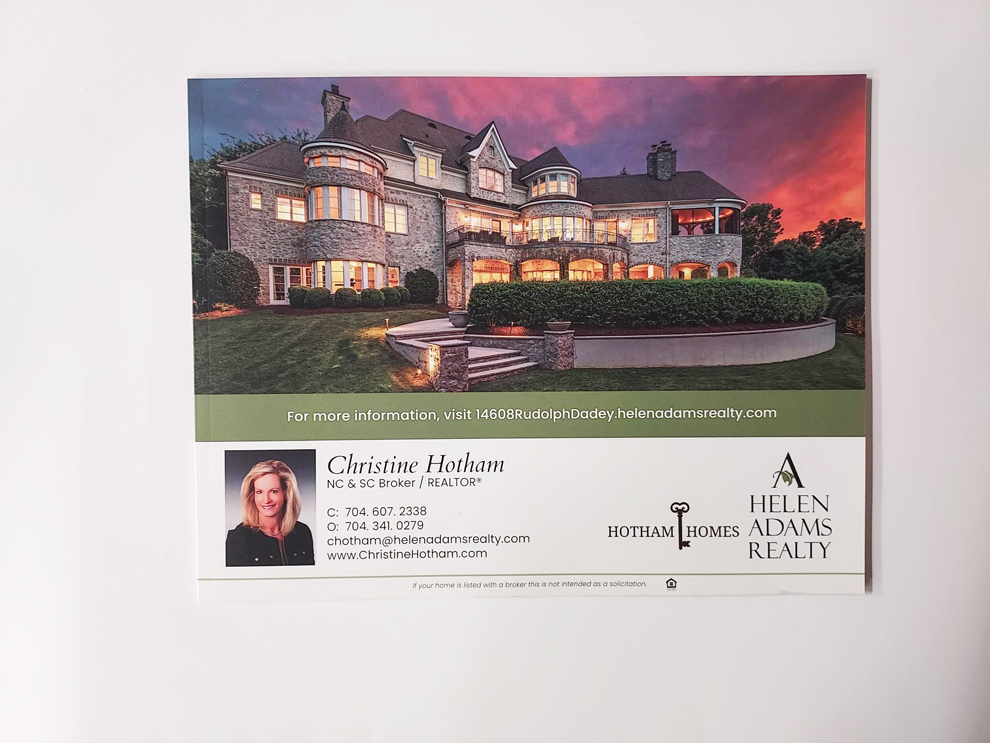
Production and mailing support for addressed communications, with requirements shaped by the selected piece, supplied recipient data, and accepted postal scope.
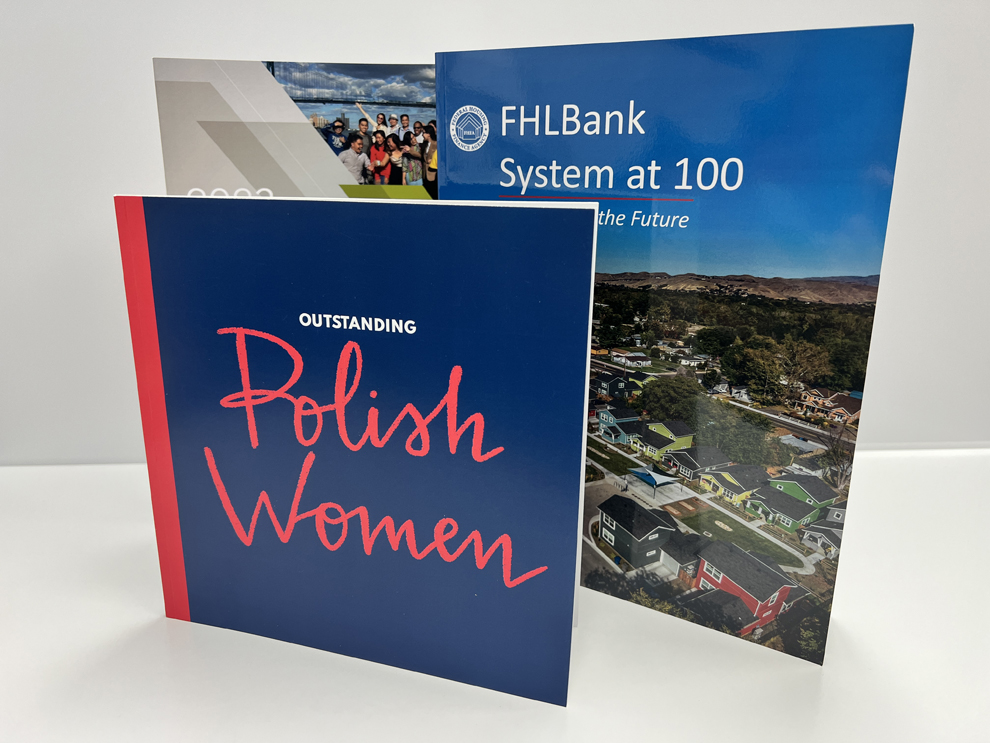
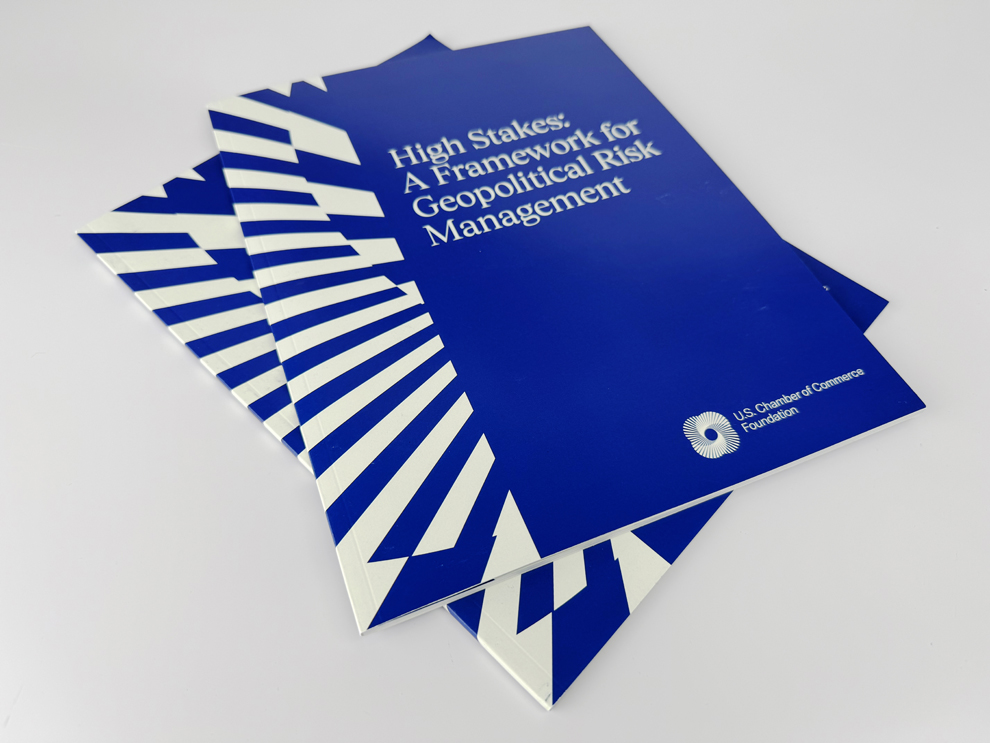
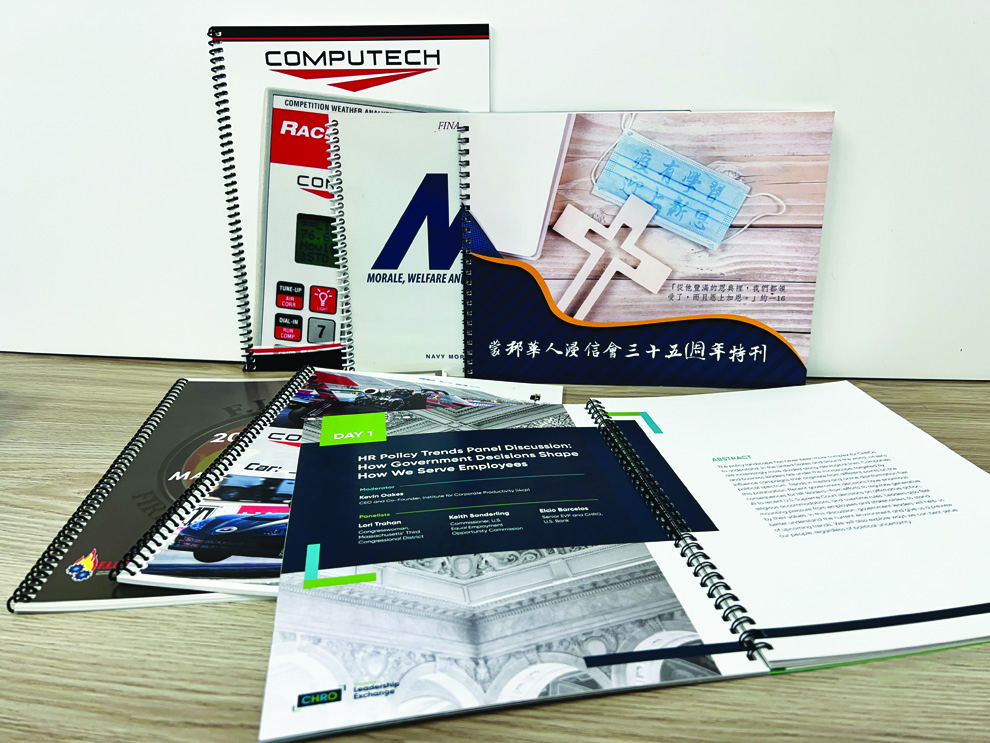
Bound, multi-page materials for instructions, reference information, or detailed explanations that need more reading space than a single printed sheet.
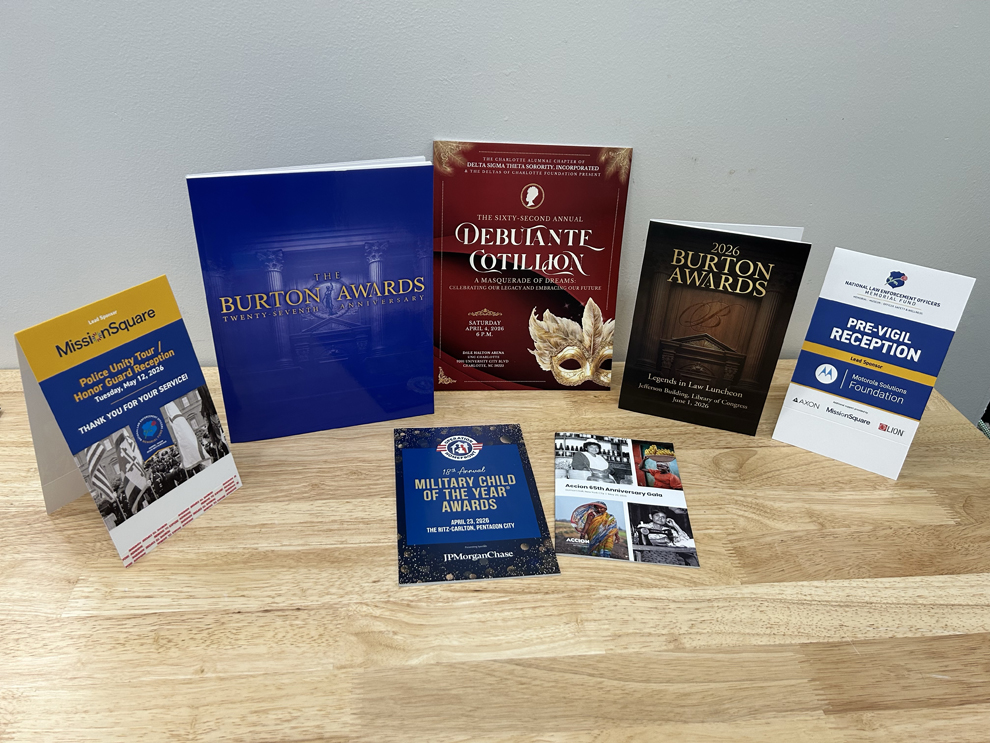
Printed schedules and participant information for organized gatherings, with page planning, final content approval, and distribution timing established before production.
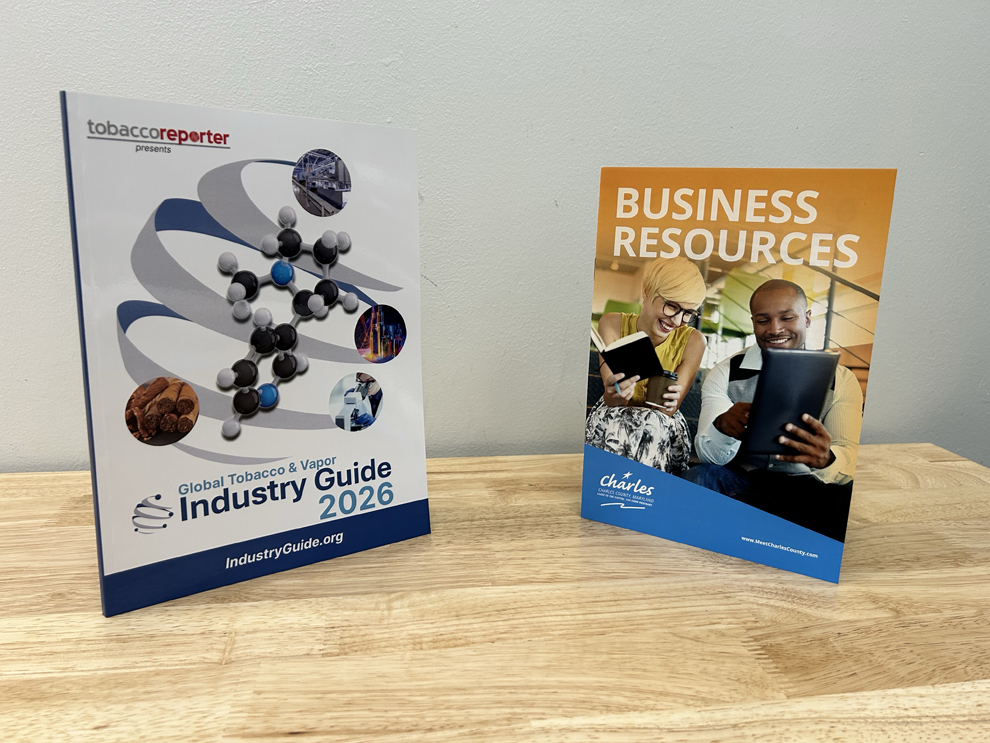
Recurring printed updates for employees, members, supporters, or customers, with specifications that support continuity while allowing each issue to carry new content.
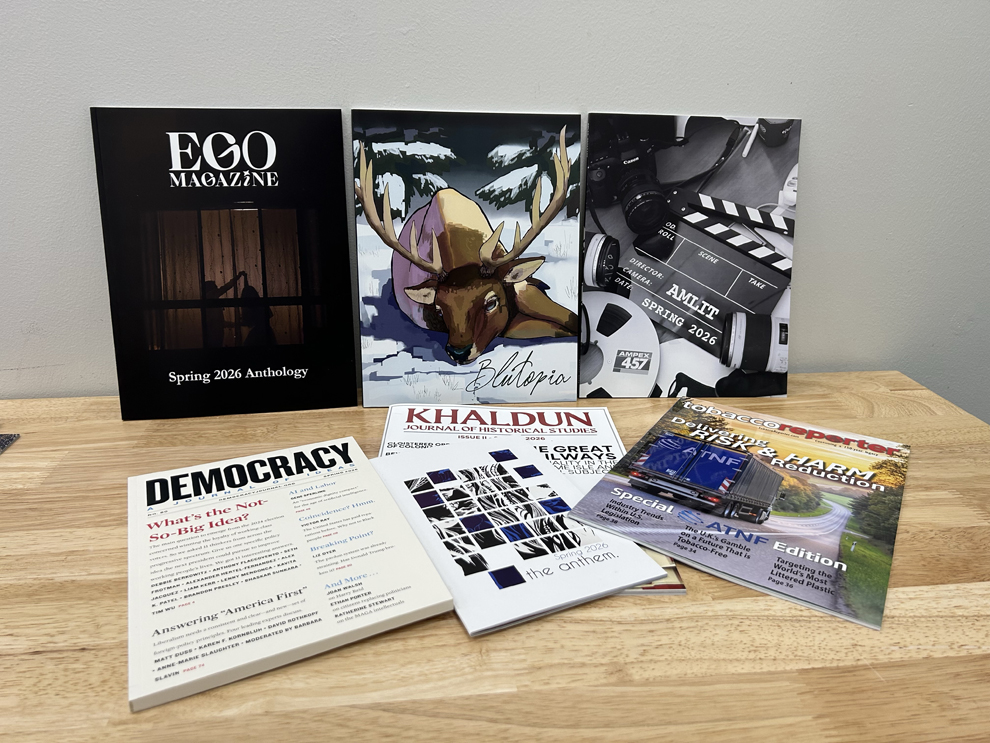
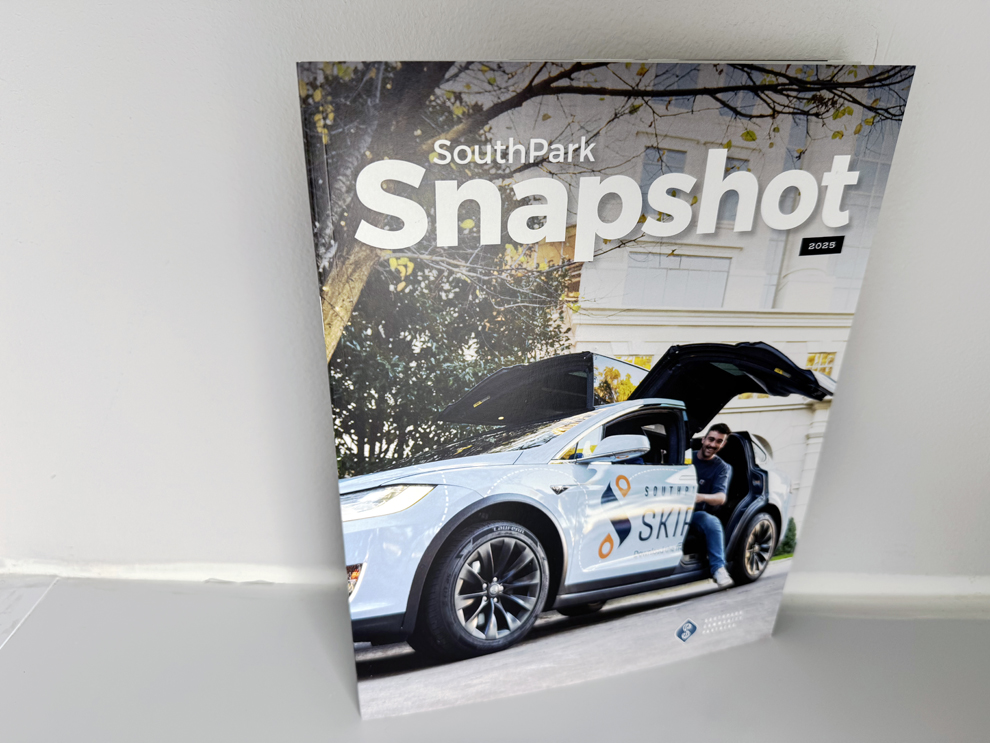
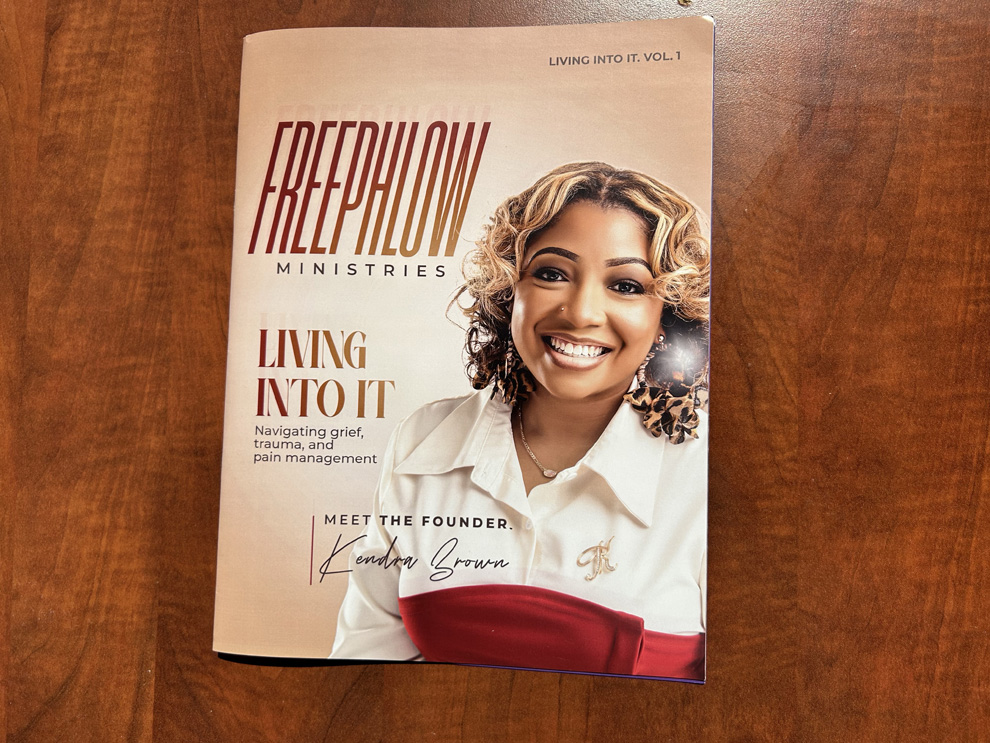
Issue-based publications that bring longer editorial content together through coordinated paper selection, page reproduction, binding requirements, and appropriate distribution planning.
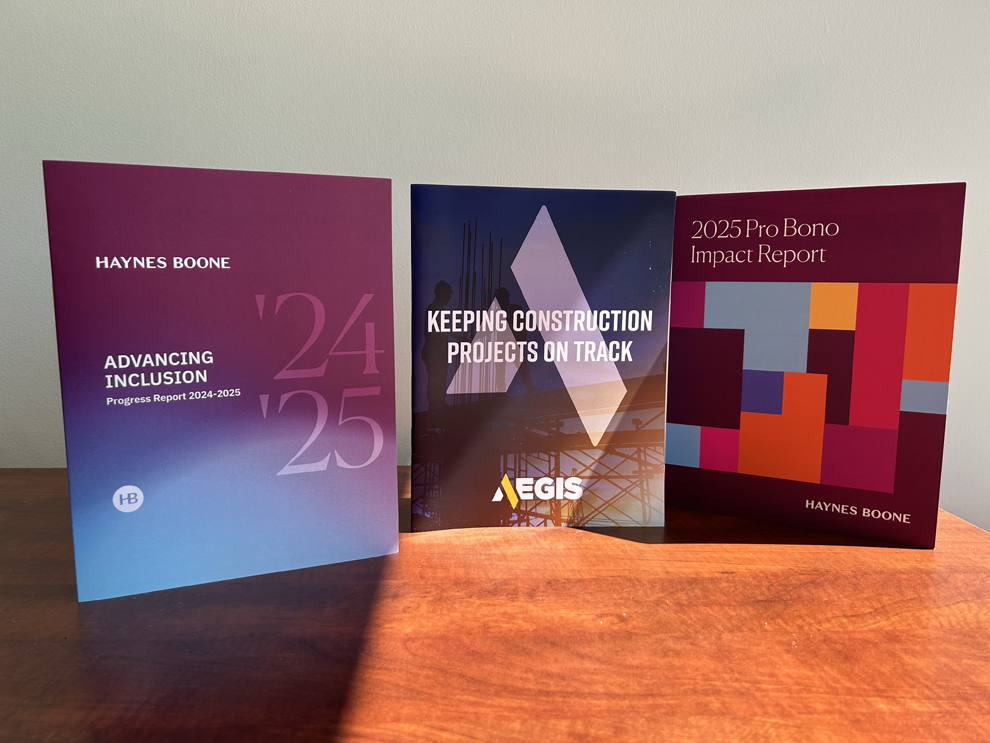
Printed reporting documents that present organizational activity and financial information in a structured format for stakeholder review, reference, and retention.
A useful set of marketing materials assigns each piece a specific job while preserving recognizable connections across the collection. A sales team may need a durable reference card, while an outreach team needs a larger quantity of economical handouts carrying the same approved identity. Those pieces can legitimately differ in size, paper, finish, and quantity because their handling requirements and audiences are different. Within accepted production scope, Heritage can coordinate the specifications and approvals that connect them, using supplied brand references and clearly identified artwork versions rather than assuming every file has the same requirements. A production plan should also distinguish which items are needed first, which belong together in packages, and which require separate destinations or mailing preparation. For organizations serving Sterling, this is particularly useful when purchasing, communications, and distribution responsibilities sit with different people who need a shared understanding of what has been approved. The benefit is coordinated execution: each piece remains appropriate for its purpose, while documented decisions reduce confusion about versions, quantities, release dates, and final distribution.
The Self-Directed Online Store is appropriate when the required products are verified as live and orderable, available specifications meet your needs, and complete print-ready artwork is ready. Eligible items may be combined toward the $750 minimum total for a new Commercial Printing order, which applies whether ordered through the Store or otherwise.
A qualifying opportunity of $2,000 or more may use the Storefront Custom Quote form when available for higher-touch production requirements. Eligibility depends on scope and services, not order value alone. Direct Project Coordinator support begins only after quote acceptance and formal order assignment; submitting a form does not establish either.
Every Commercial Printing order requires client approval of an electronic proof before printing.
Printed marketing materials are physical communications used to support a business or organizational objective, such as introducing a service, explaining an opportunity, or supporting outreach. Common examples include sell sheets, flyers, rack cards, postcards, inserts, and handouts. This category serves individual collateral and coordinated sets, while format-specific publications have their own product considerations.
Yes. A single collateral item can qualify without being part of a larger collection or campaign. The proposed work must fit Heritage’s Commercial Printing scope and the $750 minimum for a new order. Quantity, dimensions, artwork readiness, finishing, and ordering-path eligibility still need to be established for that individual piece.
Yes. Multiple formats can be coordinated when their individual specifications, quantities, artwork, and approval requirements are clearly identified within the accepted scope. Coordination does not require identical production schedules or finishing. It does require clarity about which pieces belong together, who approves each item, and whether packaging or distribution introduces separate requirements.
Expect color to be managed against supplied references and accepted production requirements, with recognition that paper, coatings, and production methods influence appearance. Unlike stocks may not produce identical visual results. Electronic proofs do not establish physical color; qualifying Custom Quote work may use an additional-fee Physical Production Color Proof when a controlling physical reference is needed.
Yes. Stock and finish should suit the function of each item rather than follow a single specification automatically. A frequently handled reference piece may need different characteristics from a high-volume insert. Coordinated production considers those differences alongside brand expectations, available options, budget, and any folding, packaging, or mailing requirements that affect suitability.
Production-oriented assistance may be included in qualifying Custom Quote work when supplied content needs sizing, layout refinements, file preparation, or version adjustments for printing. The accepted scope determines which changes are included, and clients remain responsible for the underlying content and direction. Self-Directed Online Store purchases require complete print-ready files and do not include layout development.
Yes. Electronic proof approval is required before printing for every Commercial Printing order, including Self-Directed Online Store purchases. Review the supplied content, spelling, placement, version identification, and other displayed details, and confirm associated order specifications. The electronic proof supports content and layout approval but neither guarantees printed color nor replaces a physical production color reference.
Consider one when approval depends on evaluating color on the intended production material rather than on a screen. This optional proof is available only for qualifying Custom Quote Commercial Printing work of $2,000 or more, at an added fee. It uses the intended production printer and paper or material, extends the schedule, and becomes the controlling physical color reference after approval. It is not available through the Store.
Yes. Accepted production scope can include distinct versions when clients supply clear content, identifying file names, quantities, and distribution instructions for each. Similar-looking pieces should have a documented approval record so an outdated contact detail or audience-specific message is not carried into another version. Production coordination does not include deciding which audience should receive which message.
Mailing, packaging, shipping, or delivery may be included when appropriate to the product and expressly accepted within the order scope. Clients must provide accurate recipient data, destination details, and any required distribution instructions. Mailing schedules also depend on preparation and postal requirements; a planned USPS handoff date is not a guarantee of recipient delivery dates.
Yes. Eligible live products may be combined within one Self-Directed Online Store order to reach the $750 minimum total for new Commercial Printing work. Buyers select available specifications independently and provide complete print-ready artwork for each item. Combining products does not add consultative product selection, an assigned Project Coordinator, or physical color proofing to the Store service.
Use the Custom Quote route, when available, for qualifying opportunities of $2,000 or more whose production requirements warrant higher-touch evaluation and support. Examples include supplied-file adjustments, coordinated versions, color-sensitive requirements, or accepted fulfillment needs. Reaching that value does not require leaving an otherwise suitable Store route, and form submission does not guarantee acceptance or scheduling.
The direct Project Coordinator relationship begins only after quote acceptance and formal order assignment for a new Custom Quote order. Before that point, submitting requirements is part of evaluation, not evidence that production has been accepted or assigned. Once assigned, the coordinator supports communication around the agreed specifications, approvals, and production requirements.
Use a dedicated product page when the format itself determines the main production questions. Brochures address folded communication, Presentation Folders address organized packets, and Booklets address bound multi-page pieces; other focused categories include Event Programs, Newsletters, Magazines, Annual Reports, and Direct Mail Services. Marketing Materials is more appropriate for general collateral or a combination of related pieces.
Provide the required completion or distribution date, quantities, specifications, artwork status, and destinations early. Identify internal reviewers and allow time for electronic proof approval, corrections, finishing, and any accepted shipping or mailing services. Heritage evaluates those dependencies before confirming a production plan and communicates schedule-sensitive requirements clearly rather than making an unconditional rush commitment.
No. Clients provide marketing strategy, brand direction, audience decisions, offers, and completed or substantially complete copy and artwork. Heritage’s Commercial Printing role is production-led: qualifying Custom Quote support may prepare supplied material for printing through file, sizing, layout, or version adjustments. That assistance does not include advertising strategy, campaign development, or copywriting.
Heritage Signs & Displays created new museum signage for the Military Women’s Memorial in Arlington, VA. The project included custom signs, wall wraps, dimensional letters, and standoff-mounted displays to honor the legacy of U.S. servicewomen and the donors who supported the memorial. The updated interior features impactful designs, including a "Our Legacy" wall display and panels showcasing historical contributions and artwork, creating a transformative tribute to women in the U.S. Armed Forces.
Heritage Signs & Displays' collaboration with The Gathery to brand Union Market in Arlington, VA, for Indeed's "Ready to Work" job fair. The project included custom event displays, wall graphics, window graphics, and wayfinding signs, creating an immersive and visually appealing environment. The branding enhanced the venue, reflected the event's mission, and provided a seamless experience for attendees.