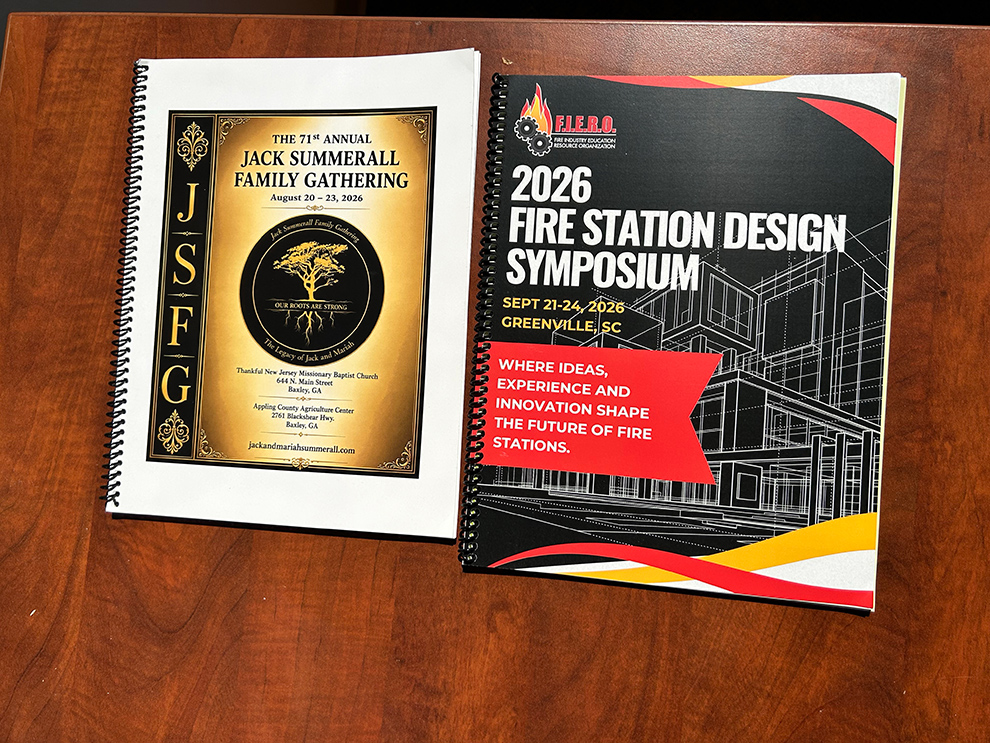
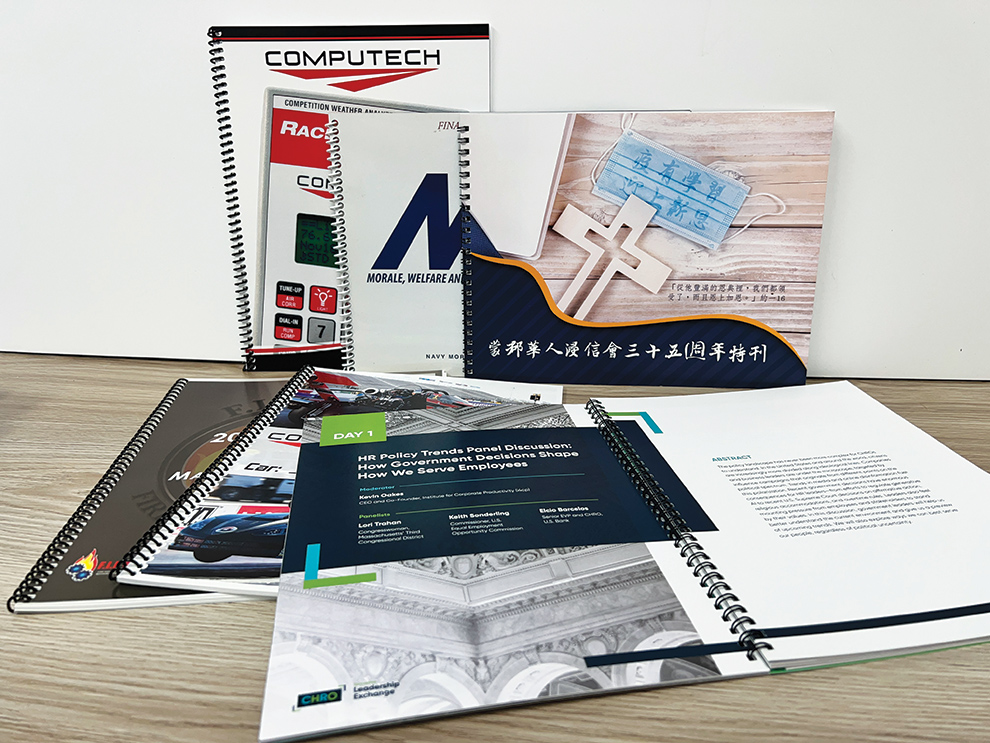
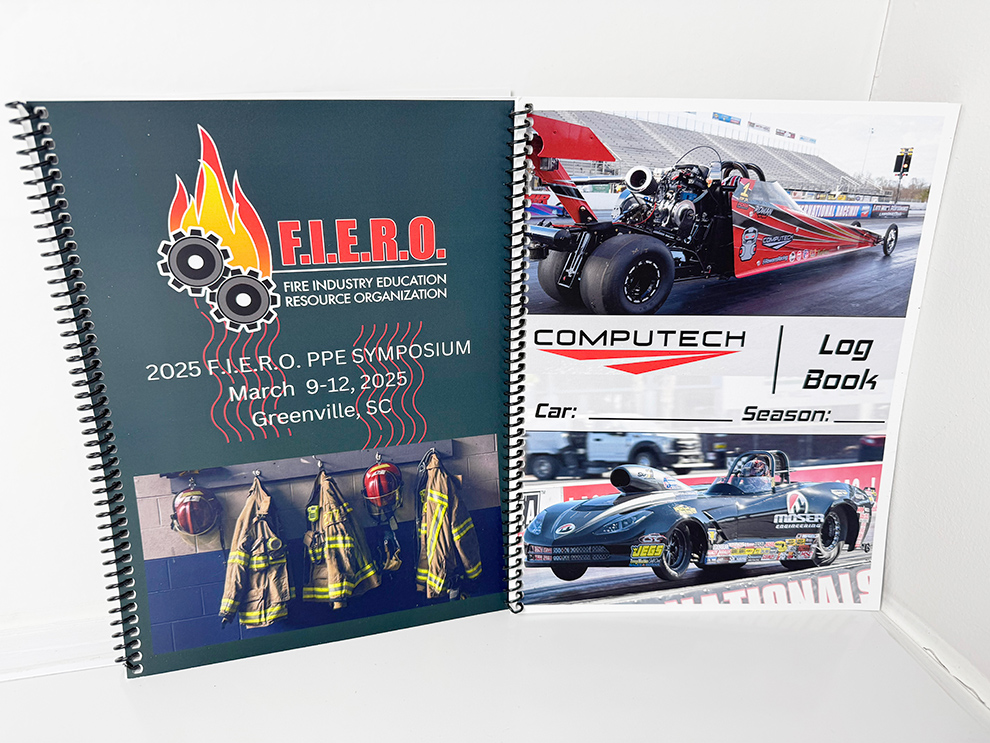
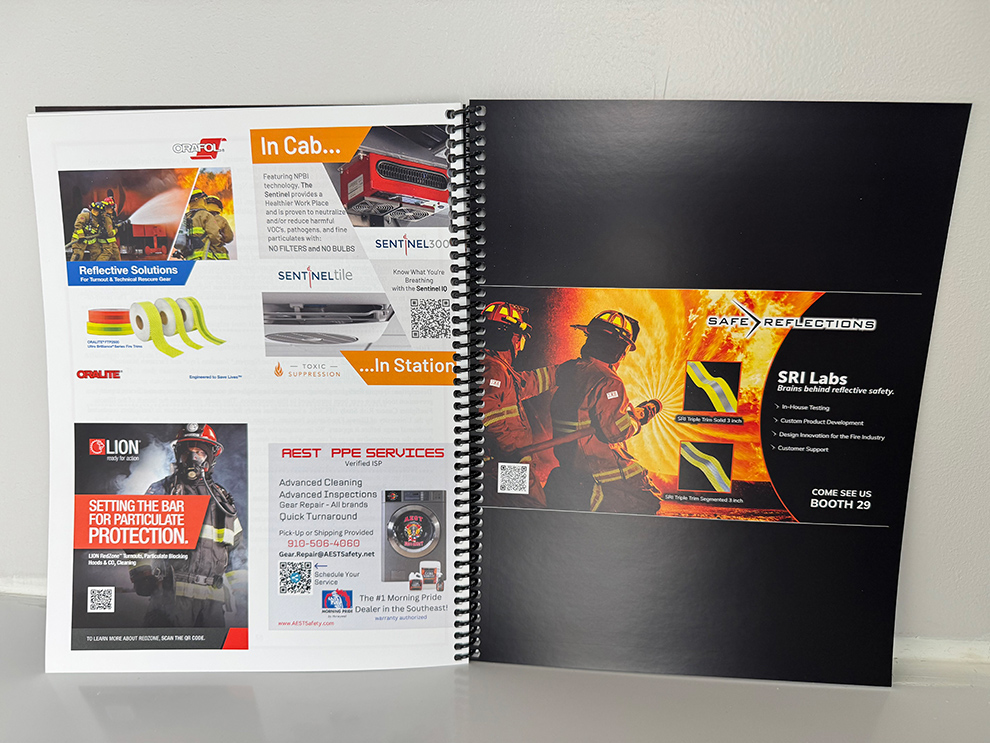
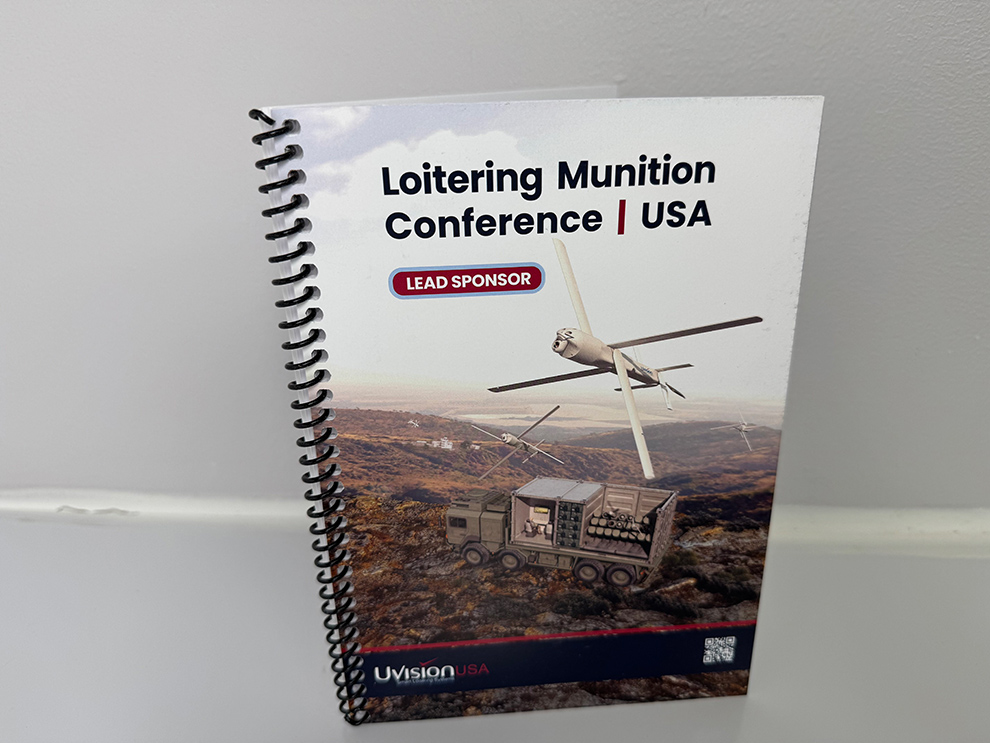
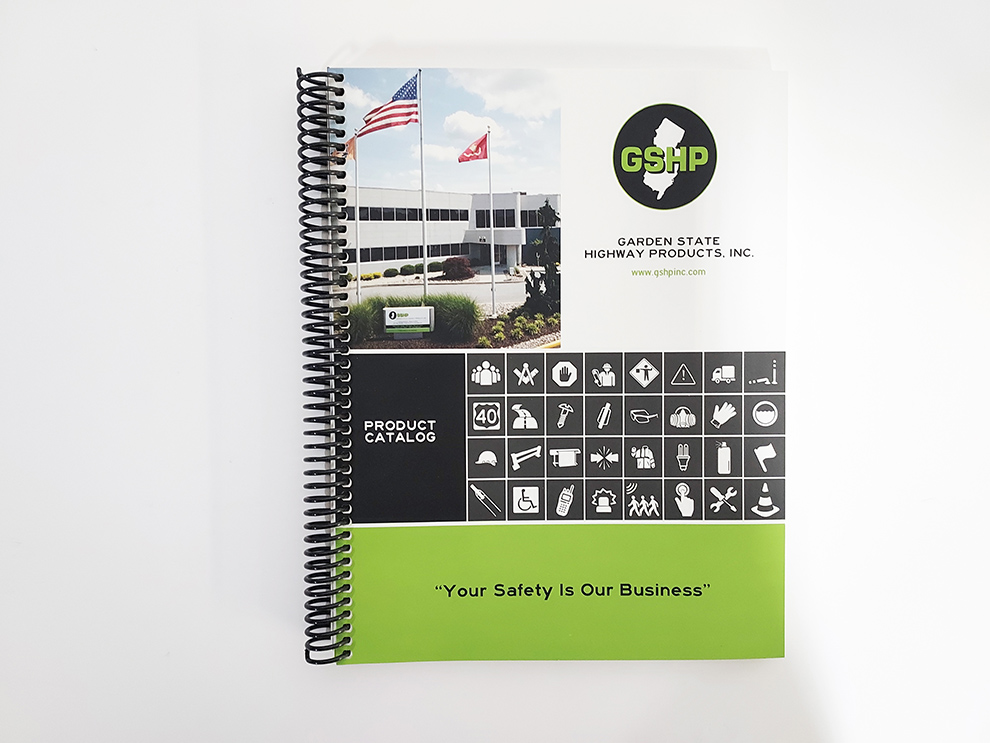
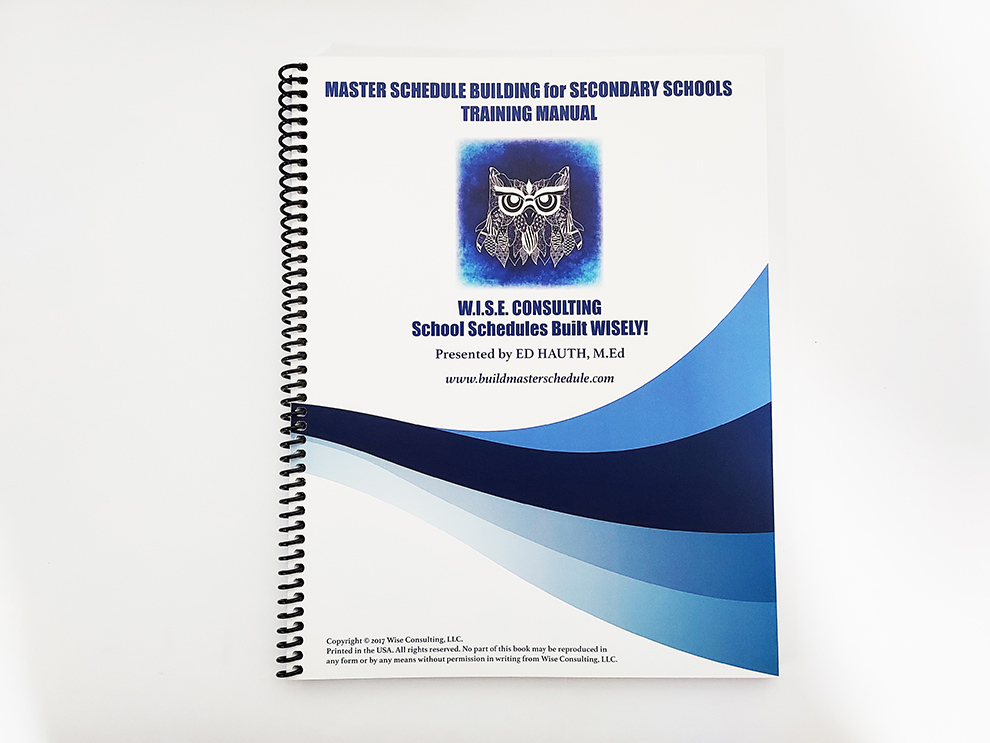
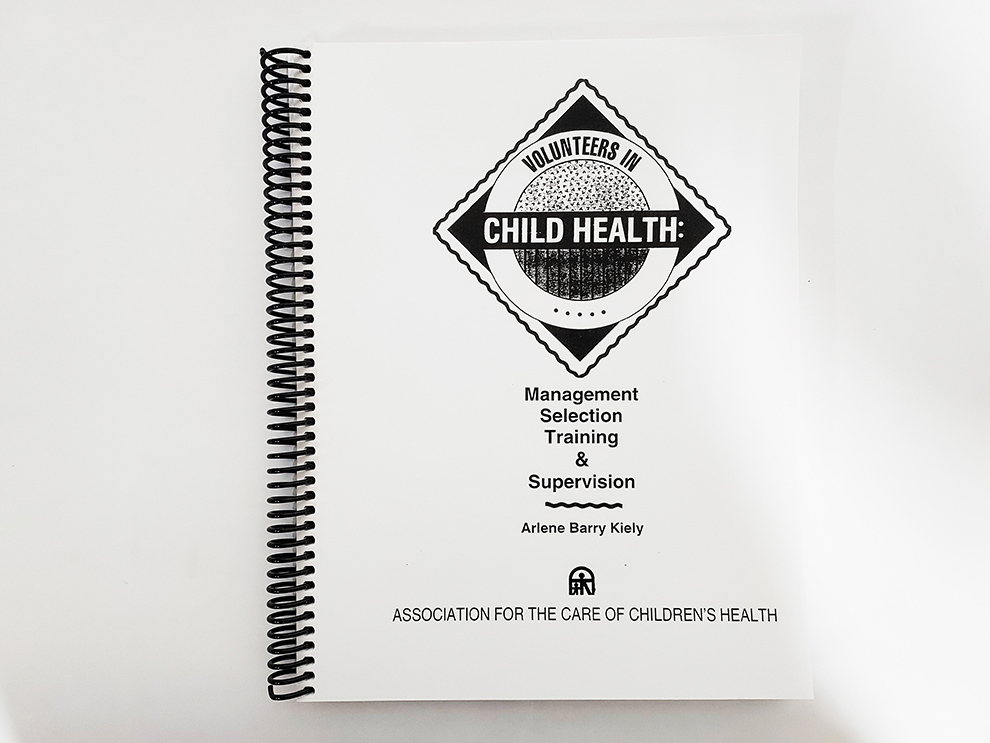
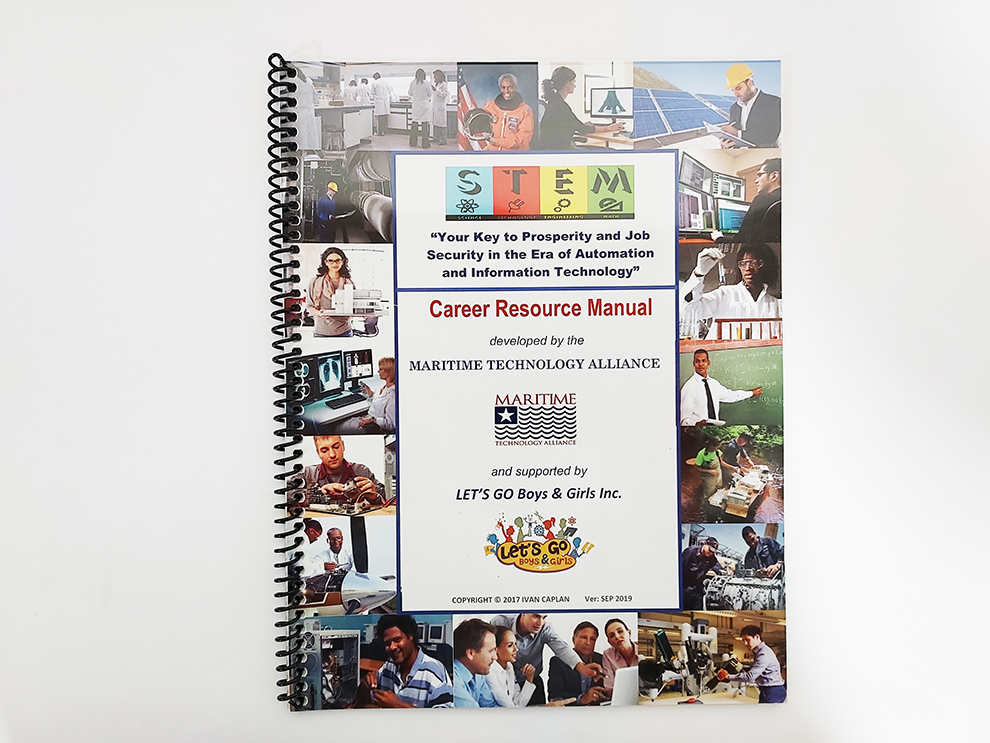
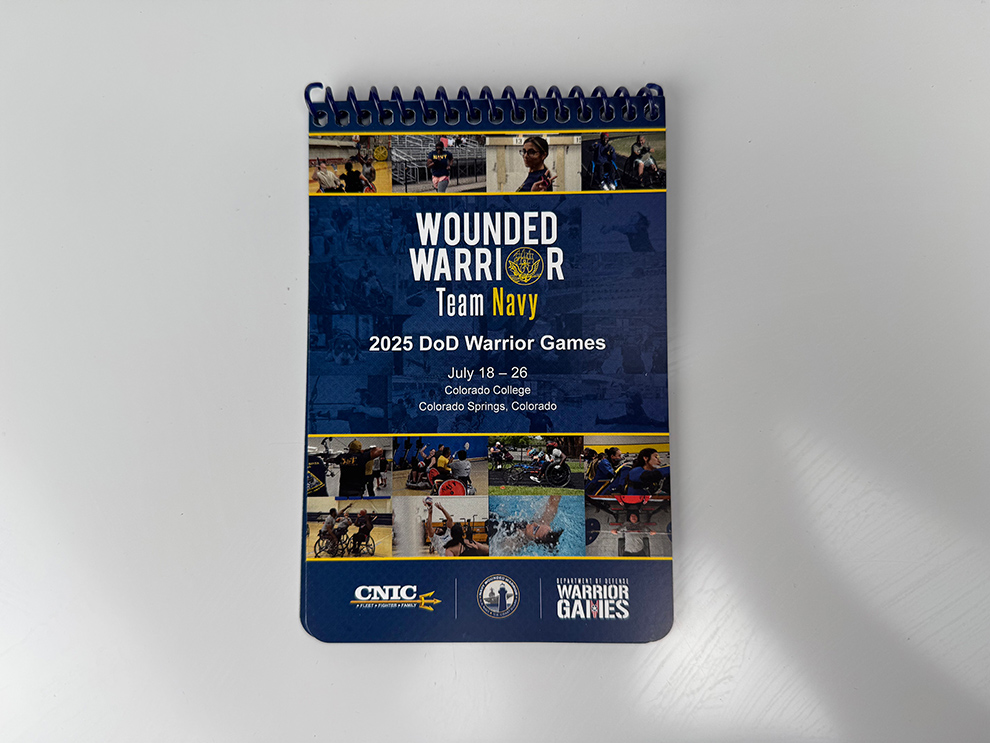
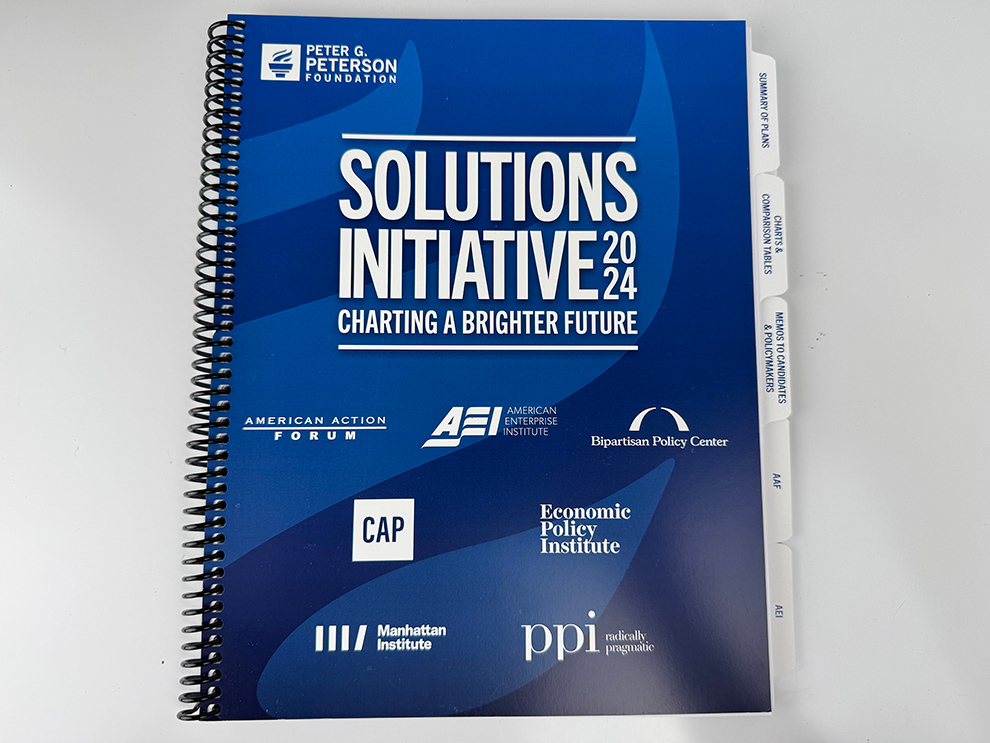
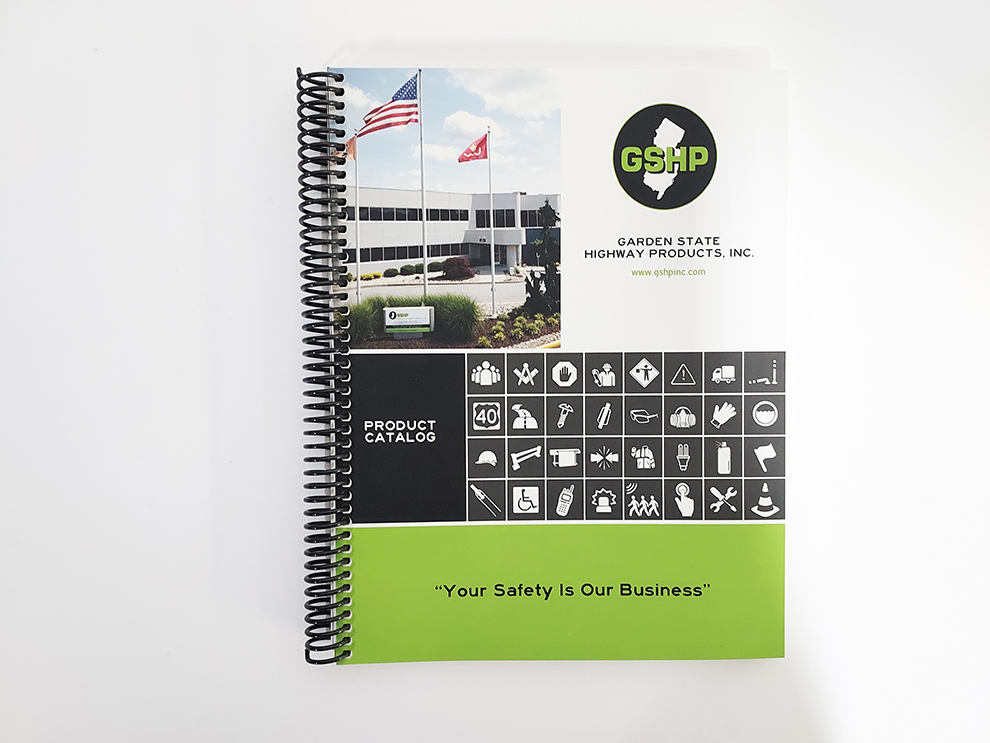
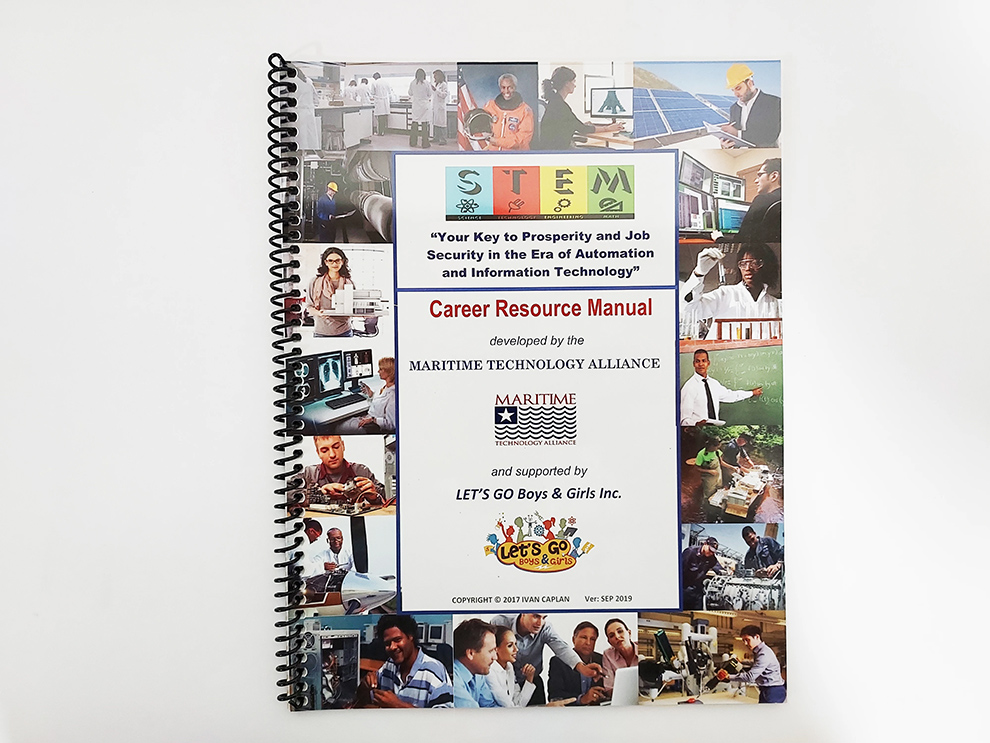
Picture a technician following a startup checklist with one hand on the equipment, or a new hire working through an onboarding workbook at a shared table. In both cases the printed book has to stay put, stay open, and stay out of the way. Spiral-bound books from Heritage are made for exactly that kind of use.
Plastic coil binding allows a book to lie flat on any surface, lets each page turn without resistance, and lets the cover and pages fold back behind the block when the reader only wants one page in view. For Sterling, VA organizations producing training workbooks, operating procedures, field guides, course packets, policy handbooks, and recurring reference directories, those mechanics translate directly into a document people can use while they work.
Practical construction choices matter as well. Laminated covers resist scuffs and ordinary moisture, a heavier back board keeps the book stable on a desk, and tabs or dividers help readers find the right section quickly. Heritage pairs those choices with careful printing, color management, electronic proofing, and finishing so the finished book performs reliably in daily service.
Heritage started as a printing company in 1977, and that background still shapes how spiral-bound books move through production today. Automated plastic-coil binding equipment handles punching and coil insertion with consistent accuracy, while Heritage's production team verifies page sequence, assembly, cover alignment, and finishing before any book leaves the building.
Consistency is what a Sterling, VA buyer actually pays for. A manual with pages out of order or a coil that catches on every turn creates problems for every trainer, technician, or student who opens it. Disciplined color management keeps diagrams, safety callouts, and brand colors consistent across the full quantity, and electronic proofing gives your team a defined checkpoint to confirm content before the run begins.
Heritage's Waldorf, Maryland production facility supports commercial printing for Washington, DC and the broader Mid-Atlantic, including Northern Virginia. When a Loudoun County training date or program launch is fixed, Heritage reviews artwork readiness, quantity, finishing, and available capacity before committing to a schedule, so the date you plan around has actually been evaluated.
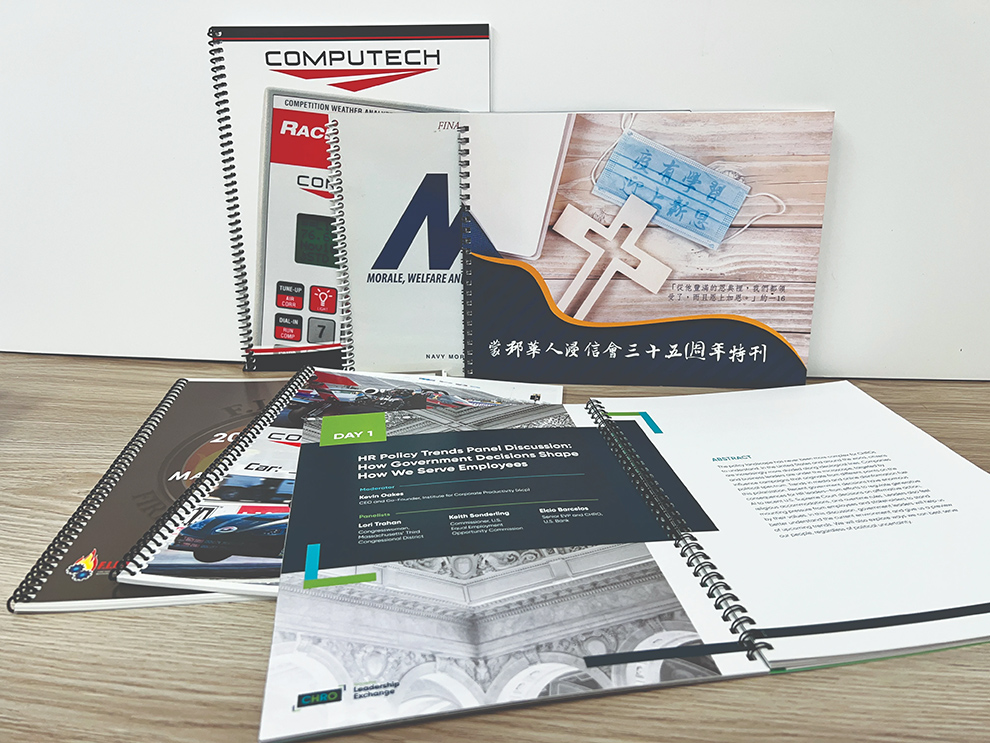
The right binding question is not which format looks better but how the reader will hold the book. A procedure manual propped beside a server rack, a workbook filled in during a two-day class, or a directory consulted dozens of times a week all reward a binding that opens flat and stays that way.
Because the coil runs through punched holes along the edge, pages rotate freely and the whole book can fold back to a single visible page. Tabs, dividers, and a laminated cover extend that practicality by making sections easy to locate and protecting the book as it moves between vehicles, desks, and classrooms.
Perfect binding answers a different need. The glued square spine carries a printed title, sits neatly on a shelf, and gives catalogs and published guides a conventional book presence. If your Sterling, VA project will be read front to back, displayed, or handed to clients as a finished publication, perfect binding is likely the stronger choice. If it will be worked from, written in, or referenced repeatedly, plastic coil usually serves the reader better.
A coil-bound workbook is often one component of a larger onboarding, membership, or operations program. These related Heritage capabilities may cover the rest of the printed materials your team needs.
Onboarding guides, certification curricula, and procedure sets planned for clear structure and repeated use alongside your spiral-bound workbooks.
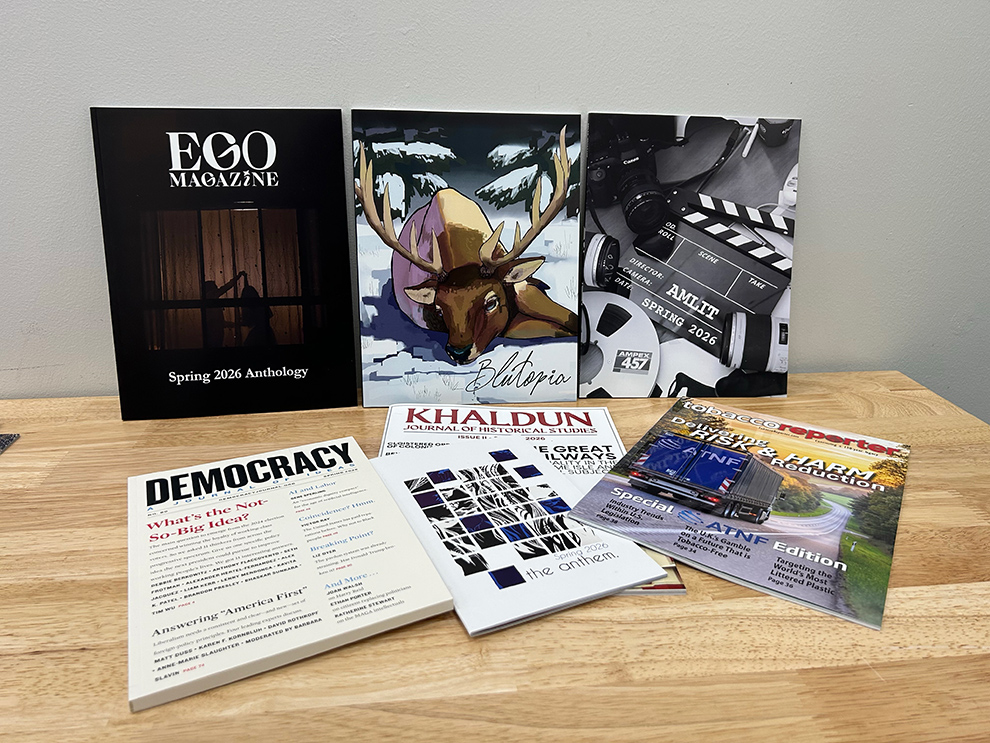
A glued square spine for guides, reports, and publications that will be displayed, shelved, or presented rather than worked from.
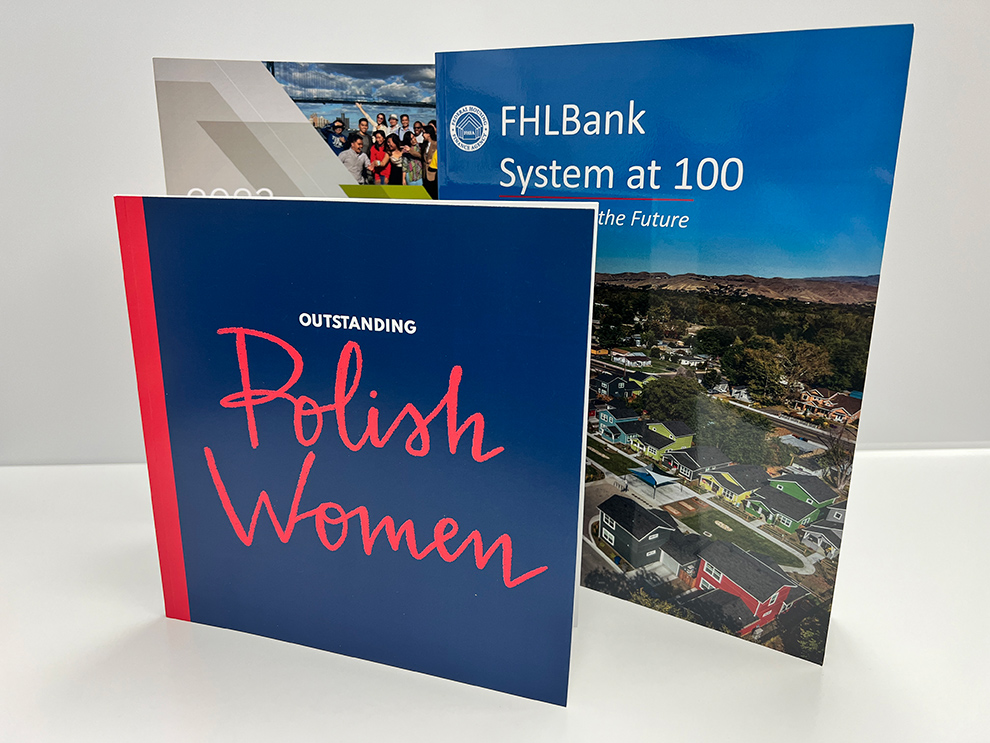
Saddle-stitched and other multi-page formats for programs, handouts, and shorter guides that do not require lay-flat binding.
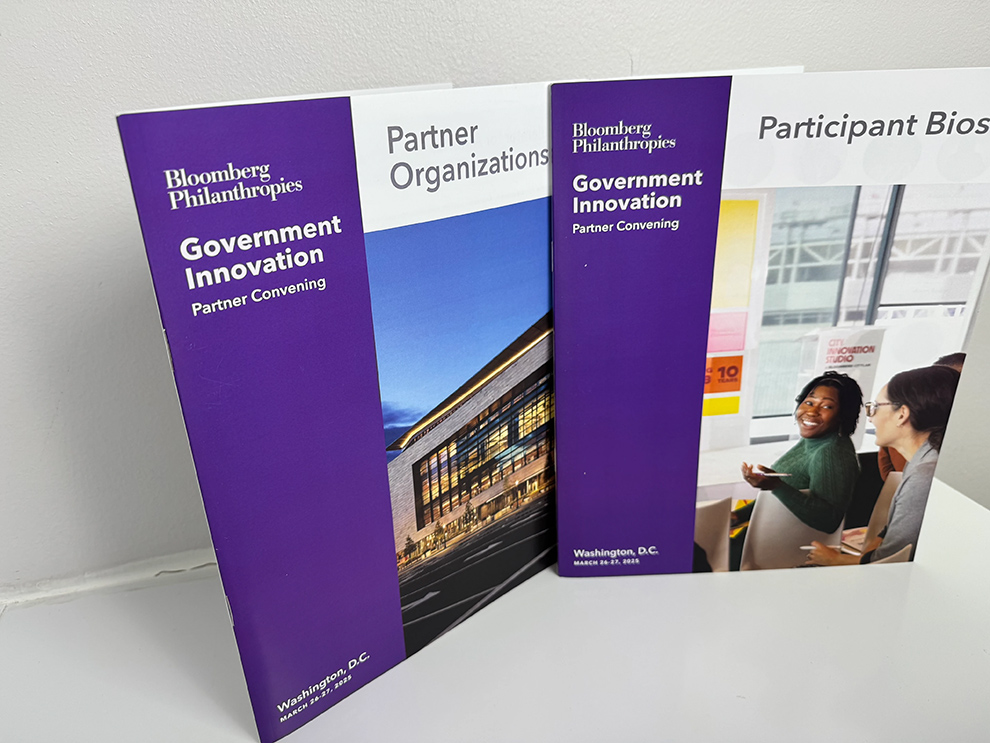
Keep certificates, agendas, and supporting handouts organized alongside a workbook for classes, meetings, and client visits.
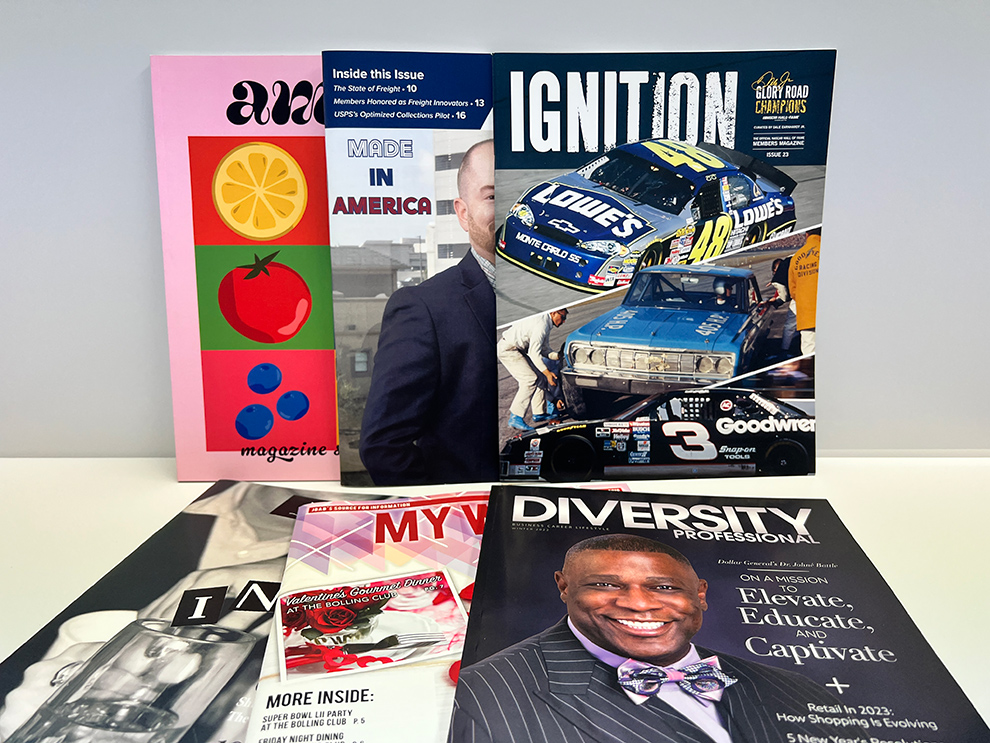
Recurring member and customer publications produced with edition-to-edition consistency in paper, color, and finishing.
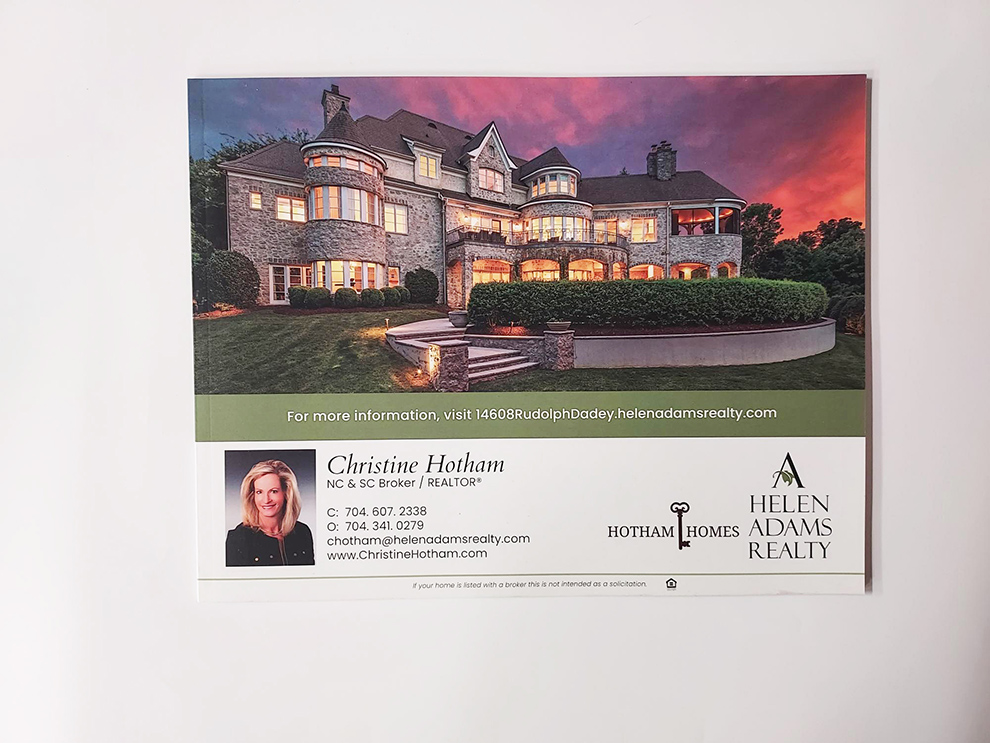
Addressing and mailing preparation for printed pieces when distribution to field offices or members is part of the accepted scope.
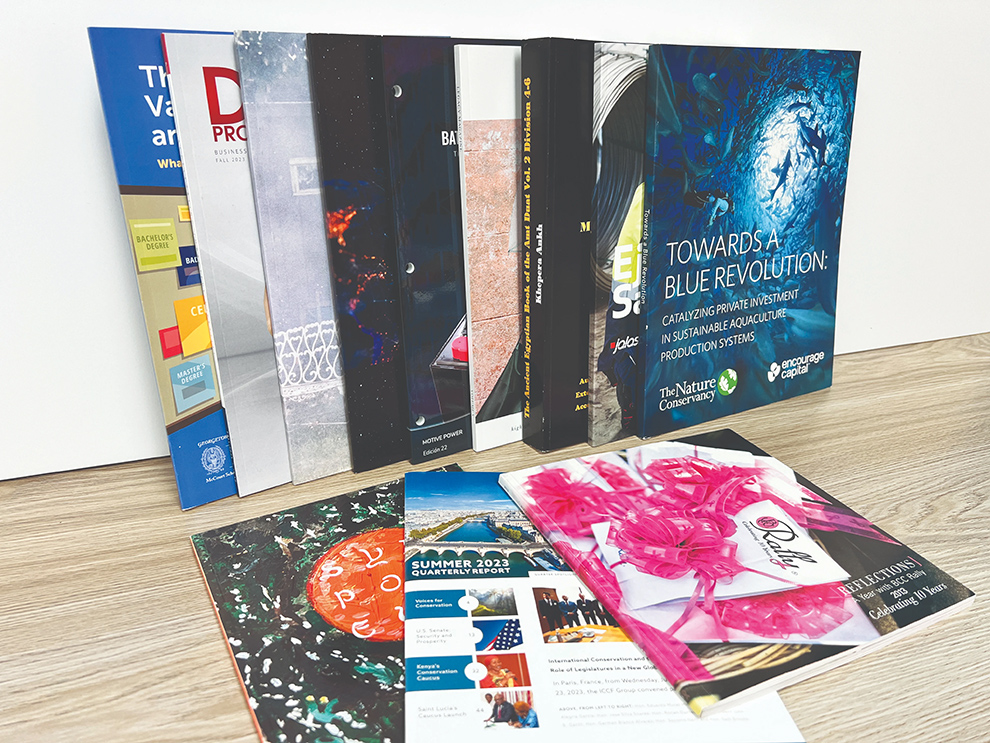
Brochures, sell sheets, and campaign pieces that share color standards with your training and reference documents.
The full scope of Heritage print production for Northern Virginia organizations, from business materials to recurring programs.
Whether the next cohort starts in Sterling next month or a vendor directory is due for its annual refresh, the ordering decision comes down to readiness. Choose the Online Store when an eligible configuration is live and your files are print-ready. Choose Custom Quote for qualifying $2,000+ projects that need file preparation, tab planning, version control, or closer schedule coordination before production begins.
Good spiral-bound books begin with deliberate decisions. Heritage looks first at how the book will be used, because that answer drives finished size, page count, paper weight, cover construction, color placement, quantity, and the likelihood of future editions.
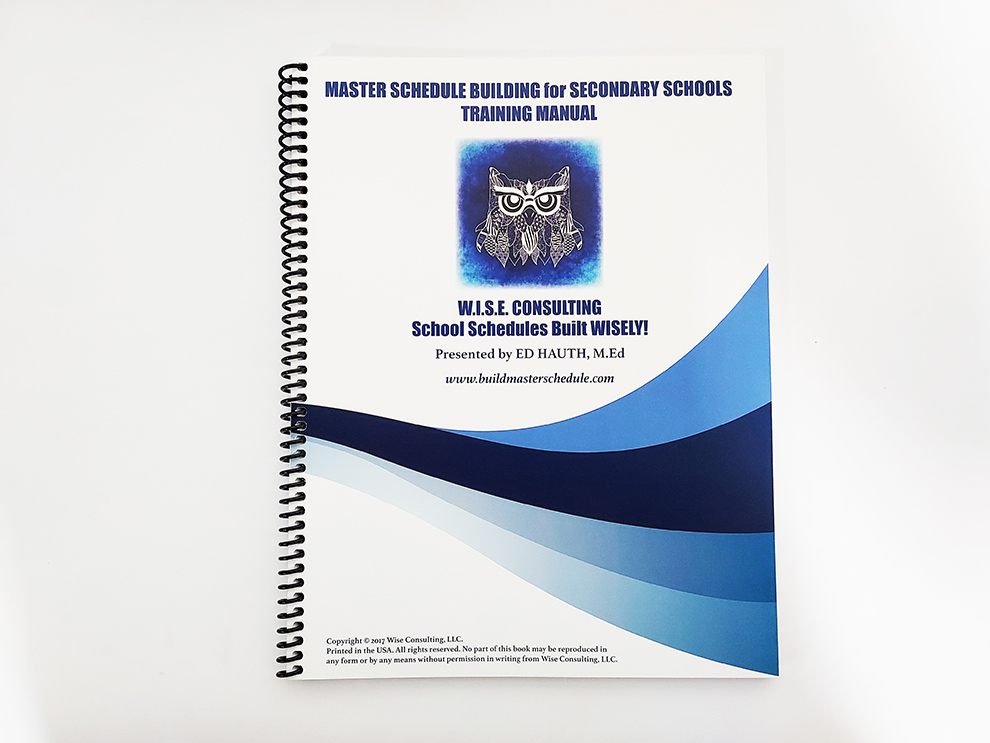
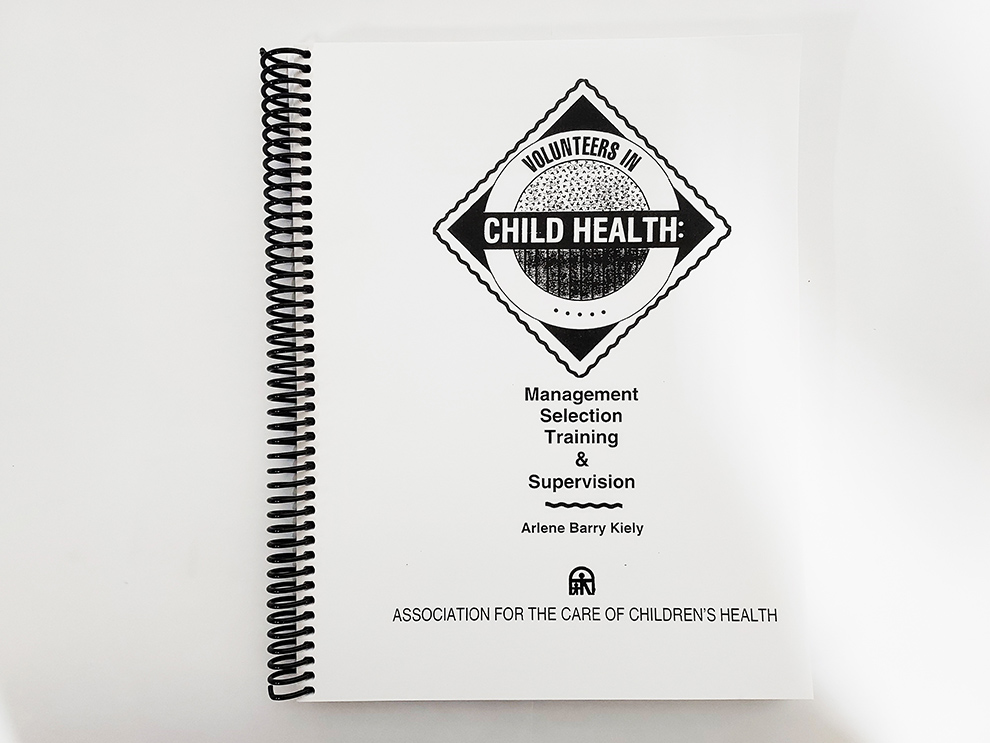
Consider three common Sterling, VA scenarios, each built from options available through the chosen ordering path. A safety orientation workbook that trainees write in benefits from a heavier text stock that accepts pen without bleed-through and a compact size that fits on a crowded table. A maintenance procedure manual that rides in a service vehicle calls for a laminated front cover, a rigid back, and section tabs so a technician can reach the right steps in seconds. A membership or vendor directory updated each year may mix full-color section openers with black-and-white listings to keep cost in proportion to use.
When a book will be reissued, Heritage can carry approved specifications forward, such as trim size, stock, cover treatment, tab layout, and color targets, so the next edition starts from a known baseline. That discipline shortens review and keeps version three working like version one.
Before ordering, ask one question: is every specification already decided and the artwork complete, or does the project still need production input?
The Self-Directed Online Store suits a Sterling, VA team that has settled its page count, size, paper, and cover choice and has fully print-ready files. You select the options shown for the live product and submit independently. Eligible Store products can be combined in one purchase to reach the $750 total-order minimum. Heritage still performs its standard production review, applies quality control, and sends an electronic proof for your approval before printing. The Store path does not include an assigned Project Coordinator, layout development, product selection guidance, or a Physical Production Color Proof.
Storefront Custom Quote is available for qualifying new Commercial Printing work valued at $2,000 or more when files need preparation, tabs and dividers require planning, several versions must stay organized, or the schedule warrants closer communication. Meeting that threshold makes the path available rather than mandatory. After Heritage accepts the quote and assigns the order, a Project Coordinator becomes your direct phone-and-email contact through completion.
Yes. The coil threads through a row of punched holes, so each page and cover rotates fully around the binding edge. Folding the book back to show one page does not stress the spine the way it would with a glued binding. That freedom is why technicians, instructors, and note takers favor the format when space is tight or both hands are busy.
The format suits any group that needs a document to stay open during use. Along the Dulles corridor that often includes technology and data operations teams documenting procedures, contractors issuing field guides, training providers and schools producing course workbooks, healthcare practices maintaining policy manuals, and associations updating member directories. If your readers write in the book or consult it repeatedly, coil binding is worth considering.
Start with how the book will be handled. Coil binding is the practical choice when the book must lie flat, fold back, or accept handwritten notes, which describes most training and procedure manuals. Perfect binding is the better fit when a printed spine, shelf display, and a traditional published appearance matter more than lay-flat use, such as a report or client-facing guide. Neither format is better in every case.
Yes, when the selected Store product supports them or they are included in an accepted Custom Quote. Tabs let a reader jump straight to a chapter, and dividers separate sections such as safety, setup, and maintenance. Decide on tab labels, section order, and divider stock early, because those choices affect page count, punching, and how the finished book is assembled.
A laminated front cover with a sturdy back is the most common answer for books that travel or circulate. Lamination resists scuffs and light moisture, and a rigid back keeps the book flat on a desk or clipboard. Printed cover stock without lamination can be appropriate for lower-use materials. Availability depends on the production path chosen for the order.
A spiral-bound book stays open to the page the reader needs, which matters when someone is copying a setting, completing an exercise, or following steps in sequence. Pages turn easily, the book occupies only half its open footprint when folded back, and durable covers and tabs keep frequently used content organized and protected across months of handling.
Yes. Every Heritage Commercial Printing order, including an eligible Online Store purchase, receives an electronic proof for review and approval before printing. Use it to confirm text, images, page sequence, layout, and any tab or divider placement. Keep in mind that an electronic proof shows content and arrangement, not finished color; screens and printed stock do not reproduce color identically.
It can be, for qualifying Custom Quote commercial-printing orders of $2,000 or more. The Physical Production Color Proof is an optional, additional-cost item printed on the production equipment and the same stock planned for the finished books, so it adds time to the schedule. Once approved, it serves as the controlling color reference for the run unless the client and Heritage agree otherwise. This option is not offered through the Self-Directed Online Store, where proofing is electronic only.
You choose the live product, select from the available options, upload complete print-ready artwork, and submit the order on your own. The total eligible order must reach $750. Heritage reviews the files for production readiness, sends an electronic proof, and applies normal quality control. The Store does not provide an assigned Project Coordinator, design or layout work, or help selecting the product, so it fits buyers who already know exactly what they need.
A qualifying new Commercial Printing project of $2,000 or more that needs more than a self-service order can provide. Typical reasons include files requiring production preparation, undecided specifications, tab and divider planning, multiple versions, or timing that benefits from direct communication. The form starts the conversation; an assigned Project Coordinator joins only after Heritage accepts the quote and assigns the work, and then serves as your direct phone-and-email contact.
Yes. Any products that are live and orderable in the Self-Directed Online Store may be combined in one purchase, and their combined value counts toward the $750 minimum. A Sterling, VA training team might pair coil-bound workbooks with other eligible Store items such as handouts or presentation folders for the same session. Each item follows its own Store options and file requirements.
Heritage can carry forward accepted specifications such as trim size, paper, cover treatment, tab configuration, and color targets, so a revised edition starts from the approved baseline and review focuses on what changed. Established clients who already have an assigned Project Coordinator may keep that contact on appropriate directly managed repeat work. Store reorders follow the Store process each time.
Share the date, quantity, and current file status with Heritage right away. We will evaluate artwork readiness, specifications, finishing, proof approval time, available production capacity, and delivery needs before confirming a schedule, rather than accepting a date that has not been checked. If the original timeline is not workable, Heritage will say so early and propose a responsible alternative where one exists. For qualifying Custom Quote work, coordinator support begins once the quote is accepted and assigned.
Heritage Signs & Displays created new museum signage for the Military Women’s Memorial in Arlington, VA. The project included custom signs, wall wraps, dimensional letters, and standoff-mounted displays to honor the legacy of U.S. servicewomen and the donors who supported the memorial. The updated interior features impactful designs, including a "Our Legacy" wall display and panels showcasing historical contributions and artwork, creating a transformative tribute to women in the U.S. Armed Forces.
Heritage Signs & Displays' collaboration with The Gathery to brand Union Market in Arlington, VA, for Indeed's "Ready to Work" job fair. The project included custom event displays, wall graphics, window graphics, and wayfinding signs, creating an immersive and visually appealing environment. The branding enhanced the venue, reflected the event's mission, and provided a seamless experience for attendees.