

How Indoor Signs Strengthen Washington, DC Workplace Interiors
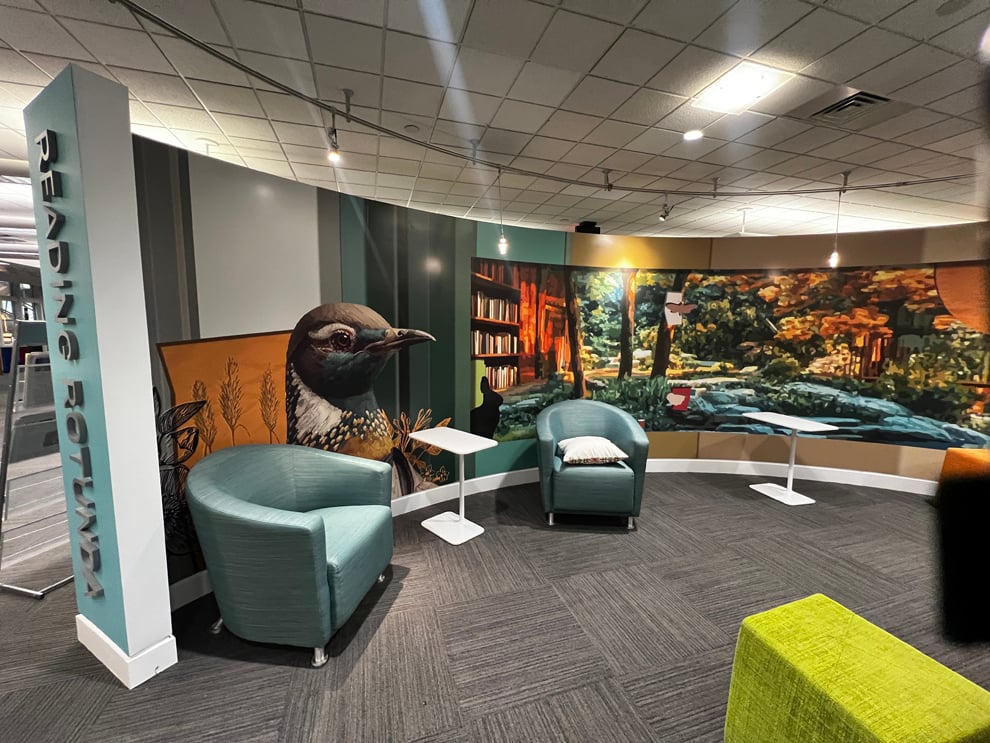
A workplace communicates long before a meeting begins. The signs, graphics, displays, colors, messages, and visual details people encounter when they enter an office can help them understand where they are, who the organization is, what it values, and how to navigate the space. For companies and organizations throughout Washington, DC, indoor signs can support much more than identification. They can help establish a professional first impression, reinforce organizational culture, communicate a mission statement or core values, recognize people and accomplishments, improve navigation, create privacy, and turn previously underused walls and glass surfaces into meaningful parts of the workplace.
The most effective interior signs are not selected simply because a wall or hallway seems empty. They begin with a purpose. What should employees, visitors, clients, donors, members, students, patients, or other stakeholders understand when they encounter the space? Where do people need direction? Which messages deserve emphasis? What parts of the organization should become more visible? Answering those questions helps determine which signs, graphics, and displays belong in the workplace and how they should work together.
Start with What the Workplace Needs to Communicate
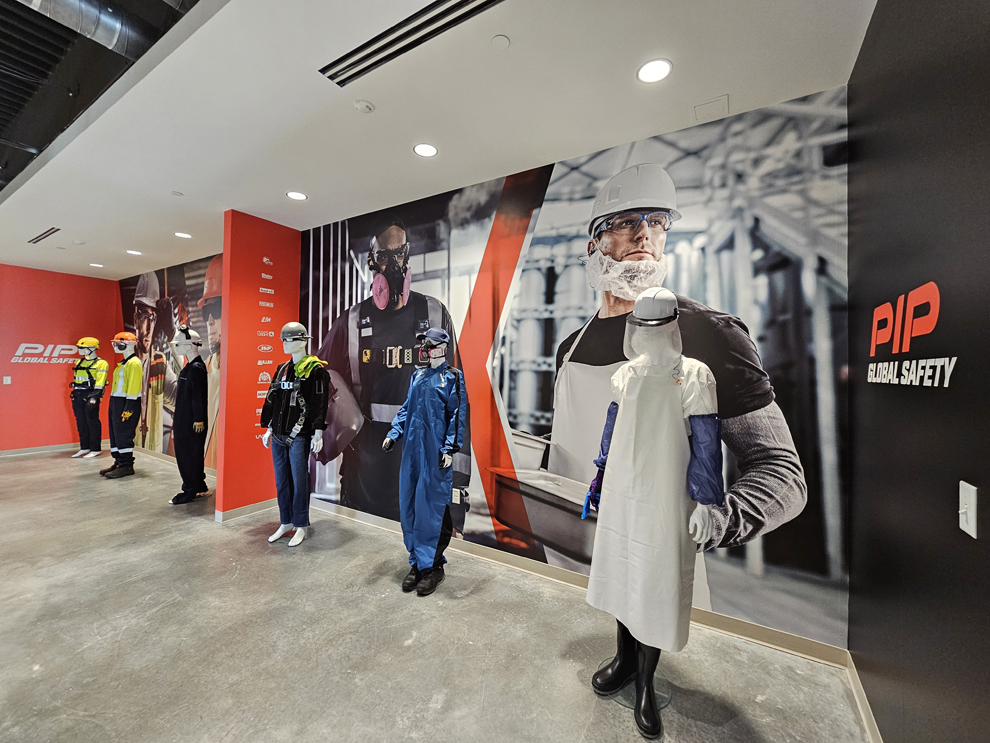
Different areas of a workplace perform different jobs. A reception area may need to establish identity and confidence immediately. A conference room may need privacy and restrained branding. Corridors can help communicate organizational history or reinforce culture. Shared employee areas can recognize accomplishments or make a mission statement and core values more visible. Larger facilities may require coordinated wayfinding so visitors understand where to go without unnecessary confusion.
This is where environmental graphic design becomes useful. Rather than treating each sign as an unrelated object, environmental graphic design considers how messages, graphics, dimensional elements, surfaces, architecture, sightlines, and the movement of people through the workplace can support one another. For many Washington, DC organizations, this is especially important because offices often serve multiple audiences. Associations may welcome members and policymakers. Nonprofits may host donors and community stakeholders. Professional firms meet with clients and recruits. Government contractors may need polished interiors that communicate capability and culture. Universities, museums, and institutions may need to make complex information understandable and memorable.
Lobby Signs Create a Strong Arrival Experience
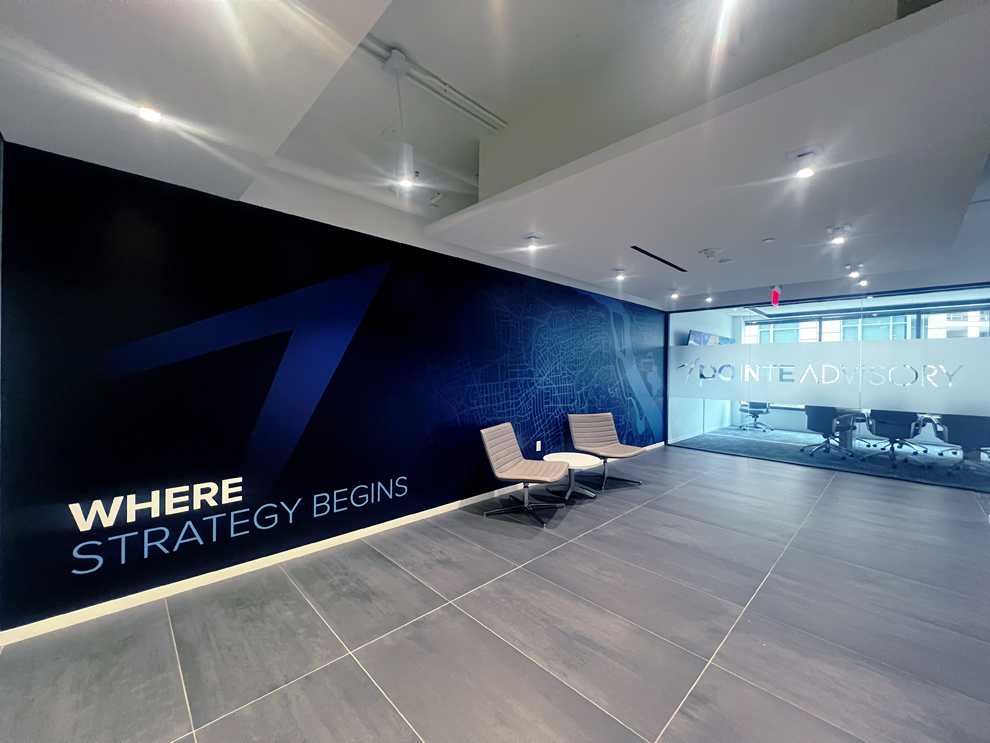
Lobby and reception signs are often among the first visual elements guests notice. Dimensional lettering, acrylic signs, standoff mounted signs, and backlit signs can help establish an organization’s identity at an important arrival point. Materials, depth, lighting, scale, placement, wall finishes, and surrounding graphics all influence the result.
A lobby sign can also become part of a larger feature wall. Wall graphics, dimensional lettering, photography, architectural finishes, and mounted display elements can work together to create a more complete branded presentation. The objective is not simply to put a logo on a wall. It is to create an arrival experience that appropriately represents the organization and helps set expectations for what follows.
Window Graphics and Privacy Treatments Make Glass More Useful
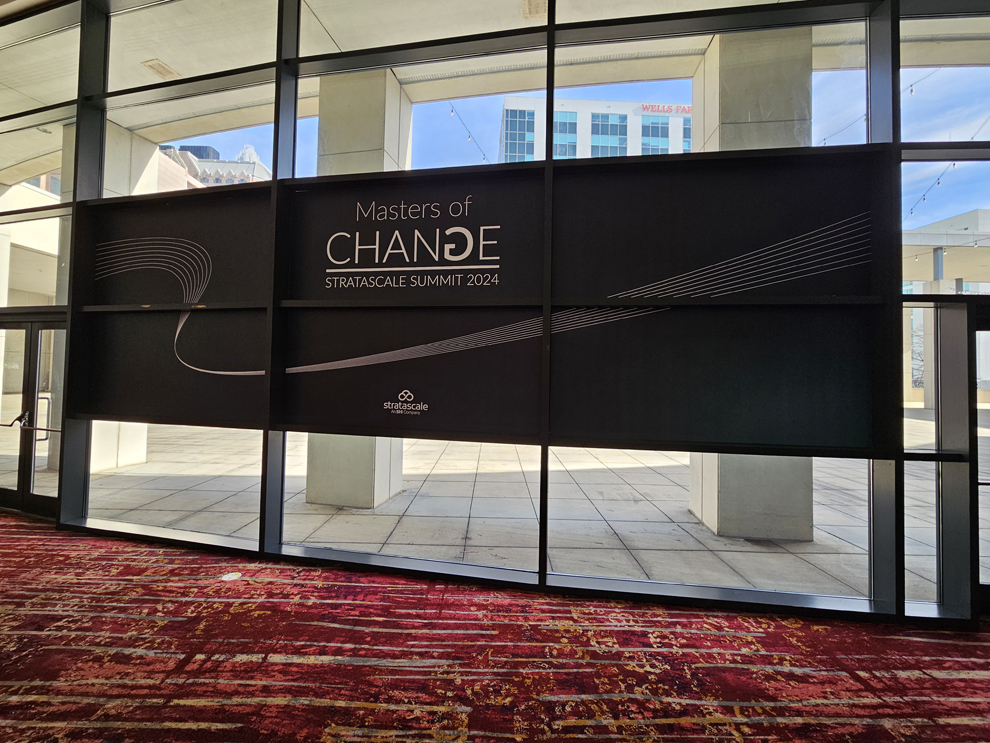
Interior glass can support both visual branding and practical workplace needs. Window graphics can introduce logos, patterns, decorative elements, messaging, or visual continuity between adjoining workplace areas. Frosted vinyl and privacy film can help provide visual privacy for conference rooms, offices, meeting spaces, and glass partitions while allowing glass to remain an important architectural feature.
Clear glass can also incorporate distraction markers. These are decorative or branded vinyl elements such as bands, dots, patterns, logos, or other graphics that make clear glass easier to notice while supporting the visual identity of the workplace. Window graphics and privacy treatments can improve visibility, privacy, and branding, while applicable building-code, safety-glazing, and regulatory requirements remain the responsibility of the appropriate project professionals and property representatives.
Wayfinding Signs Help People Understand the Workplace
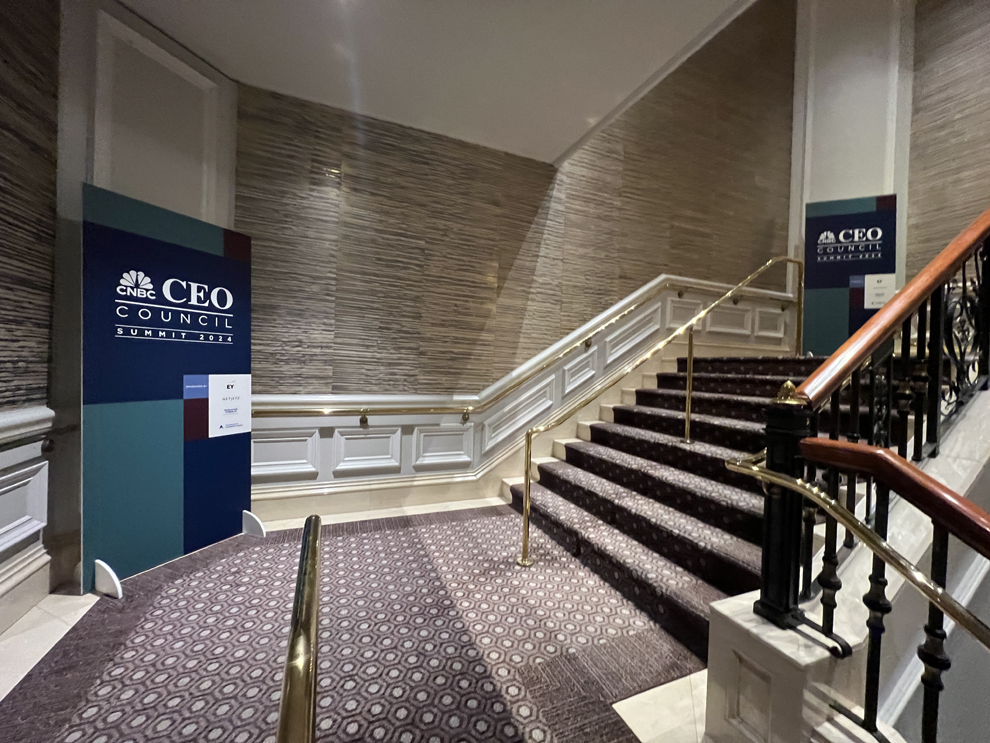
Wayfinding is another important function of interior signs. Directional signs, room identification, directories, wall graphics, dimensional lettering, and other visual cues can help people understand where they are and where they need to go. Good wayfinding reduces unnecessary uncertainty and supports a more comfortable visitor experience. Wayfinding can also reinforce the organization’s visual identity through consistent typography, colors, materials, symbols, and messaging.
Accessibility and regulatory requirements may influence sign design and placement in certain applications. Heritage produces and installs signs and graphics according to approved project requirements while collaborating with client stakeholders and other project professionals responsible for applicable architectural, accessibility, and code requirements.
Floor Graphics Can Support Direction, Branding, and Events
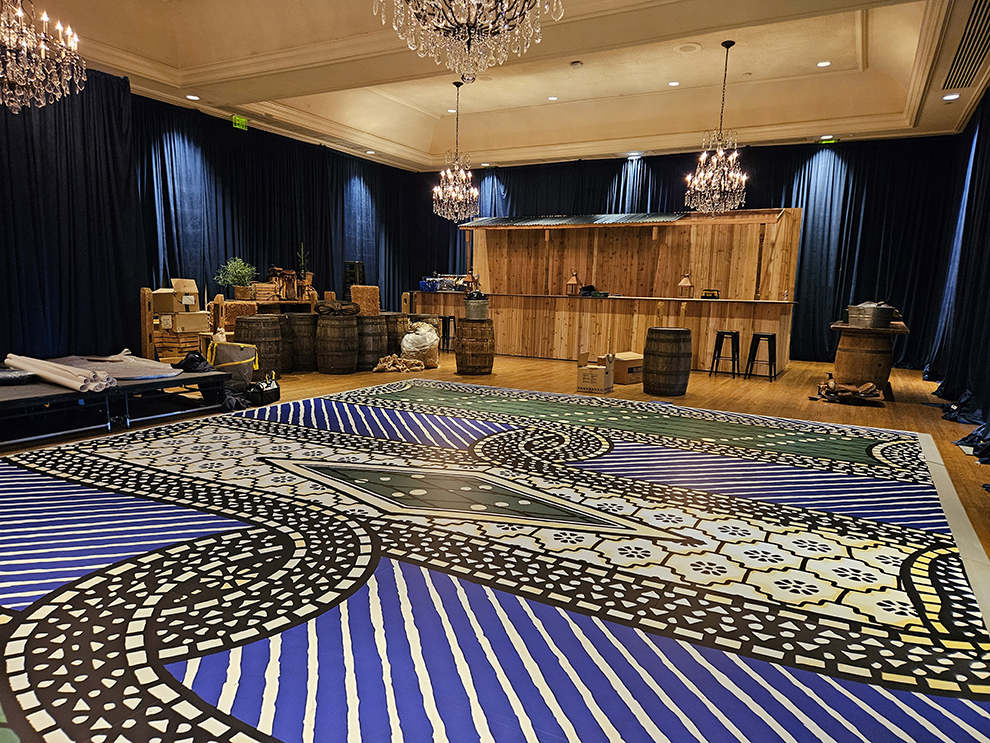
Floor graphics can provide another useful visual surface for directional information, event messaging, branding, temporary campaigns, or other communications. Because floor graphics experience foot traffic and cleaning in ways that wall and window graphics do not, the substrate, material, location, expected duration, traffic patterns, maintenance practices, and installation environment all matter.
A floor graphic that works well in one setting may not be appropriate for another. Evaluating the actual environment helps determine whether floor graphics are a practical solution and what material and installation approach best support the project.
Bringing Interior Signs Together as One Workplace Experience
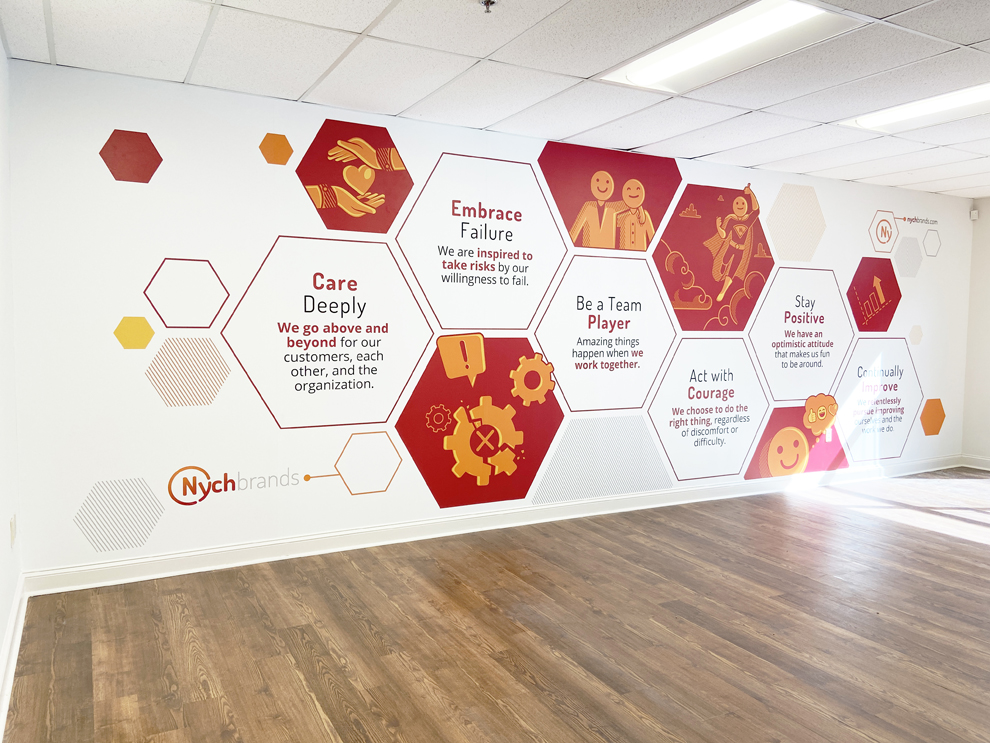
The strongest workplace interiors rarely depend on a single sign. A lobby sign may establish identity. Wall graphics can provide context and storytelling. Frosted vinyl can provide privacy. Wayfinding helps people navigate. Recognition displays celebrate contributors. Timeline walls communicate history. Mission statement and core values displays reinforce organizational purpose. When those elements are developed independently, a workplace can begin to feel visually disconnected. When they are considered together, signs, graphics, and displays can reinforce the same brand and communication goals.
Heritage Signs & Displays helps Washington, DC organizations connect those elements through client discovery, site surveys, environmental graphic design, one assigned project manager, production, fabrication, and professional installation by Heritage team members. As a veteran-owned and family-led company founded in 1977, Heritage is grateful for the opportunity to help organizations create workplace interiors that communicate clearly and represent who they are.
If your organization is planning an interior branding project, Get Started Now to share your location, goals, timeline, available artwork, photographs, and other project details. Our team can help identify the next decisions needed to move the project forward.