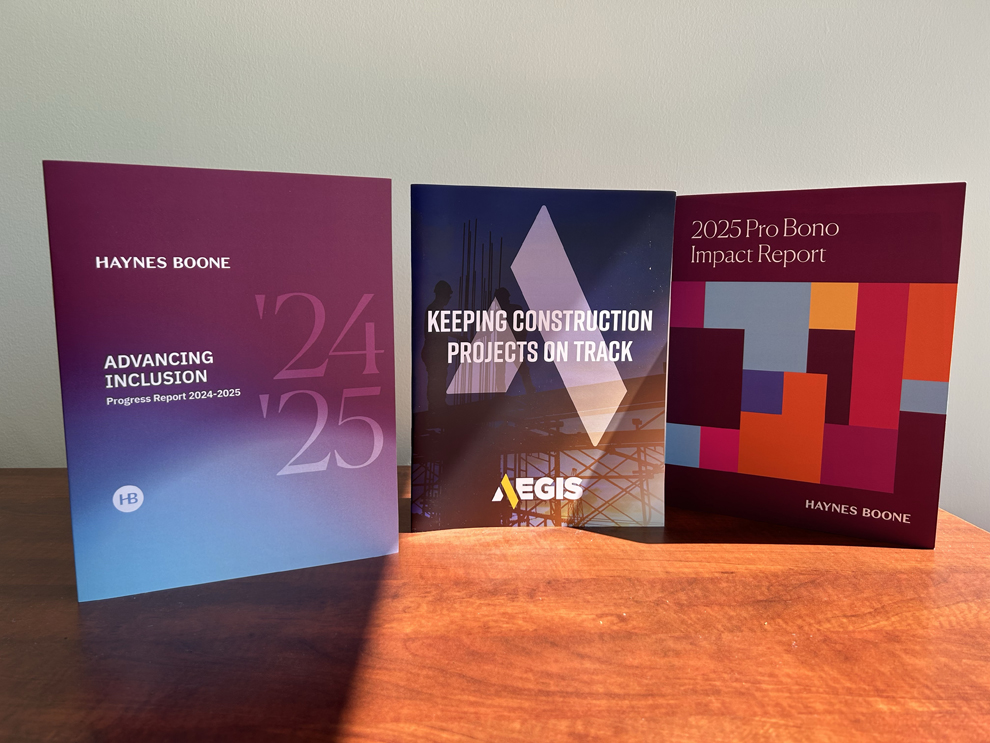
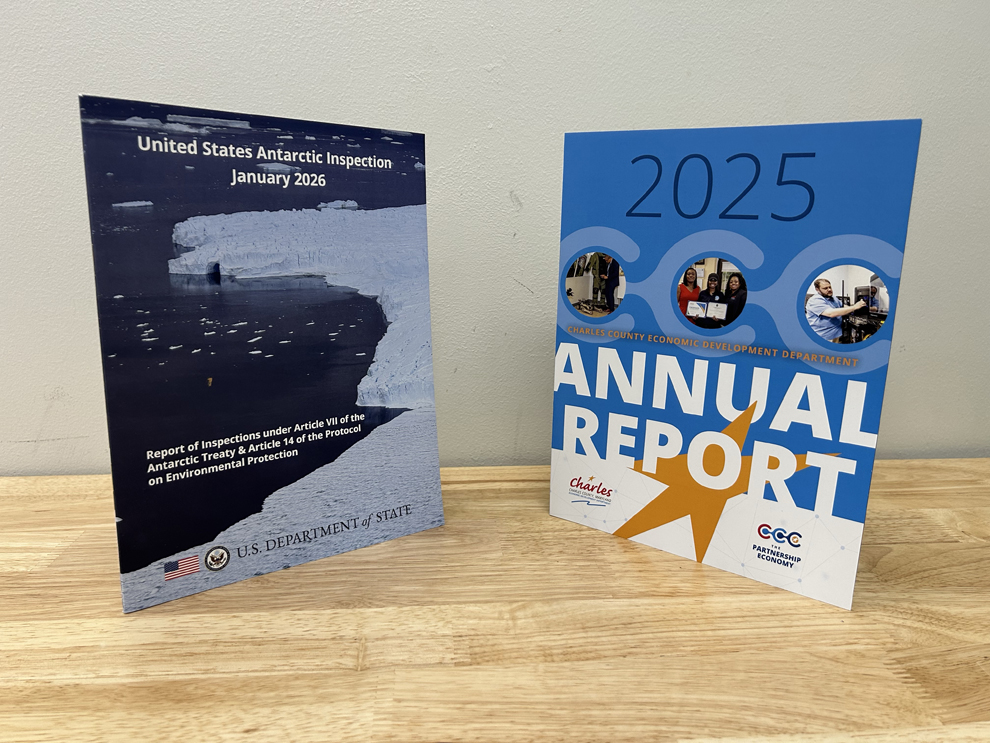
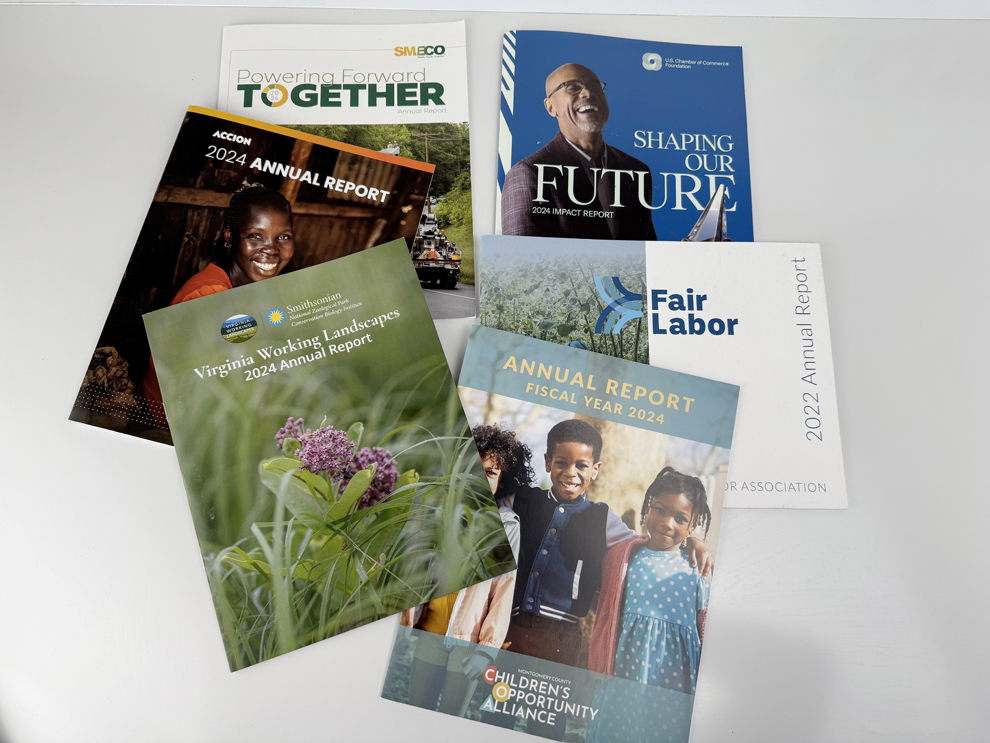
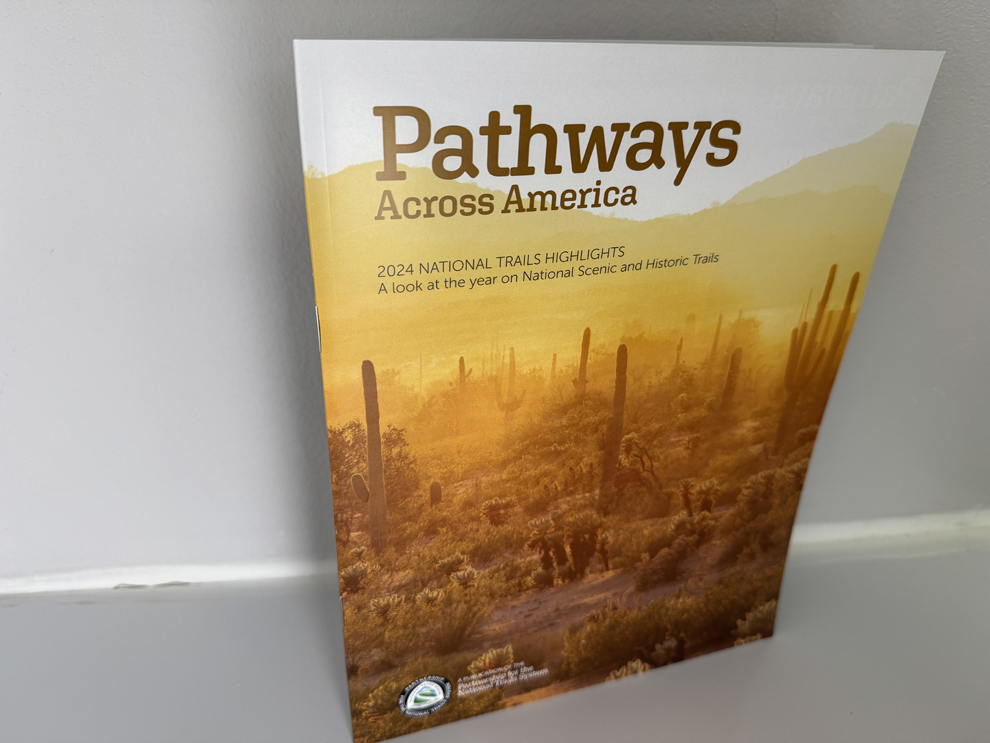
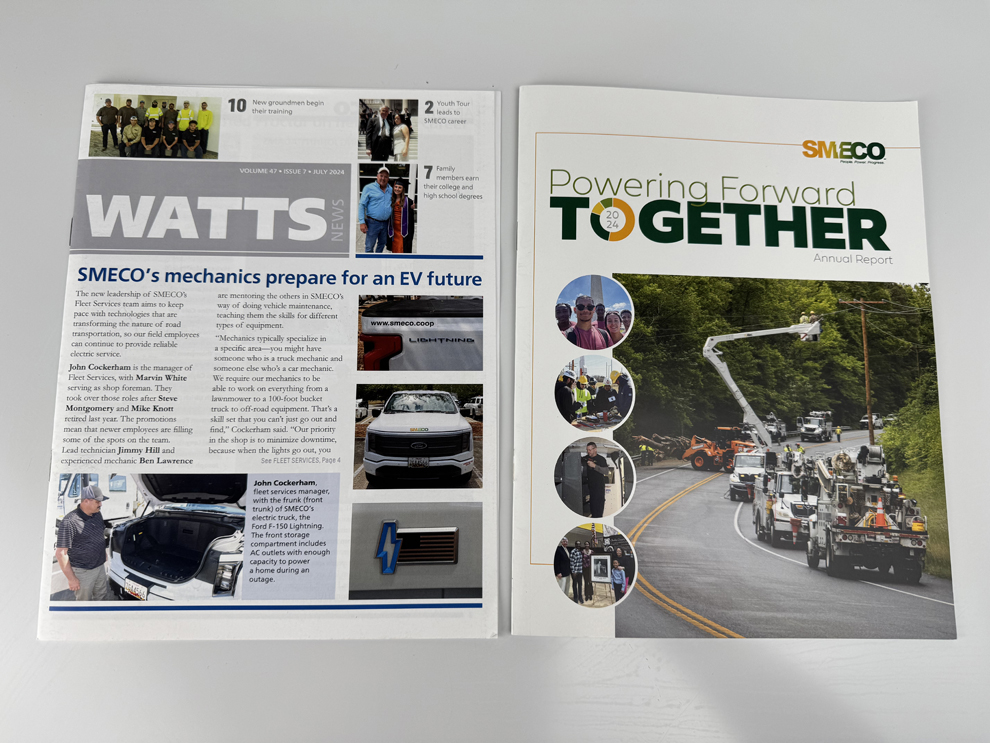
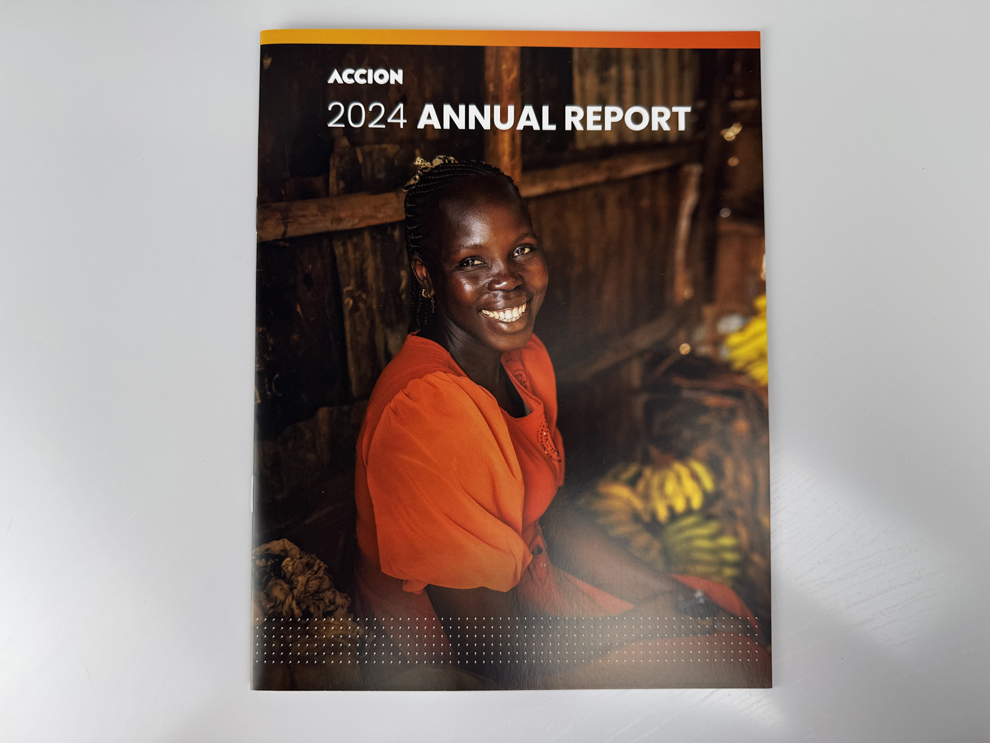
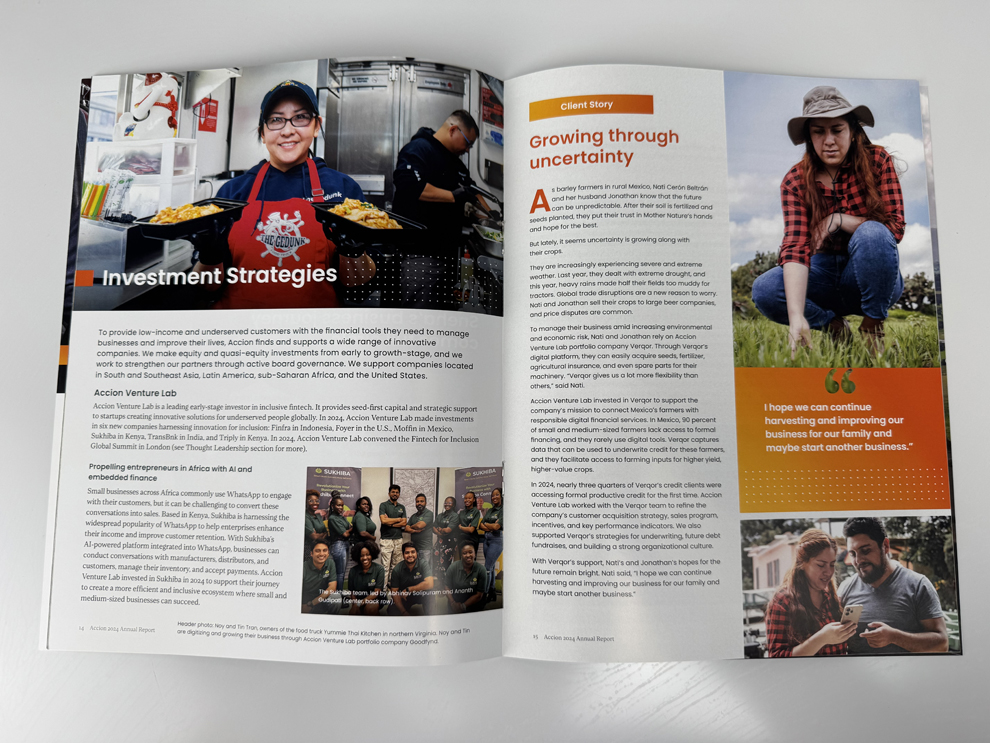
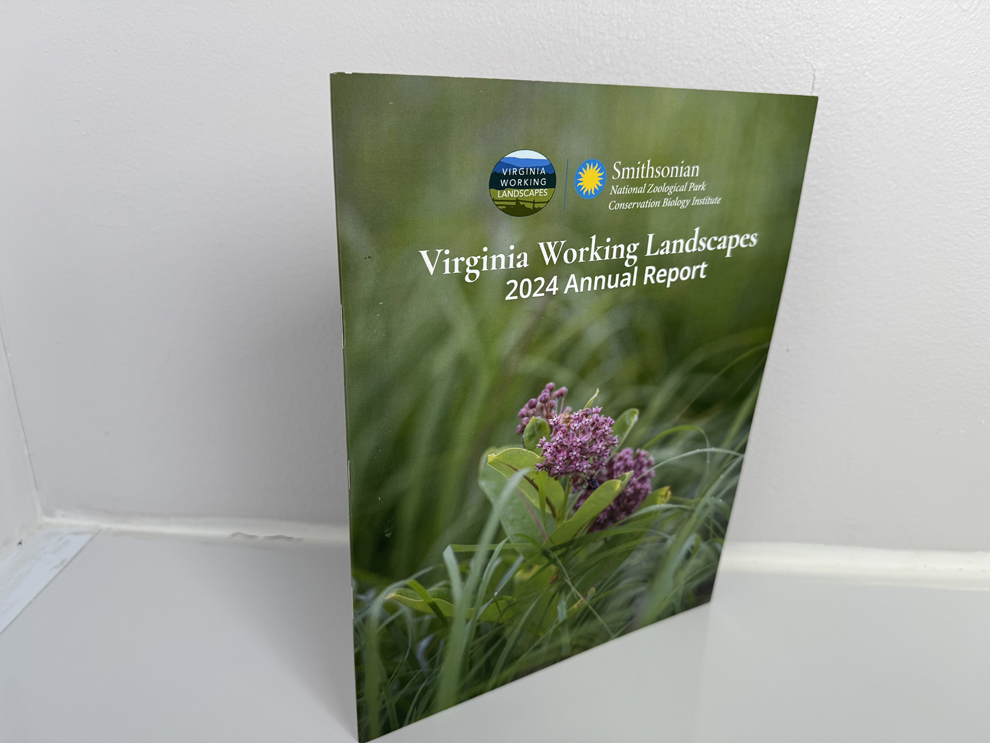
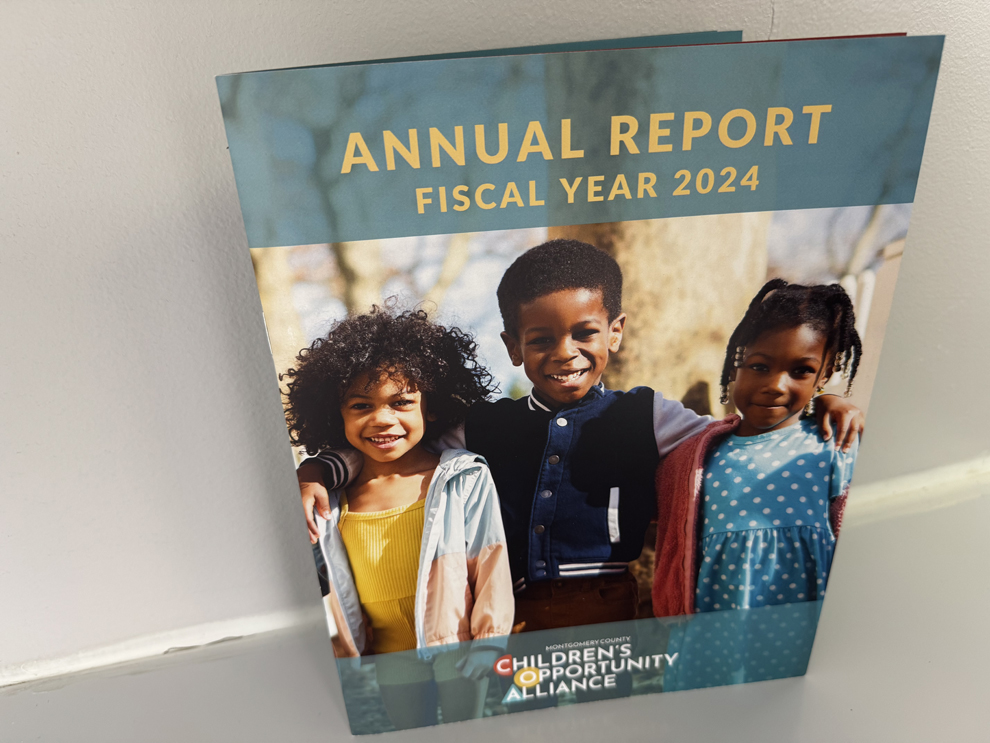
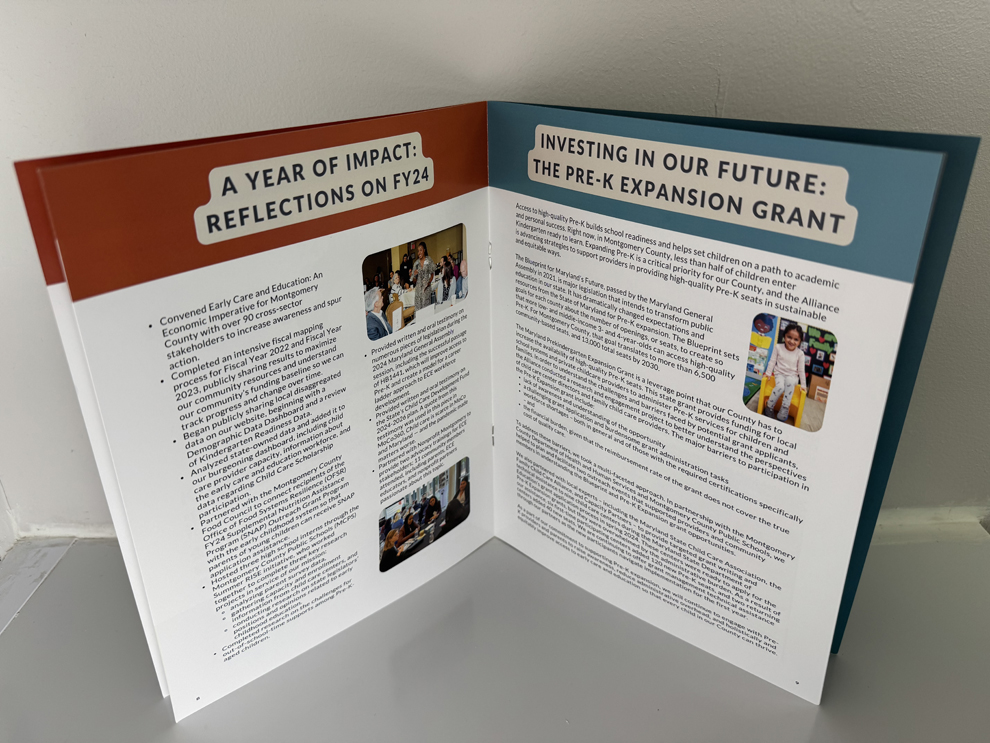
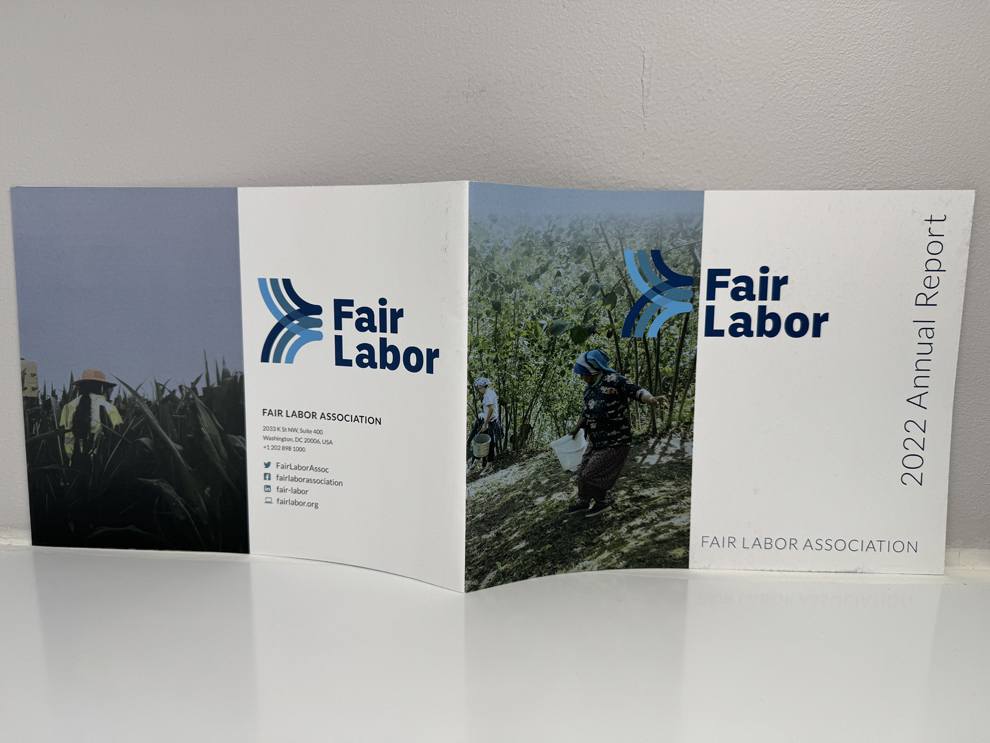
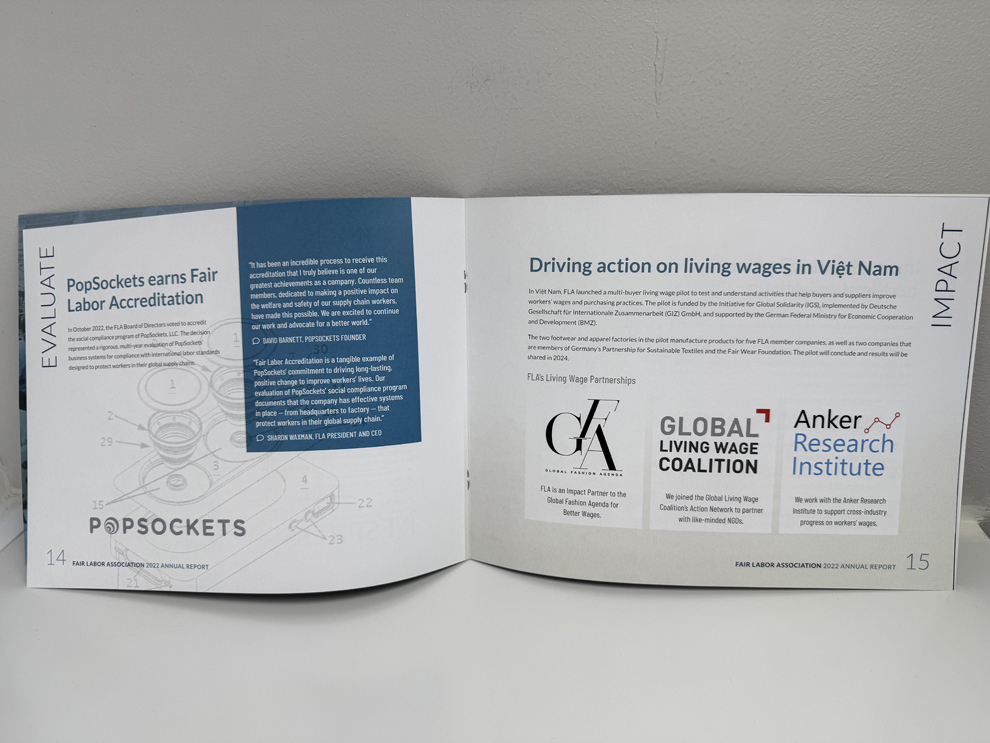
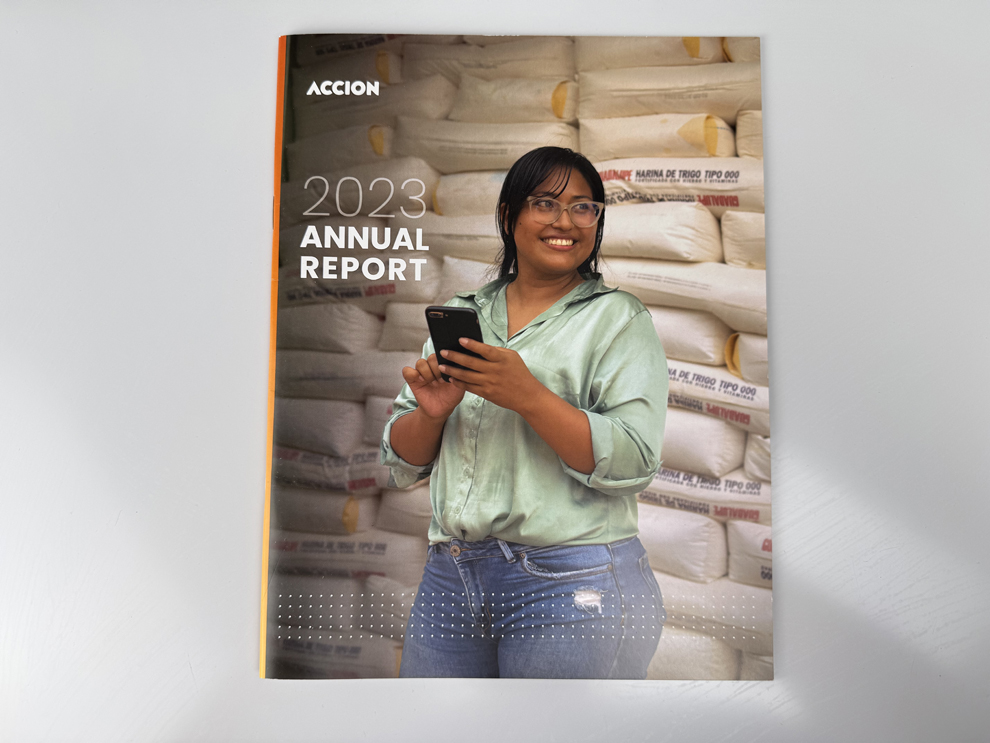
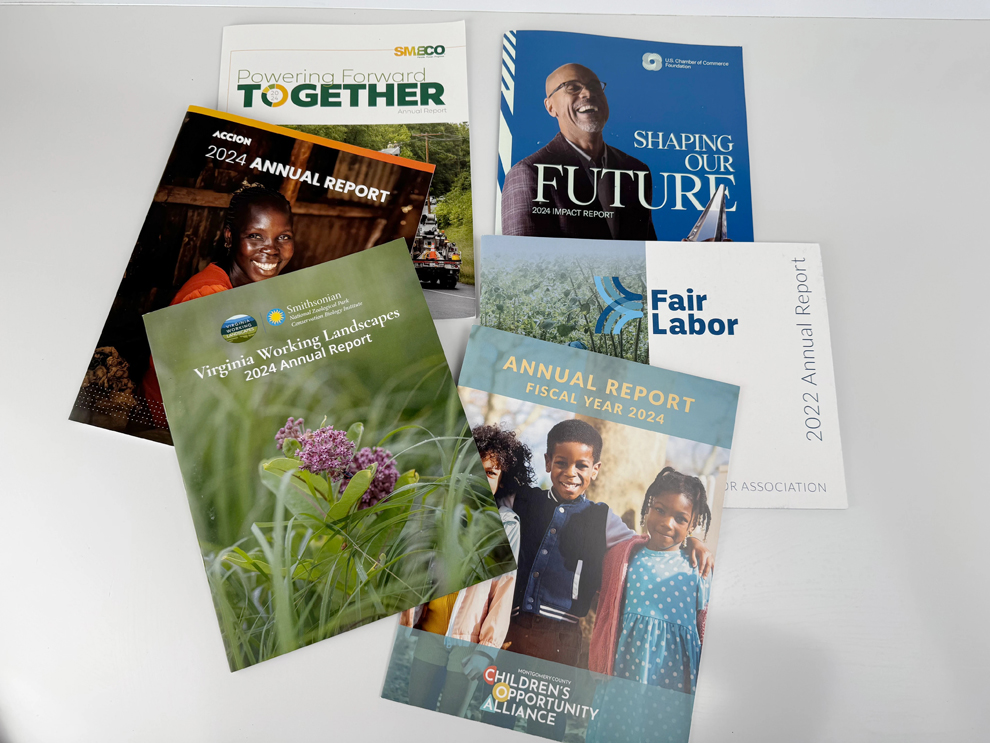
By the time an annual report is ready to print, the hard part is usually behind the organization. Financials have been audited, the leadership letter has gone through several rounds, photography has been selected, and the design team has pushed the last correction through. What remains is a finished PDF and a calendar date that was set months ago. Heritage works with Greensboro, NC organizations at exactly that point, taking the approved file and turning the remaining days into a dependable production plan.
Our first step is to look at the whole job rather than a single specification. Page count tells us something about binding. Paper choice affects both appearance and mailing weight. Cover stock, finish, quantity, and whether the piece ships in bulk or mails to individual addresses all change the sequence of work. We identify the choices that still need an answer, flag anything that could slow the schedule, and give you a realistic read on what the calendar allows.
Triad organizations tend to appreciate directness, and that is how we operate. If a request can be met, we say so and start. If a request puts the date at risk, we explain why and offer an alternative that still delivers a professional report. Either way, you hear from us quickly, and the project does not sit waiting for someone to notice it.
Heritage has been printing professionally since 1977, and annual reports are a category where that background shows. These publications combine dense financial tables, charts, portraits, program photography, and brand color on the same pages, often across a dozen or more spreads. Small production errors become very visible when the audience includes board members, funders, members, regulators, and community partners. Experienced prepress review, careful imposition, and consistent press control are what keep those pages clean.
Color is handled with instruments rather than opinions. Heritage calibrates and verifies output spectrophotometrically, applies production-specific profiles to the chosen paper and device, and treats client-supplied PMS values as targets within the gamut of the selected combination. Every job is proofed electronically before anything prints, and Custom Quote projects that qualify may add a paid Physical Production Color Proof when a brand or a photograph needs to be evaluated on actual stock.
Greensboro sits in a market with a strong base of foundations, universities, healthcare systems, member associations, manufacturers, and regional companies, many of which produce a report every year. Heritage supports that work from a service model built for the Carolinas, with a team that understands publication production, communicates when something changes, and treats the stakeholder date as the fixed point everything else is arranged around.
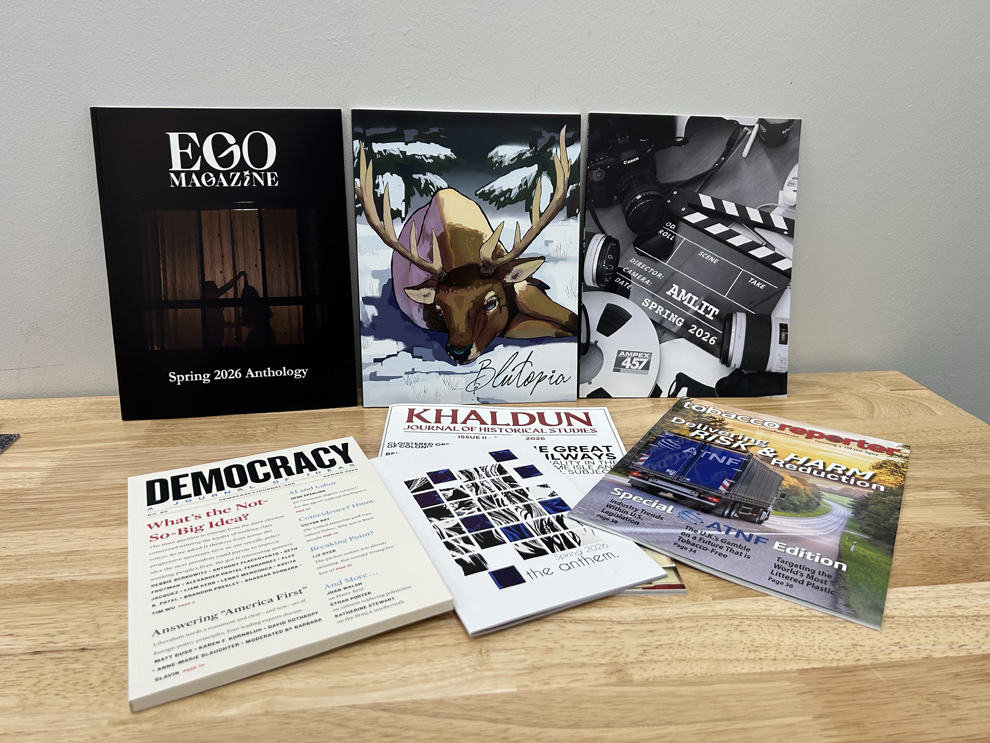
Recurring editorial issues that need cover and interior coordination, reliable binding, and color that holds from one edition to the next.
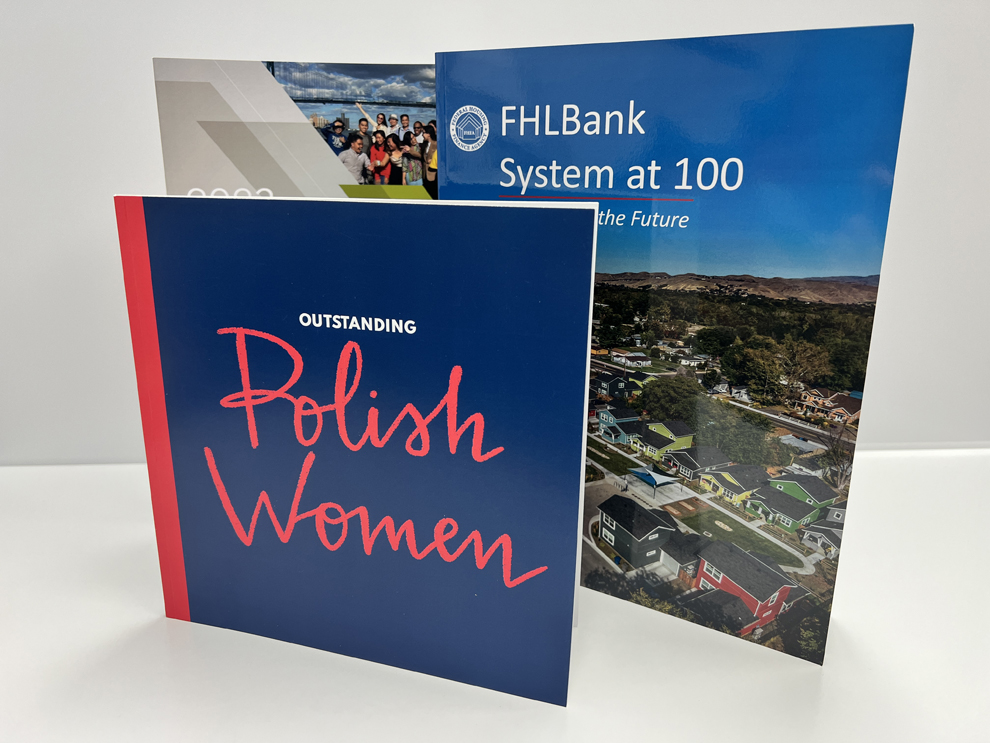
Compact impact reports, program summaries, and guides produced with saddle stitching, perfect binding, or plastic coil depending on use.
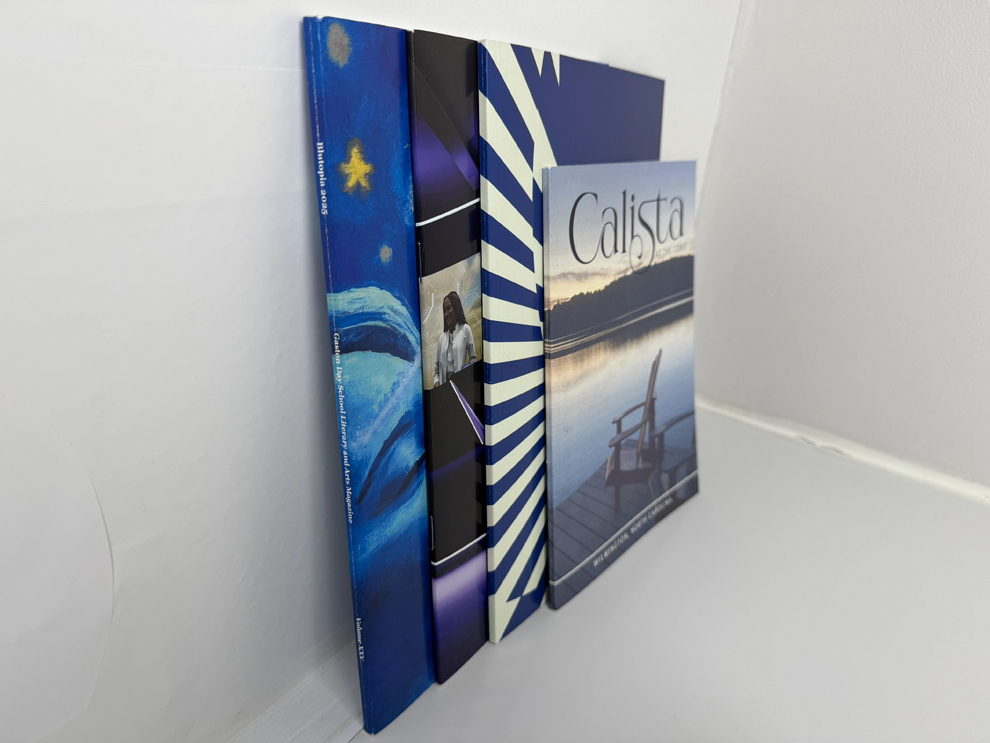
Thicker reports and reference publications where a square, printable spine supports a more formal, shelf-ready presentation.
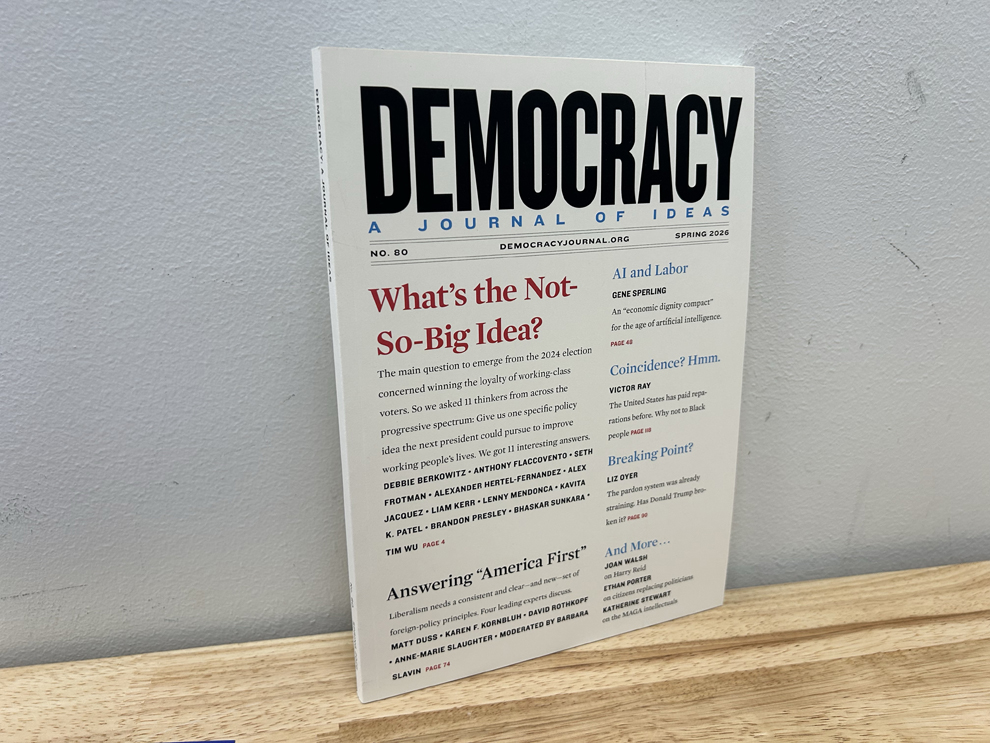
Quarterly or monthly updates with repeat schedules, address lists, and specifications that benefit from consistent handling.
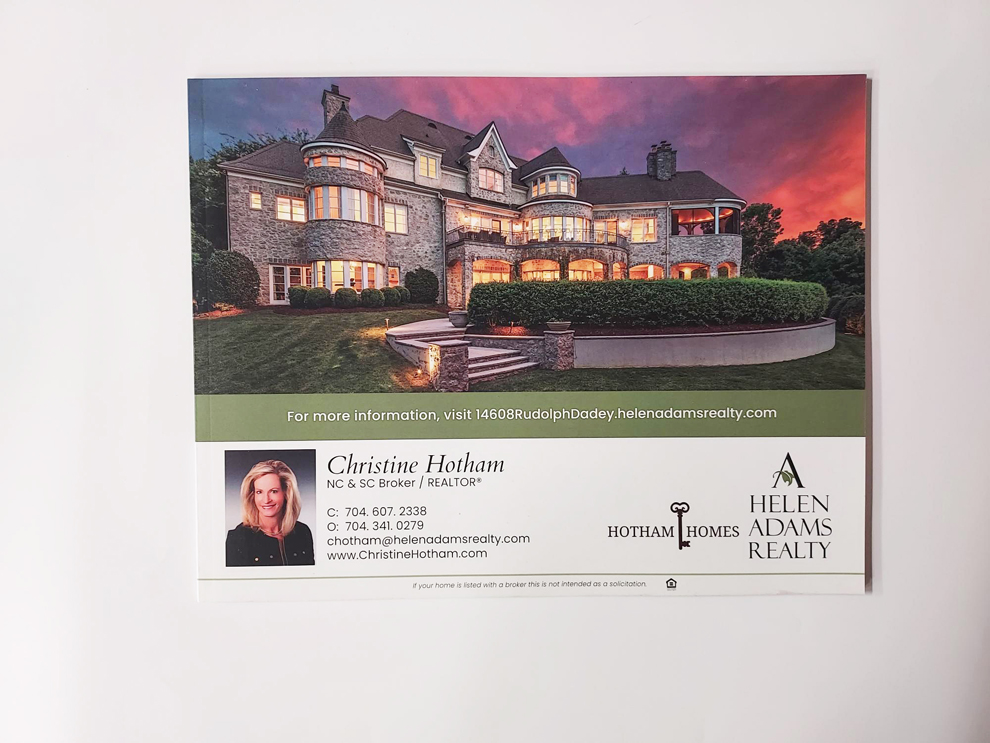
Addressing, postal preparation, and entry into the mail stream for reports going straight to donors, members, or shareholders.
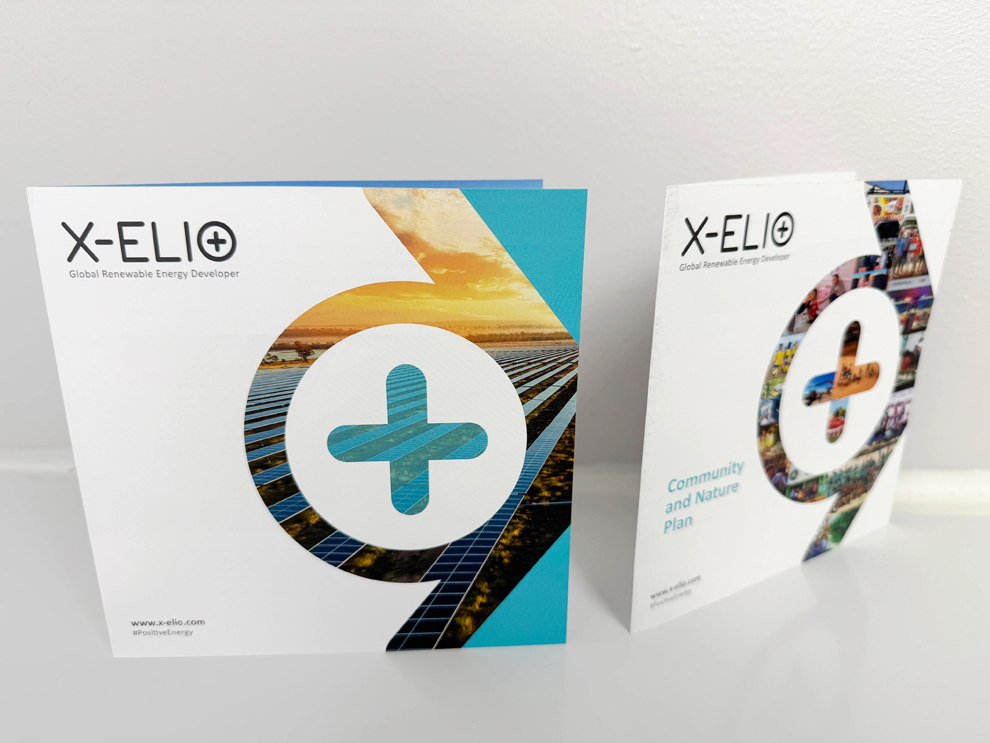
Branded folders that carry the annual report alongside agendas, financial summaries, and supporting documents for meetings.
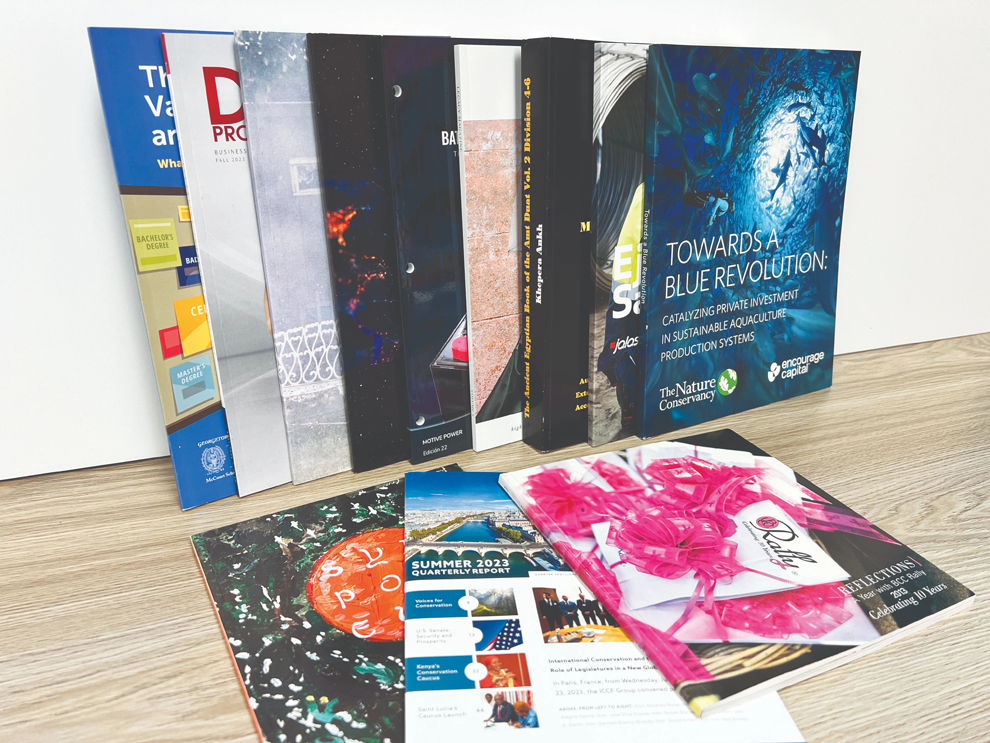
Supporting print for capital campaigns, year-end appeals, recruitment, and outreach that shares the report's design language.
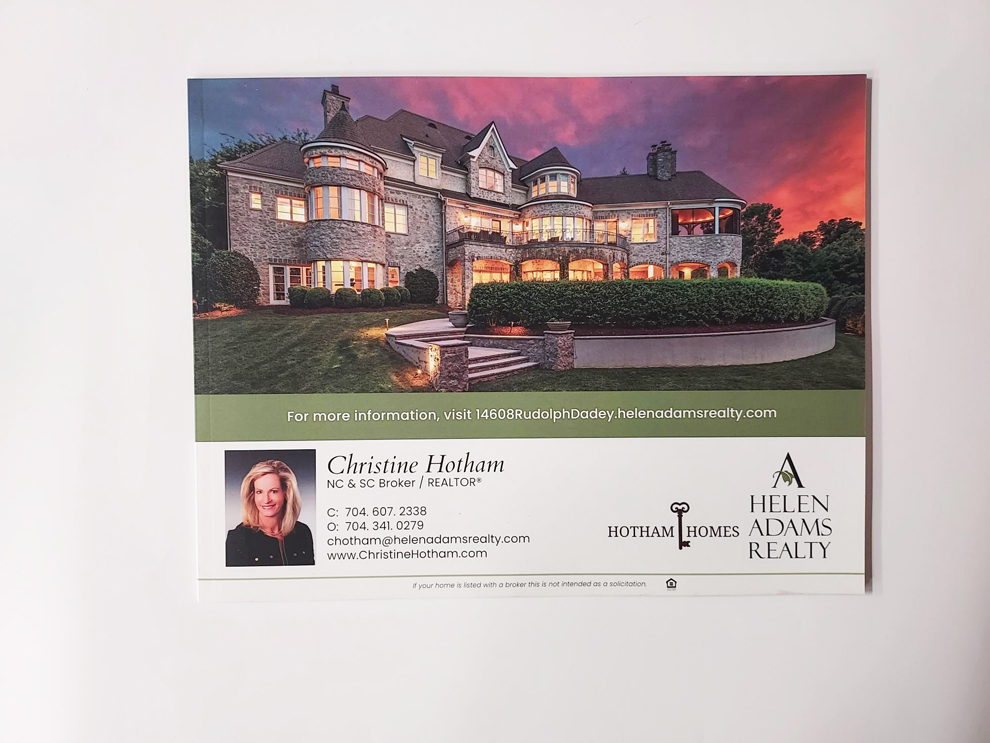
Larger or multi-component projects in which the annual report is one piece of a broader print program.
Share the final files, quantity, specifications, and the date the report must be in hand through Custom Quote, and an assigned Project Coordinator will respond quickly to lay out the production path. If every specification is already settled and the report matches a current Online Store configuration, ordering directly online is also available.
Submitting a Custom Quote connects you with an assigned Project Coordinator. That person reviews your file and specifications, confirms the delivery or mail date, raises any open production questions, and remains your point of contact through proofing, printing, binding, and distribution. Having one accountable coordinator matters when approvals land on a Friday afternoon or when a board packet count changes late.
We evaluate trim size, page count, text and cover stock, binding, coatings, quantity, color expectations, and the final destination together, because each one influences the others. Saddle stitching suits many reports under roughly sixty to seventy pages depending on paper weight. Perfect binding takes over when the page count supports a flat spine and the organization wants a more substantial feel. Plastic coil is sometimes the right call for reports that will be opened flat and referenced repeatedly.
Once the electronic proof is approved and the production plan is set, the report goes to press. Heritage manages binding and finishing, then routes the finished copies to the agreed path, whether that is palletized shipment to a Greensboro office, local delivery, split shipments to several Triad addresses, or hand-off into direct mail. Throughout, the standard is a clean, consistent, professional publication delivered when it was promised.
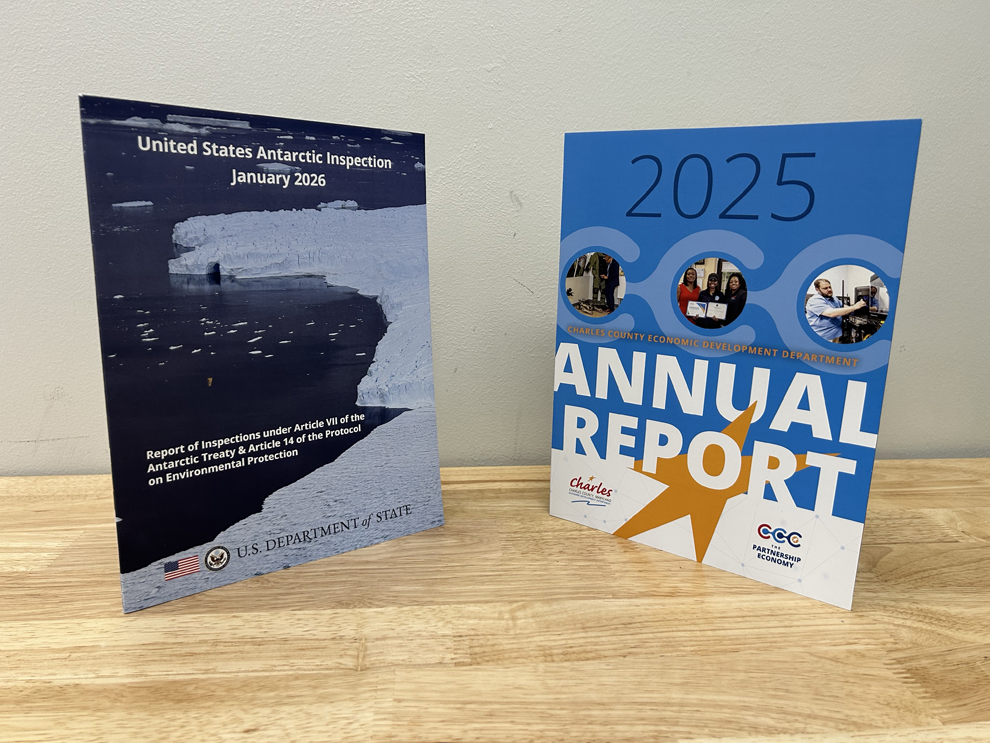
Today. A compressed window is managed best when Heritage knows the date and the approximate specifications before the final file is complete. That allows paper to be confirmed, capacity to be reserved, and the proofing sequence to be planned. When the finished file arrives, production starts immediately instead of beginning the conversation from zero.
Page count and paper thickness are the primary factors, followed by how the report will be handled and how formal it should feel. Thinner publications fold and stitch cleanly through the spine. Once the stack of pages becomes too thick to close flat, perfect binding produces a square spine and a more polished result. Your Project Coordinator can confirm the crossover point for your specific stock.
Yes. Heritage produces annual and impact reports for foundations, nonprofits, universities, healthcare organizations, credit unions, associations, manufacturers, and corporate clients throughout Greensboro, High Point, Winston-Salem, and the surrounding Piedmont Triad. The production approach is the same: a finished file, a clear specification, and a defined distribution plan.
Heritage calibrates and verifies output with spectrophotometric measurement, uses profiles built for the specific press and paper combination, and treats supplied PMS references as production targets. Because papers, coatings, and devices have different color ranges, Heritage manages color within what the chosen combination can reproduce rather than relying on how the file looks on a monitor.
Every order receives an electronic proof, and for most reports it is sufficient to confirm content, pagination, and layout. A paid Physical Production Color Proof is available on qualifying Custom Quote projects when a critical color needs to be judged in hand on the intended stock. Because it adds an approval step, it should be built into the timeline early.
Yes. Heritage retains paper, binding, cover, and color information from prior runs and uses it as the starting point for the next edition. Measured production controls reduce drift, though each new report is still reviewed on its own because artwork, quantities, and material availability can differ from year to year.
No. The organization and its design resources own the writing, financial content, editing, and creative layout. Heritage receives the completed print-ready artwork and manages the production side. On Custom Quote projects, modest file adjustments such as bleed correction or color conversion may be handled when needed to print the file correctly.
Yes. When direct mail is included, Heritage coordinates addressing and postal preparation with the print run and enters the pieces into the mail stream. You provide the authorized mailing list, and Heritage handles the mailing services on the order. Delivery timing after postal acceptance is controlled by USPS, so mail dates should be set with that in mind.
Multiple editions for different audiences, languages, cover treatments, or inserts can be produced together. The requirement is disciplined version control: unique file names, confirmed counts per version, a named approver for each, and clear fulfillment instructions so similar-looking publications stay separated through binding and shipping.
Not necessarily. A self-cover report printed on one stock throughout can look clean and keeps mailing weight down. A heavier cover adds structure, durability, and a more premium impression, and it is often the better choice for perfect bound reports or pieces that will be displayed. The decision should account for binding, page count, postage, and the audience.
An assigned Project Coordinator contacts you, confirms specifications and the required date, resolves open questions, and issues the electronic proof. After approval, the report is printed, bound, and finished, then shipped, delivered, or mailed according to the plan. Your coordinator stays with the order through completion and is your contact if anything changes.
Use the Online Store when the report is fully specified, print-ready, and matches a current configuration. Choose Custom Quote when the project has open decisions, multiple versions, a tight date, mailing requirements, critical color, or anything that benefits from direct production coordination.
Often, yes. Send the final file and the fixed date, and Heritage will assess remaining steps, materials, proofing, and capacity. When the timeline can be compressed responsibly, the team prioritizes the work accordingly. Heritage will tell you plainly if a request is not achievable rather than accept a date it cannot meet.
Late file delivery and late approvals. Production moves quickly once a print-ready file is approved; the time lost is almost always upstream. Significant revisions after proofing, added physical proofs, or last-minute changes to quantity or mailing scope are the other frequent causes, and each is easier to absorb when the coordinator knows about it early.
Yes. Heritage supports organizations across the Piedmont Triad and the broader North Carolina market, with finished reports delivered locally, shipped to multiple locations, routed into direct mail, or picked up for client-managed distribution according to the production plan.
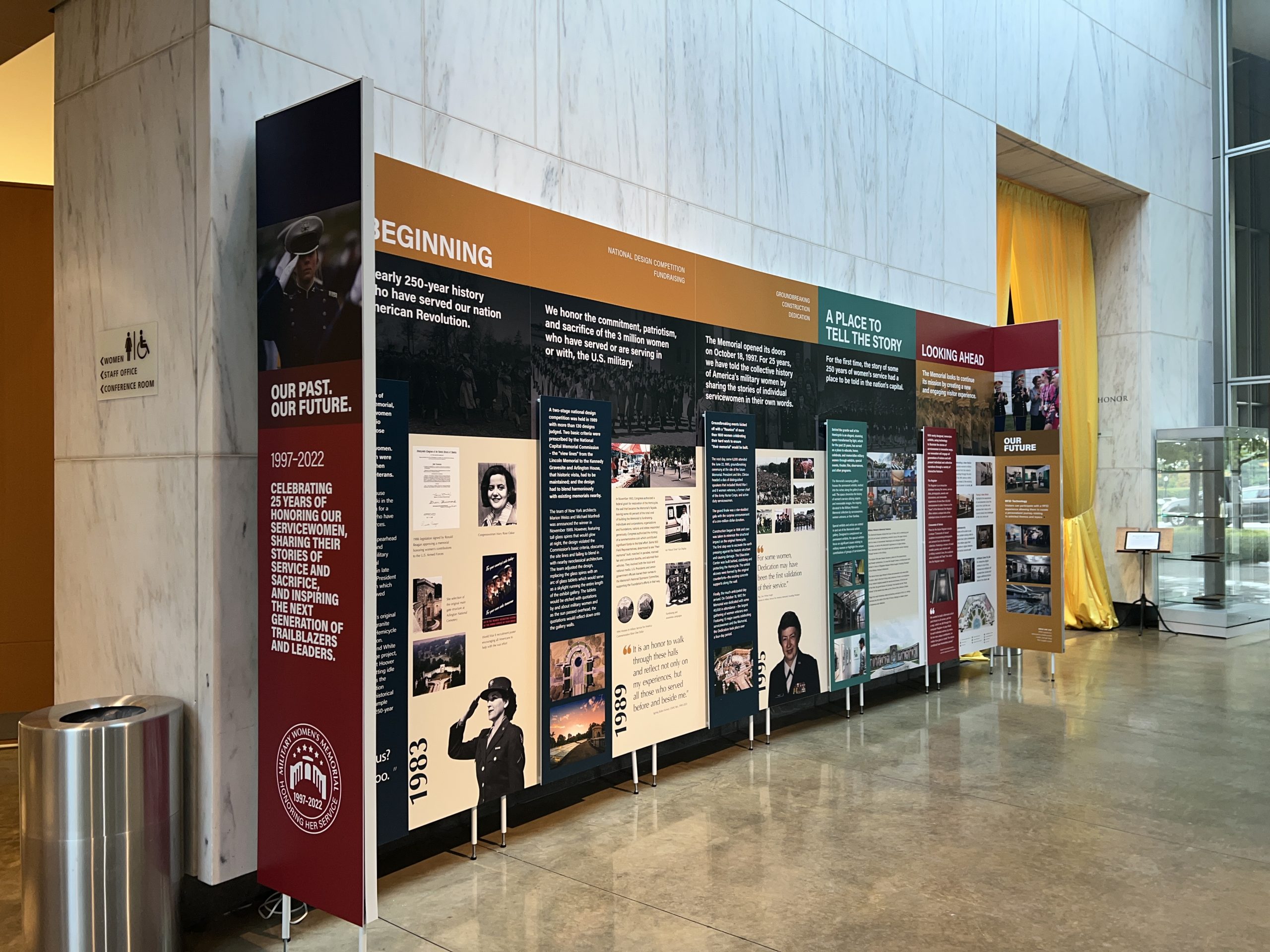
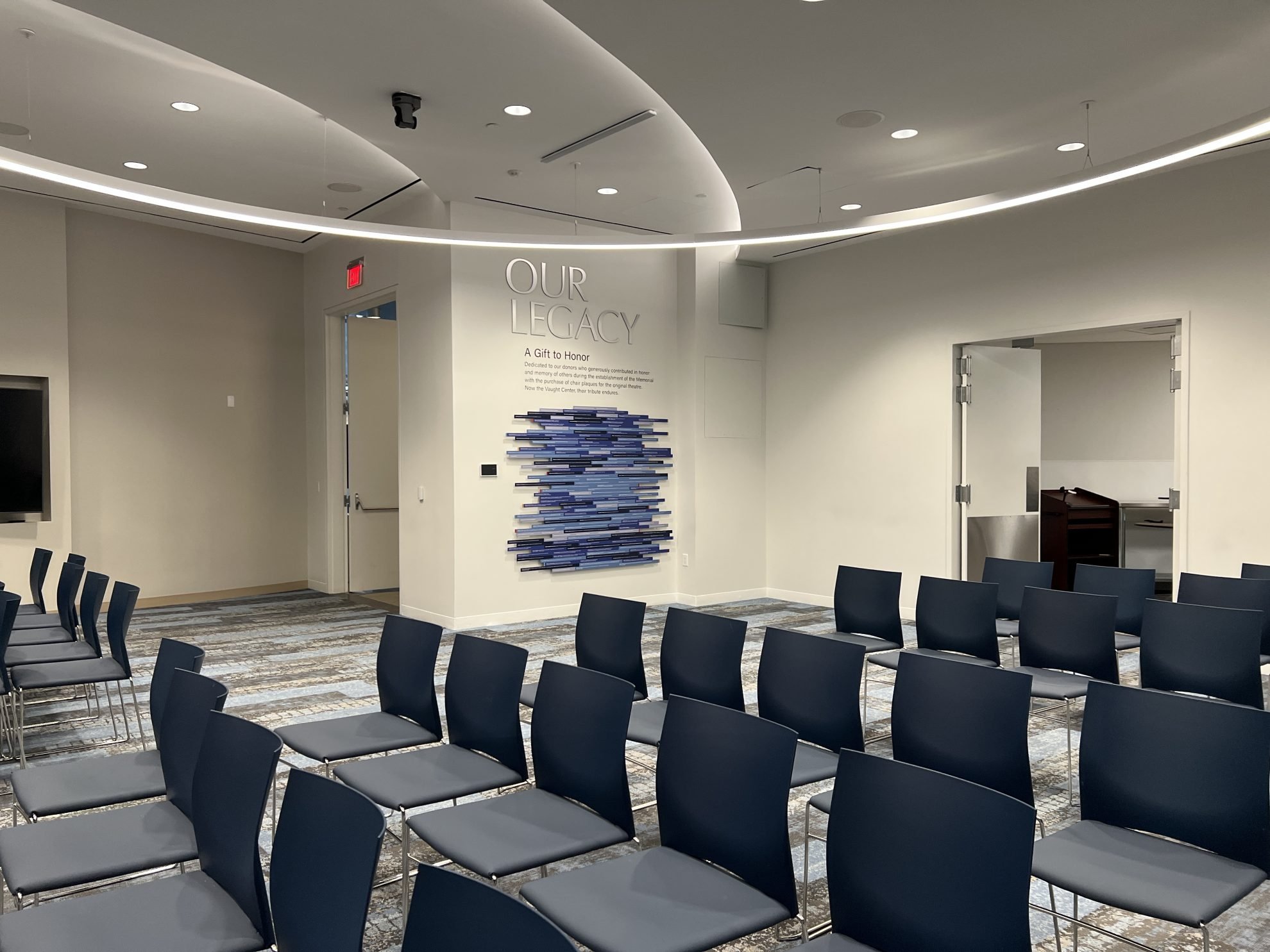
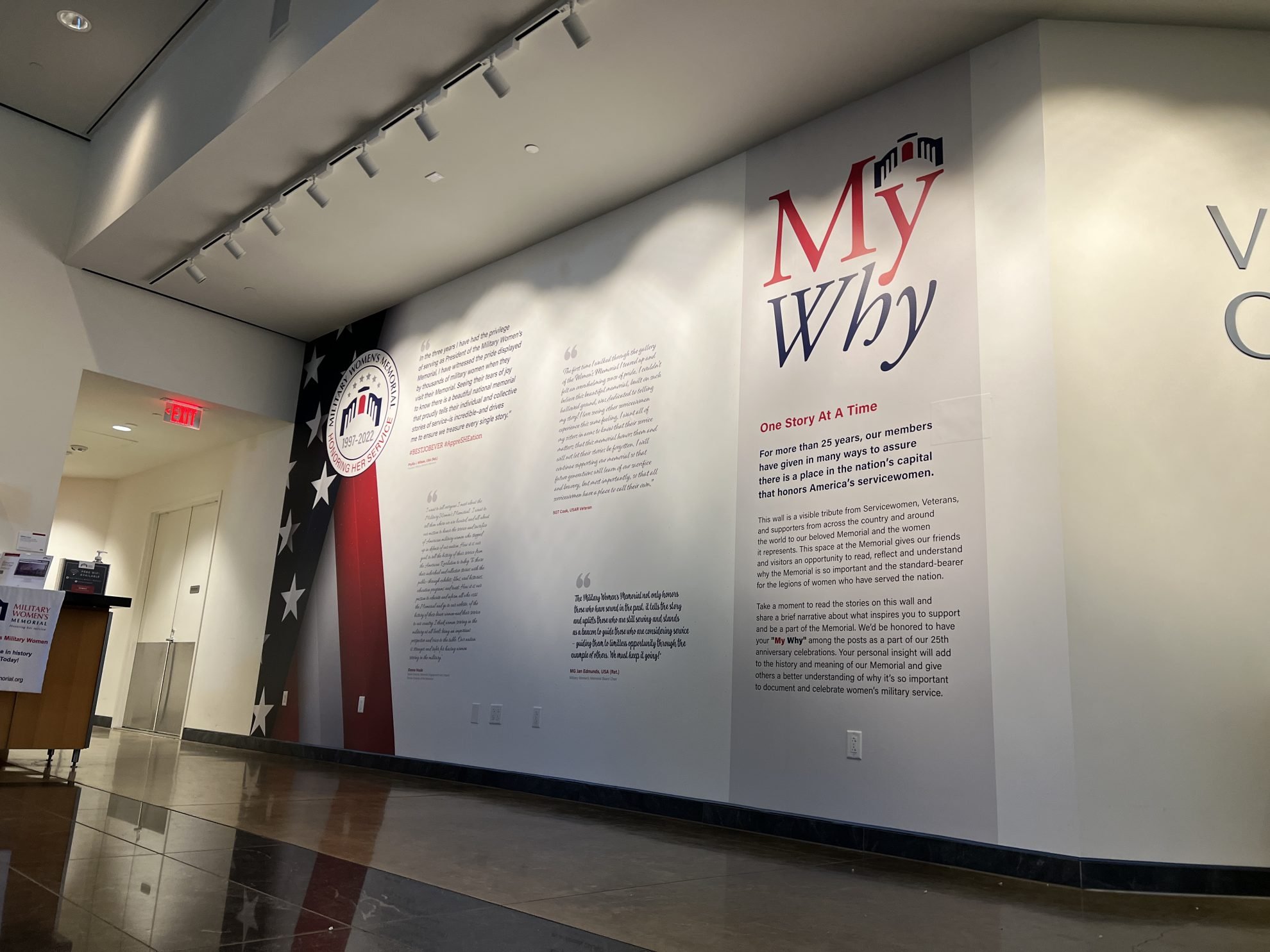
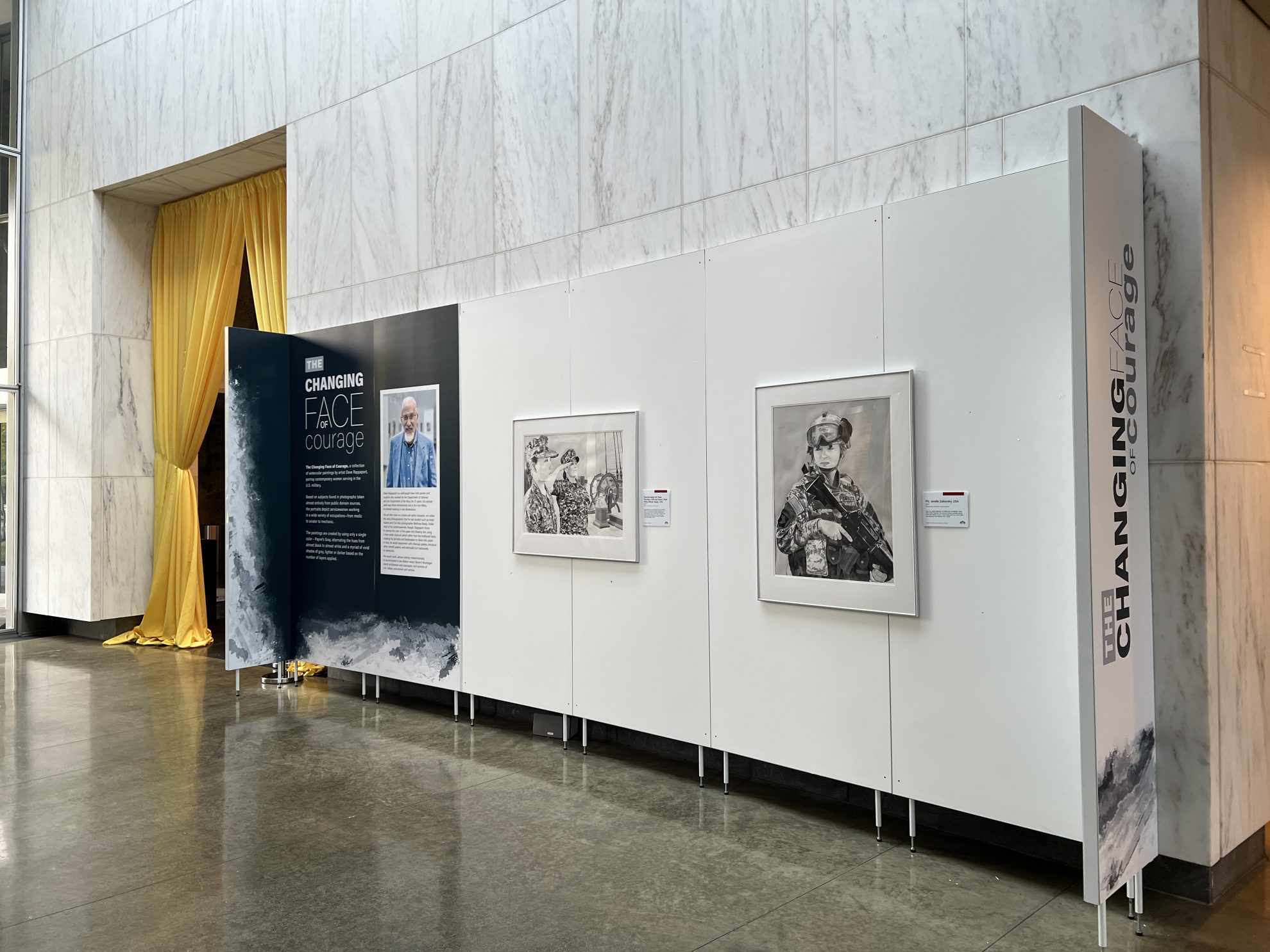
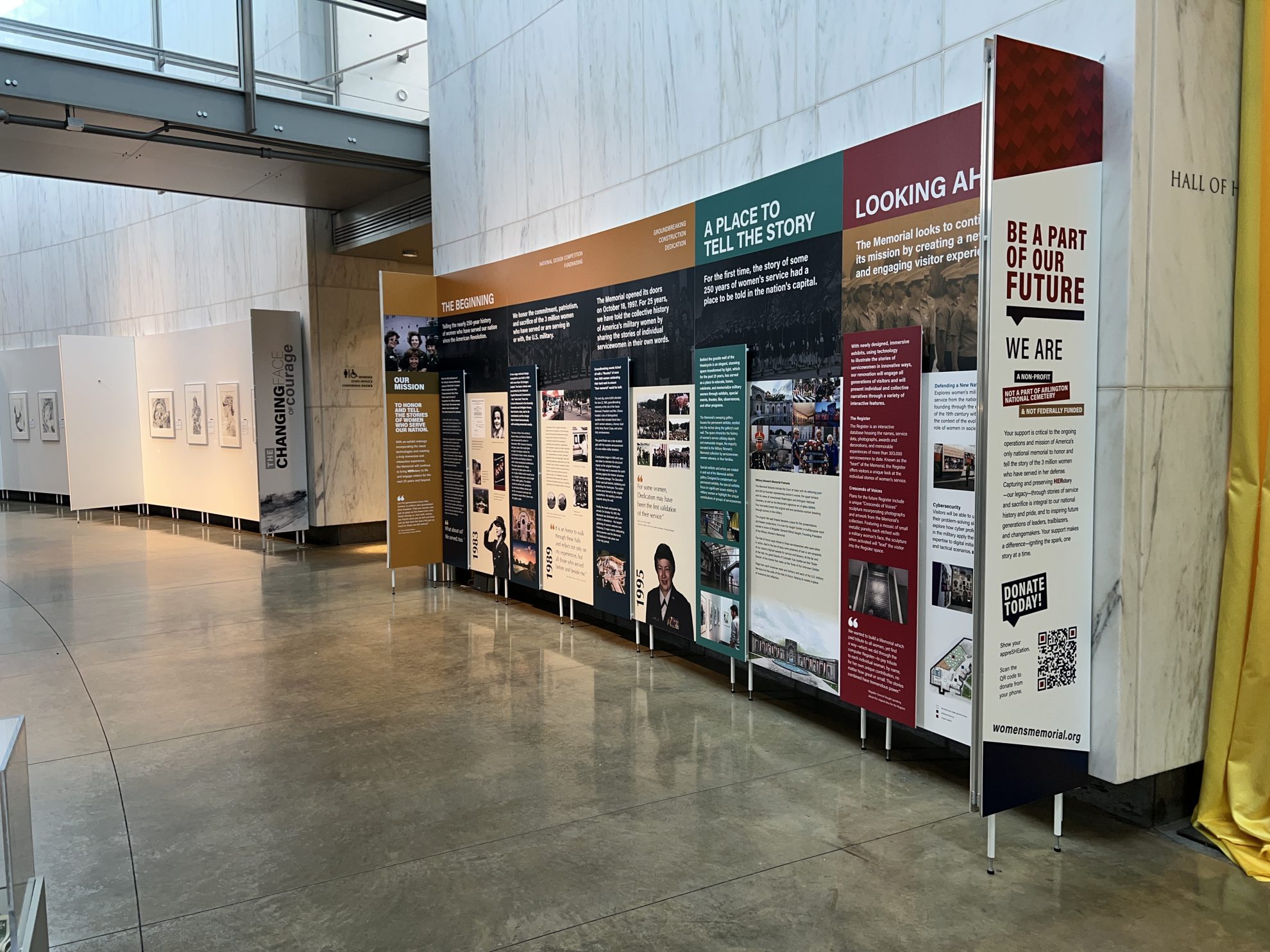
Heritage Signs & Displays created new museum signage for the Military Women’s Memorial in Greensboro, NC. The project included custom signs, wall wraps, dimensional letters, and standoff-mounted displays to honor the legacy of U.S. servicewomen and the donors who supported the memorial. The updated interior features impactful designs, including a "Our Legacy" wall display and panels showcasing historical contributions and artwork, creating a transformative tribute to women in the U.S. Armed Forces.
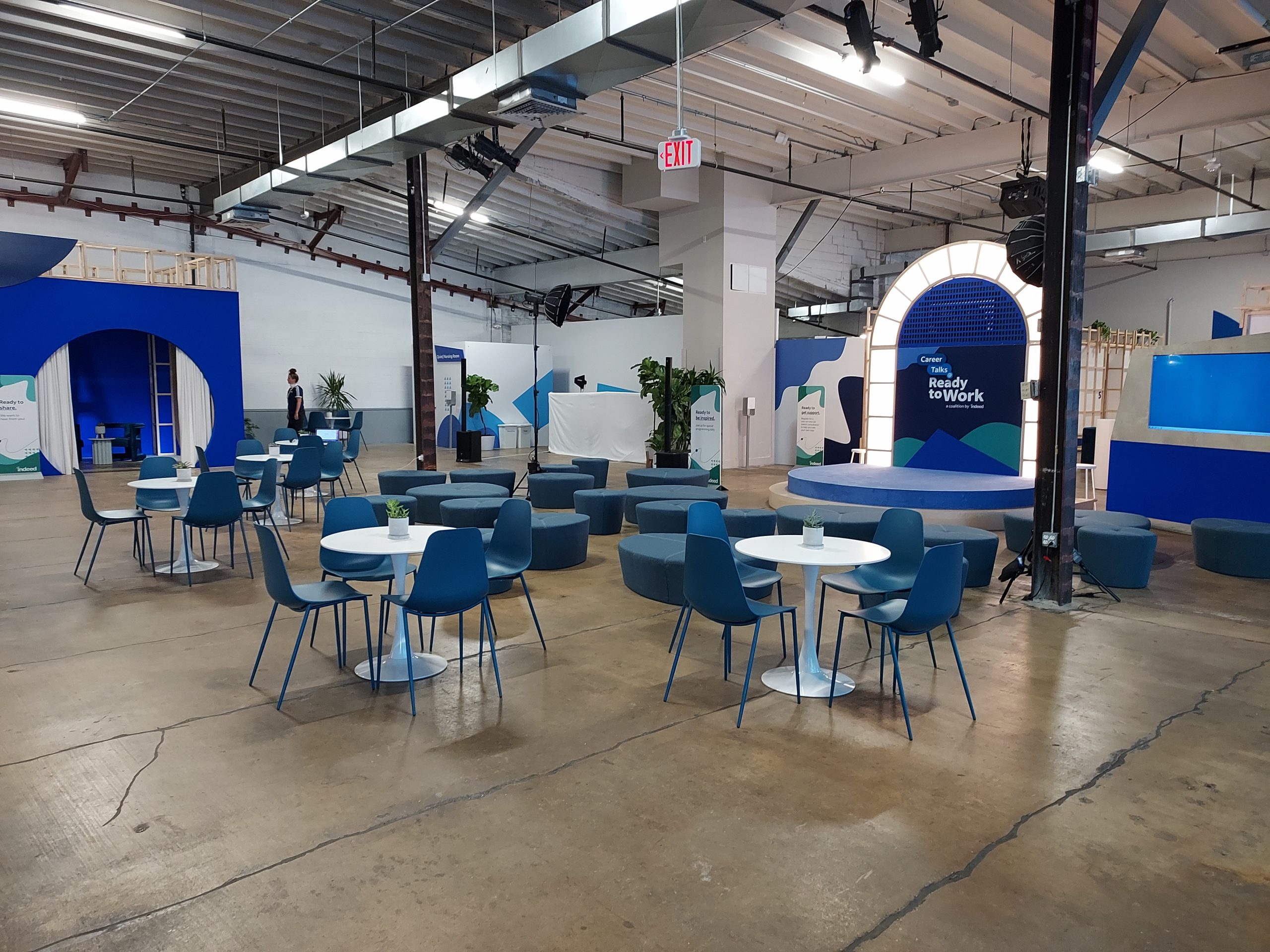
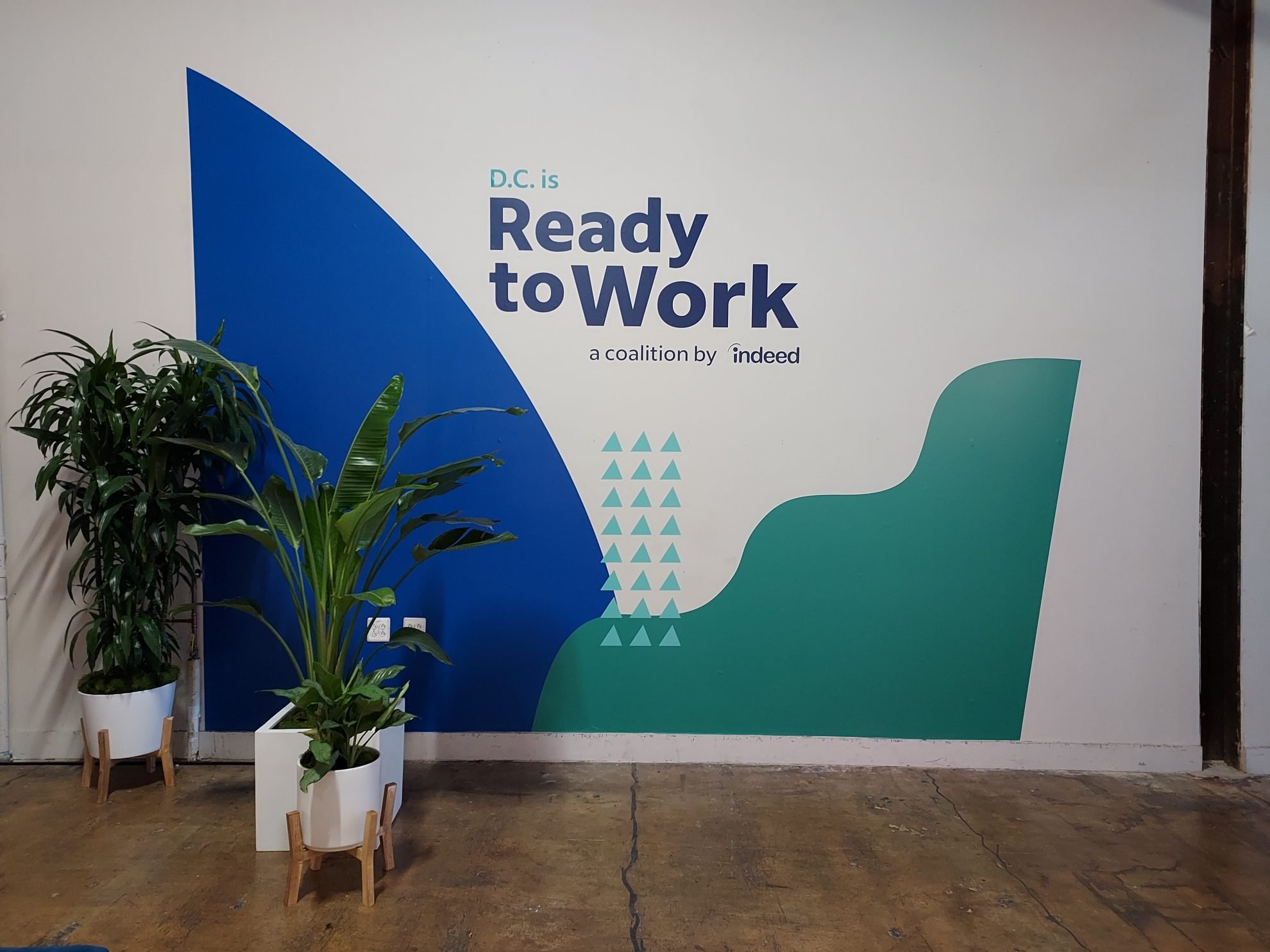
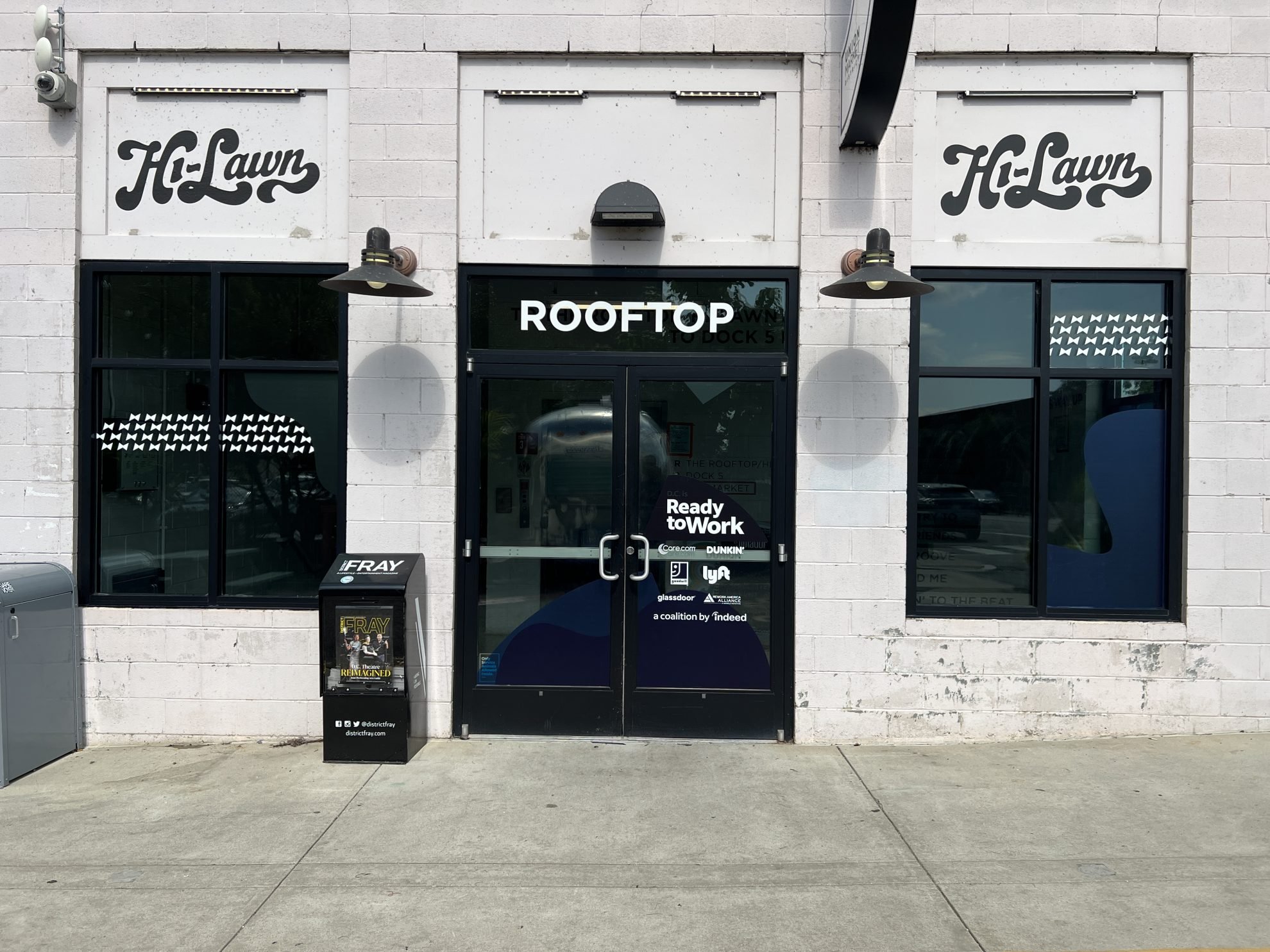
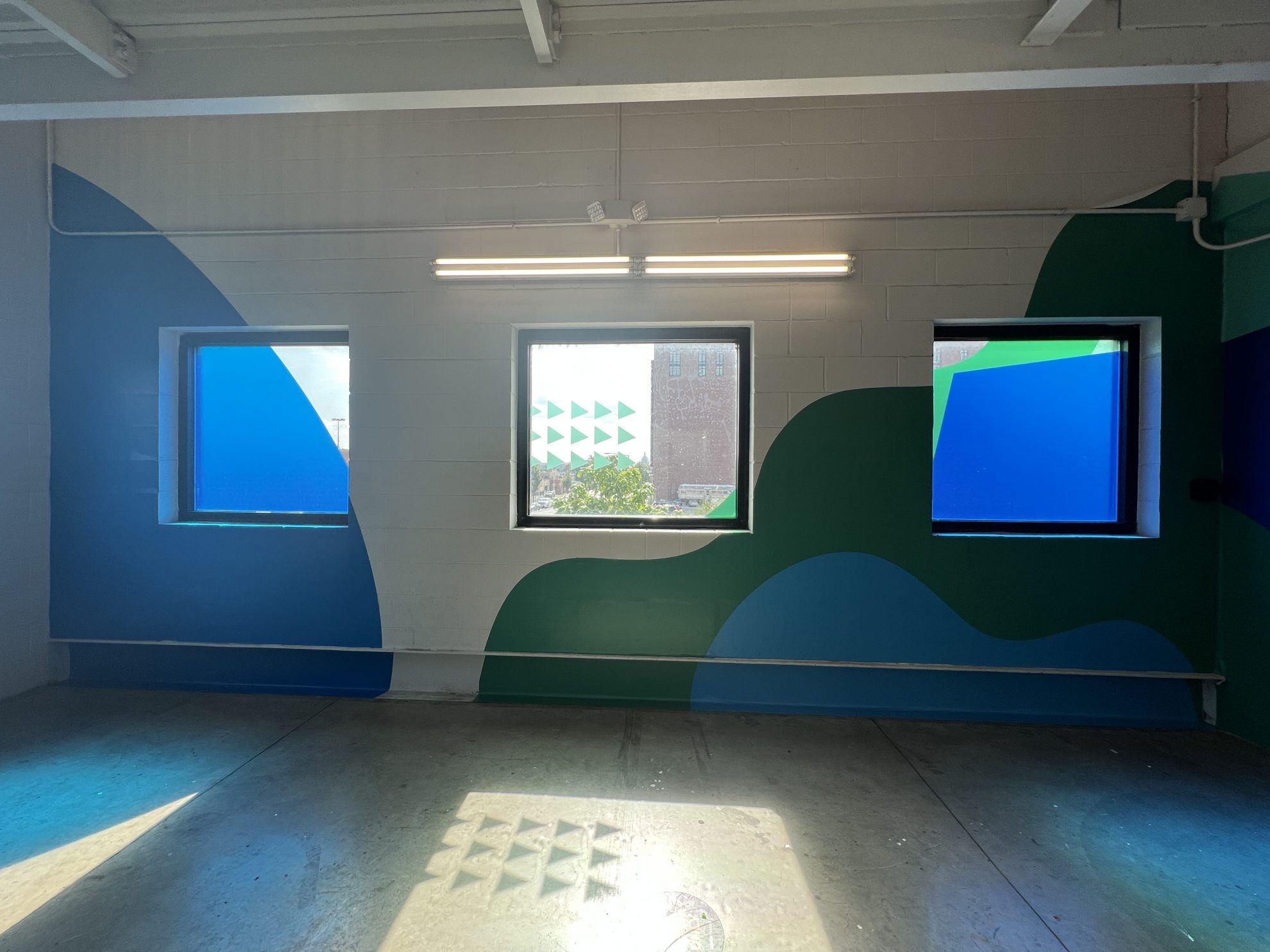
Heritage Signs & Displays' collaboration with The Gathery to brand Union Market in Greensboro, NC, for Indeed's "Ready to Work" job fair. The project included custom event displays, wall graphics, window graphics, and wayfinding signs, creating an immersive and visually appealing environment. The branding enhanced the venue, reflected the event's mission, and provided a seamless experience for attendees.