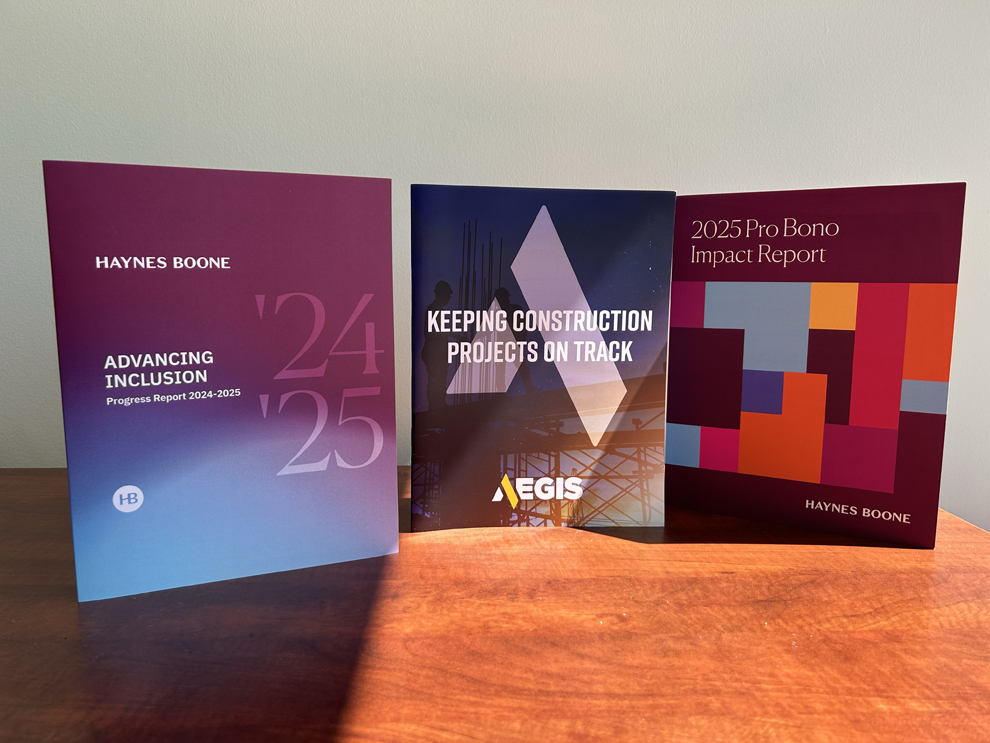
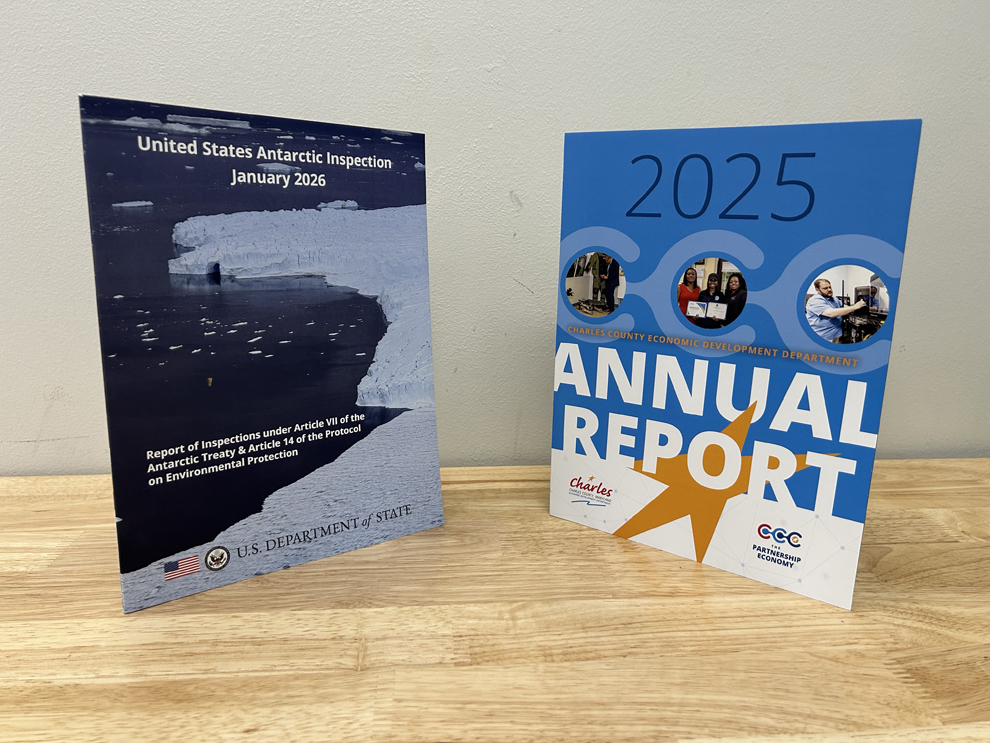
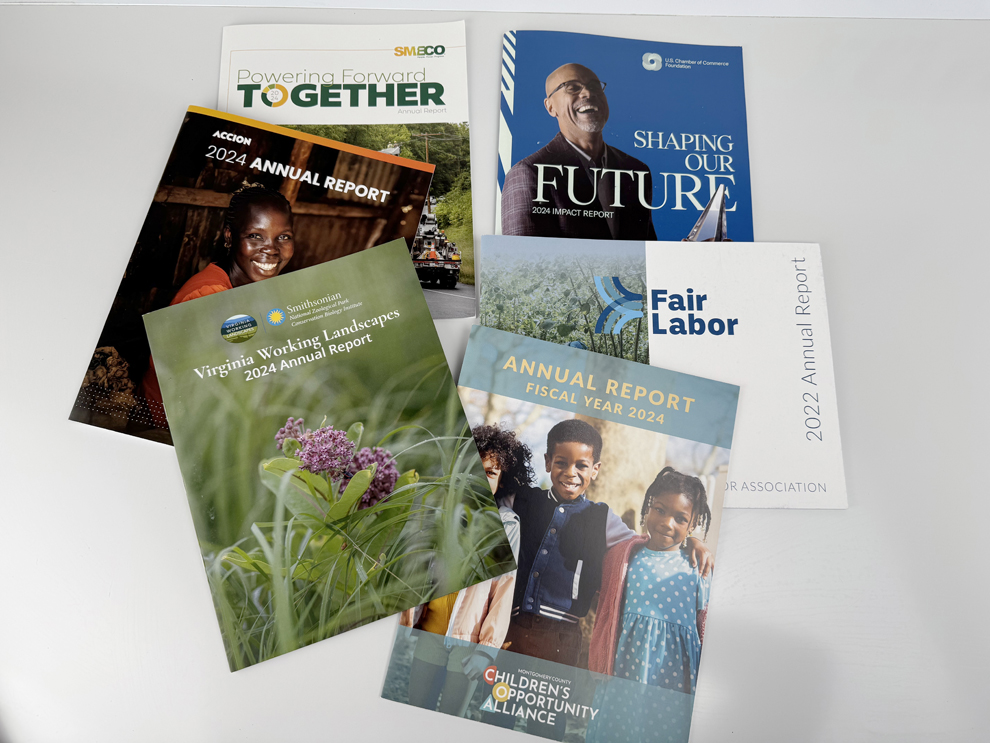
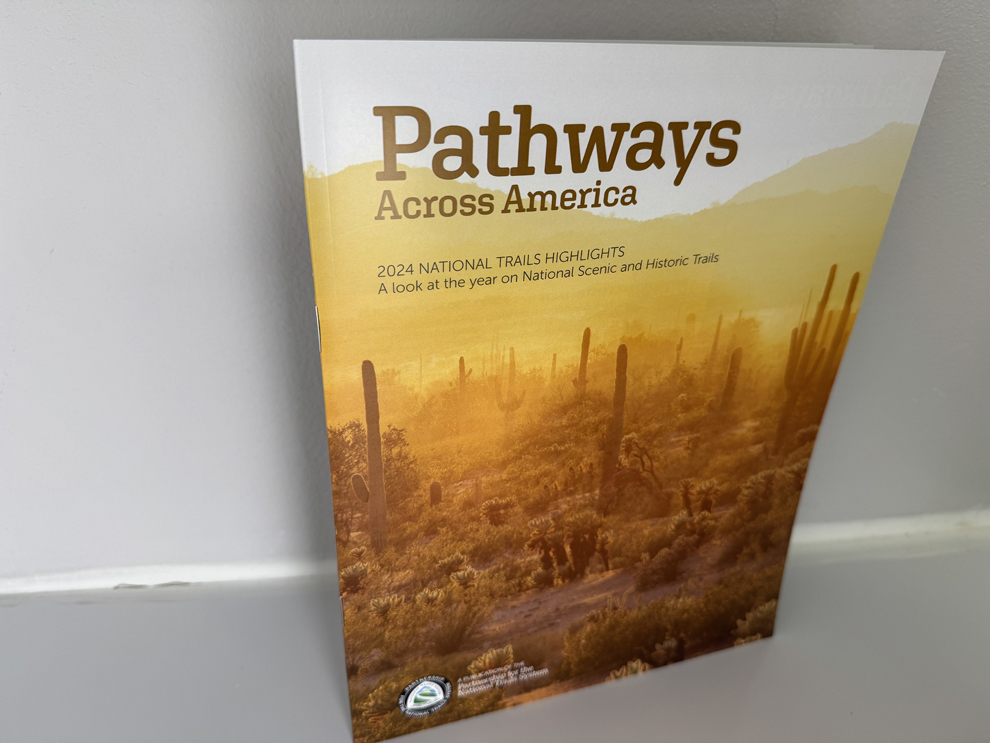
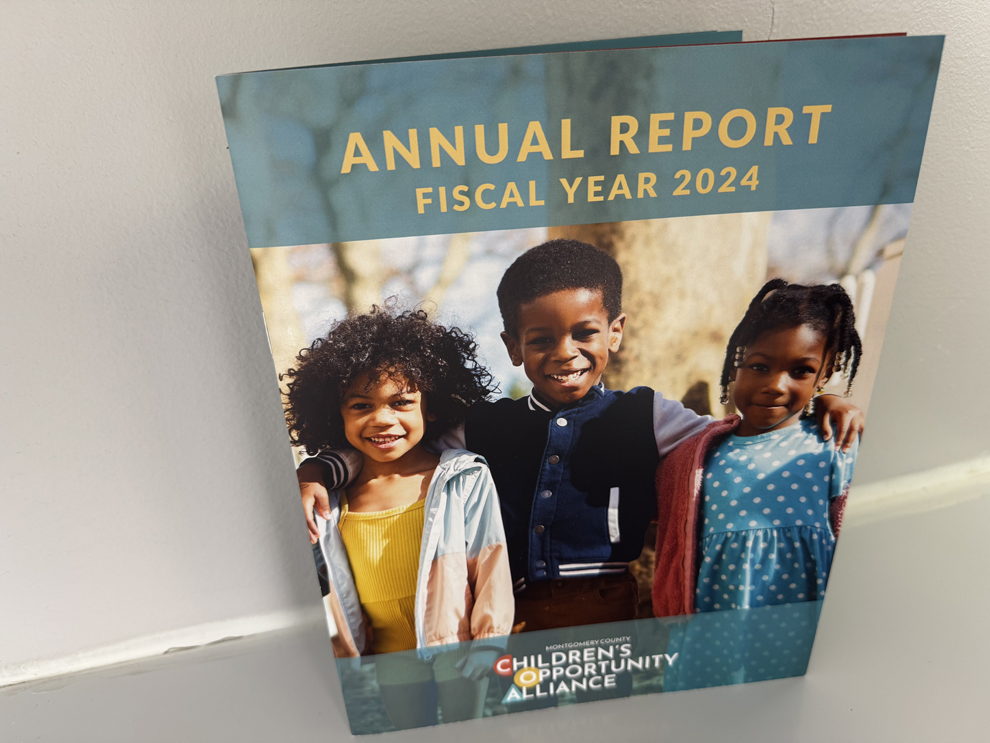
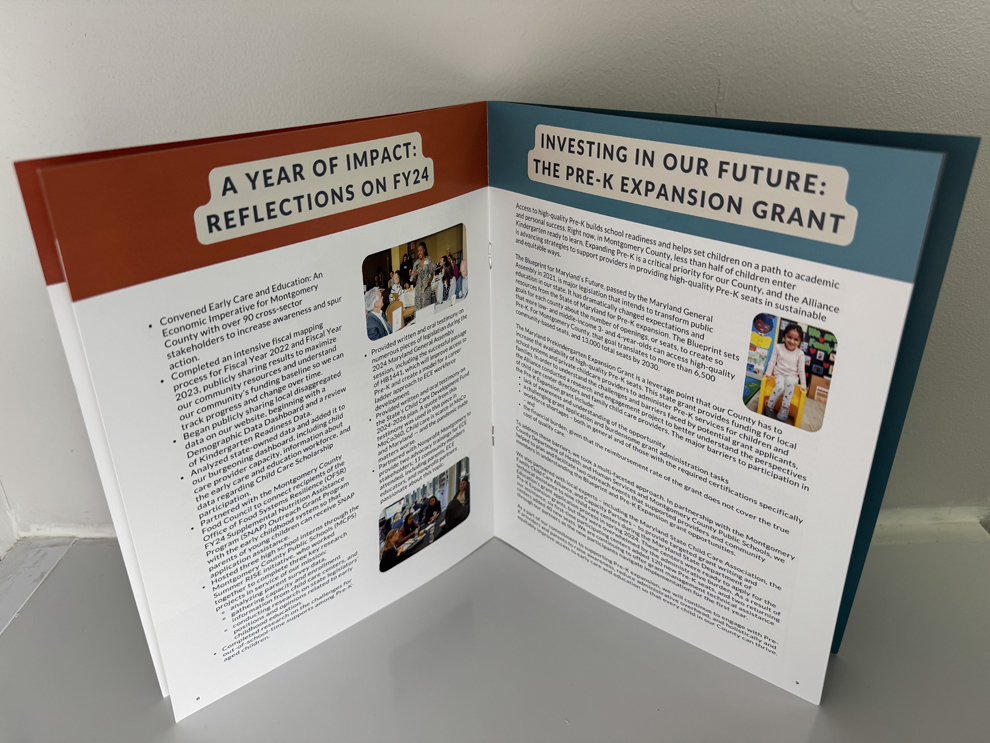
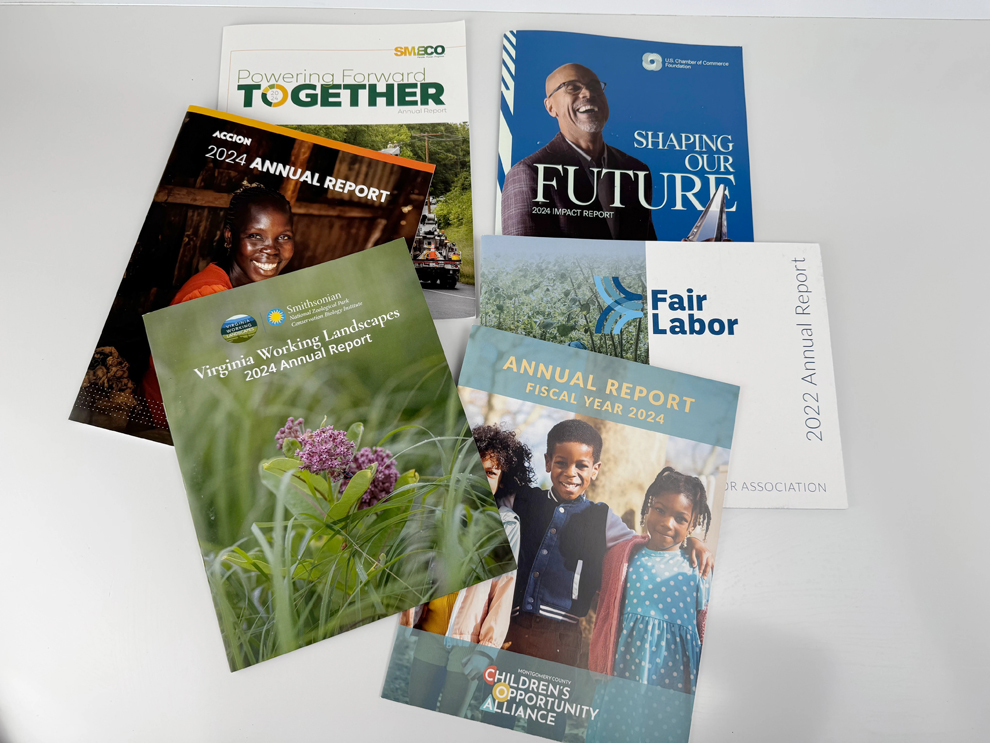
Most annual reports arrive at the printer carrying months of effort behind them. Finance has closed the numbers, leadership has signed off on the letter from the chair, the designer has placed the final chart, and the calendar has already named the day the report must be in front of a board, a membership, a donor base, or a regulator. For Greenville, SC organizations, that is the moment Heritage steps in to protect what remains of the schedule.
Our first move is a fast, honest read of the job. We look at the specifications that affect time and appearance, including stock on hand, total pages, cover weight, the binding that fits the thickness, proof turnaround, quantity, and whether the finished reports are being mailed, shipped in bulk, or delivered to a single address in the Upstate. Then we tell you plainly what the remaining window supports. If the timeline is tight, we tighten our own pace, flag the decisions that cannot wait, and keep the order moving rather than letting it sit in a queue.
What you receive is a finished annual report that reflects well on the organization and arrives when the audience expects it. Heritage pairs decades of publication printing with straightforward accountability and a sense of urgency that stays composed, and we do not commit to a date until we understand the work in front of us.
Heritage has been in professional printing since 1977. That matters when the piece on press carries audited figures, program outcomes, executive portraits, infographics, and brand palettes that stakeholders will scrutinize. Long production experience shapes the way our team evaluates a file, chooses paper, sets up a binding line, and communicates when a variable shifts midstream.
Color is where an annual report most often succeeds or disappoints. Heritage relies on measured color control rather than guesswork: spectrophotometric calibration, verified output, device-specific profiles, and client PMS values used as production targets. An electronic proof precedes every press run. For Custom Quote projects where a critical color must be judged in hand, a paid Physical Production Color Proof produced on the actual device and paper is available as an added step.
Greenville and Upstate South Carolina organizations are served through Heritage's Carolinas production network, anchored by our Charlotte headquarters and primary specialty production facility. Finished reports move by scheduled delivery, freight, or the mail stream to wherever the plan calls for. The practical benefit is a team that already knows how multi-page publications behave in production, speaks up quickly when something changes, and keeps approved work advancing toward a date that is not going to move.
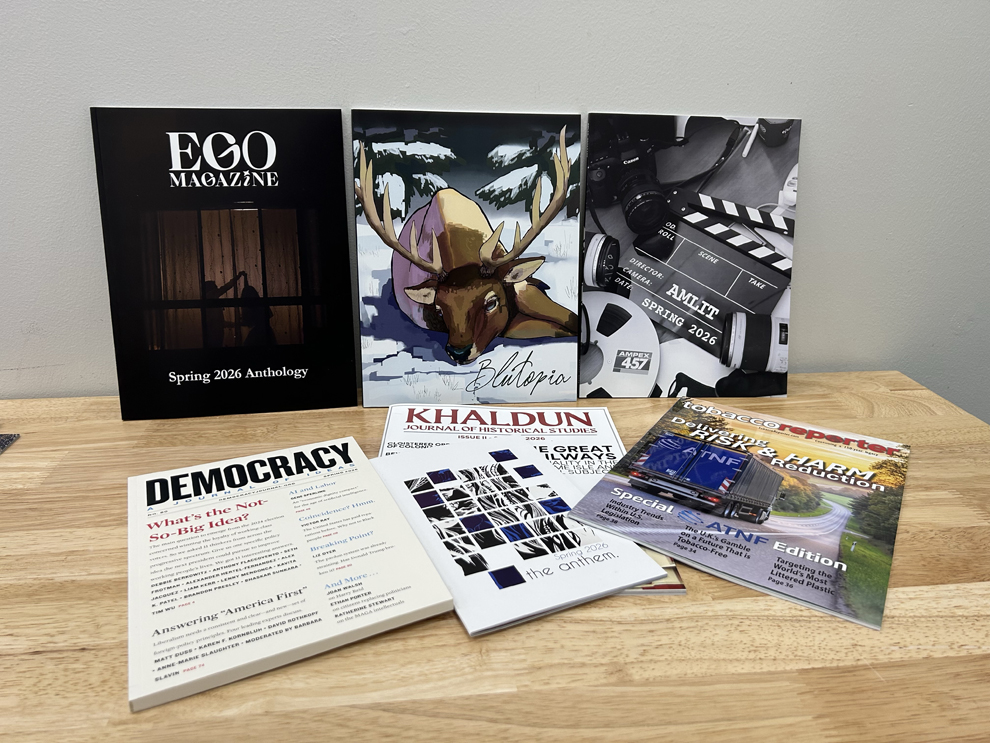
For serial publications that need the same cover stock, interior paper, binding, and color standards repeated issue after issue.
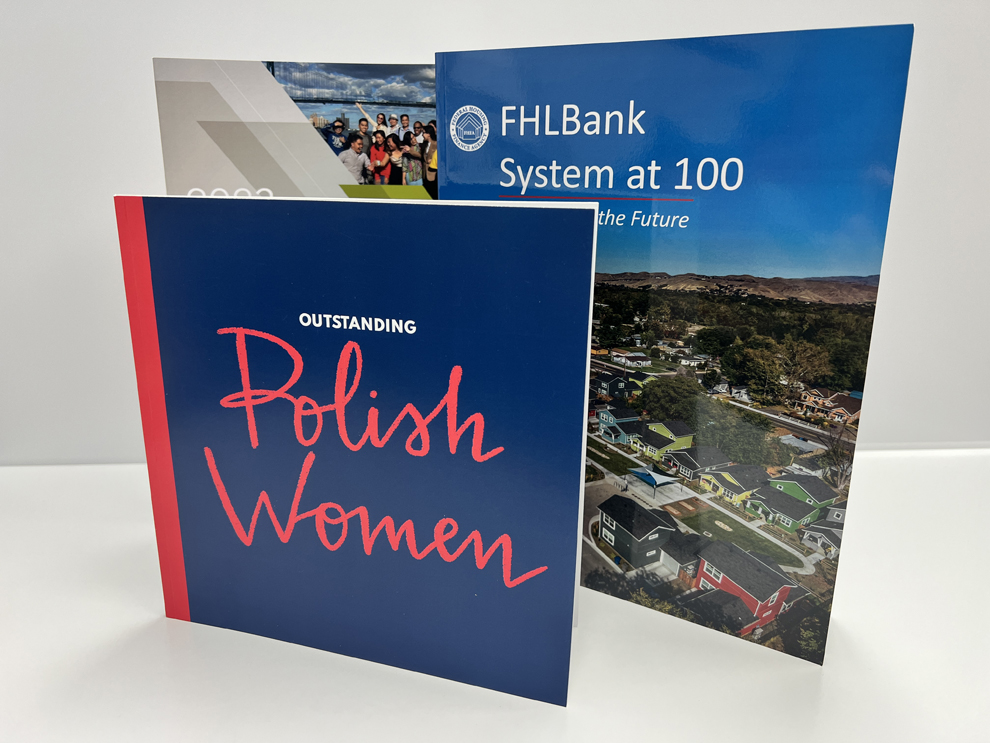
For compact reports, program guides, and multi-page handouts finished with saddle stitching, perfect binding, or plastic coil.
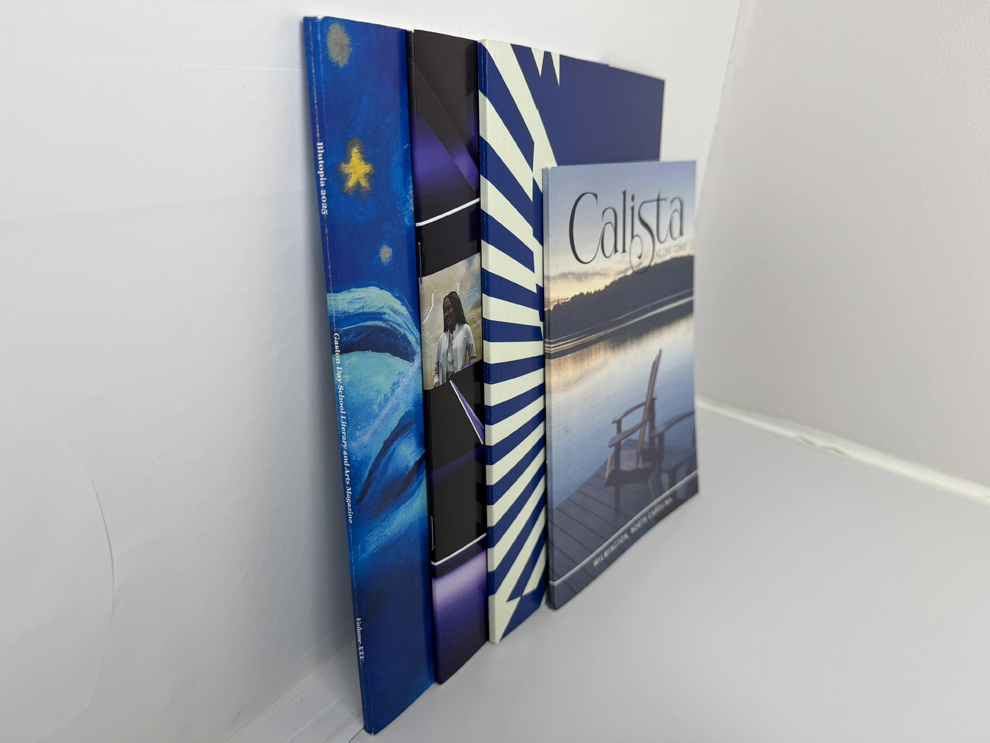
For thicker reports and reference publications where a square, printable spine adds a more permanent, book-quality feel.
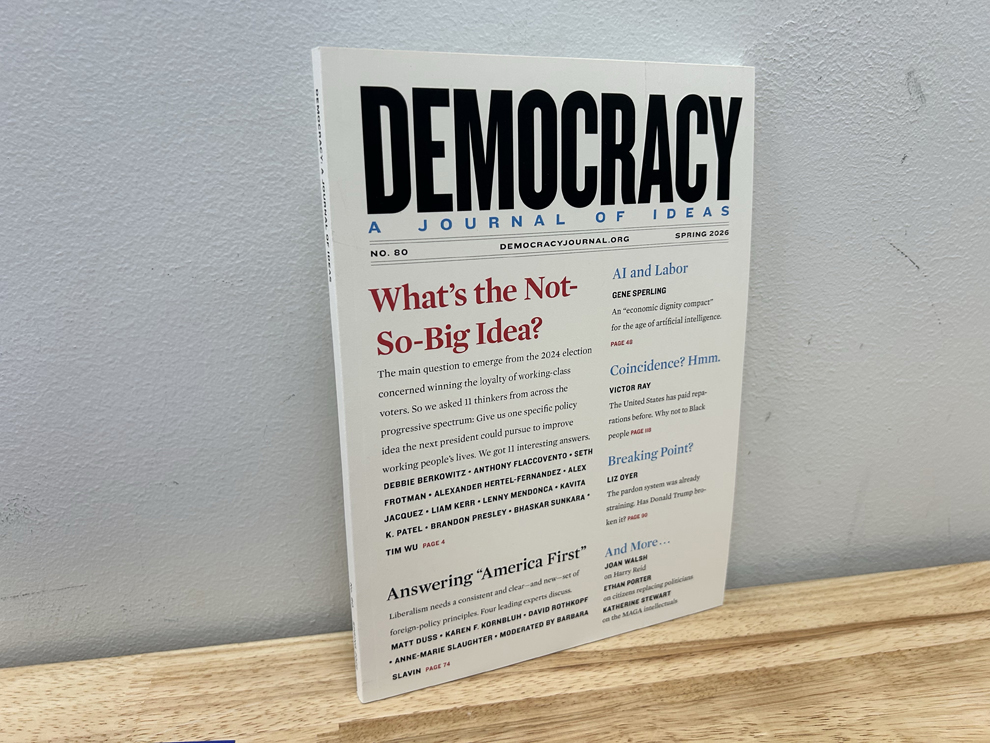
For quarterly or monthly stakeholder updates with recurring specifications and mailing requirements.
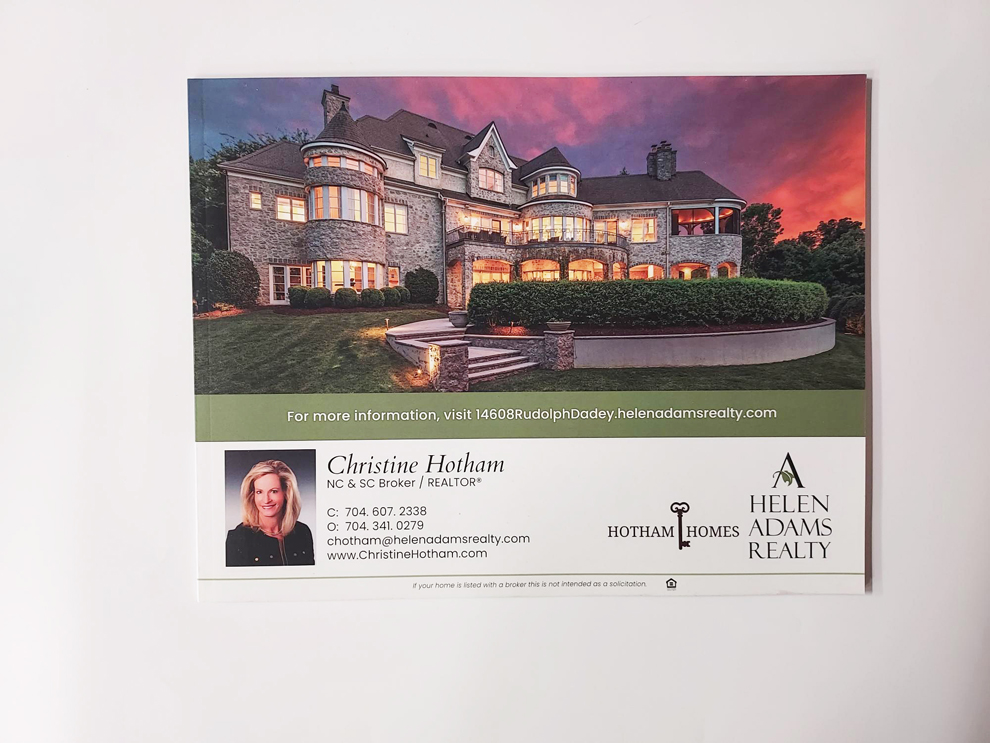
For annual reports that must be addressed, sorted, and entered into the postal system on a defined schedule.
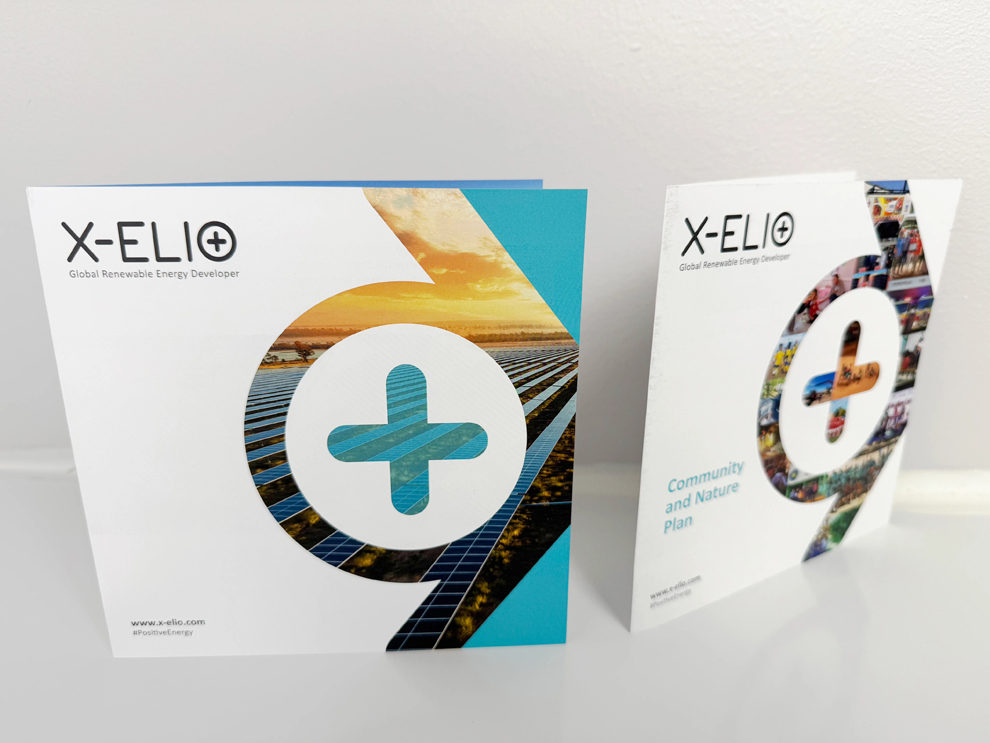
For board books, investor meetings, and grant packages where the report travels alongside supporting pages.
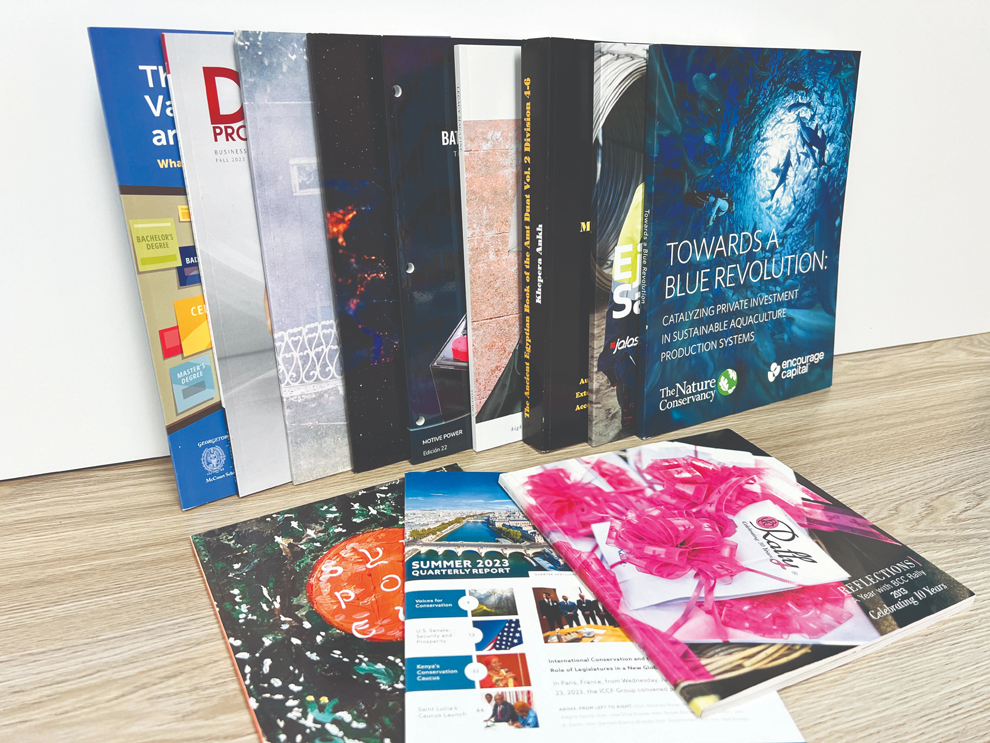
For companion pieces that support fundraising appeals, membership drives, recruiting, and outreach campaigns.
For organizations whose printing needs extend beyond a single report to a broader set of professional communications.
If your Greenville, SC annual report is tied to a board session, membership meeting, investor release, or grant deadline, start with a Custom Quote. Send the finished files, the quantity, the specifications you have settled, and the date the reports must be in hand. A Project Coordinator will respond quickly and map the production route with you. When every detail is already locked and the report fits a current Online Store configuration, ordering directly online is also an option.
Submitting a Custom Quote connects you with an assigned Project Coordinator who follows the order from the opening conversation through final distribution. That coordinator confirms the completion date, reviews the file specifications, answers open production questions, and remains the single point of contact as the report passes through proofing, printing, binding, and shipping or mailing. One steady contact matters when sign-offs come in late or the distribution date is anchored to a public meeting.
Heritage treats the specifications as a connected whole rather than isolated choices. Trim size influences imposition. Page count and paper caliper determine whether saddle stitching will close flat or whether perfect binding is the better path. Cover construction affects mailing weight and durability. Quantity shapes press selection and the production calendar. Reviewing these together prevents a decision made in one area from causing a surprise in another.
Every report is proofed electronically before it prints. After approval of the file and the production plan, Heritage carries the job through press, bindery, and finishing, then into the agreed mailing, freight, or courier path to Greenville, with attention held on presentation, color consistency, and the committed date.
As soon as the required date and approximate specifications are known, even if the content is still being finalized. Early notice allows Heritage to confirm paper availability, reserve production time, and identify any step such as a Physical Production Color Proof or mailing preparation that lengthens the schedule. The print-ready file can follow later; the planning conversation should not wait for it.
No. Greenville and the Upstate are part of Heritage's South Carolina service geography, supported by our Carolinas production network and Charlotte headquarters. Coordination happens by phone, email, and electronic proofing, and finished reports are delivered to Greenville by scheduled freight, courier, or direct mail according to the production plan. Many clients in the Upstate work with us this way on recurring publications.
Not exactly, and no printer can honestly promise that. Monitors emit light and papers reflect it, so the two cannot be identical. Heritage manages color through calibrated, verified equipment, production-specific profiles, and your PMS values as targets so that output lands as close as the chosen paper and process allow. When a specific color is critical, a Physical Production Color Proof gives you a physical reference before the full run.
Yes. Heritage can add addressing and postal preparation to the order so printed reports go directly into the mail stream rather than back to your office. You supply the approved recipient list, and Heritage handles the mailing services included in the project. Postal processing time begins once USPS accepts the mail, so the mailing step should be built into the schedule from the start.
A self-cover report uses the same paper for every page, including the outside, which keeps the piece lighter and often more economical. A separate cover uses a heavier stock for the outer pages, adding structure, durability, and a more finished presentation. The better choice depends on page count, binding method, how the report will be handled, mailing weight, and the impression the organization wants to make.
Not necessarily. Perfect binding produces a square spine and a book-like feel, but it requires enough page count and paper thickness to form a stable spine. A thinner report that is forced into perfect binding can look awkward and may not hold up. Saddle stitching is often the cleaner, more appropriate choice for lighter reports and allows the pages to open flat. Heritage will recommend the method the specifications actually support.
Yes, when we printed the earlier edition. Heritage retains production details such as paper, cover weight, binding, and color targets to use as the starting point for the next report. We still review each new file carefully, because artwork, quantities, and material lots change, but the saved baseline removes much of the guesswork and supports year-over-year consistency.
No. Writing, financial content, editorial review, and layout belong to your organization and its designers. Heritage takes delivery of completed, print-ready artwork and manages the production side. On Custom Quote projects, modest file preparation may be available when a supplied file needs a technical correction to print correctly, but creative design and copy remain with the client.
Review everything that will be visible on the page: headlines, body copy, figures and tables, captions, photo placement, page order, folios, and cover content. The electronic proof is the final checkpoint before production begins, and your approval authorizes that file to print. Because it is viewed on screen, it should not be used to judge exact color; that is the purpose of a Physical Production Color Proof.
No. Heritage regularly produces multiple editions for different audiences, such as a full financial version for the board and a shorter impact version for donors, or editions with different covers, inserts, or languages. The essentials are clear version control, separate file names, confirmed quantities for each version, a named approver, and precise delivery instructions so the editions stay distinct from prepress through shipping.
Tell your Project Coordinator the moment a delay appears. Heritage will reassess the remaining steps, current capacity, and the agreed distribution method to determine whether the original date can still be met responsibly. In many cases, prioritizing specific decisions and production actions recovers time. If a step cannot be compressed without risk, we will say so and present the realistic options.
The Online Store suits reports where every specification is fixed, the file is print-ready, and the configuration matches a current store offering, allowing self-directed ordering. A Custom Quote is the better route when the report involves choices still under discussion, mailing, multiple versions, color-sensitive branding, file adjustments, or a demanding deadline that benefits from an assigned coordinator.
Companies, nonprofits, foundations, trade and professional associations, healthcare systems, colleges, and public agencies across Greenville, Spartanburg, and the wider Upstate. Reports range from concise impact summaries to substantial financial publications, and each is planned around its own page count, paper, binding, quantity, and distribution requirements.
Yes. Smaller organizations and board-only distributions often need a limited quantity, and Heritage can plan production accordingly. Quantity affects which press and finishing path make the most sense, so share the expected count early. The same proofing, color management, and coordination apply whether the run is a few dozen copies or several thousand.
An assigned Project Coordinator contacts you after the request arrives and becomes your working contact for the entire project. That person verifies the deadline and specifications, resolves open questions, issues and tracks the proof, and stays attached to printing, binding, mailing, and delivery until the completed reports reach their destination in Greenville or wherever the plan directs.
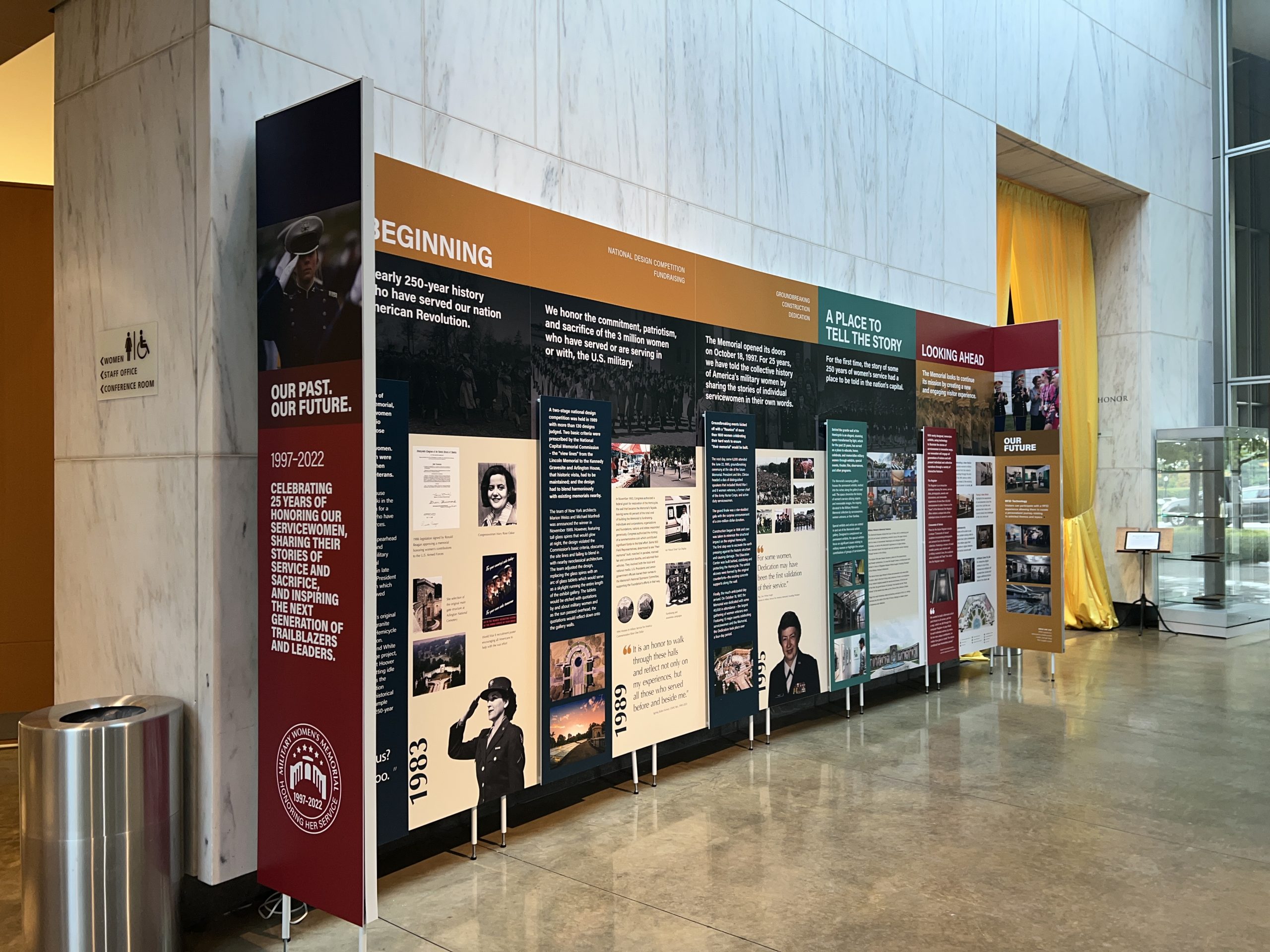
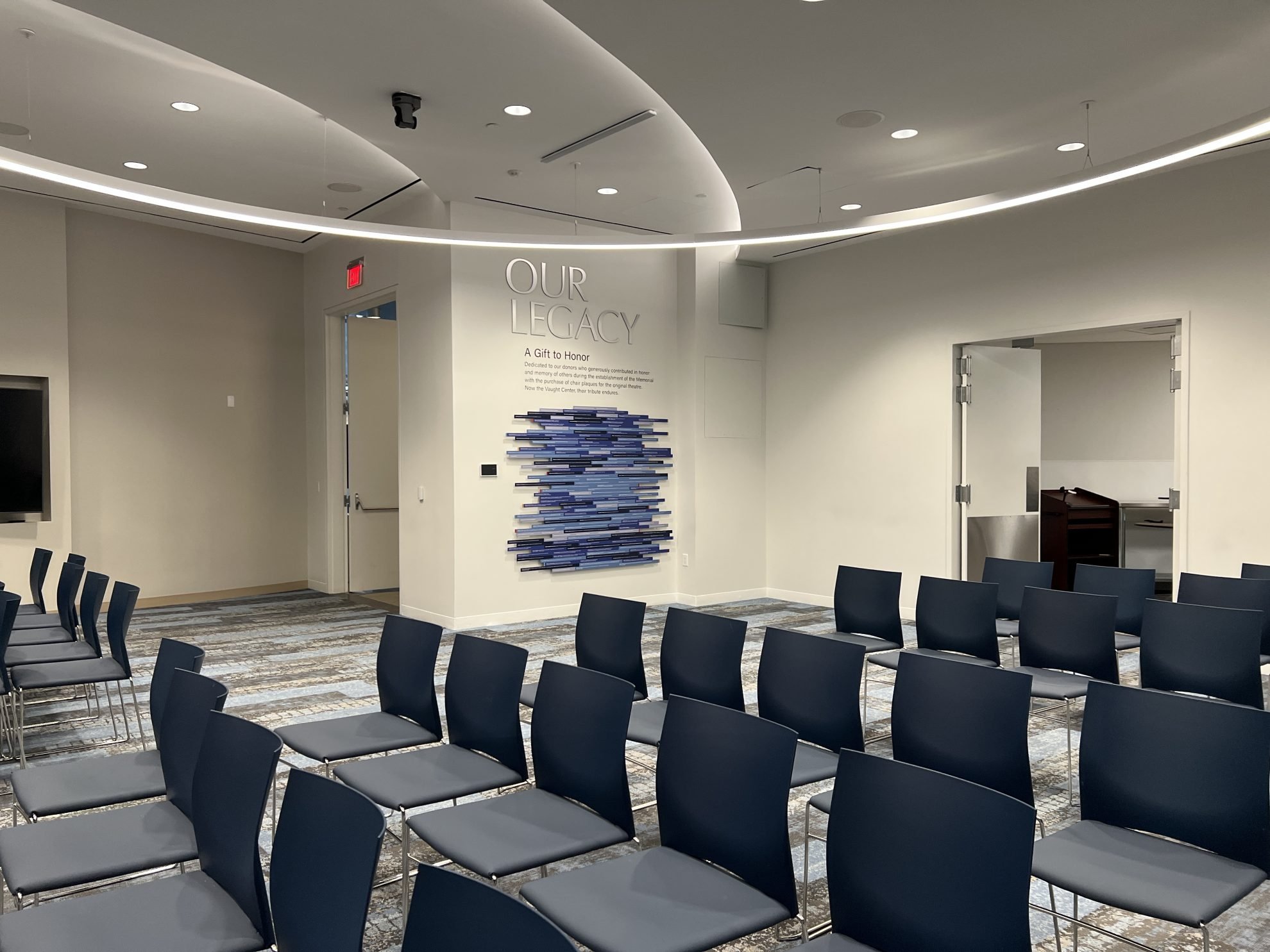
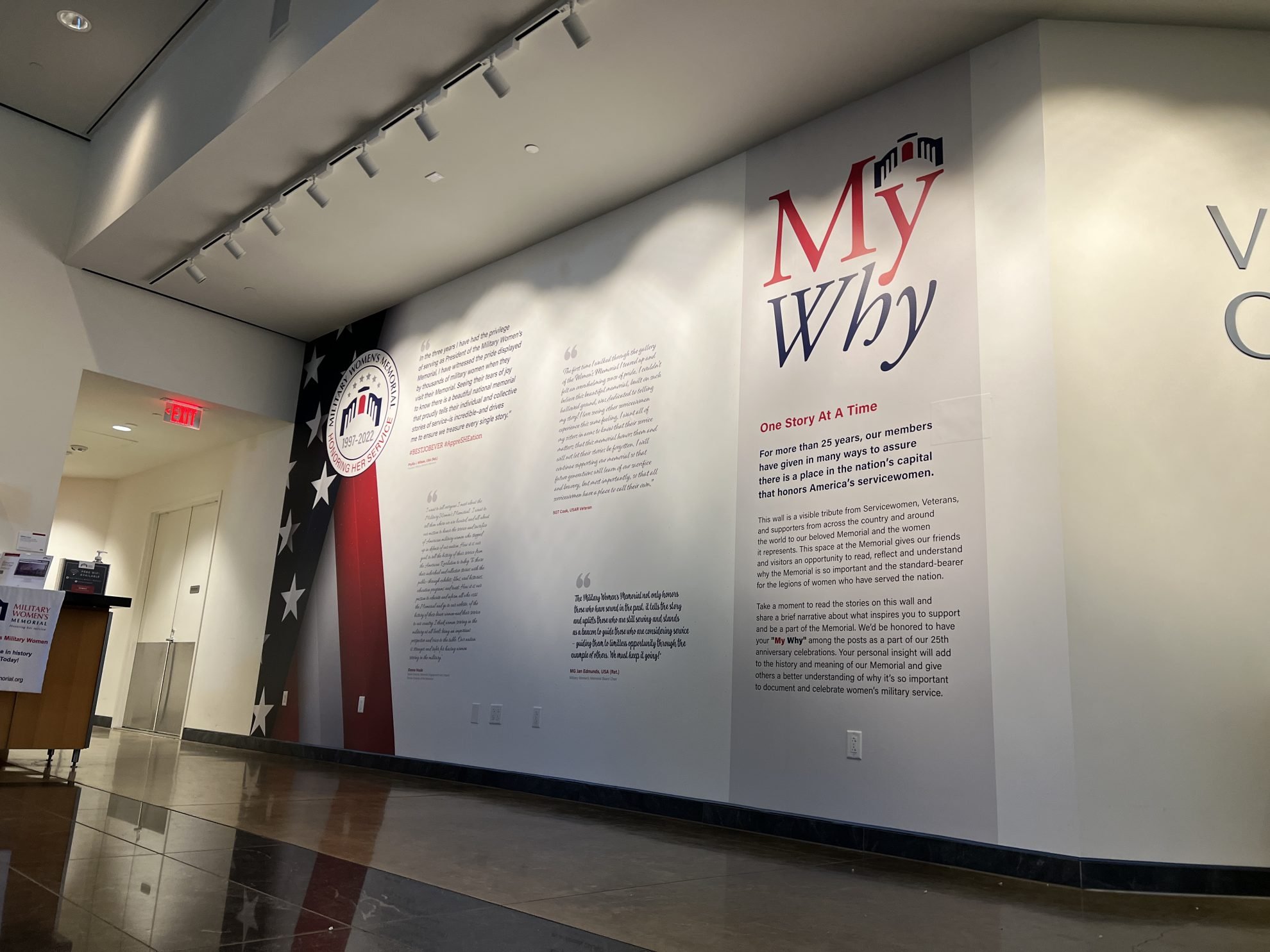
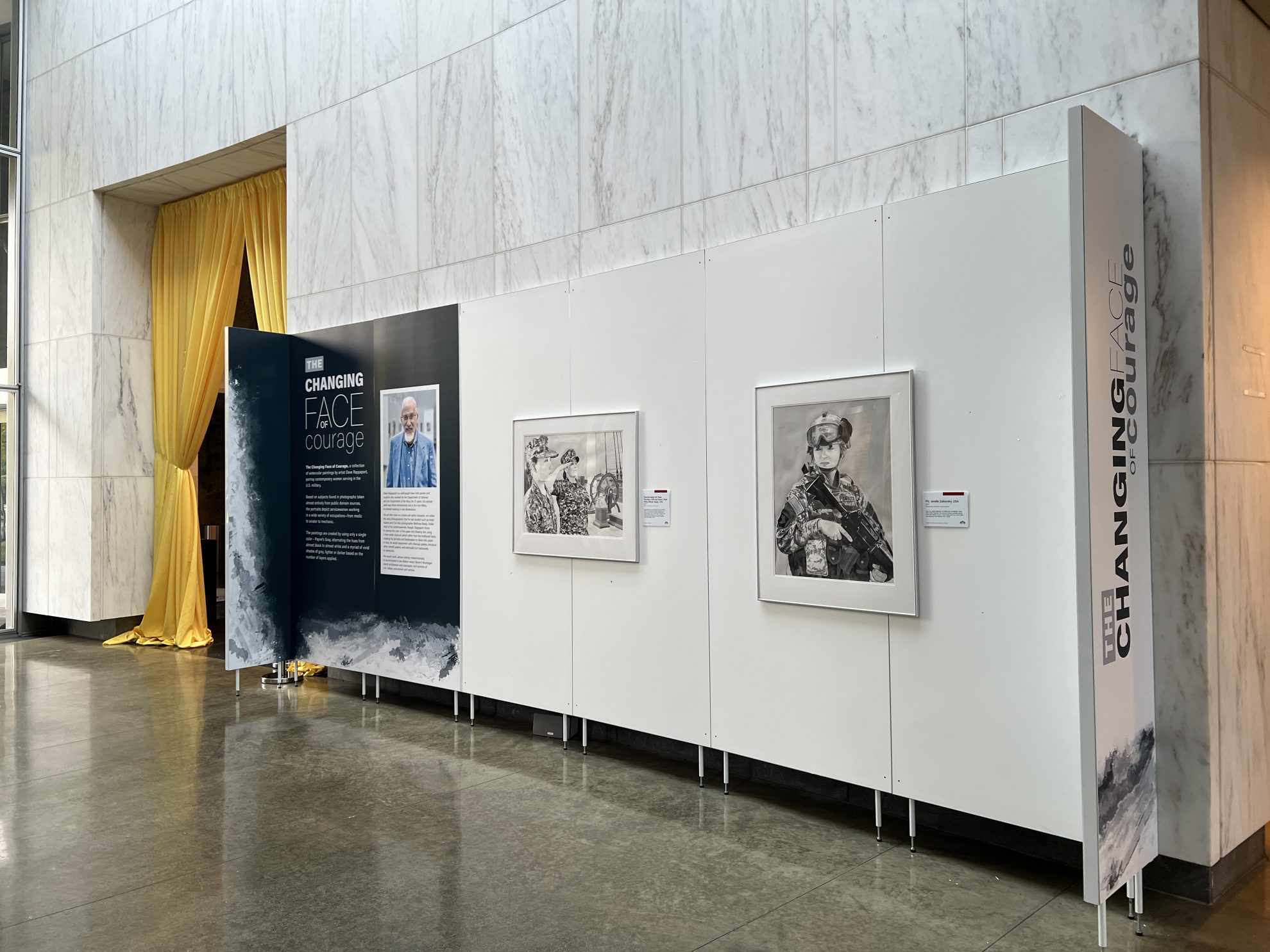
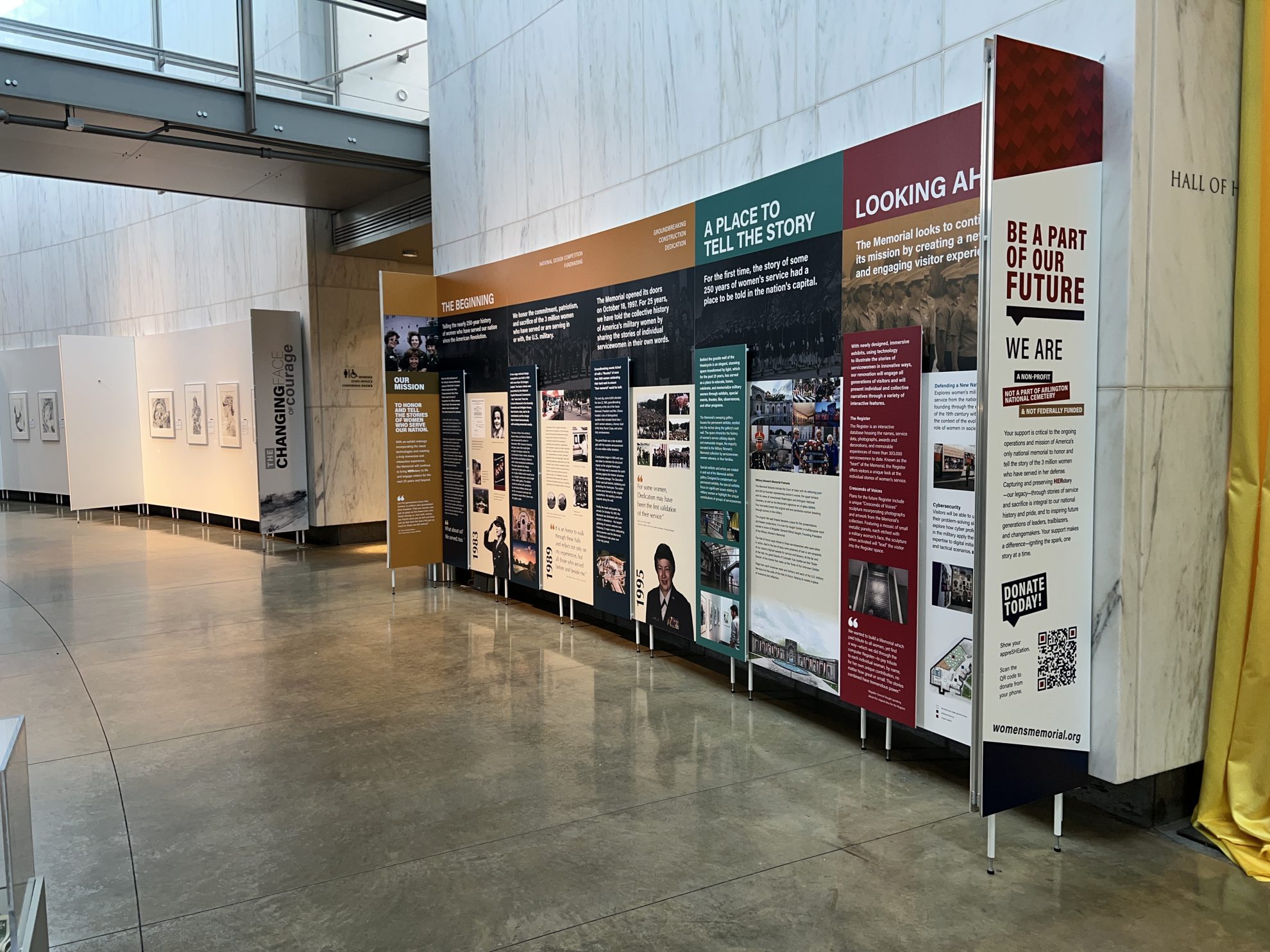
Heritage Signs & Displays created new museum signage for the Military Women’s Memorial in Greenville, SC. The project included custom signs, wall wraps, dimensional letters, and standoff-mounted displays to honor the legacy of U.S. servicewomen and the donors who supported the memorial. The updated interior features impactful designs, including a "Our Legacy" wall display and panels showcasing historical contributions and artwork, creating a transformative tribute to women in the U.S. Armed Forces.
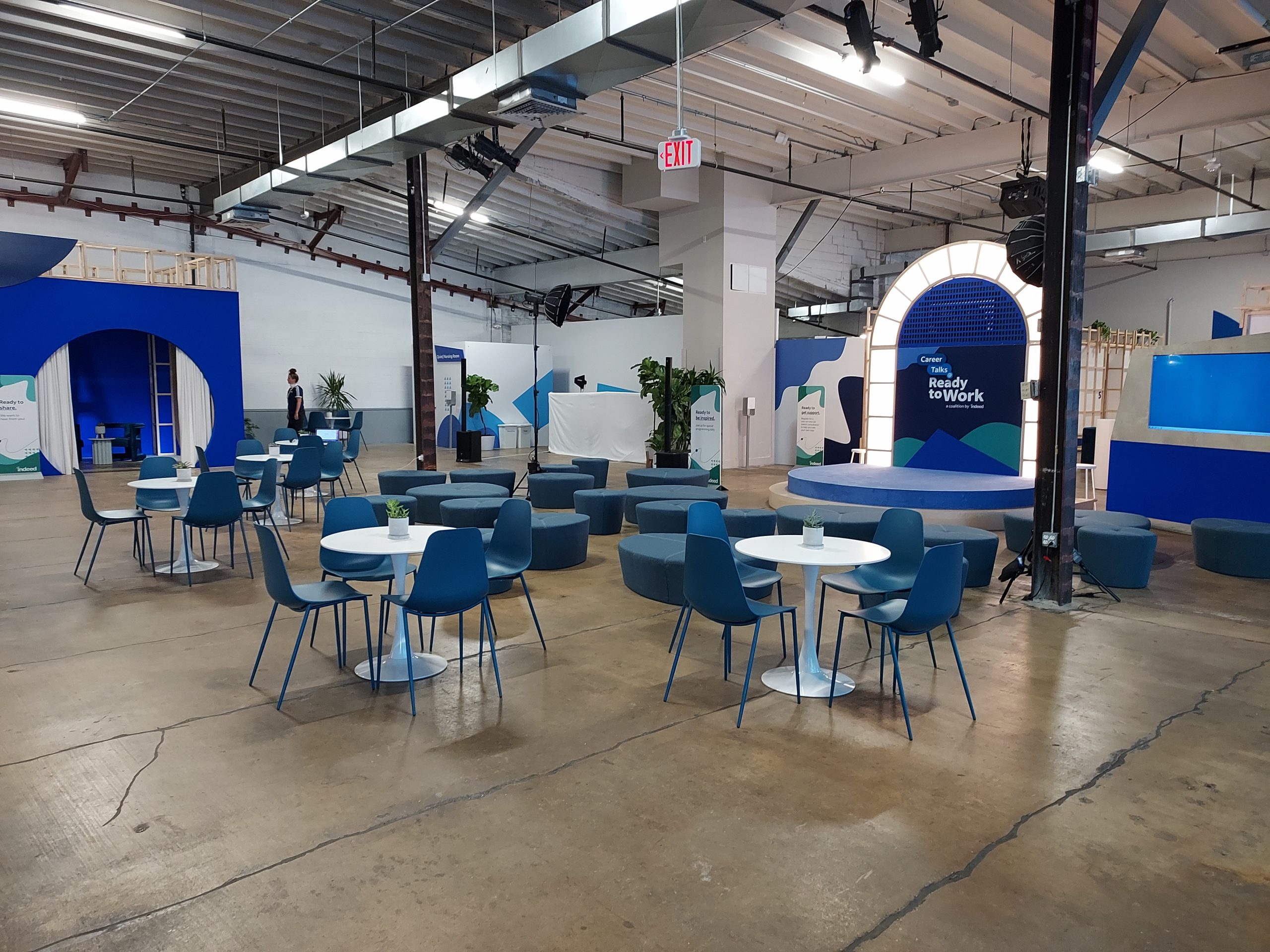
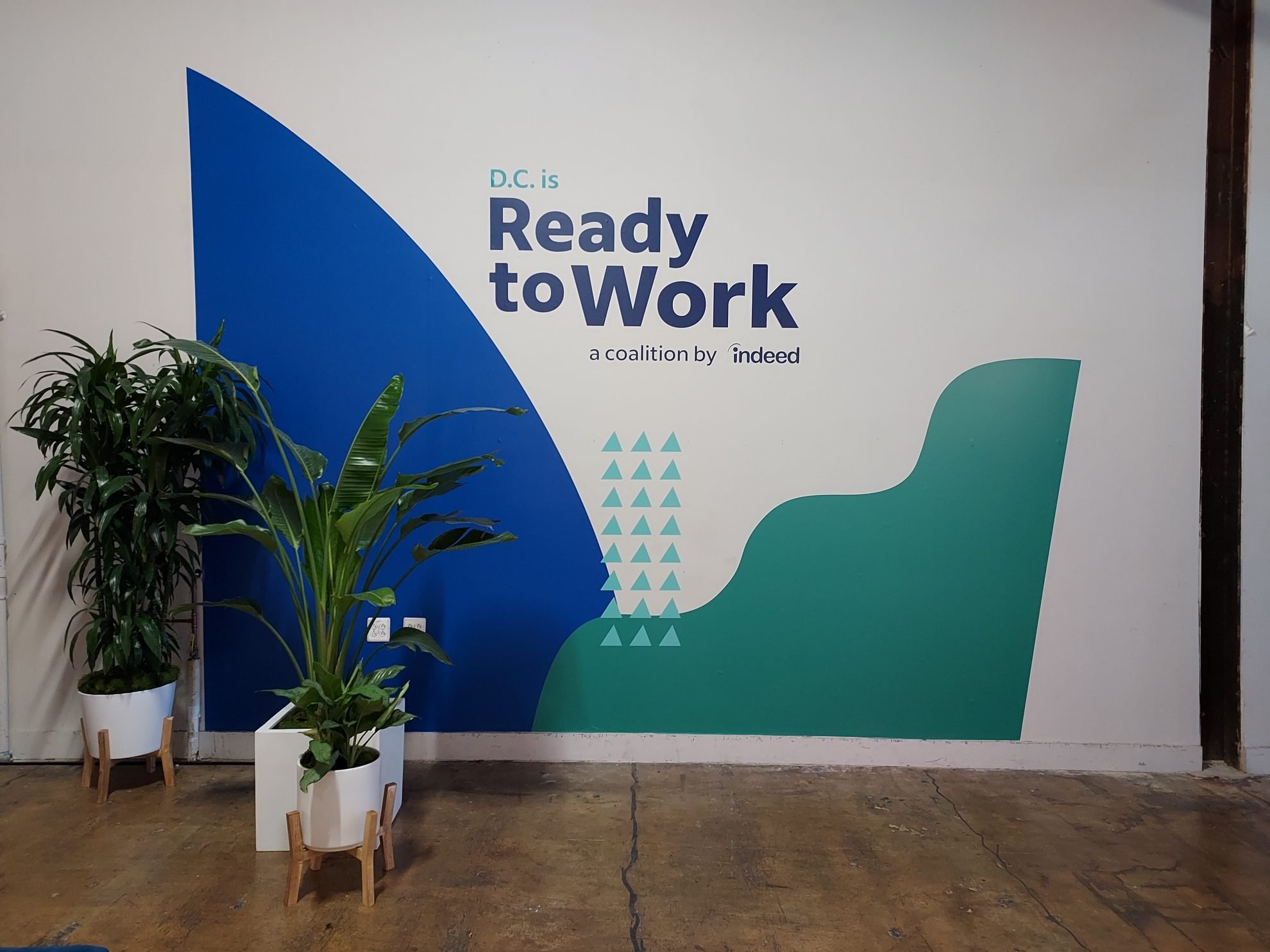
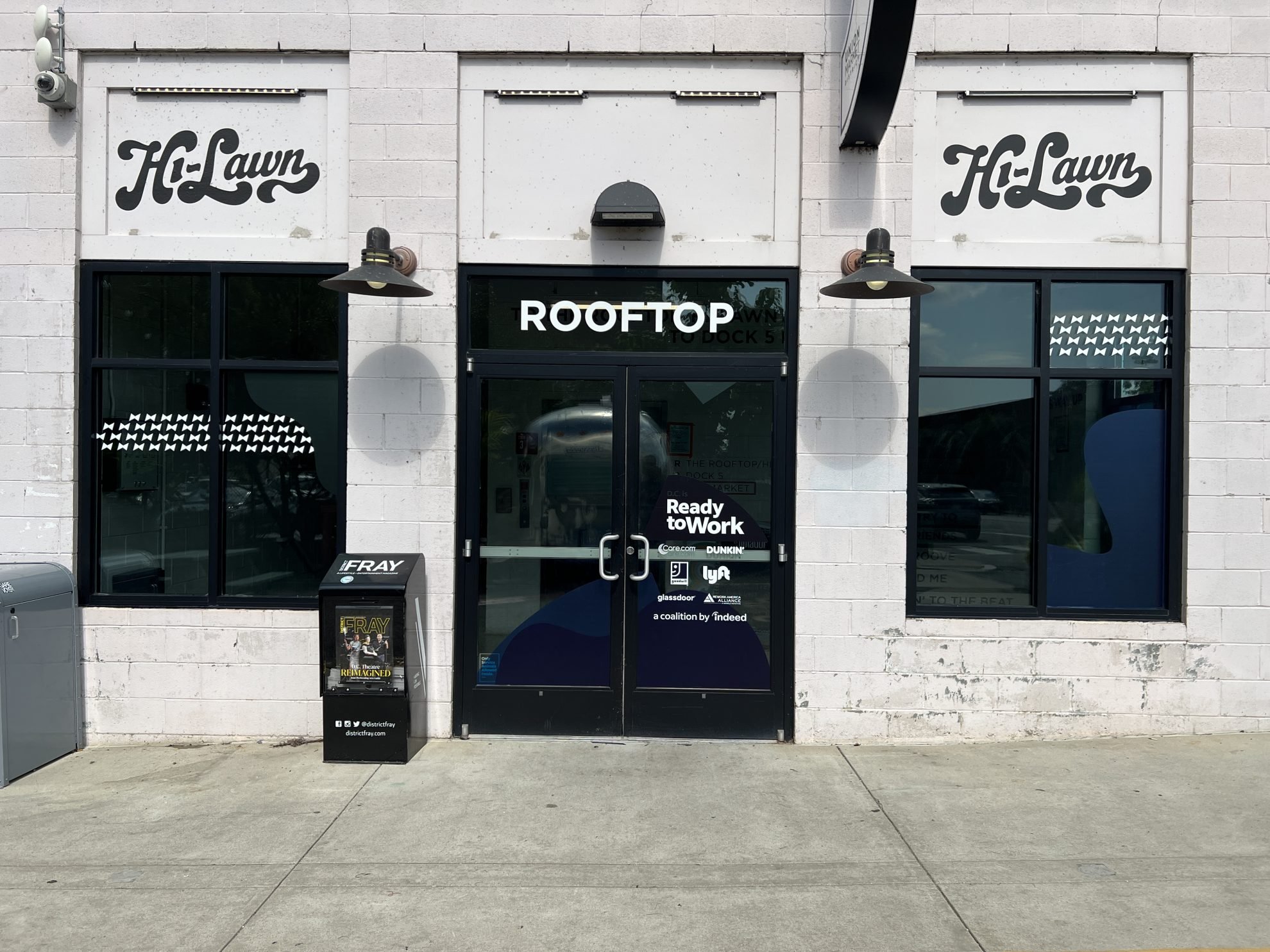
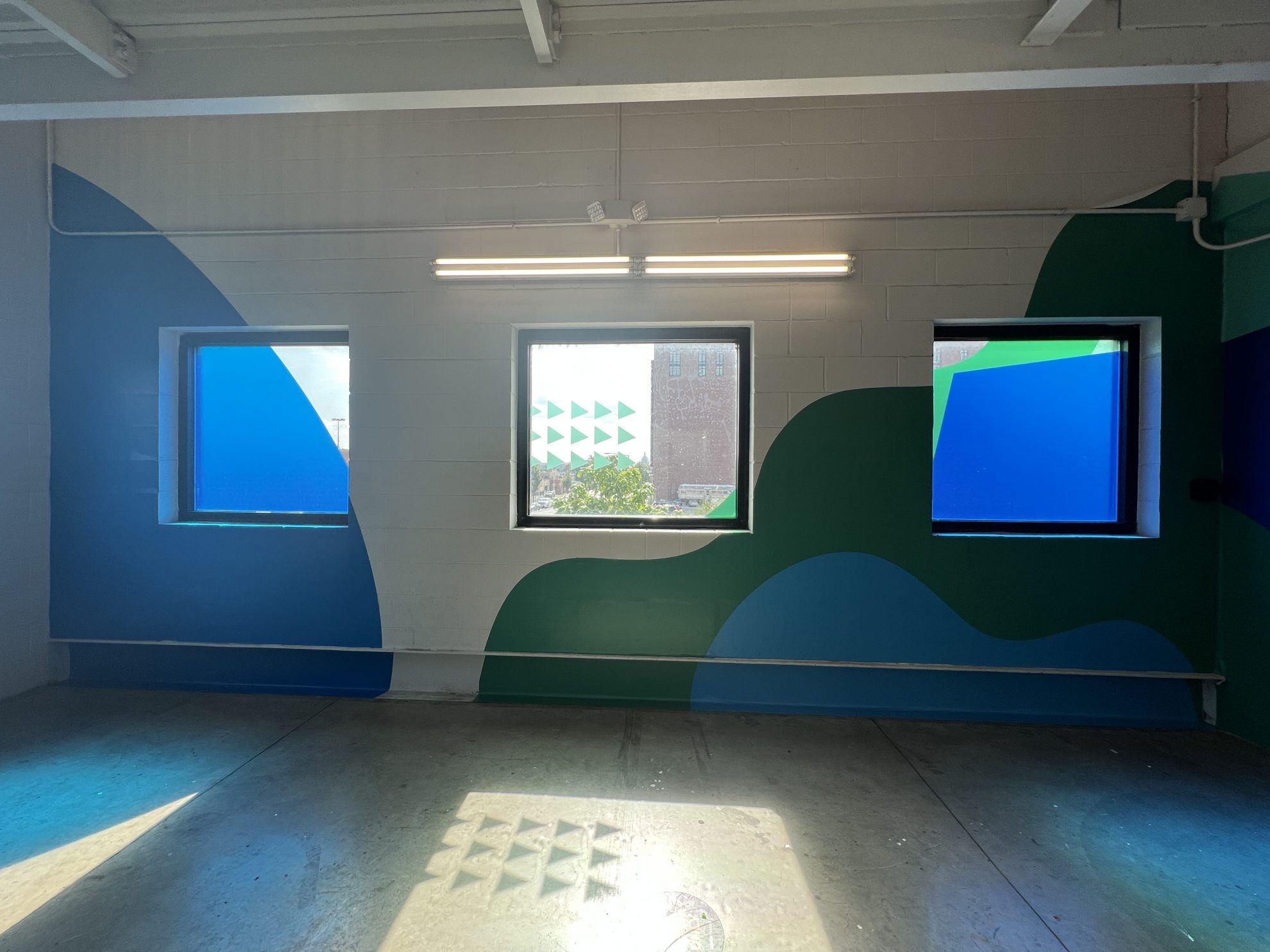
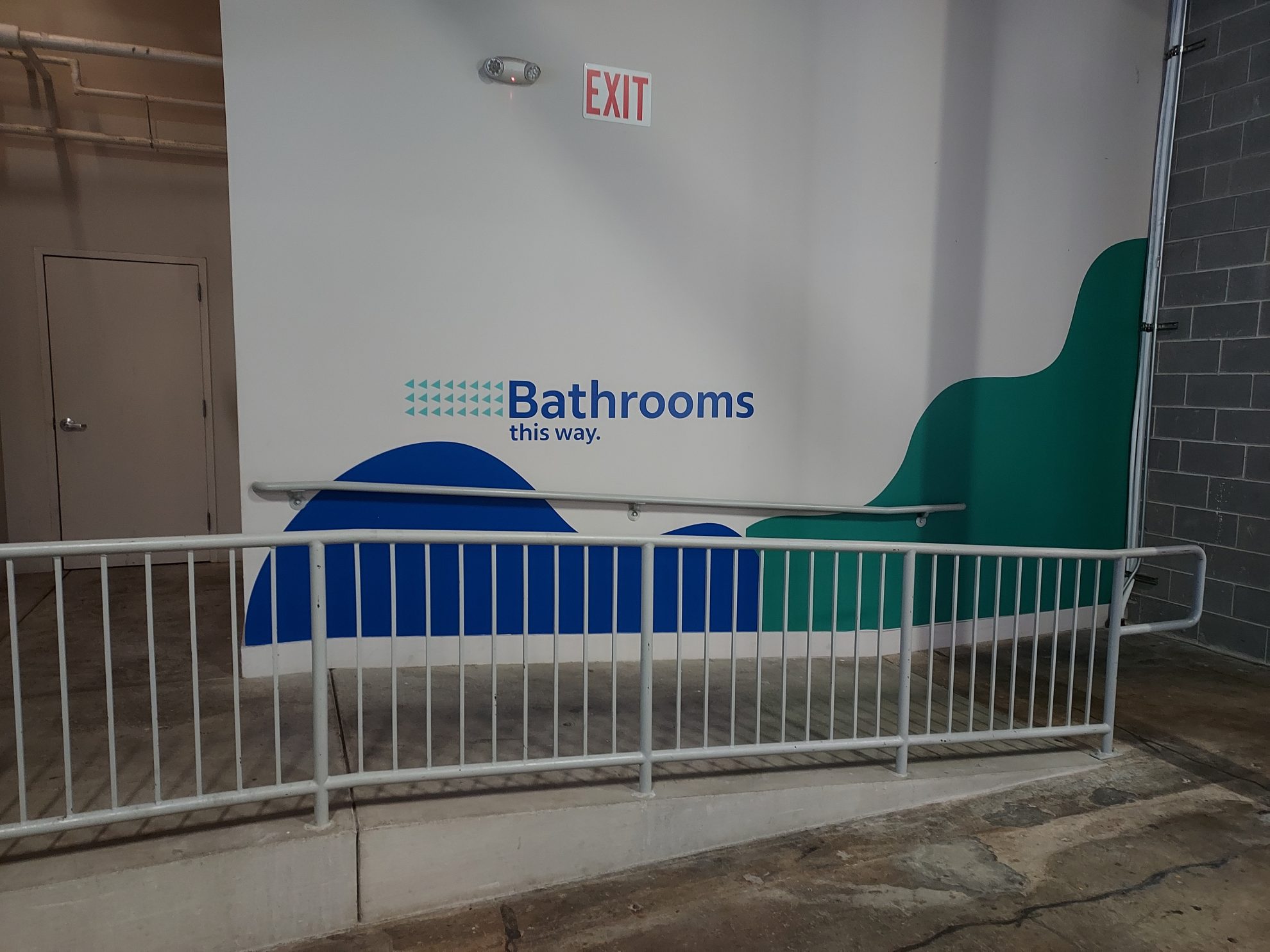
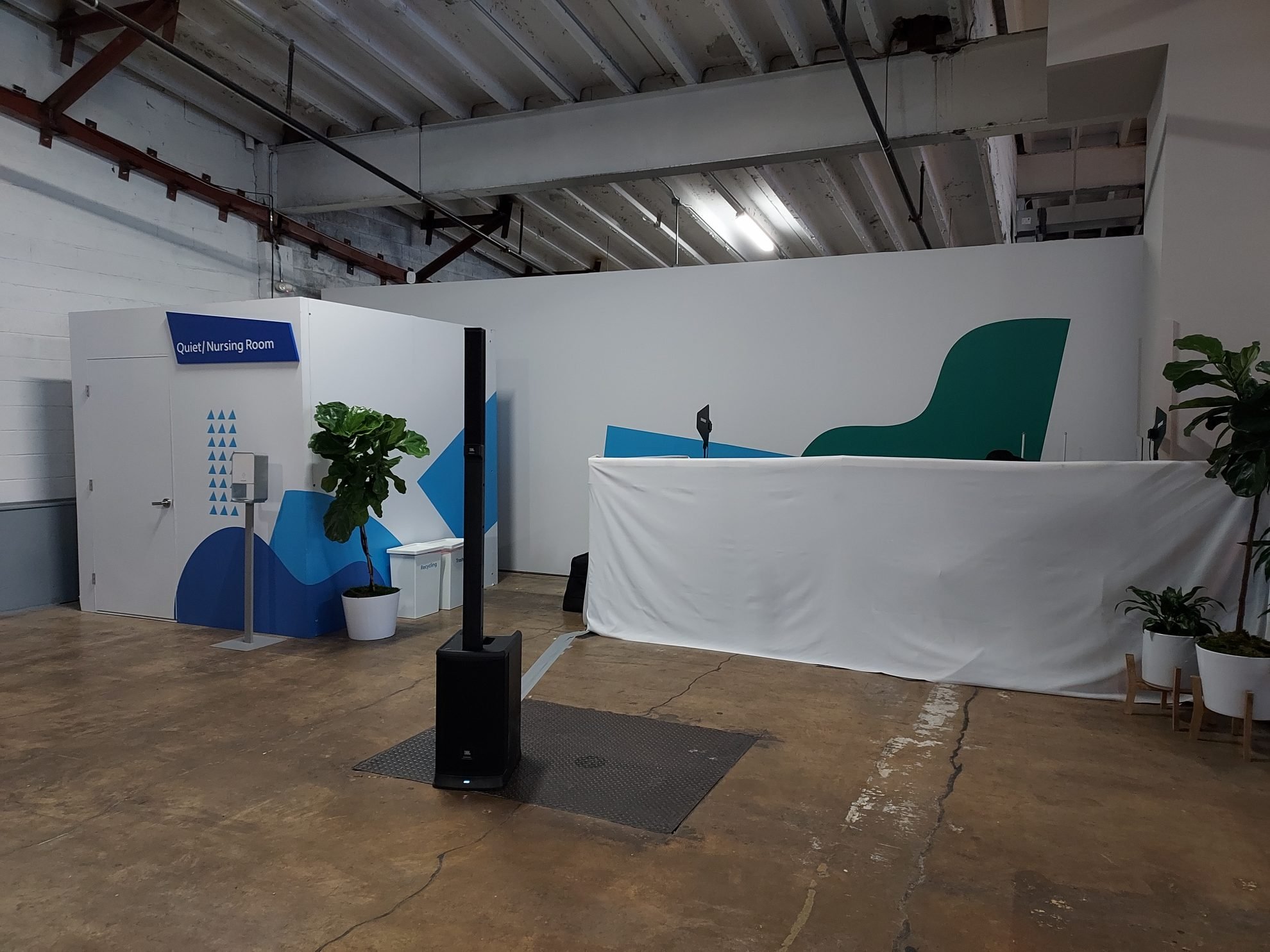
Heritage Signs & Displays' collaboration with The Gathery to brand Union Market in Greenville, SC, for Indeed's "Ready to Work" job fair. The project included custom event displays, wall graphics, window graphics, and wayfinding signs, creating an immersive and visually appealing environment. The branding enhanced the venue, reflected the event's mission, and provided a seamless experience for attendees.