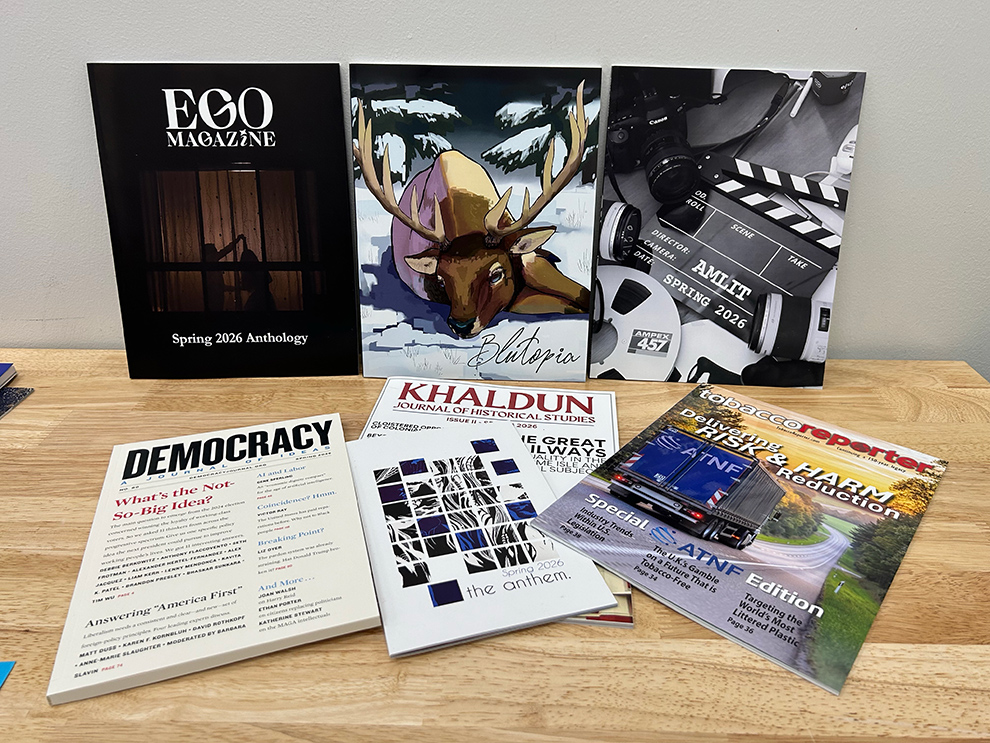
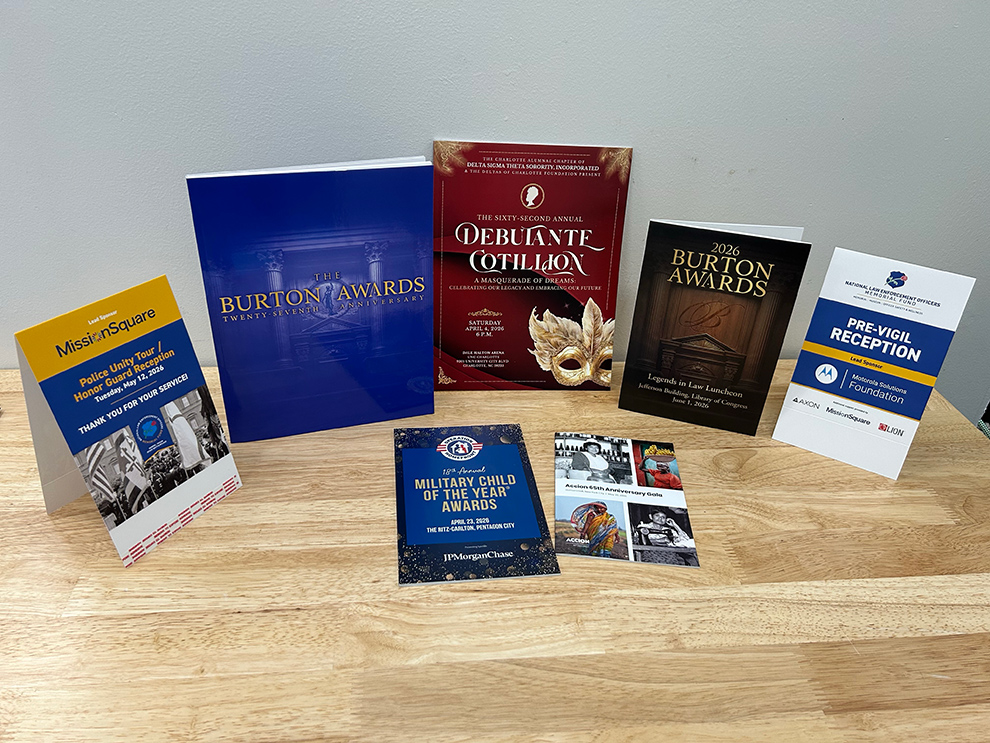
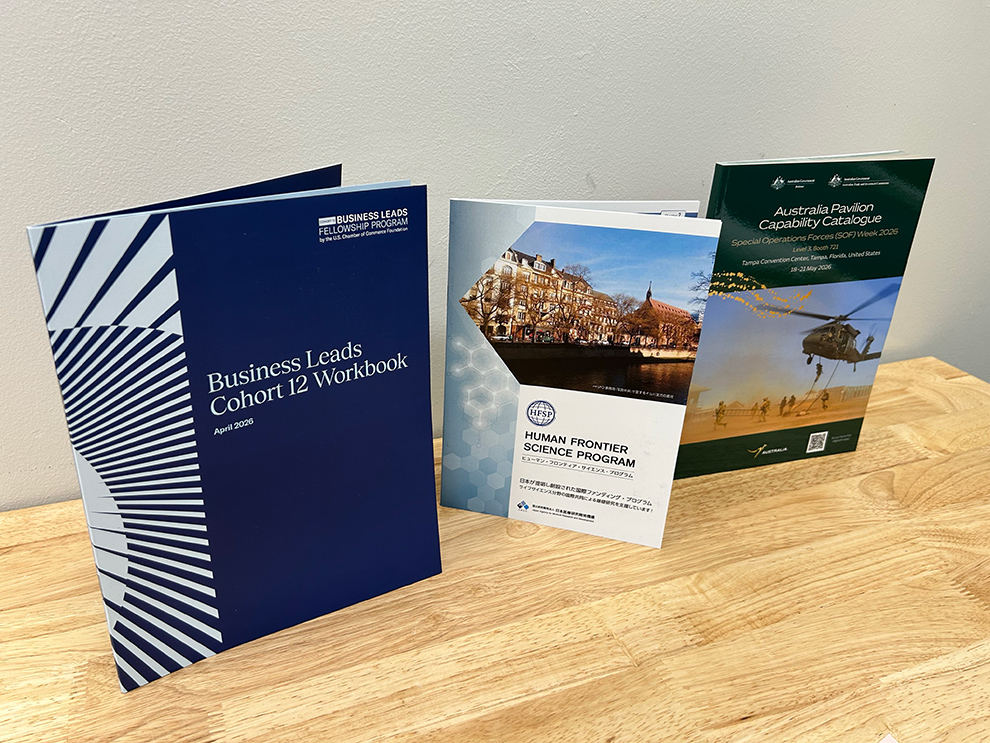
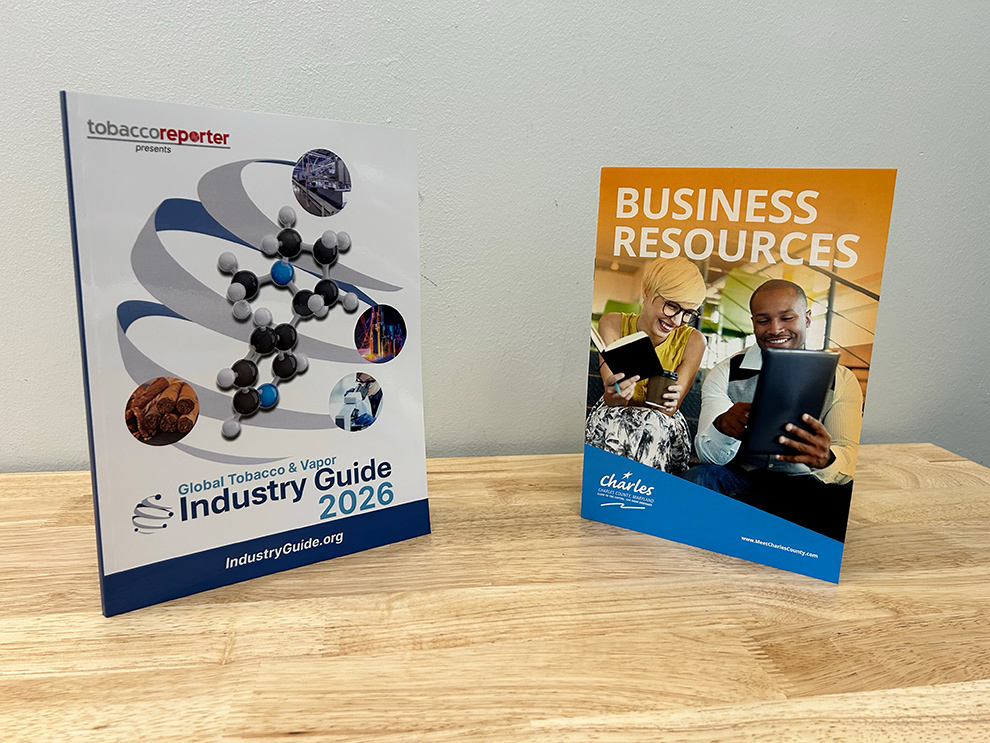
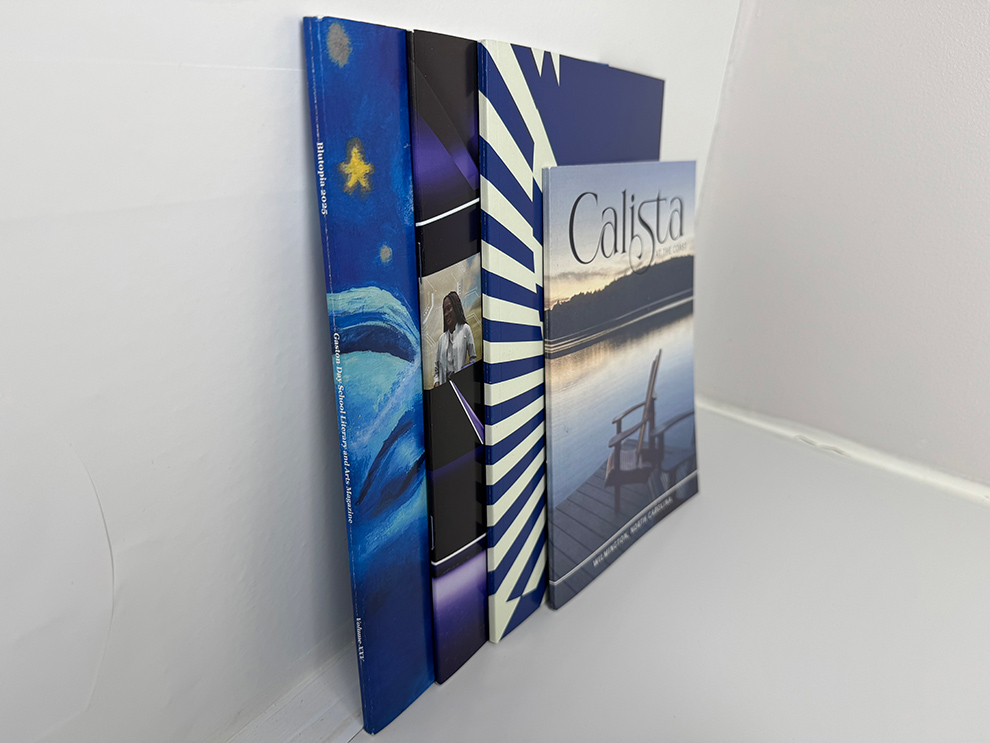
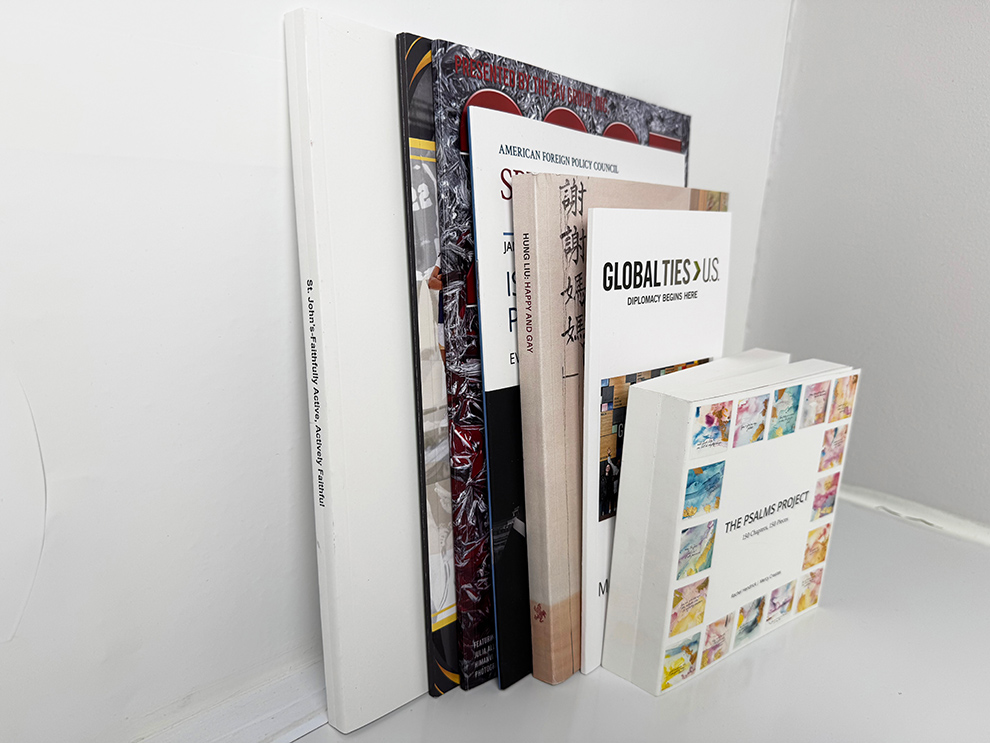
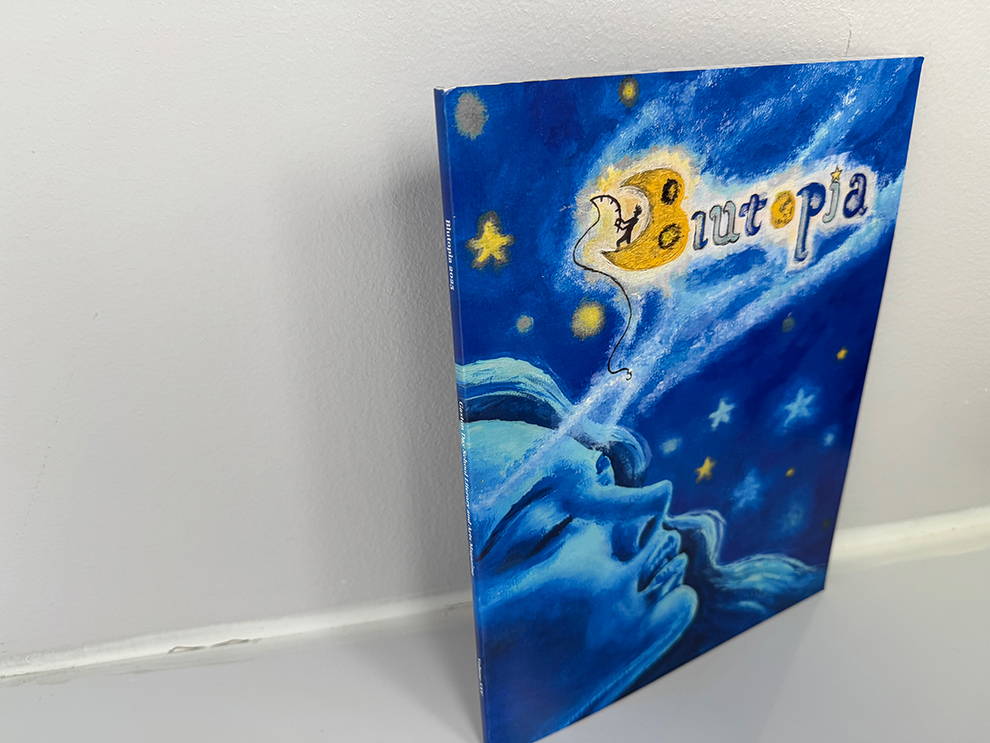
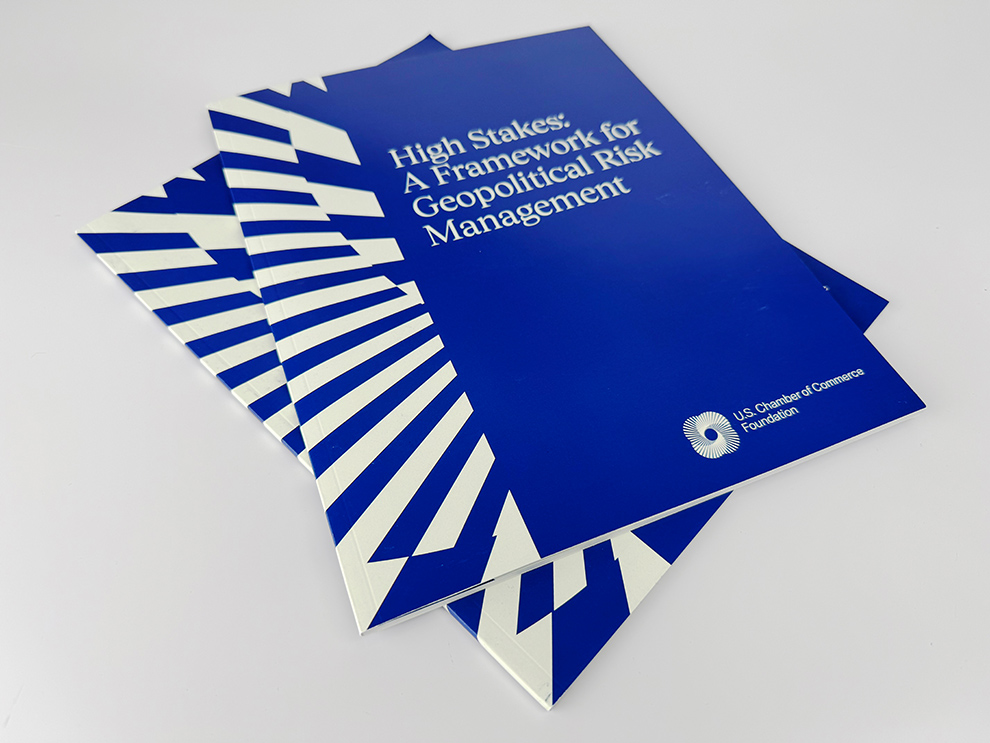
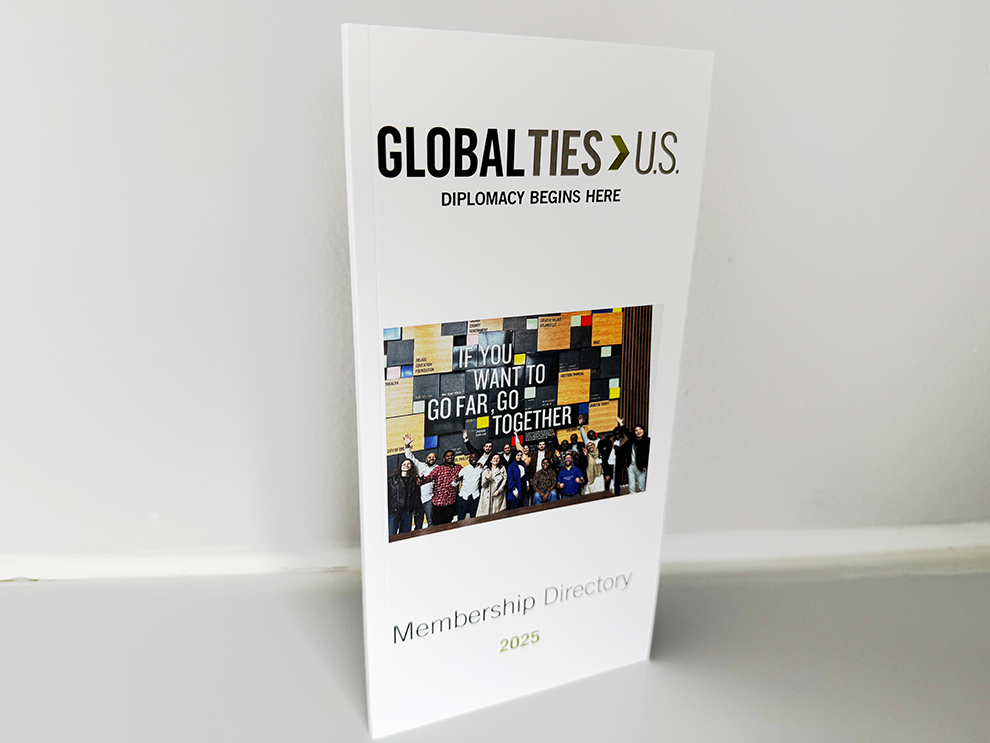
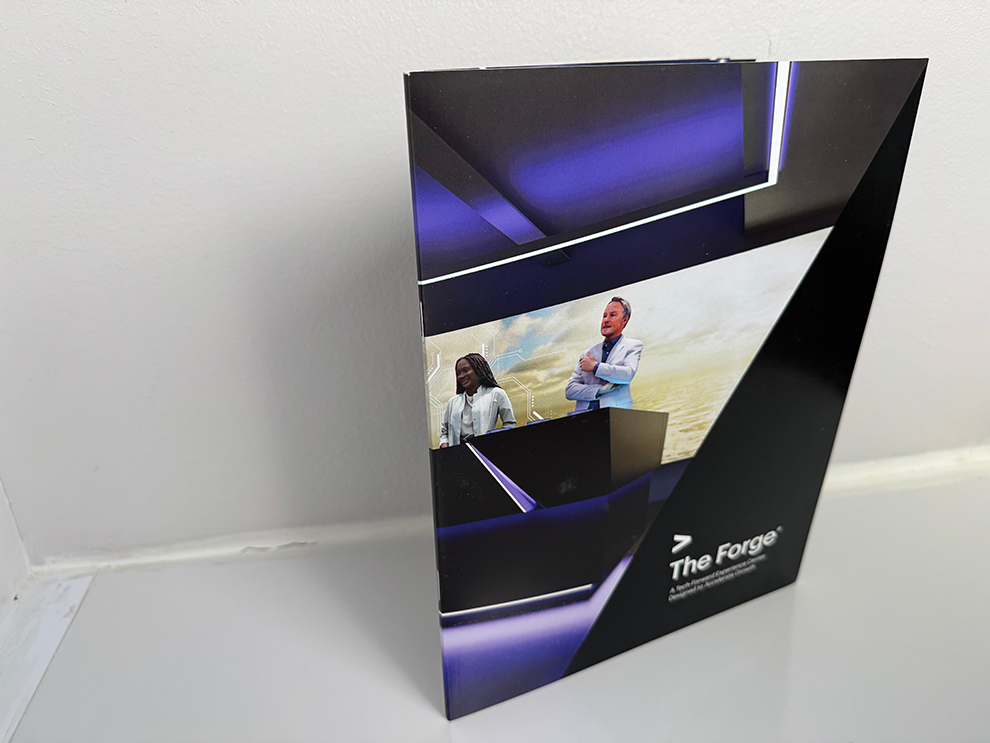
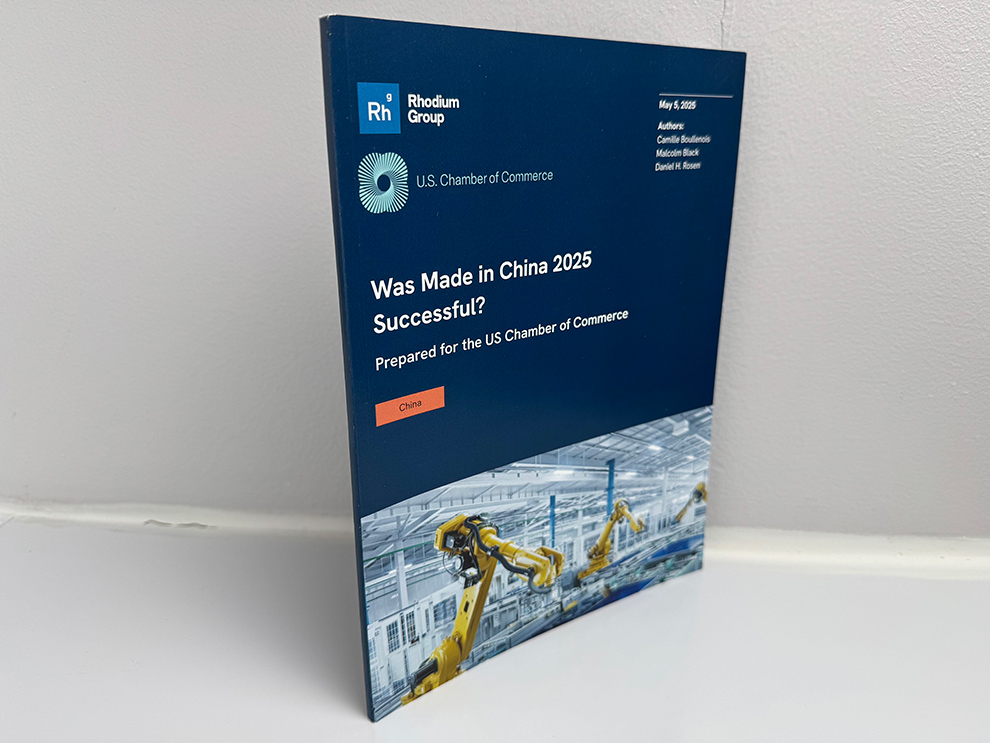
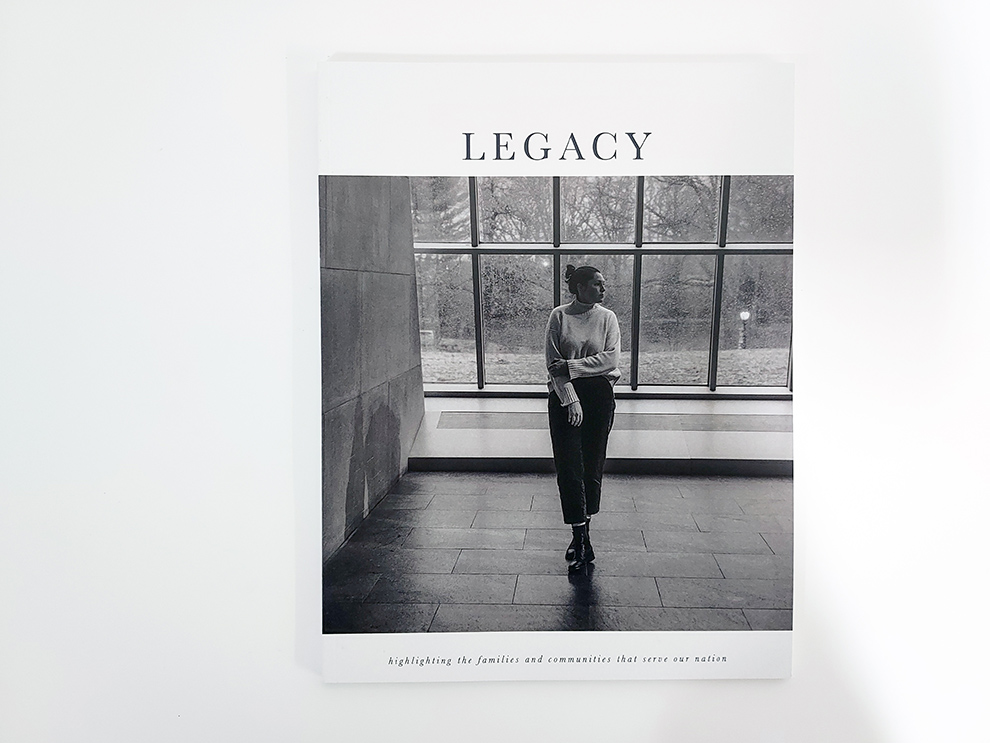
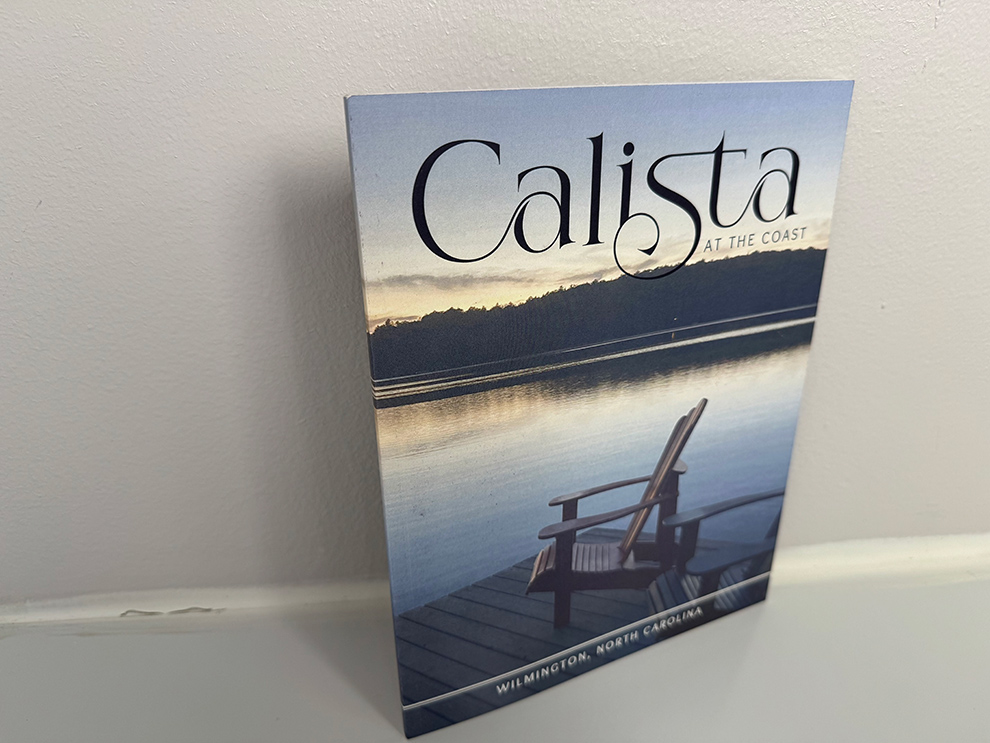
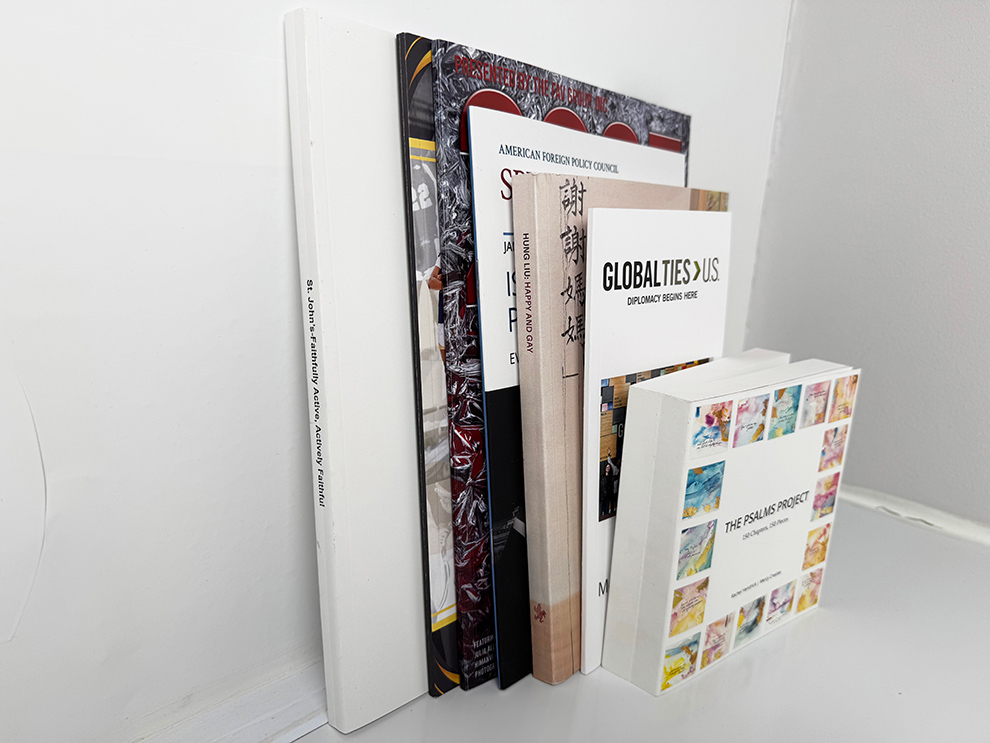
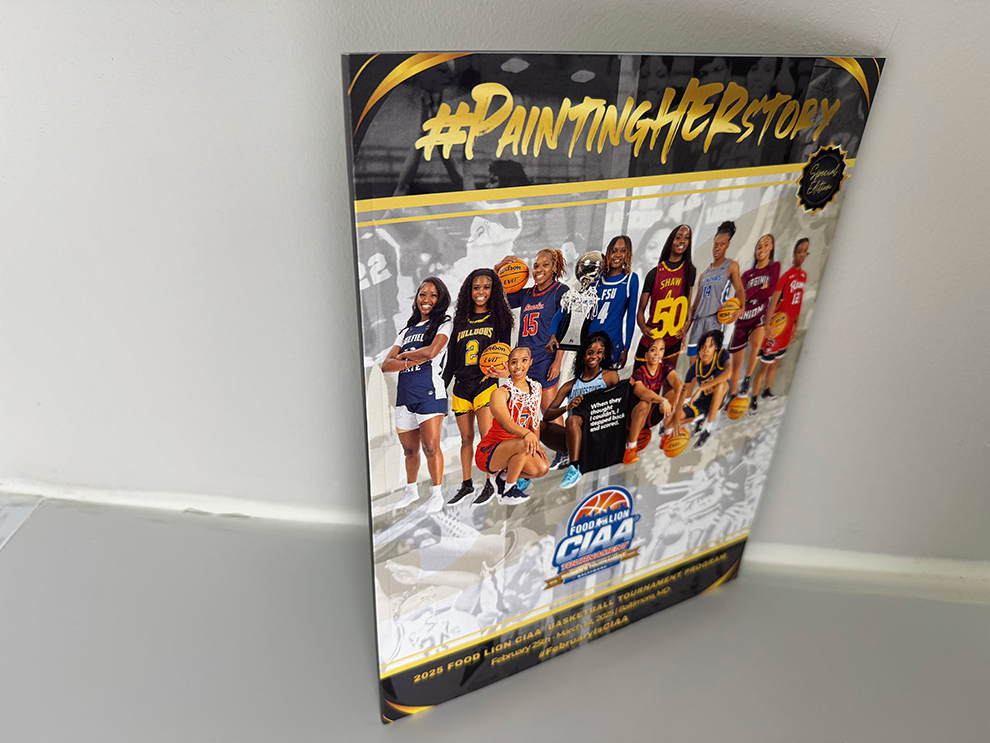
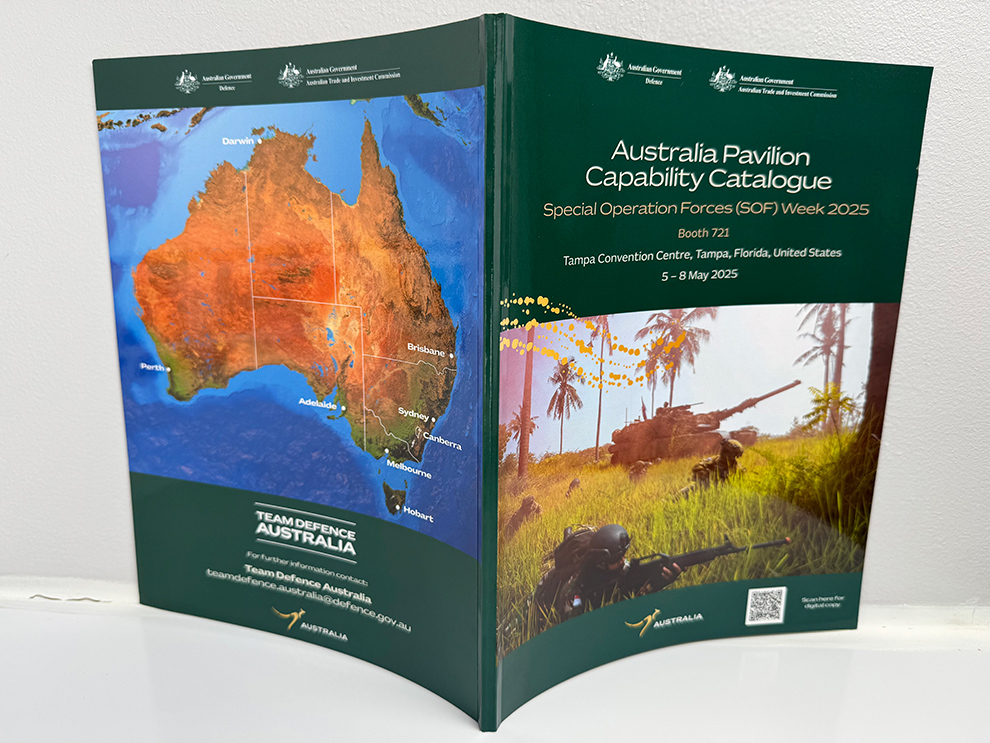
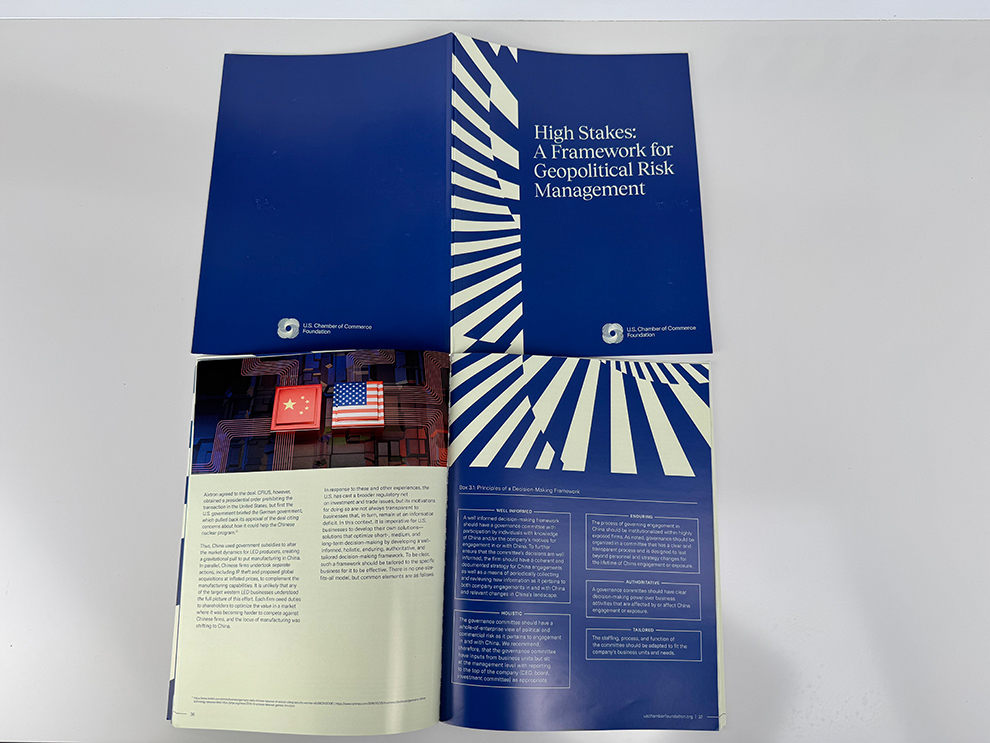
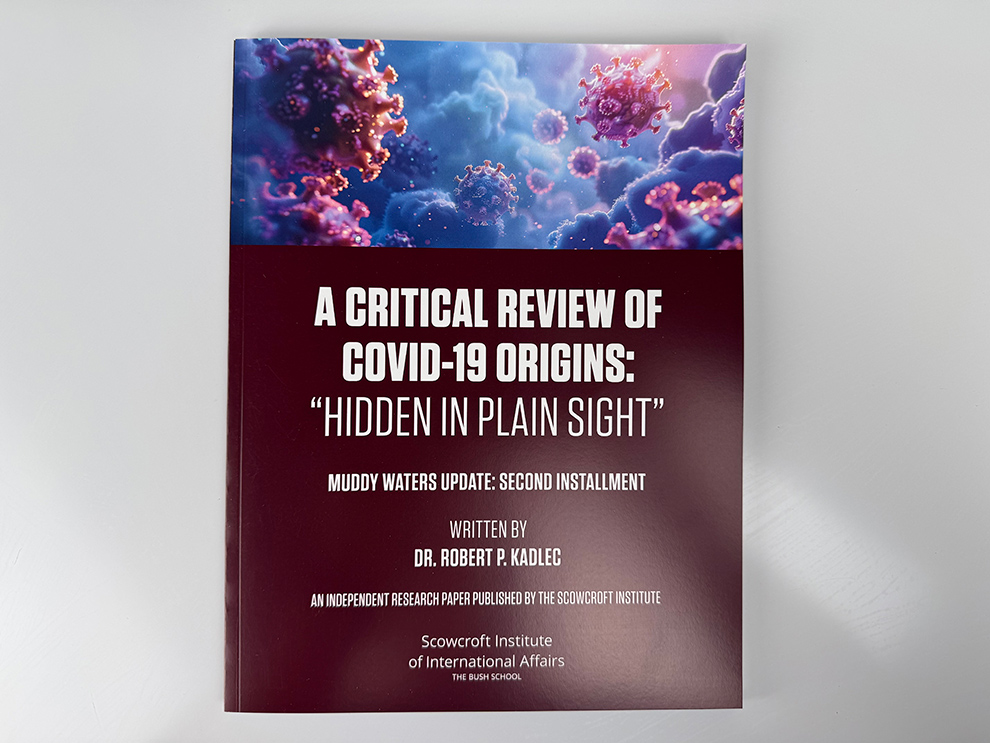
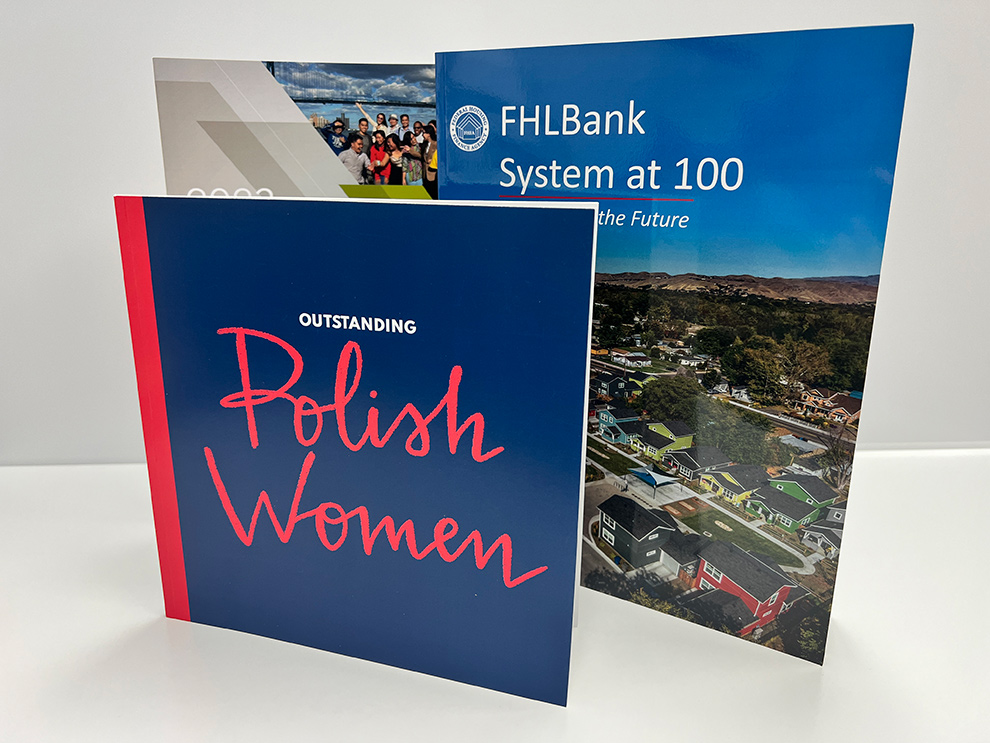
A catalog that sits on a distributor's desk, an annual report placed in front of donors, or a program handed out at an Upstate conference carries an impression before anyone reads a line. Perfect binding gives that piece a flat square spine, trimmed edges, and a cover that wraps the full interior, so the publication reads as a finished book rather than a stack of stapled sheets.
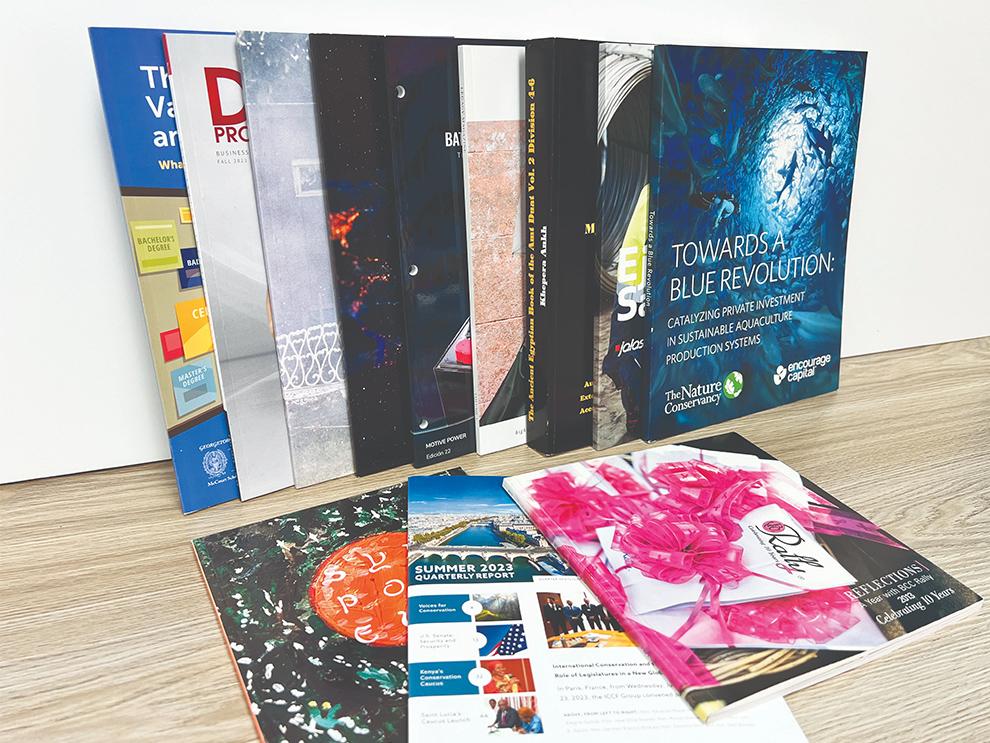
Heritage produces perfect bound books for Greenville, SC organizations across the Upstate, including product catalogs, dealer guides, annual and impact reports, alumni and membership publications, and commemorative books. The format earns its place when a publication must stand on a shelf, stack neatly in a mailing carton, and feel substantial when passed across a table.
A good outcome is never the binding alone. Page count sets the thickness, paper stock shapes the feel and the spine, the cover must be built to the final interior, and the proof must be approved before the run begins. Heritage treats those variables as one plan rather than separate choices, so a qualifying publication arrives looking intentional from spine to trimmed edge.
Heritage began as a printing company in 1977, well before signs and displays became part of the business, and that production background shows in how a perfect bound order is handled. Pagination, cover setup, spine width, paper, color, trimming, binding, proofing, and delivery each depend on the others. A late page insert can change the spine, and a changed spine can mean a cover that no longer fits.
Greenville, SC clients are served through Heritage's Charlotte headquarters and production facility, which supports organizations across the Carolinas. The company is veteran-owned and family-led, and that culture favors plain communication over promises: when a specification is unsettled or an approval is late, Heritage says what remains open and recommends the most responsible route to a finished book.
Disciplined color management, an electronic proof reviewed by the client before any sheet is printed, and in-house quality control protect the appearance of each run. Retained production details make a second edition easier to match to the first. For qualifying Custom Quote orders, a Project Coordinator becomes the direct phone-and-email contact once Heritage accepts the quote and assigns the work.
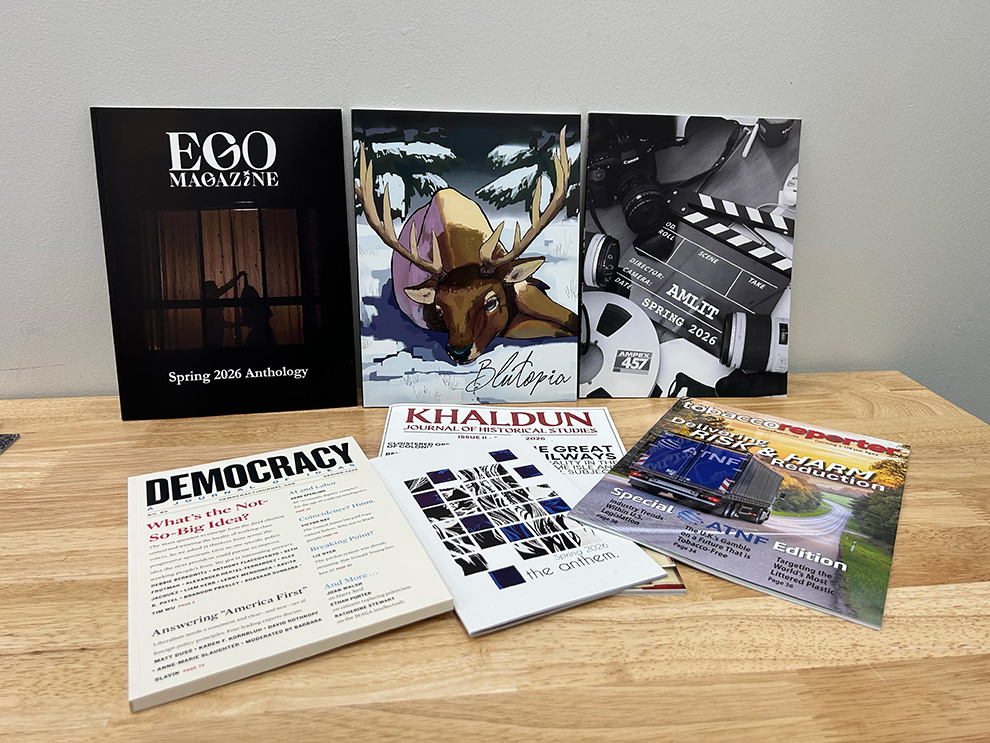
Perfect binding suits a publication that will be read, kept, and judged on its appearance. The adhesive-bound spine and wraparound cover give a product catalog, annual report, or commemorative book a conventional book profile, which matters when the piece will be shelved, mailed in quantity, or compared with other printed material.
Other constructions serve other jobs. A maintenance guide used on a shop floor or a workbook filled in during training belongs in plastic coil, because the pages lie flat and fold back while someone works. A thin program or newsletter is often better saddle stitched through the center. Perfect binding is the answer only when page count, paper, and intended presentation together support a glued square spine.
Two limits deserve attention before deciding. A perfect bound book opens normally but does not lie flat the way a coil book does, and a spine is only as useful for printed text as its finished width allows. A thin publication may receive a square spine too narrow to carry a legible title. Start from how the piece will be used, then check the specifications.
A perfect bound book is often one item in a wider communication plan. These related Heritage capabilities give Greenville, SC organizations additional options for thinner publications, recurring issues, and distribution.
A practical alternative when a publication is too thin for a square spine and works better folded and stitched.
Supports periodical issues where trim size, paper, and color need to stay consistent from one mailing to the next.
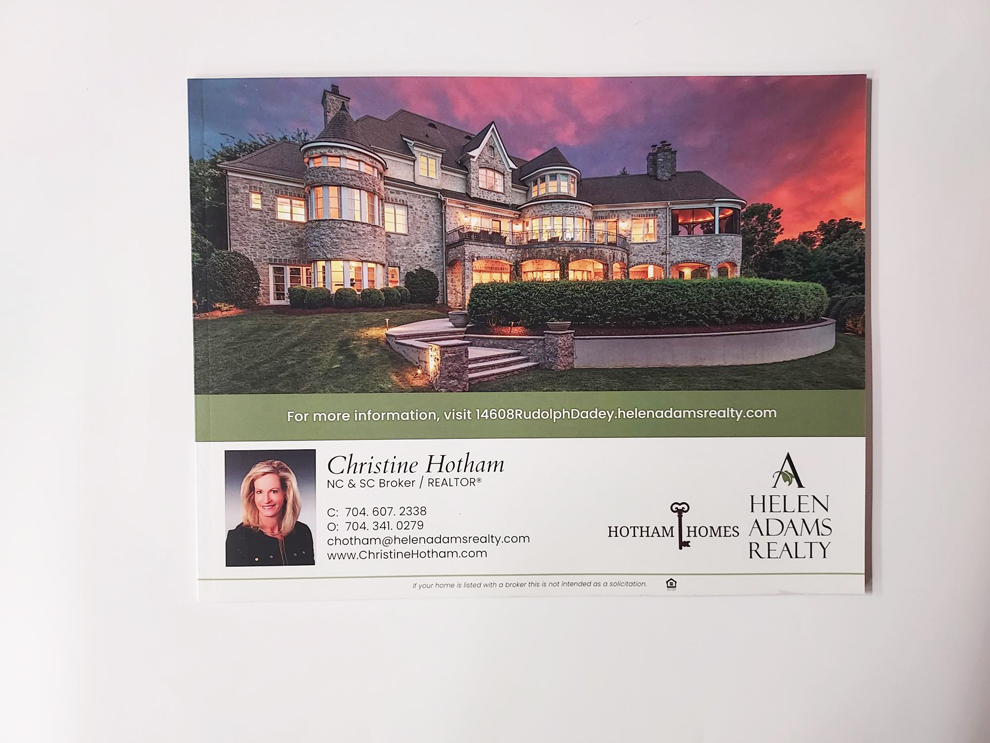
Carries a finished catalog or report from the bindery into addressed delivery to dealers, members, or donors.
The broader Heritage production range for inserts, covers, flyers, and companion pieces that accompany a bound book.
Greenville, SC organizations with print-ready covers and interiors and a Store-compatible specification can price and place a perfect bound order online now. When a $2,000+ publication still has open questions about files, spine setup, versions, paper, or a fixed delivery date, submit a Custom Quote and Heritage will review what remains unresolved before deciding whether to accept and schedule the work.
The cover of a perfect bound book cannot be finished until the interior is known. Final page count and paper caliper together determine finished thickness, and that thickness sets the spine width the cover artwork must accommodate. A catalog that gains a section of new products or a report that drops an appendix during review changes the spine, and the cover file must be adjusted before it is production-ready.
Interior layout should respect the binding edge. Because the pages do not fold fully open, part numbers, captions, page numbers, and running text set too close to the spine become hard to read. Margins near the bound edge, paper opacity for two-sided printing, cover stock weight, and image resolution should all be chosen with the finished book in mind, not just the screen view.
Recurring catalogs and yearly reports benefit from a retained specification. When trim size, paper, cover construction, and color targets from the approved prior edition are on file, the next run can concentrate on new content and quantity. Electronic proof approval closes the loop by confirming page order and layout before printing.
Greenville, SC buyers usually fall into one of two situations: the files are finished and the specification is settled, or the files, cover, versions, or timing still need production help. The route follows from that, not from order size alone.
If a live Perfect Bound configuration in the Self-Directed Online Store matches the book and cover and interior artwork are print-ready, order there. The Store route does not include layout help, a Physical Production Color Proof, or an assigned Project Coordinator. A total order of at least $750 is required, and other eligible Store products can count toward that minimum. Heritage still reviews files, issues an electronic proof for approval, and applies normal quality control.
A new Commercial Printing opportunity of $2,000 or more may qualify for Storefront Custom Quote when file preparation, cover and spine setup, specification guidance, or multiple-version coordination is needed. The form is a request, not an acceptance. After Heritage accepts the quote and assigns the order, a Project Coordinator handles direct phone-and-email communication, and a paid Physical Production Color Proof can be requested. Include any fixed date in the request.
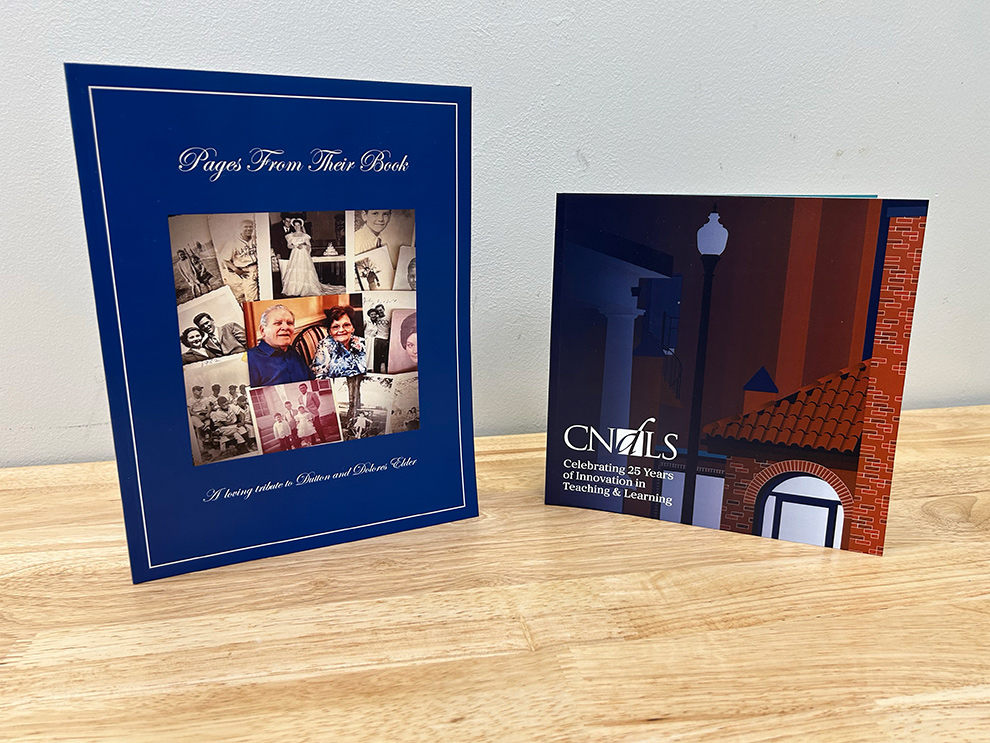
There is no single page number that settles it. Perfect binding needs enough interior thickness for the adhesive to hold a square spine, and that thickness comes from the page count combined with the paper caliper. A piece with many pages on light stock and a piece with fewer pages on heavier stock can land at a similar thickness. Heritage reviews the actual specification rather than applying a fixed threshold, and recommends saddle stitching when the finished book would be too thin to form a clean spine.
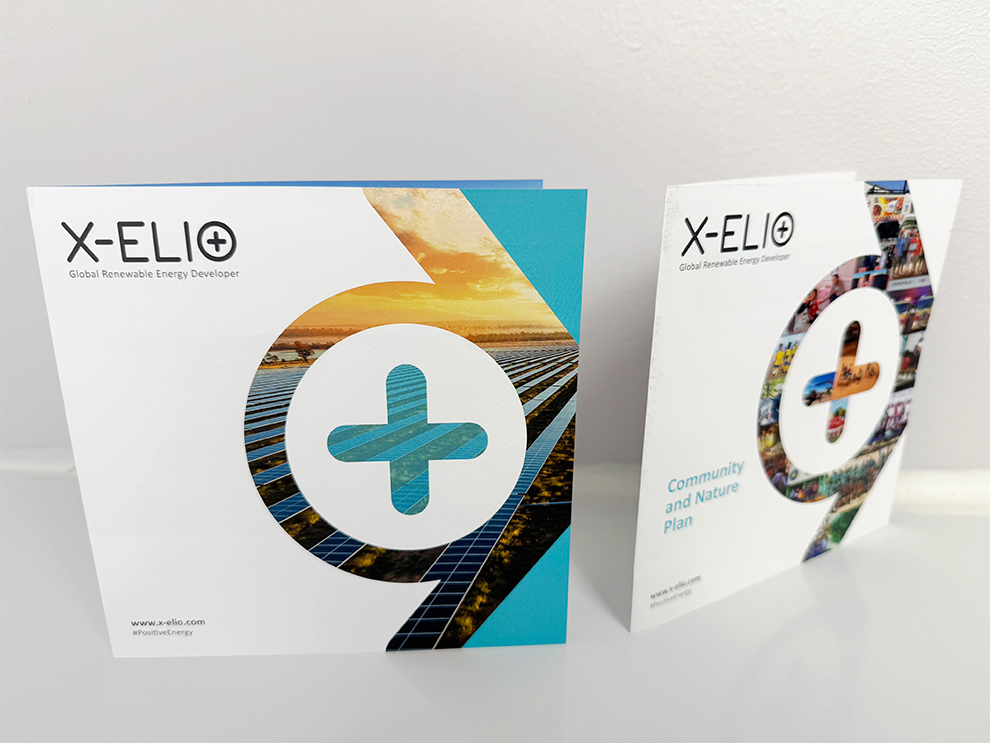
Perfect binding glues the gathered interior pages together at the spine and wraps a single cover around the block, then trims the three open edges square. The finished piece has a flat printable spine and the look of a paperback book. It is the construction most organizations picture when they want a catalog, report, or book that feels permanent rather than stapled.
Saddle stitching is usually the better choice for a thin piece. It folds the printed sheets and fastens them through the center fold, which suits publications without enough thickness to form a proper glued spine. Perfect binding takes over as the page count and paper build enough bulk for a square spine and wraparound cover. Finished size, handling, and the intended level of formality also weigh in.
Usually not without being held. The glued spine is designed to keep a conventional book shape, so the pages open for reading but spring back toward closed and do not fold behind the book. That behavior is acceptable for a catalog or report that is read and shelved. For material someone works from with both hands, such as a procedure guide or workbook, plastic coil binding is the better construction.
Only when the finished spine is wide enough for the type to read clearly. Spine width is set by the interior thickness, so a slim report may end up with a spine that cannot carry legible lettering, while a thicker catalog usually can. Finalize page count and paper first, then decide on spine copy. Heritage would rather recommend a blank spine than print a title that is cramped or off-center.
Because the spine width on the cover comes directly from the interior. The cover of a perfect bound book is one continuous sheet made up of the back, the spine, and the front, and the spine panel must match the thickness of the bound pages. If a Greenville organization adds a product section or removes an appendix after the cover is designed, the spine panel shifts and the cover artwork must be reworked before it can be approved for production.
Often yes, provided the layout respects the binding edge and the paper suits image reproduction. Photographs and product tables should stay clear of the spine, because the pages do not open fully flat. Paper with adequate opacity helps images read well on both sides of a sheet. Layout is confirmed on the electronic proof, and an optional paid physical color proof is available on qualifying Custom Quote orders.
Each new edition can start from the approved production record of the prior run. Trim size, paper, cover construction, color targets, and finishing details stay on file, so the next edition only needs updated content, a confirmed page count, and the new quantity. If several versions ship at once, such as regional pricing editions, label each file and quantity clearly so the versions stay separated through proofing and binding.
Yes. Every perfect bound order, including a Self-Directed Online Store purchase, receives an electronic proof that the client reviews and approves before printing starts, and Heritage applies its normal production review and quality control. The proof confirms text, page sequence, numbering, placement, and cover layout as submitted. It is not a physical color standard, so what you see on a monitor may differ from printed color.
When color accuracy is critical, approving from a screen is not enough, and the job is a qualifying $2,000+ Custom Quote order. This paid proof is run on the production printer, on the paper or material planned for the final run, so it shows how the finished book will actually print. It adds production time, and once approved it becomes the color reference for the run unless another agreement controls. The option is not offered through the Self-Directed Online Store.
The Online Store fits when a live Perfect Bound configuration matches the book, the specification is decided, and the cover and interior files are complete and print-ready. The buyer selects options and completes the purchase, without an assigned Project Coordinator or design help. The total order must reach $750, and other eligible products may be combined to reach it. Heritage still provides an electronic proof and production review before printing.
A Custom Quote suits a new Commercial Printing opportunity of $2,000 or more that still needs production support, such as preparing files, building the cover and spine layout, settling specifications, or coordinating multiple versions. Submitting the form only opens the request. If Heritage accepts the quote and assigns the order, a Project Coordinator then becomes the direct phone-and-email contact for that accepted work. Meeting the dollar amount does not by itself require a quote; it simply makes the route available.
Share the date along with the facts that drive the schedule: quantity, current page count, whether the cover is final, status of the interior files, number of versions, and which approvals are still pending. Heritage then maps the production steps against available capacity and tells you whether the date is workable or whether a different approach, such as a revised quantity or a format change, would be more realistic. Commitments Heritage accepts are taken seriously, which is why the evaluation happens before acceptance rather than after.
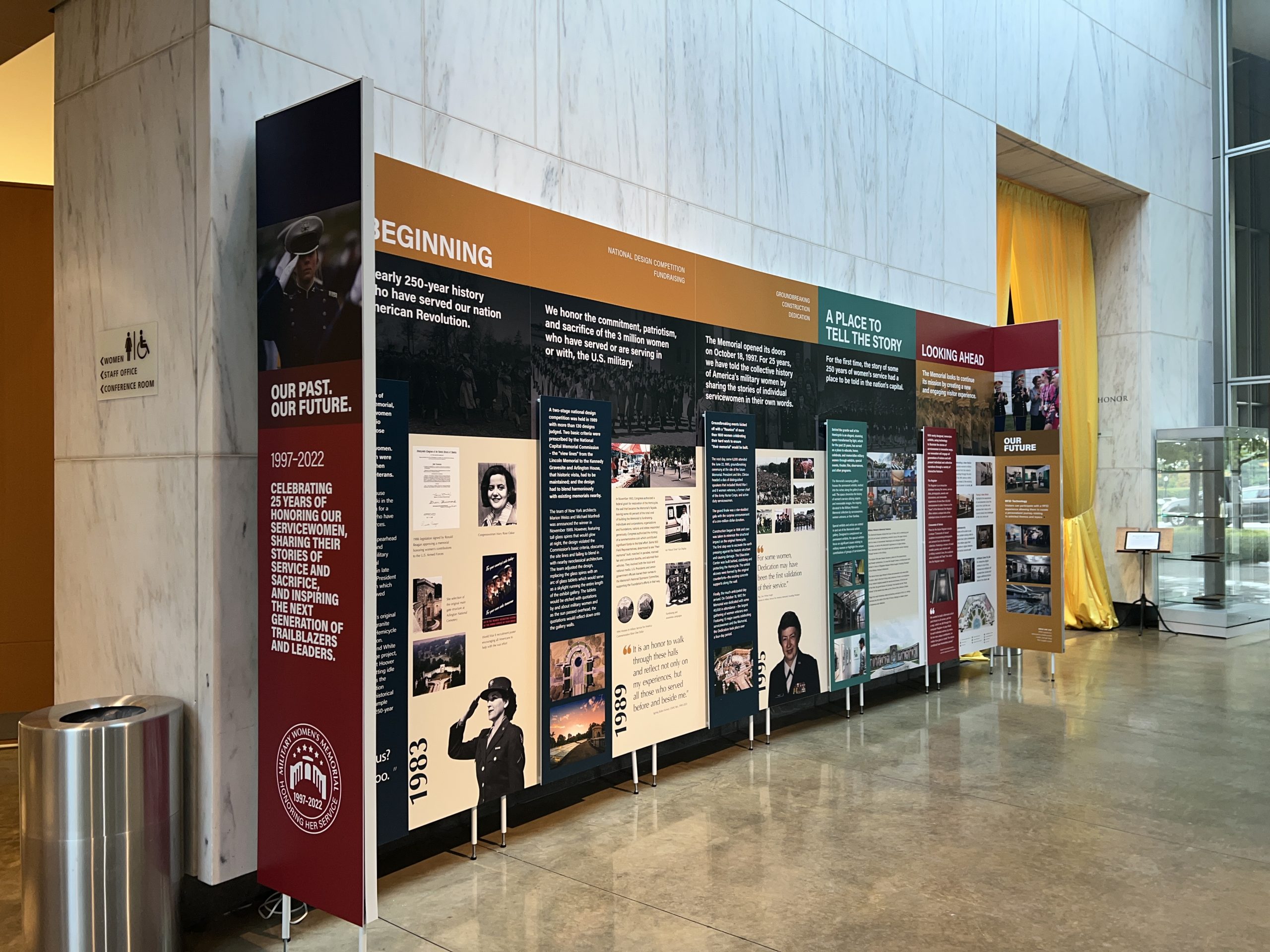
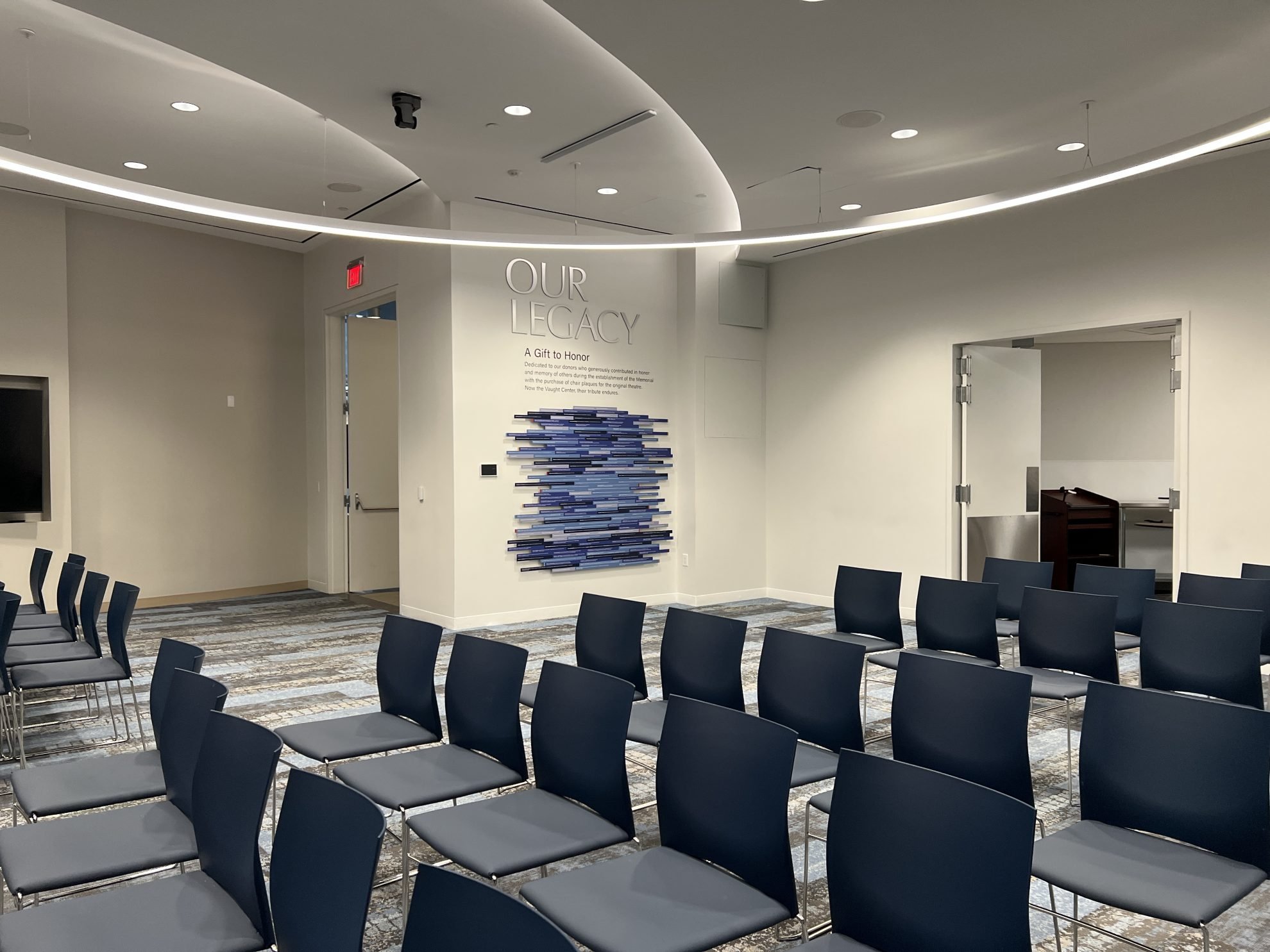
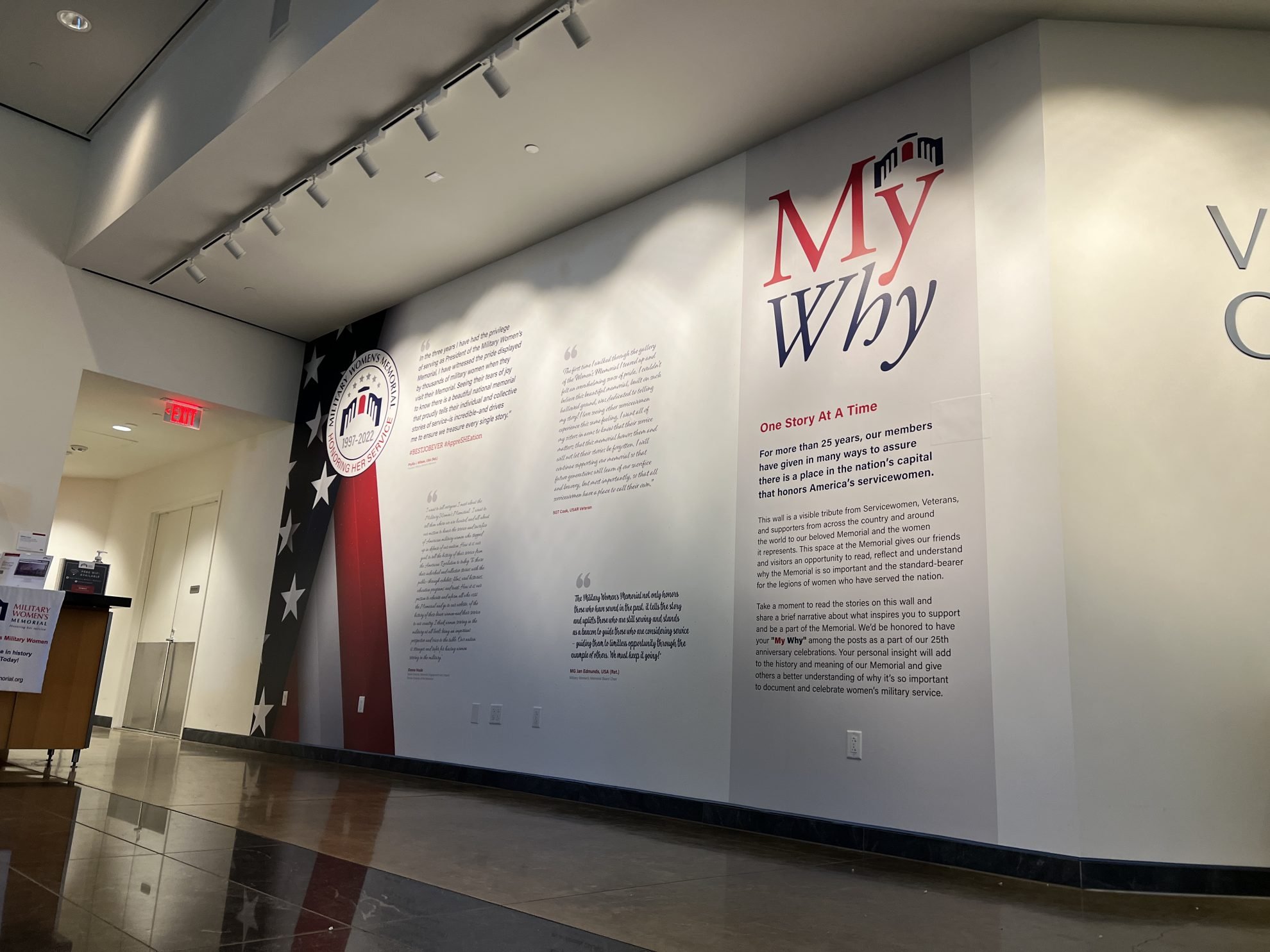
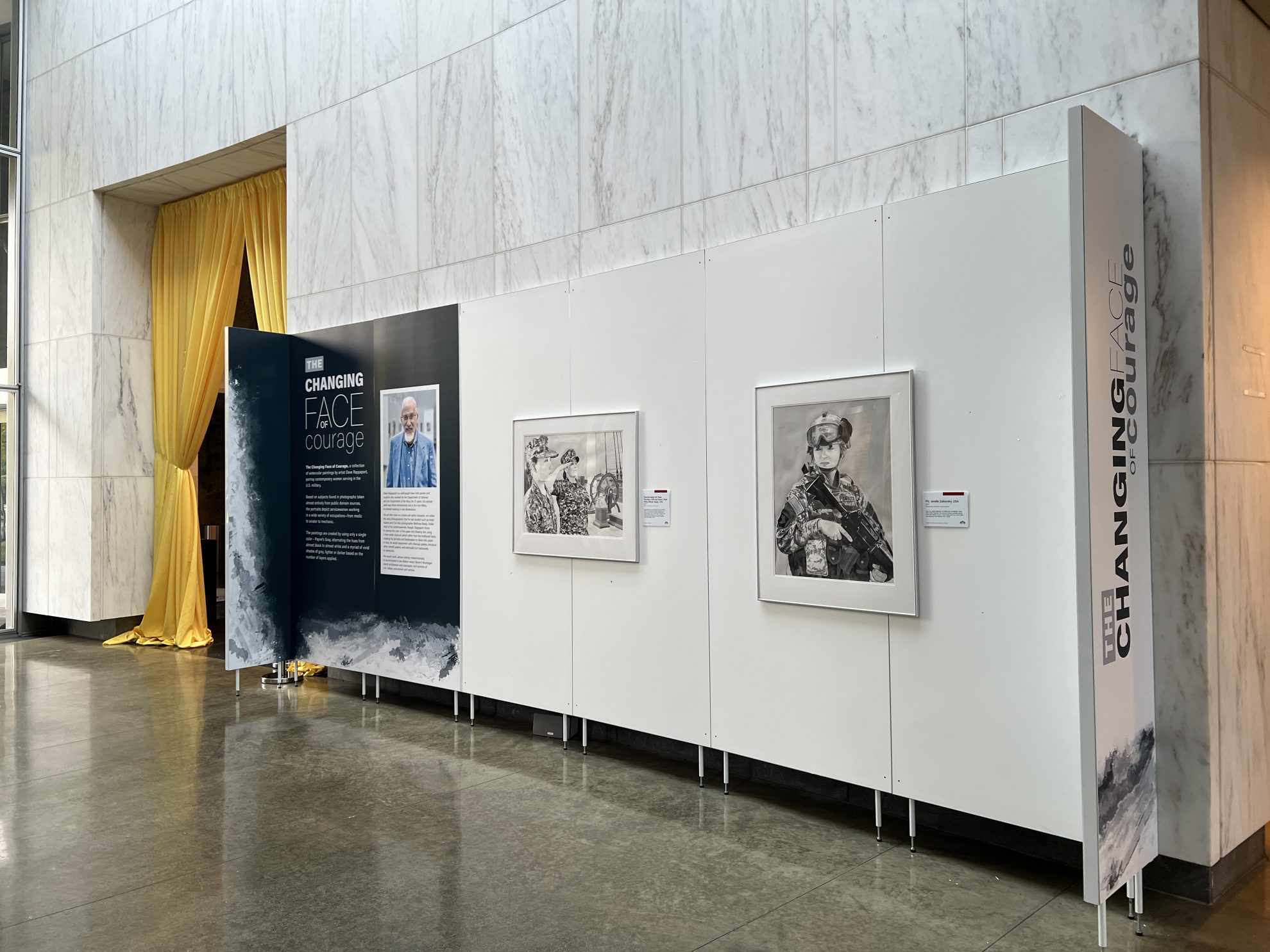
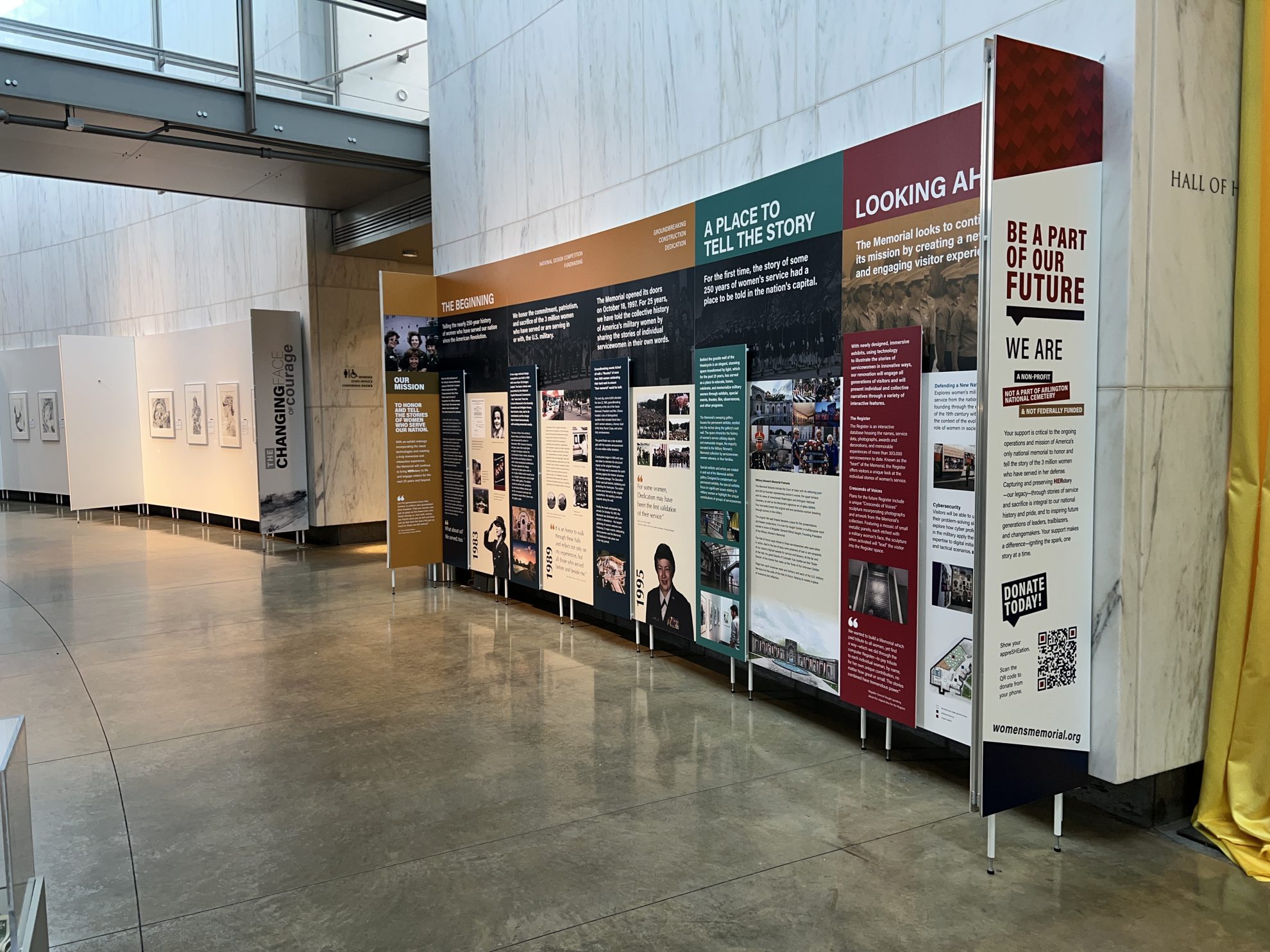
Heritage Signs & Displays created new museum signage for the Military Women’s Memorial in Arlington, VA. The project included custom signs, wall wraps, dimensional letters, and standoff-mounted displays to honor the legacy of U.S. servicewomen and the donors who supported the memorial. The updated interior features impactful designs, including a "Our Legacy" wall display and panels showcasing historical contributions and artwork, creating a transformative tribute to women in the U.S. Armed Forces.
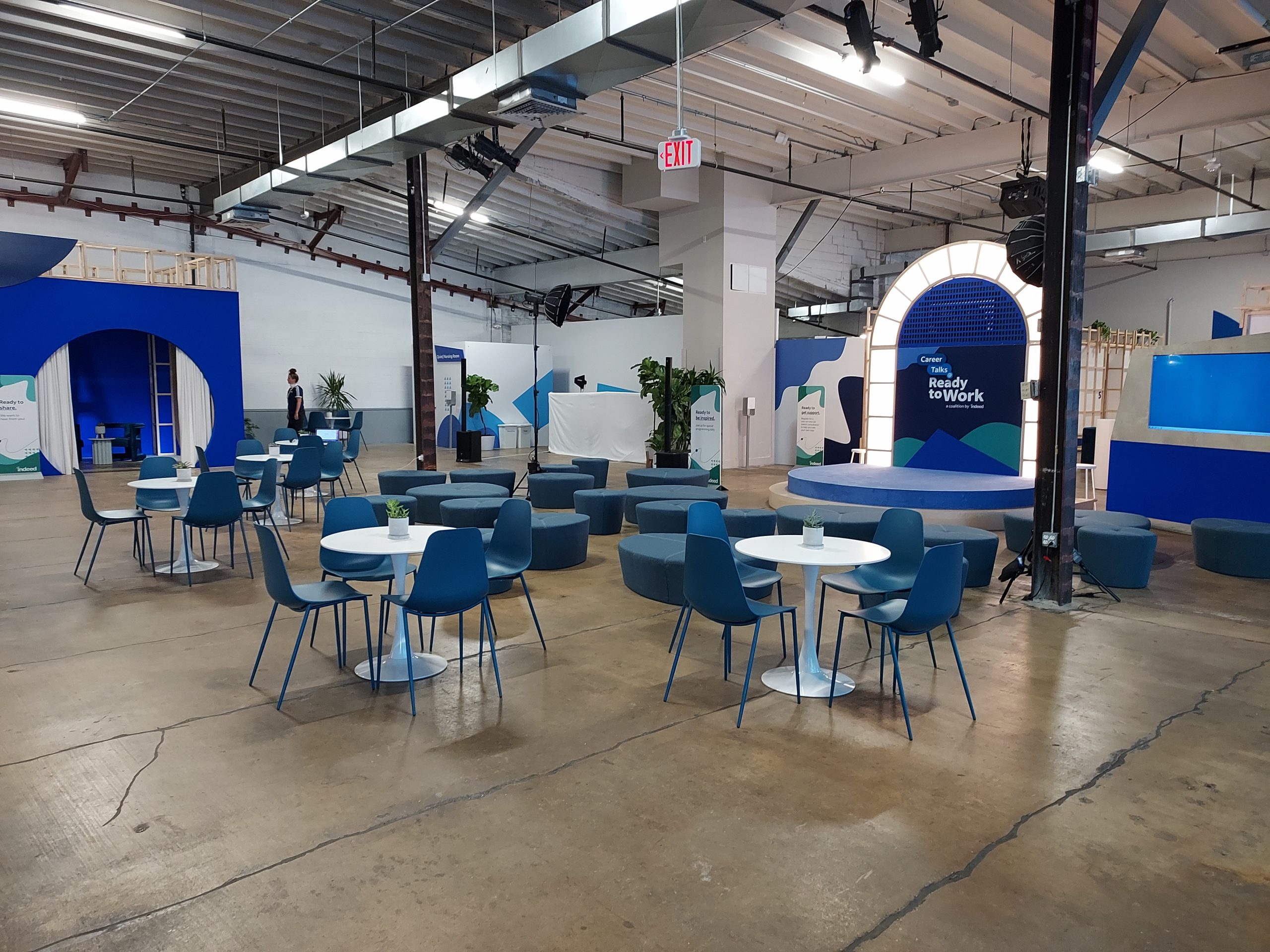
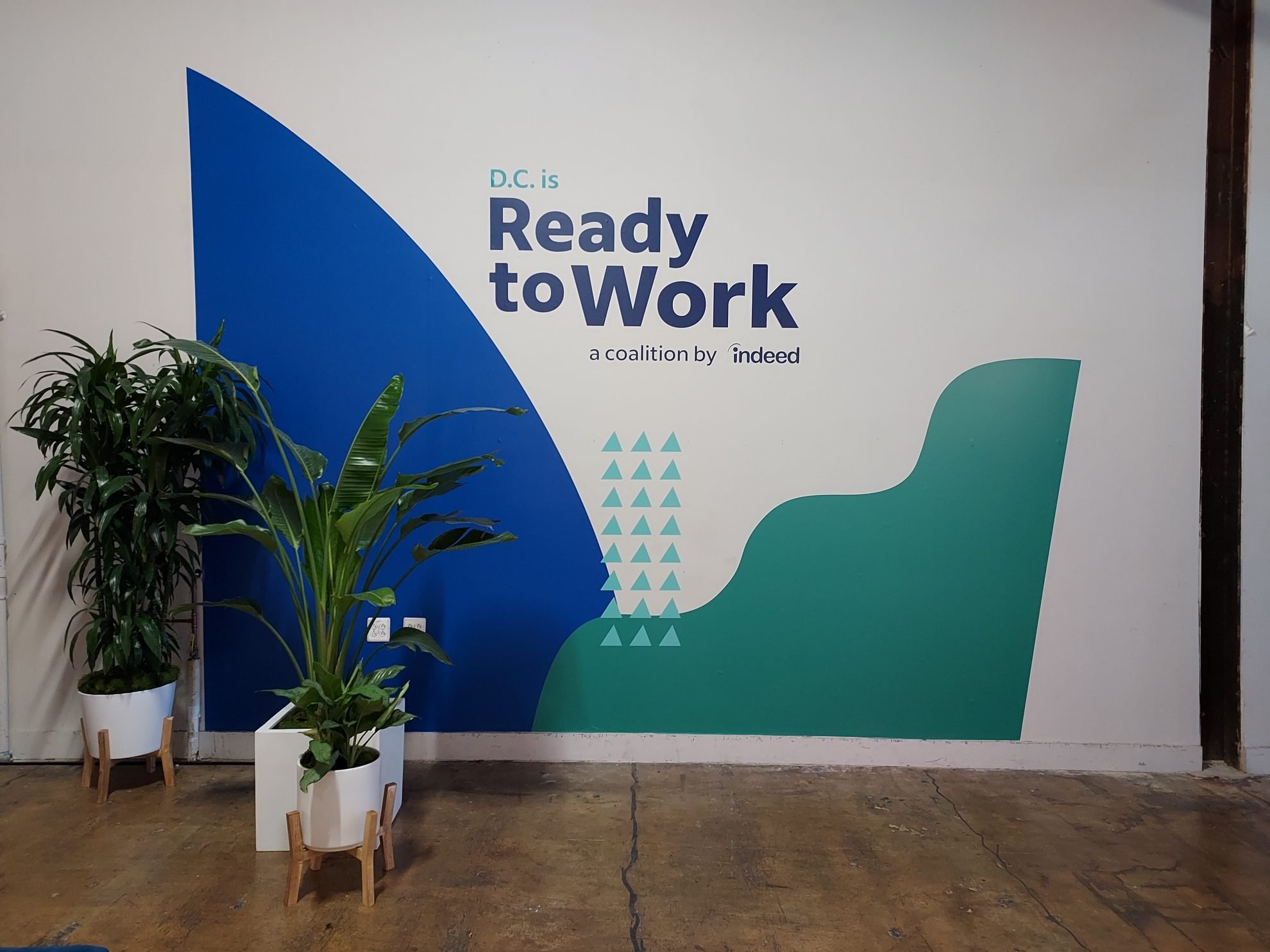
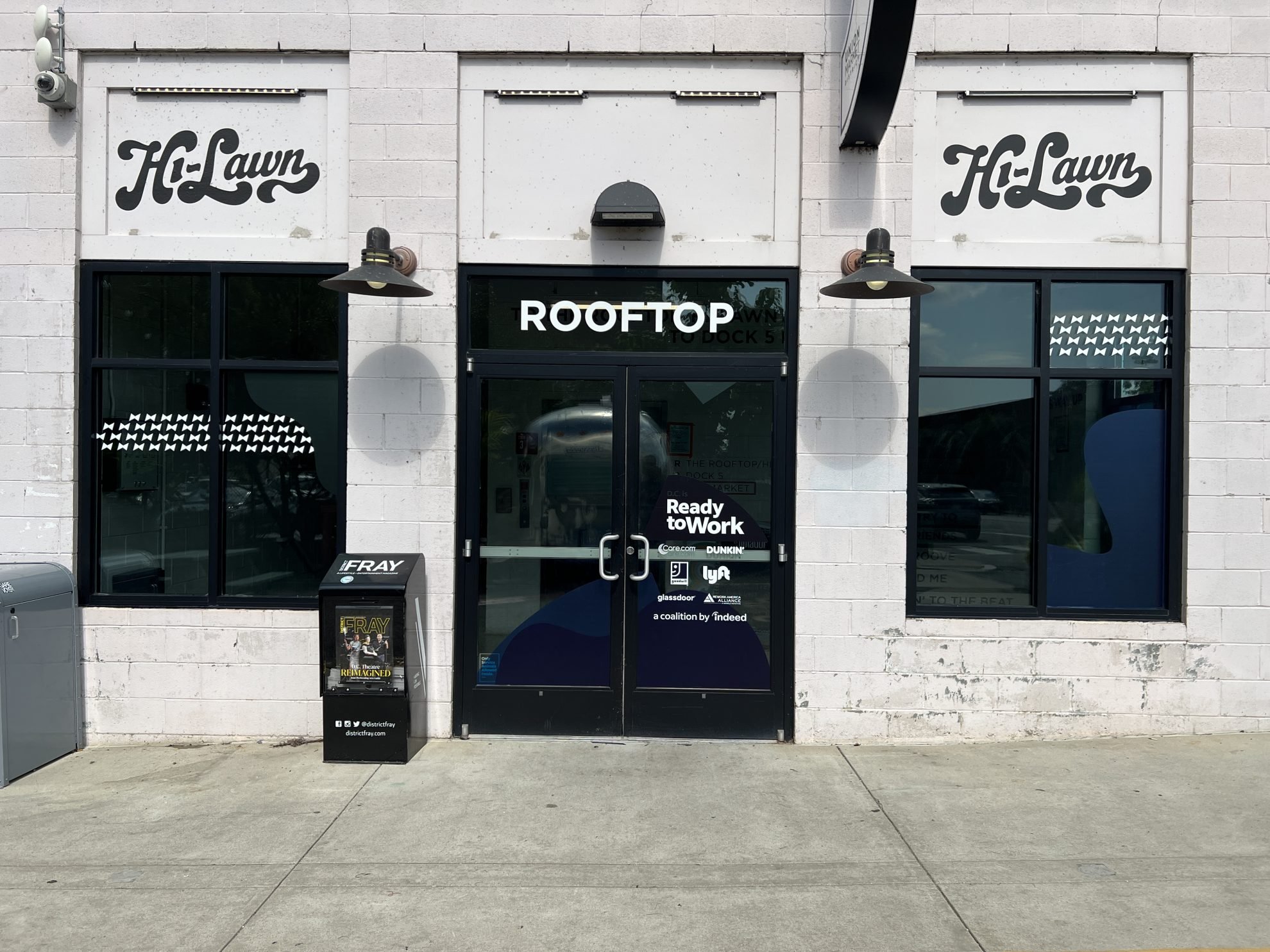
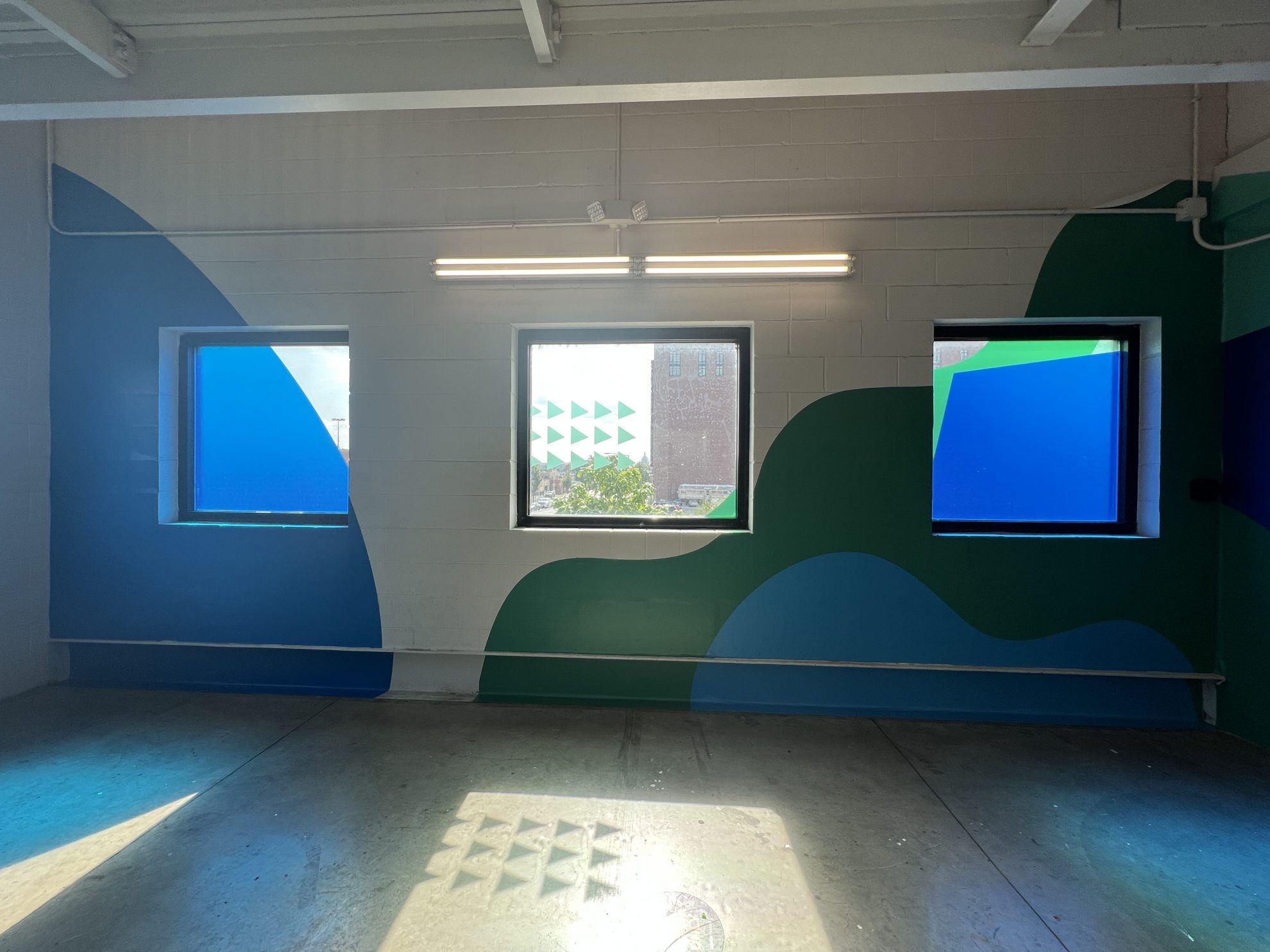
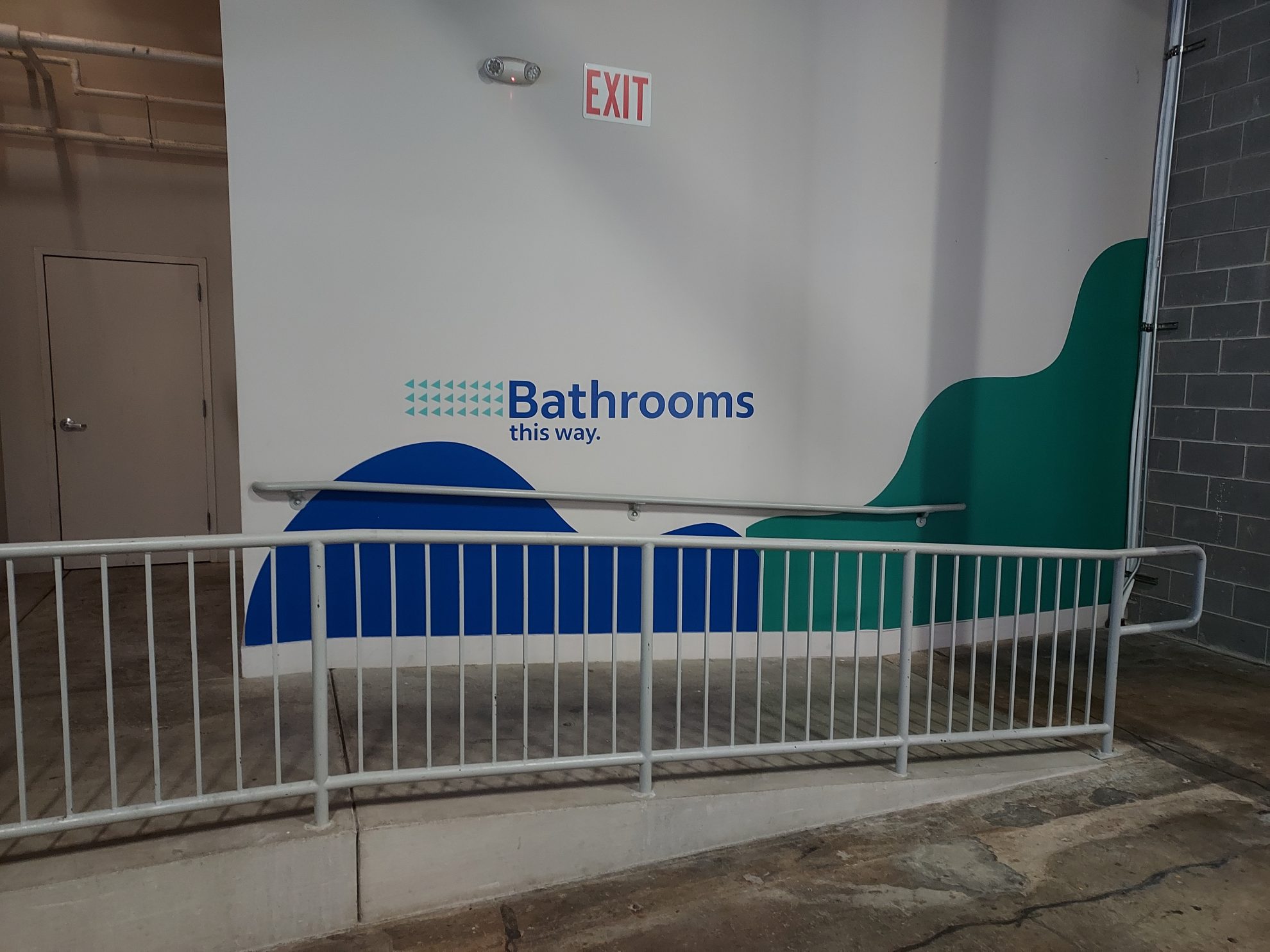
Heritage Signs & Displays' collaboration with The Gathery to brand Union Market in Arlington, VA, for Indeed's "Ready to Work" job fair. The project included custom event displays, wall graphics, window graphics, and wayfinding signs, creating an immersive and visually appealing environment. The branding enhanced the venue, reflected the event's mission, and provided a seamless experience for attendees.