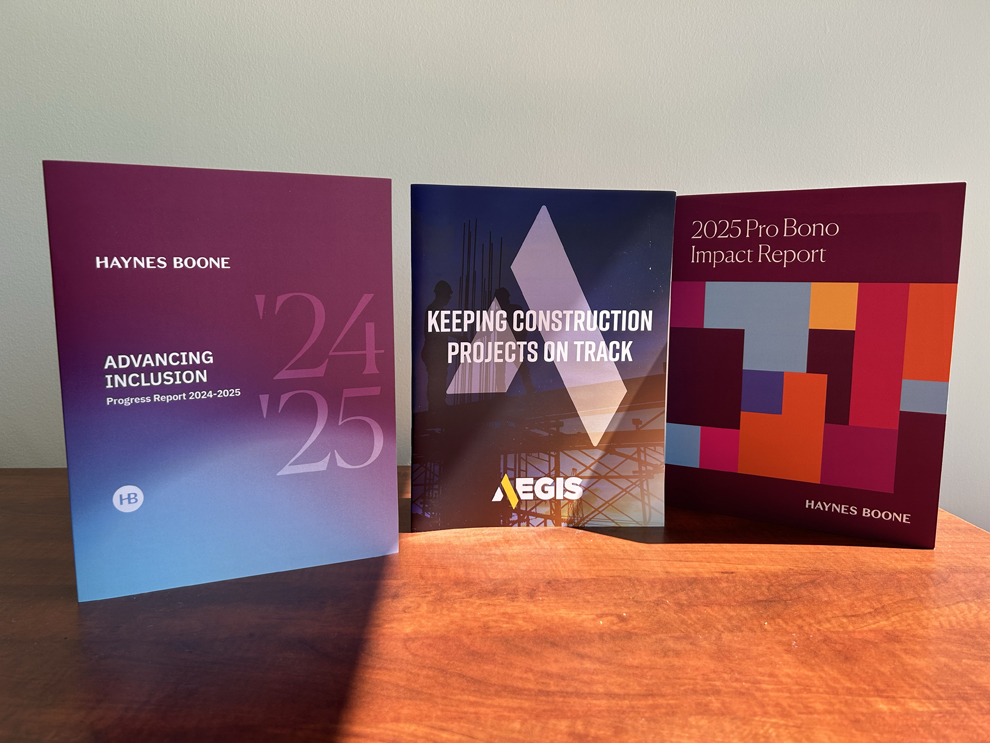
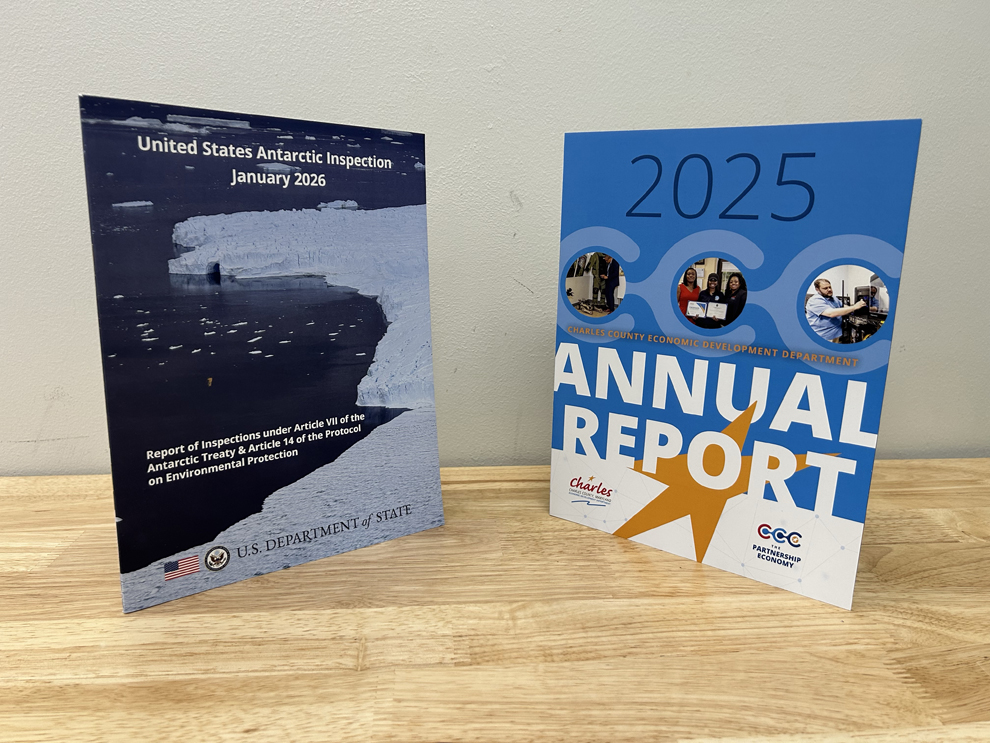
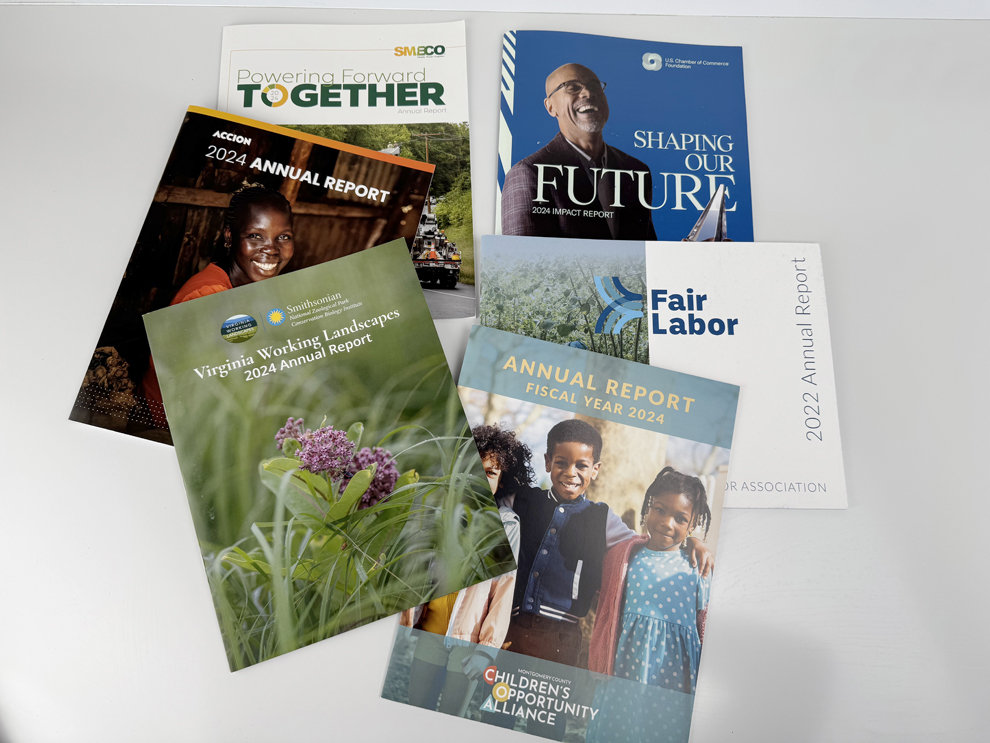
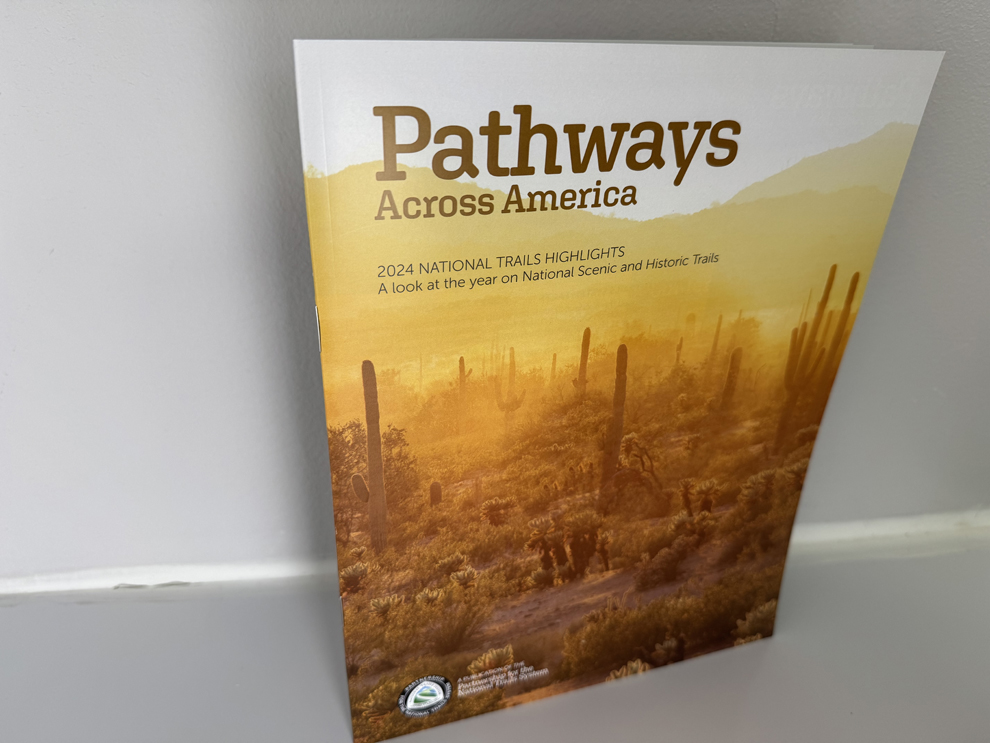
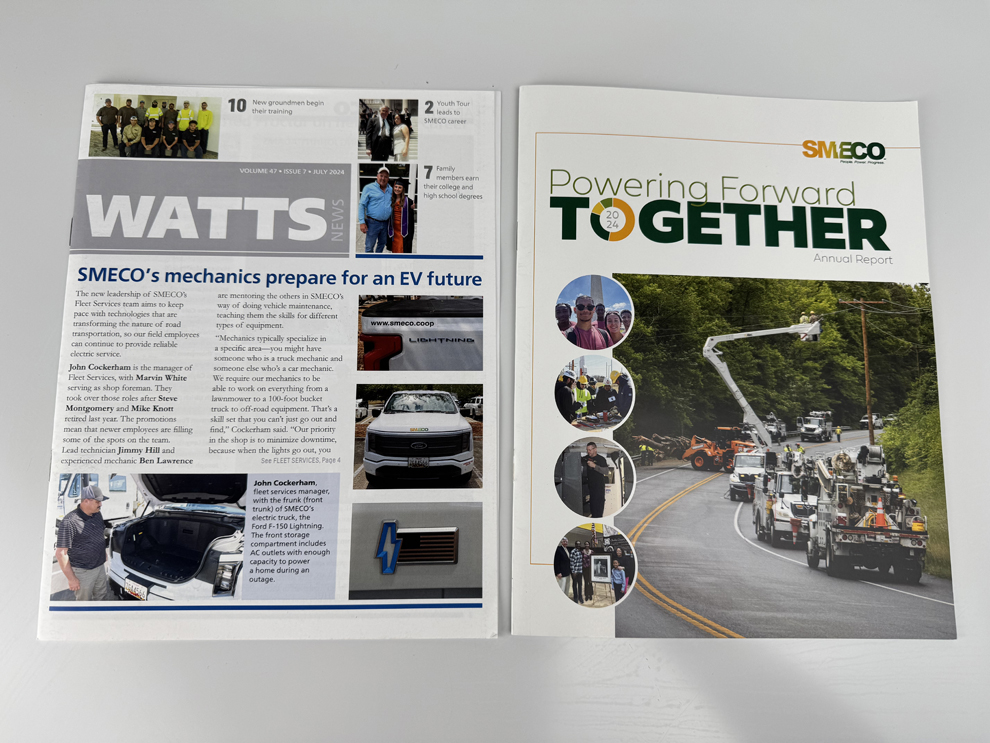
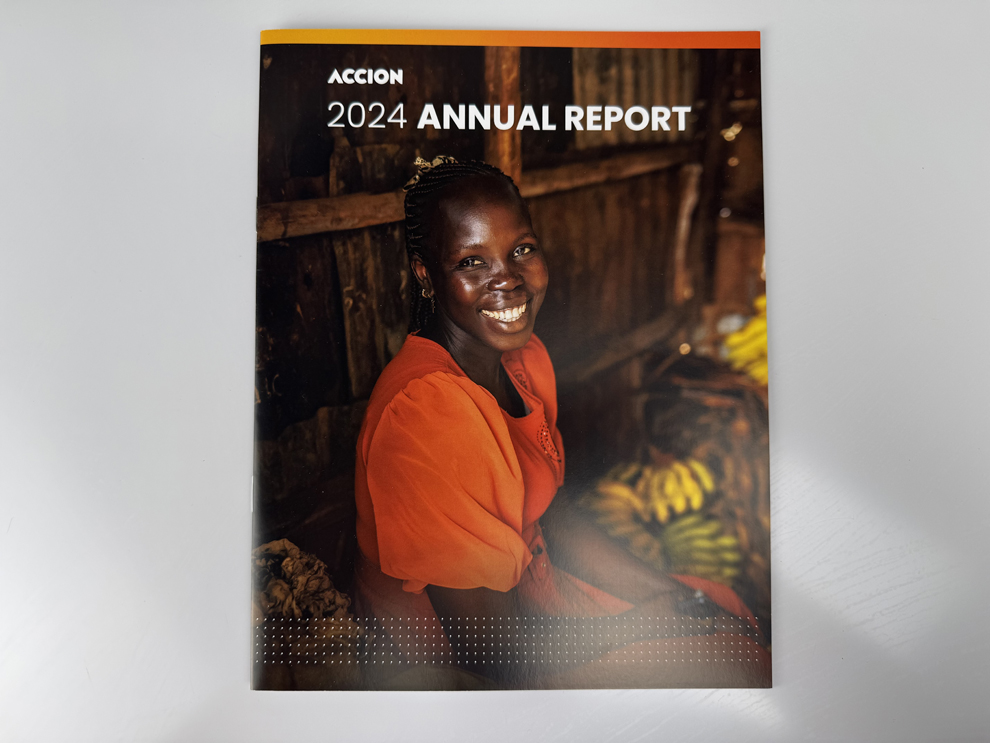
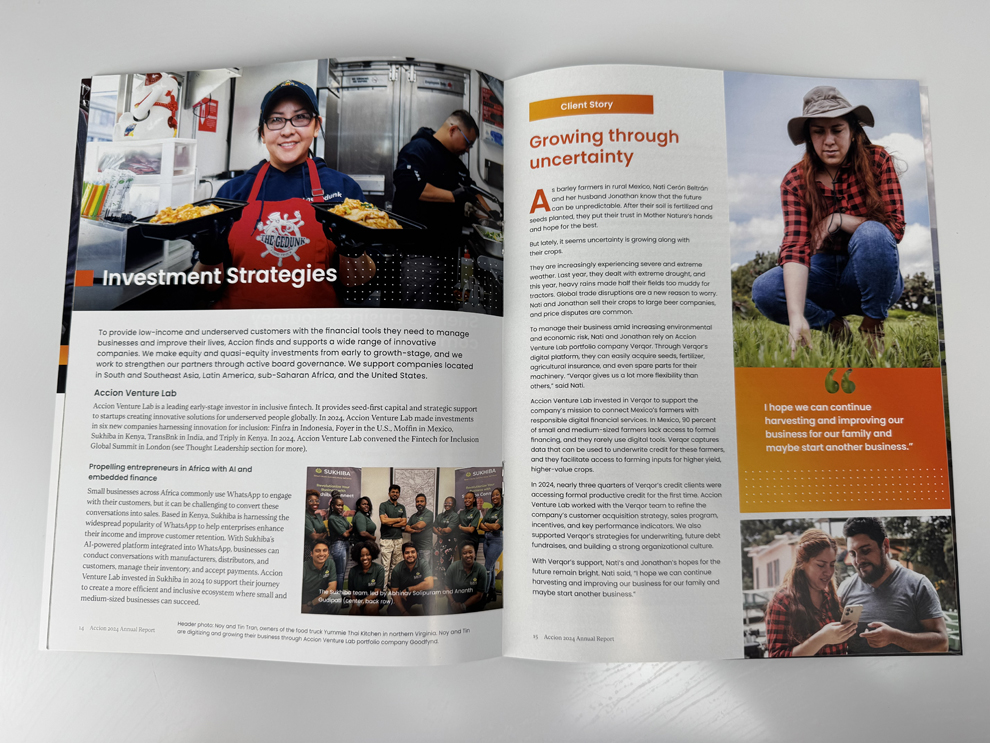
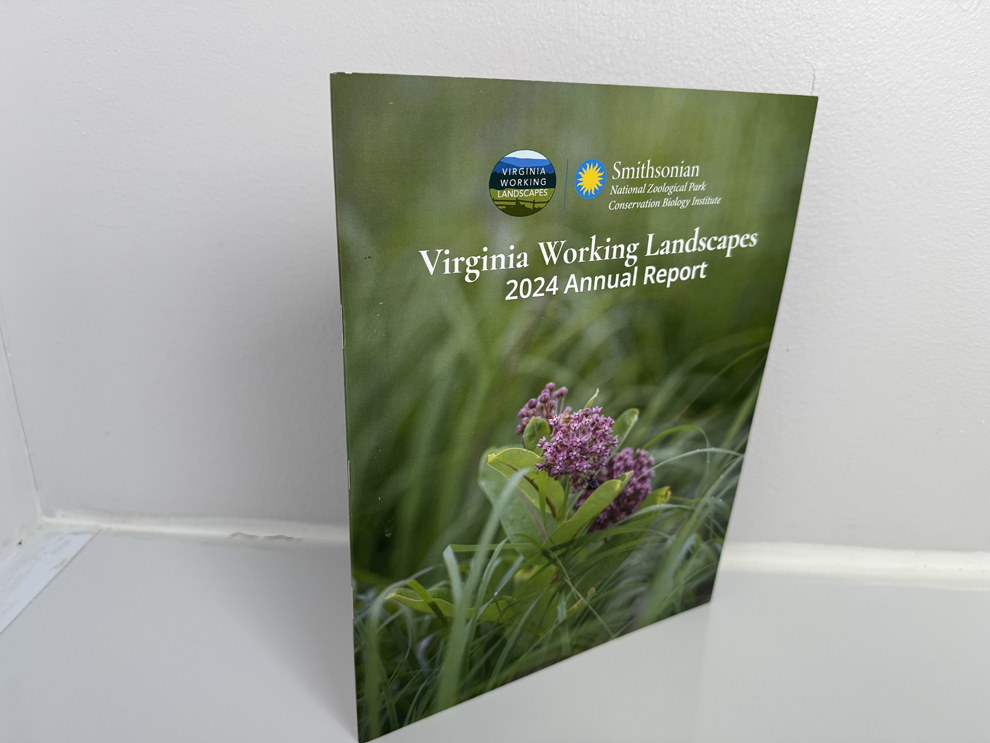
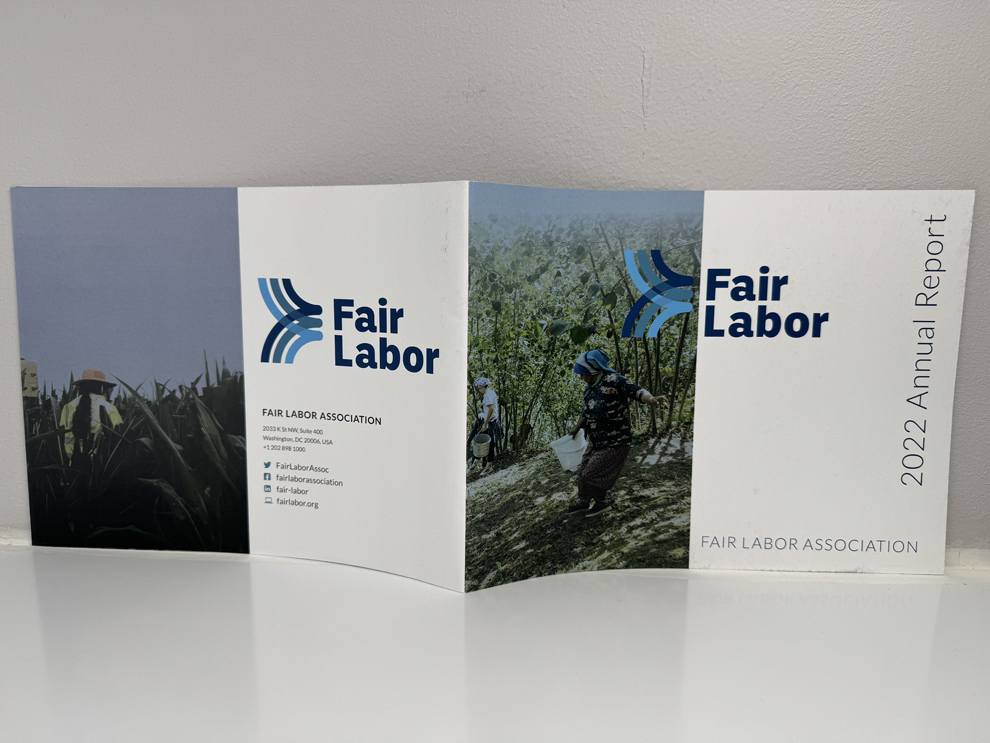
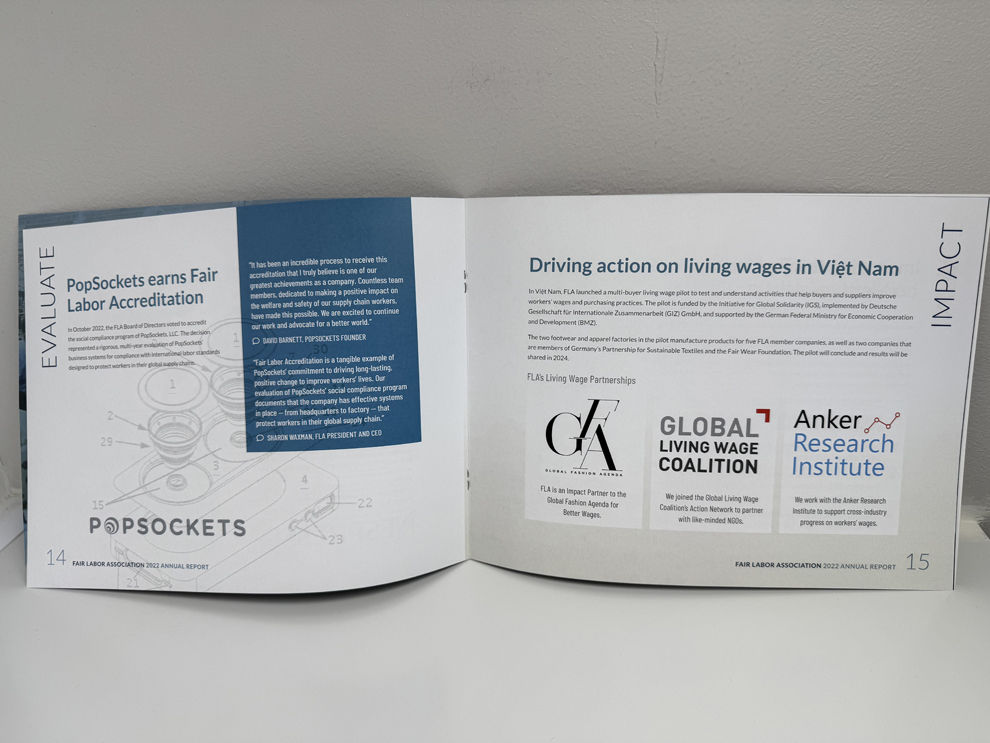
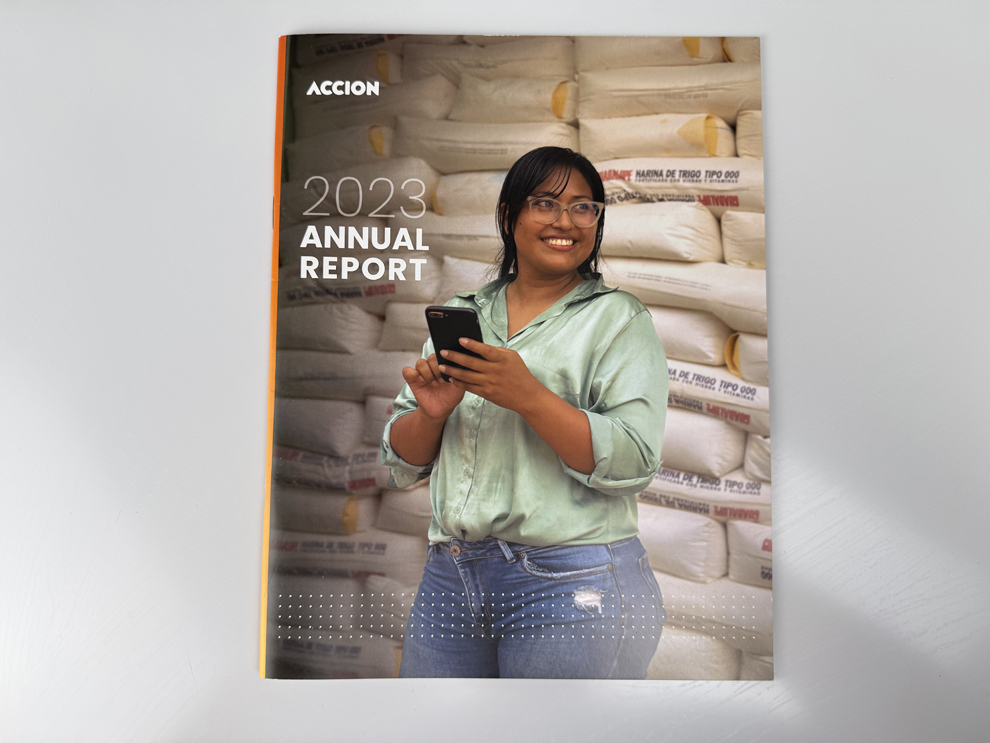
Most annual reports arrive at the printer late in their own timeline. The financials have been audited, the leadership letter has been rewritten more than once, the design has been approved, and somewhere along the way a shareholder meeting, board retreat, investor briefing, or donor mailing landed on a calendar that cannot be changed. For McLean, VA organizations, Heritage steps in at that point to guard whatever production time remains once the final, print-ready file is in hand.
Our first move is a fast, practical review. We look at the specifications that drive schedule and appearance, flag any open decisions, and tell you plainly what the remaining window supports. Stock on hand, total pages, cover weight, binding style, proof turnaround, quantity, and the mailing or delivery plan each carry schedule weight. A tight window changes how we prioritize, not whether we engage. Heritage answers quickly, surfaces the decisions that matter most, and keeps them moving.
What you should expect is a finished report that reflects the standing of your organization and lands with the people who need it on the day they need it. Heritage brings decades of publication production, a single accountable coordinator, and steady urgency to that last stretch, and we commit to a path only after we understand the job.
Heritage traces its printing heritage to 1977. That matters for a document that carries audited numbers, program outcomes, executive messaging, portrait photography, data visualizations, and brand-critical color on every spread. The corporate headquarters, government contractors, consulting firms, trade associations, and foundations clustered around McLean and the Tysons corridor publish reports that are read closely by boards, investors, members, regulators, and donors, and the printed piece has to hold up under that scrutiny.
Color discipline is a central part of that. Heritage applies spectrophotometric calibration and verification along with production-specific profiles so that a corporate blue, a foundation green, or a chart palette reproduces the way the brand team intended. An electronic proof precedes every press run. When a physical color reference is needed for a qualifying Custom Quote project, a paid Physical Production Color Proof can be added as an extra approval step.
Beyond equipment and process, McLean, VA organizations get a team that treats a fixed reporting date as a shared commitment. We answer when the schedule shifts, we explain tradeoffs in plain language, and we move approved work through printing, binding, and distribution without letting the finished presentation slip, because an annual report that arrives late or looks wrong is not a report that did its job.
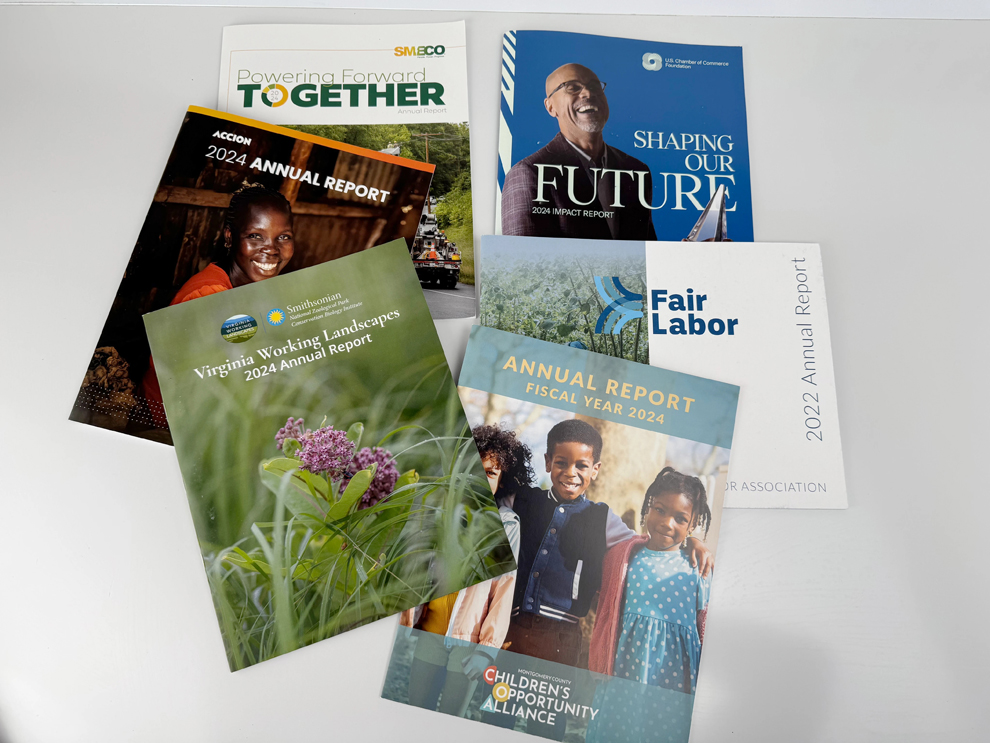
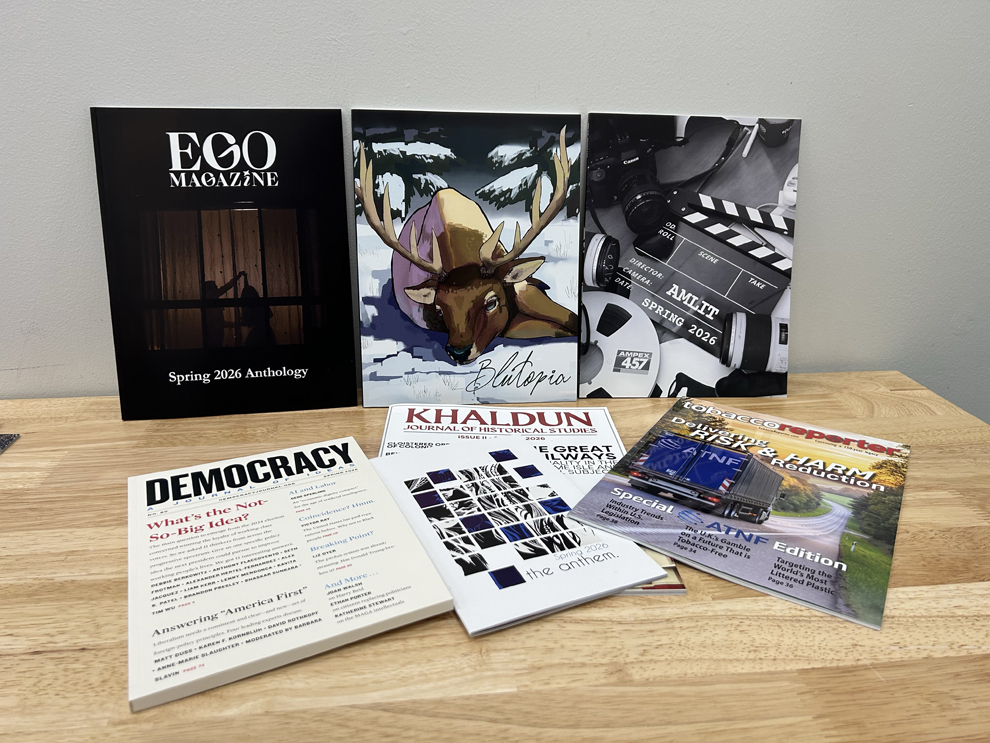
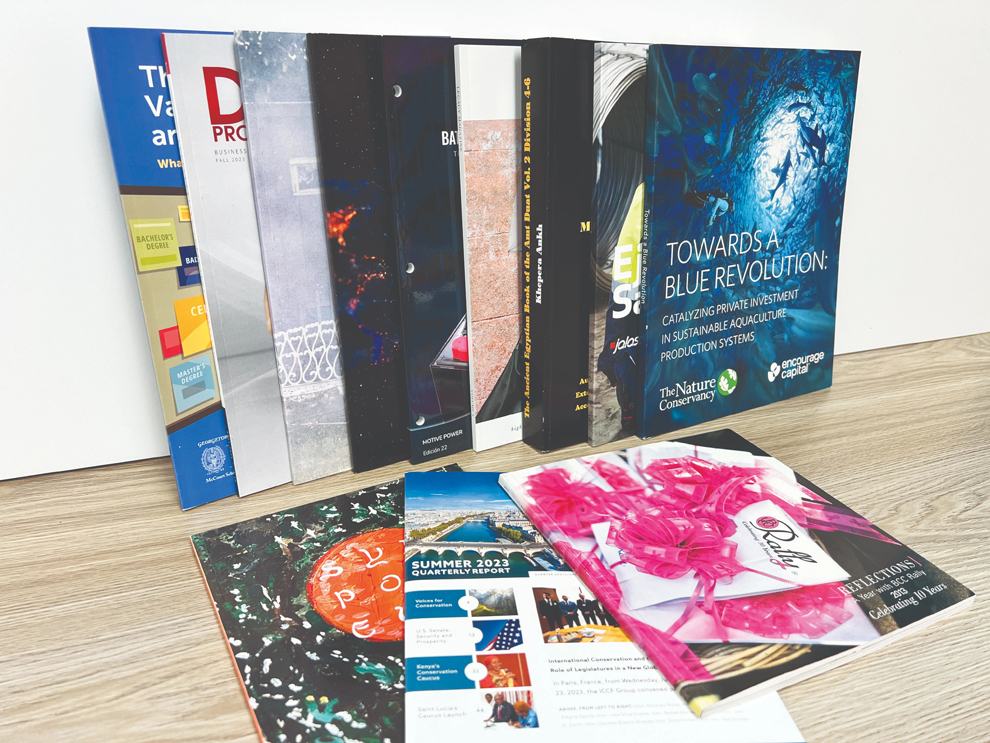
Recurring editorial publications where cover stock, interior paper, binding, and color need to match from one issue to the next.
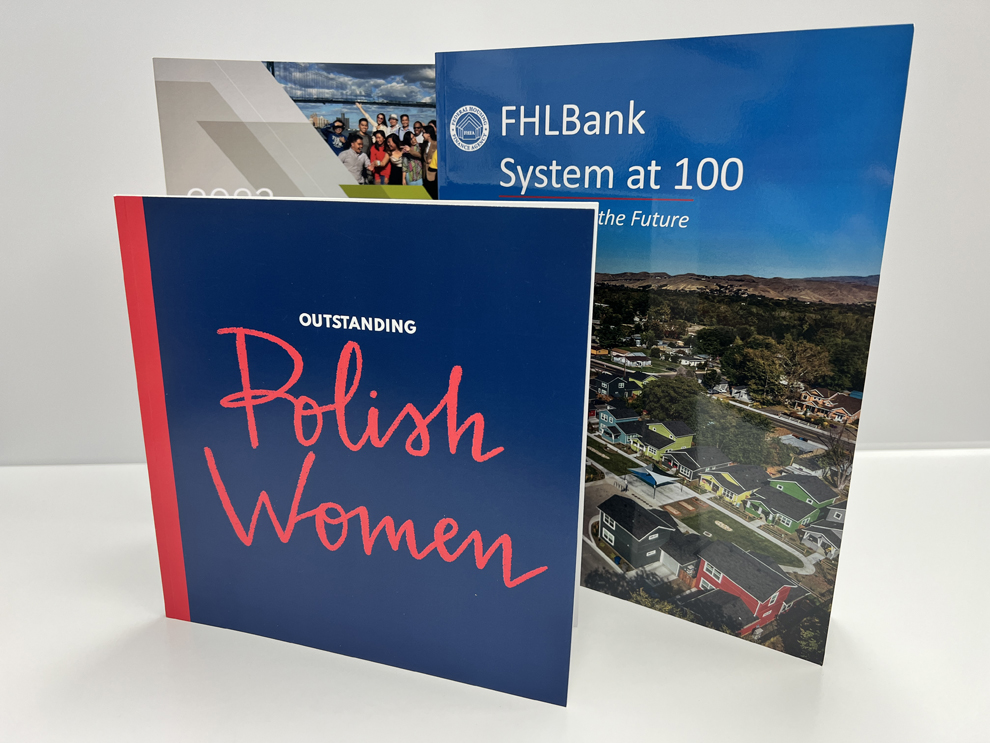
Shorter reports, program guides, and multi-page handouts produced with saddle stitching, perfect binding, or plastic coil.
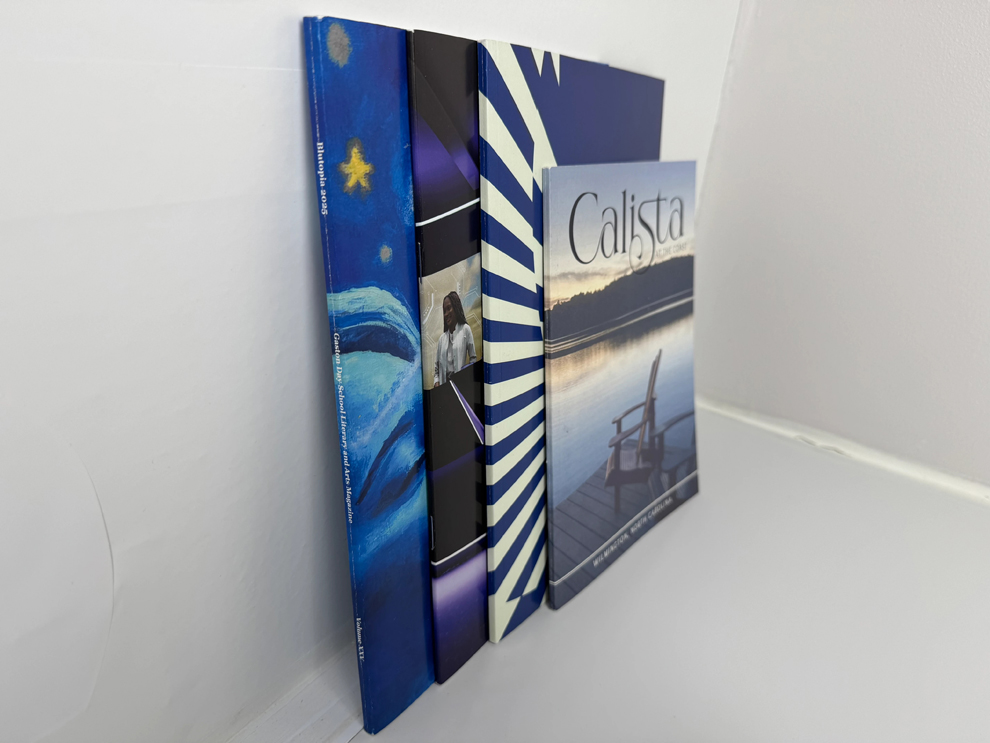
Thicker reports and publications that call for a square spine and a more substantial, shelf-ready finish.
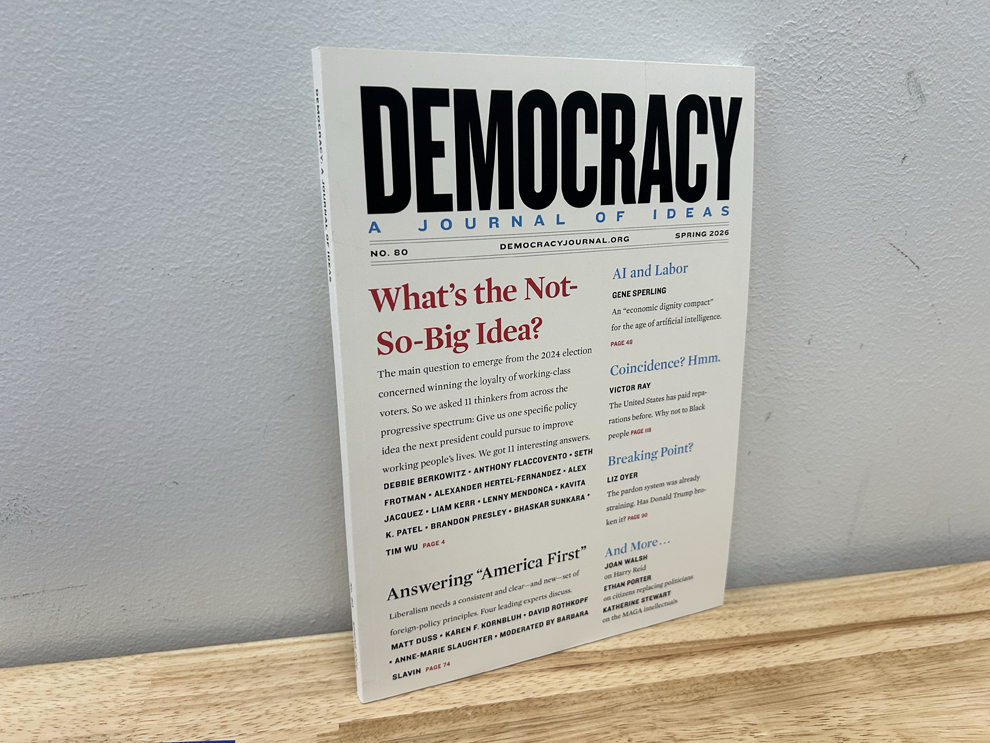
Frequent member, donor, or employee updates with repeat schedules and consistent mailing requirements.
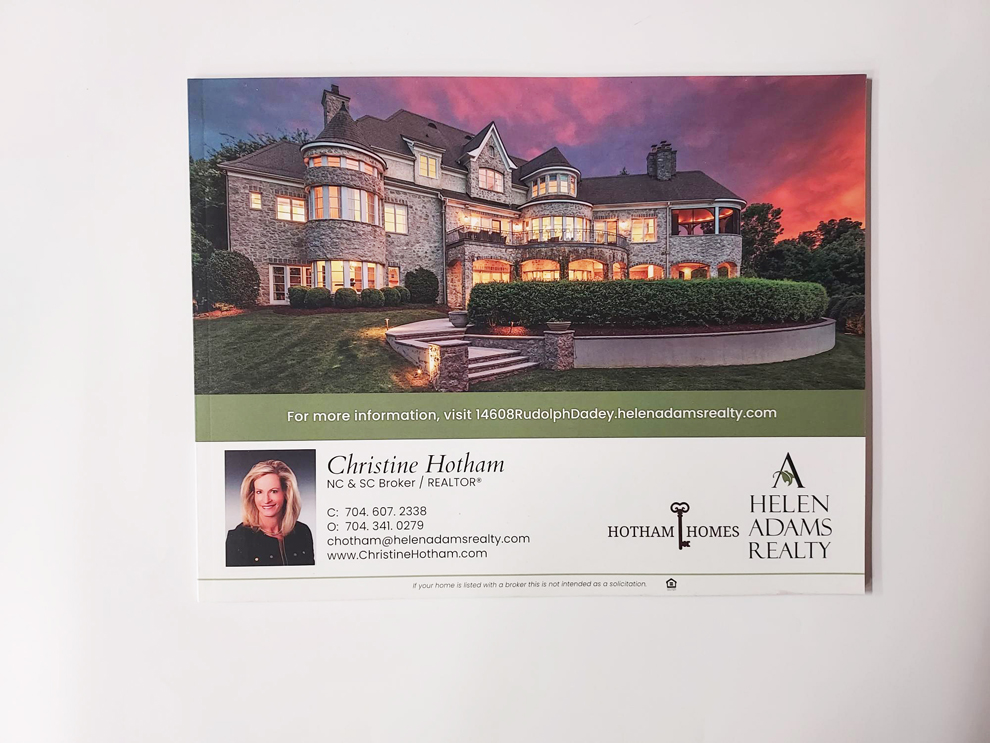
Addressing, postal preparation, and coordinated entry into the mail stream for reports headed to a stakeholder list.
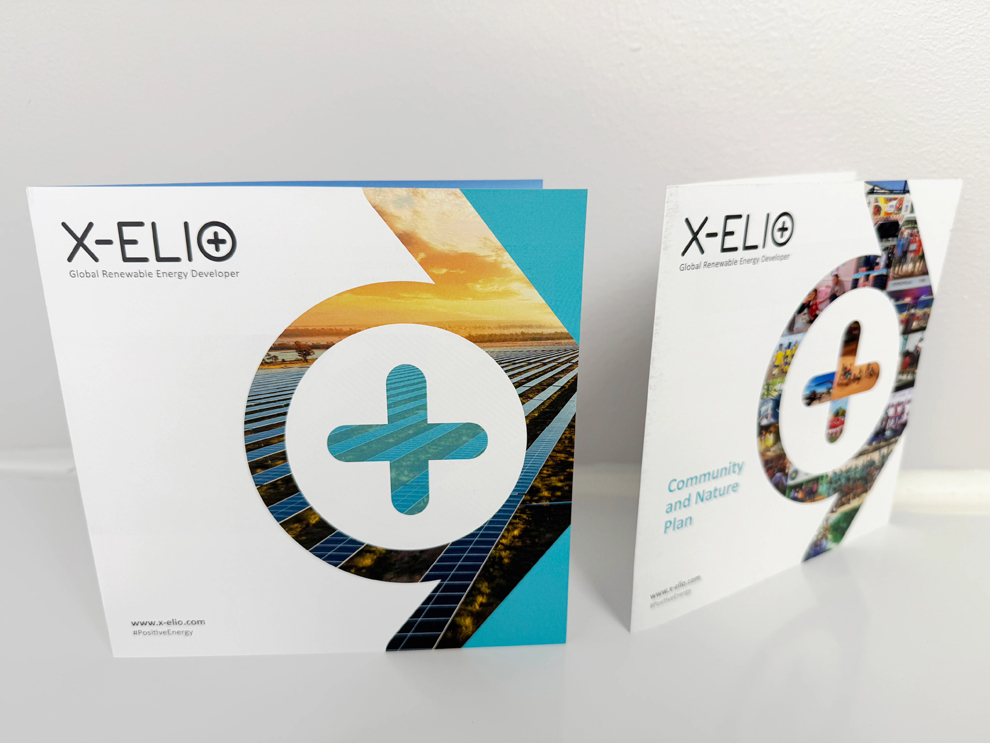
Board books, investor packets, and proposal kits where the annual report is delivered alongside supporting documents.
Coordinated collateral for capital campaigns, recruiting, member outreach, and business development.
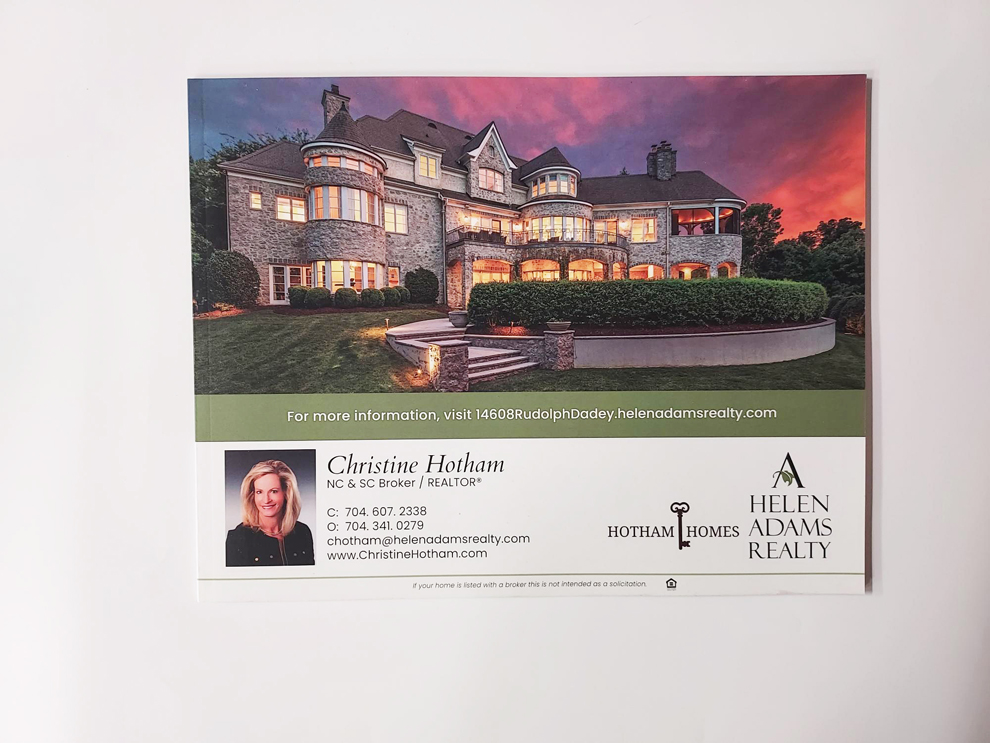
Broader professional printing programs that include several components beyond the annual report itself.
If your annual report supports a shareholder meeting, board session, investor presentation, member distribution, or donor appeal on a date that will not move, submit a Custom Quote with the final files, quantity, specifications, and in-hand date. An assigned Project Coordinator will respond promptly and lay out the production plan. When every decision is already settled and the report fits a current Online Store configuration, self-directed ordering is also available.
Submitting a Custom Quote connects you with an assigned Project Coordinator who owns the project from the first conversation forward. That person confirms the finished specifications, the required in-hand date, and any decisions still open, then stays attached to the order through proofing, production, and distribution. For McLean, VA clients whose approvals come down to the wire, having one informed contact rather than a rotating queue is a meaningful difference.
The coordinator evaluates trim size, page count, text and cover stock, binding, quantity, color expectations, and the shipping or mailing plan together, because each choice affects the others. Saddle stitching suits lighter reports that need to lie reasonably flat and stay economical. Perfect binding fits reports with enough bulk to produce a clean, printable spine and a more formal presence on a conference table. Plastic coil is an option when the report will be used as a working reference.
An electronic proof is issued before any press run, and once the file and production plan are approved, Heritage moves through printing, binding, finishing, and the agreed delivery path with attention to the date and the finished quality in equal measure.
Contact Heritage immediately rather than waiting for the file to be perfect. Send the nonnegotiable date along with the specifications you know, and the assigned Project Coordinator will evaluate capacity, materials, proofing, and distribution steps. If the schedule can be compressed responsibly, we will tell you which decisions need to happen first and keep the work moving once the print-ready file arrives.
Yes. Heritage supports annual report clients in McLean, Tysons, and the surrounding Fairfax County and Northern Virginia market, as well as the broader DC metro area. Finished reports can ship in bulk, go directly into the mail, be delivered locally, or be handed off for client-managed distribution depending on the production plan.
Timing of the final approved file. Everything downstream, from proofing to binding to postal entry, keys off the moment Heritage has a print-ready file and sign-off. Sharing the date and basic specs early lets us line up materials and schedule time, and holding substantial revisions or a Physical Production Color Proof until late in the process is the most common reason a schedule gets squeezed.
When direct mail is part of the order, Heritage connects printing with addressing and postal preparation. You supply the authorized recipient data, and we manage the mailing services included in the scope. Plan the postal step early, because USPS delivery timing begins after acceptance and is outside Heritage's control.
Yes. Heritage can plan distinct versions for investors, members, employees, or regional audiences, including different covers, inserts, languages, or quantities. Success depends on clear version control: separate file names, confirmed counts for each edition, named approvers, and specific delivery instructions so similar pieces stay sorted throughout production.
The electronic proof is the standard approval step and is adequate for most reports. It is the right place to verify copy, photos, charts, pagination, and cover content, but a screen cannot serve as a physical color reference. For qualifying Custom Quote work where critical color must be judged in hand, a paid Physical Production Color Proof produced on the intended device and paper is available, and it adds an approval stage to the timeline.
Heritage uses spectrophotometric calibration and verification, production-specific profiles, and client-supplied PMS values as production targets. Because each combination of press, ink, paper, and coating has its own color range, we manage color within what the chosen production path can achieve rather than relying on how a file looks on a monitor.
Heritage retains the production details that make year-over-year consistency possible, including paper choices, binding, cover construction, and color targets. Measured controls reduce unnecessary variation, though each new report is still reviewed on its own because artwork, quantities, and paper availability can change between cycles.
Saddle stitching is the practical choice when the report is thin enough to fold and staple cleanly through the center and should open easily. Perfect binding makes sense when page count and paper thickness produce a square spine that can carry printed text and gives the report a more formal presence. Page count, stock, finished size, and intended handling determine the right answer.
It depends on the report. A self-cover report printed on a single stock throughout can be effective and economical. A separate, heavier cover adds structure, durability, and visual distinction and may be worth it for reports that will be handled repeatedly or presented to investors. Weigh the choice alongside binding, page count, mailing weight, and expected presentation.
Publicly held companies, privately held firms, trade and professional associations, nonprofits and foundations, government contractors, educational institutions, and agencies all produce annual reports with Heritage. Content typically includes audited financials, program or impact results, leadership letters, photography, and charts, and the production plan is built around the finished file and its distribution needs.
No. The organization owns authorship, financial accuracy, editorial review, and creative design. Heritage receives completed, print-ready artwork and manages the production side. On Custom Quote projects, limited file preparation may be possible when the supplied file needs a practical adjustment to print correctly.
Use Custom Quote when any decision remains open or when the project benefits from coordination around color, versions, binding, mailing, file preparation, or a demanding date. The Online Store exists for fully settled, print-ready work that matches a current configuration and does not require consultative support.
An assigned Project Coordinator reviews the request and reaches out to confirm the deadline, specifications, and any open questions. That coordinator becomes your single point of contact and stays connected to proofing, printing, binding, and shipping or mailing through completion.
Yes. Split distribution is common for annual reports. Heritage can direct a portion of the quantity to a headquarters address, another portion to a meeting venue or regional office, and the remainder into direct mail, provided the counts and addresses are confirmed before the run is finished.
It can. Coil binding suits reports that will be opened flat, referenced in meetings, or annotated, such as internal board versions or working copies for staff. For the formal external edition, most organizations choose saddle stitching or perfect binding, and both styles can be produced from the same approved file.
Heritage Signs & Displays created new museum signage for the Military Women’s Memorial in Arlington, VA. The project included custom signs, wall wraps, dimensional letters, and standoff-mounted displays to honor the legacy of U.S. servicewomen and the donors who supported the memorial. The updated interior features impactful designs, including a "Our Legacy" wall display and panels showcasing historical contributions and artwork, creating a transformative tribute to women in the U.S. Armed Forces.
Heritage Signs & Displays' collaboration with The Gathery to brand Union Market in Arlington, VA, for Indeed's "Ready to Work" job fair. The project included custom event displays, wall graphics, window graphics, and wayfinding signs, creating an immersive and visually appealing environment. The branding enhanced the venue, reflected the event's mission, and provided a seamless experience for attendees.