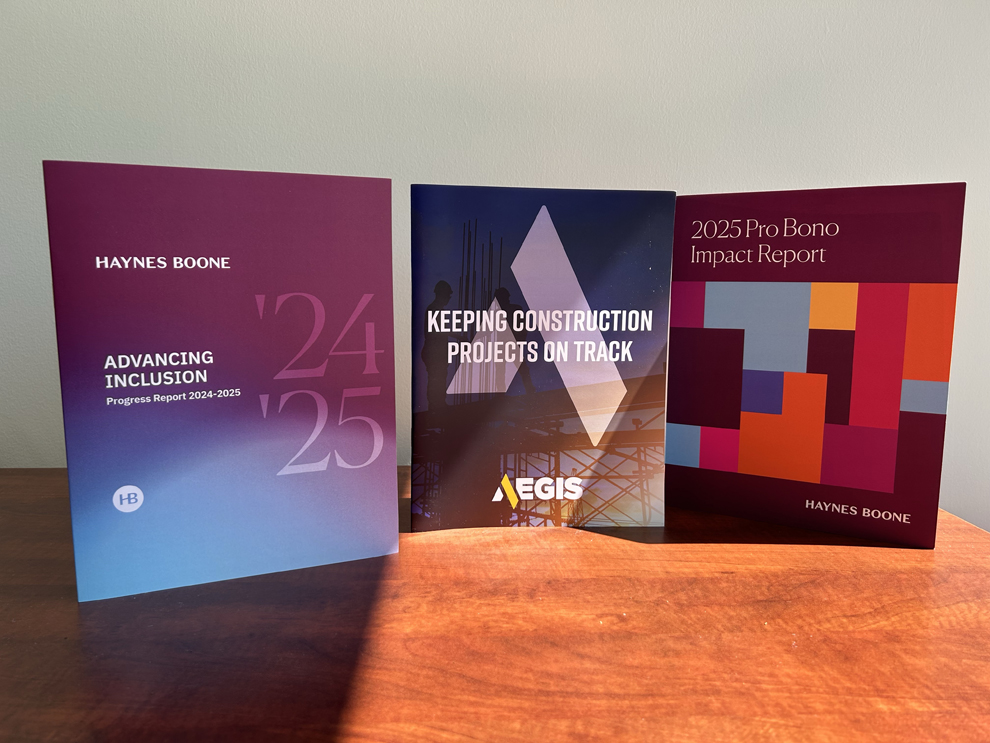
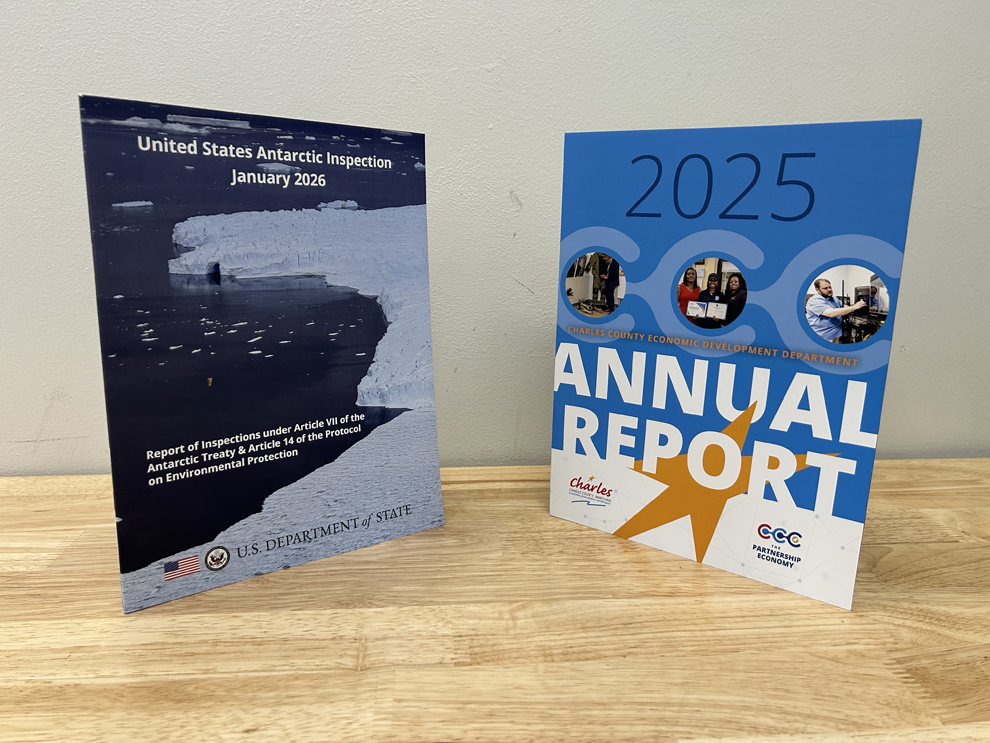
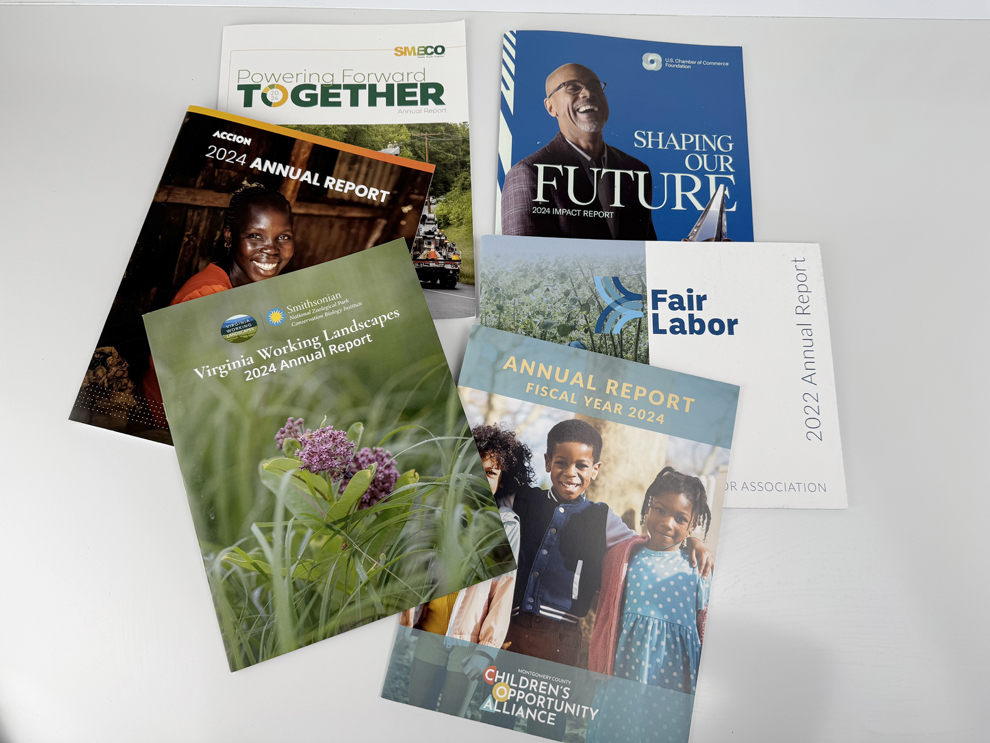
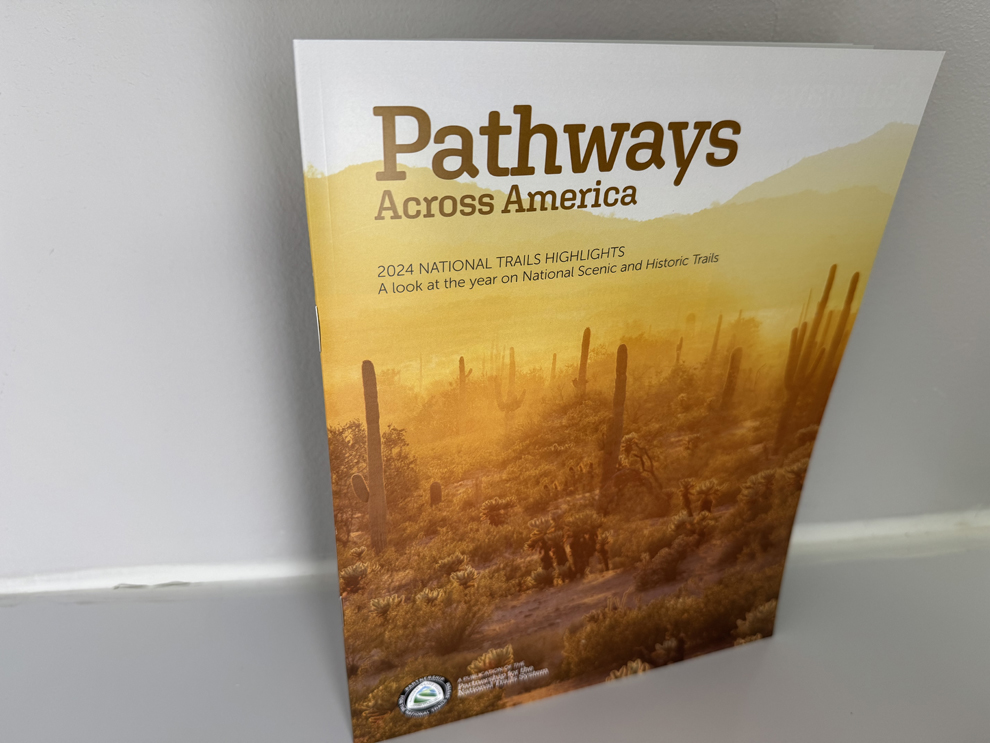
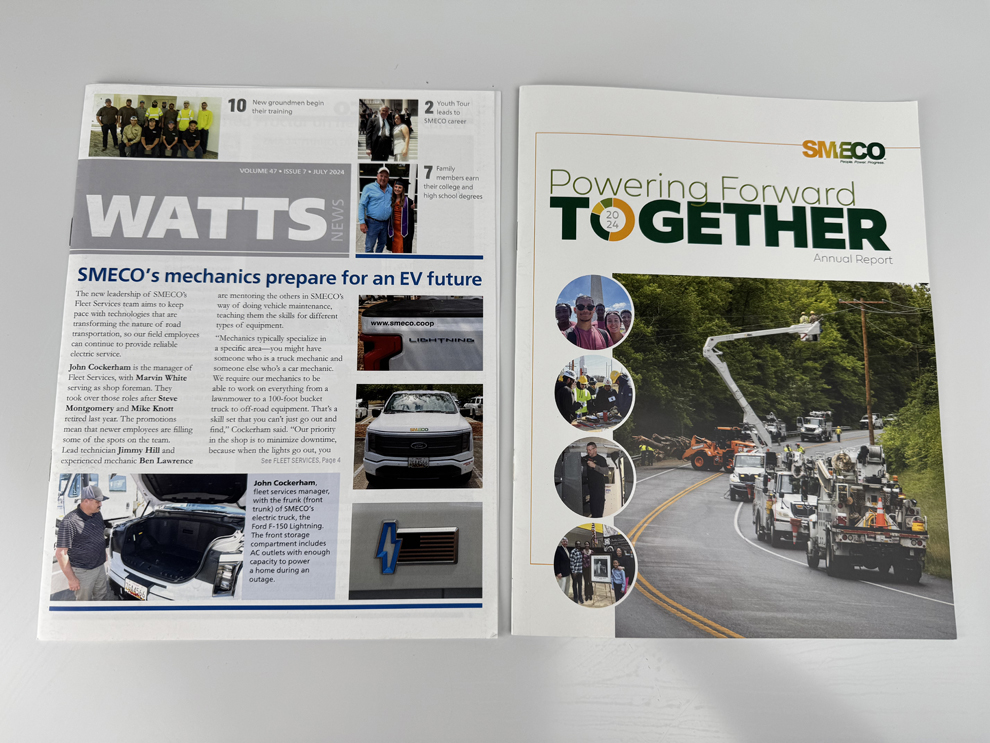
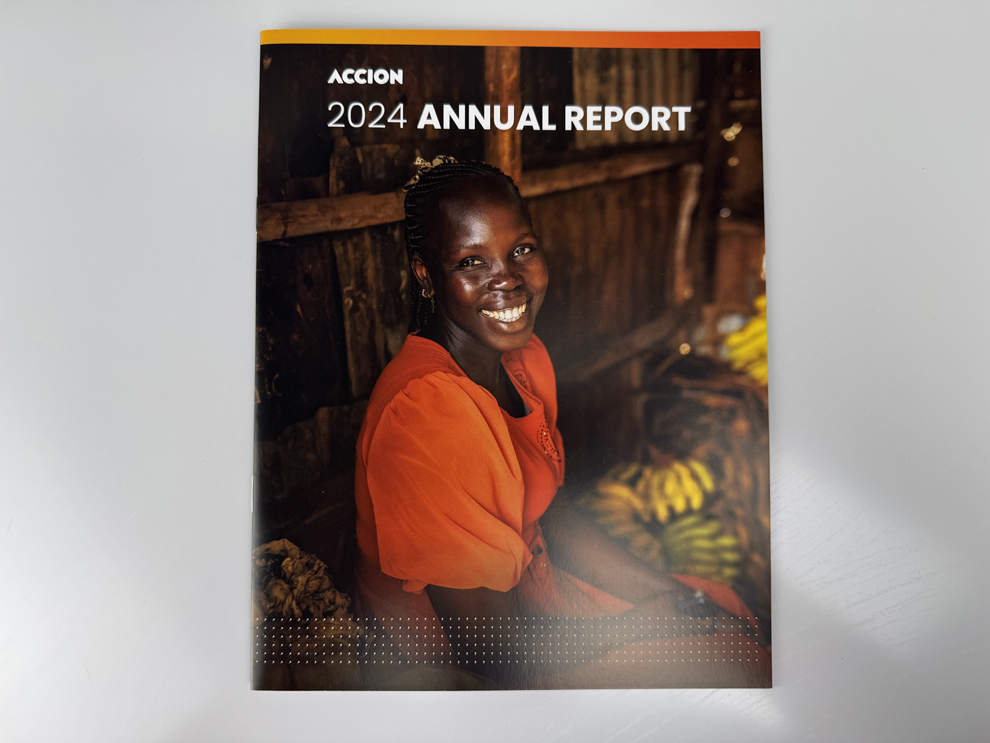
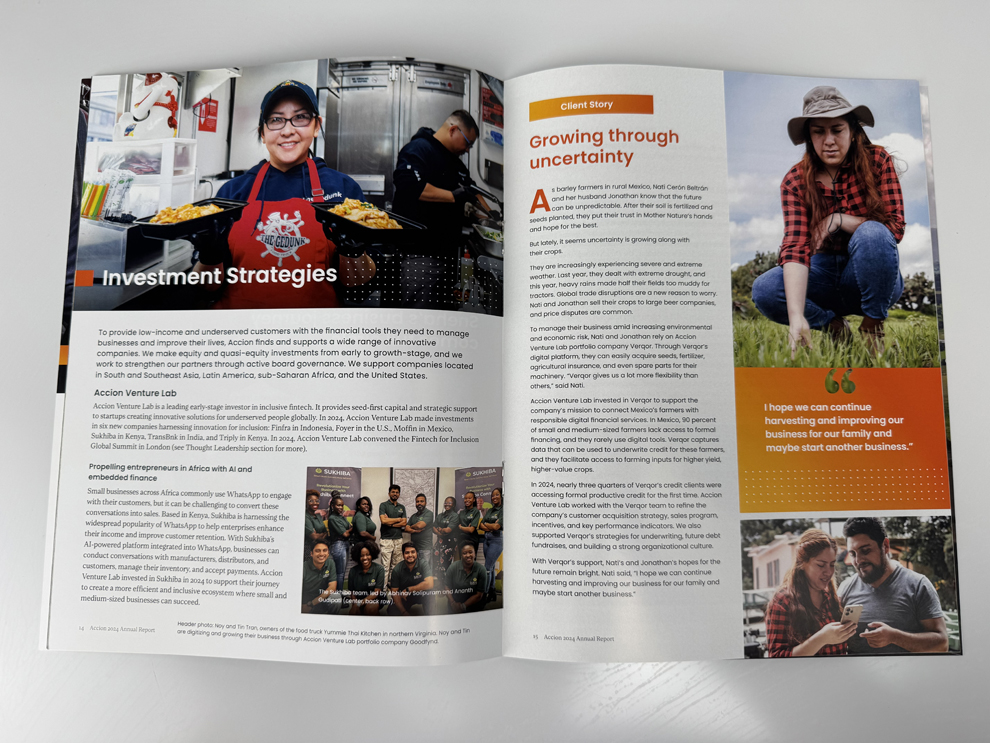
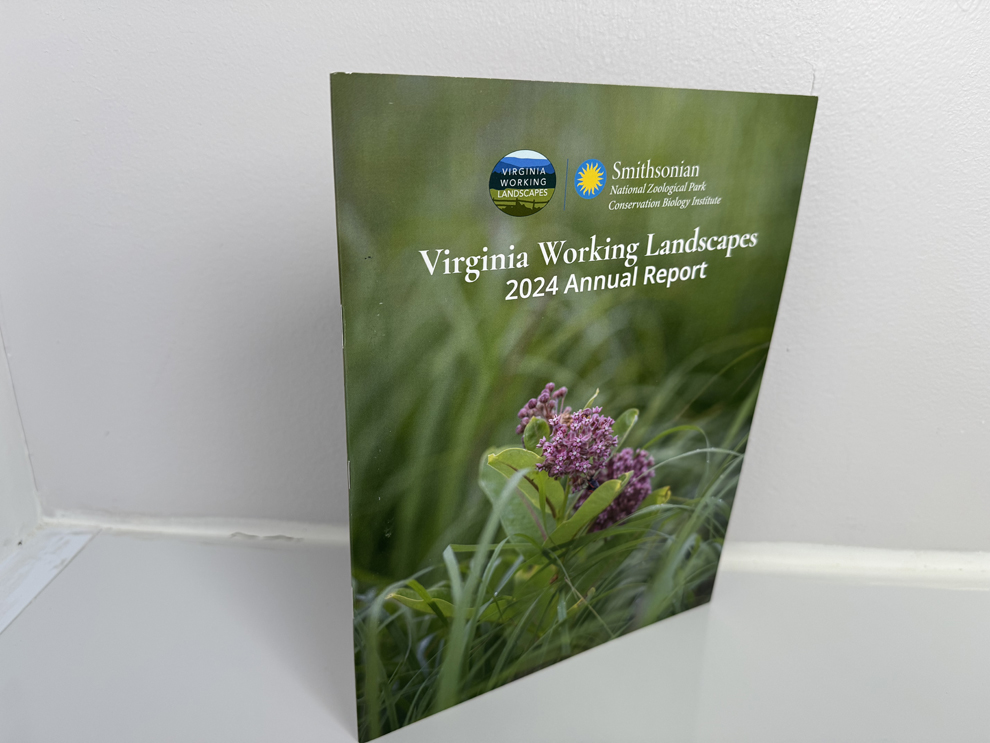
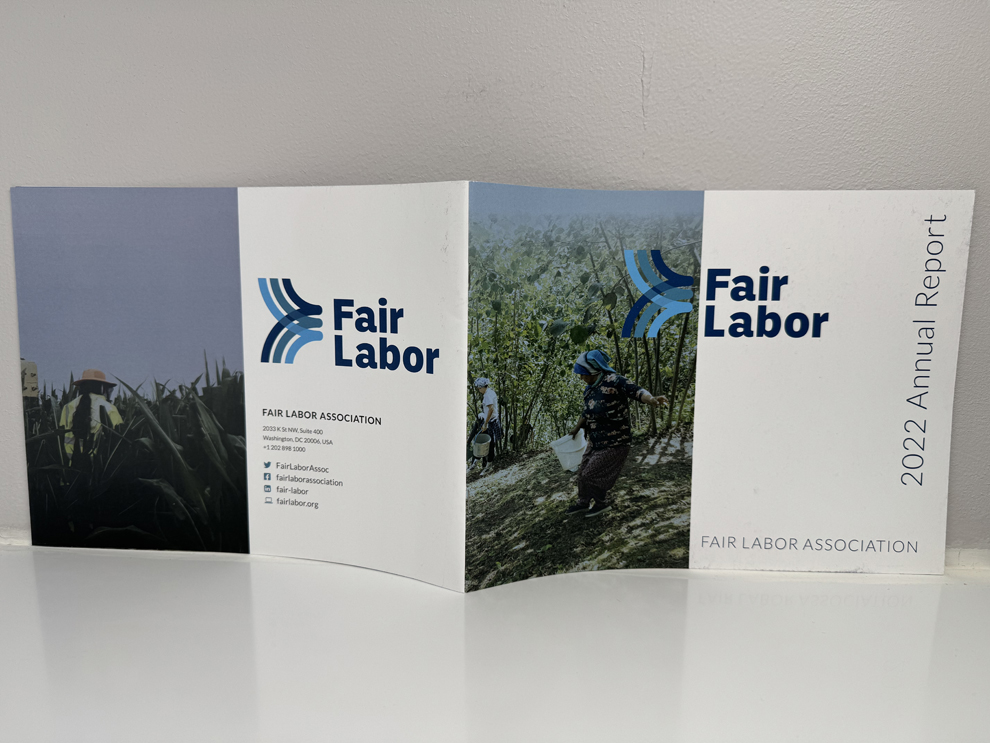
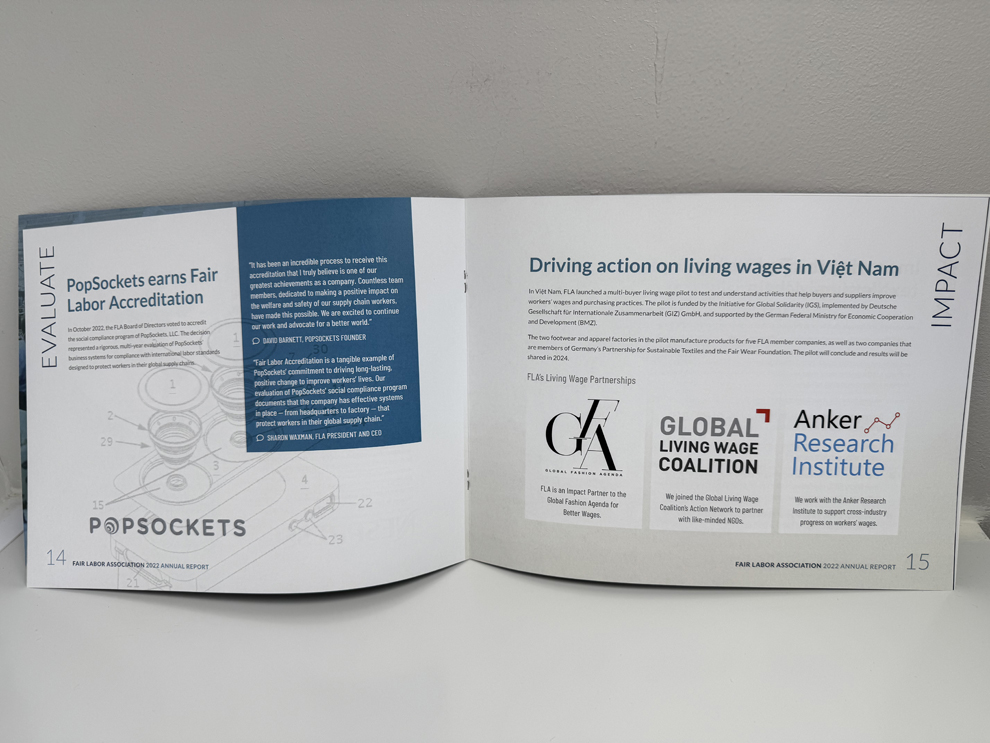
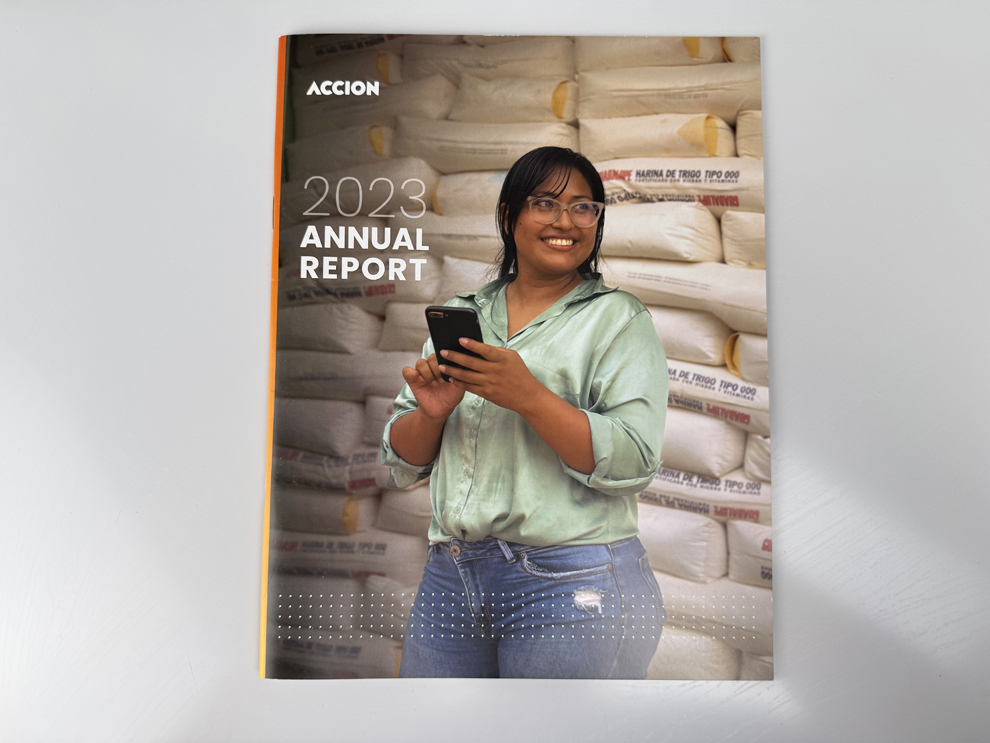
Most annual reports arrive at the printer late in their own story. Auditors have signed off, leadership has approved the letter, the design team has placed the last chart, and the calendar has already set the date for the annual meeting, member mailing, or board packet. For Waldorf, MD organizations, Heritage treats that remaining window as the part of the project we are responsible for protecting.
Our team starts by reading the job the way production will see it: finished trim size, number of pages, cover stock, interior stock, binding style, quantity, and how the copies will reach their readers. Each of those choices can add or remove days. We flag the ones that affect the schedule, offer practical alternatives when something is tight, and tell you plainly what the timeline can support before anyone commits.
Heritage operates a production facility in Waldorf, Maryland that primarily supports Washington, DC and the Mid-Atlantic. That proximity is useful for Charles County and Southern Maryland organizations, but the real advantage is the discipline behind it: fast answers, honest scheduling, and a finished report that looks the way your stakeholders expect it to look.
Heritage has been producing professional printing since 1977. An annual report is one of the few printed pieces an organization publishes that carries audited numbers, executive photography, program results, and brand identity in a single document. Reproducing that mix well requires more than a press. It requires people who understand imposition, paper behavior, binding tolerances, and color control, and who have done it many times.
Color is where annual reports most often disappoint, so Heritage manages it deliberately. Production devices are calibrated and verified with spectrophotometric measurement, output profiles are matched to the specific paper and device combination, and client-supplied PMS references are treated as production targets. An electronic proof precedes every press run. For Custom Quote projects where a physical color reference matters, a paid Physical Production Color Proof made on the intended paper is also available.
Credit unions, county agencies, school foundations, healthcare systems, chambers, churches, and associations across Waldorf, MD and Southern Maryland share one requirement: the report must be right and it must be on time. Heritage brings calm, organized urgency to that assignment and communicates early if anything in the production path shifts.
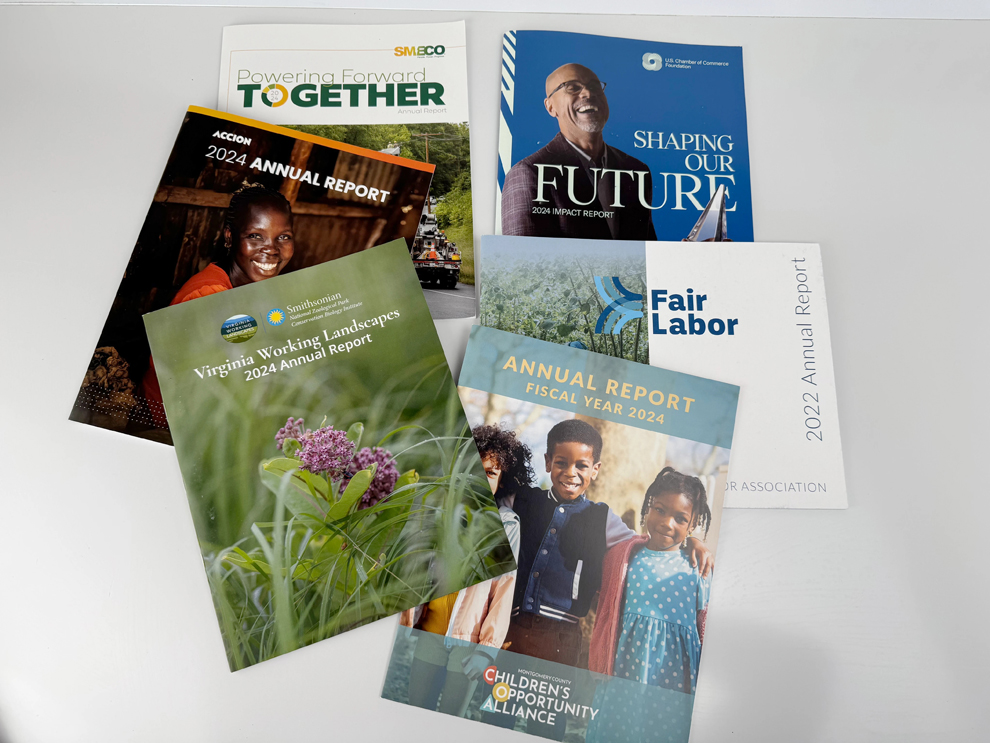
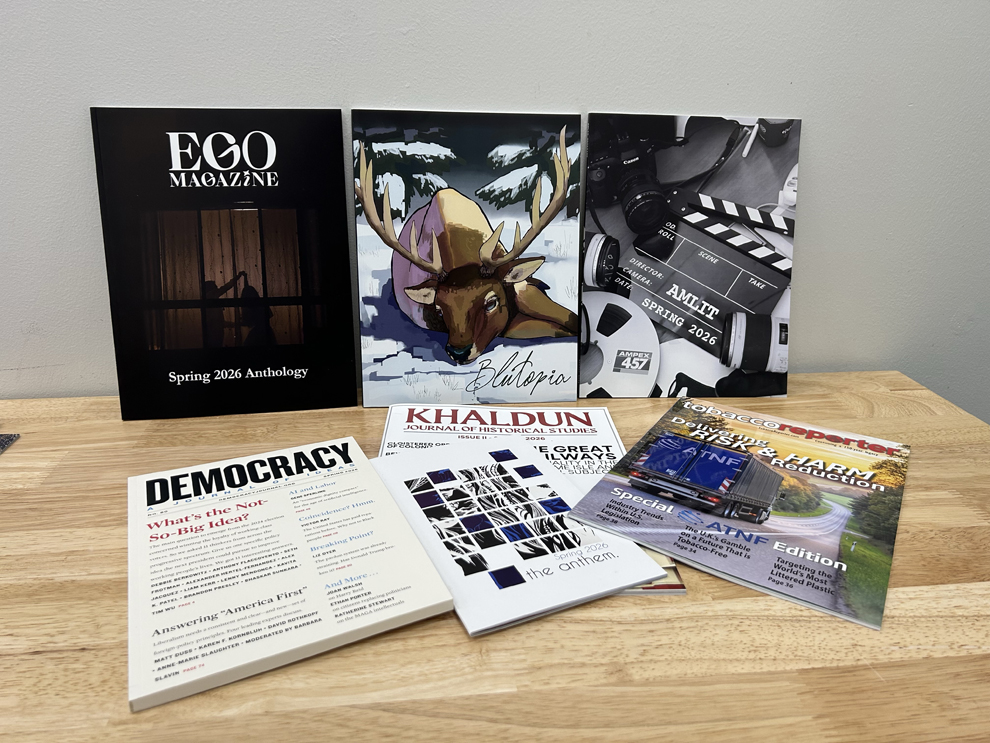
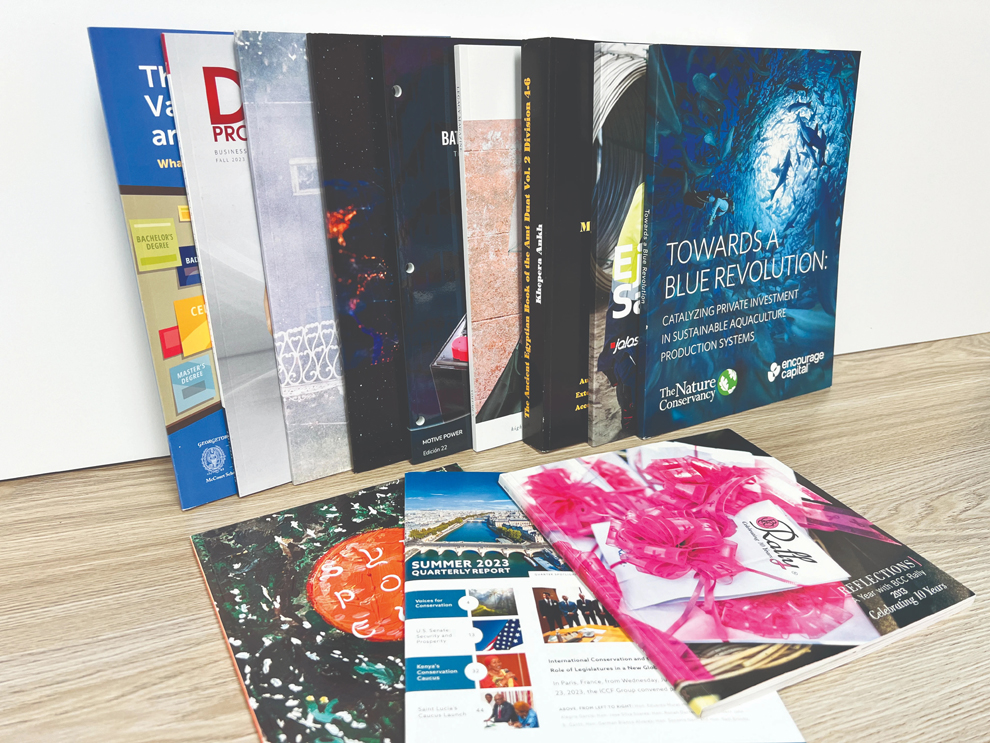
Recurring member or alumni publications that need steady color and consistent paper from one issue to the next.
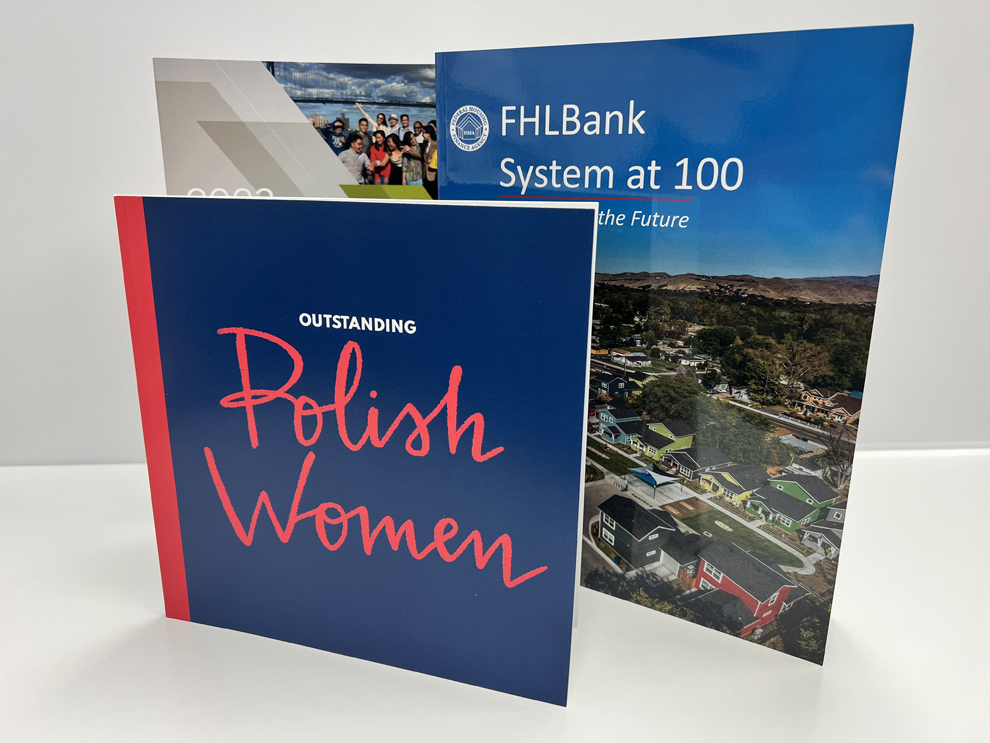
Compact reports, program guides, and handbooks finished with saddle stitching, perfect binding, or plastic coil.
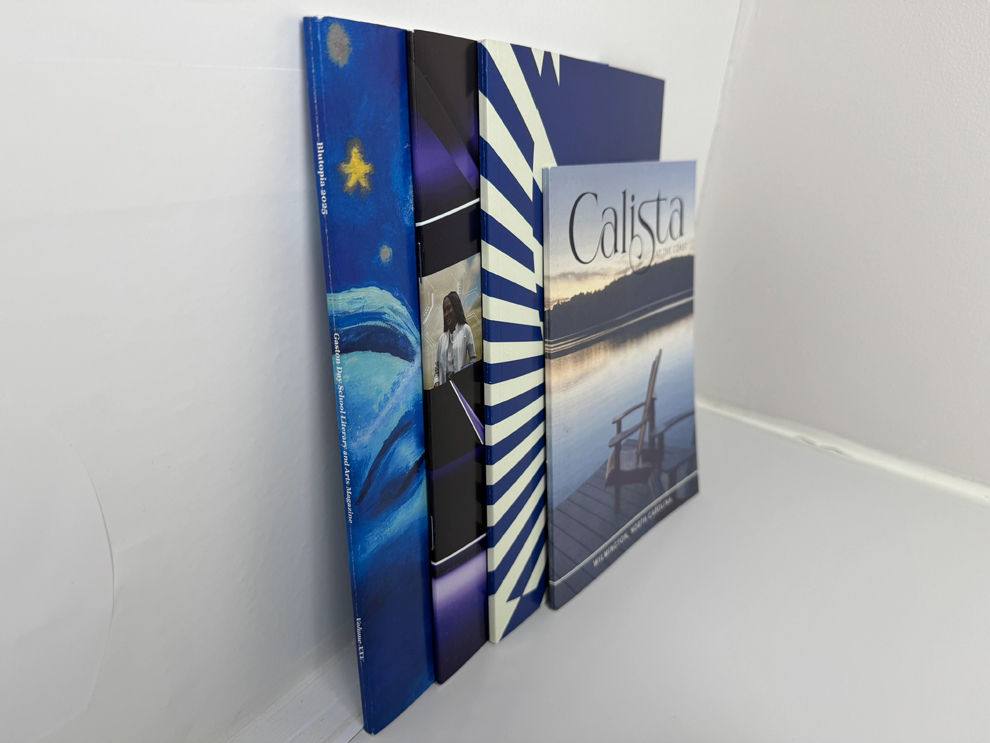
Thicker reports and reference publications that call for a flat, printable spine and a durable, book-like feel.
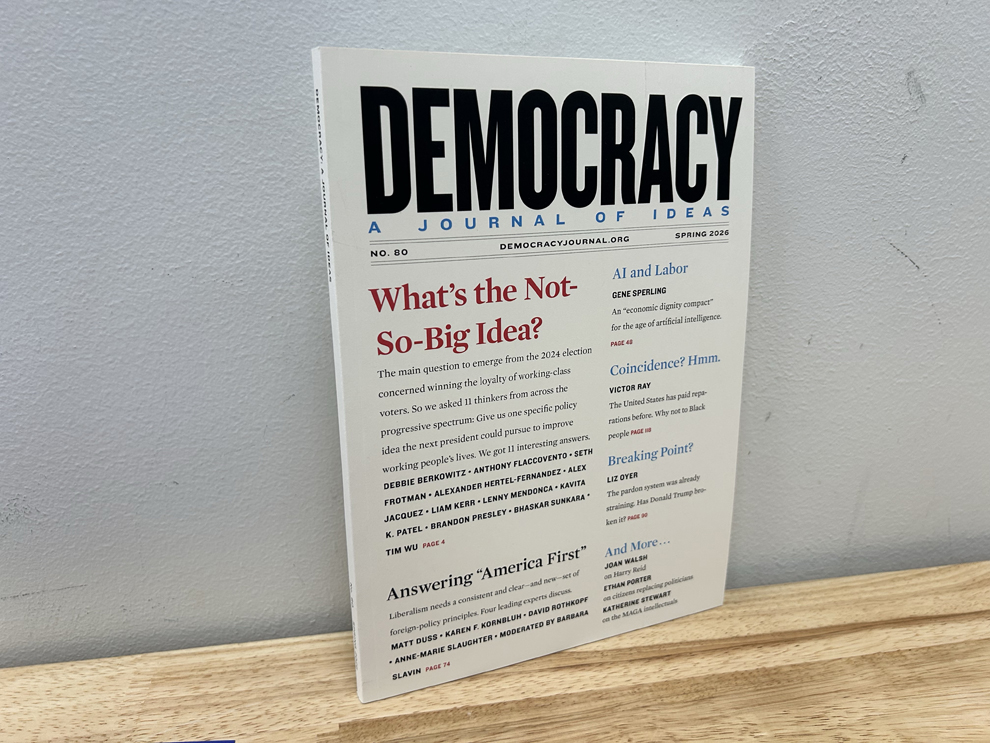
Quarterly or monthly updates that keep stakeholders informed between annual reporting cycles.
Addressing, postal preparation, and mail entry so finished reports move straight from bindery to mailbox.
Branded carriers for board packets and meetings where the annual report is paired with agendas and supporting pages.
Brochures, postcards, and campaign pieces that extend the message of the report to donors, members, and prospects.
A single source for the wider range of printed communications a Waldorf, MD organization produces throughout the year.
Send your print-ready files, quantity, specifications, and the date the report must be in hand through Custom Quote. A Project Coordinator will respond quickly and map the production path with you. Because Waldorf is a production facility rather than a sales office or showroom, coordination happens by phone and email, which keeps the process efficient. If every decision is already final and your report fits a current Online Store configuration, you are welcome to order directly.
Submitting a Custom Quote connects you with an assigned Project Coordinator. That person contacts you to confirm the specifications, the quantity, the required date, and anything still undecided, and then remains your point of contact until the order ships, delivers, or enters the mail. You will not repeat your story to a different person at each step.
Specification decisions are evaluated together rather than one at a time. A self-cover report on a heavier text stock may saddle stitch beautifully at 32 pages and fail to close cleanly at 64. A separate cover adds structure but also adds weight that affects postage. Perfect binding delivers a square spine once the page count supports it. The Project Coordinator walks through these trade-offs with you so the finished report matches both the budget and the shelf.
After you approve the electronic proof and the production plan, the job moves into printing, folding, binding, trimming, and any finishing specified. Mailing, bulk shipment, or local delivery follows the agreed path. Throughout, Heritage watches the two things that matter most to an annual report: consistent color and the date circled on your calendar.
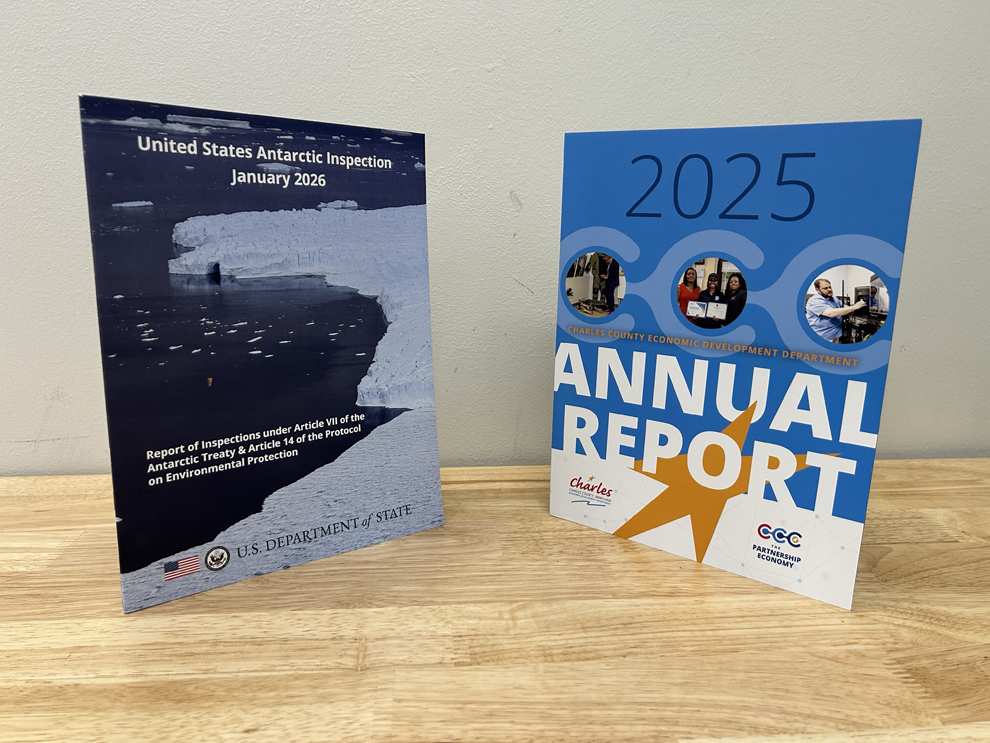
Earlier than the file is finished. Share the expected page count, quantity, and required date as soon as the reporting calendar is set, even if the content is still in review. That allows Heritage to reserve paper and production time. The final file can follow later, and the production path will already be in place when it arrives.
Yes. Heritage works with organizations throughout Waldorf, MD, Charles County, and the broader Southern Maryland region, as well as the Washington, DC metro area. Finished reports can be shipped in bulk, delivered locally, mailed directly to recipients, or released to the client for distribution, depending on the production plan.
No. The Waldorf, Maryland facility is staffed by production team members and functions as a production location, not a sales office or showroom. Annual report projects are coordinated through Custom Quote with an assigned Project Coordinator by phone and email, and physical color references are handled through the Physical Production Color Proof process.
Credit unions and banks, county and municipal agencies, hospitals and health systems, school systems and foundations, nonprofits, chambers of commerce, faith communities, membership associations, and privately held companies all produce annual reports. Content typically includes financial statements, leadership letters, program highlights, photography, and data visualizations.
Production devices are calibrated and verified using spectrophotometric measurement. Output profiles are built for the specific paper and device pairing. Client-supplied PMS values are used as targets within the gamut the selected paper, ink, and coating can achieve. Color is controlled through measurement on the production side rather than judged from a monitor.
Heritage retains production details such as paper, cover construction, binding, and color targets as a reference for future editions. Measured color control reduces variation between years. Each new report is still evaluated on its own because artwork, photography, paper lots, and quantities change, and those changes can influence results.
It depends on thickness and how the report will be used. Saddle stitching suits reports that lie relatively flat and fold cleanly through the center at the chosen page count and paper. Perfect binding fits reports with enough bulk to form a square spine. Plastic coil is an option when the report will be referenced actively or needs to lie fully open.
Not necessarily. A self-cover report uses one stock throughout and is often lighter and less expensive to mail. A separate heavier cover adds rigidity, durability, and a more formal presentation. The Project Coordinator will help weigh those benefits against page count, binding, postage, and the impression the report should make.
The electronic proof displays the production file as it will be imposed and printed. Review it for text, pagination, image placement, chart accuracy, and cover content. Approving it authorizes production of that file. Because screen color varies by device, the electronic proof is not a color reference. A Physical Production Color Proof serves that purpose.
It is a paid proof produced on the actual production device and the specified paper for qualifying Custom Quote projects. Organizations with strict brand standards, critical photography, or a history of color concerns benefit most. It adds an approval stage, so request it early enough that the extra time fits within the reporting schedule.
Yes. Variations for different audiences, languages, covers, inserts, or quantities can be planned together. Clear file naming, confirmed counts for each version, designated approvers, and specific distribution instructions keep the editions separate throughout production and fulfillment.
Yes. When direct mail is part of the order, Heritage coordinates addressing, postal preparation, and entry into the mail stream using recipient data supplied by the organization. Mailing should be built into the timeline from the start. Once the mail is accepted by USPS, delivery timing is governed by the postal service rather than Heritage.
No. Writing, financial content, editorial review, and creative design remain the responsibility of the organization and its designers. Heritage prints from completed, print-ready artwork. For Custom Quote projects, modest file preparation may be available when a supplied file needs a technical correction such as bleed, resolution, or color-space adjustment to print correctly.
Tell Heritage immediately. Provide the final file and the nonnegotiable date, and the team will evaluate materials, capacity, proofing, binding, and distribution to determine what can responsibly be done. When a compressed schedule is achievable, Heritage prioritizes the approvals and production steps required to meet it rather than waiting for the normal sequence.
Custom Quote is the right path when any decision remains open or when the report involves color sensitivity, multiple versions, mailing, special paper, or a demanding date. It includes an assigned Project Coordinator. The Online Store is intended for fully settled, print-ready jobs that match an existing configuration and do not need consultative support.
Late final files and delayed approvals. Production, binding, and distribution follow predictable timelines once the approved file is in hand. Revisions after proofing, an added Physical Production Color Proof, or unconfirmed mailing data are the usual sources of delay. Locking those items early is the most reliable way to protect the reporting date.
Heritage Signs & Displays created new museum signage for the Military Women’s Memorial in Waldorf, MD. The project included custom signs, wall wraps, dimensional letters, and standoff-mounted displays to honor the legacy of U.S. servicewomen and the donors who supported the memorial. The updated interior features impactful designs, including a "Our Legacy" wall display and panels showcasing historical contributions and artwork, creating a transformative tribute to women in the U.S. Armed Forces.
Heritage Signs & Displays' collaboration with The Gathery to brand Union Market in Waldorf, MD, for Indeed's "Ready to Work" job fair. The project included custom event displays, wall graphics, window graphics, and wayfinding signs, creating an immersive and visually appealing environment. The branding enhanced the venue, reflected the event's mission, and provided a seamless experience for attendees.