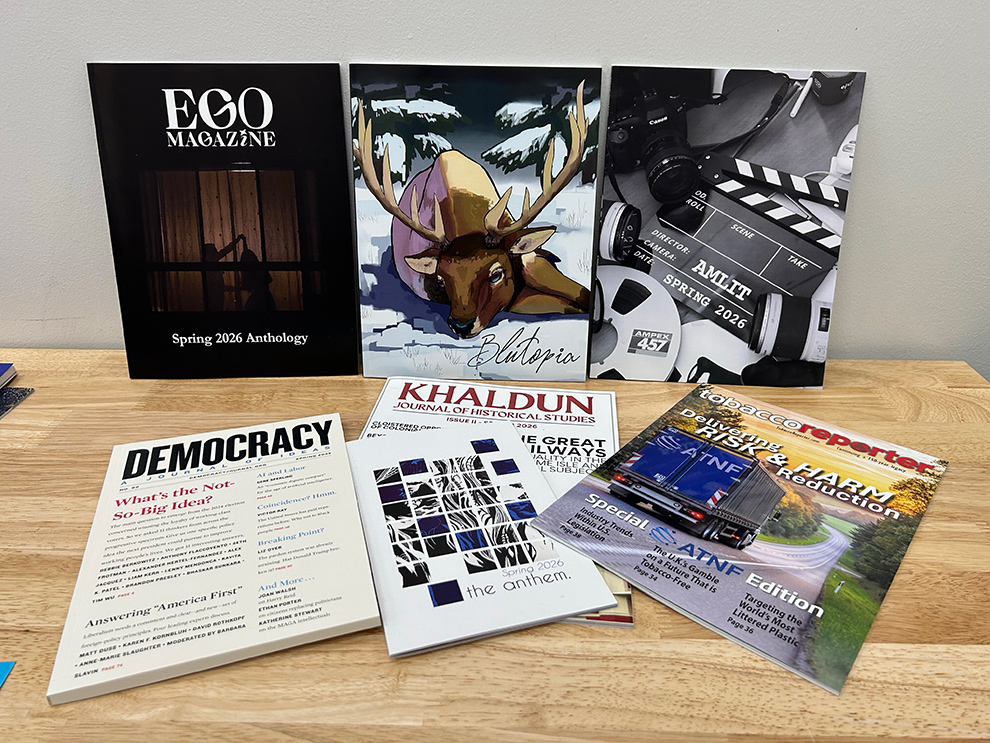
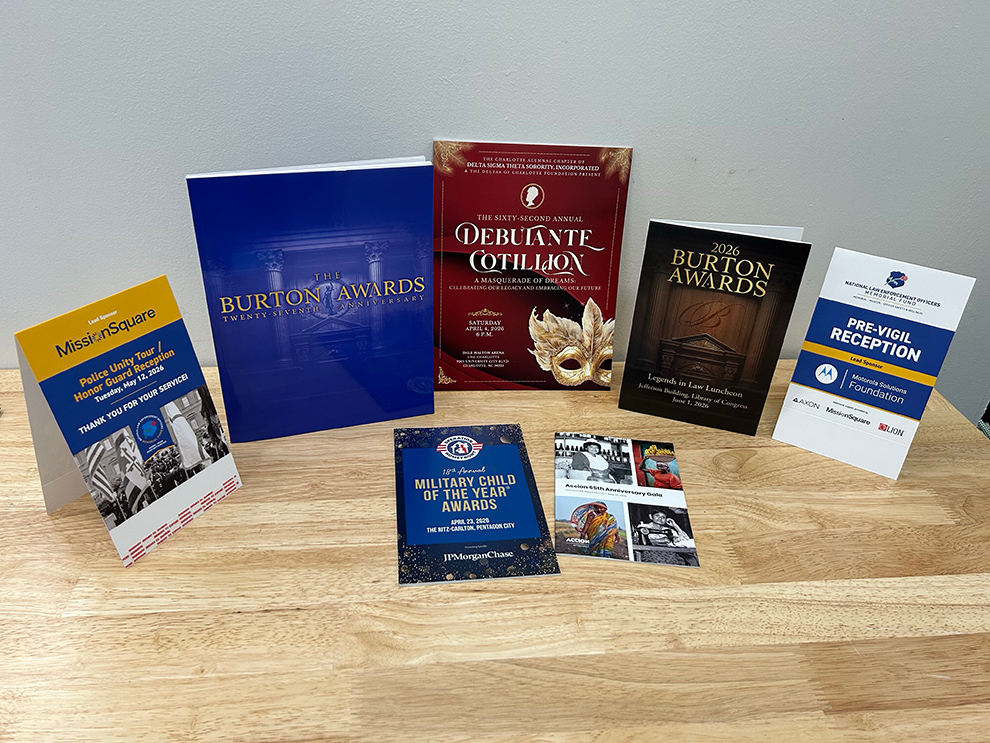
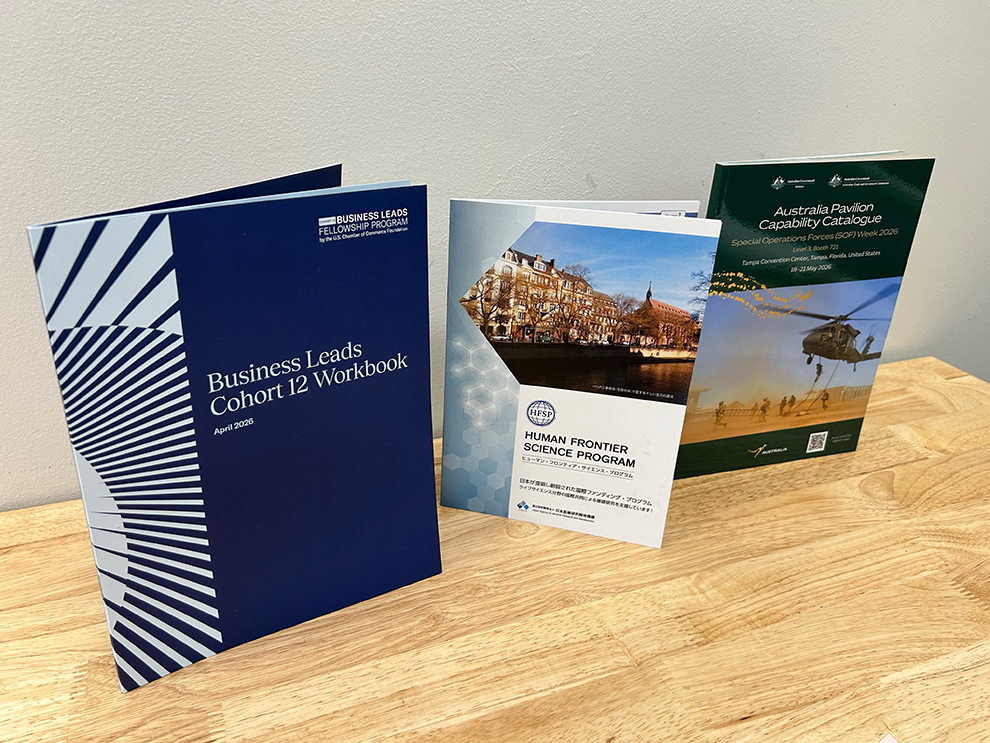
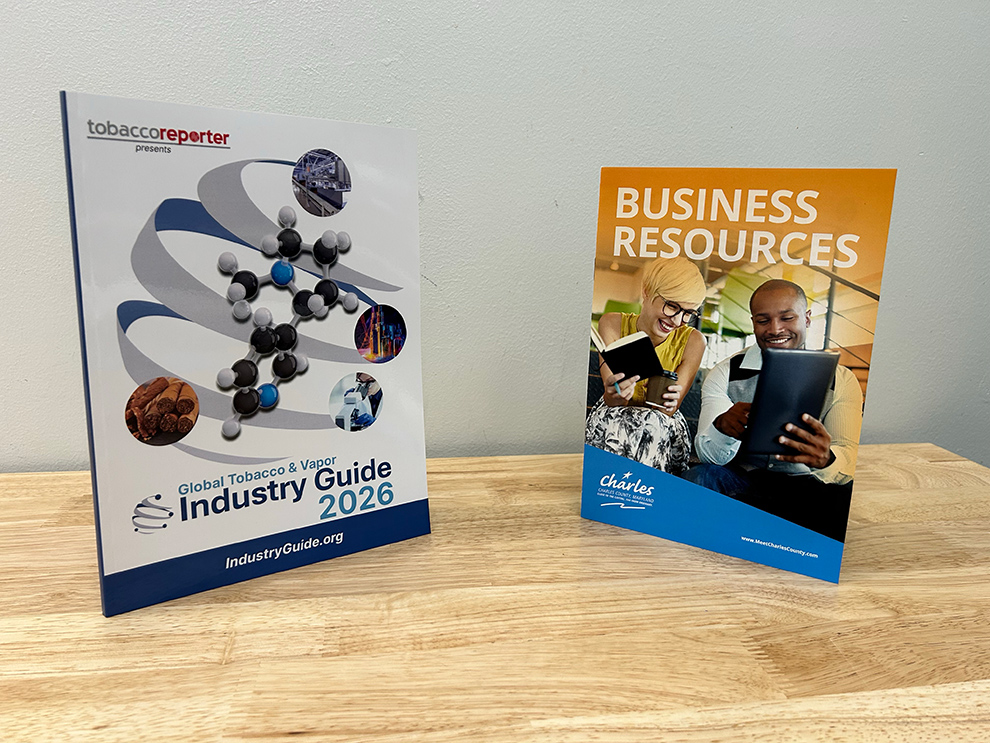
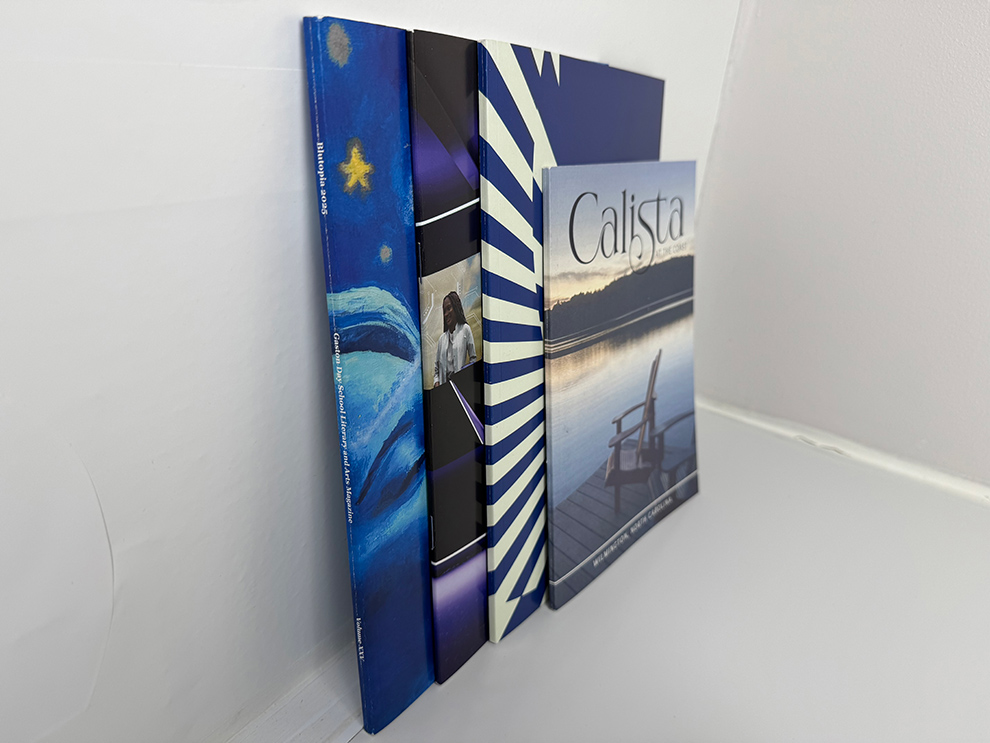
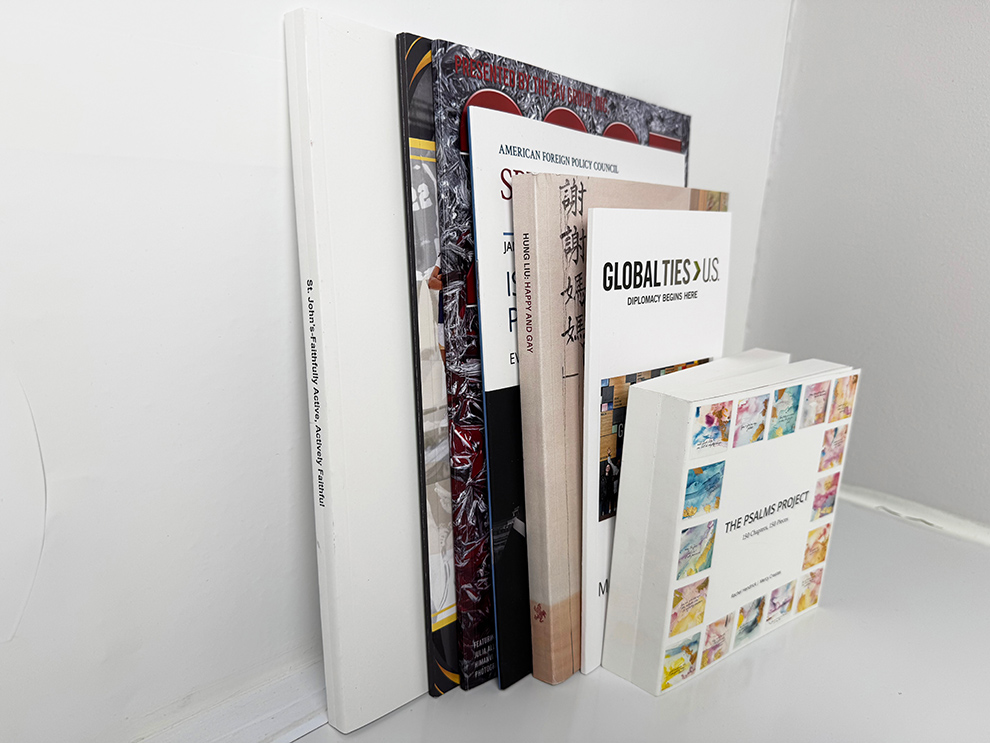
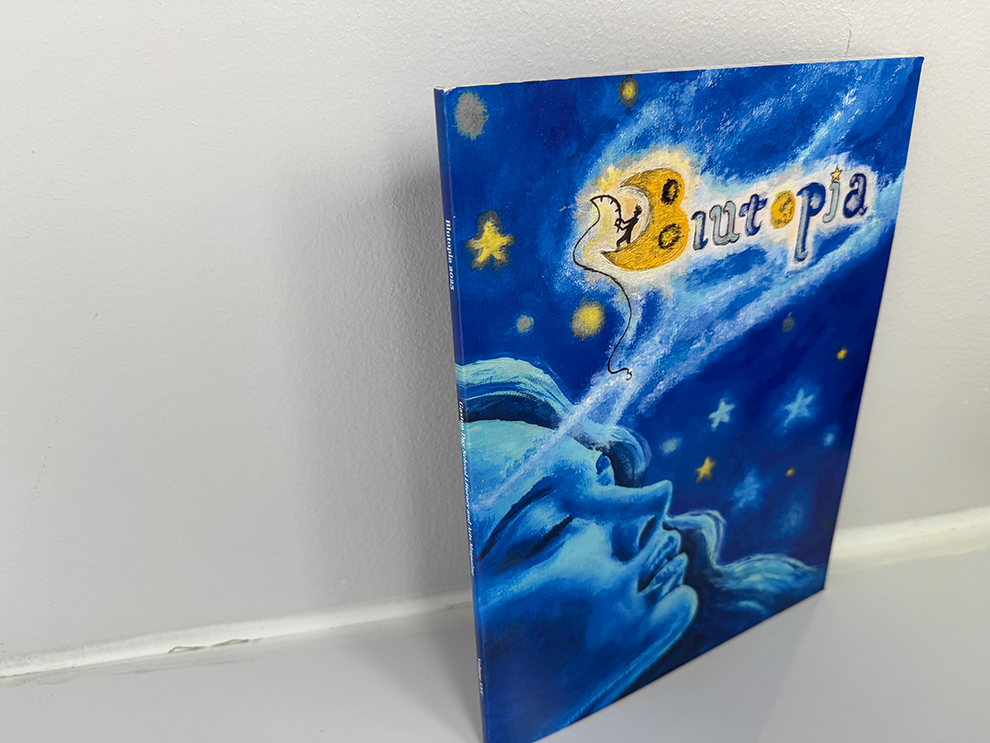
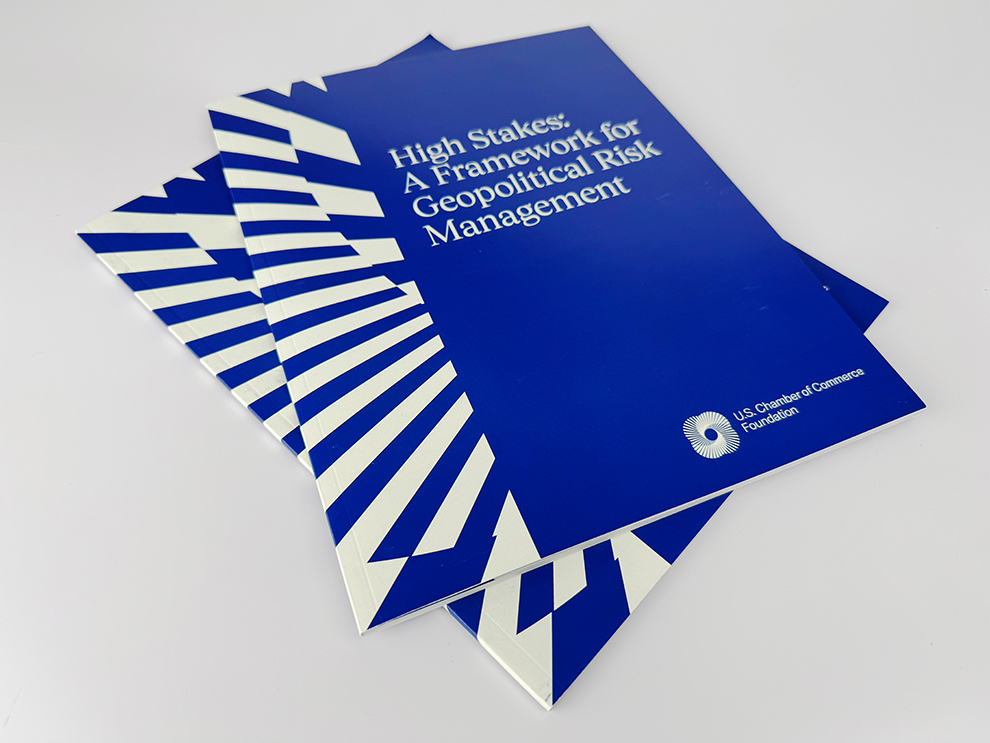
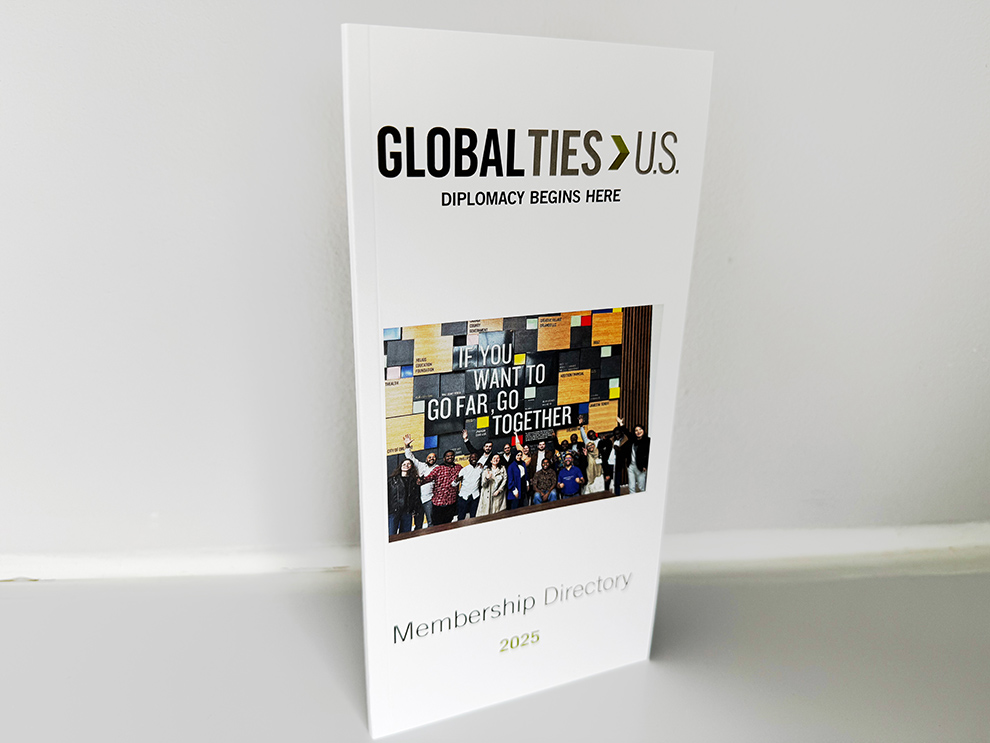
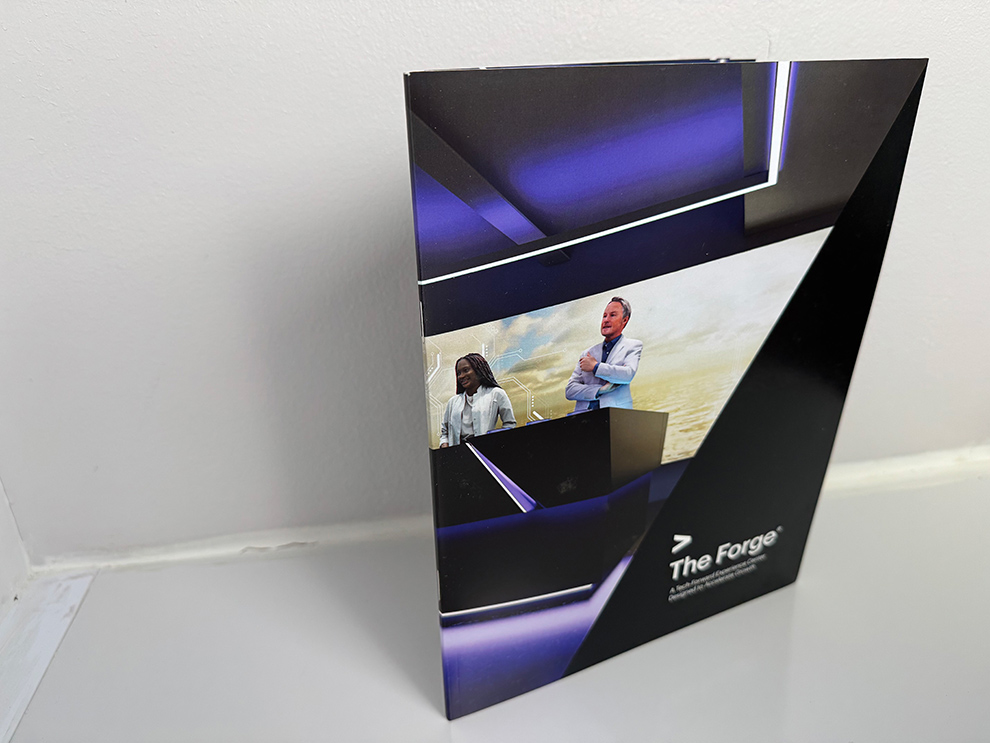
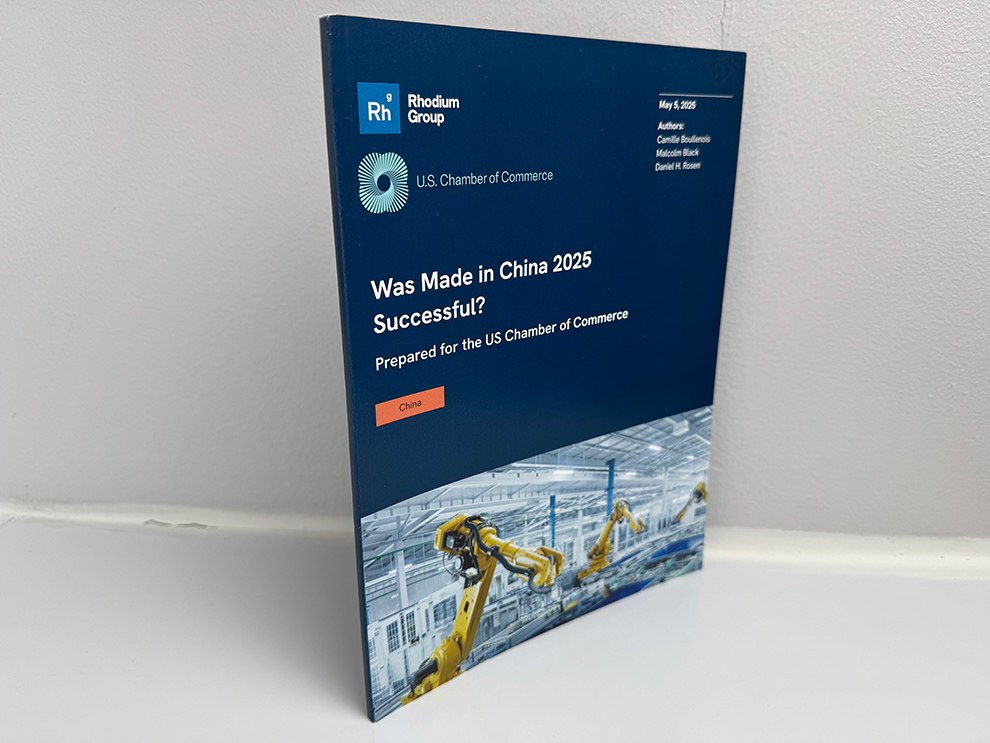
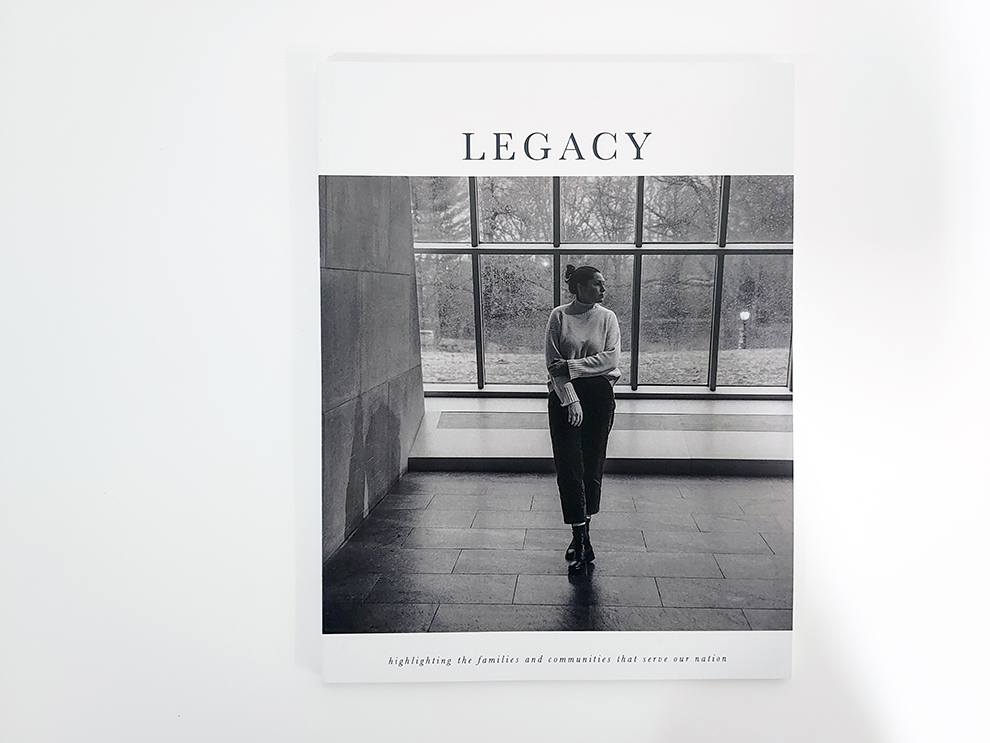
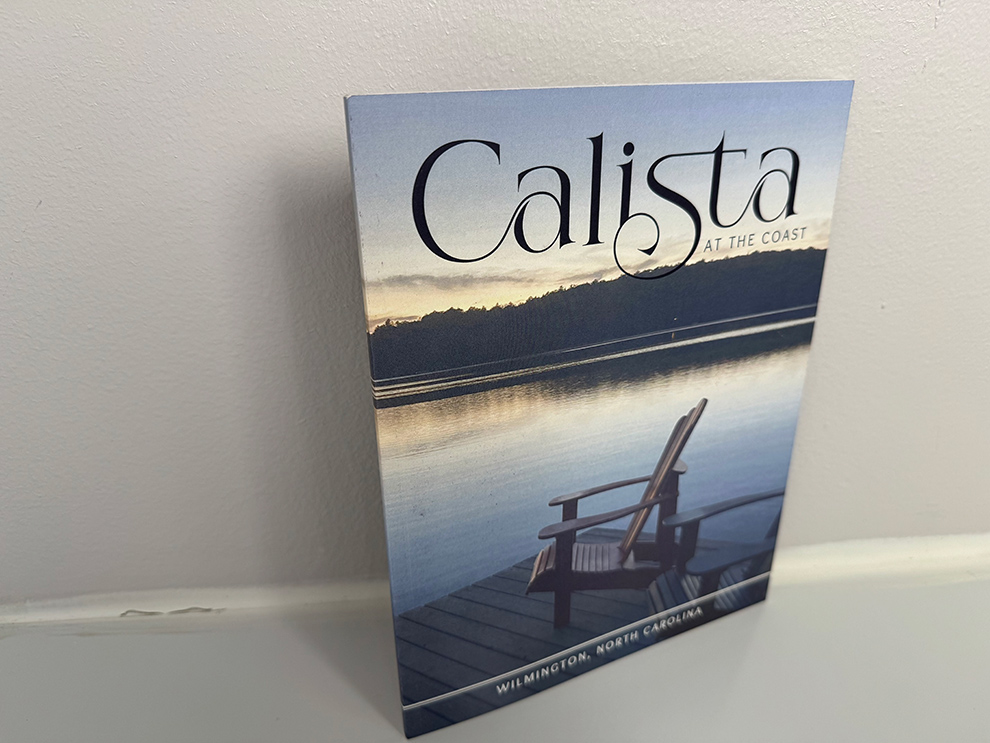
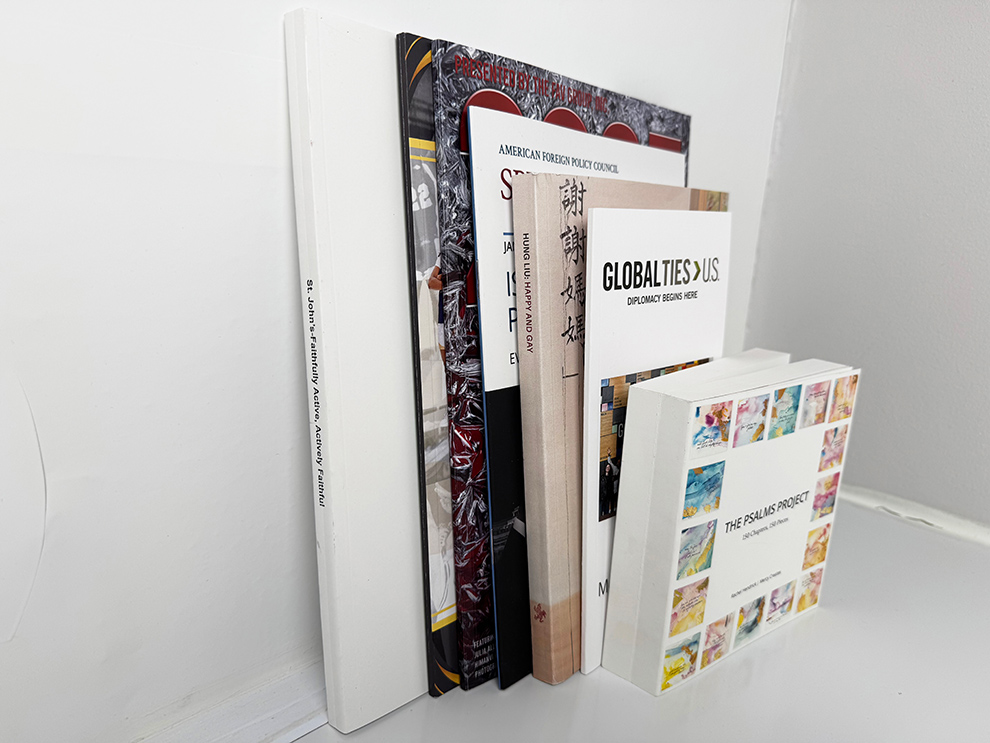
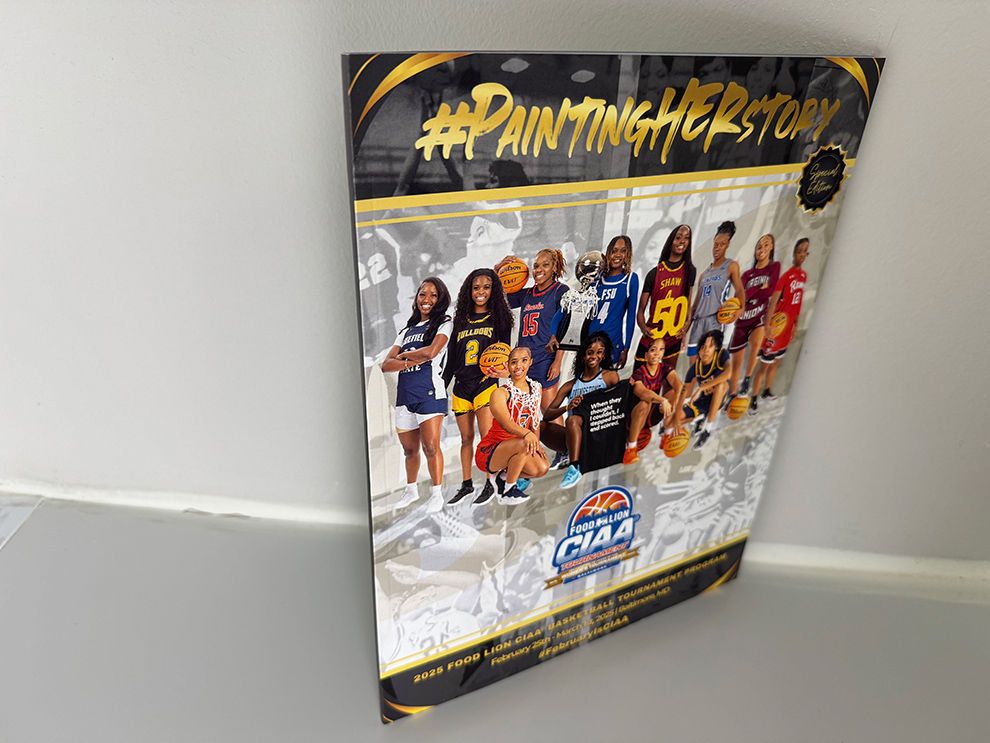
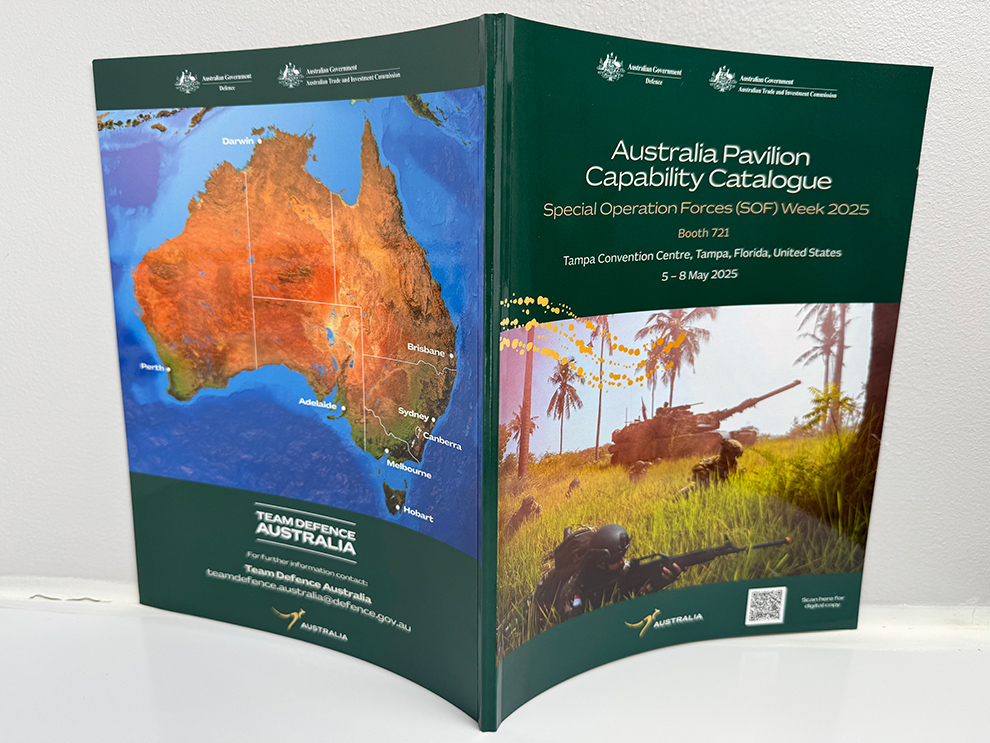
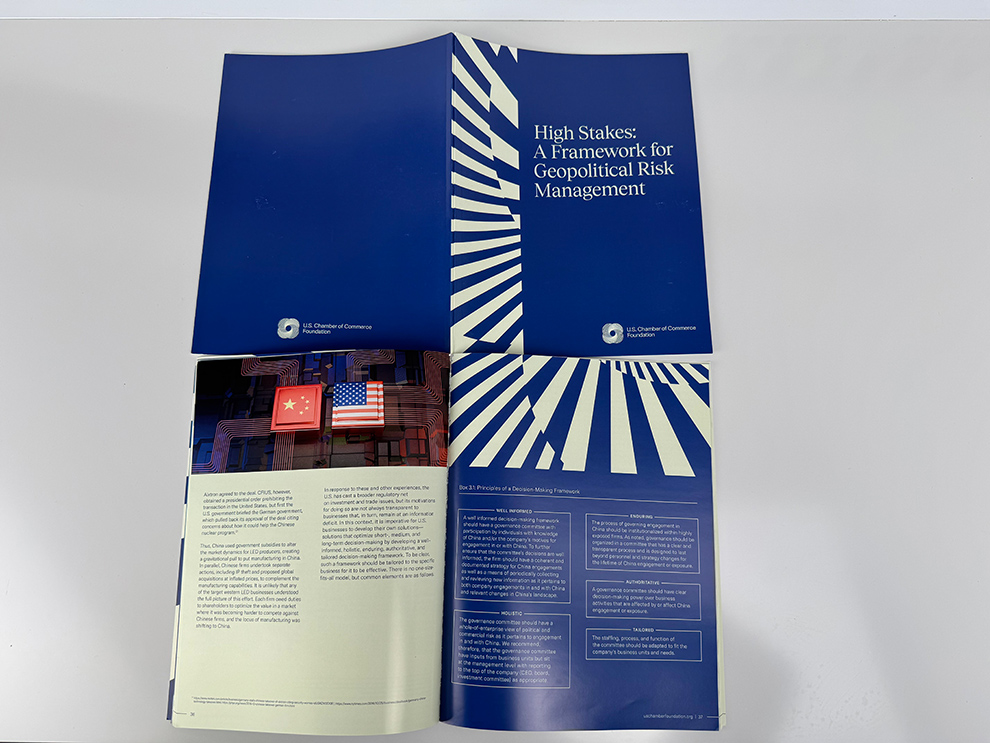
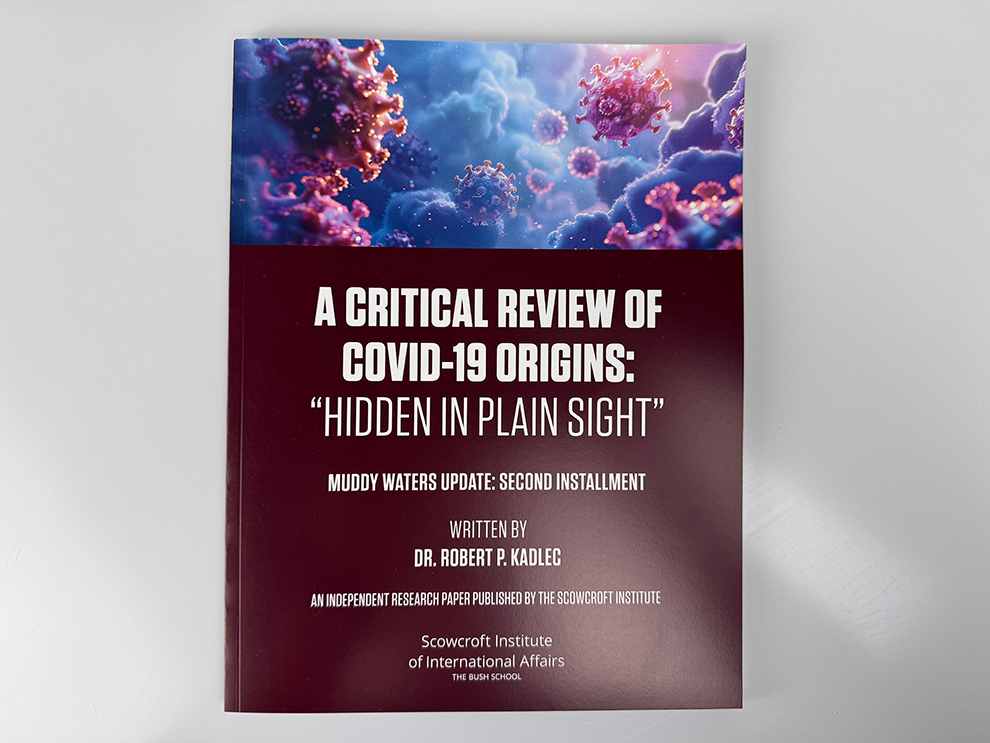
A board report, membership directory, or program catalog carries more weight when it is handed over as a bound book instead of a stapled packet. Perfect binding creates that impression. Gathered pages are glued into a square spine, enclosed in a wraparound cover, and trimmed so the three open edges line up cleanly on a desk or shelf.
Heritage produces perfect bound books for Waldorf, MD organizations across Charles County and Southern Maryland, from county departments and school communities to parishes, membership associations, medical practices, and businesses publishing guides, histories, portfolios, and reference volumes. The format suits material meant to be kept, shared, and revisited rather than skimmed and discarded.
Whether the finished book looks intentional depends on decisions settled before printing begins. Page count establishes the spine. Paper weight changes thickness and the feel of each page. Cover stock, finished size, color handling, and the electronic proof each shape the result. Heritage treats those elements as one coordinated specification, which is why the sections below work through suitability, planning, and purchase options before anything is committed to press.
Heritage began as a printing company in 1977, and its later signs-and-displays work was built on that print foundation. Bound publications test a printer's discipline because pagination, cover files, spine measurement, paper, color, trimming, and proofing all depend on one another.
Heritage also operates a production facility in Waldorf that primarily supports Washington, DC and Mid-Atlantic work. It is staffed by production team members, is not a showroom, and production is assigned to whichever Heritage facility best fits a job's equipment, capacity, and quality-control needs. Waldorf, MD buyers therefore place orders through the Online Store or Custom Quote rather than at a counter.
The veteran-owned, family-led service culture shows in how commitments are handled. When a publication is tied to a council meeting, graduation, or mailing date, Heritage reviews the sequence of approvals, production steps, and materials before accepting the schedule. If the date works, Heritage stands behind it. If it does not, early notice lets the client adjust quantity or timing while choices remain. For qualifying Custom Quote orders, a Project Coordinator becomes the direct contact once Heritage accepts the quote and assigns the work.
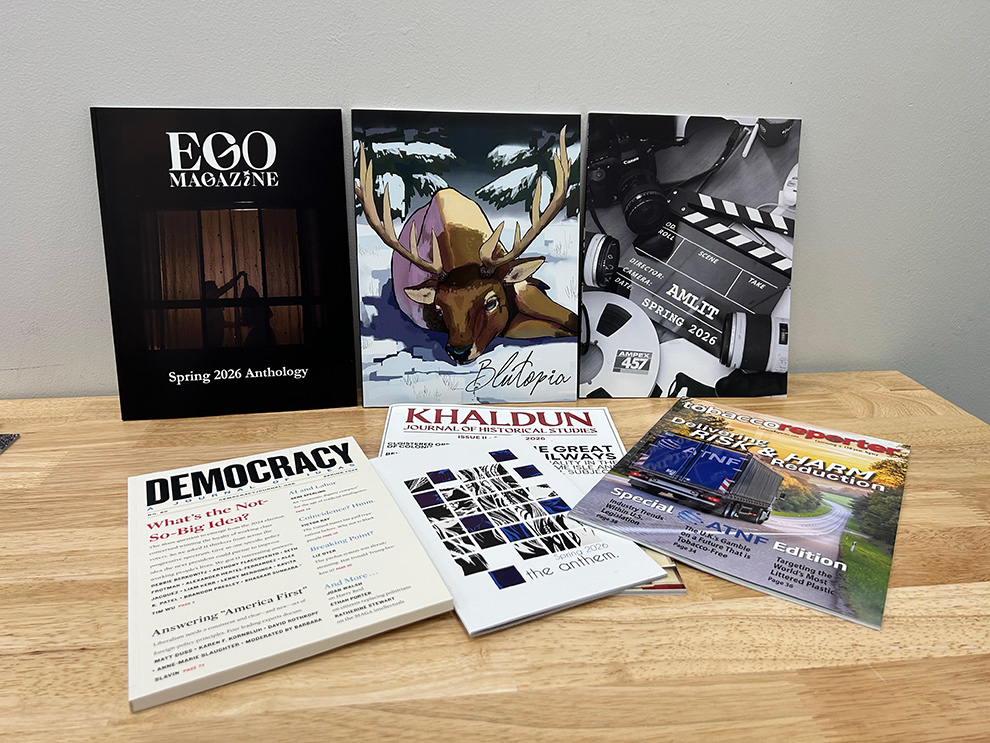
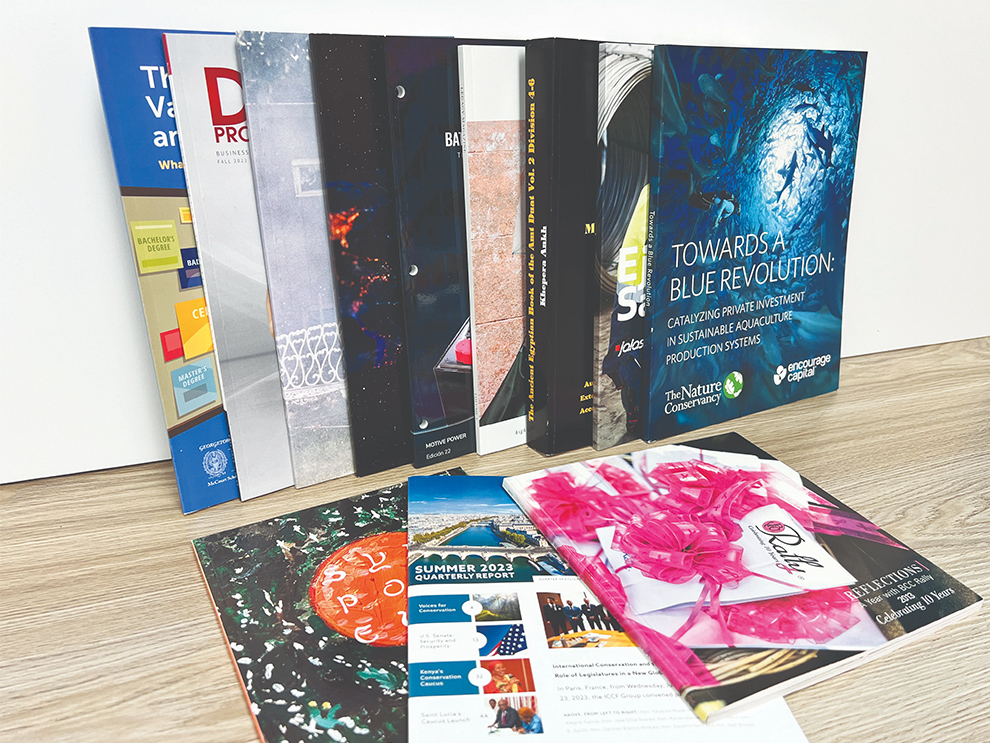
Perfect binding is the right call when a publication should read as a book: a square edge and enough body to stand on a shelf. A county planning document, an alumni directory, a product catalog, or a commemorative history gains credibility from that construction when the page count and paper give it thickness.
It is the wrong call for material people work from with a pen in hand. Plastic coil lets a training workbook or field guide lie flat and fold back on itself. Saddle stitching, which folds sheets and staples them through the center, usually serves a thin program, newsletter, or short brochure with less bulk. Perfect binding earns its place only when the interior is thick enough to support an adhesive spine.
Spine lettering deserves the same caution. A readable title needs usable width, and width comes from the interior, not from the cover design. A slim book may look cleaner with a blank spine than with type squeezed into a strip too narrow to center. Start from how readers will handle the piece, then confirm the specification supports the appearance you want.
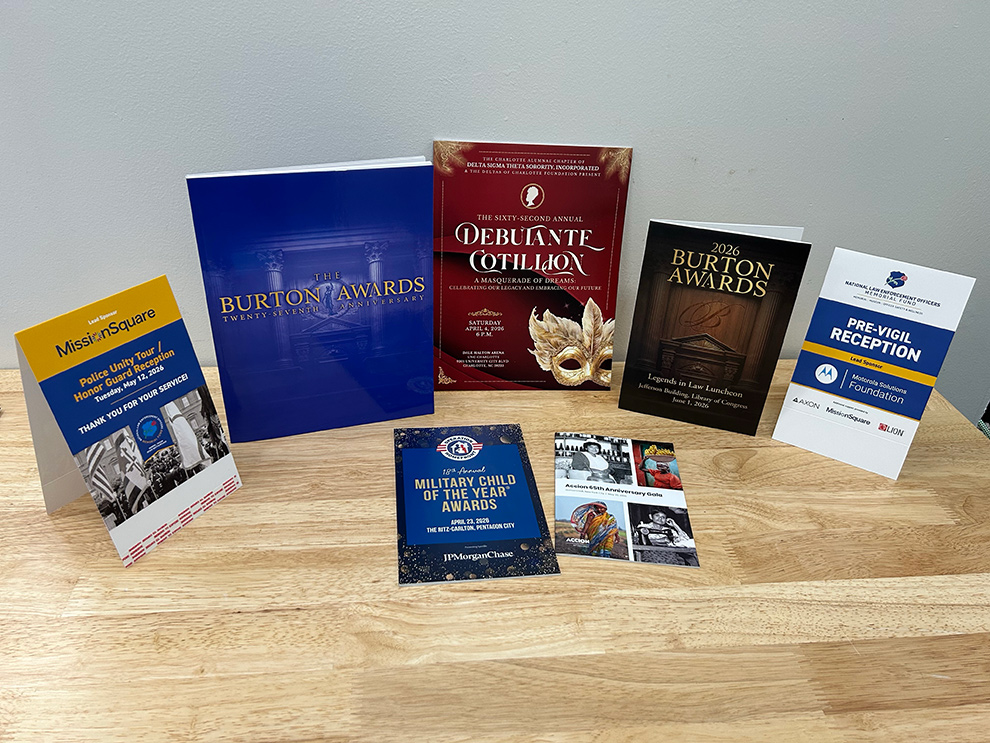
A bound book is often one piece of a larger communication effort. These Heritage capabilities help Waldorf, MD organizations cover the companion pieces that travel alongside a publication or replace it when a different format fits better.
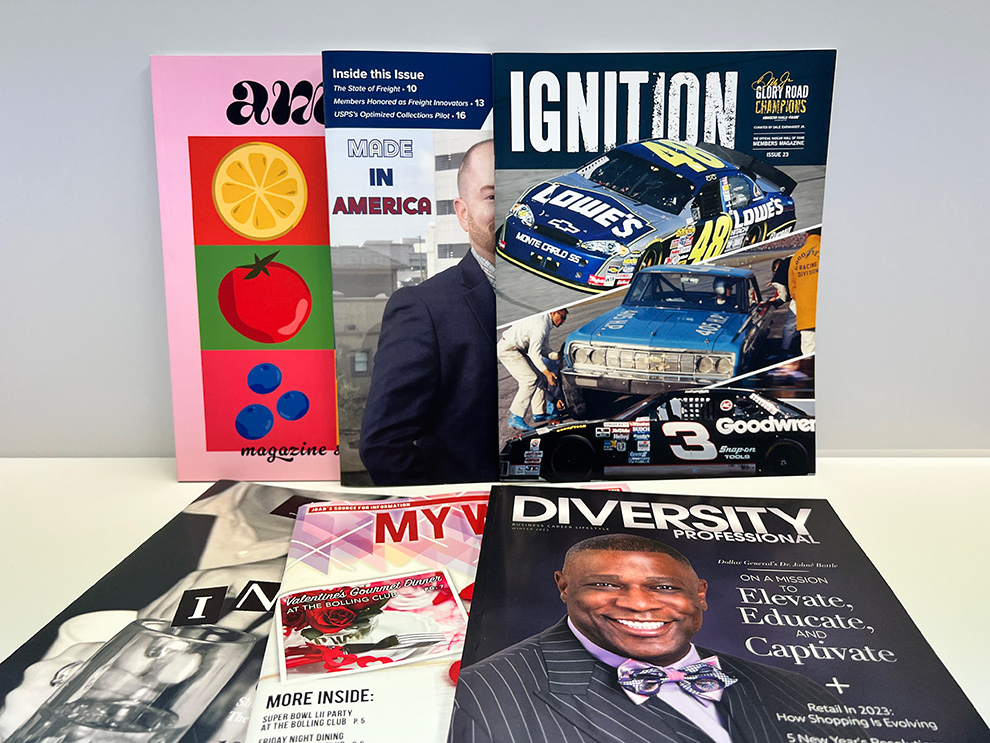
Plan recurring member or community issues where each edition should match the last in size, paper, and color.
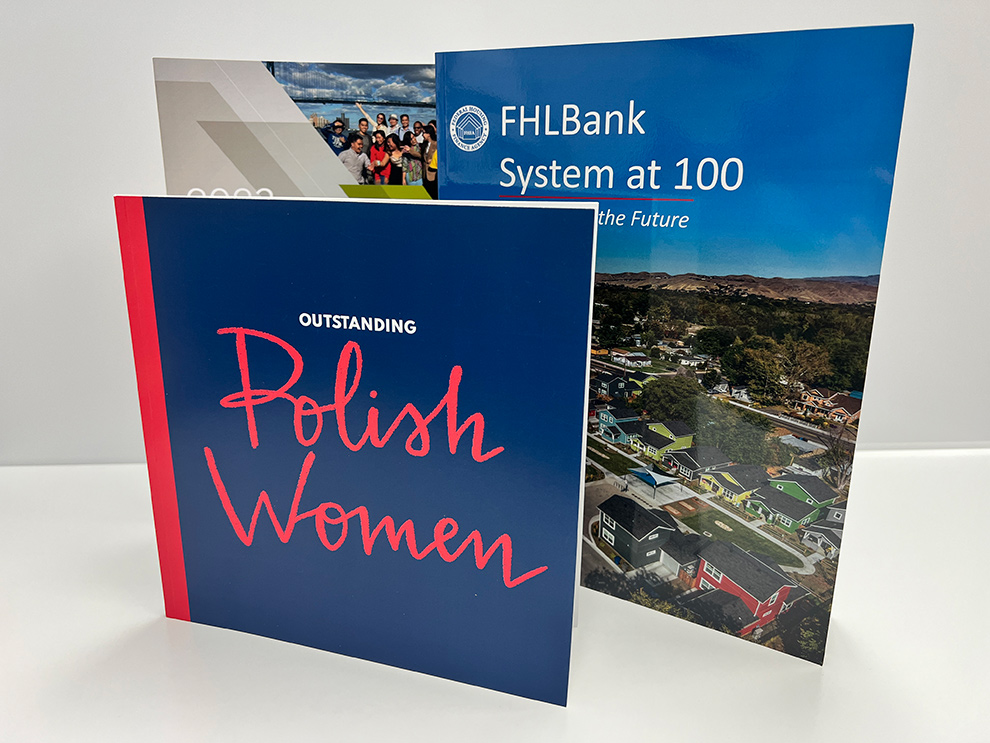
Choose a lighter saddle-stitched format when the page count is too low to support a glued spine.
Hold a bound report together with loose inserts, business cards, and agendas for council, board, or client meetings.
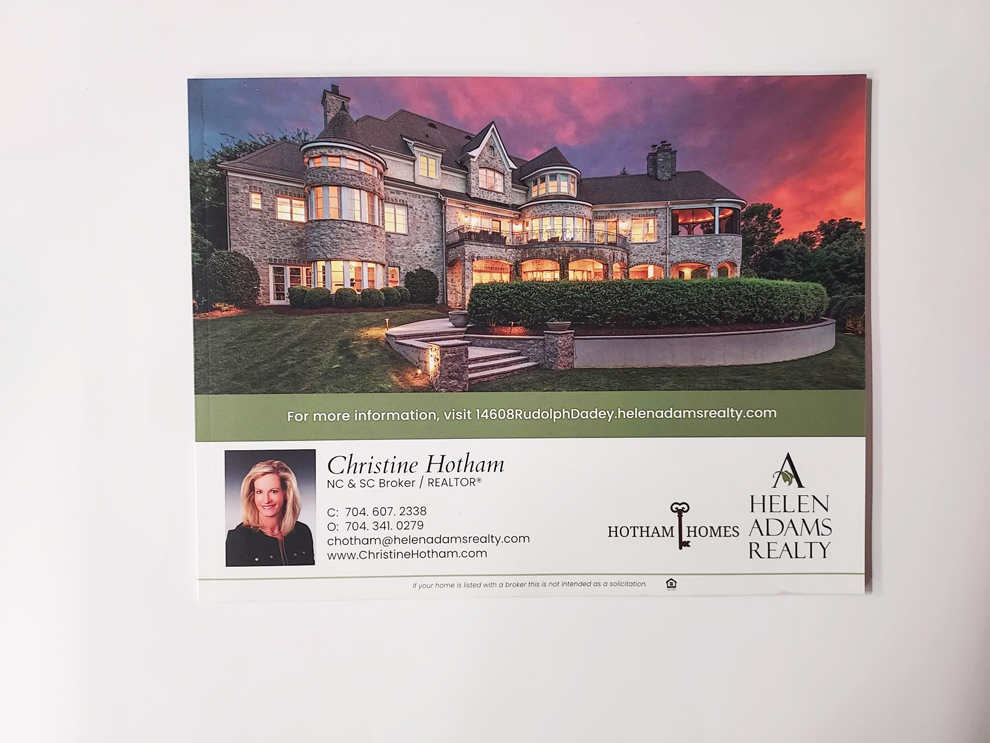
Move a finished publication from production into addressed delivery when the audience is spread across Southern Maryland or beyond.
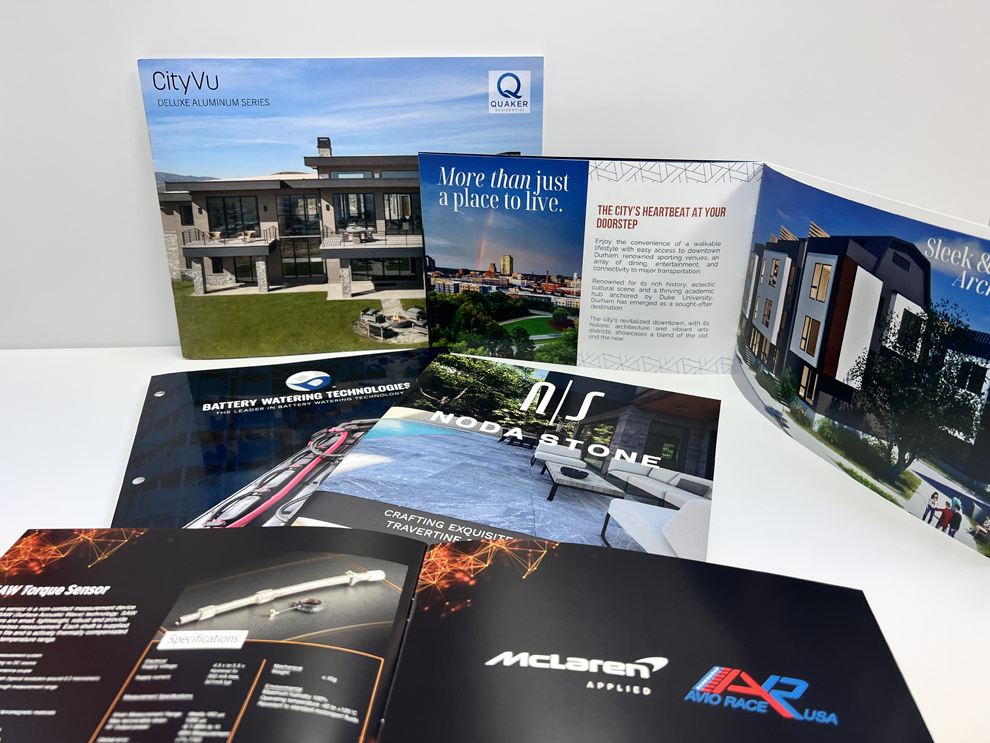
Pair a catalog or directory with flyers, postcards, and handouts that carry the same branding into outreach.
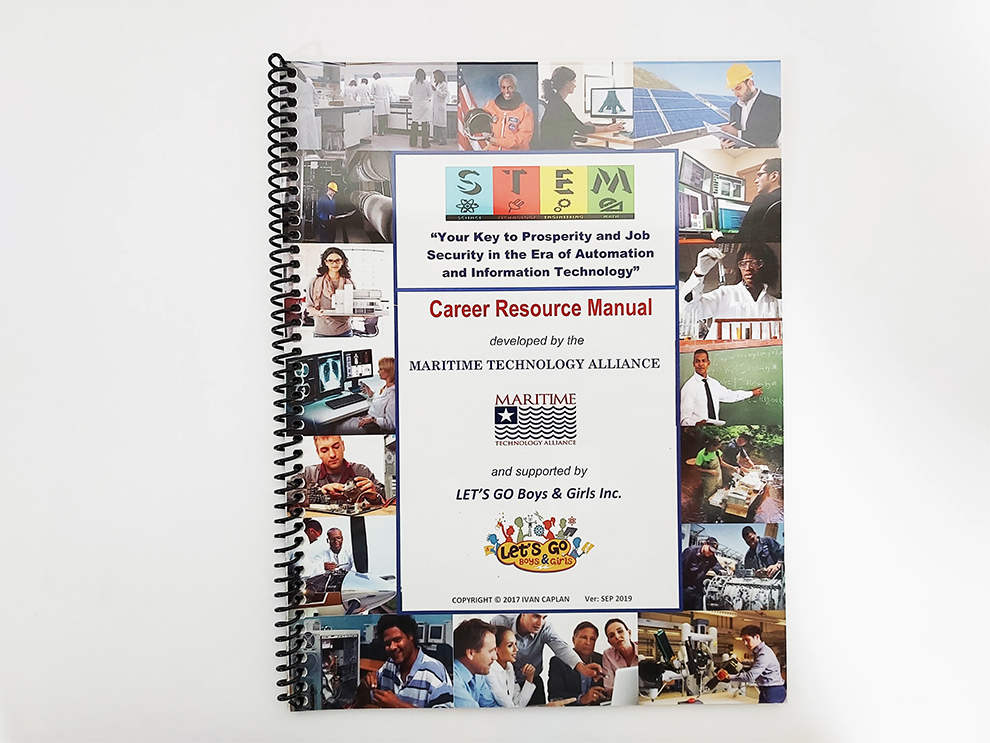
Produce procedure and instruction materials in a construction that lies flat for hands-on use.
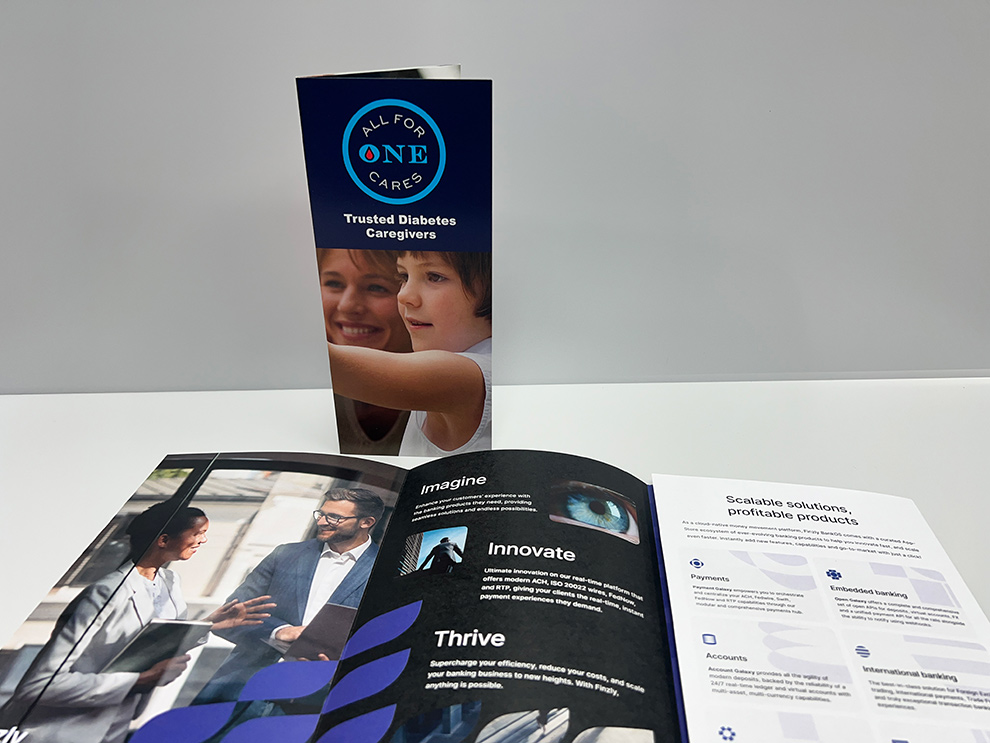
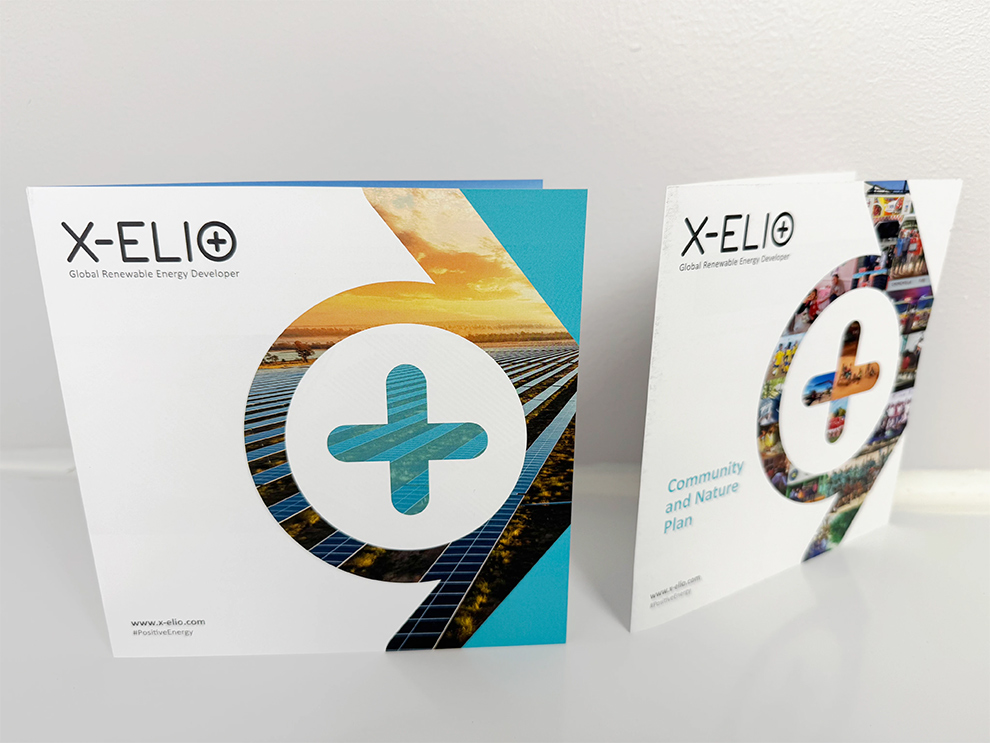
Offer a compact folded piece when the message needs to travel in a pocket rather than sit on a shelf.
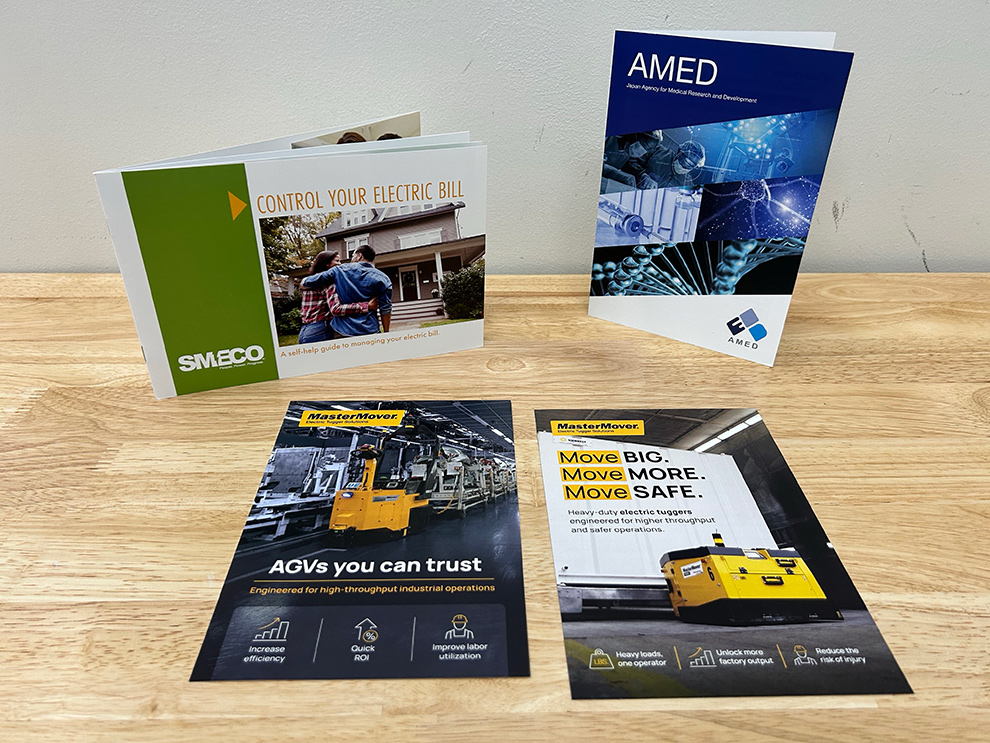
Review the full range of Heritage print production when a publication is part of a broader program.
If your files are complete and the live Store configuration fits, the Online Store is the direct route to pricing and ordering. If the job is a $2,000 or larger opportunity with unresolved files, spine setup, versions, or timing, submit a Custom Quote and let Heritage review the open items before the work is accepted and scheduled. Either way, the goal is the same: a Waldorf, MD publication that leaves the bindery looking the way it was approved.
The interior comes first. Once the final page count and paper are locked, the spine width can be calculated and the cover built to that measurement. Reverse the order and a cover may be approved against a spine that changes when a chapter is added or a lighter sheet is substituted, forcing the cover file back into revision before production.
Inside the book, the binding edge takes space. Because a perfect bound book does not fold open the way a coil book does, text, page numbers, and images placed close to the gutter become hard to read and easy to lose in the curve of the spread. Generous inside margins and consistent folios keep the layout legible. Paper opacity matters as well, especially where heavy ink coverage on one side could show through to the other.
For publications that recur or ship in several versions, retained specifications turn the previous run into a template. Trim size, paper, cover construction, and color targets stay fixed while content, quantities, and version identifiers change. Approving the electronic proof against that baseline keeps a recurring Waldorf, MD directory or annual report consistent from edition to edition.
The right route depends on how finished the job is, not on how large it is.
The Self-Directed Online Store suits a publication whose live Perfect Bound configuration matches the specification and whose cover and interior files are print-ready. The buyer selects options, uploads artwork, and pays online. The Store carries a $750 minimum per total eligible order, reachable by combining several eligible products. It does not include design or layout help, a Physical Production Color Proof, or an assigned Project Coordinator. It does include production review, a required electronic proof for approval, and quality control before printing.
Custom Quote fits a new Commercial Printing opportunity of $2,000 or more that still needs production support with files, cover or spine setup, open specifications, or multiple versions. Reaching $2,000 makes a job eligible; it does not force every larger job onto this route. The form is a request, not a confirmation. A direct contact follows only after Heritage accepts the quote and assigns the order, when the Project Coordinator becomes the phone and email contact. If a firm event or mailing date applies, state it in the request so feasibility can be assessed before anything is promised.
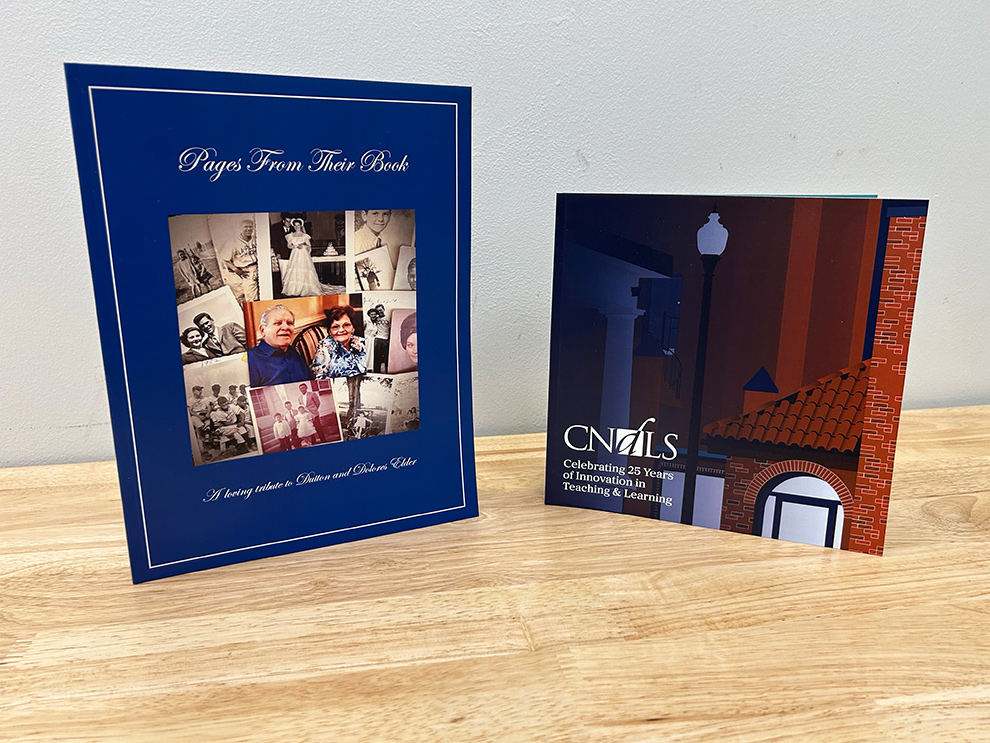
Reports, directories, catalogs, commemorative histories, portfolios, program guides, and books of any kind are the usual candidates, provided the interior is thick enough to hold an adhesive spine. A county annual report, a parish anniversary book, or a school alumni directory often fits well. A short seasonal program usually does not. Heritage evaluates page count, paper, and intended handling before confirming the format.
Only if the finished interior produces enough width for the type to sit comfortably. Spine space is set by page count and paper caliper, not by the cover design, so the question cannot be answered until those two items are final. When the spine is narrow, a blank spine often looks more deliberate than lettering that is cramped or hard to center. Heritage confirms usable spine width before cover artwork is treated as final.
Yes, when the live Perfect Bound configuration matches your specification and your cover and interior files are complete and print-ready. The Store is self-directed: you choose options, upload artwork, and complete payment without an assigned Project Coordinator or design assistance. The $750 minimum applies to the total eligible order and can be met by combining eligible products. Every Store order still receives production review, a required electronic proof for your approval, and standard quality control before printing.
Approval is required before any perfect bound book is printed, whether ordered through the Store or by Custom Quote. The electronic proof shows the production file as Heritage will run it, so use it to check text, page sequence, folios, image placement, and the cover layout including the spine. It is not a color standard; screen settings and press conditions differ, so it does not guarantee how printed color will appear.
Usually, yes. Saddle stitching folds sheets and staples them through the center, which works well for thinner publications that would not generate enough spine for perfect binding. It adds little bulk and keeps a short piece light in the hand. Perfect binding becomes the stronger option as page count and paper thickness increase and the piece needs a square spine and wraparound cover.
Whenever the book needs to lie flat or fold back on itself during use. A training workbook, a procedures manual, a lab guide, or any document someone writes in or references while working with both hands benefits from coil. Perfect binding holds a conventional book shape and resists opening fully flat, so it is the better choice for presentation and storage rather than active desk use.
Perfect binding is a method of fastening a stack of interior pages to a wraparound cover with adhesive along the spine, then trimming the remaining three edges square. The result is the familiar flat-spine construction seen on paperback books, catalogs, and substantial reports. It is distinct from saddle stitching, which uses staples, and from coil, which uses a plastic spiral through punched holes.
Not reliably. The glued spine wants to return to a closed position, so a perfect bound book tends to lift at the center when laid down, and the pages do not fold back on themselves. Readers can hold and page through it normally. The practical consequence is for layout: keep essential text, numbers, and images away from the binding edge so nothing important disappears into the gutter.
A new Commercial Printing opportunity valued at $2,000 or more that needs production-oriented support before it is ready to run. Typical needs include file preparation, cover or spine setup, specification guidance, production-oriented layout, or coordination of several versions. The $2,000 figure establishes eligibility rather than a requirement. Submitting the form starts a review; it does not guarantee acceptance, a production slot, or an immediate contact. Once Heritage accepts the quote and assigns the order, the Project Coordinator becomes the direct phone and email contact.
For qualifying $2,000 or larger Custom Quote work, yes, as a paid option. A Physical Production Color Proof is produced on the printer and paper planned for the actual run, so it reflects real production conditions rather than a screen. It adds production time and cost, and once approved it governs color for the run unless another agreement is in place. The option is not available for Self-Directed Online Store orders.
Yes. Retained production details such as trim size, paper, cover construction, and color targets give the next edition a fixed starting point while content, page count, and quantity change. If the page count moves, the spine measurement and cover setup are rechecked before proofing. For several versions in one run, label each file, quantity, and approver clearly so editions stay separated through production and delivery.
Primarily the number of interior pages and the caliper of the paper they are printed on, combined with the specific production setup for the book. Thicker stock or more pages produce a wider spine; a lighter sheet or a trimmed section narrows it. Because any interior change shifts the measurement, Heritage treats the spine as a calculated value that is confirmed after the interior is finalized and before the cover is released for proofing.
Send the date itself along with the facts that most affect it: quantity, current page count, whether the cover is final, the status of interior files, the number of versions, and any approvals still pending. With that information, Heritage can map the production sequence and say whether the date is achievable or whether an earlier file deadline, a different quantity, or a change in finishing would protect it. For qualifying Custom Quote orders, the Project Coordinator joins the conversation once the quote is accepted and assigned.
Heritage Signs & Displays created new museum signage for the Military Women’s Memorial in Arlington, VA. The project included custom signs, wall wraps, dimensional letters, and standoff-mounted displays to honor the legacy of U.S. servicewomen and the donors who supported the memorial. The updated interior features impactful designs, including a "Our Legacy" wall display and panels showcasing historical contributions and artwork, creating a transformative tribute to women in the U.S. Armed Forces.
Heritage Signs & Displays' collaboration with The Gathery to brand Union Market in Arlington, VA, for Indeed's "Ready to Work" job fair. The project included custom event displays, wall graphics, window graphics, and wayfinding signs, creating an immersive and visually appealing environment. The branding enhanced the venue, reflected the event's mission, and provided a seamless experience for attendees.