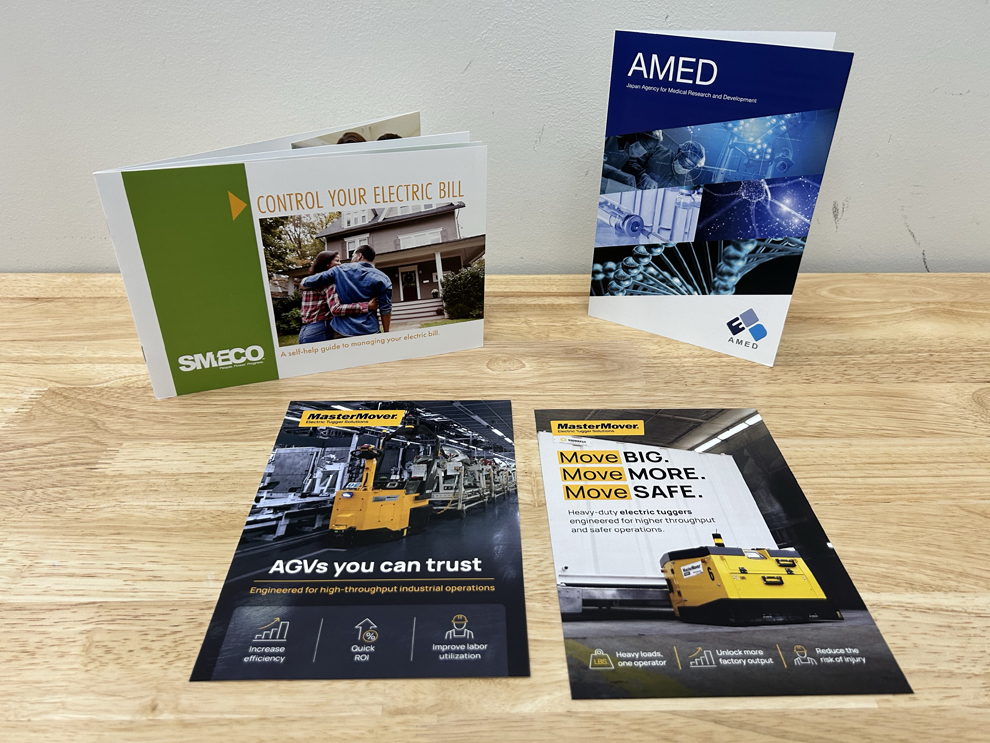
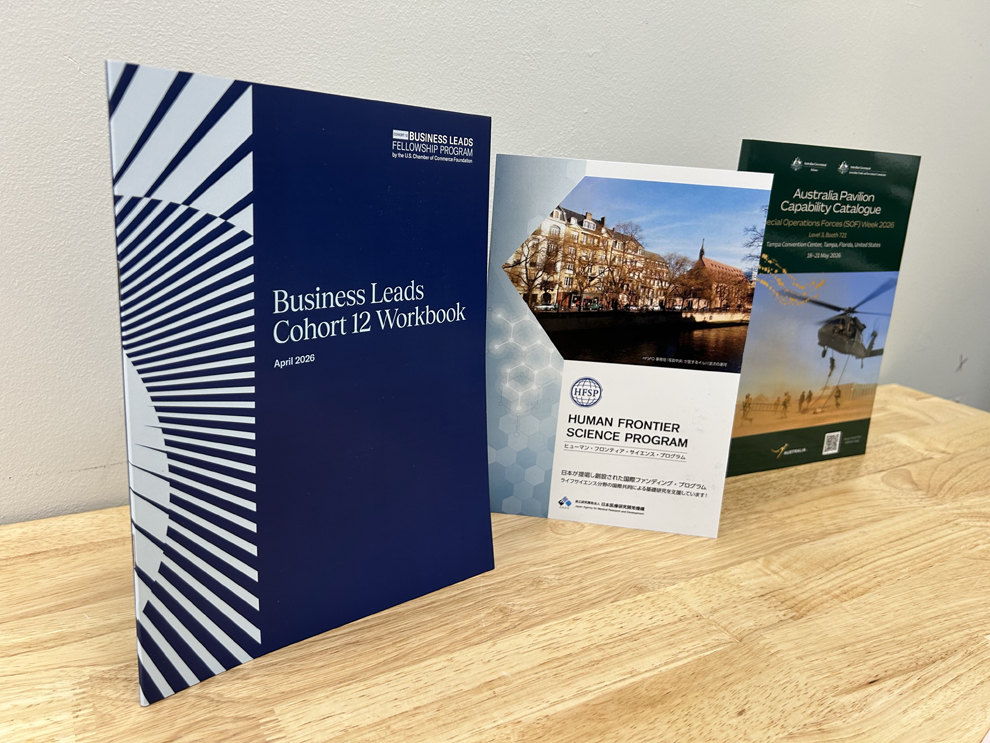
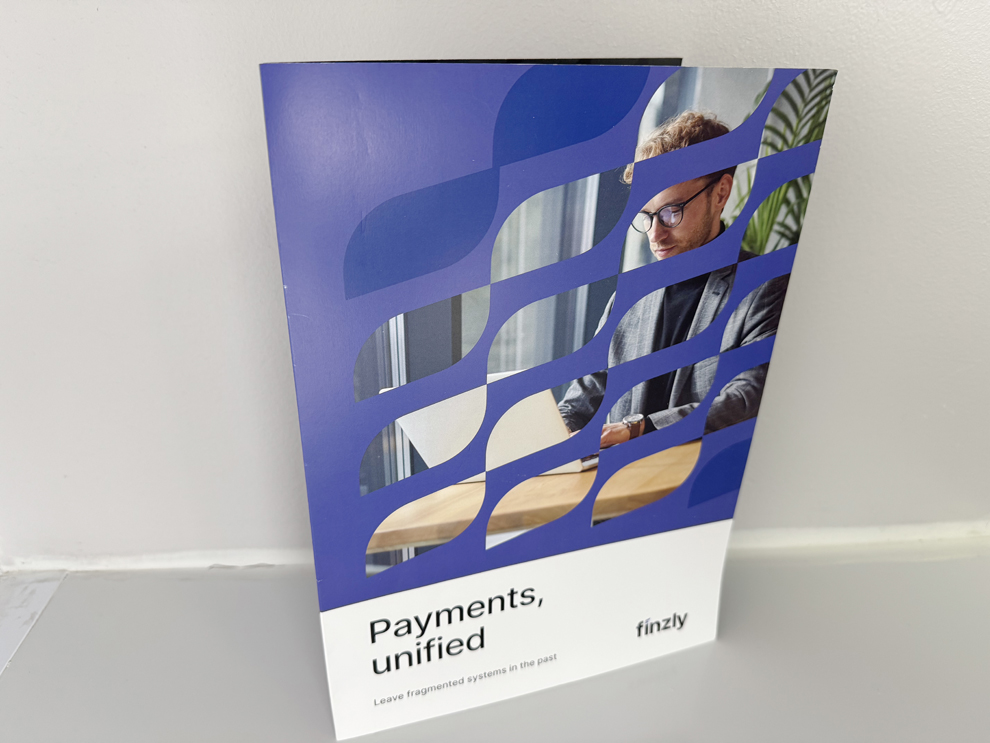
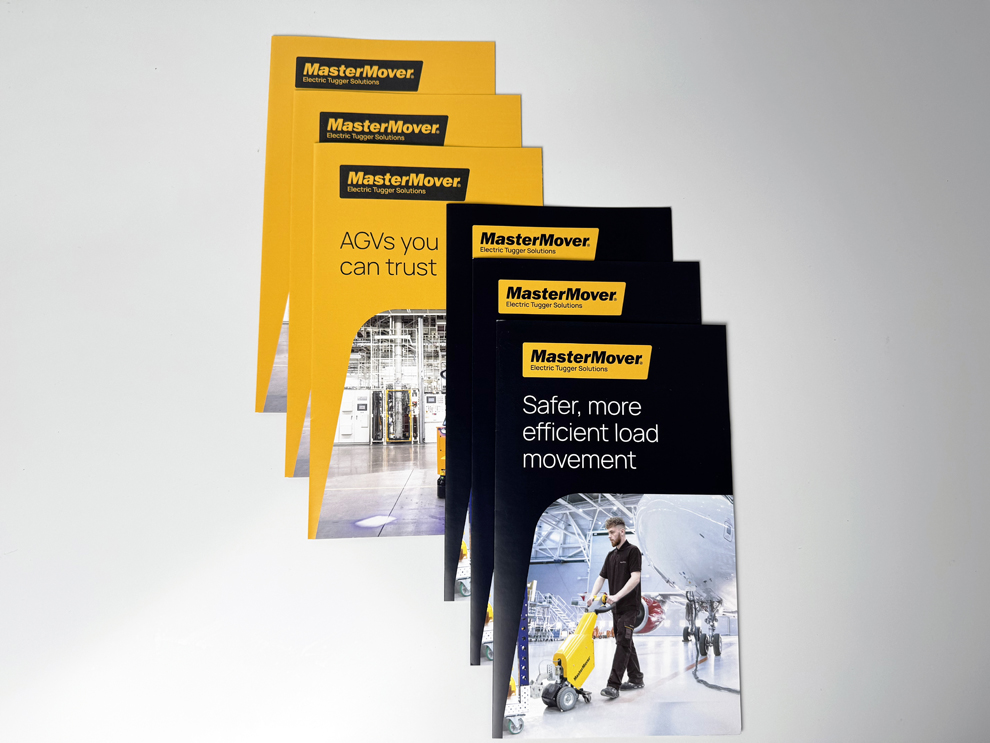
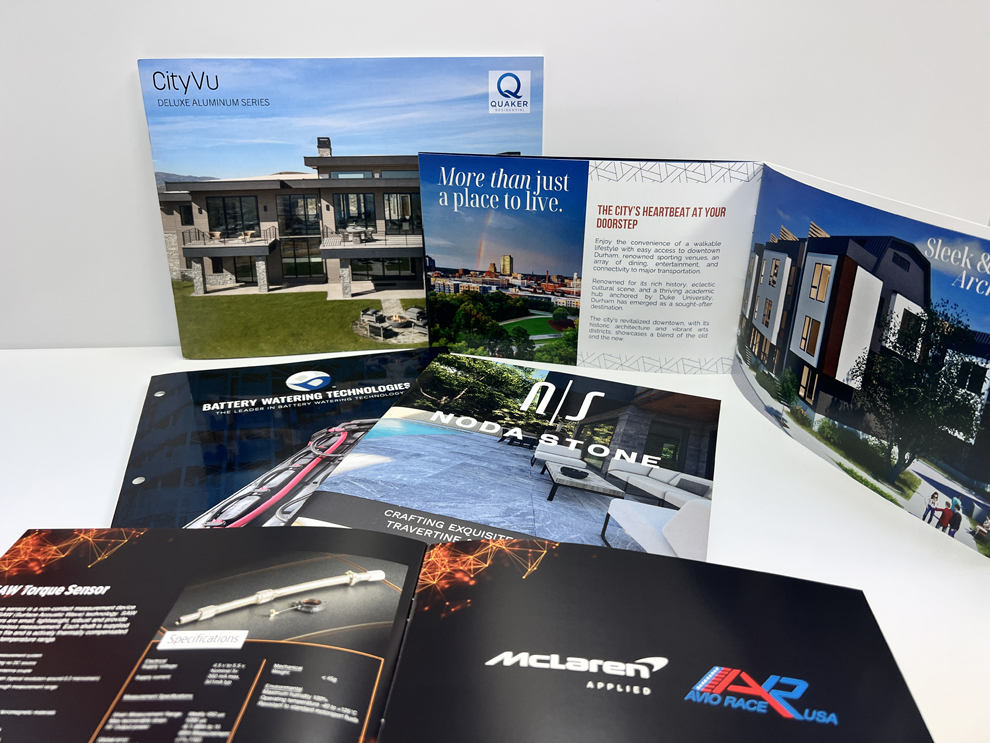
A printed piece should give its recipient clear information and give your organization confidence that the approved message has been reproduced correctly. For Fairfax, VA organizations preparing sales collateral, recruiting handouts, or fundraising inserts, that outcome depends on decisions made before printing begins. Heritage Signs & Displays produces marketing materials from client-supplied approved content and brand direction, whether the requirement involves one sell sheet or several related pieces with different distribution plans. We translate accepted specifications into practical production requirements, considering how paper, color, trimming, and finishing affect the finished result and its intended use. A rack card intended for repeated handling may need different construction from a handout distributed during a single meeting, even when both carry the same identity. Our responsibility is print production rather than developing the strategy, offer, or messaging behind those materials. By establishing quantities, artwork readiness, proof approvals, packaging requirements, and completion dates early, we help keep accepted work organized and make schedule dependencies visible before they become avoidable obstacles to distribution.
Dependable execution starts with understanding which details can affect the finished piece and addressing them before an order moves into production. Heritage began as a printing business in 1977, and nearly five decades of printing experience inform our approach to reproduction, finishing, and production planning. As a veteran-owned, family-led company, we place value on clear requirements, responsible communication, and accountability for accepted work. For Fairfax buyers managing internal approvals or a scheduled release, those practices provide a practical basis for making decisions rather than relying on broad assurances. We consider how the supplied artwork, chosen stock, and finishing requirements work together, explaining relevant limitations instead of treating every specification as interchangeable. Quality depends on that preparation as well as careful attention during production, especially when a small change affects several related items. When dates are important, we evaluate the requirements with calm urgency and identify the approvals or unresolved details that could influence completion. This production foundation supports informed choices and dependable communication without implying that an unreviewed request carries a guaranteed schedule.
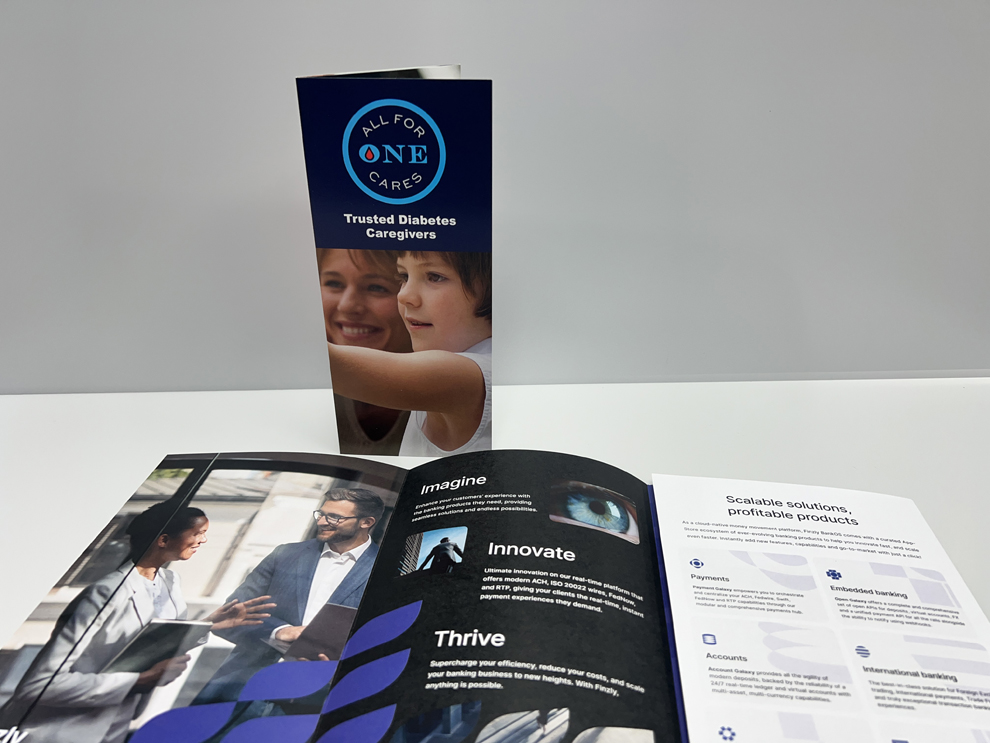
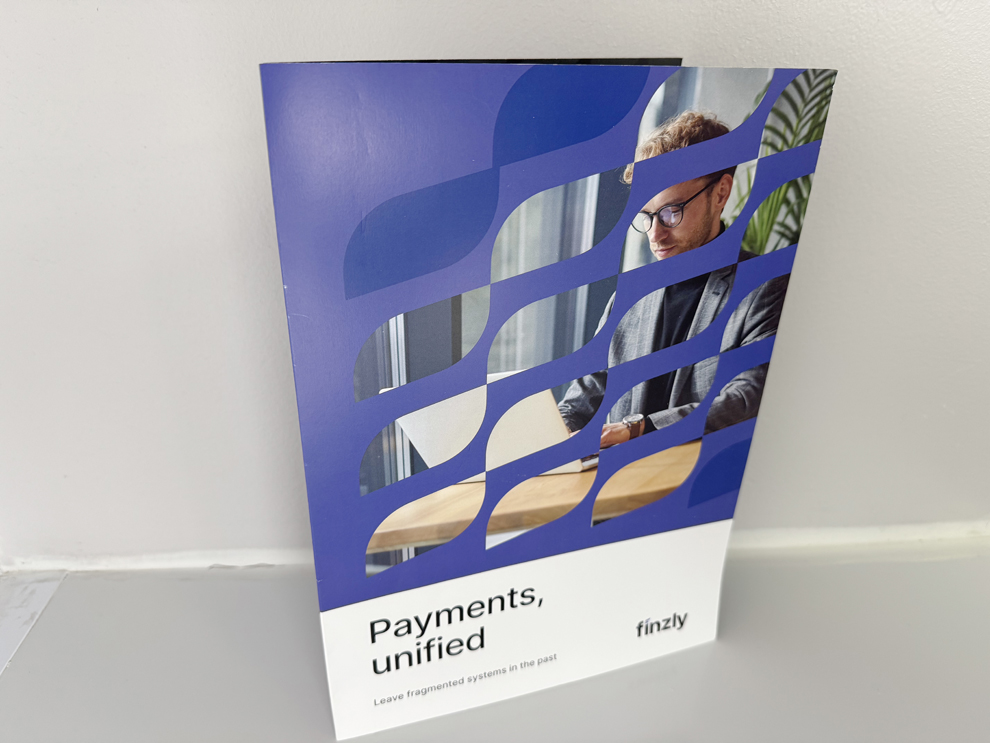
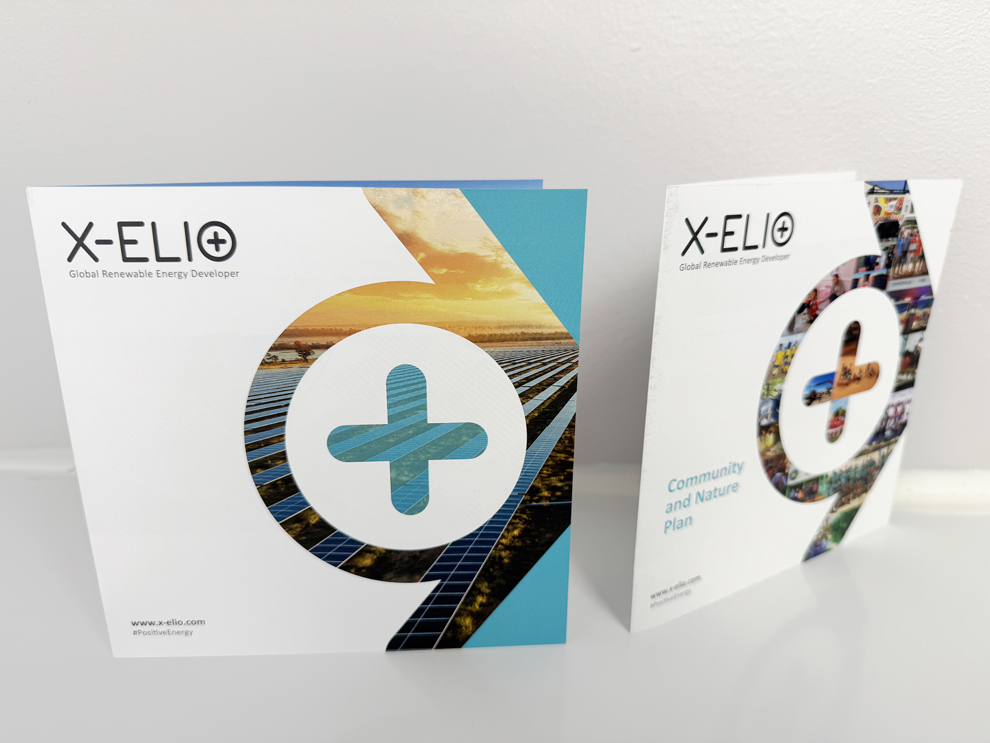
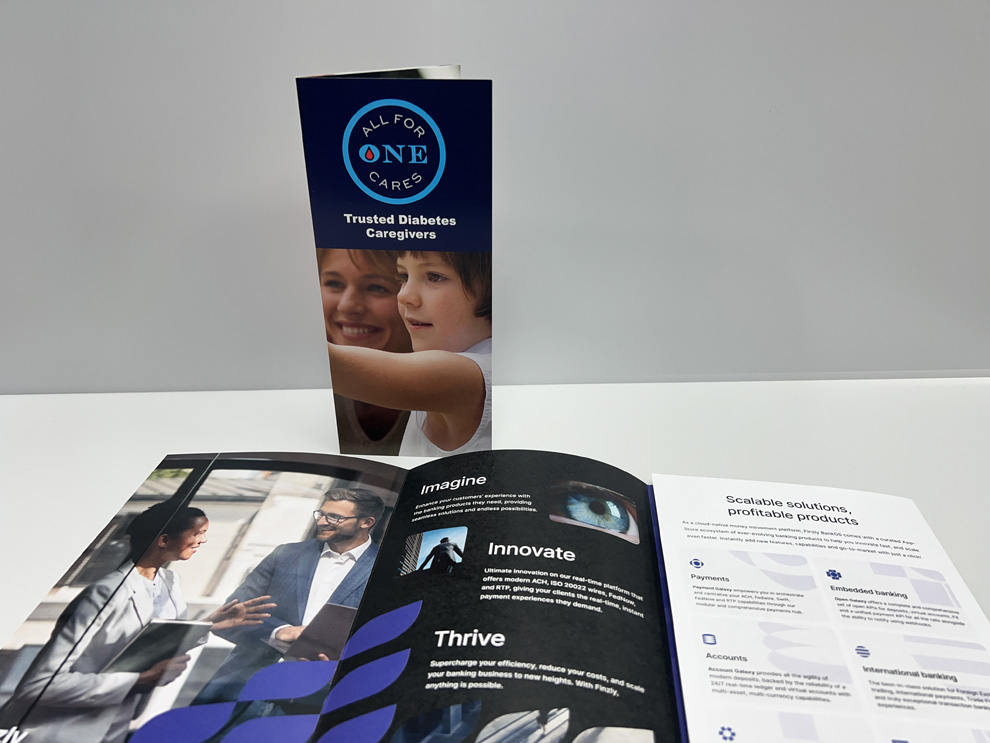
Folded pieces that organize service information, product details, or organizational introductions into panels designed for sequential reading and convenient distribution.
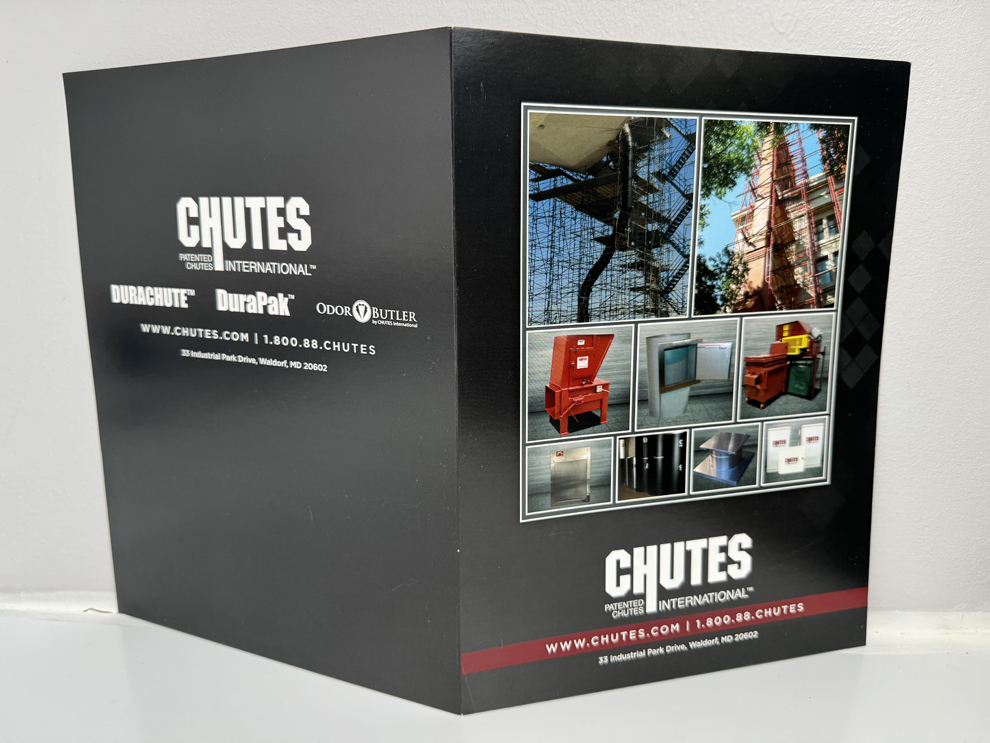
Printed folders that bring proposals, information sheets, and supporting inserts together while keeping individual documents accessible and replaceable.
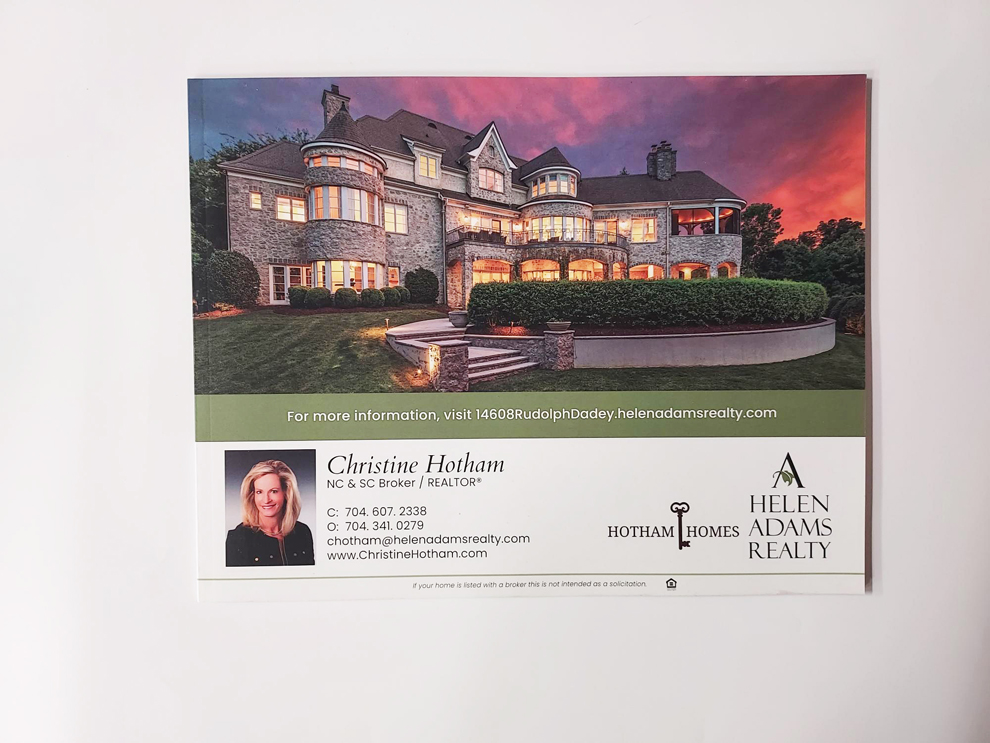
Printing and mailing coordination for addressed outreach, with production requirements shaped by the intended mail piece and accurate client-supplied distribution data.
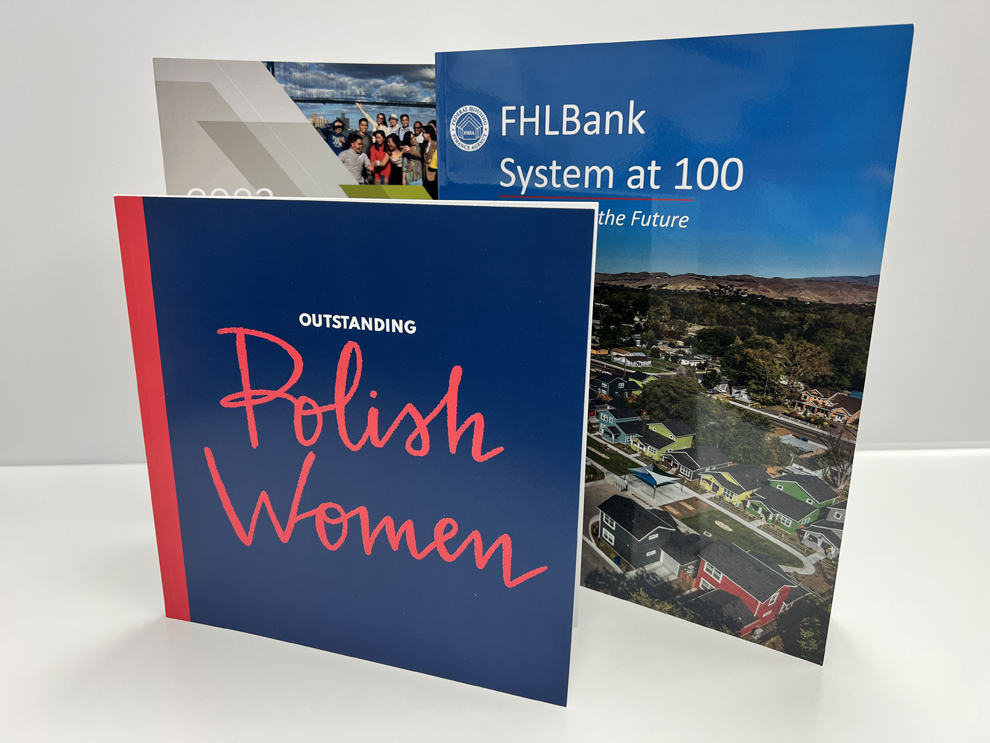
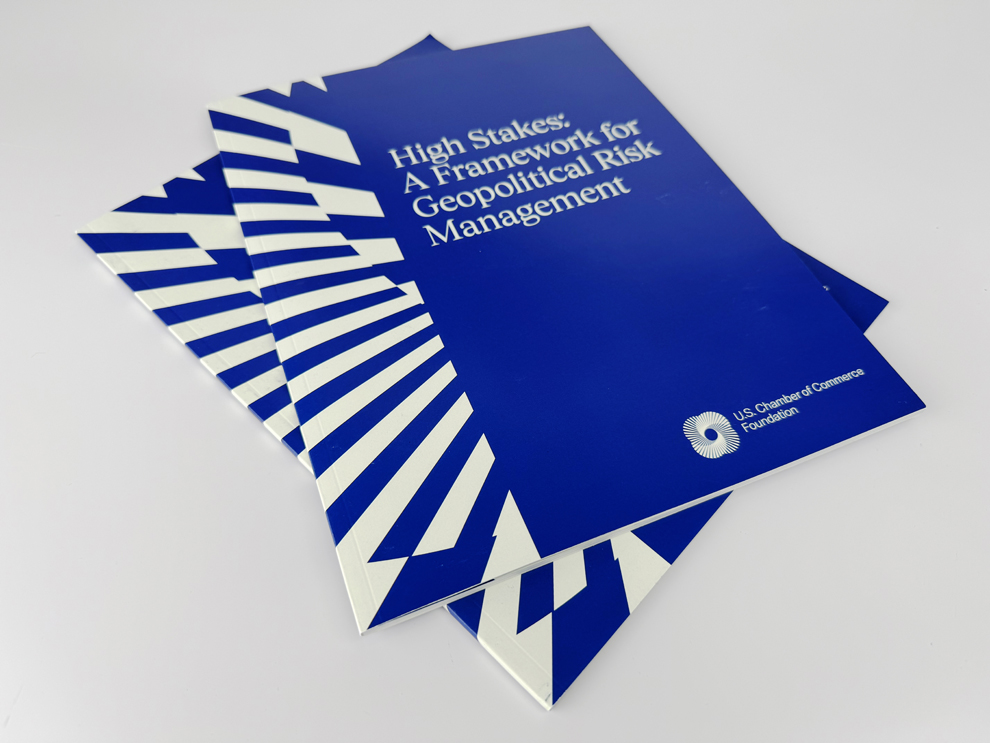
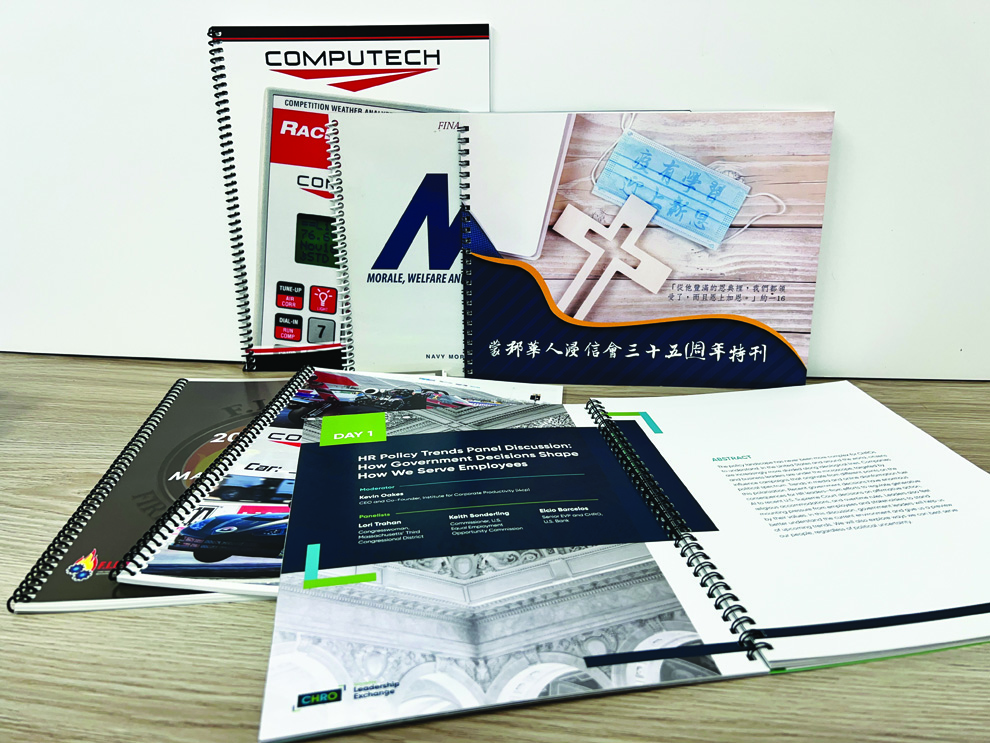
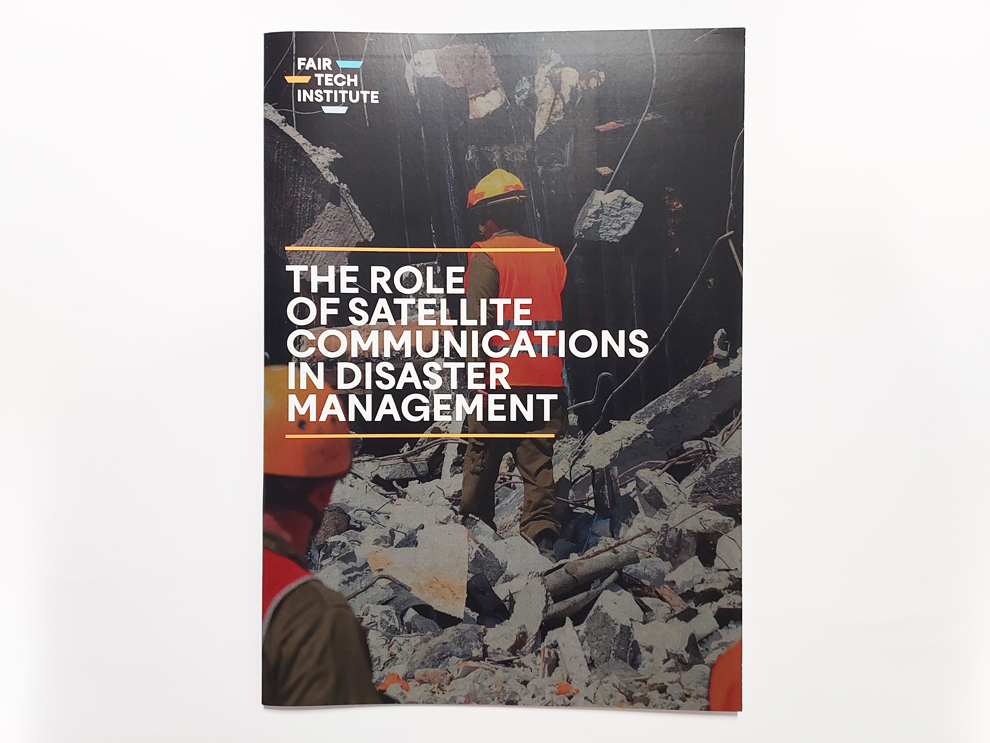
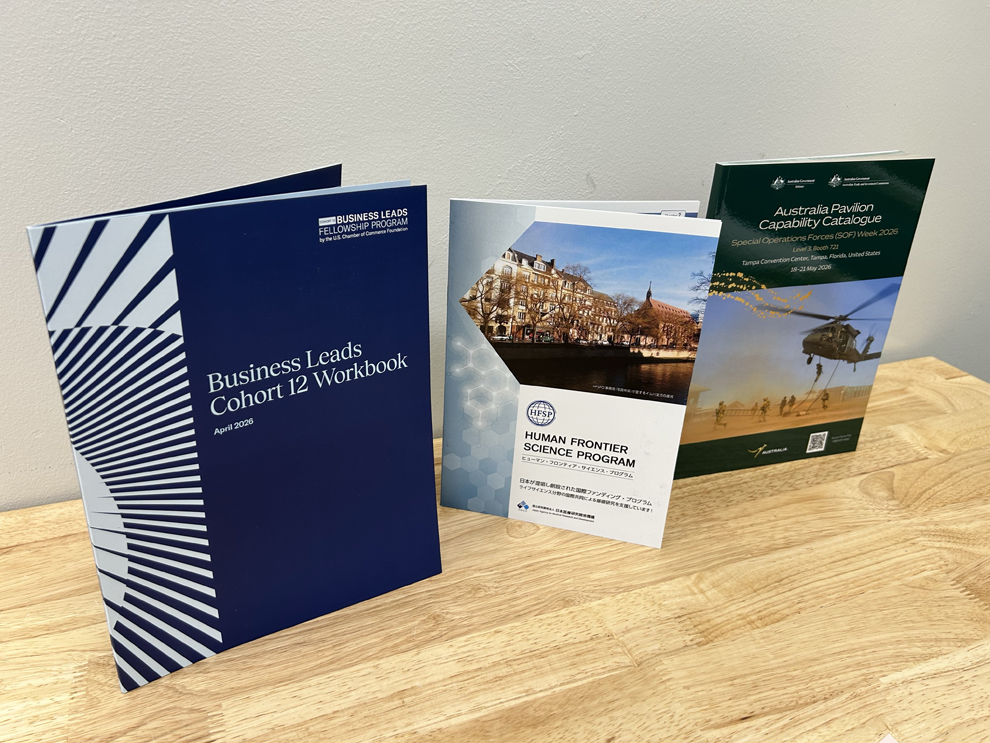
Bound, multipage pieces for reference guides, detailed information, and instructional content that require more room than a standalone handout.
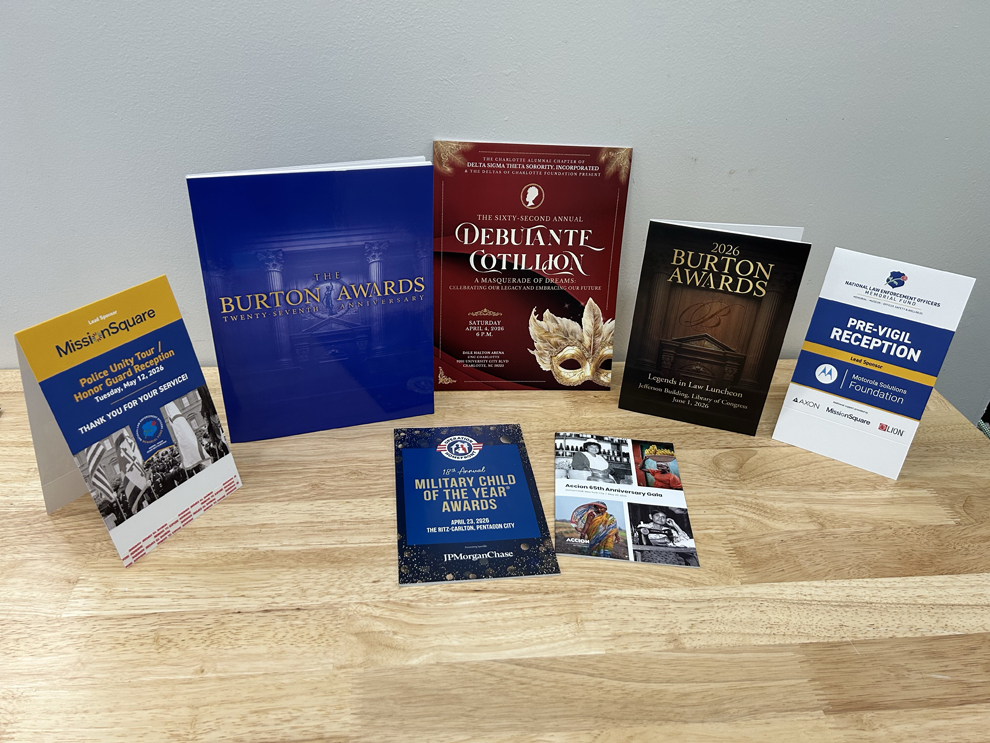
Schedule-focused publications that organize participant information, acknowledgments, and event details for attendees, with approvals planned around the required handoff.
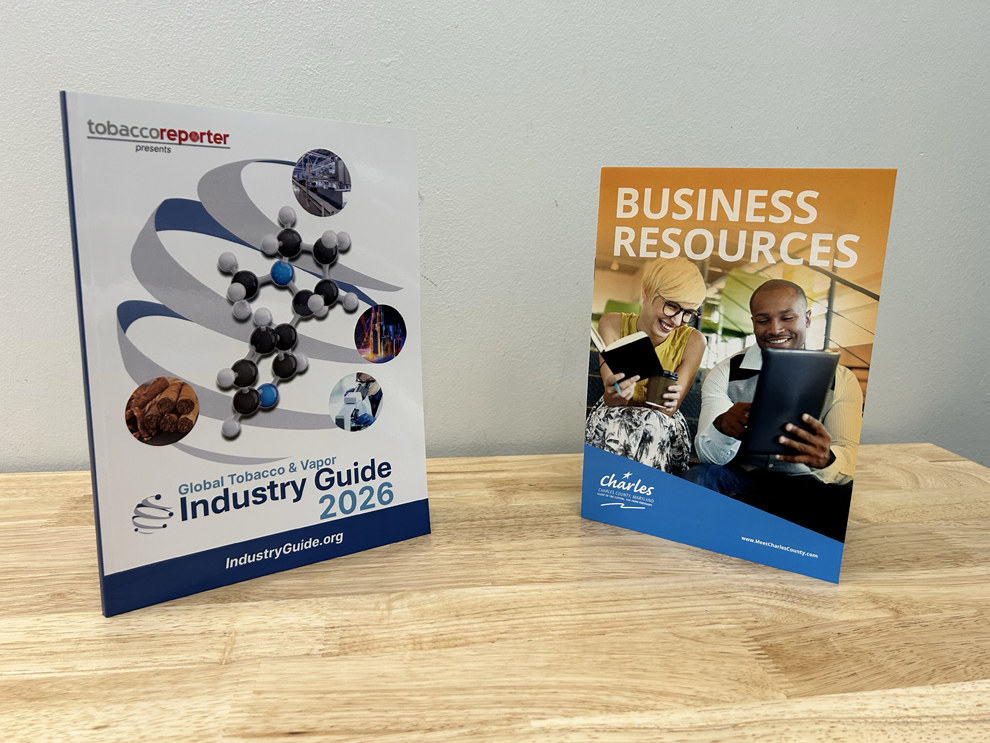
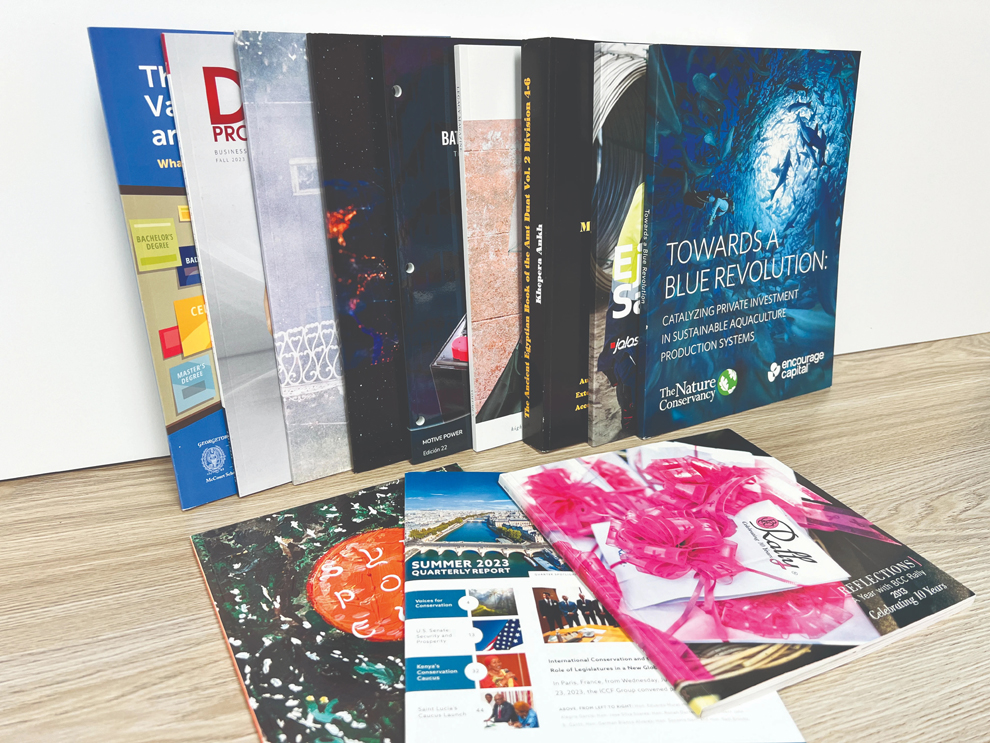
Recurring printed updates for members, donors, employees, or customers, with specifications that support continuity between issues and applicable distribution requirements.
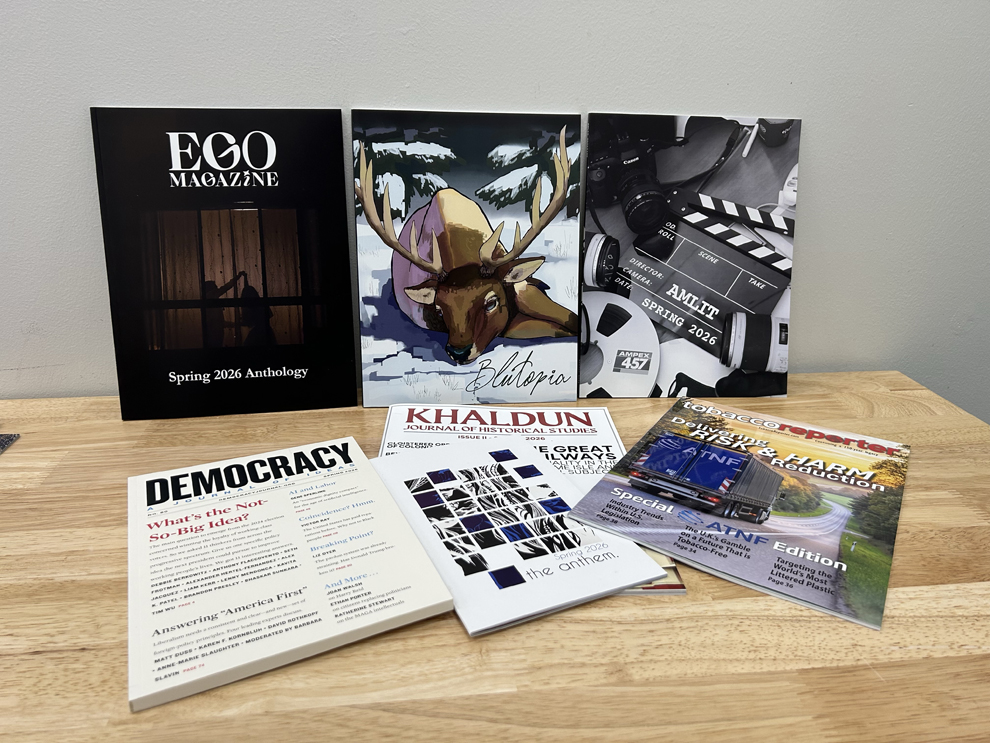
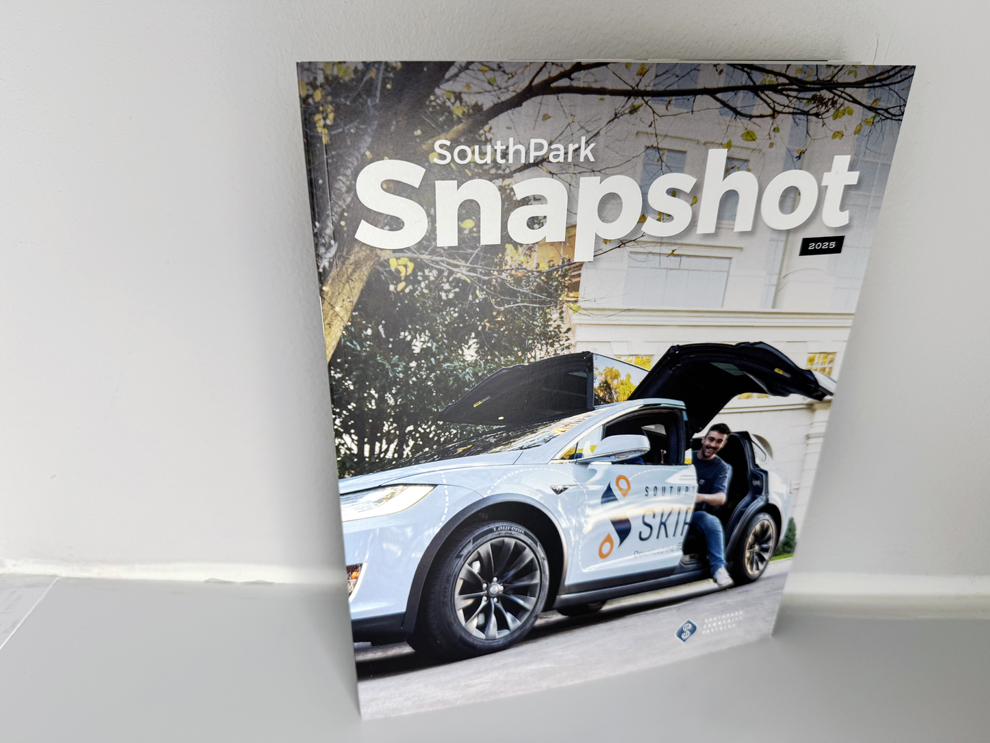
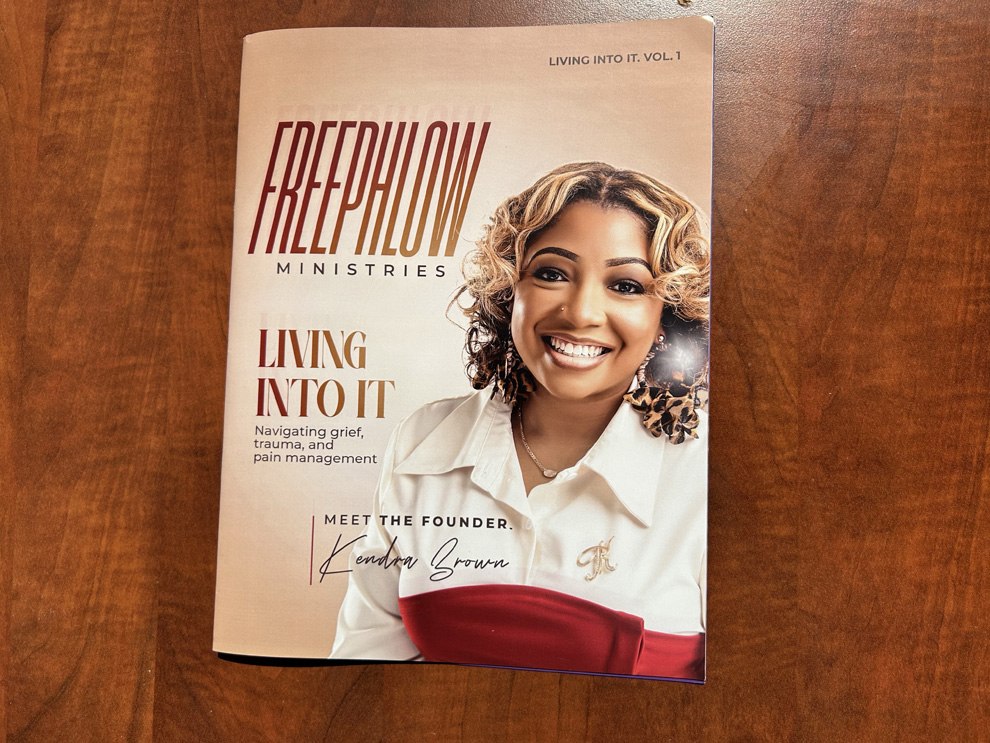
Issue-based publications that combine editorial content and imagery, with attention to page construction, paper selection, binding, and repeat production requirements.
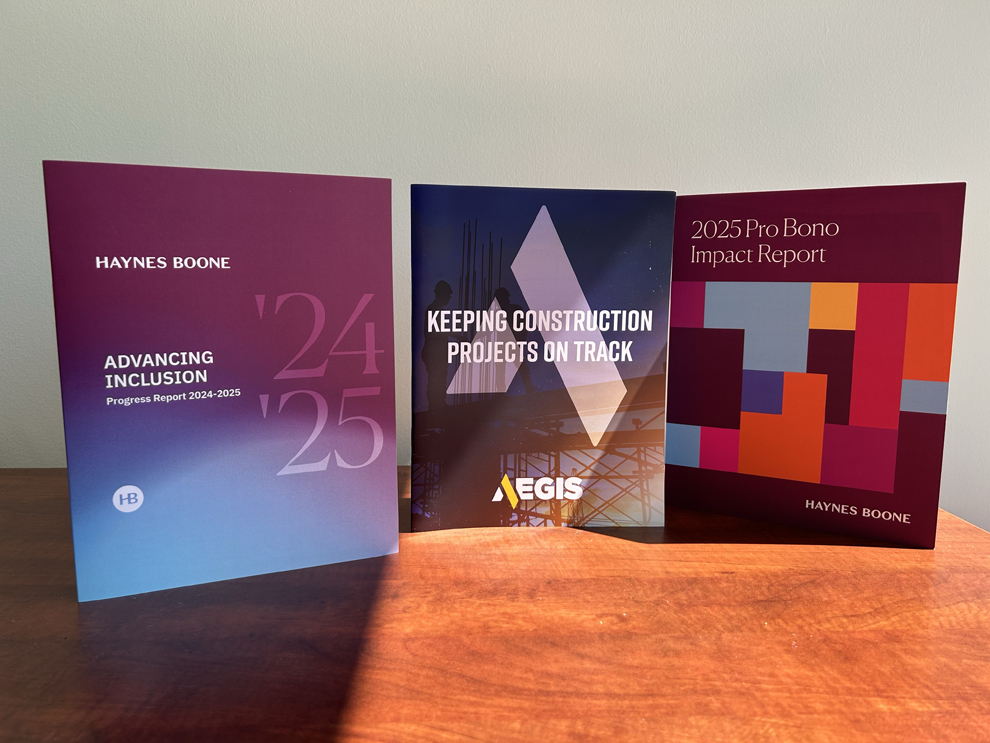
Printed reports that present organizational results, financial information, and leadership messages in a structured format for stakeholders and other readers.
Keeping a set of marketing materials organized requires agreement about what stays consistent and what should change to serve each use. A recruiting handout may prioritize economical distribution, while a sales insert may need a heavier sheet that withstands handling inside a packet. Both can represent the same brand without sharing an identical size, surface, or quantity, provided the approved artwork and production expectations account for those differences. For Fairfax organizations distributing materials through several departments, Heritage can coordinate accepted requirements so each piece has an identifiable version, quantity, approval status, and intended destination. We work from the supplied brand direction and content, not from assumptions about which audience should receive a particular message or offer. Different release dates also need deliberate planning, since one approved item may be ready while another still requires client review or revised artwork. Establishing those distinctions helps prevent an outdated version from entering production or a packaging instruction from being overlooked, while preserving a related professional appearance across materials prepared for different recipients and occasions.
The Self-Directed Online Store suits products confirmed as live and orderable when you can select the available specifications independently and supply complete print-ready artwork. Eligible items may be combined within one order toward the $750 minimum for every new Commercial Printing opportunity.
For qualifying work of $2,000 or more, the Storefront Custom Quote form may be appropriate when accepted requirements need higher-touch production support, subject to form availability and scope evaluation. Order value alone does not require this route; a direct Project Coordinator relationship begins only after quote acceptance and formal order assignment.
Every Commercial Printing order requires client approval of an electronic proof before printing.
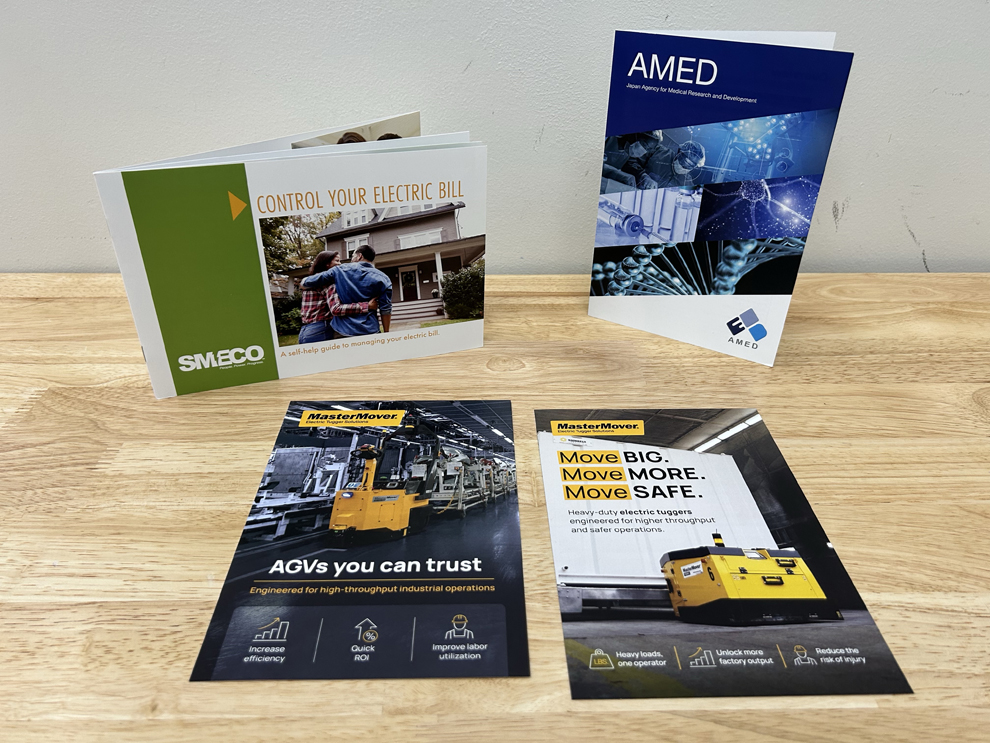
Marketing materials are printed pieces that communicate an organization’s approved message in support of a business or organizational objective. Typical examples include sell sheets, flyers, postcards, rack cards, inserts, and handouts used for outreach, recruiting, sales, or fundraising. This category covers individual collateral and coordinated sets without replacing the detailed production information provided for specialized formats.
Yes. A single format, such as a service information sheet or recruiting handout, can qualify without being part of a larger collection. The new Commercial Printing opportunity must still meet the $750 minimum and the requirements of the applicable ordering route; eligibility depends on the production specifications, not on the number of different products.
Yes. Several different pieces can be coordinated within accepted scope, with quantities, specifications, approvals, and distribution instructions established for each item. A clear item schedule helps distinguish what is shared from what is unique, particularly when some pieces require different finishing or must be completed at different times.
Provide approved brand references and identify color-sensitive elements before specifications are finalized. Paper shade, surface texture, coatings, and production methods can influence the appearance of the same supplied color, so unlike materials may not produce identical visual results. Electronic proofs do not establish physical color; qualifying Custom Quote work may use an added-fee Physical Production Color Proof.
No. Each item can use a stock and finish suited to its handling, distribution, and expected useful life. A lightweight insert and a more substantial rack card can still appear related through approved artwork and informed production choices, although differences in paper and surface treatment should be considered when setting color expectations.
Production-oriented file assistance may be included in qualifying Custom Quote work when the accepted scope calls for it. This can involve sizing, layout adjustments, file preparation, or adaptation of supplied versions using completed or substantially complete client content. Self-Directed Online Store orders require complete print-ready files and do not include Heritage design or layout development.
Yes. Every Commercial Printing order, including Self-Directed Online Store purchases, requires electronic proof review and client approval before printing. Review the supplied content, page arrangement, spelling, version details, and other shown production information carefully; an electronic proof supports content and layout approval but is neither a controlling physical color standard nor a color guarantee.
Consider a Physical Production Color Proof when color sensitivity warrants approving an actual production reference before the full run. It is available only for qualifying Custom Quote Commercial Printing work of $2,000 or more, carries an additional fee, and extends the schedule. Produced using the intended production printer and paper or material, it becomes the controlling physical color reference after approval and is not available through Store purchases.
Versions can be coordinated when the accepted requirements identify each variation clearly. Supply a version list connecting the correct artwork, contact information, quantity, and destination, then review the corresponding proofs before approval. This is particularly important when files look similar but contain different offers, office details, dates, or audience-specific information that must remain separate.
Yes, when mailing, packaging, shipping, or delivery is included in the accepted scope. Requirements depend on the finished pieces, destination details, quantities, and accurate client-supplied data, including mailing lists where applicable. Production and postal handoff can be planned around a distribution objective, but a USPS handoff date does not guarantee a recipient delivery date.
Yes. Eligible products confirmed as live and orderable may be combined within a single Self-Directed Online Store order to meet the $750 new Commercial Printing minimum. You must independently select the available specifications and provide complete print-ready artwork for each item; combining products does not add assisted selection, layout development, or an assigned Project Coordinator.
Use the Custom Quote route, when available, for qualifying opportunities of $2,000 or more that require appropriate higher-touch production support. Relevant needs may include supplied-file adjustments, multiple versions, color-sensitive requirements, or coordinated fulfillment. Reaching that value does not automatically require Custom Quote, and submitting the form requests evaluation rather than guaranteeing acceptance, capacity, or a production schedule.
The direct Project Coordinator relationship begins only after quote acceptance and formal order assignment for a new Custom Quote order. Submitting an inquiry or the Storefront Custom Quote form does not establish that relationship. Once assigned, the coordinator supports communication around accepted production requirements; this assigned service is not included with Self-Directed Online Store purchases.
Use a dedicated product page when a particular format determines most of the production decisions. Brochures addresses folded pieces, Booklets addresses bound multipage work, and Presentation Folders addresses document organization; Event Programs, Newsletters, Magazines, and Annual Reports serve their respective publication needs. Direct Mail Services is relevant when addressed distribution is central, while Marketing Materials suits standalone collateral or related sets.
Provide the required completion or distribution date, quantities, specifications, artwork status, and destination early. Include time needed for internal reviews, any requested physical color proof, finishing, packaging, and transportation so the evaluation reflects the complete requirement. We assess feasibility and communicate schedule dependencies with urgency, but do not promise rush production before the scope and approval requirements are understood.
No. Clients are responsible for campaign strategy, brand direction, audience decisions, offers, and completed or substantially complete copy and artwork. Heritage’s role is production-led: qualifying Custom Quote support may prepare supplied content through sizing, layout adjustments, or version preparation, but those services do not include advertising strategy, campaign development, or writing the client’s marketing message.
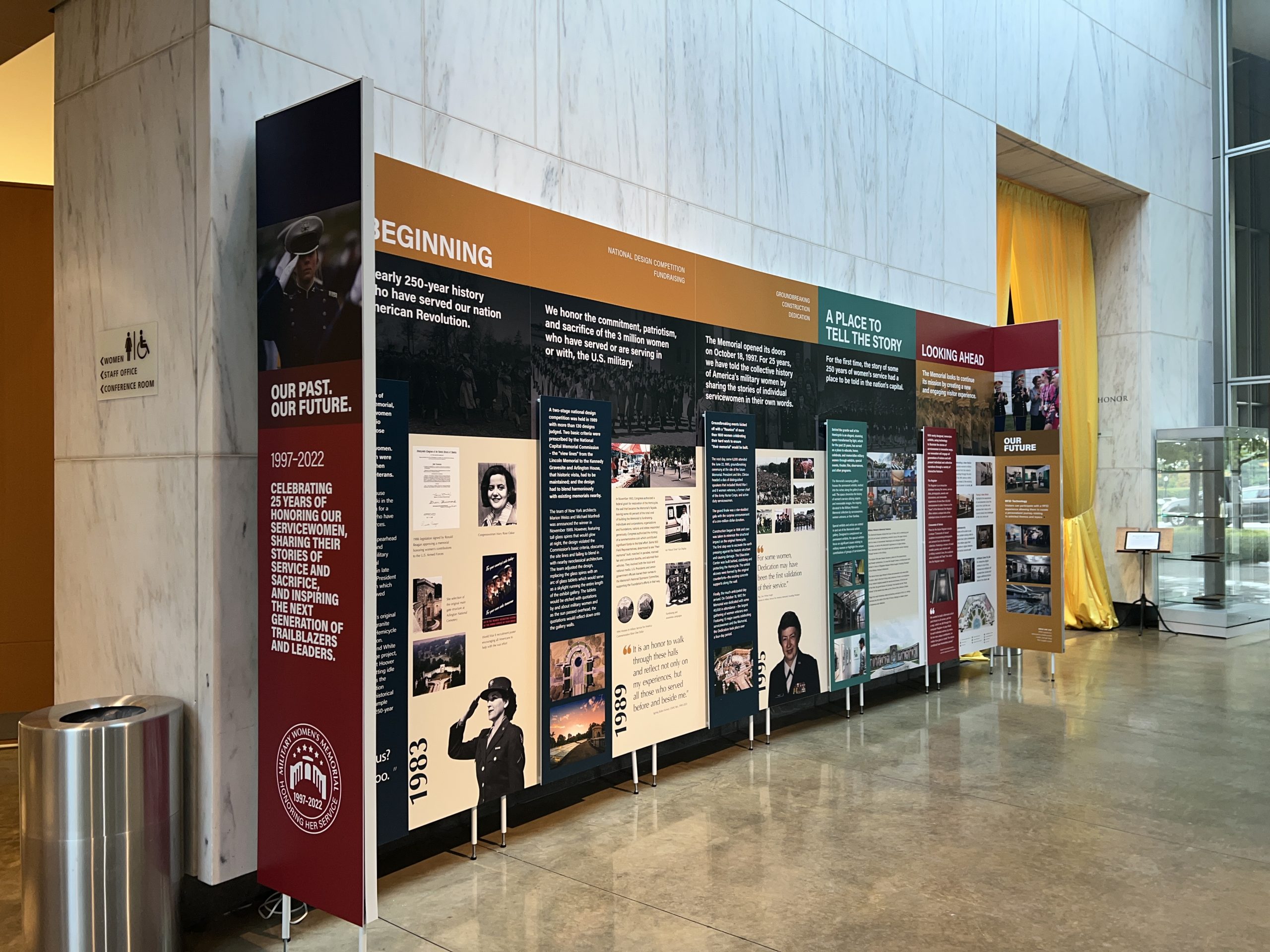
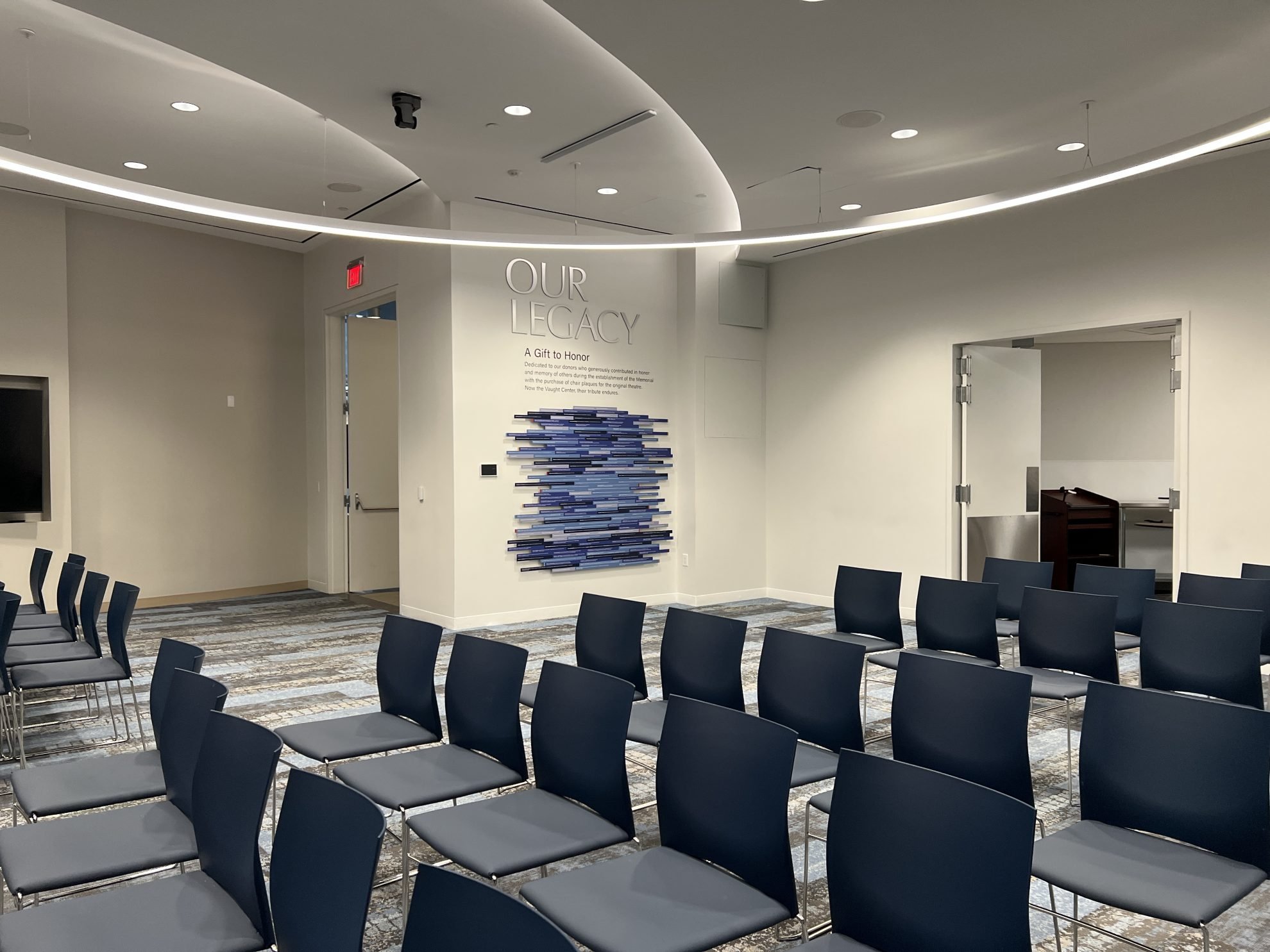
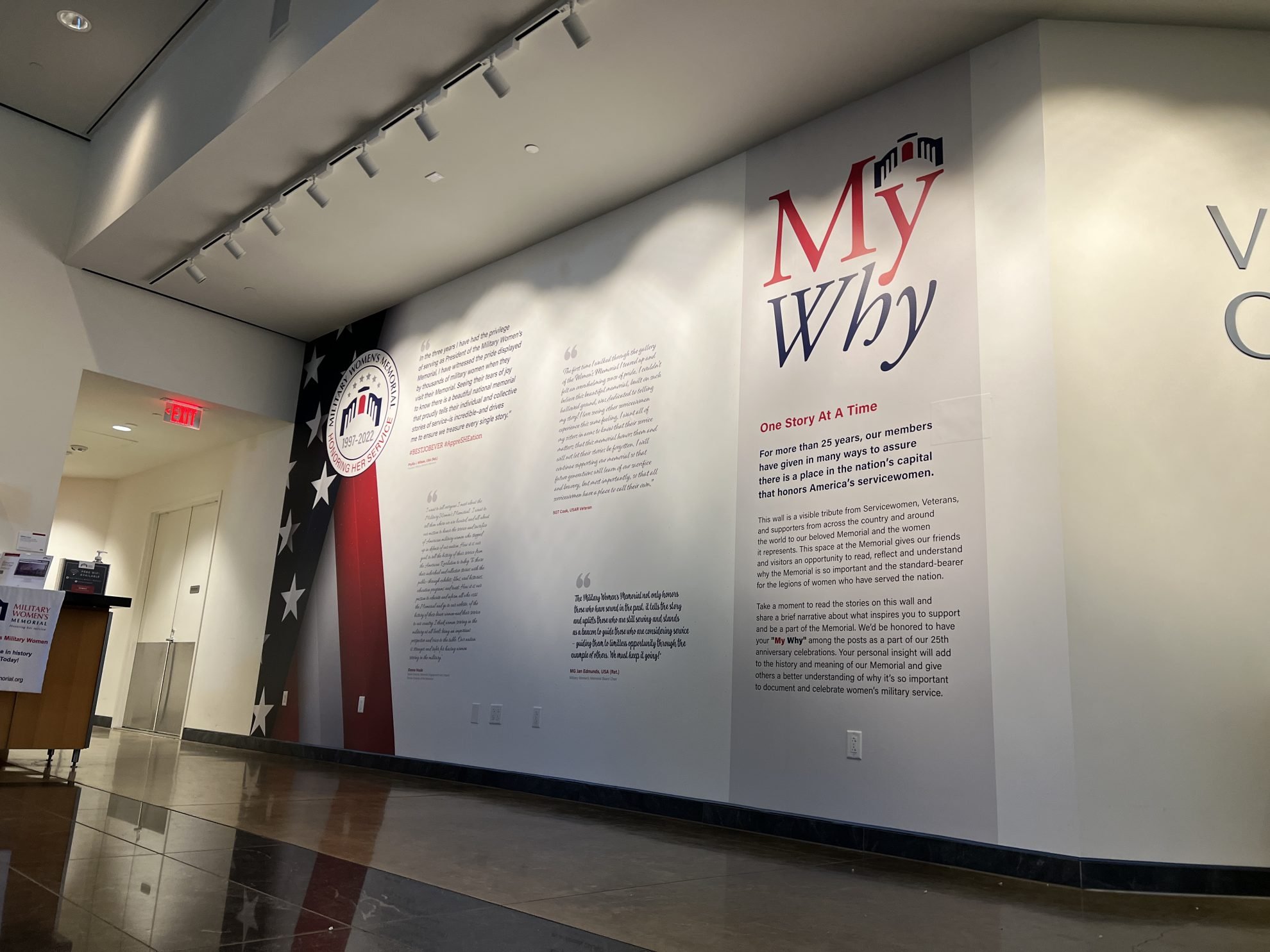
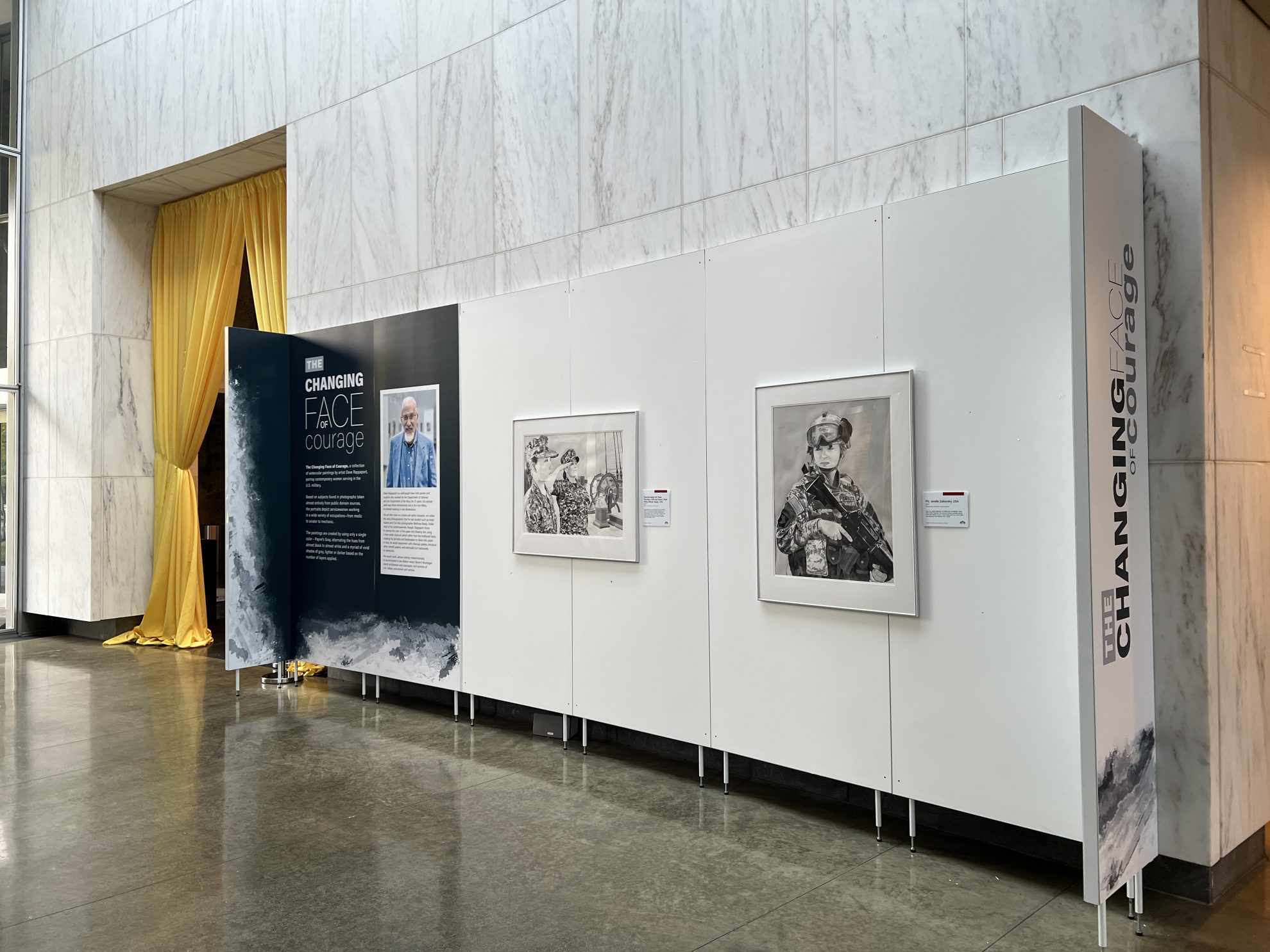
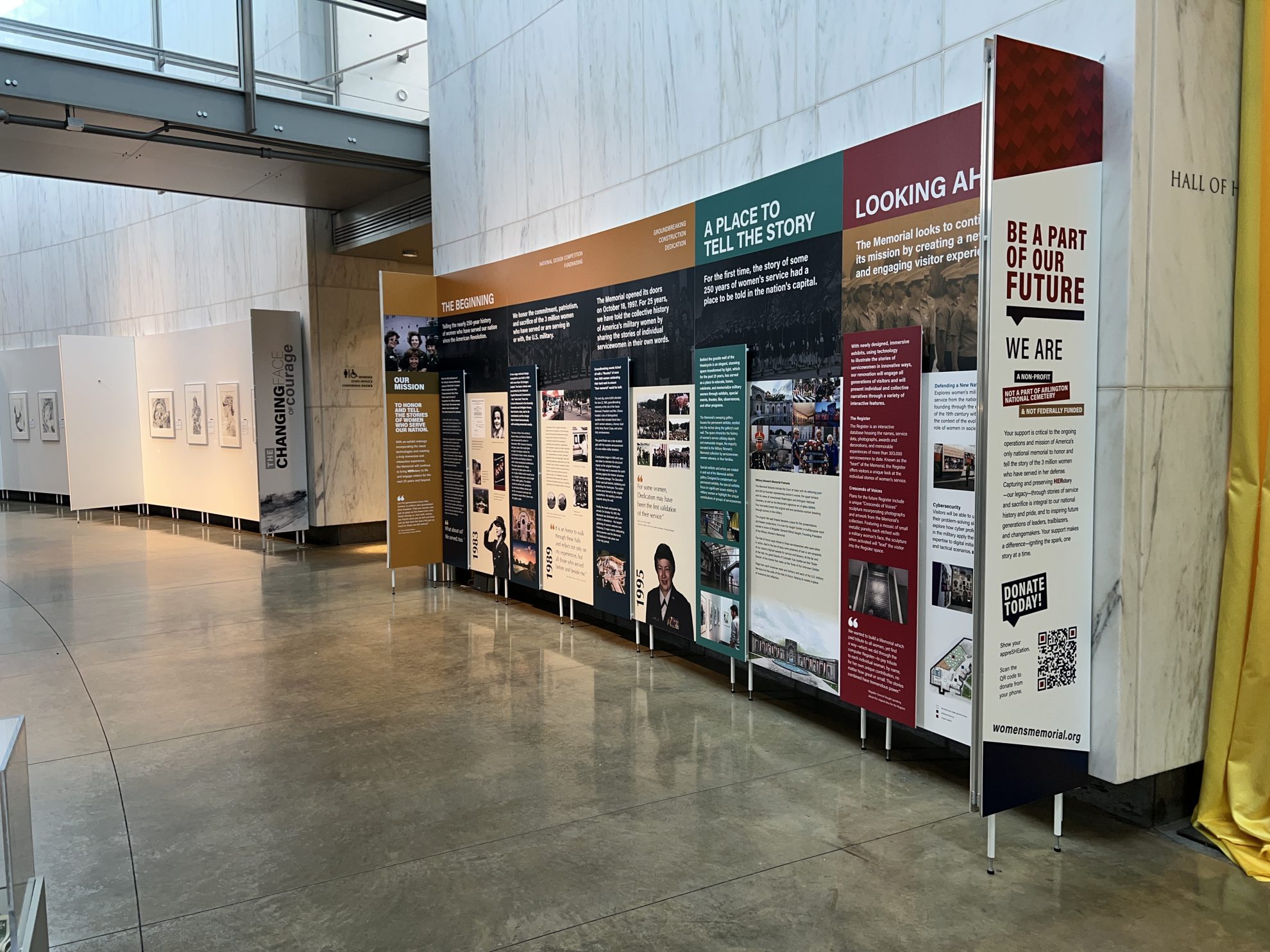
Heritage Signs & Displays created new museum signage for the Military Women’s Memorial in Arlington, VA. The project included custom signs, wall wraps, dimensional letters, and standoff-mounted displays to honor the legacy of U.S. servicewomen and the donors who supported the memorial. The updated interior features impactful designs, including a "Our Legacy" wall display and panels showcasing historical contributions and artwork, creating a transformative tribute to women in the U.S. Armed Forces.
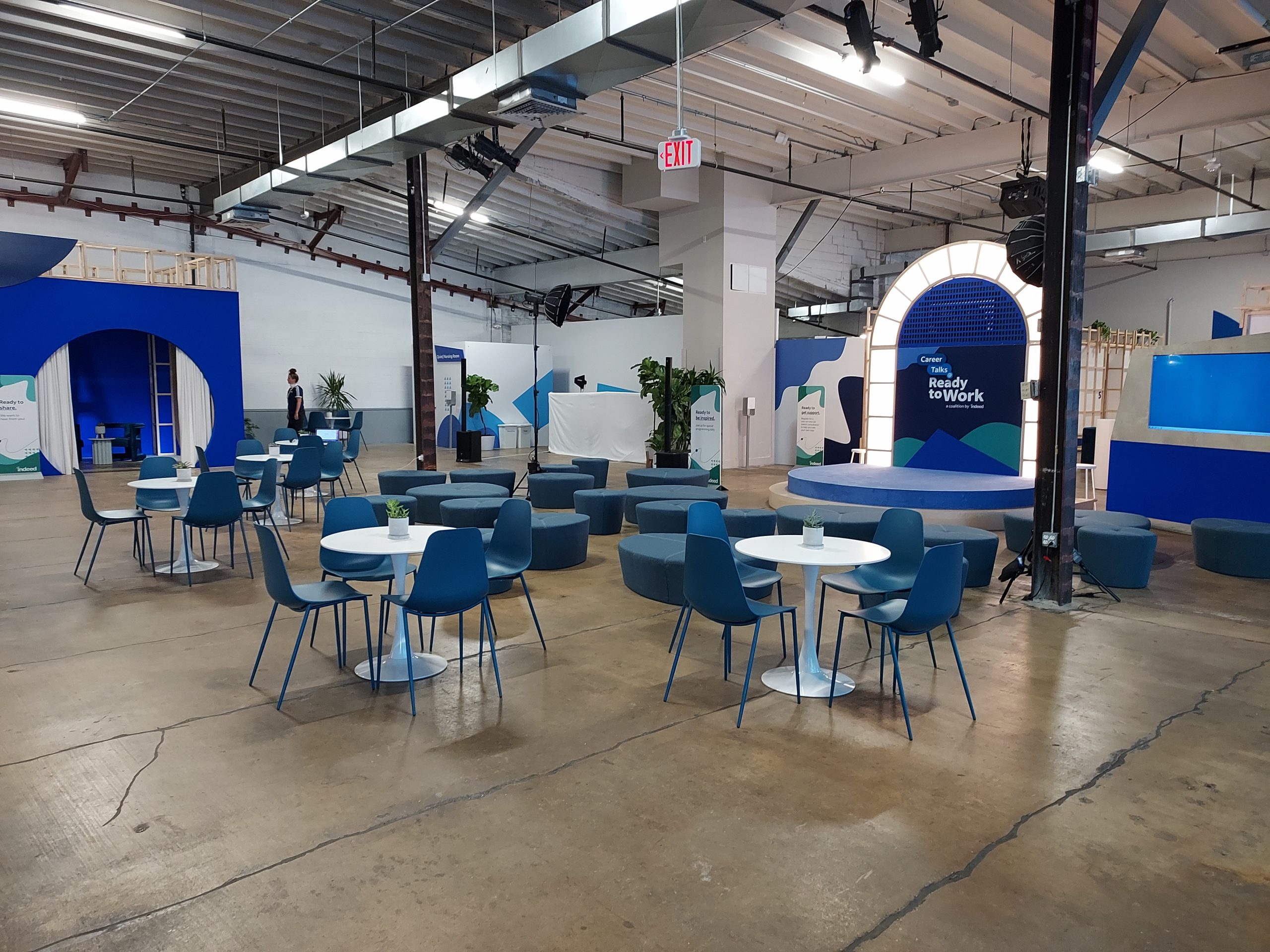
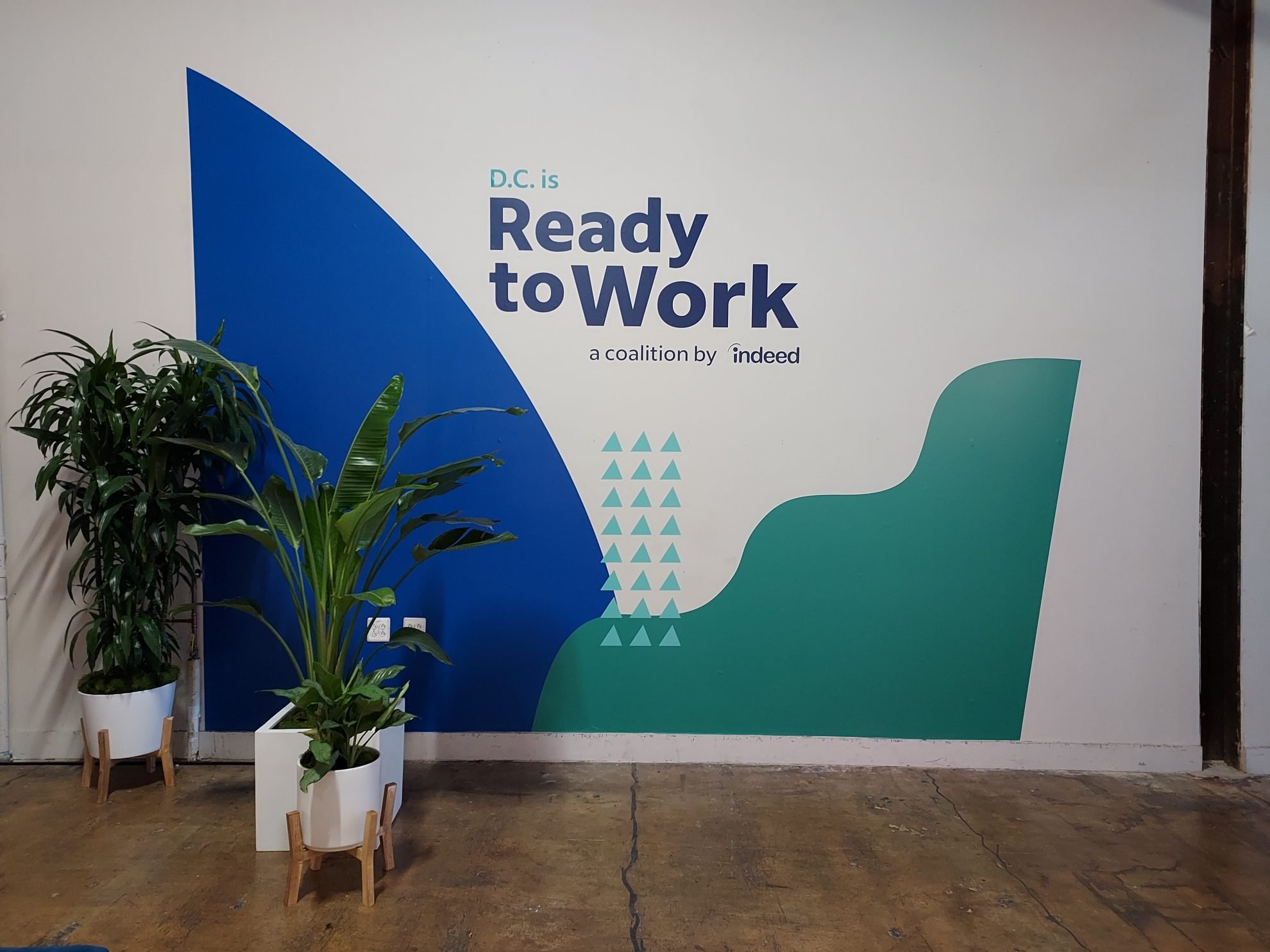
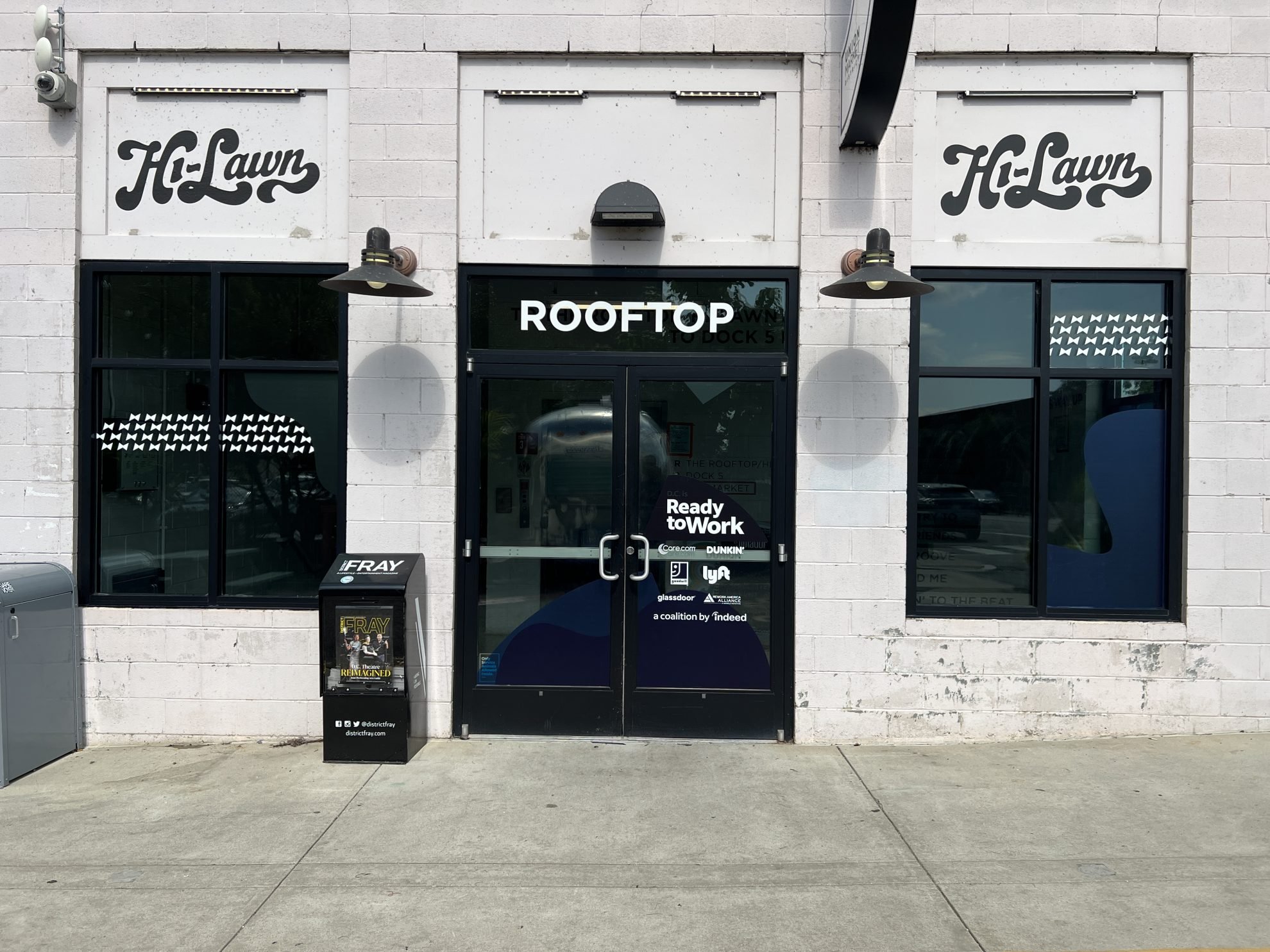
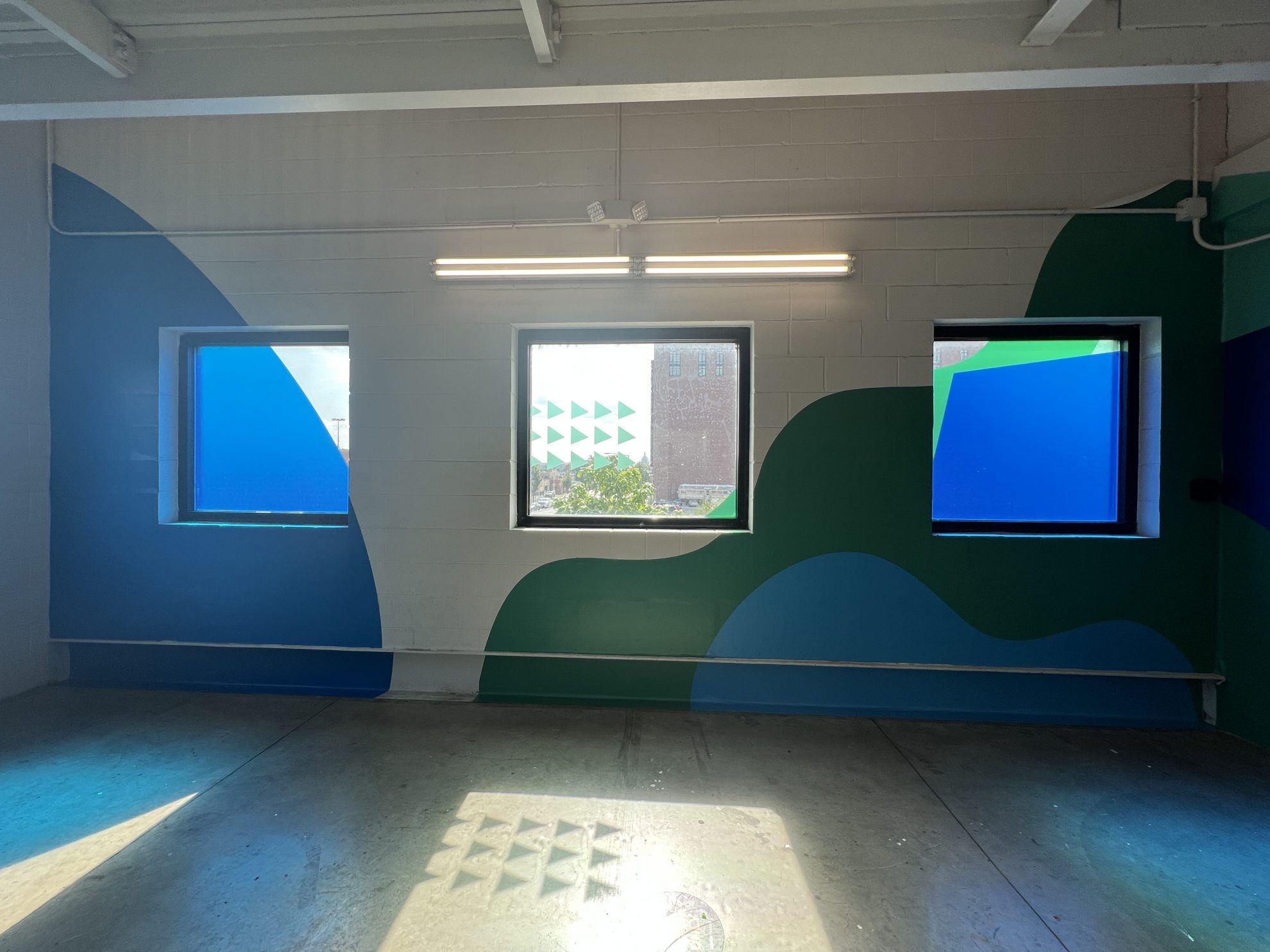
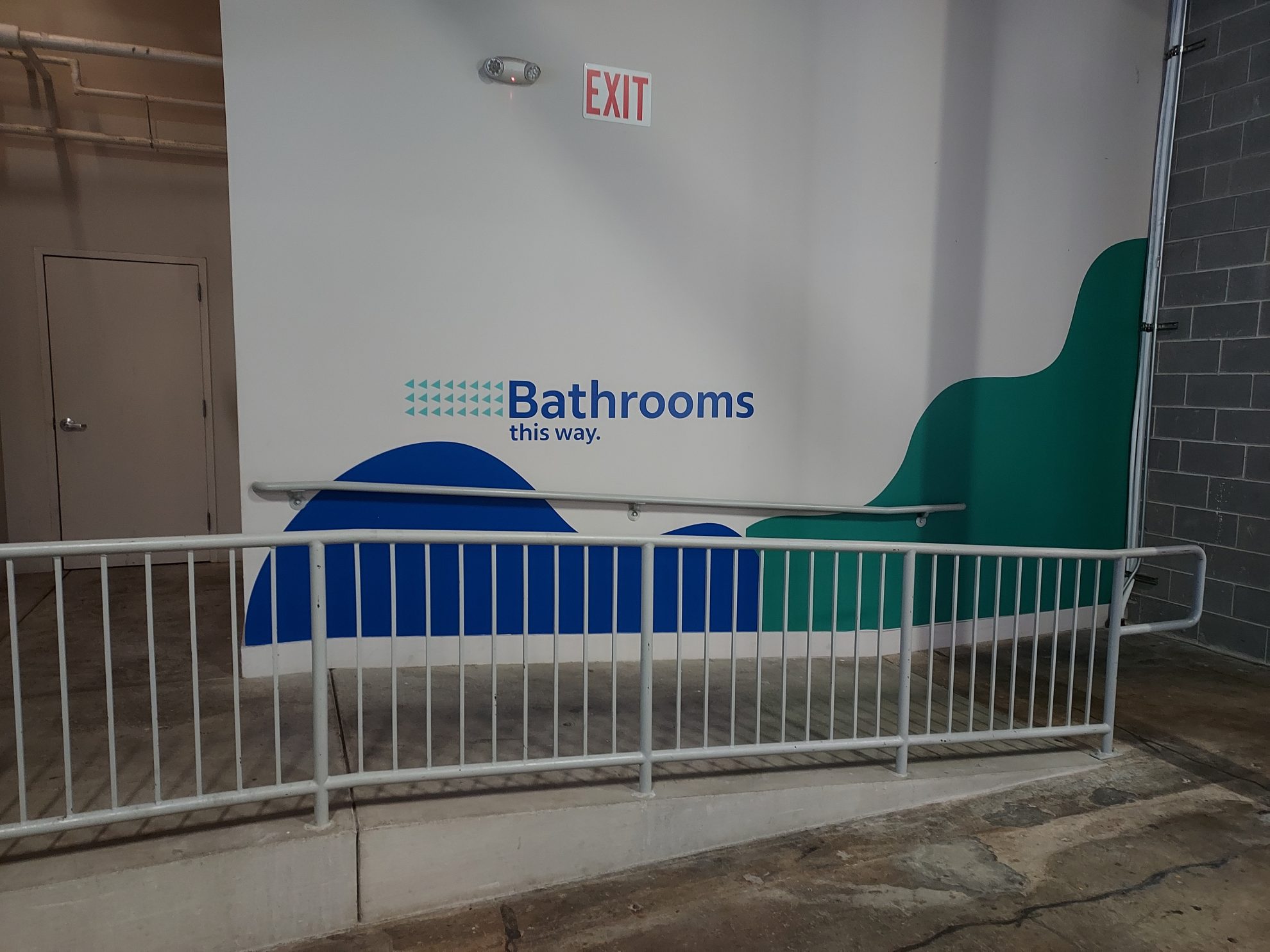
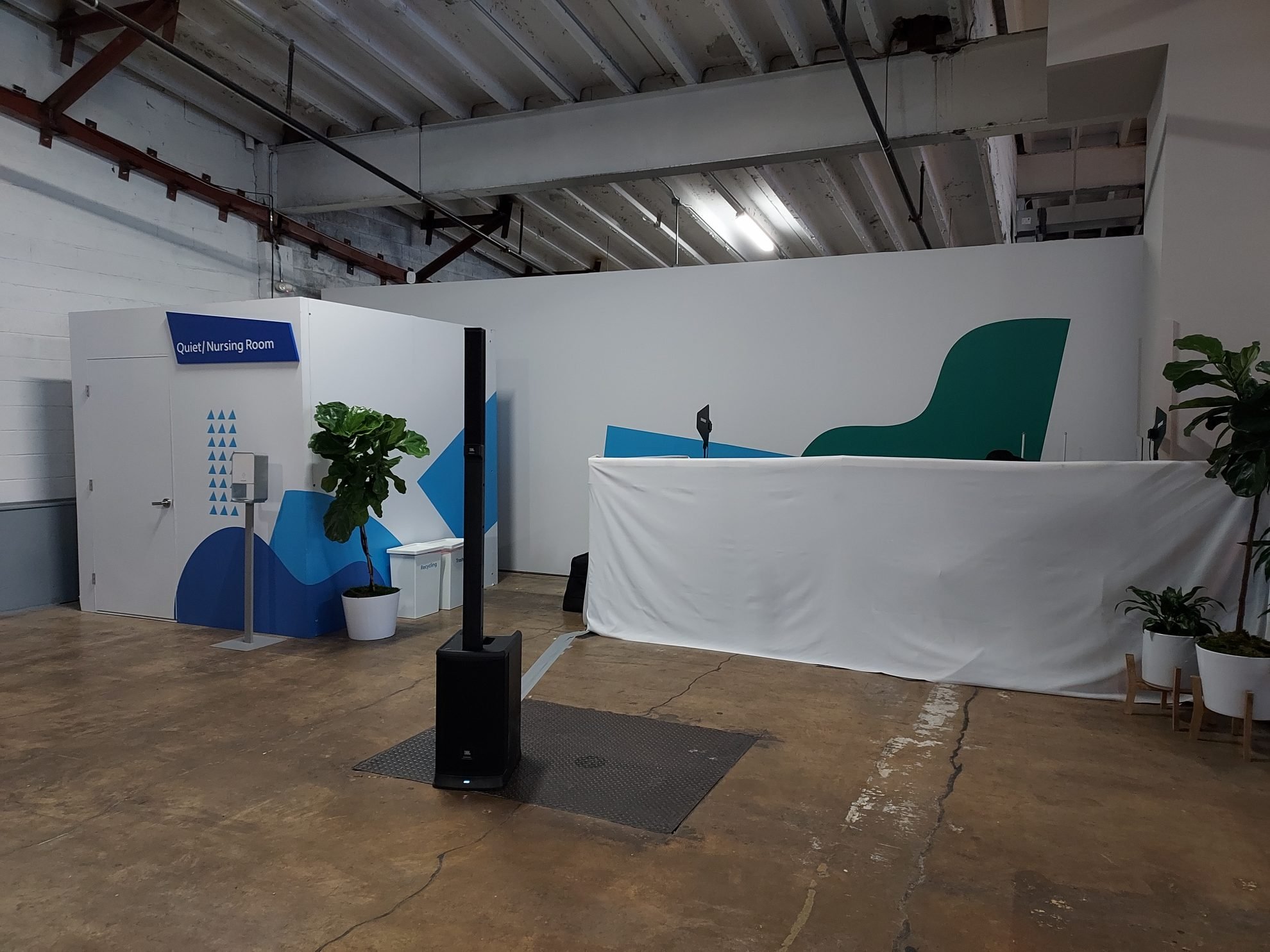
Heritage Signs & Displays' collaboration with The Gathery to brand Union Market in Arlington, VA, for Indeed's "Ready to Work" job fair. The project included custom event displays, wall graphics, window graphics, and wayfinding signs, creating an immersive and visually appealing environment. The branding enhanced the venue, reflected the event's mission, and provided a seamless experience for attendees.