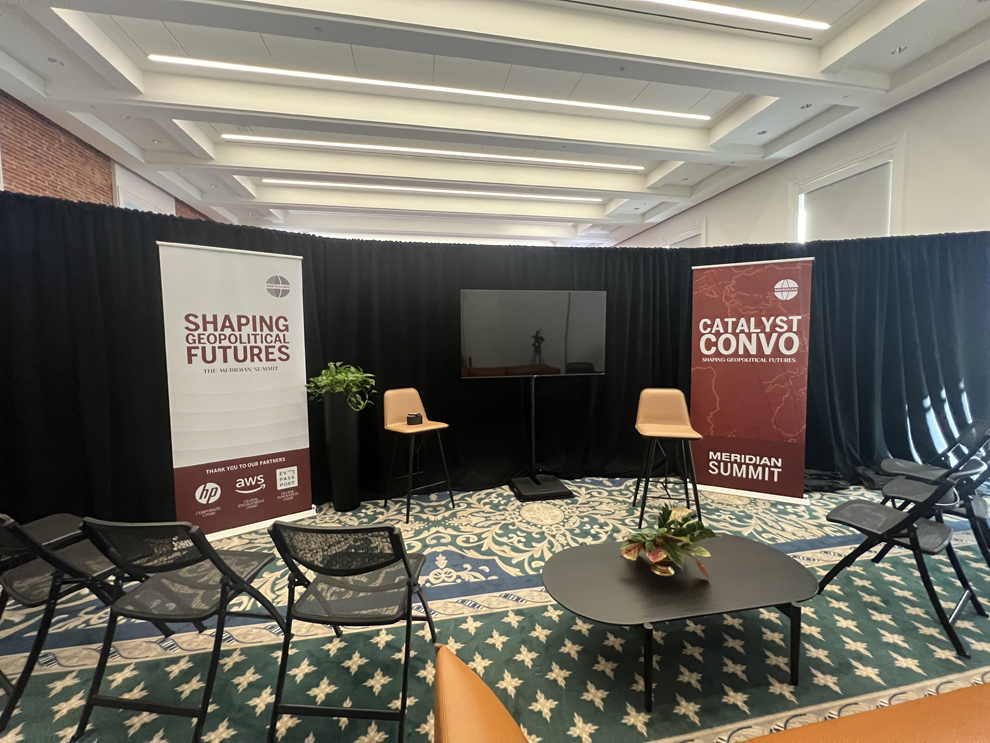
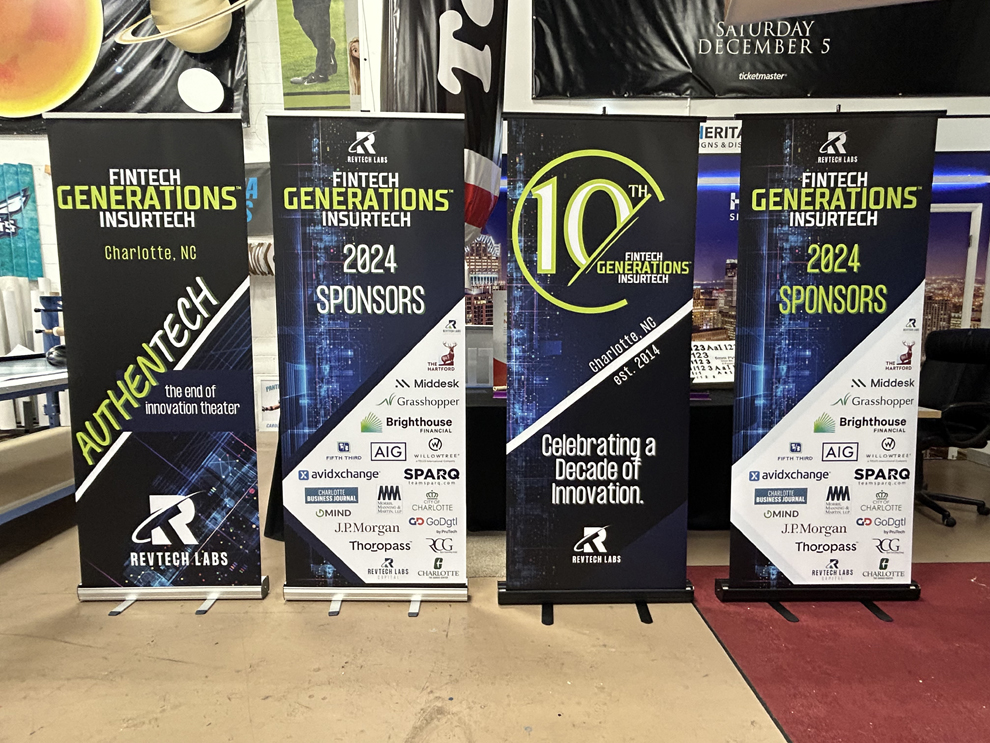
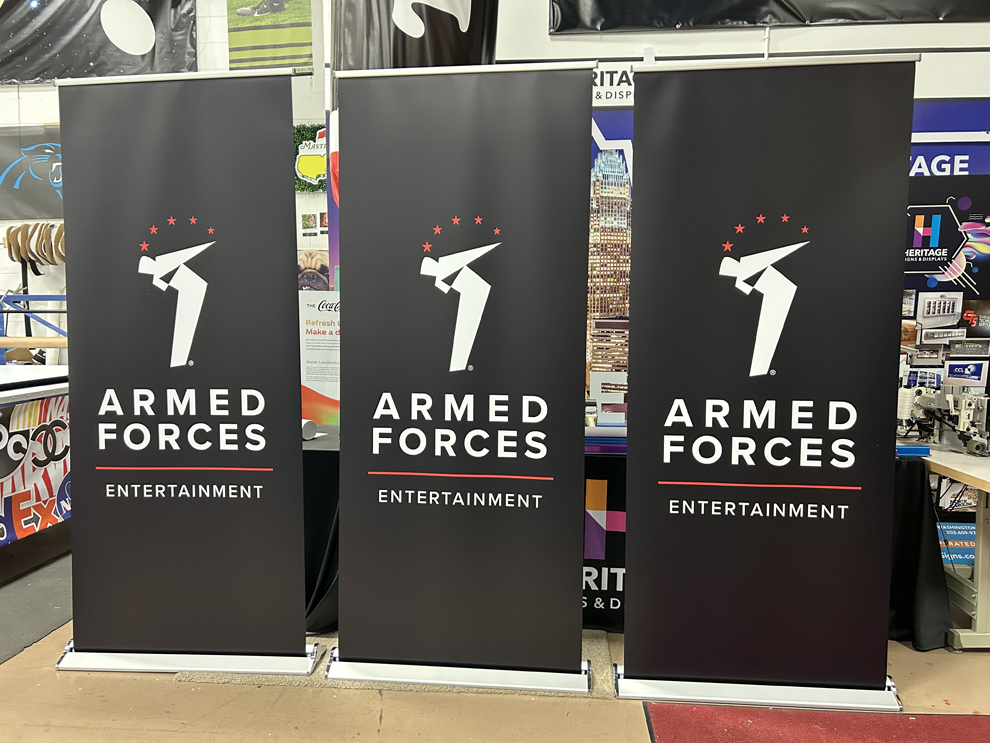
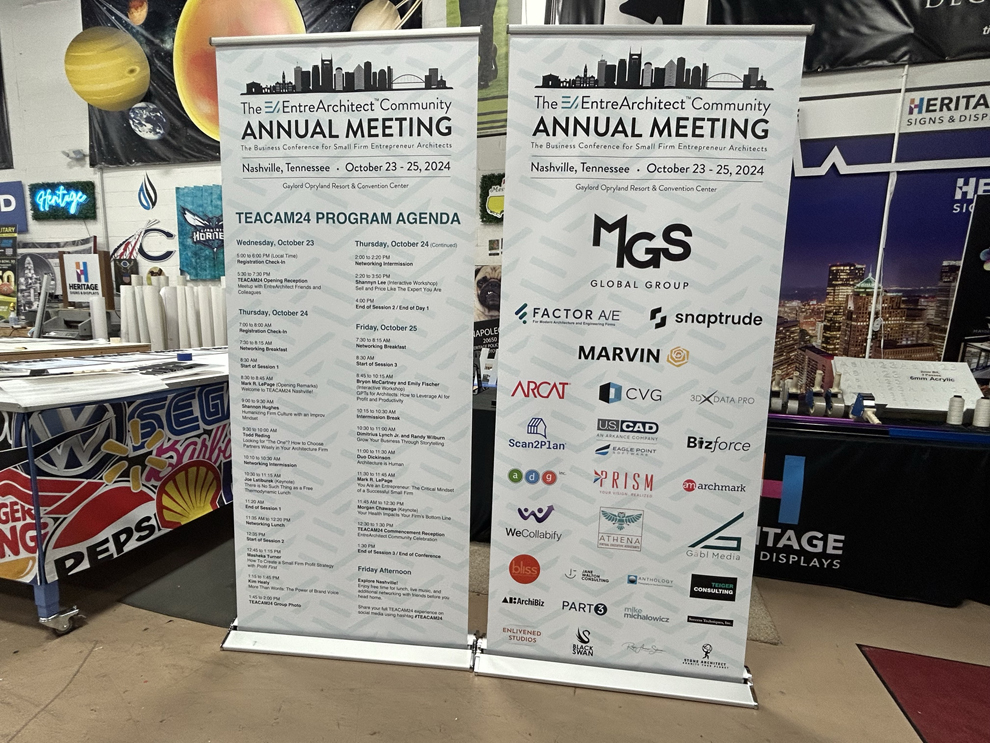
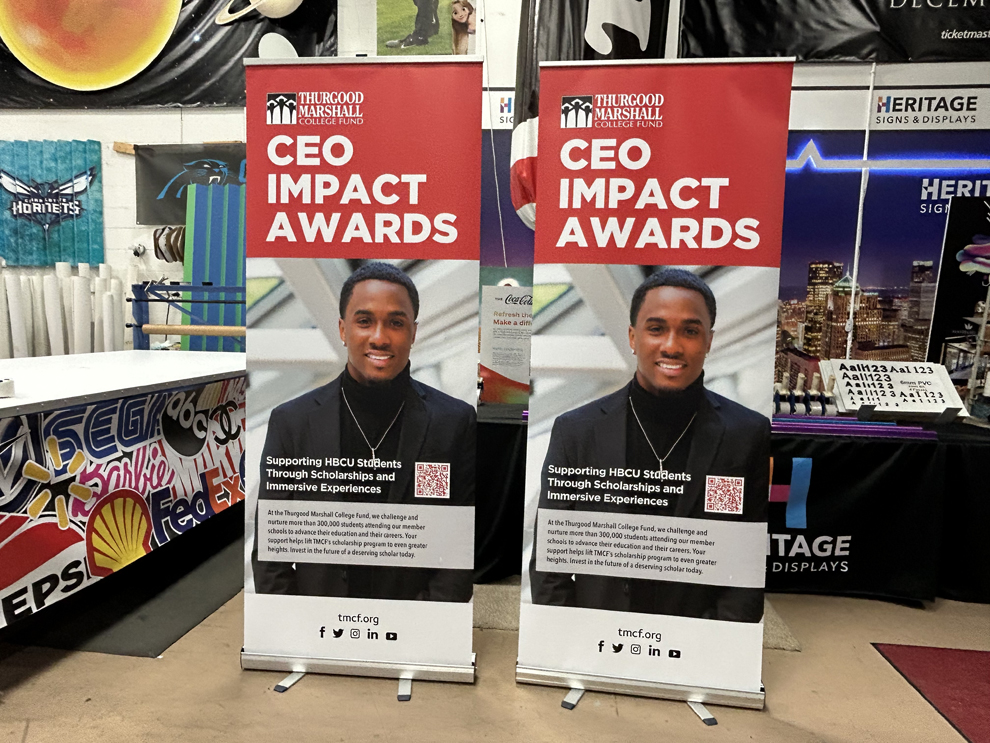
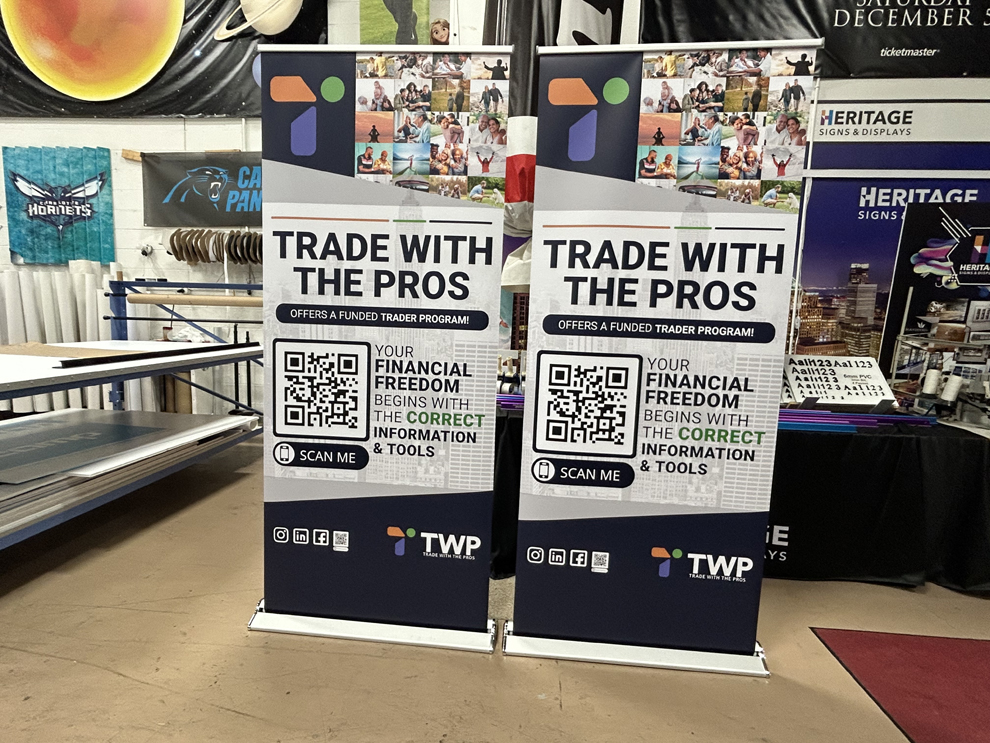
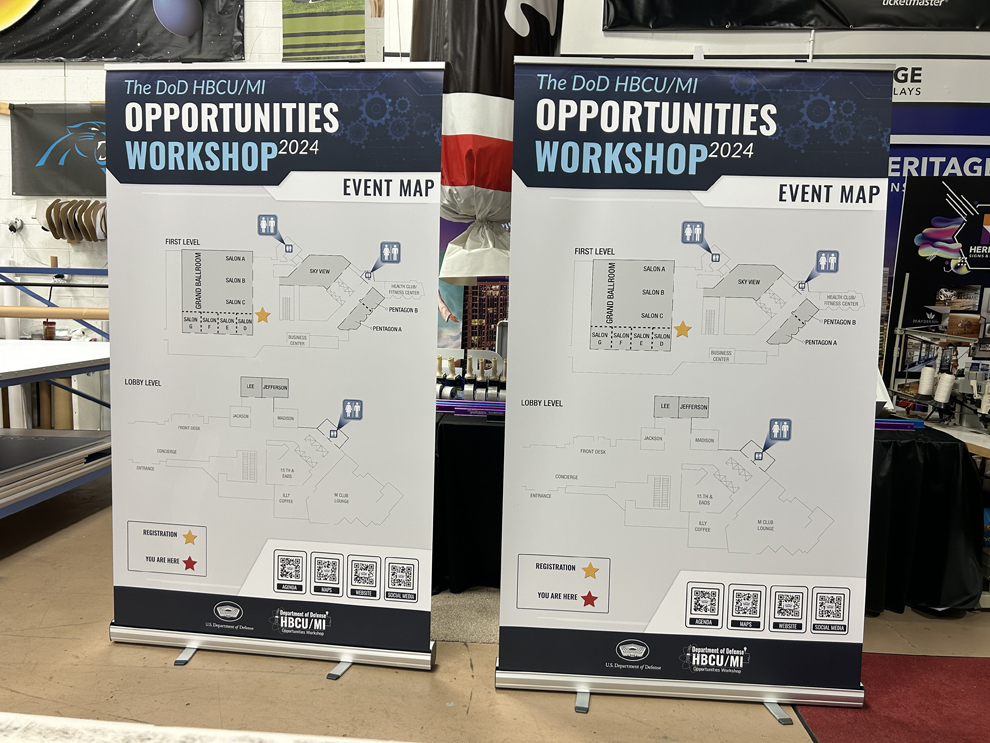
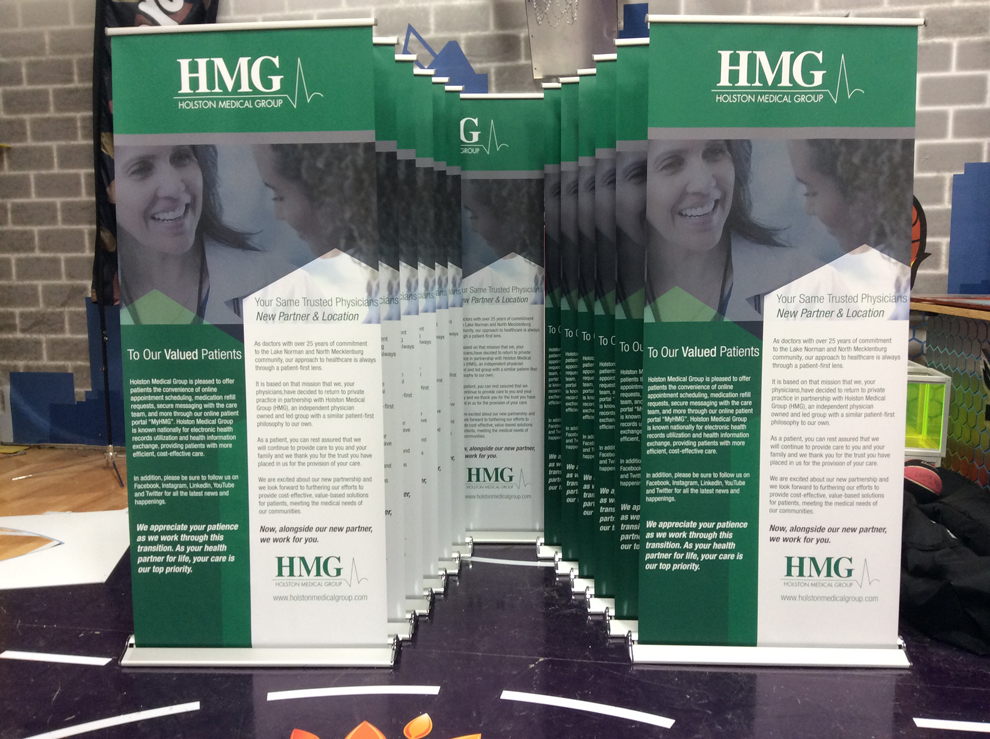
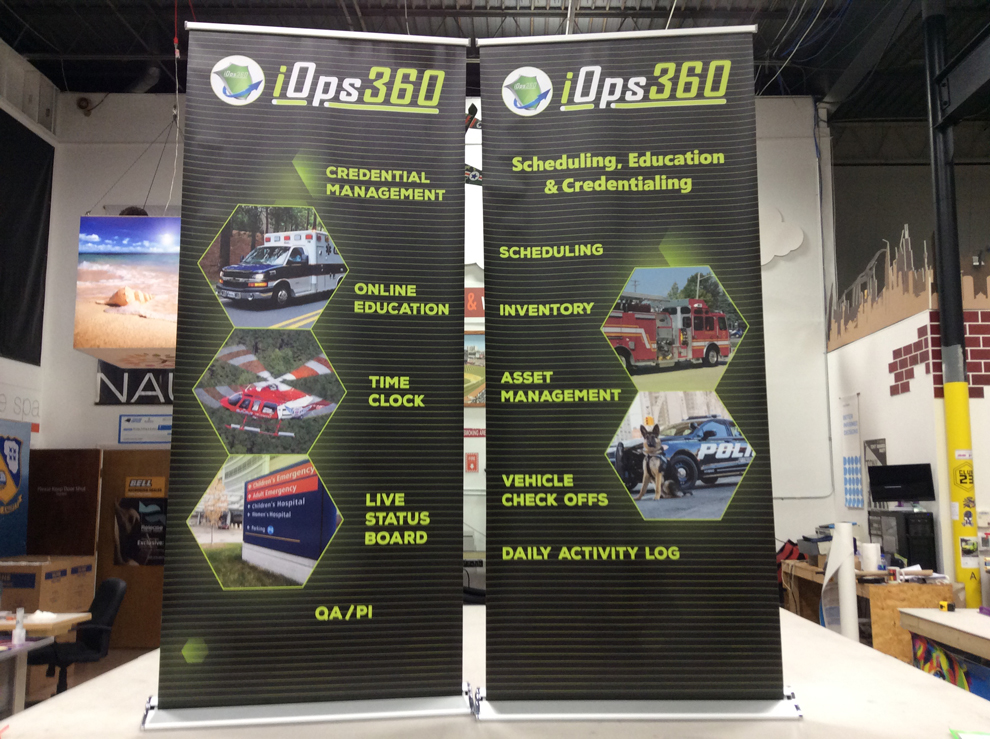
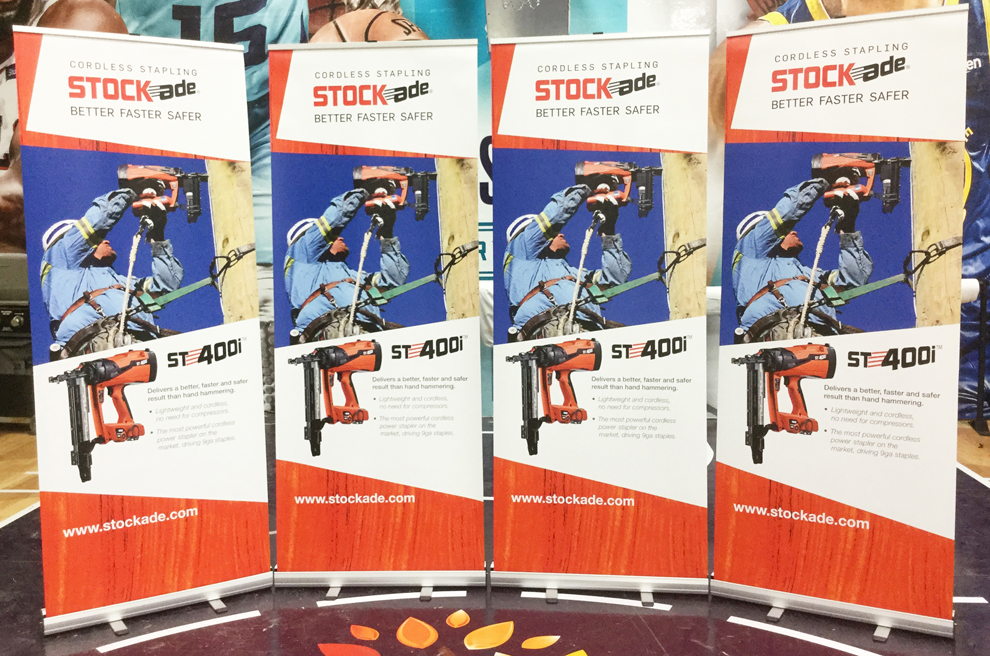
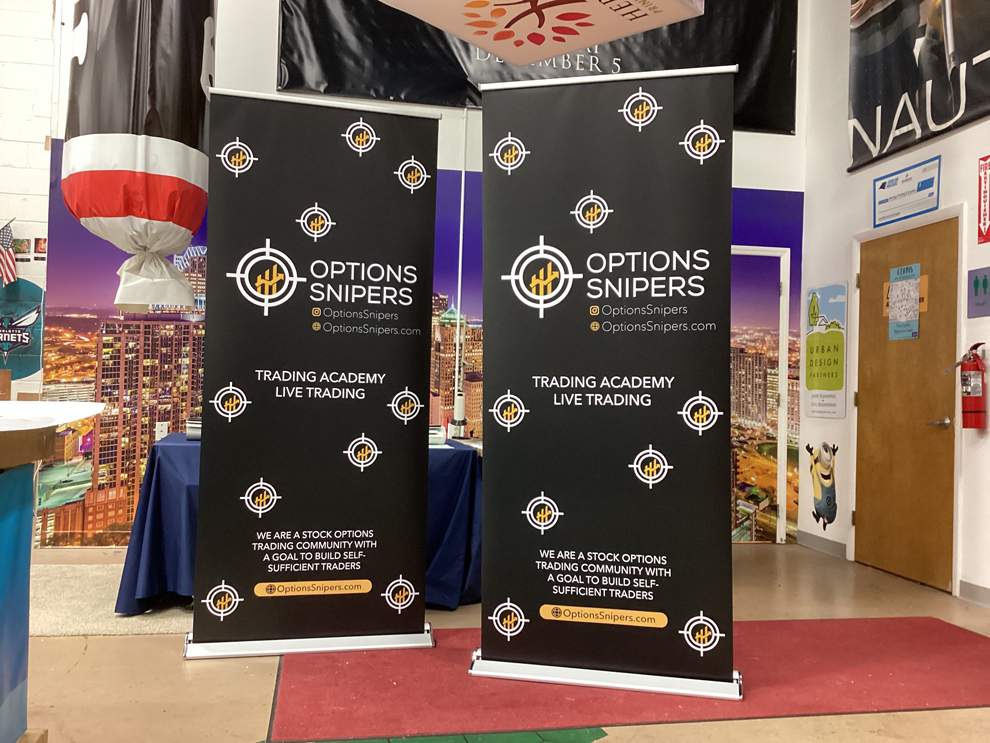
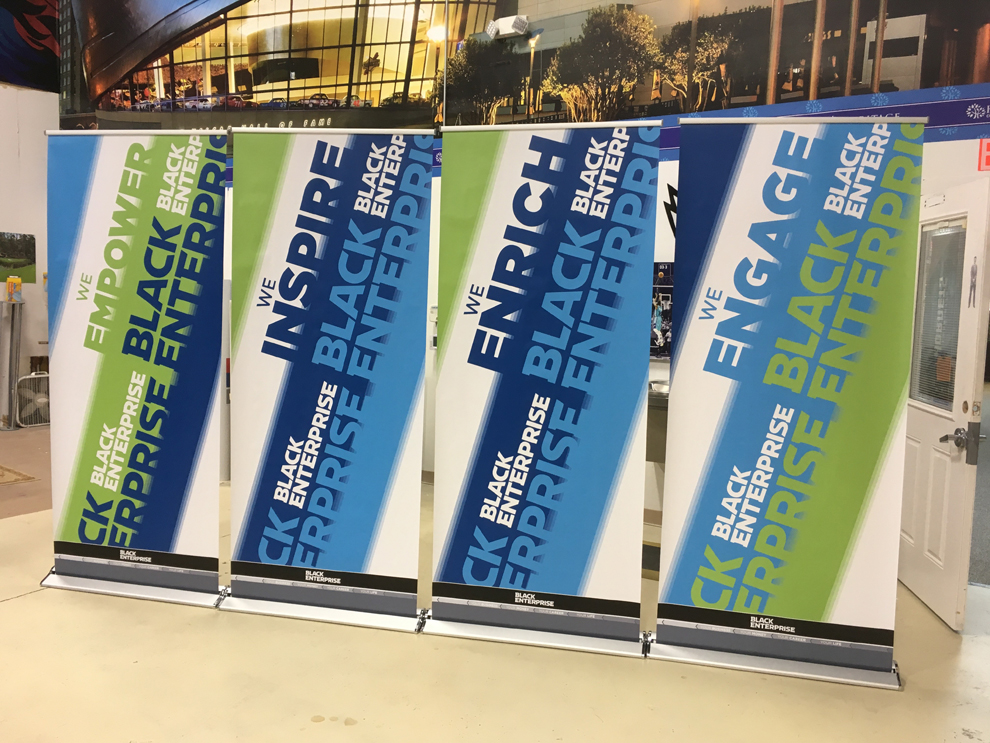
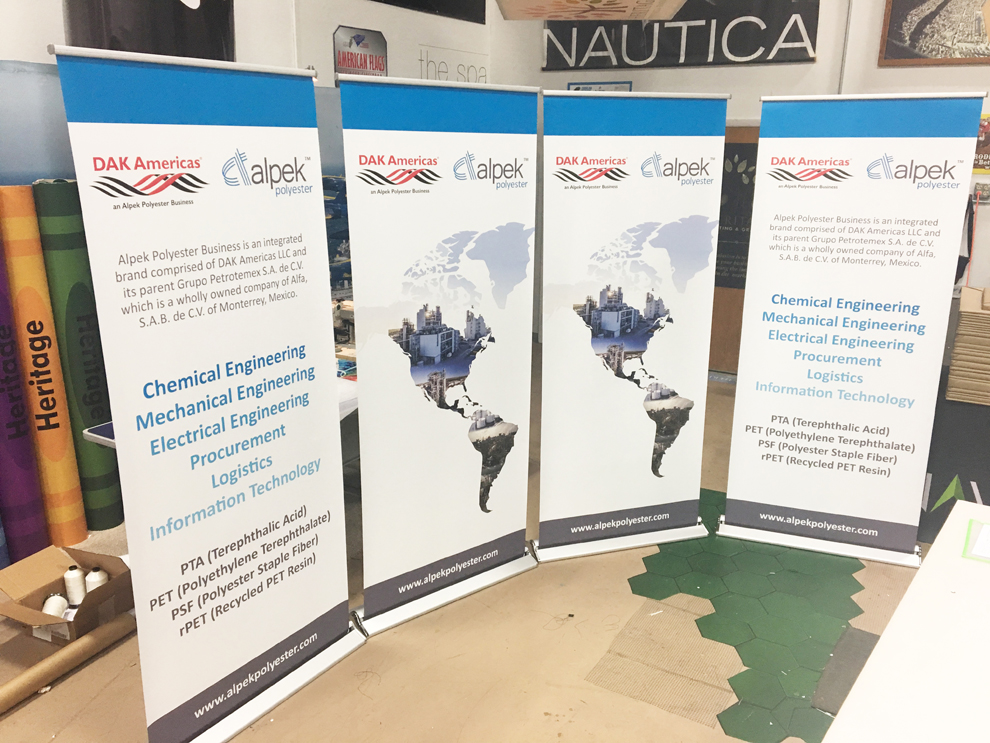
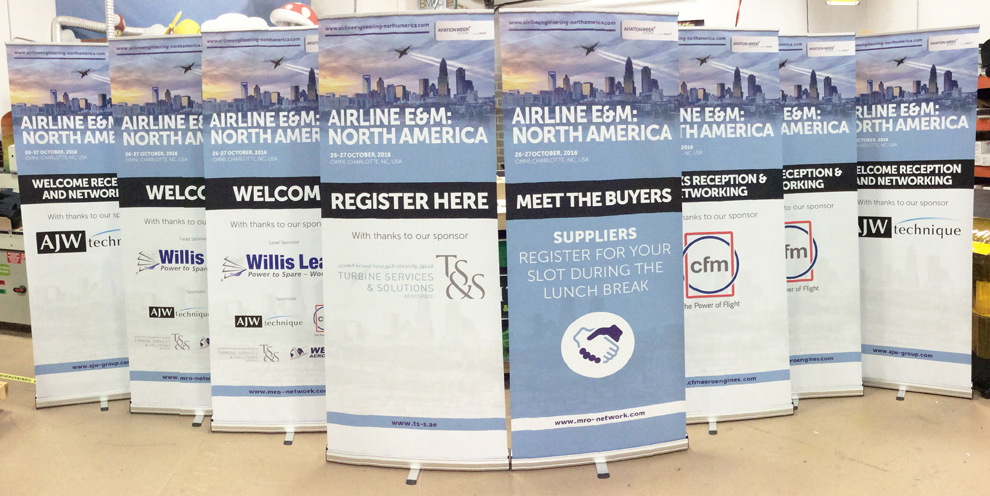
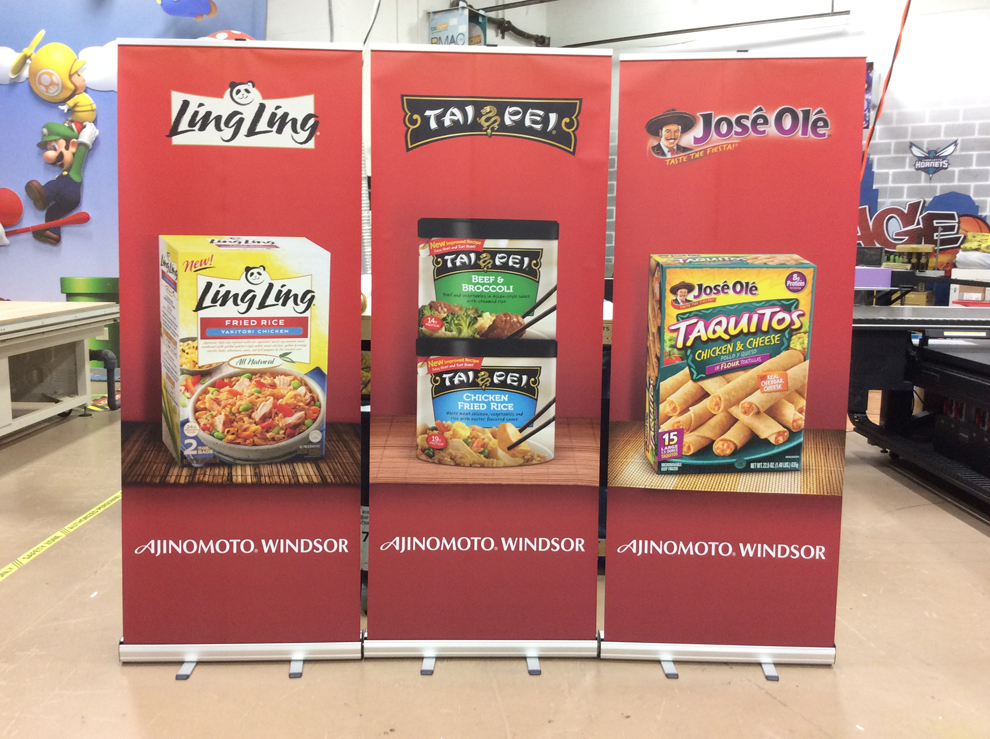
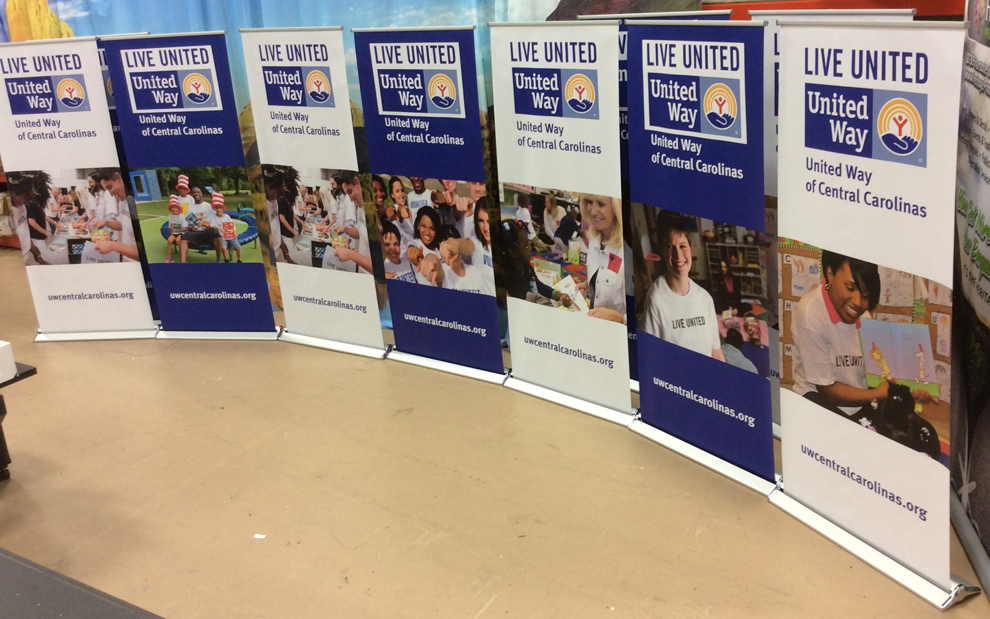
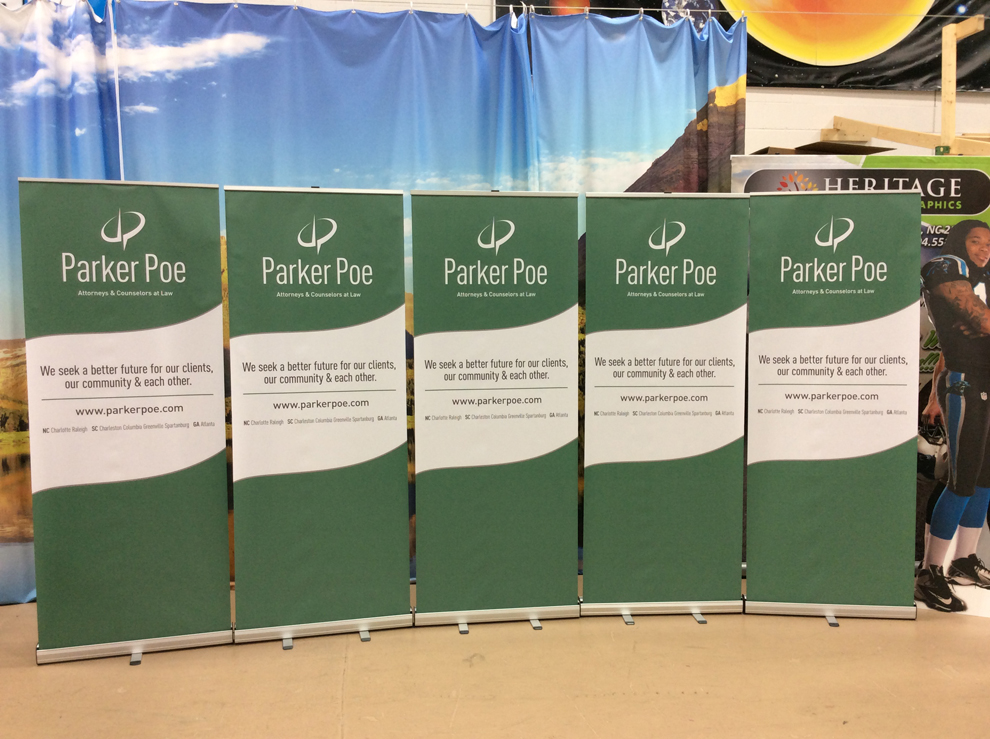
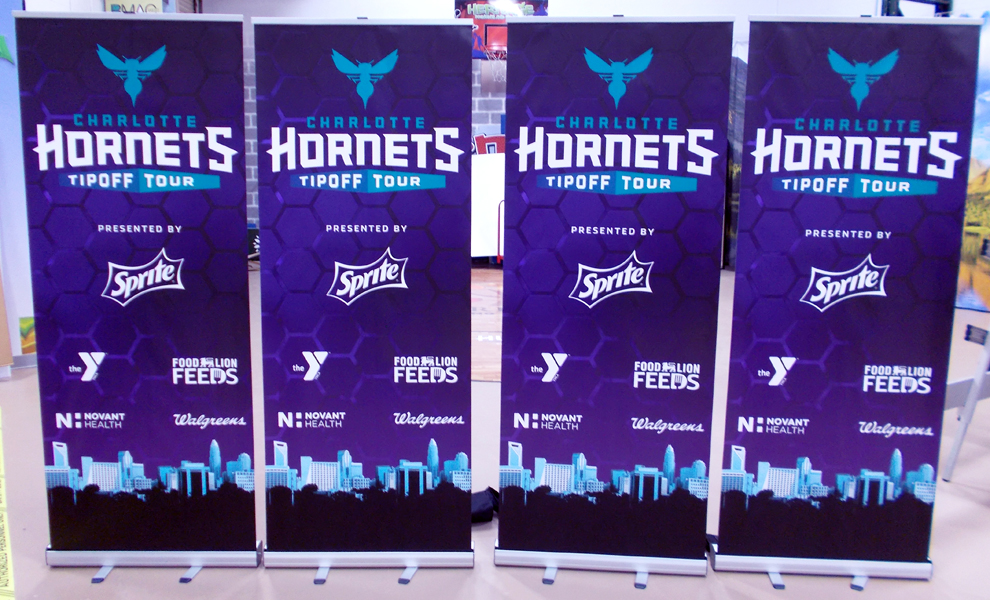
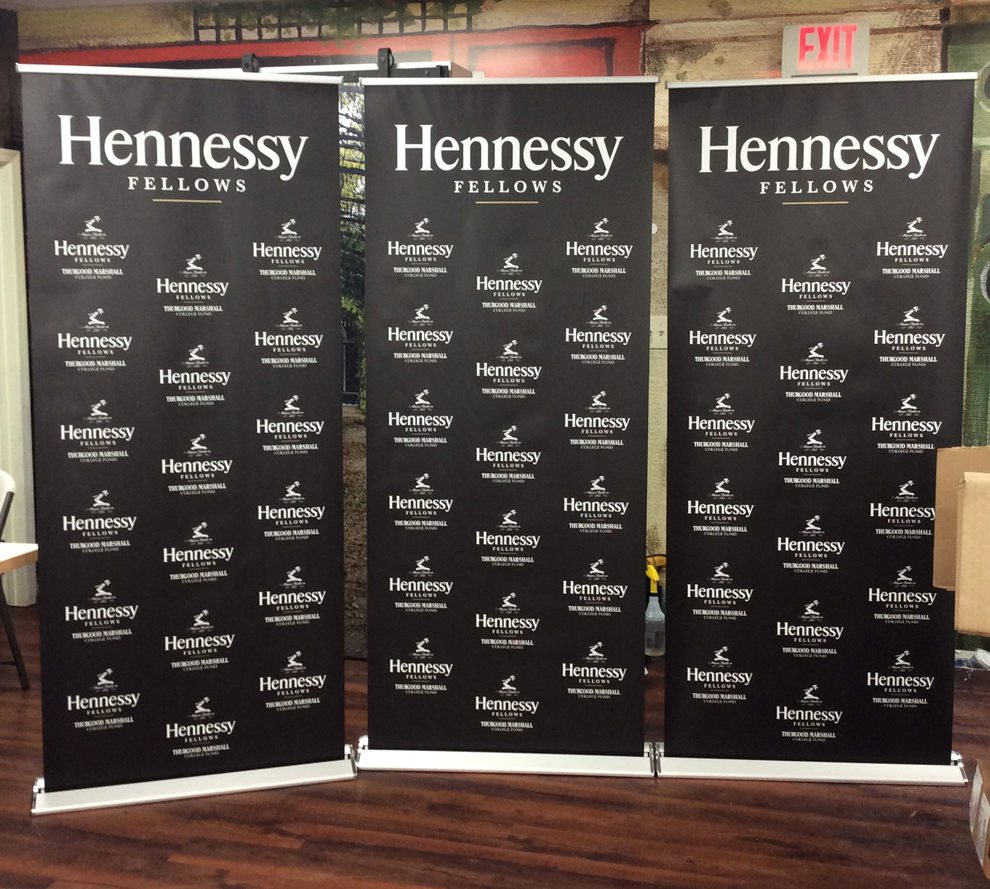
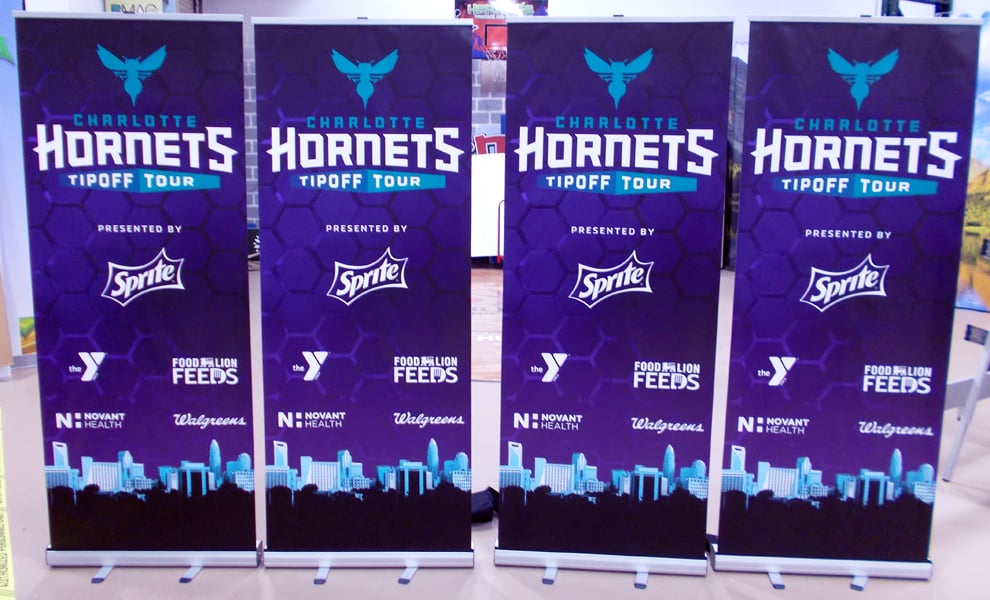
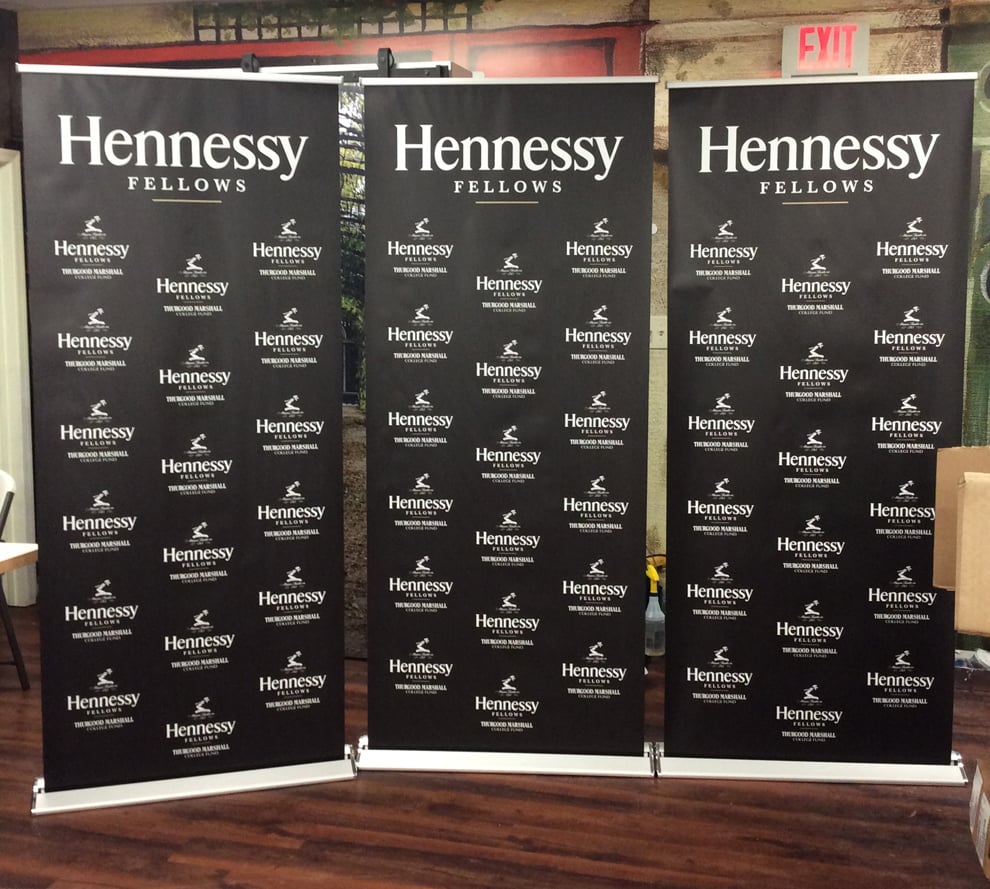
Your audience should be able to identify the meeting, find registration, or recognize your organization without stopping to interpret a crowded display. Retractable banners provide a portable vertical message for that task. For Fairfax, VA meetings and events, they can separate essential information from surrounding activity while keeping the display practical to carry, position, and store between uses. The product works best when its communication role is settled before ordering.
Heritage Signs & Displays brings a printing business history dating to 1977. Veteran-owned and family-led, the company has made custom signs, interior graphics, workplace branding, and event environments a defining focus since 2009. That distinction matters when evaluating experience: the earlier founding establishes the business heritage, while the later focus describes the work most relevant to coordinated physical brand communication.
Start by deciding what someone needs to understand at the point of encounter. A visitor arriving for a briefing may need a program name and room identifier, not the full agenda. A recruiting display may need a clear opportunity and next step. Give supporting information less visual weight so the primary message remains apparent from the intended approach direction. Several focused banners can serve different decisions without competing for the same attention.
The retracting format supports recurring use because the printed graphic stores inside a protective base during transport and storage. Replacement graphics can be used multiple times while the Heritage stand remains well cared for and in good working condition. This allows changing messages to remain separate from the decision to retain serviceable hardware. It does not establish a fixed lifespan, and careful handling remains important every time the display returns to its base.
Before choosing a configuration, consider the available floor area, audience approach, viewing distance, and responsibility for transport. Check whether furniture or waiting attendees could obscure essential information. Consider whether the same graphic will serve later meetings or whether dates and program details will change. A purchasing decision should account for the entire use cycle, including storage and reuse, rather than only how the artwork looks on a computer screen.
For a self-directed Online Store purchase, the buyer independently selects an available standardized product and configuration and supplies complete print-ready artwork. That route does not include Heritage design, layout development, direct product coordination, Physical Production Color Proofs, a Heritage site survey, or professional installation. Product availability and current ordering information belong in the live Online Store. Confirm that the exact retractable banner product is offered before treating this as an available purchasing route.
A larger qualifying managed project addresses coordination beyond a standalone product transaction. Approved artwork does not eliminate the need to align several displays, stakeholder approvals, delivery arrangements, multiple locations, or installed elements. Use Get Started Now when those broader responsibilities need evaluation as one accepted scope. Design support is available only when included in that scope; needing a layout alone does not define a qualifying Heritage-managed workplace or event project.
Talk with Heritage about a coordinated event environment involving multiple signs, graphics, displays, and professional installation.
Get Started Now
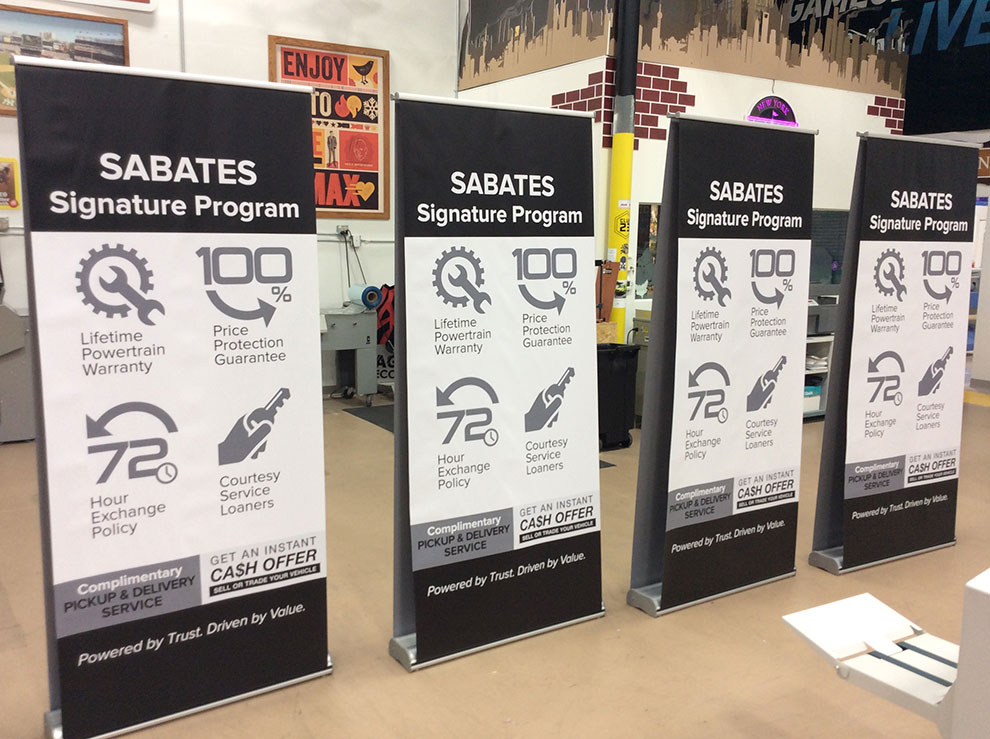
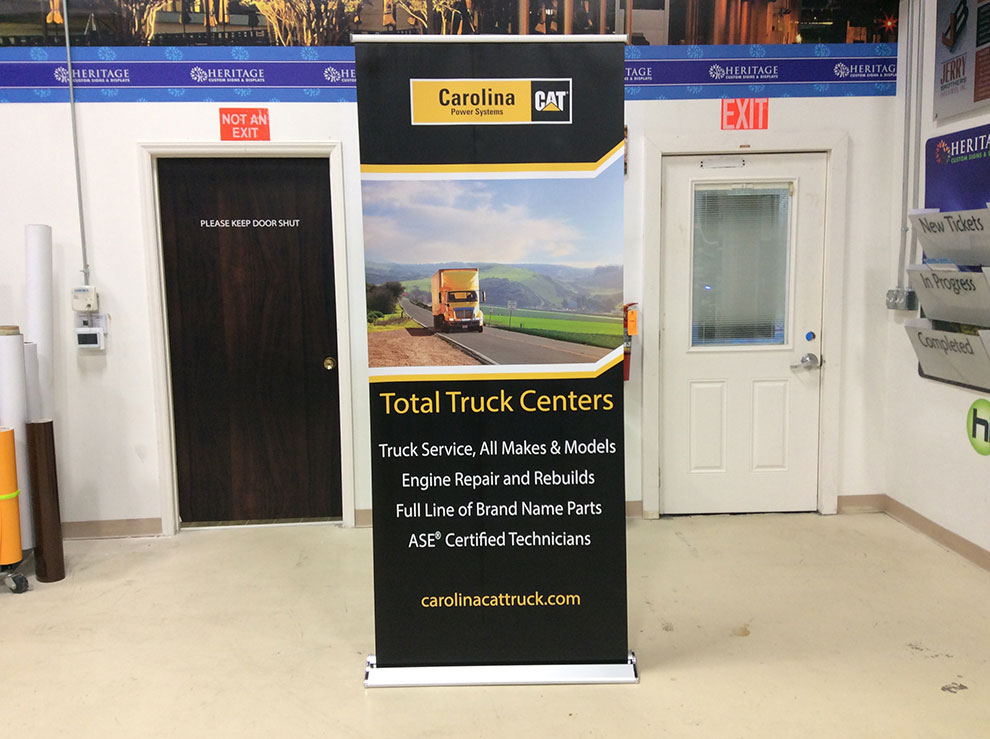
A retractable banner stand combines a printed vertical graphic with a base that protects the graphic between uses. The graphic is raised and supported for display, then guided back into the base after the event. This format suits communication that needs to move with a program rather than remain attached to a wall or another permanent surface.
Assign each stand a specific purpose before distributing displays around the space. For a Fairfax meeting program, possible roles include welcoming participants, identifying breakout rooms, recognizing sponsors, or explaining the next step at registration. These are planning examples, not a requirement to use the same configuration everywhere. Placement should follow the communication need and the usable floor area.
Keep changing product details out of reusable planning documents whenever possible. For any live standardized Online Store listing, review the current sizes, configurations, specifications, selectable options, pricing, and file requirements there. Then compare the selected product with the intended setting and the artwork you can supply. Do not assume that another display or an earlier order uses identical production requirements.
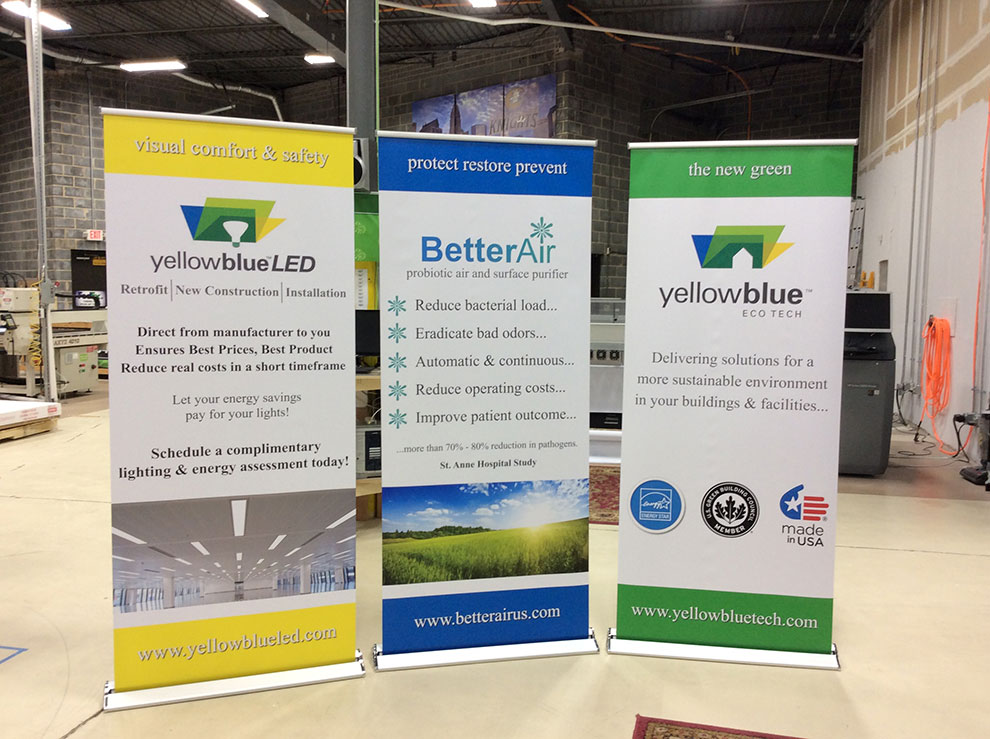
Coordinating a meeting display becomes more demanding when different people control artwork, venue access, purchasing, and delivery. A Fairfax organization may need a single portable message or a coordinated environment serving several audiences. Heritage separates those needs so a self-directed standardized order is not presented as a managed service and a complex project is not reduced to checkout.
For qualifying larger work, Heritage's One Dedicated Project Manager System provides a consistent point of coordination across the accepted scope. The client can keep approval decisions, production requirements, scheduling questions, and project communication connected instead of restating the same information through unnecessary handoffs. That service belongs to the managed project and is not included with a standalone Online Store banner order.
The practical value is accountability for how separate elements fit together. Banners, backdrops, directional signs, and installed graphics may require different decisions while sharing approved brand direction. Heritage can evaluate those relationships within a qualifying scope, including design support only when accepted. The objective is clear responsibility for the broader work, not additional services automatically attached to each portable stand.
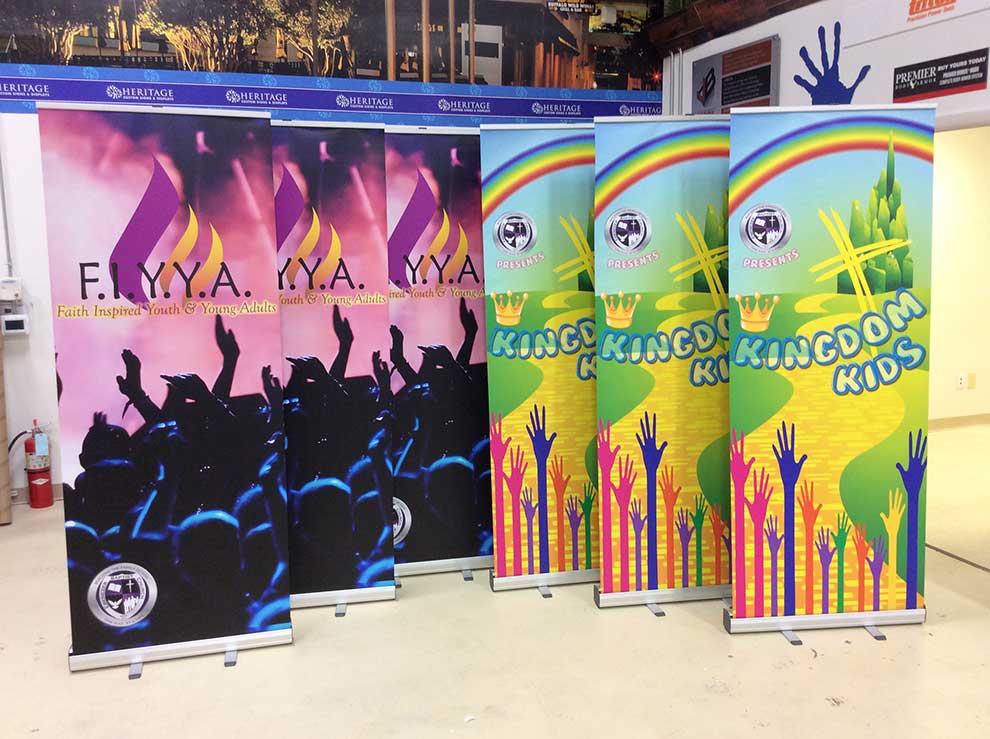
Create a larger focal surface when a panel discussion, presentation, or interview needs branding behind the participants.
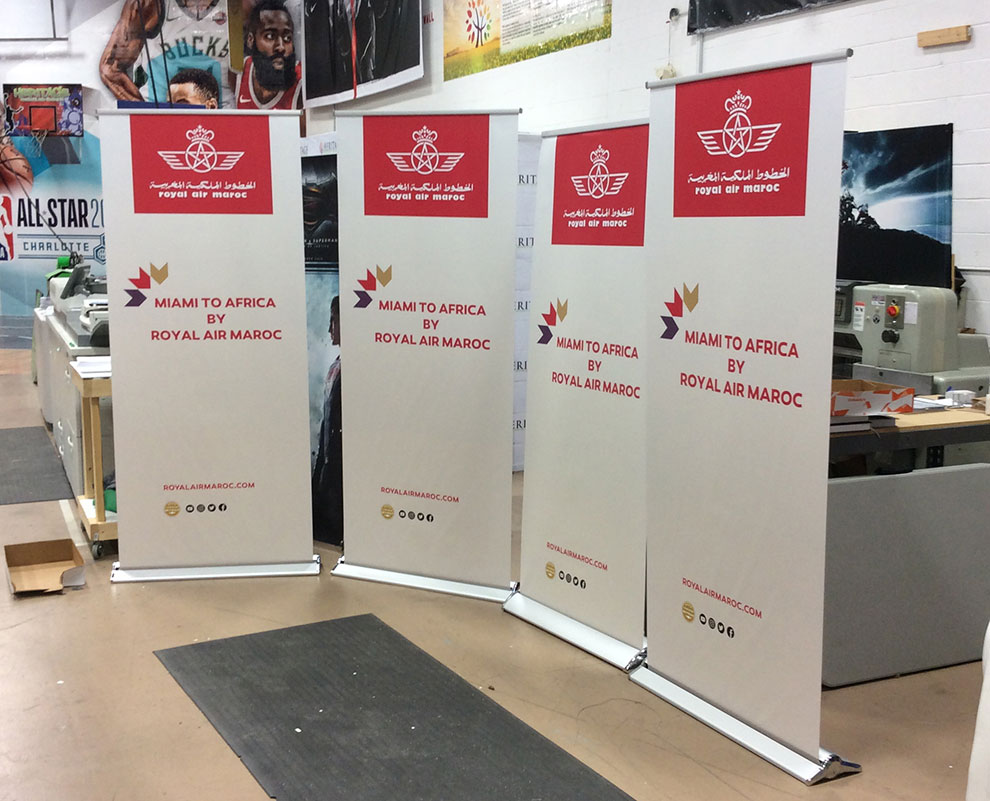
Build a repeatable logo background for guest photography and sponsor recognition without asking a narrow banner to frame the entire group.
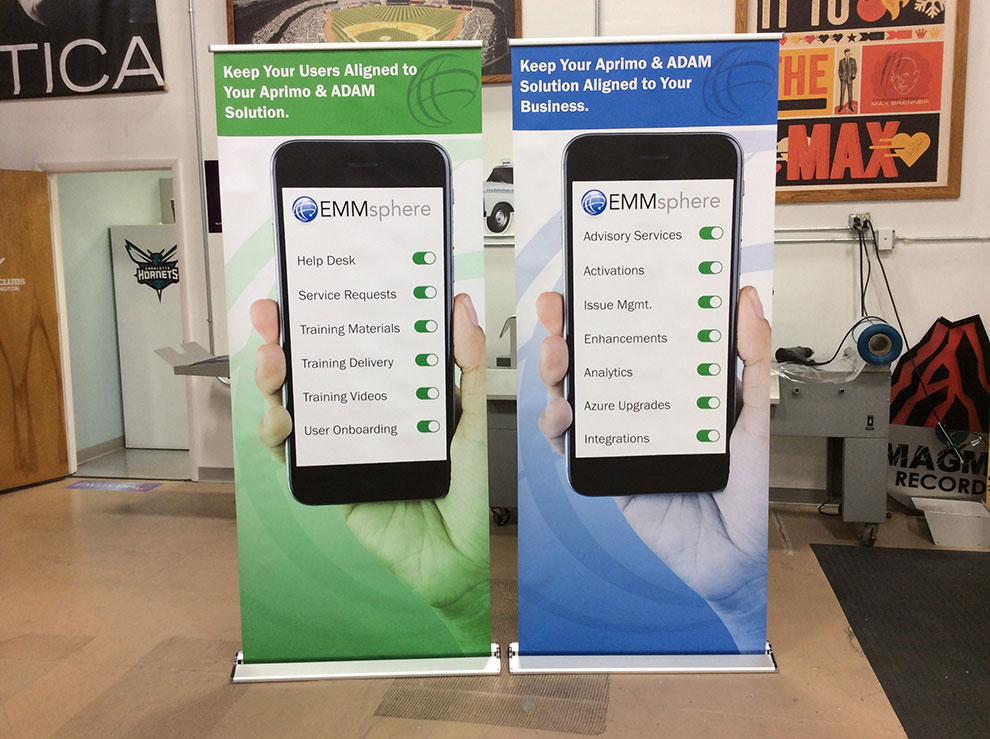
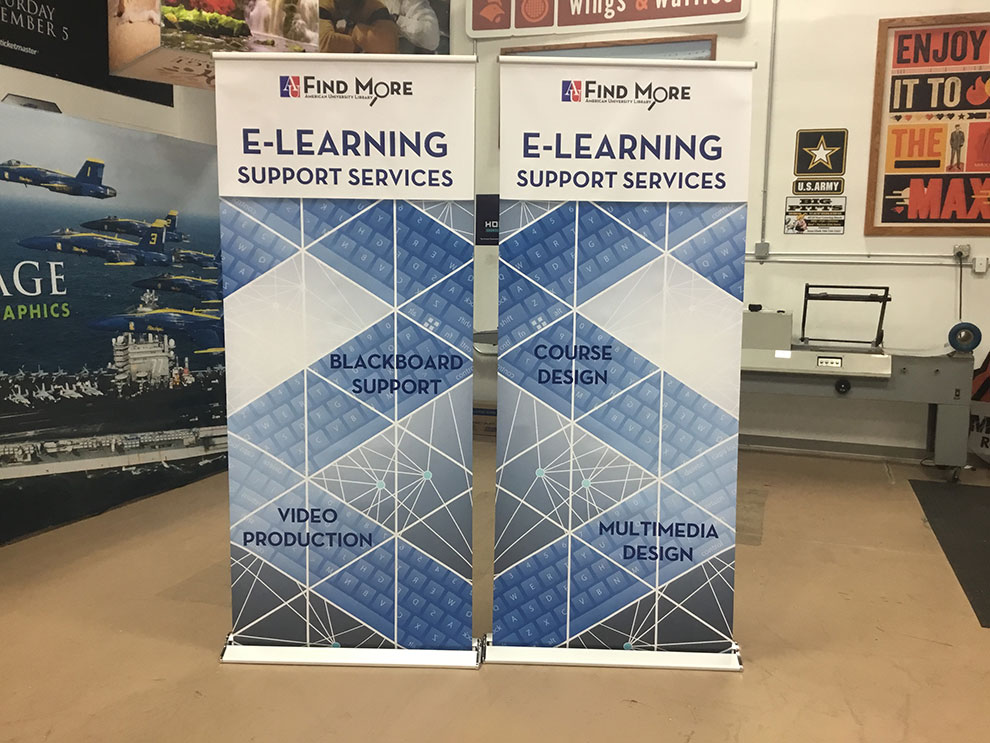
Use vertical display area to distinguish gathering points or program zones within a larger event environment.
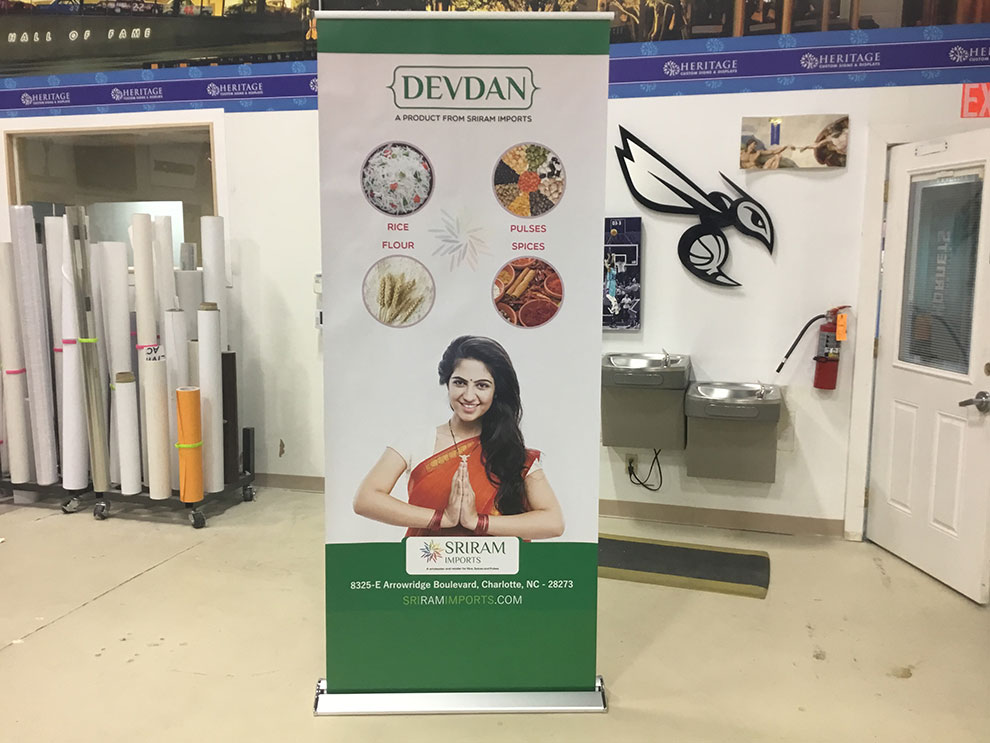
Coordinate an exhibit presence when demonstrations, conversations, and several brand messages require more than a standalone banner.
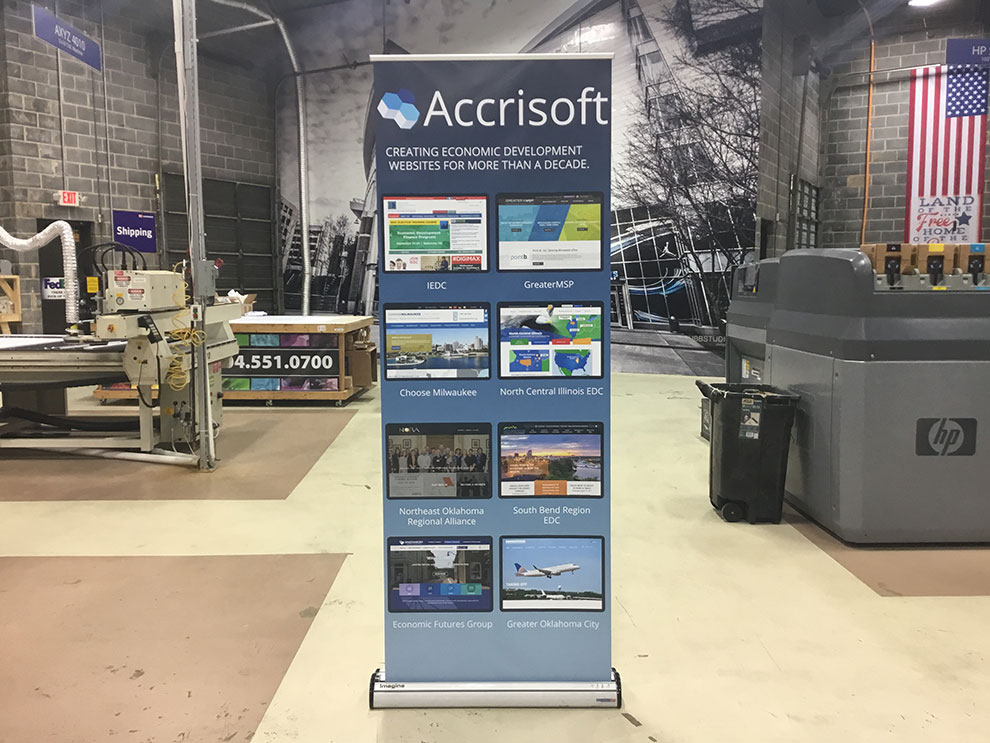
Place schedules, maps, and room information where attendees can pause to review practical details.
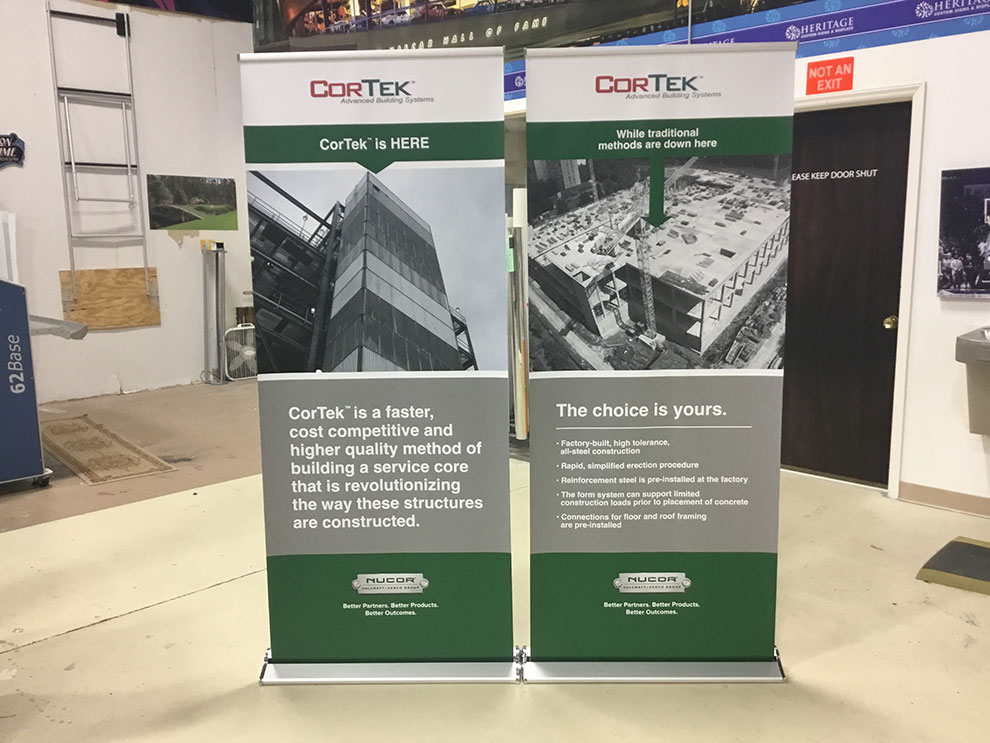
Extend directional communication onto suitable floor surfaces when the route between destinations needs additional guidance.
Use appropriate glass surfaces to identify event spaces, communicate temporary messages, or support privacy requirements.
Coordinate registration, wayfinding, sponsor recognition, and other physical messages across the broader attendee experience.
For retractable banners supporting a Fairfax, VA meeting or event, first determine whether the purchase is fully defined. A self-directed order requires an available standardized configuration and complete print-ready artwork, with no Heritage design or project coordination included.
For a larger qualifying workplace or event project, share the locations, required date, related displays, approval responsibilities, and any installed scope. Heritage can evaluate the coordination needed and whether the work belongs in a managed project. Identify color-critical requirements early so scope and schedule can be reviewed together.
Planning a Larger Event Branding Project? Get Started Now
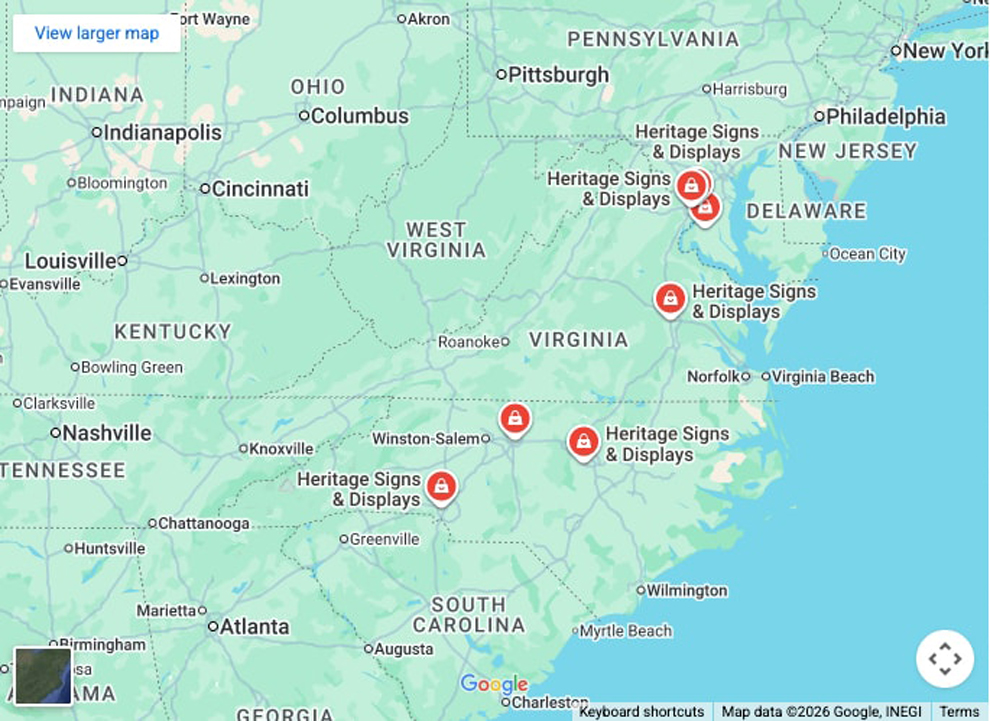
For a Fairfax, VA project, begin with the actual place of use and the people responsible for access. A portable banner order does not require the same field involvement as installed workplace graphics. State whether the requirement is limited to Fairfax or includes additional Northern Virginia locations before discussing the broader Washington, DC metro or Mid-Atlantic project footprint.
For work extending across that region, identify each destination, its contact, and the required delivery or installation window. Local client communication, field verification, production, and installation are different responsibilities; they should not be inferred from a nearby city name. In a qualifying managed project, the accepted scope should establish which Heritage resources support each responsibility and how location-specific requirements enter the plan.
If the program extends farther, discuss support through the broader Heritage network after the local and regional requirements are understood. Confirm the applicable arrangements rather than assuming identical services at every destination. Standardized Online Store purchases remain self-directed regardless of the number of addresses involved. Multiple locations become a managed-project consideration when the broader work requires Heritage coordination.
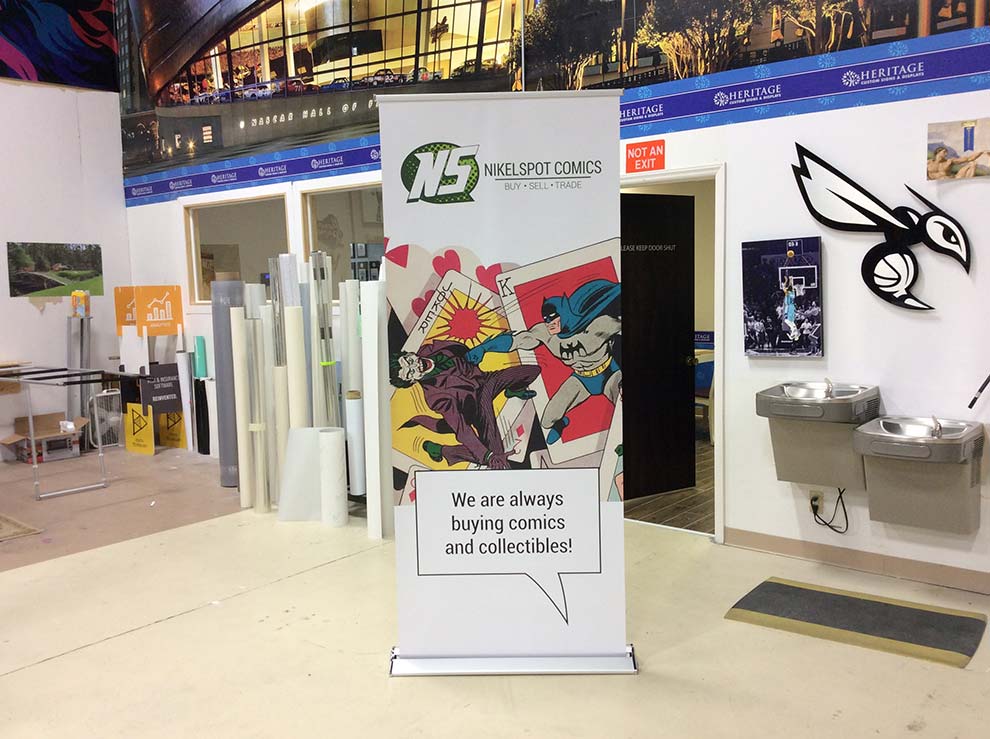
Design the banner around the first decision the viewer needs to make. At a meeting entrance, a program title and destination may matter more than a detailed description. At a recruiting table, the audience and next action may deserve priority. Use a clear hierarchy of identity, headline, supporting information, and response instructions rather than giving every element equal visual weight.
Test the layout against its intended placement. Keep essential information clear of likely obstructions and avoid relying on small text for the main message. If several displays appear together, give each a distinct task while maintaining consistent brand direction. A registration banner and a sponsor backdrop need not use identical layouts to look related and function as a coordinated visual system.
Online Store buyers must resolve these choices independently and provide complete print-ready artwork for the selected live configuration. Heritage design, layout development, and direct product selection are excluded from that transaction. For qualifying managed projects, approved client or agency artwork can support the broader scope. Heritage design support is available only when included in the accepted project scope.
Portable banner stands are intended for setup and takedown by the client's team rather than a Heritage installation crew. Follow the instructions supplied for the selected product. Plan who will handle the displays and where the retracted stands will be protected during transport and storage.
During takedown, hold the top rail securely and guide the graphic slowly and evenly into the base. Do not release the rail and let the graphic snap downward. One uncontrolled return can severely damage both the graphic and the retracting mechanism. Keep control throughout retraction, including the final movement into the base.
Heritage generally advises against using standard retractable banners outdoors because wind can destabilize the stand. Indoor portability is not evidence of outdoor suitability. Raise an outdoor communication requirement separately rather than assuming the standard product will be appropriate.
Standalone Online Store orders include neither a Heritage site survey nor professional installation. When a broader managed project includes Heritage professional installation, the installed scope requires a Heritage site survey combining client discovery with field and technical verification. Portable banners remain distinct from those installed components.

The purchasing path should follow the responsibilities involved, not simply whether artwork exists. A self-directed Online Store order fits an available standardized product that you have independently selected and configured. You provide complete print-ready artwork and make the remaining published selections yourself. Current product details, applicable order requirements, and pricing must be reviewed in the live store rather than inferred from an earlier purchase.
Use Get Started Now for a larger qualifying workplace or event solution requiring Heritage coordination. Finished artwork may still need to move through several stakeholder approvals or align with related displays, multiple sites, delivery arrangements, fabrication, and installation schedules. Describe those dependencies when requesting review. Design support may be included only when it is part of the accepted scope.
Keep the financial decisions separate as well. A standardized product order, a managed-project qualification requirement, and the capacity to support a larger program describe different things. Confirm current commercial requirements for the applicable route before budgeting. A broader project investment should never be interpreted as the price of a retractable banner or its replacement graphic.
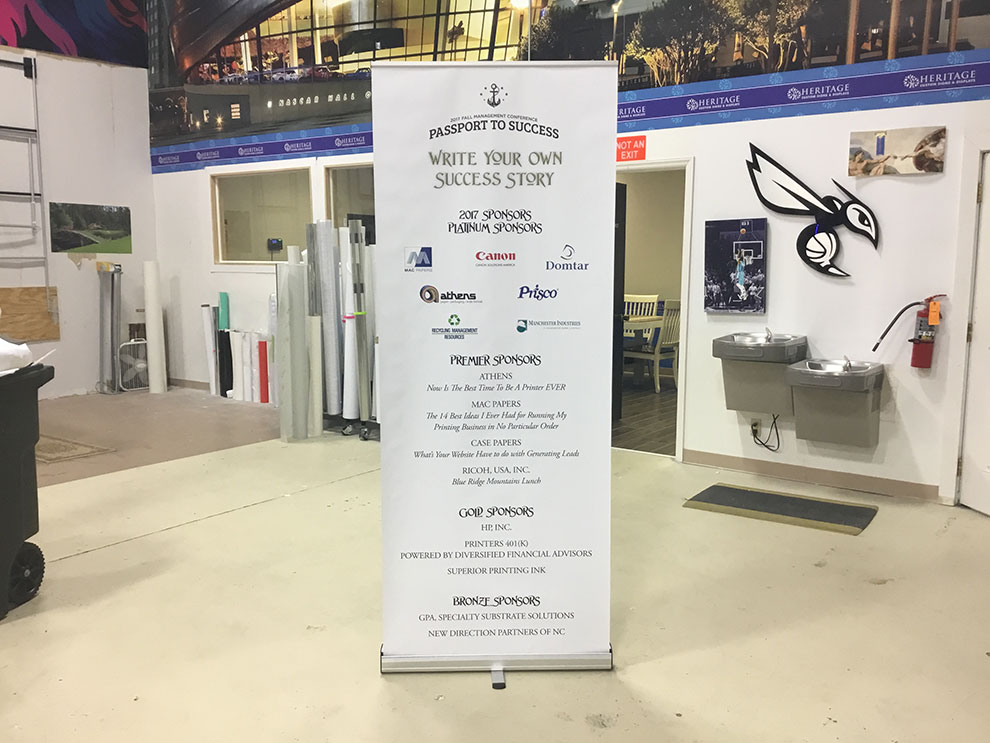
A retractable banner stand is a portable display with a printed vertical graphic that retracts into a protective base. For Fairfax meetings and events, it can identify a room, welcome participants, recognize a sponsor, or present a focused recruiting message. Choose its role according to what attendees need to understand where the display will stand.
Yes. Replacement graphics can be used multiple times while the Heritage stand remains well cared for and in good working condition. Hardware condition, transport, storage, and handling affect continued usefulness, so there is no fixed lifespan. This does not establish compatibility with another manufacturer's stand or a particular replacement procedure.
You must independently select the exact live standardized product and configuration and supply complete print-ready artwork. Review the current listing for specifications, options, file requirements, pricing, and ordering information. Confirm product availability before planning around this route; a previous order or reference page does not establish current activation.
No. The self-directed purchase does not include Heritage design, layout development, or direct Heritage product selection and coordination. It also excludes Physical Production Color Proofs, a Heritage site survey, and Heritage professional installation. Design support is available only within a qualifying managed project when included in the accepted scope.
Yes. Approved artwork may be only one resolved part of a larger workplace or event requirement. Several displays, multiple locations, stakeholder approvals, production dependencies, delivery, fabrication, or installed components may still need coordination. Use Get Started Now to describe that broader requirement rather than treating design need as the qualification test.
A Heritage site survey is required for the installed scope when a broader managed project includes Heritage professional installation. It combines client discovery with field and technical verification so the installed work can be planned around actual conditions. A standalone Online Store banner purchase includes neither that survey nor professional installation, and the client's team handles the portable stand.
Hold the top rail securely and guide the graphic slowly and evenly into the base. Do not release the rail and allow an uncontrolled return. One such incident can severely damage both the printed graphic and the retracting mechanism, so control must continue throughout takedown.
Heritage generally advises against using standard retractable banners outdoors because wind can destabilize the stand. Portability does not mean the product is suitable for exposed conditions. If outdoor communication belongs to a larger qualifying event project, identify that requirement during scope planning rather than assuming an indoor banner will serve it.
No. Supplied Pantone Matching System colors are production targets, not guarantees of identical reproduction across equipment, inks, substrates, and finishes. Those combinations have different color gamuts, meaning different ranges of reproducible color. Identify critical brand-color requirements before the production approach is settled.
No. A PDF or screen proof can support review of text, layout, and other visible artwork details, but it does not establish the final physical color standard. Display settings and the differences between emitted screen light and printed materials affect appearance. Physical color evaluation requires a separately scoped approach where available.
Physical Production Color Proofs are available only within qualifying Heritage-managed projects when included in the accepted scope, at additional cost, and when the schedule allows. Raise the requirement early enough for its production and review to be evaluated. This proofing service is not included with a standalone Online Store order.
Treat them as separate commercial decisions. Current standardized product pricing and applicable Online Store order requirements belong in the live store, while a larger managed project is evaluated against its overall scope and current qualification requirements. A managed-project starting investment or larger-project capacity statement is not a retractable banner price.
Begin with each destination, the quantity and message needed there, the responsible contact, and the required schedule. For a qualifying managed project, Heritage can evaluate how those requirements relate to production, delivery, approvals, and any installed scope. Confirm the applicable local, regional, and broader network arrangements instead of assuming every location receives identical services.
For an available standardized Online Store product, review the current production and fulfillment information and have complete print-ready artwork ready. For a larger managed project, provide the event date, scope, approval responsibilities, delivery needs, and any installation constraints. Timing must be evaluated against those dependencies; an approaching date does not establish a production or delivery commitment.
Choose related displays according to the job a banner cannot perform by itself. A backdrop can provide a larger focal surface, a meter board can present schedules or maps, and a trade show display can support a broader exhibit presence. Floor graphics, window graphics, and other event signs may address additional communication needs when surfaces, placement, and the accepted scope support them.
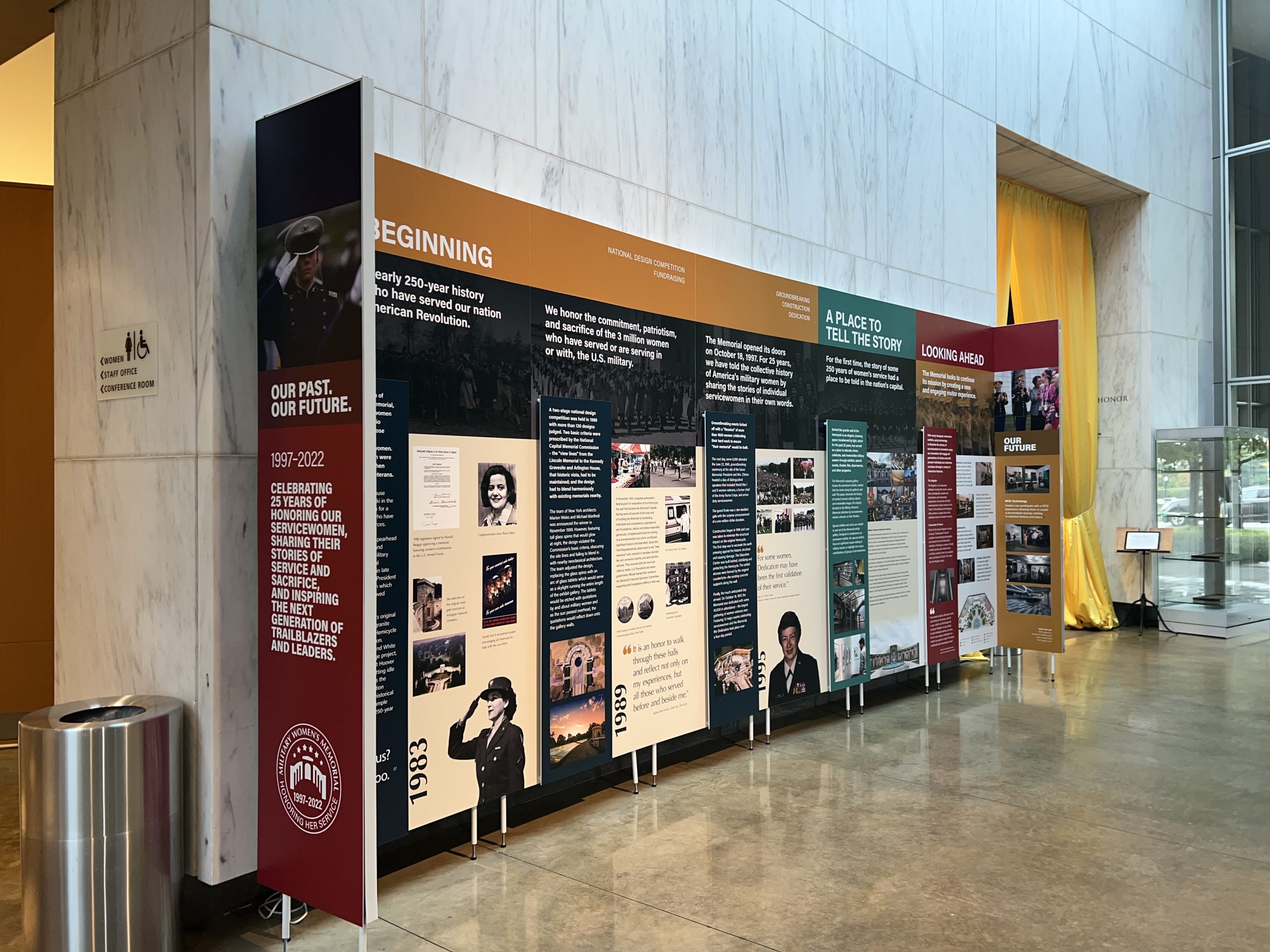
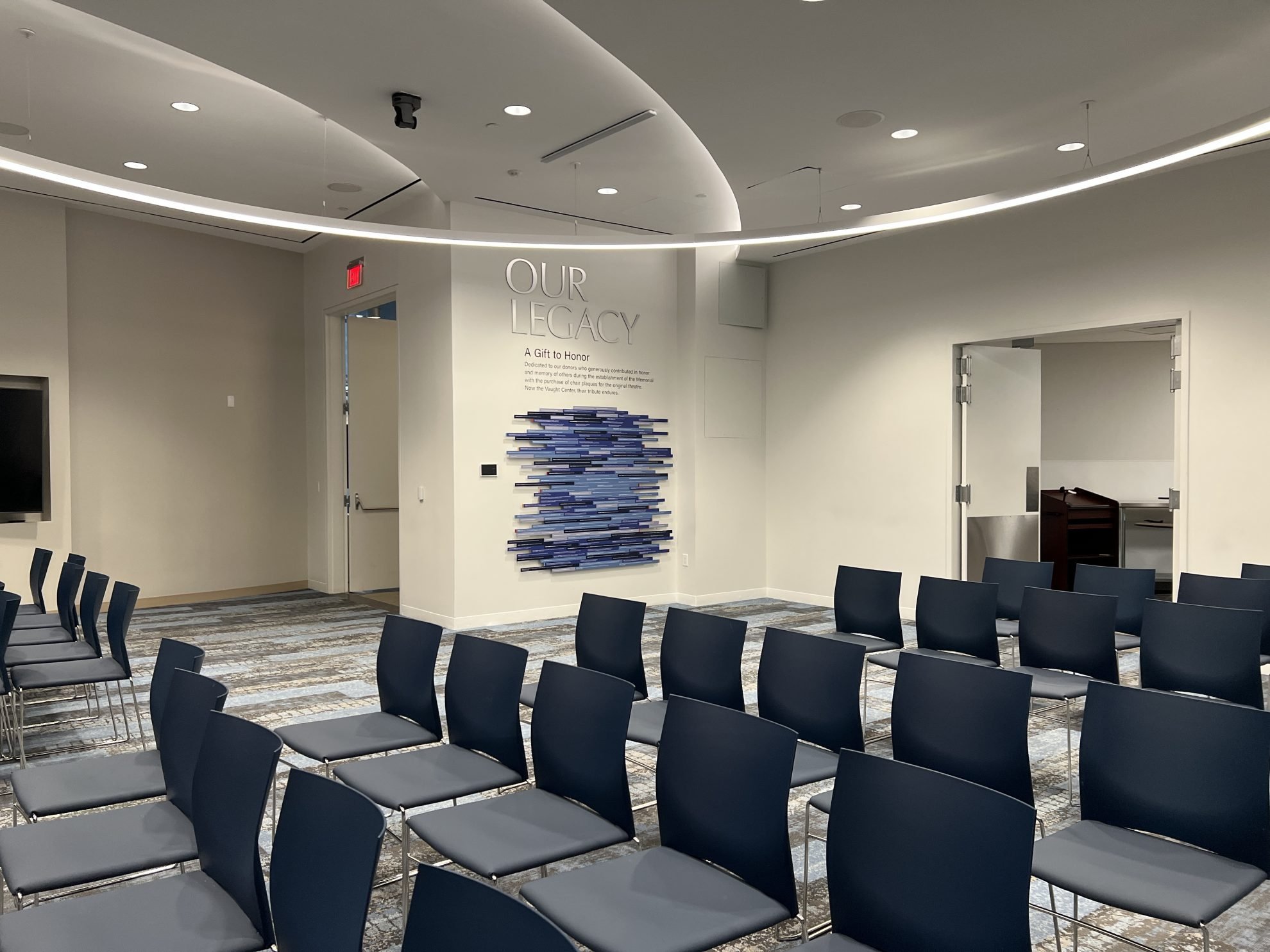
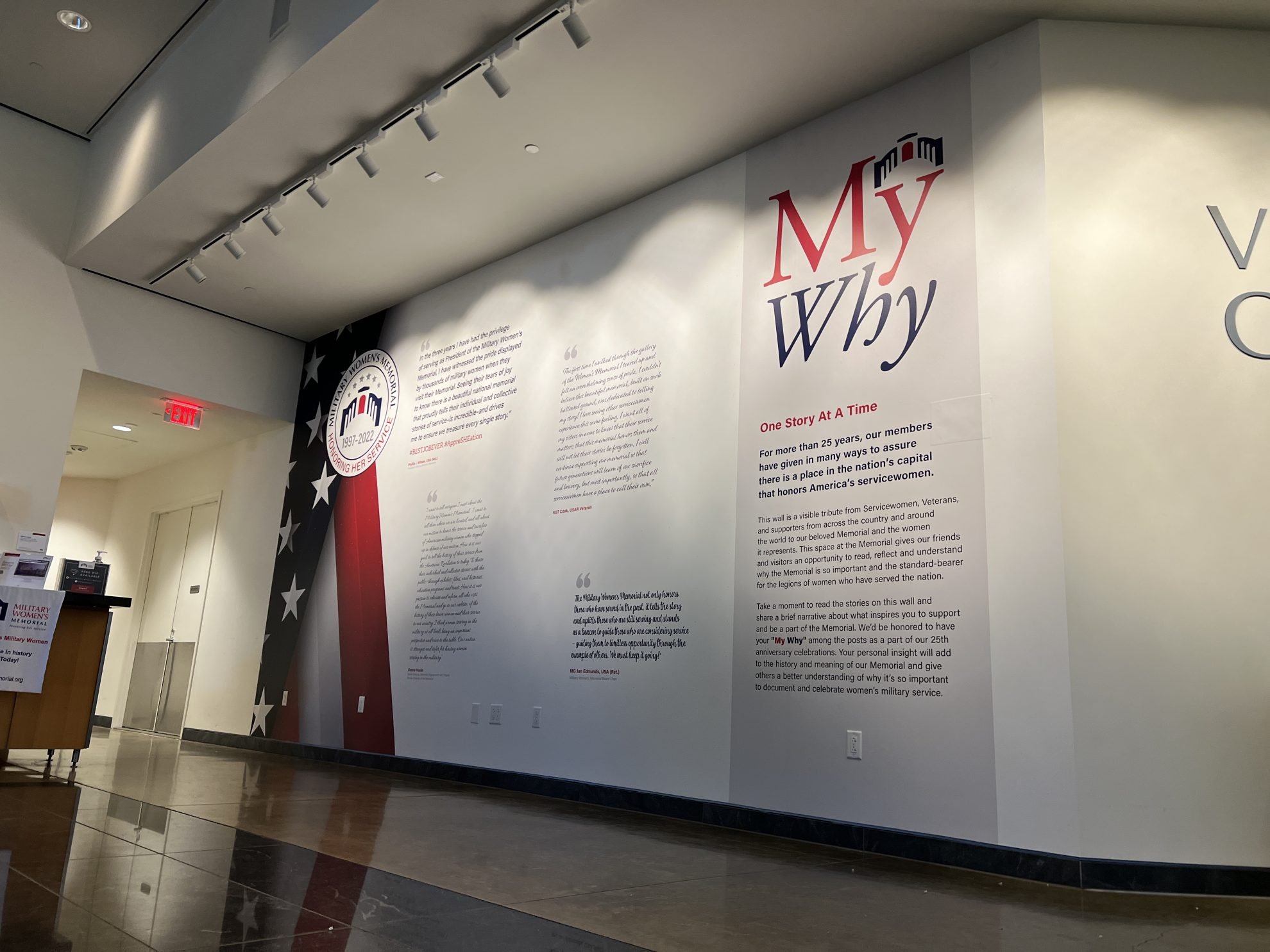
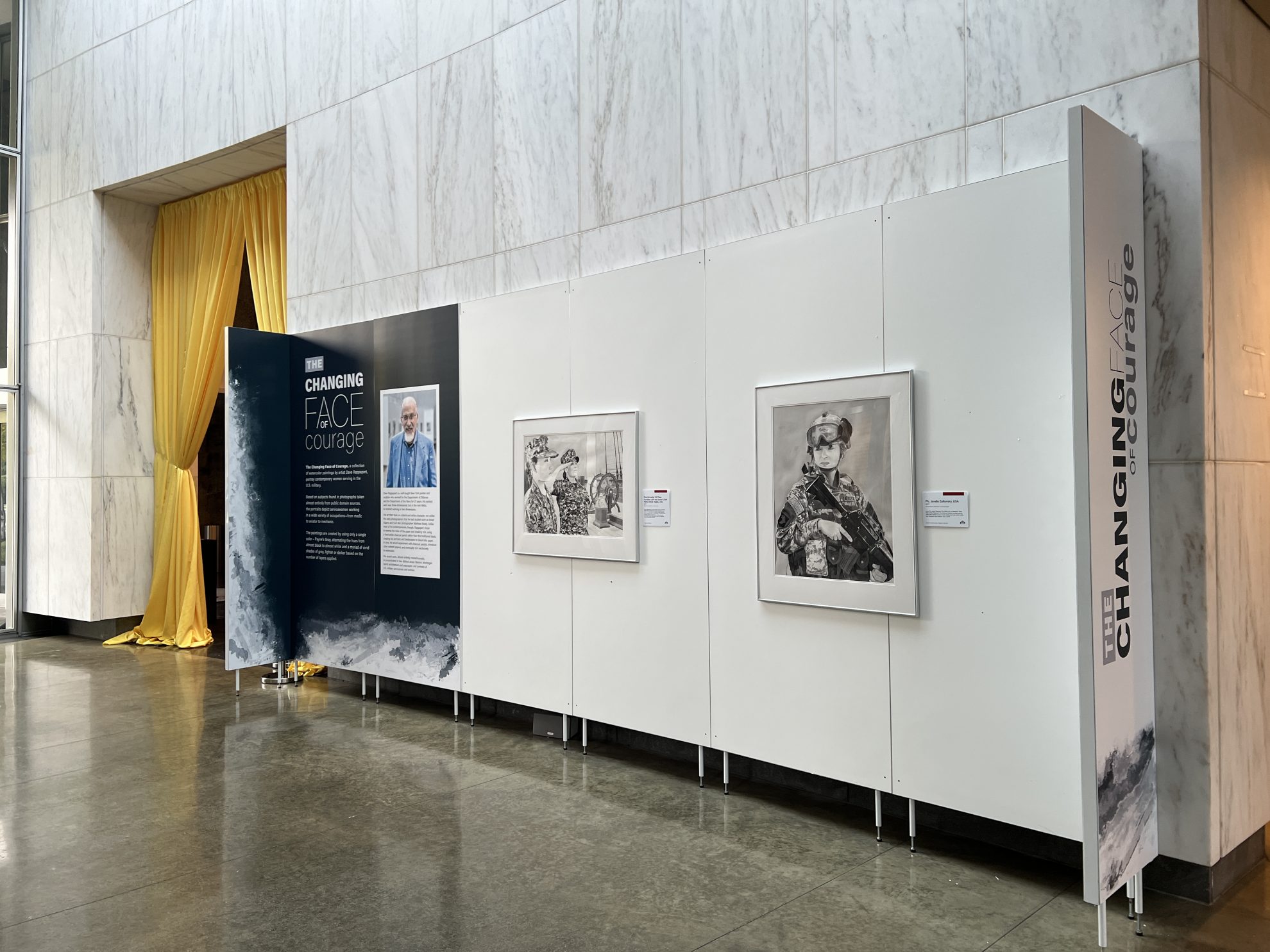
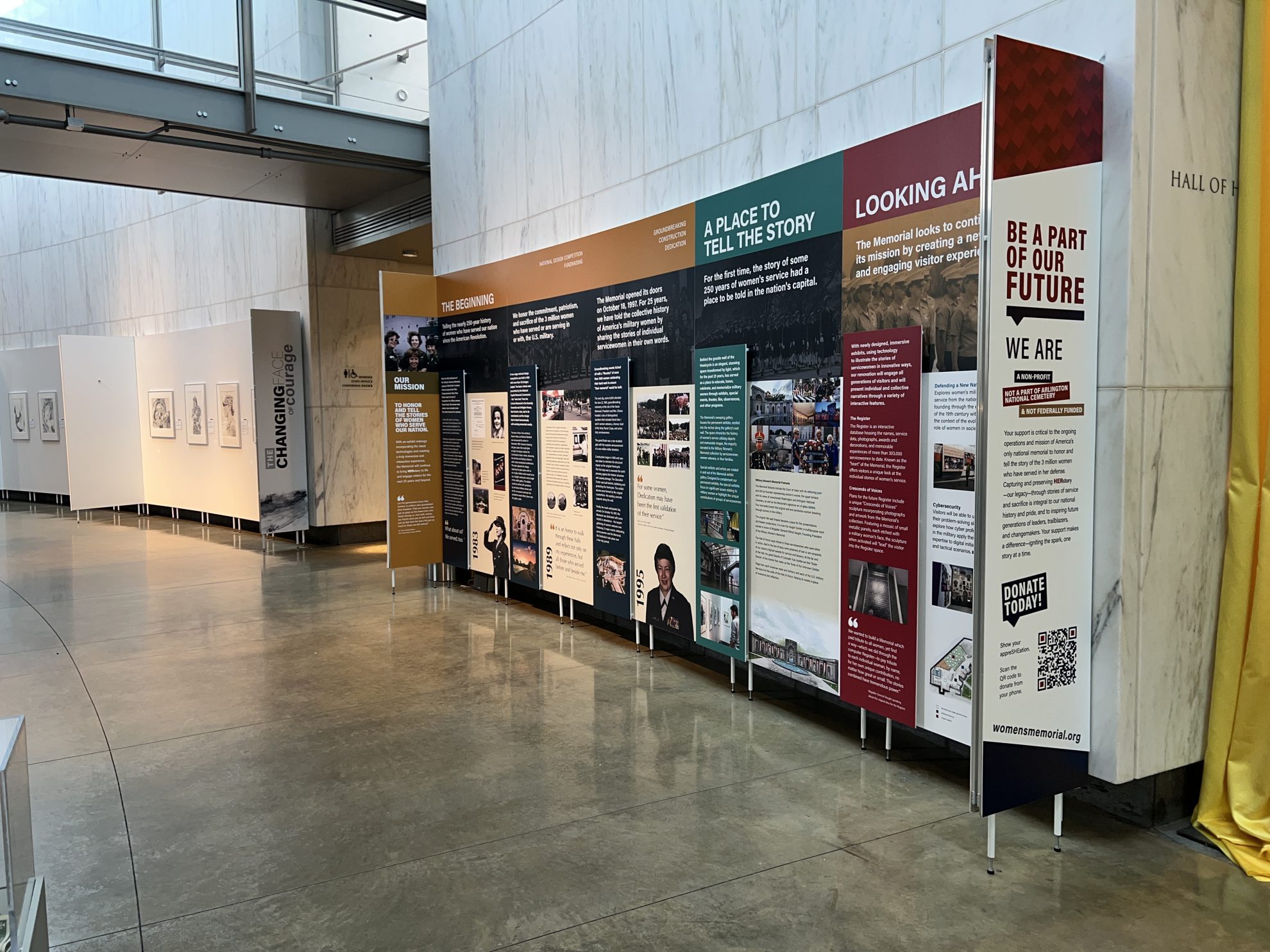
Heritage Signs & Displays created new museum signage for the Military Women’s Memorial in Arlington, VA. The project included custom signs, wall wraps, dimensional letters, and standoff-mounted displays to honor the legacy of U.S. servicewomen and the donors who supported the memorial. The updated interior features impactful designs, including a "Our Legacy" wall display and panels showcasing historical contributions and artwork, creating a transformative tribute to women in the U.S. Armed Forces.
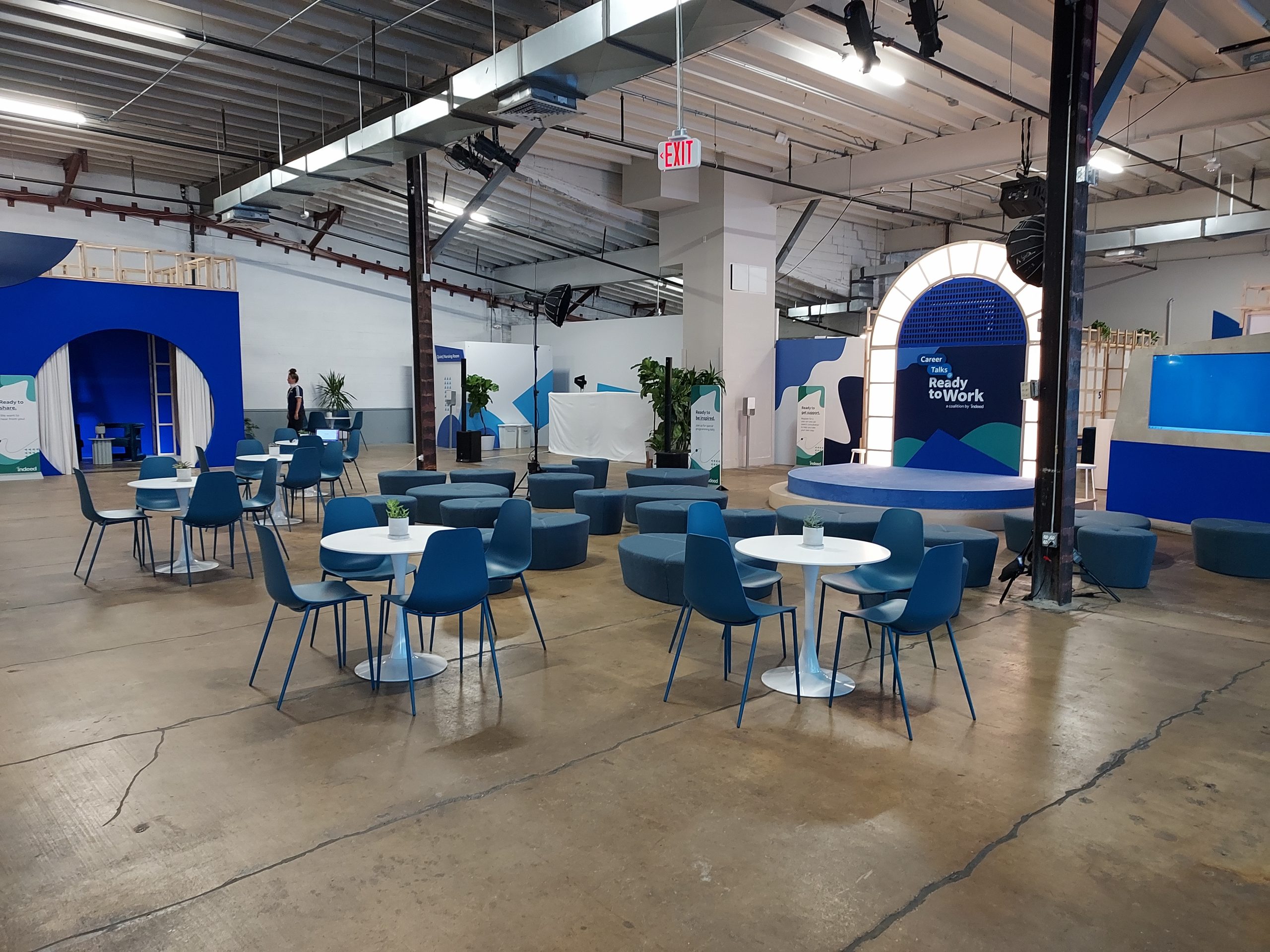
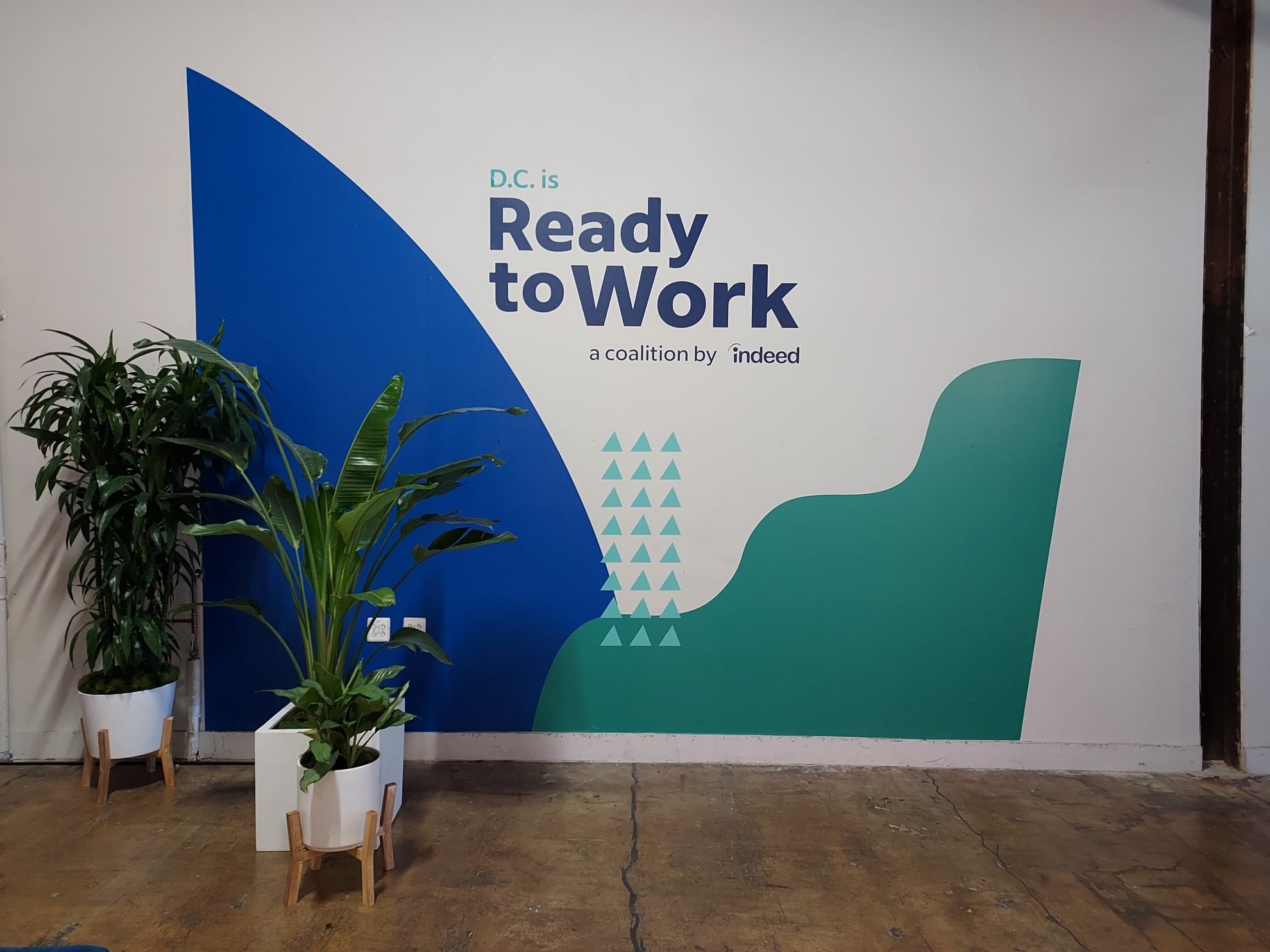
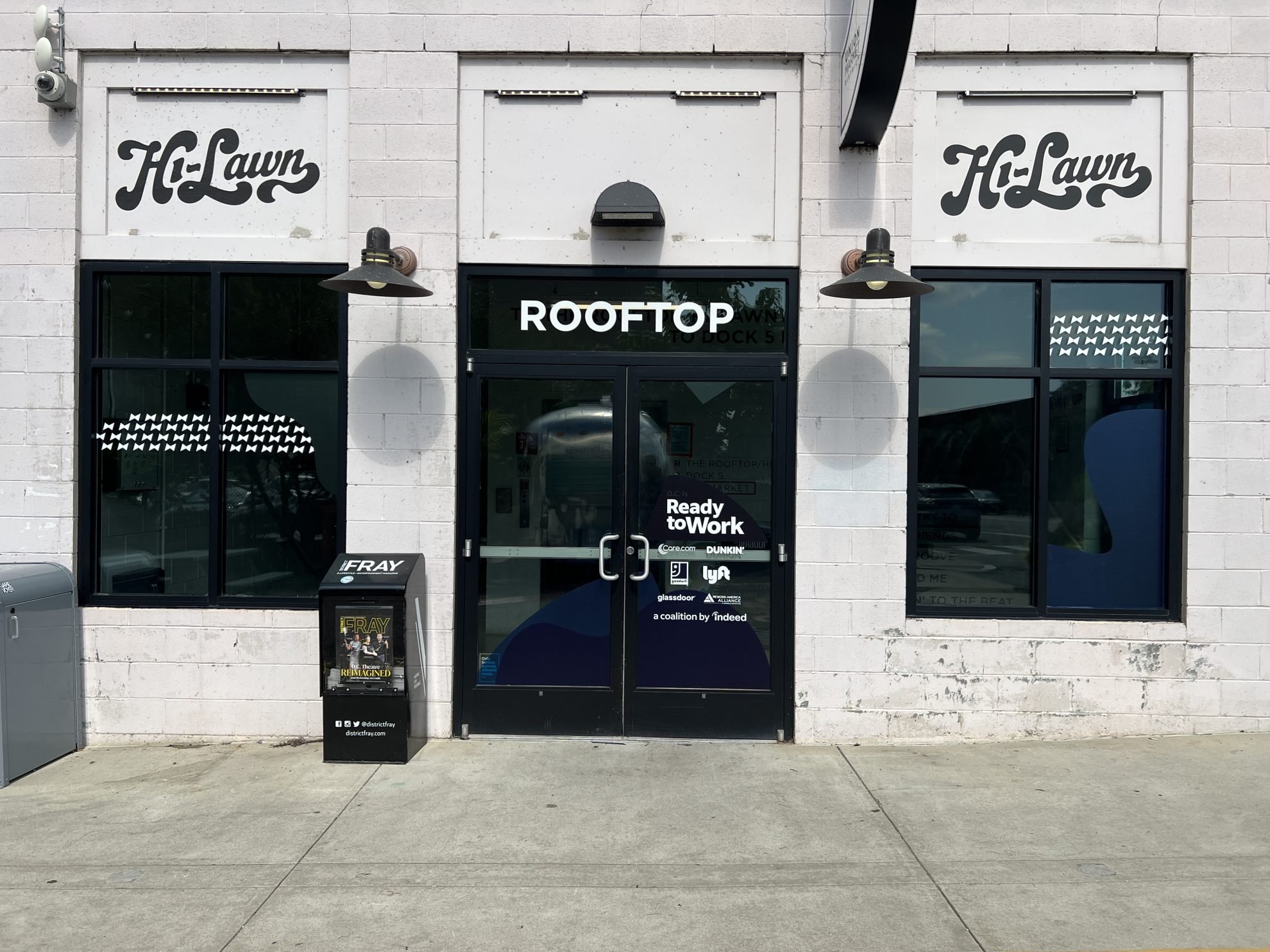
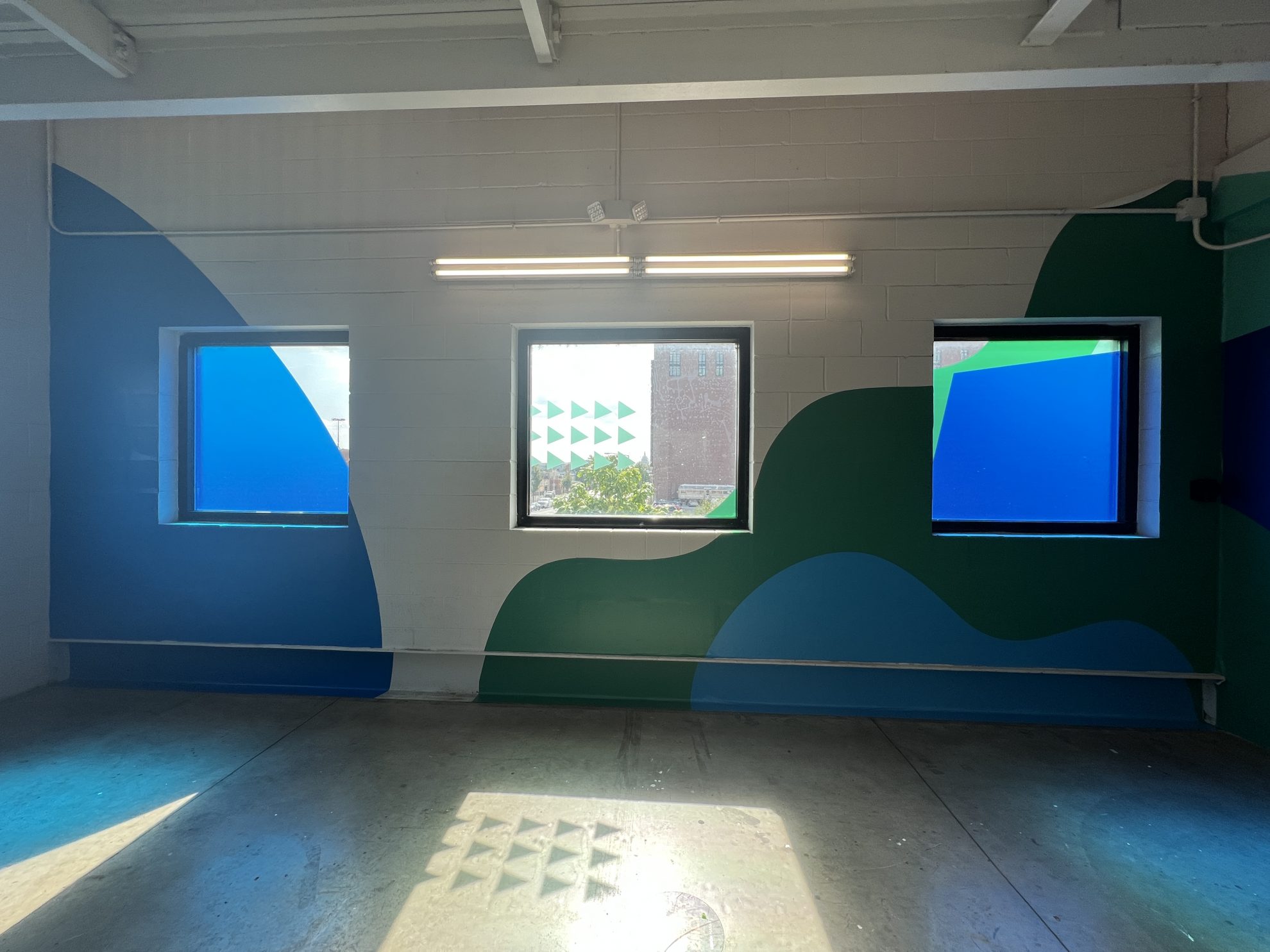
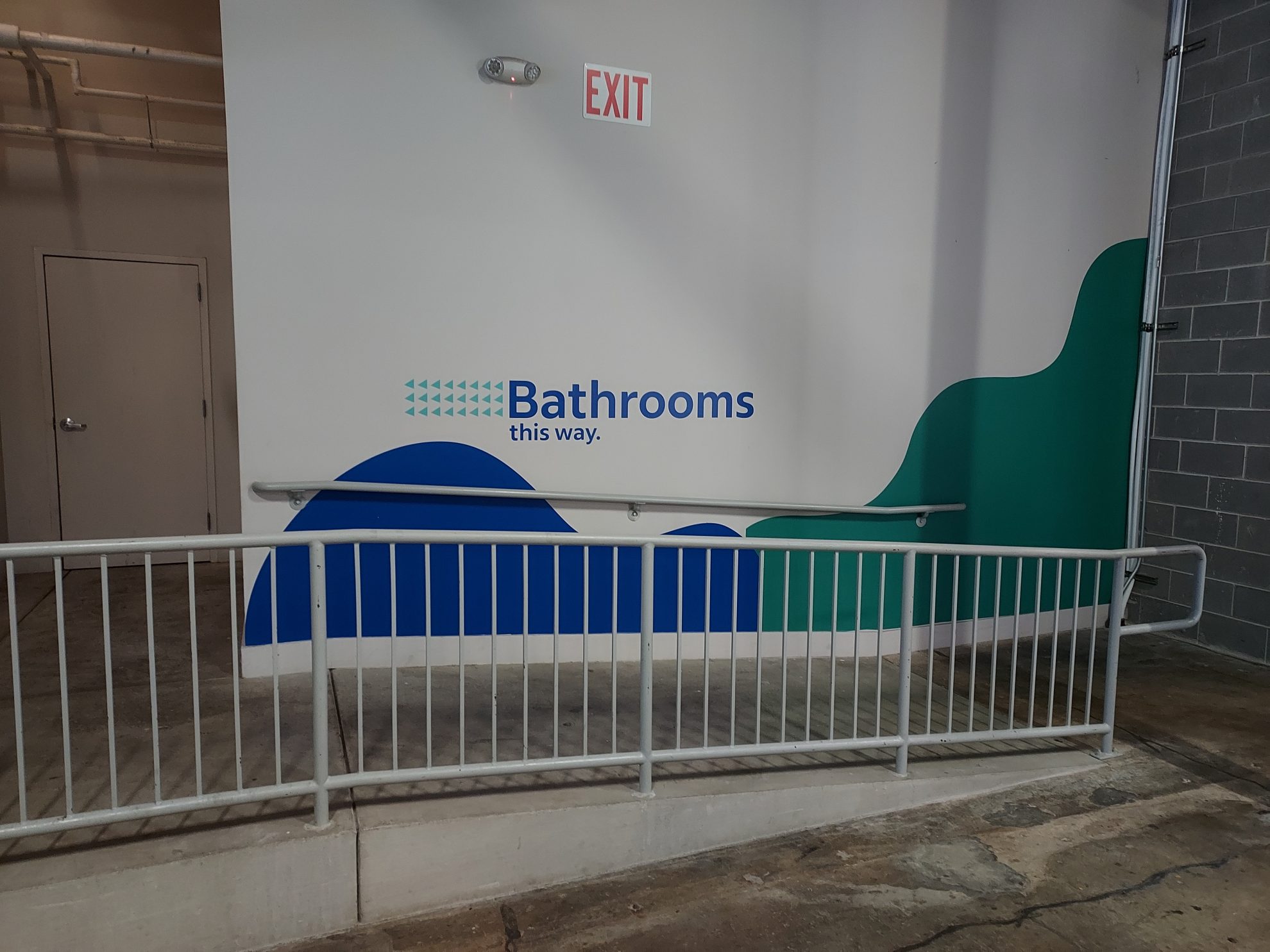
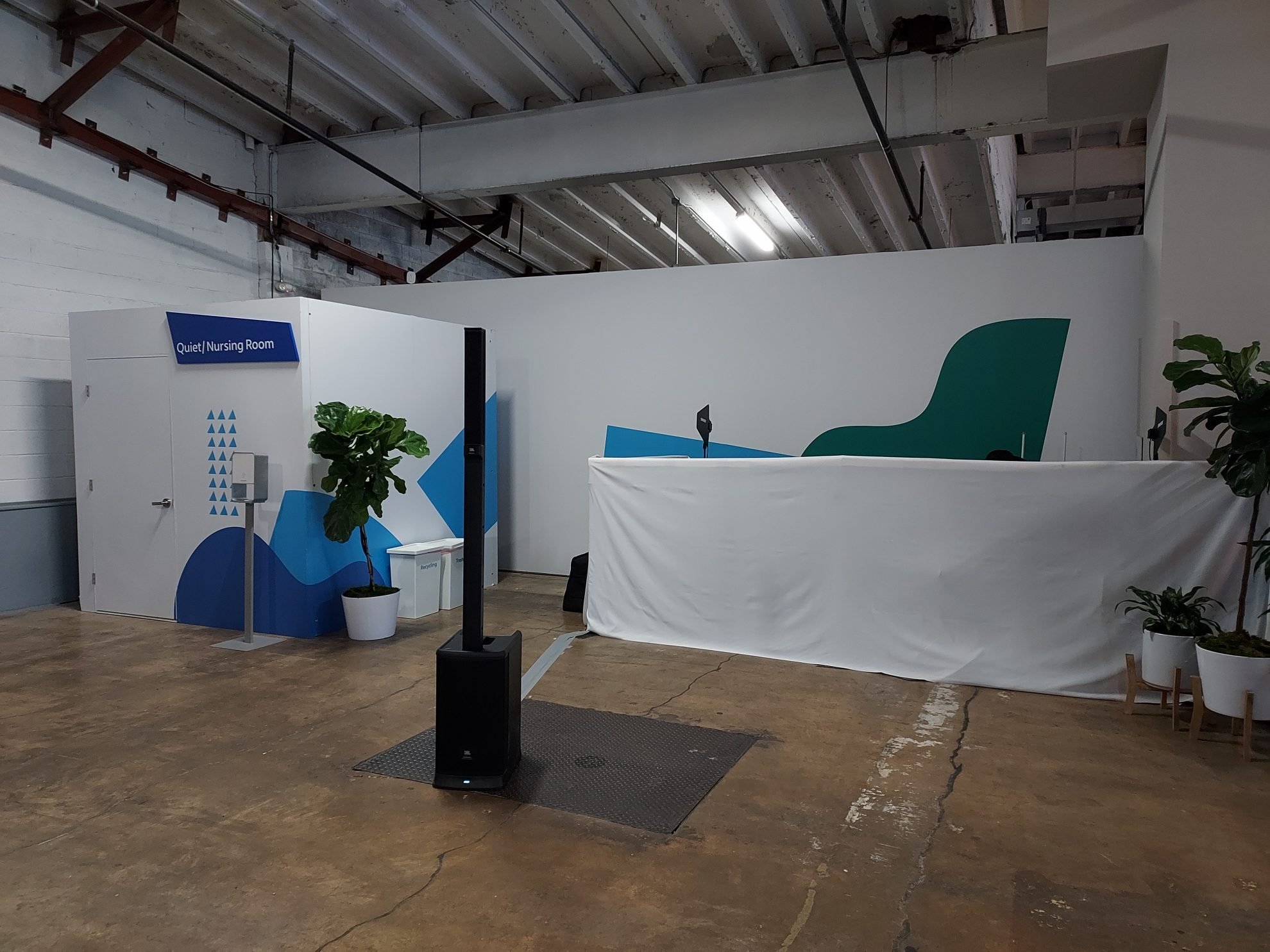
Heritage Signs & Displays' collaboration with The Gathery to brand Union Market in Arlington, VA, for Indeed's "Ready to Work" job fair. The project included custom event displays, wall graphics, window graphics, and wayfinding signs, creating an immersive and visually appealing environment. The branding enhanced the venue, reflected the event's mission, and provided a seamless experience for attendees.