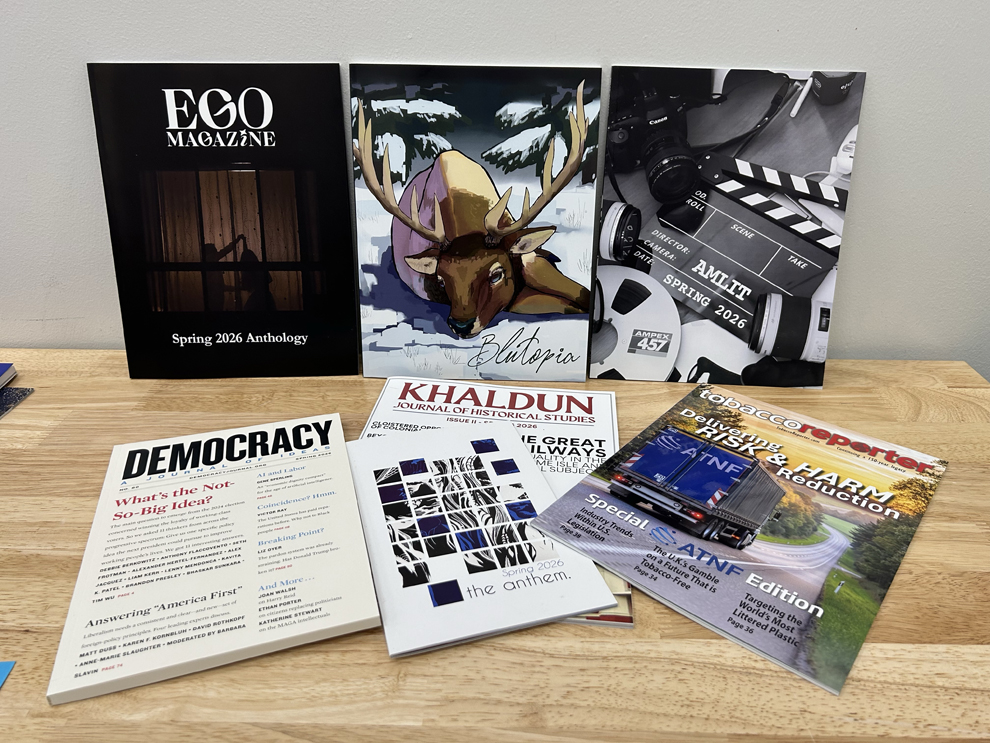
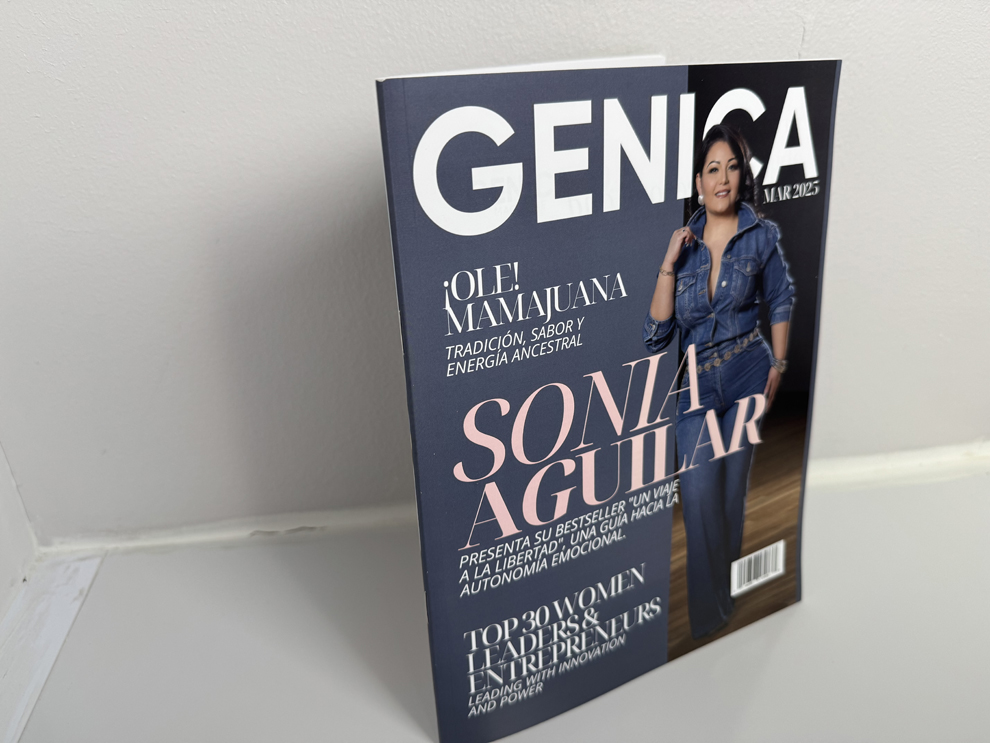
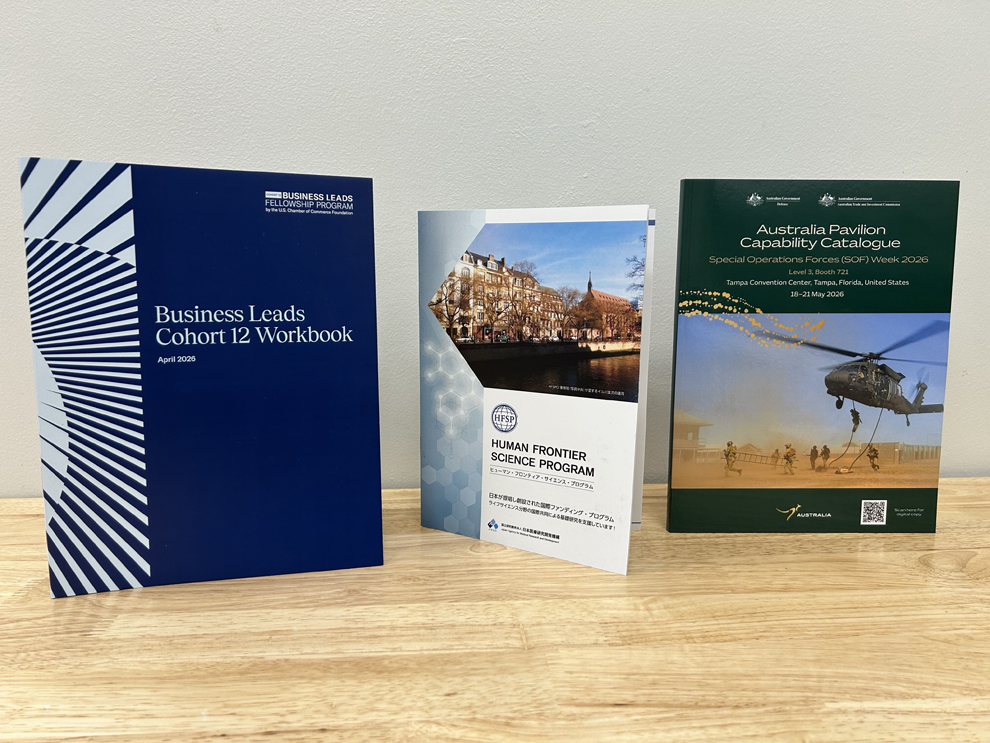
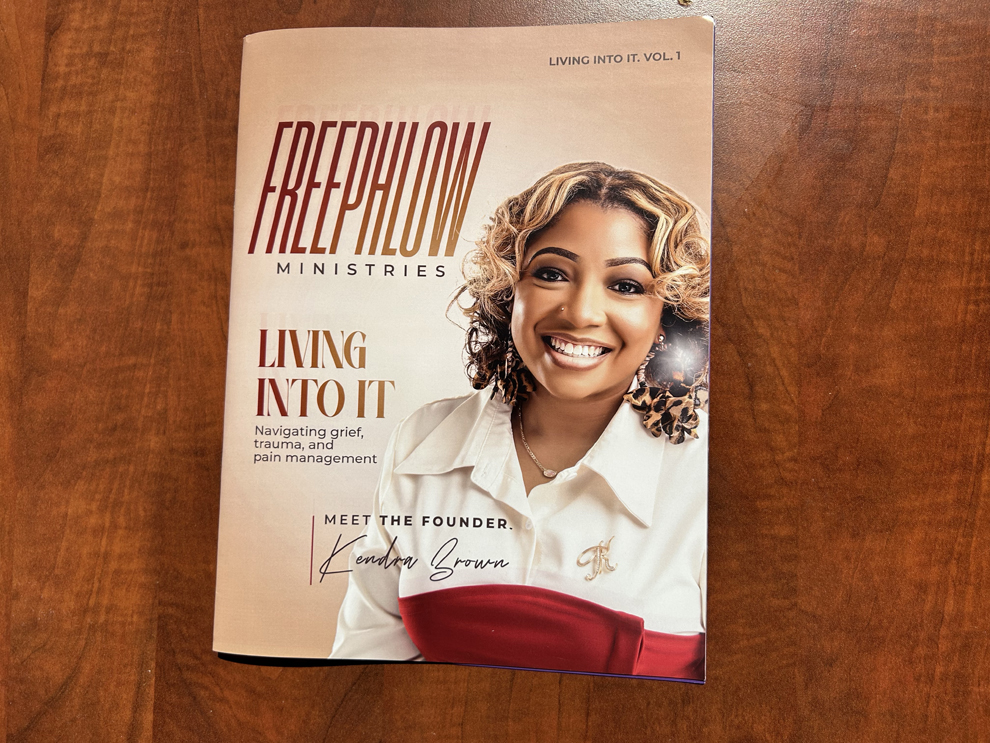
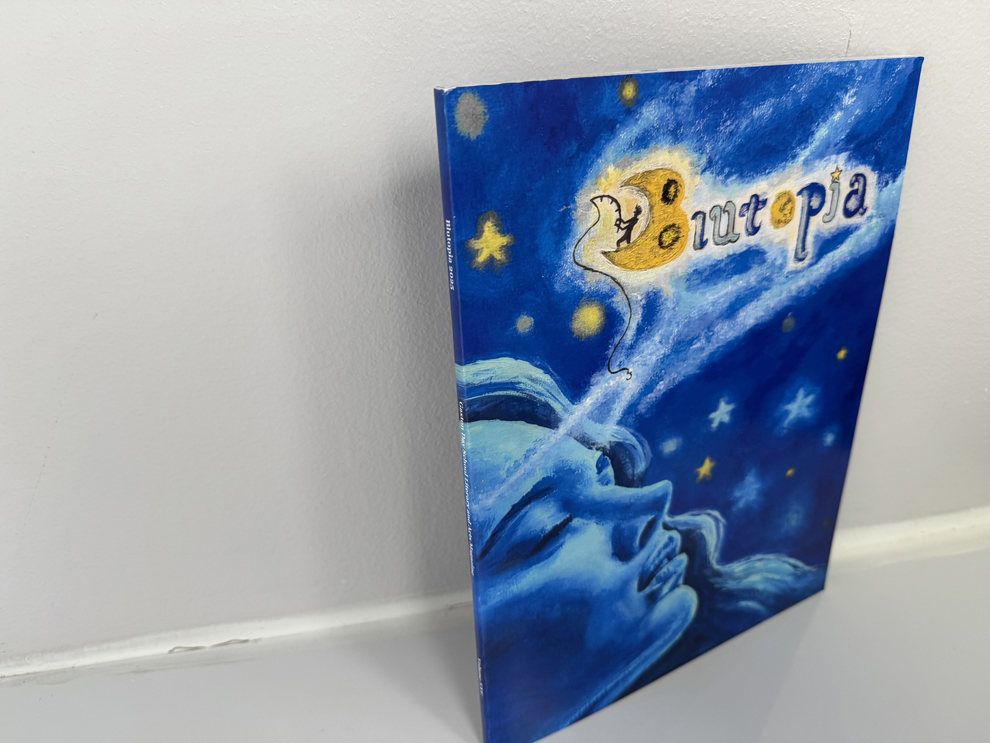
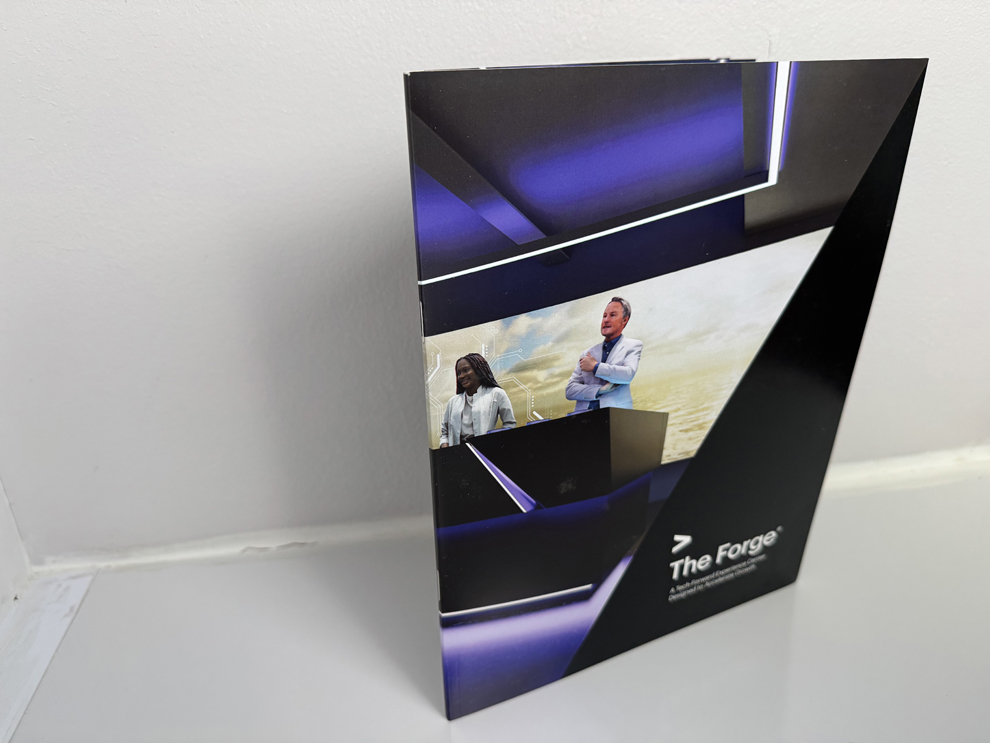
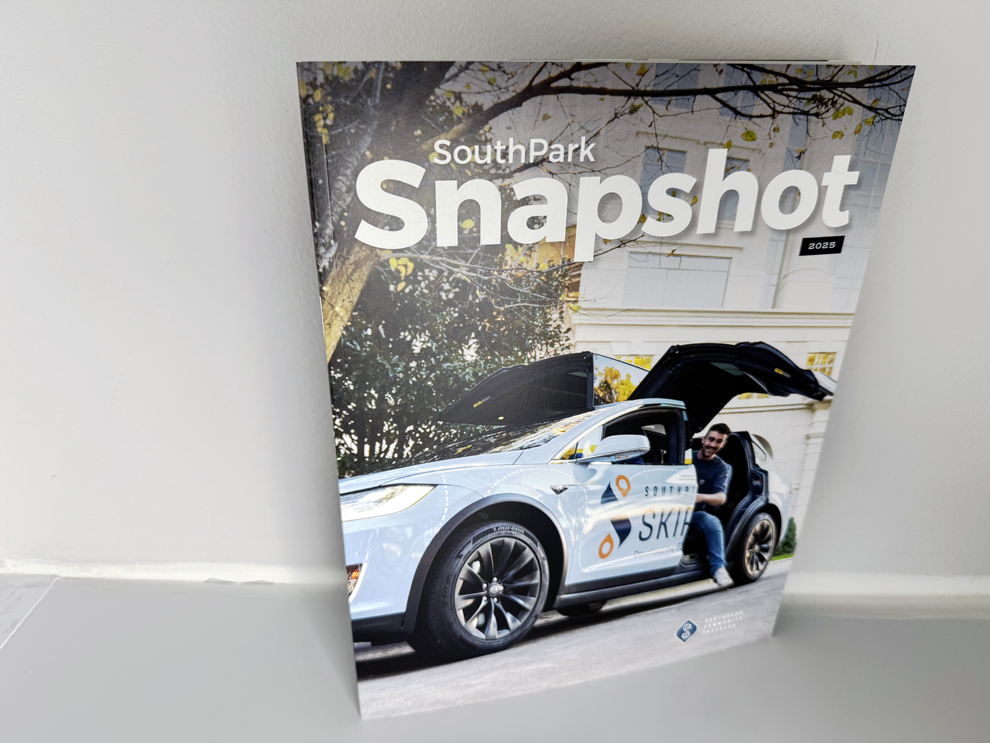
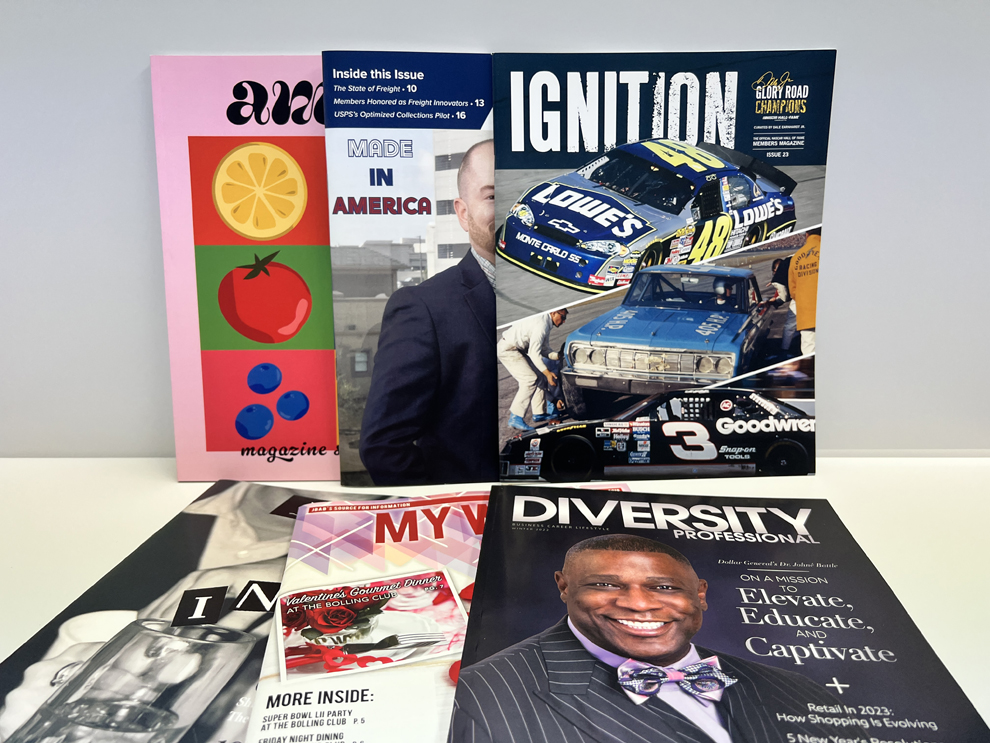
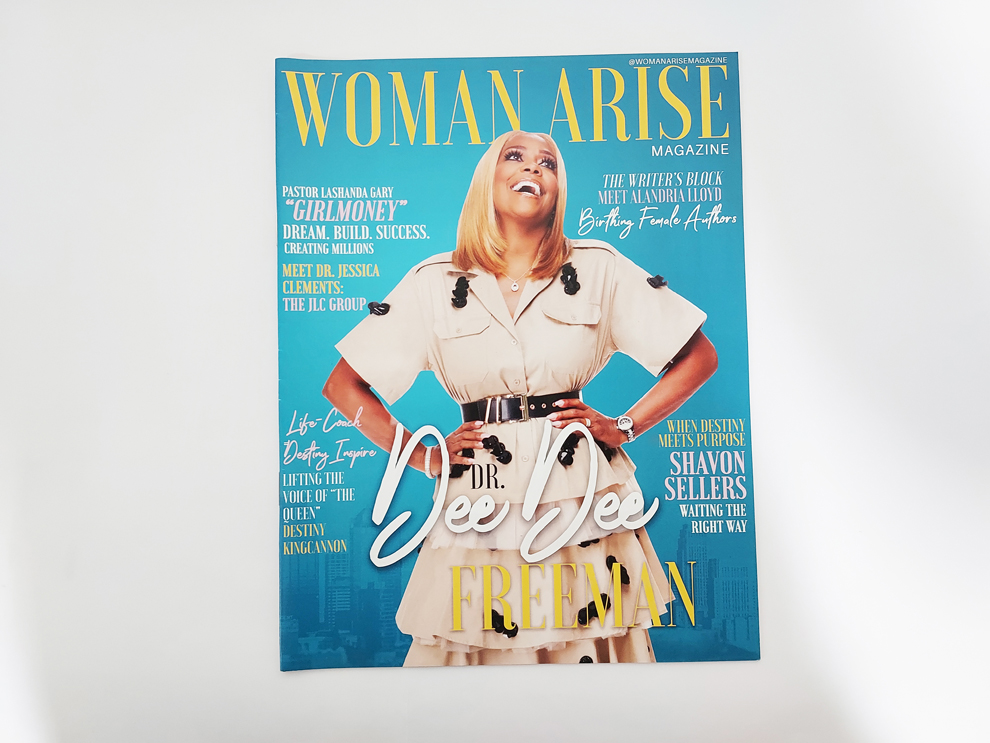
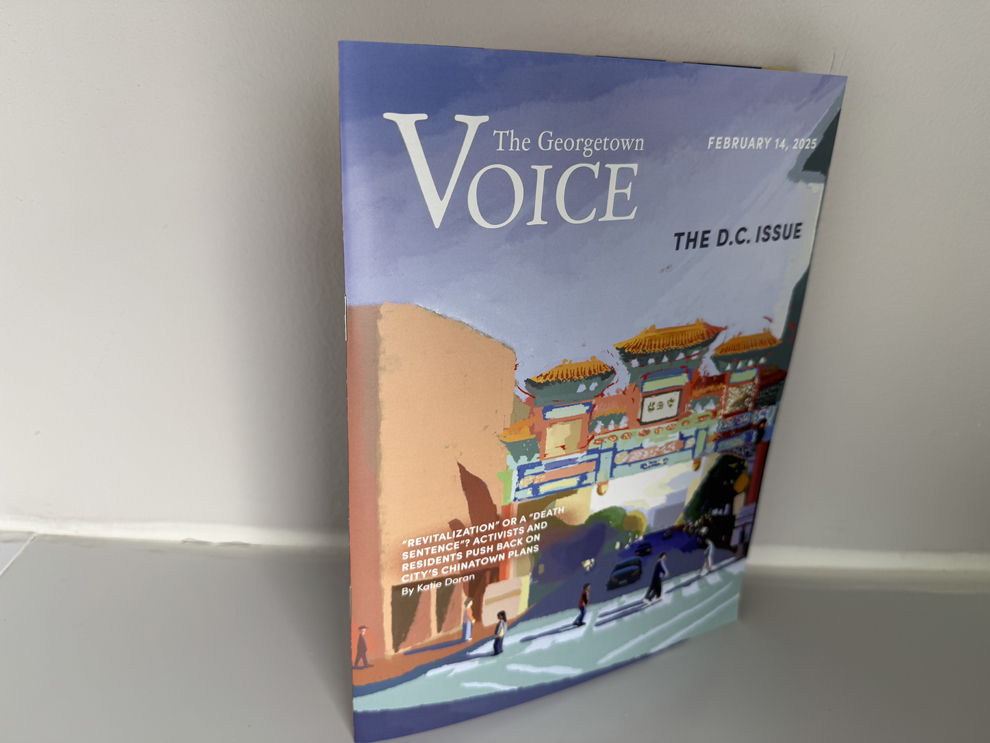
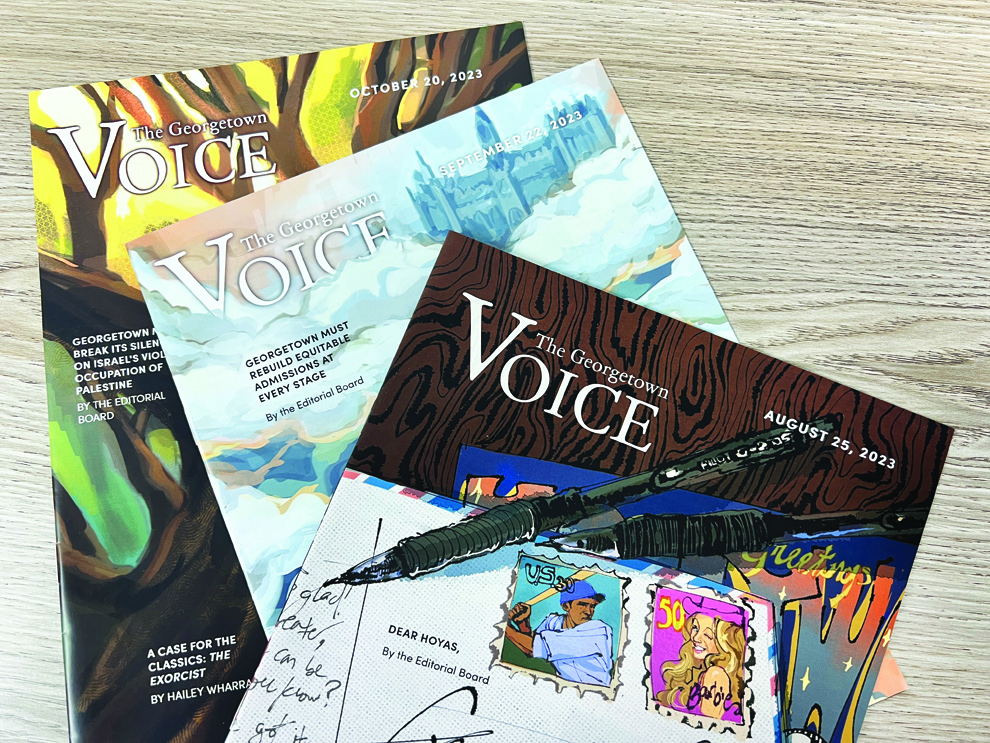
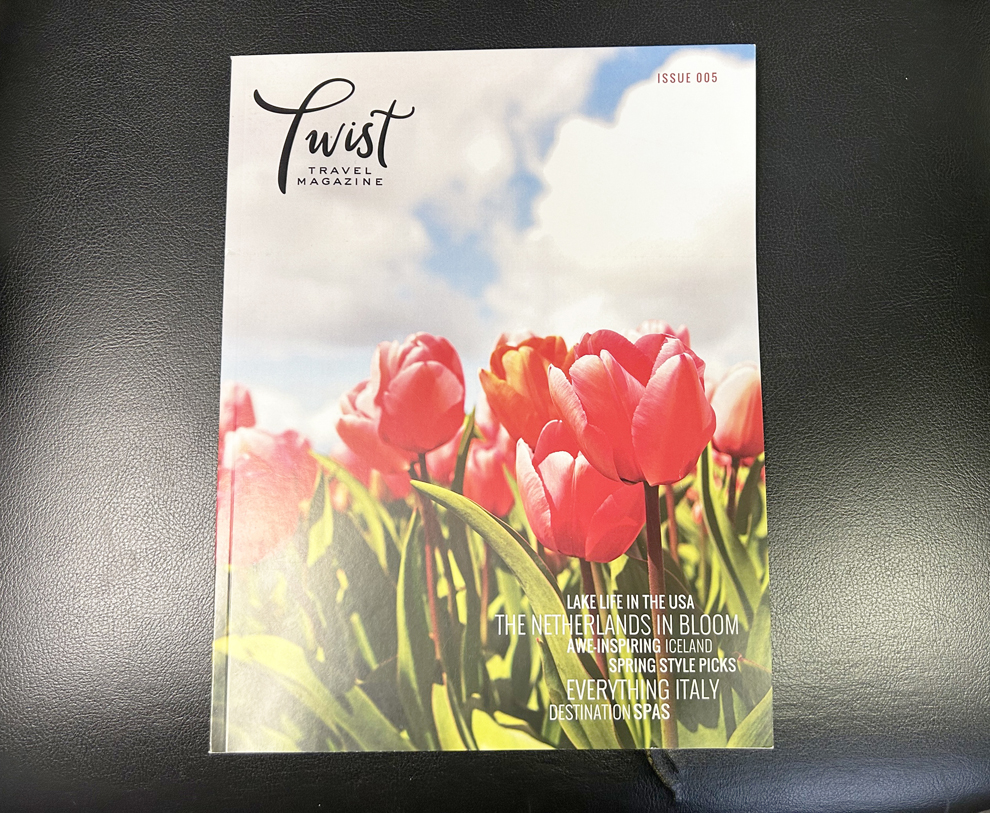
Annapolis organizations produce a wide range of publications that do not fit a single template. State associations publish policy journals, maritime and environmental groups release research reports, membership organizations print directories, and colleges and agencies distribute program guides. Each of these pieces carries its own page count, paper weight, binding, color expectations, and distribution plan, and Heritage helps you turn finished content into a professional publication that respects those differences.
Timing shapes many of these decisions. A legislative briefing report prepared for the General Assembly session, a membership directory promised before a spring meeting, or a journal mailed on a recurring calendar each sets a date that the production plan must honor. Heritage responds promptly, asks the questions that determine the schedule, and explains what can realistically be produced once files and specifications are confirmed.
Format, paper, page count, binding, color, quantity, and delivery all influence how a publication performs in the hands of readers. A directory consulted all year needs different construction from a report read once at a briefing. Matching those specifications to actual use produces a publication that works as intended.
Heritage began as a printing company in 1977, and that foundation still guides how we approach publications that carry organizational research, membership, or program information to its readers. Decades of professional production experience, veteran ownership, and family leadership shape a service culture built on attention to detail, straightforward communication, and accountability for the finished piece. When a publication represents your organization, those habits matter.
Quality control runs through every stage. Heritage manages color with spectrophotometric calibration and verification and production-specific color profiles where relevant, which helps charts, photography, seals, and brand colors reproduce consistently across the run. Every Commercial Printing order receives an electronic proof for your review and approval before anything prints. Qualifying Custom Quote projects may add a paid Physical Production Color Proof when a physical color reference is important.
Annapolis schedules often follow legislative calendars, academic terms, boating season events, and association meeting dates. Heritage will not commit to an accelerated turnaround before reviewing the actual job, but we do respond quickly, identify the decisions that control the timeline, and keep you informed as production moves forward.
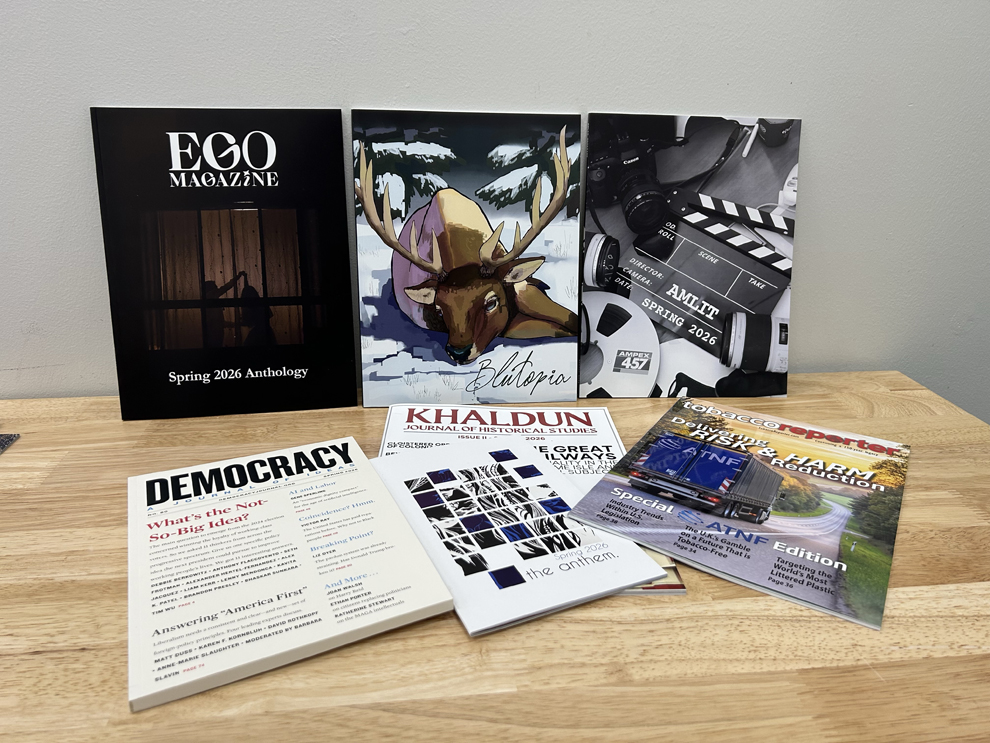
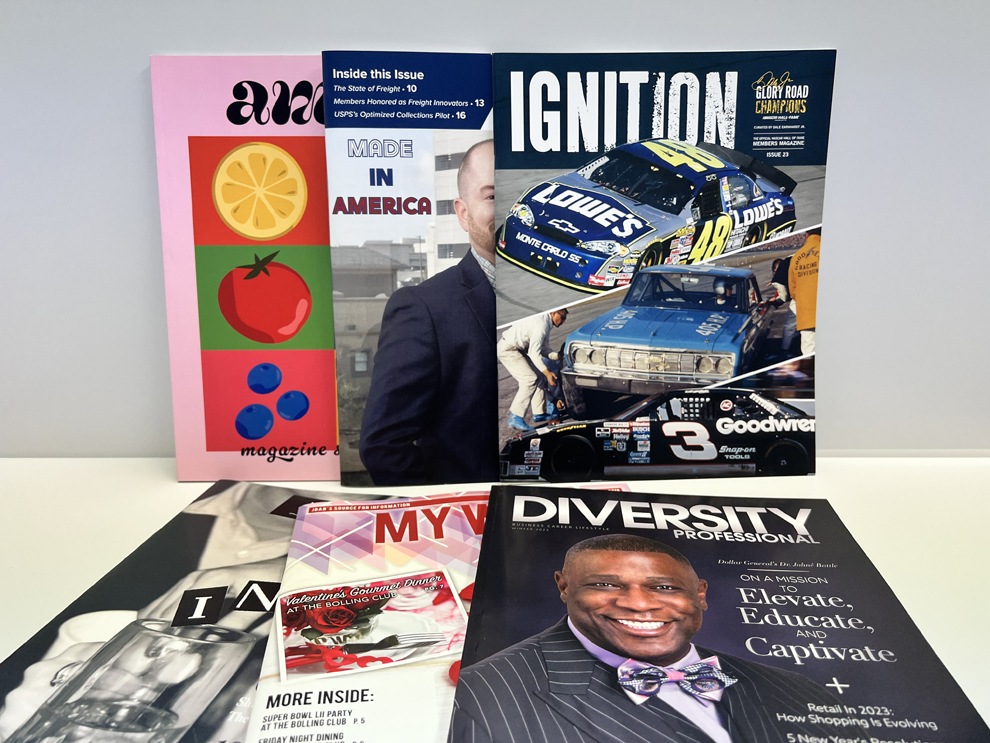
Recurring editorial issues with consistent cover treatment, interior paper, and edition-to-edition color continuity.
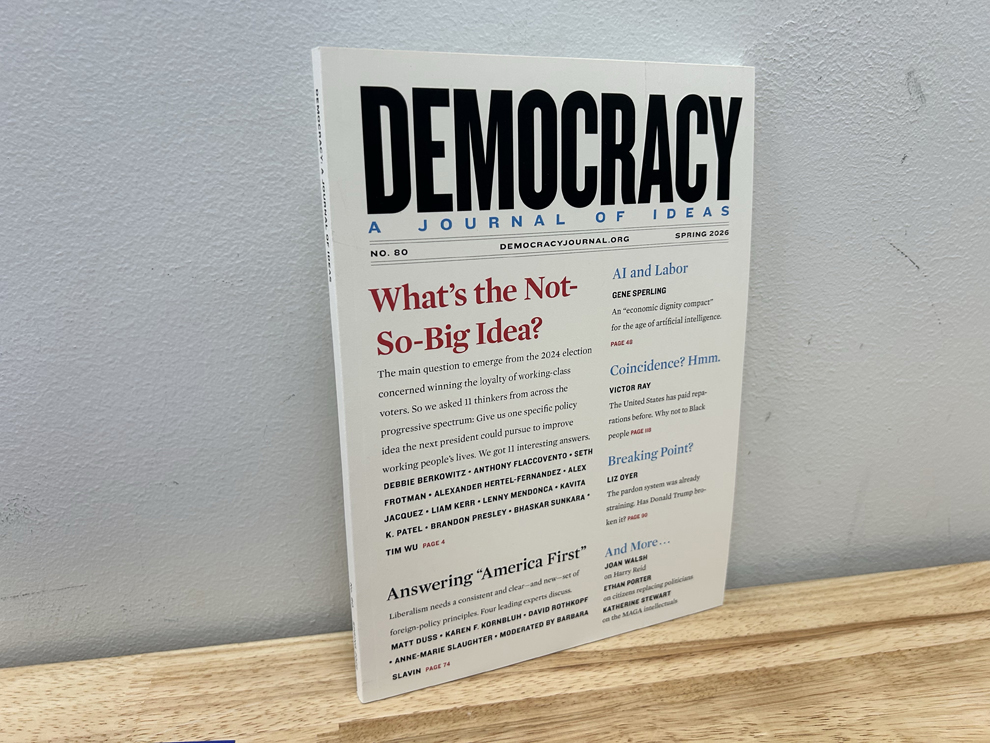
Shorter organizational updates published on a frequent schedule and often folded or stitched for mailing.
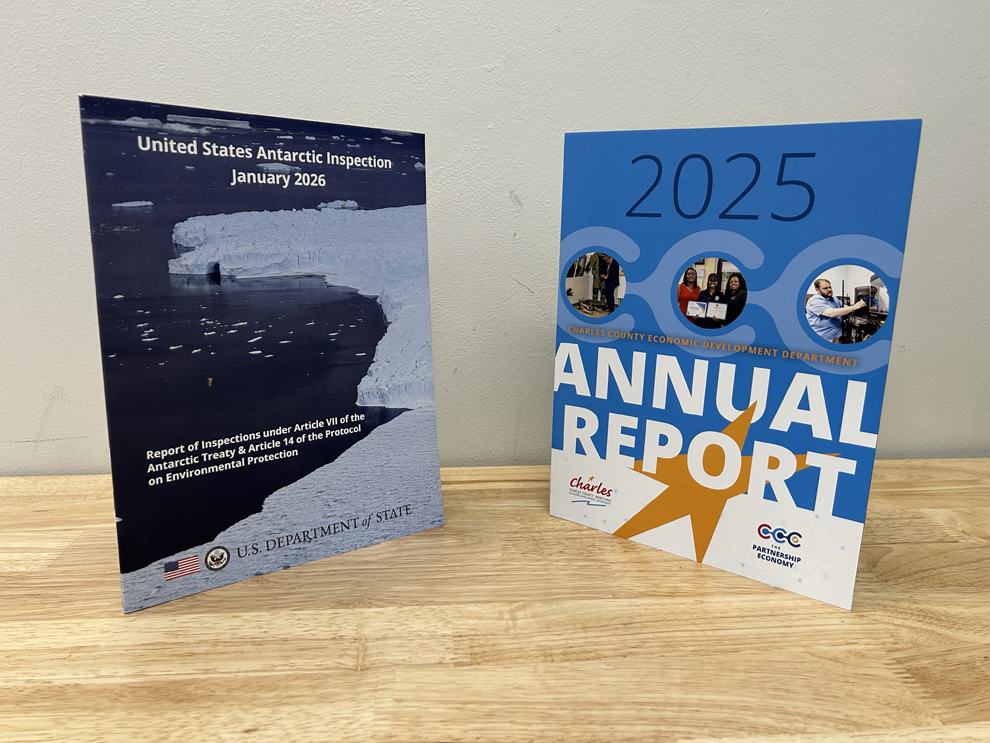
Yearly stakeholder reporting that presents financial results, governance, and impact in a polished format.
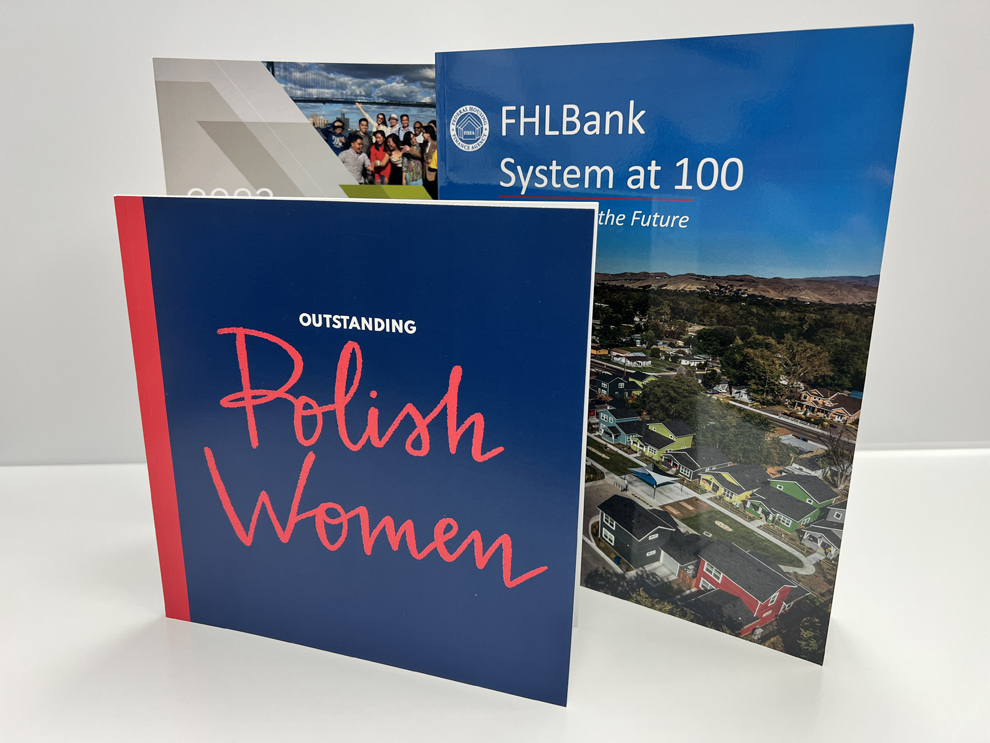
Compact bound pieces where page count, binding style, and practical format are the main decisions.
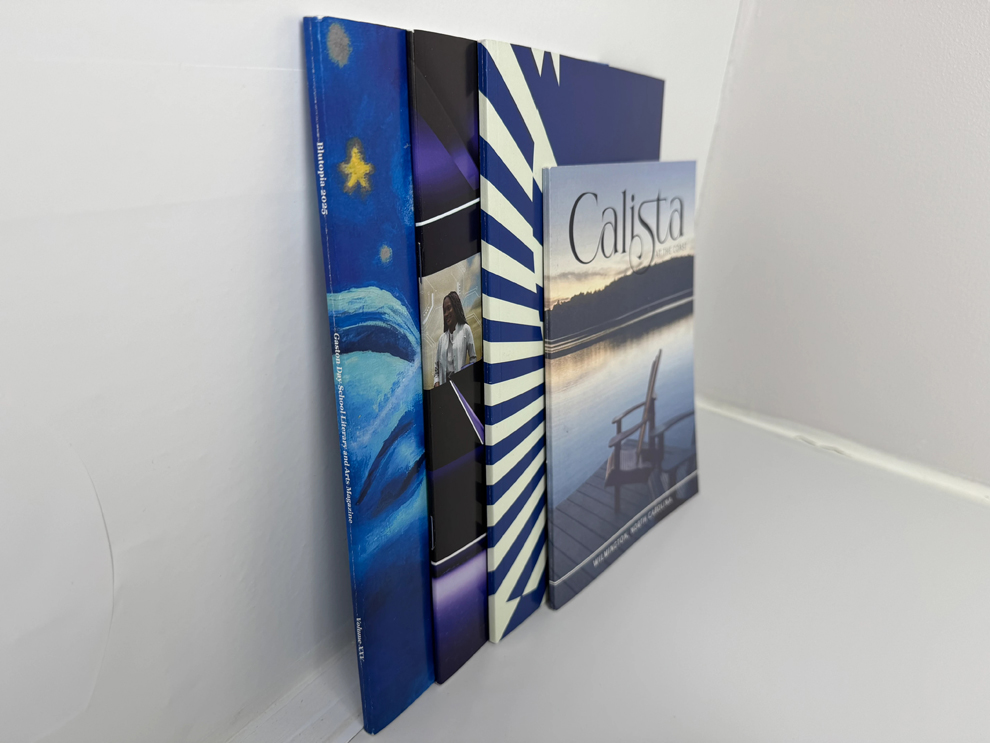
Thicker publications that call for a square printed spine and a substantial, shelf-ready presentation.
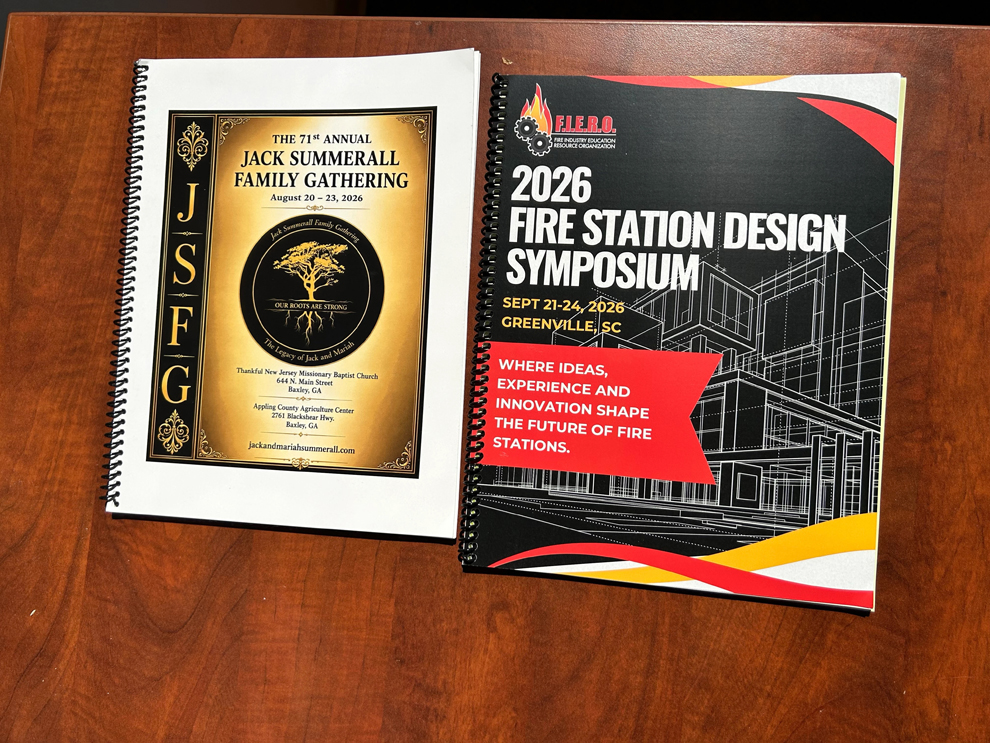
Instructional references built for repeated handling, lay-flat use, and quick page access.
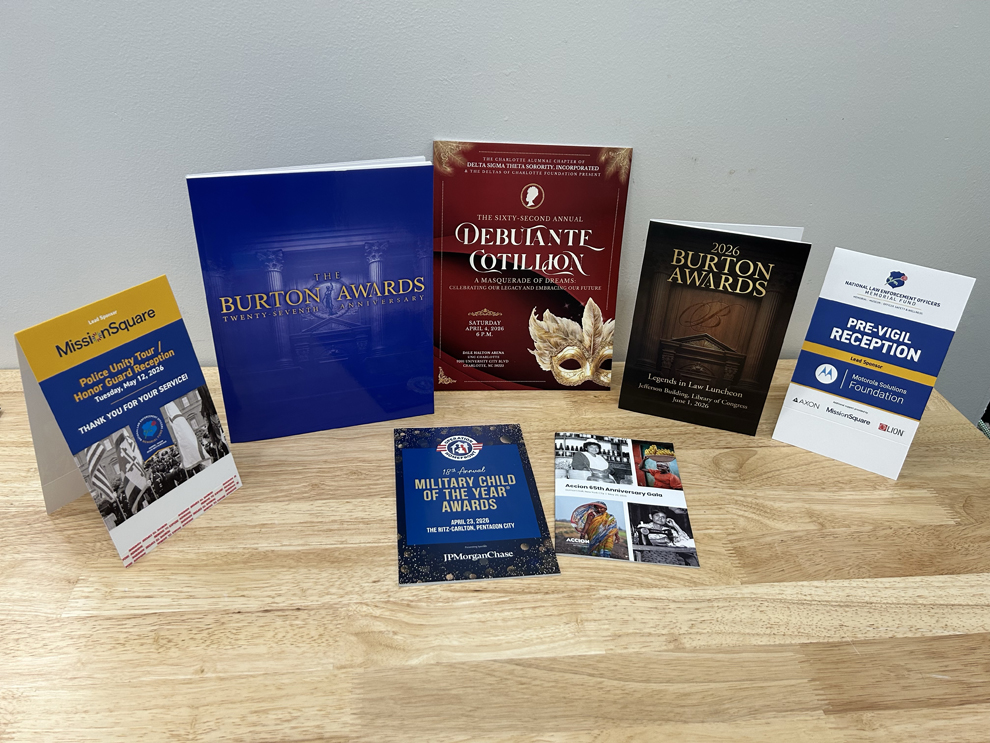
Agendas, speaker listings, and sponsor recognition for conferences, ceremonies, and scheduled gatherings.
Addressing, postal preparation, and coordinated mail entry for publications headed directly to readers.
If your publication needs specification guidance, production file preparation, color-critical review, multiple editions, mailing coordination, or a firm date tied to a session, meeting, or season, choose Custom Quote and Heritage will review the request and follow up on the production plan. If your artwork is complete and print-ready and an available booklet, perfect-bound, or plastic-coil Online Store configuration already matches the job, self-directed ordering may be the quicker route.
When you submit a Custom Quote, Heritage reviews the publication, finished size, quantity, page count, required date, file condition, proofing needs, and distribution plan. Submitting the form starts the conversation but does not create an accepted order. Once Heritage accepts the project and assigns it, your Project Coordinator becomes your direct phone and email contact and manages the work. Established repeat clients typically keep working with the coordinator who already knows their publications.
Production choices should follow how readers will use the piece. Saddle stitching suits many thinner reports and guides. Perfect binding gives thicker journals and directories a clean square spine. Plastic coil lets reference materials lie flat on a desk or chart table. Page count, paper weight, cover construction, color requirements, and quantity all affect which option is practical for a given publication.
Every Commercial Printing order receives an electronic proof that you review and approve before printing begins. After approval, Heritage produces the publication to the confirmed specifications, monitors binding and finishing, communicates promptly if anything changes, and moves finished copies into mailing, shipping, delivery, or your own distribution as agreed.
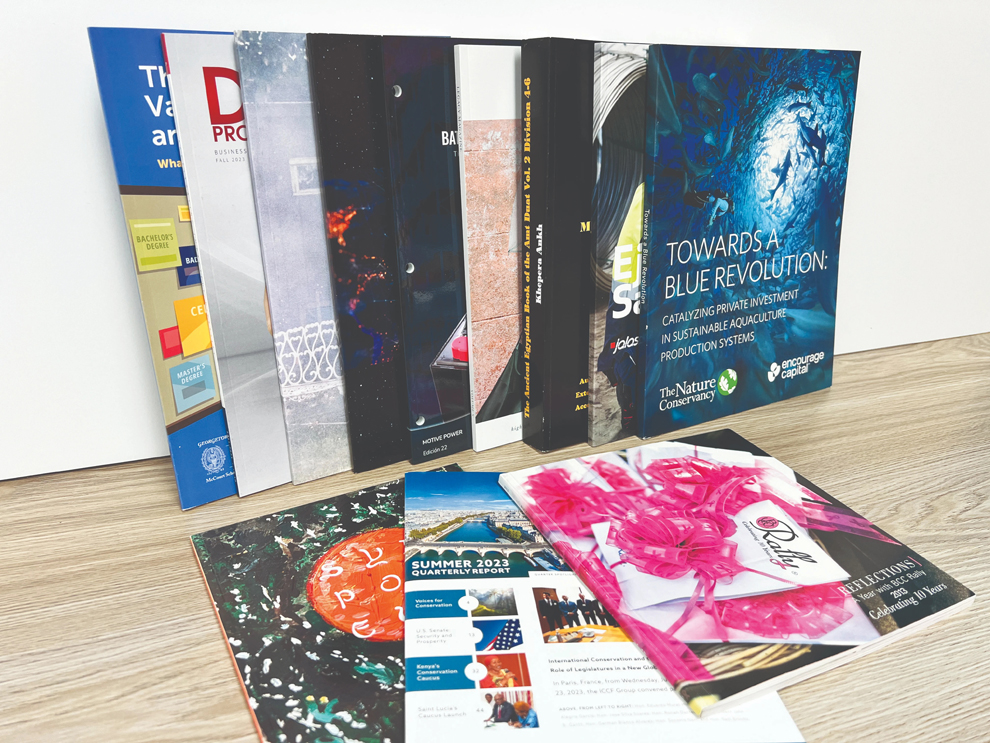
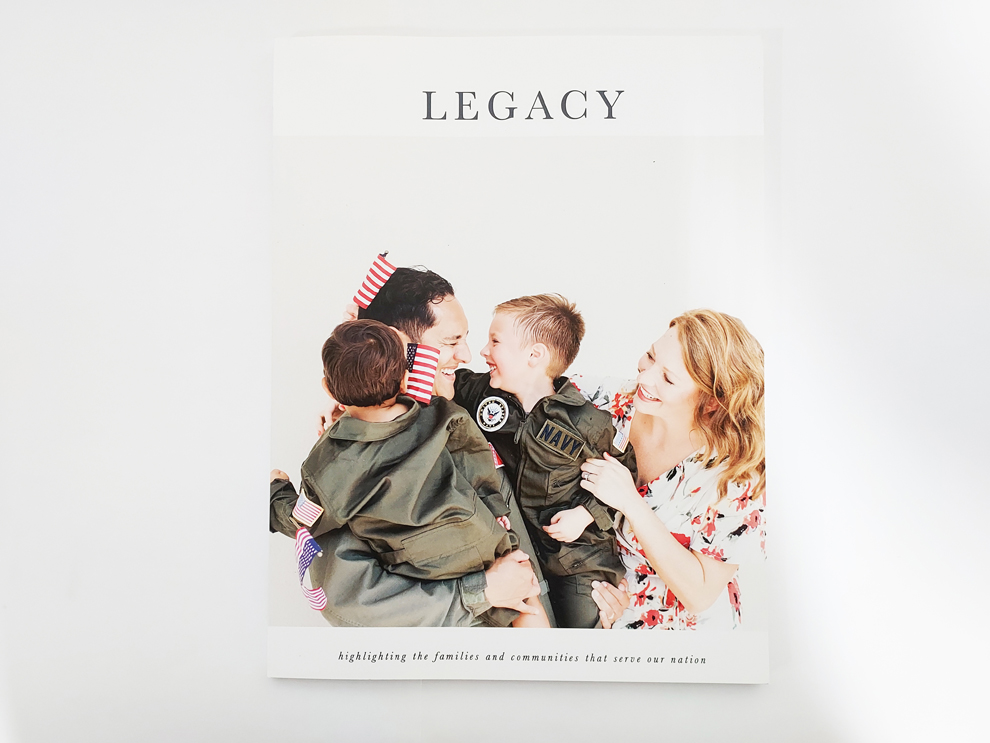
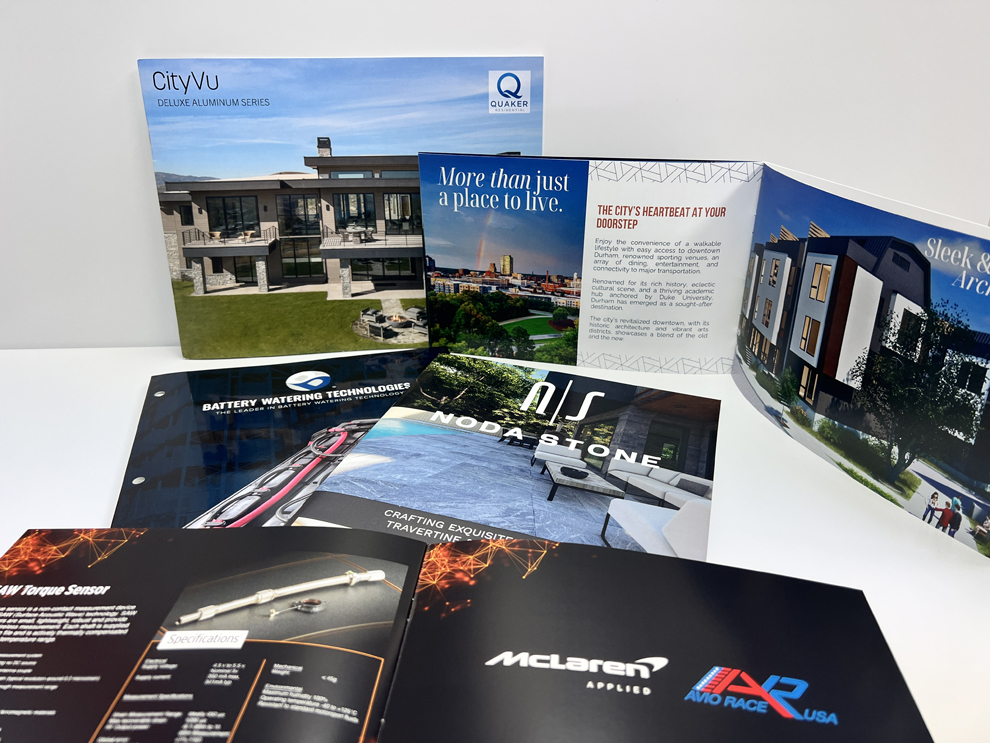
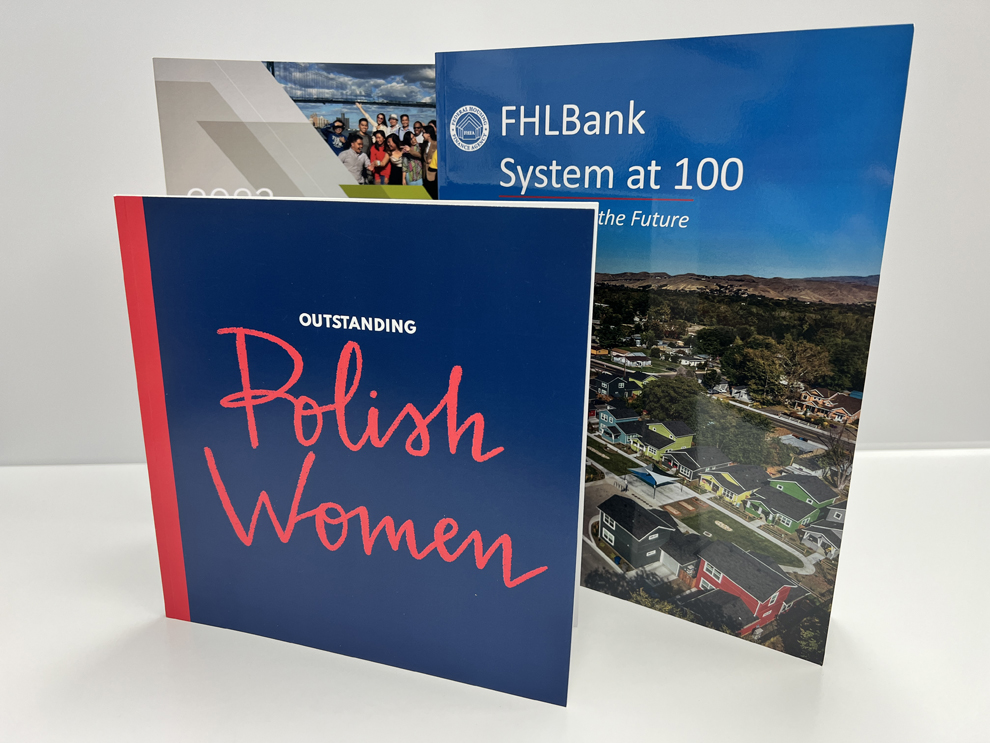
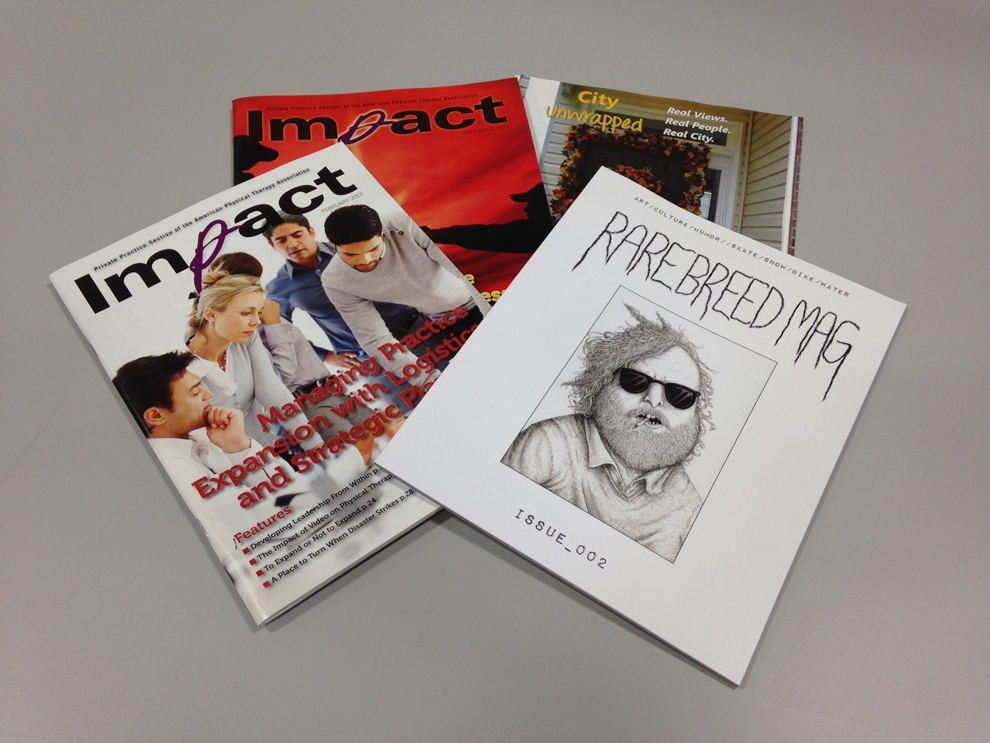
Publication Printing covers organizational pieces that do not belong more naturally in a narrower family. Common examples include policy and research reports, professional journals, membership directories, resource and program guides, and member publications. The defining feature is that the content, readership, binding, and distribution plan drive the production decisions rather than a standard category.
For a directory that is handled repeatedly, perfect binding provides a durable square spine when the page count supports it, and a separate heavier cover adds protection. Plastic coil is another option when readers want pages to lie flat on a desk. Saddle stitching works for shorter directories but offers less durability over months of use.
Heritage works best from completed, print-ready artwork. Writing, editorial development, and overall creative design remain the responsibility of your organization. For qualifying Custom Quote projects, Heritage can provide production-oriented file preparation, layout adjustments, and specification guidance when supplied files need practical changes to print correctly.
Yes. Heritage does not operate a sales office in Annapolis, but publications are produced through the Maryland production facility that supports Washington, DC and the Mid-Atlantic. Associations, agencies, academic institutions, maritime groups, and businesses across Annapolis and Anne Arundel County can have finished copies shipped, delivered, mailed, or prepared for their own distribution.
Start with the Online Store when the report is fully specified, the artwork is print-ready, and a current saddle-stitched, perfect-bound, or plastic-coil configuration matches the job. Choose Custom Quote when the project qualifies and you need production guidance, file preparation, color-critical review, multiple versions, mailing support, or coordination around a demanding date.
Heritage applies spectrophotometric calibration and verification along with production-specific color profiles where relevant. Supplied PMS values can serve as production targets. Because every printer, paper, and coating combination has its own color range, finished output is managed within the capabilities of the chosen production path rather than judged against a monitor.
Heritage reviews the request to confirm the publication qualifies and to gather any missing details. If the project is accepted and assigned, your Project Coordinator contacts you directly by phone and email to confirm the date, settle specifications, and coordinate proofing, production, and distribution. Submitting the form itself does not create an accepted order.
Share the required date and send the completed file as early as possible. Heritage evaluates the remaining production window, identifies which decisions must be made immediately, and explains honestly what can be achieved. When an expedited path is practical after review, the approved work moves forward with urgency and clear status updates.
Yes, when mailing is included in the project scope. Heritage coordinates addressing and postal preparation, and you supply accurate, authorized recipient data. Heritage is responsible for the mailing services agreed to in the scope, while USPS delivery performance after postal acceptance remains outside Heritage control.
A self-cover keeps the publication lighter, simpler, and often more economical, which suits shorter pieces and mailed editions. A separate heavier cover adds structure, durability, and a more distinct presentation for journals that will be kept and referenced. Consider binding, page count, mailing weight, and expected handling together before deciding.
Recording the finished size, paper, cover construction, binding, and color targets from an approved edition gives the next release a reliable starting point. Heritage still reviews each new file, quantity, schedule, and material availability, because page counts, artwork, and distribution needs can change between issues.
A paid Physical Production Color Proof makes sense for qualifying Custom Quote projects when color must be judged physically before the full run, such as publications with detailed photography, institutional seals, or brand-critical covers. Heritage produces it on the intended production printer and paper, which adds time and an approval step that should be scheduled from the start.
Magazine Printing serves recurring editorial issues, and Newsletter Printing serves shorter, frequent communications. If your piece is a report, journal, directory, guide, or member publication that needs its own production plan rather than a recurring issue format, Publication Printing is the better fit. When a narrower family clearly matches, Heritage will point you there.
Yes. Versions can be organized by region, member category, department, language, cover design, or quantity. Clear file naming, confirmed quantities per version, separate proof approvals, and specific distribution instructions keep similar editions organized through production and fulfillment.
Yes. New Commercial Printing opportunities carry a $750 minimum, and the Self-Directed Online Store applies the same $750 minimum to the total eligible order. Eligible Store products can be combined in one order to reach that threshold. Custom Quote serves qualifying projects valued at $2,000 or more that need additional service.
Heritage Signs & Displays created new museum signage for the Military Women’s Memorial in Annapolis, MD. The project included custom signs, wall wraps, dimensional letters, and standoff-mounted displays to honor the legacy of U.S. servicewomen and the donors who supported the memorial. The updated interior features impactful designs, including a "Our Legacy" wall display and panels showcasing historical contributions and artwork, creating a transformative tribute to women in the U.S. Armed Forces.
Heritage Signs & Displays' collaboration with The Gathery to brand Union Market in Annapolis, MD, for Indeed's "Ready to Work" job fair. The project included custom event displays, wall graphics, window graphics, and wayfinding signs, creating an immersive and visually appealing environment. The branding enhanced the venue, reflected the event's mission, and provided a seamless experience for attendees.