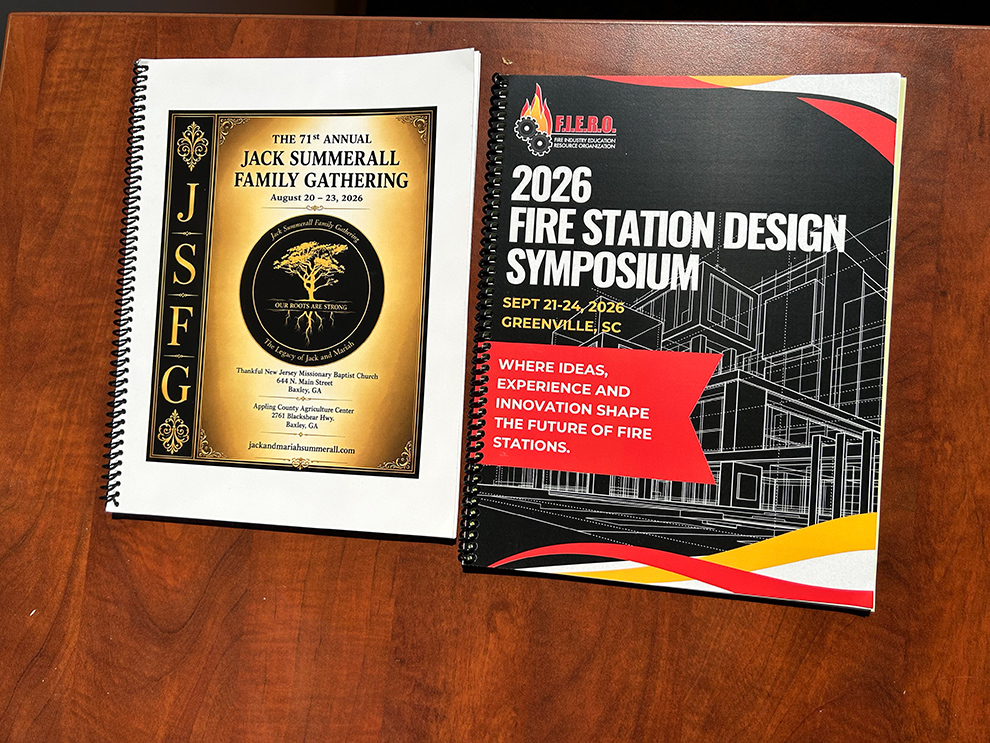
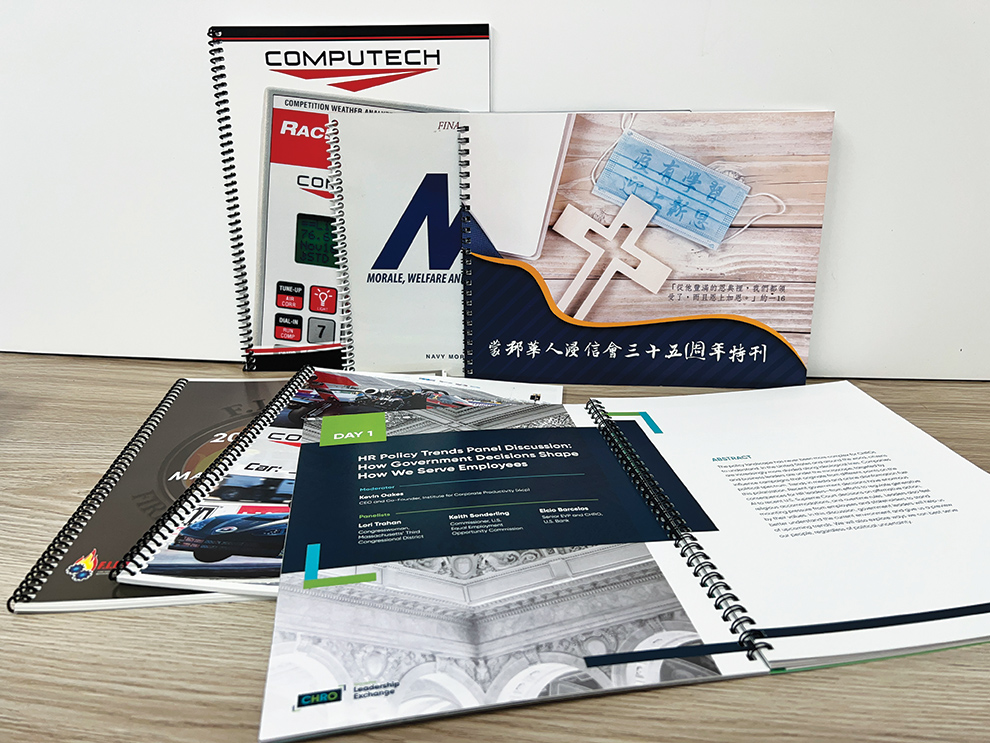
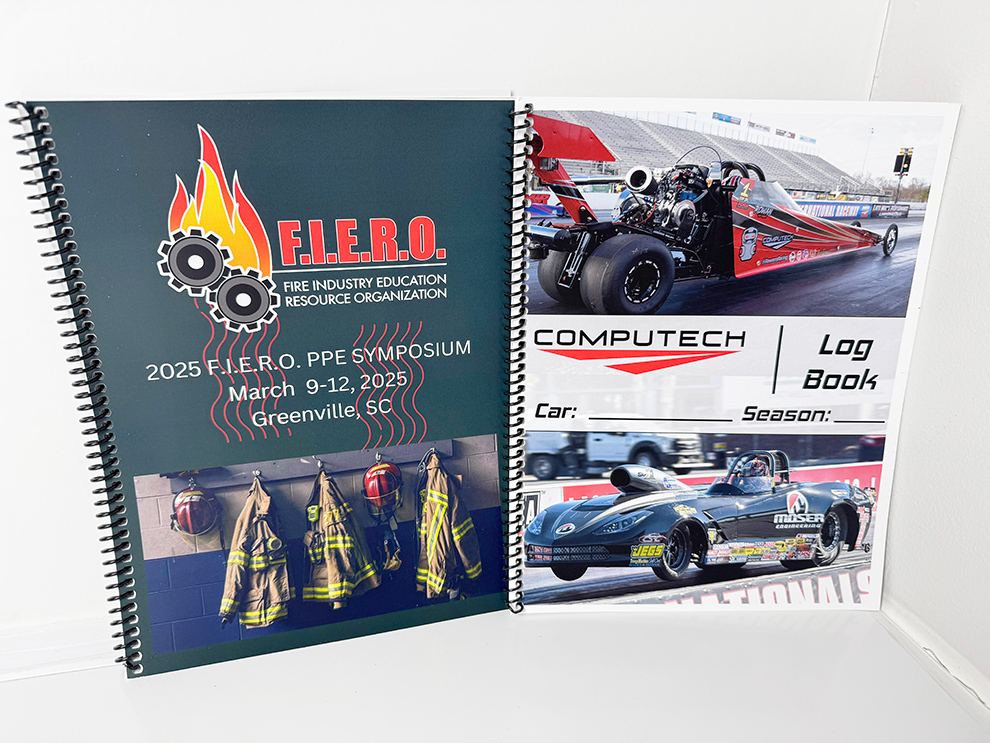
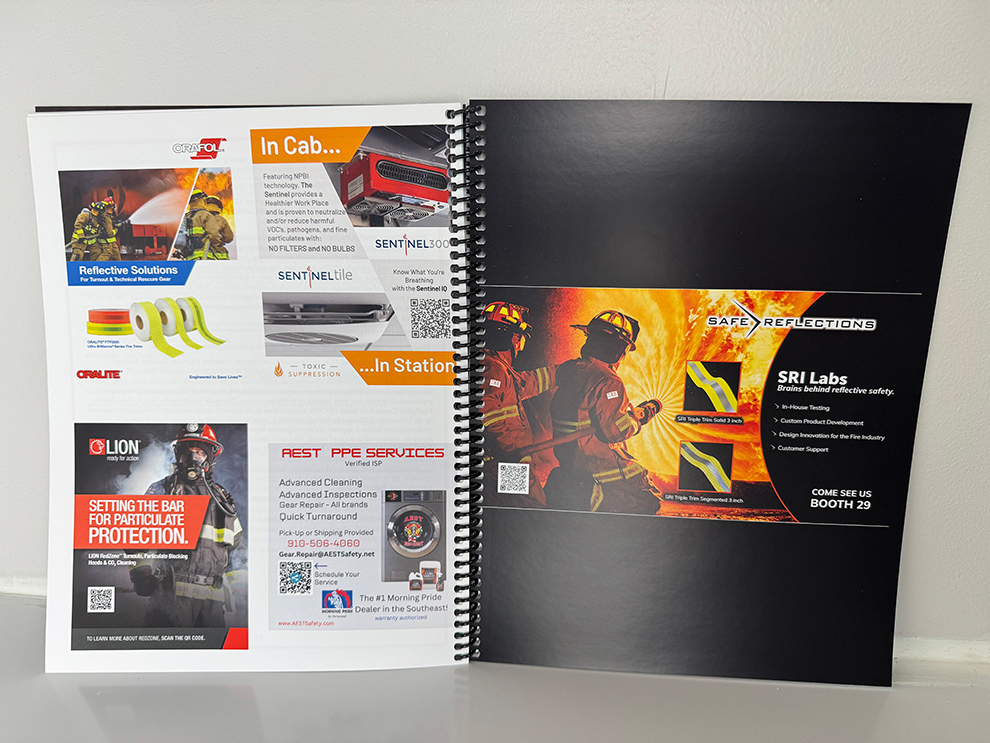
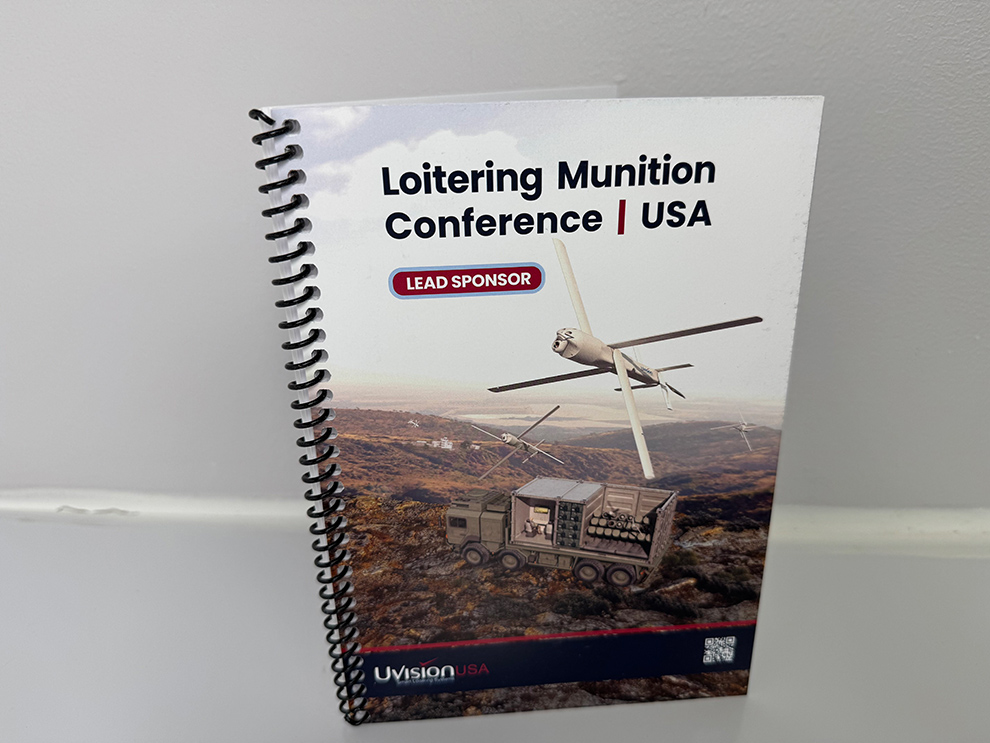
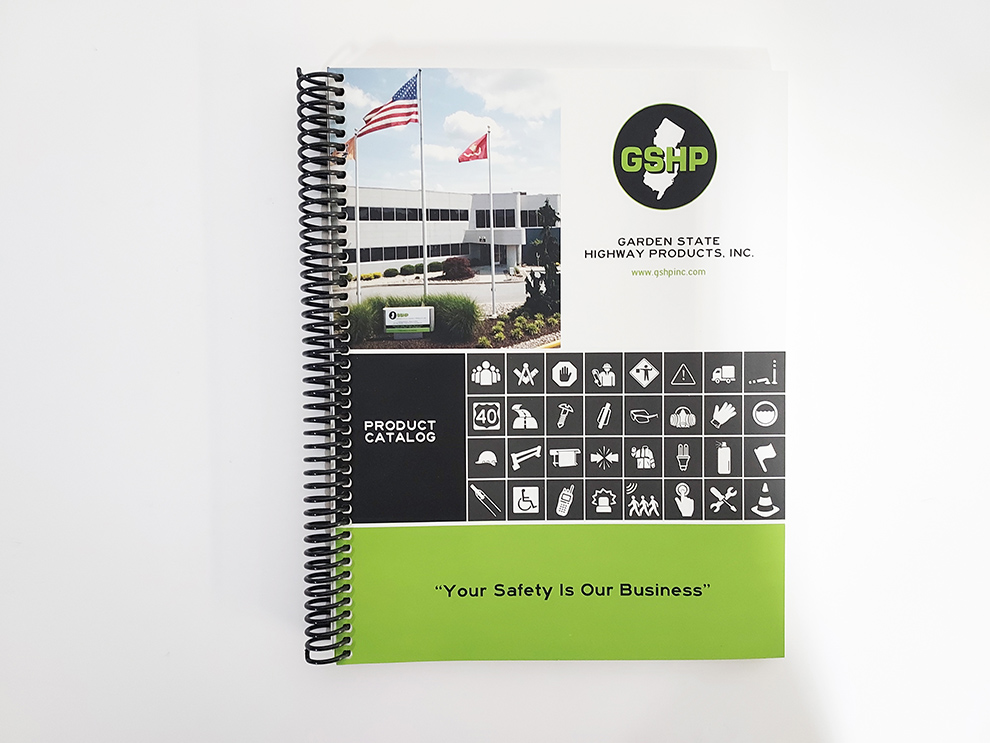
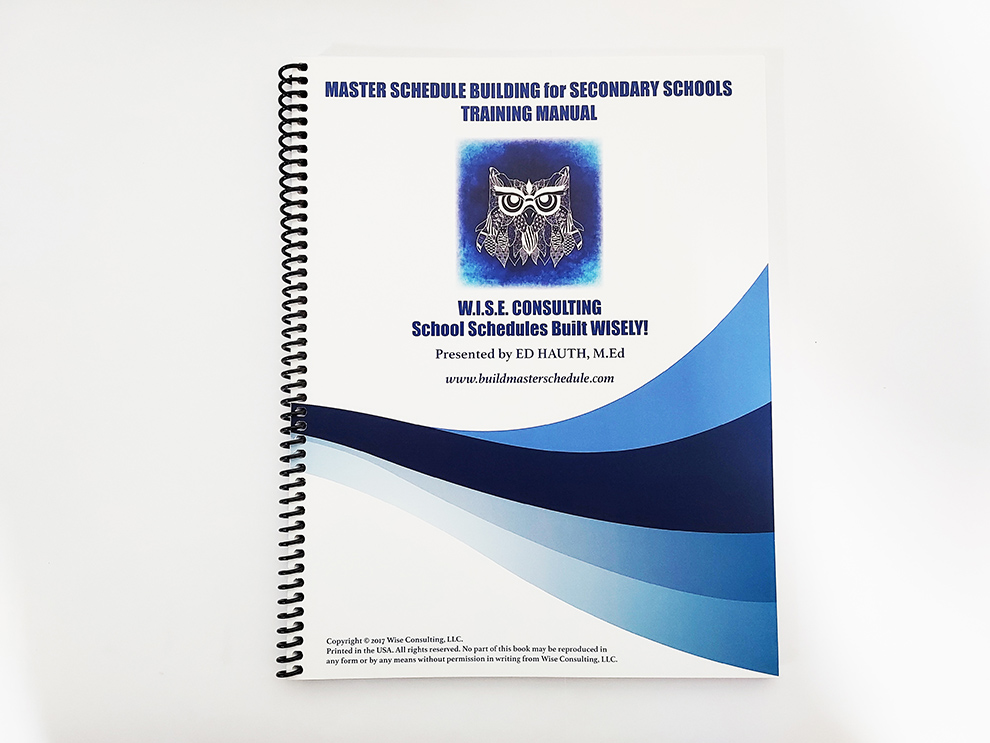
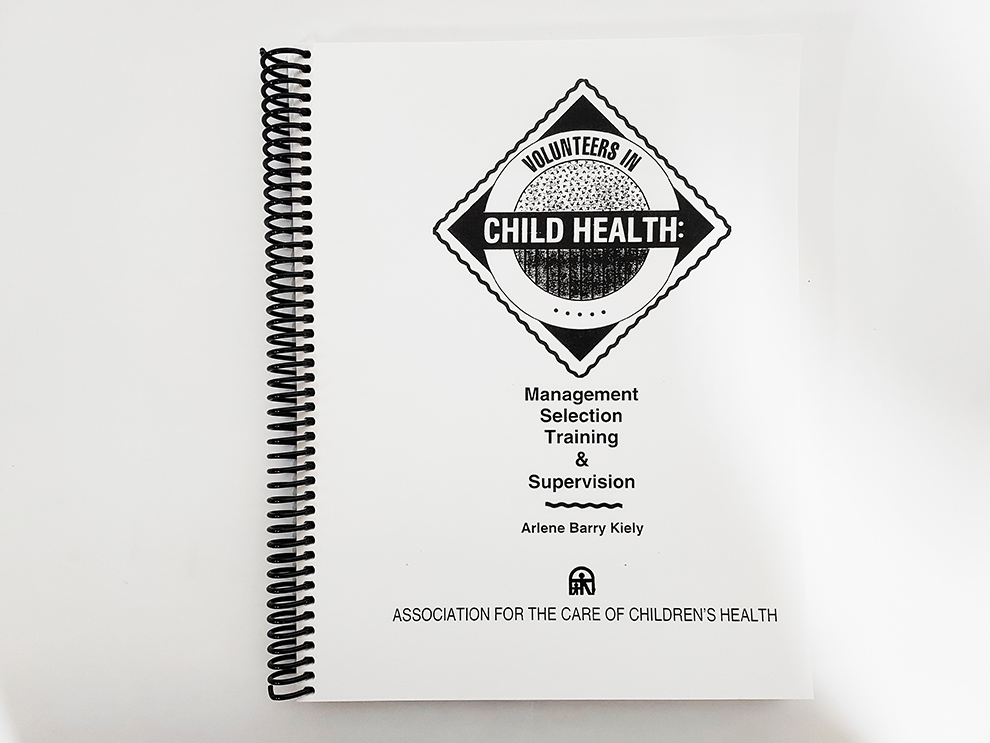
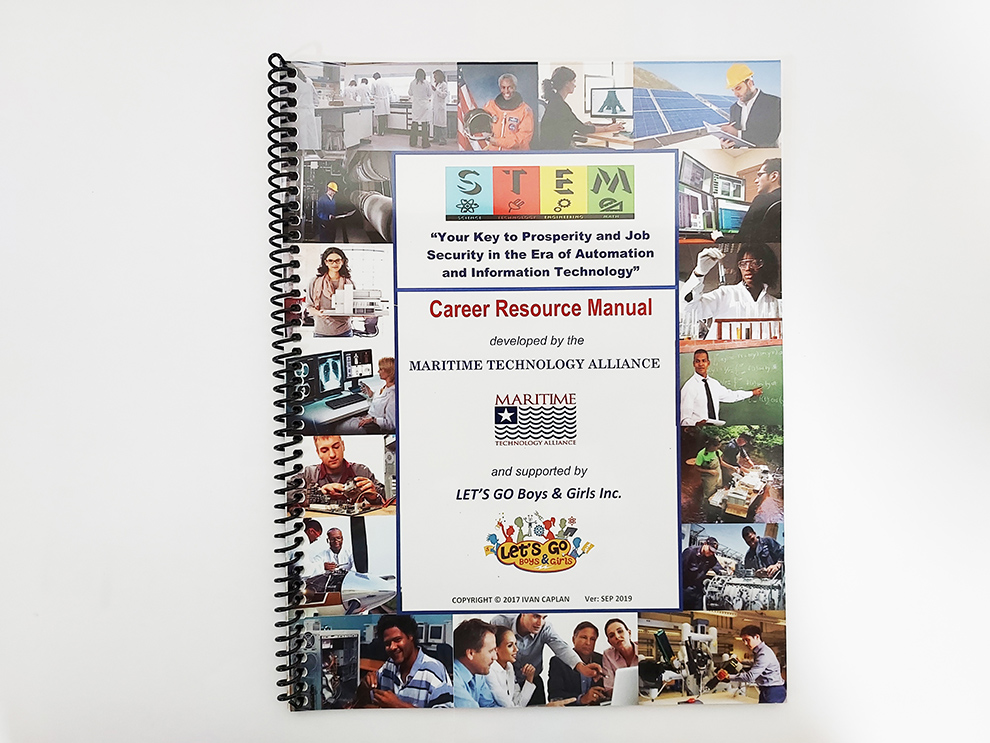
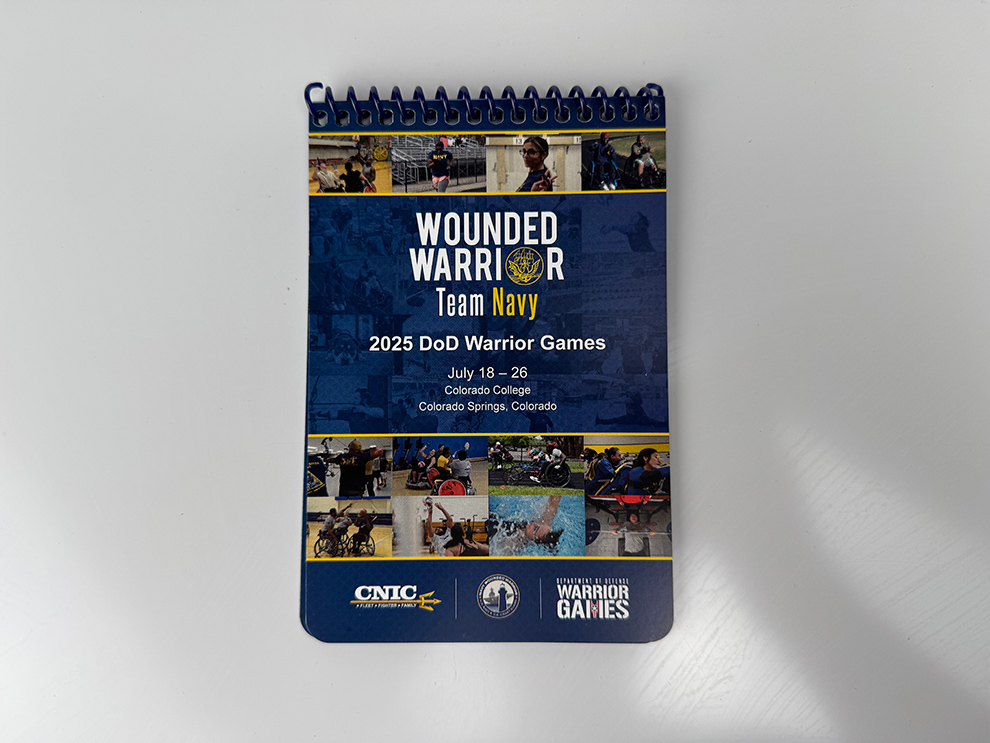
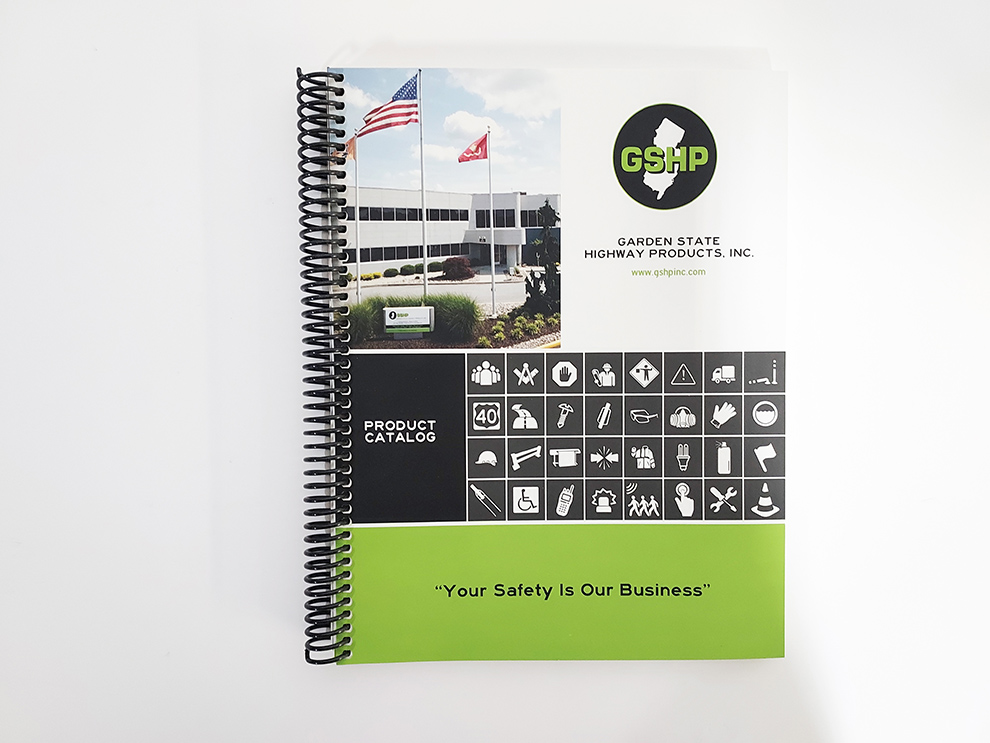
A procedure manual that keeps closing itself, or a workbook that will not stay flat on a crowded desk, slows people down at the moment they most need the content. Reston, VA teams running onboarding sessions, certification classes, field procedures, and internal reference programs need printed books that cooperate with the way people actually work.
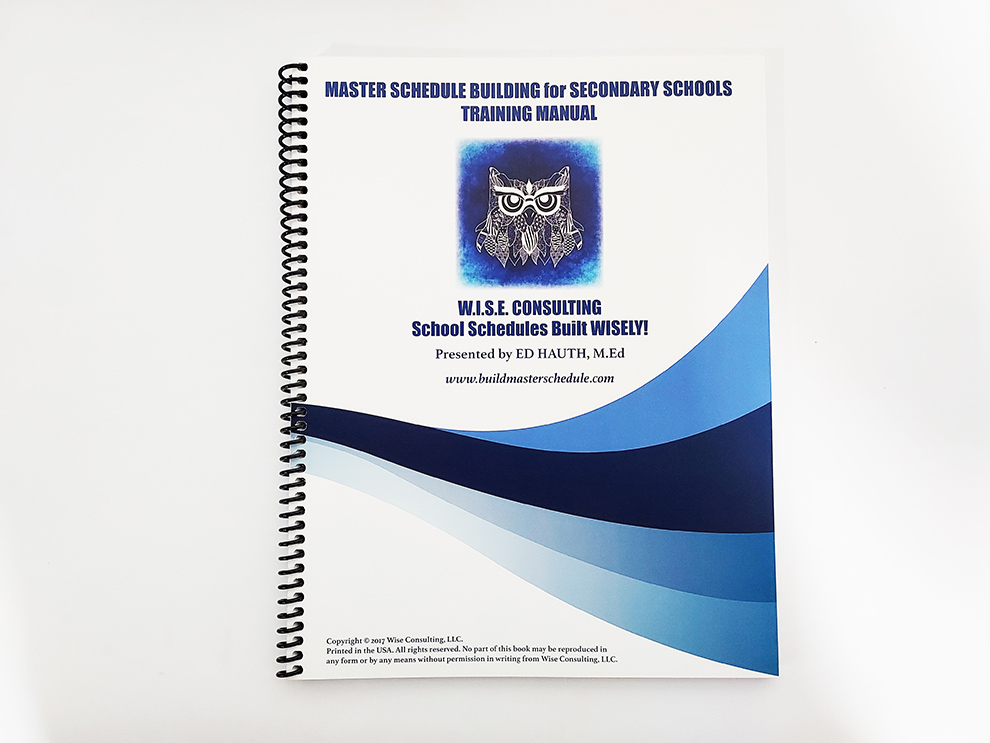
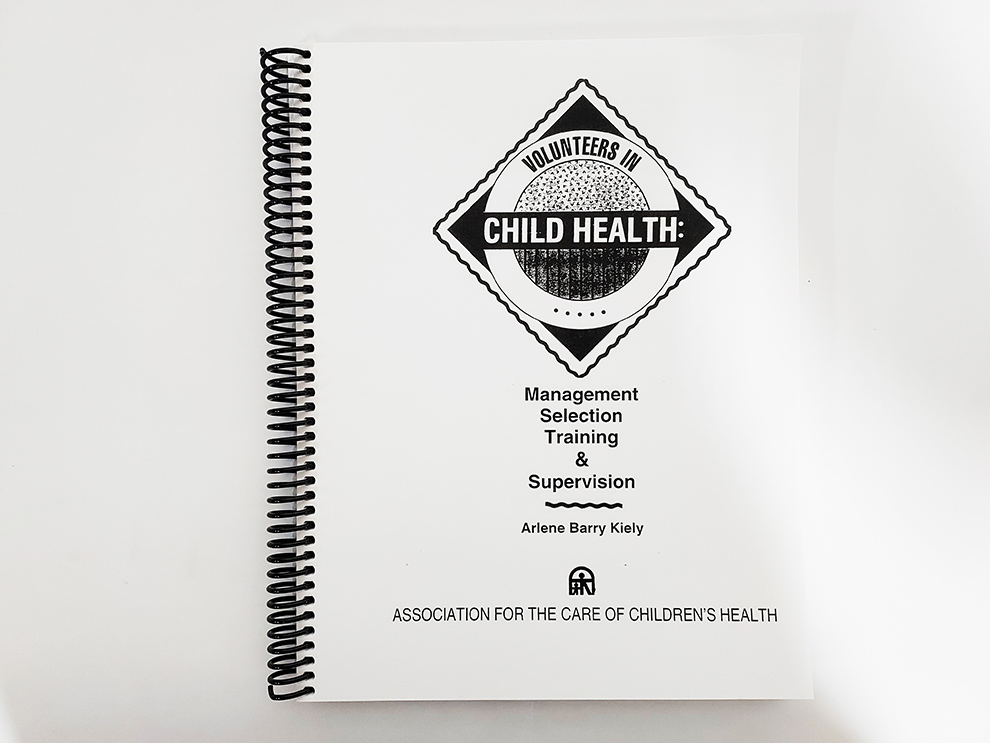
Heritage prints spiral-bound books with plastic coil binding for exactly that purpose. The coil lets every page lie flat, turn freely, and fold completely back behind the book, so a trainee can write in a workbook, a technician can follow a checklist with one hand, and a coordinator can keep a directory open beside a keyboard.
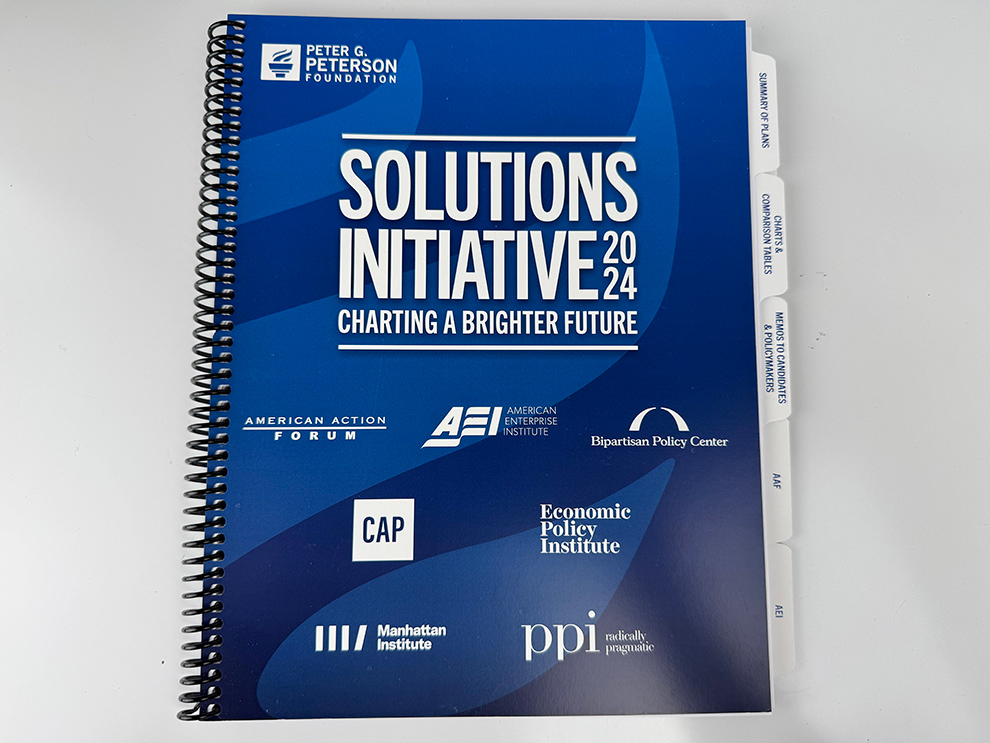
Where usability matters, section tabs, printed dividers, laminated covers, and heavier backs can be added through the appropriate production path so the book stays organized and holds up through months of handling. Behind those functional choices sit Heritage's standard professional printing disciplines: color management, electronic proofing, careful finishing, and quality control, so the finished books read clearly and work reliably from the first page to the last.
Heritage started as a printing company in 1977, and that production background still shapes how a spiral-bound order moves through the shop. Automated plastic-coil binding handles punching and coil insertion with consistent alignment, while the surrounding process checks page sequence, cover placement, finishing, and color expectations before books are packed. Every order receives an electronic proof for client approval before printing, which gives your team a last chance to confirm pagination and tab positions.
For Reston, VA organizations along the Dulles corridor, that discipline matters because printed manuals usually support something with a fixed date: a new-hire cohort, a certification course, a program kickoff, or a quarterly procedure update. A book that arrives on time but is collated incorrectly or has a cover on backwards does not solve the problem. Heritage treats correct assembly as part of meeting the deadline, not a separate concern.
Heritage confirms feasibility against artwork readiness, specifications, and current production capacity before committing to a schedule, and raises constraints early when a date is tight so alternatives can be discussed while options still exist.
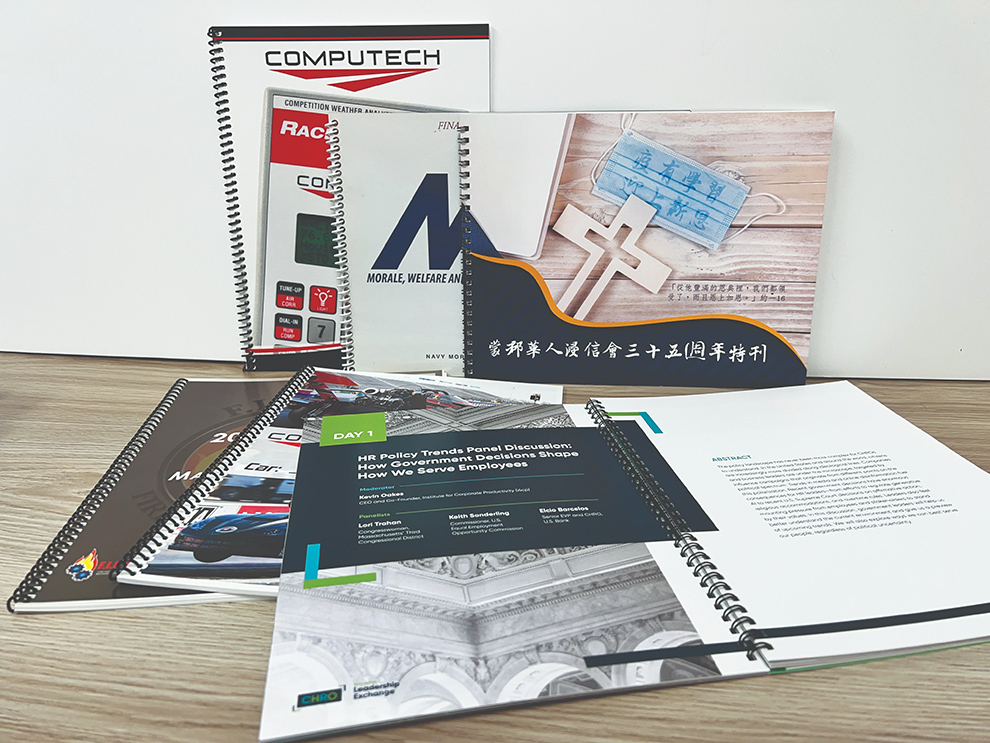
The deciding factor is whether the reader will hold the book open while doing something else. When that is the case, plastic coil is usually the right call. A coil-bound book opens flat without being pressed down, pages rotate fully around the coil, and the cover folds behind the block so the book occupies a single page width on a desk, lab bench, or vehicle seat.
That behavior pays off in workbooks that collect handwritten answers, procedures consulted mid-task, instructor guides used at a lectern, and directories kept open on a reception counter. Tabs and dividers let readers jump between sections, and a laminated front cover with a sturdy back protects pages passed between shifts or carried from site to site.
Perfect binding answers a different need. Its glued square spine carries a title on the edge, sits cleanly on a shelf, and reads as a finished publication, which suits annual reports, proposals, and branded books judged on presentation. Choose perfect binding when the document will be read in sequence and stored upright. Choose coil when it will be written in and referenced repeatedly.
Spiral-bound manuals rarely travel alone. Training kits, member communications, and program launches often call for companion pieces that Heritage can produce alongside the coil-bound book.
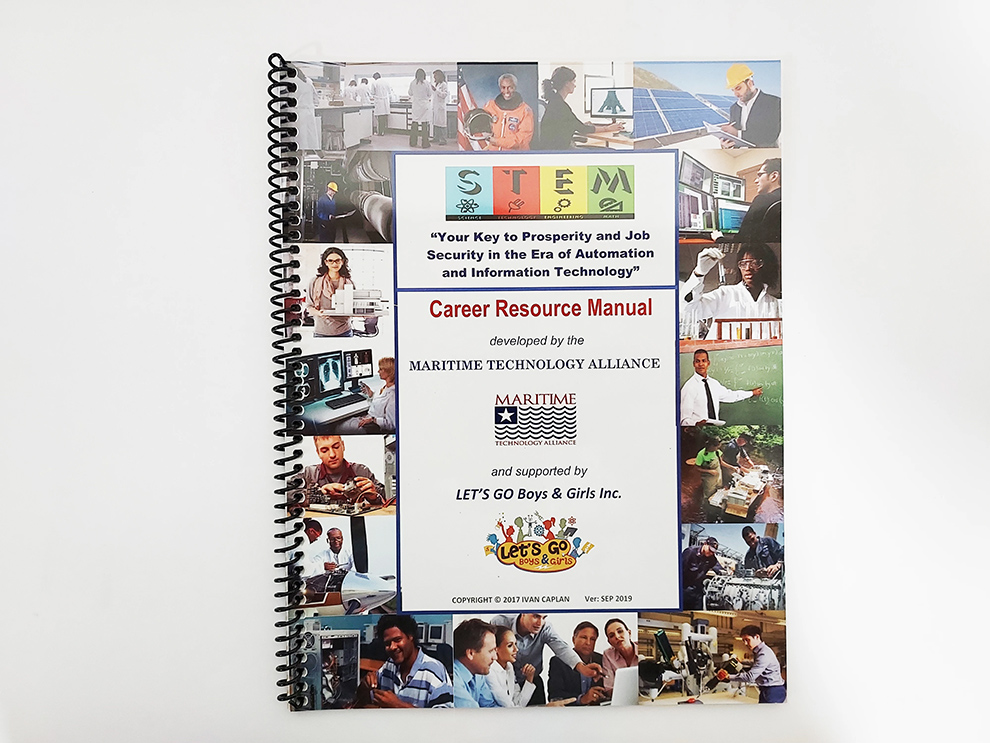
Explore dedicated manual production when onboarding content, procedure sets, or instructor materials need structure that holds up across repeated sessions.
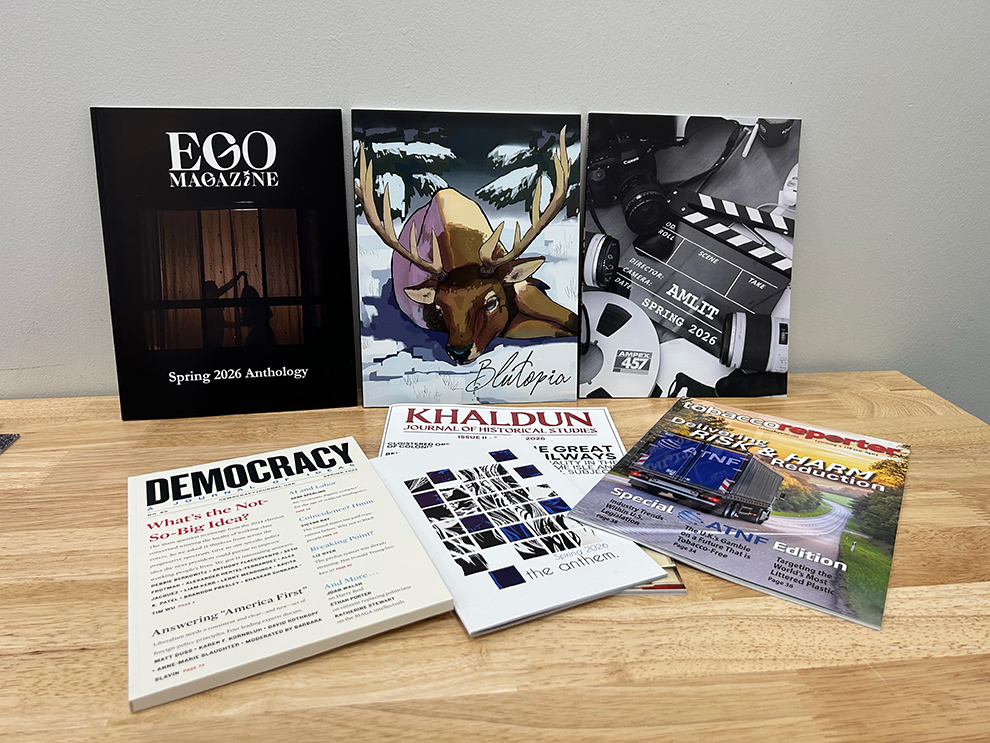
Select a glued square spine for reports, proposals, and publications where shelf presentation and a traditional book edge outweigh lay-flat handling.
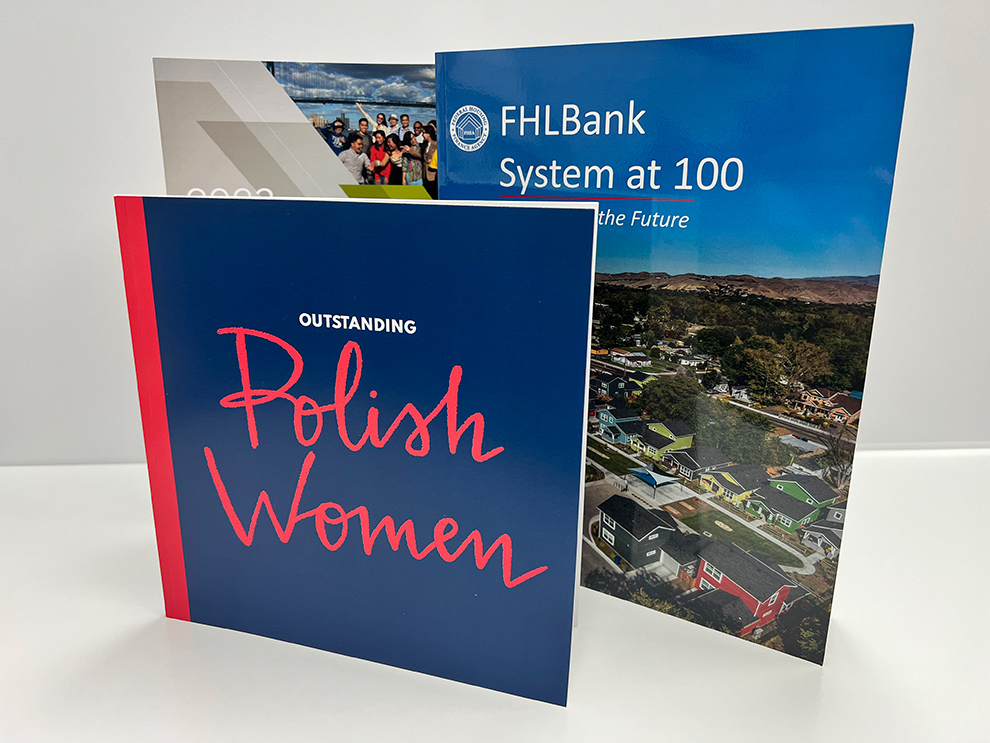
Review additional booklet binding and finishing options for handouts, program guides, and summaries that do not require coil binding.
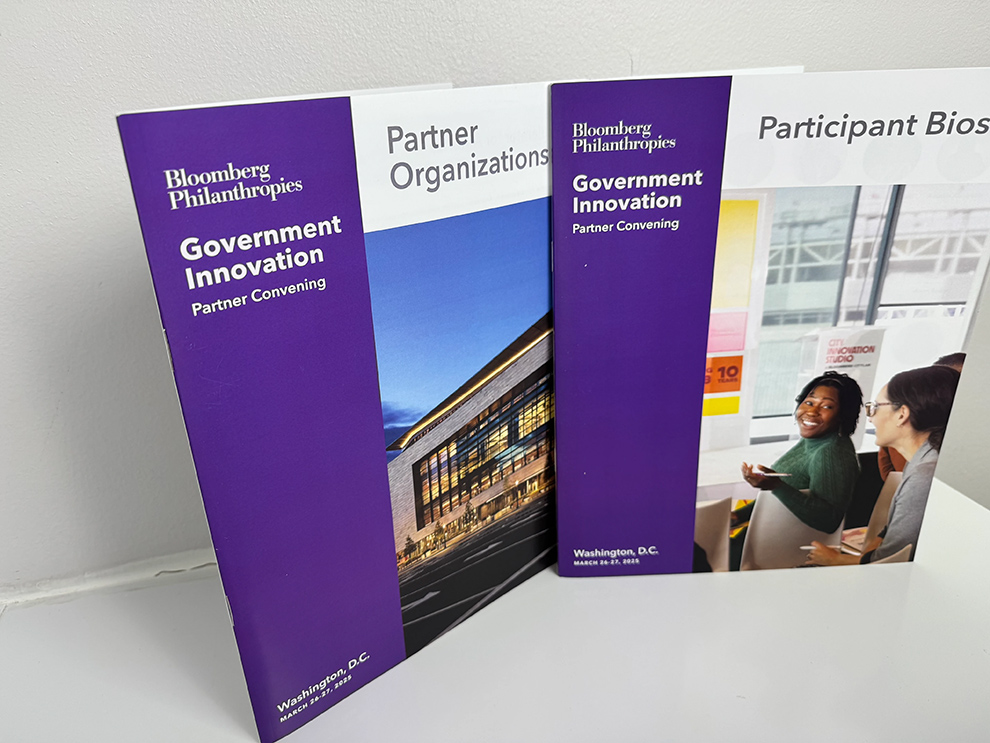
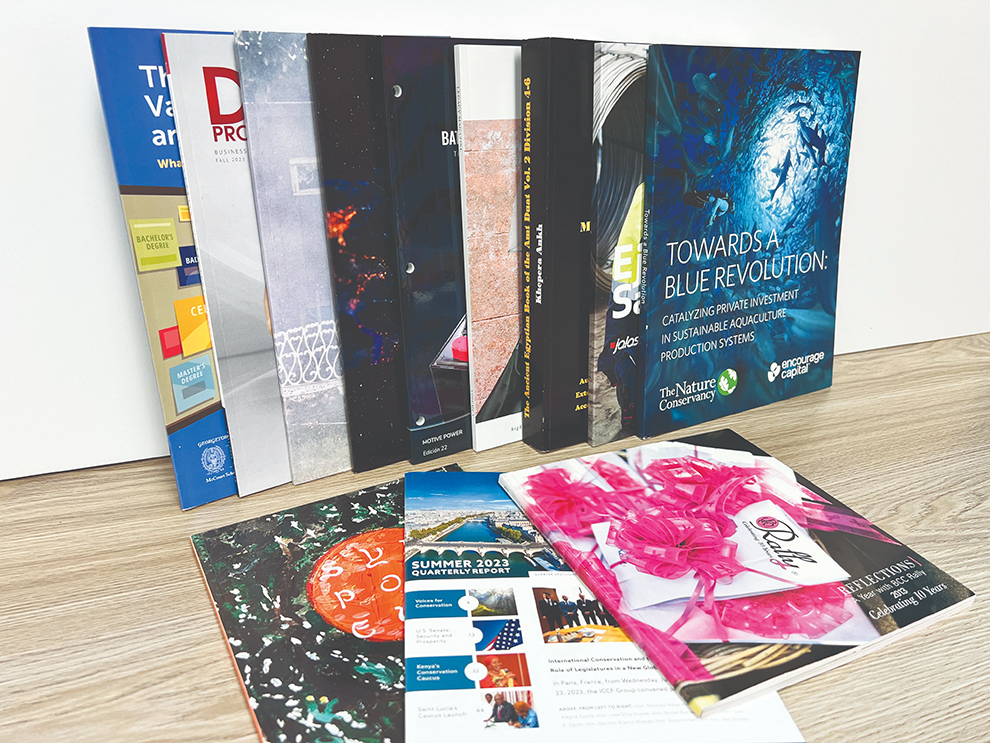
Keep certificates, session handouts, and supporting documents organized alongside a coil-bound workbook at kickoffs and client meetings.
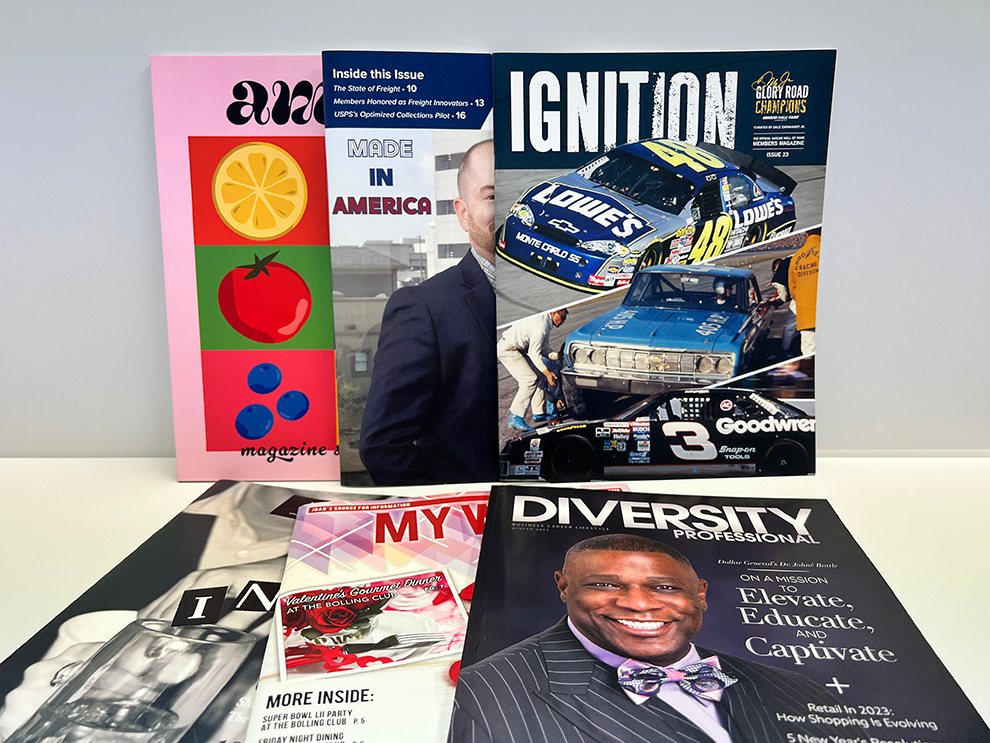
Plan recurring issues for member associations and internal communications with consistent specifications carried from one edition to the next.
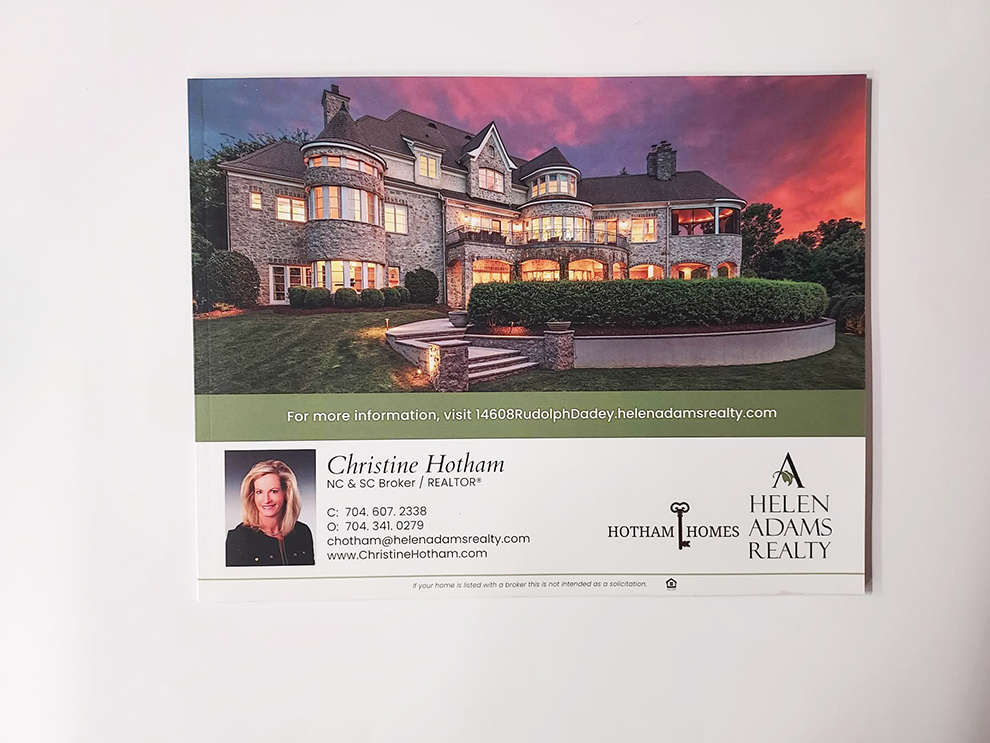
Pair printed pieces with addressing and mailing preparation when materials must reach remote staff or members directly, within an accepted scope.
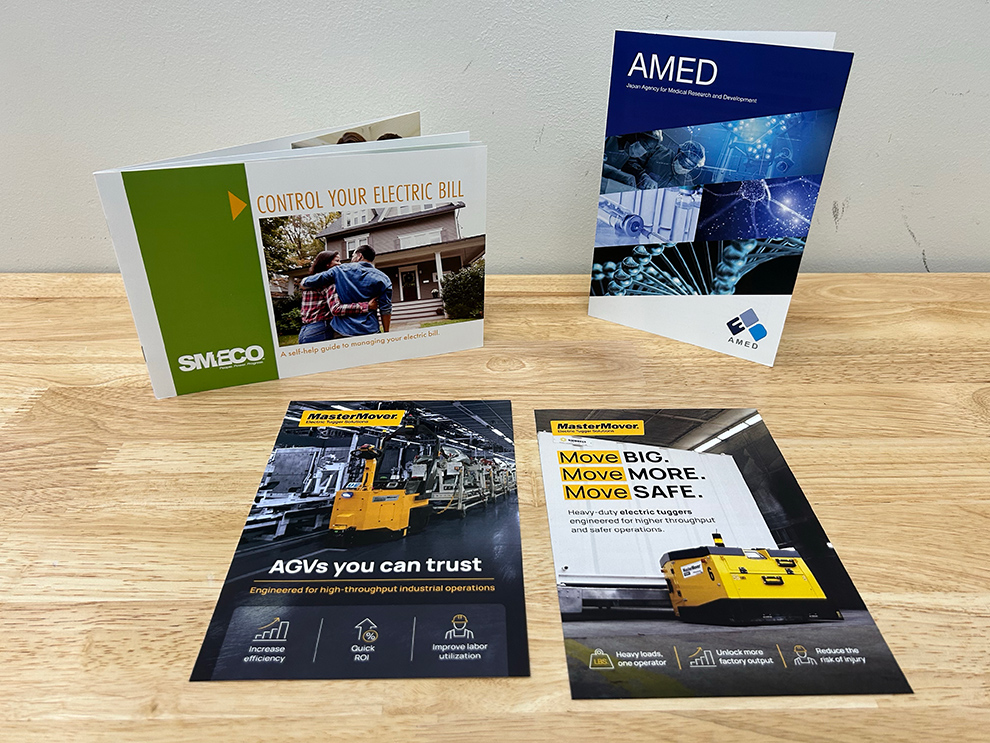
Produce flyers, brochures, and campaign pieces that share color standards with the manuals and guides your programs already use.
Browse the full scope of Heritage print production for business documents, publications, and recurring organizational communications.
If the configuration you need is live in the Online Store and your artwork is finished, order it directly and expect an electronic proof before anything prints. If the job is a qualifying $2,000+ opportunity that still needs tabs planned, files prepared, or several versions kept straight, submit a Custom Quote and let Heritage evaluate the scope and the date before committing to either.
Good spiral-bound books start with a clear picture of how they will be handled. A workbook completed by participants benefits from an uncoated text stock that accepts pen and pencil without smearing, plus margins wide enough for notes near the coil. A procedure manual kept at a workstation gains more from a laminated cover, section tabs, and paper heavy enough to survive repeated page turns than from extra color pages.
Heritage treats finished size, page count, paper weight, cover construction, color versus black-and-white sections, tab and divider placement, and quantity as a connected set of decisions, whether your team selects them in the Online Store or resolves them through an accepted Custom Quote. Page count influences coil diameter and how freely pages rotate. Color placement affects legibility and cost, so many organizations reserve color for diagrams, warnings, and section openers.
When a book will be reissued, the specifications approved for the first run become the baseline for the next. Retaining trim size, stock, cover treatment, and color targets lets a Reston, VA team revise what changed while the physical book stays familiar to readers.
The right ordering path depends on how much of the book is already decided. When the specifications are final, the artwork is complete and print-ready, and the configuration appears as a live product in the Self-Directed Online Store, your team can select the options and place the order independently. The Store carries a $750 minimum for the total eligible order, and other eligible Store products can be combined in the same purchase to reach it. Heritage still performs its normal production review, supplies an electronic proof for approval, and applies quality control, but the Store does not include an assigned Project Coordinator or a Physical Production Color Proof.
Storefront Custom Quote is the form-based path for qualifying new Commercial Printing work of $2,000 or more that needs file preparation, production-oriented layout help, specification guidance, or closer coordination across versions and stakeholders. Reaching that threshold makes the path available; it does not require it.
Submitting the form does not create an assigned relationship. Once Heritage accepts the quote and assigns the work, a Project Coordinator becomes your direct phone-and-email contact through completion.
Because the book stays open on its own. A participant can write answers, follow an exercise, and glance at a reference page without holding the spine down, and the pages turn freely rather than resisting. Coil binding also tolerates the repeated opening and closing that a multi-day course produces, which keeps workbooks presentable through the final session.
Yes. The plastic coil lets the pages and covers travel all the way around, so the book can be folded to show a single page. That matters on a crowded workstation, in a vehicle, or when a technician needs one hand free. Unlike a glued spine, the coil is not strained by that movement.
Yes, when the selected Store configuration supports them or when they are included in an accepted Custom Quote. Tabs work best when the section names are short, the order is settled before proofing, and the tab count matches how readers actually search the book. Divider pages on heavier stock can separate modules in a course manual without printed tabs.
A laminated printed cover paired with a sturdy back is the usual choice for books that circulate between users or sit near equipment. Lamination resists scuffing and ordinary moisture, and a rigid back keeps the book from curling when it is carried. Lighter printed cover stock is reasonable for a workbook that will be used for a single session. Availability depends on the production path selected.
Choose perfect binding when the book is meant to be read front to back and then shelved or displayed. The glued square spine carries a printed title, stacks neatly, and looks like a conventional publication, which suits reports, proposals, and branded books. Choose coil when the reader will write in the book, consult it mid-task, or need it to stay open unattended.
Reston sits in the Dulles technology corridor, so the format suits technology companies and government contractors producing onboarding manuals and compliance procedures, professional associations printing course materials and member directories, and training providers running certification programs. Property managers, healthcare practices, and nonprofits also use it for staff handbooks and reference guides that need to stay open and survive regular handling.
Share the date, quantity, and current state of the artwork as early as possible. Heritage checks file readiness, specifications, tabs or other finishing, the time needed for electronic proof approval, and available production capacity before accepting a schedule. If the original date is not realistic, Heritage says so promptly and proposes responsible alternatives when they exist rather than accepting a commitment it cannot support. For qualifying Custom Quote work, Project Coordinator contact begins once the quote is accepted and assigned.
Yes. Every Heritage Commercial Printing order, including an eligible Self-Directed Online Store purchase, receives an electronic proof that the client reviews and approves before printing. Use it to confirm page order, text, images, layout, and any tab or divider details. It represents layout and content, not printed color, because monitors and paper render color differently.
For qualifying $2,000+ Custom Quote commercial-printing orders, Heritage offers an optional Physical Production Color Proof as a paid service. It is printed on the equipment scheduled for the final run using the same paper or production material, so the client can judge actual color on actual stock. Because it is an added production step, it adds cost and extends the schedule. After client approval, it becomes the controlling physical color reference for the job unless otherwise agreed. This service is not available for Self-Directed Online Store orders, which receive electronic proofing only.
The Store fits when the configuration you need is already listed and orderable, your artwork is complete and print-ready, and your team is comfortable choosing options without product selection help or an assigned Project Coordinator. You place the order independently, Heritage reviews it for production readiness and sends an electronic proof, and the eligible order total must reach $750. Design or layout development is not part of this path.
It is the point at which a new Commercial Printing opportunity becomes eligible for the Storefront Custom Quote path, not a requirement to use it. Choose Custom Quote at or above that level when the job needs file preparation, production-oriented layout support, specification guidance, or coordination across versions. The request is submitted through the form. A Project Coordinator is assigned only after Heritage accepts the quote and assigns the work, and that person then handles phone and email communication for the accepted order.
Yes. The $750 minimum applies to the total eligible Online Store order, so a Reston, VA team can add other products that are live and orderable there in the same checkout. Each product follows its own listed options and print-ready file requirements, and the combined order still receives an electronic proof before production.
By carrying forward the approved specifications. Trim size, paper, cover construction, coil size, tab layout, and color targets from the accepted first run are retained, so the next edition starts from a known baseline and the review can focus on changed content. Established clients with an assigned Project Coordinator may continue that relationship on appropriate directly managed repeat work, which also preserves knowledge of how the earlier edition was handled.
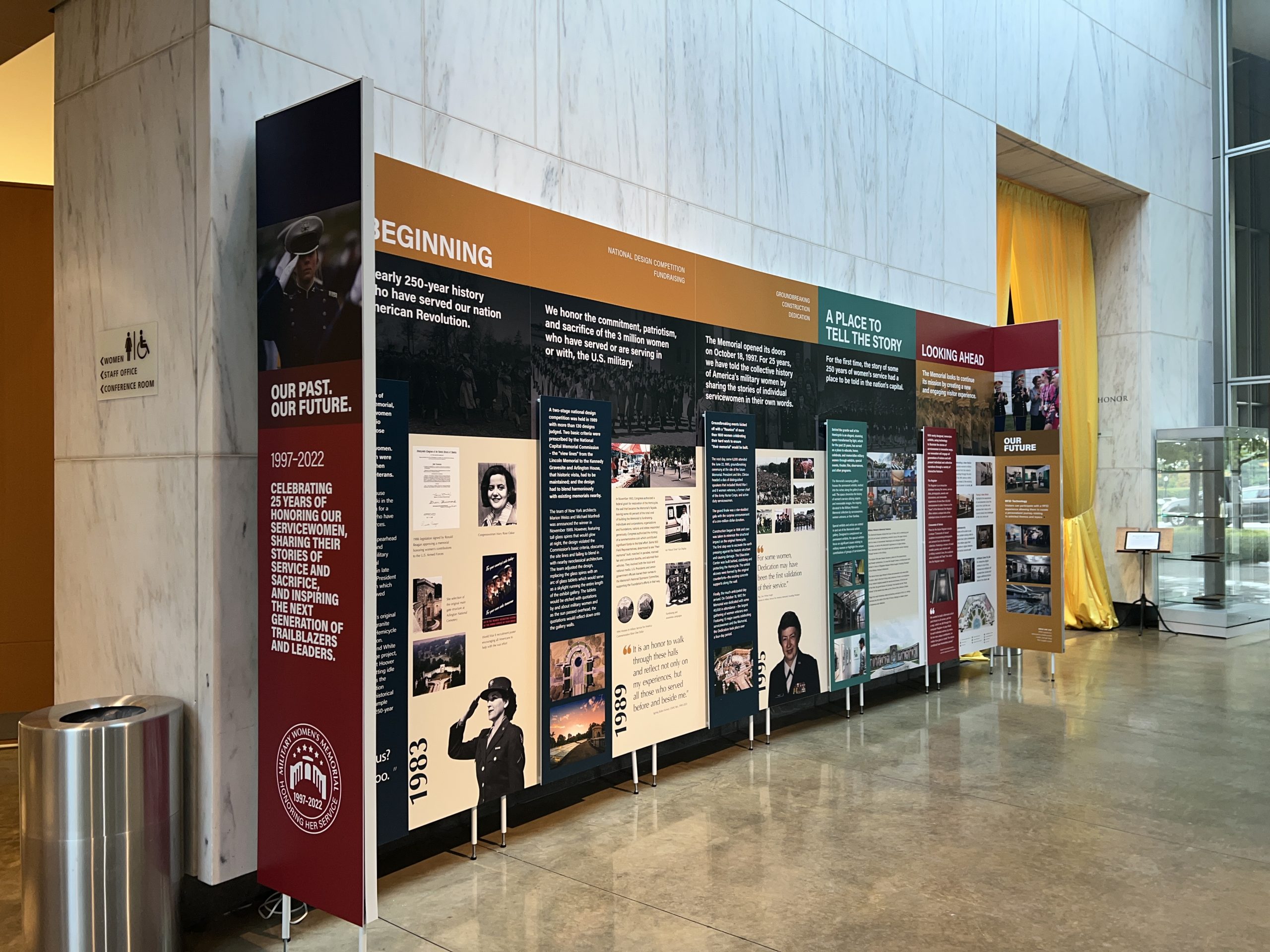
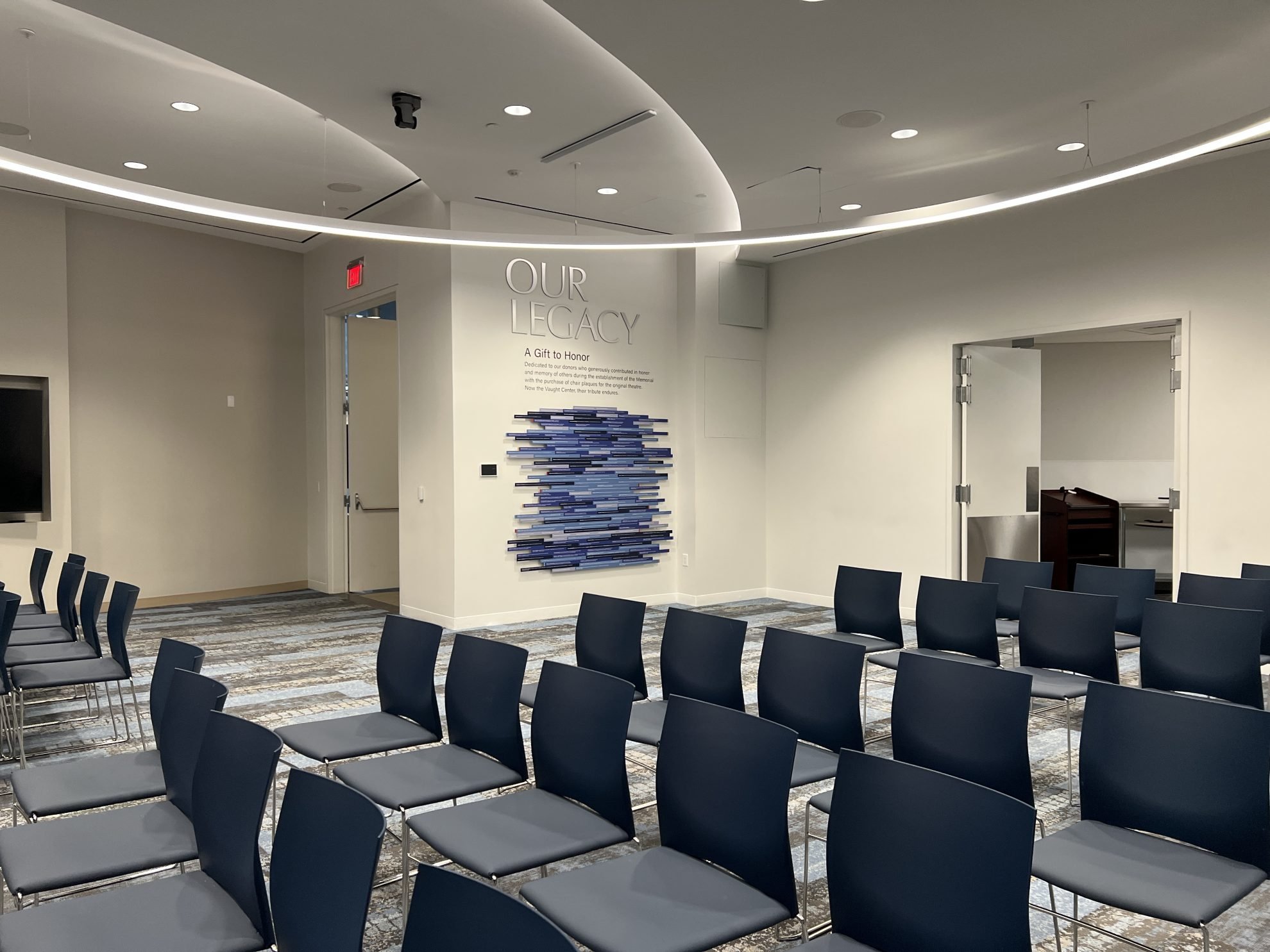
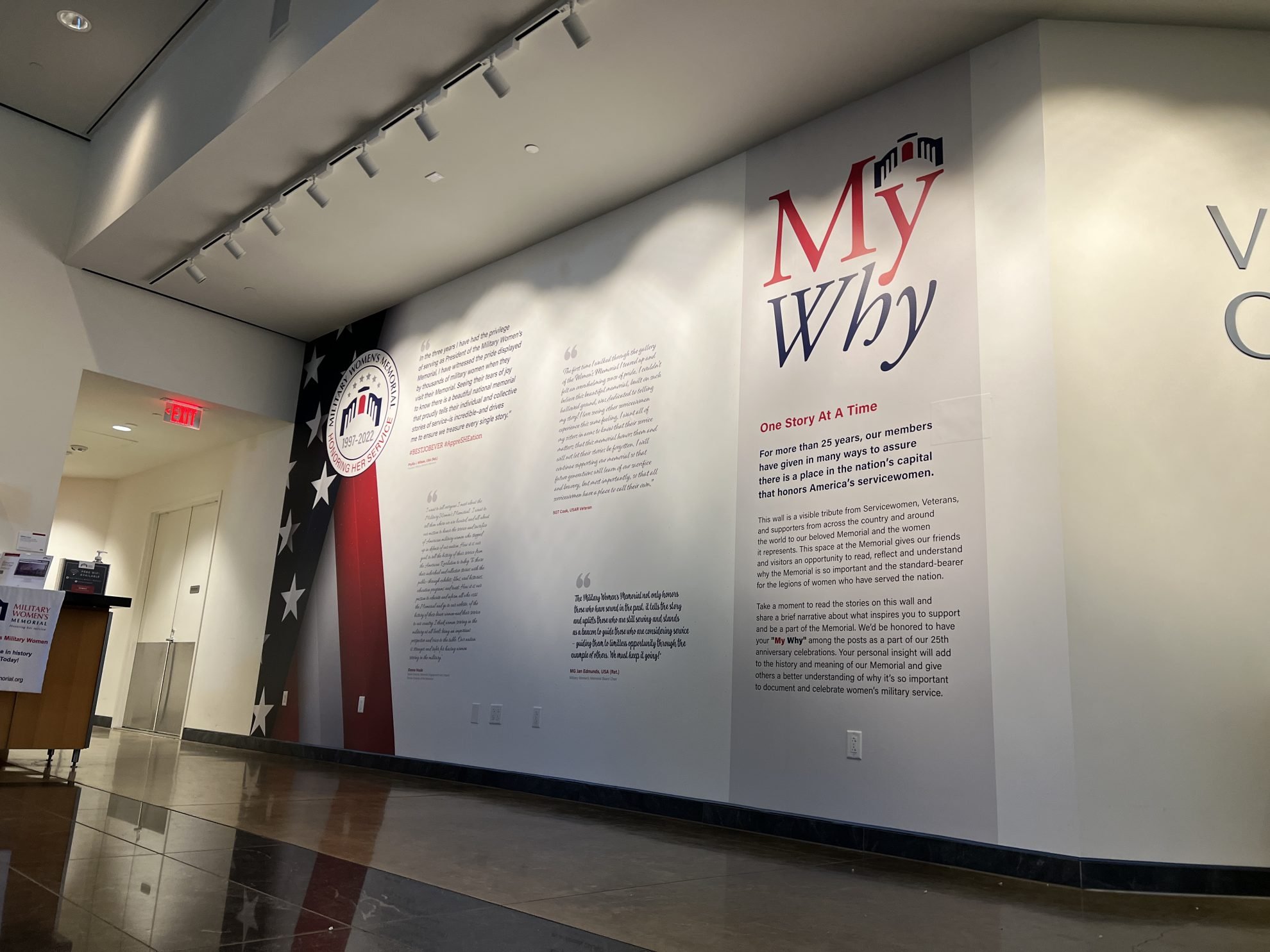
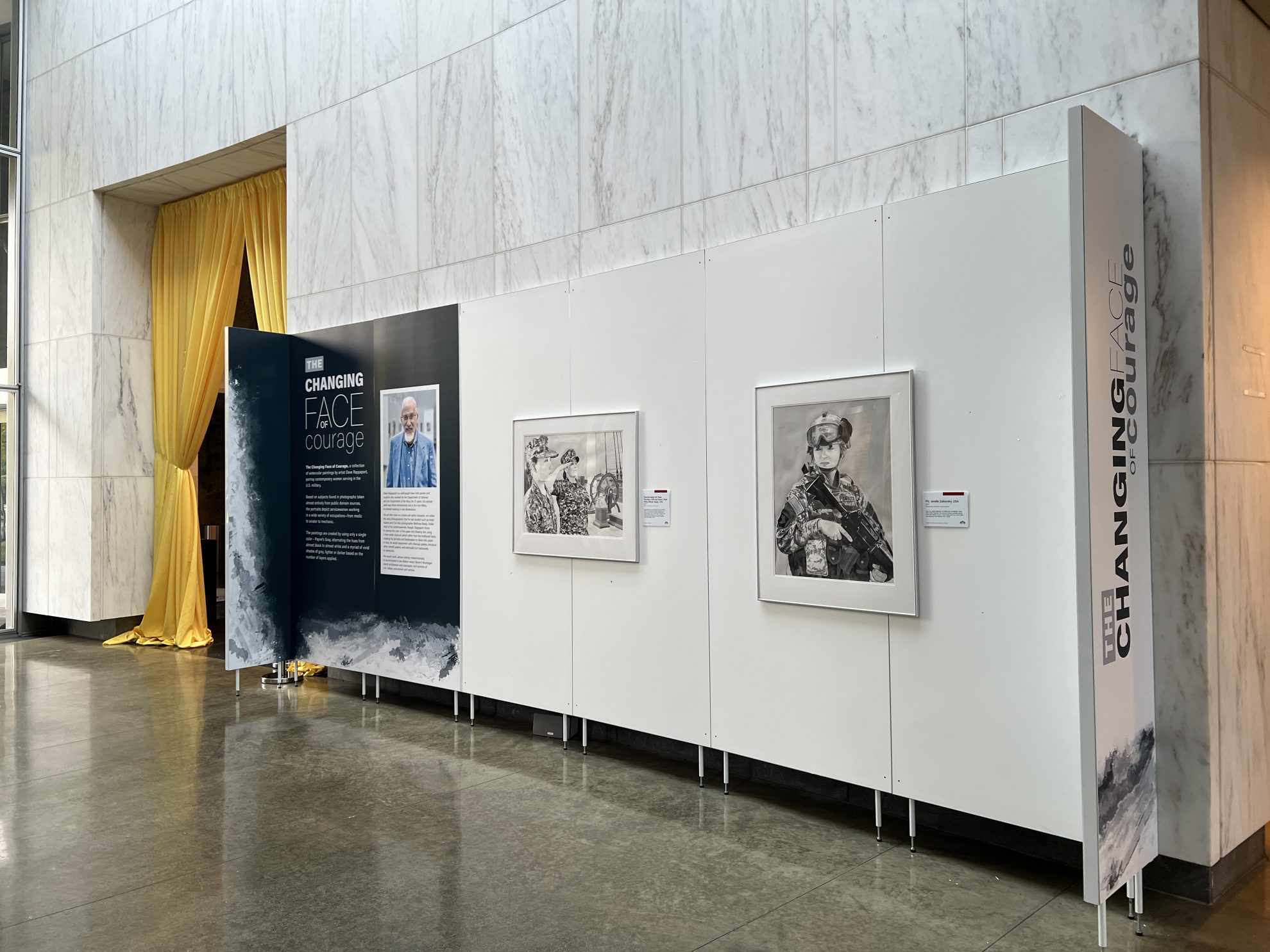
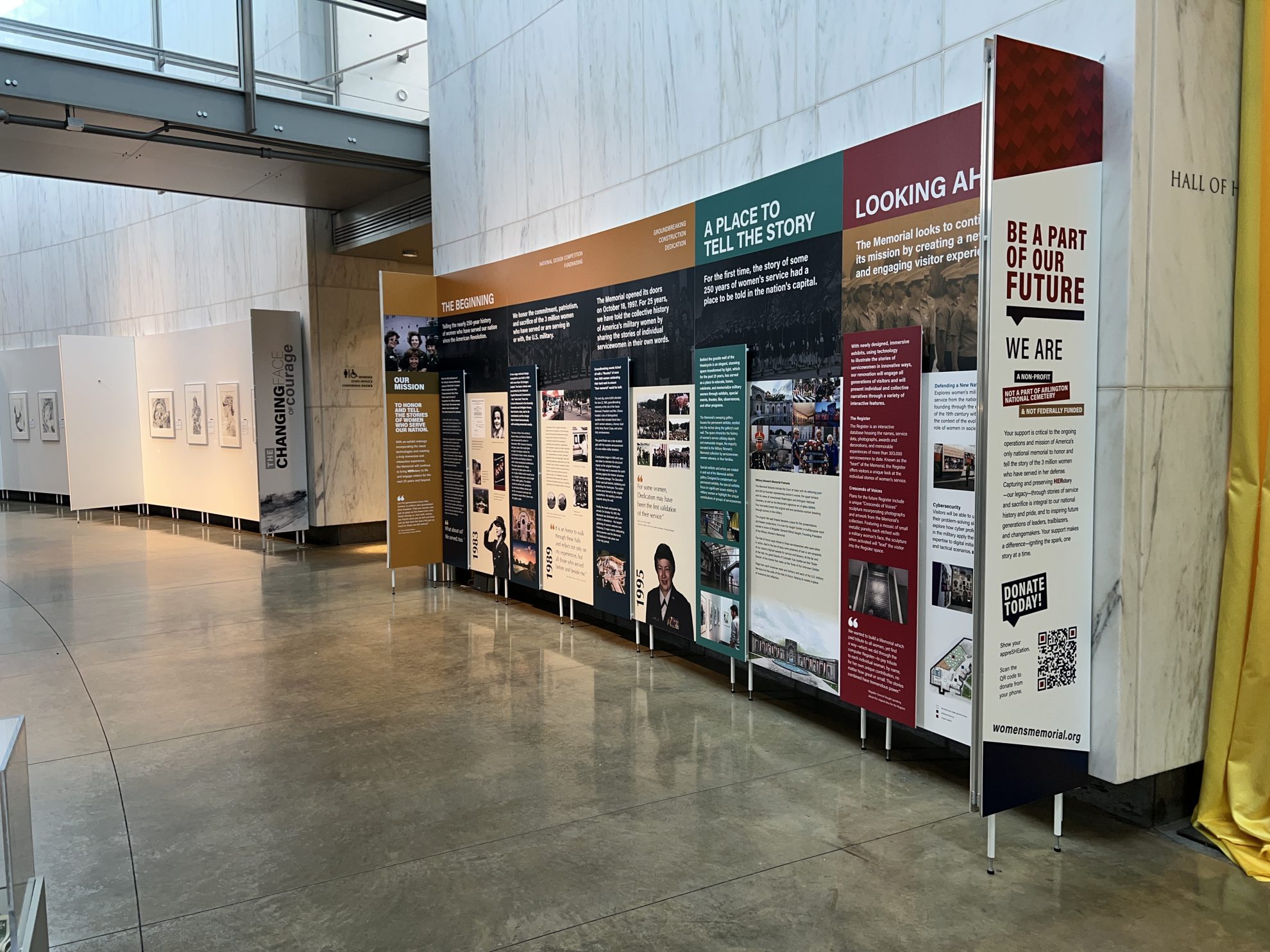
Heritage Signs & Displays created new museum signage for the Military Women’s Memorial in Arlington, VA. The project included custom signs, wall wraps, dimensional letters, and standoff-mounted displays to honor the legacy of U.S. servicewomen and the donors who supported the memorial. The updated interior features impactful designs, including a "Our Legacy" wall display and panels showcasing historical contributions and artwork, creating a transformative tribute to women in the U.S. Armed Forces.
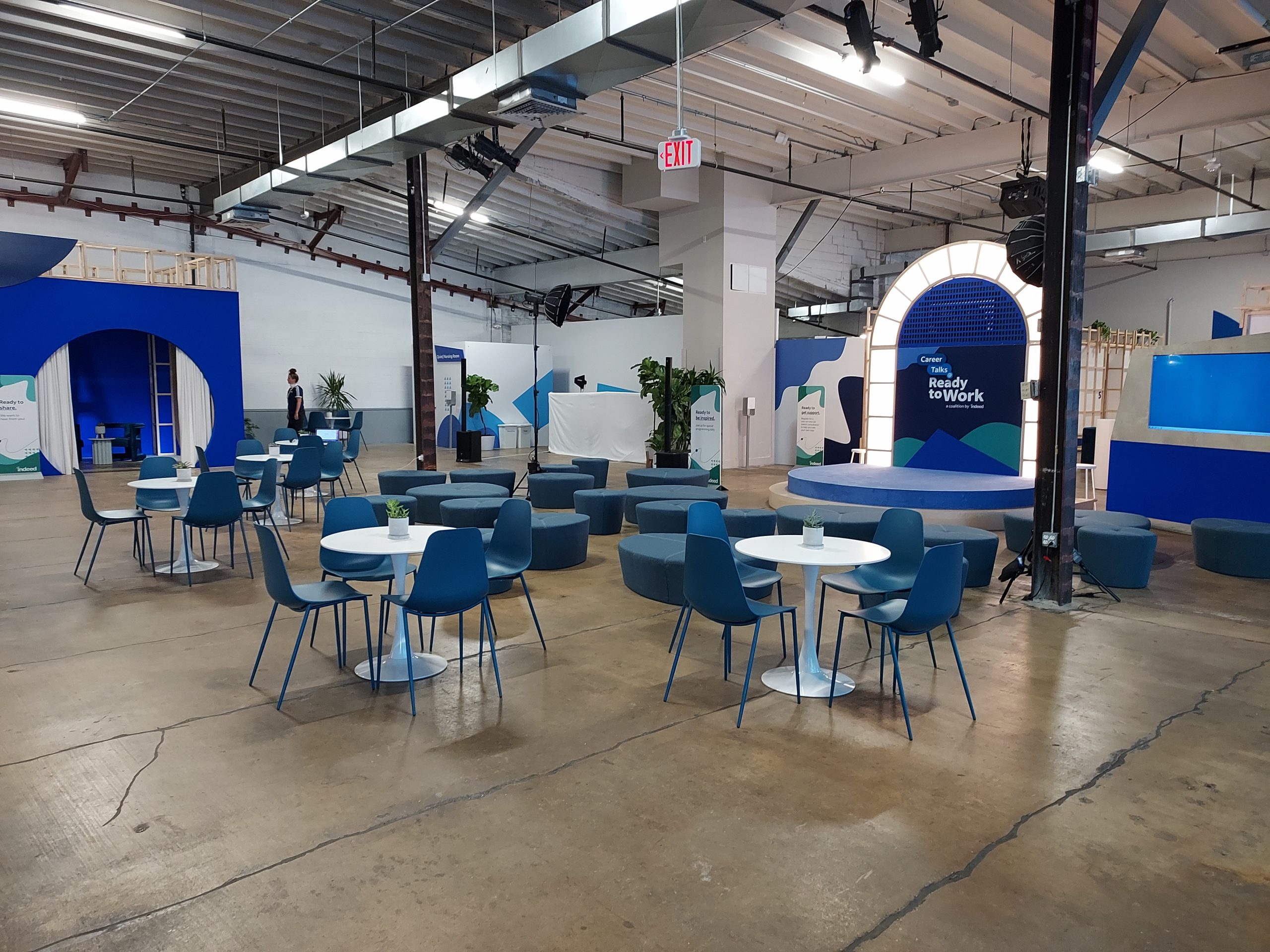
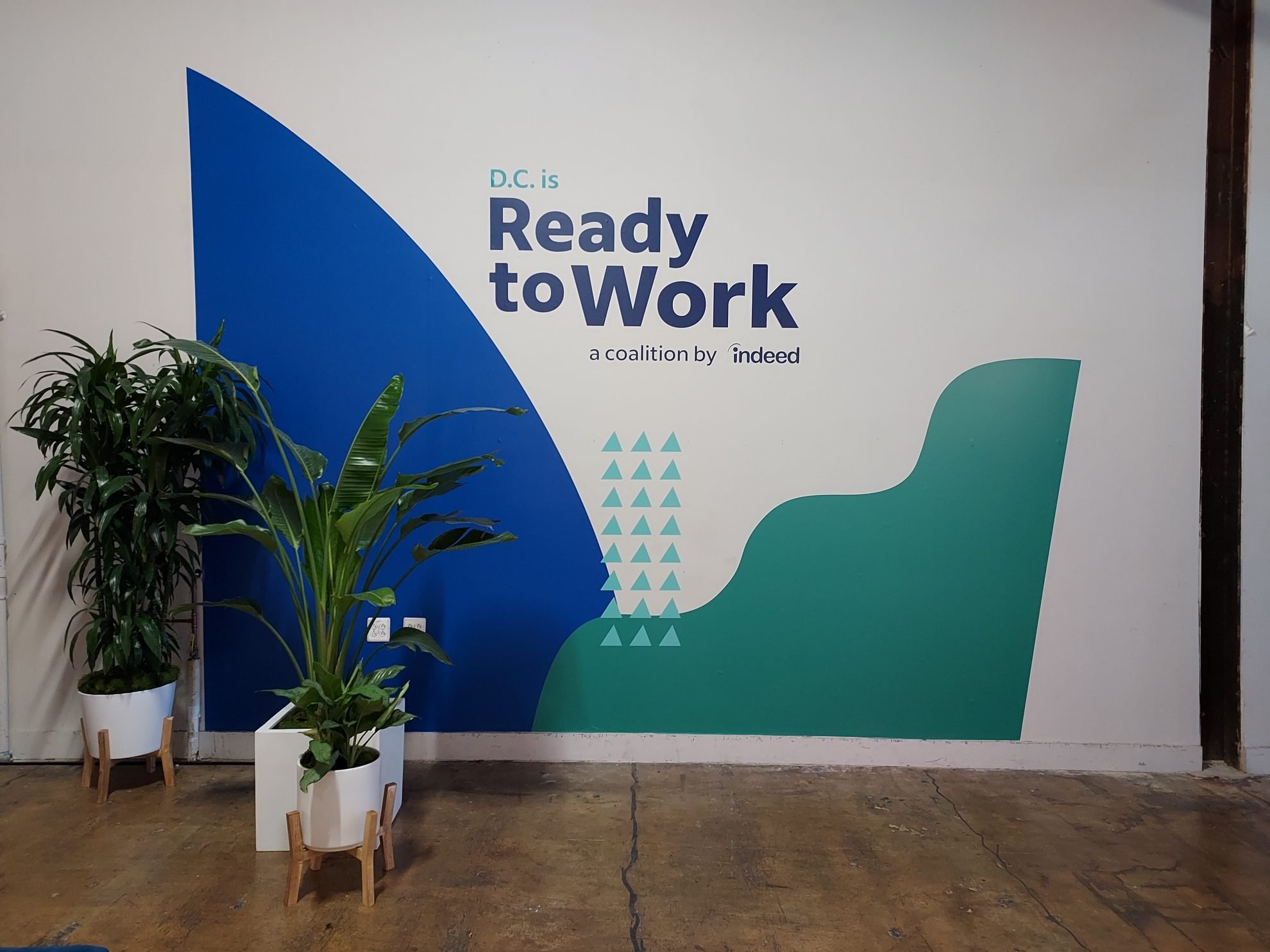
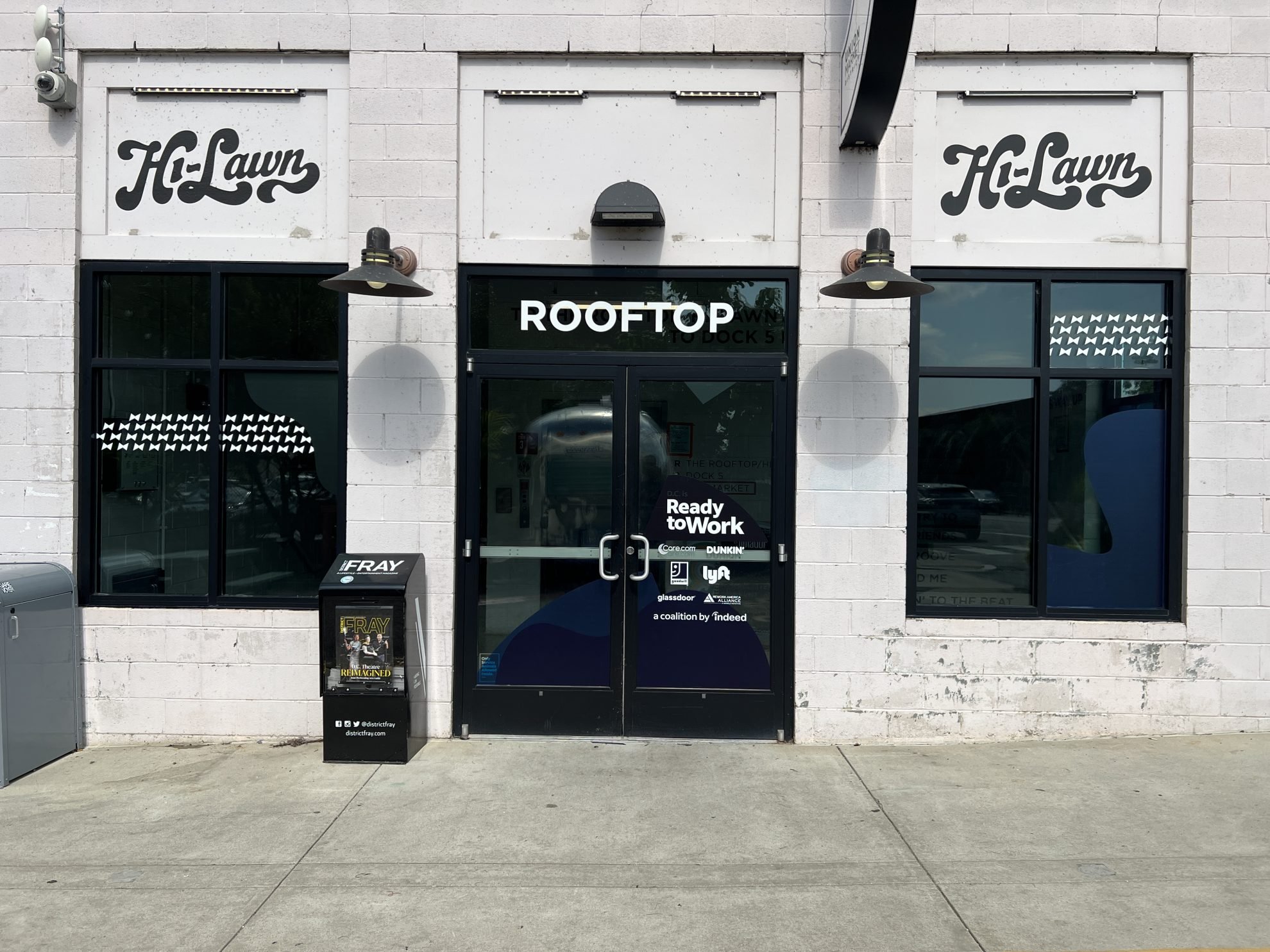
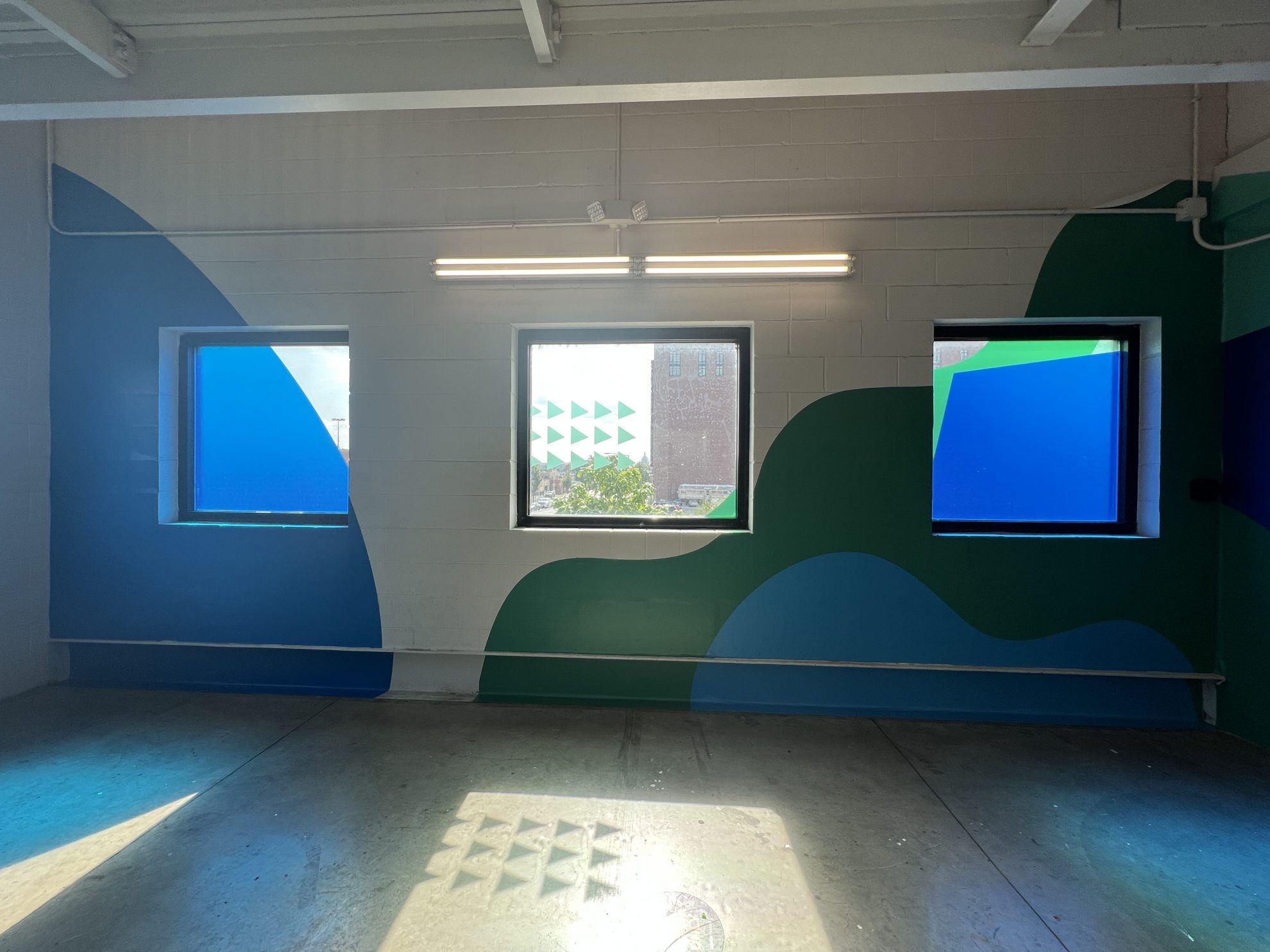
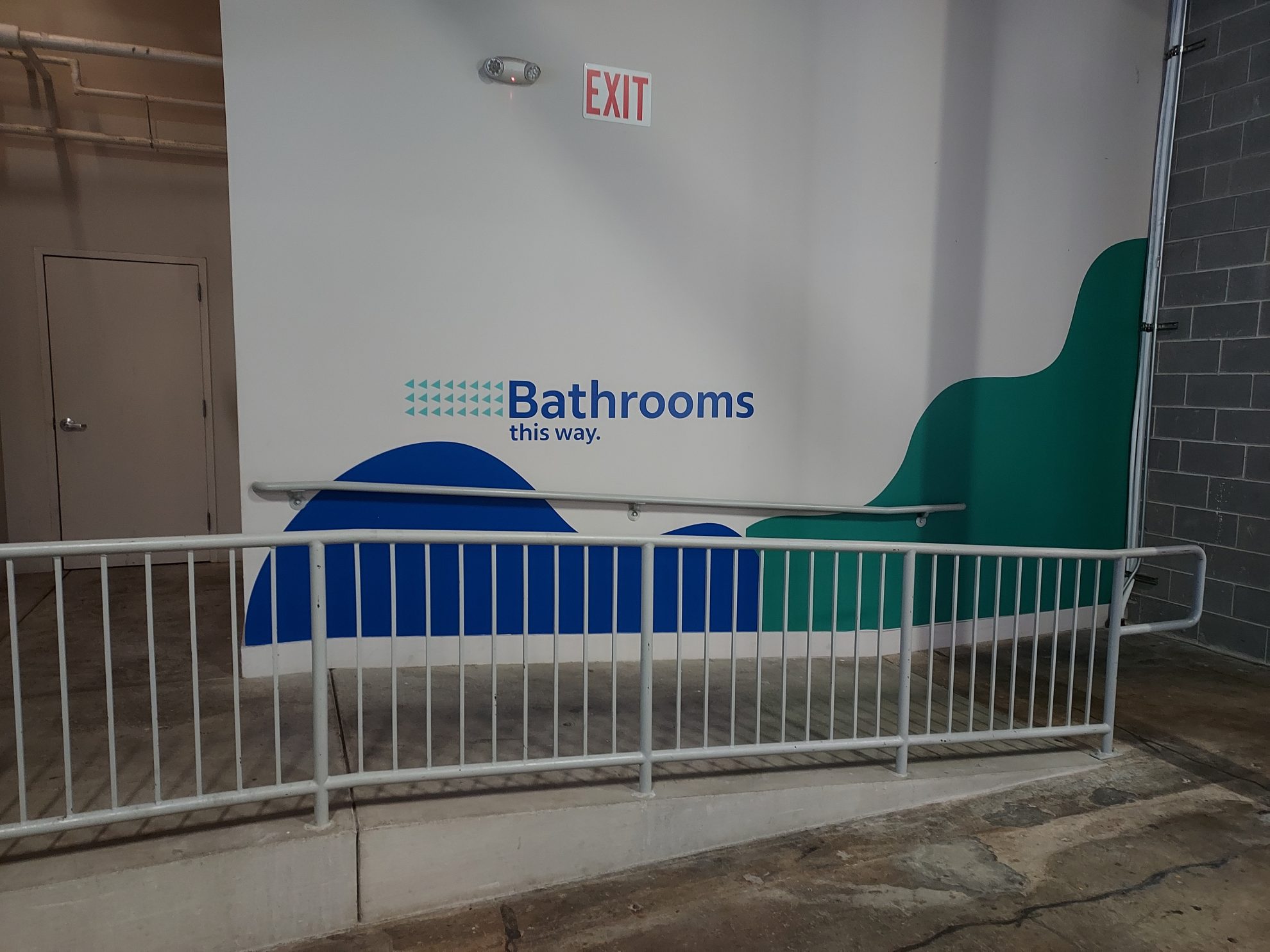
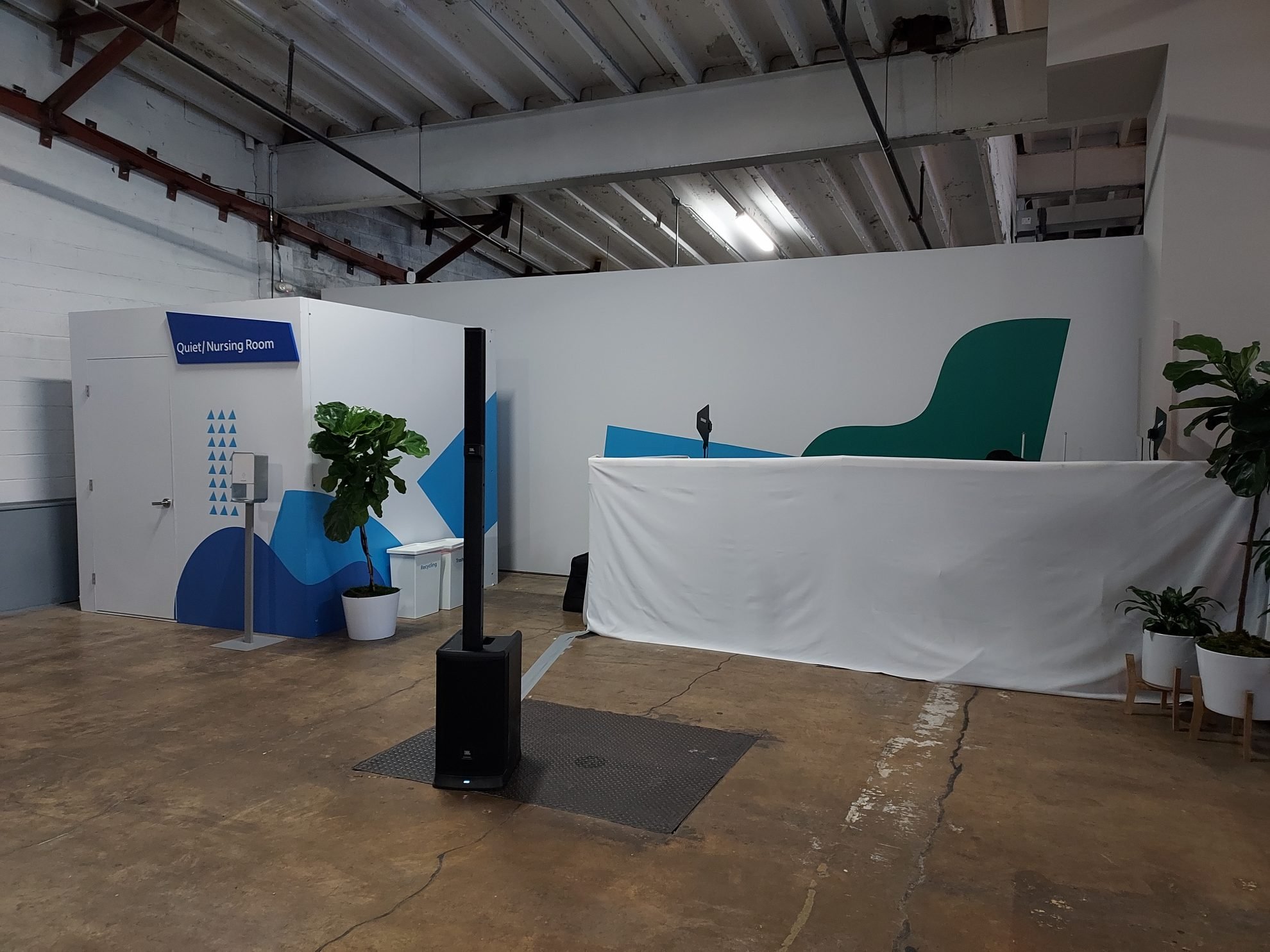
Heritage Signs & Displays' collaboration with The Gathery to brand Union Market in Arlington, VA, for Indeed's "Ready to Work" job fair. The project included custom event displays, wall graphics, window graphics, and wayfinding signs, creating an immersive and visually appealing environment. The branding enhanced the venue, reflected the event's mission, and provided a seamless experience for attendees.