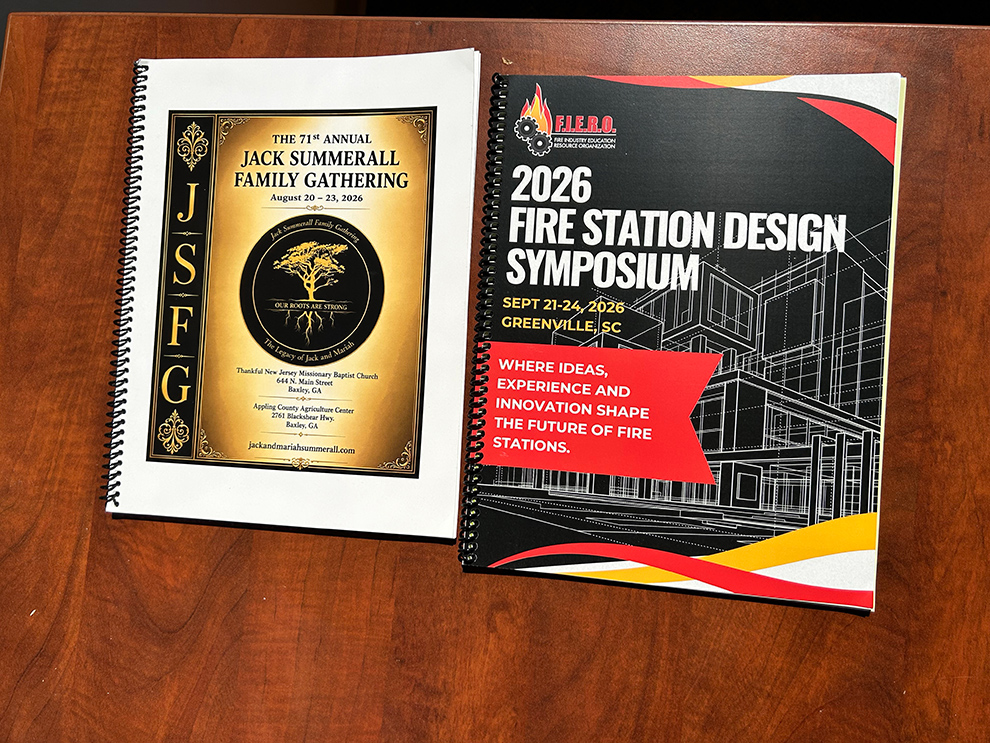
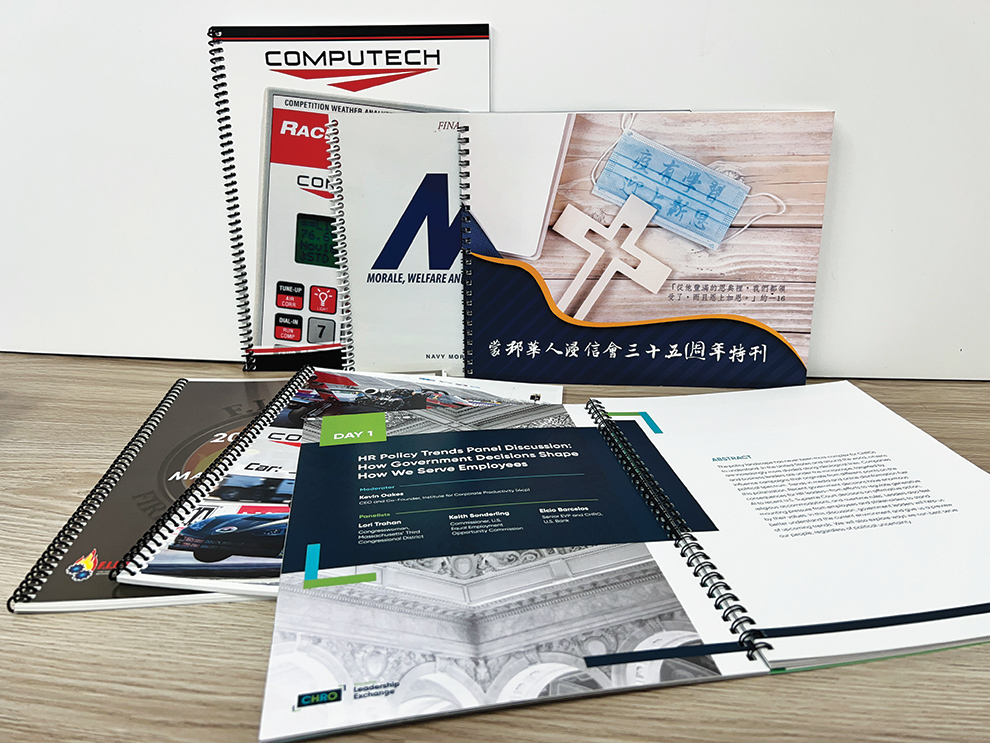
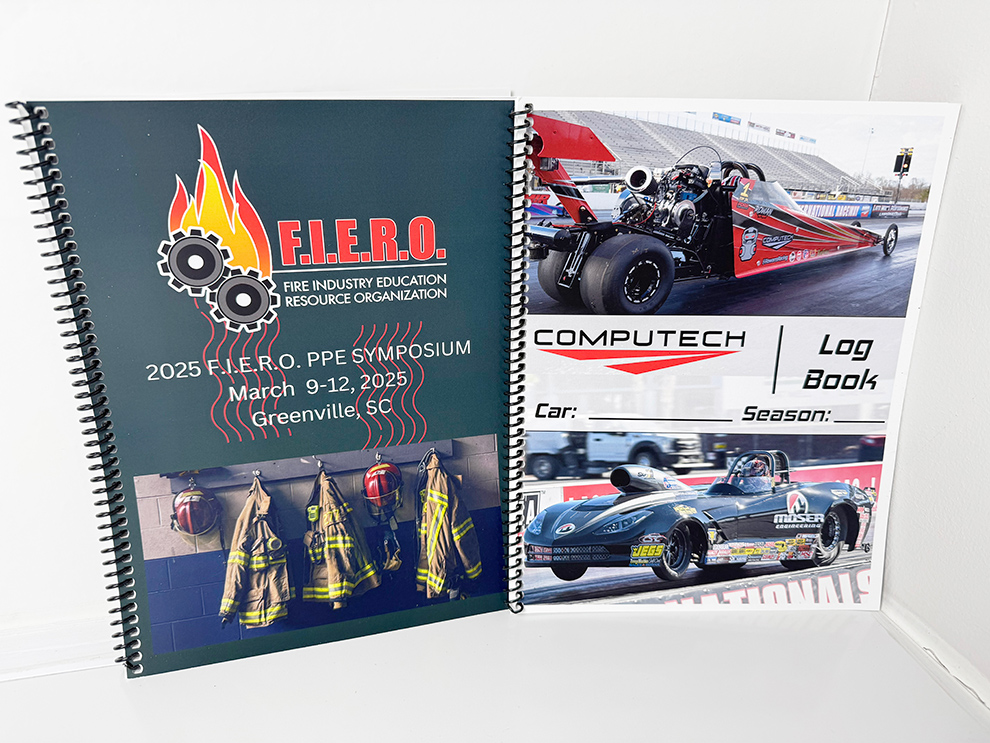
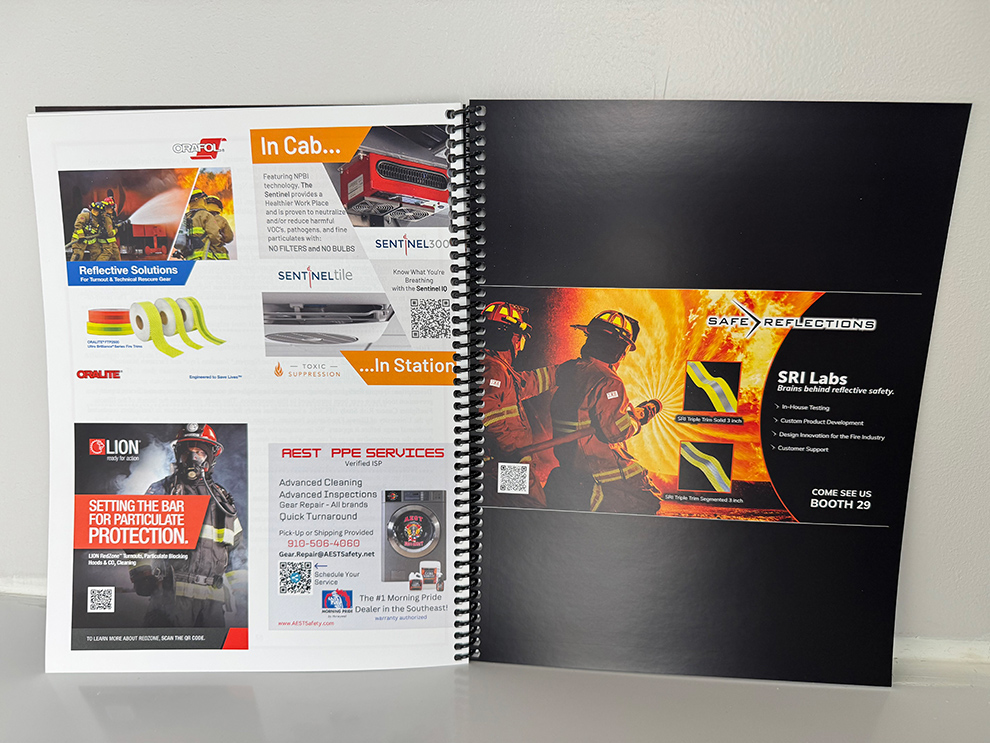
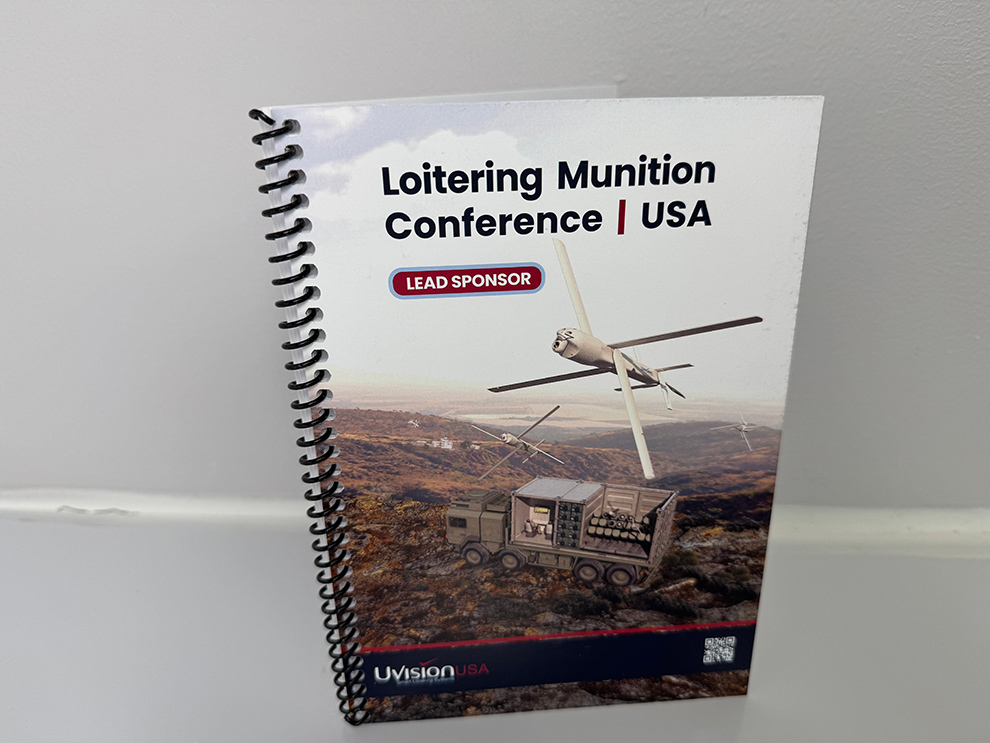
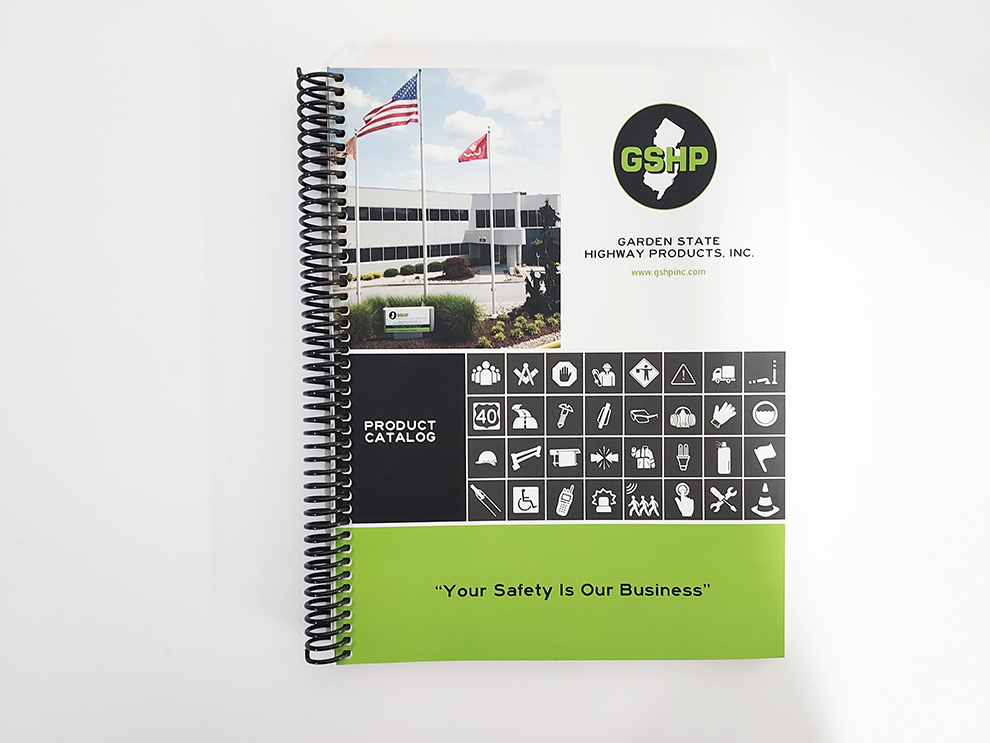
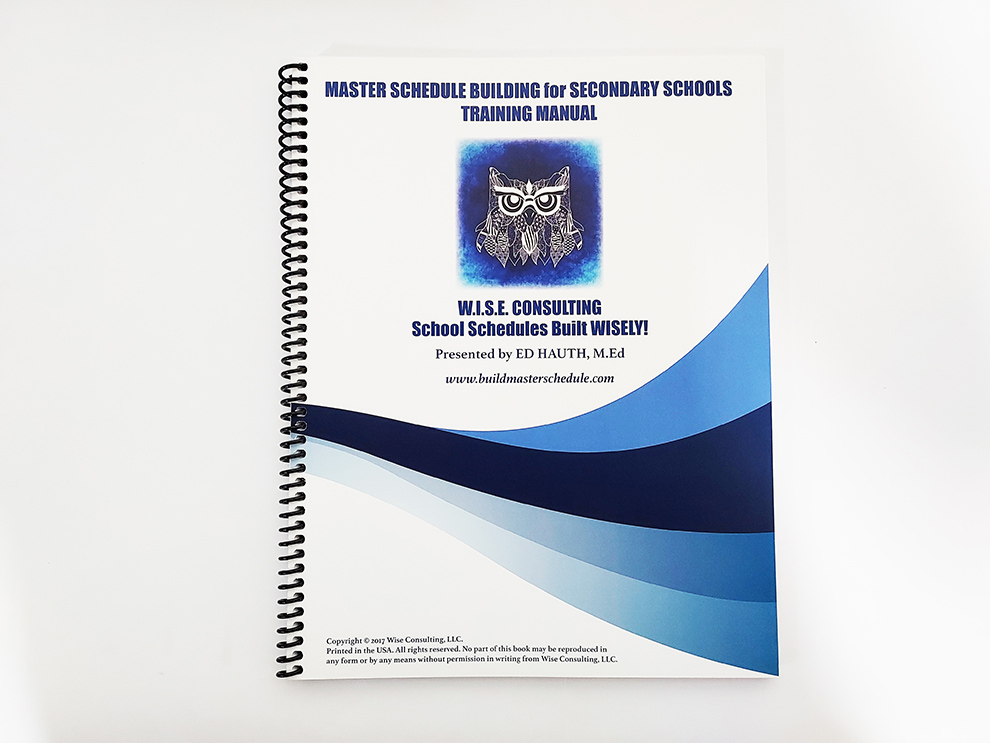
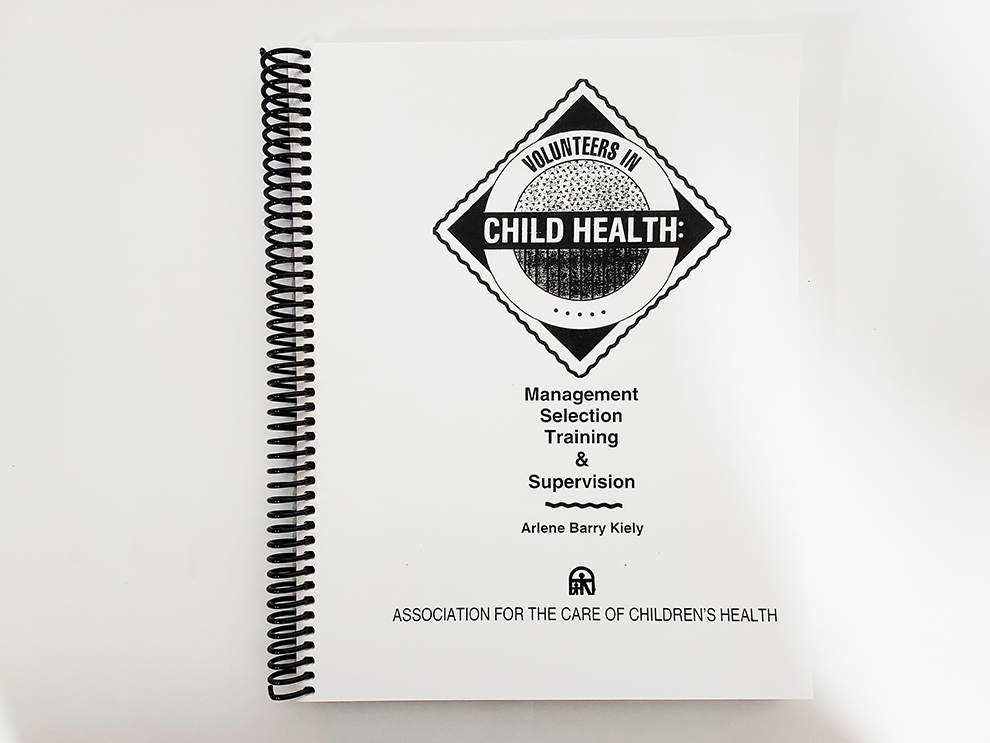
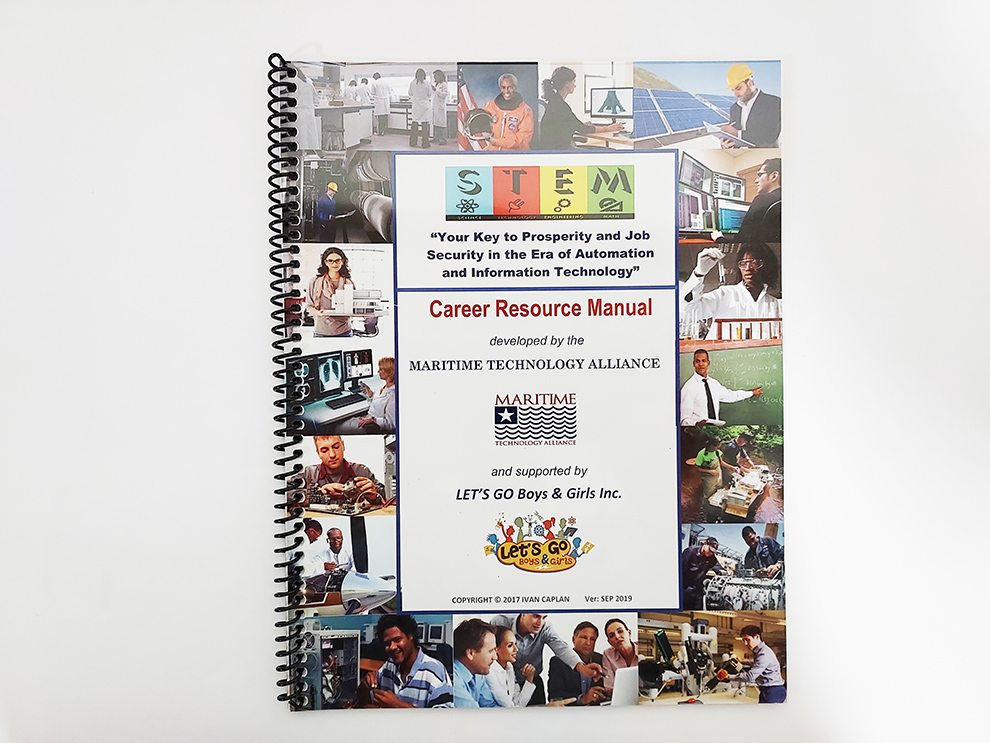
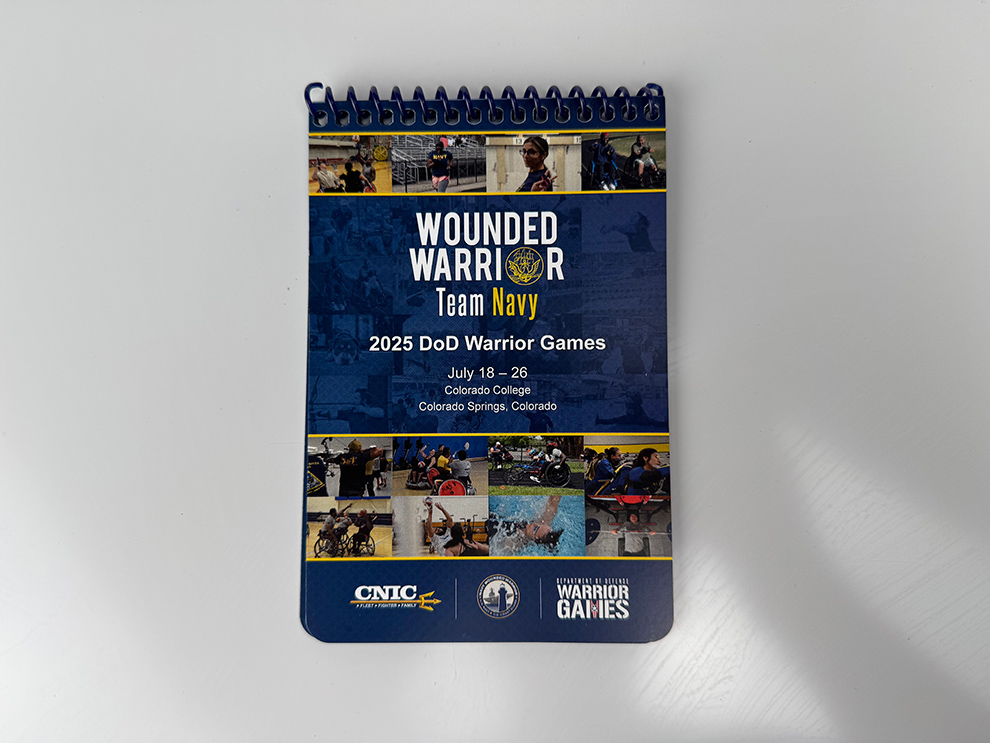
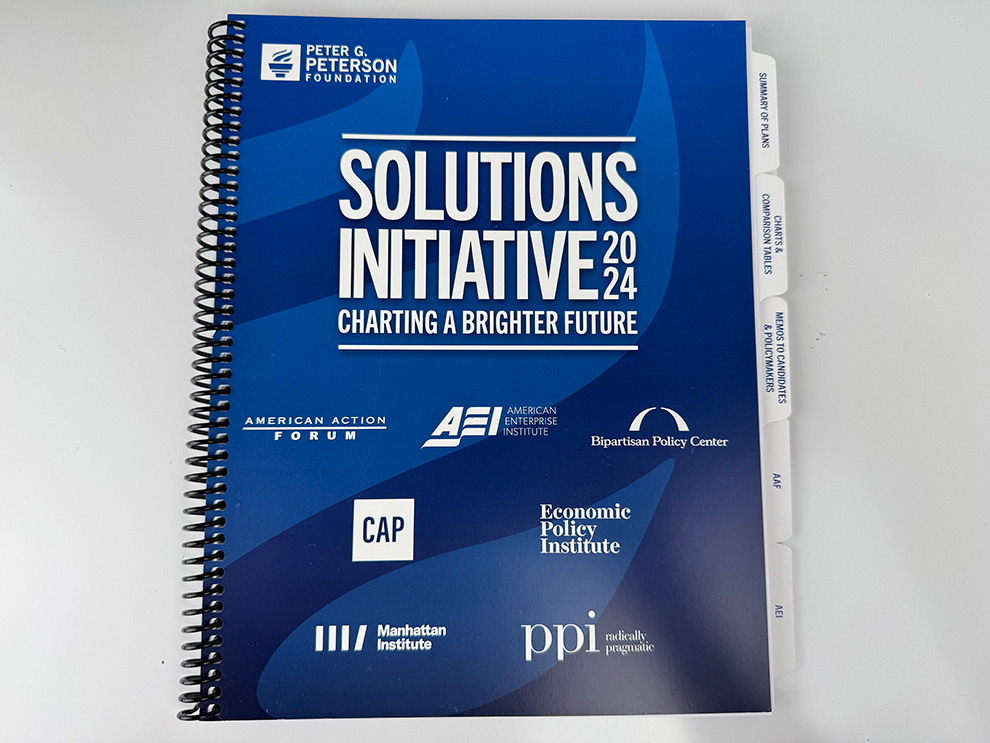
A new hire following a checklist, a facilitator walking a room through a workbook, and a technician confirming a procedure all share the same need. The book has to stay open on its own, turn to the right section quickly, and survive months of handling. Heritage prints spiral-bound books for Silver Spring, MD organizations with exactly that kind of use in mind.
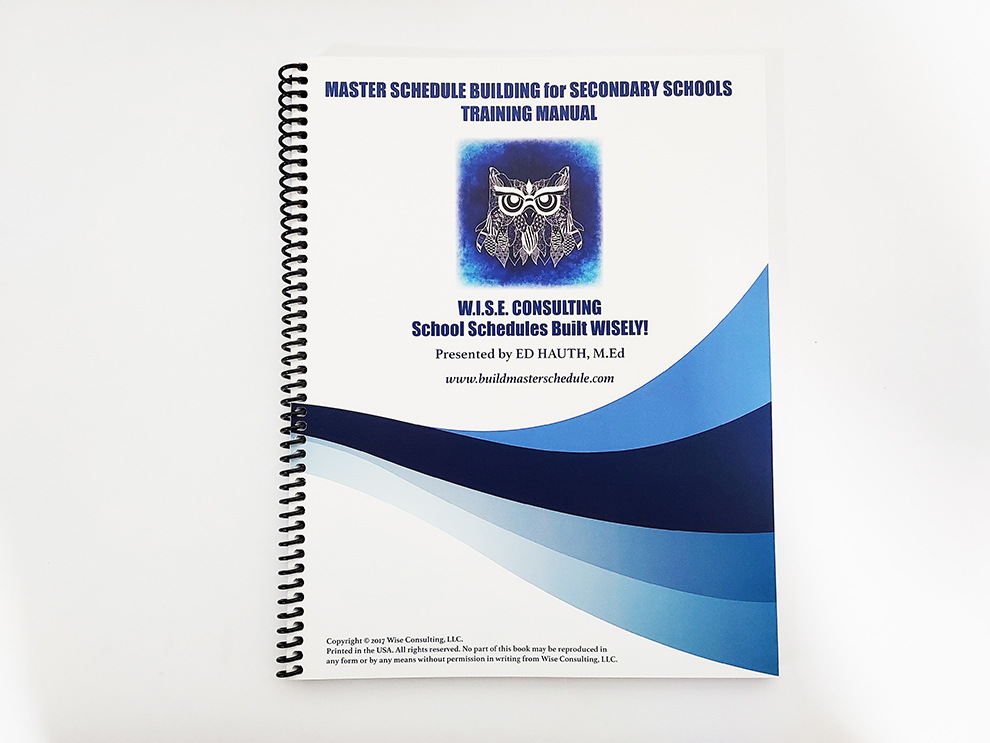
Plastic coil binding lets the finished book lie flat on a desk or counter, and each page turns freely around the coil without strain on the spine. Readers can fold the cover and previous pages behind the book so a single page stays visible in a cramped workspace. That behavior suits training manuals, course materials, operating procedures, reference directories, and recurring handbooks that people consult repeatedly rather than read once.
Laminated covers, sturdy backs, tabs, and dividers can be added where they genuinely help the reader, subject to the ordering path selected. Heritage pairs those practical choices with careful printing, disciplined color management, electronic proofing, and finishing so the book performs as intended for the people who depend on it.
Heritage began as a printing business in 1977, and that production history shapes how a spiral-bound book moves through our shop. Automated plastic-coil binding punches and coils the pages consistently in production quantities, while trained staff watch page sequence, cover alignment, tab placement, and finishing so the assembled book reads in the right order.
For Silver Spring, MD organizations, that discipline matters most when a date is fixed. An onboarding class in Montgomery County, a continuing education session, a board orientation, or an updated safety procedure cannot wait for a reprint caused by a missing section or a misaligned cover. Heritage reviews artwork, confirms specifications through an electronic proof, manages color to agreed targets, and inspects the finished books before they leave production.
Mid-Atlantic commercial printing for Heritage is supported by our Waldorf, Maryland production facility, which primarily serves Washington, DC and the Mid-Atlantic region. When a manual or directory returns for a new edition, the accepted specifications and production records from the previous run give the next version a dependable starting point and keep recurring publications consistent.
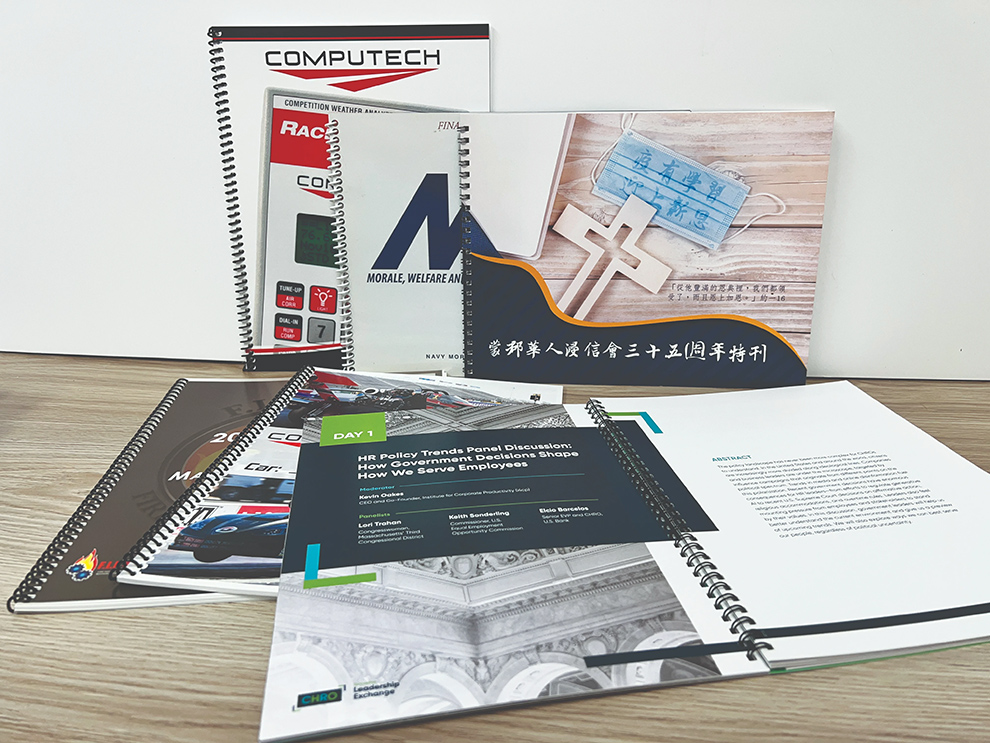
Start by deciding whether people will work inside this book or mostly read it and set it aside. When the answer is work, plastic coil binding is usually the right call. The book lies flat beside a keyboard or on a workbench, pages turn without the reader holding them down, and the whole block can fold back to a single page when space is tight.
Those traits serve workbooks that collect handwritten answers, procedure manuals opened during a task, training manuals that circulate across a department, and directories pulled off a shelf several times a day. Tabs and dividers shorten the search for a section, and a laminated cover or sturdy back keeps a heavily used copy presentable longer.
Perfect binding answers a different need. Its glued square spine gives a report, catalog, or annual publication a traditional finished look, allows a printed title on the spine, and stacks neatly on a shelf. If presentation, longevity on a bookshelf, and a conventional publication format outweigh lay-flat use, choose perfect binding. If the reader needs hands free and the right page open, choose coil.
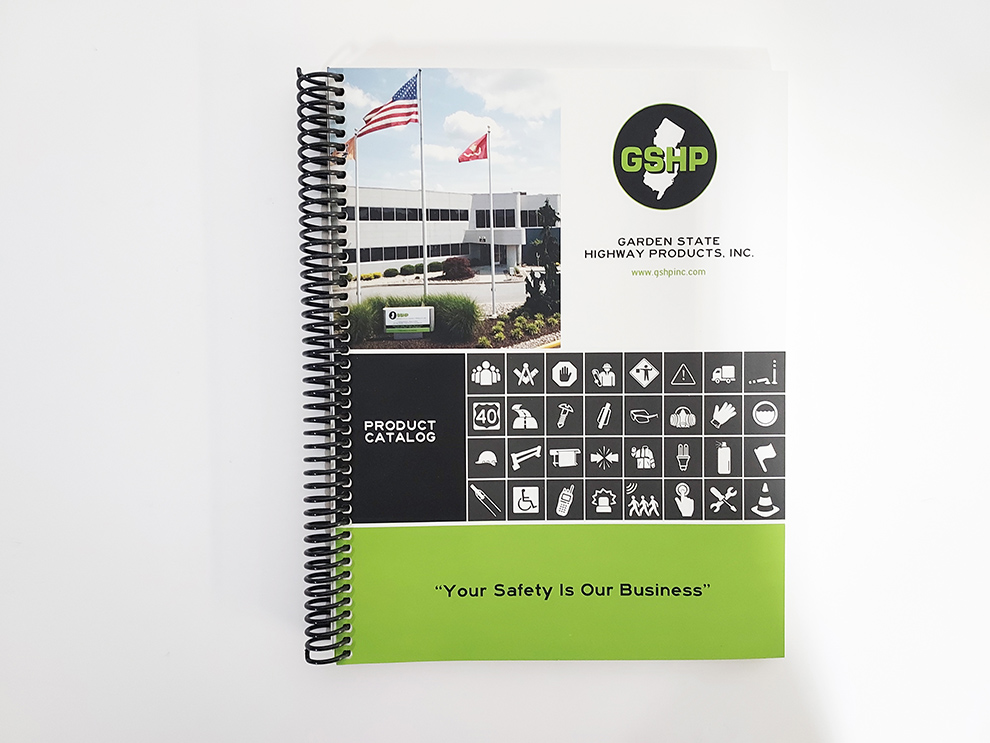
Spiral-bound manuals and workbooks rarely travel alone. The services below cover the other printed pieces a Silver Spring program, meeting, or membership cycle commonly needs.
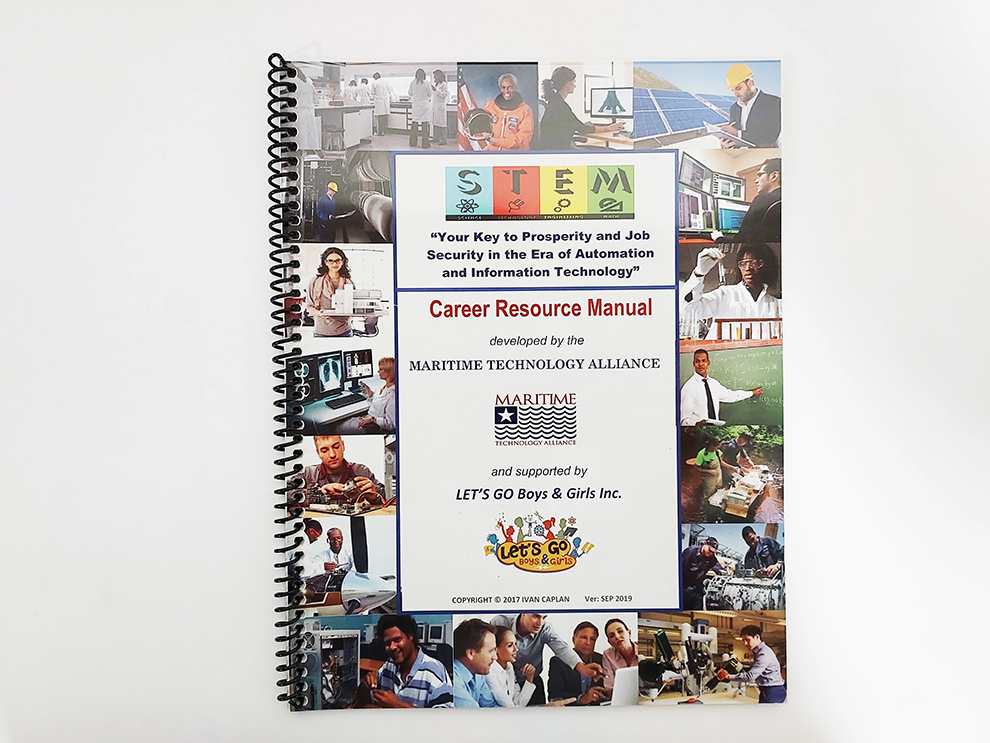
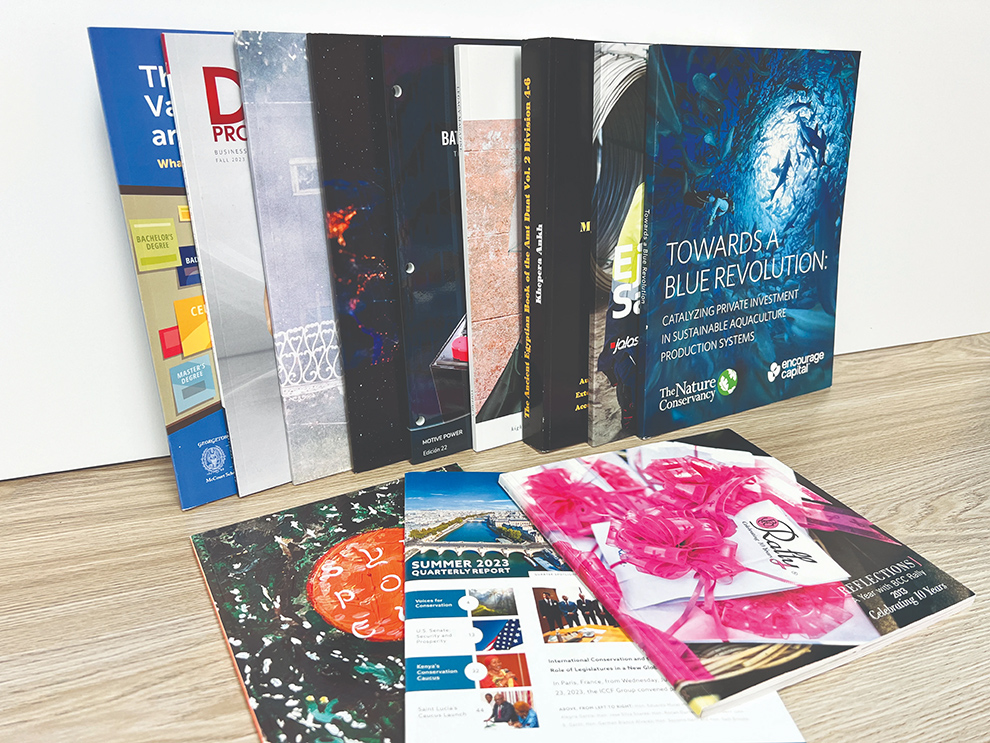
Build structured onboarding and procedure documentation when the manual itself, not only the binding, needs planning.
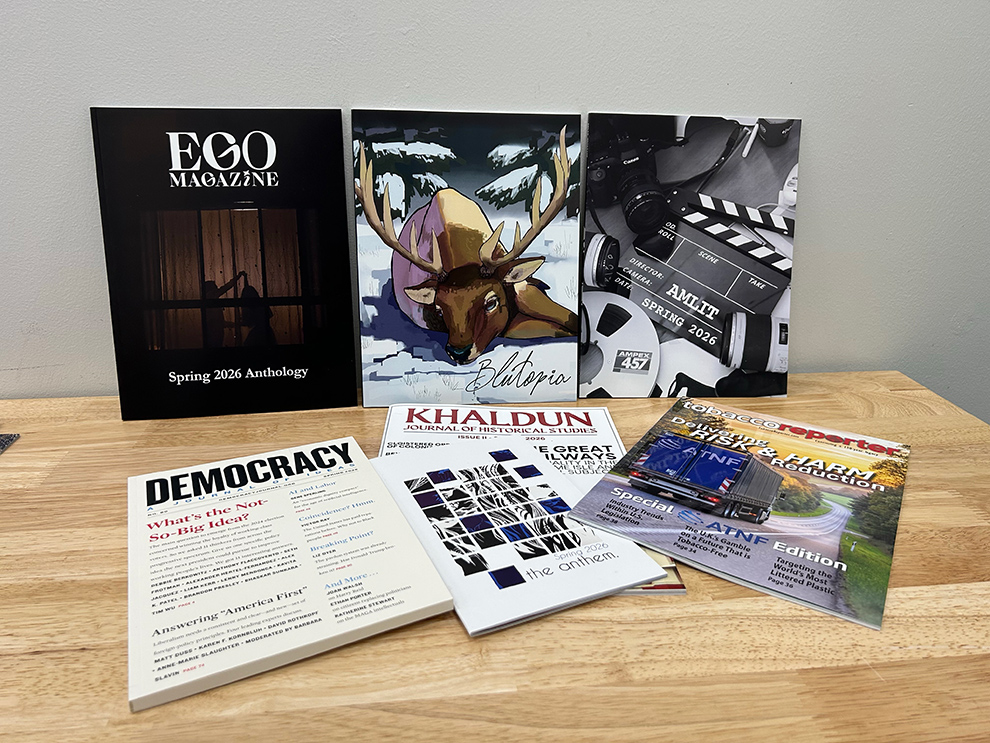
Select a glued square spine for reports and publications that will be read front to back and displayed on a shelf.
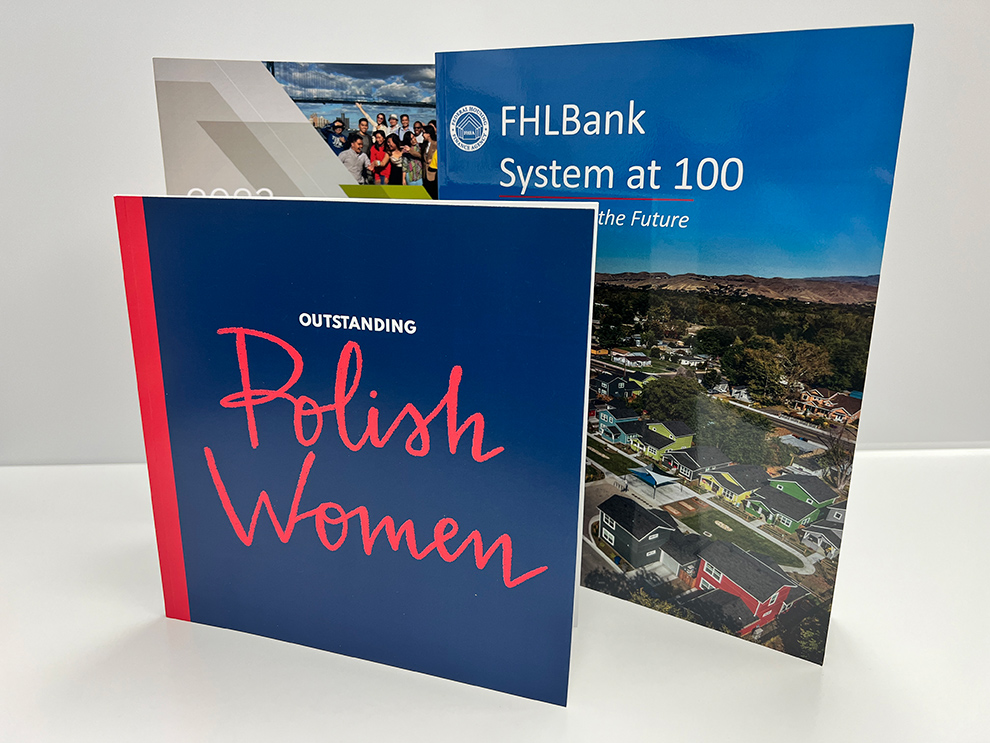
Review lighter multi-page formats for programs, guides, and handouts that do not require lay-flat use.
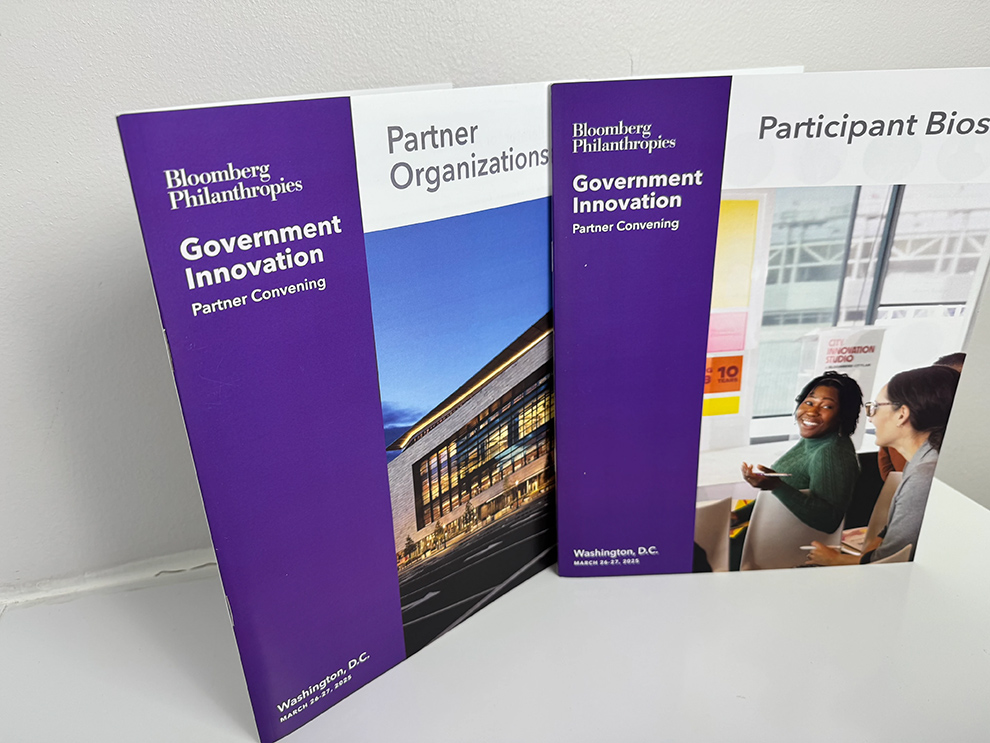
Hold agendas, inserts, and a companion workbook together for orientations, client meetings, and board sessions.
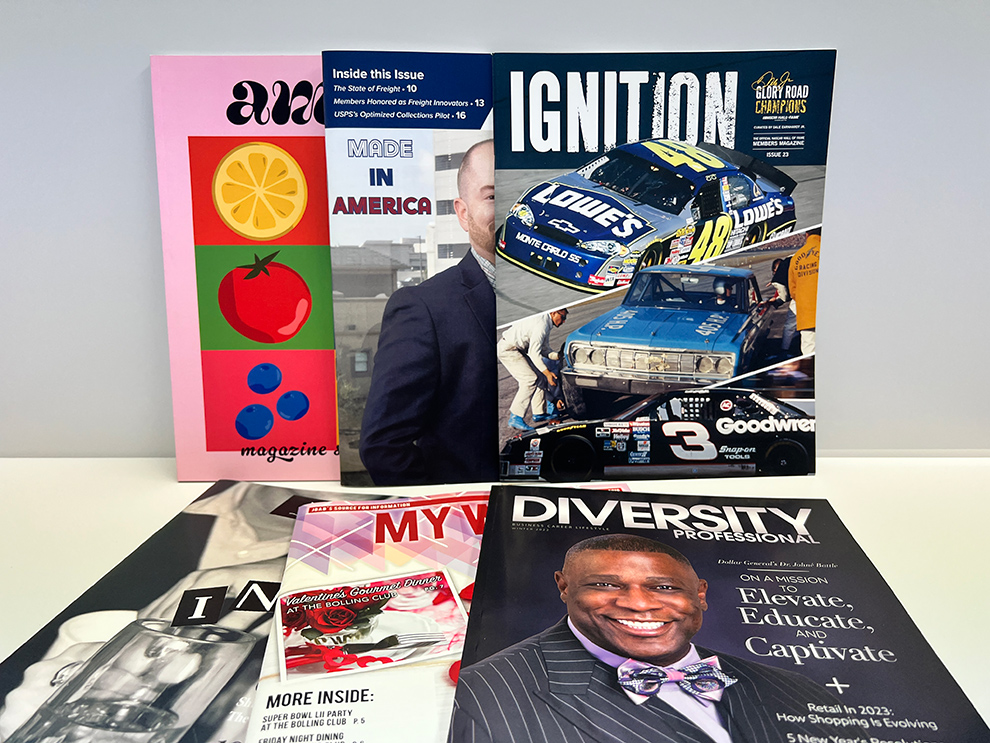
Plan recurring member or community publications where issue-to-issue consistency and finishing matter.

Pair printed materials with addressing and mailing preparation when distribution is part of the accepted scope.
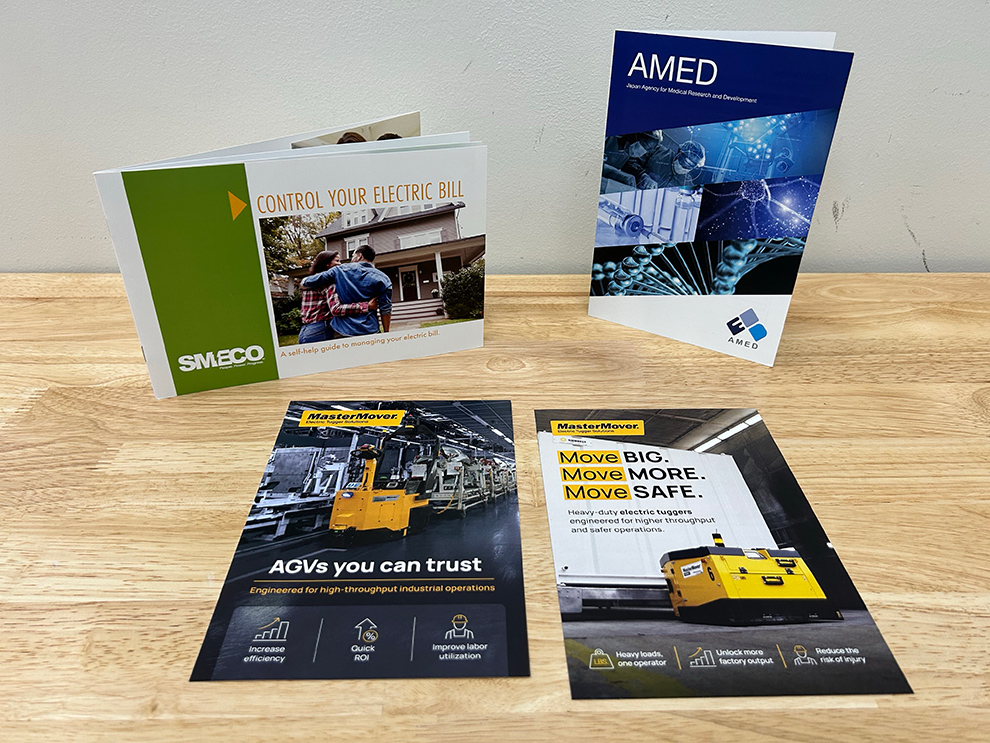
Coordinate brochures, flyers, and other outreach pieces that often accompany a training or membership program.
Browse the broader Heritage printing range for business documents, publications, and recurring print programs.
If a Silver Spring class, orientation, procedure rollout, or annual directory is on the calendar, settle the path now. Order an eligible print-ready configuration through the Online Store, or submit a Custom Quote for qualifying $2,000+ work that still needs file preparation, divider planning, version control, or closer coordination before production begins.
Good production decisions begin with an honest picture of where the book will live. A classroom workbook that students write in needs paper that accepts pen and pencil, generous margins, and a stiffer back for use on a lap. A procedure manual kept near equipment benefits from a laminated cover, clearly labeled tabs, and paper heavy enough to resist tearing at the coil holes. A membership directory revised each year may call for a consistent trim size, color only on section openers, and black-and-white listings to keep cost in line with the print run.
Heritage weighs finished size, page count, paper weight, cover construction, color placement, quantity, and tab or divider needs as one connected set of decisions rather than isolated add-ons. Divider planning deserves attention early because tab labels, section order, and page counts all affect how the book is assembled. Which of those choices are available depends on the ordering path selected.
For editions that repeat, preserving approved specifications protects consistency. The new version should look and handle like the last one, with revisions limited to the content that changed.
Two routes lead to a finished spiral-bound book, and the right one depends on how settled the job is. If the configuration you need is live in the Self-Directed Online Store and your artwork is complete and print-ready, your team can select the listed options and place the order independently. Eligible Store orders must total at least $750, and several eligible products can be combined in one purchase to reach that figure.
Heritage still performs its standard production review and sends an electronic proof for approval before printing, but the Store does not include an assigned Project Coordinator, layout development, product selection help, or a Physical Production Color Proof. Share a fixed training date early so Heritage can evaluate feasibility.
Storefront Custom Quote serves qualifying new Commercial Printing work of $2,000 or more when the job needs file preparation, production-oriented layout support, specification guidance, tab and divider planning, or closer coordination across versions and approvals. Meeting the threshold opens that path; it does not require it. After Heritage accepts the quote and assigns the work, a Project Coordinator becomes your direct phone-and-email contact.
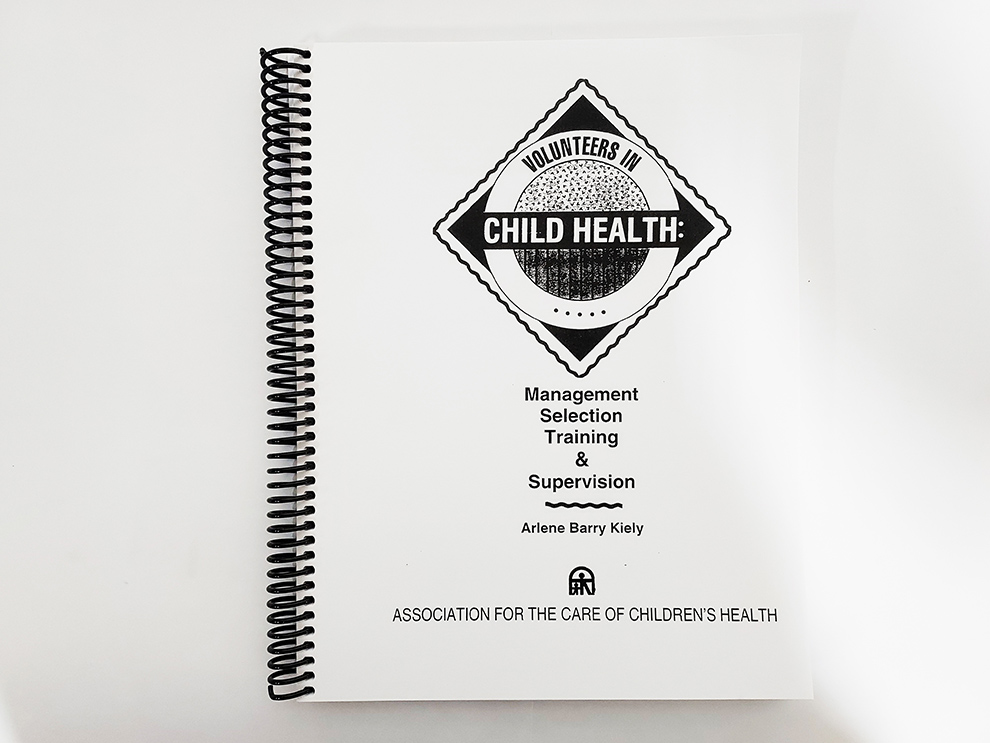
It will. Because the pages and covers rotate freely around the plastic coil, the reader can fold everything behind the book and work from a single visible page. That matters on a crowded desk, at a workstation, or anywhere both hands are needed for the task the book is describing.
Raise the date before anything else. Heritage looks at artwork readiness, quantity, paper and cover choices, tab or divider complexity, the time needed for electronic proof approval, current production capacity, and whether the books ship or are delivered. From that review we confirm what is realistic. If the original date cannot be met responsibly, Heritage says so early and works toward workable alternatives when they exist, such as a reduced first run or simplified finishing, instead of accepting a promise it cannot keep.
A laminated cover is the usual recommendation for daily use because the film resists scuffing, fingerprints, and minor spills better than plain cover stock. Pairing it with a sturdy back keeps the book rigid enough to use away from a desk. Heritage supports printed cover stocks, laminated covers, and heavier backs when they are available through the ordering path you select.
It is a good fit when the spiral-bound configuration you want is live in the Store and your file is finished and print-ready. You choose the available options and complete the purchase on your own, and eligible items must total at least $750. Heritage still reviews the file for production readiness, sends an electronic proof for your approval, and applies normal quality control, but no Project Coordinator is assigned and product selection advice is not part of this path.
Choose plastic coil if employees will open the handbook at a desk, flip between sections, or keep a page visible while completing a task. Choose perfect binding if the handbook is meant to present as a formal publication with a printed square spine that sits on a shelf and is read front to back. Neither format is better in every case; the decision follows how the book will be used.
They turn a long manual into something a reader can navigate by feel. Labeled tabs let someone reach the safety chapter or the forms appendix without paging through the whole book, and dividers give each section a clear boundary. Tabs and dividers can be included when the selected Store option supports them or when they are written into an accepted Custom Quote, so plan section names and order before artwork is finalized.
The electronic proof shows the artwork, text, images, page order, visible layout, and any tab or divider details as they will be produced. Every Heritage Commercial Printing order receives one before printing, including eligible Online Store purchases, and production does not start until you approve it. Treat it as a content and layout check rather than a color sample, since monitors and printed paper reproduce color differently.
Coil-bound books suit any Silver Spring organization that trains people, documents procedures, or publishes reference material on a schedule. That can include healthcare and research employers, nonprofits and membership associations, schools and continuing education programs, property and facilities teams, and contractors working across Montgomery County. Typical pieces are onboarding workbooks, compliance manuals, volunteer handbooks, course packets, and annual directories that stay in service long after the first read.
For qualifying Custom Quote commercial-printing orders of $2,000 or more, yes. Heritage offers an optional Physical Production Color Proof produced on the same production printer scheduled for the job and on the same paper or production material chosen for the finished books. It carries an additional cost and adds time to the schedule because it is a separate production step. Once you approve it, that proof becomes the controlling physical color reference for the run unless both parties agree otherwise. The option is not available for Self-Directed Online Store orders, which rely on electronic proofing only.
Spiral binding keeps the book open and flat without a hand holding it, which is the main advantage for a workbook someone writes in or a guide consulted mid-task. Pages turn freely, the book folds back to save space, and the plastic coil tolerates repeated flexing. Those qualities make it a practical format for training materials, procedure manuals, checklists, directories, and other documents that live in active use.
Yes, as long as each item is live and orderable in the Self-Directed Online Store. Combining eligible products in one purchase is a straightforward way to reach the $750 total-order minimum, especially when a class or event needs workbooks alongside other printed pieces. Every item follows its own Store options and print-ready file requirements, and the whole order receives an electronic proof before printing.
By holding onto what was approved last time. Heritage can retain the accepted trim size, paper, cover construction, tab configuration, and color targets from the previous run so the next edition starts from a known specification instead of a blank sheet. Your team then concentrates on the listings and pages that changed. Established clients who already have an assigned Project Coordinator may keep that contact on appropriate directly managed repeat work.
A Custom Quote makes sense for qualifying new Commercial Printing work valued at $2,000 or more when the job still needs decisions or support the Store cannot provide. Common triggers include files that require production preparation, unresolved paper or cover specifications, tab and divider planning, several versions that must stay organized, or a schedule that calls for closer coordination. Reaching the dollar threshold does not force you into this path; it simply makes it available. The request goes through the Storefront form, and a Project Coordinator is assigned as your direct phone-and-email contact only after Heritage accepts the quote and assigns the order.
Heritage Signs & Displays created new museum signage for the Military Women’s Memorial in Arlington, VA. The project included custom signs, wall wraps, dimensional letters, and standoff-mounted displays to honor the legacy of U.S. servicewomen and the donors who supported the memorial. The updated interior features impactful designs, including a "Our Legacy" wall display and panels showcasing historical contributions and artwork, creating a transformative tribute to women in the U.S. Armed Forces.
Heritage Signs & Displays' collaboration with The Gathery to brand Union Market in Arlington, VA, for Indeed's "Ready to Work" job fair. The project included custom event displays, wall graphics, window graphics, and wayfinding signs, creating an immersive and visually appealing environment. The branding enhanced the venue, reflected the event's mission, and provided a seamless experience for attendees.