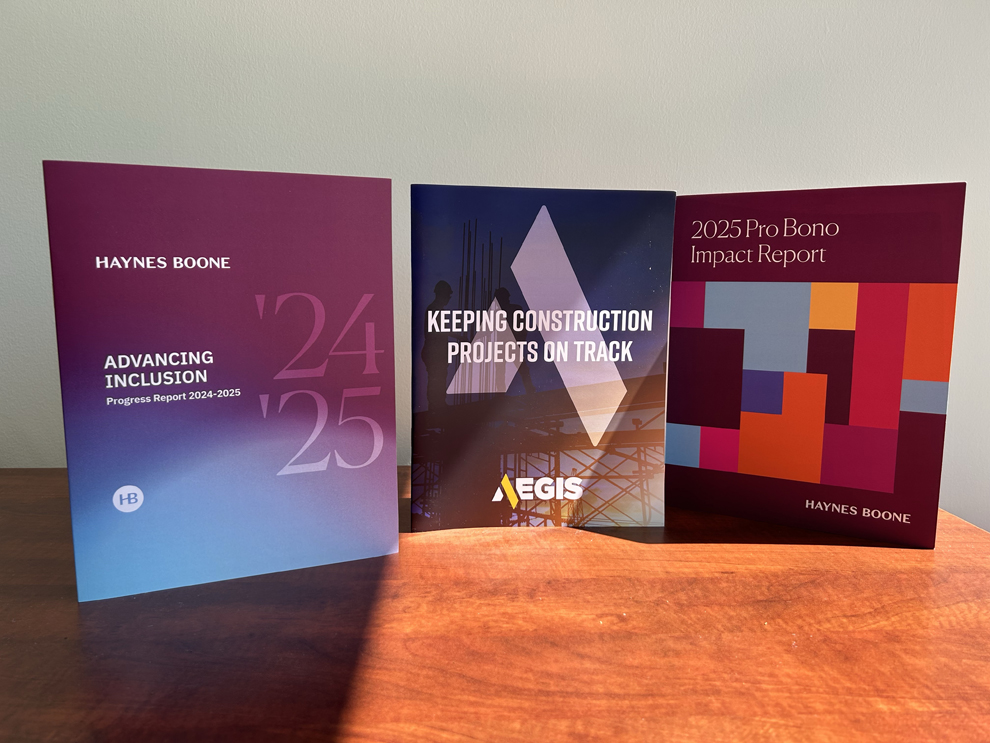
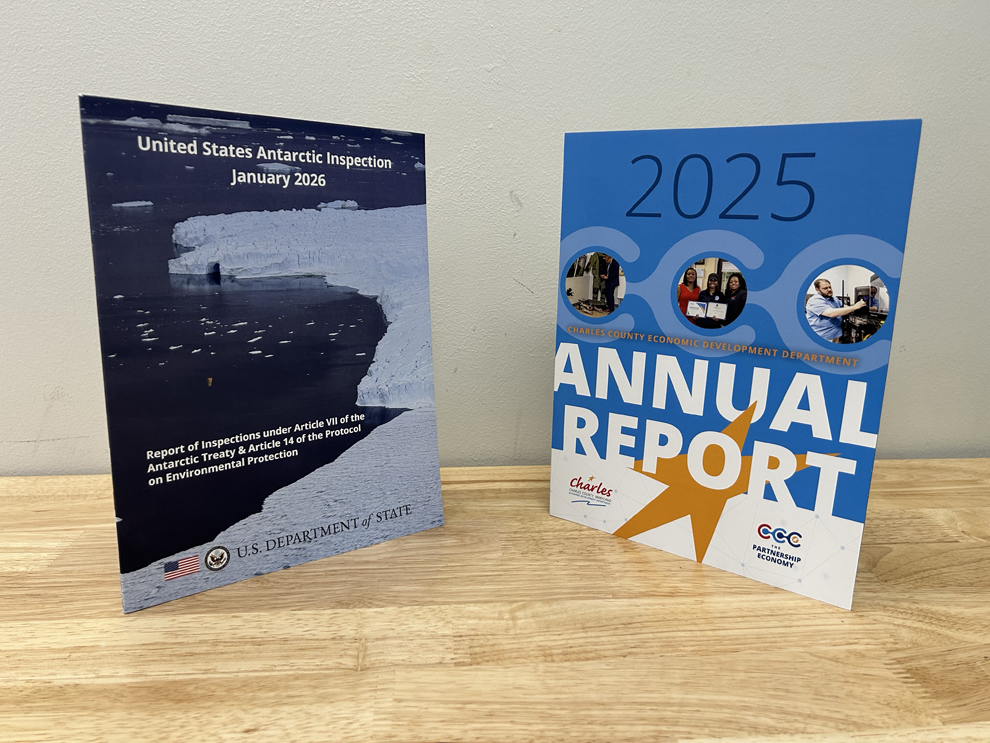
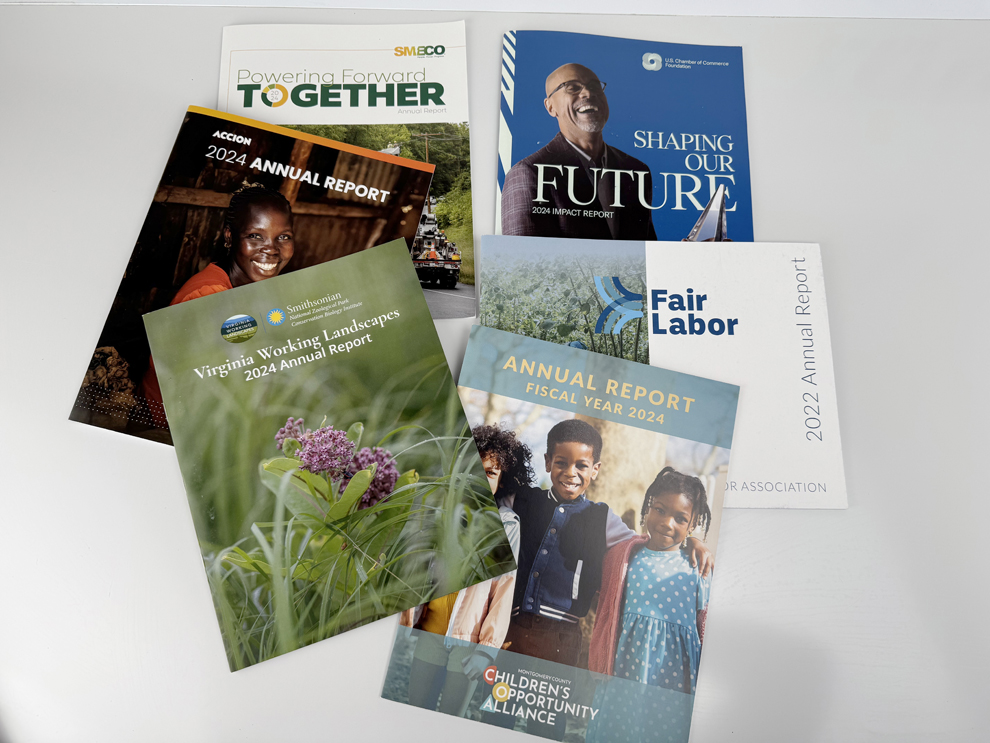
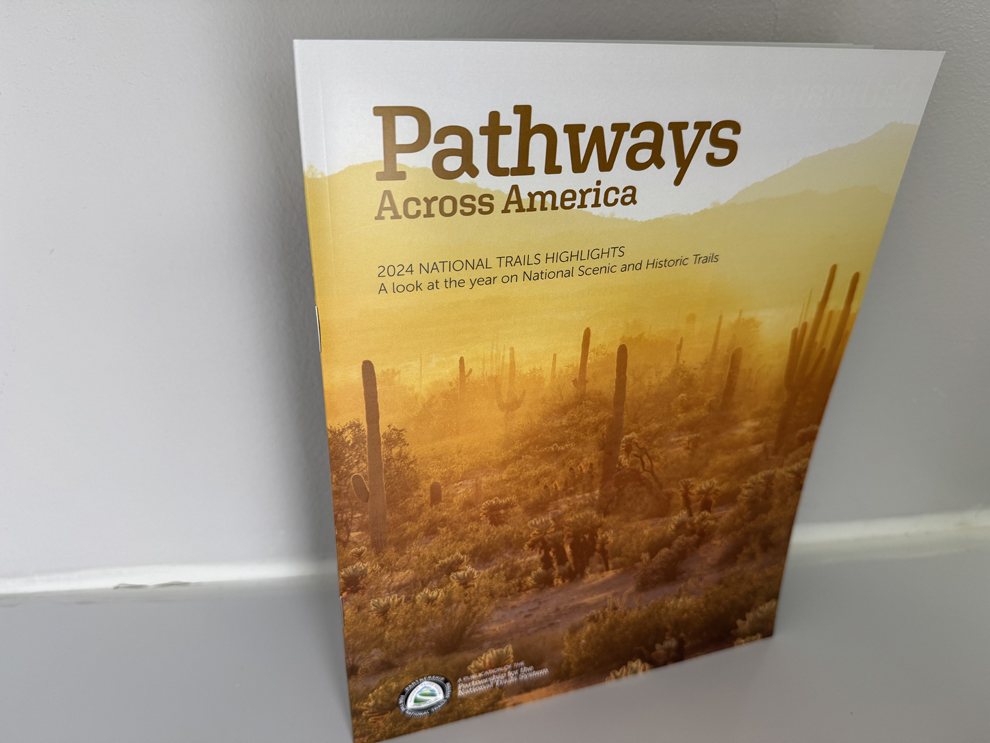
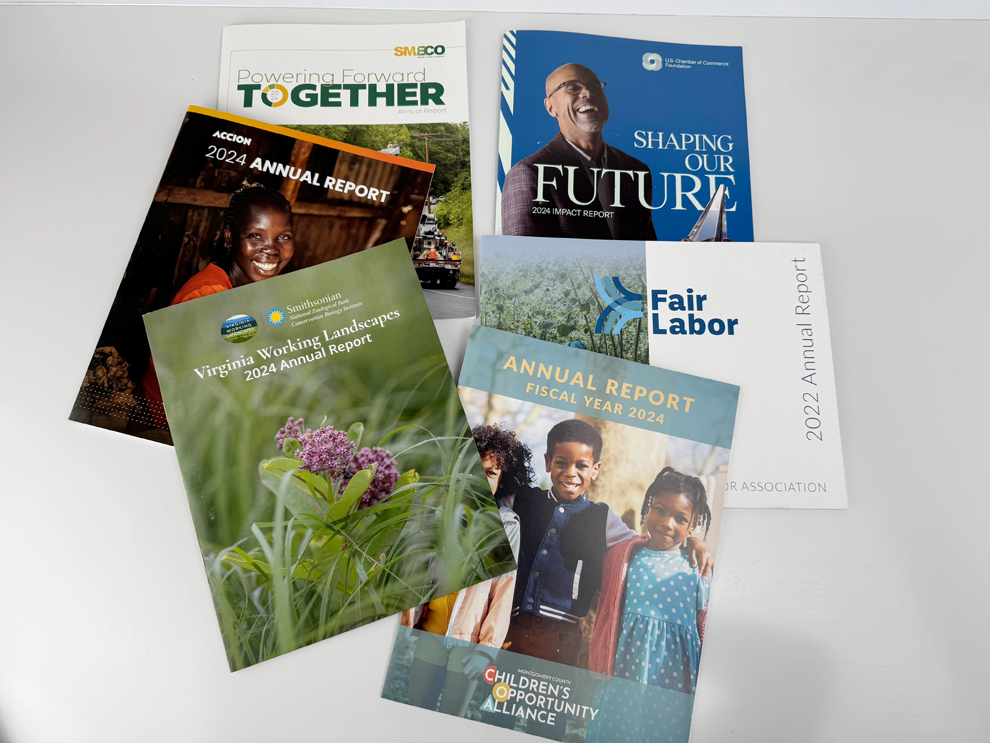
Alexandria is home to a dense concentration of trade associations, member societies, nonprofits, government contractors, and professional firms, and most of them answer to a board, a membership, a funder, or an agency on a predictable cycle. The report itself usually arrives at Heritage late in that cycle, after the audited numbers are reconciled, the executive letter is signed off, and the design team has made its final pass. What remains is the production window, and that is where Heritage earns its place.
Our first step is a fast read of what the finished file actually requires. Finished trim size, page count, interior stock, cover weight, binding style, quantity, and whether the run is headed to a mailing list, a bulk shipment, or a meeting room all shape how many working days the job needs. We identify the decisions that are still open, explain the tradeoffs plainly, and give you a realistic path rather than an optimistic one.
The result should be a report that looks as credible as the organization it represents and arrives where it is needed on the date the board, membership, or funder expects it. Heritage pairs decades of publication printing with direct, accountable communication so that the final stretch is managed rather than hoped for.
Heritage has been printing professionally since 1977, and that history shows up in the details that matter on an annual report: financial tables that stay crisp, photography that holds its tone, charts whose colors remain distinguishable, and a cover that reflects the brand standards your communications team worked hard to establish. Experience also shapes how we communicate. When something affects the schedule, you hear about it quickly and with a recommendation attached.
Color discipline is central to this work. Heritage calibrates and verifies output with spectrophotometric measurement, applies production-specific profiles where they are appropriate, and treats client-supplied PMS values as targets rather than suggestions. Every order includes an electronic proof prior to production. For qualifying Custom Quote projects where a brand color must be evaluated in hand, a paid Physical Production Color Proof produced on the intended press and paper is available.
For Alexandria clients working out of Old Town, Carlyle, Eisenhower Avenue, Potomac Yard, or the Mark Center corridor, Heritage brings a nearby Northern Virginia team and Mid-Atlantic production capacity to the table. That combination supports quick conversations, straightforward delivery into the city, and a production operation that can hold quality while the calendar tightens.
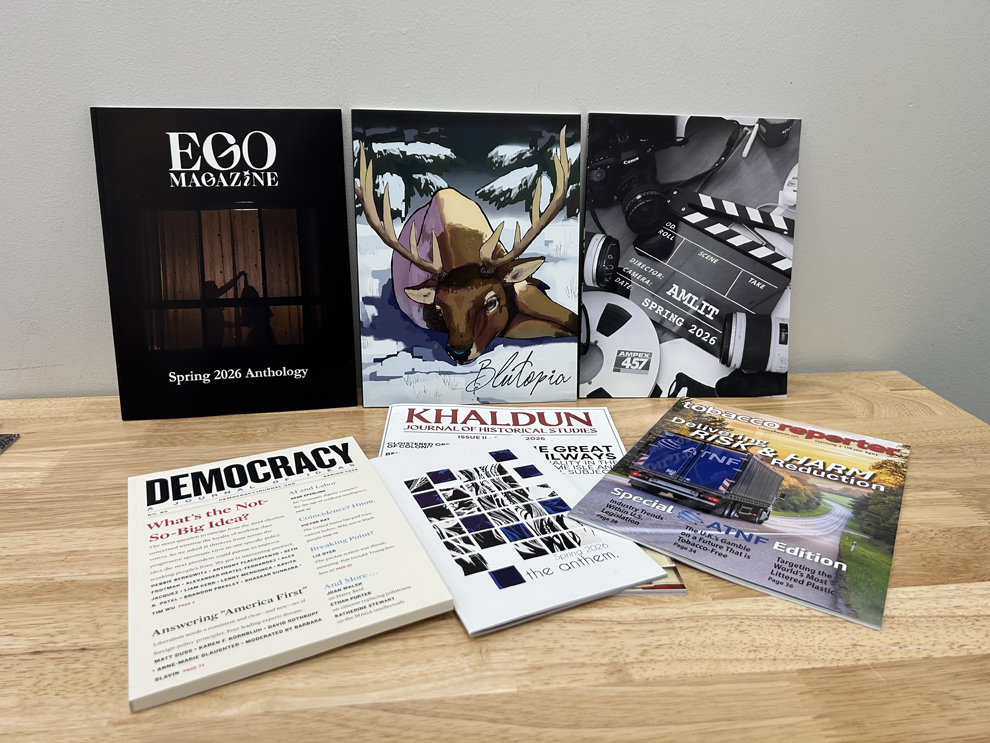
For member magazines and recurring editorial publications where cover, interior stock, binding, and color need to match from issue to issue.
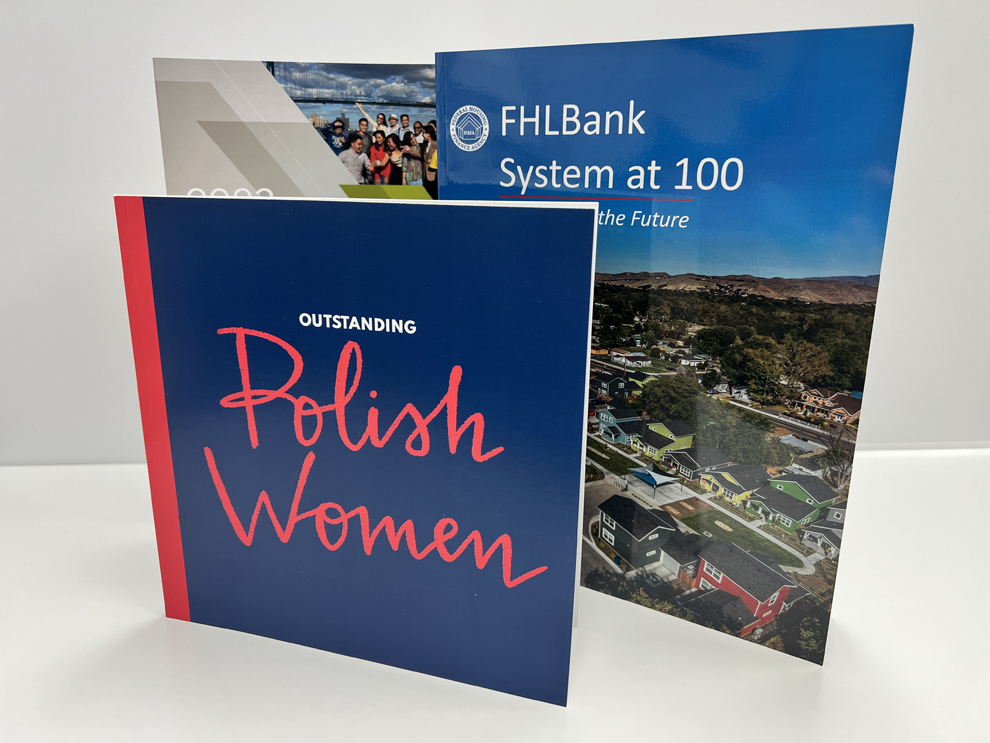
For abbreviated reports, program guides, and multi-page handouts that suit saddle stitching, perfect binding, or plastic coil.
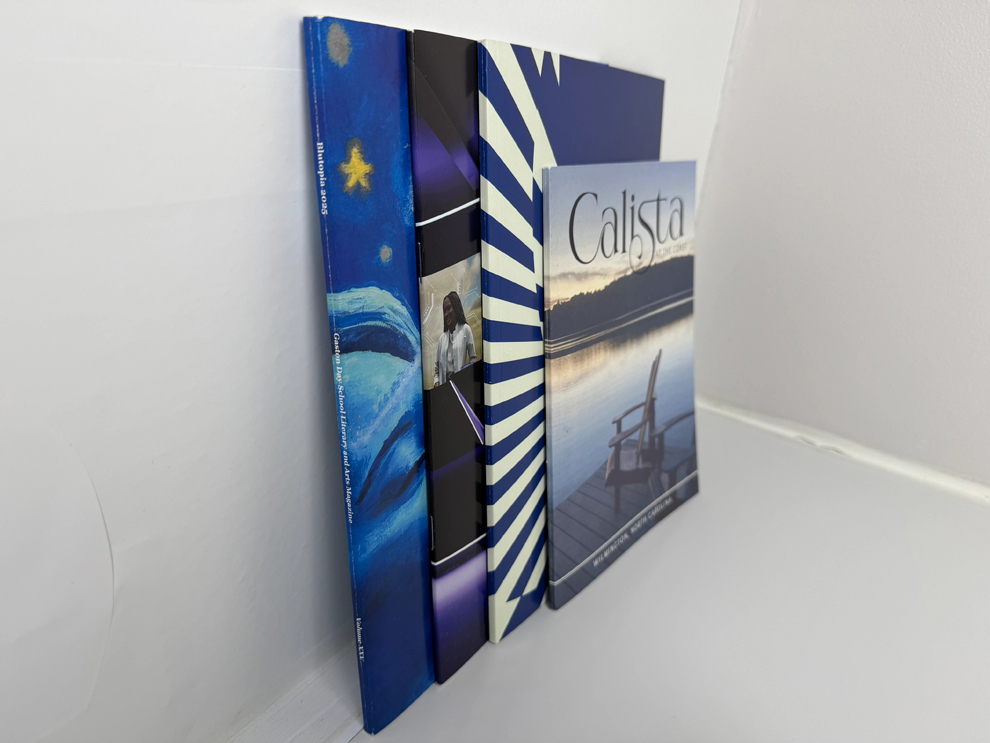
For thicker reports and reference publications that call for a square spine and a finished, shelf-ready appearance.
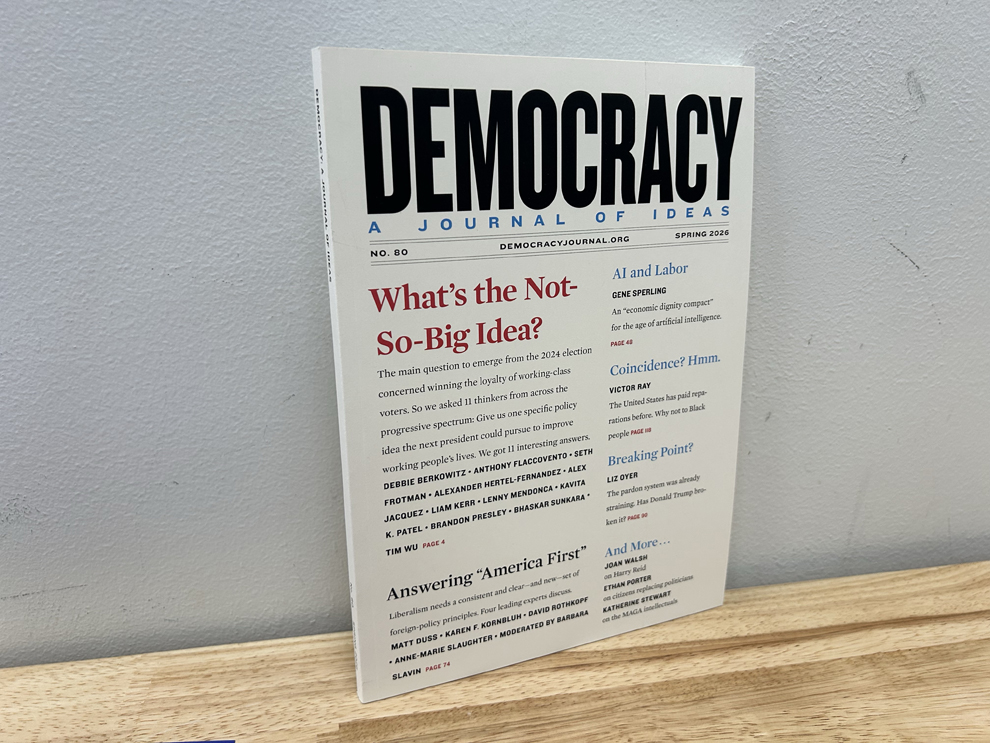
For member and donor updates that publish on a regular schedule and often move straight into the mail stream.
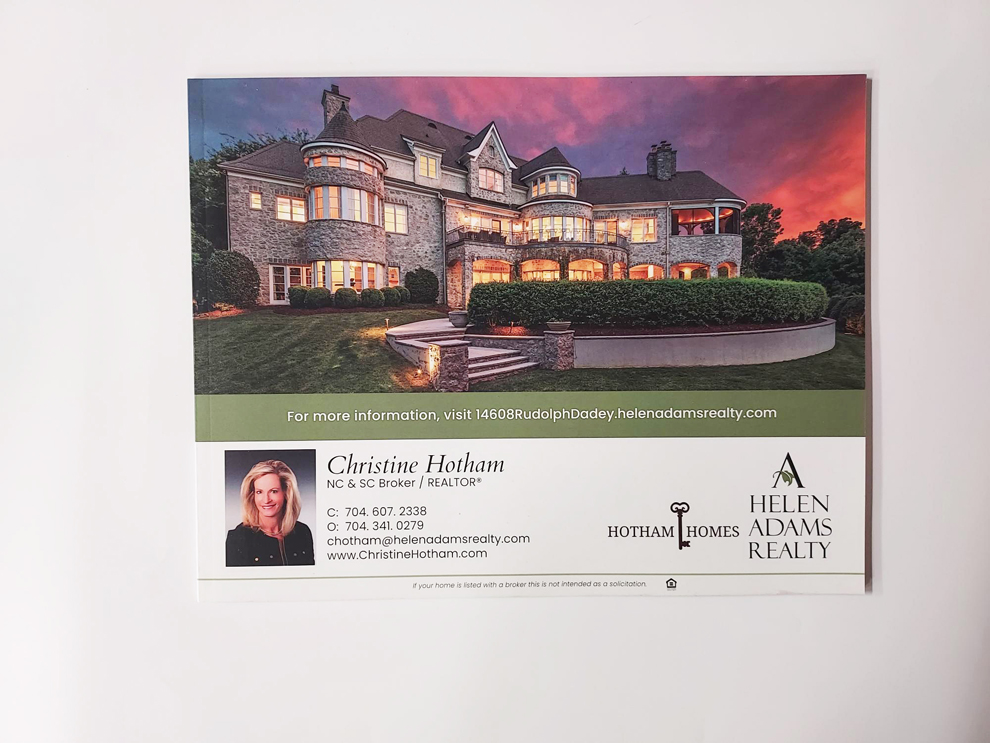
For reports that need addressing, postal sorting, and coordinated entry into USPS as part of the same order.
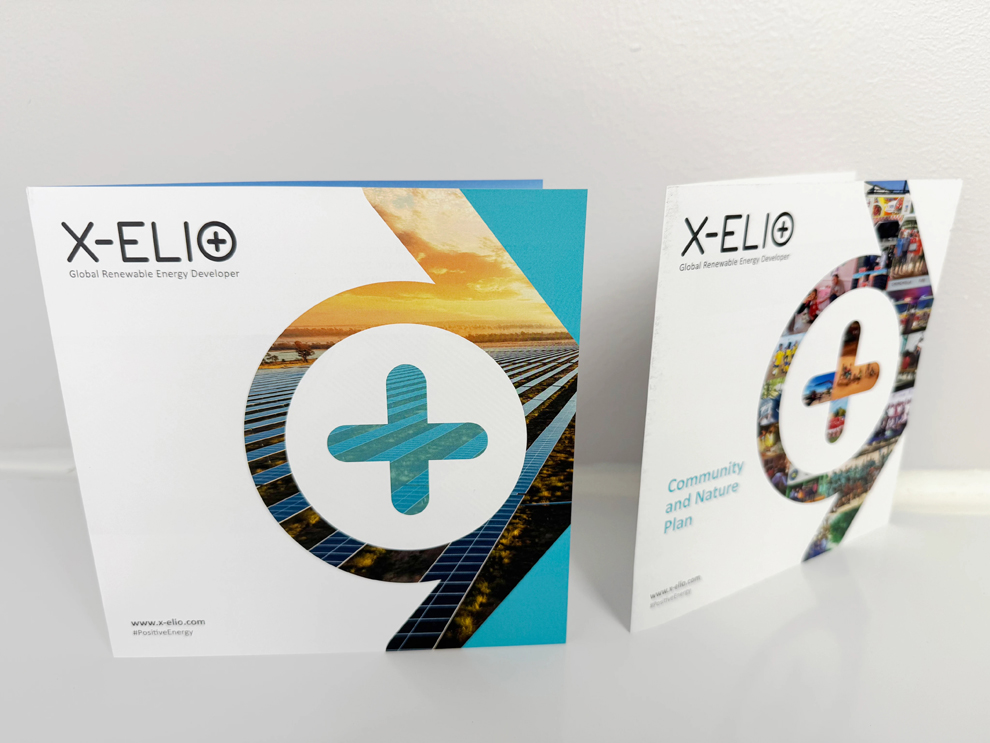
For board packets, annual meeting materials, and funder presentations where the report ships alongside supporting documents.
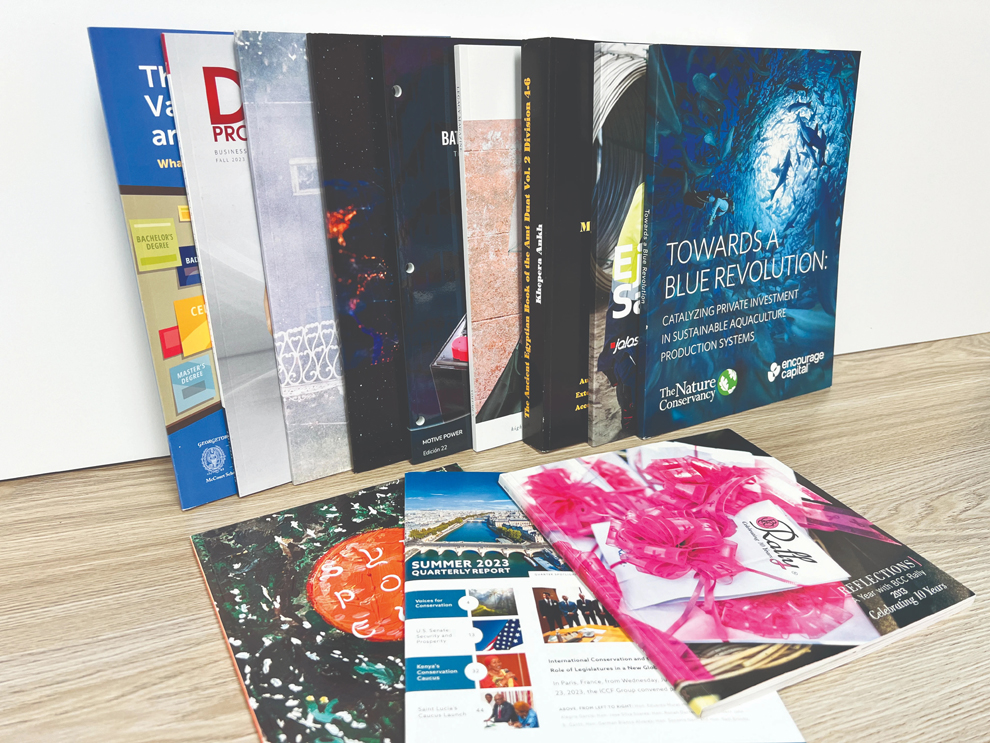
For companion pieces such as impact one-sheets, donor appeals, and recruiting collateral that share the report's visual identity.
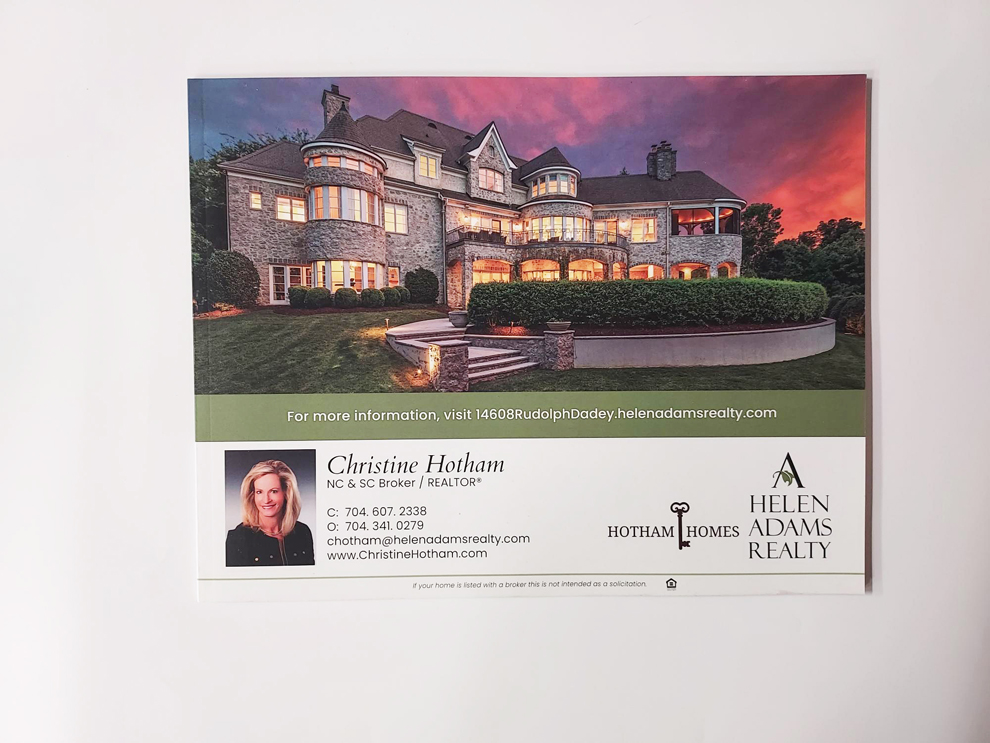
For broader print programs that extend beyond a single report or combine several printed components under one production plan.
If your annual report is tied to a membership meeting, board session, funder submission, or public release in Alexandria, request a Custom Quote and include the final files, quantity, specifications, and the date that cannot move. An assigned Project Coordinator will respond promptly and confirm the production path with you. Reports that are fully specified and align with a current Online Store configuration may also be ordered directly.
Submitting a Custom Quote connects you with an assigned Project Coordinator who takes ownership of the conversation from the start. They confirm the required date, review the supplied files, settle any open specifications, and remain your point of contact through proofing, printing, binding, and the final mailing, shipping, or delivery step. When a late approval or a board-driven change arrives, you are talking to someone who already knows the job.
Heritage evaluates specifications as a connected set rather than a checklist. A thin report may stitch cleanly and lie flat for a meeting, while a report with a substantial page count may justify perfect binding for a square, printable spine. Cover weight, interior paper, finished size, and mailing weight influence one another, and the coordinator will flag any combination that could create a problem later.
Before anything prints, you receive an electronic proof for review and approval. Once the proof and production plan are signed off, the job moves through the press, bindery, and finishing in sequence, then into the agreed distribution path. Throughout, the standard is the same: a report that presents the organization well and reaches its audience on time.
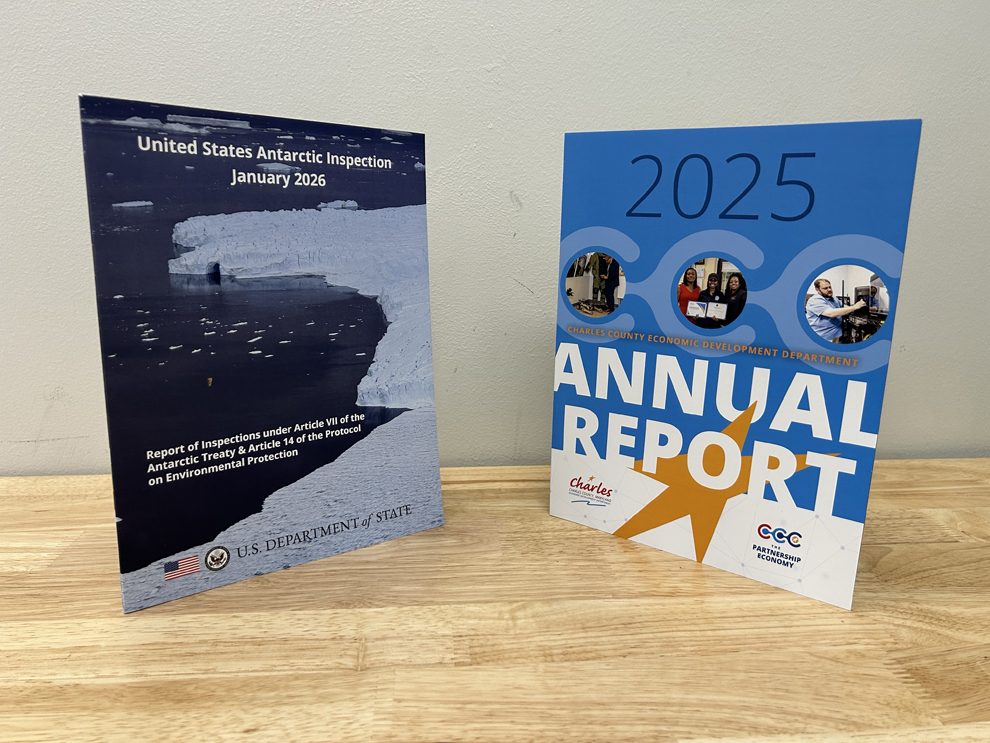
As soon as the reporting date is known, even if the content is weeks from final. Sharing the expected page count, finished size, quantity, and distribution method early allows Heritage to plan paper and production capacity ahead of time. The file itself can follow later; the schedule benefits most when the basic parameters are already on record.
Yes. Completed reports can be delivered to an office, meeting location, or fulfillment point in Alexandria, shipped in bulk to multiple addresses, or entered into direct mail. The distribution plan is confirmed with your Project Coordinator before production so the final step is already arranged when the job comes off the bindery.
Saddle stitching folds sheets at the center and fastens them with wire, which suits lighter page counts and keeps the report easy to open. Perfect binding glues the pages into a wraparound cover with a flat spine, which fits thicker reports and allows the spine to carry the organization's name. Page count, paper thickness, and intended handling determine which approach is appropriate.
Heritage uses spectrophotometric calibration and verification, production-specific profiles, and client-supplied PMS values as targets to manage color within the capabilities of the chosen press, paper, and finish. Measured controls reduce variation across the run, while the paper and coating selected still define the achievable color range.
Review pagination, visible text, financial tables, charts, photo placement, cover content, and any version-specific details. The electronic proof confirms the file that will be produced; it is not a reliable judge of printed color on a monitor. Approving it authorizes production of the displayed file.
When a cover color, logo, or photographic series must be judged in hand before the run, yes. Heritage produces the proof on the intended device and paper for qualifying Custom Quote projects. Because it adds an approval round, plan for it when the schedule is first set rather than at the end.
No. Content, financial data, editorial review, and creative design remain with the organization or its design partner. Heritage prints from supplied print-ready artwork. On Custom Quote work, limited file preparation may be available when a technical adjustment is needed for the file to print correctly.
Yes. Separate editions with different covers, inserts, languages, or quantities can be planned under one production schedule. Clear file naming, confirmed counts per edition, designated approvers, and specific fulfillment instructions keep the versions separated from proof through delivery.
An authorized recipient list, the mailing specifications, and enough lead time for addressing and postal preparation. Heritage coordinates the mailing work included in the order and enters the pieces into USPS. Postal transit begins after acceptance and falls outside Heritage's control, so the mail date should be set with that in mind.
Not necessarily. A self-cover report on a quality text stock can present well and mail lighter. A separate heavier cover adds structure, durability, and visual contrast, which some organizations prefer for board or donor audiences. The decision should weigh page count, binding, paper, mailing cost, and expected presentation together.
Yes. Heritage can retain paper, binding, cover construction, color targets, and other established specifications as a starting point for the next edition. Each new report is still reviewed, since artwork, quantity, and material availability can change from one year to the next.
Tell your Project Coordinator immediately. Heritage will reassess remaining production steps, material availability, proofing, and distribution to determine whether the original date can still be met responsibly. Early notice gives the team the most room to resequence work and protect the deadline.
Custom Quote is the right path when specifications are still being decided, when color or versions need coordination, when mailing is involved, or when the deadline is tight. The Online Store serves fully specified, print-ready reports that match a current configuration and do not require consultative production support.
Yes. Heritage supports annual report clients throughout Alexandria and the surrounding Northern Virginia market, including associations, nonprofits, contractors, professional firms, schools, and agencies. Finished reports move into local delivery, bulk shipment, direct mail, or client-managed distribution according to the agreed production plan.
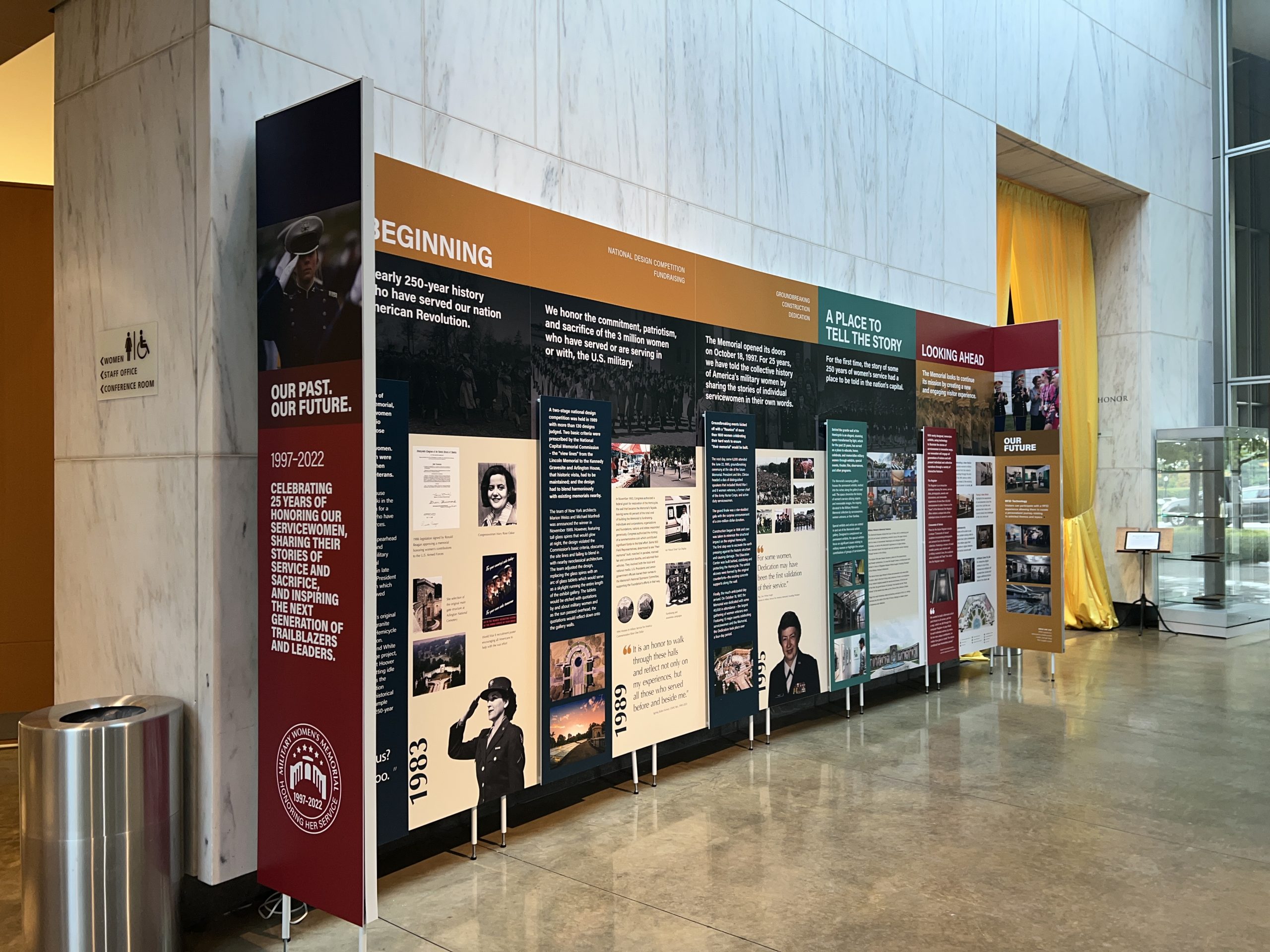
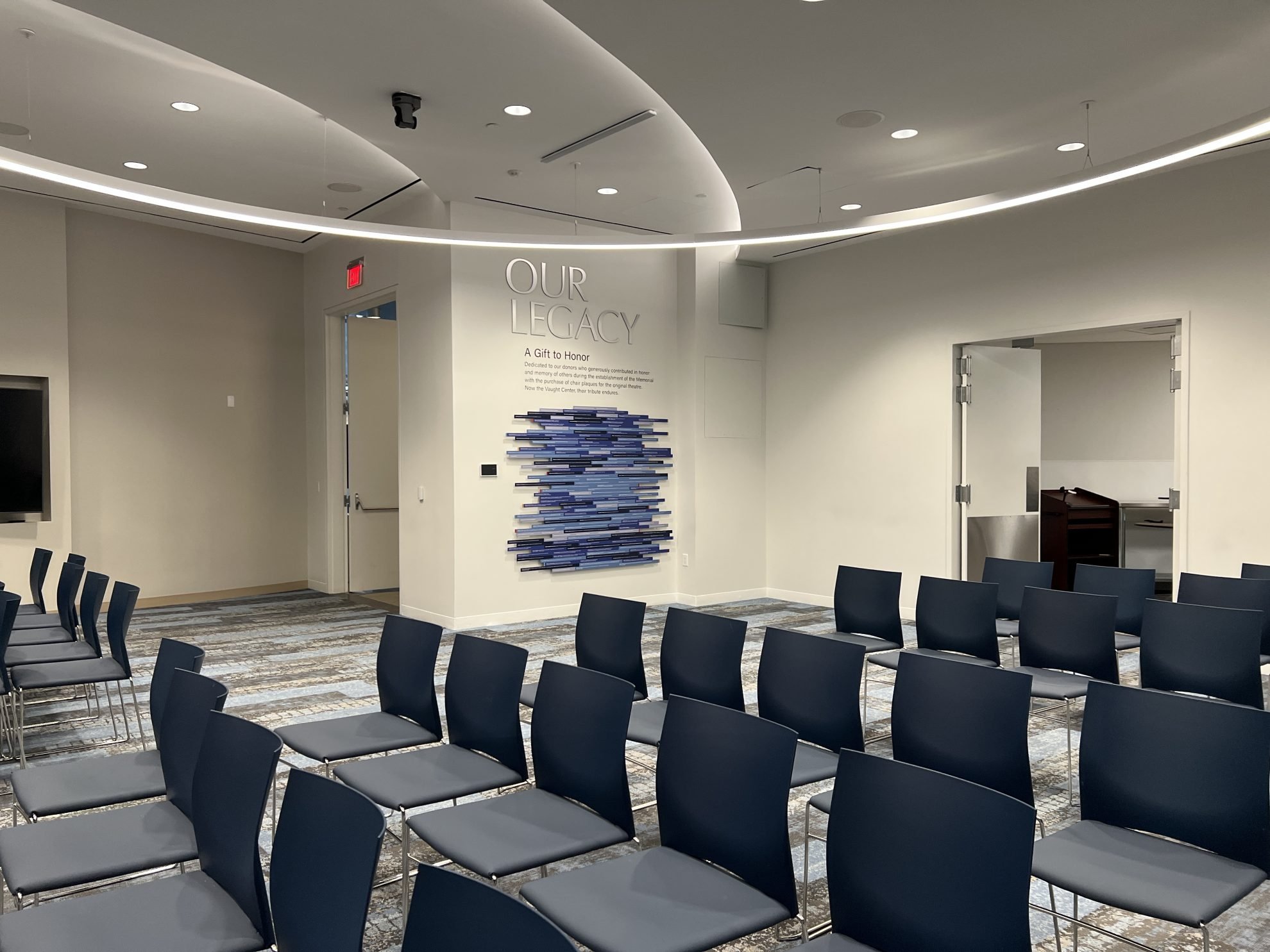
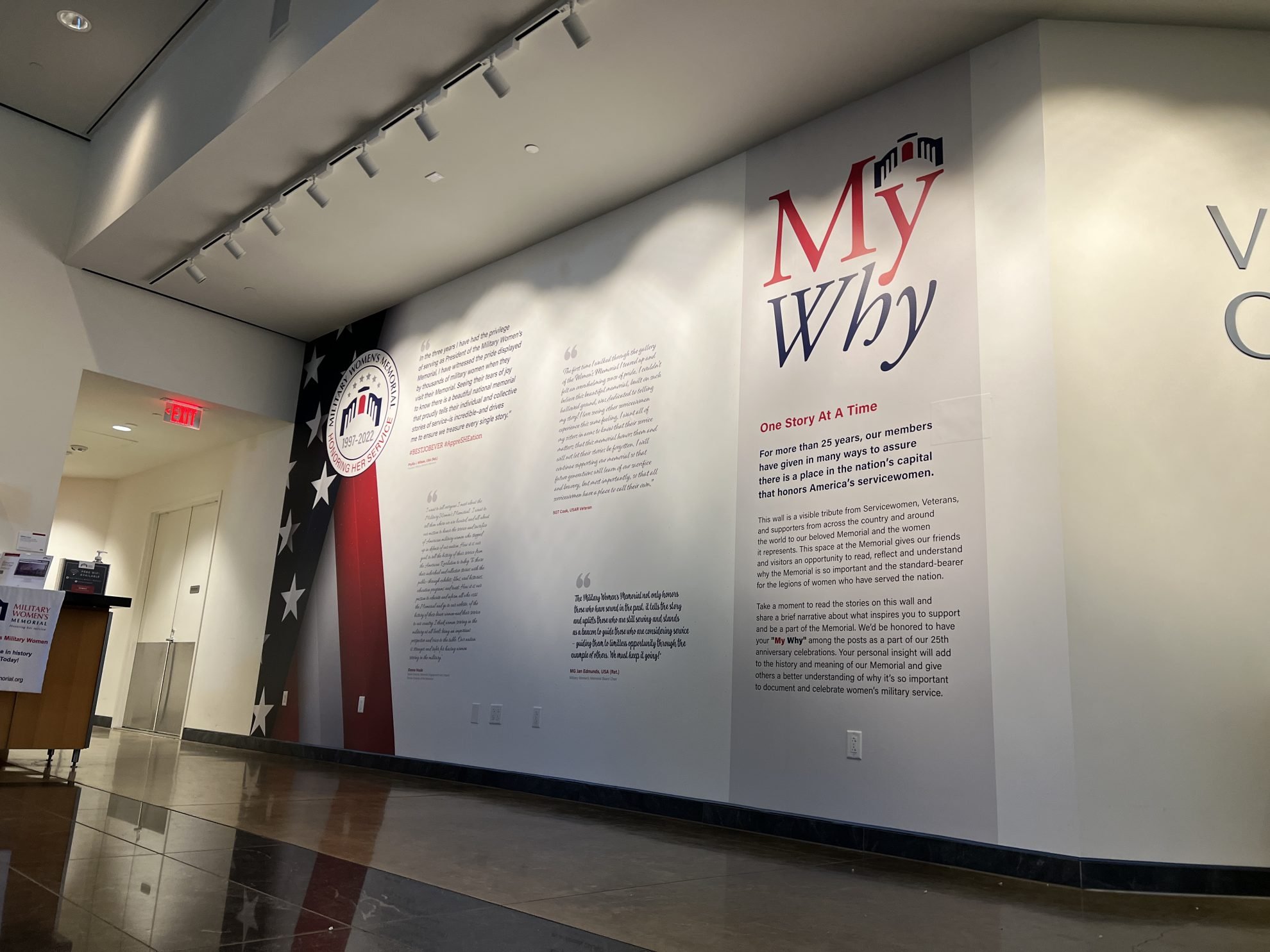
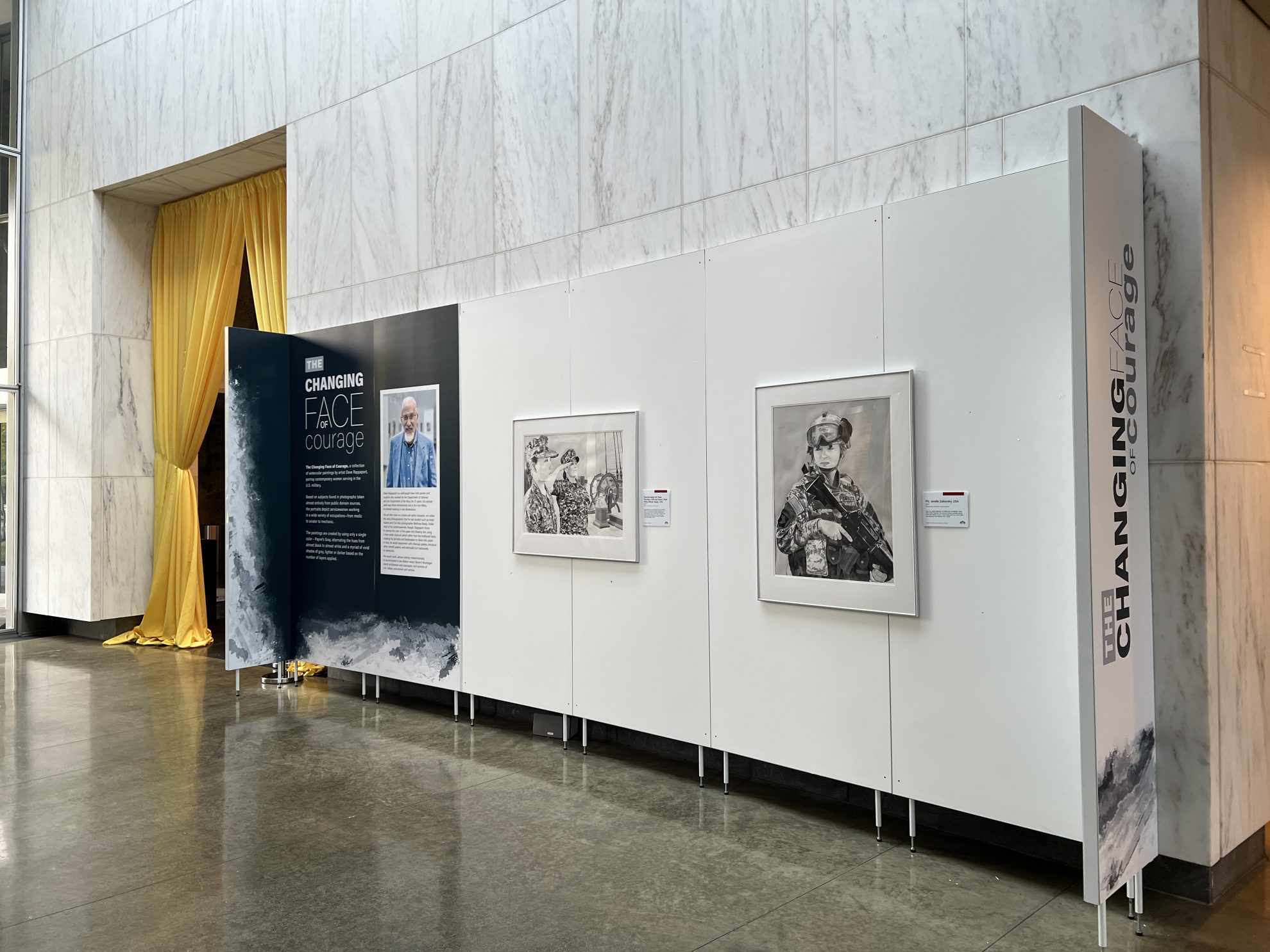
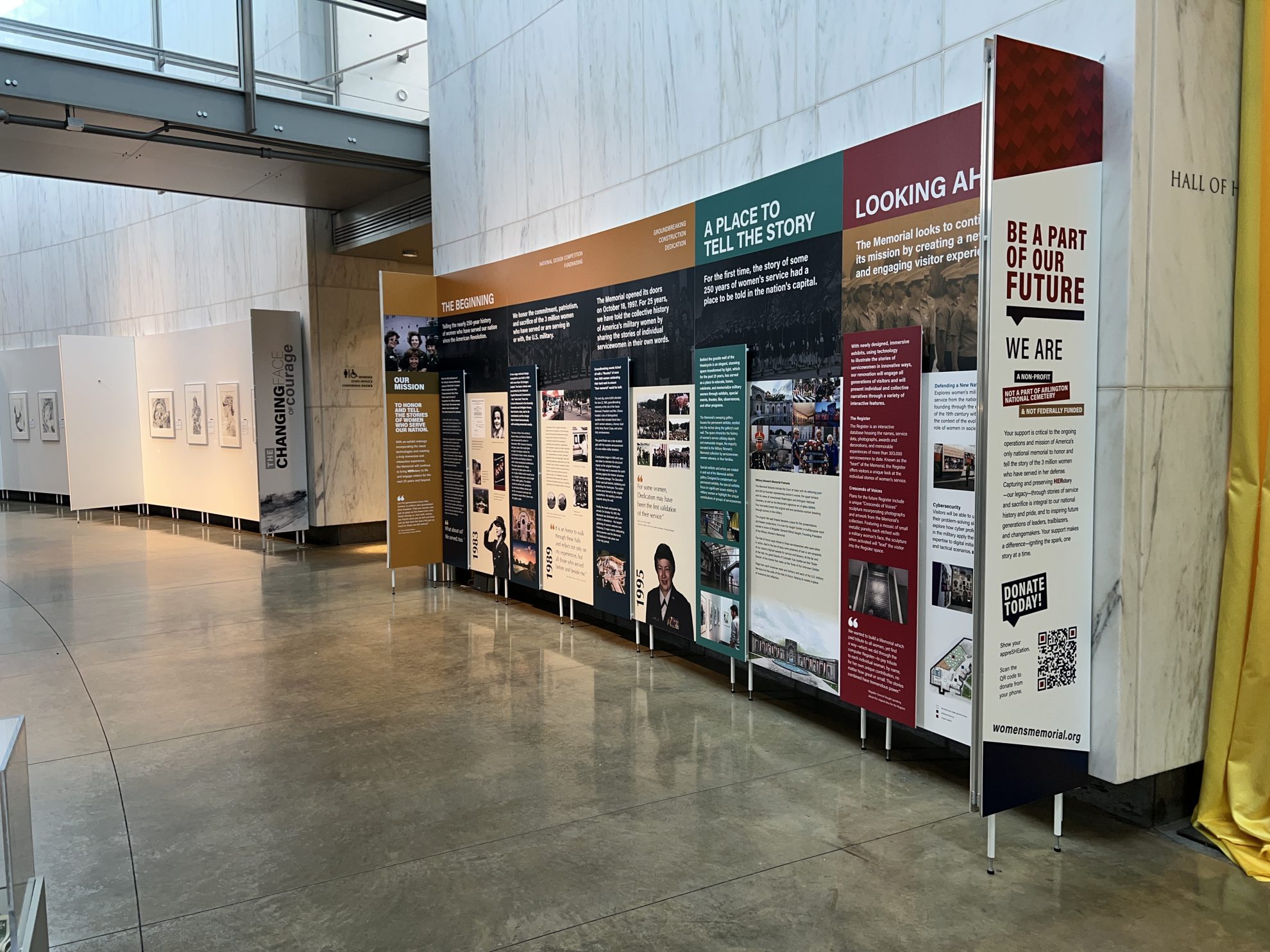
Heritage Signs & Displays created new museum signage for the Military Women’s Memorial in Arlington, VA. The project included custom signs, wall wraps, dimensional letters, and standoff-mounted displays to honor the legacy of U.S. servicewomen and the donors who supported the memorial. The updated interior features impactful designs, including a "Our Legacy" wall display and panels showcasing historical contributions and artwork, creating a transformative tribute to women in the U.S. Armed Forces.
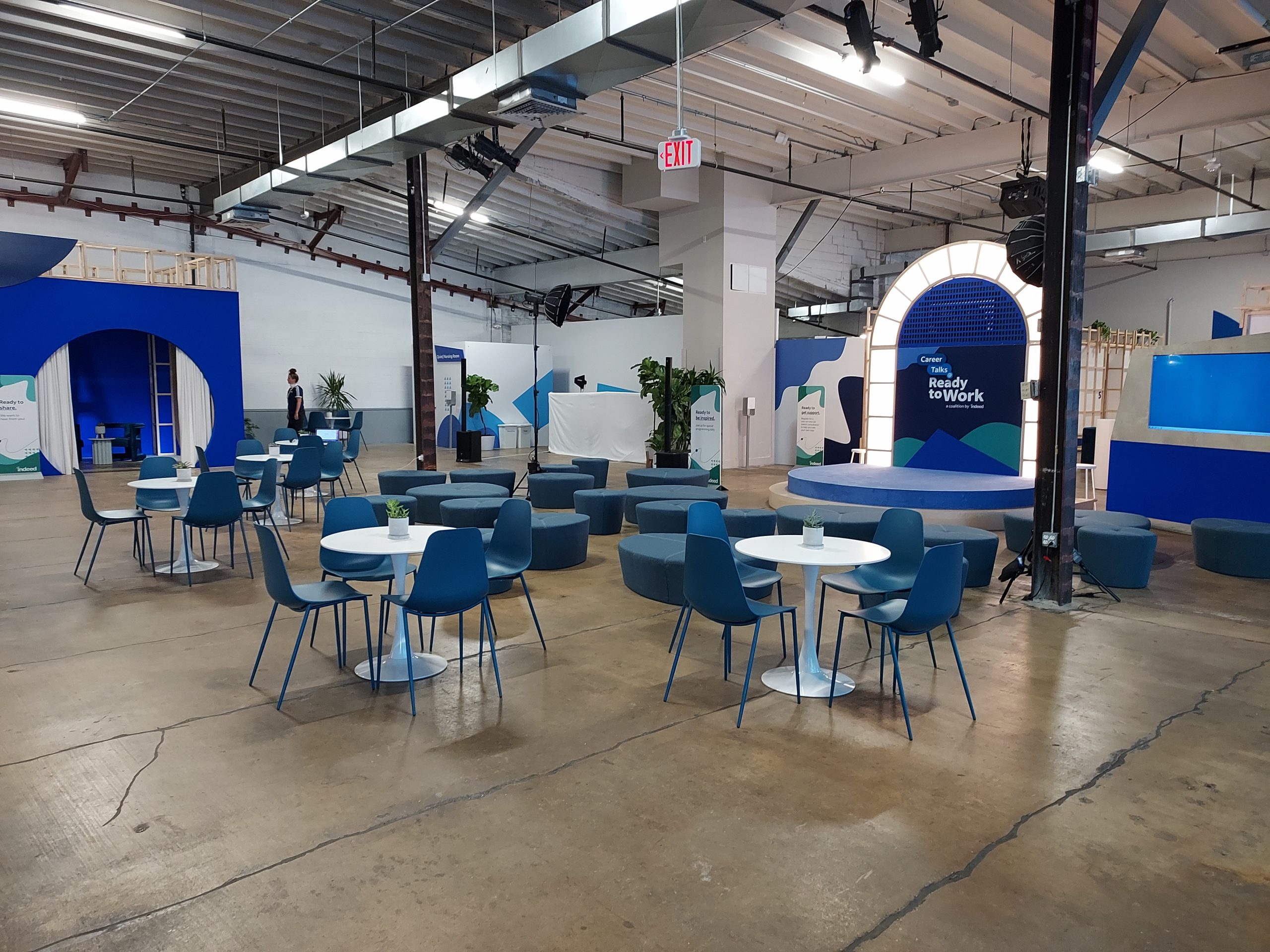
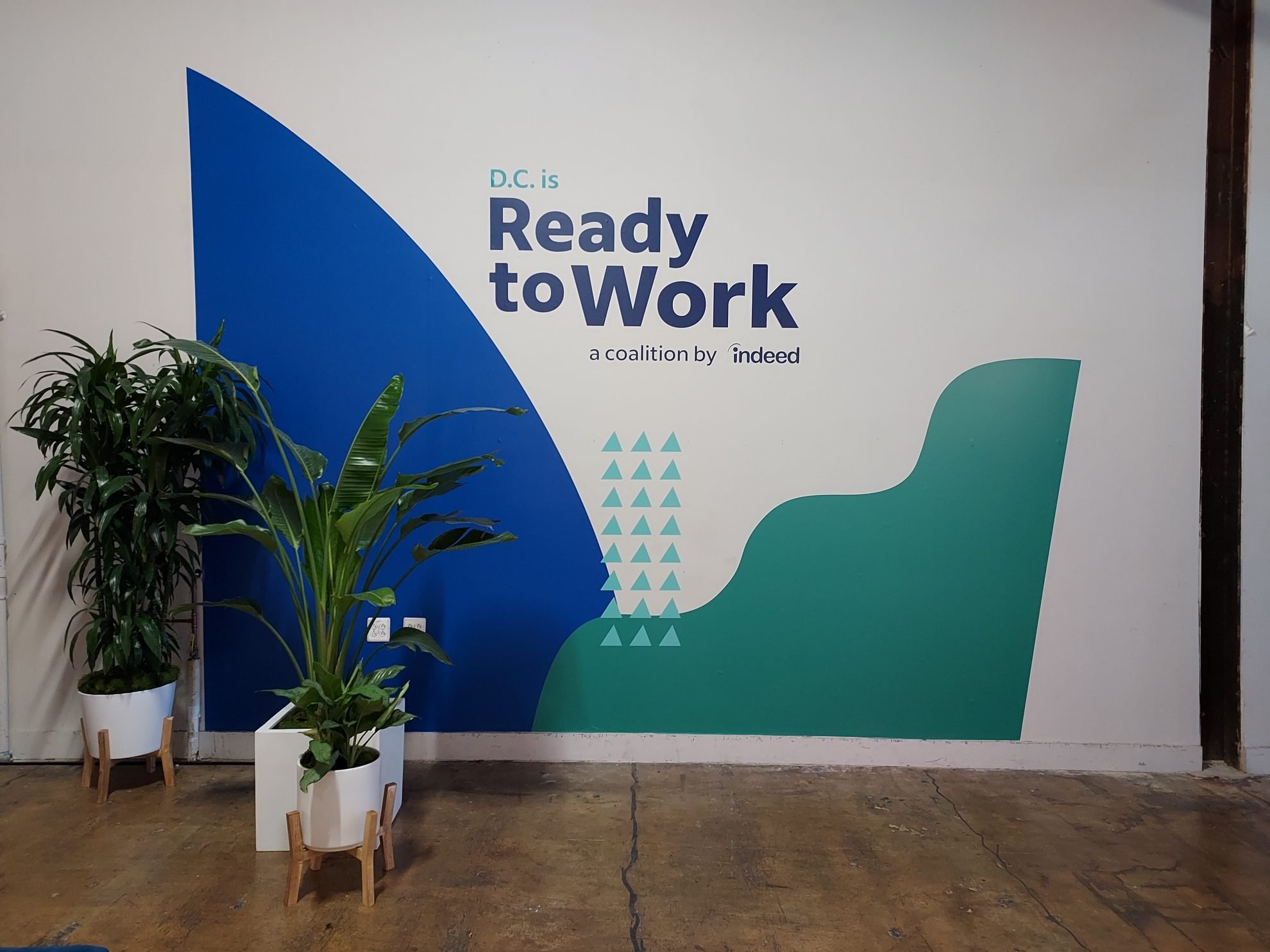
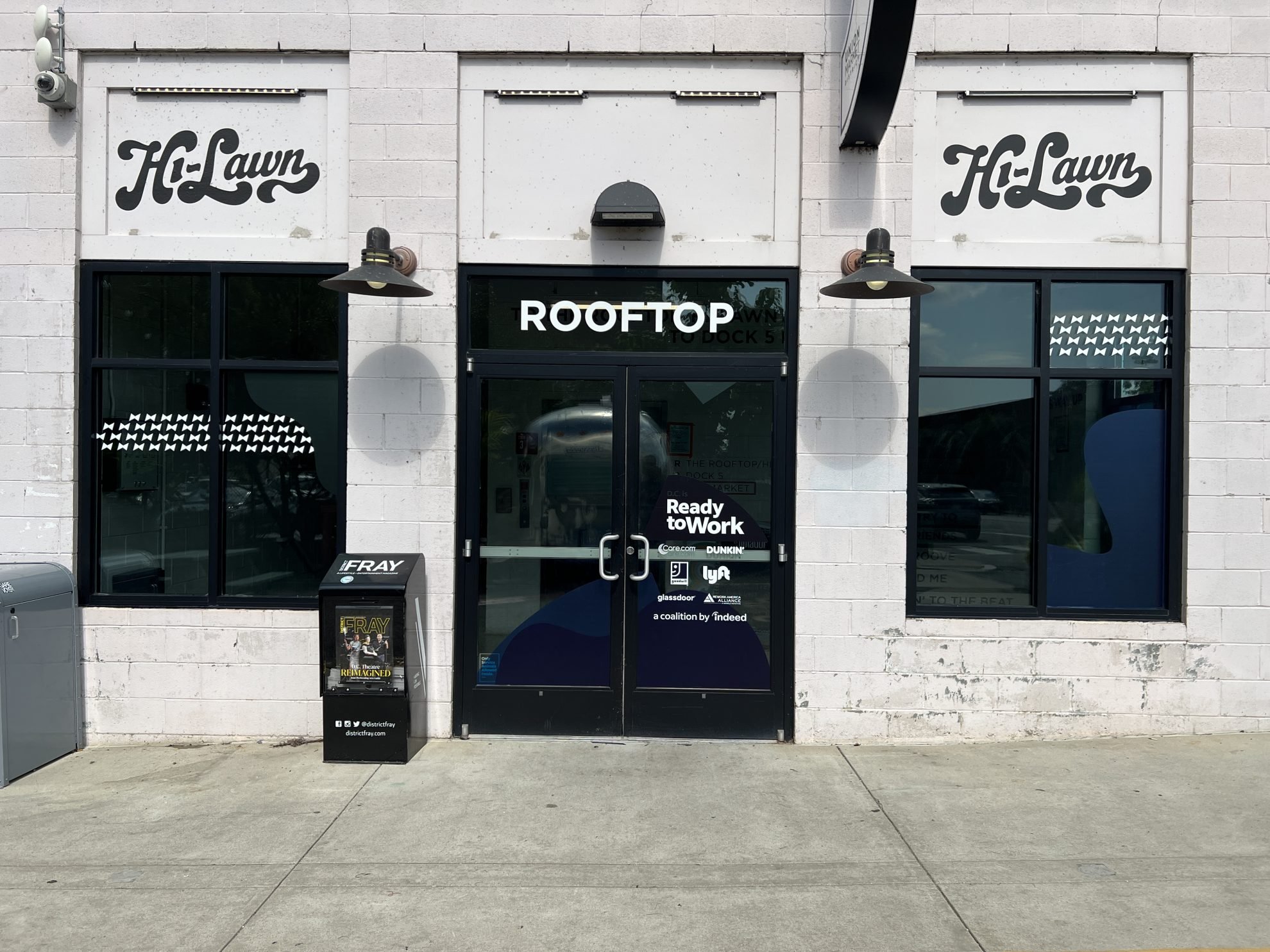
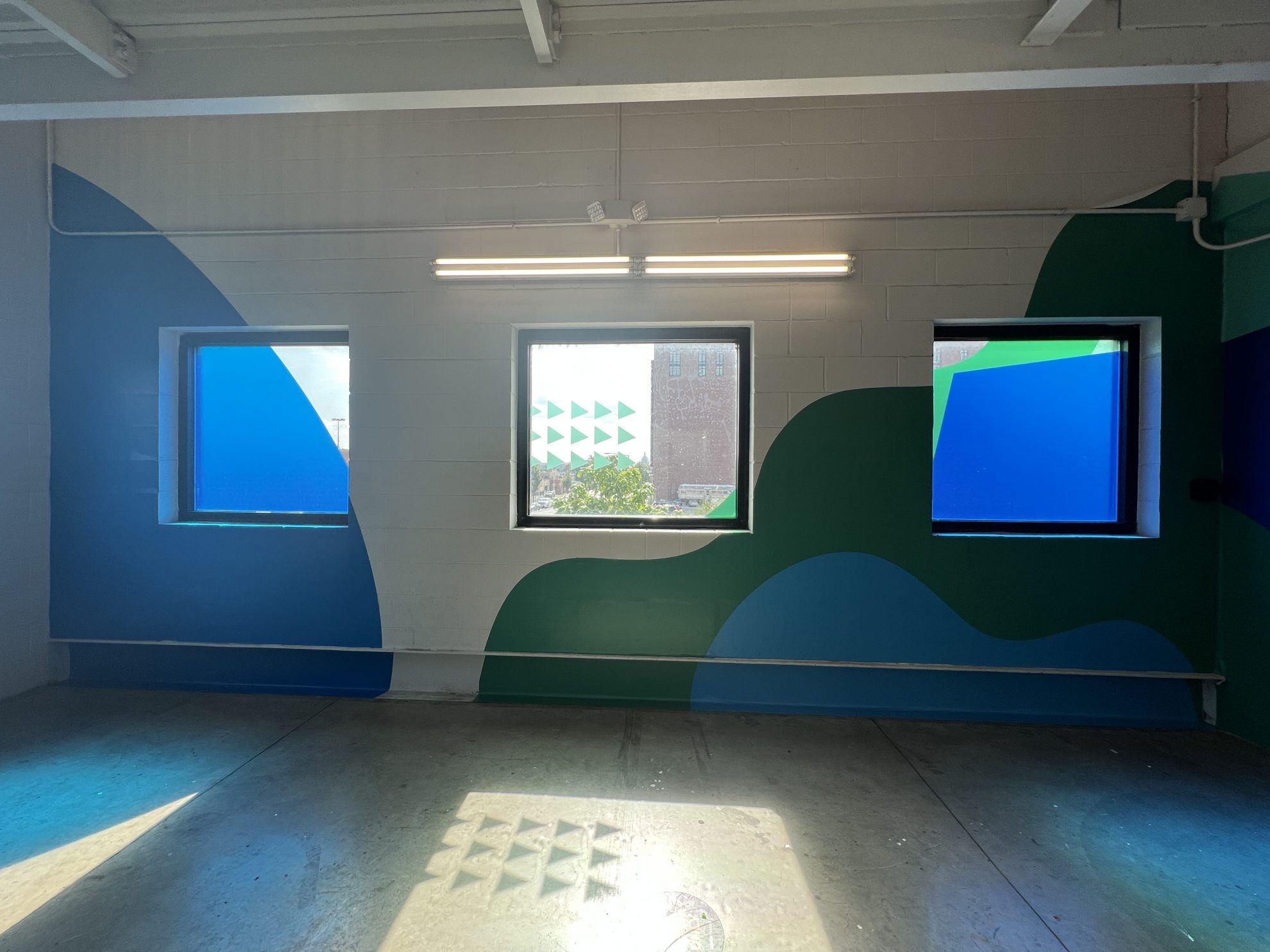
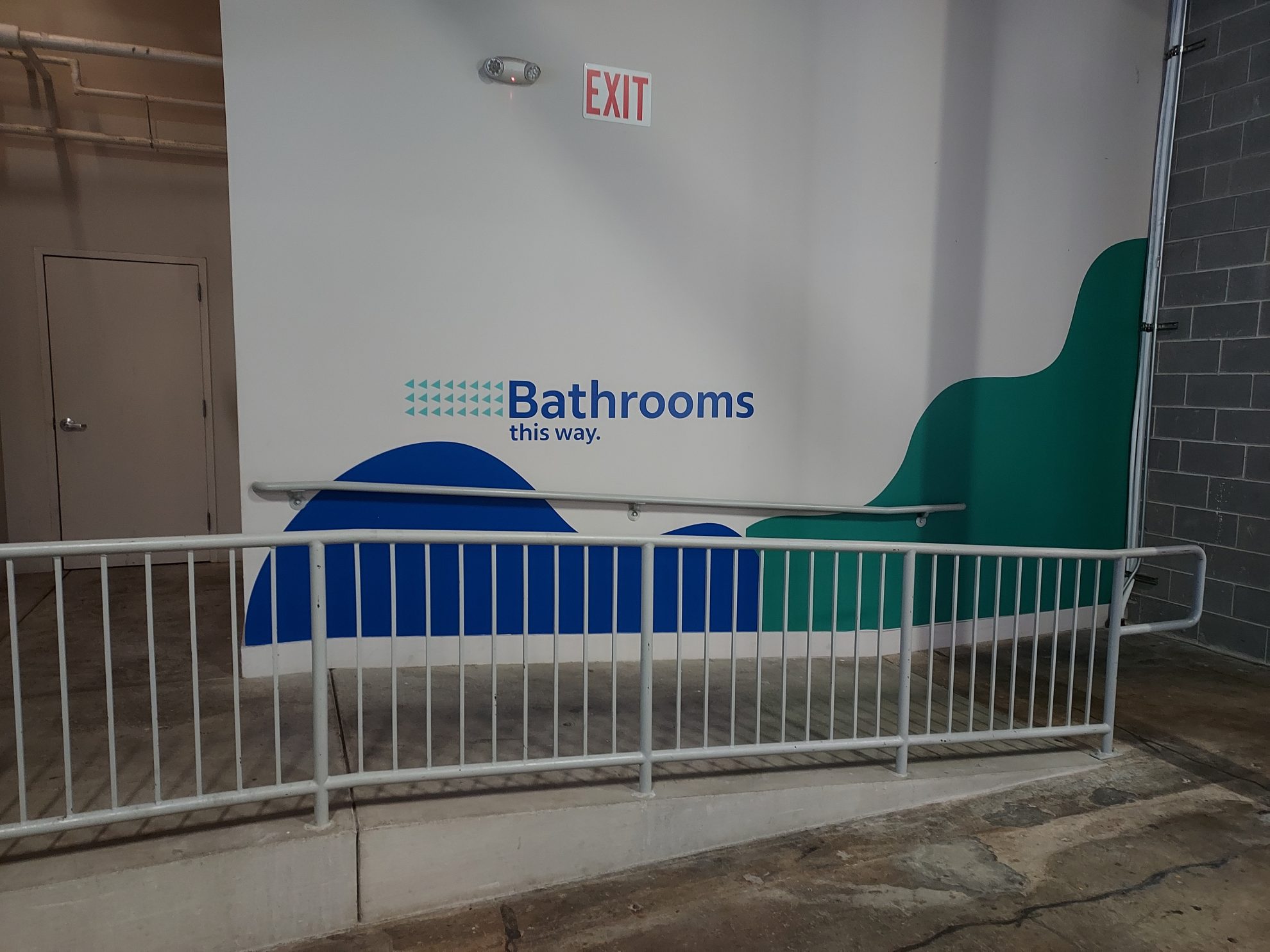
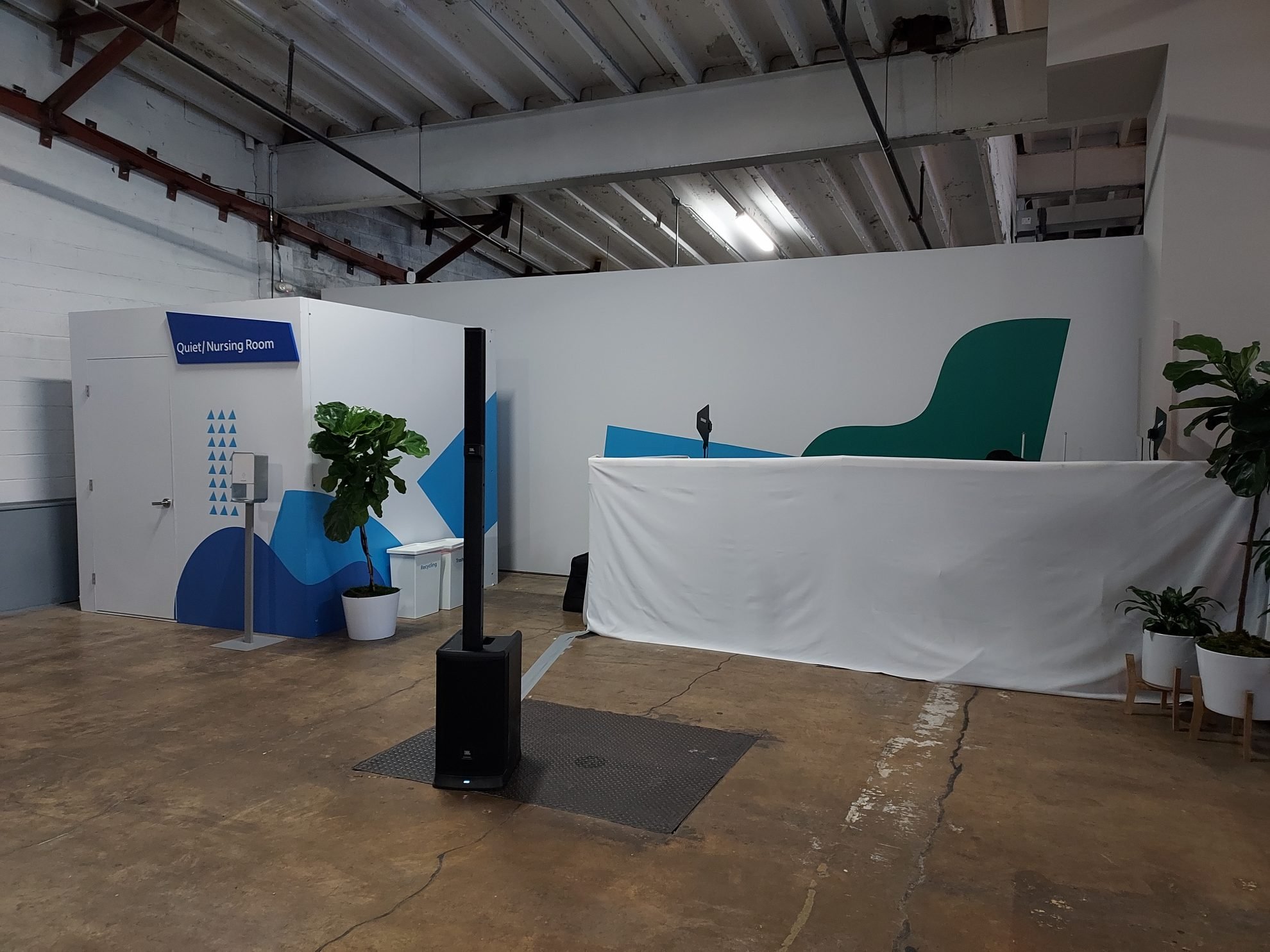
Heritage Signs & Displays' collaboration with The Gathery to brand Union Market in Arlington, VA, for Indeed's "Ready to Work" job fair. The project included custom event displays, wall graphics, window graphics, and wayfinding signs, creating an immersive and visually appealing environment. The branding enhanced the venue, reflected the event's mission, and provided a seamless experience for attendees.