A well-planned entrance should help people recognize the organization, understand where they are, and feel confident about the space ahead. Storefront graphics can begin that experience by bringing identity, privacy, direction, and visual order to entrance glass and surrounding surfaces. The objective is not to turn every window into an advertisement. It is to establish a purposeful first impression that prepares employees and visitors for the workplace or commercial interior they are about to enter.
Heritage Signs & Displays helps Washington, DC organizations connect that first impression to what happens beyond the door. The entrance may need to identify the organization, manage privacy, or make large areas of glass easier to notice without overwhelming the architecture. Inside, the brand has more room to communicate through focal signs, graphics, wayfinding, and displays. Storefront graphics introduce the experience; the interior gives the organization space to develop its message with greater depth.
Washington, DC projects often involve several people with approval responsibility, so our process begins by listening carefully and establishing what the space needs to accomplish. Heritage works with the client and, when applicable, with architects, interior designers, branding agencies, or other professional partners. The required site survey gives the team direct knowledge of conditions that will shape production and installation. Environmental graphic design turns the approved direction into a practical visual plan. One dedicated Project Manager remains the client's consistent point of contact and keeps decisions, approvals, and project knowledge connected as the work advances.
Local knowledge matters where building procedures, access restrictions, installation windows, and stakeholder review can affect the schedule. Heritage's Washington, DC and Arlington resources provide client-facing and field support across the DC metro area. The Waldorf, Maryland production facility supports Mid-Atlantic production needs and is not a sales office or showroom. Site information can therefore connect directly to Heritage project management, fabrication, production, and installation planning before the work is finalized. That operating model is especially valuable for organizations coordinating several offices or facilities with shared standards and different site conditions.
Heritage specializes in branding workplace and commercial interiors. Storefront Graphics provides a controlled way to extend that work to specific non-illuminated exterior signs and graphics when the same project also includes interior branding. The exterior threshold can establish identity and strengthen the approach, while entrance glass, lobby signs, privacy graphics, wall features, and displays carry the experience farther inside. This keeps the exterior work connected to the broader workplace project rather than positioning Heritage as a general exterior sign provider. Detailed capabilities, exclusions, and sign-approval responsibilities are addressed in the dedicated exterior section.
Since its founding in 1977, Heritage has remained veteran-owned and family-led while earning industry recognition and approaching its 50th anniversary. We seek to honor God by serving clients and communities with excellence. Washington, DC clients should experience that purpose through thoughtful listening, candid recommendations, careful craftsmanship, consistent communication, and ownership of the approved work through final installation.
Entrance graphics should make identification easier and establish the tone of the organization, but they should not be expected to communicate every message. Once people enter, the workplace offers more appropriate opportunities to explain purpose, recognize supporters, reinforce culture, guide movement, or present history. Planning the entrance and interior as one progression creates a more measured experience than asking a door or window to carry the entire brand story.
The balance differs by organization. An association may need a refined entrance followed by member-focused displays and conference room graphics. A nonprofit may use privacy vinyl near the entrance and a donor recognition or mission statement wall farther inside. A government contractor or professional firm may prefer restrained window identification, a strong lobby sign, and branded meeting spaces that convey credibility without overwhelming the architecture.
Heritage helps determine which messages belong at the threshold and which deserve a more prominent interior presentation. The result can welcome stakeholders, protect appropriate privacy, and make the organization's identity visible in a way that feels intentional throughout the space.
Washington, DC organizations often manage demanding schedules, multiple decision-makers, formal brand requirements, and properties with detailed access procedures. Heritage's One Dedicated Project Manager System gives the client one consistent point of coordination while preserving site information, approvals, design intent, production decisions, and scheduling knowledge throughout the engagement.
Heritage's Washington, DC and Arlington teams provide local client and field support for discovery, the required site survey, field verification, access planning, and professional installation. The dedicated Project Manager carries that information forward so design, production, fabrication, and Heritage's full-time installation professionals are working from the same decisions. Waldorf, Maryland adds Mid-Atlantic production capacity without being presented as a client-facing office, sales location, or showroom.
Heritage remains veteran-owned and family-led as its 50th anniversary approaches. We can manage a substantial branded entrance, a broader stakeholder-facing workplace, phased improvements, or a program spanning several locations. The advantage is accountable execution that respects the property, the people involved, and the schedule while keeping one Heritage team clearly responsible for carrying approved work through installation.
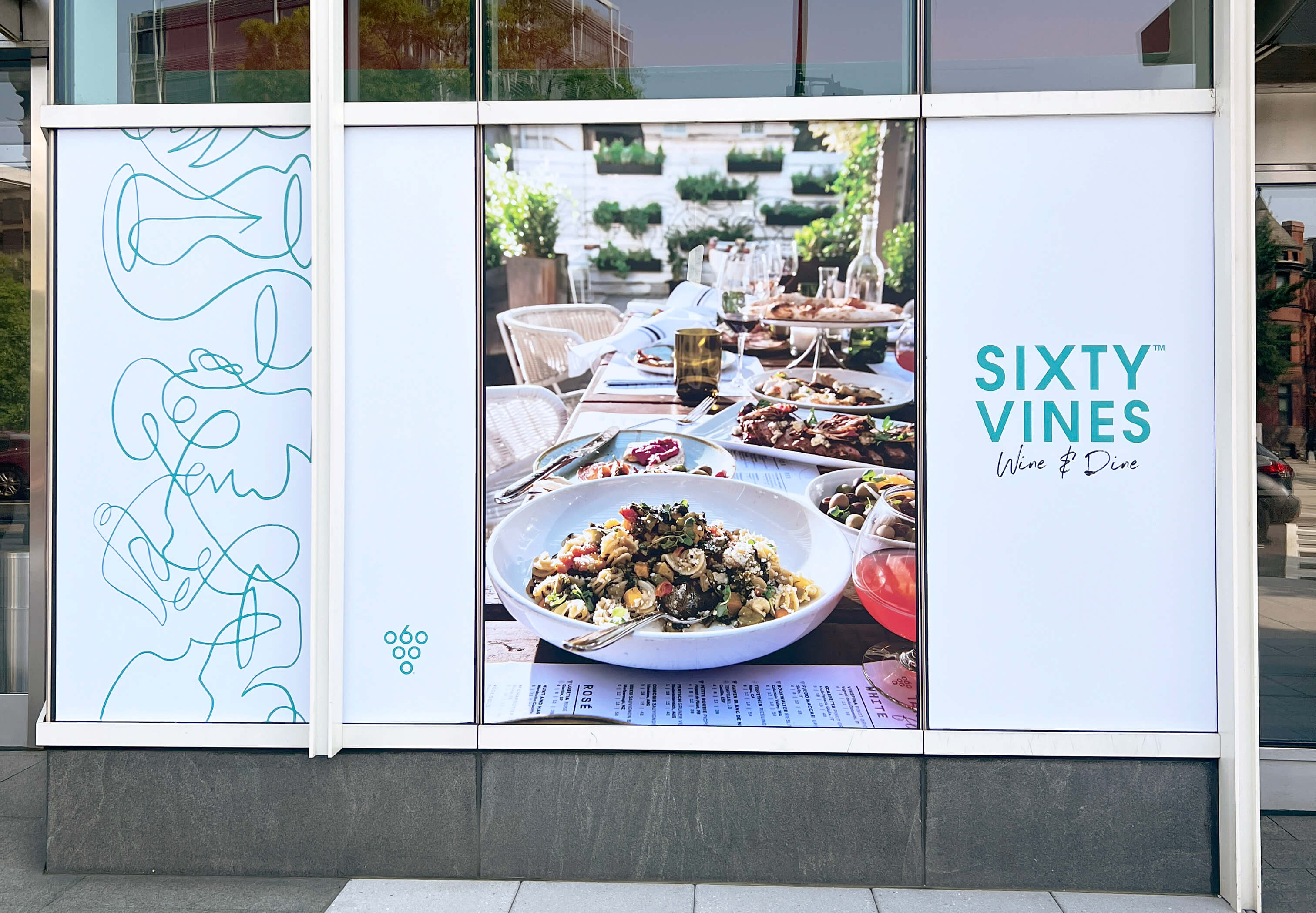
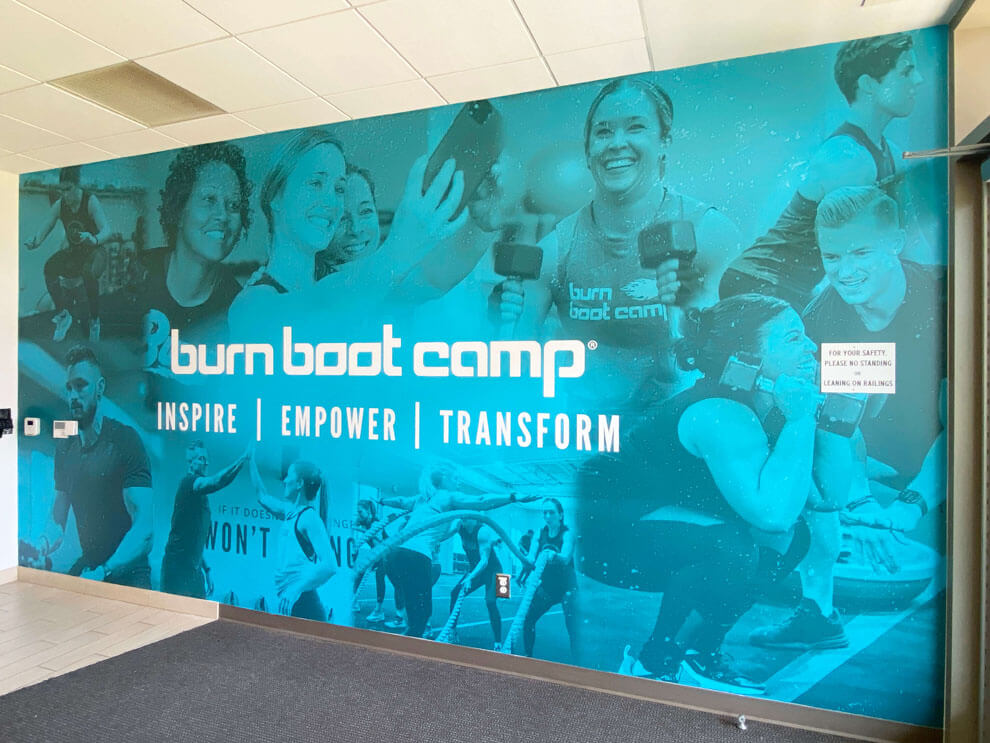
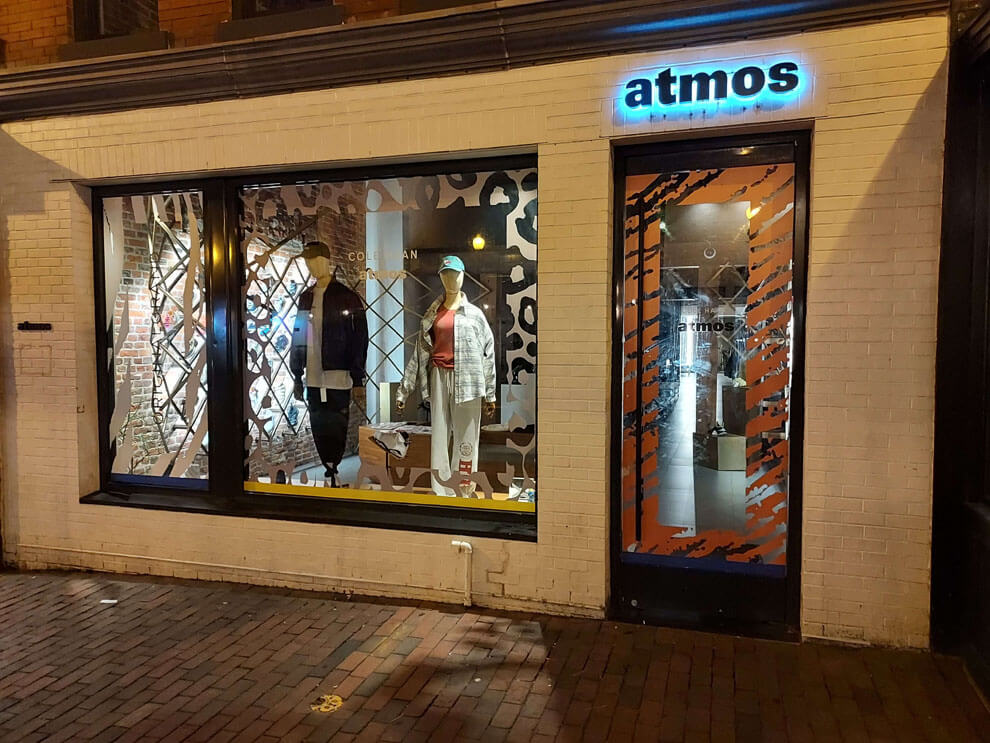
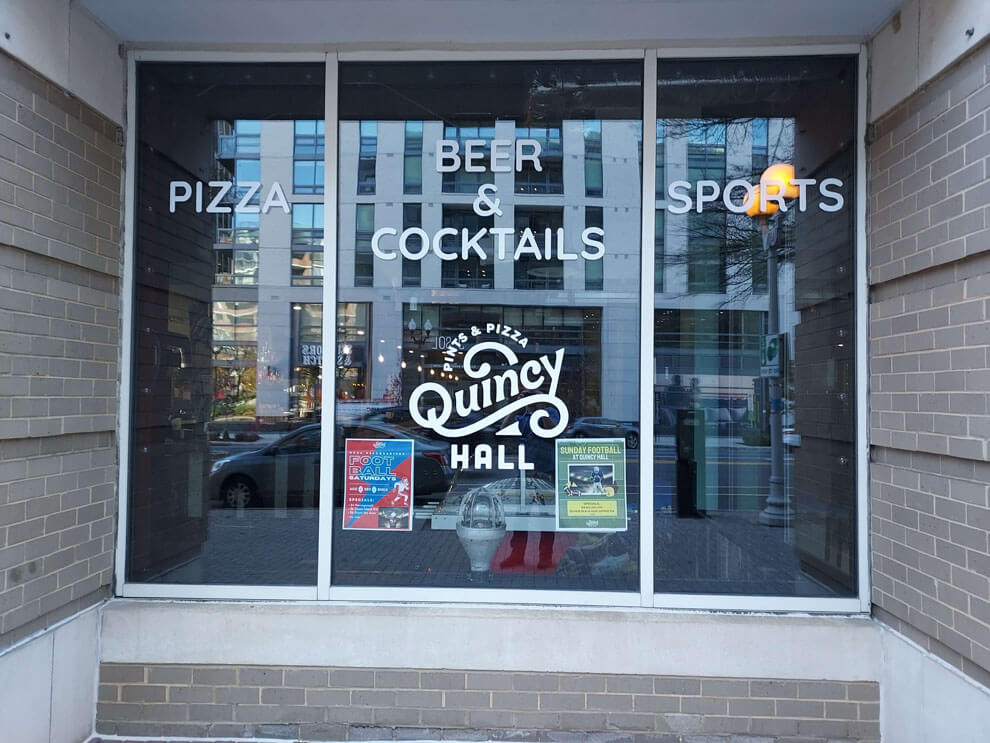
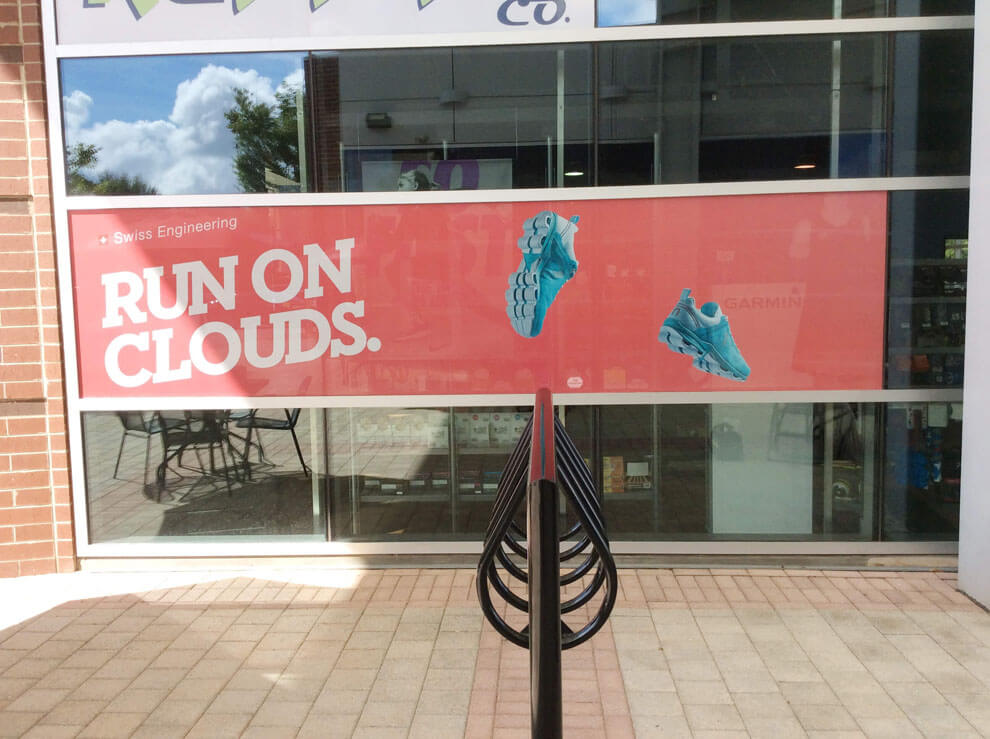
Window graphics can identify an organization, introduce color, display selected messaging, or add patterned coverage to entrance and interior glass. Heritage plans opaque, translucent, perforated, and cut adhesive vinyl around viewing direction, available light, desired openness, privacy, and the interior experience beyond the glass.
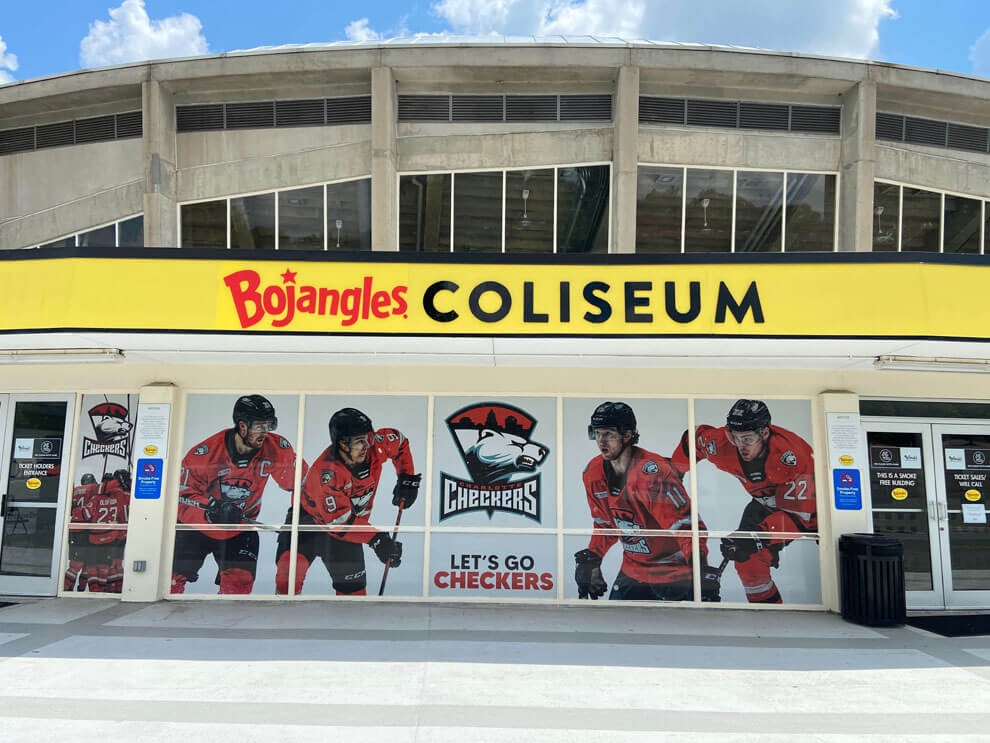
Privacy vinyl can create separation for conference rooms, offices, consultation areas, and glass partitions without eliminating daylight. Frosted vinyl, etched-look privacy film, bands, patterns, and custom branded treatments can balance confidentiality, visual awareness, architectural character, and organizational identity.
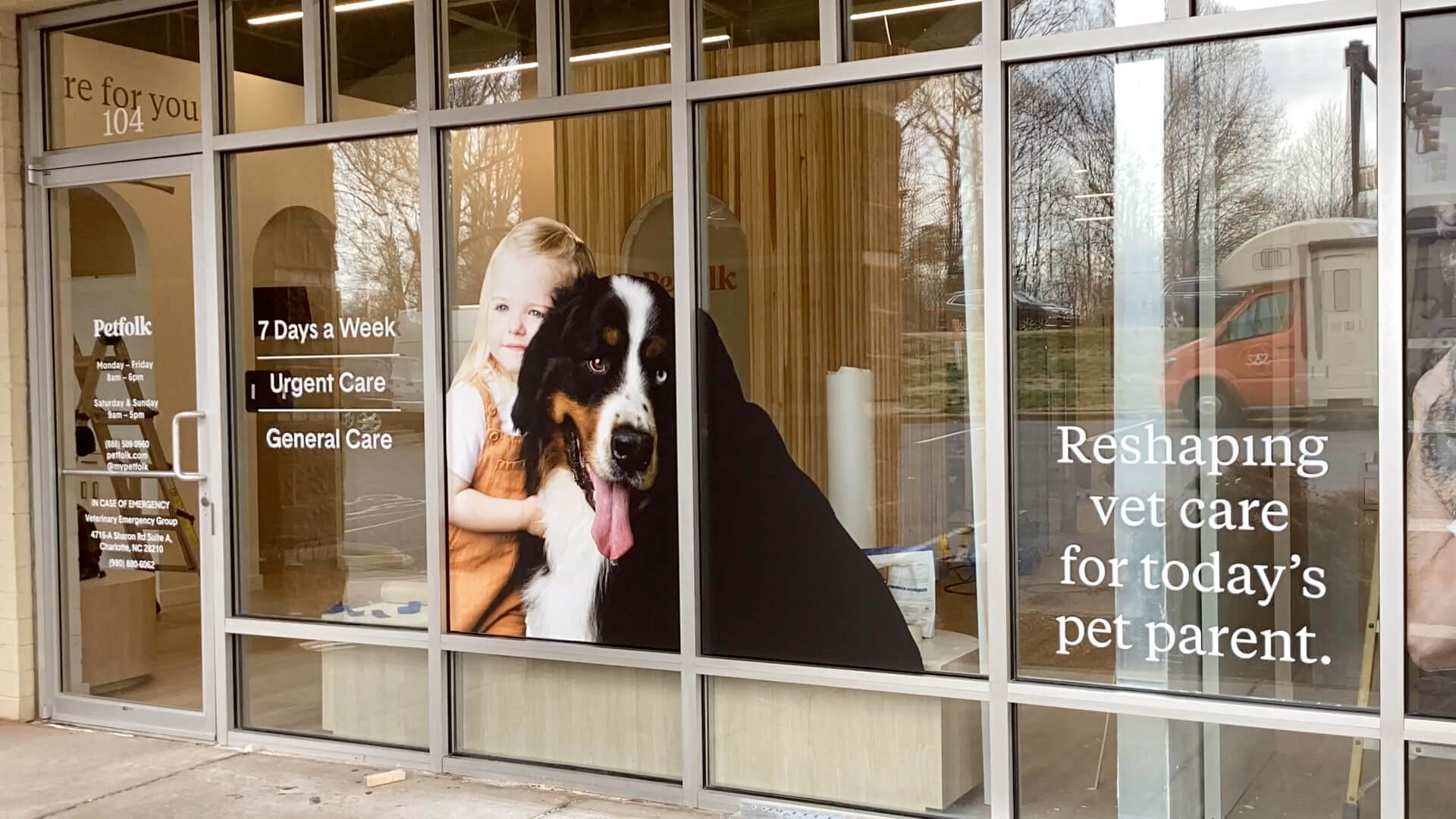
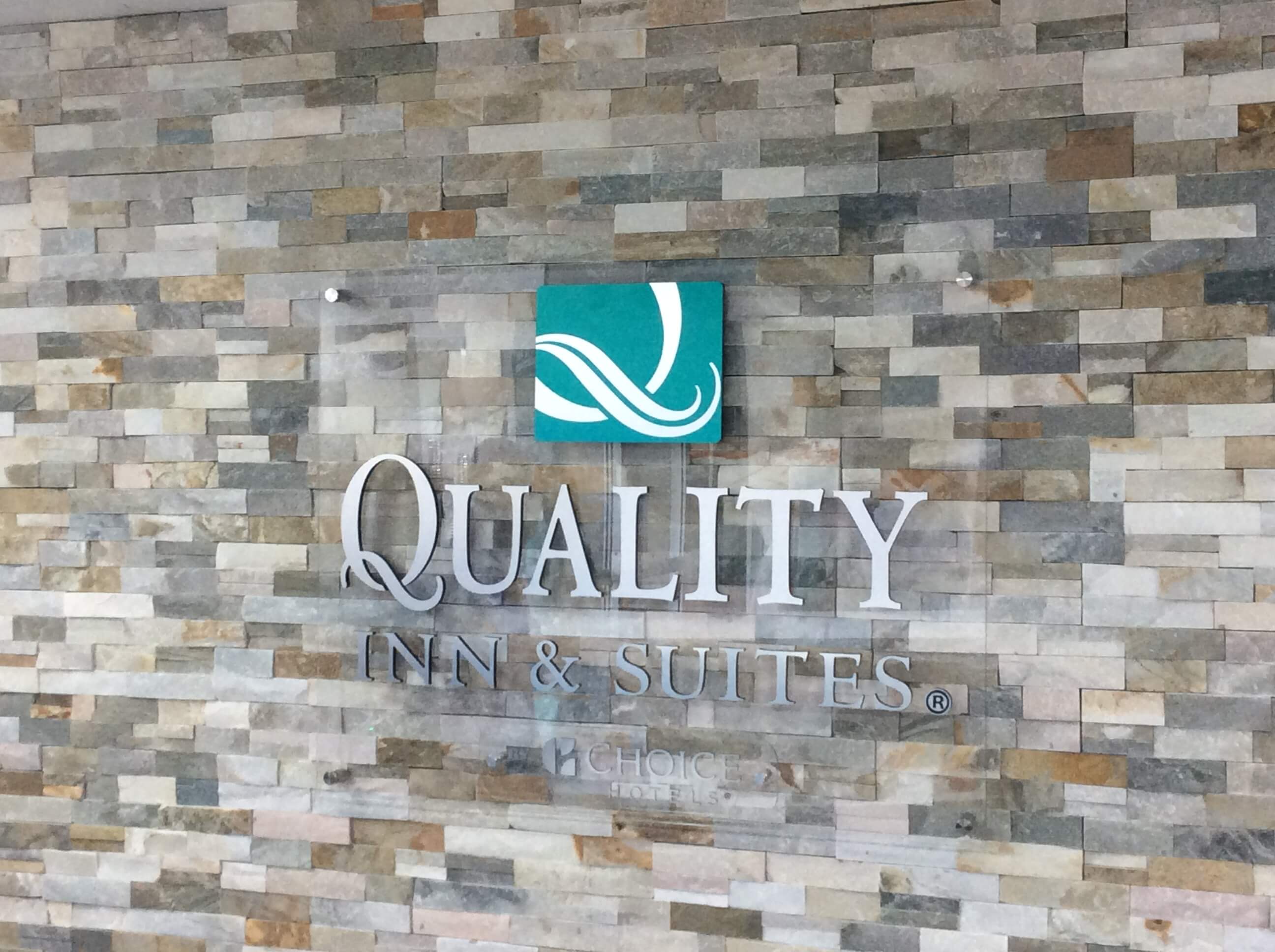
An acrylic lobby sign can become the primary visual destination after visitors enter. Heritage coordinates size, color, layering, mounting, dimensional components, and surrounding wall treatments so the completed sign feels appropriate for the reception area, architecture, audience, and level of formality.
Dimensional letters and logos add depth to reception walls, conference areas, corridors, exhibits, and branded displays. Interior applications may use non-illuminated finishes, halo illumination, or backlighting coordinated with the wall surface, nearby graphics, viewing angles, and the influence of existing room lighting.
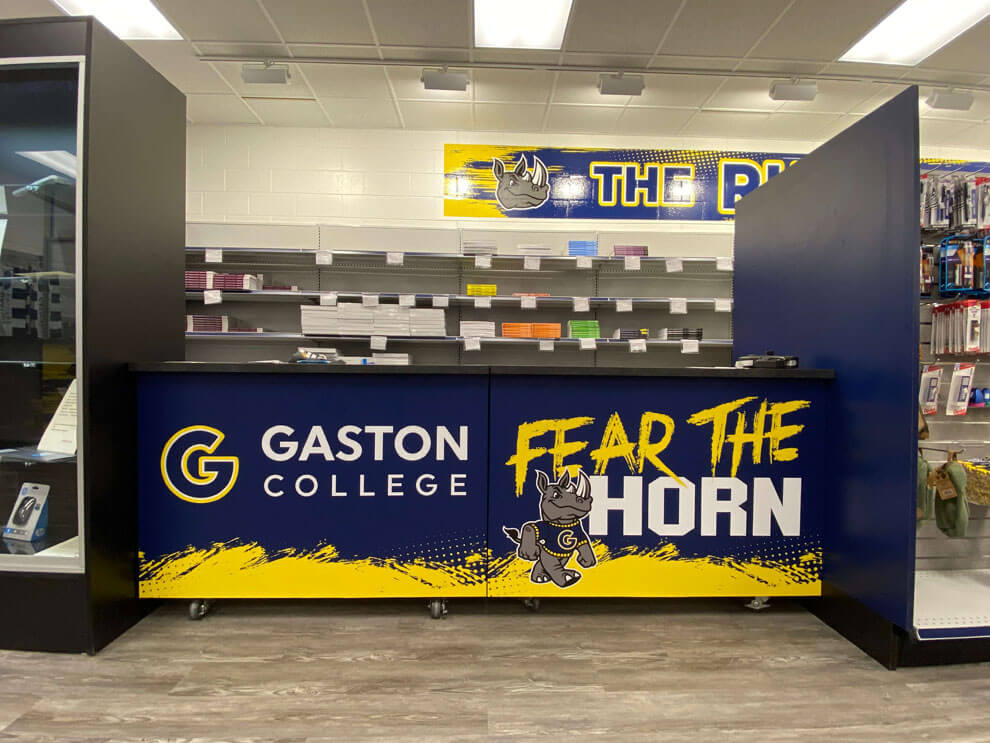
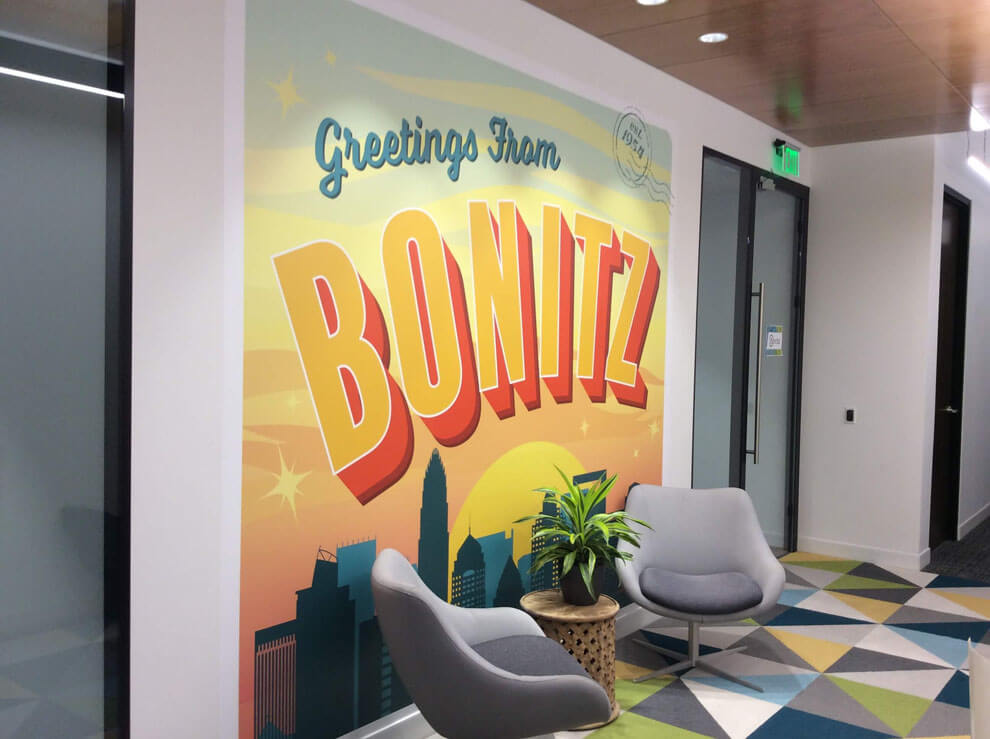
Wall graphics can extend the identity introduced at the entrance into the areas where people meet, work, and gather. Photographs, typography, patterns, maps, brand colors, or selected messages can give corridors, meeting spaces, reception areas, and shared interiors greater purpose and visual continuity.
Storytelling displays help organizations present a mission statement, core values, history, milestones, donor recognition, achievements, or community impact. Heritage may integrate printed graphics, photographs, dimensional elements, acrylic components, standoff mounted signs, and architectural hardware into a structured wall presentation.
Silicone edge graphics create clean, tensioned fabric displays within slim frames. They can support campaigns, institutional messaging, hospitality interiors, stakeholder events, reception areas, or changeable visual programs where organizations need polished imagery that can be updated without rebuilding the entire display system.
Backlit interior signs give logos and important messages stronger presence in reception areas and other prominent interior locations. Heritage plans dimensional depth, construction, finishes, placement, illumination, and mounting while observing how the room's existing lighting will influence the completed feature.
Ready to strengthen a Washington, DC entrance and the workplace beyond it? Use Get Started Now to tell Heritage what the arrival should communicate, where the property is located, when the work needs to be completed, and what anticipated investment you are considering. Share whatever photographs, brand files, plans, measurements, and property information are already available. One dedicated Project Manager will identify what still needs verification and organize the Heritage resources appropriate to the approved scope. Heritage can then carry the project through environmental graphic design, production, fabrication, and professional installation with the preparation, communication, and accountability the market demands.
Washington, DC workplaces often serve several audiences while operating within properties that have detailed access, security, scheduling, or stakeholder requirements. Heritage's Washington, DC location and Arlington office provide genuine local support for client discovery, site surveys, field coordination, installation planning, professional installation, and follow-through across the DC metro area. That local knowledge helps the project team understand property procedures before they become installation-day issues.
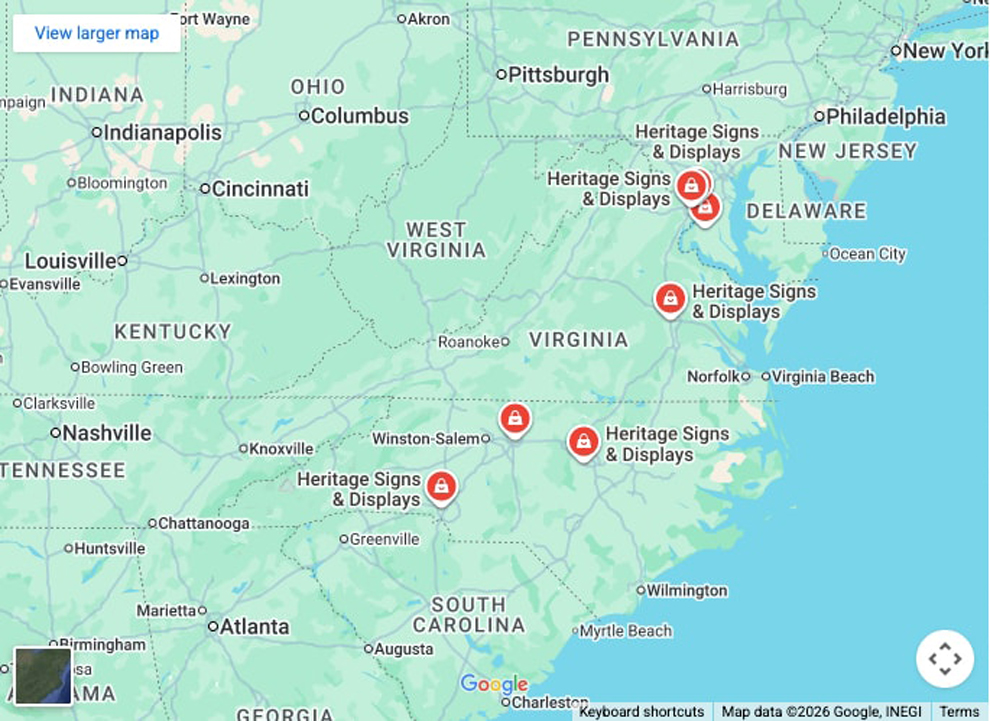
Heritage serves organizations throughout Washington, DC, Arlington, Alexandria, Bethesda, Silver Spring, Northern Virginia, and nearby Maryland markets. These are service areas, not claims that every community contains a Heritage office or production facility. Waldorf, Maryland is a production facility staffed only by production team members and supports Mid-Atlantic production without functioning as a sales office or showroom.
From the DC metro area, Heritage can extend coordinated support throughout the Mid-Atlantic and the full Heritage Network. One dedicated Project Manager can preserve brand standards, approvals, project history, and expectations while local teammates address the architecture, access, surfaces, schedule, and installation requirements of each property.
In Washington, DC, environmental graphic design often begins with hierarchy: what must be recognized at the threshold, what information can wait until reception, and which messages belong deeper in the workplace. Heritage helps clients use entrance glass for identity and privacy without overwhelming the architecture, then develops interior features that can communicate history, a mission statement, core values, recognition, direction, or other stakeholder priorities with greater depth.
The process also accounts for the realities surrounding the property. Sightlines, available light, security or access procedures, stakeholder review, traffic patterns, and the relationship among doors, lobby walls, meeting areas, and corridors can influence where a message will work best. Brand standards, floor plans, photographs, architectural drawings, and approved content become practical inputs rather than ends in themselves.
Heritage can collaborate with architects, interior designers, branding agencies, facilities teams, and property representatives while translating the approved direction into producible and installable signs, graphics, and displays. Licensed architecture, engineering, general interior design, lighting design, and code consulting remain outside Heritage's role.
Washington, DC Storefront work can bring the organization onto the exterior face of a property without turning the engagement into a general exterior-sign program. Within this family, Heritage produces and installs non-illuminated exterior graphics and signs such as dimensional identification, graphics for exterior glass, custom non-illuminated panels, and printed wall graphics or wraps. The exterior elements establish recognition before entry and then lead toward privacy graphics, lobby features, displays, and interior wall branding for a consistent stakeholder experience.
Heritage protects printed exterior wall graphics with film laminate as standard practice for UV and weather protection. The team also evaluates exposure, substrate condition, attachment, access, and installation logistics before accepting the application, which matters in properties with formal procedures or limited work windows.
Heritage's defined scope does not include pylon signs, channel letters, illuminated exterior signs, or monument signs. Heritage does not determine sign permit requirements and does not manage or facilitate the permitting process. The property owner or property manager, client, or general contractor must confirm and secure required property approvals and sign permits before exterior work proceeds.
Every Washington, DC Storefront Graphics project requires a Heritage site survey so client objectives, measurements, surfaces, access procedures, property requirements, and available work windows are understood before production and installation are finalized. The dedicated Project Manager keeps that field information connected to environmental graphic design, production, fabrication, and Heritage's full-time professional installers throughout the project.
That shared history is particularly valuable in the DC metro area, where access approvals, occupied workplaces, loading requirements, security procedures, and schedule-sensitive installation can affect execution. Material decisions, approved design intent, production details, property instructions, and installation planning remain visible to the Heritage people responsible for delivering the result. Questions can be addressed earlier instead of appearing for the first time in the field.
Rather than dividing the work among separate survey, design, production, and installation vendors, Heritage maintains one accountable process. Installers arrive prepared to protect the client's property, work efficiently within approved access periods, minimize disruption, communicate clearly, and complete the signs and graphics according to the approved plan.
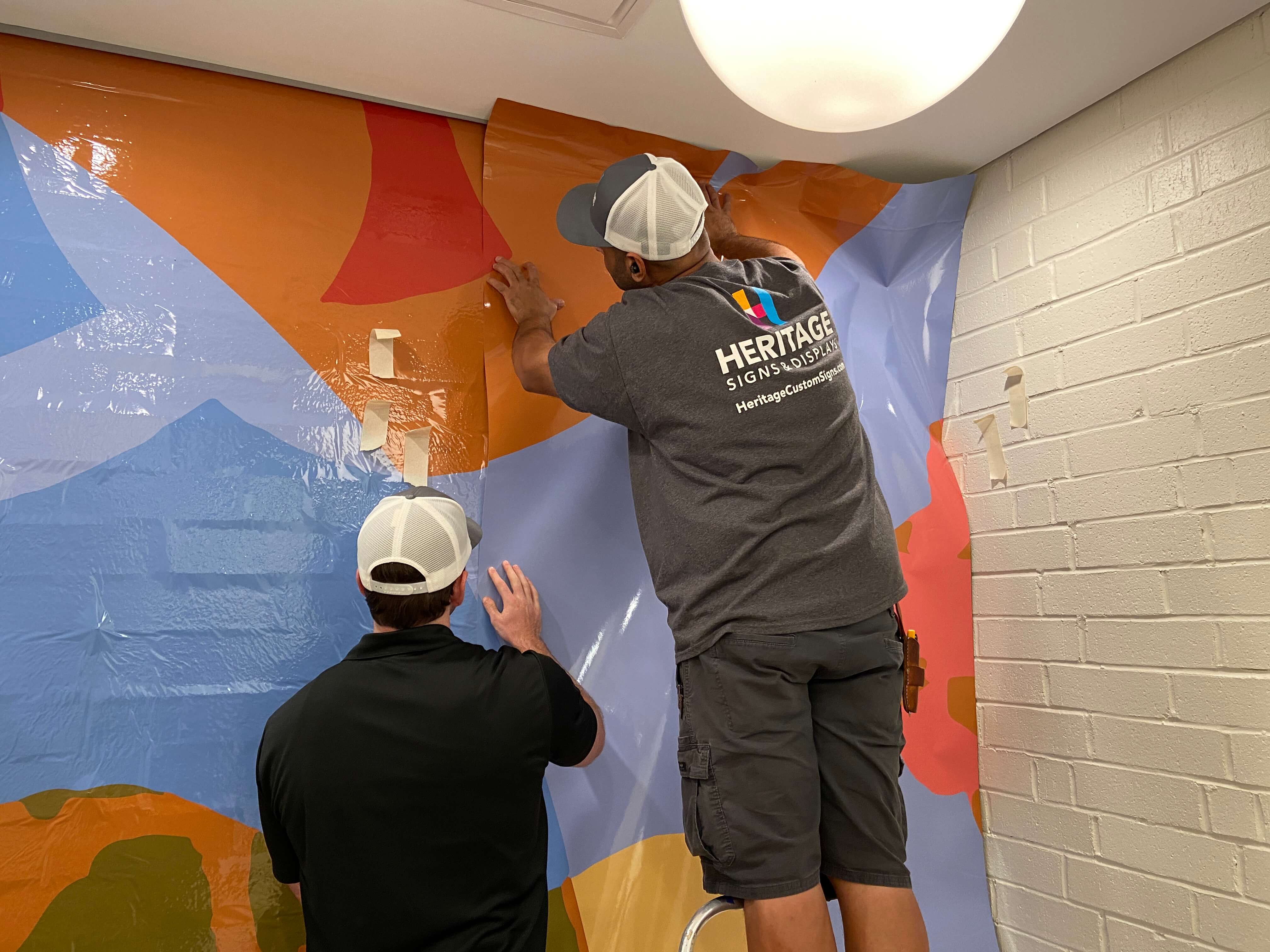
For adhesive graphics on a painted wall, Heritage needs a stable, smooth, repaired surface with correctly applied primer and finish paint. The finish must be fully cured before installation. Testing can help show whether the vinyl is behaving properly on the painted face, but it cannot expose the strength of the paint-and-primer bond to the drywall beneath it. If lifting or repositioning the vinyl during testing or installation causes paint to come away, work stops. Repair, new primer and paint, and the necessary cure period are the client or property owner's responsibility and expense before Heritage can return.
Removal years later is considered separately. Heritage uses careful, deliberate techniques intended to limit avoidable damage, but no removal method can promise an unchanged painted wall. Paint, primer, or even part of the drywall facing may release with the adhesive graphic. Clients should allow time and budget for possible restoration. The client or property owner arranges and pays for needed repair, priming, repainting, cure, and restoration. For replacements, early removal creates time for that work before installation. Wall graphics remain proven, effective branding solutions when appropriately planned.
Washington, DC Storefront planning has to align the communication goal with the practical requirements of the property. Heritage reviews the desired arrival, interior priorities, stakeholder approval path, access rules, site readiness, schedule, and anticipated investment before the final scope is set. Floor plans, photographs, brand standards, approved messaging, property instructions, and available measurements help show what is already established and what the required site survey or design process still needs to verify.
The strongest fit is an organization that values coordinated execution rather than a commodity graphics purchase. Across Heritage, substantial signs-and-displays engagements that include production and professional installation commonly span $10,000 to more than $200,000. A Washington, DC project may involve one prominent entrance, several interior areas, phased work, or multiple offices whose access and installation conditions differ.
One dedicated Project Manager maintains the decision history, stakeholder communication, approvals, production expectations, and schedule while Washington, DC and Arlington field resources and the appropriate production team support each approved phase with careful coordination.
They should help people recognize the organization, approach the right entrance, and understand the tone of the place before reaching reception. Entrance glass may carry identity, privacy, direction, or selected messaging, while the interior has more room for lobby signs, recognition, history, wayfinding, and other branded features. Heritage plans those moments as a progression so the threshold introduces the workplace without trying to carry its entire story.
No. Washington, DC associations, nonprofits, government contractors, professional firms, universities, healthcare organizations, museums, financial institutions, hospitality properties, and other stakeholder-facing workplaces can benefit from a clearly branded entrance. Heritage's focus is project-based Storefront and interior branding rather than commodity retail promotion or unrelated exterior sign work.
The choice starts with the result the client needs from the glass. Identity, privacy, daylight, visibility, selected views, or some combination of those goals may call for frosted or etched-look privacy treatments, cut lettering, branded patterns, perforated graphics, translucent or opaque vinyl, distraction markers, or selective coverage. Heritage evaluates the property and the interior beyond the glass before recommending a treatment.
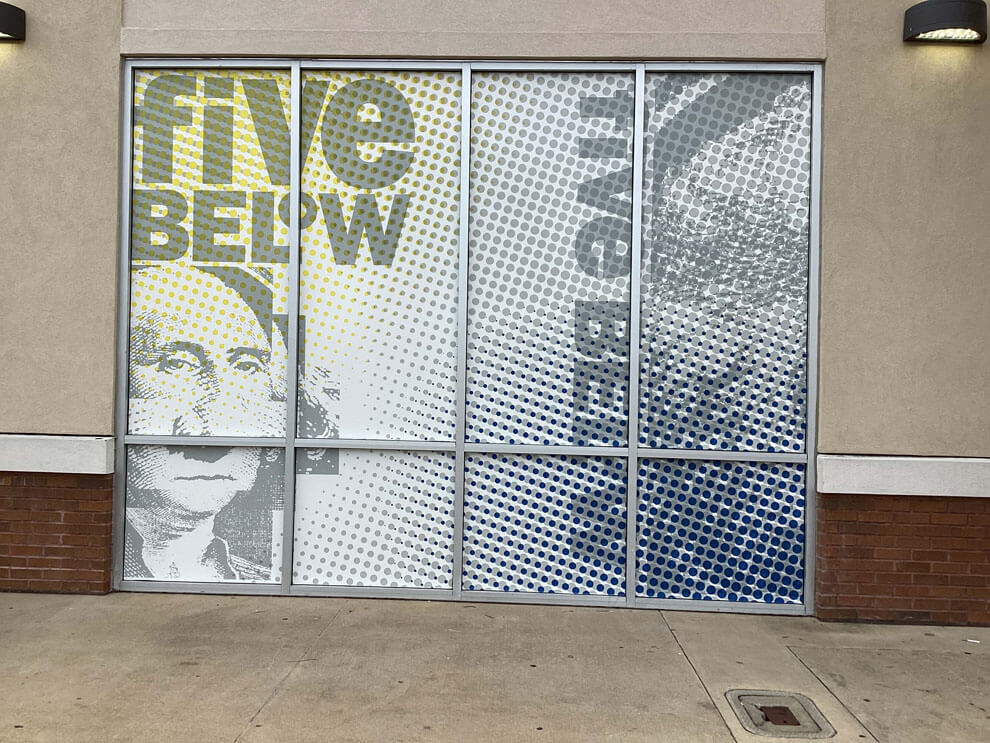
Large clear panes can be easy to overlook. Distraction markers use visible vinyl elements such as bands, dots, patterns, or logos to make the glass easier to perceive while also supporting privacy or brand character. Heritage coordinates their position and appearance with the surrounding design. Applied vinyl can improve visual awareness, but it does not certify building-code or safety-glazing compliance.
Perforated vinyl contains a field of small openings within the printed material. The image reads primarily from one side while the openings preserve limited visibility from the reverse side. Lighting, print coverage, viewing direction, and the construction of the material all affect the appearance. Heritage reviews those variables before deciding whether the application fits a Washington, DC property.
Yes. Heritage can place privacy only where sightlines need to be controlled and leave other areas open. Frosted vinyl, etched-look privacy film, opaque bands, branded patterns, or custom graphics can screen seated or standing views while preserving daylight. The recommendation depends on how the room is used, how people approach the glass, and what visibility should remain.
Yes, when the intended duration, adhesive system, and surface are compatible. Short-term graphics and long-term workplace installations do not always use the same material strategy. Clients should also understand that removable does not mean damage-free. Painted walls can lose paint, primer, or drywall facing when adhesive graphics eventually come down, so future restoration belongs in the planning conversation.
Heritage works carefully and deliberately to limit avoidable damage, but no professional removal method can guarantee an unchanged painted wall. Paint or primer may release with the vinyl, and the drywall facing can also be affected. Clients and property owners should allow time and budget for the possibility of repair, priming, repainting, and cure. Those restoration steps and their cost belong to the client or property owner; Heritage does not perform or pay for the wall repair.
Service life varies by material, substrate, exposure, cleaning, physical contact, and whether the graphics are protected inside or exposed to exterior conditions. Heritage asks how long the client expects the application to remain and then recommends a system suited to that operating environment. A single durability claim would not accurately describe every wall, window, door, or property.
Painted drywall must be ready before vinyl is installed: sound wallboard, completed repairs, correctly applied primer and finish paint, and a surface that has completed its cure. For many paints, allowing about four weeks is a useful planning assumption, but the manufacturer's instructions and actual site conditions decide readiness. Washable, scrubbable, stain-resistant, low-VOC, zero-VOC, or other challenging finishes may call for cleaning, testing, or a different compatible adhesive strategy.
Testing can indicate whether the vinyl is performing properly on the painted surface. It cannot reveal the strength of the bond beneath the paint. If testing or normal repositioning starts pulling paint away, Heritage stops. The client or property owner arranges and pays for repair, fresh primer and paint, and full cure before Heritage returns. Glass is reviewed separately for tint, coatings, seals, moisture, texture, reflections, and old adhesive.
Heritage's Washington, DC Storefront scope includes graphics on exterior glass, exterior wall graphics or wraps, dimensional identification, custom sign panels, and related non-illuminated features when the project also includes interior branding. They establish recognition outside and connect naturally to the entrance and branded workplace inside.
A protective film laminate is standard on printed exterior wall graphics because it adds UV and weather protection. Heritage's exterior scope excludes illuminated exterior signs, channel letters, monument signs, and pylon signs. Heritage does not determine sign permit requirements or manage or facilitate the sign permitting process. Responsibility for confirming and securing required sign permits and property approvals belongs to the client, property owner or property manager, or general contractor.
Dimensional letters and logos can strengthen reception walls, conference areas, corridors, exhibits, and storytelling displays. Interior applications may use non-illuminated finishes, halo illumination, or backlighting. Heritage evaluates scale, finish, depth, mounting, viewing angles, adjacent graphics, and room lighting so the dimensional feature feels intentional within the architecture rather than added without context.
A coordinated project may combine acrylic, fabric graphics, adhesive vinyl, dimensional components, and aluminum composite material (ACM). ACM can provide a polished metal-like face with far less weight than a solid-metal panel. Heritage does not use solid aluminum or steel as a printable or cut sign substrate. Appearance, dimensions, mounting, durability, location, and the surrounding interior all influence the final material choice.
Yes. Entrance graphics may provide the first identification while a backlit sign becomes the stronger destination in reception. Heritage considers scale, color, dimensional depth, illumination, mounting, wall placement, nearby graphics, and the existing light in the room. The objective is an illuminated feature that belongs to the broader interior rather than a sign that feels visually detached.
Every project in this family requires a Heritage site survey. In the DC metro area, that visit can verify dimensions, wall and glass conditions, obstructions, loading or access procedures, property rules, available work windows, and other field realities while also giving Heritage direct insight into the client's audience, privacy needs, schedule, and objectives. Those findings guide environmental graphic design, estimating, production, fabrication, access planning, and professional installation.
Heritage can work from brand standards, architectural drawings, interior plans, agency concepts, approved messages, and property requirements. Our team translates that direction into environmental graphics and production-ready information while evaluating materials, fabrication, mounting, and installation. Heritage collaborates with the broader professional team, but licensed architectural or engineering services, general interior design, lighting design, and code consulting remain outside our scope.
It determines how identity, privacy, visibility, movement, and message should work together at the threshold and inside the workplace. Heritage may use that process to refine entrance glass, create a lobby focal point, improve direction, or develop timeline, history, core values, mission statement, and recognition features. The design choices are tied to the property, fabrication, materials, production, and installation so the approved concept can be executed successfully.
One dedicated Project Manager can retain the program history, approvals, brand direction, communication, and production expectations while Heritage connects the local offices and teammates appropriate to each market. A Washington, DC property may have very different access, architecture, surfaces, or installation windows from another Mid-Atlantic location, so the physical solution can adapt without losing the approved brand standards or the client's single point of coordination.
Installation is completed by Heritage's full-time professional installers, who remain connected to the required site survey, the dedicated Project Manager, environmental graphic design, production, and fabrication. By the time they arrive, the crew has access to the field measurements, approved design direction, material choices, property rules, access information, production details, and schedule developed during the project.
That shared history is especially useful in Washington, DC, where occupied workplaces, loading procedures, access windows, and security requirements can shape the work. Questions can be addressed before the crew arrives rather than becoming installation-day surprises.
The client receives one accountable Heritage team focused on careful property protection, efficient execution, limited disruption, clear communication, and the approved result.
No. Heritage does not provide installation-only service for customer-provided signs or graphics. The installer inherits the consequences of earlier measurements, substrate and adhesive choices, printing, fabrication, packing, and surface suitability. Heritage therefore reserves its installation team for components it produces, fabricates, procures, or manages within the Heritage engagement so responsibility for the finished result stays connected.
There is no single timeline that fits every property. A focused scope may move relatively quickly, while phased work, multiple approvals, access restrictions, or several locations require more coordination. After discovery and the required site survey, the Project Manager builds the schedule around design decisions, stakeholder review, production, fabrication, site readiness, property procedures, and available installation periods.
Maintenance depends on the material and exposure. Most printed adhesive wall graphics used inside are normally unlaminated and should be cleaned gently according to the selected vinyl. In settings with frequent cleaning, contact, or handling, Heritage may specify laminate when the added surface protection is justified.
Exterior printed wall graphics follow a different standard. Heritage applies protective film laminate to them as normal practice. That laminate adds UV protection to help slow sunlight-related fading and also shields the printed surface from rain and other outdoor exposure. Heritage can provide care guidance for the actual vinyl and laminate system installed.
Yes, when removal is included within a new Heritage production and installation project. Existing wall graphics should be removed well before the replacement installation because the condition beneath adhesive vinyl cannot be fully known in advance. Careful removal may reveal lost paint or primer, drywall-facing damage, residue, ghosting, or another restoration need.
If the wall needs attention, repair, proper priming, and repainting are arranged and paid for by the client or property owner. Heritage returns only after the new finish has fully cured. Many paints warrant roughly four weeks of planning time, although the manufacturer's cure requirements and the actual conditions govern. Taking the old graphics down early creates room in the schedule for restoration and cure. Heritage does not offer removal as a separate service.
For Washington, DC and the Mid-Atlantic, the current anticipated overall investment begins at $5,000. Final project value depends on the complete scope, materials, fabrication, quantities, property access, and professional installation. Get Started Now reflects the current qualification point and gives Heritage the location, timing, investment context, and other details needed to evaluate fit.
Yes. Heritage can coordinate a substantial branded entrance, several interior areas, phased improvements, or a program covering multiple locations. Overall values for Heritage projects that include production and professional installation commonly extend from $10,000 to more than $200,000. One dedicated Project Manager preserves continuity while field information, fabrication, production resources, and installation planning are organized around each property's requirements.
Washington, DC and Arlington provide client-facing Heritage resources for discovery, required site surveys, field coordination, installation planning, professional installation, and follow-through across the DC metro area. Waldorf, Maryland serves as a nearby production resource for Mid-Atlantic work and is staffed only by production team members. It is not a sales office or showroom. The Project Manager connects these resources so field information informs design, fabrication, production, and installation planning.
Washington, DC workplaces often serve several audiences while operating under demanding brand, property, access, and scheduling expectations. Heritage combines genuine local field support with one dedicated Project Manager, environmental graphic design, production, fabrication, and professional installation through an accountable process. Since 1977, Heritage has remained veteran-owned and family-led. That experience supports entrances and interiors that communicate credibility while respecting the practical realities of the property.
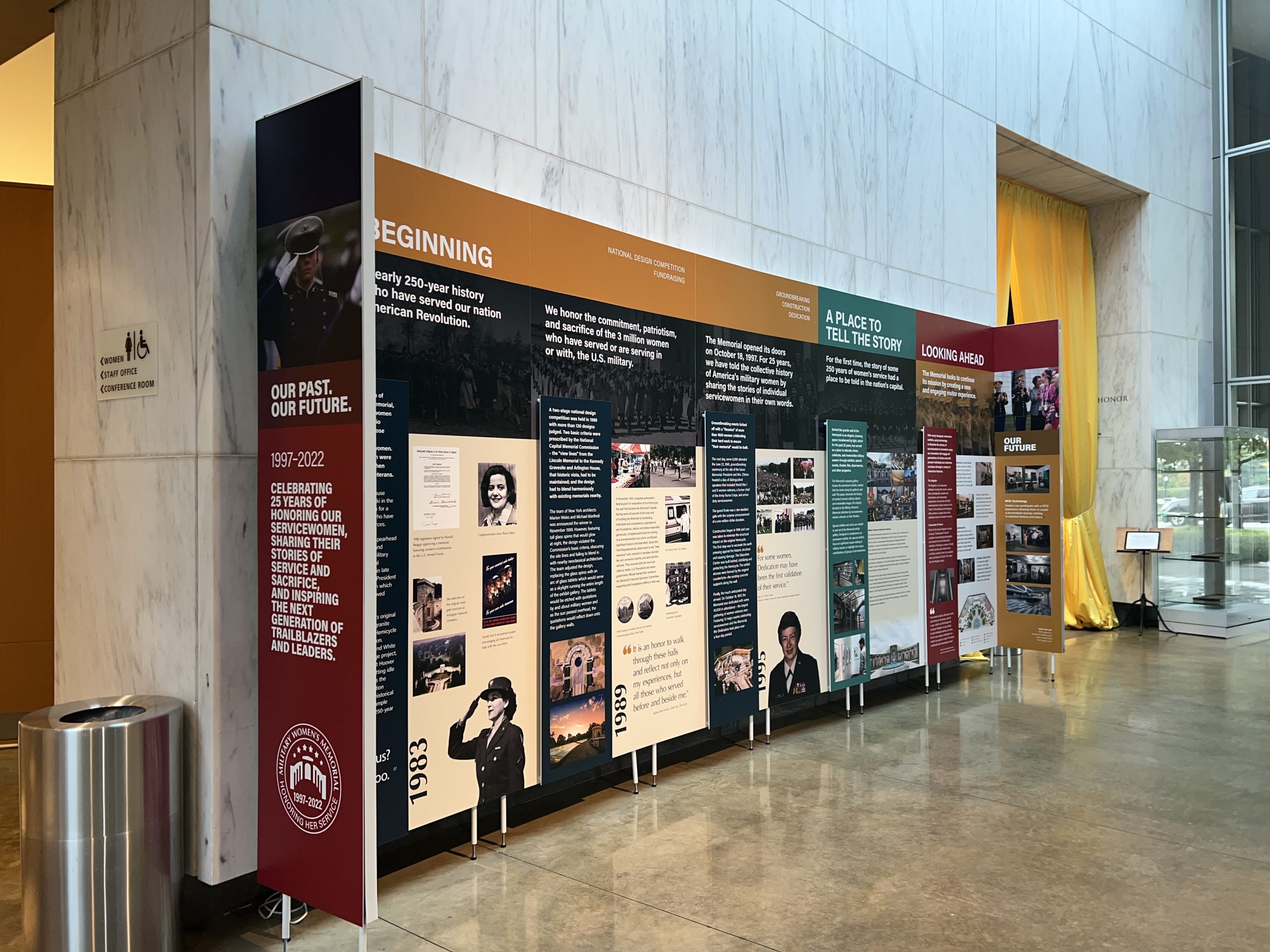
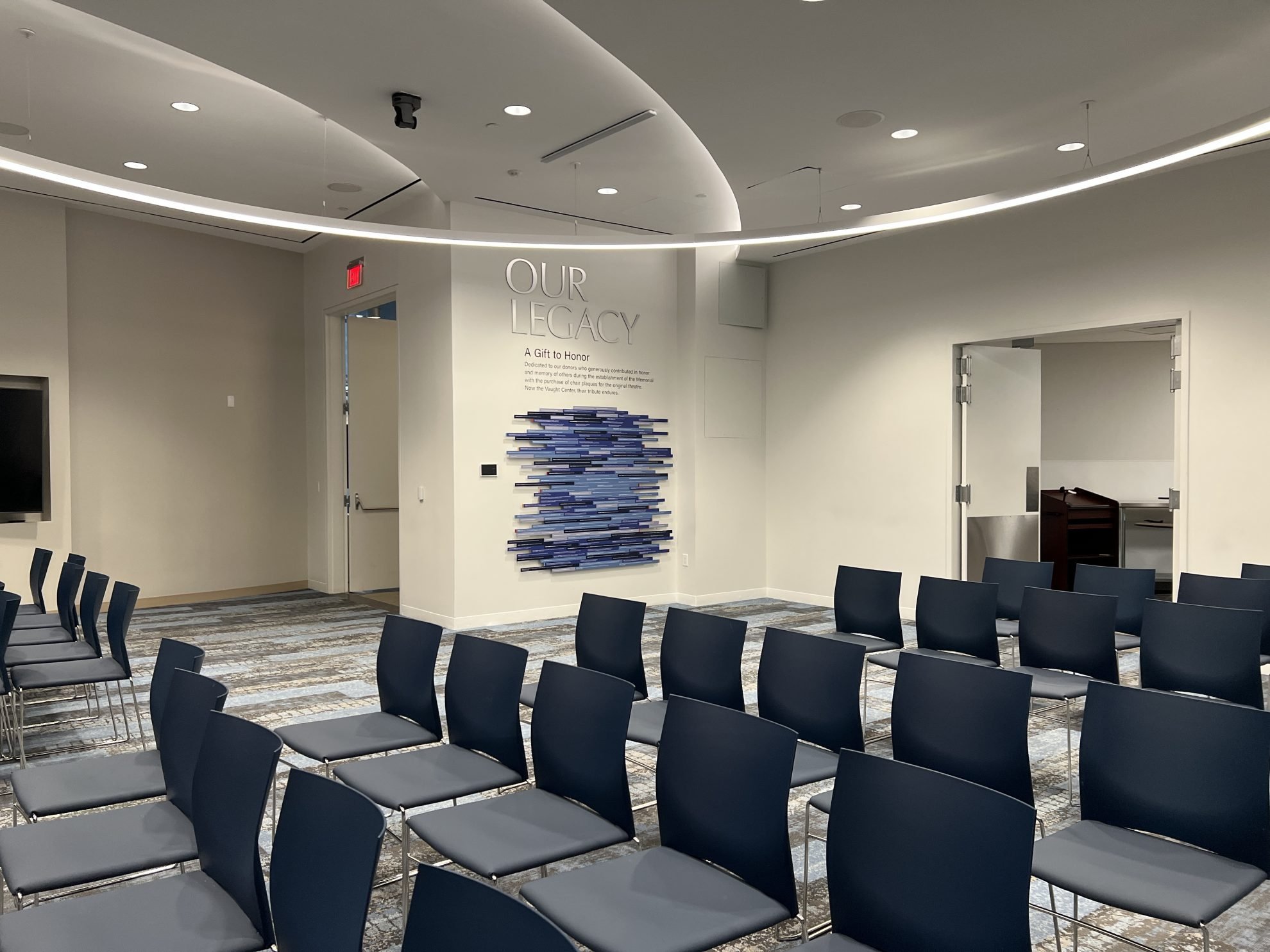
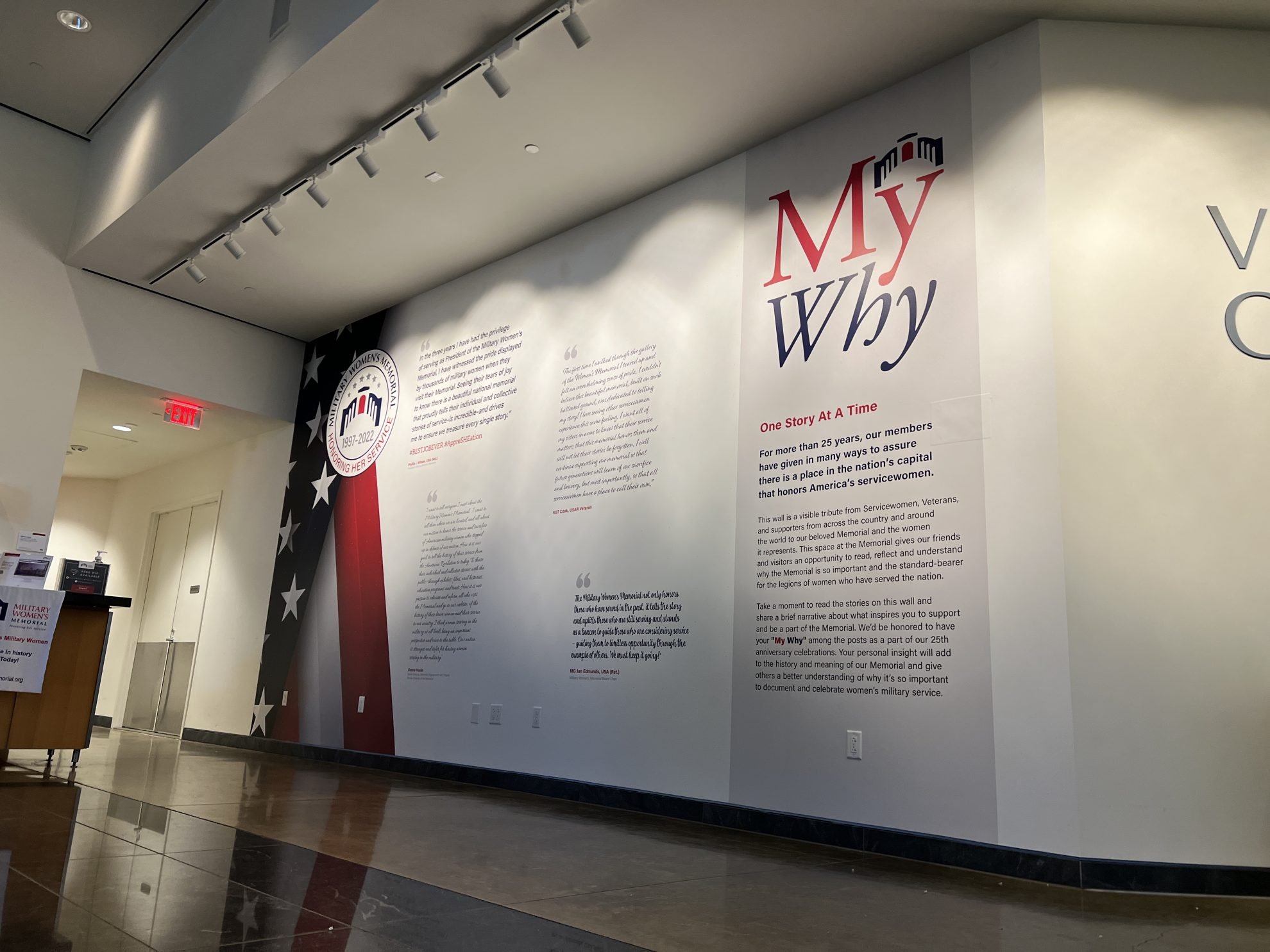
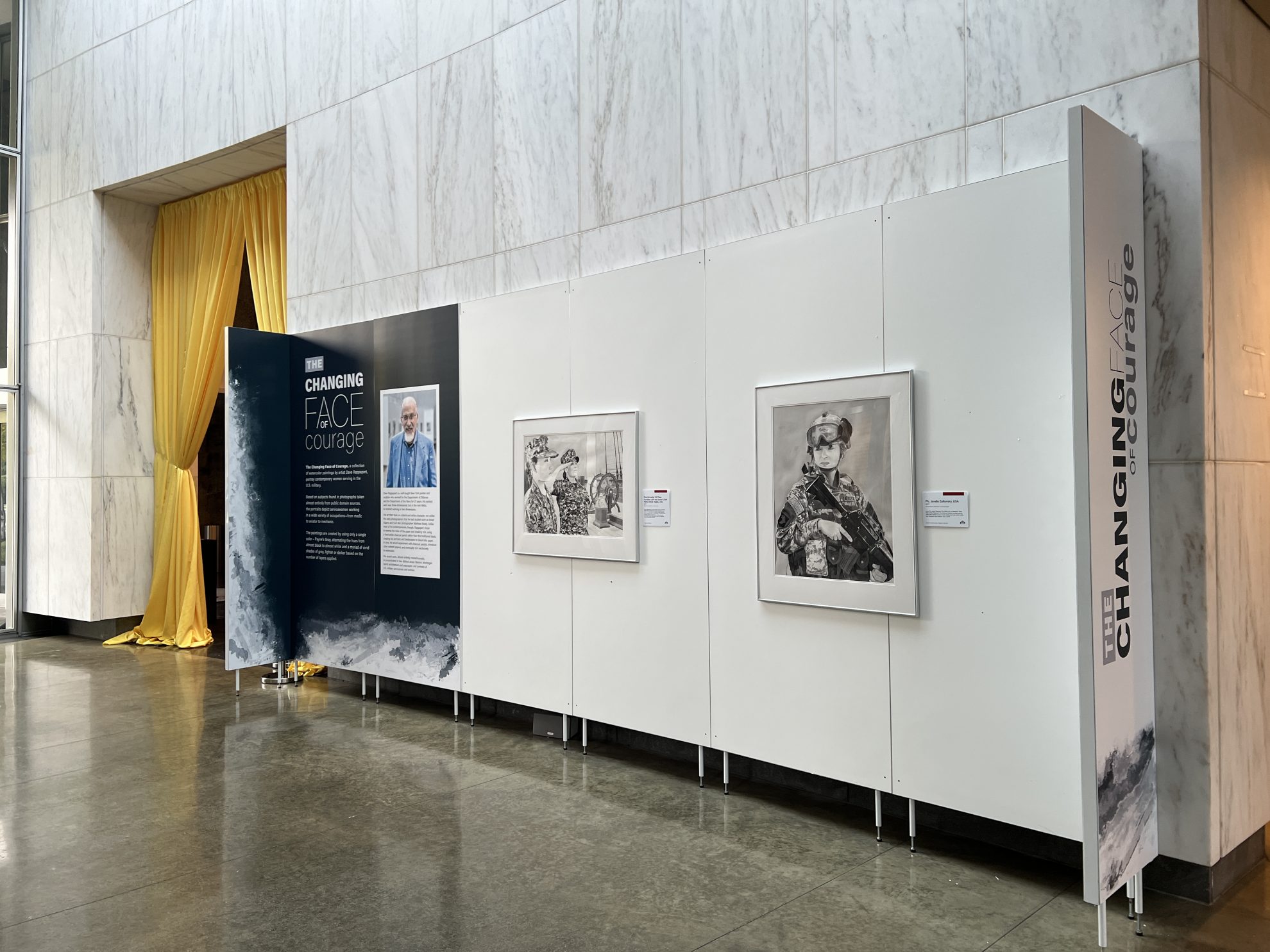
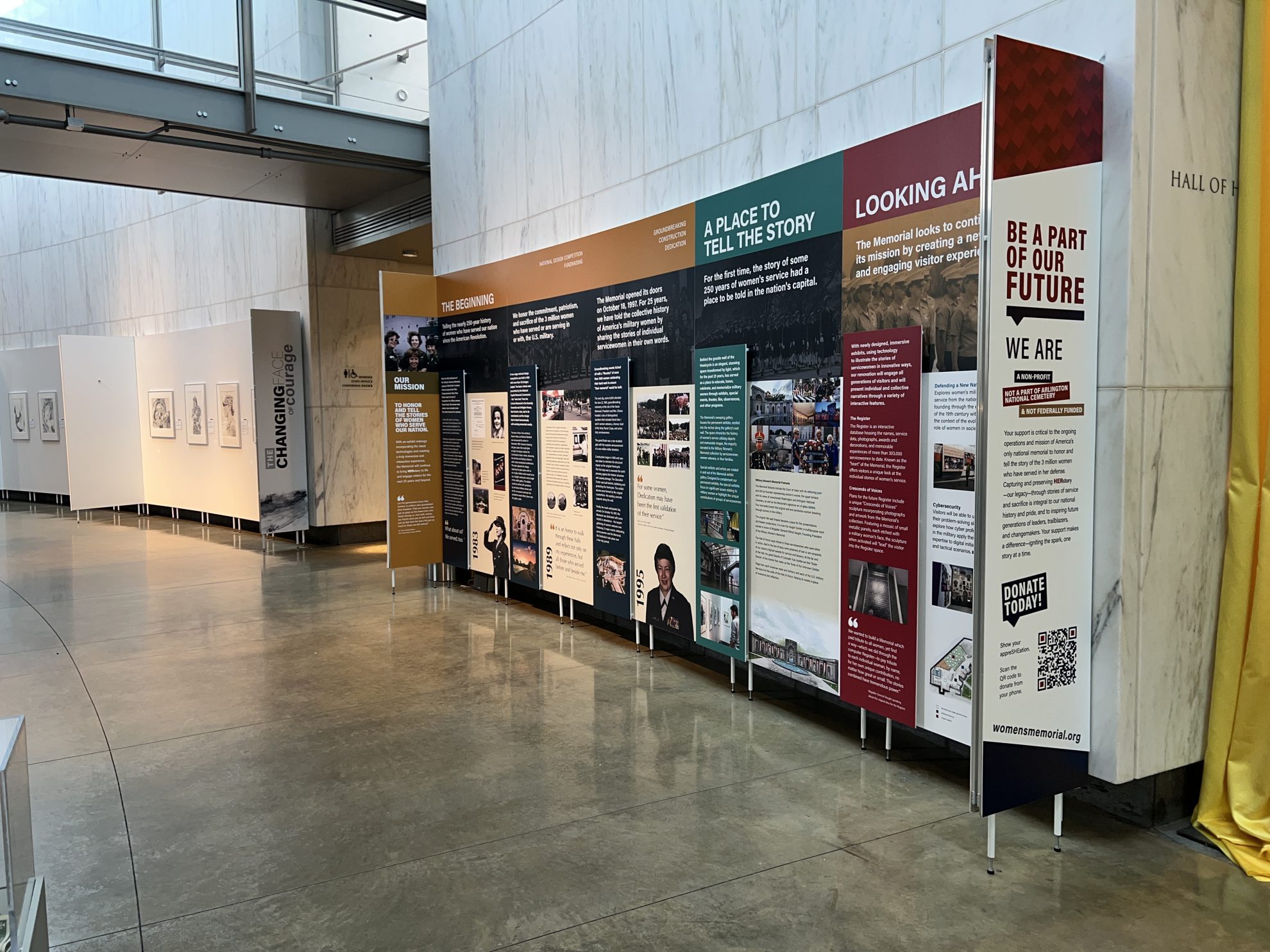
Heritage Signs & Displays created new museum signage for the Military Women’s Memorial in Arlington, VA. The project included custom signs, wall wraps, dimensional letters, and standoff-mounted displays to honor the legacy of U.S. servicewomen and the donors who supported the memorial. The updated interior features impactful designs, including a "Our Legacy" wall display and panels showcasing historical contributions and artwork, creating a transformative tribute to women in the U.S. Armed Forces.
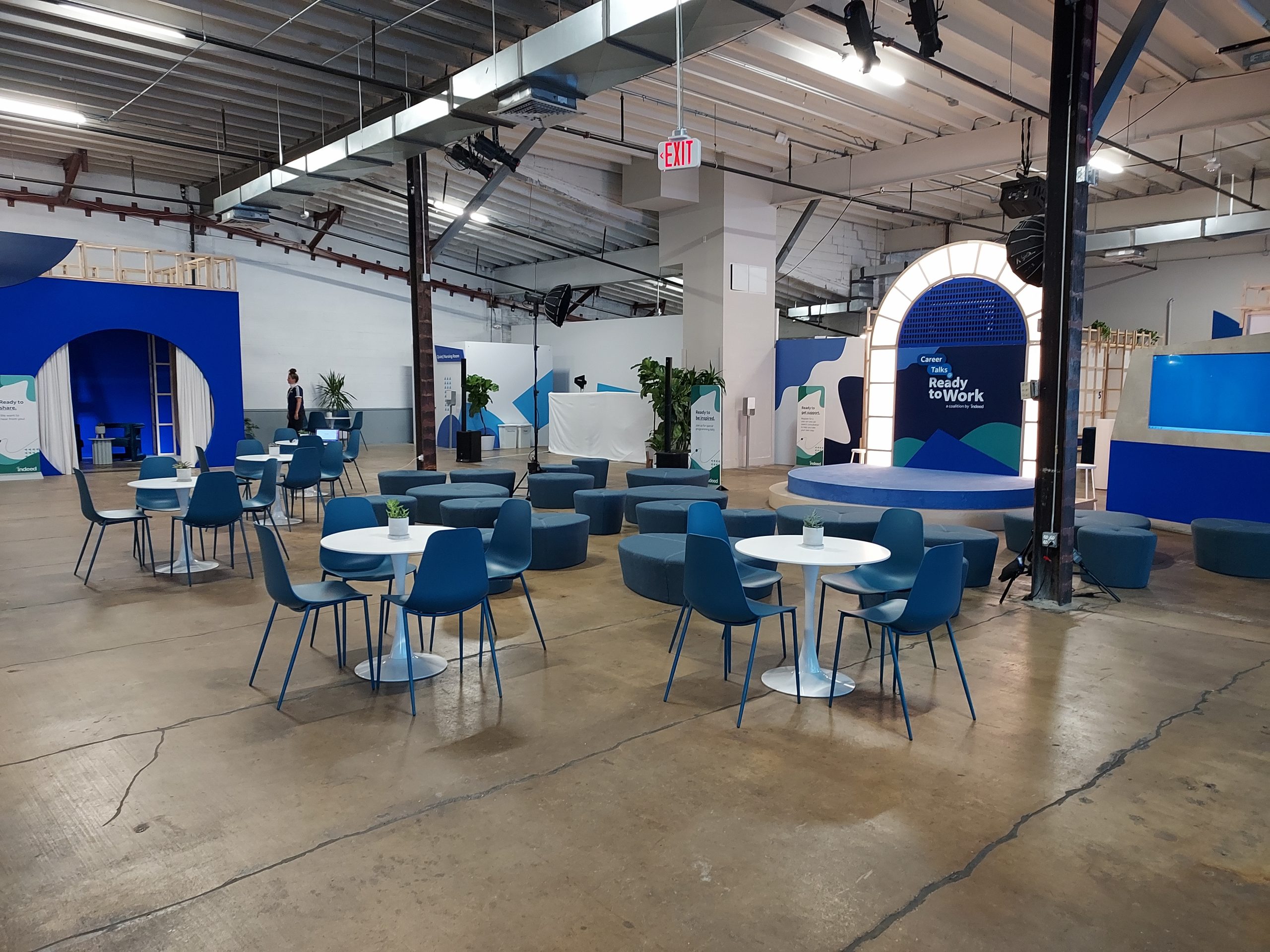
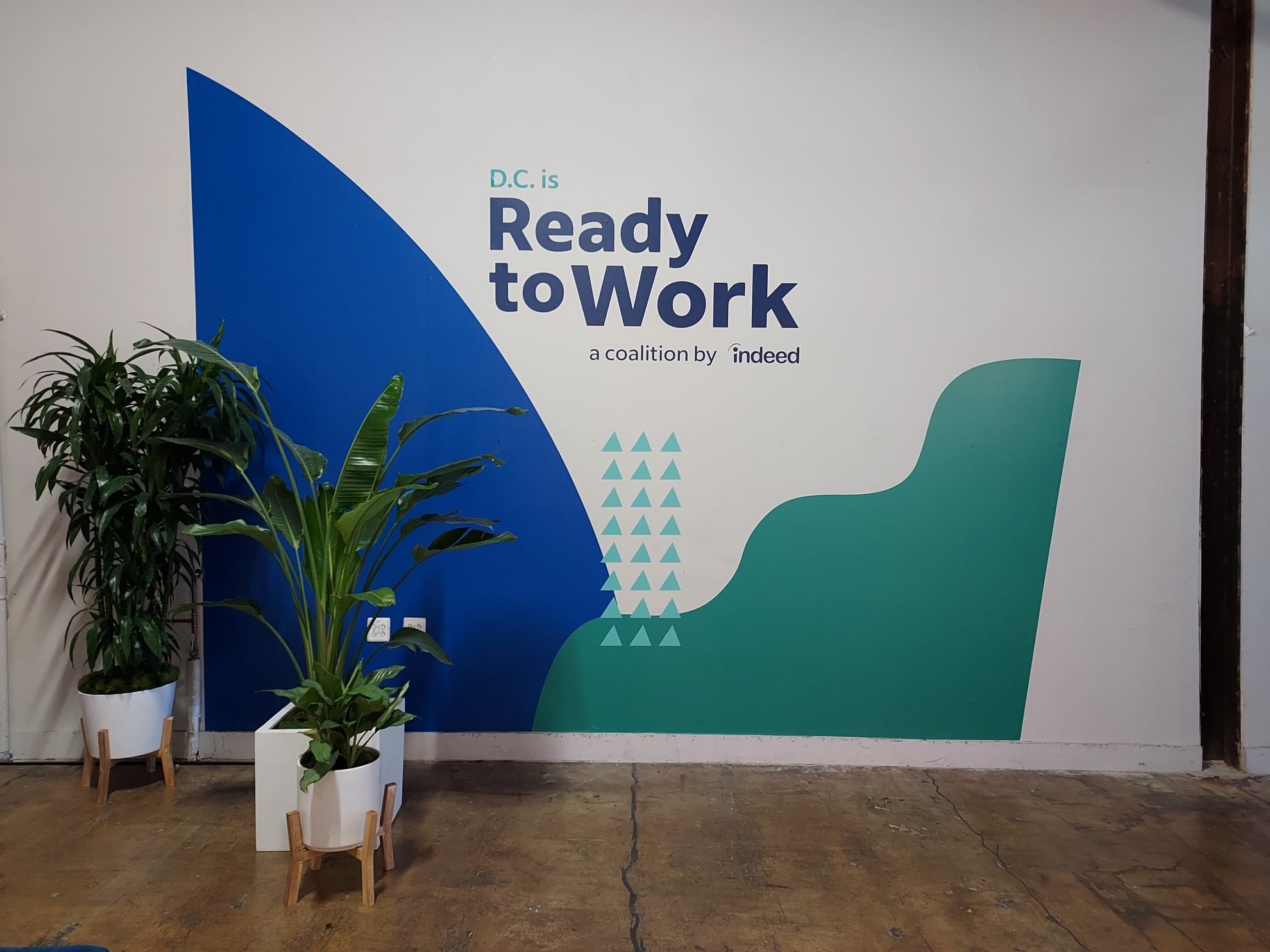
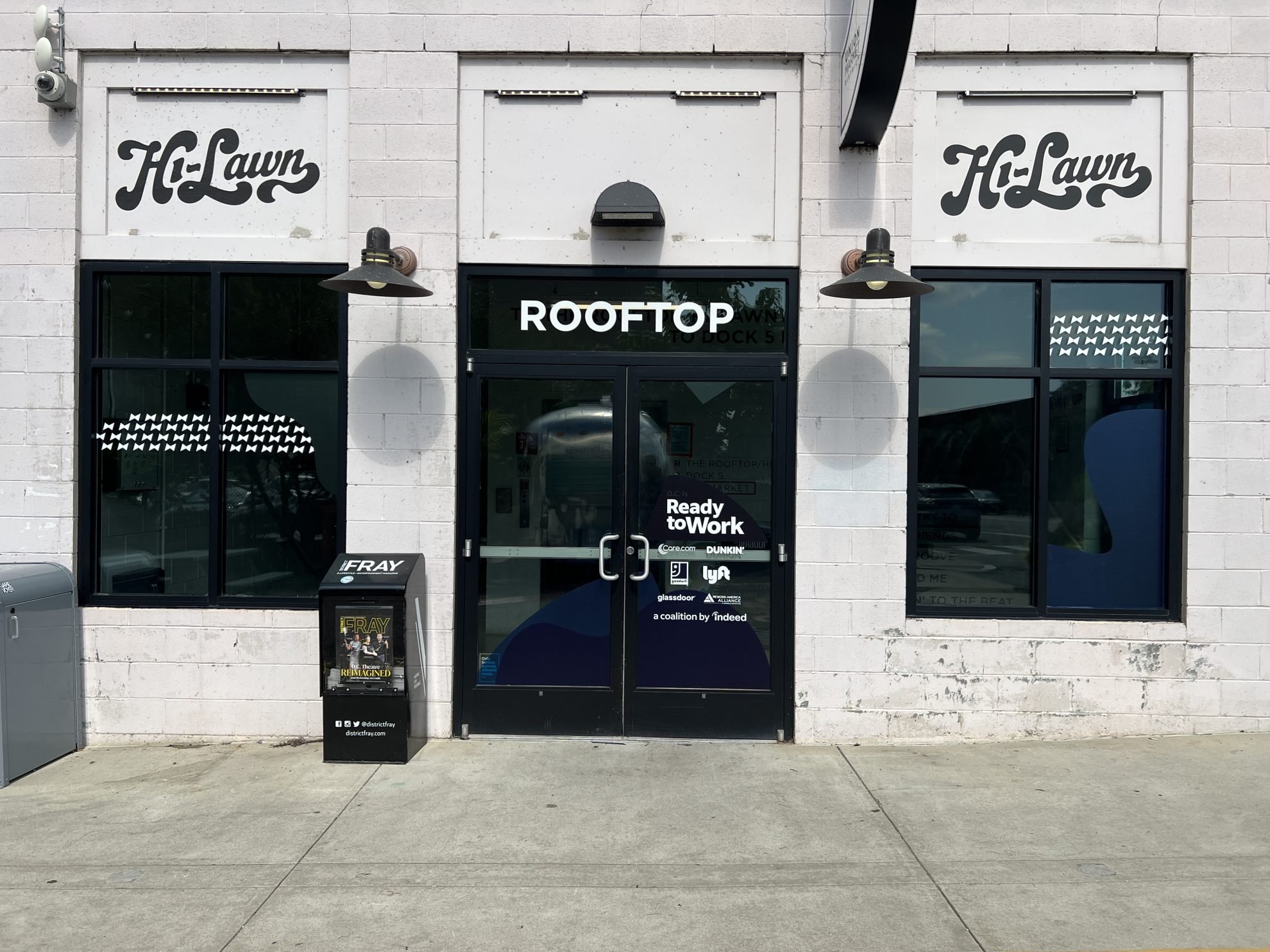
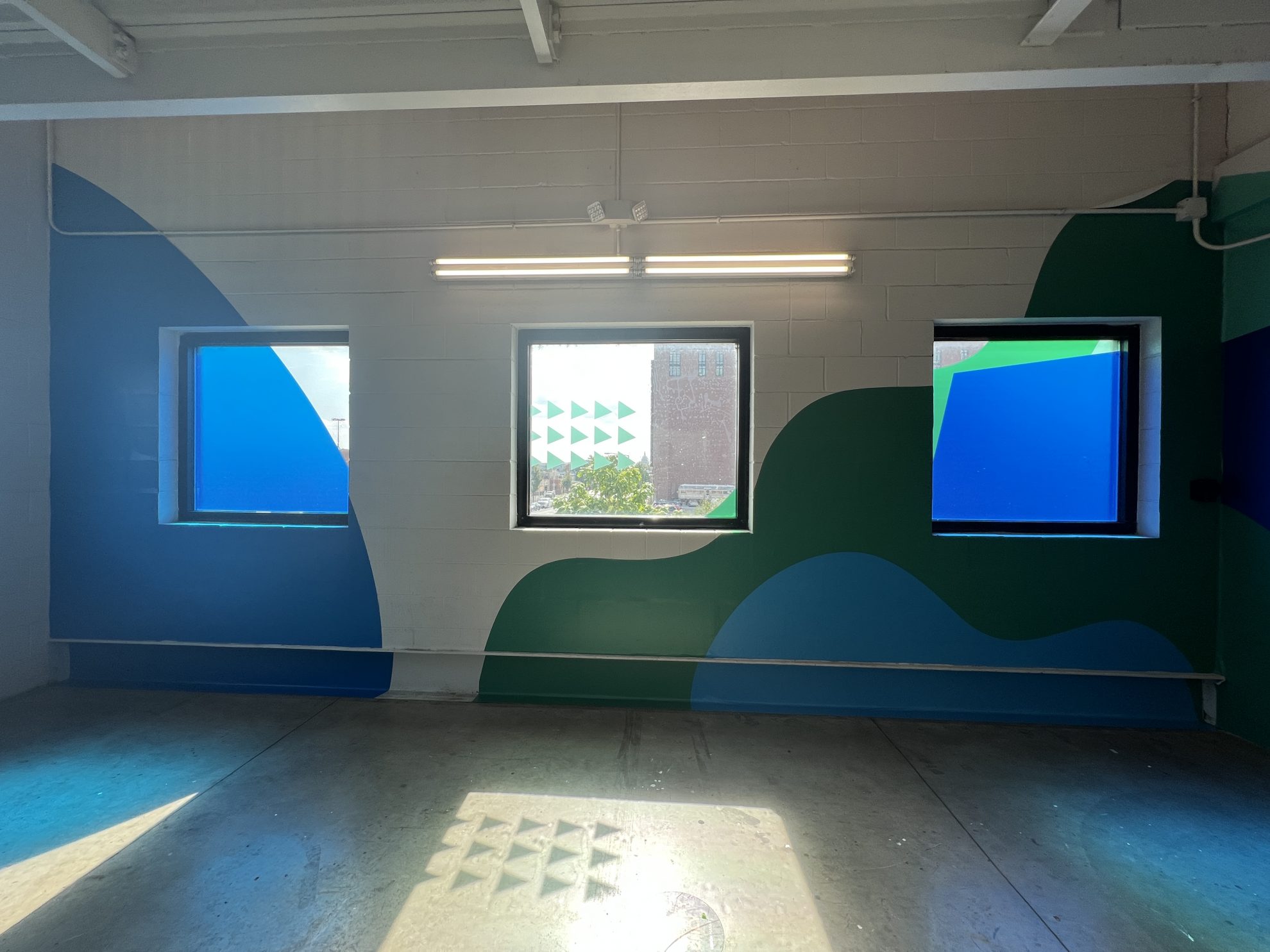
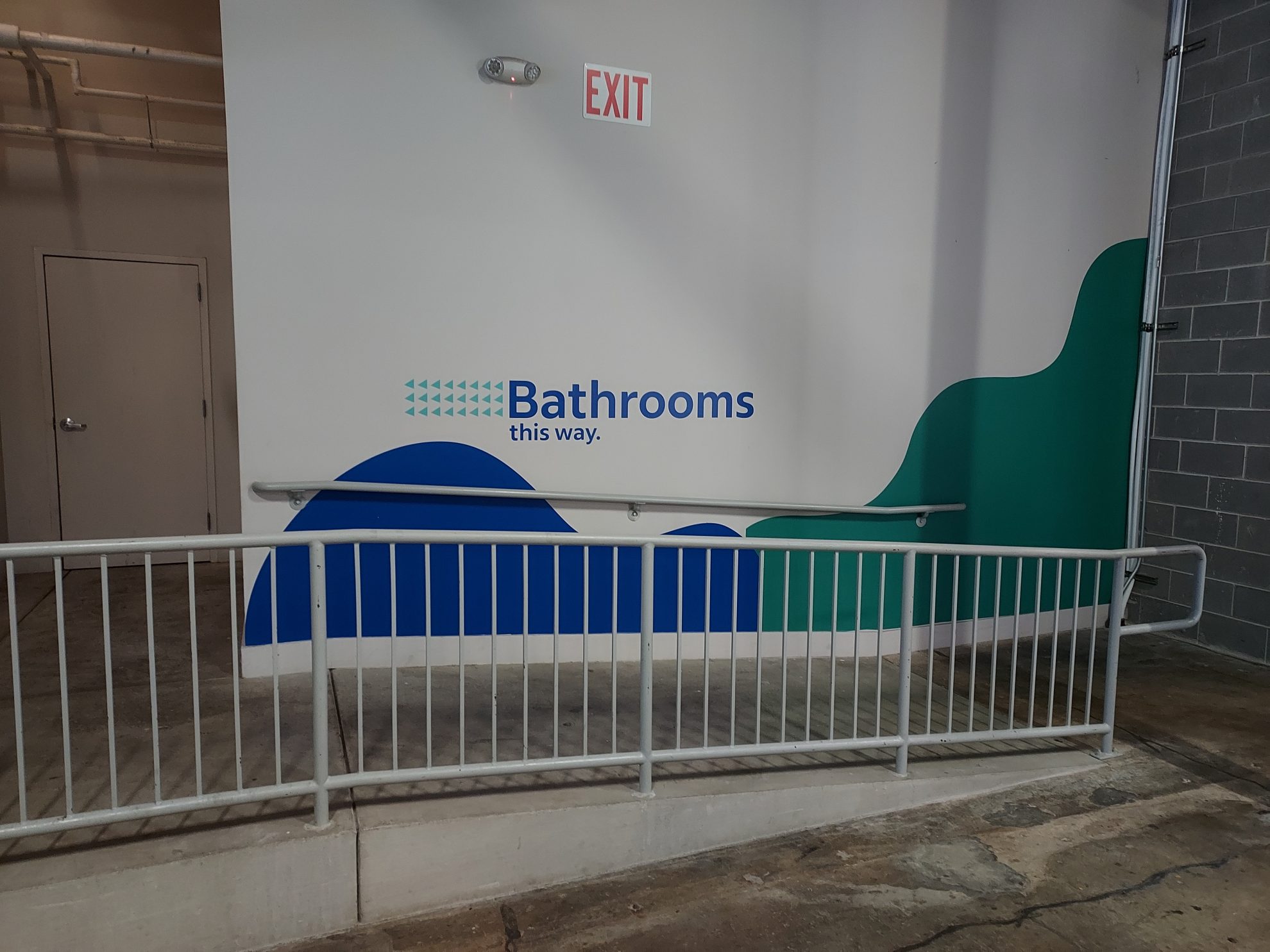
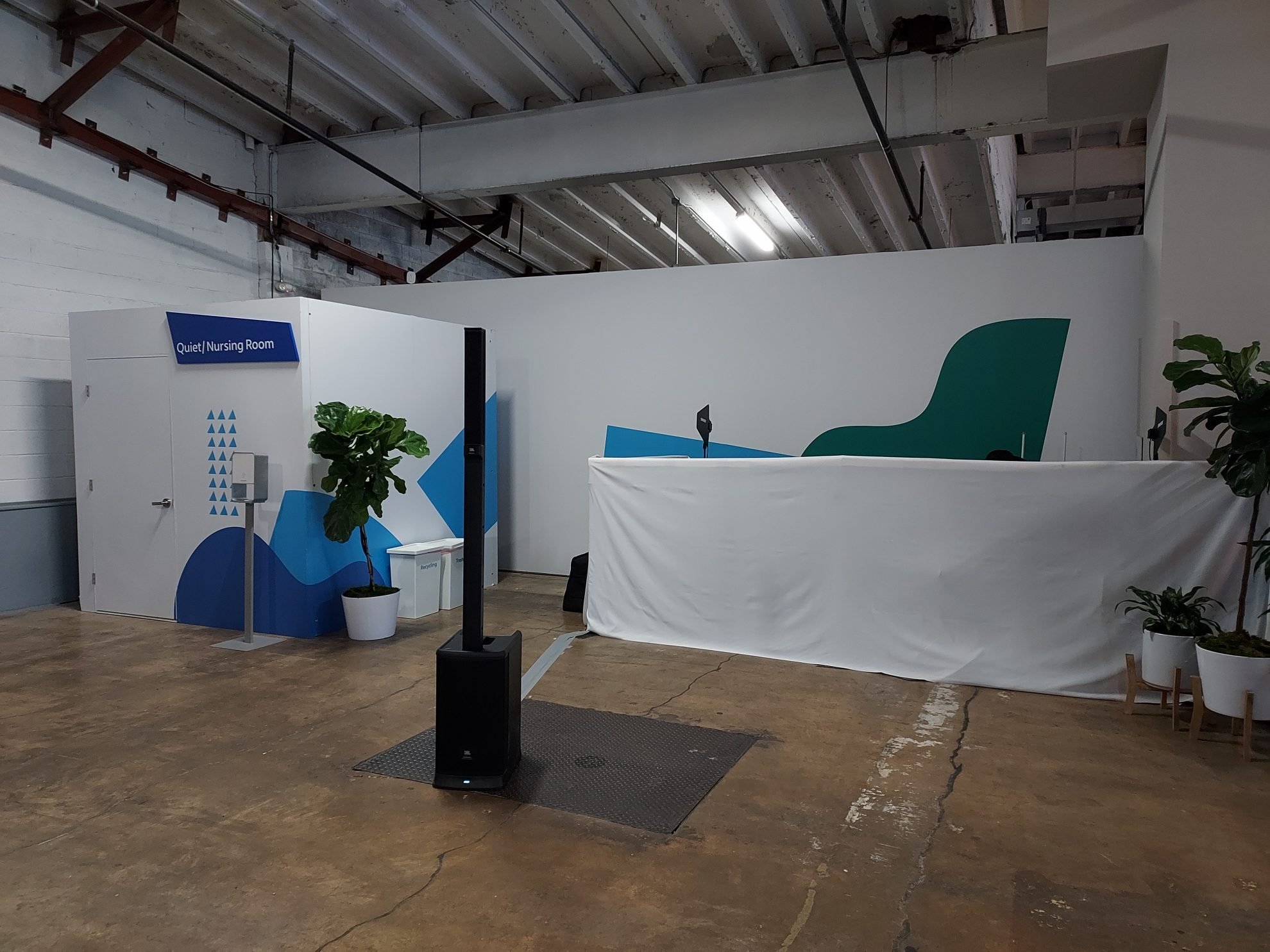
Heritage Signs & Displays' collaboration with The Gathery to brand Union Market in Arlington, VA, for Indeed's "Ready to Work" job fair. The project included custom event displays, wall graphics, window graphics, and wayfinding signs, creating an immersive and visually appealing environment. The branding enhanced the venue, reflected the event's mission, and provided a seamless experience for attendees.