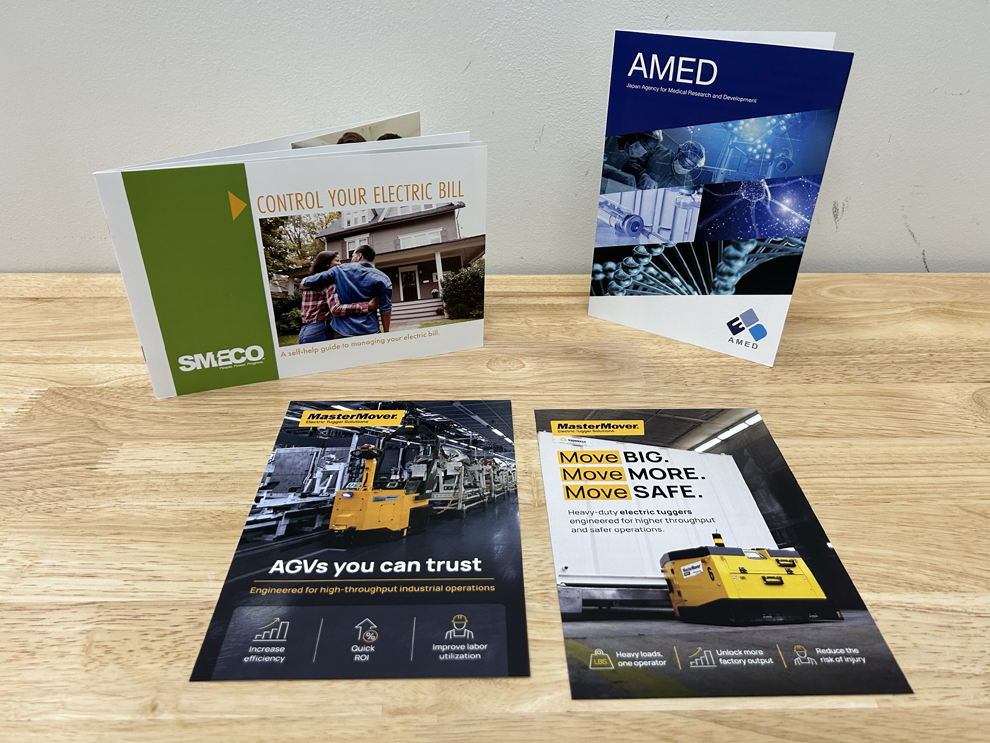
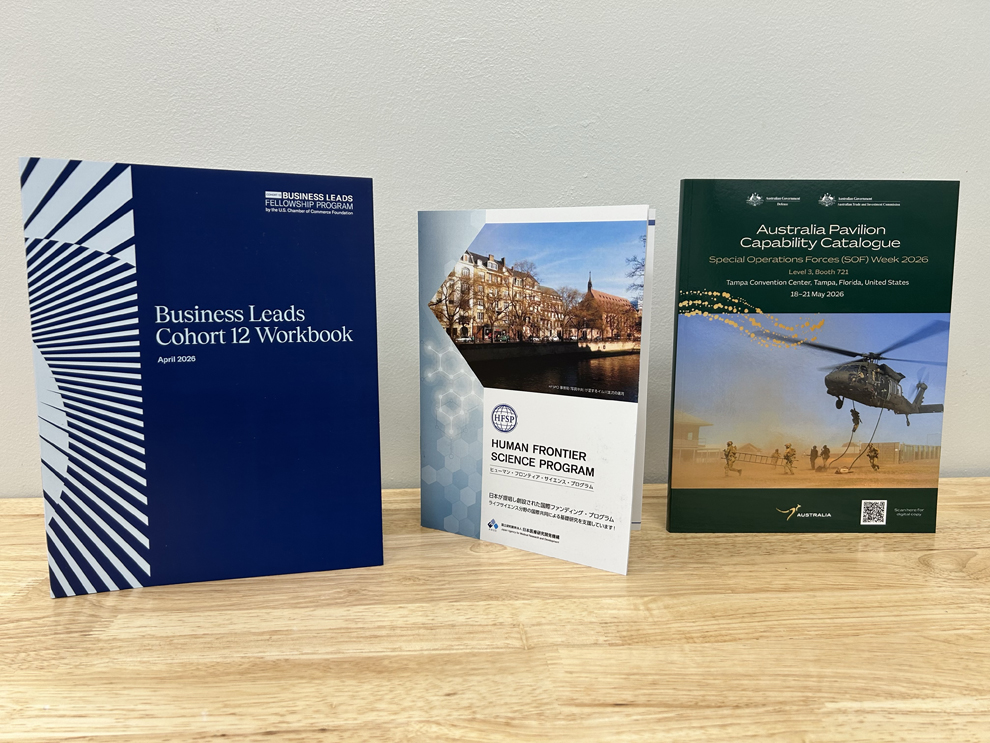
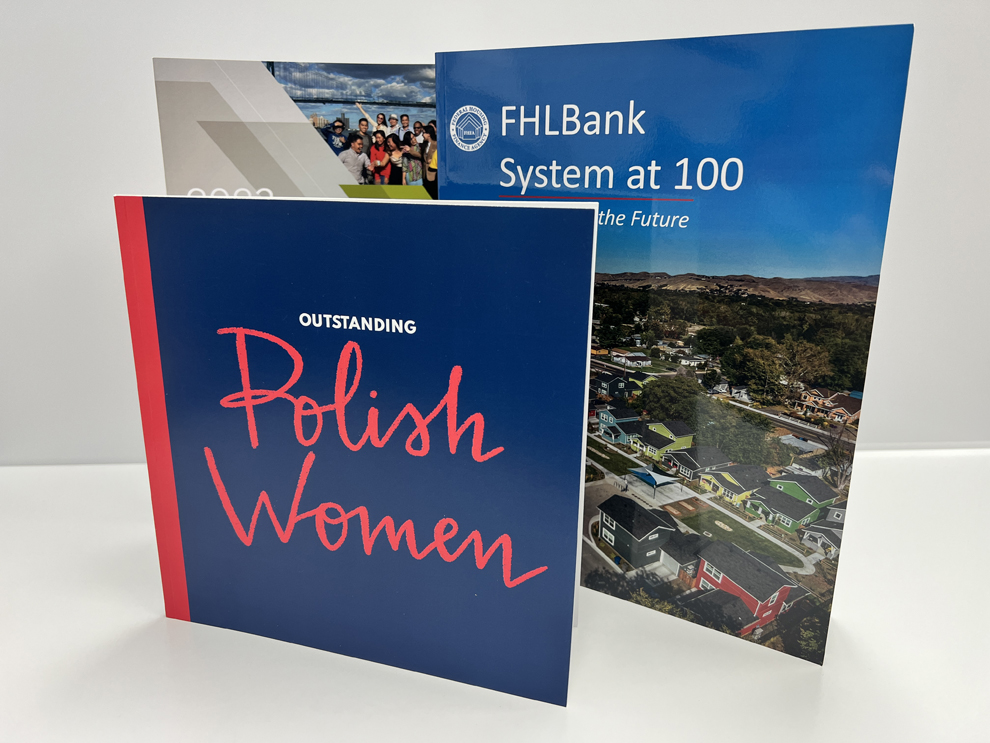
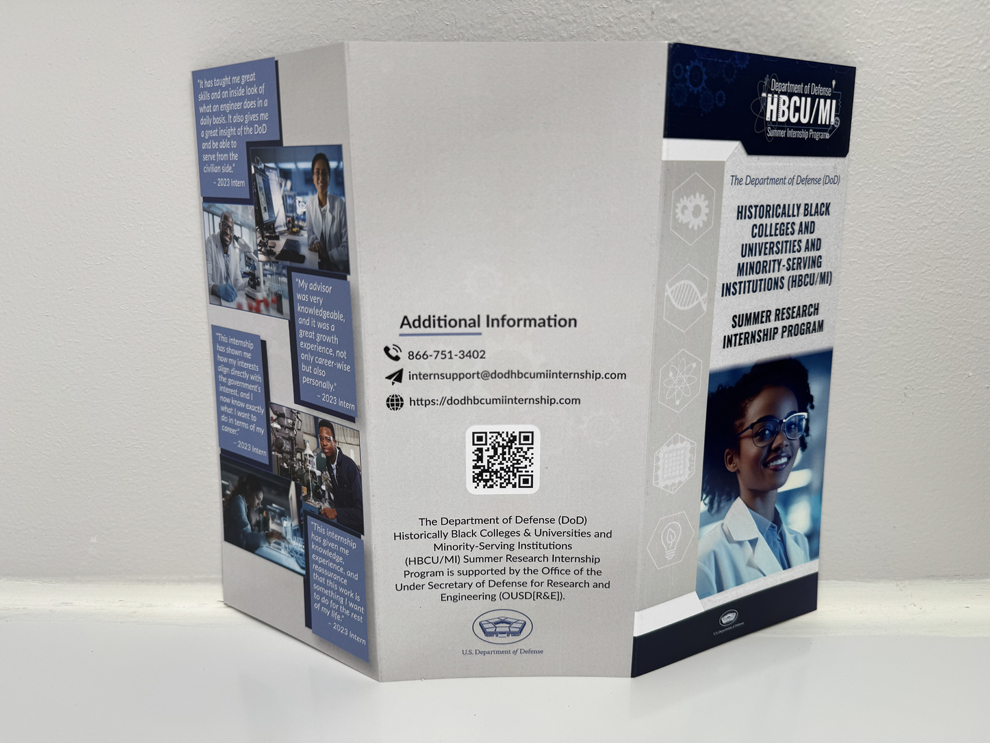
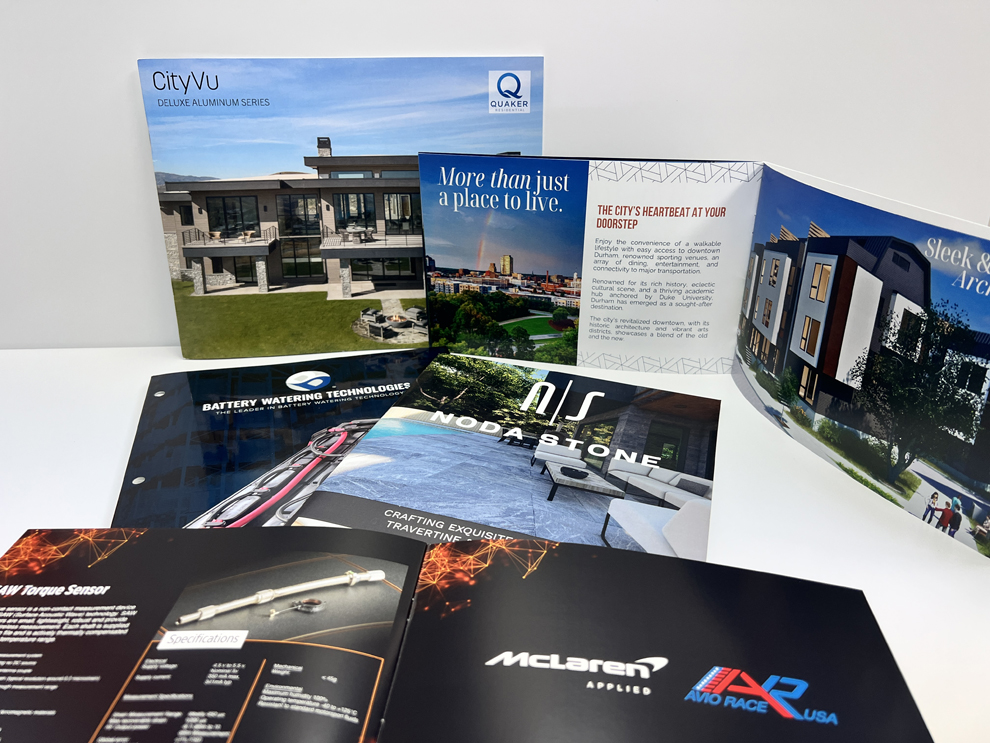
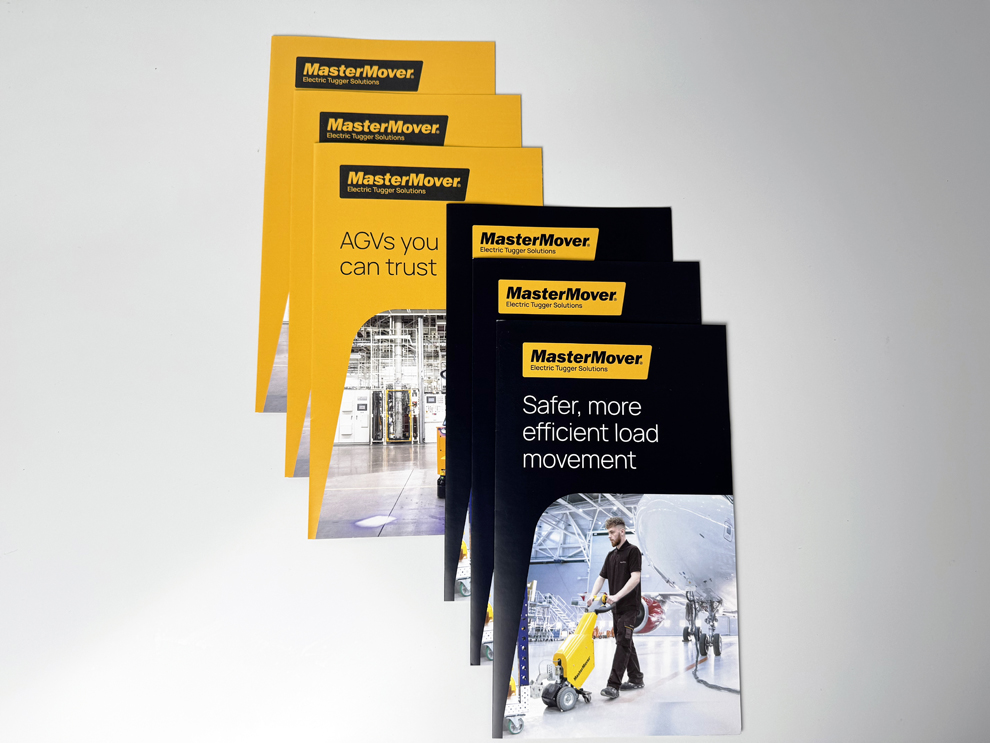
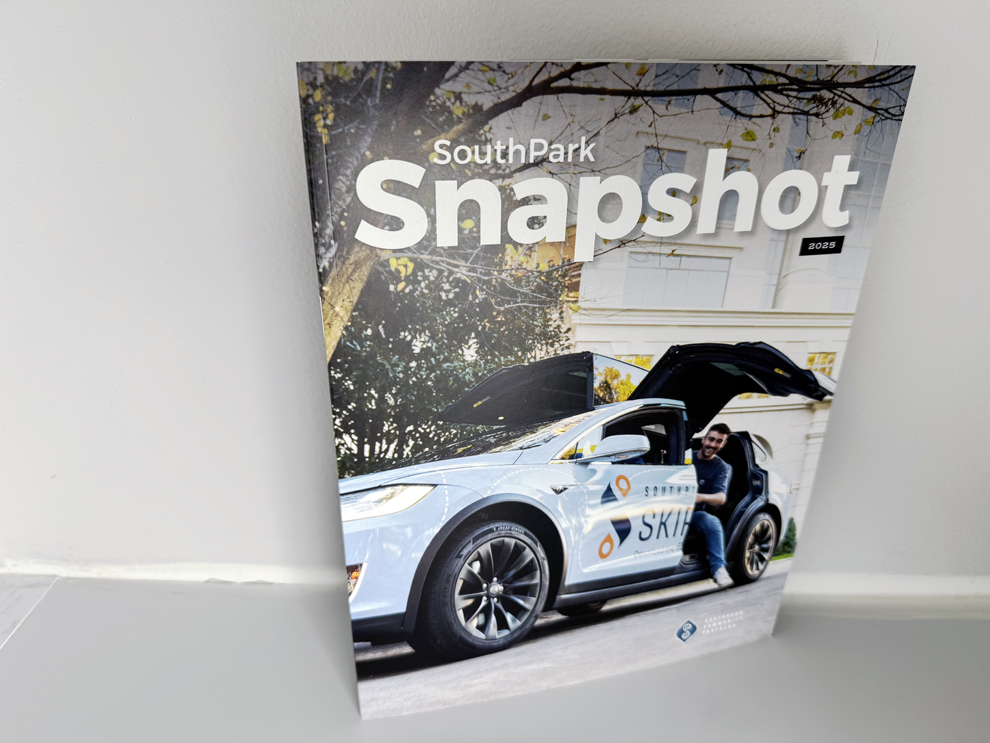
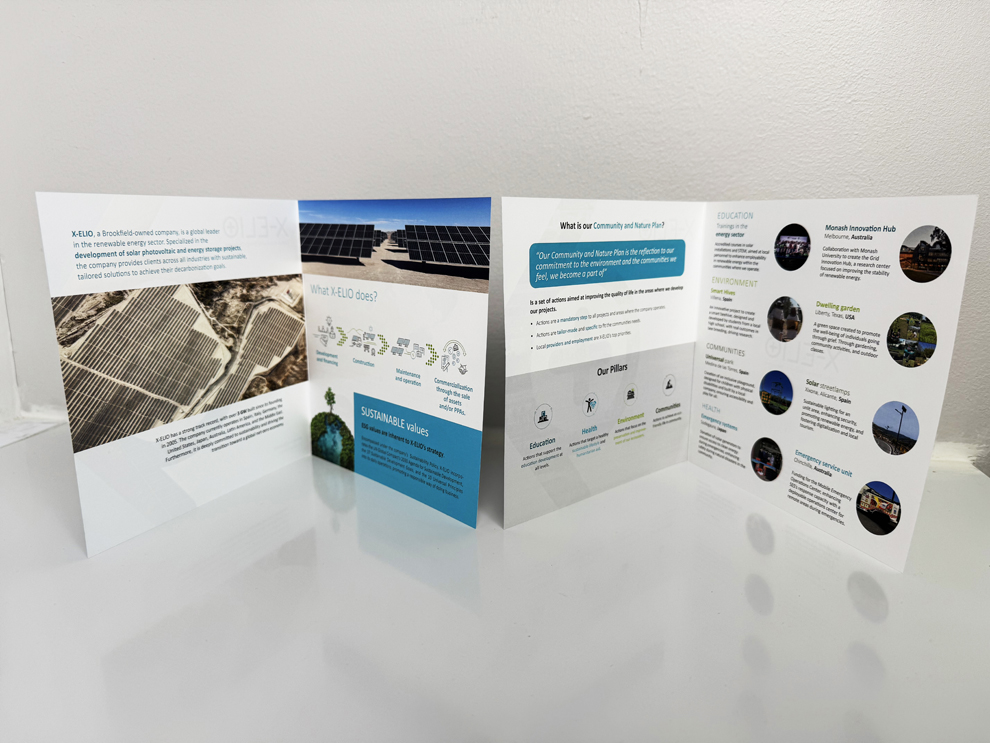
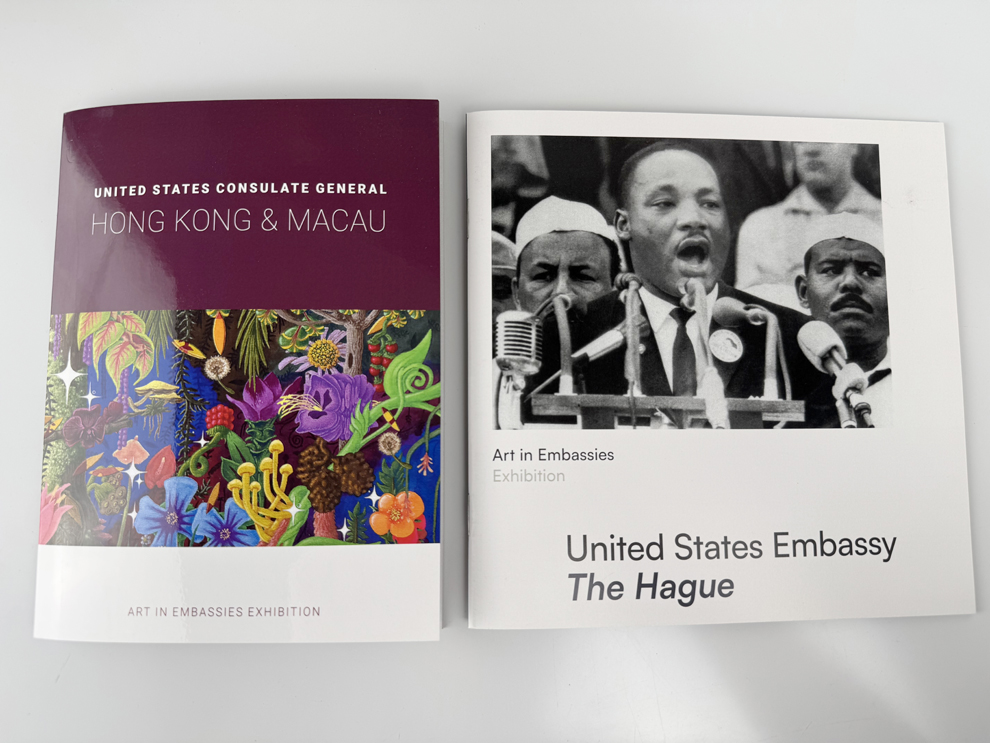
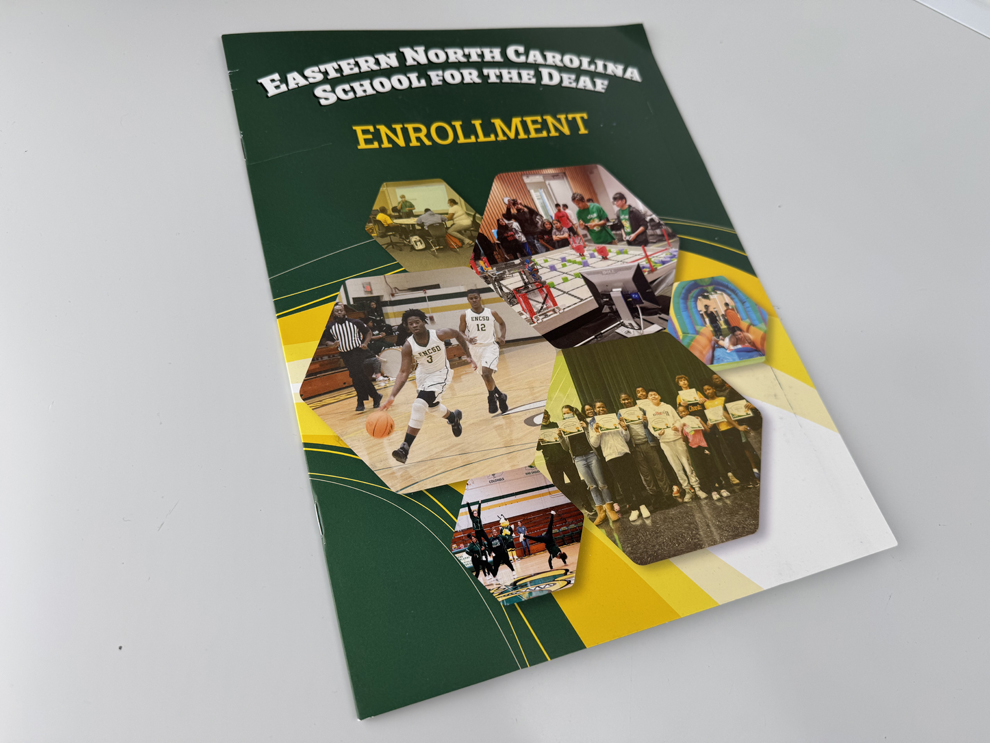
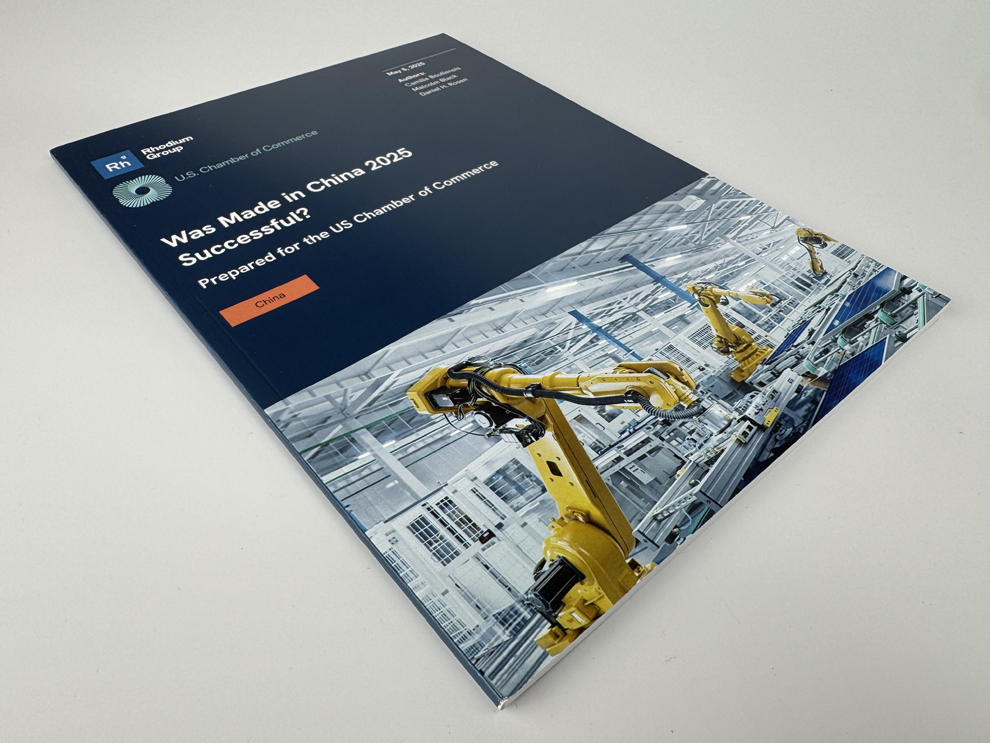
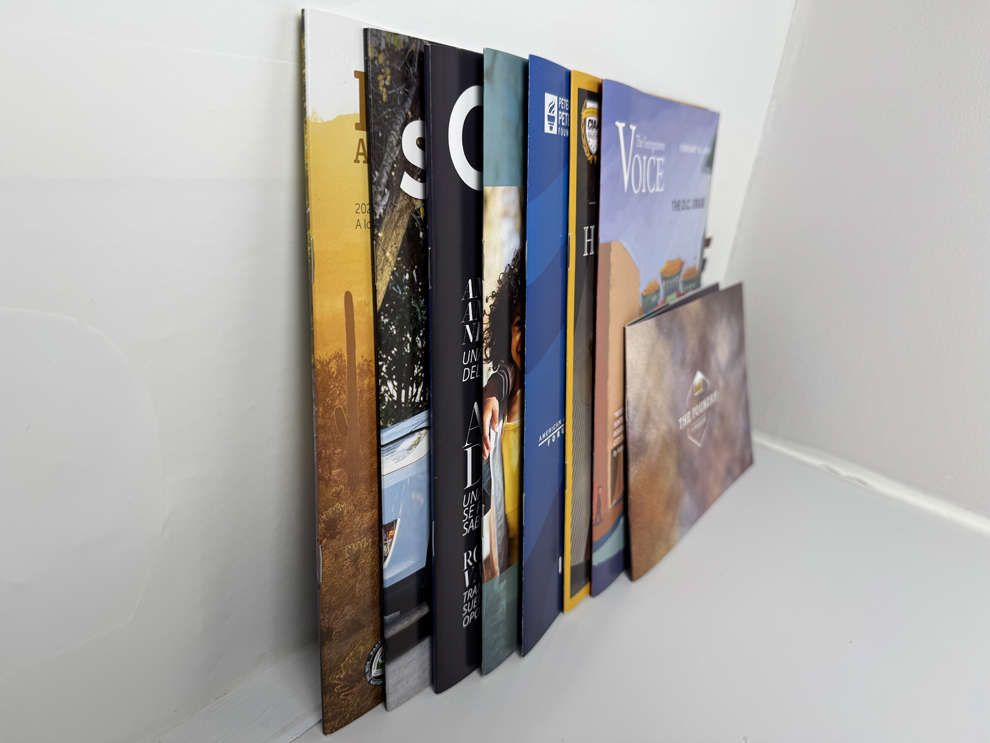
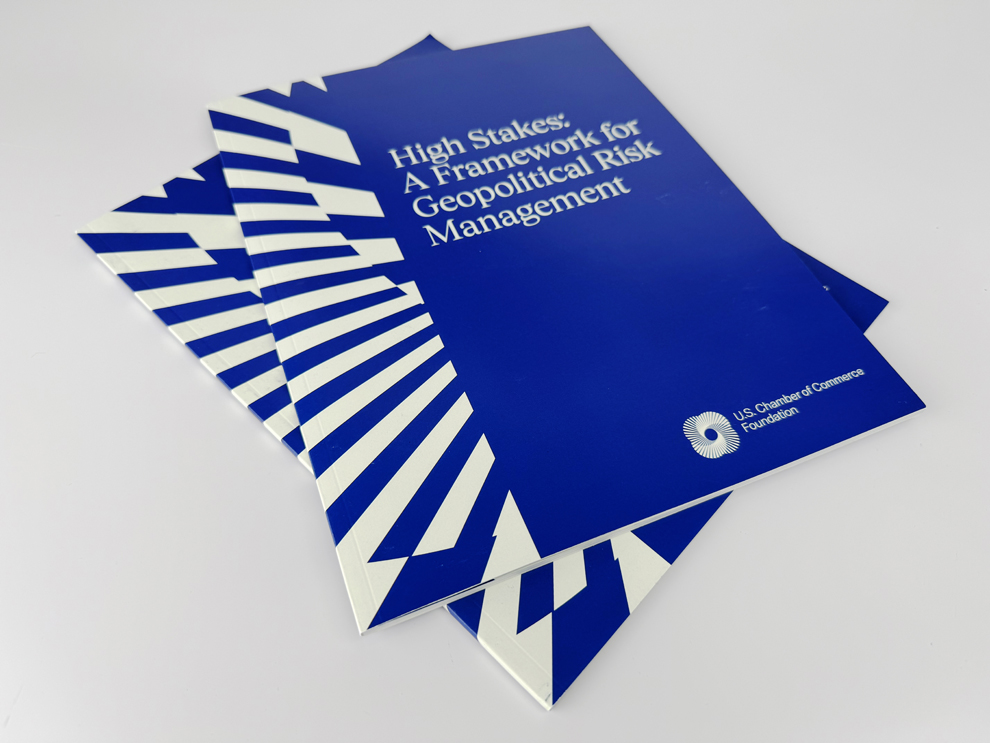
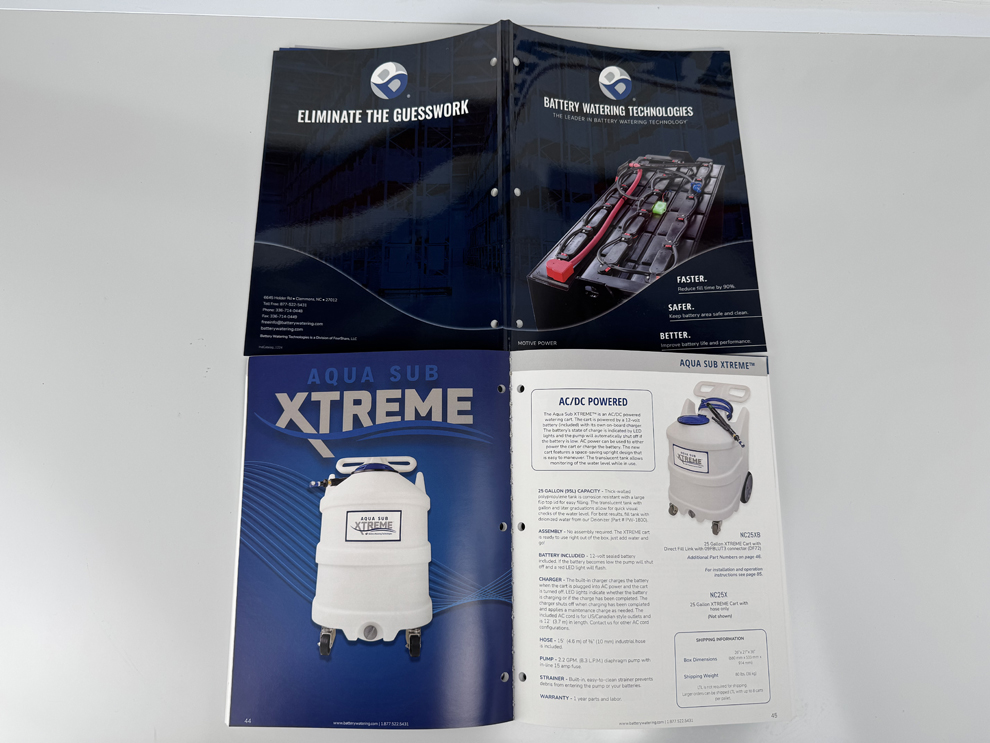
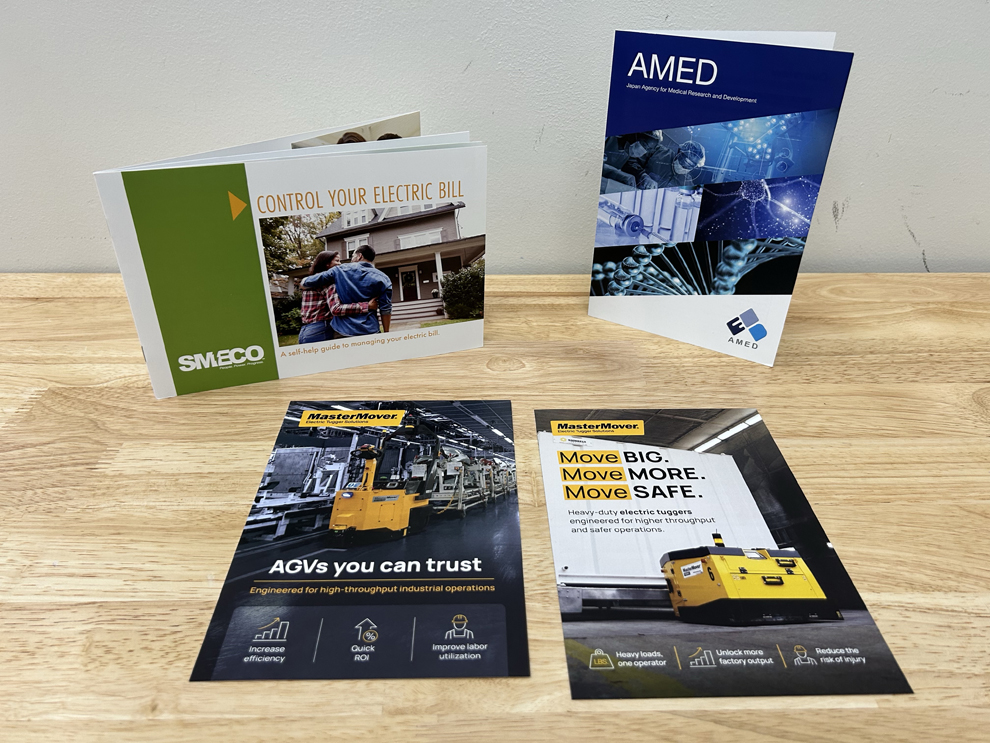
Statewide programs depend on printed brochures that say the same thing, the same way, in every county office, clinic, and service desk that displays them. A Columbia agency, association, or nonprofit may print one brochure, but it is really sending many small deliveries of trust across South Carolina.
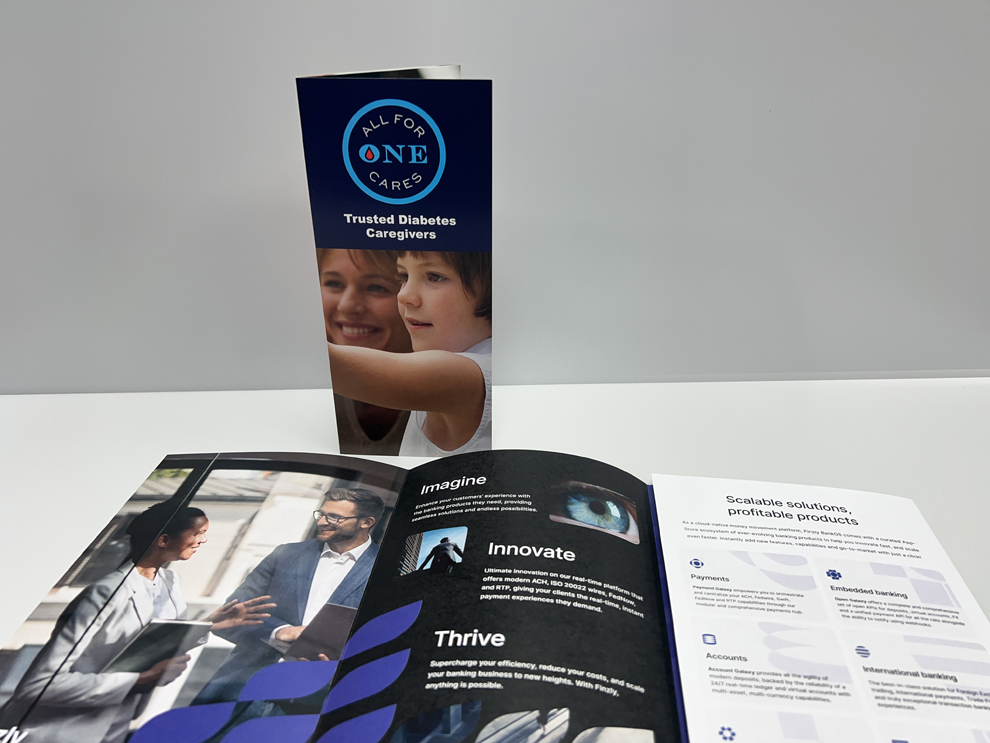
Heritage concentrates on producing that piece well. From your completed artwork, we confirm the size and fold, manage color for consistency across the run, and send an electronic proof so your team can verify the copy, contact information, and panel order before production. The result is a brochure that reads clearly and holds together after folding.
Distribution is part of the plan from the start. If brochures need to be divided by office or region, we ask for those quantities early so the finished run can be counted, packed, labeled, and shipped according to the accepted plan. That keeps the last step from becoming the step that delays a public launch, an enrollment period, or an outreach campaign.
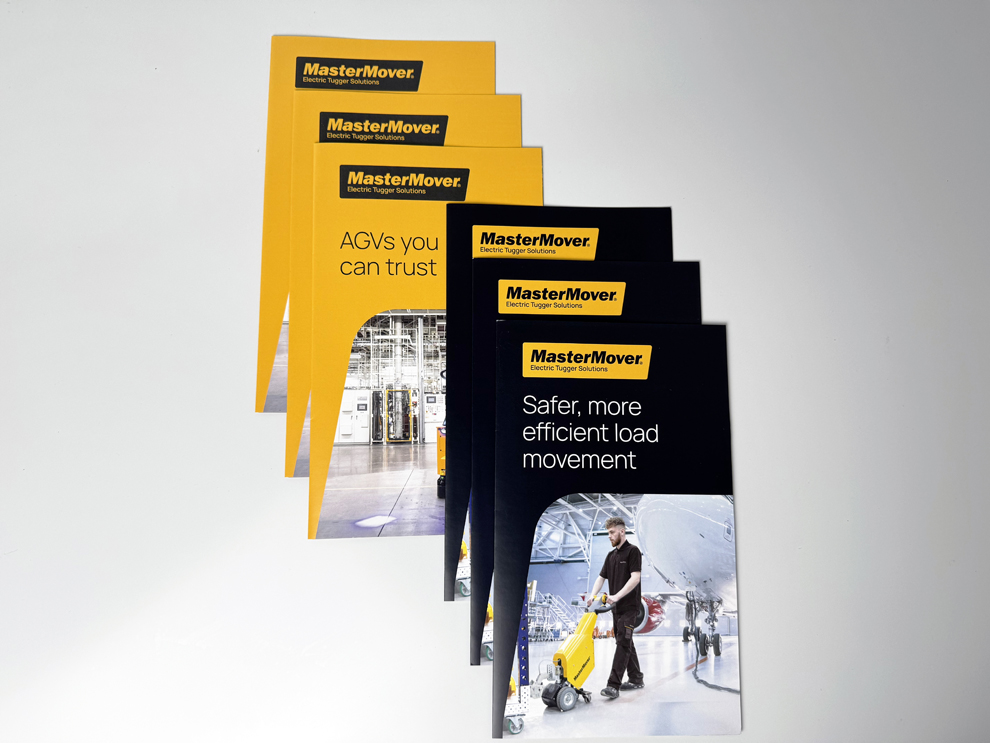
Public-facing brochures carry an extra responsibility. A wrong phone number or an outdated eligibility detail can create real confusion for the people a program is trying to serve. Heritage does not write or verify your program content, but our production process gives your team a structured moment to catch problems before they are printed thousands of times.
That process reflects printing roots that go back to 1977 and a habit of checking the details others skip. Files are reviewed against the selected fold and size, program and brand colors are managed with professional color tools where they matter, and the electronic proof must be approved before printing begins.
Under veteran ownership and family leadership, Heritage treats schedules with the seriousness public programs require. When a program launch or annual conference date is fixed, we tell you early what the production window can support and keep accepted work moving. For qualifying Custom Quote orders, an assigned Project Coordinator becomes your direct contact after Heritage accepts the quote and assigns the order.
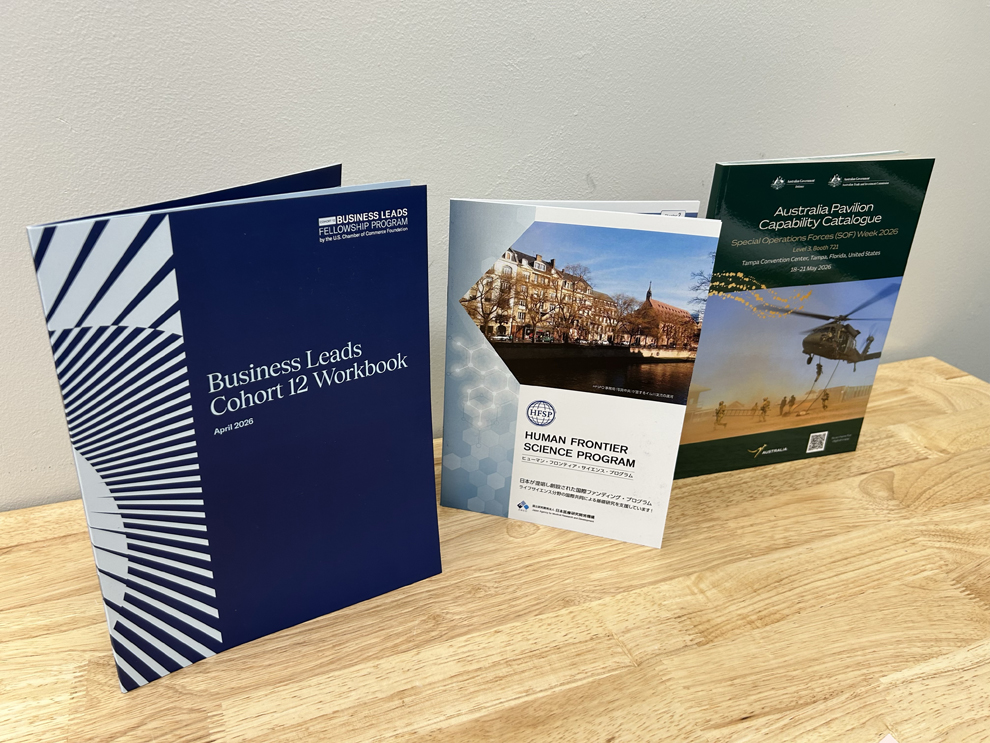
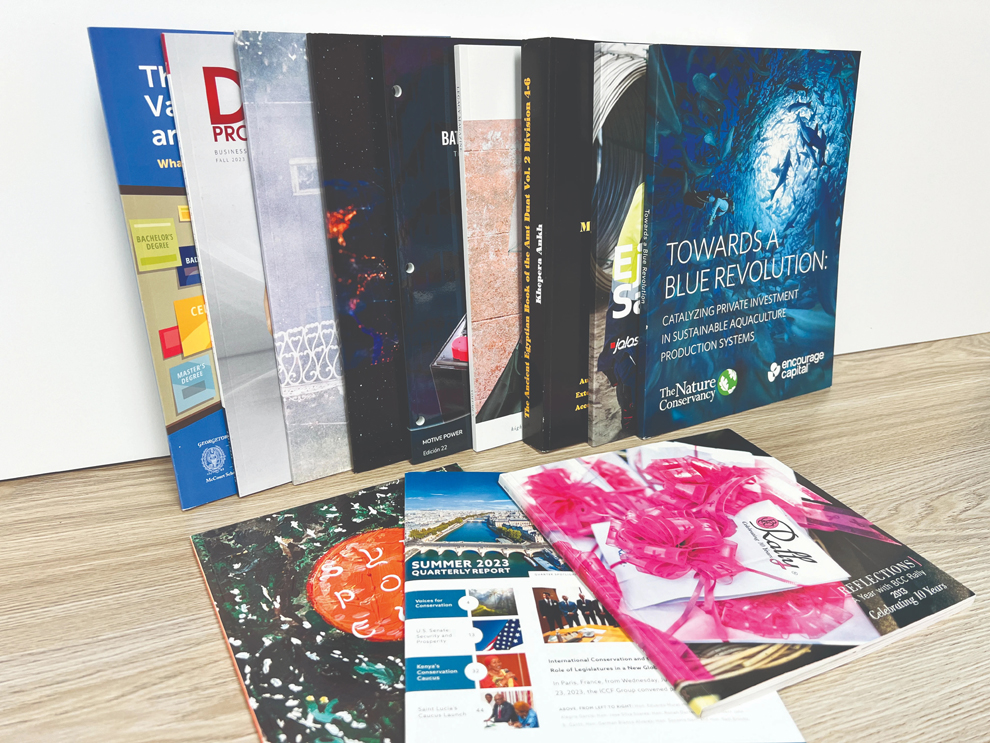
Hold brochures, fact sheets, and enrollment forms together for partner meetings and community briefings.
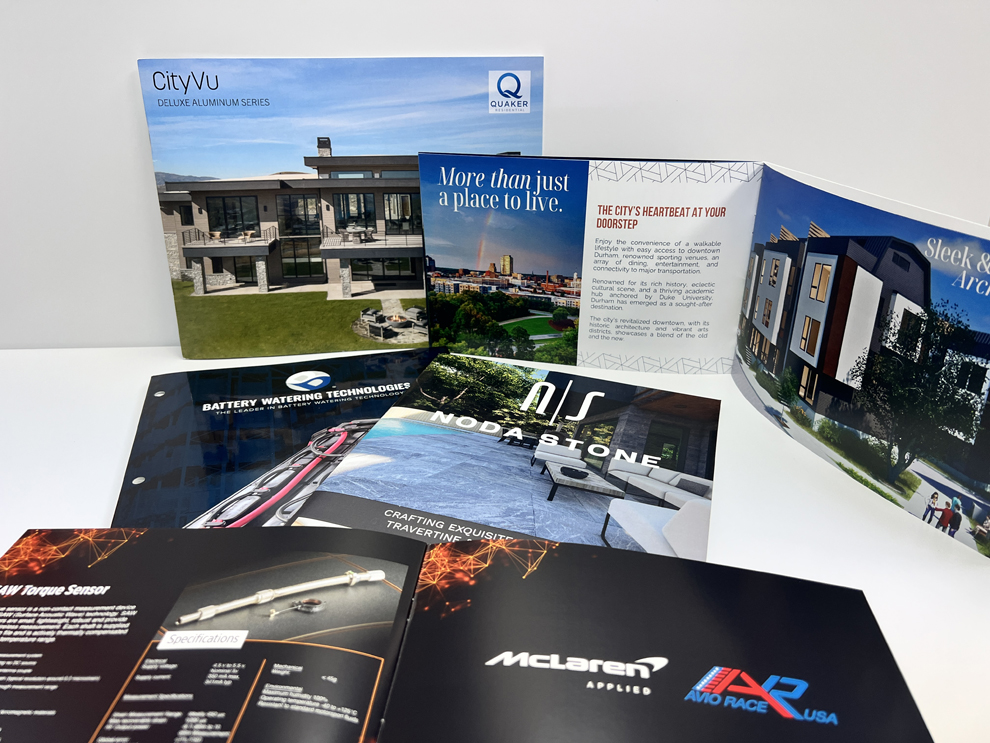
Build a matching set of flyers, postcards, and handouts around the same public campaign.
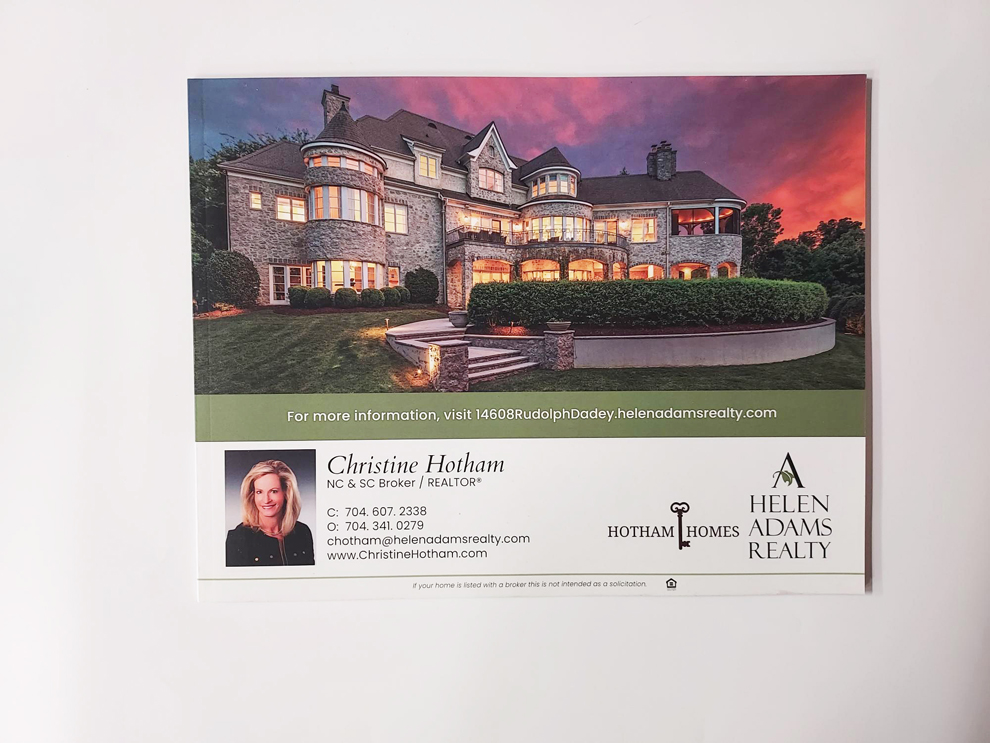
Put brochures directly in front of members or residents with addressing and postal preparation.
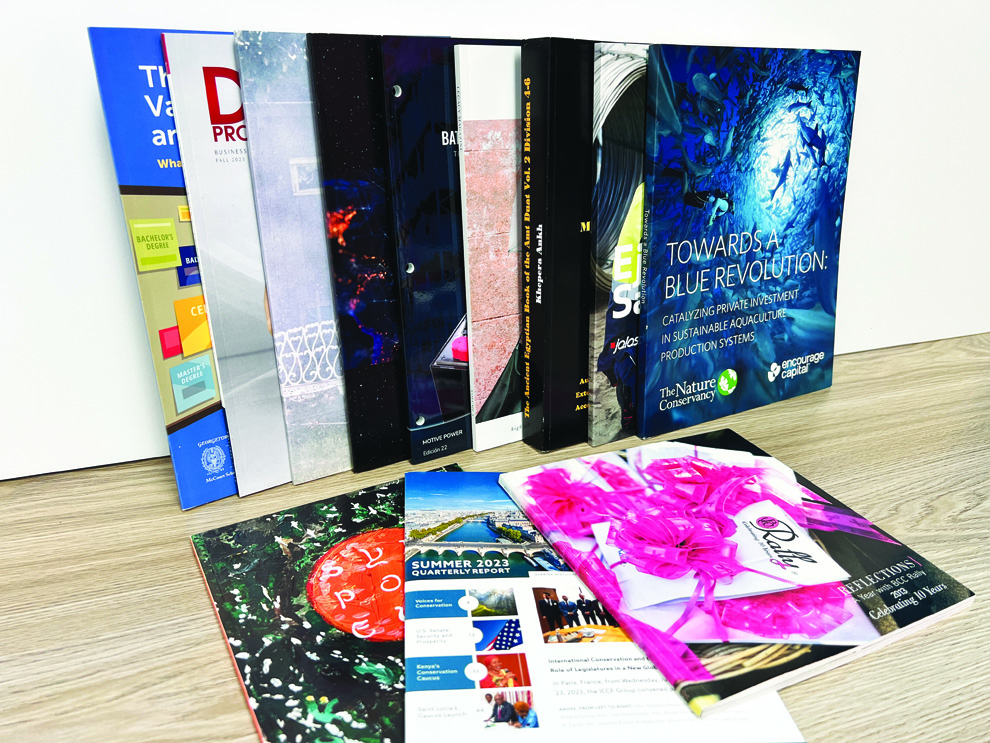
Give program guides, resource directories, and policy summaries the page count they actually need.
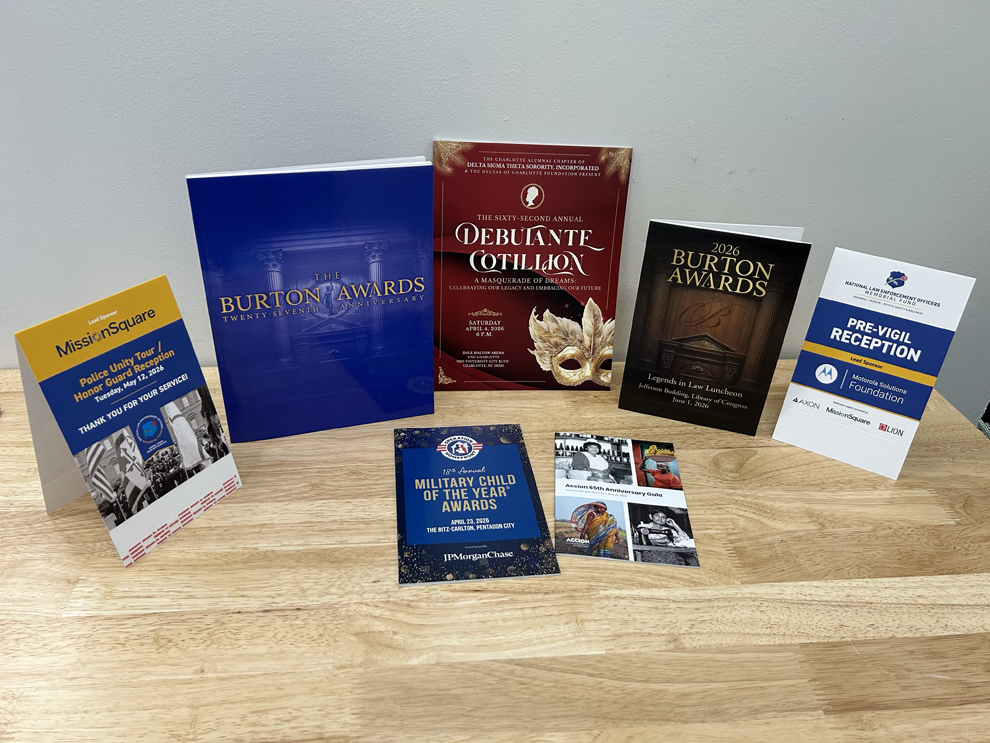
Print agendas and session guides for annual meetings, statewide conferences, and award events.
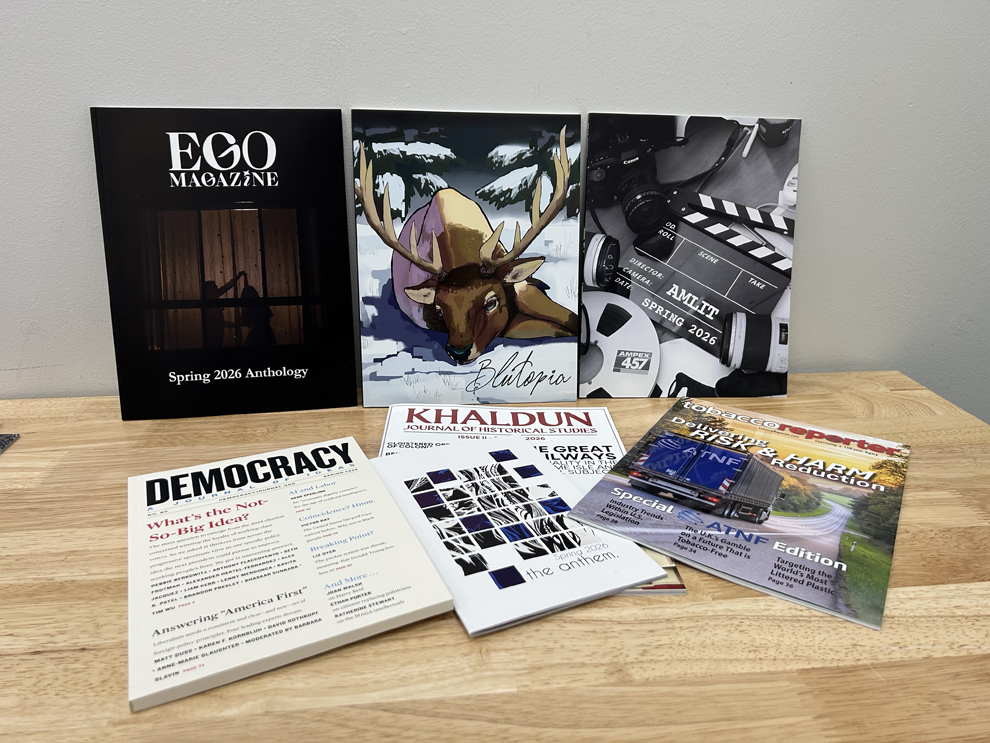
Produce reference guides and member resources that are too detailed for a folded piece.
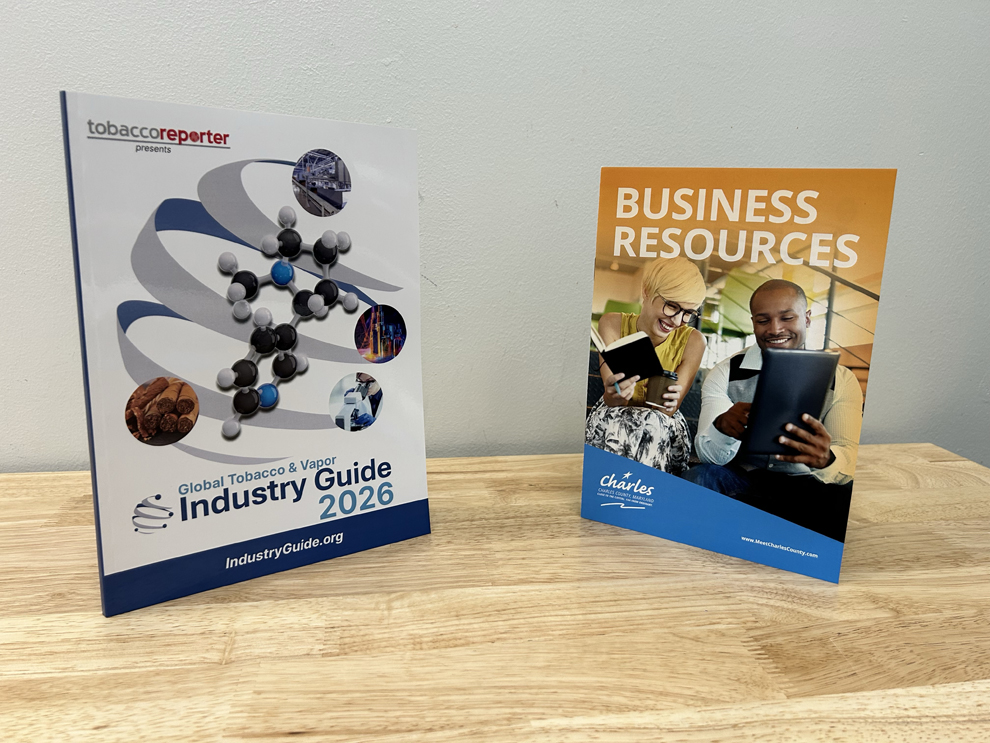
Send members and partners a recurring printed update on programs, policy, and events.
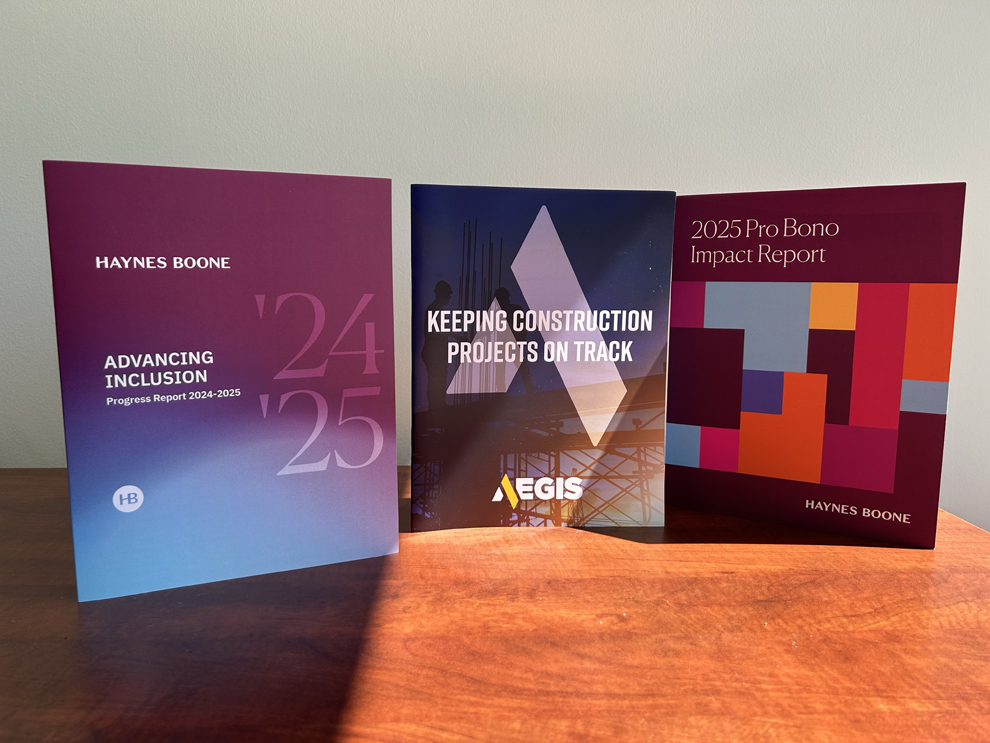
Document a year of service, outcomes, and funding in a formal report for boards and partners.
Statewide distributions with split shipments, regional versions, or launch-date coordination fit Custom Quote once the order reaches $2,000+. Heritage assigns a Project Coordinator after accepting the quote, and that person keeps every office's shipment on track with you. A single print-ready version in a listed Store configuration can simply be purchased online, where Heritage's lowest available pricing applies.
A run of brochures headed to one loading dock is simple. A run divided among dozens of offices is a different job. Before the brochures are finished, Heritage needs a clear distribution list: each destination, the quantity for each, the person receiving the shipment, and any date by which a location must have its supply.
With that list in hand, finished brochures can be counted into bundles or cartons that match each destination, so local staff are not left re-sorting a single bulk delivery. Clear labeling matters too. When several brochure versions travel together, such as a general version and a county-specific version, each carton should show exactly what is inside.
Heritage ships according to the accepted plan and communicates promptly if anything in the distribution schedule looks unrealistic. Planning this early protects the outreach date, because the printed piece is only useful once it is in the hands of the staff who will share it. For a qualifying statewide distribution, Custom Quote gives the order the coordination it needs.
Yes, when split shipping is part of the accepted plan. Provide a distribution list with each address, the quantity for each location, a receiving contact, and any required arrival date. Sending that list before printing is finished lets the run be counted and packed by destination instead of shipped as one bulk delivery.
It can. Regional versions often change contact details, office addresses, or local program information while the rest of the design stays the same. Name each file by version, assign quantities to each, and choose one approver per version. Heritage proofs each version separately before printing.
A moderately stiff stock helps brochures stand upright and resist curling, and a coated surface tends to handle repeated browsing with less scuffing. If clients need to write on the brochure, an uncoated sheet accepts pen more easily. Choose based on how the piece will actually be displayed and used.
Check every phone number, web address, office address, eligibility date, and program name, along with panel order and anything near a fold. The electronic proof shows the content Heritage will print. Your organization remains responsible for the accuracy of the information, so route the proof to whoever owns that content.
Once a proof is approved, production can move forward on that file. If information changes, send a revised file as soon as possible and Heritage will issue a new electronic proof for the change. Depending on where the job is in production, a late revision can affect the schedule, so earlier is always better.
A brochure works when residents need a quick overview, eligibility basics, and how to apply. A booklet works better when the guide includes detailed rules, several programs, or resource listings that would crowd folded panels. Many agencies pair a brochure for broad distribution with a booklet for staff and in-depth readers.
Generous. Public-information brochures reach readers of every age and reading level, so body copy should be comfortably larger than the bare minimum, with strong contrast and no long blocks of reversed text. Thin or light fonts can fade on absorbent paper. Your designer controls these choices, and the proof is a good place to check them.
Yes. A second language can be produced as its own version in the same order, sharing the size, fold, and paper. Your organization provides the translated artwork and has a fluent reviewer approve that version's electronic proof, because Heritage reproduces the text but does not translate or verify it.
Ask for each carton to show the version name and quantity so local staff can tell a county version from a statewide version without opening the box. When versions go to different offices, match the labels to your distribution list. Clear labeling prevents the wrong brochure from reaching the wrong service desk.
A print-ready PDF built at the finished size and panel layout for your fold works best. It should include bleed where artwork reaches the edge, embedded fonts, and print-resolution images. If your file comes from a different office or vendor, confirm those details before ordering so production review moves quickly.
Yes, if mail is written into the order's scope. Your agency or association provides resident or member addresses it is authorized to use, cleaned and formatted as agreed, and Heritage handles addressing and postal preparation. Aim the drop well ahead of enrollment deadlines, because transit time belongs to the Postal Service once it accepts the pieces.
Heritage applies the same color-management controls to each run, and keeping the paper and finish unchanged matters most. Program and agency colors can be supplied as PMS targets. That consistency helps a reprinted brochure sit beside older stock in a county office without looking like a different publication.
Work backward from the date brochures must be in every office, allowing for file review, proof approval, printing, folding, packing, and shipping to each location. Statewide distribution adds steps a single delivery does not. Share the launch date with Heritage early so the timeline can be planned realistically.
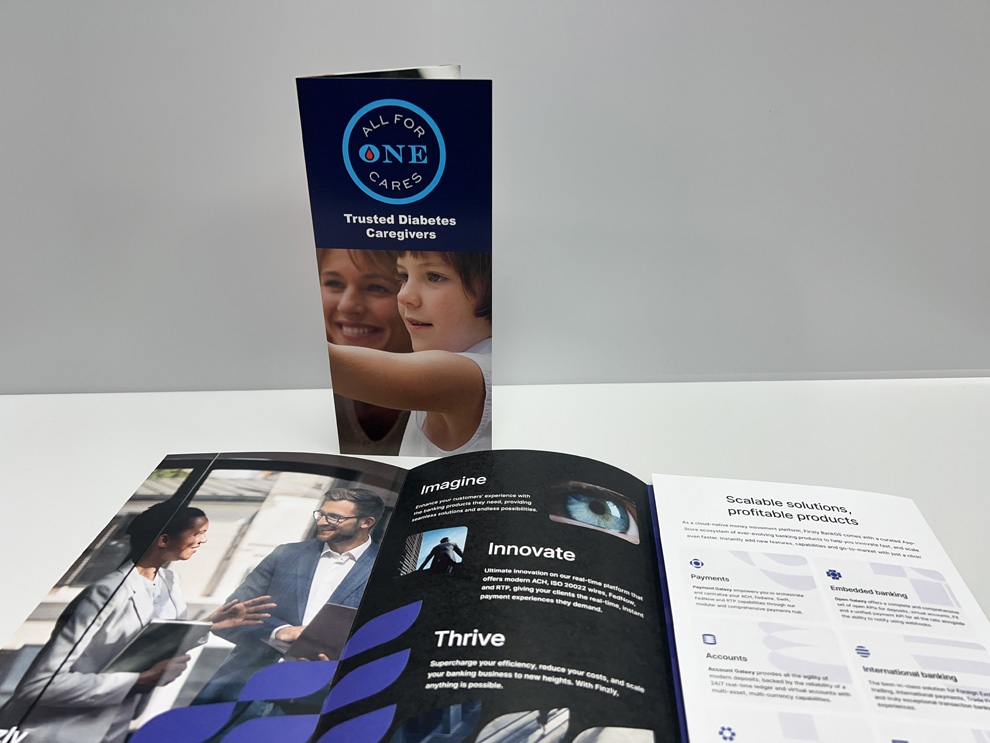
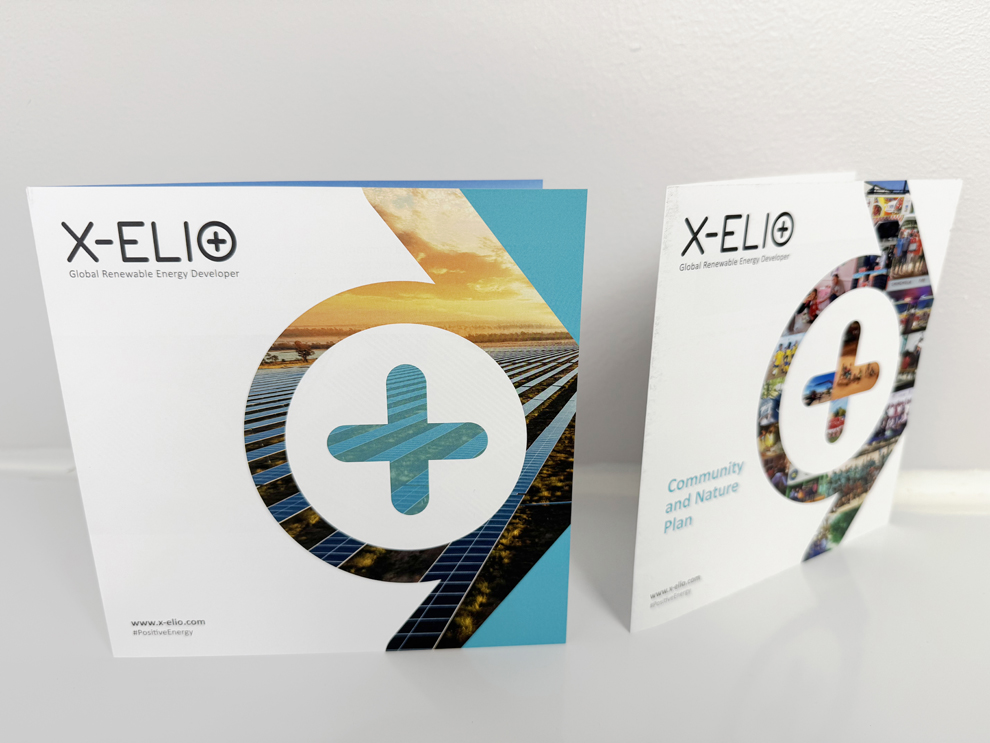
A tri-fold is the most familiar format for public information because it is compact and opens in a predictable order. A bi-fold works when larger panels make instructions or charts easier to read. Pick the structure that lets a reader find the essential action, such as how to apply or whom to call, within seconds.
Use the Online Store when the artwork is print-ready and a matching brochure configuration is listed; you order directly at Heritage's lowest available pricing. Use Custom Quote for qualifying orders of $2,000 or more that need versions, split shipments, file adjustments, or more coordination.
Yes. Heritage works with organizations across South Carolina and the broader Carolinas. Finished brochures can be shipped, delivered, or mailed according to the accepted production plan, so the location of each receiving office can be built into the order from the beginning.
Heritage Signs & Displays created new museum signage for the Military Women’s Memorial in Arlington, VA. The project included custom signs, wall wraps, dimensional letters, and standoff-mounted displays to honor the legacy of U.S. servicewomen and the donors who supported the memorial. The updated interior features impactful designs, including a "Our Legacy" wall display and panels showcasing historical contributions and artwork, creating a transformative tribute to women in the U.S. Armed Forces.
Heritage Signs & Displays' collaboration with The Gathery to brand Union Market in Arlington, VA, for Indeed's "Ready to Work" job fair. The project included custom event displays, wall graphics, window graphics, and wayfinding signs, creating an immersive and visually appealing environment. The branding enhanced the venue, reflected the event's mission, and provided a seamless experience for attendees.