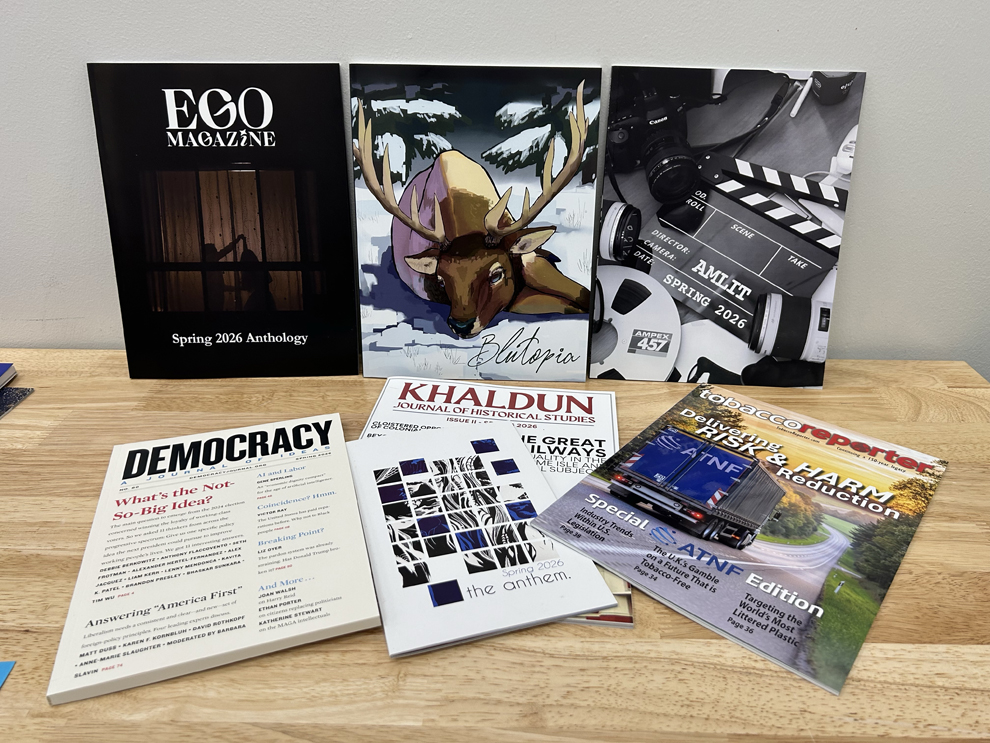
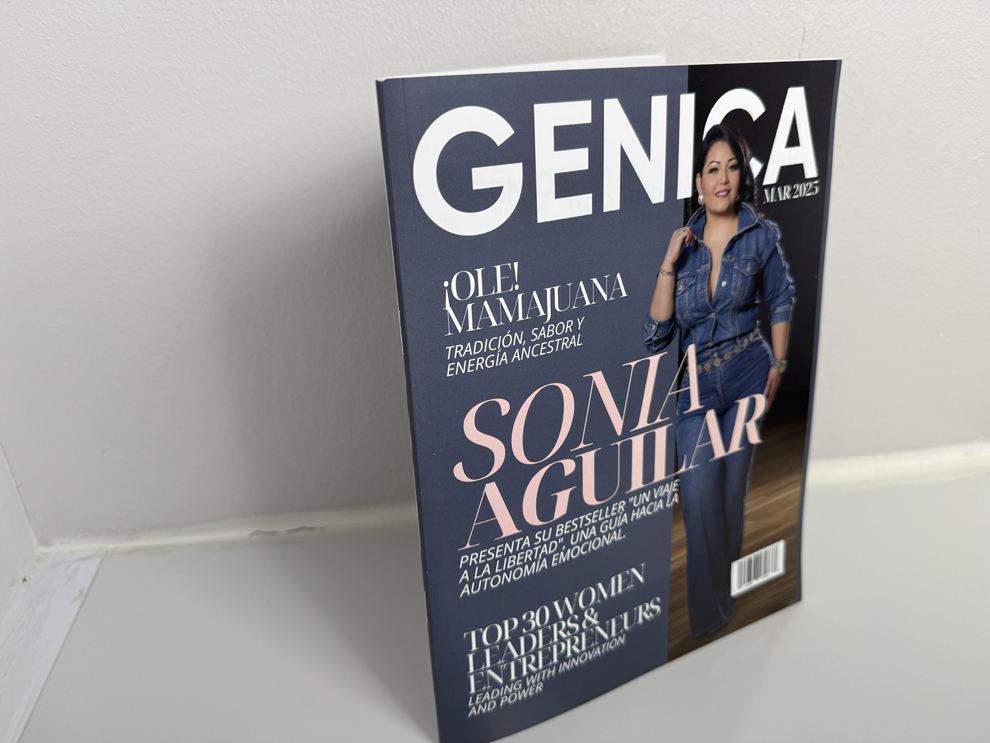
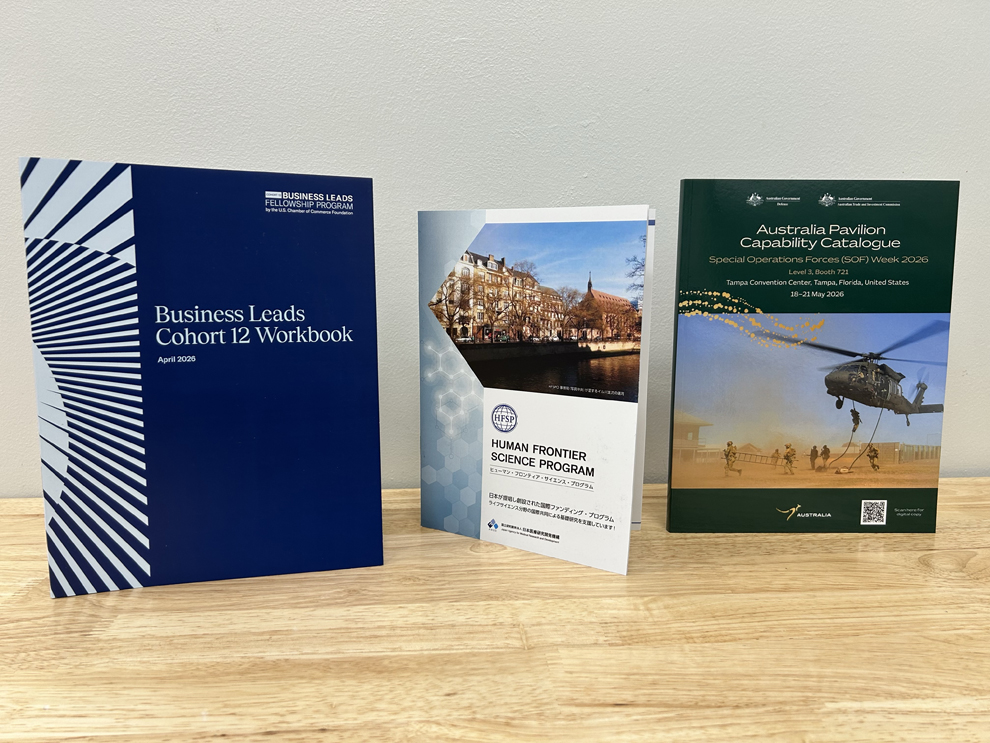
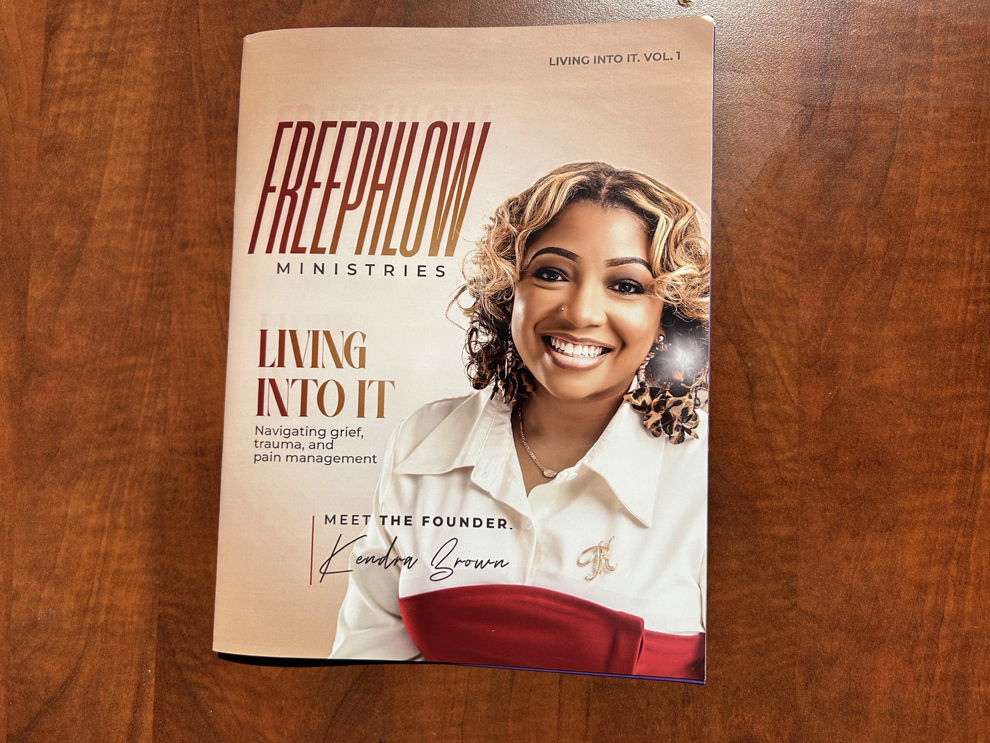
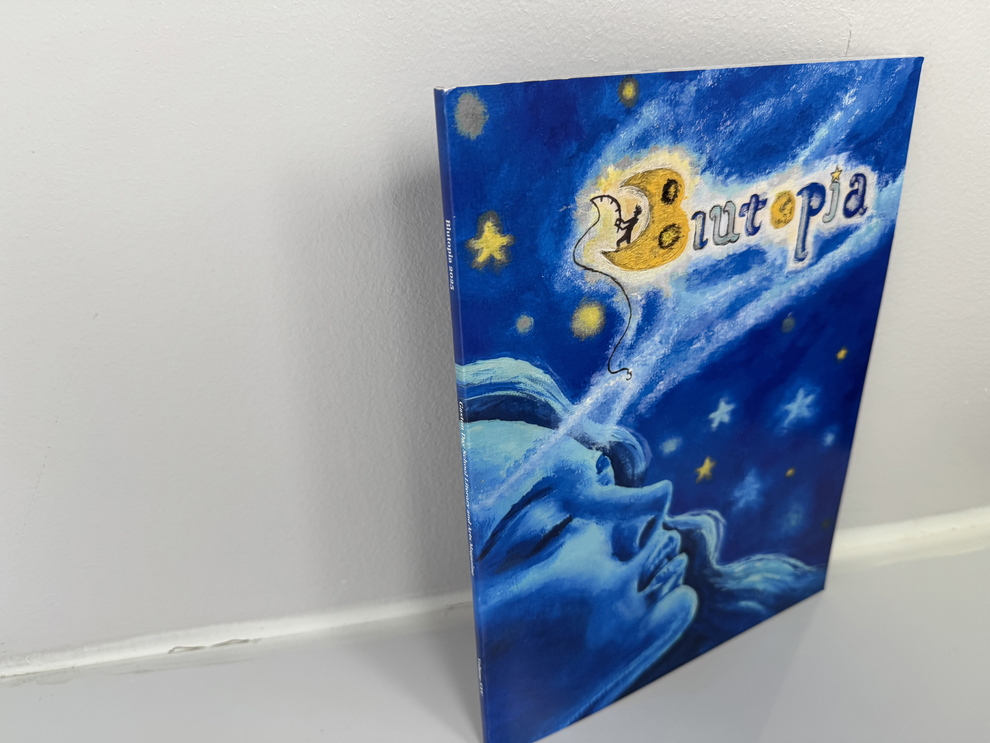
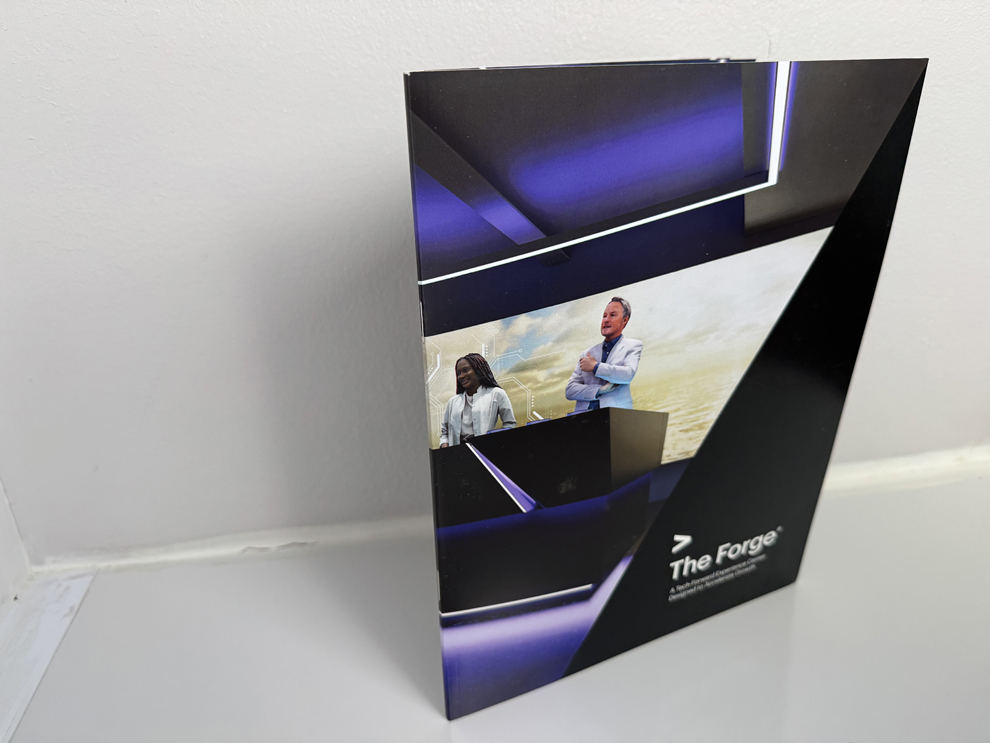
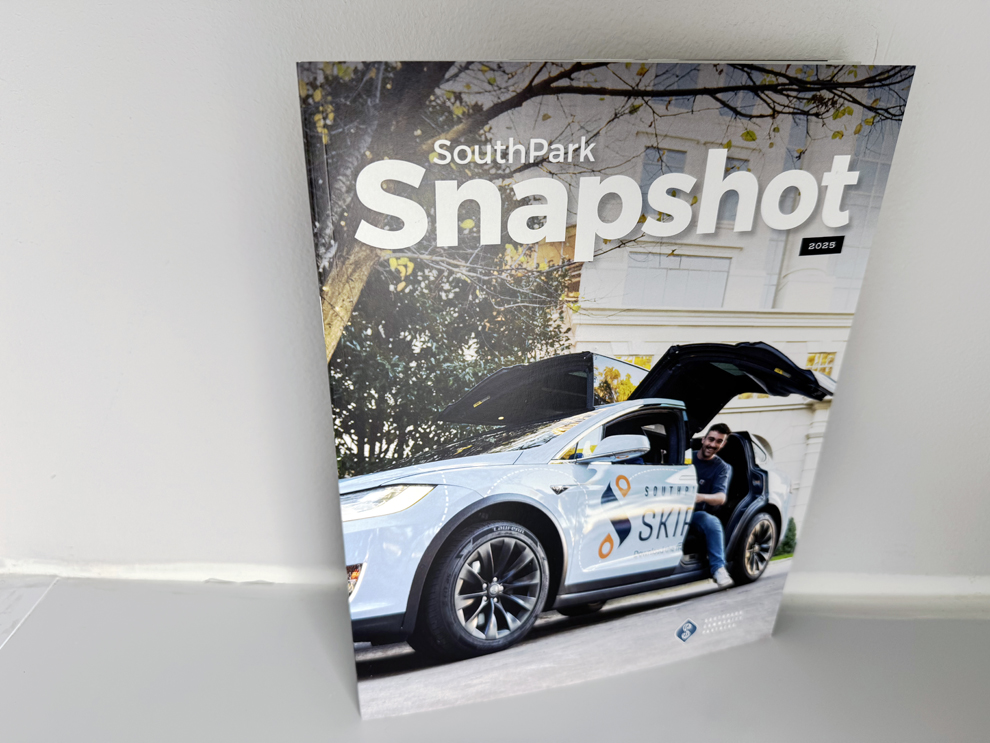
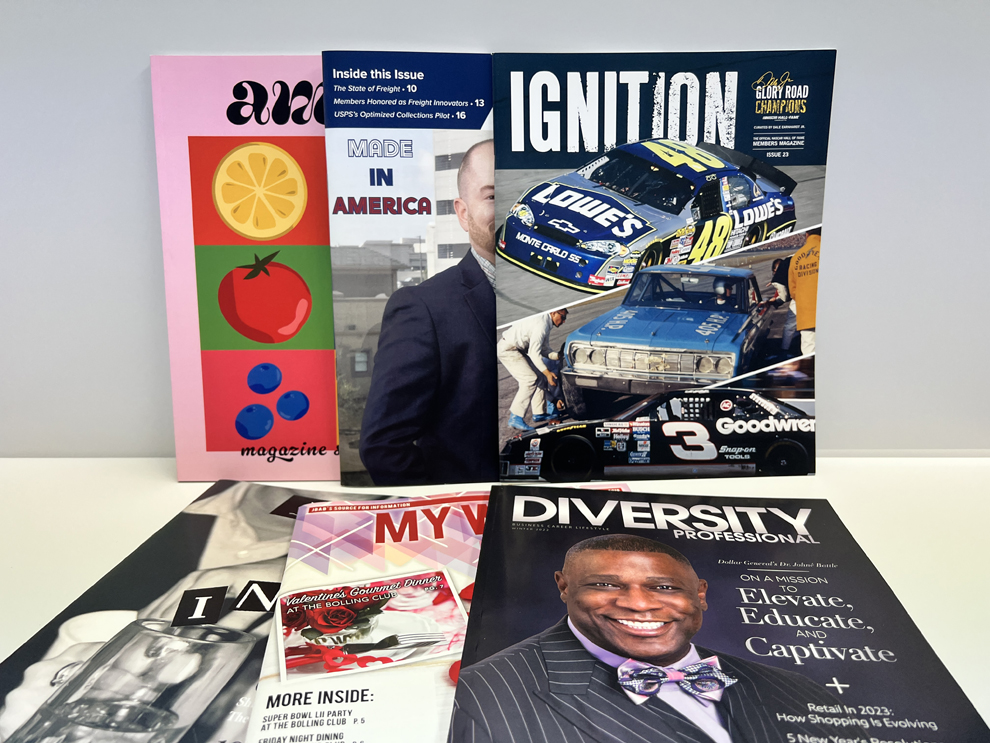
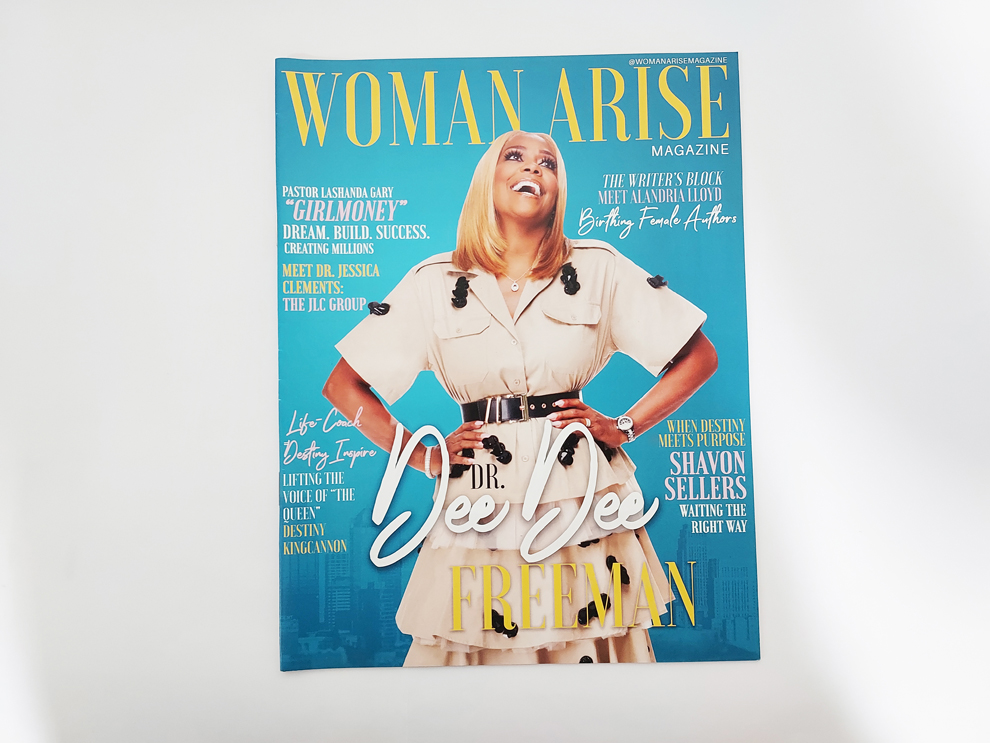
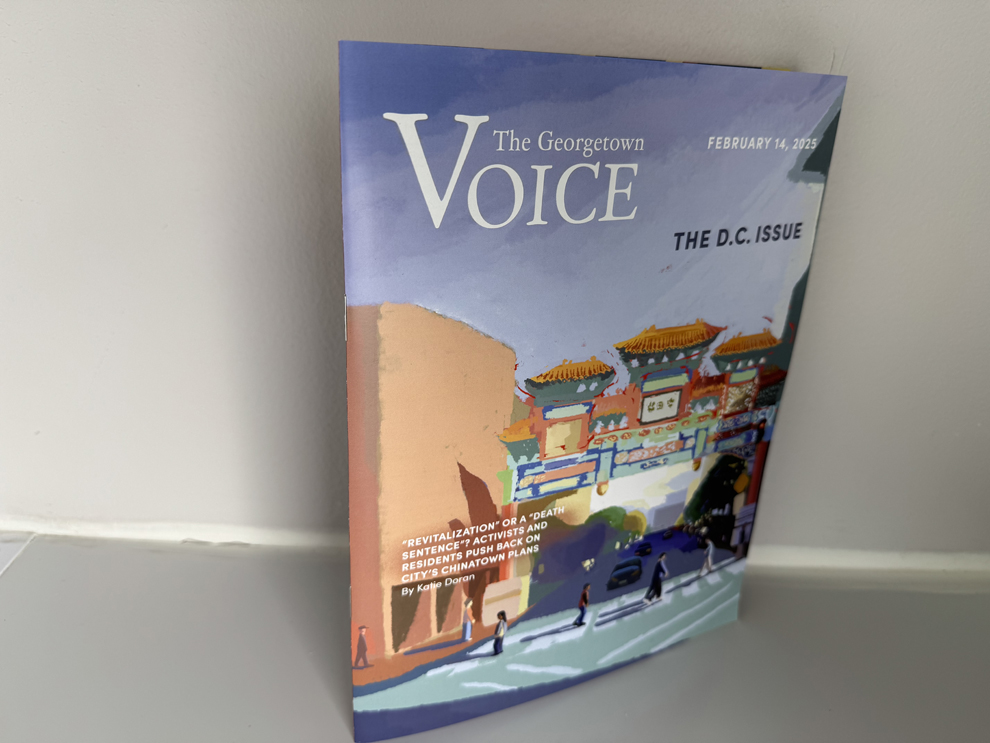
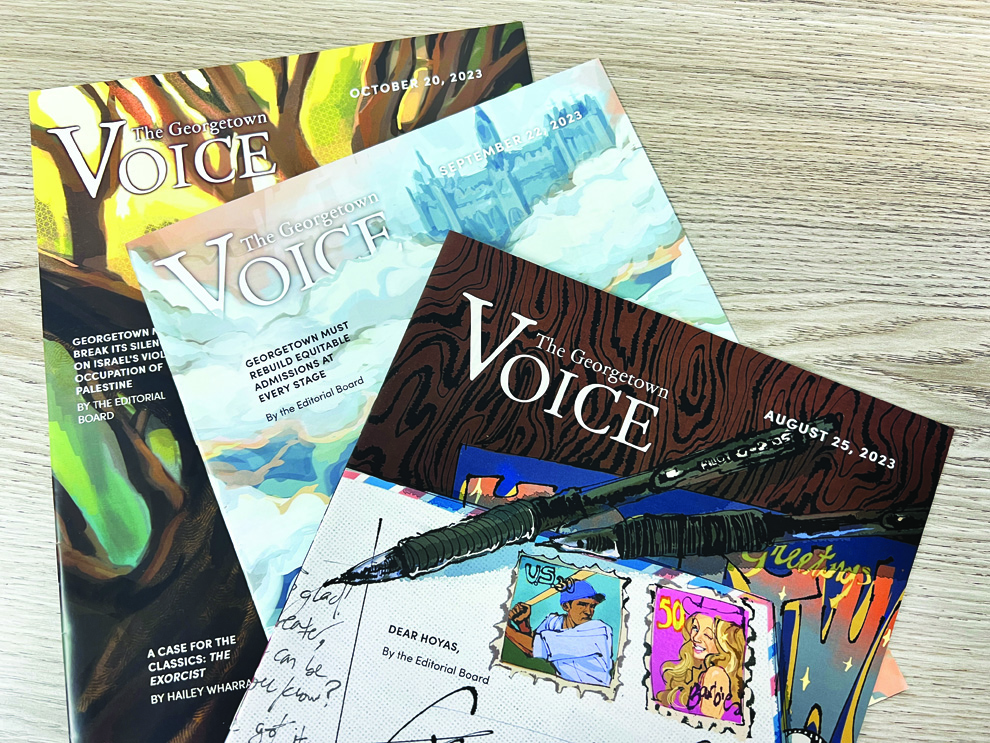
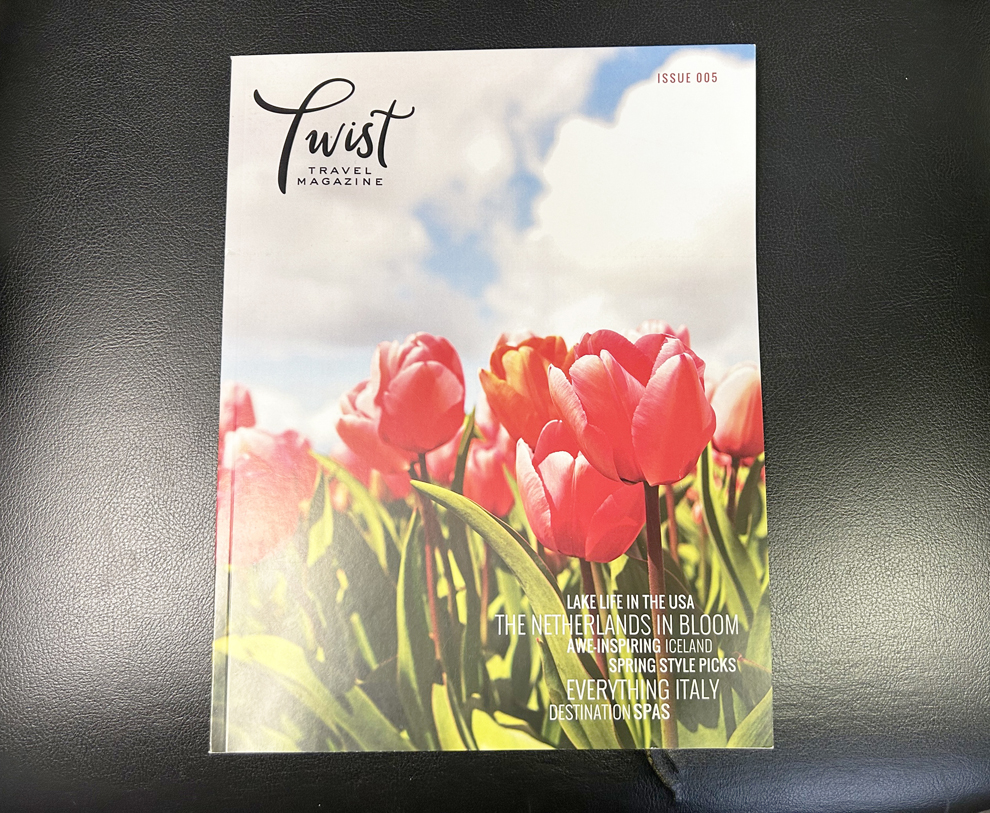
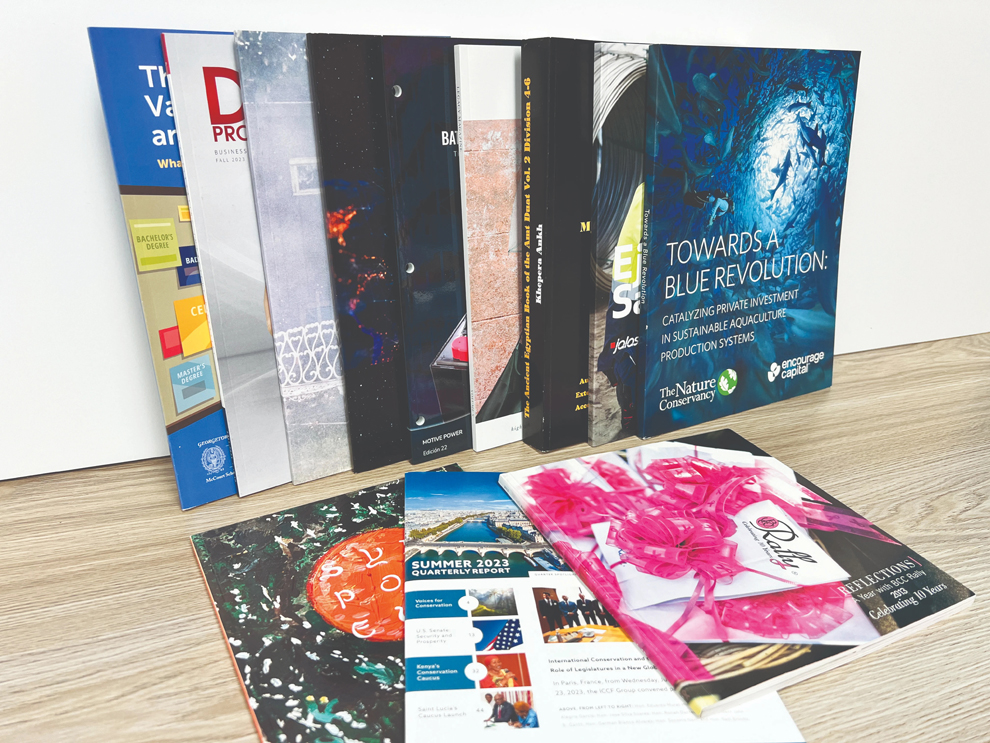
Columbia, SC is home to state agencies, statewide associations, a major research university, and military and healthcare communities. Those organizations produce a steady flow of publications that resist simple labels: research journals, legislative and policy reports, program and resource guides, membership directories, and member publications that carry more weight than a brochure. Each one needs specifications chosen for its own content and readership, and Heritage prints publications for Columbia organizations with that distinction in mind.
Timing in the Midlands often follows the calendar of the organizations themselves. A policy report may need to be in hand before a legislative committee meets, a directory may be tied to a membership renewal cycle, and a program guide may have to reach a campus or a conference hotel before registration opens. Heritage asks about the real distribution date early, identifies the decisions that affect that date, and tells you plainly what the schedule can support.
Finished size, paper, page count, binding, color, quantity, and delivery should be settled together, because a directory consulted all year and a report read once are not the same object.
Heritage has been printing since 1977, and the organizations we serve across the Carolinas rely on that experience when a publication represents their research, their members, or their mission. We are veteran owned and family led, and we treat a report headed to a state agency or a directory headed to thousands of members as work that reflects on you. That means attention to detail, straight answers, and follow-through from the first question to the finished delivery.
Quality is managed rather than assumed. Where color matters, Heritage applies spectrophotometric calibration and verification along with production-specific color profiles so logos, charts, maps, and photography reproduce consistently across a run. Every Commercial Printing order receives an electronic proof for your review and approval before anything prints. For qualifying Custom Quote projects, a paid Physical Production Color Proof made on the intended production printer and paper is also available when a physical color reference is worth the added time.
When a Midlands publication is tied to a legislative calendar, a graduation, or a member meeting, we move with urgency once files, specifications, and the date are confirmed.
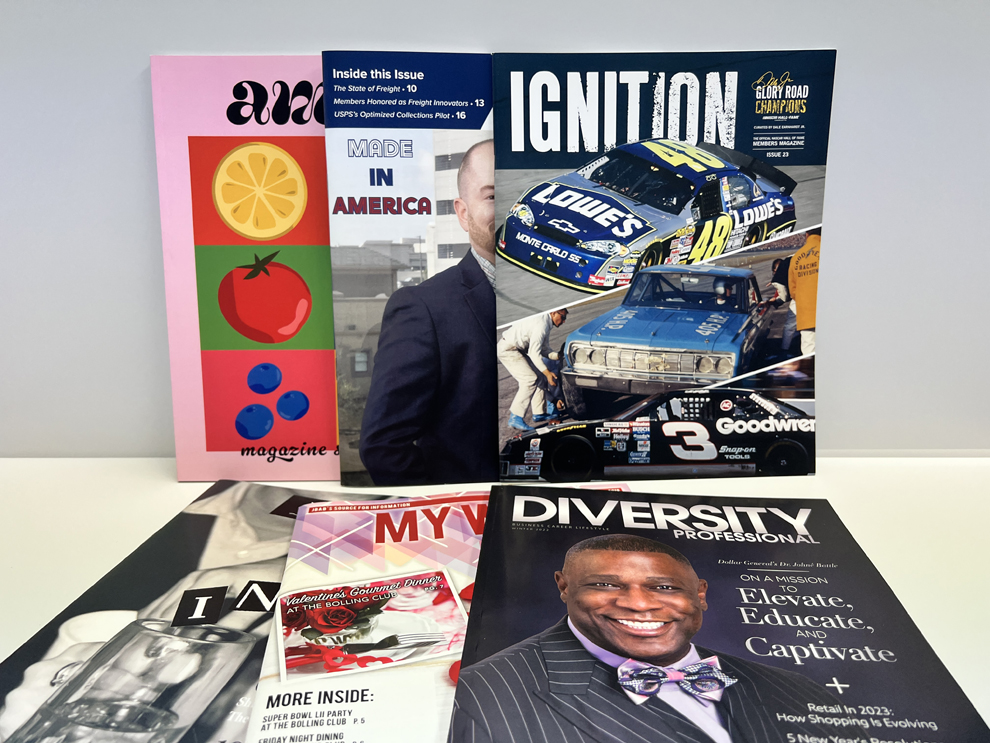
Choose this when your piece is a true periodical with issue numbering, editorial departments, and readers who expect the next edition on schedule.
Best for brief, frequent updates to members, employees, or donors where speed, mailing, and a repeatable format matter more than bulk.
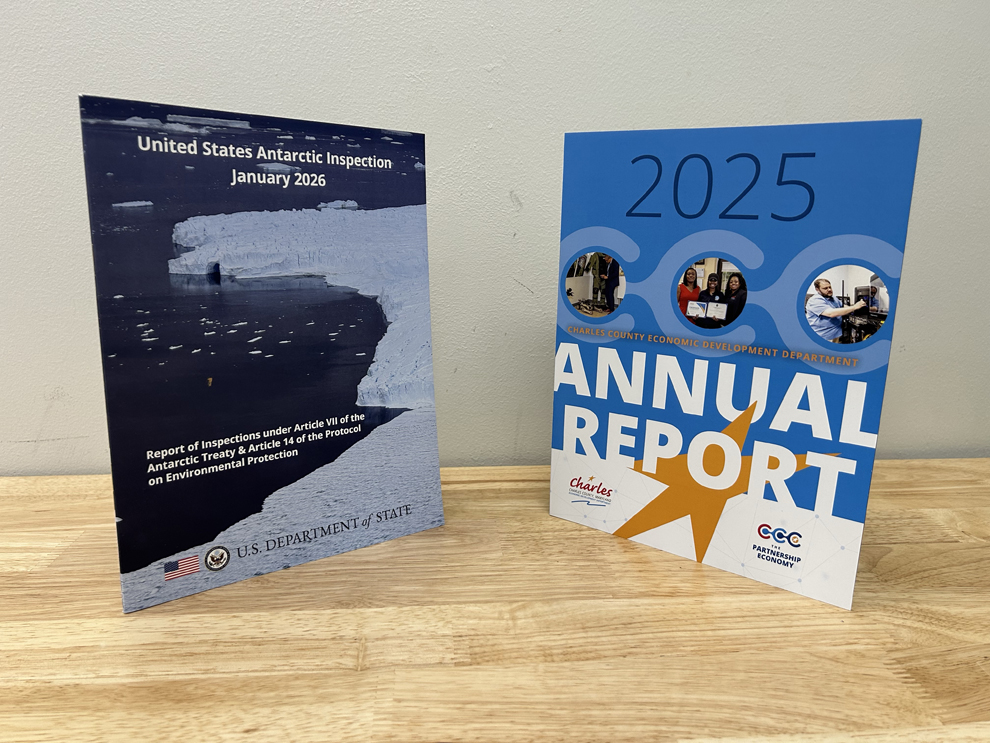
The right home for year-end financial, governance, and impact reporting prepared for boards, funders, legislators, or shareholders.
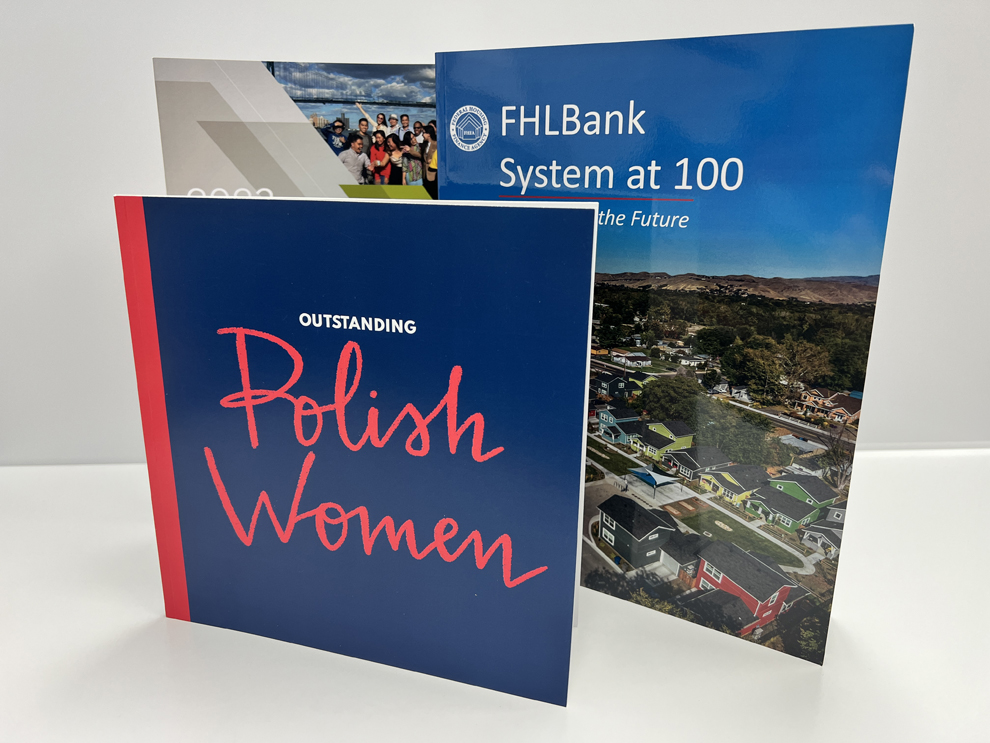
Suited to compact pieces where the main questions are binding style, finished size, and getting a straightforward multi-page format produced well.
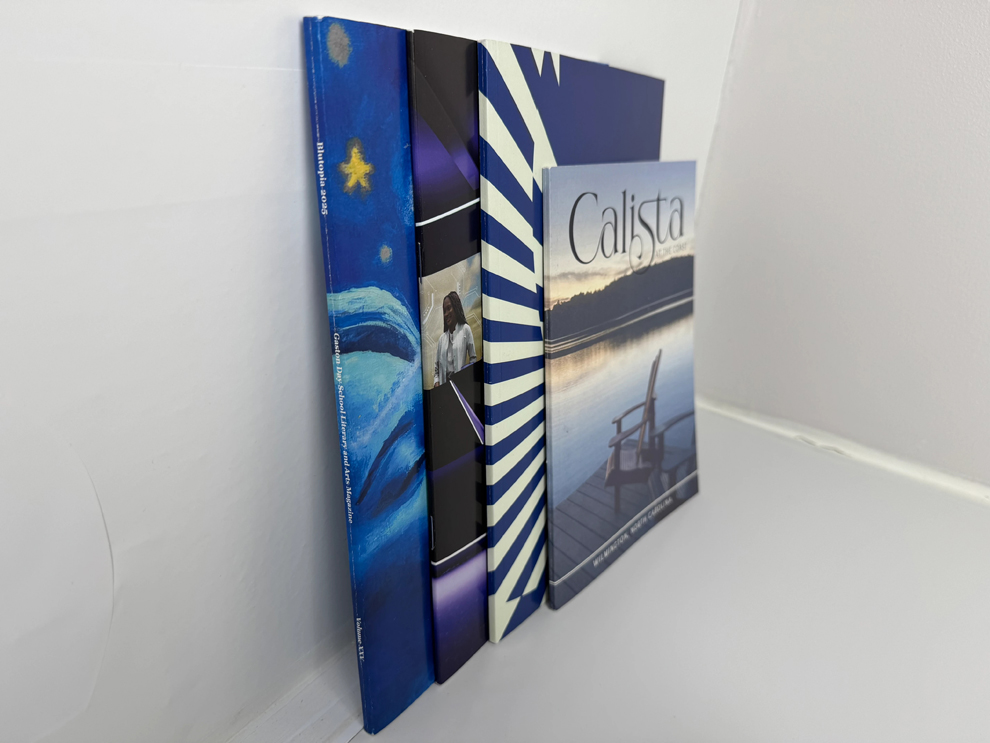
Consider this when page count is high enough to support a square, printable spine and a bookshelf-ready presentation.
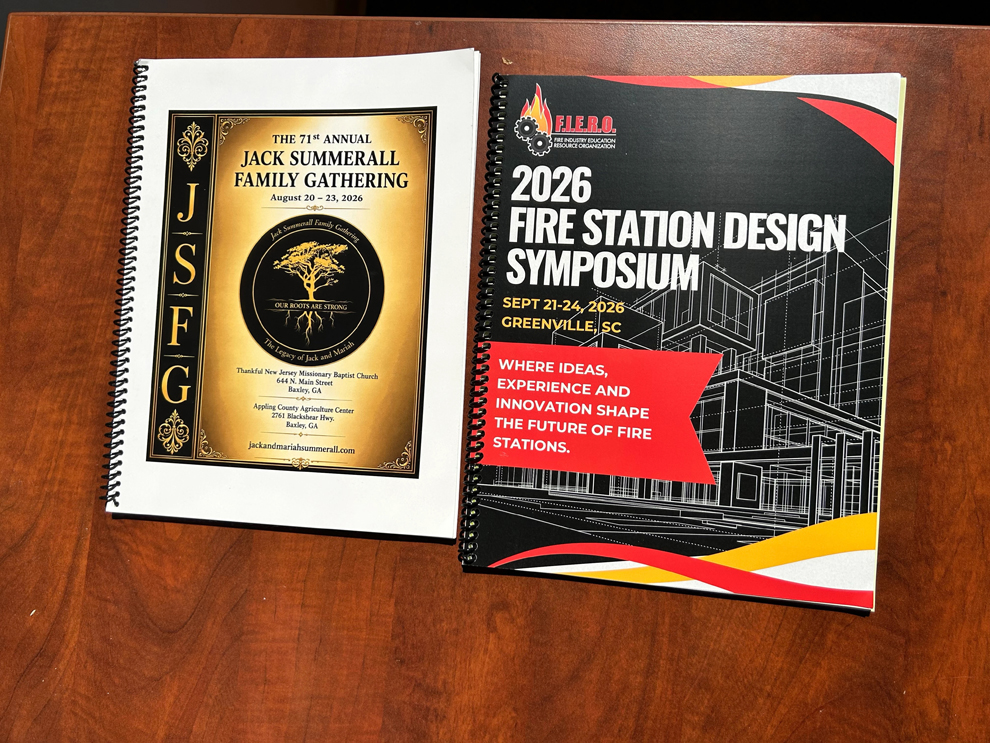
Built for instruction and reference material that will be opened flat, written in, and handled repeatedly in classrooms and offices.
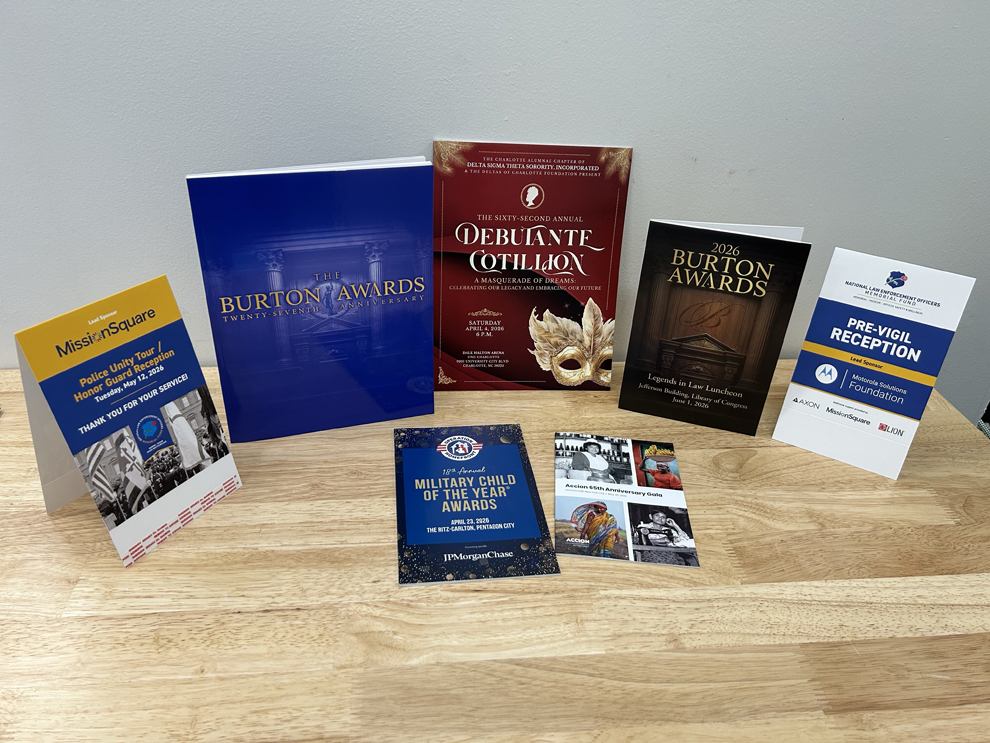
Designed around agendas, speakers, sponsors, and venue details for conventions, commencements, galas, and association meetings.
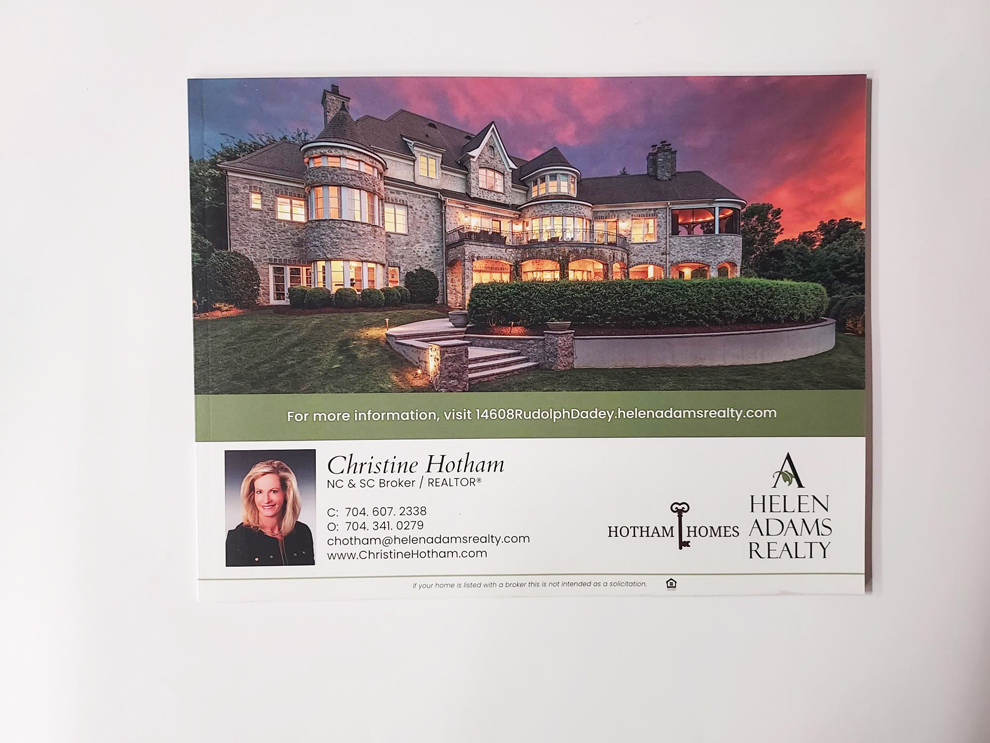
Use this when addressing, postal preparation, and coordinated entry into the mail stream are part of the publication plan.
If your publication needs specification guidance, several editions, color-critical review, mailing support, or coordination around a firm date, submit a Custom Quote and Heritage will review the project and respond. If the piece is fully specified with print-ready artwork and a current saddle-stitched, perfect-bound, or plastic-coil Online Store configuration matches it, you can price and order it yourself.
Start by telling us what the publication is, how many you need, when it must be in readers' hands, and how it will be distributed. If you submit a Custom Quote, that submission is an inquiry; once Heritage accepts the project and assigns it, a Project Coordinator becomes your direct phone and email contact and manages file review, proofing, production, and delivery. Most directly managed printing works the same way, and established repeat clients often continue with the coordinator who already knows their publications.
Format follows use. A thin program guide or committee report is often a natural fit for saddle stitching. A thick directory or research volume may call for perfect binding, provided the page count supports a sound spine. Reference material that staff keep open on a desk benefits from plastic coil. Paper weight, cover construction, color coverage, and quantity are weighed alongside the binding choice, because each affects durability, mailing weight, and cost.
Nothing prints until you approve the electronic proof. From there Heritage holds to the confirmed specifications and moves finished copies into mailing, shipping, or delivery as agreed.
Send the required in-hand date, the quantity, the finished size, and the completed print-ready file as early as you can. Heritage evaluates the remaining window against proofing, binding, and delivery steps and tells you what is realistic. Expedited paths are considered case by case after the work is understood, and no schedule is promised before specifications and files are confirmed.
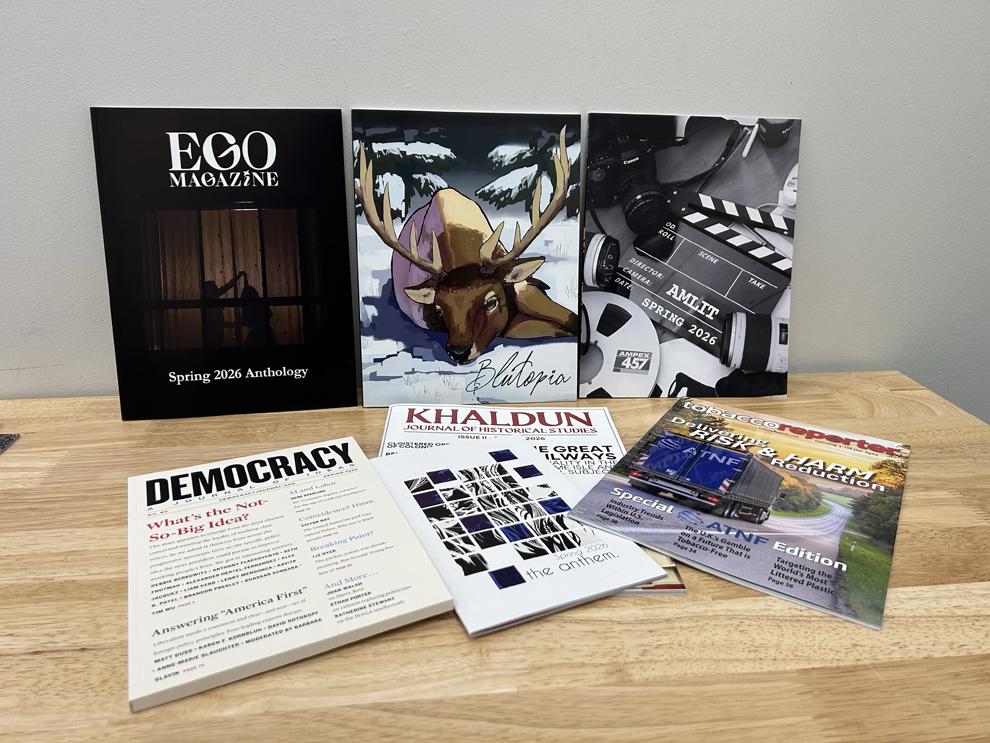
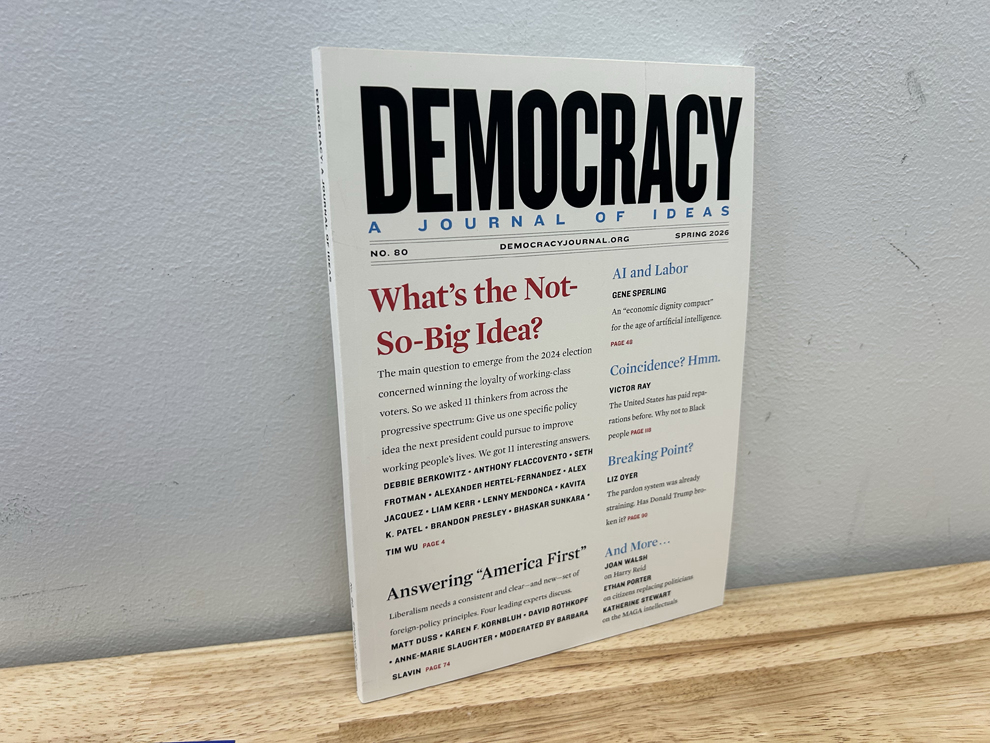
A publication here is a multi-page organizational piece that does not belong more naturally in a narrower Heritage family: journals, research and policy reports, program and resource guides, membership directories, and member publications among them. The common thread is that content, readership, and distribution drive the format rather than a predefined category.
If it carries issue identity, editorial sections, and a recurring editorial schedule, Magazine Printing is the better fit. If it is a short, frequent update, Newsletter Printing applies. Use this page when the piece is a journal, directory, guide, or report that stands on its own and needs specifications built around that specific purpose.
Settle them together. Saddle stitching generally suits thinner pieces, perfect binding needs enough pages to form a square spine that holds up, and plastic coil accommodates a wide range of thicknesses when lay-flat use matters. Paper weight changes the math as well, since heavier stock reaches the practical limit of a given binding sooner.
Not necessarily. A self-cover uses the same stock throughout, which keeps weight and cost down for shorter pieces. A separate, heavier cover adds structure and durability for publications that will be handled for months, such as directories or resource guides. Mailing weight, binding, and the impression you want the piece to make all factor in.
Yes. New Commercial Printing opportunities start at $750, and the Self-Directed Online Store carries the same $750 total order minimum. Eligible Store products may be combined in a single order to reach it. Projects of $2,000 or more that need added guidance or coordination may qualify for Custom Quote, though that threshold makes the path available rather than required.
When the publication is fully specified, the artwork is complete and print-ready, and a live saddle-stitched booklet, perfect-bound, or plastic-coil configuration matches the piece. You choose the configuration and place the order yourself. The Store does not include an assigned Project Coordinator, product consultation, layout work, or a Physical Production Color Proof.
Choose Custom Quote for qualifying projects of $2,000 or more that need help settling specifications, limited production-oriented file preparation, multiple editions, color-critical review, mailing support, or a demanding schedule. It is the appropriate path when a self-directed Store configuration cannot capture what the publication requires.
After Heritage accepts the project and assigns the order. A Custom Quote submission is an inquiry, not an assigned order. Once assignment occurs, the Project Coordinator becomes your direct phone and email contact through proofing, production, and delivery. Established repeat clients often continue working with the coordinator already familiar with their publications.
You are approving the production file. Check page order, pagination, running headers, table of contents accuracy, crossover images, cover placement, and any version-specific details. Every Commercial Printing order receives this proof before printing, including Online Store orders. Because a monitor cannot replicate ink on paper, the electronic proof confirms content and layout rather than serving as a physical color standard.
For qualifying Custom Quote work valued at $2,000 or more, a Physical Production Color Proof, also called a Digital Hard Copy Proof, is available for an additional charge. It is run on the intended production printer and paper, adds time to the schedule, and after approval becomes the controlling color reference unless agreed otherwise. It is not offered through the Online Store.
Heritage uses spectrophotometric calibration and verification along with production-specific profiles for the selected printer, ink, and paper. Supplied PMS values serve as production targets. Because every paper and finish has its own color range, output is managed within what that production combination can achieve rather than matched to a screen.
You do. Heritage works from completed or substantially completed artwork, and editorial writing and creative design remain the client's responsibility. For qualifying Custom Quote projects, Heritage may handle production-oriented adjustments such as bleed, imposition, or file preparation so supplied artwork prints correctly, but publication printing is not a writing or full design service.
It can, and doing so saves time. Heritage keeps useful production details such as finished size, paper, cover construction, binding, and color targets as a reference for the next edition. Each new release still receives a fresh file check, proof, and schedule review, because quantities, page counts, and material availability can shift from year to year.
Yes, when direct mail is part of the project scope. Heritage coordinates addressing and postal preparation, and you supply accurate, authorized recipient data. Heritage is responsible for the mailing work included in the accepted scope; once USPS accepts the mail, delivery timing is in the postal service's hands rather than ours.
Yes. Heritage serves Columbia along with Lexington, West Columbia, Cayce, Irmo, and communities across the South Carolina Midlands. South Carolina is service geography for Heritage rather than an office location, so publications are produced within our Carolinas and Mid-Atlantic network and then shipped, delivered, or mailed to the destinations you specify.
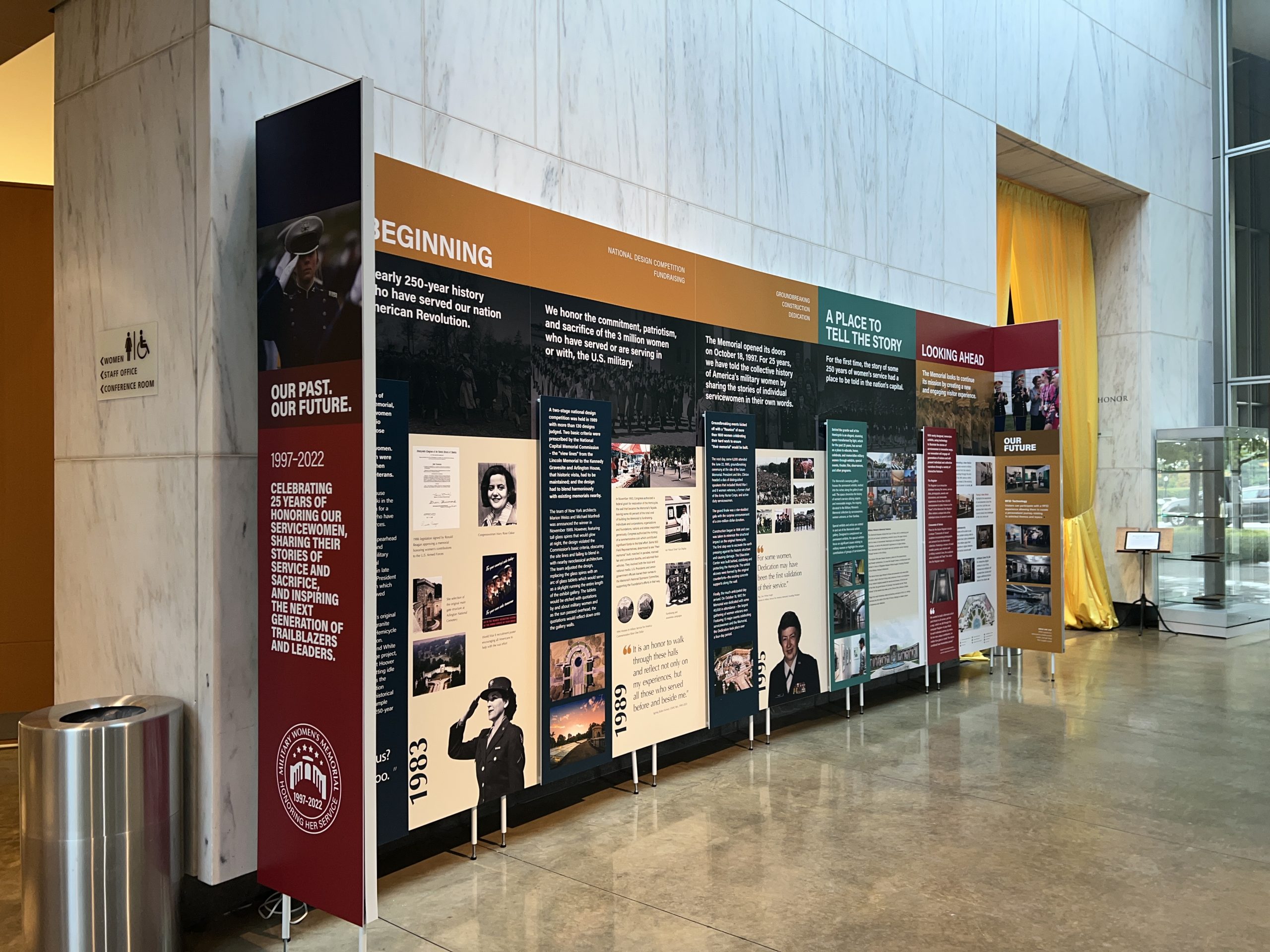
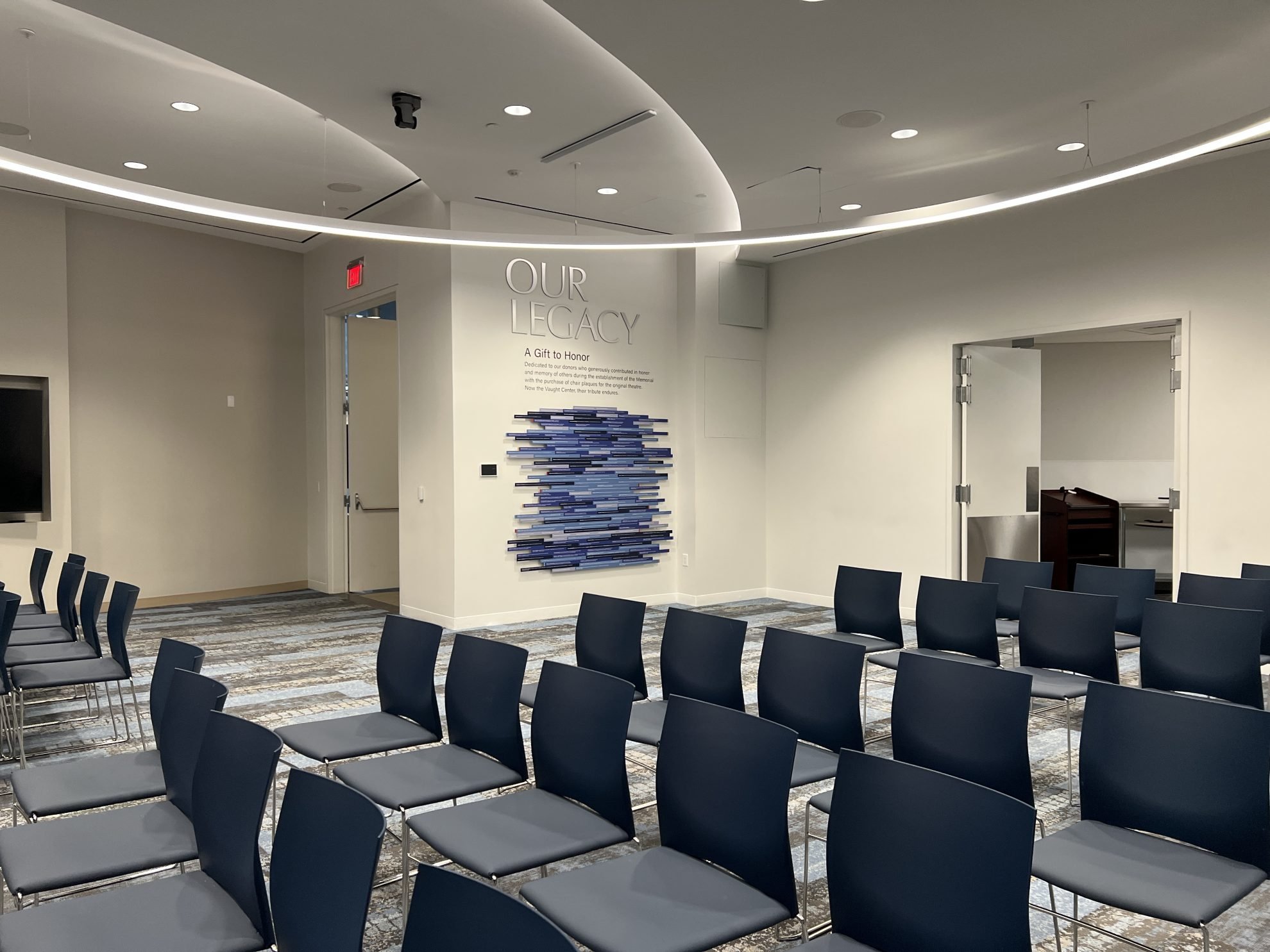
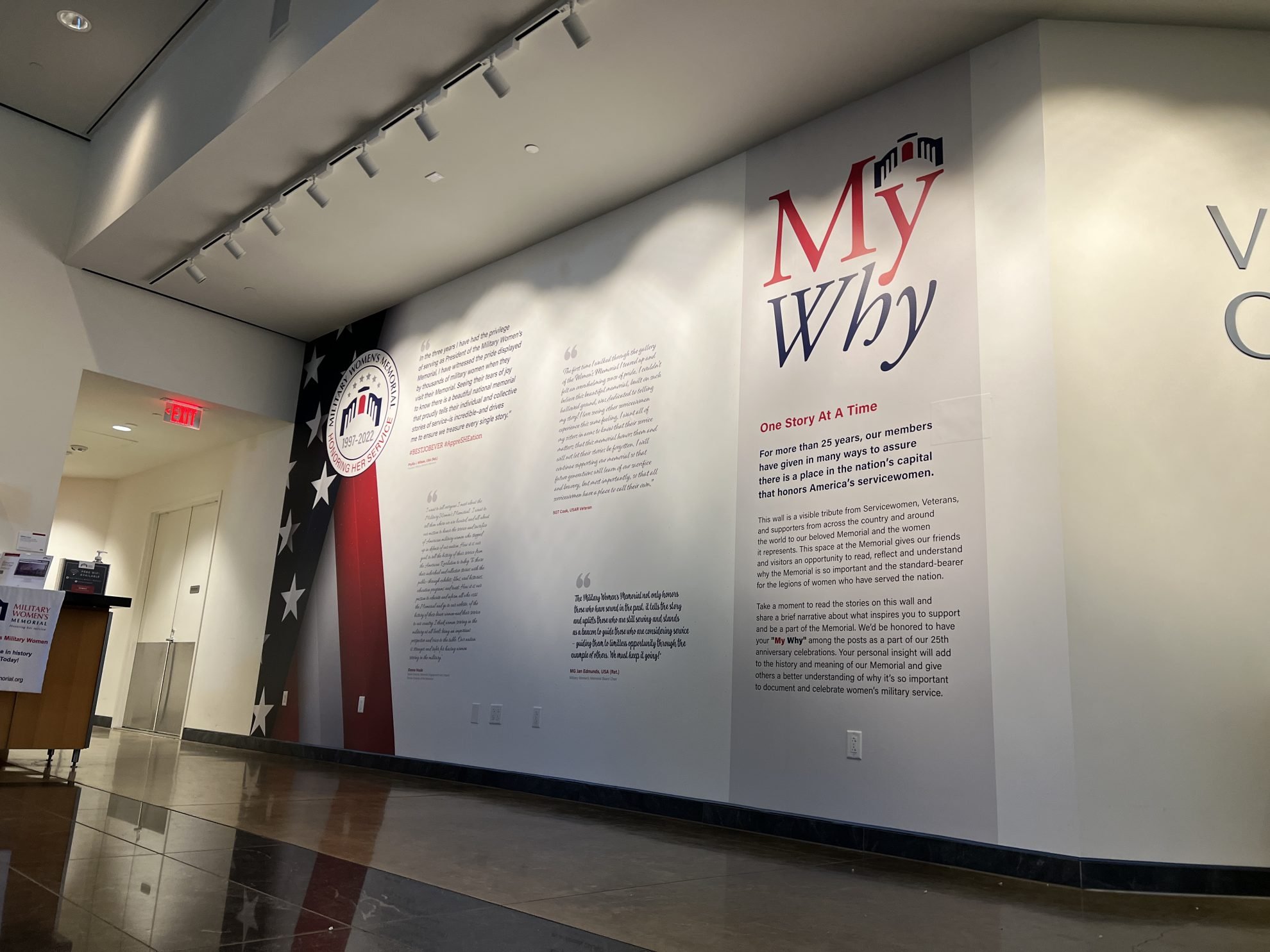
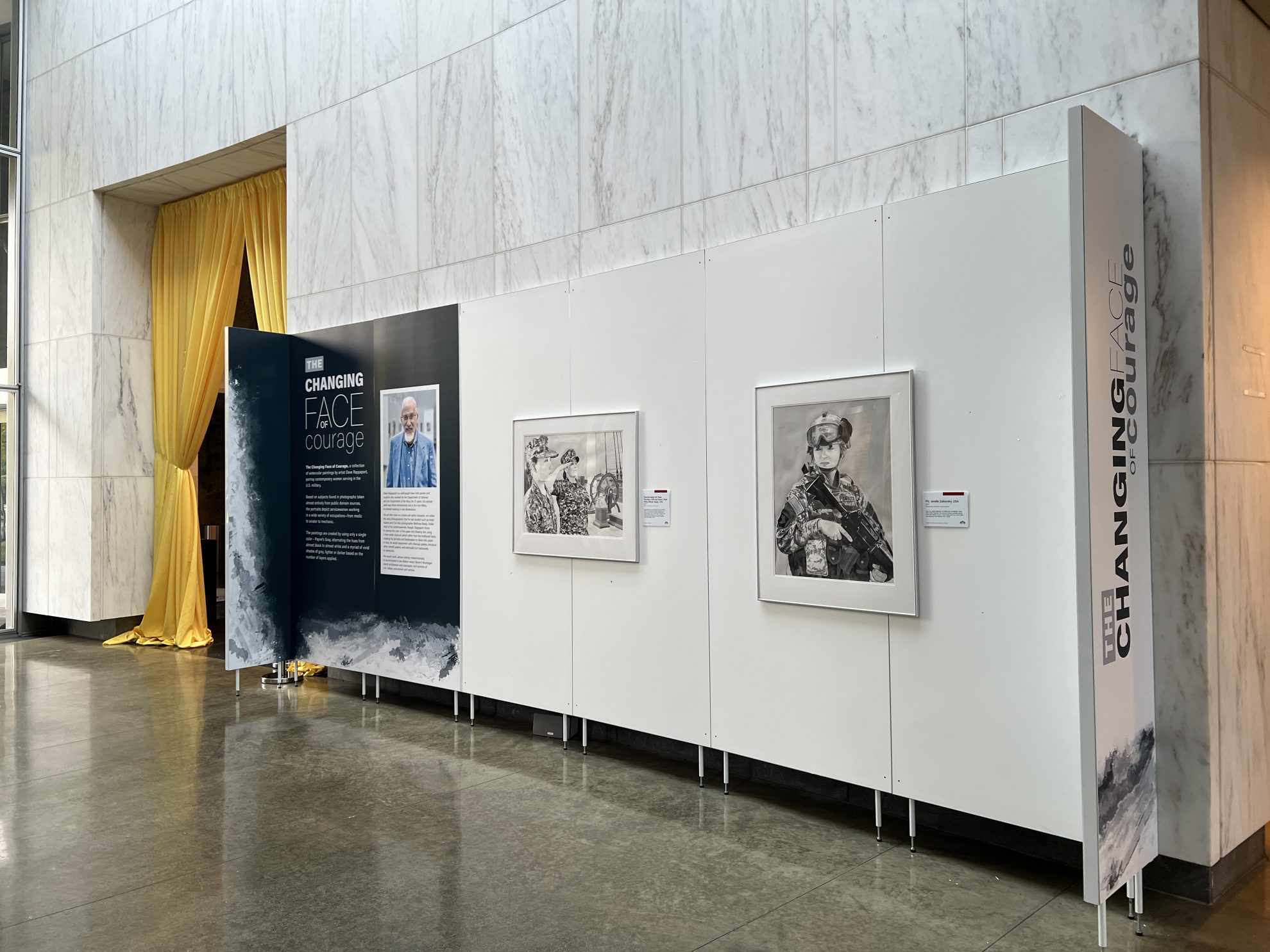
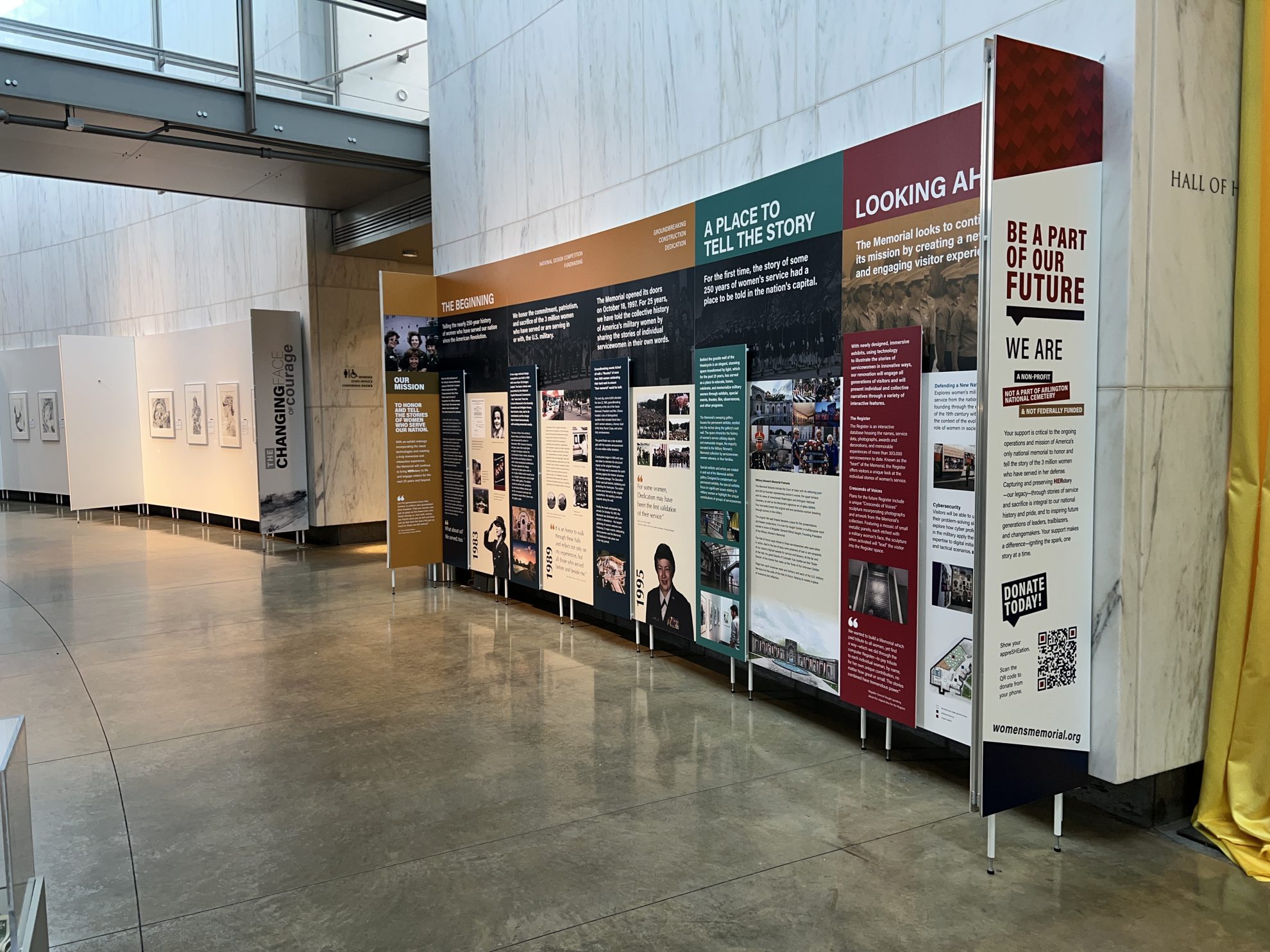
Heritage Signs & Displays created new museum signage for the Military Women’s Memorial in Arlington, VA. The project included custom signs, wall wraps, dimensional letters, and standoff-mounted displays to honor the legacy of U.S. servicewomen and the donors who supported the memorial. The updated interior features impactful designs, including a "Our Legacy" wall display and panels showcasing historical contributions and artwork, creating a transformative tribute to women in the U.S. Armed Forces.
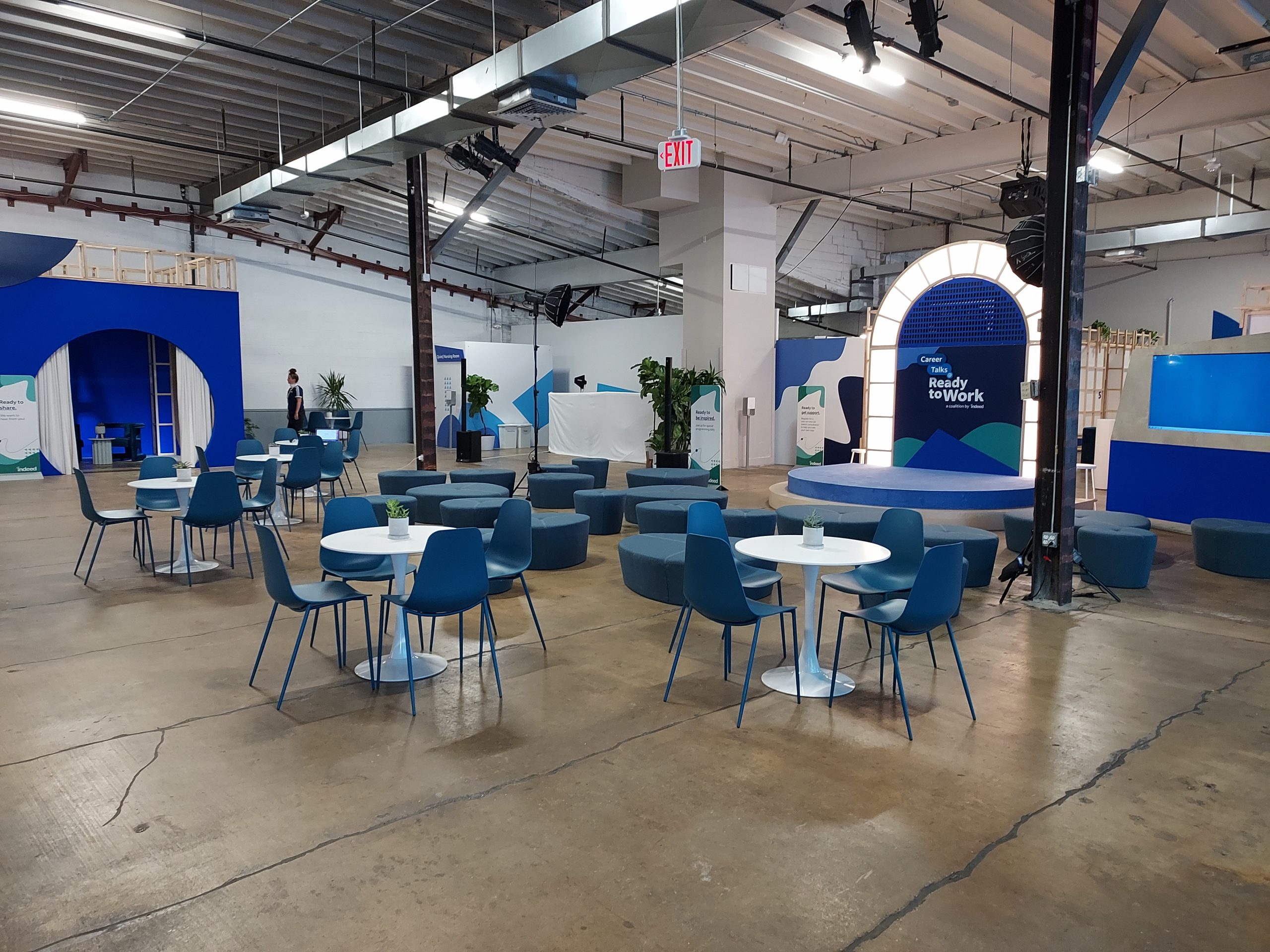
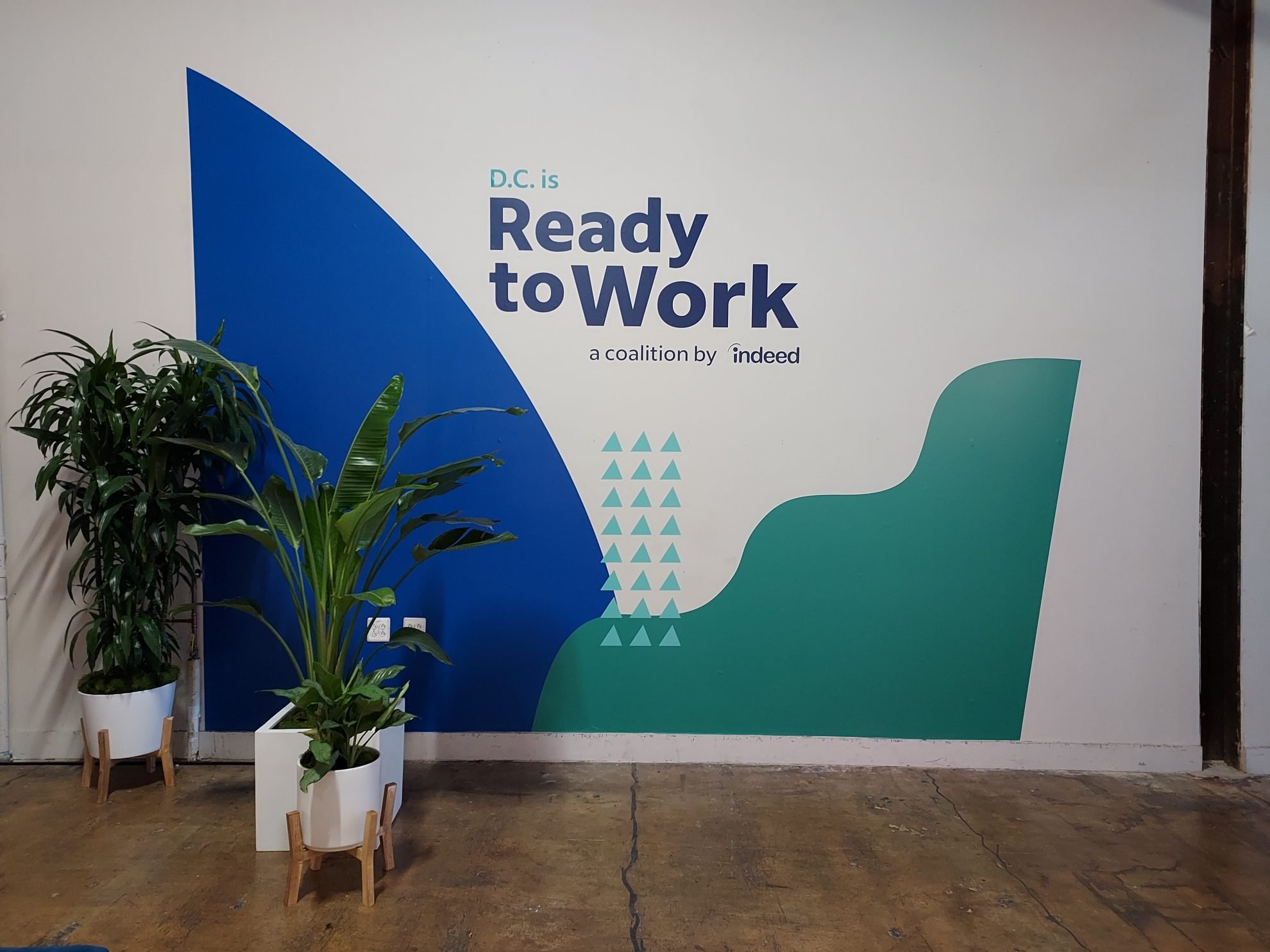
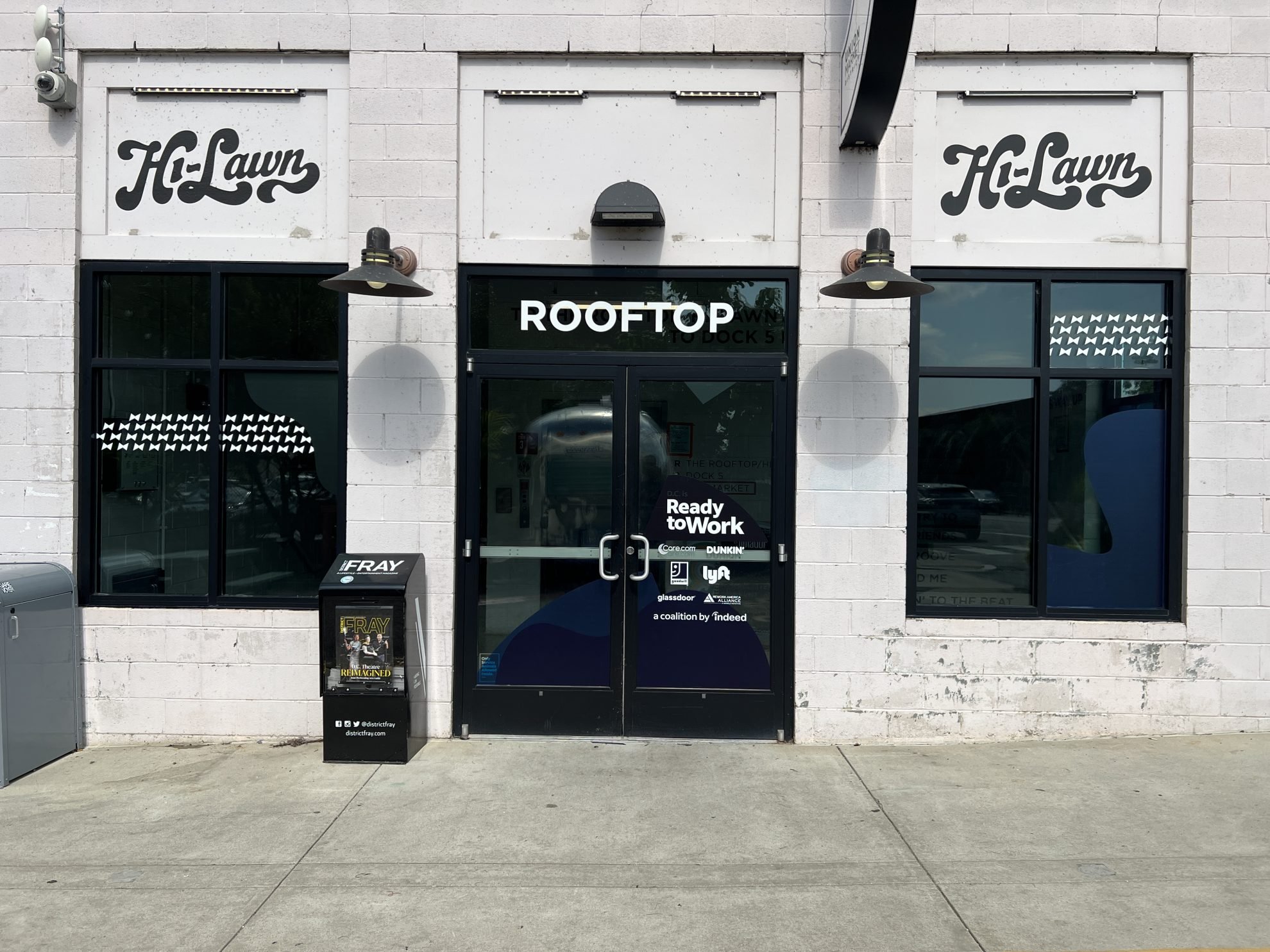
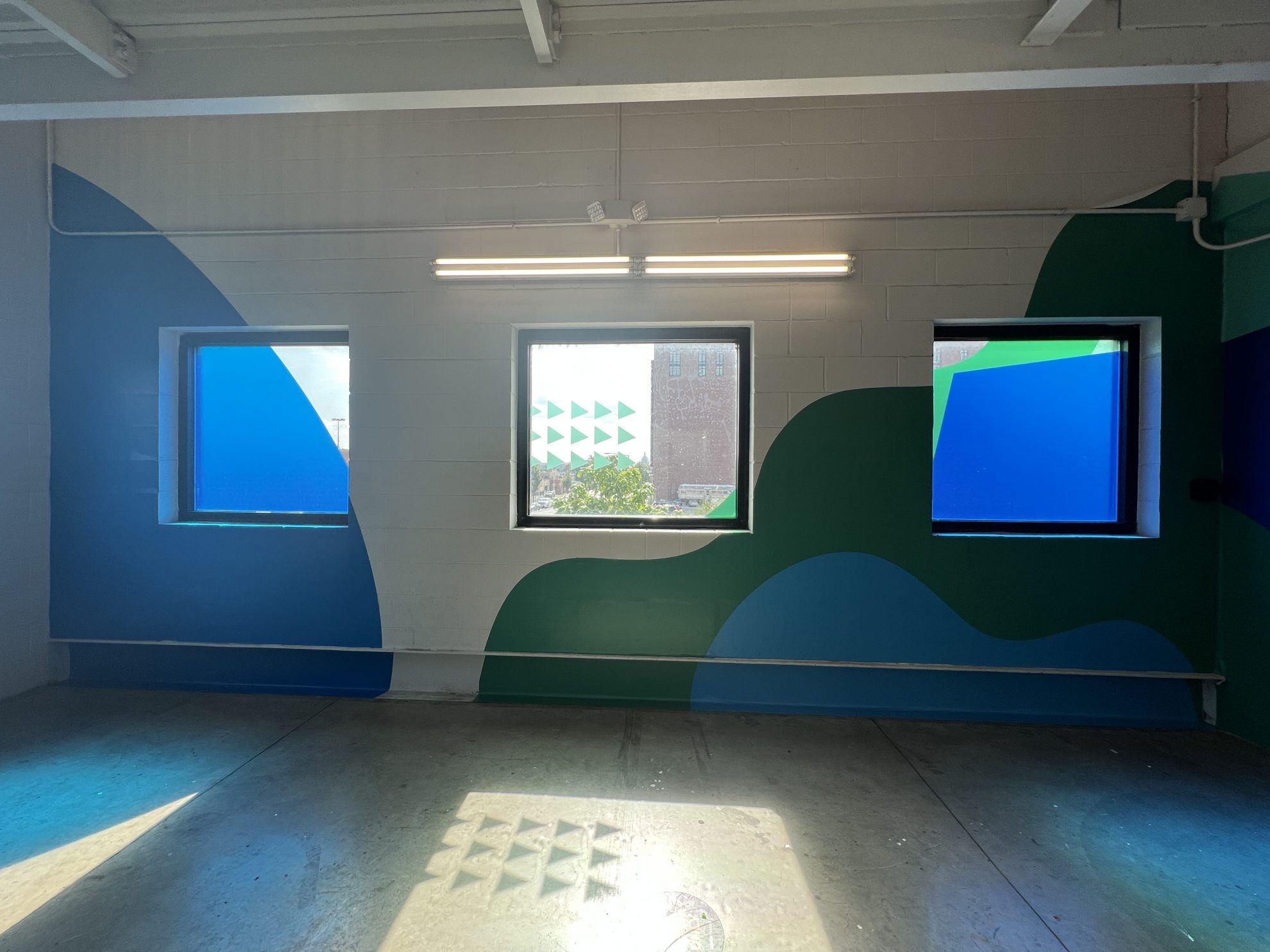
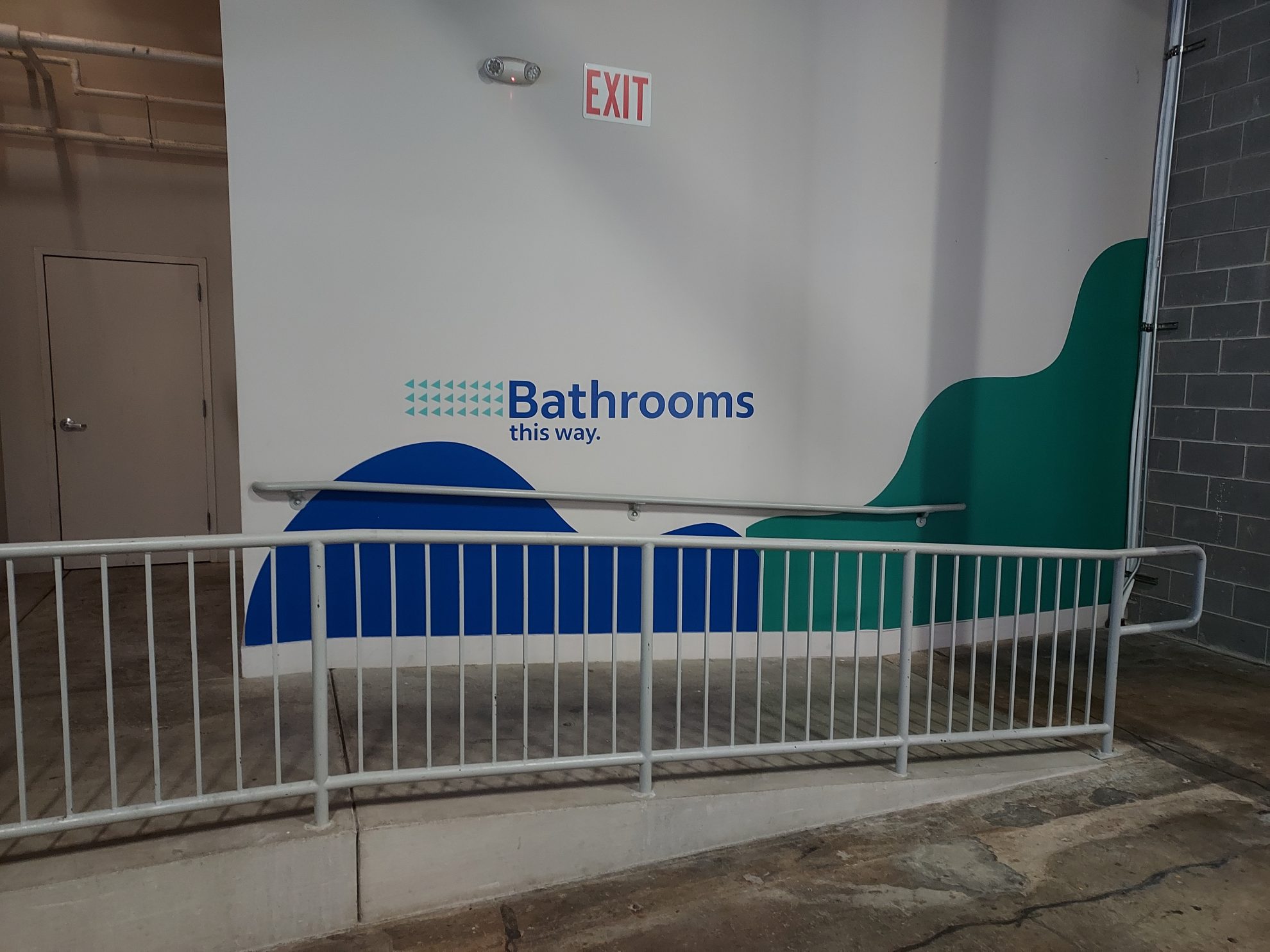
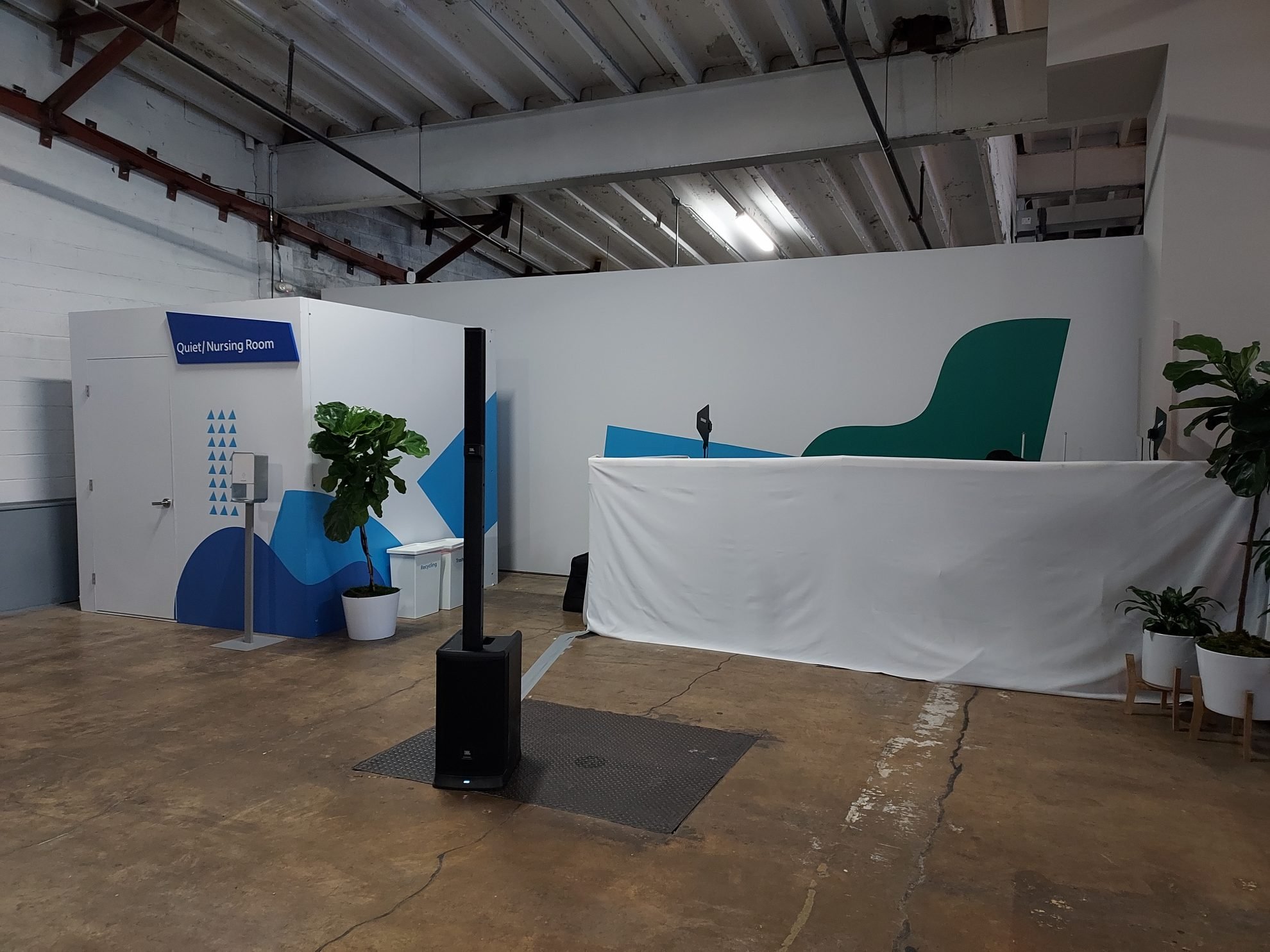
Heritage Signs & Displays' collaboration with The Gathery to brand Union Market in Arlington, VA, for Indeed's "Ready to Work" job fair. The project included custom event displays, wall graphics, window graphics, and wayfinding signs, creating an immersive and visually appealing environment. The branding enhanced the venue, reflected the event's mission, and provided a seamless experience for attendees.