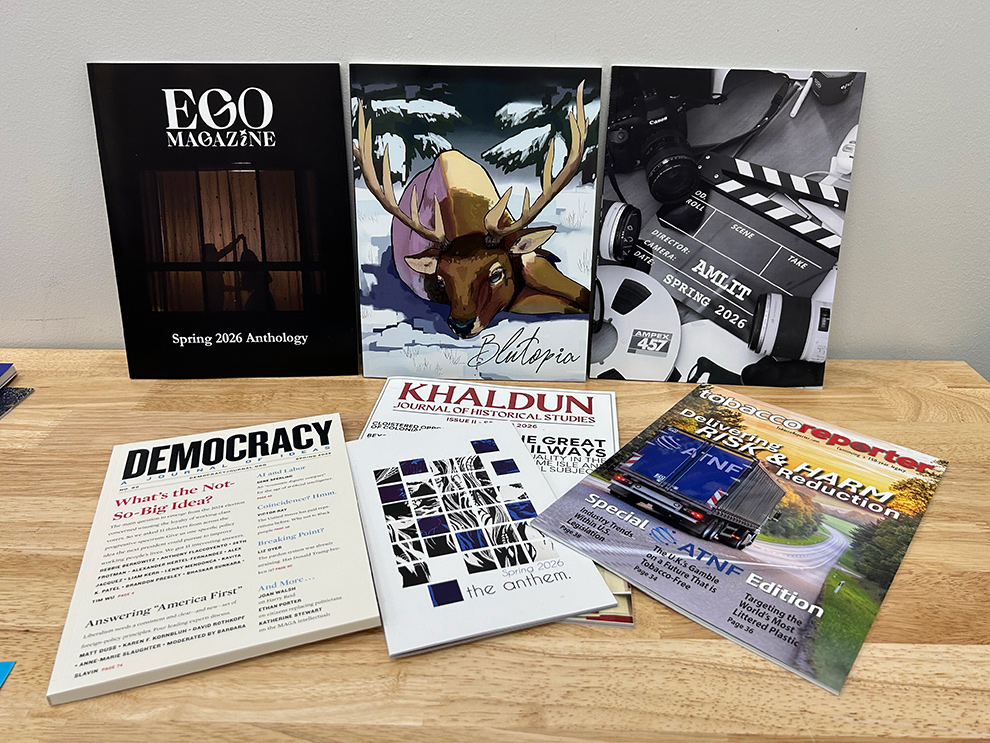
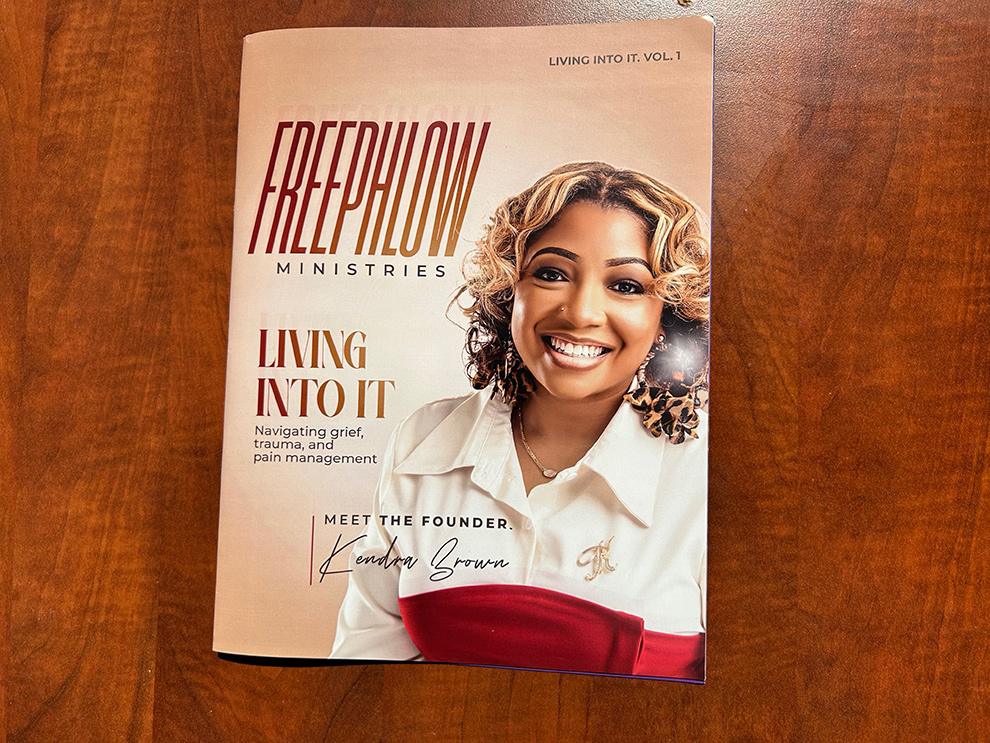
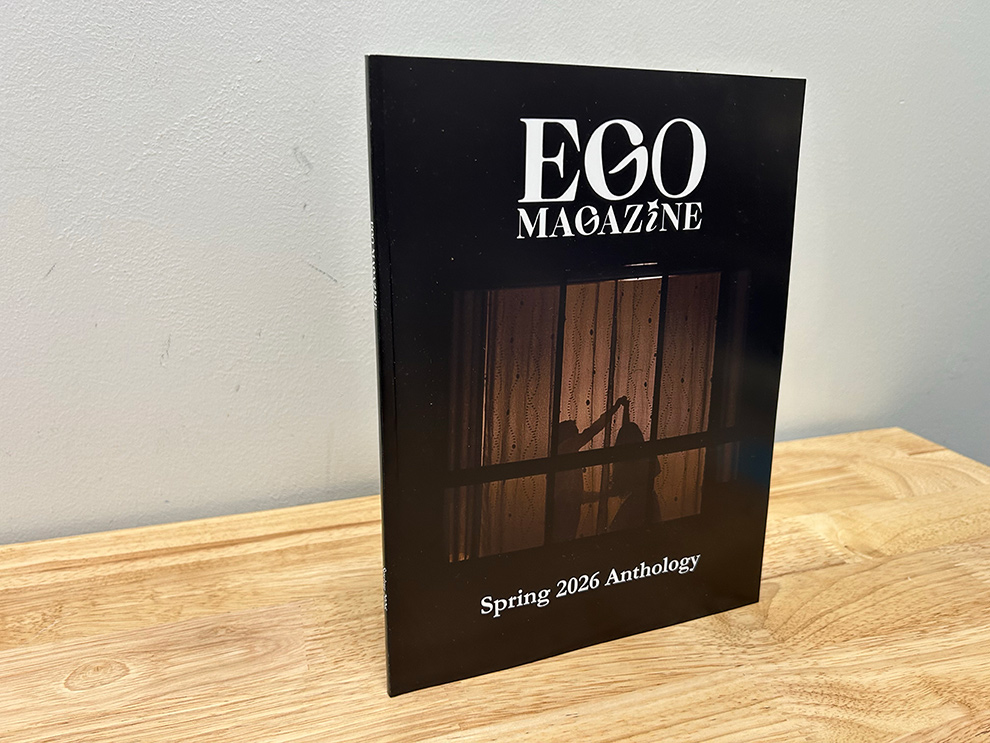
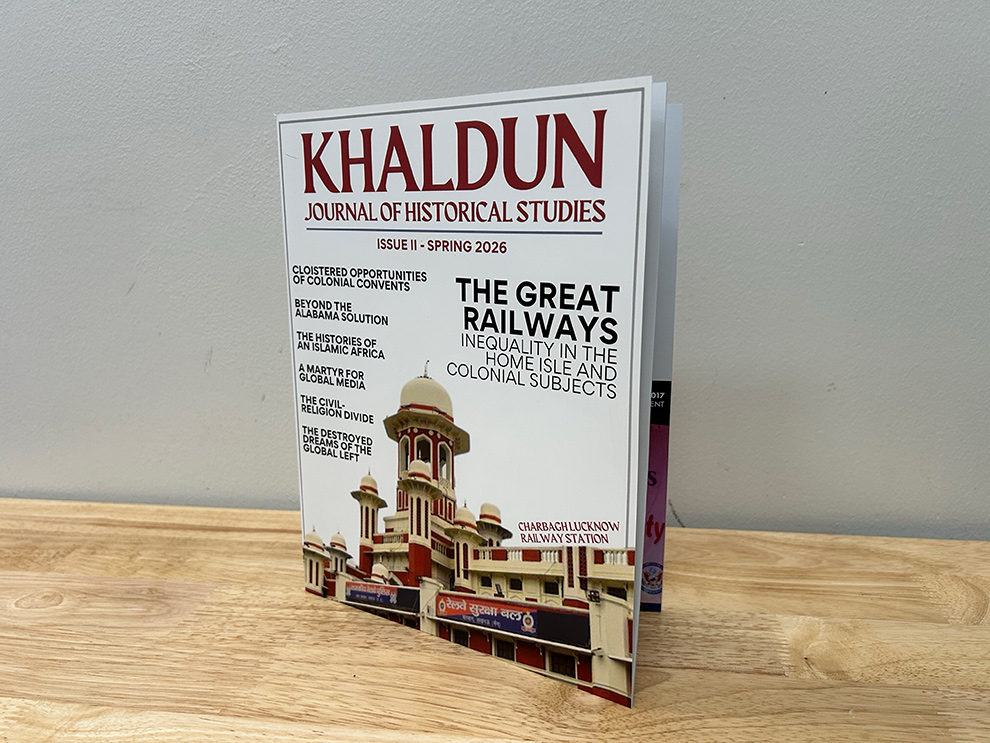
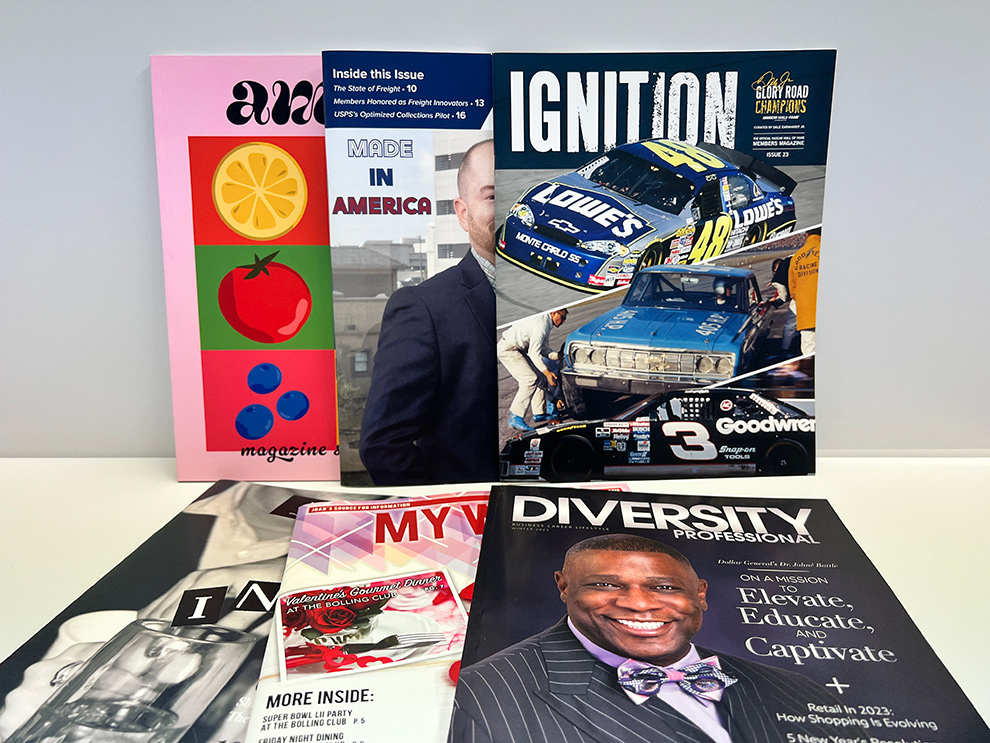
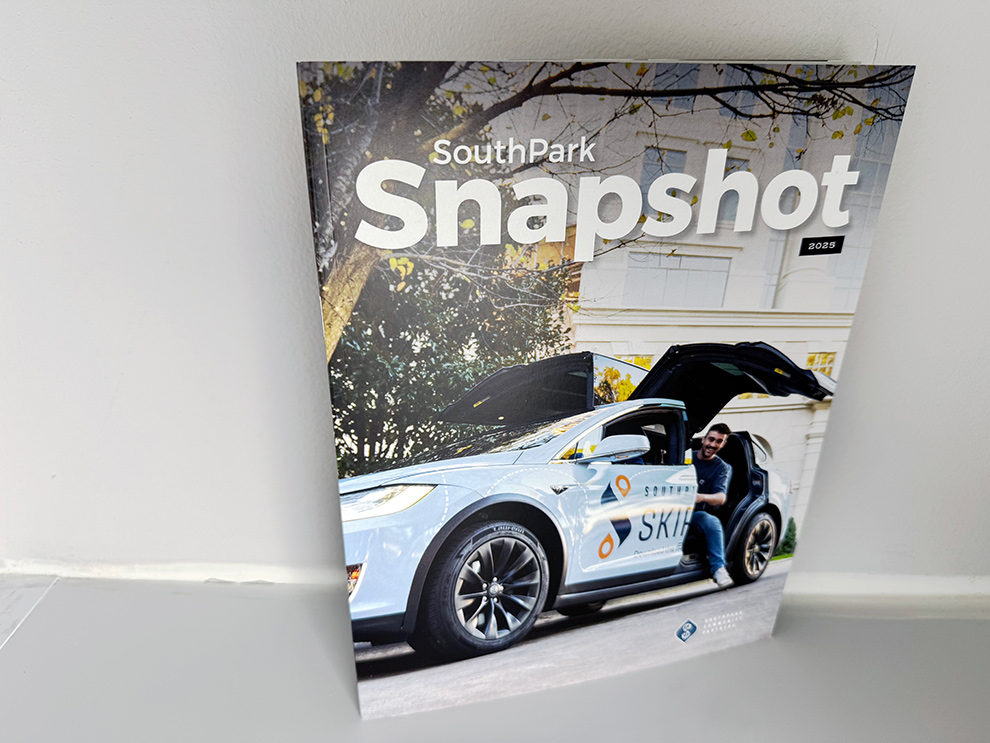
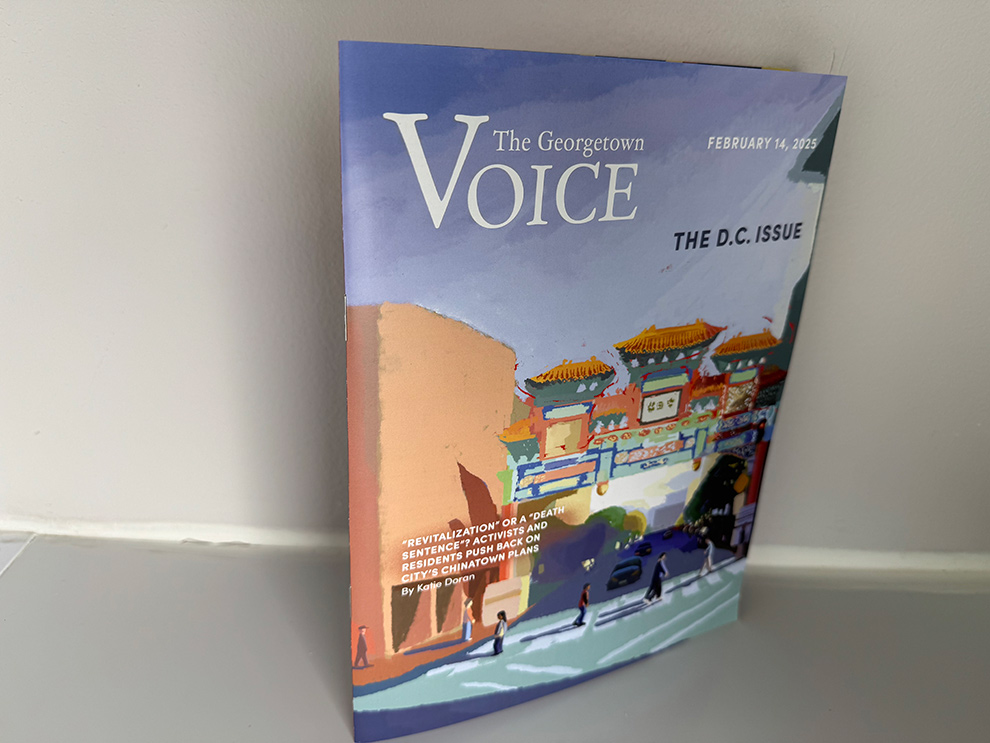
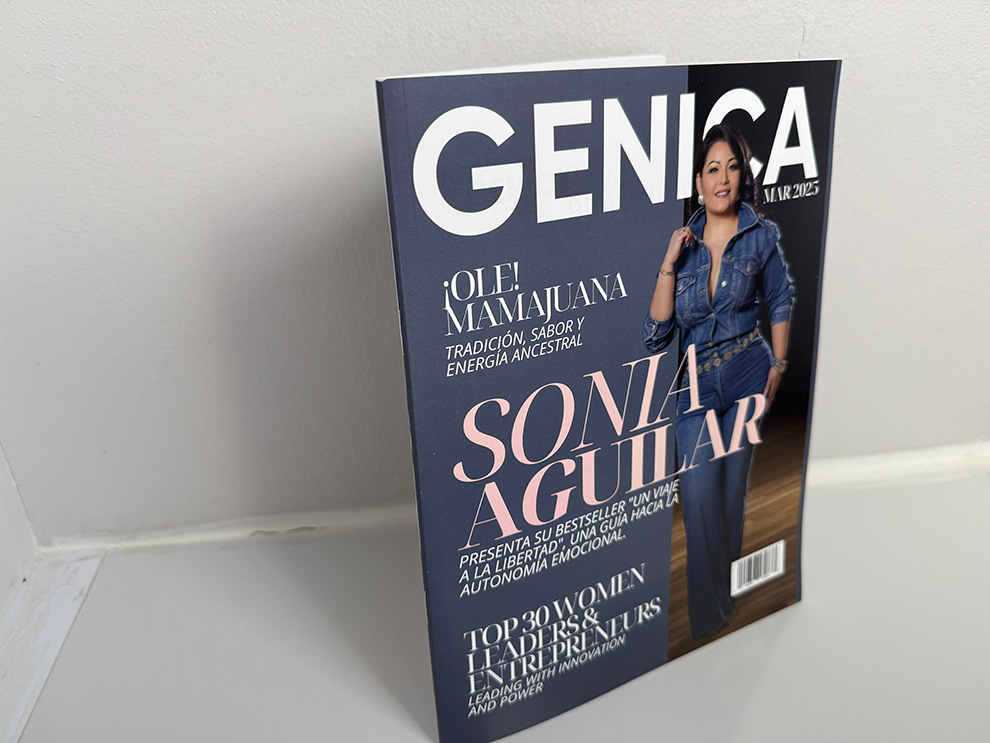
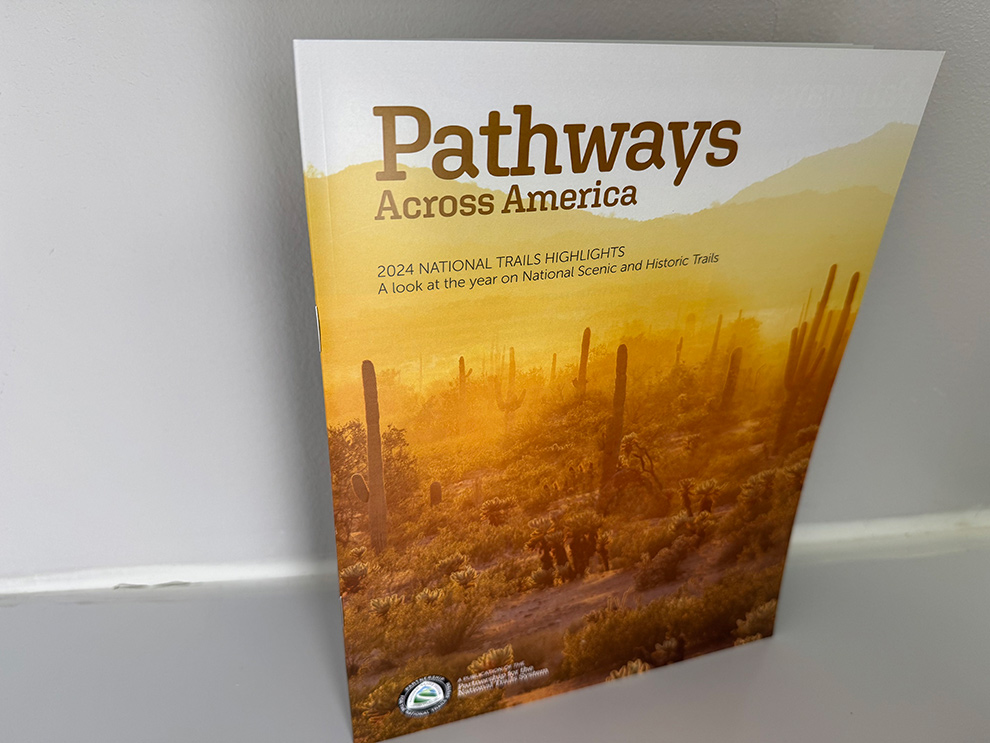
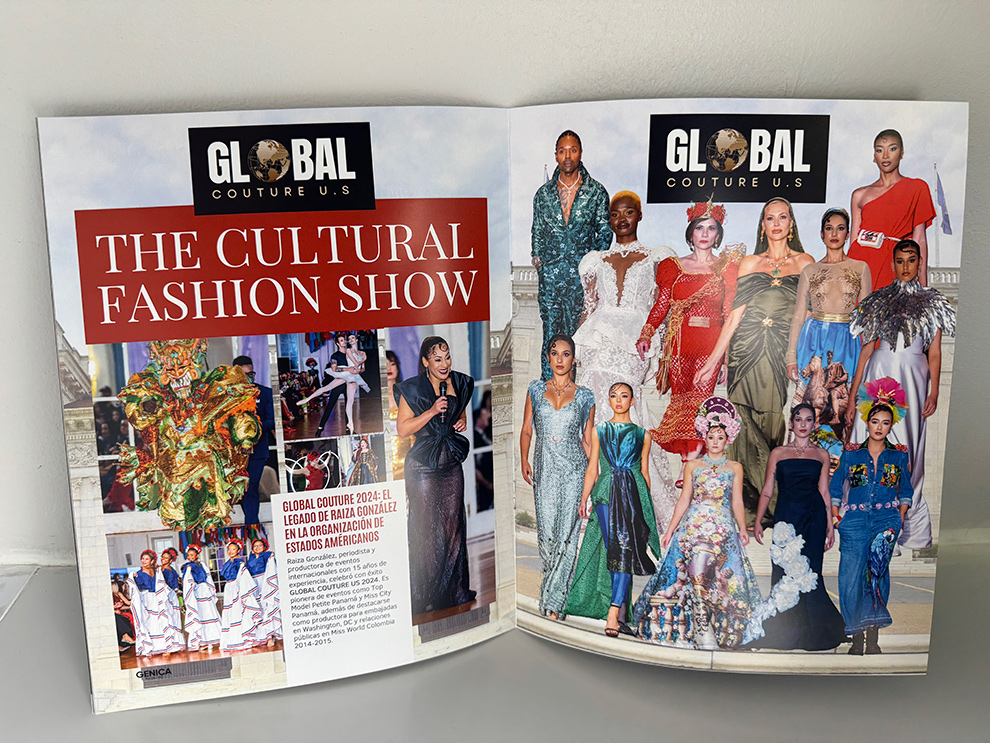
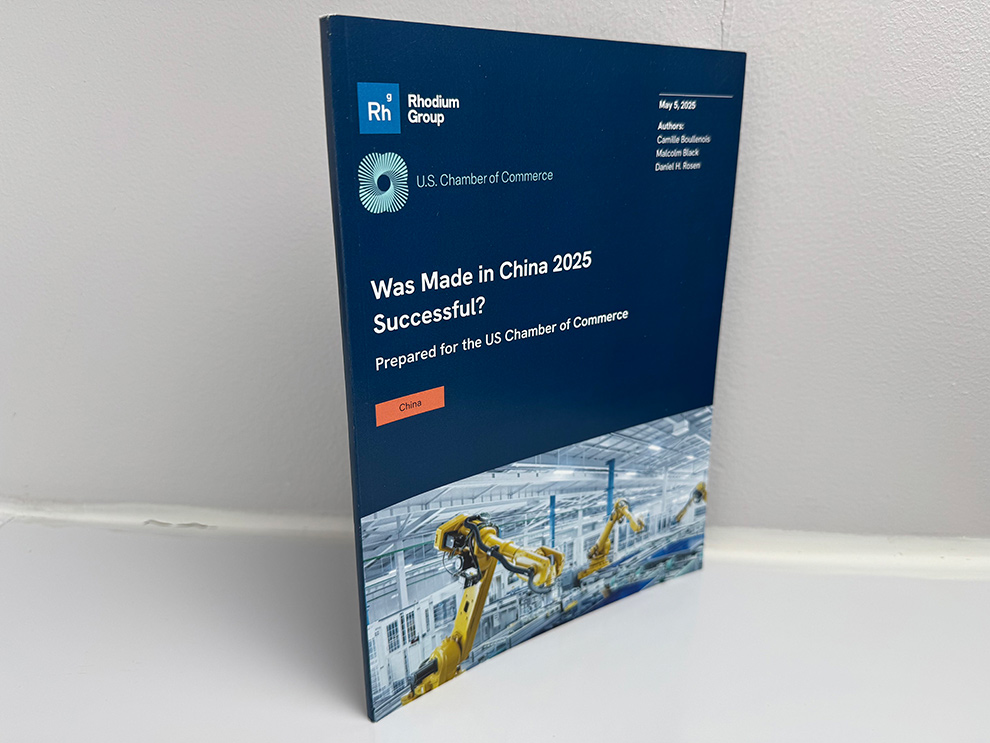
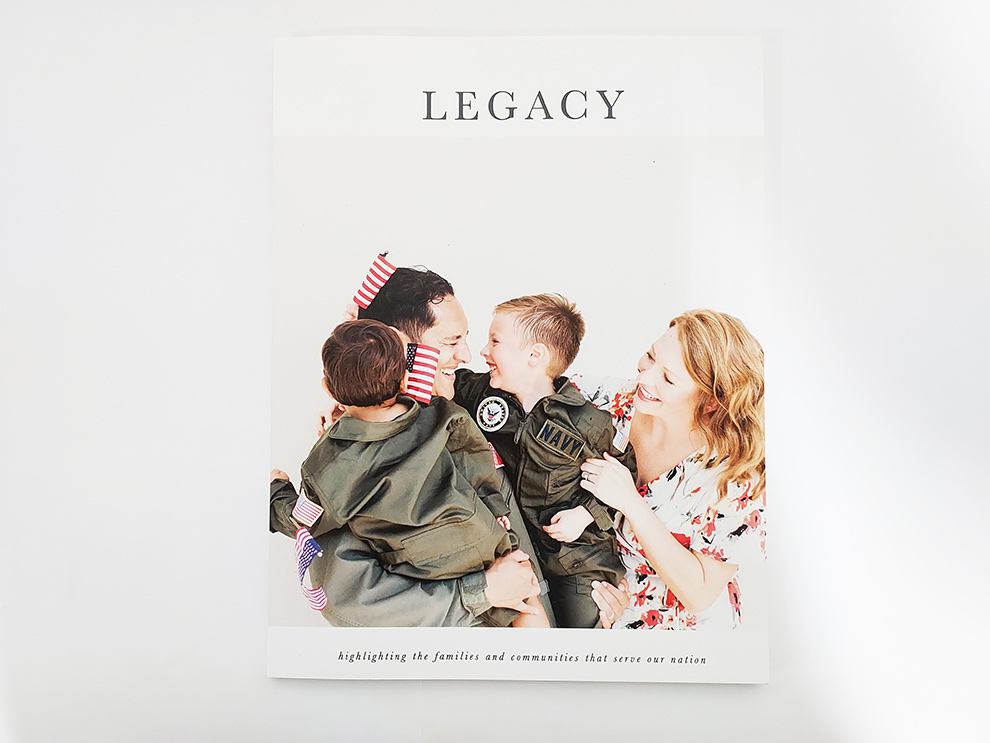
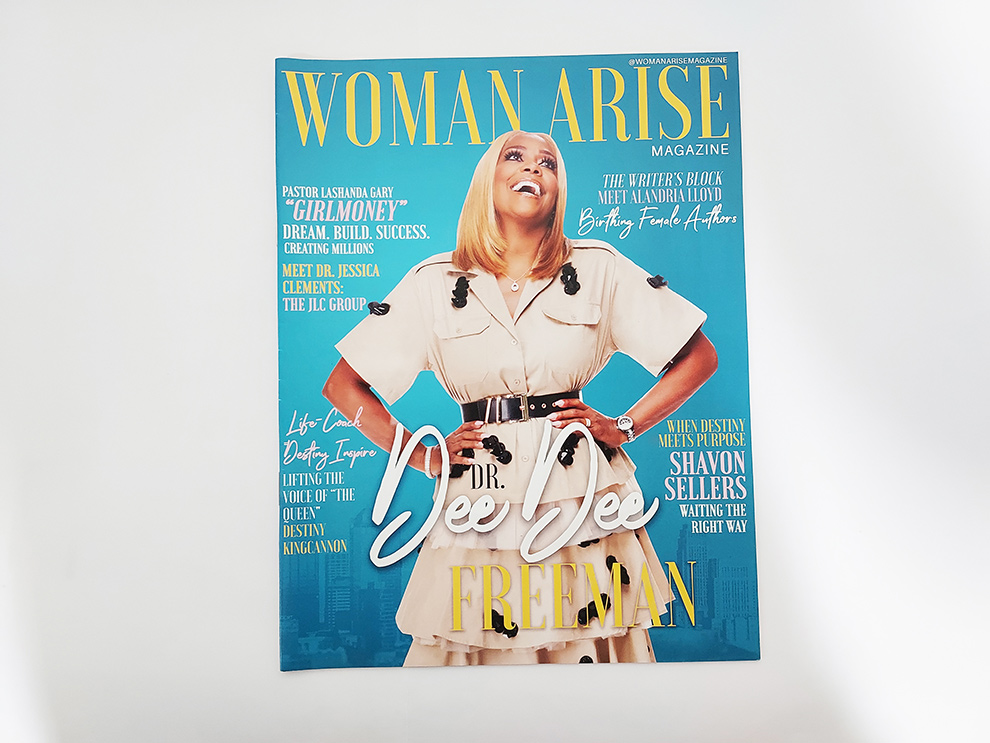
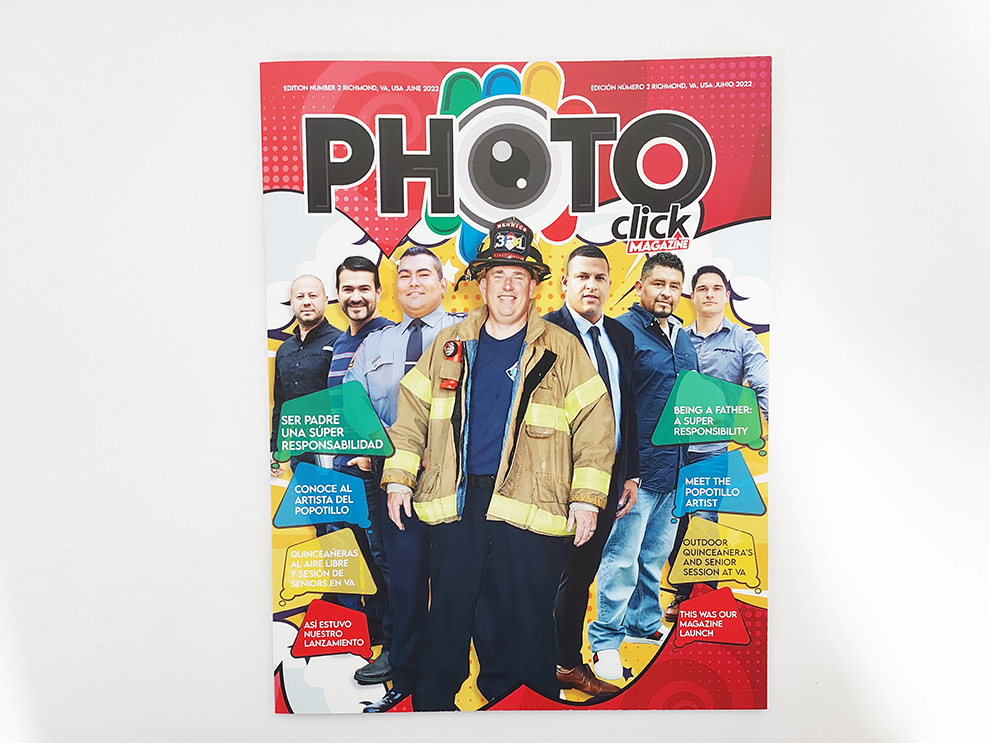
A magazine that publishes on a schedule carries expectations with it. Readers in Rockville, MD and across Montgomery County recognize the trim size, the cover weight, the binding, and the color of the masthead before they read a word, and any drift between issues is noticed. When your team works from an established magazine template, the printing partner has to honor that template while meeting the date each issue is due.
Heritage supports organizations that publish from a magazine template in Rockville, MD by treating the retained specifications as the starting point for every new edition. Once your print-ready file and current requirements arrive, we confirm what matches the baseline, identify what has changed, and tell you plainly whether the requested date is realistically achievable.
Our printing roots reach back to 1977, and that history shows up as steady production judgment rather than promises made before the job is understood. The result is an issue that reads like part of the same publication, a schedule your team can plan around, and clear communication at each step from proof approval to delivery.
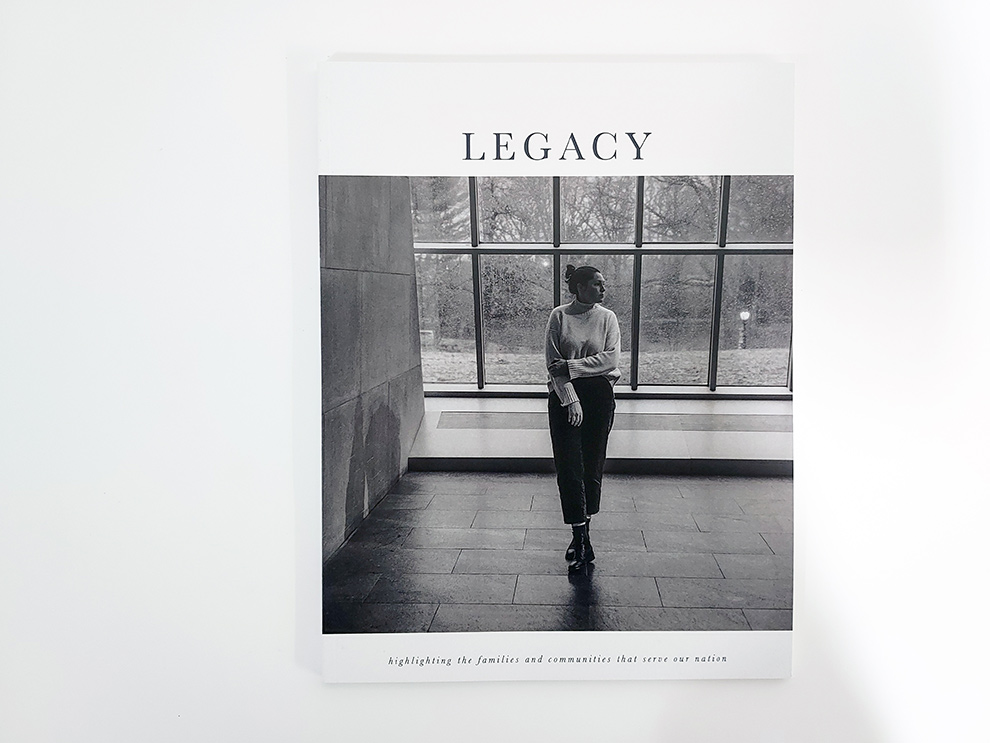
Heritage began as a printing company in 1977, and that long printing history taught us that consistency is earned one issue at a time. A recurring magazine does not benefit from a printer who treats each edition as a brand new project with no memory of the last one. We keep accepted production information on file so the paper, cover stock, binding method, and color targets that defined earlier issues inform the next one.
For organizations in Rockville, MD and the surrounding DC metro area, our Commercial Printing team concentrates on the factors we actually control. We check paper availability against the template, confirm binding and finishing requirements, sequence the run around proof approval, and plan mailing, shipping, or delivery within the accepted scope. When a request falls outside what the schedule or the materials can support, we say so early and offer a workable alternative.
Heritage is veteran-owned, and that background shows in disciplined follow-through on accepted work. Your team gets a printer that answers questions directly, protects the look readers expect, and keeps each issue moving toward its date without guesswork.
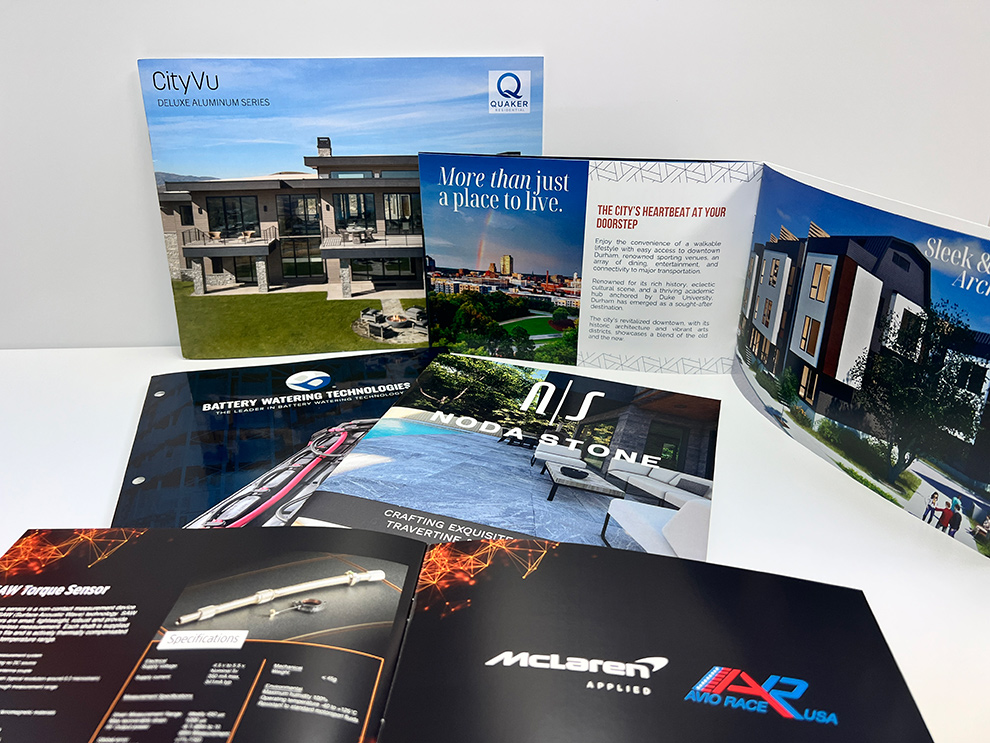
For single-purpose multi-page pieces such as guides, briefing documents, and report summaries that do not carry an ongoing issue identity.
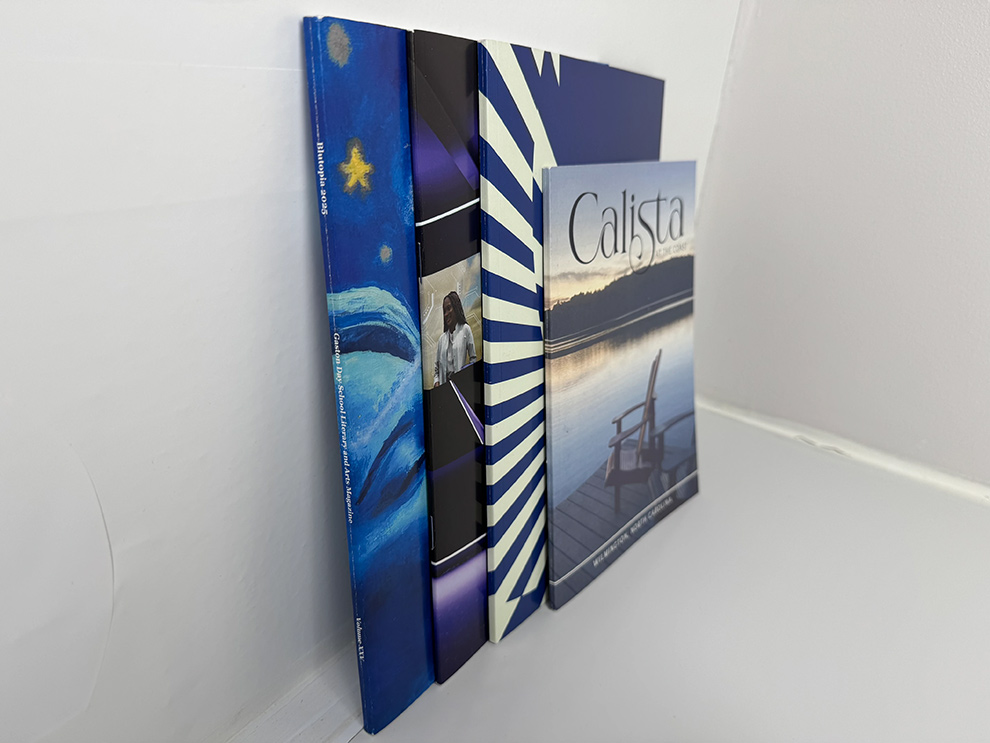
For thicker publications where a flat square spine, printed spine text, and a durable shelf presence matter more than light weight.
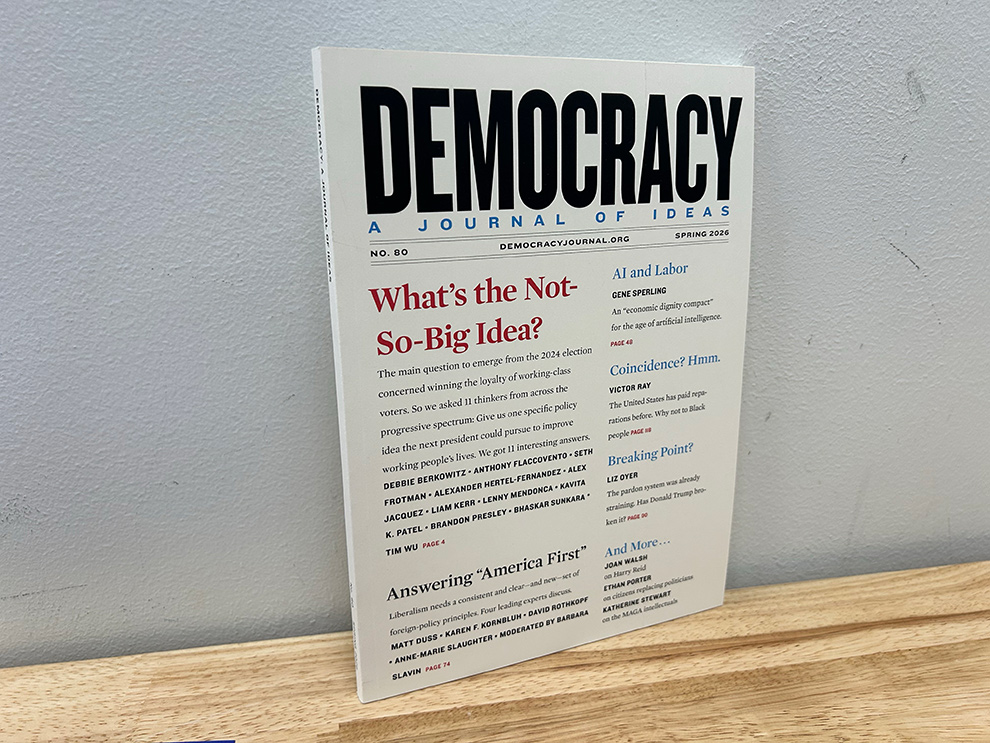
For shorter, more frequent updates to members, employees, donors, or residents that follow their own cadence apart from the magazine.
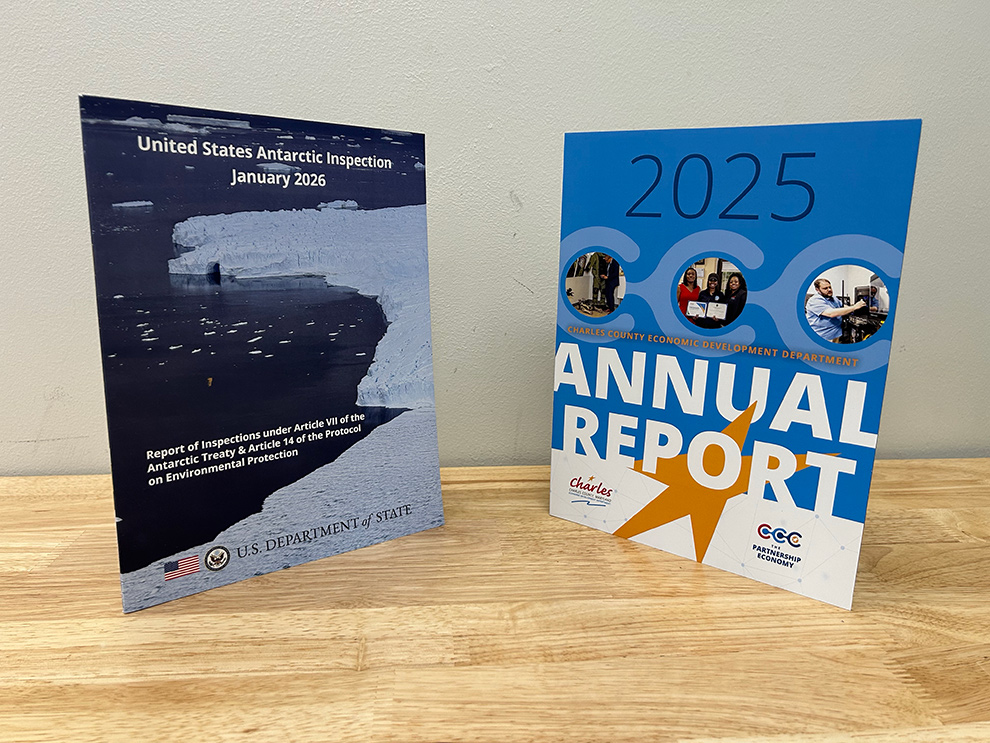
For once-a-year stakeholder reporting that combines financial results, outcomes, and leadership messages in a polished format.
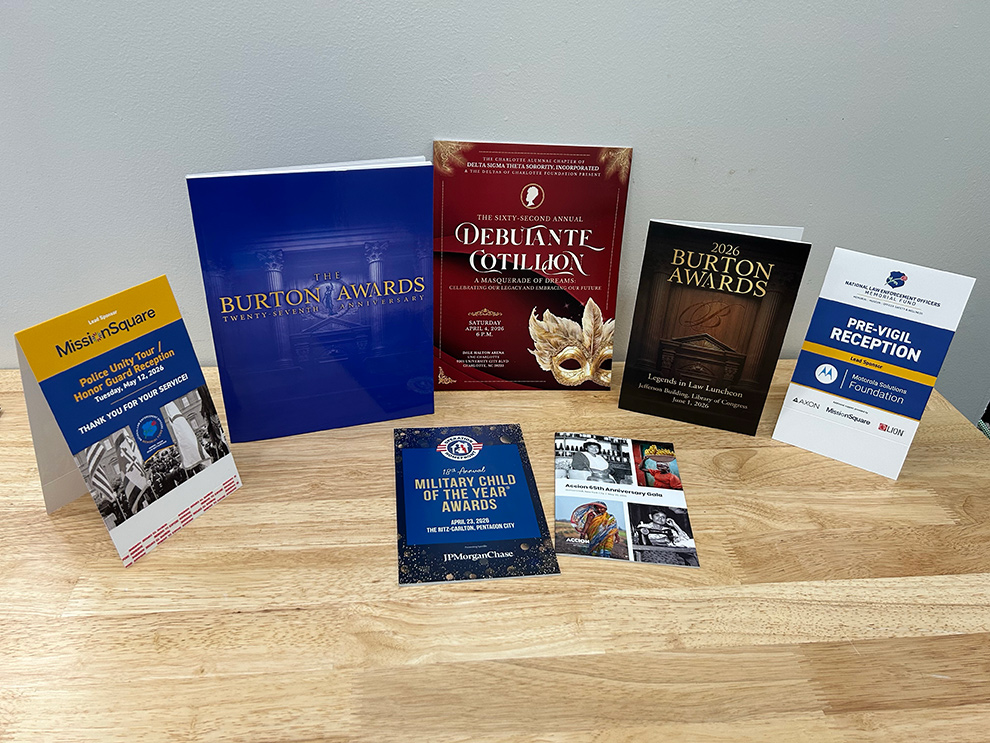
For conferences, galas, ceremonies, and meetings where the printed piece must be ready on a fixed date and in a fixed quantity.
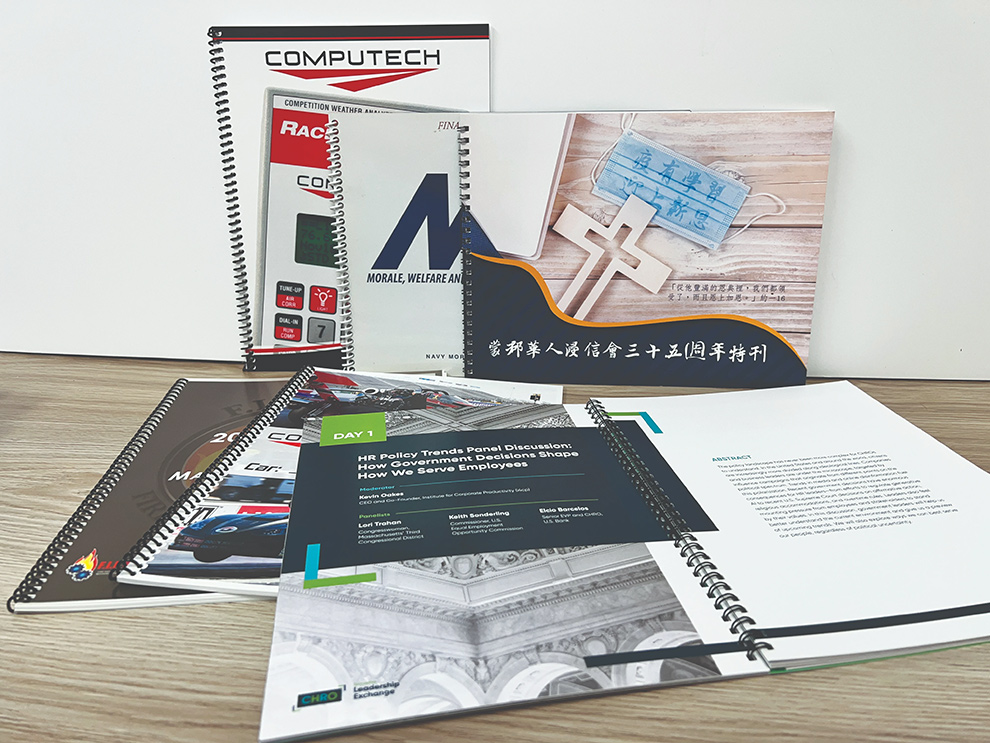
For instructional content that trainees mark up, reference repeatedly, and keep long after the session ends.
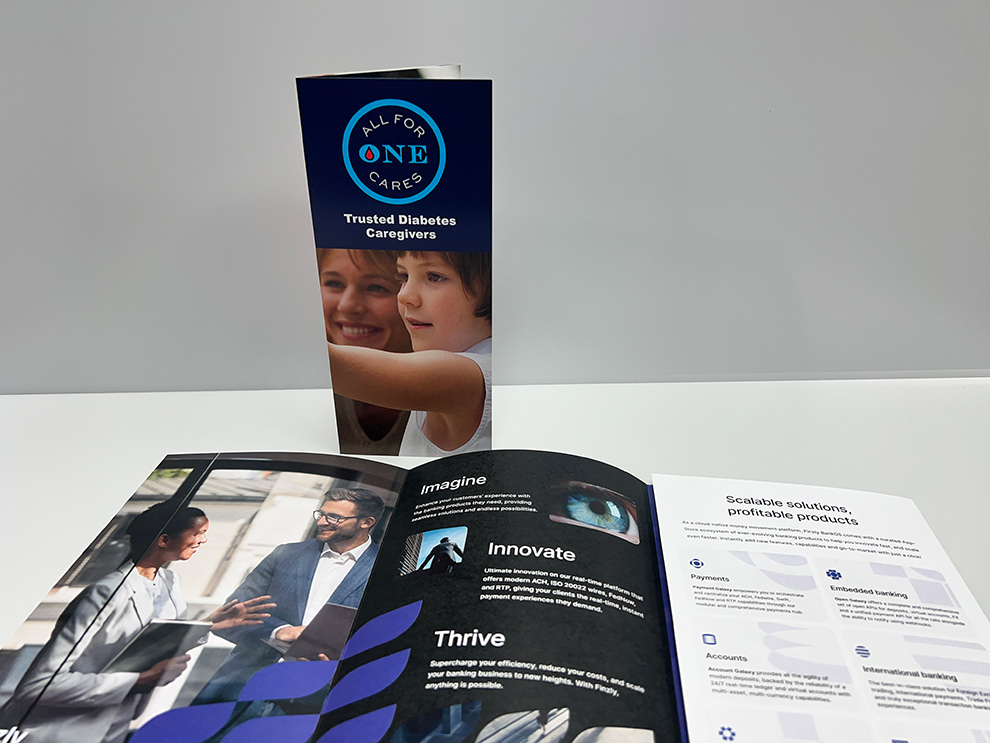
For compact outreach that introduces a program, campus, service line, or initiative in a format that travels easily.
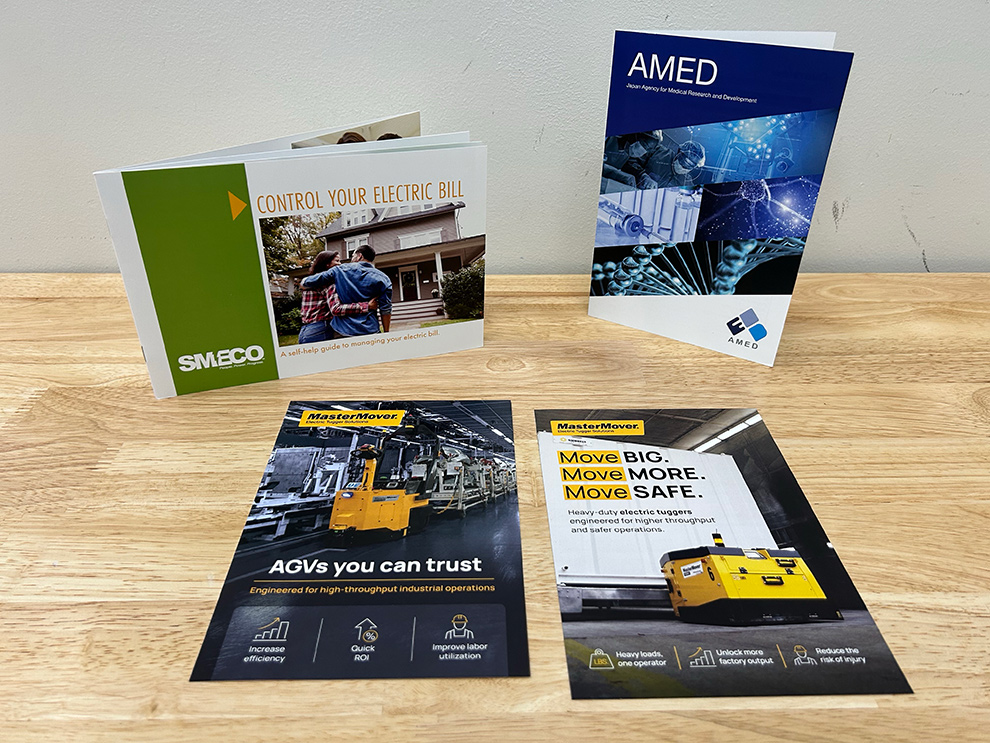
For coordinated campaign printing that supports launches, recruiting, fundraising, and outreach alongside your magazine.
Upload your current issue file, the template specifications, quantities, versions, and the in-hand date through Custom Quote, and Heritage will confirm what matches your baseline and what the schedule can realistically support. If the issue is completely specified and matches a live Store configuration, self-directed ordering is also available.
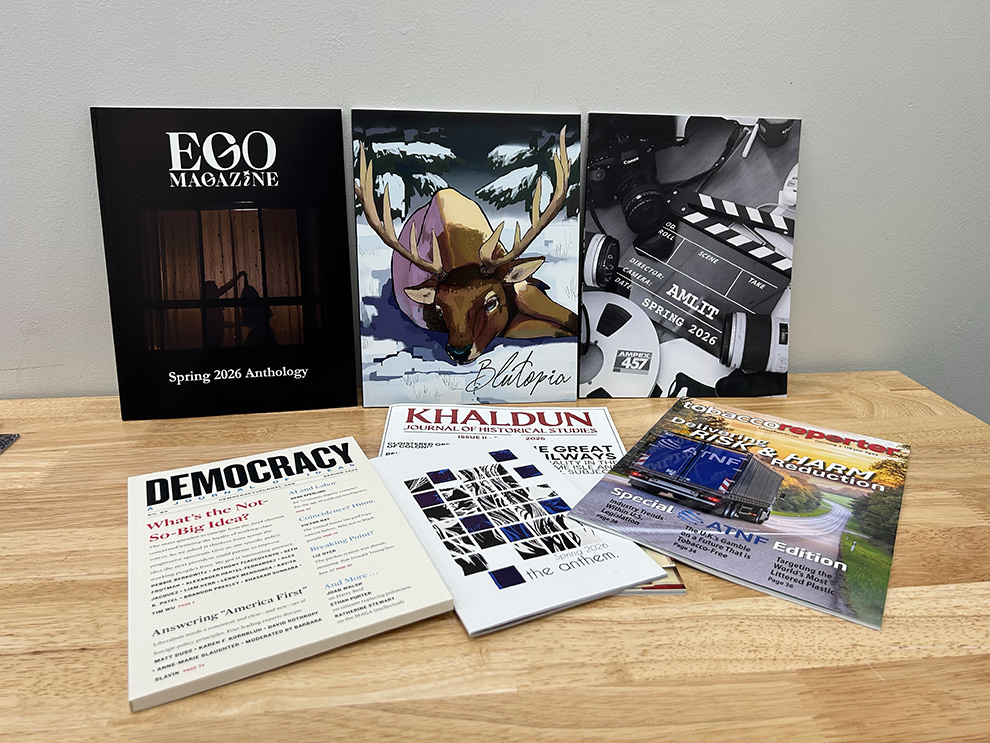
A magazine template records more than a layout. It captures how the issue should feel in the hand, how it survives the mail, and how it repeats in the next edition. Interior paper governs opacity, image reproduction, and weight. Cover stock determines stiffness, protection, and the first impression on a reception table or in a mailbox.
Binding should follow the actual construction. Saddle stitching produces a light, folded issue that opens easily and suits publications whose page count and paper allow folded assembly. Perfect binding produces a square spine and a more substantial profile when the finished thickness can form a sound spine, and quantity, weight, and mailing method influence which choice serves the issue.
For repeat editions, the retained template gives Heritage a baseline, but each new issue still needs its current page count, quantities, versions, dates, and delivery requirements reviewed. Every order receives an electronic proof for your review and approval before printing. When color is critical and the project qualifies through Custom Quote, an optional paid Physical Production Color Proof can provide a physical reference before the full run.
Your team owns the editorial side: articles, advertising, layout inside the magazine template, and the internal approvals that come before a file is ready. Heritage takes over once the completed file and the current issue requirements arrive. We confirm the specifications against the baseline, flag anything that differs, prepare the electronic proof, and move accepted printing, binding, finishing, and distribution forward.
Custom Quote fits qualifying magazine work of $2,000 or more that benefits from specification guidance, production-oriented file preparation or template adjustments, multiple versions, eligible physical color proofing, or mailing coordination. After Heritage accepts the quote and assigns the order, a Project Coordinator becomes your direct phone and email contact for that accepted work and keeps you informed on status and timing.
The Self-Directed Online Store fits a settled issue with complete print-ready artwork that matches a verified live configuration. You choose the available specifications yourself, and every new Commercial Printing opportunity, including Store orders, carries a $750 minimum that eligible Store products can be combined to meet. Both paths include production review, quality control, and the required electronic proof before printing.
Yes. A print-ready file built on your existing magazine template is the preferred starting point. Heritage reviews it for bleed, trim, page order, and resolution, confirms the paper and binding it was designed around, and raises any production concern before the electronic proof is issued. Template creation and broad design development are not part of the service, though production-oriented layout adjustments may be available through qualifying Custom Quote work.
Issue identity. A magazine carries a recognizable trim size, cover treatment, paper feel, binding, and color standard from one edition to the next, and readers notice when any of those shift. A booklet serves a single purpose such as a guide, program, or report and does not need that continuity, so its specifications can change freely between projects.
The decision depends on the finished construction, not on a universal page-count cutoff. Saddle stitching suits a lighter issue whose page count and paper work with folded assembly, and it keeps the magazine easy to open and lighter to mail. Perfect binding suits an issue thick enough to form a sound square spine and benefits publications that need a more substantial presentation.
Start with how the issue will be handled. Interior paper affects opacity, image reproduction, and weight, while cover stock affects stiffness, protection, and first impression. Those choices should be made together with page count, binding, quantity, and distribution method, because a heavier interior or cover changes finished thickness, postage weight, and how the issue feels when it is read.
Start with the date readers must have the magazine, then work backward through file completion, internal approvals, electronic proof approval, printing, binding, finishing, and mailing or delivery. Share any fixed meeting, conference, or mailing commitment early so Heritage can evaluate the full path and confirm whether the date is realistically achievable before accepting the schedule.
Yes, when versioning is included in the accepted scope. Cover variations, sponsor pages, regional inserts, or segmented quantities are common requests. Clear file names, a confirmed count for each version, a single approval owner, and separate delivery instructions keep similar editions from being mixed during production or distribution.
Yes. Every magazine order, whether placed through Custom Quote or the Self-Directed Online Store, receives an electronic proof for your review and approval before printing. Check text, pagination, images, cover setup, and layout carefully. The electronic proof confirms content, not color. Screen appearance is not a physical color standard and does not guarantee a finished color match.
When color accuracy on a cover, product photography, or brand-critical pages matters more than the added time and cost. Heritage can produce a Physical Production Color Proof for qualifying Custom Quote magazine work of $2,000 or more. It is printed on the same production printer and the same paper or material intended for the final run, carries an additional charge, adds production time, and once approved serves as the controlling physical color reference unless otherwise agreed. It is not available through the Self-Directed Online Store.
Yes, when mailing, shipping, or delivery is included in the accepted scope. Finished weight, packaging, quantity, address data, and the required in-hand date shape the plan. Your organization remains responsible for accurate and authorized mailing data. Heritage carries out the mailing services it accepts but cannot guarantee USPS performance or delivery dates after postal acceptance.
Use Custom Quote when the issue qualifies at $2,000 or more and benefits from specification guidance, production-oriented file or template preparation, multiple versions, eligible physical color proofing, mailing coordination, or a demanding schedule. After Heritage accepts the quote and assigns the order, a Project Coordinator becomes your direct contact for that work, which gives a recurring magazine continuity from issue to issue.
Use the Store when a verified live configuration matches your issue, the artwork is complete and print-ready, and your team can choose the available options without consultation. The $750 minimum applies, and eligible Store products can be combined in one order to reach it. Store orders still receive production review, quality control, and the required electronic proof before printing.
Yes, when file readiness, approvals, materials, binding, finishing, capacity, and delivery requirements still make the requested date achievable. Heritage reviews the complete production path before committing, works proactively toward the date on accepted work, and does not promise an accelerated timeline before confirming what the job actually requires.
Late or revised files, a changed page count, delayed approvals, paper availability, a request for a Physical Production Color Proof, added versions, quantity changes, and finishing or mailing requirements can all move the date. Heritage evaluates each of these against the files and requirements actually received, communicates the effect promptly, and offers a practical alternative when the original date can no longer be supported.
Heritage Signs & Displays created new museum signage for the Military Women’s Memorial in Arlington, VA. The project included custom signs, wall wraps, dimensional letters, and standoff-mounted displays to honor the legacy of U.S. servicewomen and the donors who supported the memorial. The updated interior features impactful designs, including a "Our Legacy" wall display and panels showcasing historical contributions and artwork, creating a transformative tribute to women in the U.S. Armed Forces.
Heritage Signs & Displays' collaboration with The Gathery to brand Union Market in Arlington, VA, for Indeed's "Ready to Work" job fair. The project included custom event displays, wall graphics, window graphics, and wayfinding signs, creating an immersive and visually appealing environment. The branding enhanced the venue, reflected the event's mission, and provided a seamless experience for attendees.