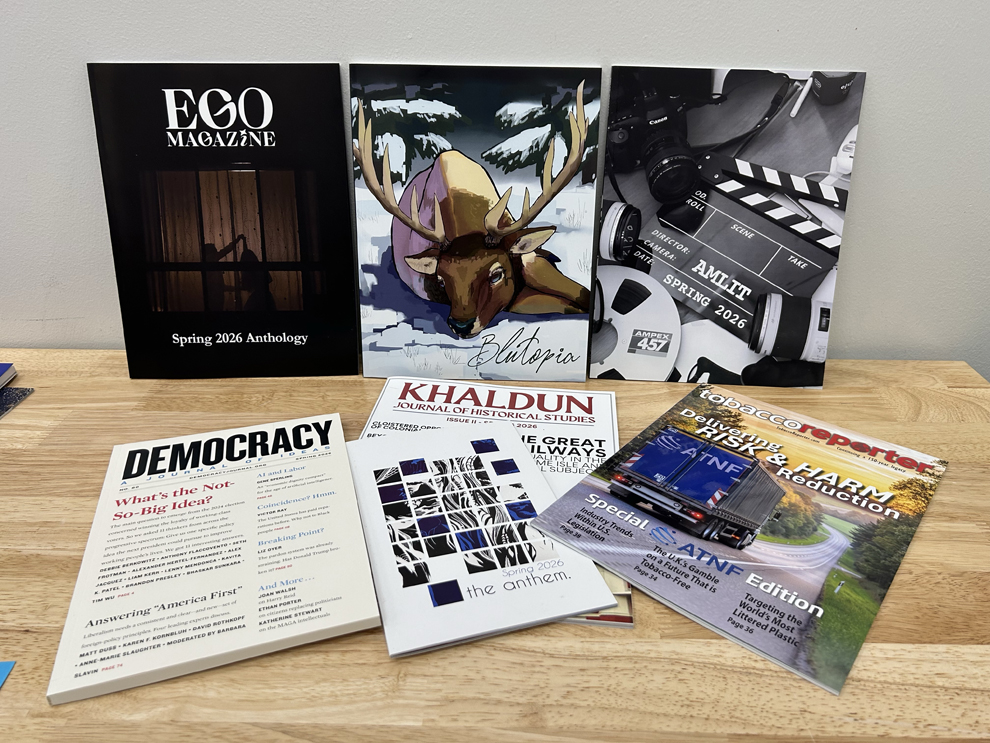
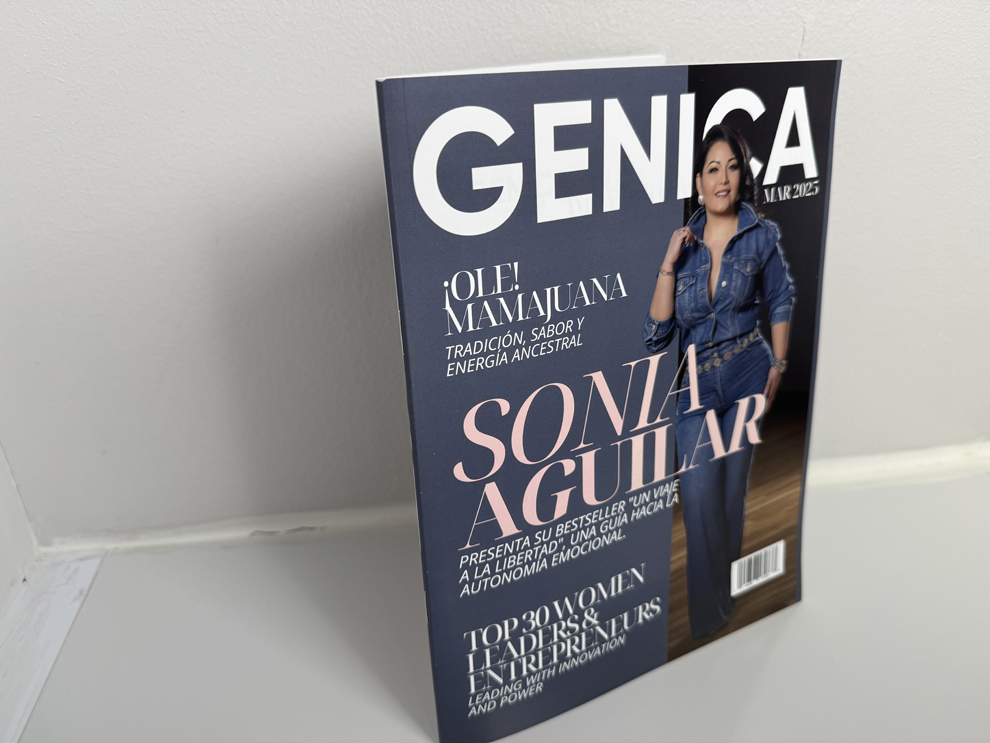
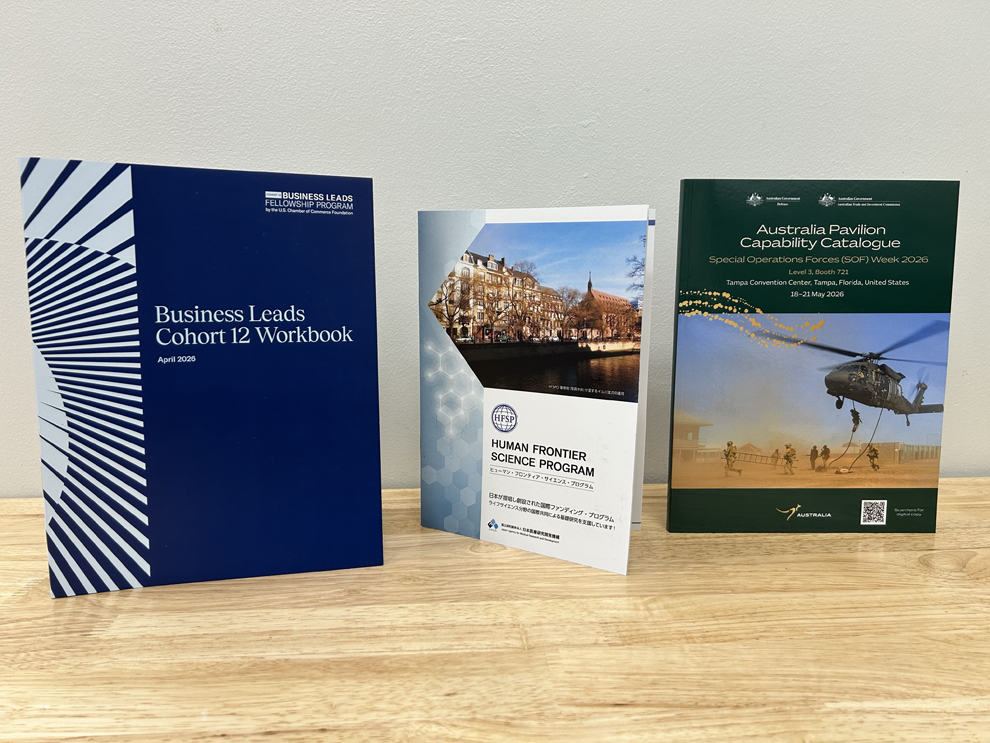
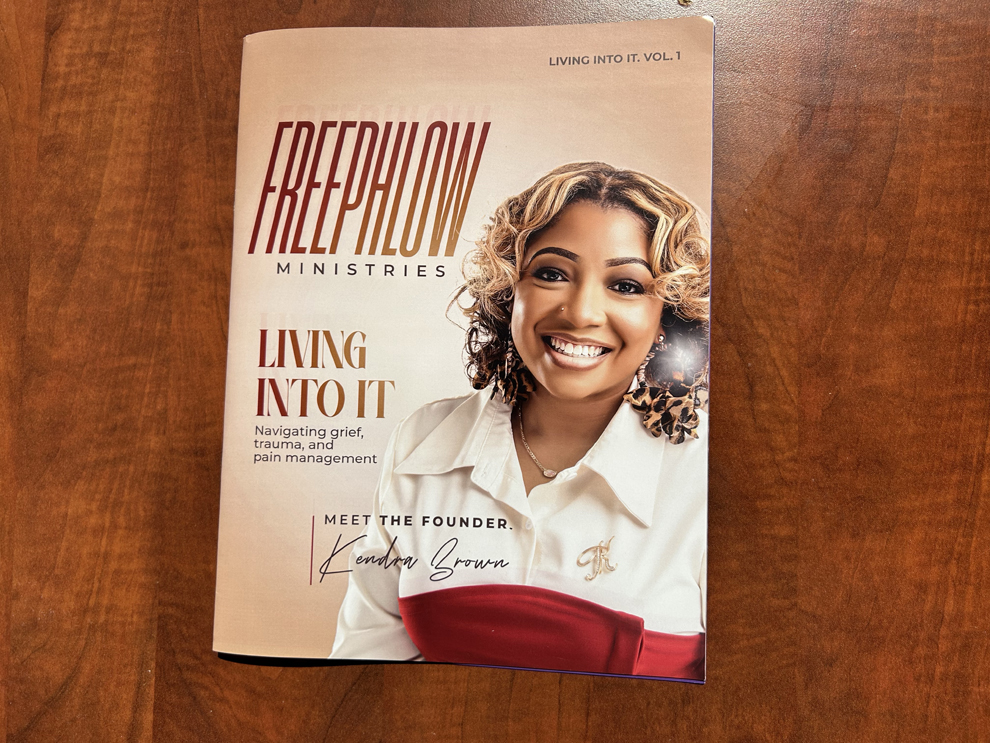
Columbia sits between Baltimore and Washington, DC, and organizations around Columbia Gateway, Maple Lawn, and Downtown Columbia produce a steady stream of printed publications: research summaries from laboratories and institutes, resource guides from healthcare systems, program catalogs from education providers, and directories from professional associations. Each carries completed content that deserves a finished form suited to its readers rather than a default format chosen for convenience.
The audience, purpose, and release date shape every production decision. A technical report prepared for a client review needs a different construction from a resource guide assembled for a community outreach season, and both differ from a membership directory referenced for a full year. Heritage listens first, confirms the date, and explains what the schedule can realistically support before any file moves into production.
Finished size, paper weight, page count, binding, color coverage, quantity, and delivery method influence how the publication performs in a reader's hands. A guide carried to appointments benefits from different choices than a report placed on a conference table. Matching specifications to actual use is what turns good content into a publication people keep.
Heritage started as a printing company in 1977, and that foundation still guides how we approach publications that represent an institution, a research program, or a membership body. Veteran ownership and family leadership shape a culture where attention to detail, direct communication, and kept commitments matter as much as press quality. A 48-page program guide receives the same seriousness as a high-visibility conference journal.
Quality control begins before ink reaches paper. Our team checks supplied files for resolution, bleed, pagination, and font problems, then provides an electronic proof for your review and approval before printing starts. When charts, clinical photography, or brand palettes make color critical, Heritage may apply spectrophotometric calibration and verification with production-specific color profiles so output stays within the capabilities of the chosen press, paper, and finish.
Howard County grant deadlines, accreditation visits, and fall membership renewals rarely move for a printer's convenience. When a research institute needs bound copies of a findings report before a sponsor meeting, Heritage responds promptly, identifies the decisions that affect the date, and commits only to what the files and production window support.
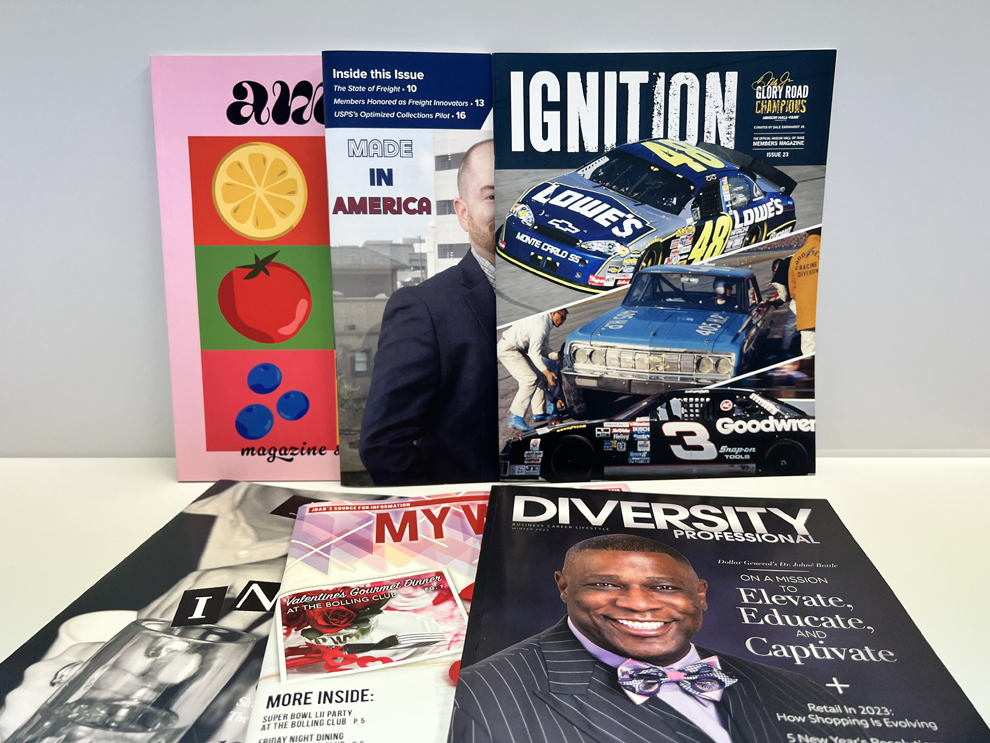
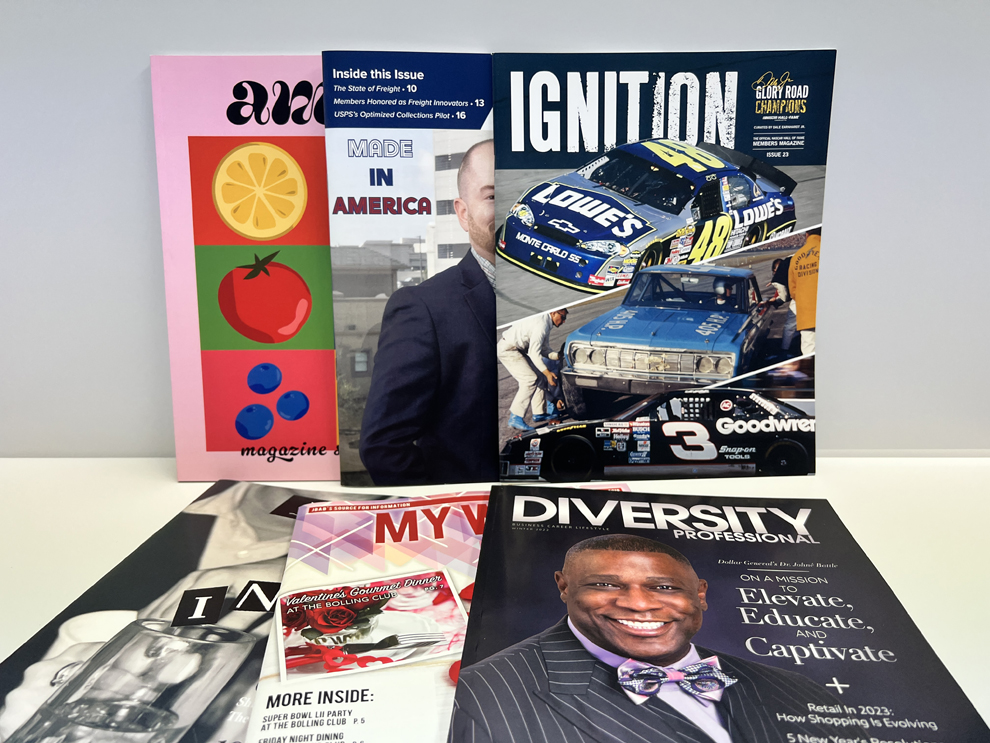
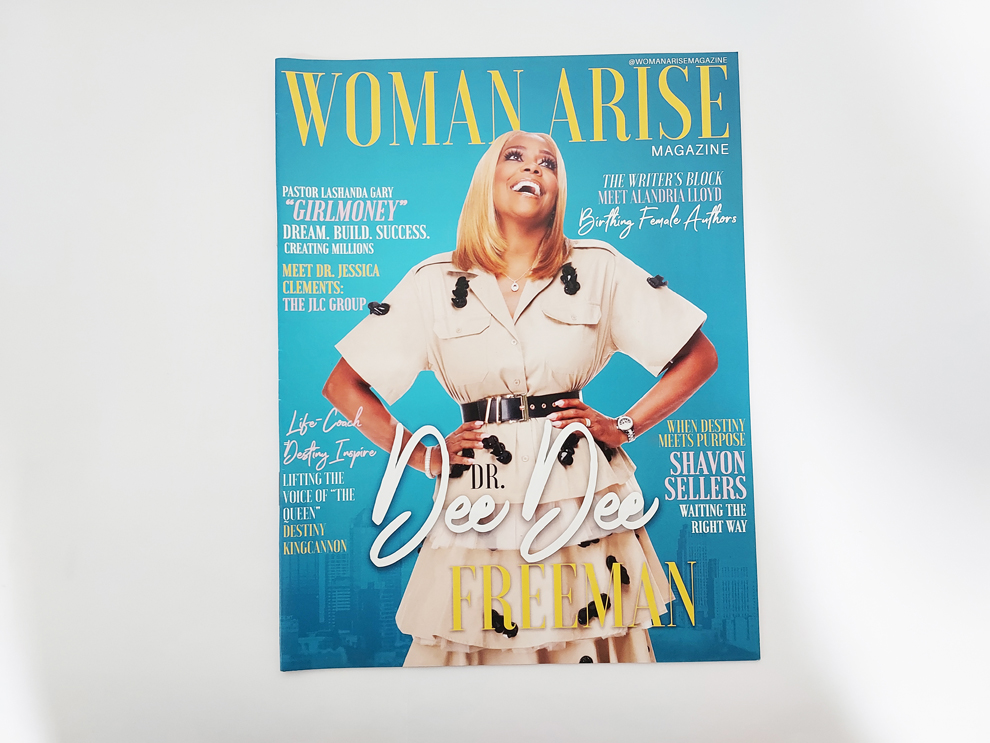
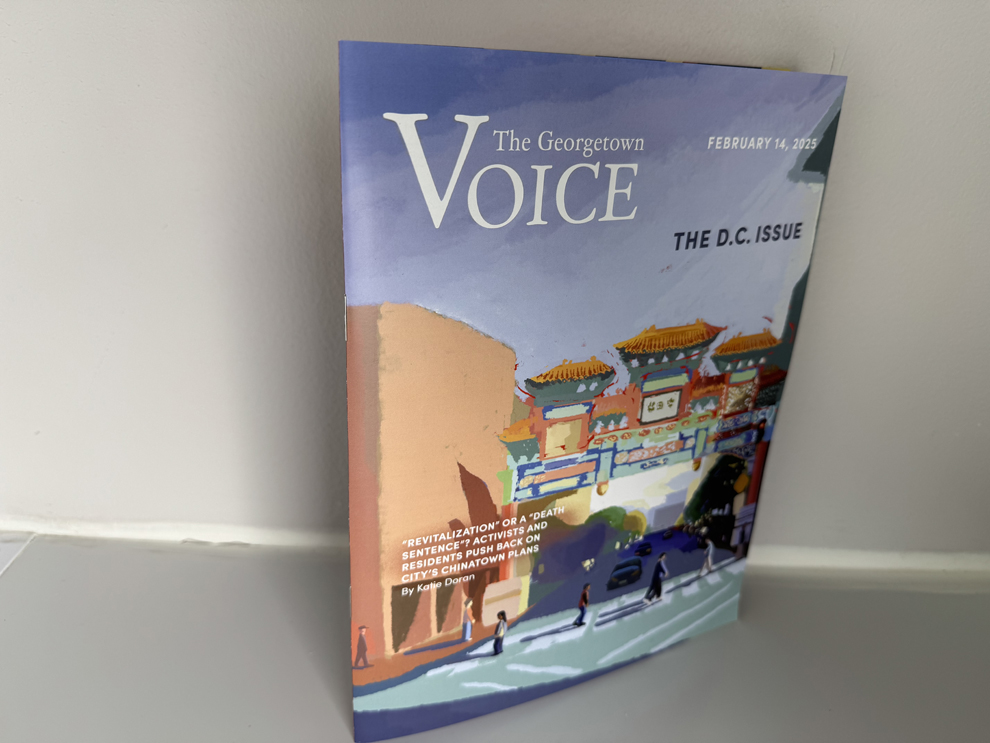
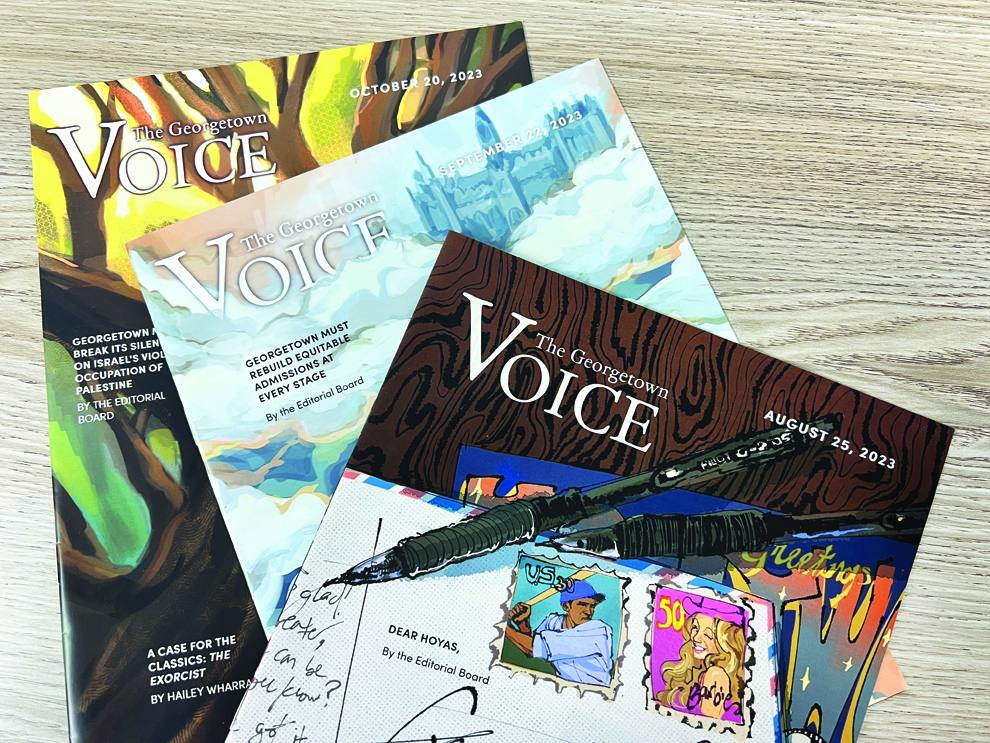
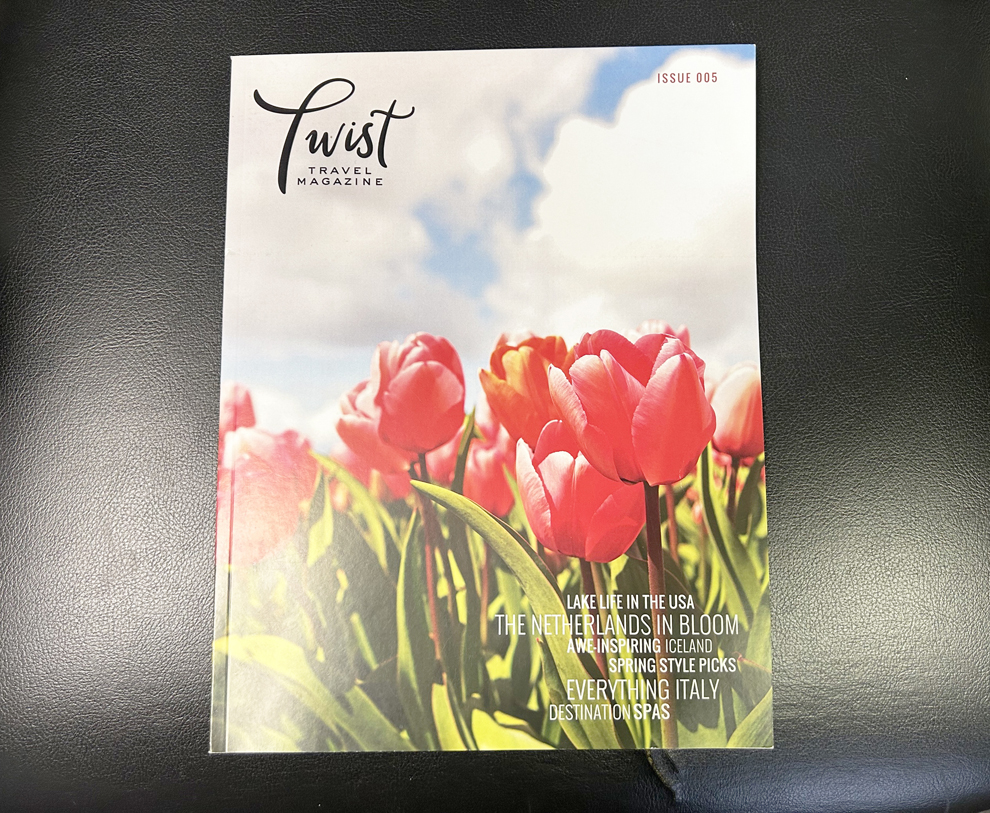
Choose this when the piece is an issue-numbered editorial title with a recurring cover and interior design that must stay consistent edition to edition.
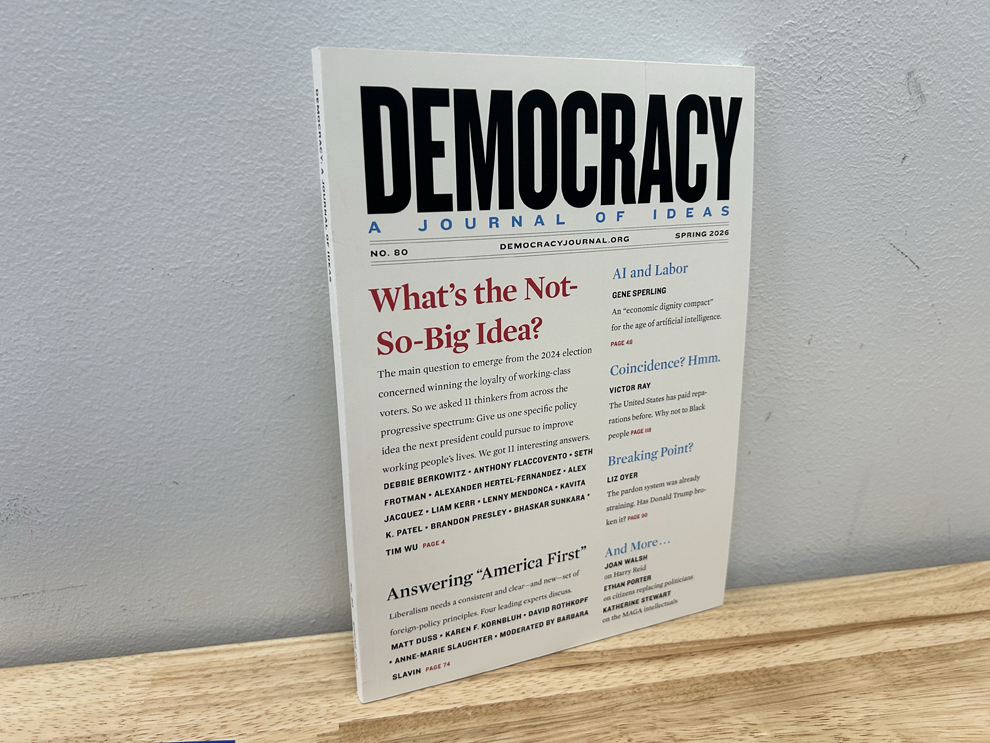
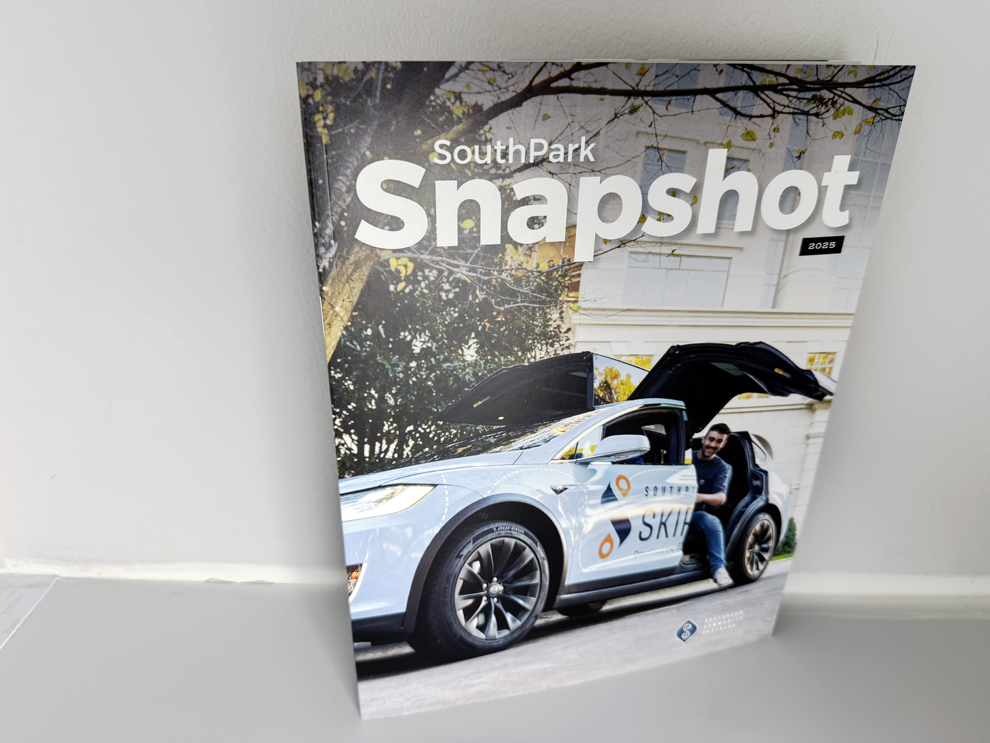
Better suited to brief, frequent updates that reach members or staff on a set cadence and are often folded or mailed rather than bound.
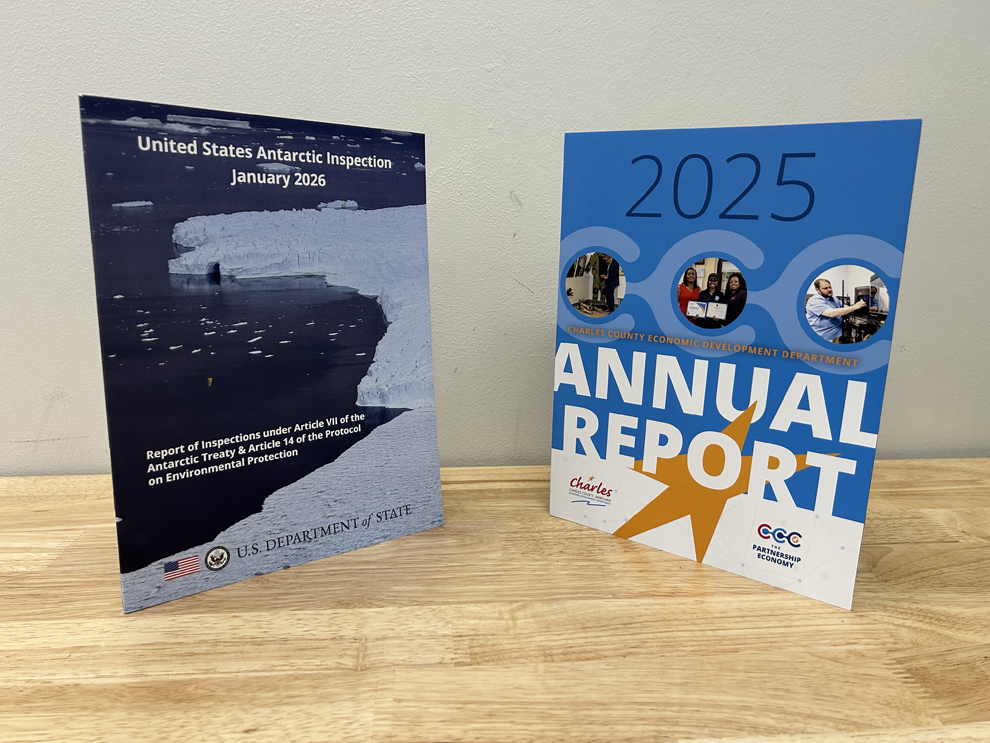
The right home for yearly stakeholder communication built around financials, governance, and impact for boards, donors, and funders.
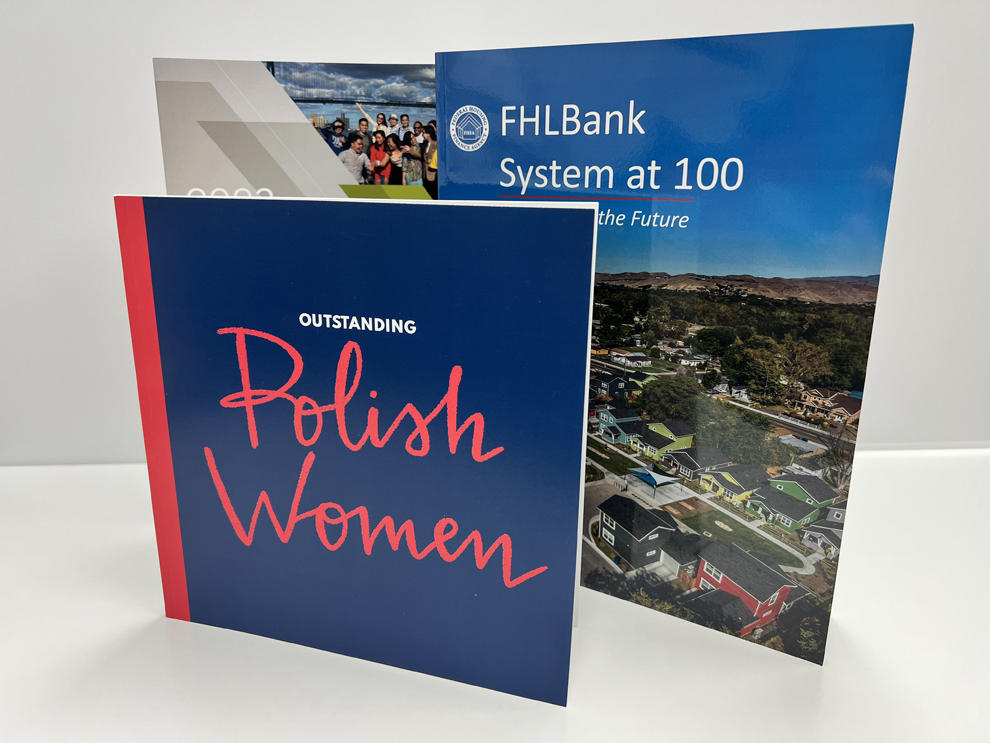
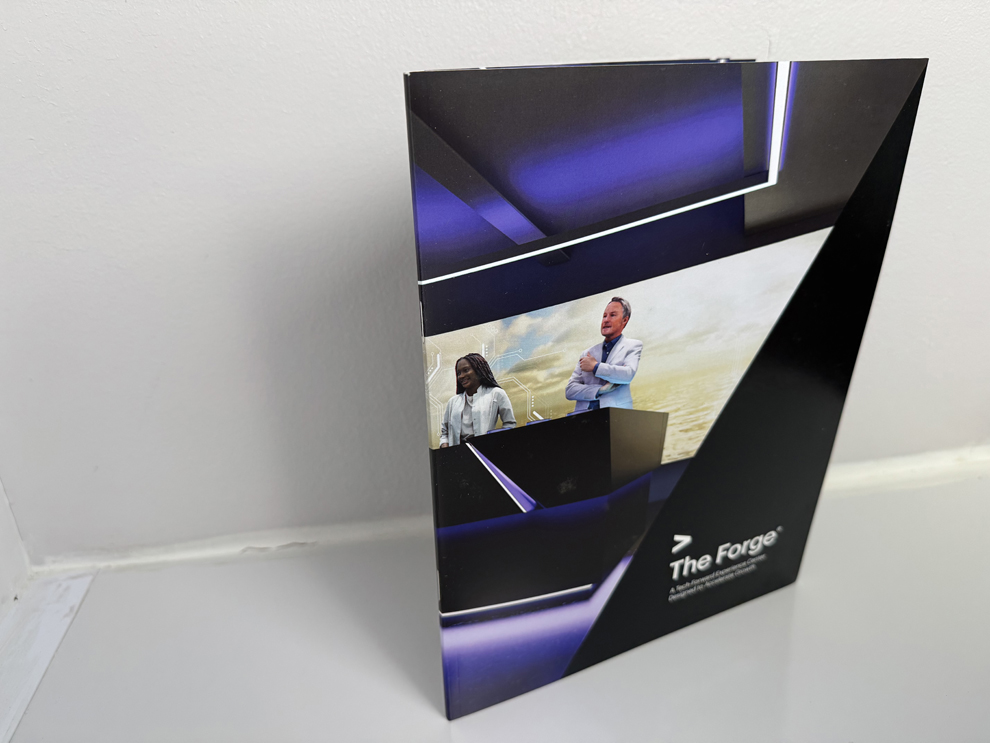
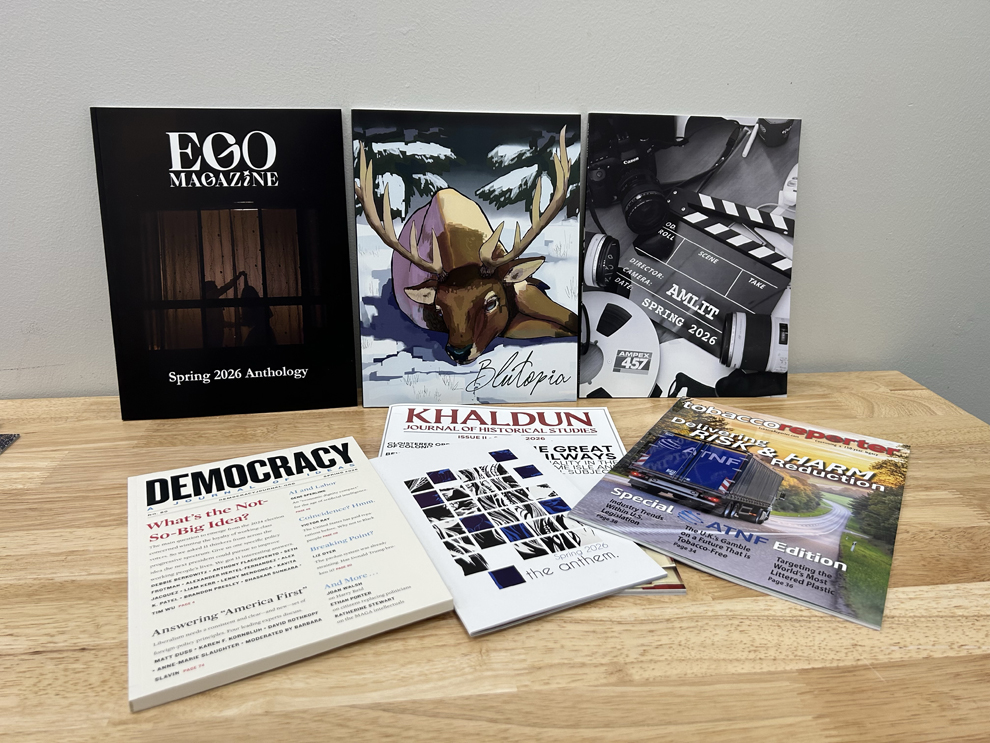
Ideal when a compact saddle-stitched piece is the obvious format and the main questions are page count, paper, and finish.
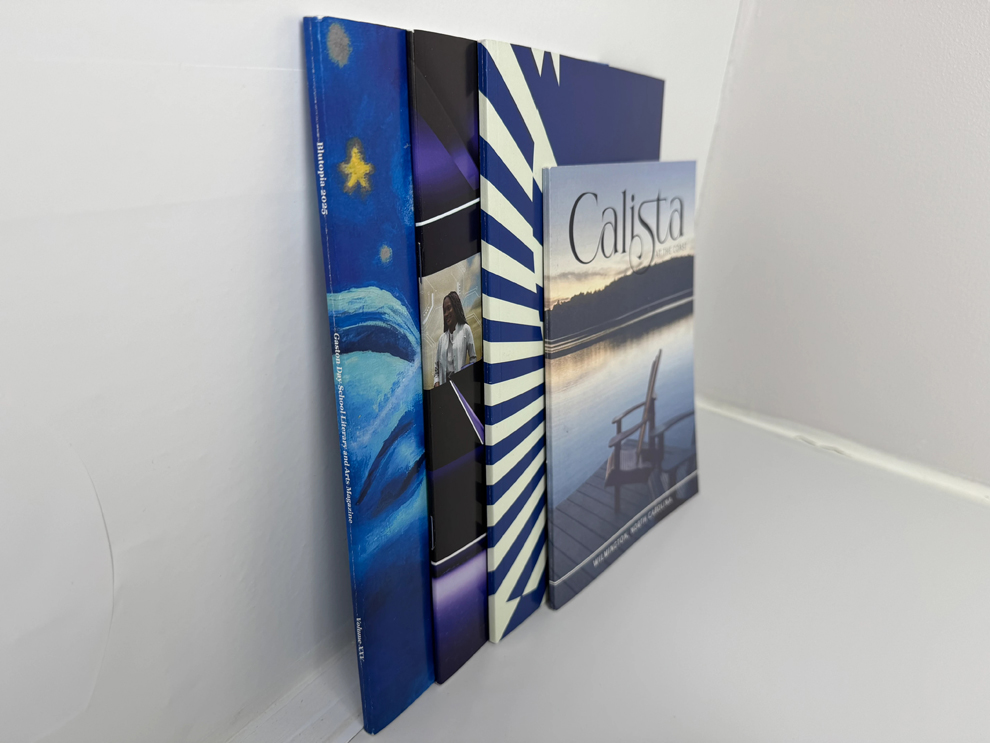
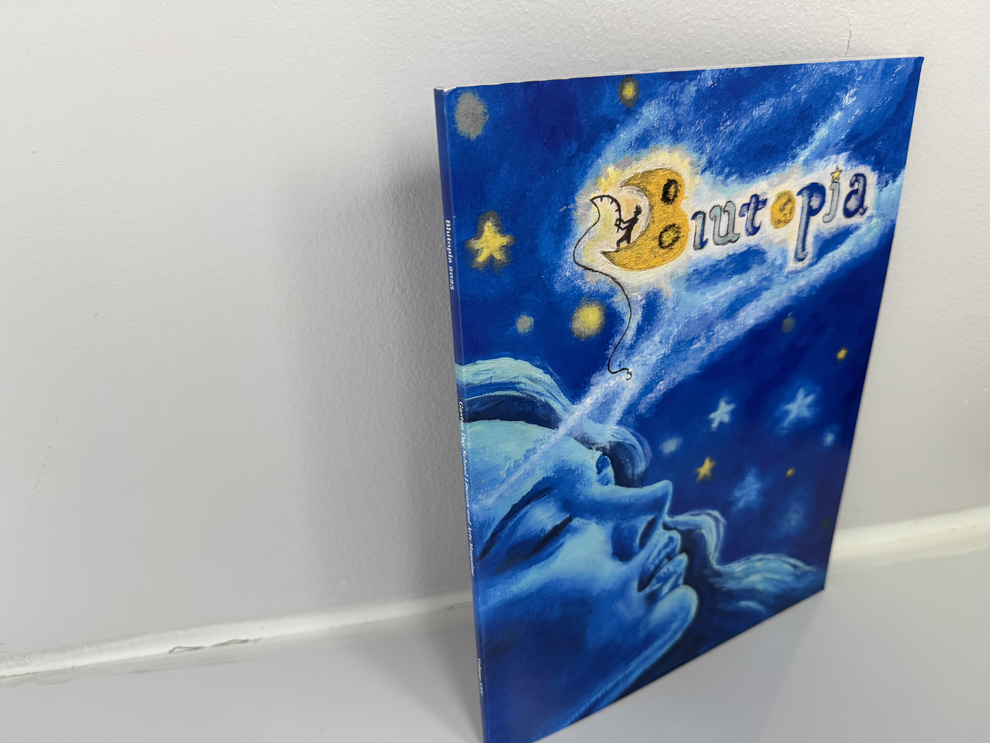
Select this for substantial page counts that call for a square printed spine and a shelf-ready, book-style presentation.
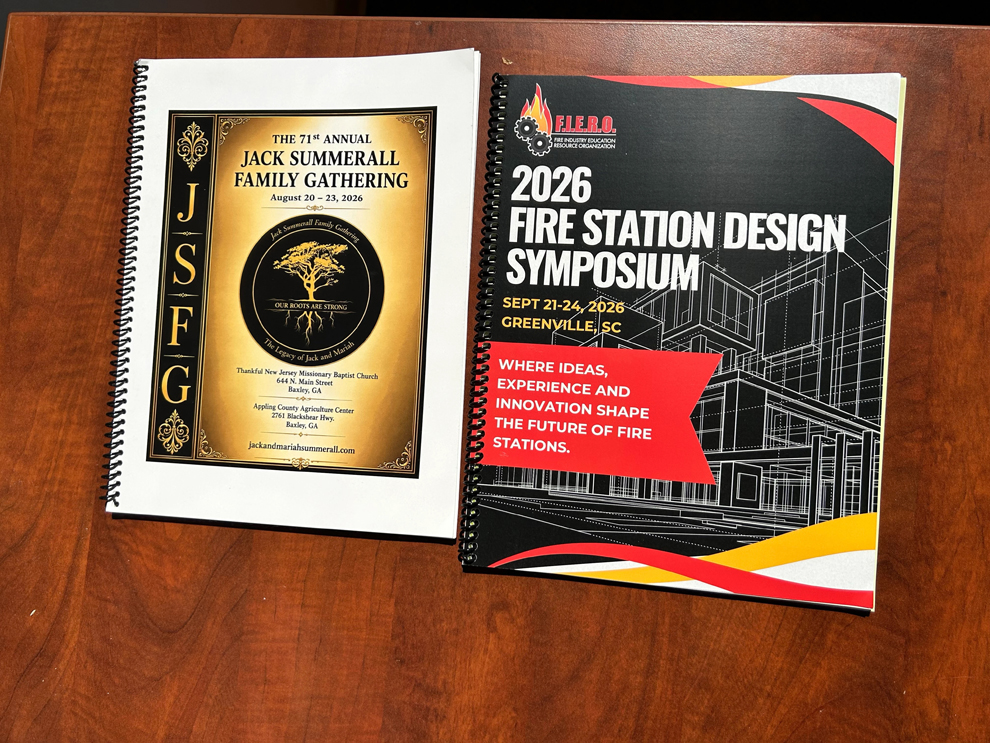
Designed for instructional content that will be marked up, referenced repeatedly, and opened flat on a desk or workbench.
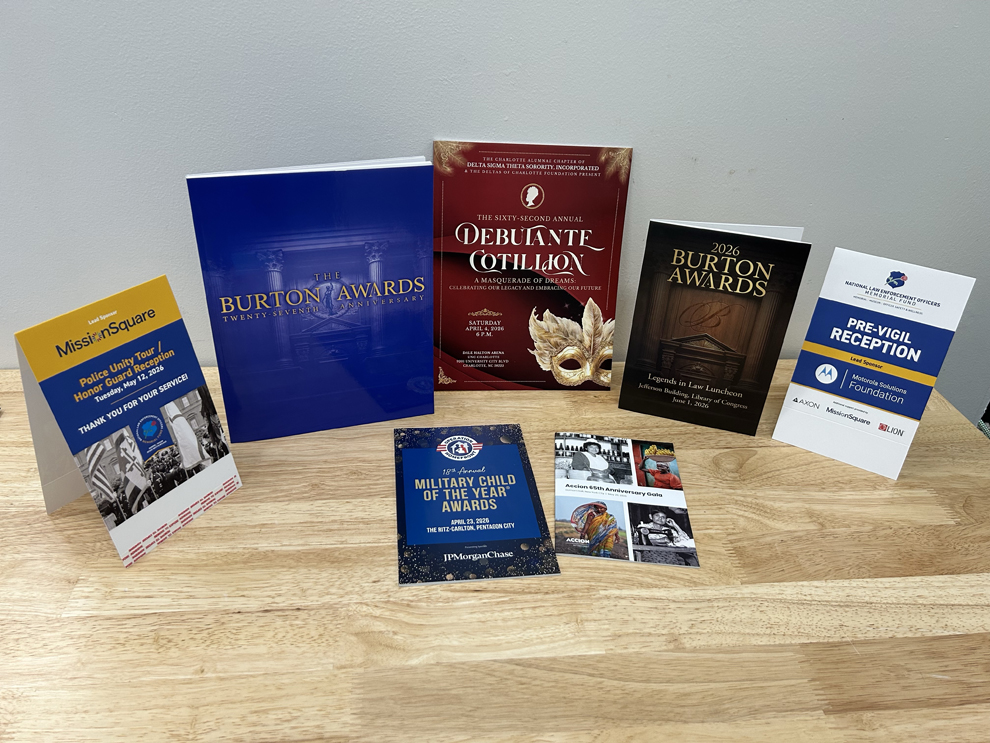
Fits ceremonies, conferences, and galas where agendas, speaker bios, and sponsor recognition are the whole purpose of the piece.
Pairs with any publication that must be addressed, postally prepared, and entered into the mail stream rather than shipped in bulk.
Bring us the required date, the approximate page count, and the audience the publication serves, and Heritage will outline a realistic production path. Qualifying projects of $2,000 or more that need specification guidance, file preparation, multiple editions, or mailing coordination fit the Custom Quote form. Fully specified publications with print-ready artwork that match a live booklet, perfect-bound, or coil configuration may be ordered directly through the Online Store, subject to the $750 order minimum.
Production begins with the facts of the job: trim size, page count, quantity, required date, file readiness, and where the copies ultimately go. Submitting a Custom Quote opens that conversation as an inquiry. Once Heritage accepts and assigns the order, your Project Coordinator becomes a single phone and email contact who gathers remaining details and stays involved through delivery.
Binding should follow how readers handle the piece. A 32-page community resource guide works as a saddle-stitched booklet that opens easily and mails at a reasonable weight. A 160-page research compendium gains presence from a perfect-bound spine that carries a printed title. A procedure guide that stays open on a desk belongs in plastic coil. Cover weight, interior paper, and quantity then settle around that choice.
Nothing prints until you approve the electronic proof. Heritage then holds the run to the approved specifications, keeps binding and trimming consistent across the quantity, and tells you promptly if a material or capacity issue surfaces. Finished copies can be mailed to a supplied list, shipped, delivered, or staged for your own distribution.
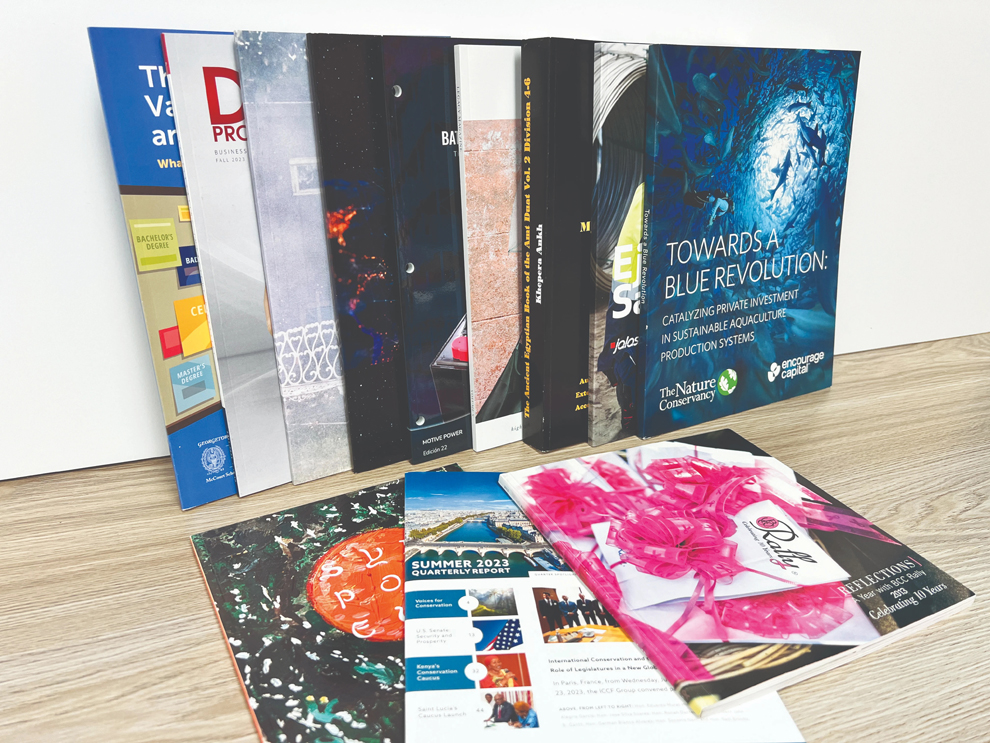
Start with the narrower family when it clearly fits. Issue-based editorial titles belong with Magazine Printing, short frequent updates with Newsletter Printing, and yearly stakeholder reporting with Annual Reports. Publication Printing is the right home for journals, research reports, program guides, directories, and member publications that need a production plan shaped around their own content rather than a standard category.
Frequent handling rewards a heavier cover, a durable binding, and interior paper with enough body to resist curling. Perfect binding suits thicker directories and gives the spine a printed title for shelf identification. Plastic coil is worth considering when readers keep the directory open beside a phone or keyboard. Share the page count and expected use and Heritage can recommend a combination.
Confirm that every page is present and in the correct order, that covers and spine text read correctly, that margins and bleeds look right, and that names, dates, contact details, and page references are accurate. The electronic proof represents the file Heritage will print from, so approval locks the content. It does not serve as a physical color match because screens and paper reproduce color differently.
For qualifying Custom Quote orders of $2,000 or more, a Physical Production Color Proof can be added for an additional charge. Heritage produces it on the intended production printer and paper so you can evaluate color in hand, and once approved it becomes the controlling color reference for the job. It adds production time, so request it early. This option is not available through the Online Store.
Heritage works from completed artwork, and your organization keeps responsibility for writing, editing, and overall design. When a qualifying Custom Quote project arrives with files that need practical attention, Heritage may handle production-oriented adjustments such as bleed corrections, imposition, or minor layout fixes so the publication prints as intended.
Yes. Trim size, paper, cover construction, binding method, and color targets from a previous edition give the next one a dependable starting point and help keep issues consistent on a shelf. Each new release is still reviewed for file changes, quantity, paper availability, and schedule, because a different page count or a new cover finish can change the production plan.
Editions for different campuses, departments, languages, or member tiers can run as separate versions within one project. Clear file naming, confirmed quantities per version, a proof for each edition, and written distribution instructions keep the versions from being mixed during finishing and packing. Tell Heritage about every variation at the outset so the schedule accounts for it.
When mailing is included in the accepted scope, Heritage can address and prepare copies for postal entry. You supply accurate, authorized recipient data in an agreed format. Heritage's responsibility covers the mailing services included in the project, while delivery timing after USPS acceptance is outside Heritage's control.
A submission is an inquiry, not an accepted order. Heritage reviews the request for fit with the Custom Quote path, which serves qualifying Commercial Printing work valued at $2,000 or more. Once the project is accepted and assigned, your Project Coordinator reaches out by phone or email, confirms the details, and becomes your direct contact for the duration of the order.
It can be, provided the artwork is complete and print-ready, the specifications are already settled, and a current booklet, perfect-bound, or plastic coil configuration matches the job. The Store is self-directed, carries a $750 eligible-order minimum, and still includes production review and electronic proof approval. It does not include a Project Coordinator or physical color proofing.
Choose Custom Quote when the order qualifies at $2,000 or more and you need help deciding specifications, want production-oriented file preparation, have several versions, require a physical color proof, need mailing coordination, or are working against a firm date that benefits from direct coordination. Reaching the threshold does not require the route; it makes the route available.
Send the final print-ready file, the exact quantity, and the date copies must be in hand. Heritage evaluates the remaining window against proof approval, paper availability, binding, and delivery before confirming anything. If the schedule can be met, approved work moves with urgency. If it cannot, you hear that quickly so alternatives such as a smaller first delivery can be considered.
Heritage may use spectrophotometric calibration and verification with production-specific color profiles, and supplied PMS values can serve as targets. Results are managed within the gamut of the chosen printer, ink, paper, and coating combination. Consistent source files, embedded profiles, and a single approved reference make a visible difference, especially in data-heavy reports.
Heritage prints publications for research institutes, healthcare systems, defense and technology contractors, professional associations, nonprofits, schools, and county and community organizations across Columbia, Ellicott City, Laurel, Fulton, and the wider Howard County area. Heritage supports this market from its Mid-Atlantic operations rather than a local storefront, and finished copies are shipped, delivered, mailed, or prepared for your own distribution.
Heritage Signs & Displays created new museum signage for the Military Women’s Memorial in Columbia, MD. The project included custom signs, wall wraps, dimensional letters, and standoff-mounted displays to honor the legacy of U.S. servicewomen and the donors who supported the memorial. The updated interior features impactful designs, including a "Our Legacy" wall display and panels showcasing historical contributions and artwork, creating a transformative tribute to women in the U.S. Armed Forces.
Heritage Signs & Displays' collaboration with The Gathery to brand Union Market in Columbia, MD, for Indeed's "Ready to Work" job fair. The project included custom event displays, wall graphics, window graphics, and wayfinding signs, creating an immersive and visually appealing environment. The branding enhanced the venue, reflected the event's mission, and provided a seamless experience for attendees.