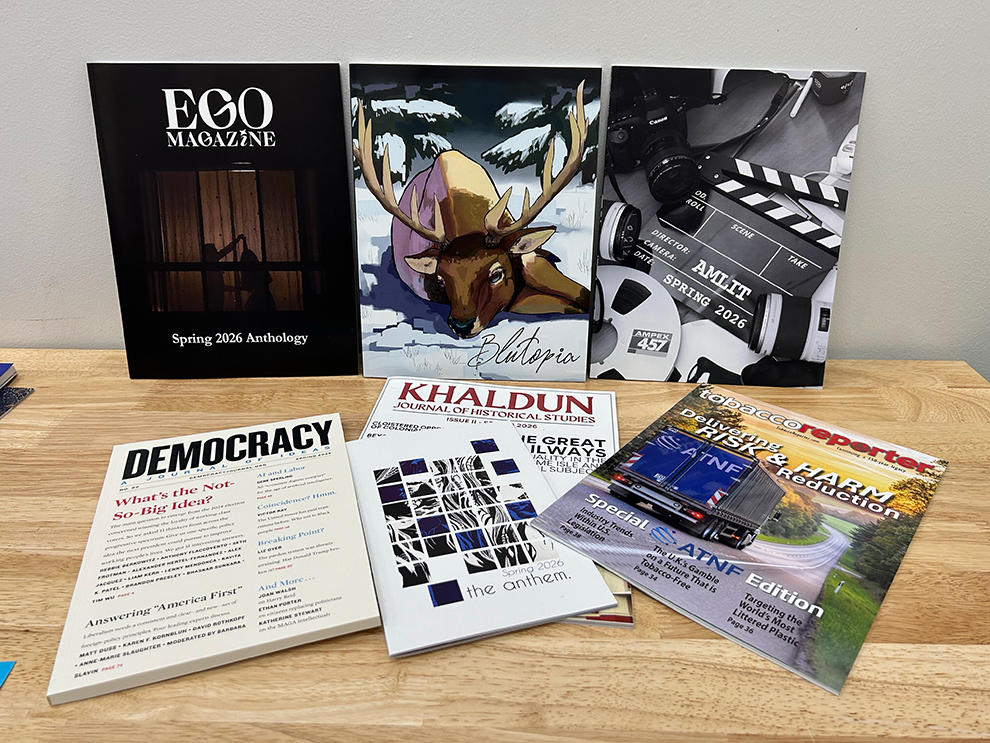
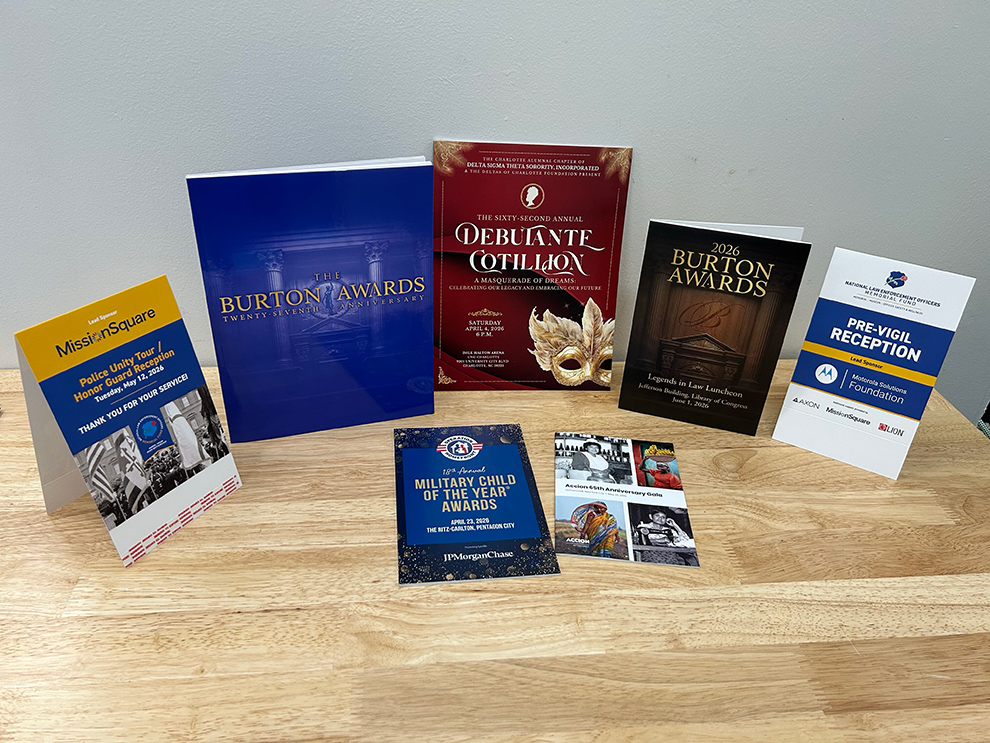
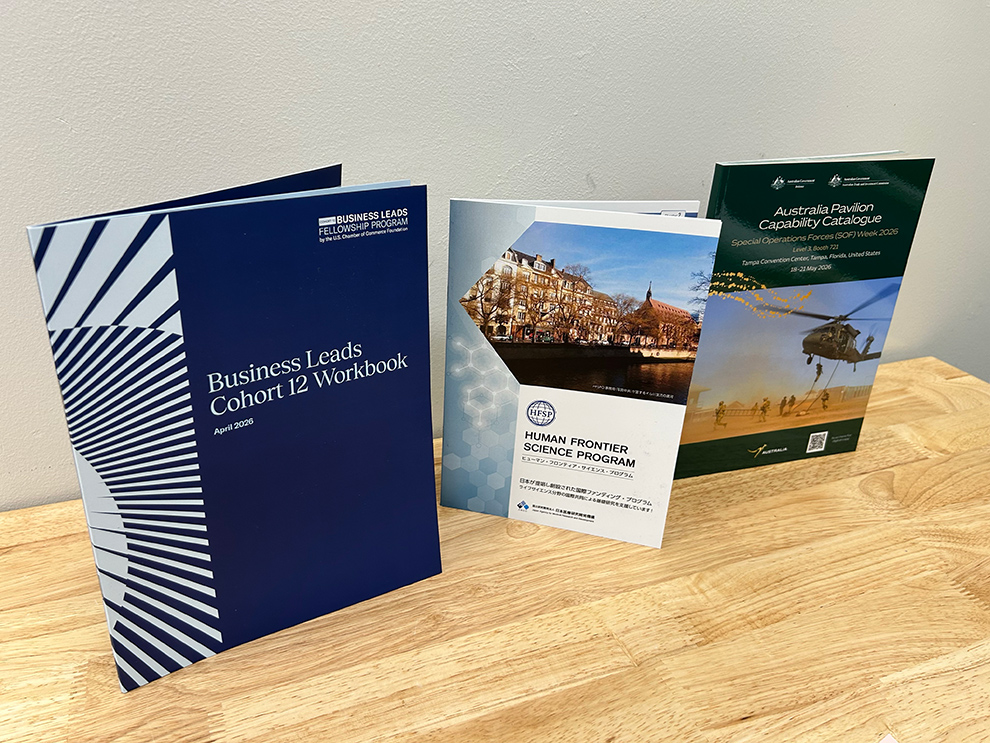
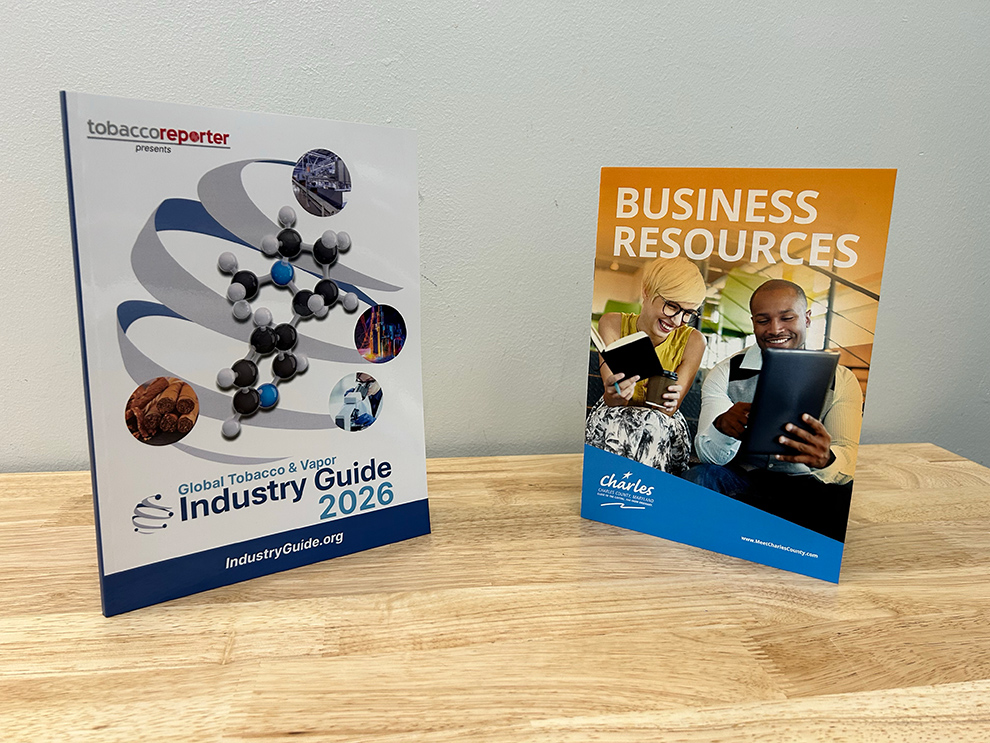
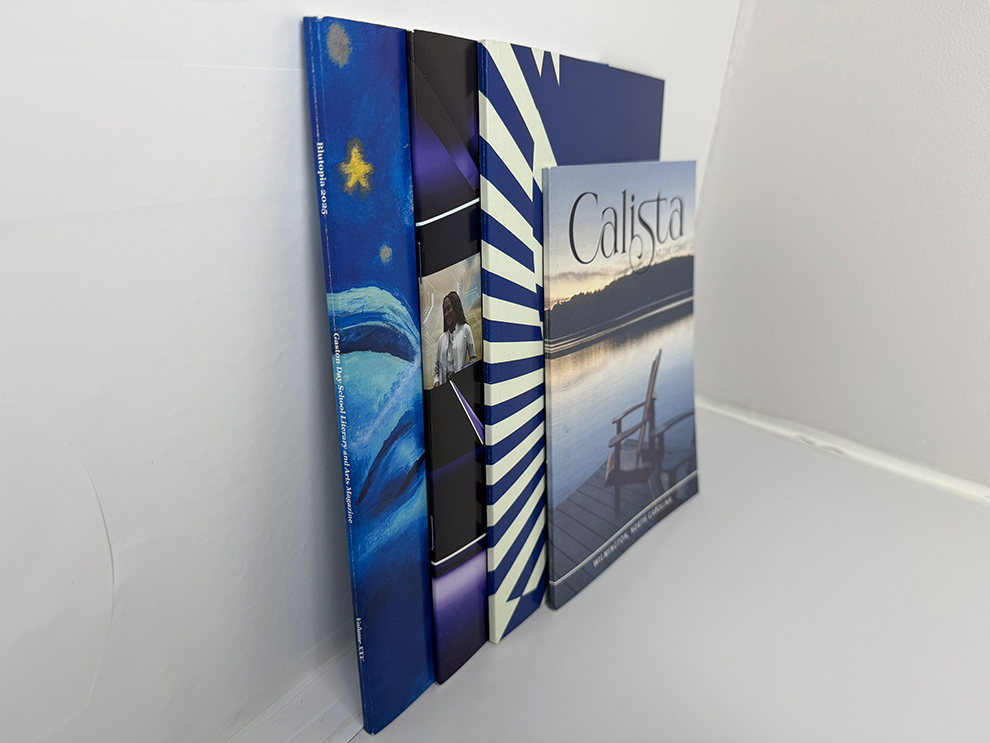
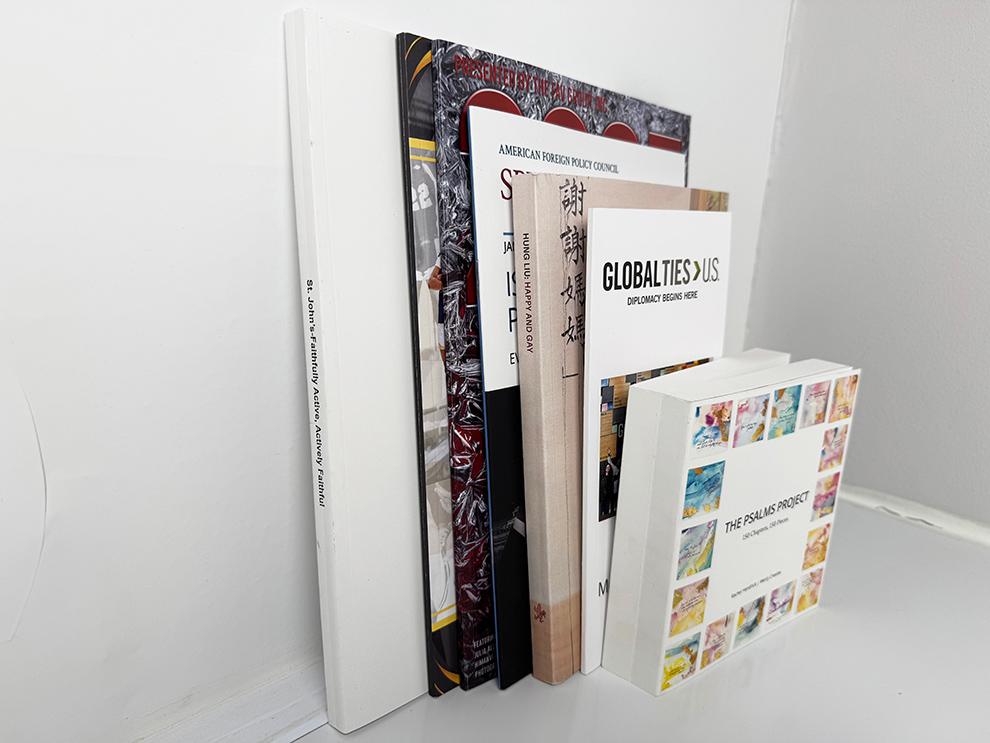
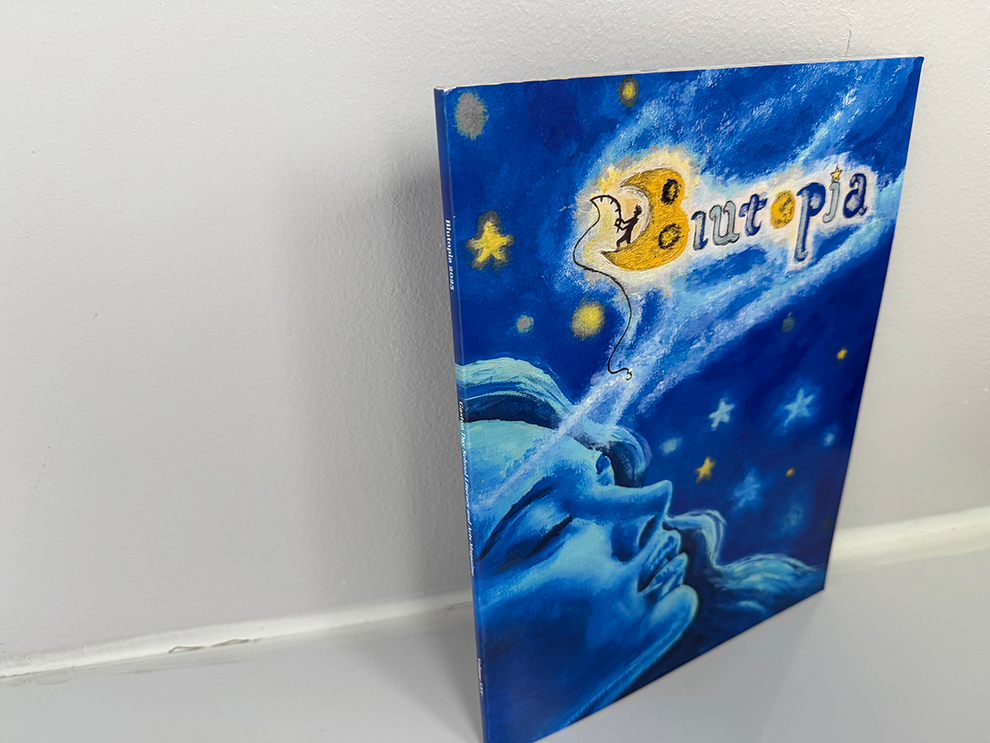
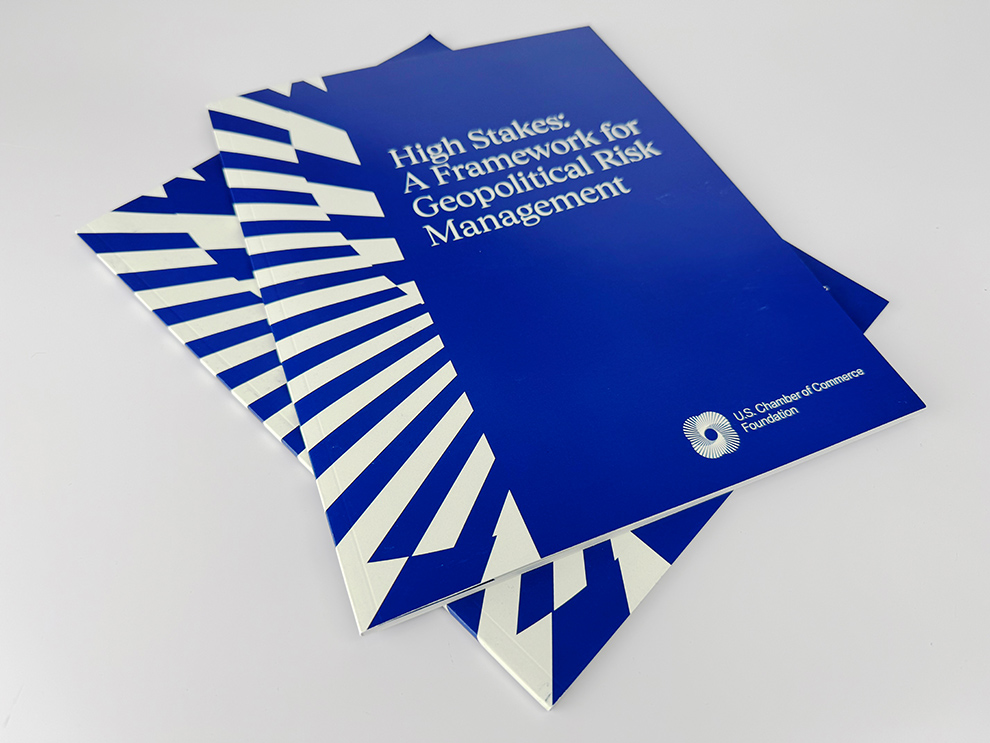
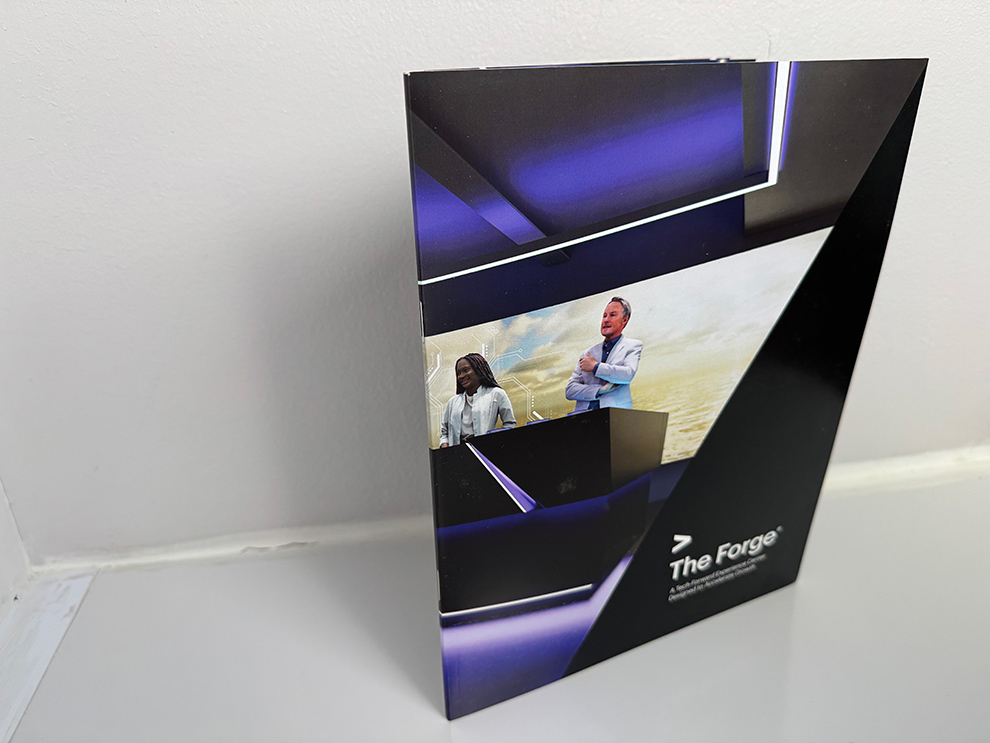
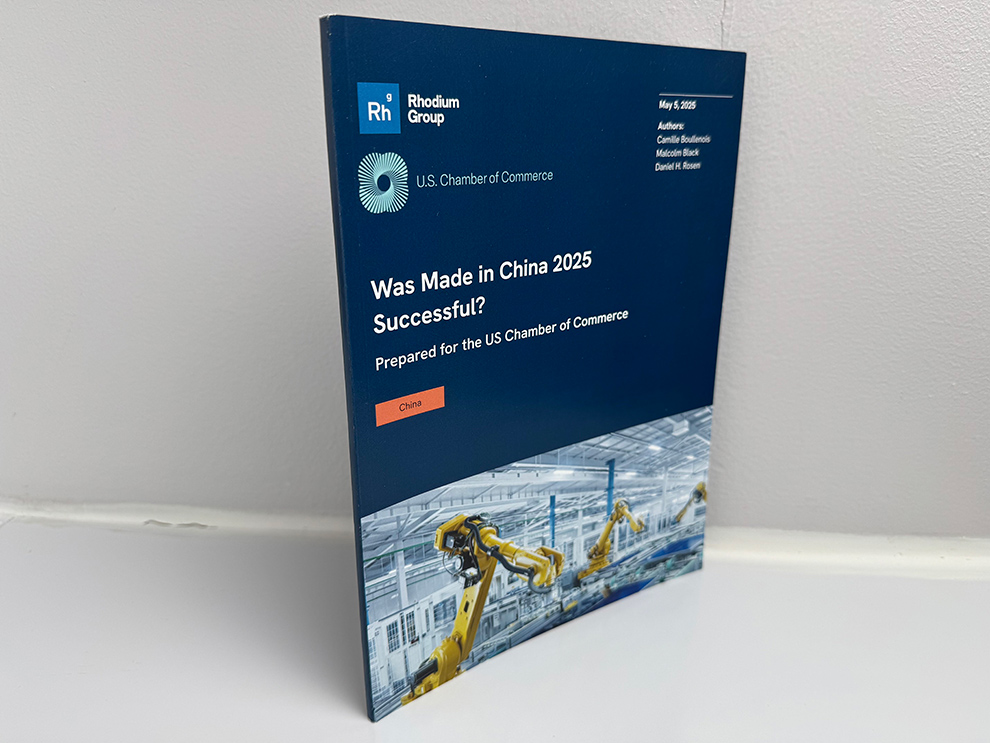
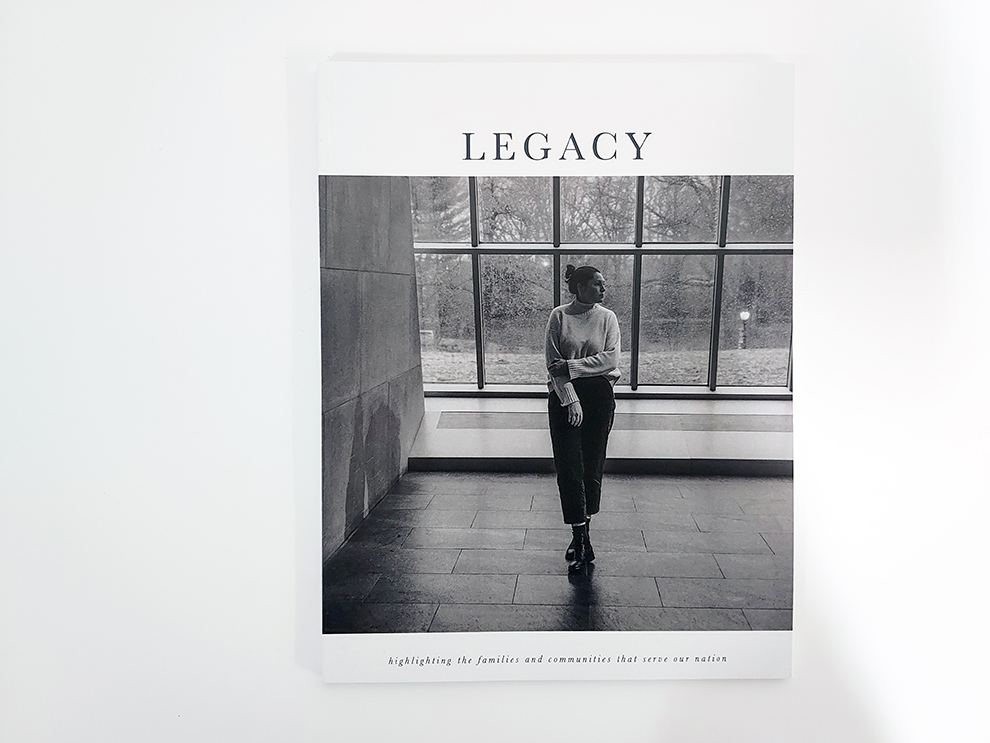
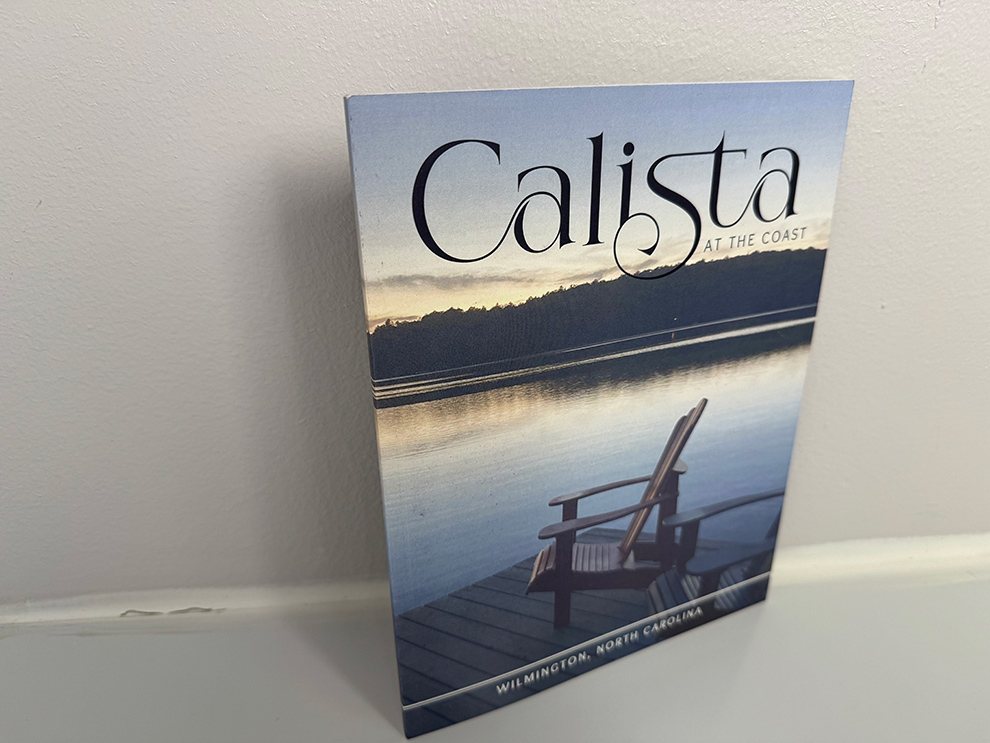
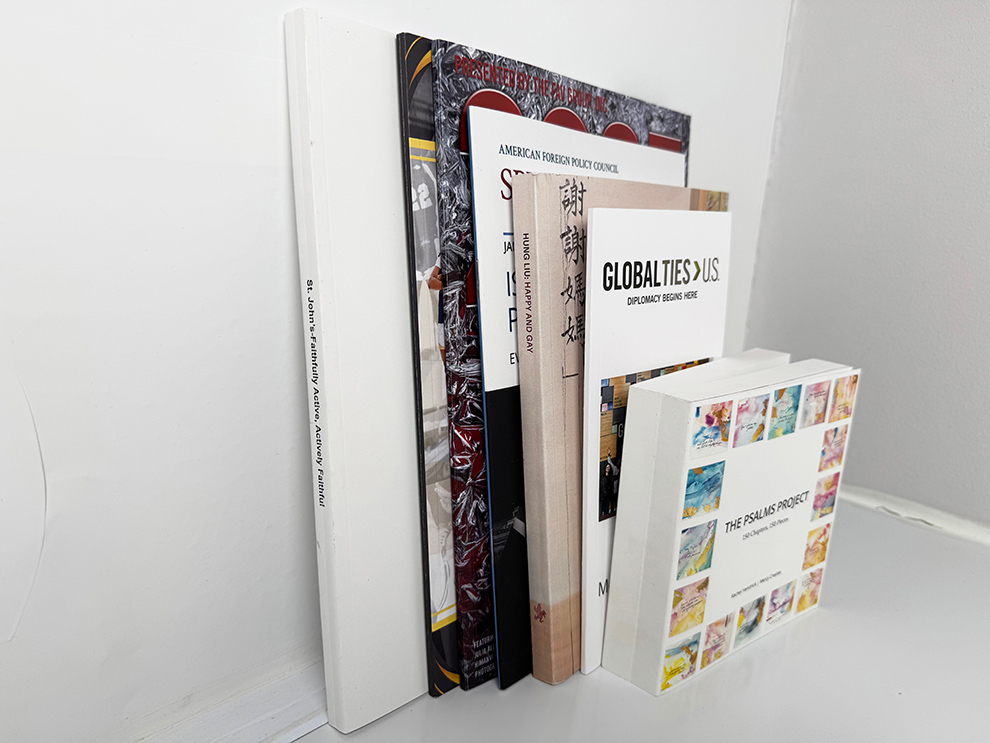
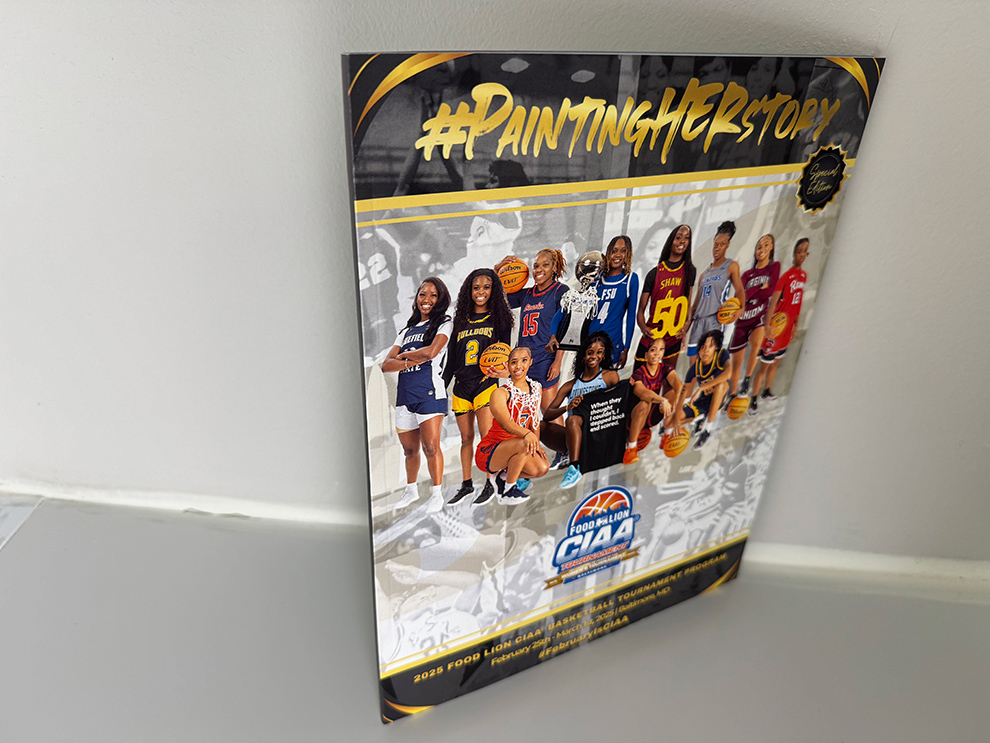
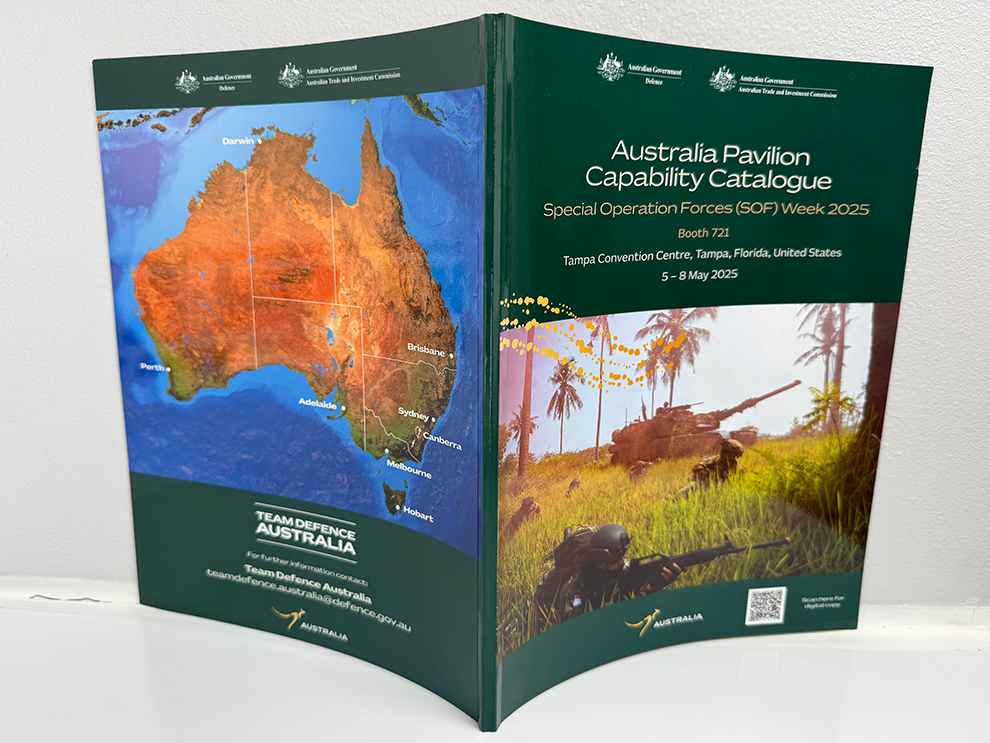
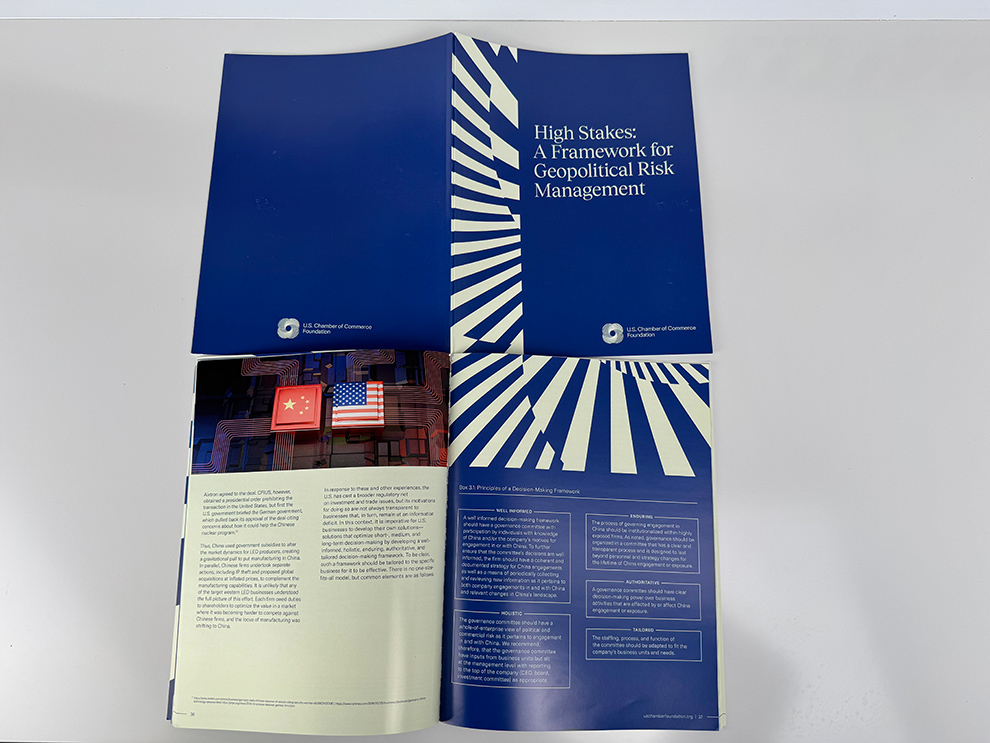
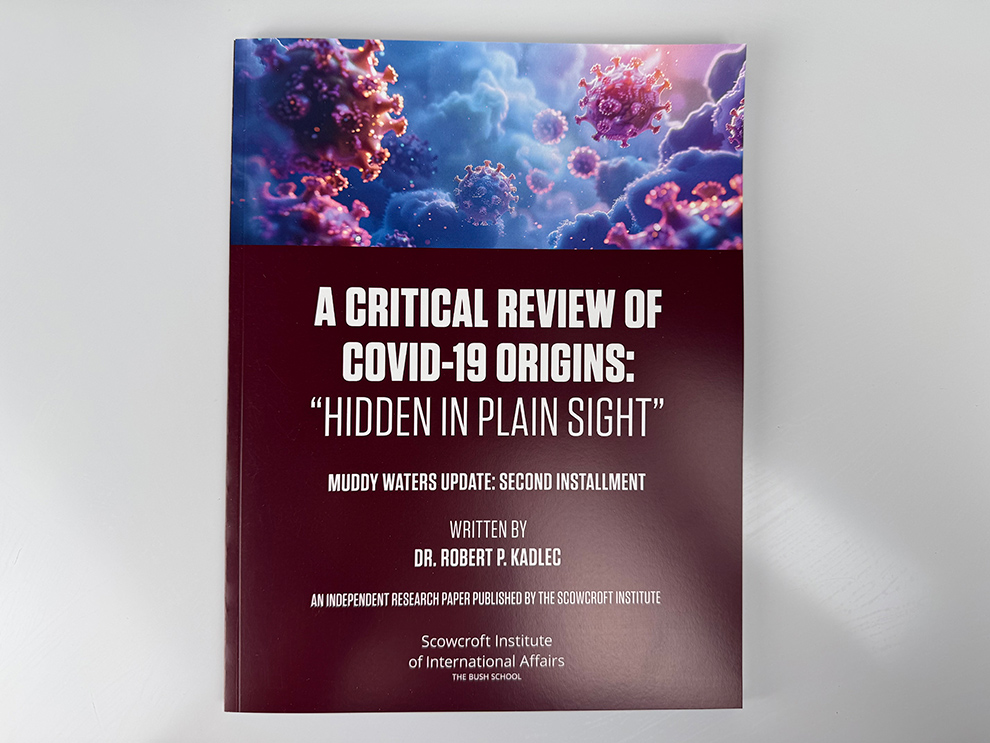
A report that reaches a board, a catalog that goes to customers, or a guide that stays on a desk for a year should feel finished the moment it is picked up. Perfect binding delivers that impression through a flat square spine, a cover that wraps the full page block, and trimmed edges that line up cleanly on a shelf or in a stack.
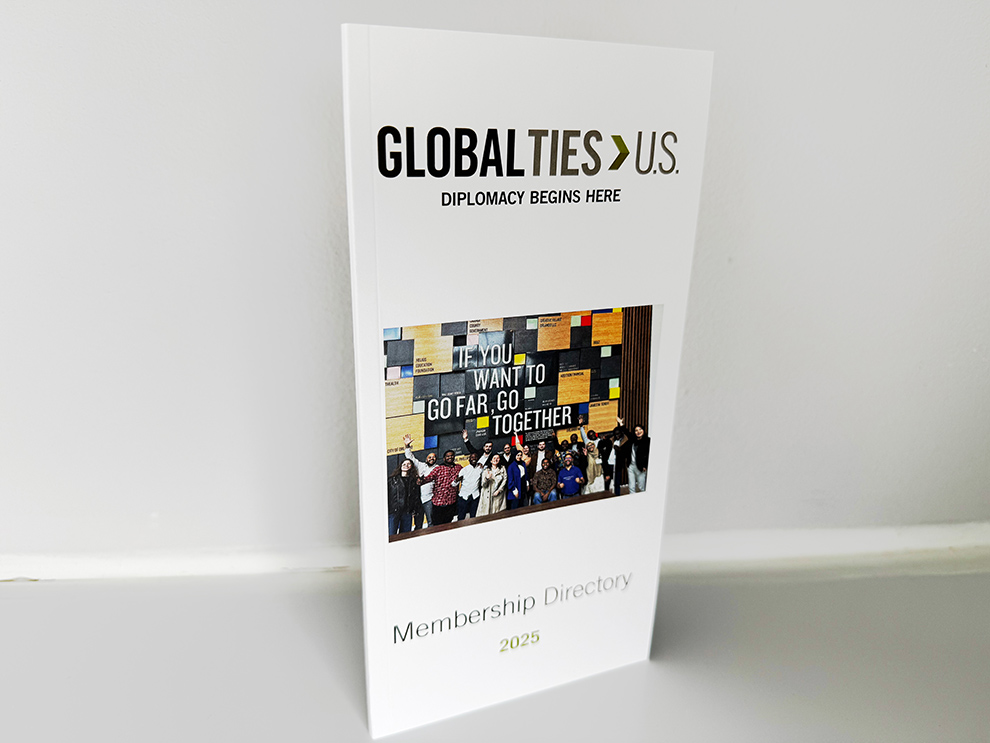
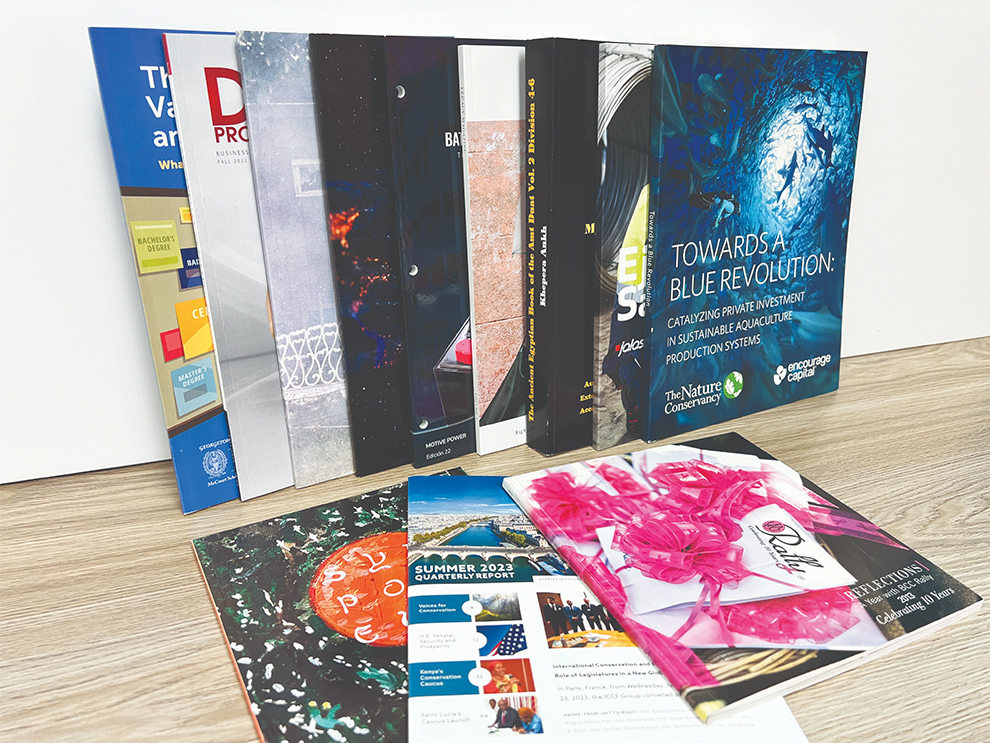
Heritage produces perfect bound books for Columbia, MD organizations whose publications carry enough pages to justify a glued spine: annual and program reports, product and course catalogs, membership directories, reference guides, commemorative volumes, and portfolios. Howard County businesses, associations, healthcare groups, and educational programs often choose the format when a piece must represent the organization long after a meeting ends.
The appearance is only partly a product of the binding itself. Interior page count, paper weight, finished trim size, cover stock, spine dimension, color reproduction, file preparation, and proof approval each shape the final book. Heritage plans those elements together so the cover and the interior arrive at the bindery as a single matched specification rather than two separate jobs.
Heritage began as a printing company in 1977, well before the business grew into signs and displays, and perfect bound work still draws on that original discipline. A book moves through layout review, spine calculation, cover setup, paper selection, color management, printing, trimming, adhesive binding, and final inspection. An error that slips past one stage tends to surface at the next, so Heritage checks files and specifications before the press run rather than after.
Columbia sits between Baltimore and Washington, DC, and organizations there are served through Heritage's Maryland-based Mid-Atlantic production operations. The company is veteran-owned and family-led, which shapes a plain approach to communication: state what has been confirmed, name what is still open, and explain the trade-offs when a date or a page count moves.
Electronic proofing before printing, documented production settings, and quality control at each step help the current edition match the last one. For qualifying Custom Quote orders, a Project Coordinator becomes the direct contact once Heritage has accepted the quote and assigned the work, giving reviewers in different departments one accountable person to reach through approval and delivery.
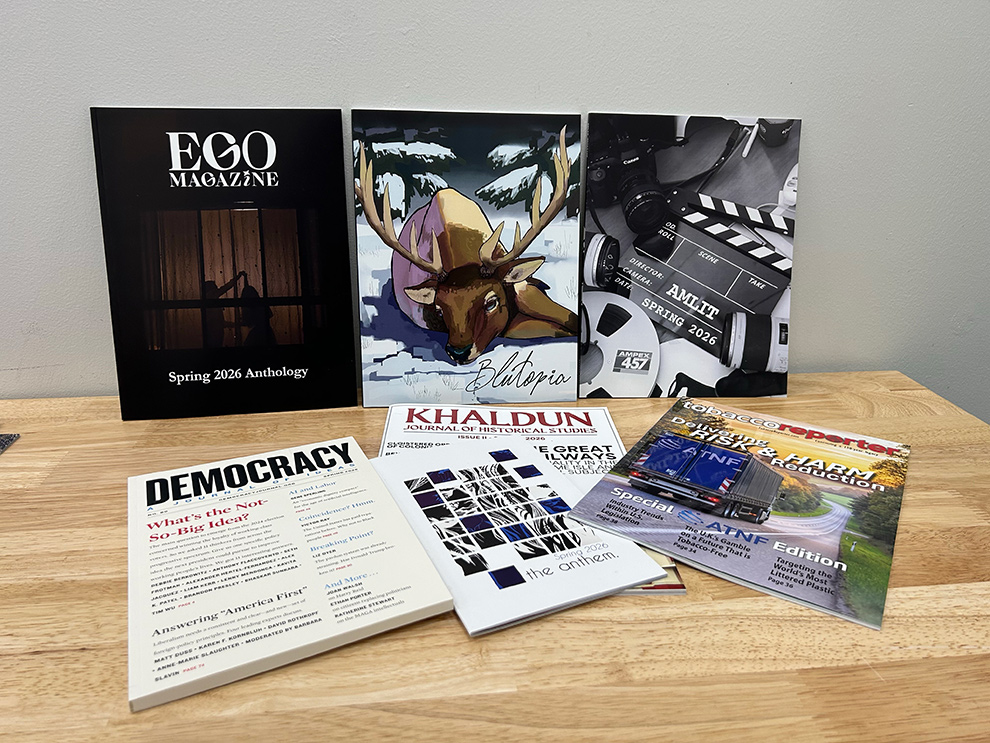
Perfect binding earns its place when the finished piece will be held, displayed, or kept rather than worked from. The square spine and full wrap cover give a report or catalog the profile of a bound book, which matters when the publication represents an organization to funders, customers, or members in Columbia, MD and Howard County.
Other constructions answer different needs. Plastic coil binding lets a page fold completely behind the book, so a procedures manual used at a workstation or a workbook filled in during training usually belongs in coil. Saddle stitching folds sheets in half and fastens them through the centerfold, a sensible construction for thinner programs and newsletters that lack the thickness an adhesive spine requires.
Suitability comes down to measurable facts. Page count and paper caliper determine how thick the bound block becomes, and that thickness governs whether a usable spine exists at all. A thin block may still accept adhesive binding yet fail to hold readable spine type, and no perfect bound book lies flat the way a coil book does. Heritage reviews those numbers before recommending the format.
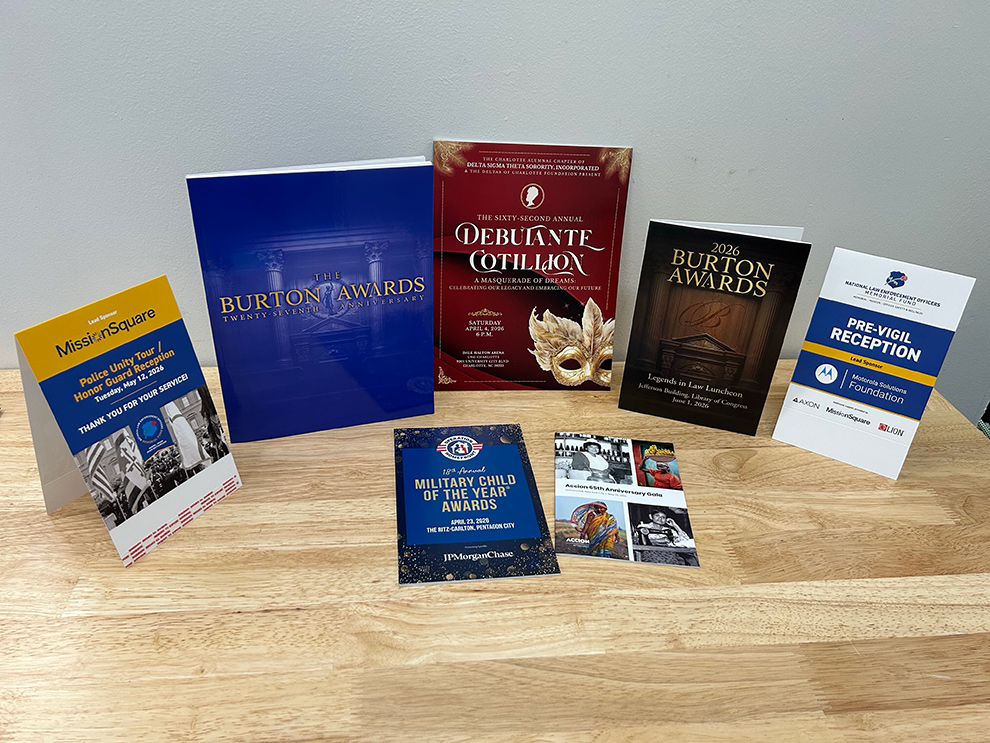
A perfect bound book often travels with other printed pieces. The capabilities below help Columbia, MD organizations plan the companion materials, alternate formats, and distribution steps that surround a major publication.
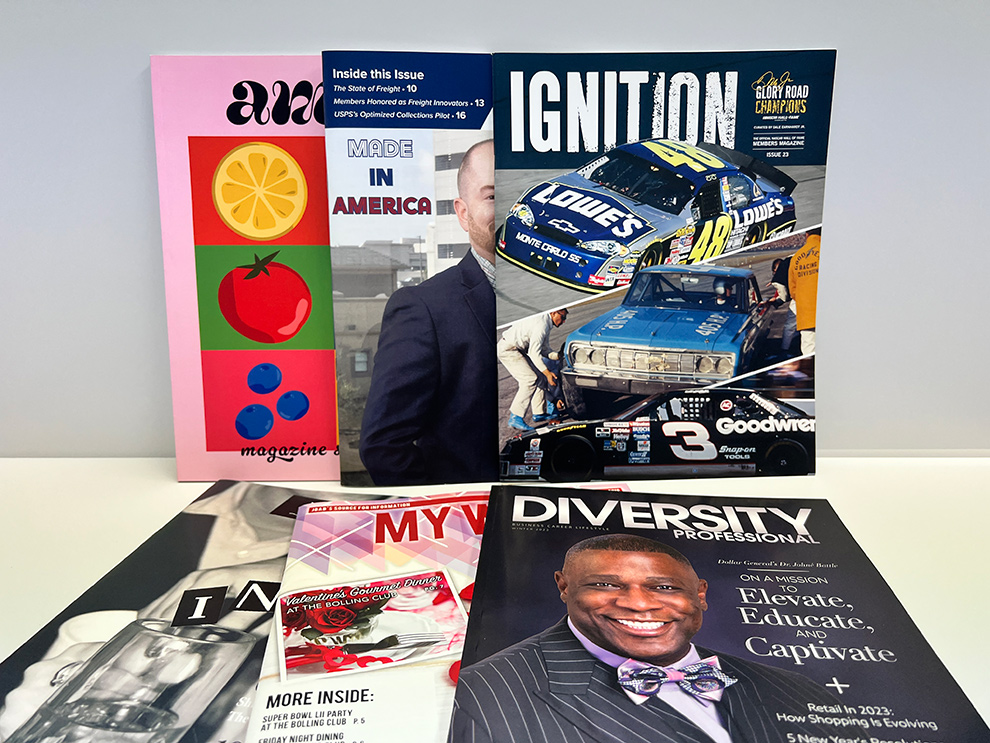
Choose this path for member or alumni issues that come out on a schedule and need the same look every time.
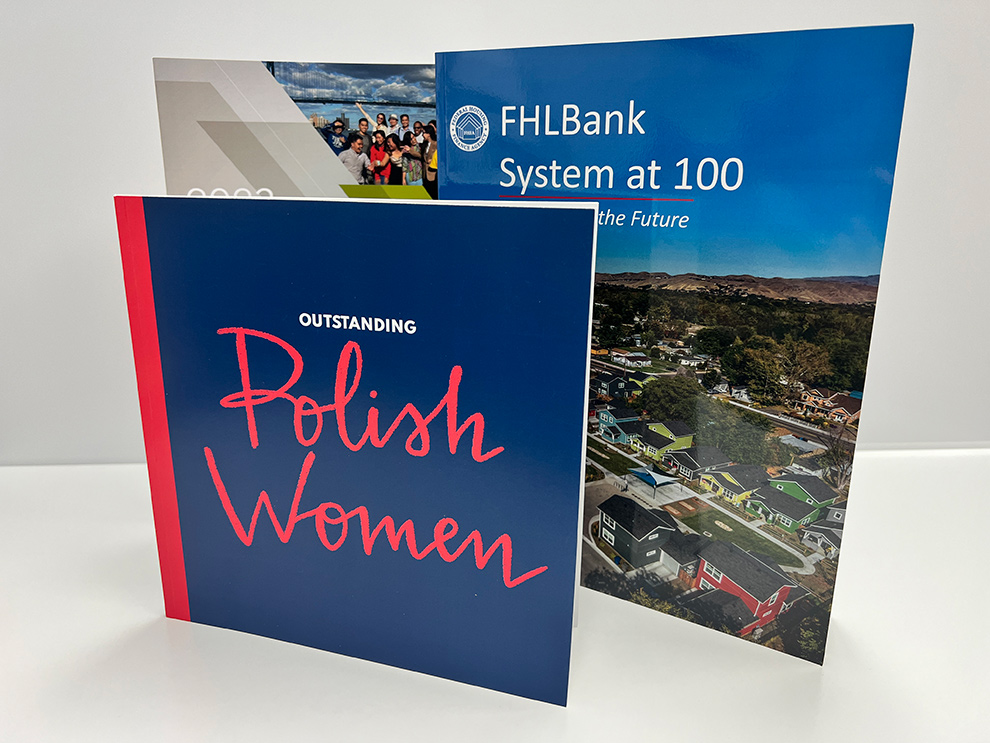
A stapled or thinner multi-page piece may serve better when the page count will not support an adhesive spine.
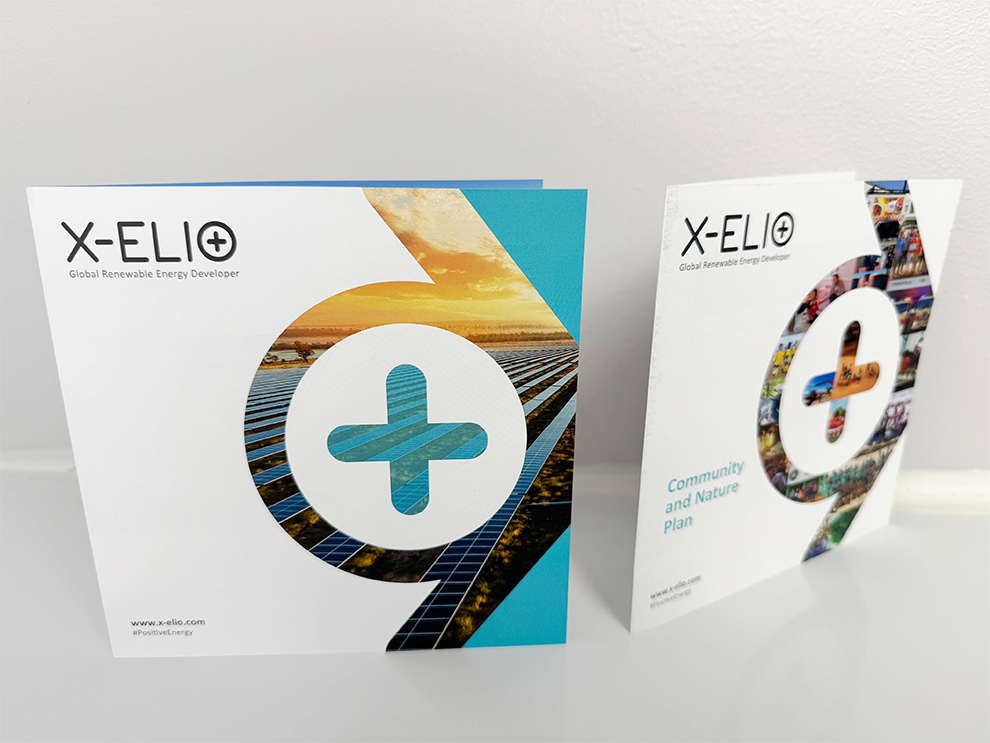
Pair a bound report with a folder when loose inserts, letters, or business cards travel with it to a meeting.
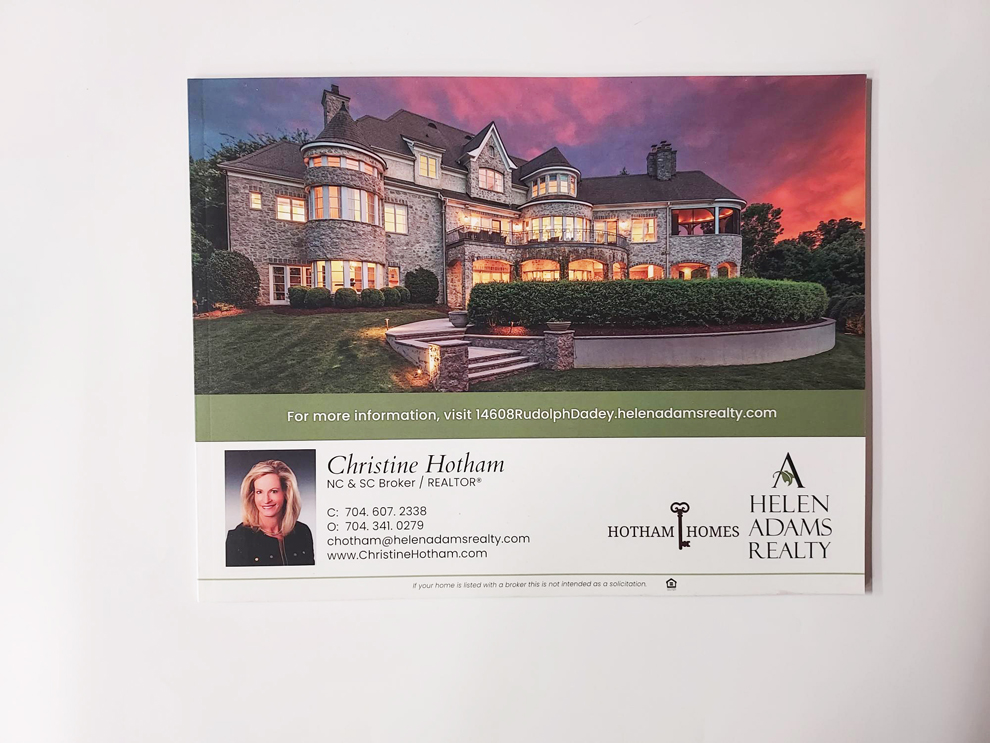
Add addressing and mail preparation when the finished books need to reach a distribution list rather than a single office.
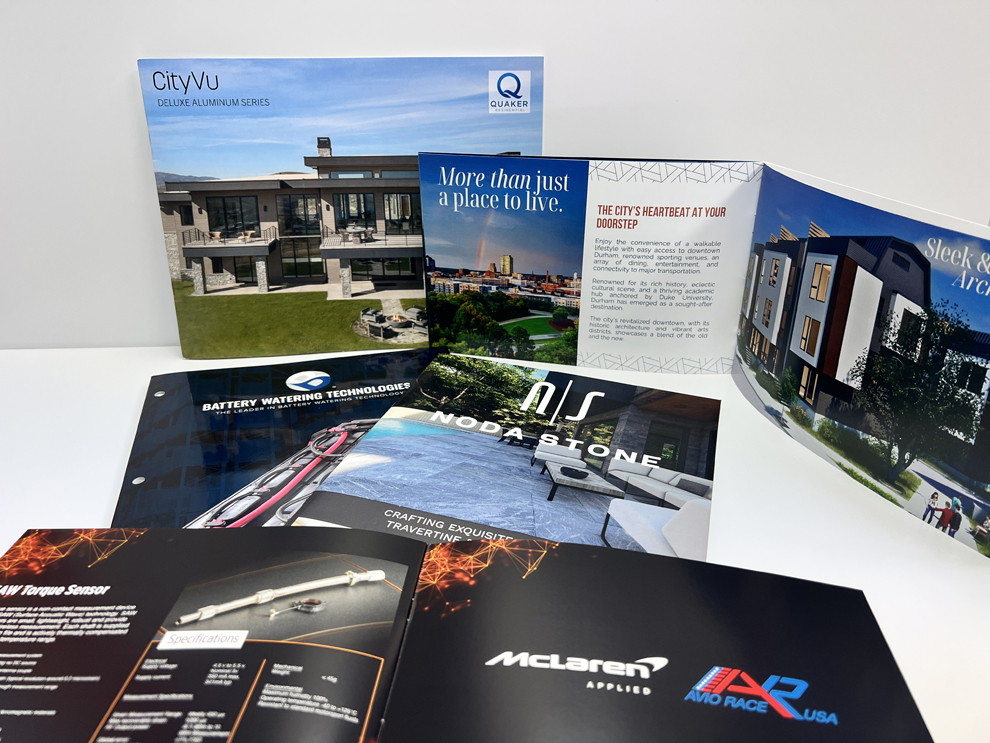
Supporting flyers, postcards, and handouts can carry the same identity as the book across a campaign.
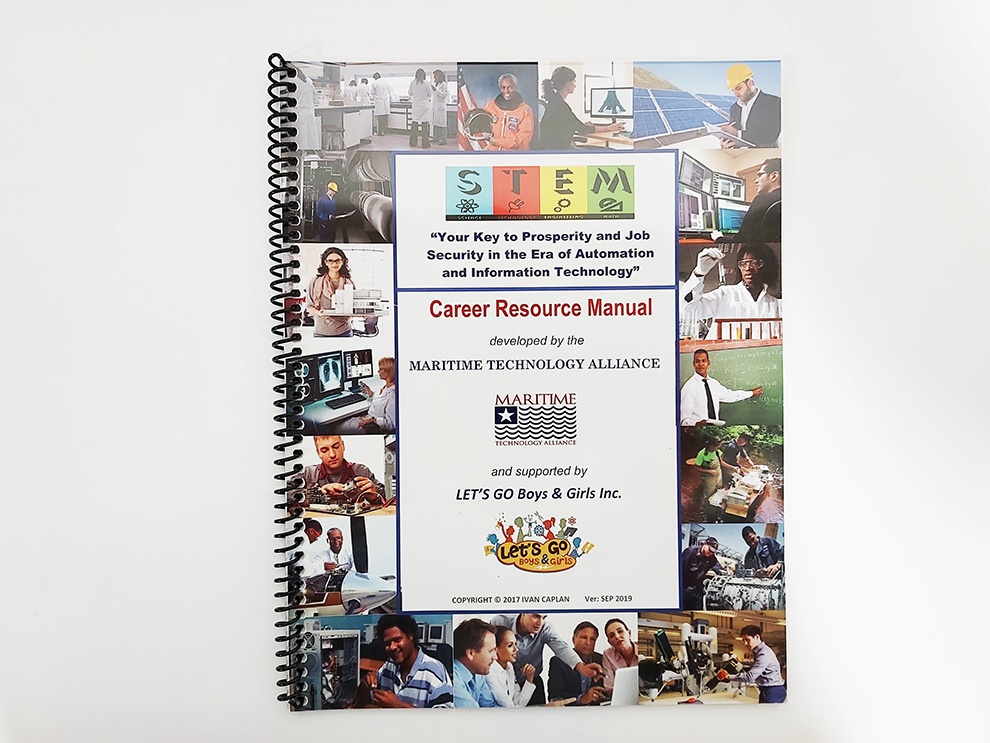
Procedure and instruction content that must lie open during use belongs in a coil-bound manual rather than a glued book.
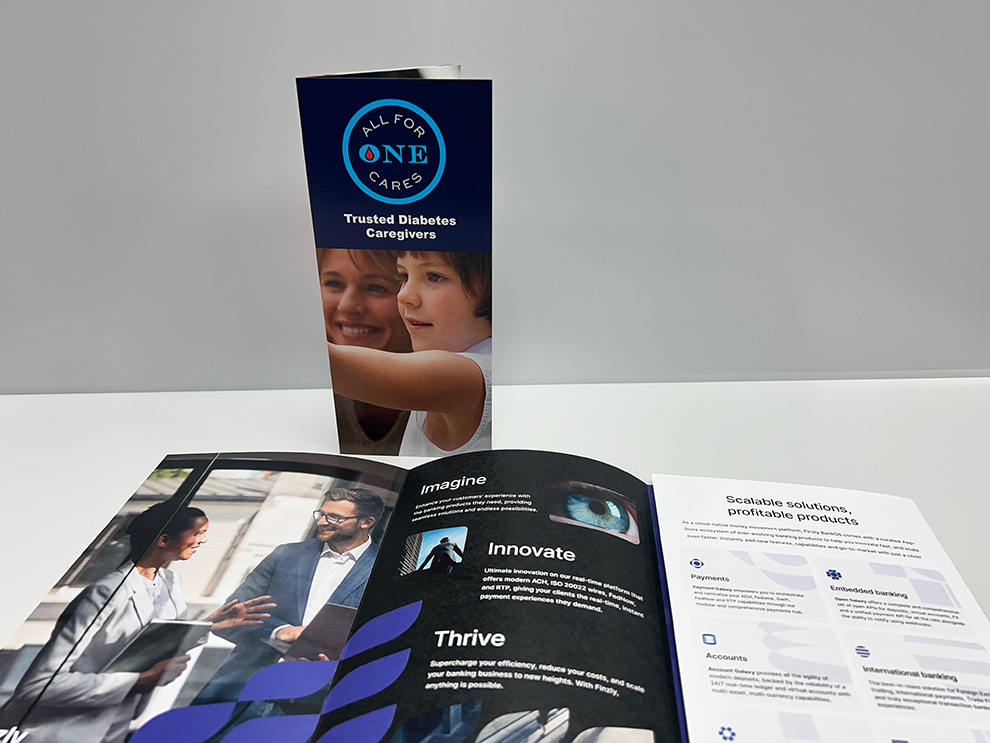
A folded brochure covers an overview or leave-behind when a full publication is more than the moment requires.
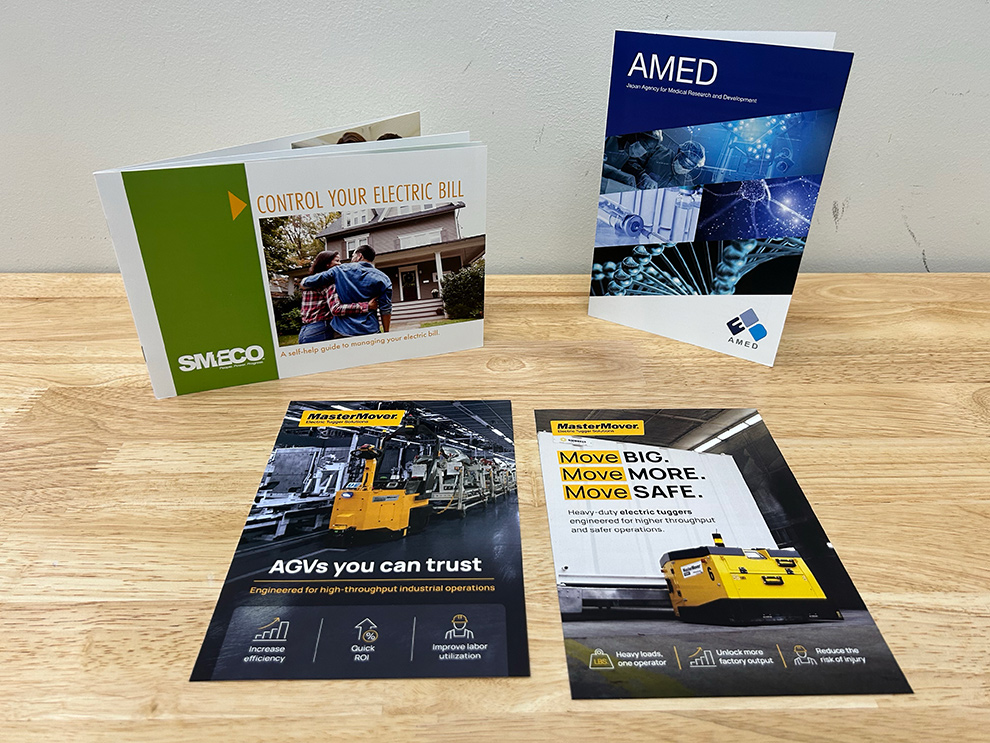
See the broader range of Heritage print production when the book is one element of a larger communications effort.
Settled specifications and finished files can go straight to the Online Store. A $2,000+ publication that still needs file work, a spine calculation, cover setup, version control, or a realistic answer about timing may be a candidate for Custom Quote, which Heritage reviews before deciding whether to accept and schedule the work. Either way, the first step for a Columbia, MD buyer is a clear statement of what is done and what is not.
The spine is where cover and interior meet, and its width is derived from the interior. Once the final page count and paper are set, the spine measurement can be calculated and the cover file can be built to that dimension with the front, spine, and back as one continuous layout. If a chapter is added or a lighter sheet is substituted during review, the spine changes and the cover must be rebuilt before the job can proceed.
Interior pages need their own allowances. Because the adhesive spine pulls the inner margin into the gutter, running heads, folios, tables, and photographs placed close to the bound edge lose visibility. Keeping essential content inside the live area, and planning crossover images, produces a book that reads cleanly from edge to edge.
Paper opacity, cover stock, finish, and color targets complete the specification. Heritage settles those details before issuing the electronic proof, and for publications that recur, such as an annual directory or a semester catalog, retained approved specifications give the next edition a known starting point while content, quantity, and dates remain free to change.
The right route depends on what is already resolved. A Columbia, MD buyer with settled specifications and print-ready cover and interior files can use the Self-Directed Online Store when the live Perfect Bound configuration fits the job. The order is placed online; the Store does not include layout help, an assigned Project Coordinator, or a physical color proof. Eligible Store products may be combined to reach the $750 order minimum, and every Store order still receives production review and an electronic proof before printing.
Custom Quote may serve a new Commercial Printing opportunity of $2,000 or more that needs production support: file preparation, cover and spine setup, open specifications, or several versions moving at once. Submitting the form is only a request; if Heritage accepts the quote and assigns the order, the Project Coordinator becomes the direct phone-and-email contact.
For qualifying Custom Quote work, a paid Physical Production Color Proof can be added; it runs on the production printer and planned paper, adds time, and once approved governs run color. State any fixed event or distribution date so Heritage can assess feasibility against the actual approvals and production steps.
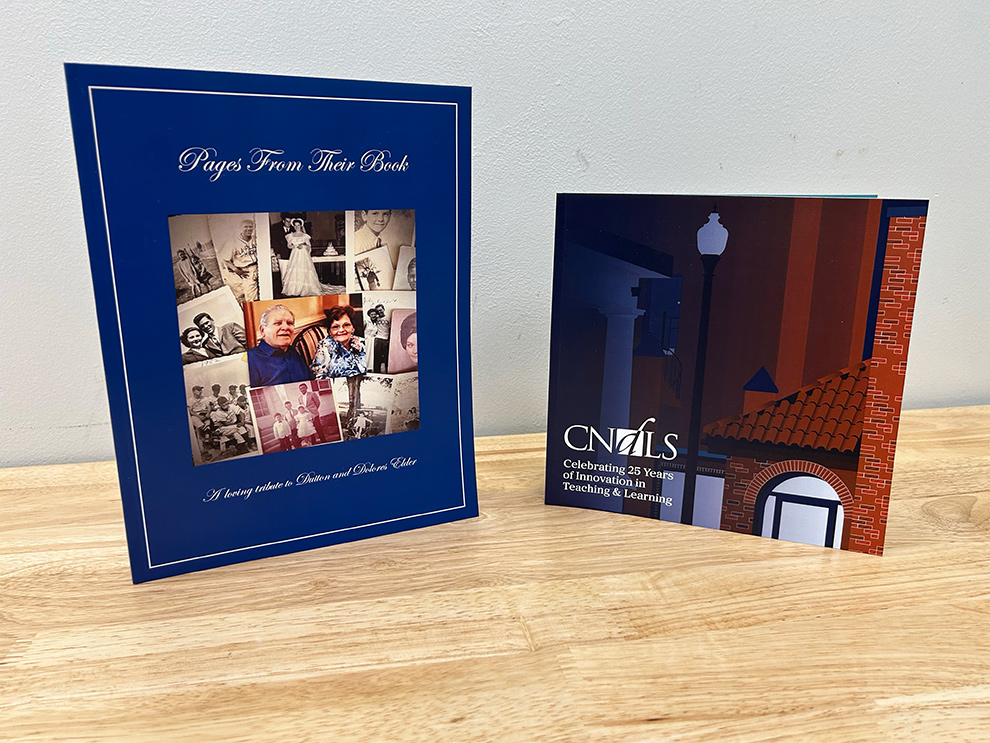
Any publication thick enough to form a real spine is a candidate, and the format suits the annual and impact reports, course and product catalogs, membership directories, reference guides, commemorative books, and portfolios that Columbia, MD organizations produce. The common thread is that the piece will be shelved, mailed, or handed over as a finished object rather than used as a working document. A short program or thin newsletter usually calls for a different construction.
Perfect binding gathers the interior pages into a single block, prepares the spine edge so adhesive can grip every sheet, and wraps a cover around the glued block. The assembly is then trimmed on the three open sides. The result is the square-spined form familiar from paperback books, with the front, spine, and back of the cover printed as one continuous piece.
Only if the bound block is thick enough to carry legible type, and that is decided by page count and paper rather than by preference. Heritage calculates the spine after the interior is final and can advise whether a title, year, or organization name will fit with sensible clearance. When the width is marginal, a blank spine often looks better than lettering that cannot be read or centered reliably.
Spine width is derived from the number of interior pages and the caliper of the chosen paper, with the cover stock adding a small amount on top. Heritage works the measurement from the actual specification rather than a generic chart, because two books with identical page counts on different papers will produce different spines. Any change to page count or paper after the cover is laid out means the spine must be recalculated and the cover file adjusted.
Coil is the better choice whenever readers will work from the book instead of reading it: writing in it, propping it open on a desk, or folding a page back to follow a procedure. Perfect binding wins when the publication is meant to be presented, stored, or kept and the square spine is part of its value. Heritage will recommend coil when the intended use clearly calls for it, even if a glued spine was the first idea.
Saddle stitching makes more sense for thinner publications that fold cleanly in half and can be fastened through the center, such as event programs, short newsletters, and brief guides. Those pieces rarely build enough thickness for an adhesive spine. As page count and paper weight push the finished thickness up, folded sheets stop sitting neatly and perfect binding becomes the sounder construction. Heritage bases the recommendation on the finished piece rather than on which method is more familiar.
Not fully. The glued spine holds the pages in a conventional book shape, so an opened book tends to close on itself unless held, and pages cannot fold back the way coil-bound pages do. For reading, review, and presentation this is normal behavior. If the publication must stay open at a workstation or in a classroom, plastic coil is the safer construction. Layouts for perfect bound books should keep important text and images clear of the inner margin for the same reason.
Before any perfect bound order is printed, including an Online Store order, Heritage issues an electronic proof and waits for client approval. Use it to confirm page order, folios, text, image placement, trim, and how the cover wraps the spine. The proof represents the production file, not finished color; a screen cannot show how ink will sit on the chosen paper, so color decisions should not rest on the electronic proof alone.
Yes, for qualifying Custom Quote work valued at $2,000 or more, where a Physical Production Color Proof may be requested as an additional-cost option. It is printed on the production equipment and the paper or material planned for the job, so it shows color as it will actually appear. It adds production time, and once the client approves it, that proof governs the color of the run unless another agreement controls. The Self-Directed Online Store does not offer this option; Store orders rely on the electronic proof.
Use the Online Store when the live Perfect Bound configuration matches the book, the specification is already decided, and the cover and interior files are complete and print-ready. The purchase is self-directed: no layout assistance, no assigned Project Coordinator, and no physical color proof. The order must reach the $750 minimum, which can be met by combining eligible Store products. Production review and electronic proof approval still take place before printing.
A new Commercial Printing opportunity valued at $2,000 or more may qualify when the job needs production support the Store does not provide, such as preparing files, building the cover and spine layout, resolving open specifications, or coordinating several versions. Reaching that value does not force an order into Custom Quote. Submitting the form is a request only; Heritage reviews it, and if the quote is accepted and the order assigned, the Project Coordinator then becomes the direct phone-and-email contact.
Where retained production records are available, recurring editions start from the approved specification of the previous run: trim size, paper, cover stock, spine construction, and color targets. That retained record gives the new edition a known baseline so the organization can concentrate on updated content, new quantities, and any added pages. If the page count shifts, the spine is recalculated and the cover adjusted before proofing. Versioned editions should each be identified by file, quantity, and approver so they stay separate through production.
Lead with the date, then the status of everything that feeds it: quantity, current page count, whether the cover and interior files are final, which approvals are still outstanding, and whether more than one version is involved. Heritage weighs those facts against the production sequence and available capacity and says plainly whether the date is realistic. If it is not, the aim is to find an alternative early, such as adjusting quantity, specification, or delivery method, rather than discovering the problem at the end. For Custom Quote work, the Project Coordinator joins only after Heritage accepts the quote and assigns the order.
Heritage Signs & Displays created new museum signage for the Military Women’s Memorial in Columbia, MD. The project included custom signs, wall wraps, dimensional letters, and standoff-mounted displays to honor the legacy of U.S. servicewomen and the donors who supported the memorial. The updated interior features impactful designs, including a "Our Legacy" wall display and panels showcasing historical contributions and artwork, creating a transformative tribute to women in the U.S. Armed Forces.
Heritage Signs & Displays' collaboration with The Gathery to brand Union Market in Columbia, MD, for Indeed's "Ready to Work" job fair. The project included custom event displays, wall graphics, window graphics, and wayfinding signs, creating an immersive and visually appealing environment. The branding enhanced the venue, reflected the event's mission, and provided a seamless experience for attendees.