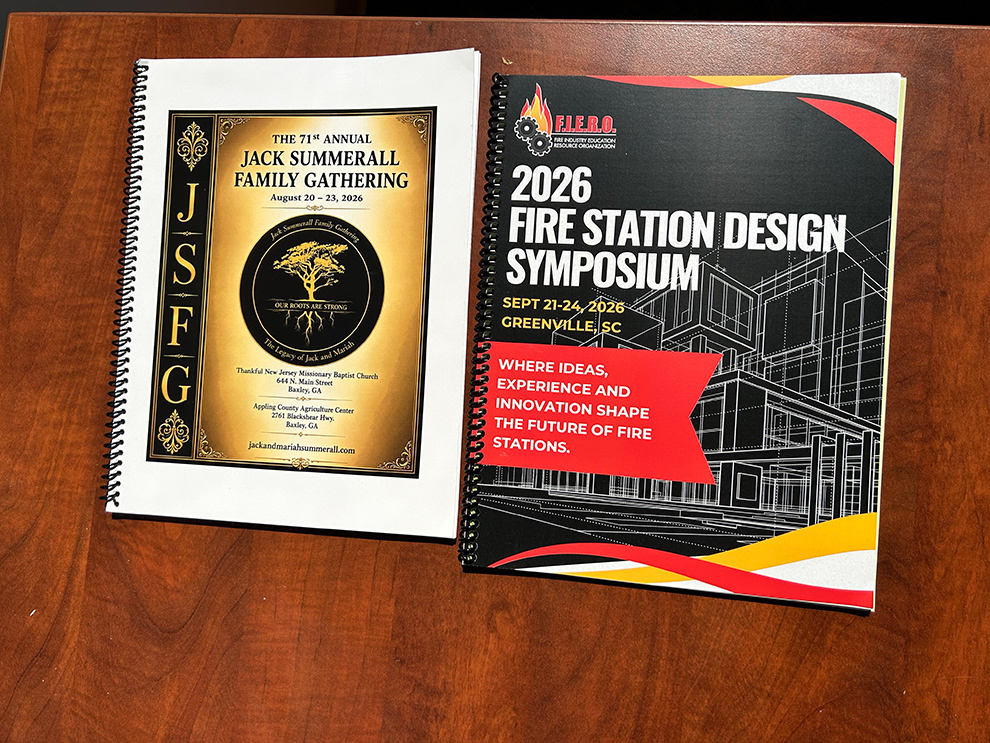
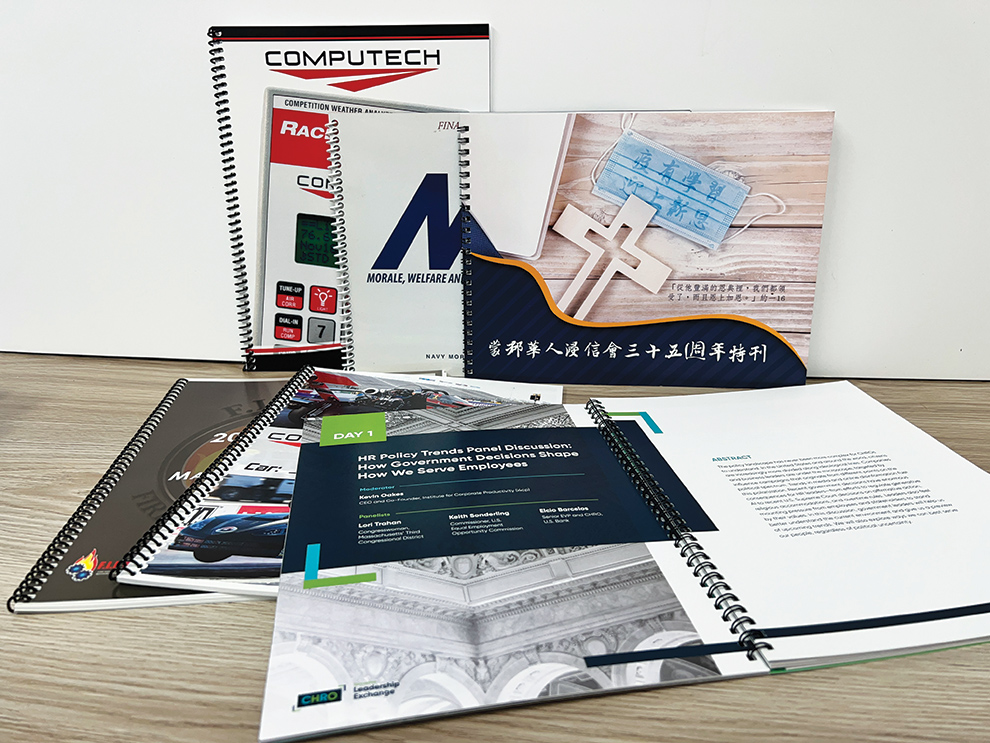
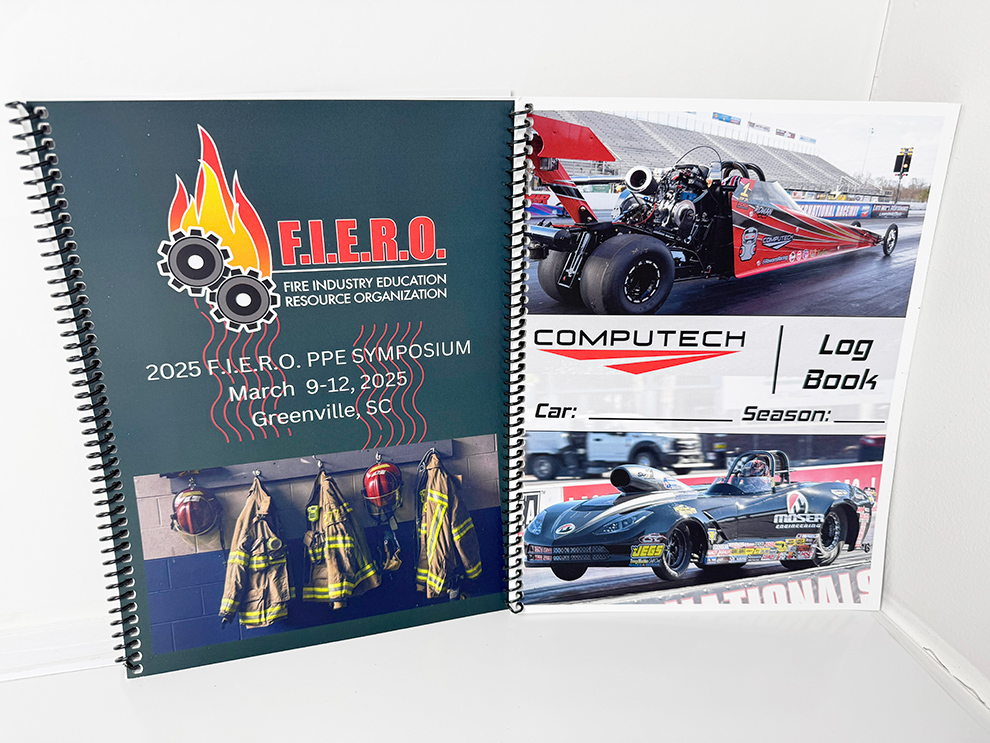
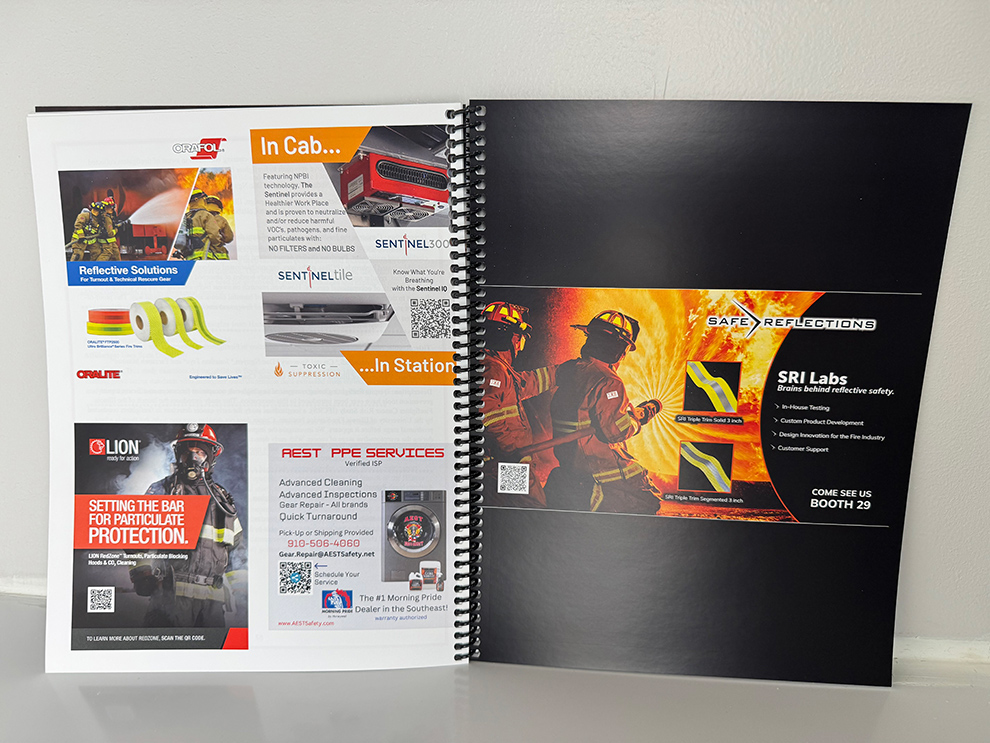
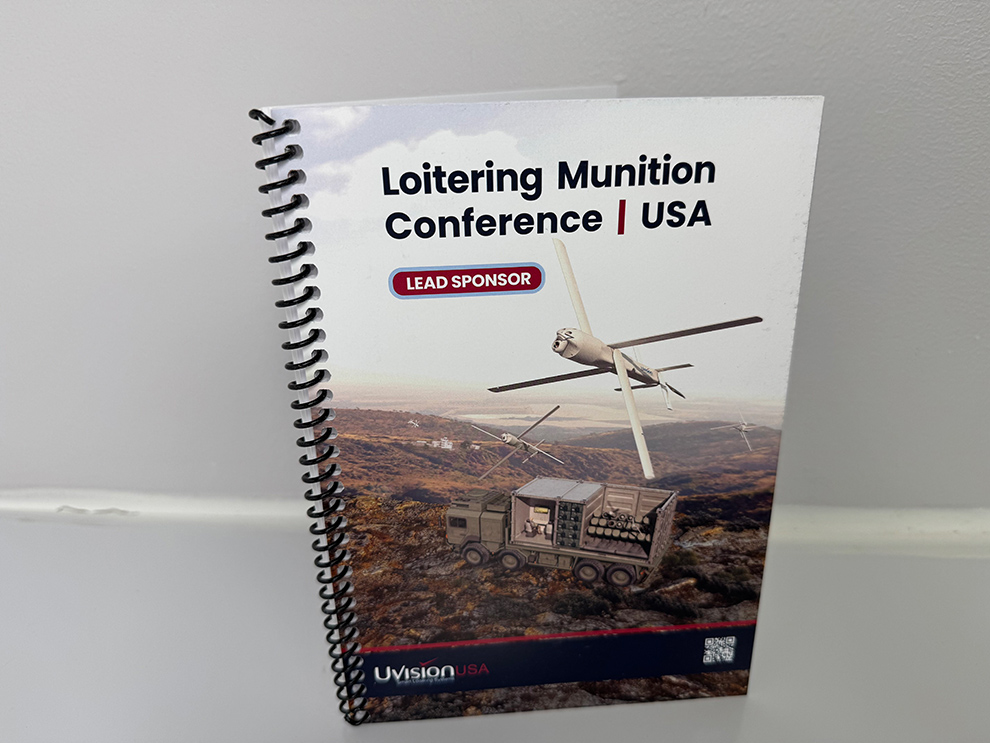
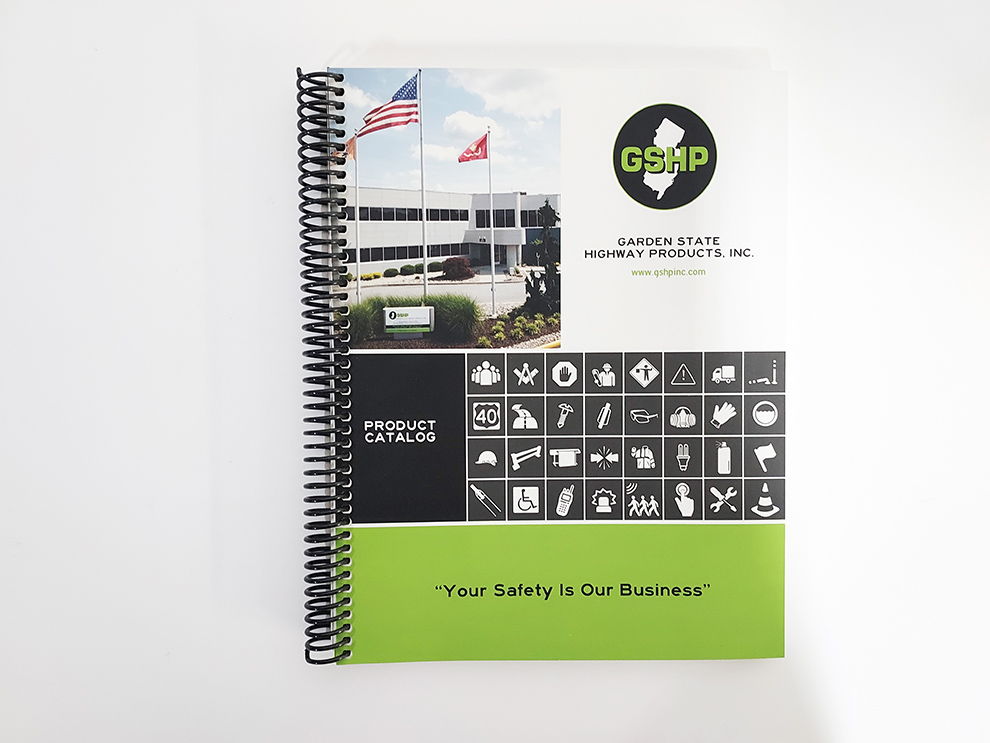
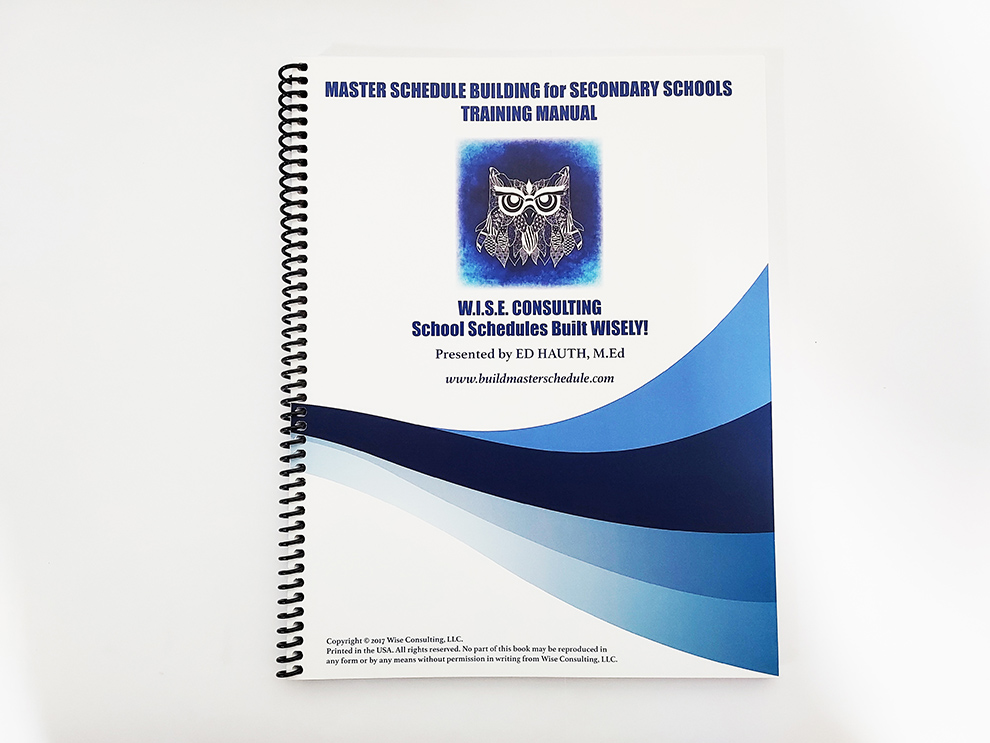
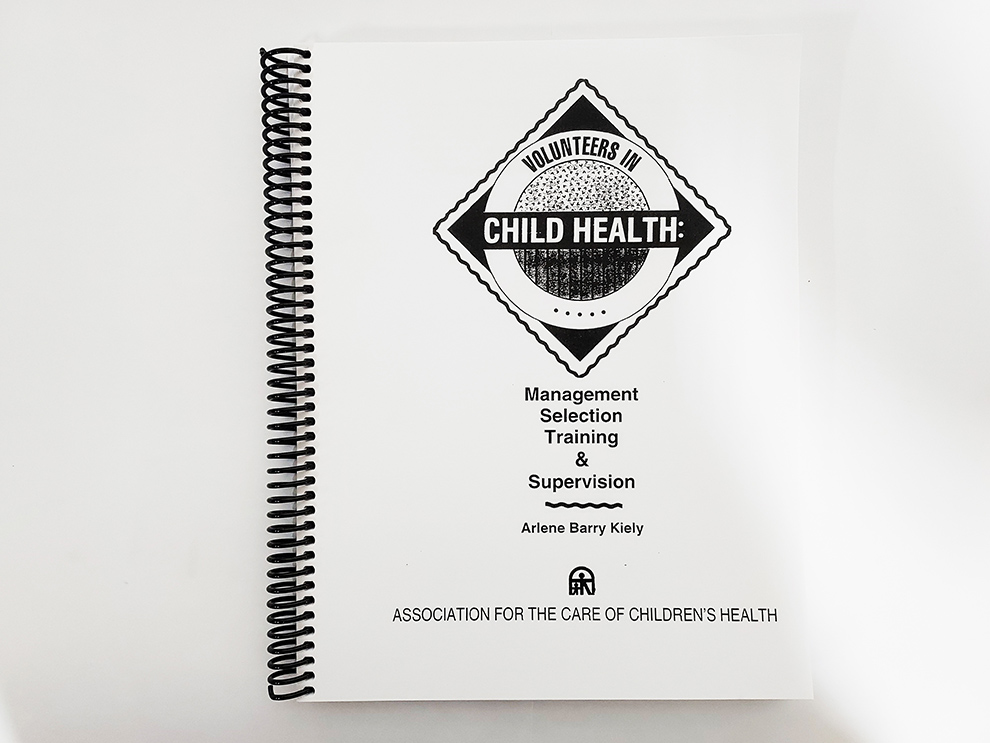
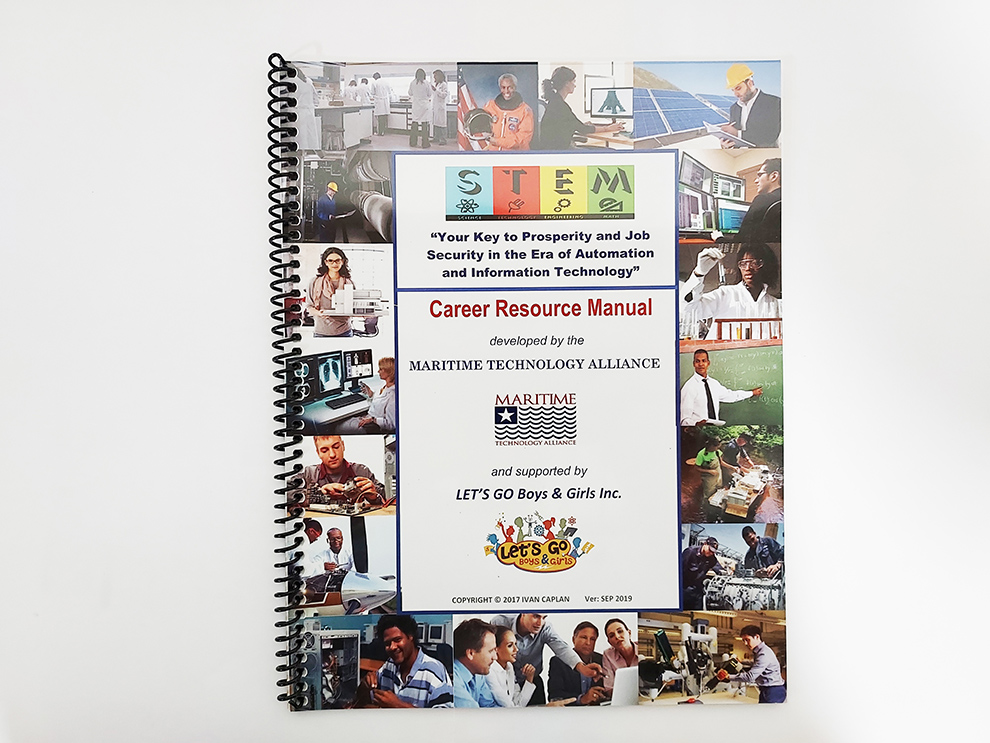
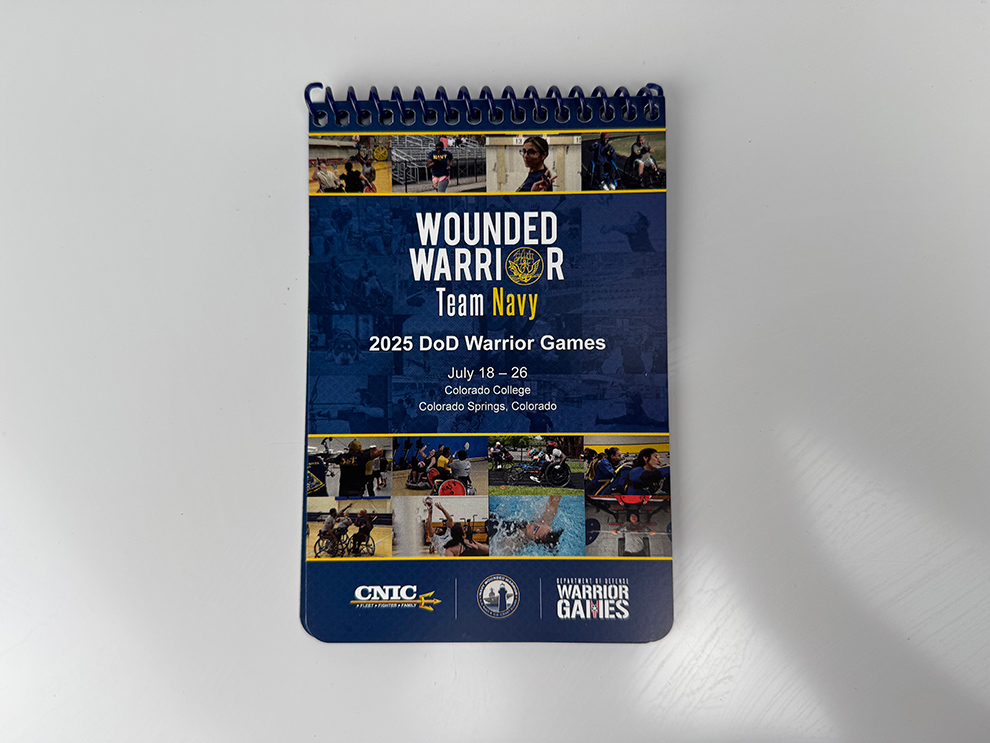
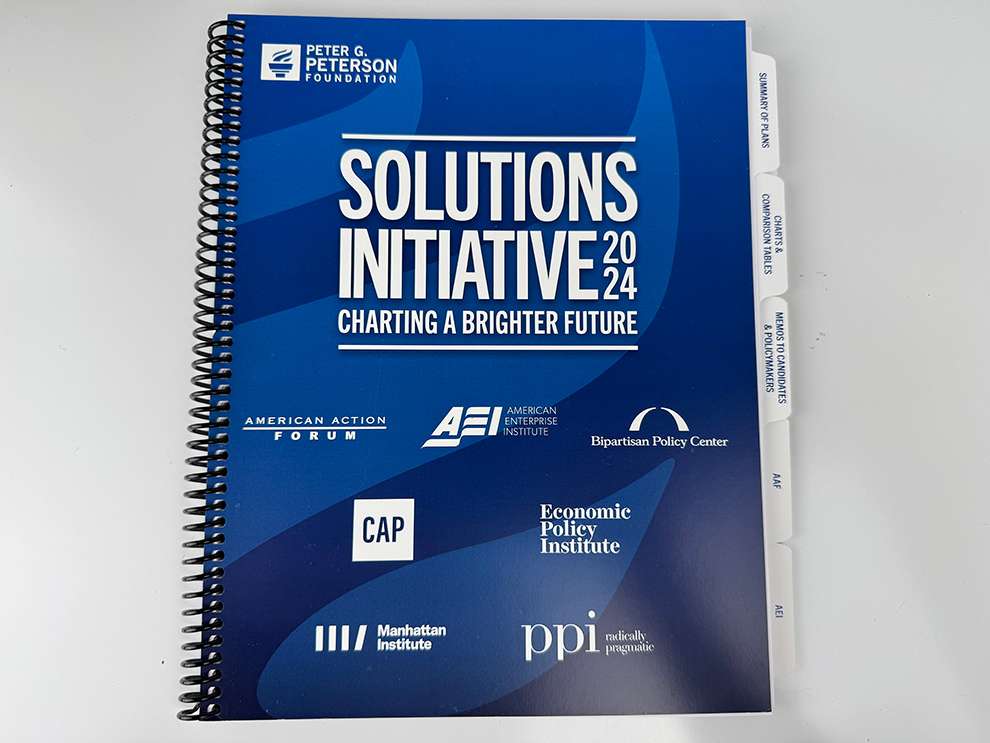
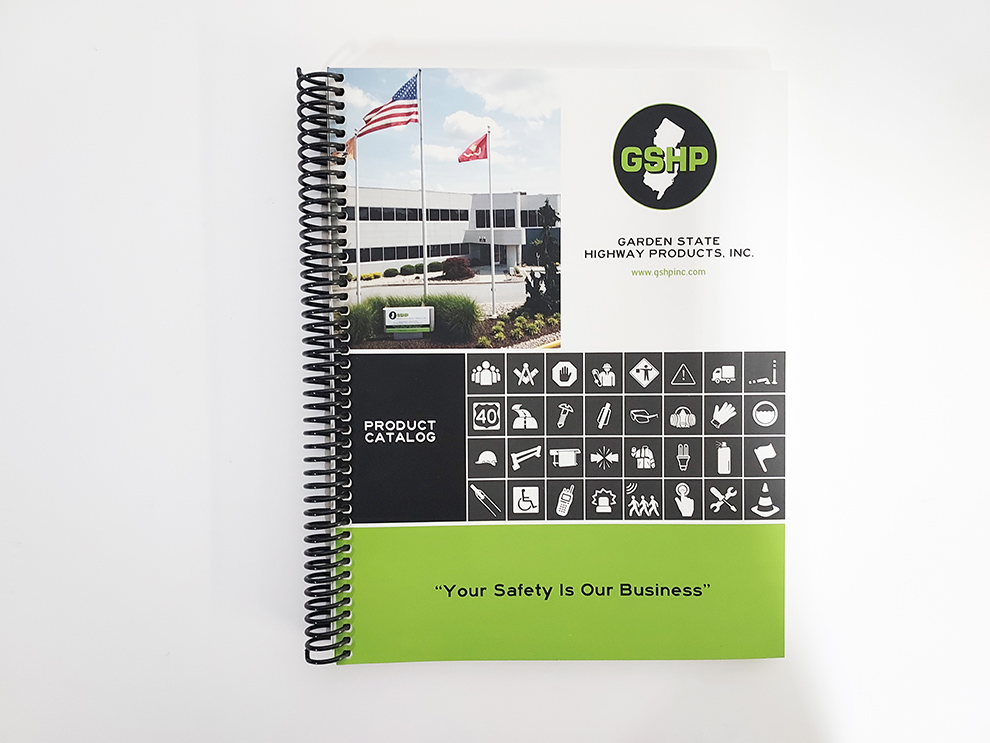
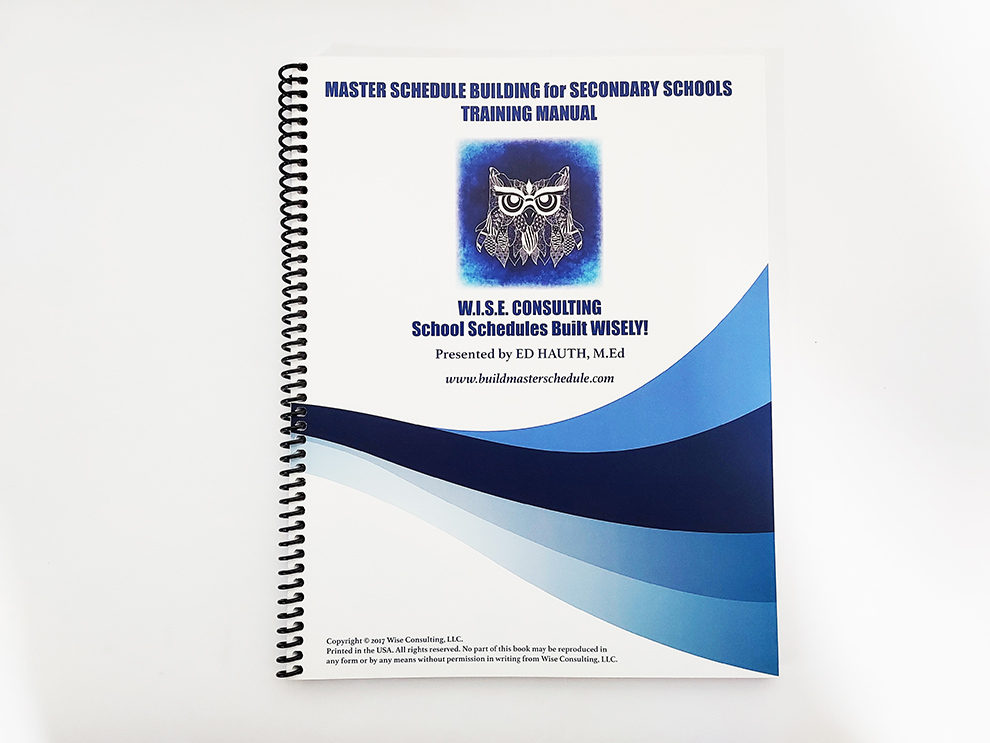
A procedure manual that keeps closing on the workbench, or a workbook that will not lie flat on a classroom desk, slows down the person trying to use it. Spiral bound books solve that problem. Plastic coil binding lets each page lie flat and turn freely, and the book can fold back on itself so a single page stays visible while hands are busy.
Heritage prints spiral bound books for Columbia, SC organizations that put printed material to work: training workbooks, operating procedures, instructional guides, course packets, checklists, and reference handbooks in regular use. Instructors can keep a lesson open while moving around a room, technicians can follow a sequence without holding the book, and new employees can take notes on the page.
Covers, tabs, and dividers can match how the book will be handled. A laminated cover and a sturdy back protect a manual that travels between locations, while tabs help readers move quickly to the section they need. Heritage pairs those functional choices with careful printing, color management, electronic proofing, and finishing so the finished book holds up in daily use.
Heritage started as a printing company in 1977, and the same production discipline governs every spiral bound book we produce. Automated plastic-coil binding punches and coils books consistently, while the surrounding workflow verifies page sequence, assembly, finishing, and color expectations before the order ships. Electronic proofing gives your team a chance to confirm content and pagination before any sheet is printed.
Those checks matter when a Columbia, SC agency, school, hospital, or contractor is counting on materials for a scheduled class, orientation, or procedure rollout. A handsome cover does not help if a section is missing or pages are out of sequence. Heritage treats correct assembly as the baseline, not an upgrade.
Columbia clients are served from Heritage production rather than a local storefront, with the Charlotte headquarters and primary production facility supporting the Carolinas. That structure keeps responsibility in one place and makes schedules easier to evaluate. When a date is tight, Heritage reviews file readiness, quantity, finishing, and available capacity before committing, and communicates early if the plan needs adjustment. For recurring editions, retained specifications allow updates to focus on what changed.
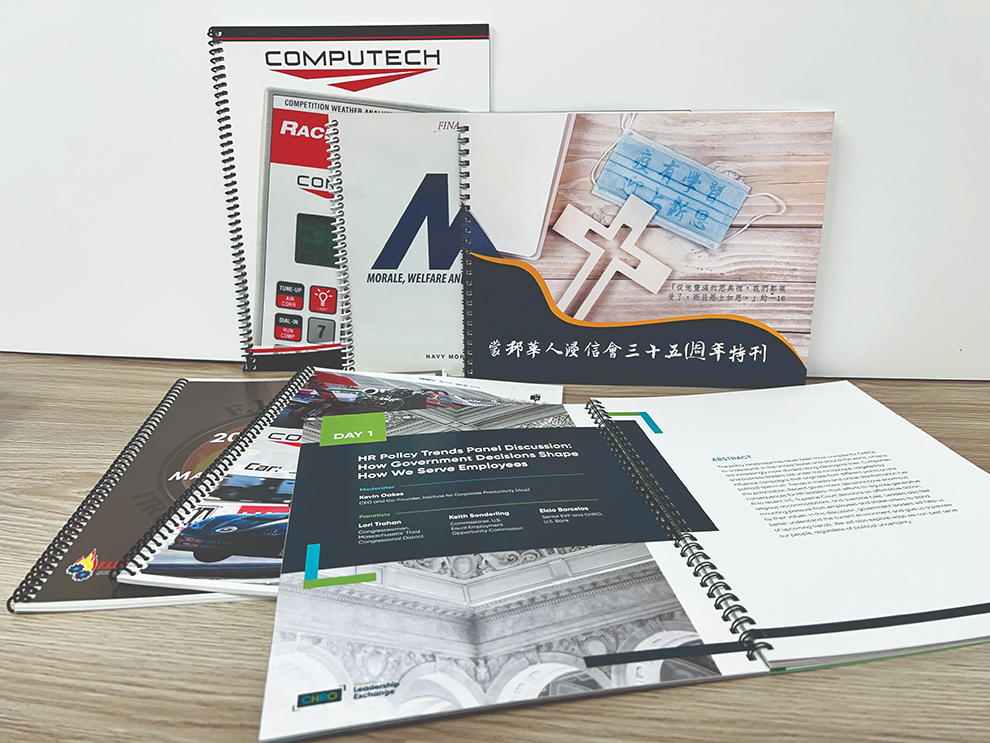
The right binding depends on what happens after the book reaches the reader. Plastic coil binding is designed for interaction. The book opens flat without being held down, pages rotate freely around the coil, and the front cover can fold behind the back so the reader works from one page on a crowded desk, a lab bench, or a vehicle seat.
That behavior suits workbooks with fill-in exercises, operating procedures followed step by step, safety and compliance references, field guides, course packets, and directories that are opened dozens of times a day. Tabs and dividers shorten the path to the right section, and a laminated cover or heavier back keeps a well-used book presentable.
Perfect binding answers a different need. Its glued square spine can carry a title, lines up neatly on a shelf, and gives a report, catalog, or institutional publication a traditional finished look. If the book will mostly be read front to back and displayed afterward, perfect binding is usually the stronger choice. If it will be written in, propped open, carried around, and handled repeatedly, plastic coil is the better tool.
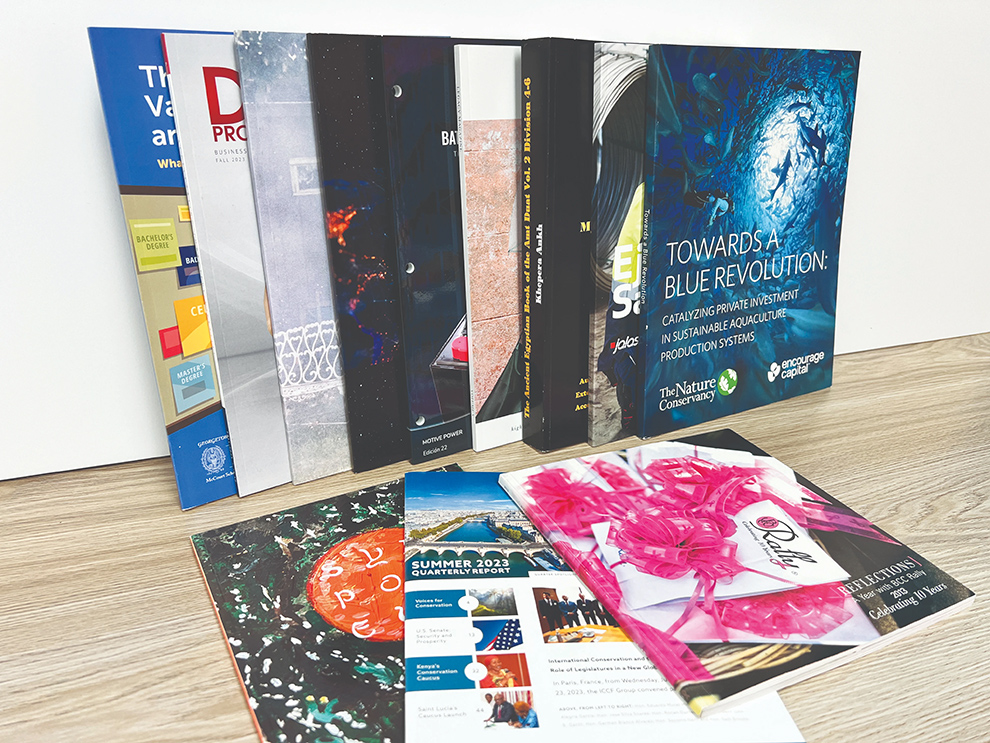
A coil-bound workbook is often one of several printed pieces supporting a training program, membership drive, or recurring publication. These related Heritage services may help when the project extends beyond the manual itself.
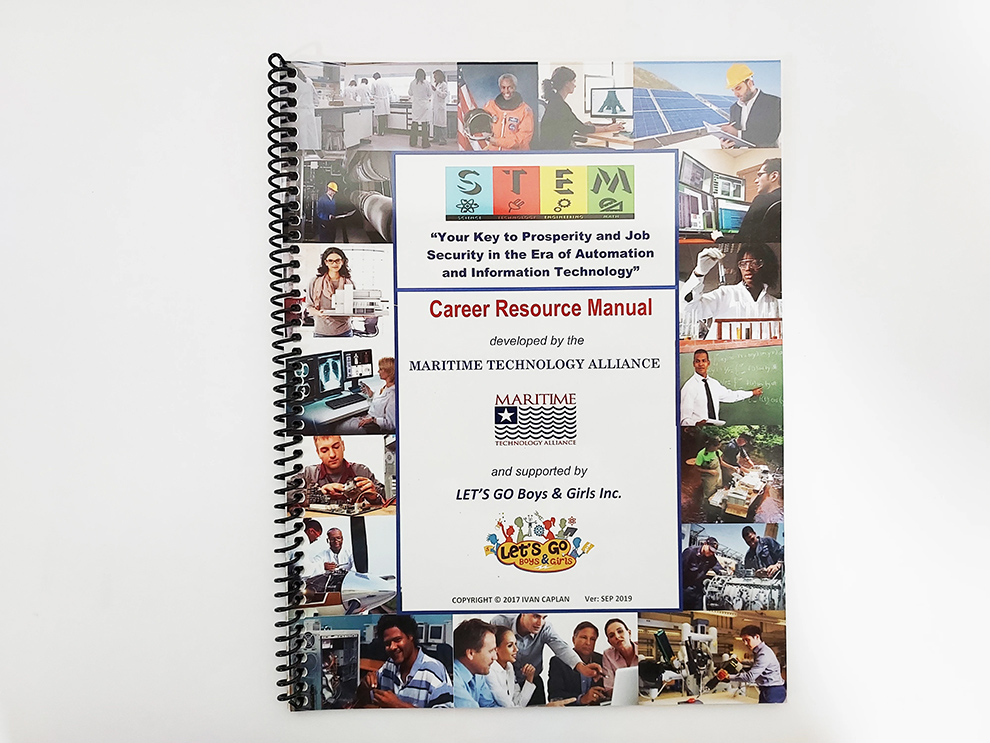
Structured onboarding and procedure documents produced for clear sequencing and repeated reference, whether coil-bound or finished another way.
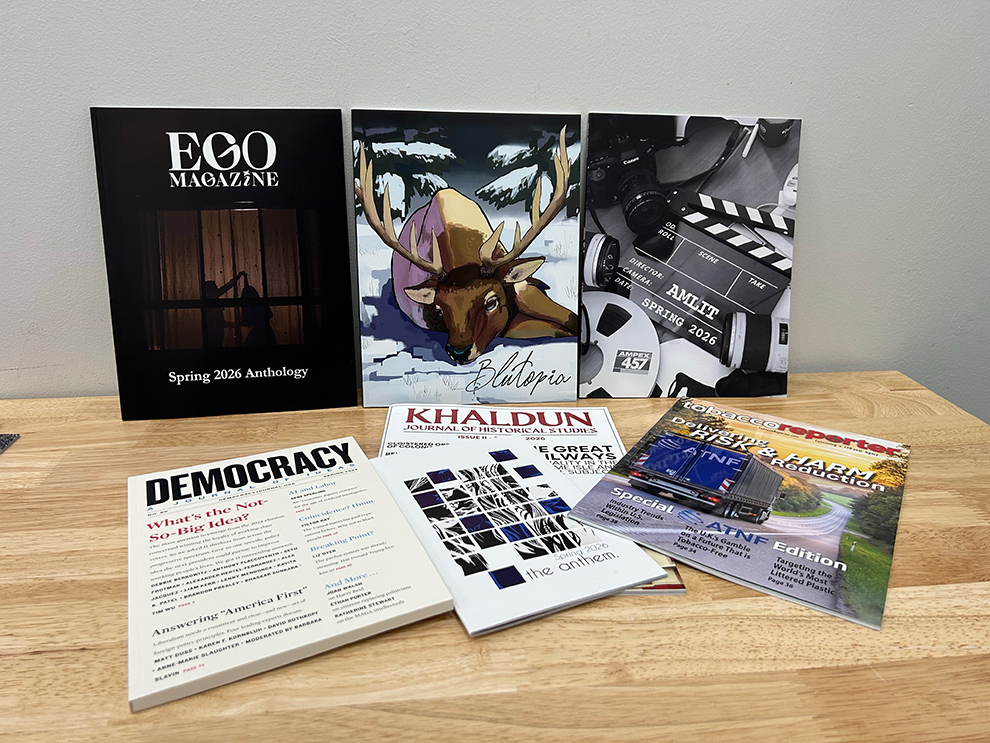
A glued square spine for reports, catalogs, and publications where a printed spine and shelf presentation outweigh lay-flat use.
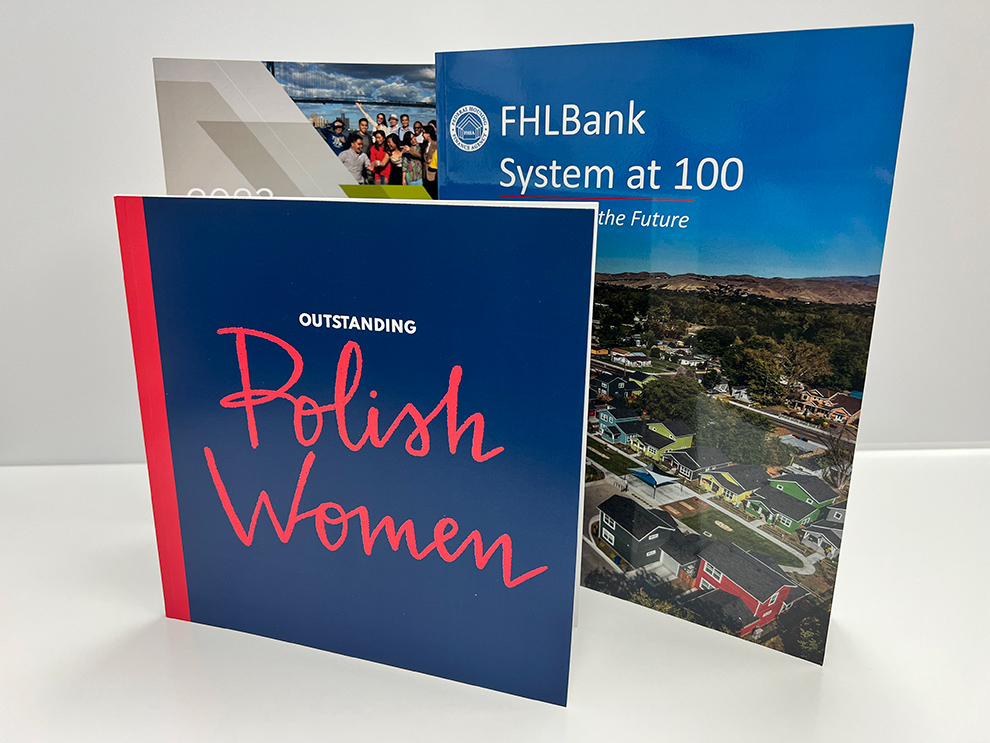
Multi-page formats and binding choices for programs, guides, and shorter reference pieces that do not call for coil binding.
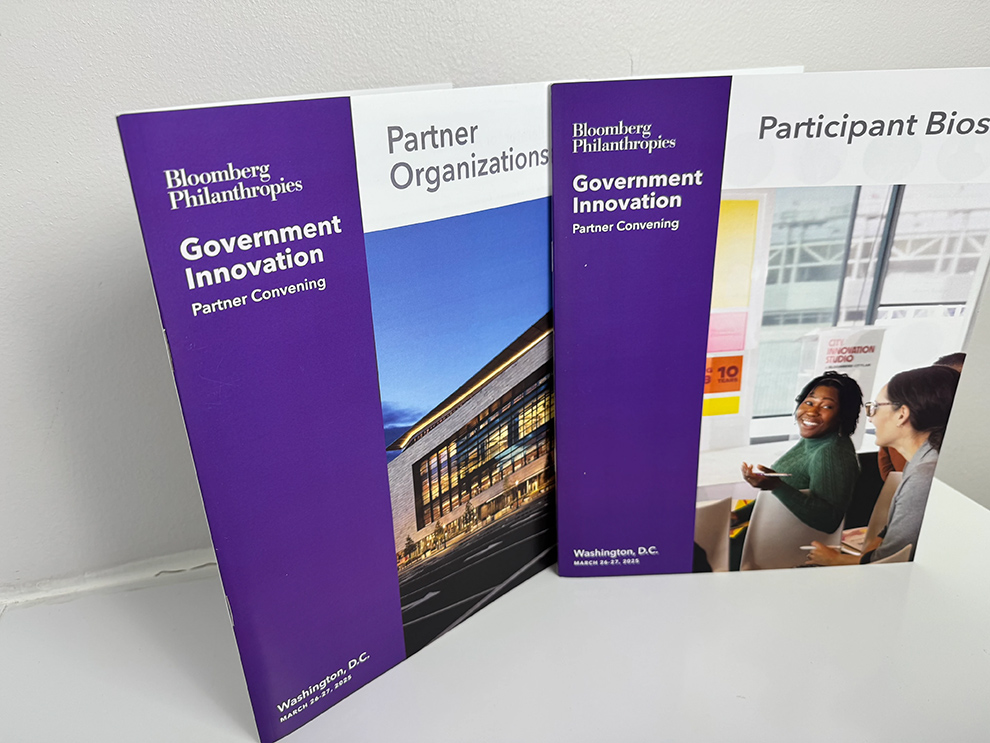
Keep agendas, handouts, and supporting documents together with a coil-bound manual for orientations and stakeholder meetings.
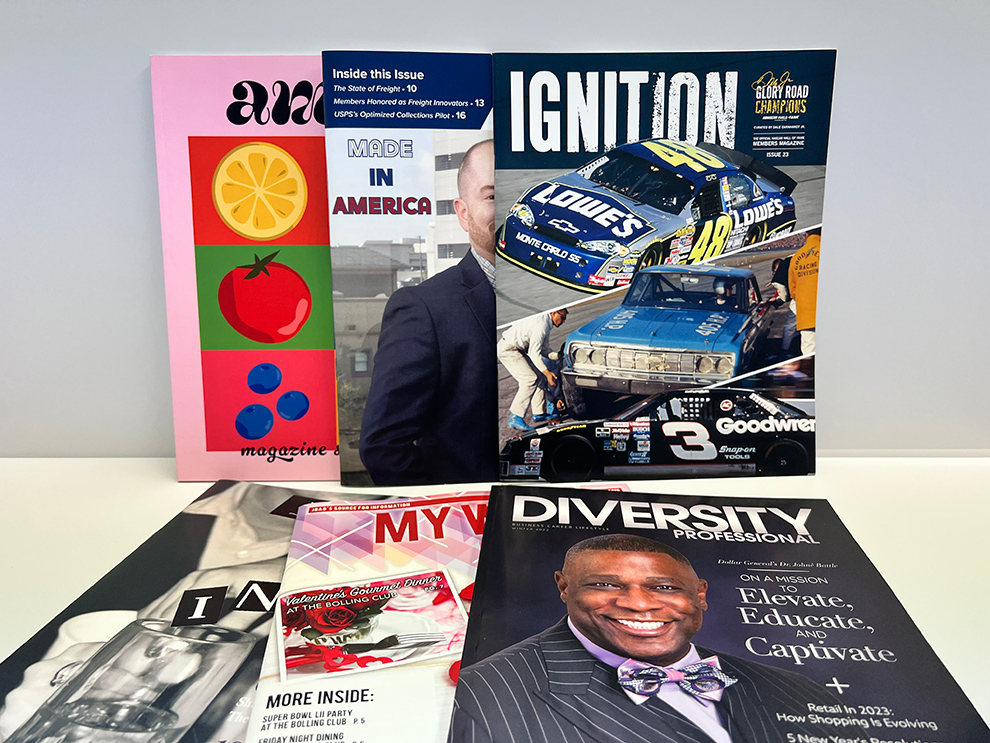
Periodic member and institutional publications handled with consistent production and finishing from one issue to the next.

Addressing and mailing preparation for printed communications when distribution is part of the accepted project scope.
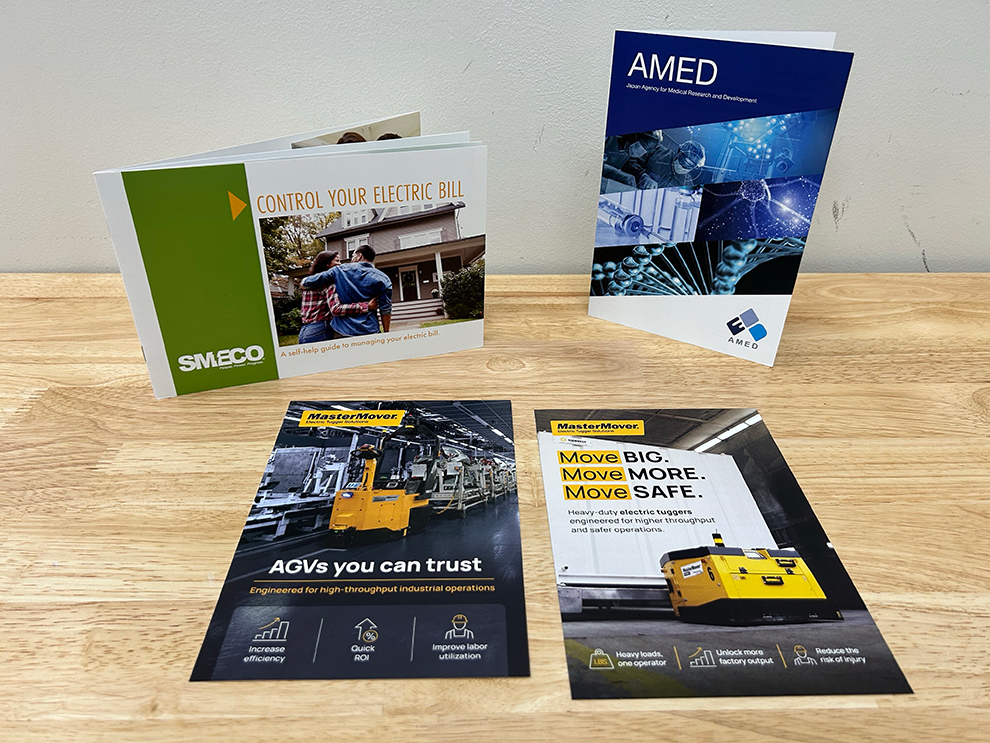
Flyers, brochures, and campaign pieces that can accompany workbooks and manuals for recruiting, enrollment, and outreach efforts.
The broader Heritage printing range for business documents, recurring programs, and professional communications beyond bound books.
If a new-hire class, a continuing education cohort, or an updated procedure release is on the calendar, decide now which path fits. Order an eligible print-ready configuration through the Online Store, or submit a Custom Quote for qualifying $2,000+ work that still needs file preparation, tab planning, or version coordination before production begins.
Good spiral bound books begin with a few deliberate decisions. Finished size affects how the book sits on a desk and whether it fits in a bag. Page count determines coil diameter and influences how freely the book folds back. Paper weight changes how pages feel when turned and how well they accept handwriting, which matters for a workbook that participants will fill in over several sessions.
Cover construction deserves the same attention. A laminated front cover and a sturdy back protect a maintenance procedure book that rides in a truck, while a lighter cover may be sufficient for a one-time seminar packet. Tabs and dividers add cost but save time in a long reference handbook, especially when readers jump between sections during a call or inspection.
Color is a cost and clarity decision. Full color clarifies diagrams and safety callouts, while black-and-white interior pages with a color cover often serve text-heavy manuals well. When a book will be updated annually or each semester, Heritage retains the approved specifications for size, paper, cover, and tabs so the next edition starts from a known foundation.
Start by asking how finished the project is. If the spiral bound configuration you need is live in the Self-Directed Online Store and your artwork is complete and print-ready, the Store is the direct route. The eligible Store order must total at least $750, and several eligible products can be combined to reach that figure. Heritage performs production review and sends an electronic proof for approval before printing. The Store path does not include an assigned Project Coordinator, layout help, or a physical color proof.
The Storefront Custom Quote form is available for qualifying new Commercial Printing work of $2,000 or more that needs closer coordination, such as files that require production preparation, tab and divider planning, multiple versions, or specification questions that are easier to settle in conversation. Reaching the threshold makes the path available; it does not require it.
A Project Coordinator is assigned only after Heritage accepts the quote and assigns the work. From that point the Coordinator is your direct phone and email contact through delivery. Established clients may keep that Coordinator on appropriate directly managed repeat orders.
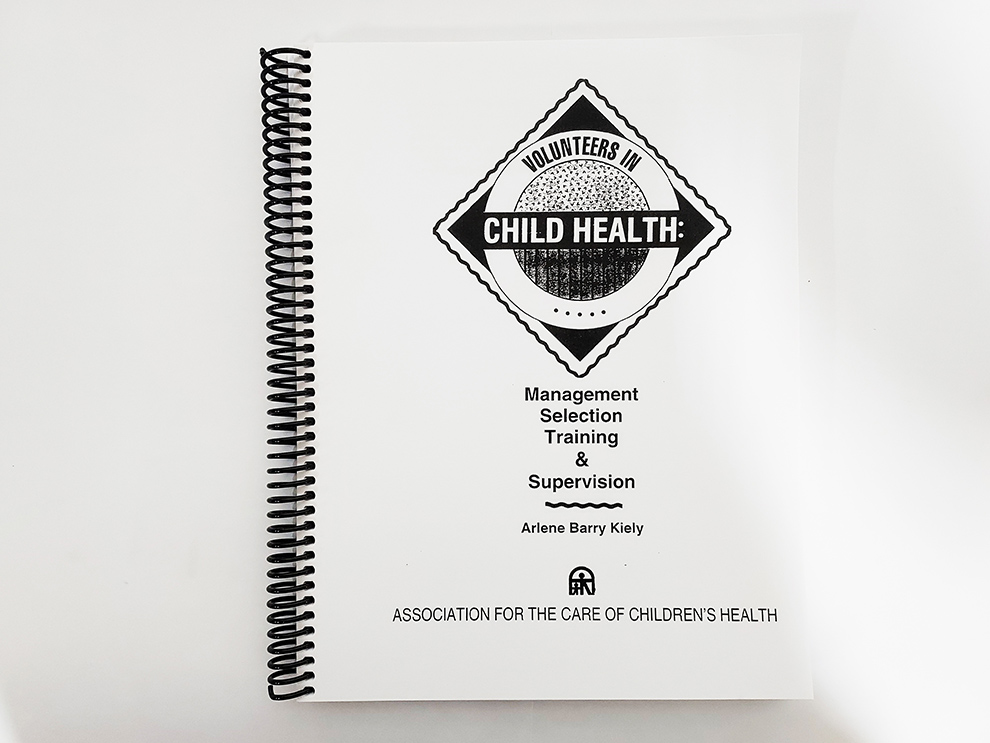
Yes. The plastic coil lets every page and both covers rotate fully around the binding edge, so the book can be folded back to show a single page. That is useful on a crowded desk, in a vehicle, or at a workstation where the reader needs both hands free and only one page in view.
Because the book behaves well while someone is using it. It stays open to the current page without being held, pages turn without resistance, and participants can write directly on a flat surface. Those traits make spiral binding a practical fit for workbooks, procedure manuals, course packets, checklists, and reference guides that are consulted repeatedly rather than read once.
Choose based on how the book will be handled. Plastic coil is the stronger option when the book must lie flat, fold back, and survive frequent use, as with manuals and workbooks. Perfect binding, with its glued square spine, is preferable when a conventional book appearance, printed spine, and shelf presentation matter more than lay-flat function, as with reports and catalogs.
Possibly, and the sooner the date is shared, the better the options. Heritage evaluates artwork readiness, quantity, paper and cover selections, tabs or dividers, proof approval timing, available production capacity, and delivery requirements before accepting a schedule. If the original date cannot be met responsibly, Heritage says so early and proposes alternatives where they exist, such as a staged delivery or a simplified finishing plan. Store orders follow the standard electronic proof and production sequence; qualifying Custom Quote work receives Project Coordinator contact only after the quote is accepted and assigned.
You need a print-ready file and a configuration that is live and orderable in the Self-Directed Online Store. The Store is built for buyers who can select size, paper, cover, and quantity from the listed options without product consultation. The eligible order must total $750 or more. Heritage reviews the accepted file, sends an electronic proof for approval, and applies quality control, but no Project Coordinator is assigned to Store purchases.
The threshold determines eligibility, not obligation. New Commercial Printing work valued at $2,000 or more may be submitted through the Storefront Custom Quote form when the project needs file preparation, production-oriented layout support, specification guidance, or closer coordination of versions and finishing. Submitting the form starts a review; it does not assign a contact. A Project Coordinator becomes your direct phone and email contact only once Heritage accepts the quote and assigns the order.
Yes. Any products that are live and orderable in the Self-Directed Online Store can be purchased together in one transaction, and their combined value counts toward the $750 minimum. A training coordinator preparing an onboarding session, for example, might order coil-bound workbooks alongside other eligible printed pieces. Each product keeps its own option list and file requirements.
You will see the artwork as prepared for production: page order, text, images, layout, trim, and any tab or divider positions that apply. Every Heritage Commercial Printing order receives this proof before printing, including Store orders. What you will not see is accurate physical color. Monitors and printed paper reproduce color differently, so the electronic proof confirms content and arrangement rather than serving as a color standard.
For qualifying $2,000 or greater Custom Quote commercial printing orders, yes. Heritage offers an optional Physical Production Color Proof produced on the printer scheduled for the job and on the same paper or production material chosen for the finished books. It carries an additional charge and adds time to the schedule because it is a separate production step. Once approved, it becomes the controlling physical color reference for the run unless the parties agree otherwise. This option is not offered through the Self-Directed Online Store, where proofing is electronic only.
Tabs and dividers are production options that must be supported by the Store product you select or included in an accepted Custom Quote. When available, they divide a long manual into labeled sections so a reader can reach a policy, procedure, or chapter without paging through the whole book. Planning covers tab wording, section order, tab stock, and how the inserted pages affect total page count and coil size.
A laminated cover over a heavier stock, paired with a sturdy back, generally offers the most protection against scuffing, bending, and ordinary spills. Lighter printed cover stock may be enough for materials used once at a seminar. Availability depends on the production path, so confirm the cover options listed for the Store product or discuss them within an accepted Custom Quote.
Matching is far easier when the approved specifications are carried forward. Heritage can retain details such as finished size, paper, cover construction, tab configuration, and color targets from an accepted order so the next edition concentrates on revised content rather than rebuilt production decisions. Established clients who already have an assigned Project Coordinator may continue with that contact on appropriate directly managed repeat work.
Organizations that train people and maintain written procedures. In Columbia, SC that includes state government offices, colleges and technical schools, healthcare employers, insurance and financial services companies, utilities, military and public safety training programs, engineering and construction firms, churches, and nonprofits across the Midlands. Typical pieces are onboarding workbooks, policy manuals, safety procedures, course packets, member directories, and reference handbooks. Heritage serves these clients from its Charlotte production facility rather than from a Columbia office.
Heritage Signs & Displays created new museum signage for the Military Women’s Memorial in Arlington, VA. The project included custom signs, wall wraps, dimensional letters, and standoff-mounted displays to honor the legacy of U.S. servicewomen and the donors who supported the memorial. The updated interior features impactful designs, including a "Our Legacy" wall display and panels showcasing historical contributions and artwork, creating a transformative tribute to women in the U.S. Armed Forces.
Heritage Signs & Displays' collaboration with The Gathery to brand Union Market in Arlington, VA, for Indeed's "Ready to Work" job fair. The project included custom event displays, wall graphics, window graphics, and wayfinding signs, creating an immersive and visually appealing environment. The branding enhanced the venue, reflected the event's mission, and provided a seamless experience for attendees.