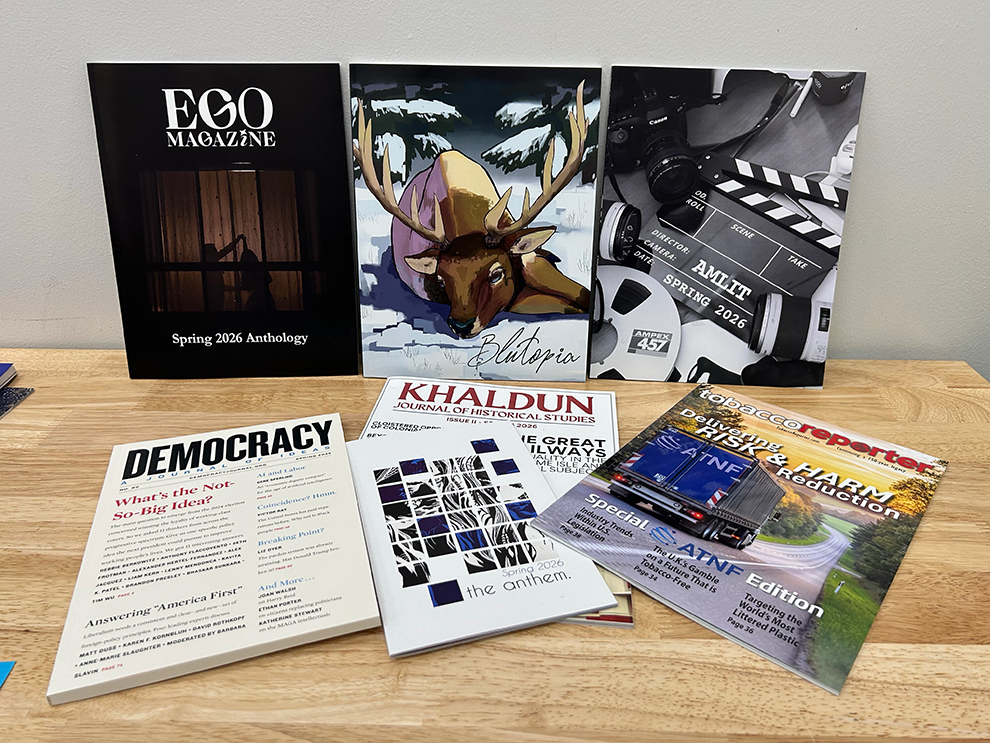
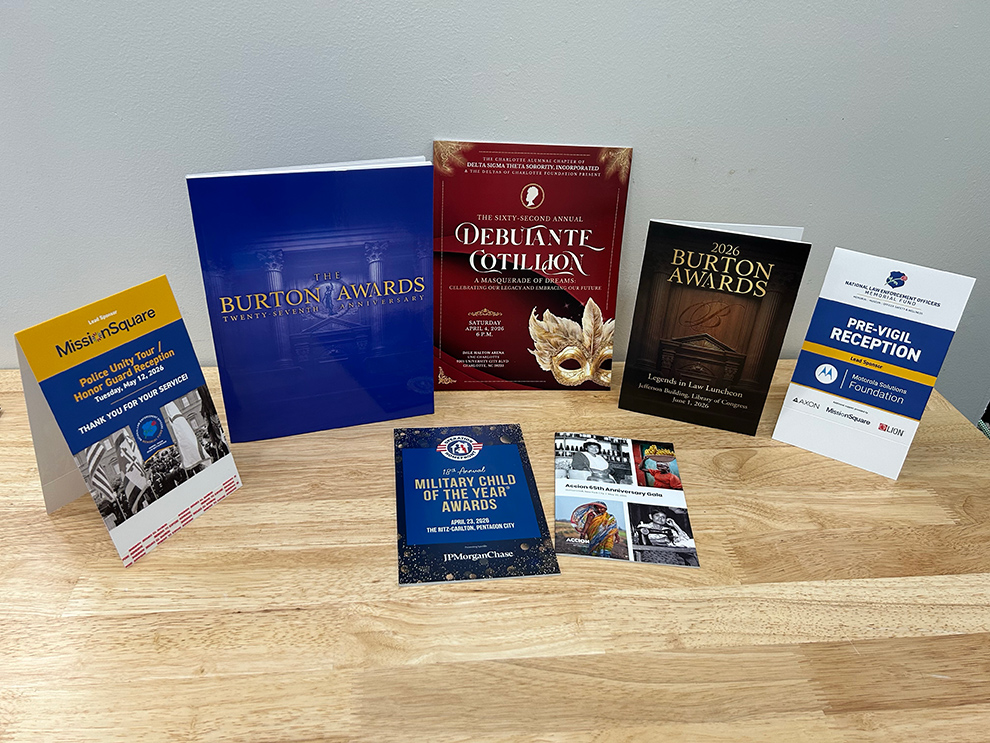
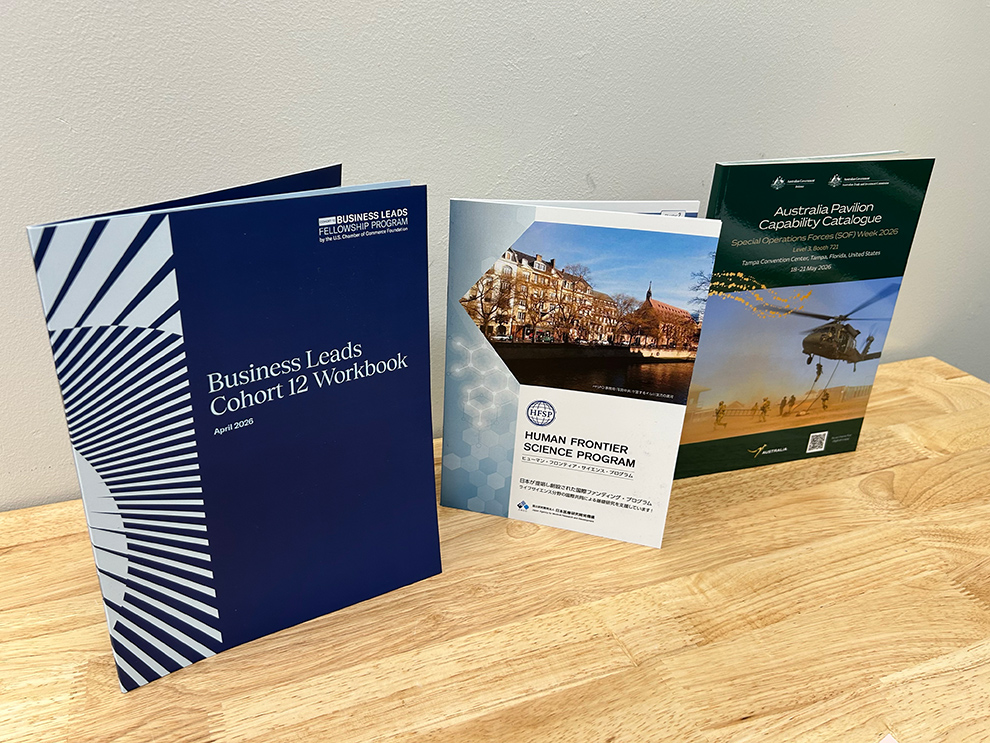
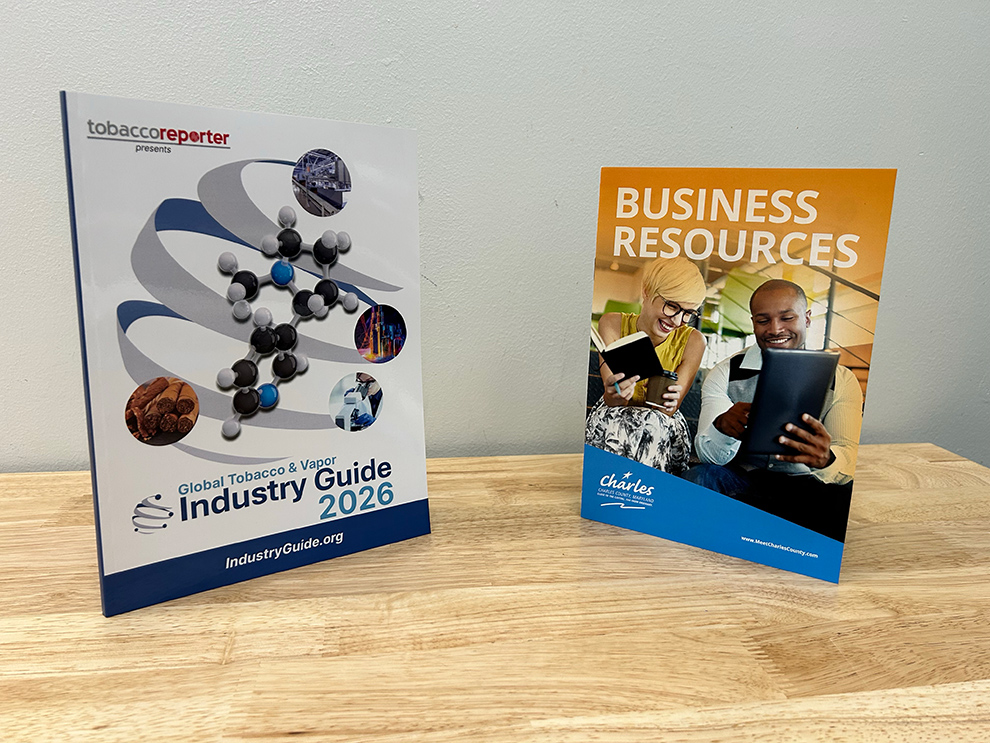
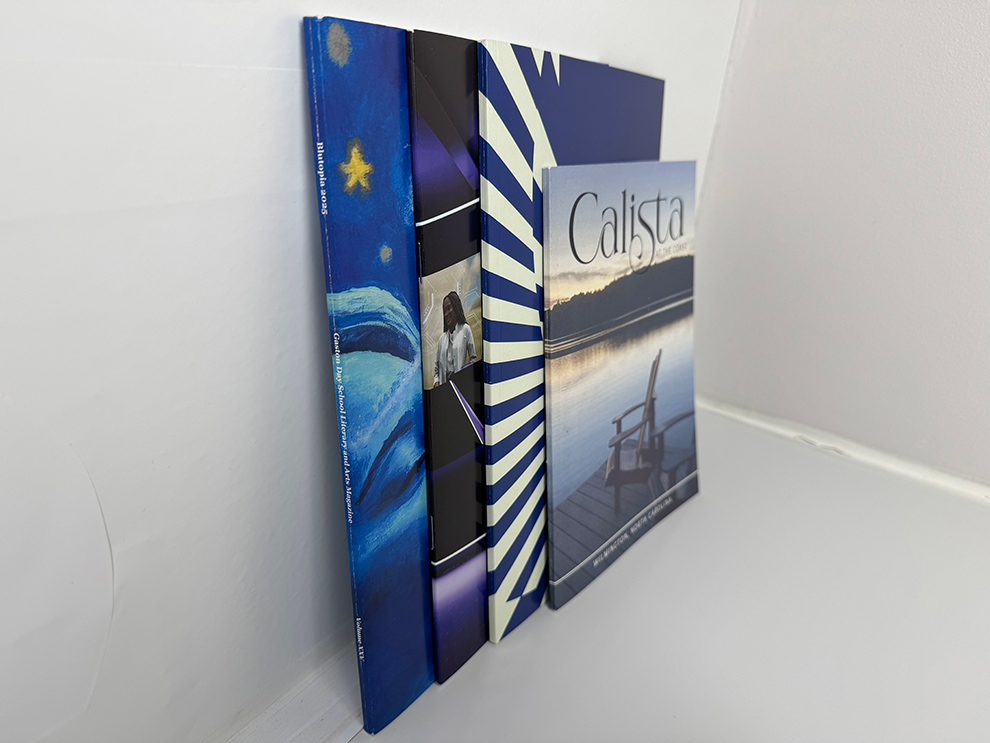
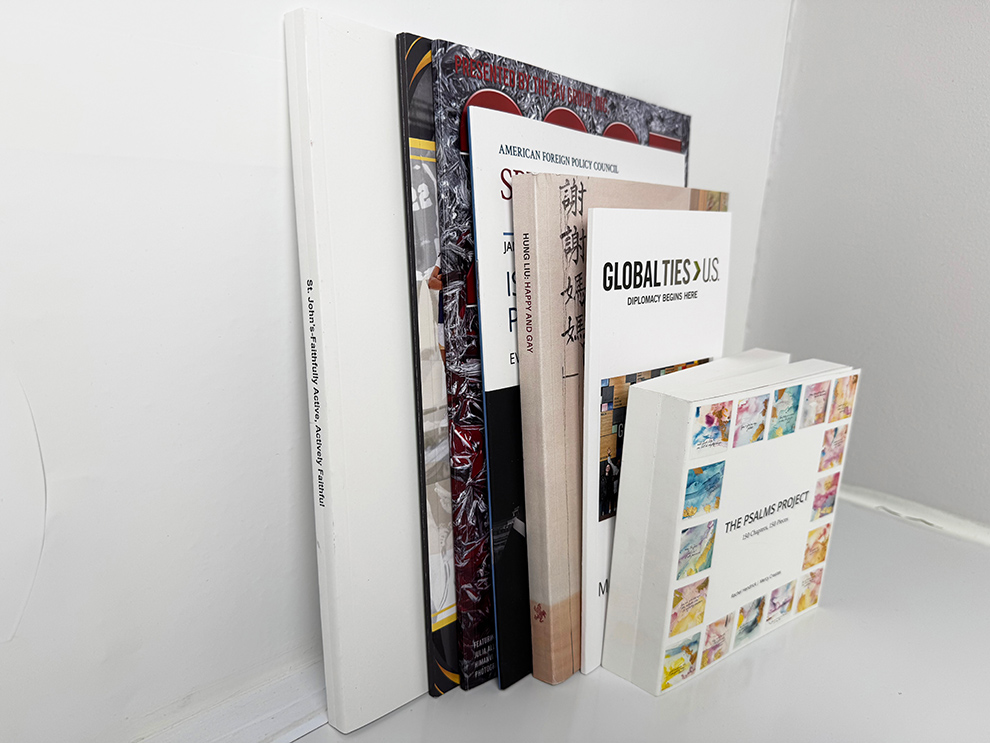
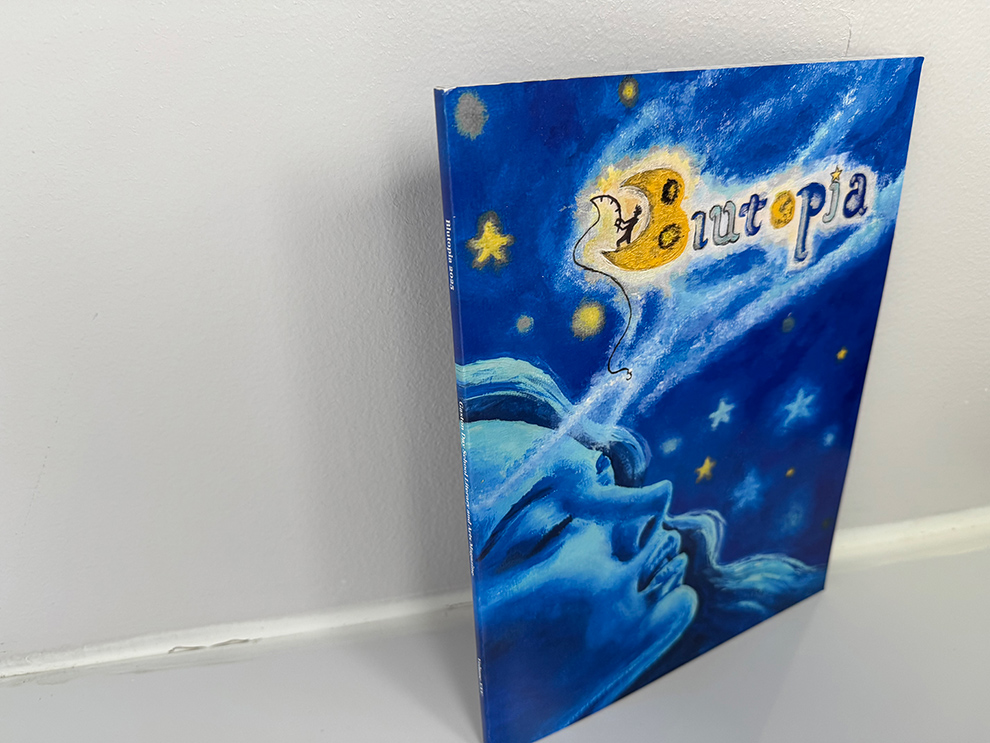
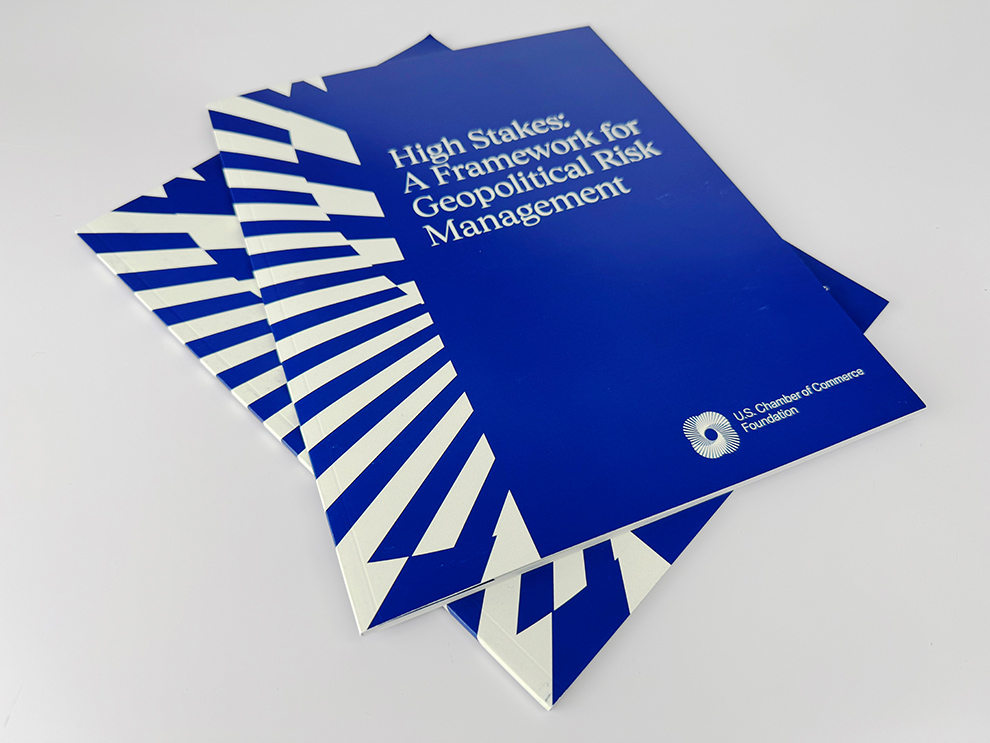
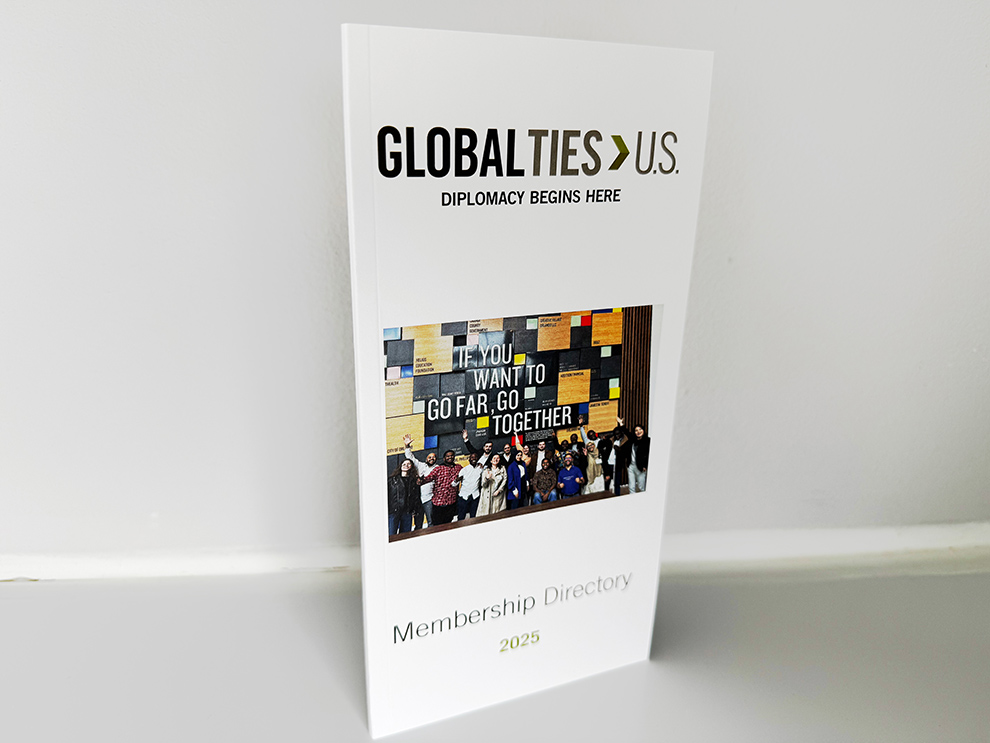
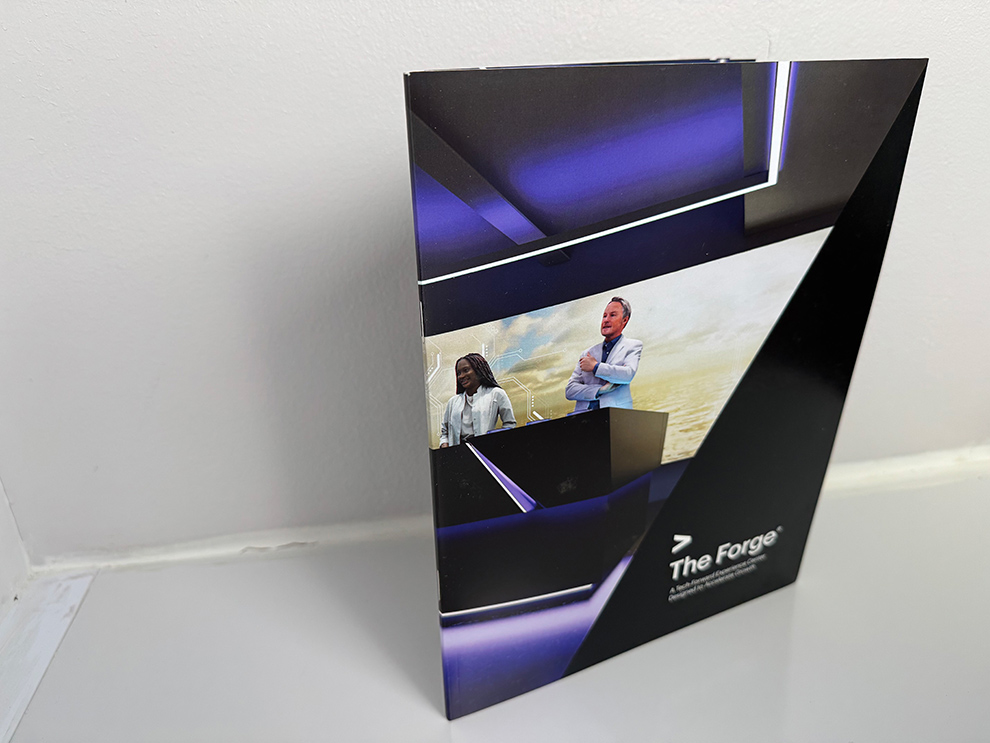
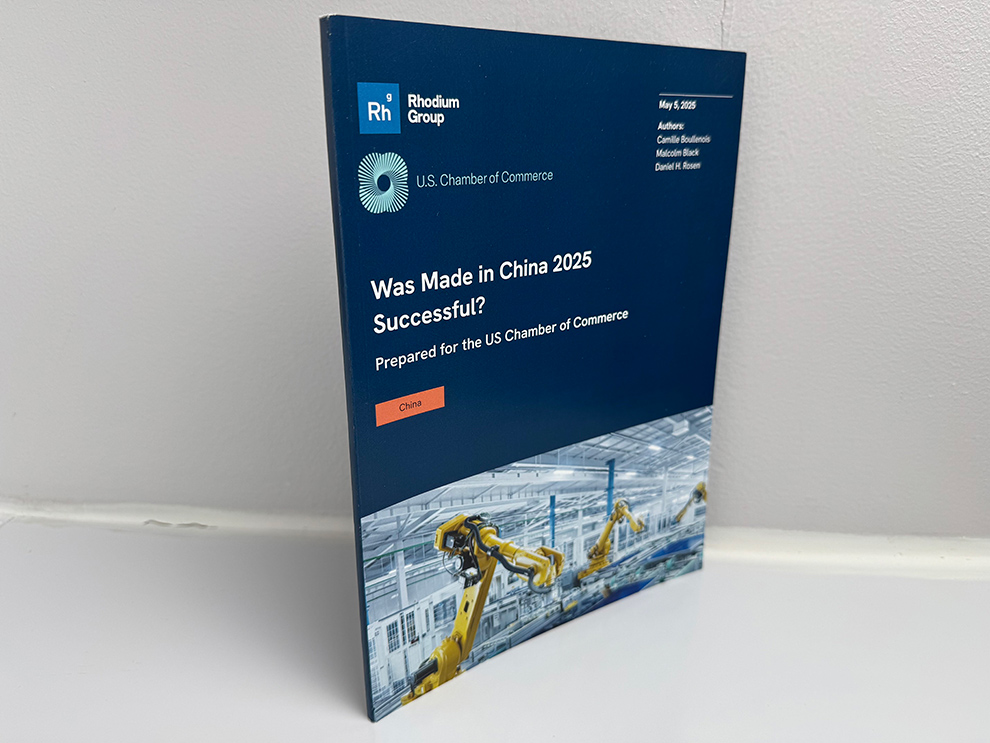
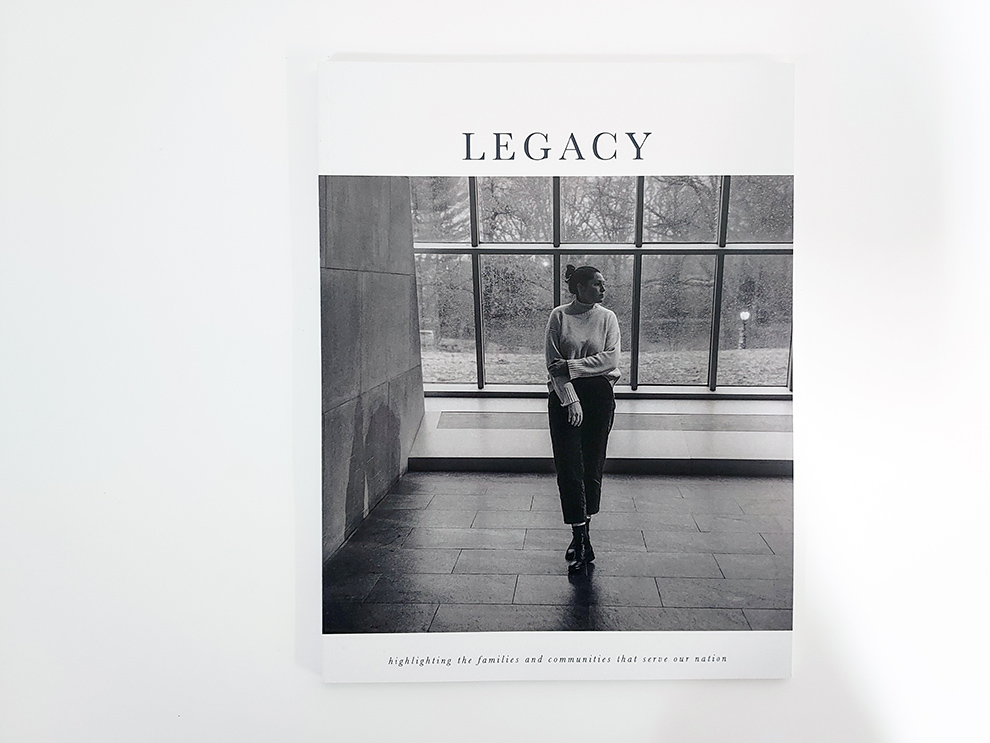
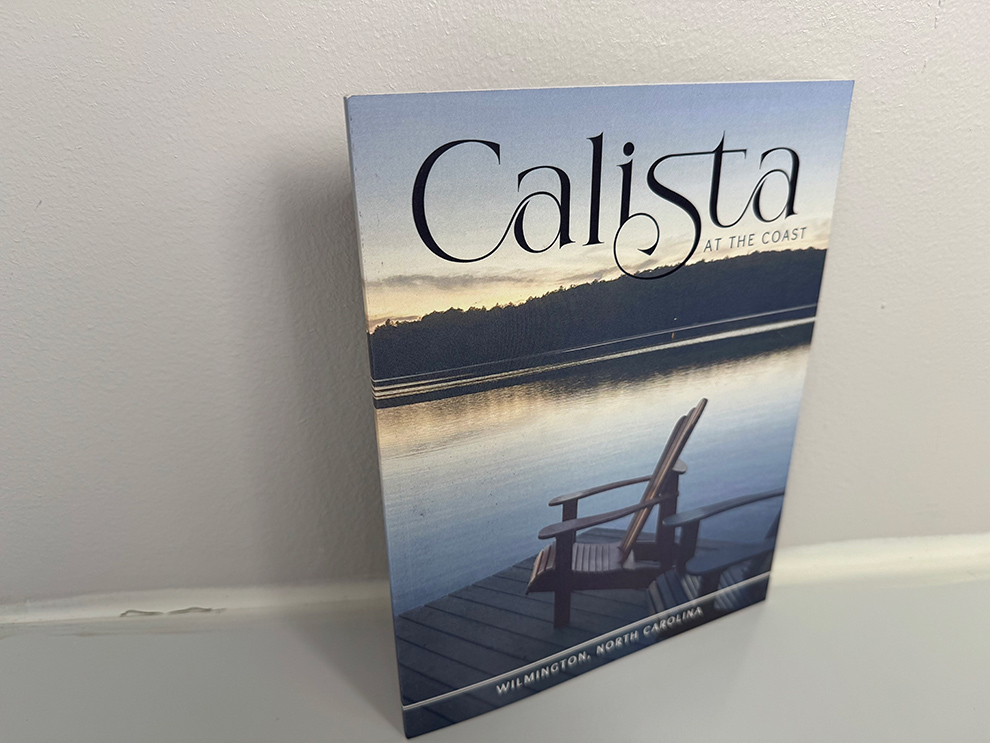
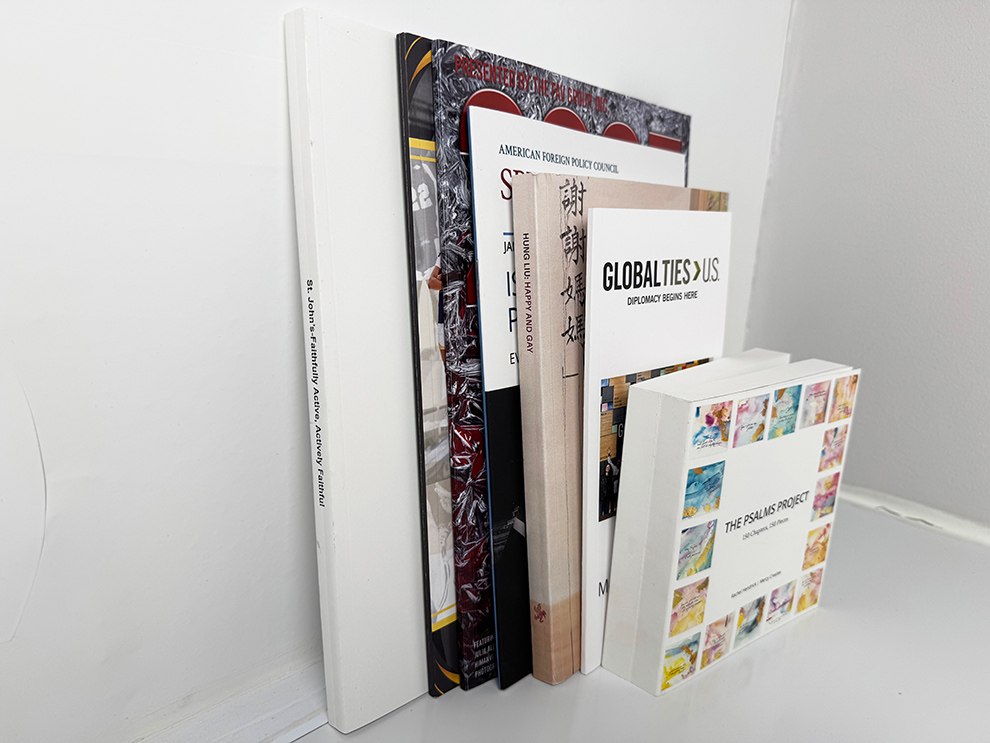
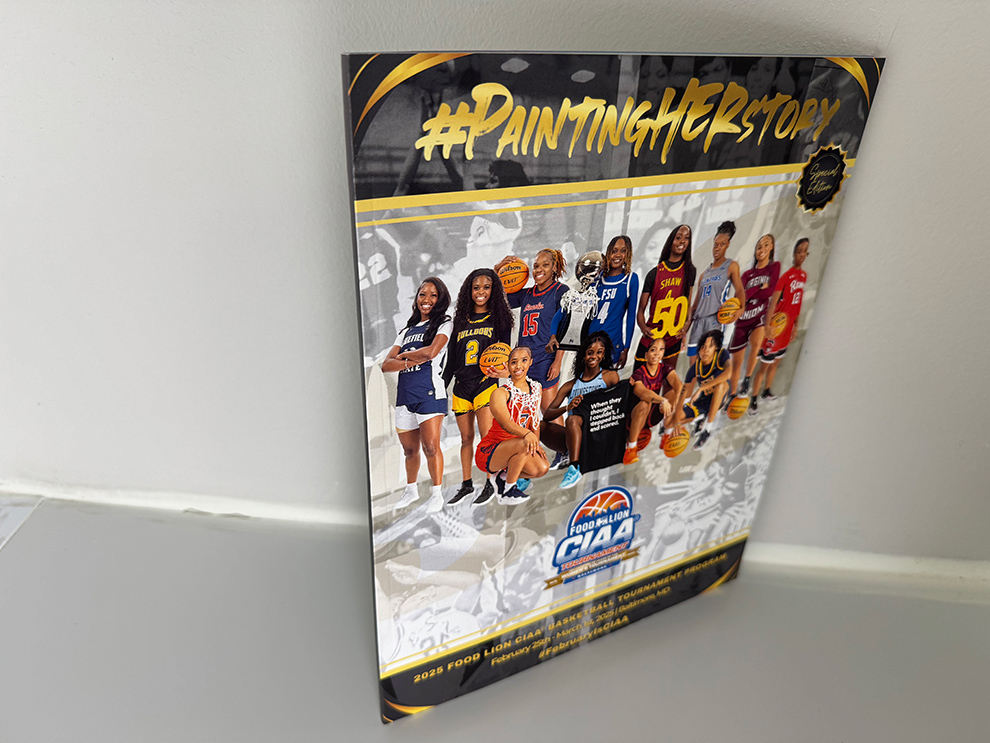
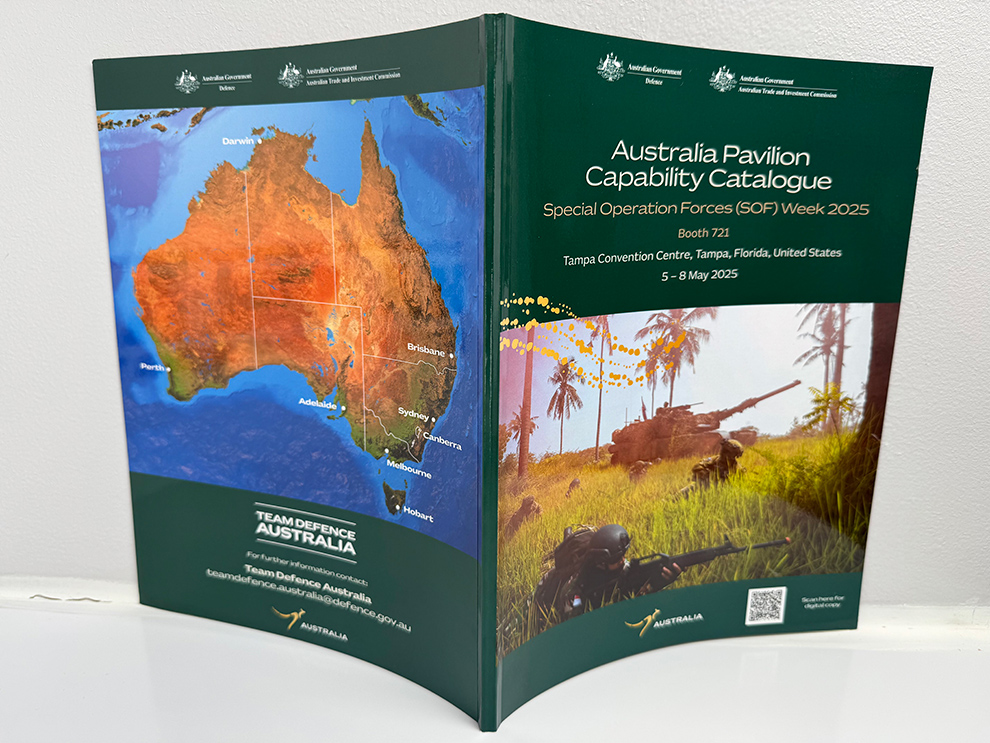
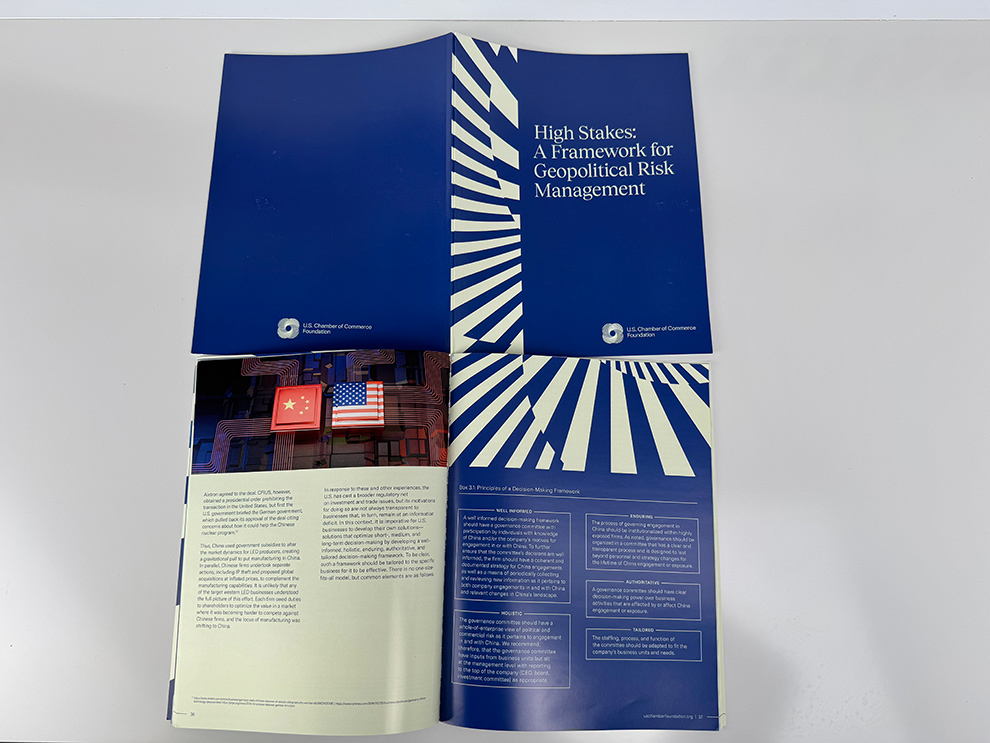
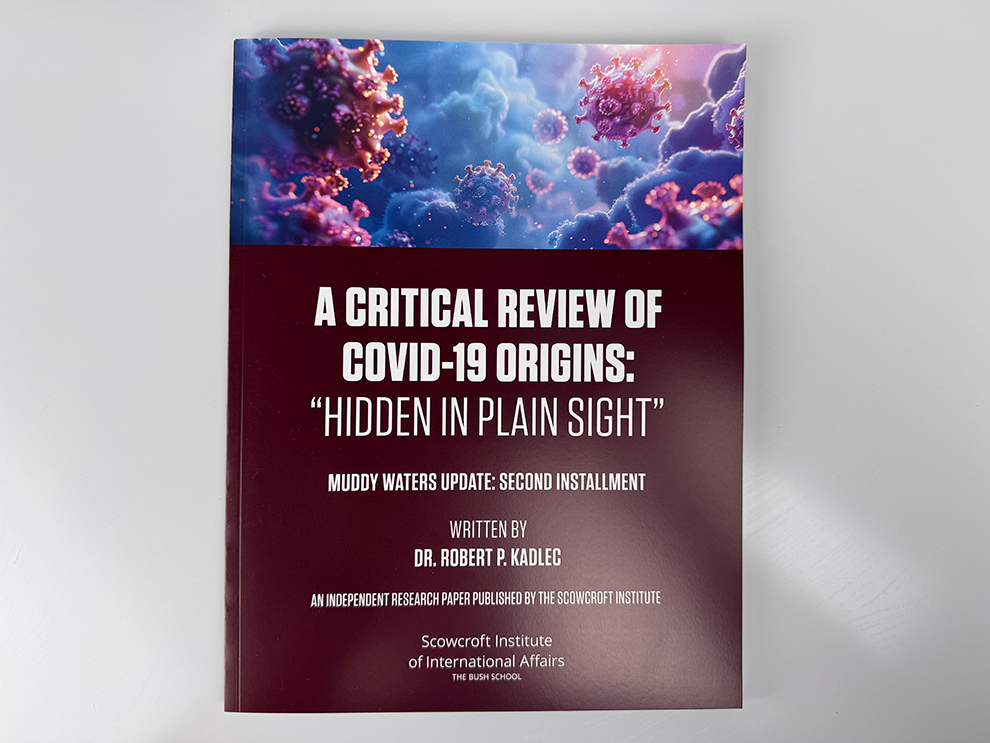
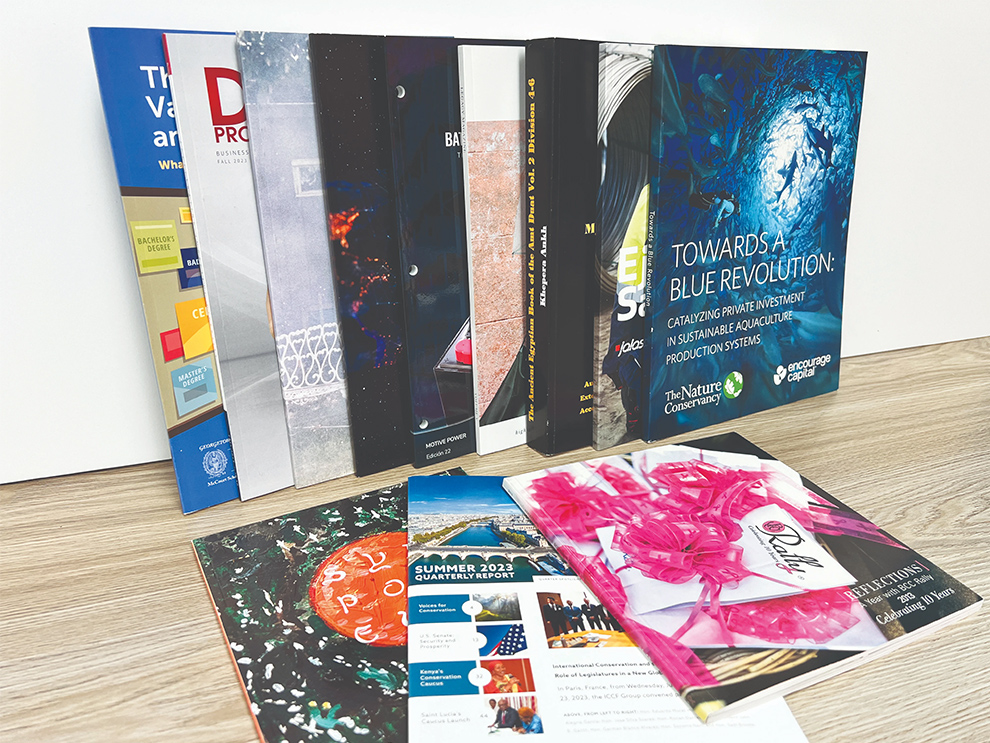
An annual report, a program catalog, or a reference guide is often judged in the few seconds it rests on a conference table before anyone opens it. A perfect bound book meets that moment with a flat square spine, cleanly trimmed edges, and a wraparound cover that reads as a finished publication rather than a bundle of stapled pages.
Heritage produces perfect bound books for Columbia, SC organizations that need a substantial printed piece: agencies and associations issuing reports, colleges preparing viewbooks or program guides, health systems compiling directories, and businesses across the Midlands assembling catalogs and commemorative books. The format rewards publications meant to be kept, shelved, and referenced more than once.
Binding alone does not create that impression. Finished size, page count, paper weight, cover stock, color reproduction, spine width, file preparation, and proof approval each shape how the book looks and handles. Heritage treats those variables as a single production plan so that the cover, spine, and interior arrive as one coordinated publication. Where the specifications support the construction, perfect binding is a sound way to signal that the content inside was worth the effort.
Heritage began as a printing company in 1977, years before its signs and displays capabilities took shape, and perfect bound work draws on that original discipline. A bound book depends on a chain of decisions: final page count, paper caliper, spine calculation, cover layout, imposition, color, trimming, adhesive binding, proof approval, and delivery. One revised figure can ripple through several of those steps.
Columbia, SC clients are supported by Heritage's Carolinas production resources, anchored by the company's headquarters and primary production facility in Charlotte. The veteran-owned, family-led culture behind that operation values plain communication and ownership of accepted commitments. When a reviewer adds a chapter after the cover is designed, or a board approves the final text later than planned, Heritage explains what the change touches and what must be settled before the job proceeds.
Consistent color management, mandatory electronic proofing, quality checks during production, and retained job specifications protect the result from one edition to the next. For qualifying Custom Quote orders, a Project Coordinator becomes the direct contact only after Heritage accepts the quote and assigns the work, a useful continuity when approvals move across departments.
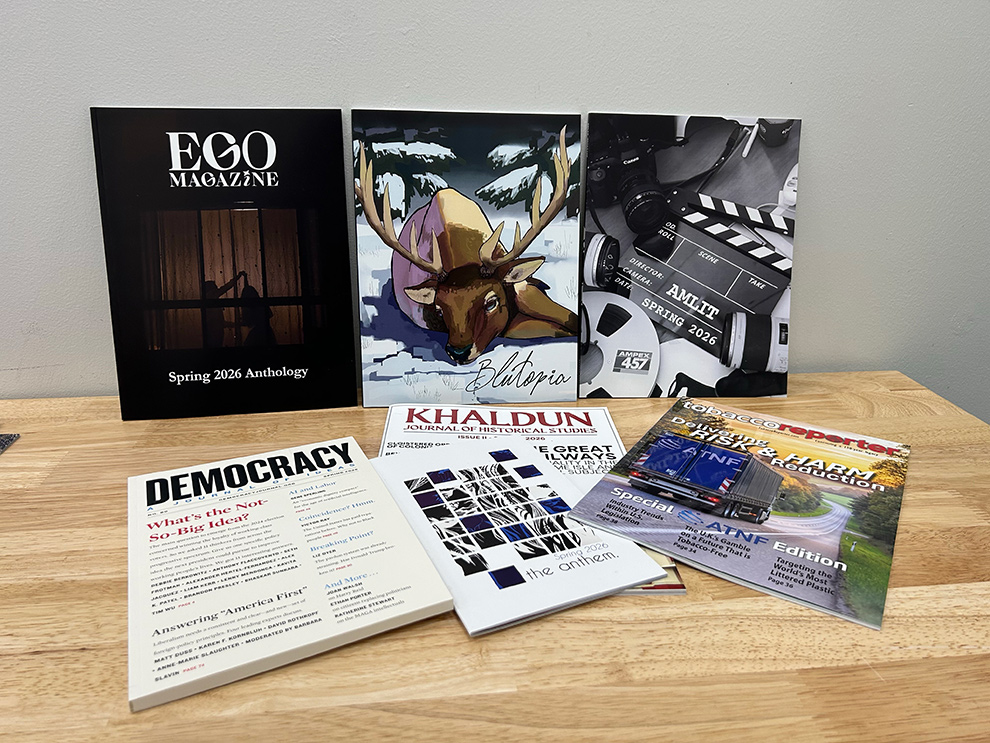
Perfect binding suits a publication that will be read in sequence, shelved, and kept as a record. The adhesive-bound spine and wraparound cover give a report or catalog the profile of a conventional book, which is why the format tends to be reserved for pieces that carry institutional weight.
That strength is also its limit. A field manual, a training workbook, or a procedure guide consulted at a workstation belongs in plastic coil, where pages fold back and lie flat. A thin program, newsletter, or event booklet is usually better served by saddle stitching, which folds the sheets and fastens them through the center without the thickness a glued spine requires. Perfect binding belongs where page count, paper thickness, and finished dimensions give the adhesive spine enough bulk to hold cleanly.
Spine lettering deserves the same scrutiny. A readable title on the spine is possible when the finished thickness leaves adequate room, but a narrow block of pages may yield a spine too slender for legible type. Settle the publication's purpose and specifications first, then confirm that the desired appearance is achievable at the finished size.
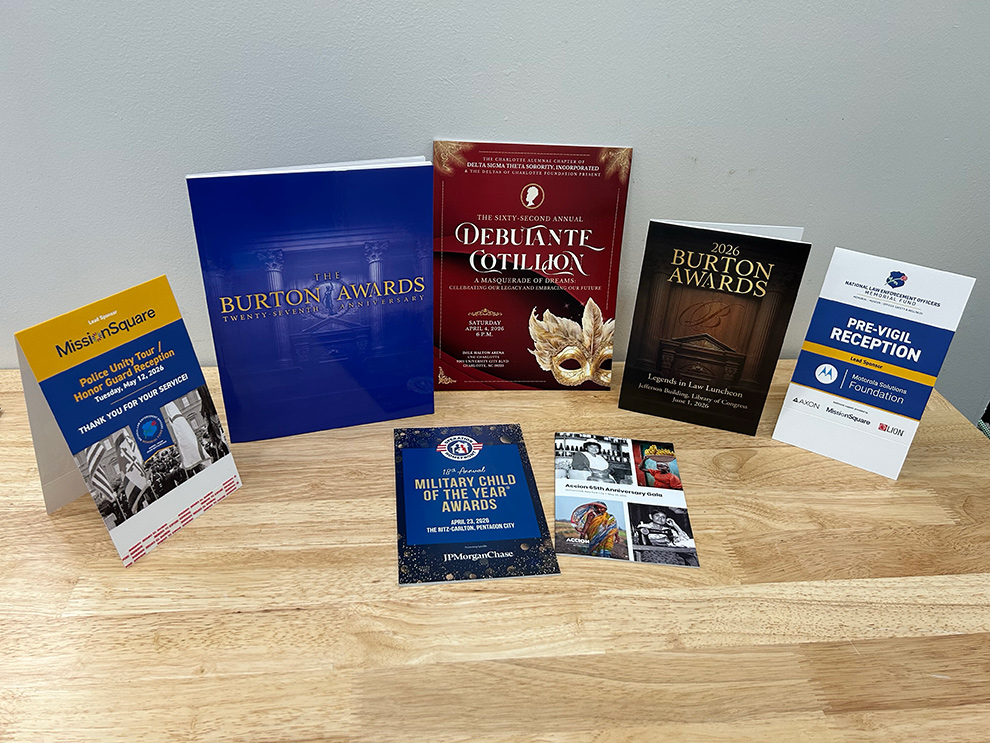
Many perfect bound projects in Columbia travel alongside other printed pieces for the same meeting, season, or campaign. These related Heritage capabilities cover the formats most often paired with a bound publication.
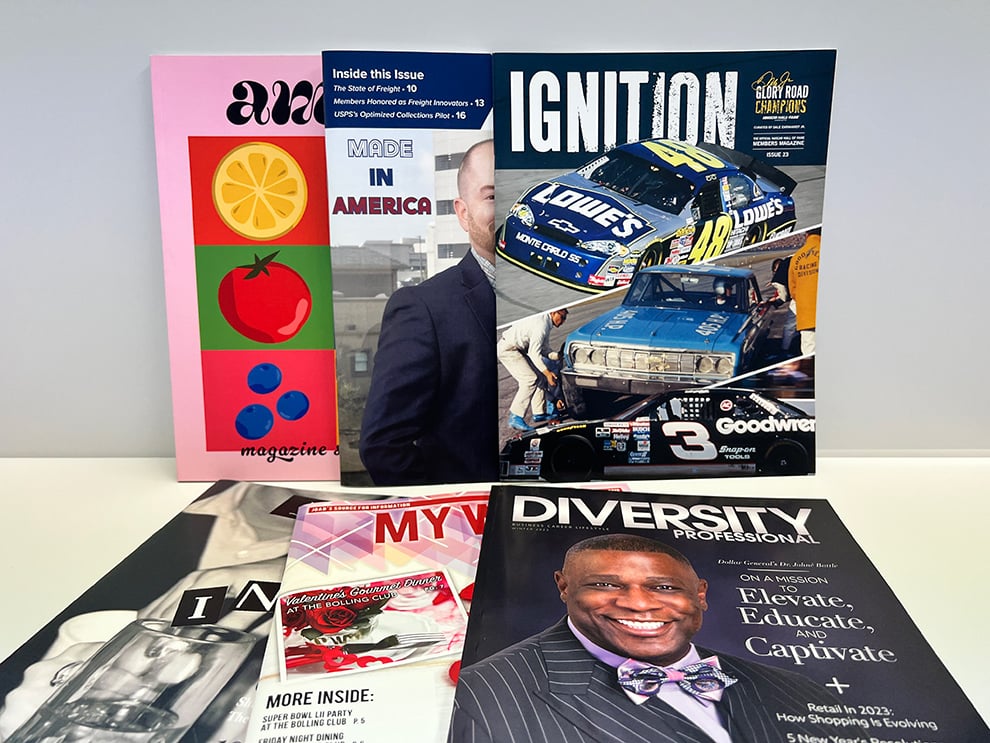
Suited to member or alumni issues that repeat on a schedule and must match the previous number in color, size, and feel.
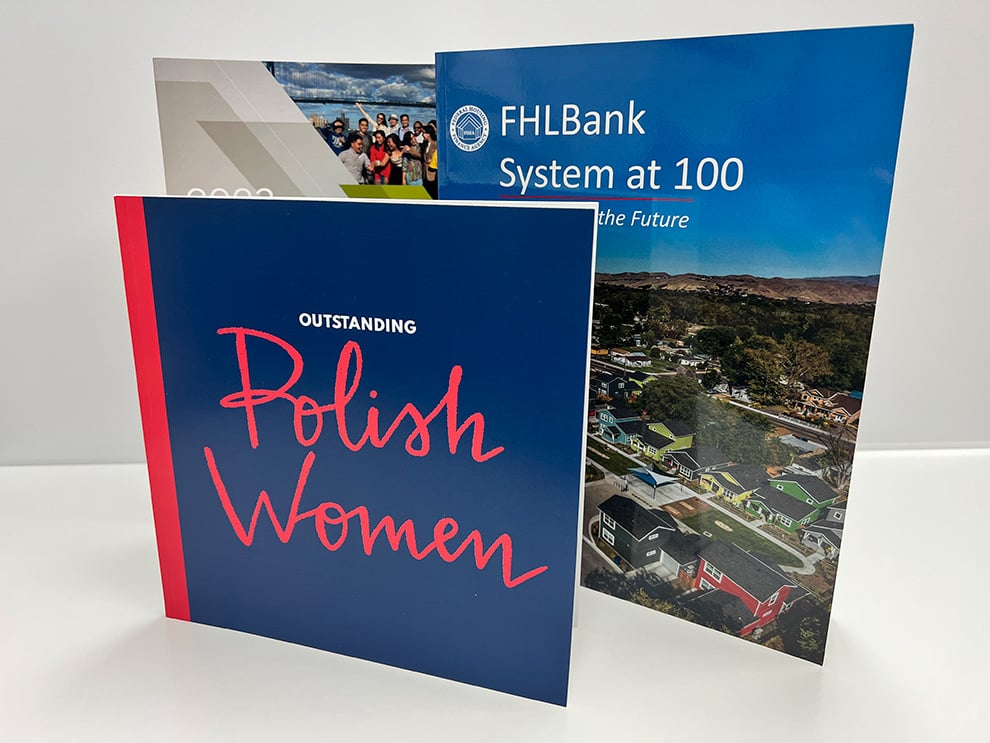
A lighter stapled or folded construction for programs and short guides whose page count does not justify a glued spine.
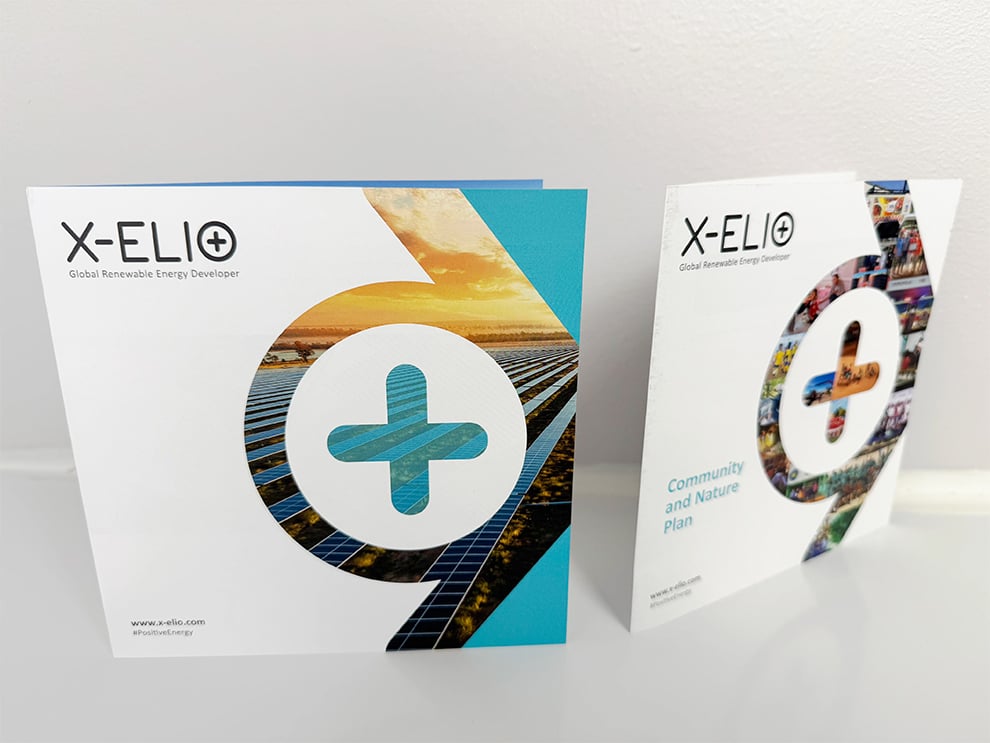
Holds a bound report together with loose inserts, letters, and handouts for board sessions and stakeholder briefings.
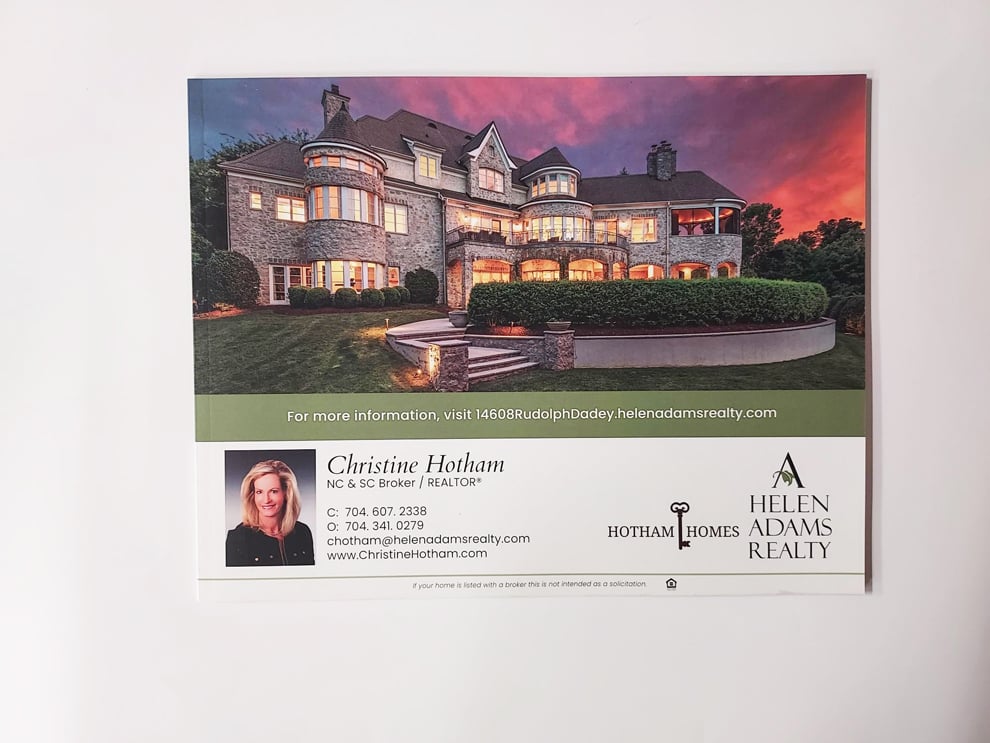
Carries a finished publication from the bindery into addressed delivery when copies go to members, donors, or regional offices.
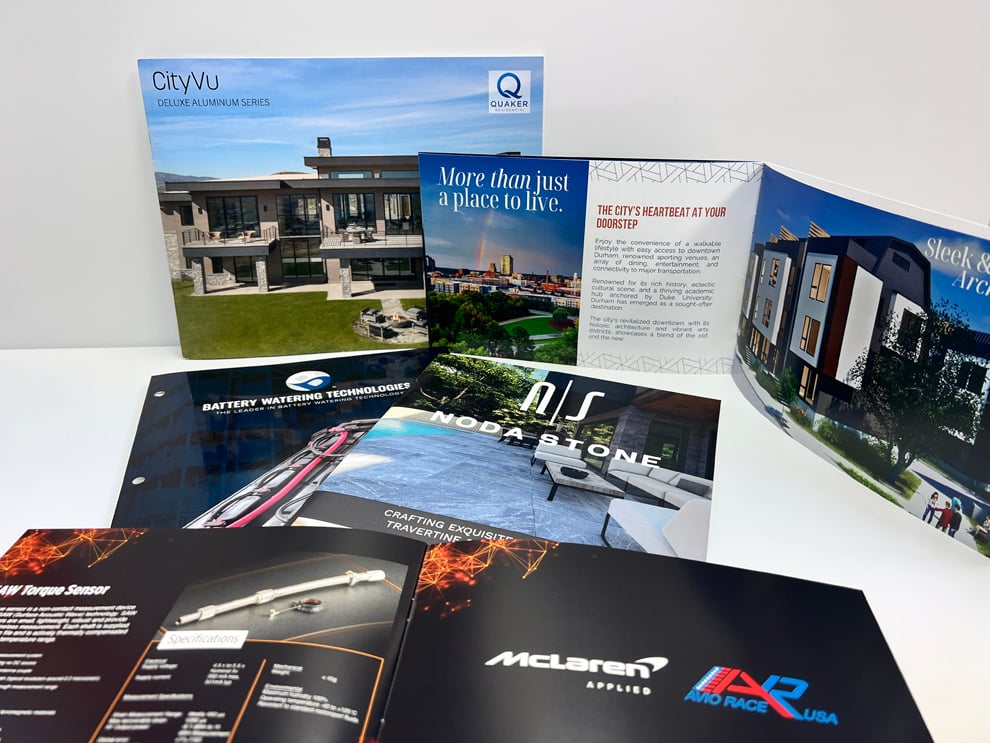
Rounds out a launch, enrollment drive, or capital campaign with cards, flyers, and collateral that echo the book's design.
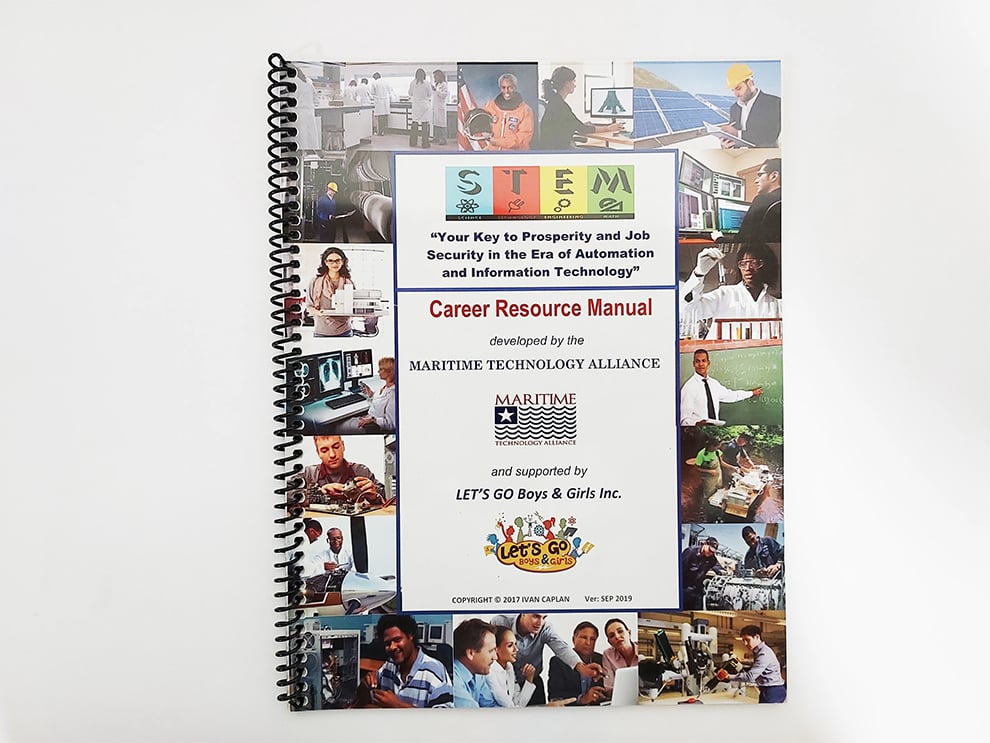
The working alternative when staff need a lie-flat reference they can mark up, tab, and update between sessions.
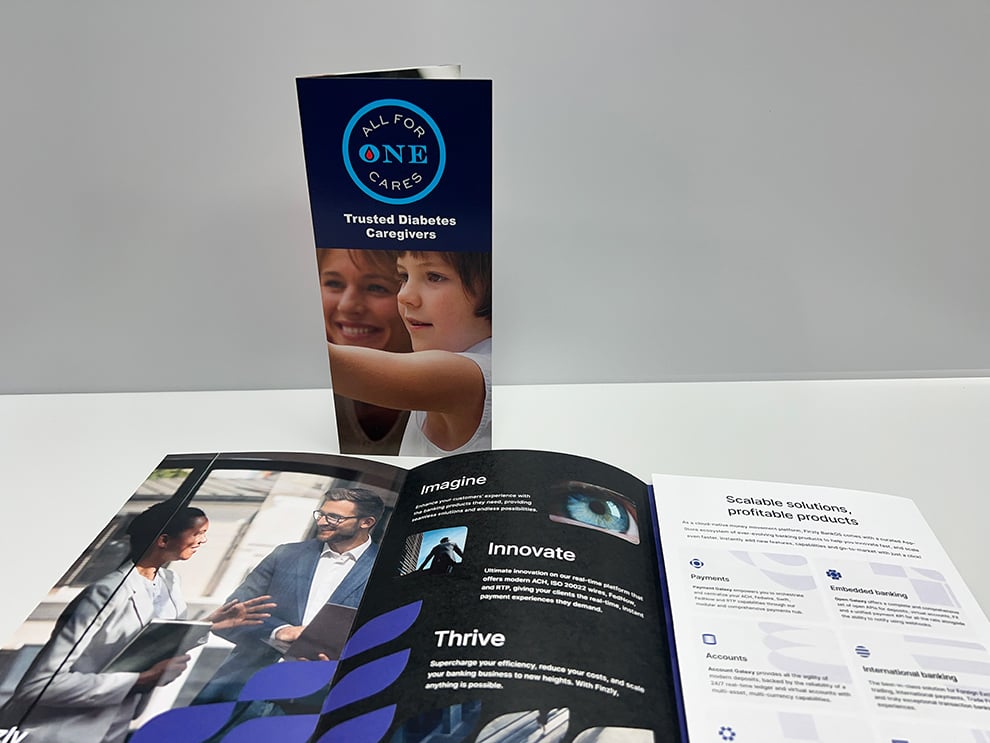
A compact summary piece for audiences who need the key points of a longer publication in a format that fits a pocket or rack.
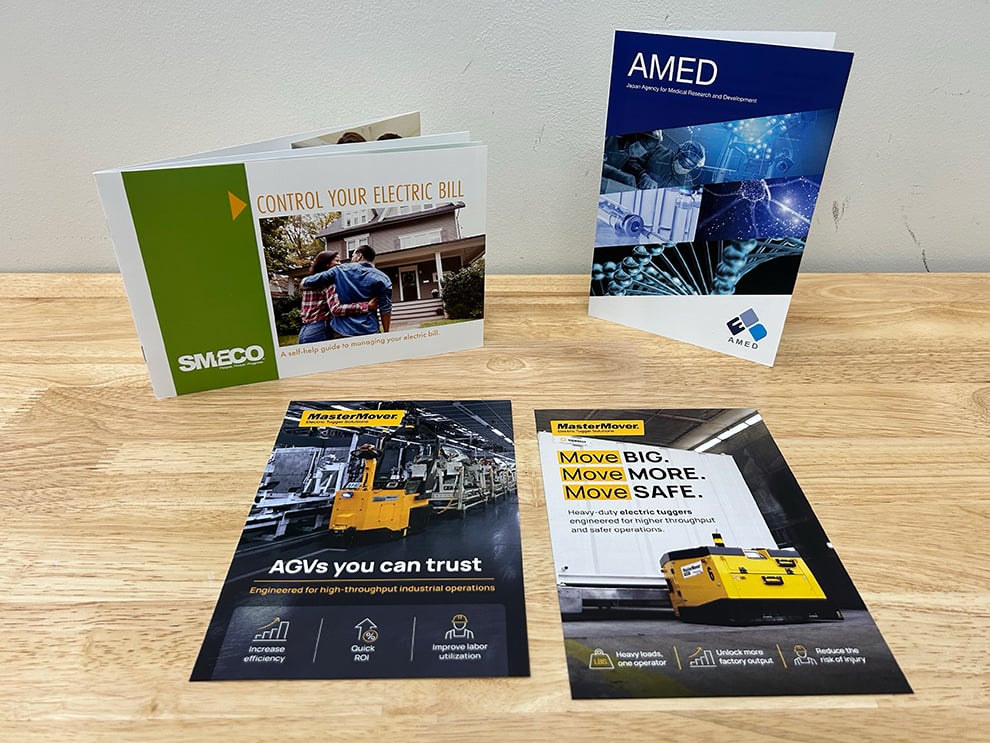
An overview of Heritage's broader print production when a bound book is one component of a larger communications program.
A Columbia report or catalog with finished files and a matching Store configuration can be ordered online directly, with an electronic proof to approve before the press runs. A qualifying $2,000+ project that still needs spine setup, file preparation, version control, or a feasibility check on its date belongs in a Custom Quote request, where Heritage reviews the open items before deciding whether to accept and schedule the work.
A perfect bound cover cannot be finalized until the interior is. Spine width is derived from the number of pages and the paper caliper, so a cover designed around an estimated page count will need adjustment if chapters are added or a heavier sheet is chosen. Treating cover and interior as one file set from the start avoids a last-minute rebuild.
Inside the book, the bound edge claims a share of every page. Because the pages do not fold back fully, page numbers and images set too close to the gutter become hard to read where the page curves into the spine. Generous inner margins, a consistent trim size, paper opacity suited to two-sided printing, and realistic color expectations for photographs and charts keep the book as readable as it is presentable.
Organizations in Columbia that print the same title annually, or send several versions to separate audiences, benefit from carrying approved specifications forward. Trim dimensions, paper choices, cover construction, and color targets from the last accepted run give the next edition a baseline while content, quantity, and date change. Confirming these details on the electronic proof keeps the finished book intentional and repeatable.
The right route depends on what is already decided. A publication with a locked page count, approved cover and interior files, and a specification that matches a live Perfect Bound Store configuration can be purchased directly. The buyer selects options, uploads print-ready artwork, and checks out without an assigned Project Coordinator, design assistance, or a physical color proof. The Store minimum is $750 per order, and other eligible products can count toward it. Every Store order still receives production review, a required electronic proof for approval, and Heritage's standard quality control.
When a new Commercial Printing opportunity is valued at $2,000 or more and still needs production support, the Storefront Custom Quote form is the appropriate request. That support may include file preparation, spine and cover setup, specification guidance, production-oriented layout, or coordination of multiple versions. The form is a request, not an acceptance; a Project Coordinator is assigned, and becomes the direct phone-and-email contact, only after Heritage accepts the quote and assigns the order.
Columbia buyers working toward a legislative session, annual meeting, commencement, or fixed mailing date should state that date with the request. Heritage weighs it against the real sequence of approvals, proofing, materials, binding, and available capacity, confirms the commitment when it can be met responsibly, and raises alternatives early when it cannot.
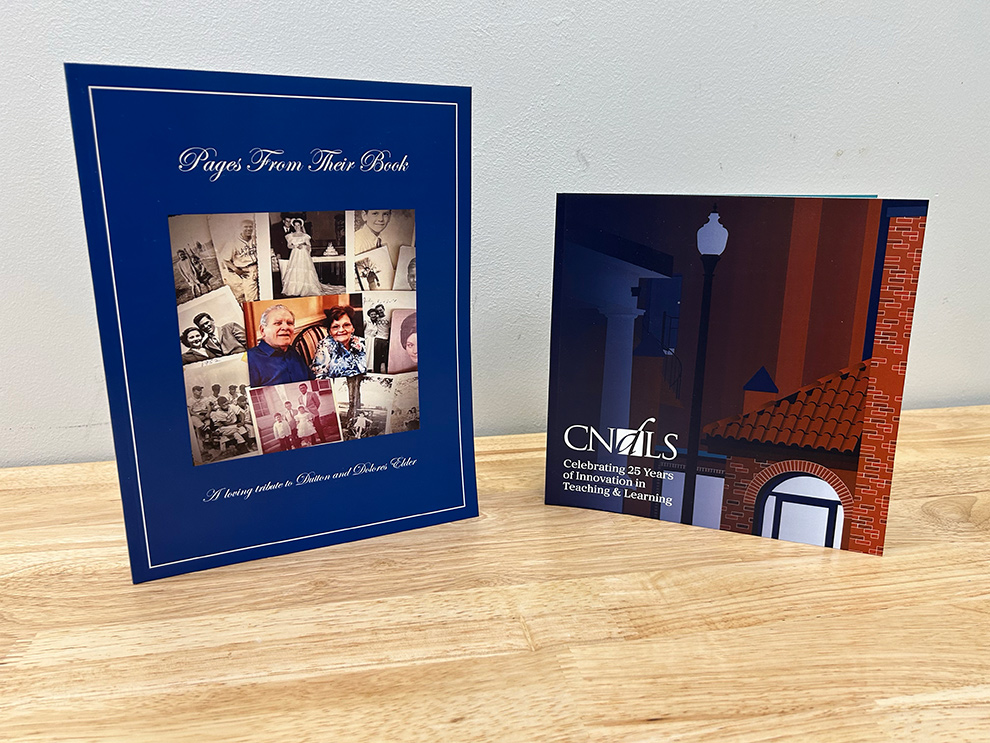
A perfect bound book is a multi-page publication whose interior pages are gathered, roughed and glued along one edge, and wrapped in a single cover that folds around the spine. Trimming on the three open sides leaves clean edges and a flat, square spine. The construction is familiar from paperback books and is widely used for catalogs and reports that need a finished, shelf-ready form.
Not fully. The glued spine holds the pages in a conventional book form, so the book opens and reads normally but resists lying flat and will not fold back on itself. Readers who need a hands-free reference should consider plastic coil, and designers of perfect bound interiors should keep essential text and images clear of the gutter.
Reports, catalogs, directories, guides, portfolios, and books with enough pages to form a stable spine are the usual candidates. For Columbia organizations that can mean annual and fiscal reports, association directories, program and course catalogs, commemorative histories, and proposal books for competitive presentations. Heritage reviews the full specification rather than the title of the piece, because a short report or a thin newsletter may be better served by another binding.
Spine width is calculated from the thickness of the bound interior, which depends chiefly on the page count and the caliper of the chosen text paper, plus the cover stock and binding allowance used in production. The figure is confirmed once those specifications are final. Until then, any spine measurement in a cover template should be treated as an estimate that may shift if pages or paper change.
Only when the finished spine is wide enough for type to remain legible and centered. A thick report on a heavier sheet may carry a title and organization name comfortably, while a slim guide may produce a spine too narrow for anything but a solid color. Heritage confirms the usable width after the page count and paper are locked, and recommends leaving the spine blank rather than squeezing in lettering that cannot be read.
Choose plastic coil when the material will be used actively rather than read and kept. Coil-bound pages rotate fully around the spine, lie flat on a desk, and fold back for one-handed reference during training, fieldwork, or procedures. Perfect binding is the better fit when the publication should look like a finished book, stand on a shelf, and carry a printed cover that wraps the spine.
Saddle stitching is usually the better choice for thinner publications. Printed sheets are folded in half and fastened through the fold at the center, which works well for programs, short guides, newsletters, and booklets that do not have enough bulk for a glued spine. As page count or paper weight grows, a stitched piece can become bulky at the fold and difficult to close, and that is often the point where perfect binding becomes the sounder construction.
The electronic proof is your confirmation that the production file is correct: text, page order, page numbering, cover artwork, spine position, bleeds, and visible layout. Every Heritage Commercial Printing order, including a Store purchase, requires this approval before printing begins. The proof represents the file, not the finished ink on paper. Screen settings, lighting, and output conditions all affect color, so the electronic proof should not be read as a color guarantee.
A paid Physical Production Color Proof is available for qualifying $2,000+ Custom Quote Commercial Printing work when on-screen approval is not enough for a color-critical cover or photo section. It is produced on the same production printer and the same paper or material planned for the job, so it adds cost and production time to the schedule. Once approved, that proof sets the color standard for the run unless another agreement controls. It is not offered on Self-Directed Online Store orders.
Yes, when the live Perfect Bound configuration matches your specification and the cover and interior files are finished and print-ready. The Store is self-directed: you choose the options, upload the artwork, and pay online, without a Project Coordinator, layout help, or a physical proof. The order must total at least $750, which may be reached by combining eligible products. Heritage still reviews the files, issues an electronic proof for your approval, and applies its usual production checks before the job prints.
Custom Quote is the request path for a new Commercial Printing opportunity of $2,000 or more that needs production support before it can run: file preparation, cover and spine setup, help settling specifications, production-oriented layout, or coordination of several versions. Submitting the form starts a review; it does not guarantee acceptance, a production slot, or an immediate contact. If Heritage accepts the quote and assigns the order, a Project Coordinator then becomes your direct phone-and-email contact for the remainder of the job.
Yes. Retained production details from an accepted run, such as trim size, text and cover paper, binding construction, and color targets, give the next edition a starting point so the new book matches the last one in size and feel. Content, page count, and quantity can change, and a changed page count will be rechecked against the spine. For versioned work, label each file and quantity clearly so the editions stay separate through proofing and binding.
Give the date first, then the facts that determine whether it is achievable: quantity, current page count, whether the cover and interior files are final, the number of versions, proofing preferences, and any approvals still pending. Heritage maps those details against the production sequence and available capacity and tells you plainly whether the date is workable. If it is, the commitment is treated as firm; if it is not, Heritage identifies the earliest realistic alternative so the plan can be adjusted before files are locked.
Heritage Signs & Displays created new museum signage for the Military Women’s Memorial in Arlington, VA. The project included custom signs, wall wraps, dimensional letters, and standoff-mounted displays to honor the legacy of U.S. servicewomen and the donors who supported the memorial. The updated interior features impactful designs, including a "Our Legacy" wall display and panels showcasing historical contributions and artwork, creating a transformative tribute to women in the U.S. Armed Forces.
Heritage Signs & Displays' collaboration with The Gathery to brand Union Market in Arlington, VA, for Indeed's "Ready to Work" job fair. The project included custom event displays, wall graphics, window graphics, and wayfinding signs, creating an immersive and visually appealing environment. The branding enhanced the venue, reflected the event's mission, and provided a seamless experience for attendees.