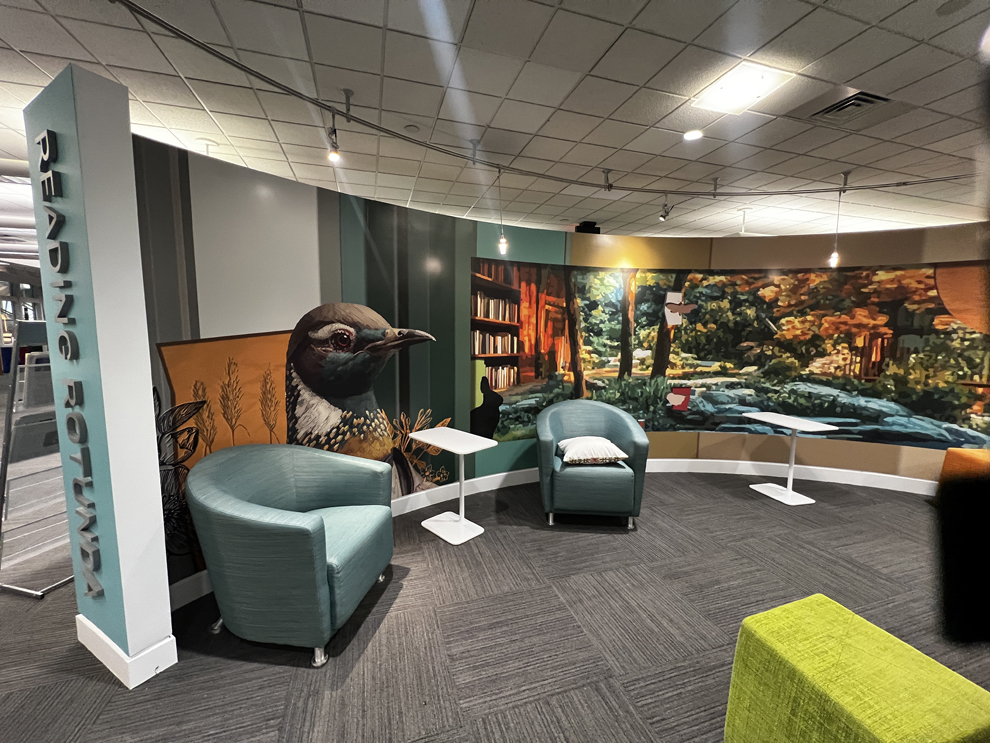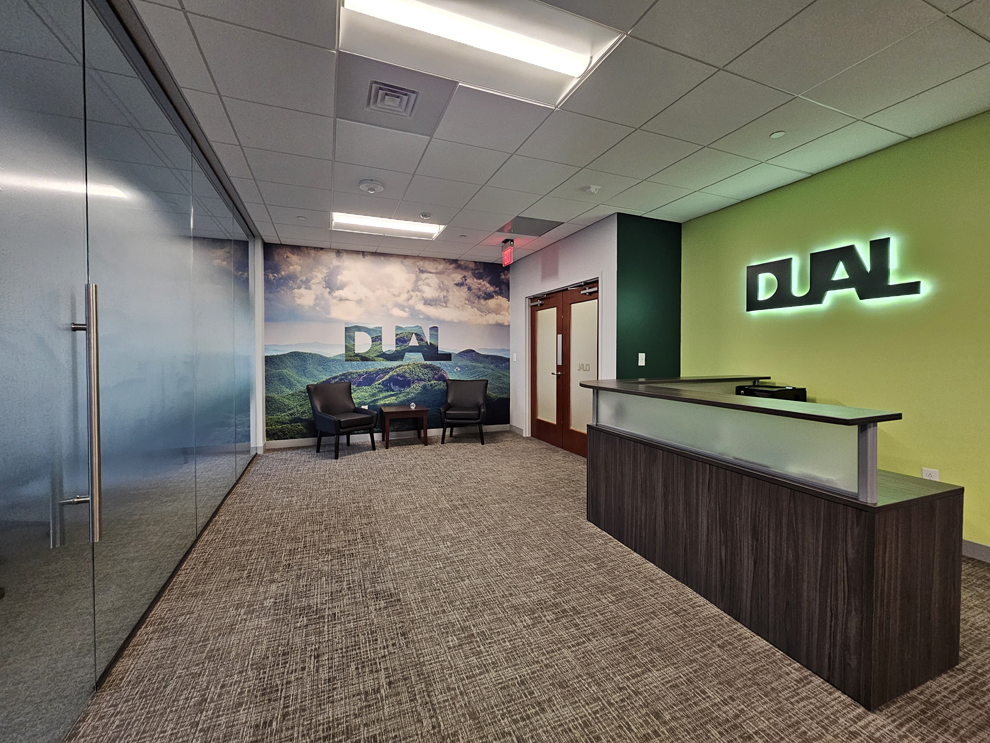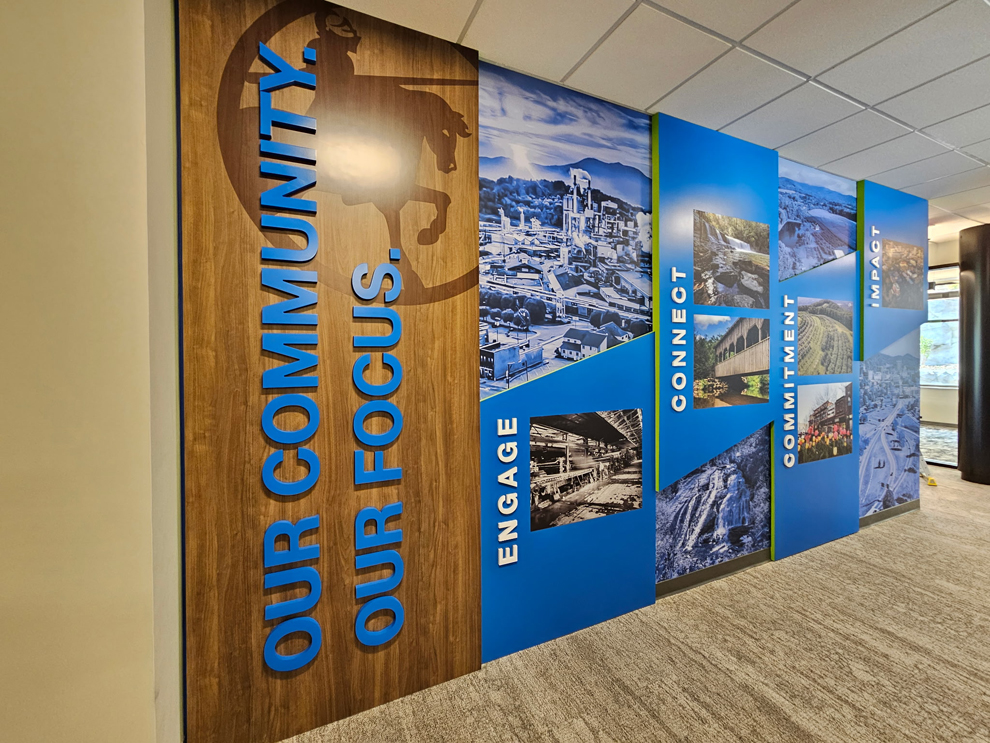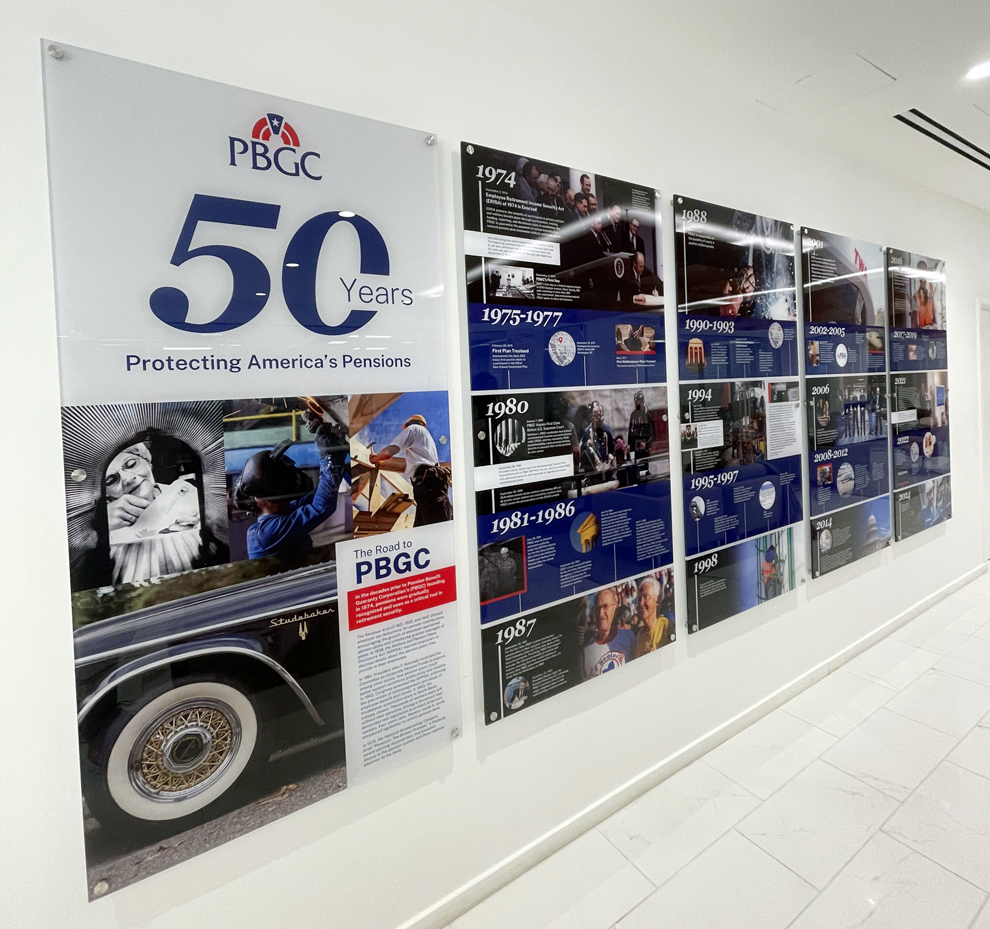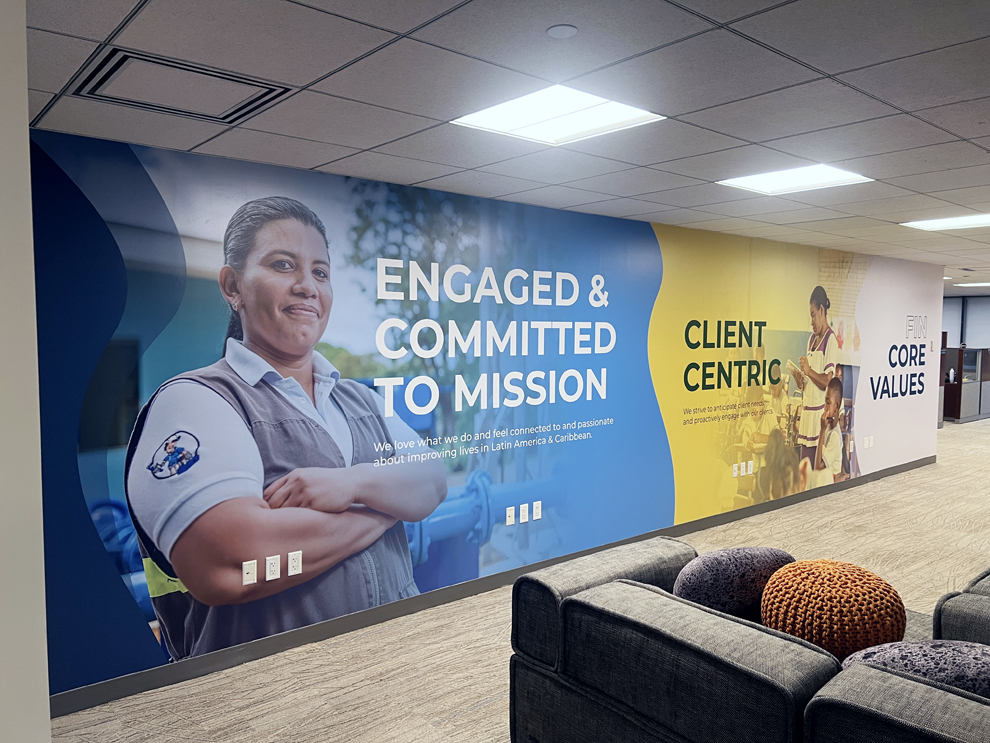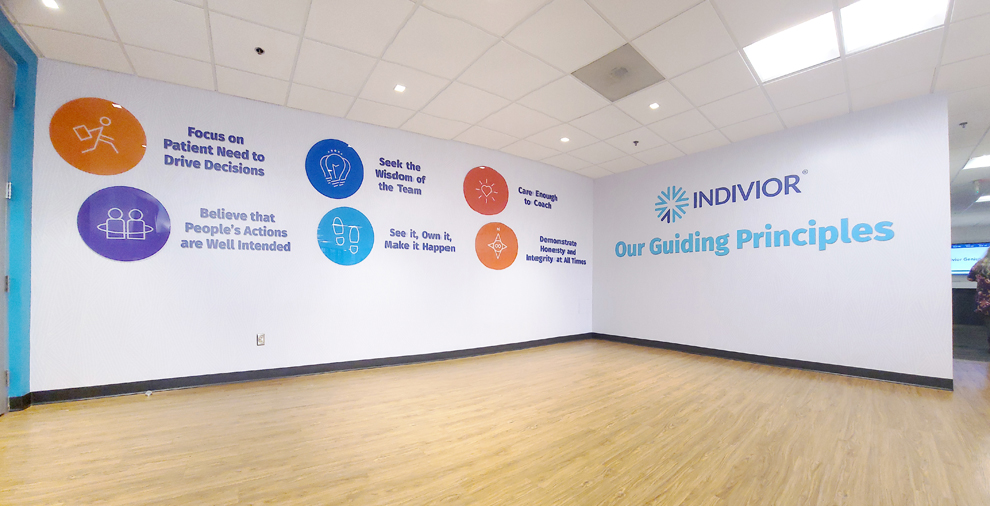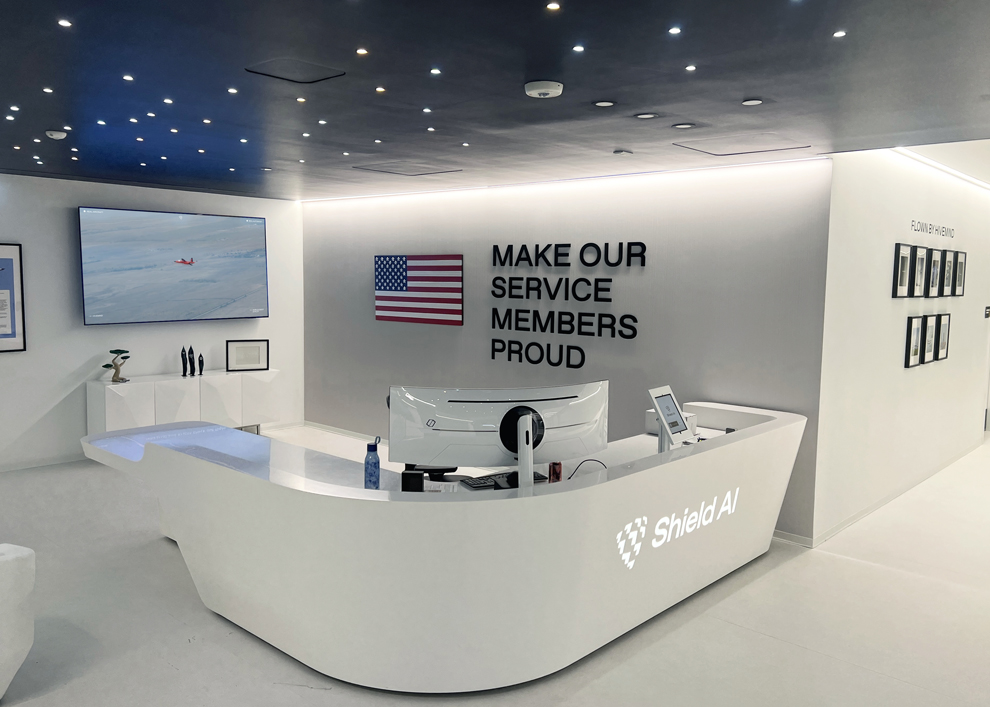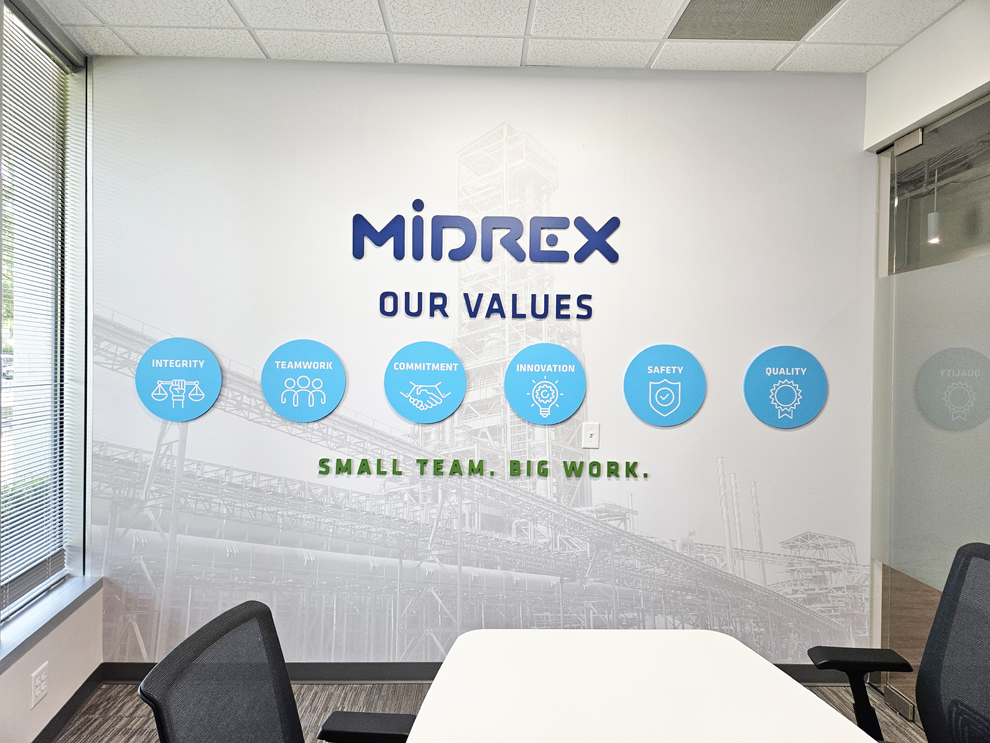
A well-designed interior communicates an organization’s priorities before a conversation begins. The lobby influences first impressions. Glass graphics provide privacy without blocking natural light. Hallways can showcase company history, achievements, and employee recognition. Conference rooms, training areas, staff lounges, galleries, donor spaces, and other shared environments have different purposes, but they should still feel connected to the same organization. Planning these relationships from the start creates a cohesive experience instead of a patchwork of signs and graphics added by multiple vendors over time.
Heritage Signs & Displays serves organizations throughout Alexandria, Arlington, Fairfax County, Washington, DC, and the surrounding Northern Virginia region. Founded in 1977, we are an award-winning, veteran-owned, and family-led company. Since 2009, we have focused on custom interior signs, environmental graphics, workplace branding, and institutional displays. Alexandria clients receive attentive project support backed by regional design, project management, production, fabrication, and installation capabilities.
We are best suited for organizations seeking a dependable project partner and a carefully planned visual environment, not a one-time commodity purchase. Our team studies how people enter a space, where they stop, what information they need, and what they should take away from the experience. The resulting solution may include frosted vinyl, dimensional lettering, acrylic signs, wall wraps, recognition displays, room identification, directories, interpretive graphics, or company timelines. Every component should provide direction, communicate a message, or strengthen the organization’s identity.
Our clients include corporate offices, professional services firms, technology companies, research organizations, healthcare providers, schools, universities, associations, nonprofits, government agencies, museums, and cultural institutions. Some engagements focus on one area, such as a reception space or company values wall. Others extend across multiple departments, floors, buildings, or locations. A dedicated project manager oversees each engagement to keep communication, approvals, production, and scheduling organized.
Successful execution depends on details that are easy to overlook. Dimensions must be confirmed in the field. Materials must be appropriate for the wall, glass, or architectural surface where they will be installed. Finishes, colors, and proportions must remain consistent with the brand and perform well at the intended viewing distance. Before production begins, we document mounting methods, building access requirements, site limitations, and the order in which installation should occur.
A unified process eliminates the need to coordinate separate designers, printers, fabricators, installers, and sign vendors. Heritage manages these responsibilities through one accountable team. This approach is especially valuable when an Alexandria workplace must remain open during installation, a facility has strict security procedures, an opening date is fixed, or several locations need to present the brand consistently.
The finished environment matters, but the client experience matters too. We begin by understanding the goals, limitations, schedule, and stakeholder concerns behind the project. We then recommend practical solutions instead of presenting a generic product catalog. Heritage teams manage design, production, fabrication, and installation, maintaining responsibility from the initial consultation through the final walkthrough. Our purpose is to honor God by serving our clients and communities with excellence, and that commitment influences how we communicate, solve problems, and care for every completed space.
An experienced sign company should make an office, campus, medical facility, museum, or public building easier to navigate and more reflective of the organization occupying it. Visitors need confidence that they have entered the correct location and can reach their destination without confusion. Employees benefit from surroundings that communicate culture, purpose, and shared accomplishments. Patients, students, donors, members, guests, and board representatives each approach a space with different needs. Effective interior signs and graphics anticipate those needs.
Turning these expectations into a successful physical environment requires careful consideration of brand guidelines, architecture, traffic patterns, ceiling heights, viewing distances, lighting, accessibility, wall construction, glass surfaces, and installation conditions. Heritage evaluates these factors as a complete system so individual signs and displays contribute to one understandable experience.
For organizations in Alexandria and throughout Northern Virginia, the result may be a redesigned lobby, a branded corporate floor, a mission and values display, a donor recognition wall, a comprehensive wayfinding system, an interpretive exhibit, or an educational environment that accurately represents the institution behind it.
Organizations choose Heritage when they want one responsible team and one consistent point of contact. The assigned project manager leads discovery, collects content and site information, monitors approvals, confirms materials, schedules production, and coordinates installation details. This centralized approach helps prevent the delays, inconsistencies, and quality problems that often result from fragmented communication.
Our environmental graphic designers, project managers, production professionals, fabricators, and installers collaborate throughout the engagement. Files and responsibilities are not repeatedly passed between unrelated companies. For complex or highly visible projects, we conduct a pre-production review covering verified measurements, substrate conditions, color requirements, material transitions, mounting techniques, building access, and installation sequencing.
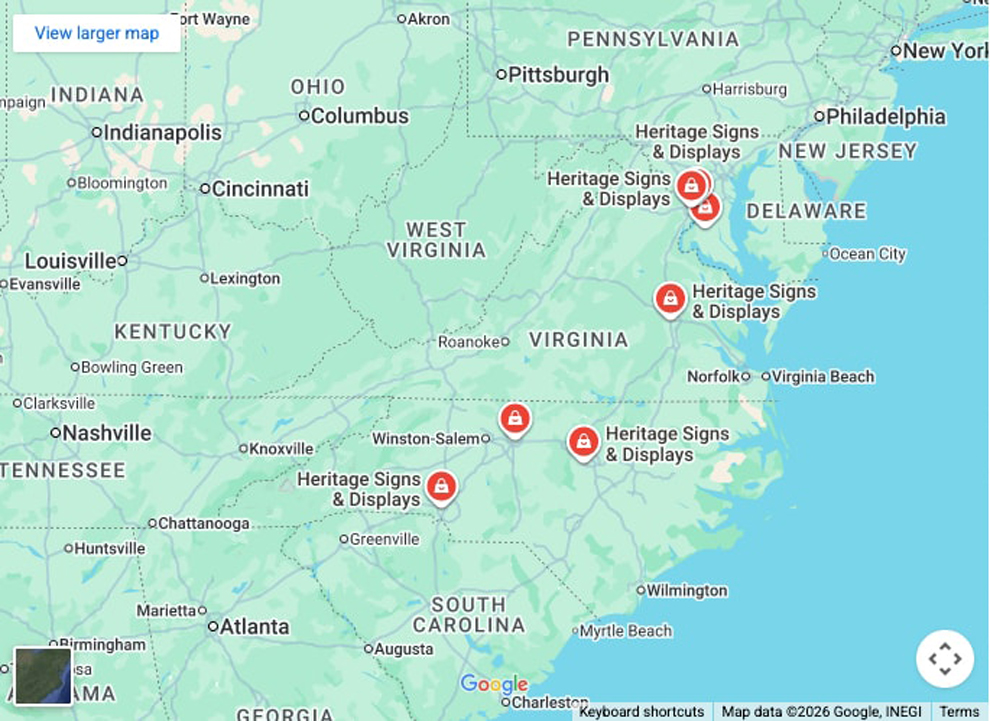
Heritage is veteran-owned, family-led, and approaching 50 years in business. Our seven-location regional network, in-house production resources, and full-time installation teams provide Alexandria clients with responsive service and the capacity to manage phased, deadline-sensitive, and multi-facility programs.
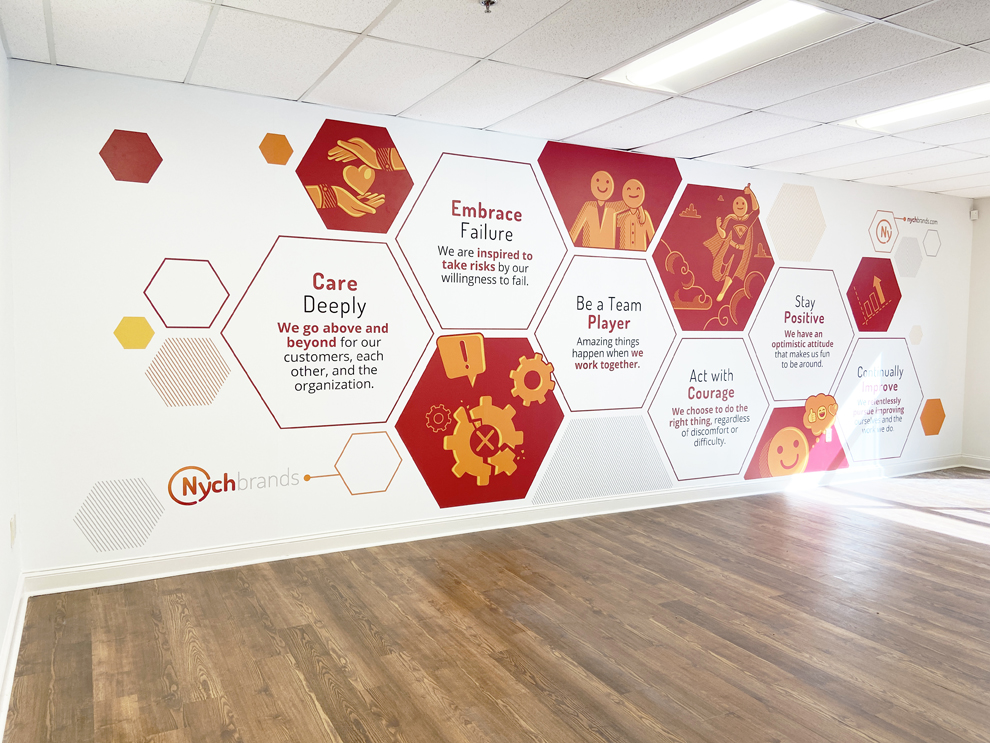
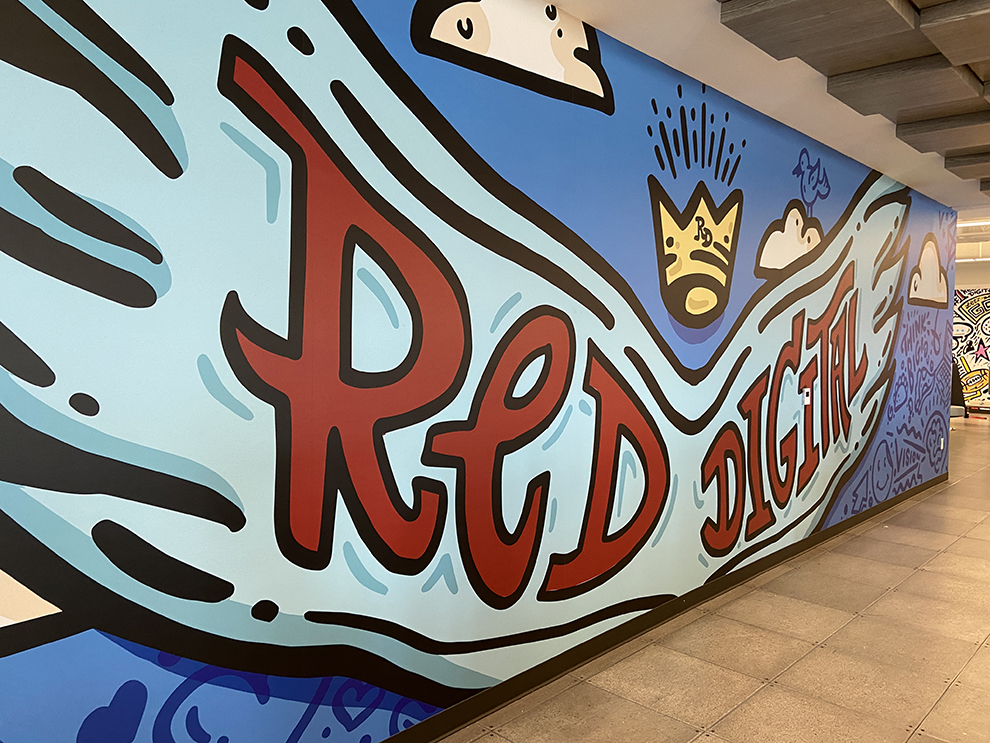
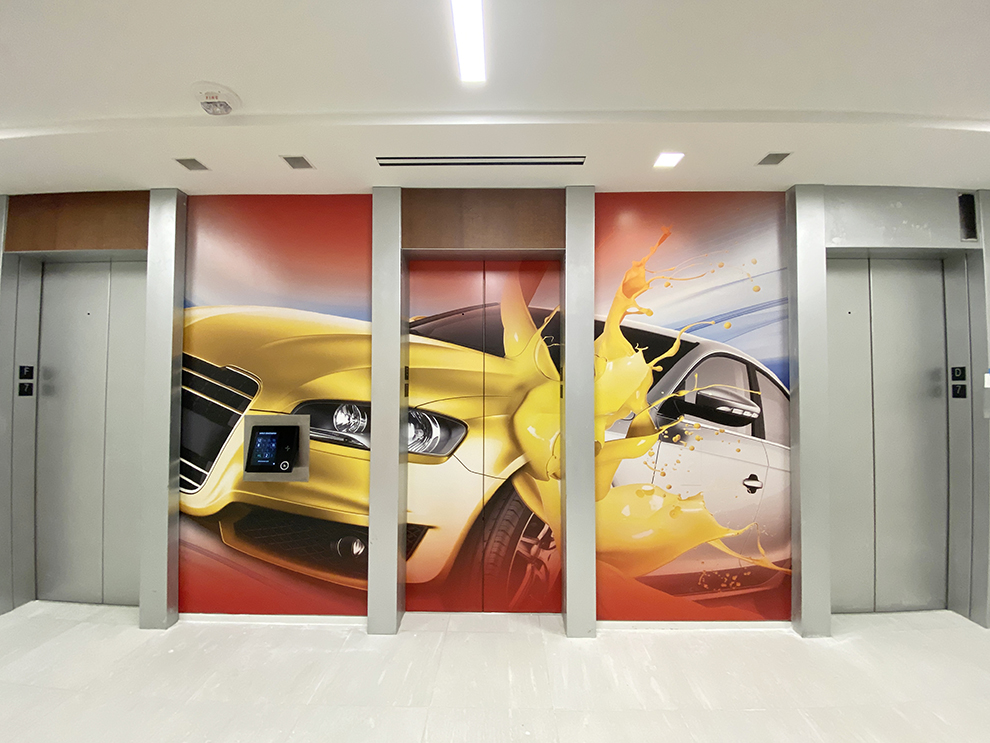
Custom wall wraps turn blank or underused surfaces into large-scale branded environments. They can communicate company culture, history, mission, services, or capabilities through coordinated imagery and messaging.
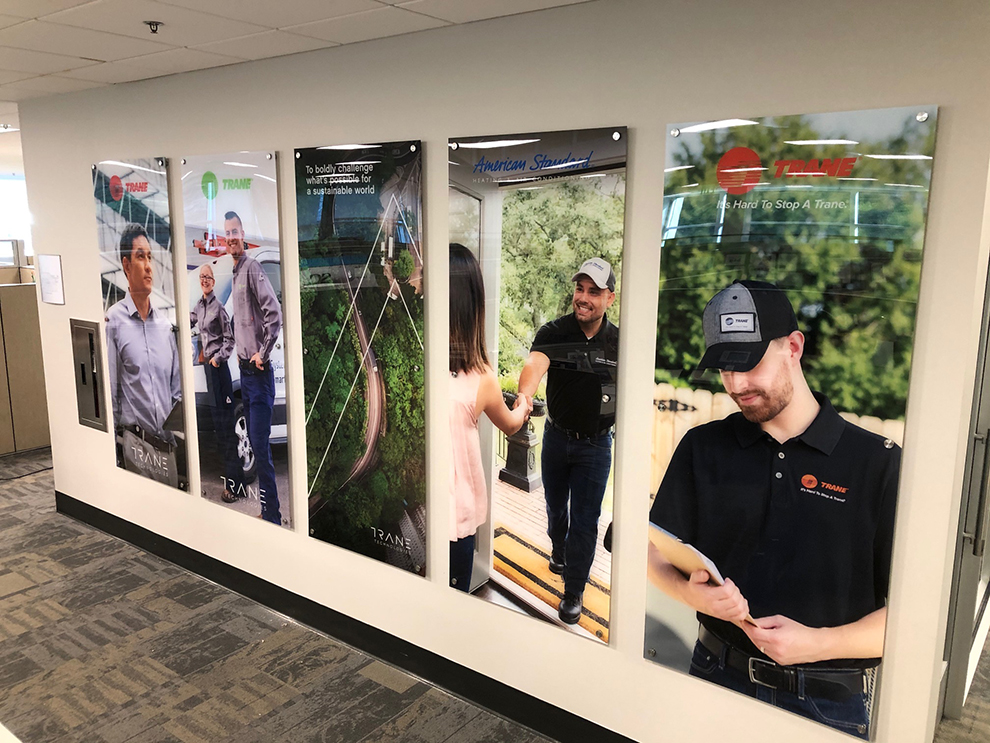
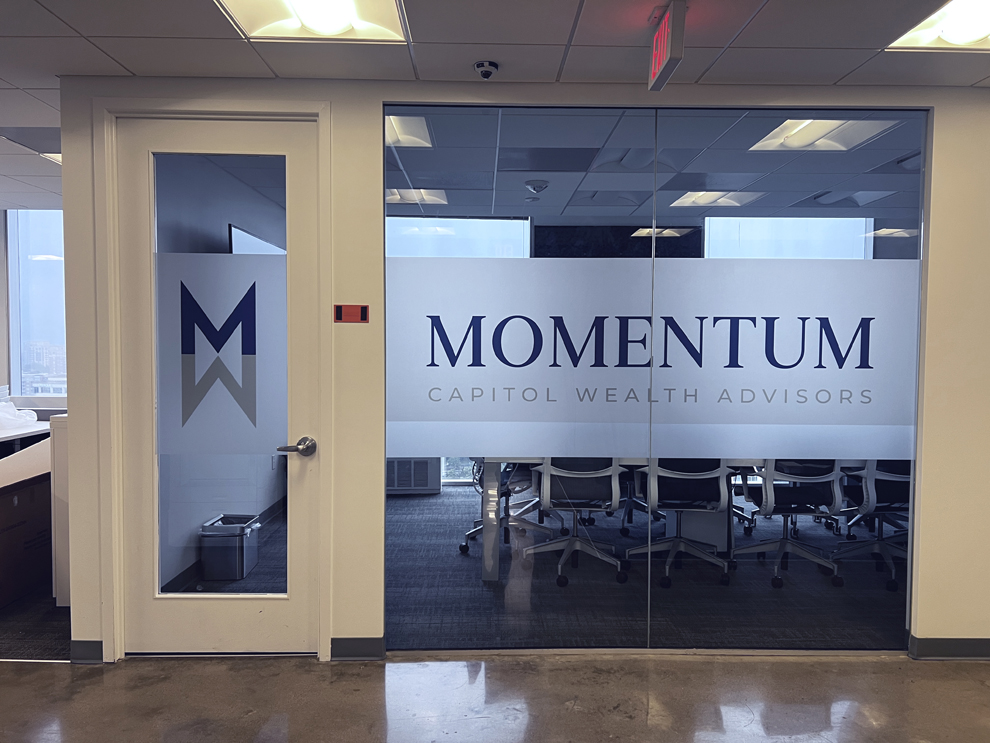
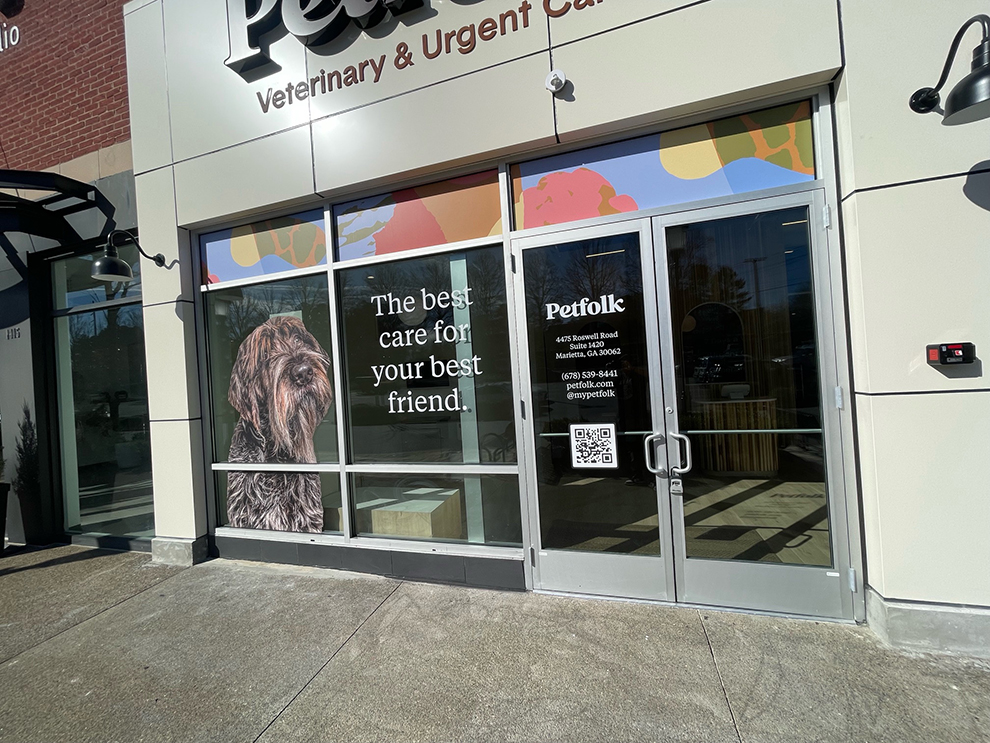
Decorative and frosted films add privacy, patterns, brand colors, and visual definition to glass. They can separate conference rooms and work areas while preserving daylight and a sense of openness.
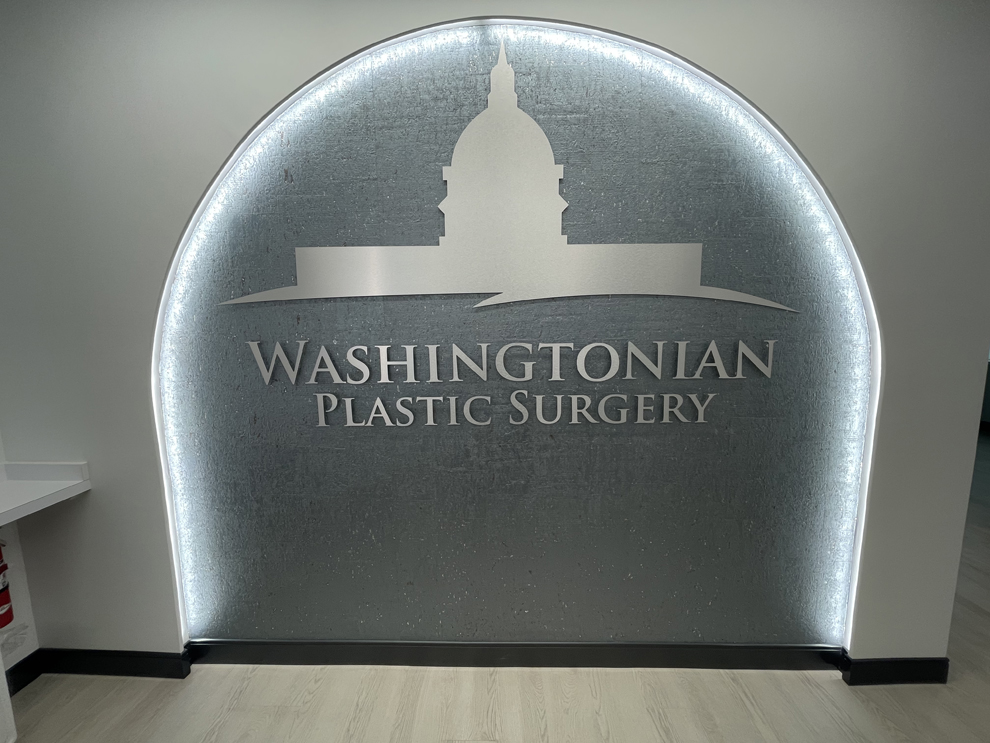
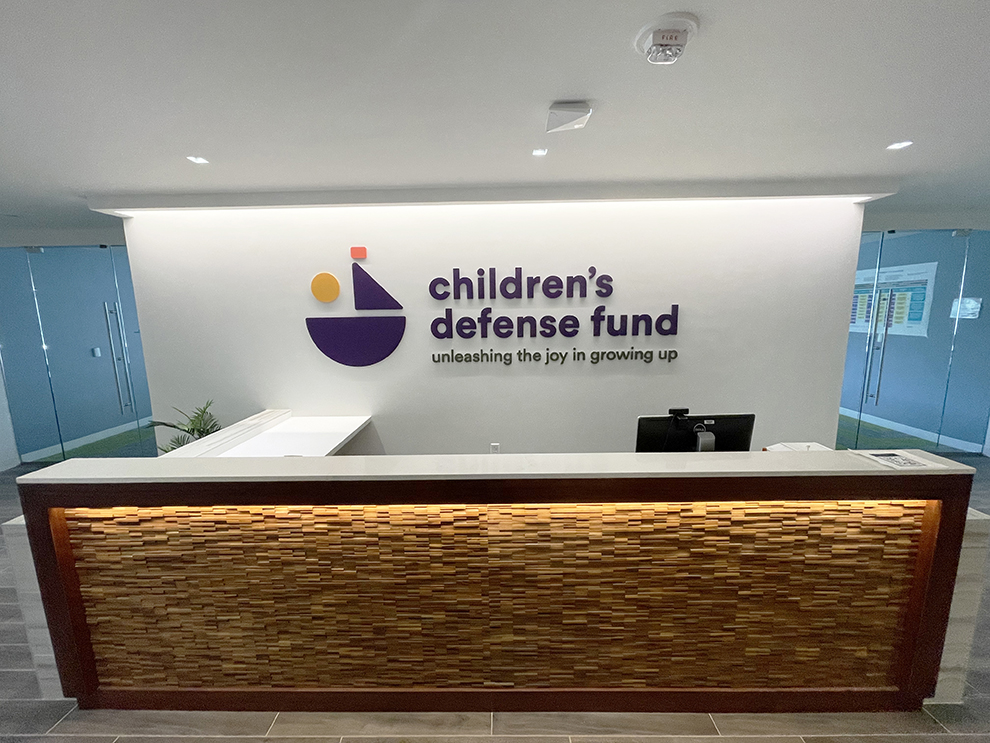
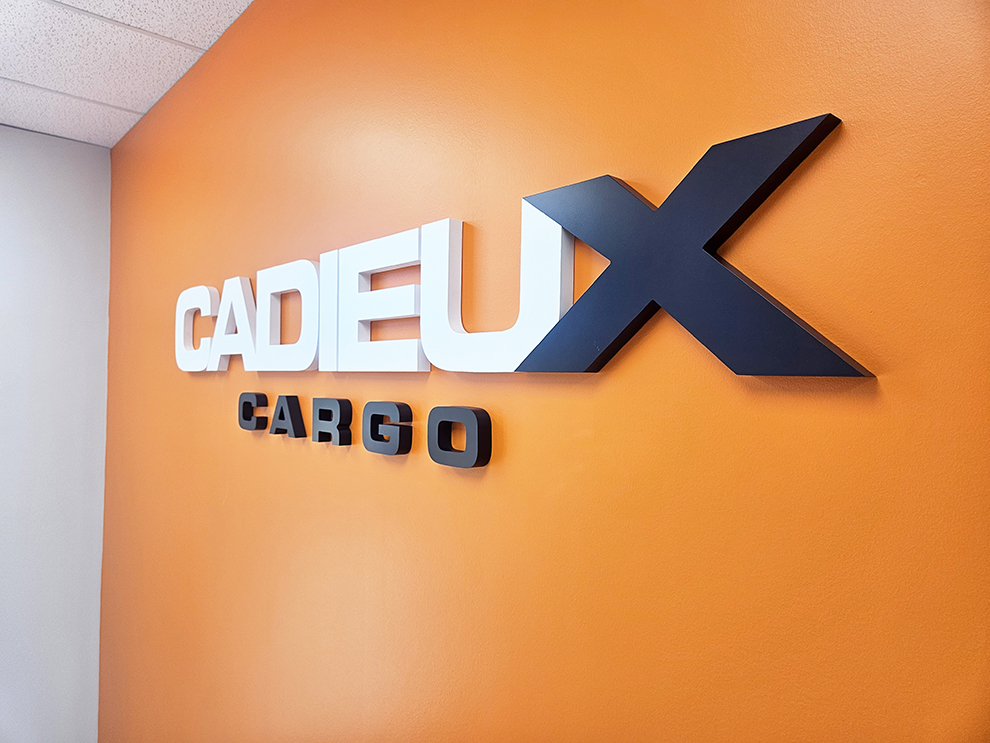
Lobby signage introduces the organization at its most important point of contact. Dimensional letters, acrylic panels, custom finishes, and coordinated wall treatments can establish a polished and credible reception experience.
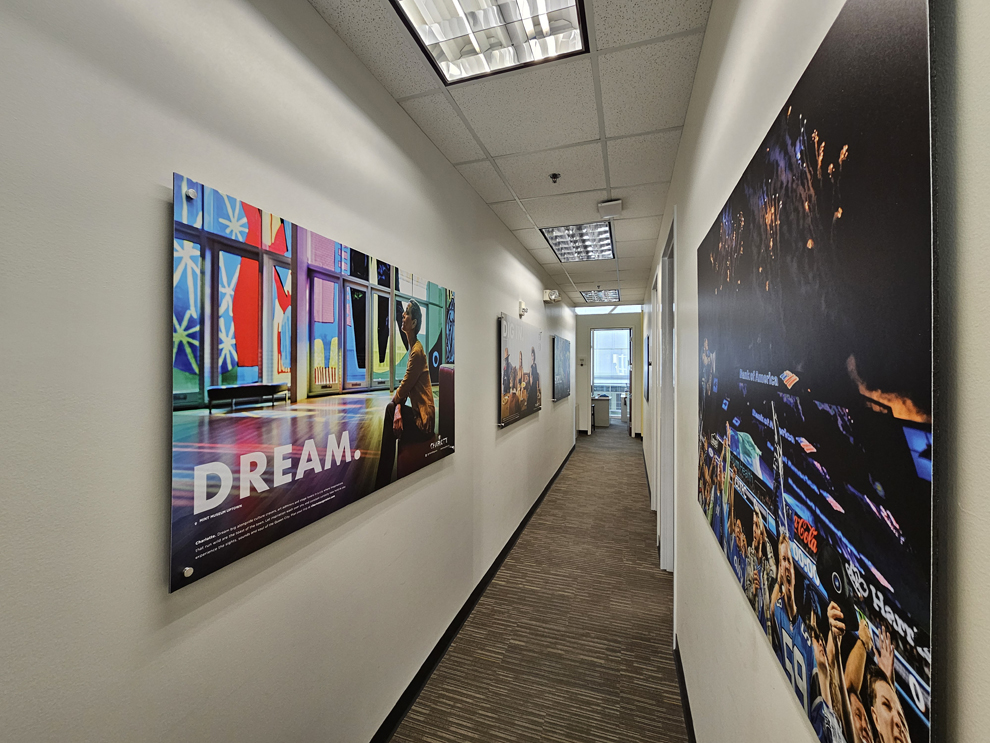
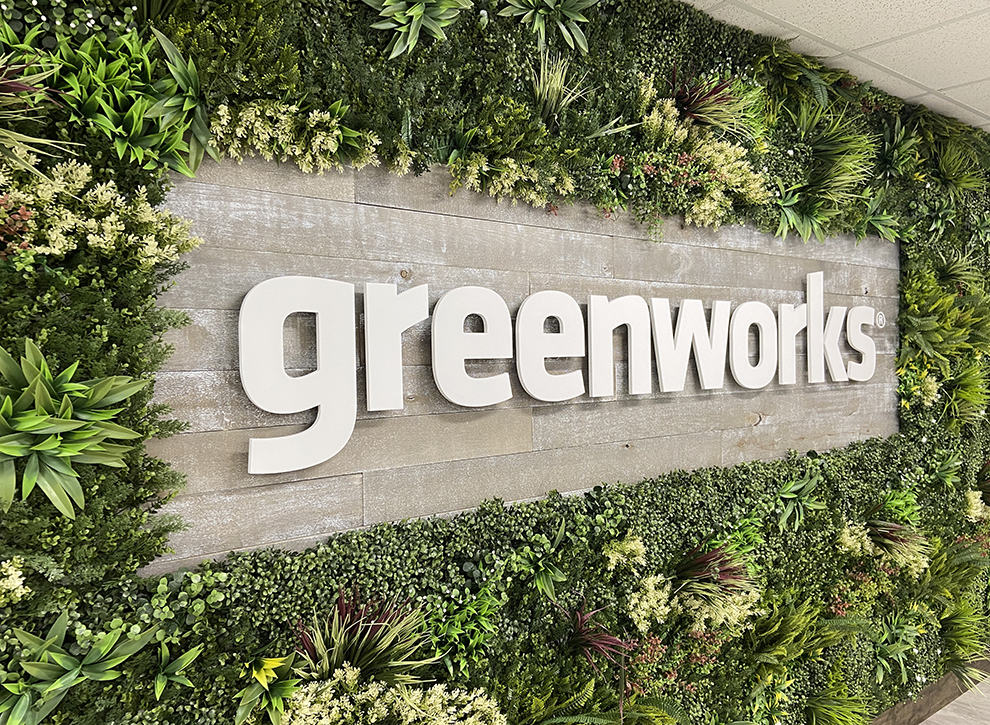
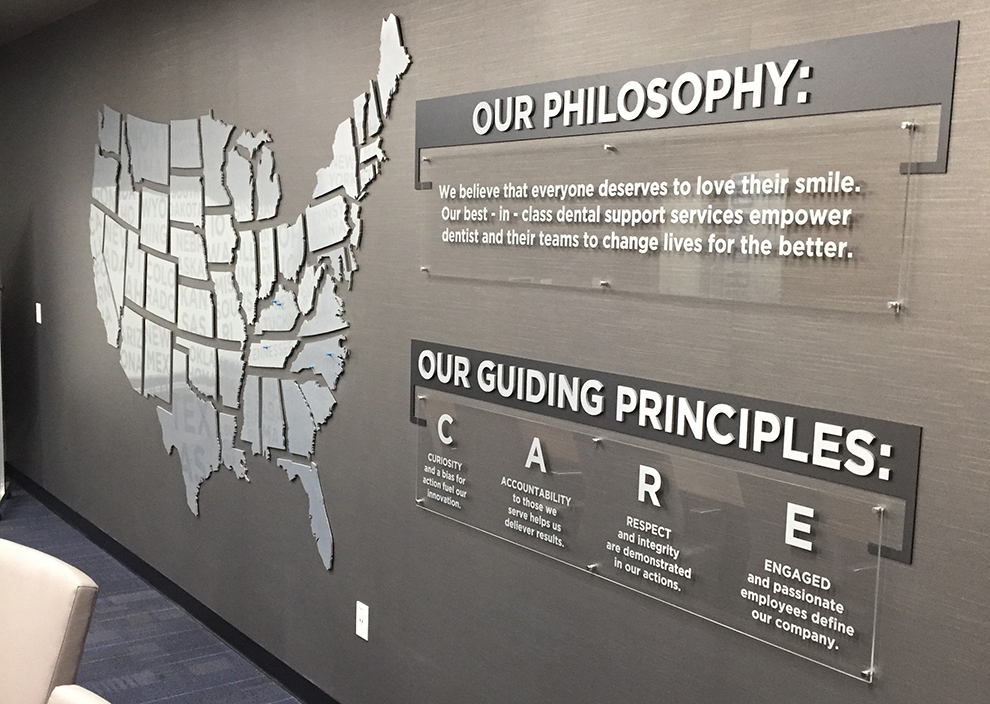
Panels installed with architectural standoffs create dimension and structure. They are well suited for directories, recognition displays, departmental identification, informational panels, and branded message walls.
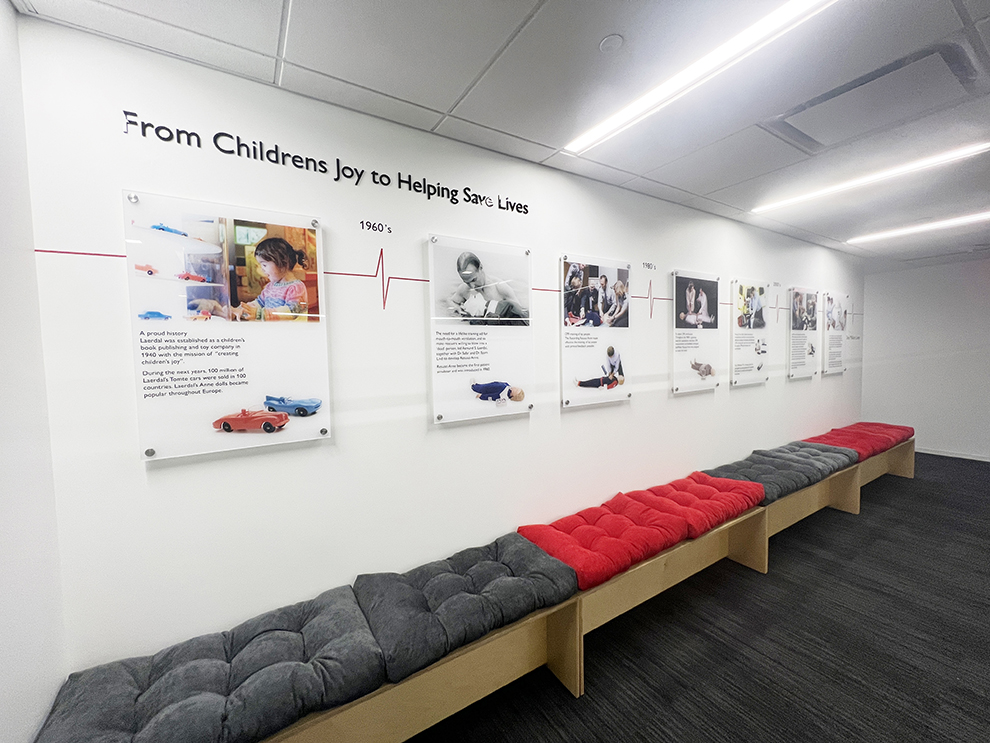
Printed panels, photography, dimensional lettering, and custom graphics can be combined into an organized presentation of company milestones, institutional values, donor contributions, employee achievements, or community impact.
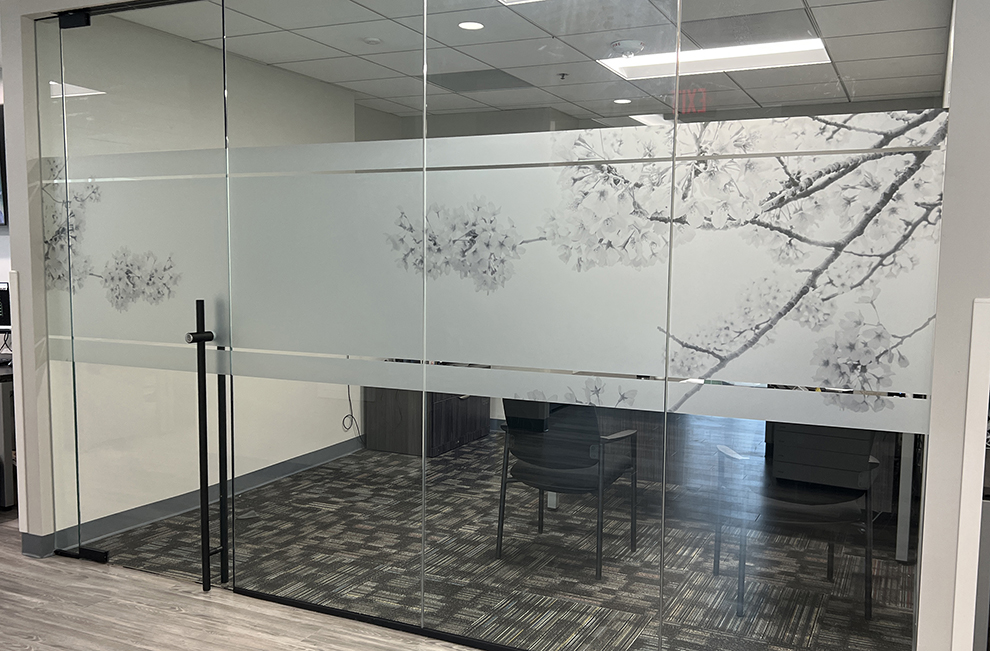
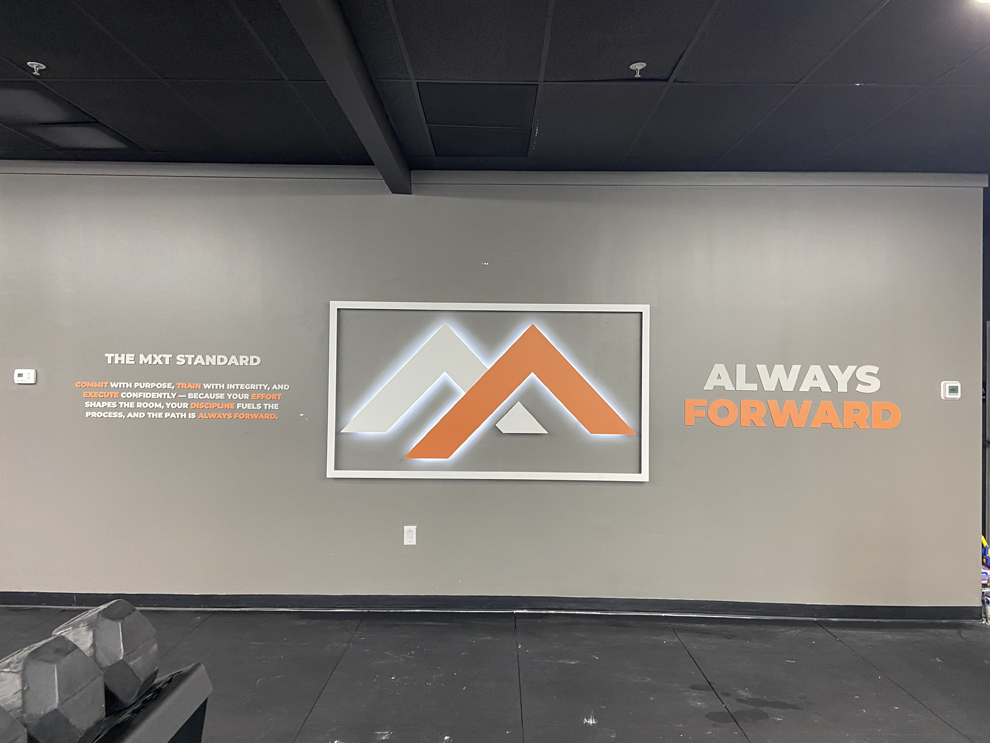
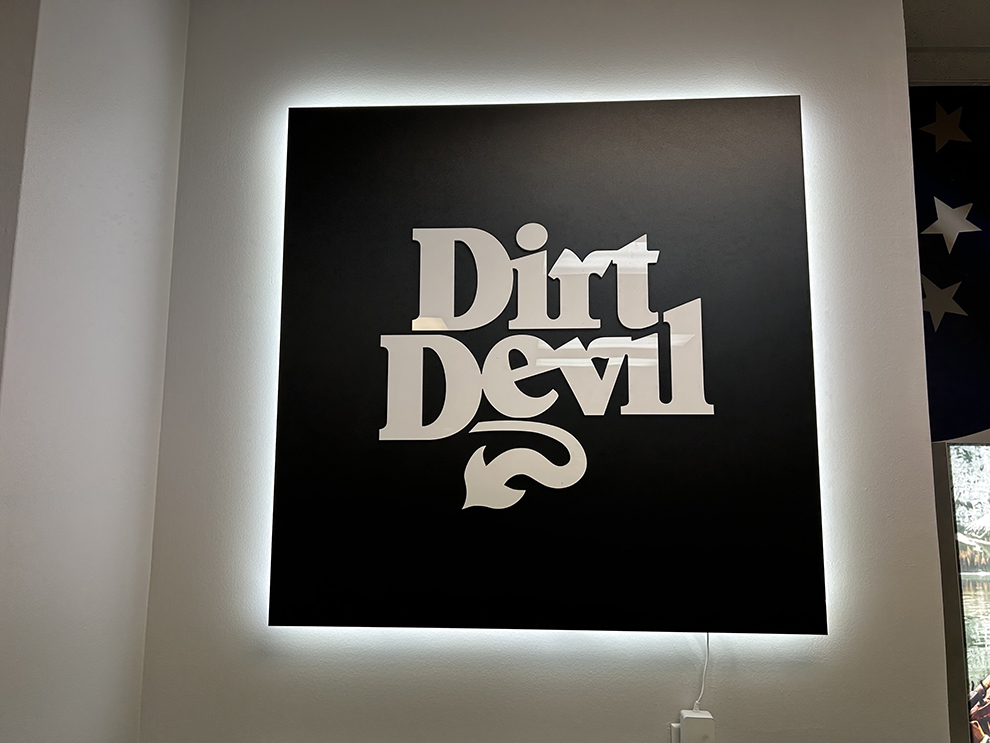
Fabricated letters and logos give physical presence to reception areas, boardrooms, corridors, conference spaces, and employee environments. Their depth and shadow provide visual impact that flat graphics cannot reproduce.
Environmental graphic design integrates brand identity, messaging, architecture, materials, scale, and placement. This planning ensures that every sign, graphic, and display contributes to a coordinated interior system.
Directional, identification, and informational signs help visitors, employees, patients, and students move through complex facilities with greater confidence and fewer interruptions.
If your organization is preparing for a lobby renovation, branded workplace, history display, recognition feature, wayfinding program, exhibit, or multi-location rollout, send us the project details. We will review the information and provide an honest assessment of whether Heritage is the right fit.
Complete the Get Started Now form with your goals, Alexandria or Northern Virginia location, preferred schedule, available files, site photographs, architectural drawings, and brand standards. Include any fixed opening dates, construction deadlines, or required installation windows. A Heritage team member will review the request and recommend the most productive next step.
Serving Alexandria allows the professionals managing a project to evaluate the environment in person. That proximity supports early planning meetings, detailed site surveys, field verification, coordination with facilities or construction teams, and practical installation scheduling. We treat site conditions as essential project information, not as a final checklist item after design decisions have already been made.
Alexandria and the wider Northern Virginia market include corporate offices, federal contractors, technology companies, healthcare organizations, associations, nonprofits, educational institutions, public agencies, museums, and cultural destinations. Each operates under different audience expectations, security protocols, building rules, and scheduling constraints. A healthcare corridor, a leased office near Old Town, and an exhibit environment require different materials, installation methods, and project plans.
Local attention is supported by regional capacity. Heritage’s production and fabrication capabilities, employed installation teams, and coordination across seven locations allow us to manage larger Alexandria projects and multi-location programs throughout Arlington, Fairfax County, Washington, DC, and the Mid-Atlantic. This structure helps organizations maintain brand consistency without overlooking the conditions unique to each facility.
Environmental and experiential graphic design defines how visual communication functions within a built environment. It connects brand identity, organizational messaging, architecture, circulation, sightlines, scale, materials, accessibility, and installation requirements. When these considerations are disconnected, individual signs may be attractive and well made but still feel out of place.
Clients approach us at different stages of development. Some provide complete brand standards, architectural plans, approved messaging, and production-ready content. Others have reference photographs, preliminary dimensions, and a concept that still needs direction. We turn these materials into coordinated layouts, elevations, message hierarchies, color palettes, material recommendations, glass treatments, dimensional features, wayfinding strategies, and placement plans for multiple surfaces or floors.
The objective is not to make an interior visually complicated. Design development allows clients to make better decisions before fabrication begins. Thorough documentation supports realistic estimates, efficient production, smoother stakeholder approvals, and more accurate installation. It also helps every component relate appropriately to the architecture around it.
Installation should influence the project from its earliest stages. Field dimensions, wall and glass conditions, seams, corners, mounting hardware, access equipment, and work sequencing all affect design and production. Heritage coordinates installation with fabrication instead of treating it as a separate task at the end of the project.
Each Heritage-managed installation starts with a site survey. We document dimensions, substrates, obstructions, lighting, viewing angles, traffic patterns, and nearby electrical conditions when applicable. The survey also addresses the operational requirements of Alexandria properties, including security clearance, loading access, freight elevators, parking limitations, tenant policies, protected finishes, permitted work hours, and occupied areas.
Full-time Heritage installers complete the work while communicating directly with the project manager, designers, production team, and fabricators. This direct collaboration reduces the risk of last-minute interpretation in the field. Heritage installs signs, graphics, and displays that we produce, fabricate, procure, or manage as part of a complete engagement. We do not provide installation-only services for products supplied by clients or outside vendors.
Effective planning begins with what the organization wants people to understand, locate, or remember. We then review the audience, site, schedule, content, brand standards, and anticipated investment. Floor plans, photographs, elevations, logo files, installation addresses, and other available documentation help us evaluate the project efficiently. If important details have not yet been determined, the project manager identifies the decisions and field information needed to establish an accurate scope.
Alexandria and Northern Virginia clients should expect a complete Heritage engagement to start at $4,000. Many designed, produced, and installed programs range from $10,000 to more than $200,000. These figures represent the managed project as a whole, including design development, materials, fabrication, project coordination, and installation. They are not prices for one individual sign or graphic panel.
Commercial and workplace interiors are the primary focus of our services. When Heritage is already managing an interior program, related exterior components may be included. Examples include non-illuminated exterior signs, exterior dimensional letters, and graphics applied to exterior windows or walls. We do not provide standalone exterior sign programs, monument signs, pylons, channel letters, fleet graphics, or repairs to damaged signs and LED systems.
Project timelines may range from several days to several months. A small package with approved artwork and straightforward mounting conditions can move quickly. Most coordinated workplace programs require several weeks, while phased, multi-floor, or multi-location projects may continue for several months.
Heritage builds the schedule around site surveys, design development, stakeholder approvals, fabrication, site readiness, and available installation windows. Building conditions can also affect timing. For example, newly primed and painted walls typically need approximately four weeks to cure and release trapped gases before certain adhesive graphics can be installed. The project manager identifies these dependencies early, establishes approval deadlines, and keeps both teams informed of schedule requirements.
Heritage produces and installs lobby signs, dimensional letters, acrylic signs, standoff-mounted panels, wall wraps, murals, window graphics, decorative films, frosted vinyl, timeline displays, history walls, donor recognition features, employee recognition displays, room identification, directories, wayfinding systems, and museum or interpretive graphics.
Recommendations are based on the mounting surface, viewing distance, expected traffic, cleaning practices, accessibility requirements, brand standards, desired service life, and installation access. Even when two clients request the same type of product, the appropriate materials and mounting methods may be different.
No. Heritage does not provide installation-only services for signs or graphics supplied by a customer or third party. Our installers work with components that Heritage designs, produces, fabricates, procures, or manages within a complete project.
This policy allows us to maintain accountability for material compatibility, tolerances, mounting methods, production quality, scheduling, and warranty considerations. These factors cannot be reliably separated from the design and fabrication decisions that came before installation.
Heritage combines responsive service in the Alexandria market with nearly five decades of company experience and the resources of a seven-location network. Every client works with a dedicated project manager supported by environmental graphic designers, in-house production and fabrication professionals, and full-time installation teams.
We are veteran-owned and family-led. That ownership is reflected in our documented processes, straightforward scope discussions, practical recommendations, and continued accountability after installation. Organizations that value quality, clarity, and long-term reliability often find Heritage to be a strong fit.
Heritage serves Alexandria, Arlington, Fairfax, Falls Church, Springfield, McLean, Tysons, Washington, DC, and other communities throughout Northern Virginia and the greater metropolitan area. We also support organizations with facilities across the Mid-Atlantic and beyond.
Our seven-location network and regional production resources allow one project manager to coordinate design, fabrication, scheduling, and installation for clients with multiple addresses.
Environmental graphic design applies visual communication to architectural spaces. It brings together brand identity, messaging, color, materials, scale, visibility, circulation, and placement so signs, graphics, and displays function as one connected system.
The process may include workplace branding, wayfinding, donor recognition, history walls, privacy graphics, interpretive displays, dimensional signage, and other visual features that shape how people understand and experience an interior.
A complete Heritage engagement starts at $4,000. Many designed, produced, and installed programs range from $10,000 to more than $200,000. These amounts represent the entire managed assignment rather than the cost of one component.
Final investment is influenced by design requirements, material selections, hardware, quantities, fabrication complexity, the number of rooms or buildings, field conditions, access equipment, security requirements, after-hours work, phased installation, and the number of locations involved. We discuss estimated ranges early so clients can determine whether the proposed scope aligns with their budget.
Yes. Multi-location coordination is a regular part of our work. Heritage documents the applicable brand standards, surveys each property, records the architectural and operational differences between sites, and develops an organized production and installation sequence.
One project manager maintains consistency throughout the program while accounting for differences in wall construction, ceiling height, viewing distance, building access, security procedures, and operating hours.
A dedicated Heritage project manager serves as the primary client contact and oversees the full engagement. This person leads discovery, prepares estimates, organizes content and site information, coordinates design development, confirms material selections, manages approvals, releases the project for production, and schedules fabrication and installation.
The project manager also verifies that the completed work reflects the approved scope. Clients receive one accountable point of contact instead of separate and potentially conflicting answers from multiple vendors.
Our primary focus is interior signs, graphics, and branded environments. We consider exterior components only when they support an interior engagement that Heritage is already designing, producing, and installing.
Compatible additions may include non-illuminated exterior signs, exterior dimensional lettering, and graphics for exterior windows or walls. Before accepting exterior work, we evaluate the substrate, mounting method, weather and sun exposure, permit requirements, applicable codes, and expected service life.
Heritage does not provide monument signs, pylons, channel letters, fleet graphics, standalone exterior sign packages, or repairs to damaged signs and LED systems.
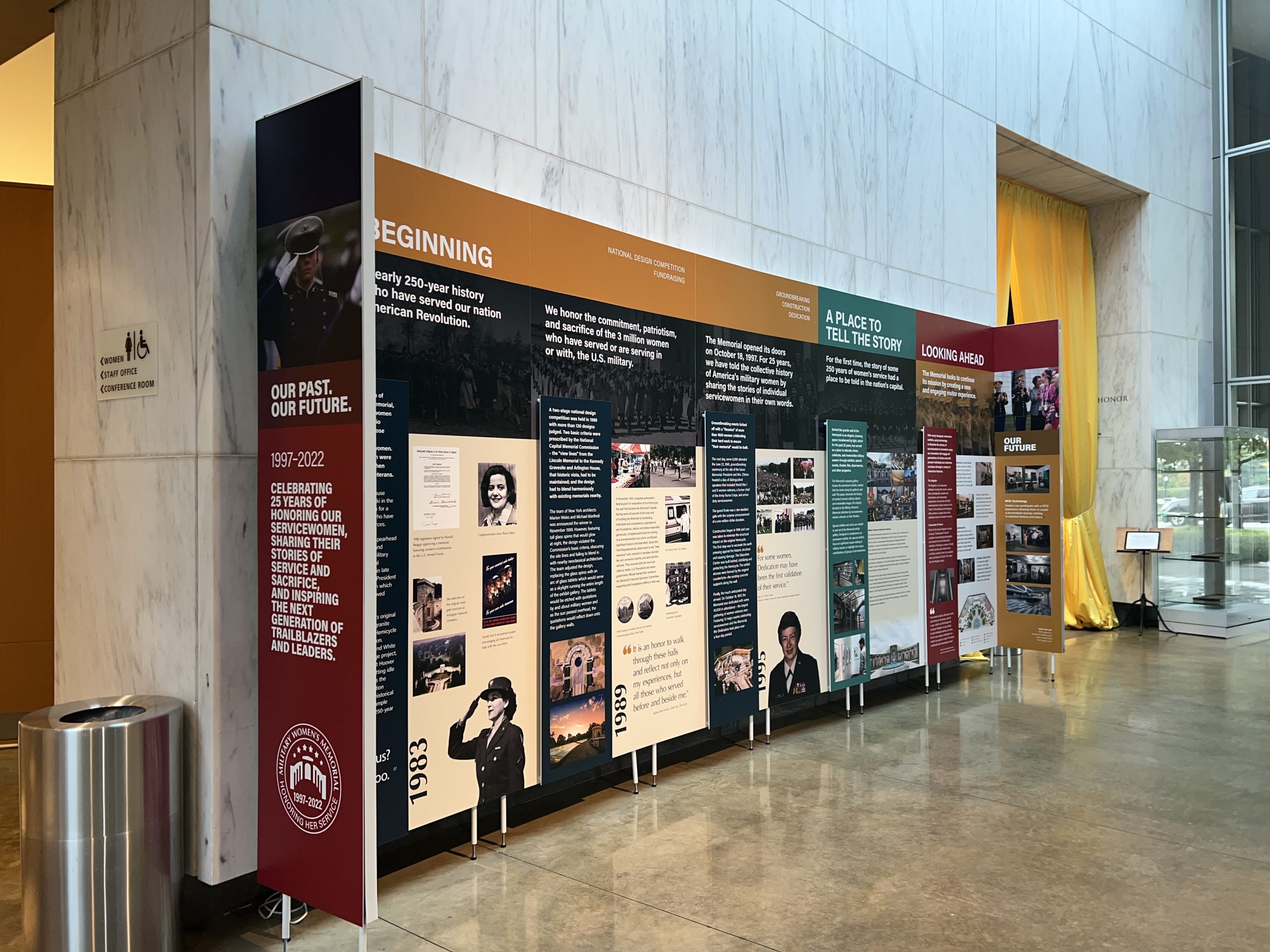
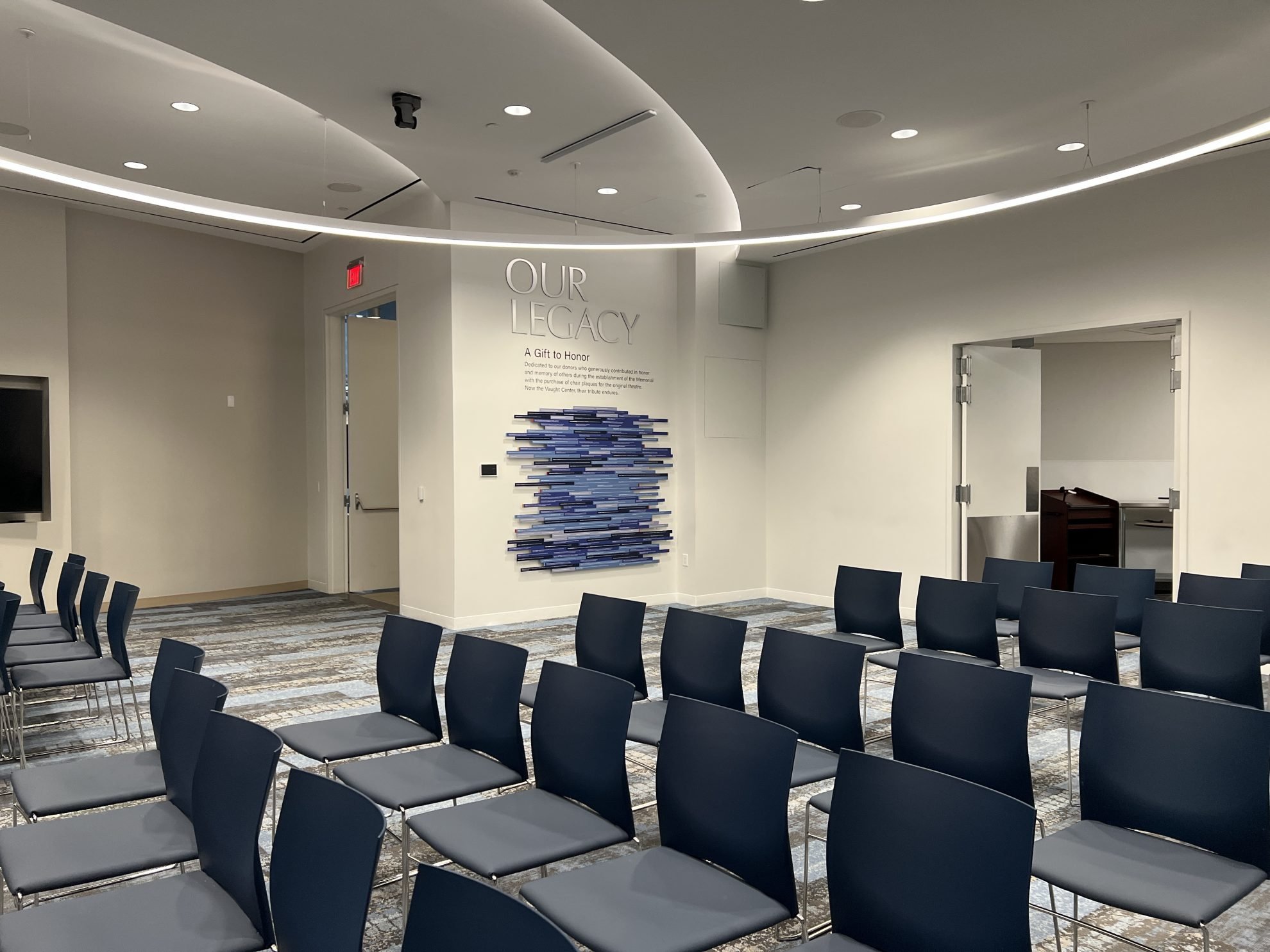
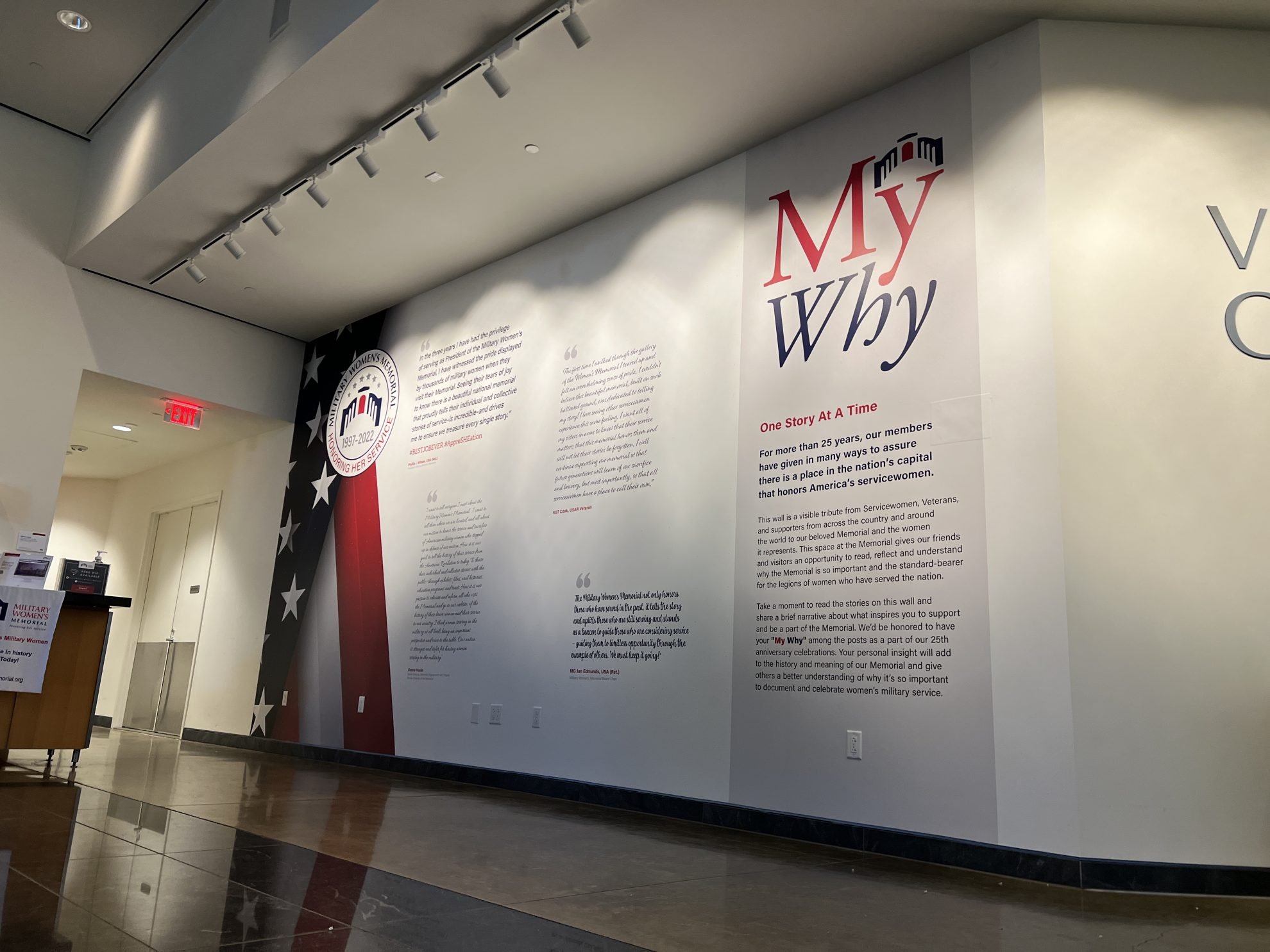
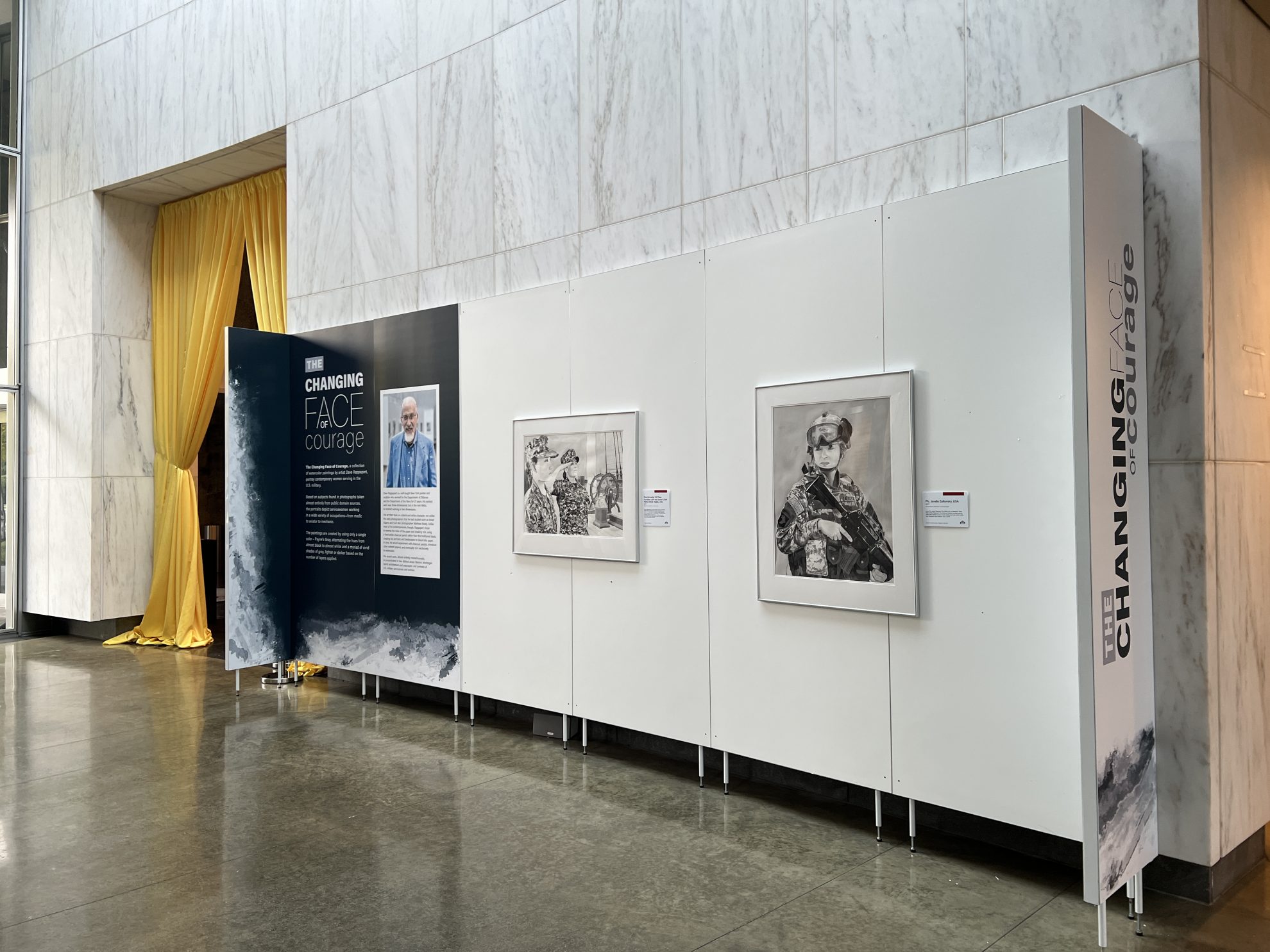
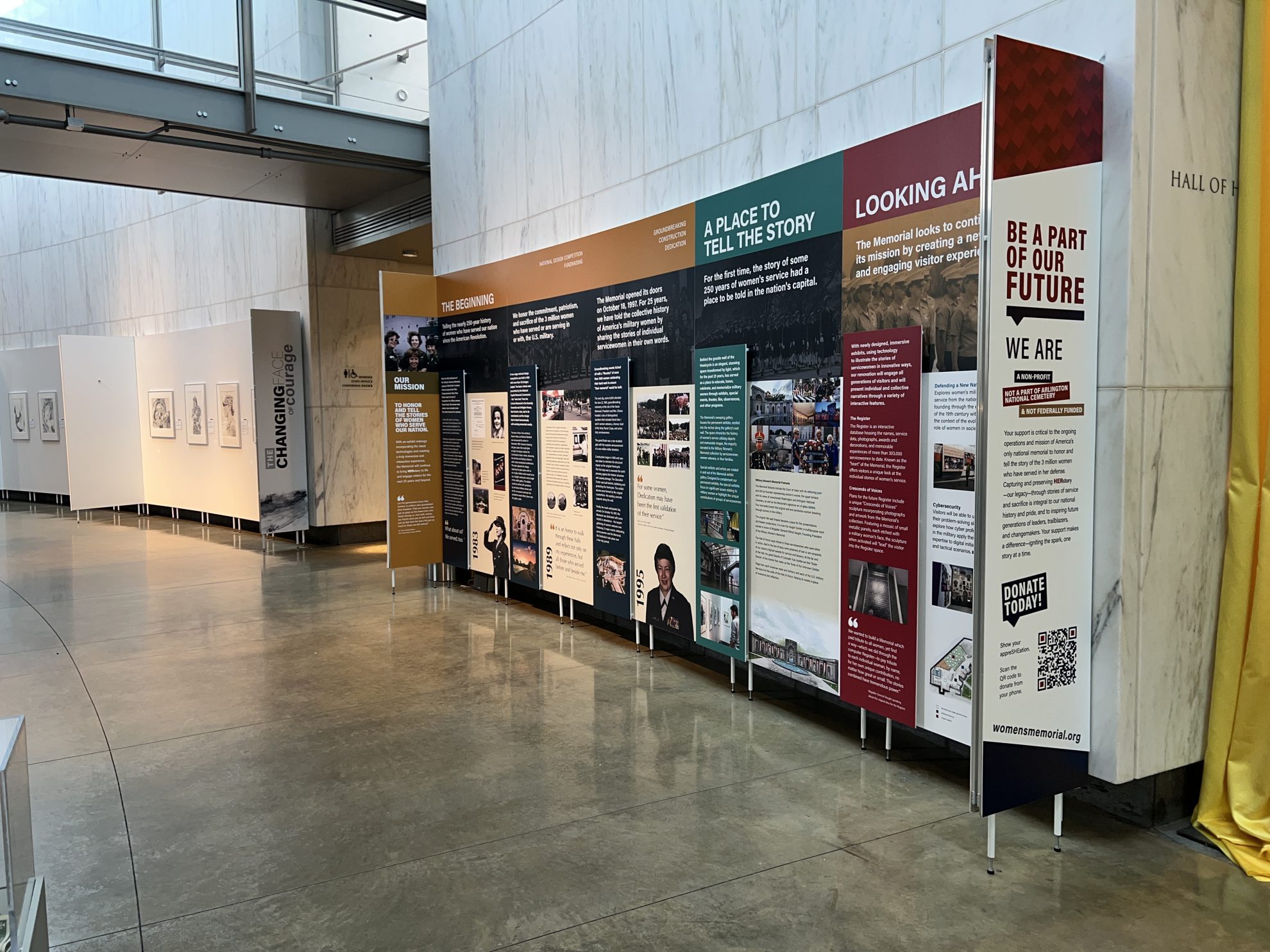
Heritage Signs & Displays created new museum signage for the Military Women’s Memorial in Arlington, VA. The project included custom signs, wall wraps, dimensional letters, and standoff-mounted displays to honor the legacy of U.S. servicewomen and the donors who supported the memorial. The updated interior features impactful designs, including a "Our Legacy" wall display and panels showcasing historical contributions and artwork, creating a transformative tribute to women in the U.S. Armed Forces.
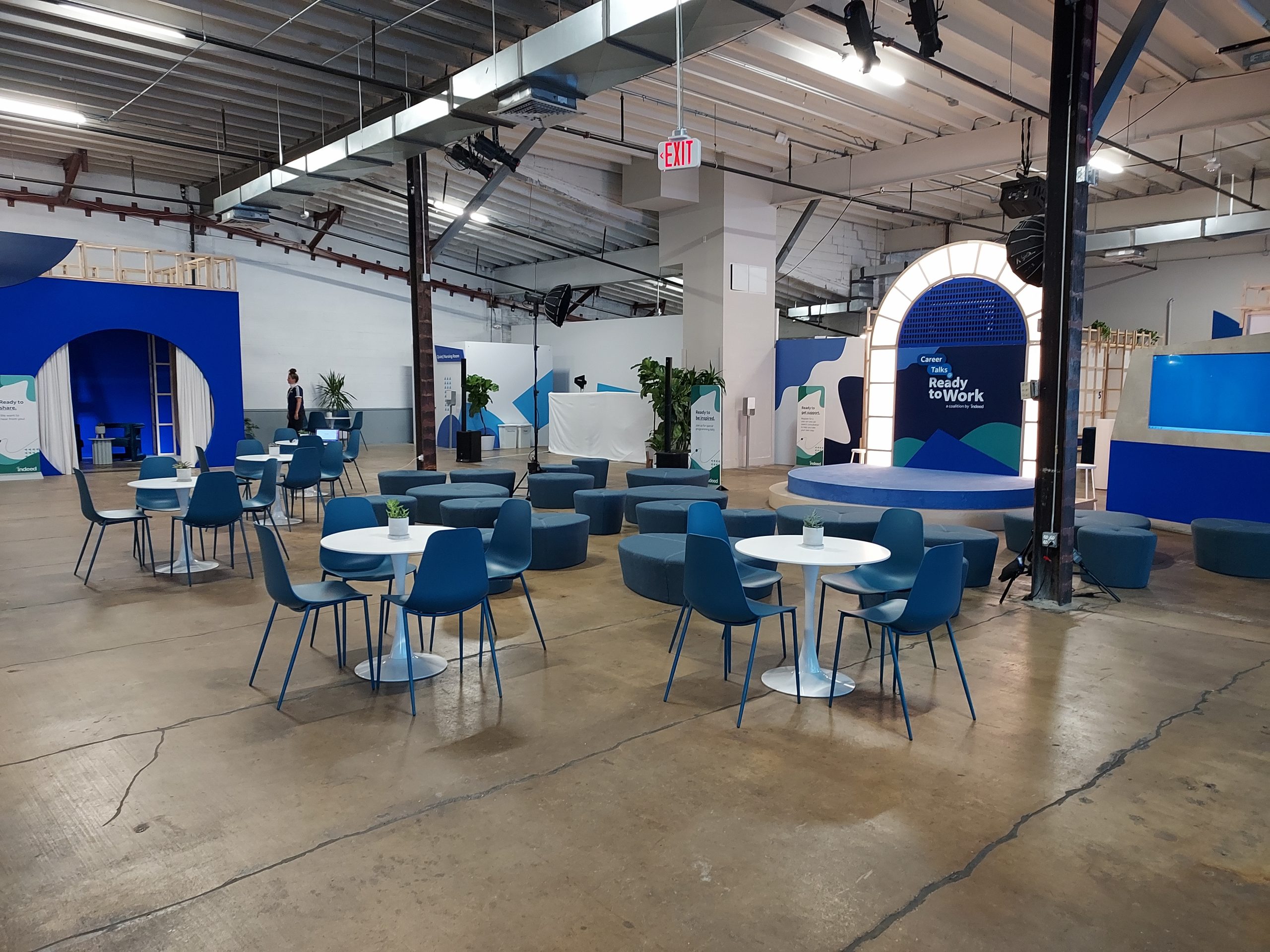
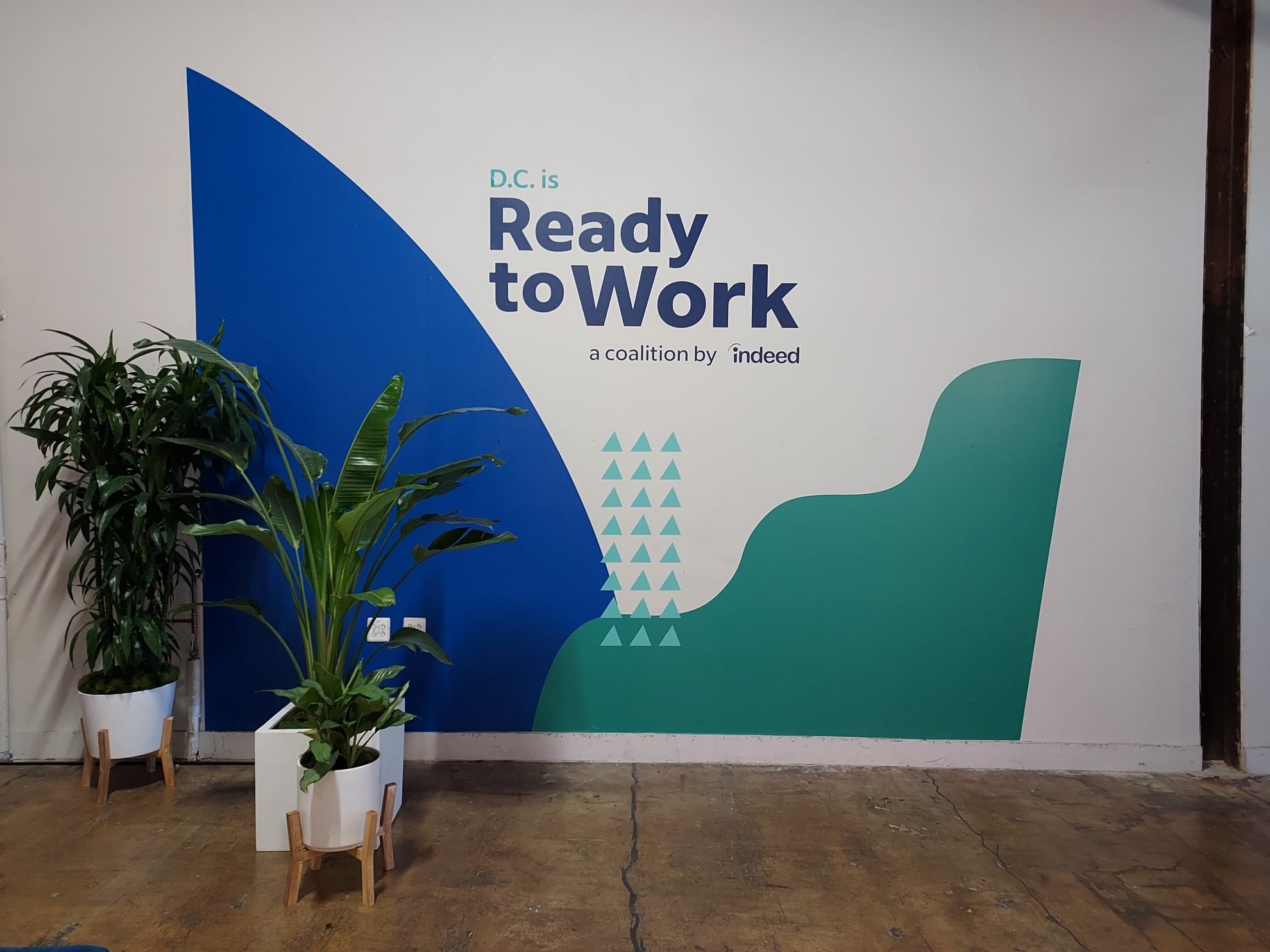
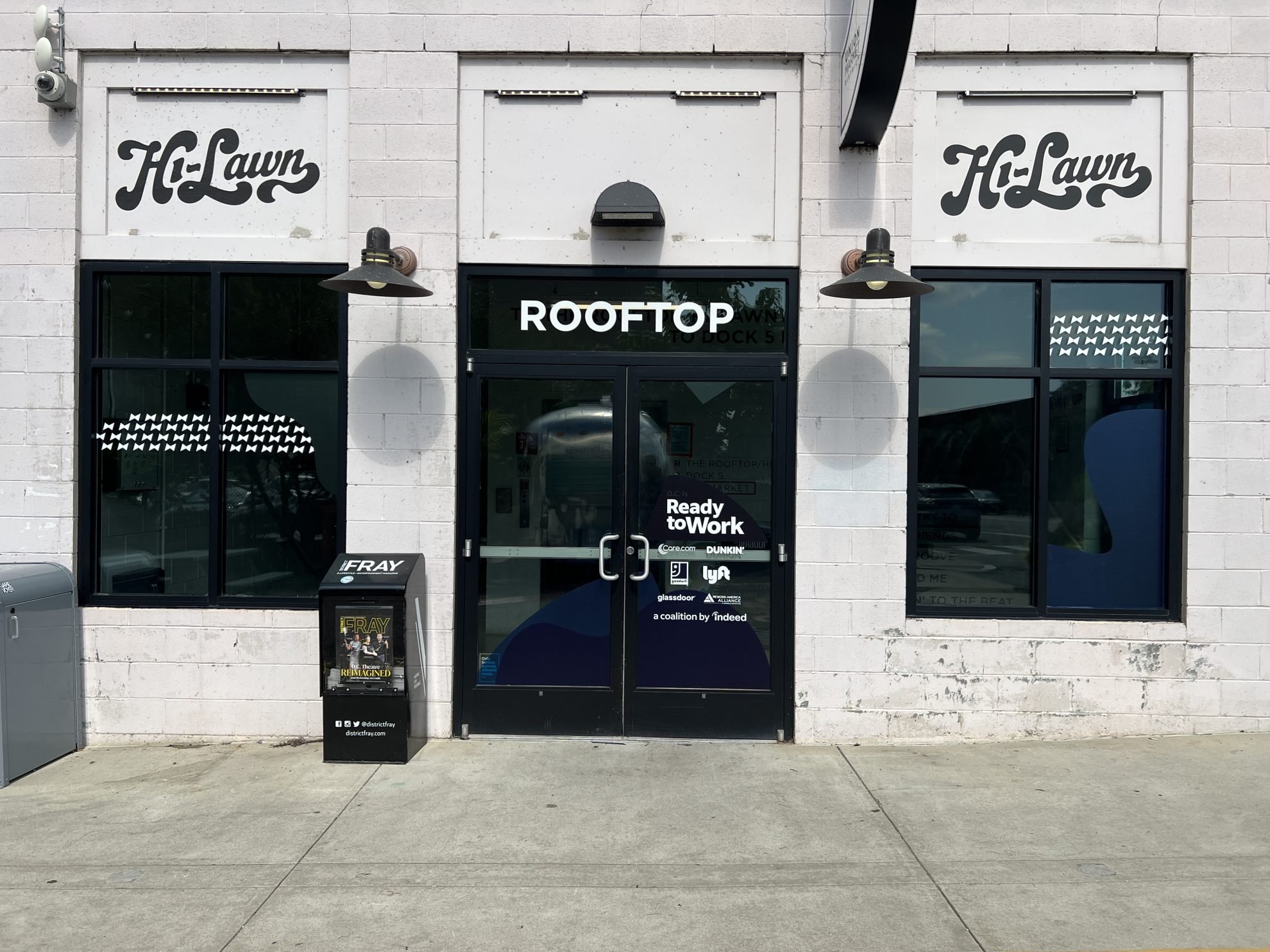
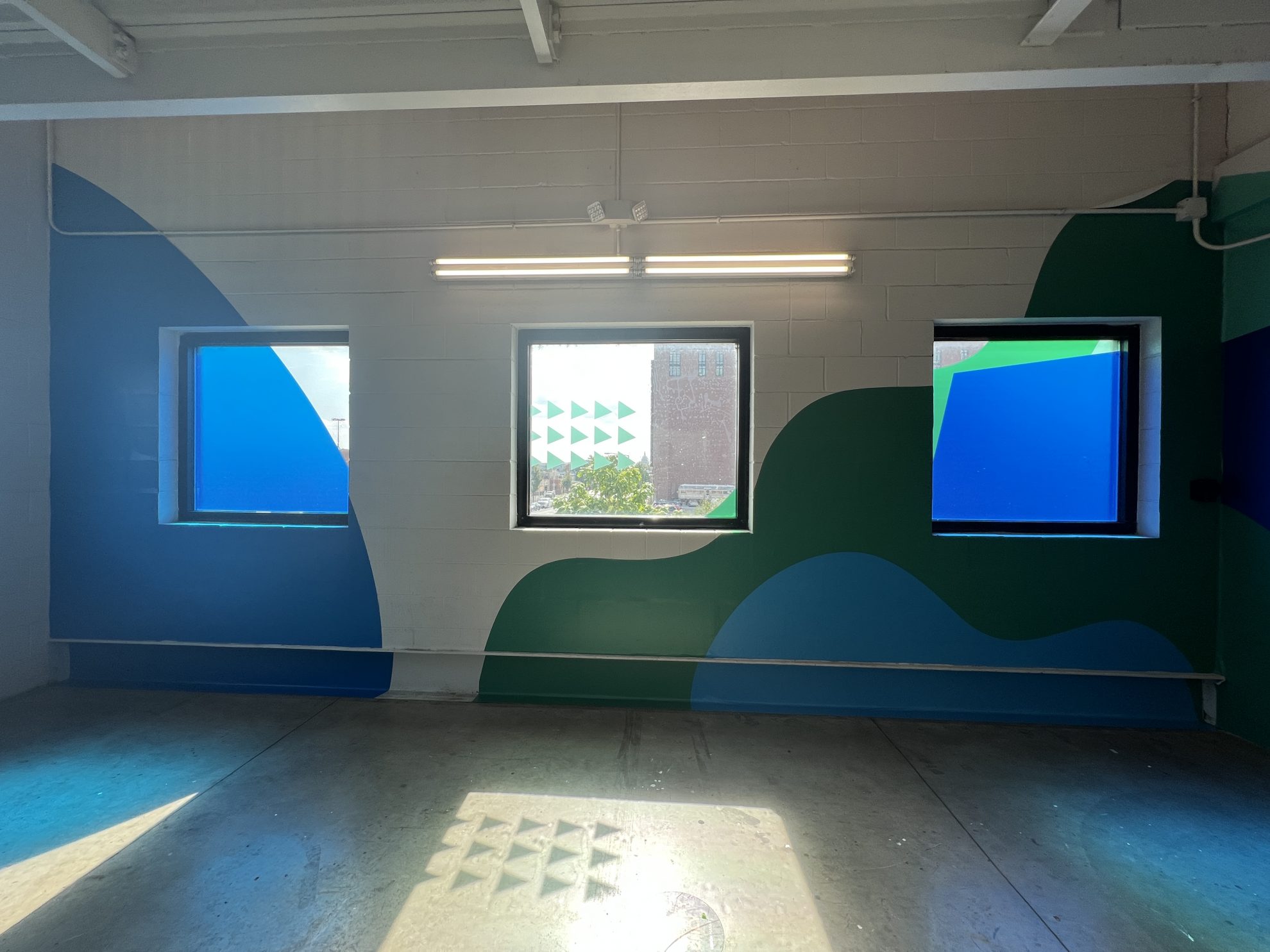
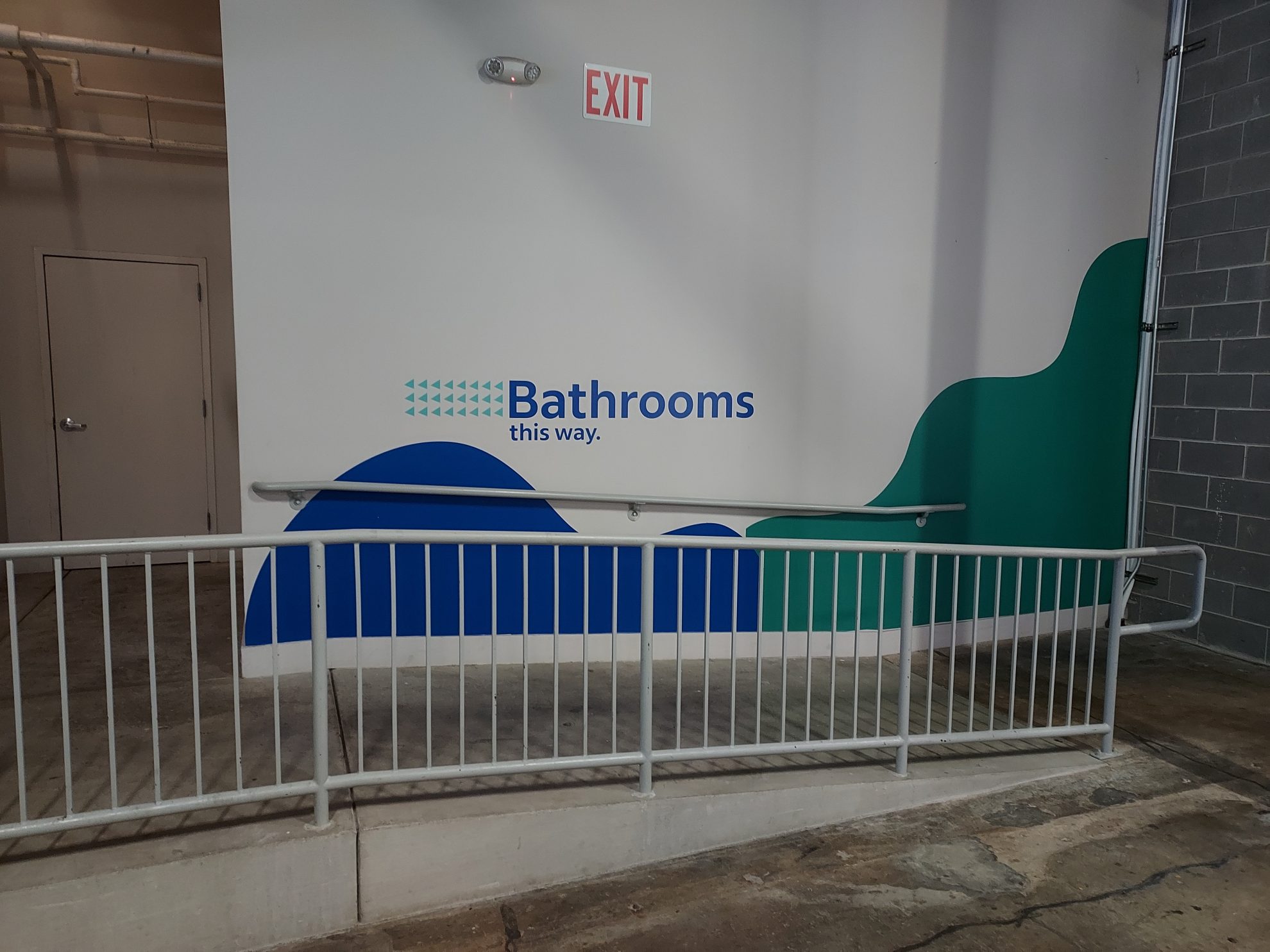
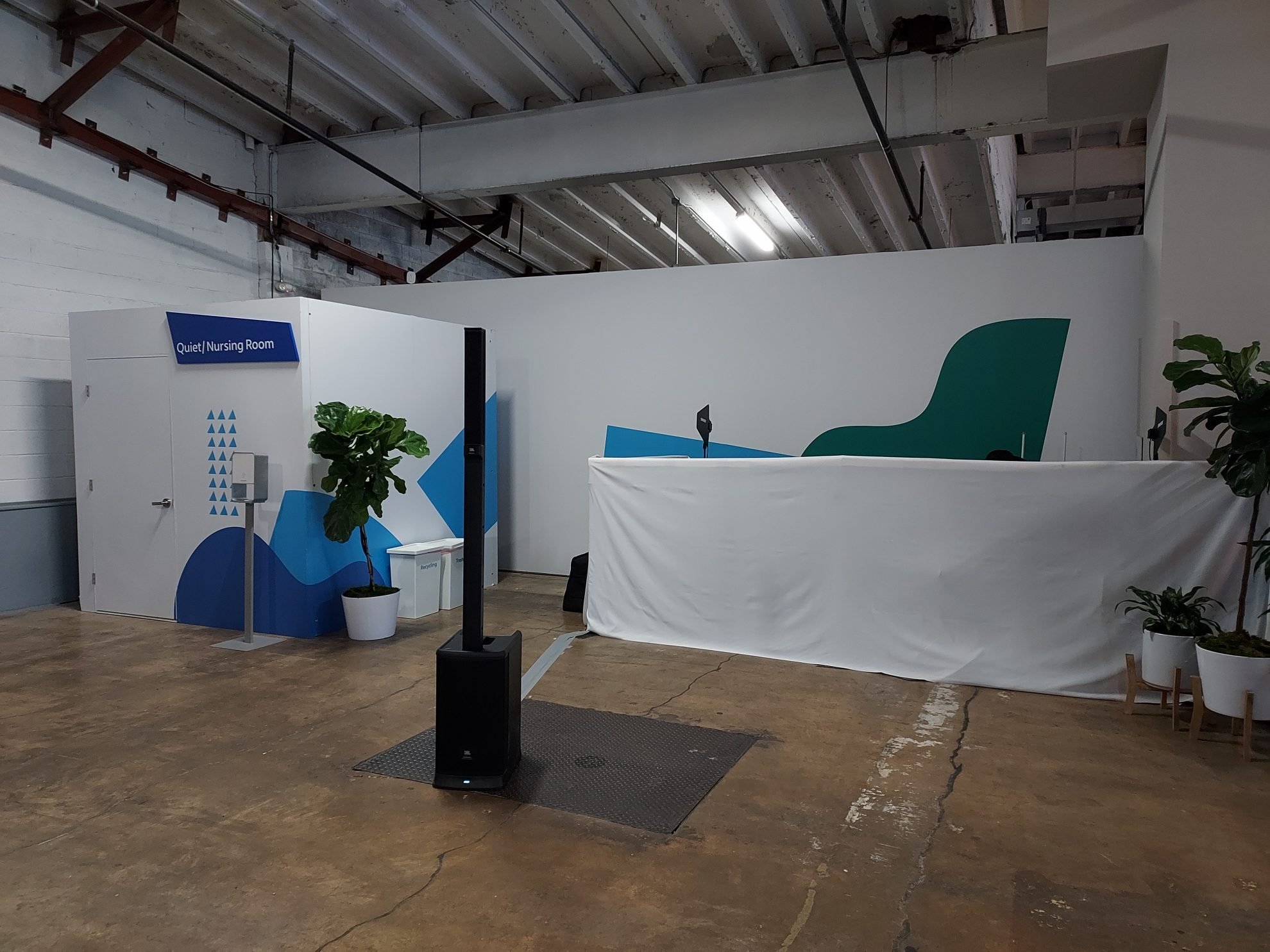
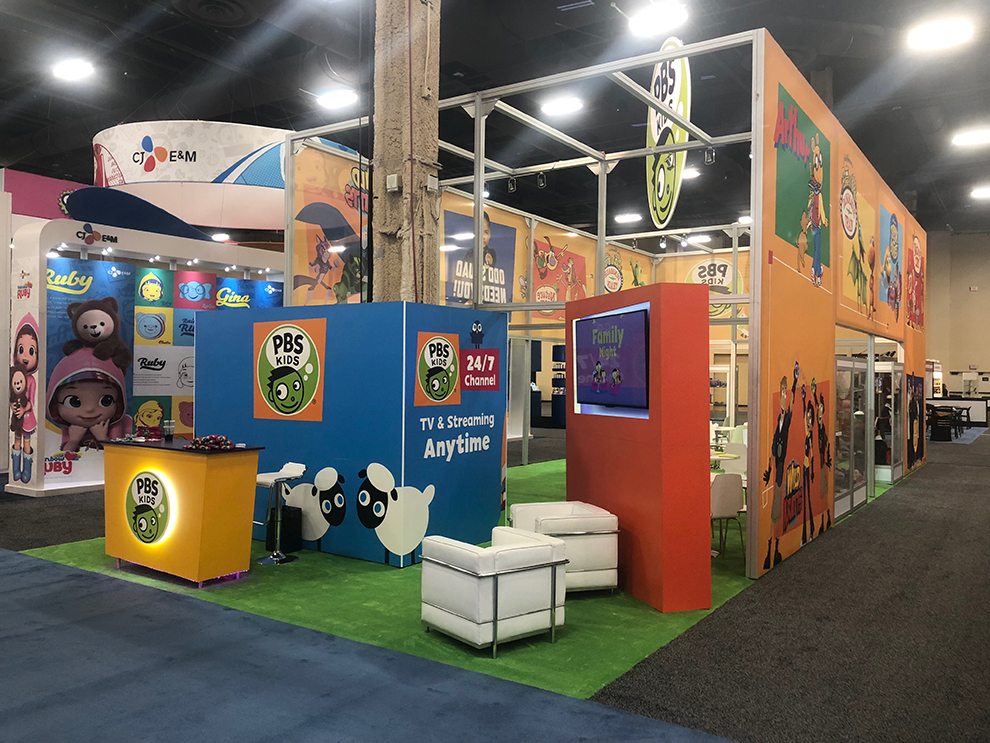
Heritage Signs & Displays' collaboration with The Gathery to brand Union Market in Arlington, VA, for Indeed's "Ready to Work" job fair. The project included custom event displays, wall graphics, window graphics, and wayfinding signs, creating an immersive and visually appealing environment. The branding enhanced the venue, reflected the event's mission, and provided a seamless experience for attendees.