A well-planned interior branding program keeps visual approvals connected to the building conditions that determine whether the work can be produced and installed as intended. In Alexandria, VA, a reception feature, privacy treatment, recognition display, dimensional logo, and wall graphic may involve different departments, approval paths, property procedures, and installation windows. Each decision may be appropriate by itself, yet the combined program can become difficult when the pieces reach the actual workplace without a shared plan.
Commercial Interior Graphics gives organizations a structured way to coordinate those elements before separate decisions become production conflicts or field surprises. Rather than treating every sign, display, and graphic as an unrelated purchase, Heritage helps establish what each element needs to communicate, where it belongs, how it should relate to other features, and what physical conditions affect its execution. The goal is not to fill every available surface. It is to give identity, culture, privacy, recognition, direction, and storytelling the appropriate visual priority.
Heritage Signs & Displays is a veteran-owned, family-led sign company founded in 1977. Custom signs and workplace branding became a defining company focus beginning in 2009. Heritage manages the branded visual scope through discovery, environmental graphic design, production, fabrication, installation planning, and professional installation, helping client teams move from an approved direction to a cohesive finished workplace.
This approach is especially useful for relocations, renovations, rebrands, office expansions, headquarters updates, and phased workplace improvements. During those projects, leadership may be approving messages, marketing may be protecting brand standards, facilities may be coordinating occupied areas, and property representatives may be managing loading procedures, elevator access, security protocols, or approved work windows. Architects, interior designers, branding firms, and workplace consultants may also guide the broader space.
Heritage does not take over responsibilities that belong to those parties. Instead, one dedicated Project Manager keeps Heritage’s visual scope organized against the approved information they provide. That record can include the current design direction, dimensions, site conditions, material decisions, mounting requirements, access details, production timing, and installation sequence. The benefit is continuity when one decision affects another part of the program.
Production and installation realities also need consideration early enough to influence design. A wall display may require a particular mounting strategy. A reception logo may need to work around existing finishes, lighting, or sightlines. Privacy vinyl for glass may need to respond to room use and visibility. Changeable recognition content may need a different physical structure than the permanent branded framework around it. When those dependencies are considered together, the organization has a better chance of approving a program that can be built and installed without avoidable redesign.
Heritage supports Alexandria, VA projects through Washington, DC metro field coordination, site surveys, installation planning, and professional installation. Arlington resources extend support across Northern Virginia and the DC metro area. Waldorf, Maryland provides production support for Mid-Atlantic work, but it is not a client-facing office or showroom. The result is a coordinated interior program that reflects the organization’s priorities while respecting the property, schedule, access requirements, and real site conditions.
Commercial Interior Graphics programs work best when approvals, property conditions, access requirements, and production decisions remain connected before fabrication begins. An Alexandria workplace may be occupied, leased, located within a multi-tenant property, or subject to defined security, loading, elevator, staging, and after-hours procedures. Those requirements can affect how finished elements reach the space and when professional installers can complete the work.
Heritage coordinates its branded visual scope against confirmed information from the client, property team, architect, interior designer, and other responsible parties. The Project Manager does not replace those roles or assume their obligations. Instead, Heritage uses the requirements they establish to plan artwork, materials, fabrication, packaging, delivery, mounting, work windows, and installation sequencing.
That structure reduces the risk that marketing approves a visual direction while facilities receives different dimensions, or that production begins before the property’s access requirements are understood. The benefit is not simply faster communication. It is a more reliable project record that helps the right decisions reach the right Heritage team at the appropriate time.
Heritage helps organizations manage the connected decisions behind a multi-element workplace branding project. The advantage is not simply having more people involved. It is having the appropriate Heritage resources working from the same current project record while one person remains accountable for coordination within the Heritage scope.
Heritage’s One Dedicated Project Manager System gives Alexandria, VA clients one consistent point of coordination from discovery through installation. The Project Manager retains approval history, site information, stakeholder feedback, production requirements, access details, and scheduling considerations as the work moves between environmental graphic design, fabrication, field planning, and installation. This continuity can reduce unnecessary handoffs and help prevent outdated assumptions from reaching the job site.
Heritage remains deliberate about responsibility boundaries. Clients, property teams, architects, interior designers, engineers, accessibility professionals, and code authorities continue to own the decisions assigned to their roles. Heritage translates the approved branded visual direction into signs, graphics, displays, and fabricated features that Heritage manages and installs.
As a veteran-owned, family-led company, Heritage seeks to honor God by serving clients and communities with excellence. That purpose is reflected through disciplined preparation, candid communication, and accountable follow-through.
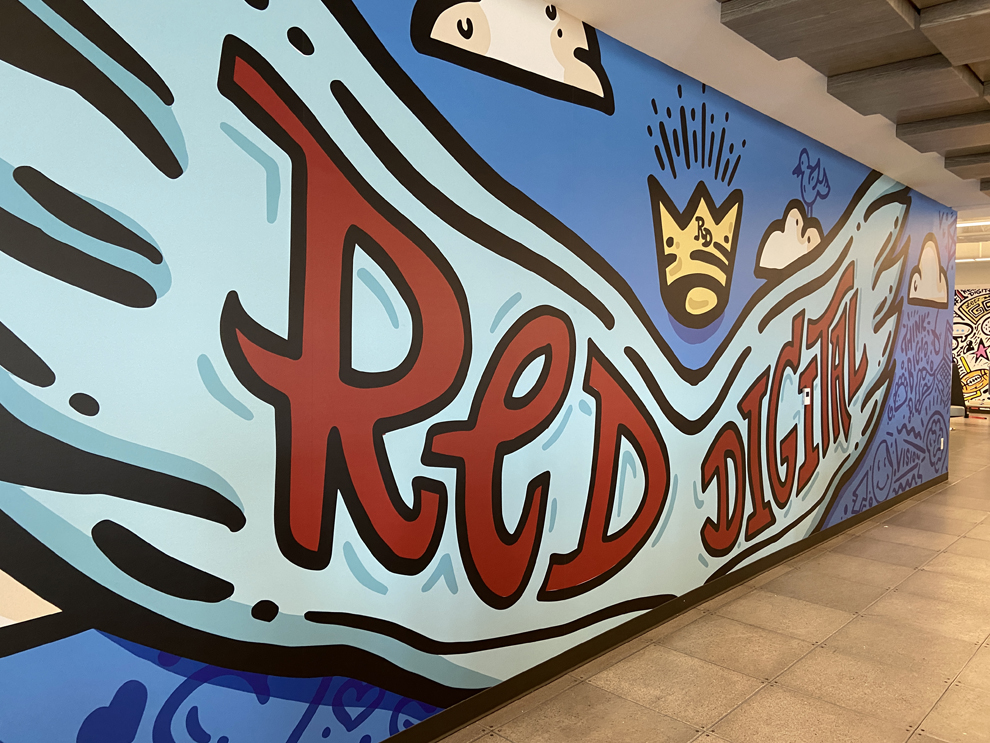
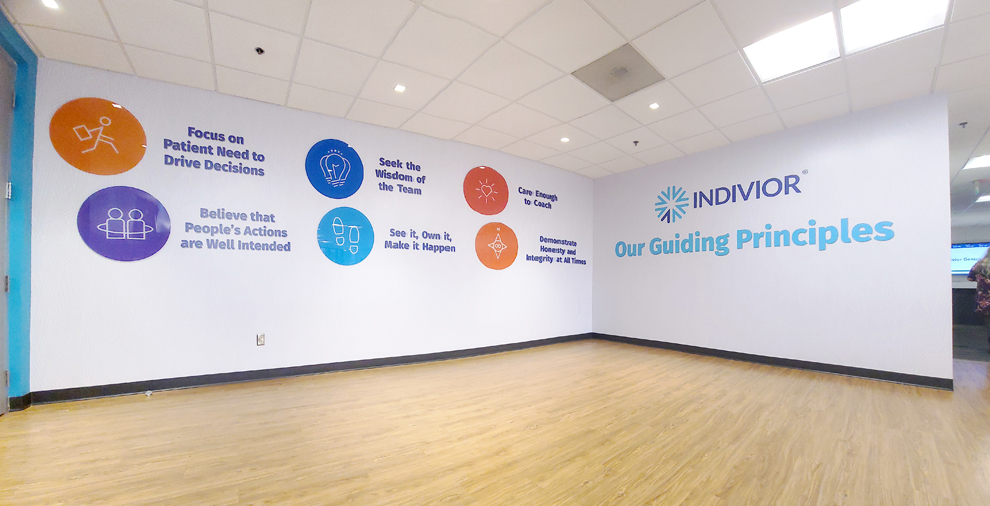
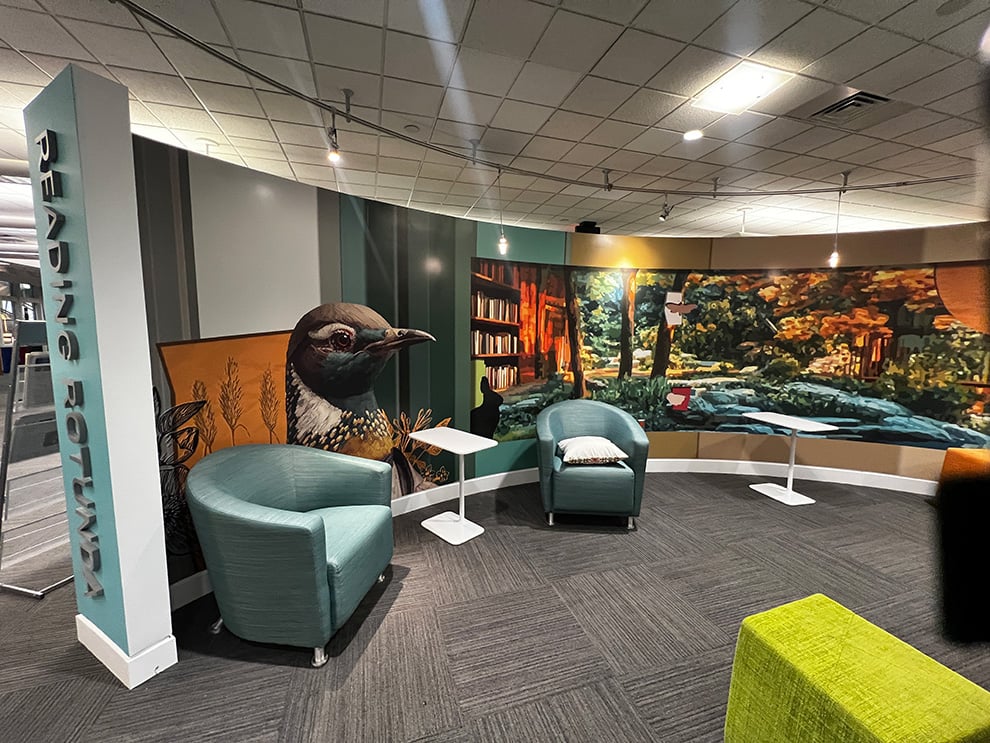
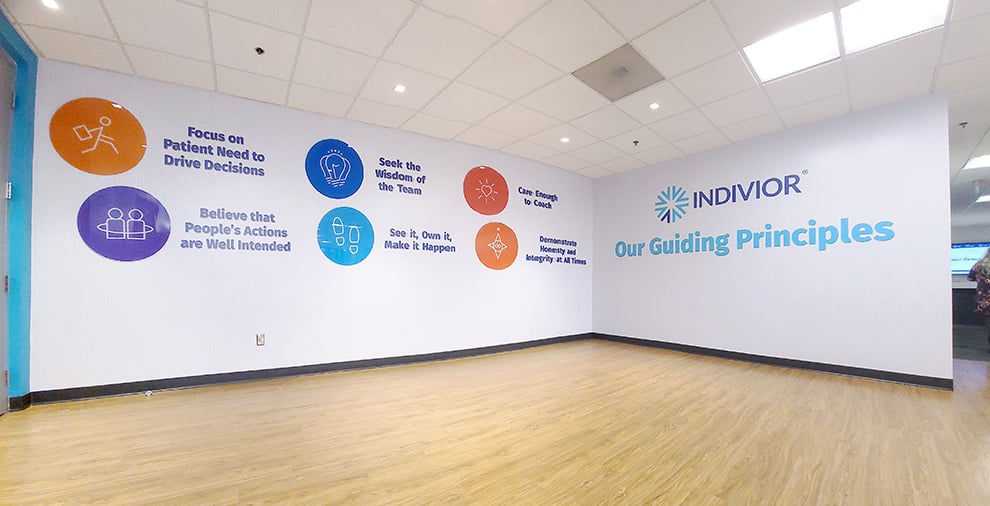
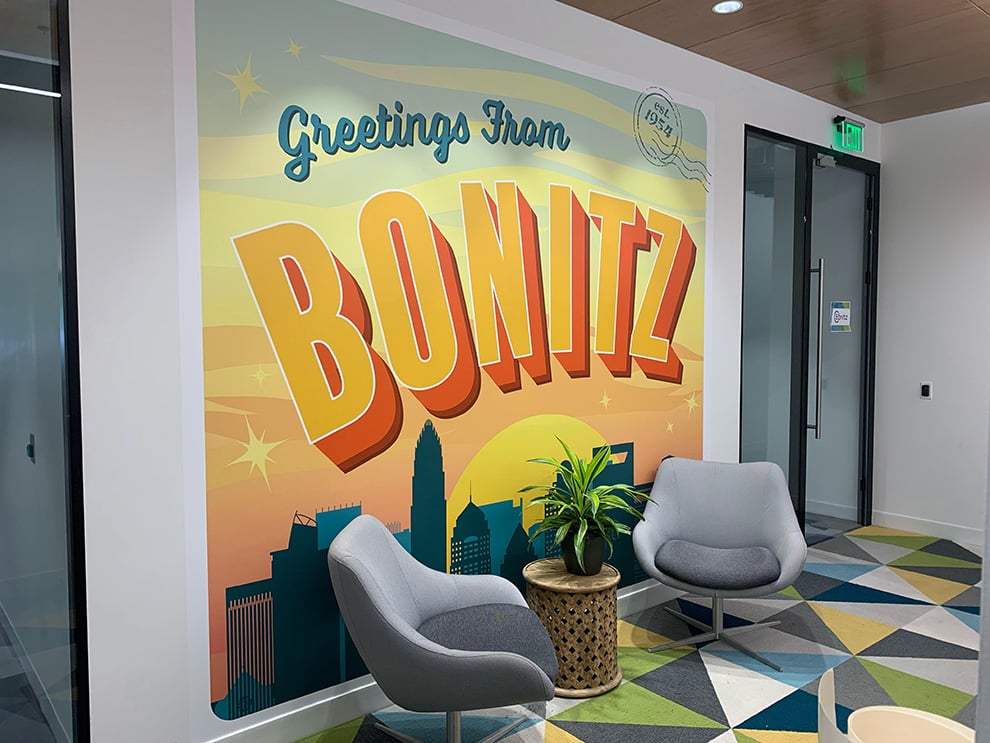
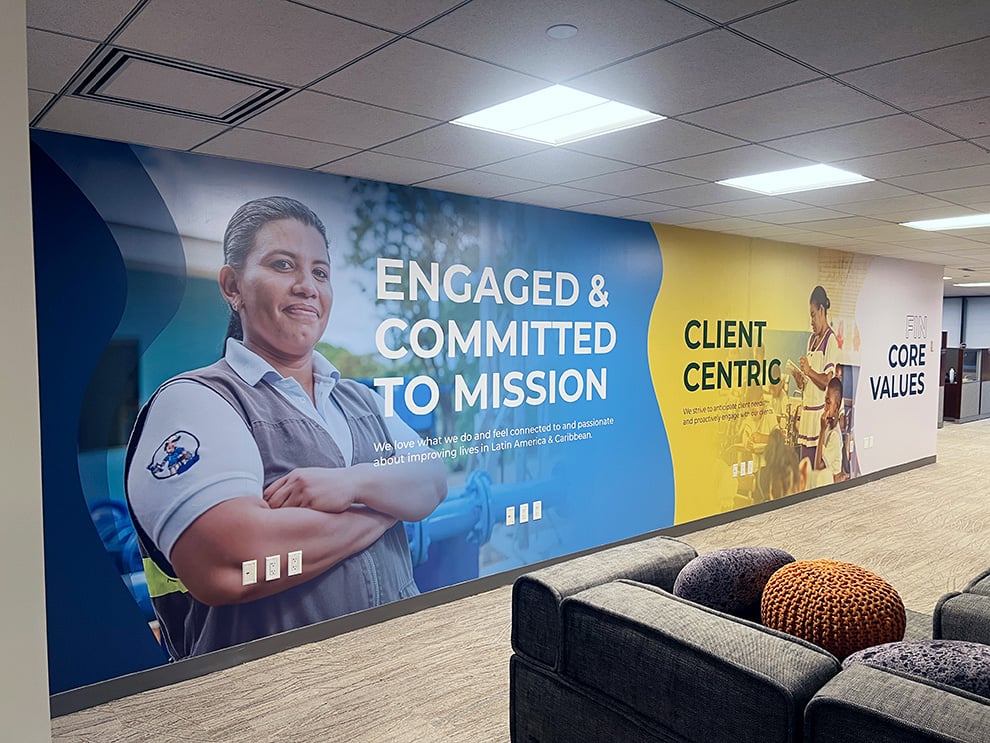
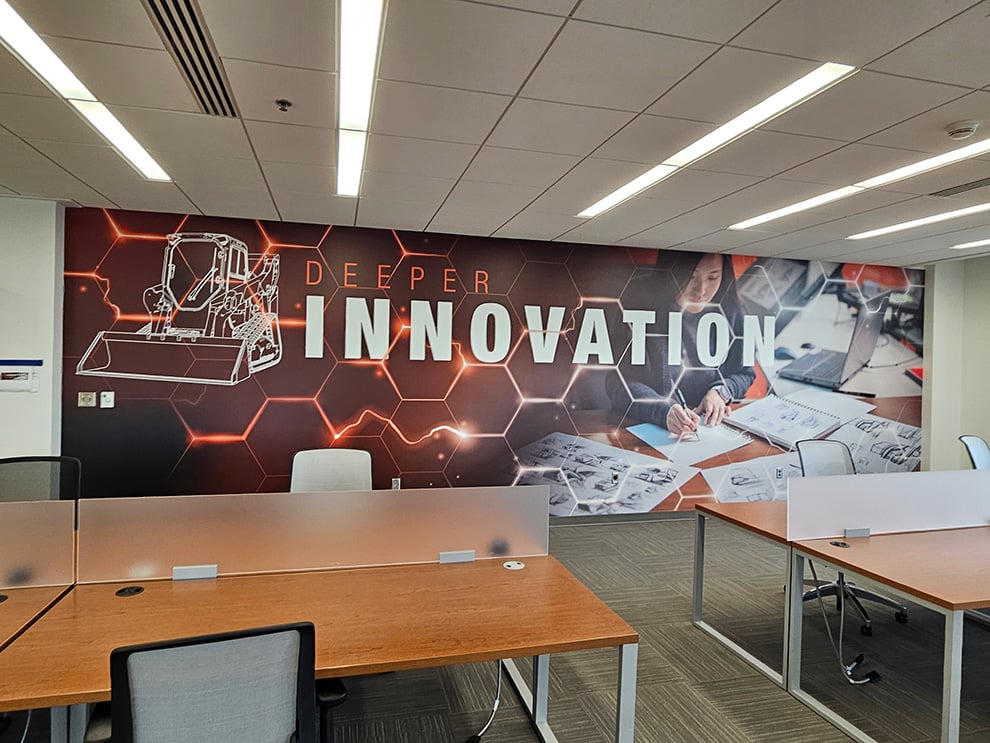
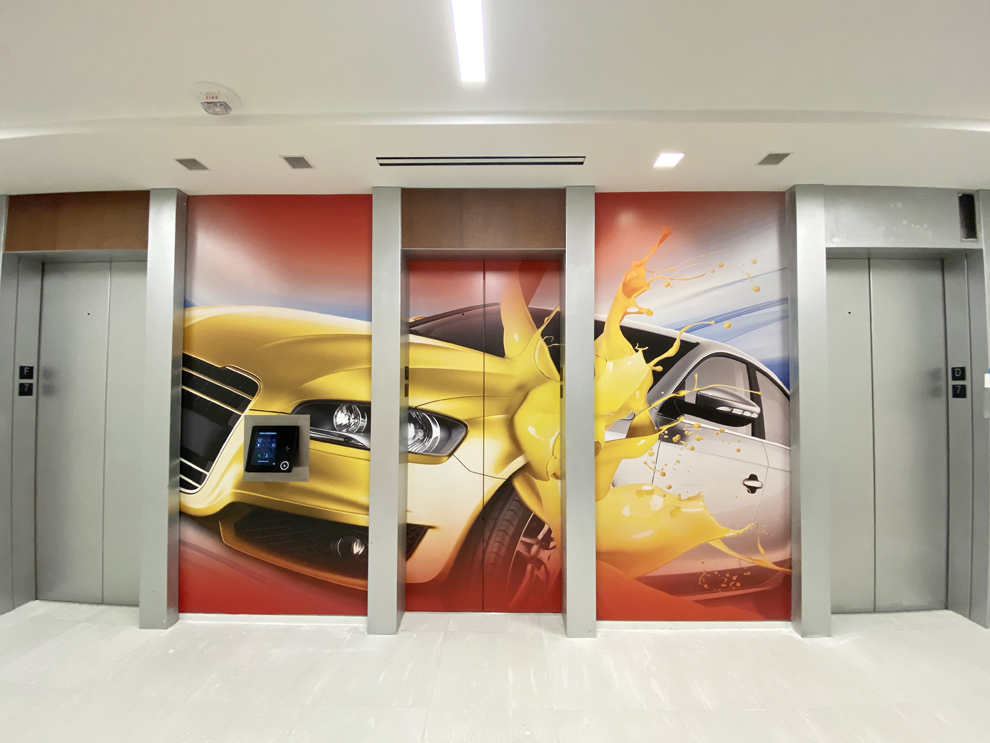
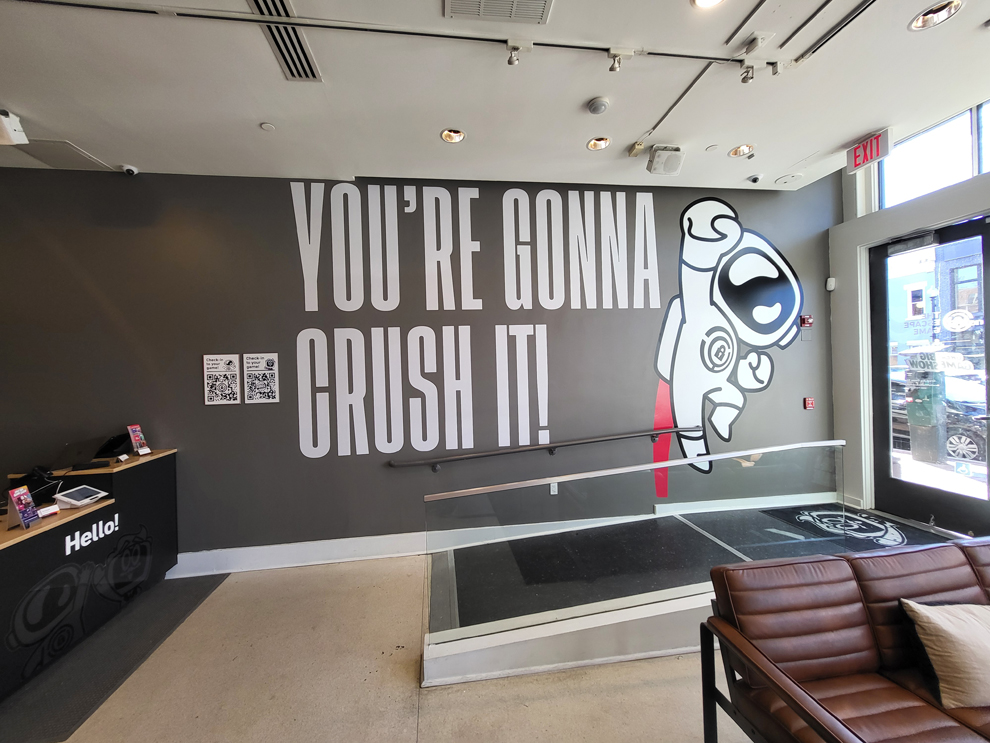
Use Wall Wraps when culture, history, recognition, campaigns, or storytelling needs substantial architectural-scale wall coverage. Within a Commercial Interior Graphics program, the wall can carry a major narrative while other elements manage identity, privacy, direction, and supporting communication elsewhere.
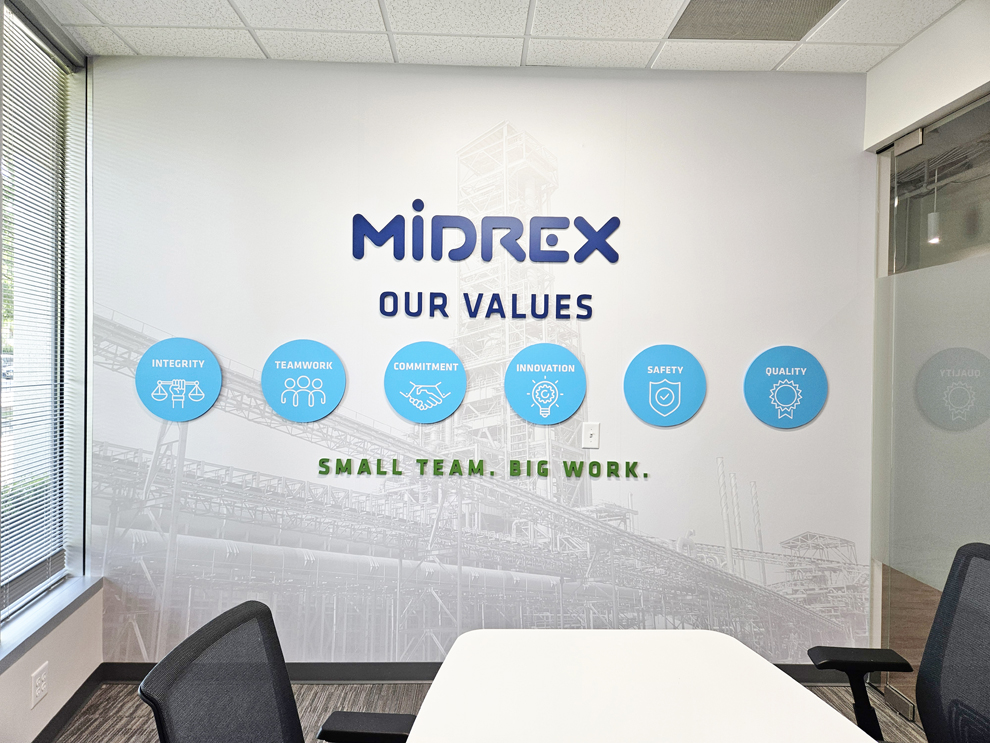
Turn interior glass into a functional branded surface with Window Graphics for messaging, identity, visual separation, or selected visibility. These graphics can connect conference rooms, entry areas, offices, and shared spaces to the wider workplace system rather than functioning as an isolated glass treatment.
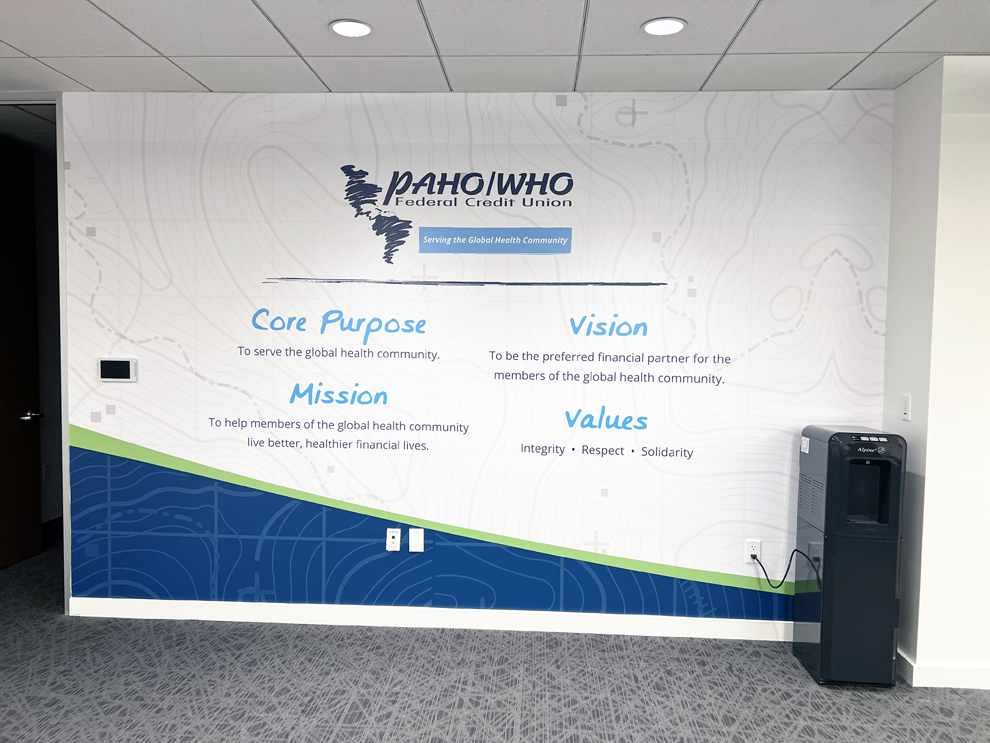
Add frosted vinyl and privacy film where daylight, visual separation, and branded workplace character need to work together. Patterns, bands, logos, and other treatments can support privacy while remaining coordinated with nearby signs, displays, wall graphics, and architectural focal points.
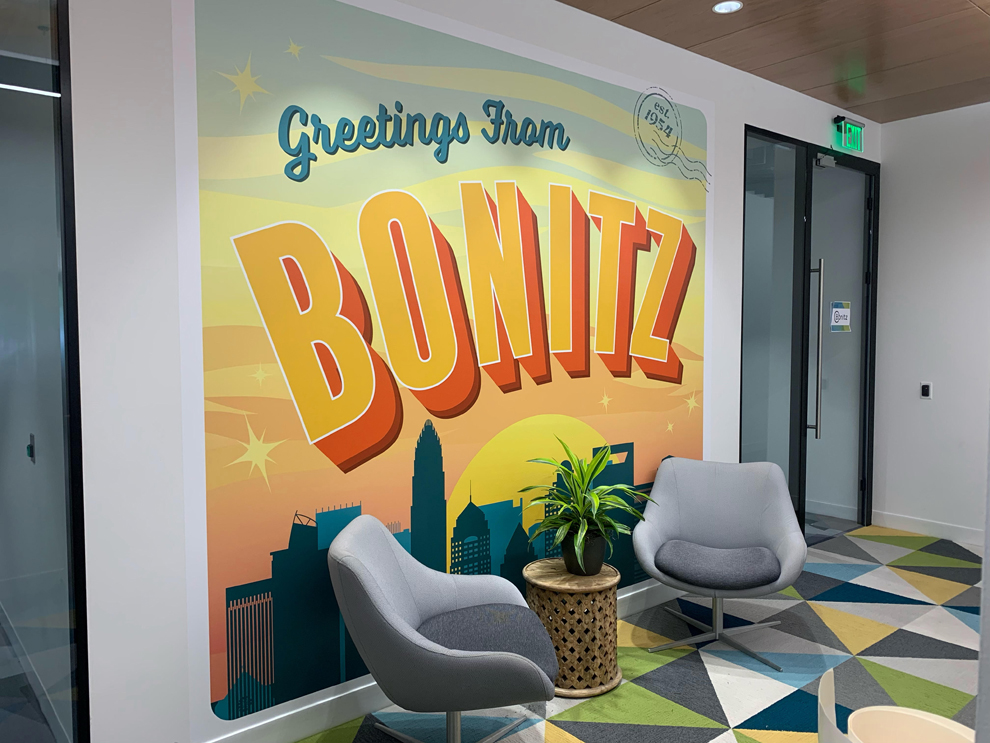
Organize milestones, donor information, organizational history, employee recognition, photography, or evolving campaign content through Wall Displays. A dimensional display can give layered information more structure while fitting within the hierarchy established for the surrounding interior program.
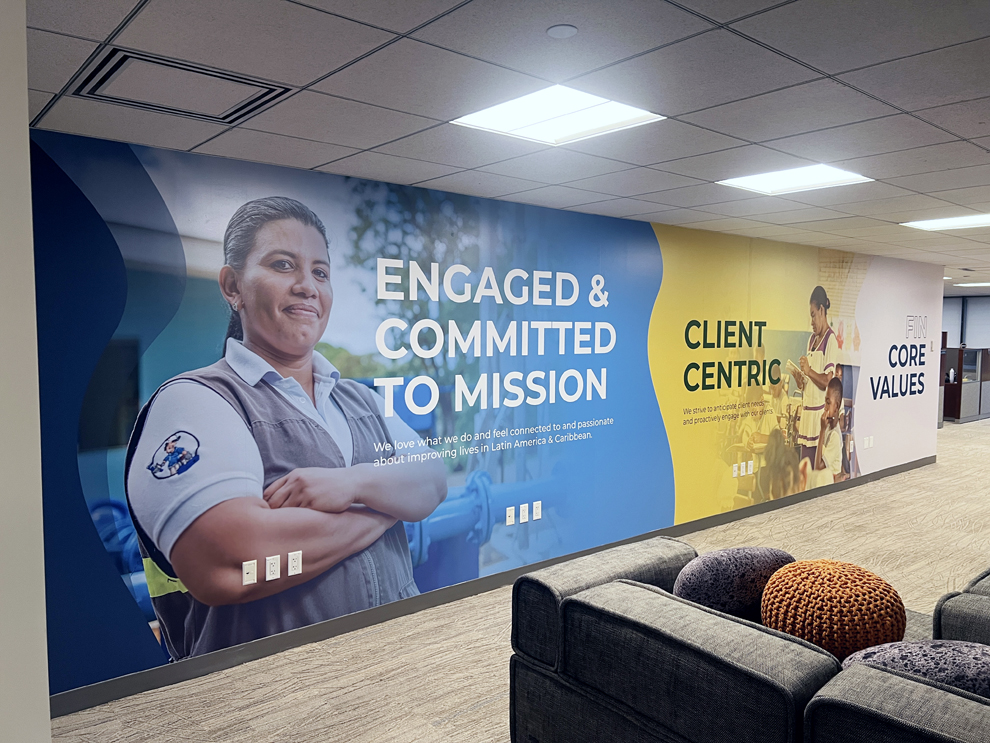
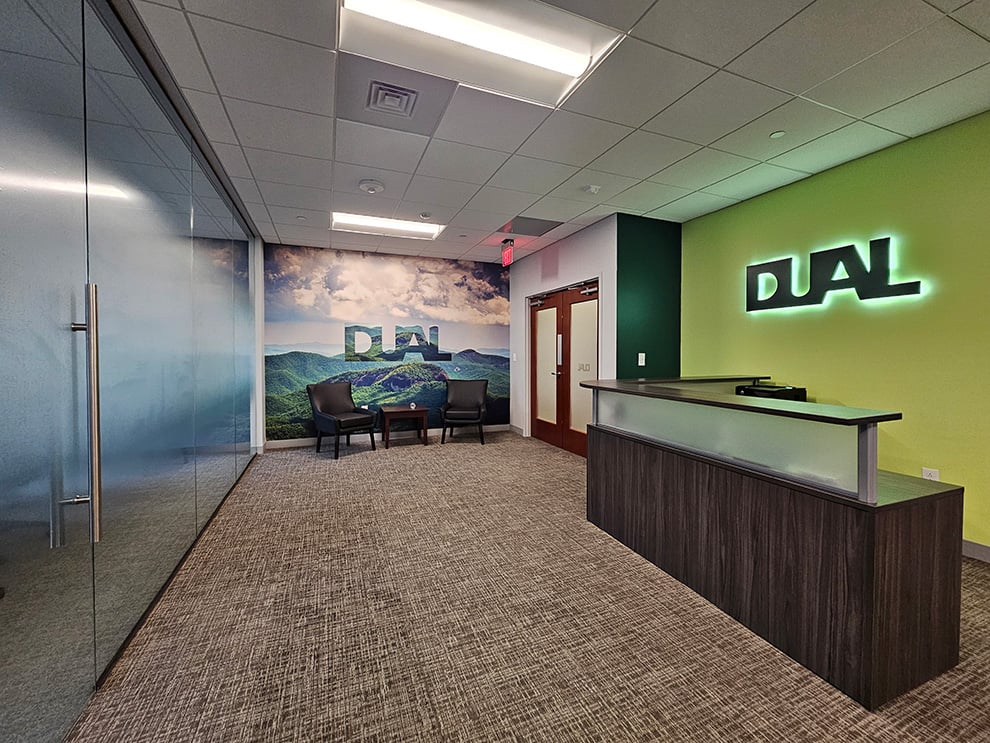
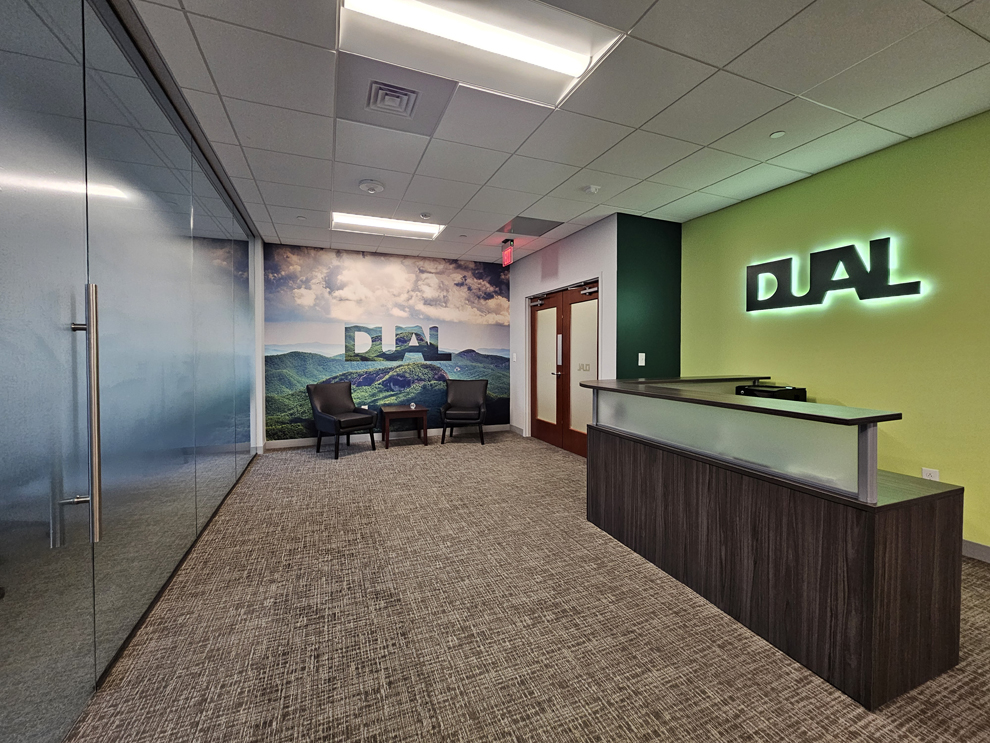
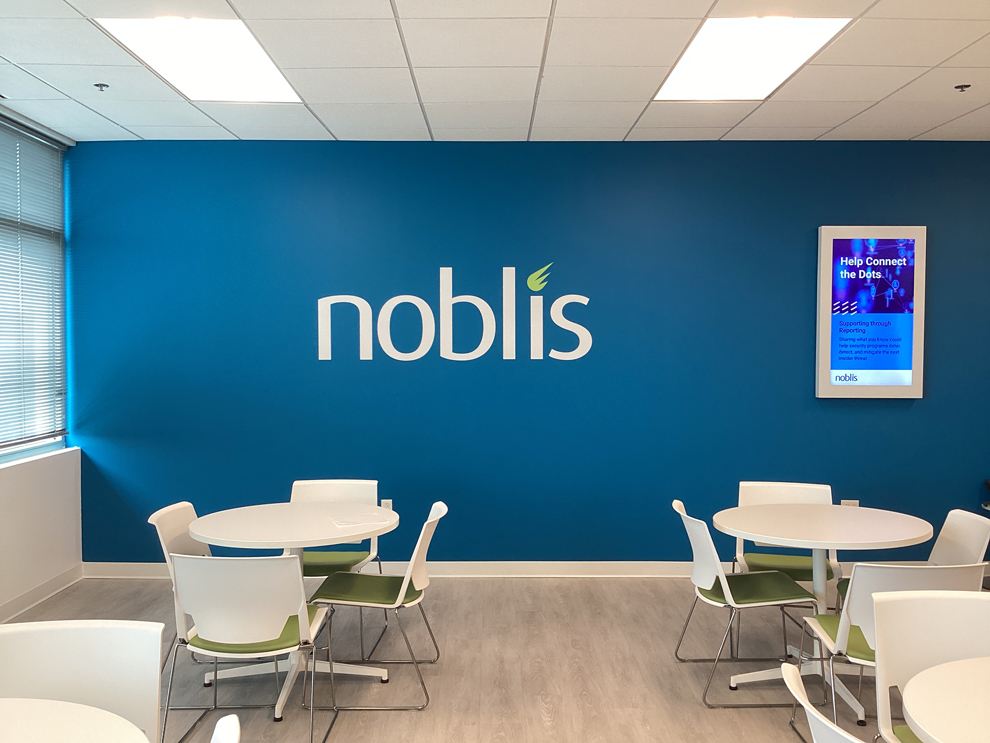
Give a logo, organization name, core value, mission statement, or other priority message physical depth with Dimensional Letters. These elements can anchor a reception area or focal wall while graphics, displays, privacy treatments, and supporting features handle separate communication roles.
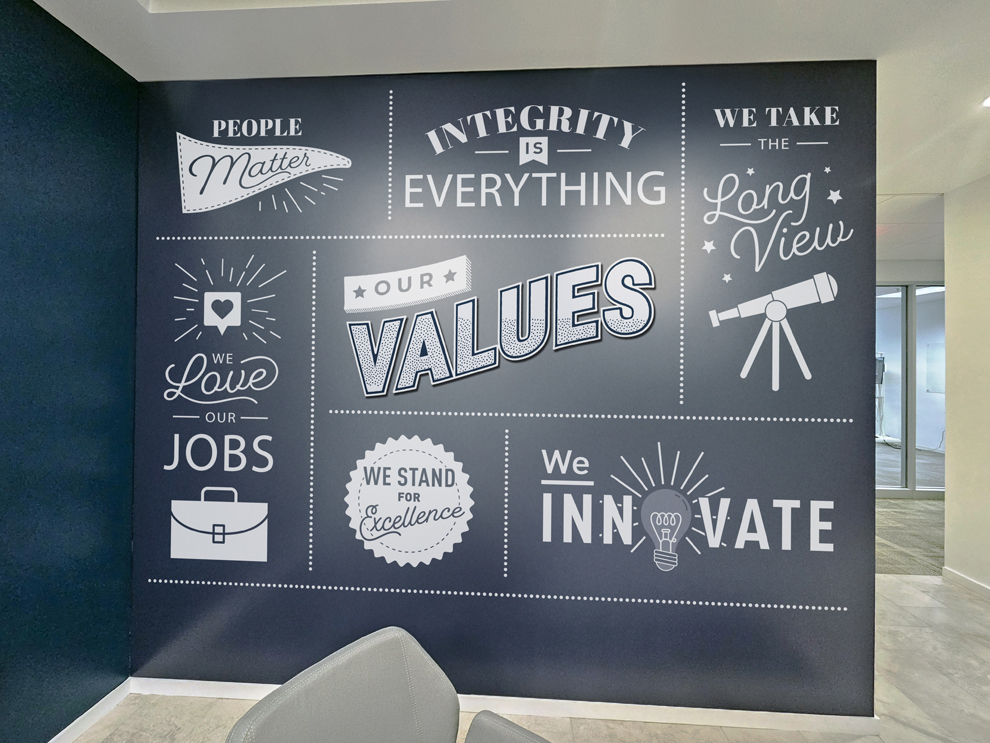
Create stronger emphasis with Backlit Signs where a brand mark or high-priority message needs visual presence. Illumination can establish a focal point in a reception area or executive setting while other components contribute without competing for equal attention.
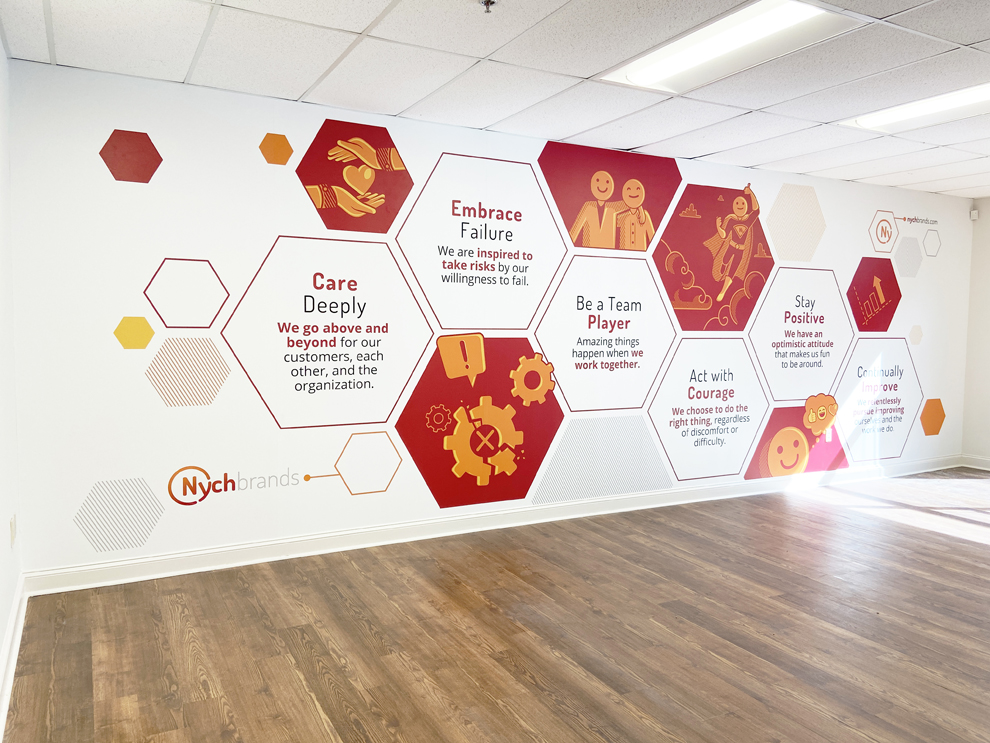
Organize printed panels, photographs, recognition content, or layered graphics with Standoff Mounted Signs. The hardware adds physical separation from the wall and can help distinguish permanent framework elements from information that may need future updates.
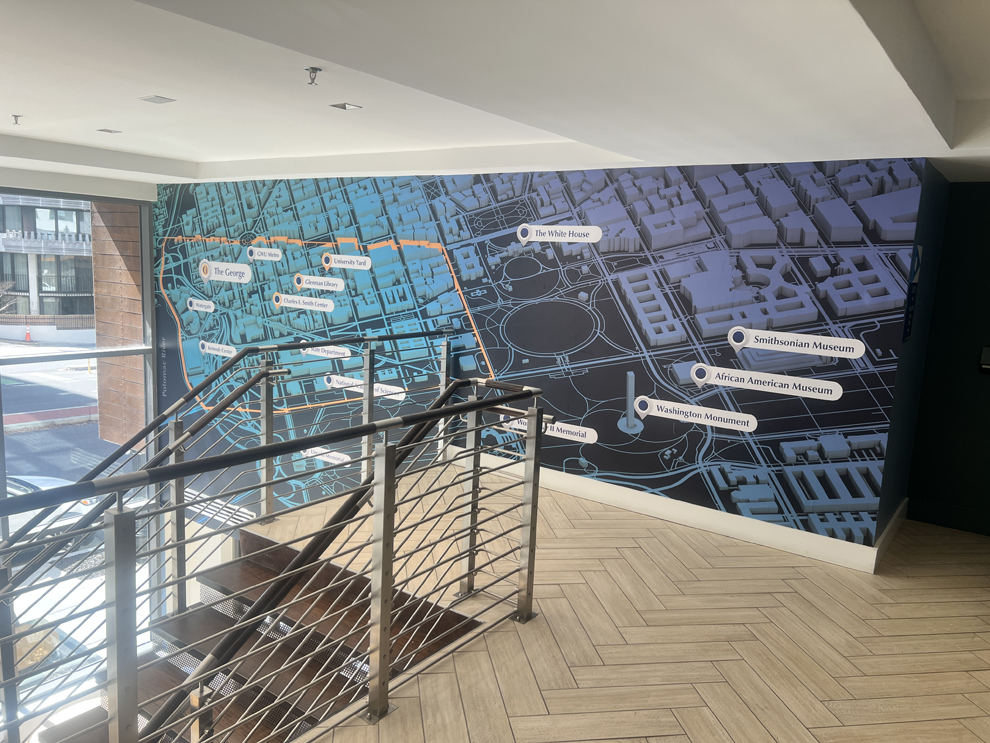
Add polished structure with Acrylic Signs for reception logos, room identification, directories, recognition features, and layered displays. Acrylic can work alongside dimensional letters, printed graphics, standoffs, and illuminated elements as part of a coordinated visual hierarchy.
An Alexandria, VA workplace project can begin before every sign, graphic, display, or material has been selected. Get Started Now by sharing the location, desired result, target date, anticipated investment, available plans or photographs, brand materials, participating stakeholders, and known property or access requirements. Heritage can use that information to identify what requires discovery, approval, site survey verification, or further planning before work advances. One dedicated Project Manager can then organize the Heritage scope around a buildable visual direction. You do not need to choose every product before that conversation begins.
A coordinated program gives each stakeholder a meaningful way to evaluate the workplace without requiring every department to approve unrelated products independently. Leadership may focus on organizational identity and credibility. Marketing may protect visual standards and messaging. Human resources may prioritize culture and recognition. Facilities may need practical mounting, privacy, maintenance, access, and installation considerations.
Commercial Interior Graphics provides a framework for resolving those different priorities. Heritage helps determine which messages deserve the strongest emphasis, which content should remain permanent, which information may change, and which physical features can carry each role. A large wall feature may establish a story. Dimensional lettering may identify the organization. Privacy vinyl may manage visibility on glass. A display system may hold changing recognition content.
The objective is not visual uniformity. It is coordinated purpose. When each component has a defined communication role, the workplace is less likely to feel like a collection of separate approvals and more likely to operate as one intentional branded experience.
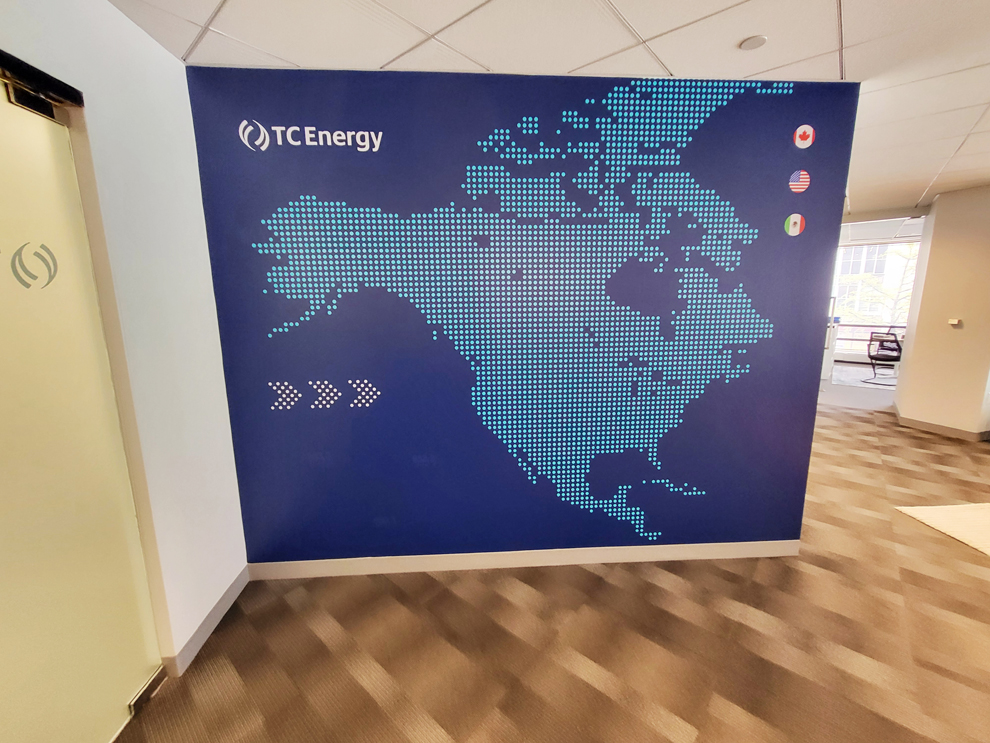
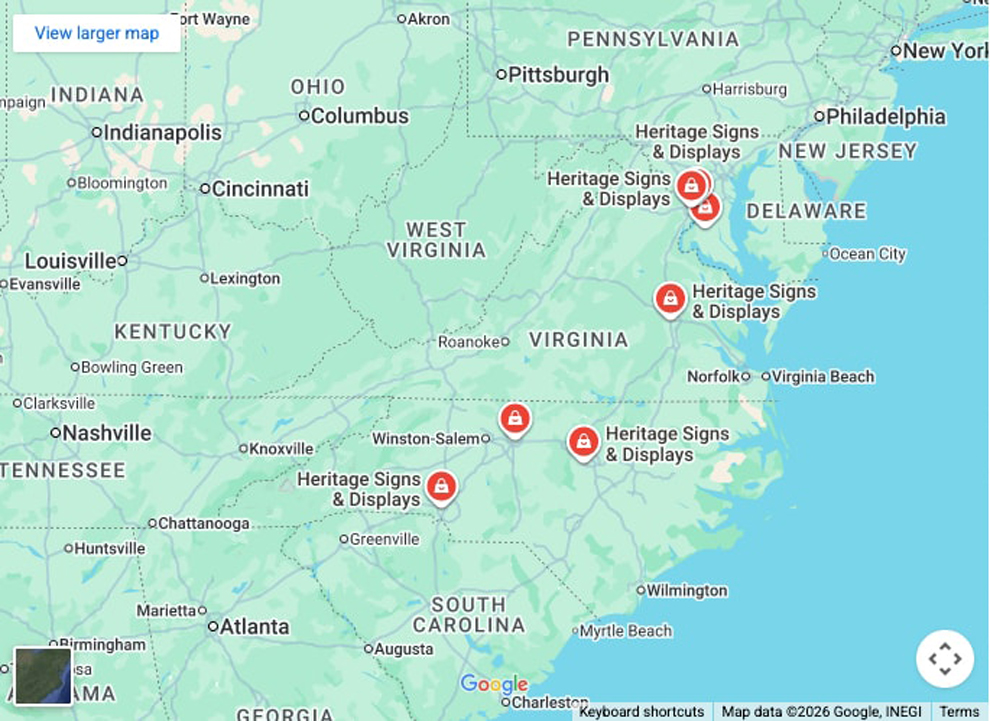
Alexandria, VA clients can work with Heritage through Washington, DC metro area field coordination, site surveys, installation planning, and professional installation. Local field knowledge matters because workplace conditions can affect several components at the same time, including wall and glass surfaces, occupied work areas, mounting locations, property procedures, delivery routes, and available work windows.
Arlington resources support Northern Virginia and the broader DC metro area, helping Heritage keep site information connected to the teams responsible for design development, fabrication, and installation preparation. Waldorf, Maryland provides production support for Alexandria and wider Mid-Atlantic projects. Waldorf is staffed by production team members and should not be considered a sales office or showroom.
Heritage can also support organizations with locations throughout the Mid-Atlantic and Carolinas. Consistency does not require identical execution at every site. A common visual standard can remain intact while dimensions, architecture, access conditions, audience needs, schedules, and installation methods adapt to the individual property.
Environmental graphic design helps stakeholders decide what a workplace should communicate before individual materials and products become the focus. A strong plan can support a more effective arrival experience, a branded lobby, culture and history walls, recognition, privacy, directional clarity, employee engagement, and messaging that reflects the organization’s mission statement or vision statement.
Heritage develops environmental graphic design directly with stakeholders or implements an approved direction created by architects, interior designers, branding firms, environmental graphic designers, workplace consultants, or client teams. The work considers visual hierarchy, scale, sightlines, wall and glass conditions, existing lighting, circulation, mounting, fabrication, access, and installation sequencing.
Heritage does not provide architecture, engineering, commercial interior design, lighting design, accessibility consulting, or code consulting. Instead, Heritage focuses on translating approved visual intent into branded physical elements that can be produced, fabricated, coordinated, and professionally installed within the project’s confirmed conditions.
Professional installation begins with site knowledge, not with finished signs arriving at the property. When Heritage professional installation is part of the project, a Heritage site survey is required. The survey functions as both client discovery and field verification, documenting dimensions, surfaces, mounting conditions, access routes, surrounding finishes, installation constraints, and other factors that affect execution.
Heritage’s full-time professional installers receive the approved direction, field information, fabrication details, access requirements, work window, sequencing plan, and project schedule before arriving at the site. This preparation is especially important when the workplace remains occupied, loading areas are shared, elevators have defined procedures, or installation must occur in limited time periods.
If field conditions differ materially from the project record, Heritage pauses, communicates what was found, and determines the appropriate next step rather than forcing installation. During the work, Heritage focuses on accurate placement, secure mounting, alignment, fit, finish, orderly communication, and reasonable protection of nearby property.
Heritage installs signs, graphics, displays, and branded elements that Heritage produces, fabricates, procures, or manages within a Heritage engagement. Heritage does not provide installation-only services for customer-provided signs or graphics because accountability depends on maintaining control of the relevant production and installation decisions.
Planning should align the desired result, audience, approved scope, phasing, schedule, site readiness, stakeholders, access requirements, anticipated investment, and remaining information before production is released. Plans, photographs, brand materials, and reference images are useful inputs, but the larger purpose is to confirm that the proposed branded visual program is ready to move from concept into physical execution.
When wall-applied adhesive graphics are included, drywall should be sound, smooth, clean, dry, and properly repaired. Primer and paint must be properly applied, and finish paint must fully cure. A four-week planning allowance is useful for many paints, although manufacturer requirements and actual site conditions control readiness. Paint may continue to outgas while curing, and installing vinyl too early can contribute to bubbles, blisters, lifting, or premature adhesion failure.
Testing can indicate how vinyl performs on the painted face, but it cannot verify the concealed bond between drywall, primer, and paint. Ordinary lifting or repositioning may reveal a weak underlying condition. If paint or primer peels, pulls away, or otherwise releases, Heritage stops and the dedicated Project Manager explains the observed condition. The client or property owner arranges and pays for repair, proper priming, repainting, restoration, and full cure. Heritage does not perform or pay for that repair or restoration.
Removal is separate. Damage-free removal cannot be guaranteed, and replacement graphics should be removed early enough to identify restoration needs before the new installation date. Many Heritage projects involving production and professional installation range from $10,000 to more than $200,000. Alexandria opportunities should generally anticipate an overall project investment of at least $6,000.
It solves the coordination problem that develops when branding, privacy, recognition, directional communication, and focal-point features are approved as unrelated purchases. The program gives each visual component a defined job within one workplace system.
The value is not the quantity of signs or graphics involved. It is the ability to coordinate communication roles, site conditions, production decisions, access planning, and installation around a shared direction.
Heritage keeps the branded visual scope connected through one dedicated Project Manager who retains the current project record. That record can include approved artwork, stakeholder feedback, site information, production requirements, access details, and installation sequencing.
Leadership, marketing, facilities, property representatives, and outside design professionals continue to make the decisions that belong to their roles. Heritage uses those confirmed decisions to coordinate its own scope.
A Heritage site survey is required for projects that will ultimately include Heritage professional installation. It is both a discovery activity and a field verification process, not merely a measurement appointment.
The survey documents conditions that can affect fit, mounting, surfaces, access, installation sequencing, and finished appearance before the work is finalized for production.
Heritage manages its connected branded visual scope through discovery, environmental graphic design, project coordination, production, fabrication, installation planning, and professional installation. The Project Manager helps preserve continuity as the work progresses.
Heritage does not assume architecture, engineering, commercial interior design, property management, accessibility authority, code authority, or client-controlled approval responsibilities.
Wall Wraps can carry architectural-scale storytelling, organizational history, culture, recognition, campaigns, or imagery that requires substantial visual coverage. They often serve as a major feature within the broader workplace hierarchy.
The surrounding program can then use Dimensional Letters for identity, Window Graphics for glass communication, privacy treatments for functional separation, and displays for information that changes over time.
Environmental graphic design establishes the communication priorities before stakeholders select individual products. It helps determine what should be seen first, which messages require permanence, where privacy is useful, and what content may need to change.
Once that hierarchy is clear, Heritage can recommend physical approaches that respond to sightlines, scale, surfaces, mounting, fabrication, lighting, access, and installation requirements.
Privacy vinyl for glass can support the larger workplace program by using patterns, bands, logos, or other branded visual elements. It can provide functional separation while maintaining daylight and selected openness.
When privacy materials are wet applied, temporary haze, cloudiness, streaking, small pockets, or uneven appearance may occur during dry-out. Dry-out can take days to several weeks depending on the product, glass, temperature, humidity, sunlight, and site conditions.
Distraction markers are decorative or branded vinyl graphics applied to clear glass to make the surface easier to see. They may include bands, dots, patterns, logos, or other visual elements that increase visibility.
Applied vinyl does not establish building-code compliance, safety-glazing compliance, certification, or approval. The client and appropriate responsible professionals determine any applicable requirements before Heritage produces and installs the approved scope.
Heritage can develop environmental graphic design with client stakeholders or implement an approved visual direction created by architects, interior designers, branding firms, workplace consultants, or other design professionals. The Heritage role is to translate that direction into buildable branded elements.
Architecture, engineering, commercial interior design, code, accessibility, lighting, and property responsibilities remain with the appropriate responsible parties. Clear role definition helps the project move forward from coordinated information.
Heritage stops if paint or primer peels, pulls away, or otherwise releases during testing, positioning, repositioning, or installation. This response protects the project from proceeding over a visibly unstable surface condition.
The client or property owner arranges and pays for repair, proper priming, repainting, restoration, and full cure before Heritage returns. Heritage does not perform or pay for wall repair or restoration.
Paint that has not fully cured may continue to outgas, which can contribute to bubbles, blisters, lifting, or premature adhesion failure after vinyl is installed. A four-week planning allowance is useful for many paints.
Manufacturer cure requirements and actual site conditions determine readiness. Adhesion testing may evaluate the painted face, but it cannot verify the hidden bond between drywall, primer, and paint.
Replacement planning should allow time to remove existing graphics and reveal the actual wall condition before the new installation date. Removal can expose paint loss, weak primer, residue, ghosting, prior repairs, or drywall-facing damage that was not visible previously.
Damage-free removal cannot be guaranteed. The client or property owner remains responsible for arranging and paying for necessary restoration, repainting, and full cure before Heritage installs replacement graphics.
Installation quality depends on decisions made well before installers arrive, including measurements, material selection, fabrication, packaging, mounting methods, fit, and replacement readiness. Customer-provided items may introduce unknown variables that Heritage did not manage.
Heritage installs signs, graphics, displays, and branded elements produced, fabricated, procured, or managed within a Heritage engagement. This keeps accountability connected through installation.
Consistency begins with shared brand standards, approved messaging, visual hierarchy, and a retained project record. Those elements can remain stable while physical solutions adapt to each office’s architecture, dimensions, audiences, surfaces, access conditions, and schedule.
Heritage can support client locations across the Mid-Atlantic and Carolinas. The objective is coordinated purpose across the portfolio, not identical materials or layouts at every property.
Useful starting information includes the location, desired result, target date, anticipated investment, available plans or photographs, brand materials, stakeholder group, property requirements, and known access conditions. Heritage can then identify what needs further discovery or field verification.
You do not need to select every sign, graphic, display, or material before the first conversation. The early discussion helps establish the coordinated program before individual components are finalized.
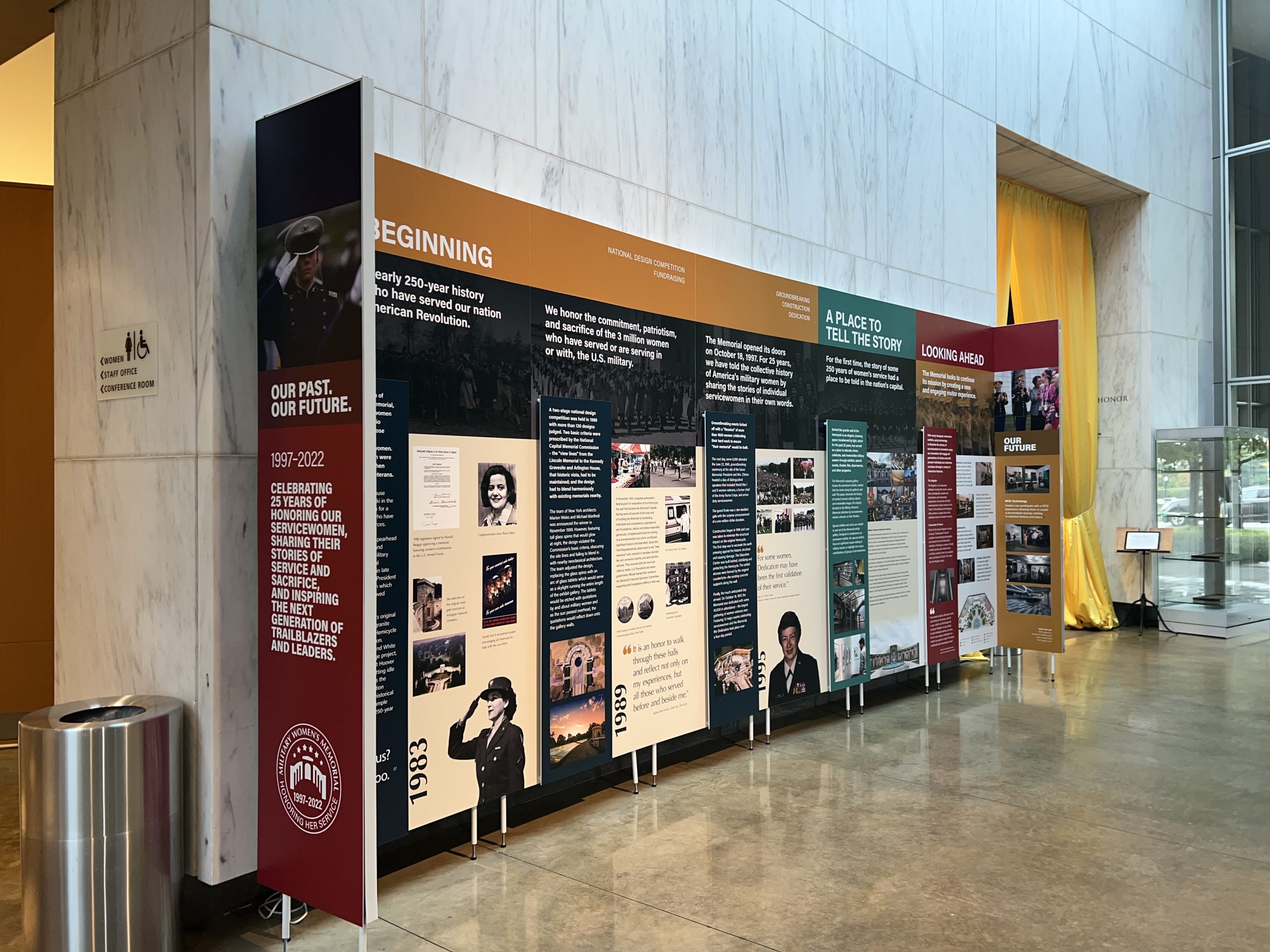
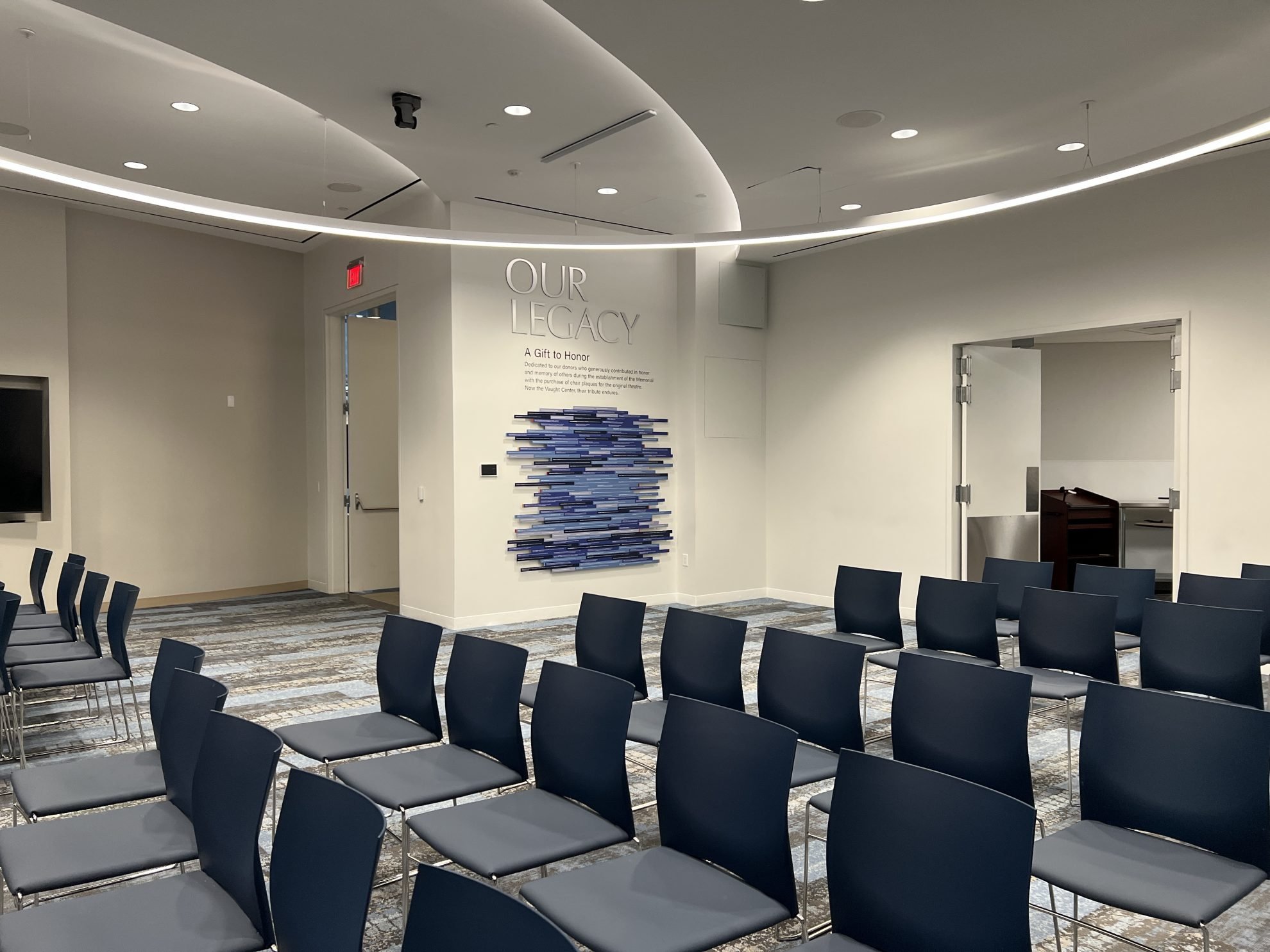
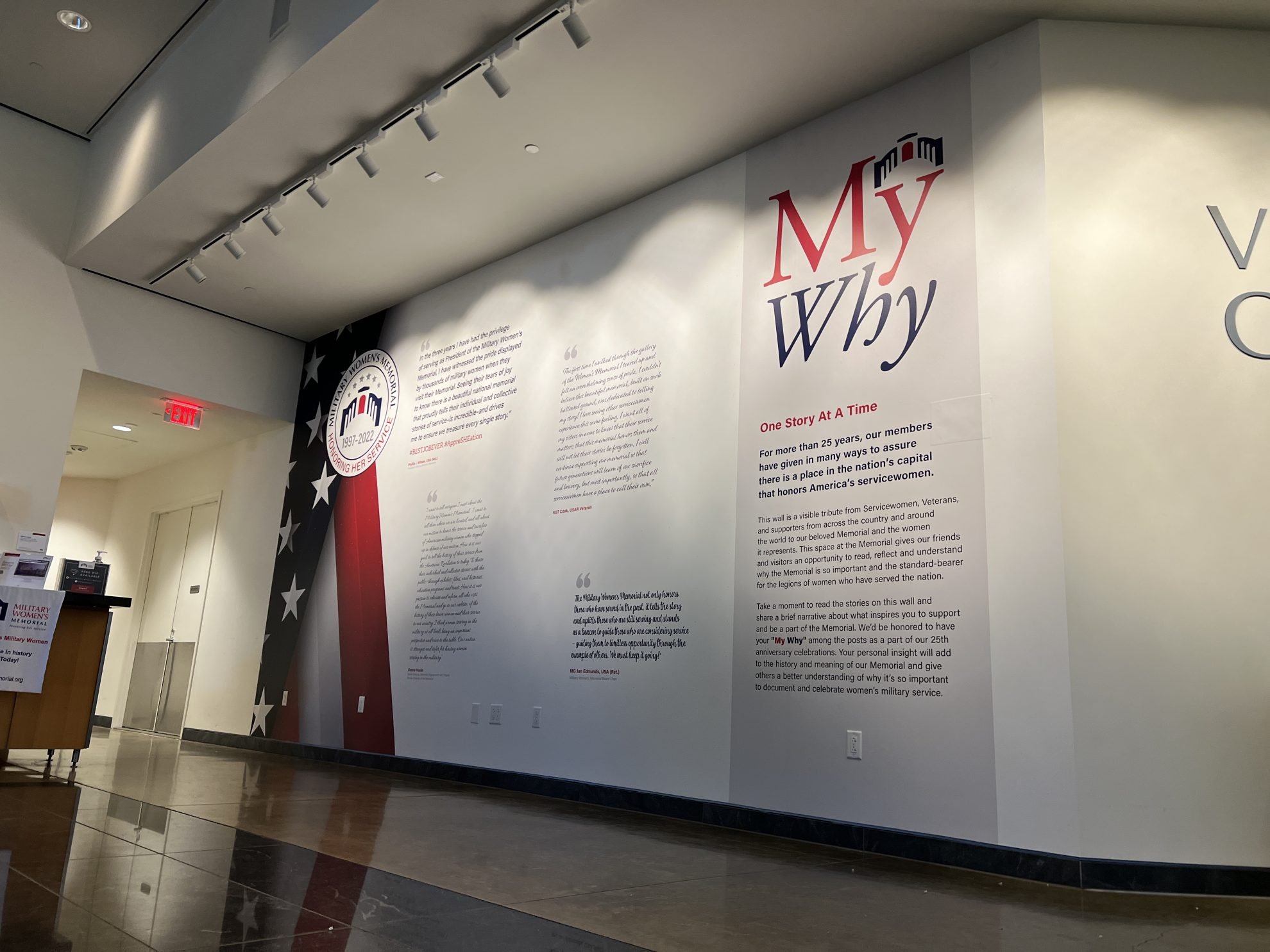
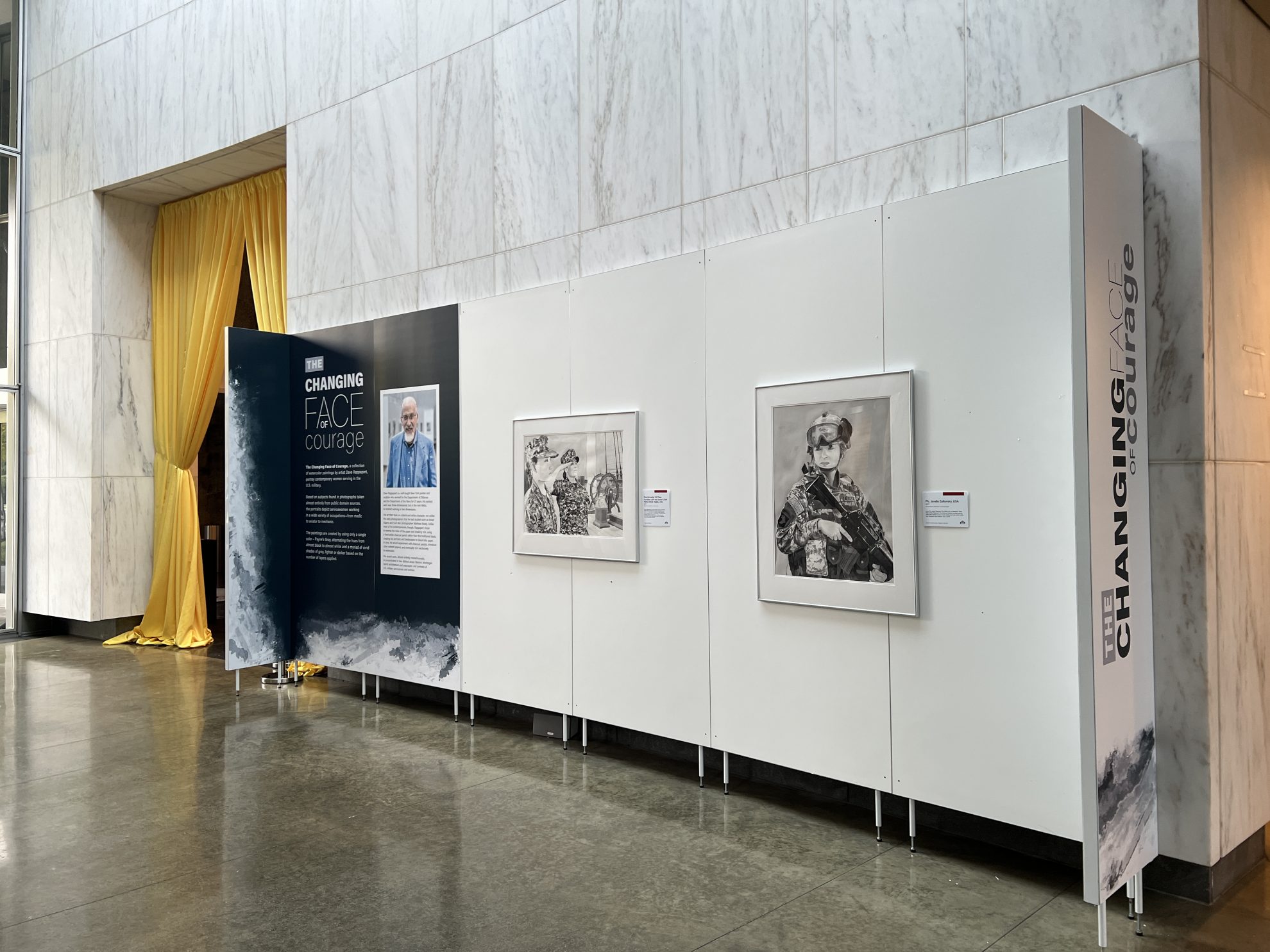
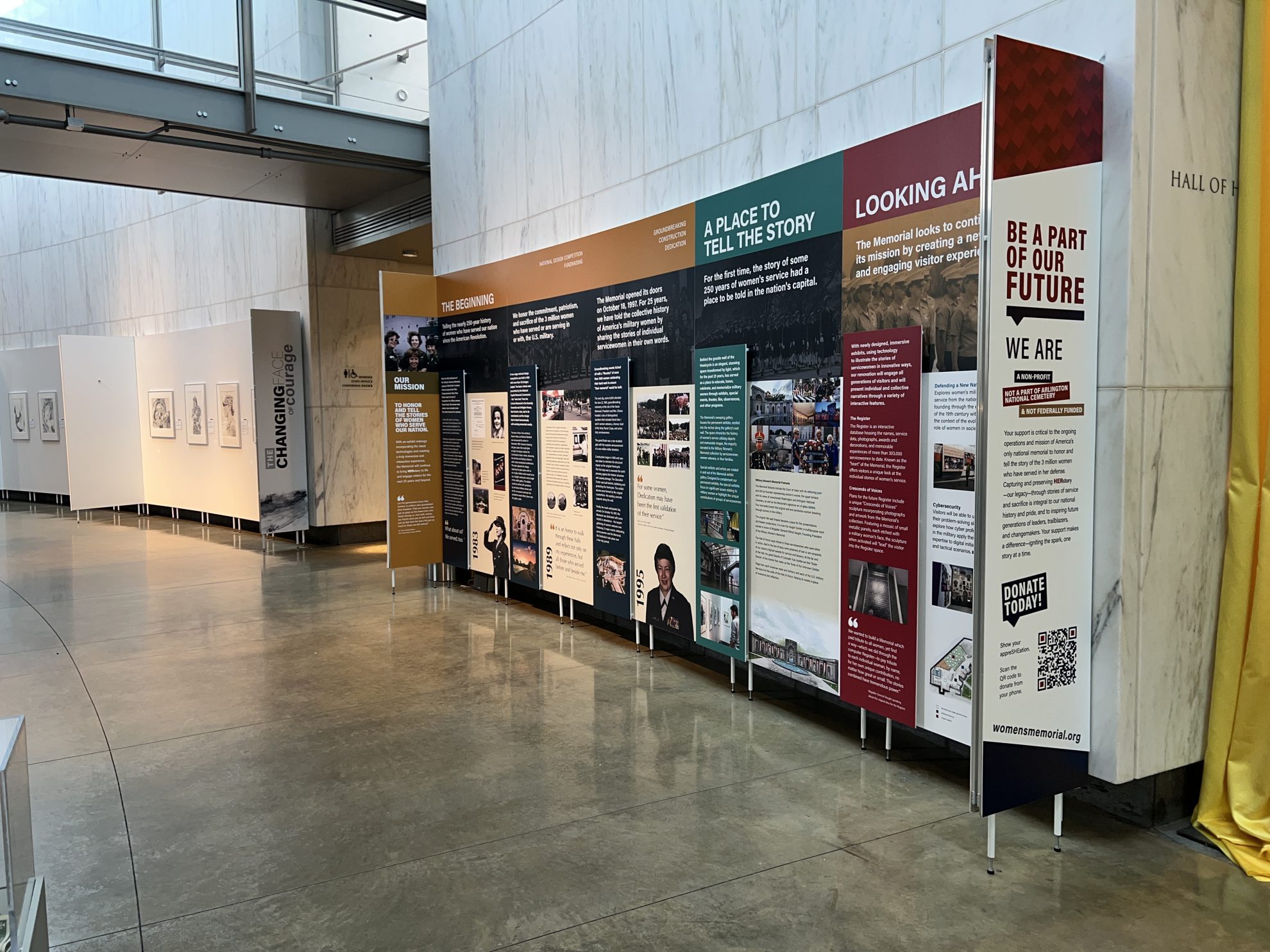
Heritage Signs & Displays created new museum signage for the Military Women’s Memorial in Arlington, VA. The project included custom signs, wall wraps, dimensional letters, and standoff-mounted displays to honor the legacy of U.S. servicewomen and the donors who supported the memorial. The updated interior features impactful designs, including a "Our Legacy" wall display and panels showcasing historical contributions and artwork, creating a transformative tribute to women in the U.S. Armed Forces.
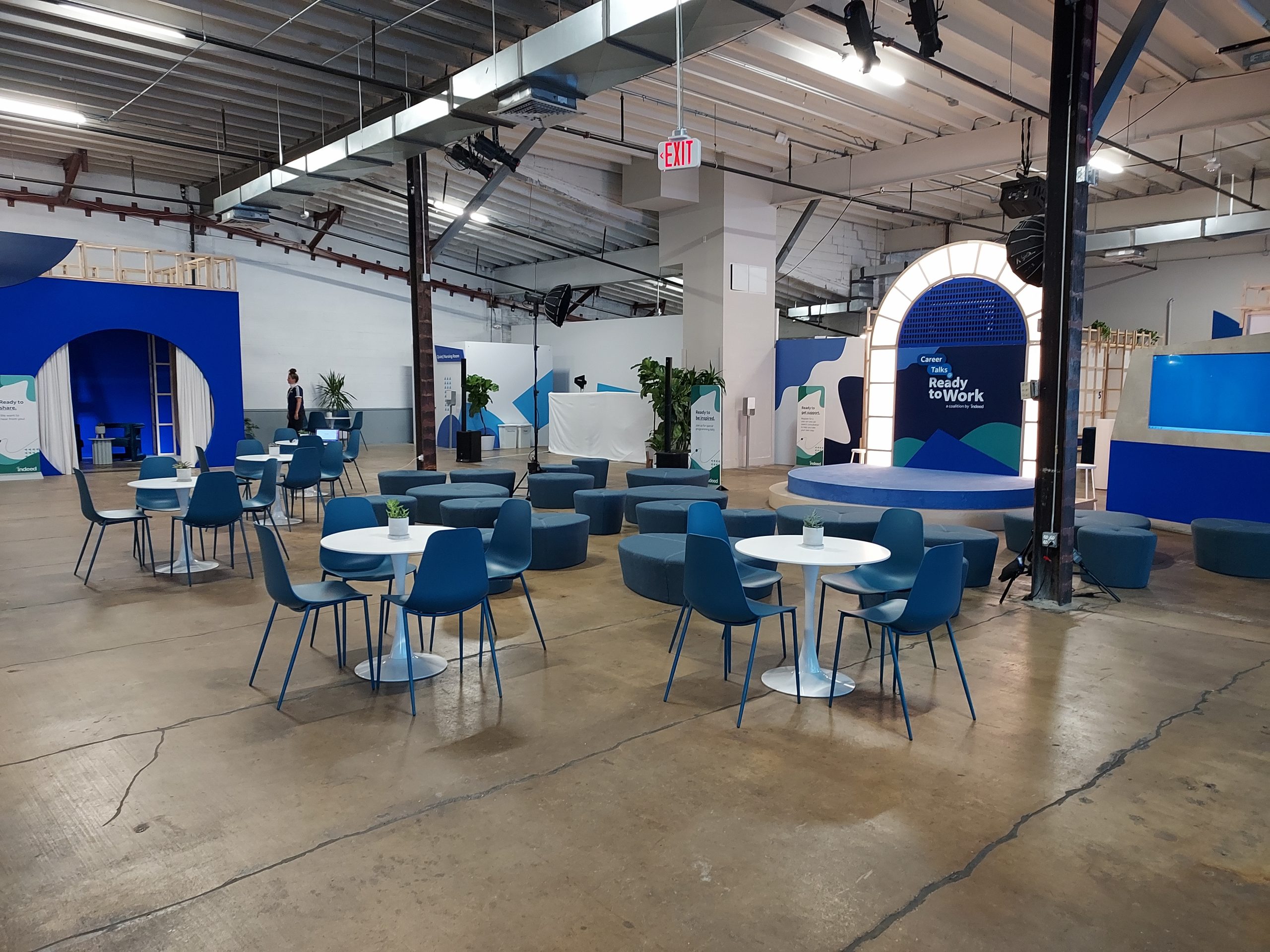
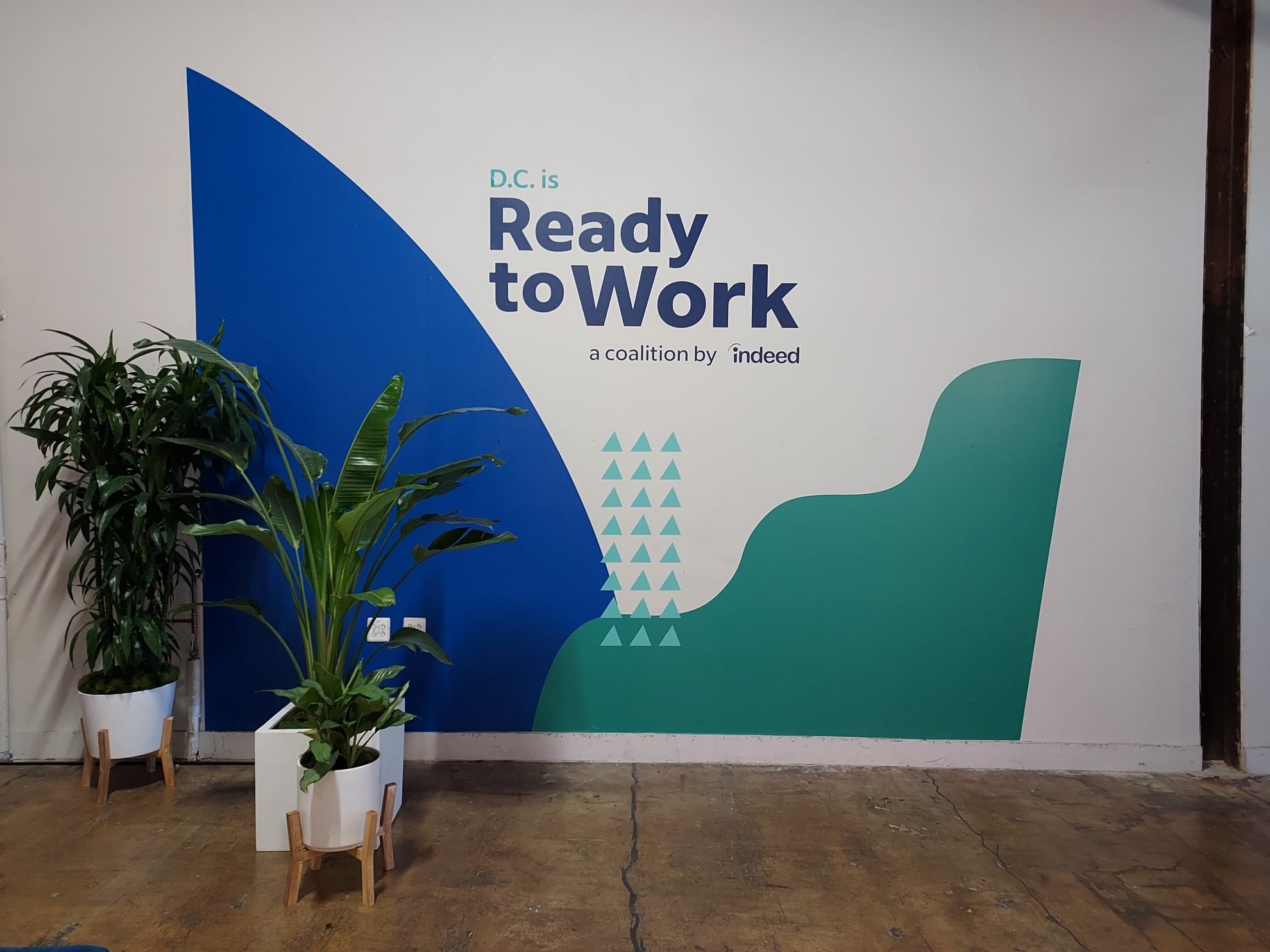
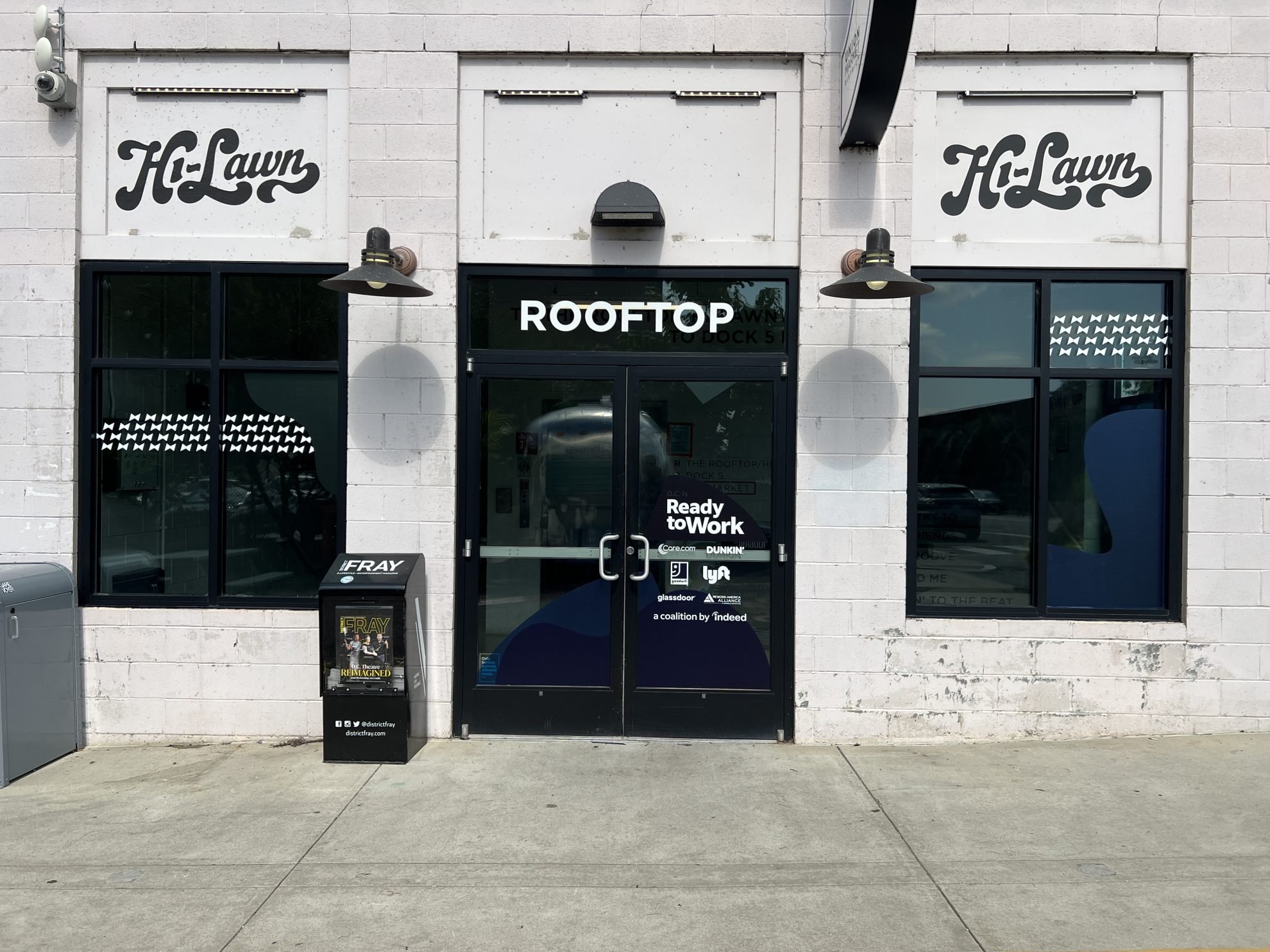
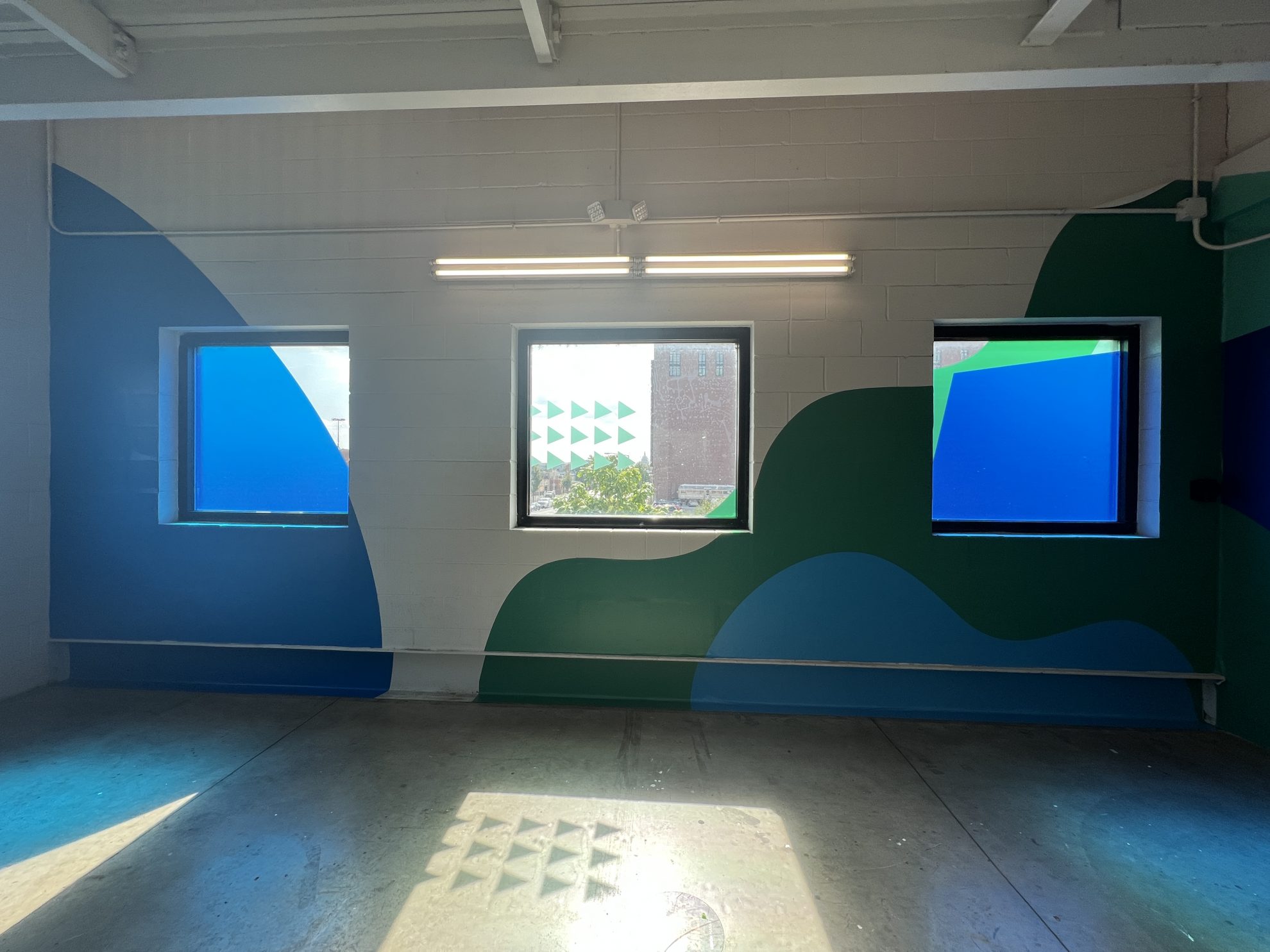
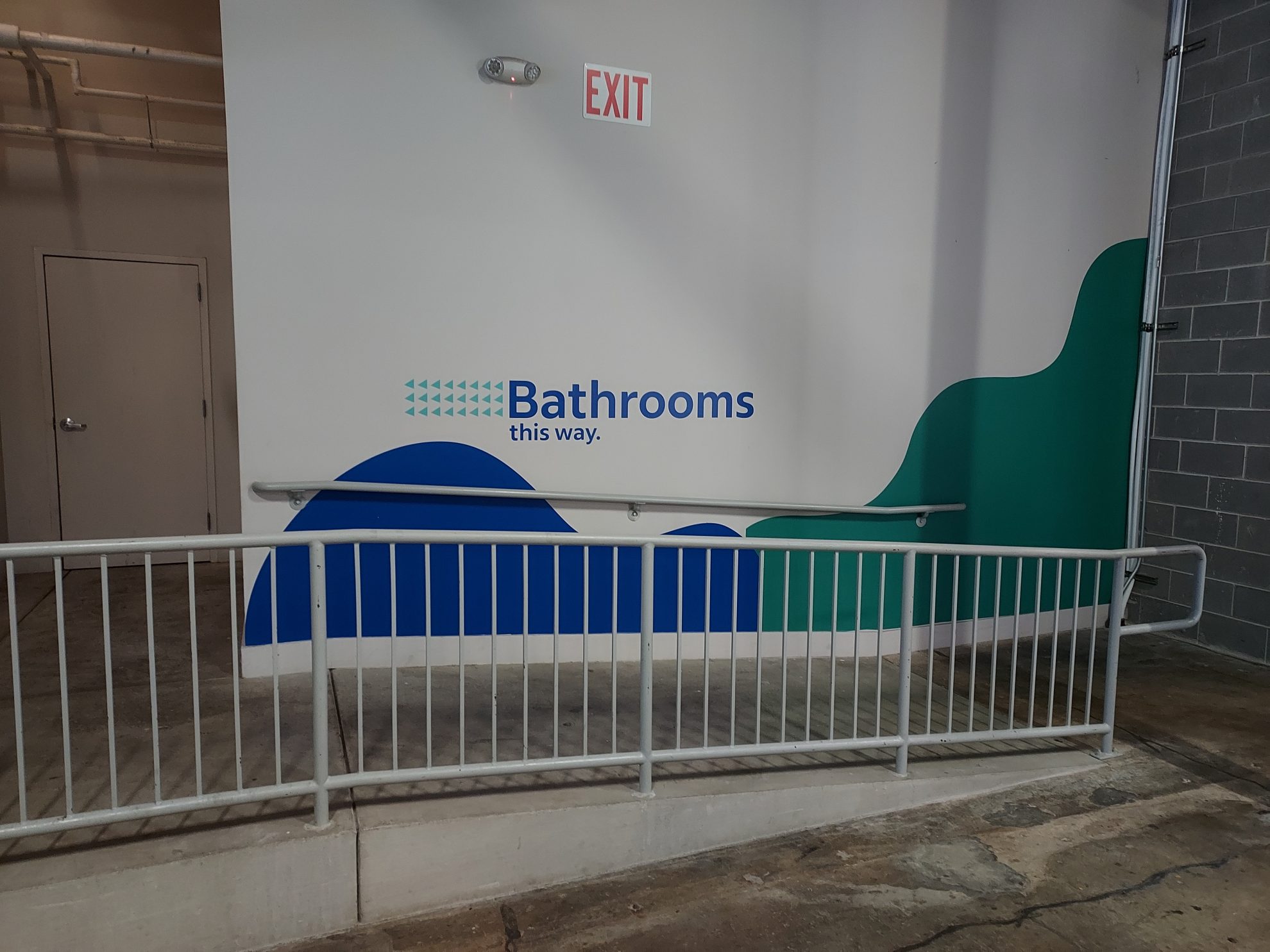
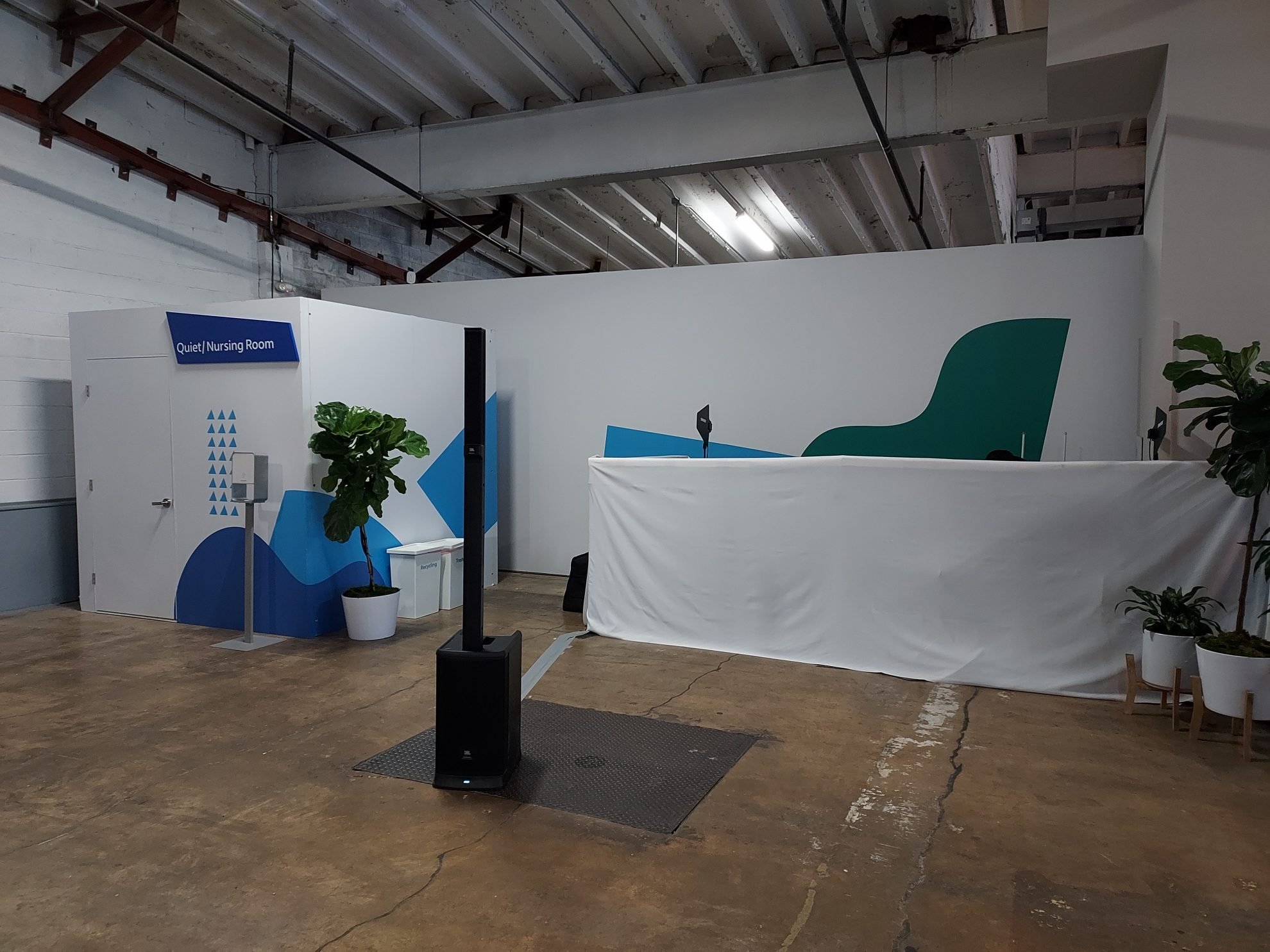
Heritage Signs & Displays' collaboration with The Gathery to brand Union Market in Arlington, VA, for Indeed's "Ready to Work" job fair. The project included custom event displays, wall graphics, window graphics, and wayfinding signs, creating an immersive and visually appealing environment. The branding enhanced the venue, reflected the event's mission, and provided a seamless experience for attendees.