

How Adhesive Vinyl Graphics Transform Washington, DC Workplaces
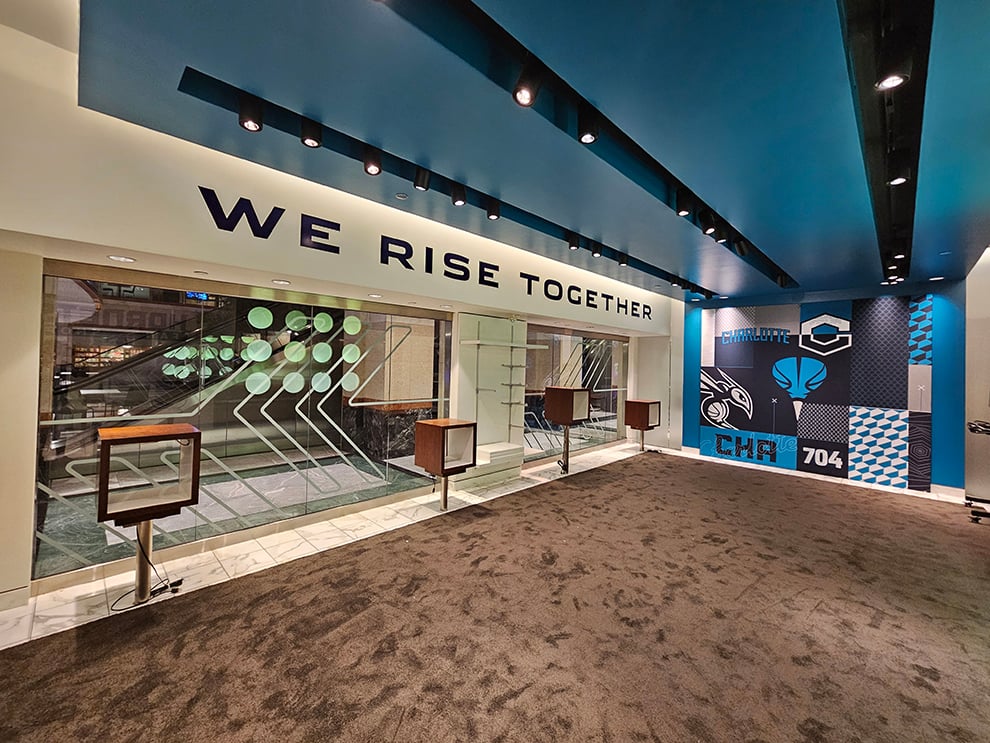
Workplace surfaces can become valuable communication opportunities when graphics are planned around the people, purpose, and physical environment of an organization. Adhesive vinyl graphics give Washington, DC organizations a flexible way to bring branding, imagery, messaging, privacy, wayfinding, and storytelling onto walls, glass, elevator surfaces, floors, and other compatible substrates without treating every communication need as a separate sign. The value of adhesive vinyl is not simply that it can carry a printed image or cut lettering. The greater opportunity is deciding where graphics can make a workplace clearer, more memorable, and more representative of the organization. A reception wall can introduce brand imagery before a visitor reaches the front desk. Conference room glass can combine privacy with branded patterns. A hallway can communicate company history or organizational values. Elevator doors can carry campaign or event messaging into high-traffic transition areas. For associations, nonprofits, professional firms, government contractors, institutions, healthcare organizations, universities, and other organizations throughout Washington, DC, Northern Virginia, and Maryland, these surfaces can become part of a larger workplace experience when they are designed and installed intentionally.
Adhesive Vinyl Is a Versatile Graphic Material, Not a Universal Solution
Adhesive vinyl is available in different constructions, finishes, adhesive systems, colors, and performance characteristics. It can be printed with custom imagery or cut into lettering, logos, patterns, and other graphic forms. The appropriate material depends on the surface, desired appearance, expected service period, environmental conditions, maintenance requirements, and how the graphic will be used. That distinction matters because not every vinyl belongs on every surface. Painted walls, glass, elevator doors, floors, and other substrates behave differently and may require different material systems and installation approaches. A graphic intended for a short event may also have very different requirements from workplace branding expected to remain in place for several years. Heritage Signs & Displays evaluates adhesive vinyl within the context of the actual project rather than assuming one material or adhesive system will work everywhere. Site conditions, visual goals, brand standards, installation access, cleaning practices, and the expected life of the graphic all influence the recommendation. The objective is to select a solution that supports the desired appearance while respecting the surface and intended use.
Wall Graphics Can Turn Blank Surfaces into Brand Storytelling
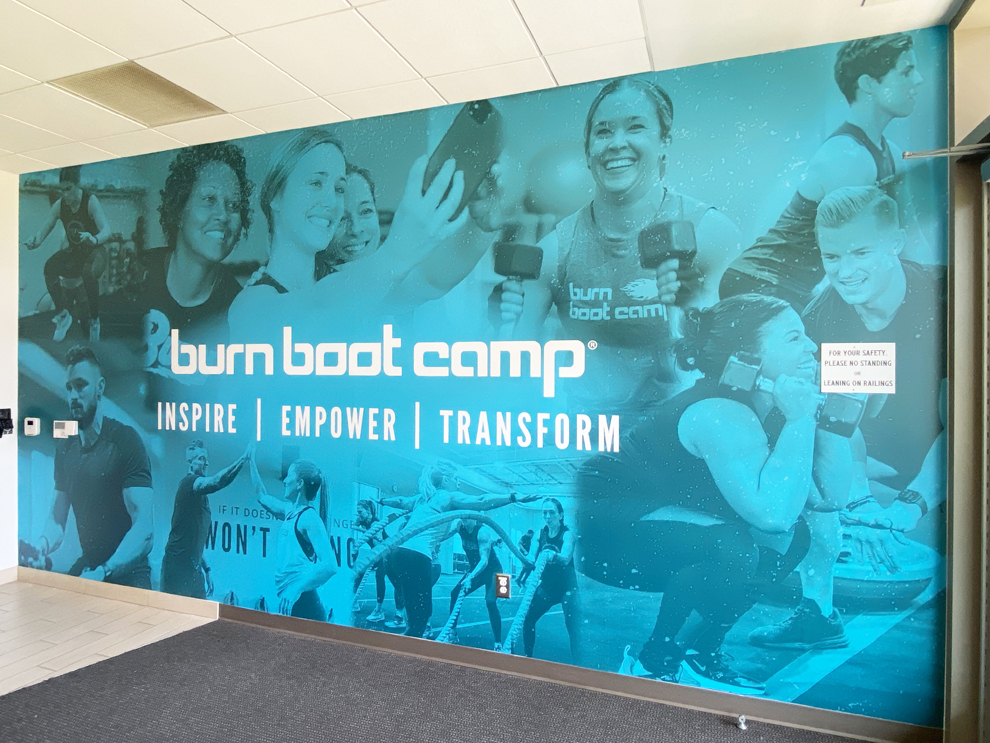
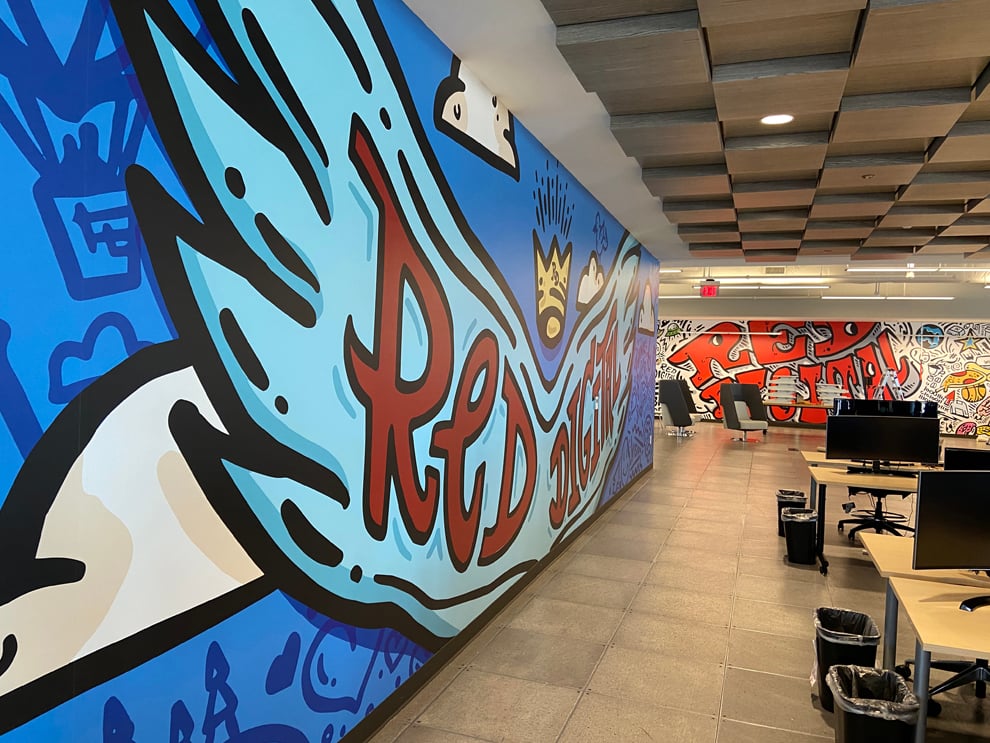
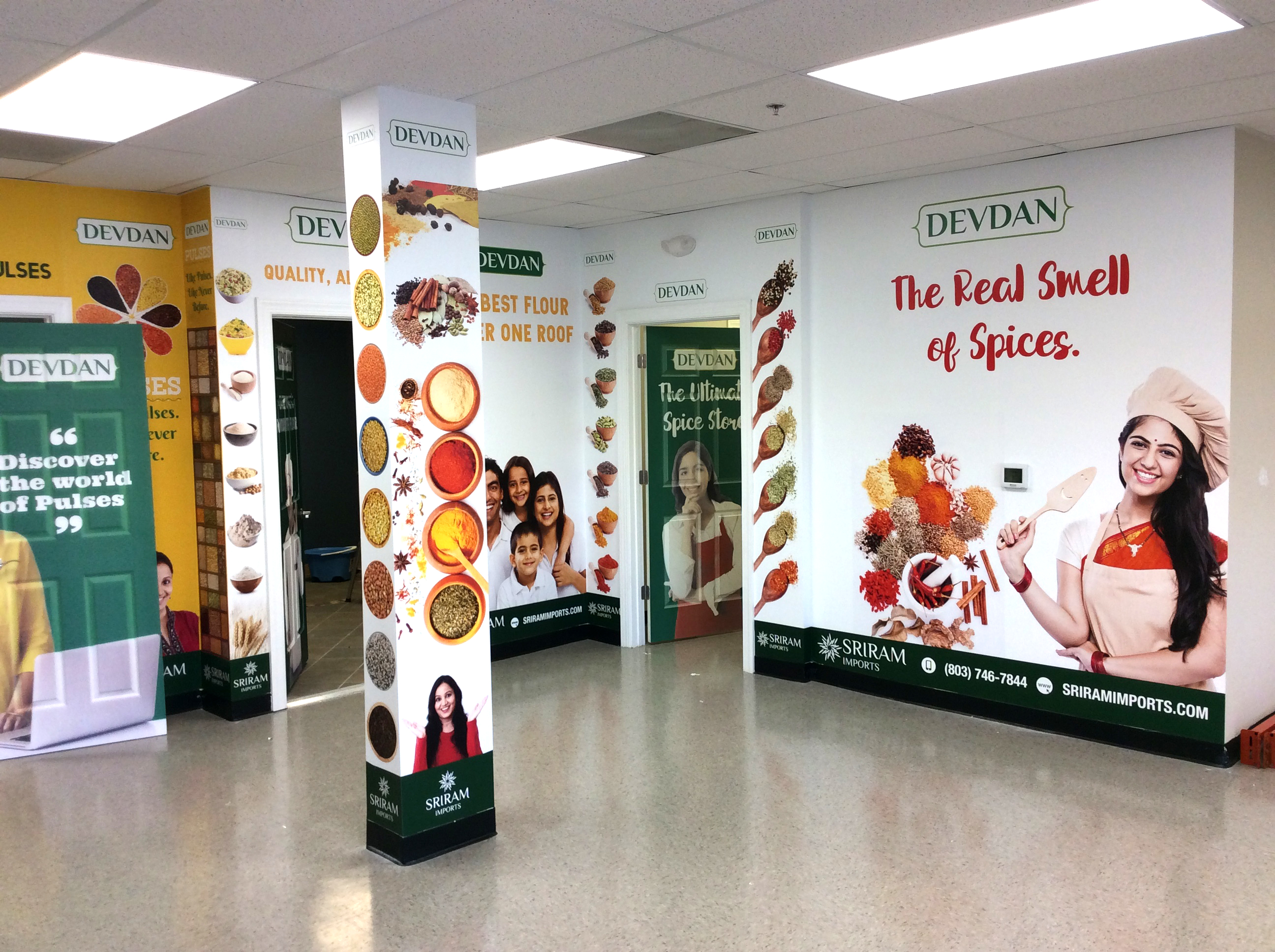
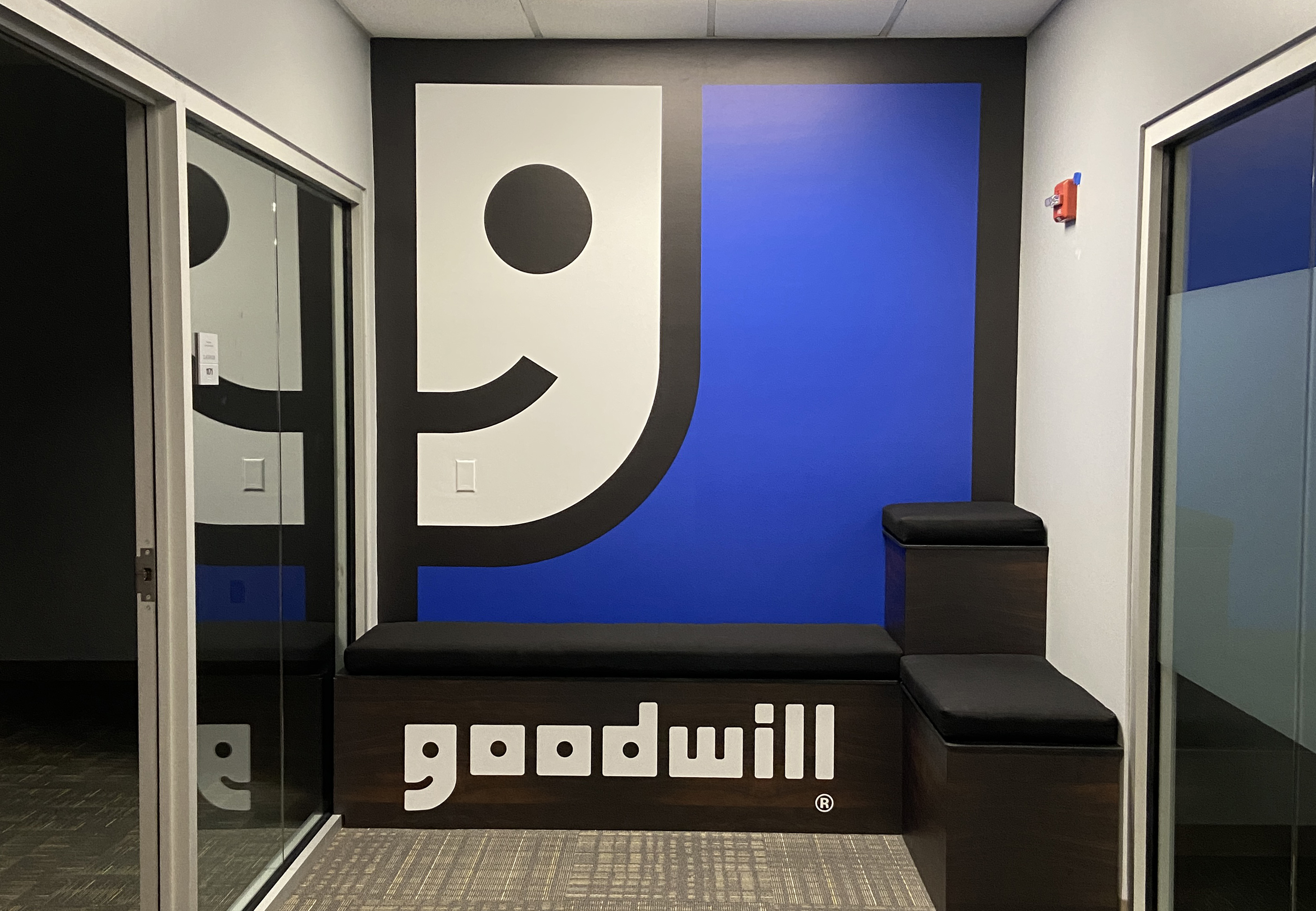
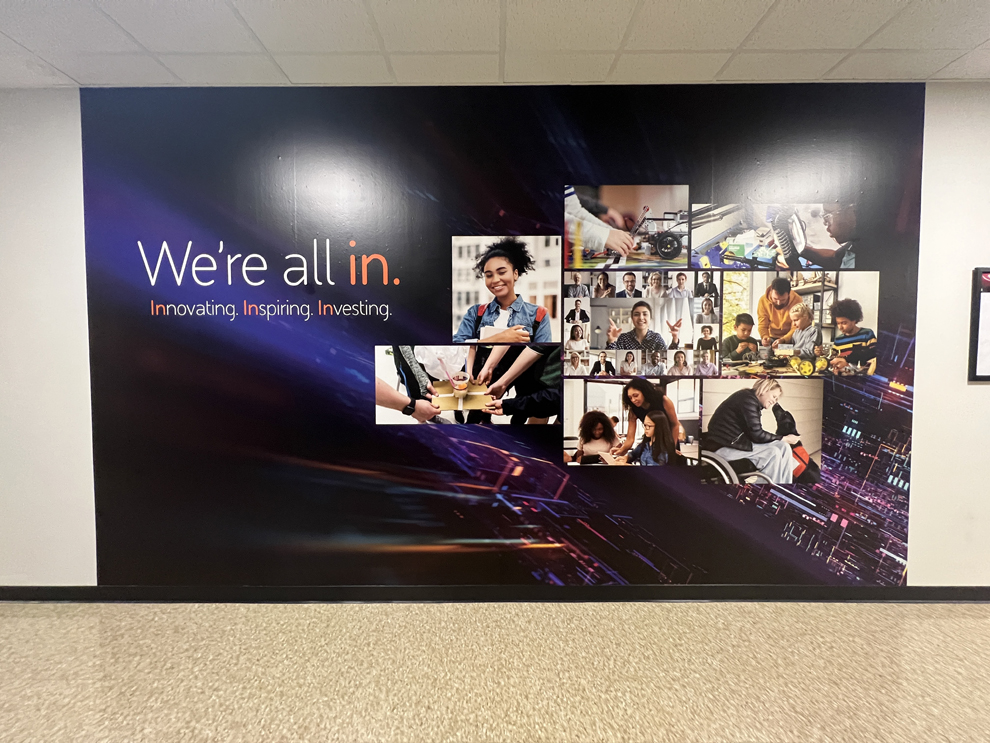
Walls provide some of the largest communication surfaces within a workplace. Adhesive vinyl can be used for full wall wraps, partial wall graphics, large-format photographs, patterns, maps, typography, logos, cut lettering, or graphic backgrounds that work with dimensional signs and mounted displays. These applications can reinforce company culture, communicate a mission statement or core values, explain organizational history, recognize contributors, celebrate achievements, or establish an engaging visual identity across reception areas, conference rooms, corridors, employee spaces, and other interiors. Large wall graphics can also serve as the visual foundation for more dimensional presentations. Acrylic panels, standoff mounted signs, dimensional lettering, photographs, recognition elements, or other fabricated components can be installed with the graphics to create a coordinated wall display. The strongest result comes from determining what the wall should communicate before deciding how much of it should be covered. That planning helps imagery, typography, scale, viewing distance, surrounding architecture, and related signs work together so the wall contributes to the larger workplace experience rather than functioning as decoration alone.
Glass Graphics Can Combine Branding, Privacy, and Visual Continuity
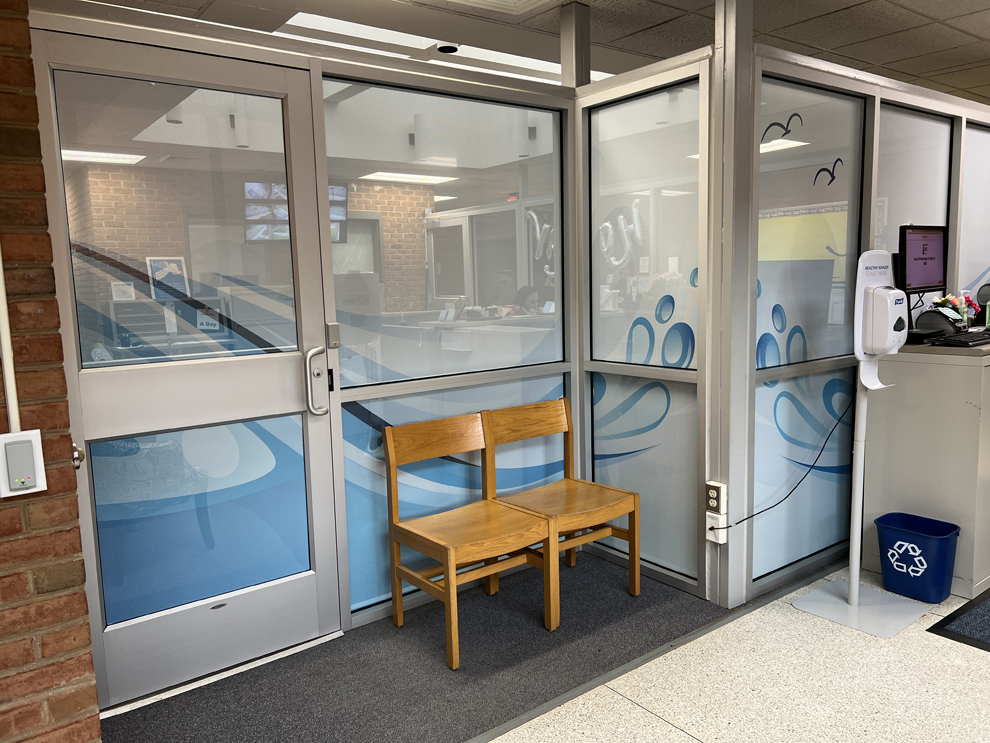
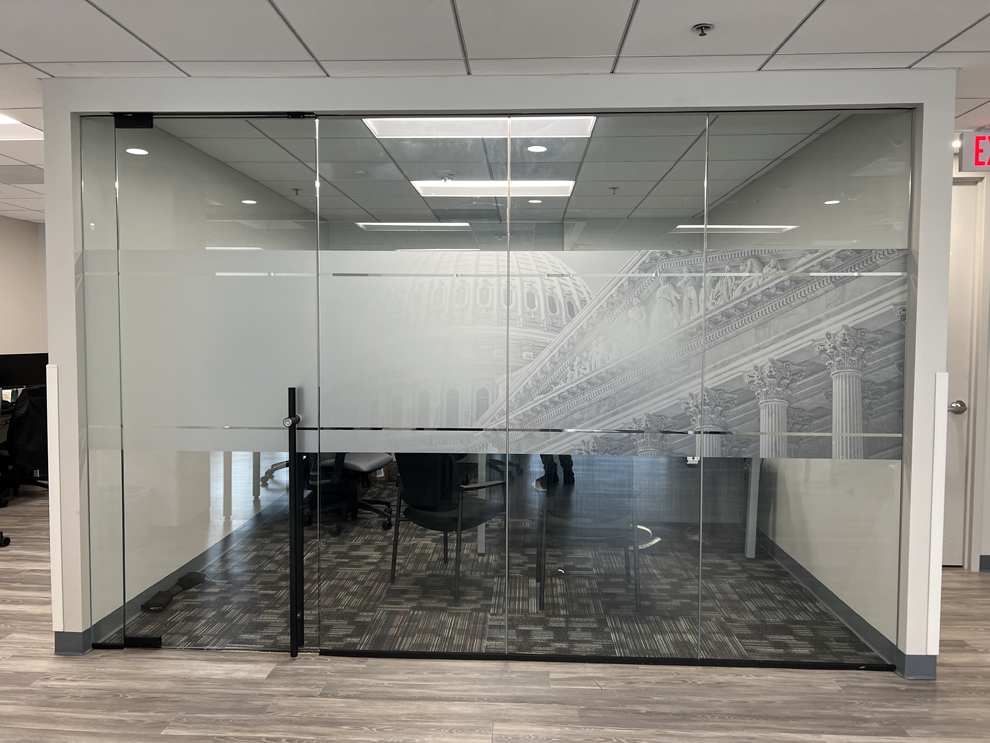
Office glass offers a different communication opportunity. Window graphics can carry logos, patterns, messaging, decorative imagery, or visual elements from surrounding walls onto conference rooms, office fronts, glass partitions, sidelights, and doors. Frosted vinyl and privacy film can help organizations create visual privacy without eliminating the openness and natural light that make glass attractive in contemporary workplaces. Clear glass may also incorporate distraction markers, decorative or branded vinyl graphics such as bands, dots, patterns, or logos that make the surface easier to notice. The graphic treatment should reflect the purpose of the glass. A conference room may require greater privacy than a lobby partition. A glass entrance may need restrained branding and identification. An event venue may use temporary graphics that serve a specific campaign or sponsor program. Heritage considers viewing conditions, lighting, privacy expectations, adjacent graphics, brand standards, and the actual glass before recommending a treatment. Thinking about the function of the glass first produces a more useful result than applying the same material, pattern, or level of coverage everywhere.
Wall Preparation Matters Before Adhesive Vinyl Is Installed
Painted wallboard requires more planning than simply checking whether the wall looks clean. For adhesive vinyl graphics, the wall should be smooth, sound, properly primed, painted, and fully cured according to the coating manufacturer’s requirements. Approximately four weeks is a useful planning expectation for many paints, although actual curing requirements vary by coating and site conditions. Low- and zero-VOC paints may require additional cleaning, adhesion testing, or a different vinyl and adhesive system. Testing can help identify compatibility concerns, but it cannot guarantee the strength of the underlying primer, paint, or paint-to-wall bond. If primer or paint peels, chips, or pulls away during testing or installation, Heritage stops rather than applying graphics to an unstable surface. The assigned project manager then works with the client and its facilities team or contractor to explain what occurred and coordinate the next steps. The client or property representative is responsible for necessary repair, priming, repainting, and curing before installation can continue. Surface preparation may not be the most visible part of a wall graphics project, but it is one of the most important.
Removable Vinyl Does Not Mean Damage-Free Removal
The term removable can create unrealistic expectations if it is not explained carefully. A removable adhesive system is designed with future removal in mind, but that does not guarantee that a painted wall will remain unchanged after the graphic is removed. Paint condition, primer, adhesive, wall preparation, length of installation, environmental conditions, and the strength of the underlying wall system can all affect the result. Adhesive residue, ghosting, paint loss, or damage to the drywall facing may occur even when the original graphic was installed correctly. For planning purposes, organizations should assume that painted walls may require repair and repainting after adhesive vinyl graphics are eventually removed. Heritage may include removal of existing graphics as part of a new Heritage production and installation project, while restoration, refinishing, repainting, and related surface repairs remain the responsibility of the client or property representative. This is especially important for workplaces that expect frequent branding changes, temporary campaigns, renovations, or future tenant improvements. Clear expectations at the beginning of a project help organizations plan both the installation and the eventual transition to whatever comes next.
Adhesive Vinyl Can Support More Than Walls
Walls and windows may be the most familiar applications, but adhesive vinyl can support many other workplace and event needs when the substrate and installation conditions are appropriate. Elevator doors can become branded visual features. Selected floor graphics can provide direction, identification, event messaging, or temporary communications when the material, traffic conditions, maintenance practices, and installation environment support the application. Cut vinyl lettering can add names, messages, logos, room identification, and other graphic elements without covering an entire surface. Adhesive vinyl can also help connect temporary event graphics with permanent workplace branding when each application uses materials suited to its expected service period. The common thread is not the product itself. It is how the graphic contributes to the larger experience. Heritage approaches these applications through environmental graphic design, site information, material selection, production planning, fabrication, and professional installation. One assigned project manager helps connect the client’s goals, brand standards, artwork, surface conditions, scheduling, production, and installation details so those responsibilities remain coordinated from the initial discussion through the completed installation.
Using Adhesive Vinyl as Part of a Larger Workplace Branding Strategy
A single vinyl graphic can create impact, but adhesive vinyl often becomes more valuable when it works with other elements throughout the workplace. A wall wrap might frame dimensional lettering. Frosted vinyl can complement a lobby sign. Window graphics can extend visual themes established on interior walls. Elevator graphics can carry branded messaging into another part of the building. Directional graphics can support wayfinding while using the same colors, typography, and design language found elsewhere in the space. Considering these relationships helps avoid a collection of unrelated graphics that compete for attention. Heritage Signs & Displays is a veteran-owned and family-led company founded in 1977. We help organizations throughout Washington, DC and the Mid-Atlantic connect signs, graphics, displays, and surfaces through environmental graphic design, project management, production, fabrication, and professional installation. If your organization is considering adhesive vinyl as part of a workplace branding, storytelling, privacy, wayfinding, or event project, Get Started Now and share your goals, location, photographs, timing, available artwork, and other project information. Our team can help determine which surfaces and graphic applications best support the experience you want to create.
Frequently Asked Questions About Adhesive Vinyl Graphics
Can adhesive vinyl be installed on any wall?
No. Adhesive vinyl works best when the wall and coating system are appropriate for the selected material. Painted wallboard should generally be smooth, sound, properly repaired, primed, painted, and fully cured. Texture, moisture, contamination, previous coatings, paint formulation, wall condition, and other factors can affect adhesion. Low- and zero-VOC coatings can sometimes require additional cleaning, testing, or a different adhesive system. Heritage evaluates the actual surface and may perform adhesion testing when appropriate. Testing can help identify compatibility concerns, but it cannot guarantee the strength of the primer, paint, or underlying paint-to-wall bond.
How long should new paint cure before wall graphics are installed?
Approximately four weeks is a useful planning expectation for many paints, but the coating manufacturer’s requirements and actual site conditions determine readiness. Some low- and zero-VOC paints may require additional preparation or a different adhesive system. A wall that feels dry to the touch is not necessarily fully cured and ready for adhesive vinyl.
Can removable vinyl be taken down without damaging paint?
Removable describes the characteristics of the adhesive system and should not be interpreted as a promise of damage-free removal. The condition of the wall, primer, paint, surface preparation, adhesive, length of installation, environmental conditions, and strength of the underlying paint system can all affect what happens during removal. Adhesive residue, ghosting, paint loss, or damage to the drywall facing may occur. For planning purposes, clients should assume that repair and repainting may be necessary after wall-applied vinyl is removed. Heritage may remove existing graphics as part of a new Heritage production and installation project, while restoration and repainting remain the client’s responsibility.
Can adhesive vinyl graphics be coordinated across several offices?
Yes. A coordinated graphics program can preserve approved brand standards, colors, imagery, materials, and production expectations while adapting each installation to the dimensions and conditions of the individual workplace. One assigned Heritage project manager can help coordinate multi-location work while Heritage team members support site surveys and installation within the regional markets we serve.