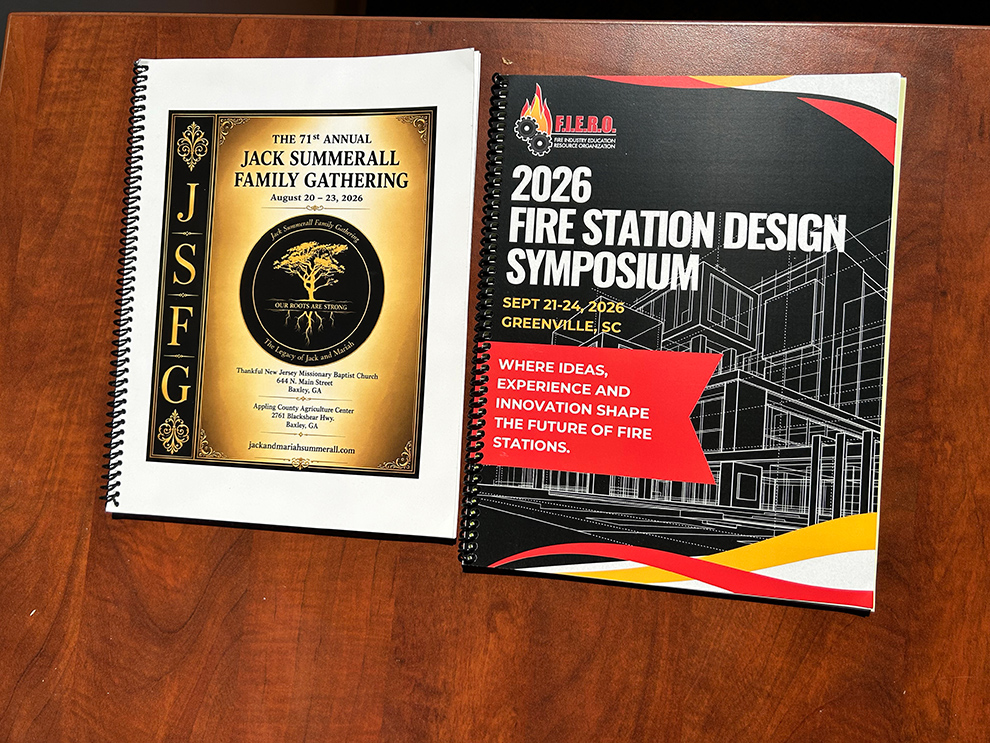
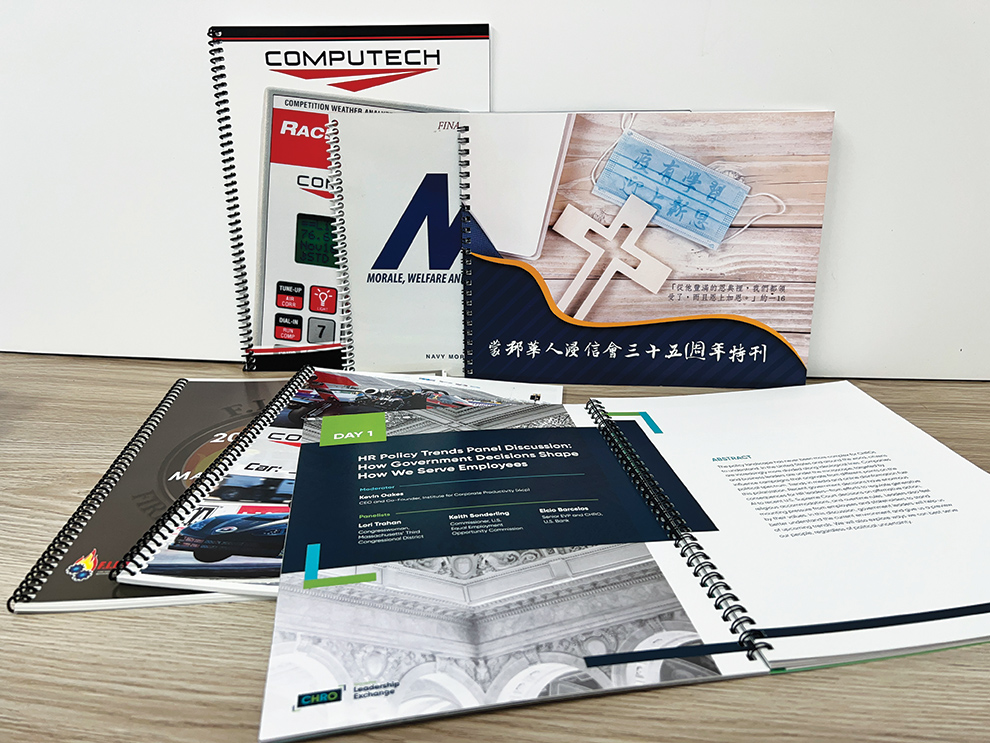
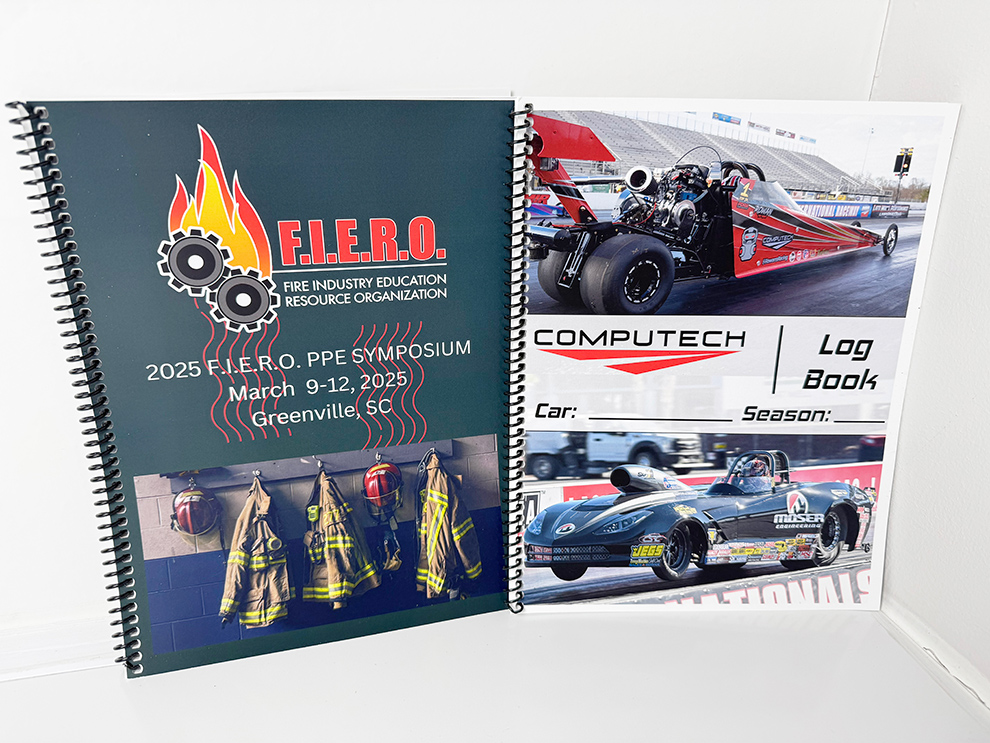
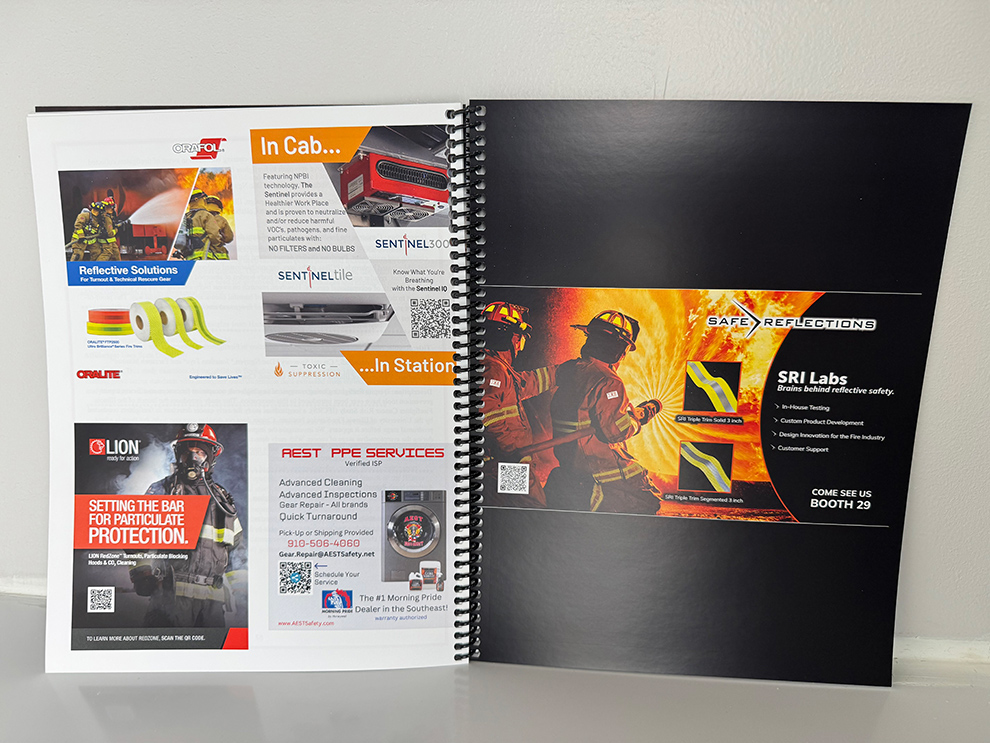
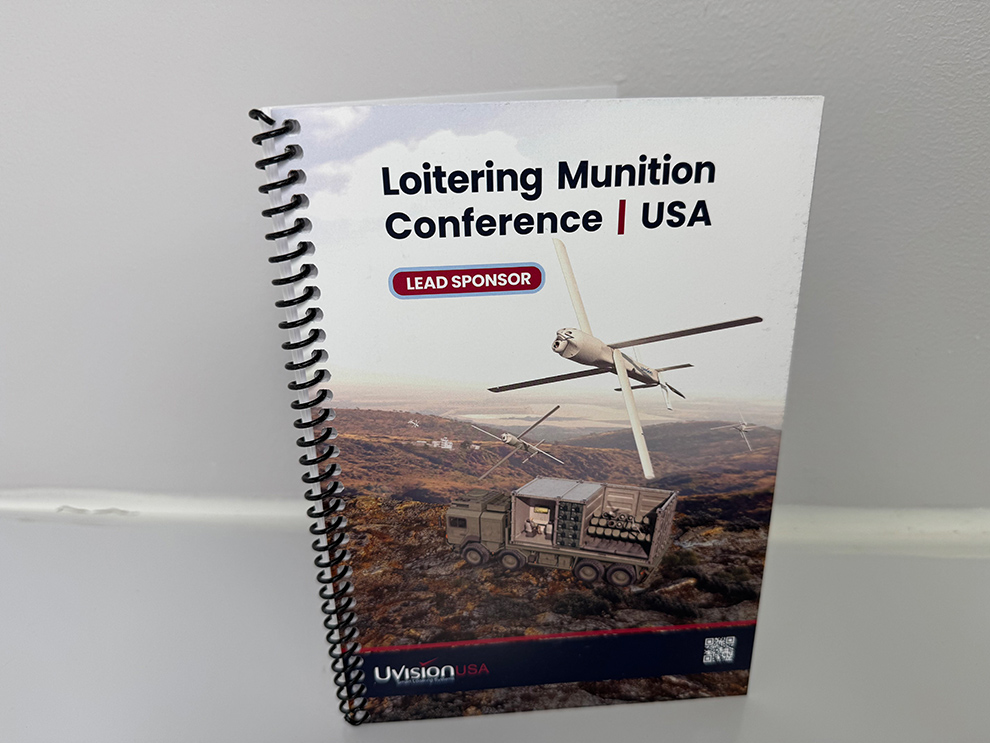
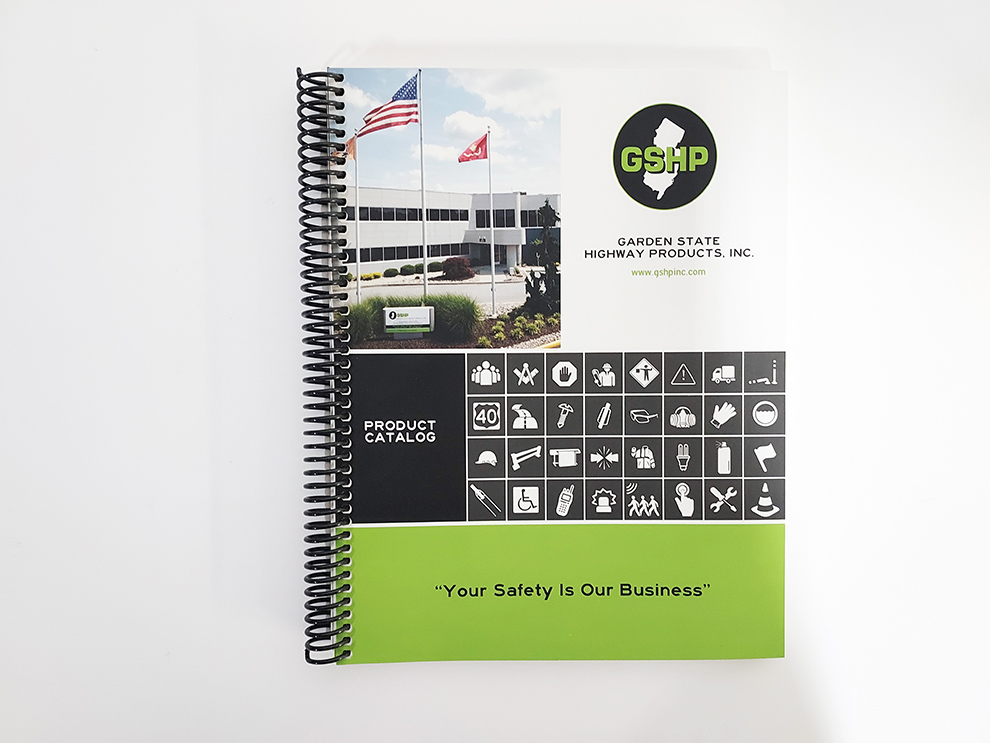
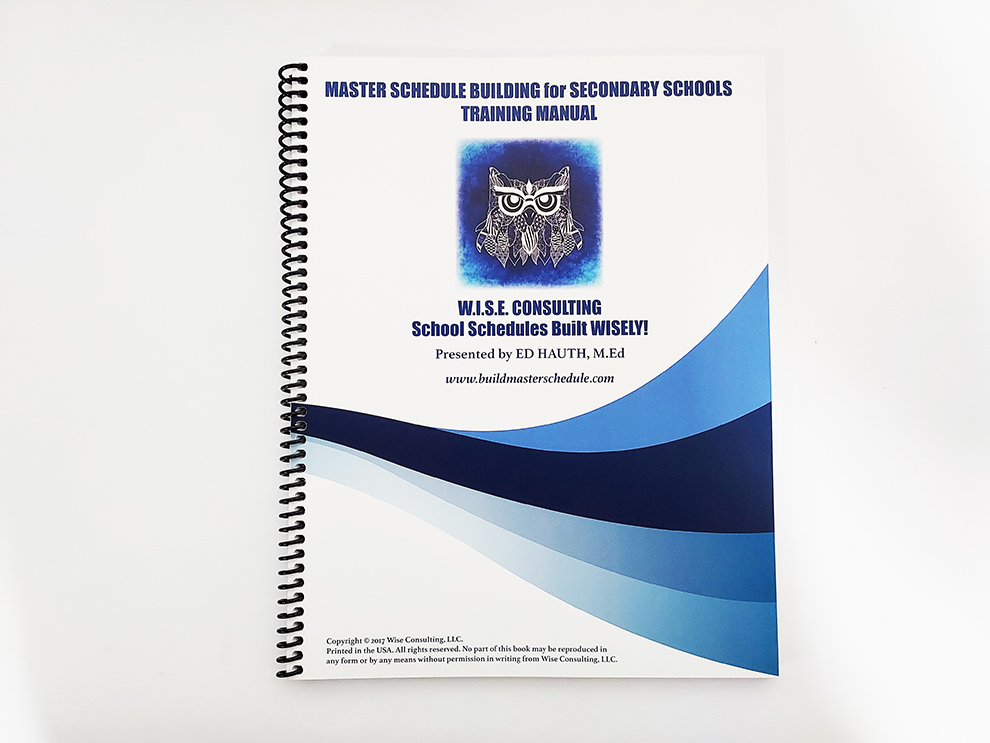
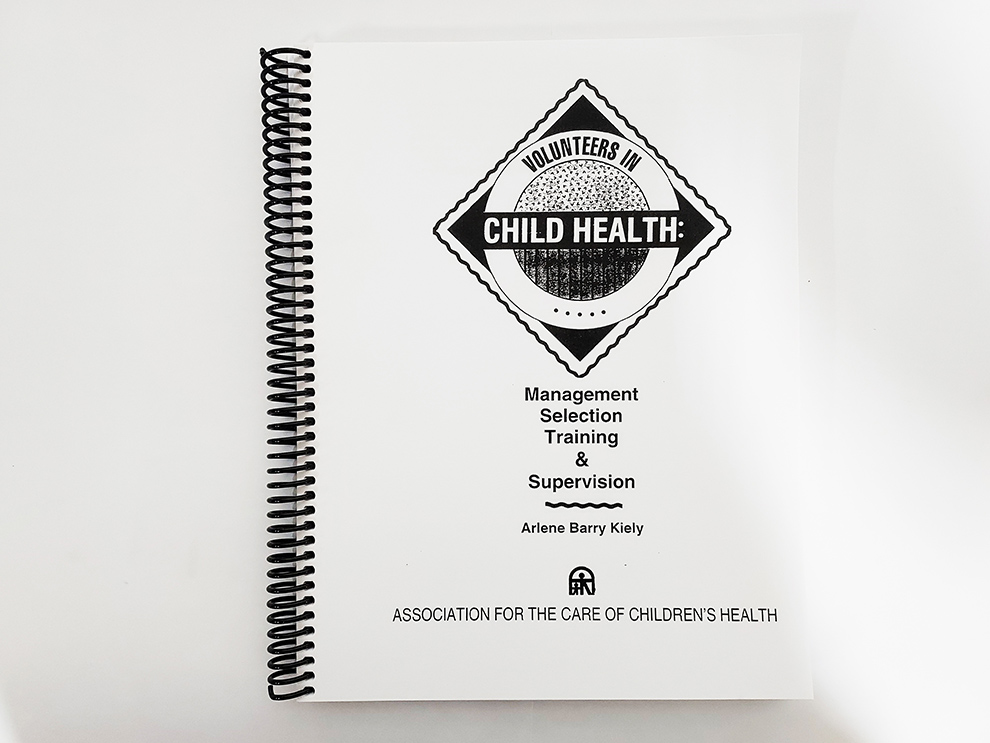
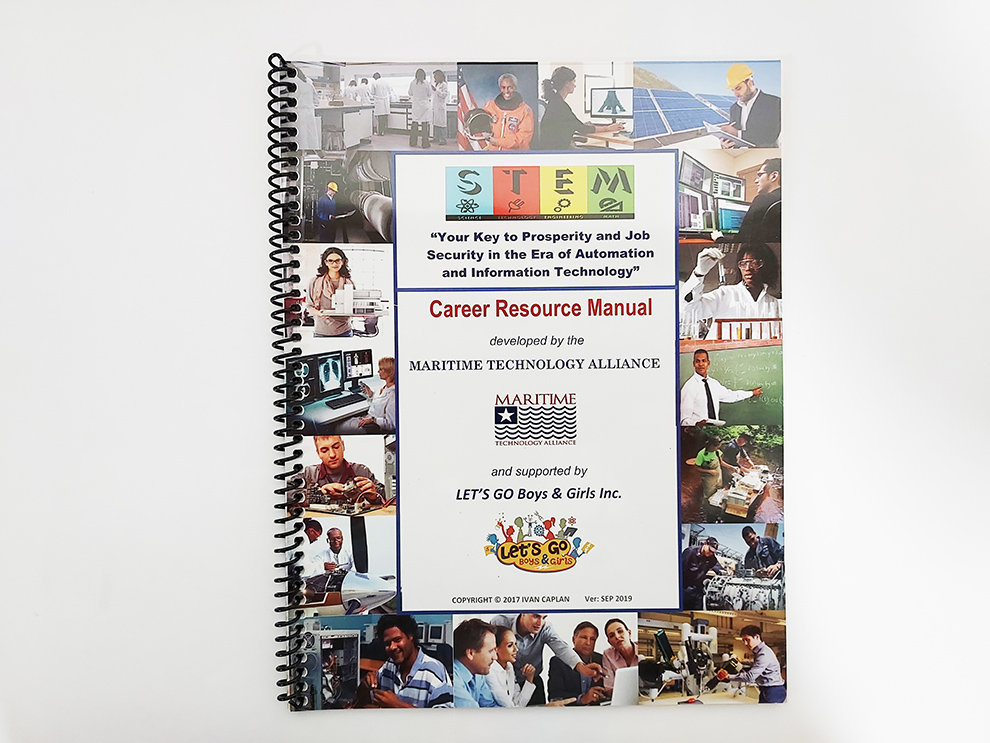
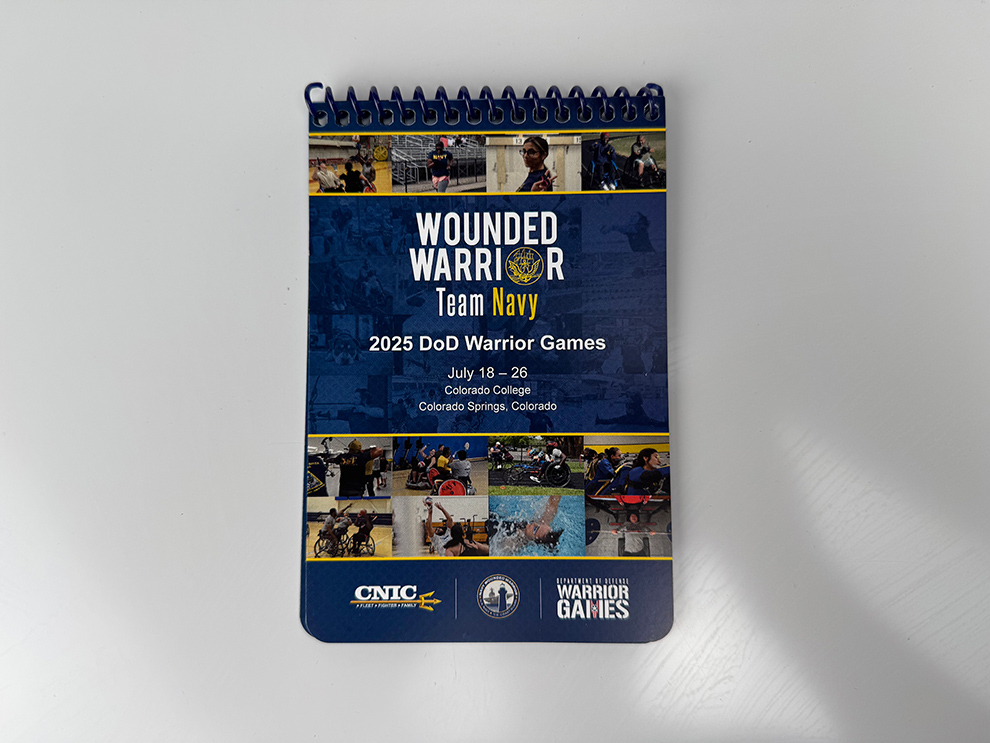
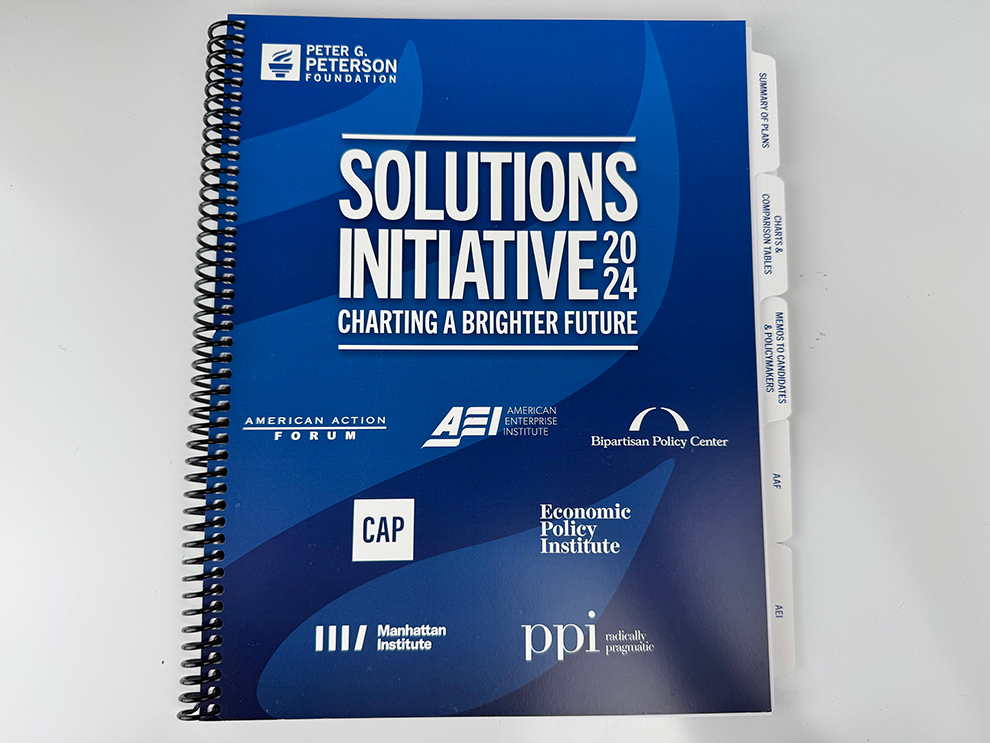
A procedure manual that keeps snapping shut on a lab bench or a workbook that will not stay open on a crowded seminar table slows everyone down. Bethesda, MD organizations that print training materials, operating procedures, course packets, and reference guides need books that cooperate with the reader instead of fighting the hand that holds them.
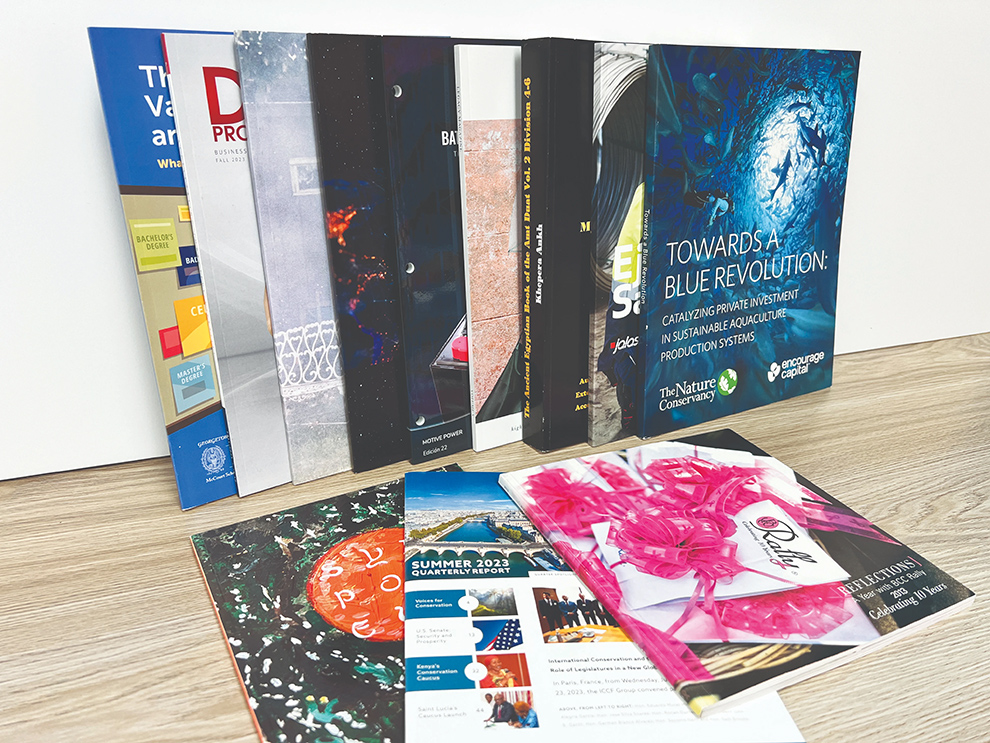
Heritage produces spiral bound books with plastic coil binding for exactly this kind of hands-on use. The coil allows every page to lie flat on the work surface, turn without resistance, and fold completely behind the book when the reader only needs one page in view. For someone following steps, filling in exercises, or checking a reference while working, those small mechanical advantages add up to a document that gets used rather than set aside.
Protective covers, laminated fronts, rigid backs, and tabbed dividers can be added when the chosen production path supports them, giving a frequently handled book a longer working life. Behind those choices sits Heritage's professional printing process, with careful color management, electronic proofing, and finishing that keeps every copy consistent.
Heritage began as a printing company in 1977, and that production background shapes how a coil-bound order moves through the shop today. Automated plastic-coil binding equipment handles the punching and coil insertion with consistent alignment, while the surrounding workflow checks page sequence, assembly order, cover placement, and finishing before any quantity is counted as complete. Color management and electronic proofing give you a chance to catch content or layout concerns before the press runs.
Those controls matter in Bethesda, MD, where many organizations operate in health care, research, professional services, education, and association work that depends on accurate written procedures and course materials. A manual with a page out of order or a coil that catches on the cover undermines the credibility of the content inside it.
Production for Bethesda and the Mid-Atlantic region is supported by Heritage's Waldorf, Maryland facility, a dedicated production site rather than a sales office or showroom. When your program date is fixed, Heritage reviews file readiness, quantity, finishing, and available capacity before committing to a schedule, so the timeline you receive is one the production floor can keep.
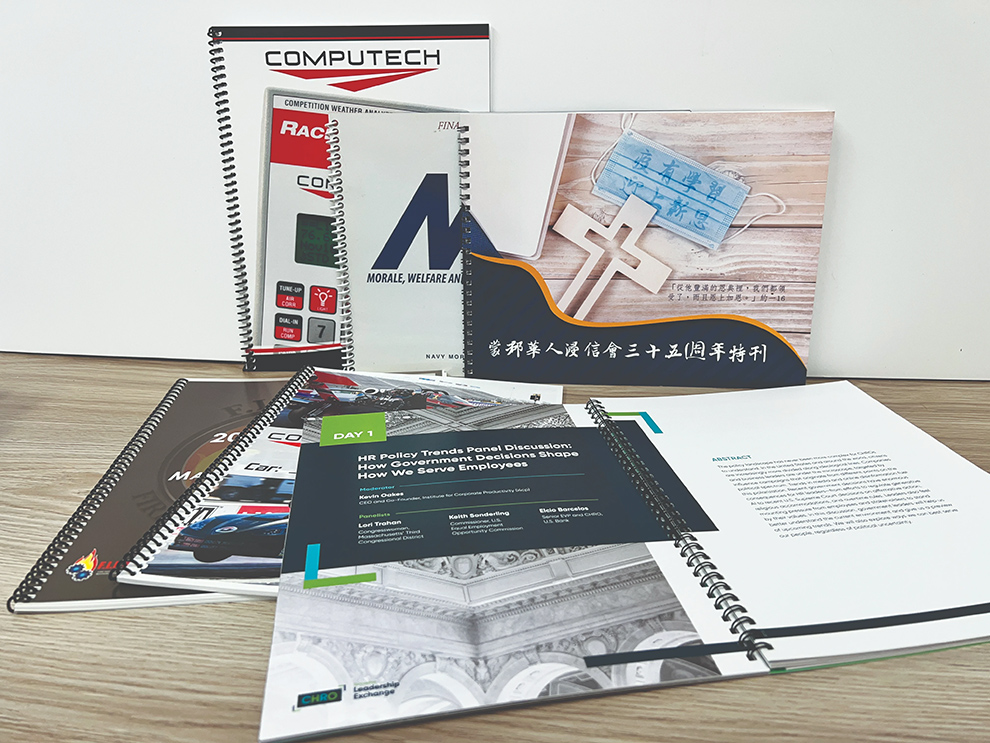
The right binding depends on what the reader does with the book once it is open. If the document will be consulted step by step, written in, propped beside a keyboard, or passed between several people over months of use, plastic coil binding is usually the practical answer. Pages rotate fully around the coil, the book lies flat without being held down, and it folds back to a single page when space is tight.
Those traits serve safety procedures, lab protocols, clinical reference guides, onboarding workbooks, continuing-education packets, and membership directories well. Adding section tabs or dividers shortens the search for the right page, and a laminated front cover with a heavier back resists the scuffs and bent corners that come from living in a bag or on a shared counter.
Perfect binding answers a different need. Its glued, squared spine prints a title that can be read on a shelf and gives annual reports, bound proposals, and published guides a finished publication feel. Choose coil when function during use is the priority and perfect binding when presentation and shelf appearance carry more weight.
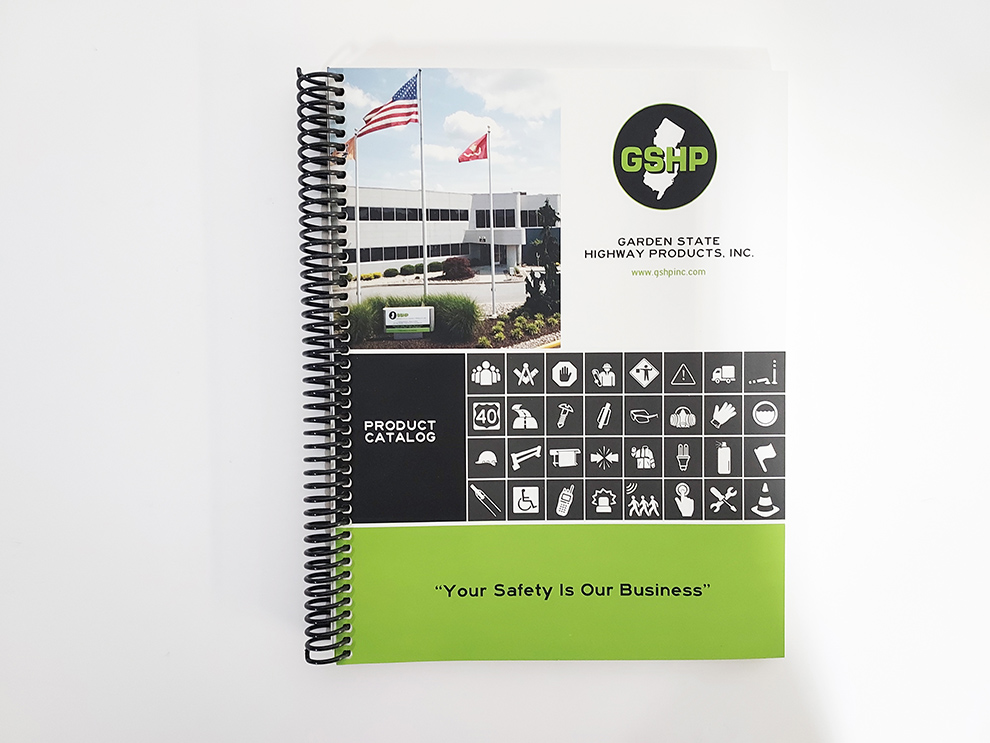
A coil-bound manual rarely travels alone. The same training program, member drive, or quarterly meeting in Bethesda, MD often calls for other printed pieces, and Heritage can produce them under the same production standards.
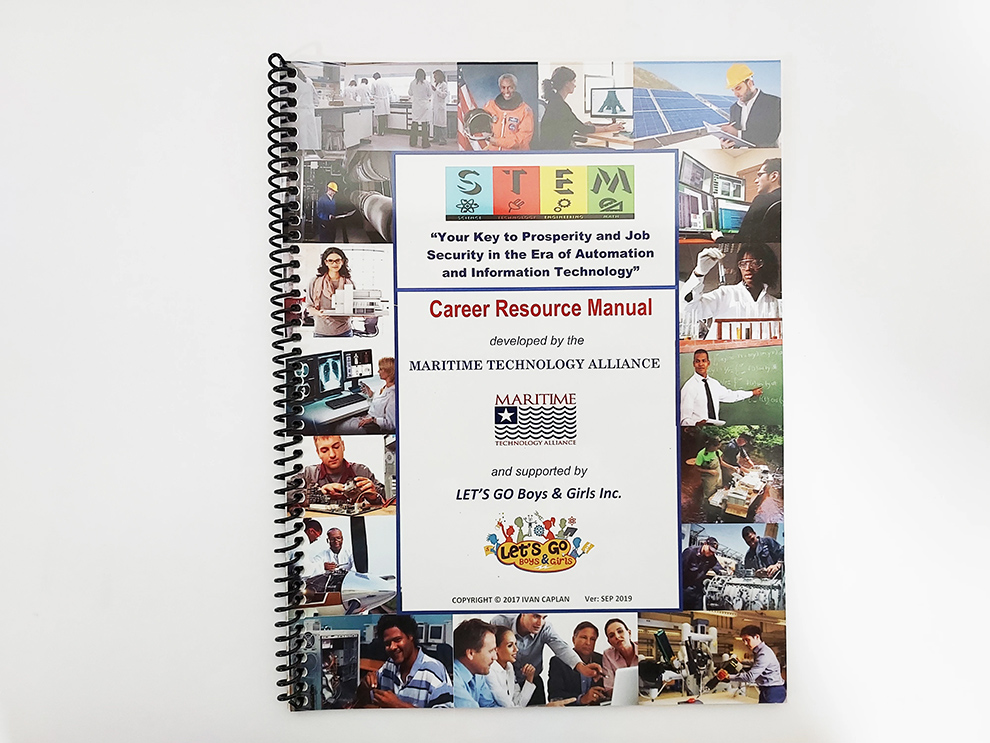
Explore dedicated guidance for onboarding guides and procedure books when the training content itself, not only the binding, needs careful planning.
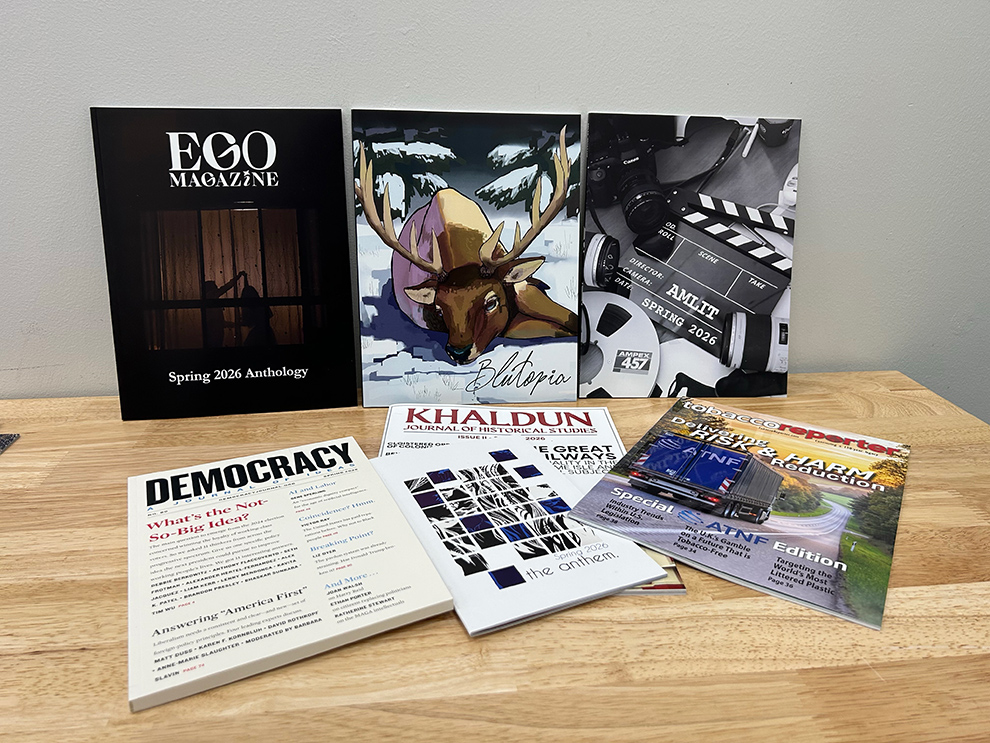
Opt for a glued square spine when a report or published guide should read like a bookstore title and sit neatly on a shelf.
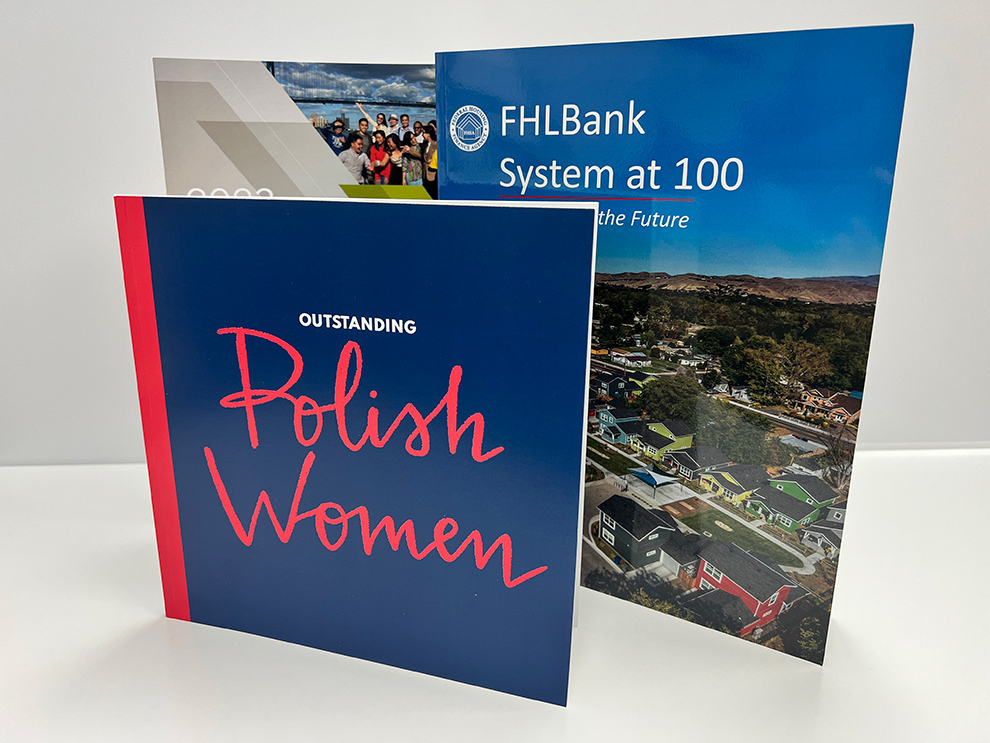
Review saddle-stitched and other compact formats for event programs, short guides, and handouts that do not require lay-flat binding.
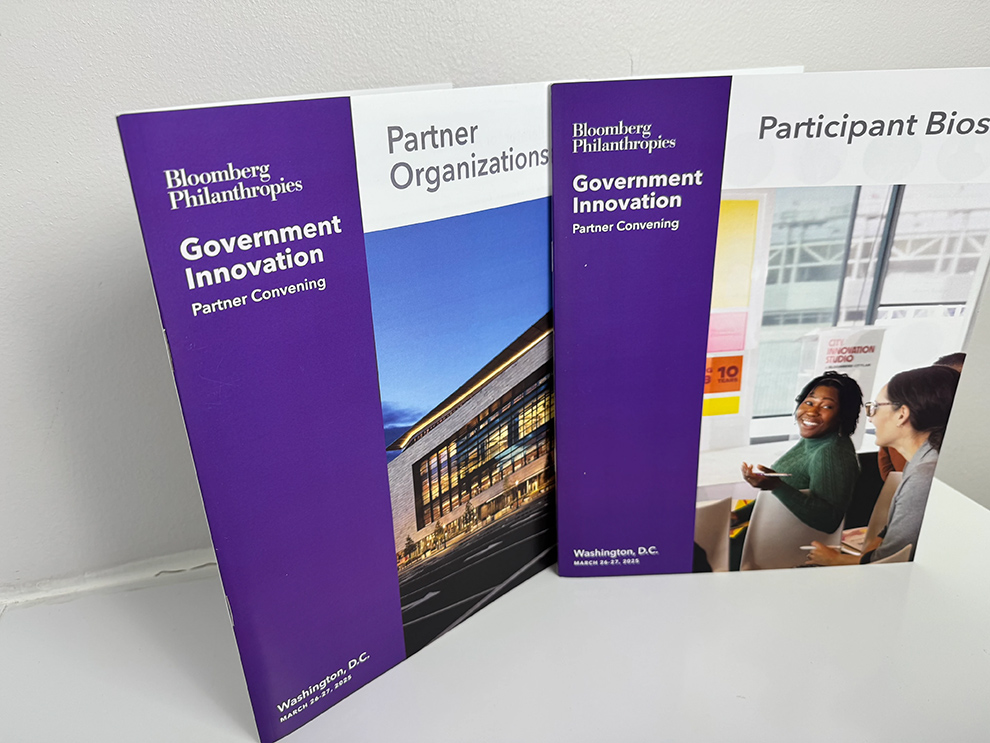
Keep a coil-bound manual, loose handouts, and a business card together in one branded package for orientations and client meetings.
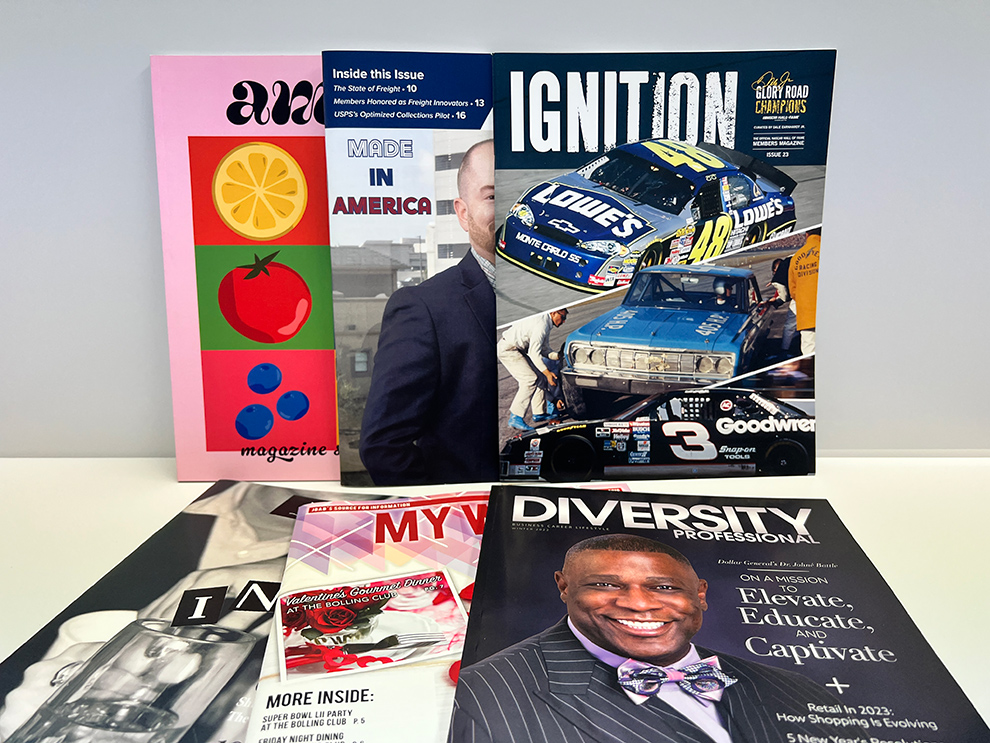
Plan recurring member or alumni publications with page counts, paper, and binding chosen for issue-to-issue consistency.
Move finished books and companion materials from production into addressed distribution when mailing is part of the accepted project scope.
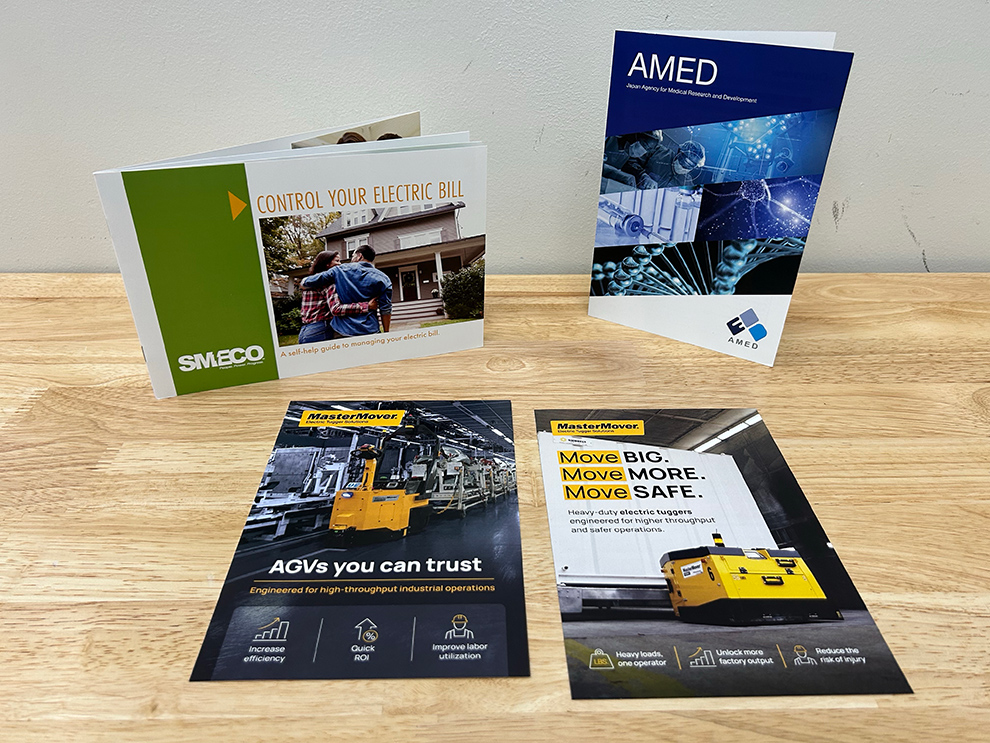
Round out a program launch or recruiting push with brochures, flyers, and cards produced alongside the manuals.
Browse the full range of Heritage print services for business documents, publications, and ongoing organizational communications.
Whether you are replacing a dog-eared procedure binder, preparing workbooks for an upcoming cohort, or lining up a directory that ships every spring, the next step depends on how settled the job is. Eligible print-ready configurations can be ordered directly through the Online Store. Qualifying $2,000+ projects that still need file work, finishing decisions, or version coordination belong in Custom Quote.
Good production decisions start with an honest picture of how the finished book will be treated. A participant workbook that will be written in benefits from a slightly heavier text stock, generous margins, and a finished size that leaves room for a pen beside it. A field procedure manual that rides in a vehicle or sits beside equipment needs a laminated cover, a rigid back, and a coil sized to accommodate the page count without crowding.
Heritage weighs trim size, page count, paper weight, cover material, color versus black-and-white pages, tabs, dividers, quantity, and the likelihood of future editions as a single set of decisions rather than isolated add-ons. Printing only the illustrated sections in full color while keeping text pages in black can control cost without sacrificing clarity where color carries meaning.
For documents revised each year or each semester, the first edition becomes the template for the next. Keeping the approved specifications on file means an update can concentrate on changed content while the physical format stays familiar to the people who already use it.
Start by settling two points: whether the artwork is finished and print-ready, and whether the specifications still need discussion. The answers point to the right path.
When the coil-bound configuration you need is live in the Self-Directed Online Store and your files are complete, your team selects the available options and places the order independently. Several eligible Store products can be combined in one purchase to reach the $750 minimum for the total order. Heritage still performs its standard production review, applies quality control, and sends an electronic proof for your approval before printing. The Store path does not include an assigned Project Coordinator, layout development, product-selection consultation, or a physical color proof.
For qualifying new Commercial Printing work at $2,000 or more, the Storefront Custom Quote form provides added support: file preparation, specification guidance, tab and divider planning, or coordination across multiple versions. Meeting that threshold makes the path available without requiring it. After Heritage accepts the quote and assigns the work, a Project Coordinator becomes your direct phone-and-email contact, and established clients may keep that coordinator on appropriate directly managed repeat orders.
Yes. Because each page and cover rotates independently around the plastic coil, the book can be folded back on itself so only the page in use is visible. That is helpful at a crowded bench, on a clipboard, or anywhere the reader needs a free hand and a small footprint.
Coil binding keeps a manual open to the right page without being held, which matters when the reader is operating equipment, following a checklist, or writing answers in a workbook. Pages turn easily, tabs can be added for navigation, and the format tolerates repeated opening far better than a stapled or glued booklet.
It depends on where the guide will live. Perfect binding gives a glued square spine with a printed title, so it suits reports and guides displayed on a shelf or handed out as a finished publication. Plastic coil suits guides consulted during work, written in, or folded back for one-page reference. Many organizations use both formats for different documents.
Laminated front covers, heavier printed cover stocks, and rigid back covers are the usual choices, subject to the options offered through the production path you select. Lamination resists fingerprints, minor spills, and scuffing, while a sturdy back keeps the book from curling when it is carried. Books that stay on a desk may need less protection than those shared across shifts.
Yes, when they are offered in the selected Store configuration or included in an accepted Custom Quote. Plan them early by deciding on section order, tab labels, and whether dividers need to be heavier than the text pages. Tab placement affects the page sequence, so the labels and the table of contents should be finalized together.
Bethesda, MD is home to a large concentration of health care, biomedical research, professional services, education, and association offices, and many of these organizations maintain written procedures, training curricula, protocols, and member directories. Spiral bound books fit any of these settings when the document must stay open during use, be updated periodically, and survive frequent handling by multiple people.
Use the Store when the configuration you need is live and orderable there and your artwork is finished to print-ready standards. The purchase is independent: you choose the listed options, submit the files, and approve an electronic proof. Heritage reviews the job for production readiness and applies quality control, but the Store does not provide an assigned Project Coordinator or consultative product selection.
No. The $750 minimum applies to the total eligible Store order, so spiral bound books can be combined with other live Store products such as booklets, folders, or marketing pieces in a single purchase. Each item still follows its own file requirements and option set, and every product in the order receives an electronic proof before printing.
Custom Quote is a form-based intake for qualifying new Commercial Printing projects of $2,000 or more that need something the Store does not offer, such as file preparation, specification guidance, tab and divider planning, or multi-version coordination. Submitting the form starts a review, not an assigned relationship. A Project Coordinator is assigned only after Heritage accepts the quote and assigns the order, and from that point that coordinator is your direct phone-and-email contact.
Every Heritage Commercial Printing order, including eligible Online Store purchases, receives an electronic proof for approval before printing. It lets your team confirm artwork, page sequence, layout, trim, and any tab or divider details. It is not a physical printed-color reference, because monitors display color differently from ink on paper, so treat it as a content and layout check rather than a color sample.
For qualifying $2,000+ Custom Quote commercial printing orders, Heritage offers an optional Physical Production Color Proof. It is printed on the equipment scheduled for the job using the same paper or production material as the finished books, which is why it adds cost and extends the schedule. Once approved, it becomes the controlling color reference for the run unless otherwise agreed. This option is not available for Self-Directed Online Store orders, which receive electronic proofing only.
Heritage retains the accepted specifications for a completed job, including trim size, paper, cover construction, tabs, dividers, and color targets, so the next edition can start from a known baseline. Your team supplies the revised content, and the physical format stays the same. Established clients who already have an assigned Project Coordinator may continue with that coordinator on appropriate directly managed repeat work.
Contact Heritage now with the date, quantity, page count, and the state of your artwork. Heritage will weigh file readiness, specifications, finishing complexity, proof approval time, available production capacity, and delivery needs before confirming a schedule. If the original date cannot be met responsibly, you will hear that early along with any workable alternatives, such as adjusting finishing or splitting the quantity. For qualifying Custom Quote projects, Project Coordinator support begins once the quote is accepted and assigned.
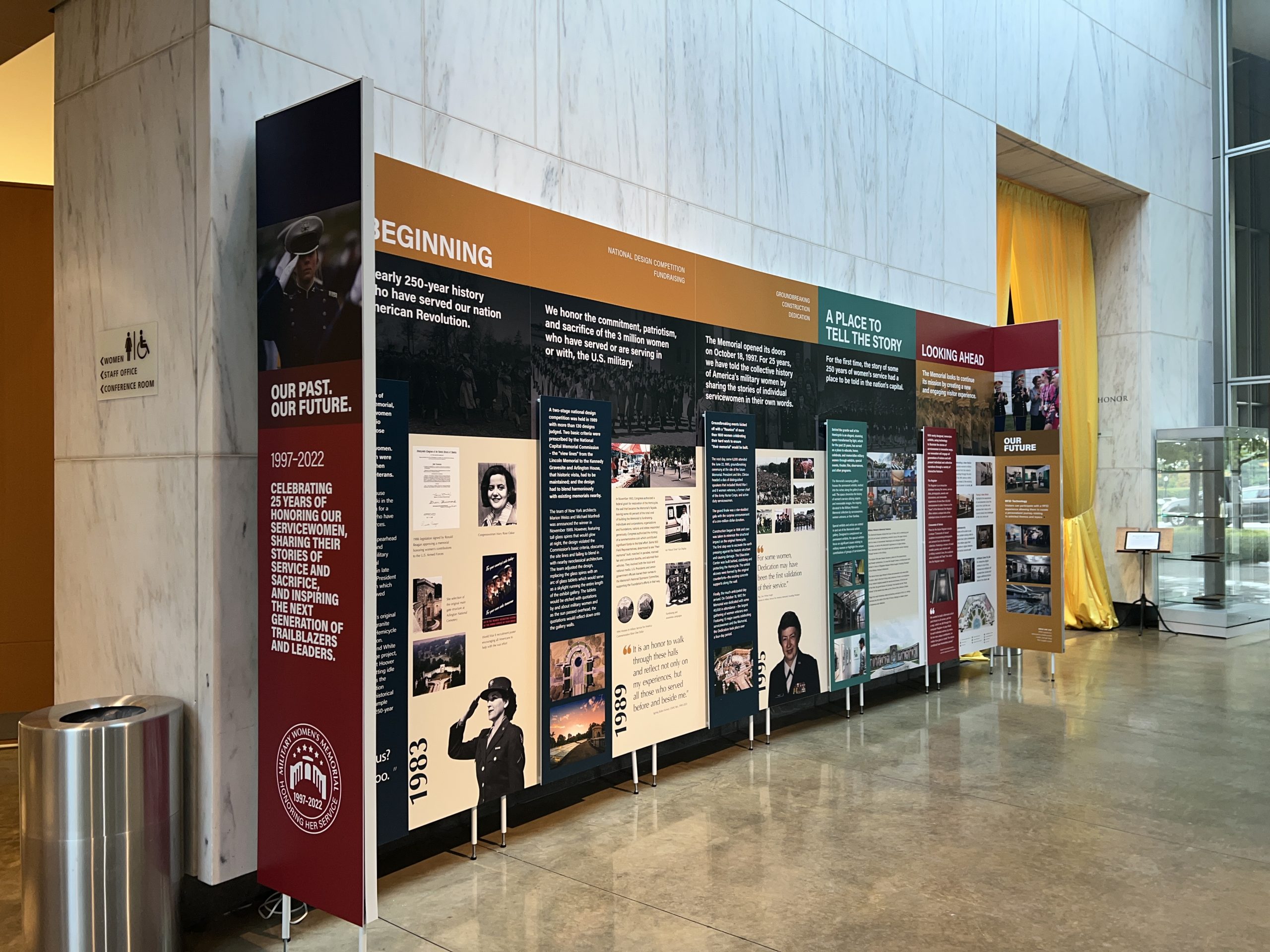
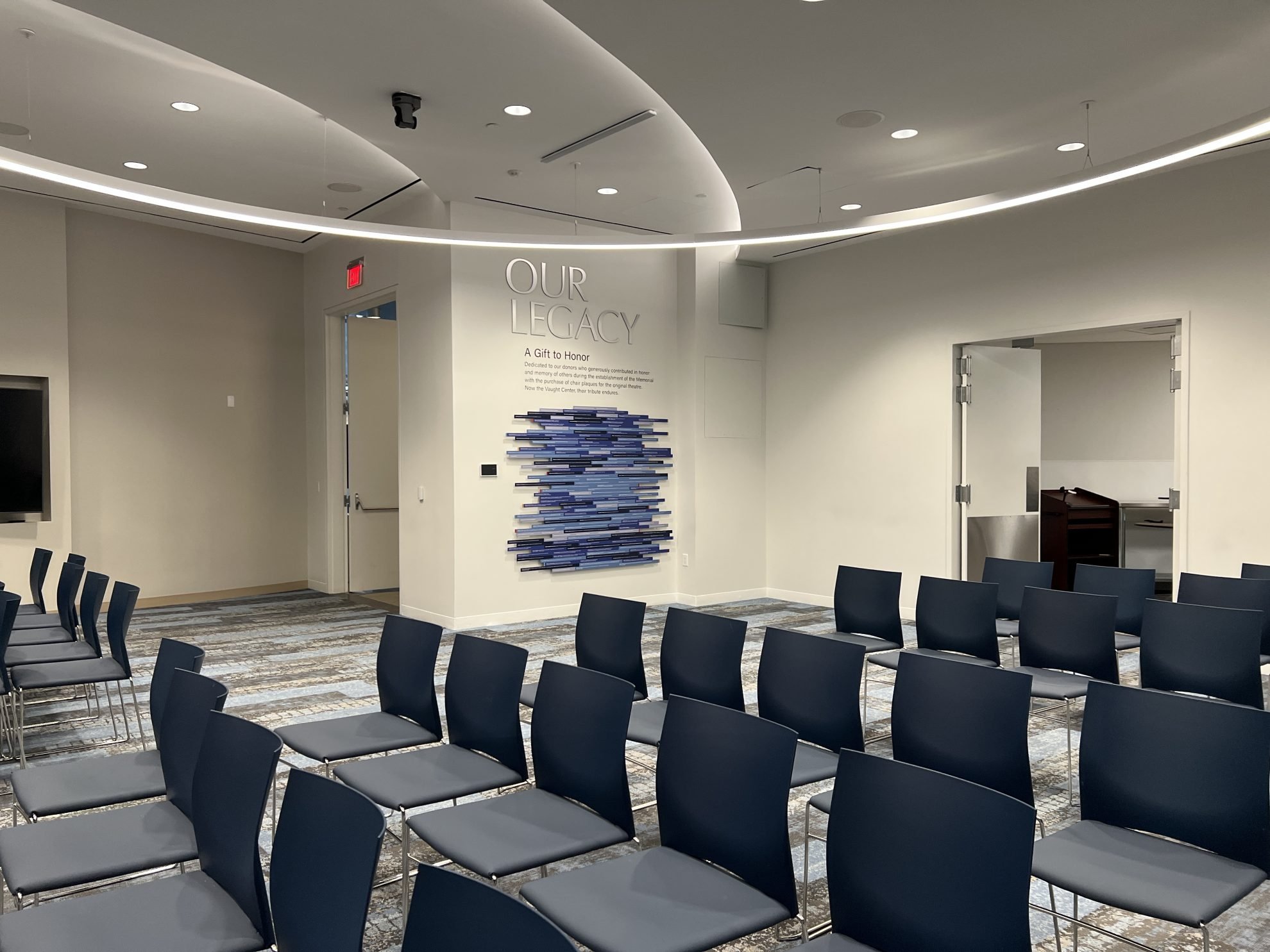
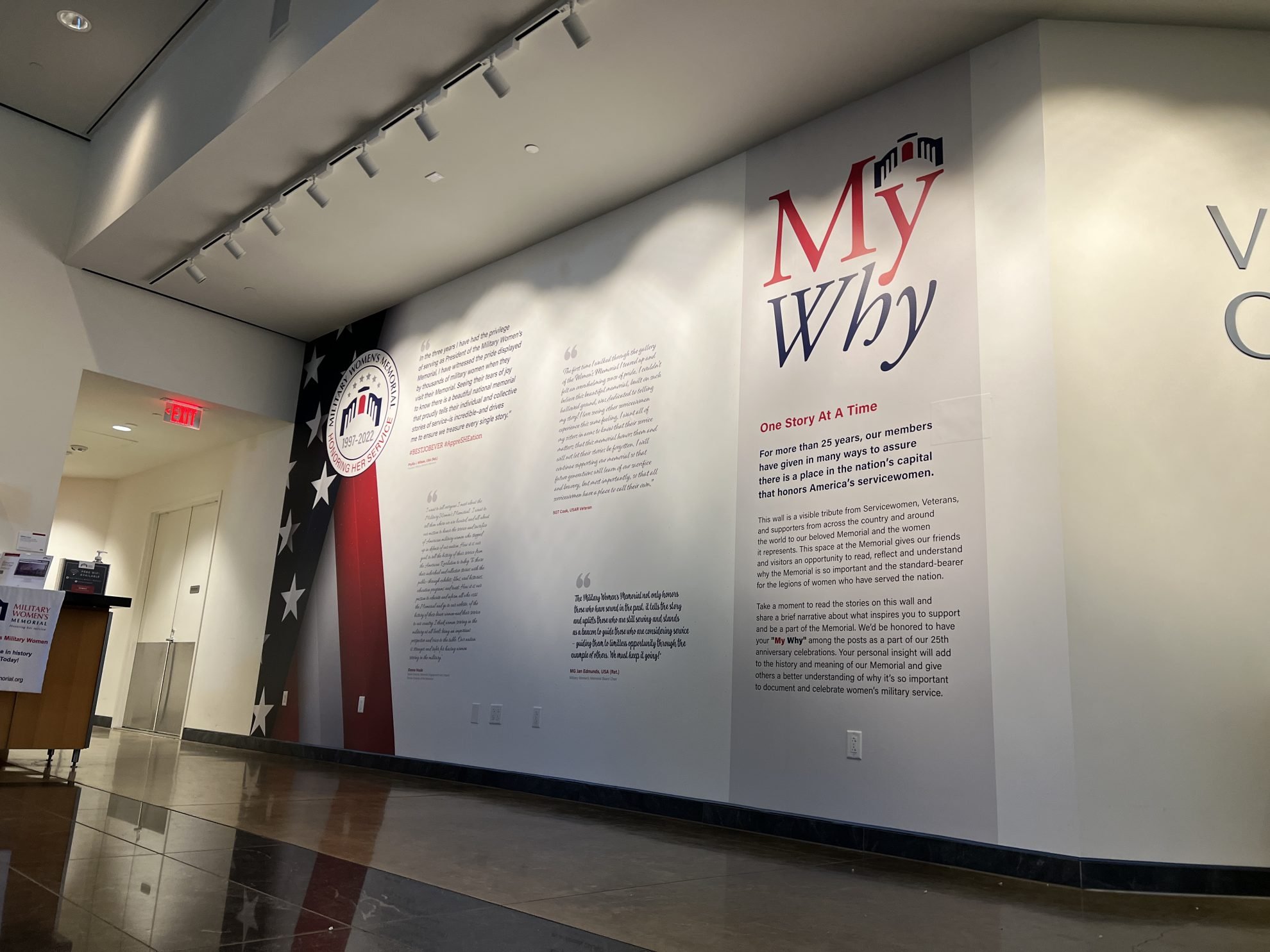
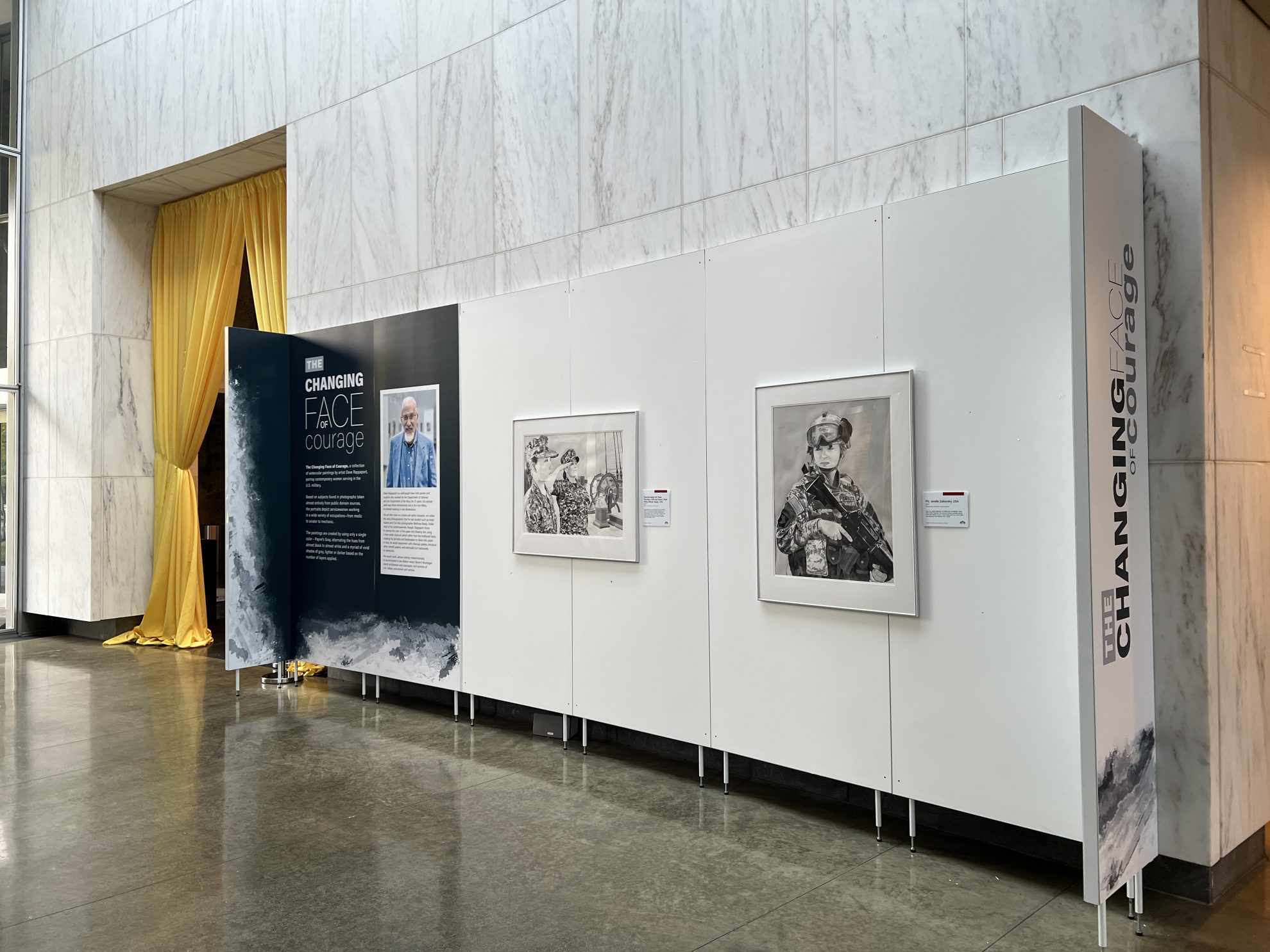
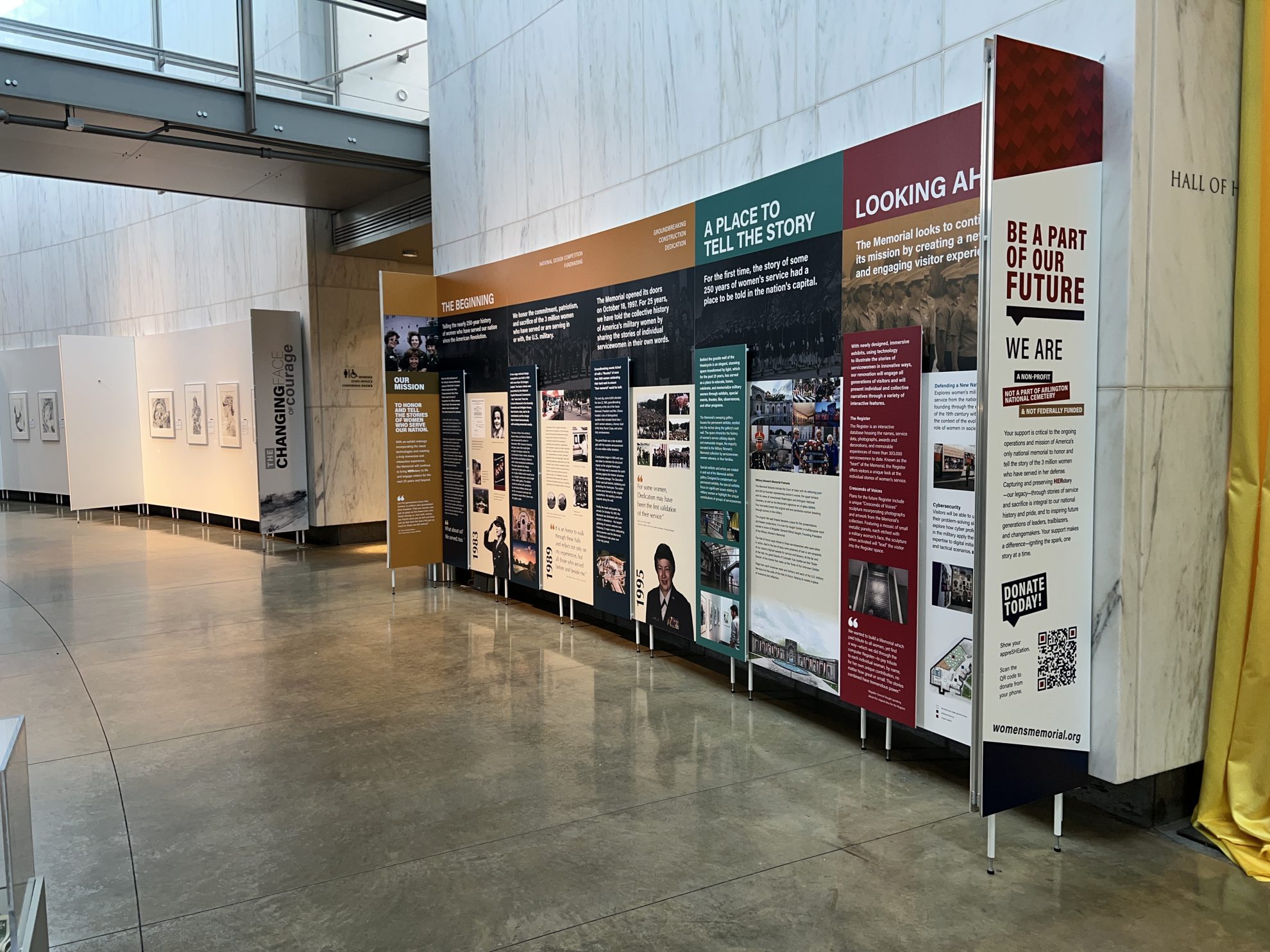
Heritage Signs & Displays created new museum signage for the Military Women’s Memorial in Arlington, VA. The project included custom signs, wall wraps, dimensional letters, and standoff-mounted displays to honor the legacy of U.S. servicewomen and the donors who supported the memorial. The updated interior features impactful designs, including a "Our Legacy" wall display and panels showcasing historical contributions and artwork, creating a transformative tribute to women in the U.S. Armed Forces.
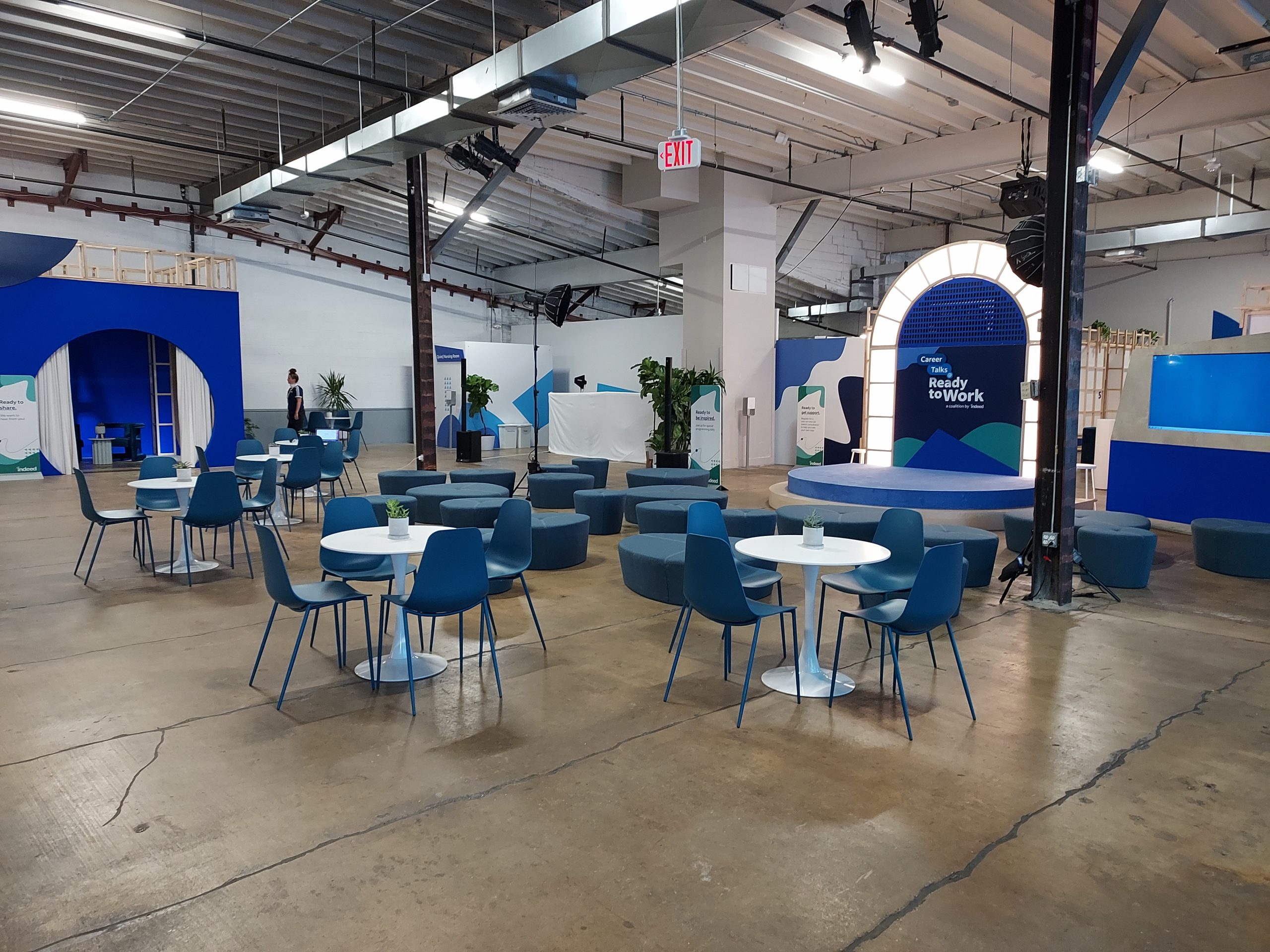
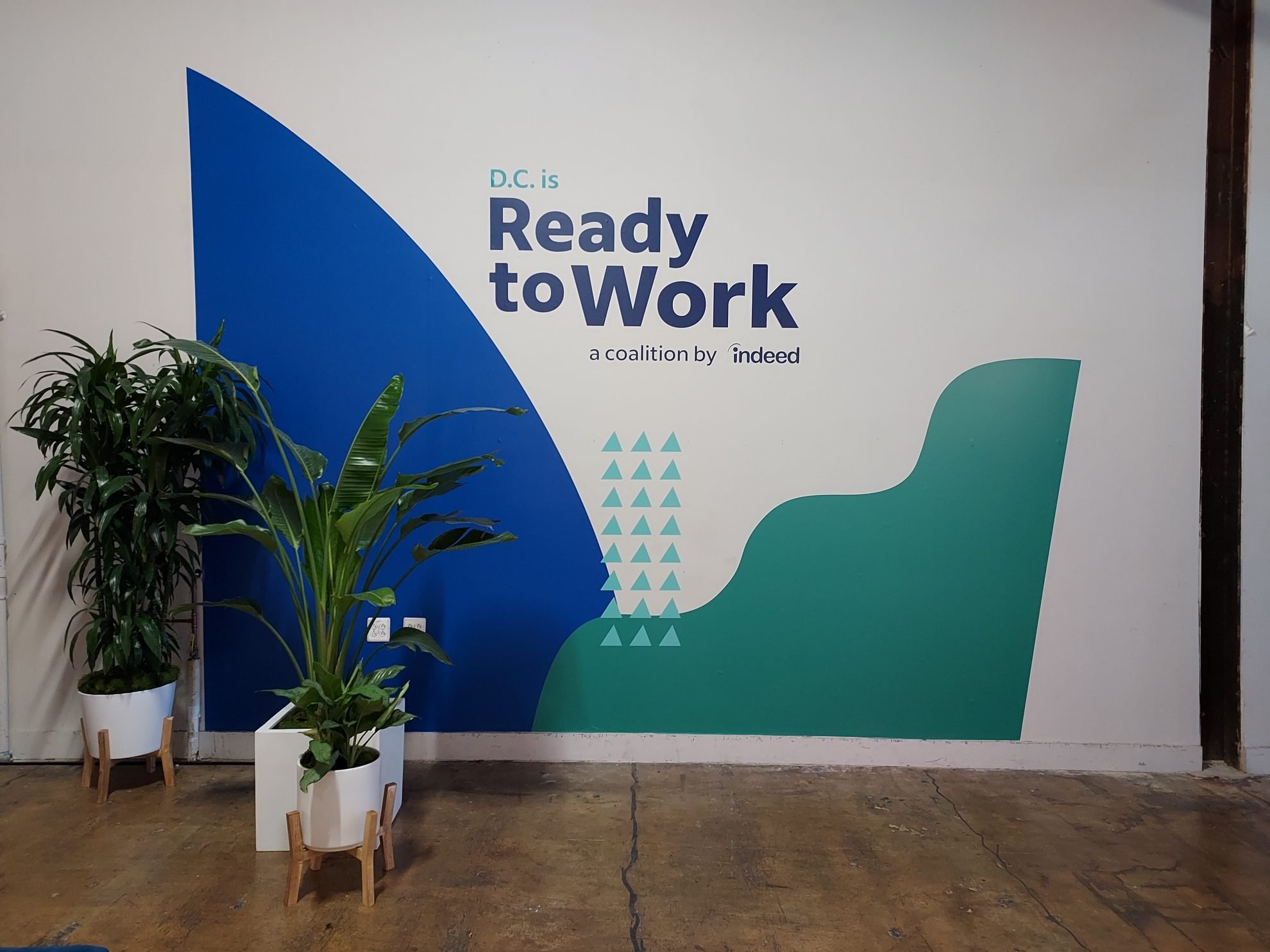
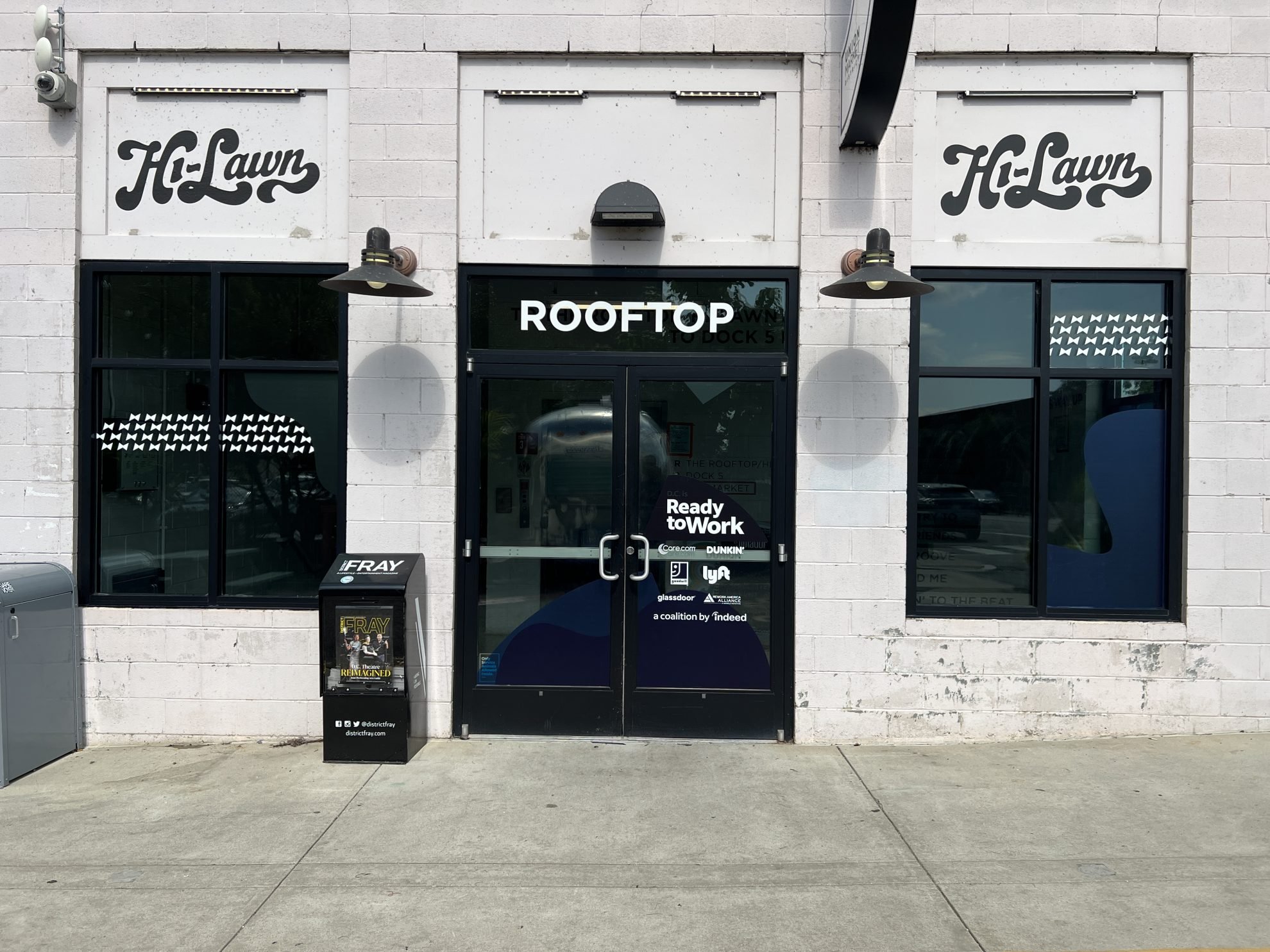
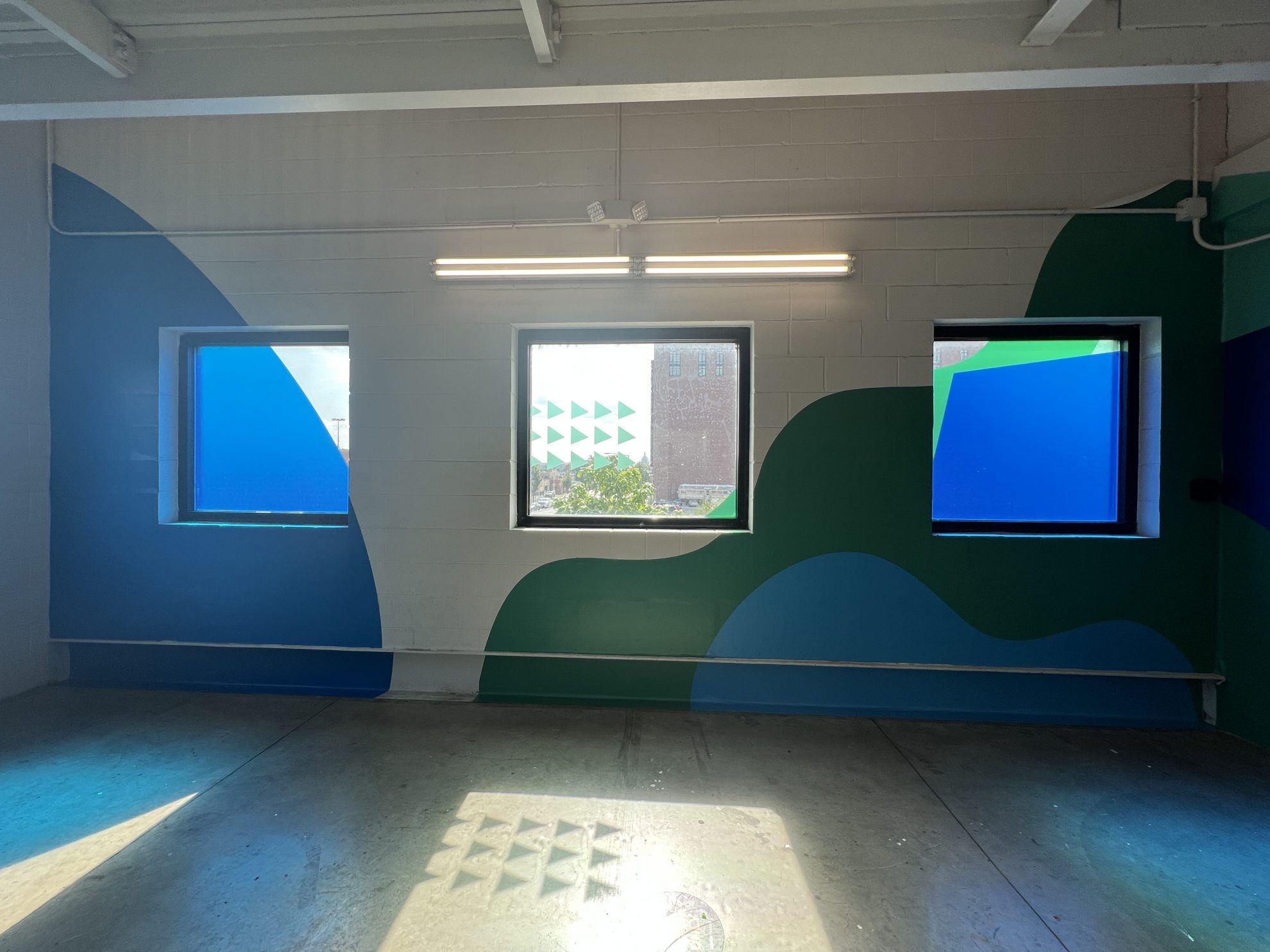
Heritage Signs & Displays' collaboration with The Gathery to brand Union Market in Arlington, VA, for Indeed's "Ready to Work" job fair. The project included custom event displays, wall graphics, window graphics, and wayfinding signs, creating an immersive and visually appealing environment. The branding enhanced the venue, reflected the event's mission, and provided a seamless experience for attendees.